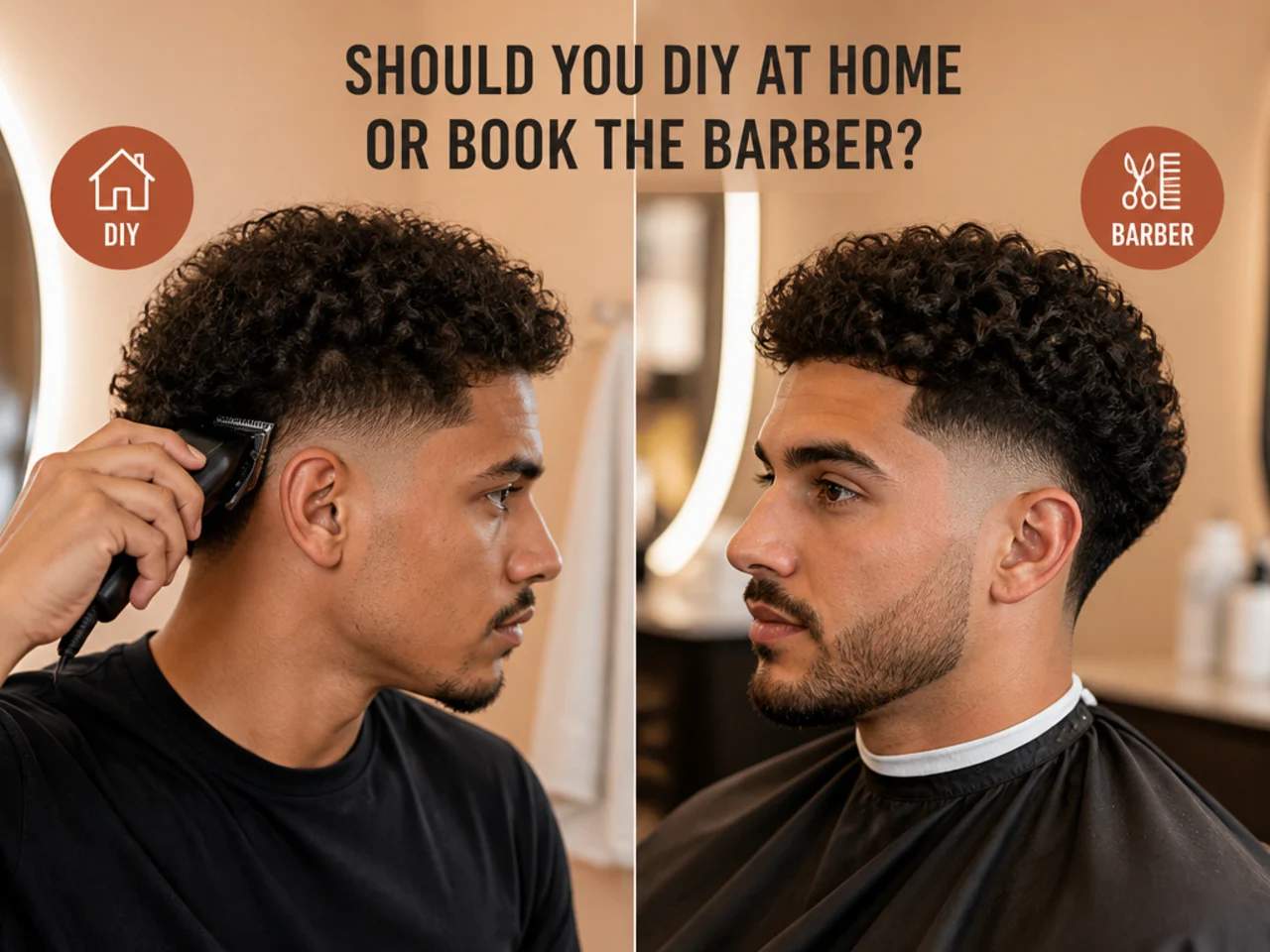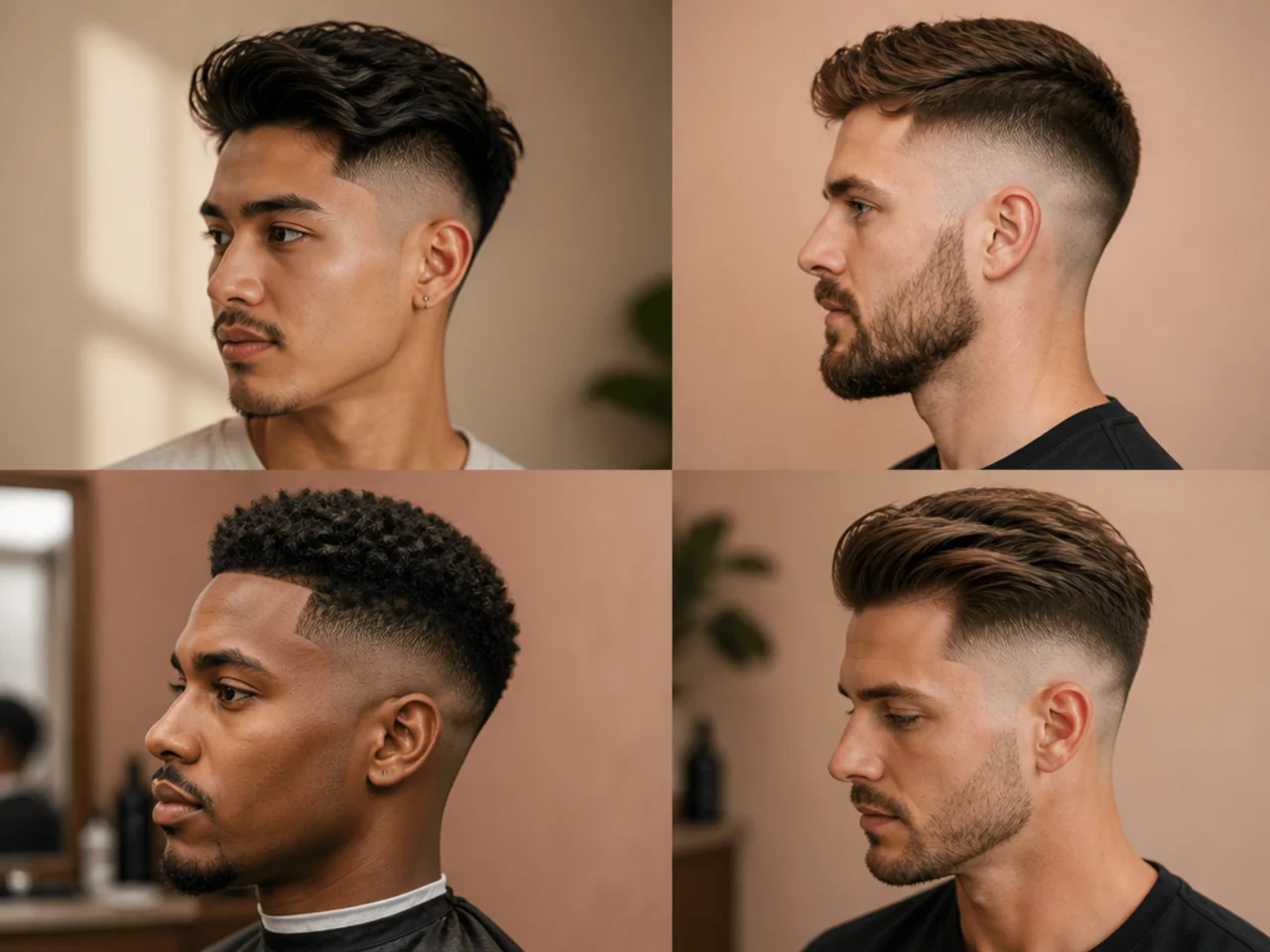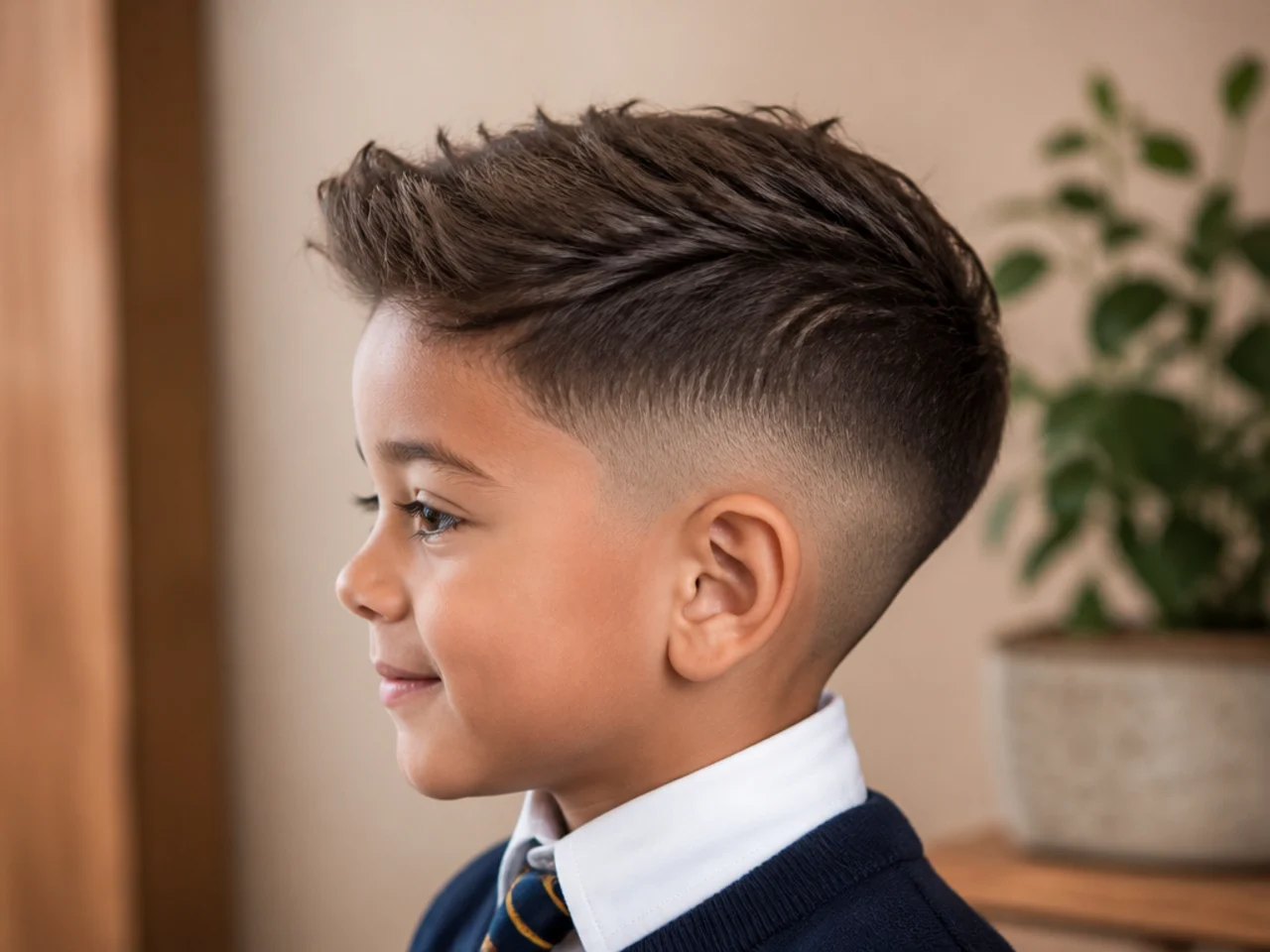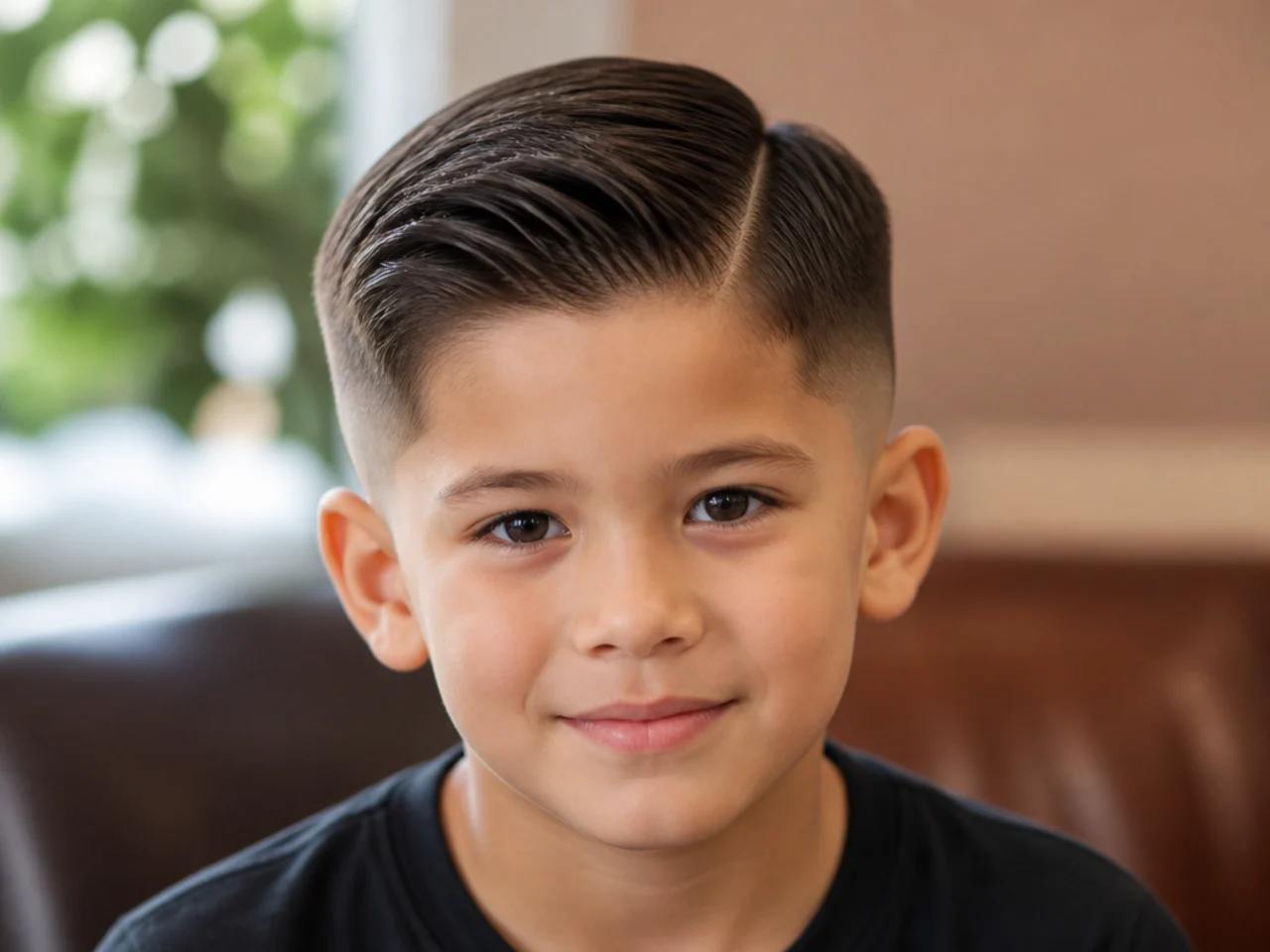
20 Modern Mullet Fade Looks For Everyday Wear
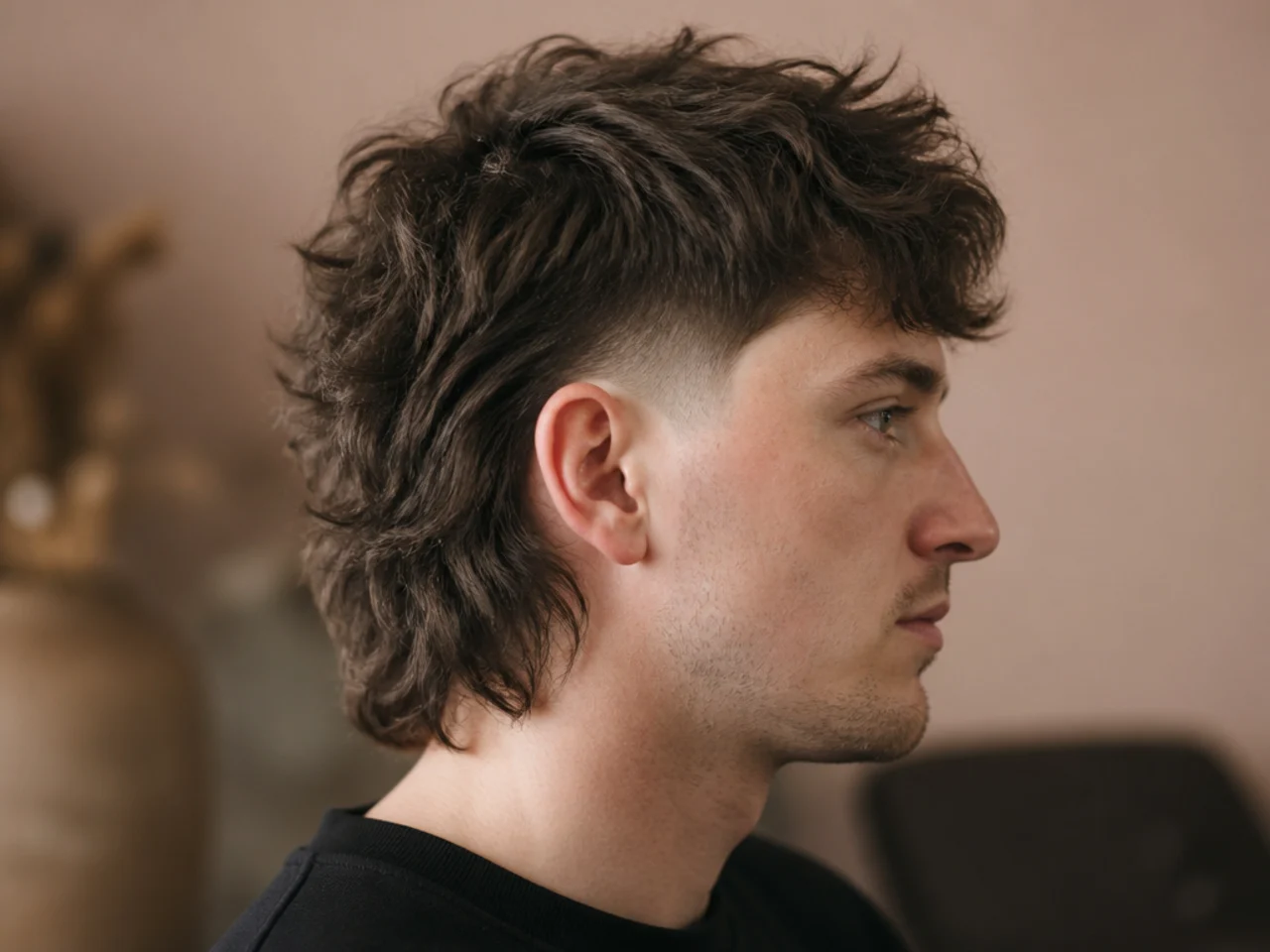
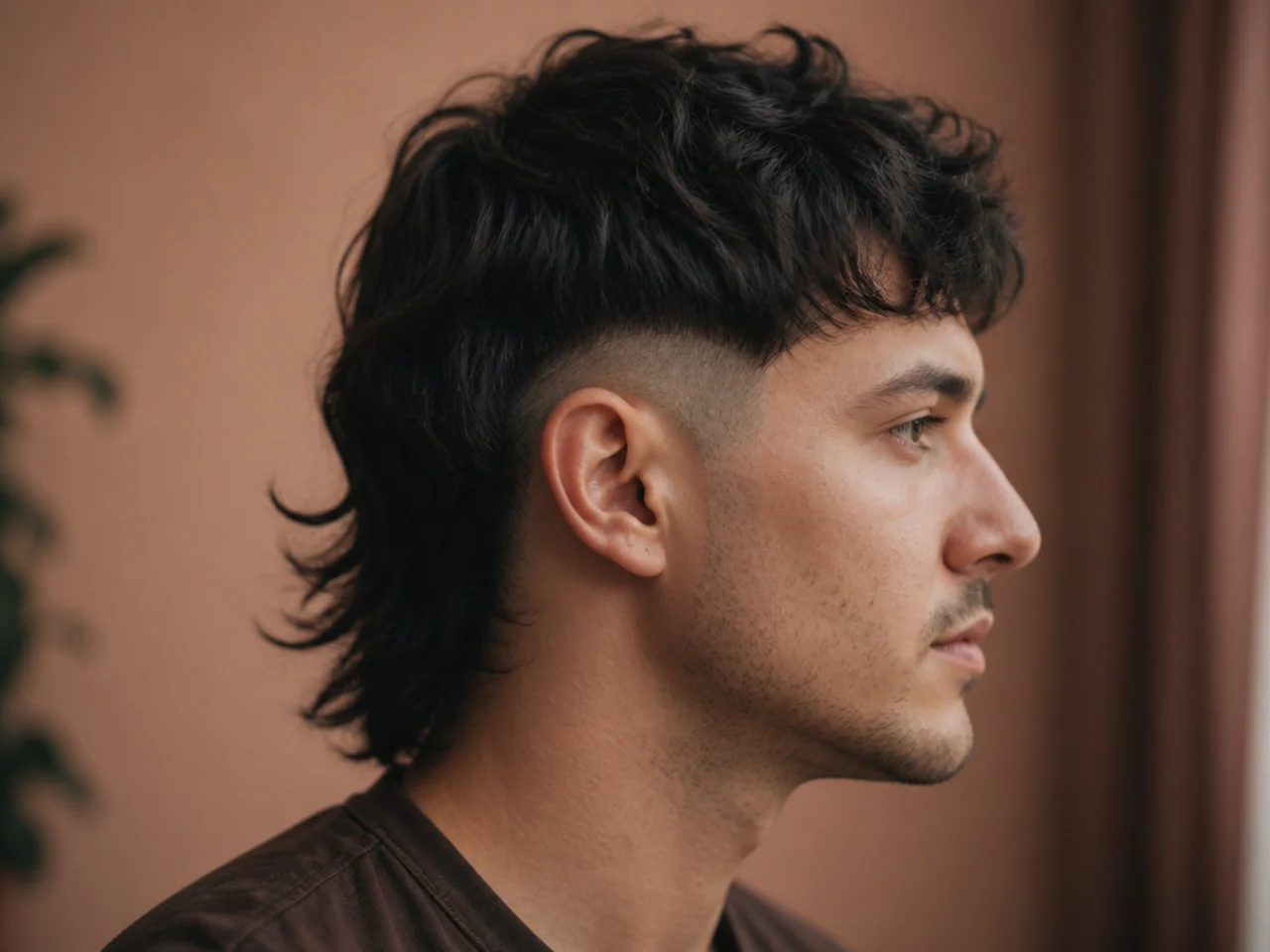
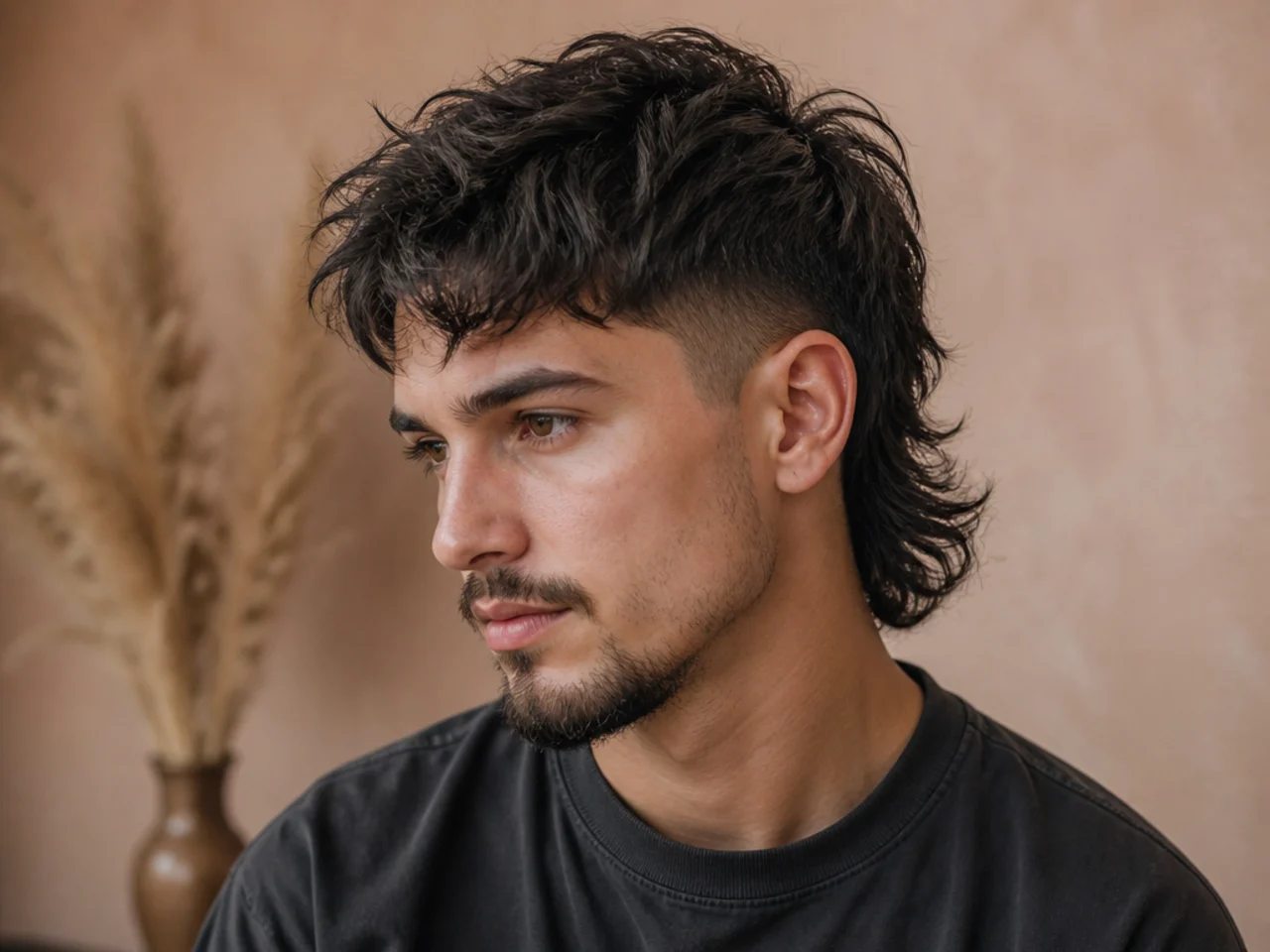
Twenty modern mullet fades, and the single decision that separates a wearable one from a costume — which fade you put beside the length. A burst fade curves around the ear and leaves the back intact, while a drop fade cuts straight into the hair the mullet is made of.
In this article · 27
- What Makes a Mullet Modern
- How to Choose Your Version
- The 20 Modern Mullet Fade Looks
- 1. Burst Fade Mullet
- 2. Low Taper Mullet
- 3. Mid Fade Mullet
- 4. High Fade Mullet
- 5. Drop Fade Mullet
- 6. Skin Fade Mullet
- 7. Blended Mullet Fade
- 8. Disconnected Mullet Fade
- 9. Short Modern Mullet
- 10. Textured Mullet Fade
- 11. Mullet Fade With a Comma Fringe
- 12. Mullet Fade With Curtain Bangs
- 13. Curly Mullet Fade
- 14. Wavy Mullet Fade
- 15. Straight Hair Mullet Fade
- 16. Mullet Fade With a Hard Part
- 17. Mullet Fade With a Beard
- 18. Mullet Fade With a Line Up
- 19. Mullet Fade at Week Three
- 20. Grown Out Mullet Fade
- Styling and Upkeep
- Mistakes to Avoid
- FAQ
- Final Thoughts
The modern mullet lives or dies on which fade sits beside the length, and most people pick the one that cuts into it.
A burst fade curves around the ear and stops. The hair down the centre back is never touched, which is the whole reason it became the default mullet fade.
A drop fade curves down behind the ear. That path runs straight through the hair the mullet is made of, and it takes an inch off the tail before anyone notices.
What Makes a Mullet Modern
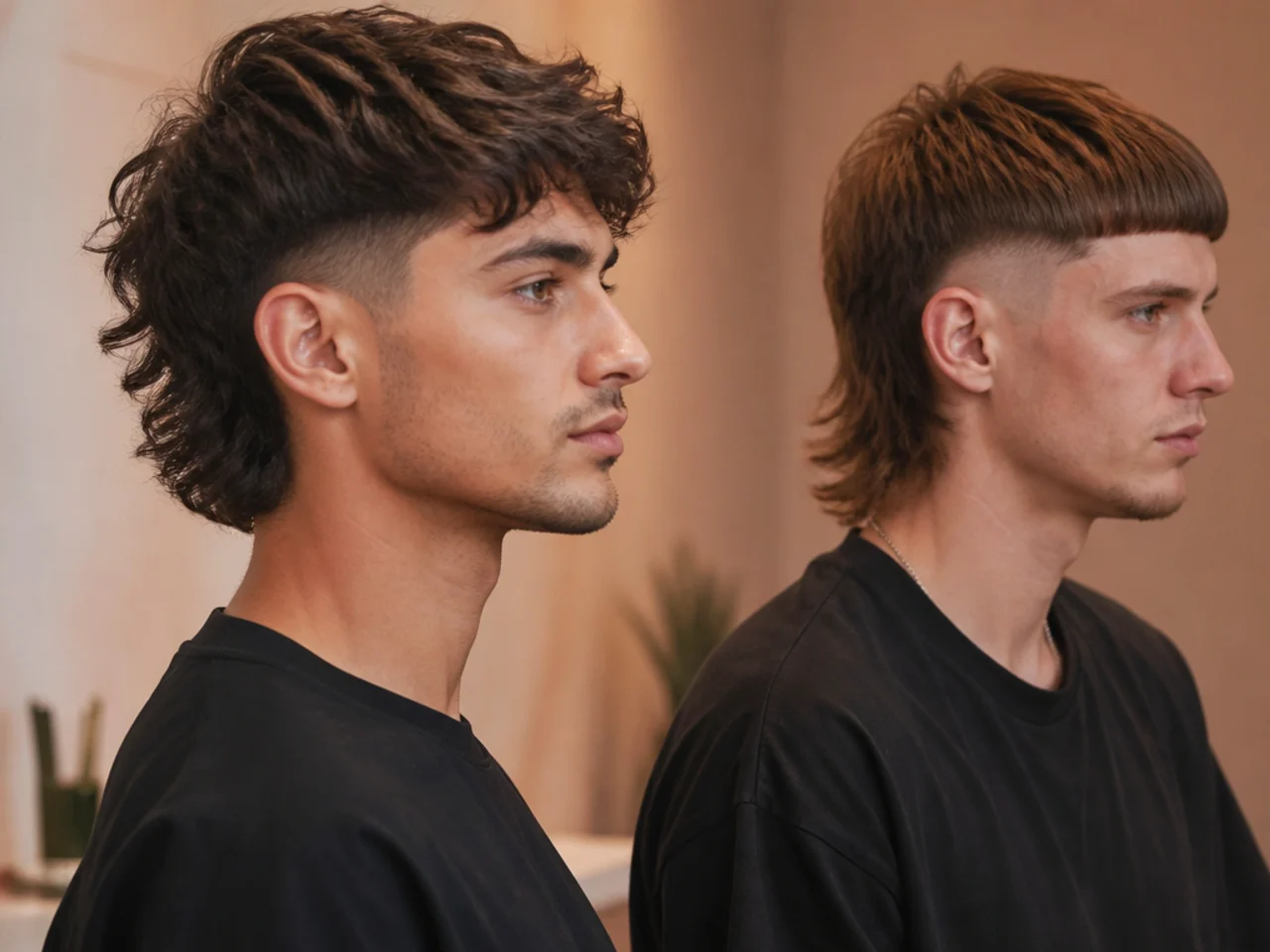
The transition is blended, not stepped. An eighties mullet has a hard shelf between short and long. A modern one graduates, so the eye reads one shape rather than two cuts.
The tail is narrower and shorter. It sits at the nape rather than on the collar, and it is a strip rather than the full width of the back.
The sides stay above a number two. Six millimetres is short enough for contrast and long enough that regrowth blurs instead of turning to visible stubble against the length.
The top carries texture. Point cut ends break the top into separate pieces, which is what stops the length at the back reading as the only feature of the cut.
How to Choose Your Version
Pick the fade by what it does to the back. Burst protects the length. Drop and low taper both shorten it, so ask where the line finishes before it starts.
Pick the height by how much contrast you want. Low sits at the top of the ear and keeps it conservative. High starts at the parietal ridge and makes the length the loudest thing about the cut.
Pick skin or guard by your trim schedule. Skin needs a barber every one to two weeks. A taper finishing at a number one holds three to four.
Pick the tail length by your collar. At the nape it reads current. Past the collar it reads as a period piece, whatever the sides are doing.
The 20 Modern Mullet Fade Looks
1. Burst Fade Mullet
The default pairing, and the reason is geometry. The fade runs in a semicircle around the ear and stops before the occipital bone, so the hair down the centre back keeps its full length and the tail is never shortened by the sides.
2. Low Taper Mullet
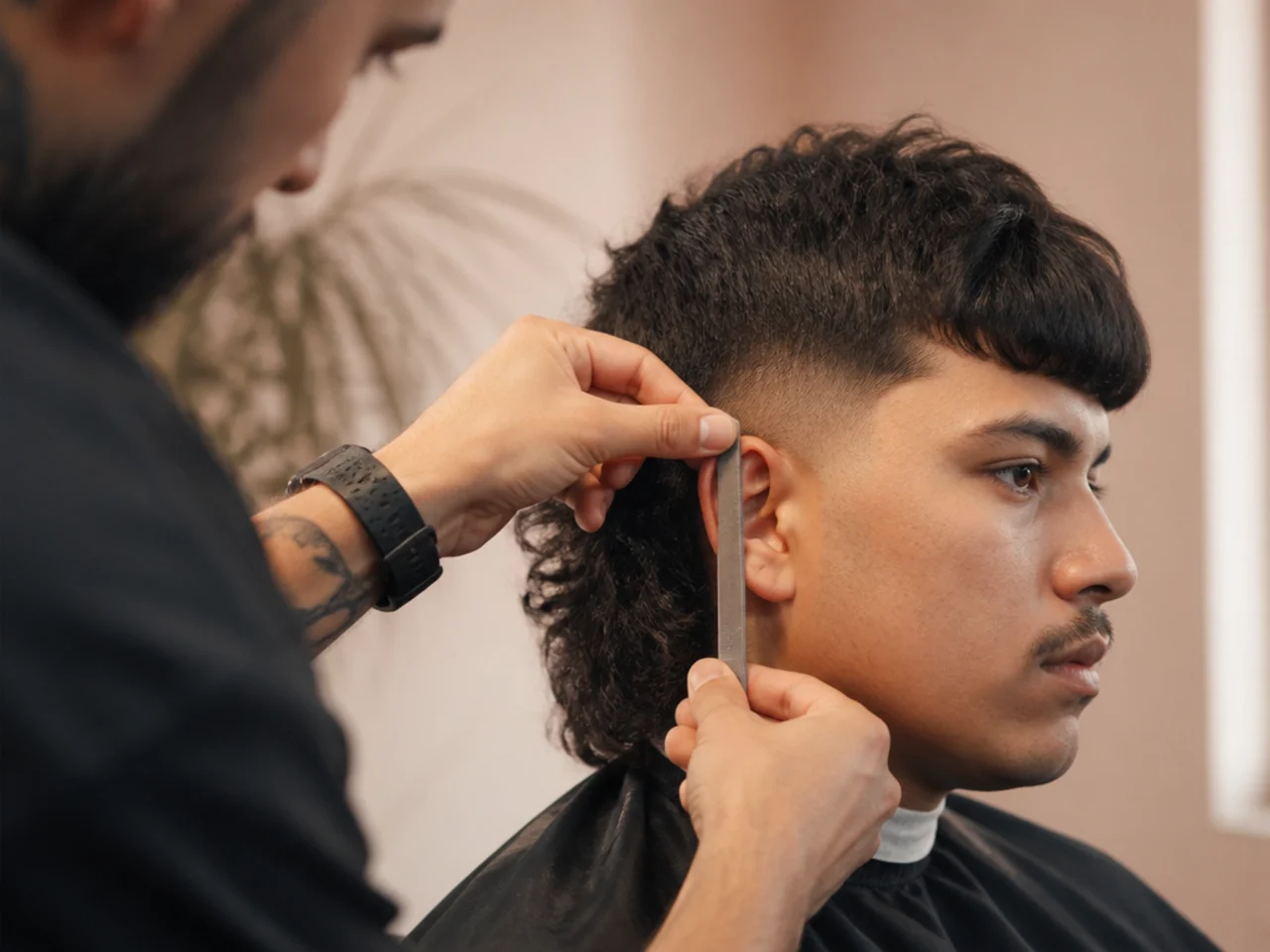
The shortening starts at the top of the ear and finishes at a number one rather than at skin. It is the longest wearing version of the cut, because three millimetres blurs as it grows where bare scalp turns to visible stubble within days.
3. Mid Fade Mullet
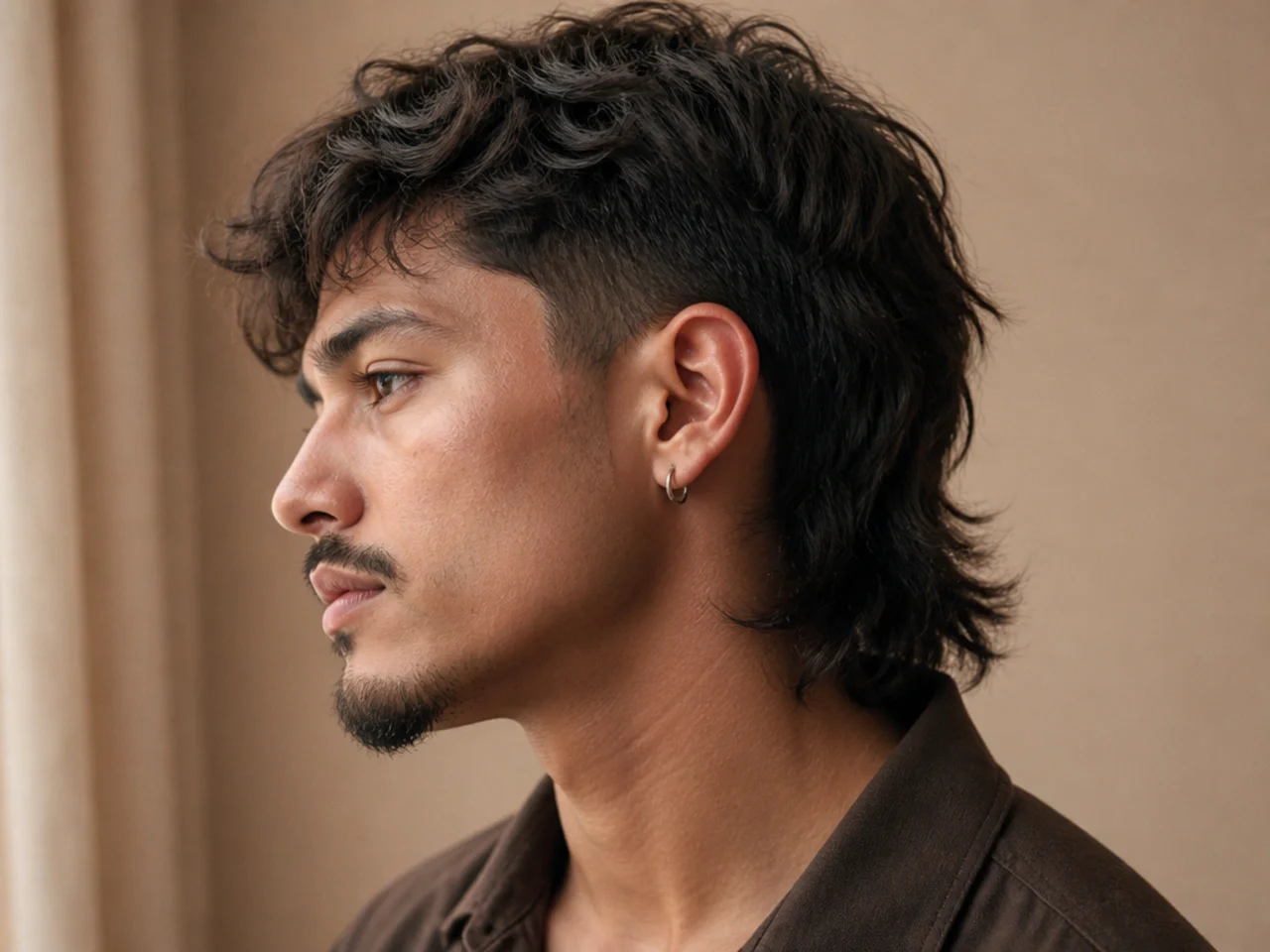
The line begins between the top of the ear and the parietal ridge. More contrast against the length, and a longer gradient to keep smooth — the higher the line starts, the further the blend has to travel and the more obvious a rushed pass becomes.
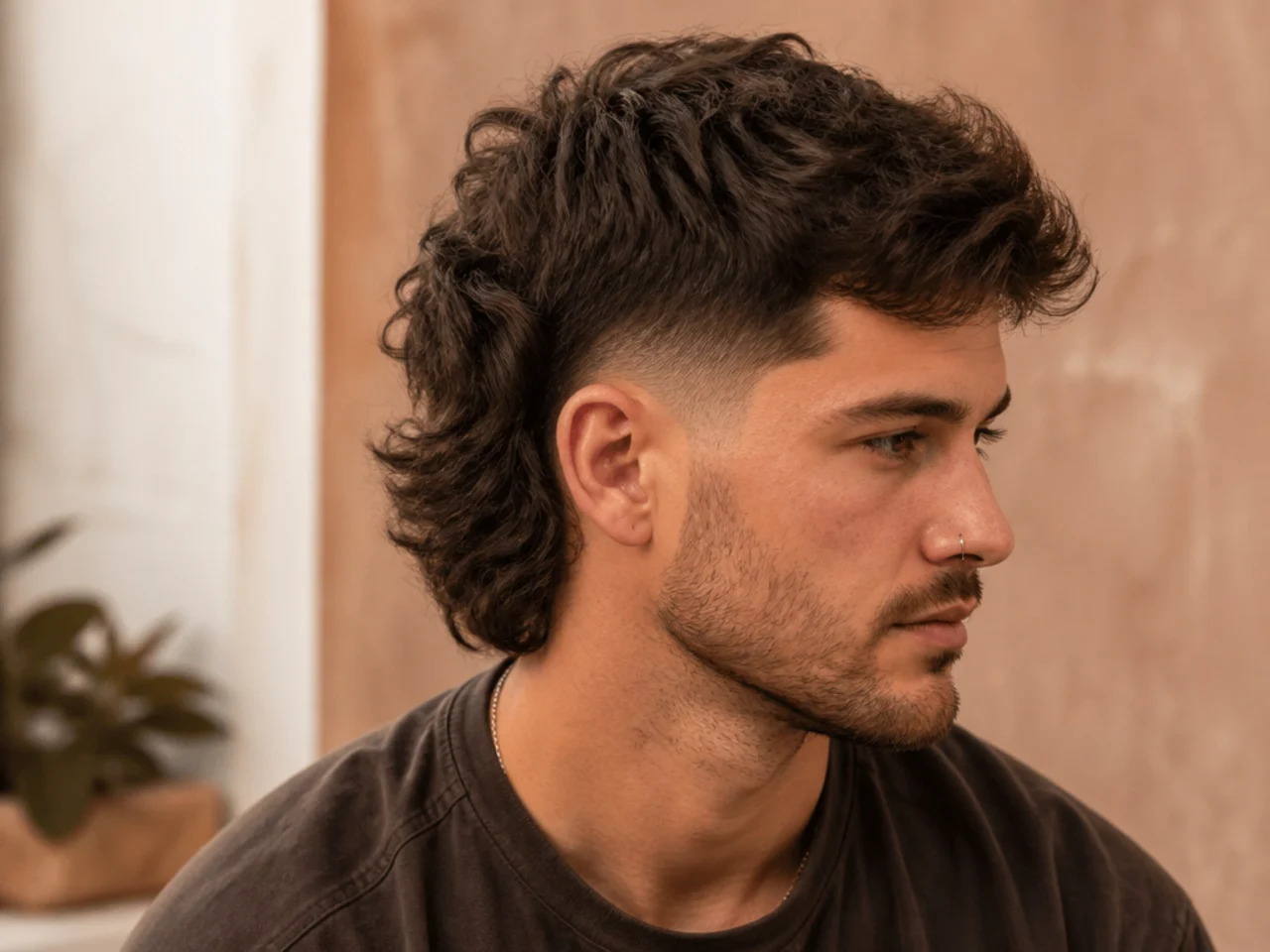
4. High Fade Mullet
Starting at or above the parietal ridge, which strips the sides back to almost nothing and leaves the length as the entire silhouette. It is the most aggressive reading of the cut and the least forgiving of an uneven head shape.
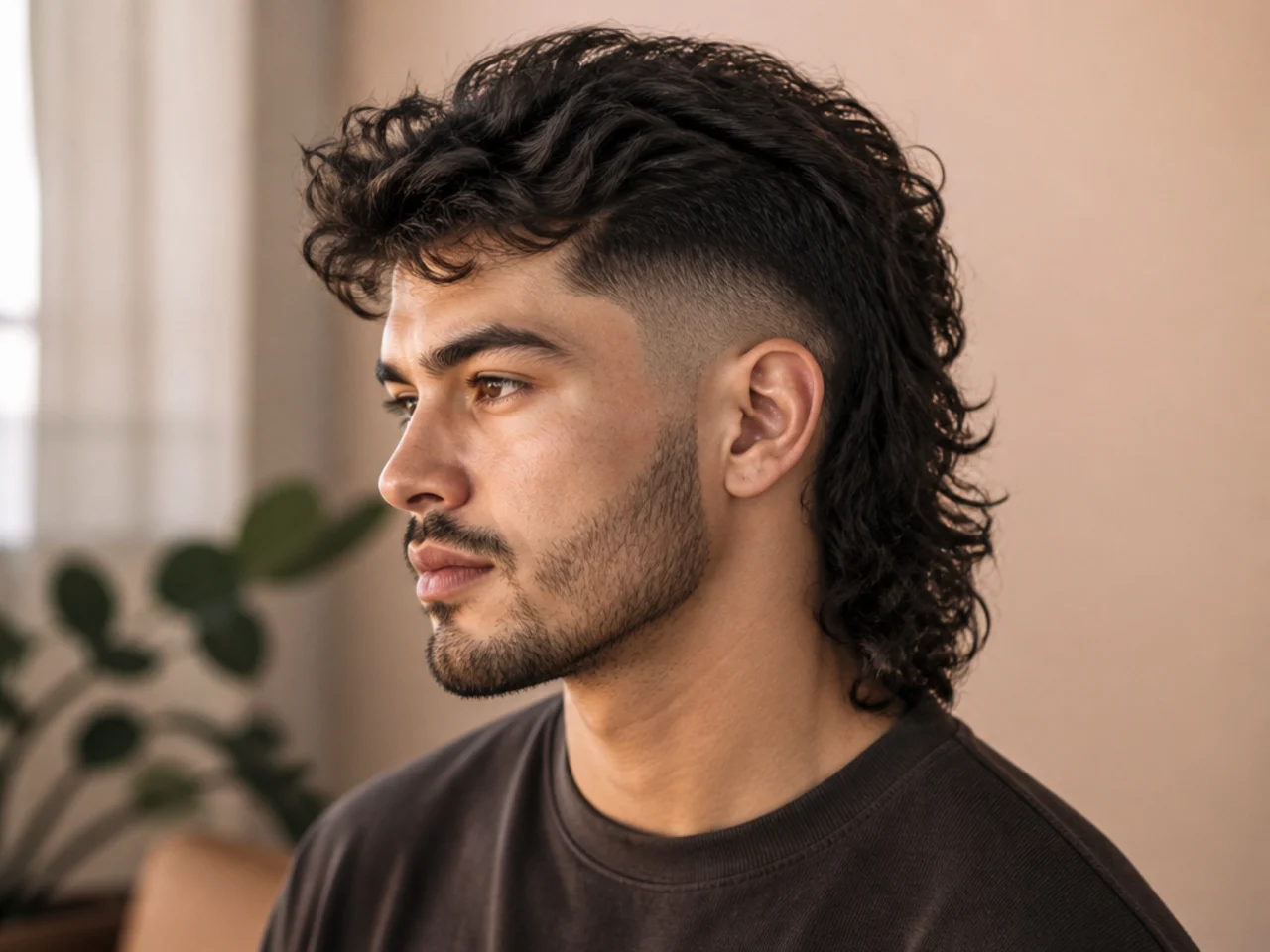
5. Drop Fade Mullet
The fade line drops behind the ear and follows the curve of the skull downwards. It looks correct in profile but it runs through the top of the tail, so the back has to be left longer at the cut to survive it.
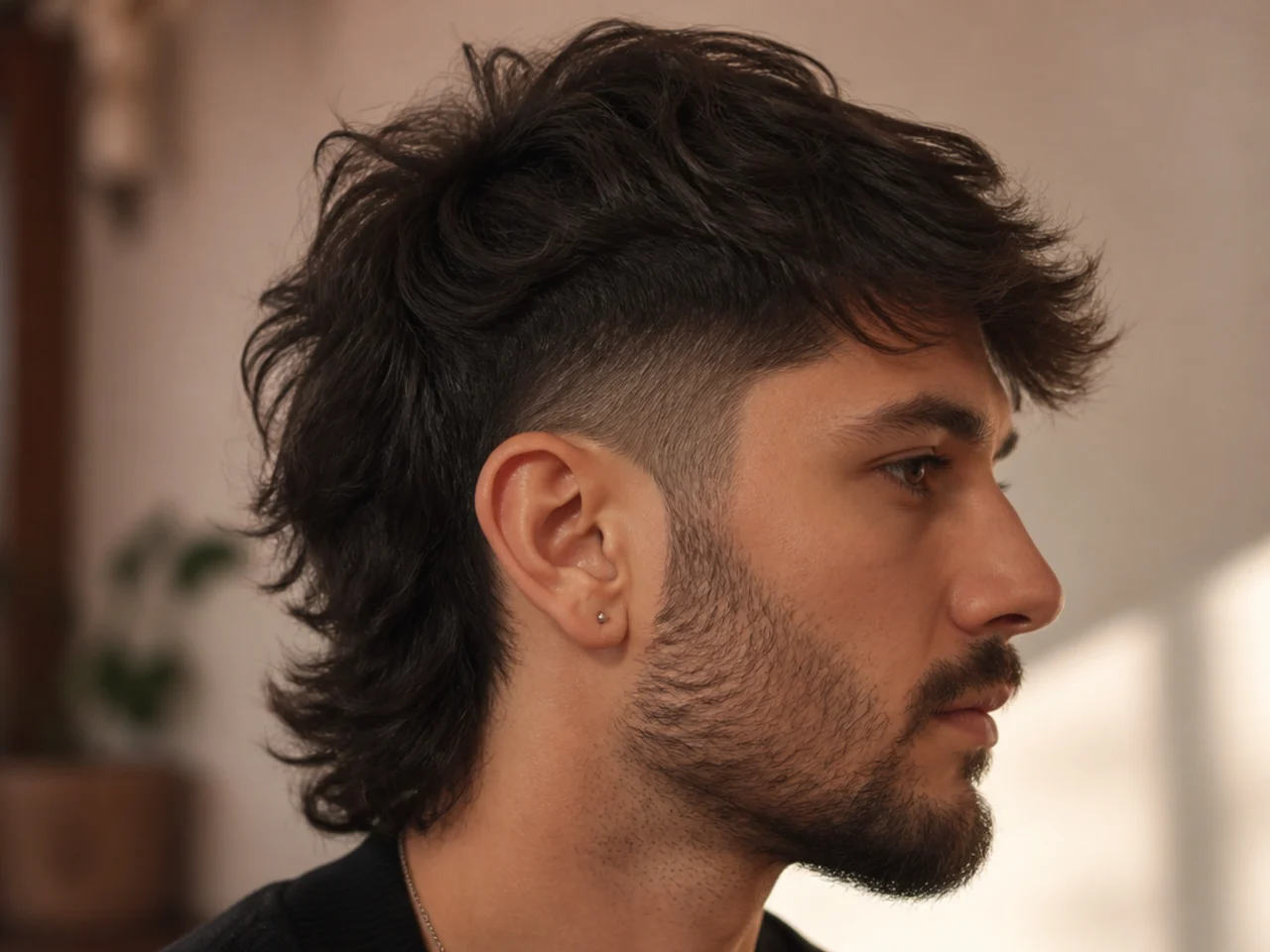
6. Skin Fade Mullet
Bare at the bottom, so the contrast against the length is as high as it gets. Skin reflects light where hair absorbs it, which is why the jump reads so hard — and it is also why the cut needs redoing every one to two weeks.
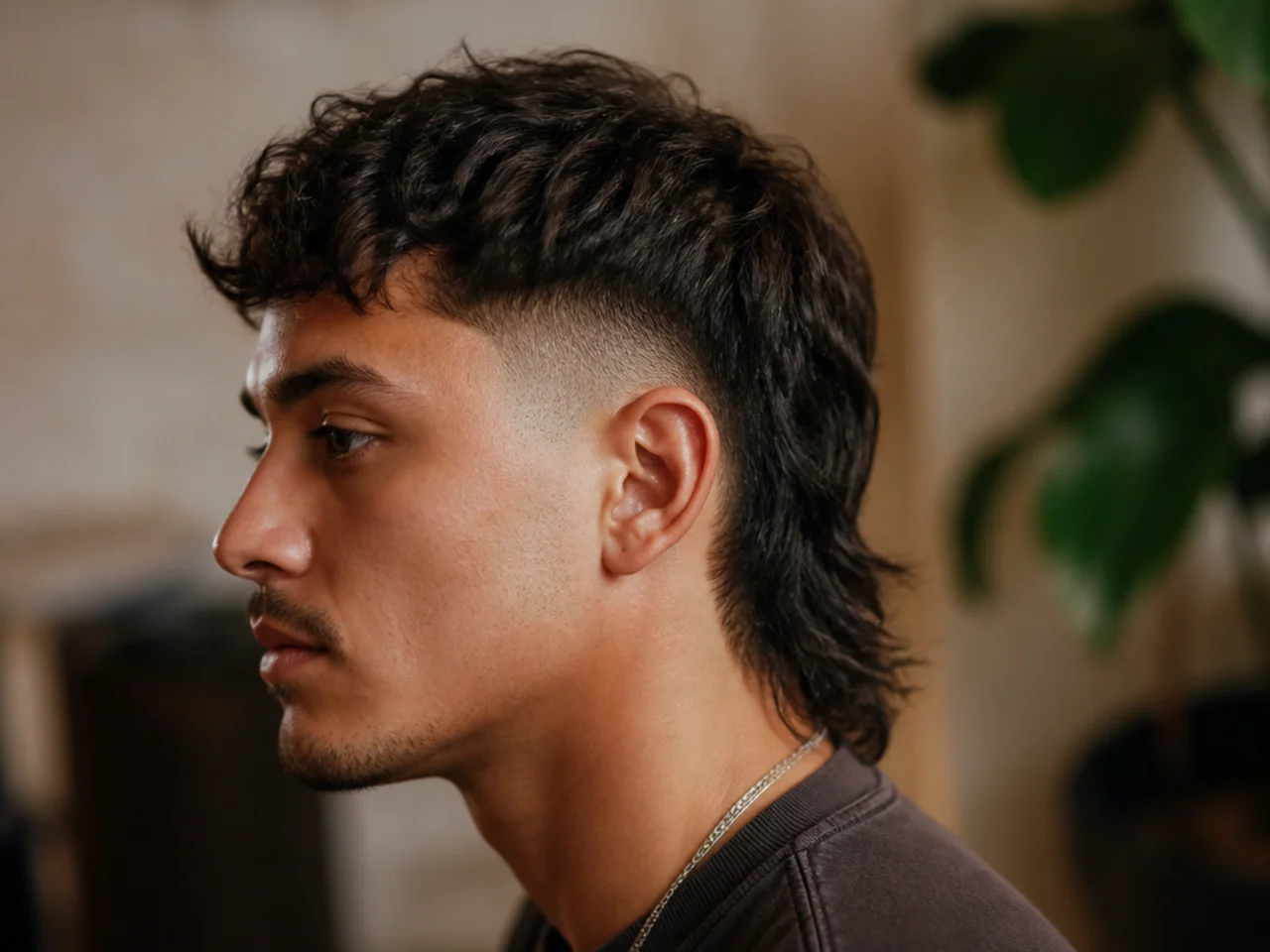
7. Blended Mullet Fade
No visible line anywhere between the fade and the length. The transition is cut with scissors over comb through the join, which is the only way to graduate from clipper work into hair long enough to fall — a guard alone leaves a step.
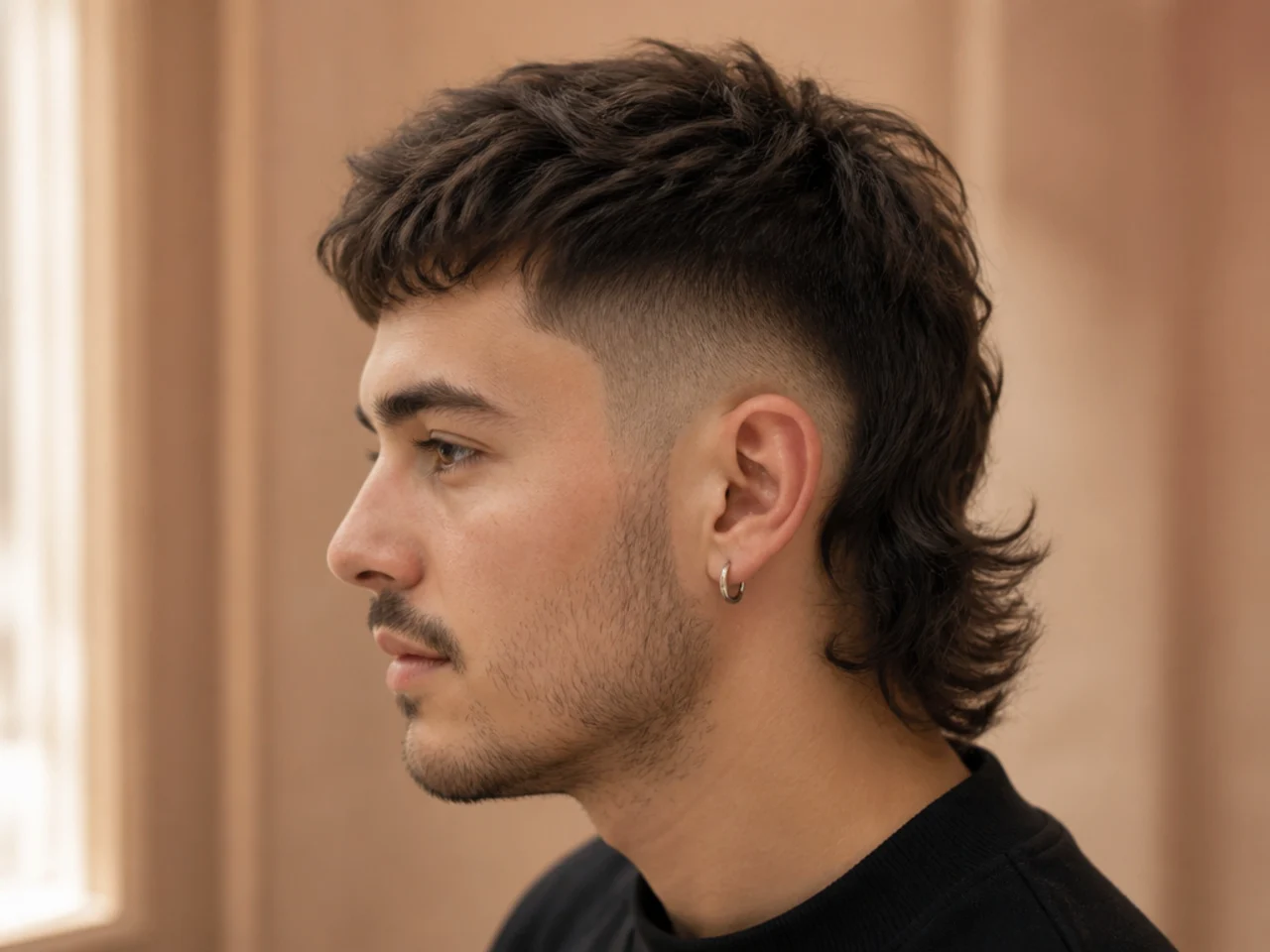
8. Disconnected Mullet Fade
A deliberate hard edge between the short sides and the long back, with nothing bridging them. It is the loudest version of the cut and the easiest to get wrong, since a disconnection only reads as intentional when the line itself is clean.
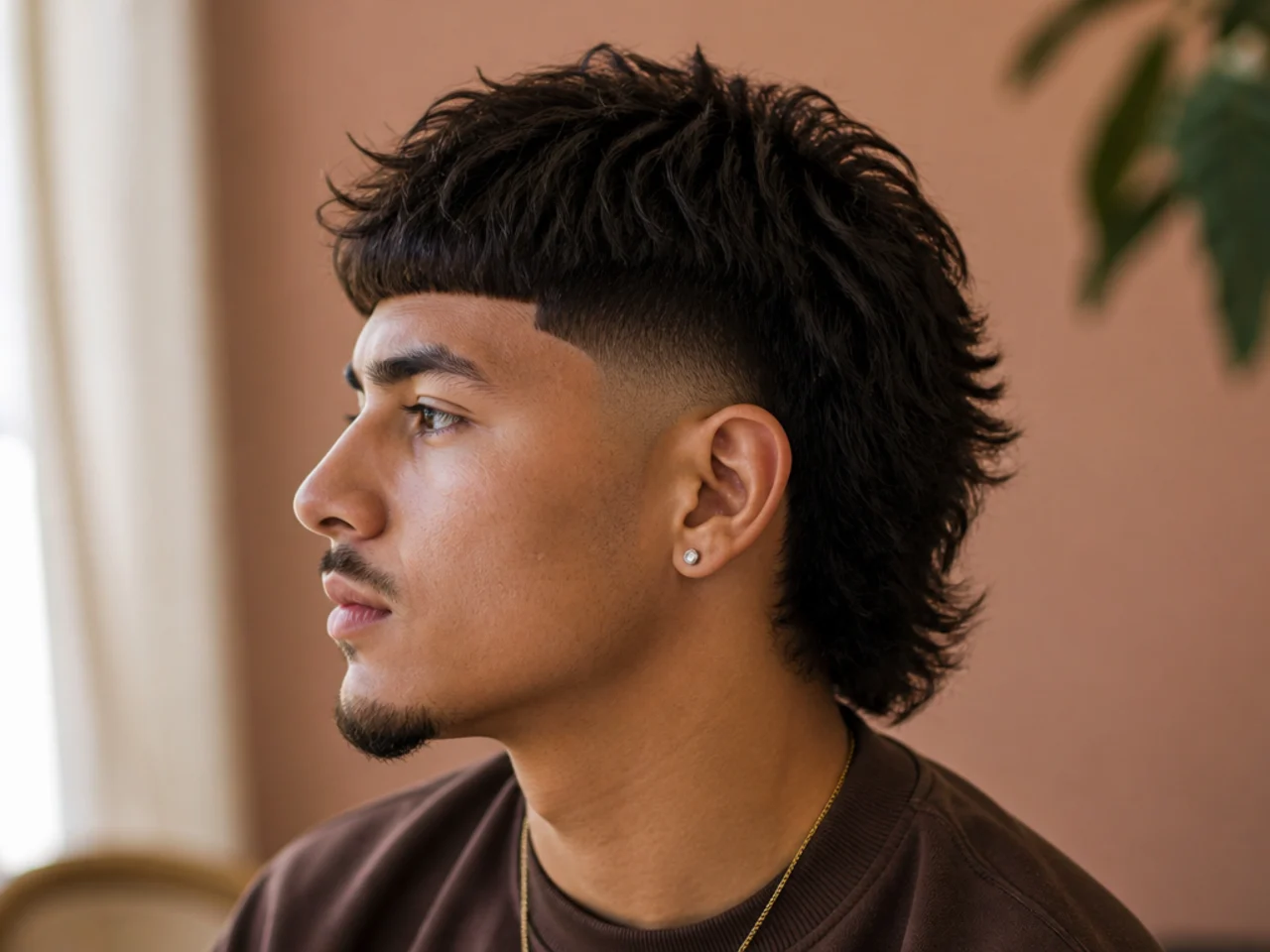
9. Short Modern Mullet
The tail stops at the nape and the top stays under two inches. Keeping both short makes the shape read as a haircut with a longer back rather than as a mullet, which is what makes it wearable in most workplaces. See the modern mullet for men for the full shape.

10. Textured Mullet Fade
The top and the length both point cut so the ends taper rather than sitting as a blunt block. Tapered ends separate into pieces as they dry, and that separation is what stops thick hair reading as a helmet above the fade.
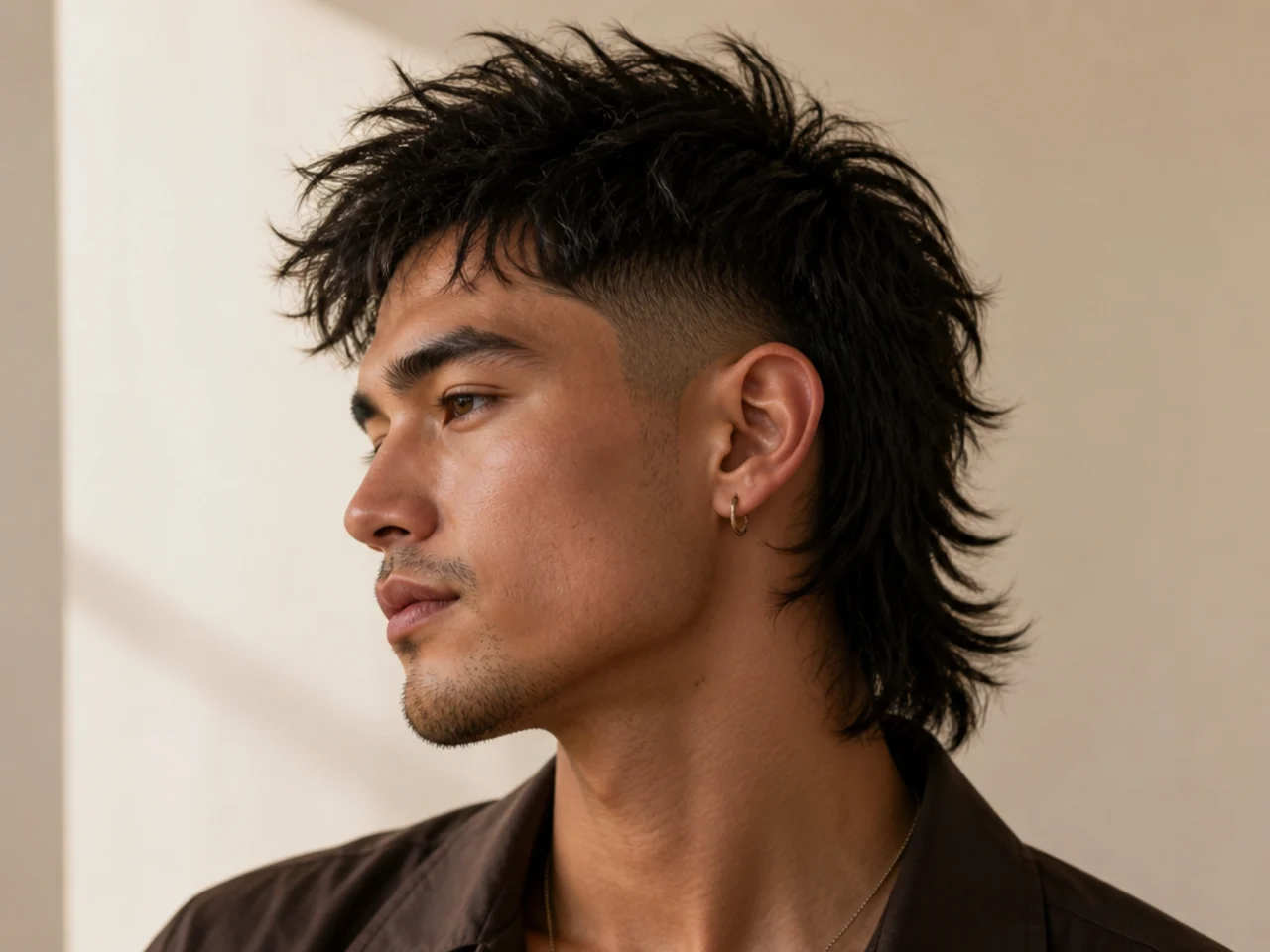
11. Mullet Fade With a Comma Fringe
The front pieces curved forward into a comma shape, which pulls attention to the face and balances the weight sitting at the back. The comma fringe version needs the front left an inch longer than a straight fringe would be, because the curve consumes length.
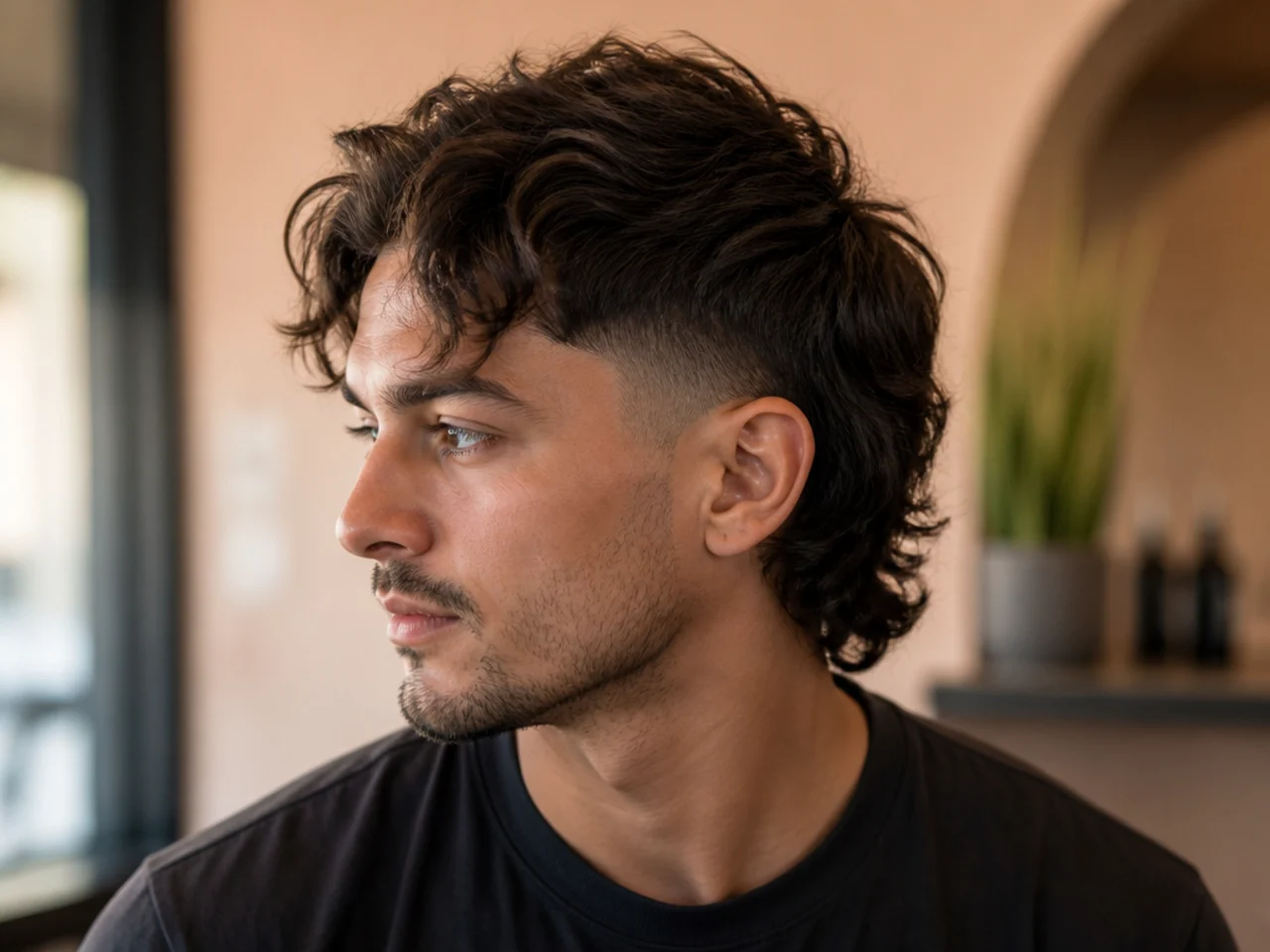
12. Mullet Fade With Curtain Bangs
The front split down the middle and swept to either side. It softens the top of the cut, and it works best with a burst fade because the fringe and the length then read as one continuous perimeter around an untouched centre.

13. Curly Mullet Fade
Curl adds volume the fade has to be cut around, so the line is set on dry hair. A stretched curl springs back to roughly two thirds of its wet length, meaning a fade blended wet finishes with a visible gap once the curls lift.
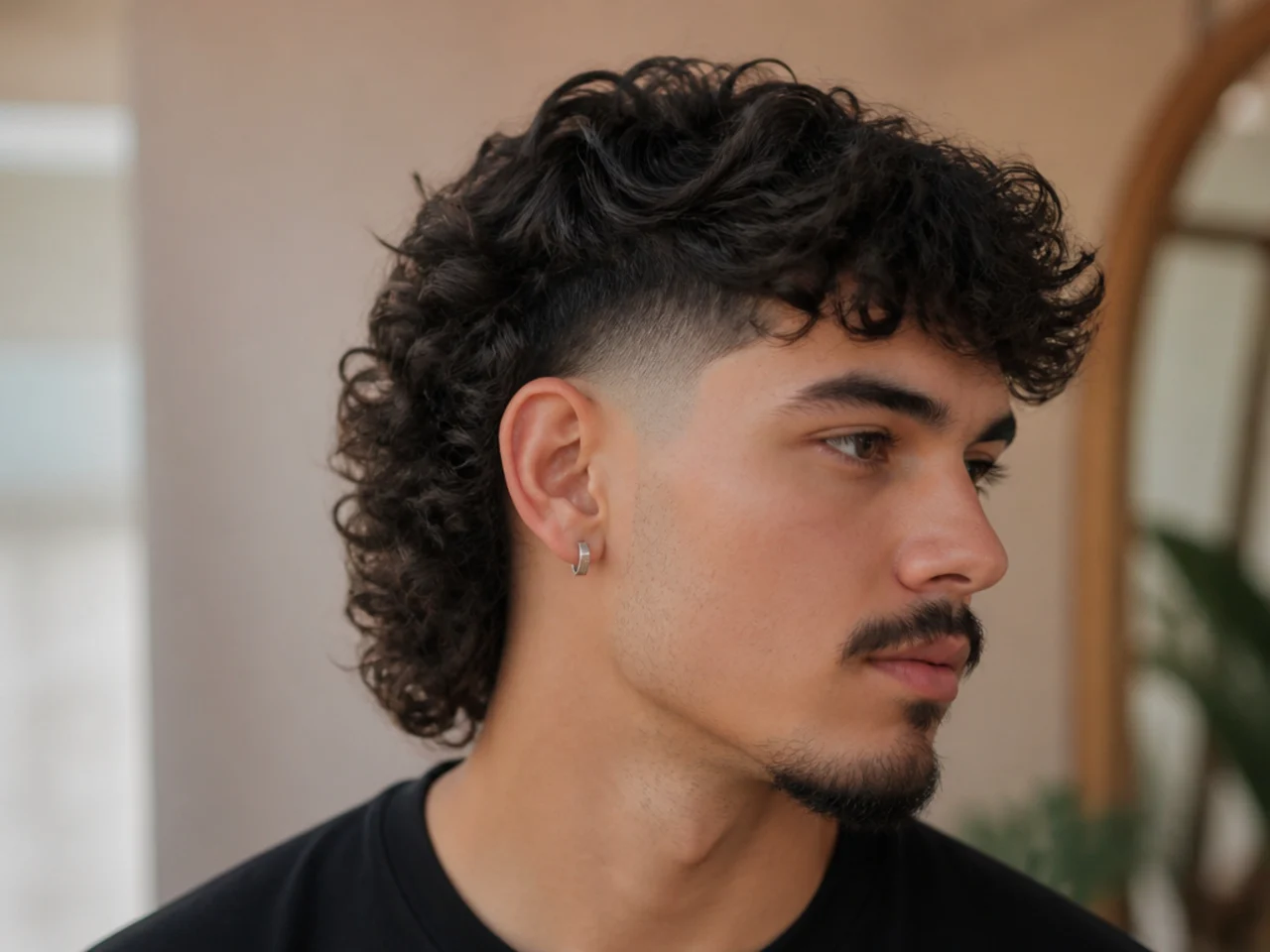
14. Wavy Mullet Fade
The most forgiving texture for this cut. A bend scatters light in several directions, so small inconsistencies in the blend read as shadow rather than as steps, and the length at the back holds its shape without styling.
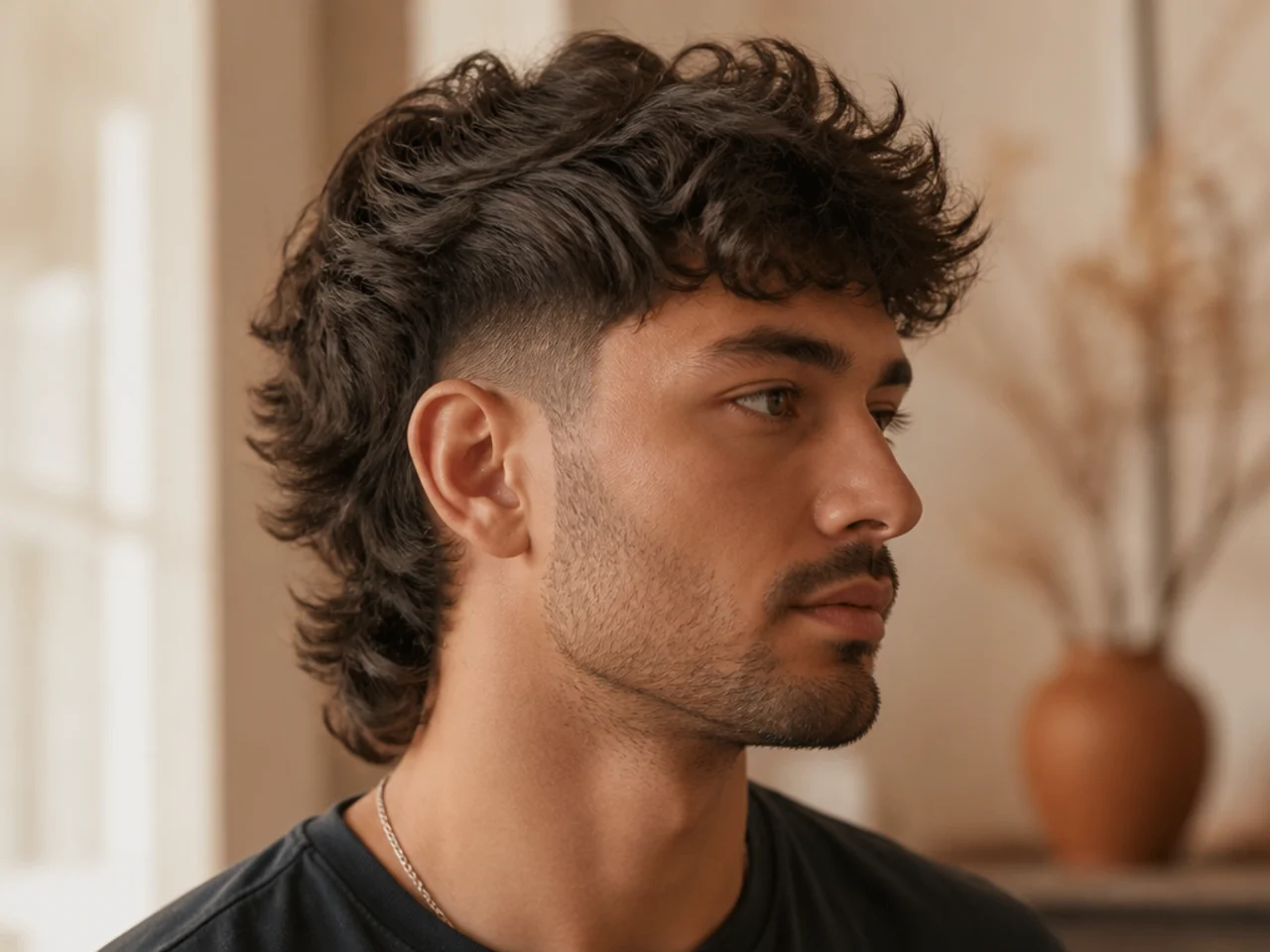
15. Straight Hair Mullet Fade
Straight hair shows every pass, so the gradient has to be genuinely smooth. It also lies flat at the back, which means the tail needs internal layering to keep any shape rather than hanging as a sheet against the neck.
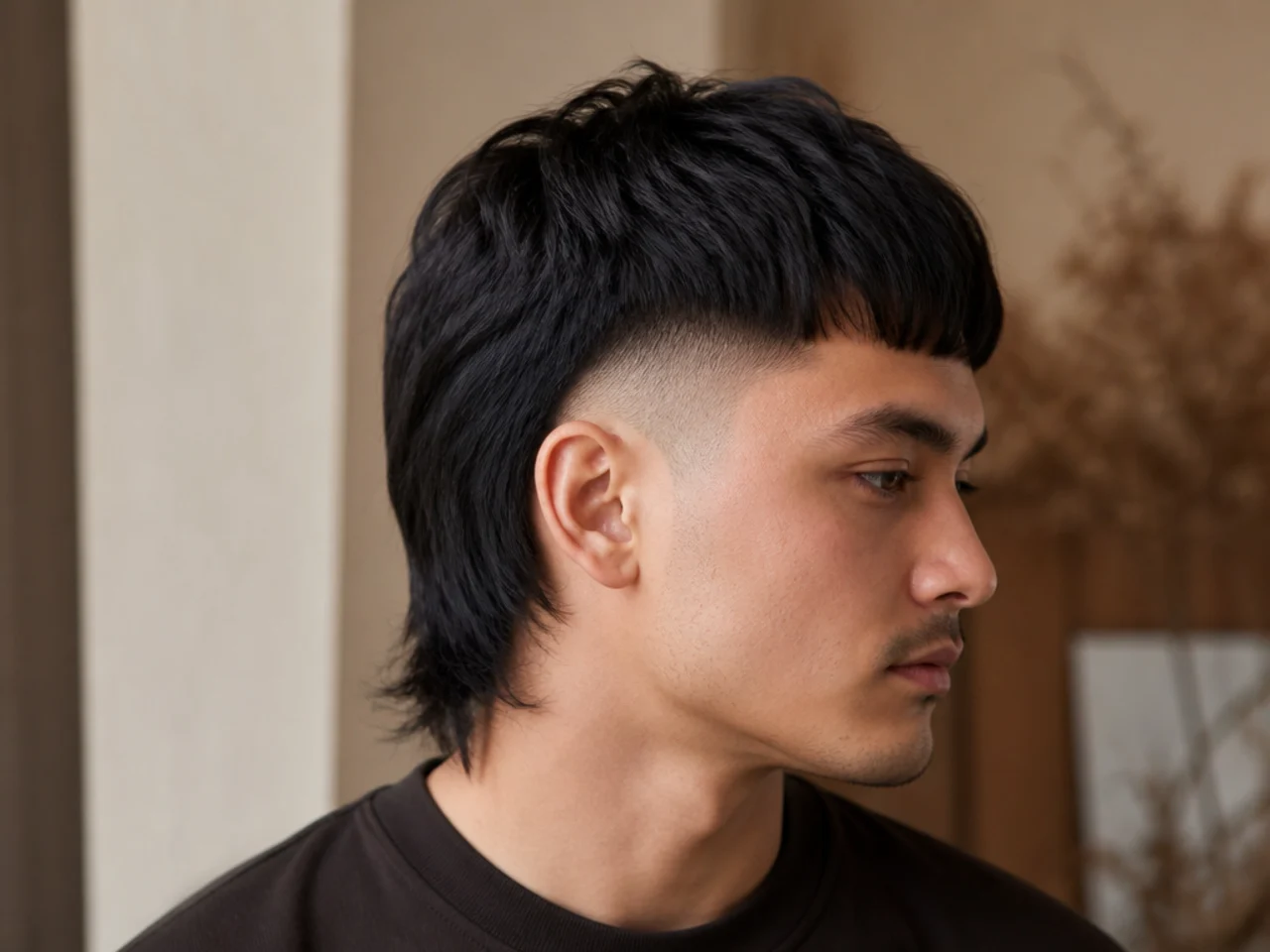
16. Mullet Fade With a Hard Part
A trimmer line cut along the parting, giving the eye a vertical against the horizontal of the fade. It also fixes the top in one direction, which matters on a mullet because the top and the back have to fall away from each other.
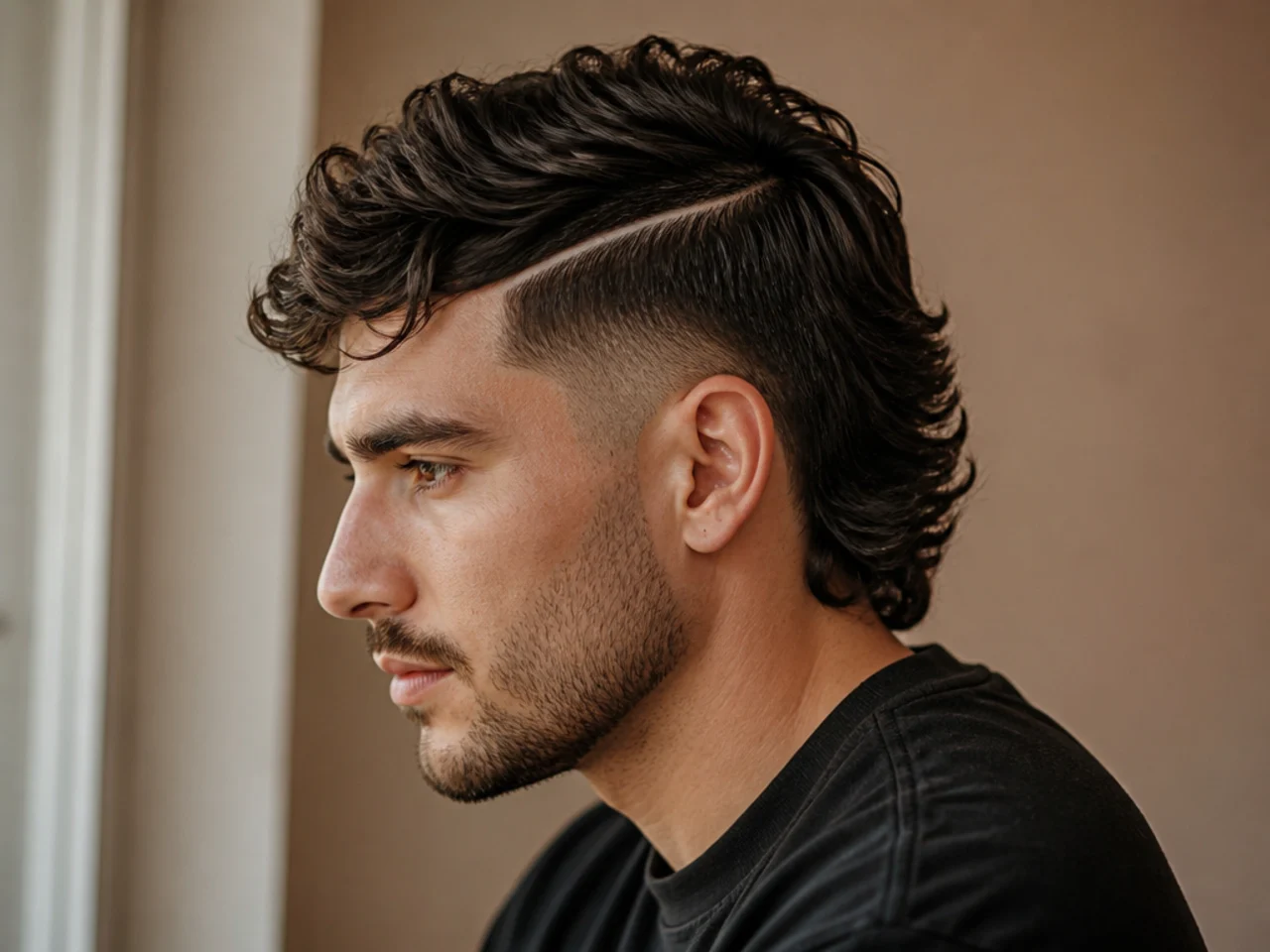
17. Mullet Fade With a Beard
The burst fade runs down into the beard as one gradient, which removes the second horizontal across the jaw. The join has to land where beard density actually starts, usually below the earlobe, or the blend runs out of hair halfway down.
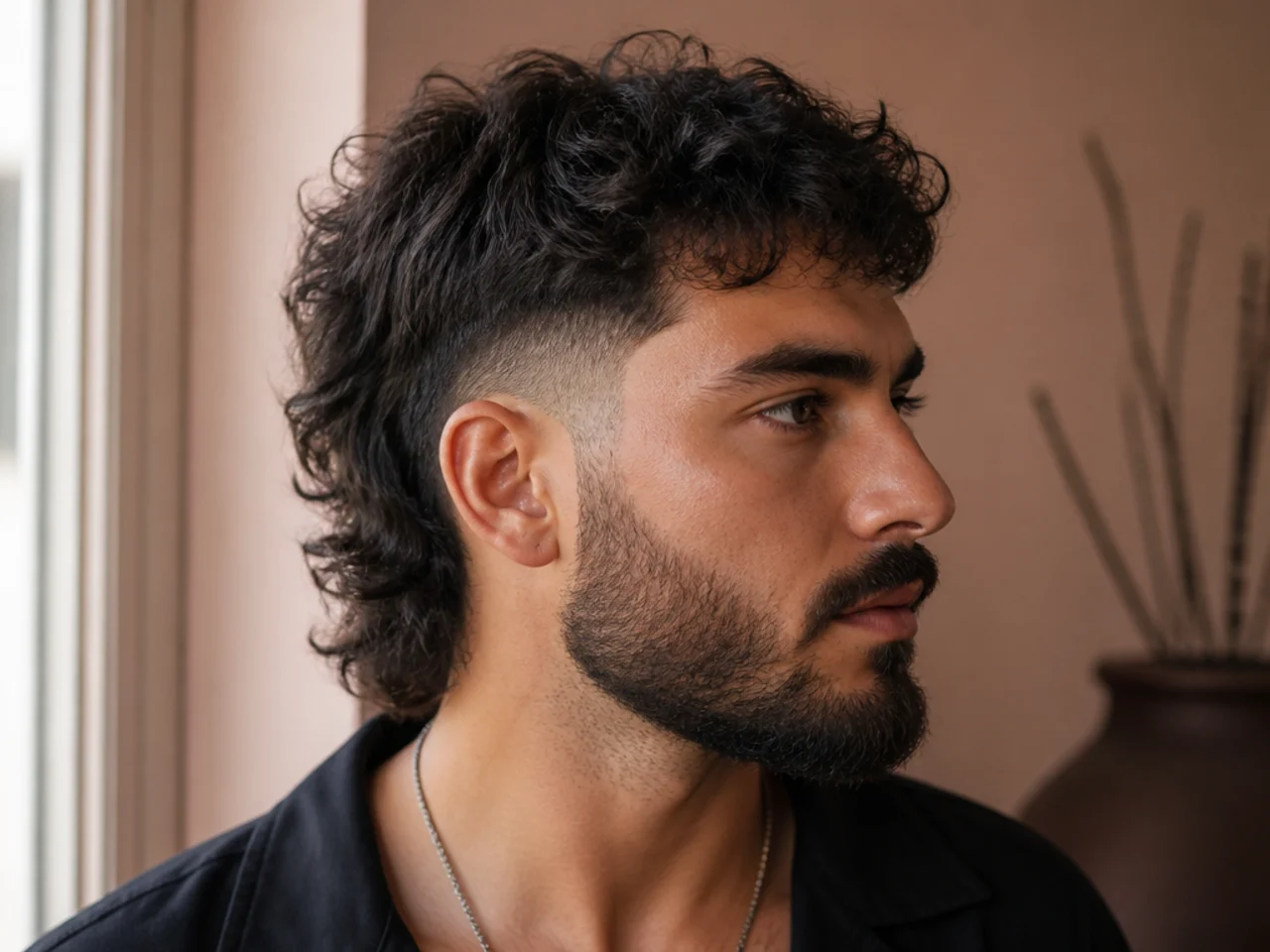
18. Mullet Fade With a Line Up
The hairline squared off with a trimmer at the temples and front. It sharpens the whole cut for about five days, then the outgrowth sits below the cut line and the edge starts reading as a shadow instead of an outline.
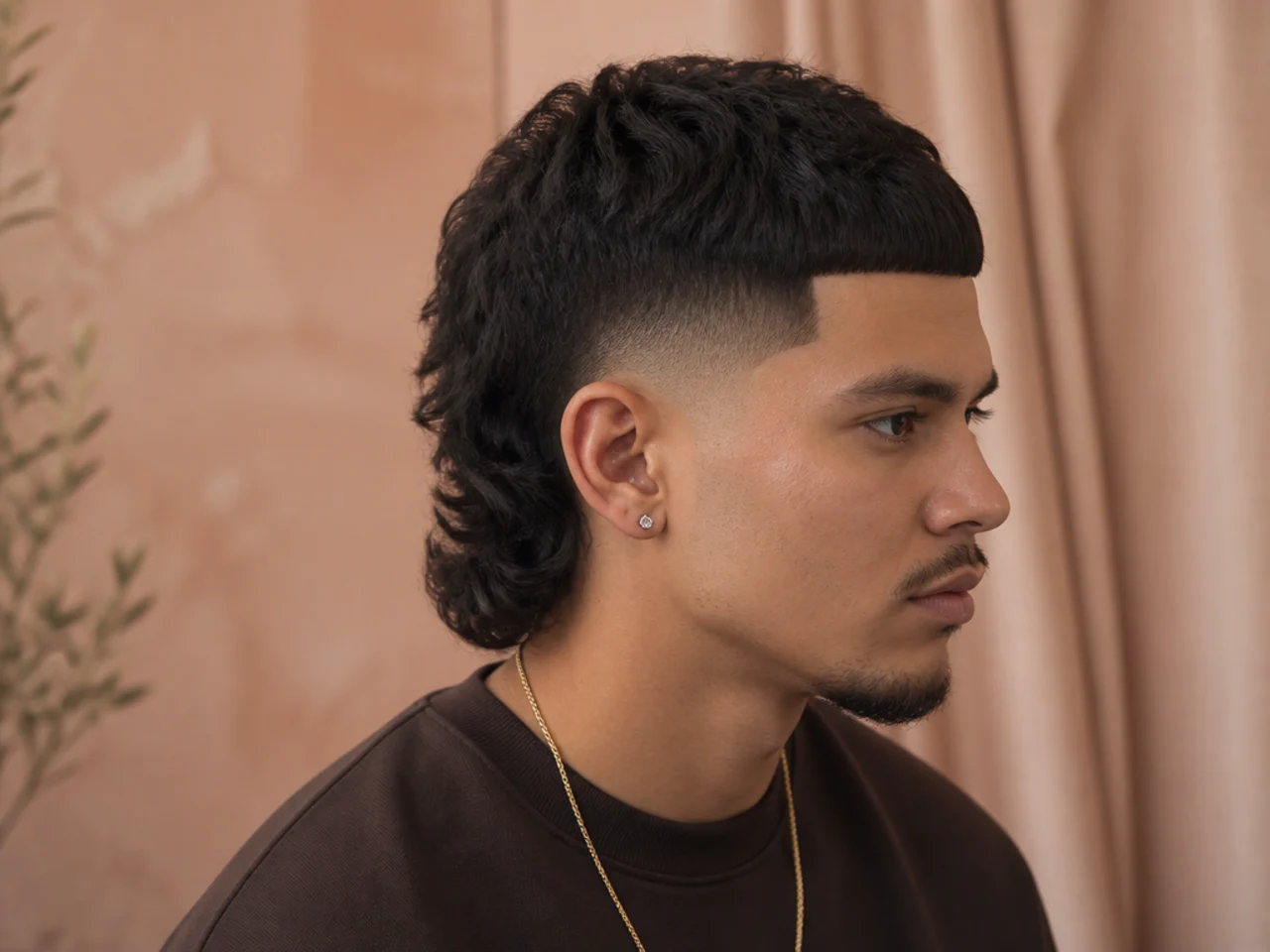
19. Mullet Fade at Week Three
The fade has softened but the shape still reads correctly, provided the sides finished at a guard rather than at skin. This is the argument for a taper on a mullet — the length at the back grows slowly, so the sides decide the trim schedule.
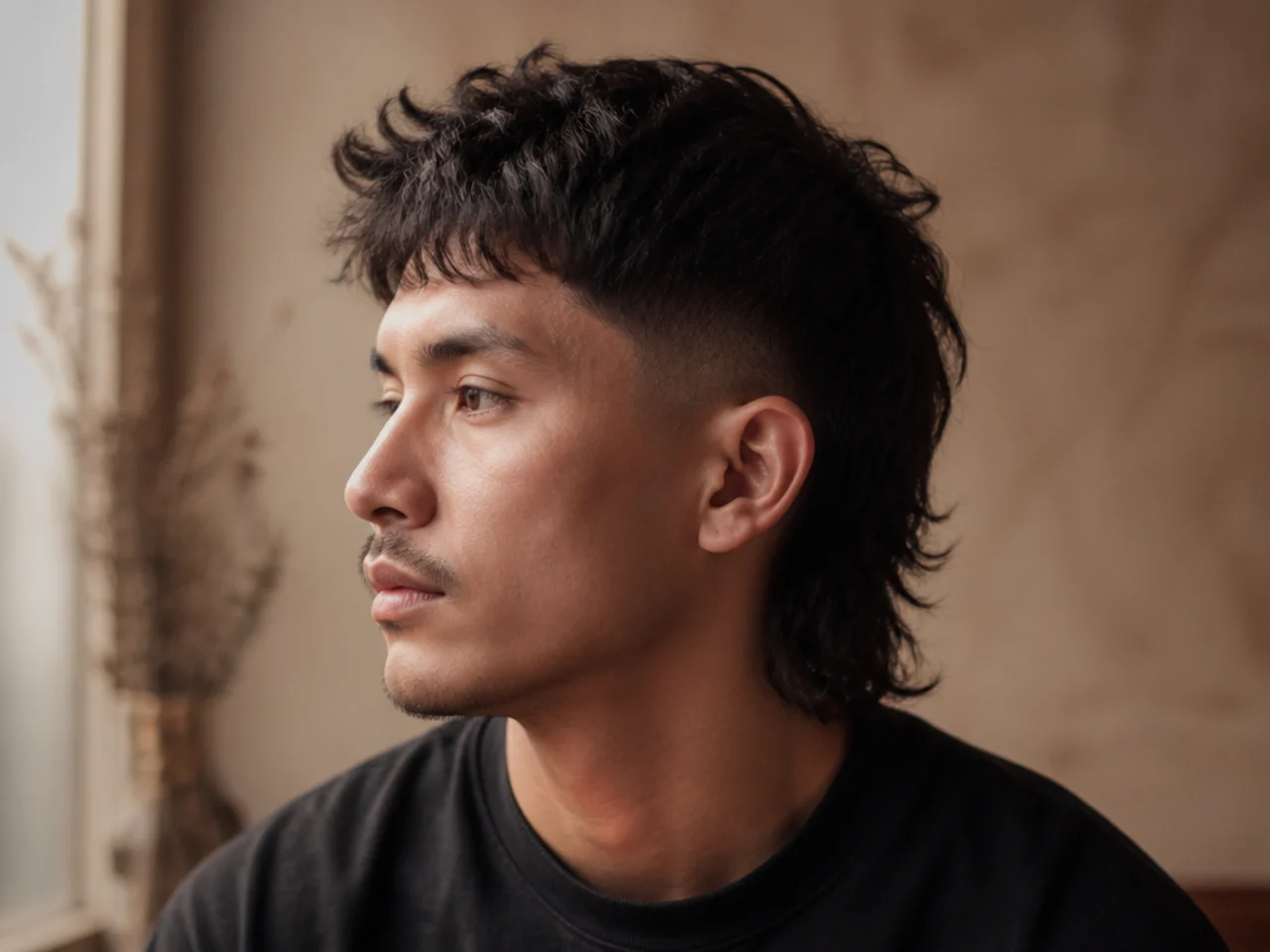
20. Grown Out Mullet Fade
Past six weeks the gradient closes and the sides catch up with the length, turning the cut into a shapeless mid length. Booking the sides alone every three weeks holds the shape for months without touching the back at all.

Styling and Upkeep
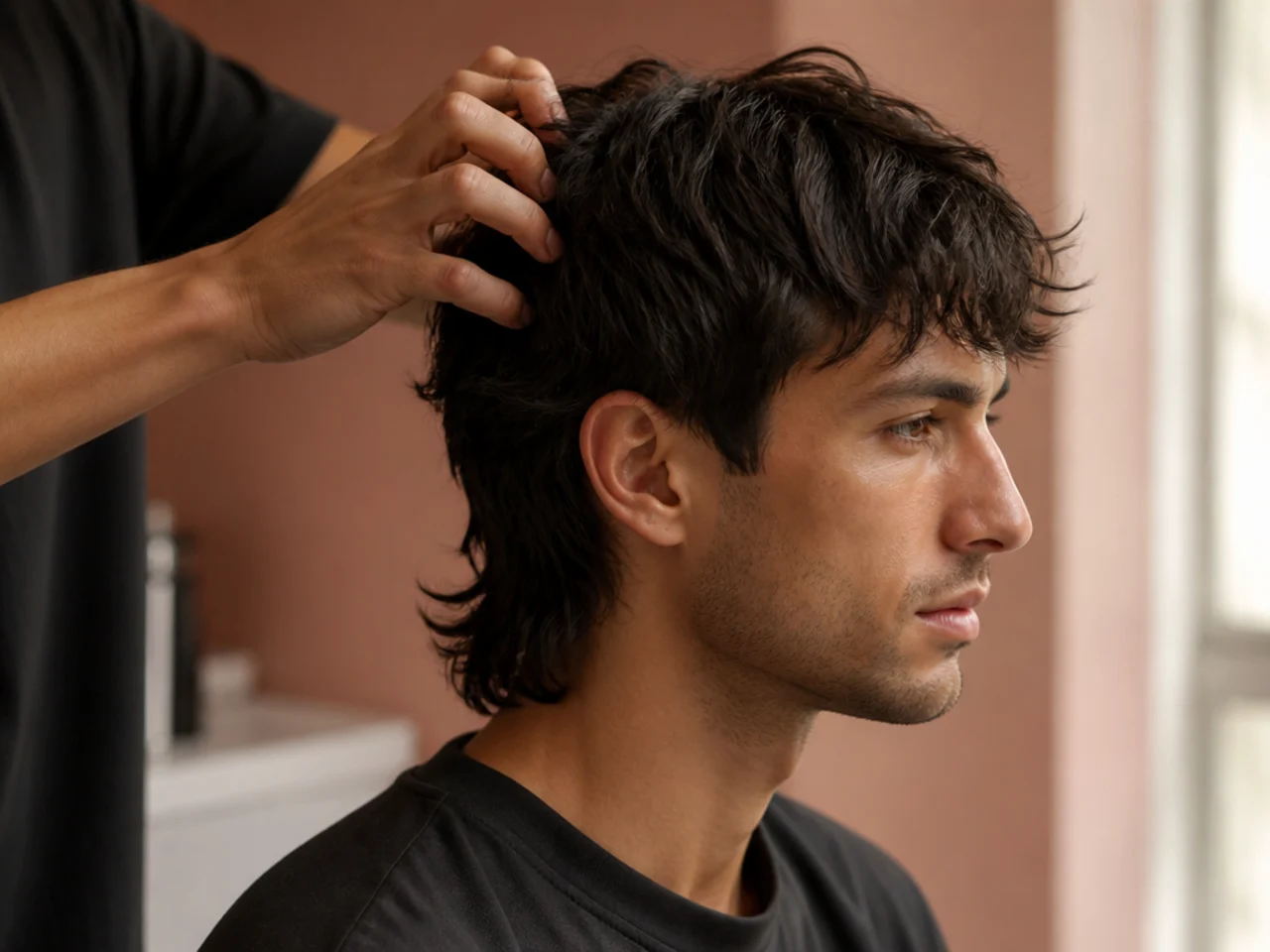
Book the sides alone between full cuts. The back grows slowly and the fade does not, so they do not need the same appointment.
Name the fade type and where it stops. Burst, finishing before the occipital bone, is two facts a barber can act on.
Dry the top forward and the back down. The two sections have to fall away from each other or the shape closes up into one mass.
Use a matt paste, not a wet finish. Shine makes the top read as a single sheet and hides the texture the cut depends on.
Photograph it at week one. The fade height is the measurement worth repeating, and it is easier to show than describe.
Mistakes to Avoid
Asking for a drop fade and expecting the tail untouched. The drop line runs through the back length. Ask for a burst if you want it protected.
Going to skin with a long back. The contrast is extreme and it halves the useful window, since bare scalp shows regrowth inside a fortnight.
Leaving a blunt tail. An unlayered back hangs as a sheet. Point cut the ends so they separate rather than sitting as one block.
Letting the sides run past six weeks. The gradient closes, the sides catch up, and the cut becomes a shapeless mid length.
Changing the fade height every visit. It is the one variable that makes the cut look different each time, so write the number down.
FAQ
Which fade? Burst — it stops before the back and leaves the length alone.
How short? A number two at 6mm for everyday wear, skin only if you see a barber fortnightly.
How often? Sides every two to three weeks, the back every few months.
Final Thoughts
Ask for the fade by name and by where it finishes. "Burst fade, stopping before the back, guard two at the bottom" protects the length that makes the cut a mullet in the first place.
For the shape in full see the modern mullet for men, and for the fringe that pairs with it see the modern mullet with comma hair. More in Fade Haircuts.