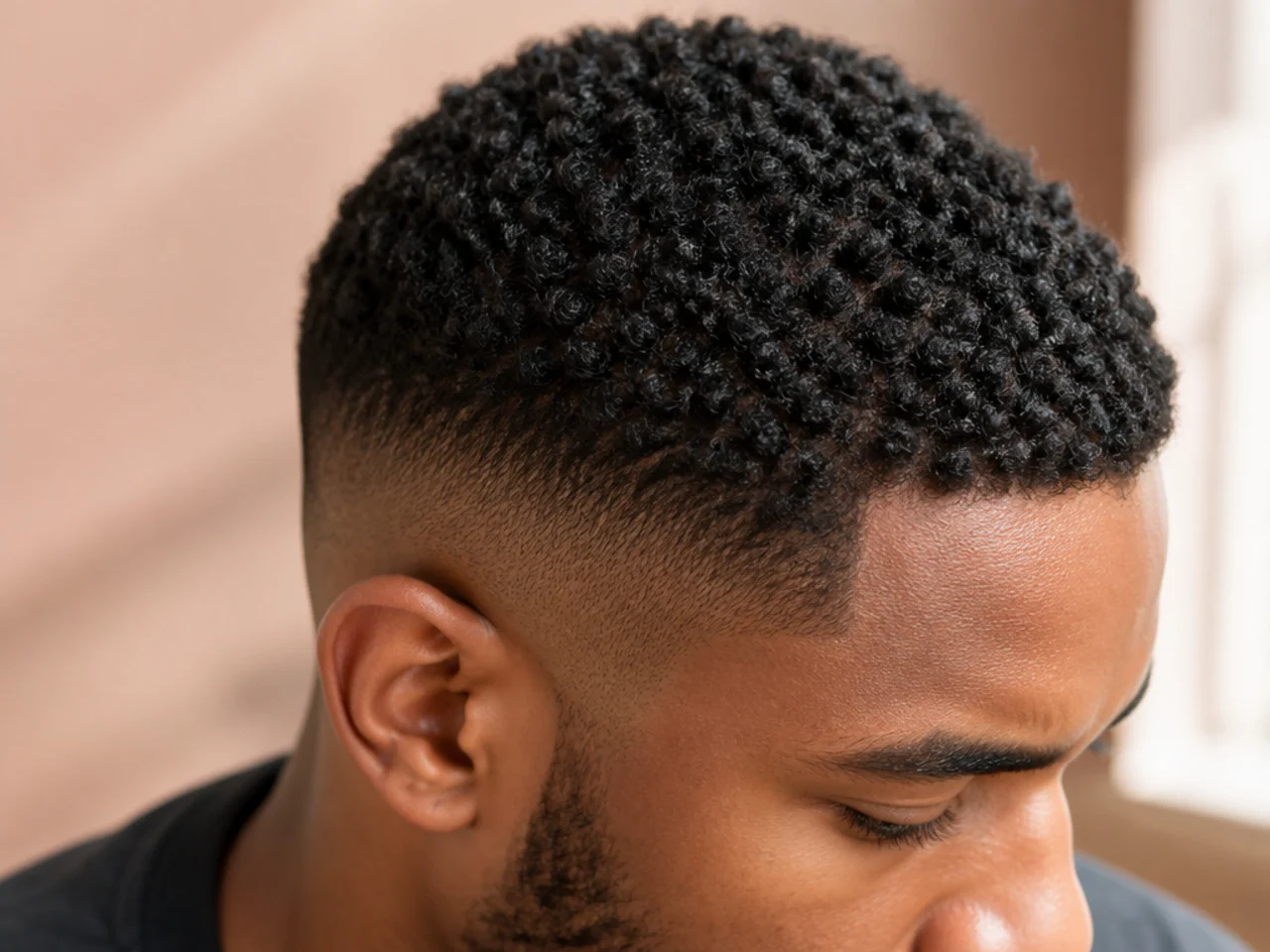
20 Curly Short Haircut Ideas for Men
Curly hair finishes shorter than it was cut, because water stretches it and drying springs it back. Ask for two centimetres on a wet head and a tight pattern hands back one, which is why every length here is judged dry.
In this article · 27
- Why Curly Hair Comes Out Shorter Than You Asked For
- How to Choose Yours by Curl Pattern
- The 20 Curly Short Cuts
- 1. Tight 4C Crop Cut Dry
- 2. 4B Coils at a #2 With a Taper
- 3. 4A Sponge Curls Left Long Enough to Show Definition
- 4. 3C Corkscrews With Weight Taken Off the Crown
- 5. 3B Ringlets Cut Dry and Curl by Curl
- 6. 3A Loose Curl With a Squared Silhouette
- 7. 2C Waves That Read Curly Only When Dry
- 8. The Shrinkage-Safe Fringe Length
- 9. The Crown That Shrinks Unevenly
- 10. The Two-Centimetre Ask That Came Out at One
- 11. Cut Damp Rather Than Bone Dry
- 12. The Front Hairline Curl That Dries Shortest
- 13. A Scissor Guide Instead of a Clipper Guard
- 14. The Taper That Stops Before the Curl Pattern Breaks
- 15. The Humidity-Day Version of the Same Cut
- 16. The Wash-Day-Only Length
- 17. The Post-Shrink Neckline
- 18. Mixed Patterns on One Head
- 19. The Grow-Out Point Where Shrinkage Stops Mattering
- 20. Measuring Stretched Versus Measuring Curled
- Keeping the Length You Agreed To
- Mistakes to Avoid
- FAQ
- Final Thoughts
Curly hair is the one texture that keeps changing length after the barber puts the scissors down.
Water stretches curl to its full extension. Every measurement taken wet is the longest that hair will ever be, and it shrinks the moment the towel comes off.
Wavy loses a little, curly around a third, tightly coiled up to half. That gap is what this page is about, and why the cuts below are grouped by curl family.
Why Curly Hair Comes Out Shorter Than You Asked For
The shrinkage numbers are set by pattern, not preference. Wavy loses a little, curly around a third, tightly coiled up to half, and that is what the barber cuts against.
A wet cut is a cut on stretched hair. A clean line combed into wet curl is a clean line on hair about to contract unevenly.
The guide length is measured stretched, your result is measured curled. Confusing the two is how a trim becomes a big chop.
The same guard is a different haircut on curl. Guards cut the shaft to a fixed length, so the tighter the pattern the less of it you see.
How to Choose Yours by Curl Pattern
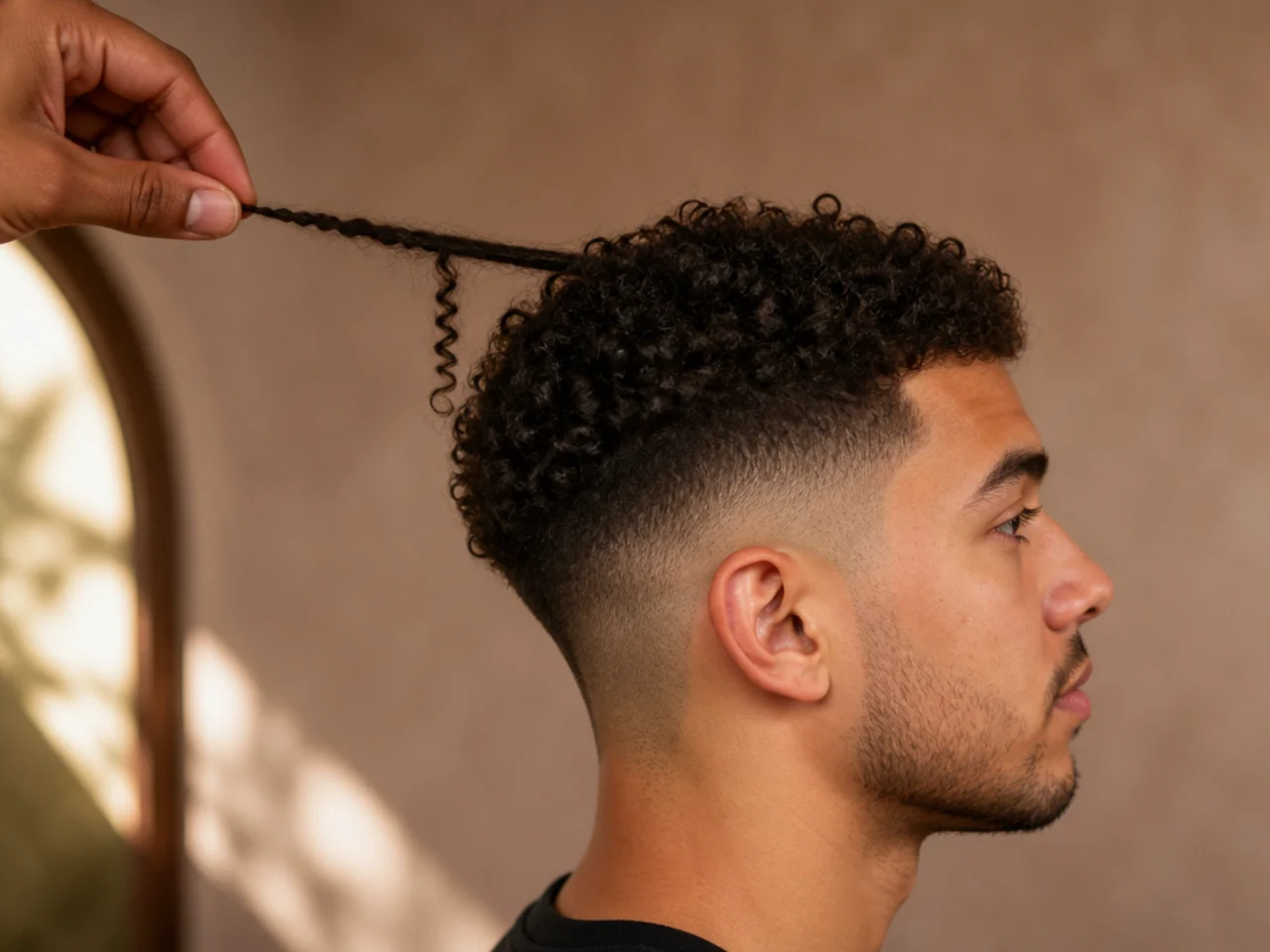
Know your number before you sit down. The 2C through 4C curl types each shrink differently, and the pattern sets how much length has to be left on.
Tighter patterns need more length left behind. A 4C head keeps length in reserve for a dry-down a 2C head never loses.
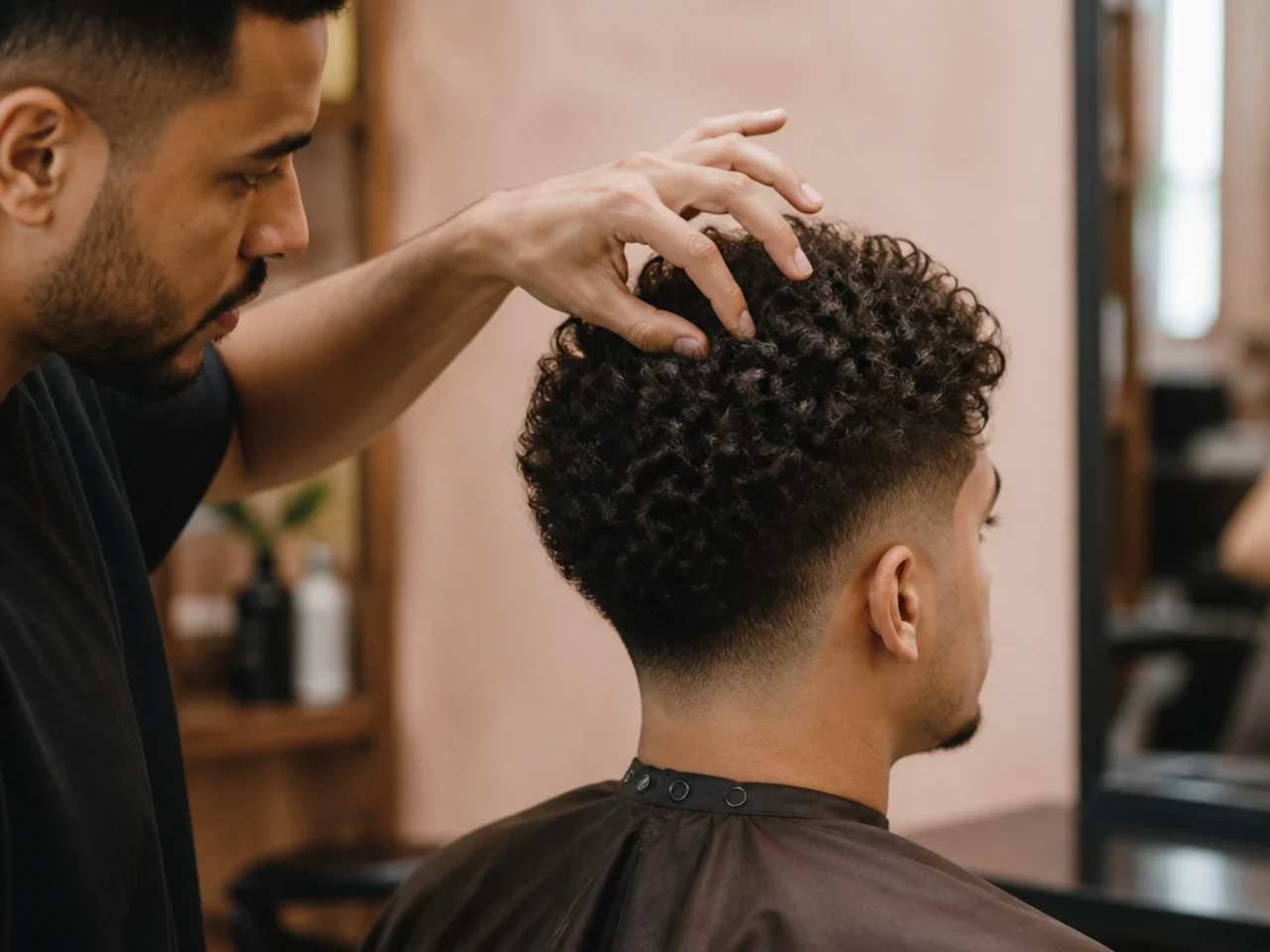
Say "cut it dry" in the first sentence. Once the spray bottle comes out the decision has been made for you.
Bring a photo of your own dry hair, not just an inspiration shot. It shows the state the cut has to look right in.
The 20 Curly Short Cuts
1. Tight 4C Crop Cut Dry
4C can lose half its length between wet and dry, so a wet cut lands at half the agreed number. Cut dry, the barber shapes each coil where it already sits, which is why dry cutting is the default across curly haircuts for Black men.
2. 4B Coils at a #2 With a Taper
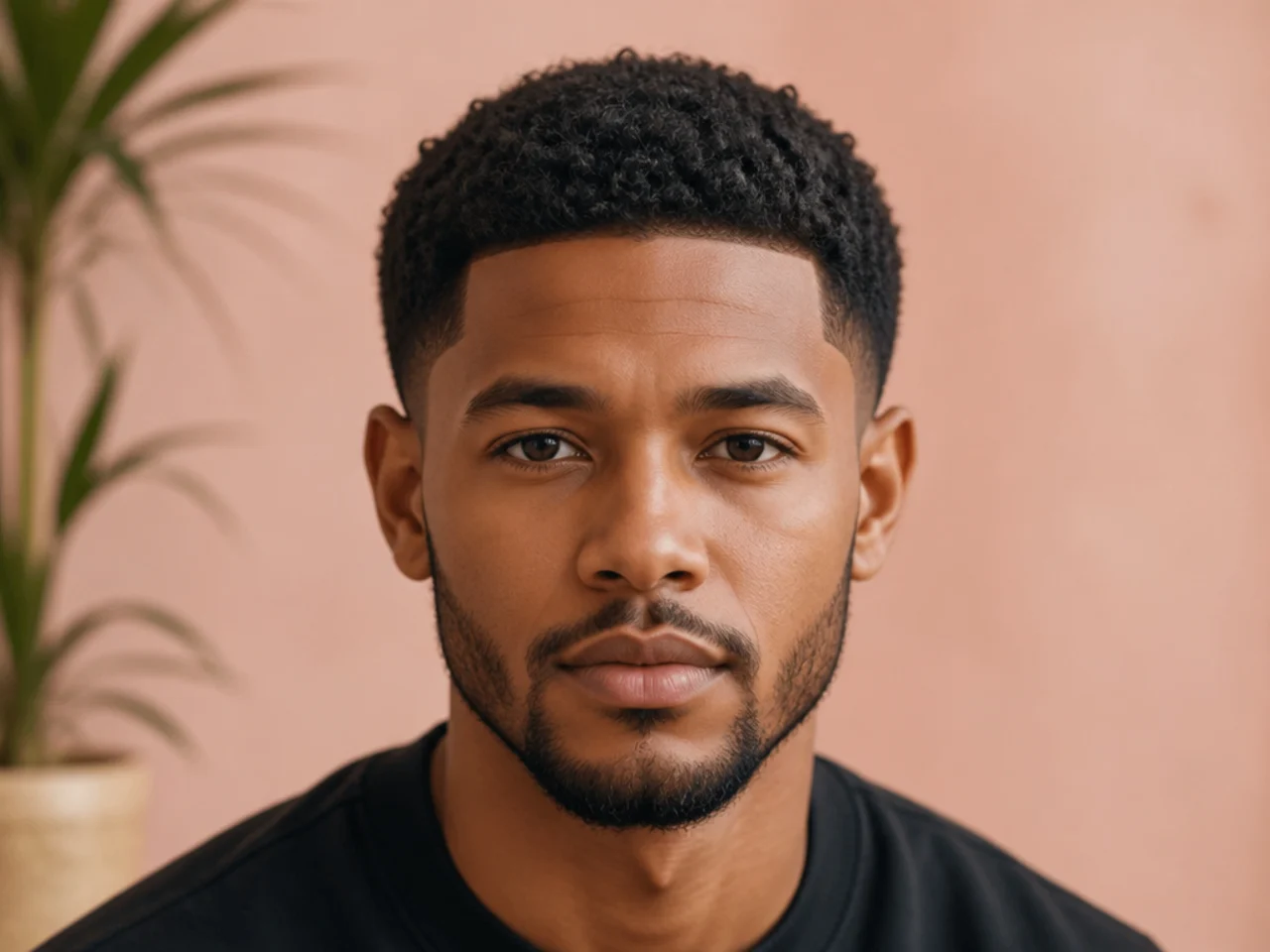
A #2 leaves 6mm of hair, which on 4B reads as roughly half that in visible coil. The taper keeps the head shape readable at that closeness.
3. 4A Sponge Curls Left Long Enough to Show Definition
4A springs into a defined coil with about a third of its length gone. Under three centimetres the coil never completes its bend, so you get density but no visible pattern.
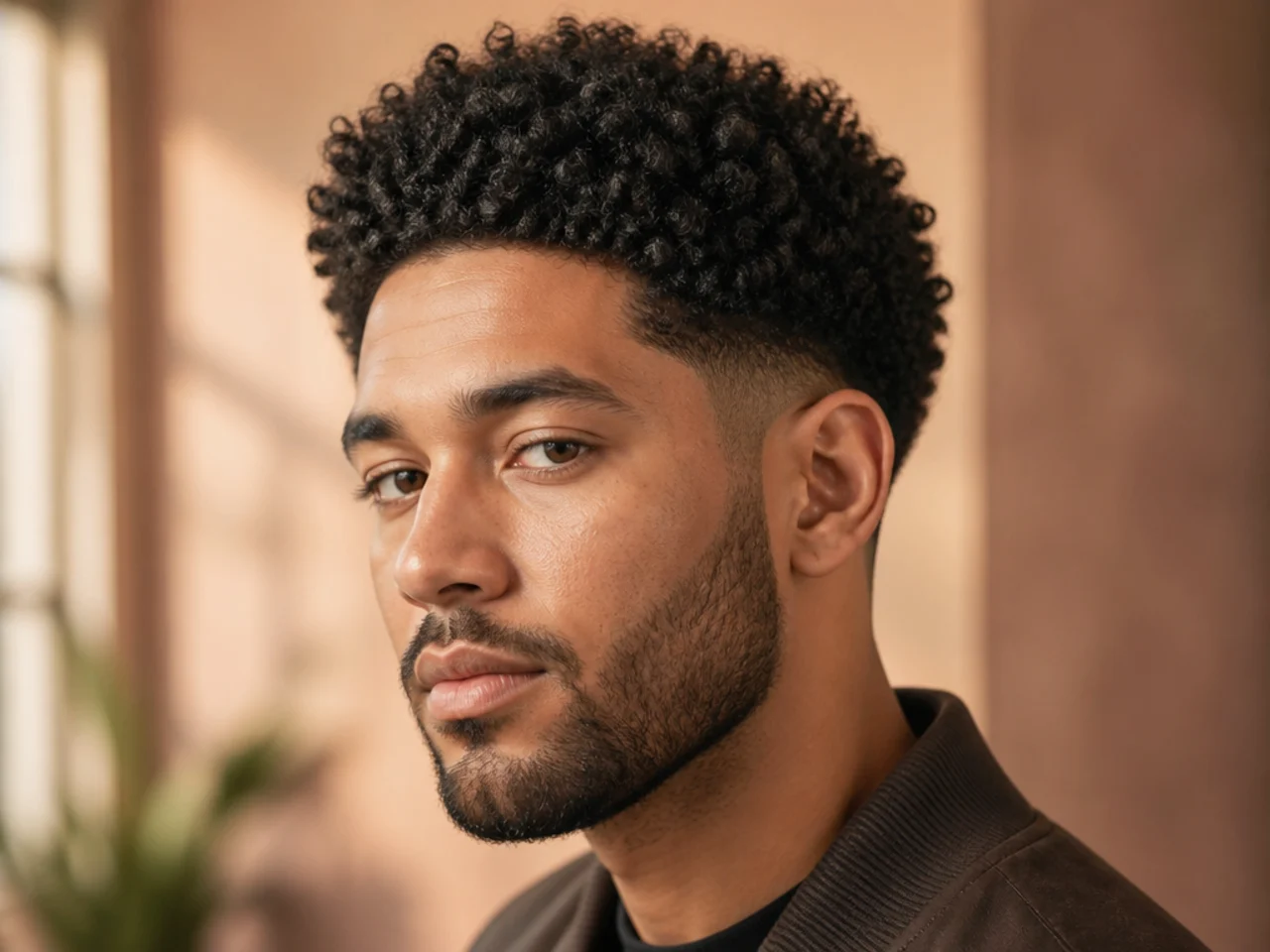
4. 3C Corkscrews With Weight Taken Off the Crown
3C loses around a third and parks that length as bulk at the crown. Removing weight there rather than shortening the curl flattens the top without cutting into the pattern.
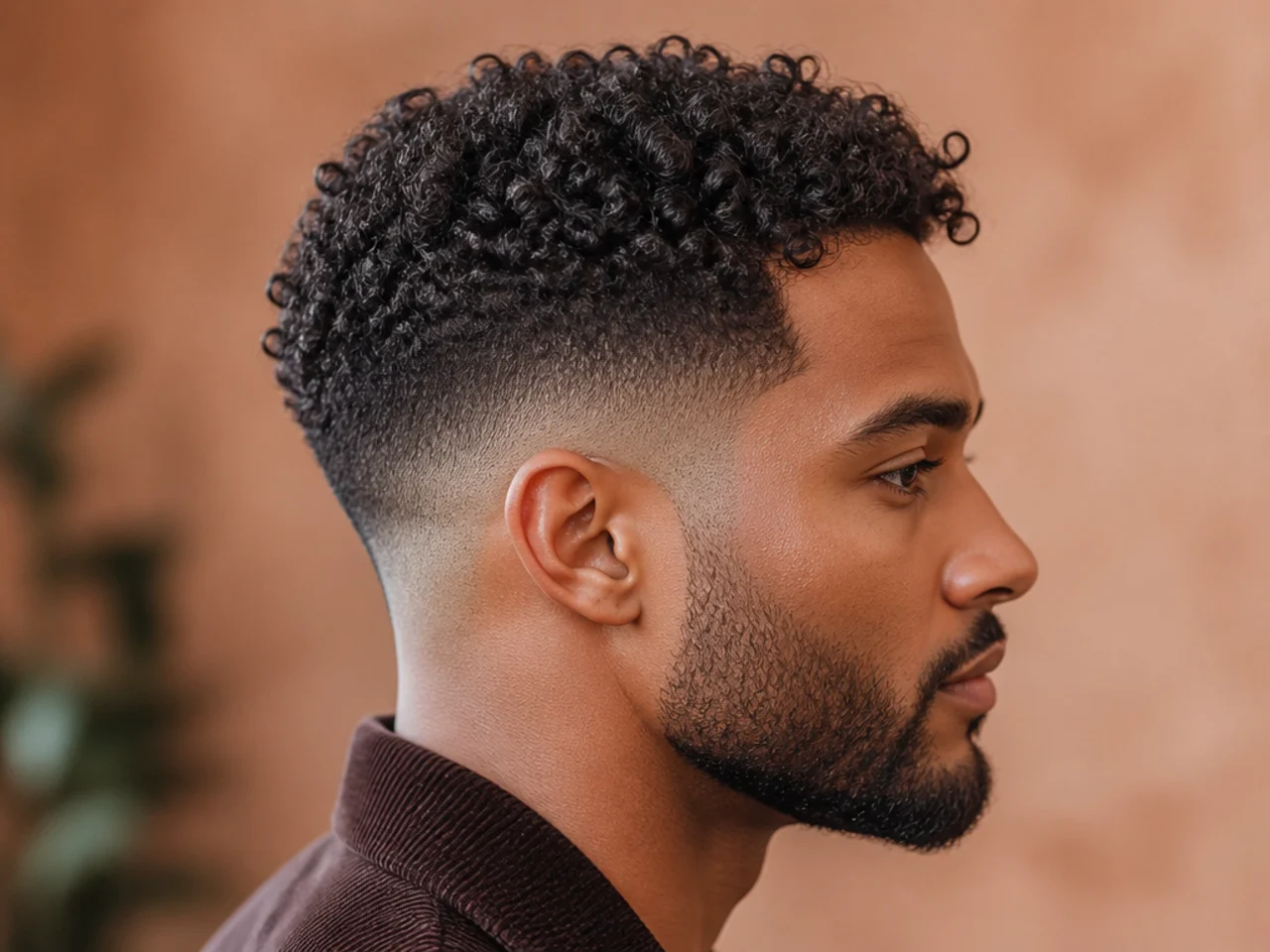
5. 3B Ringlets Cut Dry and Curl by Curl
Every ringlet dries to its own length, so one straight scissor pass gives a stepped edge once they spring. Cutting each curl at its own end keeps the outline even.
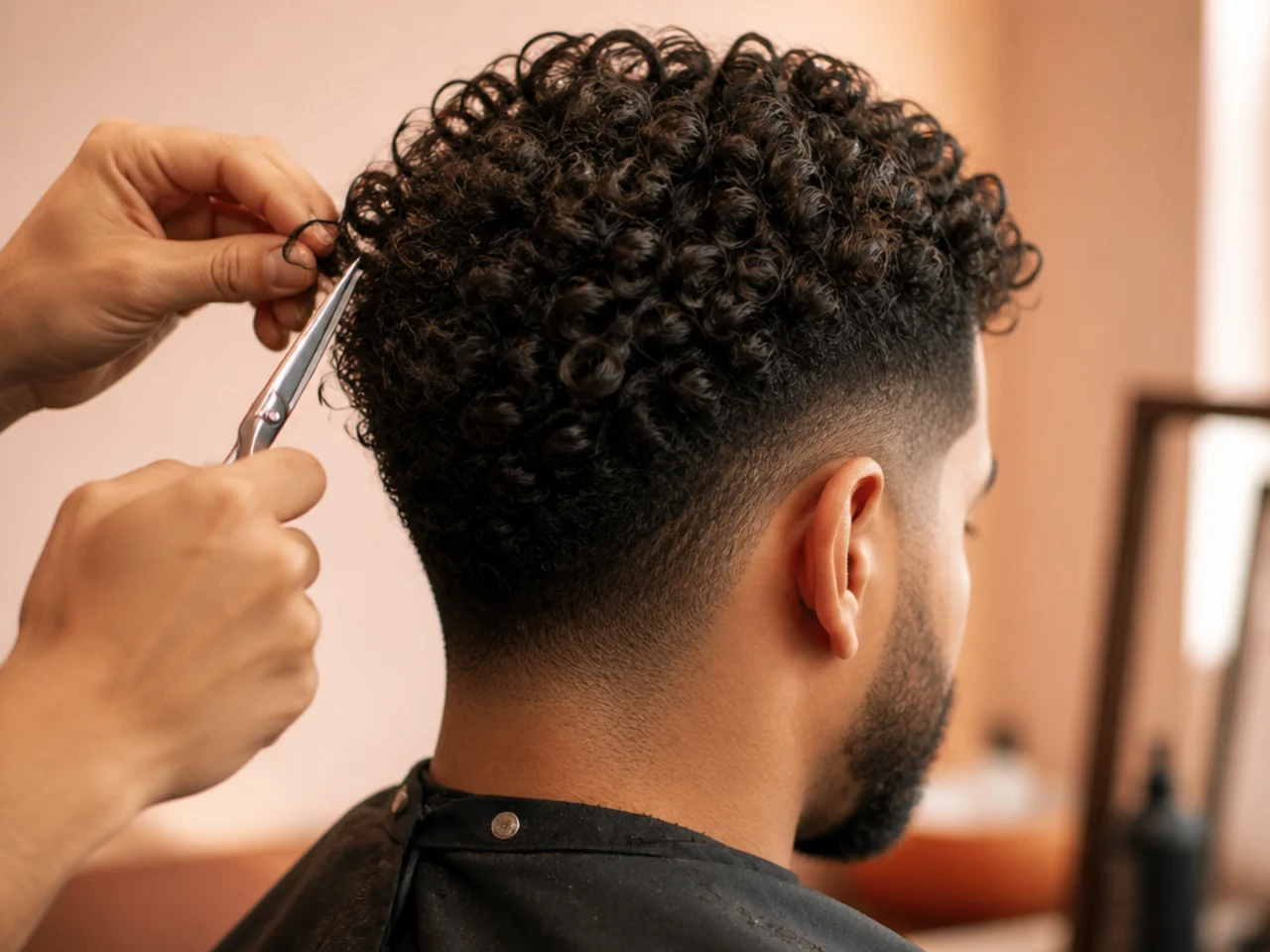
6. 3A Loose Curl With a Squared Silhouette
3A gives back the least of the true curl patterns, closer to a quarter than a third. That predictability is why it can carry a squared outline a tighter pattern would swallow.
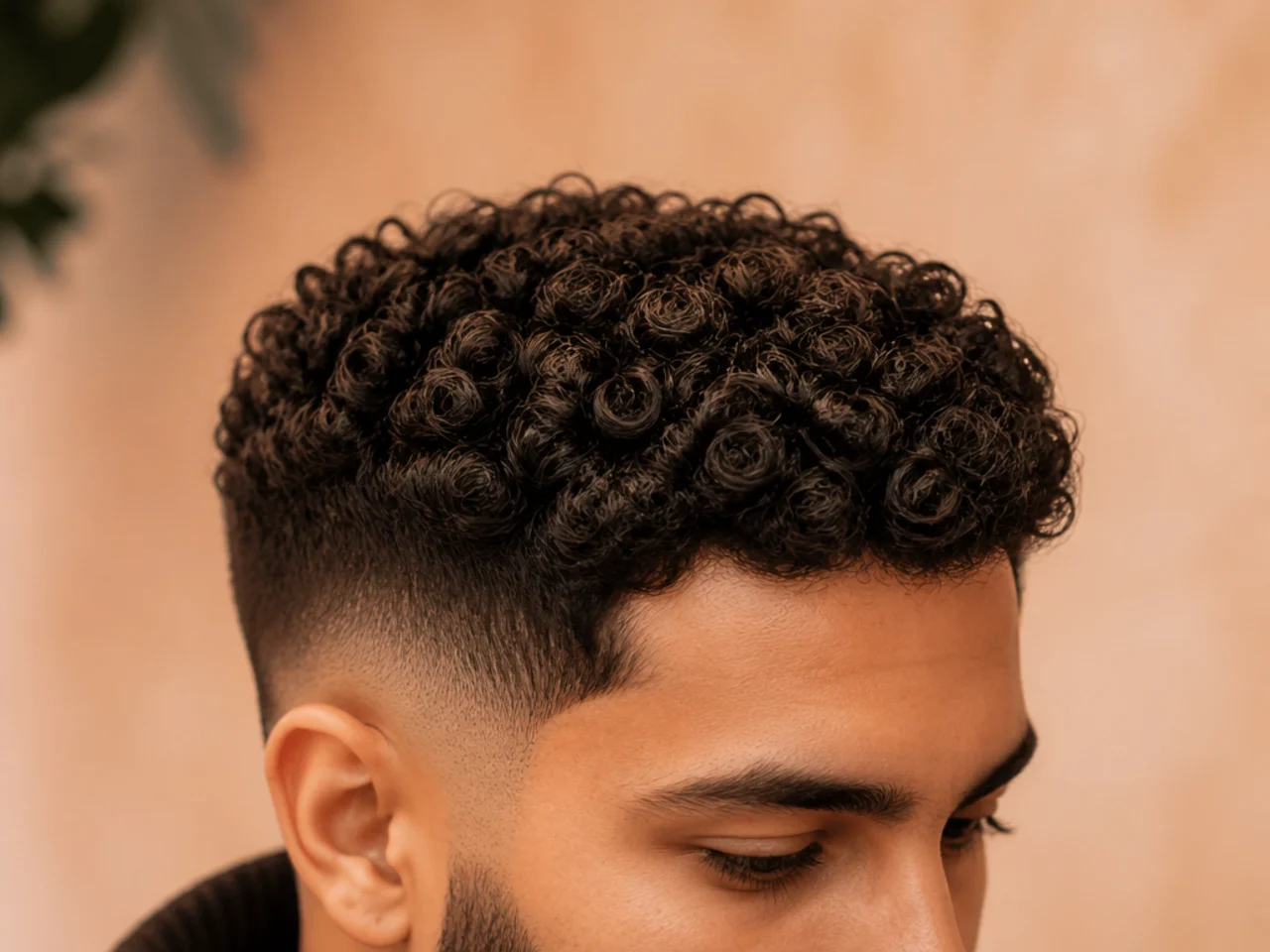
7. 2C Waves That Read Curly Only When Dry
2C barely shrinks, so it is the one pattern where a wet cut roughly survives. It also means the curl you are cutting for only appears in the last minute of drying.
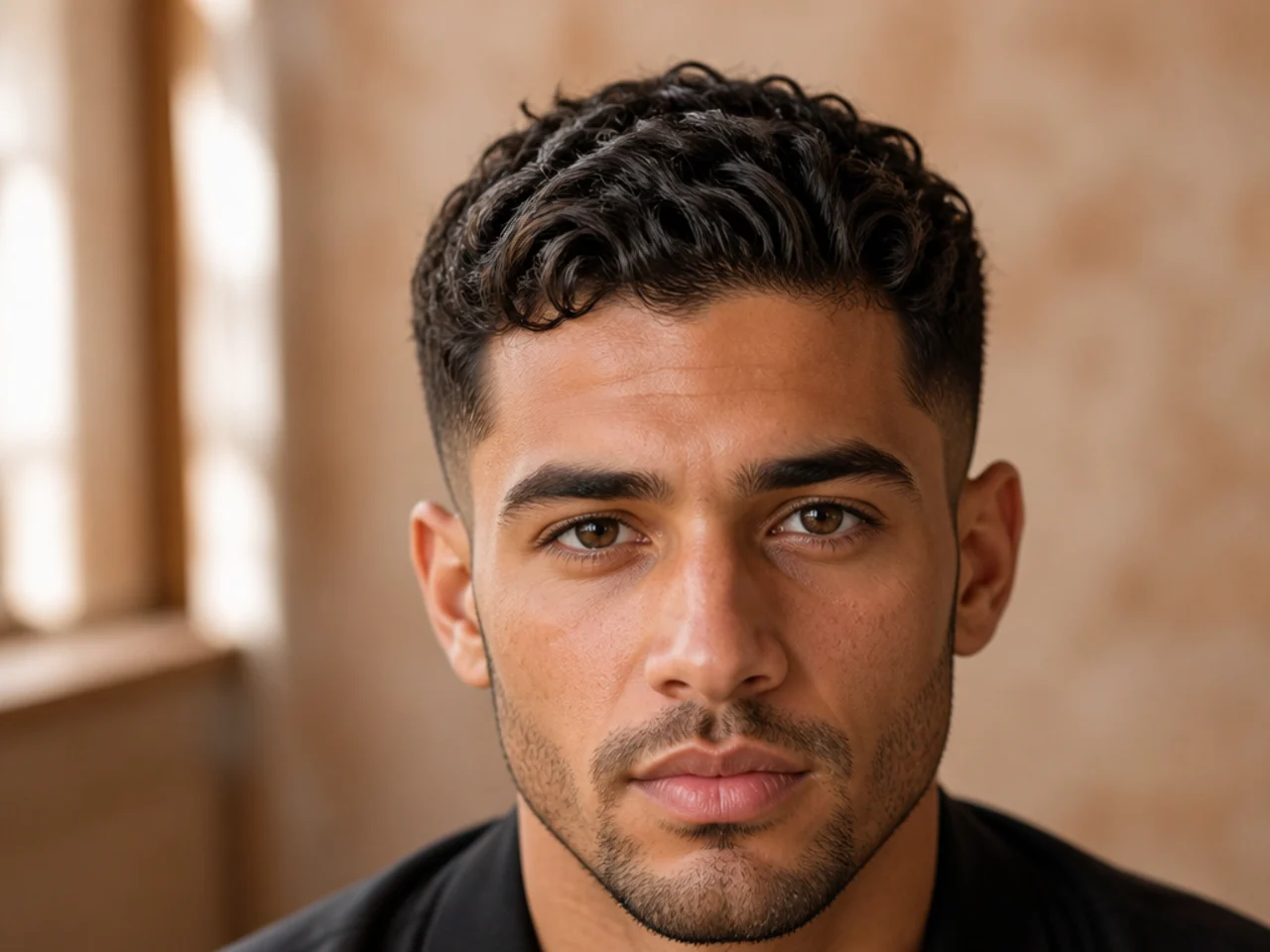
8. The Shrinkage-Safe Fringe Length
A fringe is the one place shrinkage is measured against a fixed landmark, your eyebrows. Leave two to three centimetres past the line you want, because that is what the dry-down takes back.
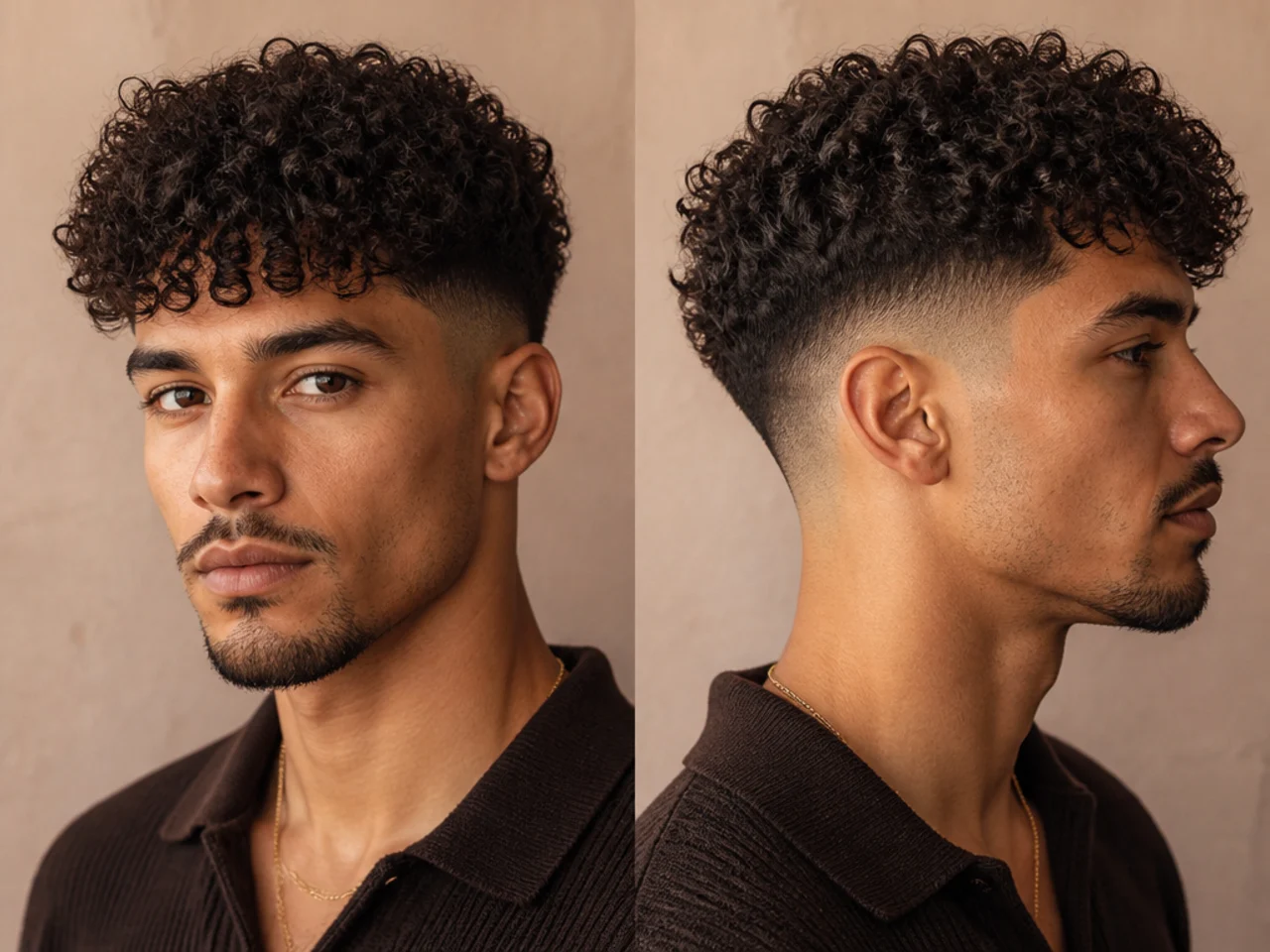
9. The Crown That Shrinks Unevenly
Curl at the crown grows out of a whorl, so it dries in several directions and pulls up harder on one side. Check it dry from behind, or the back finishes higher than the front.
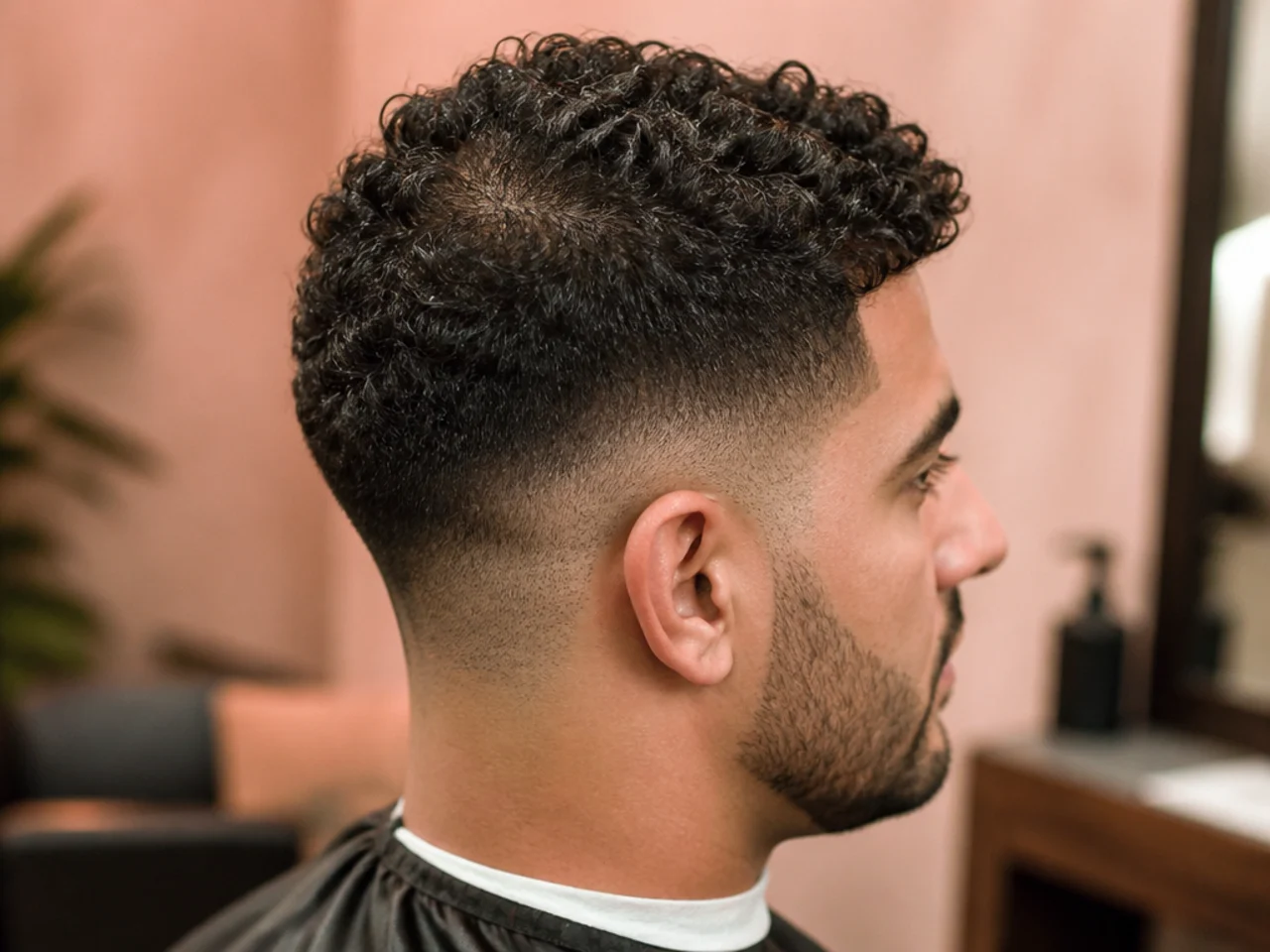
10. The Two-Centimetre Ask That Came Out at One
You asked for two centimetres, the barber left two centimetres of stretched hair, and a coiled head returned one. Nobody erred — the number was agreed in a state the hair does not hold.
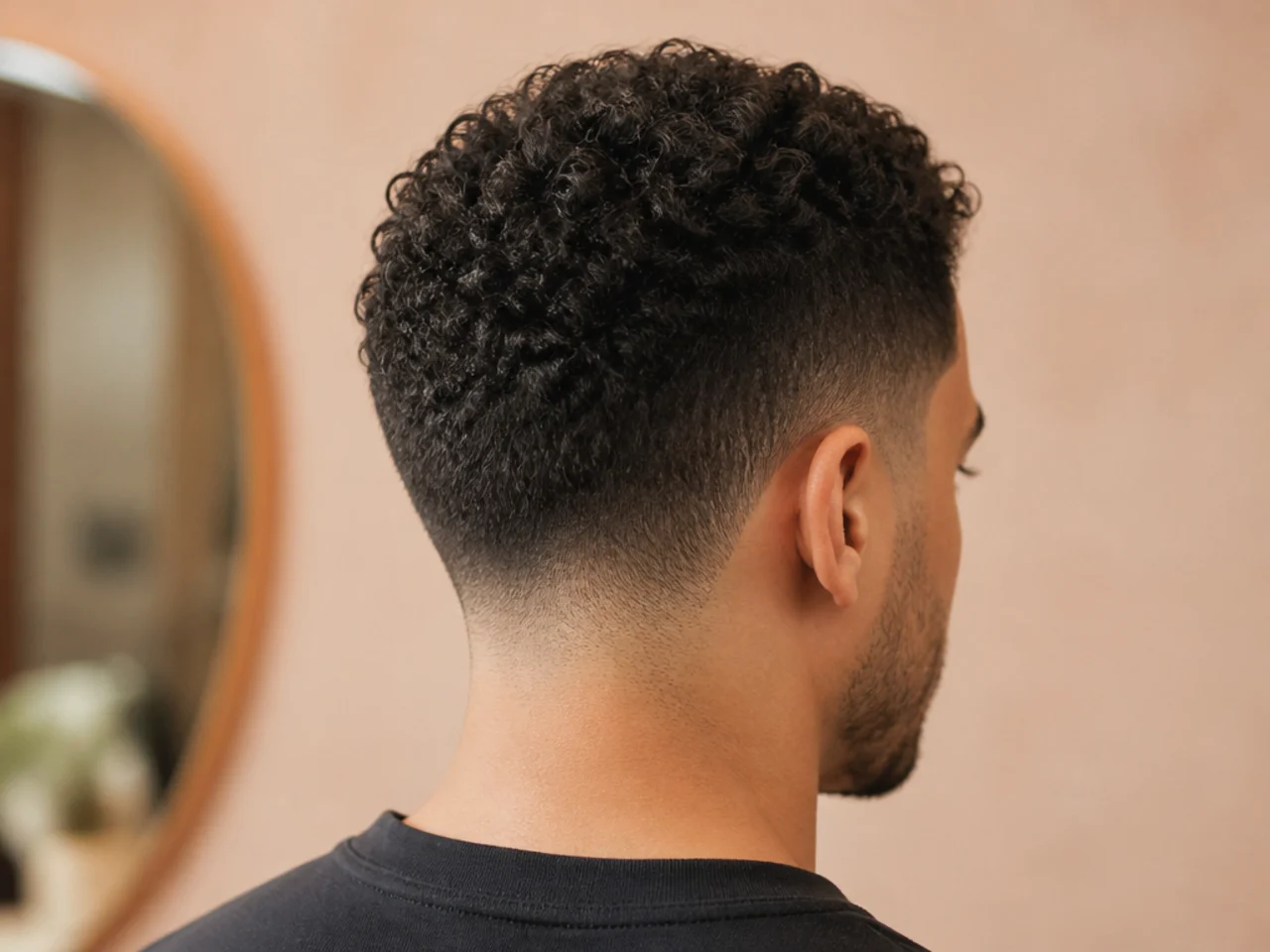
11. Cut Damp Rather Than Bone Dry
Damp is the middle setting, part sprung but still combable. It only works if the barber leaves for the shrinkage still to come, so ask which state they are cutting in.
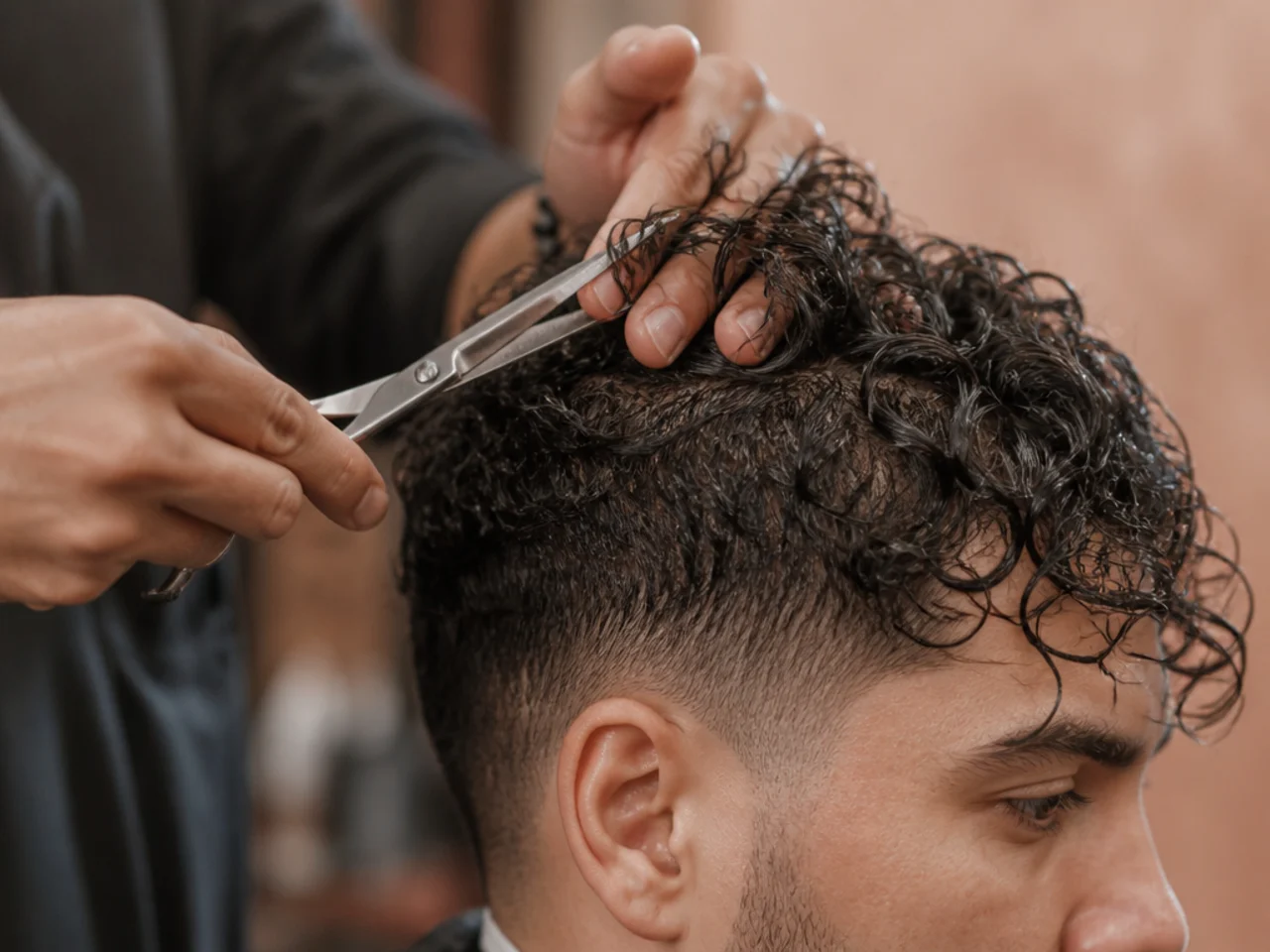
12. The Front Hairline Curl That Dries Shortest
The curls along the front hairline are finer and tighter, so they pull up hardest and expose forehead nobody planned on. Ask for that row a centimetre longer than the fringe behind.
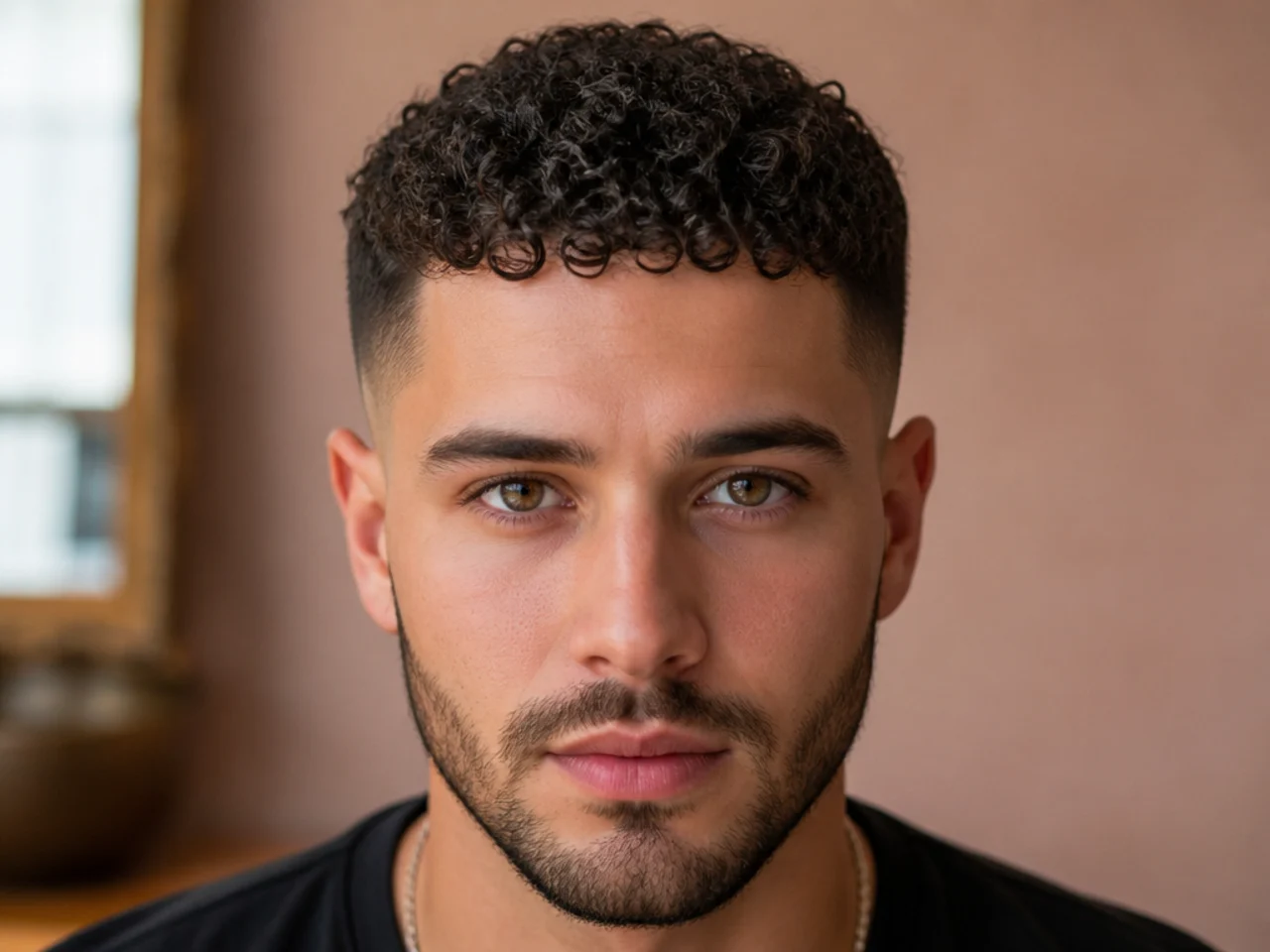
13. A Scissor Guide Instead of a Clipper Guard
A guard cuts every hair to one stretched length regardless of pattern, which gives an even measurement and an uneven look. A scissor guide sets the length against the dry curl instead.
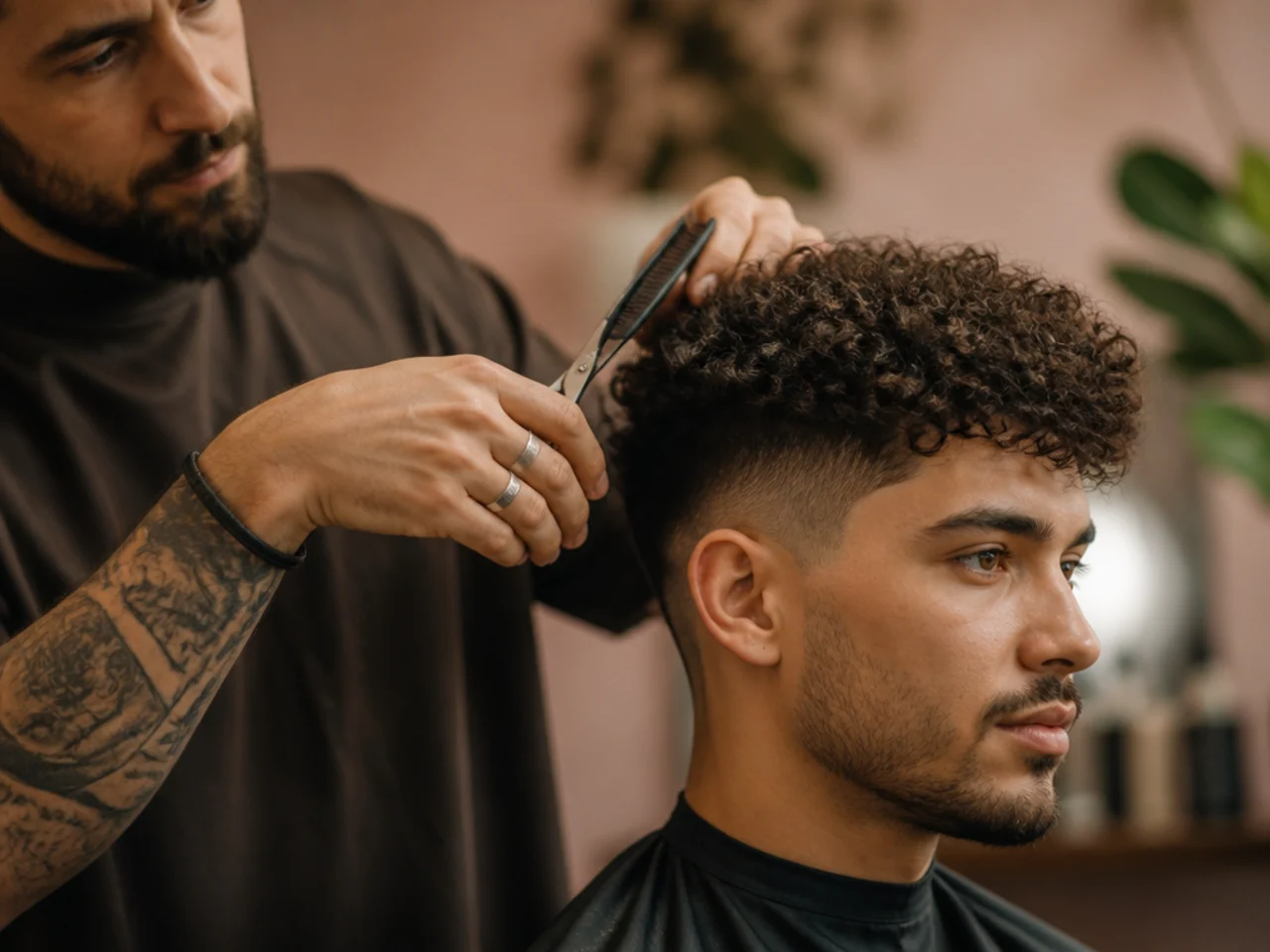
14. The Taper That Stops Before the Curl Pattern Breaks
Taper far enough down and the curl runs out of length to bend, so the side switches from pattern to fuzz at one height. Ask the barber to stop a guard above it, the way a curly taper fade keeps visible coil right down to its lowest guard.
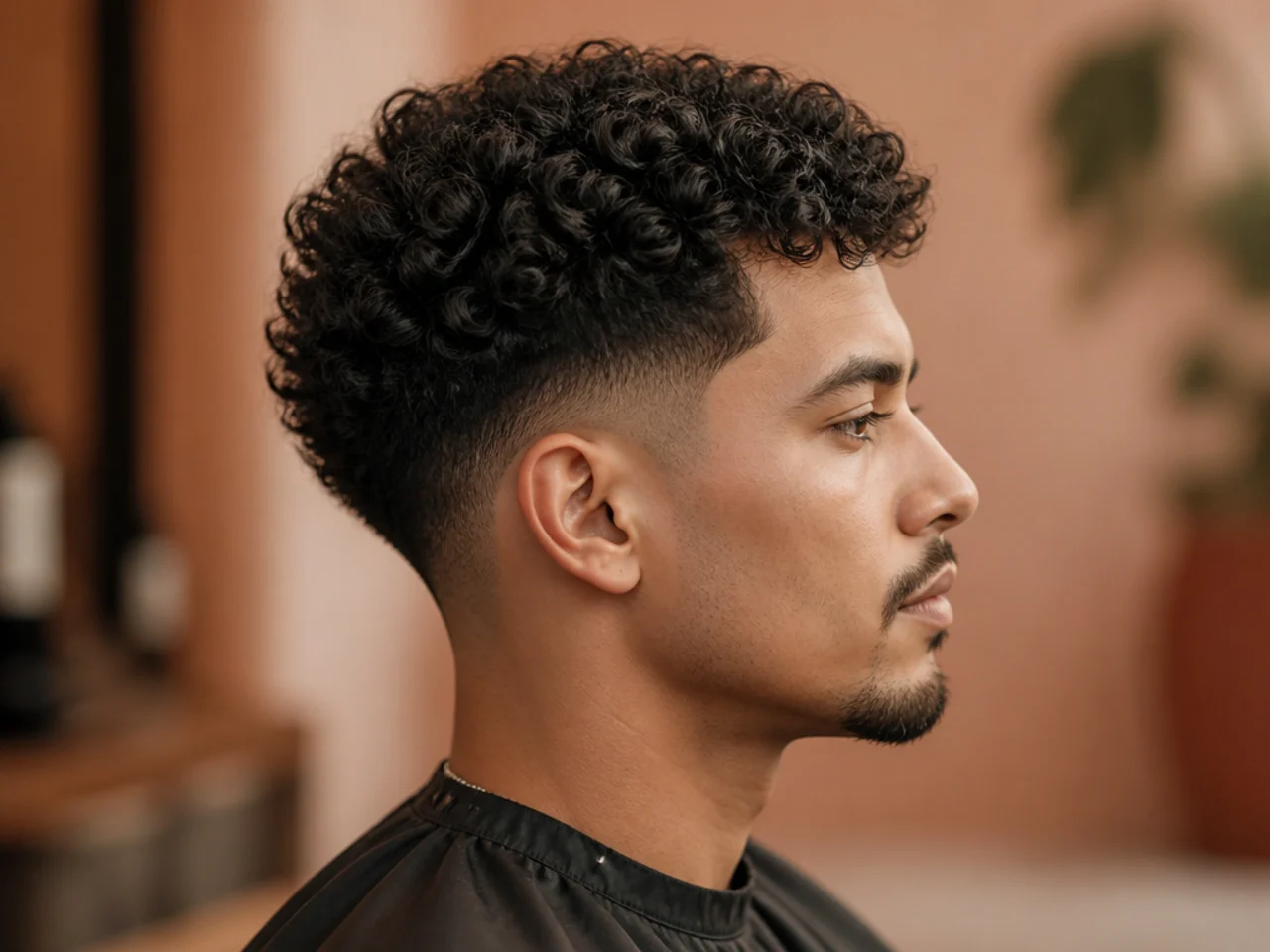
15. The Humidity-Day Version of the Same Cut
Humidity swells the shaft and tightens the pattern, so the same cut sits shorter in damp weather. Cut in a dry week and expect the shape to ride up when the air changes.
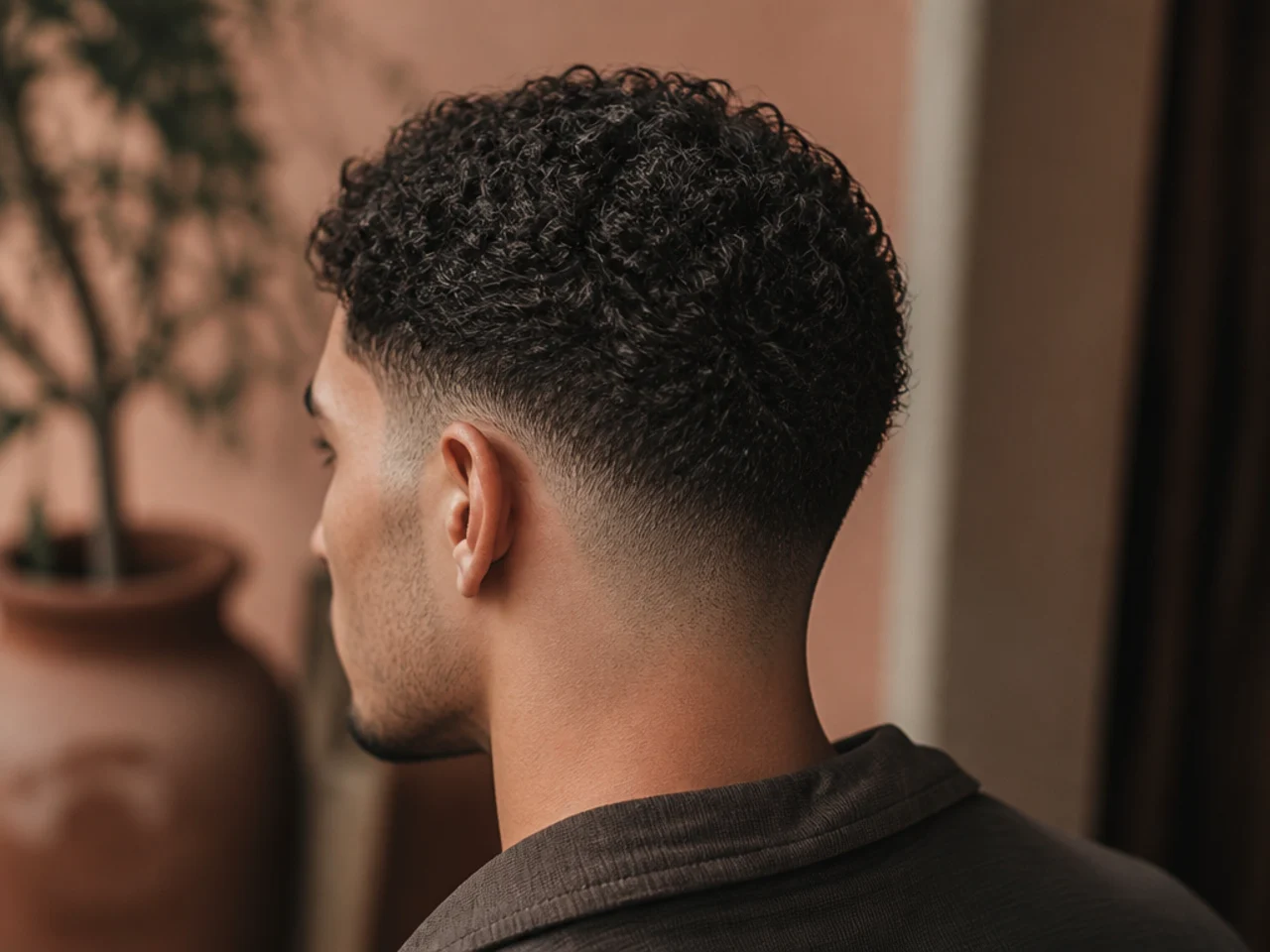
16. The Wash-Day-Only Length
Freshly washed curl is at its springiest and shortest, and by day three it has been slept on and pulled out. Pick your length for day two, not for the shower.
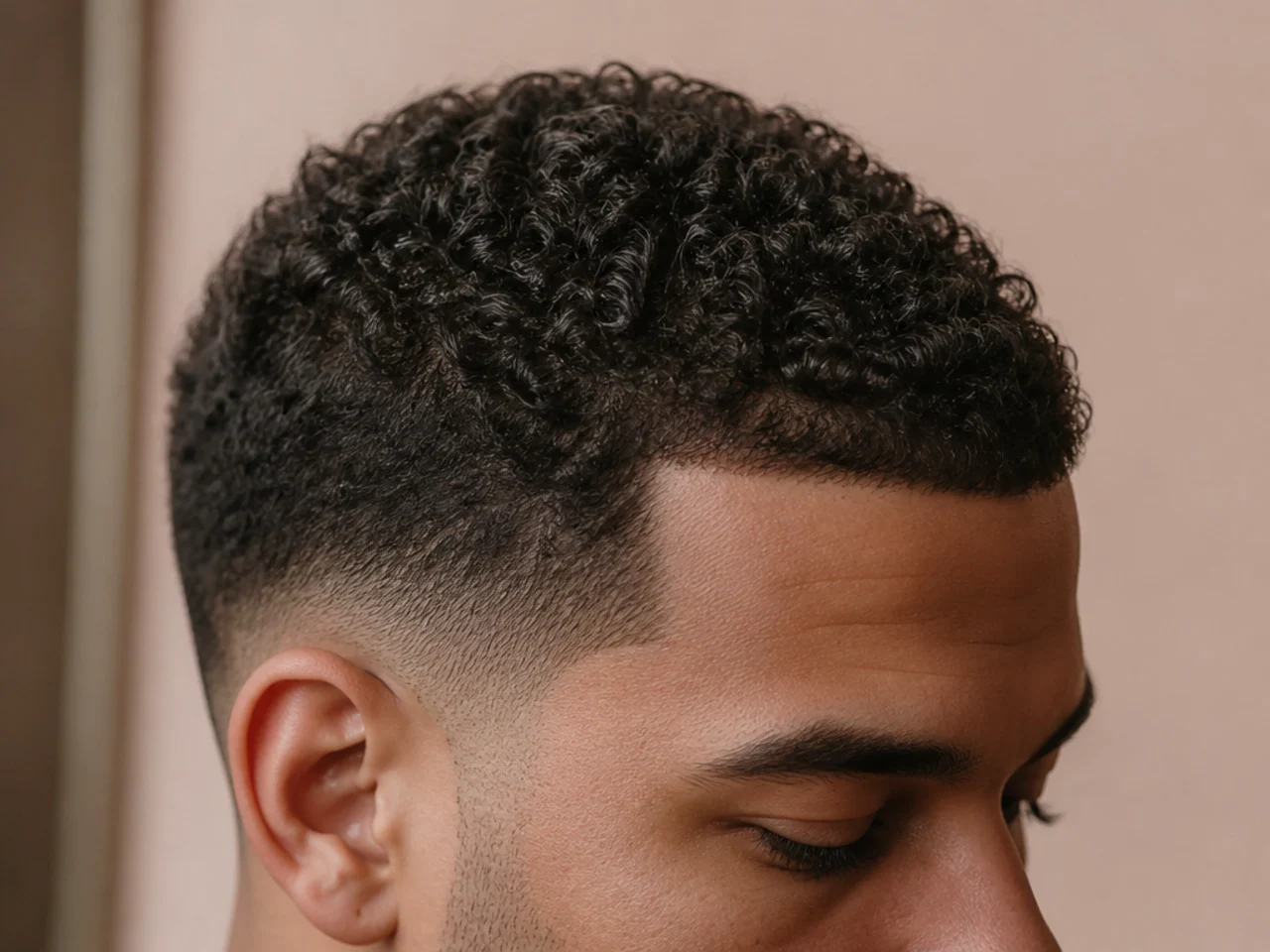
17. The Post-Shrink Neckline
A neckline cut wet sits where wet hair hangs. Once the curl lifts, that line travels up the neck and the hard edge lands wrong, so necklines on curl are shaped last and dry.
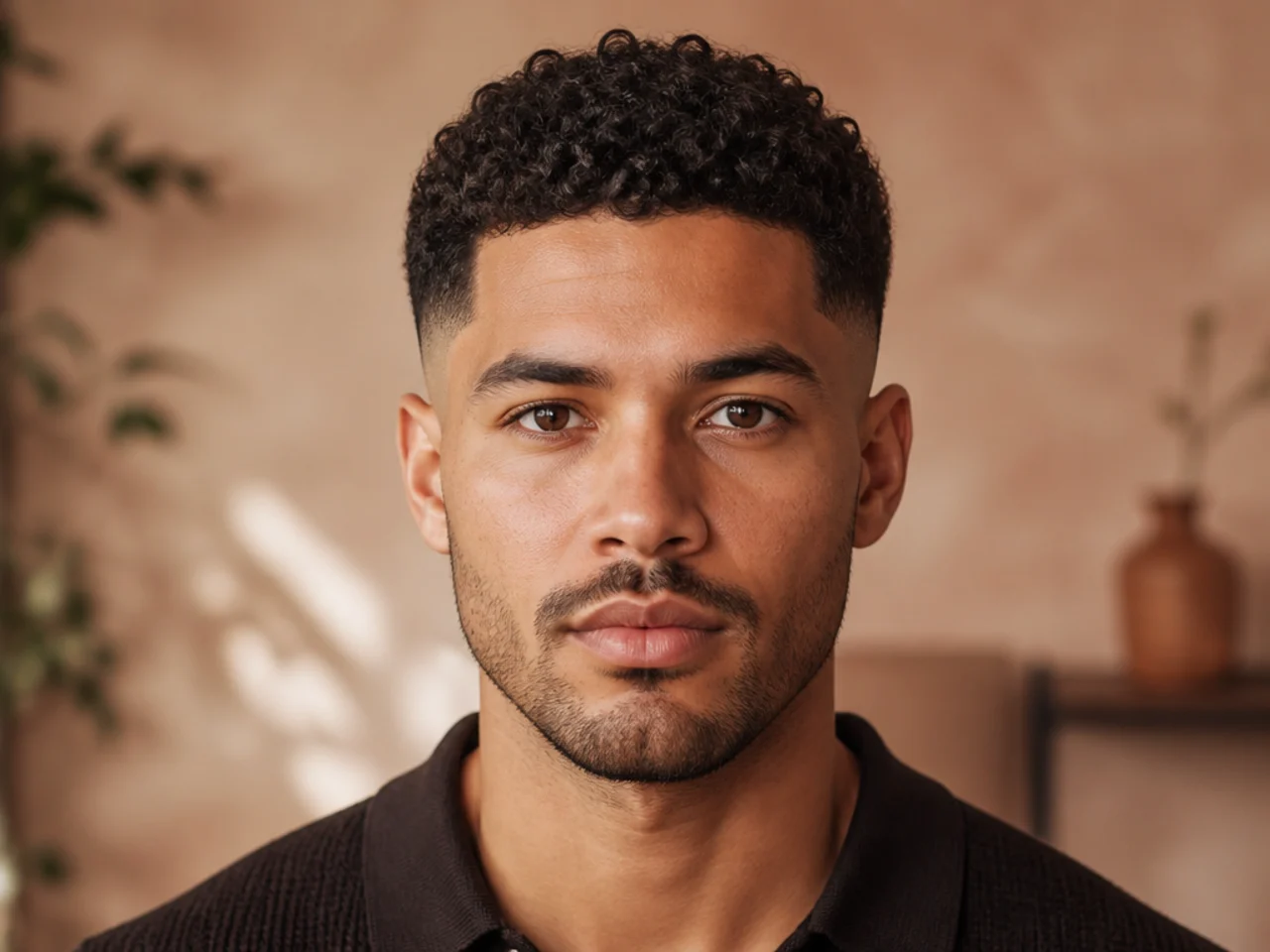
18. Mixed Patterns on One Head
Most curly heads are not a single number. If the nape sits at 4A and the top at 3B, the nape shrinks harder, so one guard across both leaves two different visible lengths.
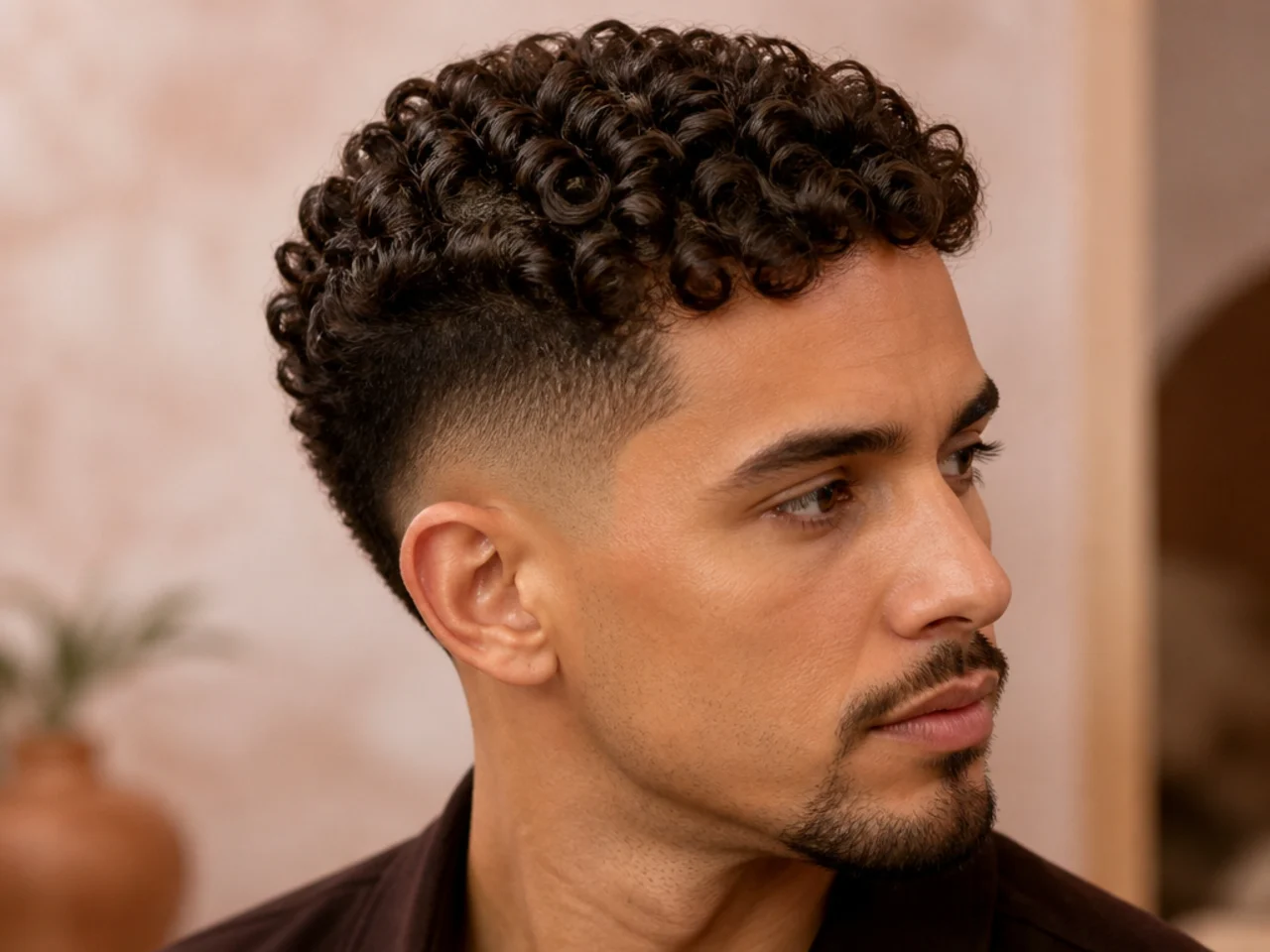
19. The Grow-Out Point Where Shrinkage Stops Mattering
Past roughly eight centimetres the curl's own weight starts pulling the pattern down, so each extra centimetre buys more visible length than the last. This is where curly hair stops working against you.
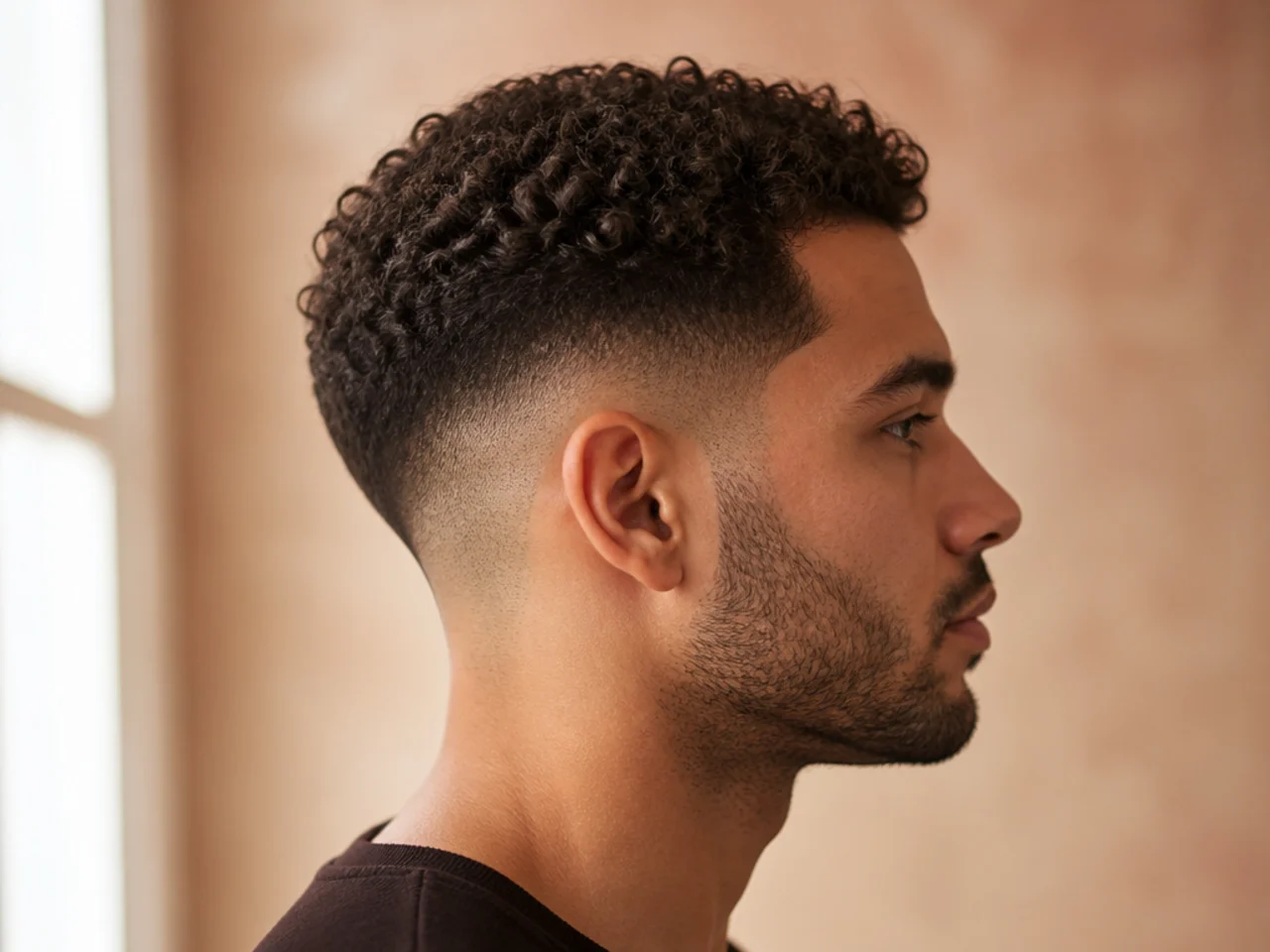
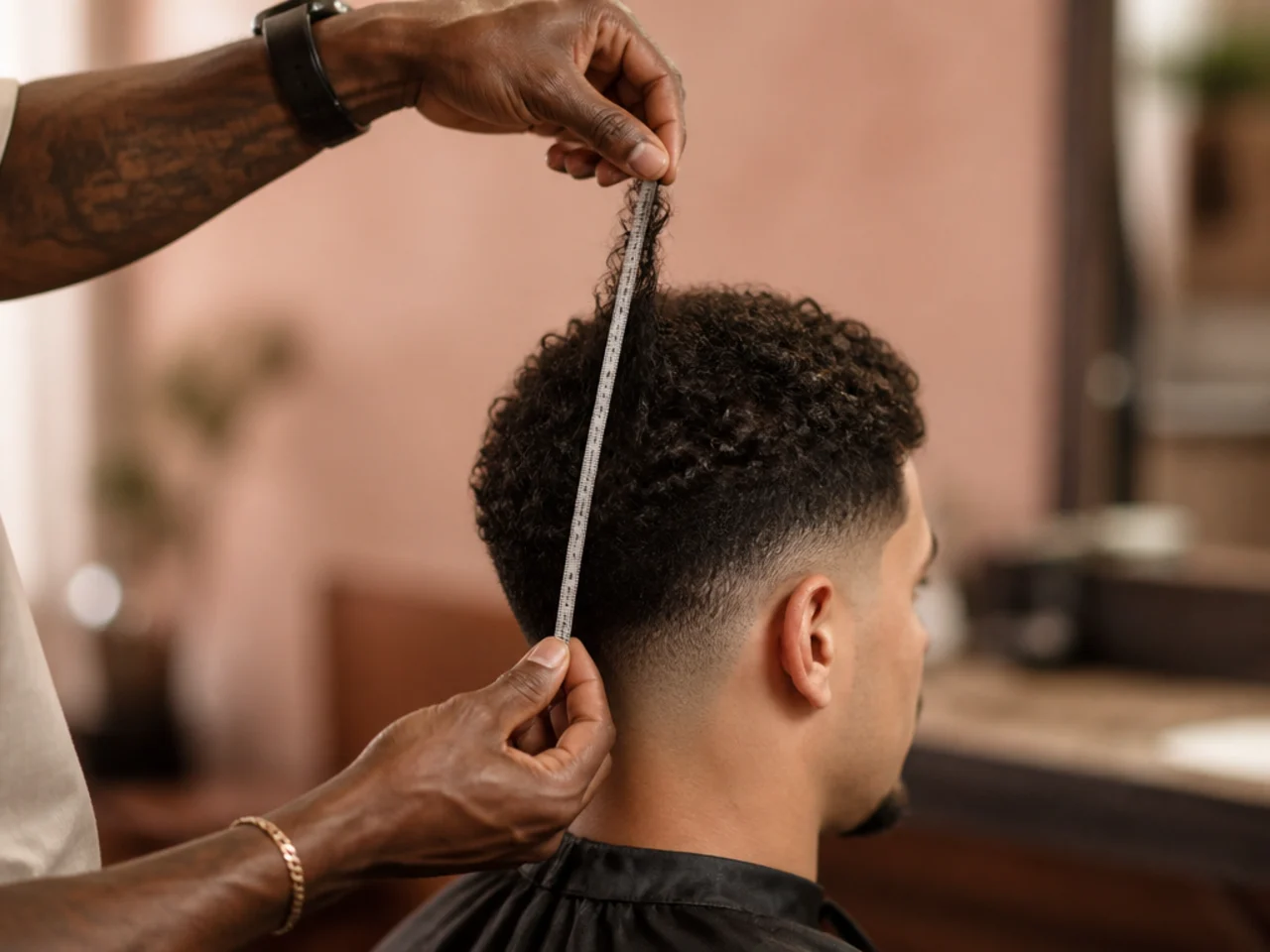
20. Measuring Stretched Versus Measuring Curled
Pull one curl straight and it reads six centimetres, release it and it reads four. Agree out loud which number you and the barber are using, before anything is cut.
Keeping the Length You Agreed To
Book on your hair's schedule, not the calendar's. Curly hair looks unchanged for weeks and then suddenly reads long, usually week five or six.
Judge the cut on day two, dry. Wash day is the shortest it looks all week and the worst moment to decide it went wrong.
Photograph the finished cut dry. It is the only reference that shows the next barber what your actual length is.
Ask for the neckline only between full cuts. It reads untidy first and can be redone without touching the pattern.
Note the guard the barber used, not the millimetres you imagined. That number beats any description next visit.
Mistakes to Avoid
Letting a barber comb your curl straight and cut a line. That line only exists while the hair is wet.
Asking for a number in centimetres without saying stretched or curled. Half the disappointments on this page start there.
Going a guard shorter because the last cut felt too long. On tight coils one guard down can remove most of the visible pattern.
Cutting the fringe to eyebrow level in the chair. It will finish above them, every time.
Choosing a length from a photo of someone with a looser pattern. Same cut, different shrinkage, different result.
FAQ
How much length will I lose? Around a third on curls, up to half on tight coils, a little on waves.
Wet or dry? Dry, or damp with the remaining shrinkage accounted for out loud.
Does the guard number mean the same thing? No, a guard measures the shaft and the curl hides most of it.
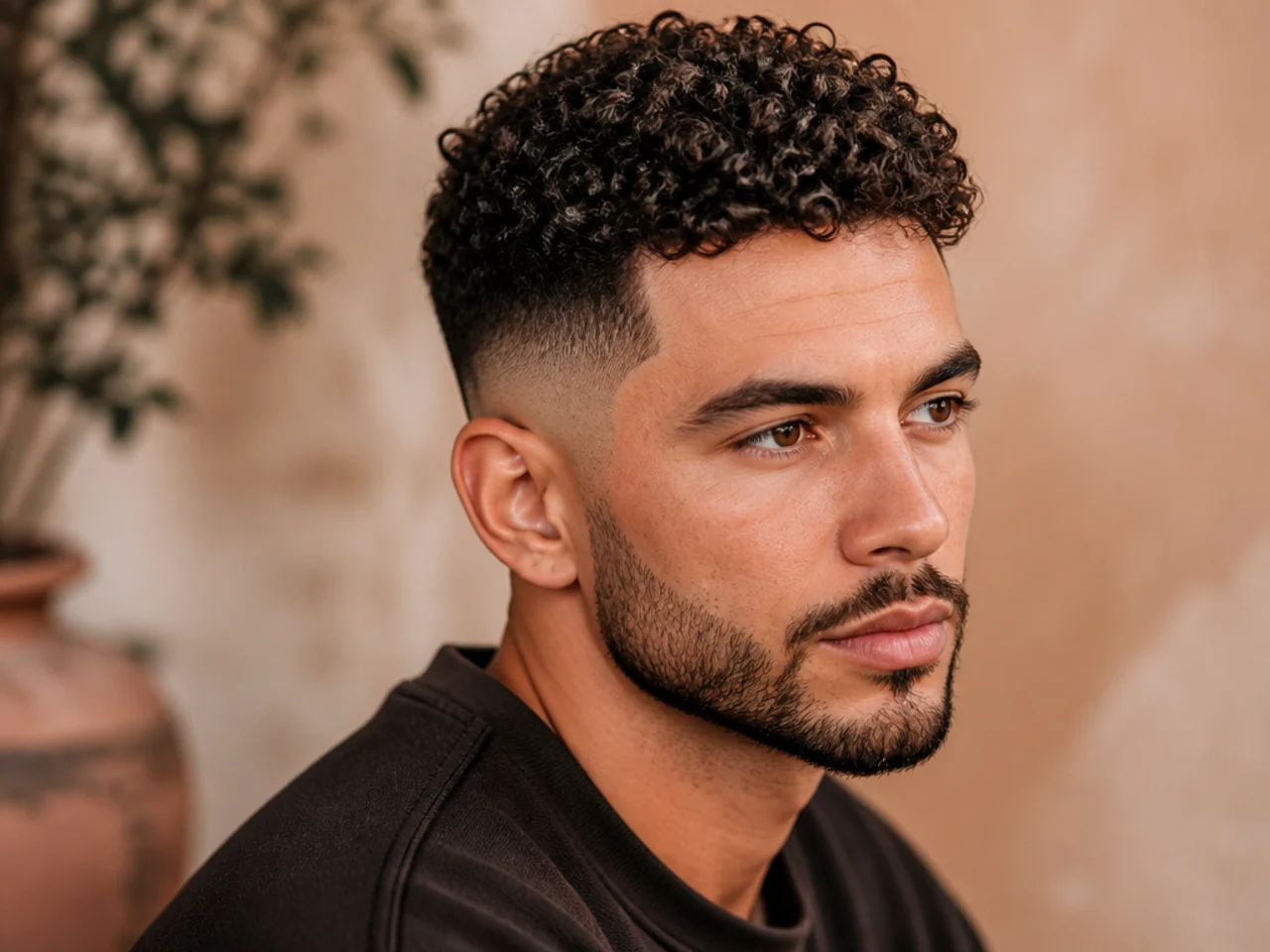
Final Thoughts
Decide which state you are measuring in before anyone touches your head. Stretched and curled are two numbers, and the cut that lands where you expected is the one where you agreed which you meant.
For pattern-by-pattern shape options see short curly haircuts for men, and for a wider set of lengths see curly haircut ideas for men. More in Men's Haircuts.