15 Modern Ivy League Haircut Ideas to Try
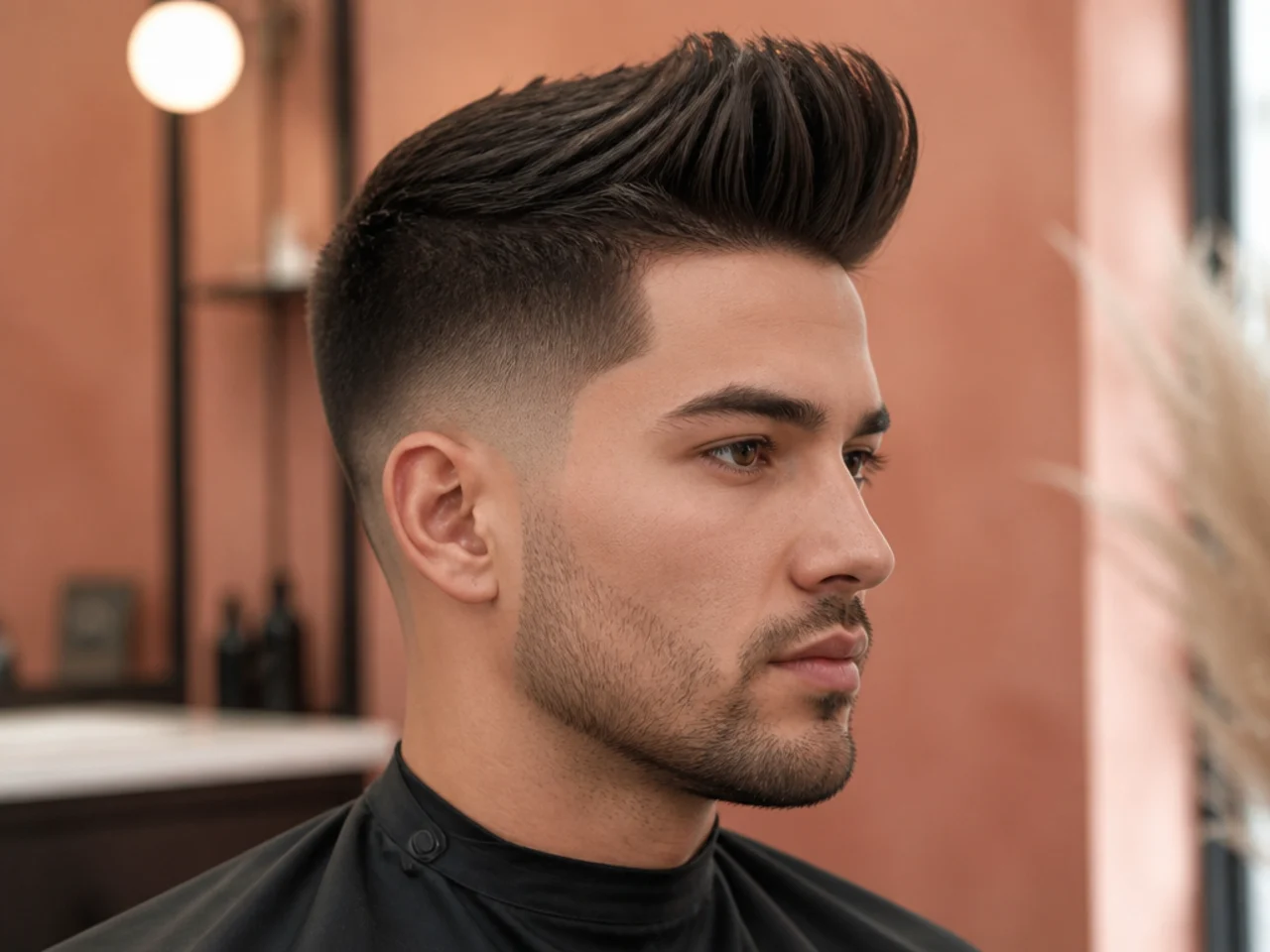
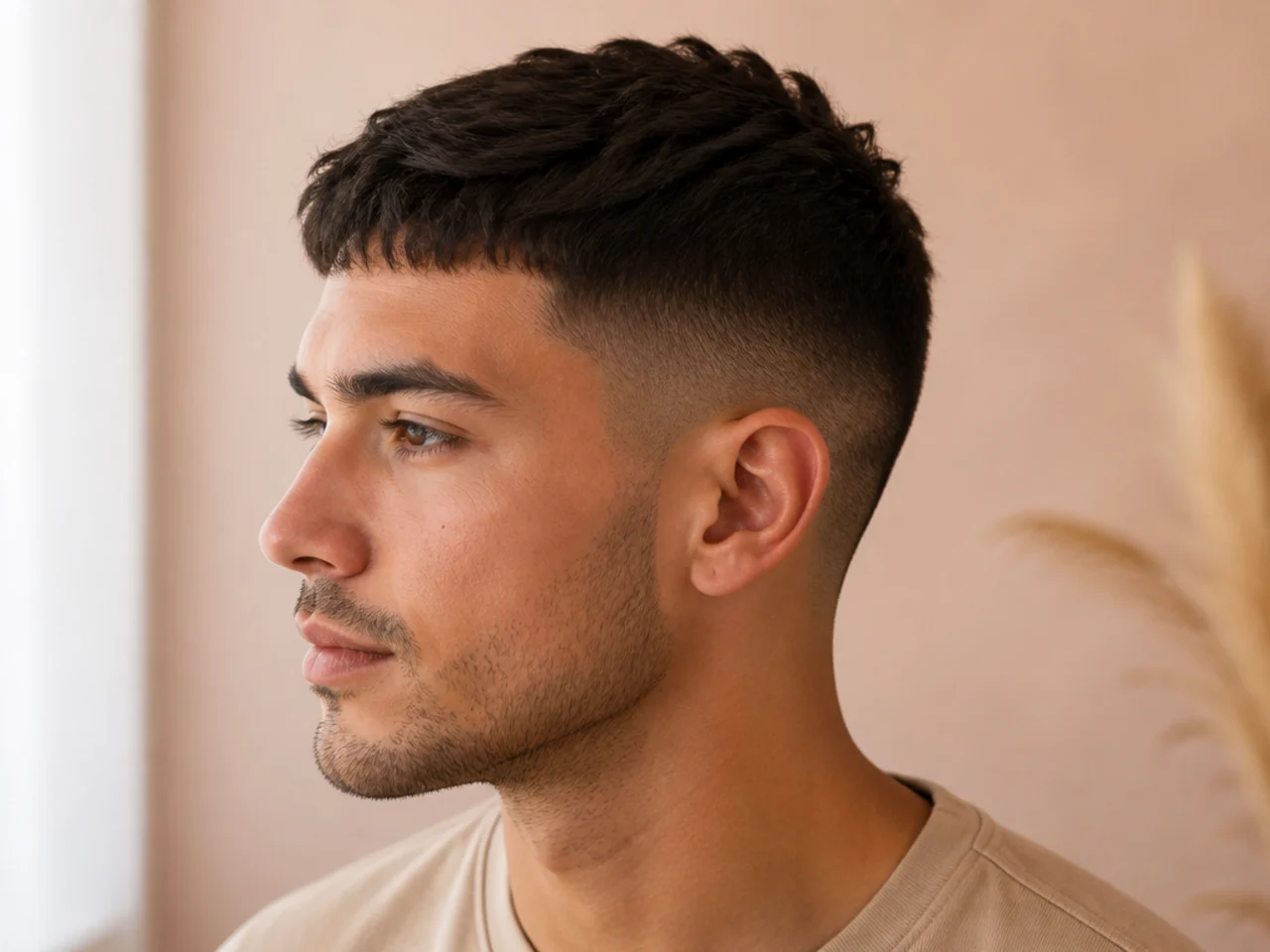
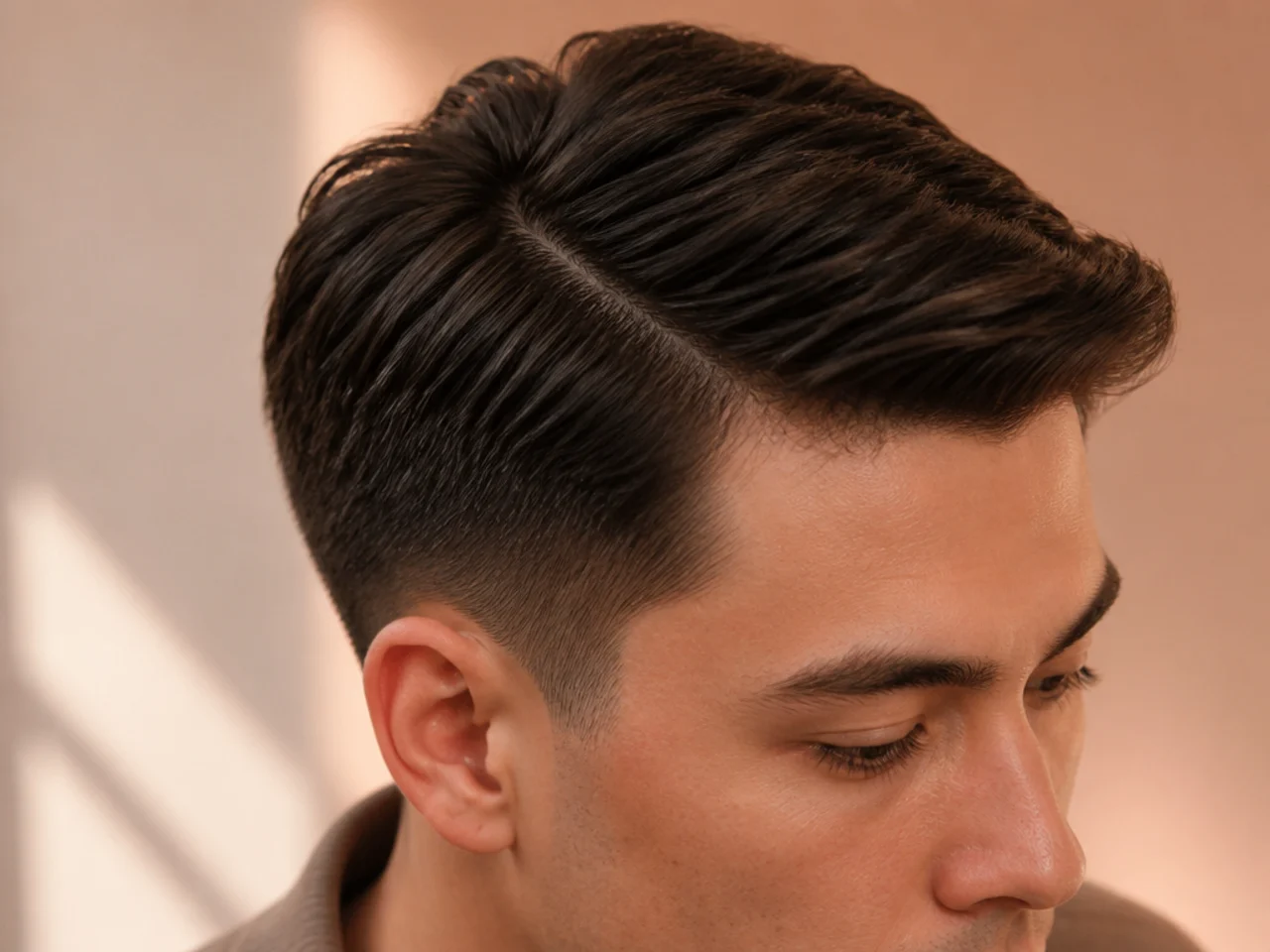
Fifteen modern ivy league ideas, and the thing that actually changed since the 1950s — not the shape, the ratio. The top got longer and the sides got much shorter, and that gap is the entire modern look.
In this article · 22
- Why the Ratio Is the Modern Part
- How to Choose Yours
- The 15 Modern Ivy League Variations
- 1. The Classic Four-to-One
- 2. Two Inches Over a Number Two
- 3. The Modern Default
- 4. Three Inches Over a Number One
- 5. Ivy League Over a Skin Fade
- 6. Low Taper With a Long Top
- 7. High Taper With a Classic Top
- 8. The Matte Finish Modern Ivy
- 9. The Disconnected Ivy League
- 10. Soft Part Over Sharp Sides
- 11. Modern Ivy League With Texture
- 12. Modern Ivy League With a Hard Part
- 13. The Scissor-Only Version
- 14. Modern Ivy League on Fine Hair
- 15. The Ratio at Week Three
- Styling and Upkeep
- Mistakes to Avoid
- FAQ
- Final Thoughts
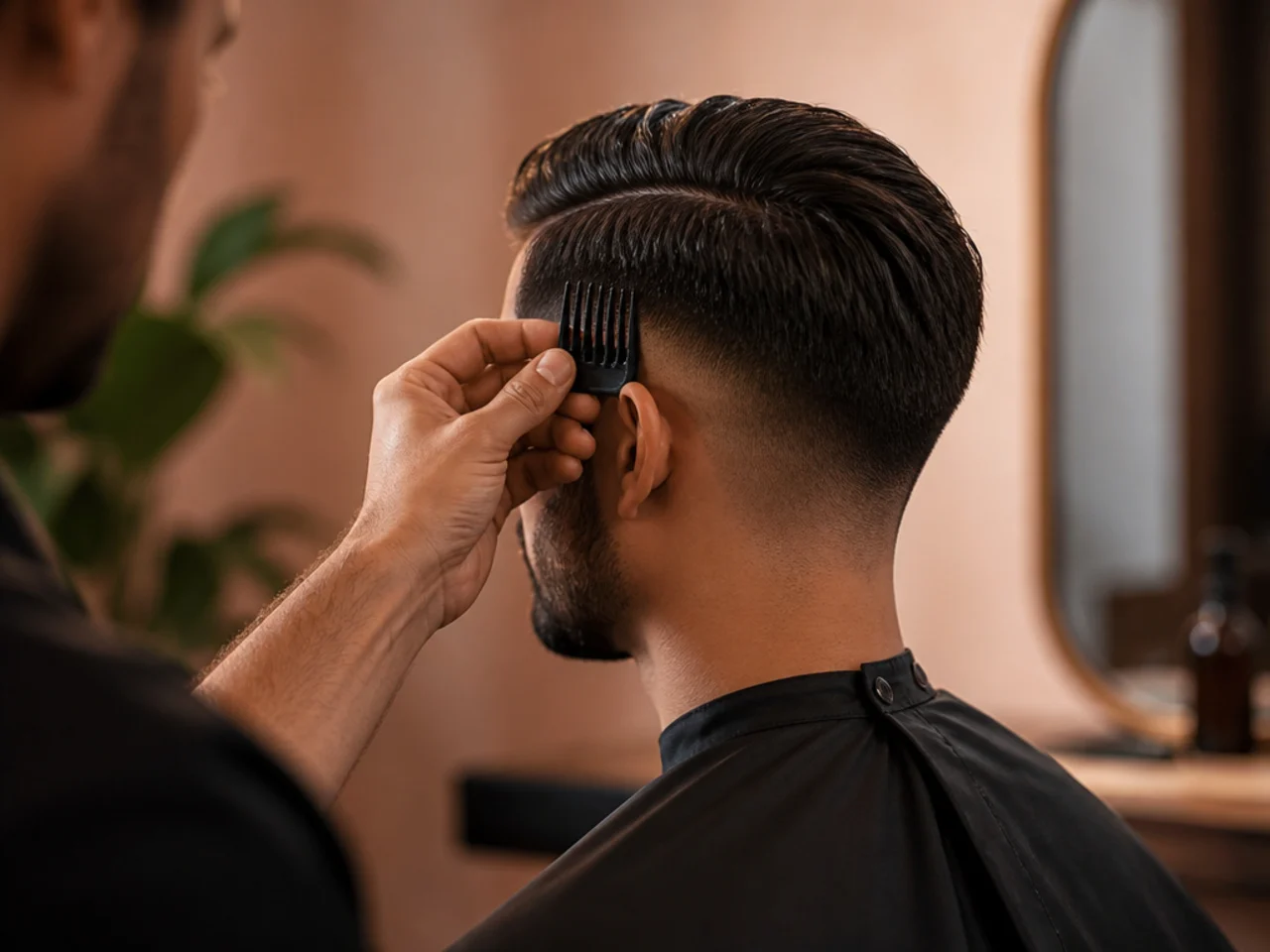
The ivy league has not changed shape since the 1950s. It is still a long top with a visible part over short, graduated sides.
What changed is the gap between those two numbers. The original sat at around two inches on top over a number three or four taper — roughly four to one. Most versions cut today run two to three inches over a number one, which is nearer twenty to one.
Modern is a ratio, not a silhouette. Every idea below is the same haircut at a different point on that scale, and knowing where you want to sit is more useful than any photograph.
Why the Ratio Is the Modern Part
The top has a fixed floor. Two finished inches, because that is the minimum that will hold a part. Nothing modern has moved that number.
The sides have no floor at all. They can go from a number four down to bare skin, which is where all the available change lives.
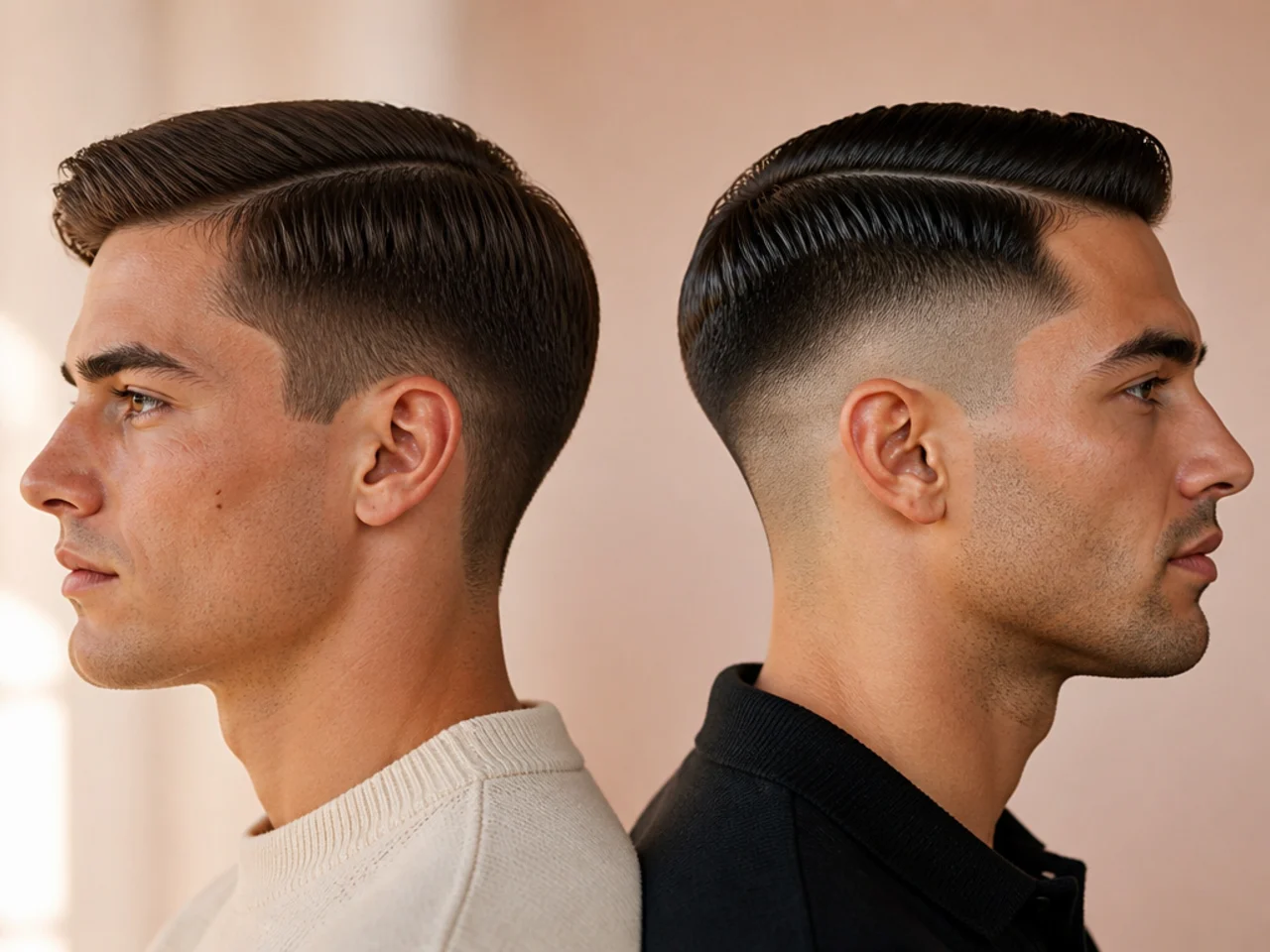
Contrast is what the eye reads. Not the top length and not the guard number, but the distance between them at the point where they meet.
Raising the ratio from above is cheaper. Length on top does not blur; a number one does. Same contrast, twice the appointment window.
How to Choose Yours
Pick your side guard first. It sets the ceiling on how modern the cut can read, and it is the number you will repeat at every appointment.
Then add top length to taste. Every extra half inch above raises contrast without costing you anything in upkeep.
Match the ratio to how often you get cut. Anything at a number one or below wants a two-week rhythm; a number three holds four.
Decide whether the join is a ramp or a step. A graduated taper softens the ratio; a disconnect states it outright.
The 15 Modern Ivy League Variations
1. The Classic Four-to-One
Two inches on top over a number four taper. This is the ratio the cut was invented at, and it is the version that reads mid-century rather than current — useful to know so you can deliberately avoid it.
2. Two Inches Over a Number Two
The first step that genuinely reads modern. A number two is six millimetres, which is short enough for the top to look deliberately long above it without the sides showing scalp.

3. The Modern Default
Two inches over a number one at the bottom. This is the ratio most barbers now cut by reflex when nobody specifies, so it is what you get by saying nothing at all.
4. Three Inches Over a Number One
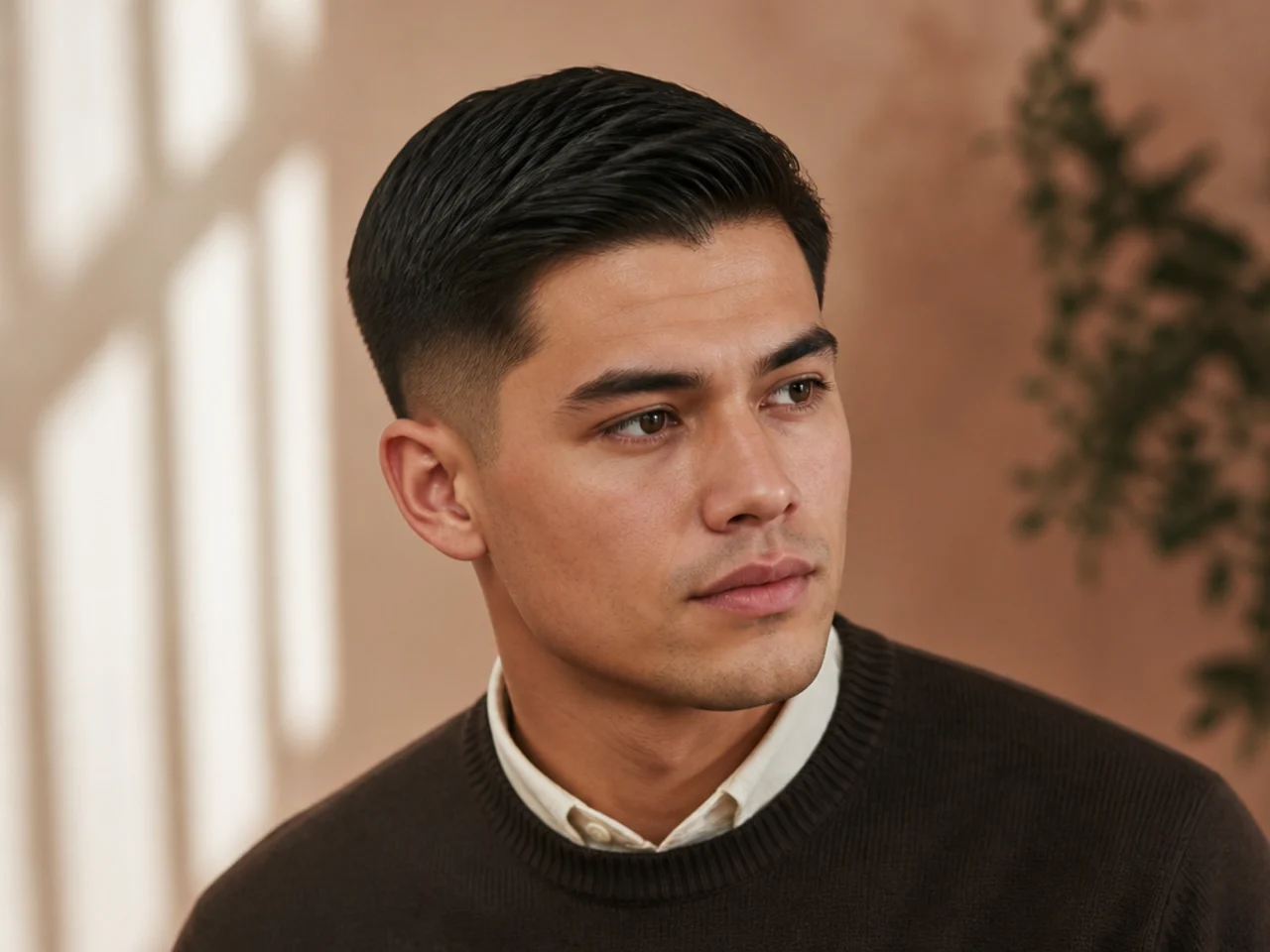
Contrast raised entirely from above. The sides are unchanged, so the upkeep schedule is unchanged, and the cut still reads sharper than the default at week three.
5. Ivy League Over a Skin Fade
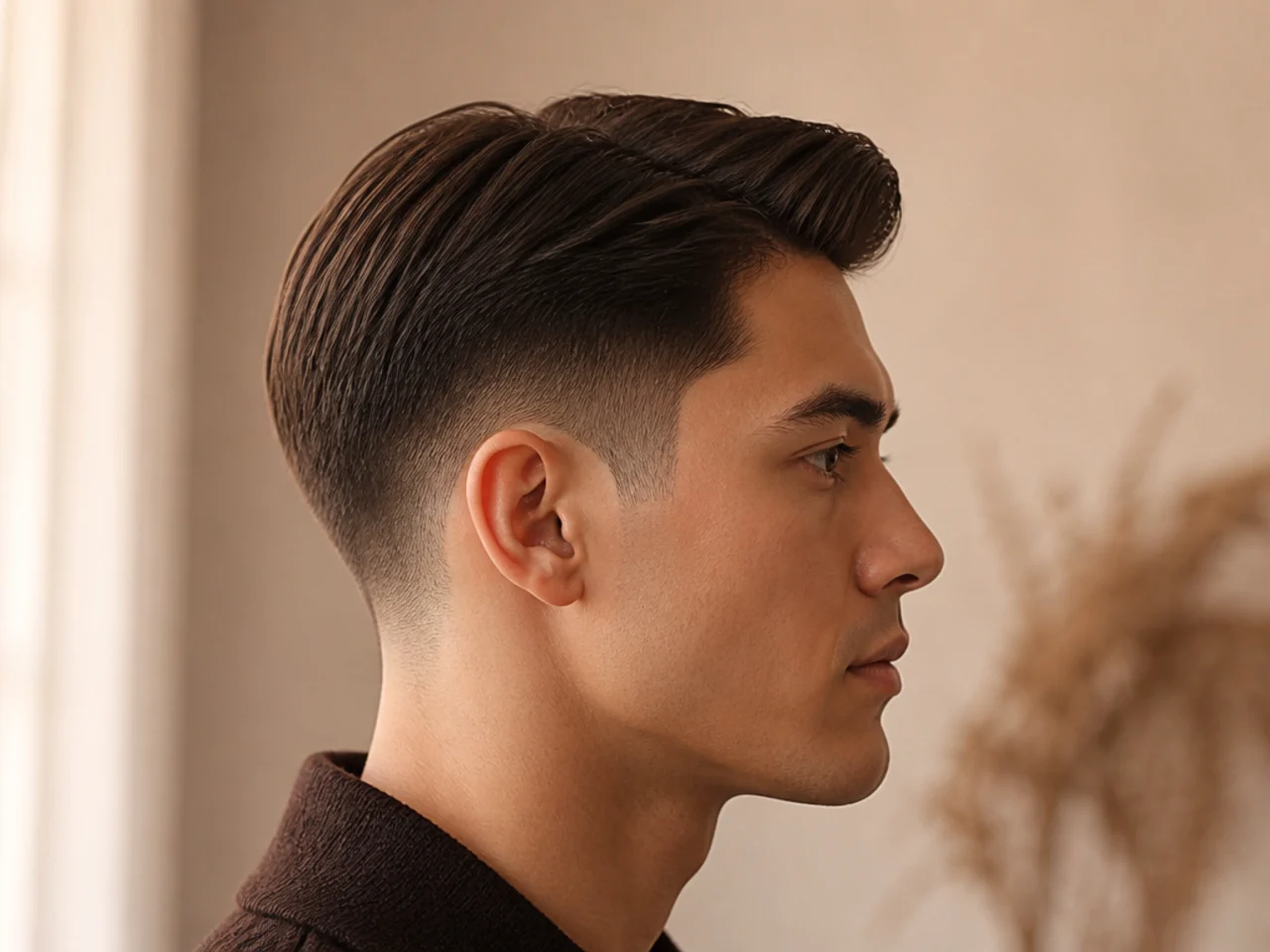
At skin there is no ratio left to measure — the contrast is total, as it is on any skin fade. It is the most current version available and the one that stops looking correct fastest, because stubble on bare skin is visible within days.
6. Low Taper With a Long Top
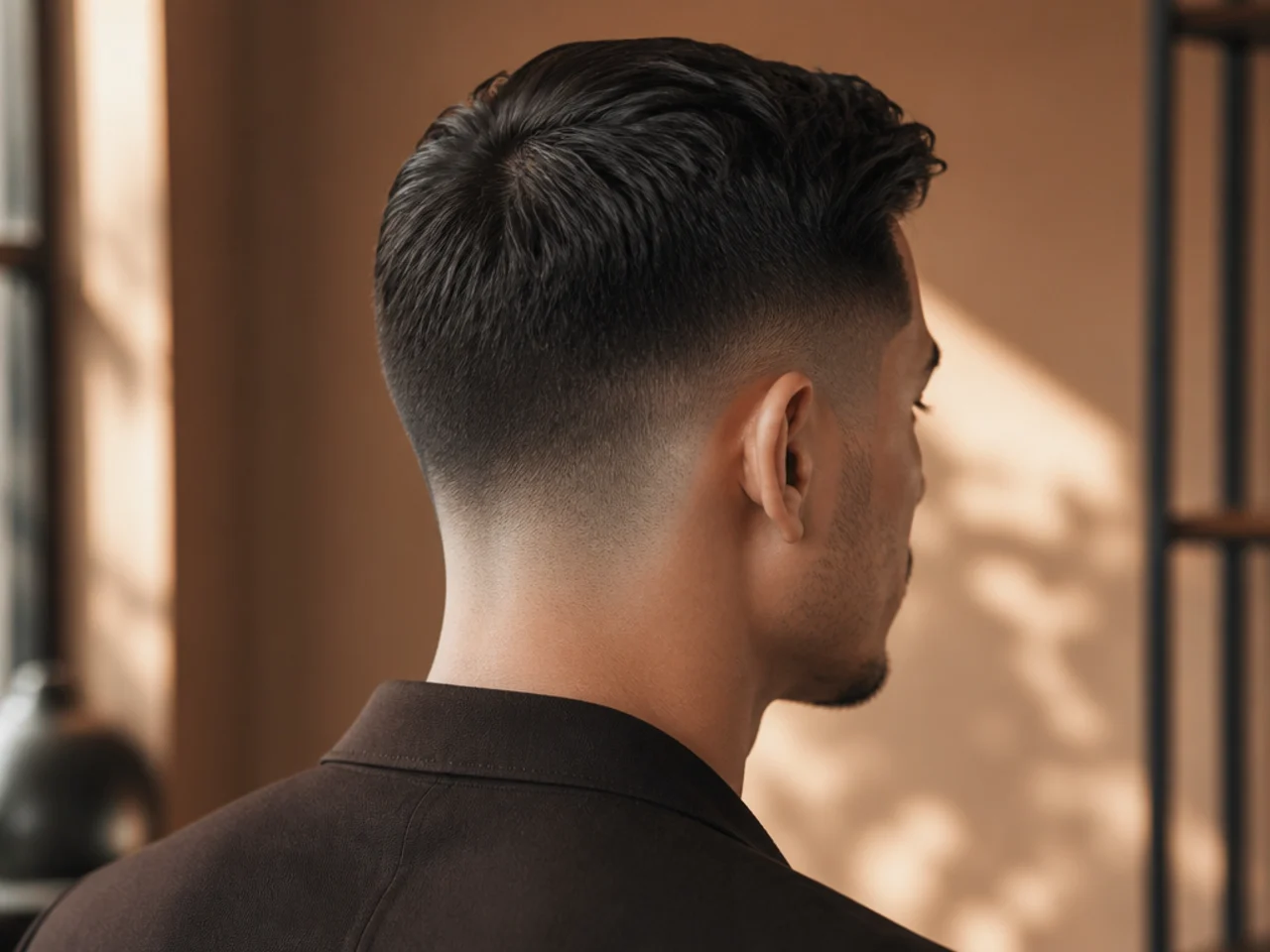
The shortening starts at the top of the ear, so most of the side keeps length and the contrast happens only at the very bottom. It is the quietest way to run a high ratio.
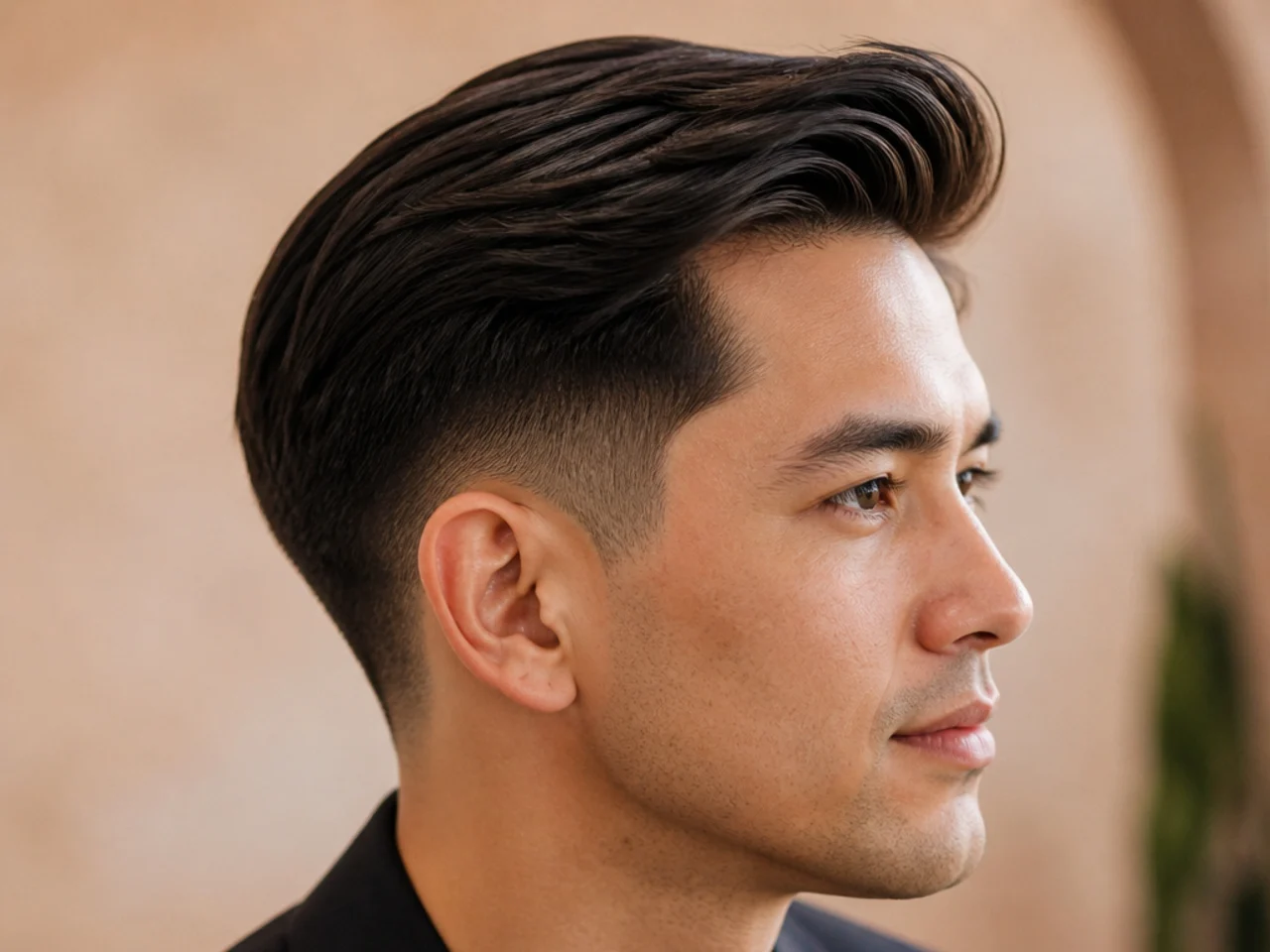
7. High Taper With a Classic Top
The opposite trade. The ratio is raised by starting the shortening at the parietal ridge instead of by adding length, which is why this version looks dramatic on day one and untidy by week two.
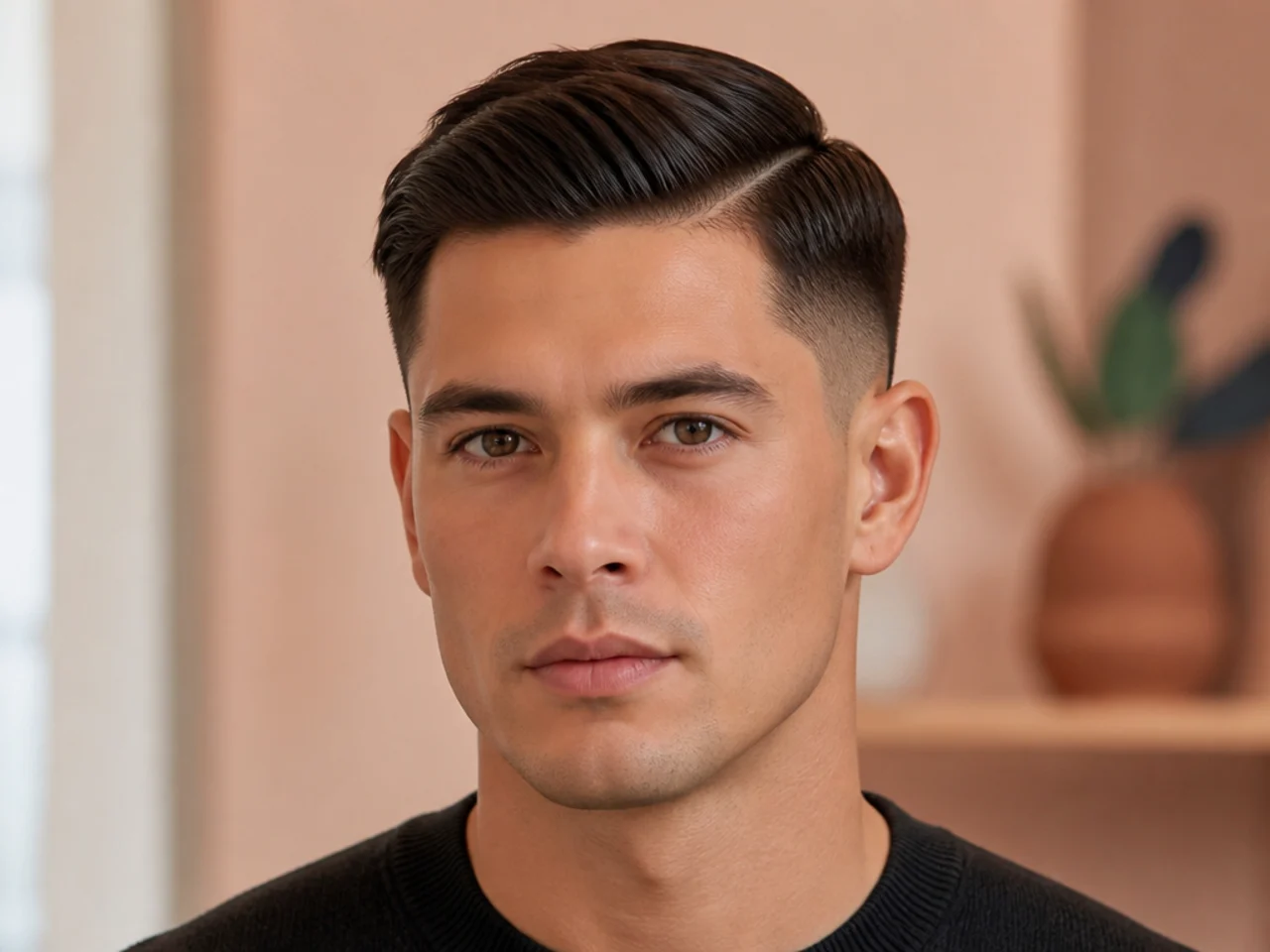
8. The Matte Finish Modern Ivy
Finish changes how the ratio reads. Shine bounces light off the top and visually softens the gap; a matte clay absorbs it, which makes the same measurements look higher-contrast.

9. The Disconnected Ivy League
No gradient between top and sides at all — a step rather than a ramp, borrowed from the undercut. It states the ratio outright, and it needs a strong head shape because there is nothing blending the two lengths together.
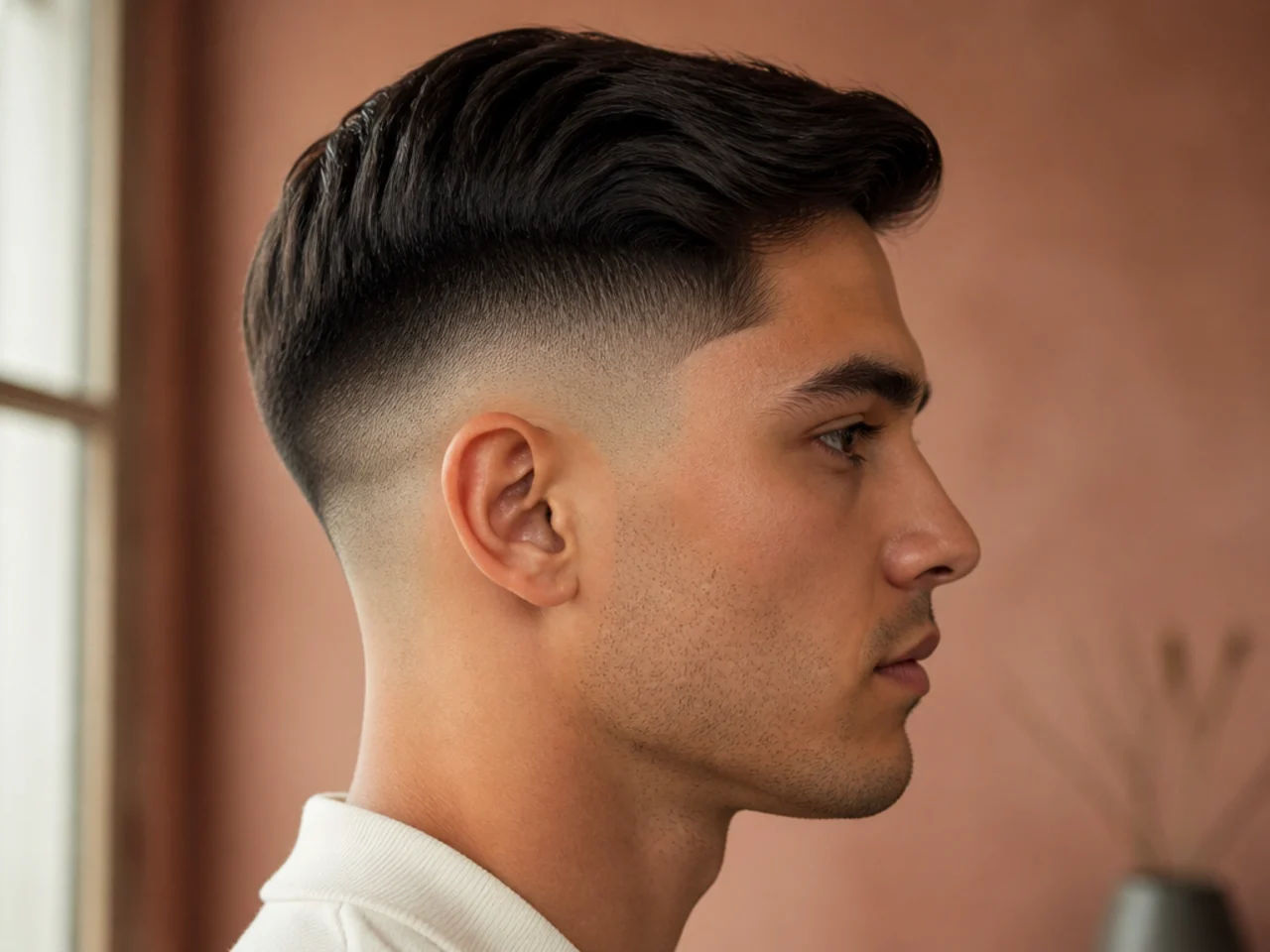
10. Soft Part Over Sharp Sides
The top combed rather than drawn, the sides cut to a crisp line. The mismatch between a soft edge above and a hard one below is what makes this version look current rather than formal.
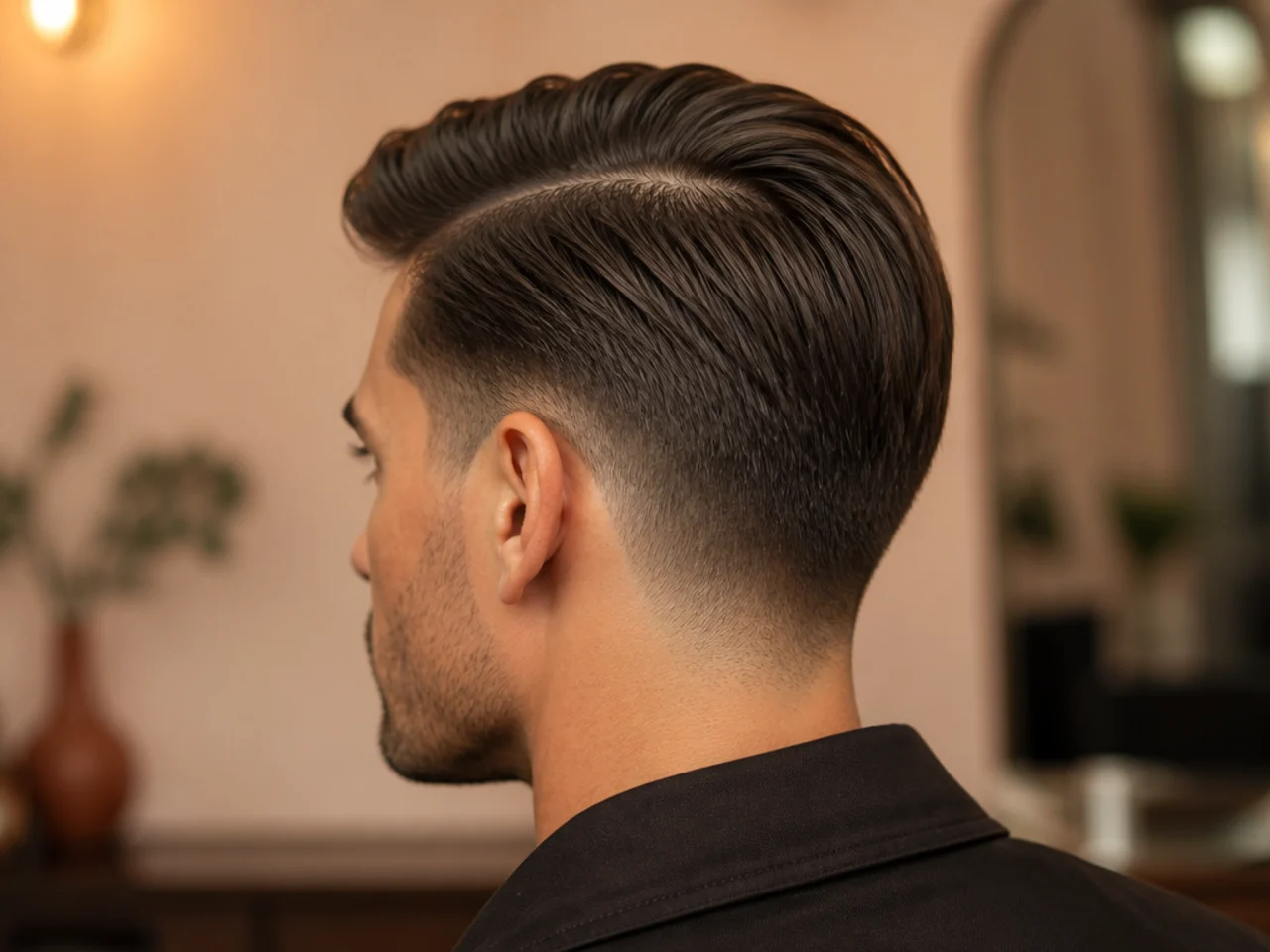
11. Modern Ivy League With Texture
Point-cut ends sit at slightly different lengths, so the top reads taller than it measures, which is the whole idea behind the textured version. It is a way of buying contrast without actually growing the hair.
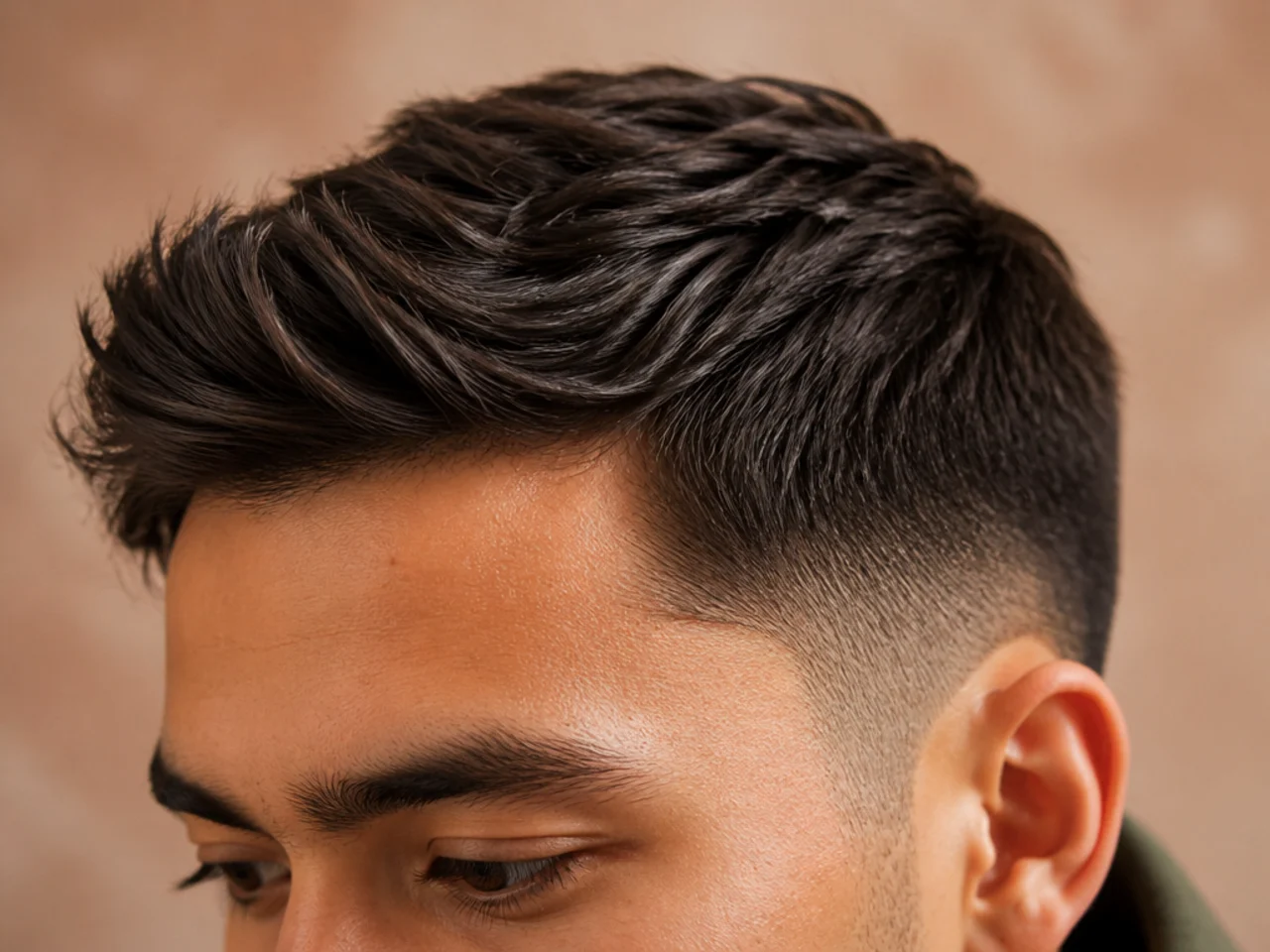
12. Modern Ivy League With a Hard Part
A trimmer line along the parting. At high ratios the cut is all horizontals, and the hard part is the one vertical that stops the whole thing reading flat.

13. The Scissor-Only Version
No clippers anywhere, sides cut with shears over comb. It produces the lowest ratio available today and grows out more slowly than any guard number, which is the argument for it.

14. Modern Ivy League on Fine Hair
Fine hair shows scalp below a number two, so the ratio has to be raised from the top instead. Grow the top out and leave the sides longer than the photograph suggests.
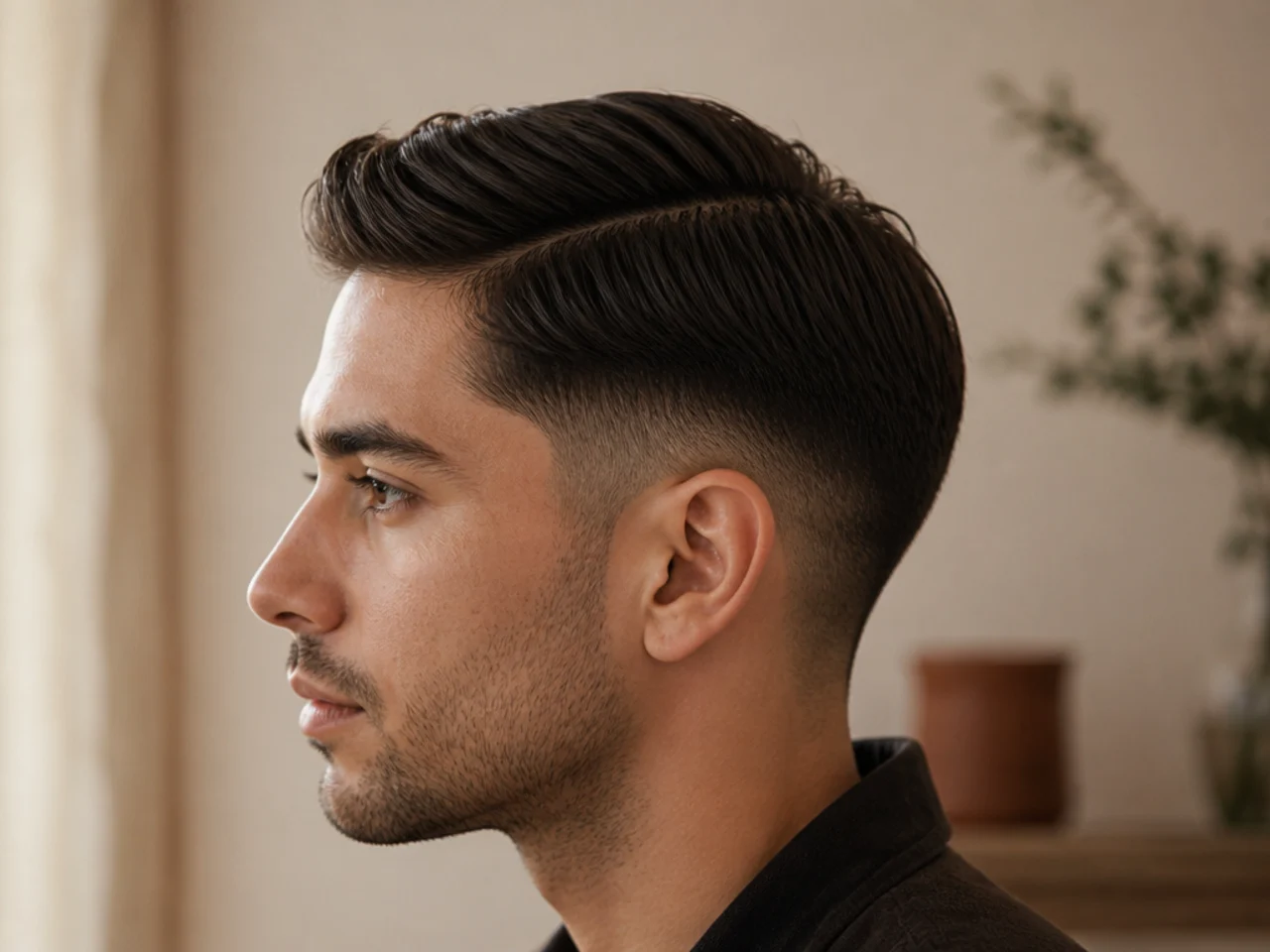
15. The Ratio at Week Three
The top has gained a little and the sides have gained more, so the gap has closed. This is why the cut stops looking modern before it stops looking tidy.

Styling and Upkeep
Write down the side guard, not the look. The guard number is the only part of the ratio a barber can reproduce exactly.
Book to the sides, not the top. The top gains usable length as it grows; the sides only lose contrast.
Use matte product if you want the contrast to read. Shine flattens the gap between the two lengths.
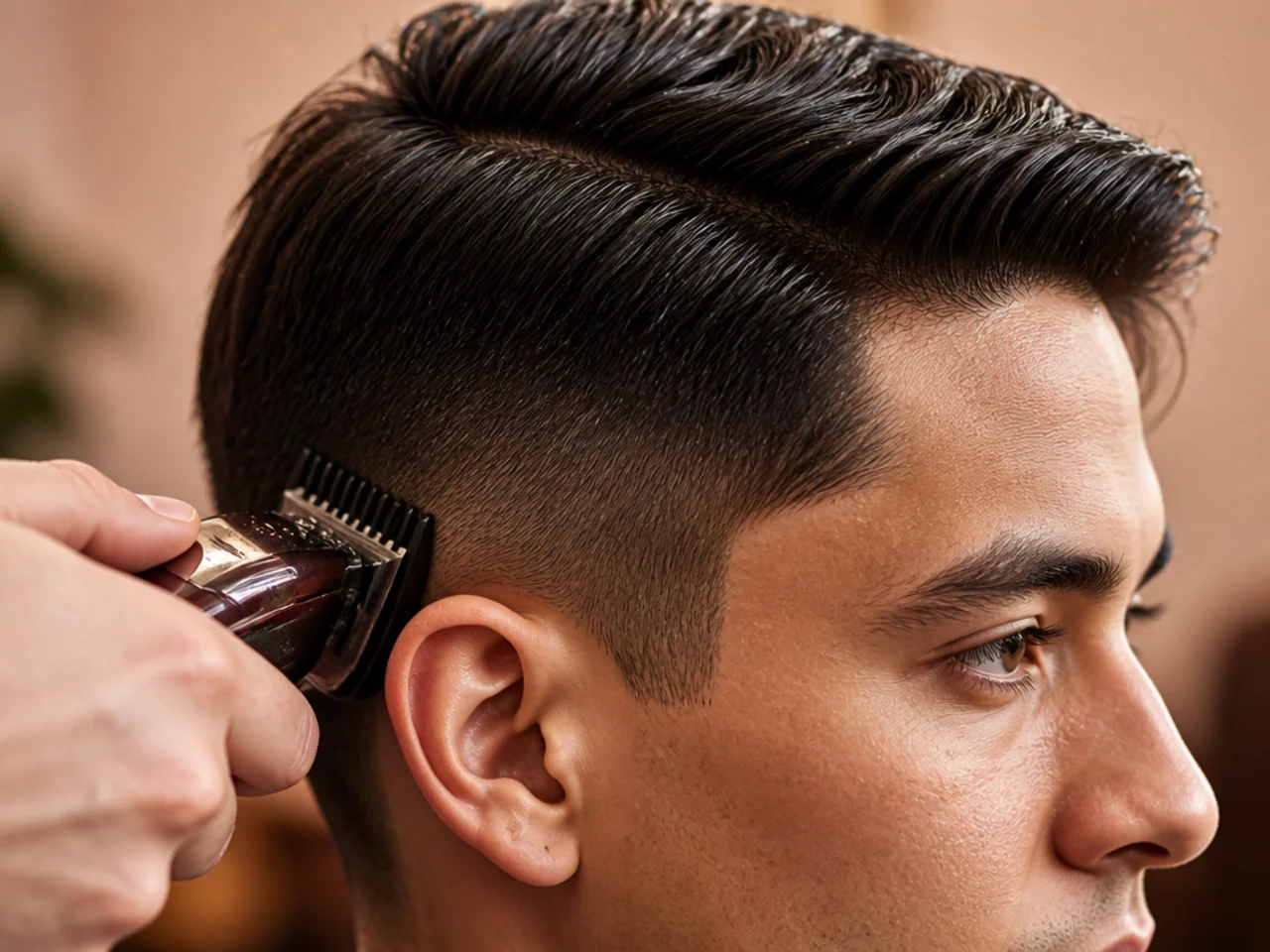
Ask for the sides alone between full cuts. A ten-minute side clean-up restores the ratio without touching the part.
Take the photograph at week one from the side. The ratio is invisible from the front, which is where most people photograph themselves.
Mistakes to Avoid
Chasing modern by shortening the sides only. It works for a fortnight, then the contrast collapses.
Going below two inches on top to look sharper. That removes the part, and without a part it is a crew cut with short sides.
Asking for high contrast on fine hair. The scalp shows through before the ratio does.
Changing the side guard every visit. The ratio changes with it, so the cut never looks the same twice.
Judging the ratio while the top is unstyled. Flat, unset hair sits shorter and makes the contrast look lower than it is.

FAQ
What makes it modern? The ratio between the top and the sides, not the shape.
Top or sides? Raise it from the top — the upkeep window stays the same.
Does it still need a part? Yes. That is the one measurement that has not moved.

Final Thoughts
Decide on a ratio rather than a photograph. Two numbers — the finished length on top and the guard at the bottom — describe every version on this page, and they are the only two things a barber can actually cut to.
For the full range of the cut see the ivy league haircut guide, and for where the side numbers sit see the ivy league haircut with a taper. More in Men's Haircuts.