20 Mid Length Haircut Ideas With Curtain Bangs
Twenty ways to wear bangs at collarbone length, and the distinction that decides whether you regret them. A fringe is cut to a level and grows into your eyes. Curtain bangs are cut on an angle and grow into face framing.
In this article · 28
- What Counts as Mid Length
- The Bangs Commitment Ladder
- Bangs by Face Shape
- Bangs on Fine Thick and Curly Hair
- How to Ask Your Stylist
- Styling Trimming and Growing Out
- The 20 Mid Length Bang Ideas
- 1. Collarbone Lob With Curtain Bangs
- 2. Bottleneck Bangs
- 3. Wispy Bangs on Fine Hair
- 4. Blunt Bangs With a Blunt Cut
- 5. Side Swept Bangs With Layers
- 6. Curtain Bangs for a Round Face
- 7. Arched Bangs for a Long Face
- 8. Curtain Bangs With Glasses
- 9. Choppy Bangs on a Shag
- 10. Birkin Bangs With Waves
- 11. Curly Bangs on Curly Hair
- 12. Baby Bangs on a Blunt Lob
- 13. Curtain Bangs on Thick Hair
- 14. Wispy Bangs Over a Cowlick
- 15. Feathered Bangs for a Square Jaw
- 16. Curtain Bangs on a Butterfly Cut
- 17. Grown Out Bangs Blended In
- 18. Money Piece Face Framing
- 19. Curtain Bangs on Gray Hair
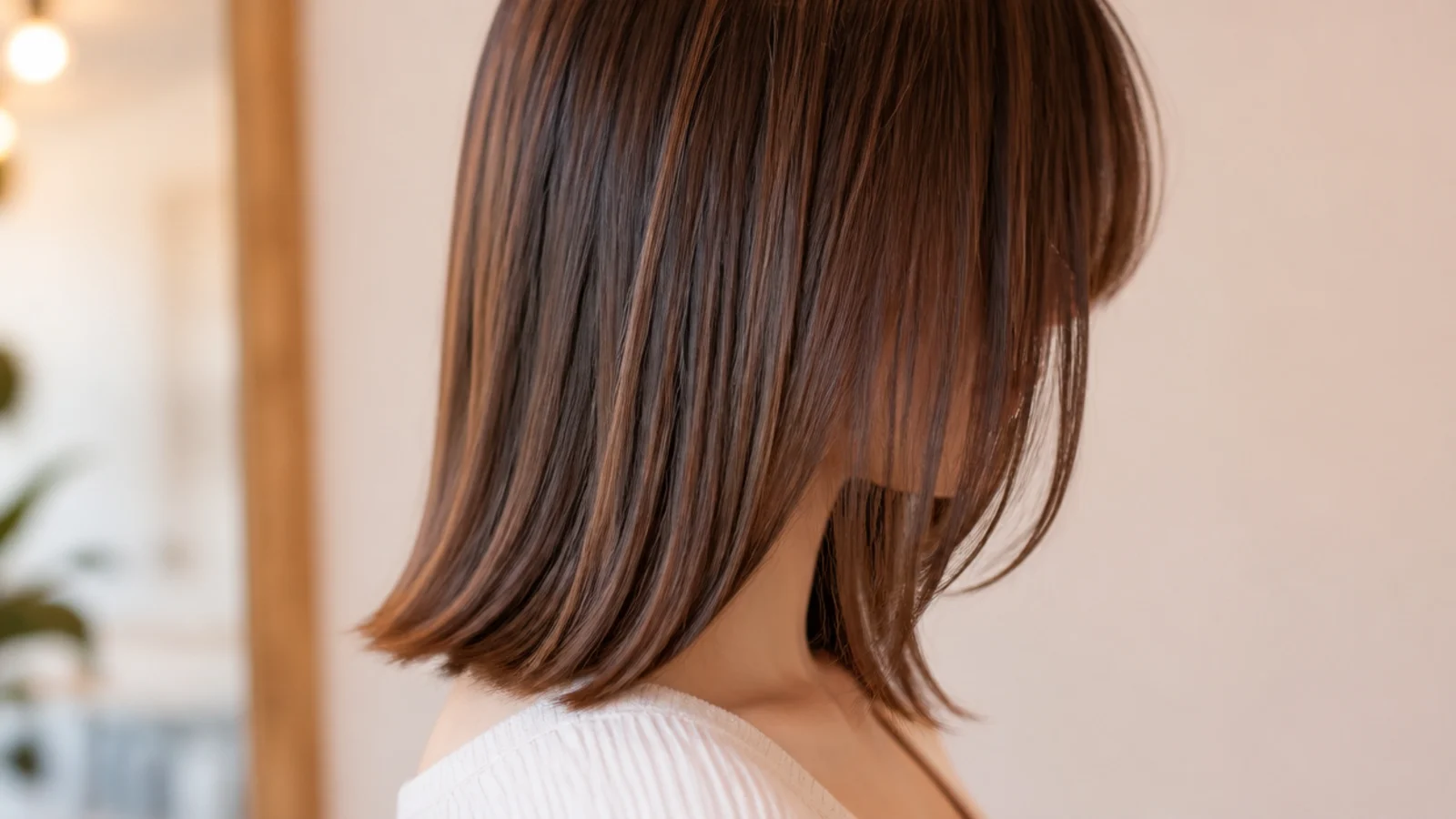
- 20. Full Fringe on Straight Hair
- Final Thoughts
The people who regret bangs almost always asked for a fringe and meant curtain bangs, and the difference is not softness. It is the angle the hair is cut on.
Curtain bangs are an angle, not a length. They begin short at the inside edge and travel down to meet the rest of the hair, so growth slides them along that same line instead of dropping them into your field of vision.
The shortest point is the only real decision. Cheekbone, nose or jaw sets which part of your face gets framed, and everything else in the cut follows from it.
What Counts as Mid Length
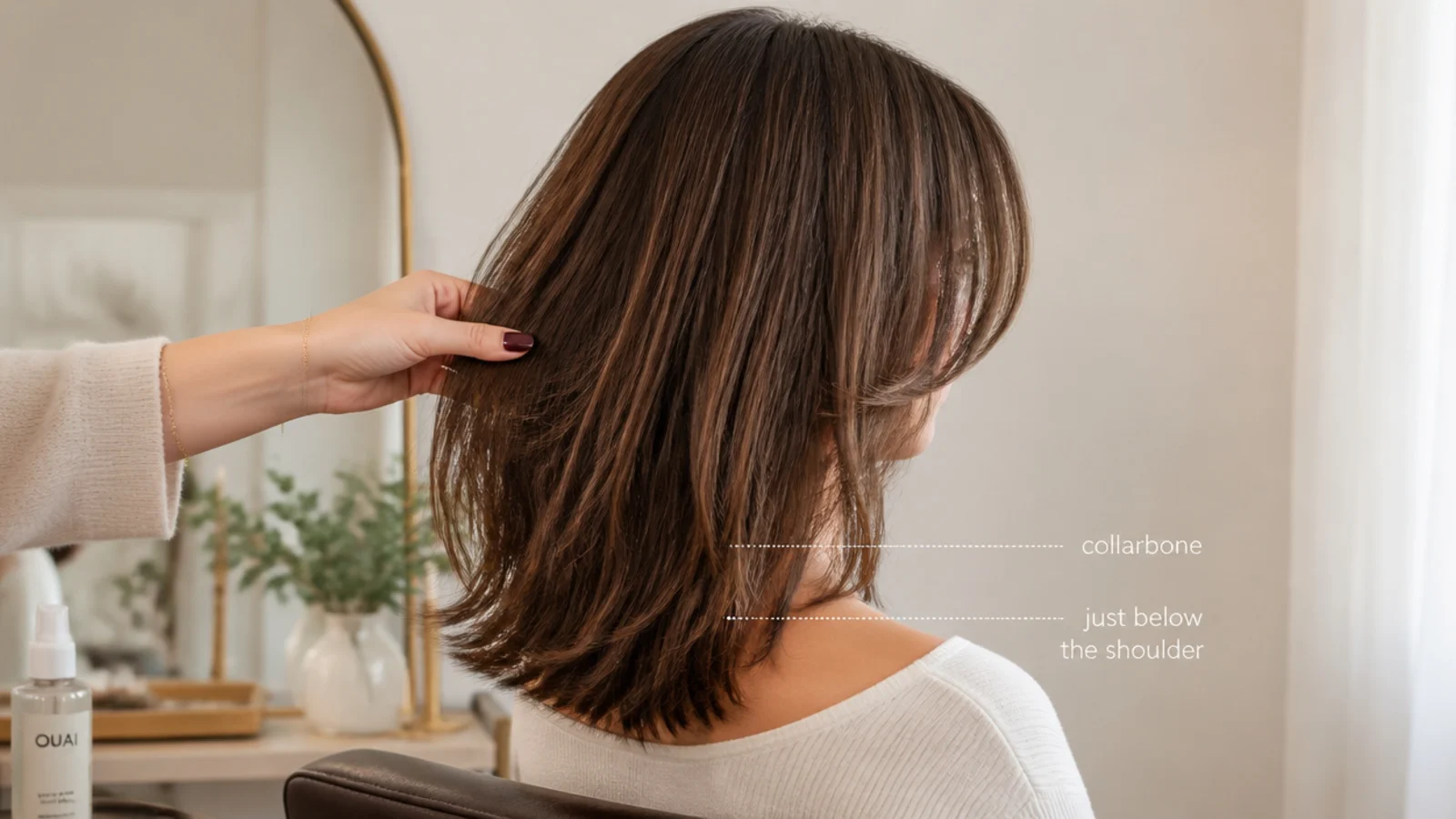
Collarbone to a couple of inches below the shoulder. Long enough to have weight, short enough that the weight has not pulled all the movement out of it.
It is the length bangs sit best against. There is enough hair behind the fringe for it to read as a separate feature rather than as the front of one long curtain.
The shoulder is the point to avoid landing on. Hair finishing exactly at the shoulder is pushed back up by it, which flicks the ends outward and fights whatever the fringe is doing at the front.
Weight at the perimeter supports the bang. Strip the outline with heavy layers and the fringe has nothing to contrast against, so it stops reading as a deliberate shape.
Below the shoulder blades it changes character. The fringe starts looking like the short bit of long hair rather than the top of a mid length cut.
The Bangs Commitment Ladder
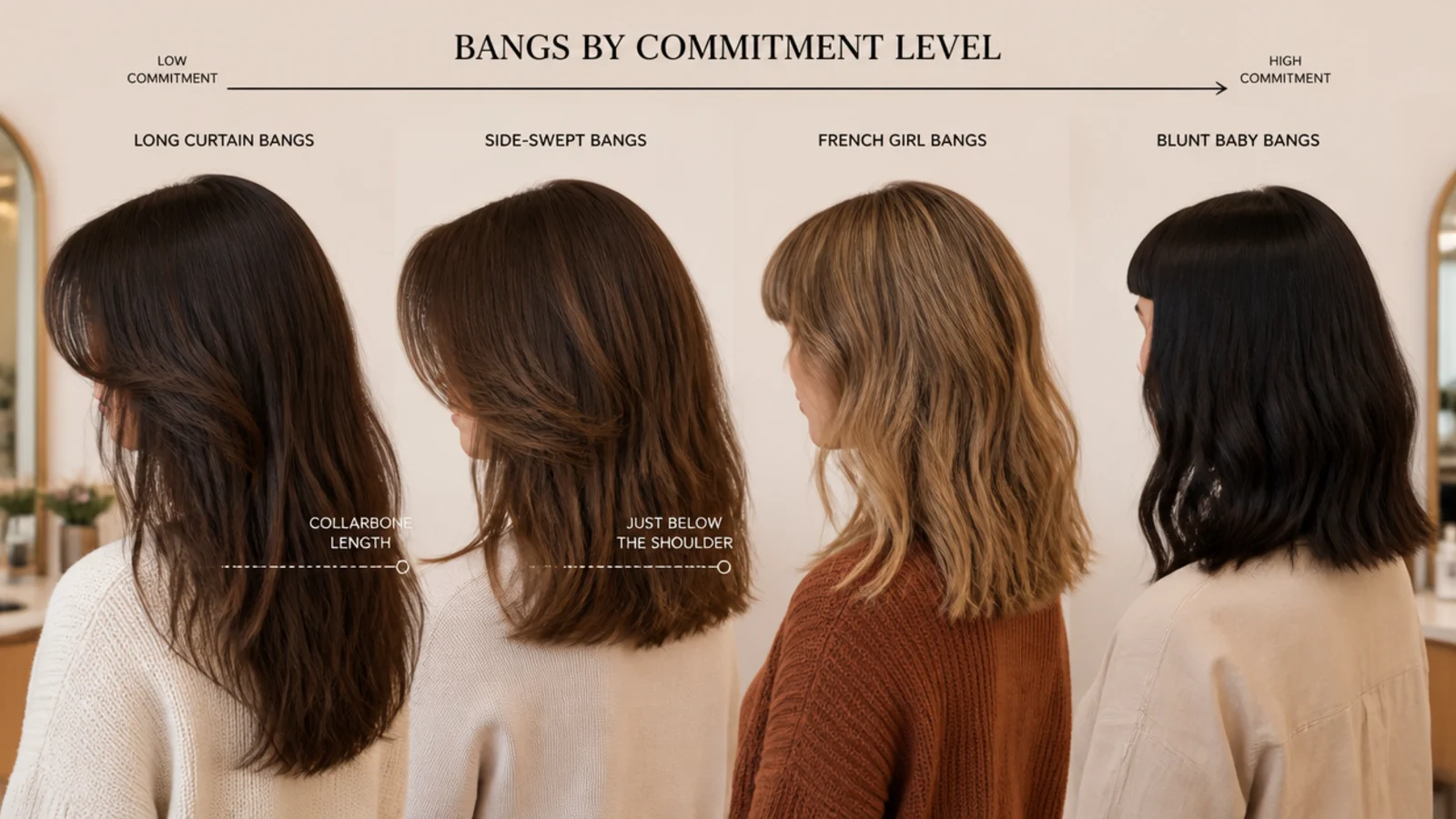
A money piece costs nothing to reverse. Lightening the two front sections draws the eye forward without removing a millimetre of length, so walking it back takes a toner rather than a year.
Long curtain bangs starting at the chin are the next rung. They are already face framing, and if you hate them you can tuck them behind an ear the same afternoon.
Cheekbone curtain bangs are the standard version. Real commitment, but the angle means grow out is a slow slide rather than an awkward stage.
Bottleneck and choppy fringes sit above that. The shortest point comes up onto the forehead, which is where you start needing a trim every three weeks.
A blunt fringe at the brow is the top of the ladder. From eyebrow back down to chin is several inches, and at half an inch a month that is most of a year.
Bangs by Face Shape
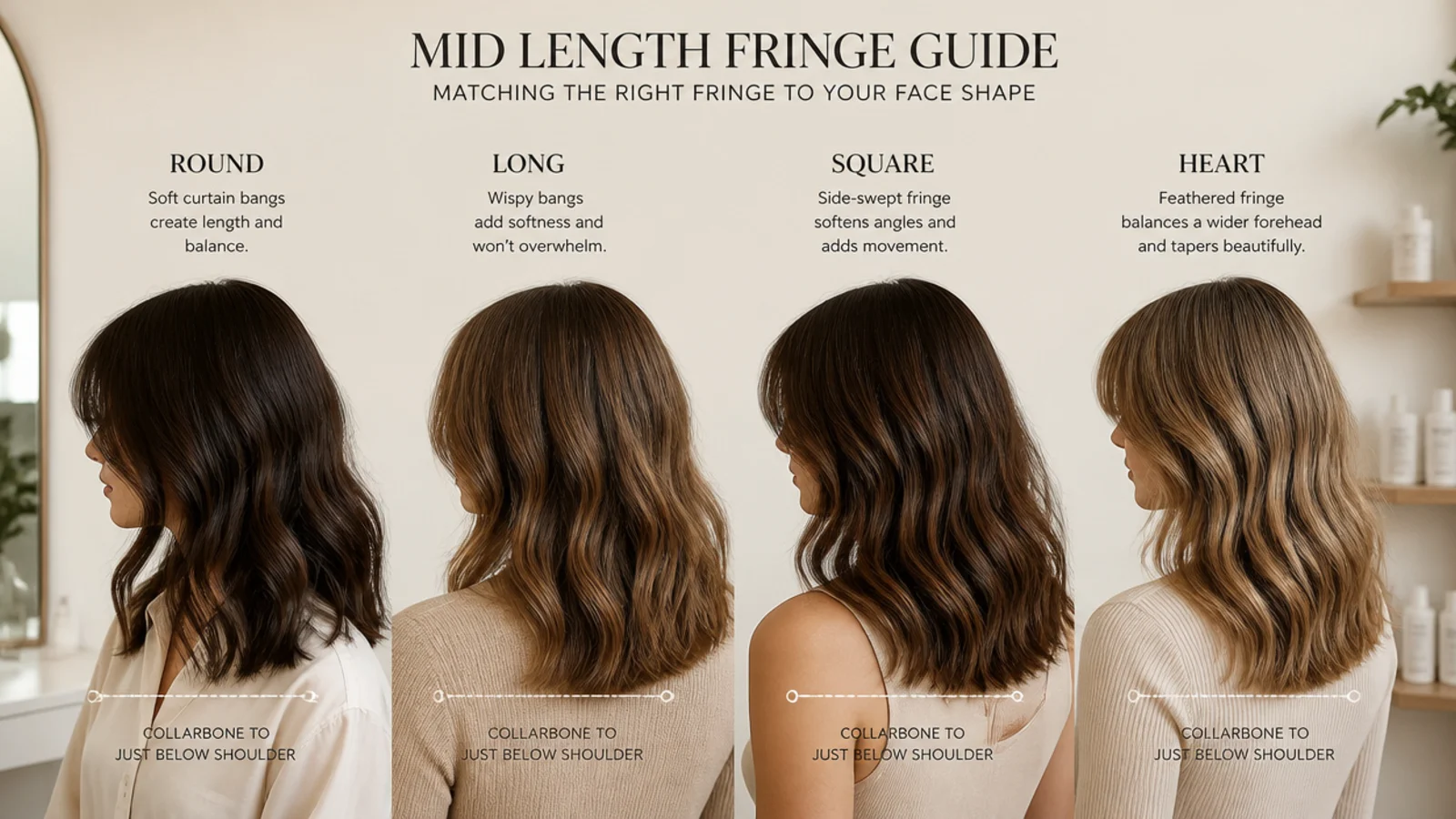
Round faces want the shortest point low and the opening wide. Two long verticals down the sides cut into width, whereas a short arch lays a horizontal across the widest part and adds to it.
Long faces want the arch higher. A line crossing the forehead visually shortens everything above and below it, which is the one reliable trick for a face carrying extra vertical.
Square jaws want feathered ends and diagonals. Soft angled edges introduce a line that runs against the horizontal of the jaw, which is what softens a strong corner without hiding it.
Heart shapes want width at the bottom of the bang. Flaring the fringe outward at cheek level balances a narrow chin against a wider forehead.
Foreheads matter more than face shape charts do. A high forehead can carry a shorter shortest point simply because there is more surface to divide.
Bangs on Fine Thick and Curly Hair
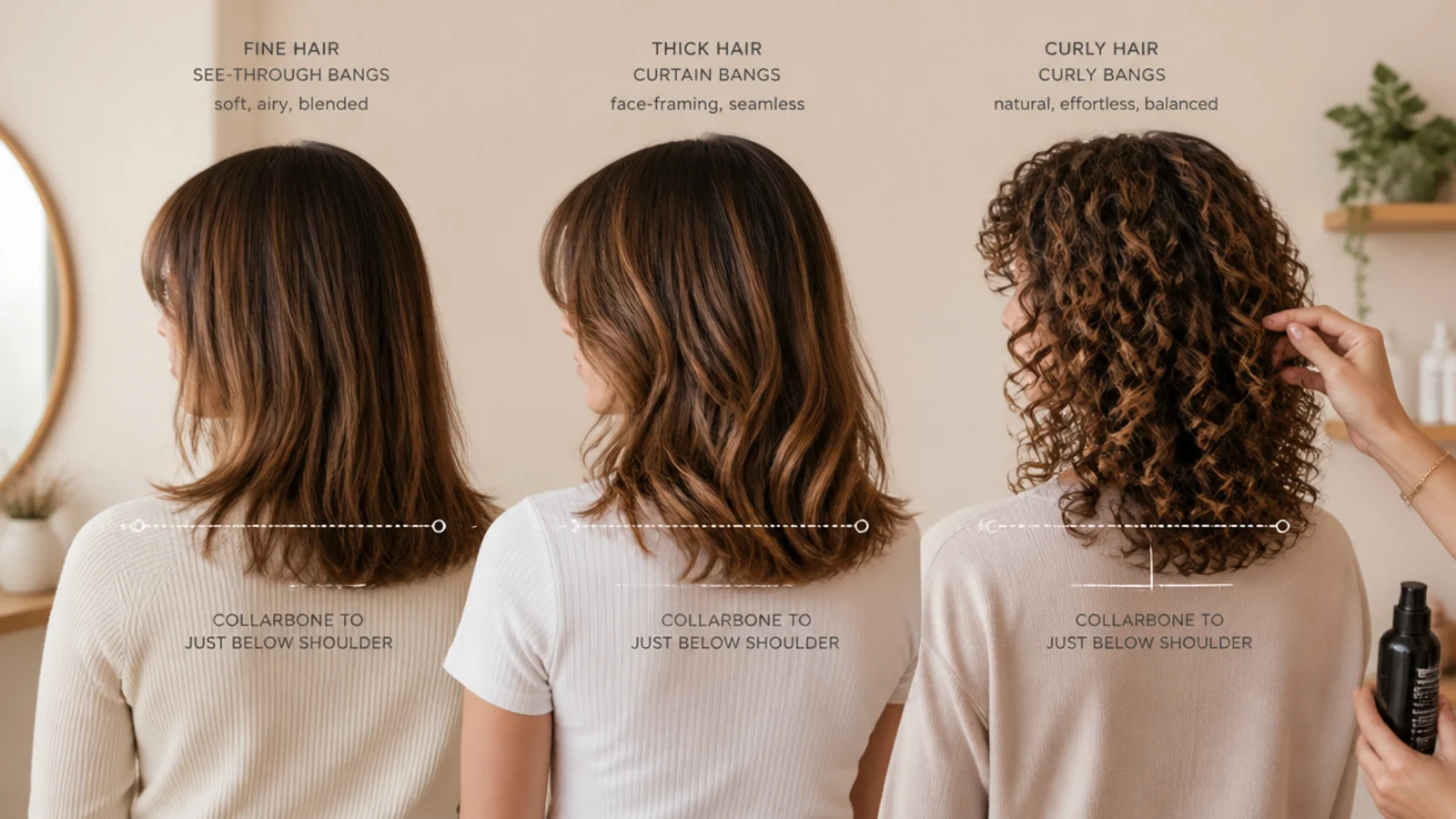
Fine hair wants a shallow section. Take the fringe from a small triangle no more than an inch back from the hairline, because every strand you move forward is a strand the rest of the cut no longer has.
Thick hair wants a deeper one. A shallow section leaves a wall of hair immediately behind the fringe pushing it forward, and going back an inch or two gives it something to lie against.
Curly hair must be cut dry. Wet curl is stretched close to its straight length, so a fringe cut wet can land a full two inches higher once it springs back up.
Wavy hair needs the growth direction checked first. Comb the fringe section back to see which way the roots want to travel, then cut to that rather than against it.
Coily hair shrinks the most of any texture. Set the shortest point on released, dry, fully shrunk hair and cut to that mark rather than to a comb.
How to Ask Your Stylist
Name the shortest point by landmark. Cheekbone, nose, corner of the mouth, jaw. Inches mean different things on different heads and landmarks do not.
Say whether it connects or not. Blended into the length gives you face framing that carries on down. Disconnected keeps the fringe as a distinct piece with a visible step below it.
Say where the part sits. A centre split gives the symmetrical version, and moving it half an inch off centre gives one heavier side that covers more forehead.
Ask for the last pass dry. Bangs are the one part of a haircut where the difference between wet and dry length is immediately visible on your face.
Bring two photographs, one wanted and one not. The second is more useful than the first because it tells a stylist which direction to stay away from.

Styling Trimming and Growing Out
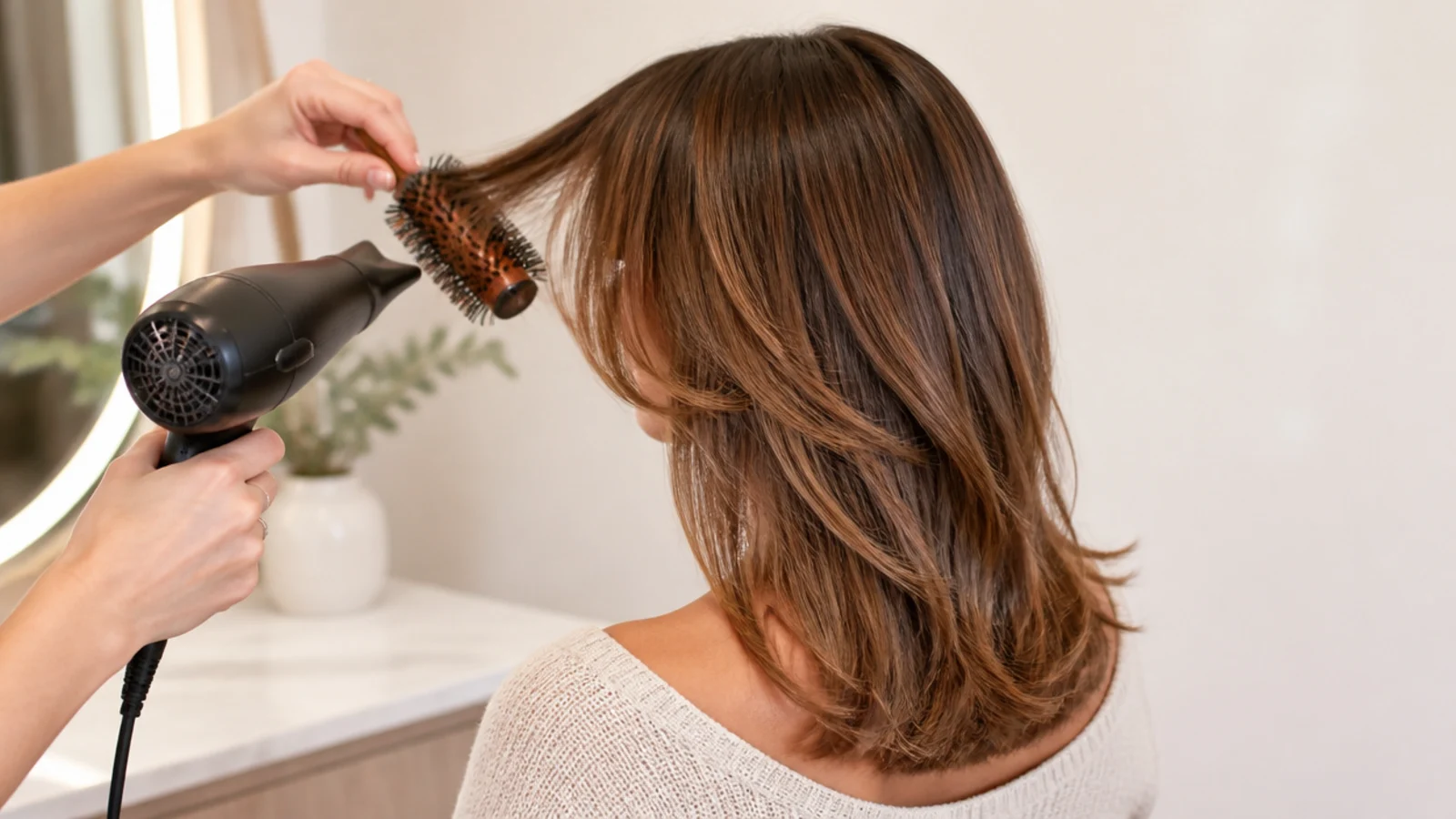
Dry the fringe first, while it is still wet enough to move. Hair sets the shape it dries in, and once a bang has dried lying the wrong way nothing short of water resets it.
Over direct, then flip. Dry the fringe across to the opposite side, let it cool, then part it back the way you want. Hair sets as it cools rather than while it is hot, so the return flip is what gives you root lift.
Trim the fringe on its own cycle. Three to four weeks for the bang, three to four months for the rest, because half an inch of growth is invisible at the collarbone and obvious at the cheekbone.
Trim it dry, pointing the shears upward. Vertical snips into the ends remove length without creating a line, which is the only home fringe trim that reliably survives contact with daylight.
Grow it out by pushing the shortest point past the cheekbone. Once the short piece clears that landmark it stops behaving like a fringe and starts behaving like face framing, and the awkward stage is over.
The 20 Mid Length Bang Ideas
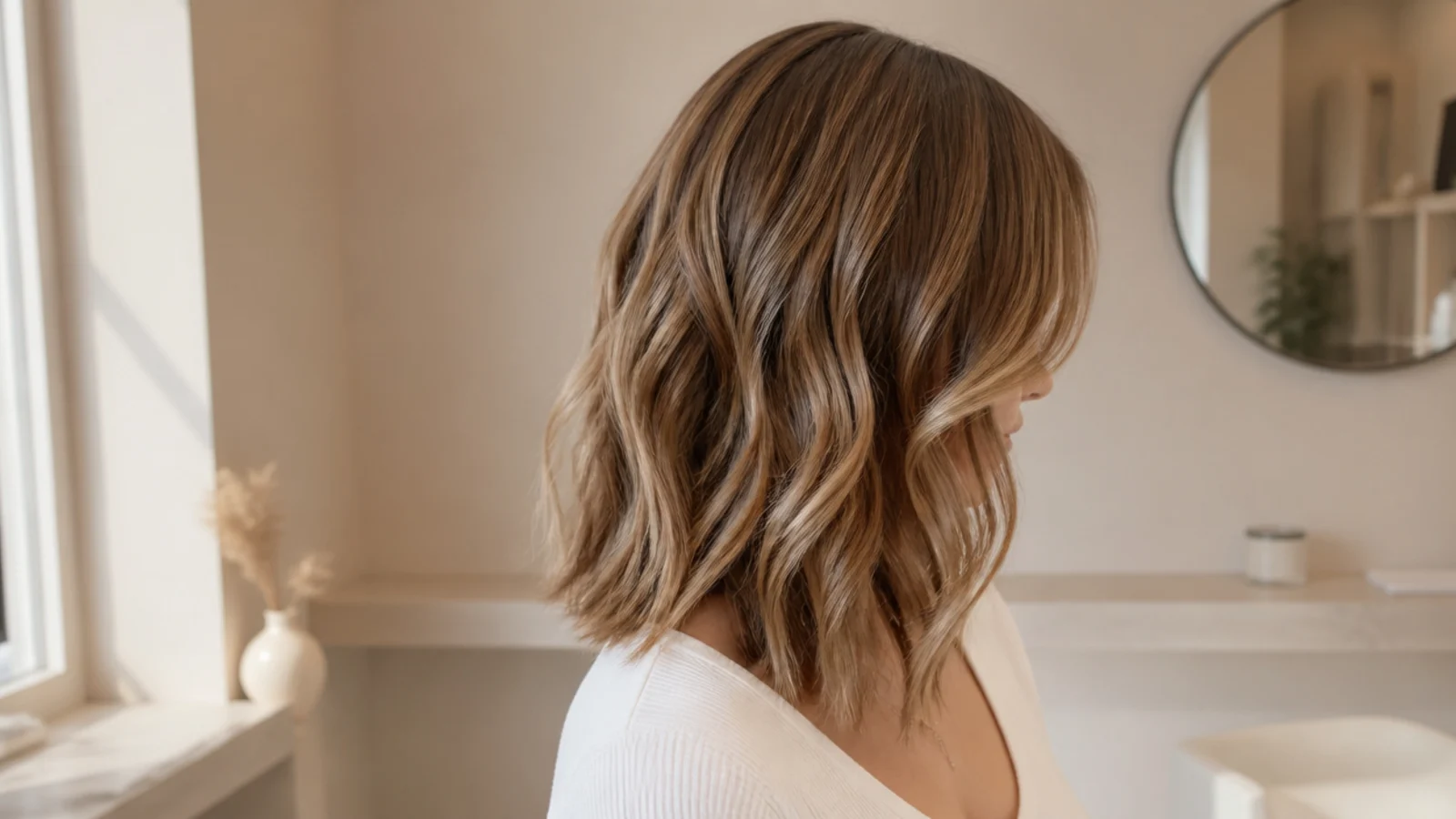
1. Collarbone Lob With Curtain Bangs
The reference version, and the reason this pairing works so well. A collarbone perimeter carries enough weight to hold its own line, so the fringe reads as a separate feature sitting in front of it rather than dissolving into the length.
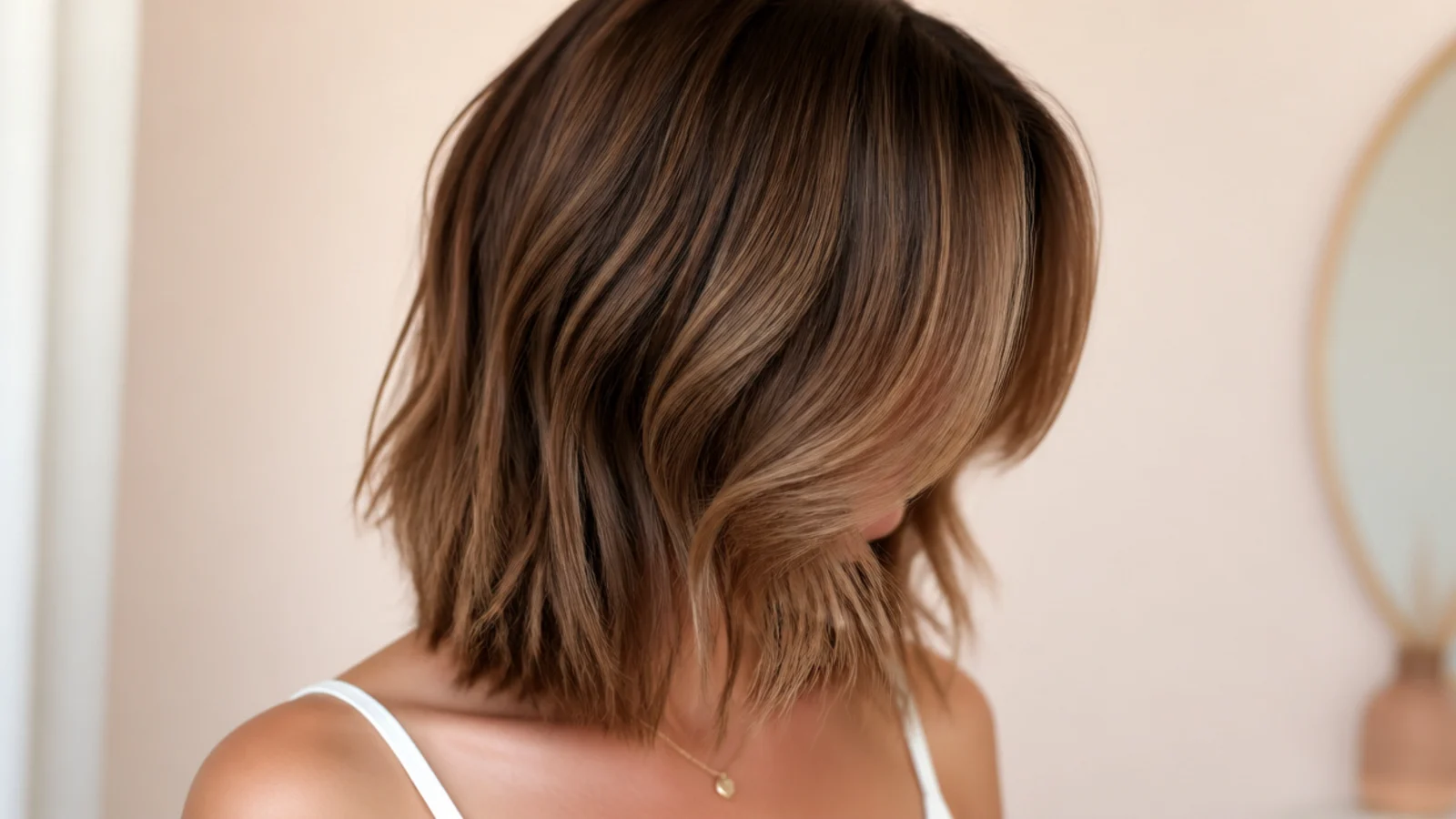
2. Bottleneck Bangs
Narrow at the top and flaring outward at the sides, the shape a bottle makes at its neck. The narrow top gives you a fringe that reads clearly from the front while the flare keeps the outer edges long enough to blend, so the same cut looks like face framing in three quarter view.
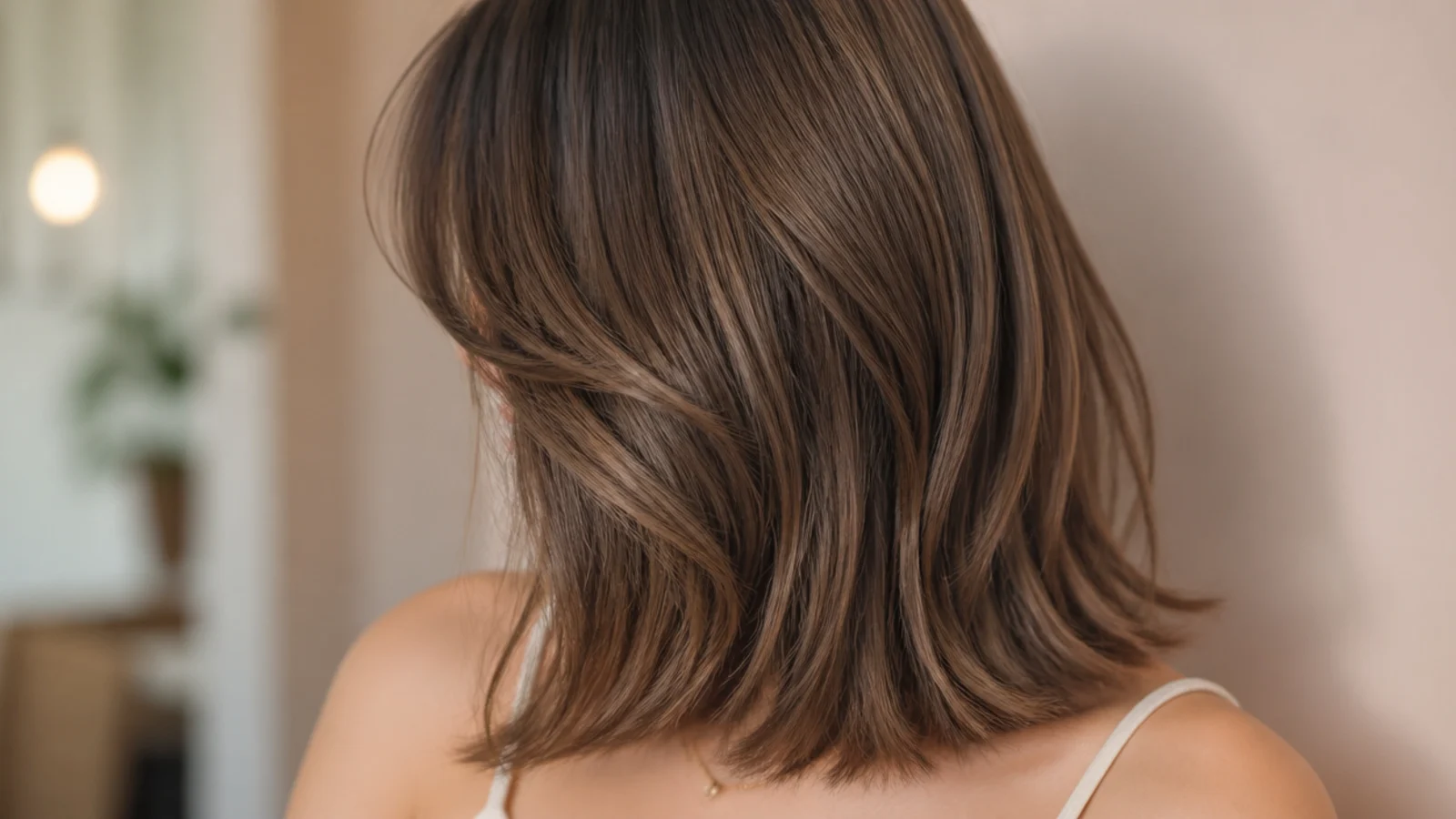
3. Wispy Bangs on Fine Hair
Cut from a shallow triangle and point cut heavily at the ends. Fine hair only has so many strands to spend, so a wispy fringe reads as light because it genuinely is light rather than because it has been thinned after the fact.
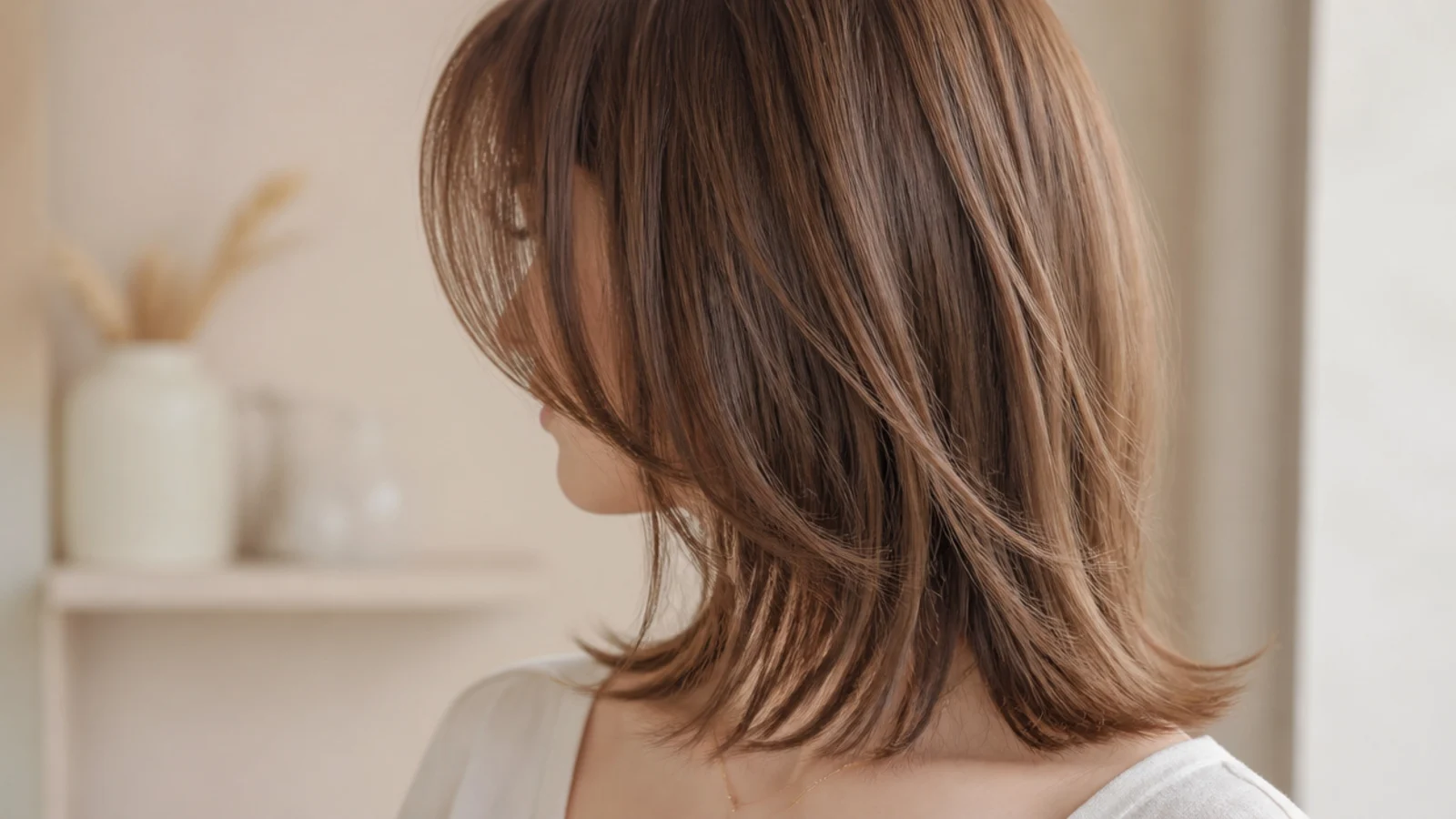
4. Blunt Bangs With a Blunt Cut
Two hard horizontals, one at the brow and one at the collarbone. The pairing works because both lines are the same kind of line, and a blunt fringe worn over a heavily layered length reads as a mismatch rather than a decision.

5. Side Swept Bangs With Layers
One long diagonal running from a deep part down across the forehead. It needs a layer cut at the same angle underneath for the swept end to land on, because a diagonal fringe falling onto a blunt line has nothing to sit against and lifts away from the face.
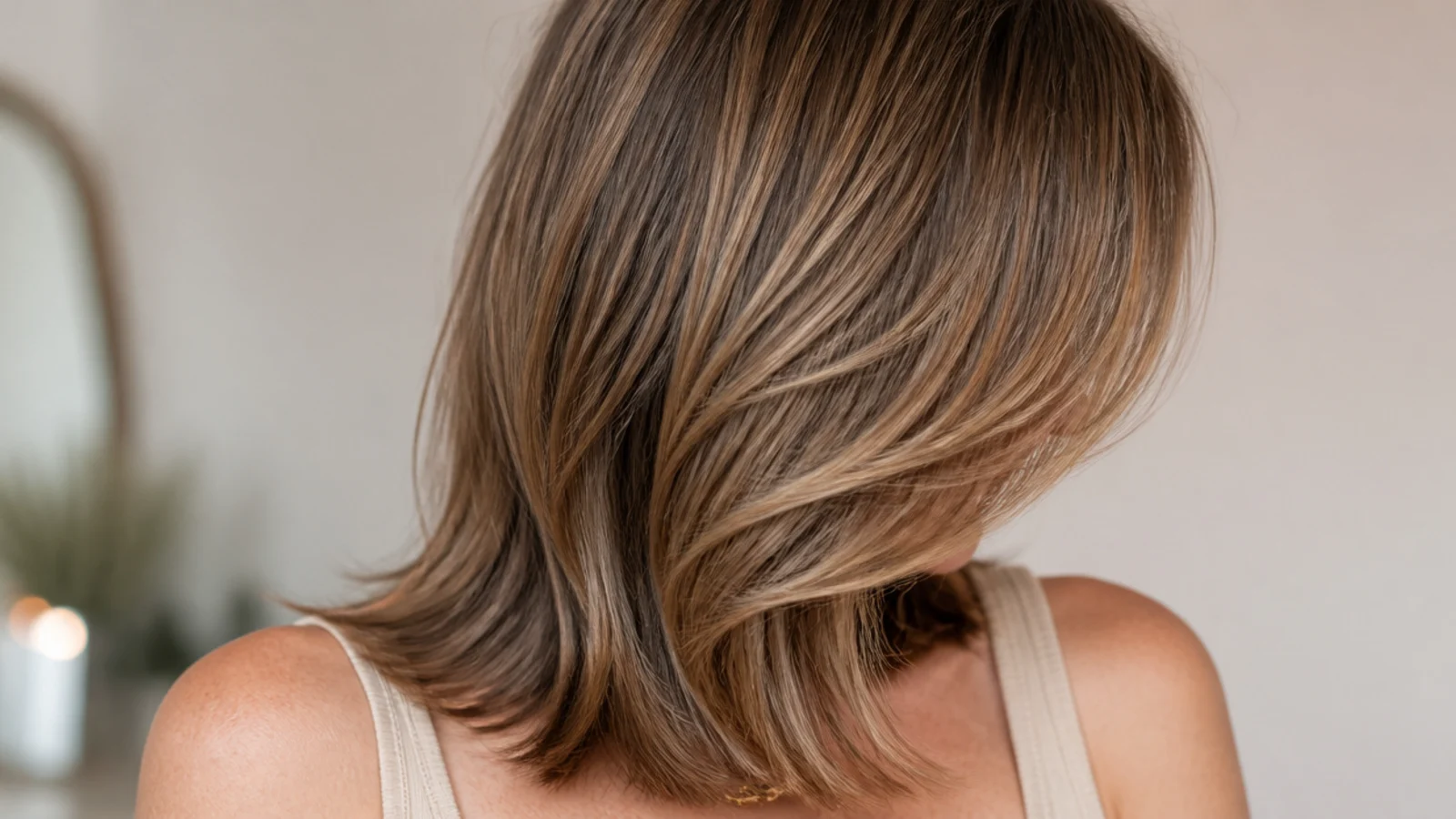
6. Curtain Bangs for a Round Face
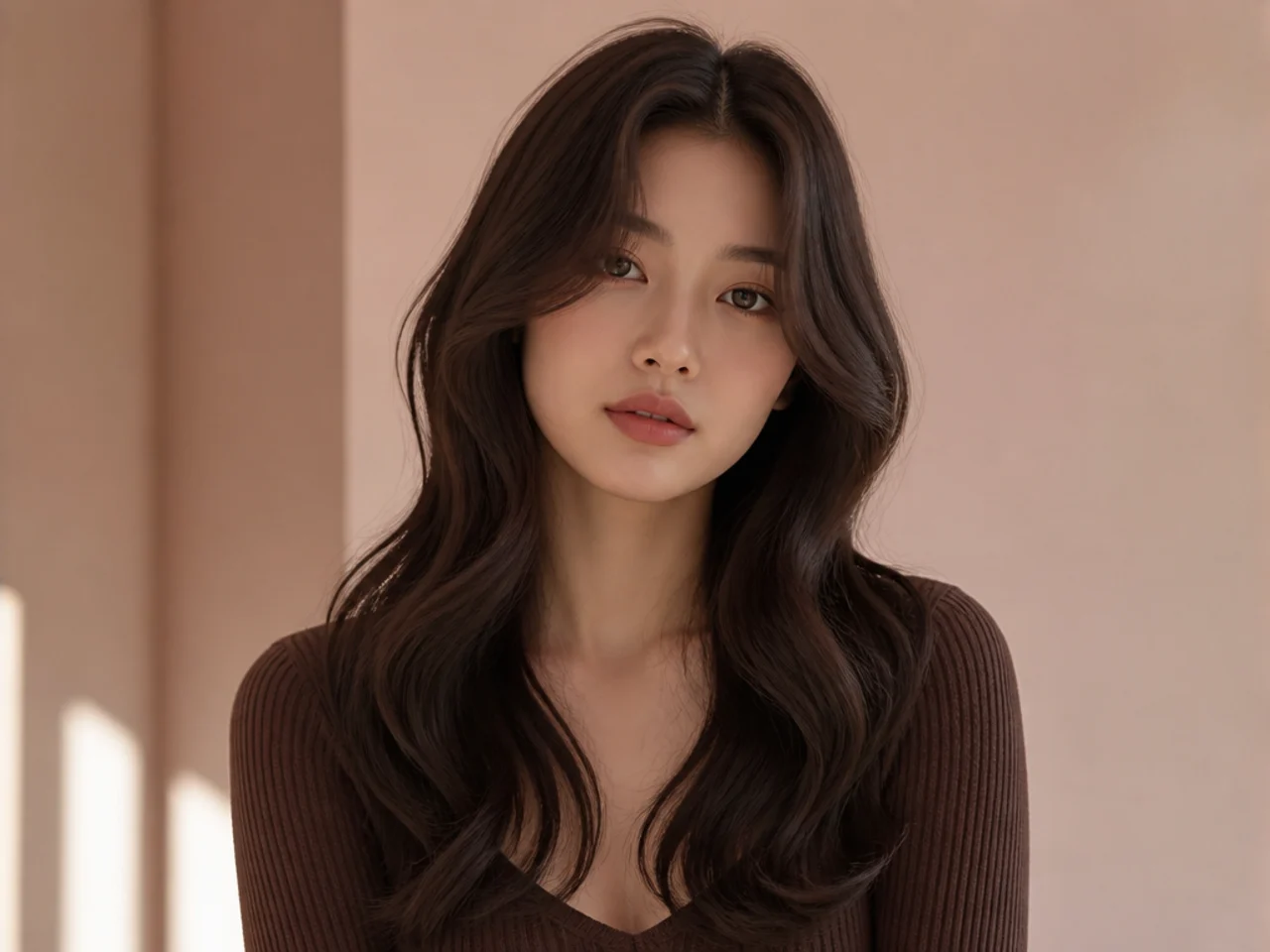
Shortest point at or below the cheekbone, and the centre gap kept open. Two long vertical curtains running down either side of the face cut across the width, whereas bringing the shortest point up creates a horizontal in exactly the place a round face least needs one.
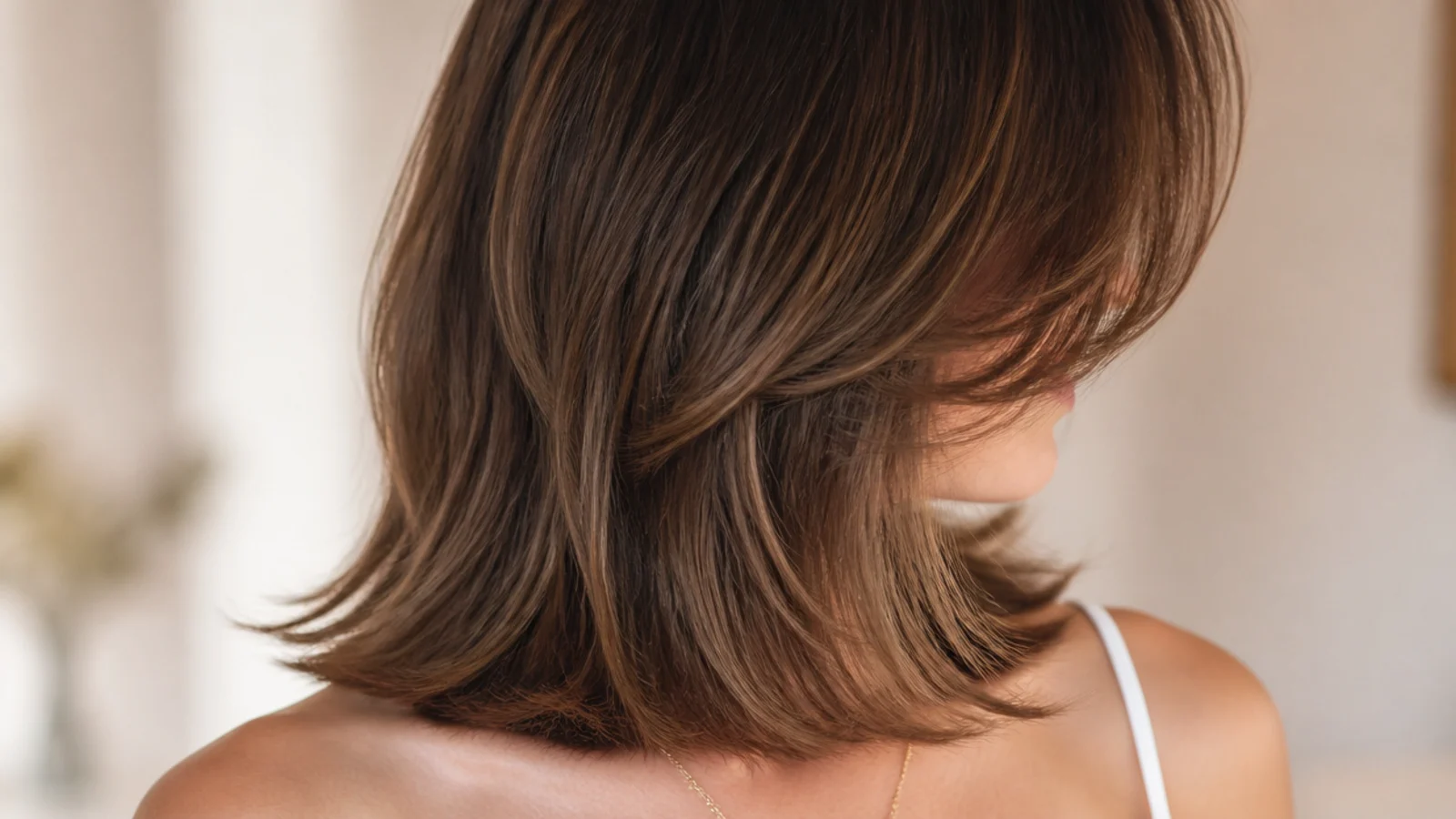
7. Arched Bangs for a Long Face
The fringe cut in a shallow curve across the forehead rather than dropped straight down. A horizontal line visually shortens whatever it crosses, so an arch is the most direct way to take vertical out of a long face without adding weight anywhere else.

8. Curtain Bangs With Glasses
Cut so the shortest point clears the top of the frames. Hair resting on a rim is held bent at one fixed spot for the whole day and keeps that bend afterwards, which is why a fringe that only just touches the frames looks kinked by lunchtime.
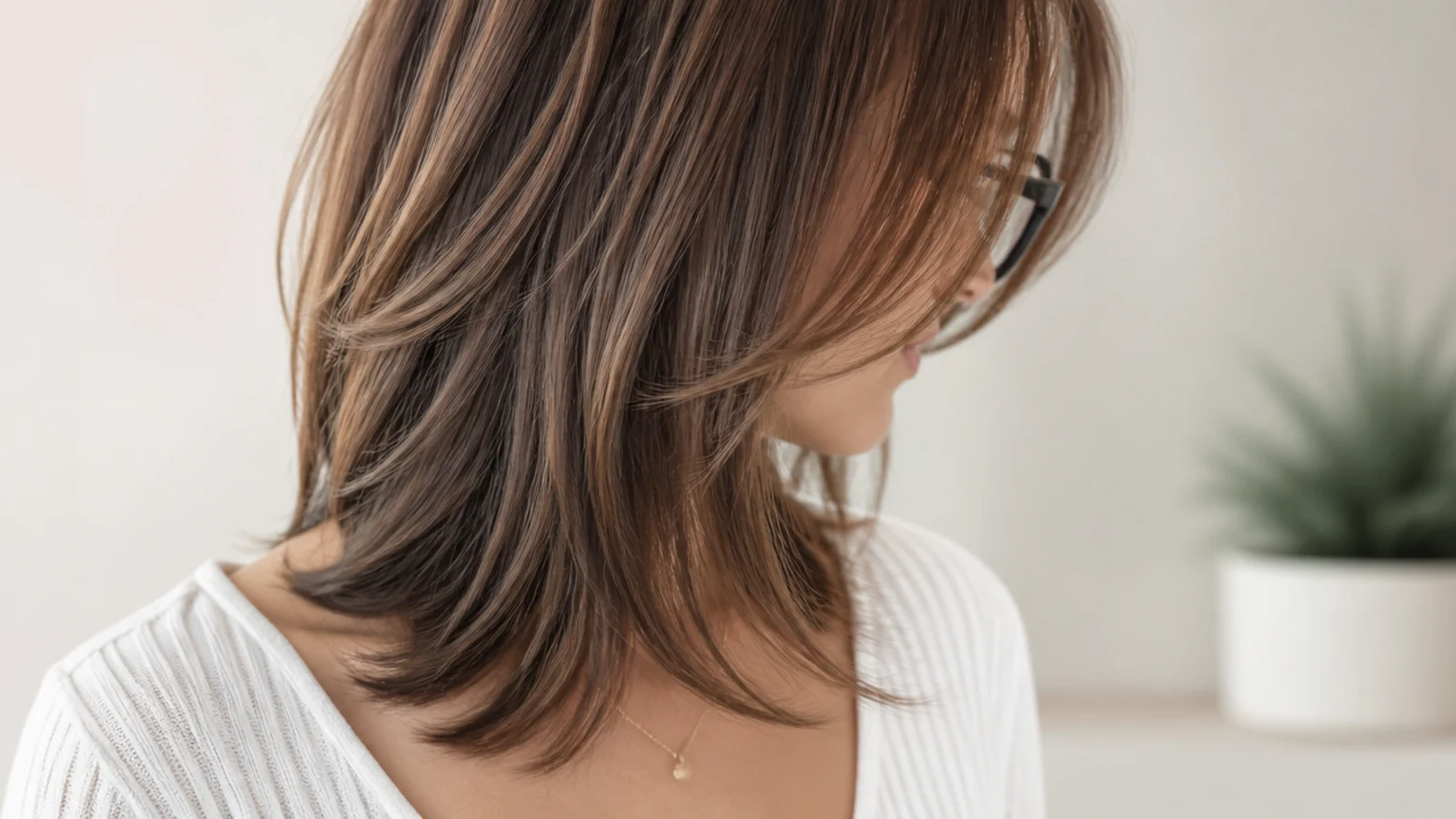
9. Choppy Bangs on a Shag
Point cut deep into the ends so the fringe carries the same broken edge as the rest of the cut. A shag is built on heavy internal texture, and an untextured fringe over it reads as a solid slab dropped onto a shape that is deliberately fractured everywhere else.
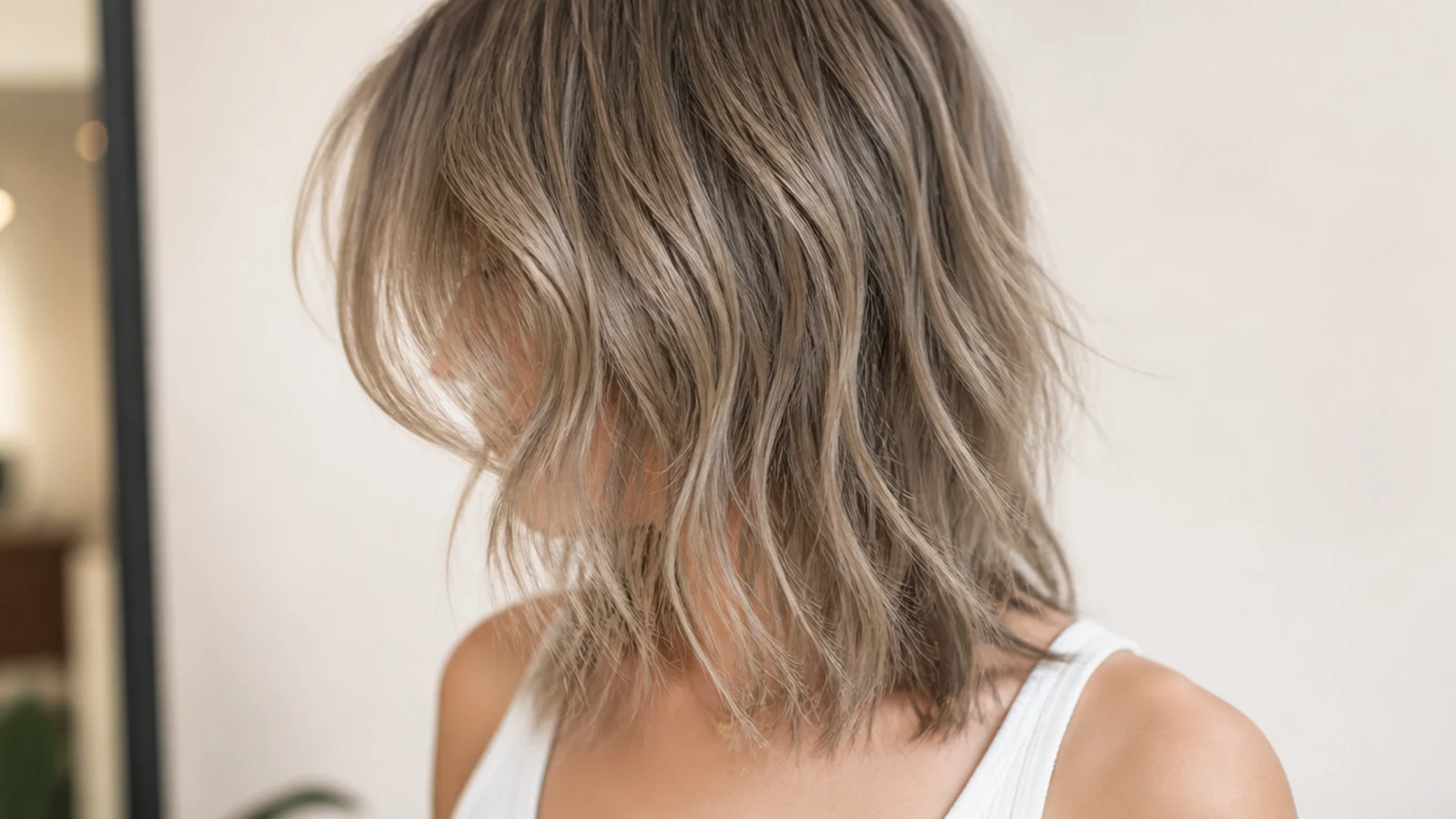
10. Birkin Bangs With Waves
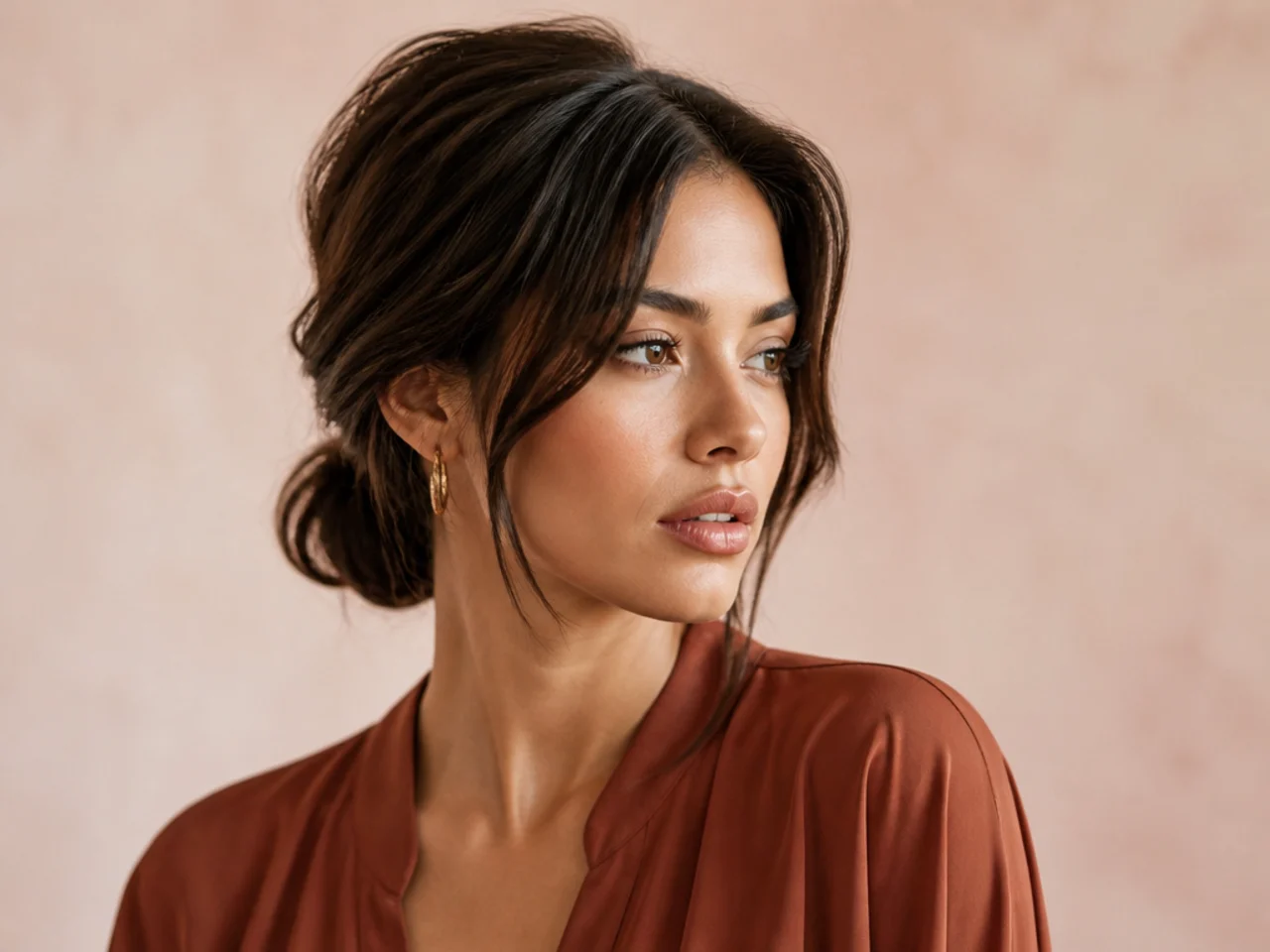
The long barely parted version, falling close to the lash line and worn with a soft bend through the length. The extra length lets the fringe hang as one piece instead of splitting, but because the ends sit near the eyes, half an inch of growth shows immediately and the trim cycle is the shortest here.
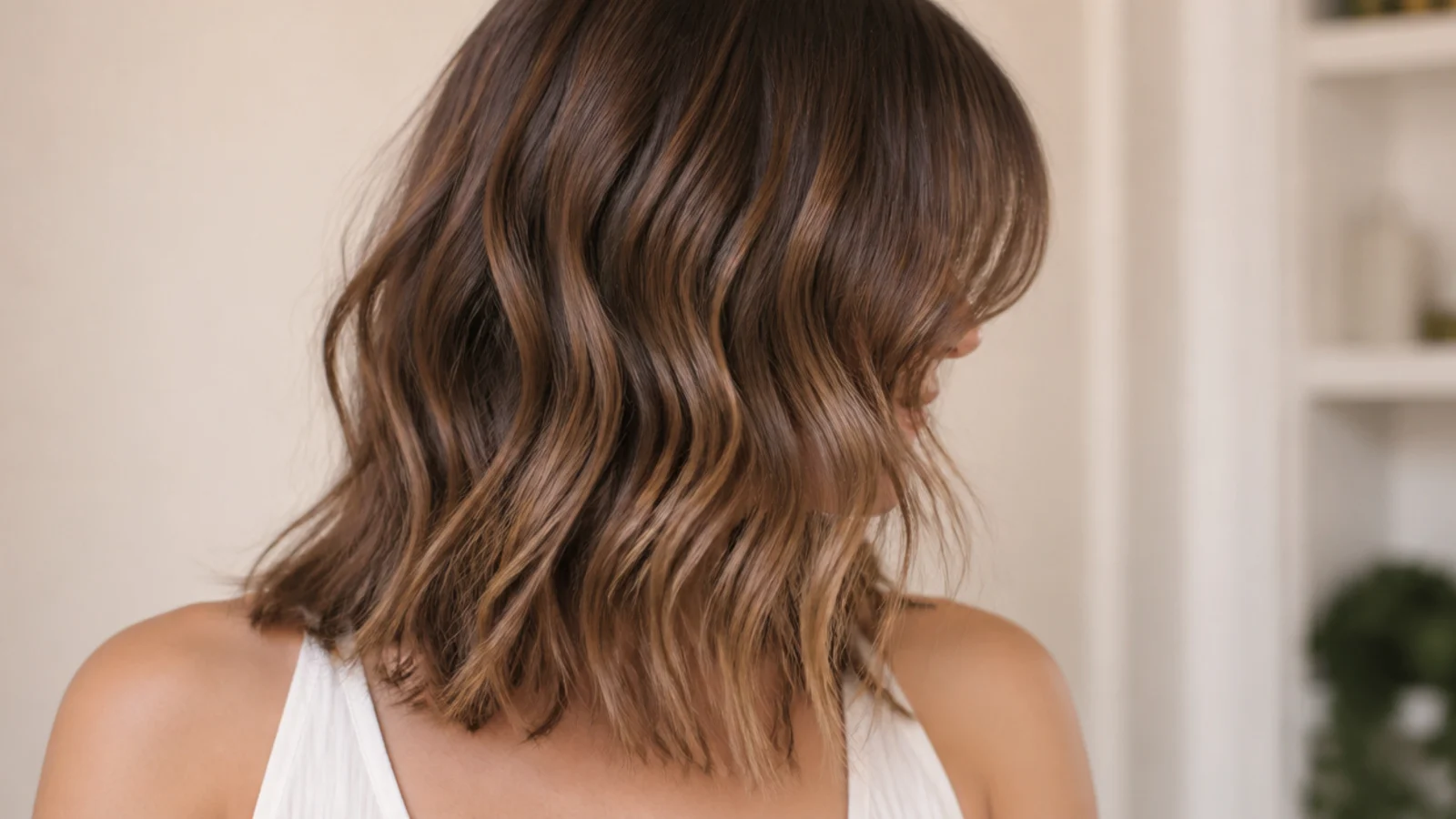
11. Curly Bangs on Curly Hair
Cut dry, curl clump by curl clump, with the shortest point set where the dry curl actually sits. A wet curly fringe is stretched close to straight, so cutting it in that state routinely produces a bang that lands two inches higher than anyone intended.
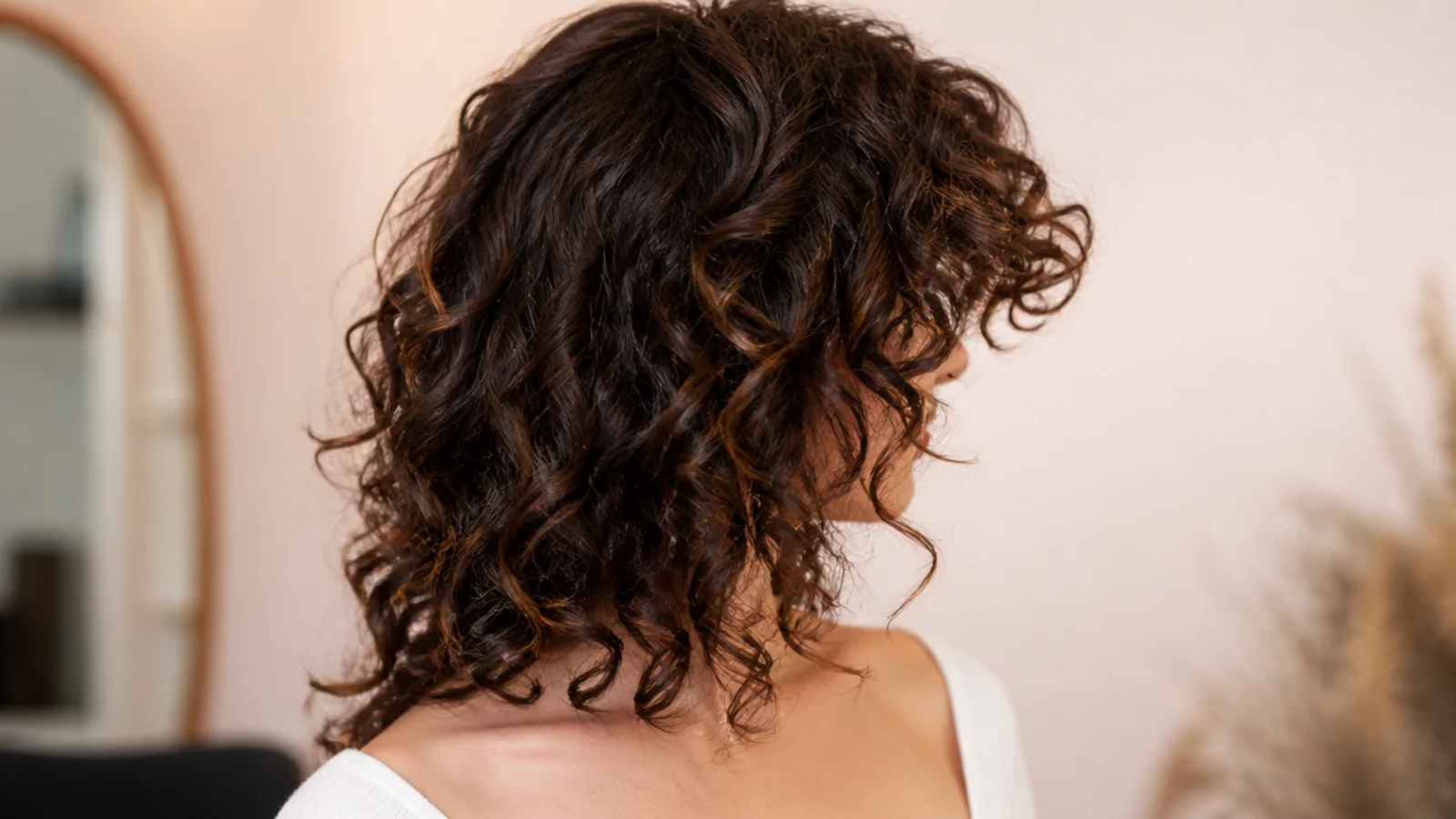
12. Baby Bangs on a Blunt Lob
The shortest fringe on this list, sitting well above the brow. It works entirely by contrast with a hard perimeter below, and it is also the longest grow out here, because the shortest point has further to travel to reach the chin than any other version.

13. Curtain Bangs on Thick Hair
Take the fringe section back an inch or two further than you would on anything else. A shallow section on a thick head leaves a dense wall immediately behind the bang pushing it up and forward, and depth is what gives the fringe a surface to lie down against.
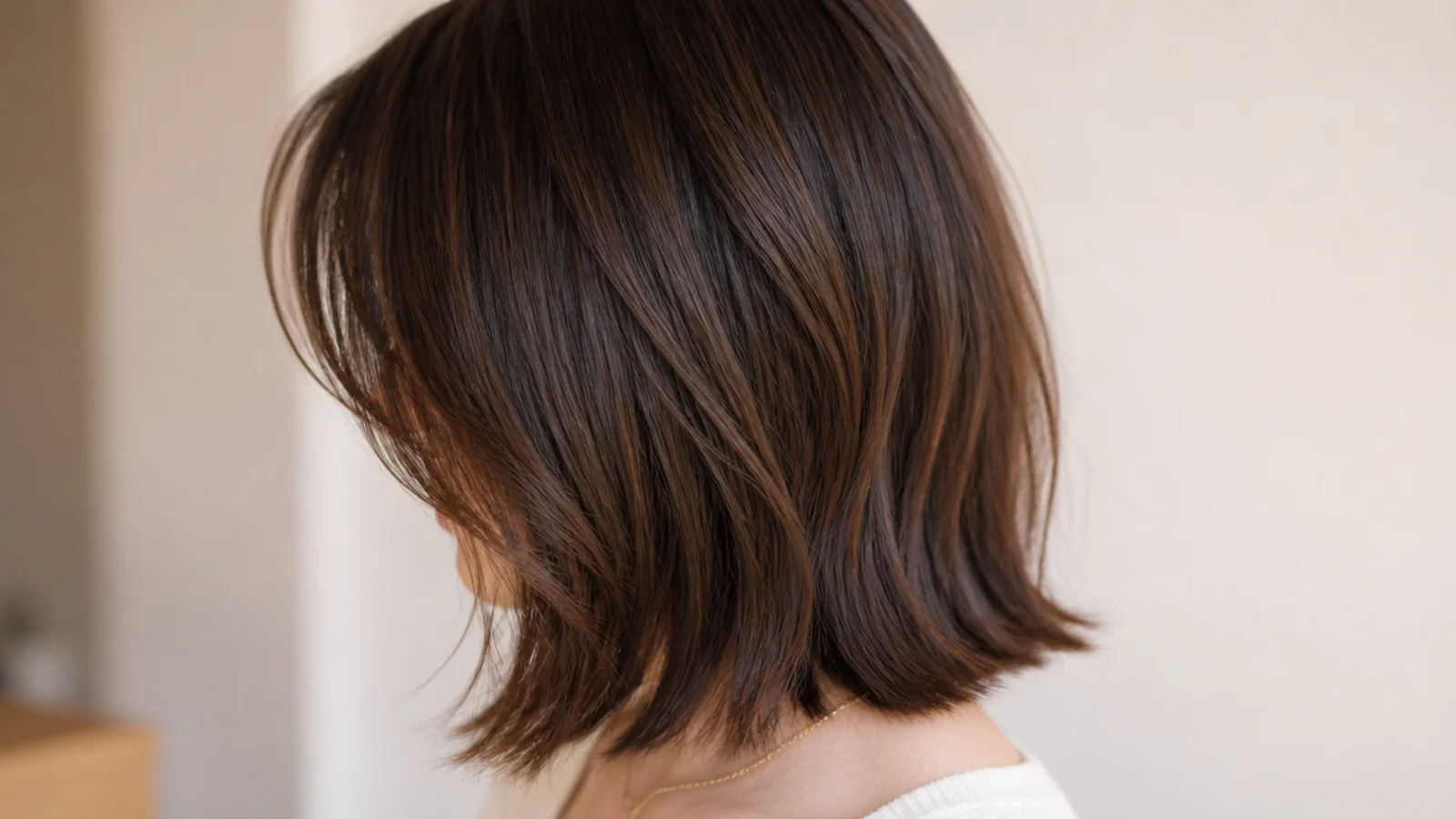
14. Wispy Bangs Over a Cowlick
A cowlick is a whorl where the roots leave the scalp at an angle, and cutting into it makes the lift worse because a shorter piece has less weight to hold itself down. Leave the length, keep the fringe wispy, and dry it against the growth direction before letting it fall back.
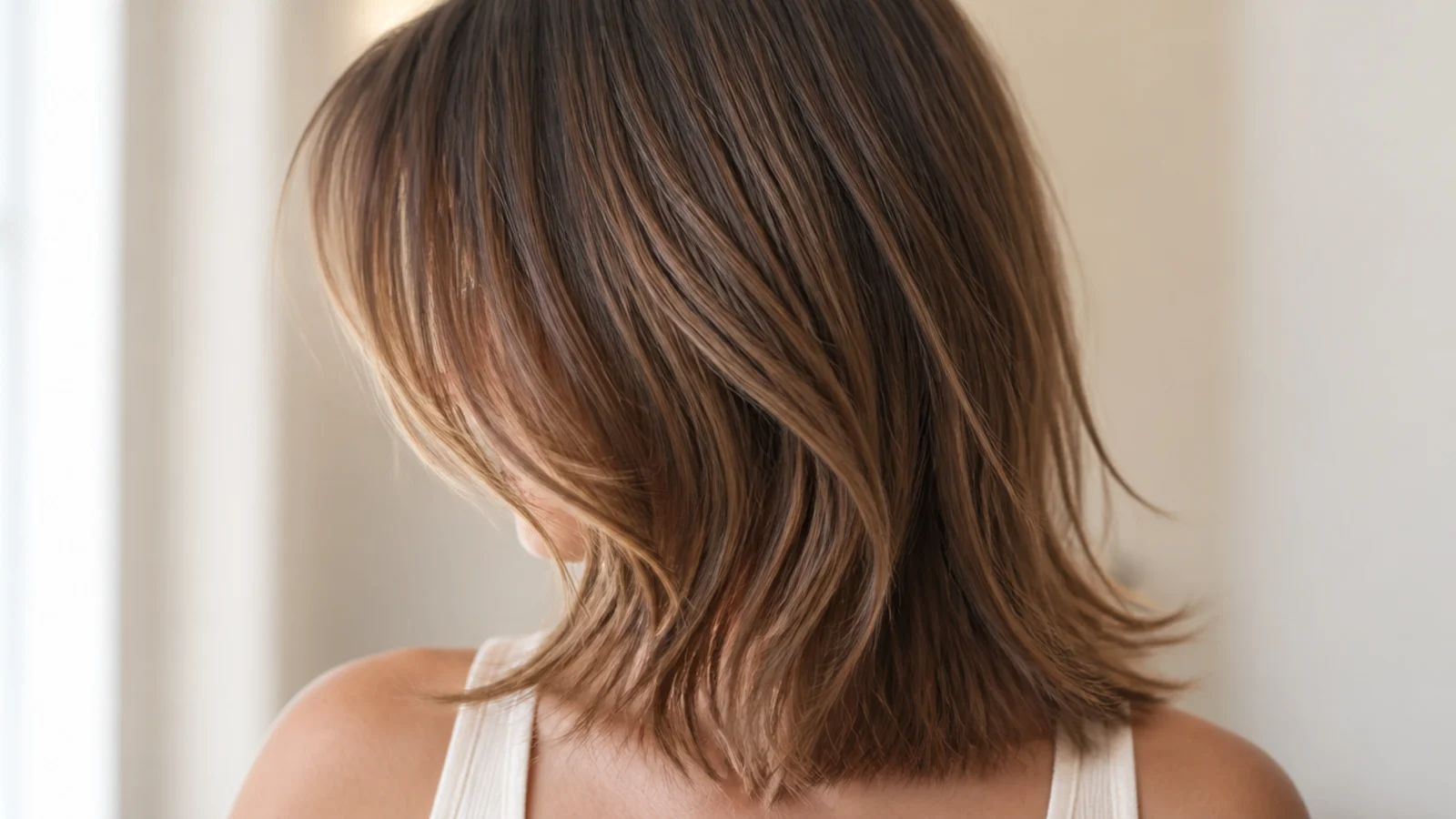
15. Feathered Bangs for a Square Jaw
Soft angled edges rather than a cut line, feathered into the sides. Every feathered end introduces a diagonal, and a diagonal set against the strong horizontal of a square jaw softens the corner without covering any of it up.
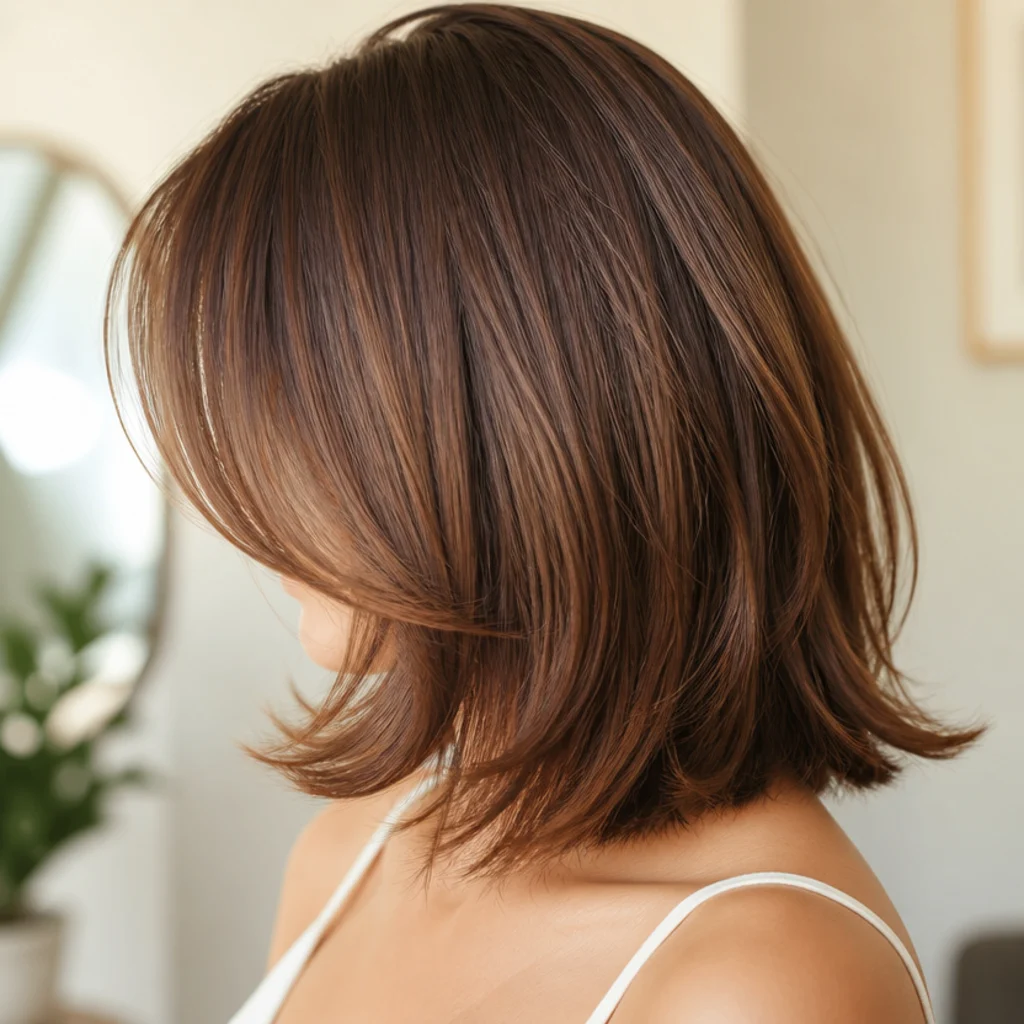
16. Curtain Bangs on a Butterfly Cut
The butterfly cut runs its shortest internal layer at around chin height, so the fringe becomes the top rung of a continuous ladder. Cut them as one graduation rather than as two separate ideas, because a fringe and a first layer that do not meet leave a visible step at the cheek.
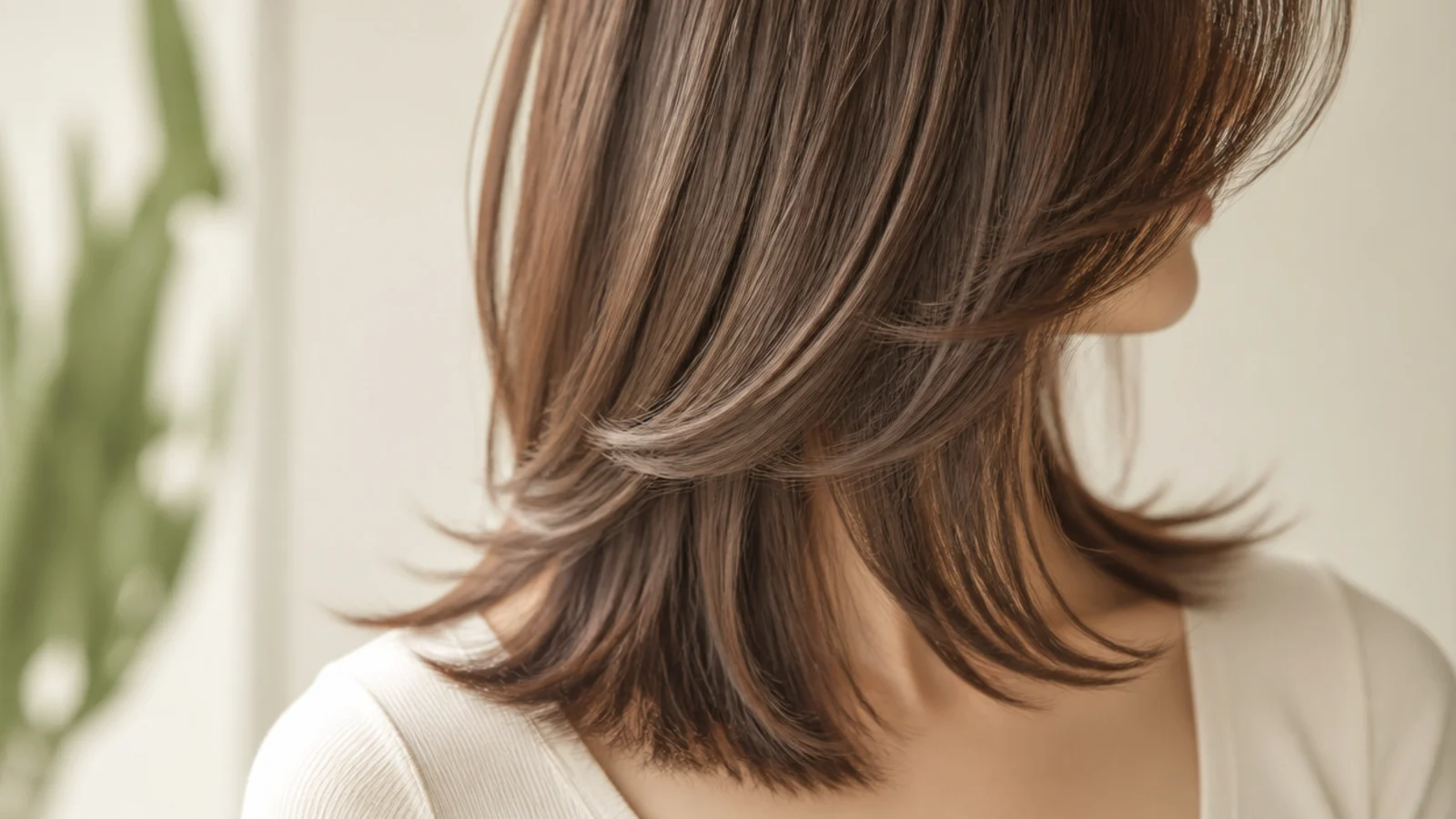
17. Grown Out Bangs Blended In
The stage where the shortest point has slid past the cheekbone and the fringe is turning into face framing. Point cutting the piece directly below it turns the remaining step into a gradient, which is the difference between hair that is growing out and hair that looks like it was cut this way.
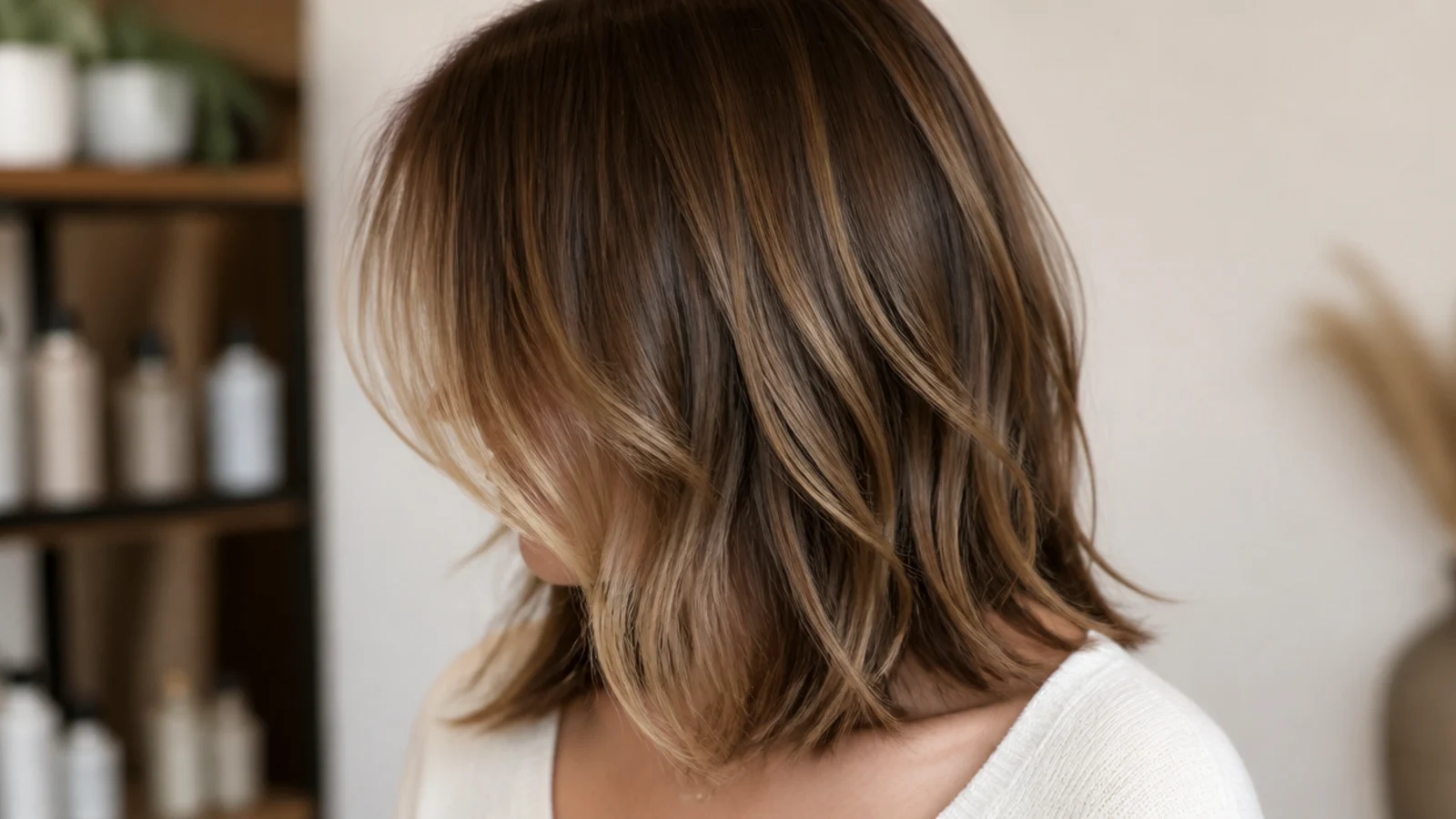
18. Money Piece Face Framing
Two lighter sections at the front, achieved with colour instead of scissors. A lighter shade reflects more light than the hair around it, so the eye is drawn forward exactly as it would be by a fringe, and nothing has been cut that has to grow back.
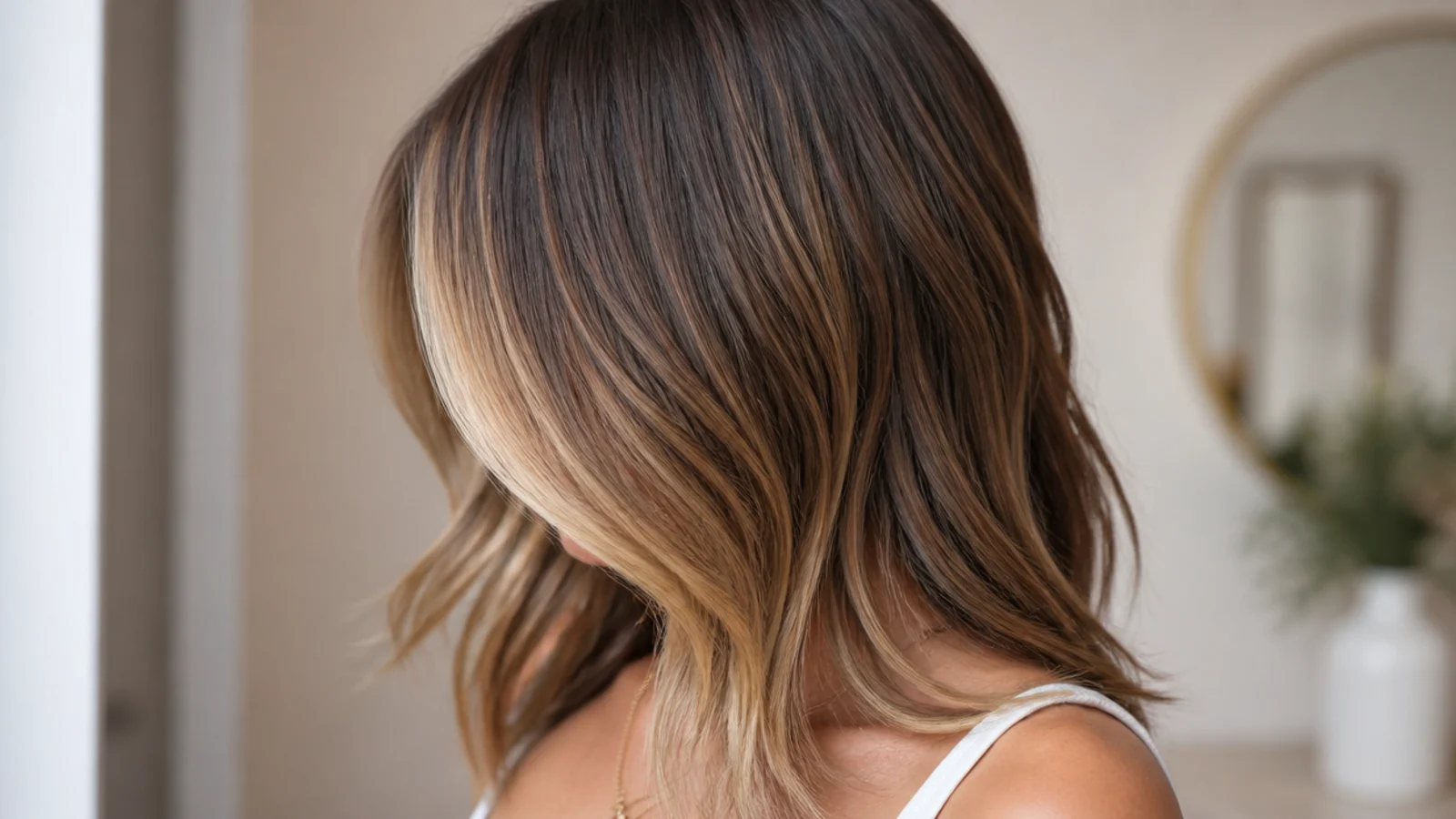
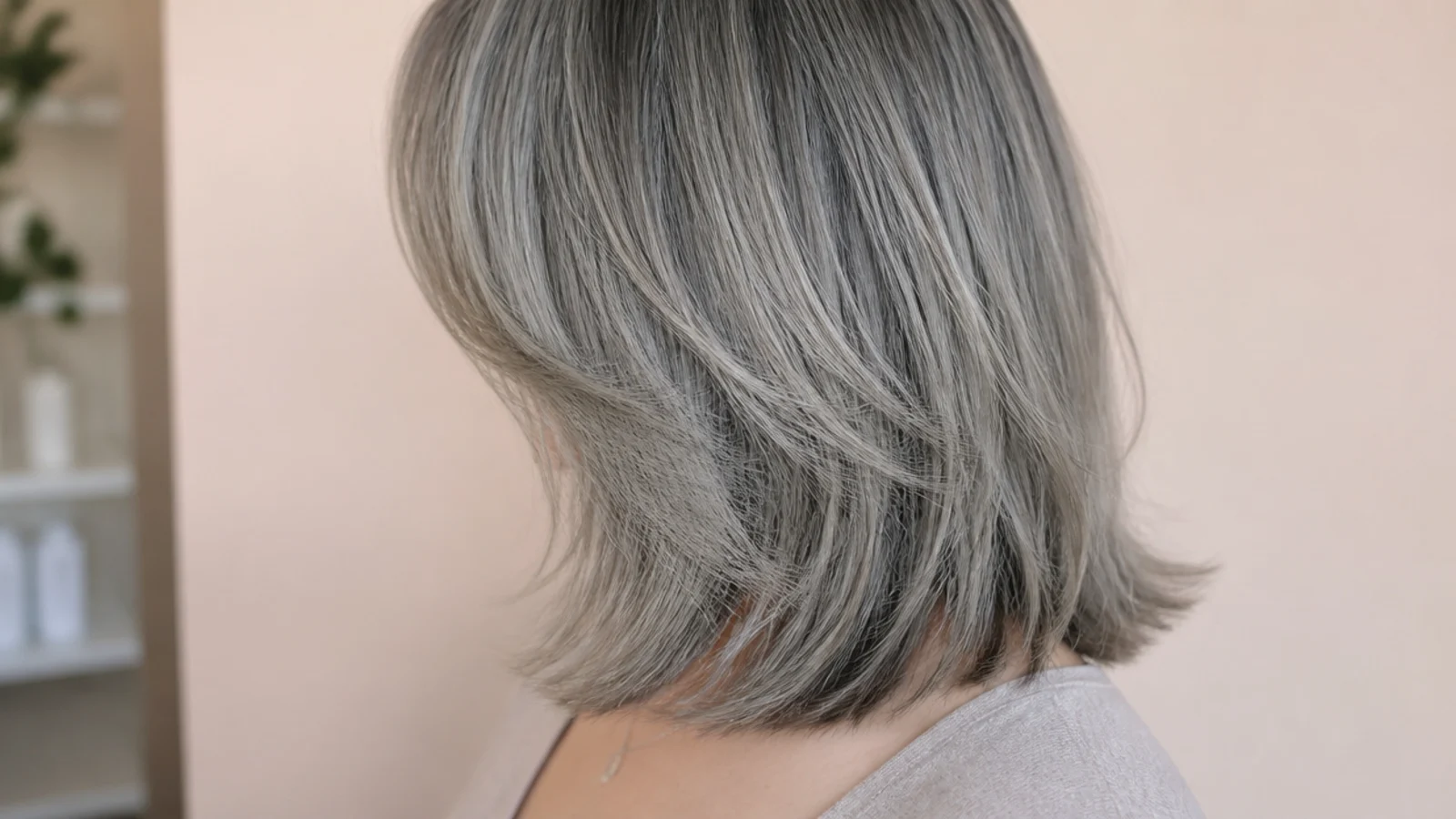
19. Curtain Bangs on Gray Hair
Grey hair frequently grows in coarser and more wiry than the pigmented hair around it, and a coarse strand holds whatever bend it is given. Leave a little more length so weight can pull the fringe down, and keep the edge soft so the light scattering off it stays even.
20. Full Fringe on Straight Hair
The heaviest commitment on the list. Straight hair falls in one direction with no bend to break the edge, so a full fringe reads as a solid block and shows every millimetre of unevenness, and half an inch of growth is the difference between sitting above your eyes and sitting in them.
Final Thoughts
Ask for the shortest point and the angle, and the rest of the conversation takes care of itself. A fringe described as soft or wispy is a description of a finish, not of a cut, and two stylists will produce two different results from it. Cheekbone, blended down into the length, parted a little off centre is three facts nobody can misread, and it is also the version that grows out without a stage you have to hide.
Then budget for the upkeep honestly. Bangs run on a three to four week cycle while the rest of a mid length cut runs on three to four months, and that mismatch is the single most common reason people say bangs did not suit them when what they actually mean is that they stopped trimming them. Compare it against a fringe on a textured cut in 20 curtain bangs vs wispy bangs on a curly shag and on shorter layers in 25 butterfly cuts with curtain bangs for short hair. More in Womens Hairstyles.