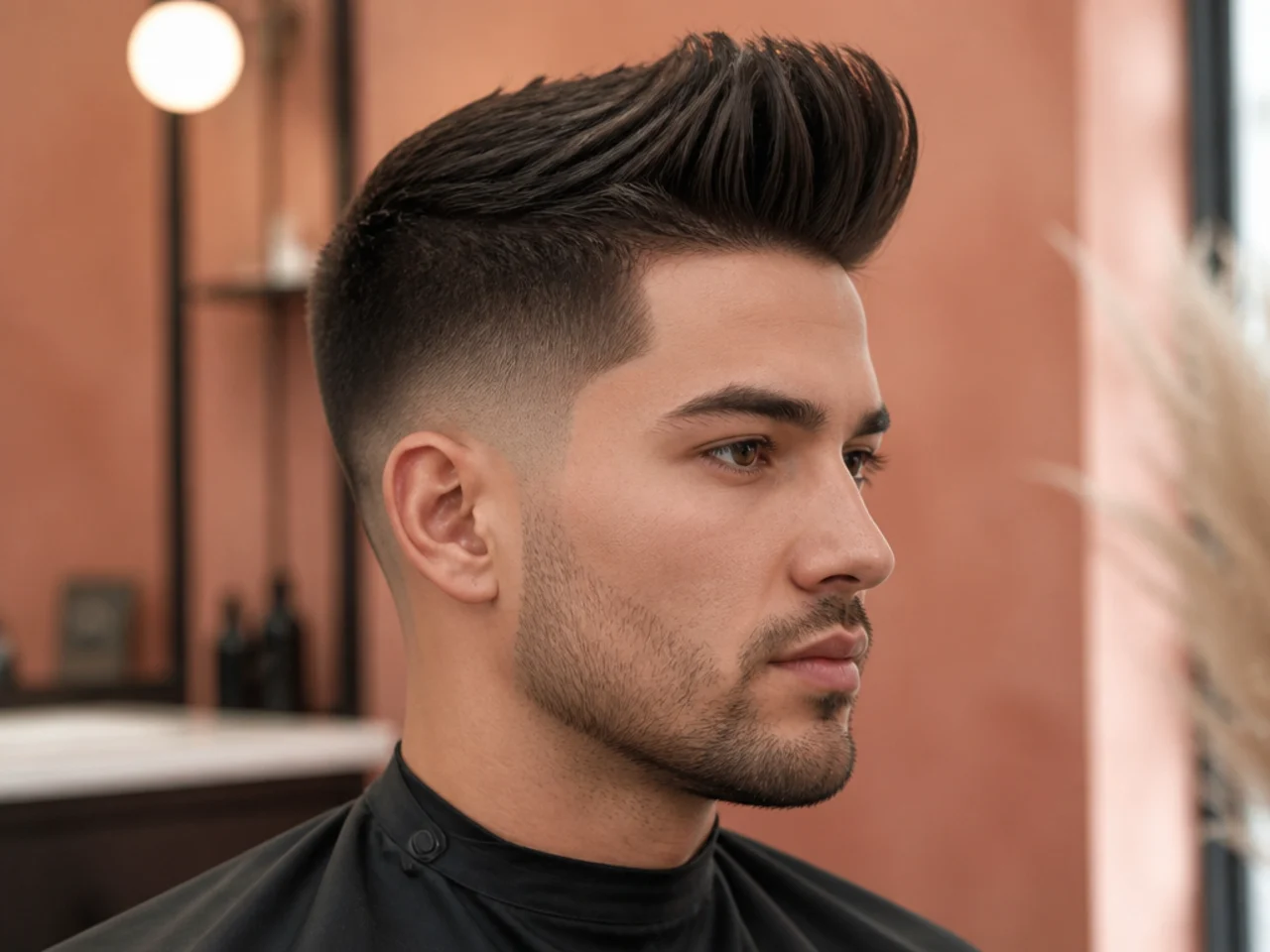
20 Steps to Choose Men Haircut Styles
Choosing between hundreds of named haircuts is impossible, and choosing between six families is not. Pick the family first and the individual cut becomes a small decision inside a group that already suits you.
In this article · 27
- Why Families Beat Names
- How to Choose Yours
- The 20 Steps
- 1. Identify Your Texture
- 2. Rule Out the Wrong Families
- 3. Assess Density Under Overhead Light
- 4. Map Where the Density Is
- 5. Check Your Hairline Corners
- 6. Find Your Cowlicks
- 7. Locate the Parietal Ridge
- 8. Compare Cheekbone, Jaw and Forehead Width
- 9. Decide Height or Width
- 10. Time Your Real Morning Routine
- 11. Set Your Booking Interval
- 12. Now Pick the Family
- 13. Read the Family's Defining Property
- 14. Shortlist Three Cuts Inside It
- 15. Find Photos of Your Own Texture
- 16. Decide the Top Length in Inches
- 17. Decide Height and Depth at the Sides
- 18. Decide the Finish
- 19. Say It in One Sentence
- 20. Judge It at Week Three
- Styling and Upkeep
- Mistakes to Avoid
- FAQ
- Final Thoughts
Nobody can choose between three hundred named haircuts, which is why most men give up and hand over a photograph instead.
Choosing between six families is a decision you can actually make. Short, classic, textured, modern, curly and business cover almost everything in a barbershop.
Pick the family first and the cut becomes a small decision. You are then choosing between five or six variations inside a group that already suits your hair and your schedule.
Why Families Beat Names
Names vary between shops. Structures do not.
Each family has one defining property. That property either fits your hair or it does not.
Texture rules out whole families at once. Which is faster than eliminating cuts one by one.
Schedule rules out the rest. Whatever survives your texture still has to survive your diary — the skin-fade family expires inside a fortnight, while the tapered families are intact at three or four weeks.
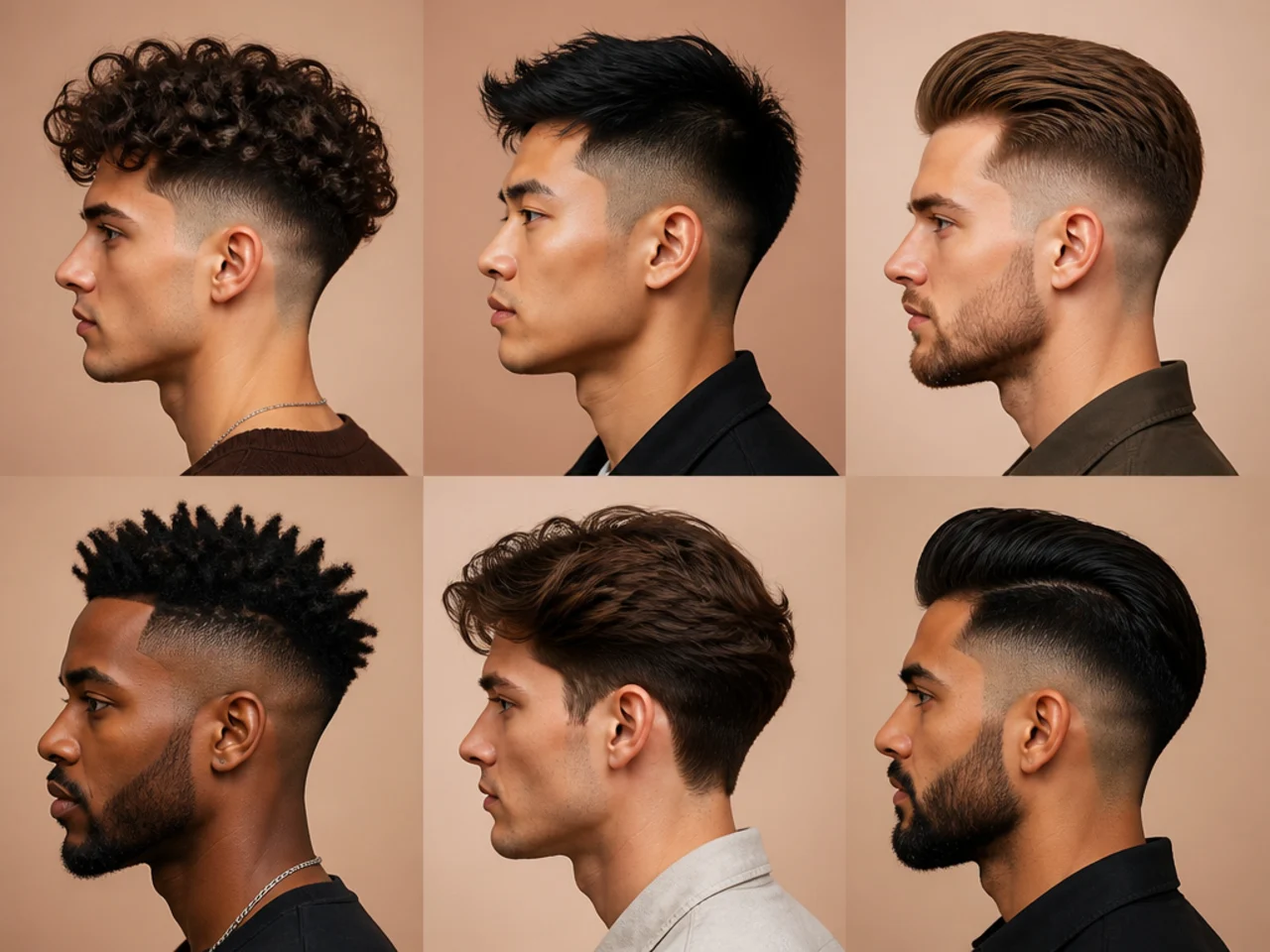
How to Choose Yours
Start with texture, not with a photograph. It is the constraint you cannot negotiate.
Then apply your schedule. It eliminates about half of what is left, and a diary that will not take fortnightly visits leaves only the low-maintenance end of the range.
Then apply your face shape. Height or width, and nothing more complicated than that.
Then pick a name. By this point there will only be a handful of them.
The 20 Steps
1. Identify Your Texture
Straight falls where the root points, wavy lifts and bends, curly shrinks by around a third as it dries. It is the first and least negotiable input.
2. Rule Out the Wrong Families
Curl rules out anything depending on a precise perimeter, because a third of the length disappears as it dries. Fine hair rules out heavy interior texturing, because there is no density to spare.

3. Assess Density Under Overhead Light
Look for where the scalp shows through. It is the honest test, and front-facing bathroom light hides the crown entirely. Visible scalp at the crown removes the textured family in one move, because separated ends open gaps in exactly the area you were checking.

4. Map Where the Density Is
Full sides with a thin crown is a different brief from even thinning, and it points to different families. Uneven density needs contrast reduced, and even thinning needs a uniform length that gives the eye nothing to compare.
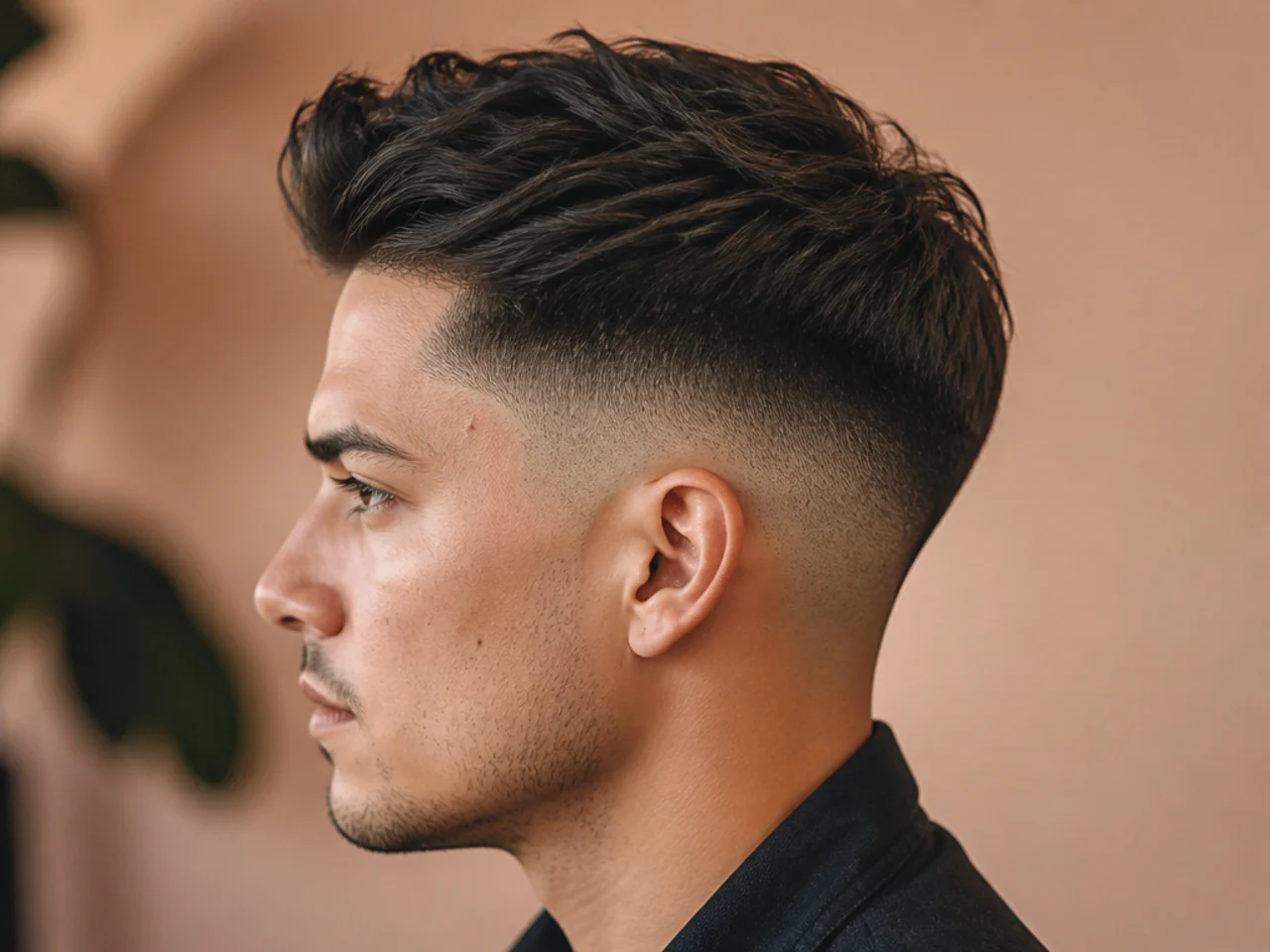
5. Check Your Hairline Corners
Recession happens at the temples first, and it decides whether hair goes forward or back. Keeping weight high and the sides short is what reduces the contrast that draws the eye to it.

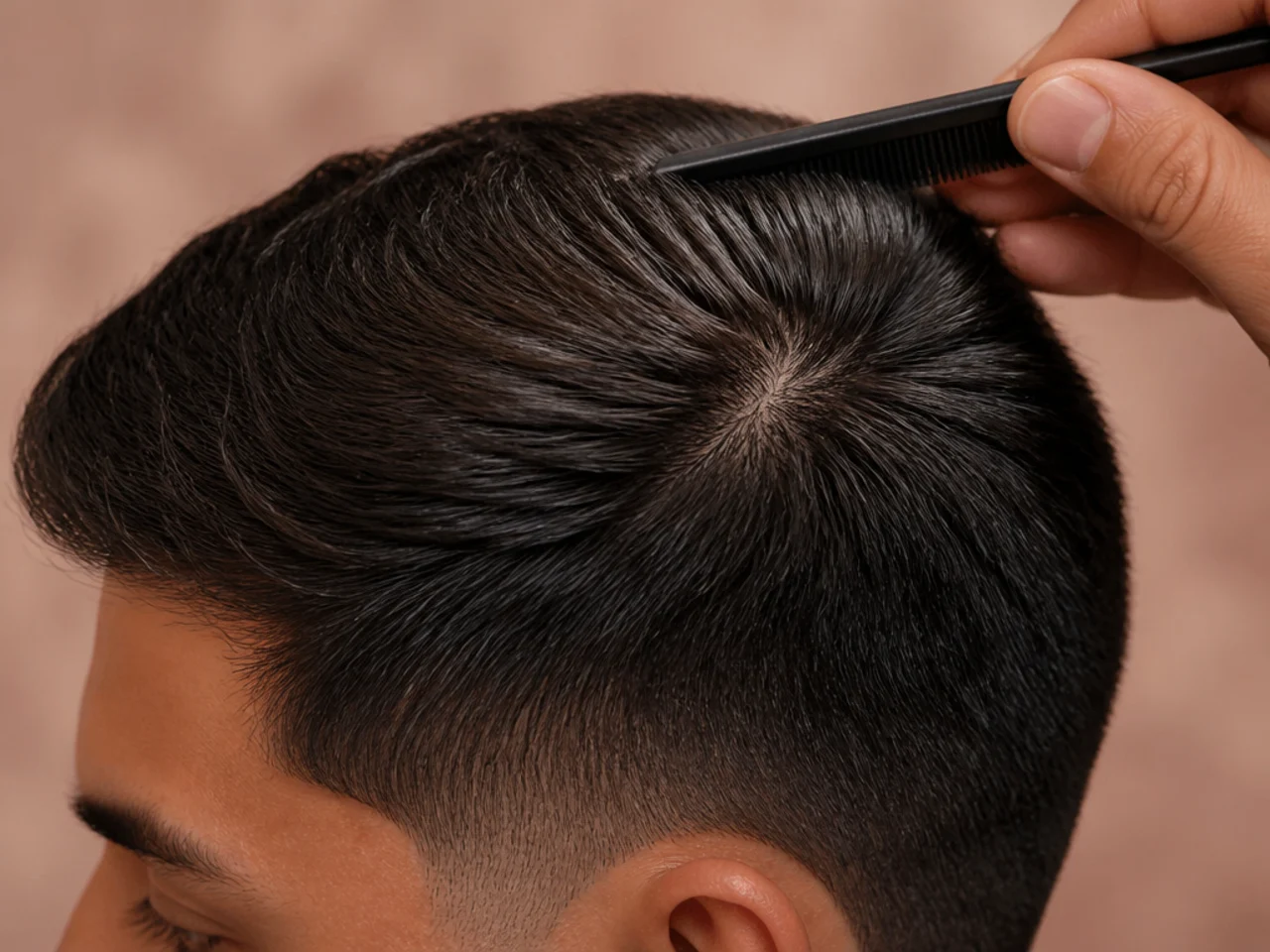
6. Find Your Cowlicks
Comb everything down from the crown and look for what refuses. A cowlick is a root direction and no cut removes it.
7. Locate the Parietal Ridge
Run a comb up the side until it stops sitting flush. That lift-off point marks the skull at its widest, and it is the border every family uses to separate side length from top length.

8. Compare Cheekbone, Jaw and Forehead Width
That comparison gives you your face shape faster than any measuring guide. If the three are close you are square or round, and if the face is clearly taller than it is wide you are long.

9. Decide Height or Width
Round and square faces want height with narrow sides. Long faces want the opposite. The advice aimed at square and round faces reduces to one structural choice, since taking the sides above the ear is what narrows a head.

10. Time Your Real Morning Routine
Use a stopwatch for a week. The honest number is lower than the one you guessed, and it is the single best predictor of whether a cut survives past its first month.

11. Set Your Booking Interval
Fortnightly makes skin depth viable, because a skin fade blurs in one to two weeks. Monthly means a taper, which leaves a #1 at 3mm and holds three to four, and there is no compromise between them.

12. Now Pick the Family
Short, classic, textured, modern, curly or business. By this point most of them have already been eliminated by texture and schedule, which is exactly the work the previous steps were doing.

13. Read the Family's Defining Property
Short means the cut is the style. Classic means proportion over measurement. Textured means staggered ends within a section, and modern means the weight is graded inside rather than ruled at the outline.

14. Shortlist Three Cuts Inside It
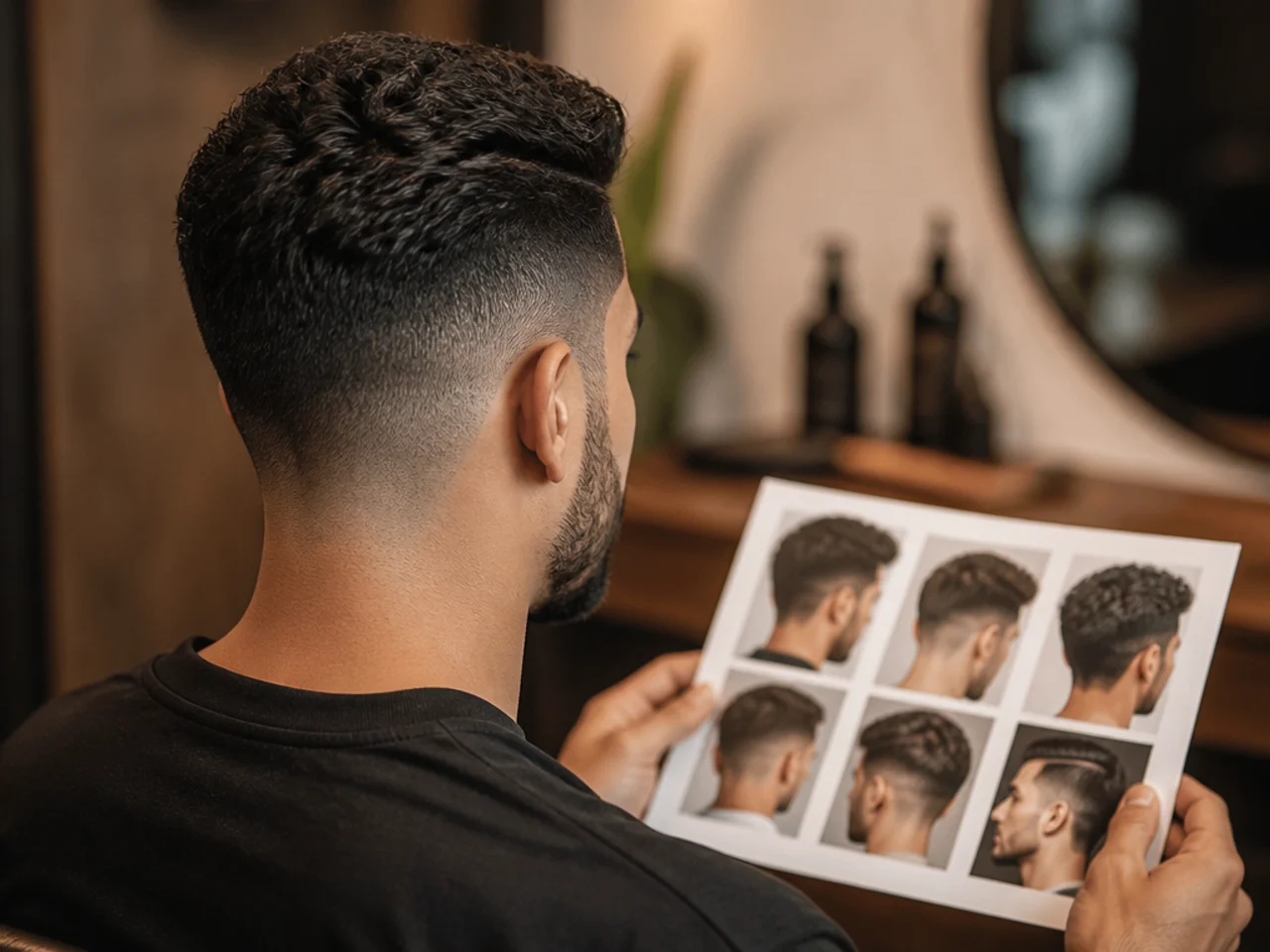
Three is enough to compare and few enough to remember at the consultation. Any more and you will end up handing over a photograph instead of a specification.

15. Find Photos of Your Own Texture
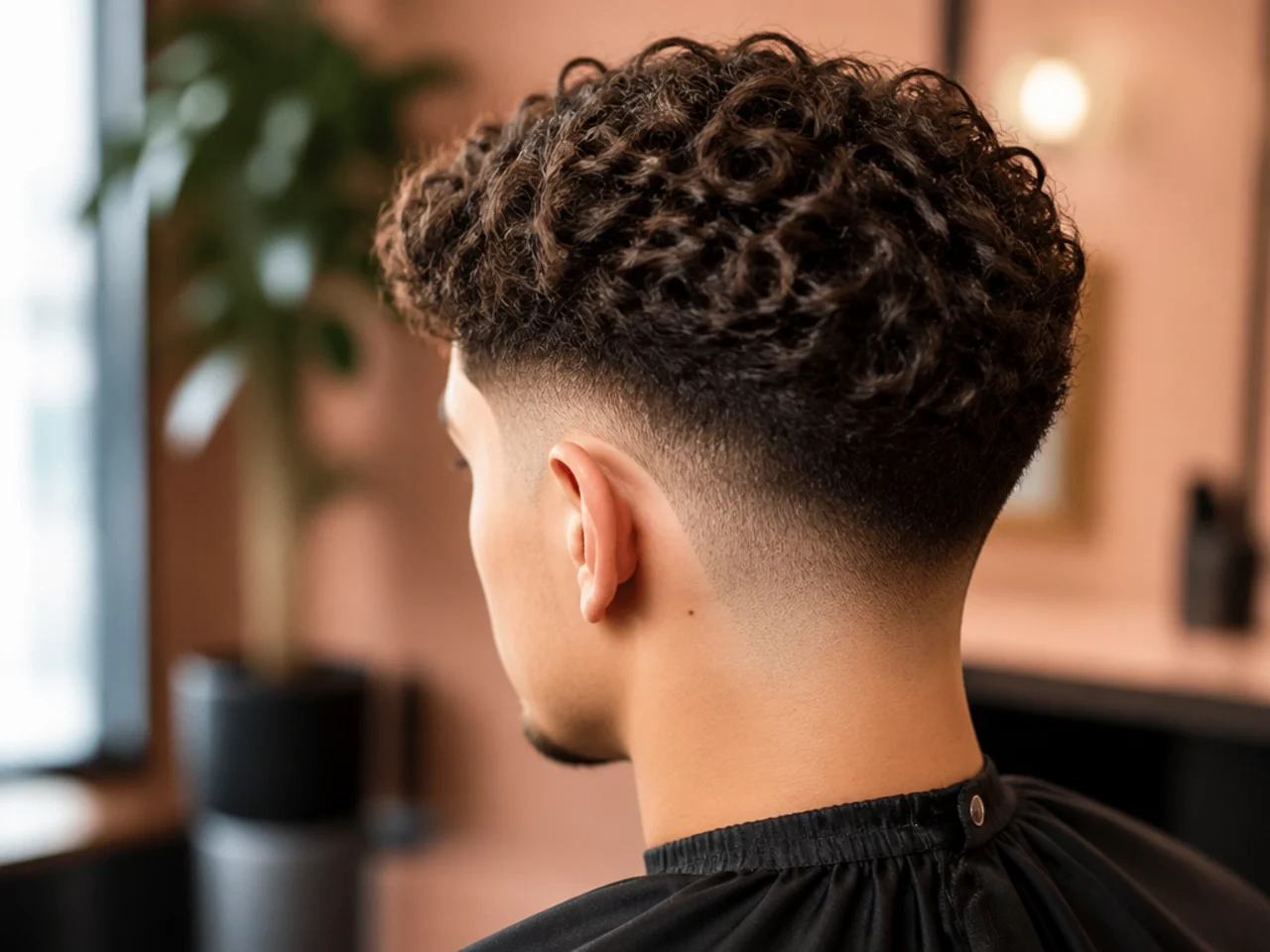
A cut on straight hair will not read the same on curly, and the picture cannot warn you. Straight hair shows the outline of a cut while curly hair shows only its interior, so the same shape reads as two different haircuts.
16. Decide the Top Length in Inches
Two inches sits close, three can be styled, four begins to fall under its own weight. Each band belongs to a different family, so naming the inches narrows you to a group before you have named a single cut.

17. Decide Height and Depth at the Sides
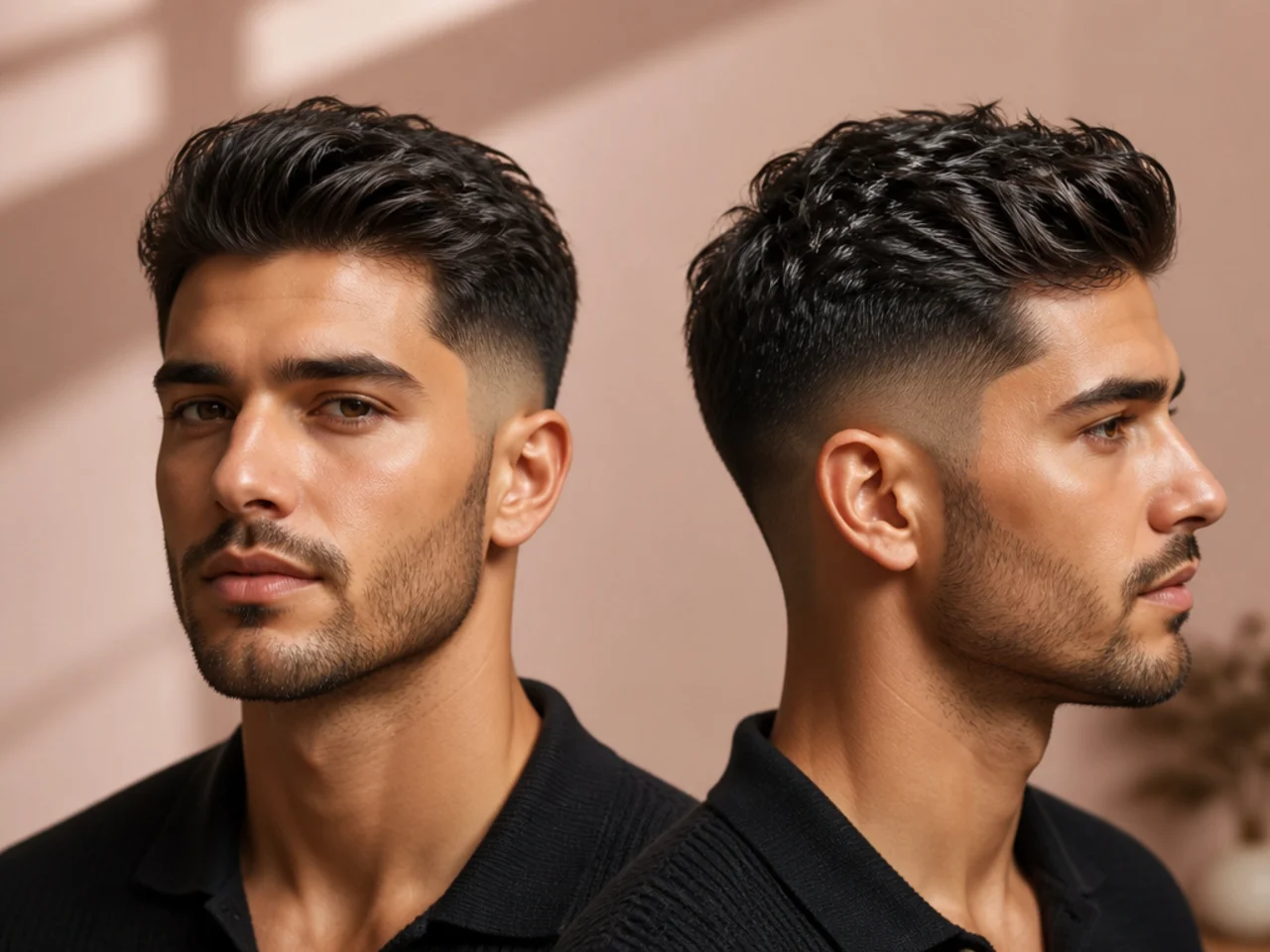
Low, mid or high, and taken to a #1 or to skin. They are two separate decisions, and the height changes your face while the depth changes your calendar.
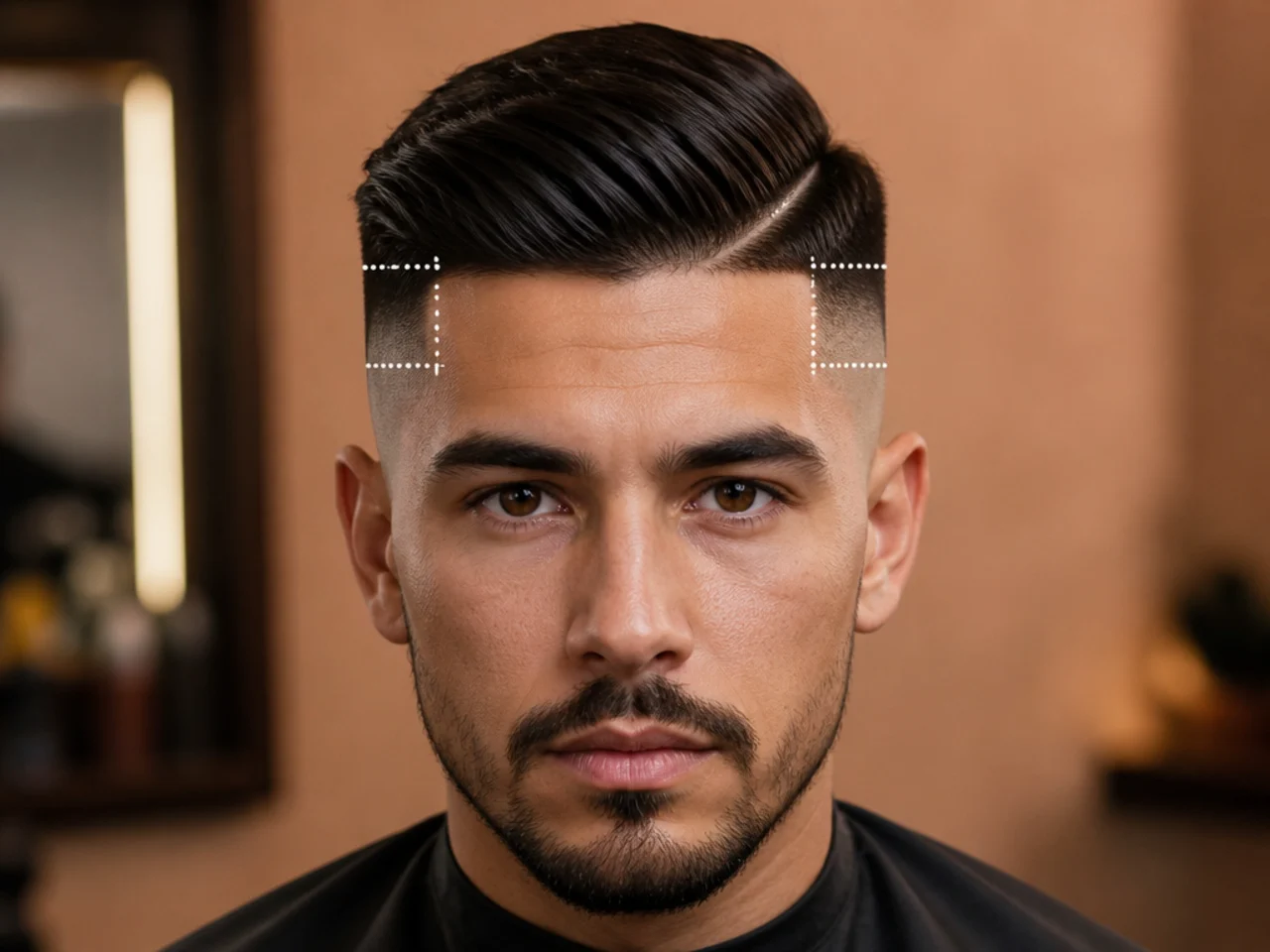
18. Decide the Finish
Matte or shine, decided before you sit down. It changes the read of the cut more than most people expect. Shine reads the ends as one mass and matte reads them as separate, which is the visible line between the classic and textured families.
19. Say It in One Sentence
Length, height, depth, finish. Said aloud, that sentence does more work in the chair than the family name you arrived with. Two barbers can disagree about what a textured crop is, and neither can misread three inches, mid height, a #1 and matte.

20. Judge It at Week Three
Week one shows what the barber can do, and week three shows what you actually bought. Families differ most in how they age — a structure that still holds its shape at three weeks is a different purchase from one that needs rebooking to look right.

Styling and Upkeep
Keep the four specifications written down. A family name means different things in different shops; four numbers mean the same thing in all of them.
Stay in the family for a year. Switching families every visit teaches you nothing.
Reassess your density annually. Hair changes faster than most men update their choices.
Photograph the side profile. It is the only reference a new barber can act on.
Change one specification at a time. Changing three tells you nothing about which mattered.

Mistakes to Avoid
Starting from a photograph. It biases every assessment that follows.
Choosing a family your texture cannot support. Texture is the one input that always wins.
Ignoring your booking habit. It quietly eliminates half the options.
Fighting your cowlicks. They outlast every haircut you will ever have.
Judging the result on the day. Week three is what you live with.

FAQ
How do I narrow it down? Choose the family before the cut.
Which family is safest? Short with a taper — fewest failure modes and fastest recovery.
Face shape or texture? Texture, because it decides what the hair physically does.

Final Thoughts
Spend the ten minutes on texture, density and schedule before you open a single photograph. The families do most of the filtering for you, and by the time you are choosing between three cuts inside one of them, there is no wrong answer left to pick.
For the families in full see men's haircut styles, and for the fade decision inside them see low fade vs mid fade vs high fade. More in Men's Haircuts.