15 Ways to Style Curly Hair for Men
Every motion you make on curly hair either groups strands together or splits them apart, and definition is nothing more than which of those two won. Most techniques fail because they are repeated, not because they are wrong.
In this article · 22
- What Each Motion Is Actually Doing
- How to Choose Yours
- The 15 Techniques
- 1. Squeeze With a Cotton T-Shirt
- 2. Apply on Soaking Hair, Not Damp
- 3. Praying Hands, One Pass Only
- 4. The Rake and Shake
- 5. Scrunching Upward
- 6. Glazing the Surface
- 7. Drying Head Forward
- 8. Picking at the Root Only
- 9. Finger Coiling One or Two Sections
- 10. Building and Breaking a Cast
- 11. Diffusing on Low, Hover Then Cup
- 12. The Twenty-Second Water Refresh
- 13. Spot-Wetting the Slept-On Side
- 14. The Deliberate Dry Reset
- 15. Gathering at the Crown Overnight
- Styling and Upkeep
- Mistakes to Avoid
- FAQ
- Final Thoughts
Curly hair techniques are usually presented as a list of steps. It is more useful to know what each motion physically does, because then you can tell which ones you are allowed to skip.
Every motion either clumps or separates. Definition is simply the result of which of the two happened more, and there is no third category.
Repetition is what ruins most of them. One slow pass distributes product and five quick ones dismantle the clumps that pass had just formed.
What Each Motion Is Actually Doing
Clumping is definition. Strands that stay grouped read as curls, and the same strands separated read as frizz. How readily they group at all depends on where your pattern sits on the curl scale.
Water is the reactivator. Product holds a shape, but only water makes a curl reform after it has been flattened.
Brushing dry always separates. Its only legitimate use is a deliberate reset, immediately followed by rewetting.
Weight is the hidden variable. Hold and definition are bought in the same currency, so whatever is heavy enough to fix a shape in place is also heavy enough to drag neighbouring strands out of their clumps — which is why half the motions below exist to spread weight rather than to add it.
How to Choose Yours
Start with the water-only techniques. They cost nothing and solve most complaints on their own.
Add product techniques only if it frizzes by midday. Plenty of heads never reach that point.
Pick two you will repeat. Two motions done every wash beat ten done occasionally, because the same clumps reform along the same lines each time and because you can actually tell which motion produced the result when there are only two of them.
Judge the result air-dried and untouched. Any assessment made while the hair is still drying is premature.
The 15 Techniques
1. Squeeze With a Cotton T-Shirt
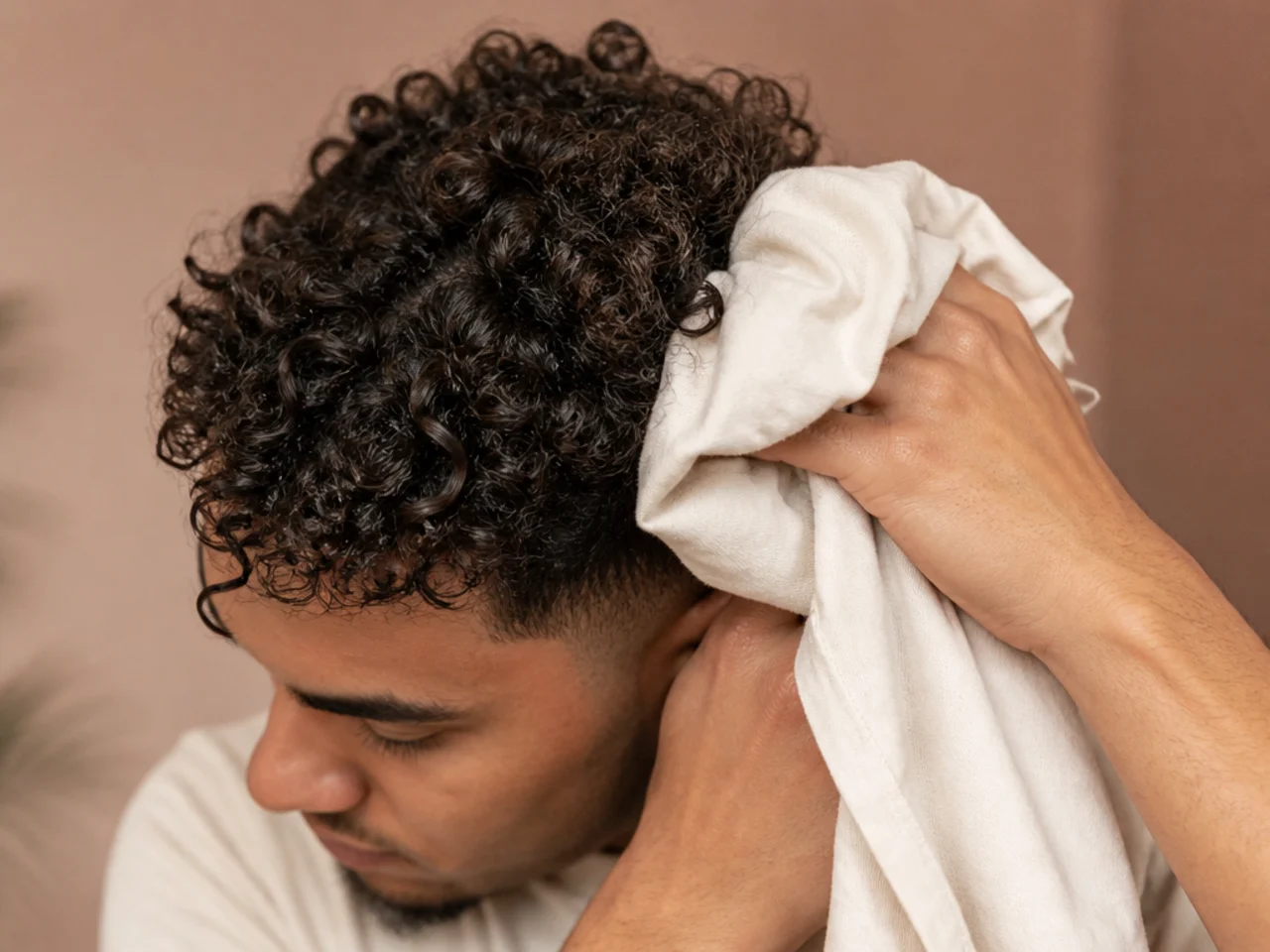
Water pressed out rather than rubbed. Towel loops catch individual strands and pull them out of their clumps, and every strand lifted that way dries as visible frizz. A worn cotton shirt has a flatter surface than any towel, which is the only property that matters here.
2. Apply on Soaking Hair, Not Damp
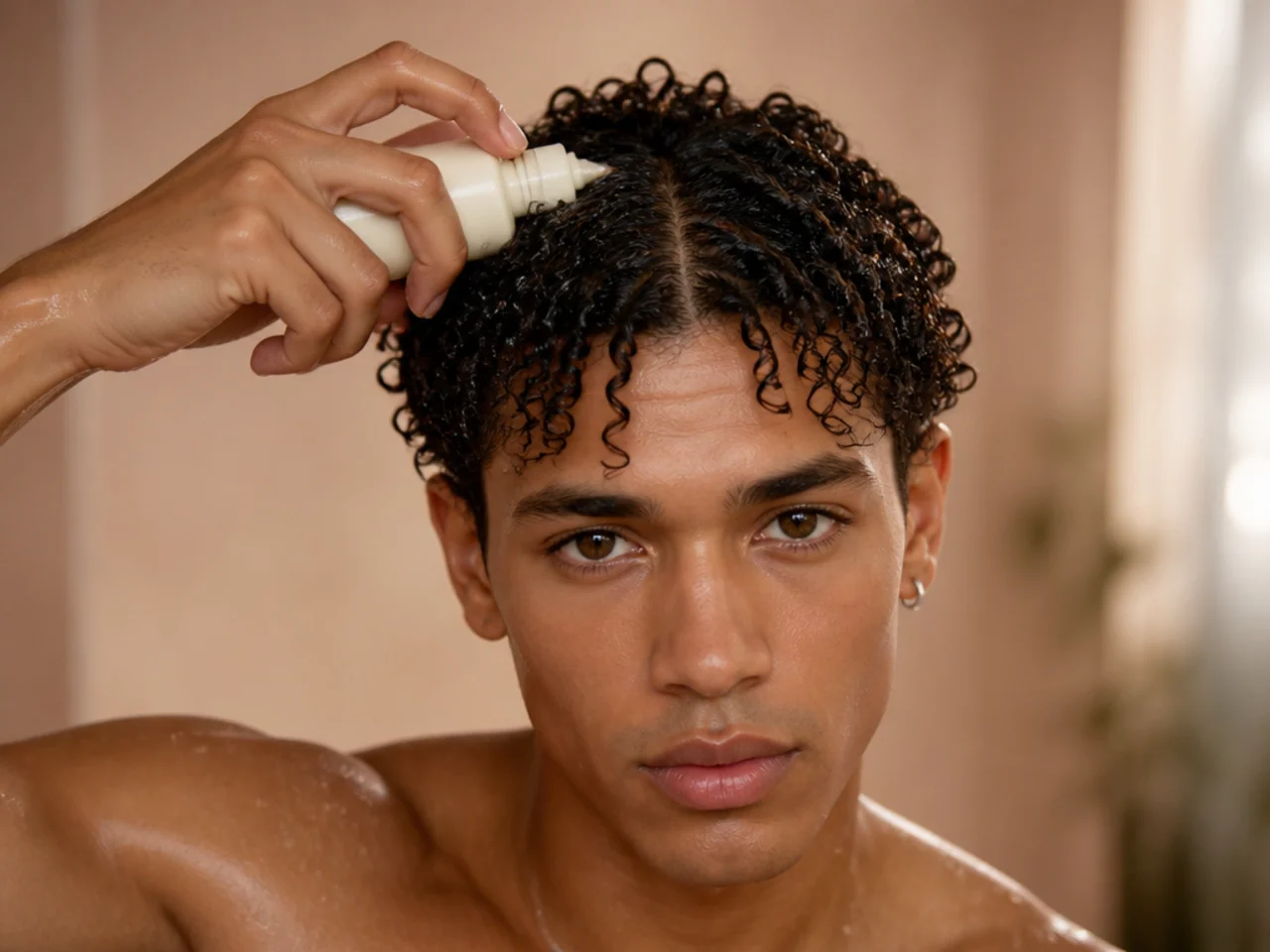
Product goes on while the hair is still dripping. Water carries it evenly down the strand, whereas the same product on damp hair sits on the surface and dries into a shell. The practical test is whether water is still running off your hands as you apply it.
3. Praying Hands, One Pass Only
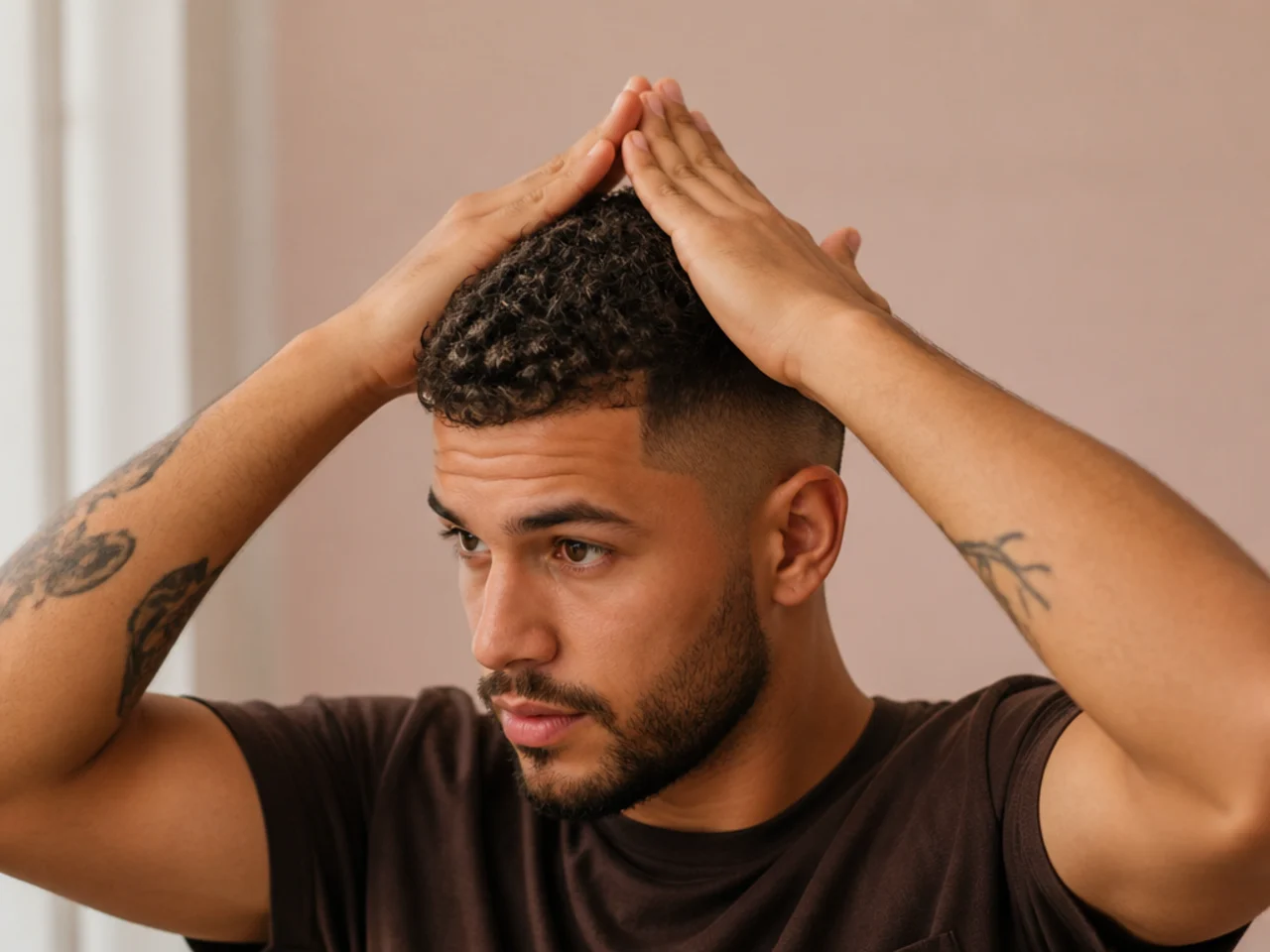
Product smoothed down the hair between two flat palms, once. The single pass is the whole technique, because each additional pass breaks apart the clumps the previous one formed.
4. The Rake and Shake
Fingers drawn through once to distribute, then the head shaken to let the curls fall. Raking separates and shaking lets them regroup, so the two only work as a pair.
5. Scrunching Upward
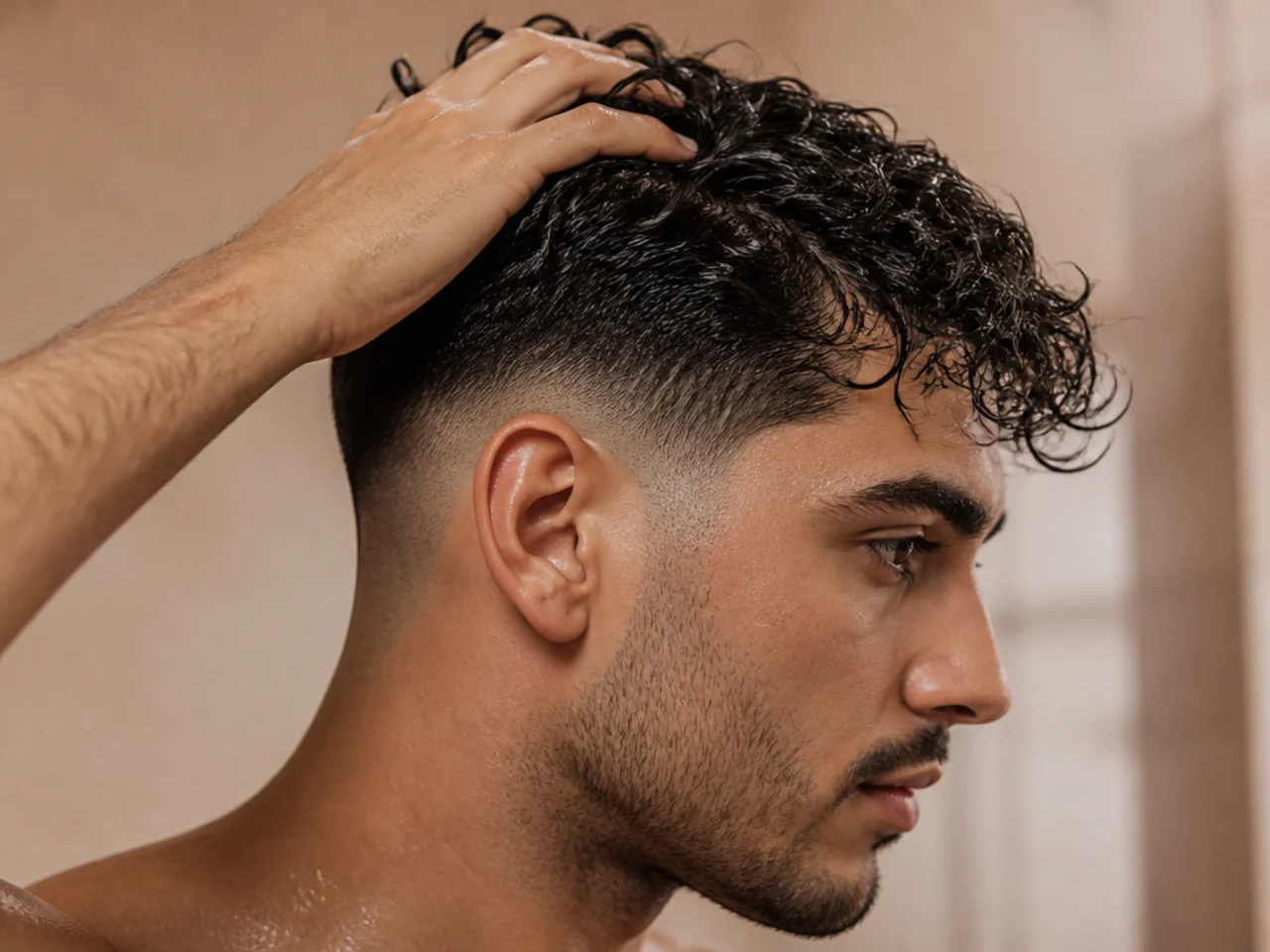
Hair cupped in the palm and pushed toward the scalp. Compressing the strand along its own spiral encourages it to spring rather than hang, which is the entire mechanism.
6. Glazing the Surface
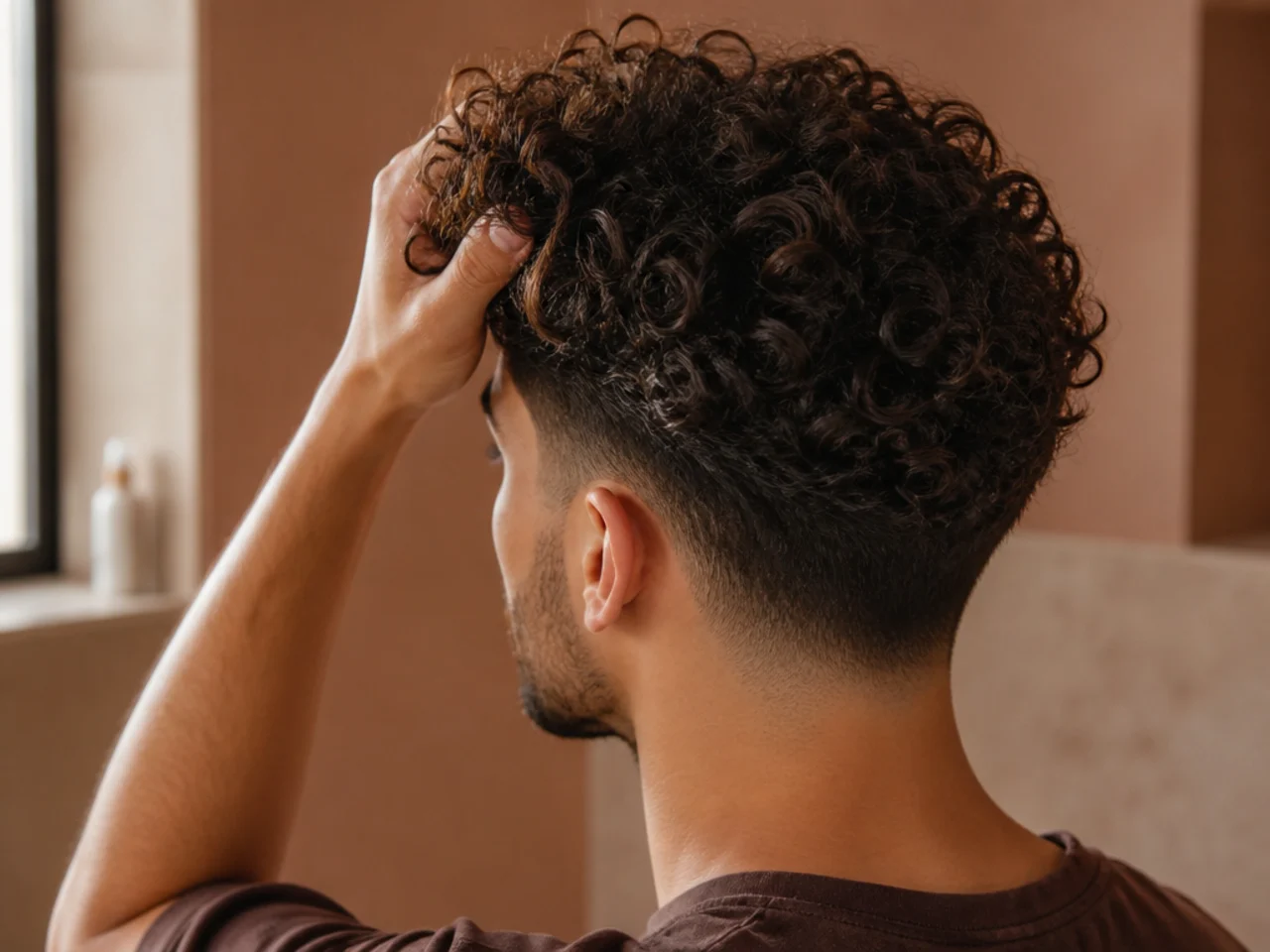
A thin layer of product smoothed over the outside of the hair without working it in. It is the lowest-weight way to control surface frizz on a head that is otherwise defined.
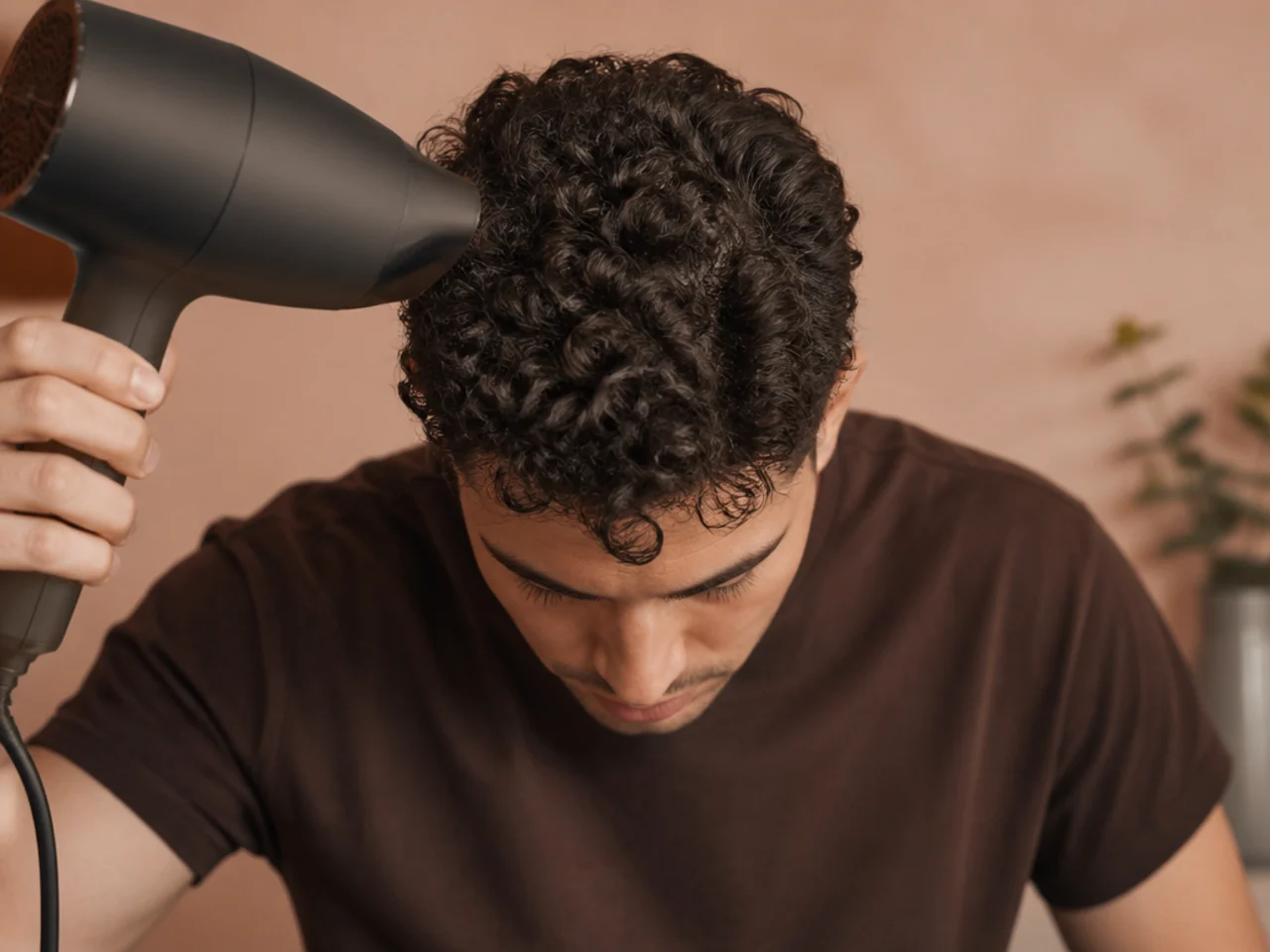
7. Drying Head Forward
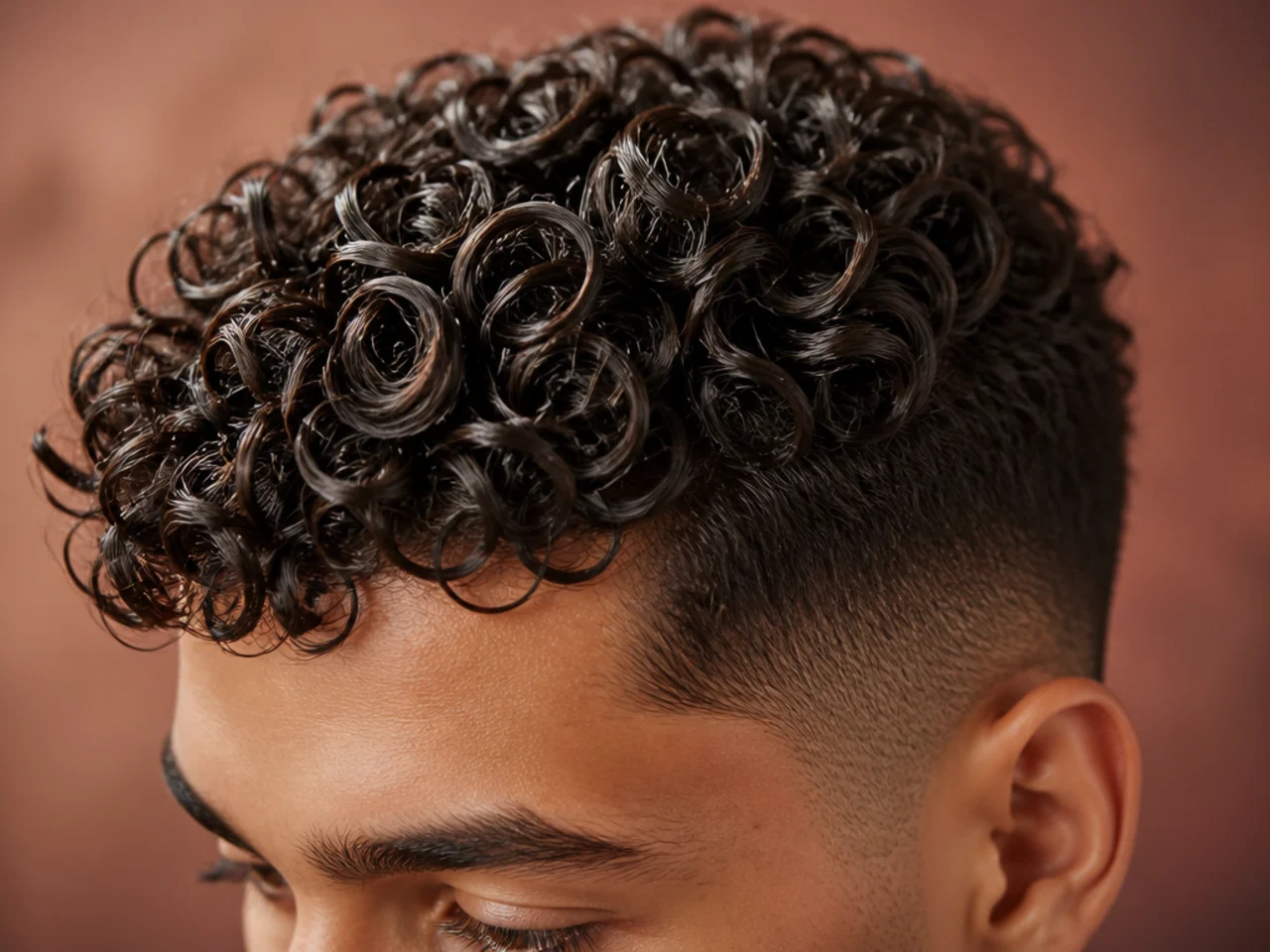
Tipping the head down while the hair dries. Gravity is the only free source of root lift, and root lift is what stops curl sitting flat on top of the skull. Two or three minutes at the start of drying is enough, because the roots set their direction first.
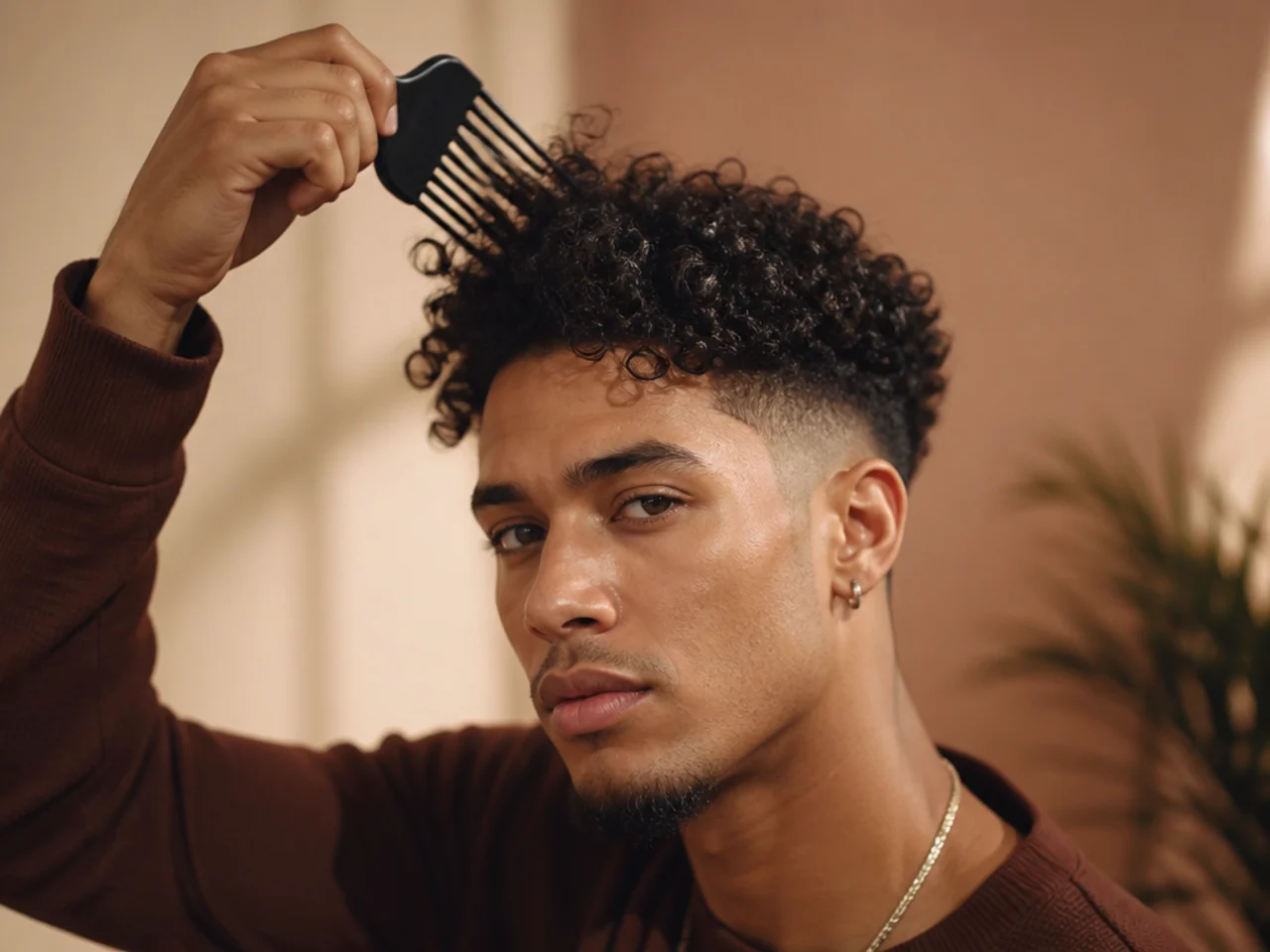
8. Picking at the Root Only
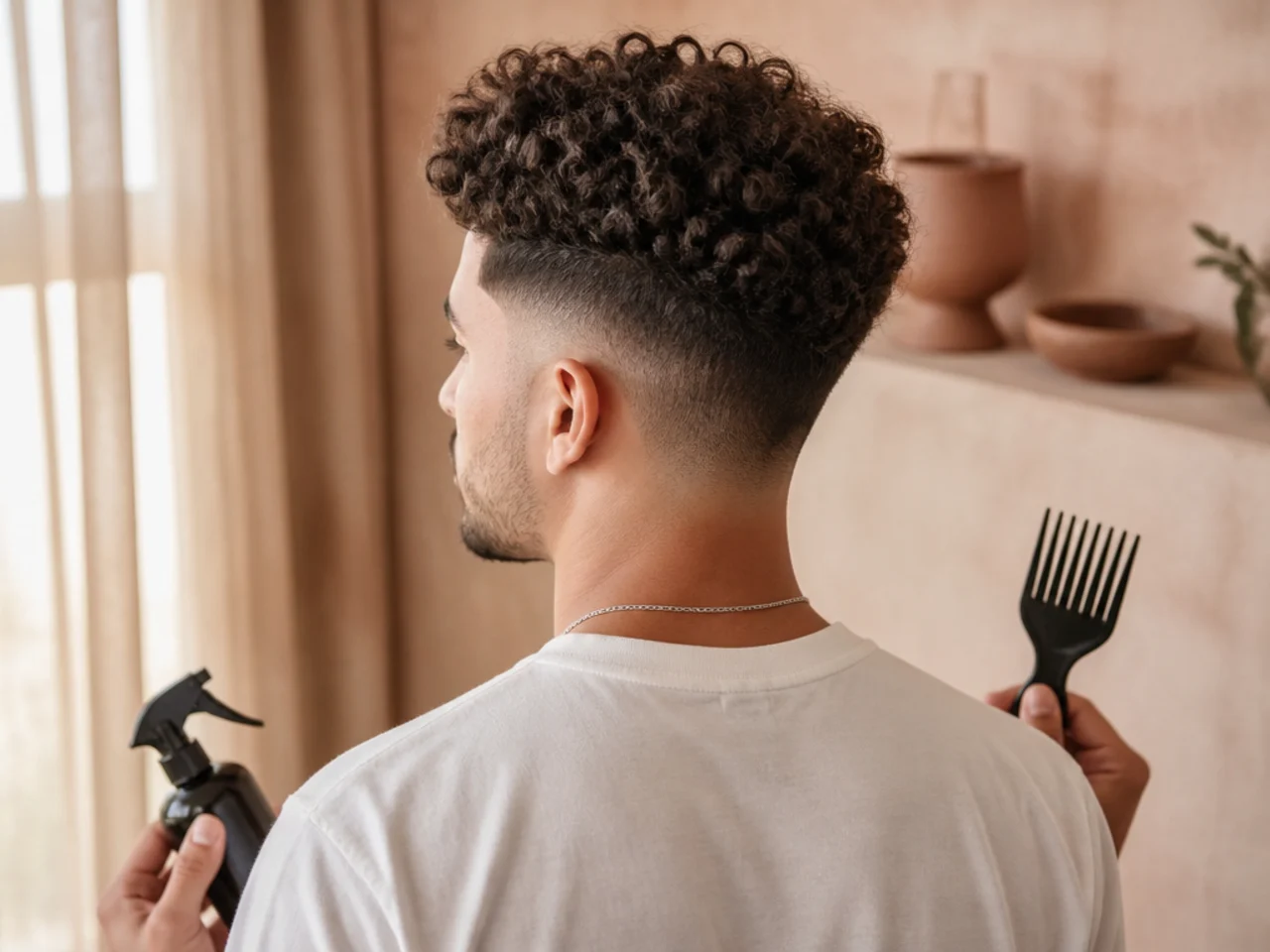
A wide pick lifted underneath at the scalp and never dragged through the length. It adds height exactly where it is needed without touching the clumps that hold the definition.
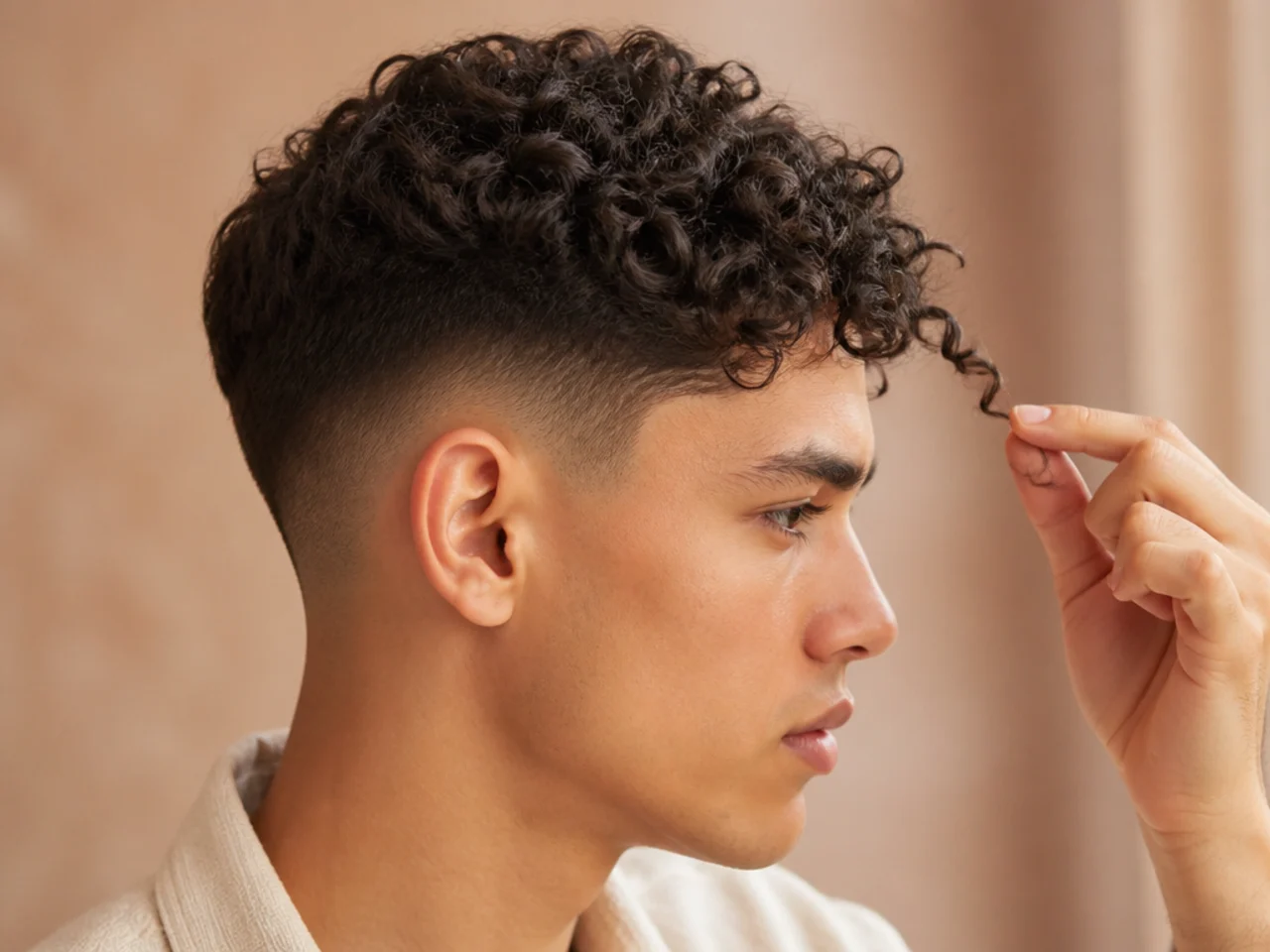
9. Finger Coiling One or Two Sections
Wrapping a single section around a finger while wet. It is slow, so it is worth doing only on the front pieces that people actually see, rather than on a whole head.
10. Building and Breaking a Cast
Gel allowed to dry hard, then squeezed until the crunch disappears. The cast holds the clump while it dries and breaking it afterwards returns the softness without undoing the shape.
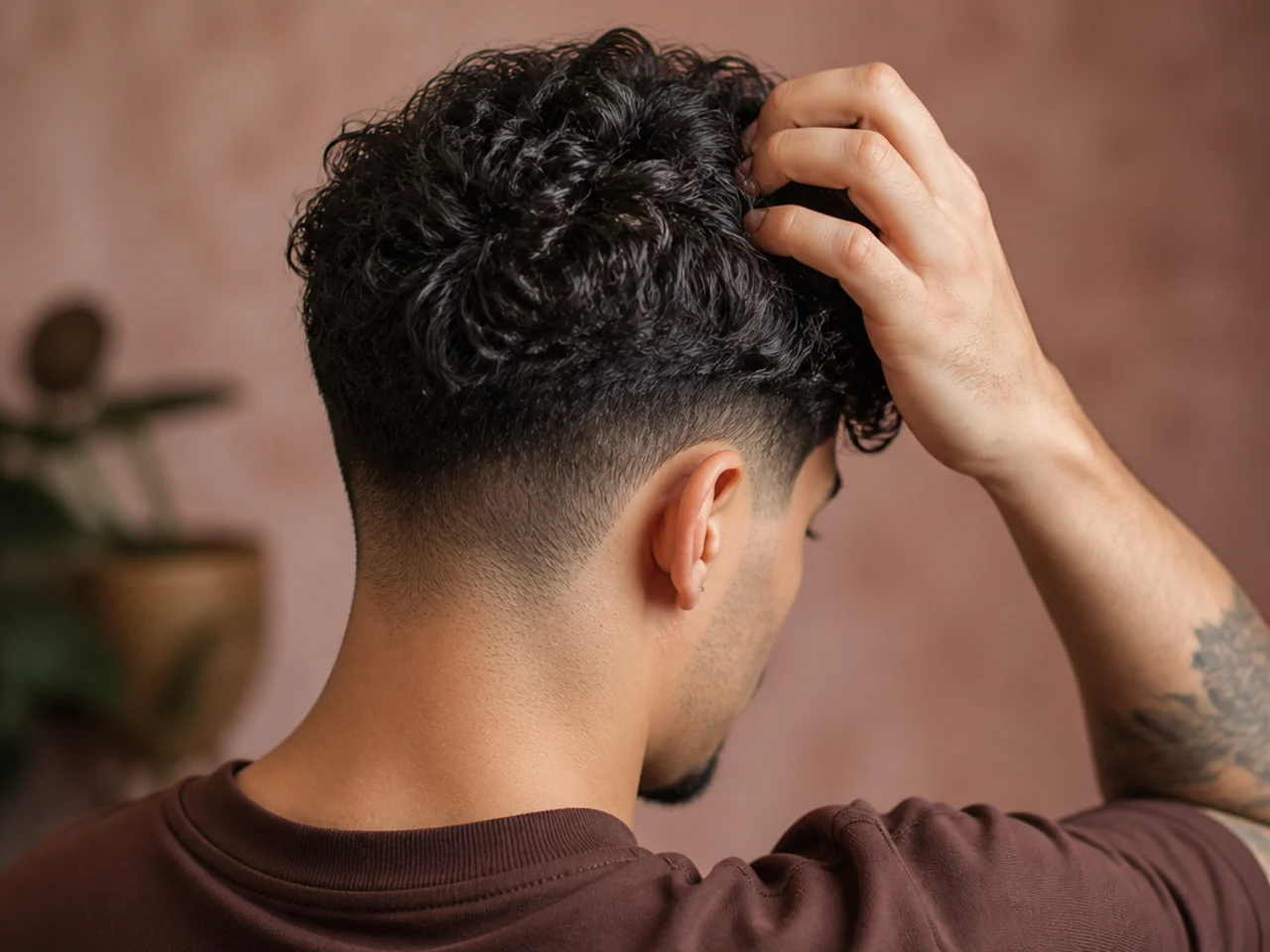
11. Diffusing on Low, Hover Then Cup
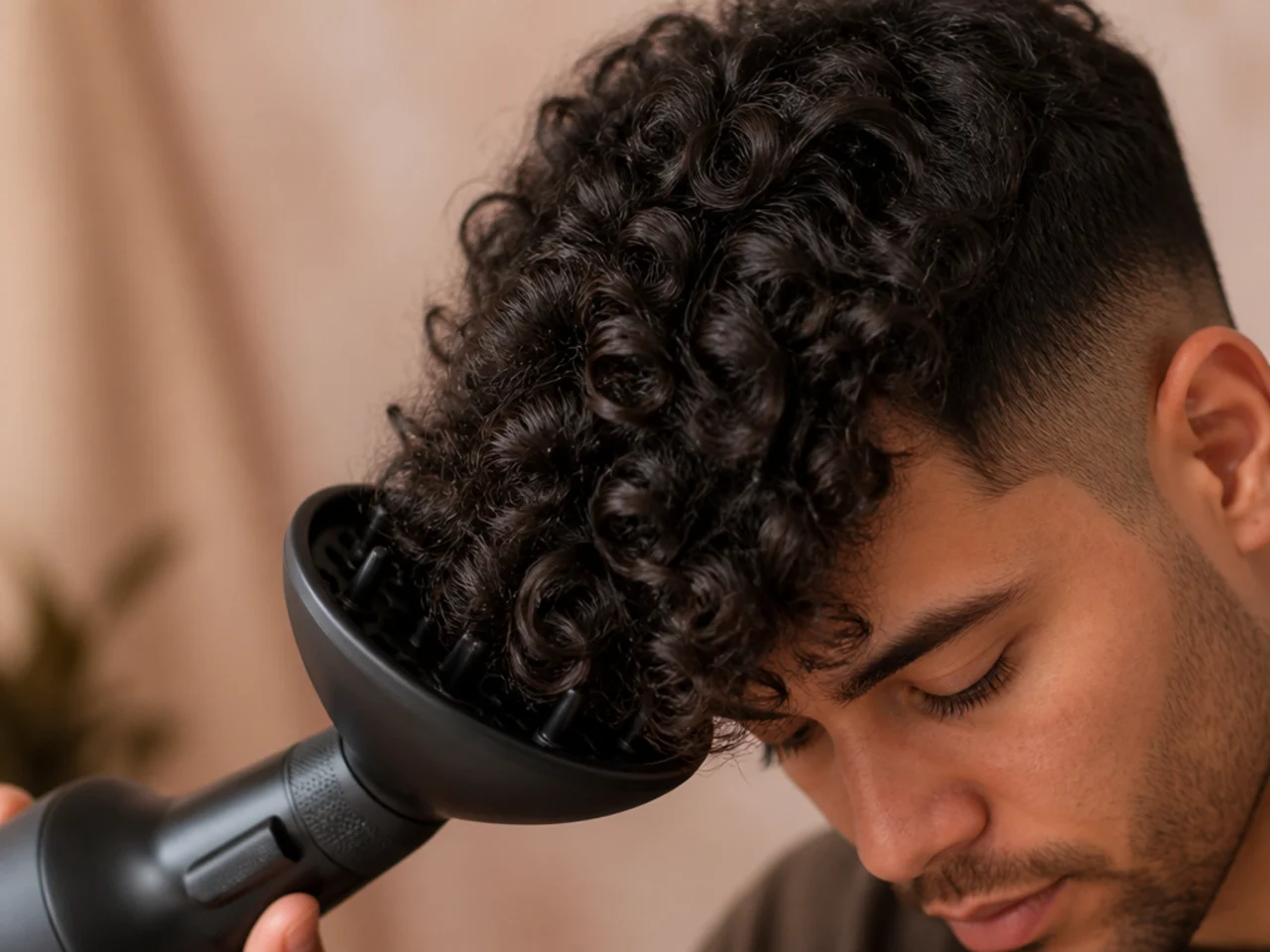
Low airflow, hovering first and cupping the ends once the hair is half dry, the same way it is done in a wavy and curly wash routine. High airflow blows the clumps apart, which produces exactly the frizz the diffuser was meant to avoid.
12. The Twenty-Second Water Refresh
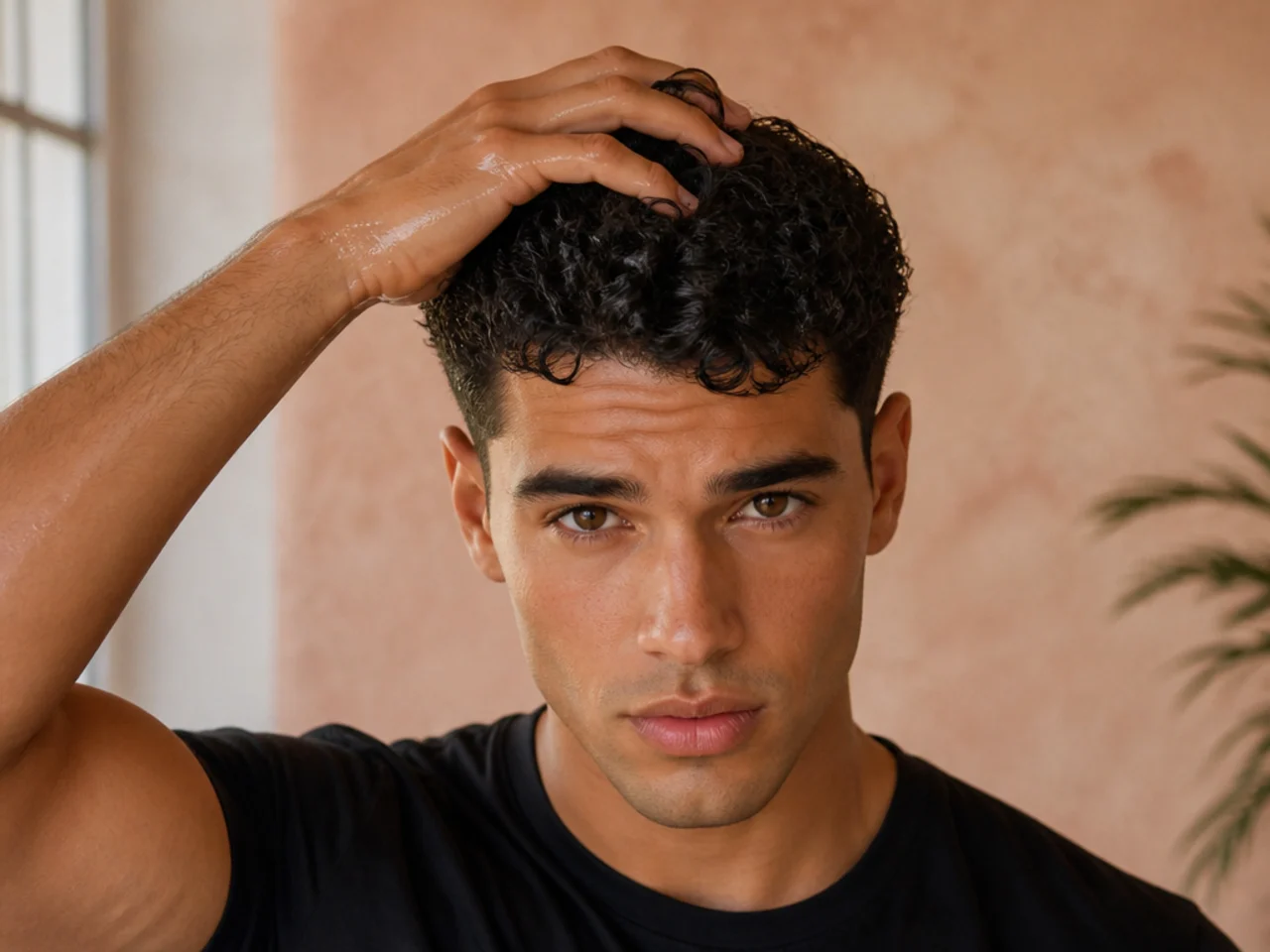
A wet hand pushed through the hair on a non-wash day. Water reforms the clumps that pressure flattened, and on most heads it is the entire between-washes routine.
13. Spot-Wetting the Slept-On Side
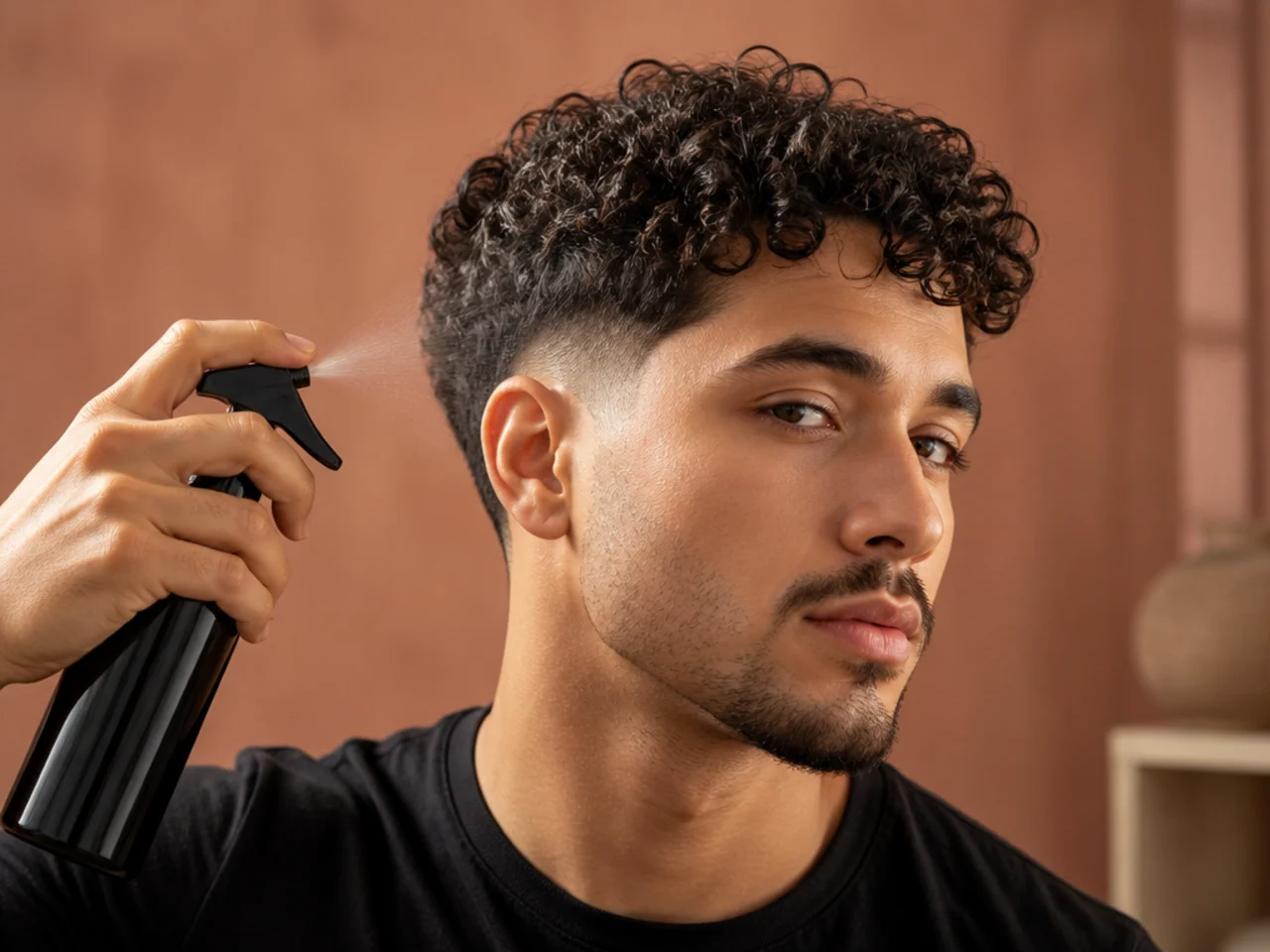
Only the flattened side gets sprayed. It halves the drying time and avoids soaking a whole head you then have to wait for.
14. The Deliberate Dry Reset
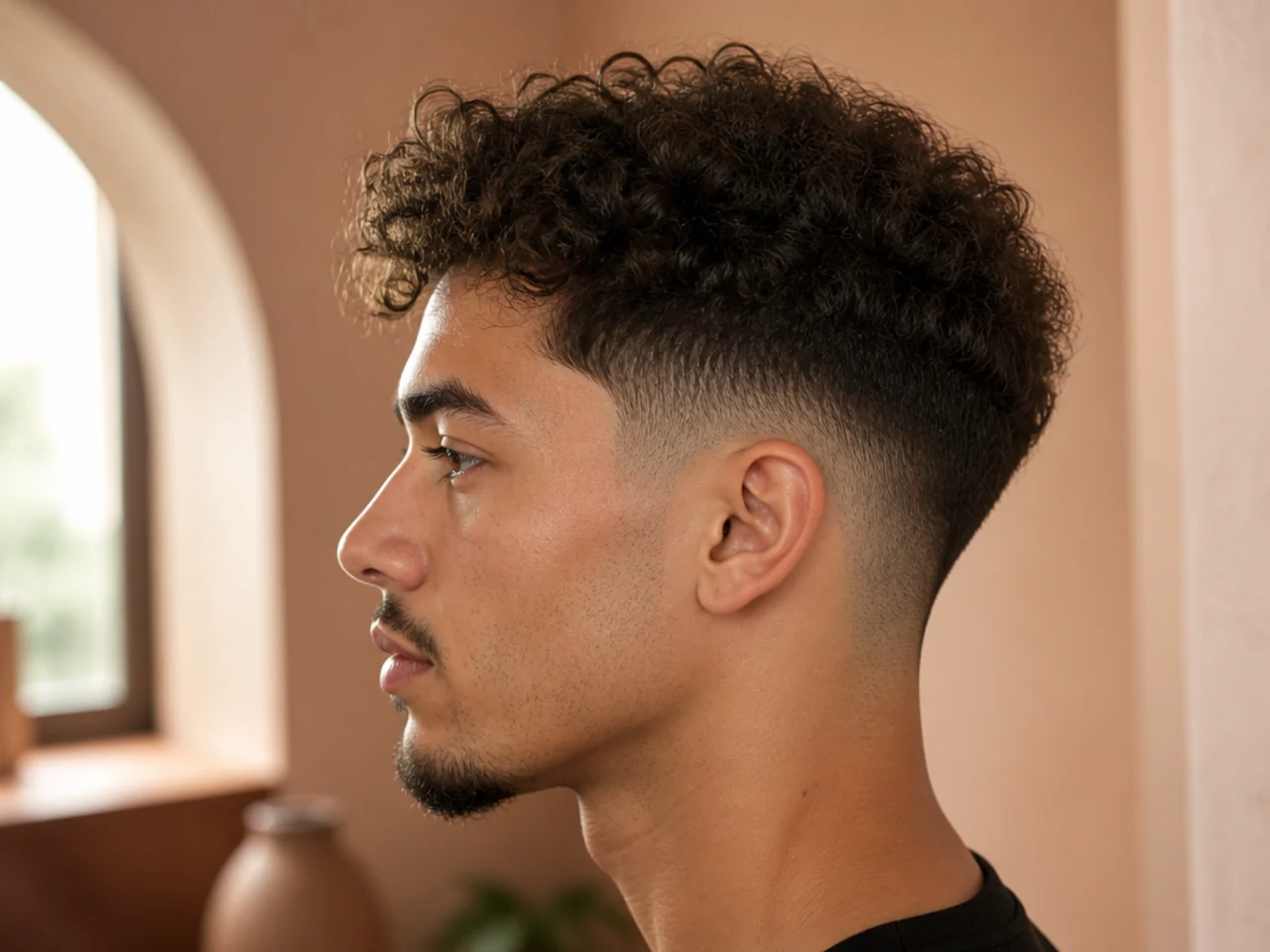
Brushing the hair out completely, then rewetting the whole head. Brushing dry curls separates every clump, which is destructive by default and useful only when the hair has knitted together and needs starting again.
15. Gathering at the Crown Overnight
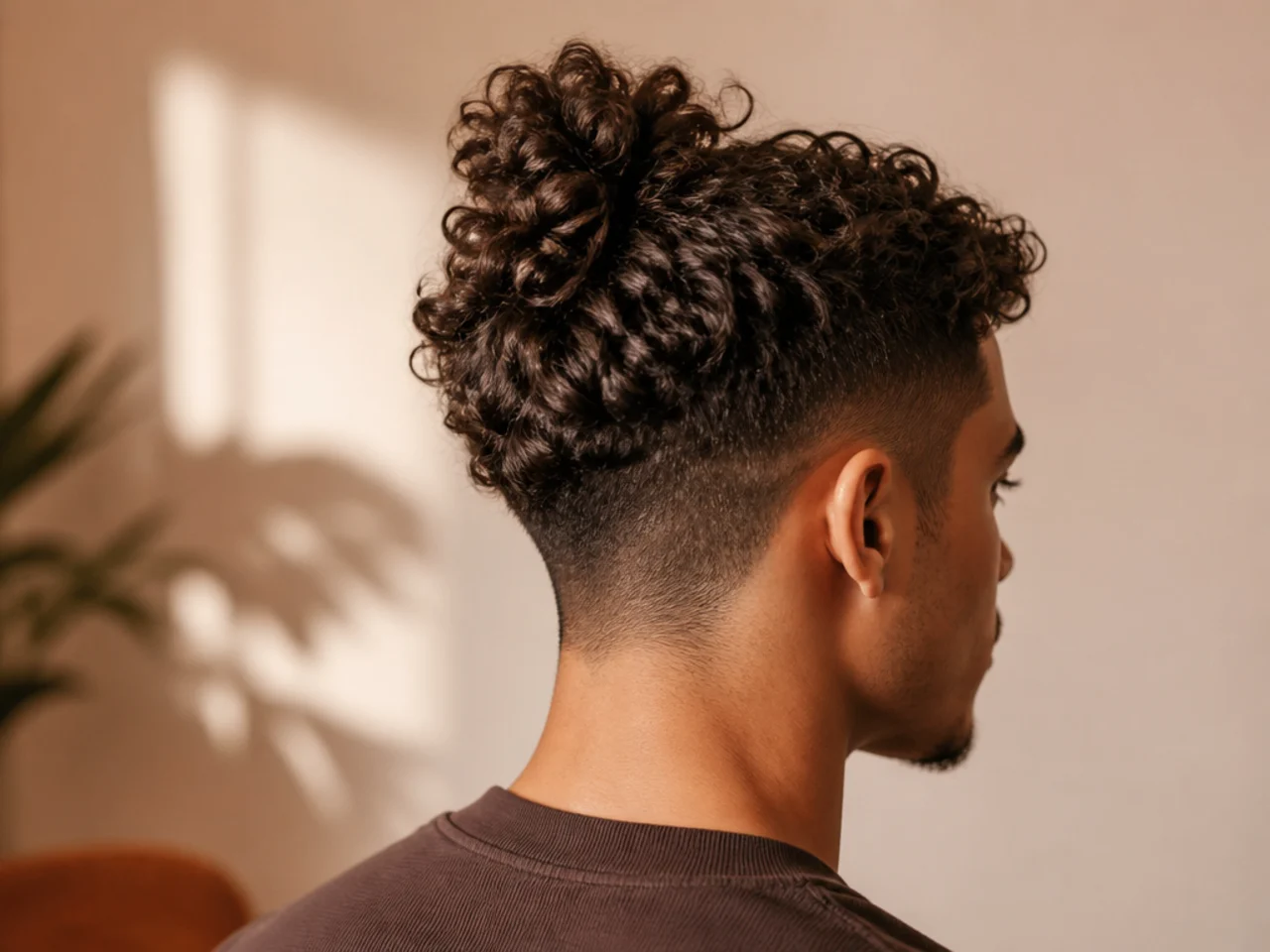
Length loosely tied at the very top of the head before bed. It keeps the clumps off the pillow and keeps pressure off the nape, which is where curls mat first.
Styling and Upkeep
Do the same two techniques every wash. Curl responds to repetition more than to elaboration.
Stop touching it once it starts drying. A clump holds because water and product are drying into a bond between neighbouring strands, so a hand through the hair at that moment breaks the bond before it has finished forming.
Wash properly when refreshing stops working. Water cannot reform a clump that is coated in old product.
Sleep on satin. Cotton friction undoes a good wash day in a single night.
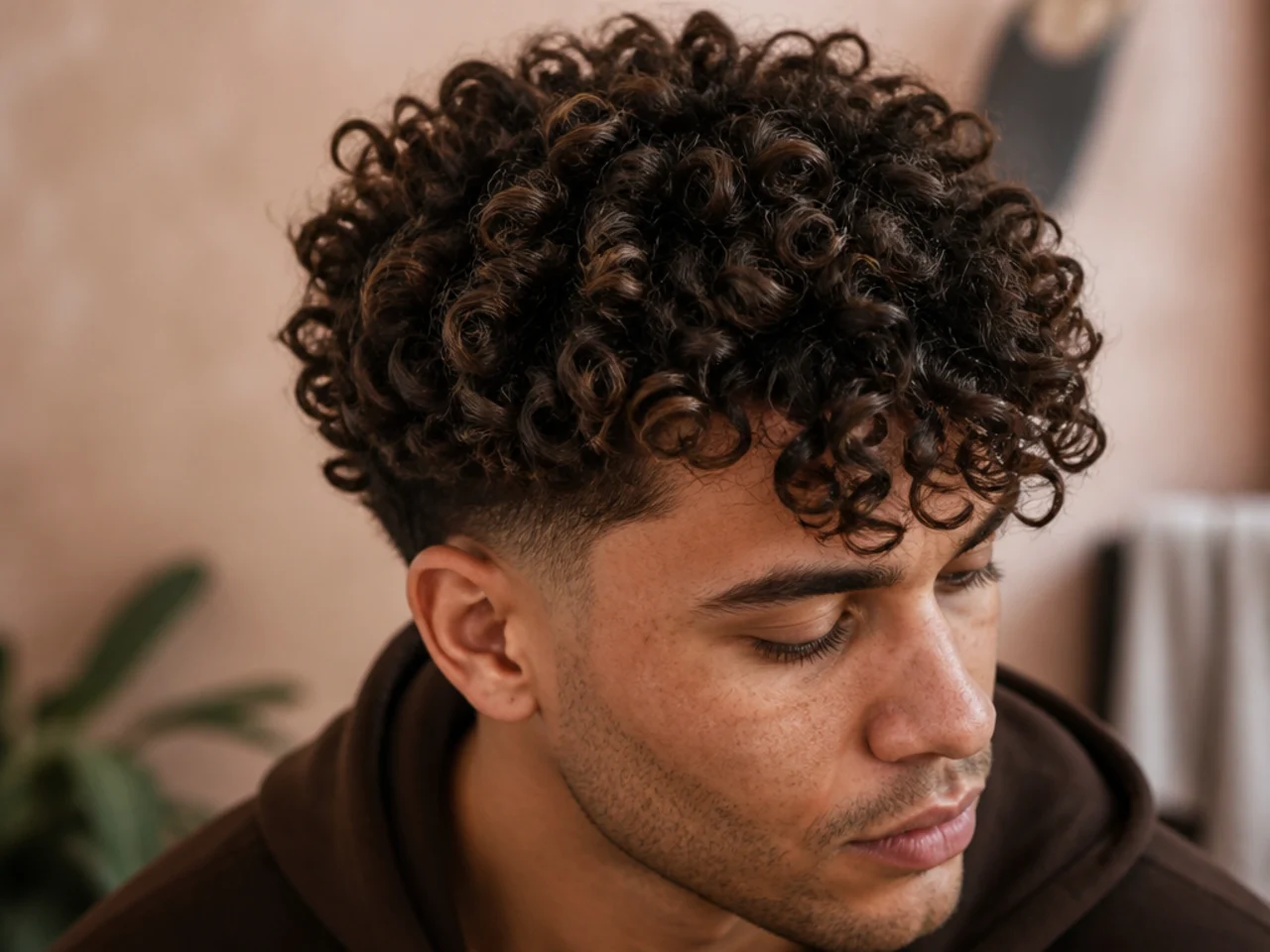
Get the cut dry. No technique compensates for weight left in the wrong place at the cut, which is why the shape matters as much as the routine — see haircut ideas for curly hair.
Mistakes to Avoid
Repeating a technique that only works once. Extra passes dismantle the clumps the first pass made.
Applying product to towel-dried hair. Without water as a carrier it never gets inside the curl.
Rubbing with a towel. It is the single largest source of avoidable frizz.
Diffusing on high. The airflow separates clumps faster than the heat sets them.
Brushing dry without rewetting afterwards. You have separated everything and given yourself no way to put it back.

FAQ
The most important technique? Squeezing water out with a cotton t-shirt instead of rubbing with a towel.
Should I ever brush dry curls? Only as a deliberate reset, and only if you rewet the whole head immediately after.
How many techniques do I need? Two or three, done every time, rather than ten done occasionally.
Final Thoughts
Squeeze rather than rub, apply on soaking hair, then leave it alone until it is dry. Those three motions account for most of the difference between a defined head of curls and a frizzy one, and everything else here is refinement.
For the finished looks these build see curly hair men styling ideas, and for the wider routine read curly hair men haircut tips. More in Men's Haircuts.