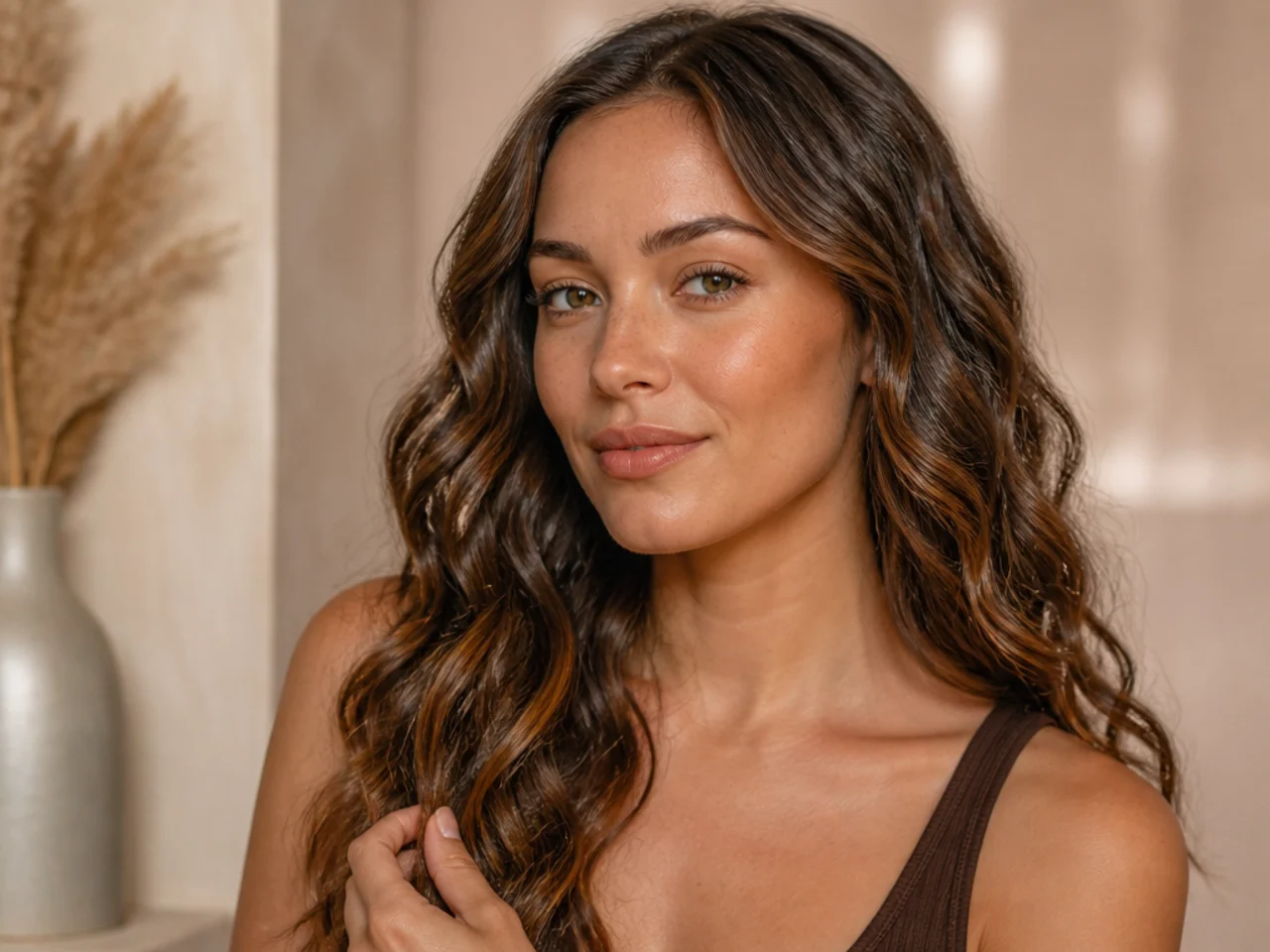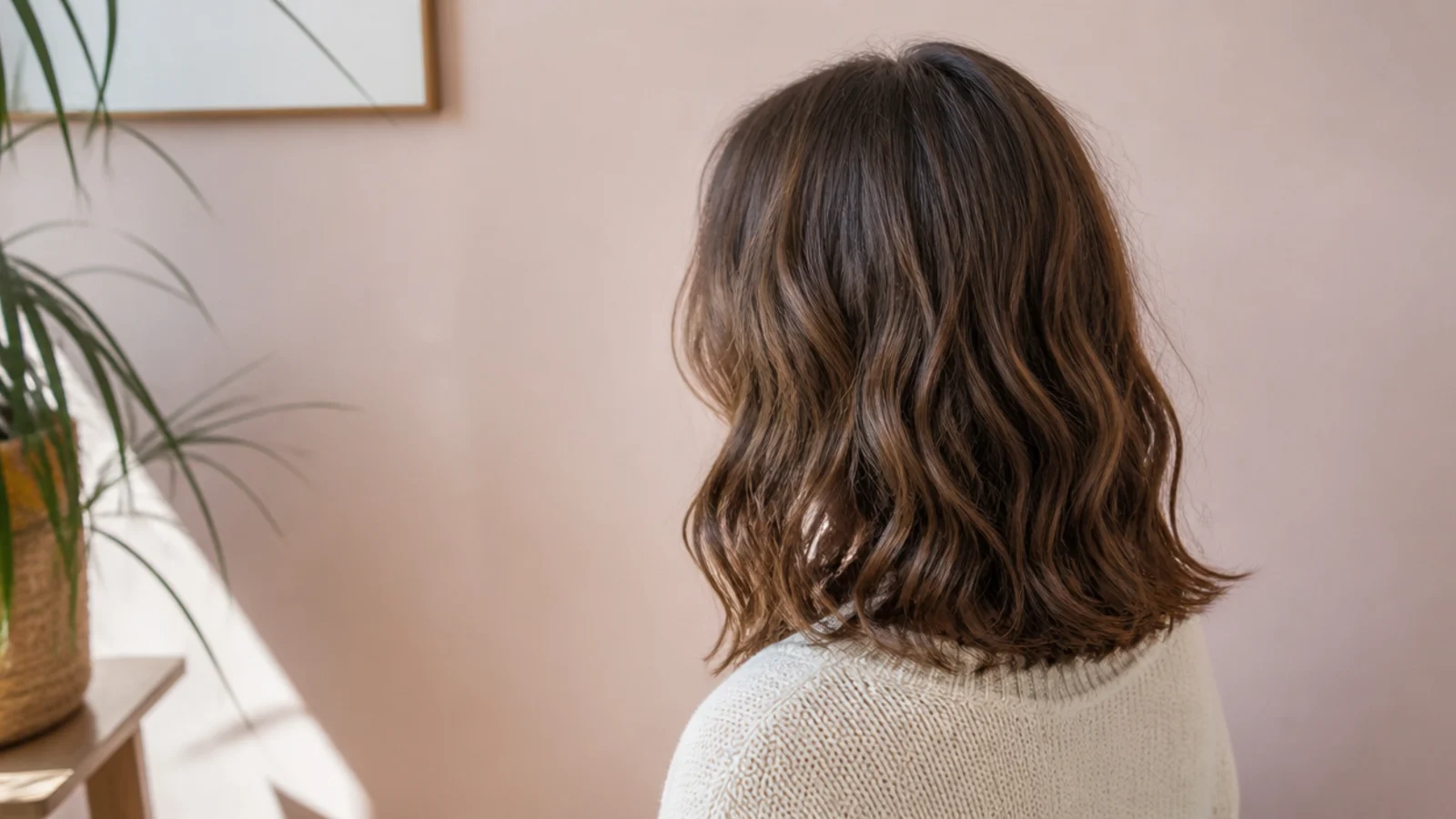
15 Frizzy Wavy Hair Ideas That Hold Their Wave
Fifteen ideas for frizzy wavy hair, built around the distinction that decides all of them — wavy hair is not weak curly hair, it is a pattern with almost no weight behind it, and it collapses long before it frizzes.
In this article · 23
- Why Wavy Hair Frizzes
- Wave Types 2A 2B and 2C
- The Wash Day Routine
- Product Layering Order
- Humidity and Sleep Habits
- Cuts and Layers for Frizz
- The 15 Frizzy Wavy Hair Ideas
- 1. Plopped Waves in a T Shirt
- 2. Layering on Soaking Wet Hair
- 3. Scrunch Out the Crunch
- 4. Diffused 2B Waves
- 5. Air Dried 2A Waves with Mousse
- 6. Middle Part with Face Framing Pieces
- 7. Overnight Loose Braid
- 8. Half Up Claw Clip
- 9. Low Bun with the Waves Left Out
- 10. Root Clipping
- 11. Squish to Condish
- 12. Salt Free Sea Spray
- 13. Wavy Shag with Curtain Bangs
- 14. The Refresh Spray Bottle
- 15. Silk Scarf Pineapple
- Final Thoughts
Wavy hair frizzes for a reason that has nothing to do with dryness, and treating it like curly hair is what keeps the problem in place.
Wavy hair has a pattern with almost no weight behind it. A curl holds its shape because the bend is tight enough to lock. A wave is a shallow S, and gravity flattens it long before humidity gets a chance to fuzz it.
Collapse and frizz look identical from a distance. A dropped wave reads as puff at the root and limp length underneath. Fixing the frizz without fixing the drop just gives you smooth flat hair.
Why Wavy Hair Frizzes
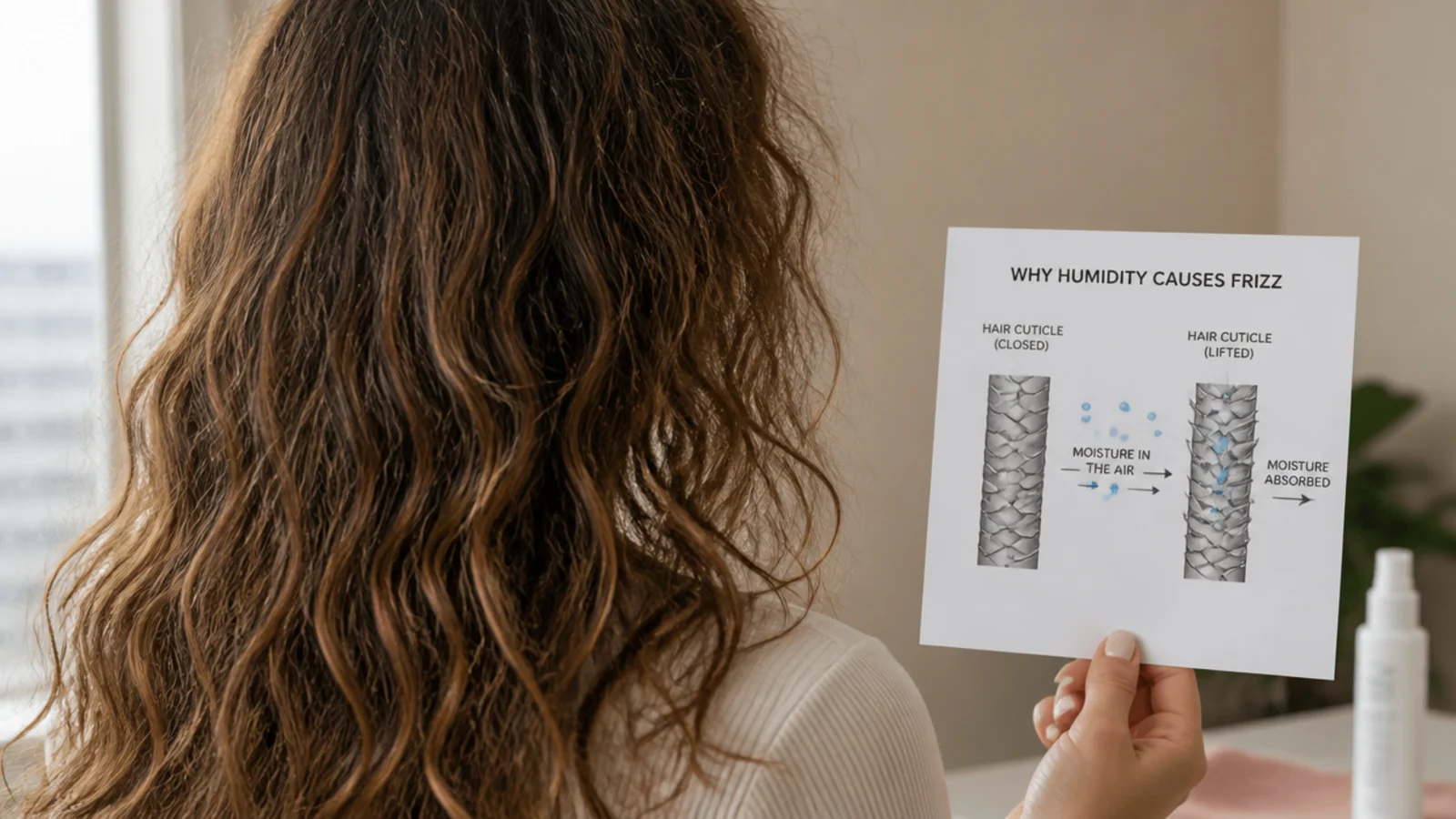
The cuticle lifts and the strand takes on water. Keratin absorbs moisture from the air directly. A swollen strand pushes its scales open and stops sitting flush with the strands beside it.
Wavy hair has the least clumping power of any texture. Curls hold together in groups that share moisture. A shallow wave separates under its own weight, and a separated strand is a visible one.
The root section has no pattern at all. Most waves begin an inch or two down, so the top of the strand has nothing to fall into and dries standing away from the scalp.
Brushing dry destroys the clump. Every separated strand loses the neighbours that were holding its bend, which is why a wave brushed dry expands into a triangle instead of a wave.
Wave Types 2A 2B and 2C
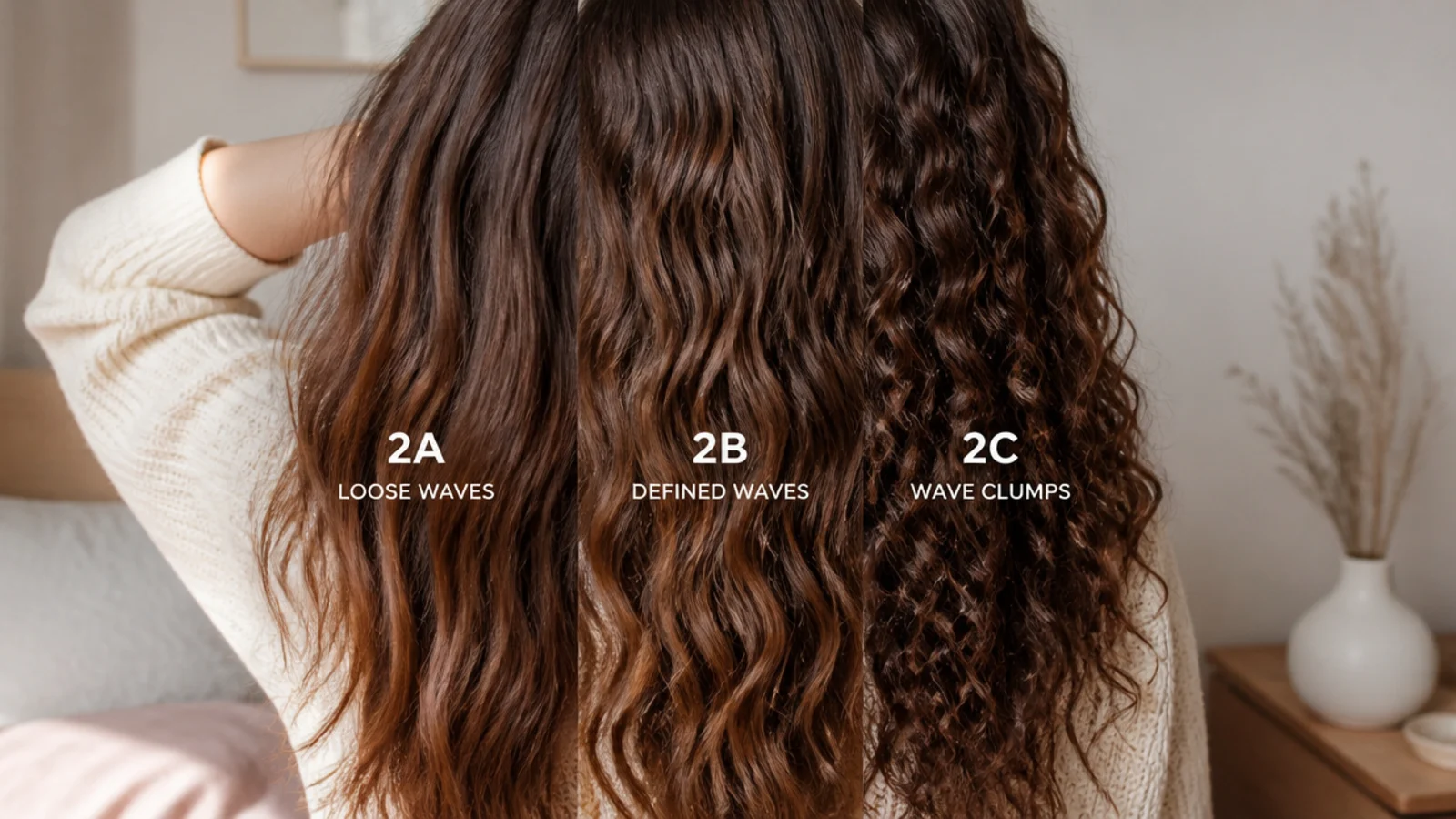
2A is a loose S with fine strands. It carries almost no weight, so cream and oil flatten it in one application. Foam and light gel are the whole toolkit.
2B has a defined S starting around the mid length. Roots stay flat, ends bend clearly, and this is the type where root lift work pays off most visibly.
2C waves start at the scalp and mix in a few spirals. Coarser and denser, which means more frizz and more volume, and enough weight tolerance to take a real cream.
The type sets the product weight, not the routine. All three want soaking wet application, a film former on top and no touching while drying. Only the mass of what you apply changes.
You can be more than one type on one head. Underneath is usually tighter than the top. Treat the crown as the lightest section on your head and the nape as the heaviest.
The Wash Day Routine
Shampoo the scalp only. That is where the oil is made. Running detergent down the lengths strips a lipid layer the ends cannot replace.
Detangle in the conditioner and nowhere else. Wet hair with slip on it is elastic and slides apart. The same comb on dry hair shears through the clumps instead.
Do not rinse conditioner out completely. Leaving a thin film behind keeps slip between strands after the shower, which is half of what stops frizz forming as the hair dries.
Blot, never rub. Terry loops catch lifted scales and lever them open. A cotton t-shirt presses water out without pulling on the surface.
Then leave it alone until it is dry. Touching a drying wave breaks the forming clump and the cast holding it. Everything after application is a waiting game.
Product Layering Order
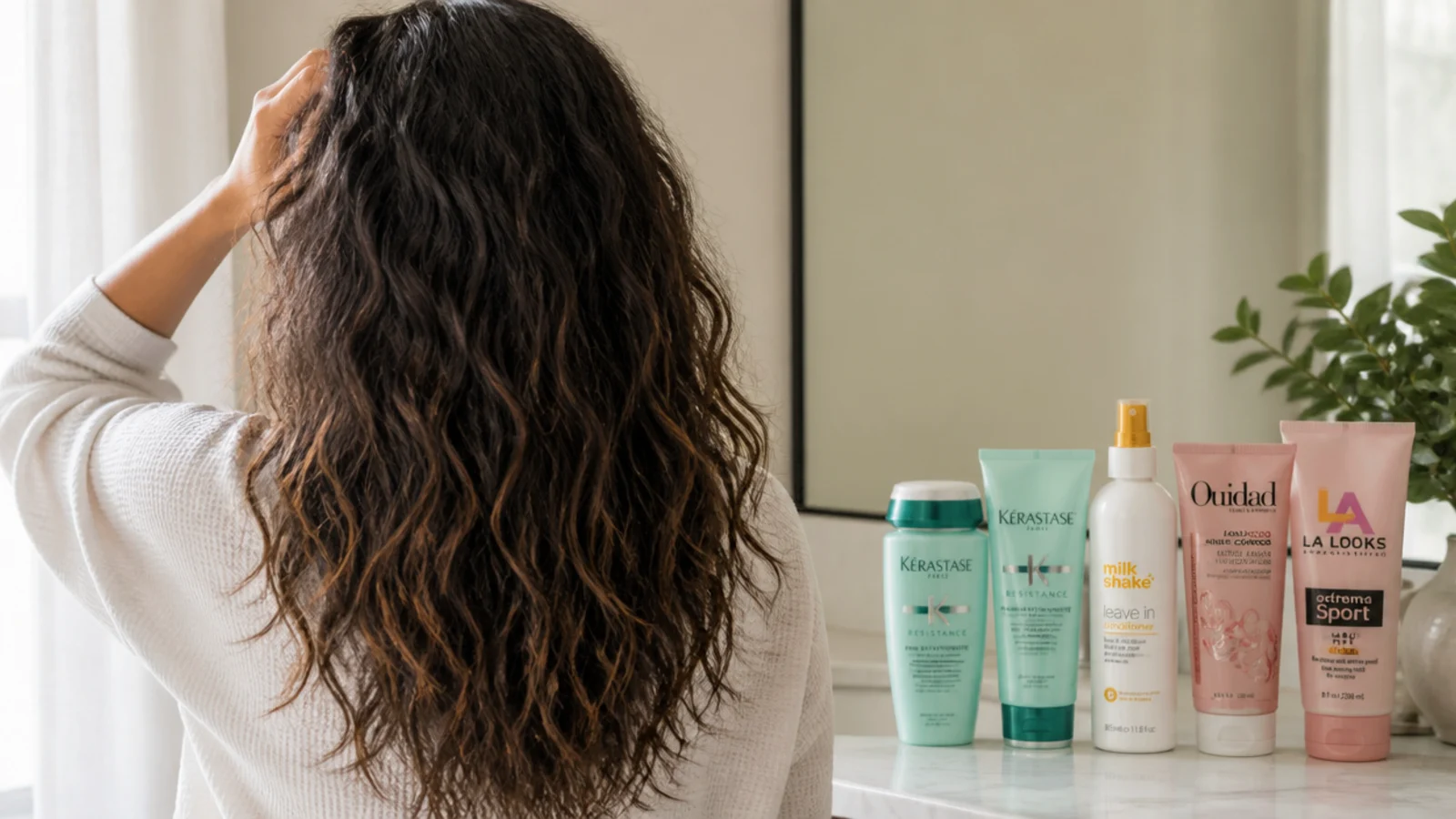
Leave in first, on soaking wet hair. It spreads through the water already on the strand, which is the only way to get it evenly onto every hair rather than in patches.
Cream second, if the hair can carry it. Cream sits between strands and reduces the friction that lifts scales. Skip it entirely on fine 2A hair.
Gel or mousse last, always. The film former is the only layer that survives a humid afternoon, and it has to be on the outside to do that job.
Rake it in, then scrunch it up. Raking distributes, scrunching encourages the bend. Doing only one of the two gives you either even product with no pattern or a defined patch beside a flat one.
More layers beats more product. Three thin layers dry into a flexible cast. One thick layer dries into a stiff sheet that cracks the moment you move.
Humidity and Sleep Habits
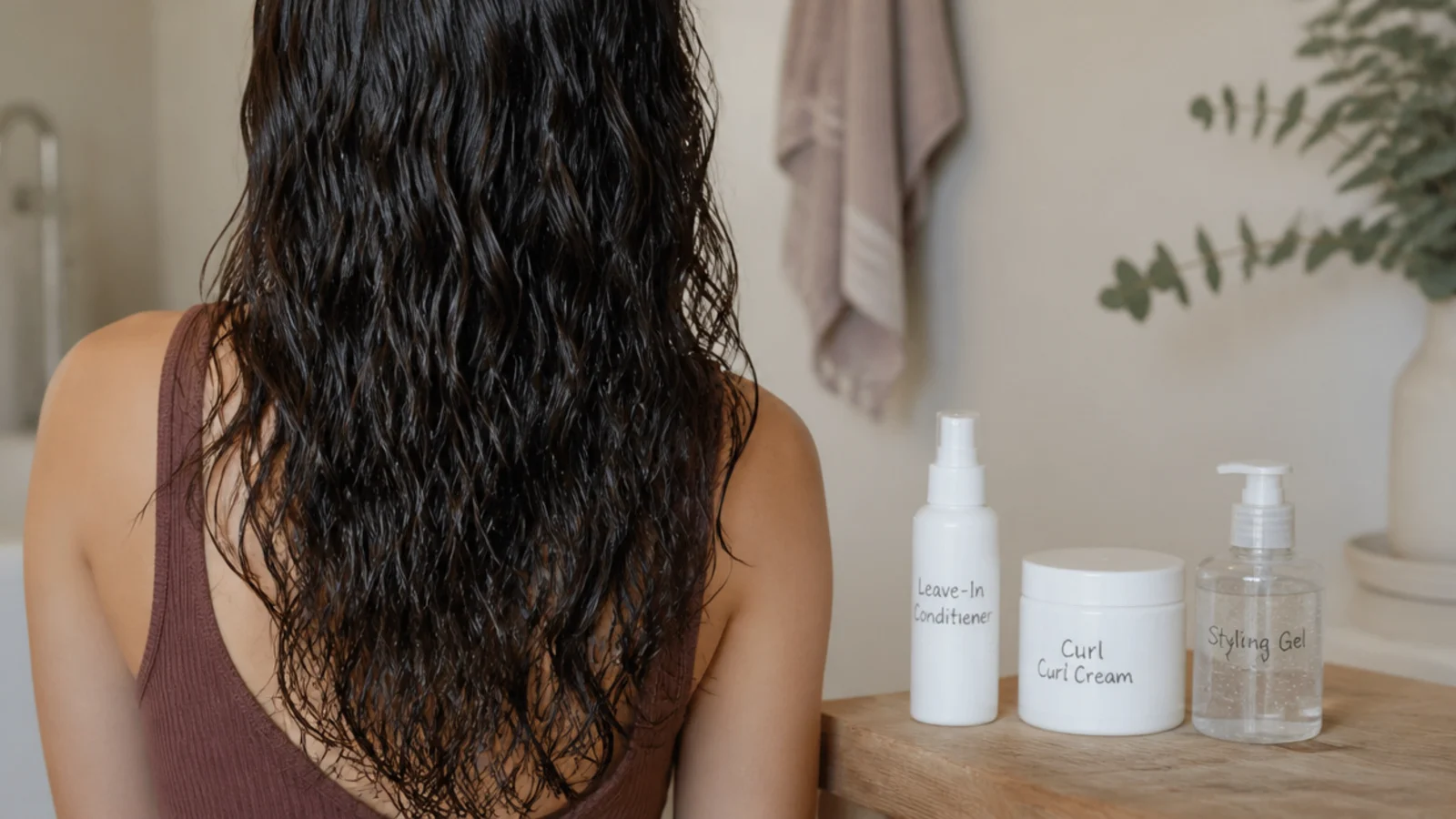
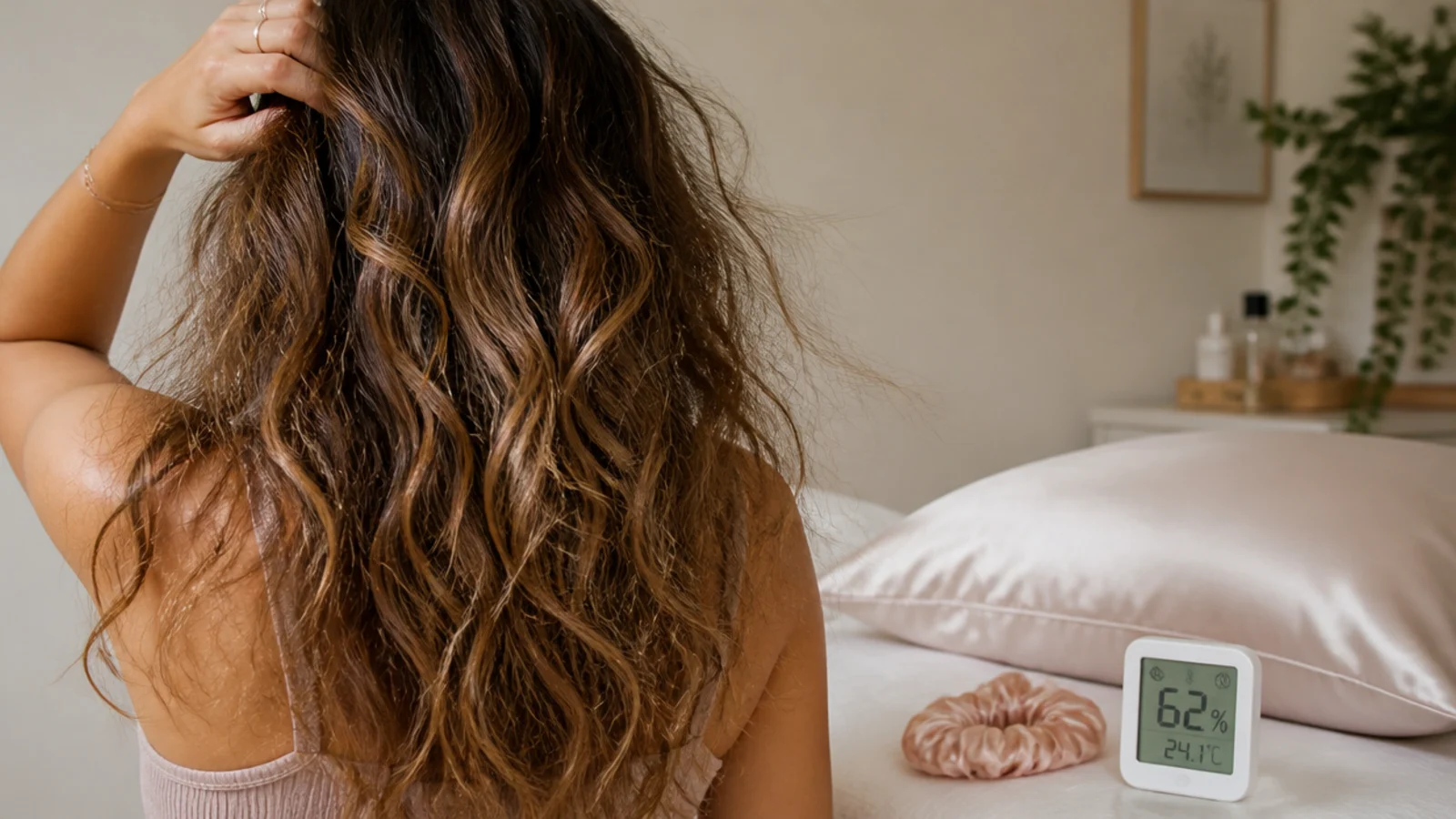
Above roughly sixty percent humidity, an unsealed wave moves. Hair reads water in the air rather than rain on a forecast, which is why an indoor day can be worse than a wet one.
A dried gel cast is a physical barrier. The polymer film slows water crossing the cuticle in both directions and holds the strand at the moisture level it dried at.
Glycerin behaves differently by season. As a humectant it pulls water toward the hair in moderate air and out of it in very dry air. Its position on the ingredient list tells you how much it will matter.
Cotton pillowcases do double damage. High friction lifts the cuticle mechanically over eight hours, and the absorbency pulls out the moisture that was keeping the scales down.
Get the hair off the pillow entirely if you can. A loose gather on top of the head removes the friction problem rather than reducing it.
Cuts and Layers for Frizz
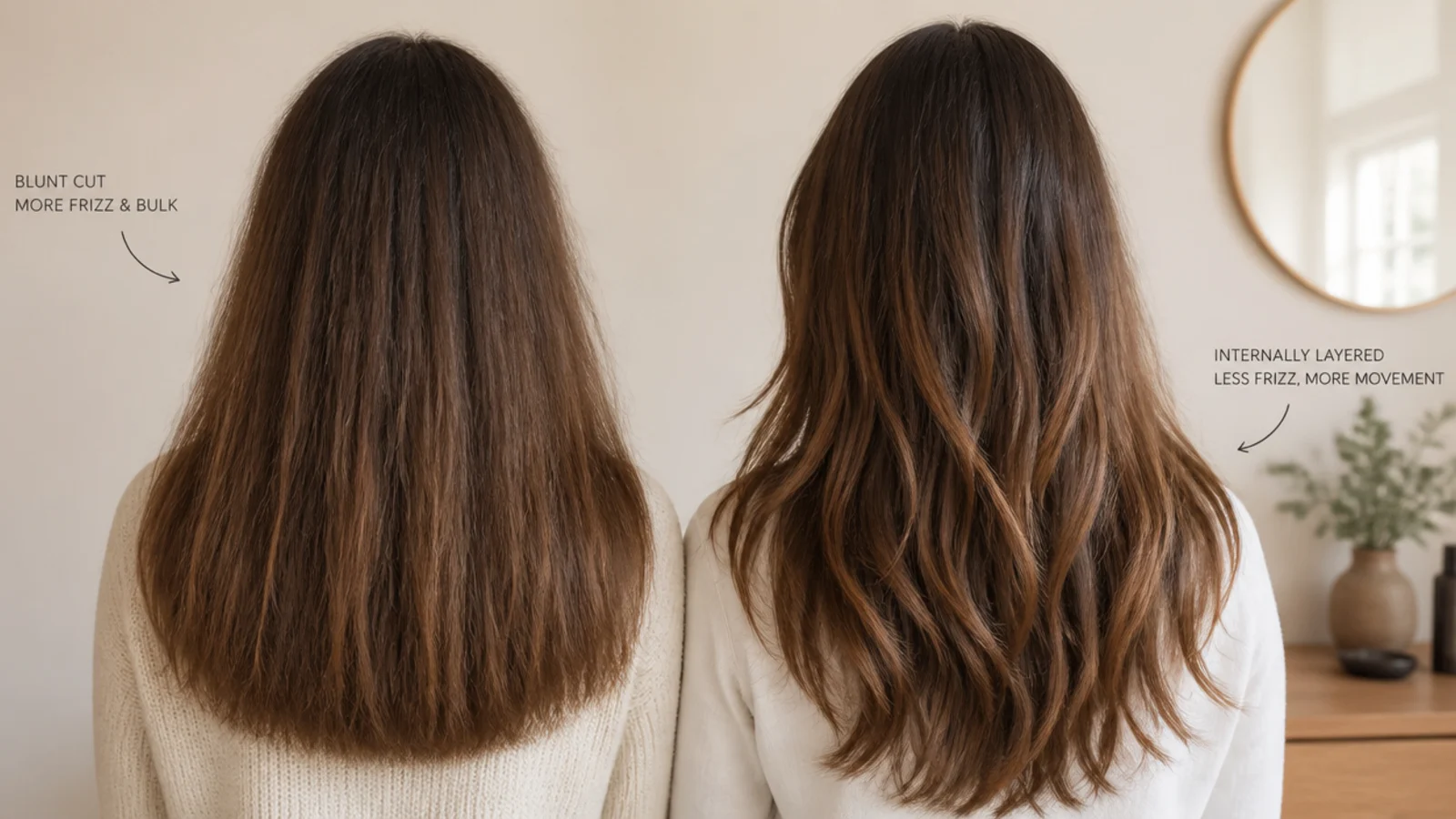
Long layers give the wave somewhere to bend. A single blunt length is too heavy at the bottom for a shallow S to lift, so the pattern shows at the ends and nowhere else.
Short surface layers become flyaways. Any layer cut on the outside of the head leaves a short end sitting on the surface of the style, exactly where it will stand up in daylight.
Take bulk out from underneath. Interior layering thins the density that widens the shape without putting new short ends anywhere visible.
Cut it dry if the stylist will. Wet wavy hair stretches to a different length than it dries at, and a wet cut on a wave routinely comes up two inches shorter than intended.
Hair grows about half an inch a month. Plan the cut for how it sits at three months, which is an inch and a half of drop from the day you leave the chair.
The 15 Frizzy Wavy Hair Ideas
1. Plopped Waves in a T Shirt
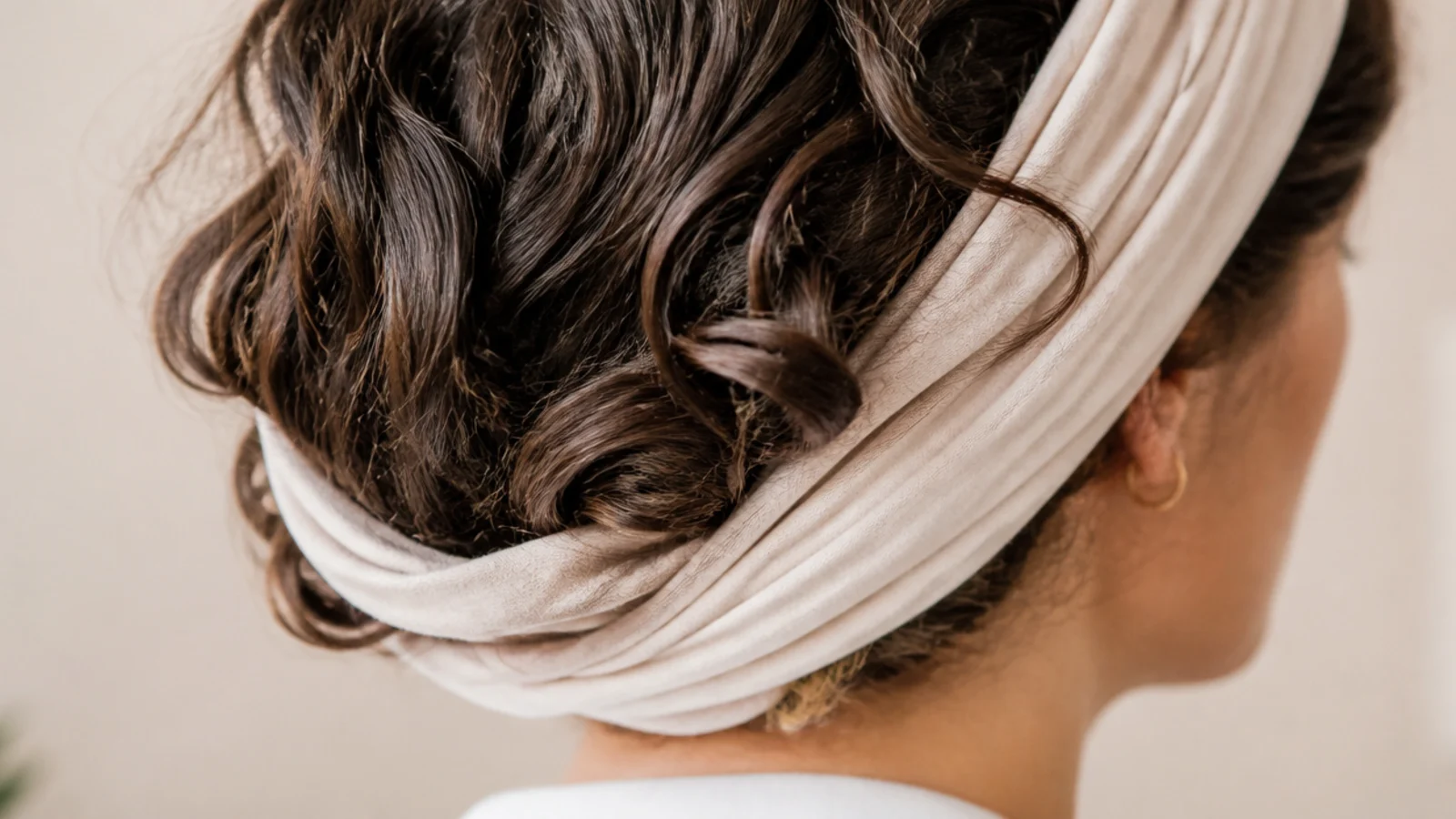
Wrapping soaking hair into a cotton t-shirt holds the wave stacked against the head while the free surface water is absorbed, so the pattern shortens instead of stretching out under its own weight. Fifteen to twenty minutes is plenty, and much longer leaves the roots too wet to lift.
2. Layering on Soaking Wet Hair
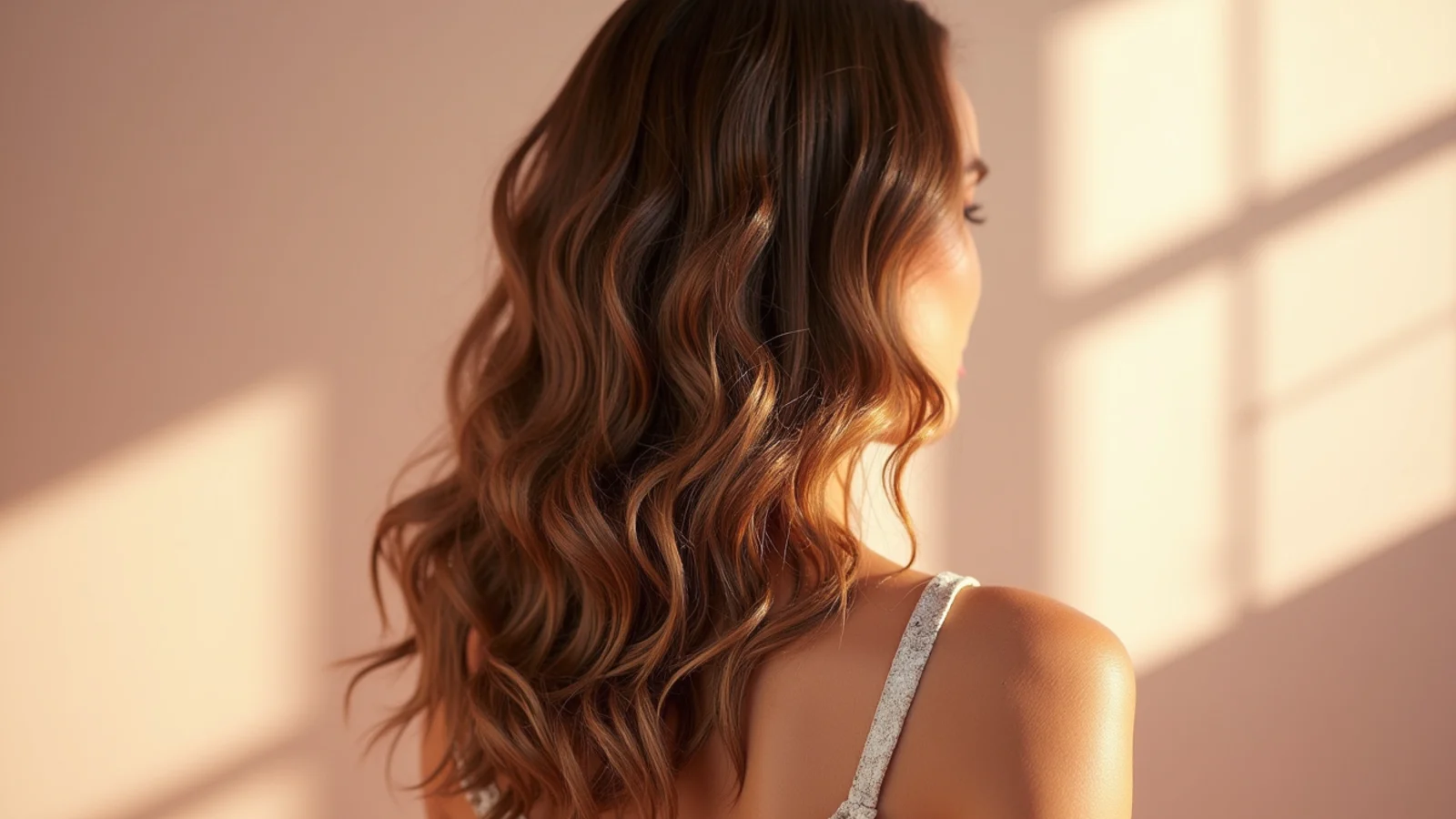
Product moves through the water that is already on the strand, so applying to hair that is still dripping is what gets an even film rather than islands of gel. If the hair has started to dry before you get to the gel, wet your hands and go again rather than adding more product.
3. Scrunch Out the Crunch
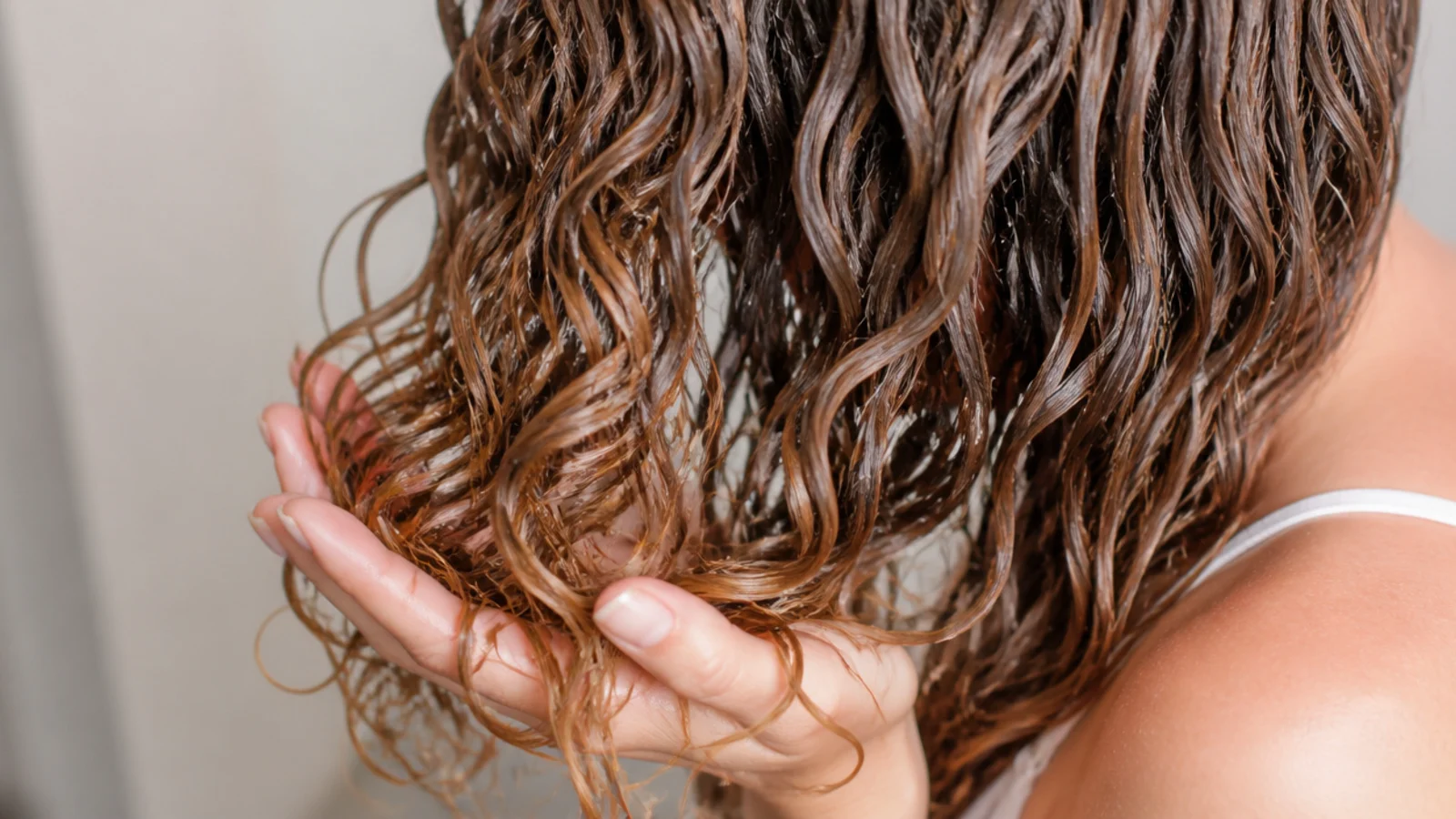
The hard cast a gel leaves is doing a job while the hair dries, holding every scale flat and every clump together against the air. Once the hair is bone dry, scrunching the cast breaks the film into pieces and leaves the shape it was protecting, soft rather than stiff.
4. Diffused 2B Waves
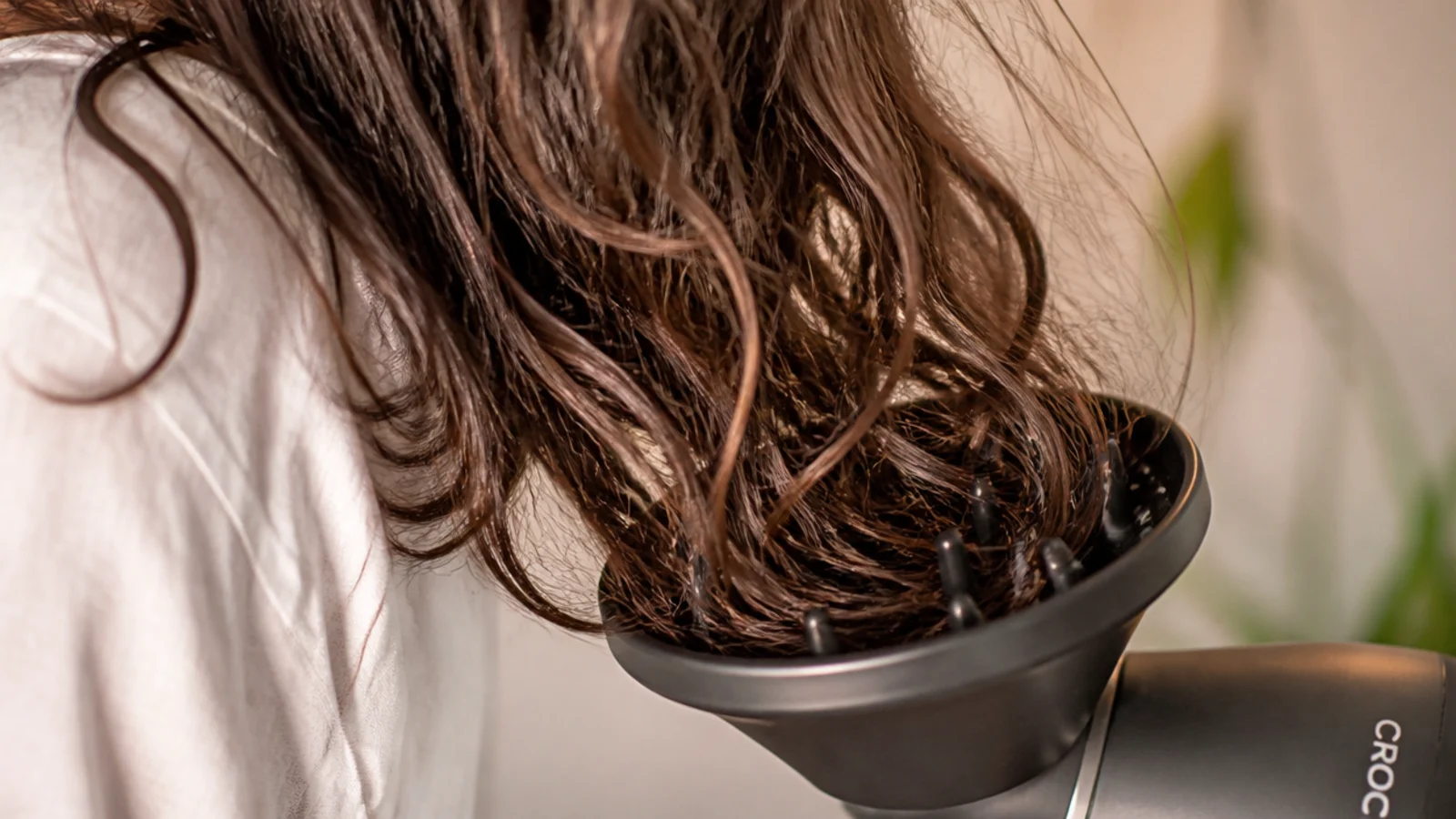
A diffuser spreads the airflow so the wave dries in position rather than being blown out of it, which is the entire reason diffusing beats a bare nozzle. Keep the heat medium and the speed low, because it is air movement rather than temperature that separates a clump into frizz.
5. Air Dried 2A Waves with Mousse
Fine waves collapse under anything with mass, so a foam is the right density here. Mousse is largely a film former carried in air, which means it can hold the cuticle flat while the hair dries without adding the weight that would pull the bend straight.
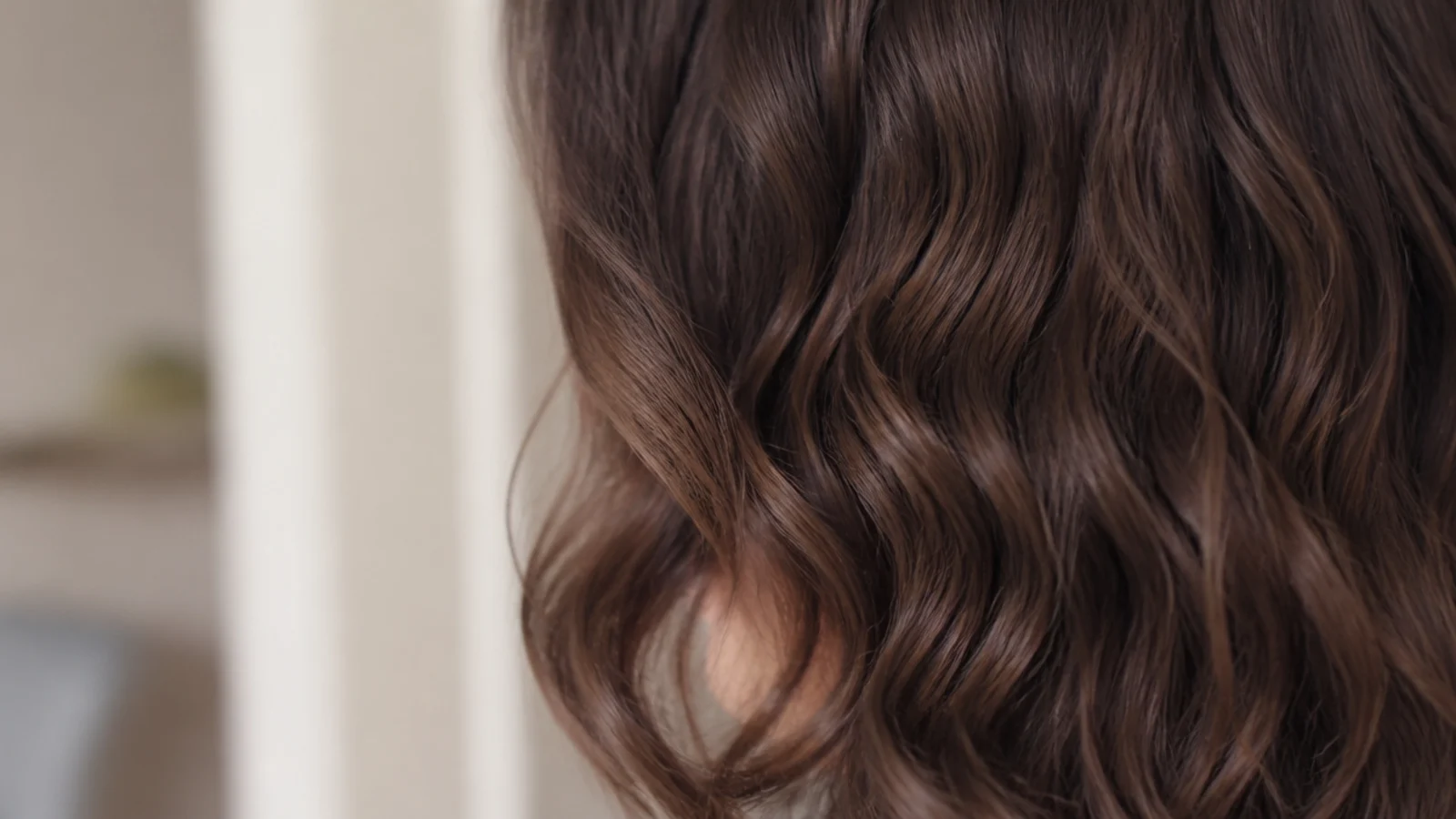
6. Middle Part with Face Framing Pieces
A centre part splits the front weight evenly so neither side is pushed outward, which matters more on wavy hair than on any other texture. Face framing pieces then give the shortest, most frizz prone hair a deliberate shape rather than leaving it as an outline.
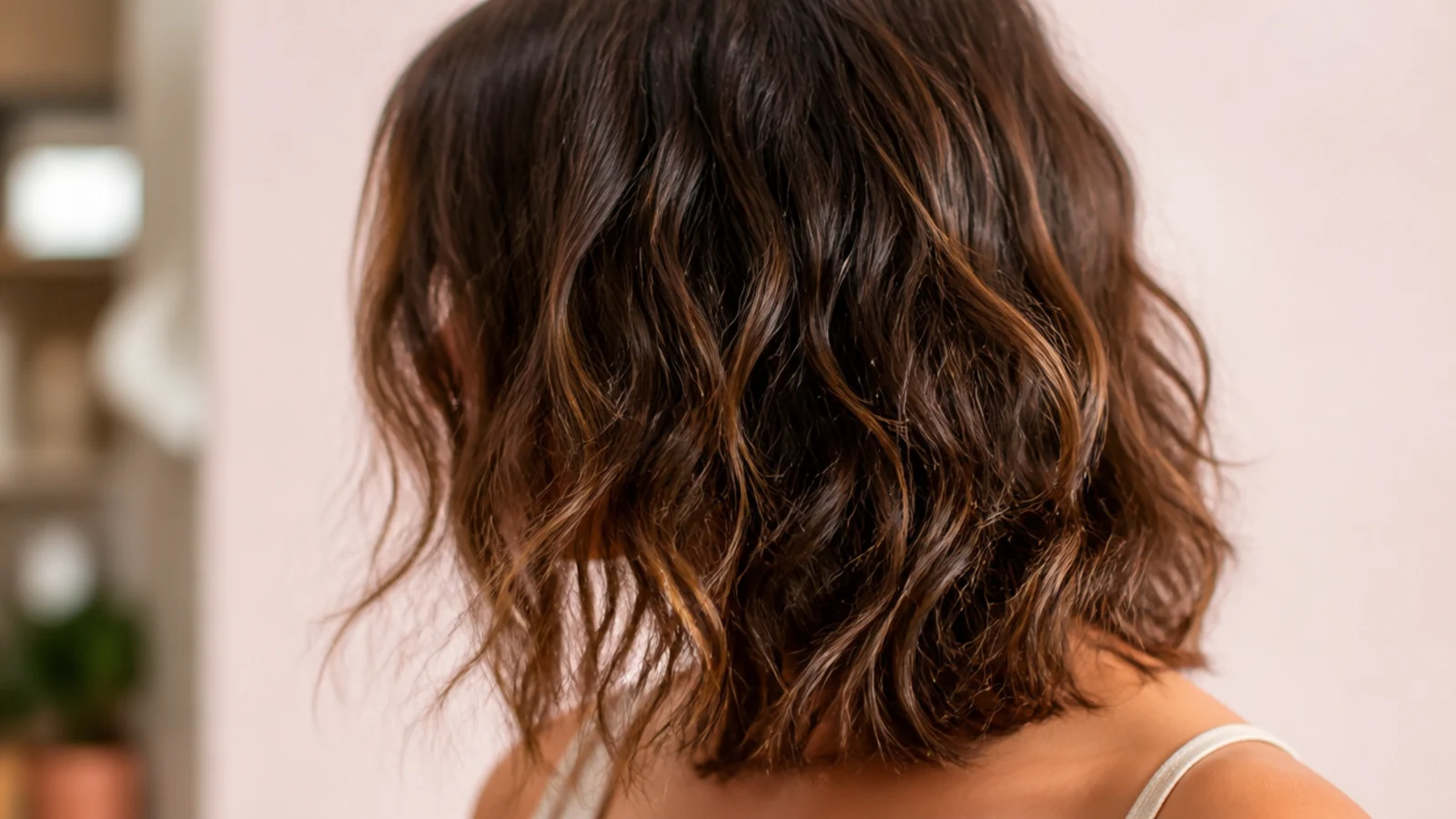
7. Overnight Loose Braid
A single loose braid on damp hair sets a soft bend as the hydrogen bonds re-form in that position, and it keeps the length bound together through eight hours of pillow friction. Braid it loosely, because a tight braid replaces the wave with a crimp you cannot drop out.
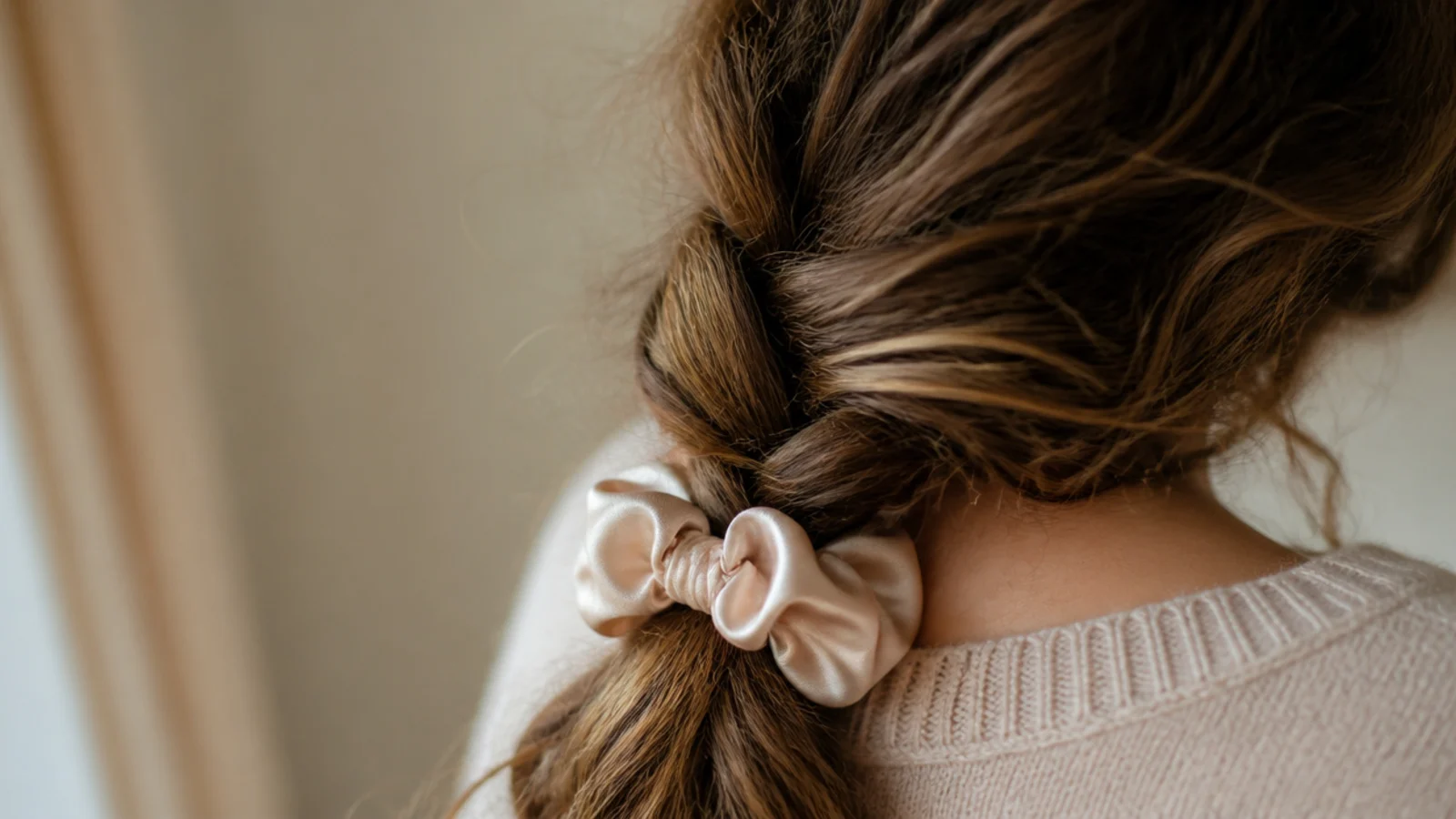
8. Half Up Claw Clip
Clipping only the top section lifts weight off the crown, which is where a wave flattens first and where the root frizz sits. The length underneath stays fully visible, so the pattern reads as the style while the collapsed section is out of the picture.
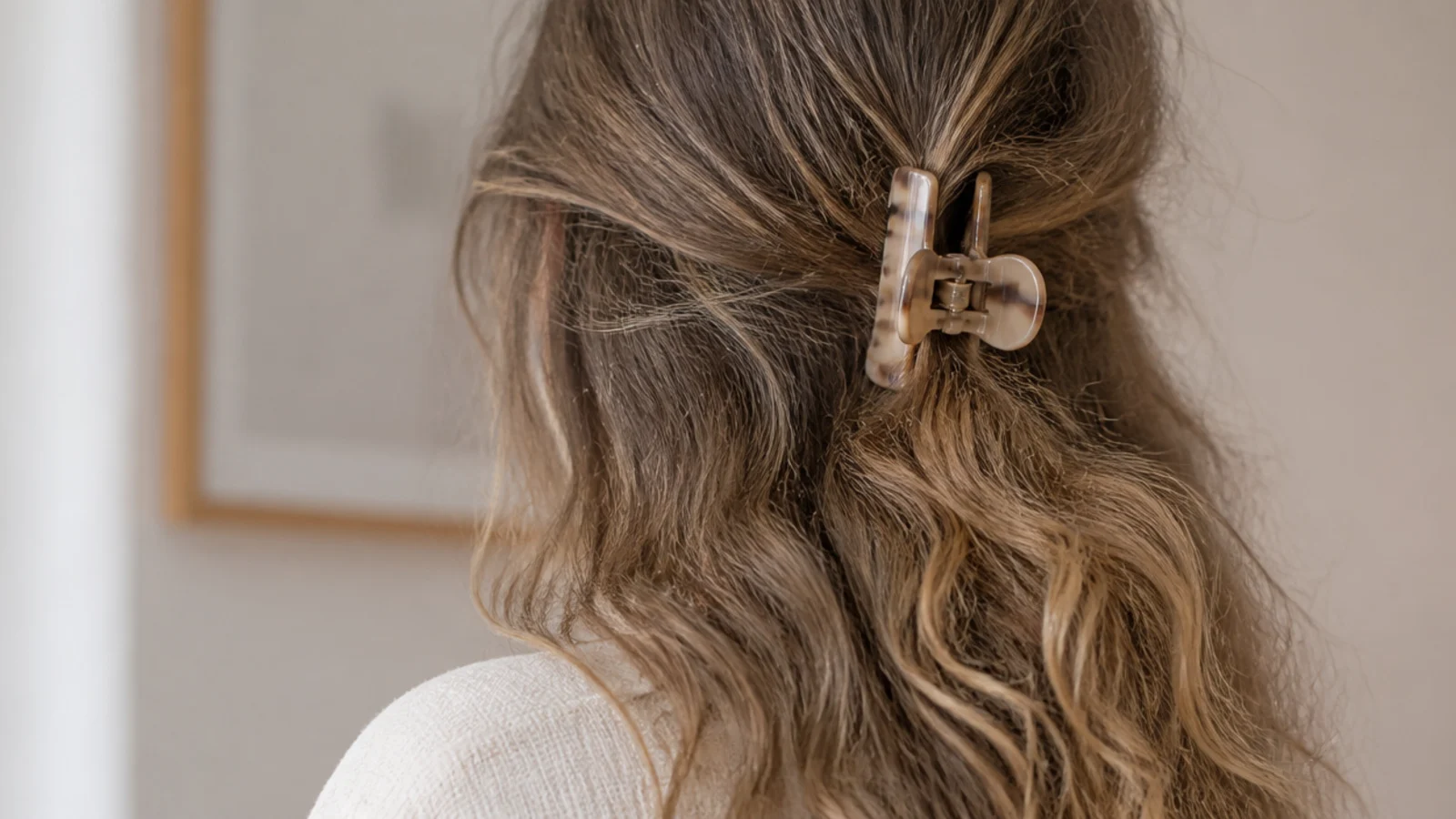
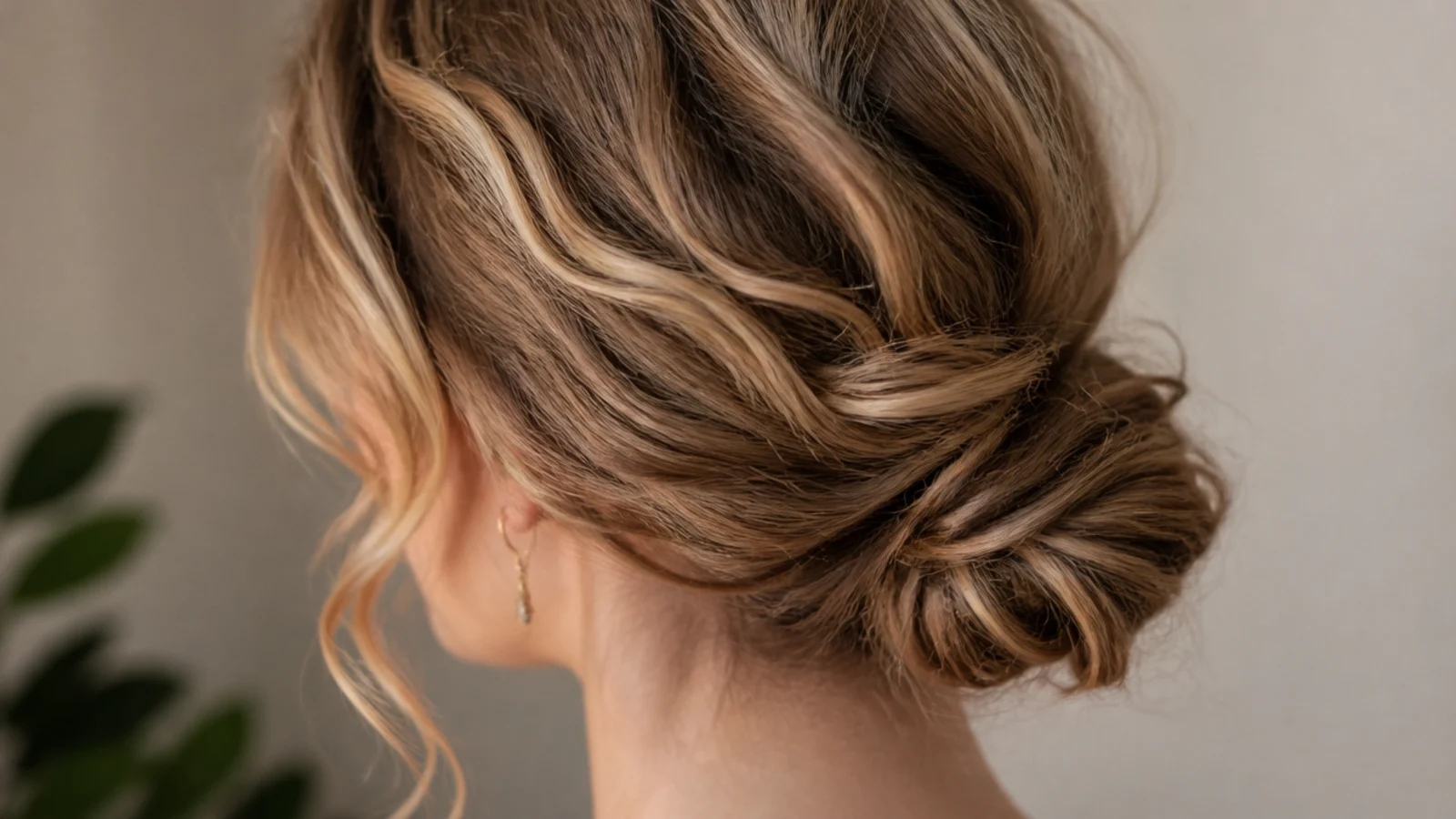
9. Low Bun with the Waves Left Out
Gathering only the back into a low bun leaves the face framing waves free, so you get the neatness of an updo without stretching the pattern out under tension. Keep the bun below the occipital bone, since a high gather pulls the front sections straight as it lifts.
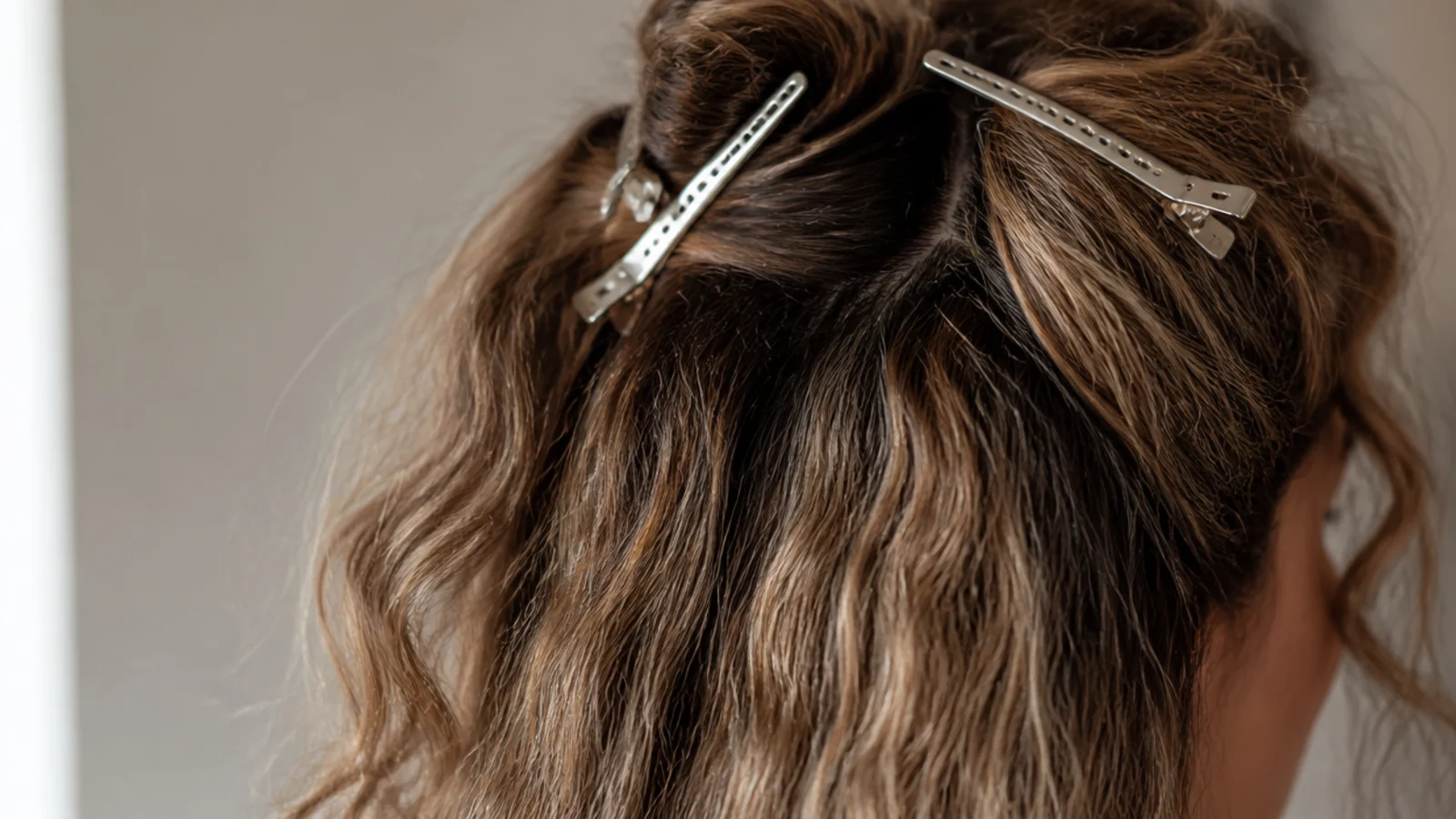
10. Root Clipping
Small clips set at the root while the hair dries hold the section up off the scalp until the hydrogen bonds have set, which stops the wave being flattened by its own weight before it forms. Take them out only when the hair is completely dry or the root drops immediately.
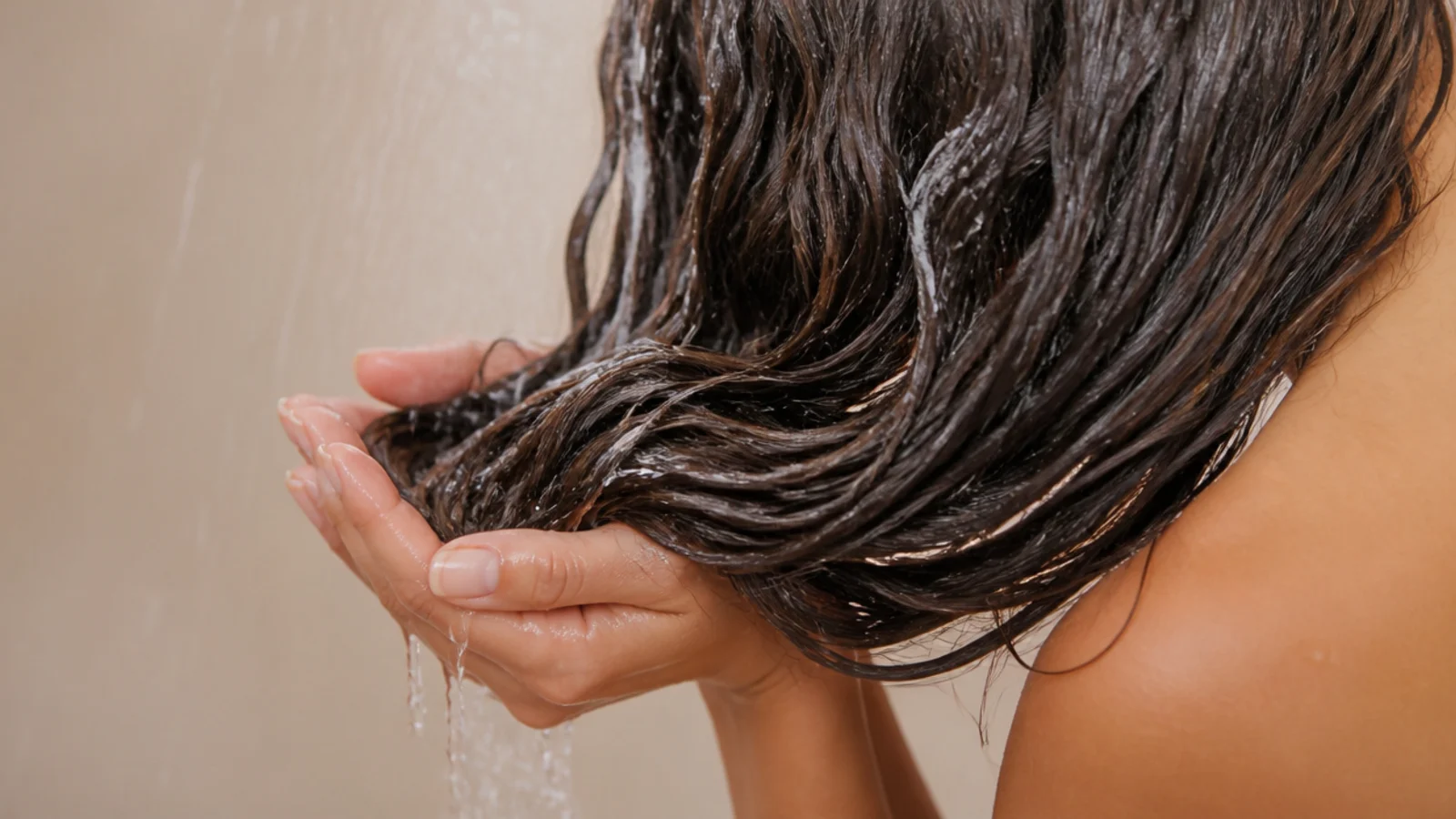
11. Squish to Condish
Cupping water in your hands and squishing it up into conditioned hair forces the water and the conditioner into the strand together rather than smoothing it over the outside. You can hear it working, and the clumps that form during it are the clumps that survive drying.
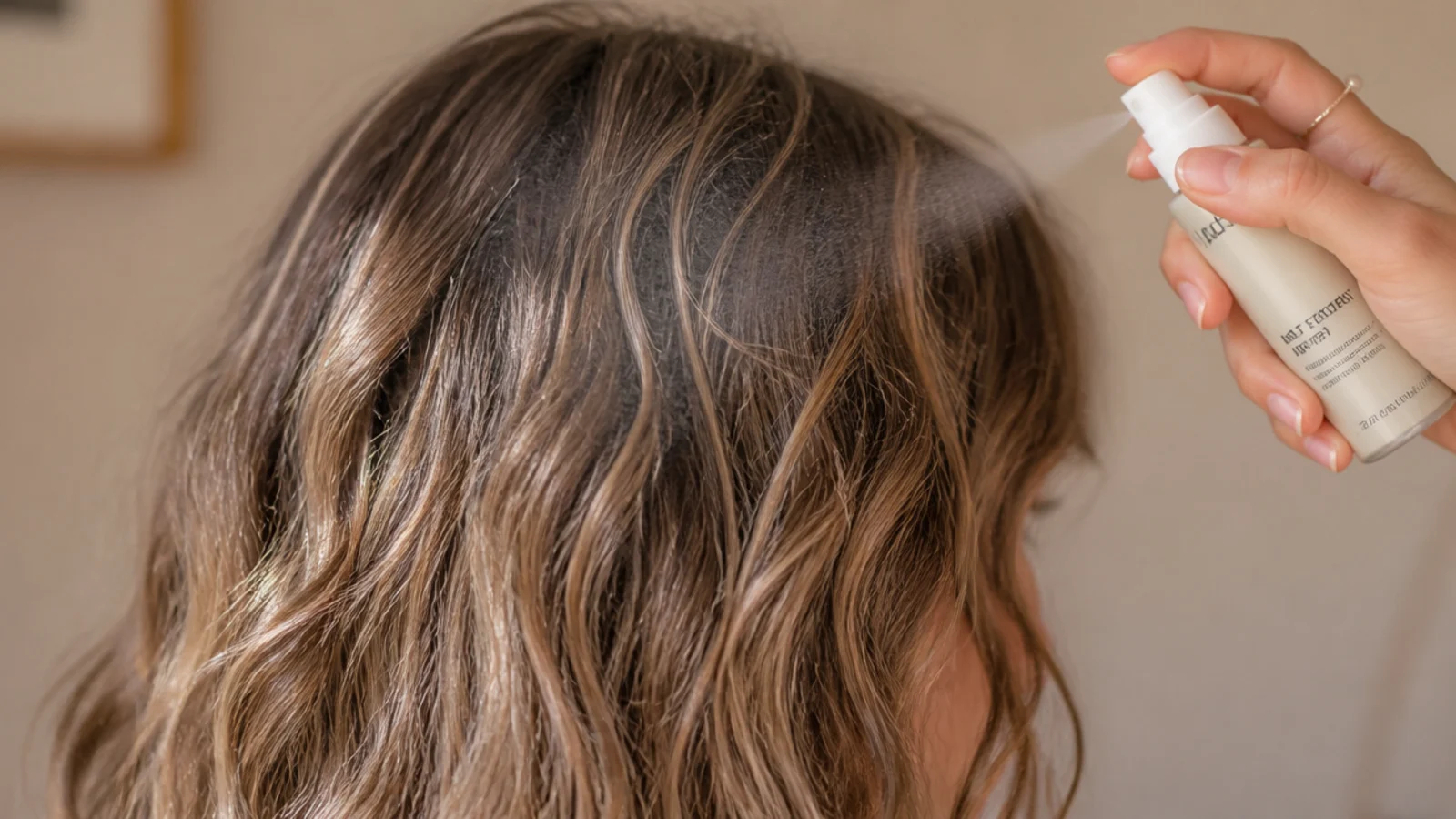
12. Salt Free Sea Spray
Traditional sea sprays work by drying the hair out, which is a bad trade on a texture that frizzes when it loses moisture. A salt free texture spray uses a light polymer instead, so you get grip and separation without pulling water back out of the cuticle.
13. Wavy Shag with Curtain Bangs
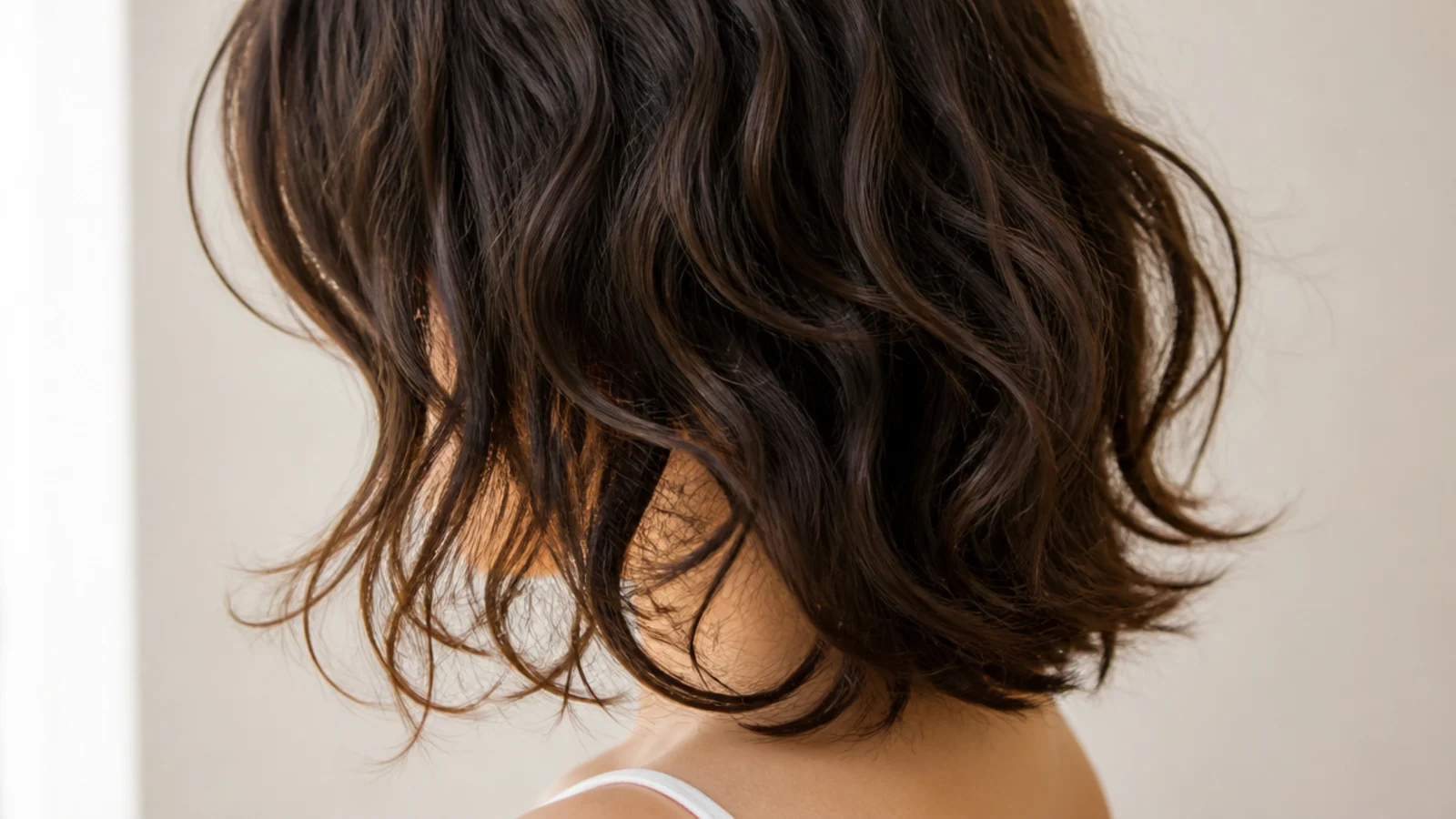
A shag stacks short layers above longer ones so the wave has room to bend at several heights instead of only at the ends. Curtain bangs then take the front hair, which frizzes first and worst, and give it a shape that is supposed to move.
14. The Refresh Spray Bottle
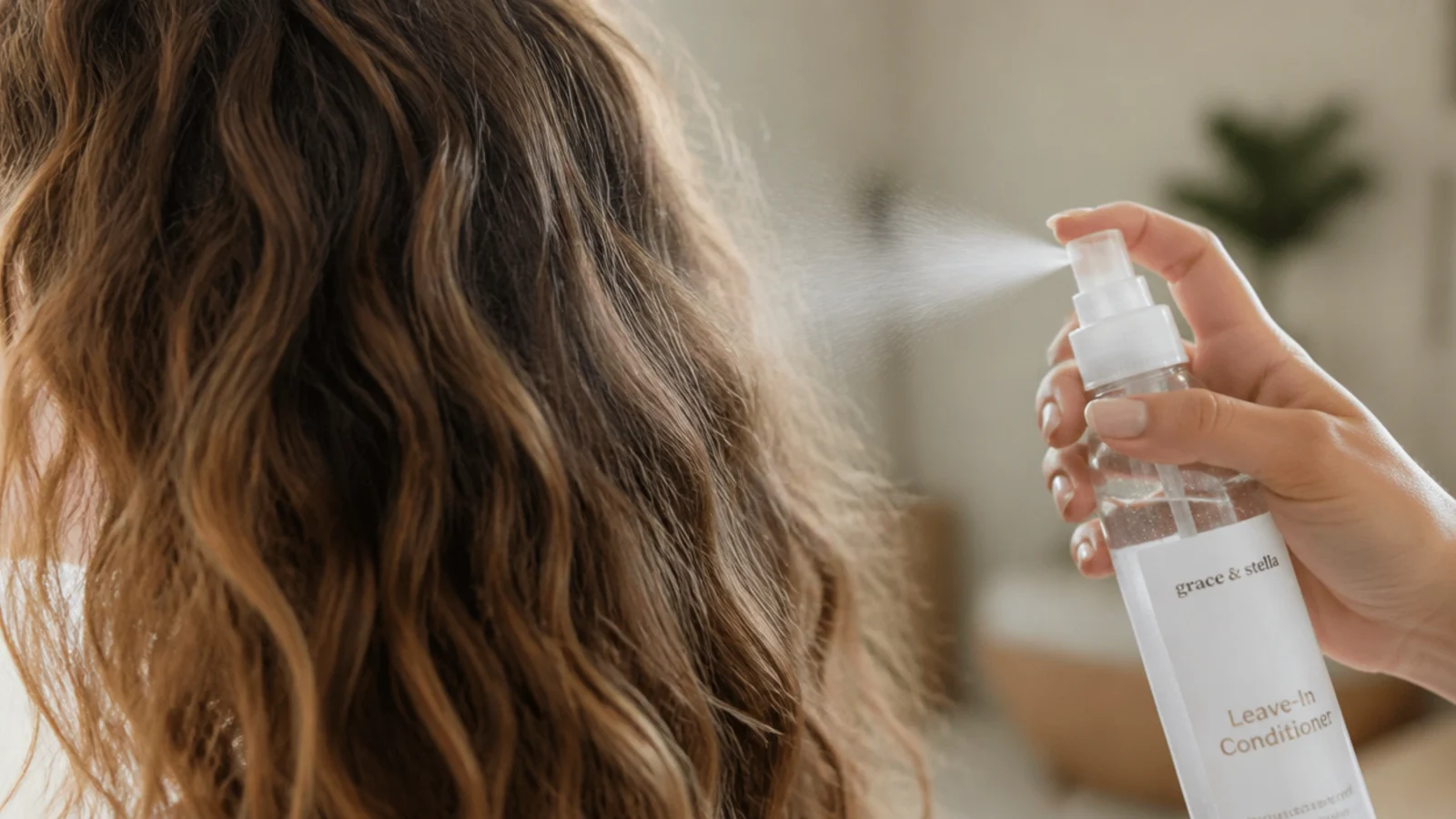
Water is what breaks and re-forms the bonds holding a shape, so a bottle of water with a little leave in diluted through it resets day two hair without a wash. Spray until the section is genuinely damp rather than misted, squish upward, and then stop touching it.
15. Silk Scarf Pineapple
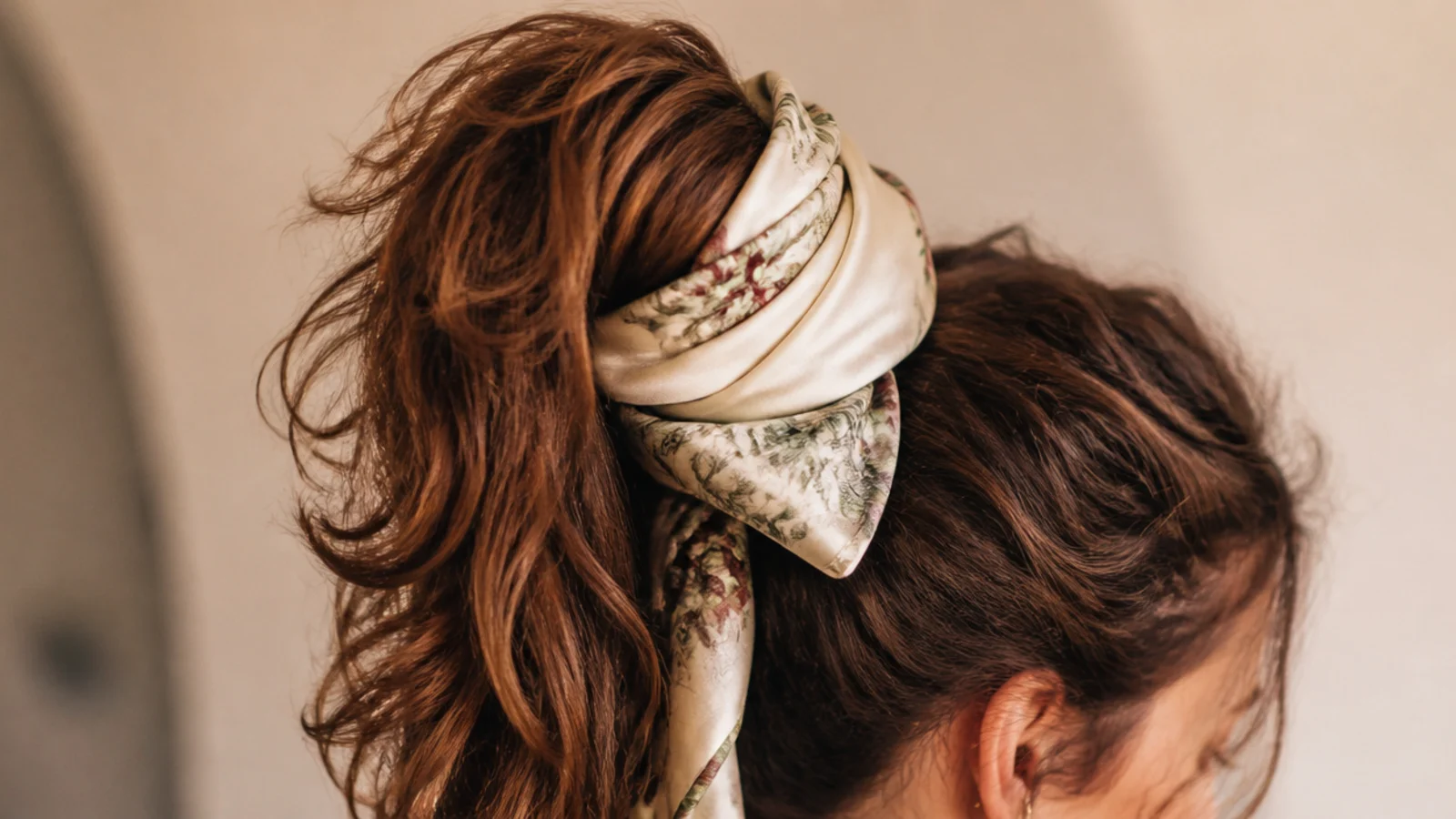
Gathering the length loosely on top of the head and wrapping a silk scarf around the base keeps the wave off the pillow entirely, so friction lands on fabric rather than on the cuticle. Silk adds almost no drag and does not absorb the moisture that is holding the scales flat.
Final Thoughts
The routine for wavy hair is short and the order inside it is not negotiable. Apply to soaking wet hair, seal it with a film former, and then do nothing at all until it is dry. Almost every failed wash day is one of those three broken, and product changes will not fix a sequence problem.
Then judge the result on day two rather than day one. A wave that survives a night is a wave that was properly set, and a wave that needs rewetting every morning was never sealed in the first place.
For the full sequence written out step by step see a wavy hair routine that works, and for the coarser end of the range see 2B wavy hair routine steps. More in Hair Care.