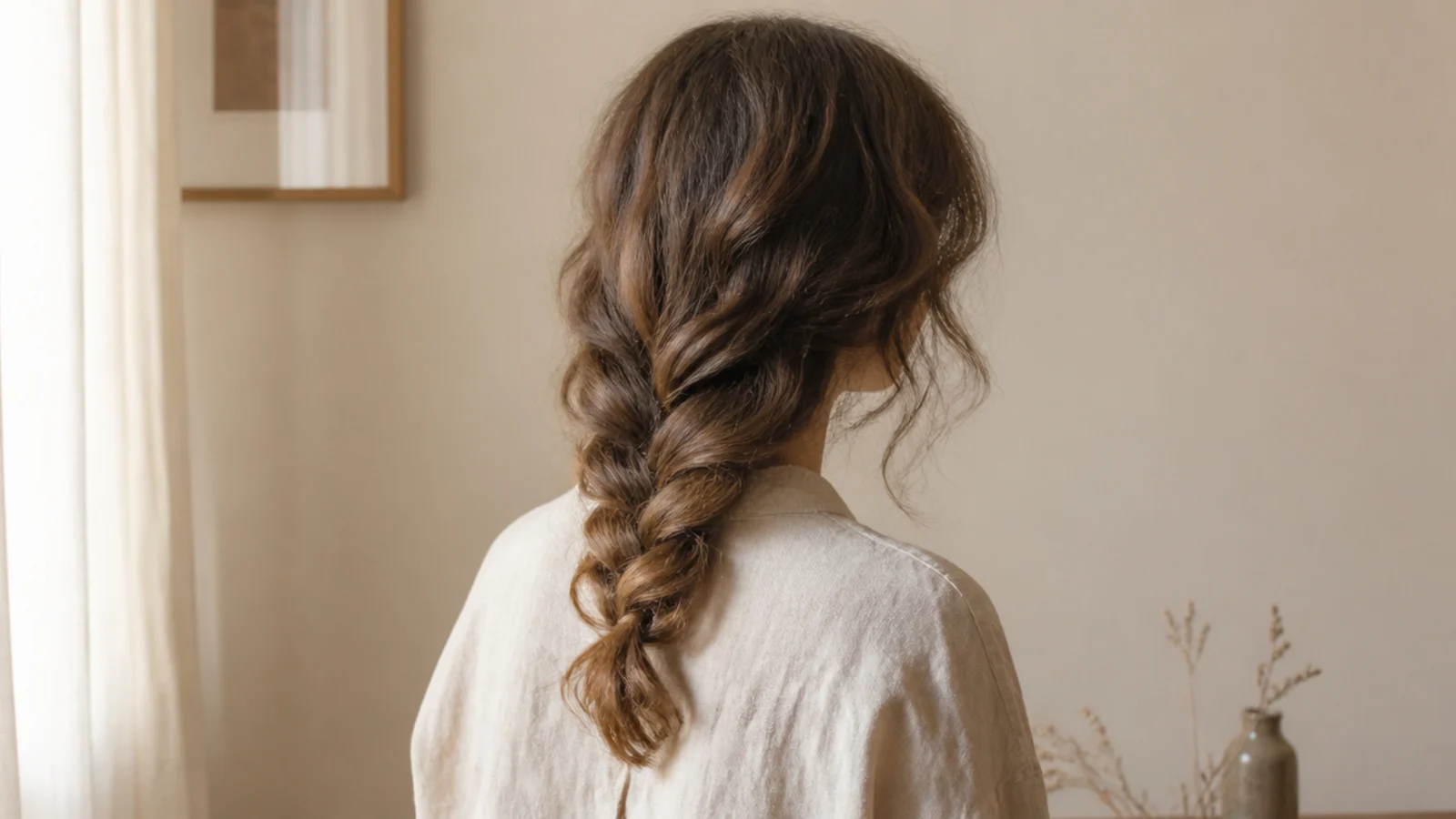
20 Frizzy Hair Styles That Hold All Day
Twenty styles for frizzy hair, sorted by the one thing that decides whether they work — whether they seal the strand or bind it to its neighbours. Frizz is not a texture you have, it is a cuticle exchanging water with the room.
In this article · 28
- Why Hair Frizzes and What the Cuticle Is Doing
- Frizz by Hair Type
- Humidity and Sleep Habits
- A Budget Wash Day Routine
- The Budget Products Lineup
- Cuts That Hide Frizz
- The 20 Frizzy Hair Styles
- 1. Overnight Braid Waves
- 2. The T Shirt Plop
- 3. Finger Raked Messy Bun
- 4. Claw Clip French Twist
- 5. French Braid on Wet Hair
- 6. Dutch Braid Crown
- 7. Mousse Scrunched Waves
- 8. Budget Product Layering
- 9. Slick Low Ponytail
- 10. Half Up Bun
- 11. Side Fishtail Braid
- 12. Pineapple Updo
- 13. Rope Twist Ponytail
- 14. Double Bun Space Knots
- 15. Twisted Headband Tuck
- 16. Silk Scarf Headband
- 17. Bubble Ponytail
- 18. Low Chignon Loop
- 19. Curtain Bang Frame
- 20. Beanie Braid Day
- Final Thoughts
Most advice for frizzy hair is a product list, which is why it keeps failing on the days the air changes.
Frizz is a lifted cuticle exchanging water with the room. Every style below works by doing one of two things — sealing the surface so the exchange slows, or binding strands together so a loose hair has nowhere to go.
Drying time is the variable nobody plans around. Braids and twists set on wet hair and need hours. Clips, scarves and buns work on hair that is already dry. Build the week around that.
Why Hair Frizzes and What the Cuticle Is Doing
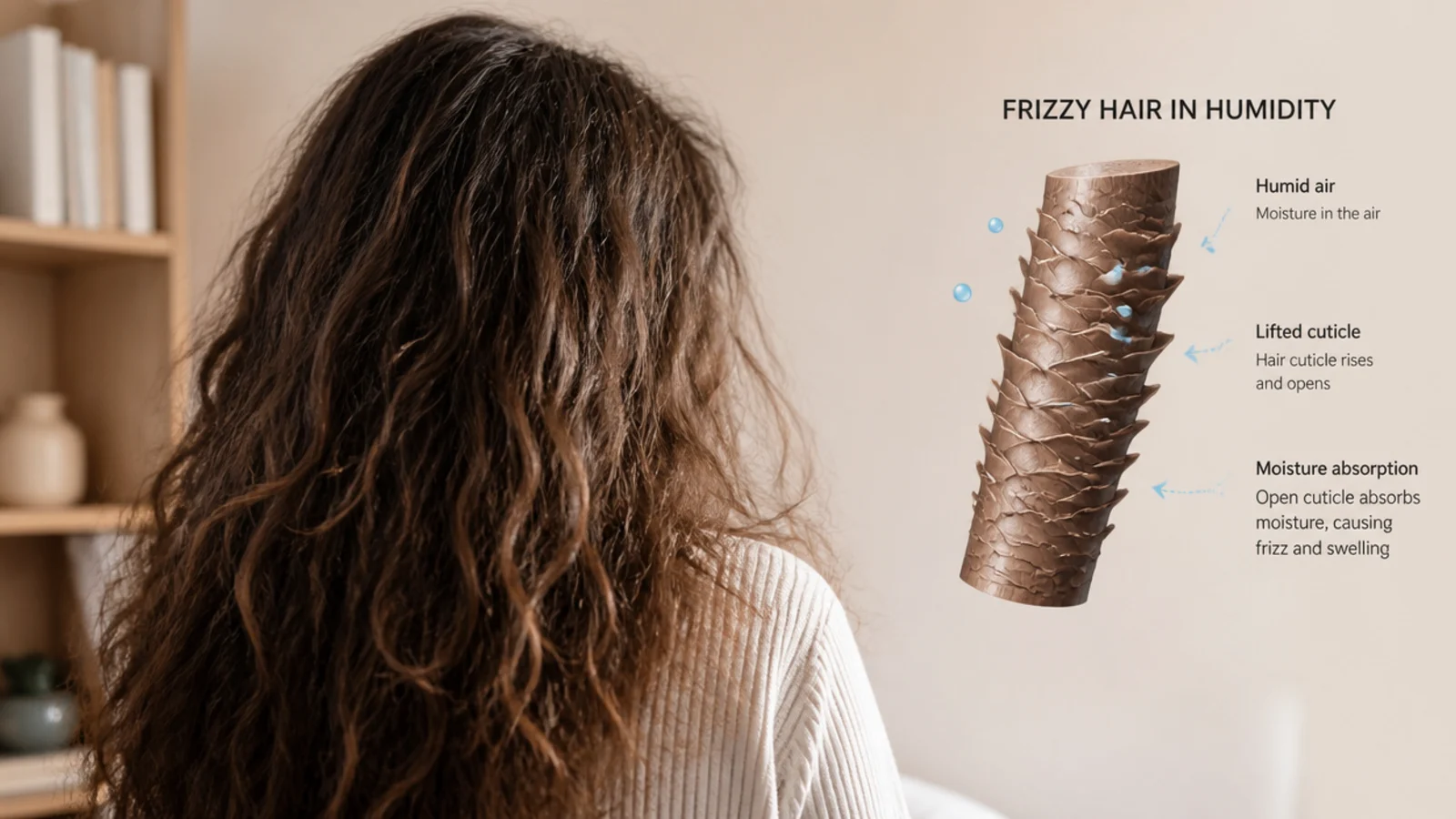
The cuticle is a layer of overlapping scales. Flat, they reflect light in one direction and the strand looks smooth. Lifted, they catch on the strands beside them and stand away from the group.
Hair pulls water out of the air. Keratin is hygroscopic. Damp air swells the cortex, which forces open scales wider still and bends the strand off its line.
Damage is what lets it start. A healthy cuticle carries a bound lipid layer that repels water. Bleach, high heat and harsh detergent strip it, and a strand that has lost it takes water on far faster.
Hydrogen bonds reset as the hair dries. Shape is decided during drying, not afterwards. Whatever position the hair is in when the last water leaves is the position it holds until it gets wet again.
Frizz by Hair Type
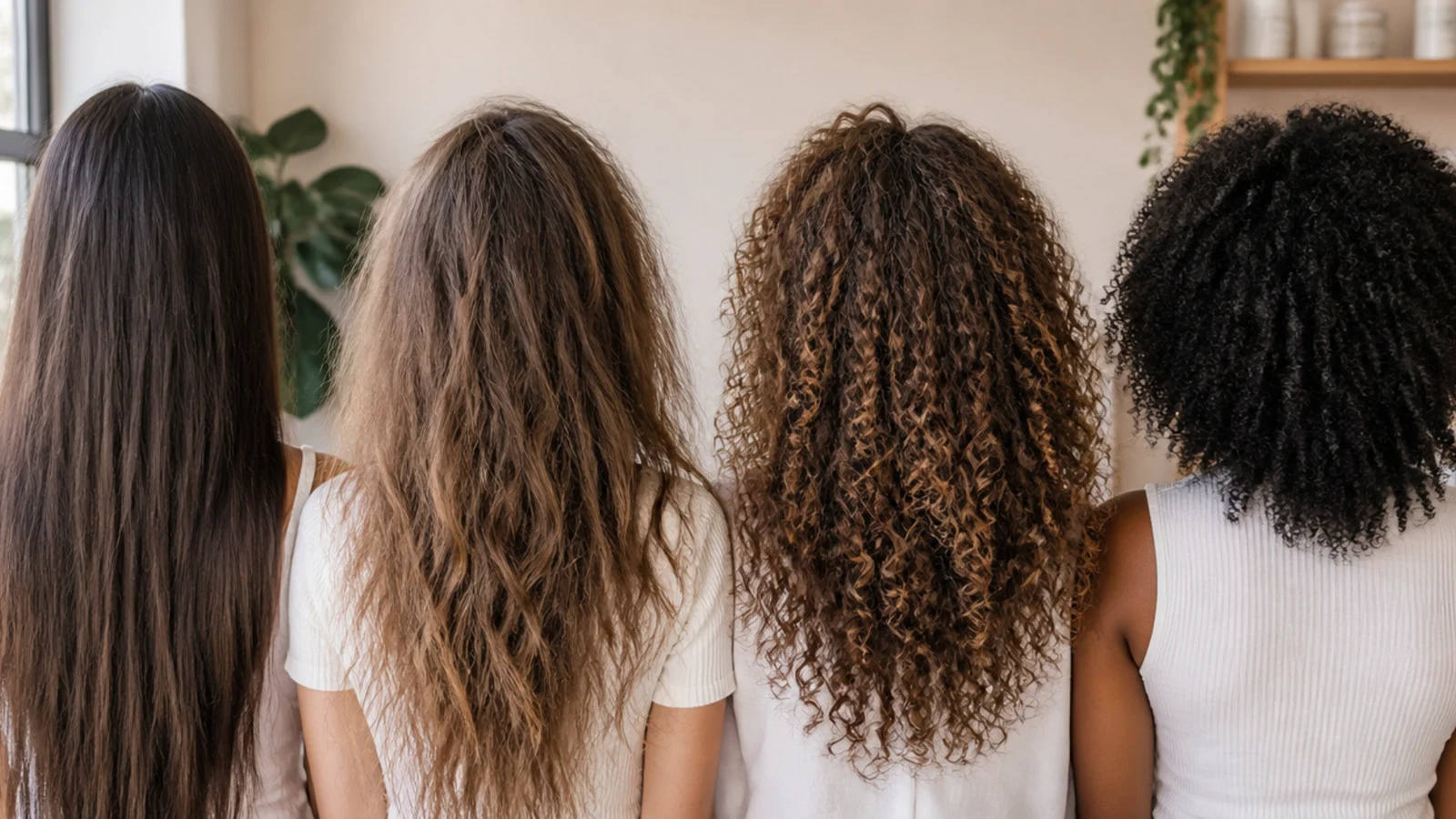
Fine hair frizzes at the surface. There is not enough weight to hold short broken hairs down, so they stand up as a halo over an otherwise smooth head.
Thick hair frizzes as volume. Individual strands are heavy enough to stay put, but there are so many of them that the whole shape expands sideways into a triangle.
Wavy hair frizzes at the roots first. The bend usually starts an inch or two down, so the root section has no pattern to clump into and dries as loose fuzz above a defined length.
Curly hair frizzes when clumps break. Curls hold their shape by grouping. Pull a dry clump apart with a brush and each strand loses the neighbours that were holding it in position.
High porosity frizzes fastest whatever the type. An open cuticle takes water in quickly and loses it just as quickly, so the strand swells and shrinks with every change in the room.
Humidity and Sleep Habits
Above roughly sixty percent humidity, unsealed hair moves. The number matters more than whether it is raining. Hair reads water in the air, not weather on a forecast.
A sealed strand ignores the room. Oil or a dried gel film is hydrophobic, so it slows water crossing the cuticle in either direction and holds the strand at the level it dried at.
Glycerin cuts both ways. It is a humectant. In moderate air it pulls water toward your hair, and in very dry air it pulls water out of it. Check where it sits on the ingredient list before blaming the season.
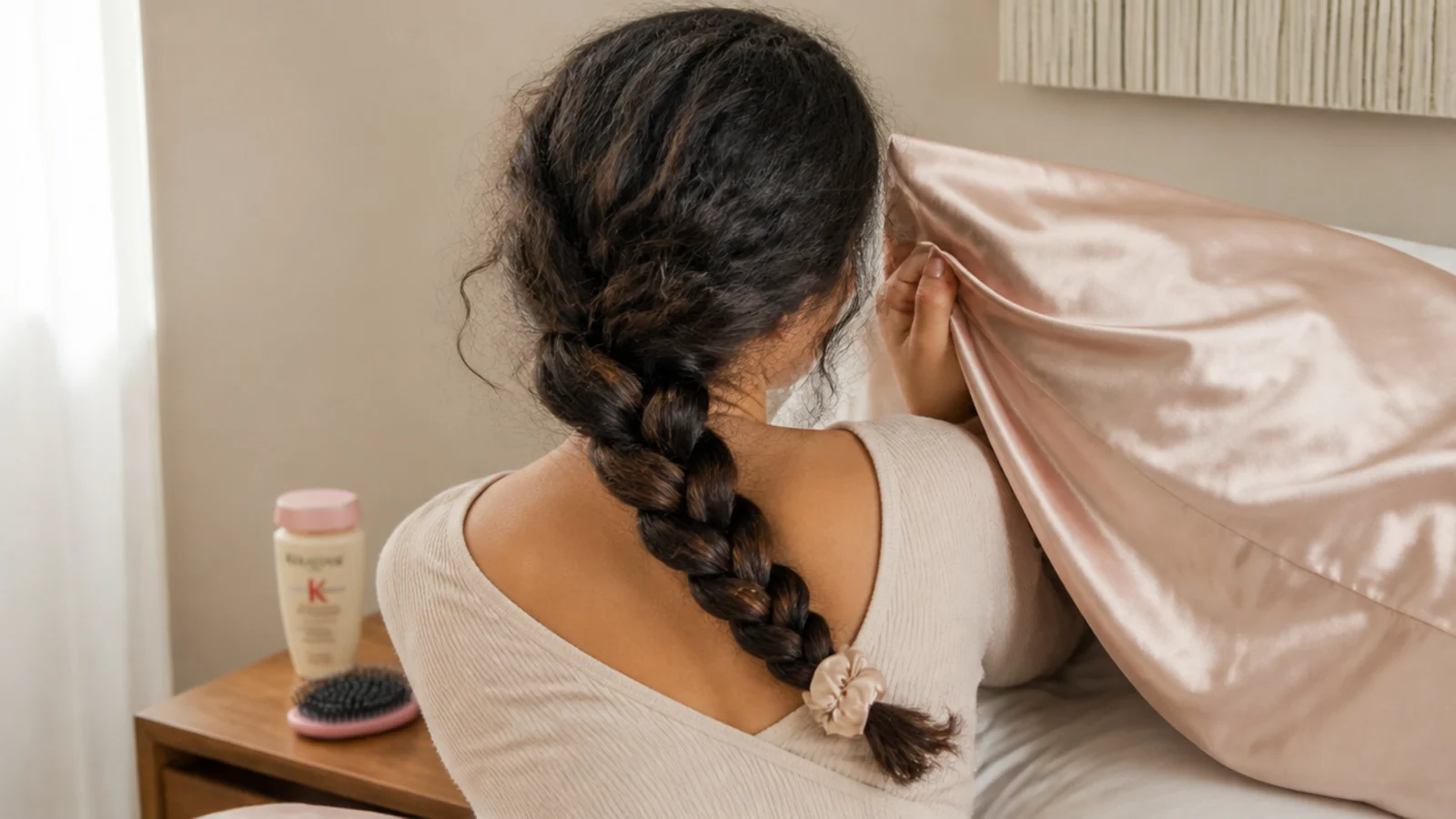
Cotton pillowcases cause mechanical frizz. High friction and absorbent at the same time, so eight hours of movement lifts the scales while the fabric drinks the moisture holding them down.
Silk or satin, or tie it up, or both. Either alone buys you a day. Doing both is what gets a wash day to a fourth morning.
A Budget Wash Day Routine
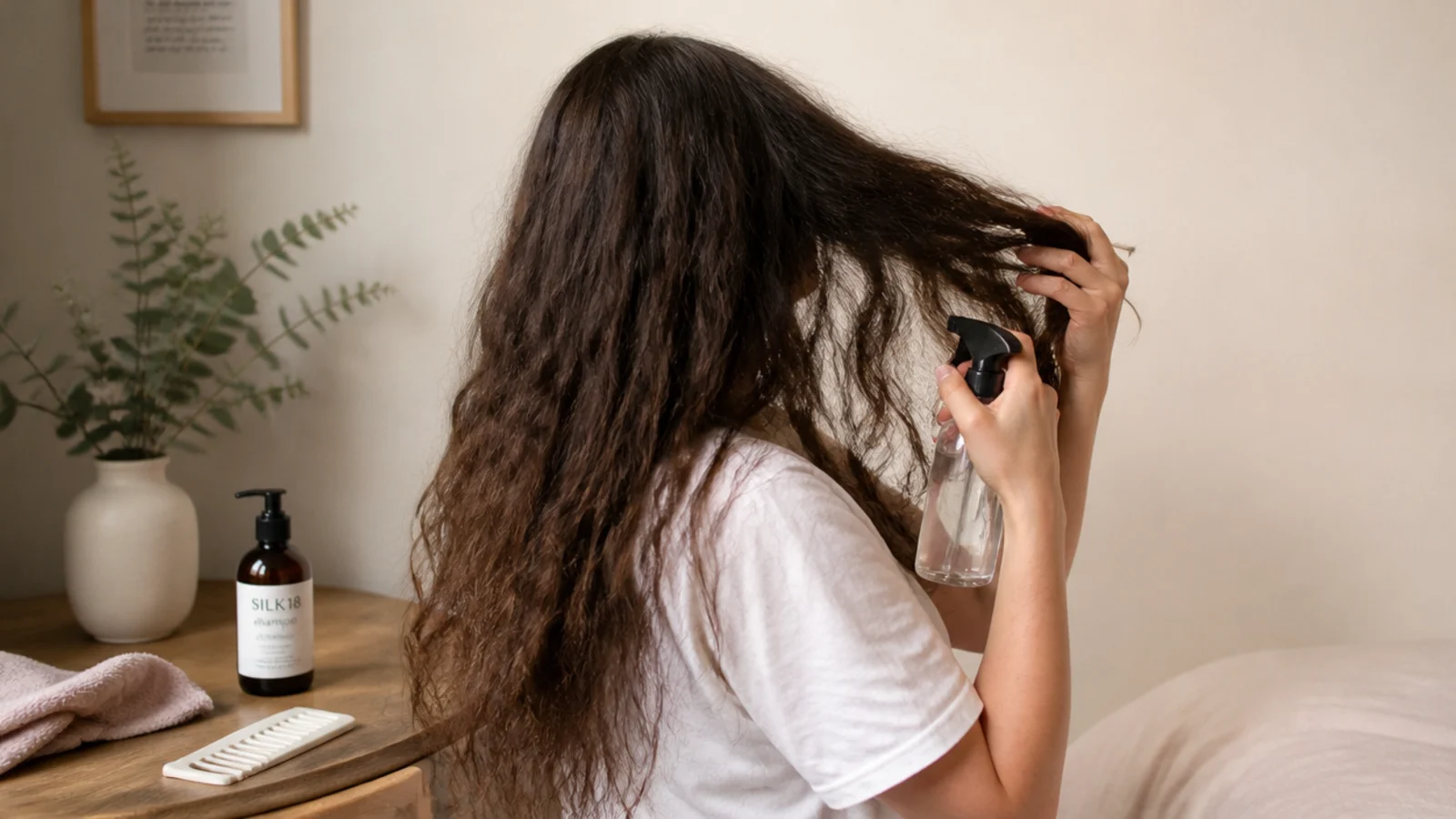
Wash the scalp, condition the lengths. Detergent belongs where the oil is produced. The ends are the oldest hair on your head and there is nothing left on them worth stripping.
Detangle inside the conditioner. Wet hair with slip on it is at its most elastic and least likely to snap. Detangling dry is how clumps get shredded into flyaways.
Never dry with a terry towel. The loops snag lifted scales and pull them further open. Blot with a cotton t-shirt or a microfibre wrap instead.
Apply product to soaking wet hair. Product spreads through the water already on the strand. On damp hair it lands in patches, and every gap is a place frizz starts.
Then stop touching it. Hands on drying hair break the film before it has set. Leave it alone until it is genuinely dry, then break the cast deliberately.
The Budget Products Lineup
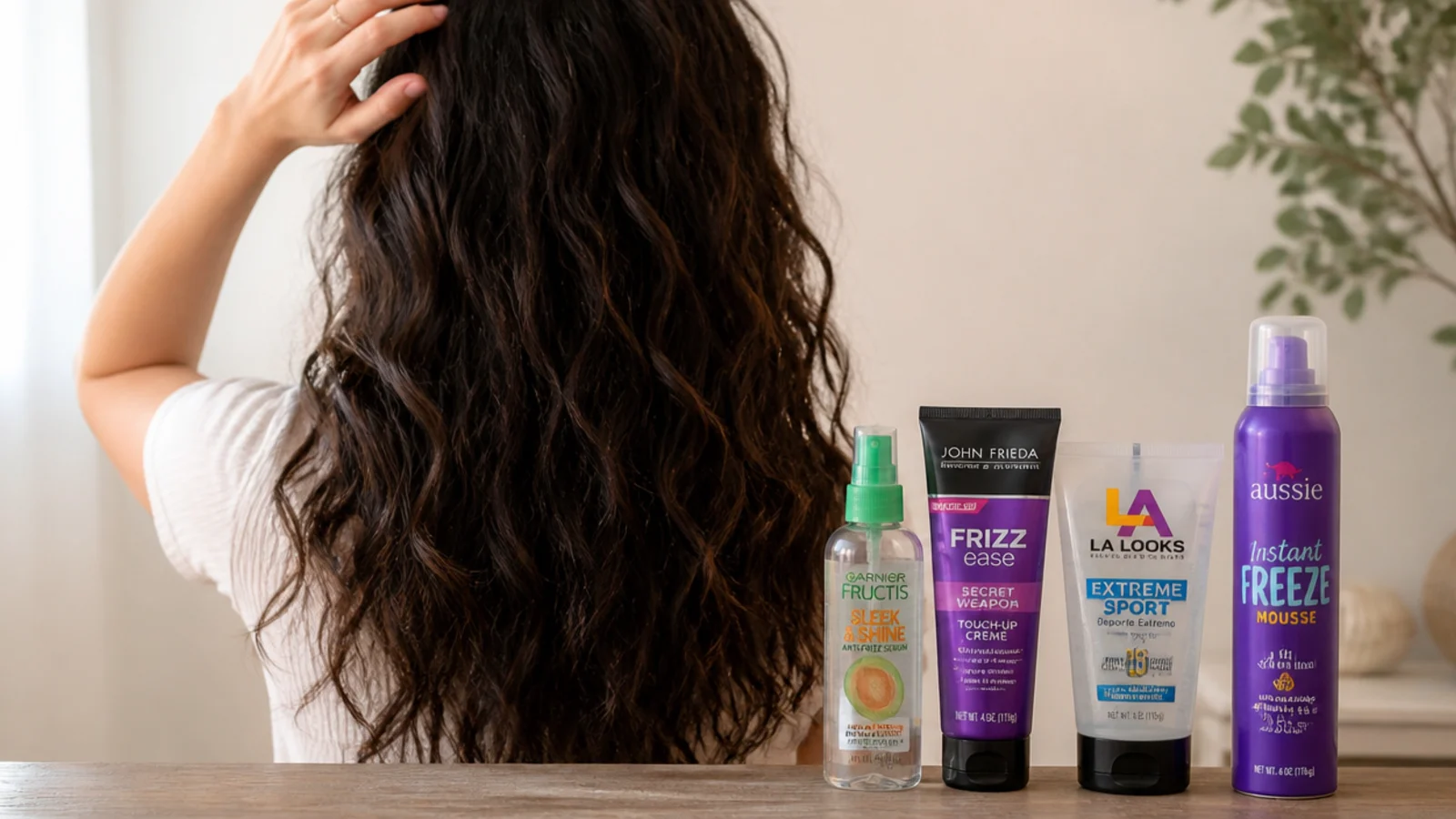
A gentler wash, or a cheap one used less often. Milder surfactants leave more of the lipid layer behind, and washing less often achieves the same thing for nothing.
Conditioner is the one worth spending on. Cationic conditioning agents are attracted to the damaged, negatively charged spots on a cuticle, which is why they smooth exactly where the damage is.
A leave in binds water in the strand. It holds moisture past the rinse and gives the next layer something even to spread across.
A cream handles friction. Cream sits between strands so they slide past one another instead of catching and lifting.
A gel seals the lot. The polymer film is the part that survives a humid afternoon. Everything underneath is protected only for as long as that cast holds.
Cuts That Hide Frizz
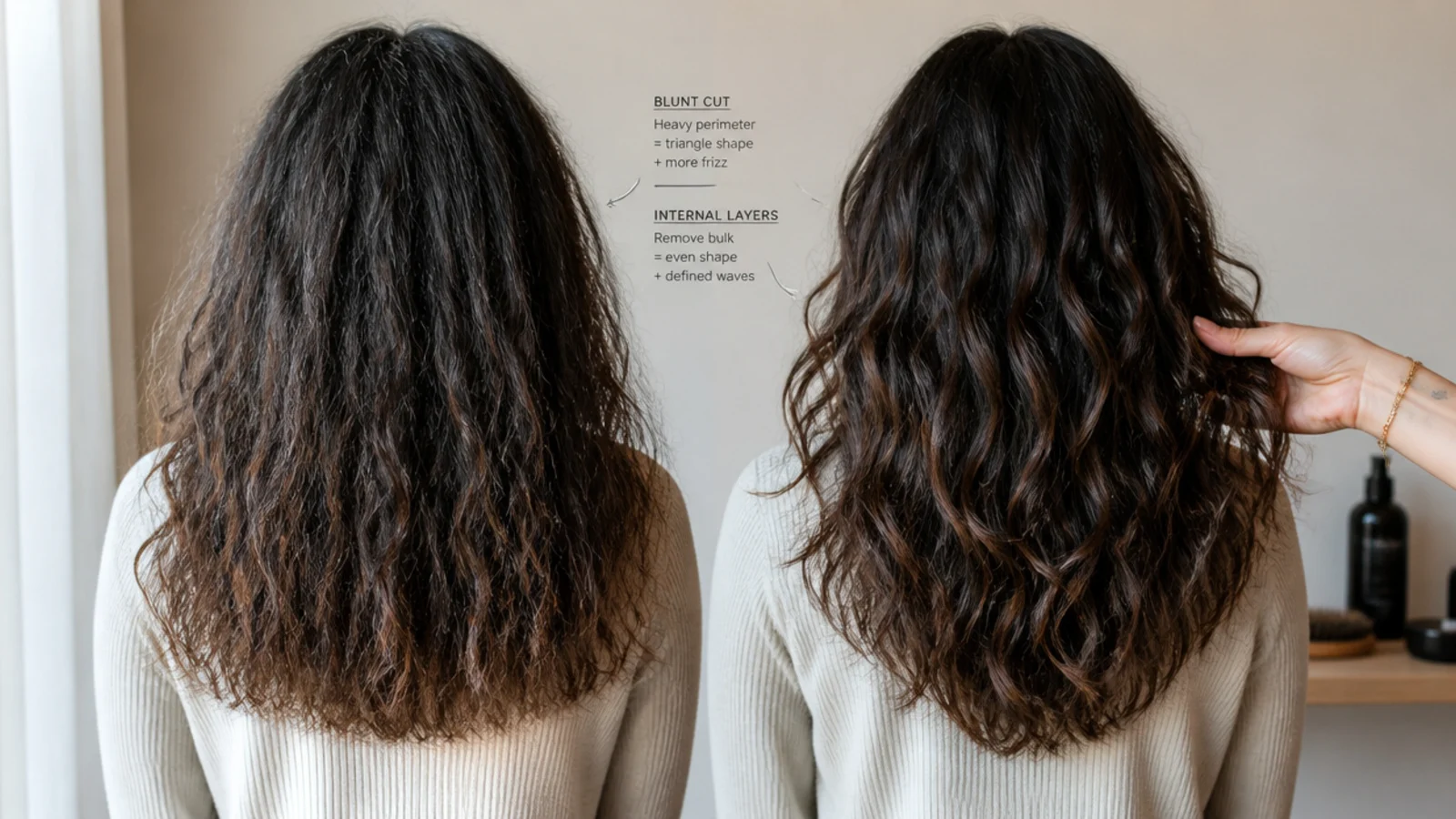
Weight is what holds hair down. A blunt perimeter concentrates weight at the ends, and that weight is the only thing stopping the shape spreading outward.
Short layers on the surface make flyaways. Every layer cut into the top of the head leaves a short end sitting on the outside of the style, which is precisely where it will stand up.
Interior layers remove bulk safely. Cutting weight out from underneath thins the shape without putting new short ends anywhere the light will find them.
Point cutting softens the widest line. A blunt edge on very thick hair reads as the base of a triangle. Breaking that line with point cutting removes the outline without removing the weight above it.
Hair grows about half an inch a month. A cut that only works freshly trimmed is the wrong cut, because three months later it is an inch and a half further down and still on your head.
The 20 Frizzy Hair Styles
1. Overnight Braid Waves
Two loose braids on damp hair set a soft bend as the hydrogen bonds re-form in the shape the braid holds them in, so you wake with a wave pattern rather than a friction halo. Braiding also binds the lengths together all night, which is where most overnight frizz is actually made.
2. The T Shirt Plop
Cotton jersey wraps the hair against the head without the snagging loops of a terry towel, so the cuticle is blotted rather than rubbed open. Twenty minutes pulls the free surface water off while the strand keeps the moisture it needs to dry smooth and clumped.
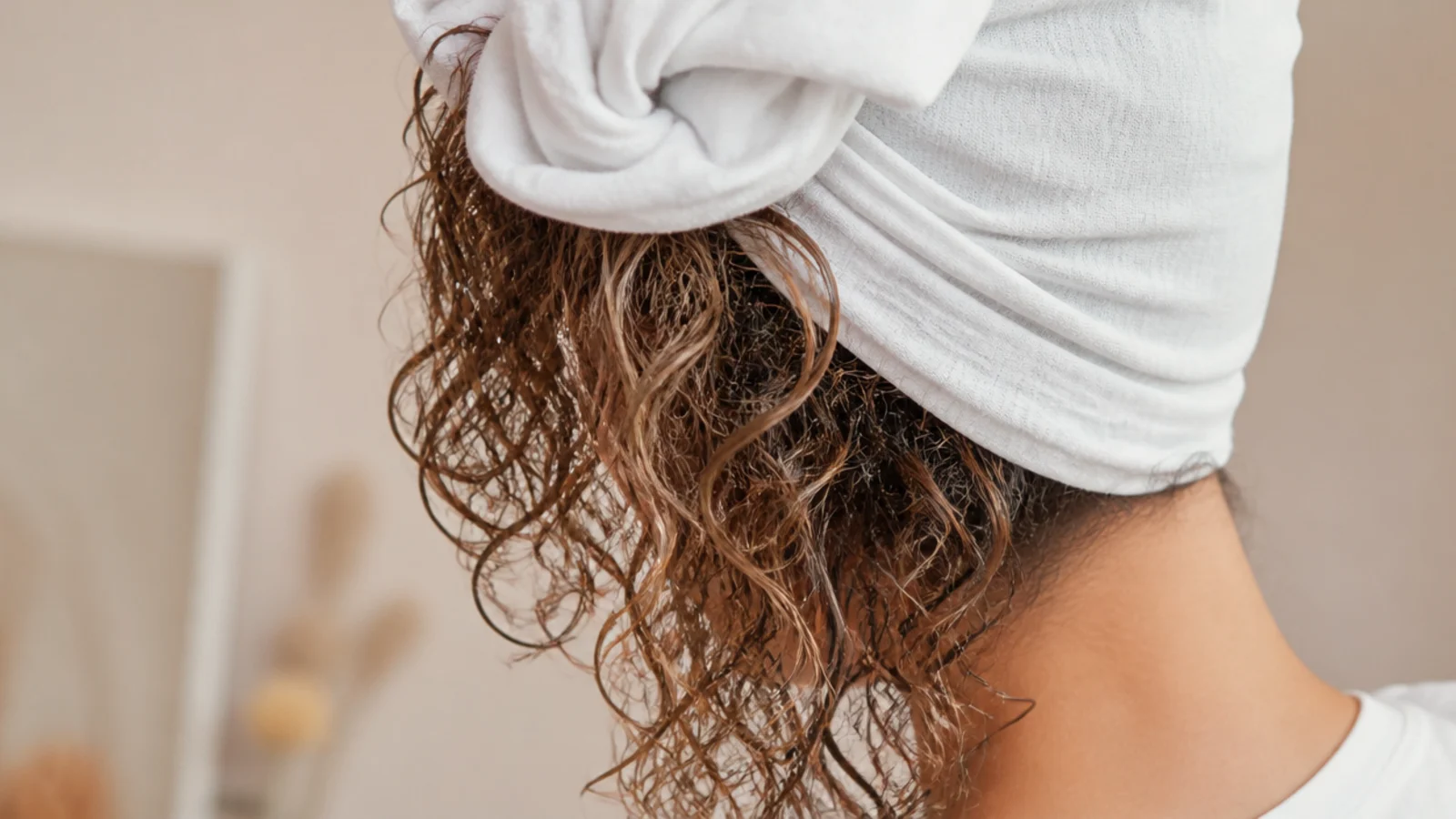
3. Finger Raked Messy Bun
Raking with fingers separates hair at its natural clumps instead of shearing across them, and every clump a brush breaks becomes a flyaway within the hour. Gathering the result high and deliberately loose puts the halo inside the bun where it reads as texture rather than as frizz.
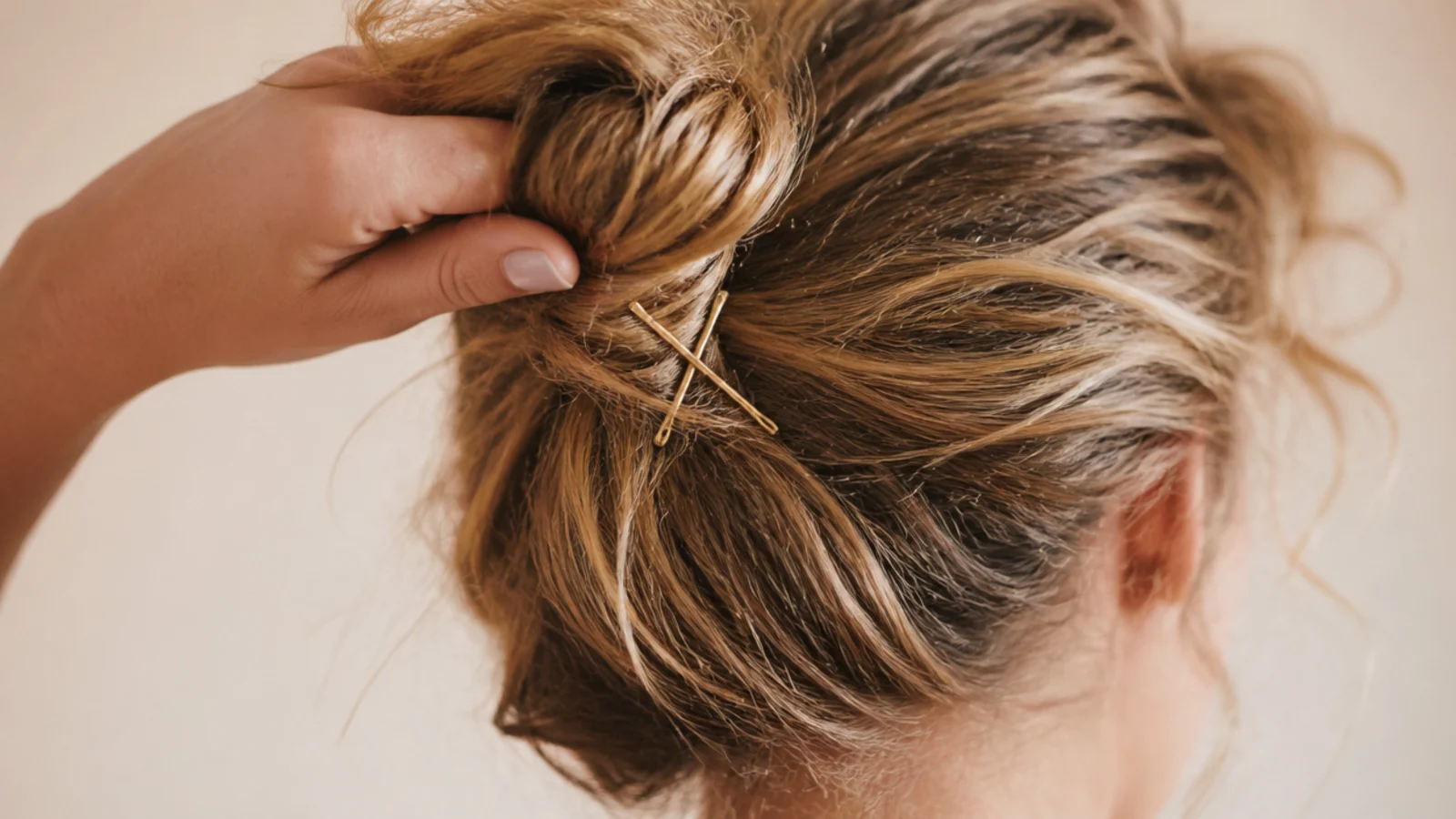
4. Claw Clip French Twist
Rolling the length vertically and clamping it tucks every short broken hair inside the roll, so the only surface on show is the smoothest part of your hair. A claw grips by tension spread across the whole roll rather than at one point, which is why it holds thick hair that a single pin would drop.
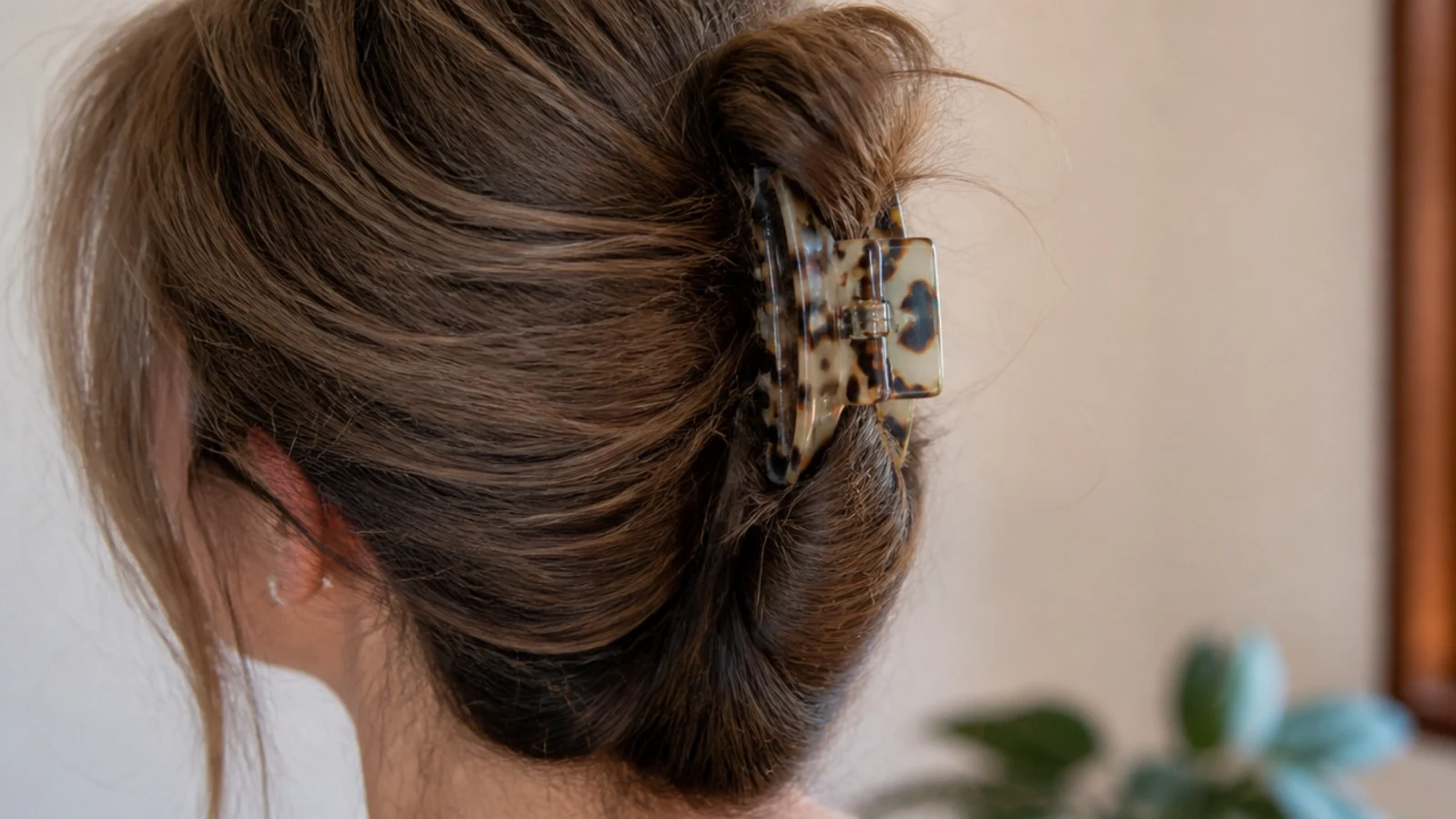
5. French Braid on Wet Hair
Braiding while the hair is still soaking traps each section against its neighbours before it has any chance to expand, so it dries in a set position rather than puffing outward. Expect it to take several hours longer to dry through than loose hair, which makes this an evening job.
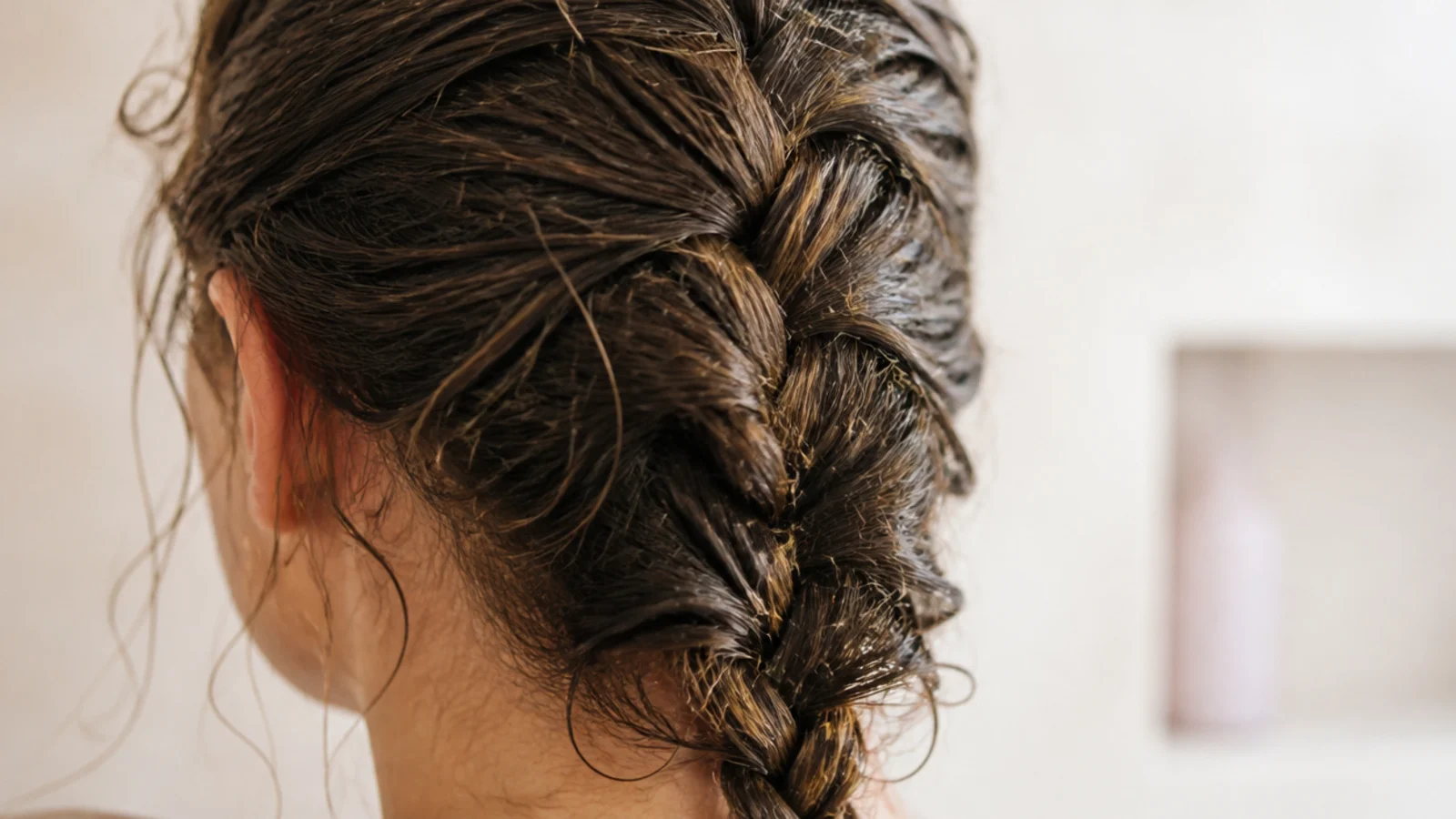
6. Dutch Braid Crown
Crossing the sections under rather than over lifts the braid onto the surface, which lets you pull it slightly wider without loosening its grip on the hair underneath. That extra width is what covers the hairline, where short regrowth normally stands straight up.
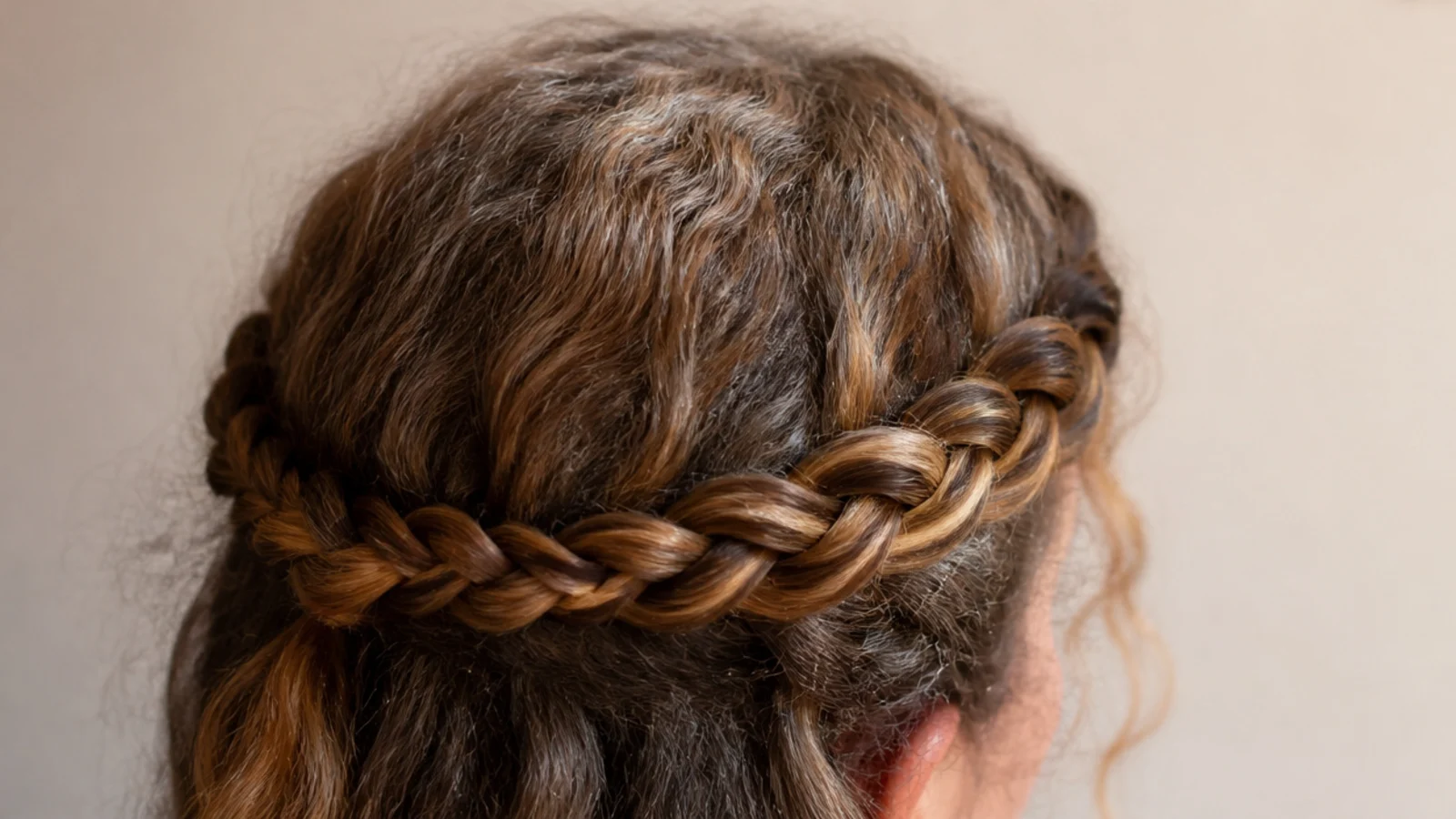
7. Mousse Scrunched Waves
Mousse is a film former delivered in a foam, so it lays a thin flexible cast over the cuticle while the hair dries and holds the scales down in position. Scrunch it into soaking wet hair and then leave it entirely alone, because touching a half dry cast is what breaks the clumps apart.
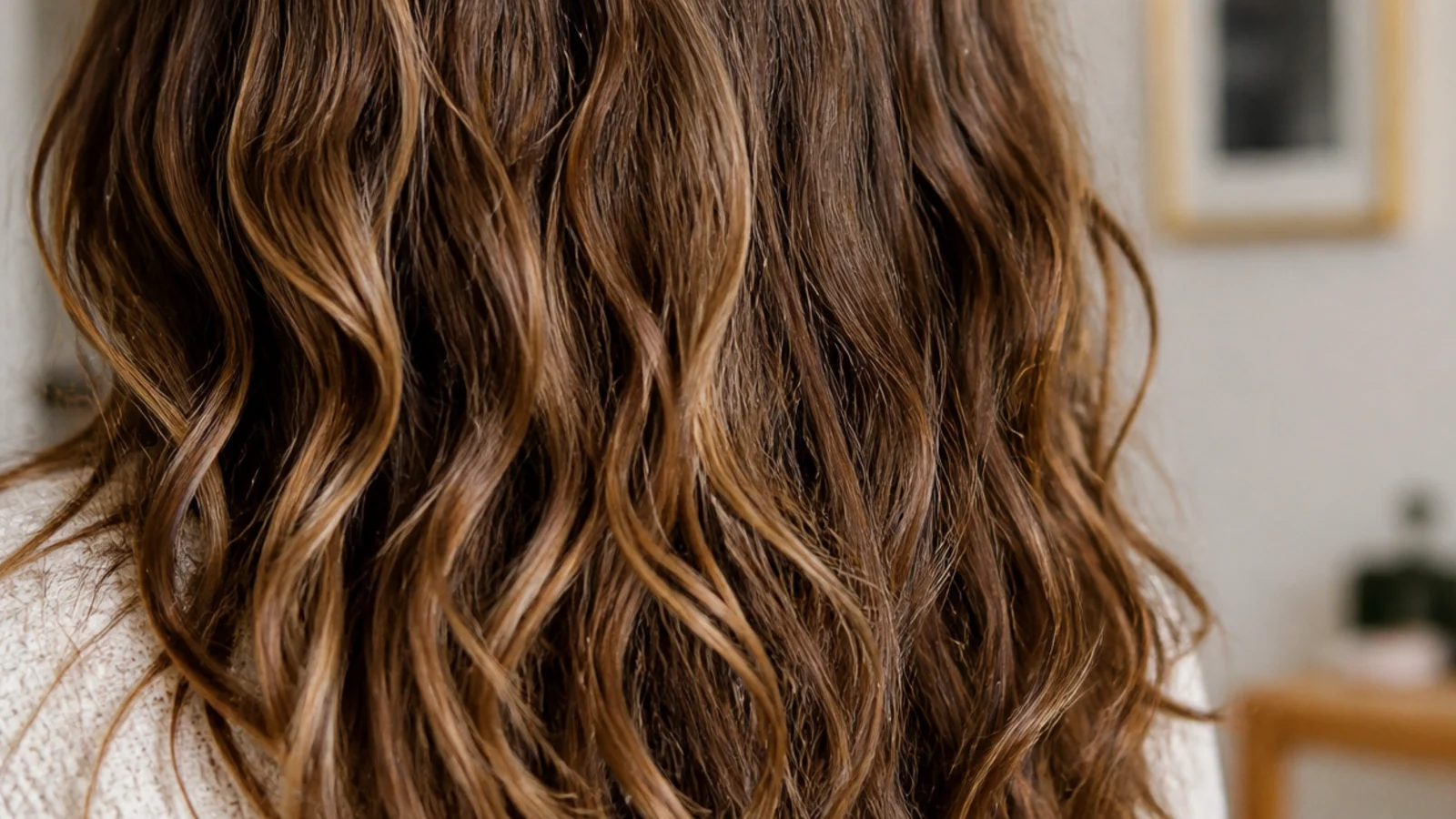
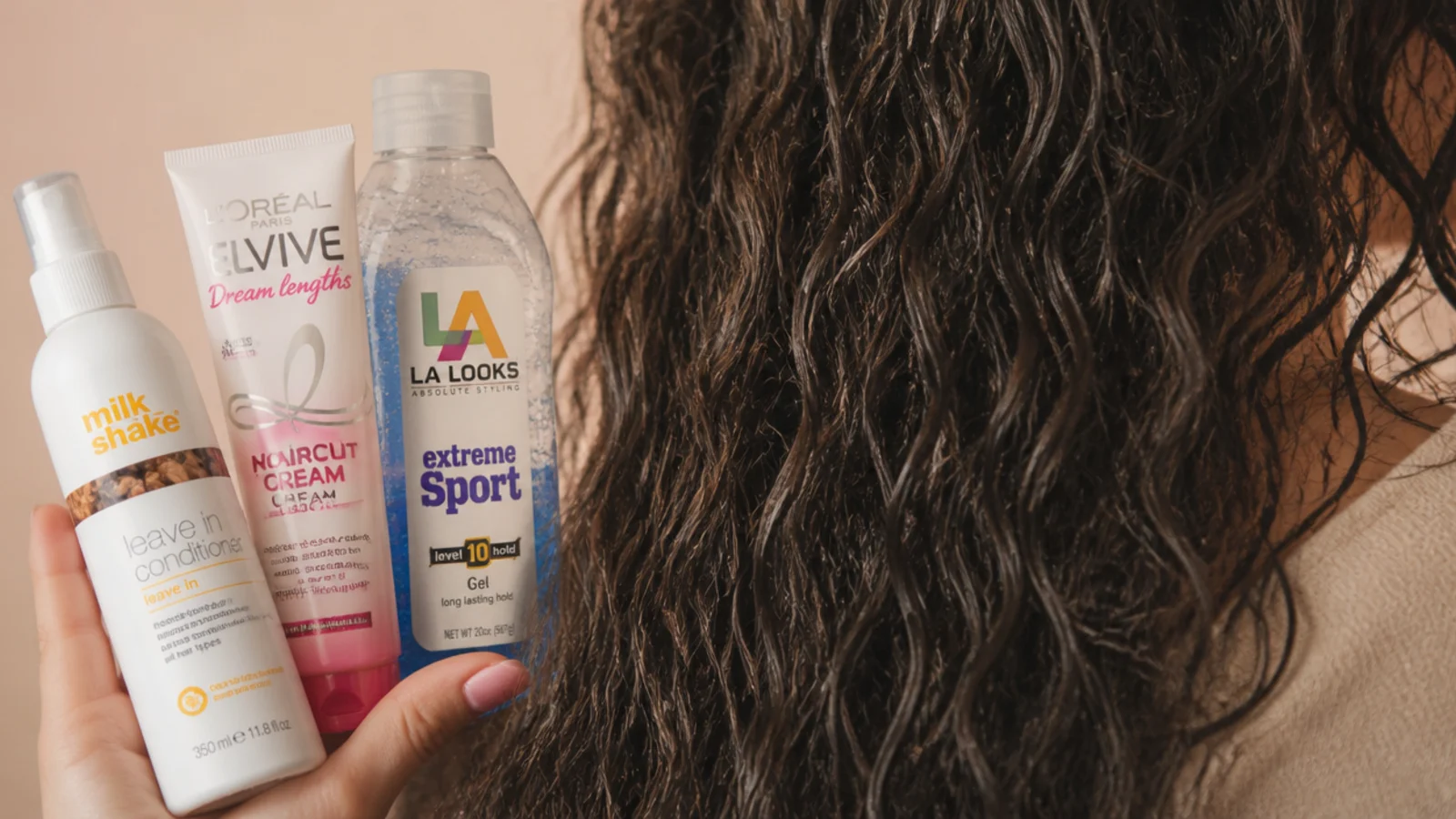
8. Budget Product Layering
Order matters more than price. A leave in adds the water binding layer, a cream adds the slip that stops strands catching on each other, and a gel goes last to seal all of it under a film that holds until you break it on purpose.
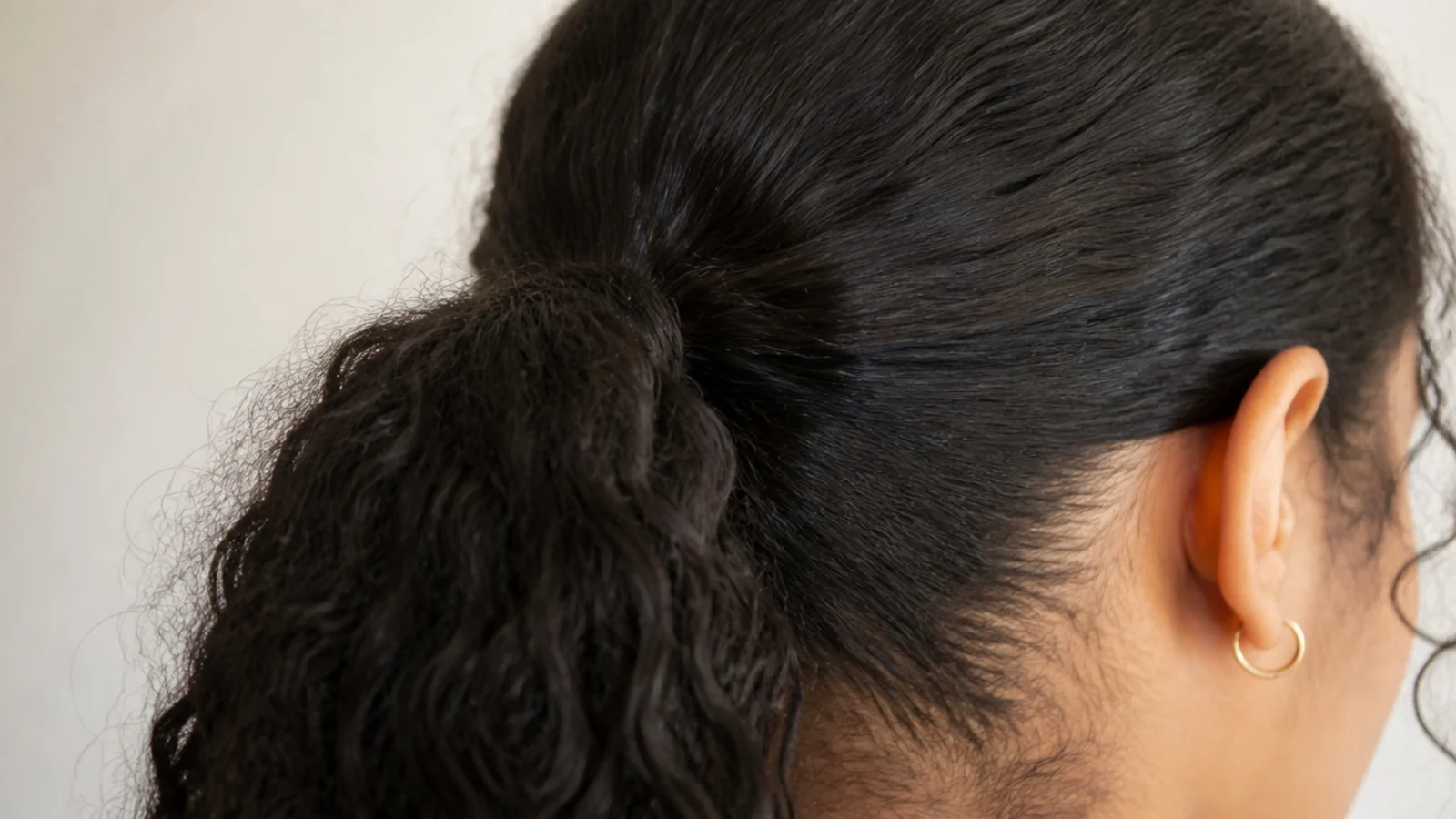
9. Slick Low Ponytail
Gel or a firm cream on damp hair glues the short broken hairs flat before they can dry standing up, which is the only reliable way to slick frizzy hair. Keep the elastic low so the tension runs along the head rather than lifting at the hairline, where repeated pulling breaks more hair and creates more flyaways.
10. Half Up Bun
Taking only the top section up lifts the weight off the crown, so the lengths underneath hang rather than being pushed outward into a triangle. It also puts the smoothest hair on the top of the head, which is where daylight lands hardest and shows the most.
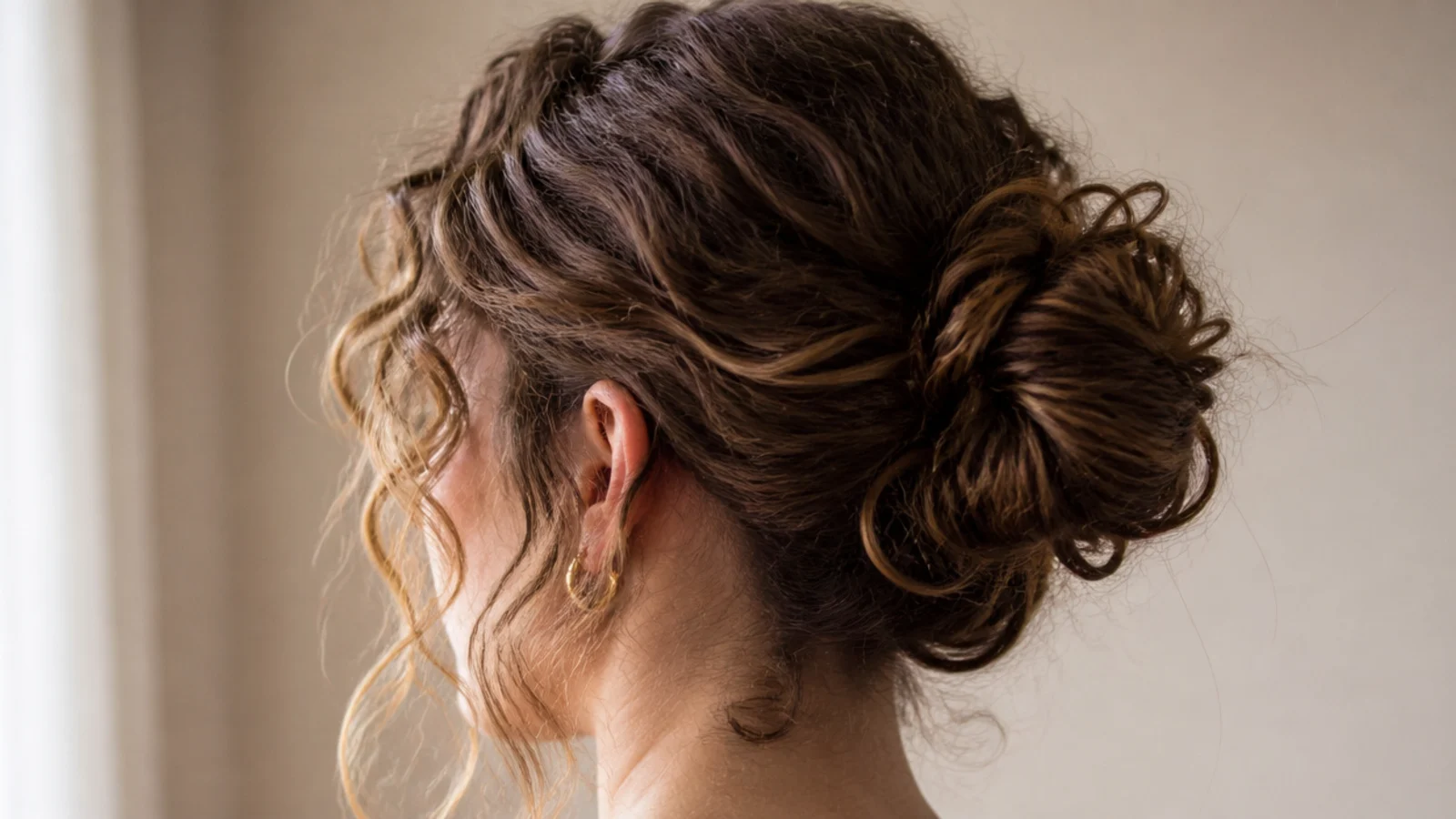
11. Side Fishtail Braid
A fishtail uses two sections and very small crossings, which produces a tightly woven surface that swallows loose ends between the strands. The trade is time, and frizzy hair is easier to fishtail than smooth hair because the texture grips itself instead of sliding apart.
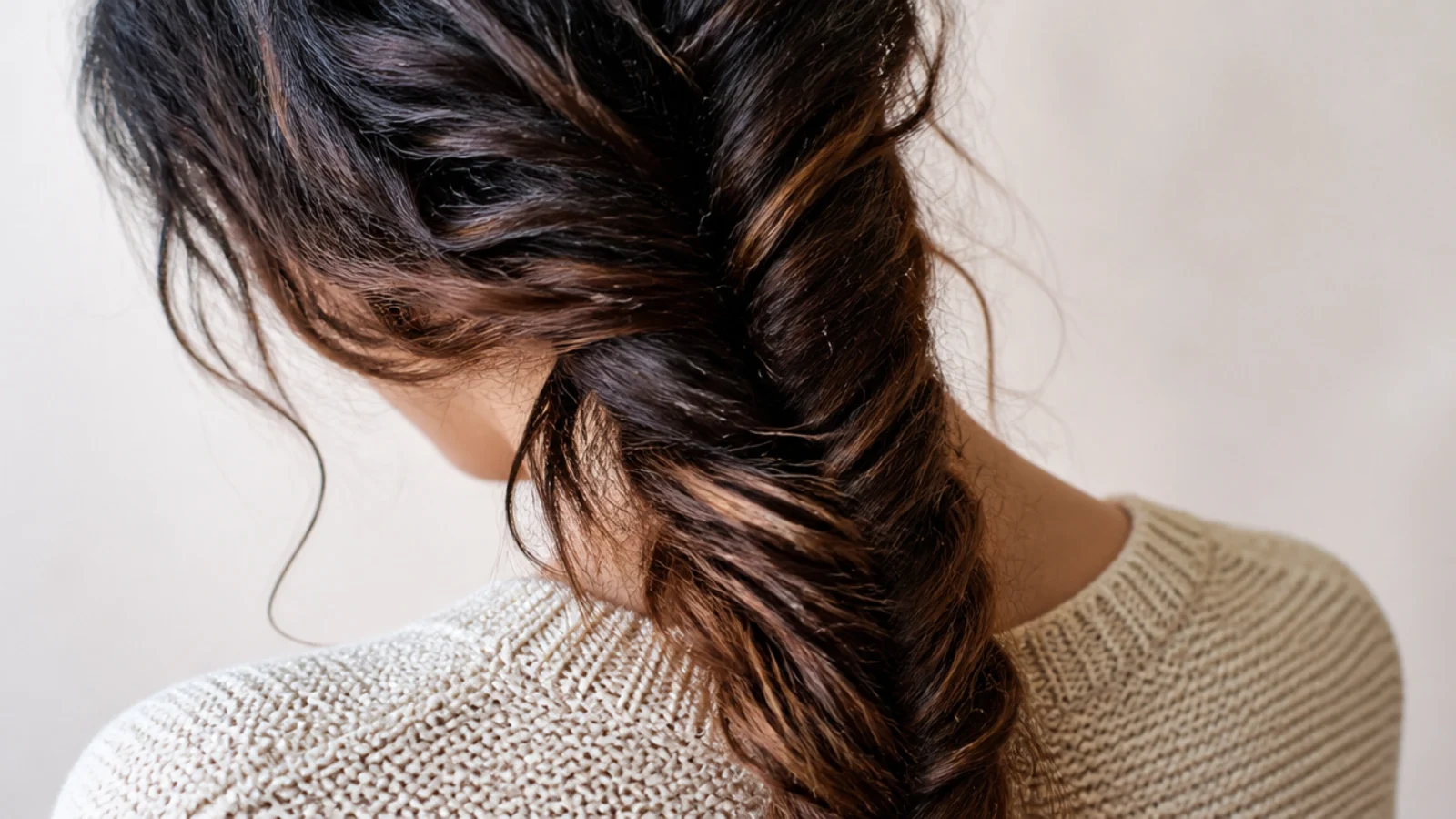
12. Pineapple Updo
Gathering everything loosely on top of the head keeps the pattern off the pillow, so overnight friction lands on the tie rather than on the hair. Sit the tie near the ends rather than at the root and you avoid the dent that otherwise forces a full wet down in the morning.
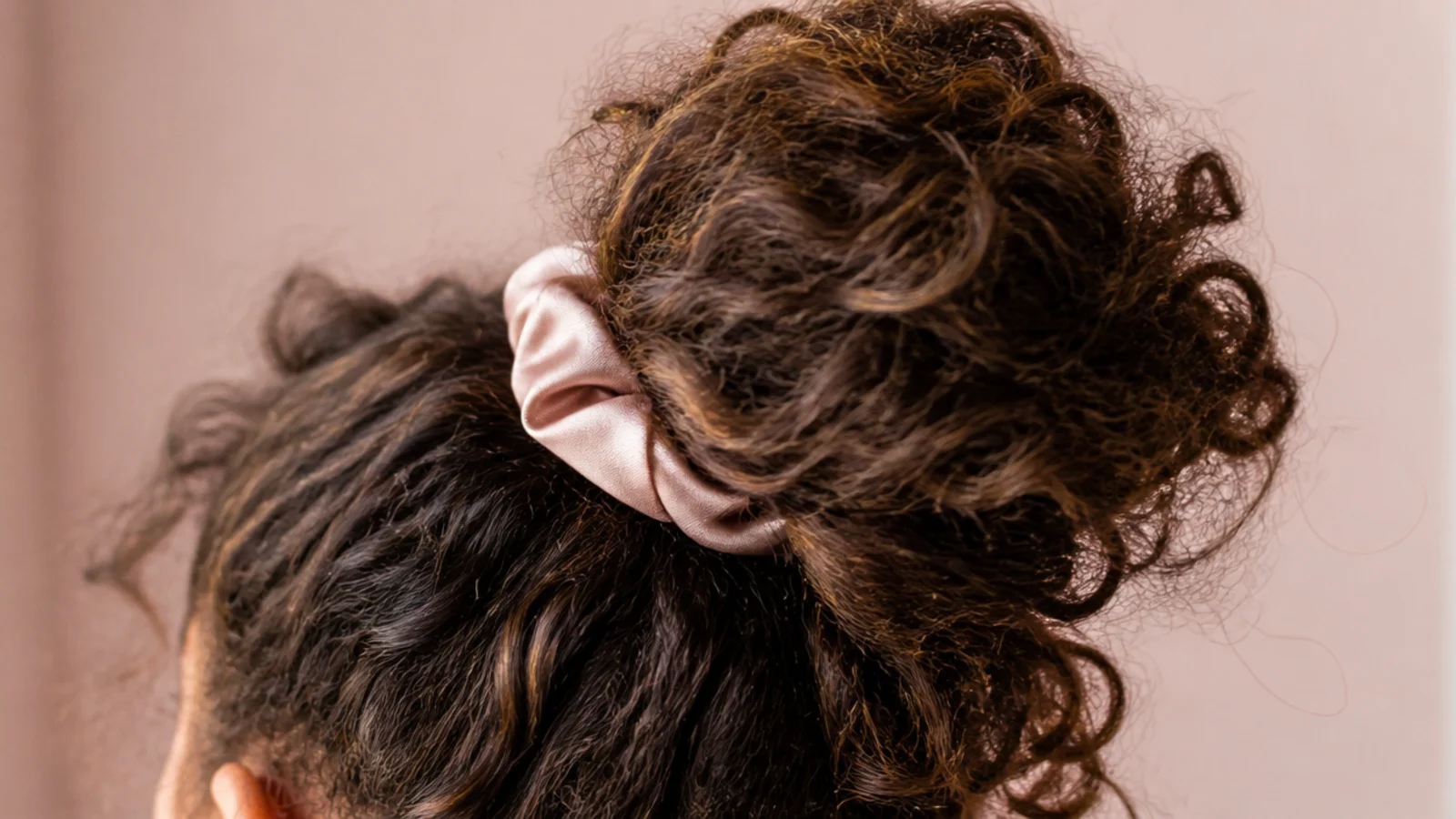
13. Rope Twist Ponytail
Twisting two sections in one direction and then wrapping them in the opposite direction locks the rope against itself, which is why it holds without a second elastic. The twisting also compresses the surface, pressing lifted cuticle flat along the whole length as you go.
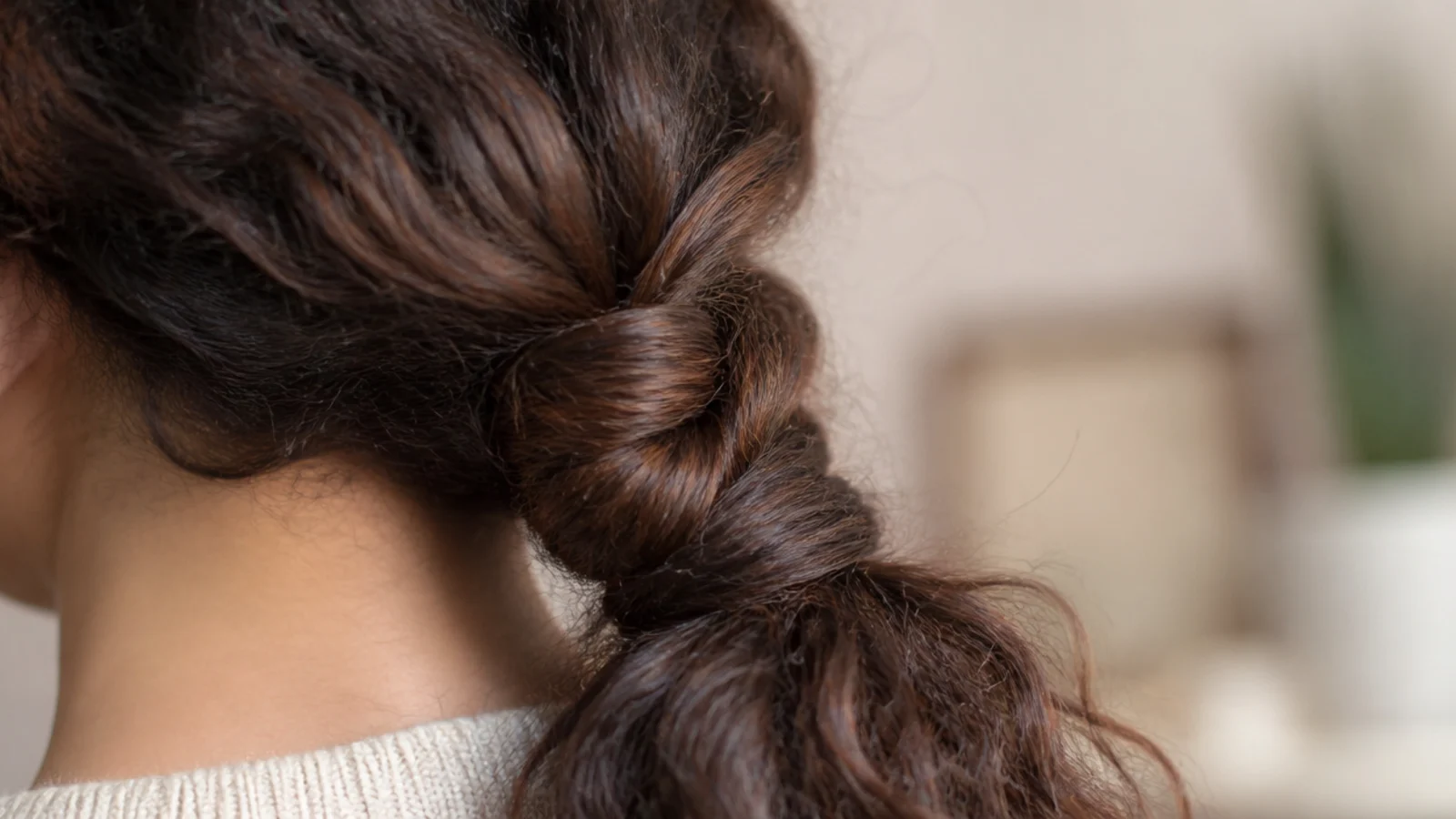
14. Double Bun Space Knots
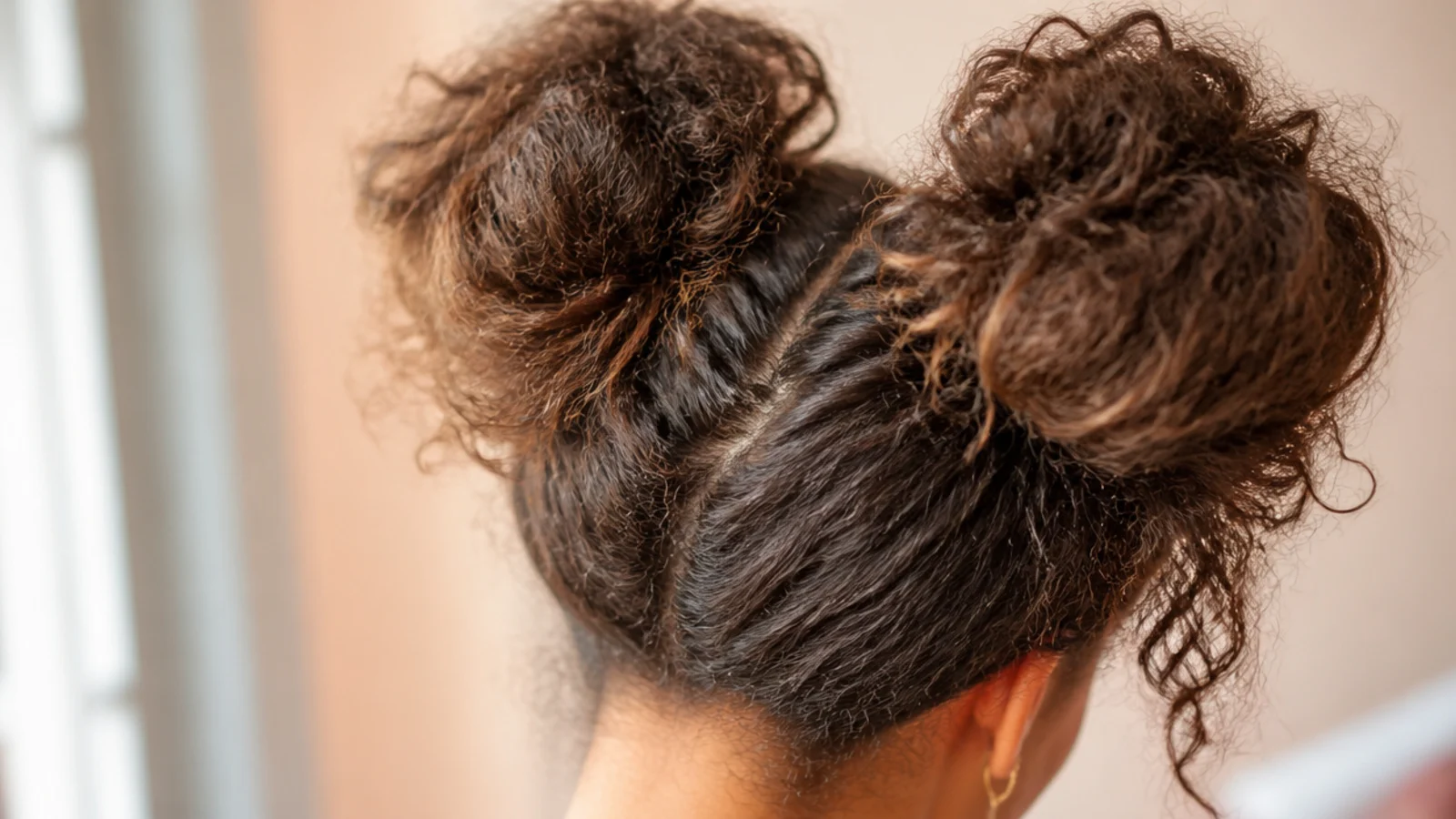
Splitting the hair in half halves the bulk in each knot, so thick frizzy hair coils into two neat buns where a single bun would sit as a loose ball. Wrap them on damp hair and the whole length dries in a set curve, which drops out in the evening as a heatless wave.
15. Twisted Headband Tuck
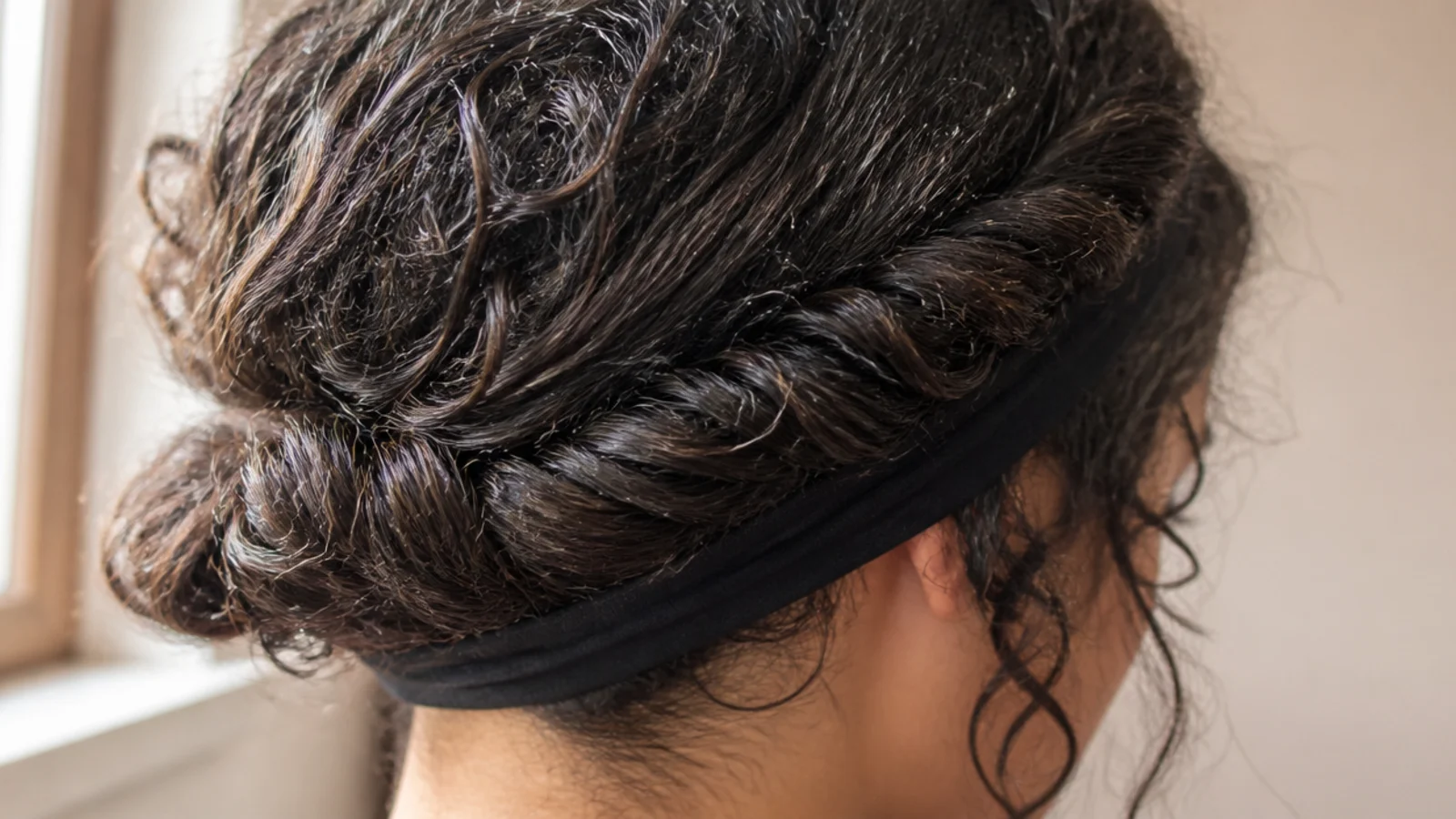
Twisting the front sections back and tucking them under a band takes the shortest and most frizz prone hair at the hairline and hides it inside the tuck. The band's tension is what holds the twist, so the style needs no pins and nothing to snag on.
16. Silk Scarf Headband
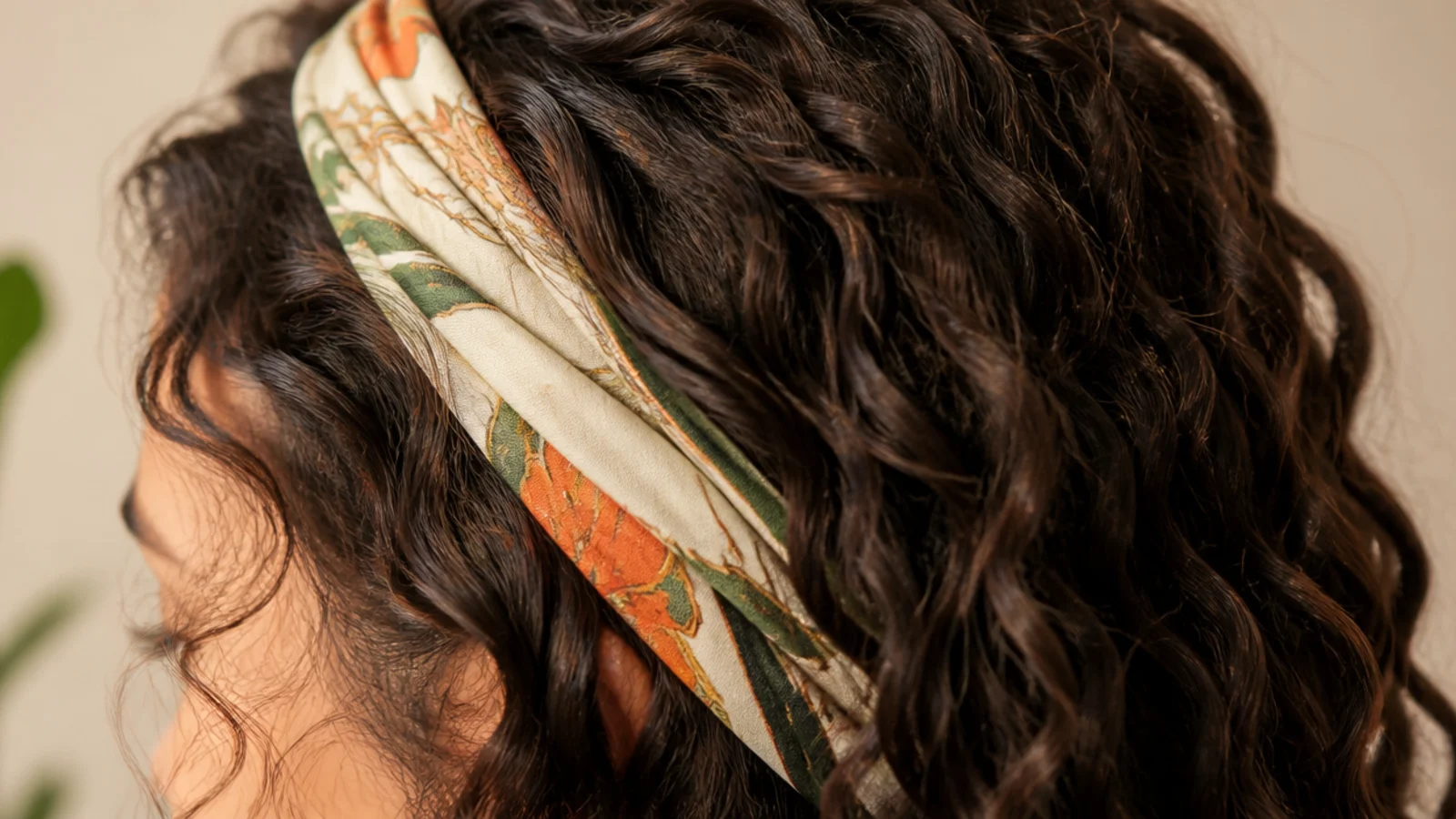
Silk has a much lower friction coefficient than cotton and does not wick water out of the hair the way an absorbent fabric does, so a silk band holds the front down without abrading it. Tie it across the hairline rather than through the lengths, where the knot would crease the wave.
17. Bubble Ponytail
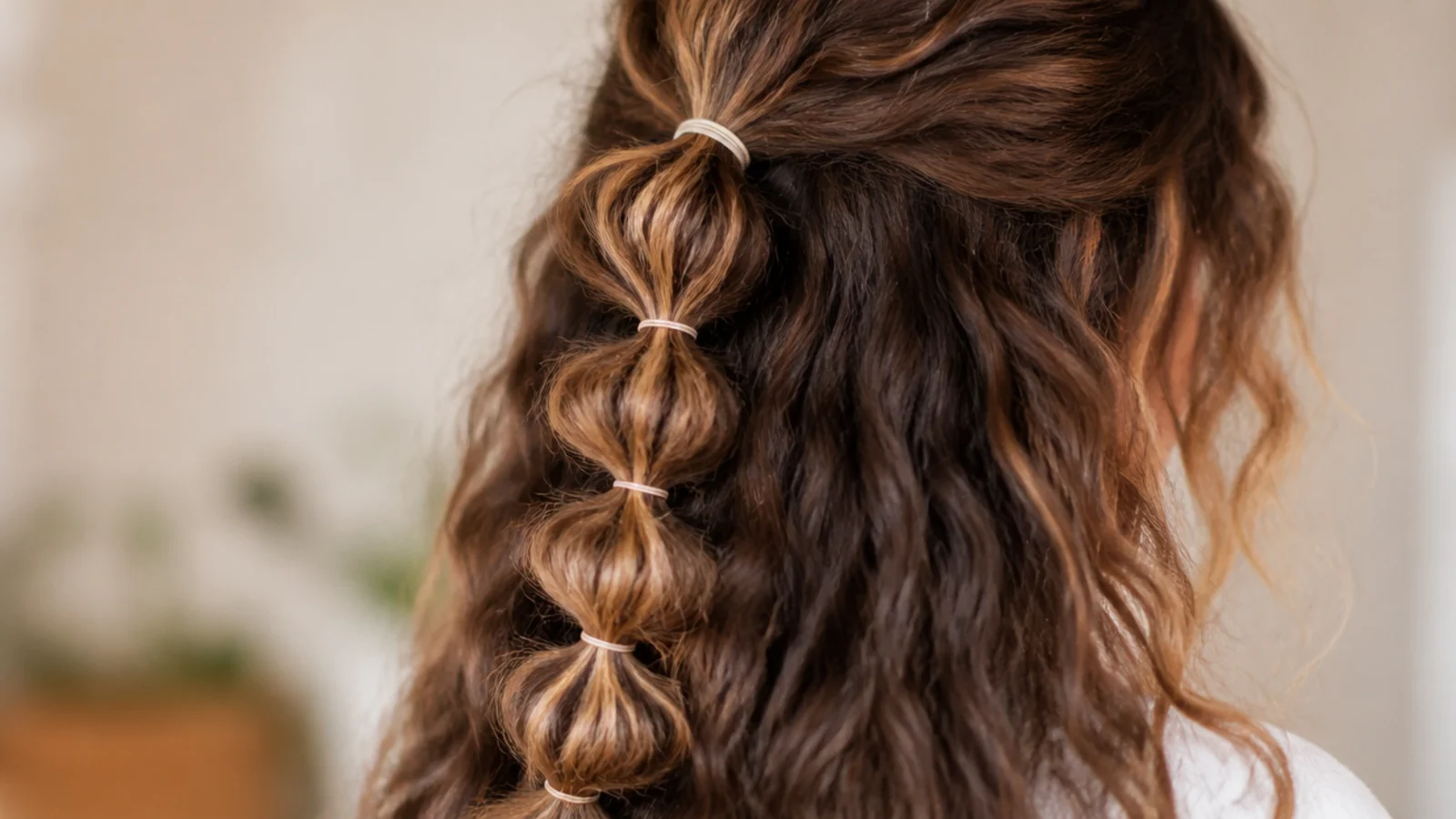
Spacing small elastics down a ponytail and spreading each section between them turns visible bulk into a deliberate shape, so the puff reads as the style rather than as a problem. Use elastics without a metal join, because a metal crimp snaps hair at exactly the point of highest tension.
18. Low Chignon Loop
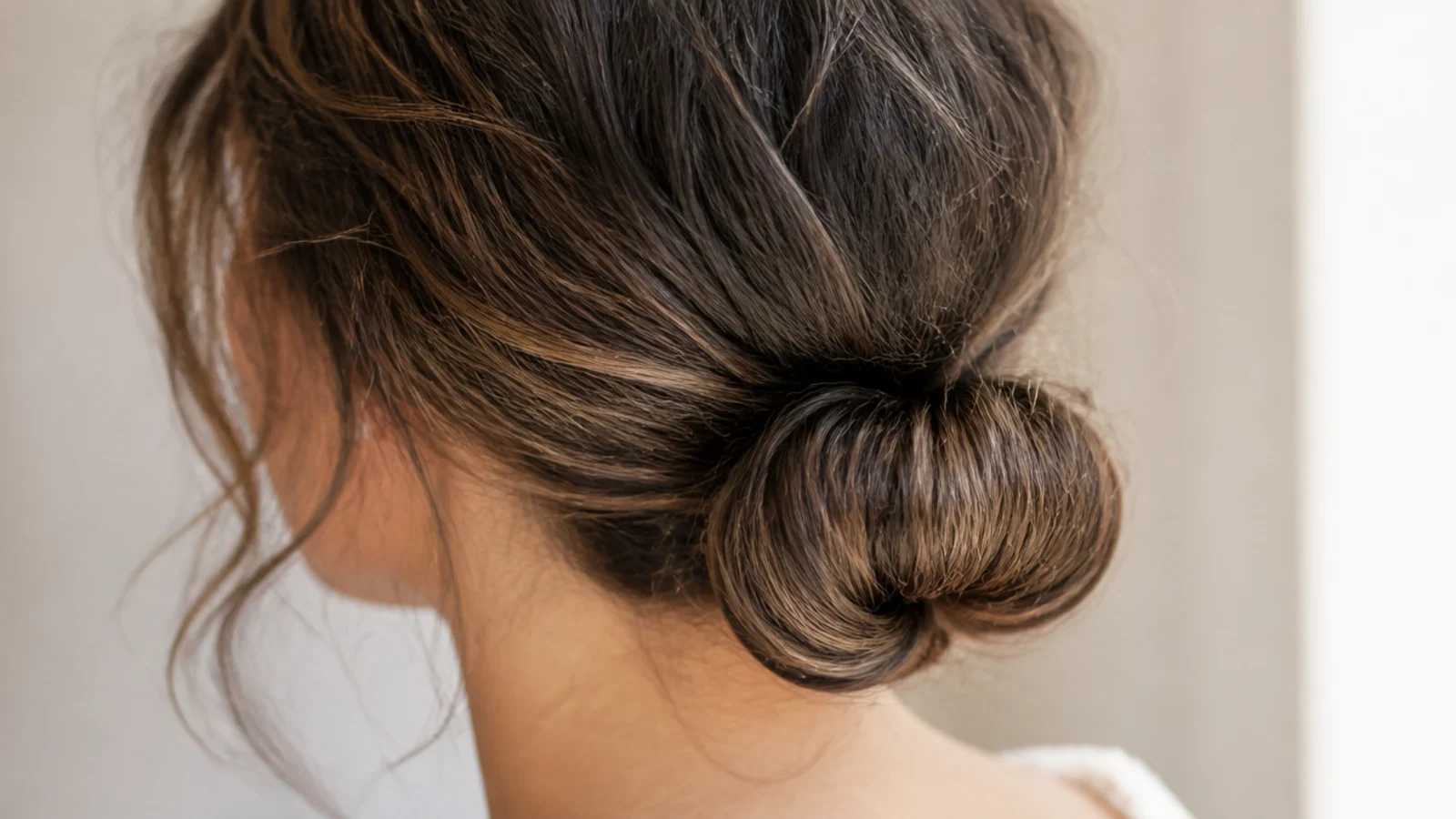
Looping the ponytail back through itself and pinning the fold produces a smooth outer surface with every loose end buried inside the loop. Low placement keeps the pull horizontal, which is gentler on a hairline already carrying short broken hairs from previous ties.
19. Curtain Bang Frame
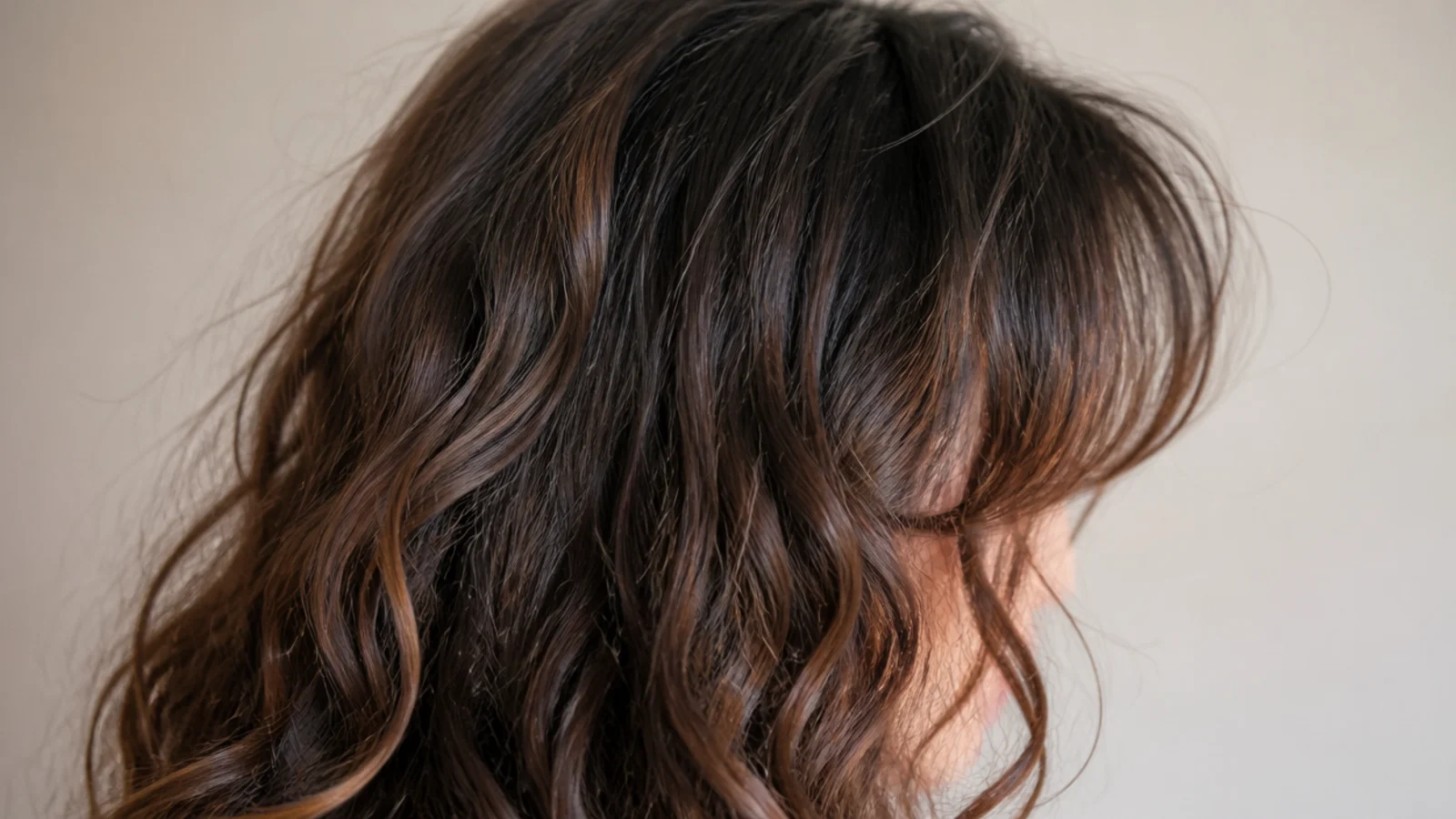
Curtain bangs give the frizz prone front hair a defined job instead of leaving it as an undefined halo around the face. They also demand less daily work than any other fringe, because the ends are meant to sweep away from the face rather than lie flat against the forehead.
20. Beanie Braid Day
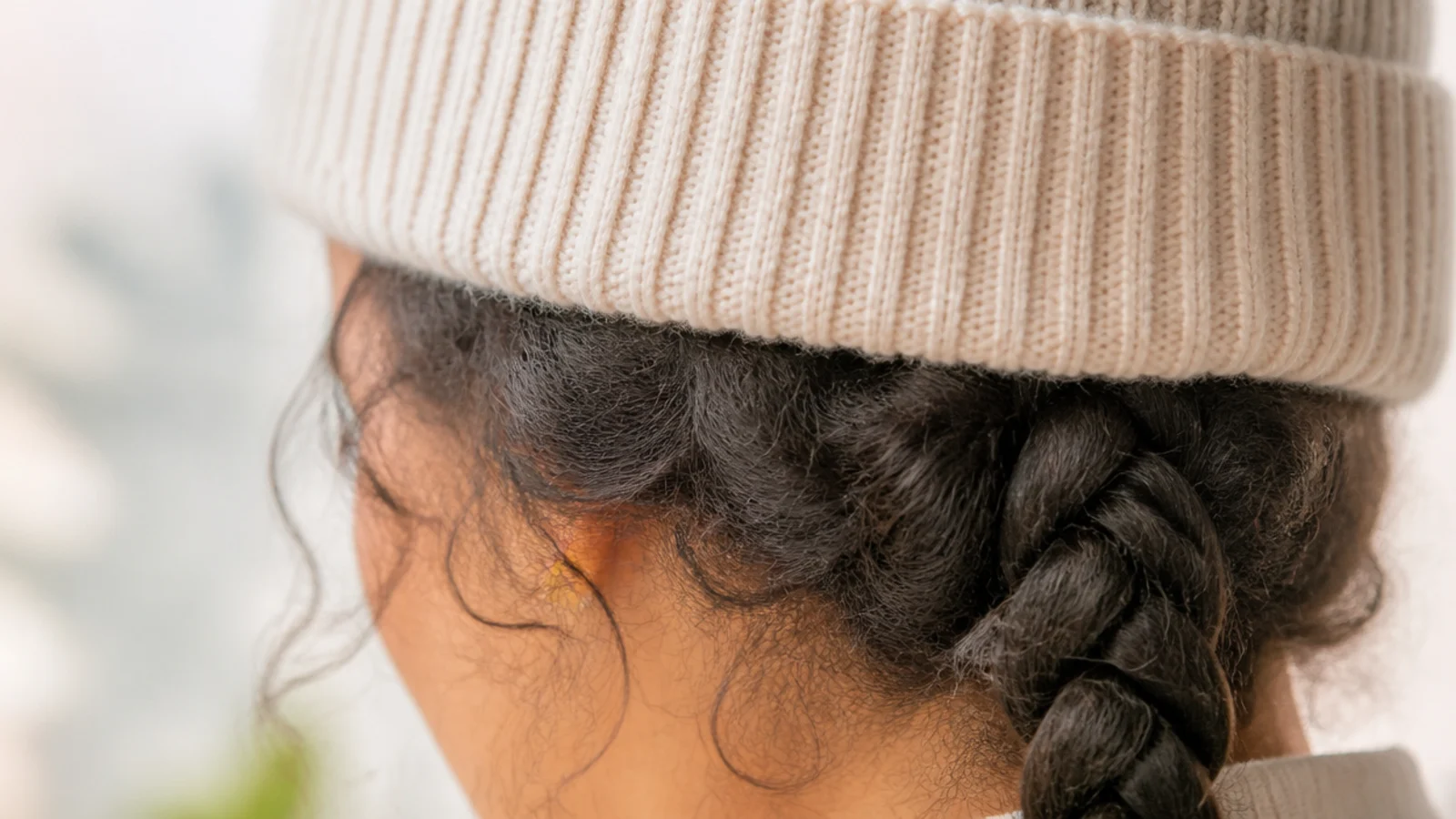
A beanie flattens whatever is under it, so braid the length first and let the hat cover only the roots rather than pressing the entire head down. A satin lined beanie is the version worth owning, because wool against the cuticle is exactly the friction you spent the morning avoiding.
Final Thoughts
Frizz is not a texture you were born with. It is an open cuticle trading water with the room, which is why the same head can be smooth in October and impossible in July with no change in routine. Seal the strand or bind it to its neighbours, and everything above becomes a choice about time rather than a gamble on the weather.
Sort the twenty by drying time and the week plans itself. Wet set styles go in on the evening before, dry styles cover the days after, and a scarf or a beanie covers the day the cast finally breaks. That sequence is worth more than any single product on the shelf.
For what to wear on the days between washes see greasy versus clean hair styles compared, and for how layering changes the shape see layered short hair styles for women. More in Hair Care.