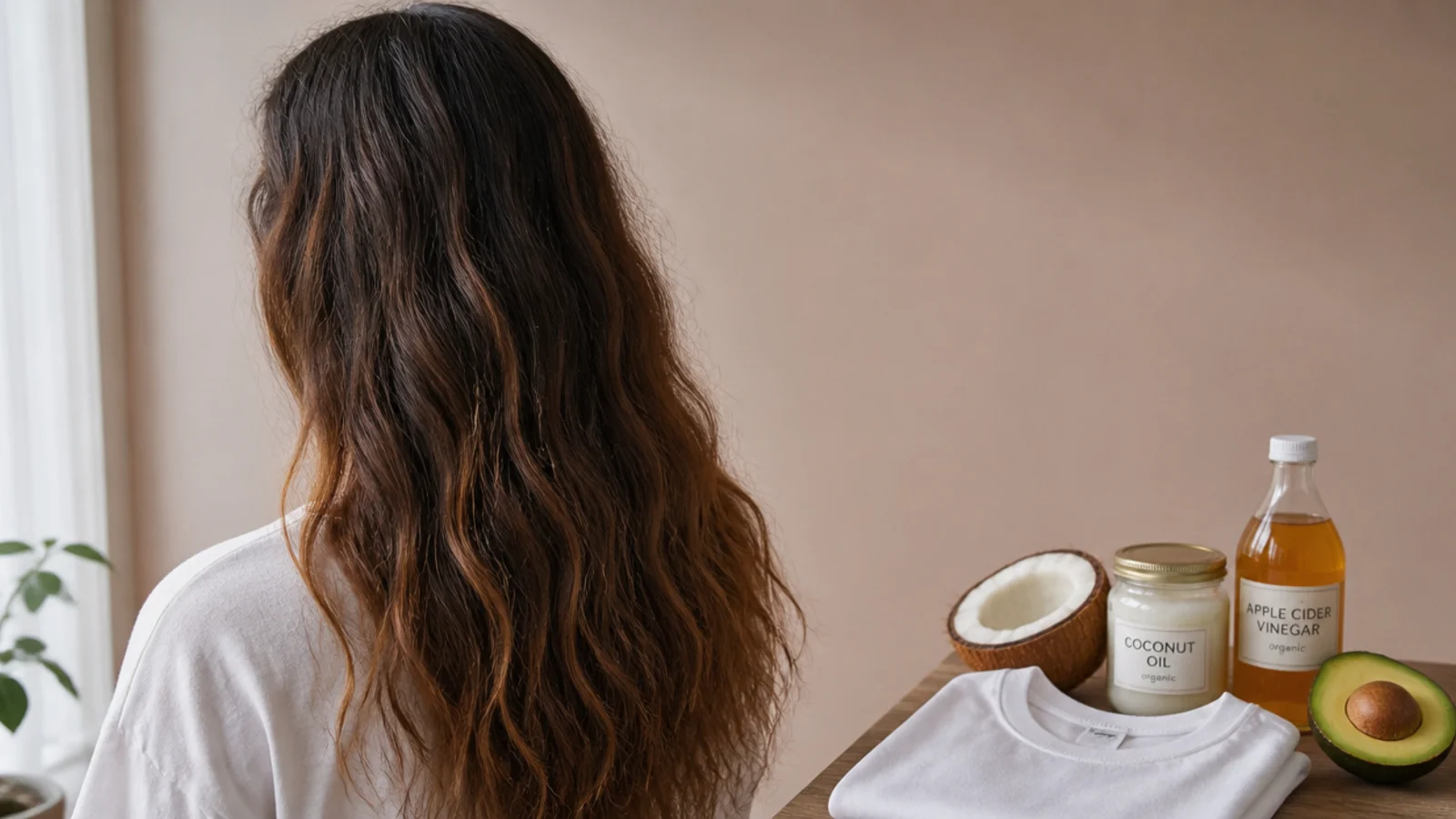
20 Frizzy Hair Remedies and What Each One Does
Twenty home remedies for frizzy hair, sorted by what they physically do. Some change the pH at the hair surface, some genuinely enter the strand, and most simply leave a film — all three are useful once you know which is which.
In this article · 28
- Why Hair Frizzes
- Frizz Types Compared
- The Porosity Test
- Wash Day Routine
- Humidity and Dew Point
- Cuts and Sleep Habits
- The 20 Frizzy Hair Remedies
- 1. Apple Cider Vinegar Rinse
- 2. Coconut Oil Pre Wash
- 3. Argan Oil Drops
- 4. Avocado Deep Mask
- 5. Egg Protein Mask
- 6. Rice Water Rinse
- 7. Flaxseed Gel
- 8. Honey Mask
- 9. Banana and Yogurt Mask
- 10. Aloe Vera Leave In
- 11. Mayonnaise Mask
- 12. Green Tea Rinse
- 13. Beer Rinse
- 14. Glycerin Spray
- 15. Cold Water Rinse
- 16. Cotton T Shirt Plopping
- 17. Silk Pillowcase and a Loose Braid
- 18. Product Layering
- 19. Wide Tooth Comb
- 20. Shea Butter on the Ends
- Final Thoughts
Most home remedy lists never say what the ingredient is supposed to be doing, which is why people keep trying them and stopping.
Only three mechanisms exist here. Something lowers the pH so the cuticle lies flatter, something small enough to enter the strand does so, or something leaves a film on the outside.
A film is not a failure. It smooths the surface until the next wash, and for a wedding or a humid Tuesday that is exactly enough. It just is not a repair, and treating it as one is how people end up disappointed.
Why Hair Frizzes
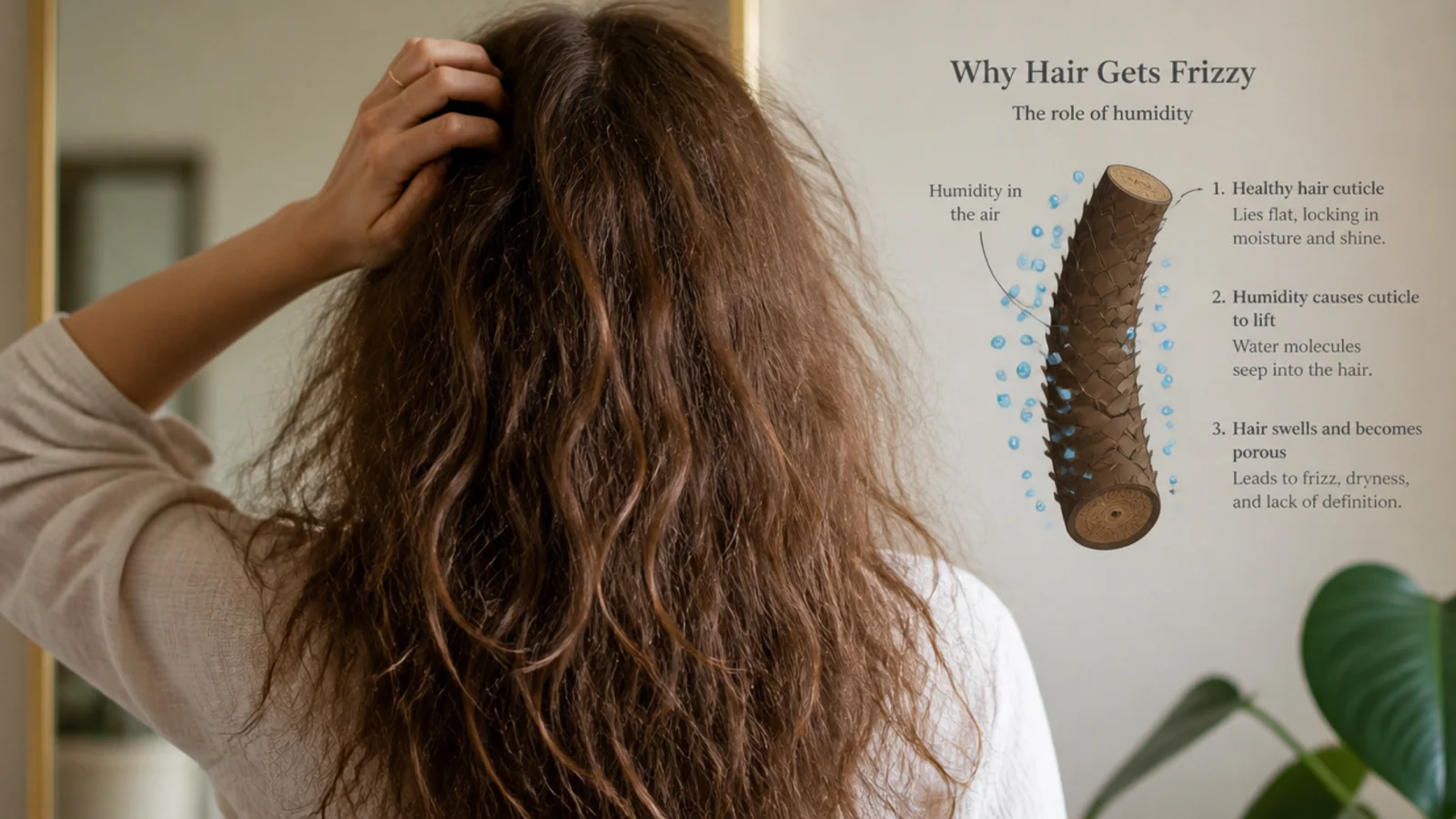
The cuticle is a layer of overlapping scales. Lying flat they behave as one surface. Water entering the cortex underneath swells it and pushes those scales apart, and a lifted scale scatters light in its own direction.
Hair is hygroscopic. It takes moisture from the air whether you want it to or not, and the drier the strand the more forcefully it does so.
pH decides how tightly the scales sit. The cuticle lies flattest at a mildly acidic pH, roughly 4.5 to 5.5. That is the entire basis of every vinegar or tea rinse in this list.
Damage keeps the door open. Bleach, heat and friction chip the cuticle so it never closes completely, and chipped hair absorbs faster, dries faster and frizzes sooner.
Frizz Types Compared
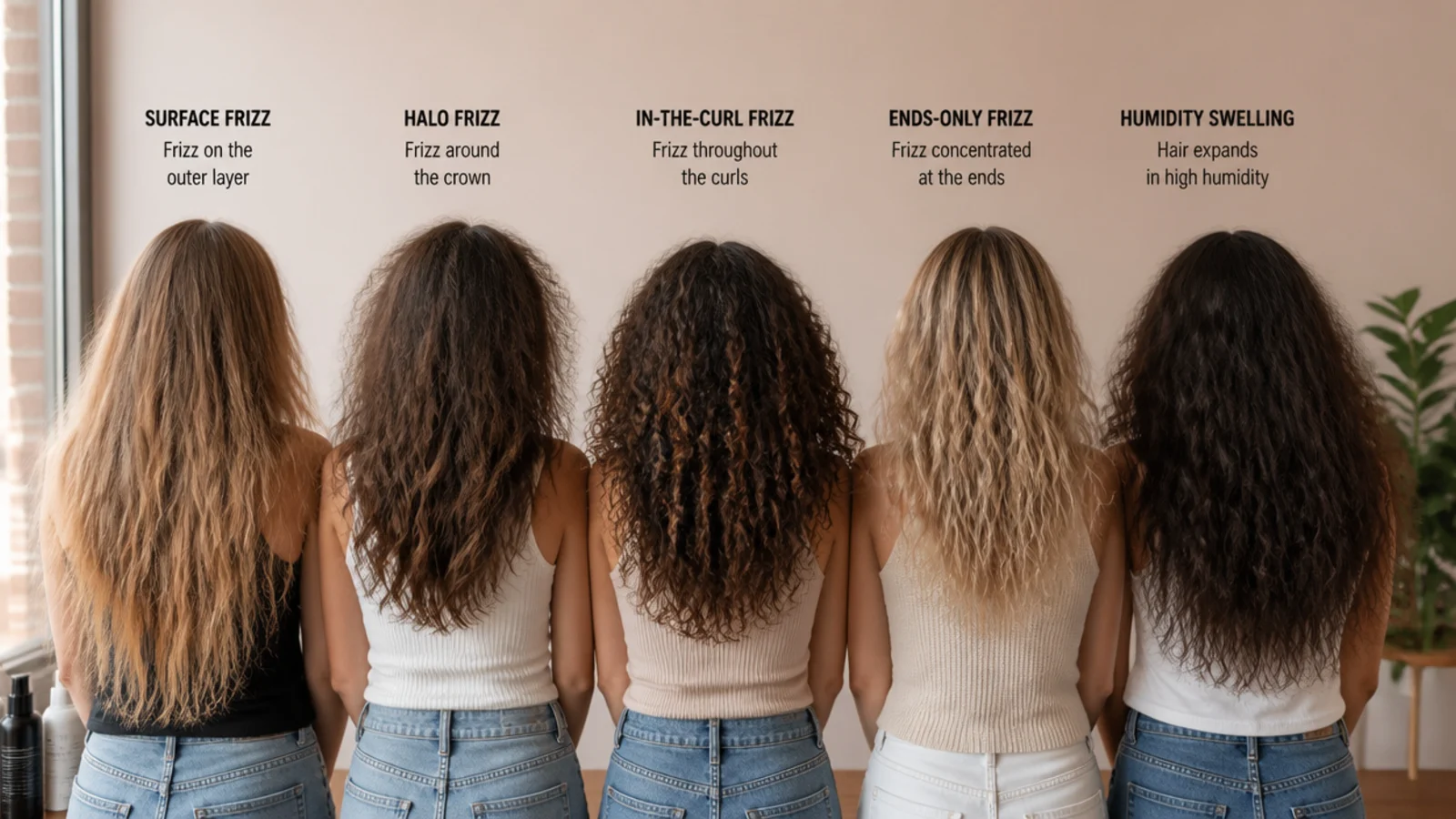
Surface frizz runs the whole length. A cuticle problem, and the one that acidic rinses and film forming masks actually address.
Halo frizz is short hair. New growth and snapped strands standing above the canopy. No mask lengthens them, and only tension or a scarf flattens them on the day.
End frizz is splitting. Each fork is a separate light scattering edge, and nothing rejoins a split. Hair grows about half an inch a month, so a trim every ten to twelve weeks keeps ahead of it.
Static frizz is charge, not dryness. It appears in cold dry air and disappears the moment moisture is available to conduct the charge away.
The Porosity Test
Slide a finger up a strand from end to root. Smooth means the scales are lying down; a rough drag means they are lifted and the hair is porous.
Porous hair wants sealing, not more water. It already absorbs quickly. Adding a heavier film after conditioning keeps what went in from leaving within the hour.
Low porosity hair resists everything going in. Products sit on top and the hair feels coated rather than conditioned, which is when gentle warmth under a cap earns its place.
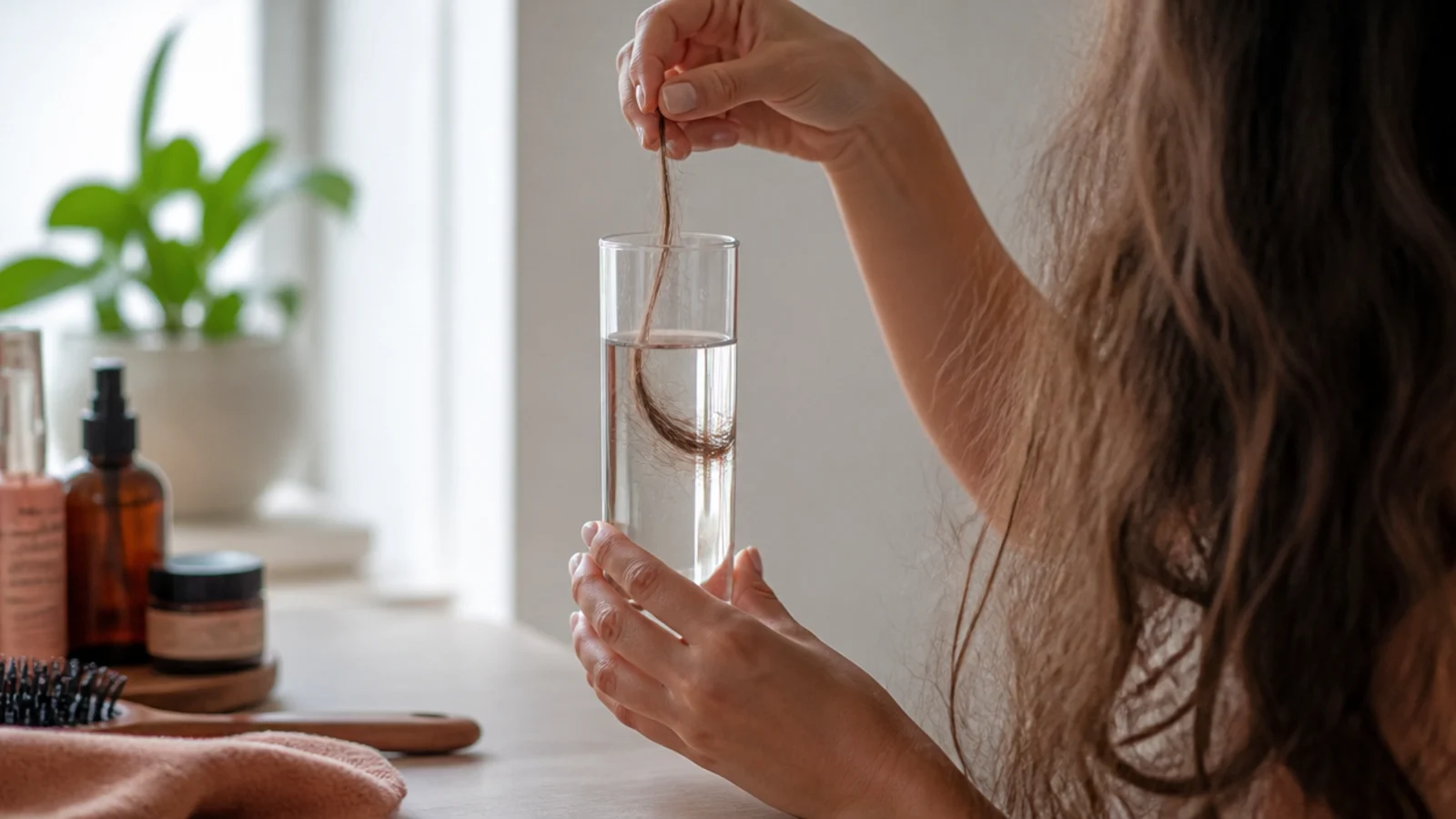
Ignore the float test. Whether a hair sinks in a glass depends mostly on trapped air and residual product, and it will happily give you a different answer twice in a row.
Wash Day Routine
Detergent on the scalp, conditioner on the ends. The scalp has the oil and the ends never got any, so treating both the same guarantees one of them is wrong.
Detangle under conditioner. Slip lets a wide tooth comb pass between strands instead of through them, and every strand you snap becomes a short hair that stands up for months.
Rinse cooler than you washed. Hot water keeps the shaft swollen and the scales open. Cooling the last rinse does not seal anything shut, it simply stops the swelling going further.
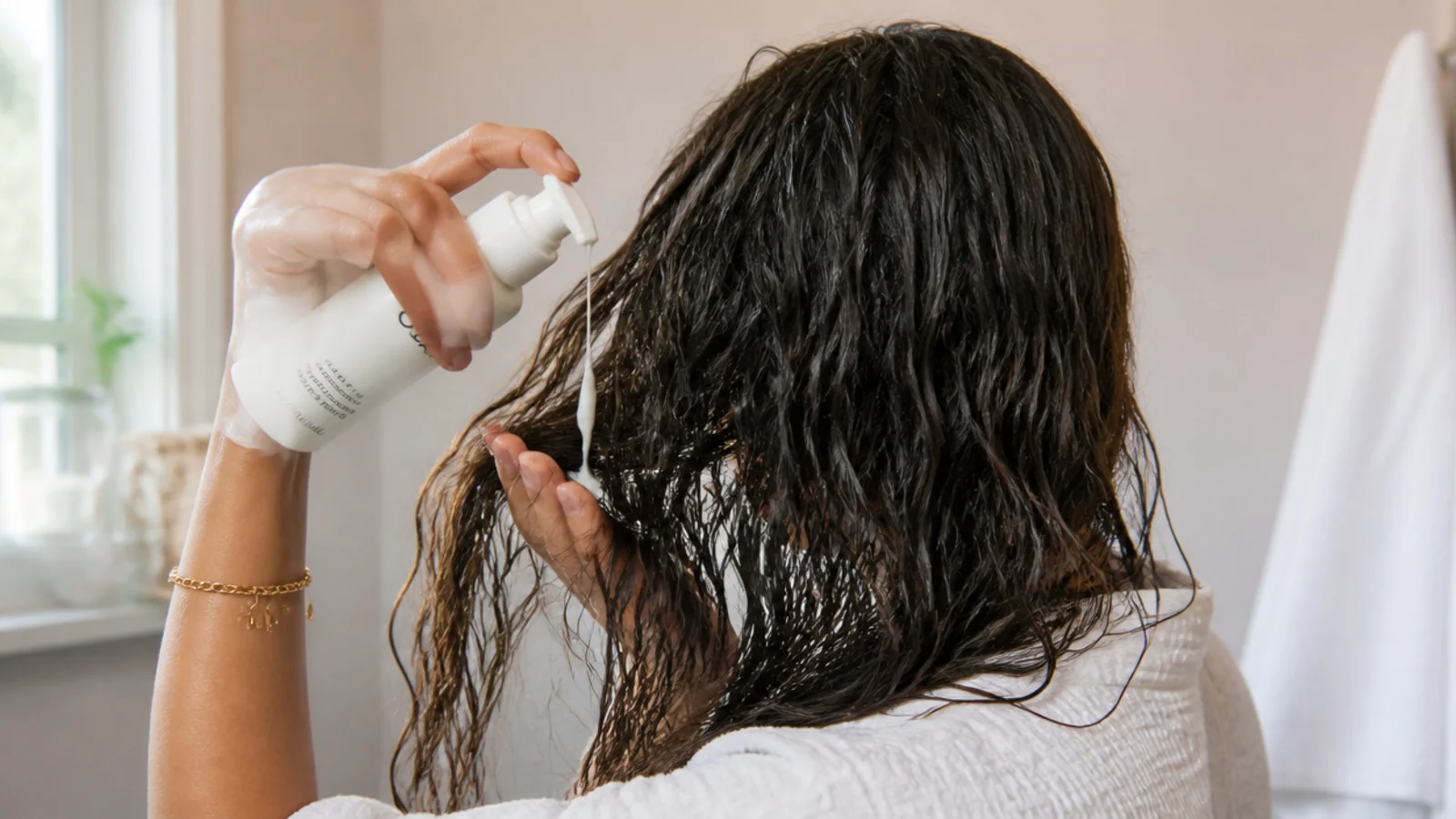
Put the remedy in the right slot. Oils before washing, masks after shampooing, acidic rinses after conditioning, leave in on soaking wet hair. Order changes results more than quantity does.
Humidity and Dew Point
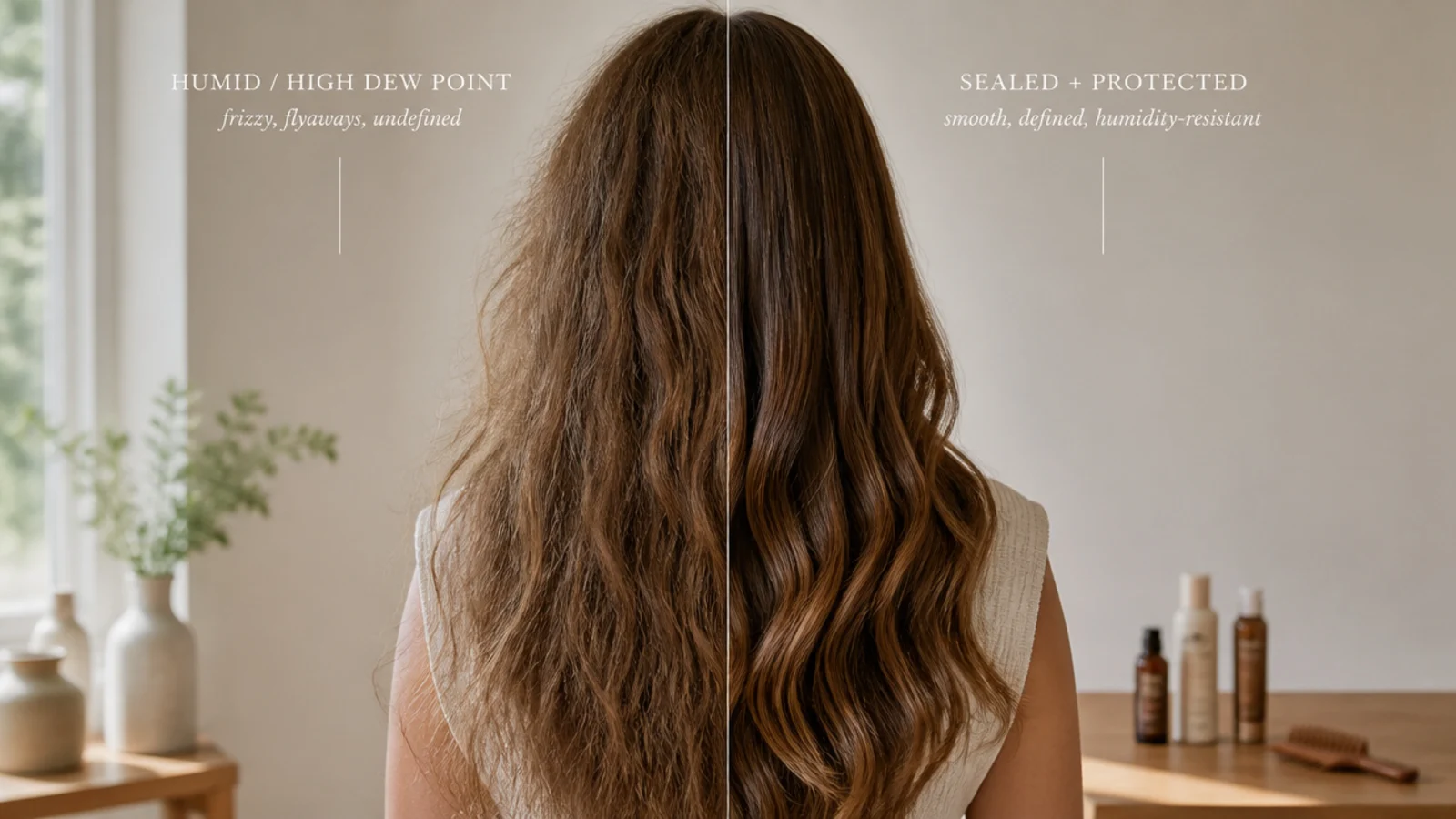
Dew point is the honest number. Relative humidity is a ratio that shifts with temperature, while dew point tells you how much water is genuinely in the air. Above roughly 60F there is plenty for hair to absorb.
Humectant remedies are conditional. Honey, aloe and glycerin move water toward whichever side is drier. In muggy air that means into the hair until it swells, and in freezing dry air it can mean out of it.
Oils and butters are the high dew point answer. They slow the rate at which water reaches the cortex, which buys you a day rather than blocking anything permanently.
Nothing works in every season. A remedy that transformed your hair in October and did nothing in July did not stop working; the air changed and the ingredient did exactly what it always does.
Cuts and Sleep Habits
No remedy repairs a split end. Splits travel upward and each fork frays independently, so removing them is a maintenance job rather than a treatment one.
Refuse thinning shears. They leave hundreds of short blunt ends through the interior, and each one works to the surface over the following months as permanent halo frizz.
Cotton pillowcases both absorb and abrade. They wick out the moisture your mask just added, and their weave catches the raised cuticle every time you turn over.
Contain the hair overnight. A loose braid or a silk cap means the night's friction lands on fabric rather than on the strands, which protects the result of whatever you did in the shower.

The 20 Frizzy Hair Remedies
1. Apple Cider Vinegar Rinse
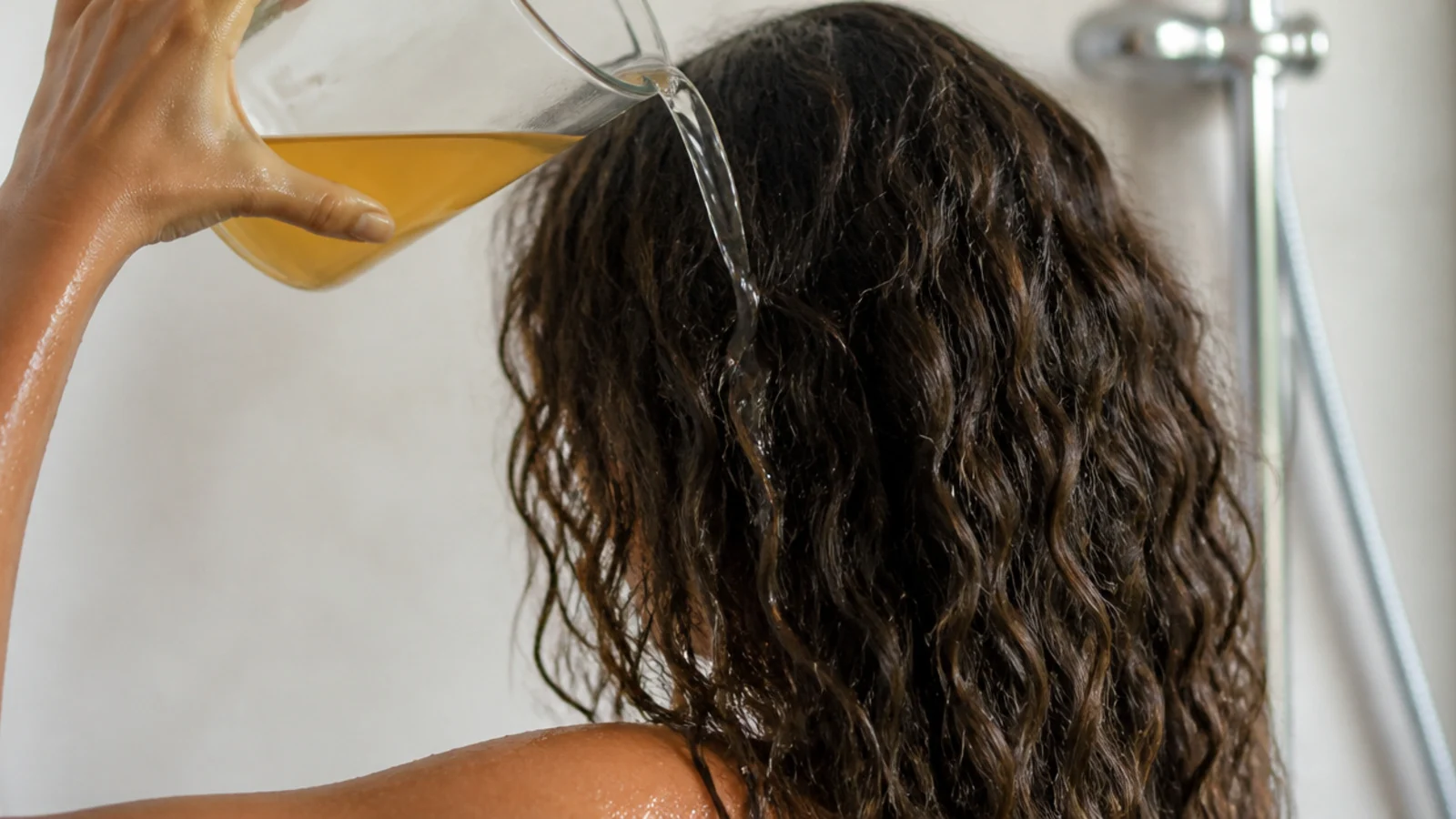
Diluted vinegar drops the pH at the hair surface into the range where cuticle scales lie flattest, and the shine change is visible within seconds. Use roughly one tablespoon in a cup of water, after conditioning, and rinse it lightly.
2. Coconut Oil Pre Wash
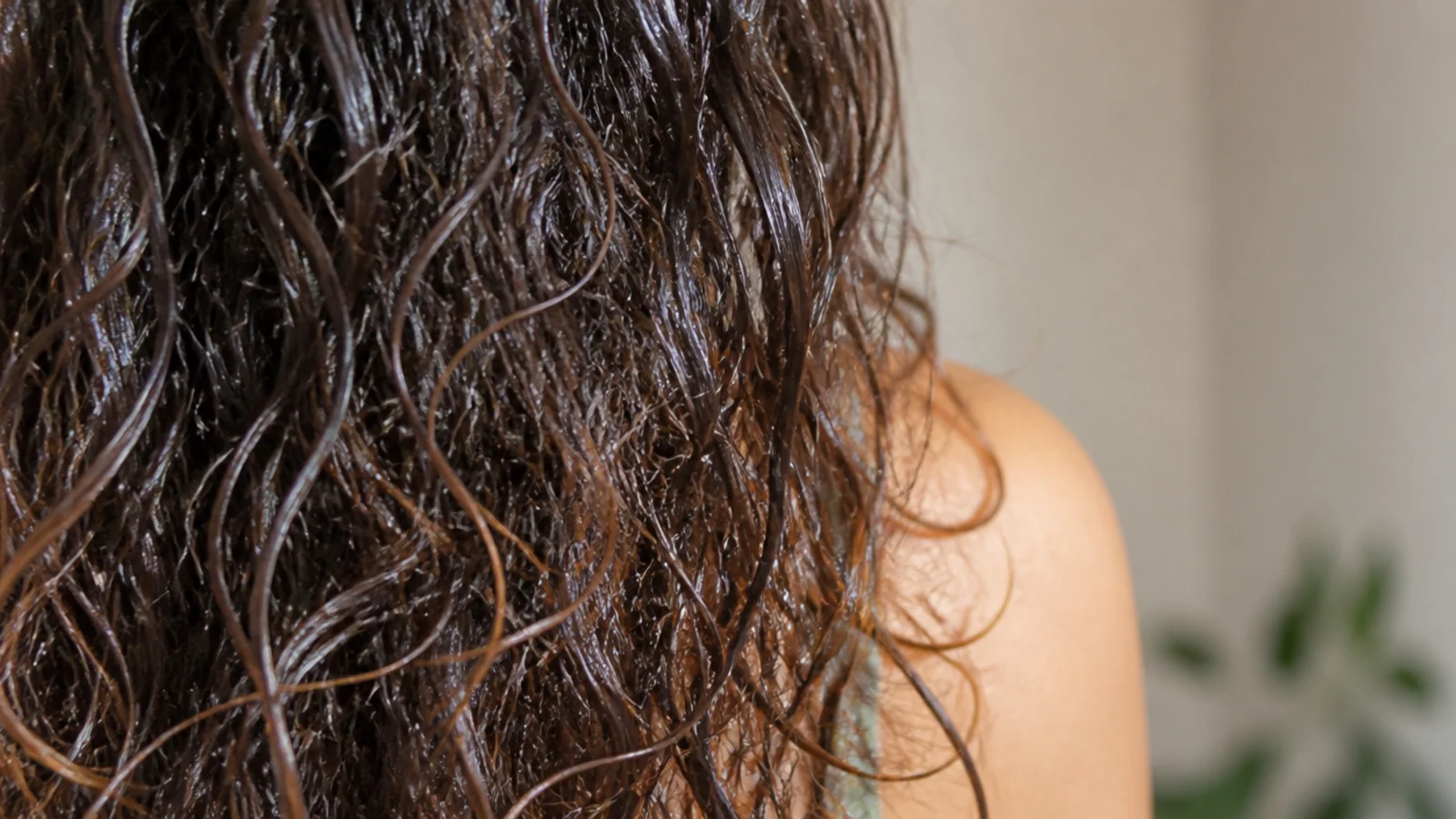
Coconut oil is one of the few oils whose main fatty acid is small enough and straight enough to move into the hair rather than sit on top. Applied before washing it reduces how much water the shaft takes up, which limits the swelling that lifts the cuticle.
3. Argan Oil Drops
Argan sits on the surface rather than entering the shaft, which makes it a lubricant rather than a moisturiser. On dry ends that is the right job, because most fraying starts as friction between strands rubbing against each other.
4. Avocado Deep Mask
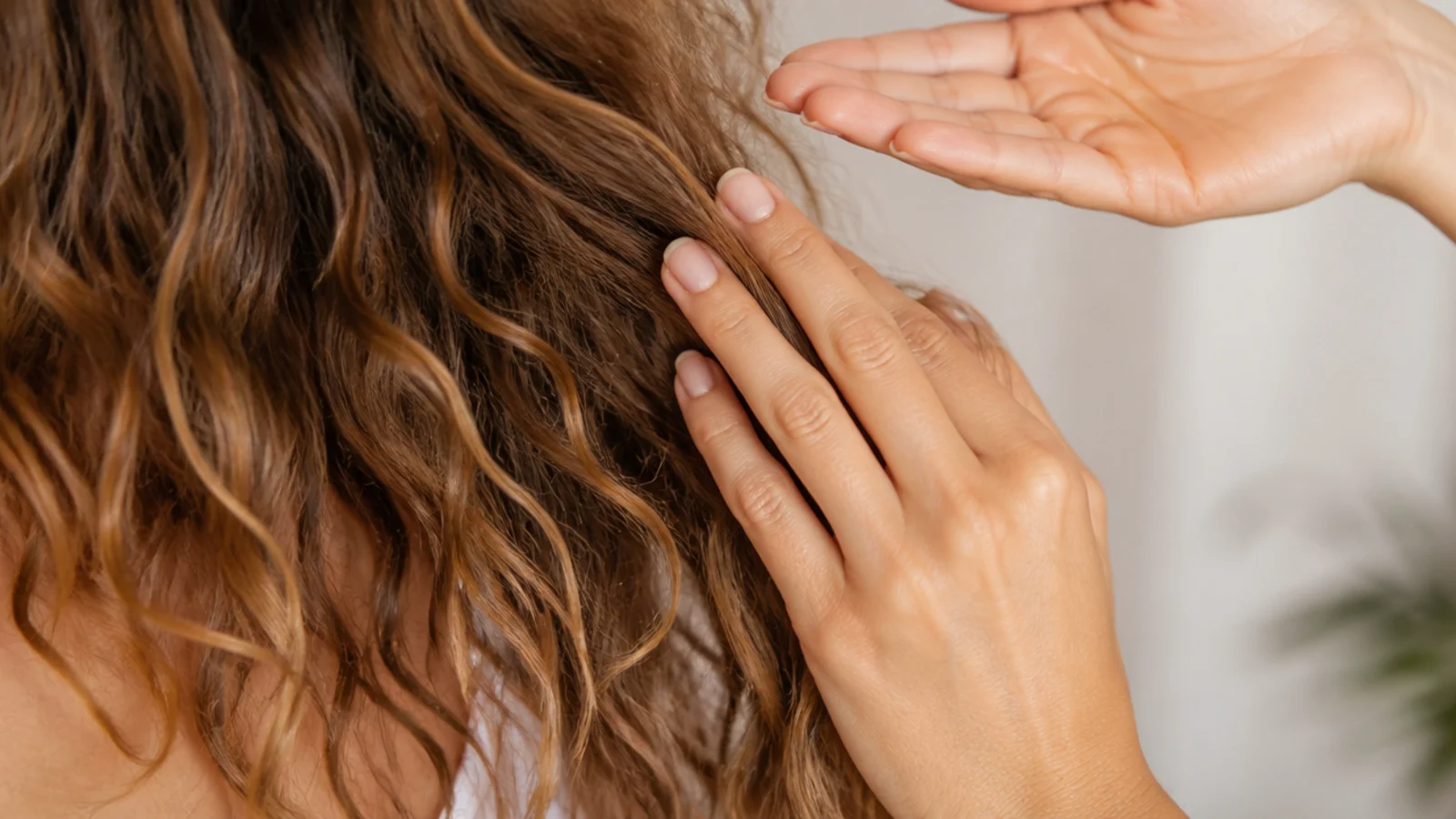
The fats in avocado are large molecules that mostly stay on the outside, so the effect is a smoothing film rather than internal conditioning. Blend it completely smooth, because any solid fragment tangles into the hair and takes three washes to leave.
5. Egg Protein Mask
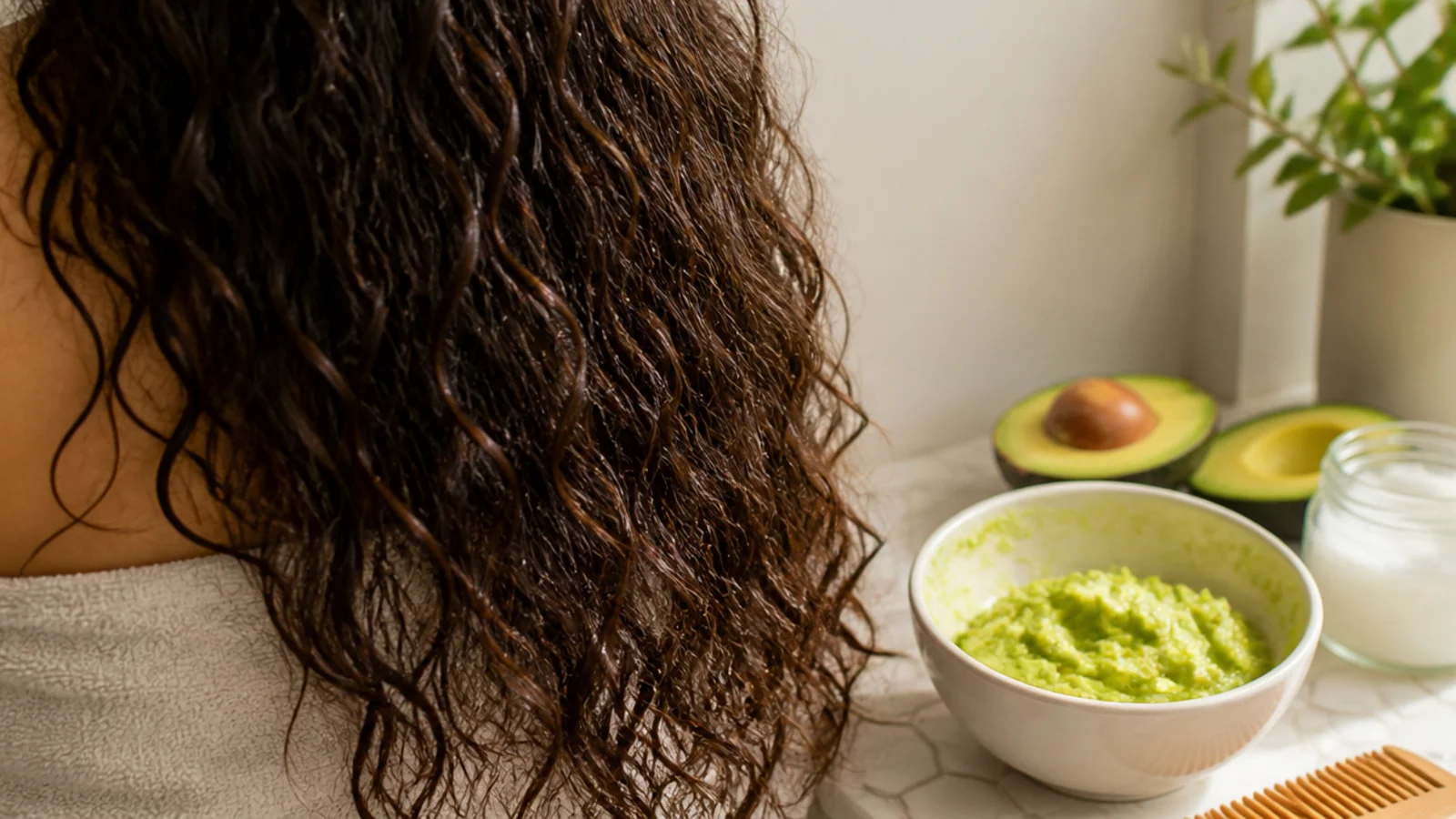
Egg protein molecules are too large to enter the cuticle, so most of what you feel afterwards comes from the lipids in the yolk rather than the protein claim. Rinse with cool water only, since hot water will cook it into the hair.
6. Rice Water Rinse
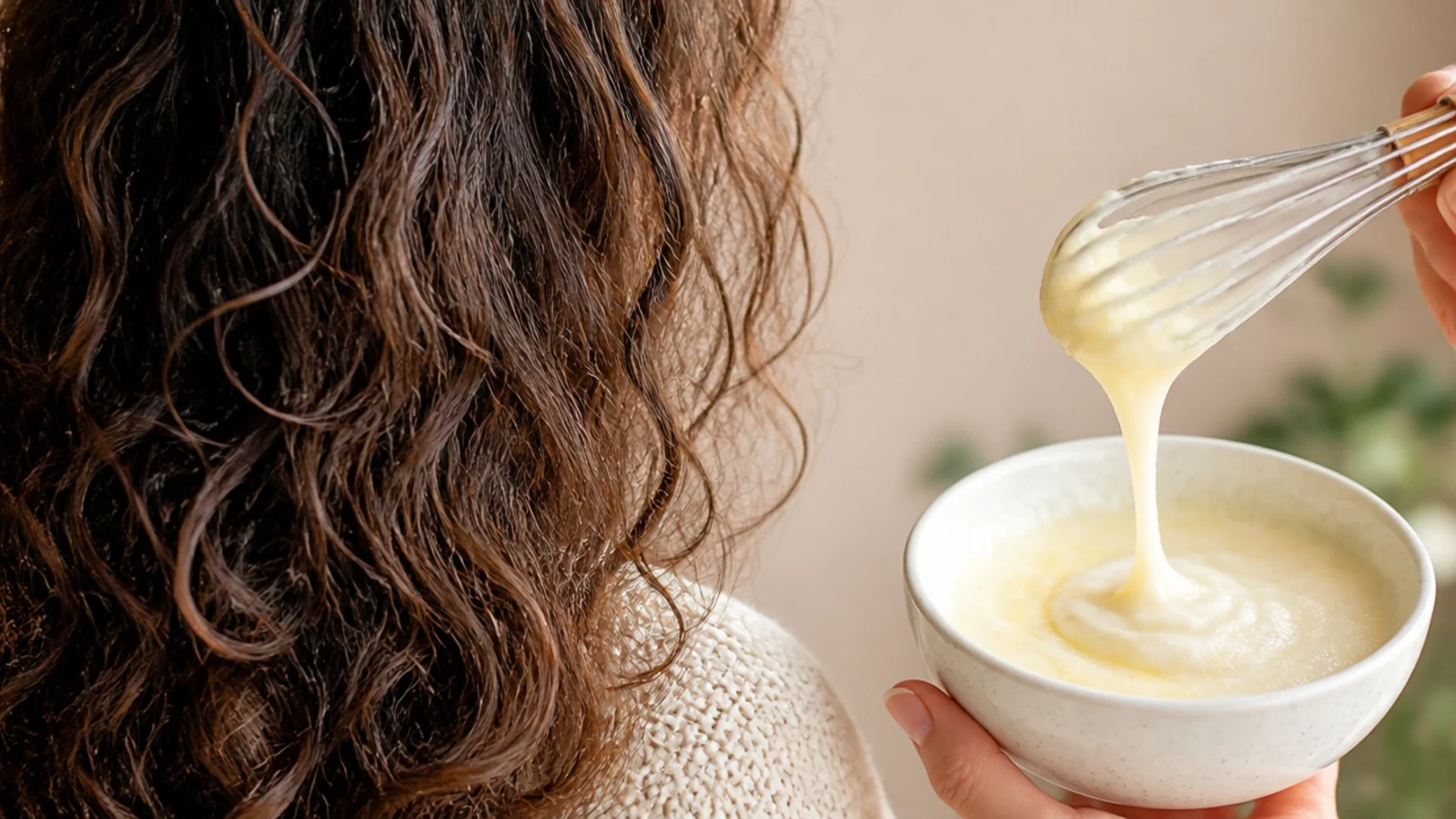
Rice water deposits a light starchy film with traces of amino acids, which is why hair feels firmer and looks denser straight afterwards. Treat it as a protein style treatment and keep it weekly, because build up leaves hair stiff rather than strong.
7. Flaxseed Gel
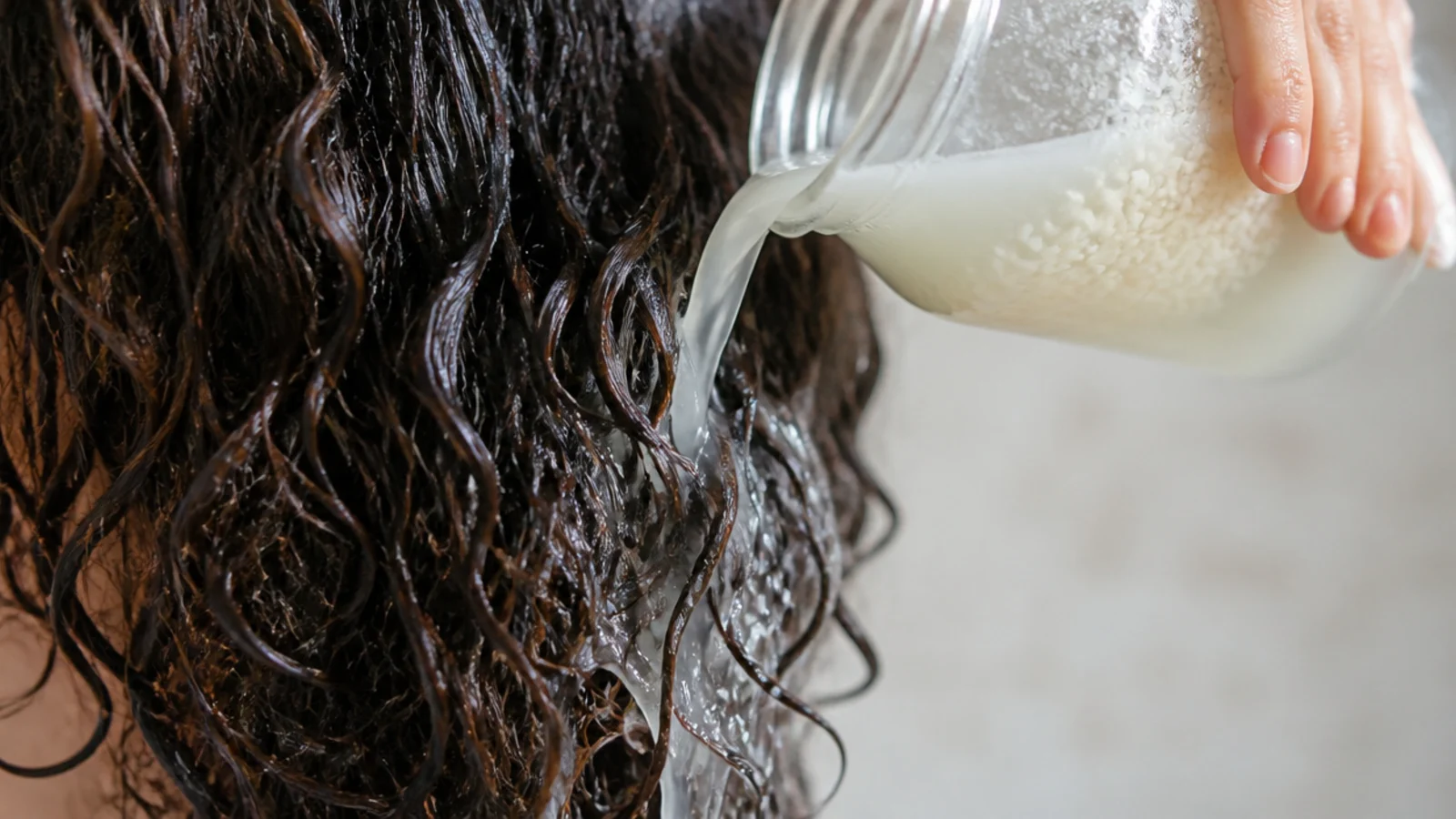
Simmered flaxseed releases a mucilage that dries into a soft film, giving a gentle cast with none of the drying alcohol in many commercial gels. It has no preservative, so keep it refrigerated and expect about a week from a batch.
8. Honey Mask
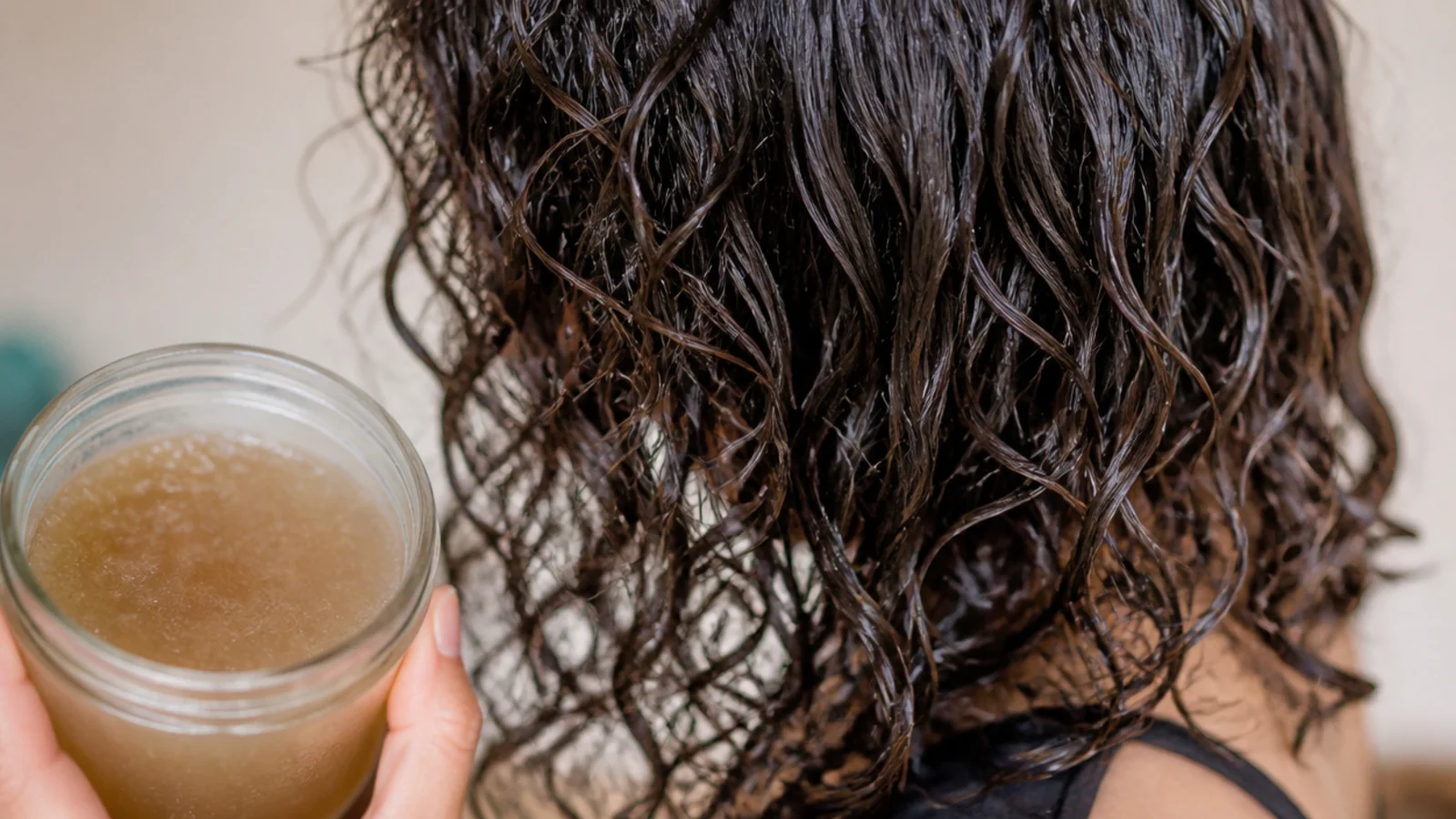
Honey is a humectant, so it behaves exactly like glycerin and pulls water toward the hair from whichever side has more of it. That makes it excellent on a moderate day and counterproductive when the dew point is high.
9. Banana and Yogurt Mask
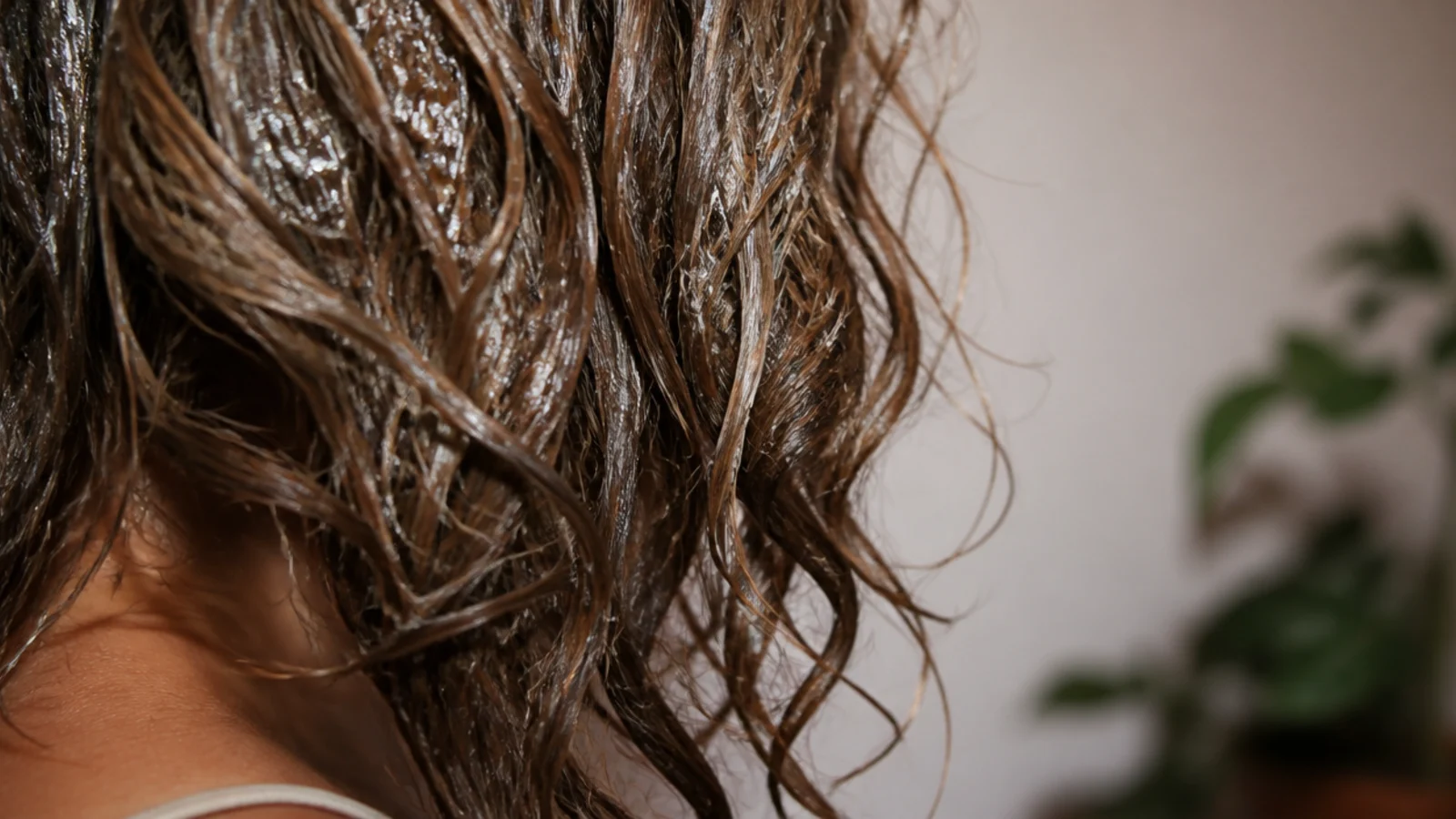
The yogurt contributes lactic acid, which mildly lowers the surface pH, while the banana adds weight and slip. Blend until there is no texture at all, because banana fragments lodge between strands and are miserable to remove.
10. Aloe Vera Leave In
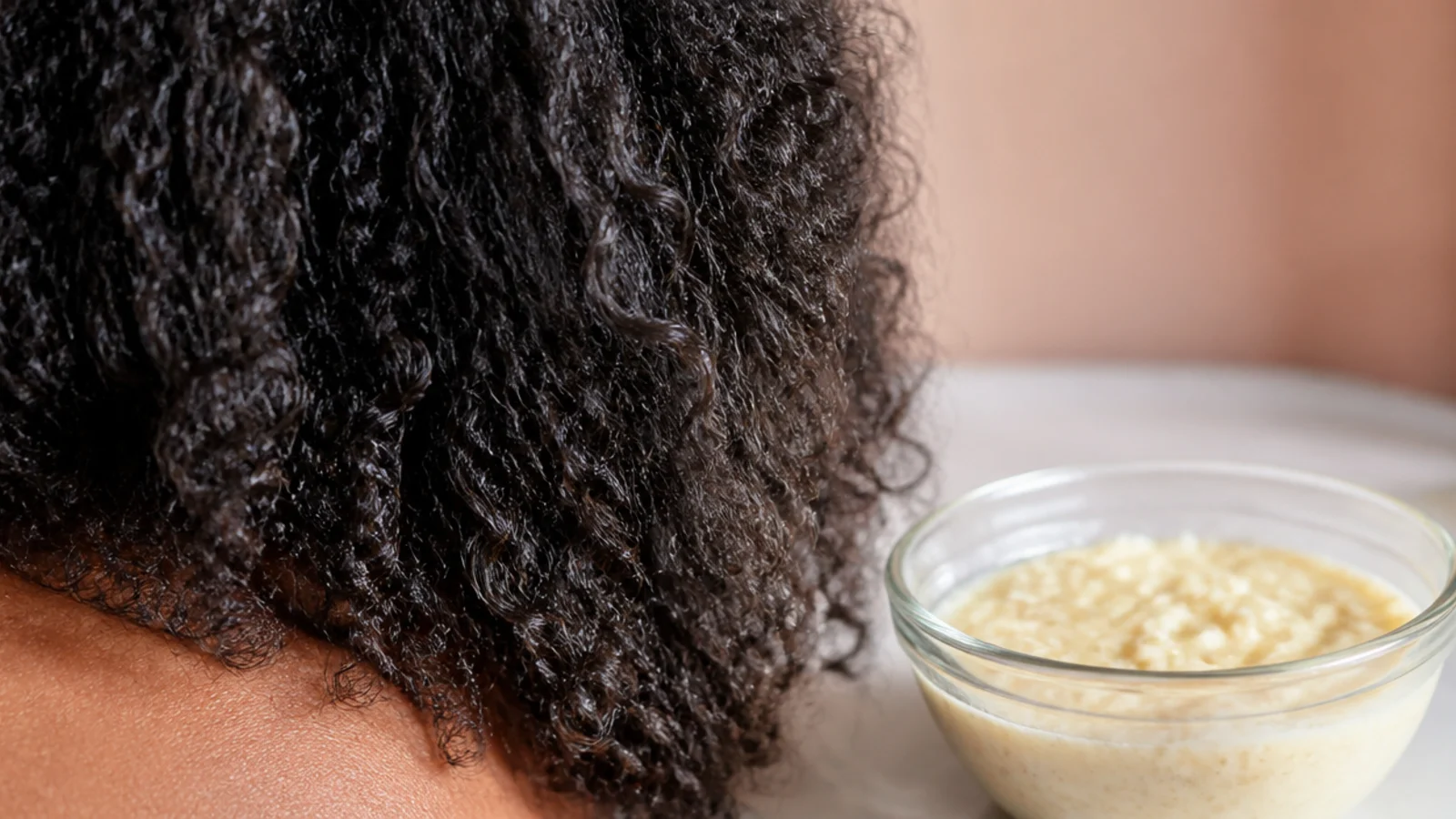
Aloe is mostly water with polysaccharides that dry into a very light film, and it sits on the acidic side of neutral. That combination makes it a plausible leave in for fine hair that heavier creams flatten.
11. Mayonnaise Mask
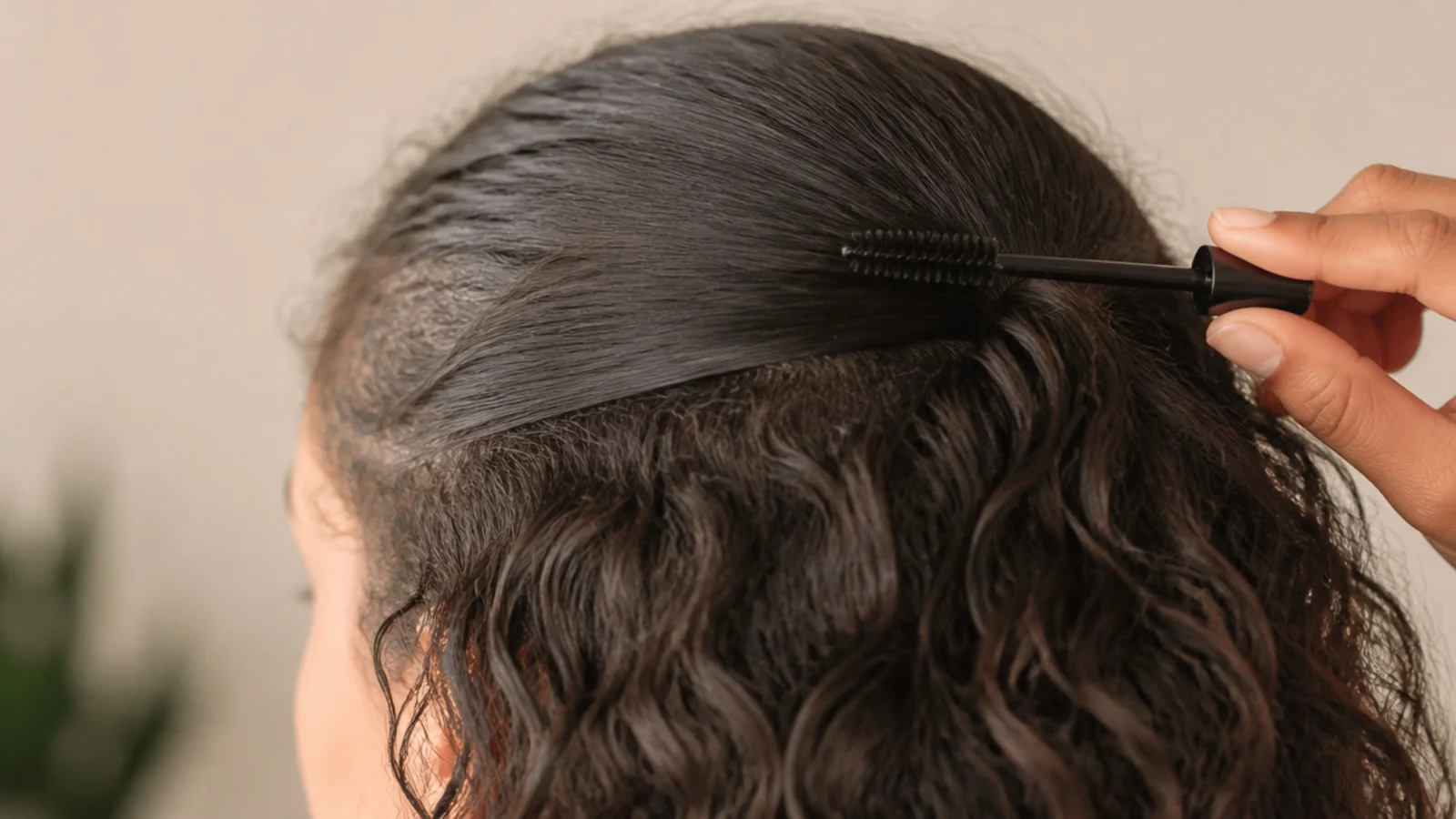
Mayonnaise is oil and egg already emulsified, which is the only real advantage it has over either alone, since an emulsion spreads evenly and rinses out far more easily than neat oil. Everything it does comes from the oil.
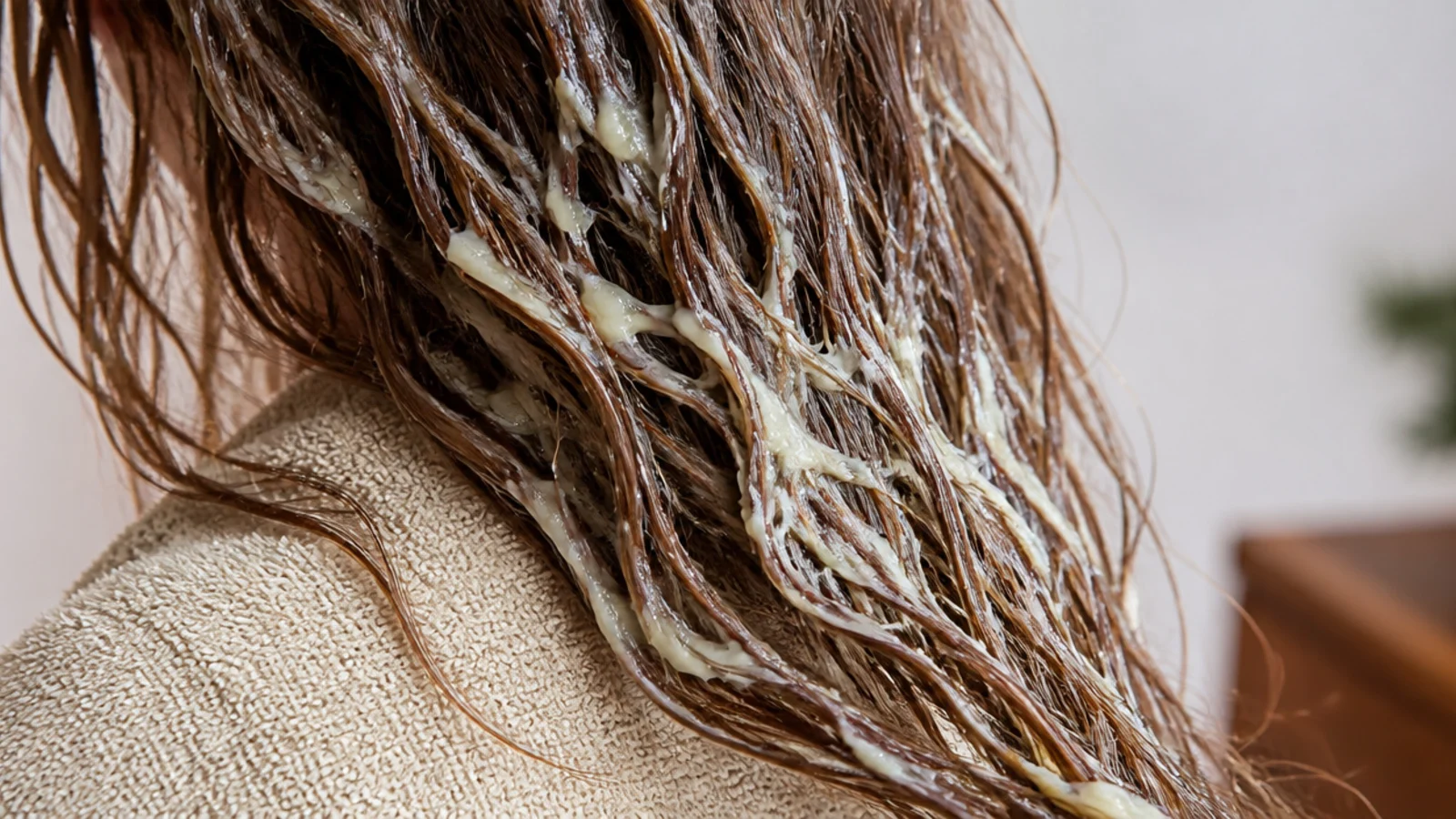
12. Green Tea Rinse
Brewed tea is mildly acidic, and that pH shift is the part you can rely on. The antioxidant claims stacked on top of it are far less certain, so use it as a gentler alternative to vinegar rather than as a treatment.
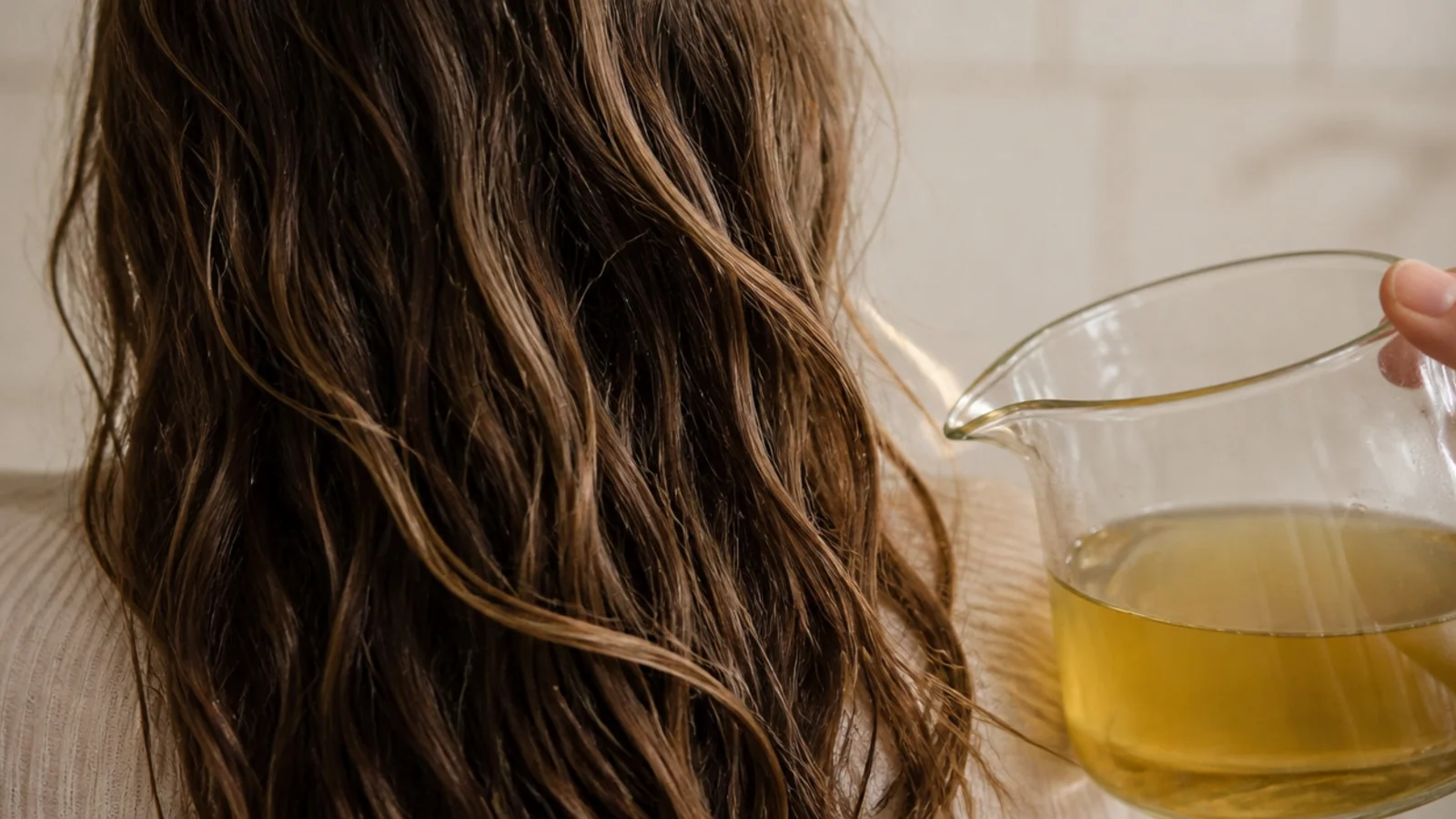
13. Beer Rinse
Malt sugars and proteins deposit a light film that adds temporary body, which is the whole of the effect. Let it go flat first and rinse it out afterwards, because the alcohol is drying and the smell does not fade on its own.
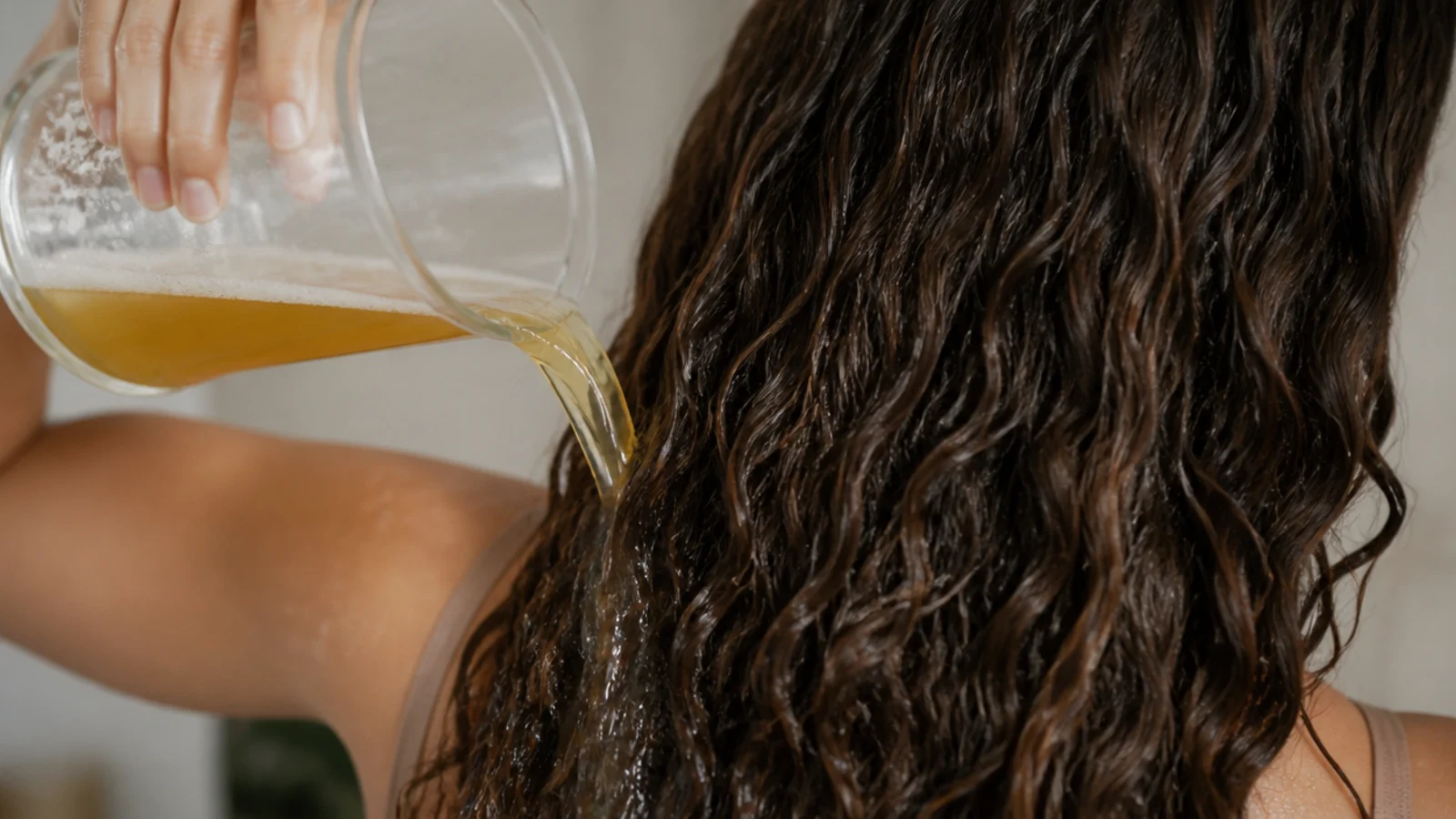
14. Glycerin Spray
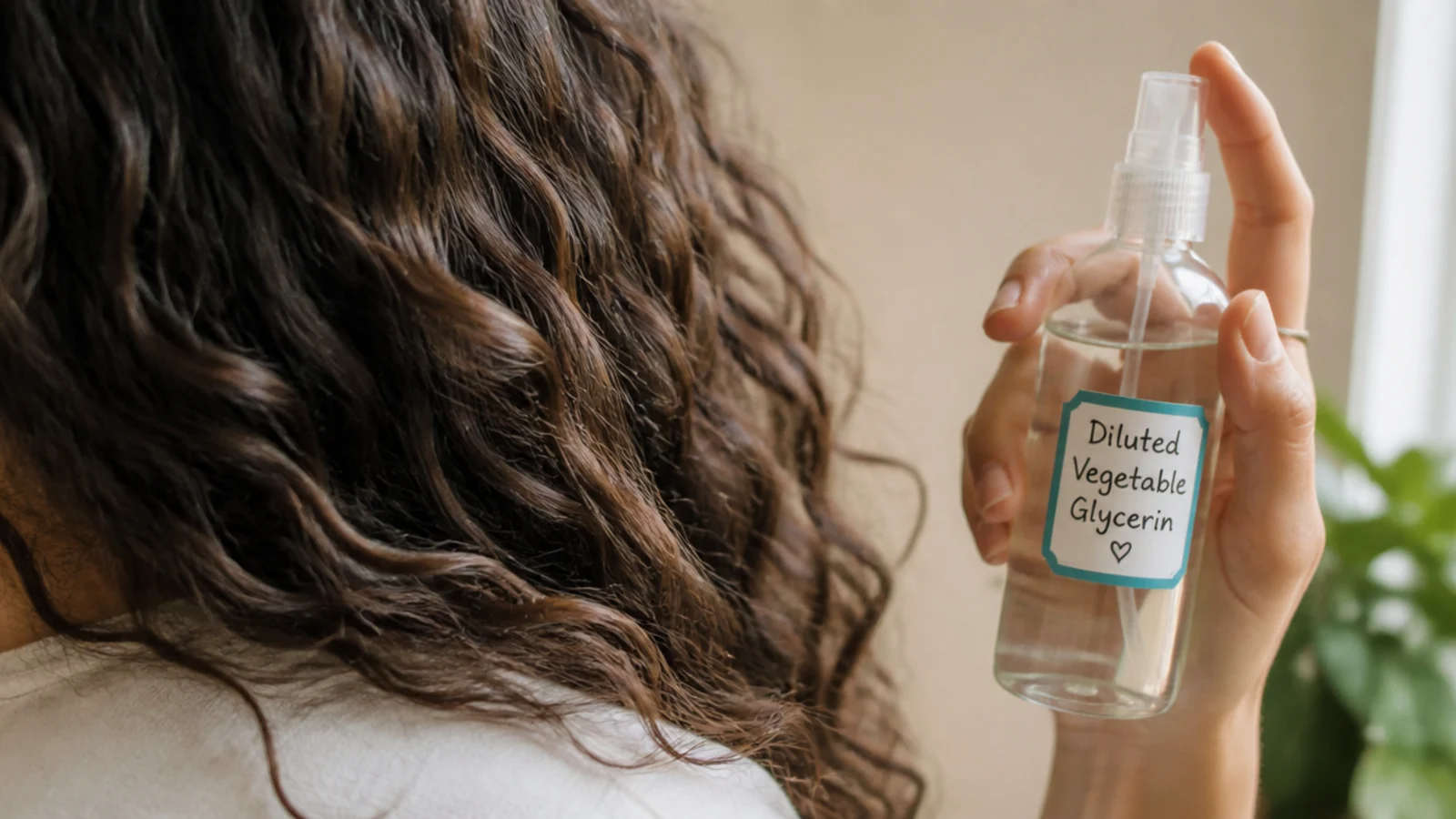
Glycerin heavily diluted in water is the cheapest humectant available and the most dew point dependent thing in this list. Below 60F it draws moisture in helpfully, and above it the same spray keeps drawing until the strand swells.
15. Cold Water Rinse
Hot water swells the shaft and holds the cuticle open longer than it needs to be. A cool final rinse does not clamp the scales shut, but it stops further swelling and lets whatever you just applied settle rather than continue lifting.
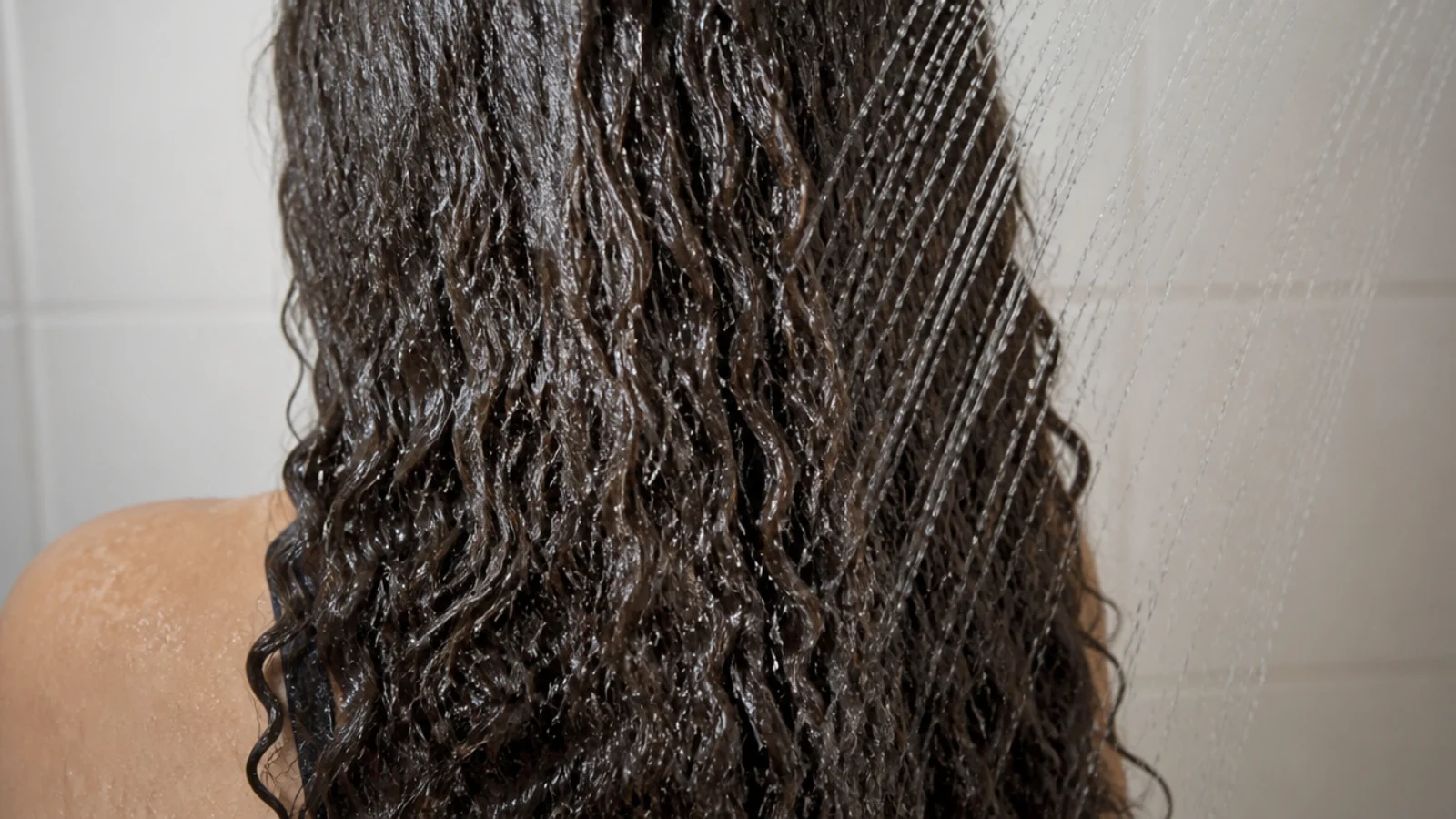
16. Cotton T Shirt Plopping
A terry towel is thousands of small loops and each one hooks a raised scale and pulls it further open. A flat woven shirt absorbs the same water with nothing for the cuticle to catch on, which is the entire difference.
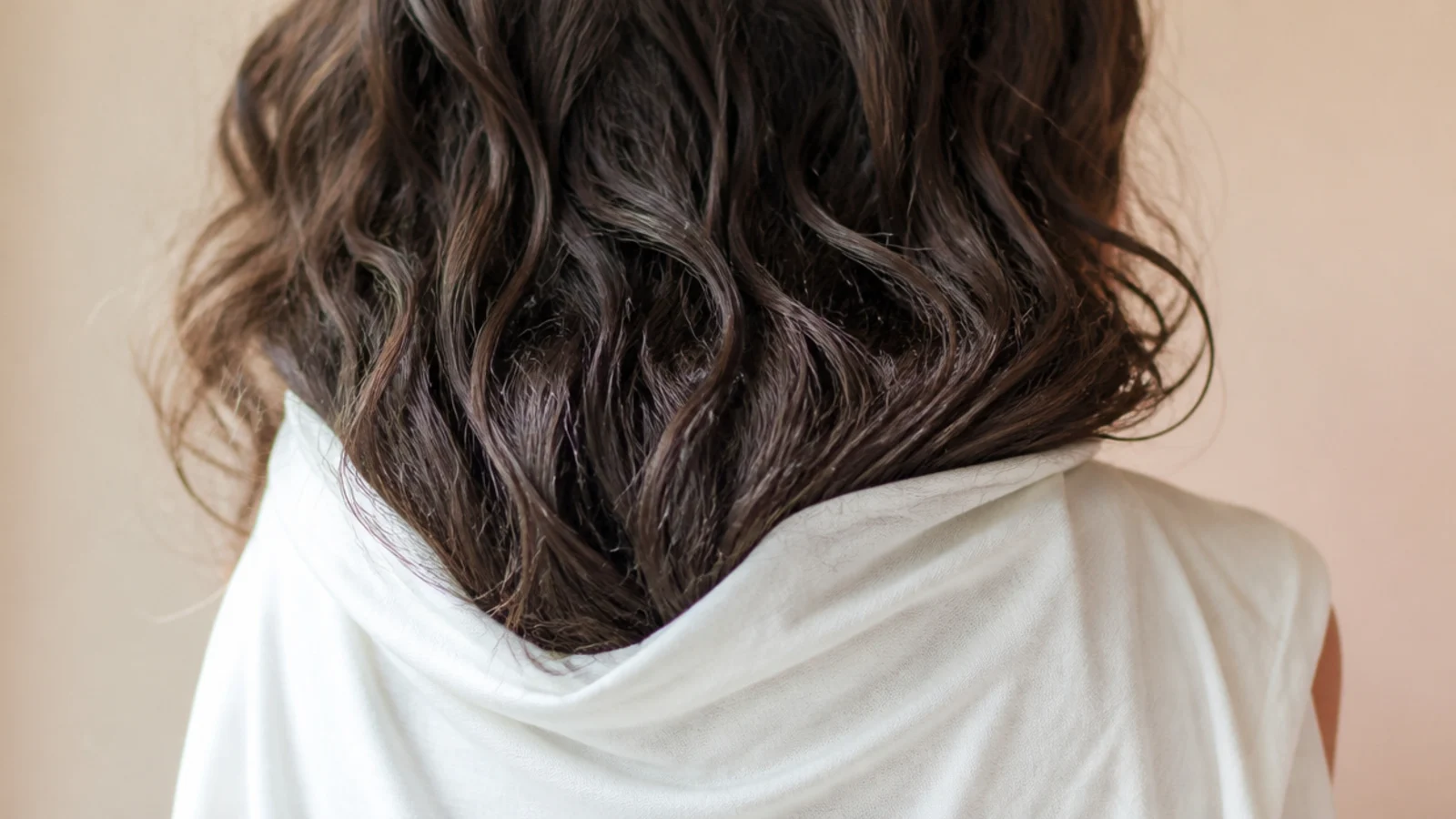
17. Silk Pillowcase and a Loose Braid
Cotton pillowcases wick moisture out of hair and grab at it as you move, undoing the mask you did that evening. Silk removes the friction and a loose braid removes the movement, and together they cost nothing nightly.

18. Product Layering
Thin things go under thick things, always. Leave in first because it needs to reach the strand, cream next for weight, then oil or gel on top because a film former only works when there is nothing left to go over it.
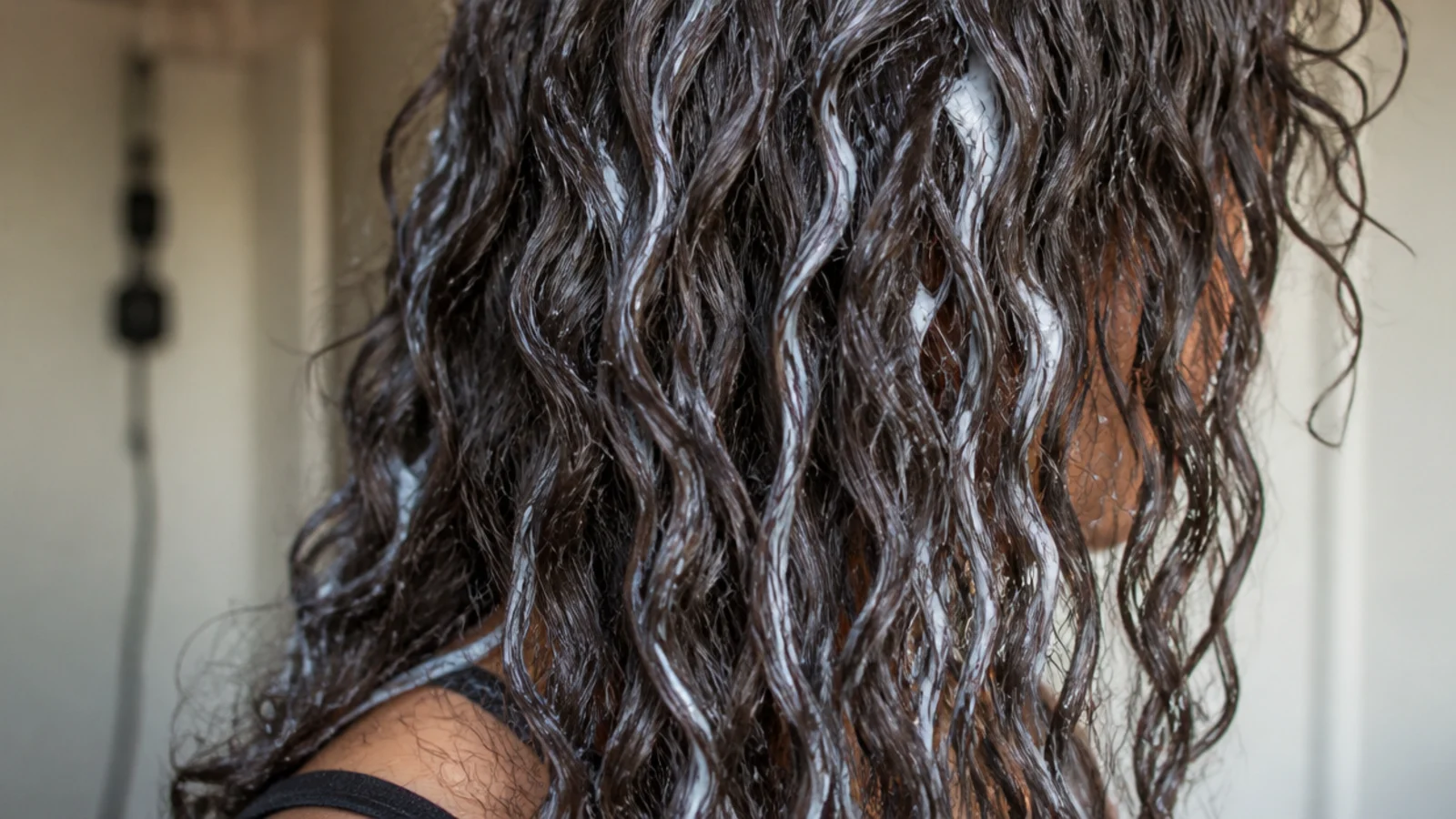
19. Wide Tooth Comb
Wide teeth pass between strands rather than dragging through a whole section, so tangles are separated instead of pulled apart. Start at the ends and work upward, because combing from the roots simply pushes every knot into a bigger one.
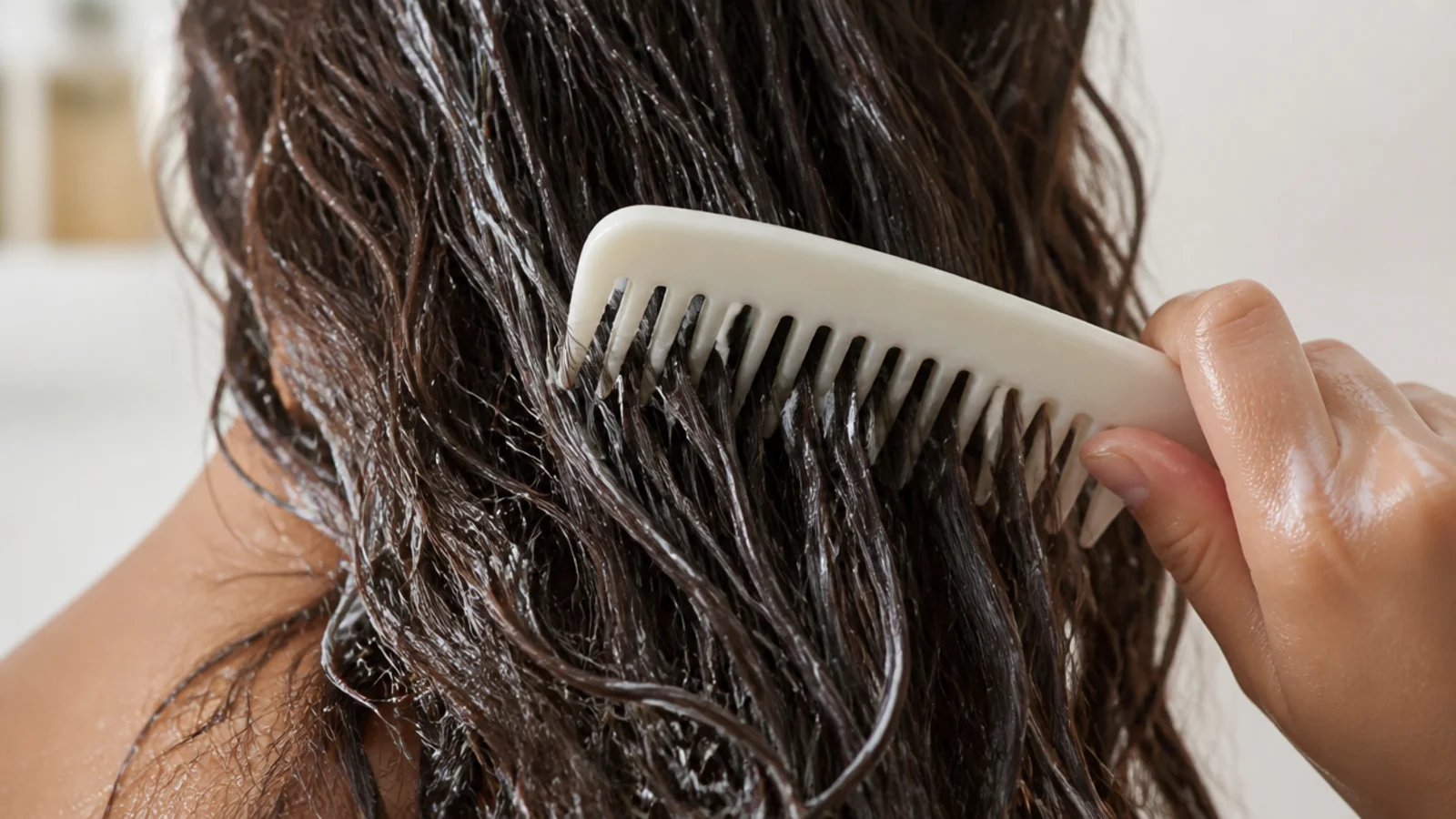
20. Shea Butter on the Ends
Shea is solid at room temperature and stays on the surface as a heavy occlusive layer, which is far too much weight for roots or mid lengths. On the last two inches it slows moisture exchange exactly where the hair is oldest.
Final Thoughts
Pick one from each mechanism rather than three from the same one. An acidic rinse, coconut oil before washing and a film on the ends afterwards cover all three routes, and three different masks that all deposit a film cover one route badly.
Give any change four weeks before judging it, and patch test anything you are putting on your scalp for the first time. Frizz responds slowly because you are waiting for damaged length to grow out at about half an inch a month, and no remedy shortens that. More in Hair Care. See also the curly version and the curly aesthetic version.