20 Classic Men Haircut Styles We Adore
The classic family is defined by proportion rather than by machine. Every cut in it was designed before electric clippers existed, so the shape is measured against the head itself rather than against a guard number.
In this article · 27
- What Defines the Classic Family
- How to Choose Yours
- The 20 Classic Haircut Styles
- 1. The Classic Side Part
- 2. The Ivy League
- 3. The Crew Cut
- 4. The Comb Over
- 5. The Slick Back
- 6. The Pompadour
- 7. The Quiff
- 8. The Caesar
- 9. The Scissor Taper
- 10. The Short Back and Sides
- 11. The Executive Contour
- 12. The Hard Part
- 13. The Regulation Cut
- 14. The Bumper Crop
- 15. The Undercut, Original Version
- 16. The Classic Curly Cut
- 17. The Classic With a Beard
- 18. The Grown-Out Classic
- 19. The Classic on Grey Hair
- 20. The Classic With a Matte Finish
- Styling and Upkeep
- Mistakes to Avoid
- FAQ
- Final Thoughts
The classic family gets described in terms of eras, which is unhelpful because it makes the shapes sound like fancy dress. The real definition is technical.
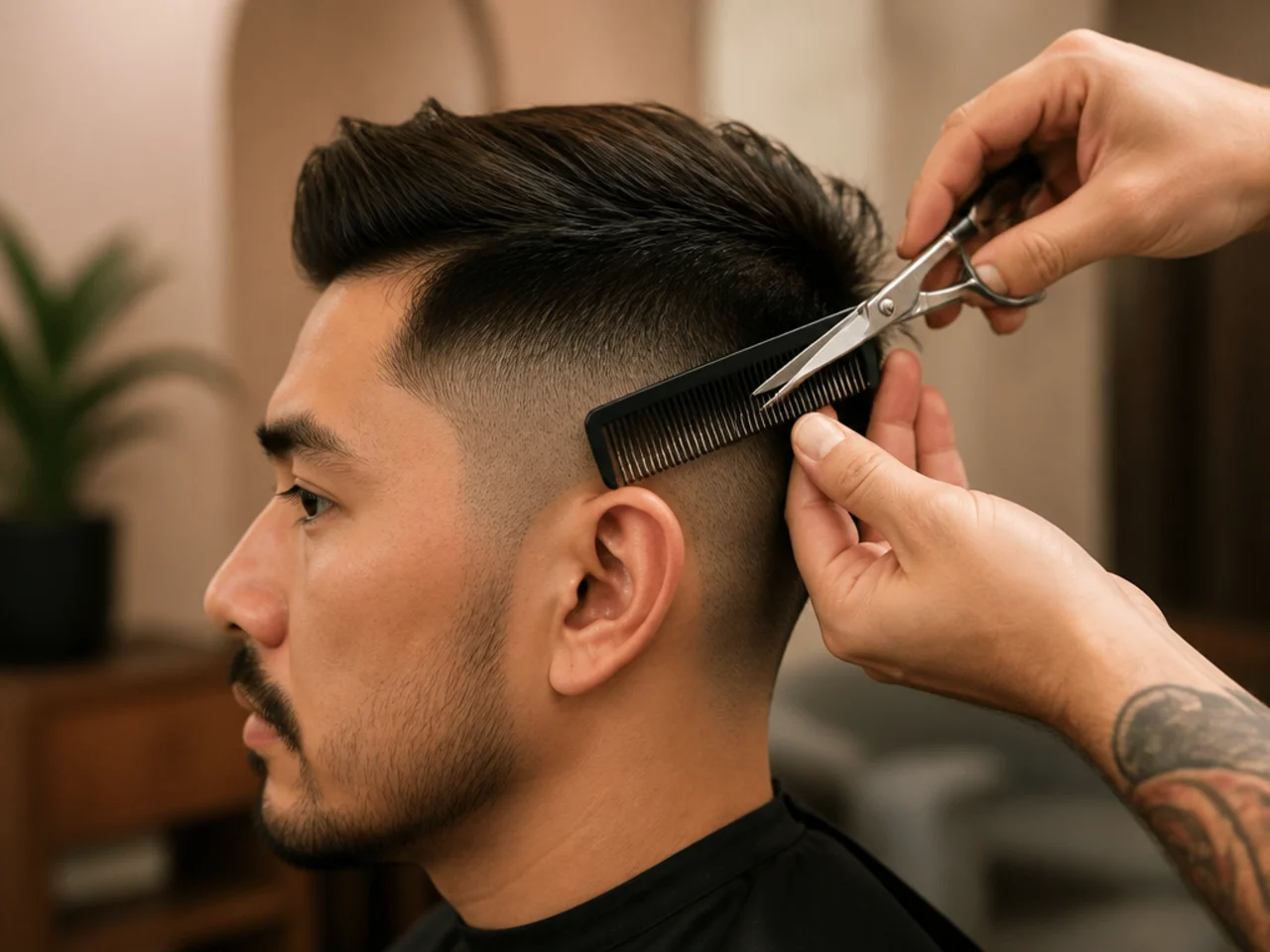
Every cut in this family predates the electric clipper. The shapes were built with scissors and a comb, so length is decided by position on the skull rather than by a guard number.
Proportion replaces measurement. A classic cut is short where the head curves in and longer where it curves out, which is why these shapes still fit heads that a uniform clipper length does not.
What Defines the Classic Family
Scissor graduation, not clipper steps. The sides shorten gradually with no discernible boundary.
Proportion against the skull. Length follows the shape of the head rather than a fixed number.
A defined parting. Most members of the family have a part, and the part is the structure.
Designed to be combed. These shapes assume a comb rather than fingers, which is what gives them their order.
How to Choose Yours
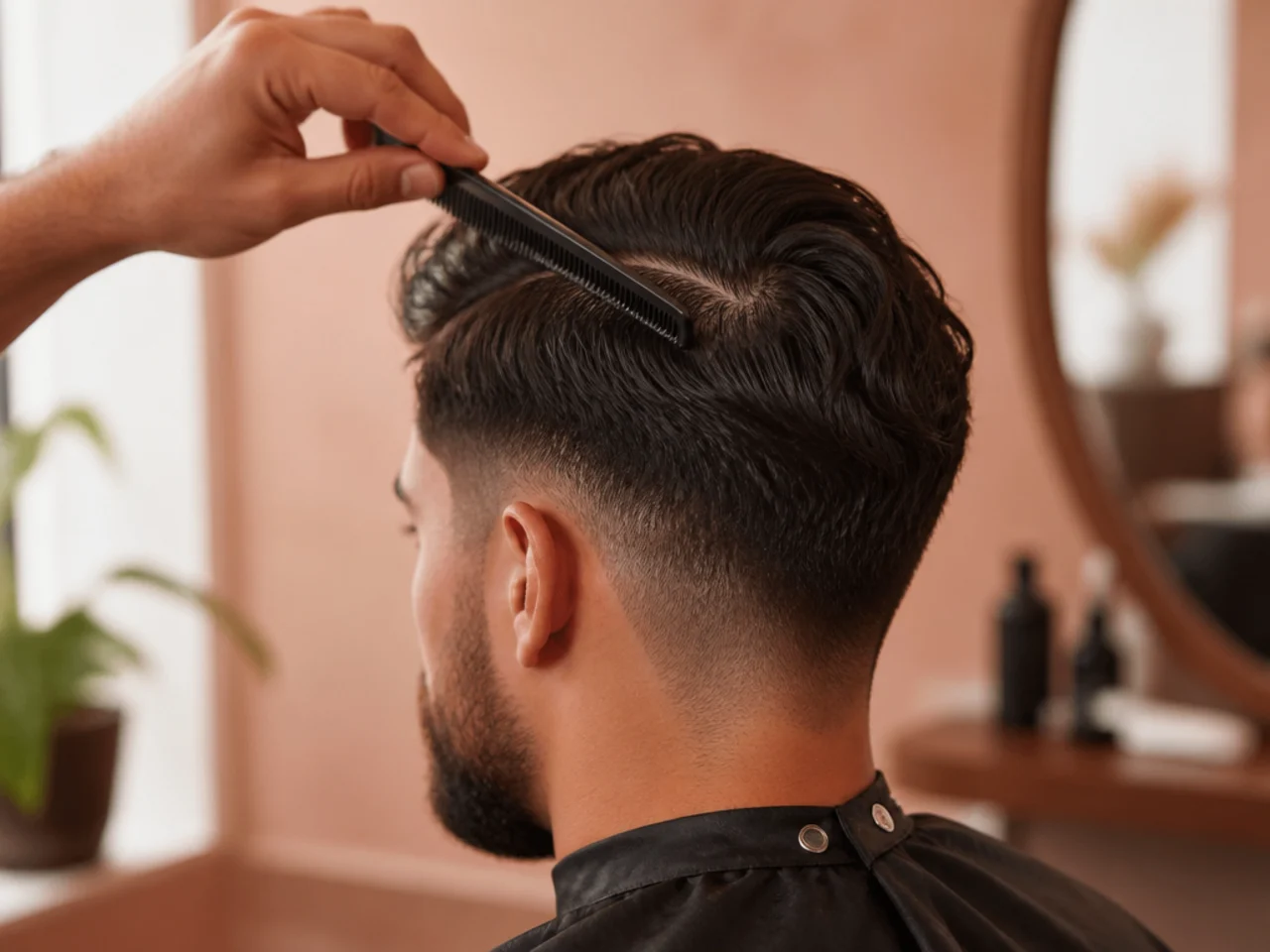
Find your natural parting first. Comb the hair down wet and see where it separates on its own.
Ask for scissor work at the sides. It is what gives the family its softer boundary.
Choose a matte finish. The proportions are timeless and the shine is not.
Book monthly. Scissor graduation grows out quietly and does not need fortnightly attention.
The 20 Classic Haircut Styles
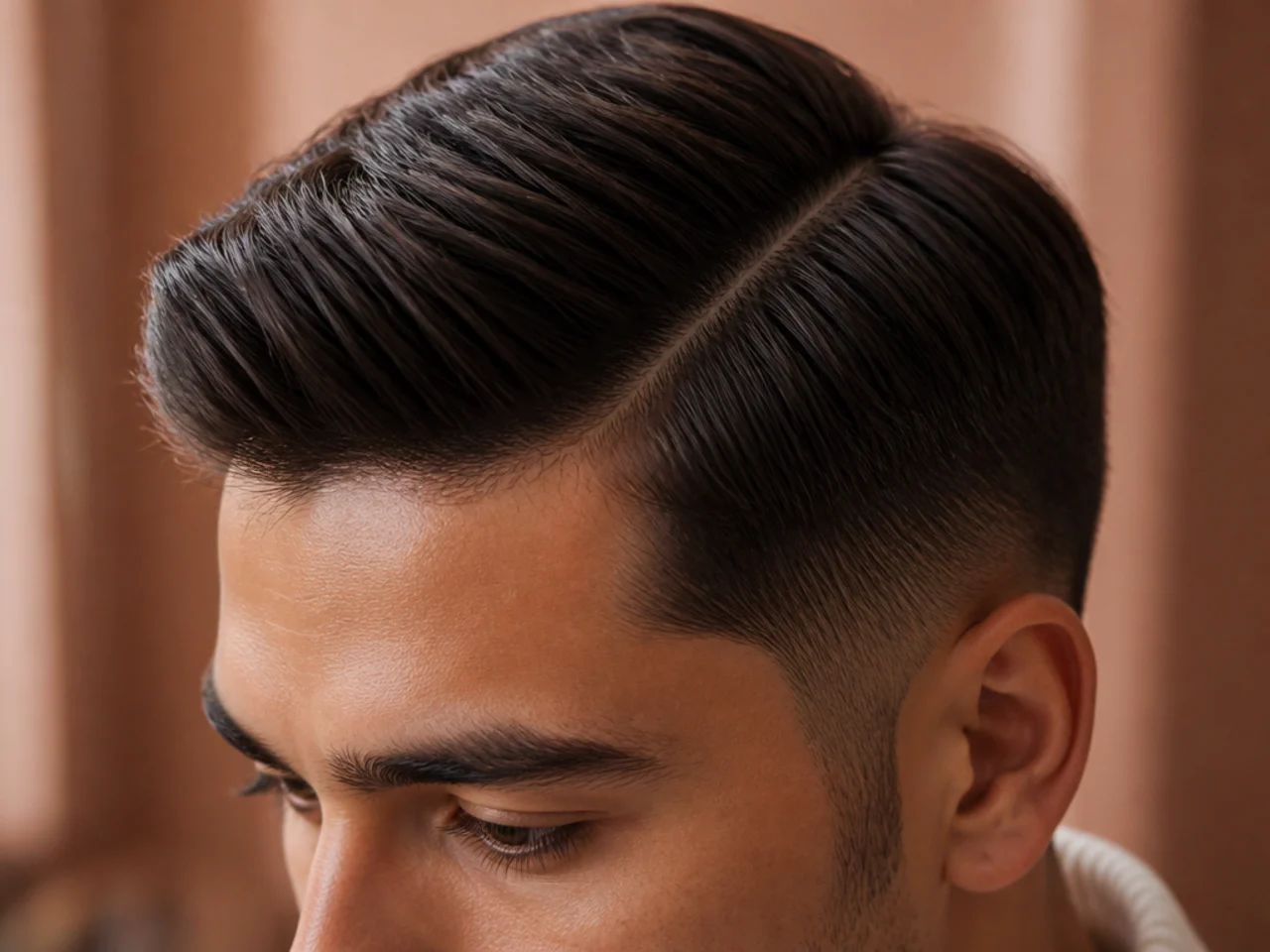
1. The Classic Side Part
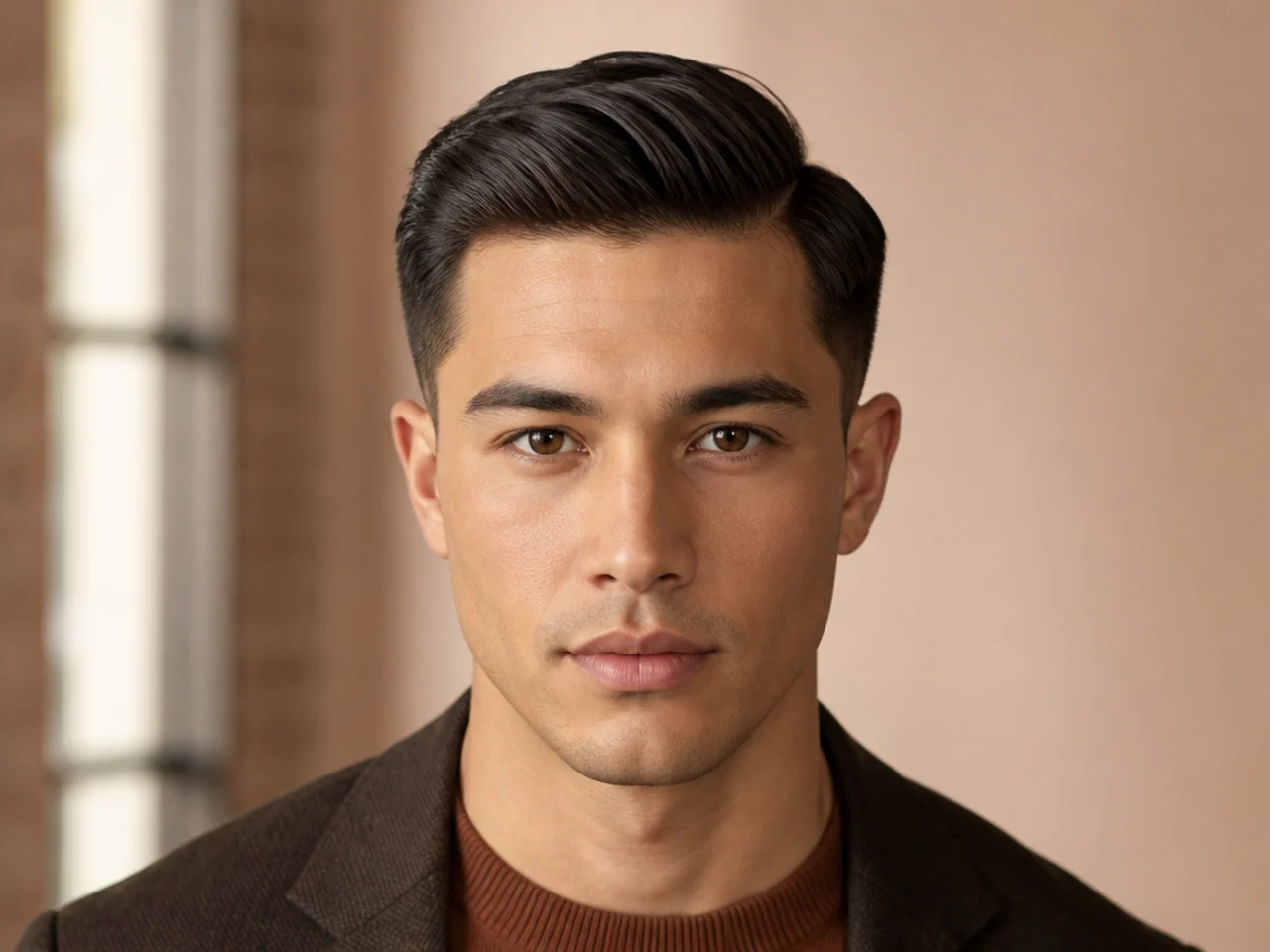
Two lengths and a hard division between them. It is the founding shape of the family, and the part does all the structural work, which is why it has to sit where the hair naturally separates rather than where you would prefer it.
2. The Ivy League
A graduated top long enough to comb forward or across. It is the most adaptable member of the family because it works parted or unparted.
3. The Crew Cut
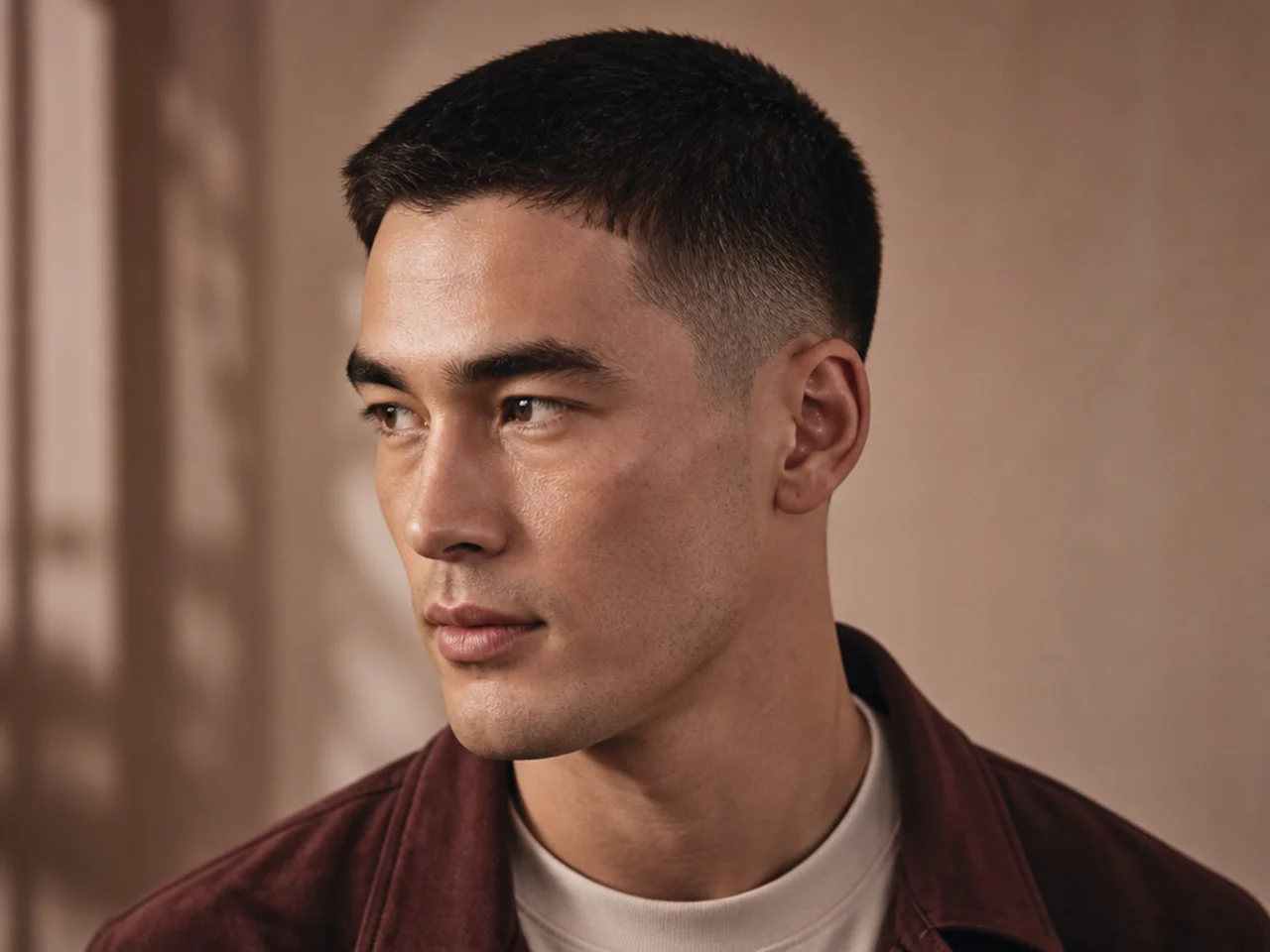
Graduated from short at the crown to longer at the front hairline. That front-to-back gradient is the family's oldest idea about where visible density belongs.
4. The Comb Over
Length taken from a low part and combed across the top. Done with proportion it is a legitimate shape, and done as coverage it is something else entirely.
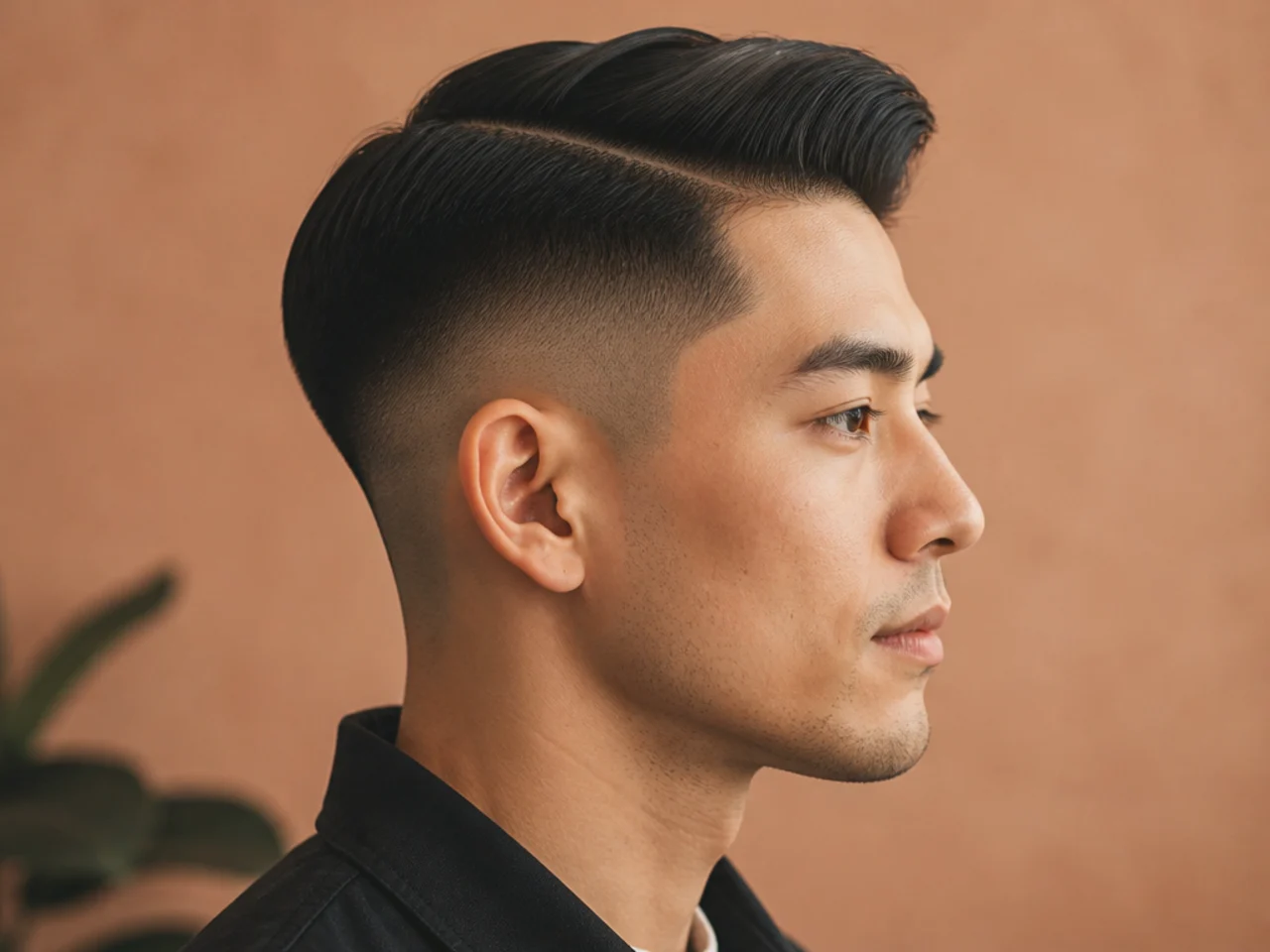
5. The Slick Back
Everything combed straight back from the hairline. It needs enough length to reach the crown, which is around four inches on most heads, and any less leaves the ends standing up at the back instead of lying down.
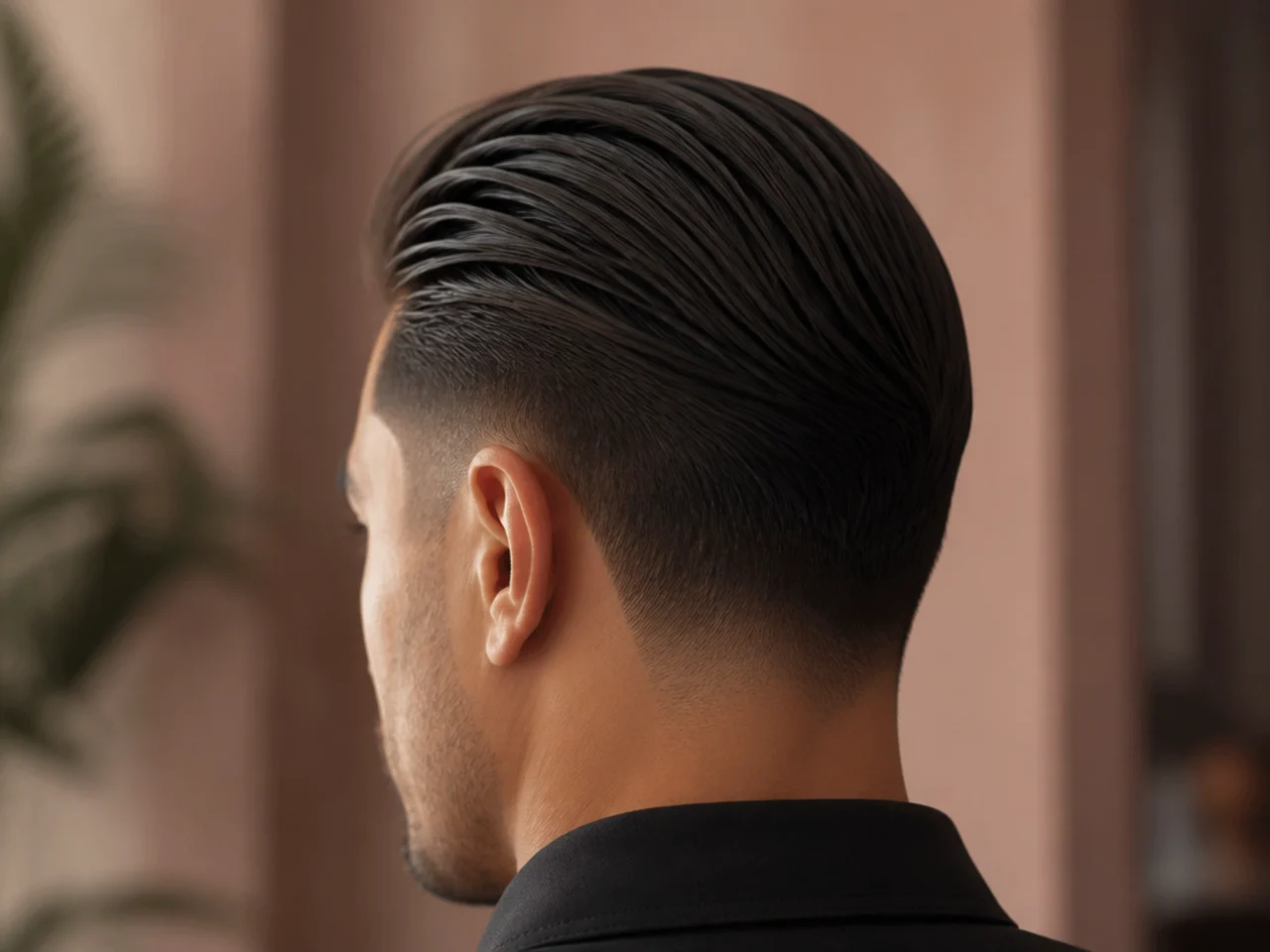
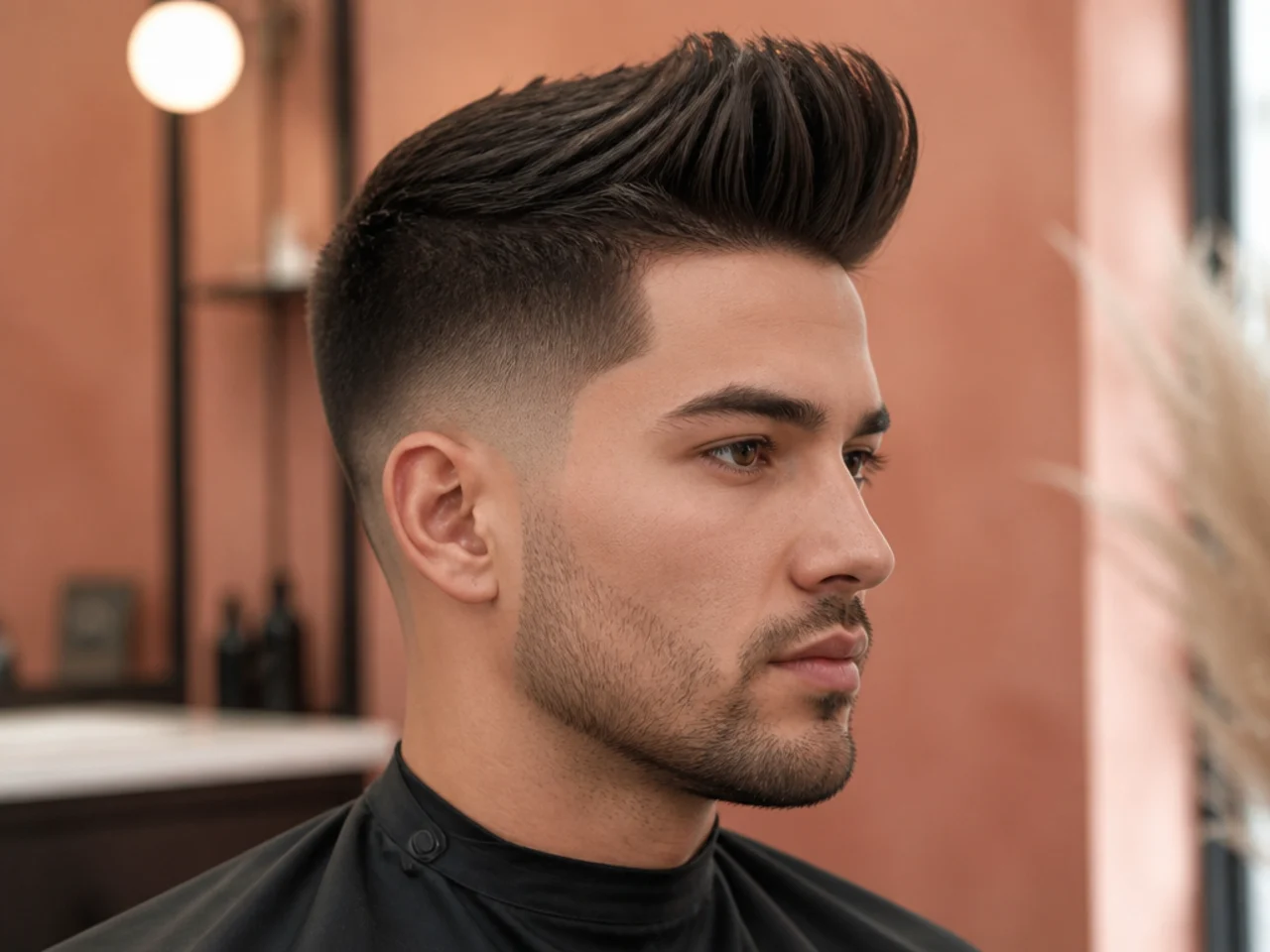
6. The Pompadour
Volume built at the front and swept back over it. The height comes from the drying rather than the cutting, which is true of very few classic shapes.
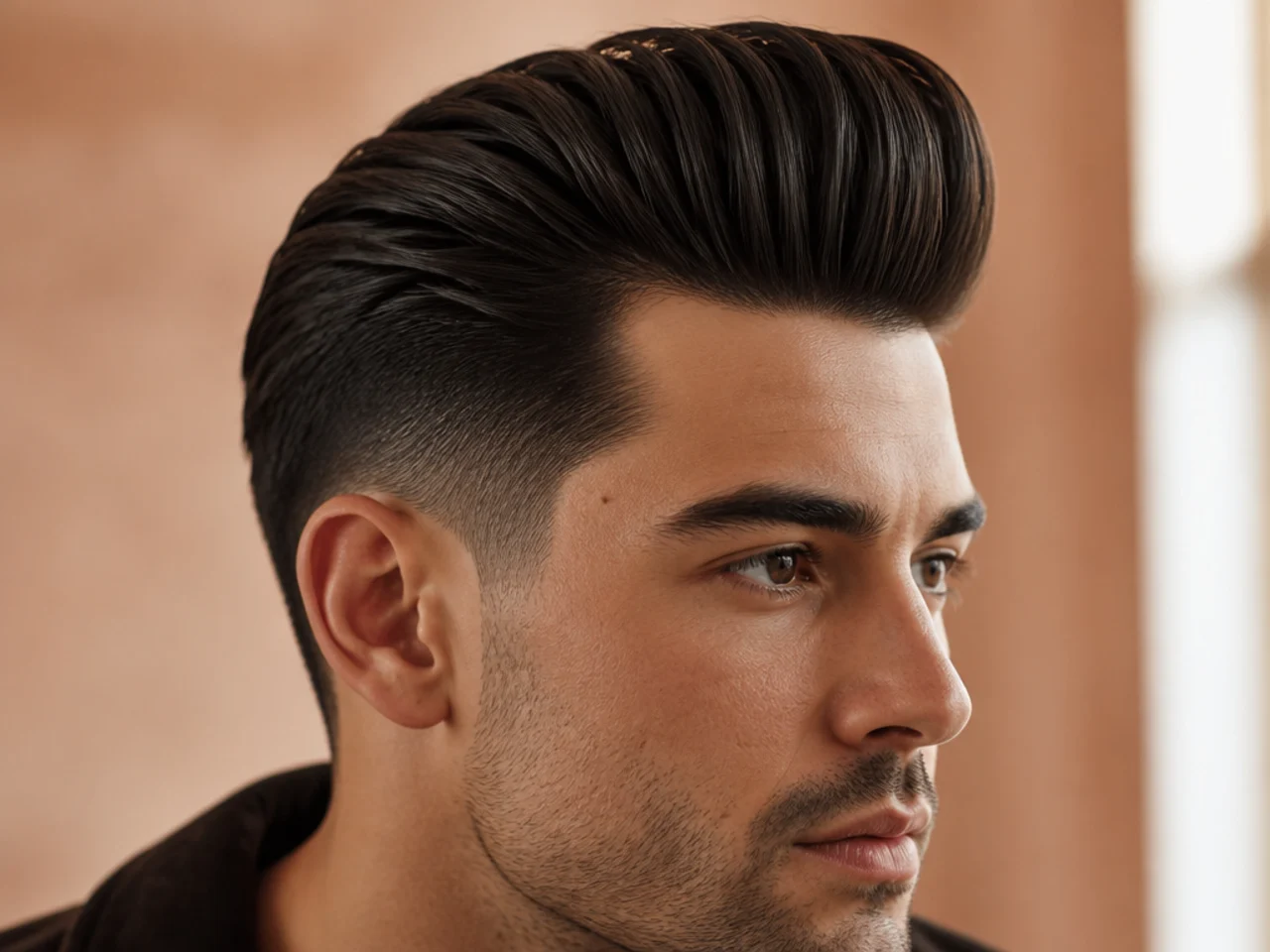
7. The Quiff
A softer, shorter relative of the pompadour with the volume kept forward. It sits at the boundary between the classic and modern families.

8. The Caesar
Cut short and combed flat forward. It is the oldest shape in the family by a wide margin and the only one with no parting at all.
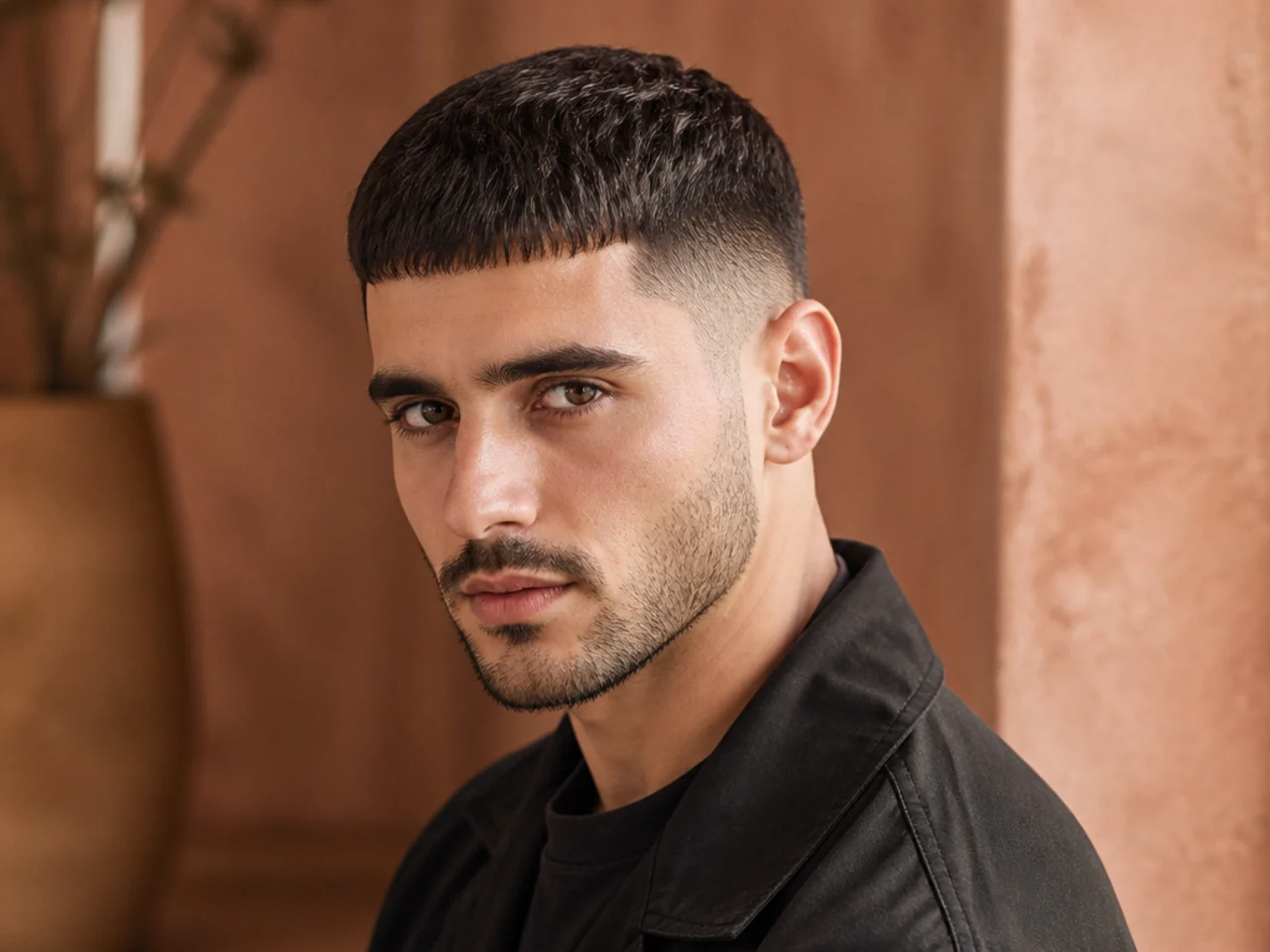
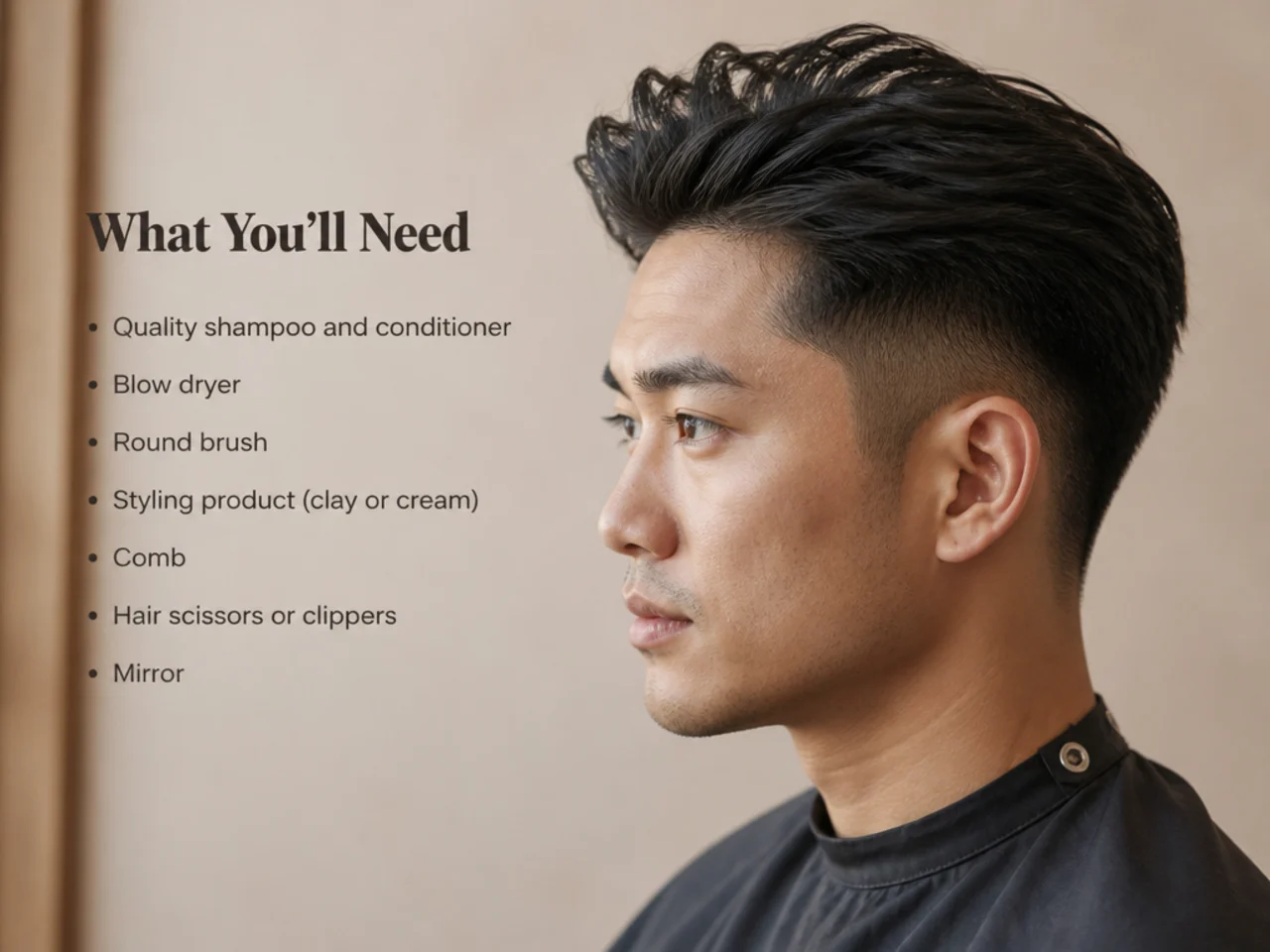
9. The Scissor Taper
Sides graduated with scissors only, leaving no clipper line anywhere. It is the technique that most defines the family, applied on its own, and it is the cut to ask for when you want short sides that grow out without a boundary appearing.
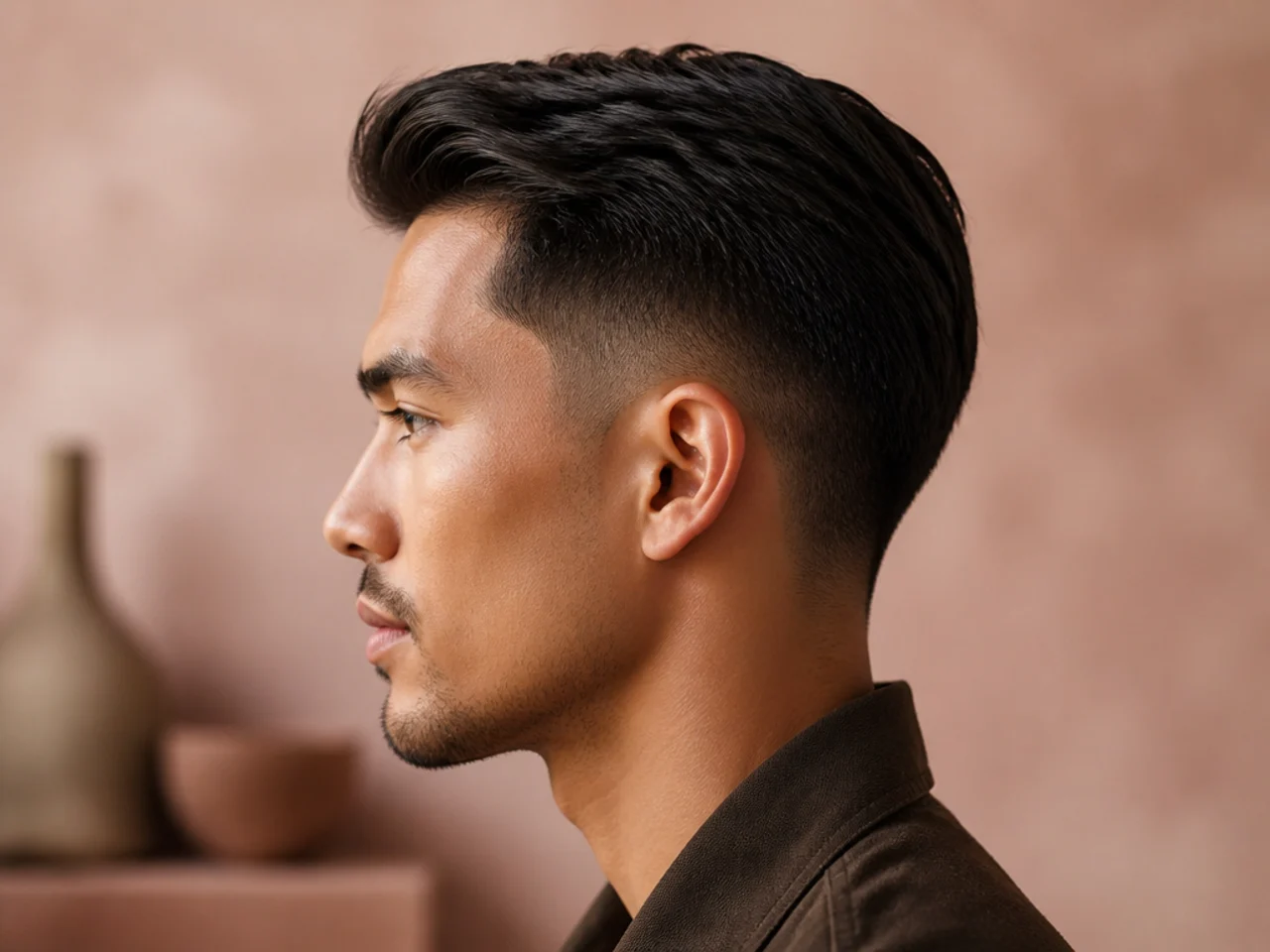
10. The Short Back and Sides
The most general classic instruction there is. It describes a proportion rather than a measurement, which is exactly the family's logic. It names a region and never an amount, which is why the phrase survives in every shop while producing a different length in each one.
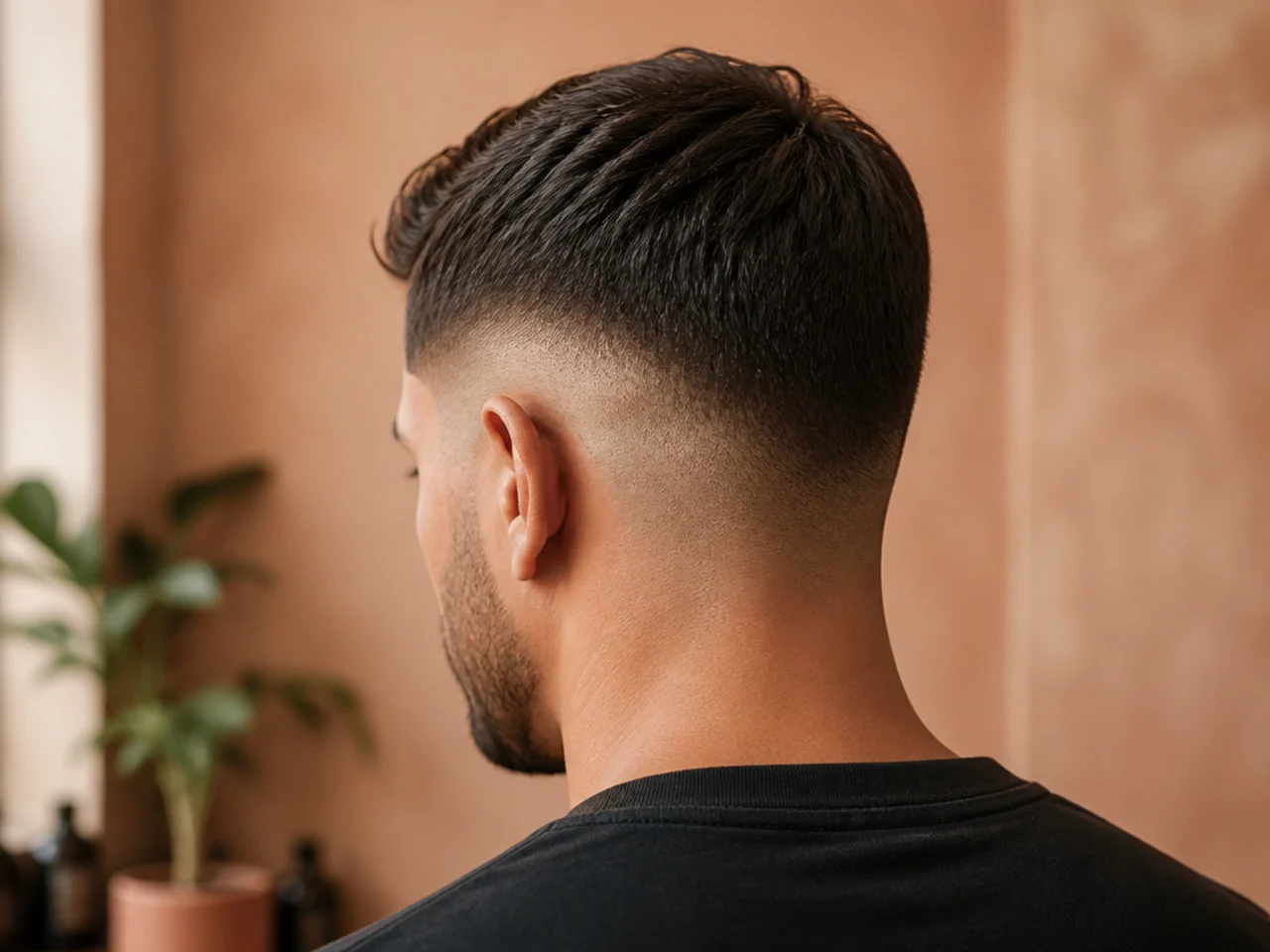
11. The Executive Contour
A side part with the top contoured to follow the skull. It is the most formal shape in the family and the least dependent on product.
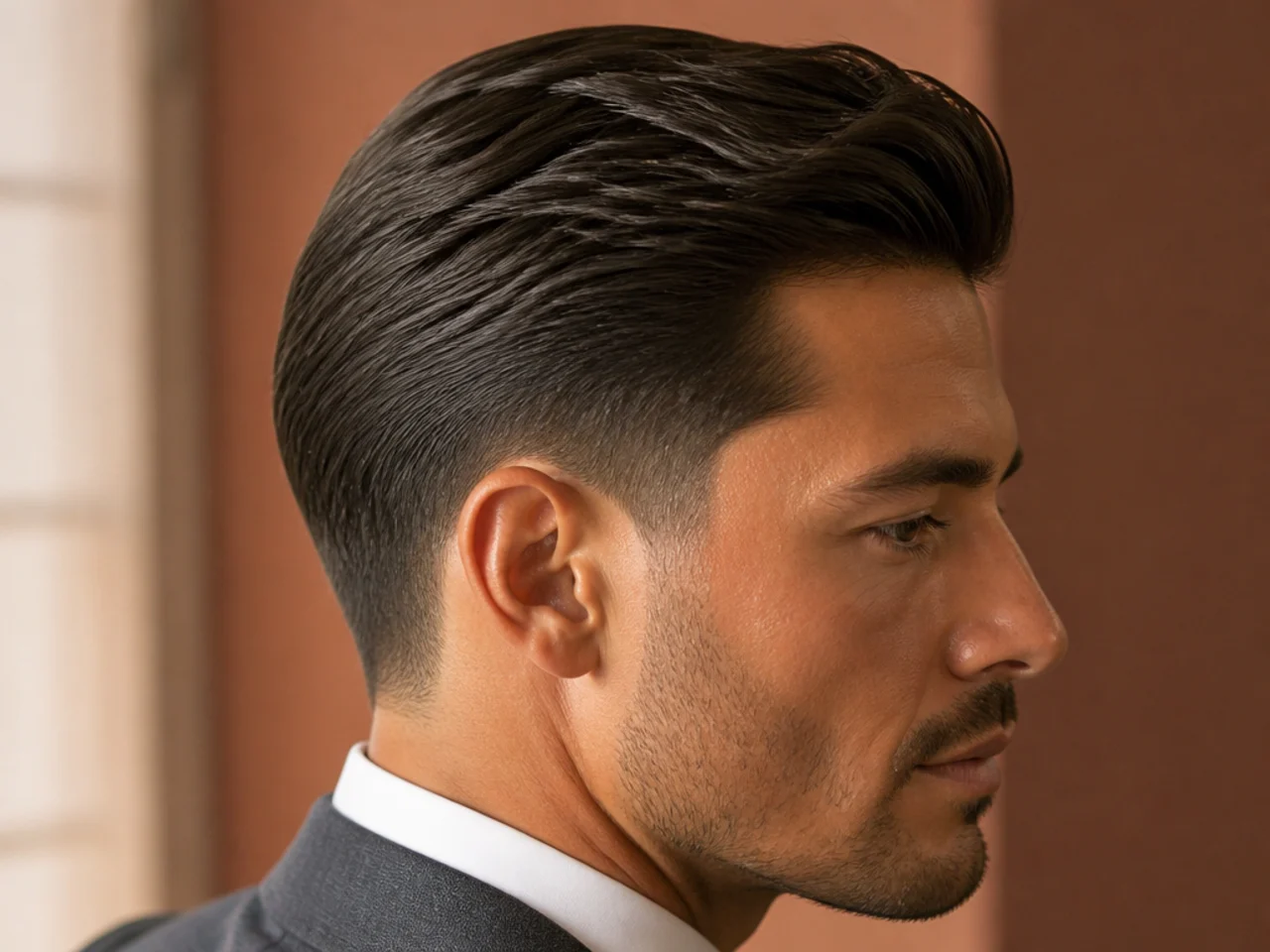
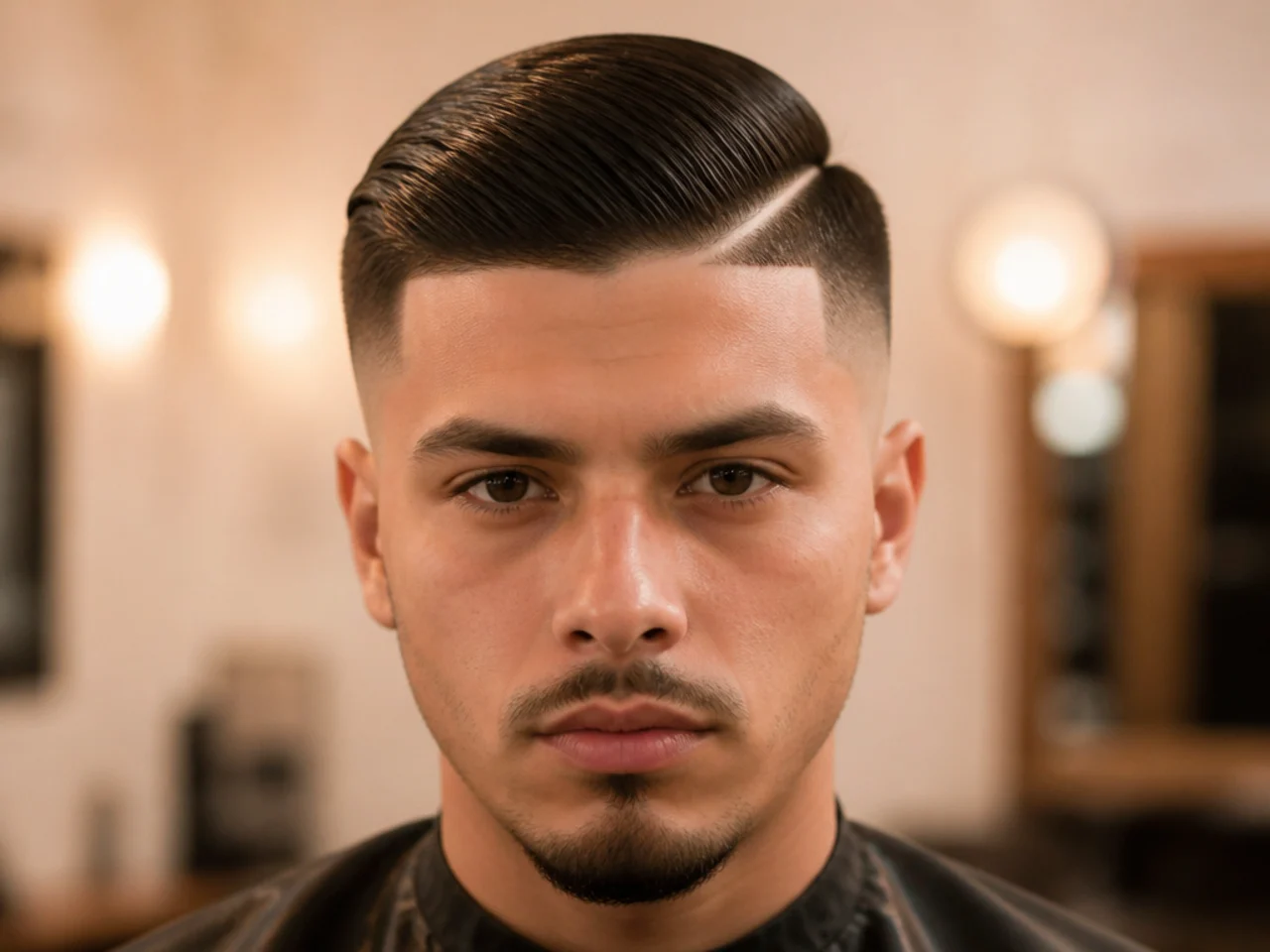
12. The Hard Part
The parting shaved rather than combed. It is a twentieth-century addition to an older shape and needs re-cutting every week or two.
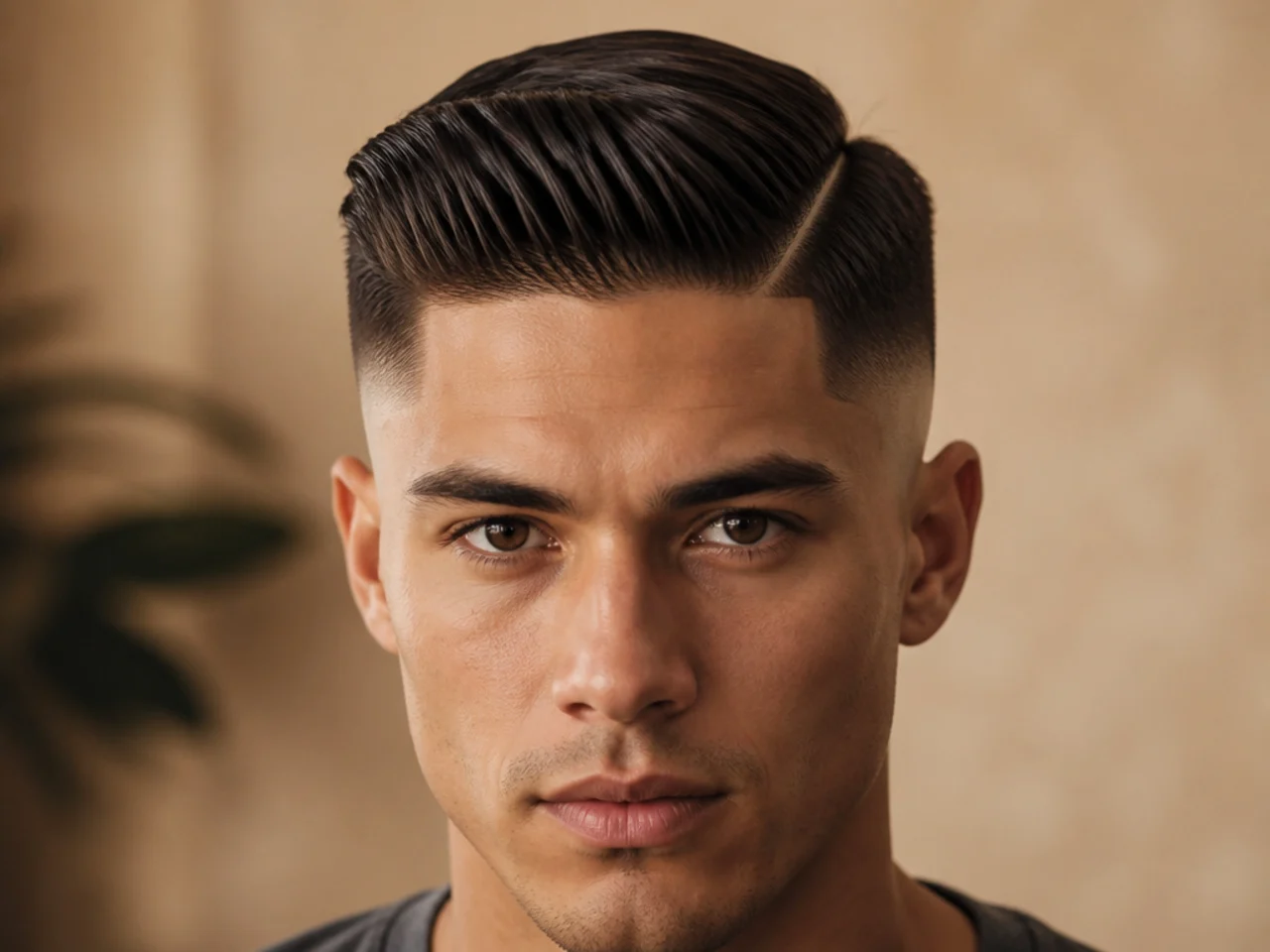
13. The Regulation Cut
Very short sides with a graduated top kept within a fixed length. It is the most rule-bound member of the family. It is the one member where a measurement overrules proportion, so the graduation must fit under a fixed ceiling rather than follow the skull.
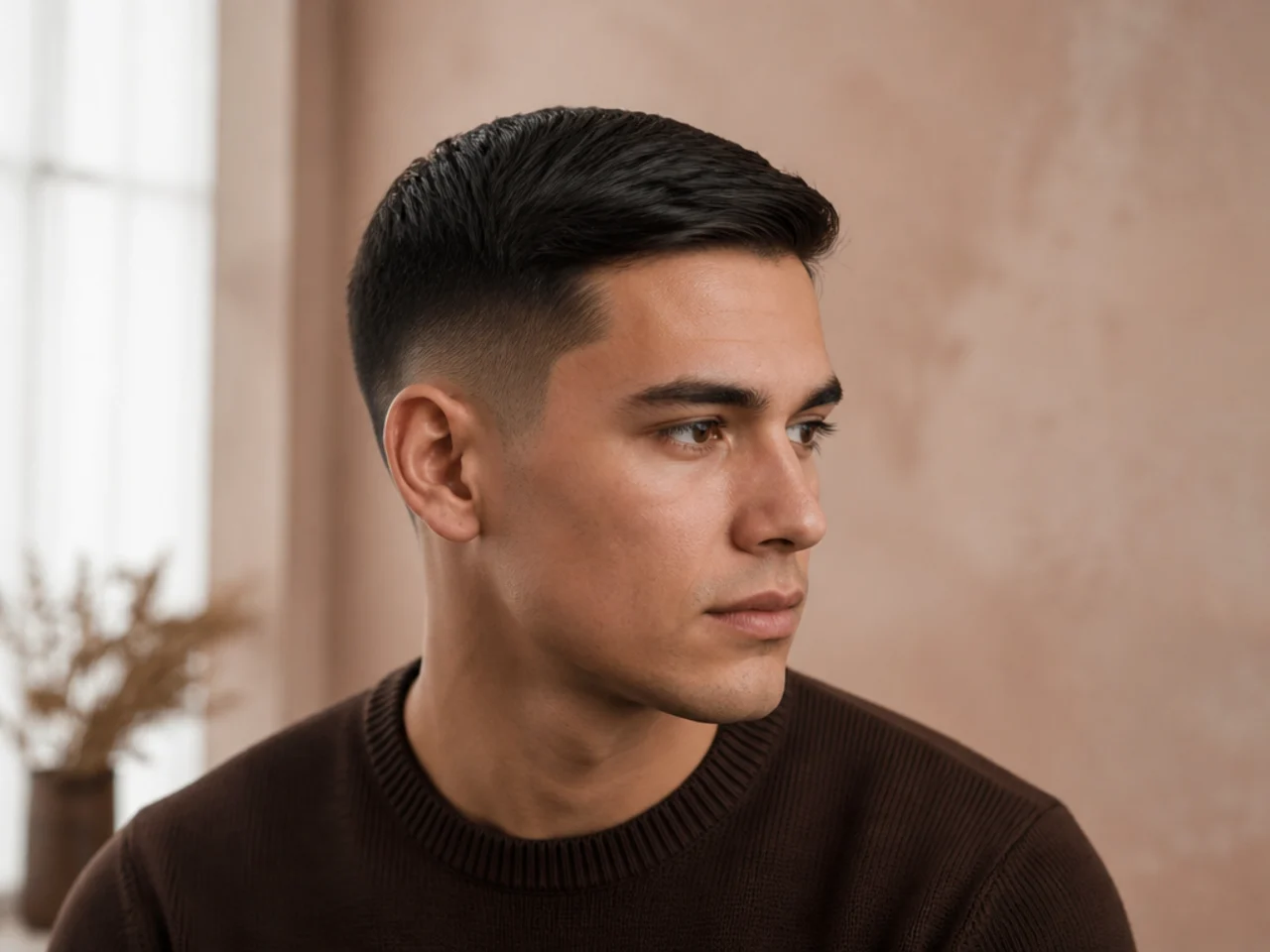
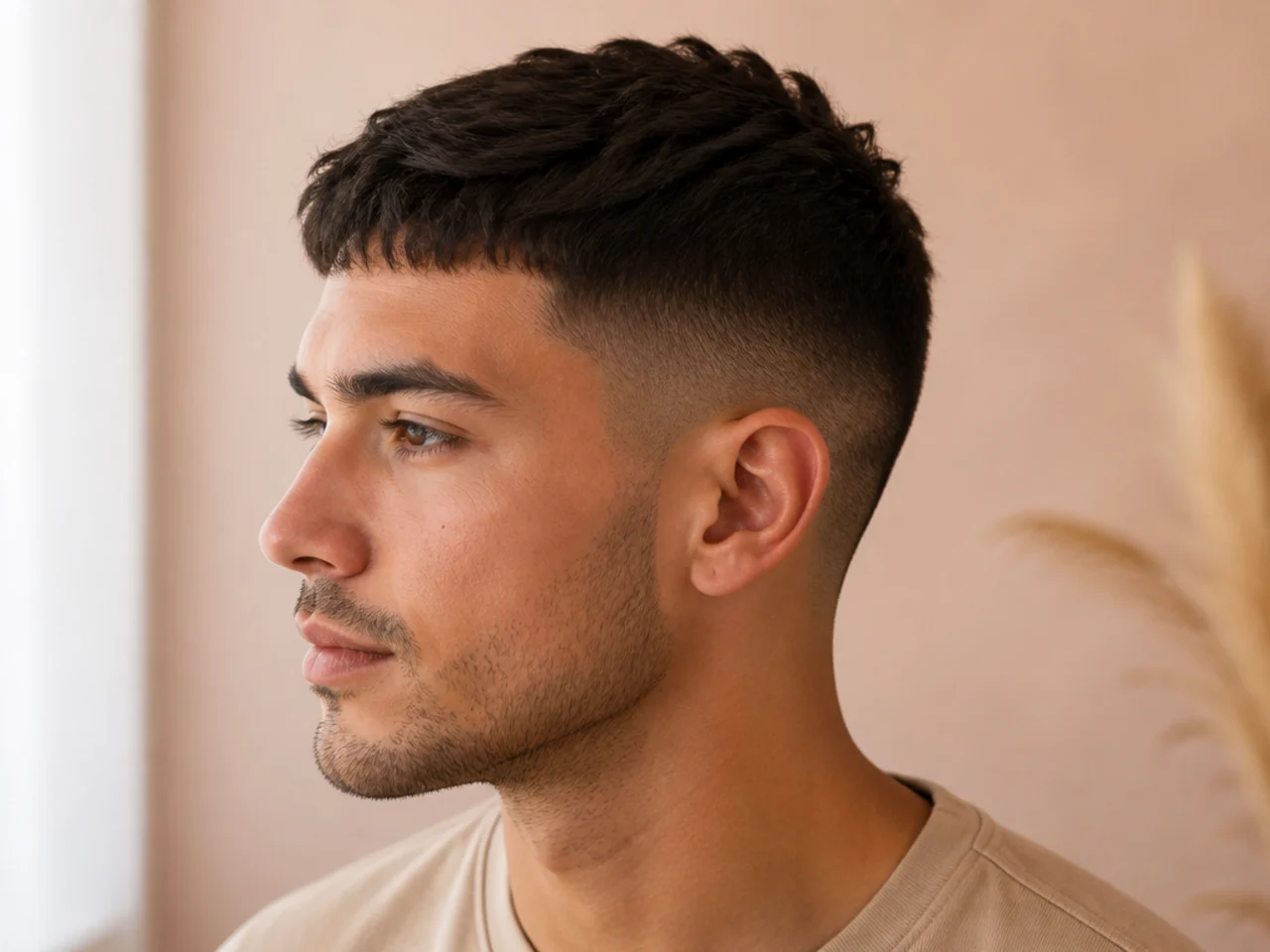
14. The Bumper Crop
A blunt, squared-off front on a short scissor cut. The square front is the one place the family allows a hard line.
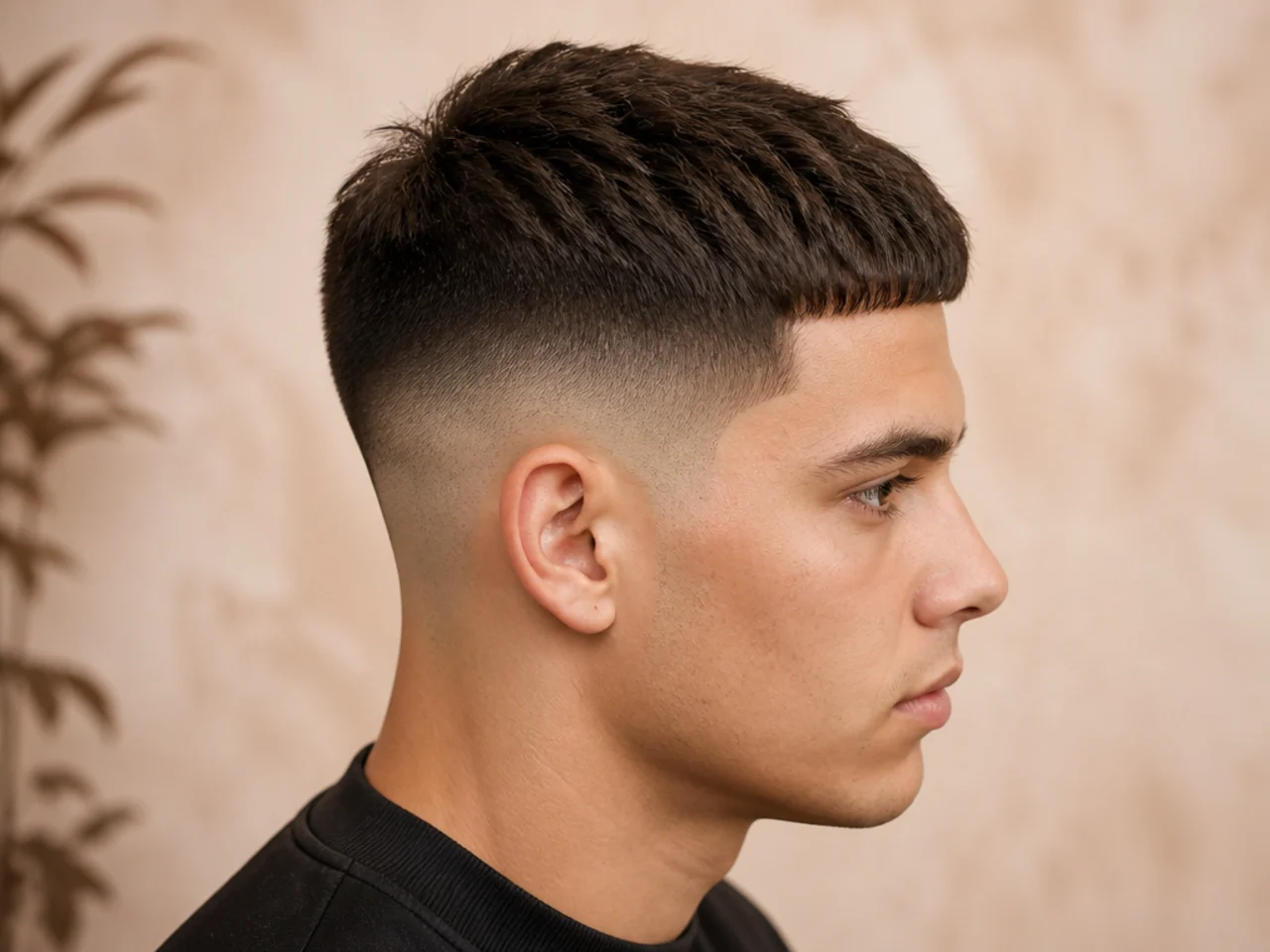
15. The Undercut, Original Version
A long top over an unblended short side, which is where the modern undercut came from. In its classic form the top is combed rather than left textured.
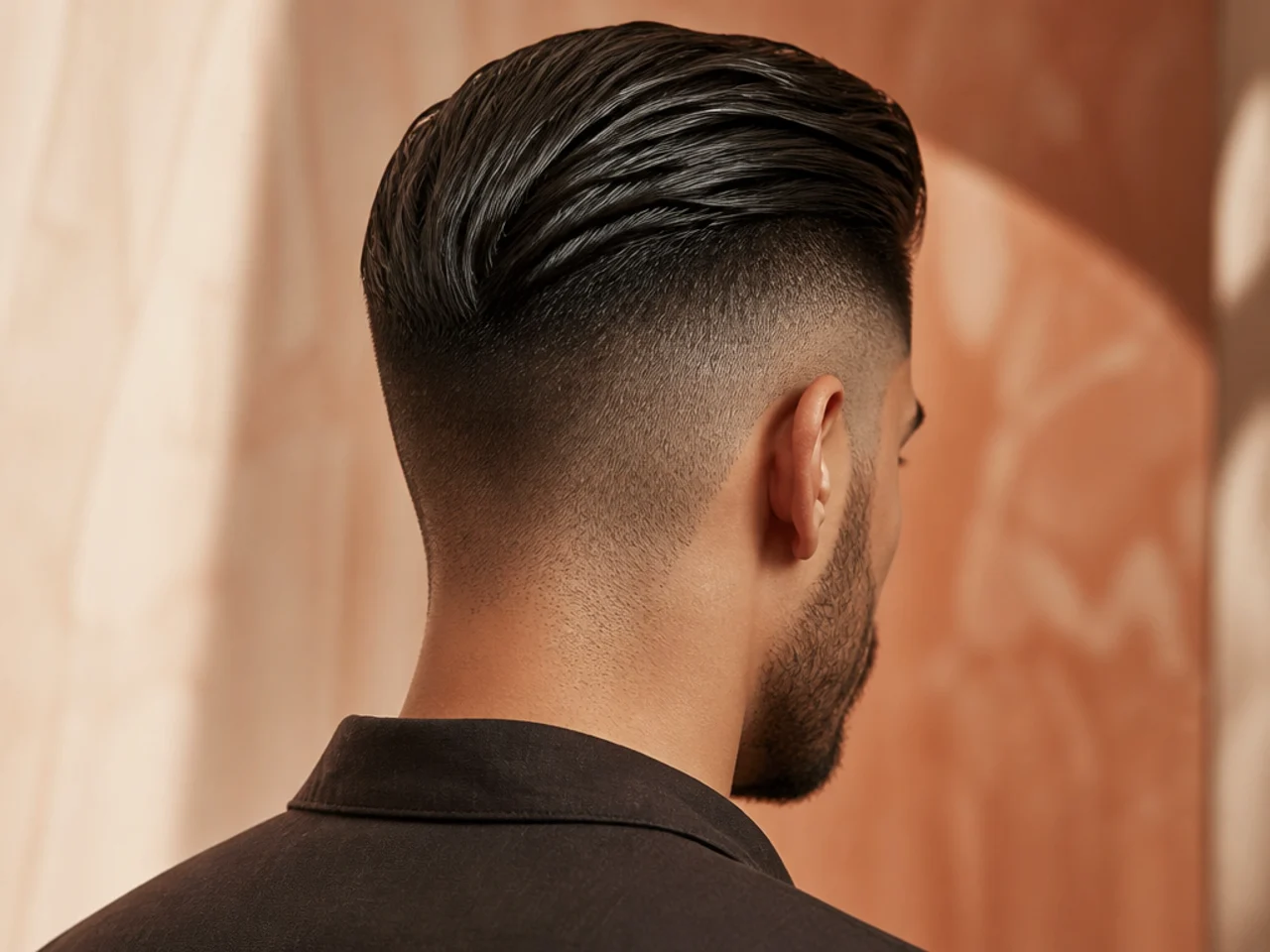
16. The Classic Curly Cut
Curl controlled with scissor graduation instead of clippers. Curl loses around a third of its length drying, so the graduation has to be judged dry.
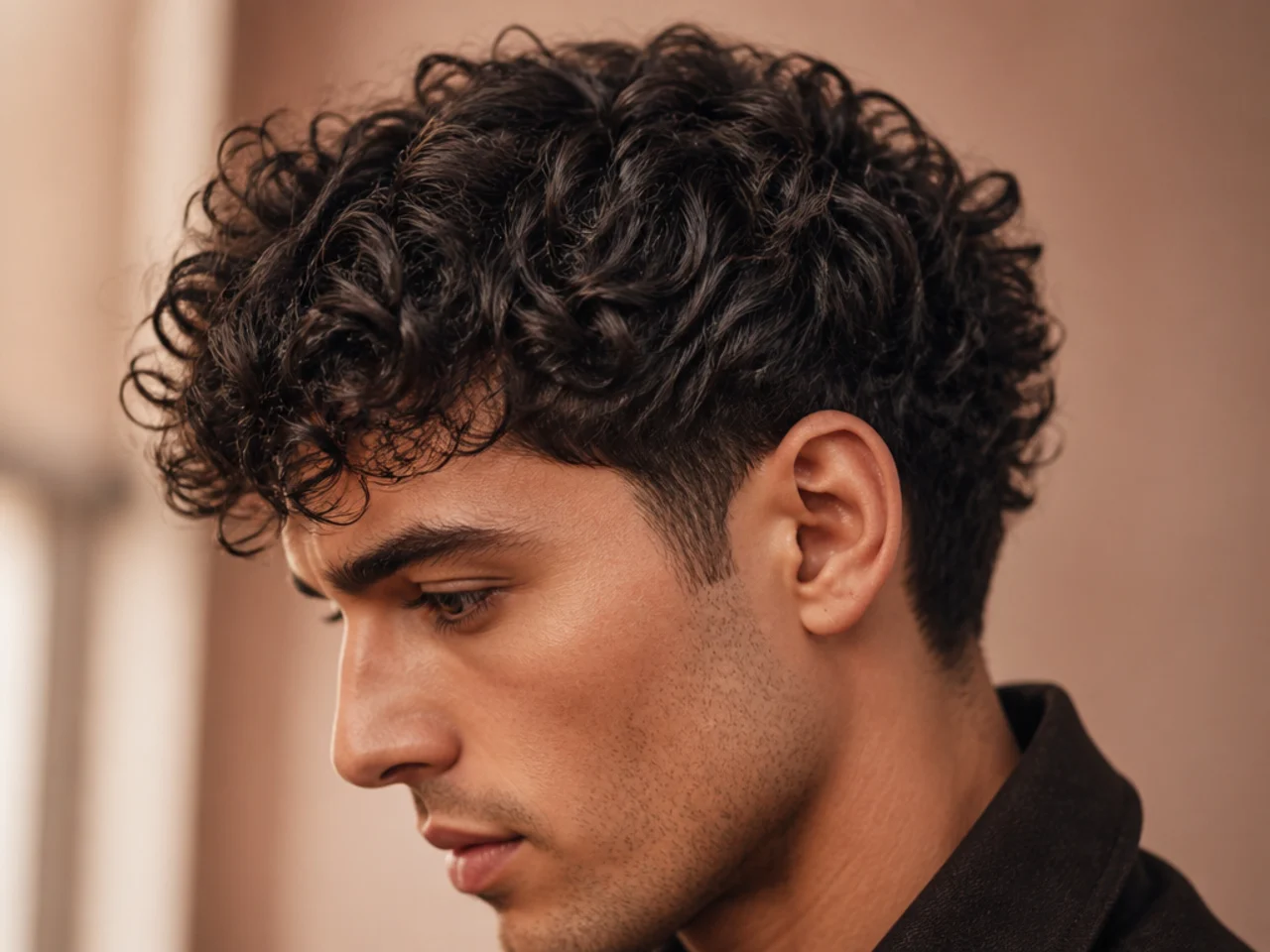
17. The Classic With a Beard
The scissor taper meeting a groomed beard line. Because there is no clipper line, the two shapes meet softly rather than as two competing horizontals.

18. The Grown-Out Classic
Week five, when the graduation has softened but not collapsed. Classic shapes are the most forgiving family on this site as they grow.

19. The Classic on Grey Hair
Grey is coarser and reflects more light, which suits soft graduation and punishes hard edges. It is the family that ages best for exactly that reason.
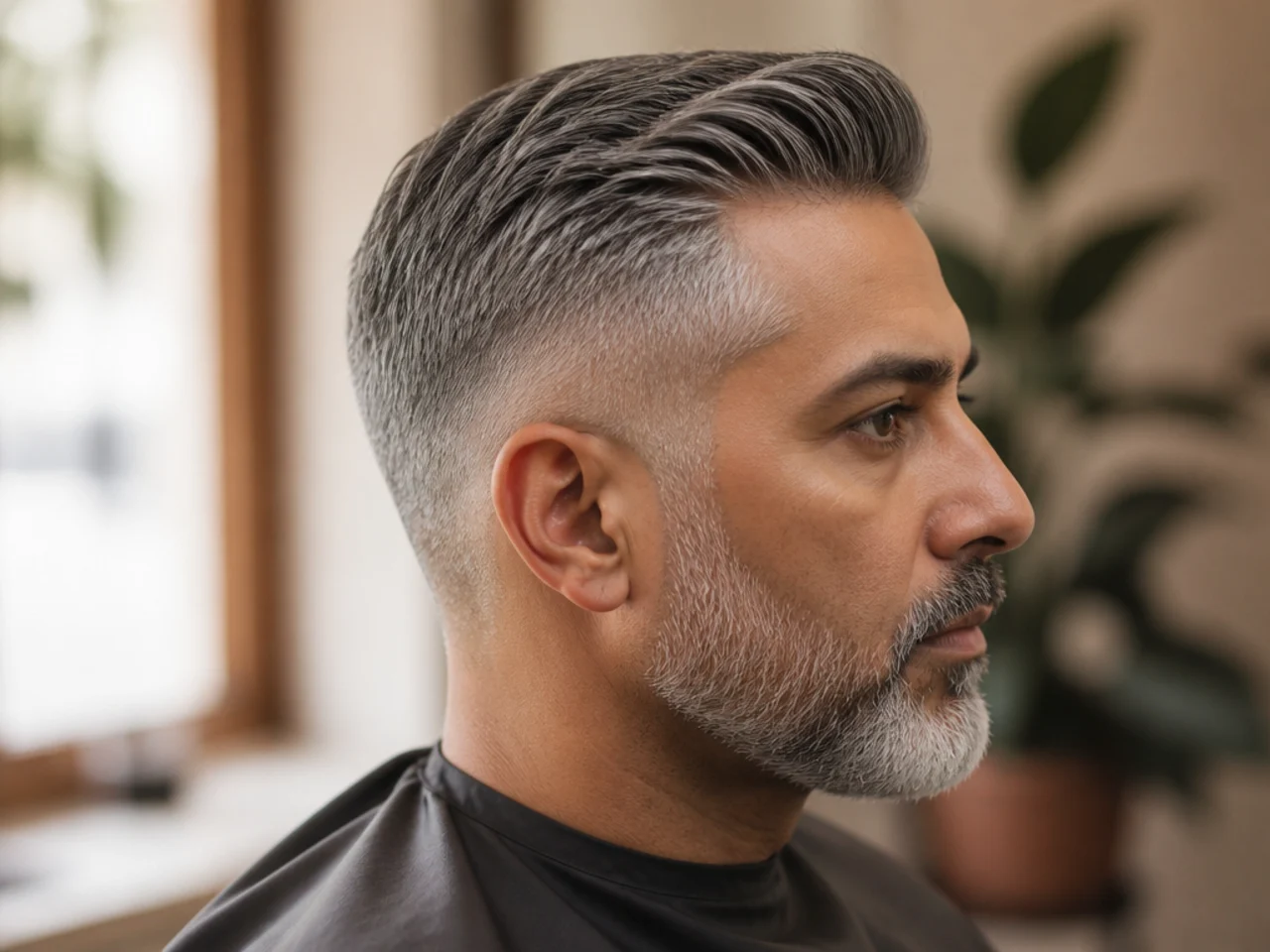
20. The Classic With a Matte Finish
The same proportions with a modern product. It is the single change that stops a classic shape reading as period costume. Shine is what dates a cut rather than its outline, because high-gloss pomade belongs to a specific decade and a matte paste belongs to none.

Styling and Upkeep
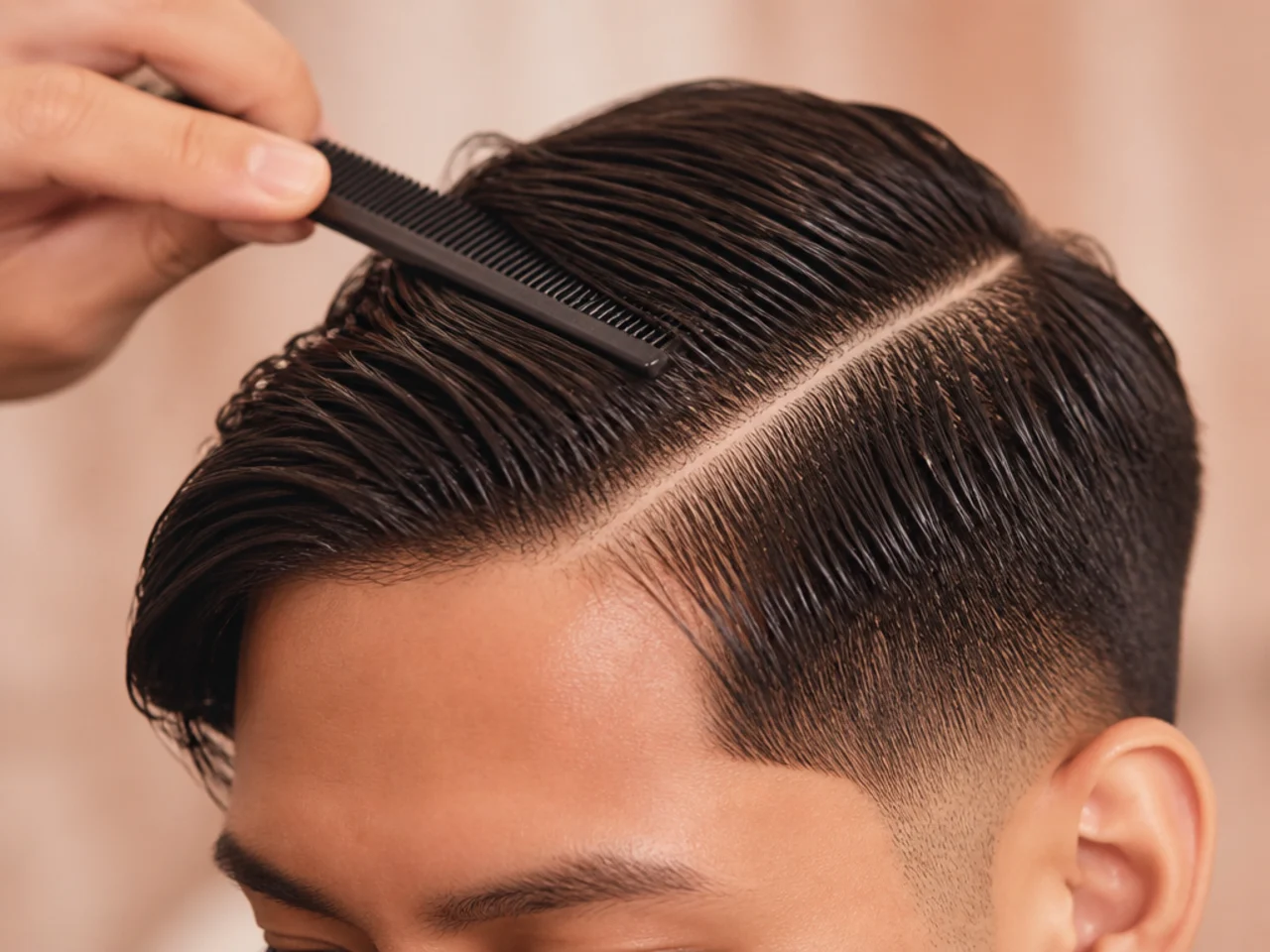
Use a comb, unusually for this site. These shapes were designed around one.
Part while damp. A part set dry will not hold past mid-morning.
Choose a matte cream over pomade. Same hold, current finish.
Book monthly. Scissor graduation ages quietly and does not need fortnightly work.
Ask for the same graduation each visit. It is the detail a new barber will approximate rather than repeat.
Mistakes to Avoid
Asking for guard numbers. This family works in proportion, not measurement.
Using high-shine pomade. It is the one thing that dates an otherwise timeless shape.
Letting a barber clipper the sides. The clipper line is exactly what the family avoids.
Forcing a part where the hair does not separate. Comb it down wet and use the parting you find.
Booking fortnightly. These shapes are at their best around week three.
FAQ
What makes a cut classic? Shape decided by proportion rather than by a guard number.
Are they all scissor cuts? Mostly, and the soft boundary is why they read as classic.
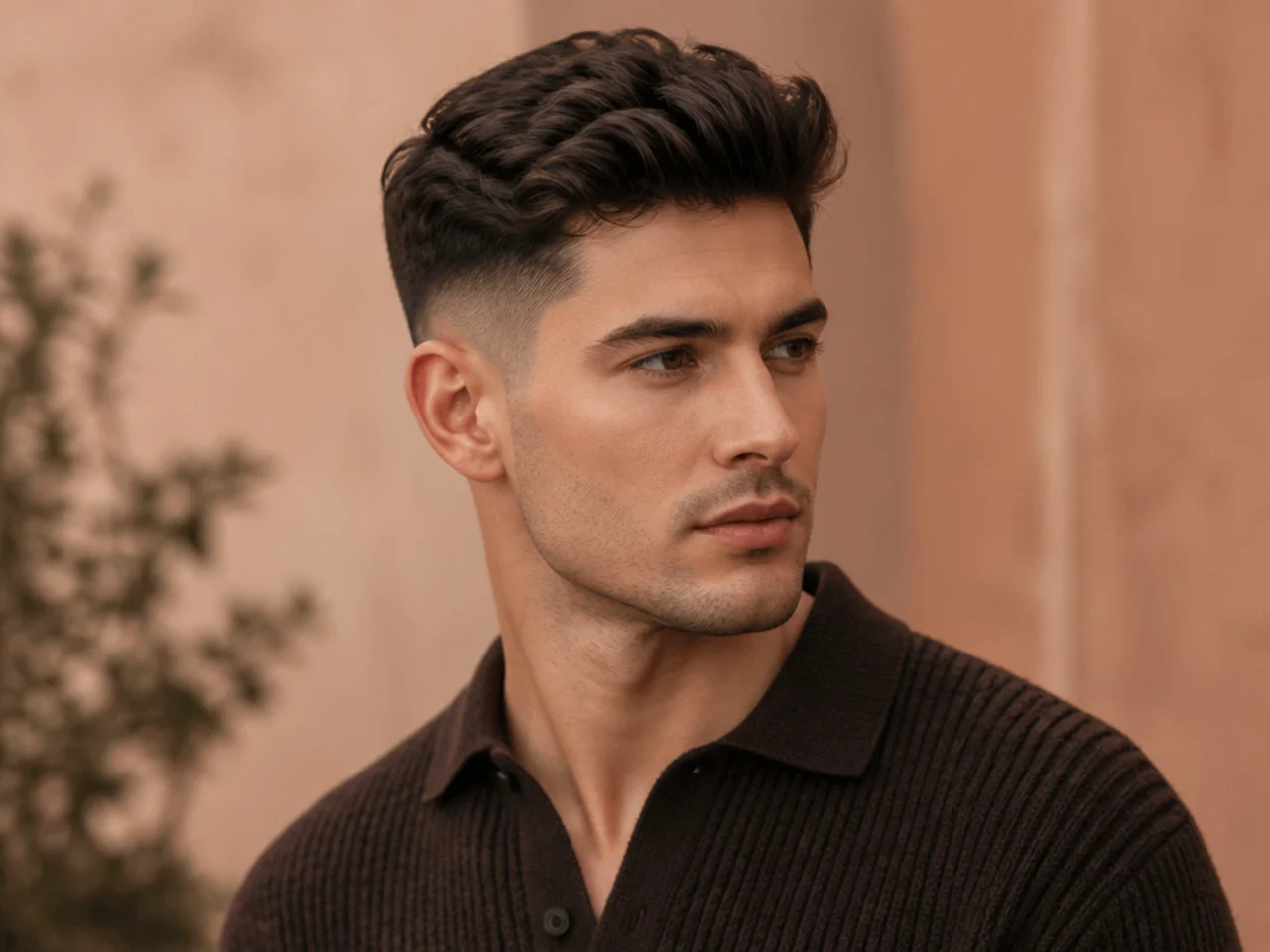
Do they suit modern styling? Yes, with a matte finish instead of shine.
Final Thoughts
Ask for scissor graduation and a matte finish, and this whole family becomes wearable without any sense of period dress. The proportions were worked out on real heads long before guard numbers existed, and that is exactly why they still fit.
For the survey across every family see men's haircut styles, and for the definitive shape in this one see the classic men's haircut. More in Men's Haircuts.