20 Long Wolf Cut vs Butterfly Cut Differences
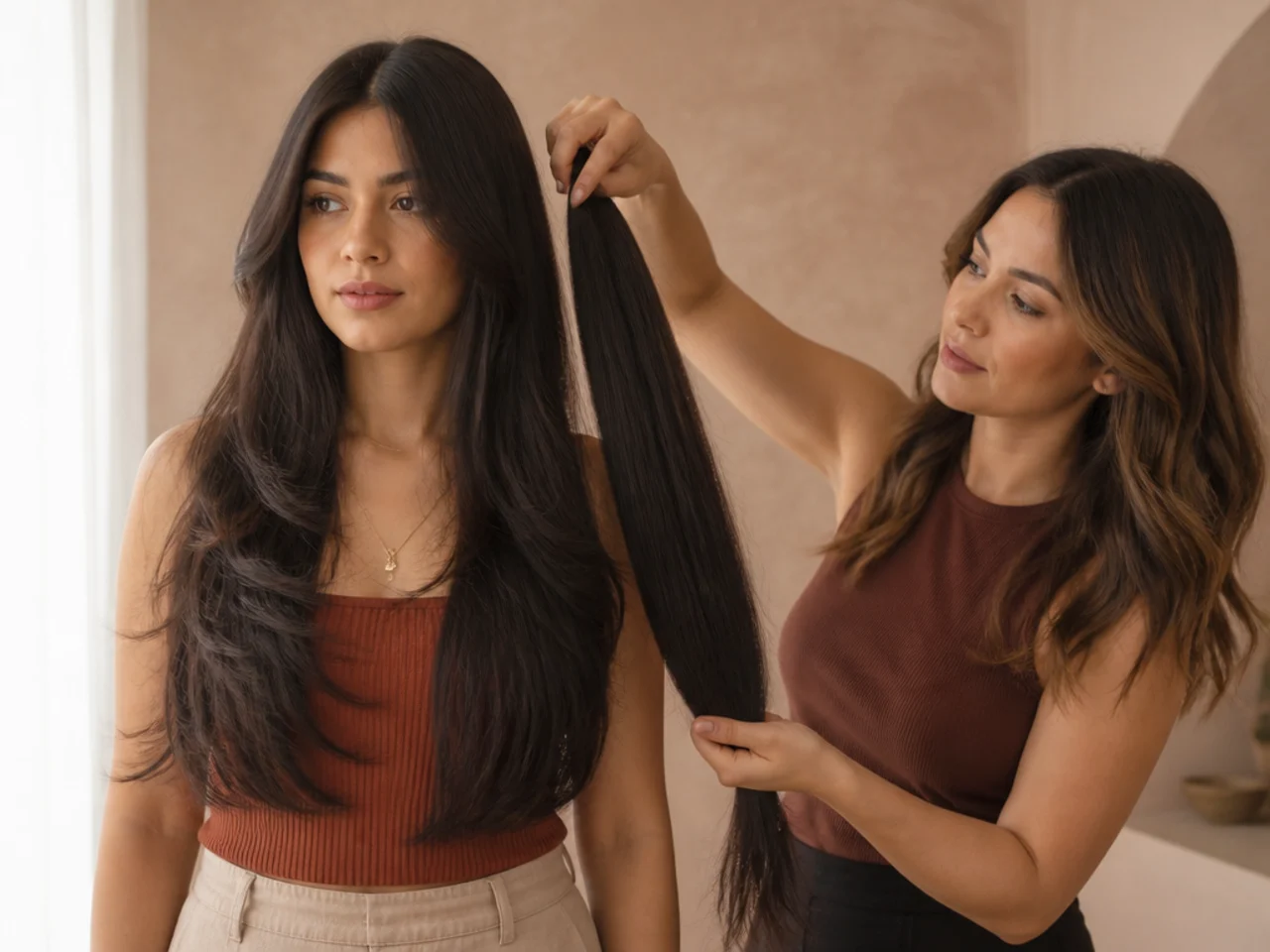
Both cuts leave long hair with short pieces at the front, and they behave nothing alike. A wolf cut layers all the way through and spends the perimeter. A butterfly cut uses two lengths and protects it. Twenty points of difference, with the winner in each case.
In this article · 27
- What Each Cut Actually Is
- How to Choose Between Them
- The 20 Differences
- 1. Where the Shortest Layer Sits
- 2. How Many Lengths There Are
- 3. Crown Volume
- 4. Face Framing
- 5. The Perimeter
- 6. How Visible the Layers Are
- 7. Fine Hair
- 8. Thick Hair
- 9. Straight Hair
- 10. Wavy Hair
- 11. Curly Hair
- 12. Air Drying
- 13. Blow Dry Time
- 14. How Much Product Each Needs
- 15. Ponytails and Updos
- 16. Grow Out Behaviour
- 17. Trim Frequency
- 18. How Colour Reads on Each
- 19. How Easy Each Is to Undo
- 20. Which to Ask For
- Styling and Upkeep
- Mistakes to Avoid
- FAQ
- Final Thoughts
Both cuts leave long hair with shorter pieces at the front, and people ask for one expecting the other because the photographs look alike.
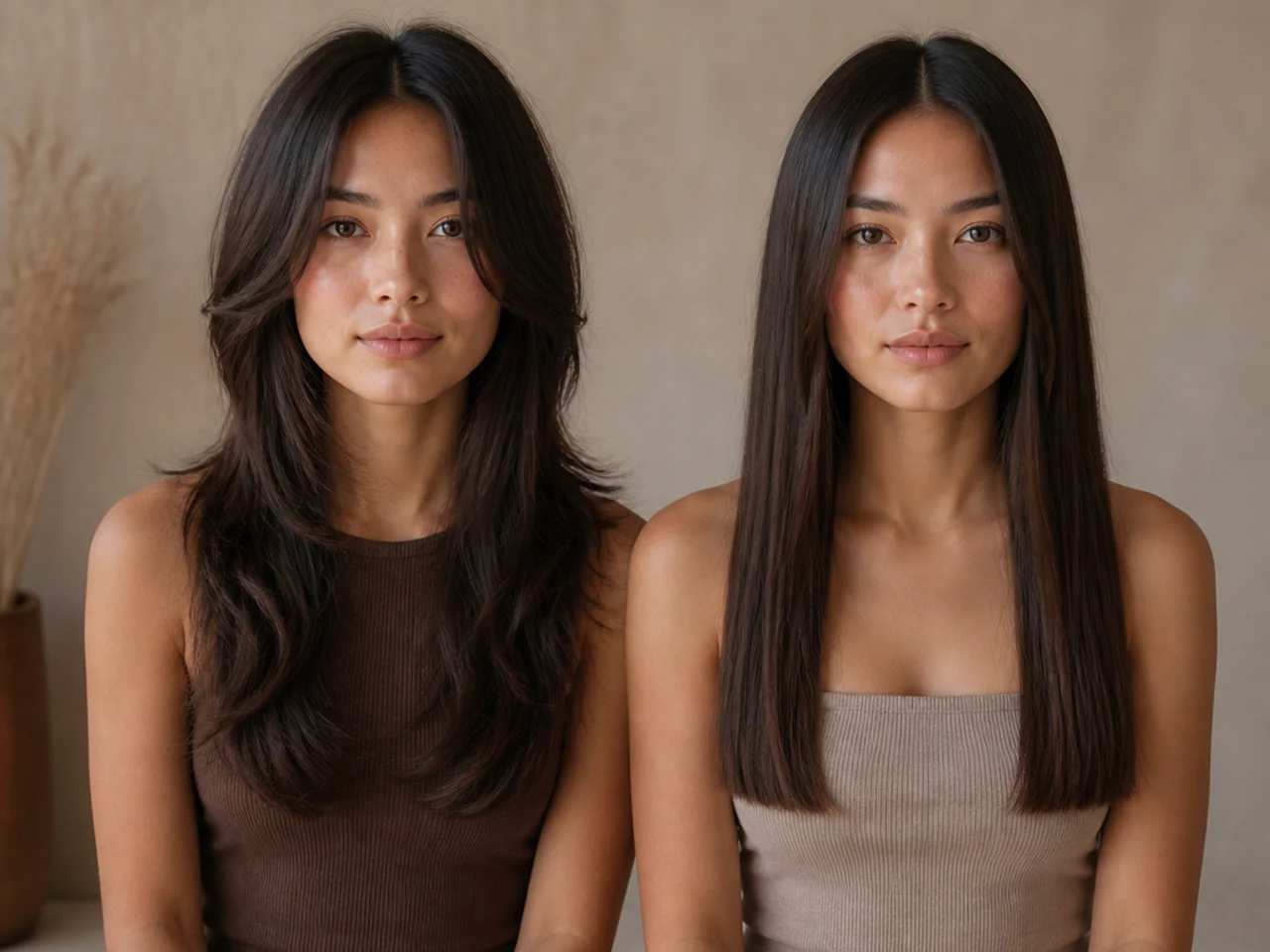
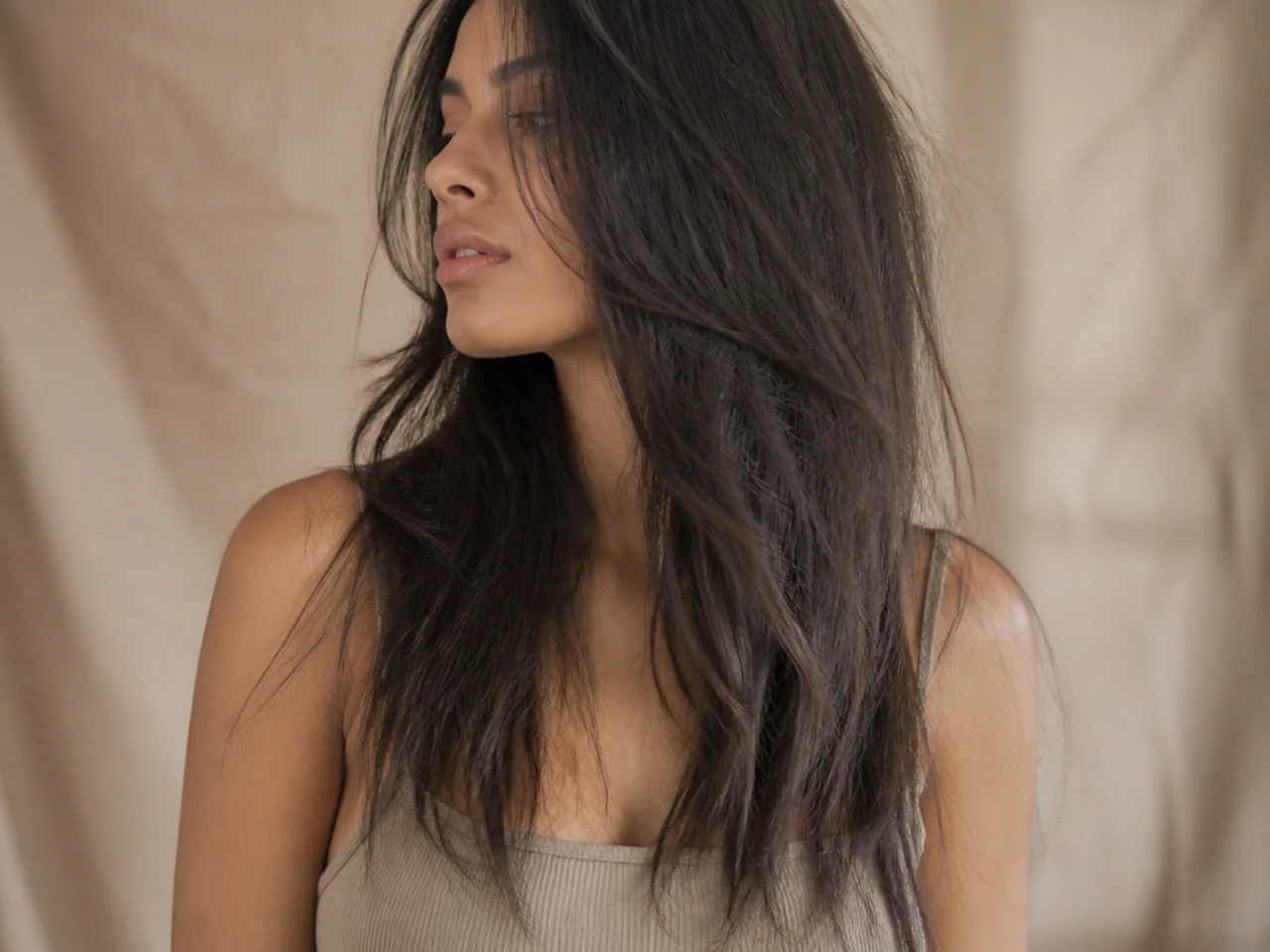
A wolf cut layers all the way through. Graduated lengths from the crown down, which builds volume everywhere and takes strands out of the outline to do it.
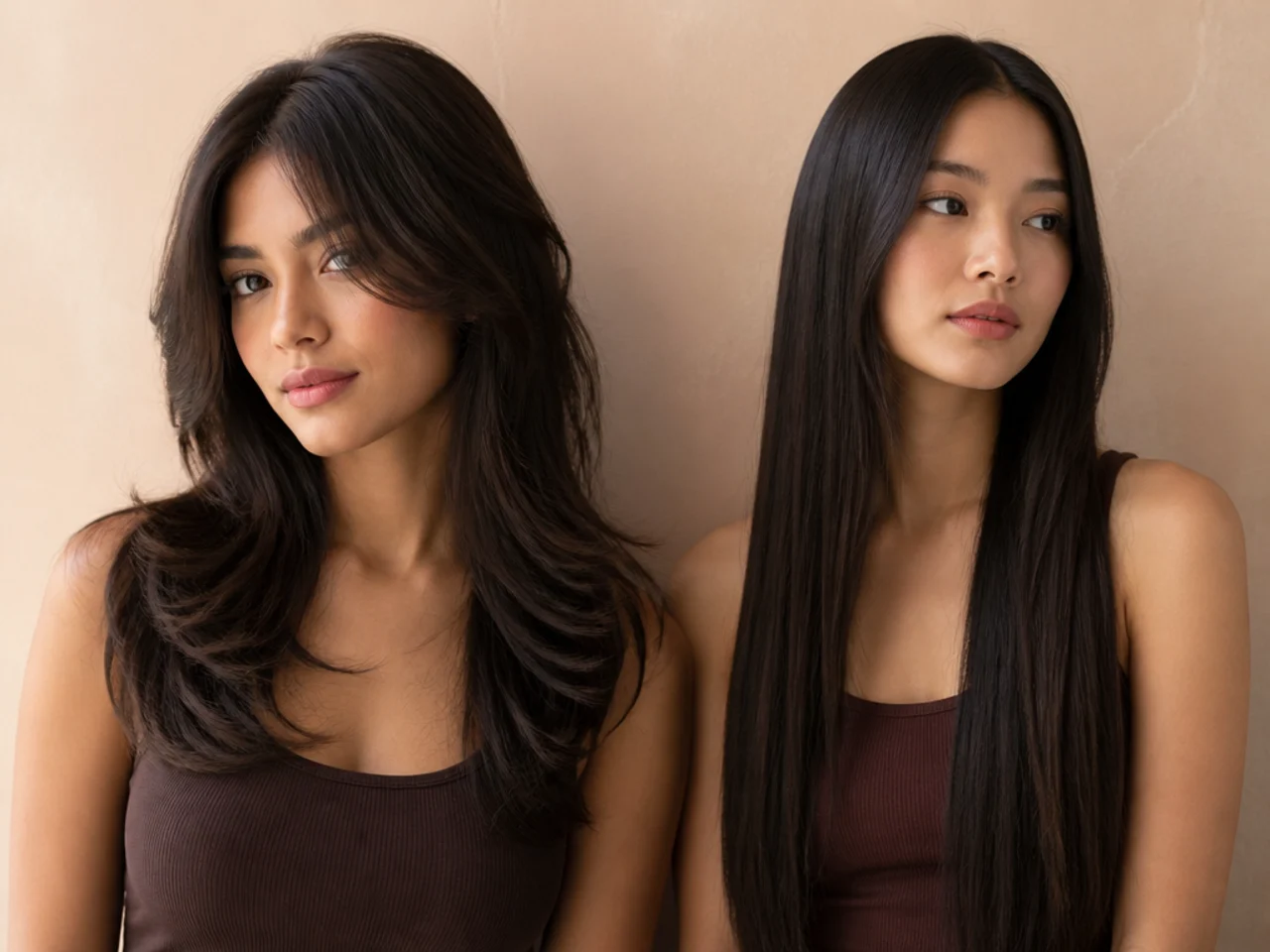
A butterfly cut uses two lengths and stops. One short face framing piece over a long perimeter that is never touched, so the outline keeps every strand it started with.
What Each Cut Actually Is
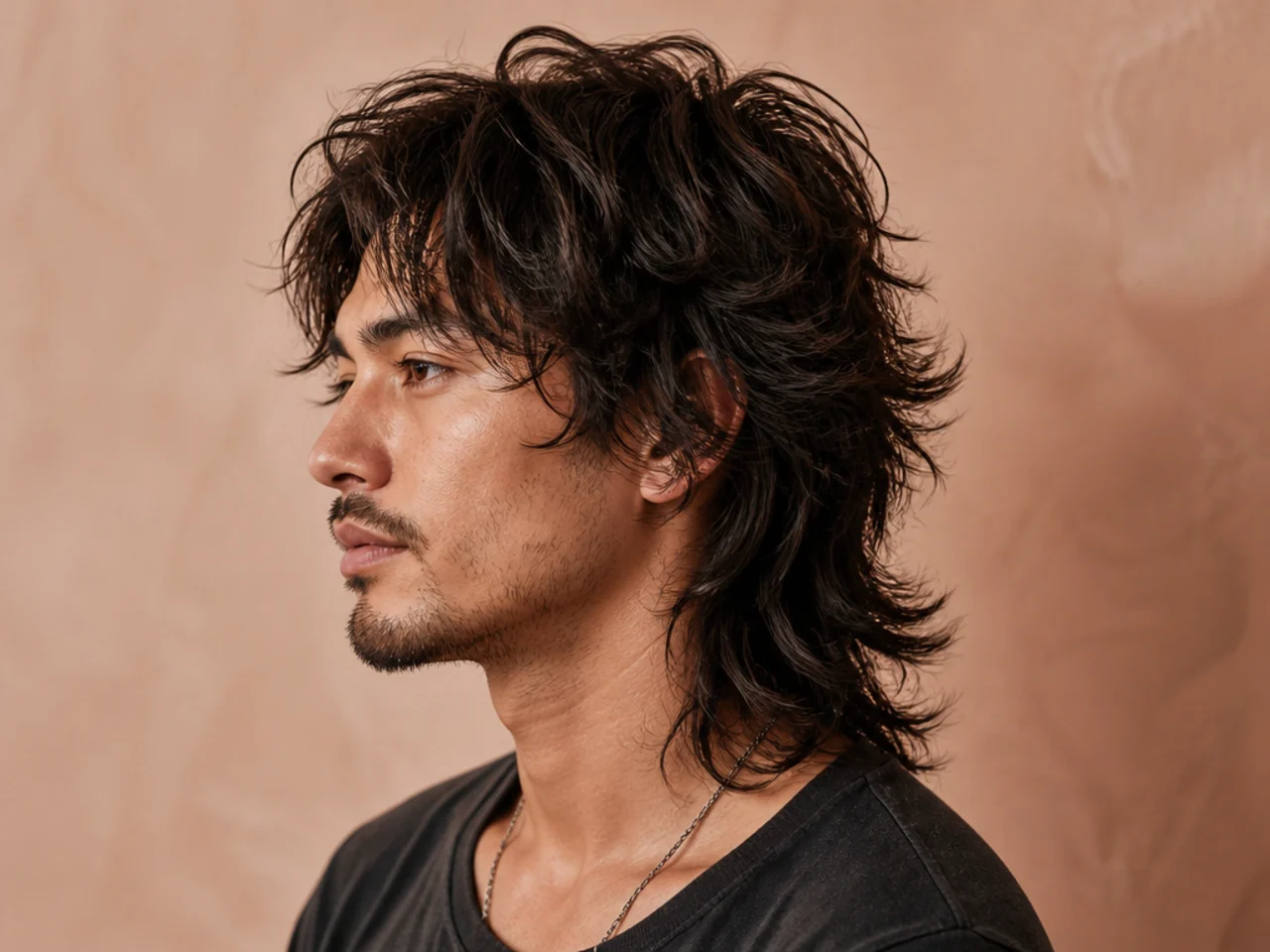
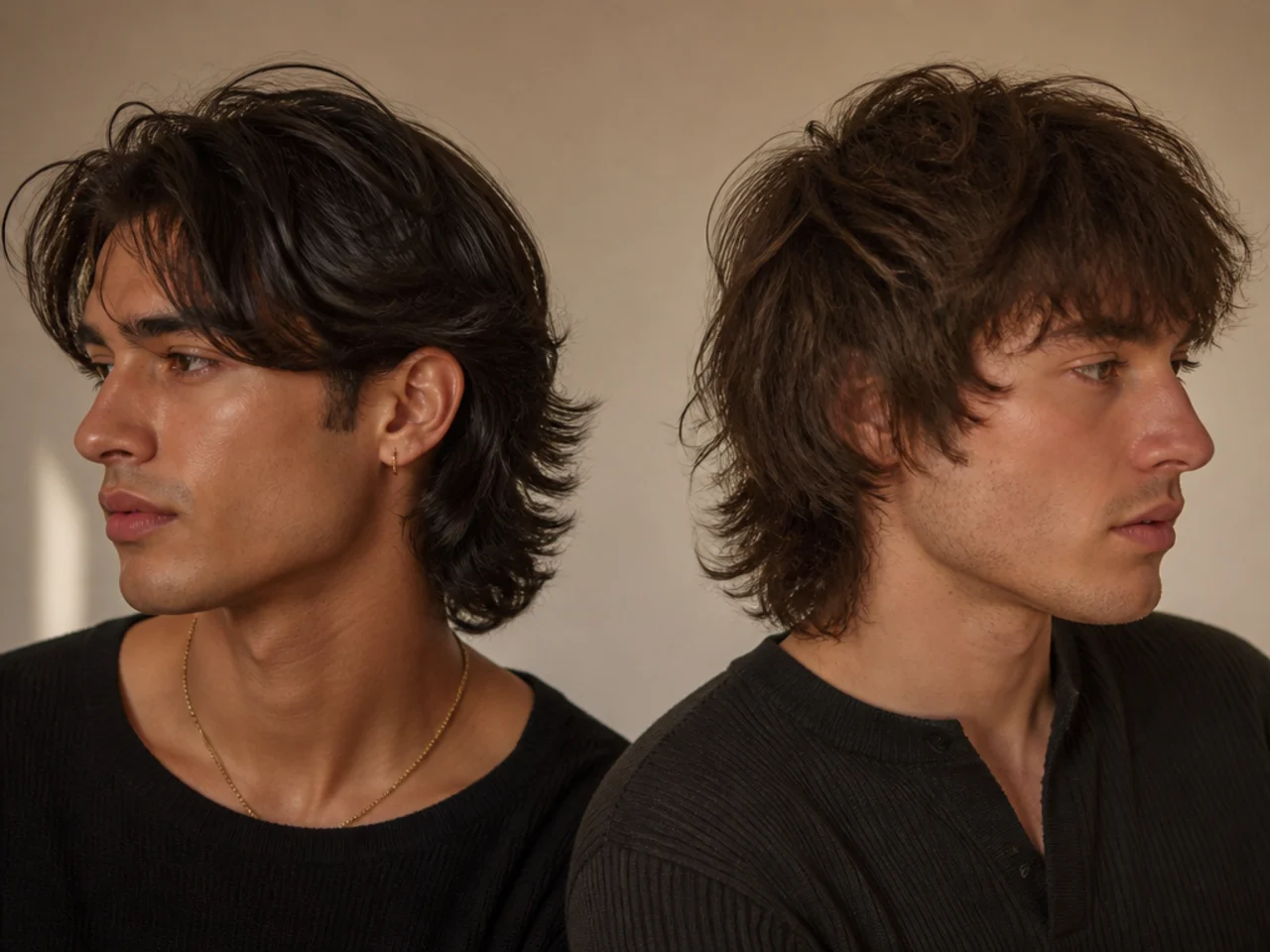
The wolf cut is a shag crossed with a mullet. Short crown layers, progressively longer ones beneath, and a perimeter that has given up weight to every layer above it.
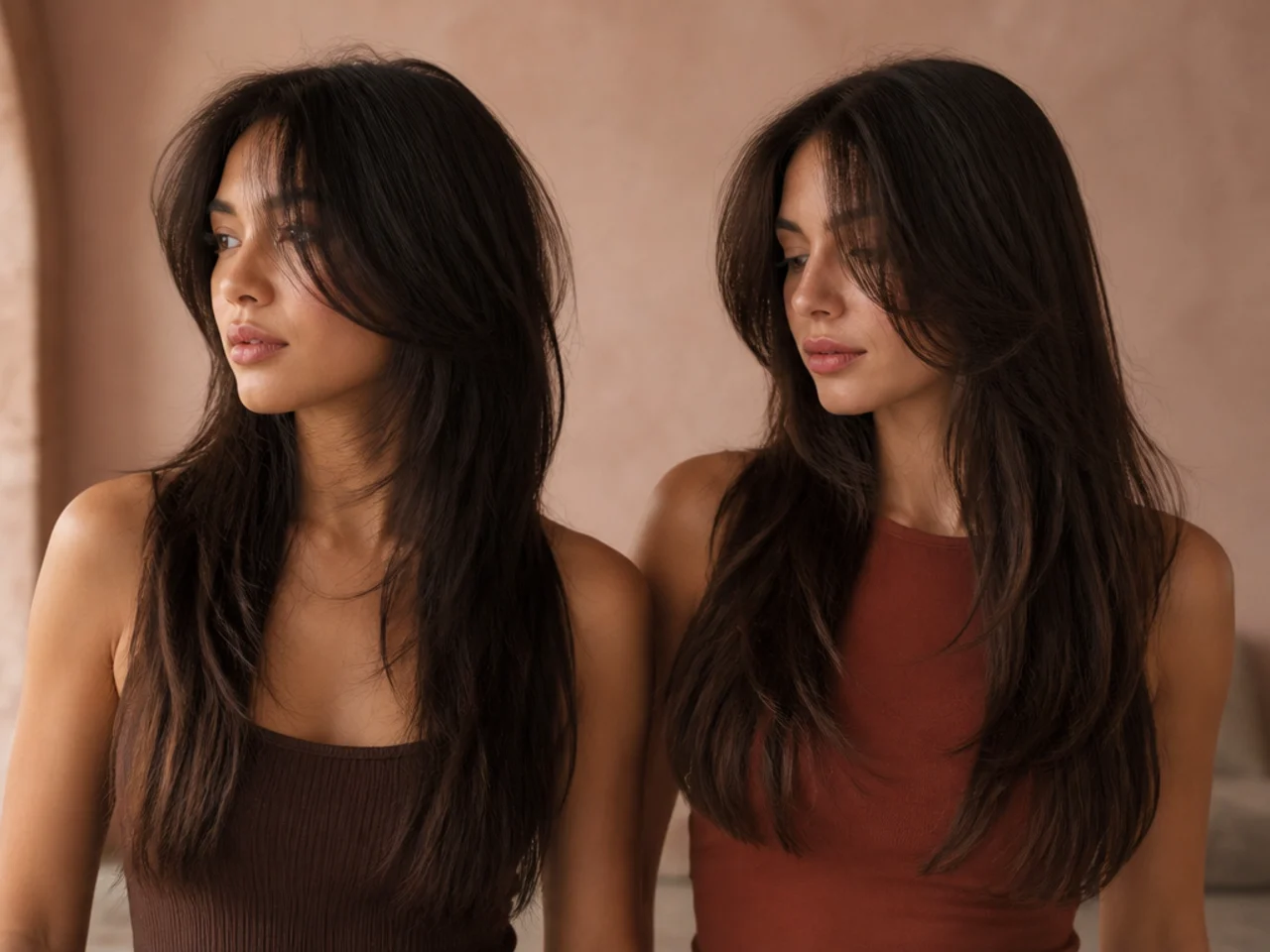
The butterfly cut is a two length illusion. Worn down it reads as long hair. Tied up it reads as a layered cut, because the short piece is the only thing that was cut short.
Volume sits in different places. The wolf cut lifts at the crown. The butterfly cut widens at the cheek, because its short layer bends outward across the face.
They fail differently. A wolf cut goes wrong by thinning the ends. A butterfly cut goes wrong by letting the two lengths merge into one.
How to Choose Between Them
Start with your perimeter. If the ends already look thin, the butterfly cut is the only one of the two that does not make it worse.
Then look at the crown. If the top is flat and the density is there, the wolf cut is the one that fixes it.
Count your styling minutes. The wolf cut dries into its shape. The butterfly cut needs a brush and a cooling period every time.
Decide how reversible you need it to be. Two lengths can be grown into one in a few months. A full head of graduated layers cannot.
The 20 Differences
1. Where the Shortest Layer Sits
The wolf cut puts it at the crown, high on the head, so it props up everything beneath. The butterfly cut puts it at the cheekbone or chin, forward of the ear, so it frames instead of lifting. For height the wolf cut wins outright, because a layer at the front cannot support hair sitting behind it.
2. How Many Lengths There Are
A wolf cut runs continuous graduation, which can be five or six distinguishable lengths. A butterfly cut has two, with only a few connecting cuts between them. For anyone who wants a cut they can describe accurately to a different stylist next year, the butterfly cut wins on being two numbers rather than a philosophy.
3. Crown Volume
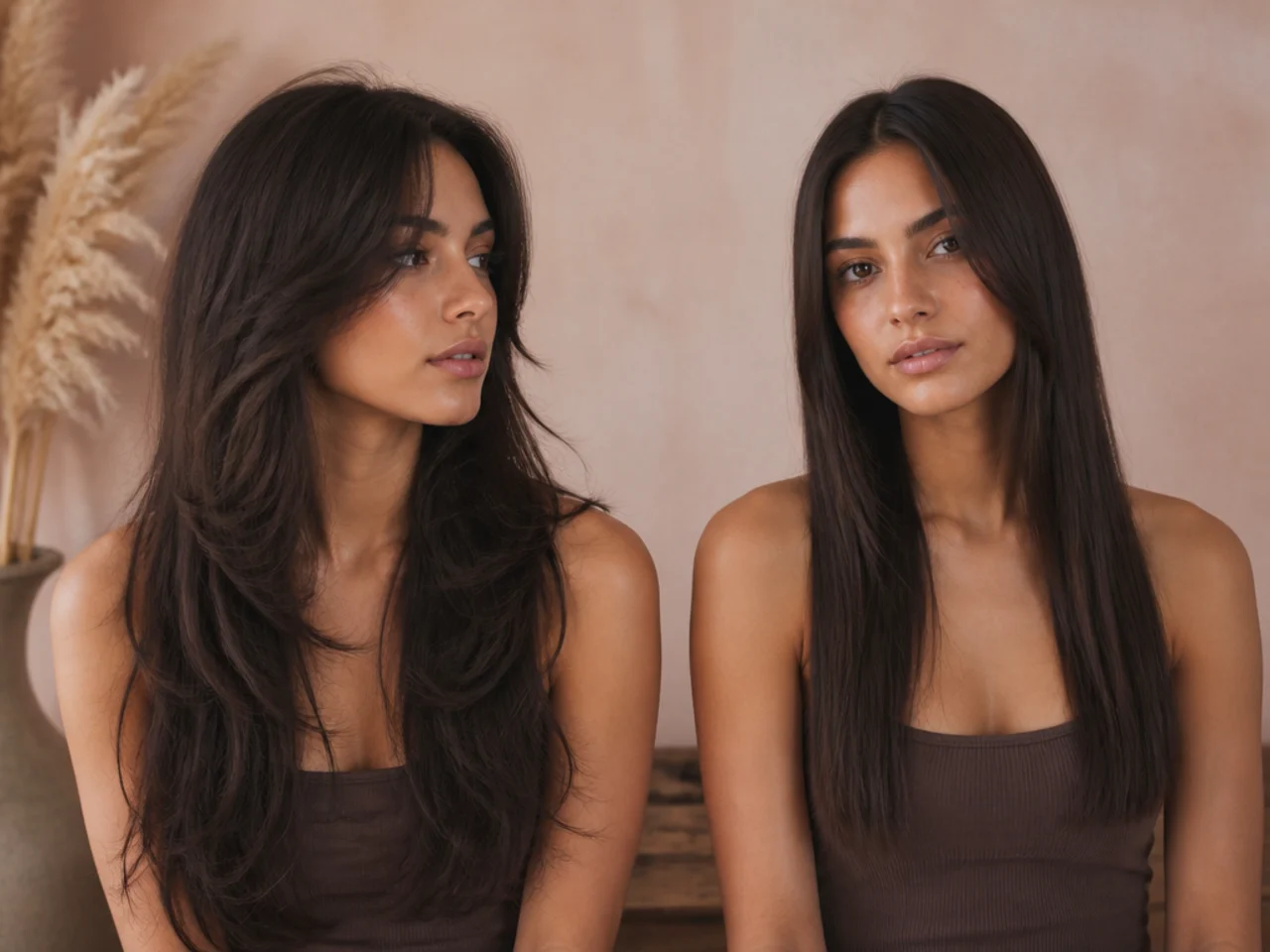
Wolf cut layers are short enough that the strands stand on their own stiffness rather than being pulled flat by their own weight. A butterfly cut leaves the crown at full length, so it hangs. The wolf cut wins for anyone whose complaint is a flat top, and it is not close.
4. Face Framing
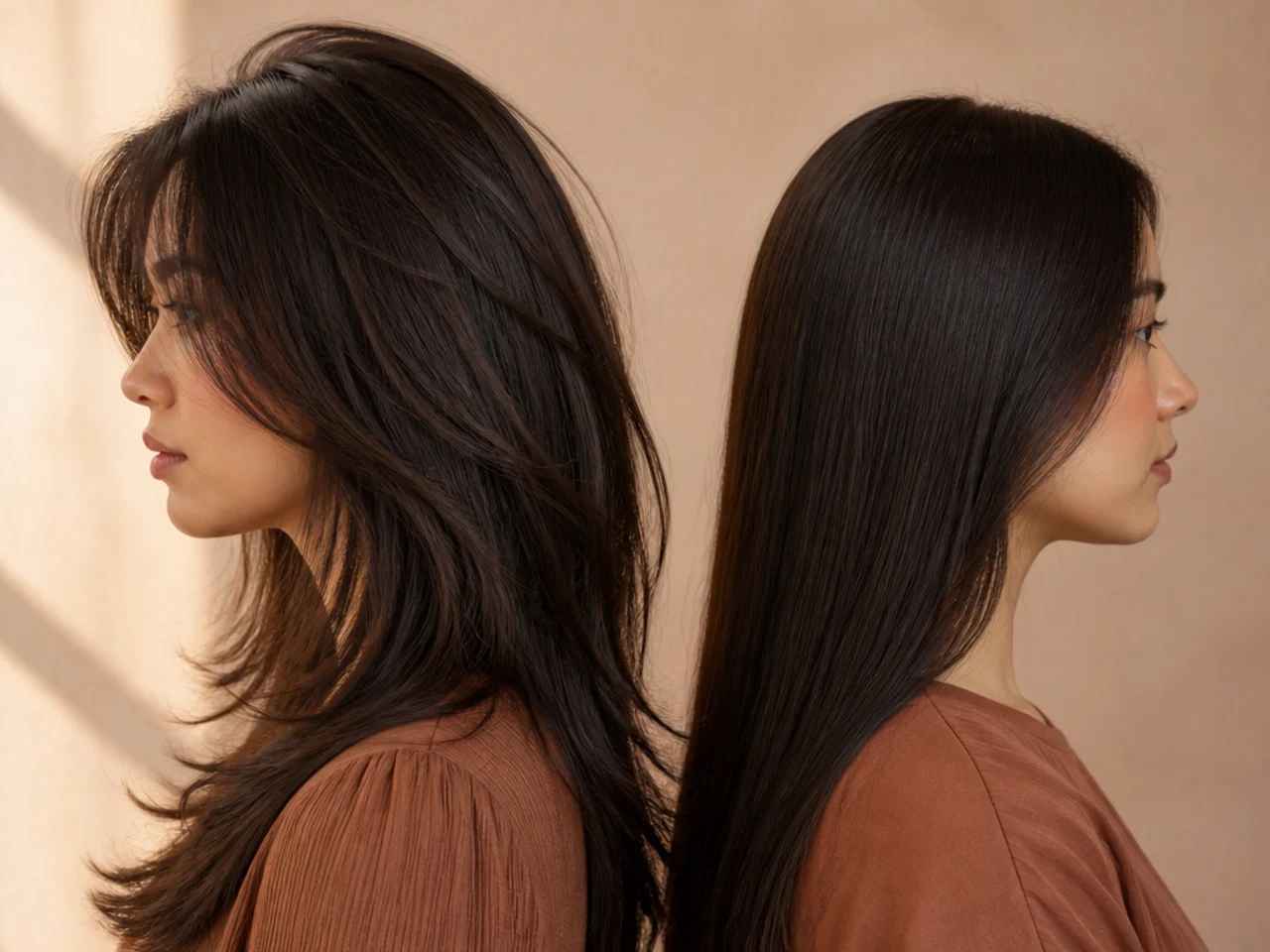
Both frame, differently. The wolf cut arrives at the face as the shortest end of a continuous graduation, so the framing is wispy. The butterfly cut delivers a single deliberate piece with a blunt end that bends outward. For a defined frame the butterfly cut wins, because one solid piece reads where several fine ones do not.
5. The Perimeter
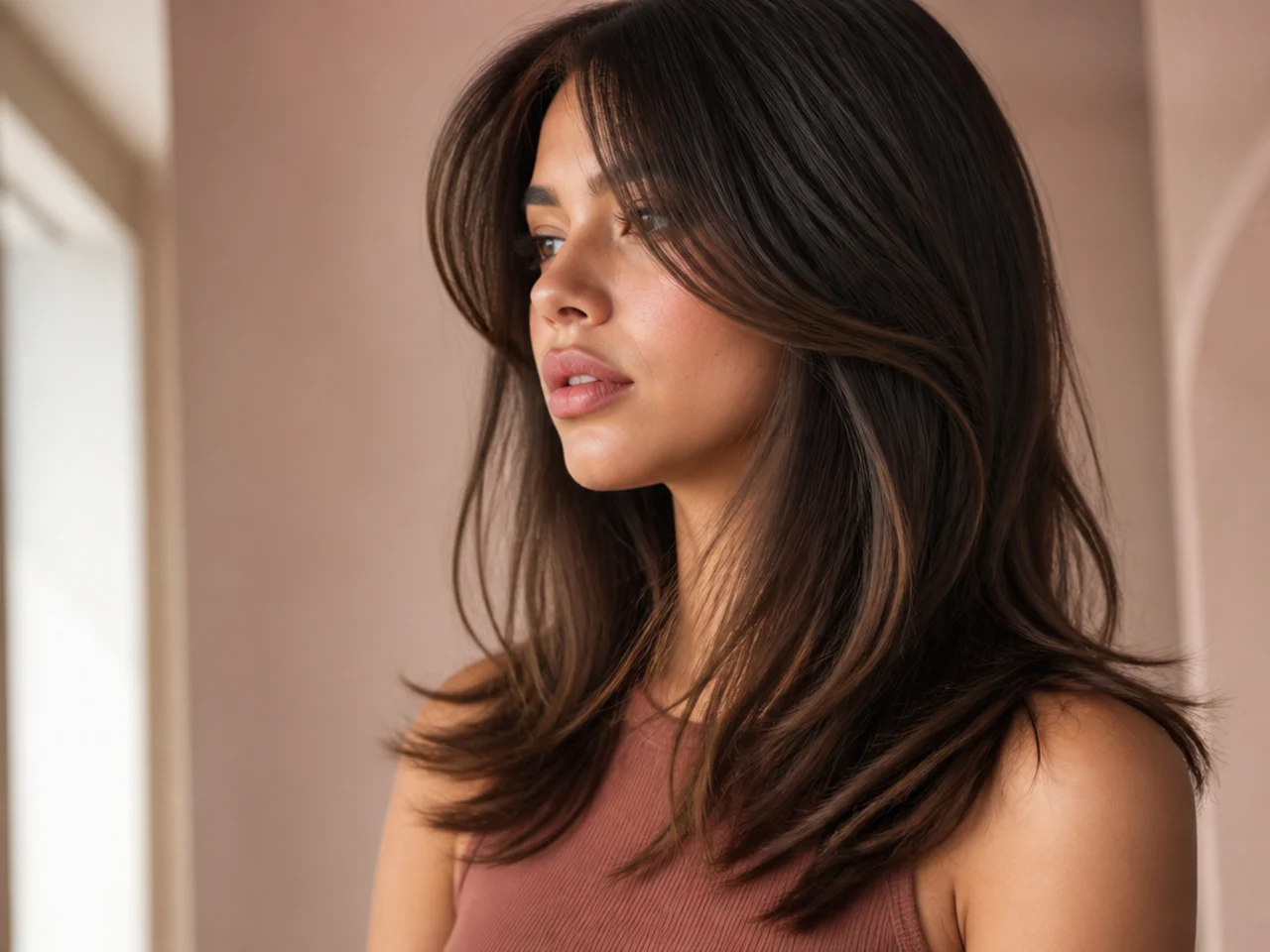
Every wolf cut layer takes a strand out of the outline for the year it needs to grow back. A butterfly cut leaves the outline alone entirely. If the ends are the part of your hair you like, the butterfly cut wins, since the wolf cut spends exactly that hair to build its volume.
6. How Visible the Layers Are
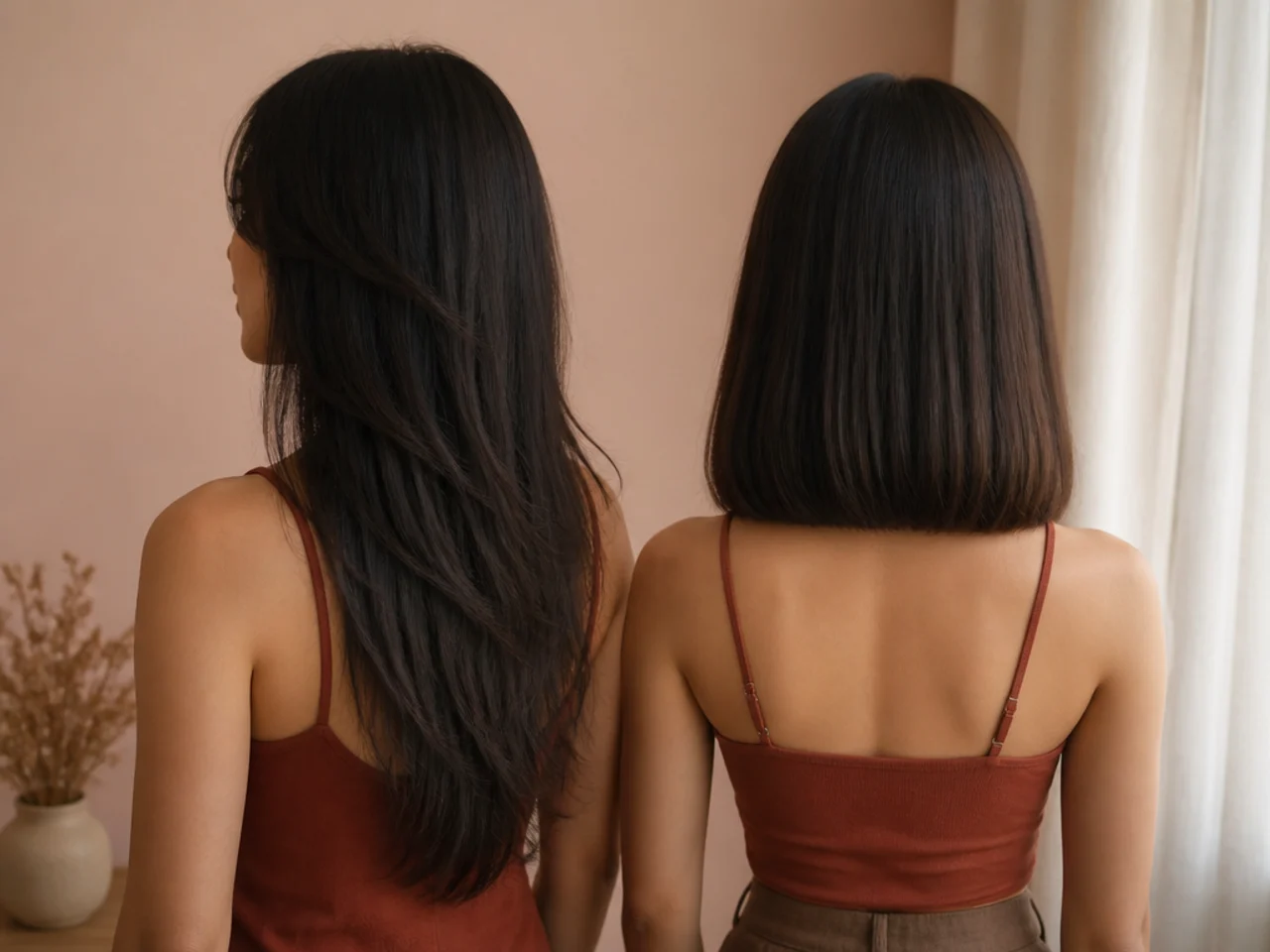
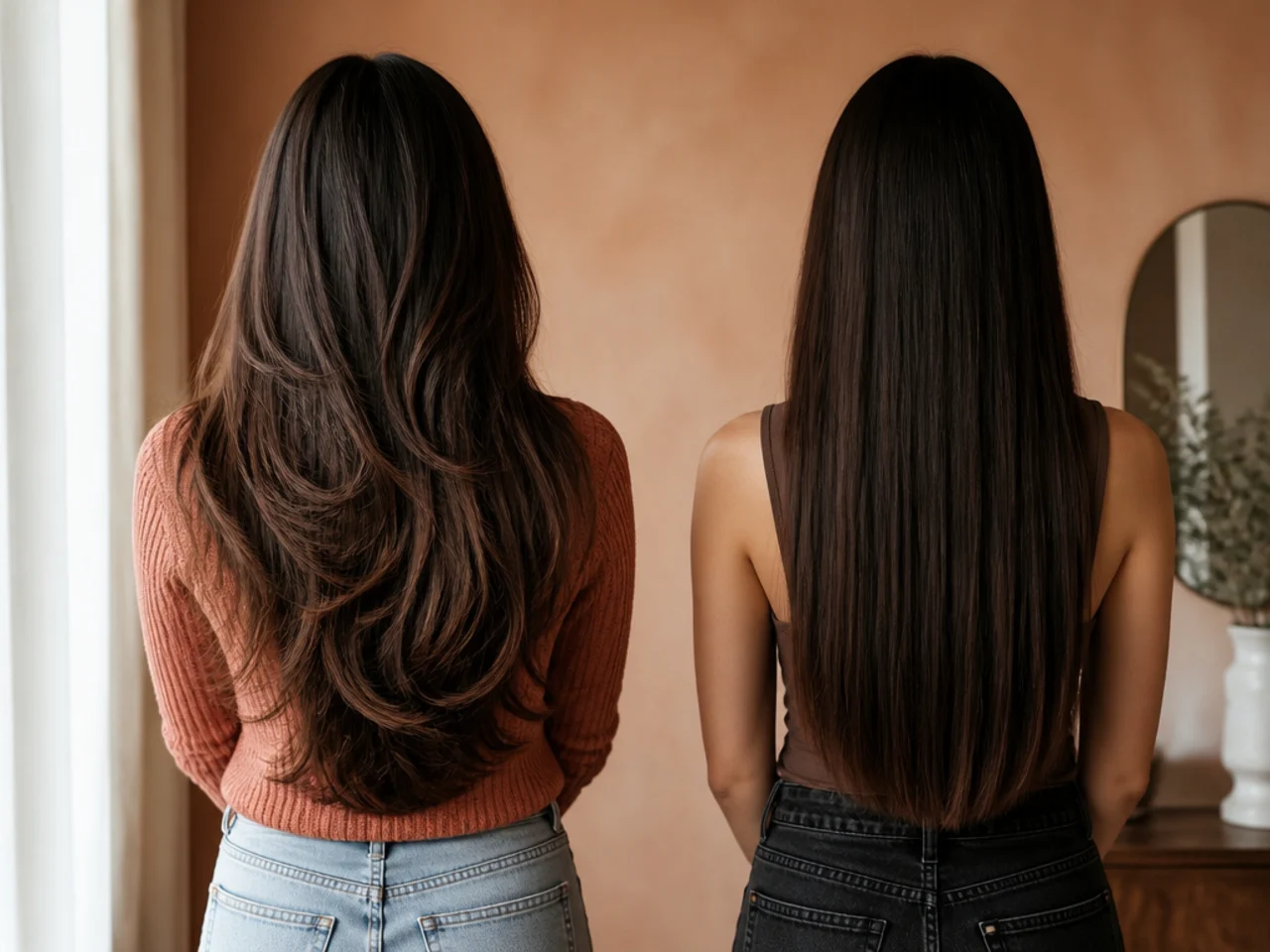
A wolf cut is meant to show its layers, and closely spaced graduation reads as movement. A butterfly cut hides its join and shows only the front piece. For anyone who wants long hair that still looks unlayered from behind, the butterfly cut wins by design.
7. Fine Hair
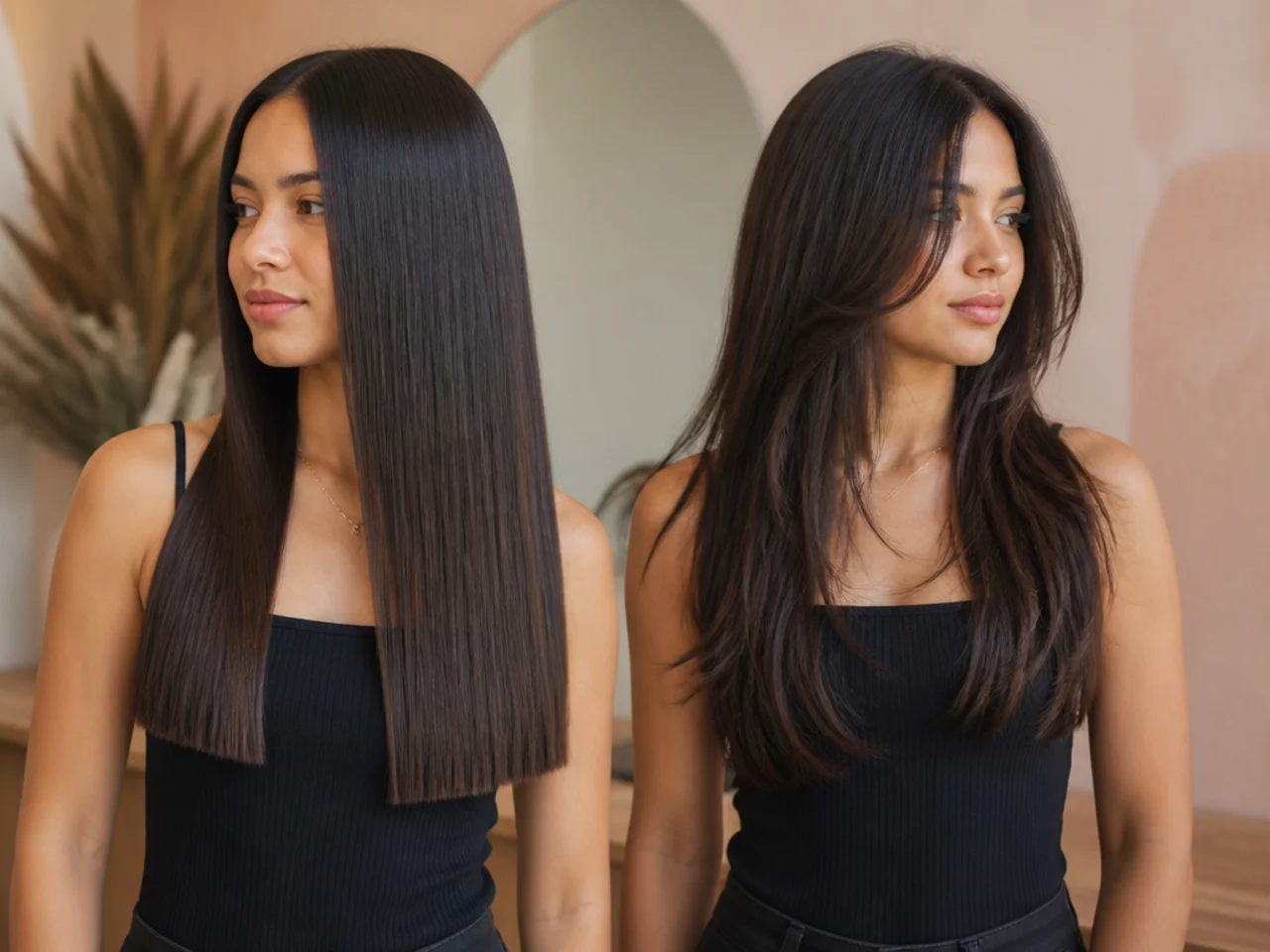
Fine hair carries its apparent thickness in the stacked ends of the perimeter. The wolf cut removes those ends layer by layer, while the butterfly cut leaves them stacked and adds one short piece at the front. The butterfly cut wins here, and the margin is the whole reason the question gets asked.
8. Thick Hair
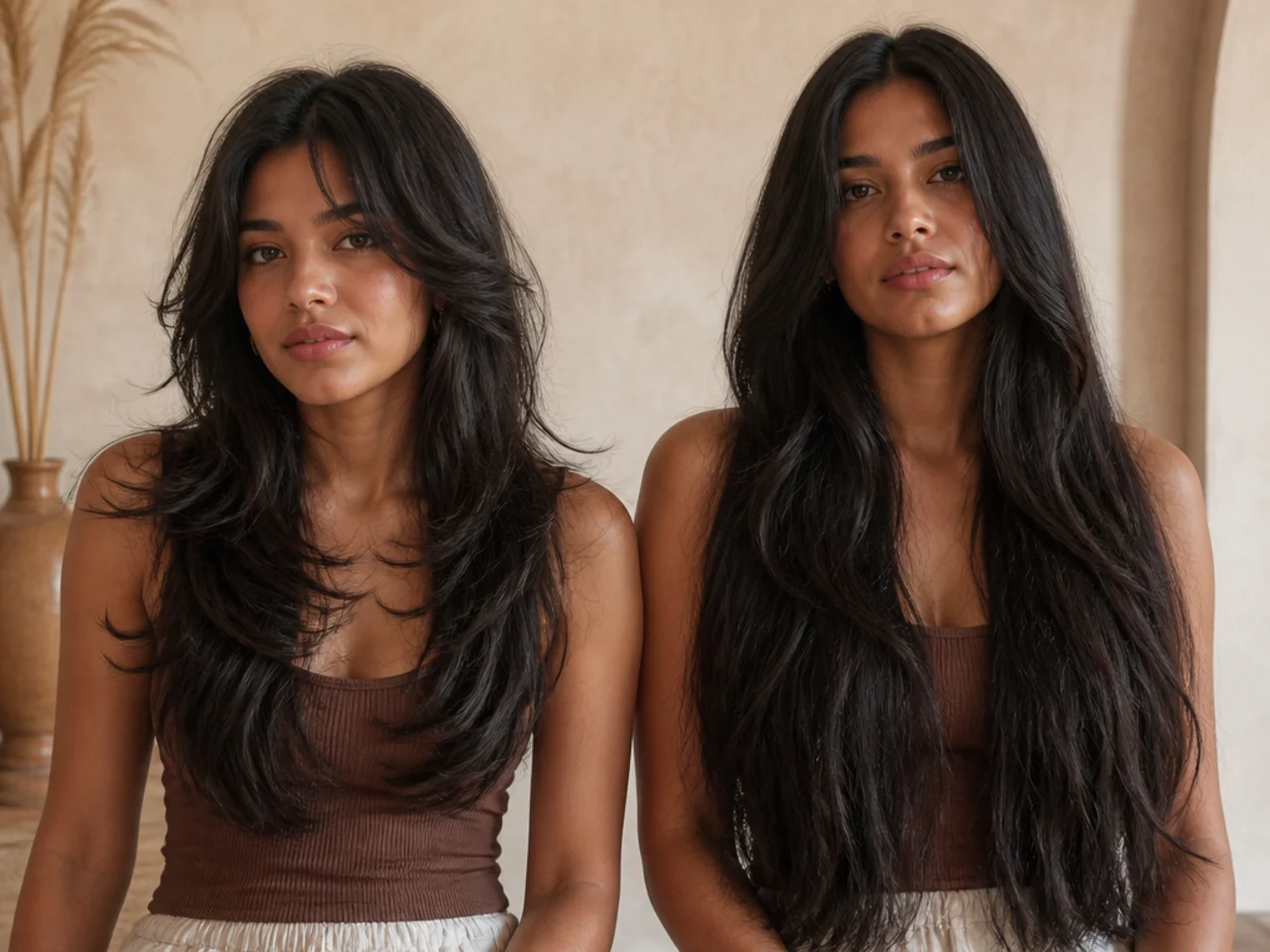
Thick hair builds width at the mid lengths because the mass has nowhere to go sideways. A wolf cut removes that bulk by taking length out of the interior, where a butterfly cut leaves it in place. The wolf cut wins on thick hair for the same reason it loses on fine.
9. Straight Hair
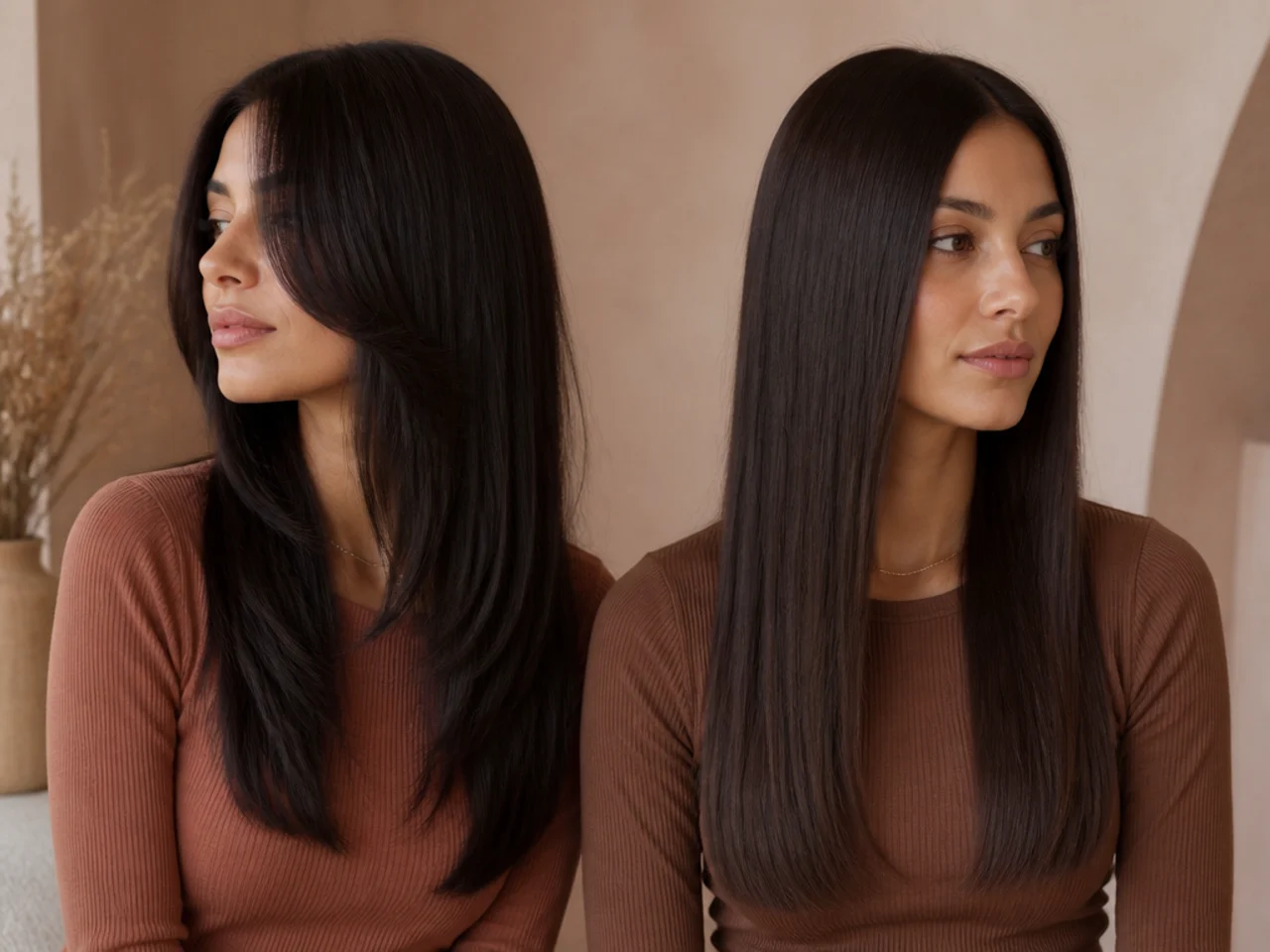
Straight strands hang in a single line with nothing to scatter light, so any step between two lengths is read as a step. That punishes the butterfly cut's single join and rewards the wolf cut's closely spaced graduation. The wolf cut wins on straight hair unless the butterfly join is carefully connected.
10. Wavy Hair
A wave bends light in several directions at once, which blurs a join before the eye finds it, and it also lifts the crown without help. Both cuts look good, but the wolf cut wins because the wave does half its styling for it.

11. Curly Hair
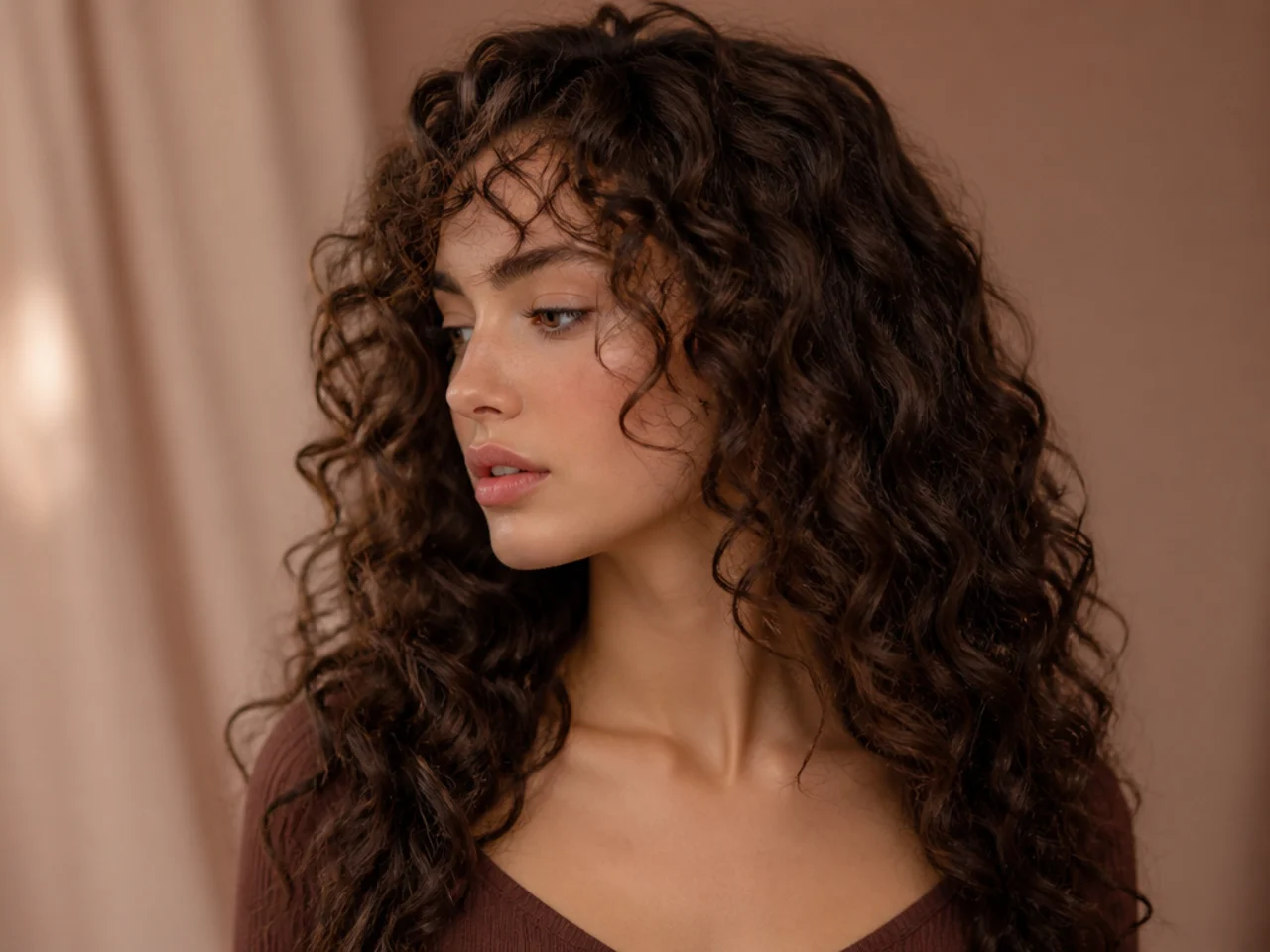
A curl holds itself off the scalp, so the crown volume a wolf cut is cut to produce is already there. What curls need is shape at the outline, which is the butterfly cut's job. On curls the butterfly cut wins, provided both are cut dry.
12. Air Drying
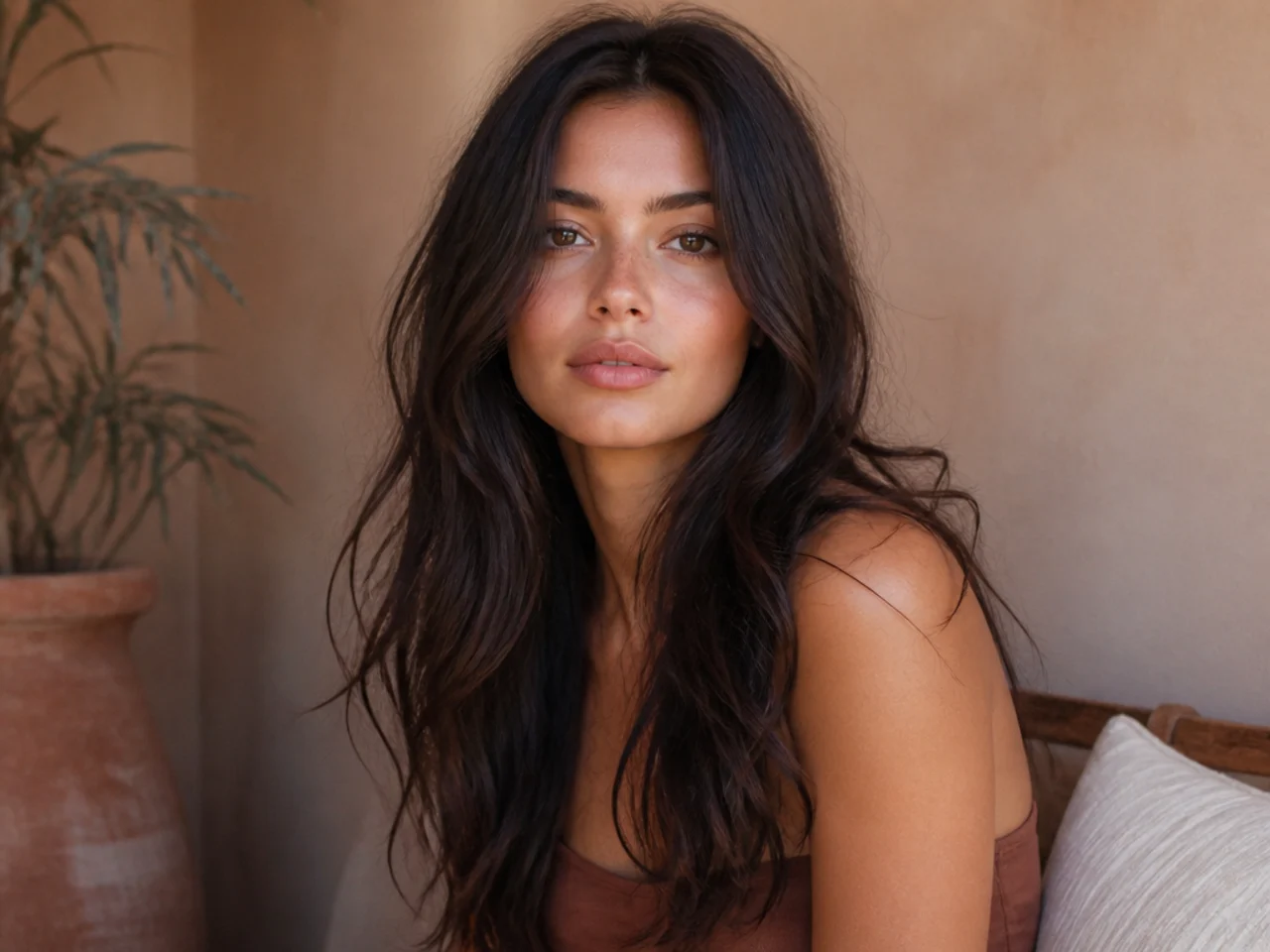
The wolf cut's volume is cut into the hair, so it appears as the water leaves. The butterfly cut's effect depends on a bend that only heat and cooling can put in. For anyone who air dries, the wolf cut wins without qualification.
13. Blow Dry Time
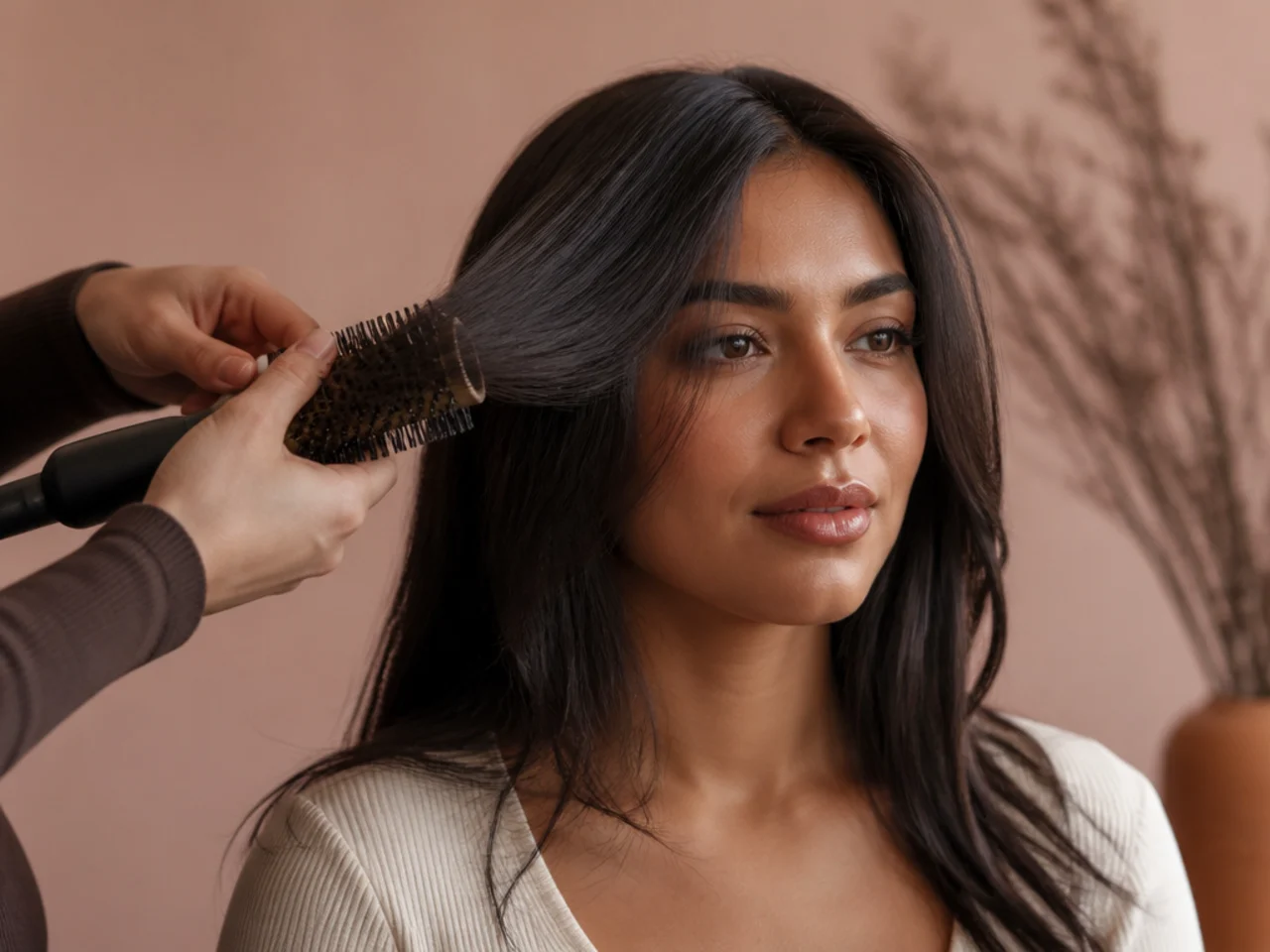
A butterfly cut needs one section shaped properly — the front piece, over a round brush, held until it cools. A wolf cut needs the whole crown lifted. The butterfly cut wins on minutes, because it concentrates the work into a small section.
14. How Much Product Each Needs
Wolf cut layers hold their own position and mainly want texture spray to keep the ends separated. The butterfly cut's bend collapses under weight, so it wants almost nothing at the front. The butterfly cut wins on product cost, the wolf cut on tolerance for getting it wrong.
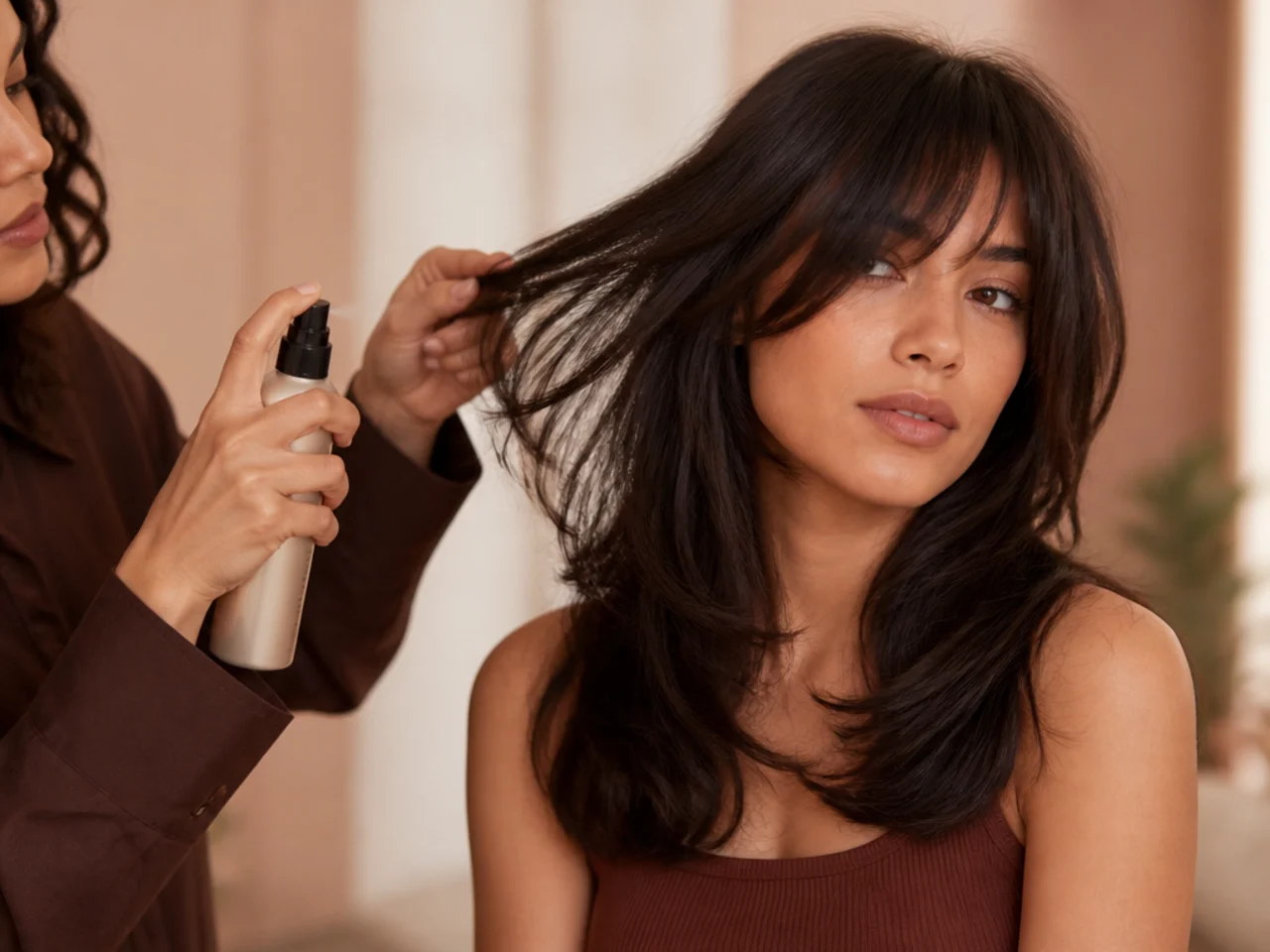
15. Ponytails and Updos
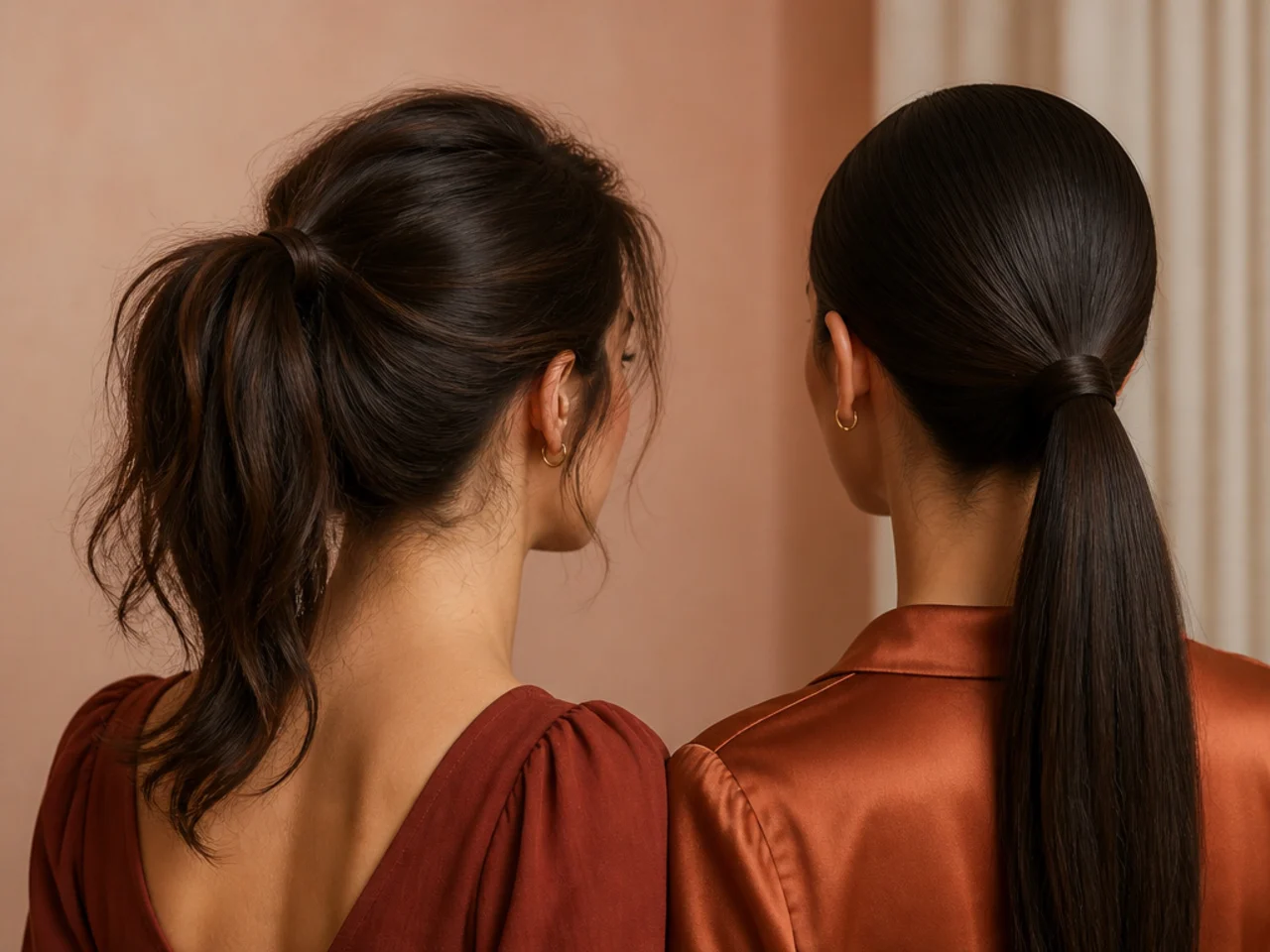
Tied up, a wolf cut releases a halo of short crown layers that will not go into the band. A butterfly cut keeps everything above the short front piece at full length, so it gathers cleanly. The butterfly cut wins for anyone who ties their hair back daily.
16. Grow Out Behaviour
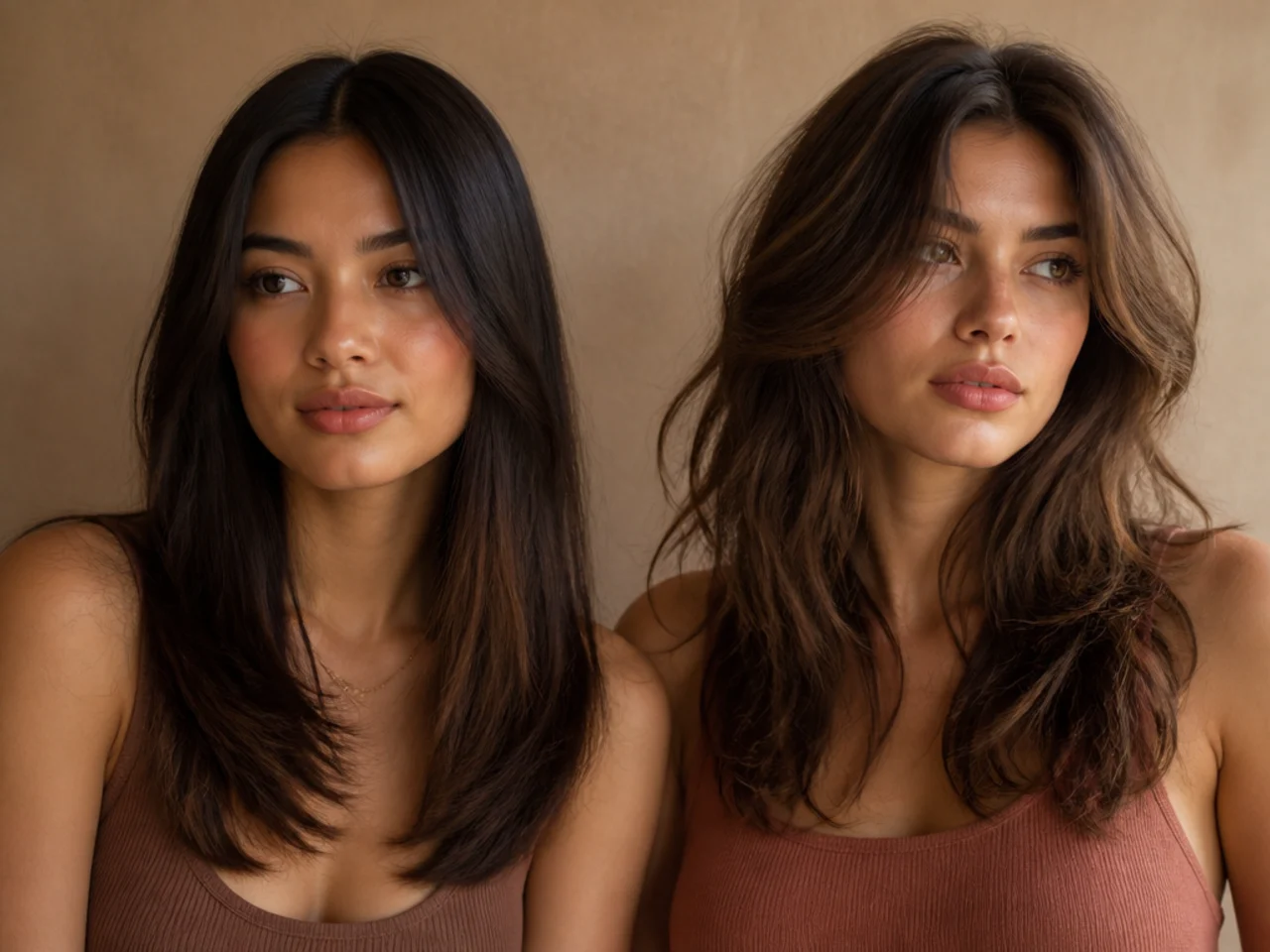
A butterfly cut has one join, so growth closes the gap between two lengths and the cut becomes long hair again. A wolf cut has many, and they arrive at the perimeter at different times. The butterfly cut wins for growing out, because there is only one thing to wait for.
17. Trim Frequency
A butterfly cut loses its separation as soon as the short piece grows, which is about six to eight weeks. A wolf cut softens gradually and still reads correctly at twelve. The wolf cut wins on appointments, at the cost of the perimeter it already spent.
18. How Colour Reads on Each
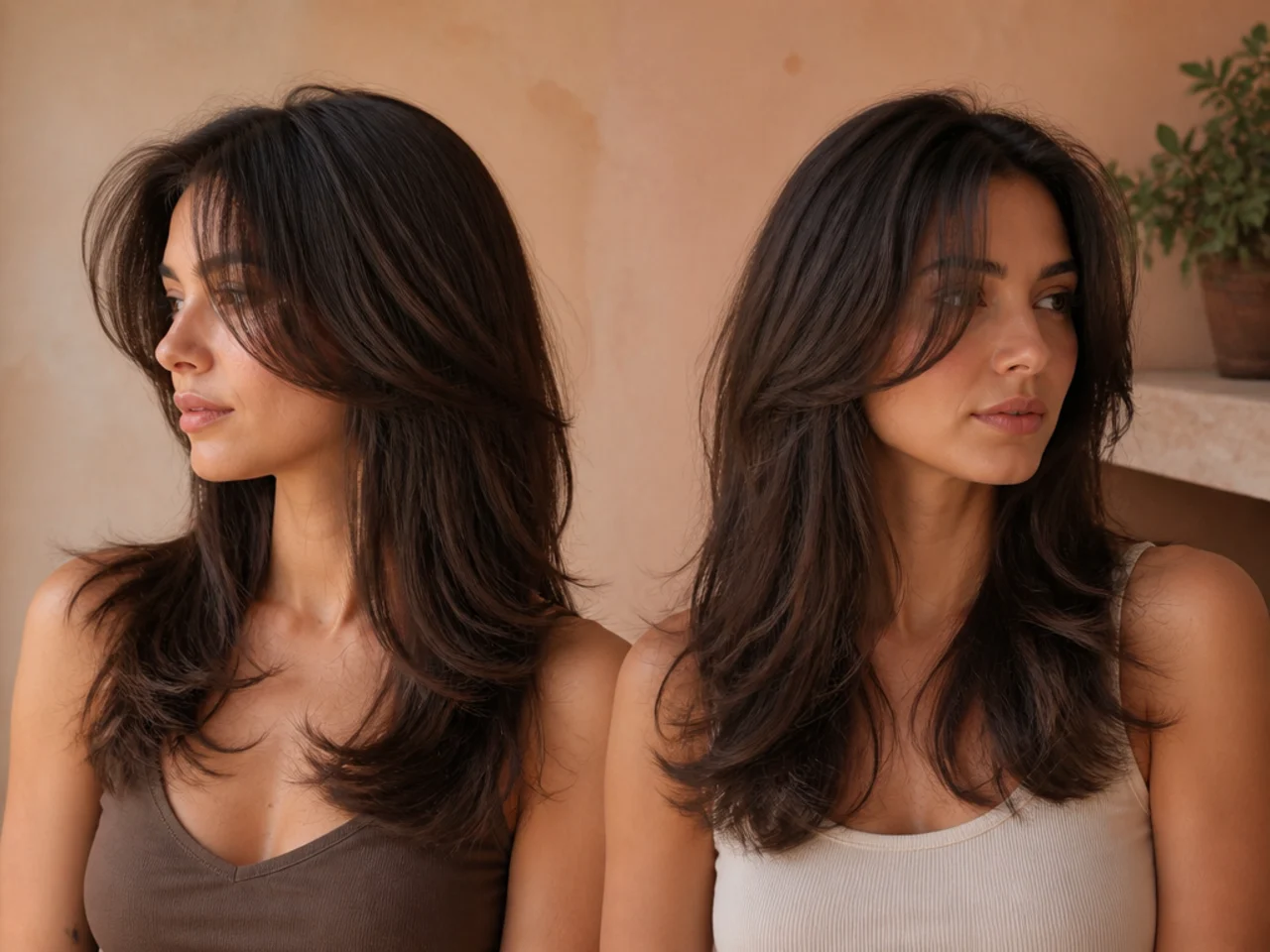
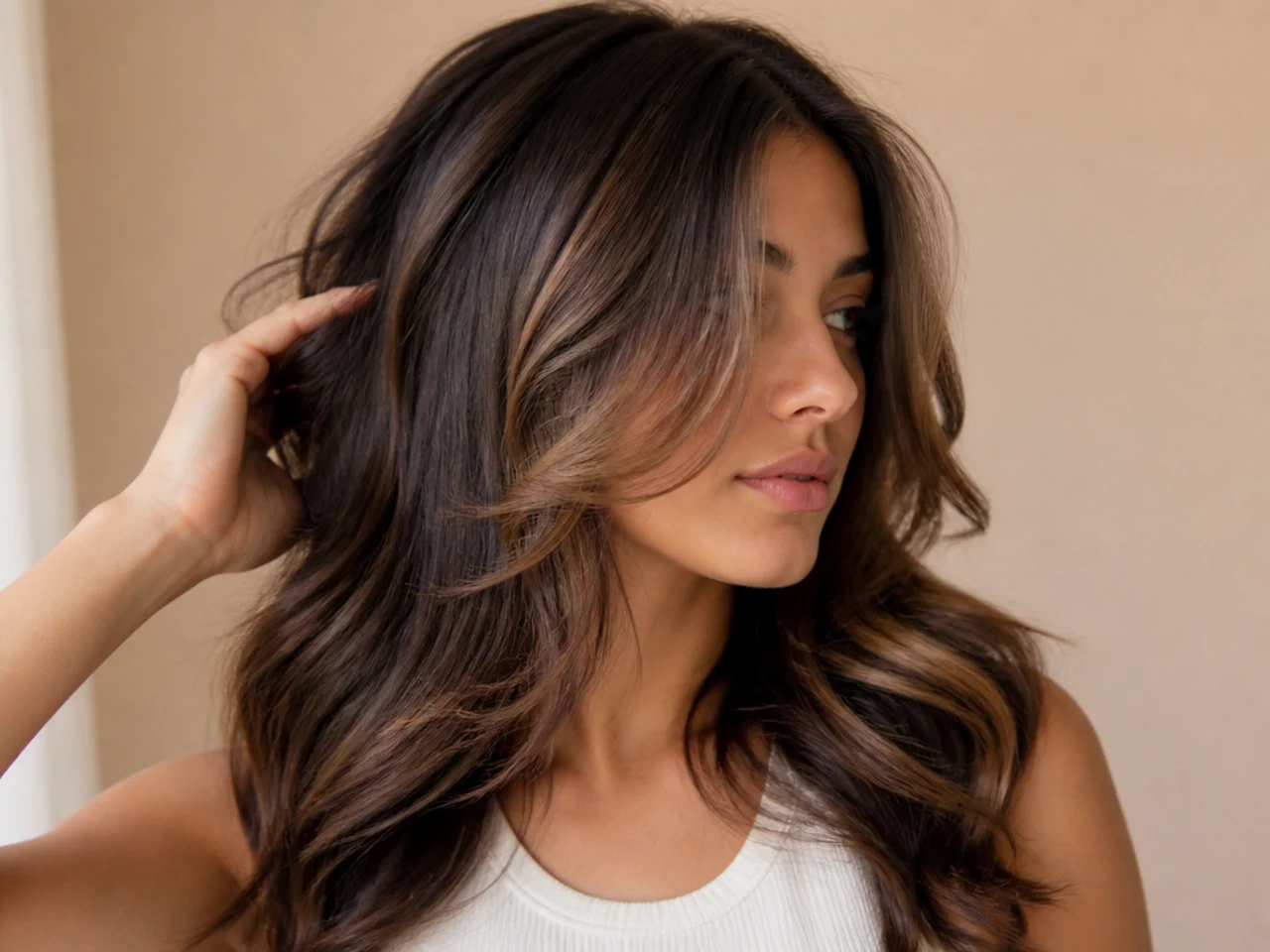
Layering creates several surfaces at different angles, so painted colour on a wolf cut shows on every plane at once. A butterfly cut has two surfaces, which makes a money piece at the front the obvious placement. The wolf cut wins for dimension, the butterfly cut for a single clean statement.
19. How Easy Each Is to Undo
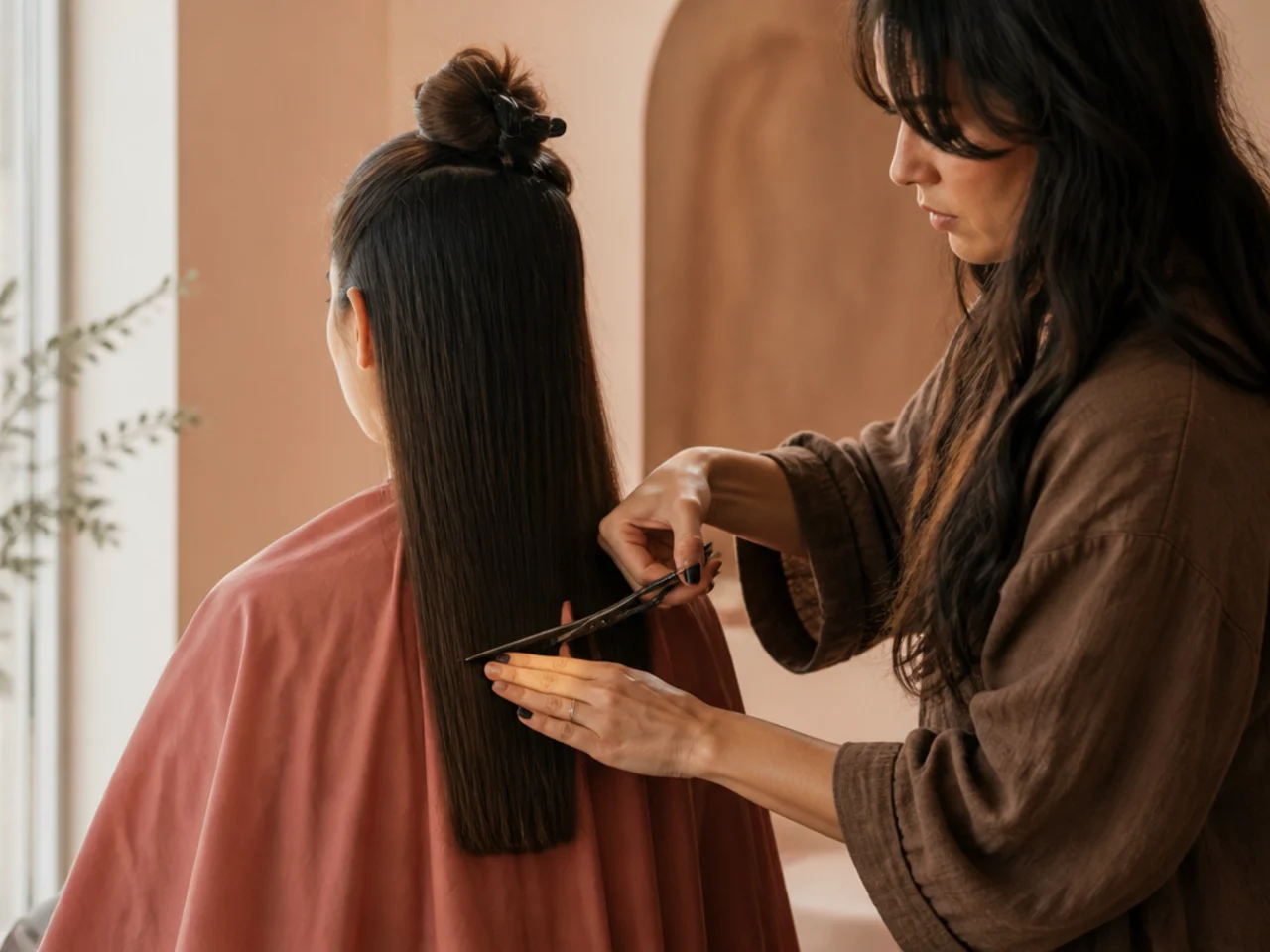
Two lengths can be reconciled by trimming the longer one down to meet the shorter, which costs a few inches. Undoing full graduation means cutting to the shortest layer, which on a wolf cut is at the crown. The butterfly cut wins on being reversible in a single appointment.
20. Which to Ask For
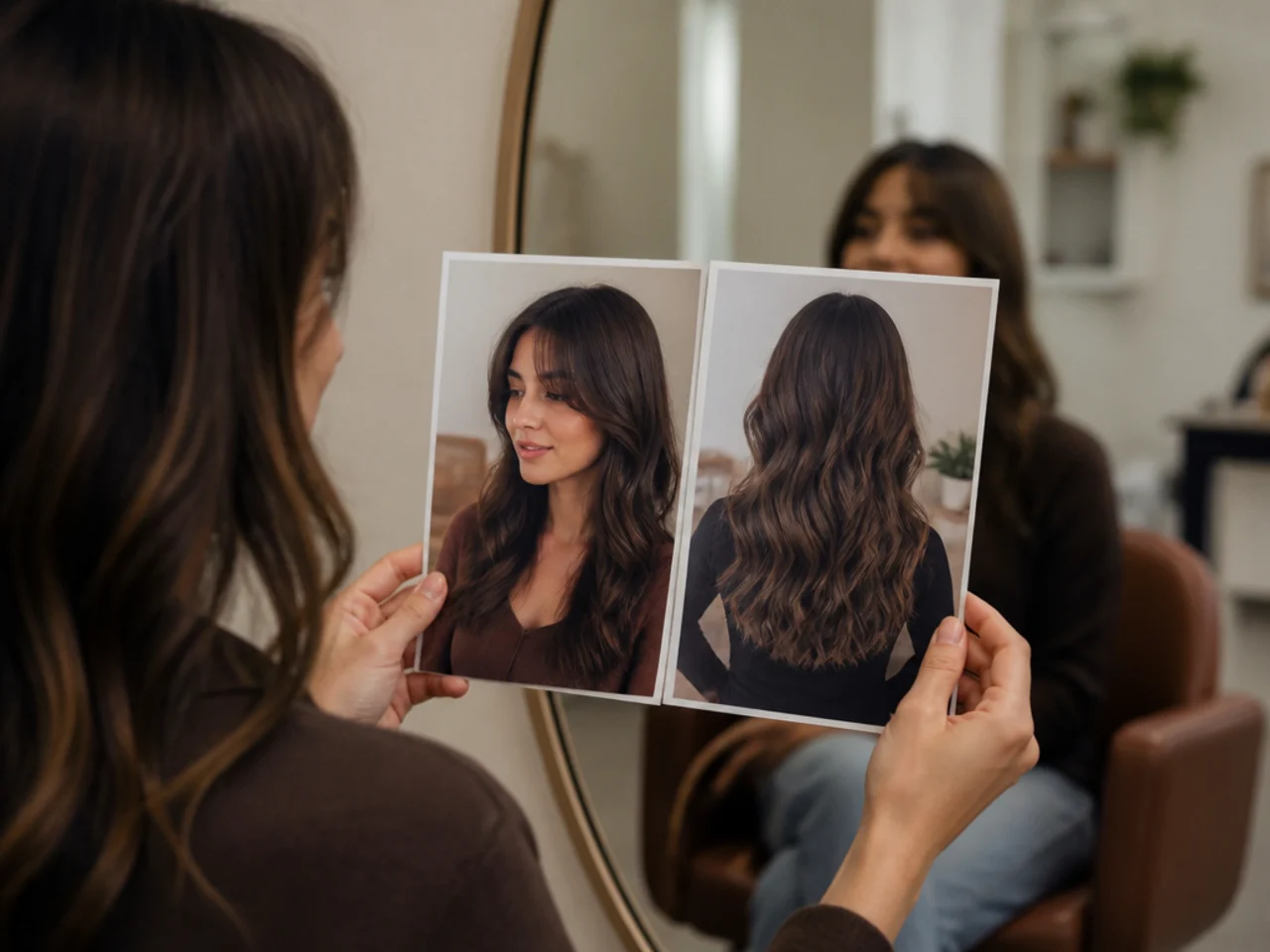
Ask for a wolf cut if the crown is flat, the hair is thick or wavy, and it gets air dried. Ask for a butterfly cut if the ends are thin, the hair goes up in a band most days, or you want the option to grow it out by summer. Neither answer changes with the photograph on the phone.
Styling and Upkeep
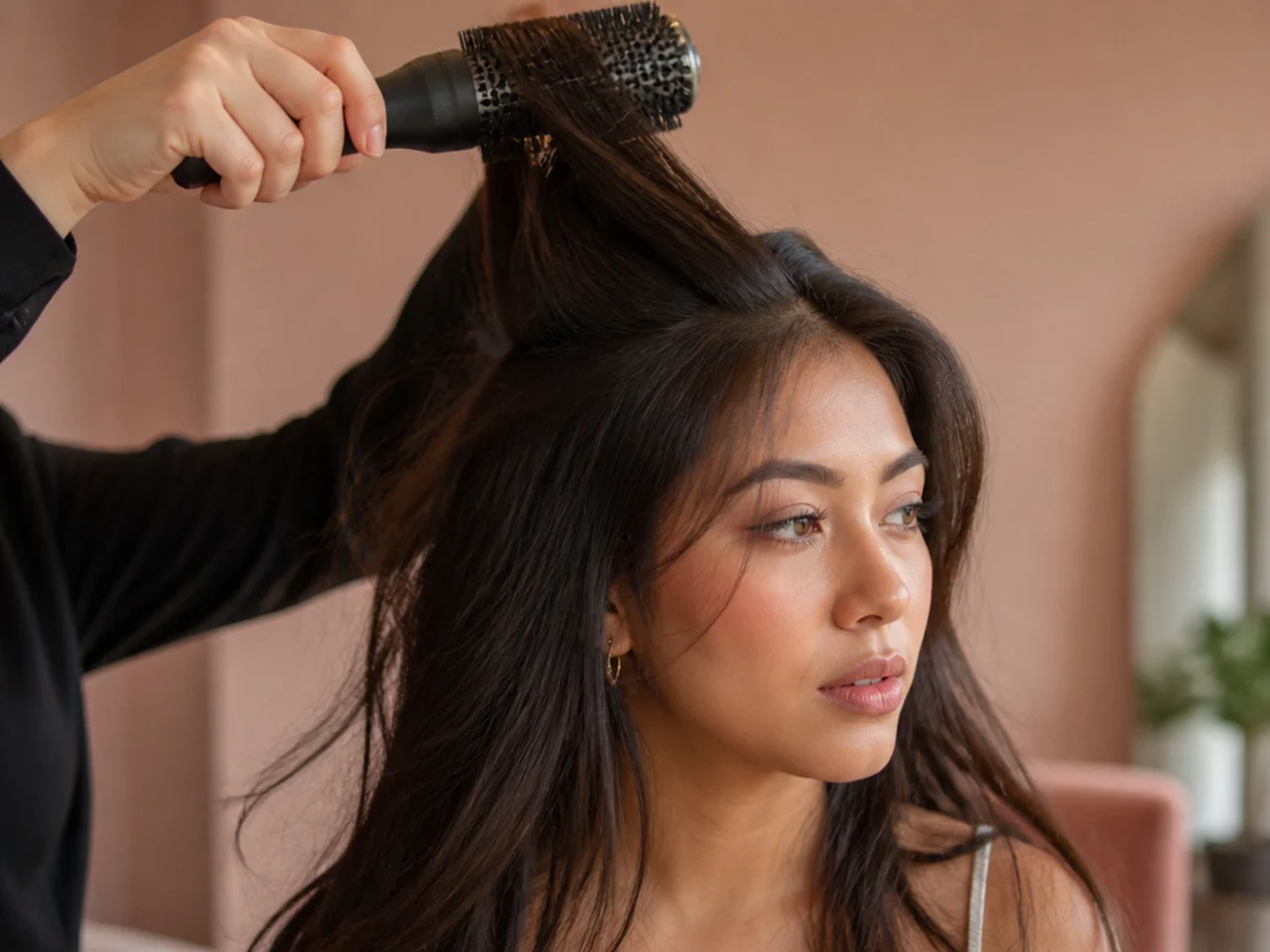
Dry the crown roots first on a wolf cut. The lift comes from a bent root, and the root has to be bent before the hair around it dries flat.
Cool the brush section on a butterfly cut. Hair sets as it cools, so releasing the brush warm leaves a straight layer.
Keep weight off the front on both. The shortest pieces are the ones that collapse first under oil or cream.
Trim the butterfly front piece alone between cuts. It loses the separation while the perimeter is still fine.
Trim the wolf cut perimeter, not the layers. The outline goes soft from the ends inward and the layers can be left to grow.
Mistakes to Avoid
Asking for a wolf cut on thin ends. Layers are paid for out of the perimeter, and thin ends are the perimeter already running out.
Asking for a butterfly cut and expecting crown height. Its short piece sits at the front and supports nothing behind it.
Placing the two butterfly lengths within three inches of each other. They merge, and the contrast that carried the shape disappears.
Spacing wolf cut layers widely. A large gap between two lengths reads as a shelf and takes most of a year to close.
Cutting either one wet on curly hair. A wet curl hangs well below its dry position, so every layer lands short.
FAQ
Which suits fine hair? The butterfly cut — it never touches the perimeter.
Which gives crown volume? The wolf cut, because its shortest layer sits at the top.
Which is easier to grow out? The butterfly cut — one join instead of many.
Final Thoughts
The choice comes down to what you are willing to spend. A wolf cut buys volume with perimeter density. A butterfly cut keeps the density and buys a frame instead, then charges you a round brush every morning to see it.
Say which of the two you are trading away and the rest of the appointment goes easily. For the same shape at a shorter length see the short wolf cut, and for the softer, rounder layering it grew out of see the Korean wolf cut. More in Mullet and Wolf Cut.