20 Subtle Mullet Haircuts for Beginners
20 subtle mullet haircuts for beginners — barely-there napes, soft blended sides, workplace-safe layering. Photos, face-shape notes, and barber terms.
In this article · 35
- What Is a Subtle Mullet?
- Why Beginners Start With a Subtle Mullet
- How to Choose Your Subtle Mullet
- The 20 Subtle Mullet Variations
- 1. Barely-There Mullet
- 2. Grown-Out Taper Mullet
- 3. Scissor-Blended Subtle Mullet
- 4. Boy-Next-Door Mullet
- 5. Curtain Fringe Subtle Mullet
- 6. Side-Swept Subtle Mullet
- 7. Office-Safe Subtle Mullet
- 8. Wispy Nape Mullet
- 9. Low Taper Beginner Mullet
- 10. Textured Crop Mullet
- 11. Beginner Straight-Hair Mullet
- 12. Beginner Wavy Mullet
- 13. Beginner Curly Mullet
- 14. Rounded Beginner Mullet
- 15. Grown-In Subtle Mullet
- 16. Undone Beginner Mullet
- 17. Beginner Mullet With Beard
- 18. Half-Inch Differential Mullet
- 19. Modern Subtle Mullet
- 20. Trial-Run Mullet
- How to Ask Your Barber for a Subtle Mullet
- Styling and Maintenance for a Subtle Mullet
- FAQ
- What is a subtle mullet haircut?
- Is a subtle mullet good for beginners?
- How subtle can a mullet get and still count as a mullet?
- Will a subtle mullet look good on my face shape?
- How is a subtle mullet different from a short mullet or a soft mullet?
- How do I ask my barber for a subtle mullet?
- How often do I need to re-cut a subtle mullet?
- Can I reverse a subtle mullet if I do not like it?
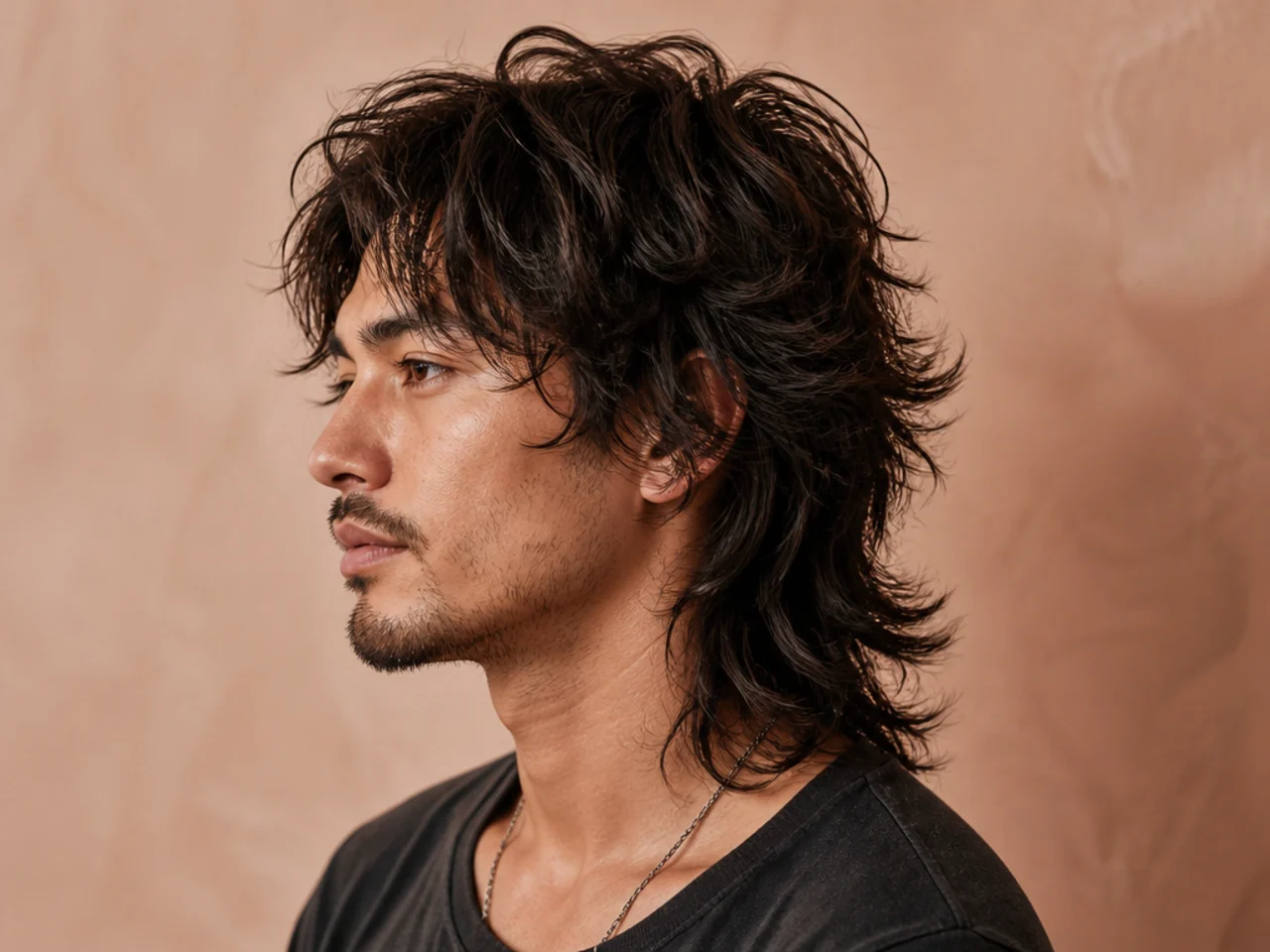
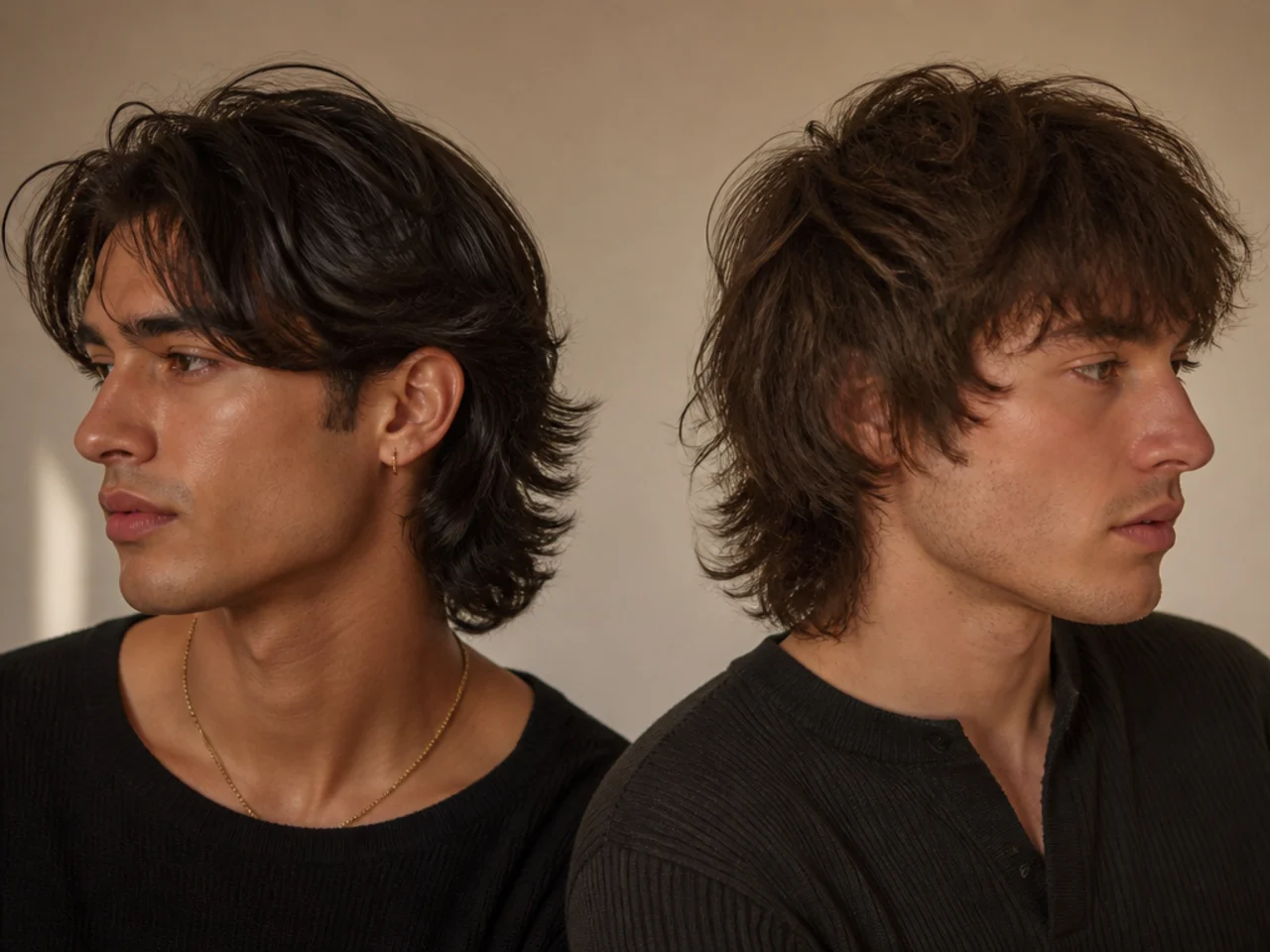
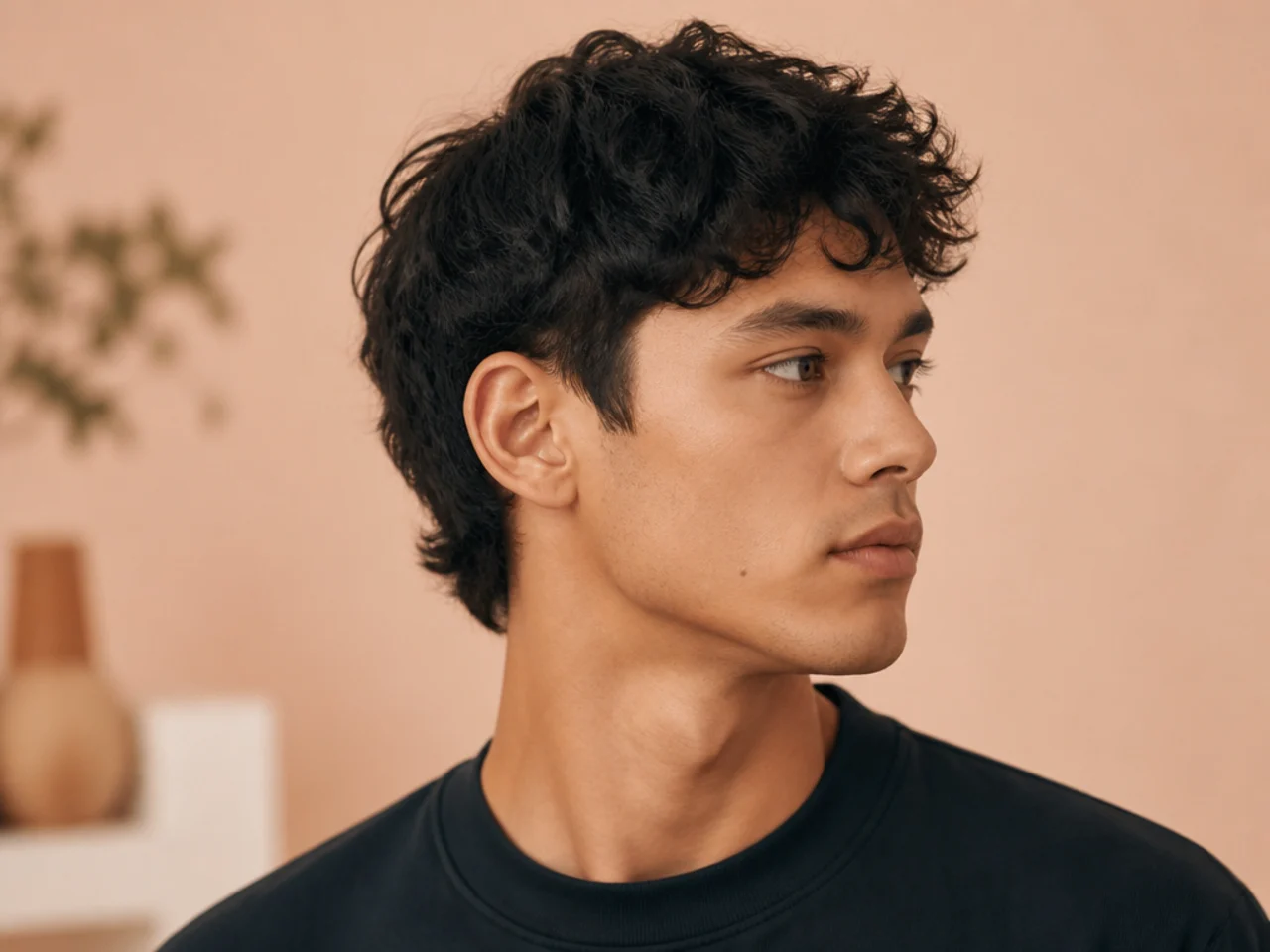
The subtle mullet is the mullet for guys who are not sure they want a mullet. Nape length sits within an inch of the top. Sides get scissor-blended or lightly tapered. Every layer is rounded, not piecey. From the front it looks like a soft layered cut; only the side profile gives the shape away. This guide covers 20 subtle mullet variations built for beginners, who each one flatters, exactly how to ask for it in the chair, and how to style it in three minutes.
What Is a Subtle Mullet?

A subtle mullet is a men's cut that keeps the mullet's two-length structure and turns the volume down on every element that usually reads loud. Top runs one-and-a-half to two-and-a-half inches with soft internal layers. Nape sits between one-and-a-half and two inches — visibly longer than the sides, but only just. Sides get scissor-blended or dropped into a soft low taper. Nothing about the cut demands attention on its own.
That understated finish is the whole difference from a standard modern mullet. A modern mullet leans into piecey layering and sharper side treatments. The subtle version reads calmer. Every layer rounds into the next. The perimeter feathers instead of dropping in a hard line. From the front, most people register it as a slightly grown-out haircut; from the side, the mullet silhouette shows up as a soft, deliberate shape.
The references are current. Off-duty athletes, working actors, and creative-industry guys who want the reference without the announcement are all wearing this exact silhouette. It sits between a plain textured cut and the short mullet on the family tree — more back weight than a crop, less commitment than the full modern version.
Why Beginners Start With a Subtle Mullet
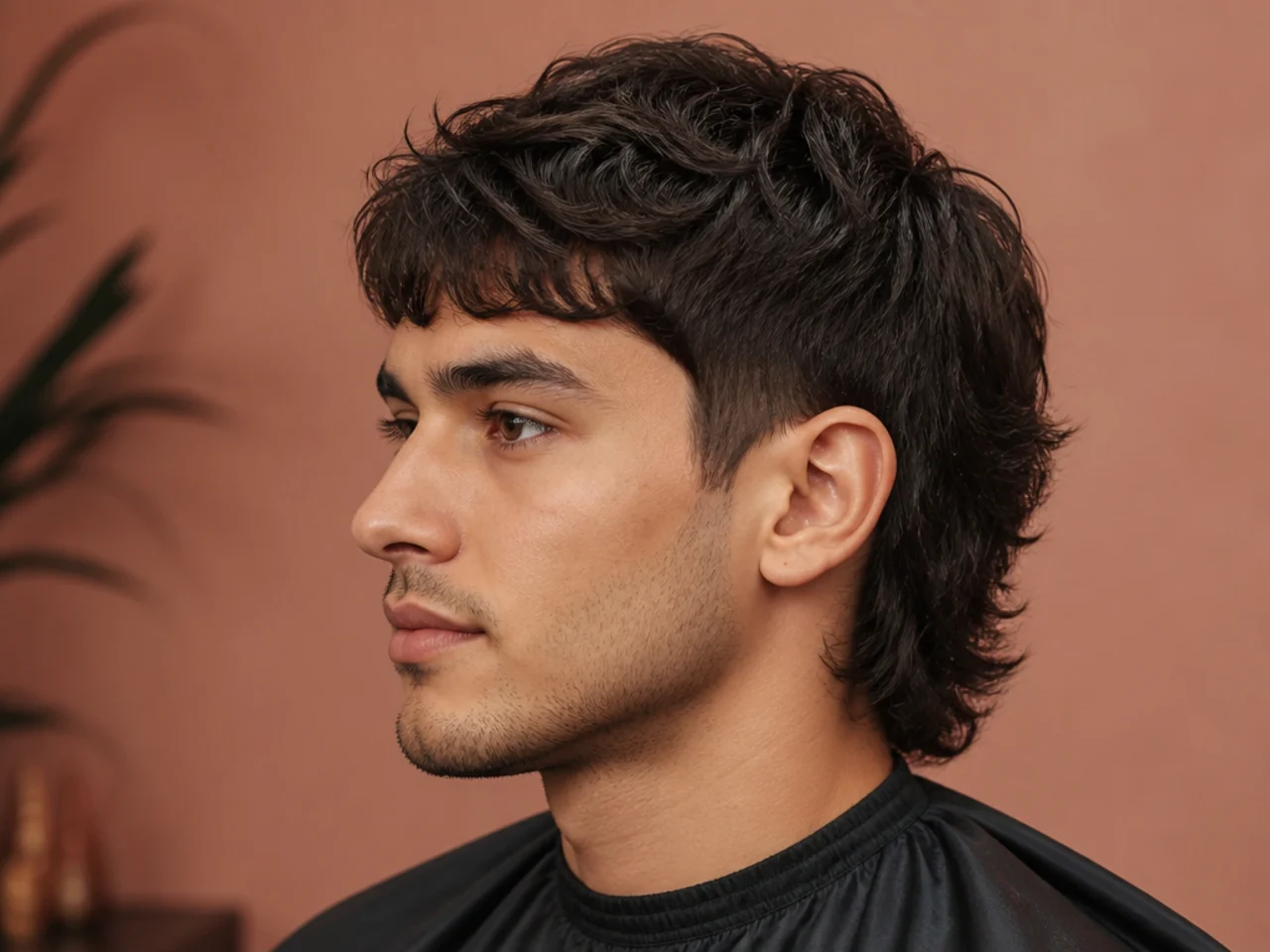
The subtle mullet is the shape barbers reach for when a client says "I want to try a mullet but I am not sure." It solves three first-time worries in one cut.
Reversibility comes first. A subtle mullet keeps the nape short enough that a single follow-up visit trims the back to sideburn length and turns the whole cut into a textured crop or side-part shape. No awkward transition, no six-week grow-out to recover.
Grow-out forgiveness is second. Rounded layers and a feathered nape blur softly as they grow instead of falling into hard visible lines. Miss a haircut and the cut still looks intentional — just slightly softer.
Workplace flexibility is third. Scissor-blended sides mean no reliance on a two-week fade schedule. The compact silhouette passes most business codes, and the mullet identity only registers in profile. For guys weighing the full soft mullet or the pillar mullet haircut for men later, the subtle version is the trial run before either commitment.
How to Choose Your Subtle Mullet
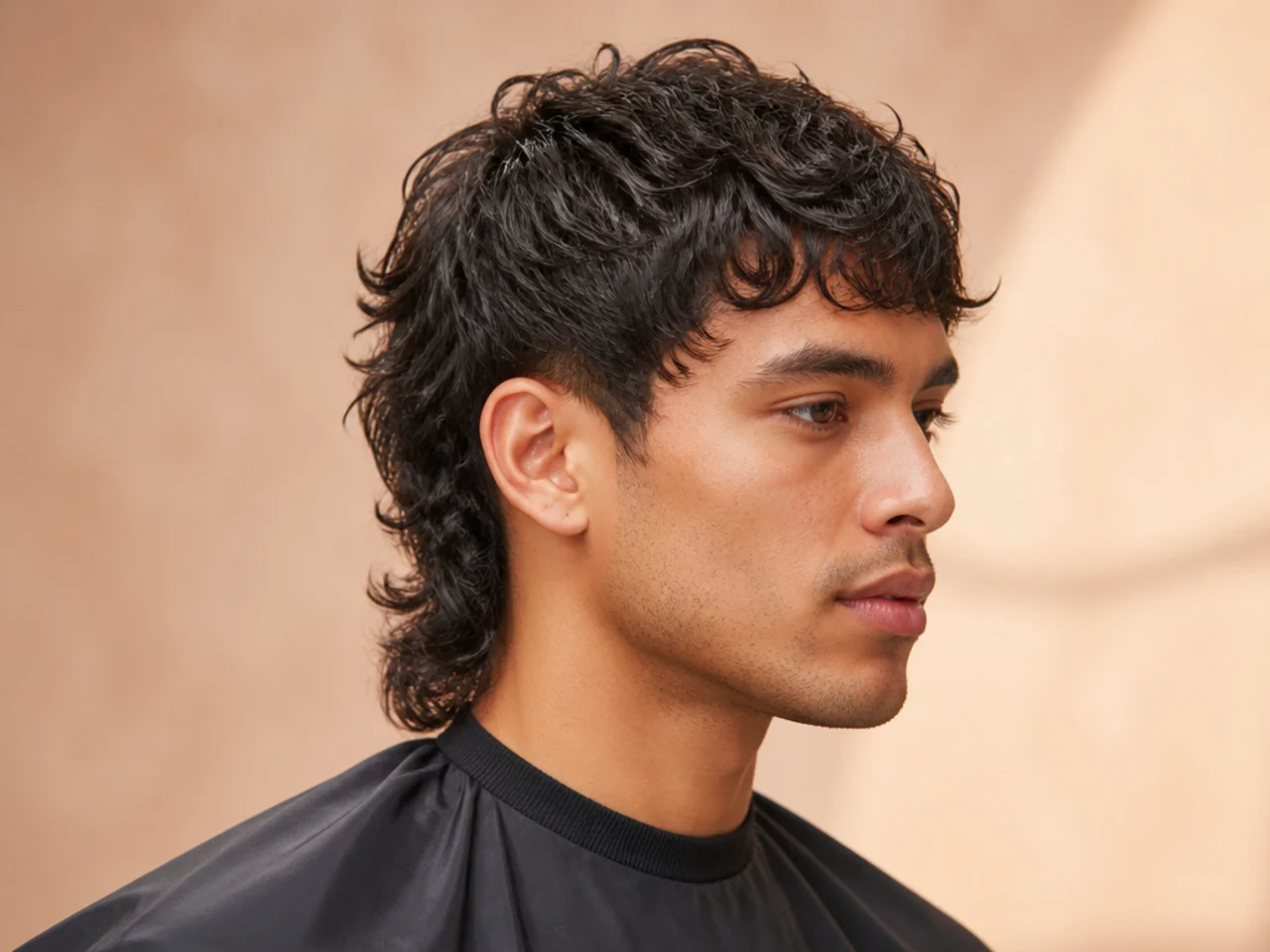
Face shape sets the top length. Oval and heart faces suit any variation — one-and-a-half, two, or two-and-a-half inches all read cleanly. Round and square faces want two inches of top length with a soft low taper for a hint of vertical line. Long and oblong faces stay with one-and-a-half inches and a forward fringe so the profile does not stretch further. Diamond faces get away with the cropped versions because sharp bone structure carries the geometry on its own.
Hair type sets the layering rhythm. Straight hair reveals every layer line, so ask for soft point-cutting rather than aggressive texture — the goal is movement, not visible chop. Wavy hair sits naturally with soft internal layers cut in the direction of the wave. Curly and coily textures build the layered movement without any styling, so ask for a dry cut and internal layering only.
Lifestyle sets the side treatment. Scissor-blended sides read clean in any office and grow out invisibly. A soft low taper fade reads a touch sharper without introducing a hard line. Skip mid fades, high fades, and undercuts entirely — those pull the cut out of subtle territory. For sibling silhouettes across the family, browse the mullet and wolf cut hub or the men's wolf cut guide.
The 20 Subtle Mullet Variations
Each variation below tells you what makes it different, who it flatters, and the exact language for the chair. Show your barber a photo, then hand them the numbers.
1. Barely-There Mullet
The lightest mullet on the list. Sub-inch layered top, a nape that measures three-quarters of an inch, and scissor-blended sides at guard two. The two lengths sit so close together that most people register the cut as a plain layered crop — the mullet identity only shows up when the light catches the nape from the side.
Suits every face shape. Best on fine to medium hair where the low profile keeps the head narrow.
Ask for: "Barely-there subtle mullet, three-quarters of an inch on top with soft layers, three-quarters of an inch nape with a feathered finish, scissor-blended sides at a guard 2." Style with a pea-sized amount of light styling cream and finger-comb backward.
2. Grown-Out Taper Mullet
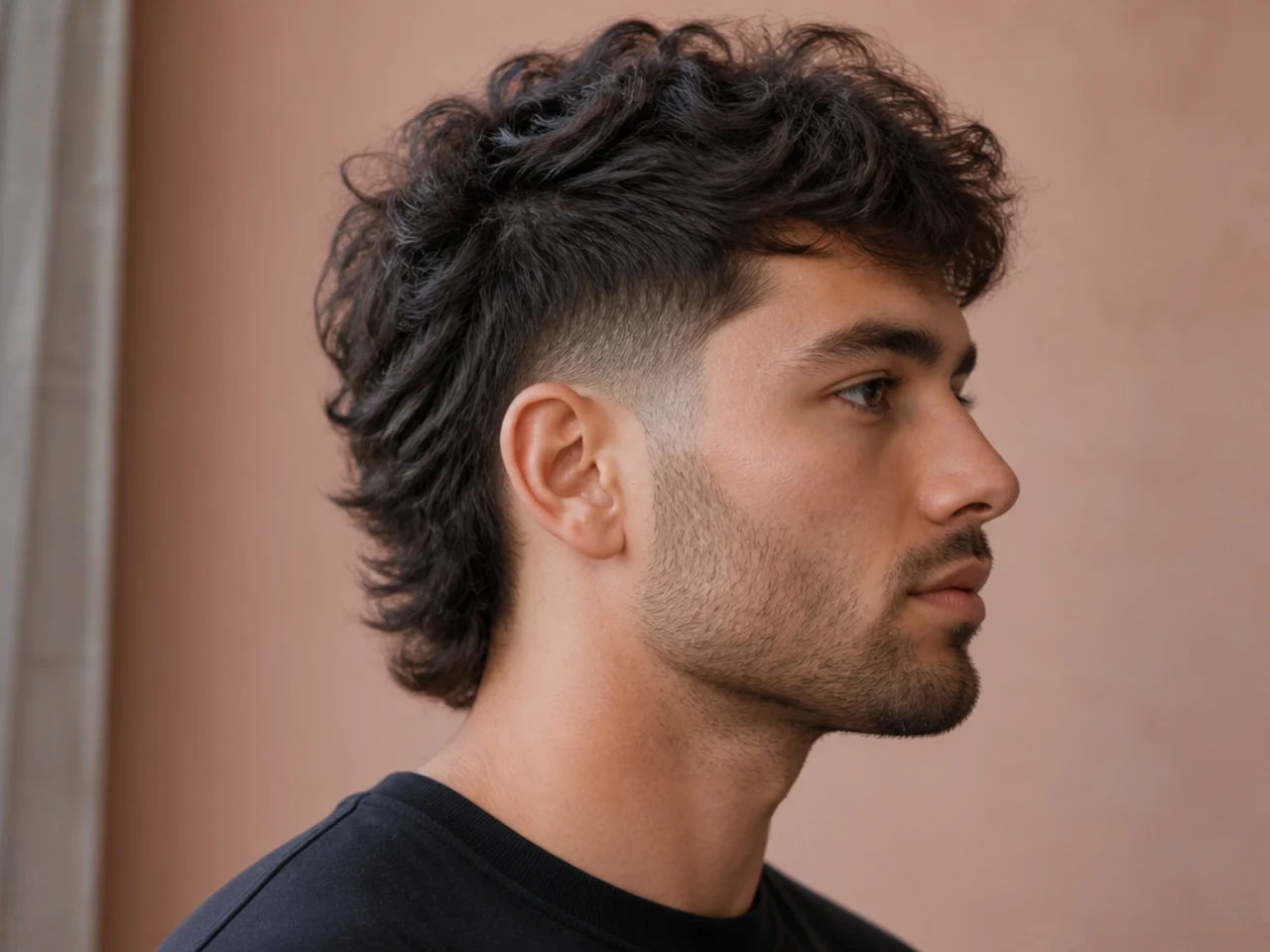
The mullet you can grow into from a regular taper cut. Book a soft low taper first, skip your next side touch-up, and the nape will drift into subtle mullet territory in three or four weeks. Reads as an intentional grow-out rather than a commitment.
Suits every face shape. Best for guys who are testing the mullet idea without booking a full cut.
Ask for: "Low taper with the nape left long — do not clean the neckline — leave one-and-a-half inches of feathered length at the back and skip the next side visit." Style with matte paste worked through damp hair.
3. Scissor-Blended Subtle Mullet
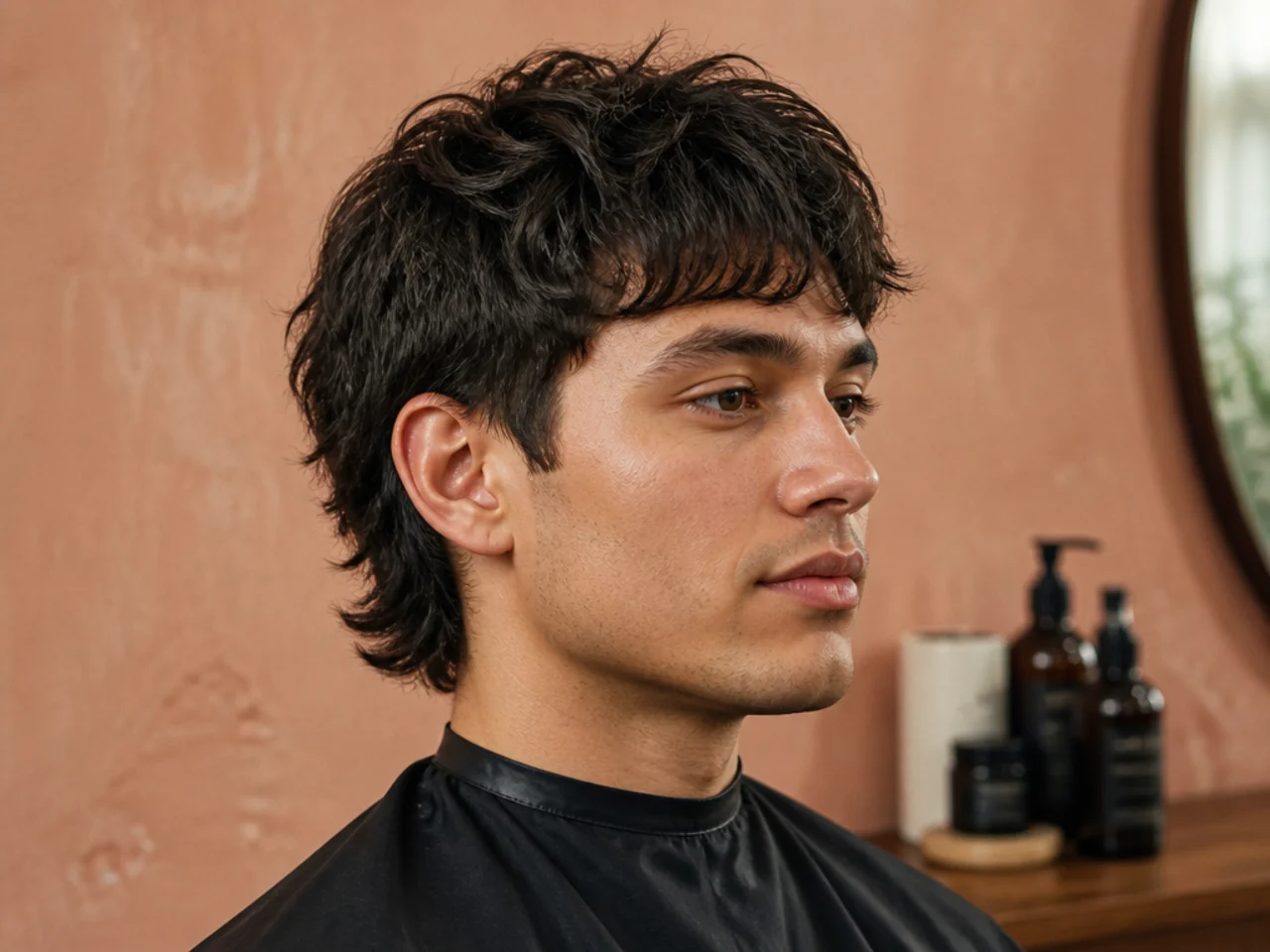
Zero clippers. The whole cut runs on scissors and comb, with the sides graded from long at the top of the ear to short at the sideburn. Reads as a classic layered cut with a barely-visible mullet drop at the back. Grows out invisibly and needs no fade touch-ups.
Suits every face shape. Best on fine to medium hair that responds well to scissor work.
Ask for: "Scissor-blended subtle mullet, two inches on top with soft layers, one-and-a-half inch feathered nape, scissor-grade the sides from long to short — no clipper work anywhere." Style with a light styling cream, air-dry.
4. Boy-Next-Door Mullet
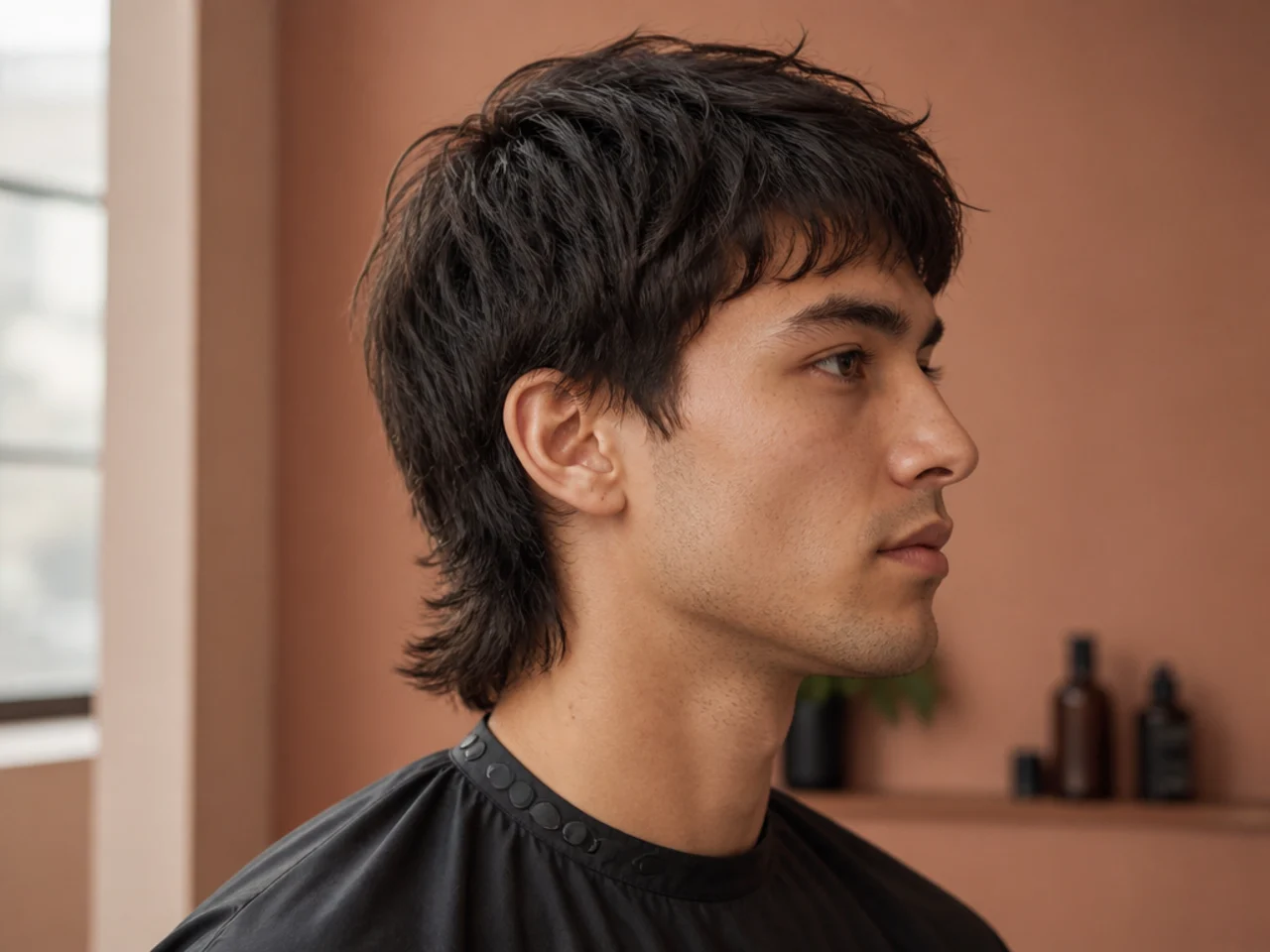
Rounded, gentle, unpretentious. Every layer curves into the next, the nape ends feather softly rather than dropping in a defined line, and the sides sit close without a taper. Reads warm and approachable — the anti-statement mullet.
Suits oval, heart, and long faces. Works best with fine to medium straight or wavy hair.
Ask for: "Boy-next-door mullet, two-inch top with softly rounded internal layers, one-and-a-half-inch feathered nape, scissor-blended sides — no fade, no taper line, keep everything soft." Style with a light styling cream and let it air-dry.
5. Curtain Fringe Subtle Mullet
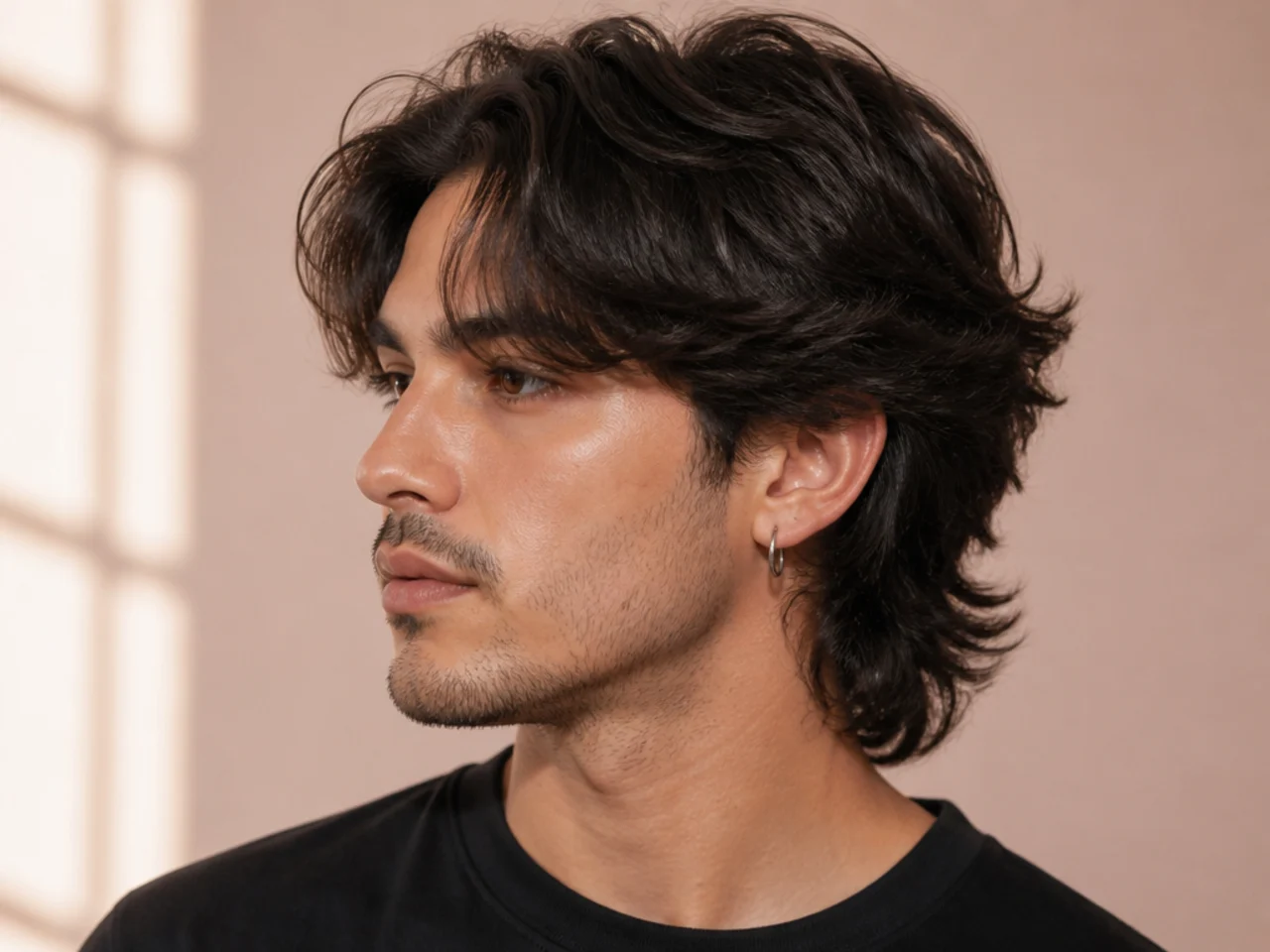
A curtain fringe softens the front while the subtle nape length reads at the back. The fringe parts naturally in the middle and sweeps to either side of the forehead, adding a soft frame that keeps the cut from feeling too utilitarian. Popular with beginners because the front does more work than the back.
Suits oval, heart, and long faces. Best on straight to slightly wavy hair that will hold a soft part.
Ask for: "Subtle mullet with a curtain fringe, two-inch top with soft layers, curtain-cut fringe long enough to part at the middle and touch the brows, one-and-a-half-inch feathered nape, scissor-blended sides." Blow-dry the fringe with a round brush, part center.
6. Side-Swept Subtle Mullet
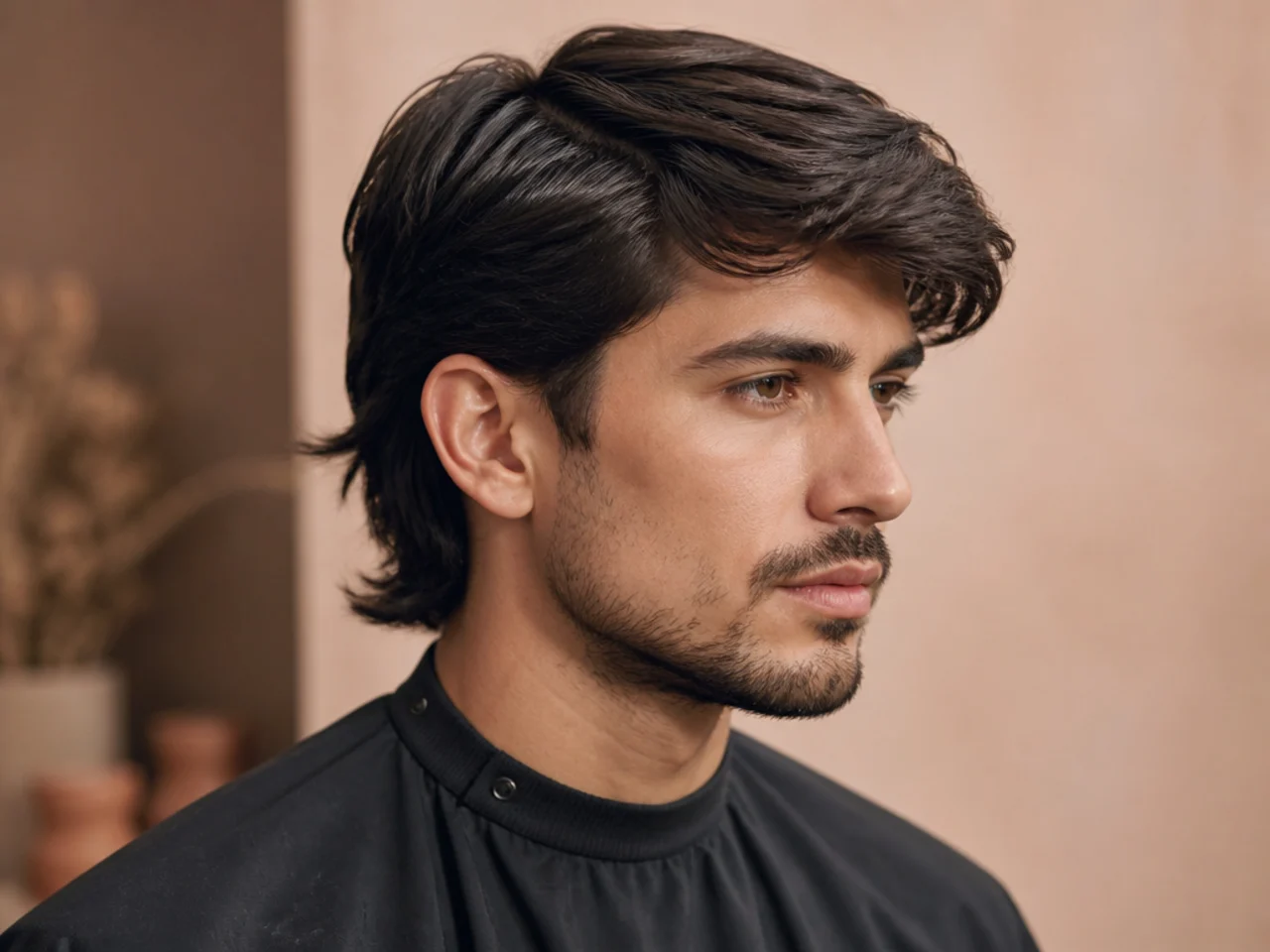
A defined side sweep replaces any styling drama. Top hair combs to one side, the fringe sweeps with it, and the nape length sits quietly underneath. Reads intentional and slightly polished — the closest a mullet gets to a business haircut.
Suits every face shape. Best on straight to slightly wavy medium-thickness hair.
Ask for: "Side-swept subtle mullet, two inches on top with soft layers cut to fall to one side, one-and-a-half-inch feathered nape, scissor-blended sides at a guard 2." Style with cream pomade and comb to your preferred side.
7. Office-Safe Subtle Mullet
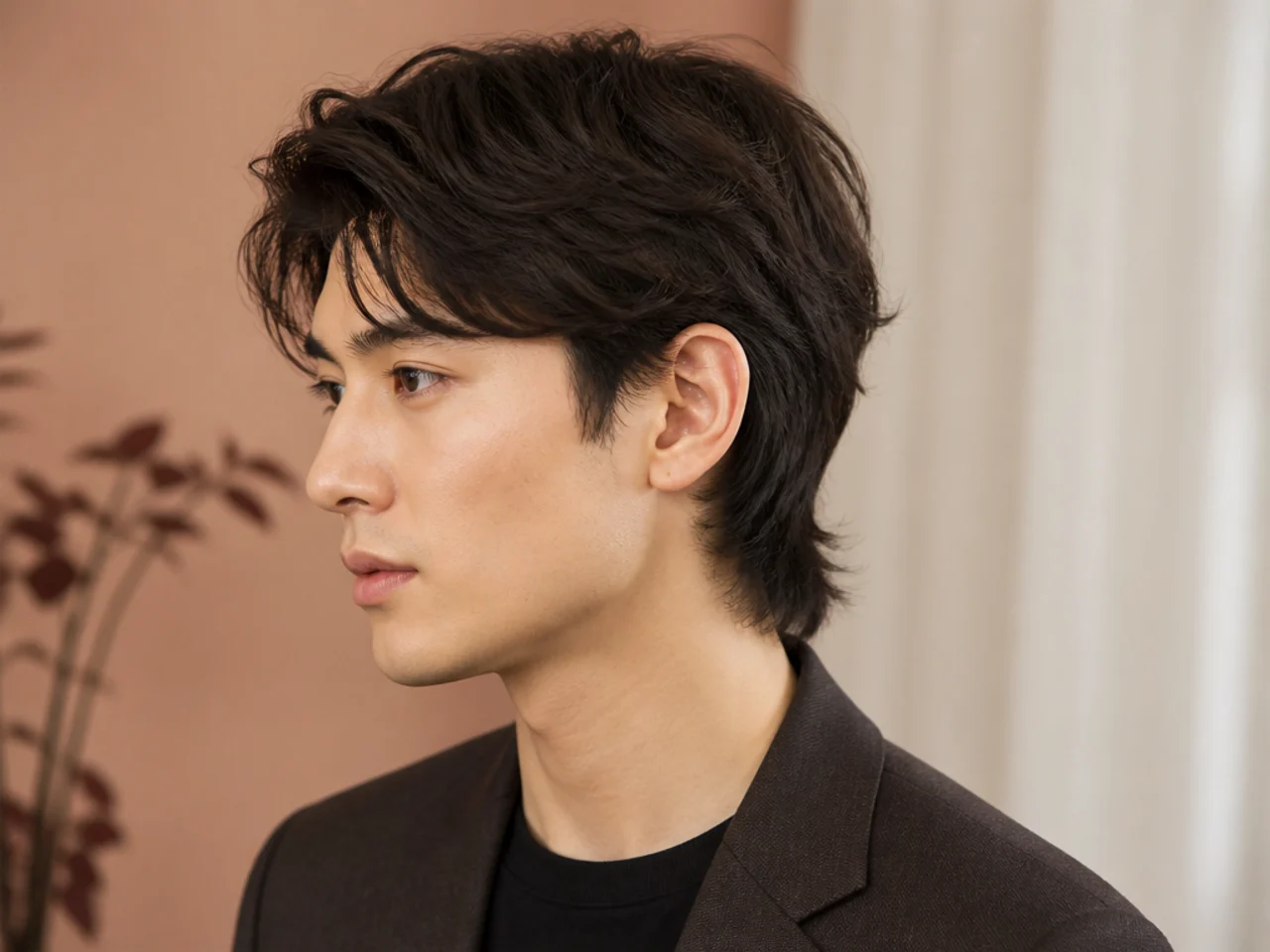
The most workplace-appropriate variation on the list. Subtle rounded layers, a nape that sits just above the collar, and cleanly blended sides — none of the mullet-adjacent choppiness reads at a glance. Passes in traditional corporate settings, banks, law offices, and conservative sales floors.
Suits every face shape. Best for guys in strict dress codes who want the shape without any shop conversation.
Ask for: "Office-safe subtle mullet, one-and-a-half-inch top with subtle internal layers, one-and-a-half-inch softly feathered nape, side-swept fringe, clean scissor-blended sides." Style with a light styling cream, comb through.
8. Wispy Nape Mullet
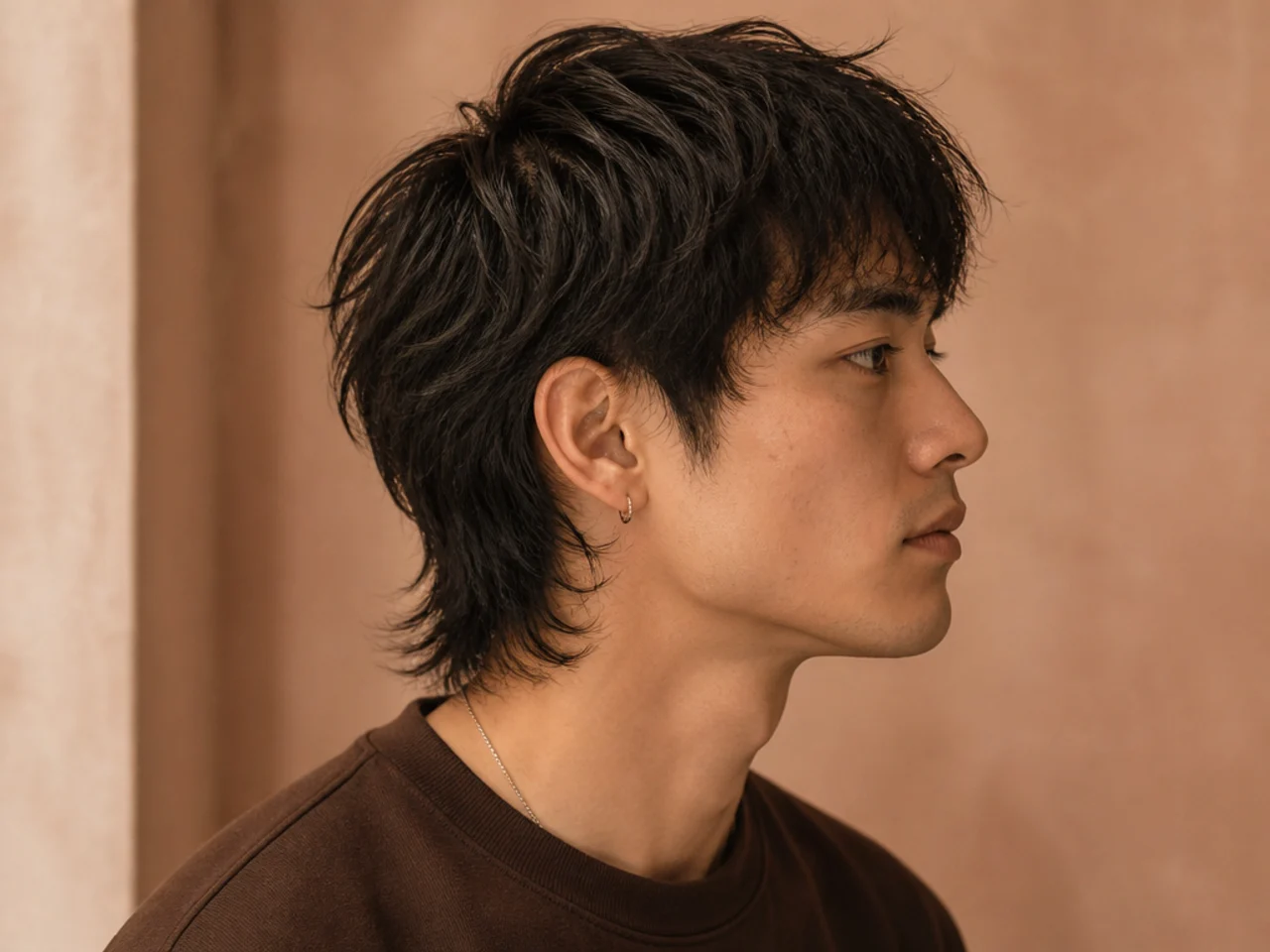
Weight comes off the nape first. Razor-feathered ends make the back sit soft and wispy rather than sitting flat, and the length concentrates in a few defined pieces instead of one solid mass. Reads delicate and current — the version indie musicians are wearing.
Suits oval, heart, and diamond faces. Best on fine to medium hair that would otherwise sit flat at the nape.
Ask for: "Wispy nape subtle mullet, two-inch top with soft internal layers, one-and-a-half-inch razor-feathered nape — thin the ends aggressively — scissor-blended sides." Salt spray on damp hair, scrunch the nape upward.
9. Low Taper Beginner Mullet
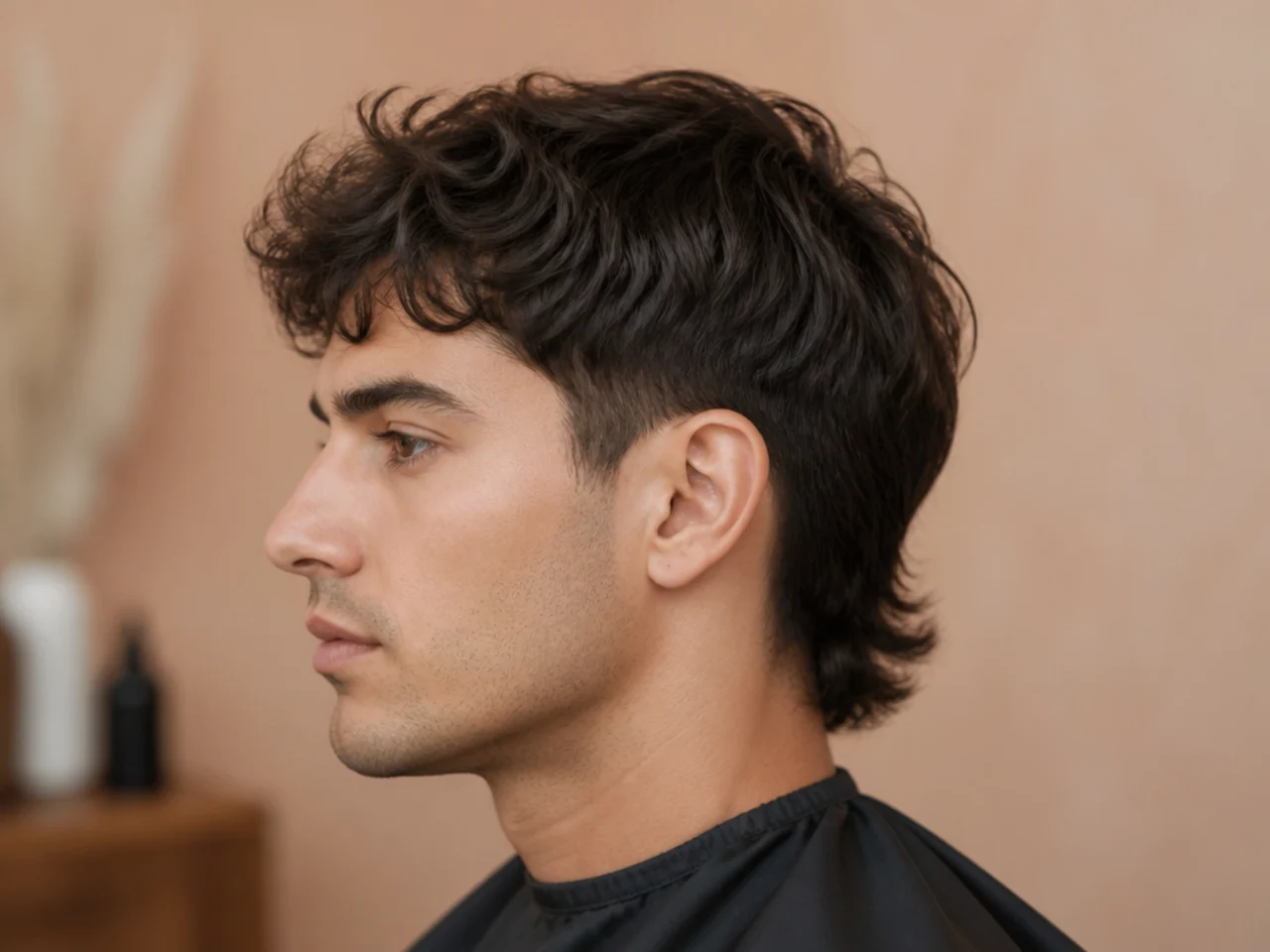
A soft low taper adds the smallest amount of sharpness without pulling the cut out of subtle territory. The taper starts just above the ear and blends down to a guard one at the sideburn — no skin, no hard line. Reads slightly cleaner than the scissor-only versions.
Suits every face shape. Best for guys who want a hint of edge without a full fade.
Ask for: "Subtle mullet with a low taper, two-inch top with soft layers, one-and-a-half-inch feathered nape, low taper from a guard 2 down to a guard 1 at the sideburn — no skin fade." Style with matte paste.
10. Textured Crop Mullet
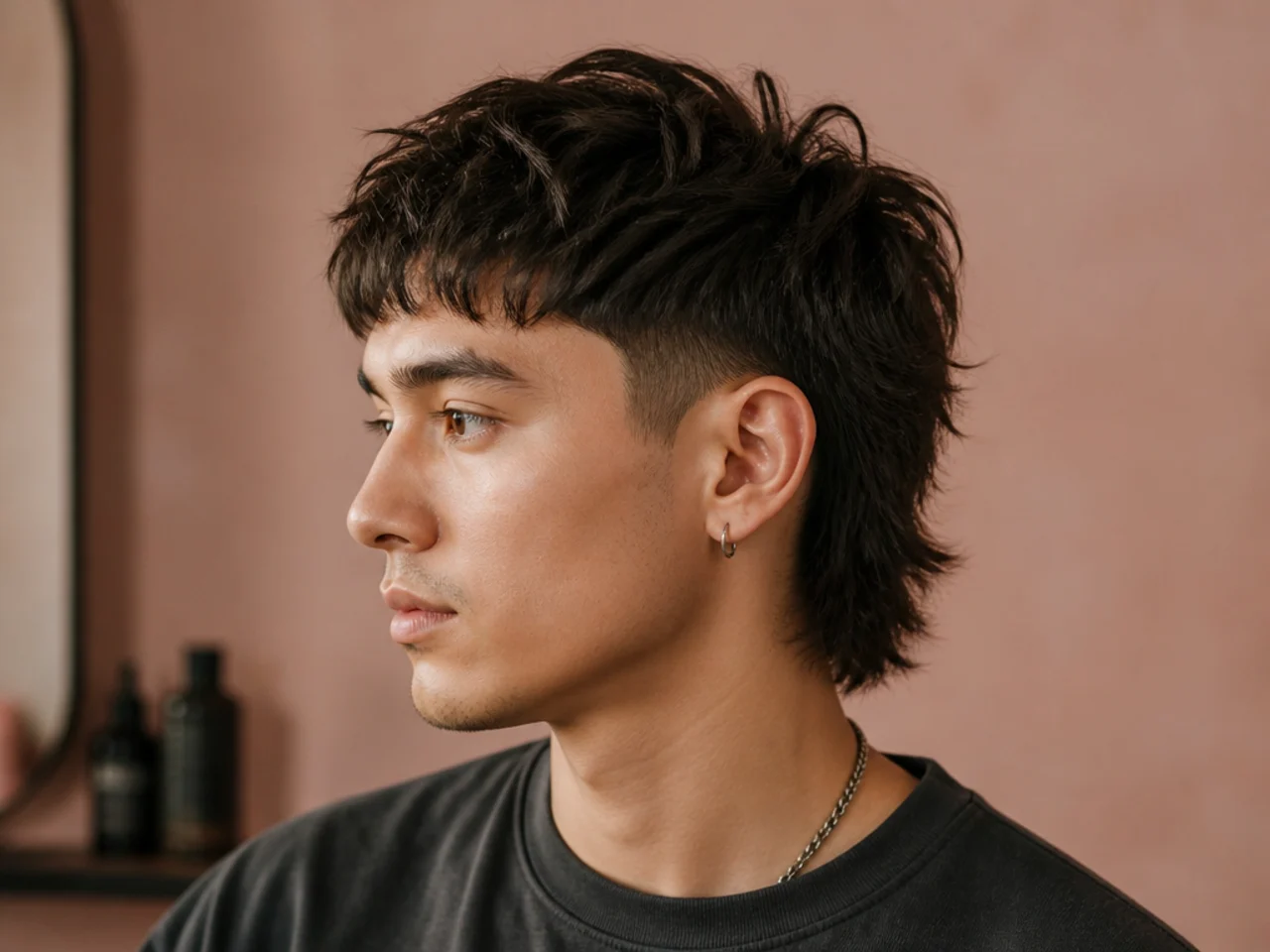
Cropped and textured at the front, softly extended at the back. Reads as a French crop from the front — short forward-swept top with a visible fringe — and shows the subtle mullet drop only from the side. Popular with beginners who want the mullet reference hidden inside a familiar shape.
Suits round, oval, and square faces where the compact top shortens the visual read of the face.
Ask for: "Textured crop mullet, one-inch top point-cut for texture, forward-swept fringe to the brow, one-and-a-half-inch feathered nape, scissor-blended sides at a guard 1." Style with a matte paste through damp hair.
11. Beginner Straight-Hair Mullet
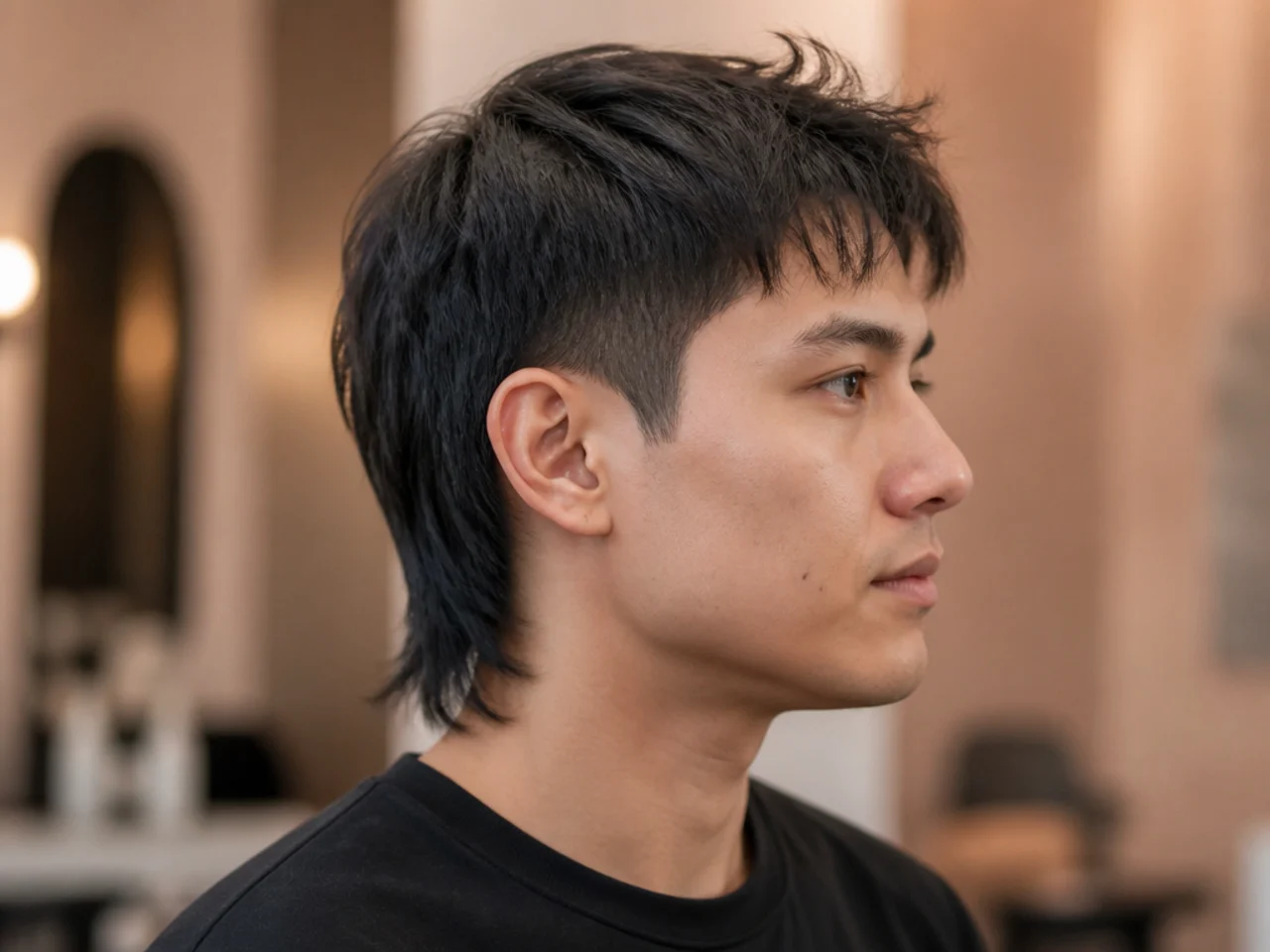
Straight hair reveals every layer line, so the beginner straight-hair mullet leans on soft point-cutting rather than aggressive texture. The shape stays close to the head, the nape ends get feathered so they do not sit flat, and the whole cut avoids the piecey look that harder point-cutting would create.
Suits oval, heart, and square faces. Best for straight-haired guys attempting the shape for the first time.
Ask for: "Beginner subtle mullet for straight hair, two-inch top with soft point-cut layers — nothing aggressive — one-and-a-half-inch feathered nape, scissor-blended sides." Molding paste through damp hair, blow-dry backward.
12. Beginner Wavy Mullet
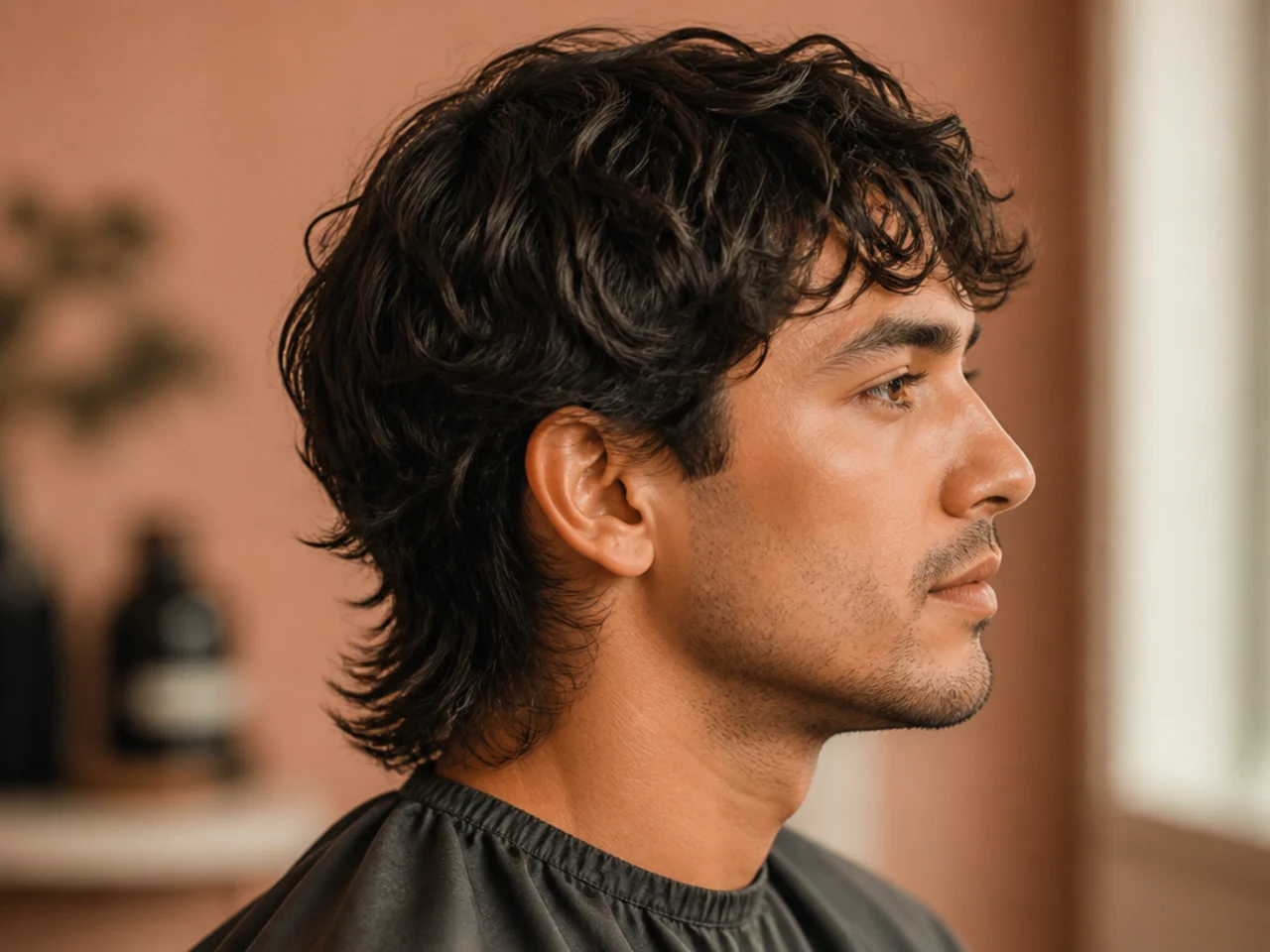
Wavy hair is the easiest starting point. The natural bend builds movement without any point-cutting, so the layers can stay soft and the perimeter feathers naturally into the wave direction. Rough-dry with fingers and the shape sets itself.
Suits oval, heart, and diamond faces.
Ask for: "Beginner subtle mullet for wavy hair, two-inch top with soft internal layers cut in the direction of the wave, one-and-a-half-inch feathered nape, blended sides — no fade line." Salt spray on damp hair, scrunch, air-dry.
13. Beginner Curly Mullet
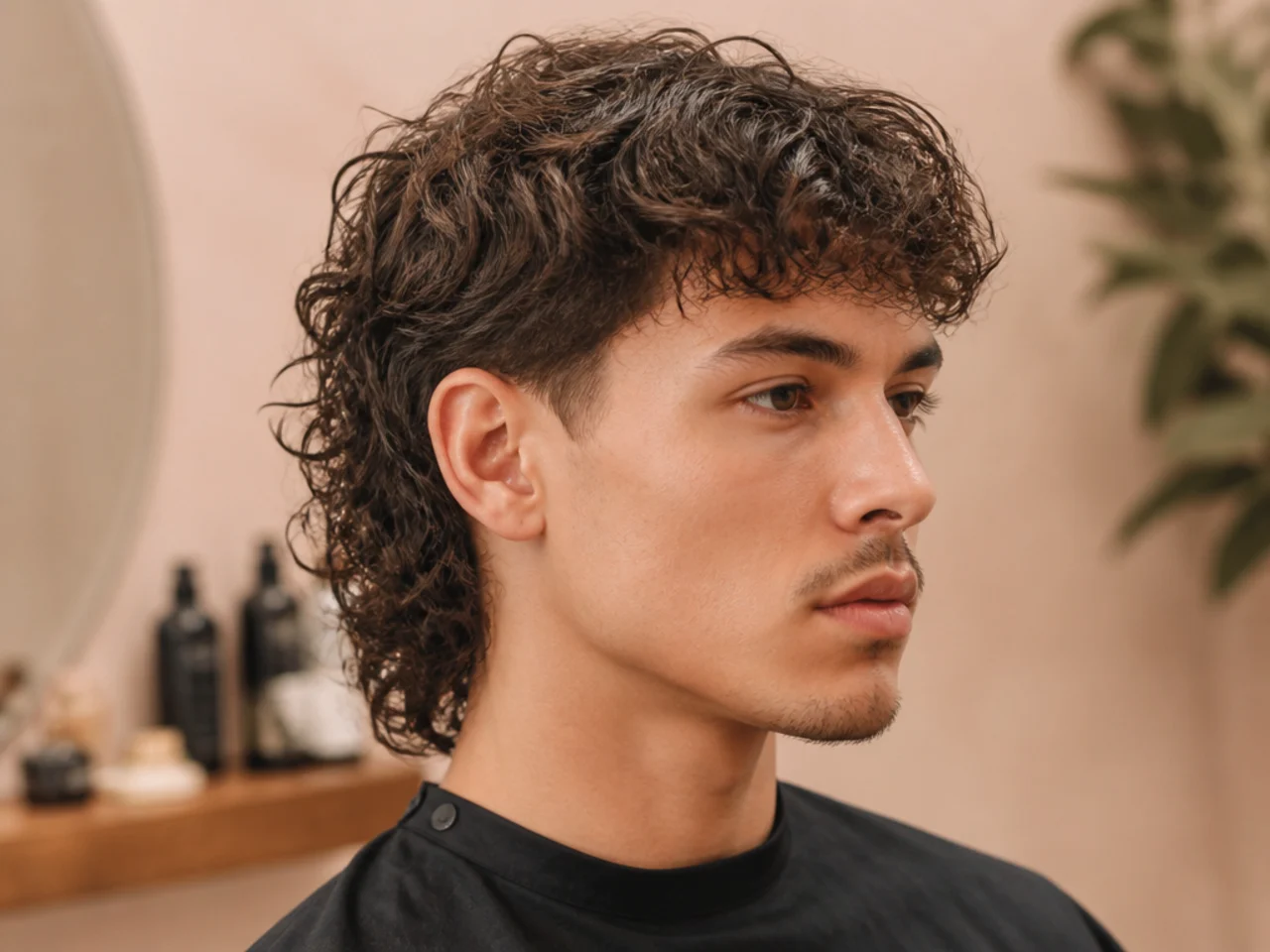
Curls handle the layered work on their own. Type 3 spirals build the mullet's subtle back weight without any styling, so the cut just removes bulk and keeps the perimeter clean. Ask for a dry cut so the barber can see the pattern before scissors touch hair.
Best on type 3 curls. Suits oval, heart, and diamond faces. For adjacent inspiration, see the curly hairstyles for men guide.
Ask for: "Beginner subtle mullet for curly hair, dry-cut throughout, two inches on top with internal layers to remove bulk, one-and-a-half-inch coiled nape, tapered sides that follow the curl pattern." Curl cream on soaking-wet hair, plop, diffuse.
14. Rounded Beginner Mullet
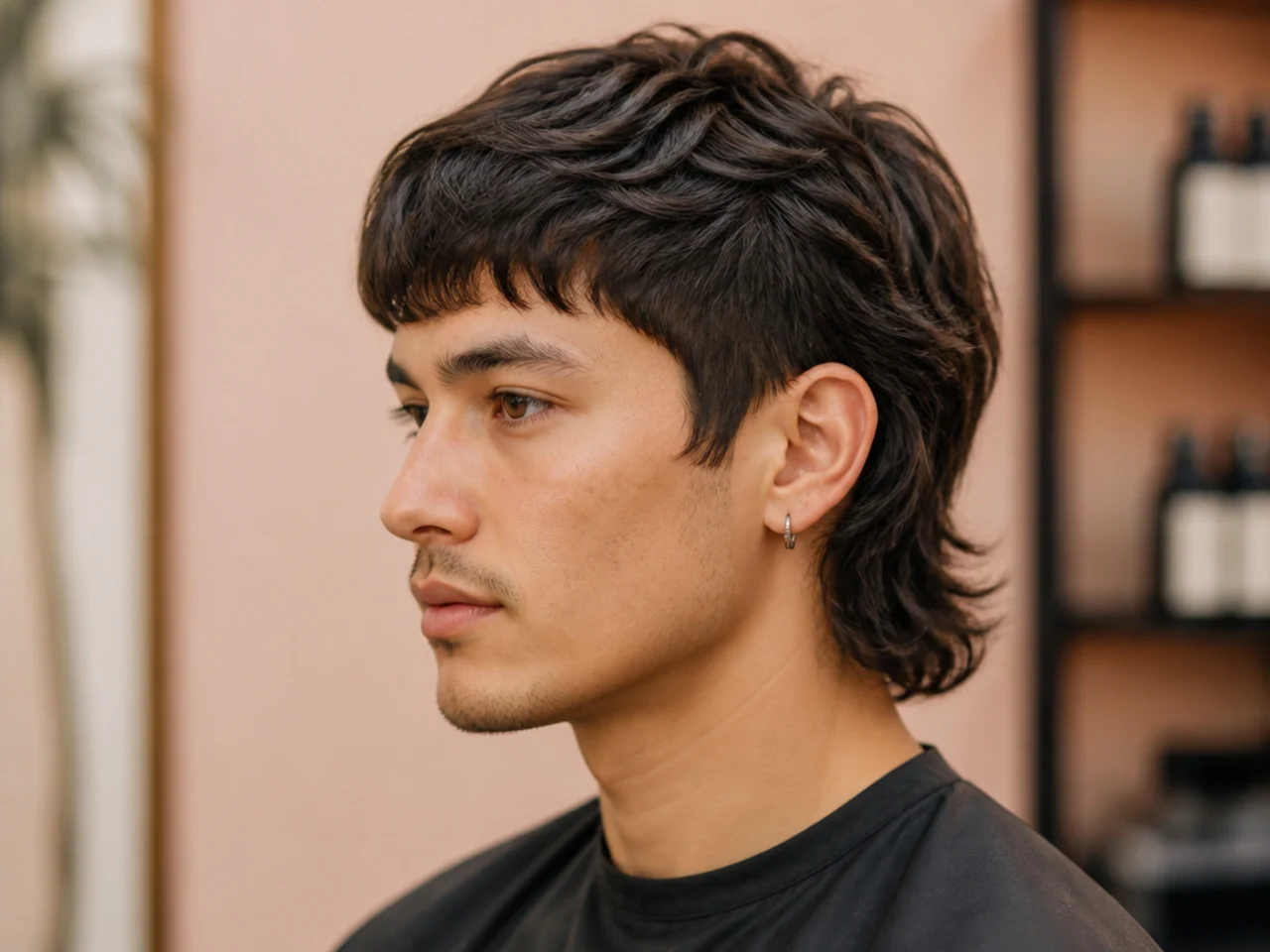
Every layer rounded, no piecey pieces anywhere on the cut. The barber uses a rounded scissor technique through the top and nape so nothing sits sharp or spiky — the finish reads as a soft dome shape with a small tail. The gentlest possible version of the shape.
Suits round, oval, and heart faces. Best on medium to thick hair that would otherwise want to spike.
Ask for: "Rounded beginner subtle mullet, two-inch top with fully rounded internal layers — no point-cutting — one-and-a-half-inch feathered nape, scissor-blended sides." Style with a light styling cream, comb through, air-dry.
15. Grown-In Subtle Mullet
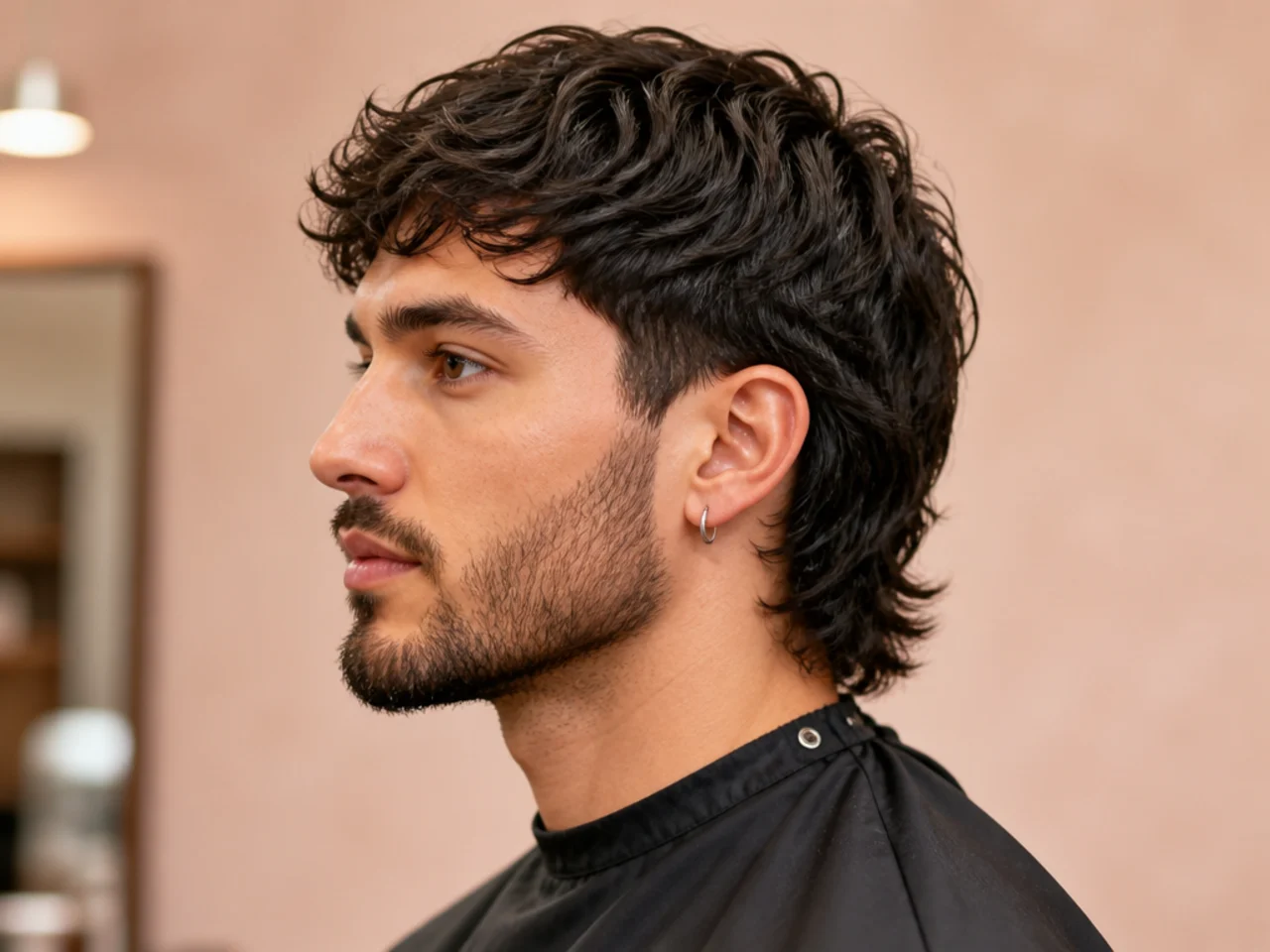
The subtle mullet three weeks past the first cut. Top length has extended to two-and-a-half inches, nape has drifted to two inches, and the sides have softened past their crisp initial finish. Reads relaxed and lived-in — the version that convinces guys to keep the shape long-term.
Suits every face shape. Best for guys who want to know how the cut will settle before they commit.
Ask for: "Grown-in subtle mullet — cut it long from the start — two-and-a-half-inch top with soft internal layers, two-inch feathered nape, scissor-blended sides with room to grow, do not tidy up the perimeter." Style with matte paste, finger-comb.
16. Undone Beginner Mullet
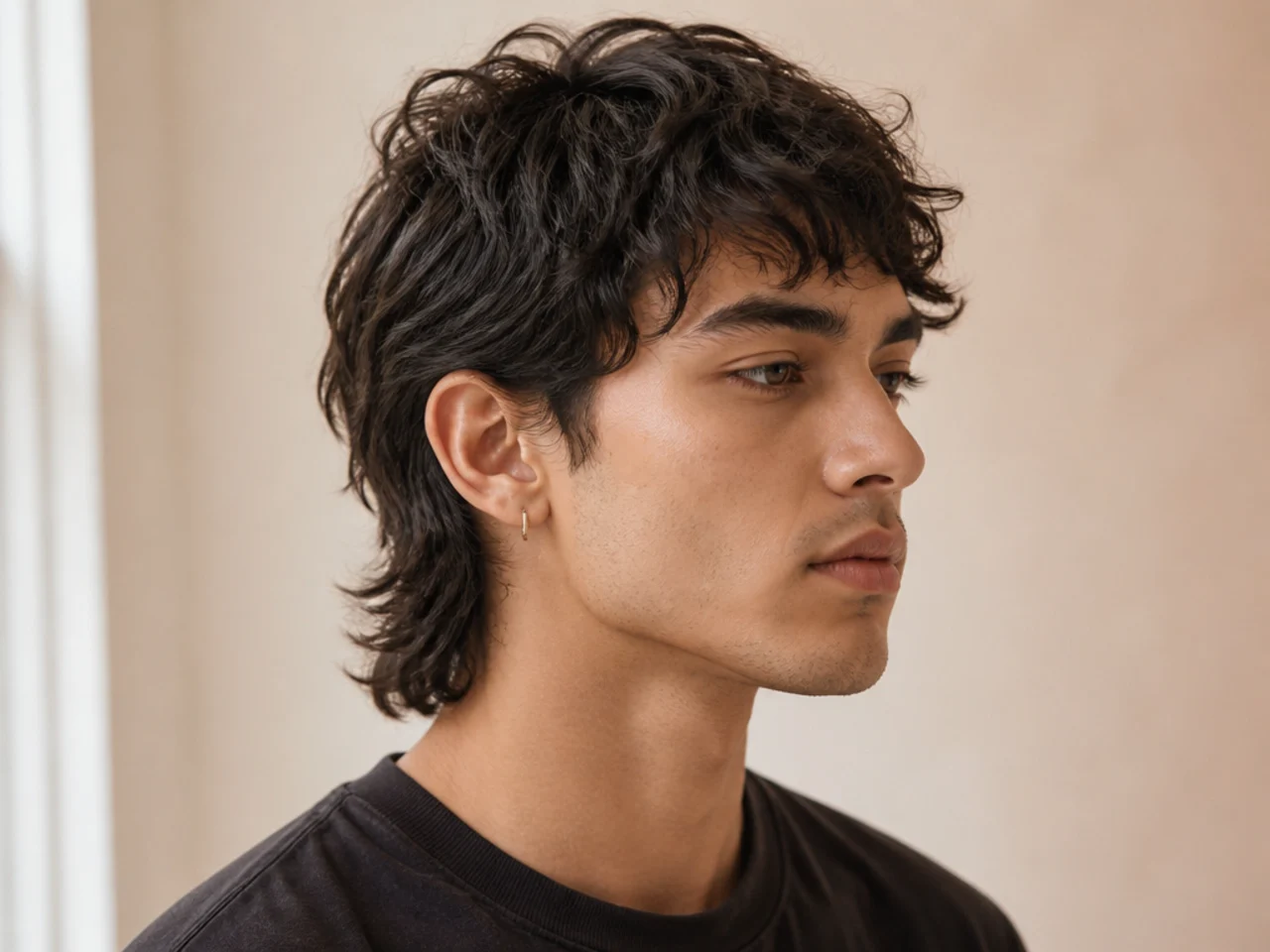
Zero styling required. The cut is engineered to look correct straight out of the shower — soft layers that fall in the right direction on their own, a nape that air-dries into a soft feathered finish, and blended sides that need no product. Rinse and go.
Suits every face shape. Best for guys who will not commit to a styling routine.
Ask for: "Undone beginner subtle mullet, two-inch top with air-dry-friendly soft layers, one-and-a-half-inch feathered nape, scissor-blended sides — engineer the cut so no styling is needed." Towel-dry, comb once, done.
17. Beginner Mullet With Beard
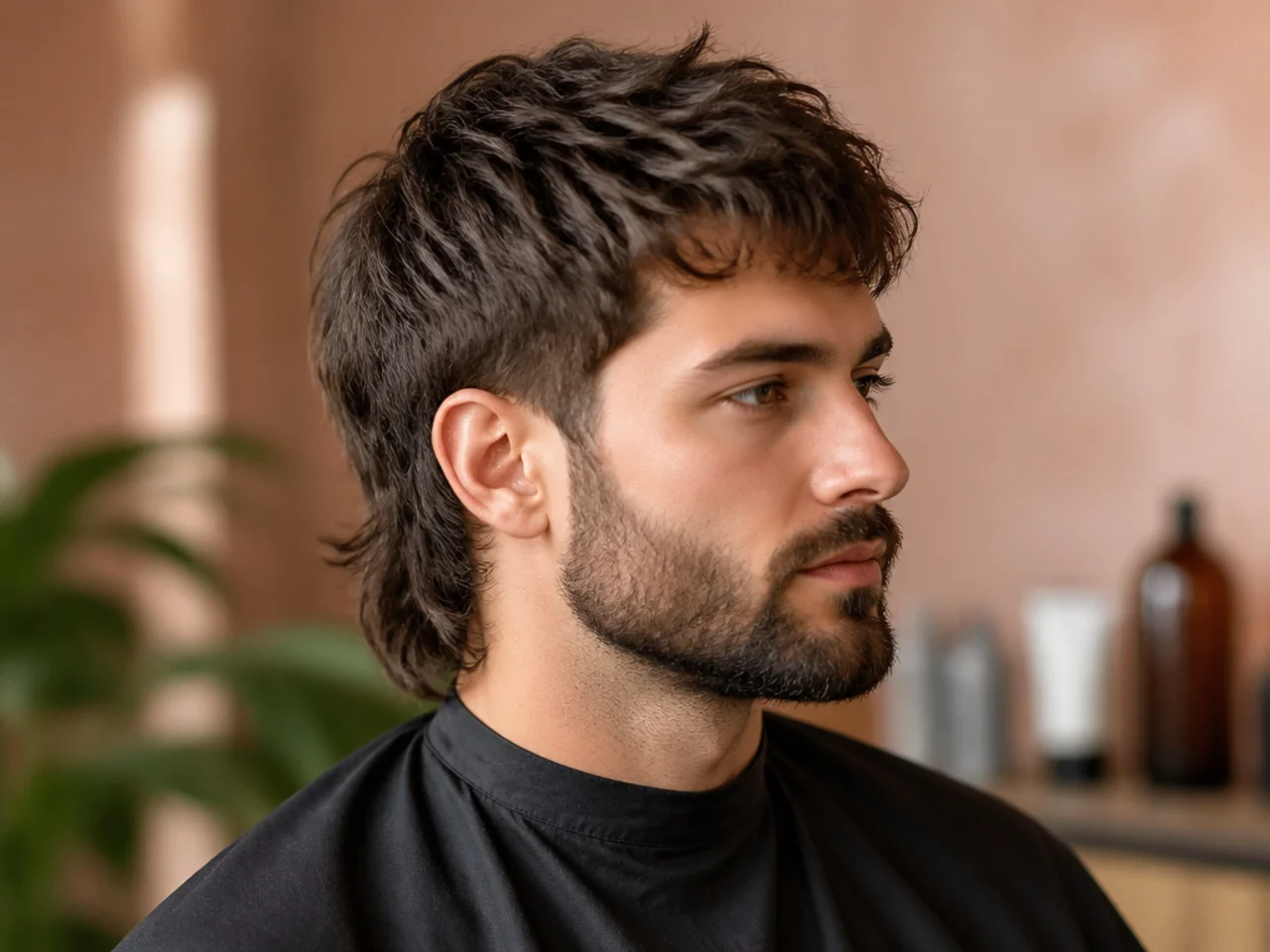
The beard grounds the shape. Where the top layers move and the nape feathers, the beard adds a hard visual base — the two together make the subtle mullet read as an adult cut instead of a teen-only style. Especially useful for beginners in their thirties who want the shape to feel age-appropriate.
Suits diamond, oval, and square faces.
Ask for: "Subtle mullet with a beard, two-inch top with soft internal layers, one-and-a-half-inch feathered nape, soft low taper on the sides connecting into a matched-grade full beard, hard line at the sideburn." Trim the beard every four days.
18. Half-Inch Differential Mullet
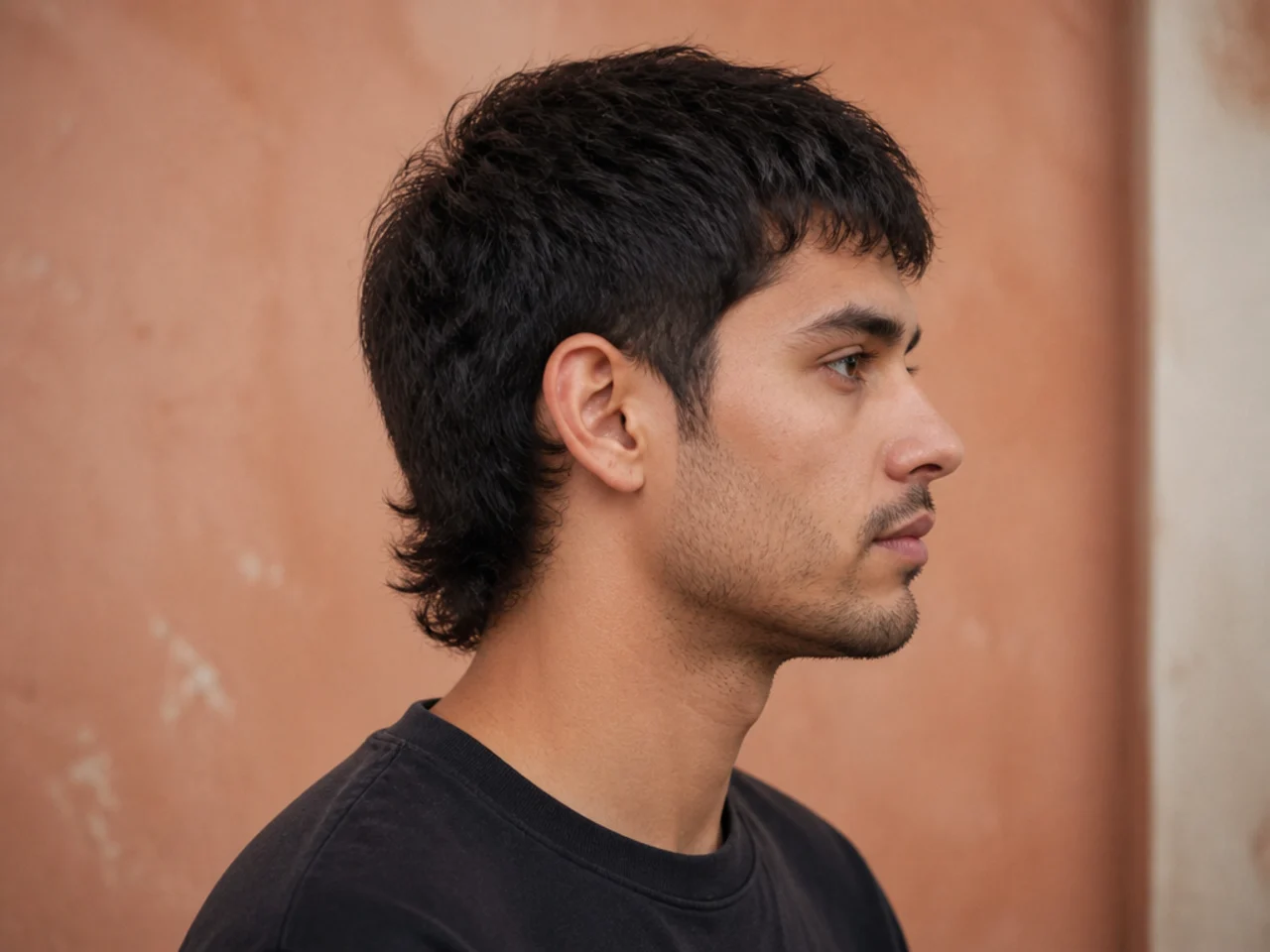
The smallest length gap that still reads as a mullet. Top and nape sit only a half-inch apart — a two-inch top with a two-and-a-half-inch nape, or a one-and-a-half-inch top with a two-inch nape. The eye still catches the ratio from the side, but the difference is nearly invisible up close.
Suits every face shape. Best for the most cautious beginners.
Ask for: "Half-inch differential subtle mullet, two-inch top with soft internal layers, two-and-a-half-inch feathered nape — keep the differential to exactly half an inch — scissor-blended sides." Style with a light styling cream.
19. Modern Subtle Mullet
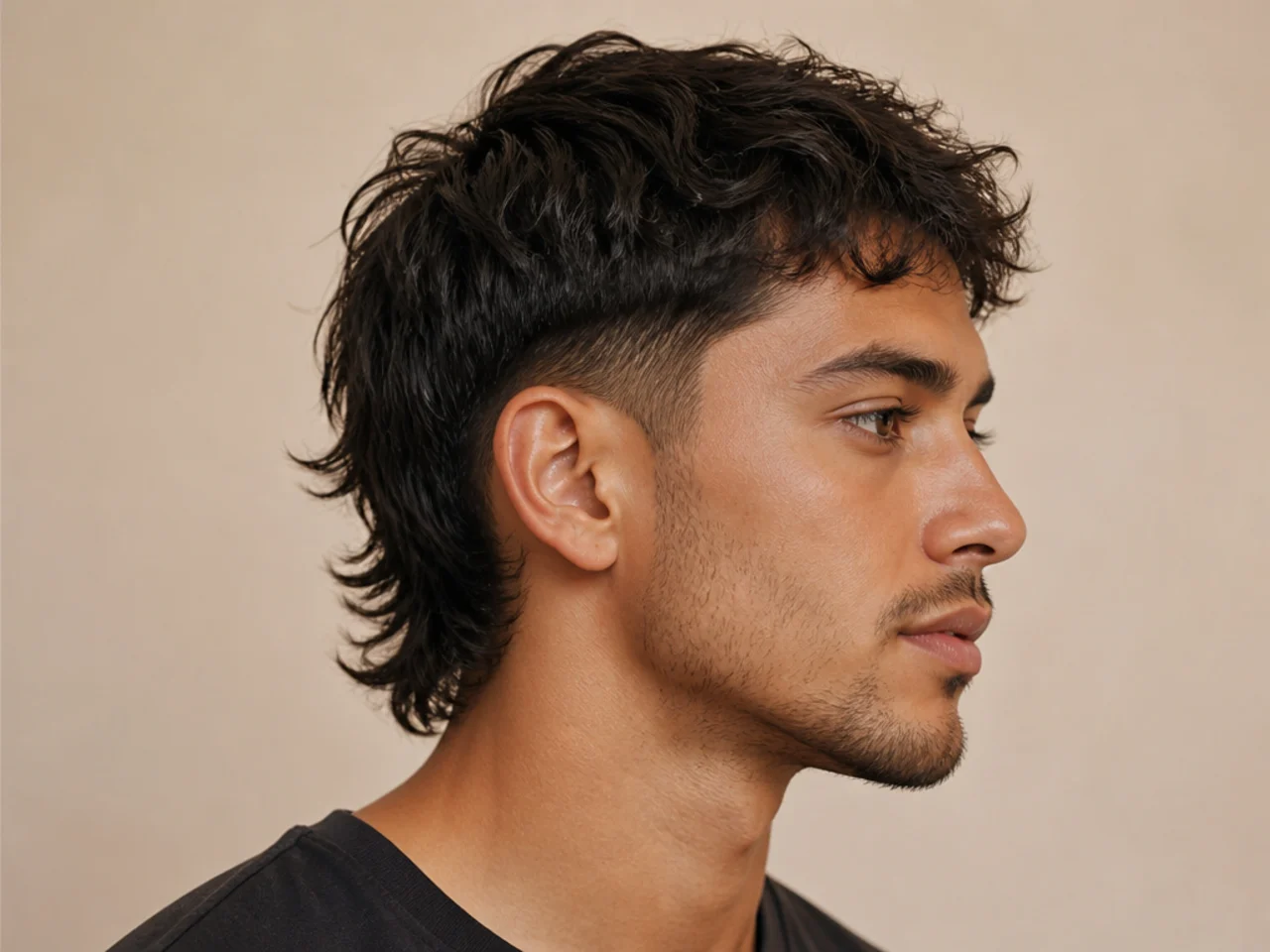
The current baseline. Every element sits in the middle of its range — two-inch top, two-inch nape, soft rounded internal layers, softly blended sides. Reads intentional without leaning hard in any direction. This is what most barbers cut when a client asks for "just a subtle mullet."
Suits every face shape. Works with any hair type.
Ask for: "Modern subtle mullet, two-inch top with soft internal layers, two-inch feathered nape, softly blended sides — no fade line, no hard undercut, no aggressive texture." Matte clay through damp hair, finger-comb backward.
20. Trial-Run Mullet
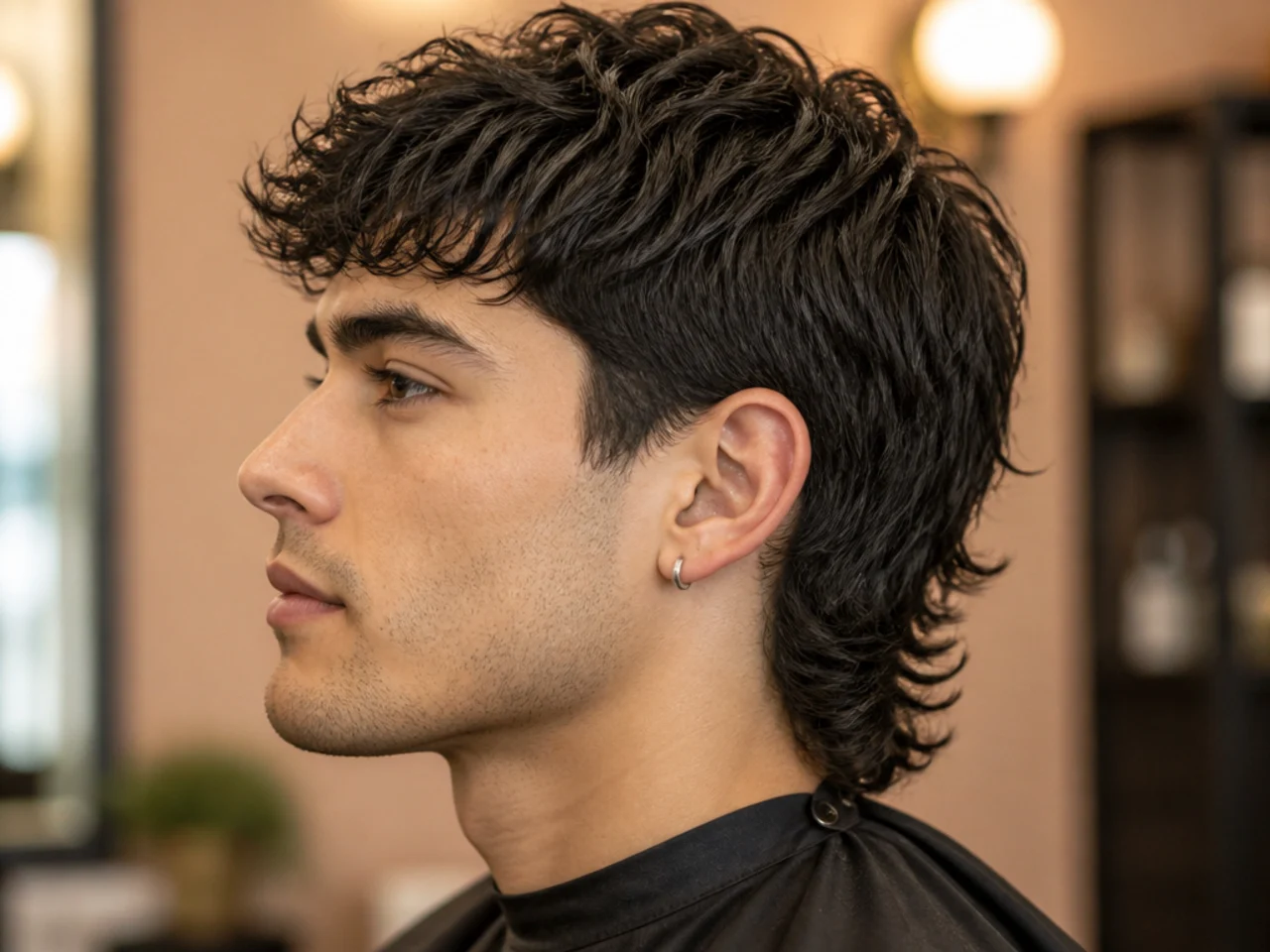
Cut with reversal in mind. Ask the barber to leave enough length at the sides that a single follow-up visit can turn the whole cut back into a plain layered crop or side part. The nape stays under one-and-a-half inches, and the top holds enough length to reshape. The safest way to test the shape before committing.
Suits every face shape. Best for first-time mullet wearers who want an exit route.
Ask for: "Trial-run subtle mullet, two-inch top with easily-reshaped soft layers, one-and-a-half-inch feathered nape, scissor-blended sides at a guard 3 — leave enough length everywhere for a full reset in one visit." Style with a light styling cream. If the shape sticks, browse the fringe mullet or shag haircut options next.
How to Ask Your Barber for a Subtle Mullet
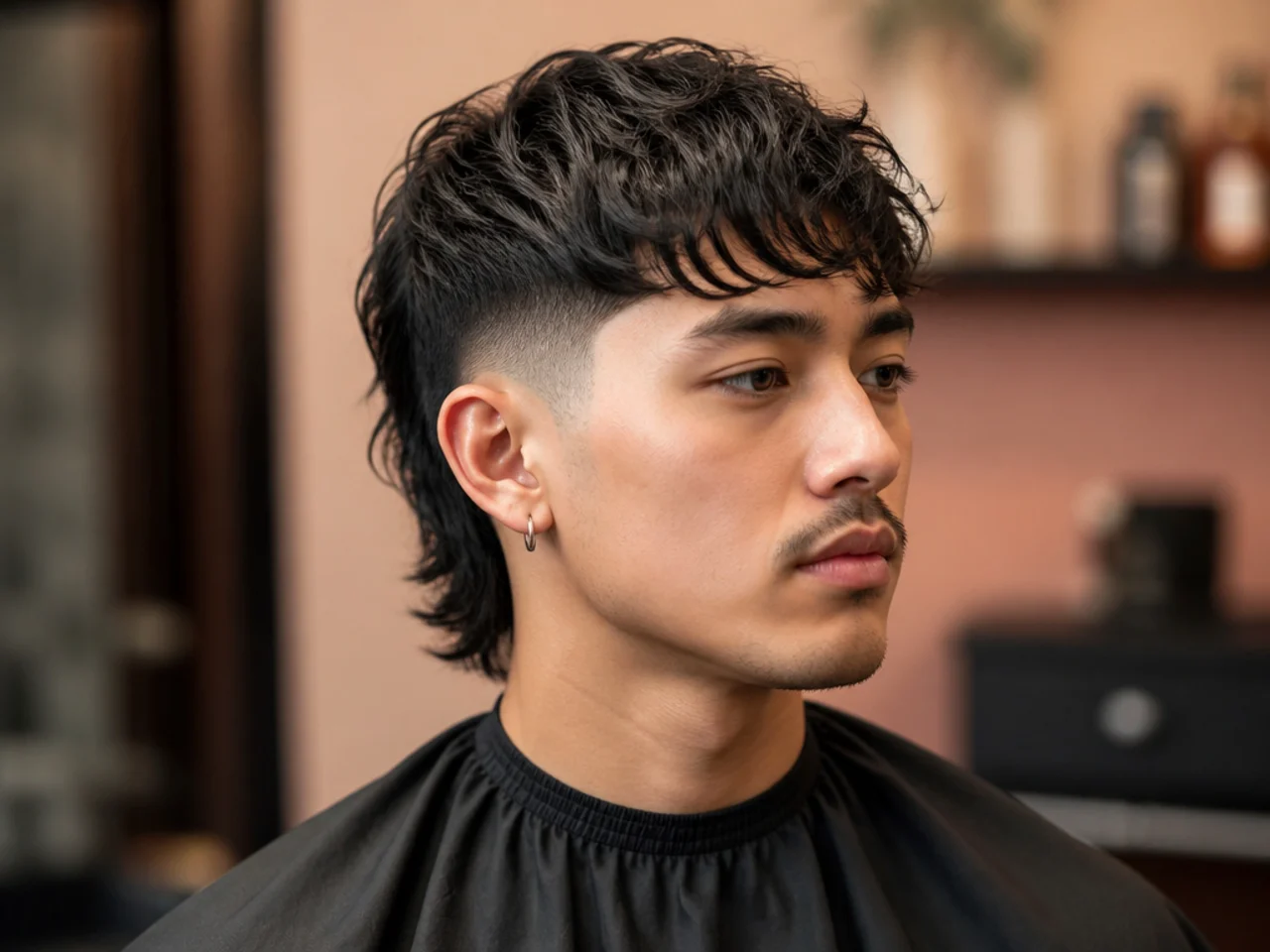
Bring a photo. That is rule one for every layered cut, and doubly true here because "subtle mullet" covers 20 different silhouettes.
- Say "subtle mullet," "starter mullet," or "beginner mullet" — not just "mullet." The word "subtle" tells the barber to keep every finish rounded and the length differential small. A plain "mullet" request can end up longer and louder than a beginner wants.
- Set the top length in inches. One inch for the cropped variations. One-and-a-half to two inches for the classic zone. Two-and-a-half inches for the fuller curtain-fringe and grown-in versions.
- Set the nape length in inches. One inch for the barely-there versions. One-and-a-half to two inches for everything else. The nape has to sit visibly longer than the sides for the mullet to register at all.
- Ask for a small differential. The gap between top length and nape length should stay under an inch. That small gap is the whole reason the cut reads subtle.
- Set the perimeter finish. Feathered is the default for subtle mullets — soft, wispy, and forgiving. Skip point-cut, choppy, and blunt finishes; those pull the cut out of subtle territory.
- Set the side treatment. Scissor-blended for the softest read. Soft low taper for a hint of sharpness. Nothing above a low taper — no mid fades, no high fades, no undercuts, no disconnected sides.
- Ask for rounded internal layering, not stacked or aggressively point-cut layers. Rounded layers keep the shape close to the head and blend the differential softly. Stacked layers add volume that turns the cut into a helmet.
Once you have those seven answers, your barber can start cutting without a single guess. Show the photo again to confirm the shape before scissors touch hair.
Styling and Maintenance for a Subtle Mullet
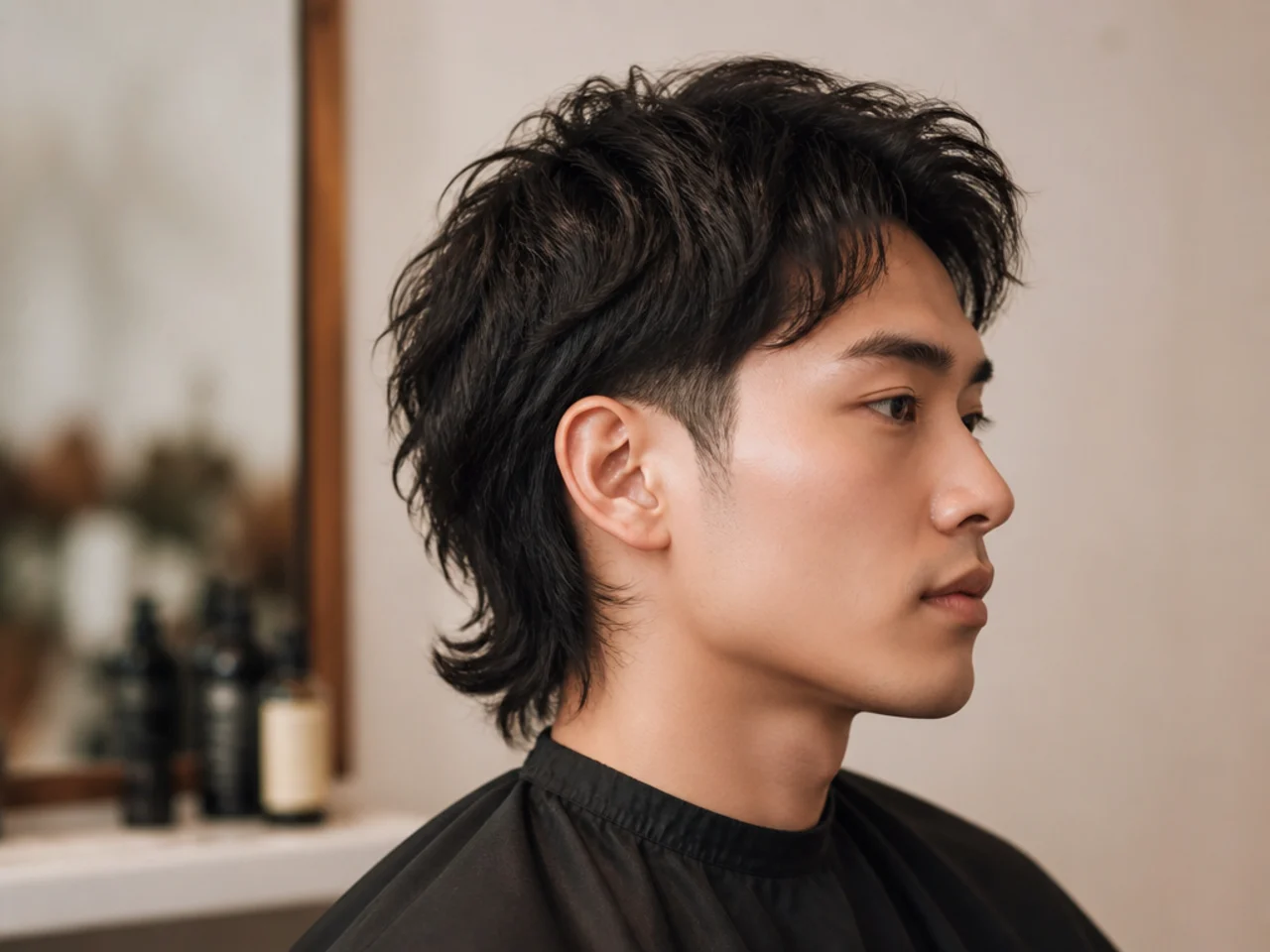
Wash and towel-dry so hair is damp, not wet. Damp hair absorbs product; wet hair holds it on the surface where it drips or crunches. For straight hair, prime with a light styling cream. For wavy hair, use the same cream or a two-pump sea-salt spray. For curly and coily hair, apply a leave-in conditioner while soaking wet.
Rough-dry with fingers, not a comb. Point the airflow the direction you want the finish — backward for a swept read, to one side for a side-swept read, forward for a fringe. The nape can air-dry from here. For straight hair, spend an extra ten seconds lifting the roots at the crown with your fingertips — that root lift is what gives the soft layered shape its bounce.
Finish with a matte hold product. Matte paste for textured tops, molding cream for a slightly polished finish. Skip anything glossy unless you are going Korean-influenced — most subtle mullet variations read best matte. Product goes in the top and sides only; leave the nape alone so the feathered ends can move on their own.
Re-cut the shape every five to seven weeks. Subtle mullets forgive grow-out better than most cuts because rounded layers blur softly rather than growing out into visible lines. If your version has a low taper, book a mini touch-up around the three-week mark to keep the sides clean. Between visits, run a beard trimmer over the neckline yourself to buy an extra week of clean edges. For cadence across every silhouette, see the how often to get a haircut guide.
Wash the top three to four times a week. Condition every wash — subtle mullets show damaged nape ends more than blunt cuts because the ends are so exposed. Sleep on a silk or satin pillowcase to preserve texture and stop the nape from creasing overnight. If the shape earns its keep and you want to explore more finish options, the textured fringe men guide has the front-hair options and the full modern mullet haircut men breakdown covers the next commitment level.
FAQ
What is a subtle mullet haircut?
A subtle mullet is the modern mullet dialed all the way down. Top and nape sit within an inch of each other, sides get scissor-blended or lightly tapered, and every layer is rounded rather than piecey. It reads as a slightly grown-out layered cut from the front and only shows the mullet silhouette in profile.
Is a subtle mullet good for beginners?
Yes — this is the whole reason "starter mullet" is a phrase barbers use. Short nape length keeps the shape reversible in one visit, the soft finish forgives grow-out, and scissor-blended sides mean no commitment to a fade schedule. It is the lowest-stakes way to try the shape before deciding whether to grow into a full mullet.
How subtle can a mullet get and still count as a mullet?
As subtle as a half-inch length difference between the top and the nape. Any less and the eye reads it as a plain layered cut. The mullet identity comes from the nape sitting visibly longer than the sides — even by a small amount — so the length ratio matters more than the total length.
Will a subtle mullet look good on my face shape?
Almost certainly. The subtle mullet is the most face-shape-flexible version of the cut because the compact silhouette does not add height or width to the head. Oval and square faces get the sharpest read. Round and long faces do well with a soft fringe. Heart and diamond faces suit almost any variation on this list.
How is a subtle mullet different from a short mullet or a soft mullet?
All three are compact versions of the modern mullet, but the emphasis is different. The short mullet focuses on nape length — one-and-a-half to two-and-a-half inches at the back. The soft mullet focuses on finish — feathered ends and rounded layers throughout. The subtle mullet focuses on the length differential — top and nape sit within an inch of each other so the shape barely registers up close.
How do I ask my barber for a subtle mullet?
Say four things — the top length in inches (one-and-a-half to two), the nape length in inches (one-and-a-half to two), the side treatment (scissor-blended or soft low taper), and the word "subtle" or "starter" so the barber knows to keep every finish rounded. Bring a photo.
How often do I need to re-cut a subtle mullet?
Every five to seven weeks. Subtle mullets forgive grow-out better than most cuts because rounded layers blur softly rather than falling into visible lines. If your version has a low taper on the sides, book a mini touch-up around the three-week mark to keep the perimeter clean.
Can I reverse a subtle mullet if I do not like it?
Yes — reversibility is the point. A single follow-up visit trims the nape to sideburn length and turns the whole cut into a textured crop or side-part shape. Because the sides were kept scissor-blended and the top was cut with reshape in mind, there is no awkward grow-out phase. Most guys who try a subtle mullet either keep it or reverse it inside two visits.