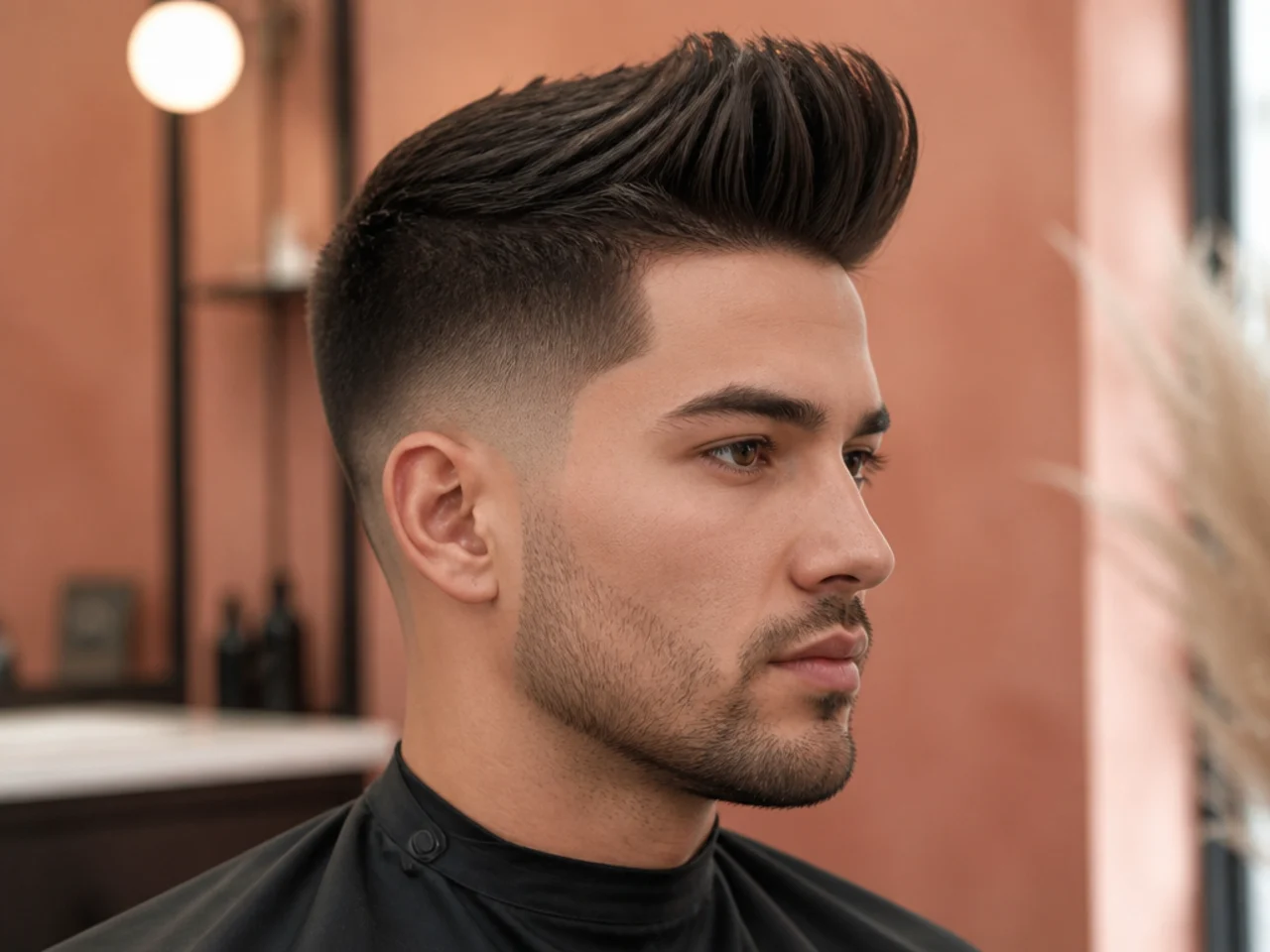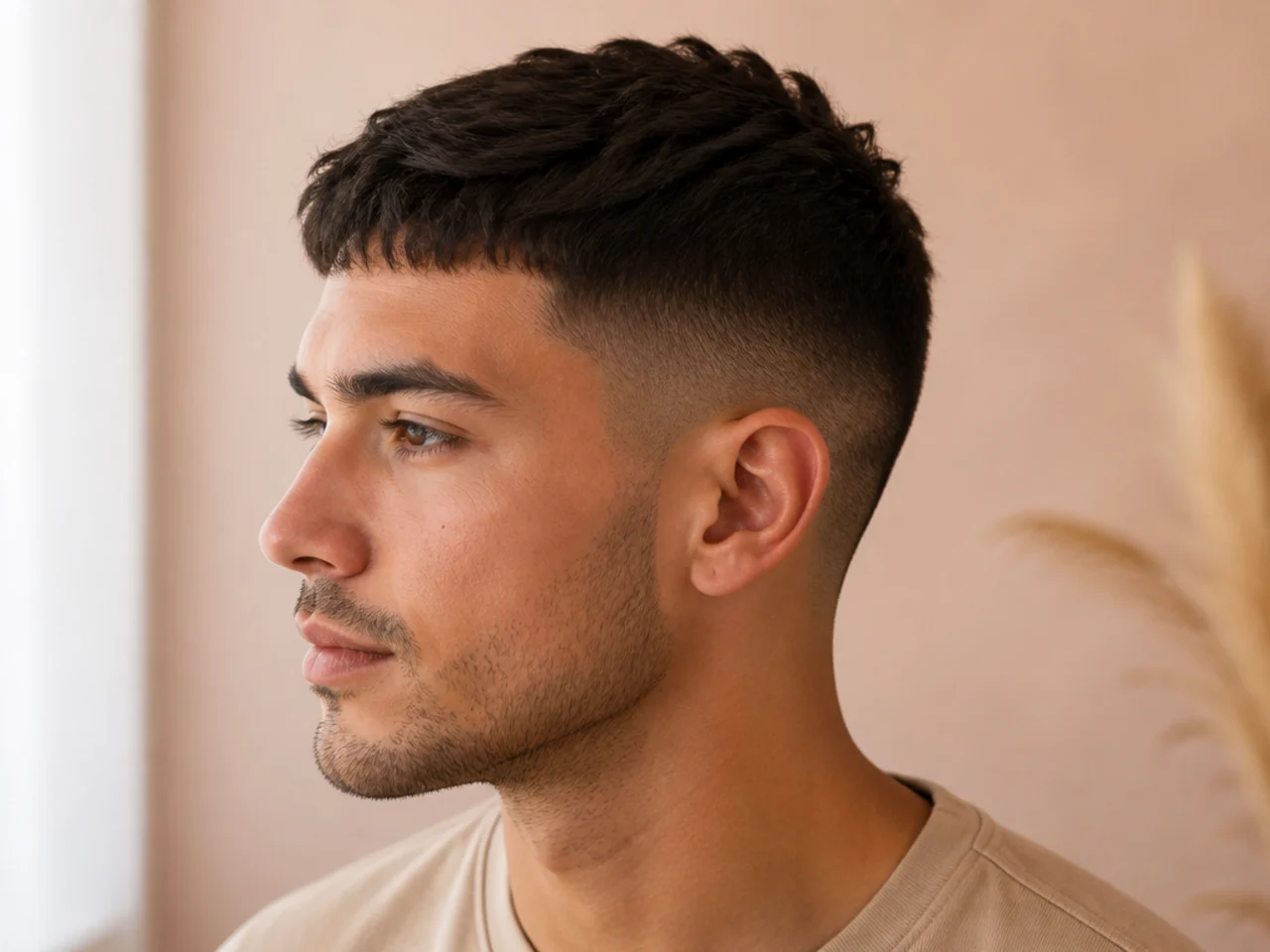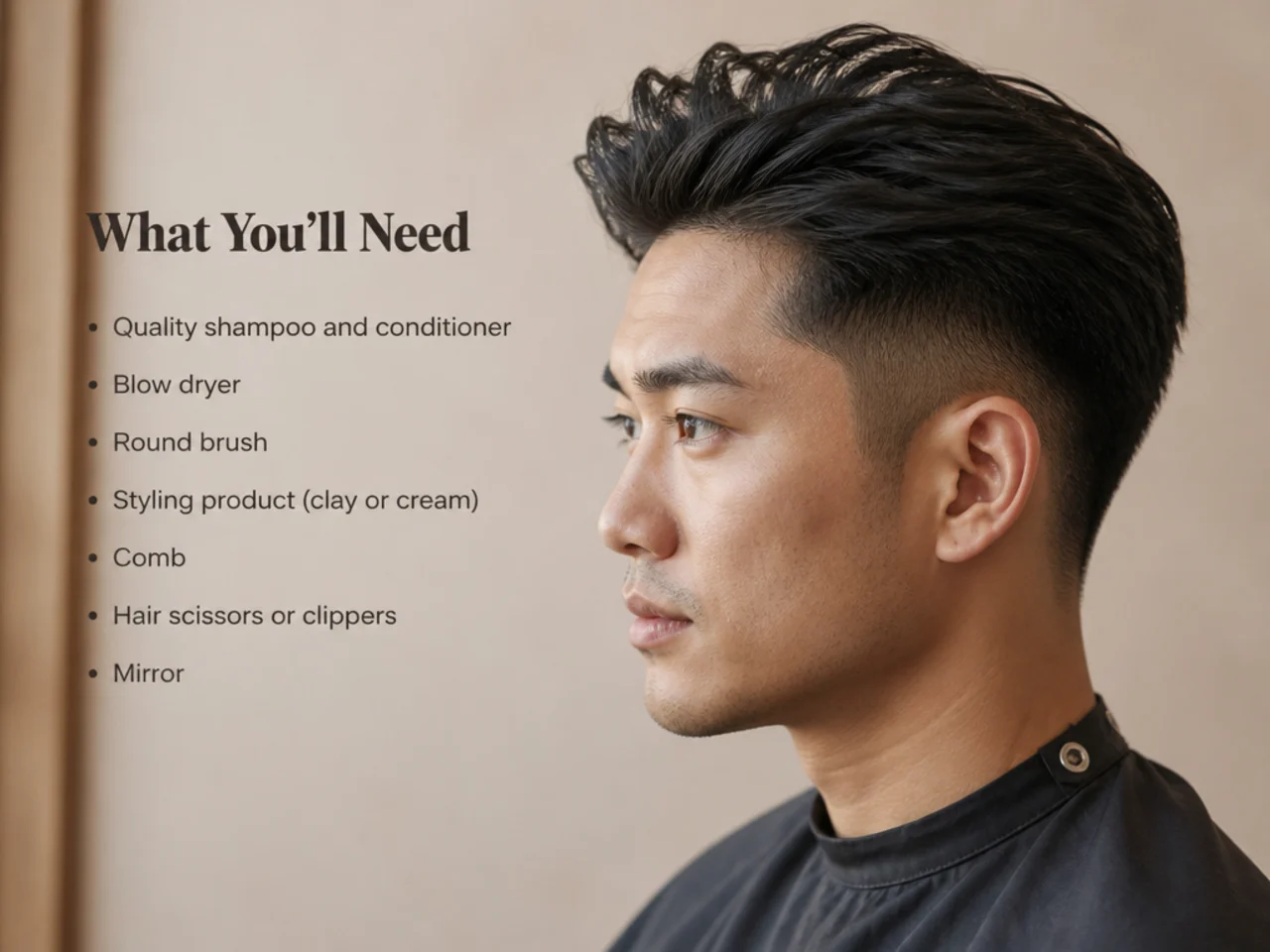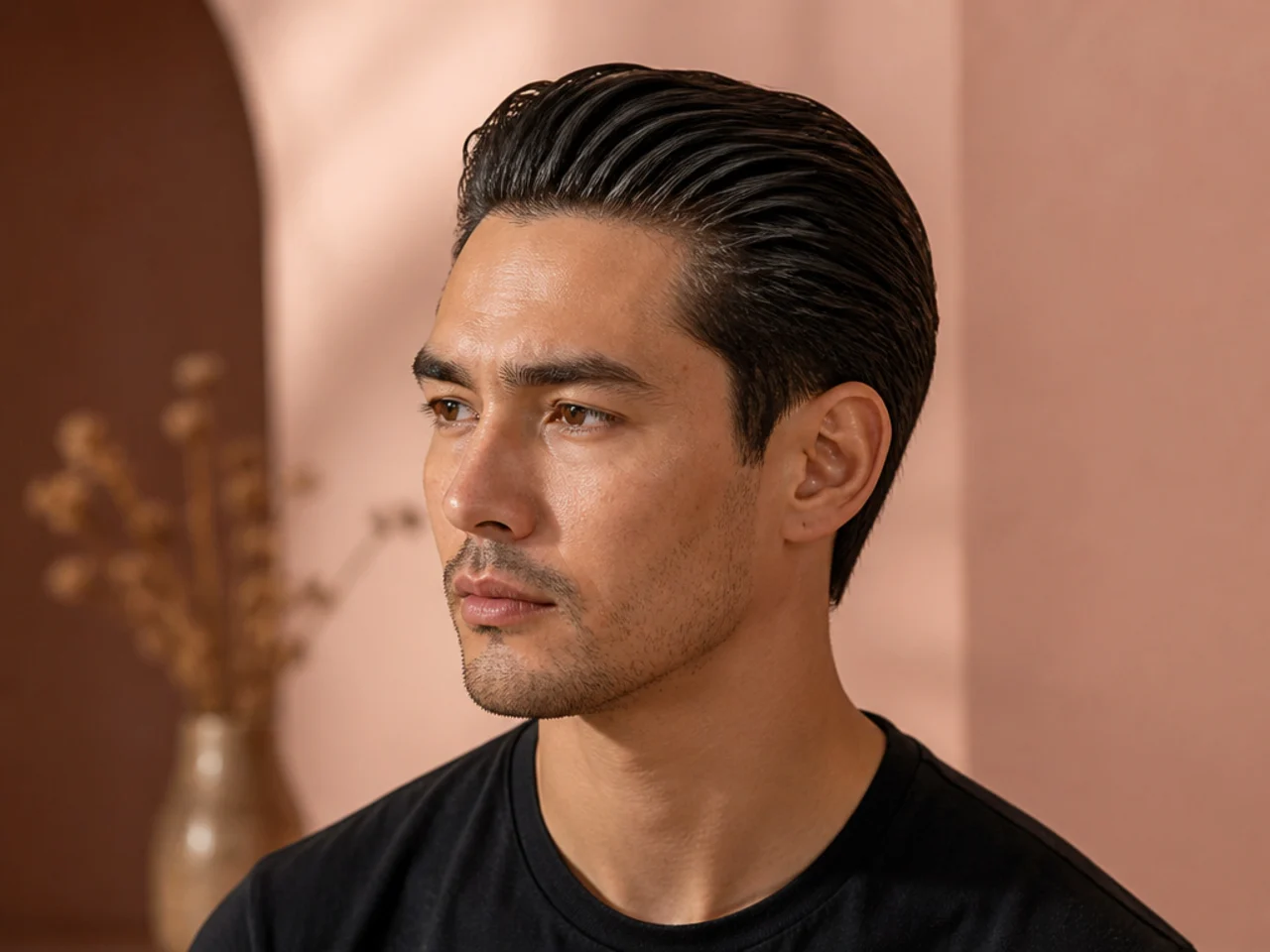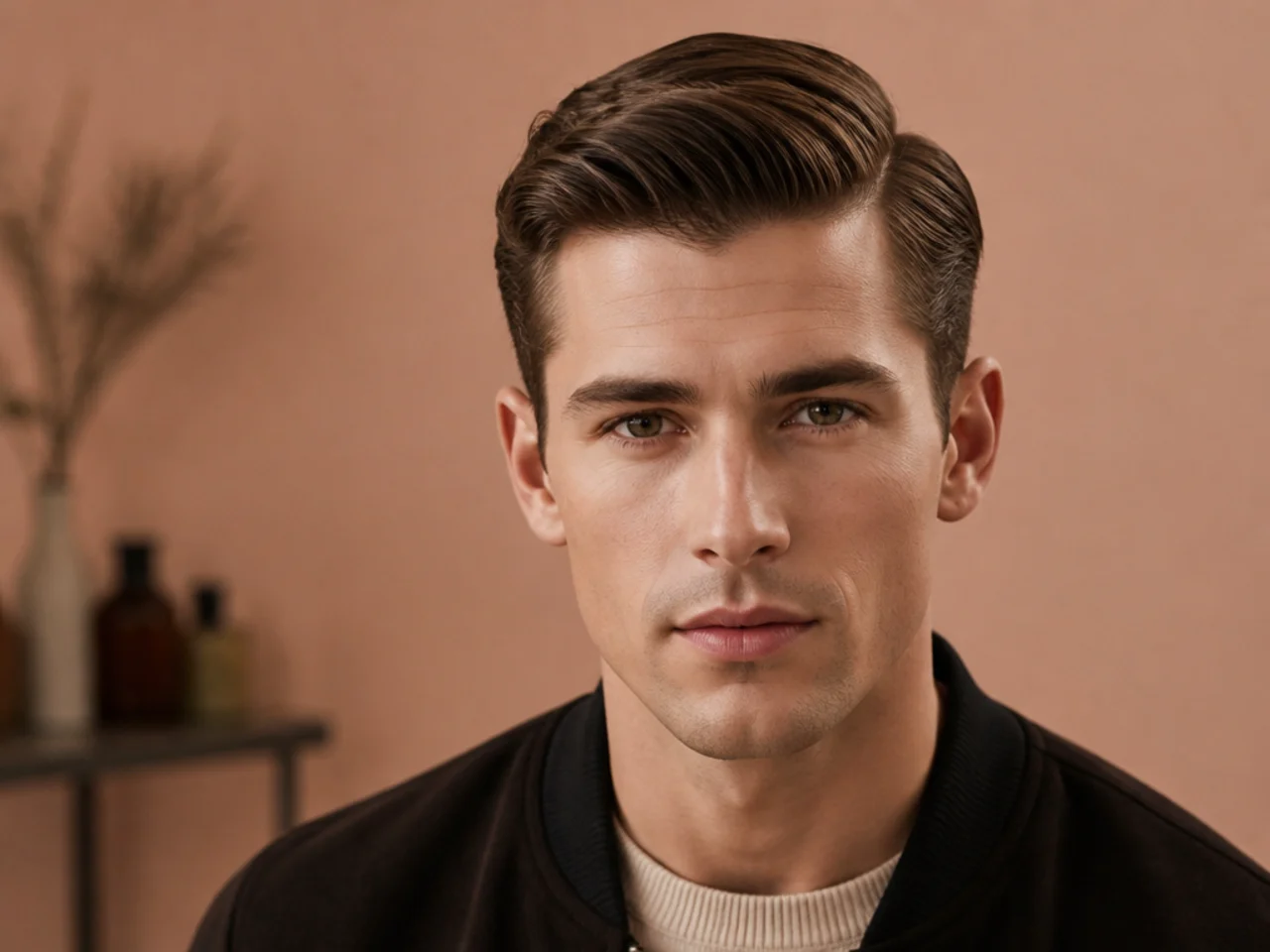
25 Side Part Haircuts for Men That Look Sharp
Twenty-five side part haircut men styles worth asking for in 2026 — classic scissor cuts, razor-line skin fades, hard parts, and beard blends. Photos, face-shape fit, and what to say.
In this article · 31
- Why the Side Part Still Owns 2026
- How to Choose Your Side Part
- The 25 Variations Men Are Requesting
- 1\. Classic Scissor Side Part
- 2\. Ivy League Side Part
- 3\. Business Professional Side Part
- 4\. Traditional Gentleman's Side Part
- 5\. Vintage Comb Over Side Part
- 6\. Hard Part with Skin Fade
- 7\. Deep Hard Part with Mid Fade
- 8\. Thick Etched Hard Part
- 9\. Razored Line Up Side Part
- 10\. Soft Natural Side Part
- 11\. Textured Matte Side Part
- 12\. Side Swept Fringe with Taper
- 13\. Deep Side Part with Volume Top
- 14\. Deep Side Slick Back
- 15\. Undercut Side Part
- 16\. Disconnected Undercut Side Part
- 17\. Side Part with Low Fade
- 18\. Side Part with Mid Fade
- 19\. Side Part with High Skin Fade
- 20\. Side Part with Drop Fade
- 21\. Side Part with Burst Fade
- 22\. Side Part with Low Taper
- 23\. Side Part with Blended Beard
- 24\. Long Flow Side Part
- 25\. Wavy Textured Side Part
- How to Ask Your Barber for a Side Part
- Styling and Maintenance
- FAQ
The side part is the barbershop's most durable answer to "what's the safest sharp cut?" It hasn't left the chair since the 1920s, and every year barbers rework the sides with a new fade or a razor-drawn hard part to keep it modern. This is every side part haircut men are asking for right now — twenty-five variations from boardroom classic to skin-fade sharp.
Want the wider taxonomy first? Start with the side part hairstyles for men pillar, or step back further to the fade haircut family the modern side part borrows from.
Why the Side Part Still Owns 2026
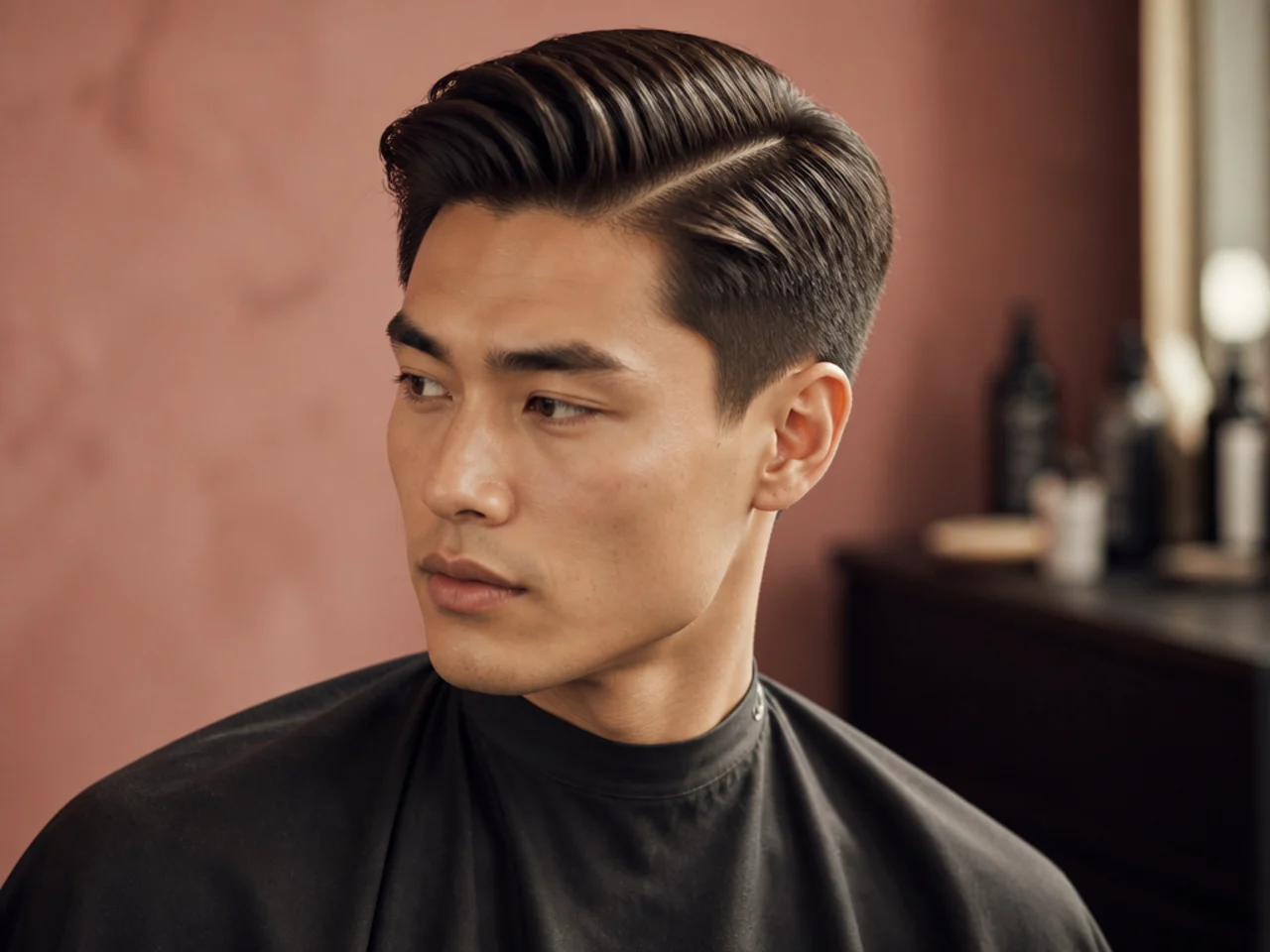
Three forces keep the side part at the top of the request pile. The first is the return of the office. Corporate calendars filled back up in the last two years, and the side part is the one modern cut that reads polished in a suit and casual on a weekend without changing product. The second is celebrity replication. David Beckham, Henry Cavill, Damson Idris and Pedro Pascal have carried some version of a side part through the last five press cycles. Barbers see the same three or four screenshots every week.
Third — and quieter — is the hard part. Adding a shaved line to a classic side part is the cheapest way a barber has to make a conservative cut look designed. Ten seconds with a straight razor turns a Sunday-lunch haircut into something that photographs well. That single detail has driven the last decade of side part evolution.
The cut also flexes across age. A twenty-four-year-old wears a hard-part skin-fade version. A sixty-year-old wears a classic scissor comb-over. Same skeleton, different weight, different room. Nothing else on the men's wall does that quite so cleanly.
How to Choose Your Side Part
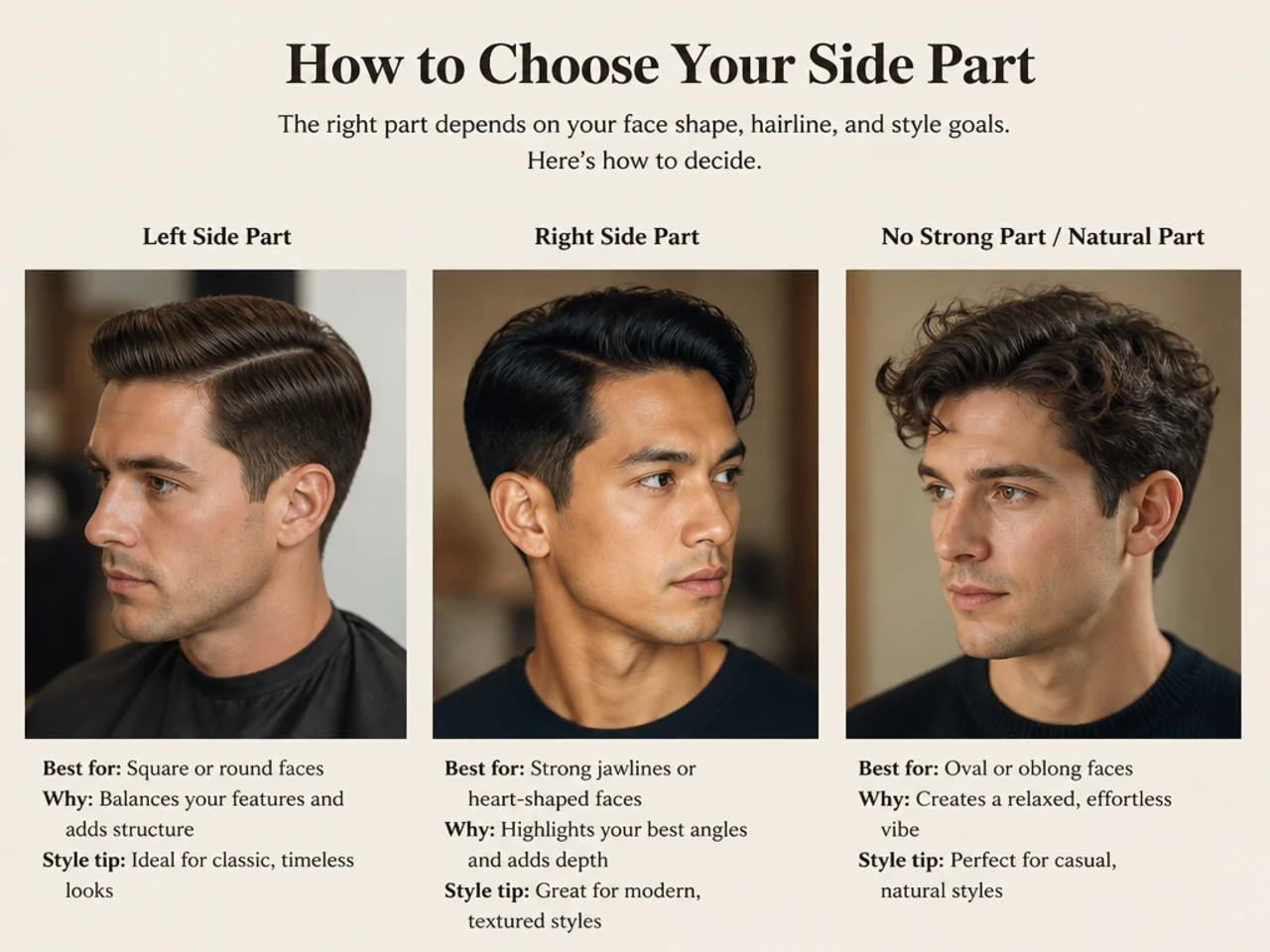
Three questions decide the version for you. What's your face shape, what's your hair texture, and how many haircuts a month is your calendar going to allow?
Round faces want vertical height and a deeper parting to break the symmetry. Long or oblong faces suit shallow parts, shorter tops, and a low fade that keeps everything close to the head. Square jaws land well with soft classic side parts or with a hard part and a mid fade — the geometry offsets the corners. Oval faces wear almost any variation.
Hair texture pushes the finish. Straight hair holds a razor-drawn parting the sharpest. Wavy hair suits a soft comb-drawn part where the wave carries the sweep on its own. Curly and coily hair work best against a short fade or taper so the curl on top has a clean, uncluttered frame.
Maintenance is the last cut. A skin fade with a hard part looks its best for ten days and tired by twenty-one. A scissor-tapered classic side part stretches to five weeks. Pick the version your calendar can actually hold — a soft classic version done well beats a skin-fade build gone shaggy every time.
The 25 Variations Men Are Requesting
Twenty-five versions sorted from classic to sharp. Each block covers what makes the variation different, who it suits, the exact wording to use in the chair, and one styling move worth stealing.
1. Classic Scissor Side Part
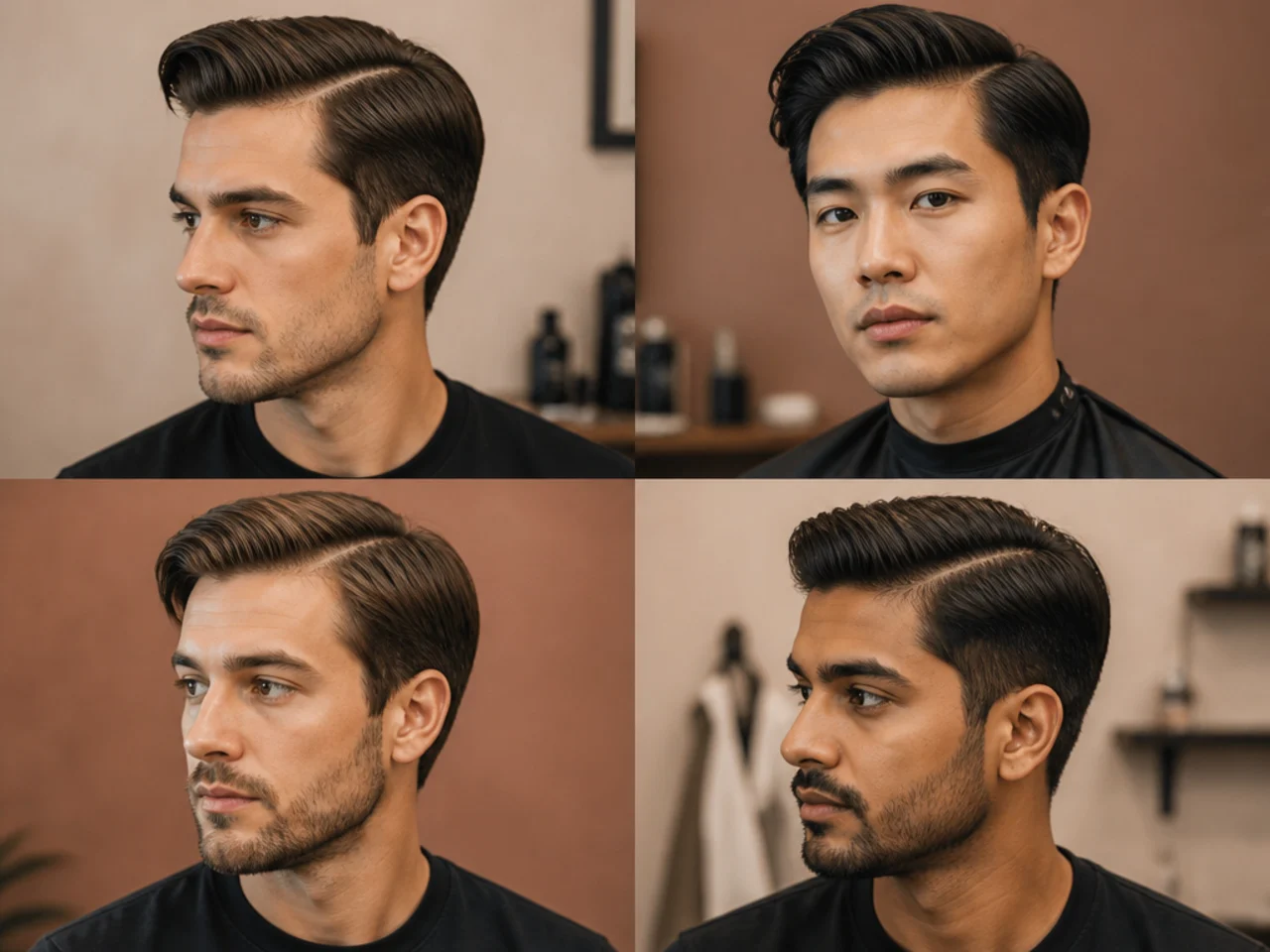
The original. Scissor-cut sides tapered gently around the ears, two to three inches on top, combed to one side along a natural parting. No clippers, no fade, no razor line. This is what Cary Grant wore, what Gregory Peck wore, and what still holds up in 2026 with zero effort. Suits every face shape and every hair texture that will hold a comb. Works particularly well on guys in their thirties and up.
Ask for: "scissor-tapered sides, two to three inches on top, natural side part on my dominant side, no clipper marks."
Styling: pea of light-hold pomade on damp hair, comb once with a fine-tooth comb from the parting outward. Sixty seconds, done for the day.
2. Ivy League Side Part
The prep-school archetype. Top runs one and a half to two inches, sides tapered short but not faded to skin, top combed to one side with a soft parting. Think 1950s New England campus rather than 2020s barbershop. Suits oval, square, and triangular faces. Best on straight or gently wavy hair — the polish comes from smoothness. Read the full Ivy League haircut breakdown for length nuances.
Ask for: "Ivy League with a side part, one and a half to two inches on top, scissor taper on the sides, no fade."
Styling: light-hold pomade or hair cream, combed once, done. This is the cut for looking intentional without looking trendy — it ages up cleanly from twenty-five to fifty-five.
3. Business Professional Side Part
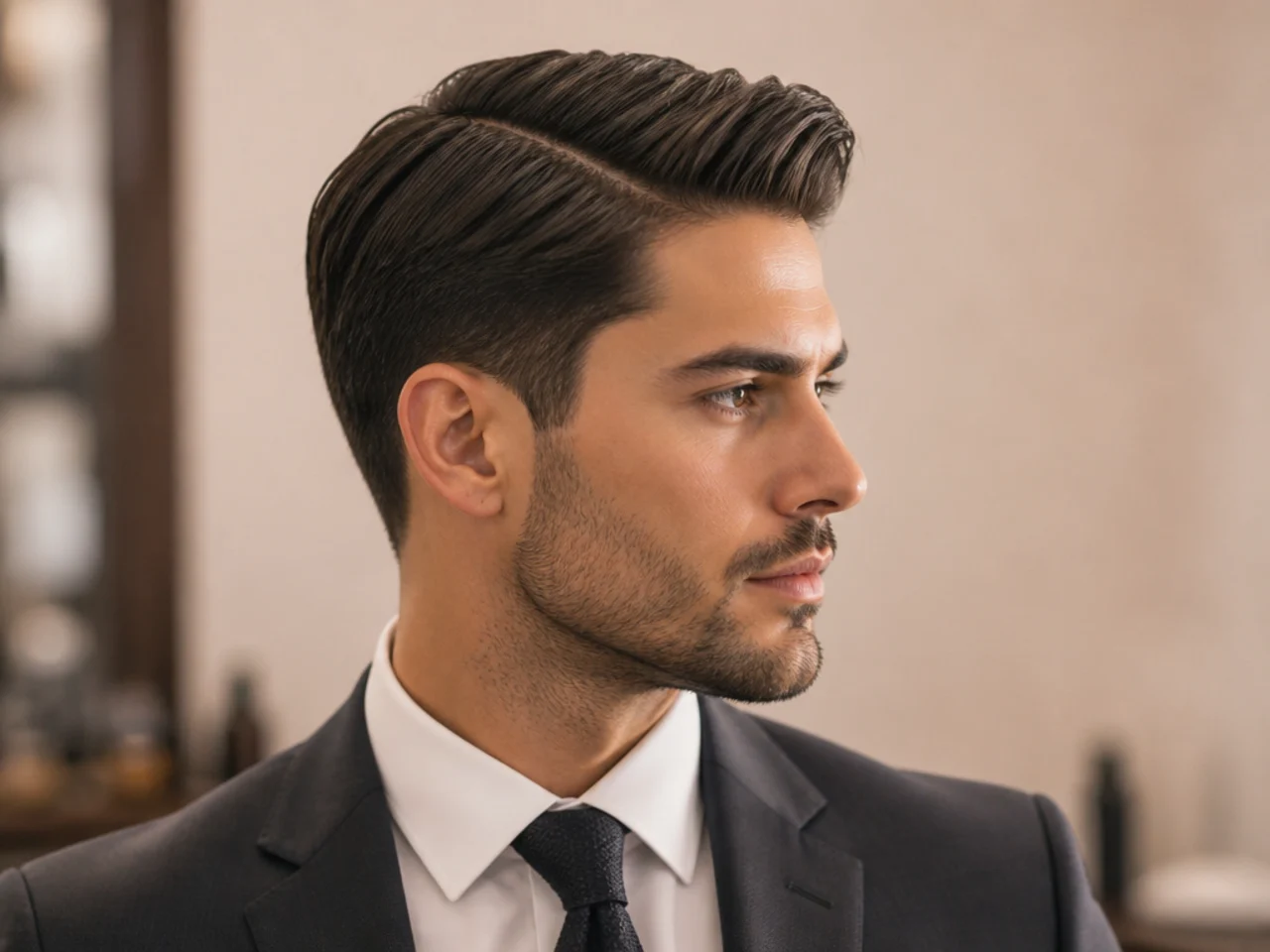
Boardroom-safe, calendar-ready. Sides clipped short with a #2 or #3 guard fading softly up the head, top around one and a half to two inches, combed clean to one side. The point is polish, not personality. Sits at the top of any professional hairstyle for men rotation. Suits every face shape because it's built to disappear into a suit.
Ask for: "#2 clipper taper on the sides fading up to a #4, one and a half to two inches on top, defined side part."
Styling: small amount of medium-hold pomade combed in, then set with a low-heat blow-dry. Re-cut every three weeks — the taper line at the ears is what dates first.
4. Traditional Gentleman's Side Part
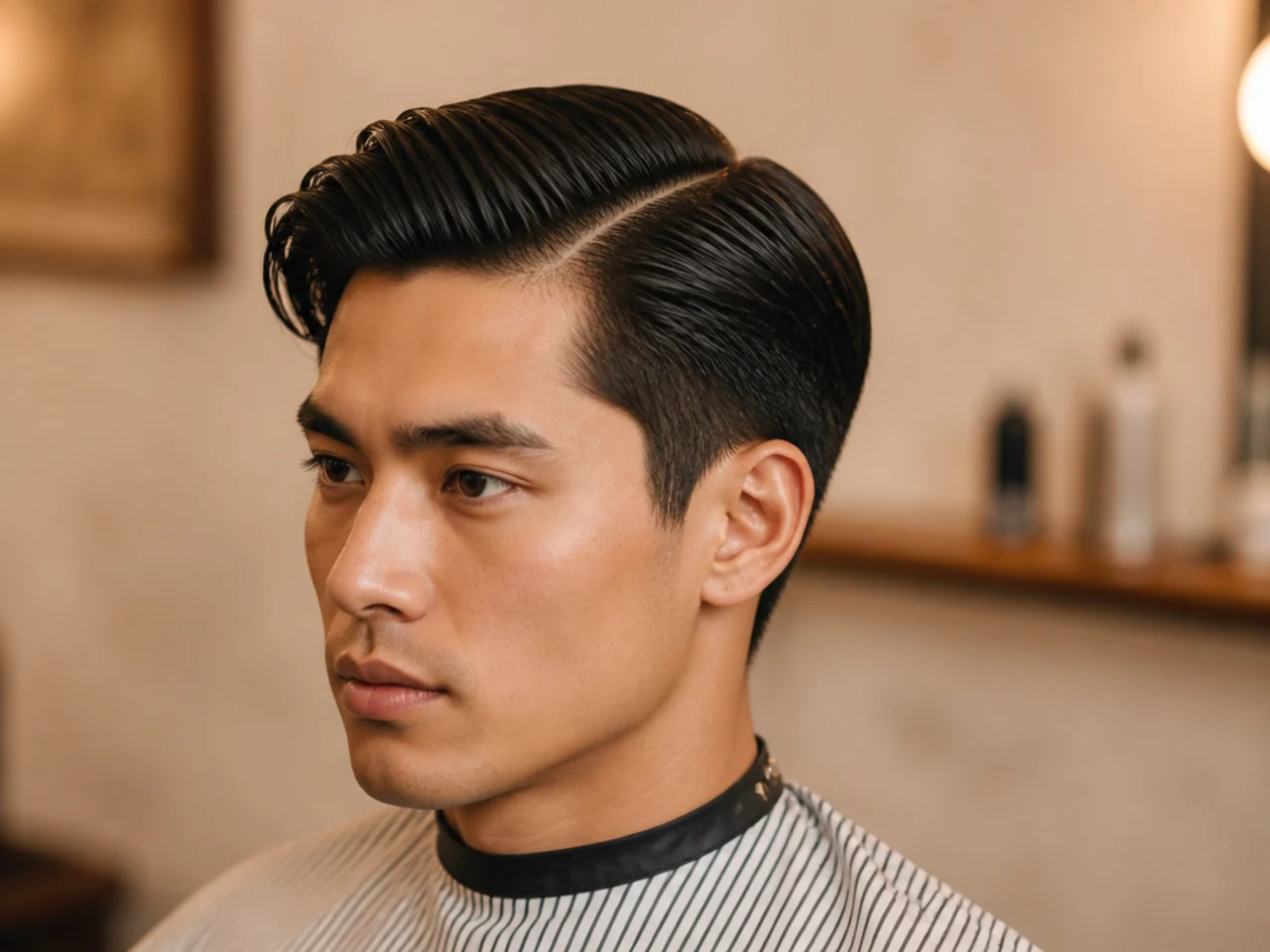
Cleaner than the Ivy League, softer than the modern hard part. Scissor-blended sides — no clipper marks anywhere — with three to four inches of length on top and a shallow, hand-drawn parting. The finish reads wedding-guest formal without leaning stuffy. Wavy and gently curly hair carries this beautifully because the sweep follows the natural bend.
Ask for: "gentleman's finish — scissor-blended sides, no clipper, three to four inches on top, shallow side parting."
Styling: shine-forward pomade or a hair cream, combed from the parting outward. Blow-dryer pass across the top for lift. Aim for satin polish, not wet-look plastic.
5. Vintage Comb Over Side Part
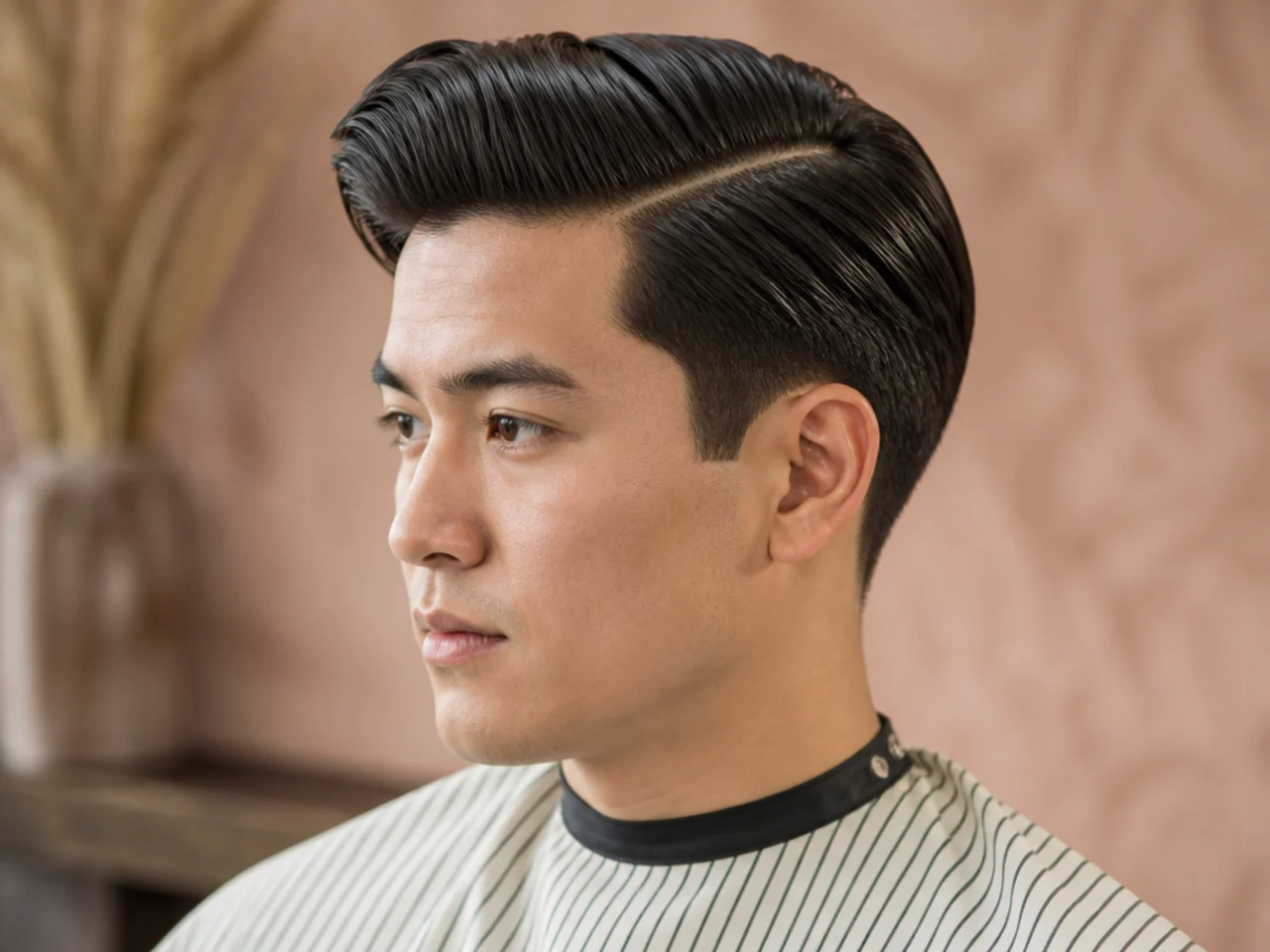
Longer top, no fade, no hard part. Just a clean side parting and a full sweep across the crown. This is the original from which every modern variation borrows. The full comb over haircut guide covers the family in more depth. Suits any age and any face shape. Best on straight or wavy hair with enough length — usually four inches — for the sweep to lay.
Ask for: "scissor-cut sides tapered short, four inches on top, natural side parting for a full comb over."
Styling: medium-hold pomade or hair cream, comb wet, blow-dry with the airflow following the sweep. Re-comb once dry to reset the line. Handles thinning crowns well because the sweep adds visual density.
6. Hard Part with Skin Fade
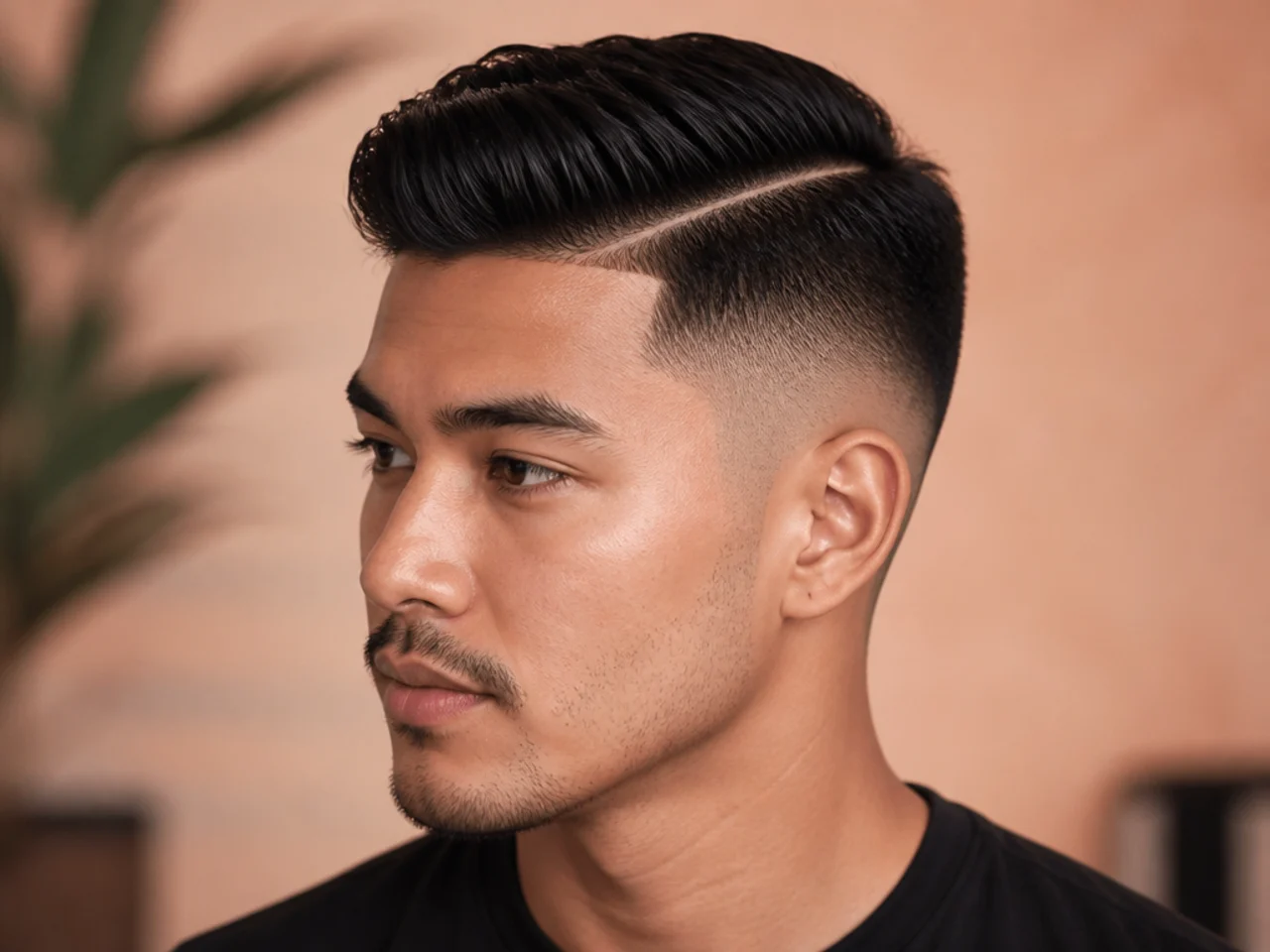
The modern default sharp build. A razor-drawn line shaved into the scalp along the parting, sitting above a high skin fade that drops the sides to bare scalp. The contrast is the point — smooth skin, sharp line, textured top. Suits square and oval faces best. Works on every hair type; the shorter the top, the sharper the effect. Reads current in a way the classic can't.
Ask for: "high skin fade, razor-drawn hard part on my dominant side, one to two inches on top, fade line starting just above the temple."
Styling: matte paste worked in with fingers, top pushed away from the hard part so the line stays visible from three feet away. Book maintenance every two weeks — the hard part fuzzes fast.
7. Deep Hard Part with Mid Fade
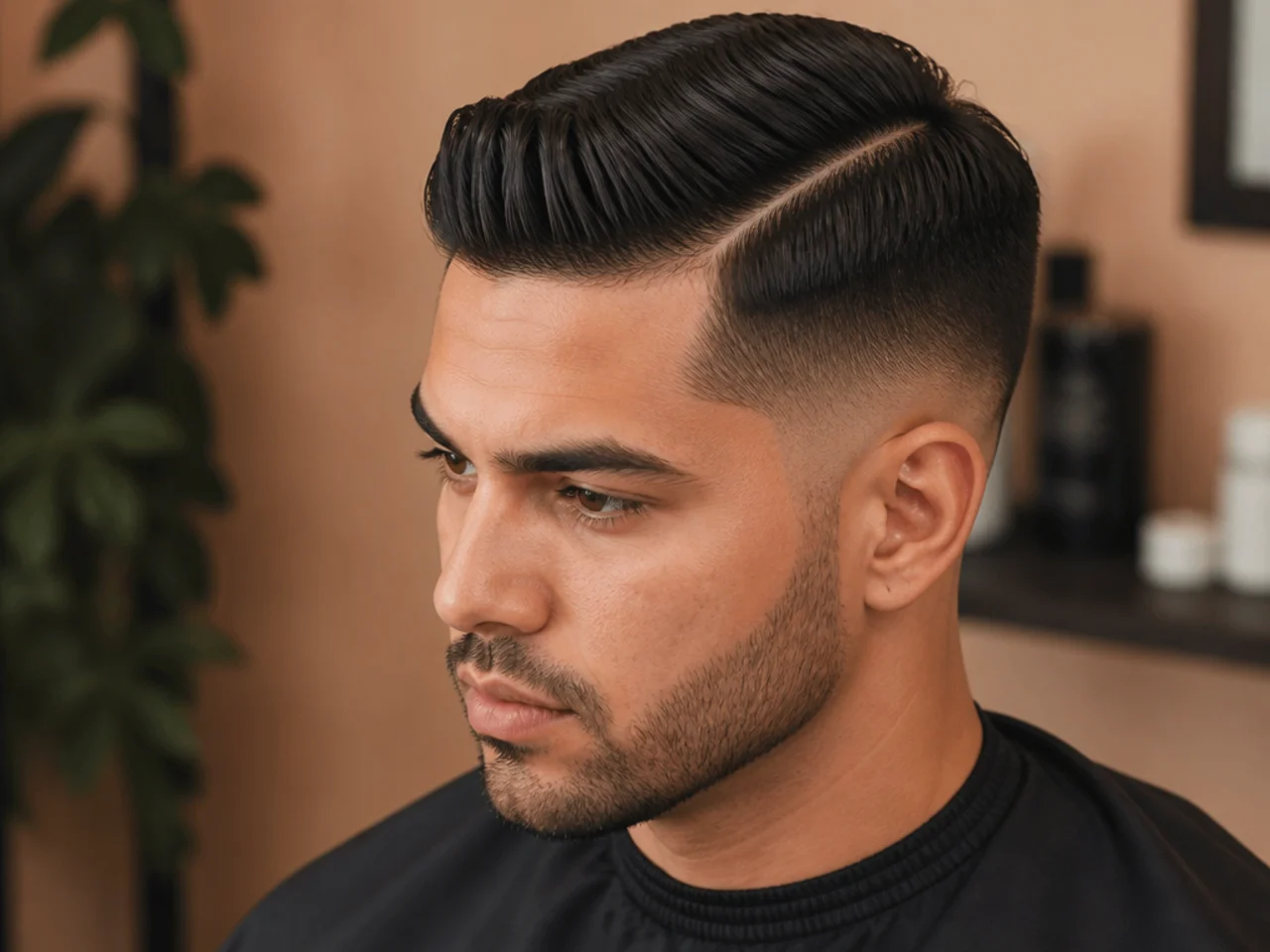
The best hard-part compromise. Instead of the aggressive high skin fade, this version pairs the razored line with a mid fade that keeps the sides a little softer. Two and a half inches on top and the hard part sitting deeper on the head — closer to the crown than the temple. Suits round and oval faces because the deeper part adds vertical line. All hair types work.
Ask for: "mid fade, deep hard part razored above the temple, two and a half inches on top point-cut for texture."
Styling: matte clay worked into damp hair, top swept away from the hard part. Blow-dry on low against the part first to lift the roots. The deeper the part, the more the top has to lift to sit right.
8. Thick Etched Hard Part
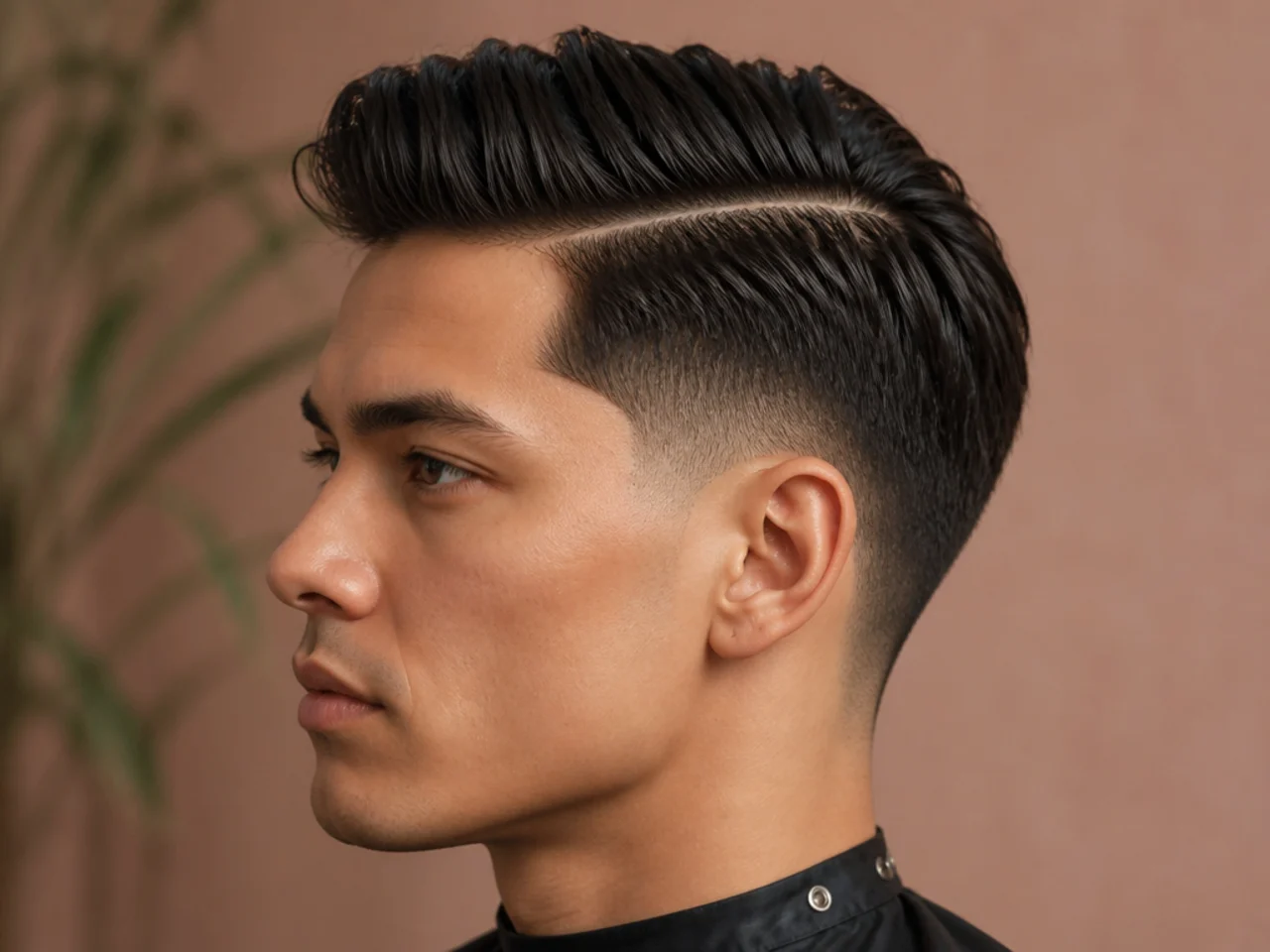
The loudest version. The shaved line is wider — three to four millimeters instead of the standard one — and the top is often disconnected, meaning there's no blend between top length and shaved sides. Just a hard visual break. Reads modern and confident. Best for guys with strong facial structure; the disconnect flatters angles. Fine hair works, thick hair works better.
Ask for: "low or mid fade with a thick etched hard part, half-centimeter disconnect at the crown, two inches on top."
Styling: heavy matte clay for texture, pushed away from the hard part with fingers only. Never comb the top down over the fade — you'll cover the disconnect and kill the reason for the cut.
9. Razored Line Up Side Part
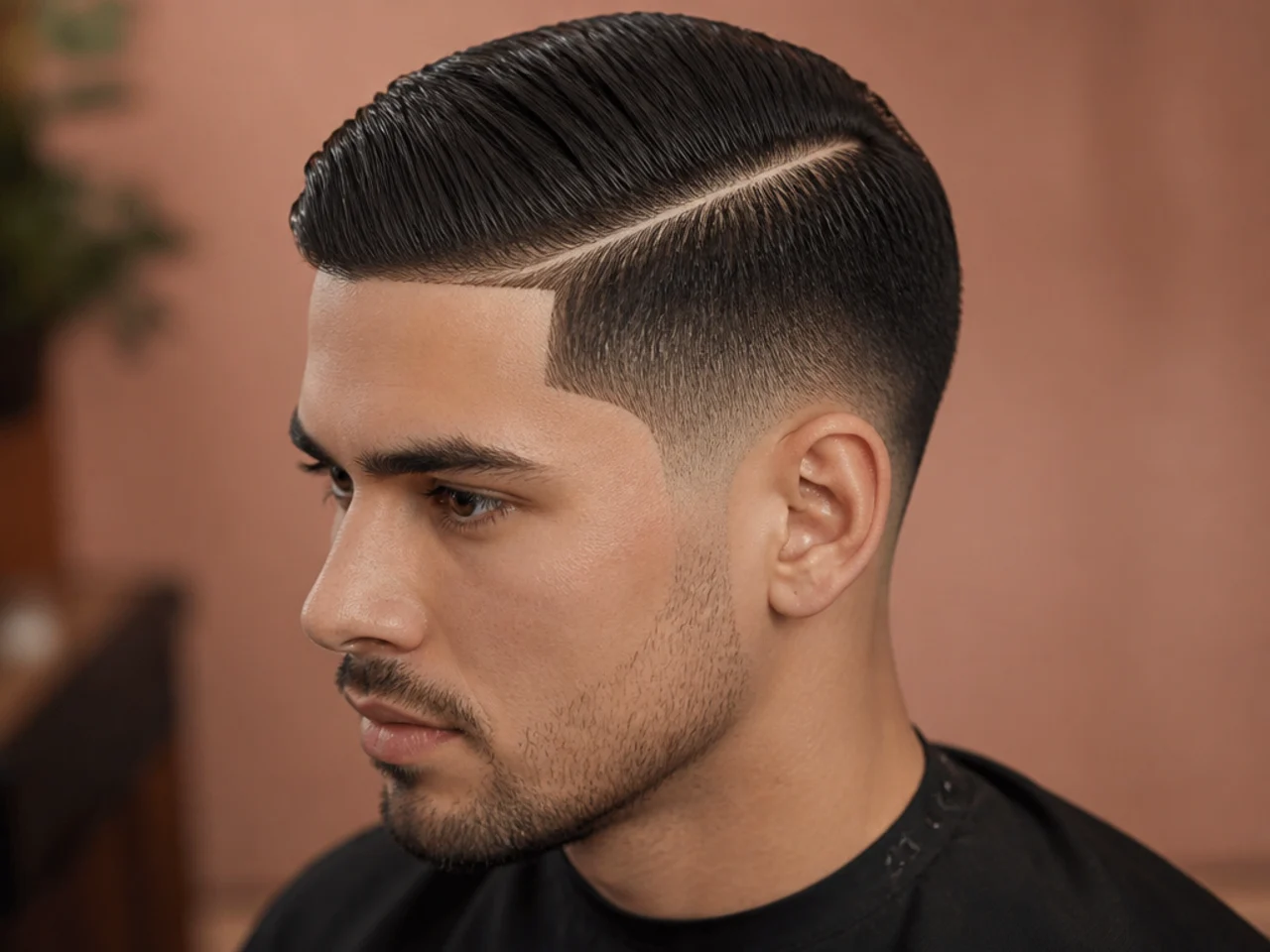
Same skeleton as the hard part, but the razor work happens at the hairline instead of along the parting. The barber draws a straight, hard-edged line across the forehead and around the temples, then feathers the top into a soft side part. The line-up is what carries the sharpness. Best on square, oval, and diamond faces. Requires a barber with real razor skill — not every shop can do it clean.
Ask for: "razor line-up at the forehead and temples, soft comb-drawn side part on top, two inches of length."
Styling: matte cream for the top, kept low so the line-up stays the focal point. Shape-up every ten days — the forehead line softens as the hair grows in.
10. Soft Natural Side Part
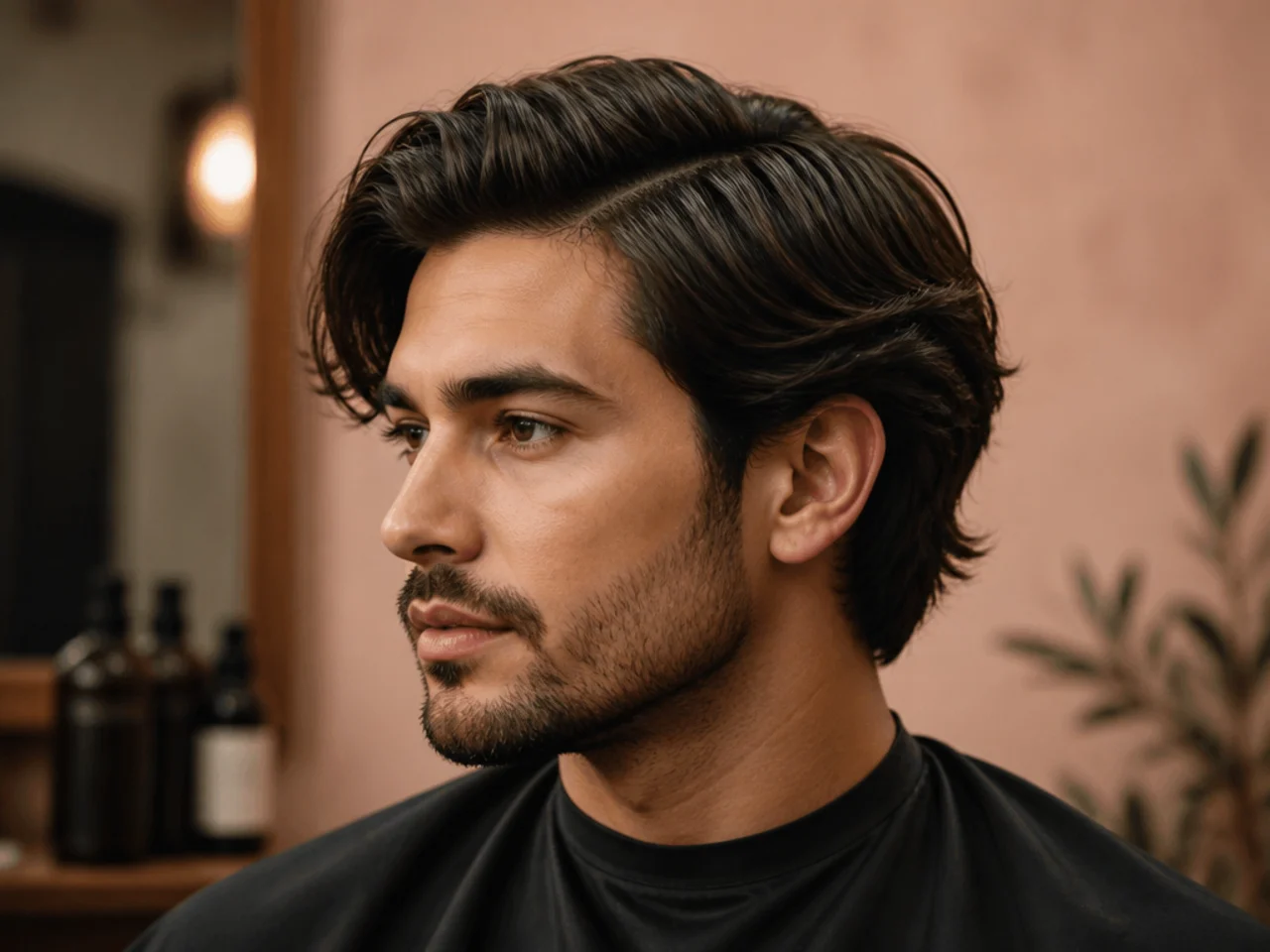
The anti-hard-part. Everything on this cut is soft — no razor line, no visible fade demarcation, no sharp parting. Scissor-blended sides, three inches on top, hand-parted so the barber guides the hair as they cut rather than drawing a line. The whole shape looks like it just fell into place. Suits every face shape because the softness reads flattering by default.
Ask for: "scissor-blended sides, three inches on top, hand-parted finish — no razor, no comb line."
Styling: light cream worked in with fingers only. Air-dry if you can, low-heat blow-dry if not. This is the cut for looking put-together without looking like you tried.
11. Textured Matte Side Part
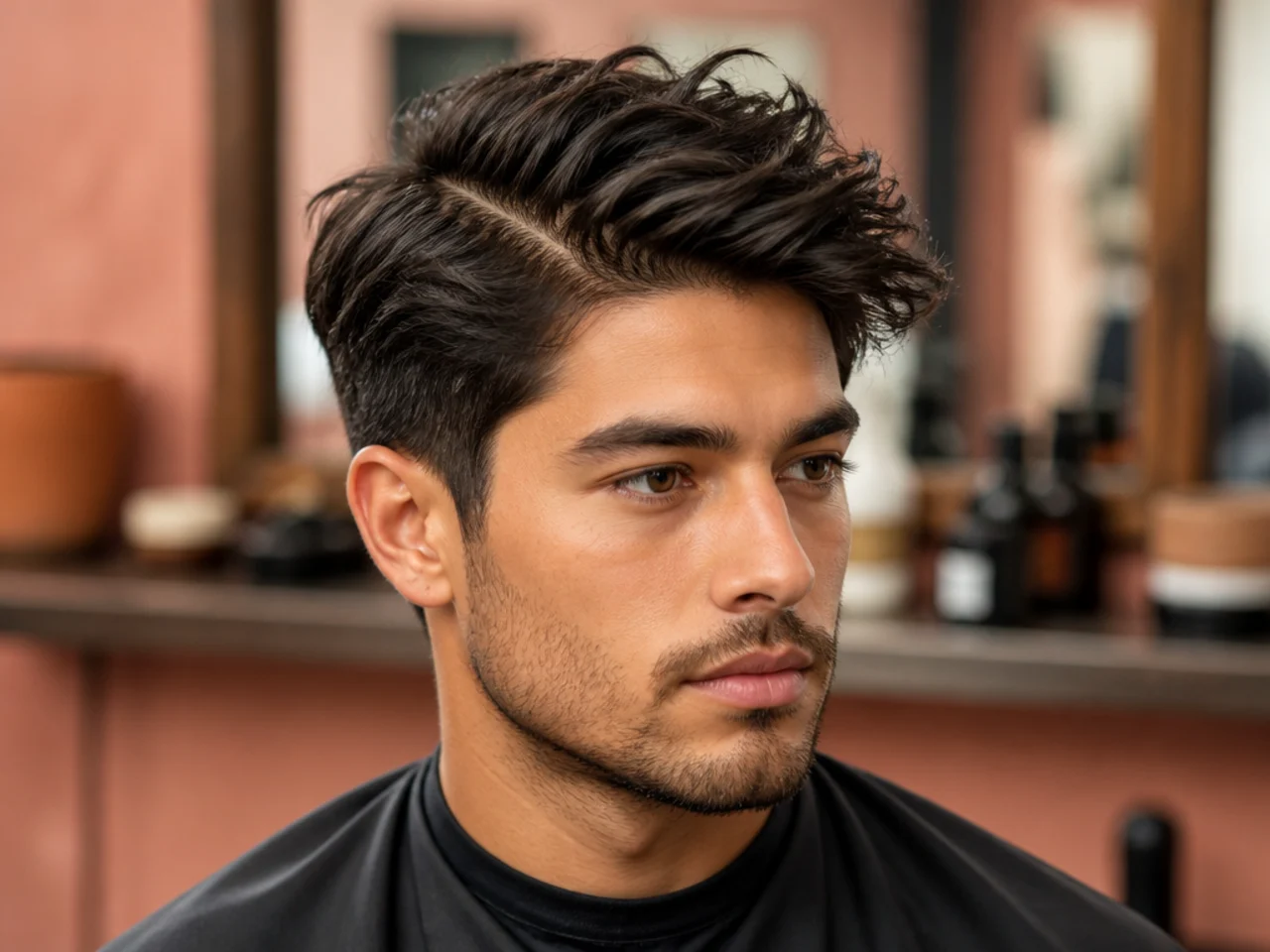
Soft parting, but the top is chopped for movement. Two and a half inches of length point-cut with scissors so the top reads broken-up and piece-y rather than smooth. The parting sits shallow and the sweep is loose. Reads modern without the razor work of a hard part. Best on medium to thick straight hair that holds shape.
Ask for: "low taper on the sides, two and a half inches on top point-cut for texture, soft side part on my dominant side."
Styling: matte paste emulsified in the palms, pushed through damp hair with fingers. No comb. The finish should look intentional but not sculpted. Ninety seconds.
12. Side Swept Fringe with Taper
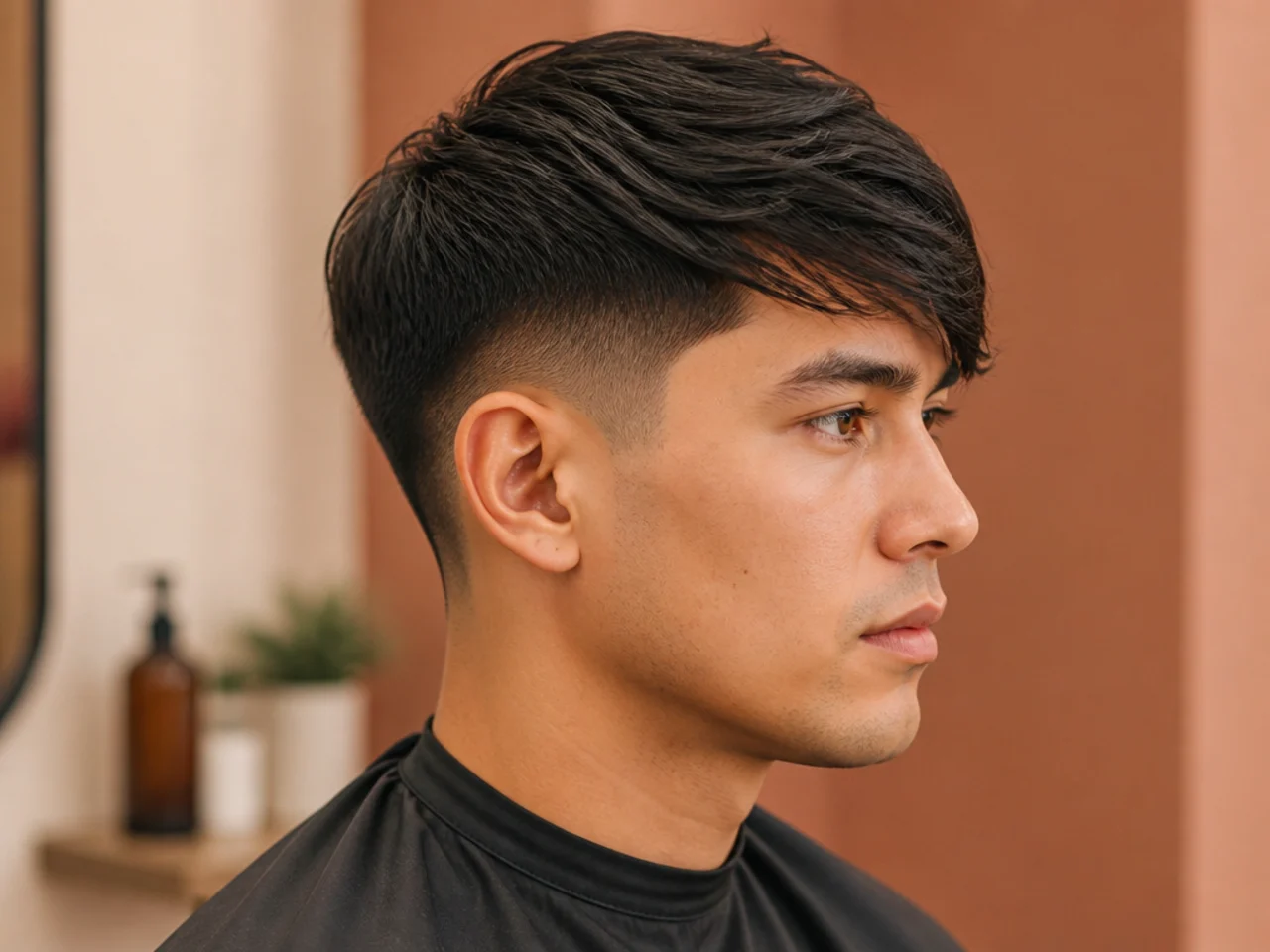
The parting sits high on the head and the top sweeps across into a long fringe that touches the brow or cheekbone. Sides tapered short so the sweep reads intentional rather than shaggy. Suits round and oval faces because the diagonal line breaks flat symmetry. Any texture works; fine straight hair sweeps easiest, wavy hair holds the shape longest.
Ask for: "tapered sides — not skin-short — three inches on top with extra length at the front for a side sweep."
Styling: light cream on damp hair, blow-dry with a paddle brush in the sweep direction. One product, one tool. If the fringe collapses by lunchtime, switch to a matte paste for hold.
13. Deep Side Part with Volume Top
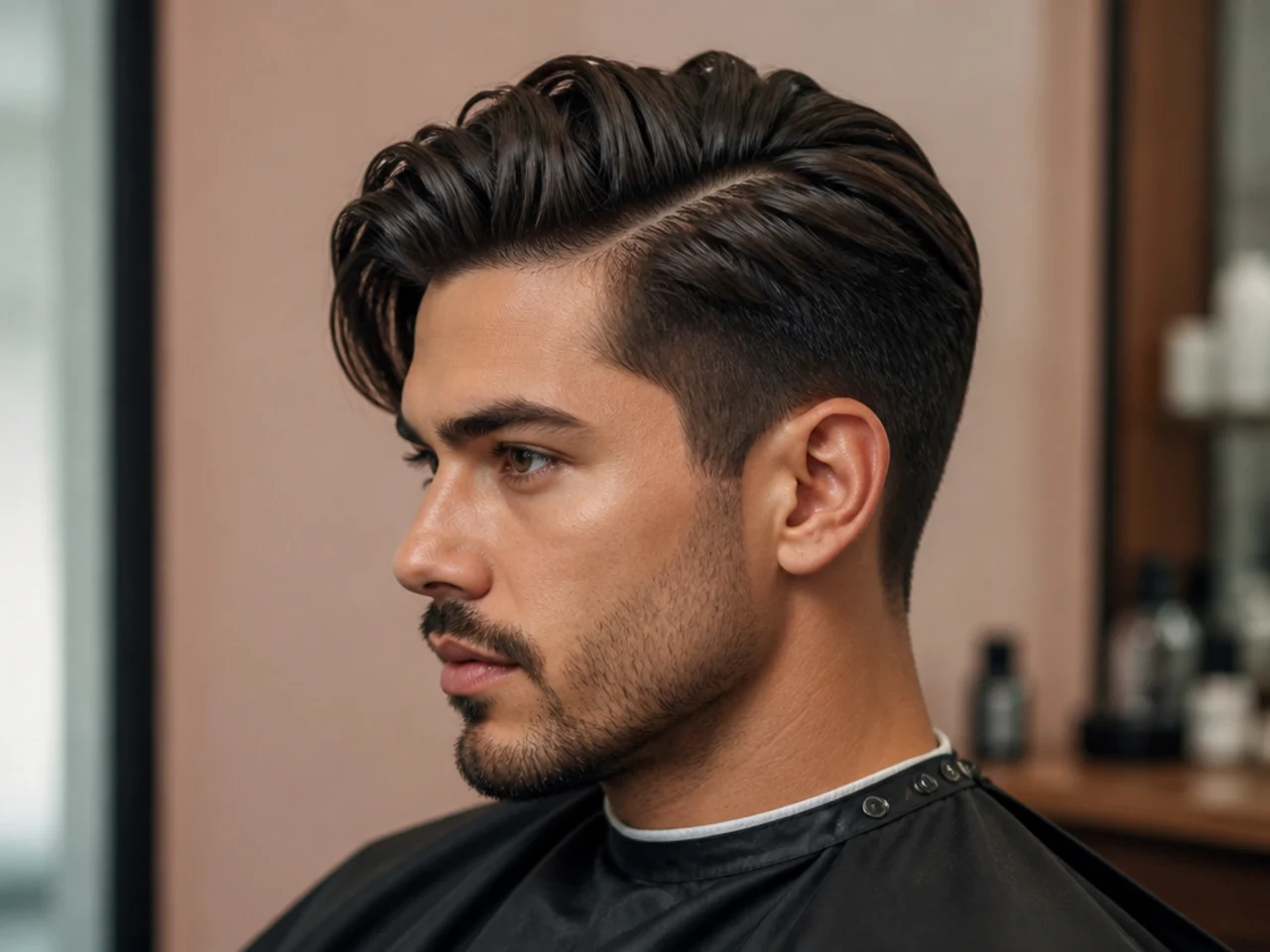
The parting sits deep — well past your natural cowlick, closer to the top of the head — and the top is styled for maximum height on the long side. Reads bold, formal, and old-school glamorous. Suits oval, oblong, and heart-shaped faces because the height flatters longer proportions. Round faces should keep the top shorter so the ratio doesn't tip. Wavy hair carries the volume best.
Ask for: "low fade or scissor taper on the sides, four inches on top, deep side parting on my dominant side — closer to the crown than the temple."
Styling: mousse worked into damp roots, blow-dry the top up and back with a round brush, finish with a light pomade combed into place. The parting has to sit deeper than feels natural or the cut reads flat.
14. Deep Side Slick Back
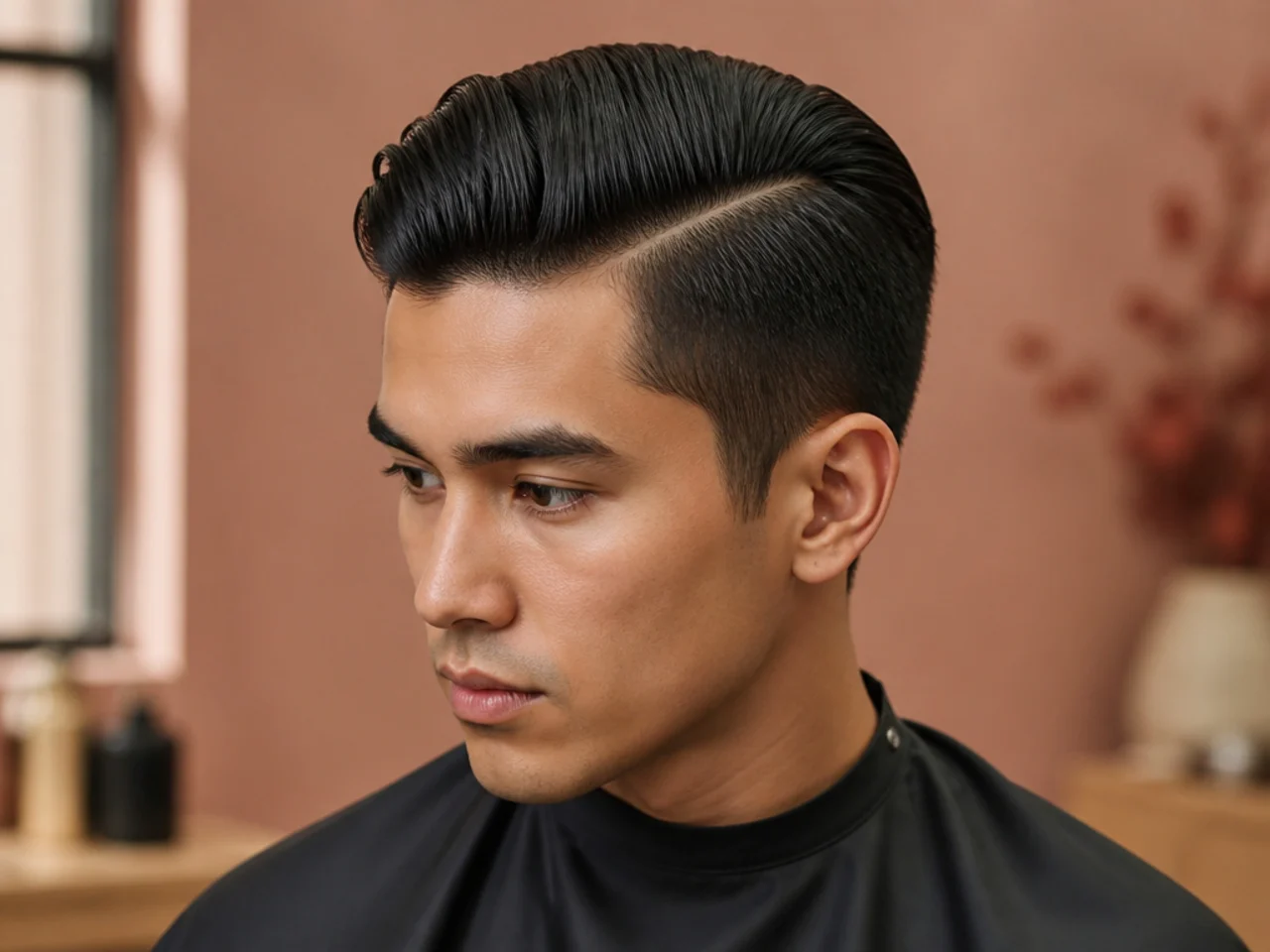
The mob-boss silhouette. Deep parting, top combed straight back with shine pomade — not swept across, straight back. Sides tapered or faded short so the slick on top carries the whole shape. See the slick back haircut guide for the styling technique. Best on straight or wavy hair with three-plus inches on top. Skip if you're tight-curly — slick back and coil don't mix.
Ask for: "low fade on the sides, three to four inches on top, deep side parting, styled straight back with shine."
Styling: quarter-sized pomade with shine, combed straight back on damp hair with a fine-tooth comb. Blow-dry back-to-front first for root lift, then re-comb once the shine has set.
15. Undercut Side Part
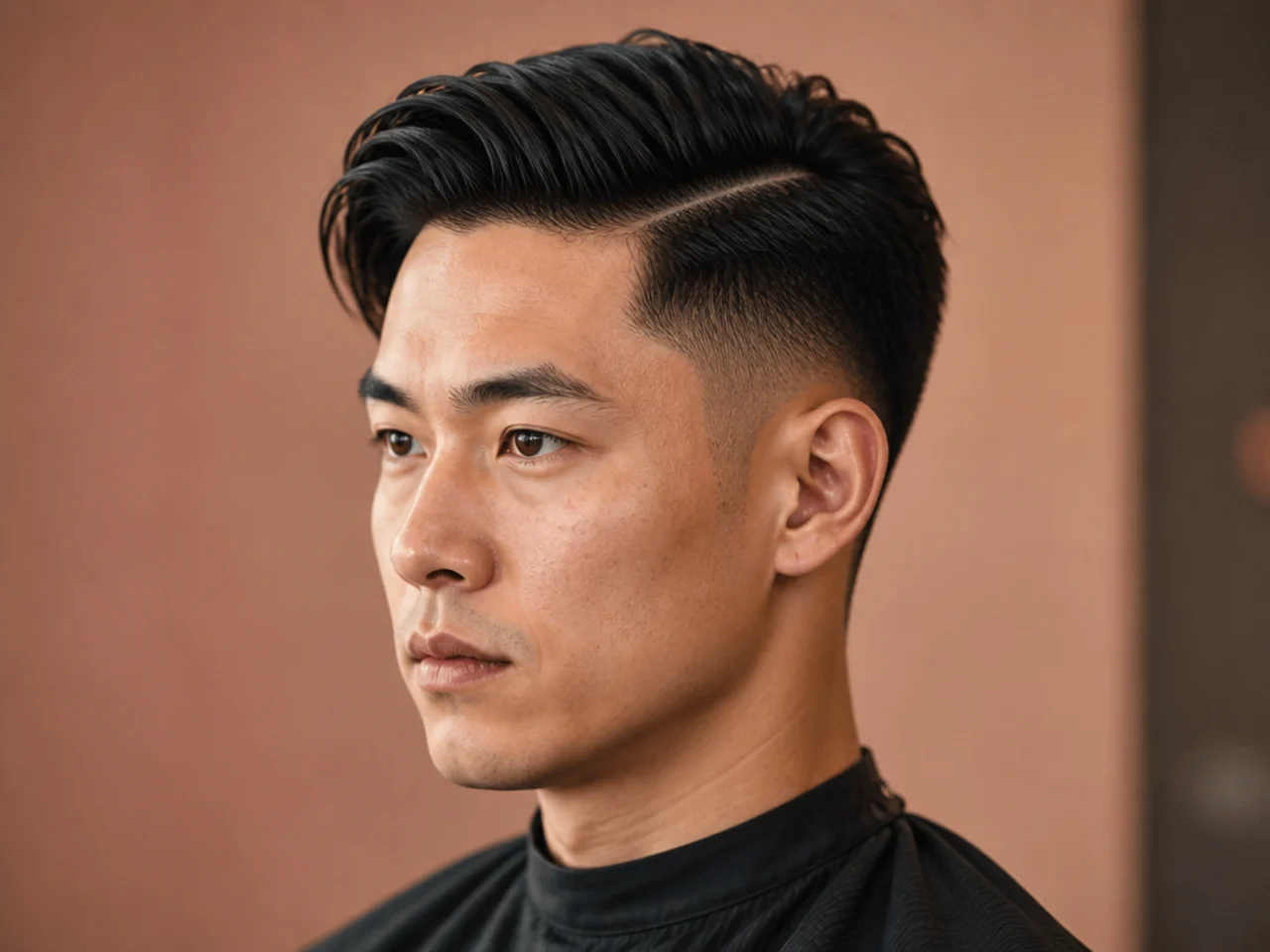
Not a fade — a true undercut. Sides and back clippered to a single length (usually a #1 or #2 guard) with no blend, no taper, no gradient. The top is left long — three to four inches — and side-parted with a defined comb-drawn line. The visual contrast is between one flat short length and one flat long length.
Ask for: "#2 clipper undercut all around, no fade, no taper, three to four inches on top, side part on my dominant side."
Styling: medium-hold pomade combed into a defined side part. The top has to sit clean because there's no fade to distract from a sloppy sweep. Re-cut every four weeks — the flat undercut grows out gracefully compared to a fade.
16. Disconnected Undercut Side Part
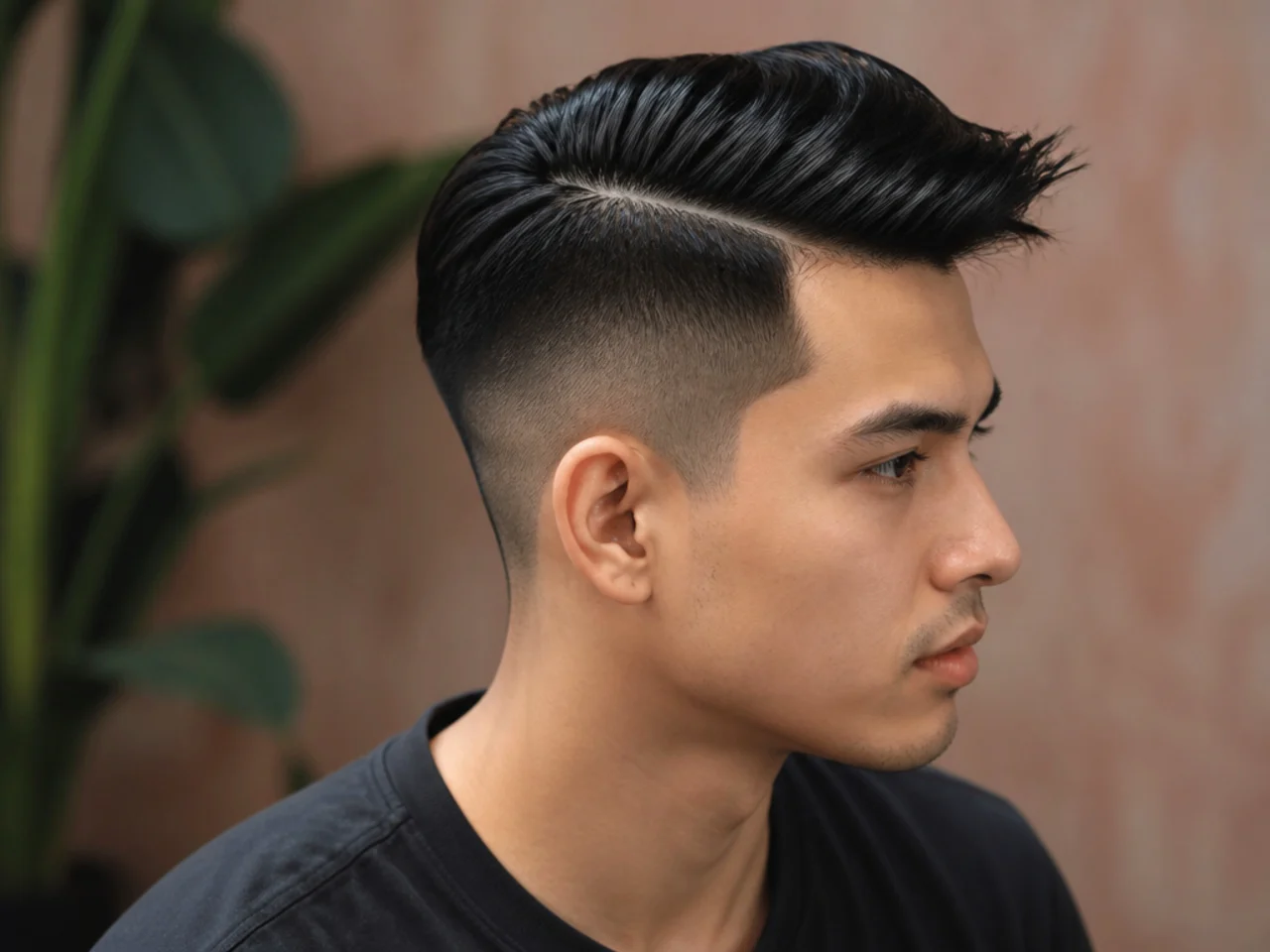
Same skeleton as the classic undercut, but the top and sides don't blend at all — the length drops off like a cliff. A visible ledge sits where the long top ends and the short sides begin, and the parting sits along that ledge. Reads sharp and slightly aggressive. Suits square, diamond, and oval faces with strong bone structure. Thick straight hair carries the disconnect best.
Ask for: "disconnected undercut — no blend between top and sides — #1 or #2 clipper on the sides, four inches on top, hard side part."
Styling: matte clay for the top so the length holds shape without shine. Comb the top straight over the ledge so the disconnect stays visible from the side. This one photographs sharp.
17. Side Part with Low Fade
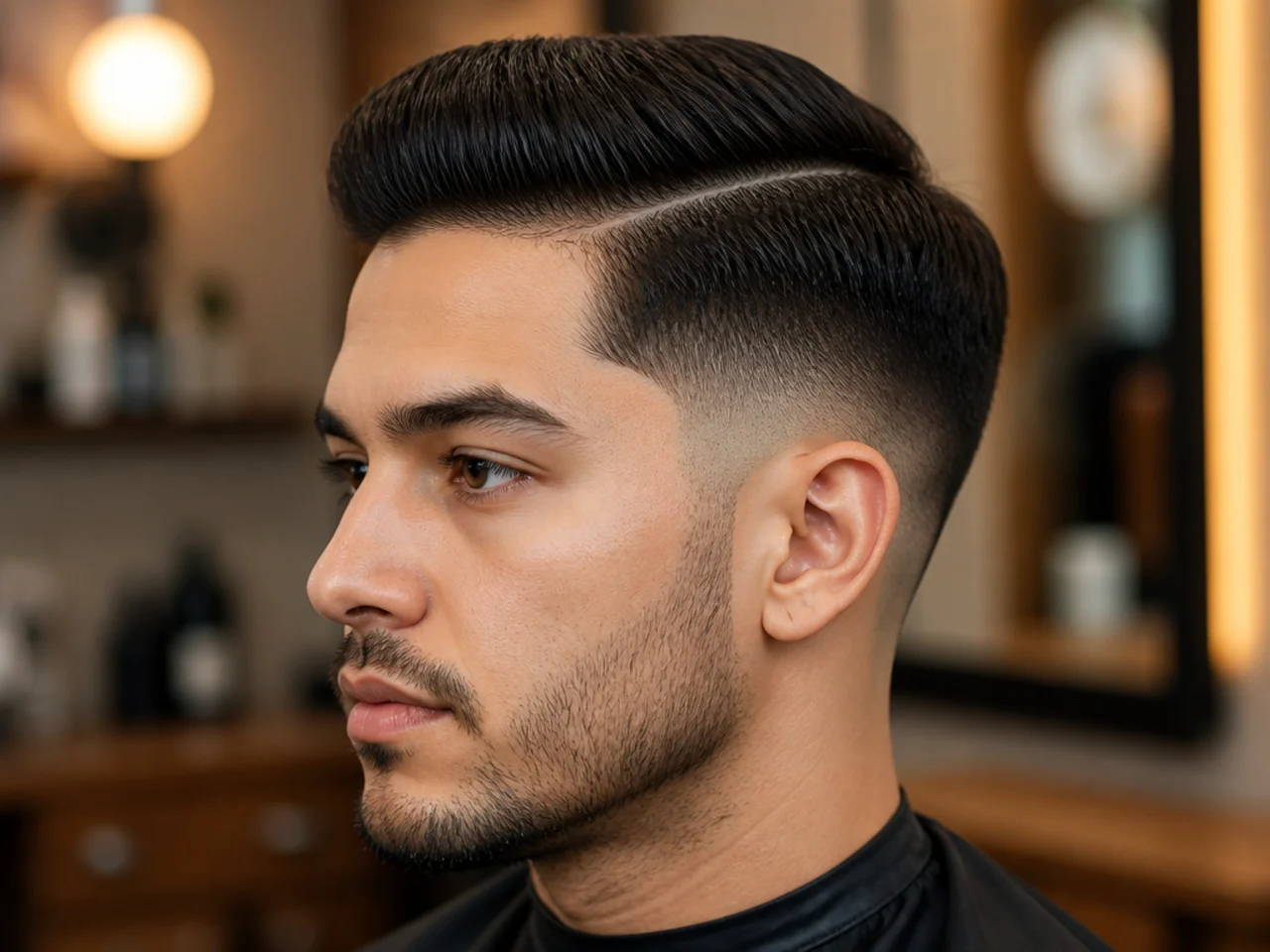
The lowest-effort modern side part. A low fade sits at the level of the ears, dropping the sides gradually to skin or a #0.5 guard near the neckline. Everything above the ear stays a little longer, so the top has more length to carry. Suits every face shape and every workplace. Reads sharper than a classic but softer than a mid fade.
Ask for: "low fade — #0.5 or skin at the neckline blending up to a #2 at the ears — two to three inches on top with a side parting."
Styling: matte cream on damp hair, combed once from the parting outward. Air-dry or low-heat blow-dry. The low fade holds shape for four full weeks — one of the longer-lasting variations on this list.
18. Side Part with Mid Fade
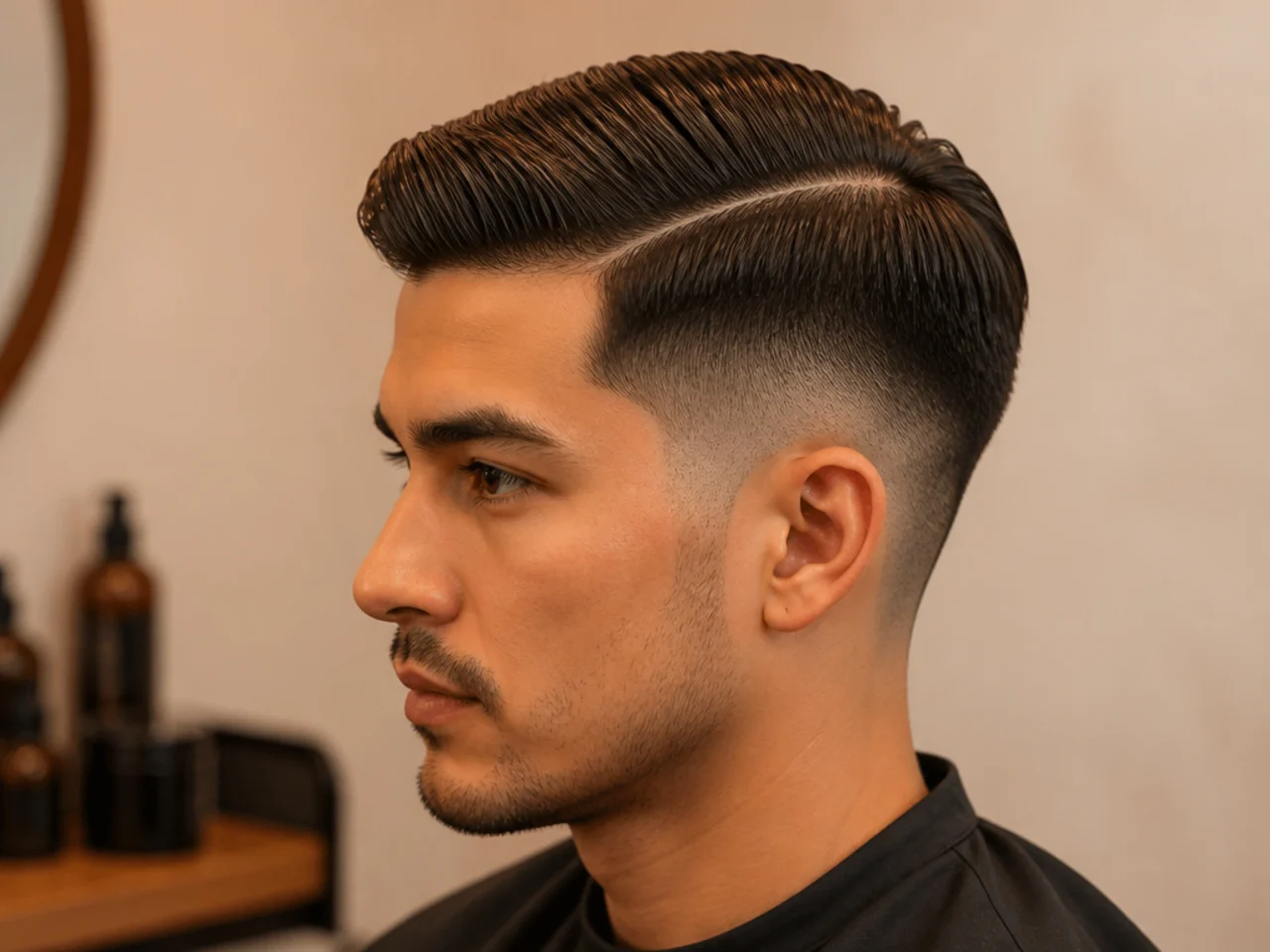
The current default request. The mid fade starts at the temple line, roughly midway between the ear and the top of the head, and blends to skin or a #0.5 by the neckline. Paired with a two-to-three-inch top and a defined side part, this is what most barbers will hand you if you say "a modern side part" with no other detail. Suits every face shape. All hair types work.
Ask for: "mid fade blending to skin at the temple line, two to three inches on top, defined side parting on my dominant side."
Styling: medium-hold cream combed once, then a burst of low-heat air to set the parting. If the part collapses by lunchtime, switch to a stronger pomade. Re-cut every two and a half to three weeks.
19. Side Part with High Skin Fade
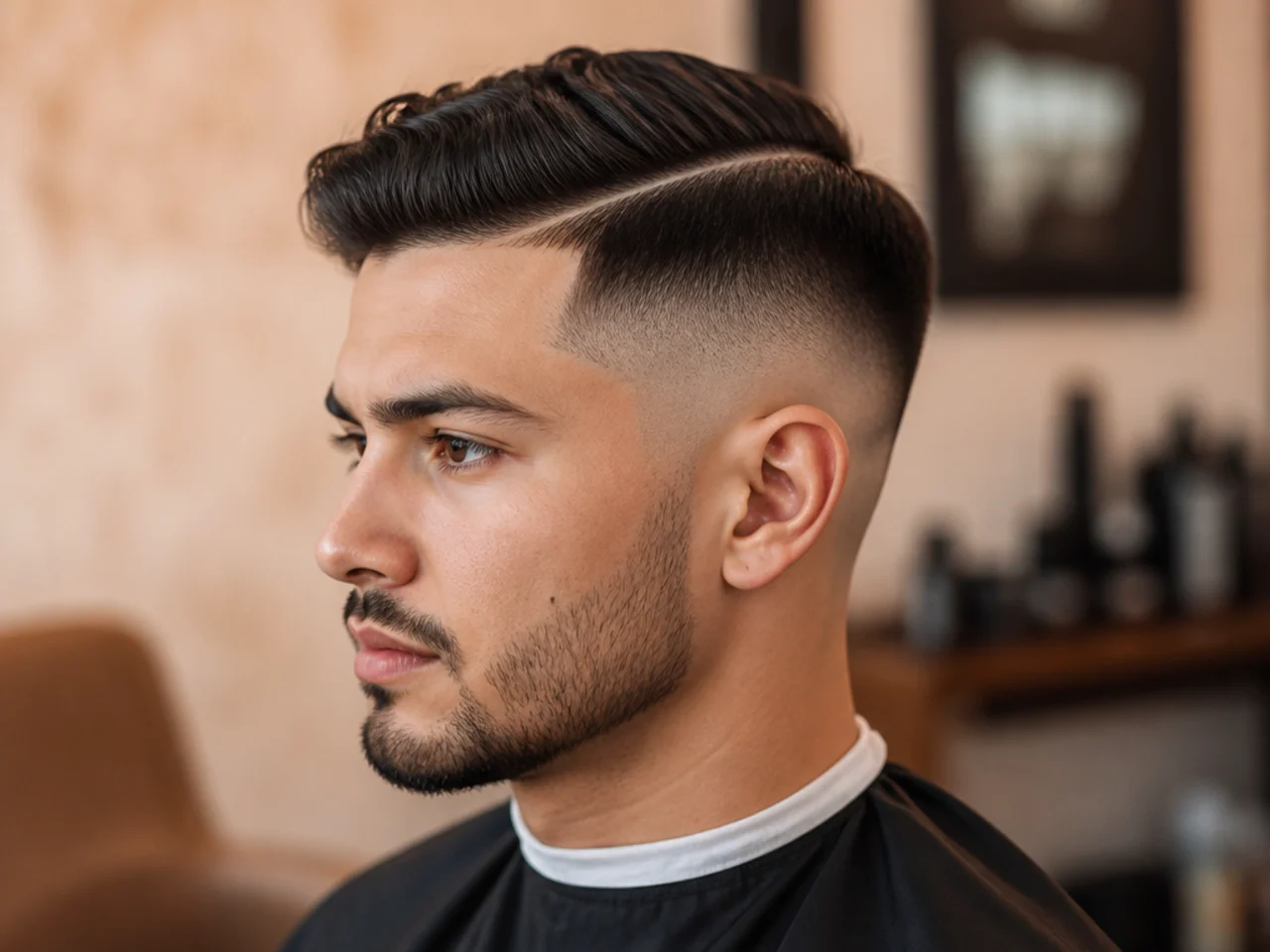
The sharpest fade in this list. The fade line starts above the temple — high on the head — and drops to bare scalp all the way down. The top stays two inches and side-parted, so the contrast between the smooth panel and the parted length is extreme. Best on square, oval, and diamond faces with strong jaws. Not a fit for round faces (the vertical exaggerates roundness).
Ask for: "high skin fade starting above the temple line, two inches on top, defined side parting — I want maximum contrast between the top and sides."
Styling: matte paste or medium-hold cream on the top, combed sharply into the part. Sunscreen on the freshly shaved panels for the first two days after the cut. Book every ten to fourteen days — this is the most maintenance-heavy version on the list.
20. Side Part with Drop Fade
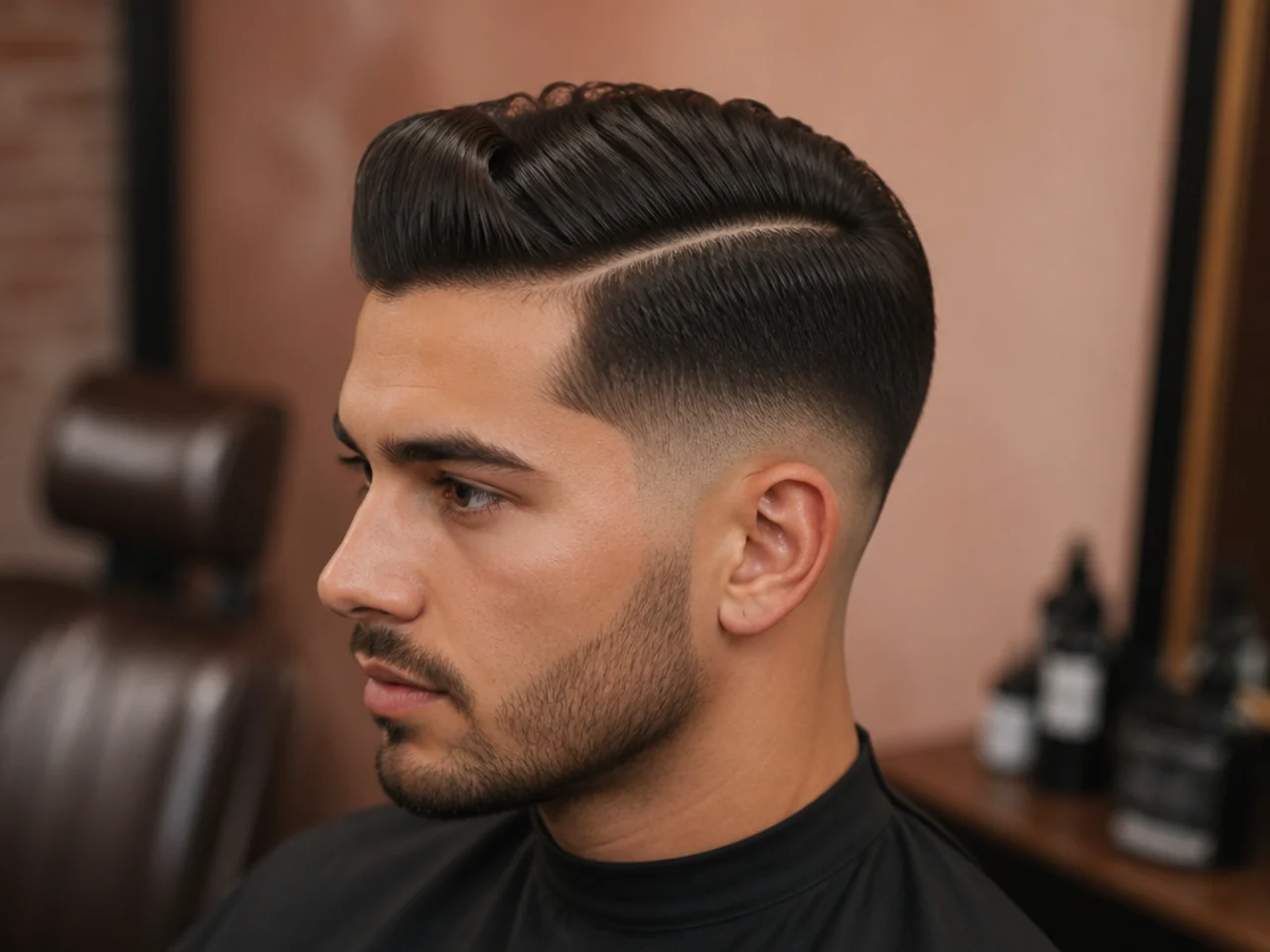
The drop fade curves down behind the ear instead of staying level — it follows the shape of the skull. Combined with a defined side part and one and a half to two inches on top, the whole cut looks sculpted. Suits oval and square faces most; the drop line elongates round faces flatteringly too. Best on straight to gently wavy hair — coarse or curly hair will fight the sharp line.
Ask for: "high drop fade curving behind the ear, hard or comb-drawn side part on my dominant side, one and a half to two inches on top."
Styling: strong-hold pomade or gel combed from the parting straight back. Let it dry-set without touching it. Once the shine has set, it holds through a full day of meetings.
21. Side Part with Burst Fade
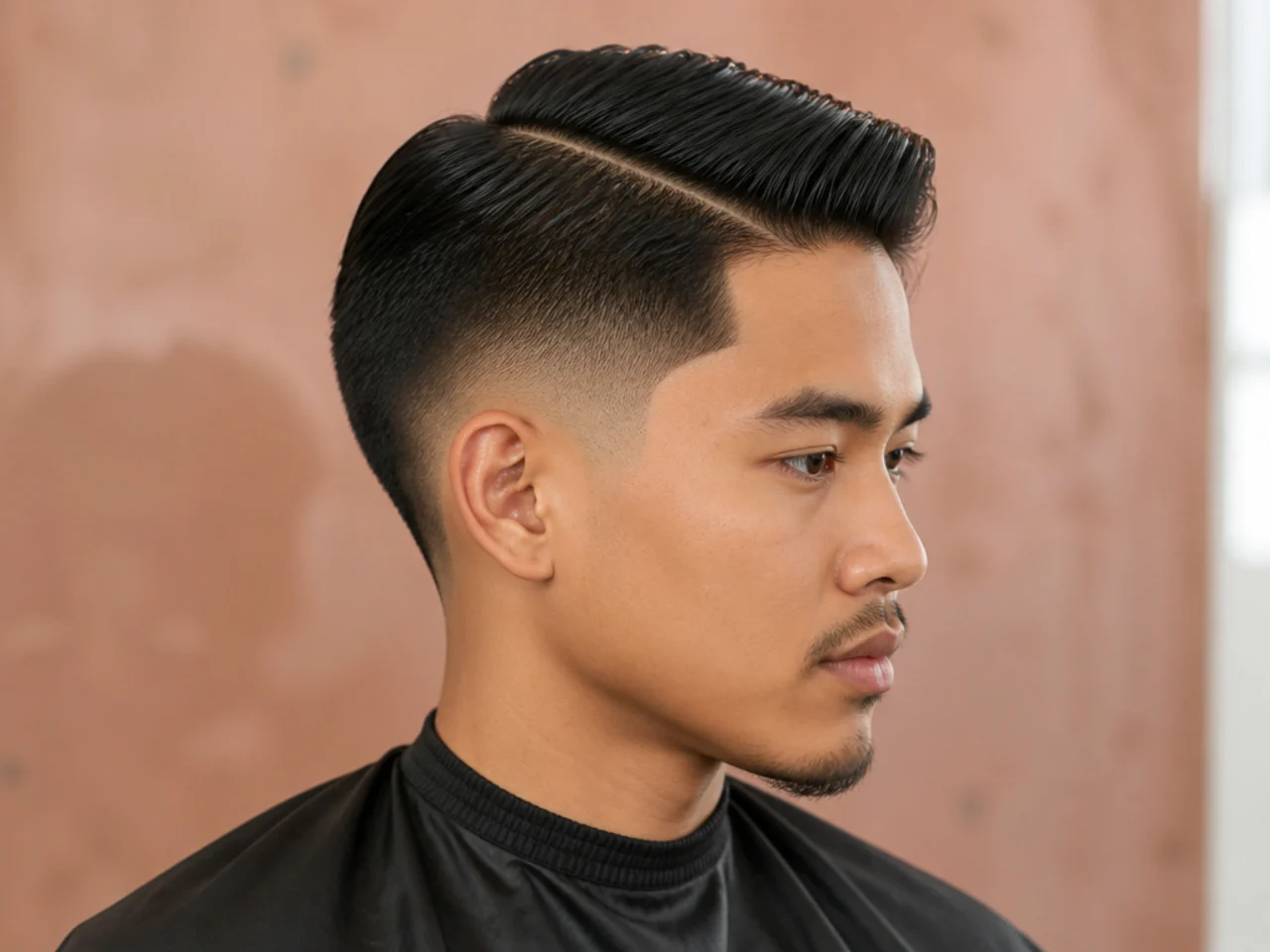
The burst fade arcs around the ear in a semi-circle, leaving the length longer at the neckline than at the ear. Paired with a side-parted top, the burst adds movement and shape to a cut that would otherwise sit static. Suits oval and heart-shaped faces best. Works on any hair texture with three-plus inches on top. This variation reads younger and more designed than the standard fades above.
Ask for: "burst fade arcing around the ear, longer length at the neckline, three inches on top with a side parting."
Styling: matte cream or a light paste for texture. Style the top away from the parting with fingers. The burst fade holds its shape for two to three weeks — the curve at the ear is what dates first.
22. Side Part with Low Taper
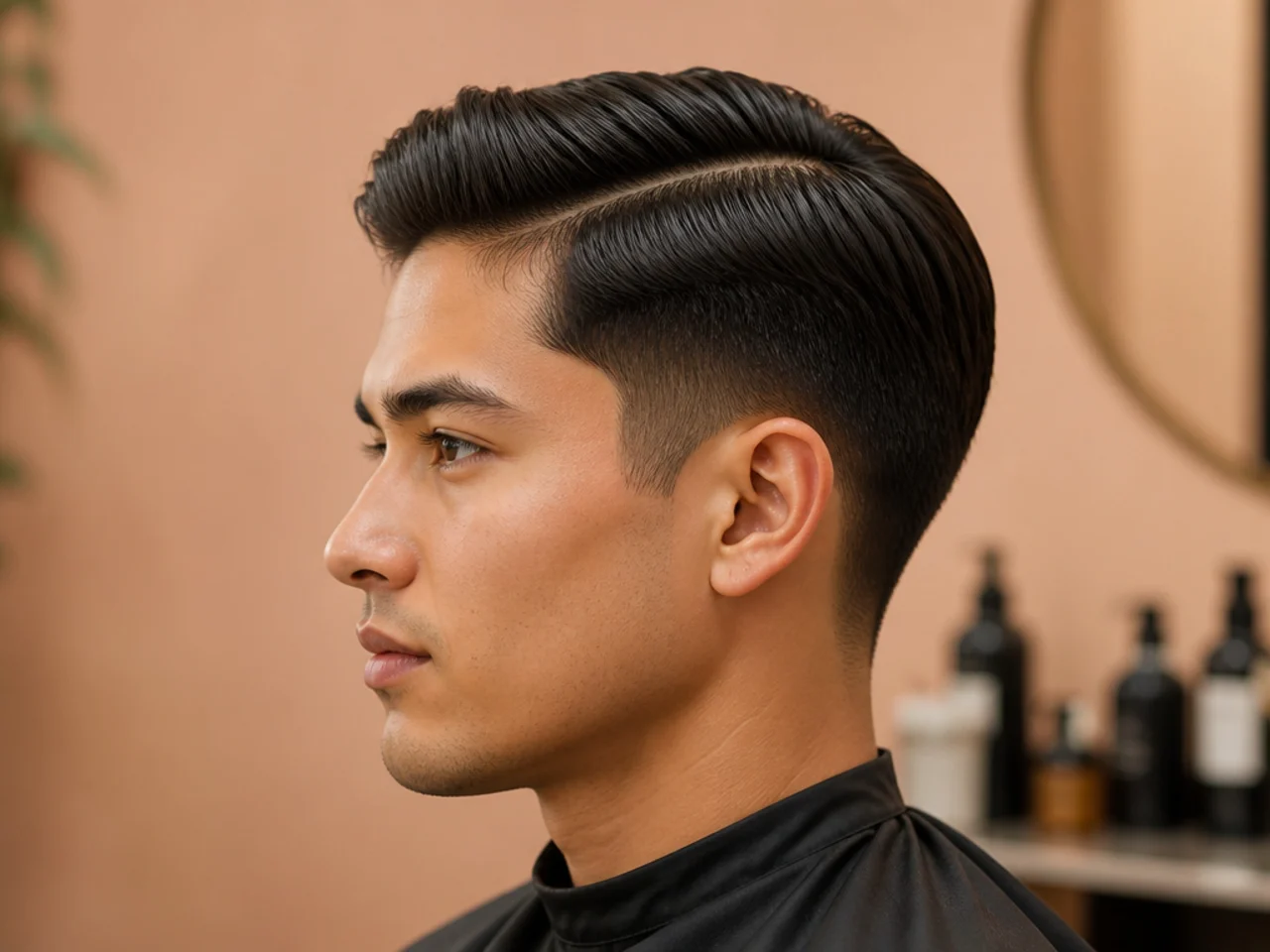
The most subtle fade on this list. A low taper drops the sides gradually only at the very bottom — the last inch or two near the neckline — leaving most of the side length intact. Paired with a two-to-three-inch side-parted top, this reads conservative and clean. Perfect for corporate contexts that still push back on visible fades. Suits every face shape.
Ask for: "low taper — nothing above the ears — two to three inches on top with a natural side part."
Styling: light cream or a satin pomade, combed once. The low taper is the longest-lasting cut on this list — six weeks between visits is realistic. Great for guys who travel and can't hold a strict rebook schedule.
23. Side Part with Blended Beard
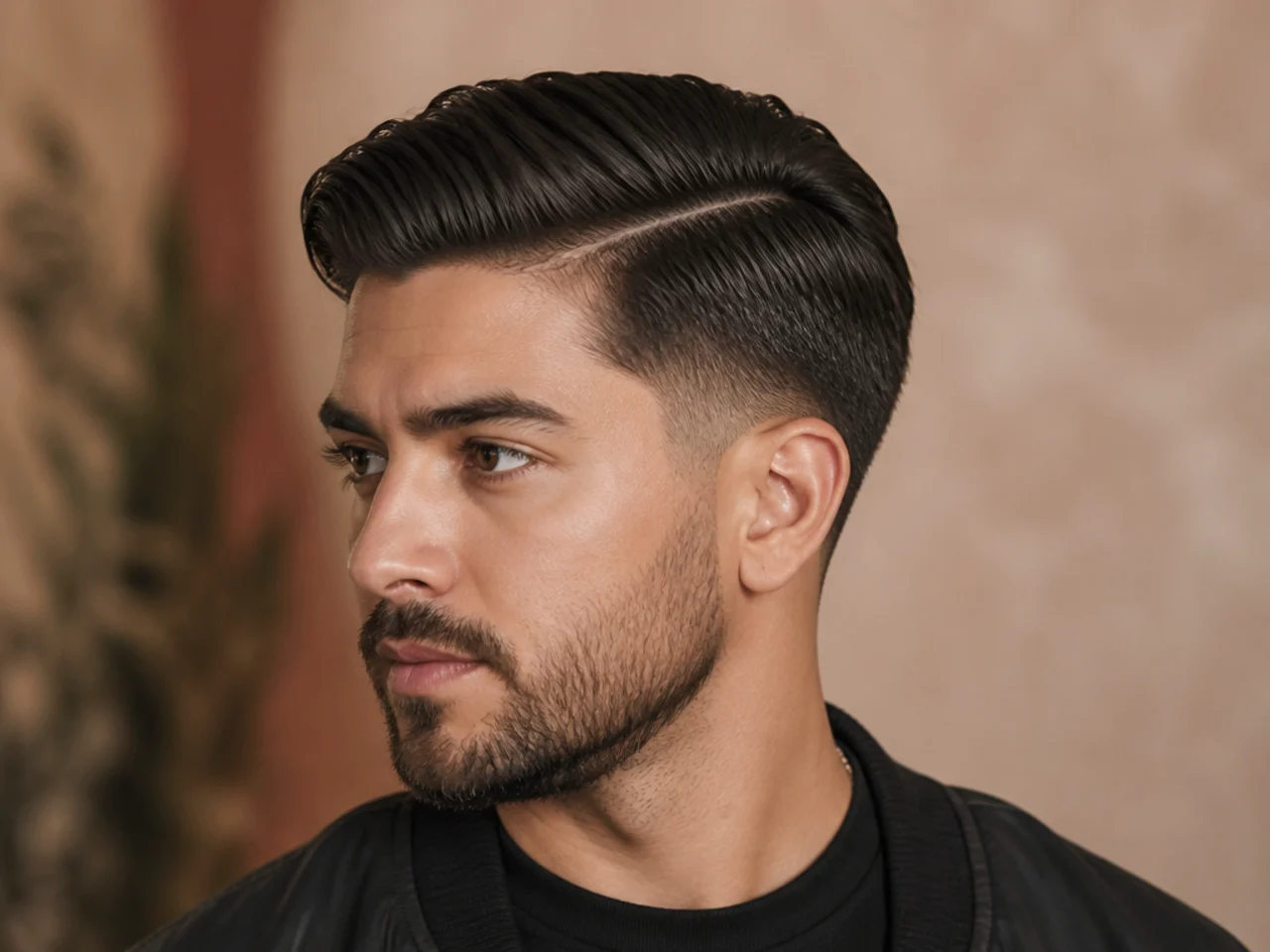
The full statement build. Mid or skin fade on the sides, defined side part on top, and a beard that fades directly into the haircut where the sideburn meets the ear. Every element flows into the next. Suits square and oval faces best. Works on any hair type; the beard blend needs at least a half-inch of facial hair to fade properly. Book both cuts in the same appointment or the transition will be uneven.
Ask for: "mid or skin fade sides, two to three inches on top with a side parting, beard trimmed to a #4 and blended into the fade line at the sideburn."
Styling: matte clay on top, combed into the part. Comb the beard downward, then oil it lightly to catch the light. Book maintenance every two weeks — a soft hard part or a fuzzy sideburn kills the build.
24. Long Flow Side Part
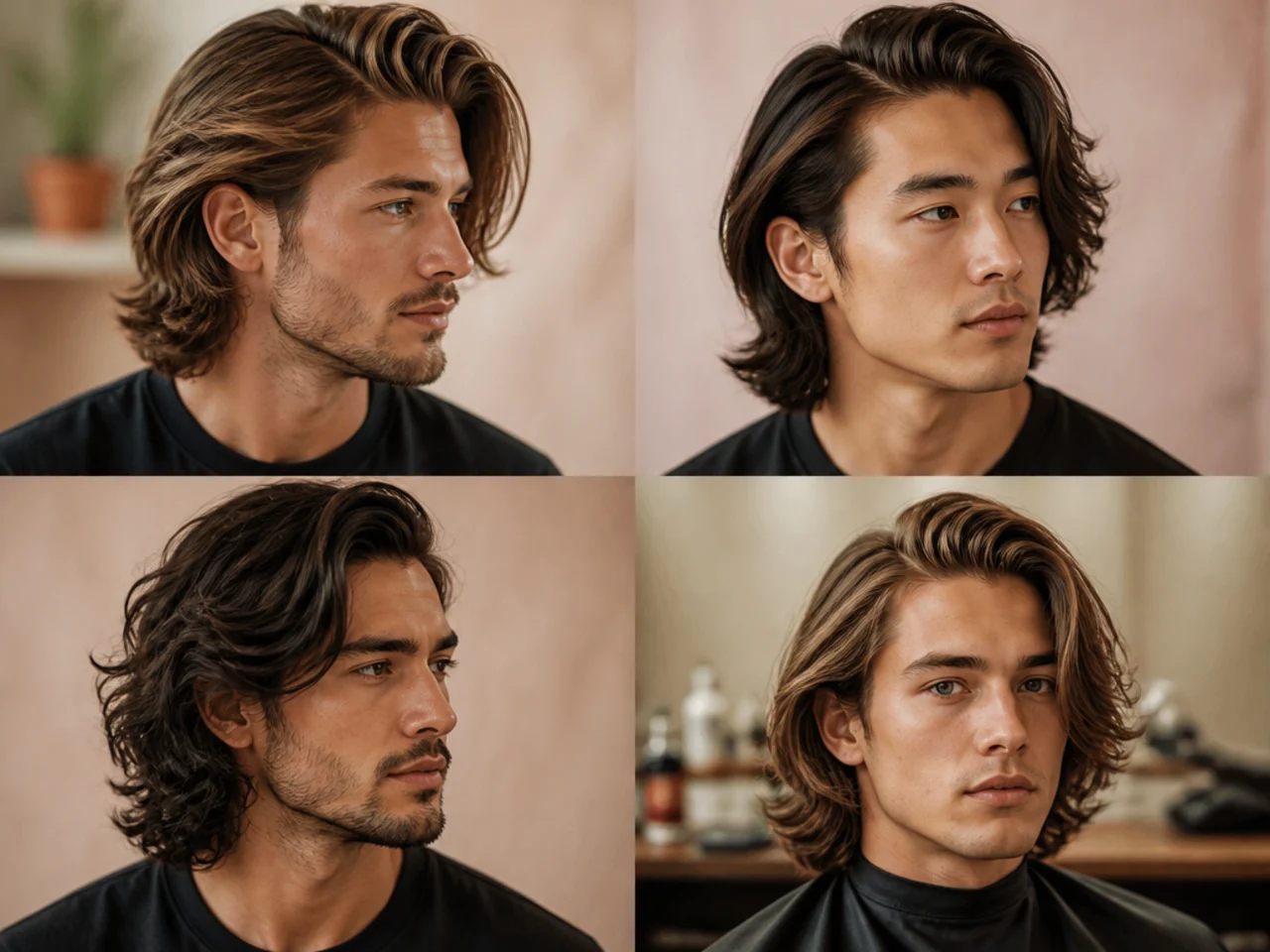
The longest end of the spectrum. Top runs four to six inches or more, sides scissor-tapered but never faded, all of it swept from a natural parting with movement rather than structure. Suits oval and long faces best — the length balances angular jaws. Wavy and gently curly hair carries this beautifully; straight hair may need a texture spray to hold the sweep. Related territory covered in the middle part haircut men guide if you're considering the centered alternative.
Ask for: "scissor-cut sides, no clipper, four to six inches on top, natural side sweep — bring a photo, length descriptions vary between shops."
Styling: sea-salt spray on damp hair, scrunch with fingers, air-dry or diffuse. For a smoother finish, blow-dry with a paddle brush in the sweep direction. Skip pomade at this length — it drags the roots down flat.
25. Wavy Textured Side Part
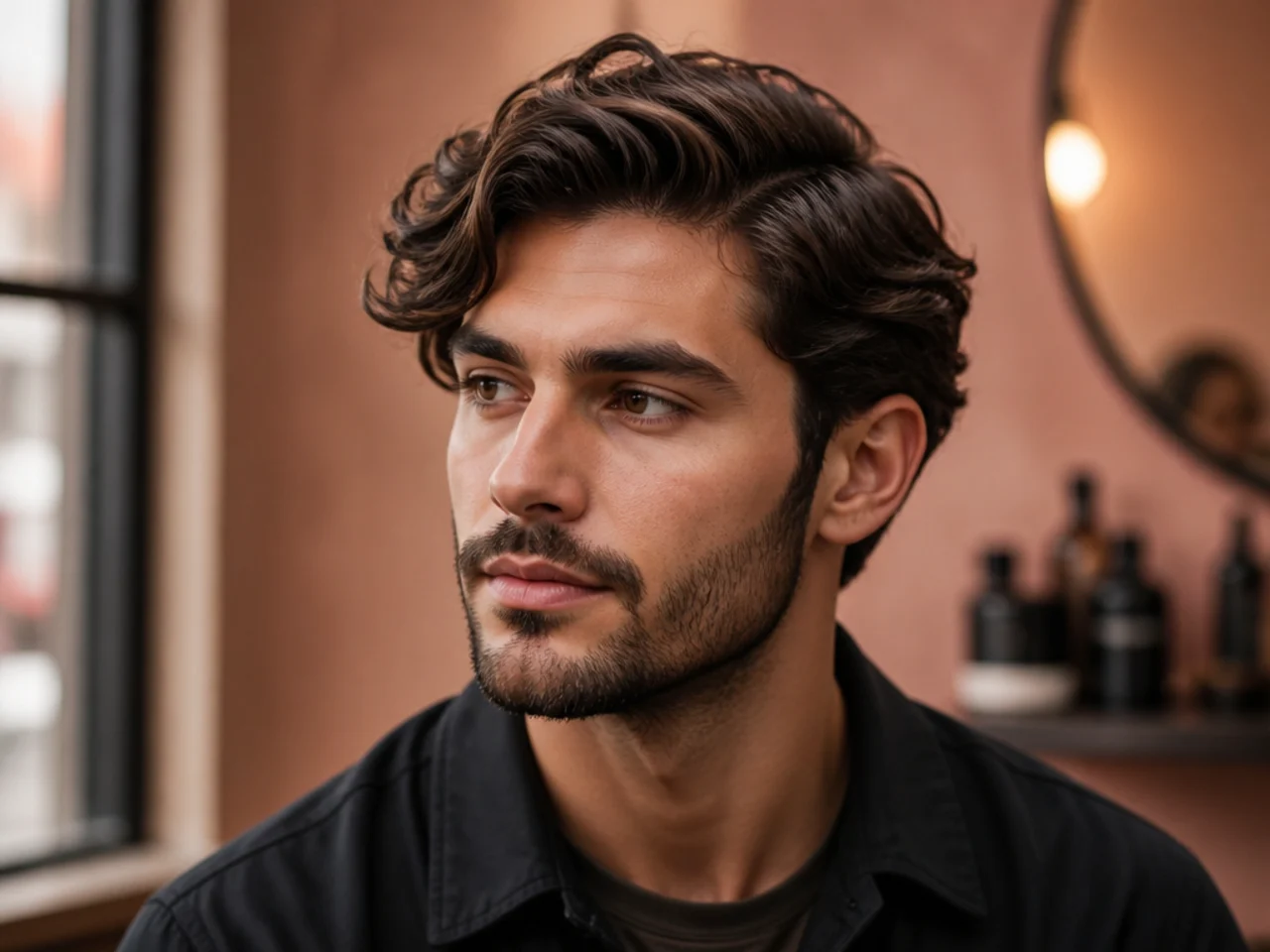
Built around a natural wave pattern rather than fighting it. Low taper or scissor taper on the sides gives clean structure without over-blending, and the top is left long enough — three to four inches — for the waves to show. The parting sits soft; the wave carries the sweep on its own. Suits every face shape. Works only on genuinely wavy hair (roughly 1C to 2C) — this doesn't translate to poker-straight or tightly-coiled hair.
Ask for: "low taper or scissor taper, three to four inches on top, soft side part — cut with the wave, not against it."
Styling: curl cream or a light mousse on damp hair, scrunch with fingers, diffuse-dry on low heat. For extra hold, finish with a light hairspray held twelve inches from the head. Cut every five to six weeks so the wave keeps its bounce.
How to Ask Your Barber for a Side Part
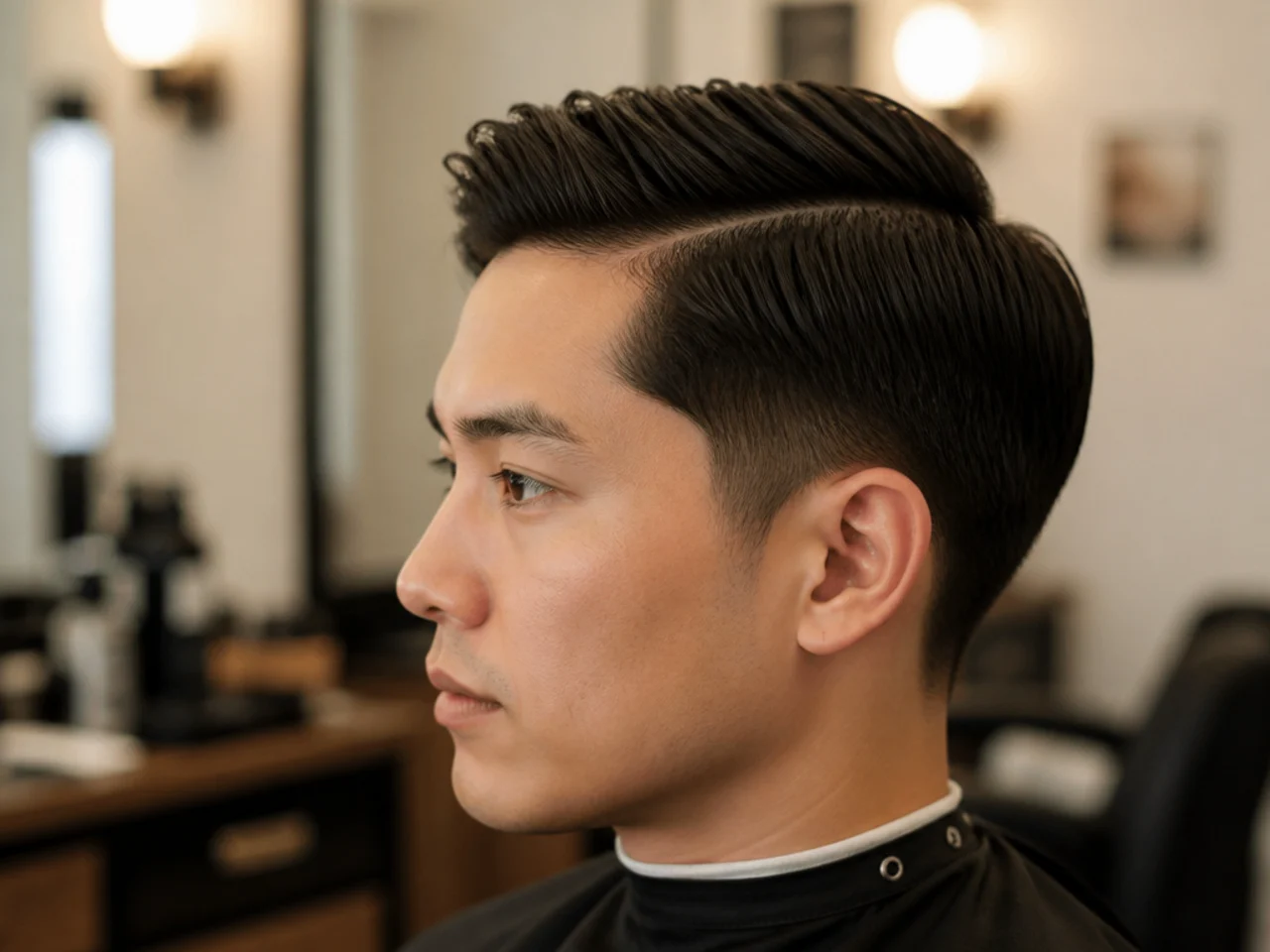
Six lines cover the whole conversation. Get these right and you'll leave with the version you had in mind.
- Show a photo of the top. The side and parting are the easy parts. The top length and finish are what most guys under-describe. Screenshot the exact haircut from a guy with similar hair texture and hairline.
- Name the sides finish. Scissor taper, low fade, mid fade, high skin fade, drop fade, burst fade, undercut, or classic taper. One phrase from this list decides half of the cut.
- Give the top length in inches. "Two and a half inches on top, scissor-cut." Not "medium." Not "a bit shorter than now." Inches remove all ambiguity between shops.
- Choose the parting style. Natural (barber follows your cowlick), comb-drawn (soft line, no razor), or hard part (razored line shaved into the scalp). Say which side too — most guys part on the left.
- Name the finish vibe. Matte and textured. Sleek and shiny. Satin and polished. That single phrase tells the barber what product weight to leave your hair ready for.
- Book the next appointment before you leave. Skin-fade builds need a chair every ten to fourteen days. Mid fades stretch to three weeks. Classic scissor tapers hold four to five. Get on the schedule while you're still in the chair.
Styling and Maintenance
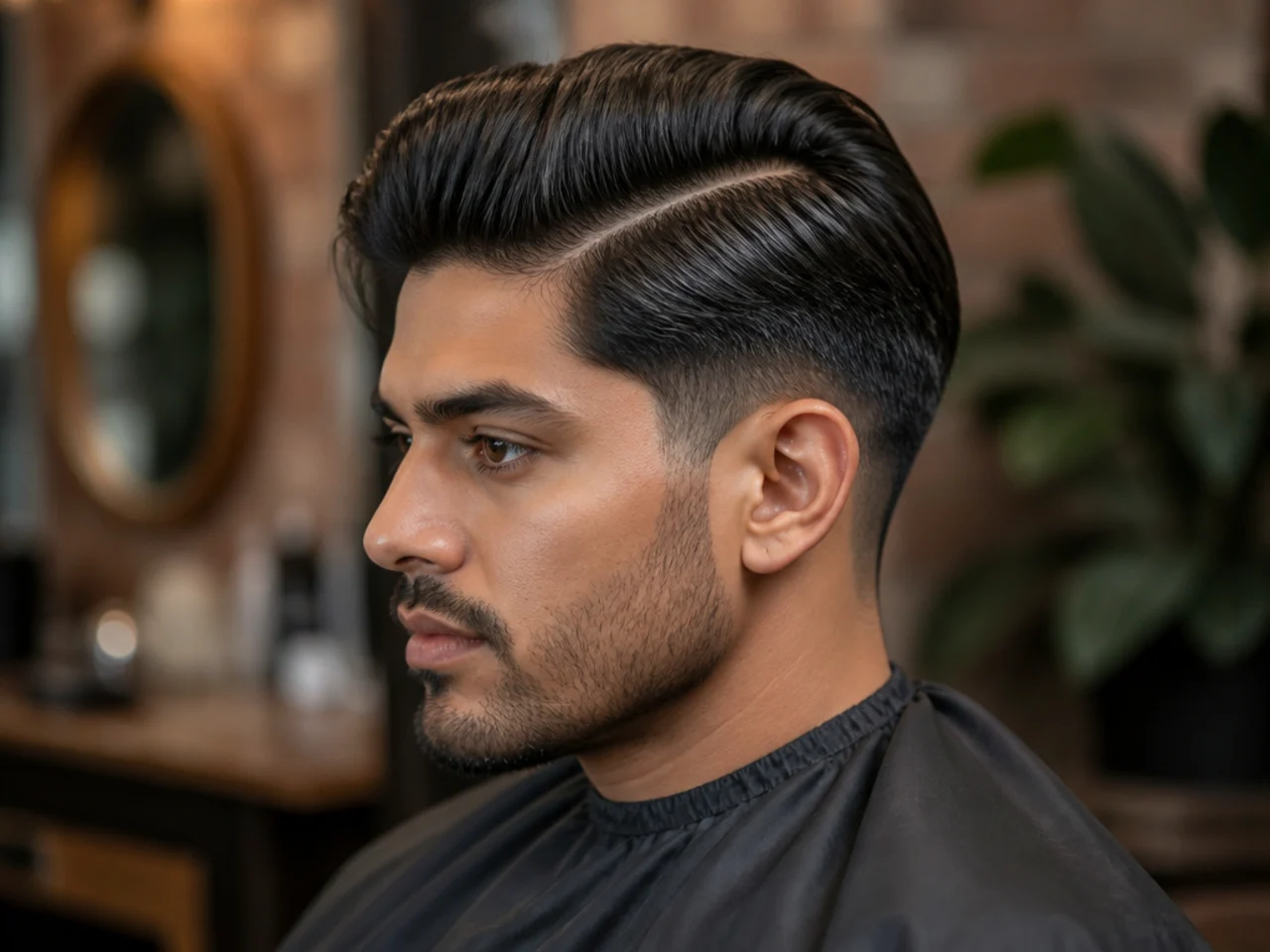
The side part rewards a simple routine and punishes overuse of product. Wash, towel-dry until the water stops dripping, warm a pea to nickel of product between your palms, work through the top only, style with fingers or a comb. Two minutes for anything short. Five for anything with a hard part or a long sweep.
Product by finish. Matte clay or paste for textured, dry-look tops (variations 1, 6, 8, 10, 11, 16, 17). Cream pomade for a satin polish (variations 2, 3, 4, 5, 22). Traditional shine pomade or gel for slick-back and wet-look finishes (variations 13, 14, 20). Sea-salt spray plus matte cream for long flow and wavy versions (variations 24, 25). Pick one product per haircut — layering usually flattens the shape faster than any single product would.
Parting technique. Comb wet, not dry. On damp hair, the parting sets clean and holds through a blow-dry. On dry hair, the sweep looks fussed. If you have a natural cowlick, use it — no product holds a parting the hair doesn't want.
Line and hard-part upkeep. Book a shape-up between full cuts if your version carries a hard part or a skin fade. Most shops charge fifteen to twenty dollars for a fade-and-line touch-up that takes fifteen minutes. The forehead line and the hard part are what fade first, and the whole cut reads sharper for the visit.
Home clippers help. A basic pair of clippers used at home can keep the neckline and sideburns clean between shop visits. The best hair clippers for men guide covers the tools that hold an edge for years.
Recut cadence. Skin fade with hard part: ten to fourteen days. High or mid skin fade: two to three weeks. Low fade or drop fade: three to four weeks. Classic scissor taper or Ivy League: four to five weeks. Low taper: five to six weeks. Long flow: eight weeks. The moment the shape softens at the temples, you're already a week overdue.
FAQ
Which side should men part their hair on? Follow your cowlick first — if you have one, that's your part, and forcing the other side will fight you every morning. If you don't have a strong cowlick, part on the left. That's the traditional masculine side and the default at most barbershops. Right parts read softer and are less common on men.
Is a side part still in style in 2026? Yes, and more than any point in the last twenty years. The classic version has been steady for a hundred years, and the modern hard-part-with-fade builds have driven barbershop request lists since 2018. Both versions land somewhere in this guide.
Can I part my hair without a comb? Yes — palm damp hair back once, then let it fall. The line where it splits is your natural part. Set it with fingers, not a comb, if you want the soft-part look (variations 10, 11, 12).
How long does my hair need to be for a side part? Two inches minimum on top for a defined parting. Anything shorter and the top hair won't stay swept. If you're growing out from a buzz, you're looking at three to four months before a proper side part will lay.
Which side part suits guys with a receding hairline? The vintage comb-over (variation 5), the classic scissor side part (variation 1), and the side part with low fade (variation 17). All three carry length across the crown from a low parting, adding visual density where the hairline has stepped back. Skip anything with a hard part sitting at the recession — it draws the eye to the wrong place.
Do I need a hard part or is a comb-drawn part enough? A comb-drawn part works for every version above except the ones named "hard part" (variations 6, 7, 8). A hard part reads sharper in photos and lasts longer through a day, but it also requires a two-week rebook cadence. Comb-drawn parts are the default answer if your calendar can only hold monthly haircuts.