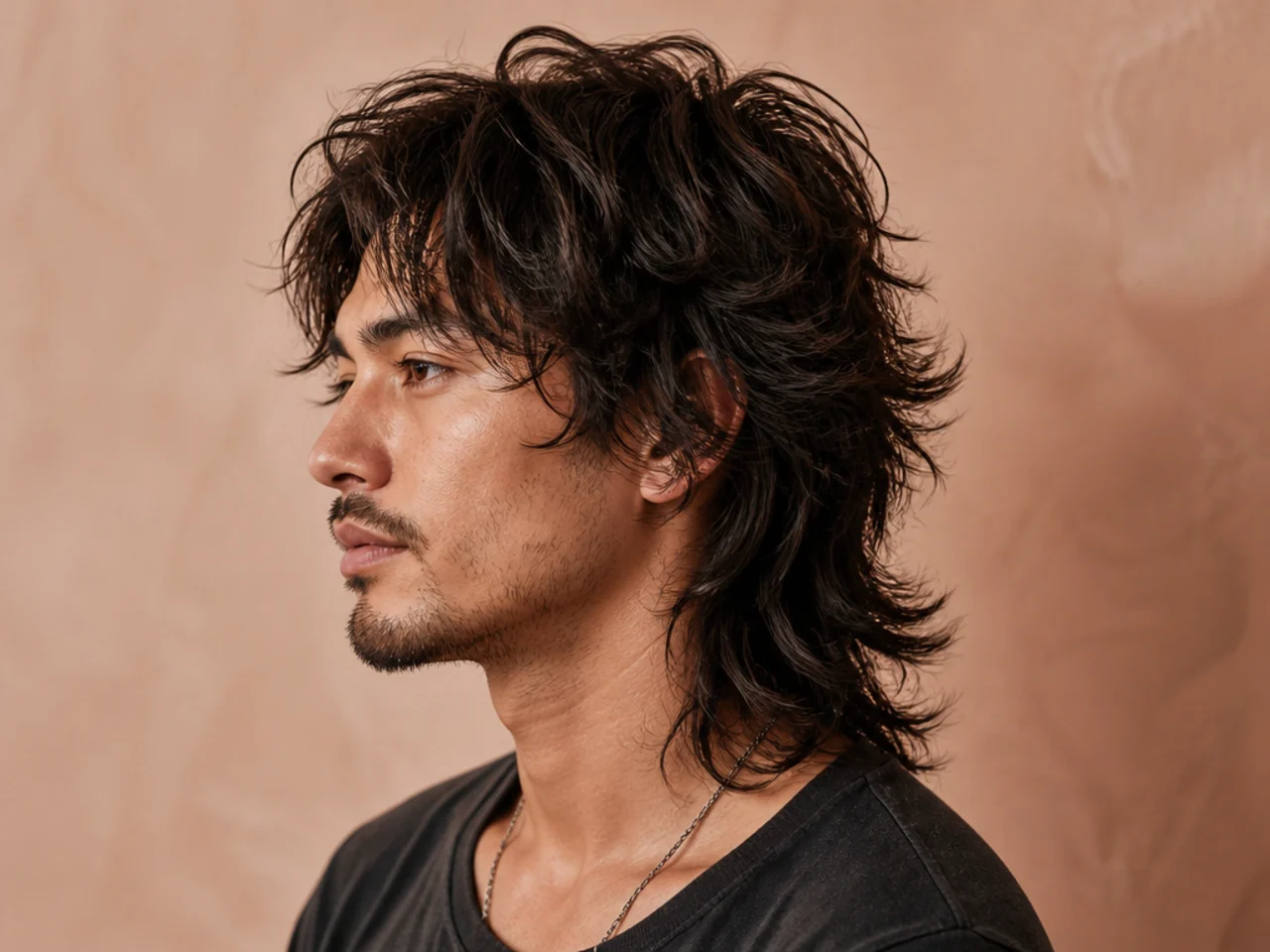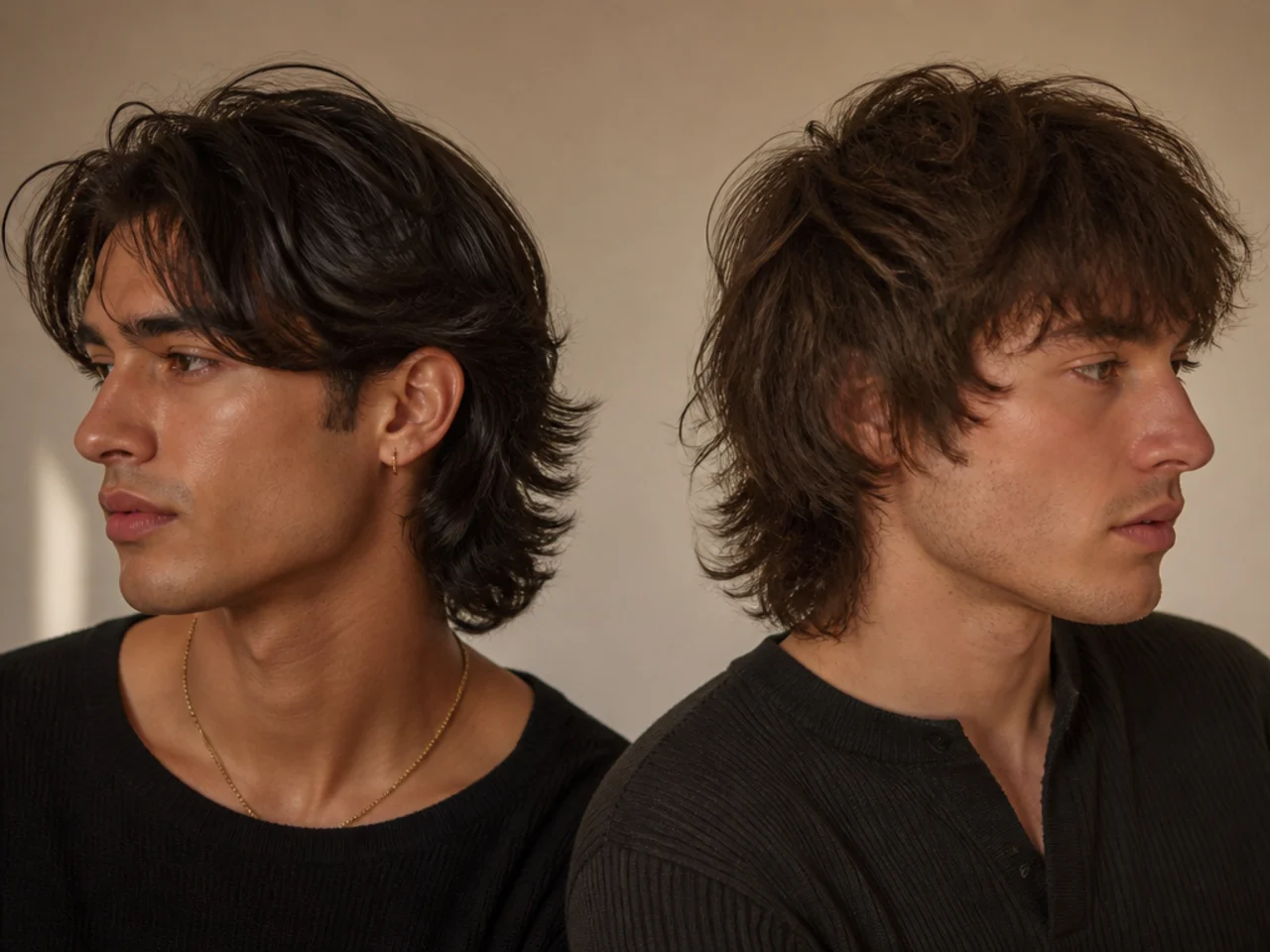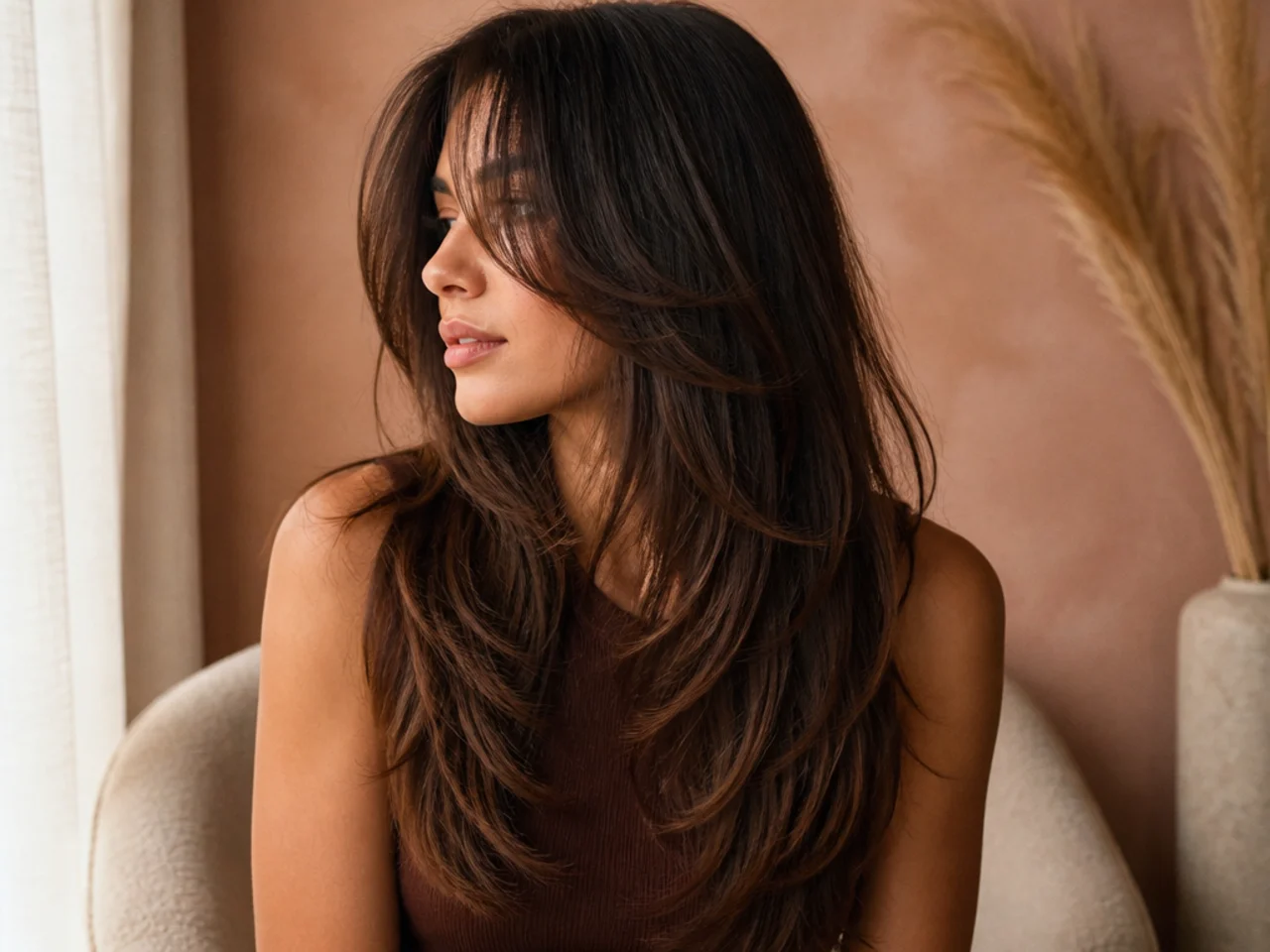
20 Long Mullet Cut Ideas With Gorgeous Movement
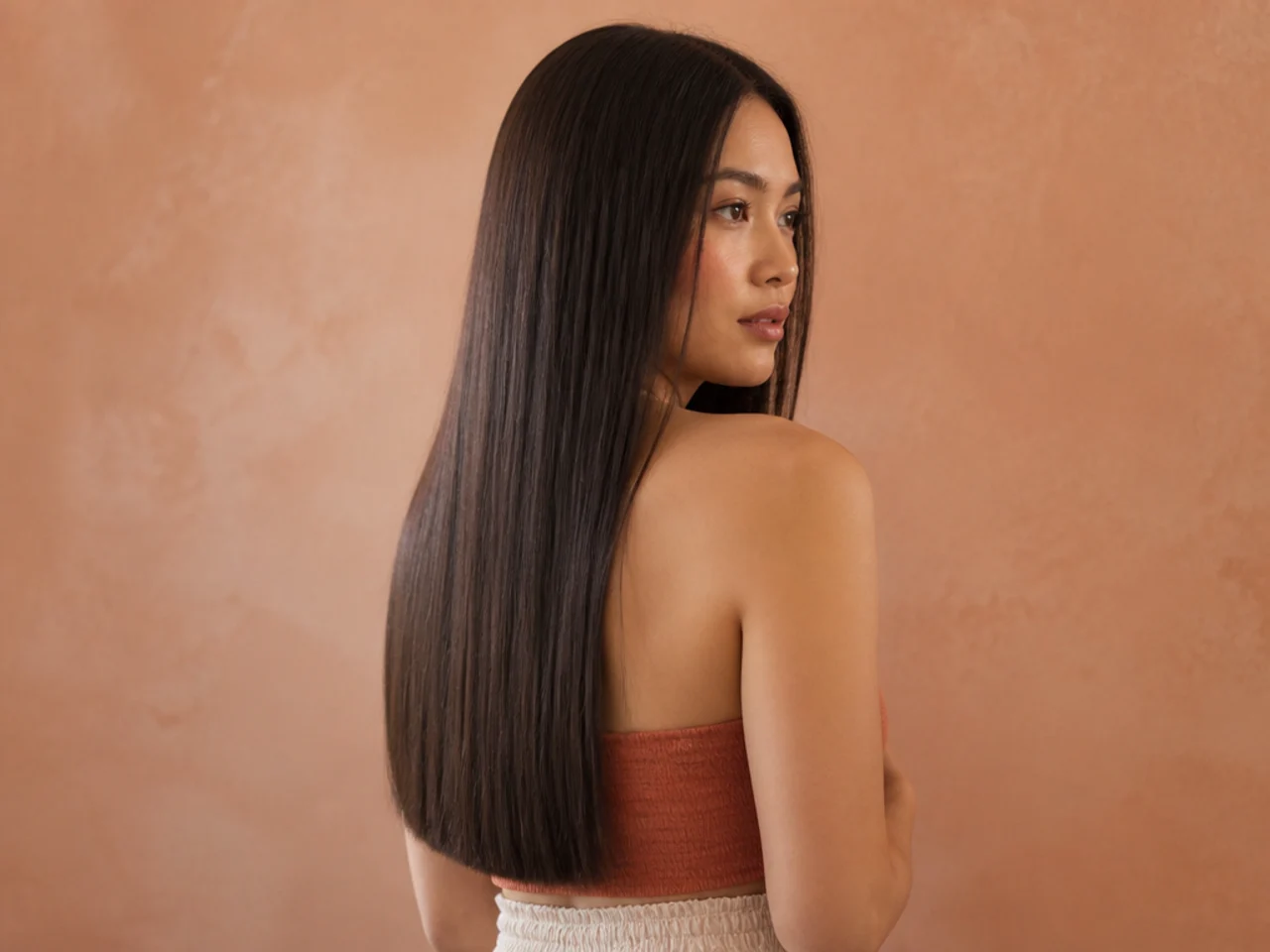
Movement in a long mullet is cut in, not styled in. Twenty versions built around the three things that decide whether the length swings or hangs, which are layer spacing, the weight line, and how the ends are finished.
In this article · 27
- Where Movement Actually Comes From
- How to Choose Yours
- The 20 Long Mullet Ideas
- 1. Long Mullet With Wide Spaced Layers
- 2. Long Mullet With a Soft Weight Line
- 3. Long Mullet Cut on a Diagonal Guide
- 4. Long Mullet With Slide Cut Ends
- 5. Long Mullet With Point Cut Ends
- 6. Long Mullet With a Feathered Crown
- 7. Long Mullet With Curtain Layers at the Front
- 8. Long Mullet With a Short Crown Cap
- 9. Long Mullet With a Long Free Tail
- 10. Long Mullet With Layering That Starts at the Cheekbone
- 11. Long Mullet With a Rounded Perimeter
- 12. Long Mullet With a Vee Shaped Perimeter
- 13. Long Mullet With Thinned Interior Weight
- 14. Long Mullet With Root Lift at the Crown
- 15. Long Mullet Styled With a Round Brush
- 16. Long Mullet Air Dried for Movement
- 17. Long Mullet With a Deep Side Sweep
- 18. Long Mullet With a Centre Split Fringe
- 19. Long Mullet Between Cuts
- 20. Long Mullet That Lost Its Movement
- Styling and Upkeep
- Mistakes to Avoid
- FAQ
- Final Thoughts
A long mullet that hangs instead of moving was almost always cut correctly and finished wrong, because movement is decided at the ends and in the spacing, not in the styling.
Mass at the tip kills movement. A blunt end concentrates the strand's weight at the bottom, so it swings like a pendulum and settles back into one flat plane.
Layers need gaps between them. Stacked at close intervals they fuse into a single graduated wedge, and the whole section then travels as one block.
Where Movement Actually Comes From
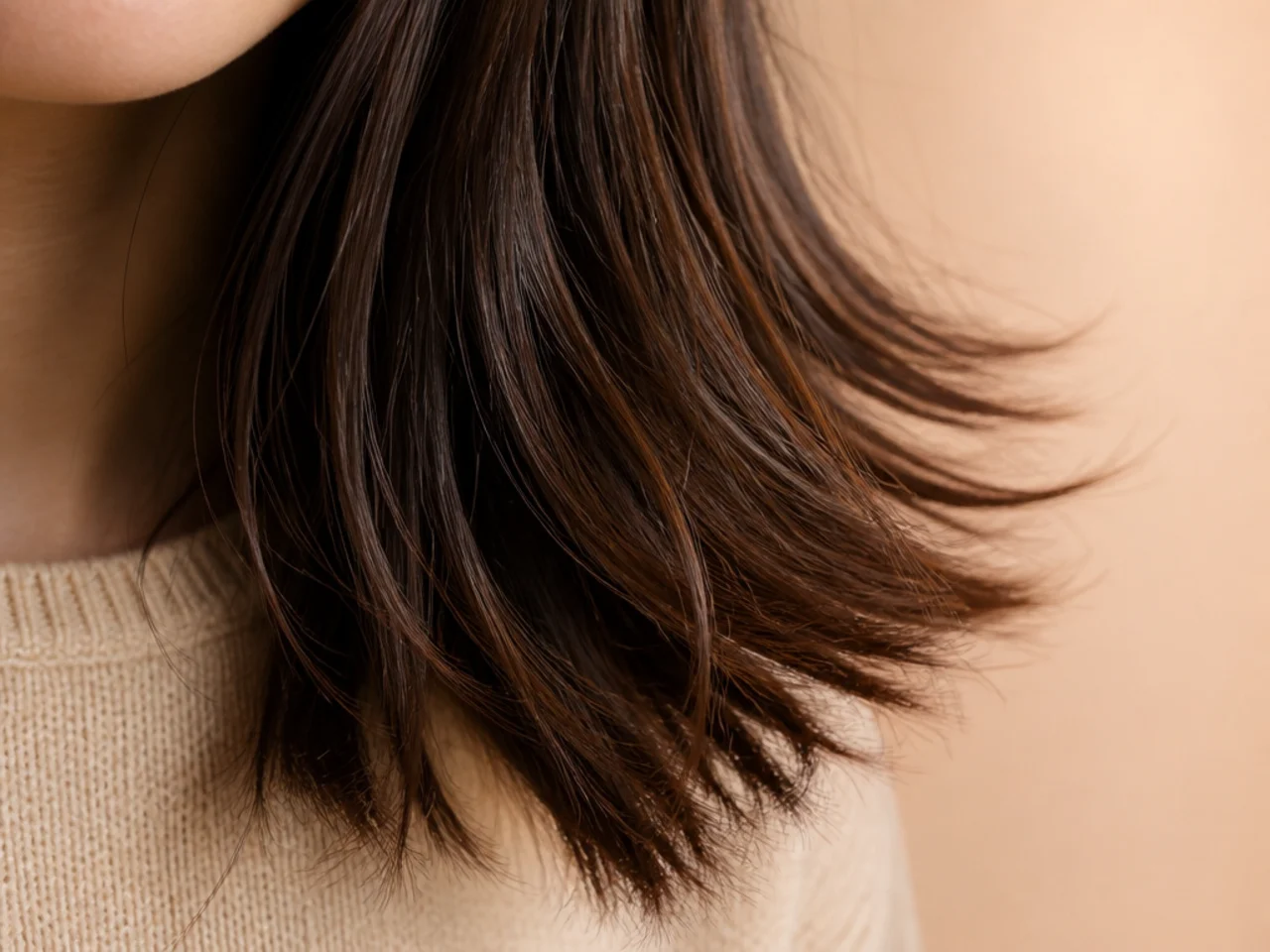
Weight distribution along the strand. Take mass out of the last few centimetres and the hair reacts faster to every turn of the head.
Space between the layers. Each layer needs room to fall independently. Close spacing produces a wedge that behaves as one solid shape.
A soft weight line. A hard shelf holds everything above it still. Notching into that line releases the section resting on it.
A lifted root. Hair lying flat against the scalp has no hinge to swing from, so the first two centimetres decide what the remaining thirty can do.
How to Choose Yours
Choose by how heavy your hair is. Dense hair needs interior weight removed before any of these finishes will show at all.
Choose by whether you will heat style. Round brushed movement is built by the dryer. Air dried movement has to be cut in.
Choose by your perimeter shape. A rounded outline moves as a curve; a pointed one moves as a single centre line down the back.
Choose by how long you can leave it. Ends grow blunt as they split and get trimmed, so the softest finishes are the ones that need revisiting soonest.
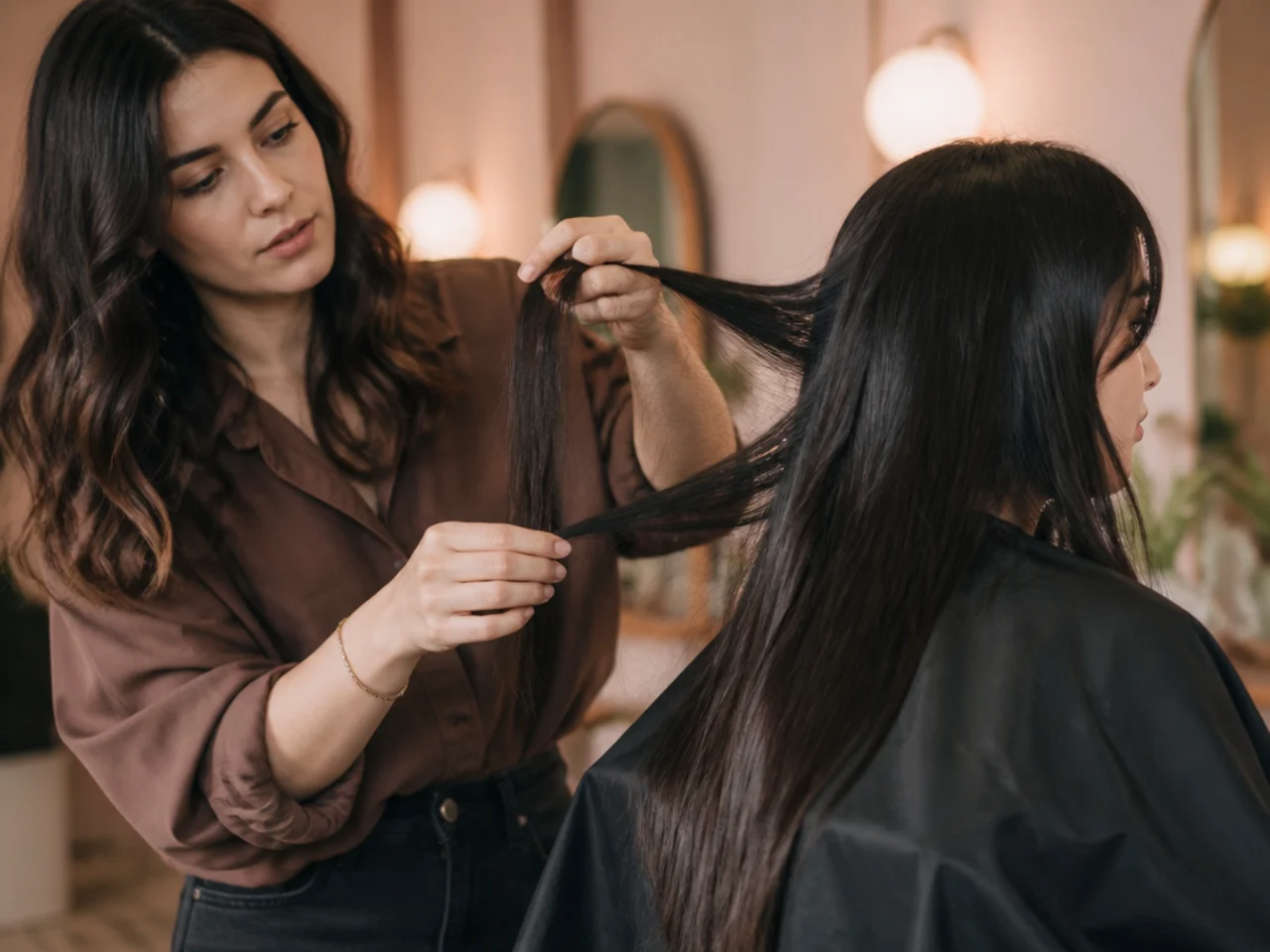
The 20 Long Mullet Ideas
1. Long Mullet With Wide Spaced Layers
Three or four clearly separated layer levels rather than a continuous ladder. The gap between them is what lets each level fall past the one below it, where close spacing fuses everything into a single wedge that can only move as one piece.
2. Long Mullet With a Soft Weight Line
The heaviest line in the cut broken up with vertical notches instead of left solid. A hard weight line is a shelf, and every centimetre of hair above it rests there rather than travelling, so softening it releases the whole upper section.
3. Long Mullet Cut on a Diagonal Guide
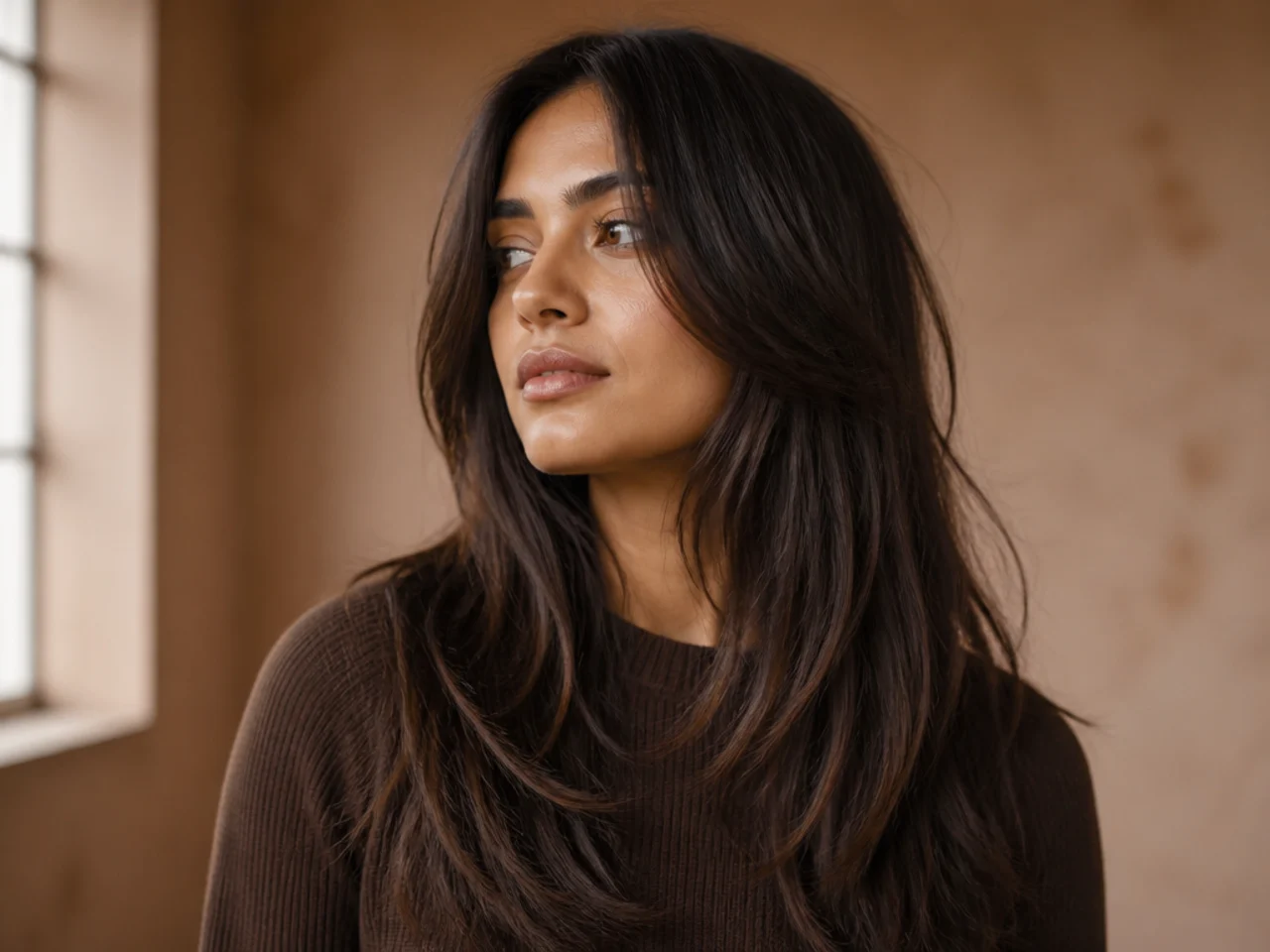
Each section combed forward to a guide sitting at the front rather than straight down. Every strand then has further to travel to reach the guide, so it finishes longer the further back it started, and the resulting slope runs the movement forward past the face.
4. Long Mullet With Slide Cut Ends
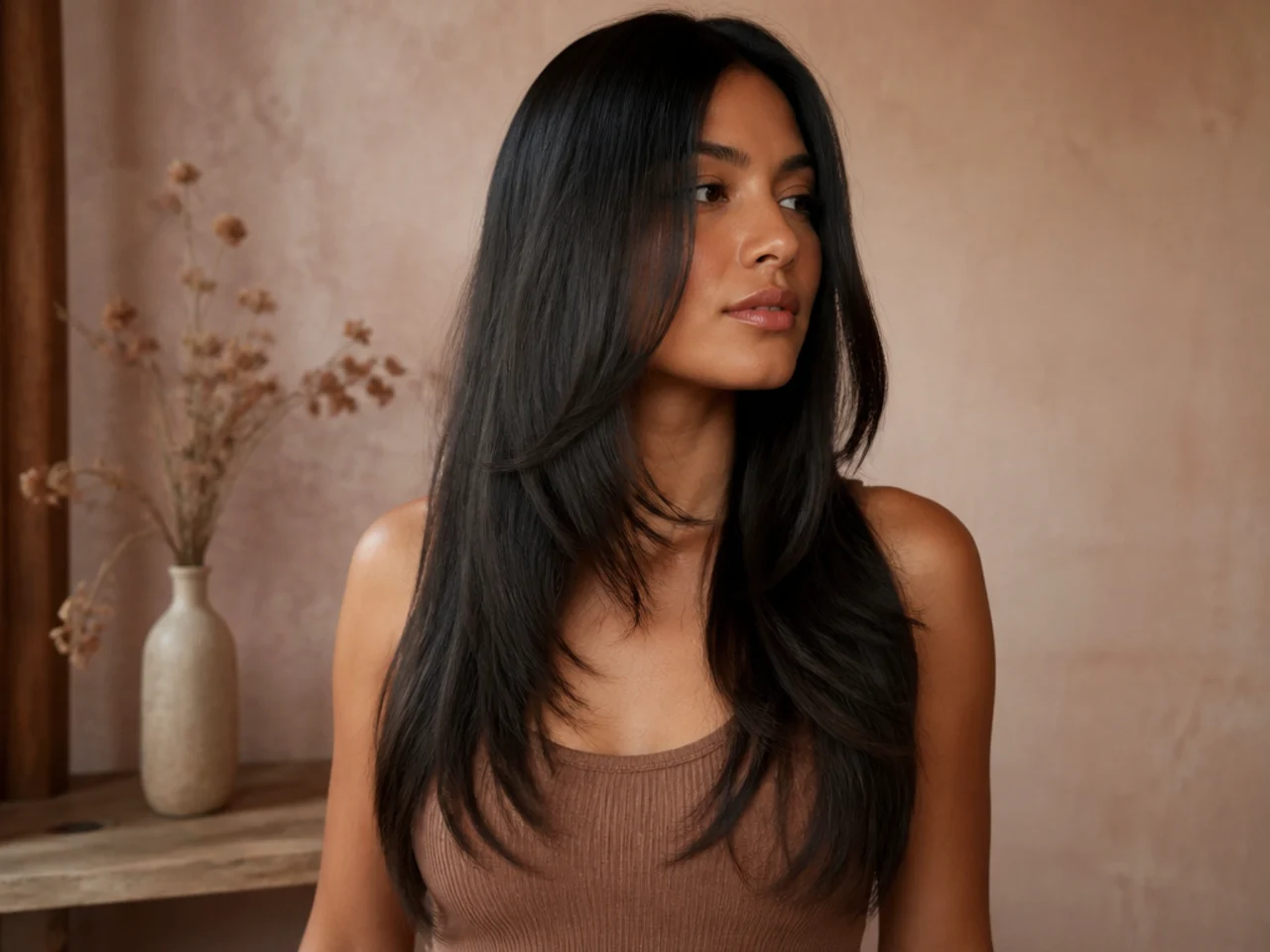
Half open shears slid down the last stretch of each section, removing mass gradually all the way. It leaves a long tapered end rather than a stop, which is why the ends flick outward instead of hanging in a straight line.
5. Long Mullet With Point Cut Ends
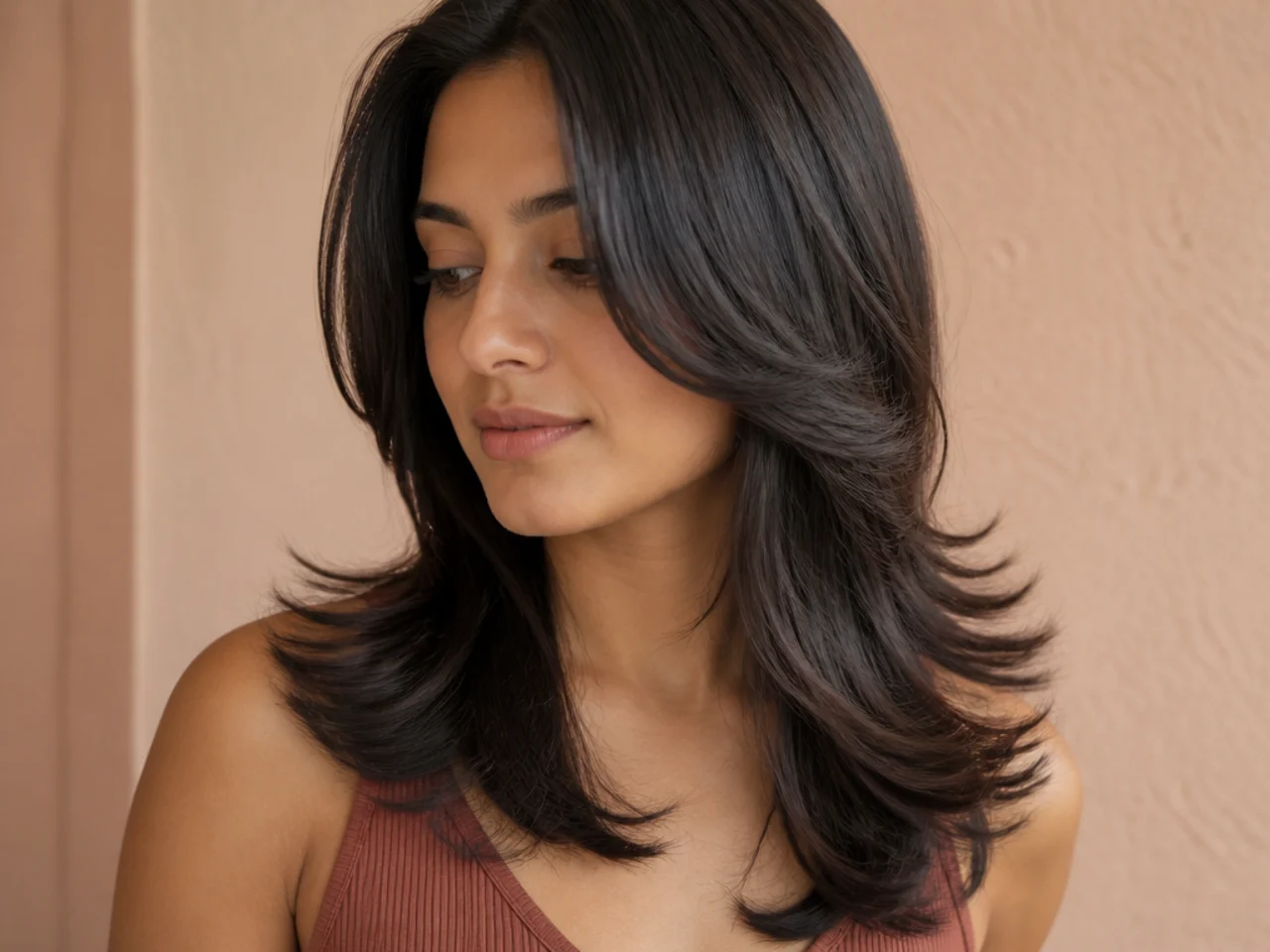
Shears turned vertical and notched into the ends so the section finishes at several lengths at once. Splitting the ends across a range removes the single hard line the eye would otherwise track, and the section reads as moving even when it is still.
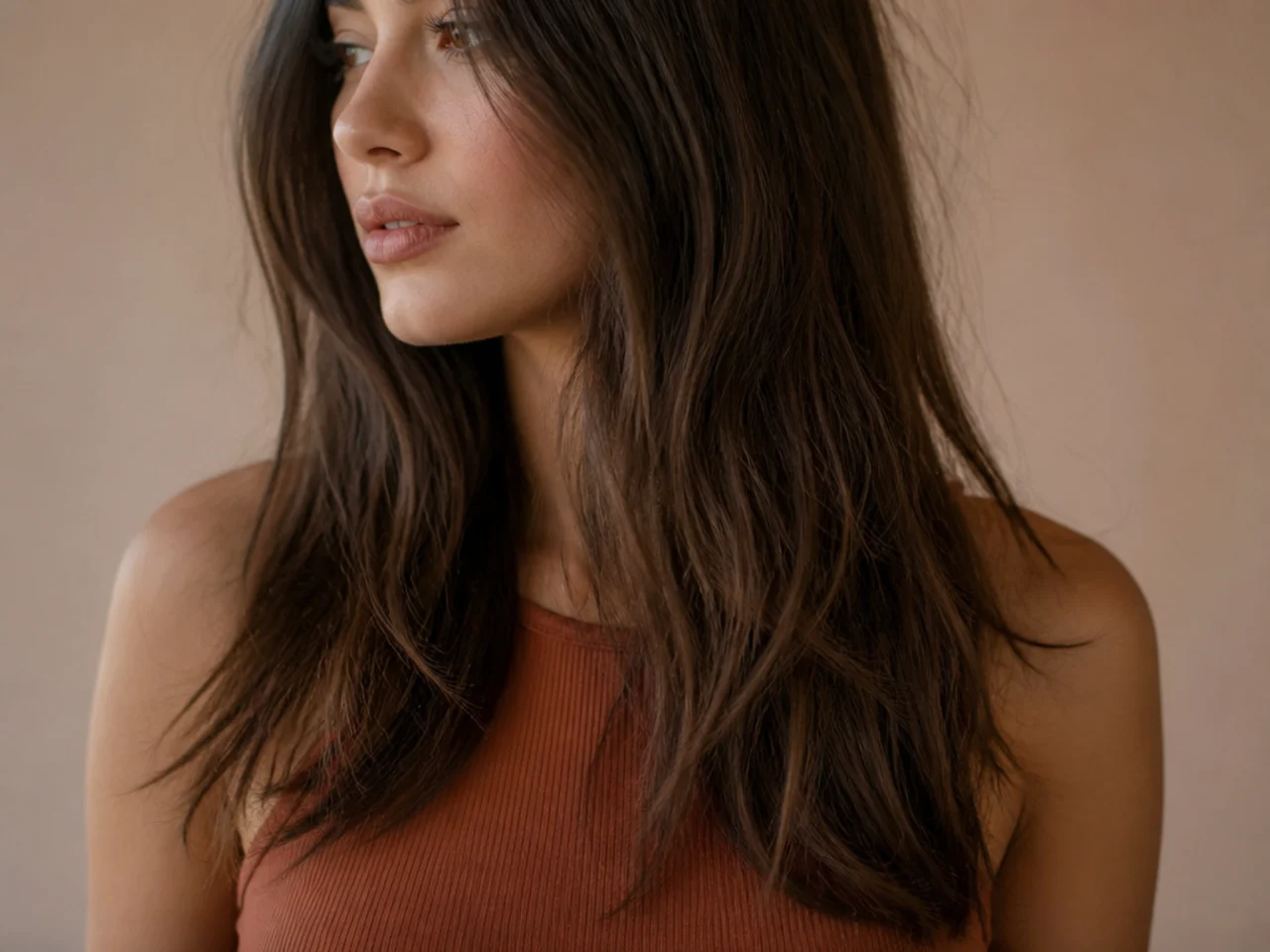
6. Long Mullet With a Feathered Crown
Short crown layers cut with tapered rather than blunt ends. The taper means each of those short pieces weighs almost nothing, so they sit on top of the mass and lift it instead of pressing it flat as a blunt crown layer would.

7. Long Mullet With Curtain Layers at the Front
The front sections graduated from cheekbone down toward the collarbone on both sides. Because each of those layers is a different length, they separate as the head turns rather than travelling together as one curtain of hair.

8. Long Mullet With a Short Crown Cap
A deliberately short section across the top, disconnected from the length below. The cap holds its own shape independently of the weight underneath, which is what keeps height at the crown once the rest of the hair has dropped through the day.
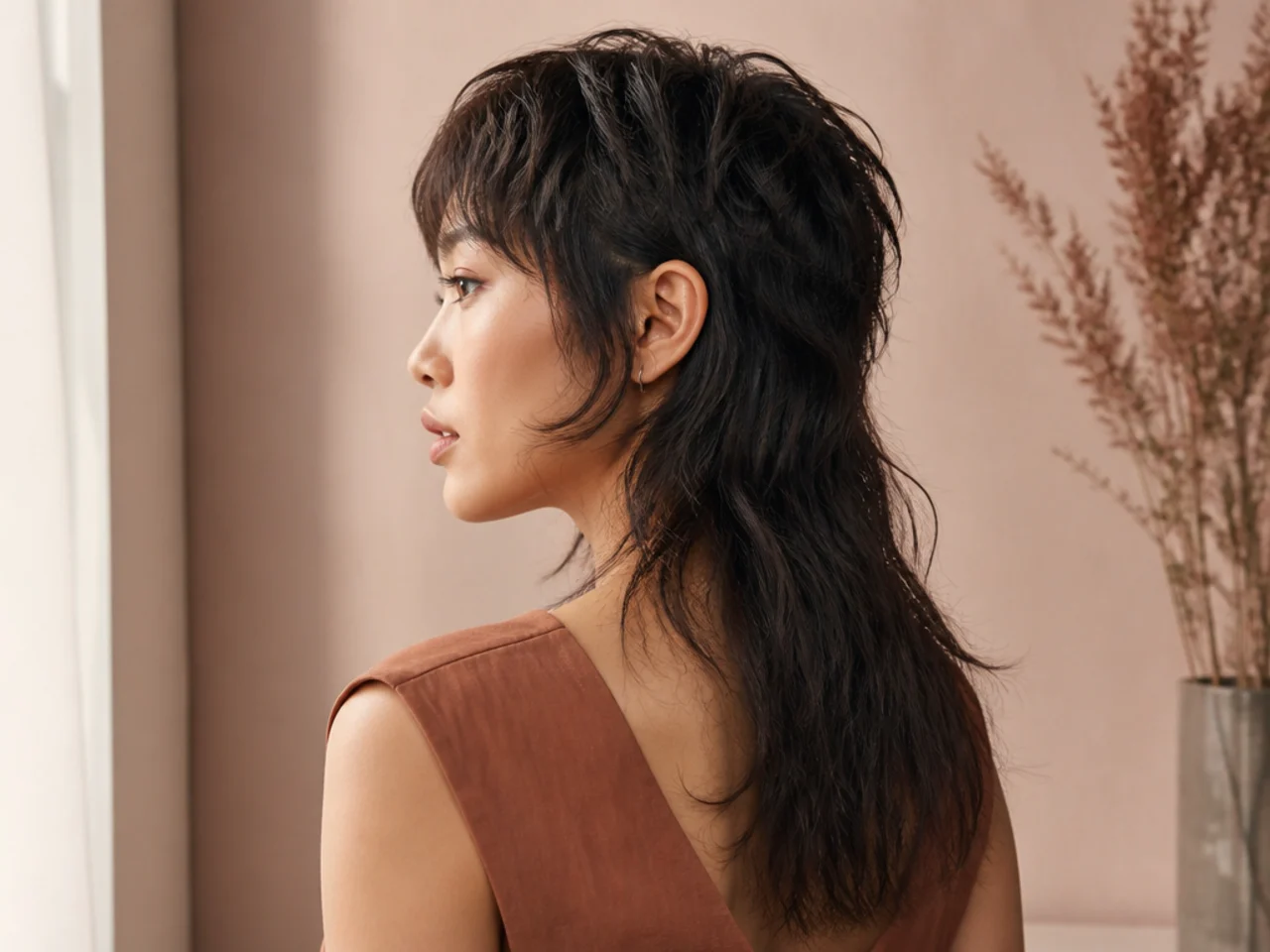
9. Long Mullet With a Long Free Tail
The nape length left completely unlayered so it hangs as one heavy piece. It swings slowly and travels as a unit, which is a different kind of movement from the layered sections and is the reason the two read as separate parts of one cut.
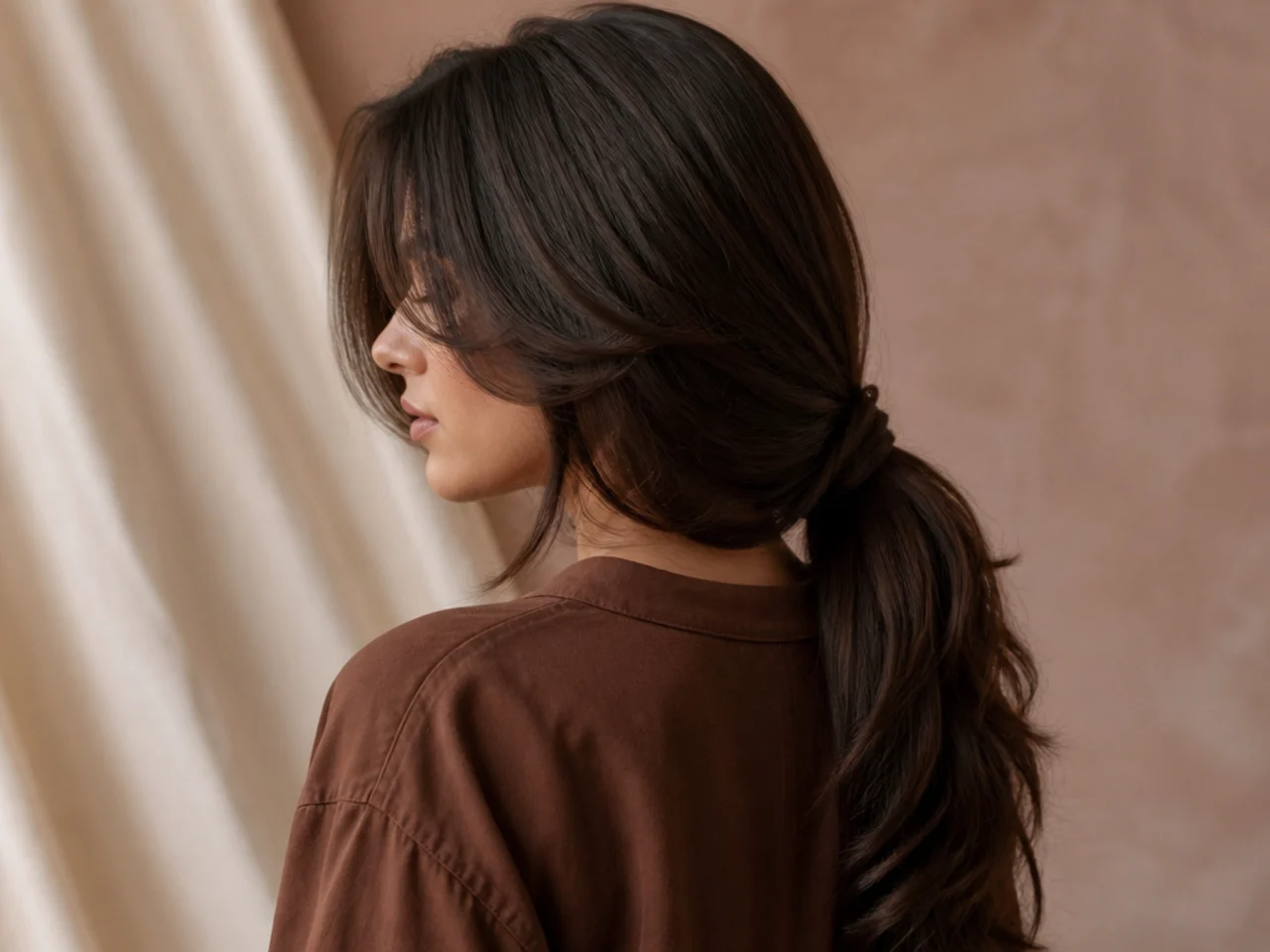
10. Long Mullet With Layering That Starts at the Cheekbone
The highest layer begins at cheekbone level rather than at the chin. Starting higher gives the shortest pieces more distance to fall before they meet the mass, and that distance is exactly how far they are free to move.
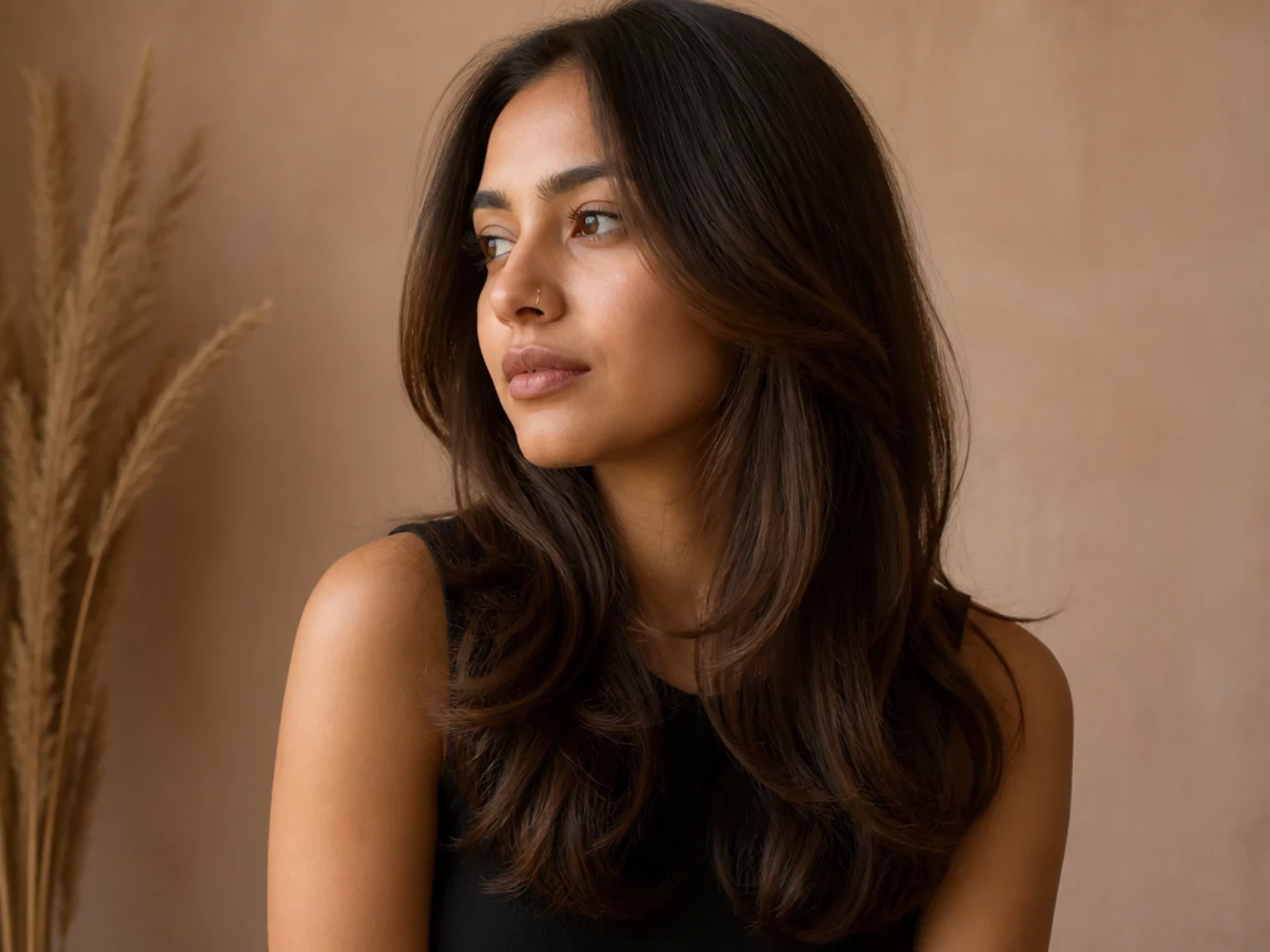
11. Long Mullet With a Rounded Perimeter
The outline cut so the back is slightly shorter than the sides, giving a continuous curve. The curve moves as a sheet with no corner to catch the eye, which is why it reads softer than a squared outline at the same length.
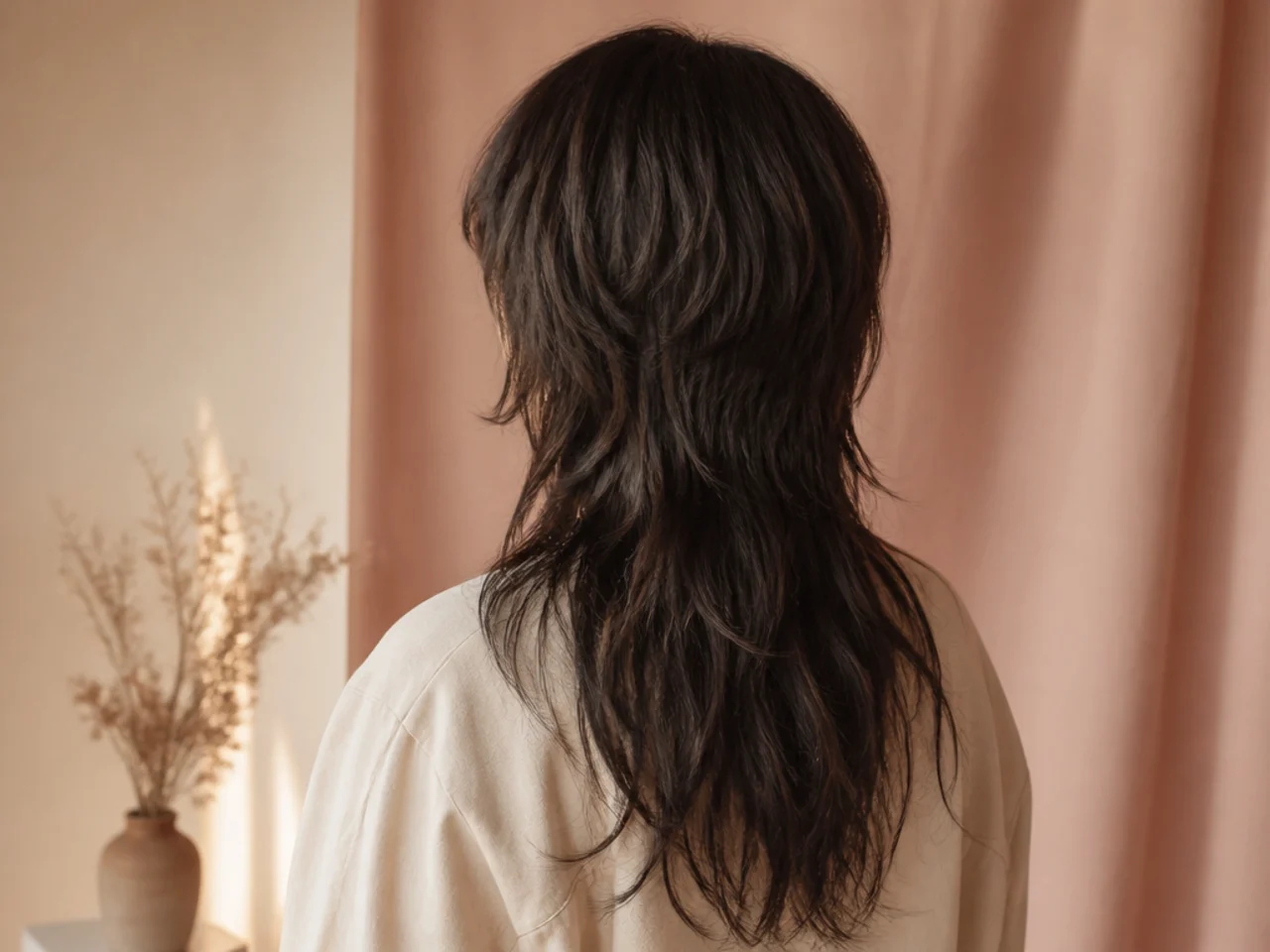
12. Long Mullet With a Vee Shaped Perimeter
The back cut to a point at the centre, with the sides running longer toward the front. The point concentrates the eye on a single vertical line, and the two sides then move against that line rather than with each other.
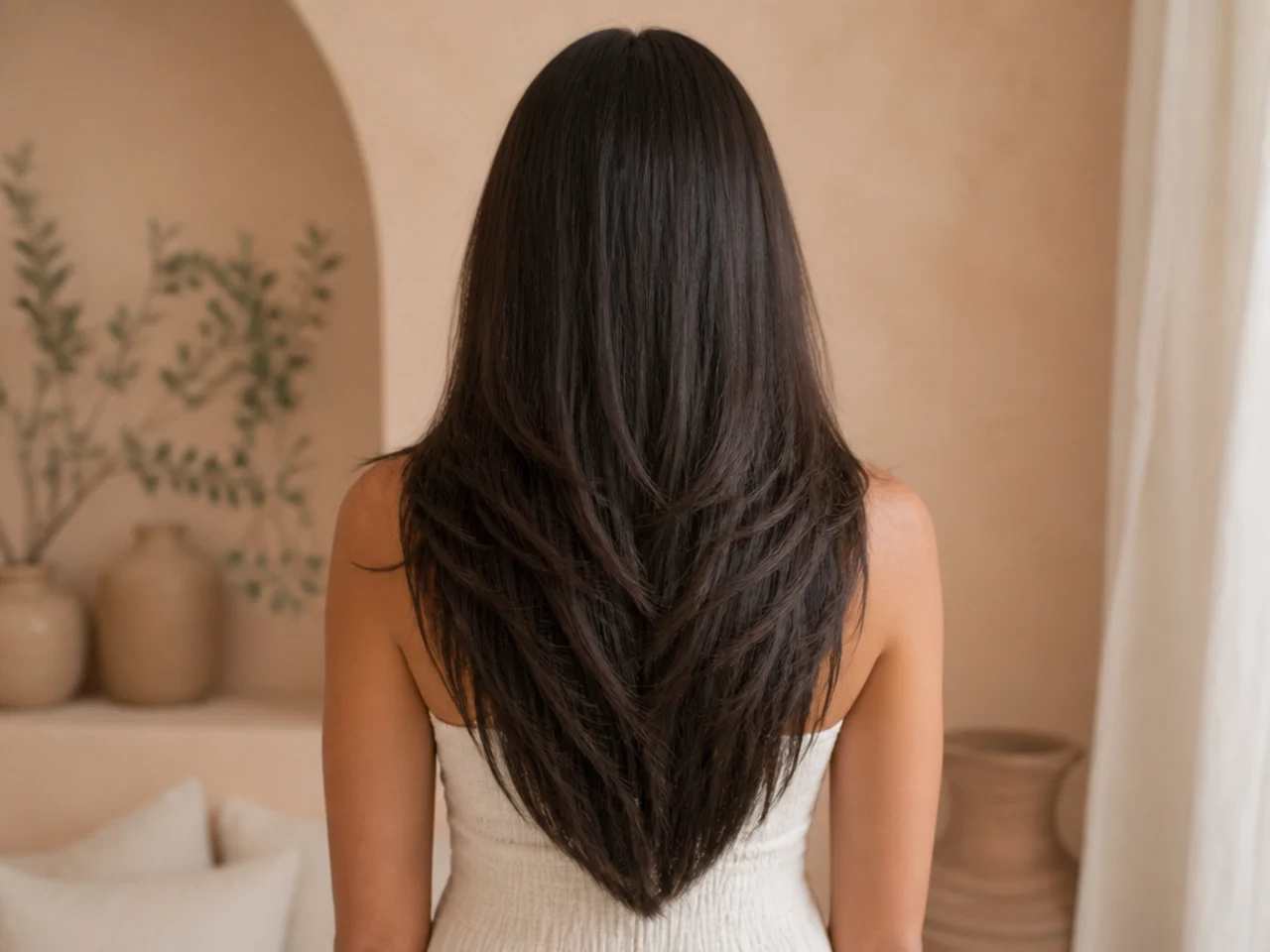
13. Long Mullet With Thinned Interior Weight
Density removed from inside the sections while the ends stay untouched. The outline holds its shape but the bulk behind it is gone, so there is less mass resisting every movement of the head.
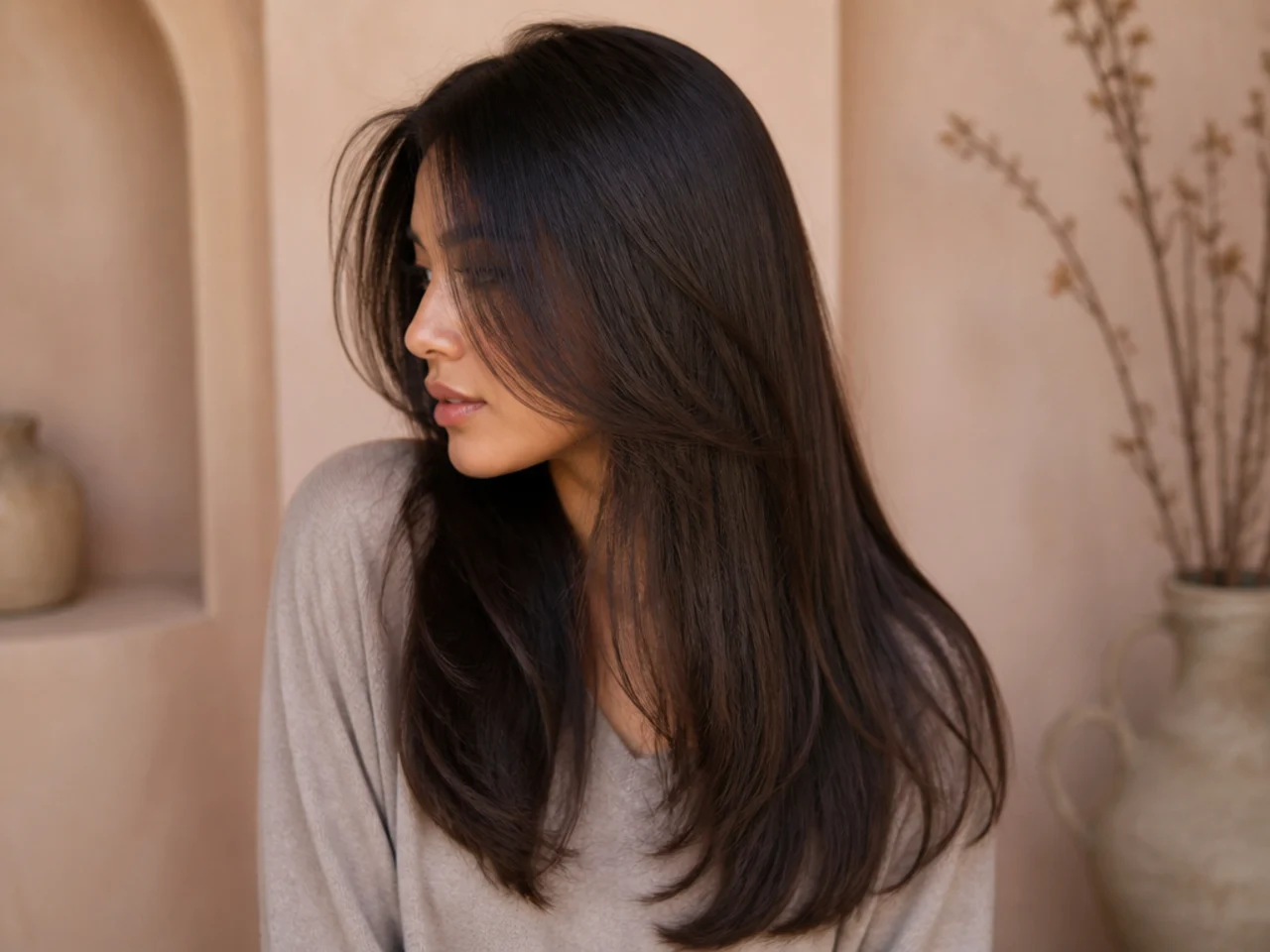
14. Long Mullet With Root Lift at the Crown
Roots dried against their growth direction so they stand rather than lie. A root pressed flat gives the length no hinge to swing from, and the first two centimetres of the strand determine what the remaining thirty are able to do.
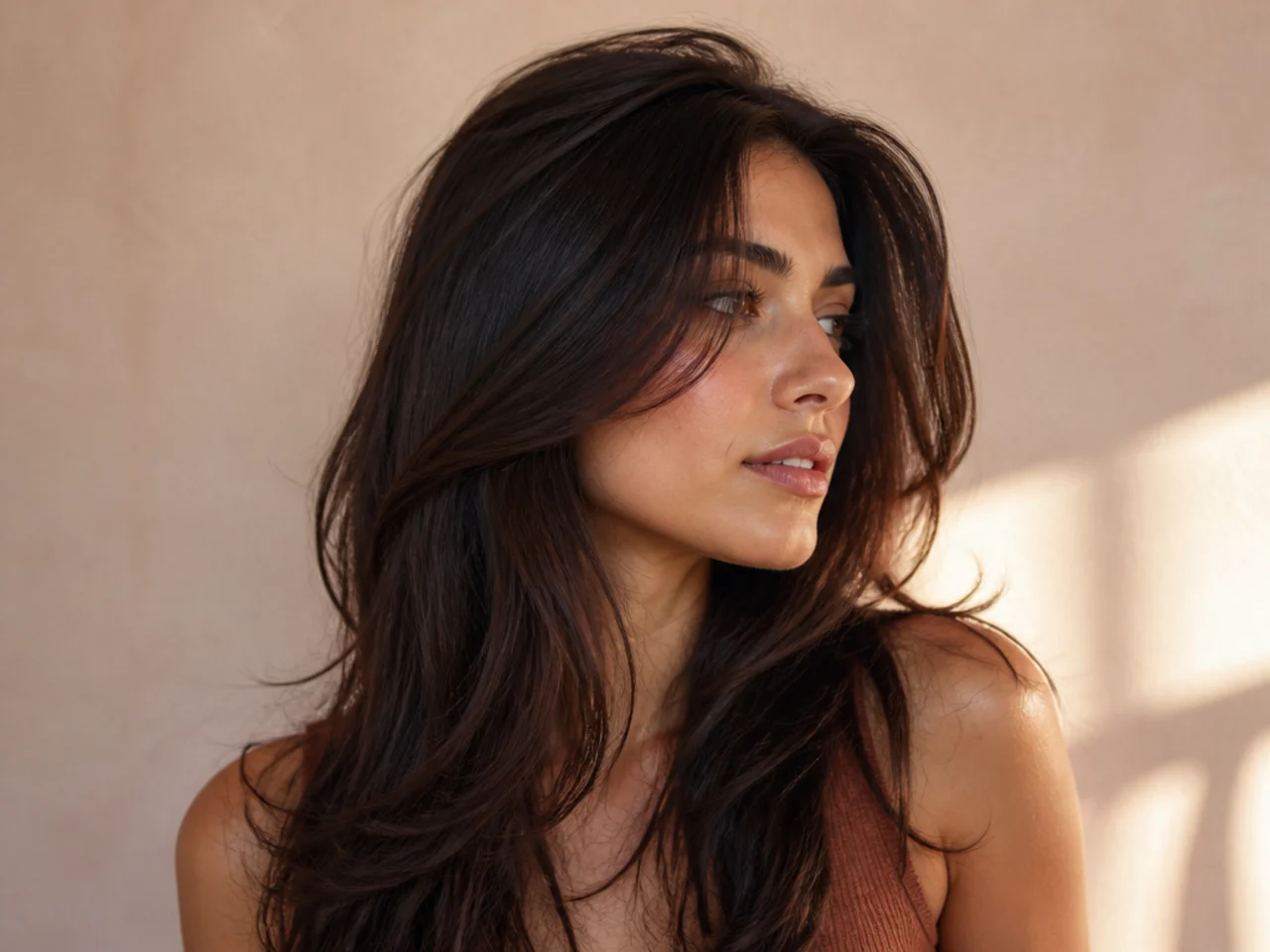
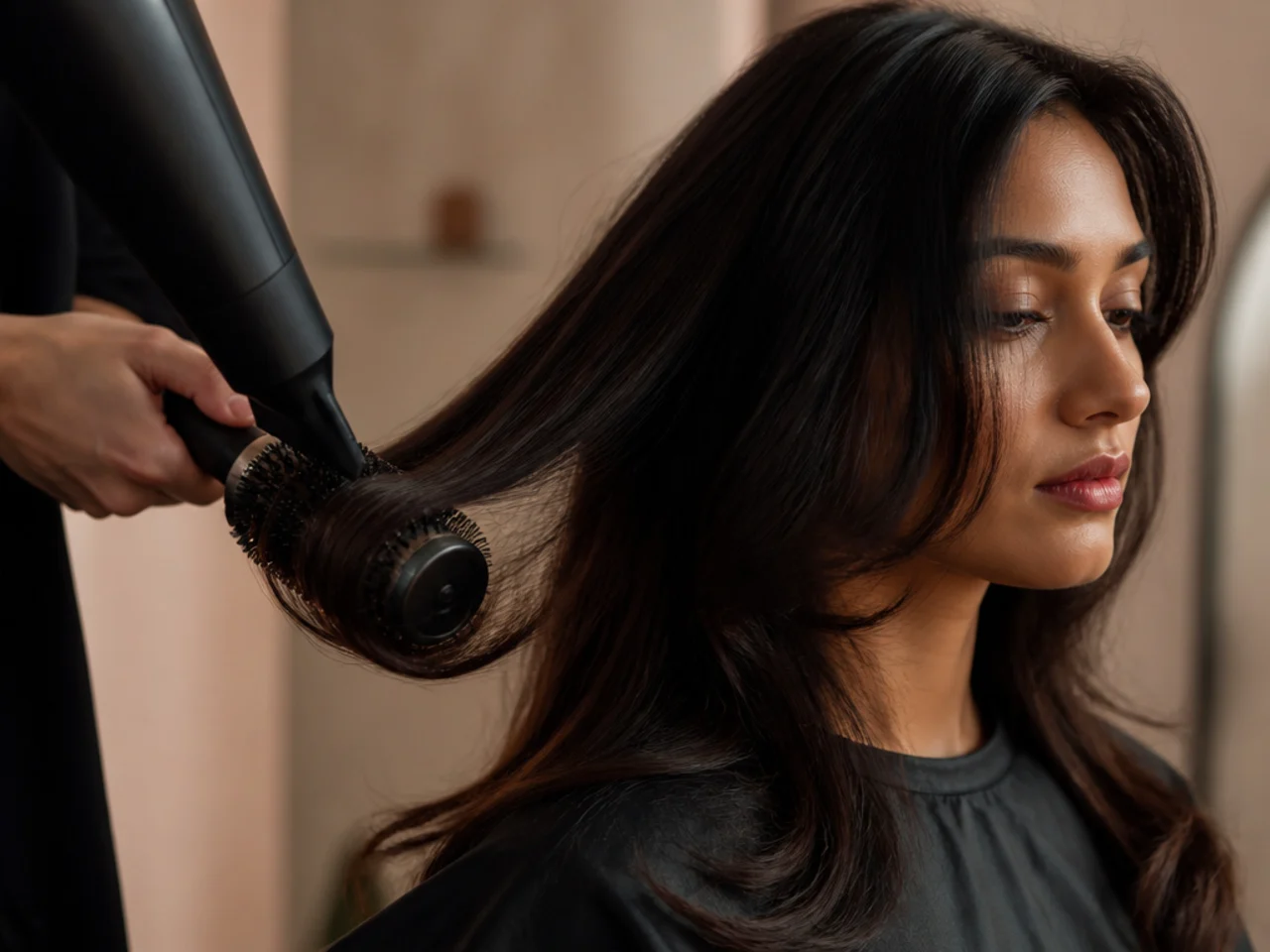
15. Long Mullet Styled With a Round Brush
Each section wrapped over the barrel and held until it cools. Hair keeps the shape it is in as it cools, so the bend set on the brush becomes a real curve rather than a temporary one that drops on the walk out of the door.
16. Long Mullet Air Dried for Movement
No brush, no product past the mid lengths, and no touching until it is dry. Every contact while drying redistributes the strands and flattens the natural separation, which on an air dried head is the only movement you have.

17. Long Mullet With a Deep Side Sweep
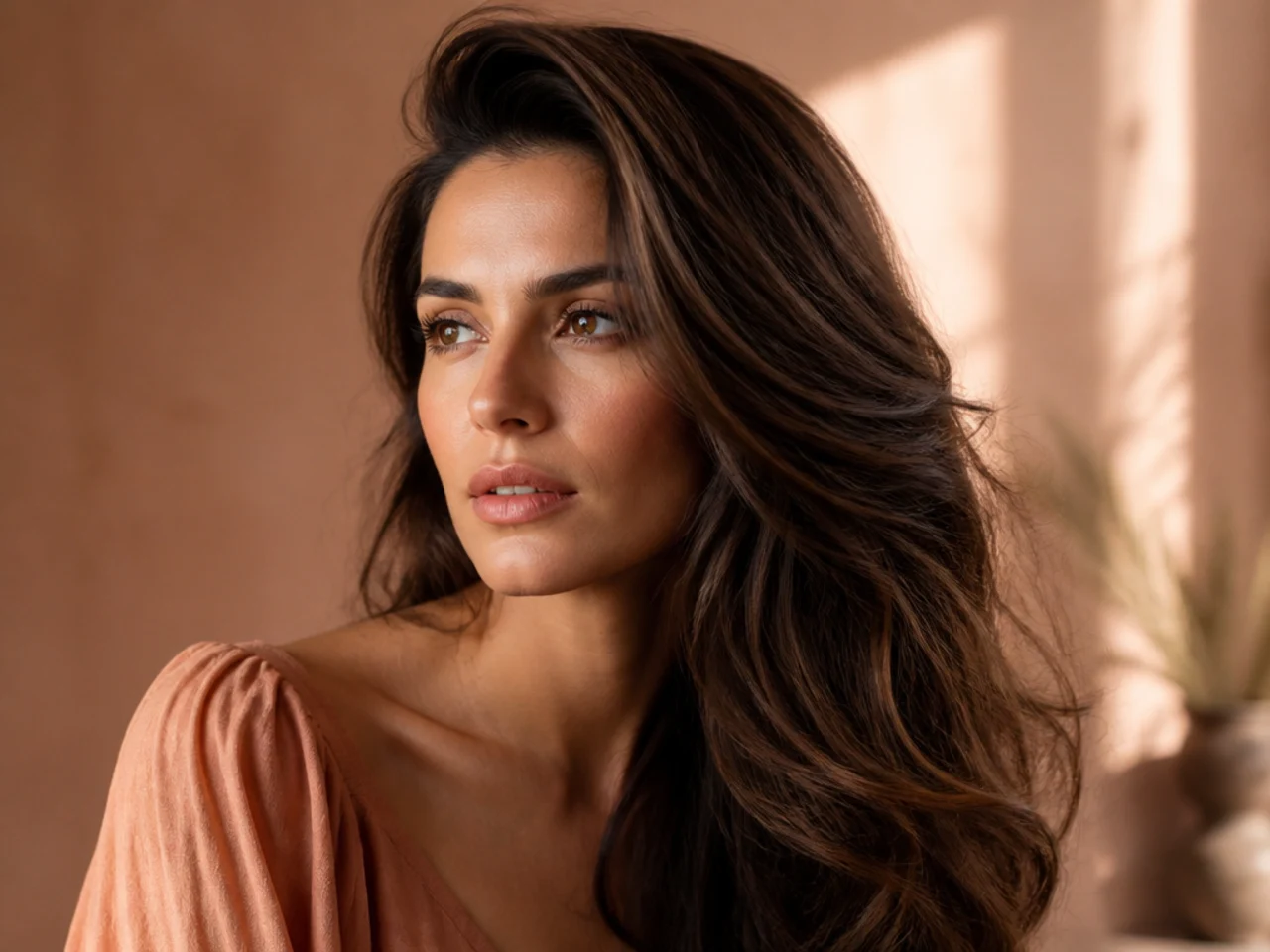
The parting moved well off centre so the heavy side crosses the crown. Those roots are pushed against their growth direction and stand up as a result, which is where the lift and the sideways swing at the front both come from.
18. Long Mullet With a Centre Split Fringe
The fringe divided down the middle so each half falls away from the face. Two lighter sections move independently where one solid fringe would swing as a single flap and land back in the same place every time.

19. Long Mullet Between Cuts
Around week six the shortest layers have grown a centimetre and a half and the spacing has narrowed. The cut still holds its outline but the movement is the first thing to go, which is the signal that the crown needs attention rather than the ends.
20. Long Mullet That Lost Its Movement
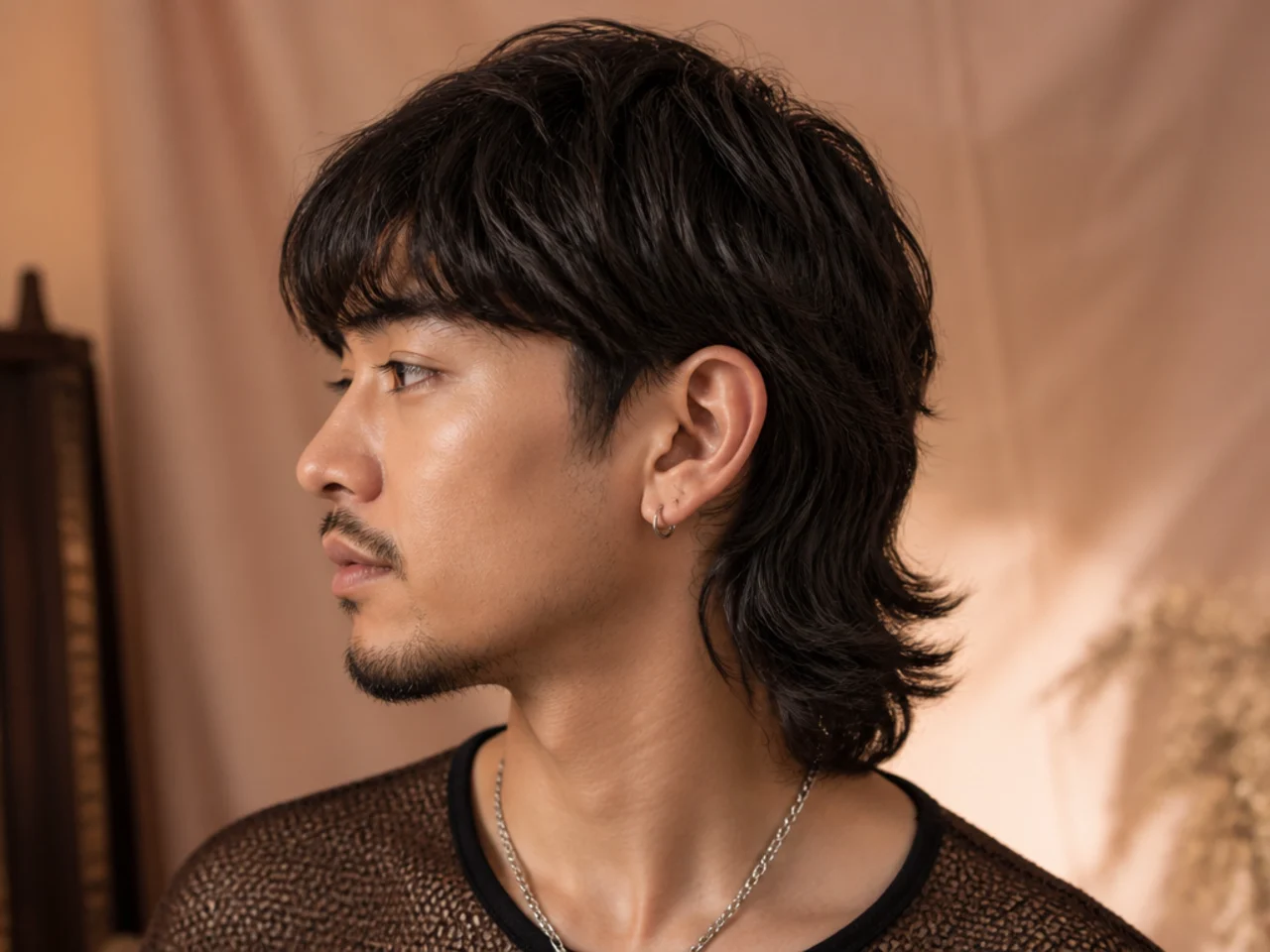
Blunt ends, layers stacked too close, and a hard weight line low down. Each of those puts mass back where the cut was trying to remove it, and together they turn a layered shape into one solid piece of hair that hangs.

Styling and Upkeep
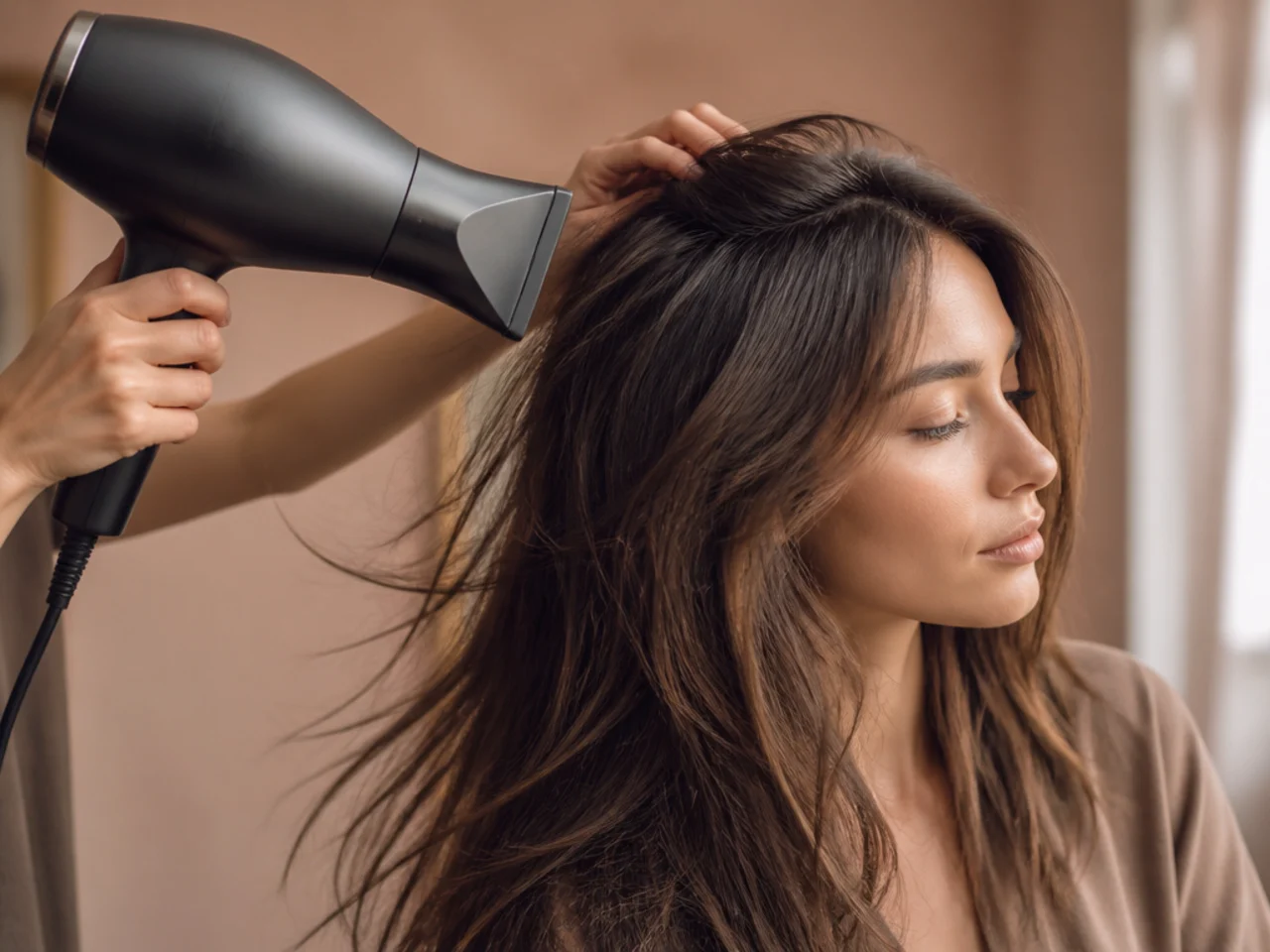
Dry the roots first and the ends last. Root direction is what gives the length somewhere to swing from.
Finish with a cold shot. Hair sets in the shape it cools in, so cold air is what turns a temporary bend into one that lasts the day.
Keep conditioner off the crown. It weighs down the shortest layers, and those are the ones doing the lifting.
Trim the crown before the ends. Layer spacing closes from the top down, so the movement disappears long before the length needs cutting.
Ask for the ends to be point cut, not blunted. A blunt trim undoes the end taper the whole cut depends on.
Mistakes to Avoid
Blunt trimming the ends. It puts the mass straight back at the tips and the swing stops within one appointment.
Layers cut at close intervals. They fuse into a graduated wedge that can only travel as one block.
Too much product through the length. Product has weight, and weight is the thing the cut was designed to remove.
Brushing it out once dry. A brush pulls every strand into the same plane, which removes the separation the layers created.
Trimming the perimeter to fix flatness. Flatness comes from the crown and the ends, so shortening the outline changes nothing except the length.
FAQ
What makes it move? Less mass at the ends and more space between the layers.
Can layers be too close? Yes. Close spacing builds one solid graduated wedge.
Which trim comes first? The crown. Movement goes before the length does.

Final Thoughts
Movement is a cutting decision made in three places: how far apart the layers sit, how hard the weight line is, and how much mass is left in the last few centimetres of each strand. Get those right and the styling is five minutes of root drying.
Get one of them wrong and no product will fix it, because you are asking a topical treatment to solve a weight problem. More long mullet shapes in Mullet and Wolf Cut. See also mullet hair and mullet haircut.