20 Stylish Anime Mullet Cuts Worth Copying
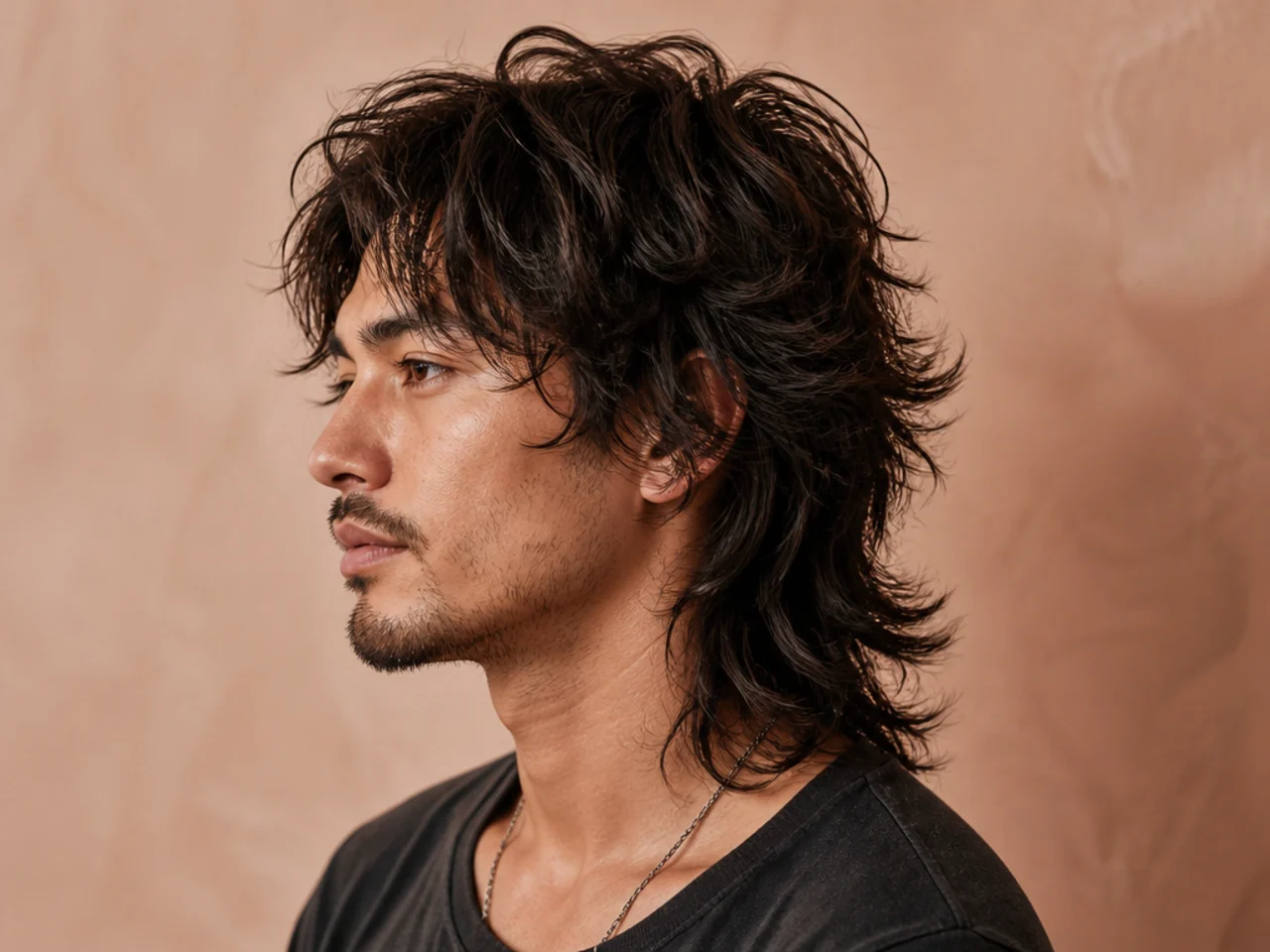
Twenty anime mullet shapes and what it takes to hold them in real hair. Drawn hair is separated into wedges before it reaches the page, so the whole job in a real cut is creating that separation with weight removal and a matte finish.
In this article · 27
- Why Anime Hair Is Hard to Copy
- Choosing a Shape Your Hair Can Hold
- The 20 Anime Mullet Cuts
- 1. Spiked Crown Mullet
- 2. Blunt Fringe Mullet
- 3. Two Block Anime Mullet
- 4. Undercut Anime Mullet
- 5. Split Fringe Mullet
- 6. Long Bang Anime Mullet
- 7. Antenna Strand Mullet
- 8. Wolf Cut Anime Mullet
- 9. Feathered Tail Mullet
- 10. Blunt Tail Mullet
- 11. Slicked Back Anime Mullet
- 12. Sharp Sideburn Mullet
- 13. Silver Anime Mullet
- 14. Ash Blue Anime Mullet
- 15. Bleached Fringe Mullet
- 16. Anime Mullet With a Skin Fade
- 17. Anime Mullet With a Taper
- 18. Anime Mullet on Straight Hair
- 19. Anime Mullet on Wavy Hair
- 20. Grown Out Anime Mullet
- Styling and Upkeep
- Mistakes to Avoid
- FAQ
- Final Thoughts
Anime hair is drawn as separated wedges with hard edges, and copying it fails at the separation rather than the shape.
Drawn hair has no clumping problem. Every section arrives already split. Real hair falls together unless it is cut into distinct pieces and kept apart with a matte finish.
The silhouette is the whole design. These shapes are read as an outline against a background, which is why a clean perimeter matters more here than texture ever does.
Why Anime Hair Is Hard to Copy
It is drawn as flat planes, not strands. Each block of hair has one direction and one edge. The real equivalent is cutting sections that are wide, weightless at the ends and pointed rather than rounded.
The contrast is absolute. Sides are drawn as almost nothing and the top as a mass. That means a disconnection or a high fade in real hair, never a soft blend.
Shine merges the sections. A glossy product reflects light in one sheet across the whole head, which is exactly the opposite of separated wedges. Matte clay is doing structural work here.
Density carries the shapes. Thick hair holds a wedge because there is enough in each section to stand up. Fine hair needs the flat versions instead, which rely on edges rather than height.
Choosing a Shape Your Hair Can Hold
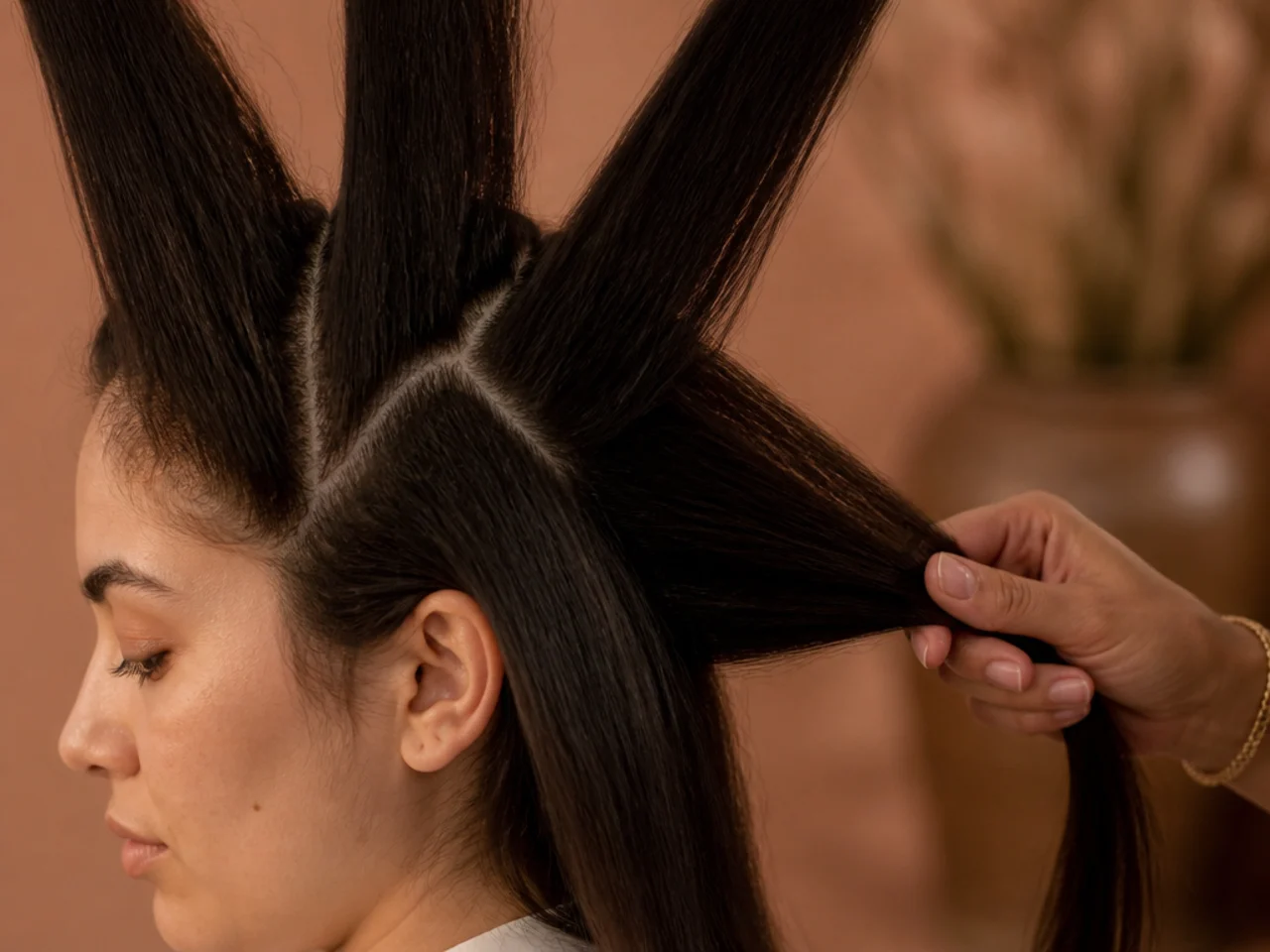
Straight and thick takes the spikes. It has the stiffness to hold a point and the density to fill it, which is the only combination that gets a tall shape through a full day.
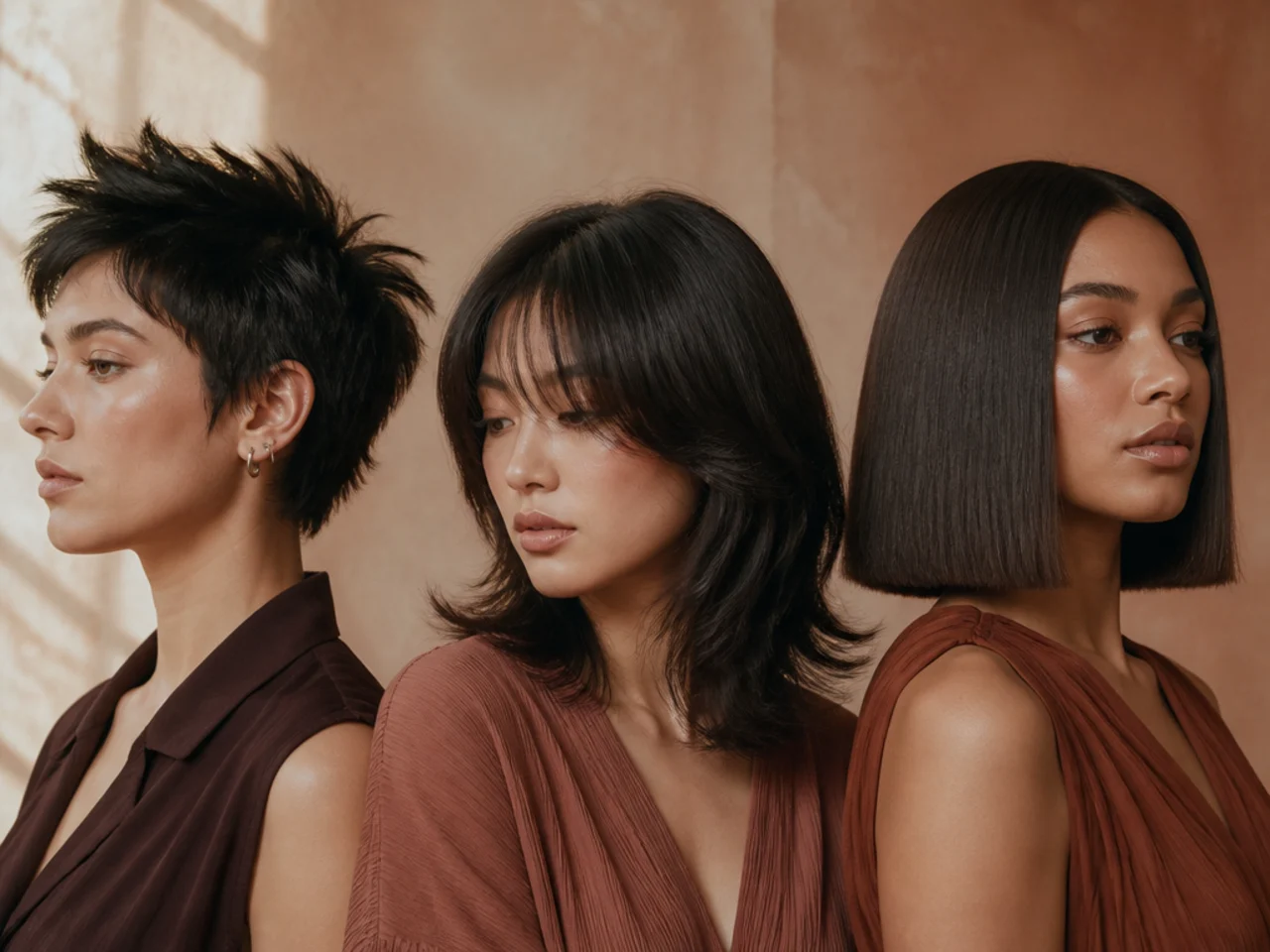
Wavy hair takes the feathered versions. A wave breaks a wedge apart before it can form, so the shapes built from fine pointed ends suit it far better than the blocky ones.
Fine hair takes the flat shapes. A blunt fringe and a hard disconnection work on any density, because they need a clean line rather than volume.
Lightened hair grips better than virgin hair. Bleaching roughens the cuticle, and that added friction is why these shapes tend to look easier on pale hair than on untreated dark hair.
The 20 Anime Mullet Cuts
1. Spiked Crown Mullet
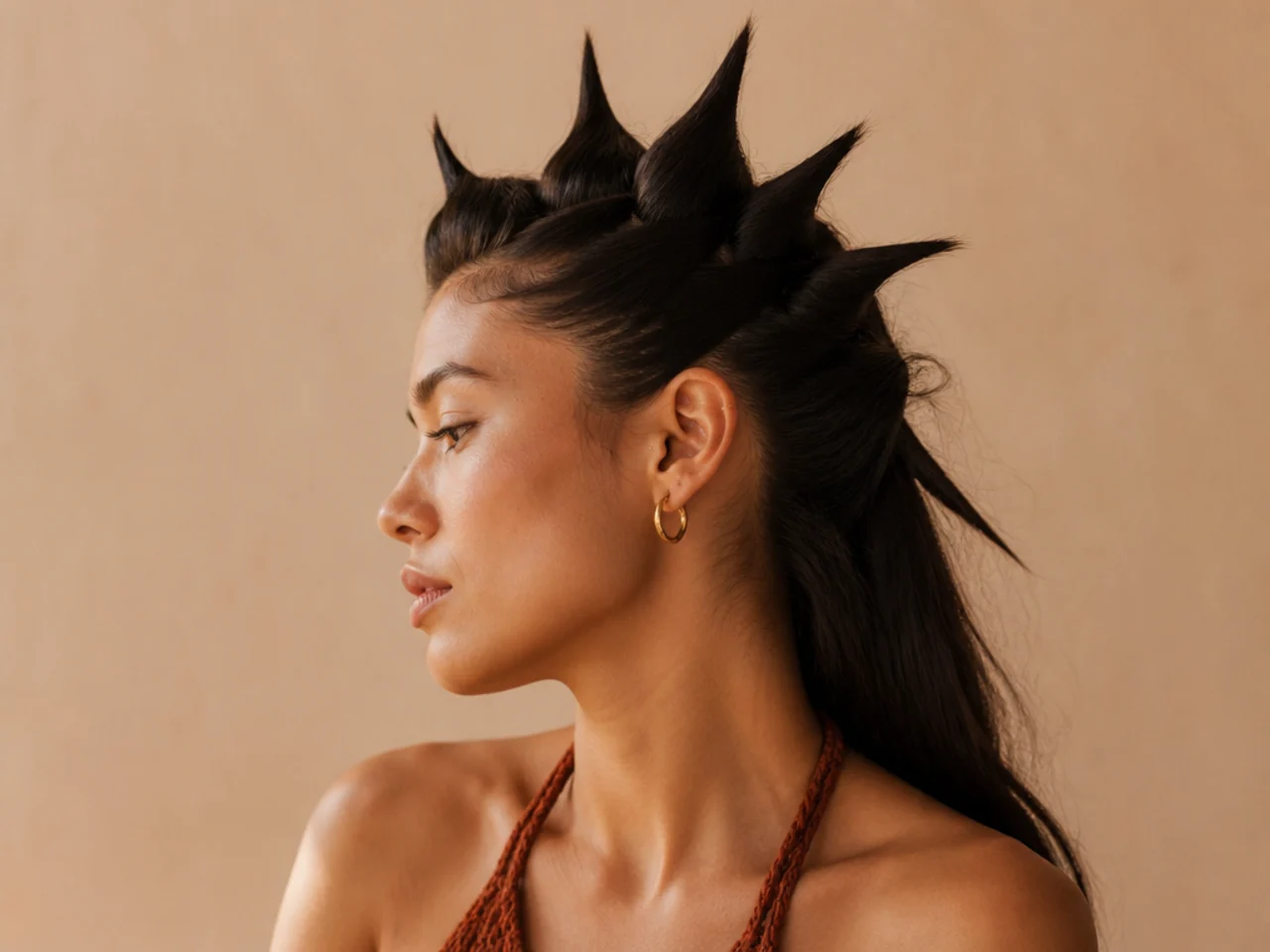
The crown lifted into separated points above a long back. It needs four to five inches on top, cut into distinct sections rather than one mass, and a matte clay worked in at the root. Any shine and the spikes read as a single lump instead of individual pieces.
2. Blunt Fringe Mullet
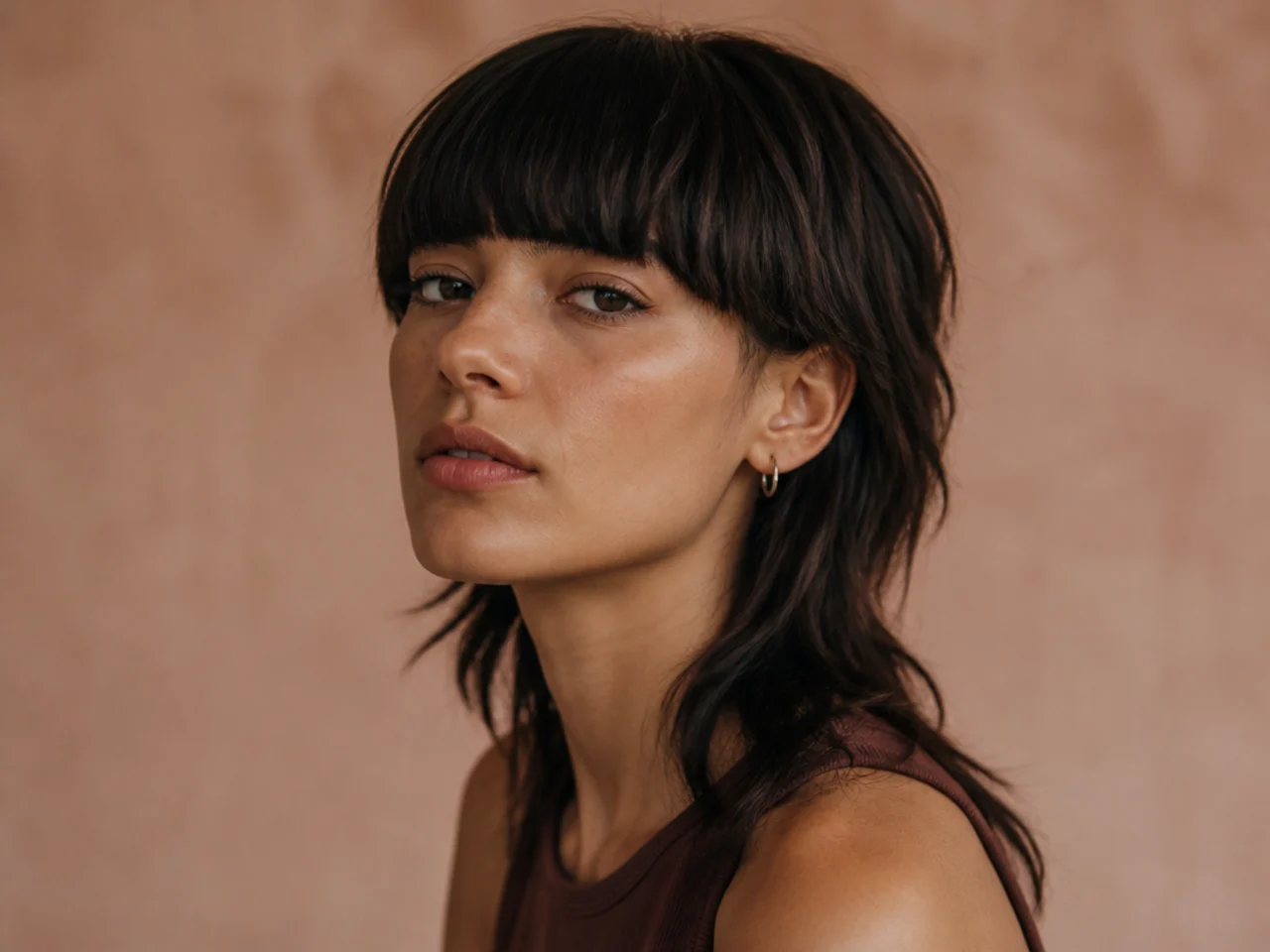
A fringe cut straight across at the brow with no texturising at all. Drawn hair ends in hard edges, so any point cutting softens the line and loses the effect. It is the single easiest anime shape to achieve because it depends on one cut rather than on styling.
3. Two Block Anime Mullet
The top left heavy and disconnected over clipped sides, with a visible step between them. The step is the point — drawn hair has no gradient anywhere, so any blending immediately moves the cut away from the reference.
4. Undercut Anime Mullet
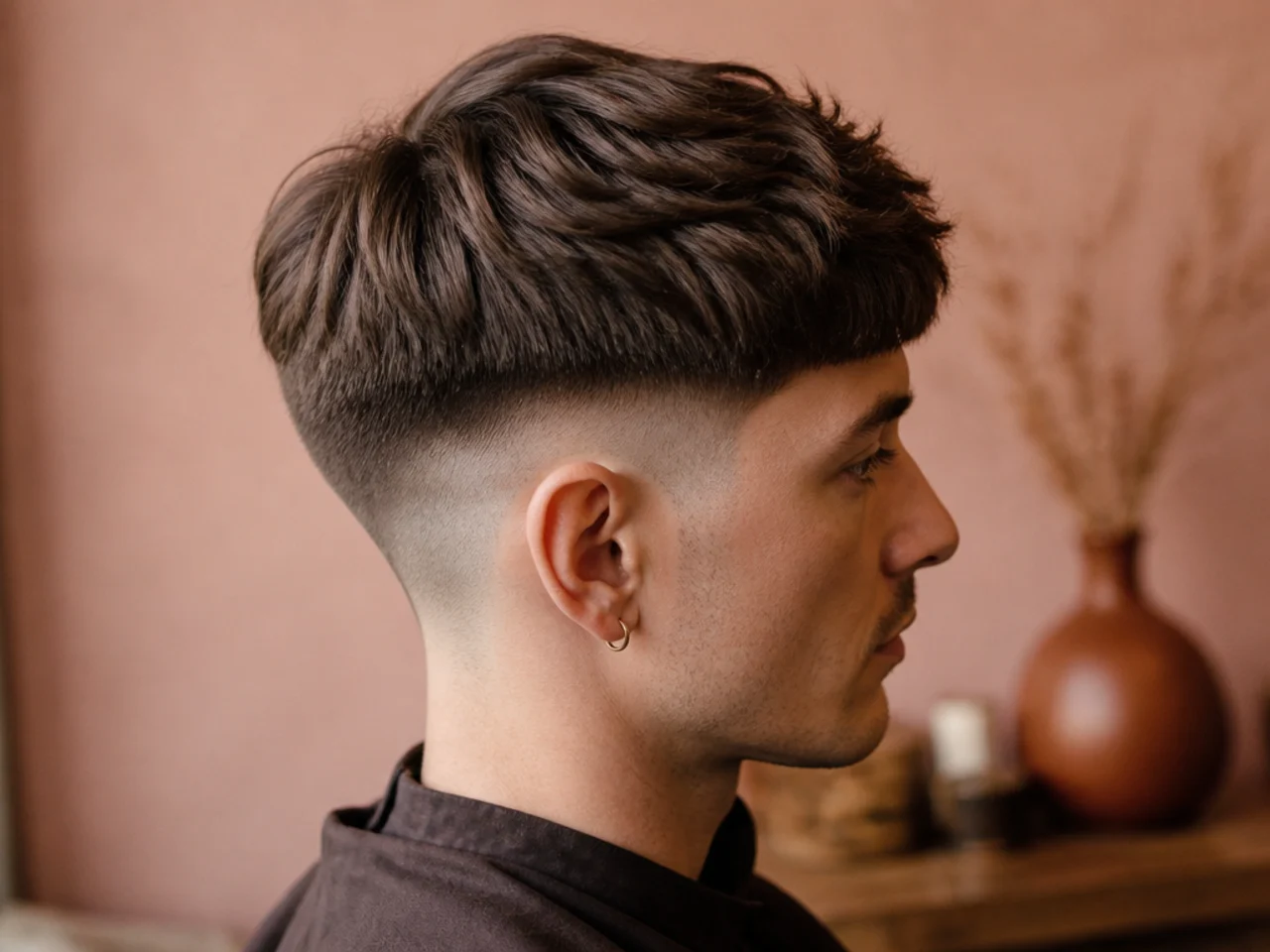
The sides removed entirely beneath a long top, so the top falls as a solid curtain over nothing. It is the closest real hair gets to a head drawn with no width at the sides, and it also removes the bulk that stops long top hair hanging straight.
5. Split Fringe Mullet
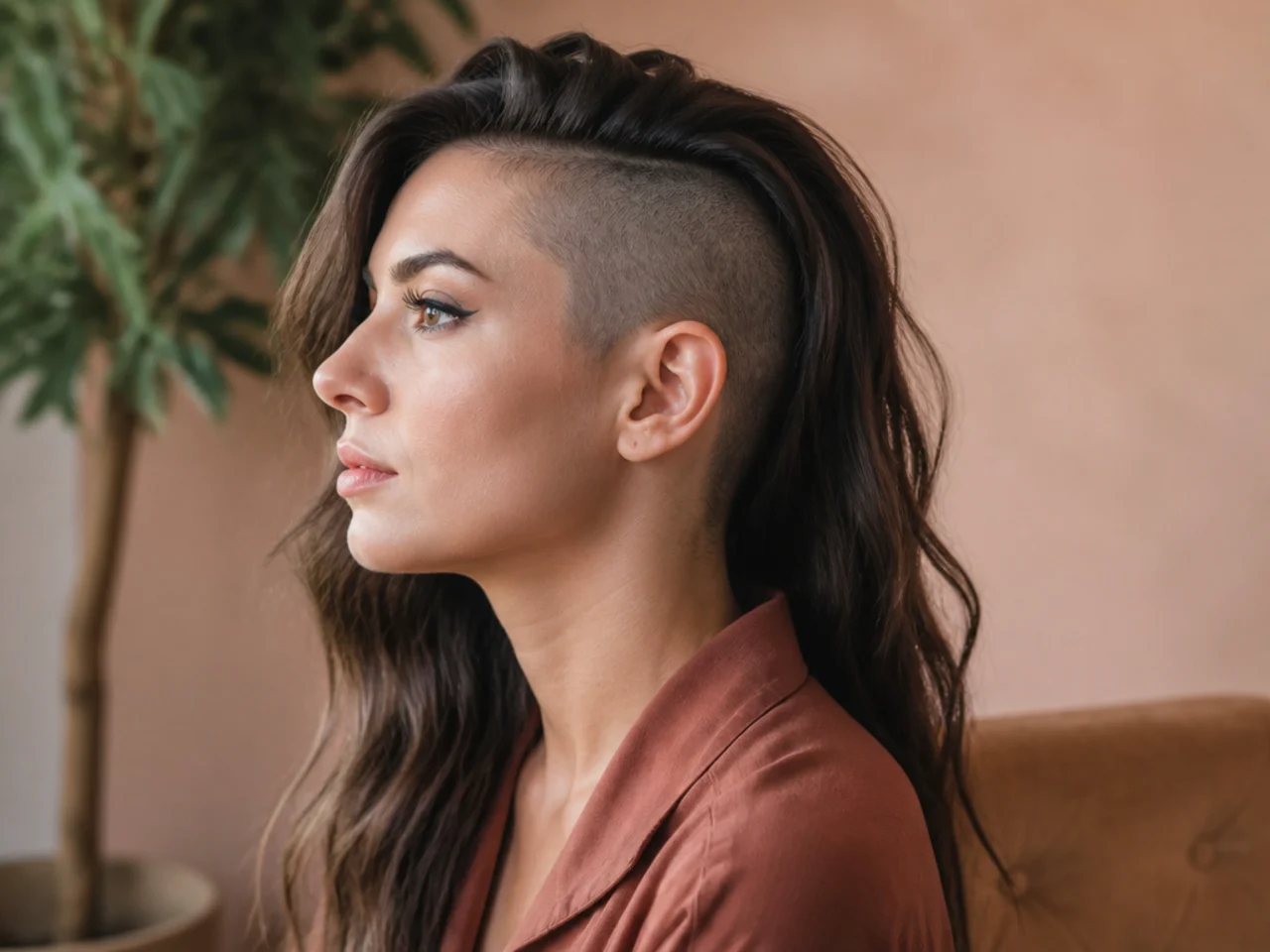
Parted at the centre into two heavy wedges that angle away from the face. It holds without product because the split follows the hair's natural fall, so each side is falling in the direction it already wanted to go.

6. Long Bang Anime Mullet
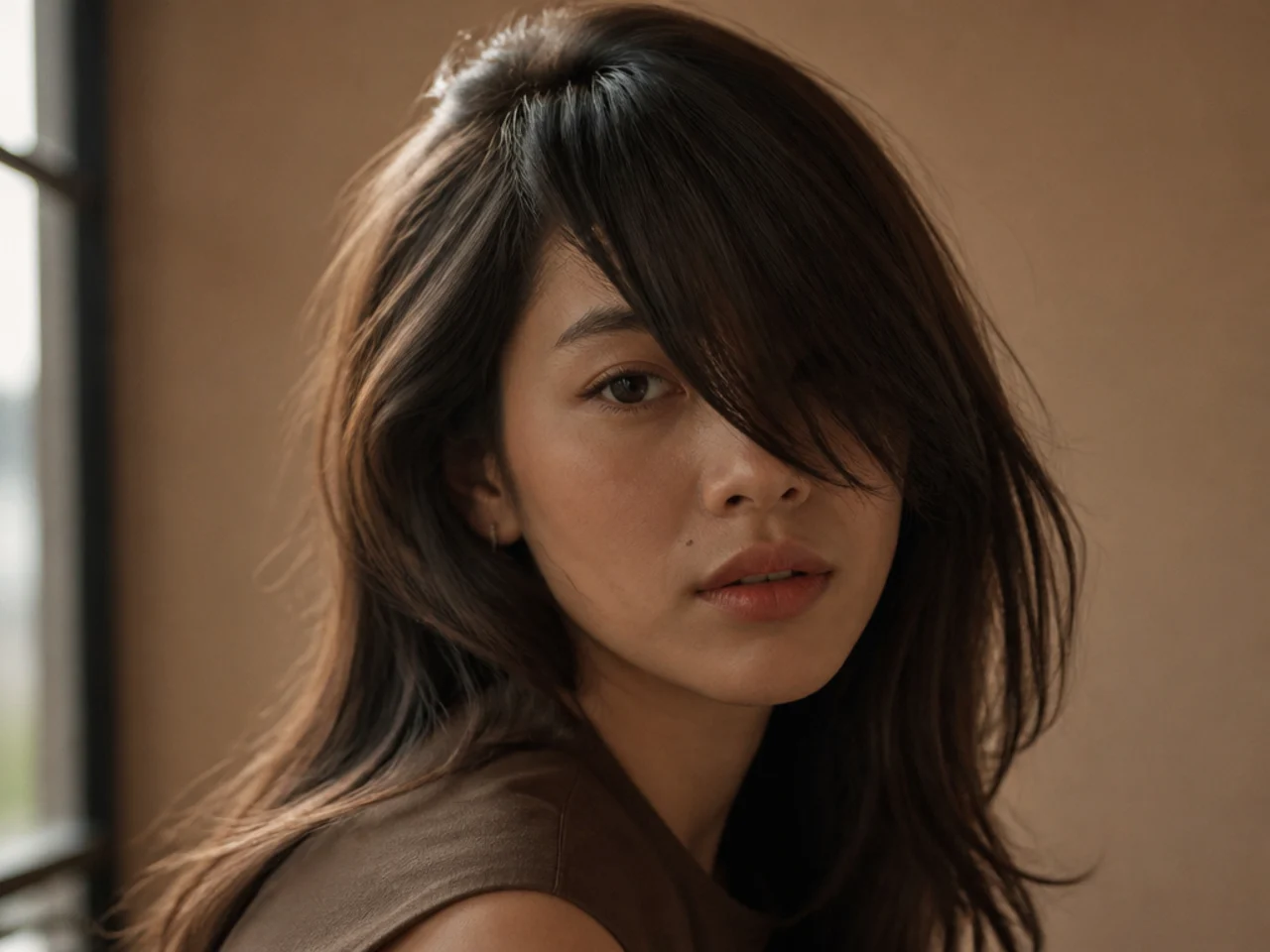
The fringe grown past the eye and cut on a steep diagonal so it forms a wedge rather than a curtain. The angle is what makes it read as drawn — a fringe cut level at that length just hangs.
7. Antenna Strand Mullet
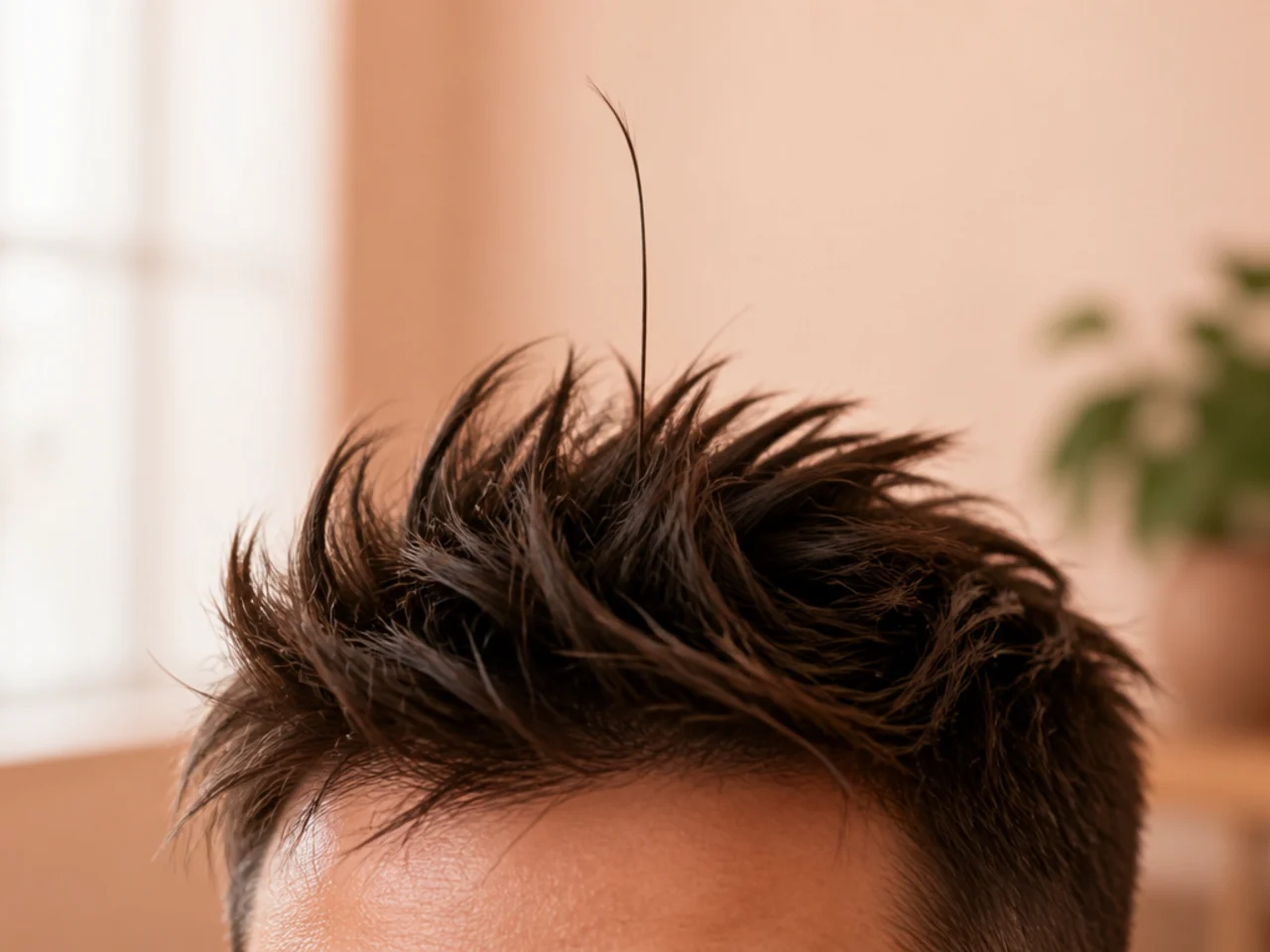
One or two strands standing above everything else. They only work if they are cut shorter than the hair around them, because a short section props itself up while a long one glued upright falls the moment the product softens.
8. Wolf Cut Anime Mullet
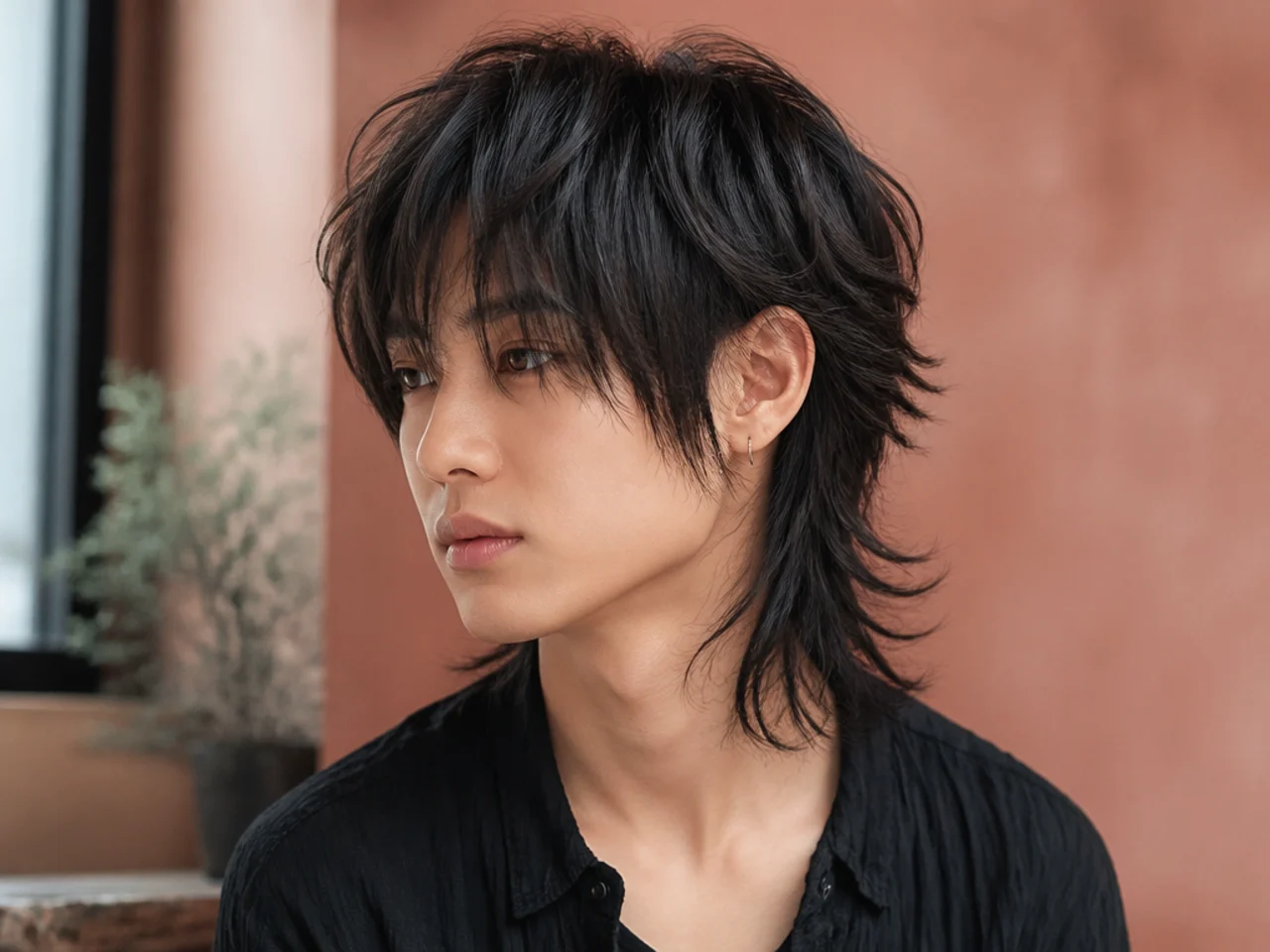
Heavy layering through the crown over a long tail, so the top stacks into visible tiers. The layers prop each other up, which is where the height comes from, and they need to stay at least four inches long or the crown puffs into a triangle.
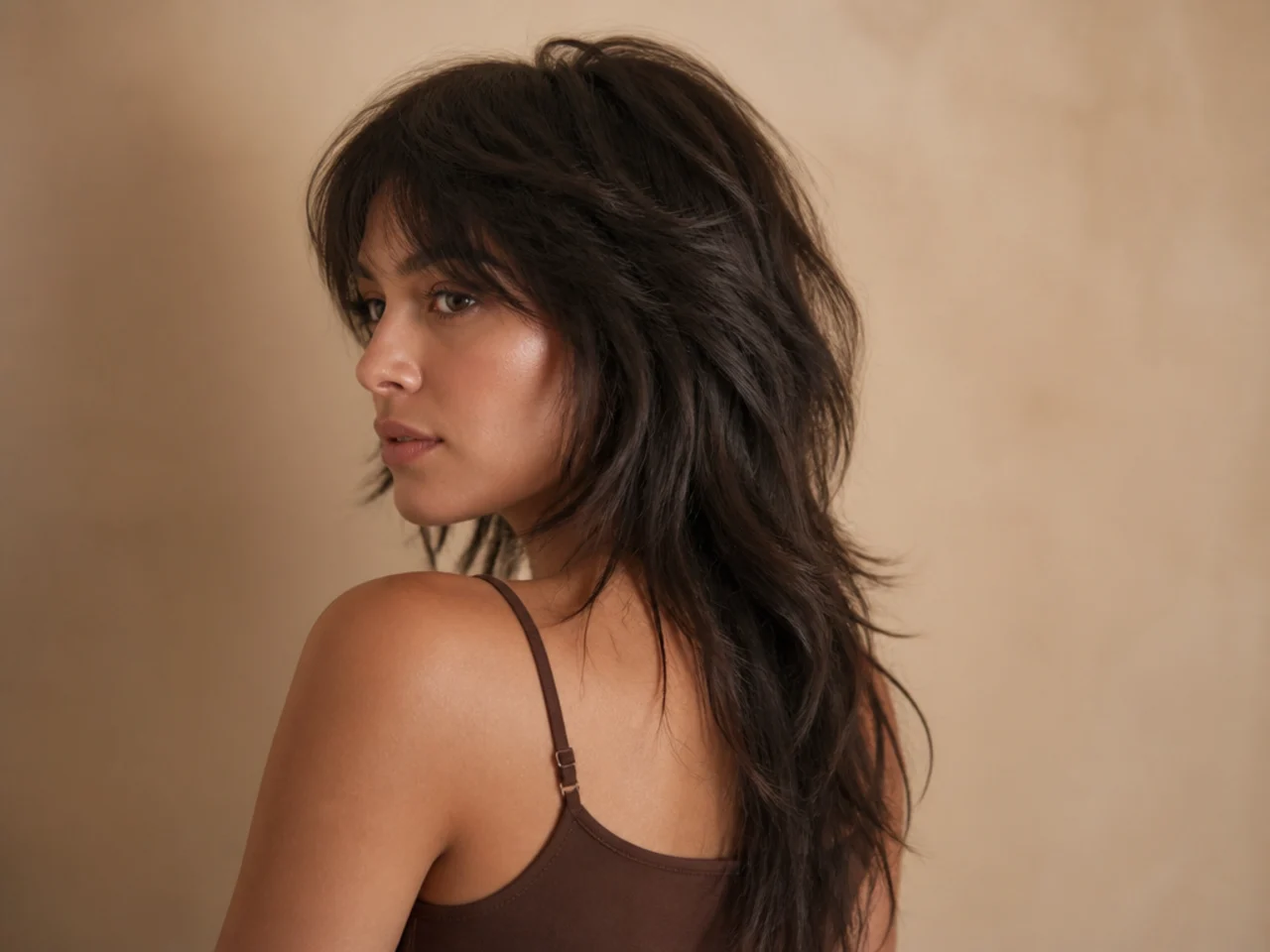
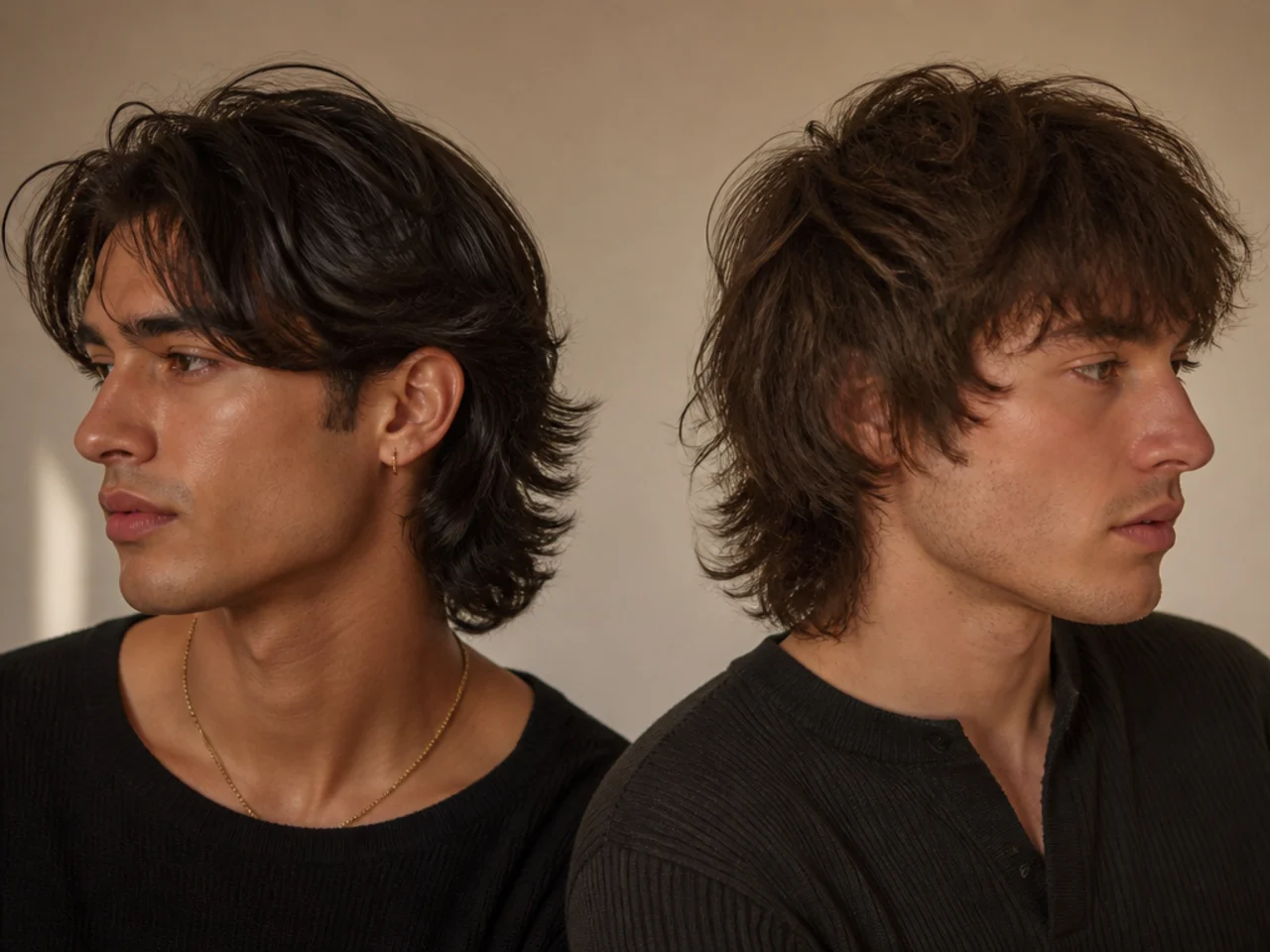
9. Feathered Tail Mullet
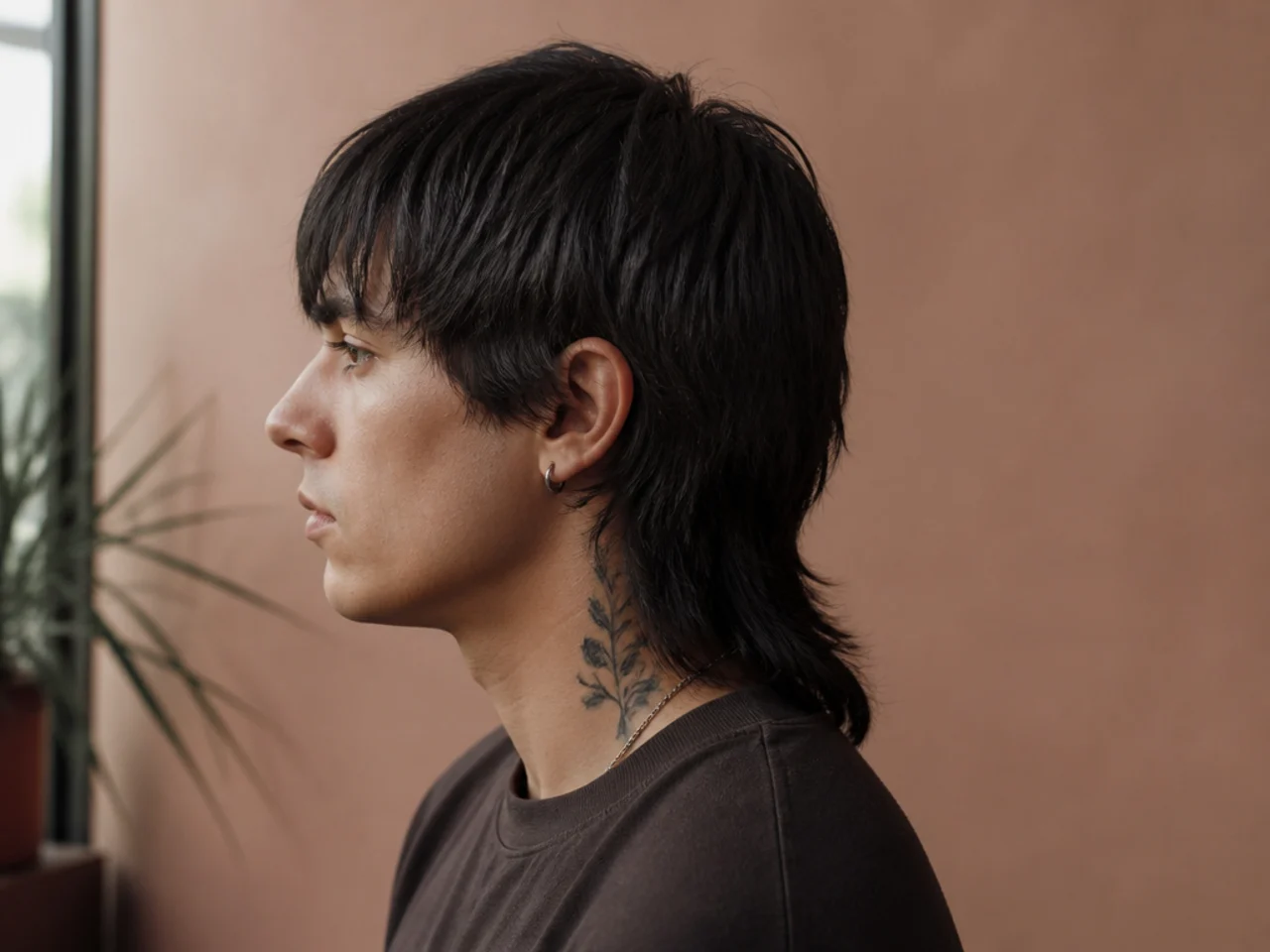
The tail point cut into fine strands so the outline breaks into separate tips rather than a straight hem. That broken edge is how drawn hair almost always ends, and it is the detail that makes a long back read as illustrated rather than simply long.
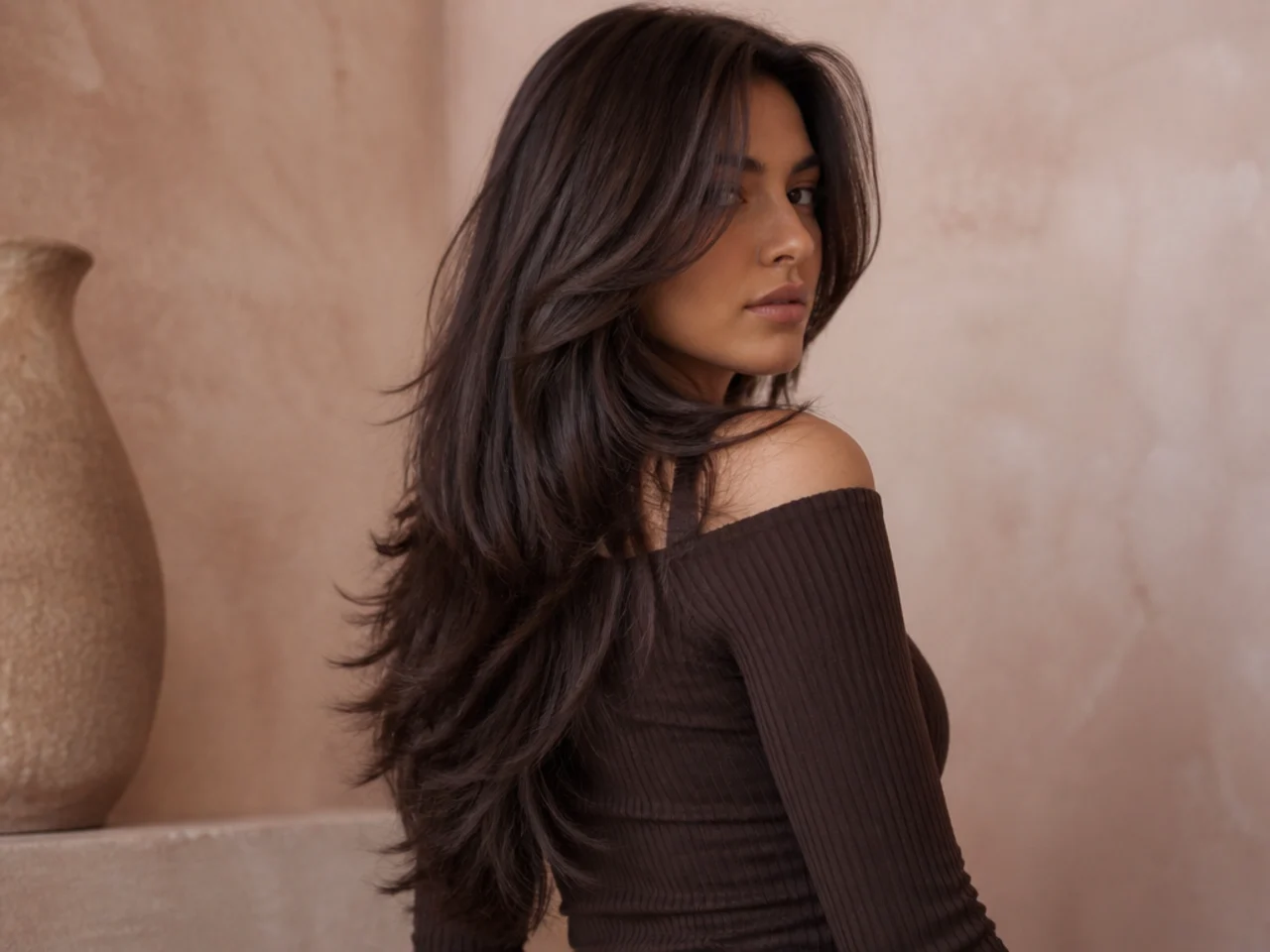
10. Blunt Tail Mullet
The opposite decision — the tail cut straight across in one hard line. It reads graphic and holds its shape far longer, since a blunt edge softens gradually where feathered ends lose their points within a few washes.
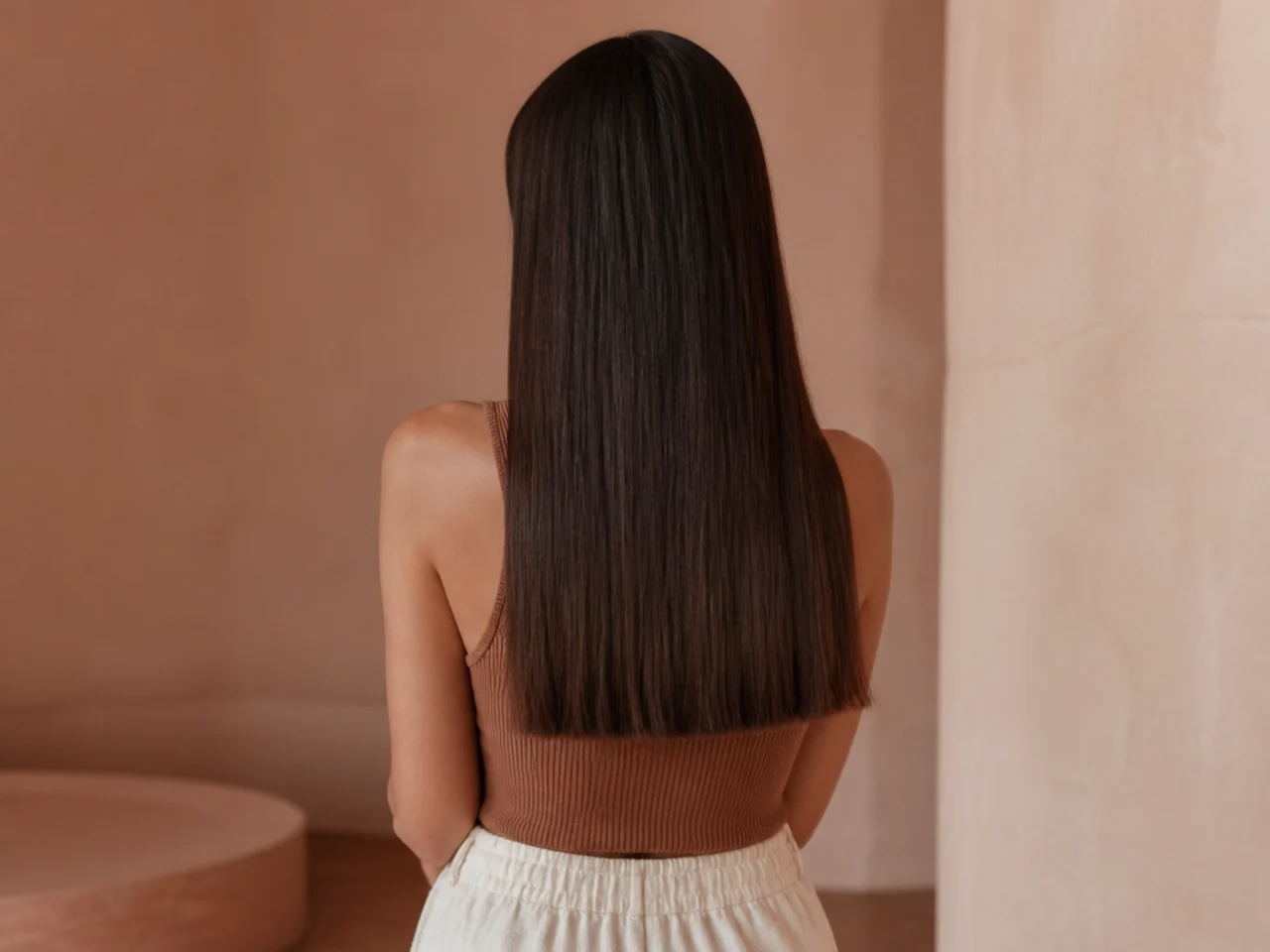
11. Slicked Back Anime Mullet
The top swept back into one continuous plane. This is the one shape that wants a high hold gel rather than clay, because pressing hair flat against the head needs something that sets hard, and matte products have no hold once the hair is under tension.
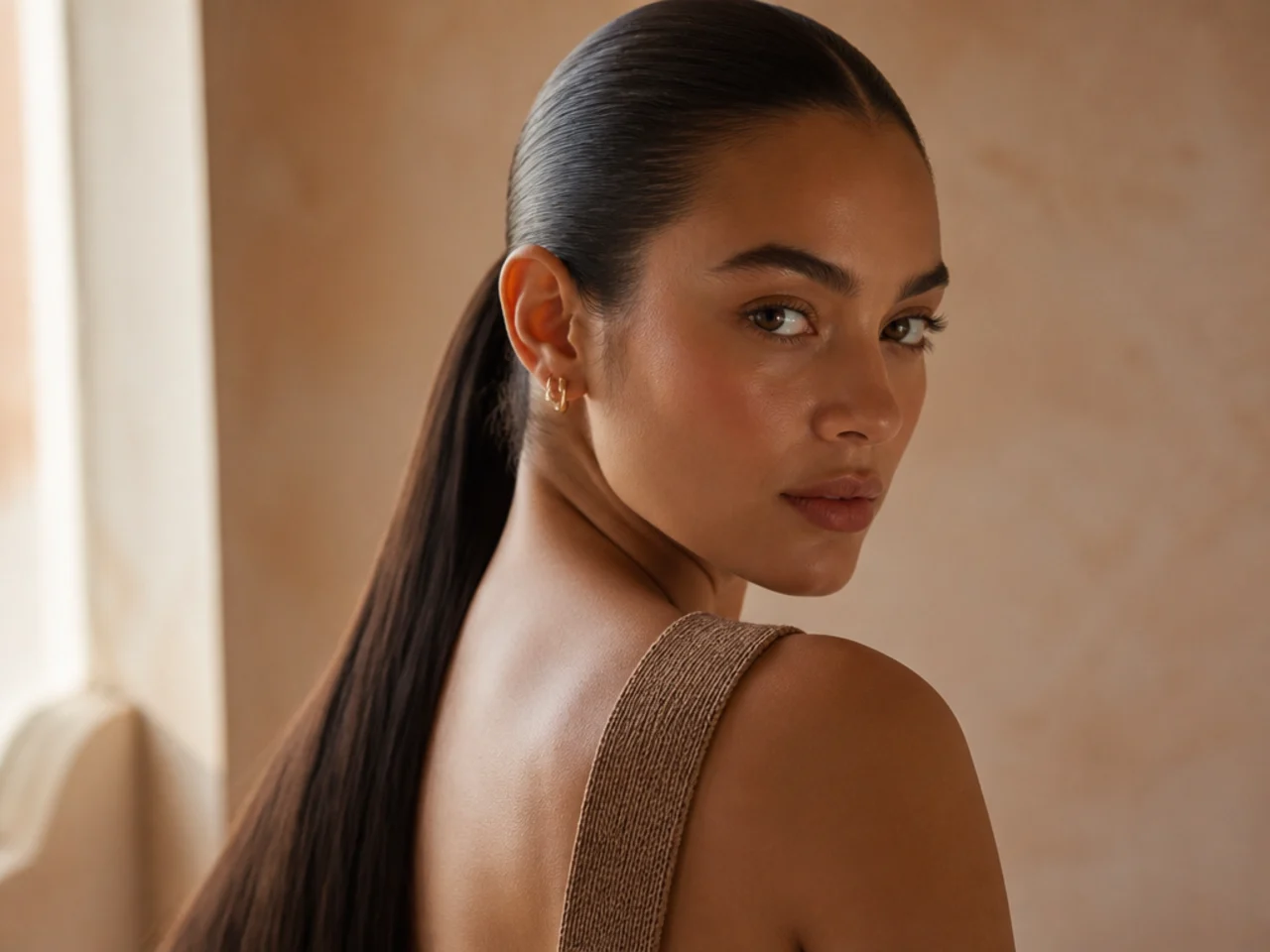
12. Sharp Sideburn Mullet
Sideburns cut to a hard point with a trimmer rather than left square. The angle is what places the shape as drawn, and it regrows into visible stubble within about ten days, so it commits you to a fortnightly tidy.
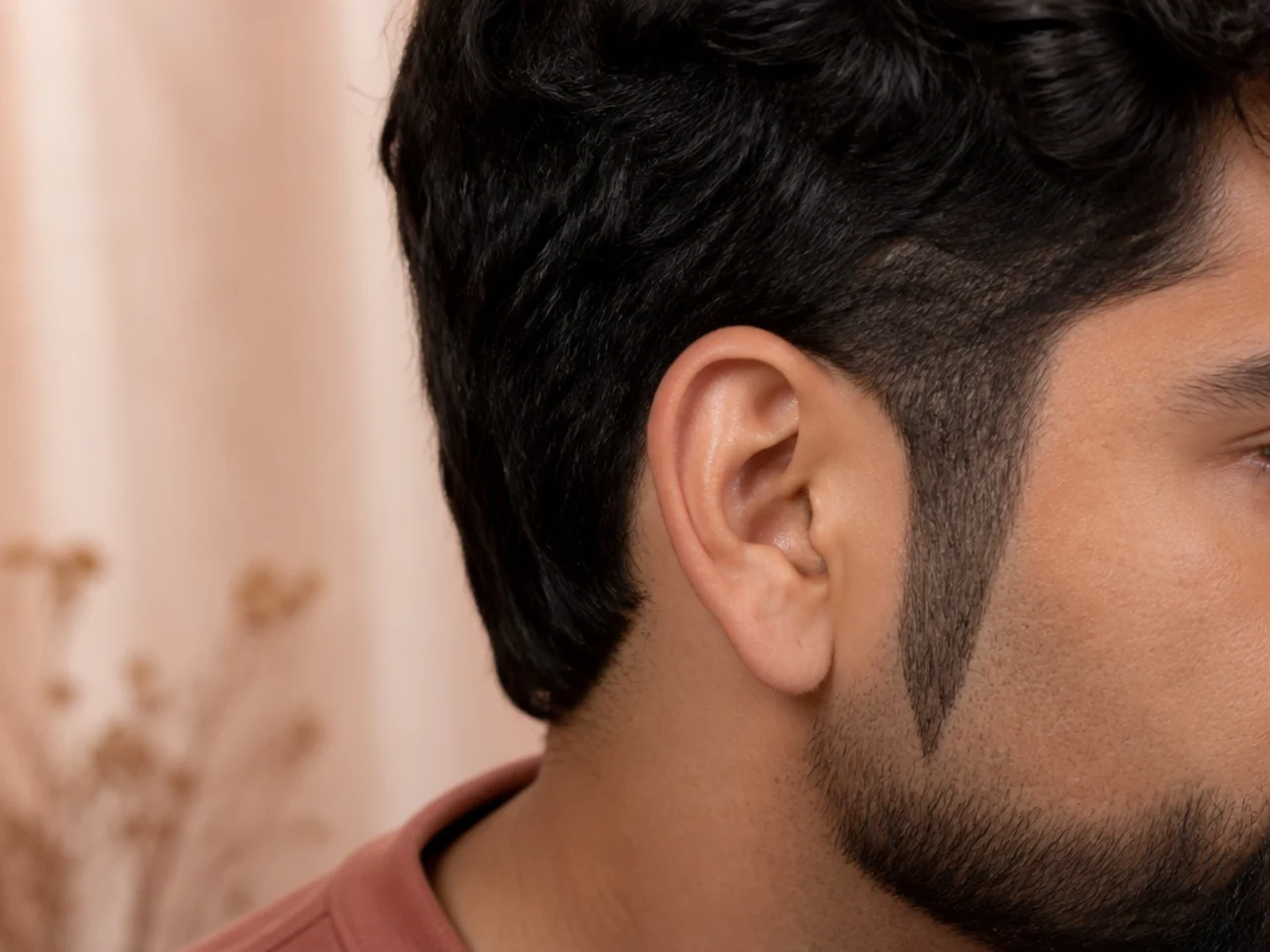
13. Silver Anime Mullet
Reaching a true silver from dark hair means lifting to a level ten and toning out every trace of warmth. Bleached hair also holds a shape better than virgin hair, because the roughened cuticle creates friction between strands, which is why pale anime shapes look easier to hold than dark ones.
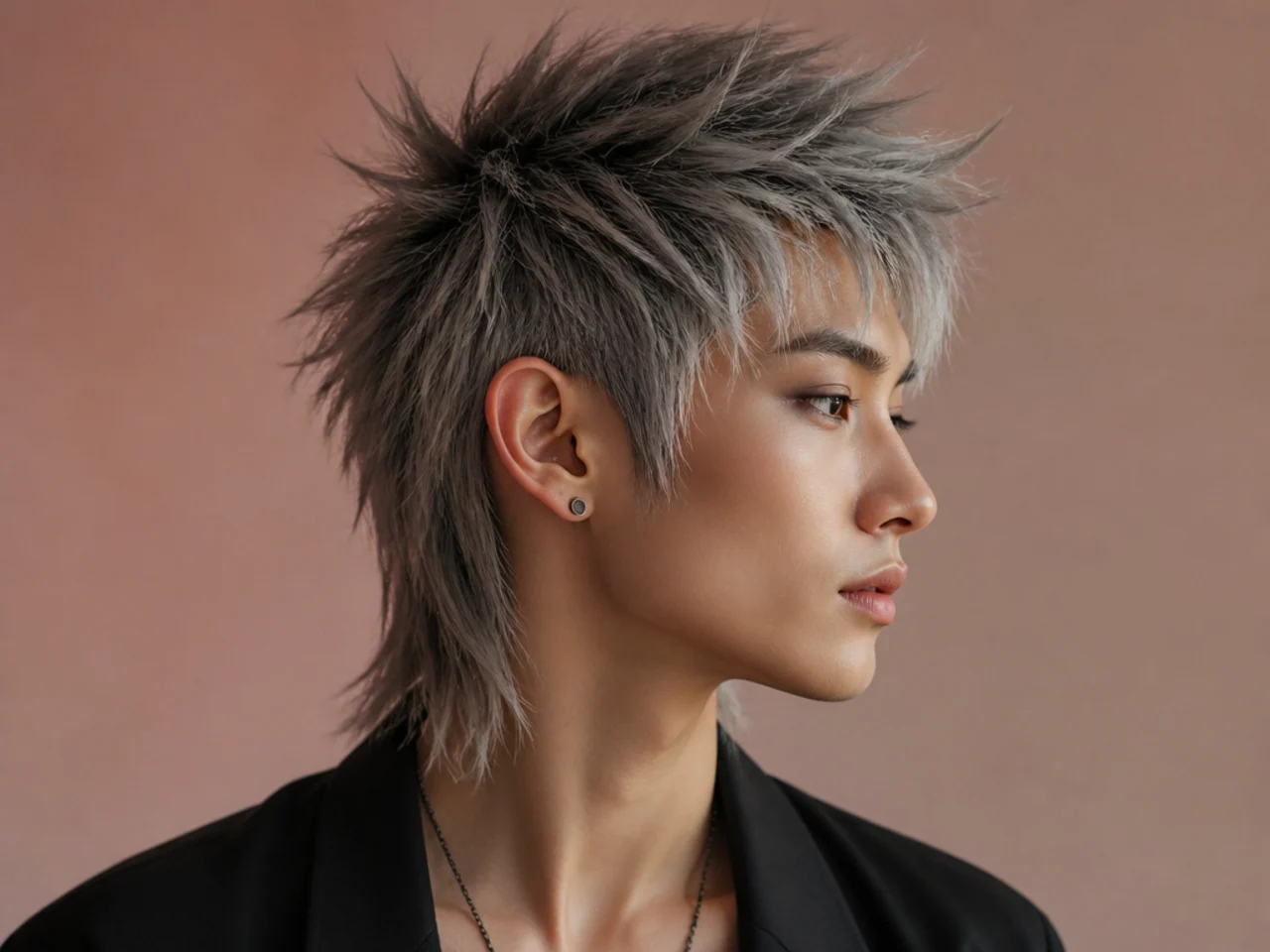
14. Ash Blue Anime Mullet
Blue over a properly lifted base. If any yellow is left in the hair the blue turns green, which is basic colour mixing rather than bad luck, so the lift has to reach pale before the colour goes anywhere near it.
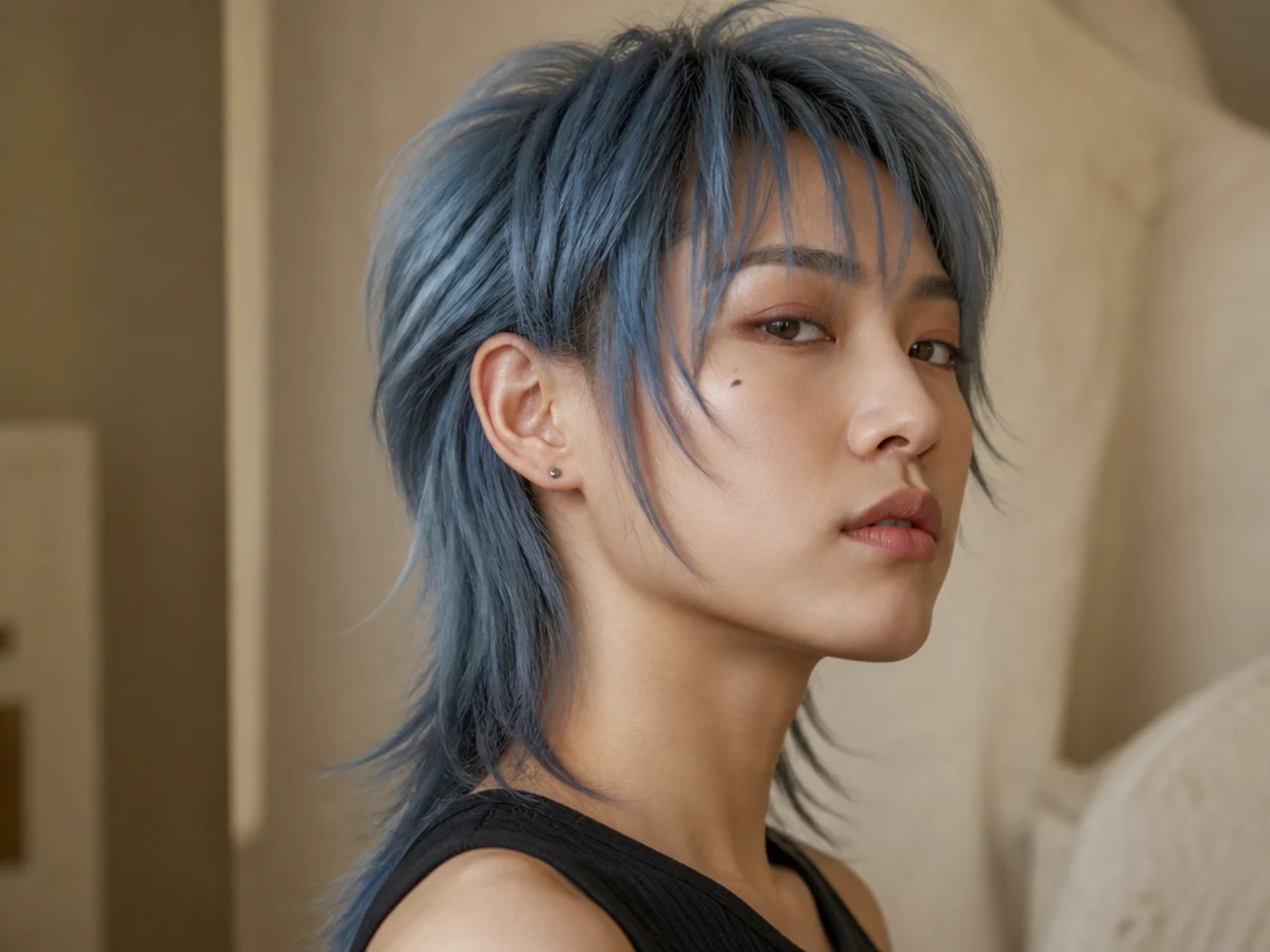
15. Bleached Fringe Mullet
Only the front section lightened, leaving the rest dark. The eye reads a colour change as a separate plane, which is exactly how drawn hair uses blocks of tone to imply shape, and it costs a fraction of a full head of bleach.
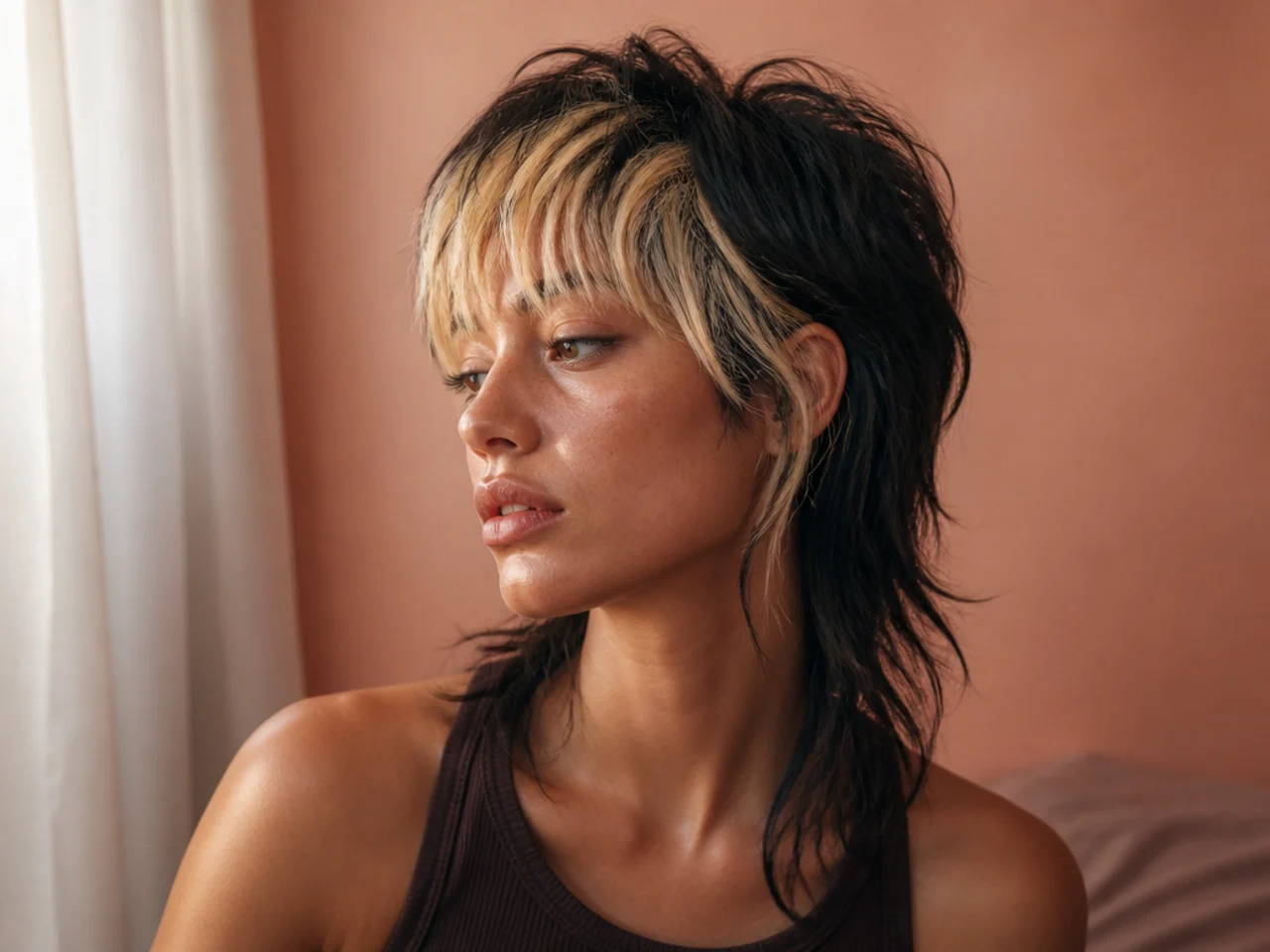
16. Anime Mullet With a Skin Fade
The sides taken to bare skin for the hardest contrast available, since skin reflects light where hair absorbs it. It matches the drawn version most closely and it blurs fastest, with visible stubble inside one to two weeks.
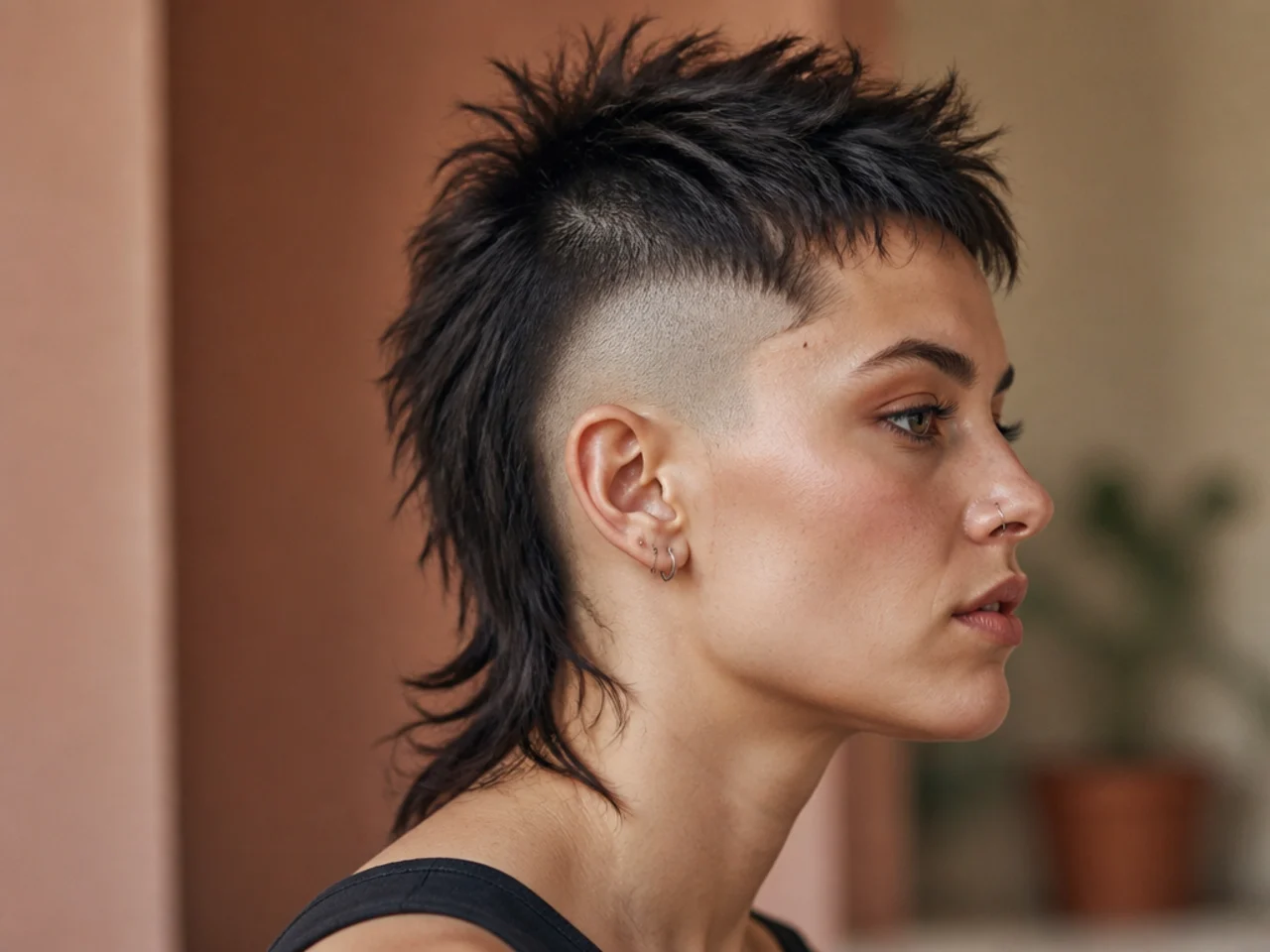
17. Anime Mullet With a Taper
A taper shortens gradually and finishes with hair still on the head, usually around a number one at three millimetres. It gives less contrast than skin but still reads correctly at three to four weeks, which is double the useful life of a fade.
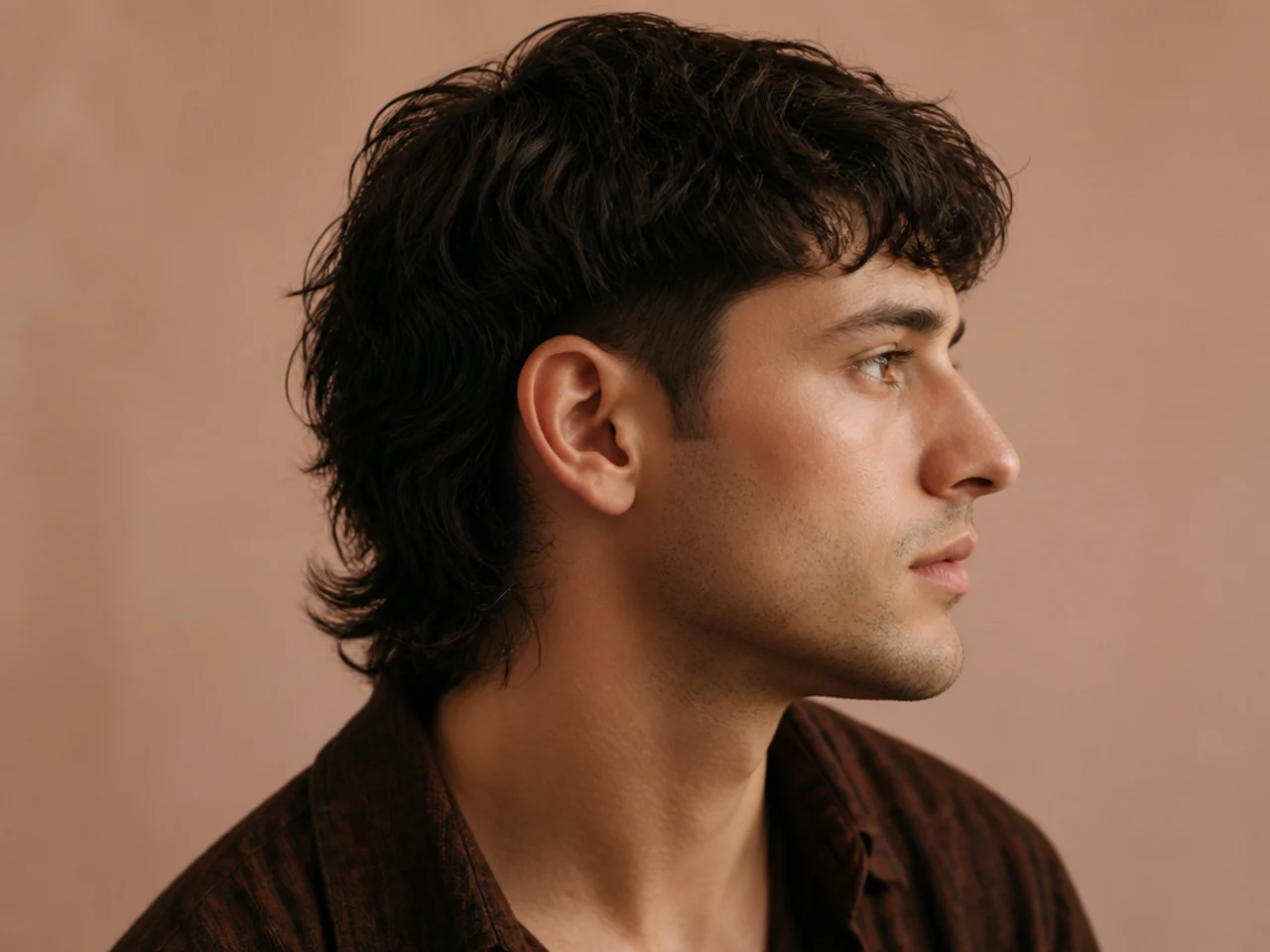
18. Anime Mullet on Straight Hair
The closest real match to a drawn line, because a straight strand sits in one direction with no bend to scatter the light. That also makes it unforgiving — every uneven cut edge shows as an edge rather than as shadow.
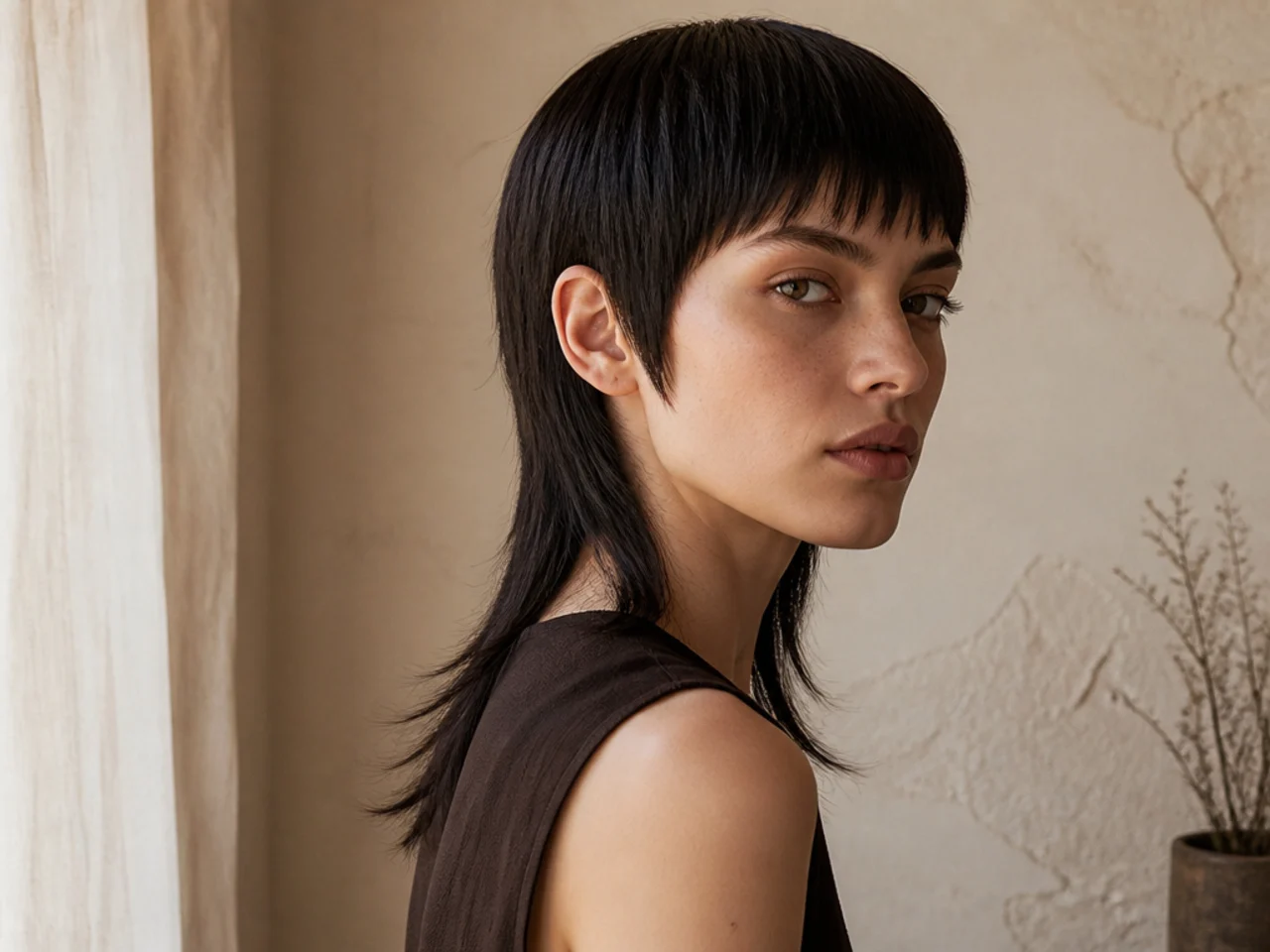
19. Anime Mullet on Wavy Hair
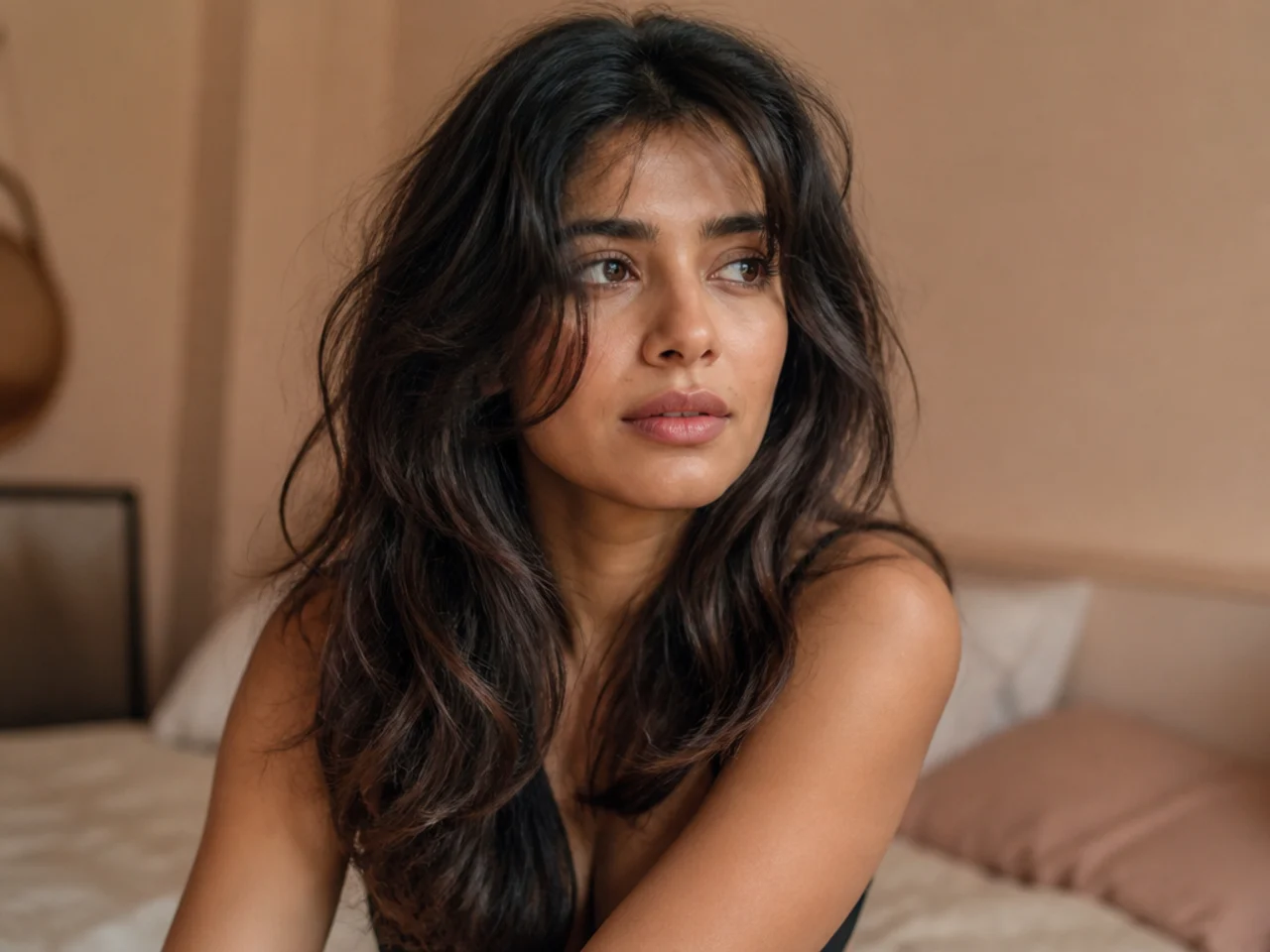
A wave breaks a wedge apart before it can form, so the blocky shapes never quite arrive. The feathered and layered versions suit it instead, since the bend does the separation work that product has to do on straight hair.
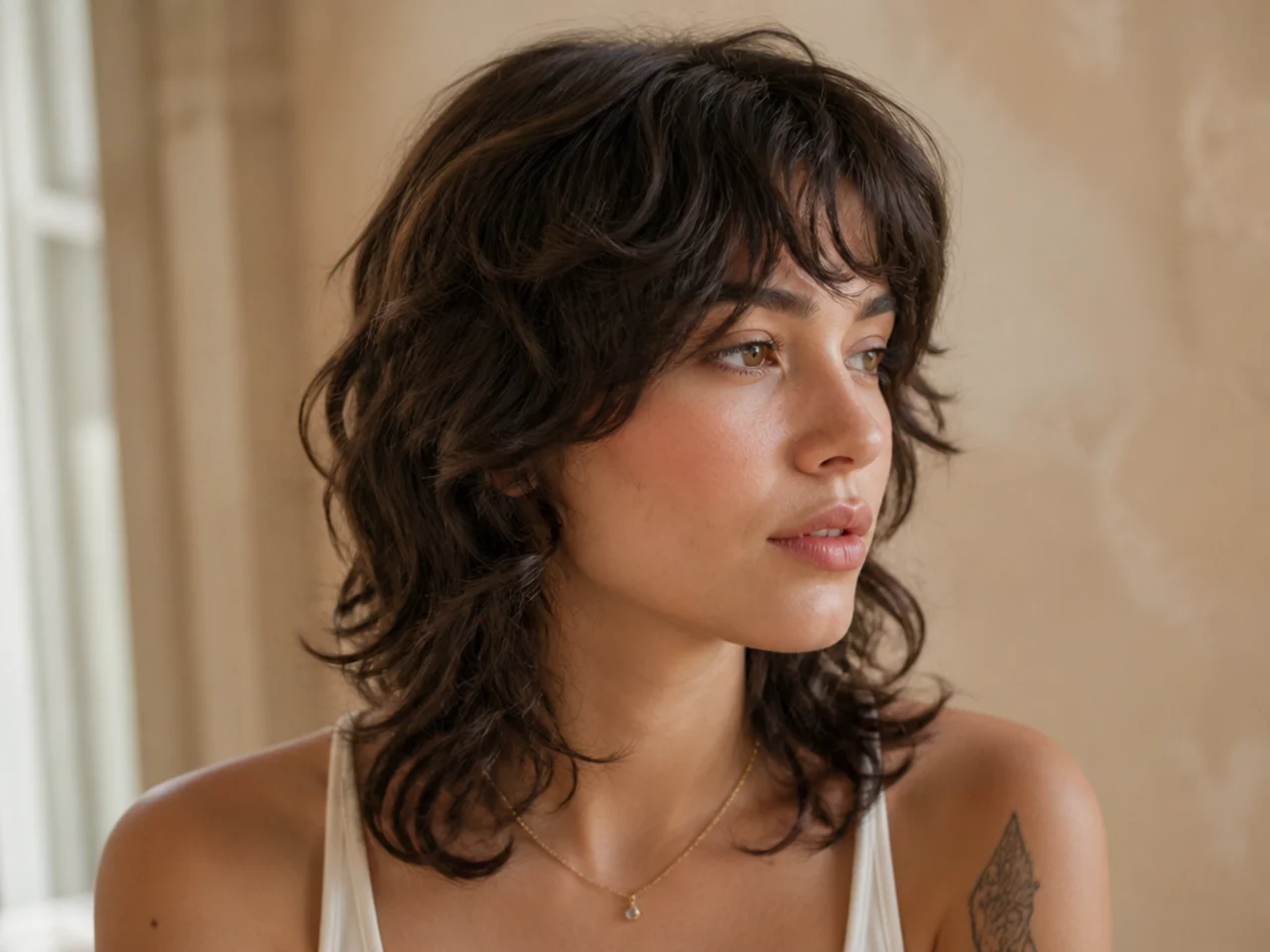
20. Grown Out Anime Mullet
Six to eight weeks on, the top has softened into a shag and the outline has lost its corners. Because these shapes live on the silhouette, it is the outline that needs recutting rather than the length — a perimeter tidy restores most of the look.
Styling and Upkeep
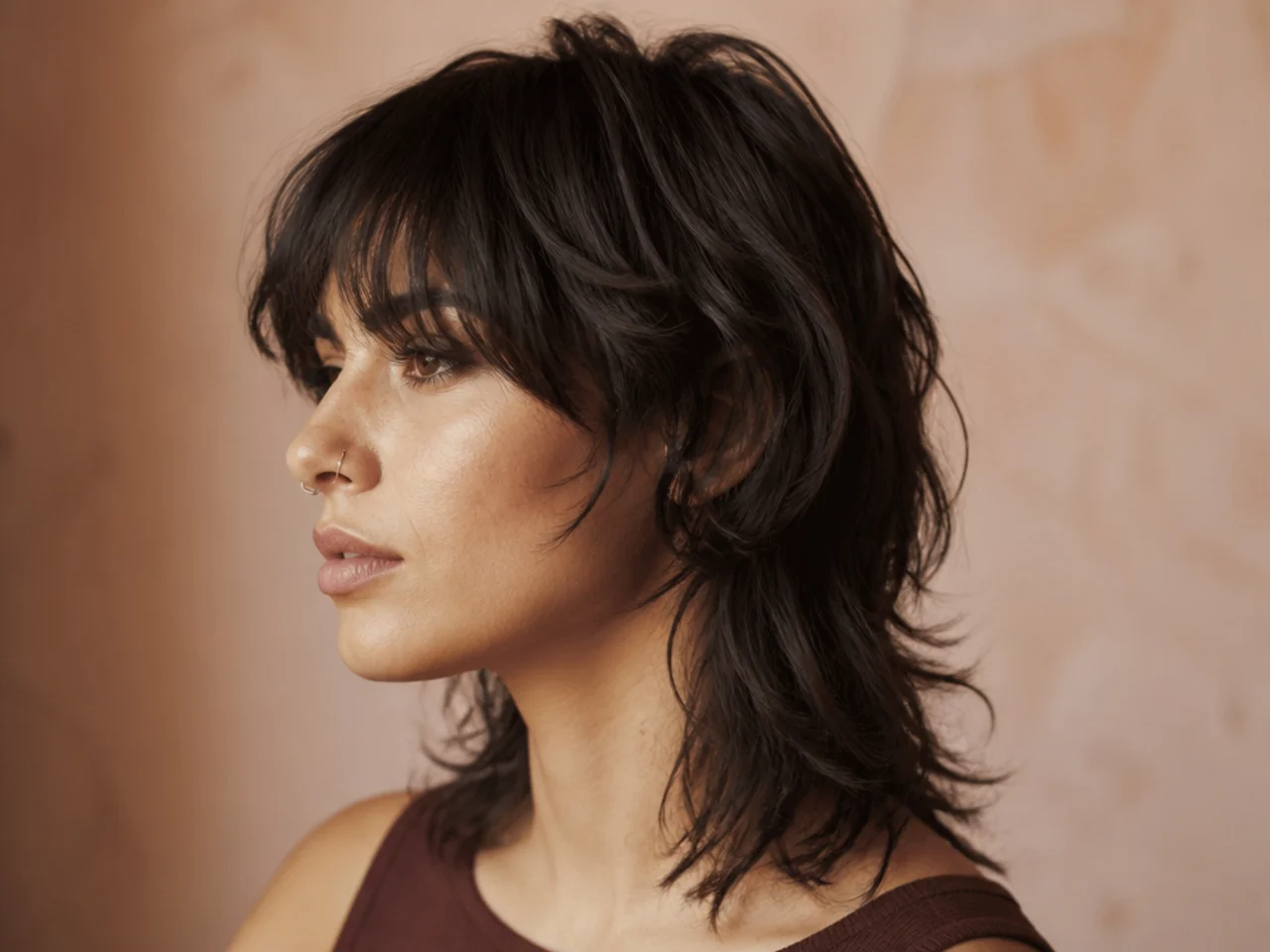
Use a matte clay, not a pomade. Shine reflects light across the whole head in one sheet and merges the separated pieces you cut for.
Work product into dry hair. Damp hair clumps as it dries and sets that way, which is the opposite of the separation these shapes need.
Build the shape from the roots. Height comes from lifting hair at the base, not from pulling at the ends, where there is nothing to push against.
Recut the outline before the length. The silhouette is what carries these cuts, so the perimeter is the part that needs attention every four to six weeks.
Keep the fringe on its own schedule. It is the shortest piece and the first to lose its edge, usually at around three weeks.
Mistakes to Avoid
Copying a drawn shape onto fine hair. Spikes need enough hair per section to stand up, and fine hair collapses under its own weight first.
Texturising a blunt fringe. The hard edge is the entire effect, and point cutting removes it in one pass.
Blending the sides into the top. Drawn hair has no gradient anywhere, so a soft blend moves the cut straight back to an ordinary mullet.
Blue over an under lifted base. Leftover yellow plus blue is green, and no amount of extra colour fixes it.
Growing the top past six inches. Beyond that the weight of the hair beats any product, and the shape falls flat by mid afternoon.
FAQ
How much length on top? Four to five inches for the spikes, less for the flat shapes.
Which product? Matte clay for separation, gel only for the slicked back version.
Does it work on fine hair? The flat shapes yes, the tall shapes no.
Final Thoughts
The cut gives you the outline and the finish gives you the separation, and most attempts get the first right and skip the second. A sharp perimeter with a shiny product on top looks like an ordinary mullet from three feet away.
Match the shape to what your hair can physically hold — spikes need density, edges need nothing but a clean line — and recut the outline before the length. See also mullet hair and mullet haircut. More in Mullet and Wolf Cut.