20 Mid Length Haircut Ideas With Layers
Twenty layered cuts at collarbone length, and the two numbers that separate all of them. Where the shortest layer starts, and how far the hair is lifted before it is cut. Every named cut on the internet is that pair at different settings.
In this article · 28
- What Counts as Mid Length
- Named Layer Cuts Compared
- Layers by Face Shape
- Layers by Hair Type
- How to Ask Your Stylist
- Mistakes and Growing Out
- The 20 Layered Mid Length Ideas
- 1. Long Invisible Layers
- 2. Face Framing That Starts at the Jaw
- 3. Curtain Bangs With Layers
- 4. Butterfly Cut
- 5. Hush Cut
- 6. Wolf Cut
- 7. Modern Shag
- 8. 90s Layers
- 9. U Shape Layers
- 10. V Cut Layers
- 11. Razored Choppy Layers
- 12. Long Layers on Fine Hair
- 13. Curl by Curl Dry Cut
- 14. Beachy Piecey Layers on Wavy Hair
- 15. Blunt With Hidden Layers
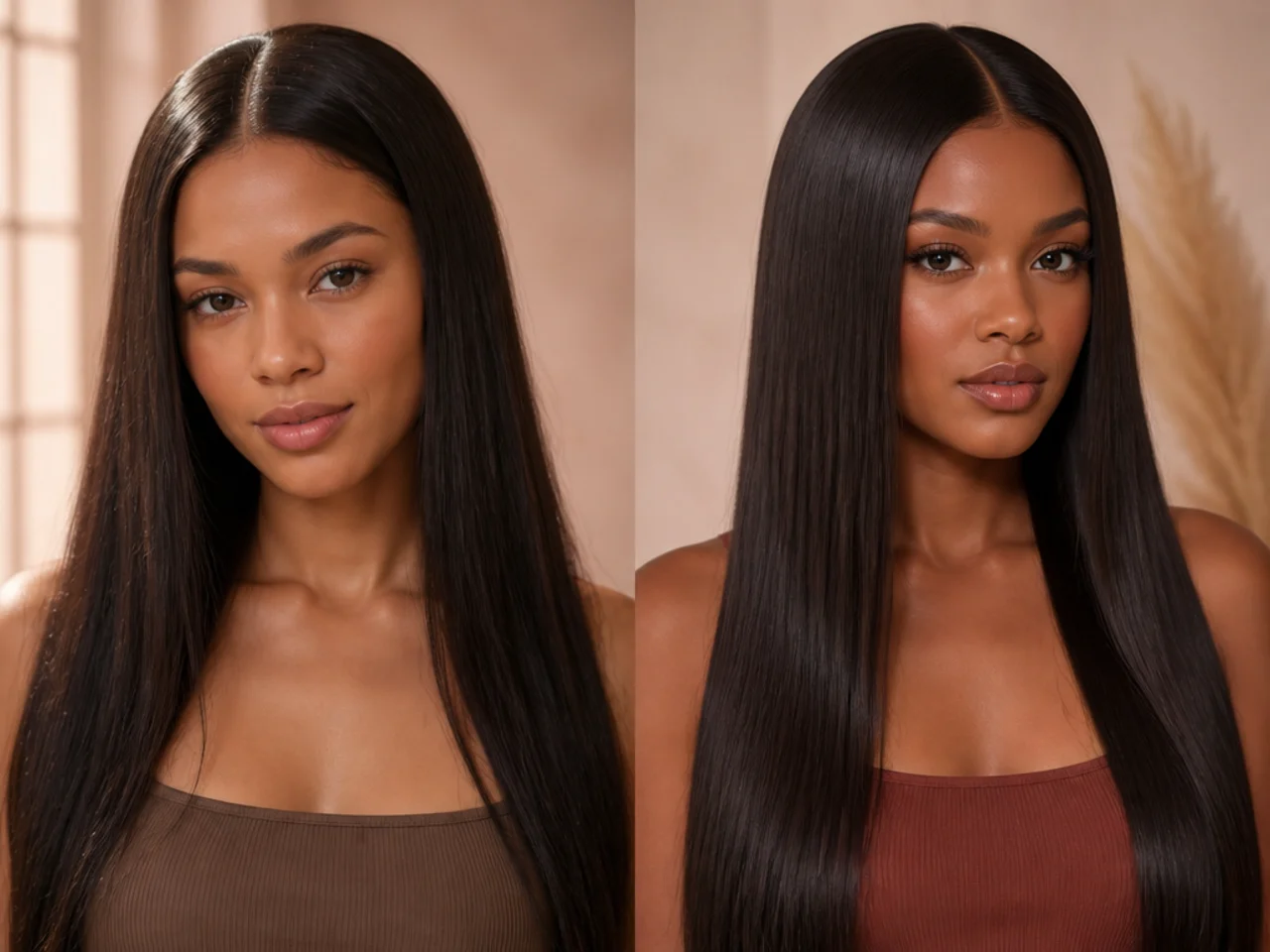
- 16. Feathered Layers on Straight Hair
- 17. Bottleneck Fringe
- 18. Money Piece Layers
- 19. Layered Lob With Flipped Ends
- 20. Grown Out Layers
- Final Thoughts
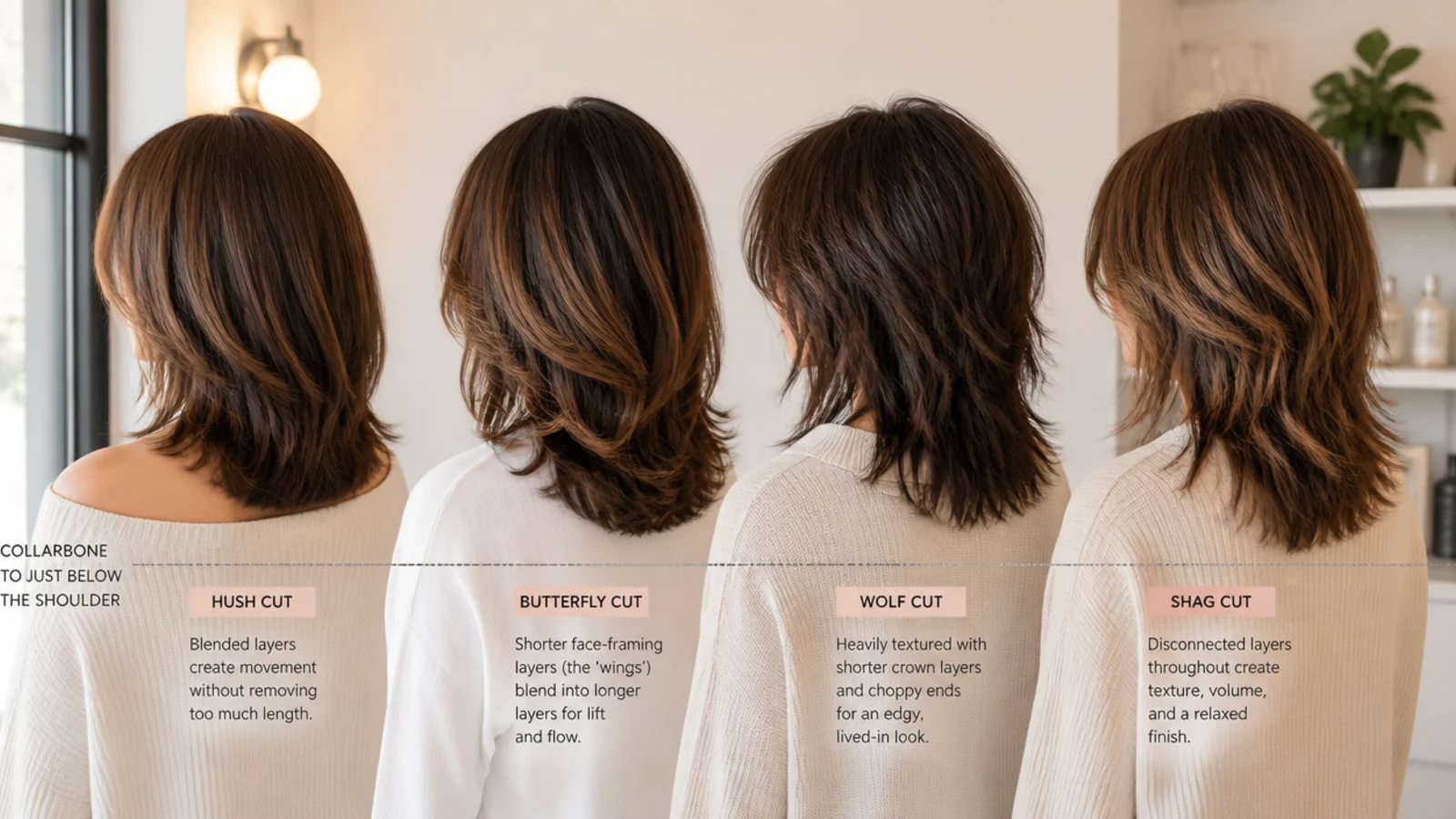
Butterfly, hush, wolf and shag are not four different haircuts. They are one technique at four settings, and once you can read the settings you stop needing the names.
The first number is where the shortest layer starts. Chin, cheekbone, crown or collarbone. That landmark alone separates most of the cuts people bring to a salon on a phone screen.
The second is elevation, meaning how far the hair is lifted off the head before it is cut. Low elevation stacks weight and keeps the shape solid. High elevation spreads it out and removes it.
What Counts as Mid Length
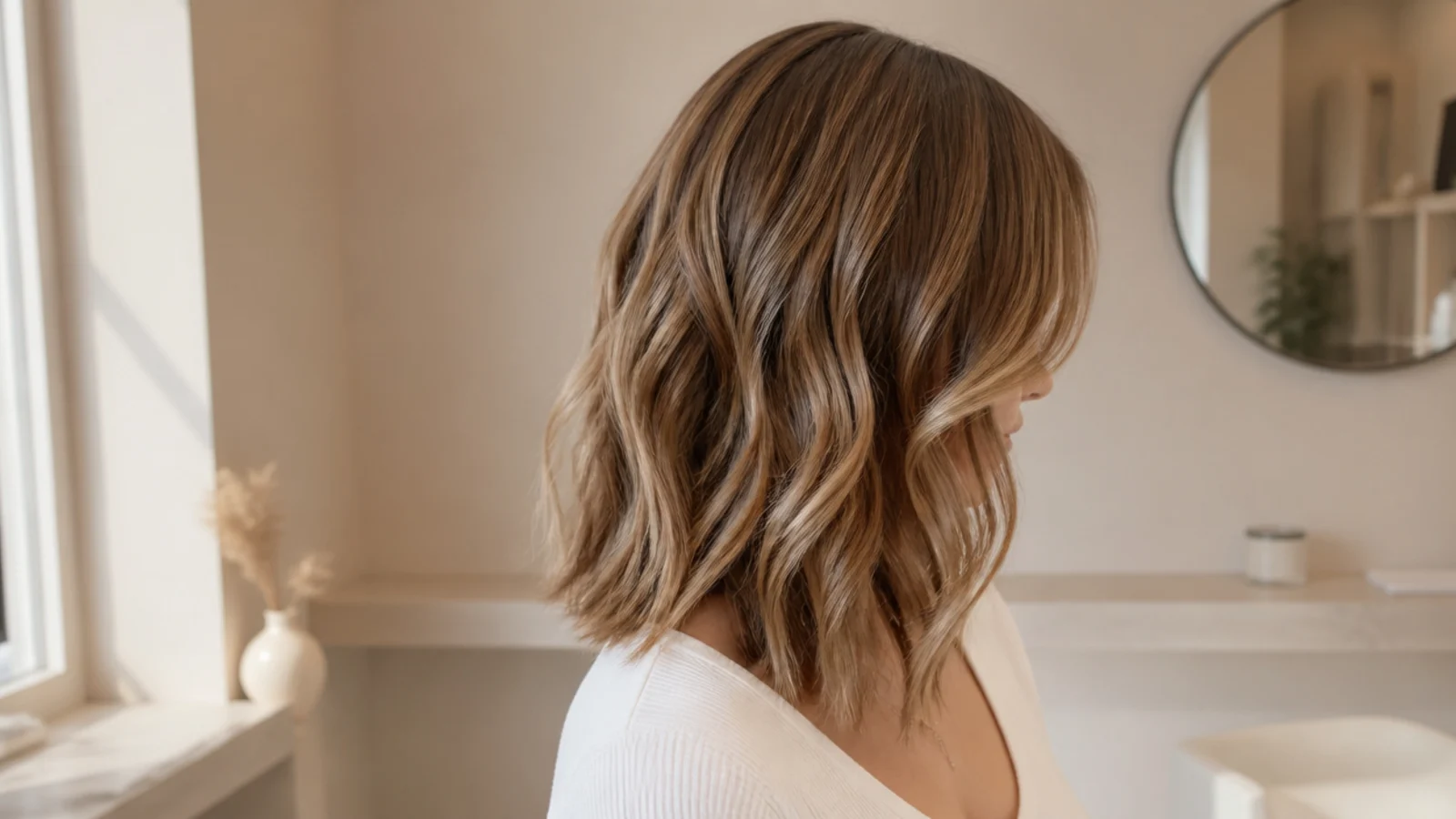
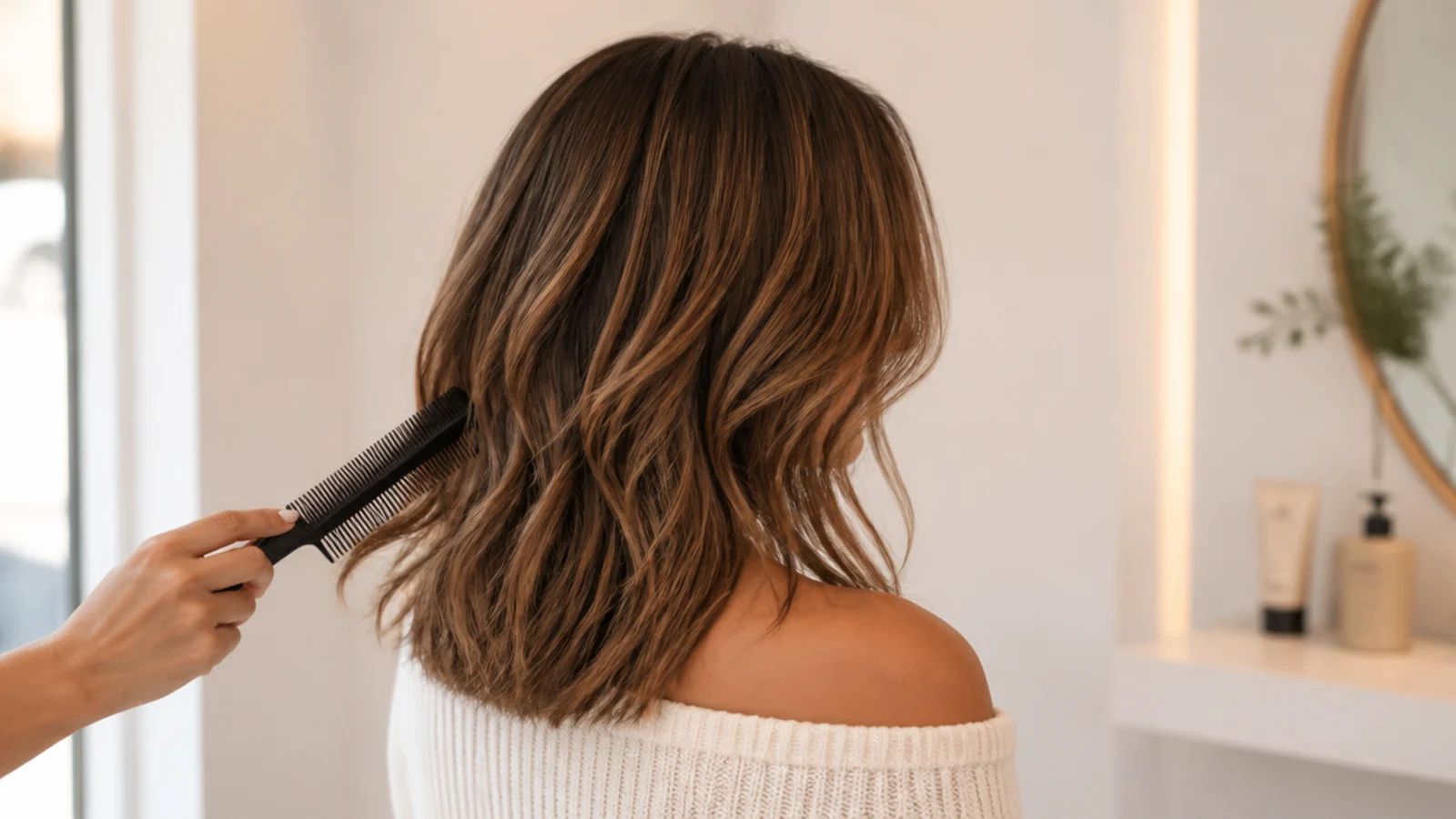
Collarbone to a couple of inches below the shoulder. Long enough for a layer to have somewhere to travel, short enough that the shape still reads as a cut rather than as long hair.
It is the length layers do most work at. There is enough distance between the shortest layer and the perimeter for a real gradient, without the six or eight inches of dead length that swallows layering on long hair.
Landing exactly on the shoulder causes trouble. The shoulder pushes the ends back up, and a flicked perimeter fights whatever the layers above it are doing.
Weight distribution is the whole game here. At this length the cut is basically a decision about where the mass sits, and layers are simply the tool for moving it.
Measure standing, chin level. Tipping the head forward to look at the ends drops them an inch and quietly shortens everything.
Named Layer Cuts Compared
A butterfly cut is a chin length layer left visibly apart from a long perimeter. Two lengths, deliberately readable as two, with the step at the cheek as the point of the whole thing.
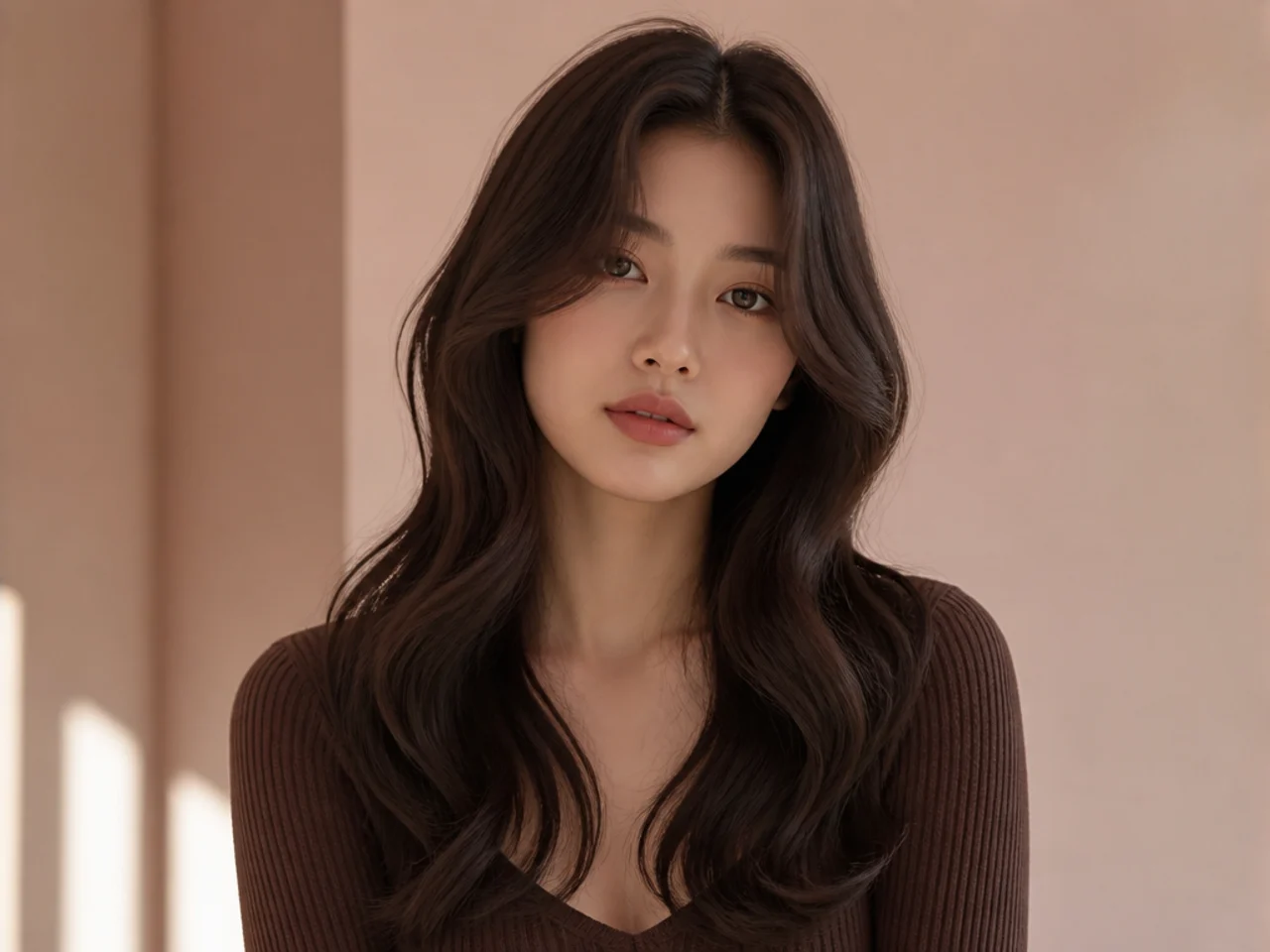
A hush cut is the same idea with the step blended out. Softer connection, more face framing, lower elevation so nothing anywhere looks like it was cut with a line.
A wolf cut moves the shortest layers up onto the crown. Weight sits high and the ends run thin, which is what gives it the shape people describe as a shag crossed with a mullet.
A shag distributes layers all the way through and then textures the ends heavily. The texture is doing as much as the layering, and without it a shag is just a layered cut.
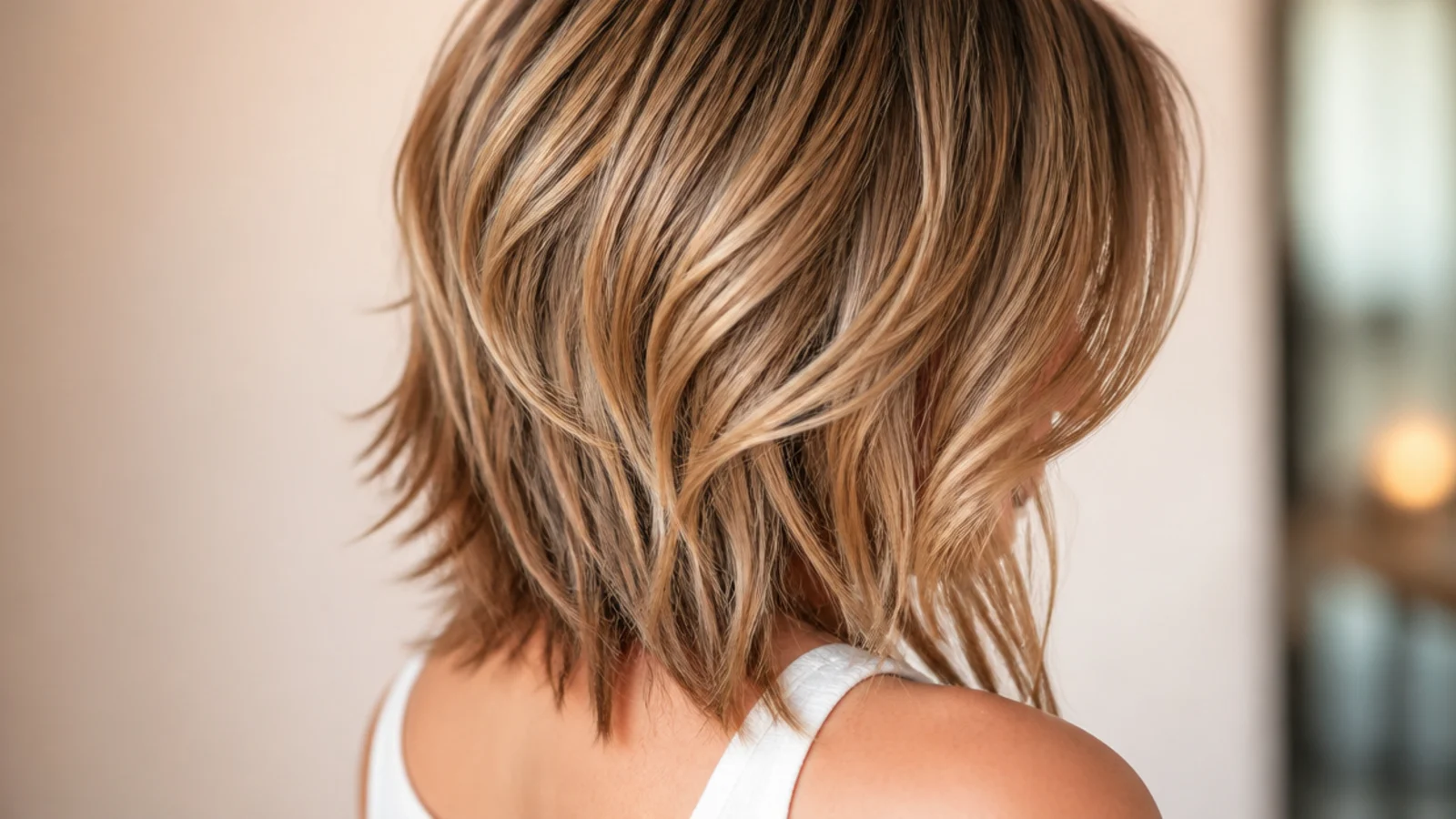
Nineties layers are one long continuous graduation from the cheek down. Fully connected, no steps anywhere, and the most conservative of the five by a distance.
Layers by Face Shape
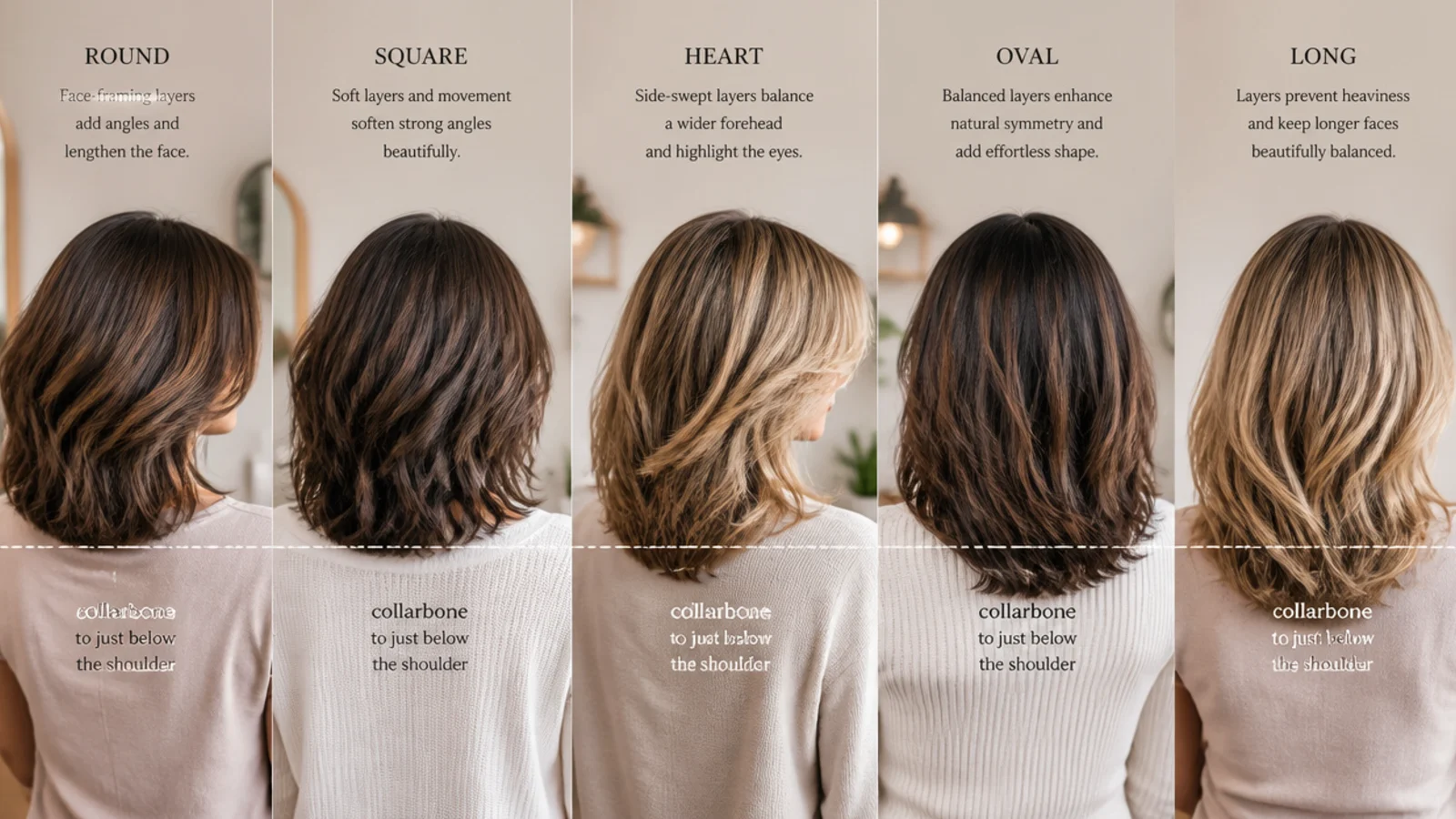
Round faces want the shortest layer below the chin. Any shorter and the layer ends at the widest part of the face, laying a horizontal exactly where one is least useful.
Long faces want it at the cheekbone. A layer finishing there builds width across the middle of the face, and width is the direct counter to vertical.
Square jaws want the layer to start above the jaw and angle past it. The diagonal cuts across the horizontal of the jawline, which softens the corner without hiding it.
Heart shapes want the fullest point low. Concentrating layer ends around chin level balances a narrow chin against a wider forehead.
Foreheads and necks matter as much as the outline of the face. A short neck reads better with the weight kept off it, whatever the face is shaped like.
Layers by Hair Type
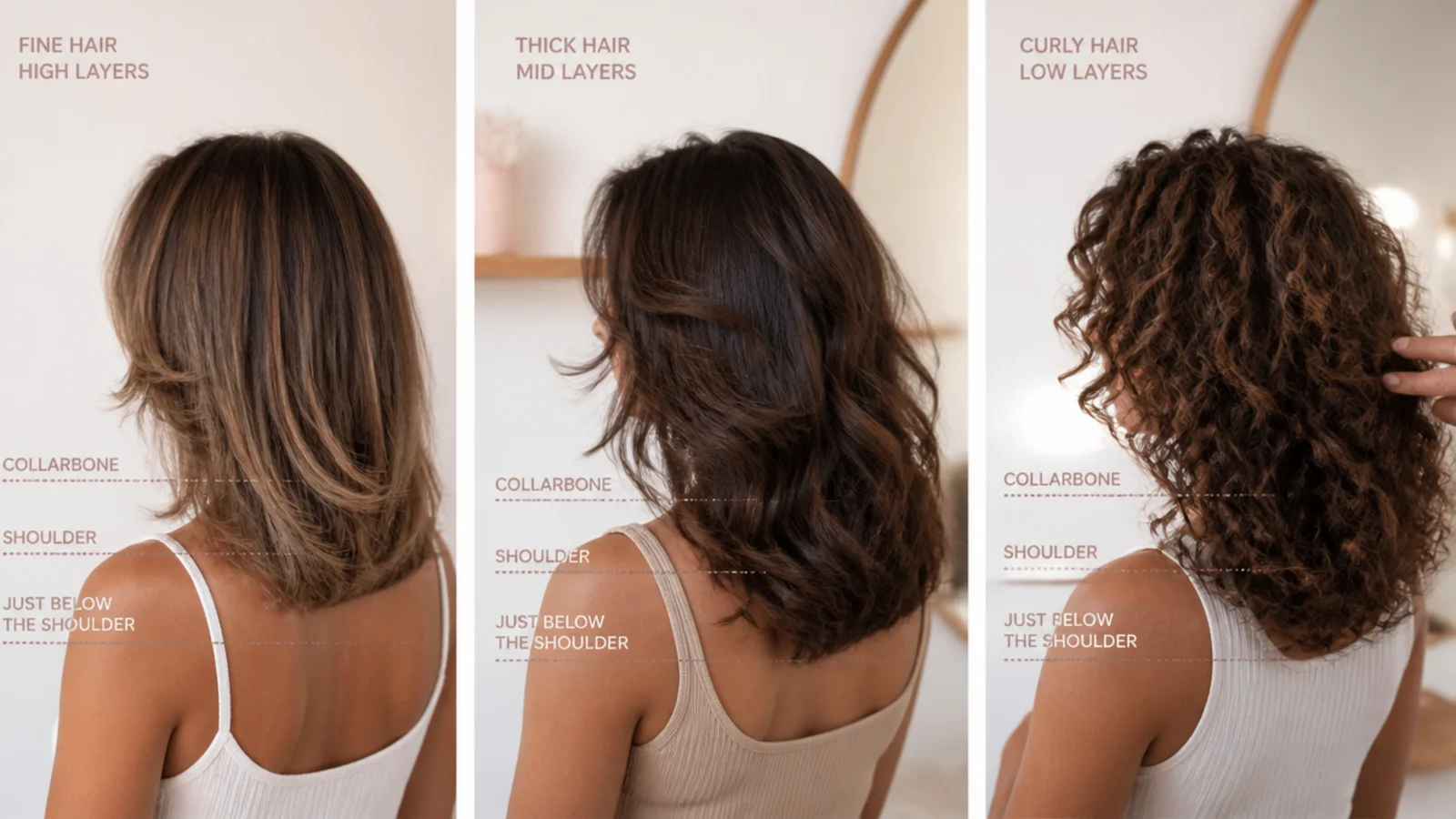
Fine hair takes internal layers only. Every strand removed from the outline is subtracted from the density the eye reads there, so the movement has to come from inside the shape.
Thick hair needs the weight taken out from underneath. Remove bulk from the interior and leave the top surface intact, because thinning the surface produces short pieces that stand up as they grow back.
Wavy hair wants just enough weight removed for the bend to form. Too much mass pulls a wave straight, and too little leaves nothing for the wave to hang from.
Curly hair is layered dry and curl by curl. A stretched wet curl can dry back a third shorter, so a layer cut wet lands somewhere nobody chose.
Coily hair shows shrinkage more than any other texture. Cut to the shrunken position and expect the finished layer to read shorter than the number you had in mind.
How to Ask Your Stylist
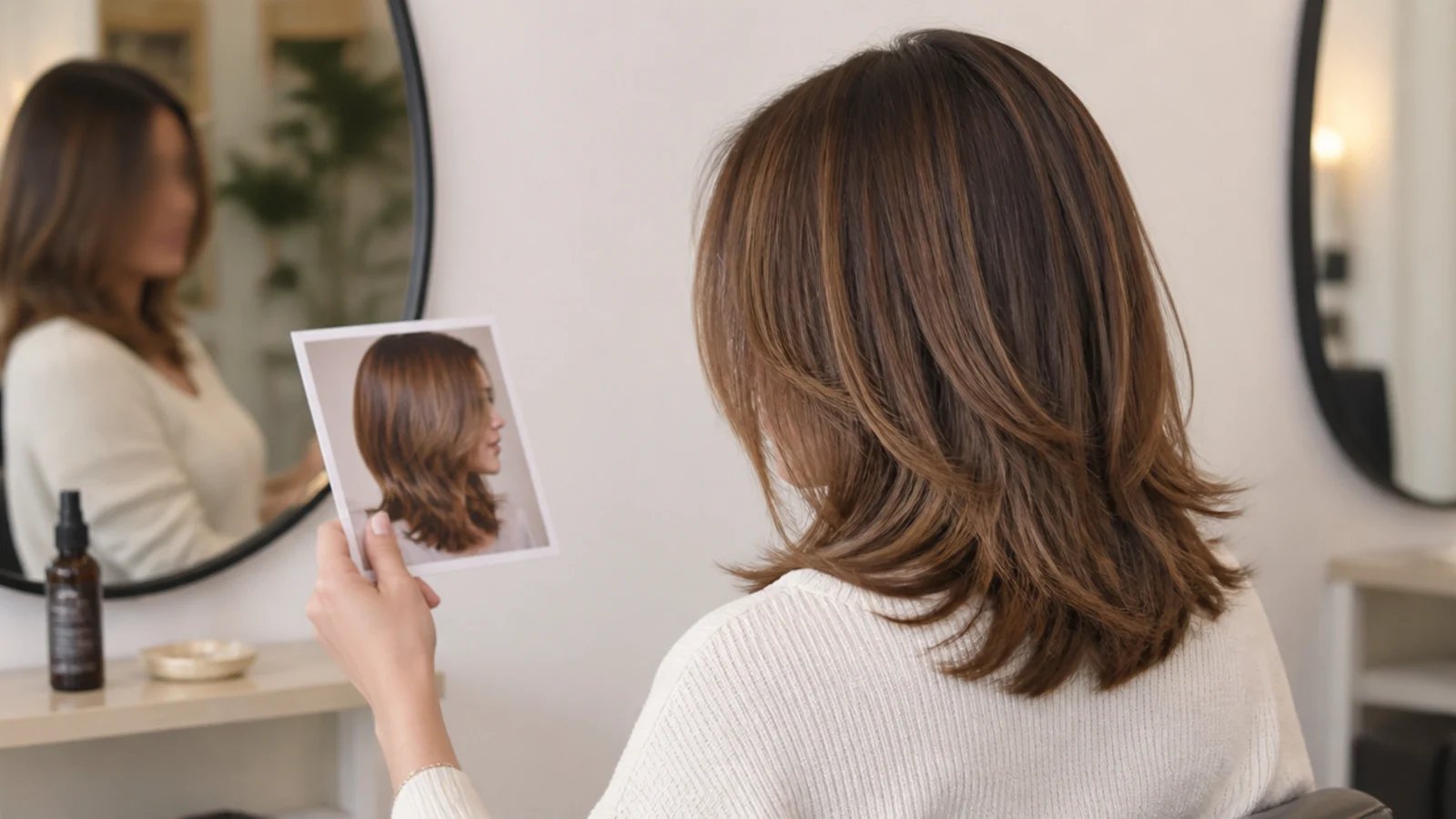
Give the landmark, not the word. Shortest layer at the jaw is an instruction. Some layers is a mood.
Say connected or disconnected. Connected blends the layer into the length as a gradient. Disconnected leaves a deliberate step, which is the difference between a hush cut and a butterfly cut.
Treat face framing as a separate question. It has its own start point, and answering it with the same landmark as the internal layers is how a cut ends up looking front heavy.
Say how much of the perimeter you are willing to lose. Layers can be cut entirely inside the shape or allowed to reach the ends, and those two produce different amounts of density at the bottom.
Ask for the last pass dry. Wet hair hangs lower under the weight of the water, and a layer that looked right wet can sit an inch high once it dries.
Mistakes and Growing Out
Asking for layers with no landmark attached. It is the single most common way to end up with a cut you did not picture, because the stylist has to pick the number for you.
Layering fine hair to the ends. It thins the outline, and the outline is where density is read.
Cutting layers into wet curl. The spring back is not a rounding error, it is a third of the length.
Chasing a step instead of blending it. Point cutting the piece below a step turns it into a gradient. Cutting the piece above it starts the whole cut again shorter.
Growing out is arithmetic. Half an inch a month means a chin length layer is roughly six months from the collarbone, and every perimeter trim during that window adds to the wait.
The 20 Layered Mid Length Ideas
1. Long Invisible Layers
Cut inside the shape and over directed so no shorter end ever surfaces on the outside. You get movement through the middle of the hair while the perimeter keeps every strand it started with, which is why this is the only layering fine or low density hair can genuinely afford.

2. Face Framing That Starts at the Jaw
The shortest front piece level with the jaw, angling back to meet the length. Jaw height is the useful default because the piece is short enough to read as a frame and long enough to tuck behind an ear on a day you want it gone.

3. Curtain Bangs With Layers
A fringe treated as the top rung of the same ladder the layers are cut on. Blending the two into one continuous graduation is what stops a visible step at the cheek, which is what happens whenever a fringe and a first layer are decided separately.
4. Butterfly Cut
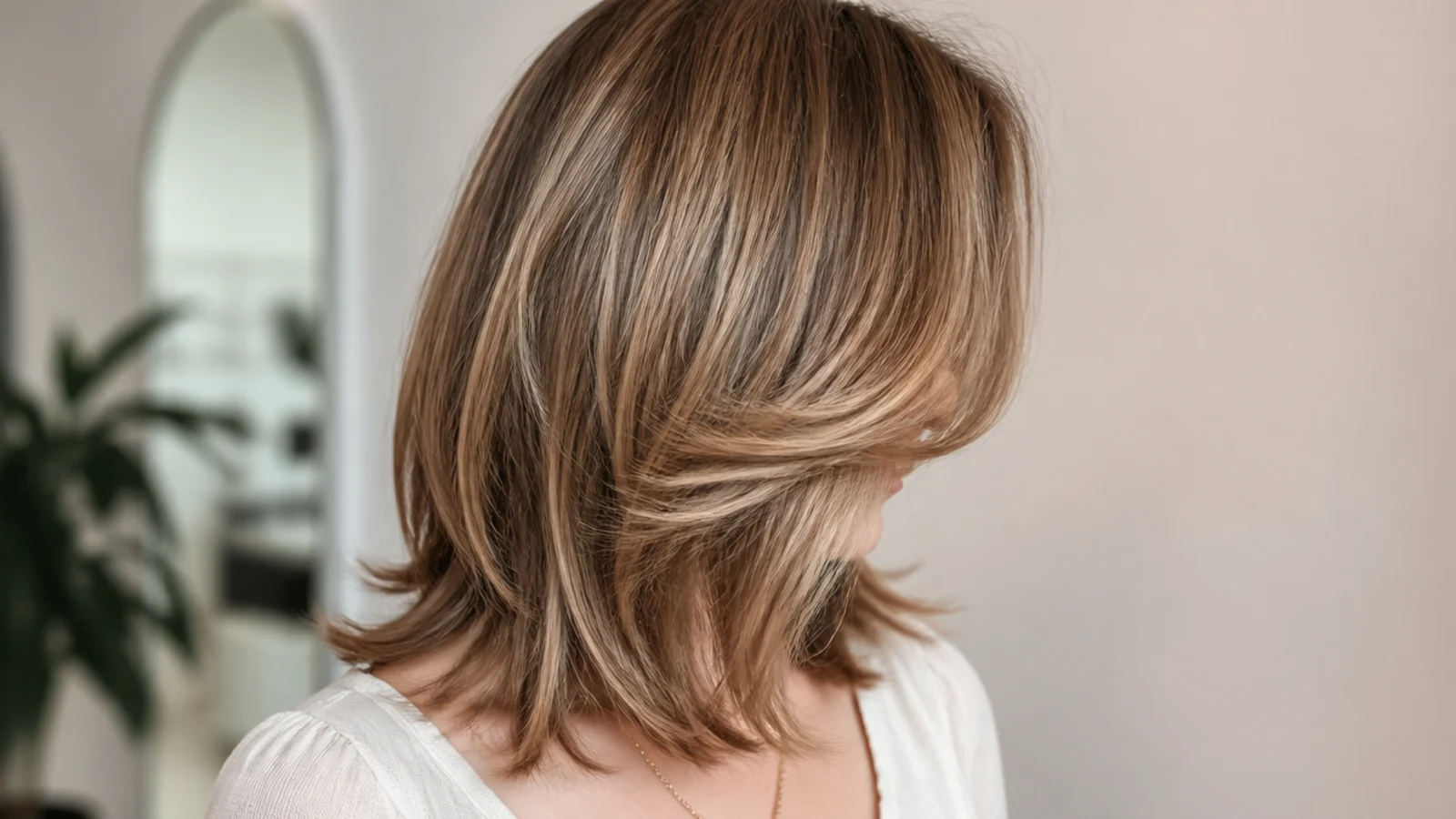
A short chin length layer deliberately left apart from a long perimeter, so the eye reads two lengths rather than a gradient. The step at the cheek is the entire design, which is also why it fails when a stylist blends it away out of habit.

5. Hush Cut
The butterfly idea with the step blended out and the elevation kept low. Nothing in it looks cut, because low elevation stacks the lengths close together instead of spreading them, and the result is movement without any visible line anywhere on the surface.

6. Wolf Cut
The shortest layers moved up onto the crown so the weight sits high and the ends run thin. That distribution is what produces the shape, and it is also why the cut needs genuine density up top to carry it without looking sparse at the bottom.
7. Modern Shag
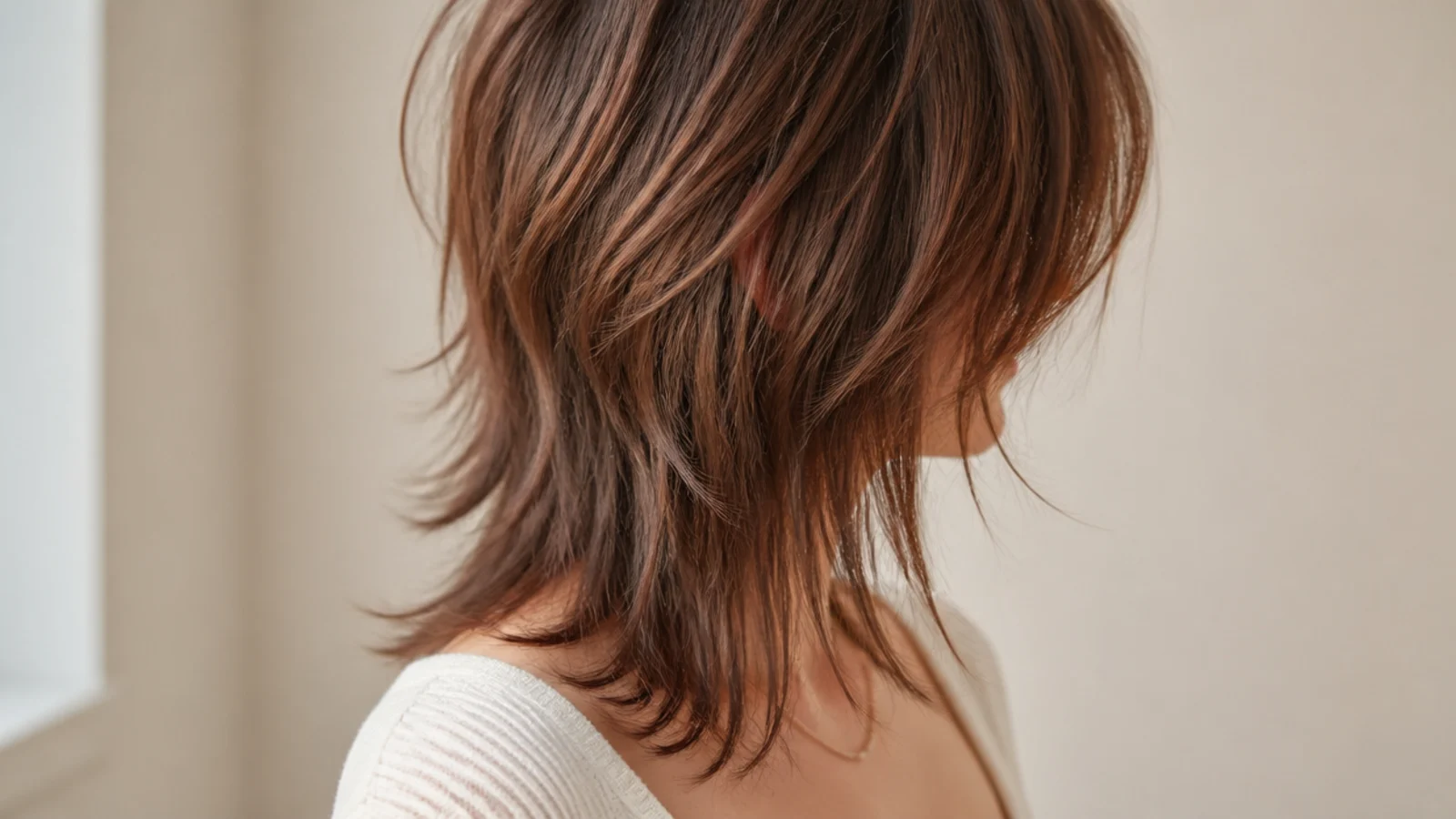
Layers distributed all the way through and then textured heavily at the ends. The texture is doing half the work, because separated ends catch against each other rather than lying together, and without it the same layering reads as an ordinary graduated cut.
8. 90s Layers
One long continuous graduation running from the cheekbone down to the perimeter with no steps in it anywhere. It is the most conservative cut on this list precisely because it is fully connected, so grow out never produces a stage anyone has to explain.
9. U Shape Layers
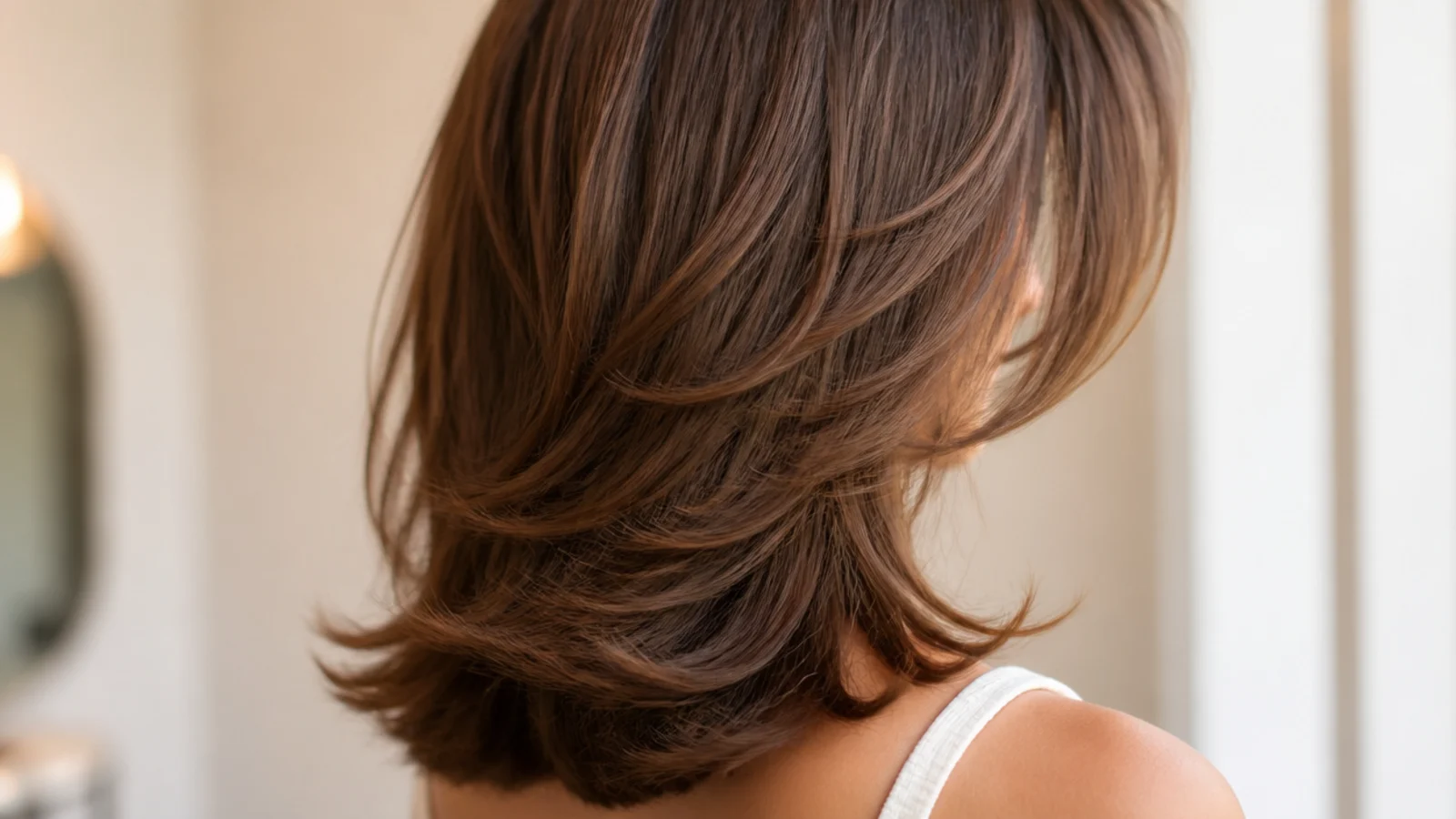
The back cut in a shallow curve, with the outer corners left longer than the centre. The curve keeps weight at the sides where it frames the head, and it removes just enough from the middle to stop the back reading as a flat wall.

10. V Cut Layers
The centre back dropped into a point rather than curved. A V removes weight from the corners and concentrates it in the middle, which lengthens the whole back visually and suits hair with enough density to fill the point.
11. Razored Choppy Layers
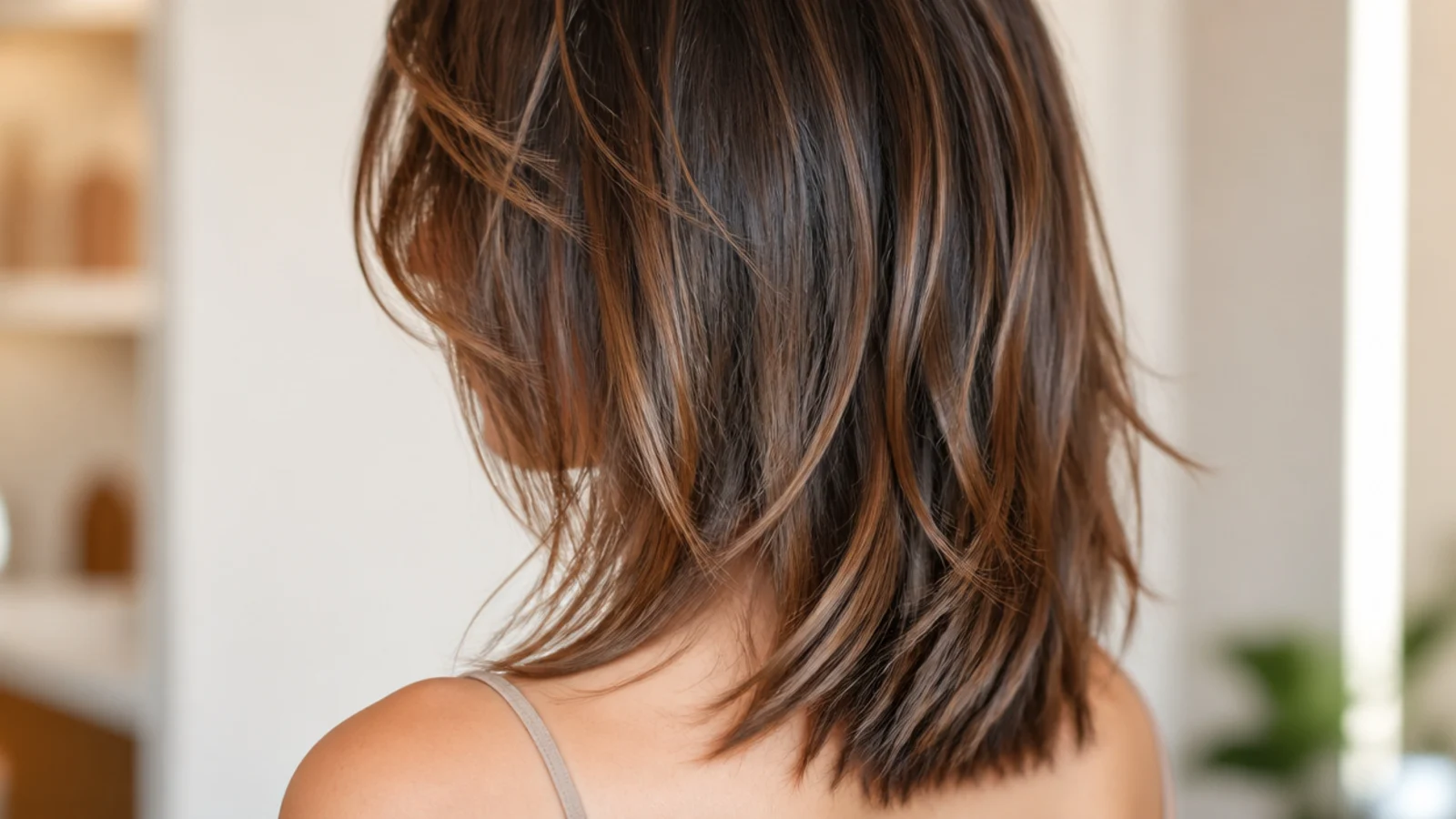
A razor removes hair on a slant rather than square, so each end finishes as a thin wedge instead of a flat face. That taper is what gives the piecey separation, and it is also why razored ends need condition behind them and split faster than scissor cut ones.

12. Long Layers on Fine Hair
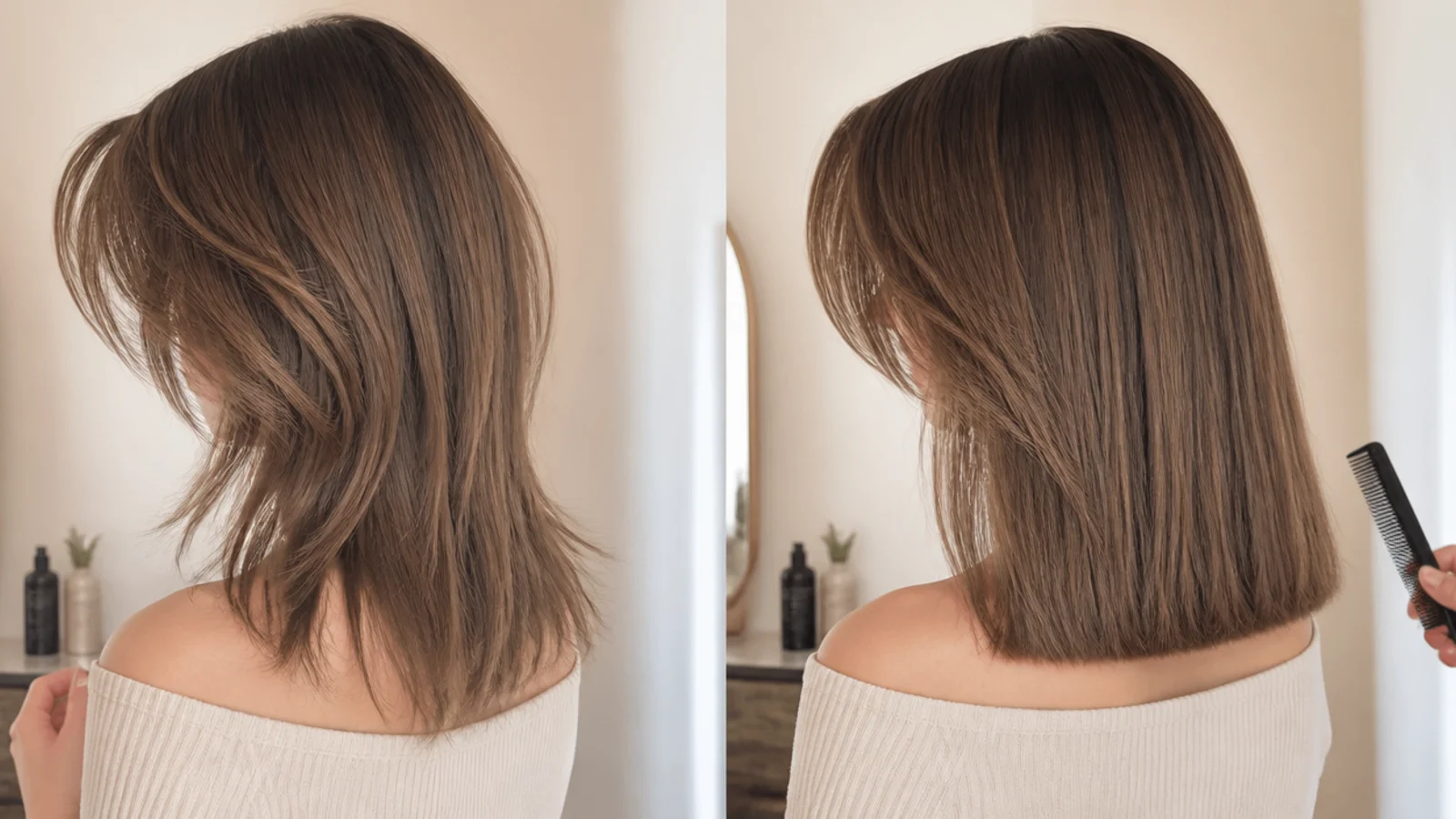
The shortest layer kept at collarbone height and the outline left completely blunt. On fine hair the perimeter is the only place density can be read, so layers this long exist to add internal movement and nothing else.
13. Curl by Curl Dry Cut
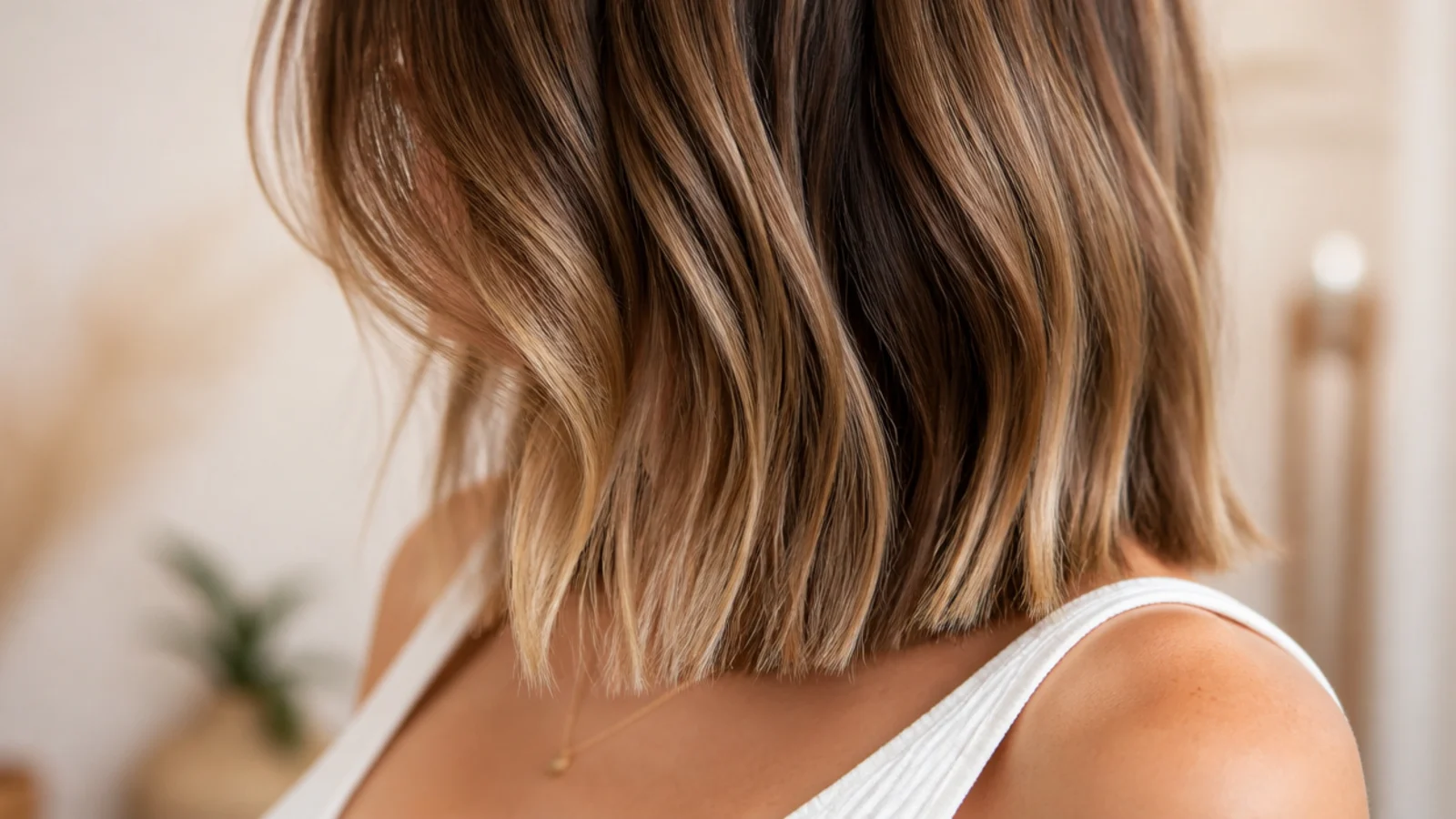
Each curl clump released, assessed and cut where it naturally sits. A stretched wet curl can dry back a third shorter, so cutting curls wet means choosing a length and then finding out later what you actually bought.
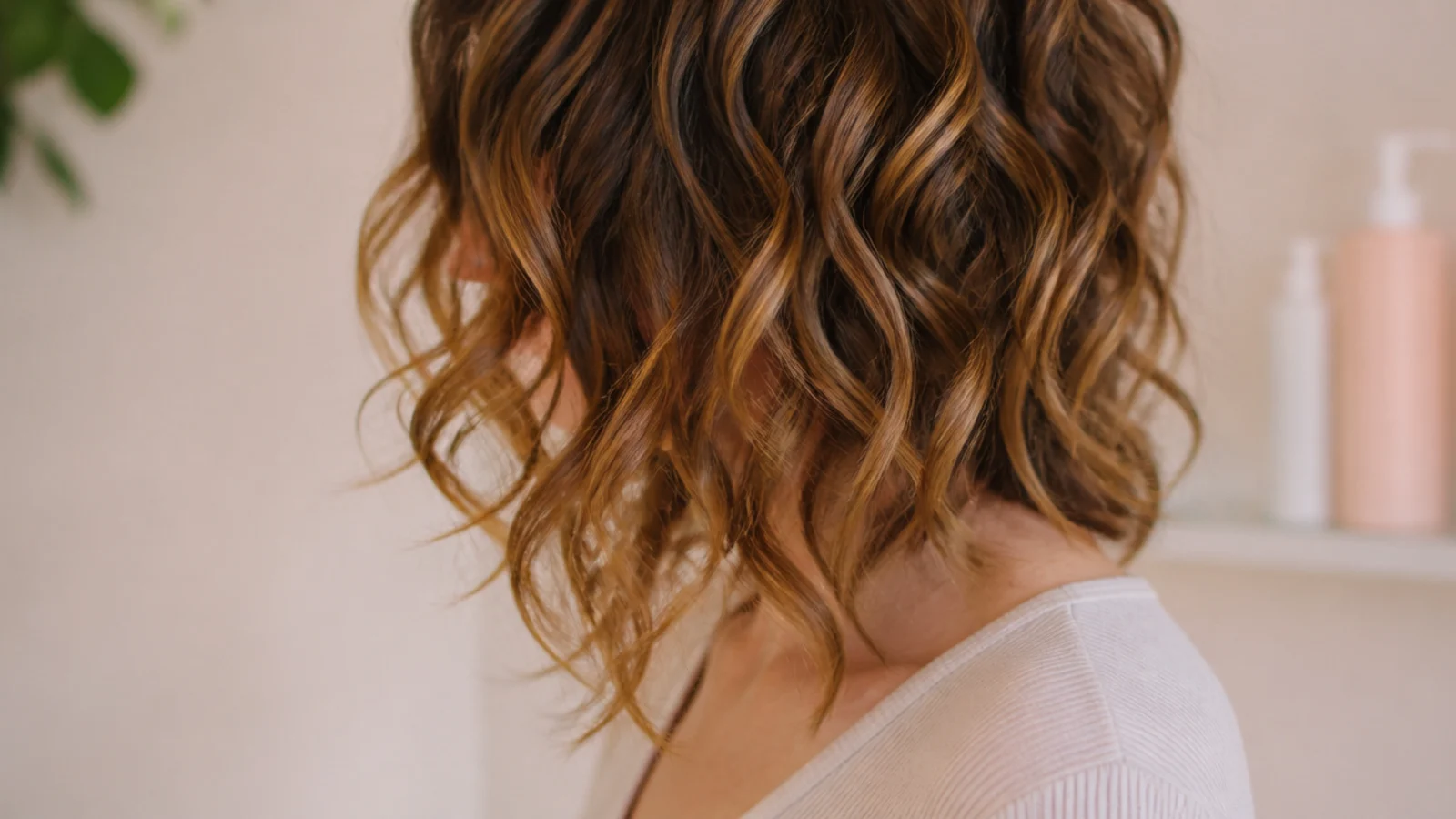
14. Beachy Piecey Layers on Wavy Hair
Just enough weight removed for the bend to form, and not a strand more. Waves are held out by their own shape, so a wave carrying too much mass is pulled straight while one carrying too little has nothing left to hang from.
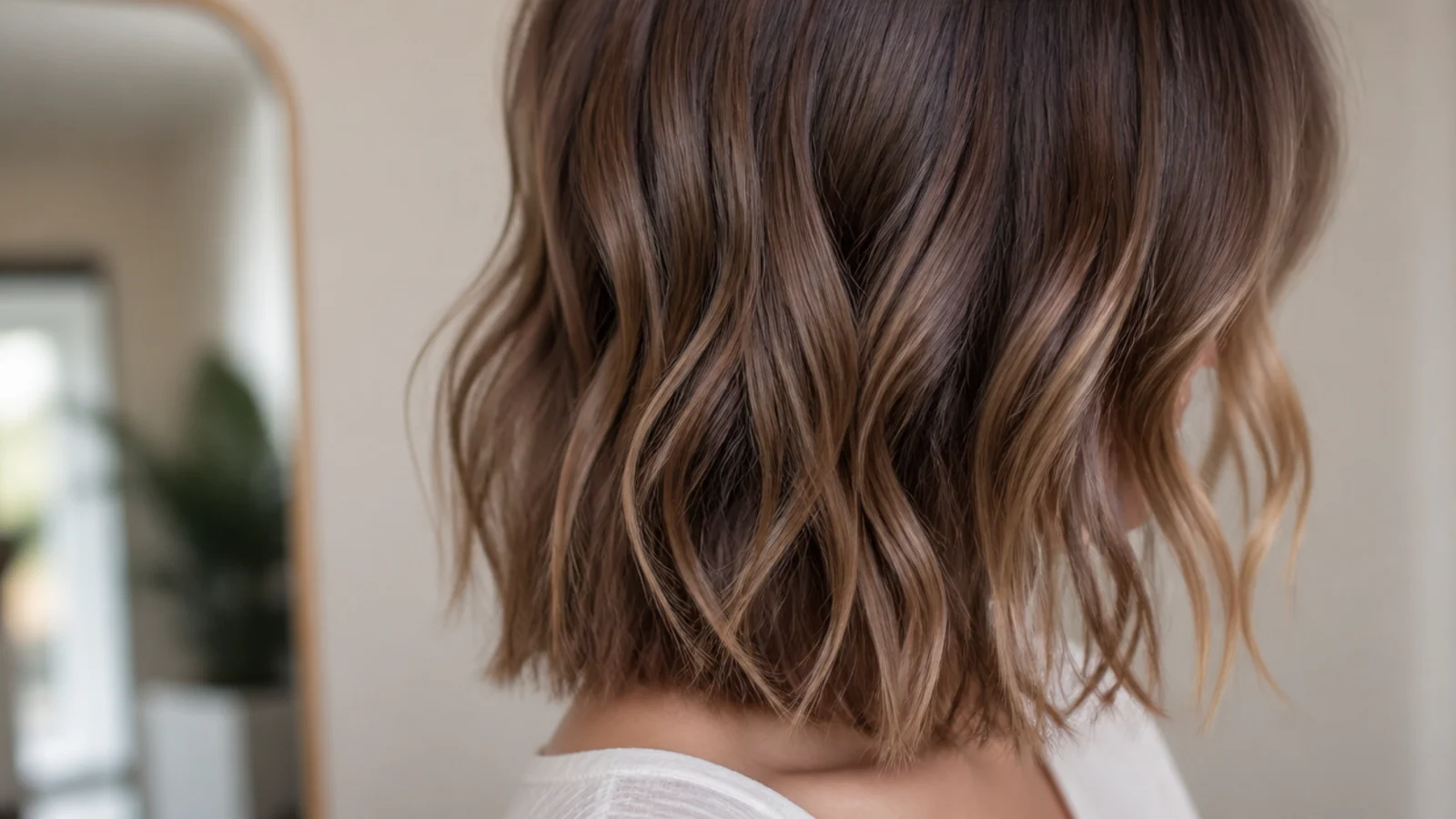
15. Blunt With Hidden Layers
A hard perimeter with all the layering buried underneath it. The top surface then falls over the shorter interior rather than straight down against the head, which lifts the shape without giving away a single strand from the line at the bottom.

16. Feathered Layers on Straight Hair
Fine point cutting into the layer ends so each one finishes at a slightly different height. Straight hair has no bend to break a line, which makes it the texture that shows every hard edge, and feathering is how you stop the layers reading as steps.

17. Bottleneck Fringe
A fringe narrow across the centre of the forehead and flaring outward at the sides. It reads as a proper fringe from the front while the flared edges connect straight into the first layer, so the front of the cut stays one continuous shape.
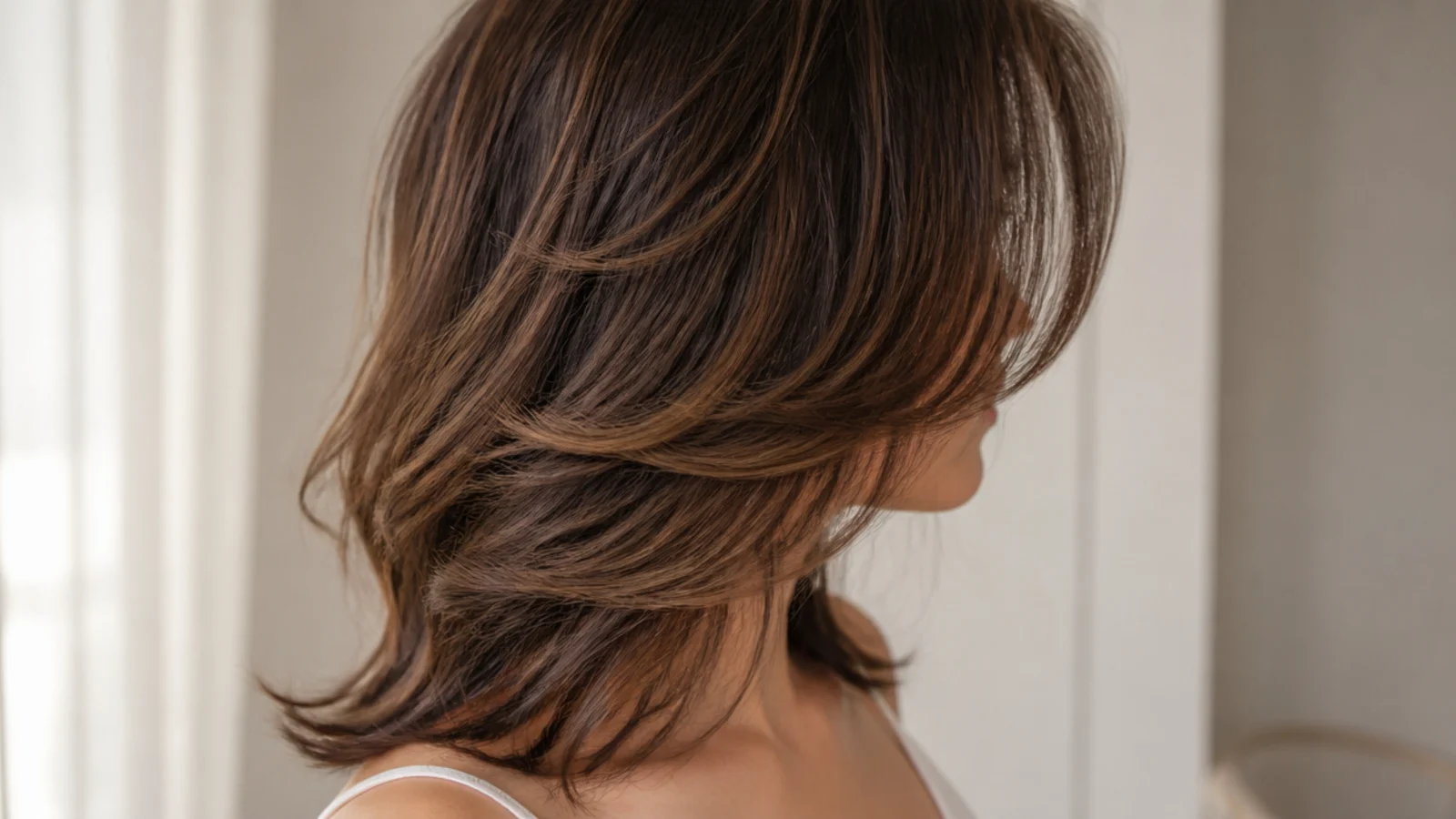
18. Money Piece Layers
Face framing layers with the front sections lightened. Colour and cut are doing the same job here from different directions, since a lighter section reflects more light and pulls the eye to exactly the place the shortest layer already put it.
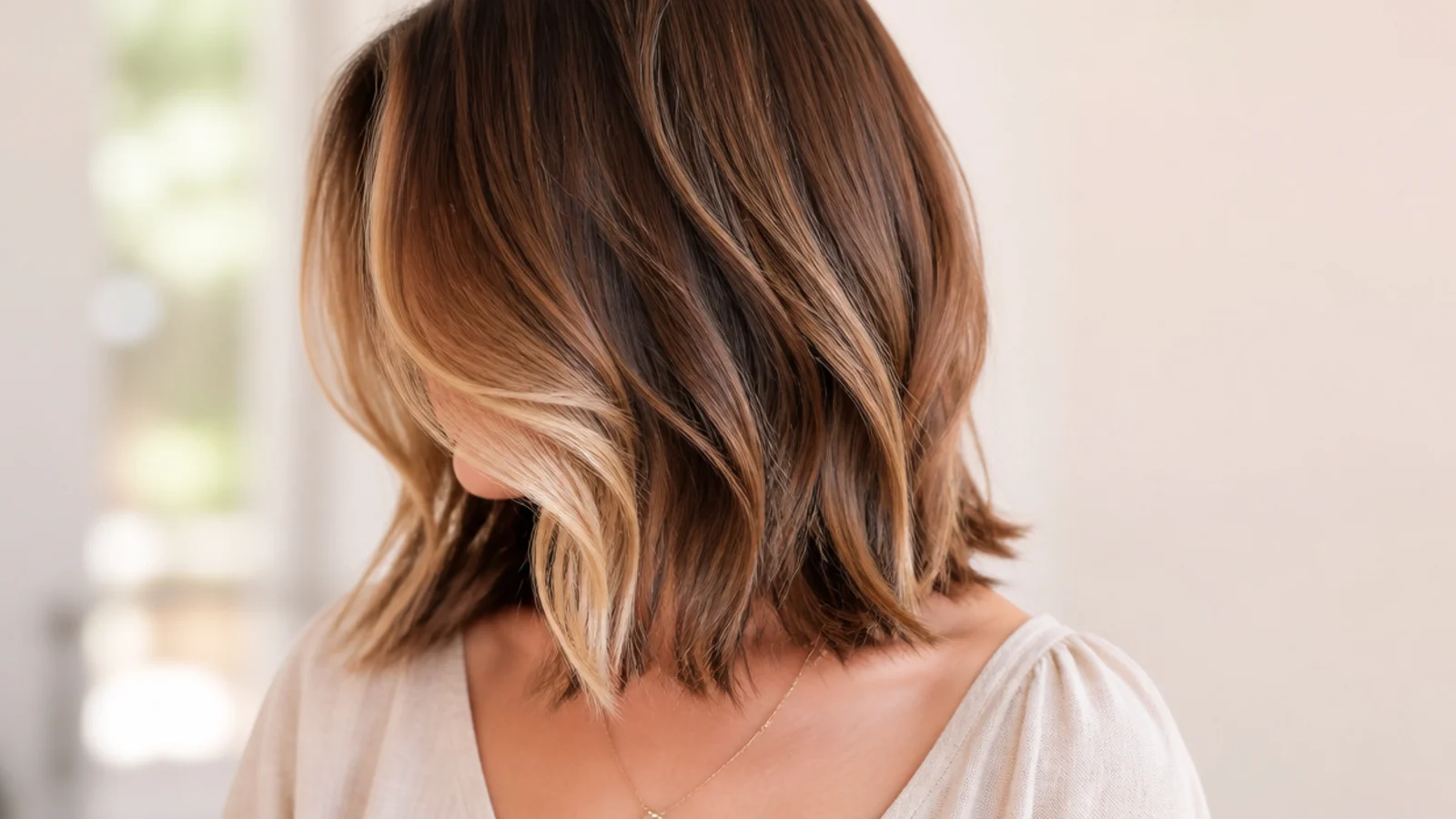
19. Layered Lob With Flipped Ends
Layers cut so the last inch turns outward instead of under. A flick works because the ends of the shorter layers sit on top of the ones beneath and get pushed outward, which is why it holds on a layered lob and collapses on a blunt one.
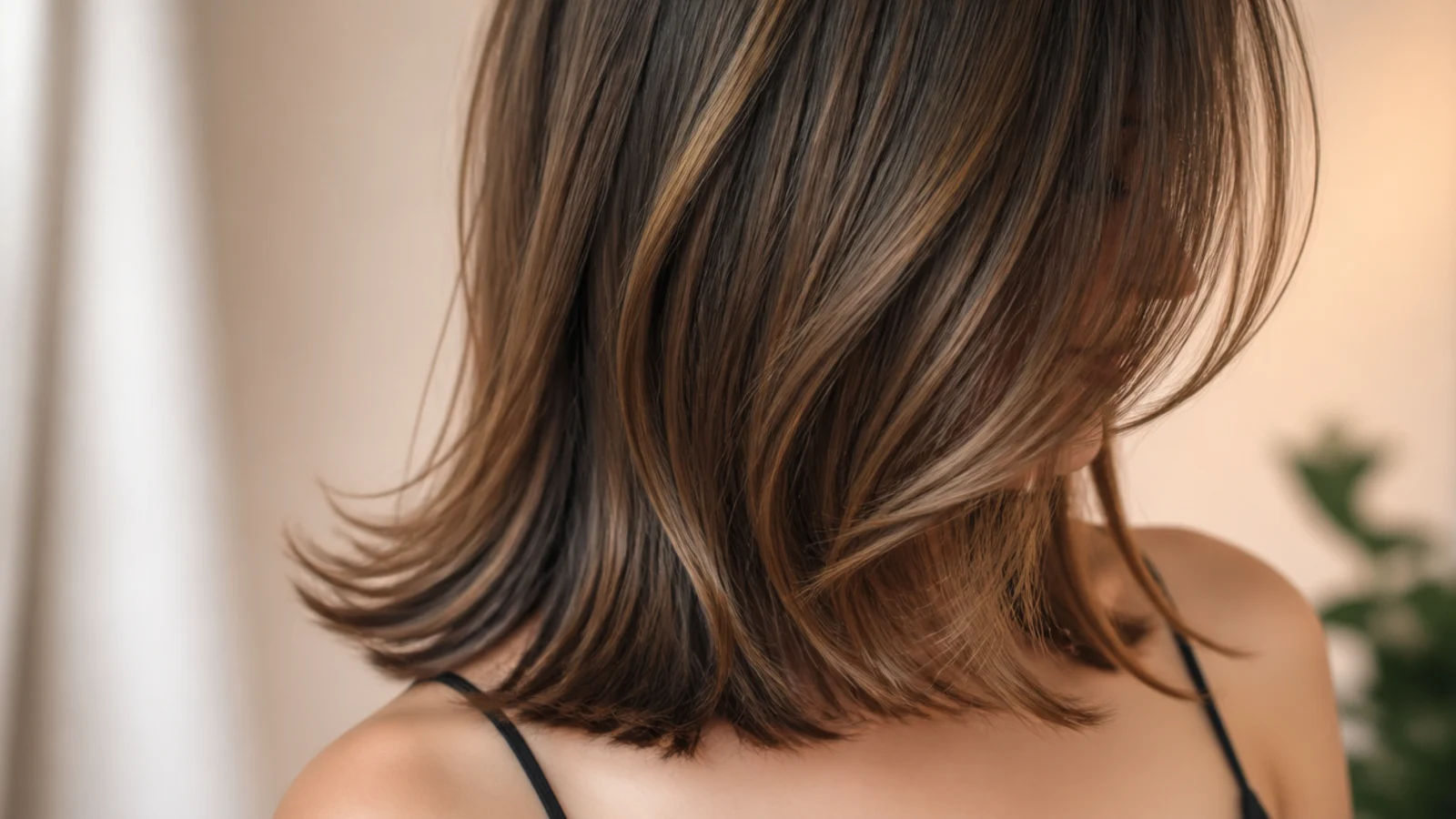
20. Grown Out Layers
Four or five months in, with the shortest piece now sitting somewhere around the collarbone. The cut is softer and heavier than it was, and blending the remaining step with vertical snips is a far cheaper fix than shortening everything else to meet it.
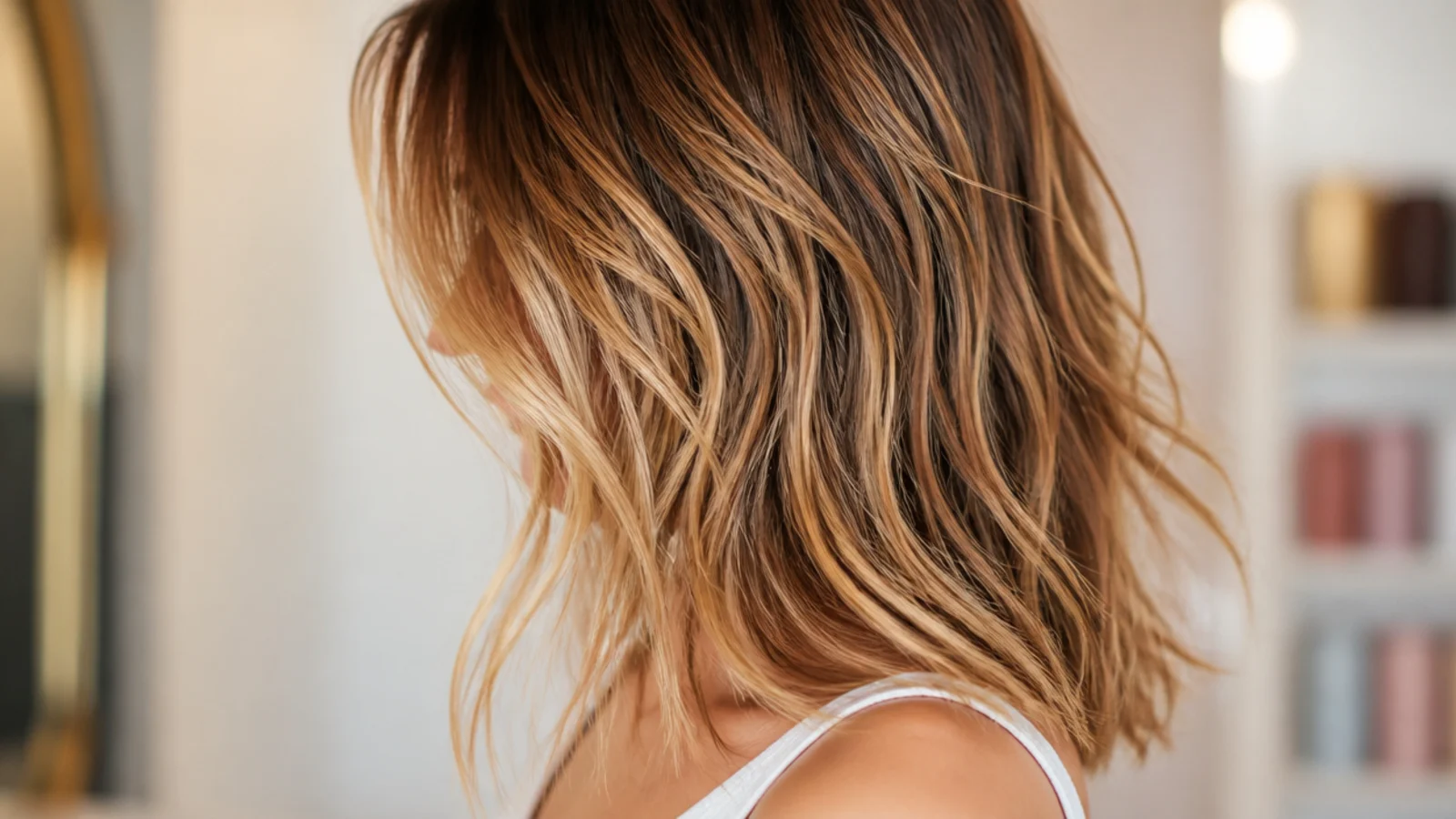
Final Thoughts
Bring the two numbers, not the name. A photograph of a hush cut and a photograph of a butterfly cut can be the same haircut styled differently, and both will be interpreted from scratch by whoever is holding the scissors. Shortest layer at the jaw, connected, perimeter left blunt is an instruction that produces the same result in any chair in any city, which is more than can be said for any of the names.
The other half is knowing what you are spending. Layers buy movement with weight, and weight is the thing your perimeter uses to read as dense, so the right amount depends entirely on how much you have to spend in the first place. Thick hair has plenty and generally needs to lose some. Fine hair has none to spare and should keep every strand at the outline. For the same idea on shorter men's lengths see 15 layered medium length haircuts for men, and for the parting that suits them see 7 steps to style a middle part at home. More in Womens Hairstyles.