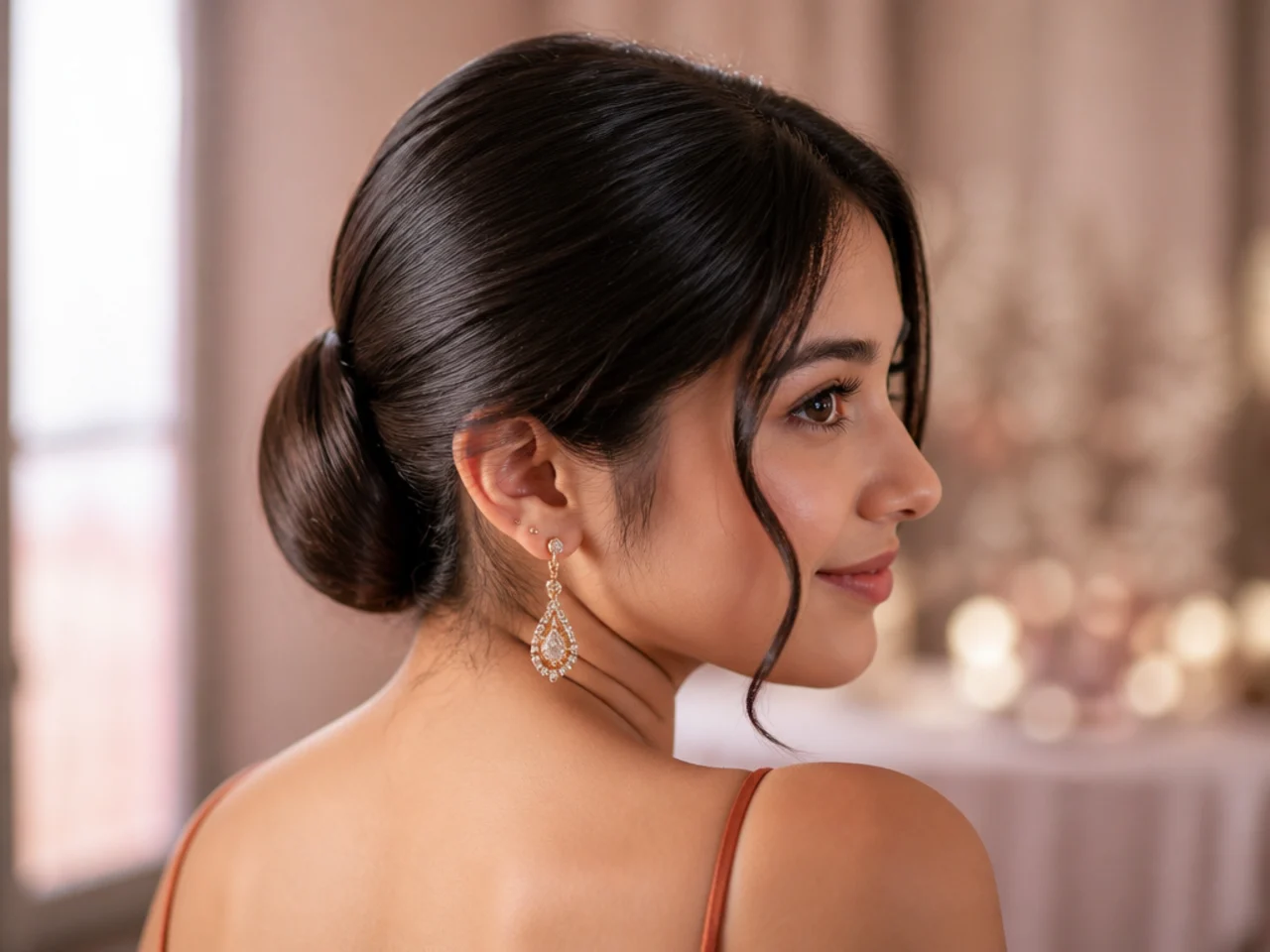
25 Elegant Hoco Updos That Hold All Night Long
Twenty five homecoming updos sorted by what actually keeps them up. Almost every updo that slides down was pinned to itself rather than to the hair underneath, and the shape you choose decides how much of that anchoring it needs.
In this article · 32
- Why an Updo Comes Down
- Choosing Yours
- The 25 Hoco Updos
- 1. The Low Chignon
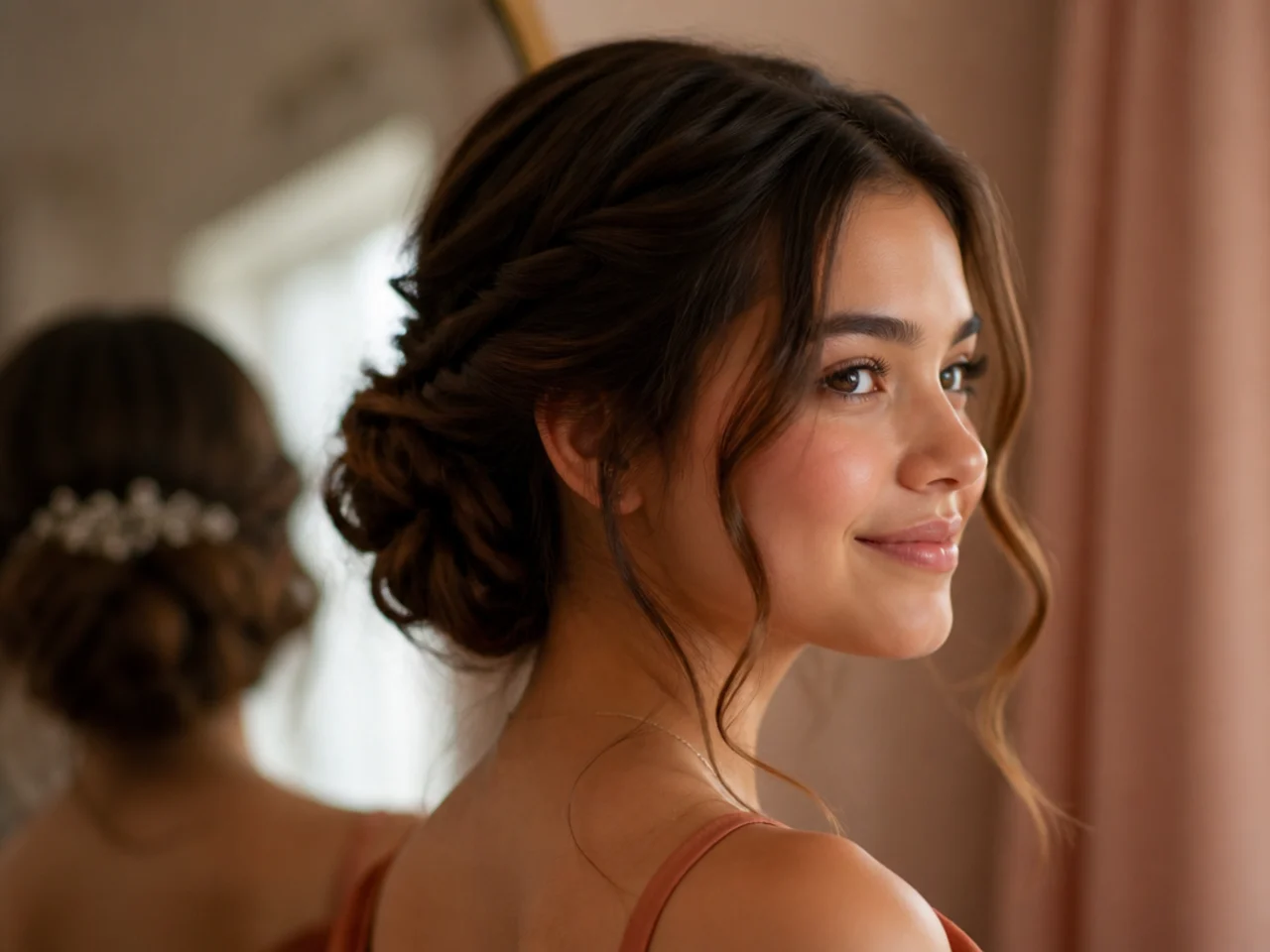
- 2. The Twisted Low Bun
- 3. The Classic Ballerina Bun
- 4. The Sleek High Bun
- 5. The French Twist
- 6. The Braided Crown
- 7. The Dutch Braid Into a Bun
- 8. The Fishtail Bun
- 9. The Rope Twist Updo
- 10. The Knotted Updo
- 11. The Bubble Braid Pinned Under
- 12. The Faux Bob
- 13. The Vintage Pin Curl Updo
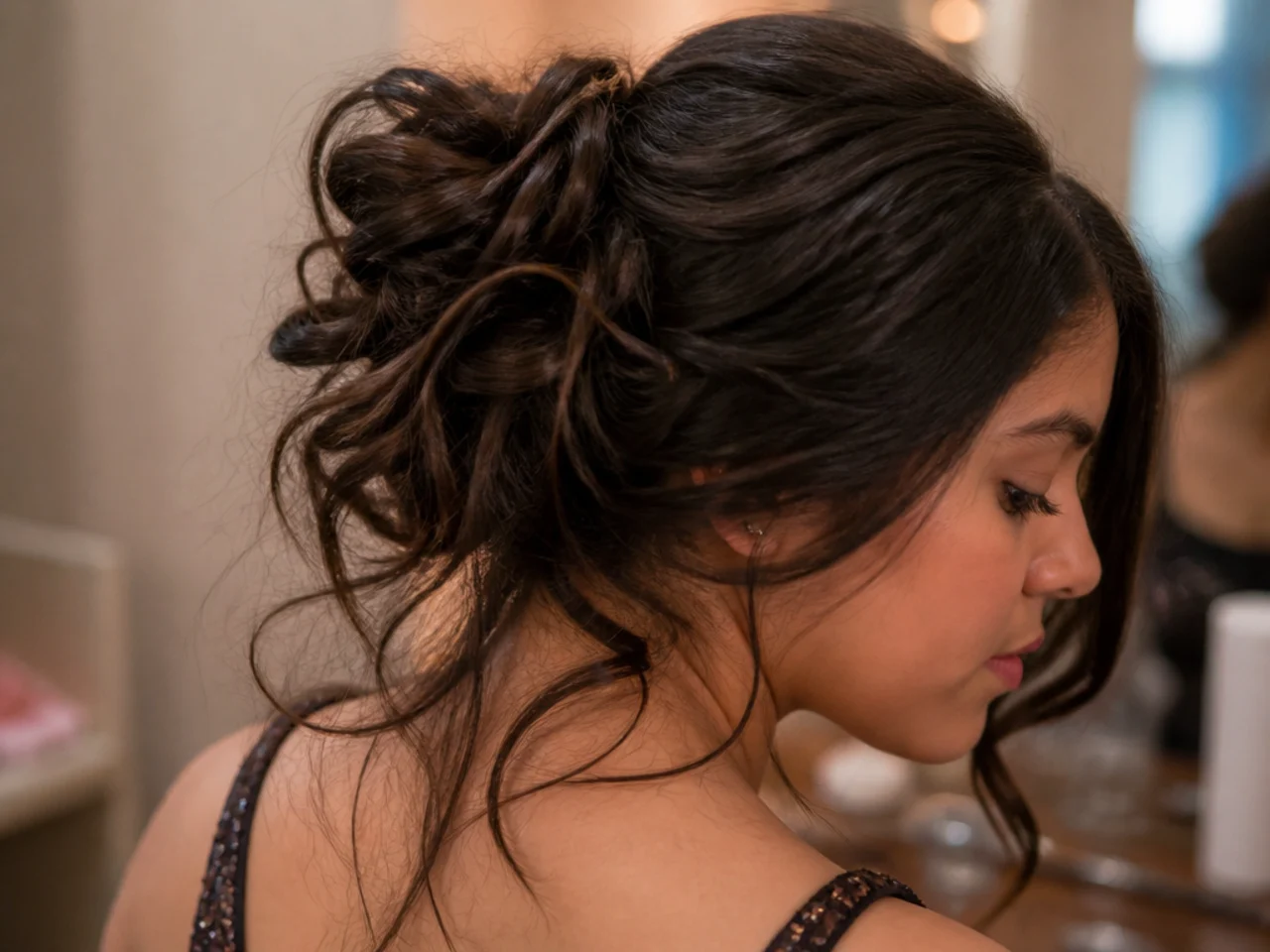
- 14. The Messy Textured Bun
- 15. The Wrapped Ponytail
- 16. The Halo Braid
- 17. The Side Swept Updo
- 18. The Bouffant Updo
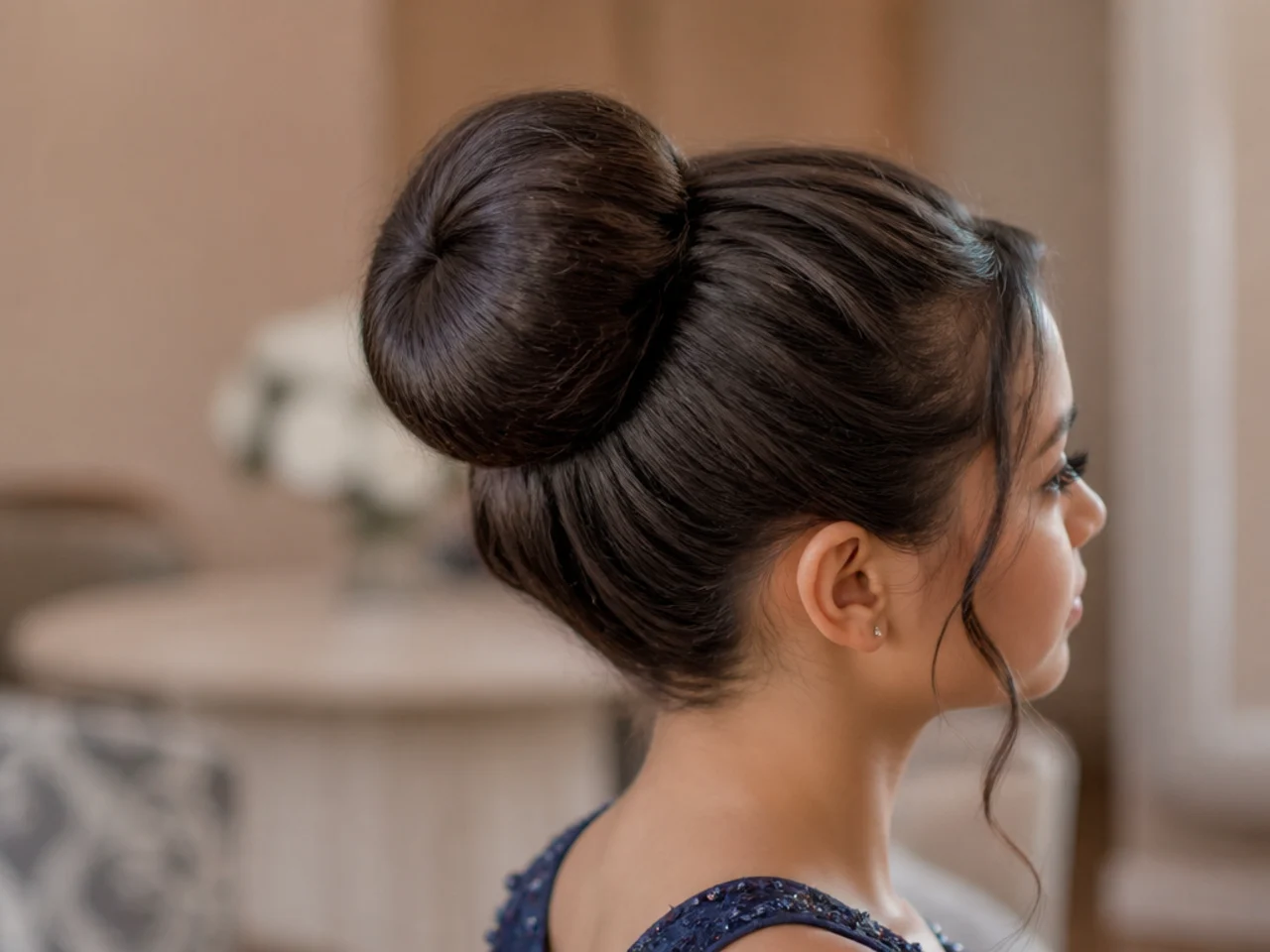
- 19. The Padded Donut Bun
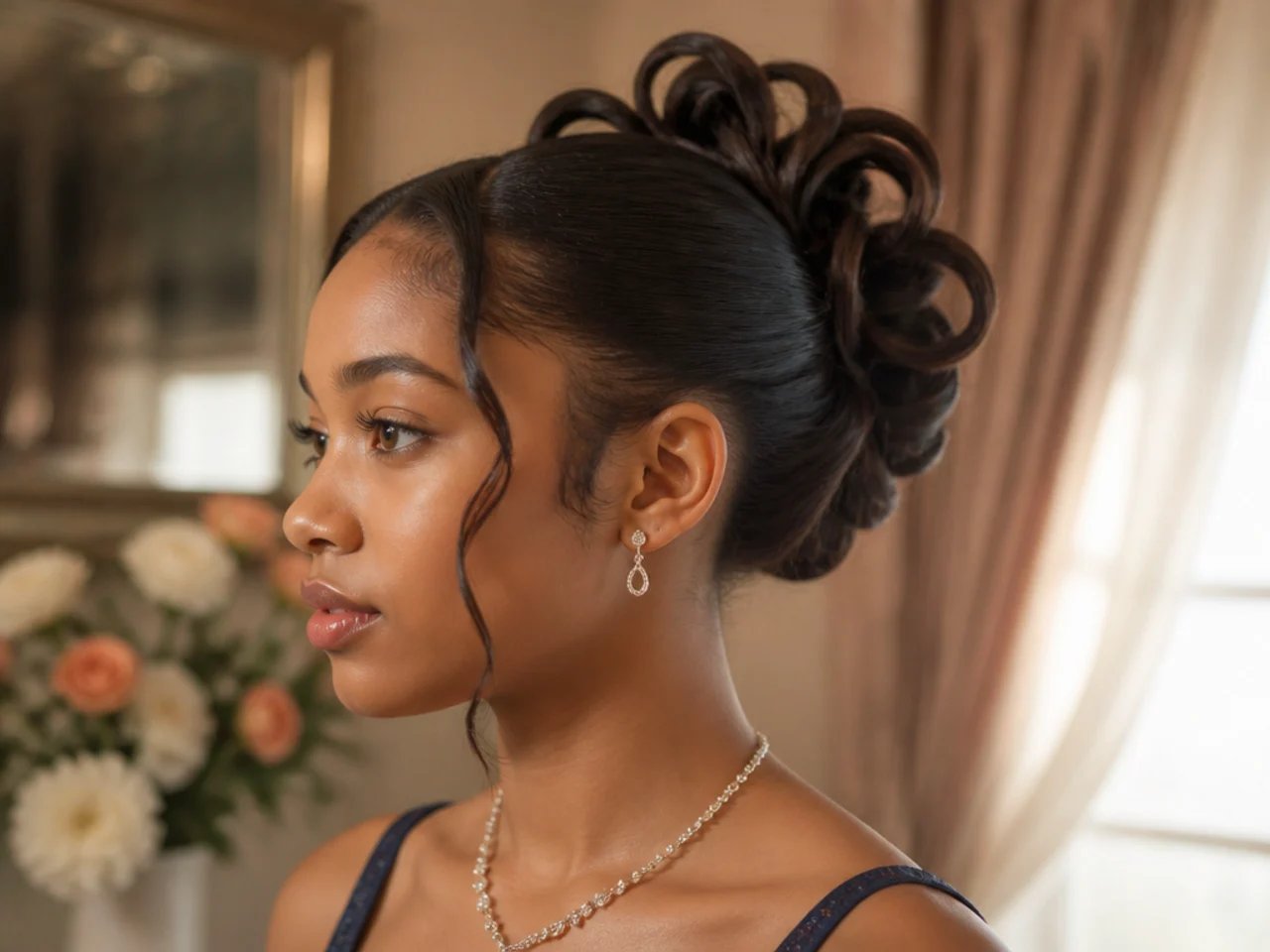
- 20. The Looped Updo
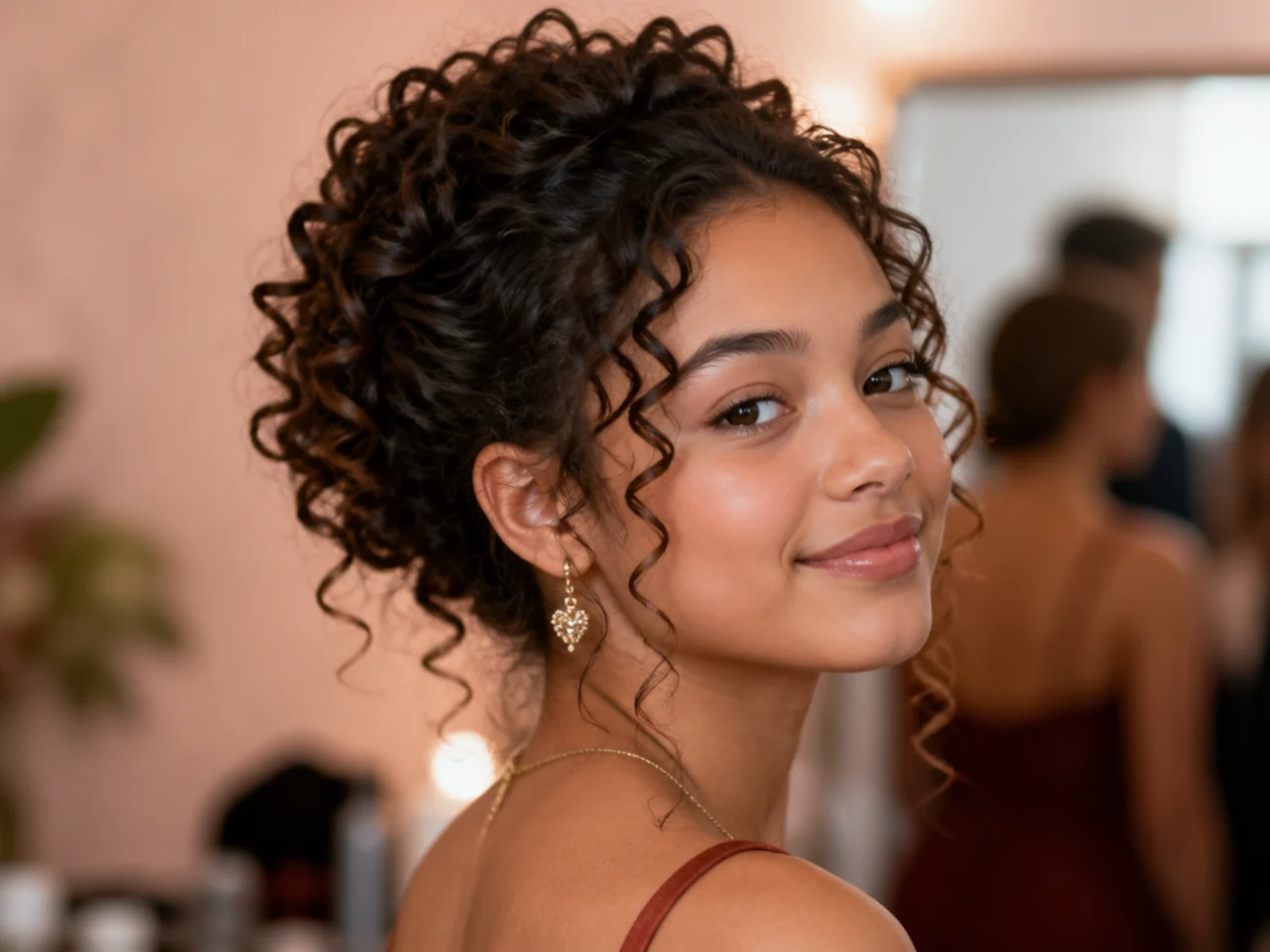
- 21. The Curly Cluster Updo
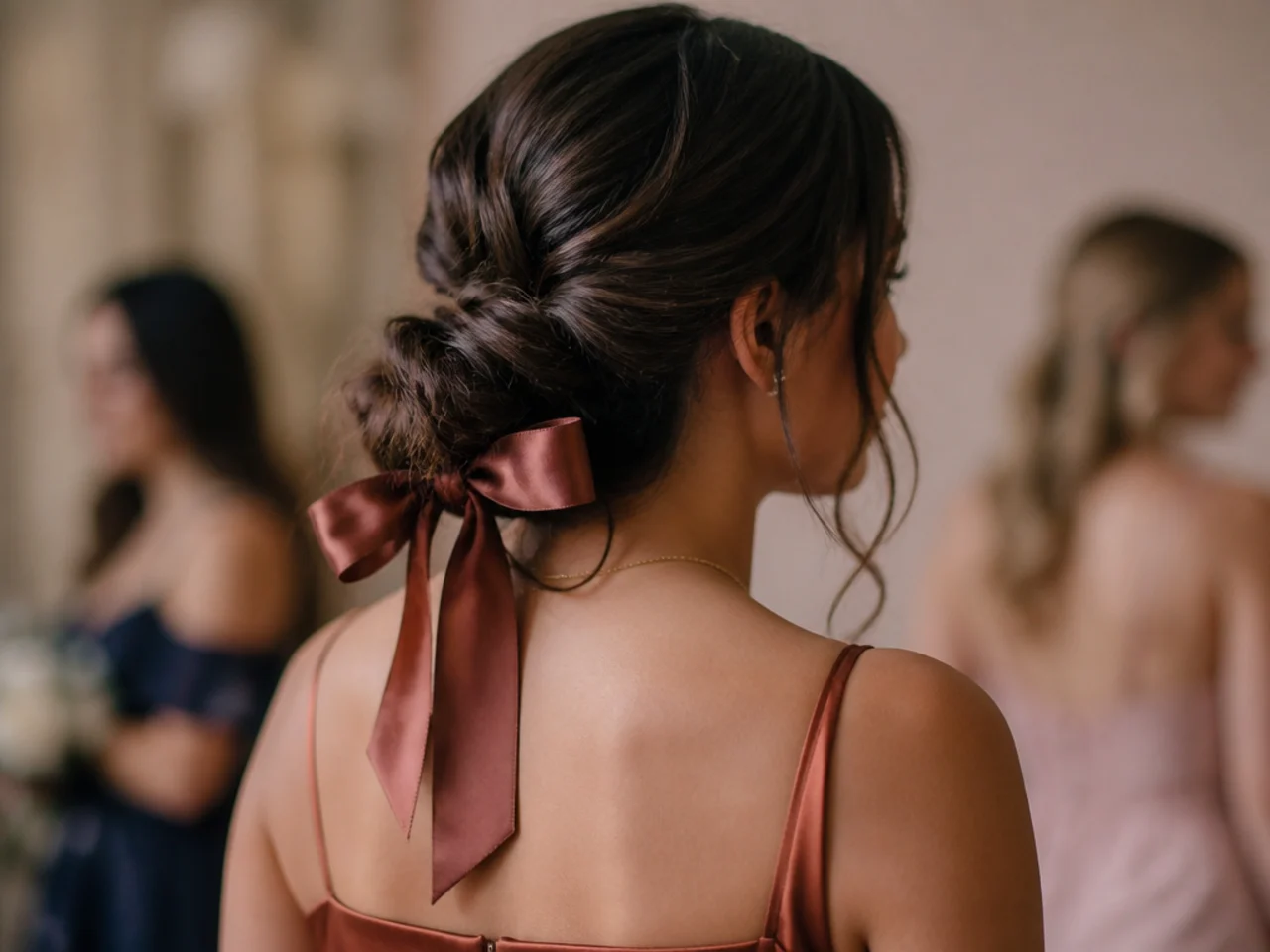
- 22. The Updo With a Ribbon
- 23. The Updo With Pearl Pins
- 24. The Low Roll
- 25. The Updo on Short Hair
- Styling and Upkeep
- Mistakes to Avoid
- FAQ
- Final Thoughts
Almost every homecoming updo that comes down was built correctly and anchored wrongly, and the two are separate problems.
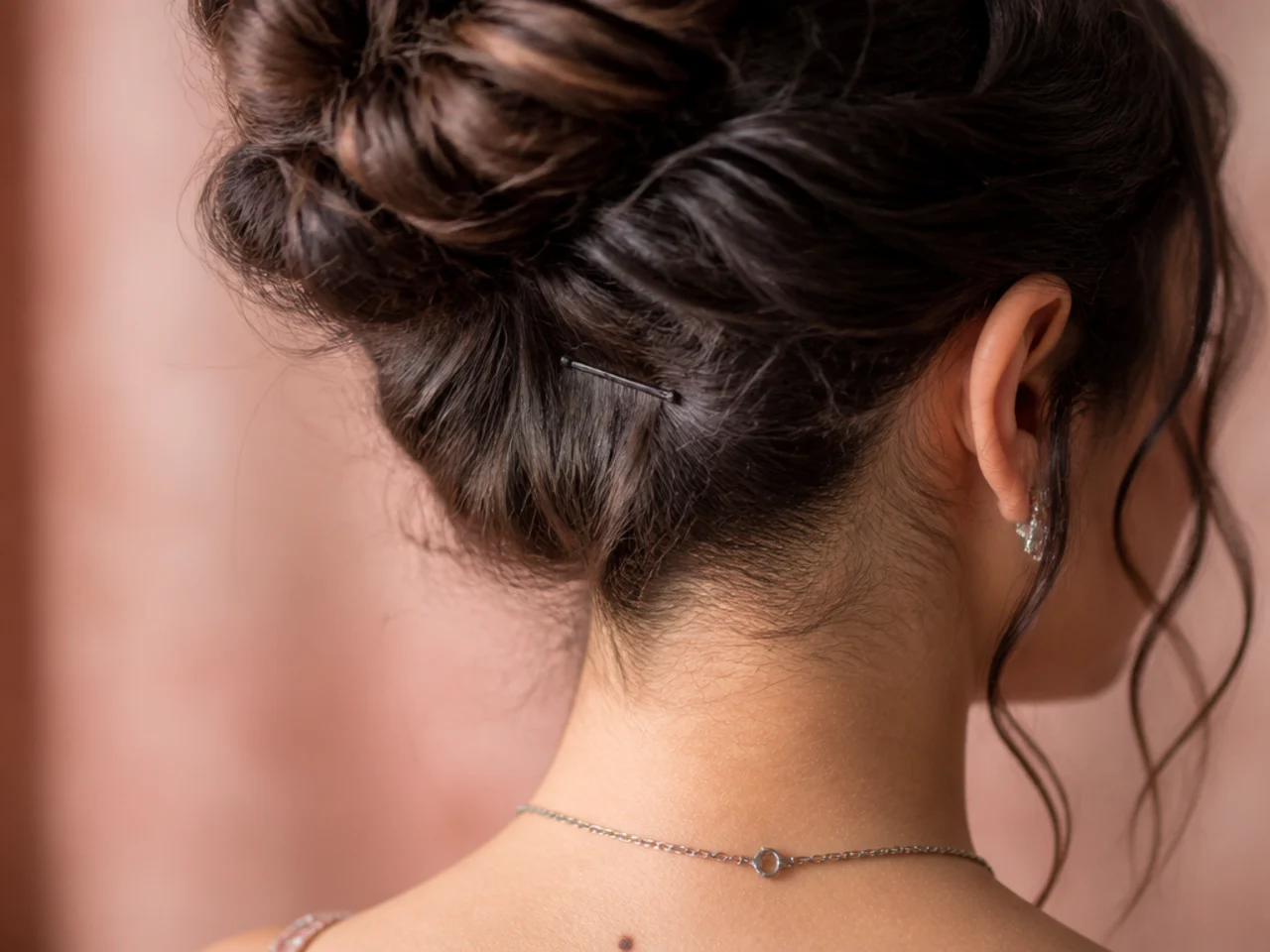
A pin has to catch the scalp layer. A pin that only passes through the coil holds the coil together and holds it to nothing, so the whole shape slides down intact.
Friction does more work than pins do. Braids, twists and ropes grip along their entire length, which is why they outlast a smooth coil on the same head.
Why an Updo Comes Down
Weight pulls straight down from the anchor point. The higher the updo sits, the further that weight has to be carried, so a high bun needs roughly twice the pinning a low one does.
Clean hair is slippery. Wash the night before. Day old hair has enough residual texture for a pin to hold under its own tension.
Rigid hairspray shatters. Once a hard hold cracks under movement it stops holding at all, where a flexible hold bends and returns.
Elastics fail at the join, not the loop. The base elastic takes the whole weight of the style, so use two rather than one and cross them.
Choosing Yours
Choose low if your hair is heavy. A low shape carries its weight close to the anchor and simply has less leverage working against it.
Choose a braid or twist if your hair is fine. They hold by friction along the length rather than at one point, which is where fine hair fails.
Choose by neckline, not by photograph. A high neckline competes with a low bun, and a strapless dress leaves a bare nape that a low shape sits against well.
Choose something you can rebuild. If it comes loose at half past nine you want a shape you can push a pin back into without starting again.
The 25 Hoco Updos
1. The Low Chignon
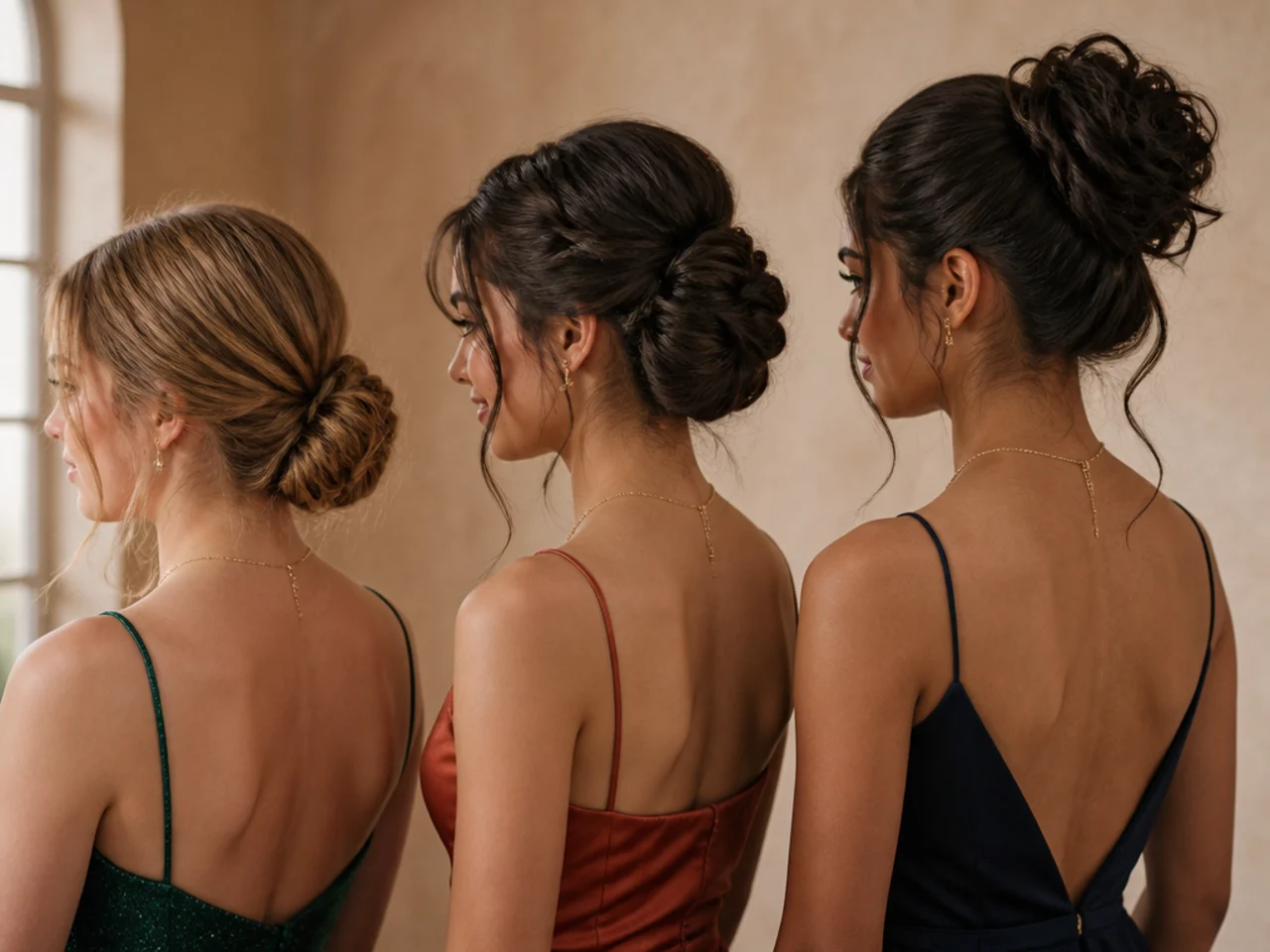
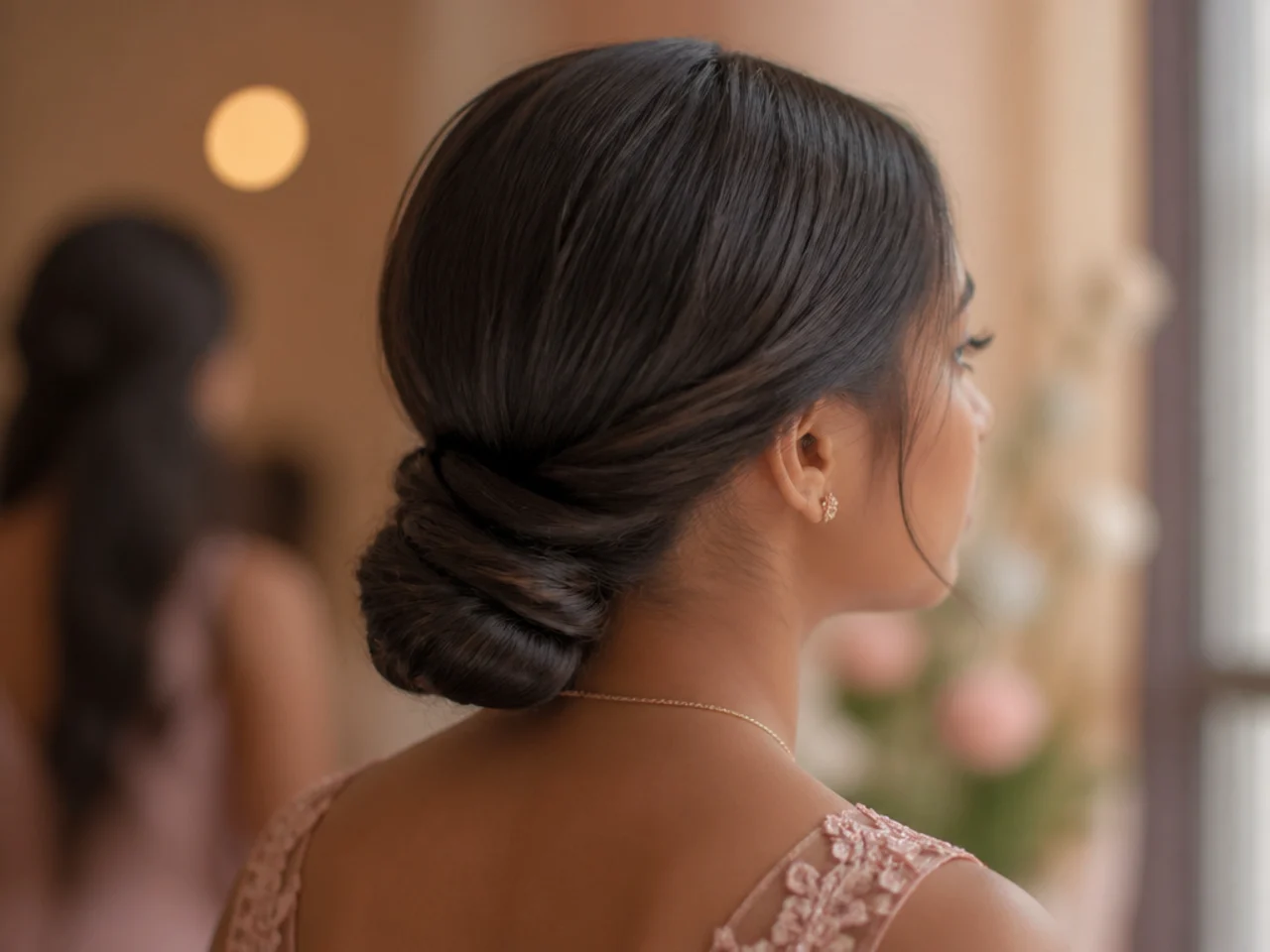
The length is gathered at the nape and folded under itself into a flat roll. It holds better than any high shape because the weight sits directly against the head, so there is almost no leverage trying to pull it away from the pins.
2. The Twisted Low Bun
The ponytail is twisted along its length before being coiled, and that twist stores tension. As the coil tries to unwind it presses outward against the pins instead of falling away from them, which is why a twisted bun loosens far more slowly than a smooth one.
3. The Classic Ballerina Bun
A high, perfectly round bun built over a tight base elastic. Everything depends on that elastic, because the bun sits at the point of maximum leverage and any slack at the base is multiplied by the distance the weight hangs below it.
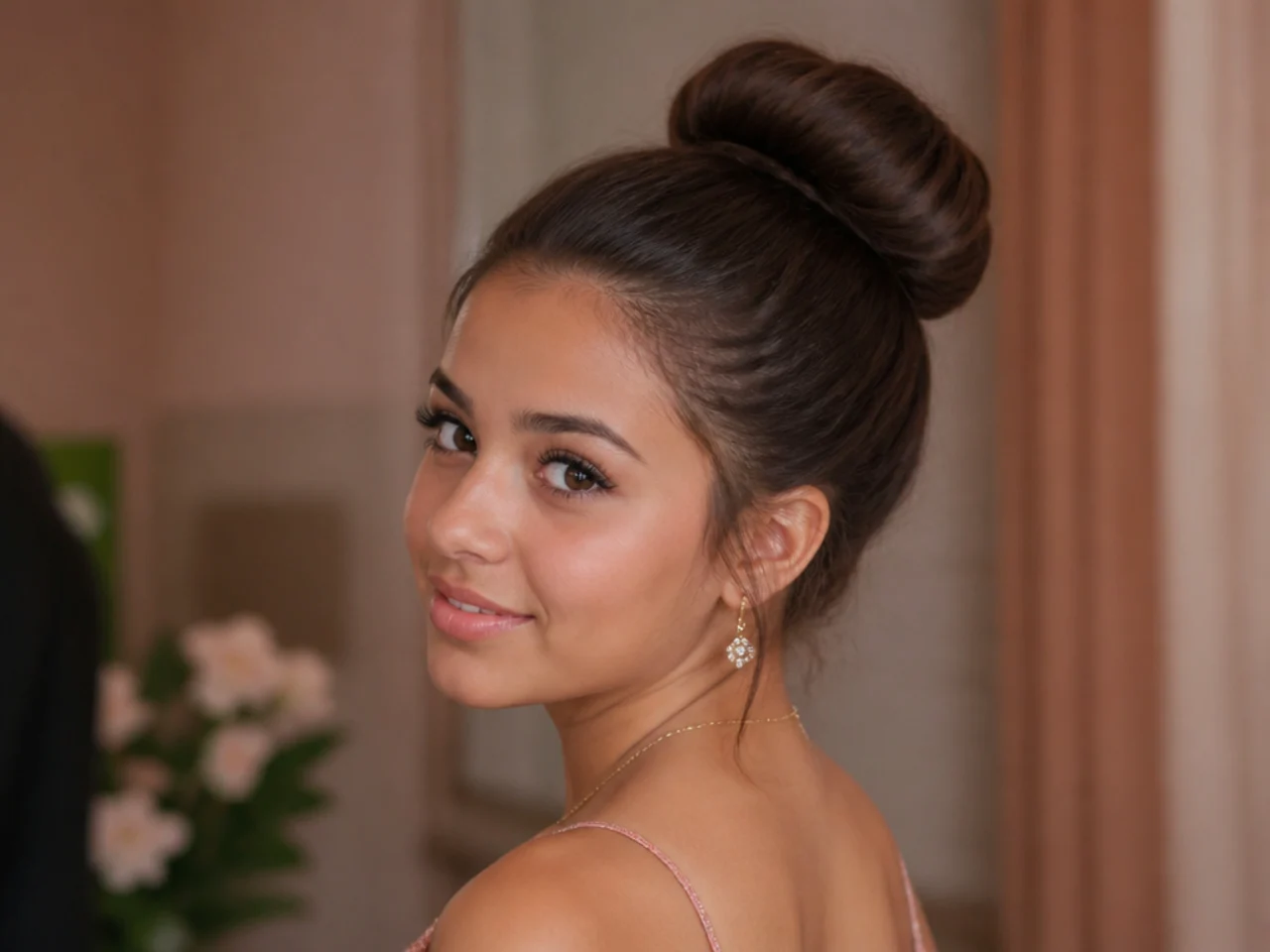
4. The Sleek High Bun
The same shape with every surface hair combed flat and set. Sleek is harder to hold than messy, because smoothing removes the small tangles between strands that were quietly carrying part of the load.
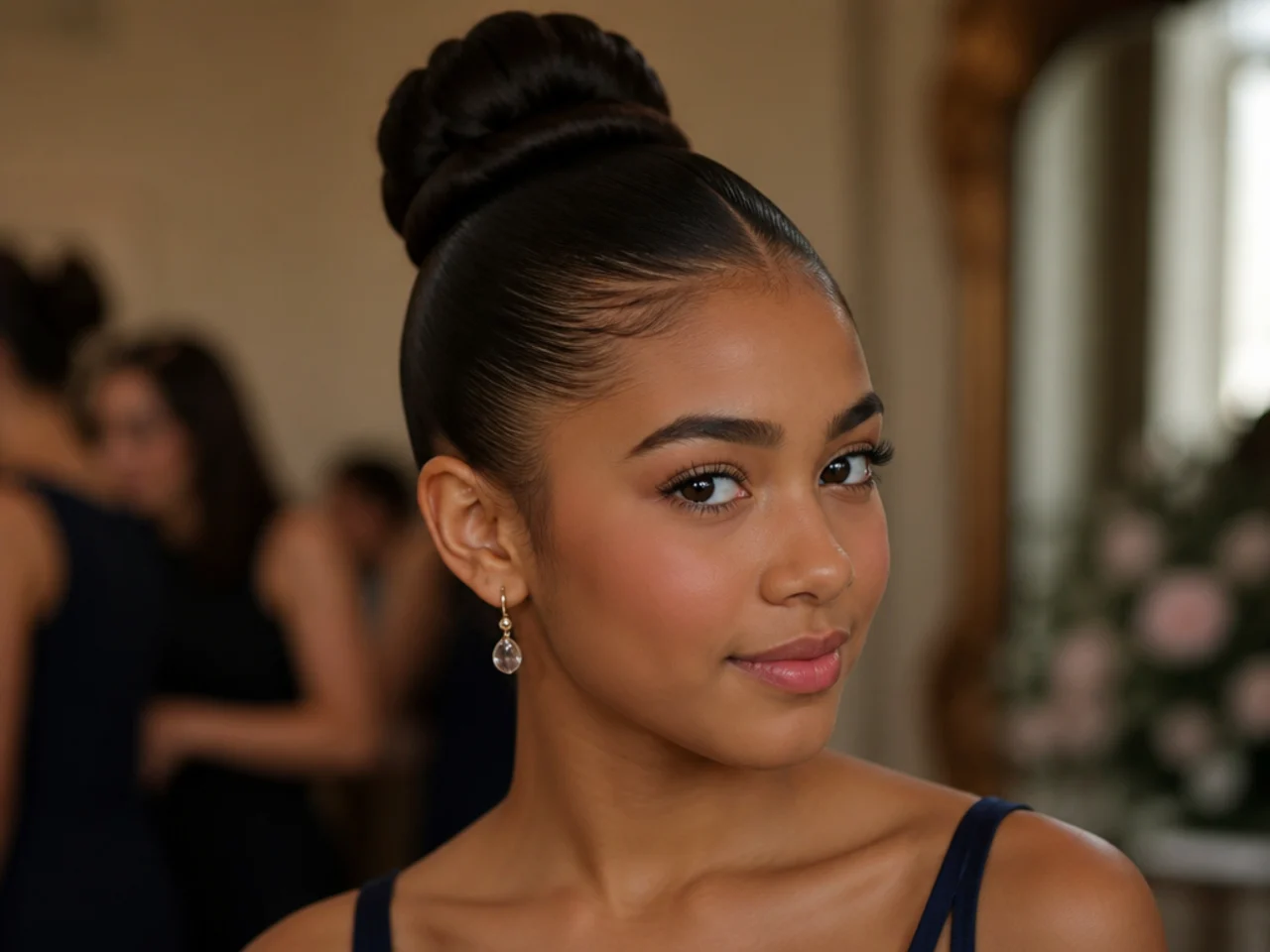
5. The French Twist
The hair is swept to one side, rolled vertically up the back of the head and pinned into its own fold. The roll is self locking: pins go in horizontally through the fold, so the weight of the hair presses the fold shut around them rather than pulling them out.
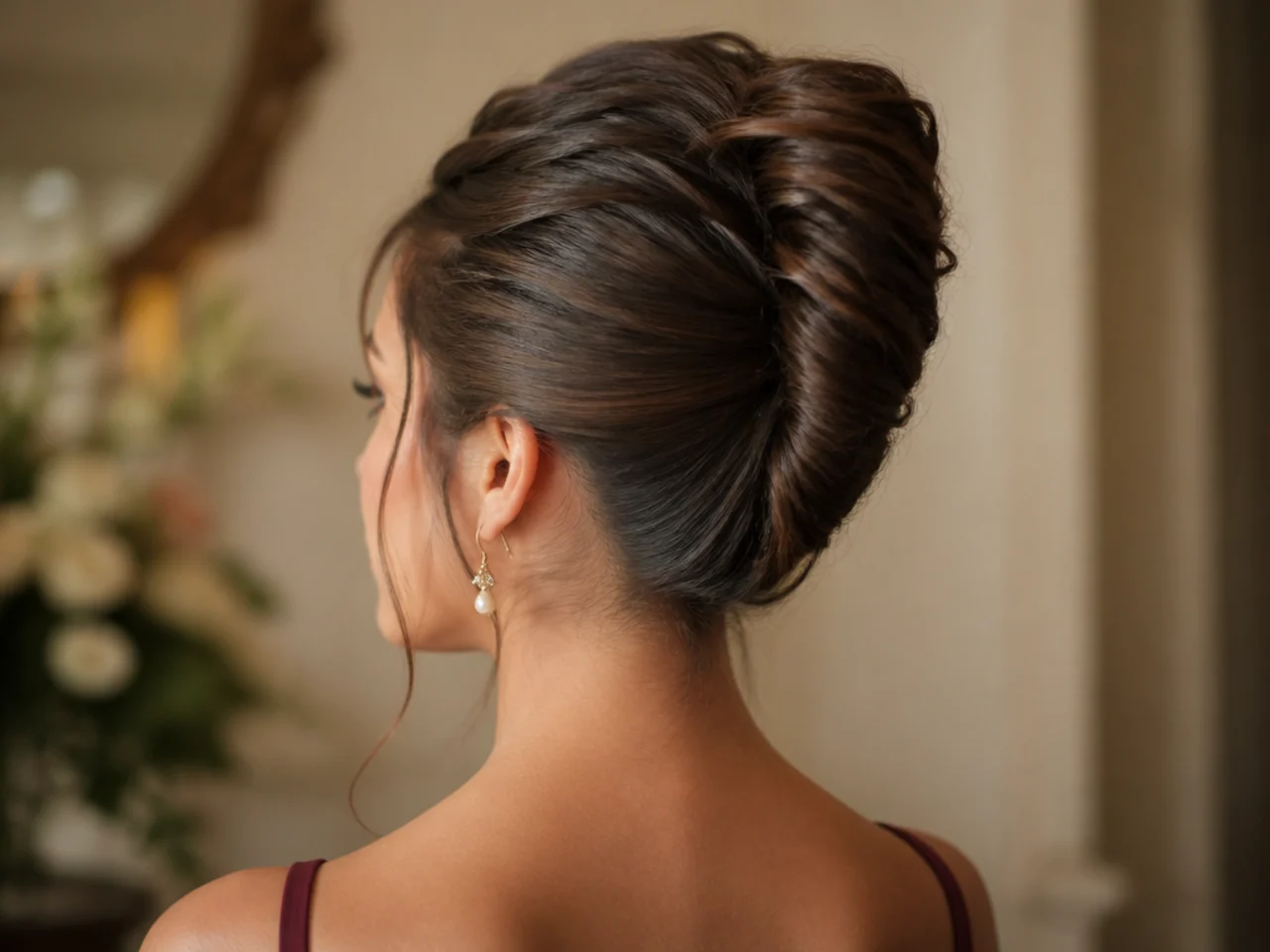
6. The Braided Crown
Two braids taken from each side and pinned across the top of the head. Because a braid holds its own shape, each one only needs anchoring at two points, and the whole style survives on a fraction of the pins a loose equivalent would need.
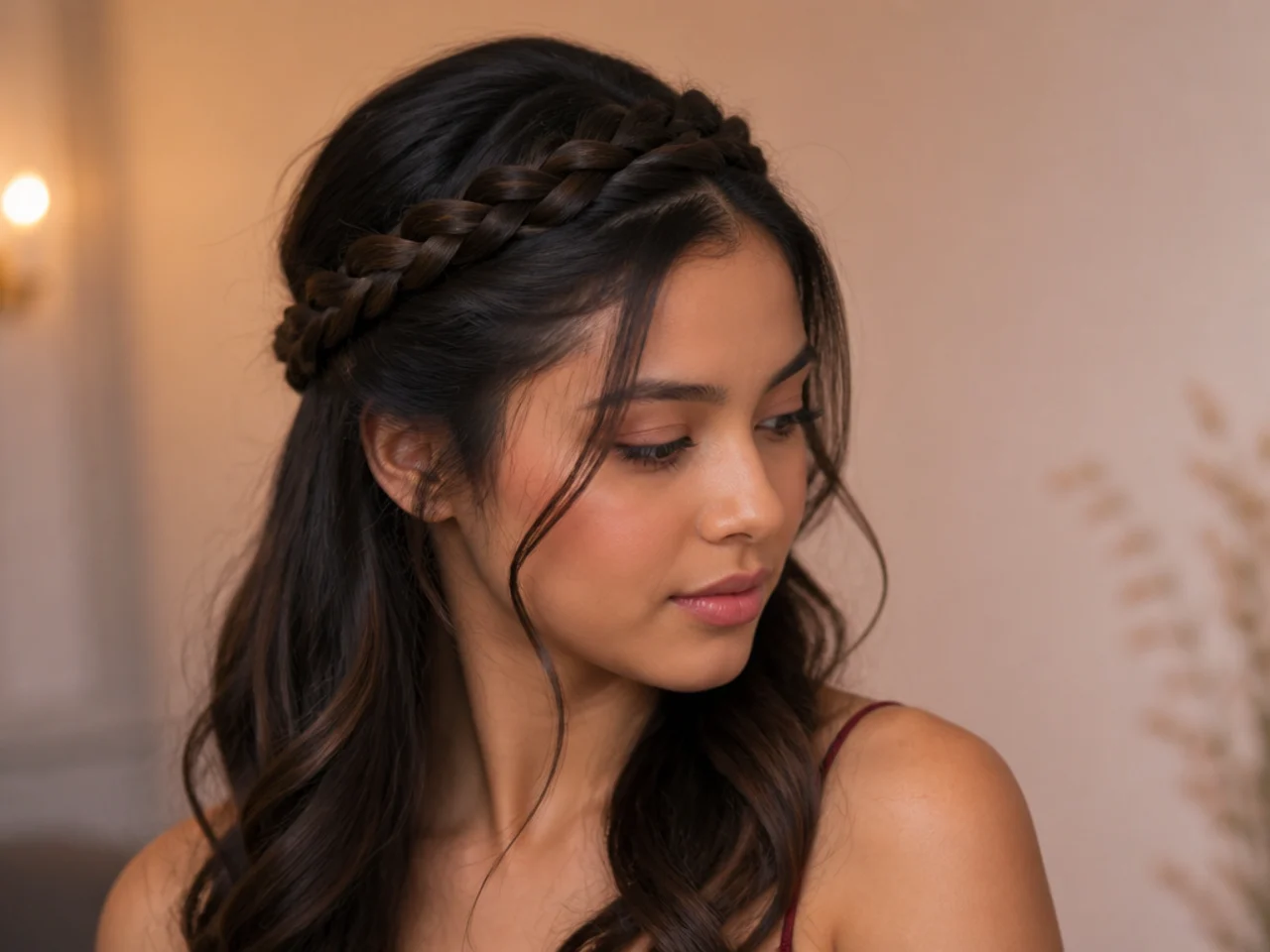
7. The Dutch Braid Into a Bun
The braid is worked over rather than under, so it sits proud of the scalp, and it finishes in a coil at the nape. The braided section takes most of the weight before the bun is even formed, which leaves very little load on the pins at the end.
8. The Fishtail Bun
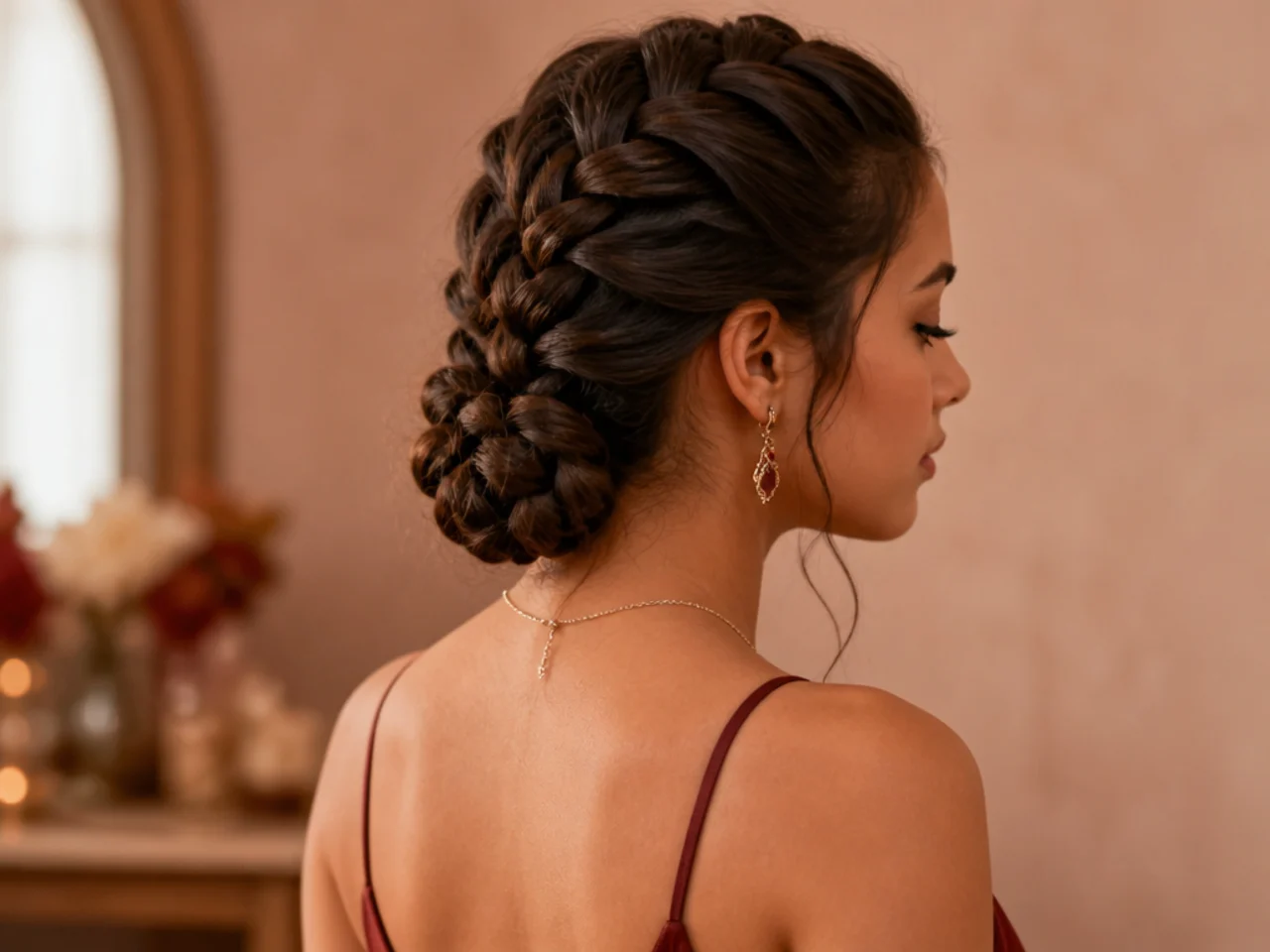
A two strand fishtail is denser and heavier than a three strand braid, and the many small crossings give it a huge amount of internal friction. That density is also why it must be pinned with longer pins, since a standard bobby pin cannot span it.
9. The Rope Twist Updo
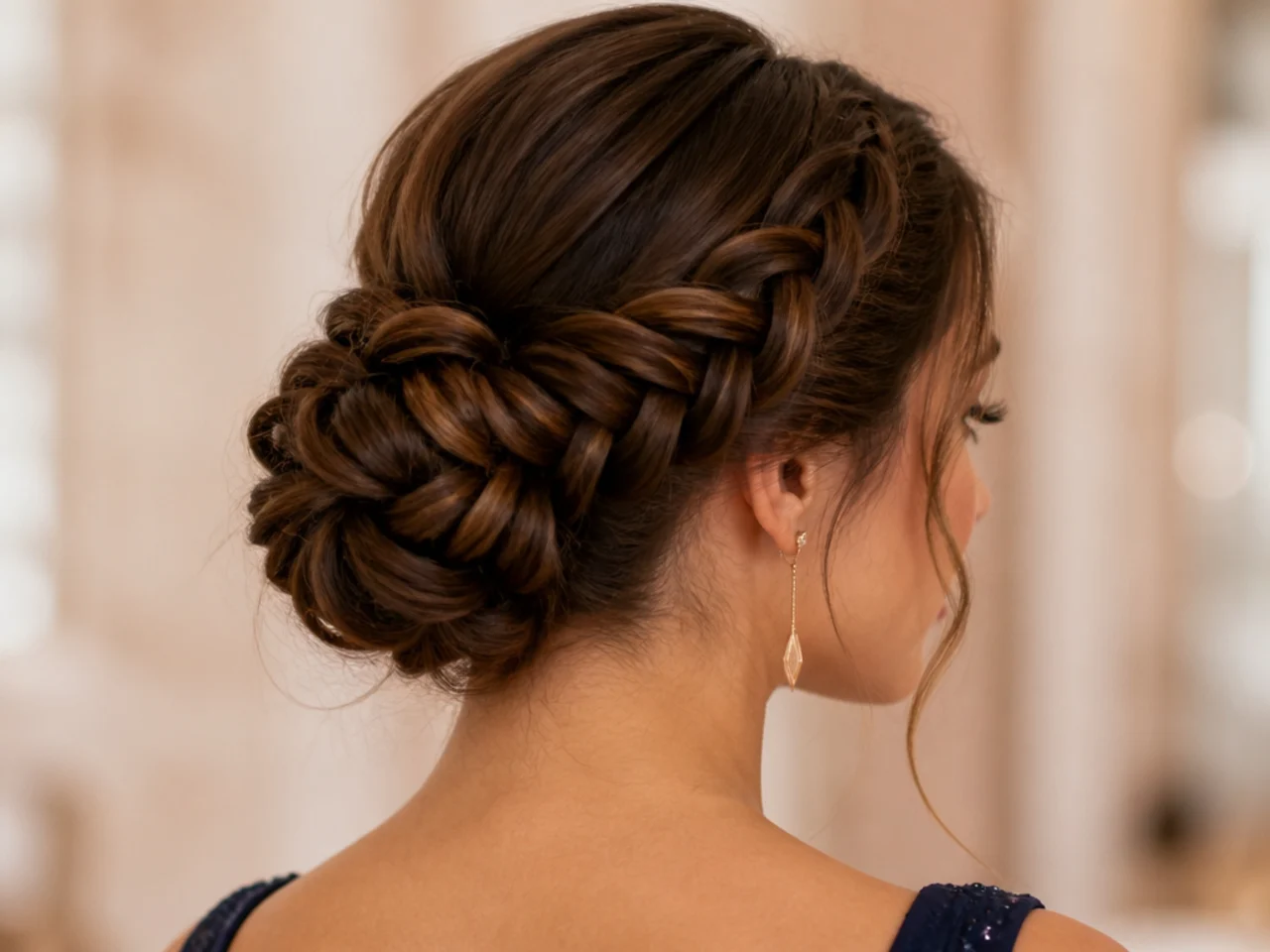
Two sections are each twisted in the same direction, then wound around each other in the opposite one. The counter twist is what locks it: each section is permanently trying to unwind and is prevented from doing so by the other.
10. The Knotted Updo
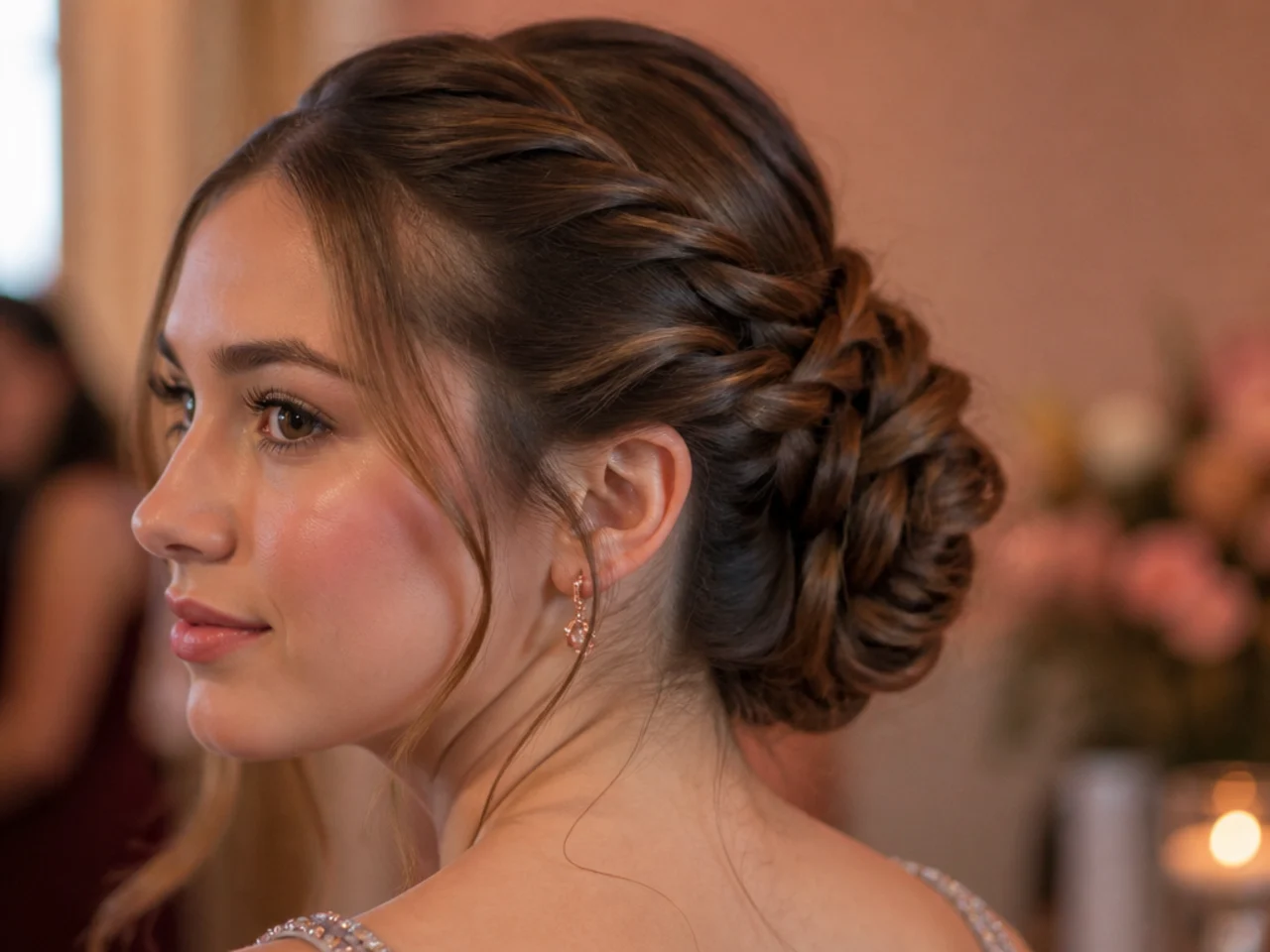
Two sections tied in a series of simple knots up the back of the head. Each knot tightens under the load below it, so the style gets marginally more secure as the evening goes on rather than less.
11. The Bubble Braid Pinned Under
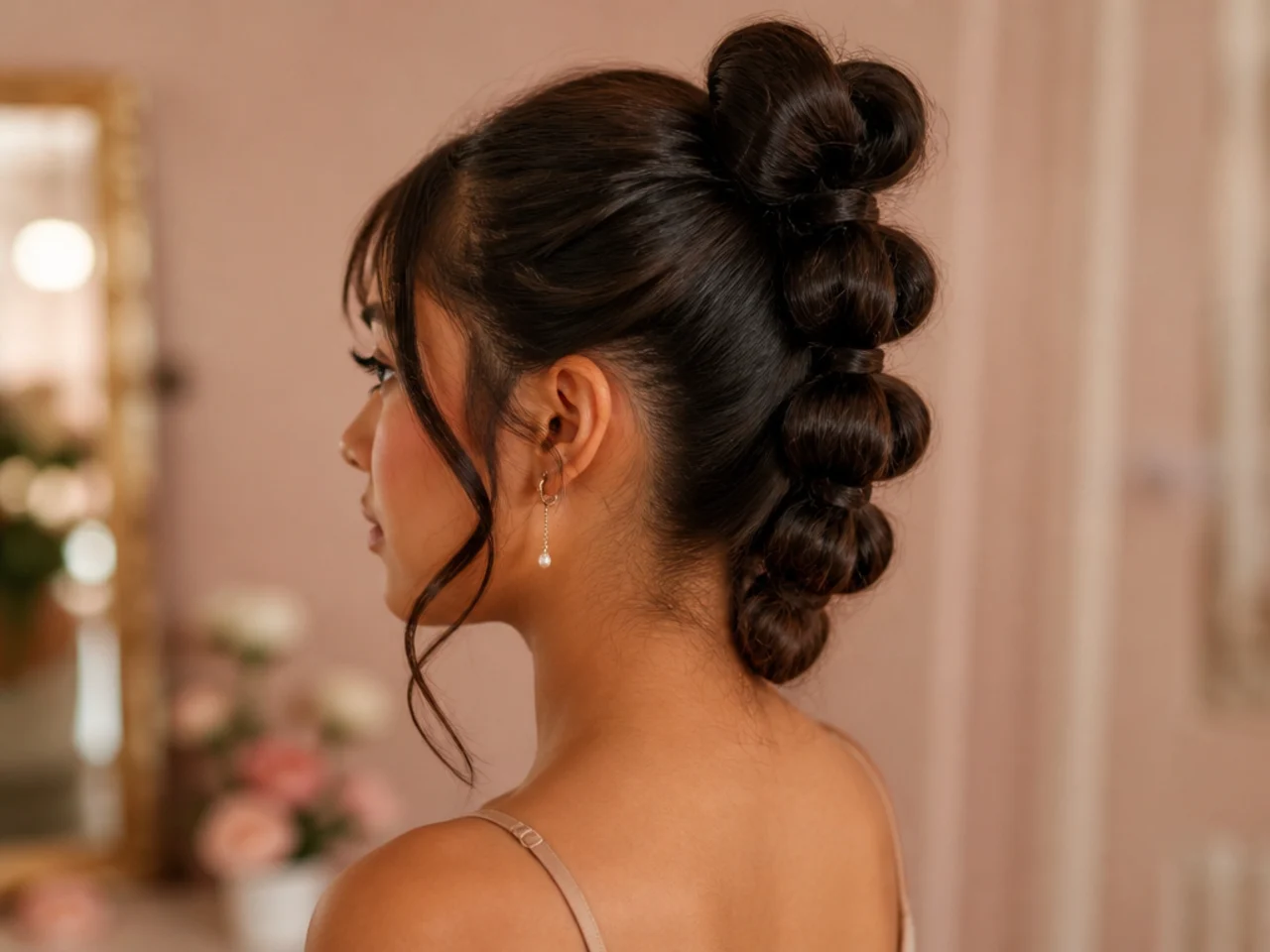
A ponytail divided by elastics every few inches, then folded up and pinned at the nape. The elastics carry all the structural work, so the pins only have to hold the fold in place, which makes it one of the most reliable shapes on thick hair.
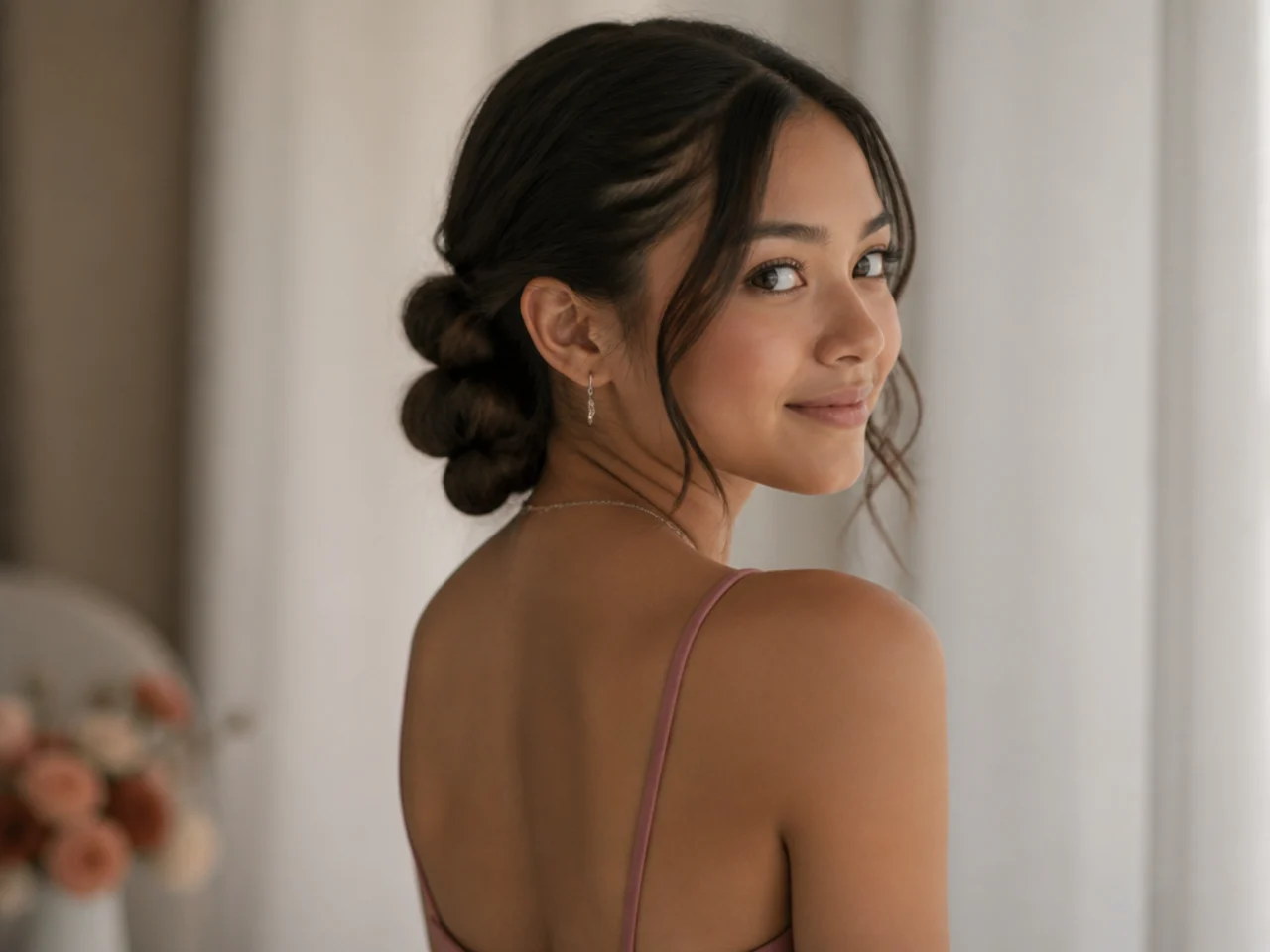
12. The Faux Bob
Long hair rolled under and pinned to sit at jaw length. It reads as a short cut without cutting anything, and it holds because the roll is supported along its whole width rather than hanging from a single point.
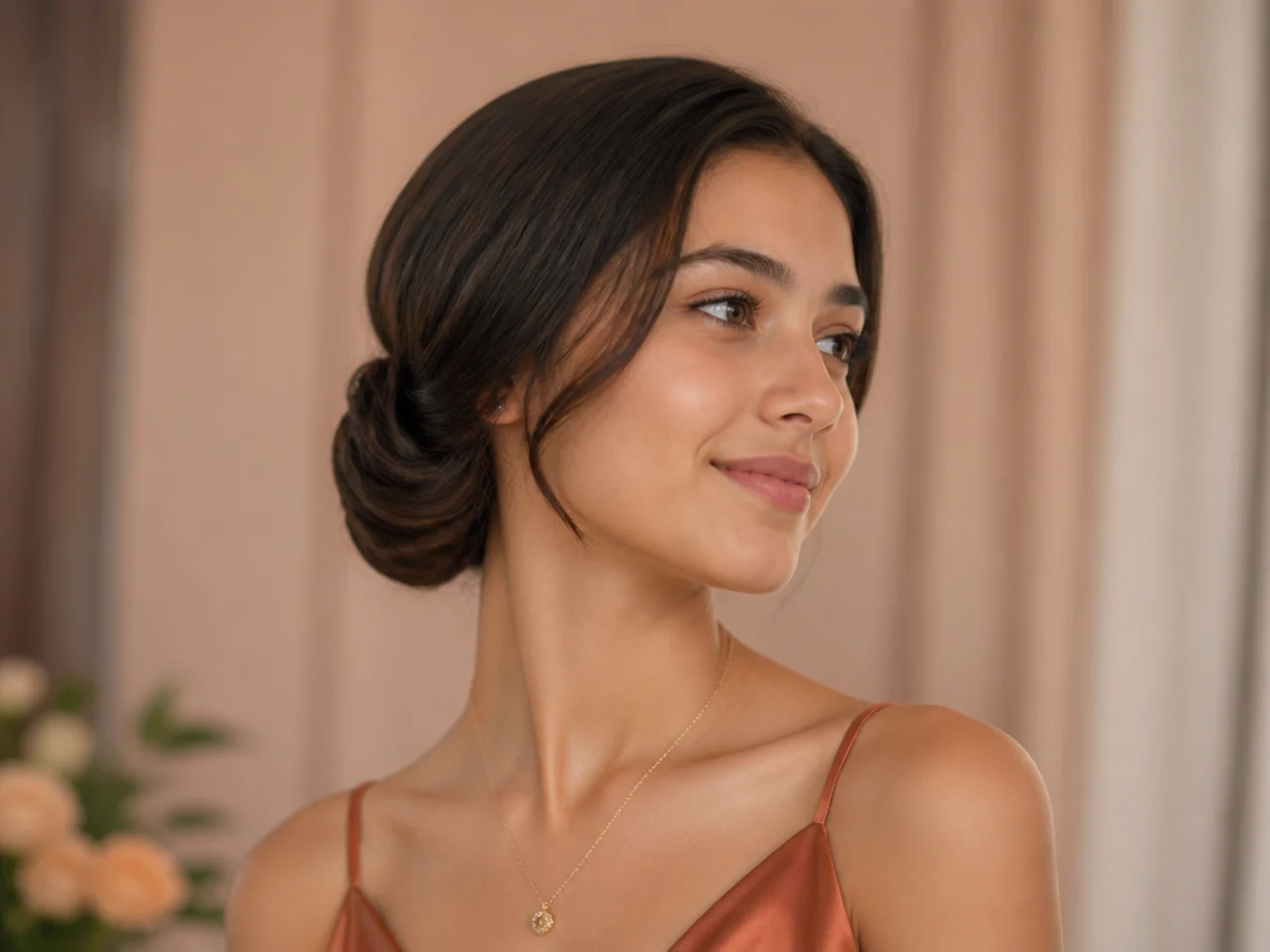
13. The Vintage Pin Curl Updo
Sections are curled, coiled flat against the head and pinned individually. Dividing the weight across many small anchors is the whole principle, and it is why the style survives on fine hair that would drop a single large bun within an hour.
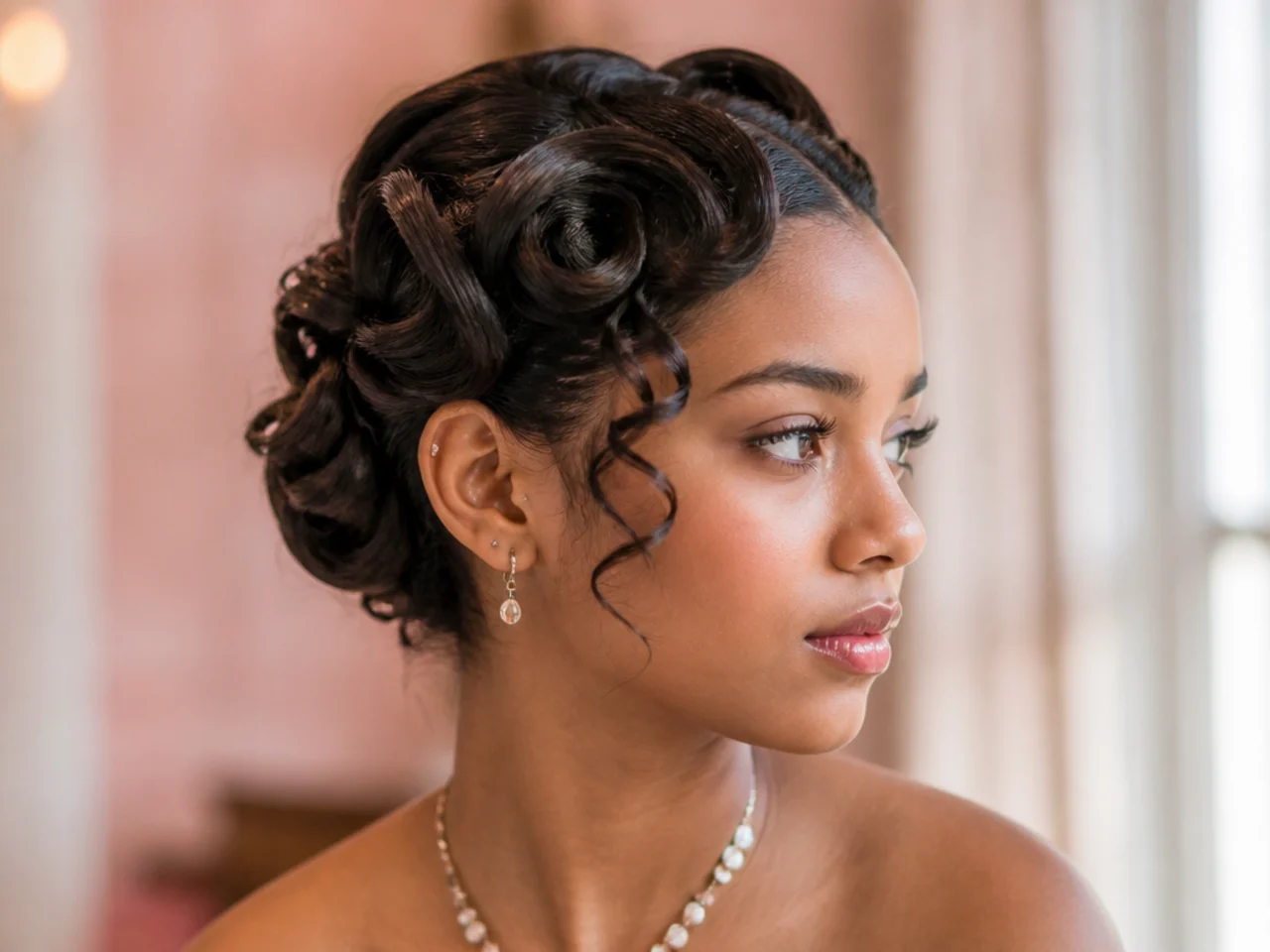
14. The Messy Textured Bun
Texture spray first, then a loosely gathered coil. The roughened strands catch on one another and share the load, which is why a deliberately messy bun outlasts a sleek one built with the same number of pins.
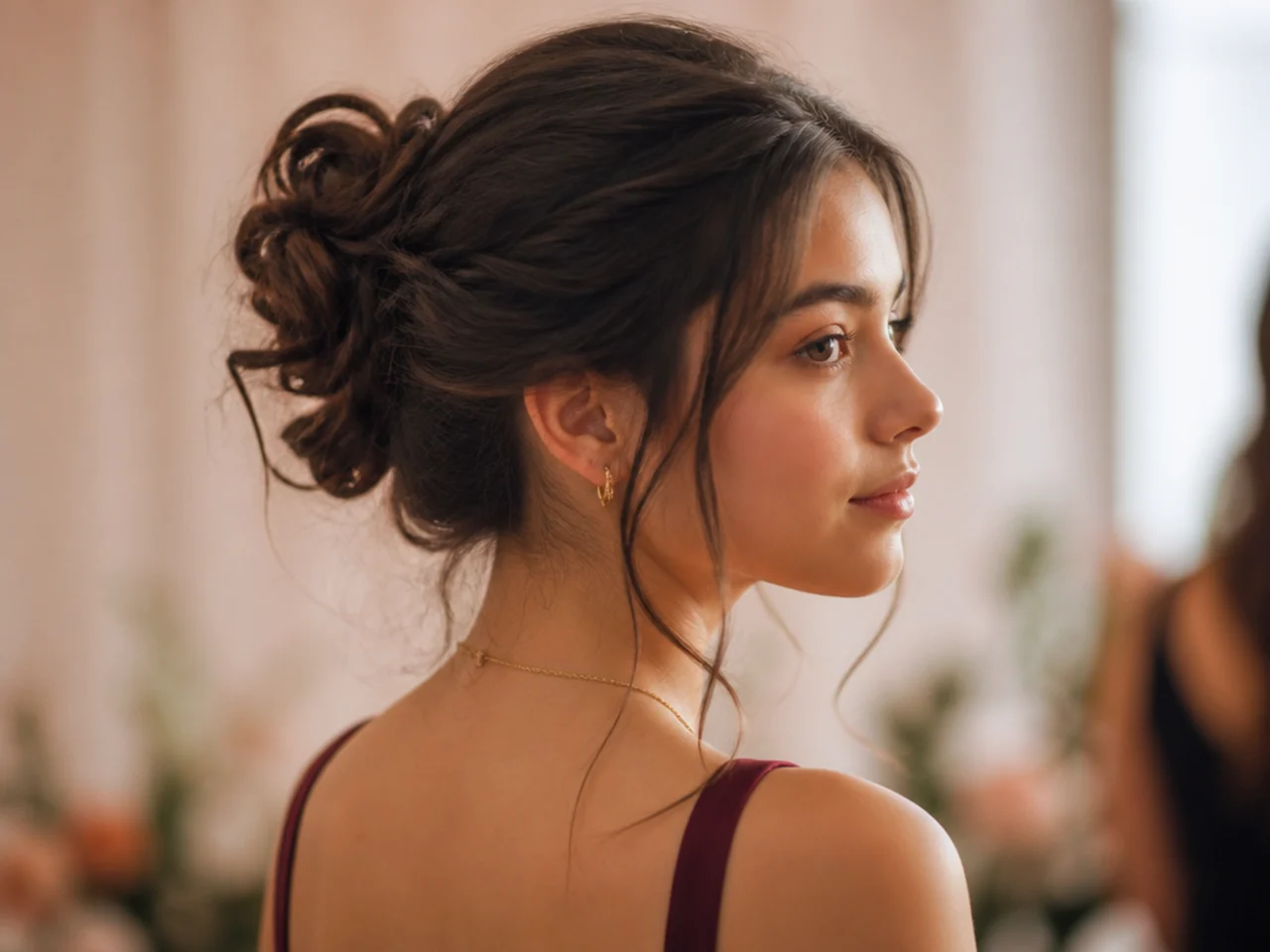
15. The Wrapped Ponytail
A high ponytail with a section of its own hair wound around the elastic and pinned underneath. The wrap hides the elastic, but it also stops the elastic slipping down the ponytail, which is the usual first stage of collapse.
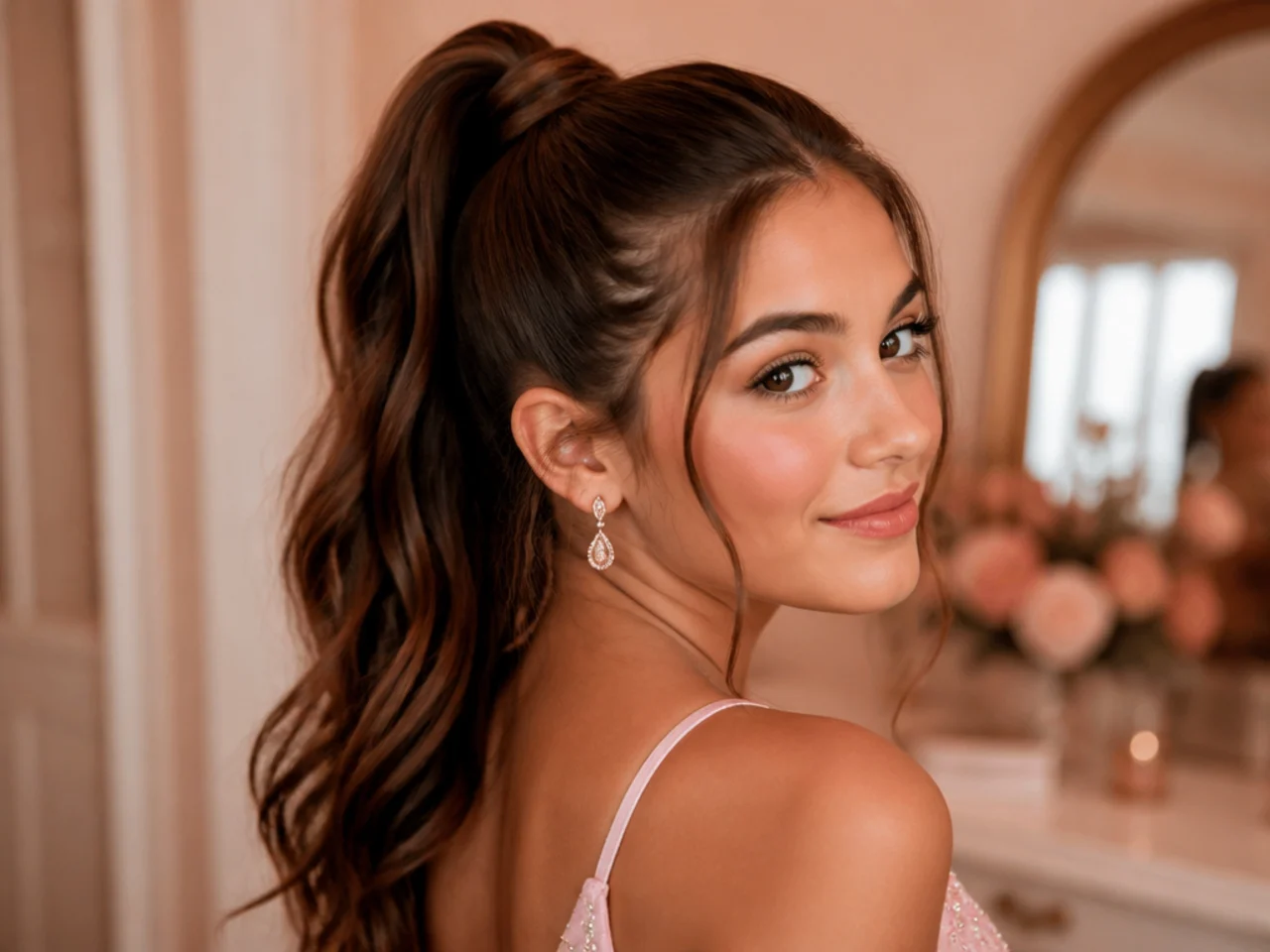
16. The Halo Braid
One continuous braid taken all the way around the head and joined at the back. Because it circles the skull it supports itself the whole way round, and the only weak point is the join, which needs three pins rather than one.
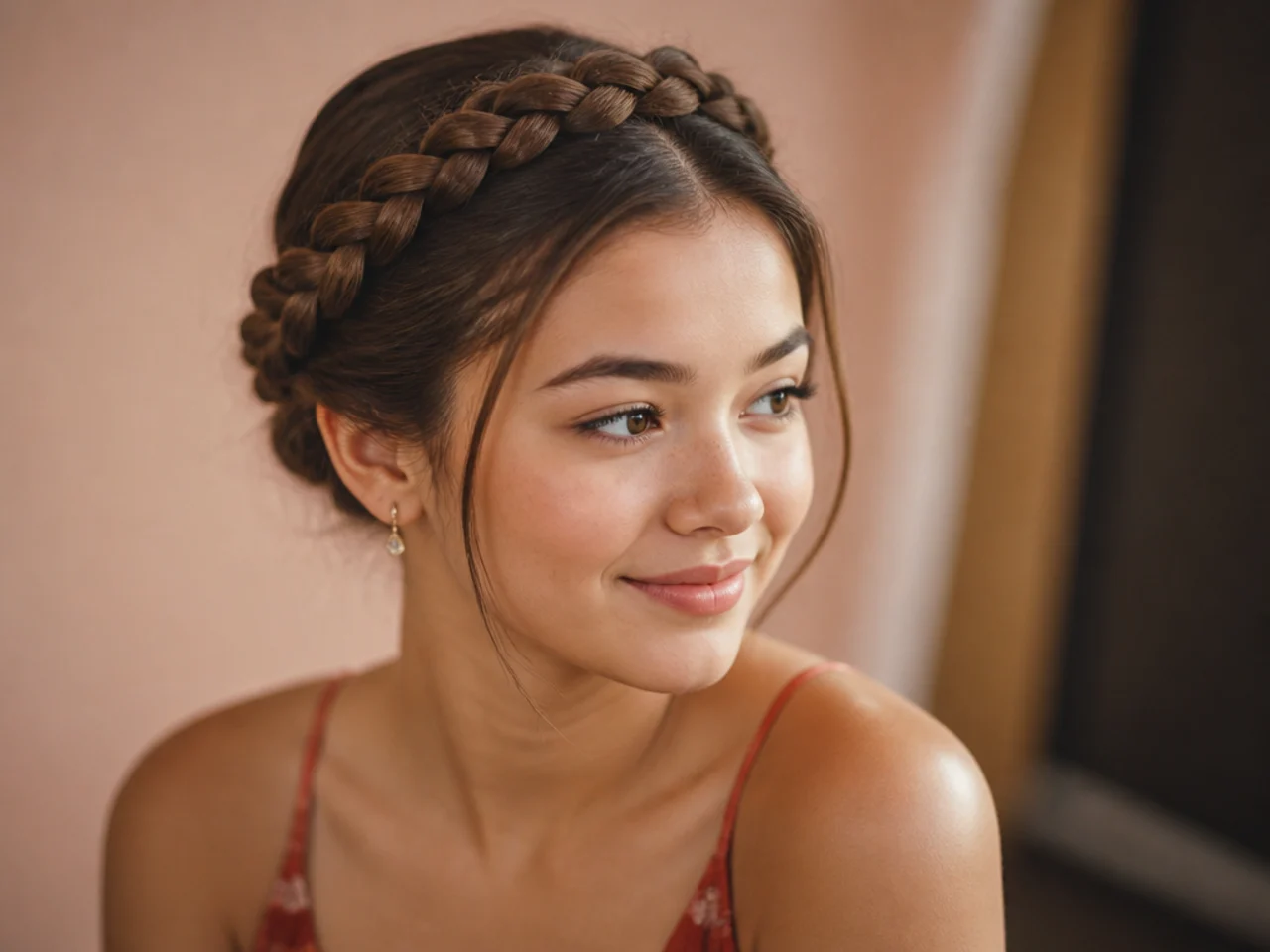
17. The Side Swept Updo
Everything gathered low behind one ear. The asymmetry looks casual but loads all the weight onto one side, so the pins on the light side do almost nothing and the heavy side needs double what a centred bun would.
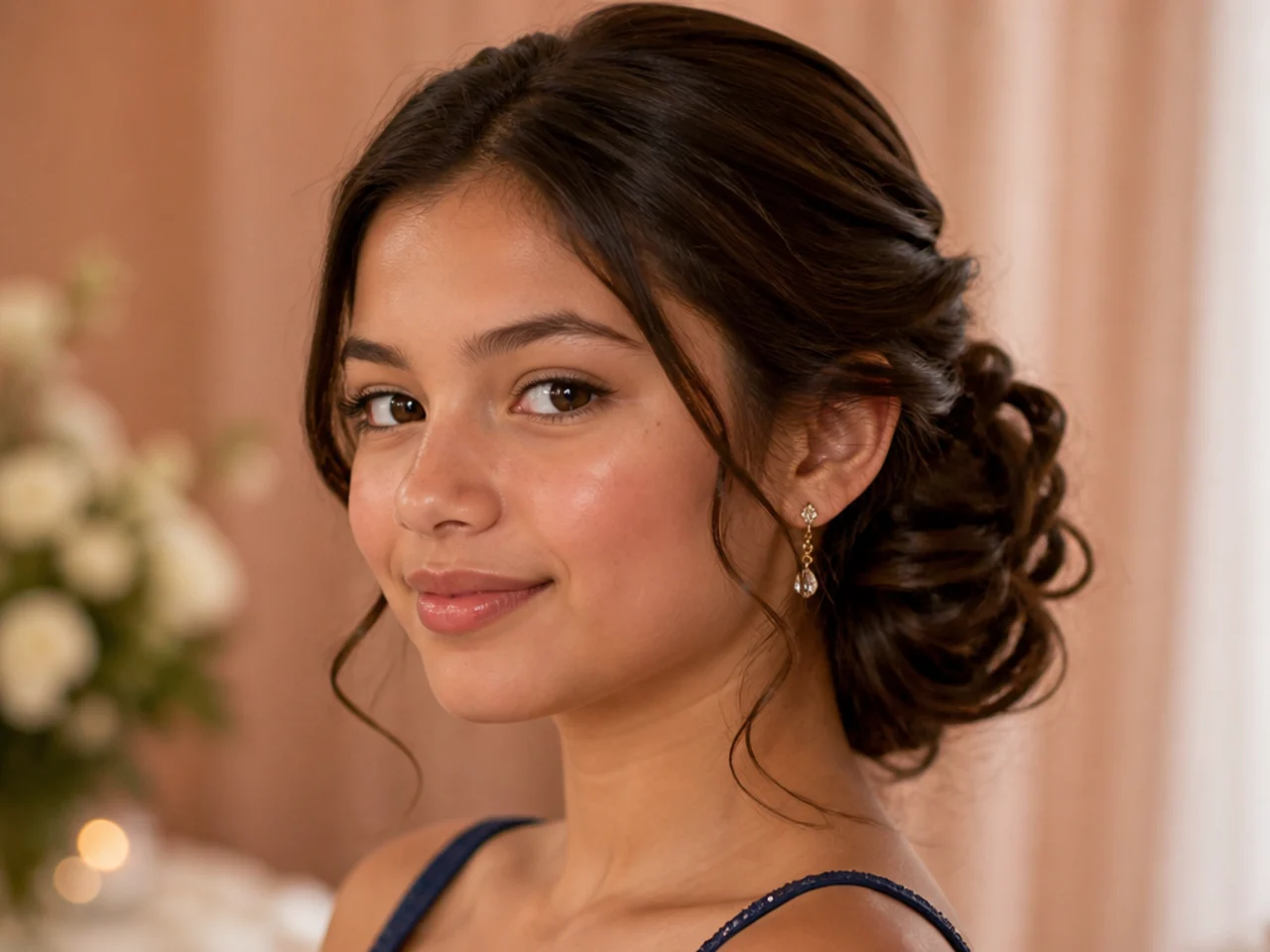
18. The Bouffant Updo
The crown section is backcombed at the root, smoothed over and pinned, with the length taken up behind it. The height comes from the tangled cushion underneath, so it collapses the moment that cushion is brushed through rather than gently unpinned.
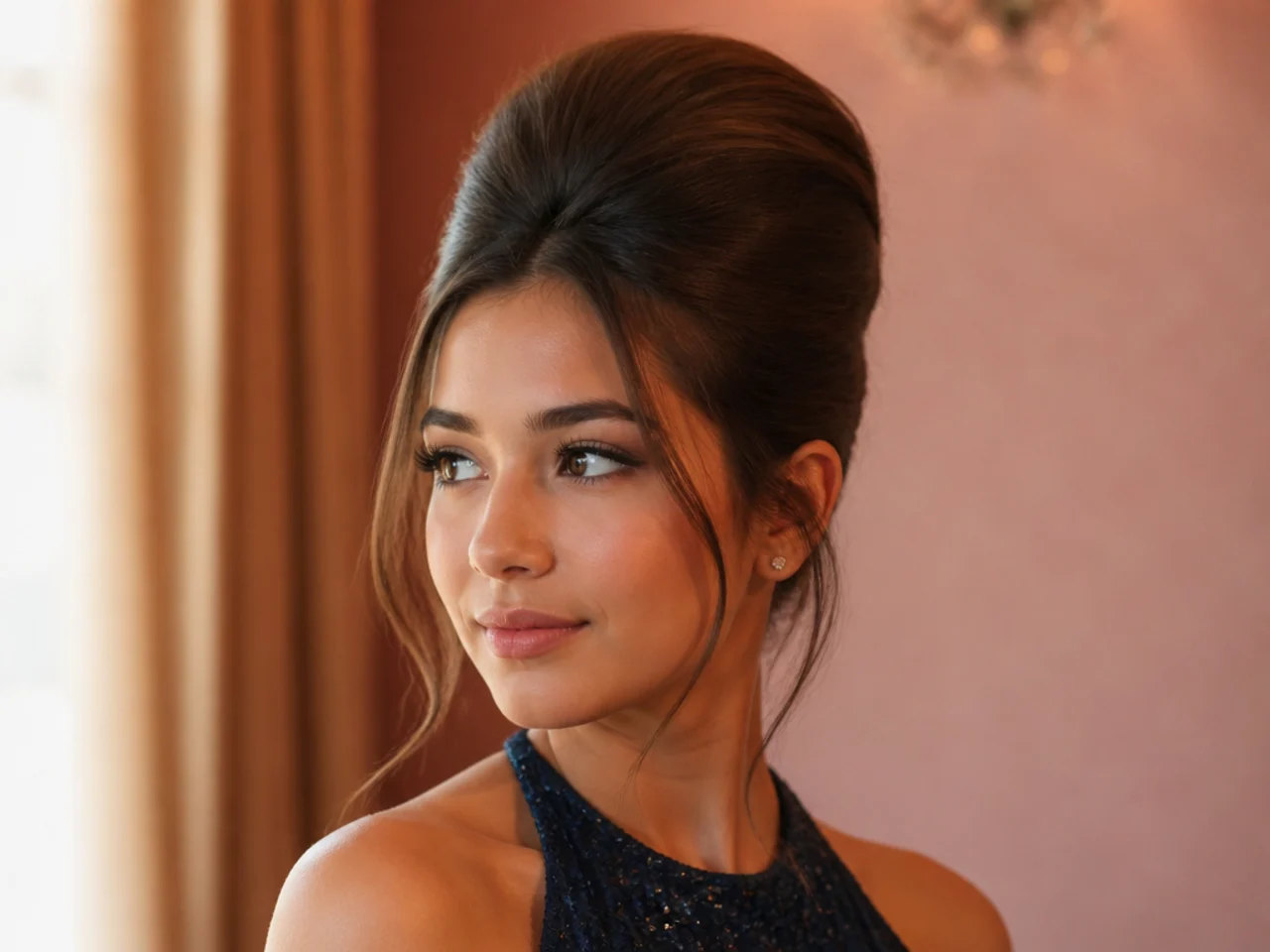
19. The Padded Donut Bun
A foam ring sits under the bun and the hair is spread over it. The padding creates size without adding weight, which makes it the one large shape that fine hair can actually carry for a whole evening.
20. The Looped Updo
The length is folded into a series of standing loops and pinned at the base of each. Every loop is anchored separately, so one working loose leaves the rest of the shape intact instead of taking the whole thing down.
21. The Curly Cluster Updo
Curls are gathered in groups and pinned without being combed through. Combing separates a curl into its individual strands and removes the clumping that gives it structure, so the whole style is built by lifting and pinning intact clusters.
22. The Updo With a Ribbon
A ribbon woven through a braid or tied at the base of a bun. Beyond the look, the ribbon adds a non slip surface against the hair, and tied at the base it takes some of the tension off the elastic underneath.
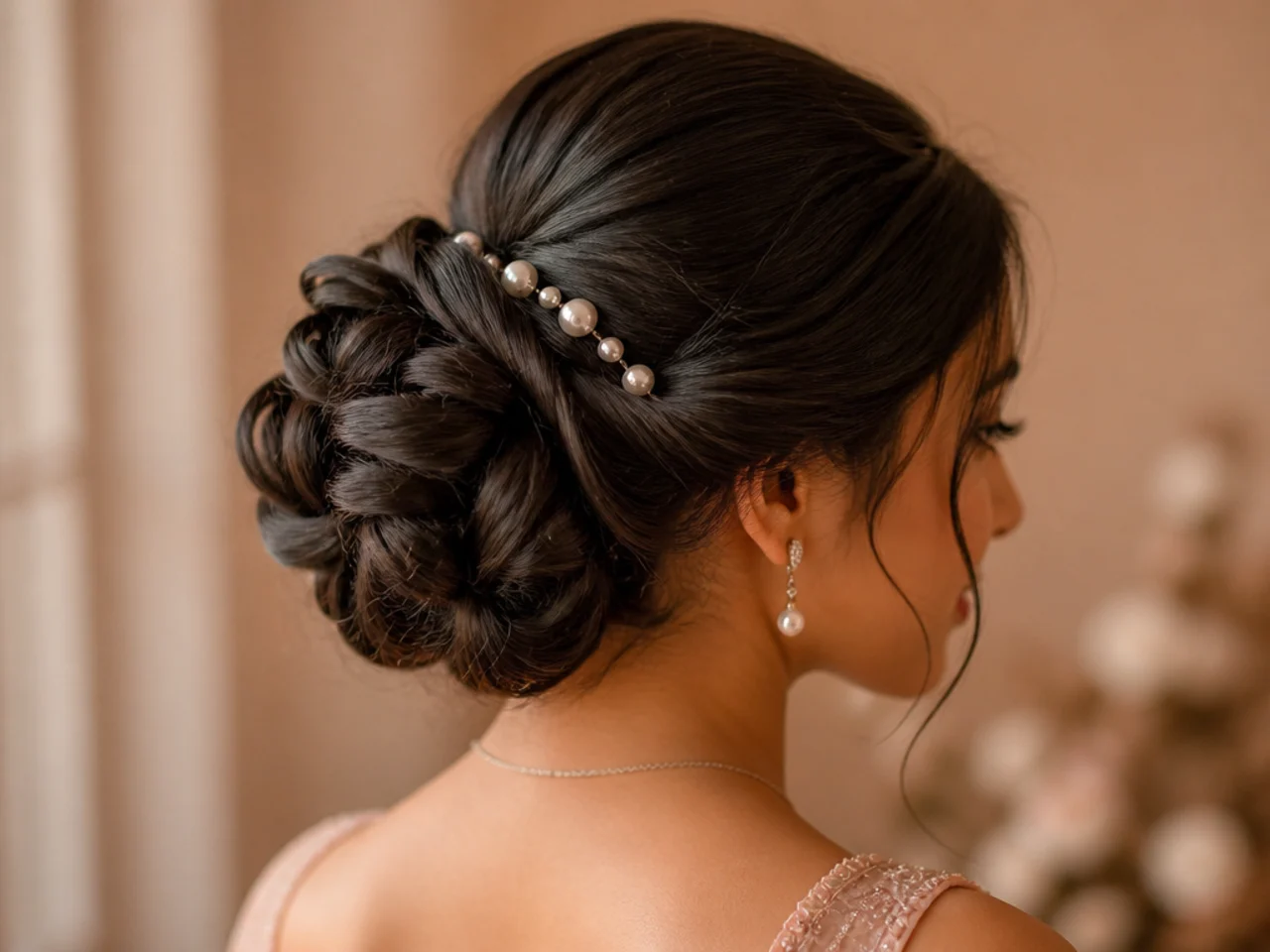
23. The Updo With Pearl Pins
Decorative pins placed along the seam where the coil meets the head. Set them where a plain pin was already going rather than adding them afterwards, because most decorative pins are smoother than a bobby pin and grip considerably less.
24. The Low Roll
The length is rolled horizontally along the nape and pinned into itself, like a french twist turned on its side. It sits flat against the neck, which means a high collar or a heavy necklace will not push it out of shape.
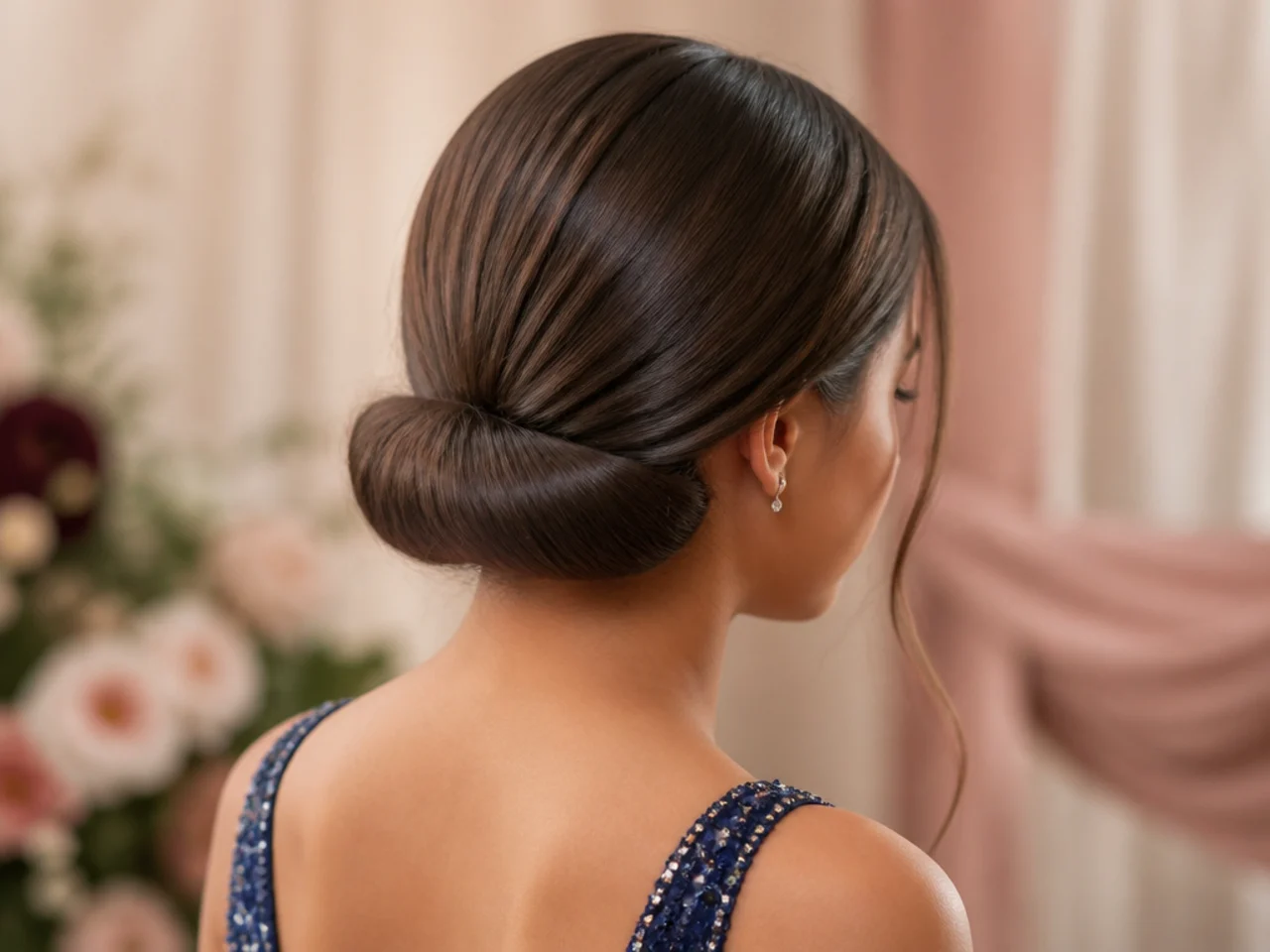
25. The Updo on Short Hair
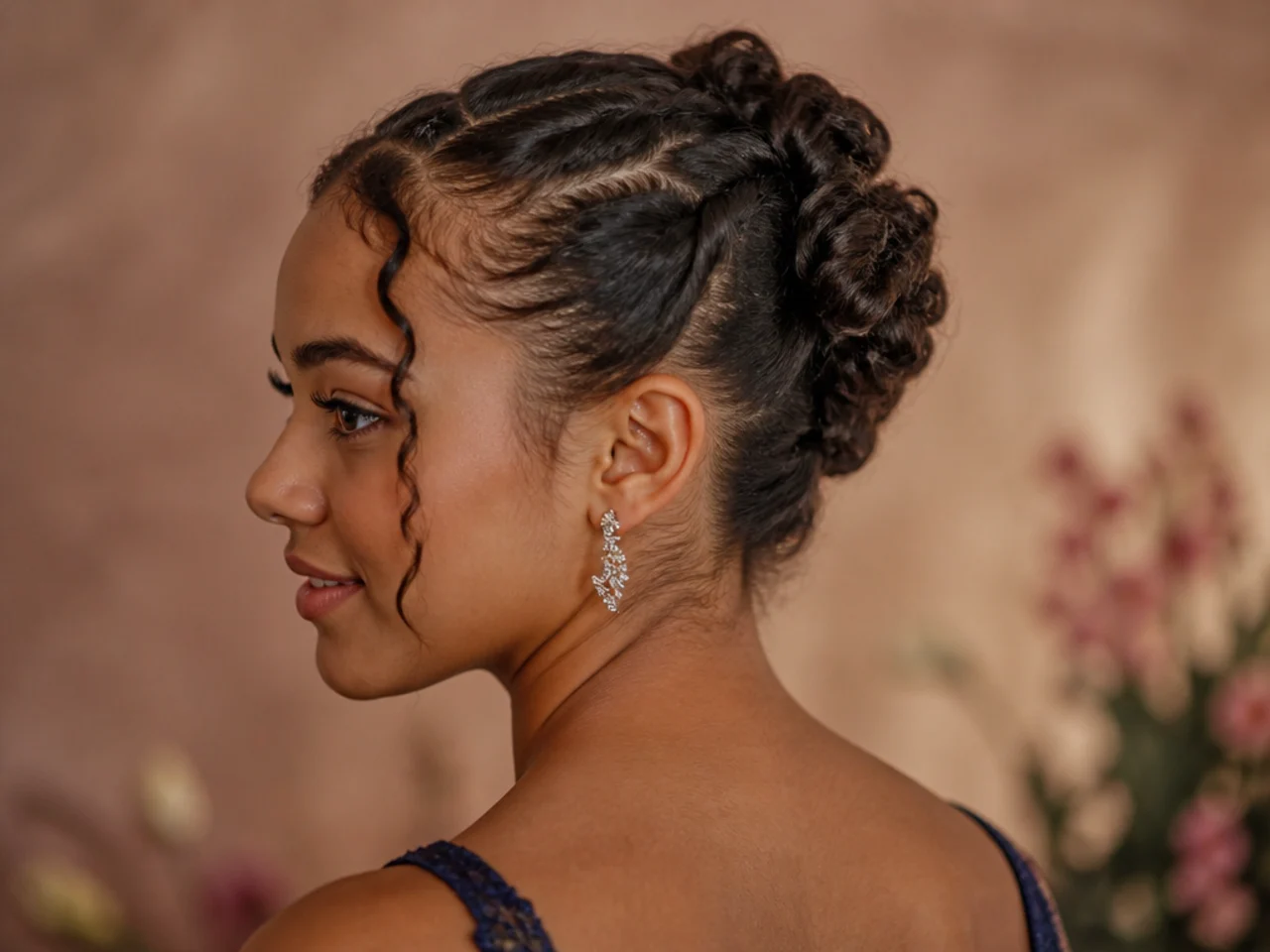
Below chin length there is not enough to coil, so the shape is built from several pinned twists rather than one gathered mass. Each twist is anchored where it starts, and the ends are tucked under the twist beside it rather than pinned on their own.
Styling and Upkeep
Wash the night before. Clean hair is slippery and a pin will not hold in it. This decides more than any technique.
Cross every pin. Open it, catch a few hairs from the scalp layer, then push it back into the coil. A pin that misses the scalp layer holds nothing.
Use a flexible hold spray. A rigid hold cracks under movement and once cracked it has stopped working.
Photograph the back before you leave. You cannot see it, and every common fault shows up in that picture.
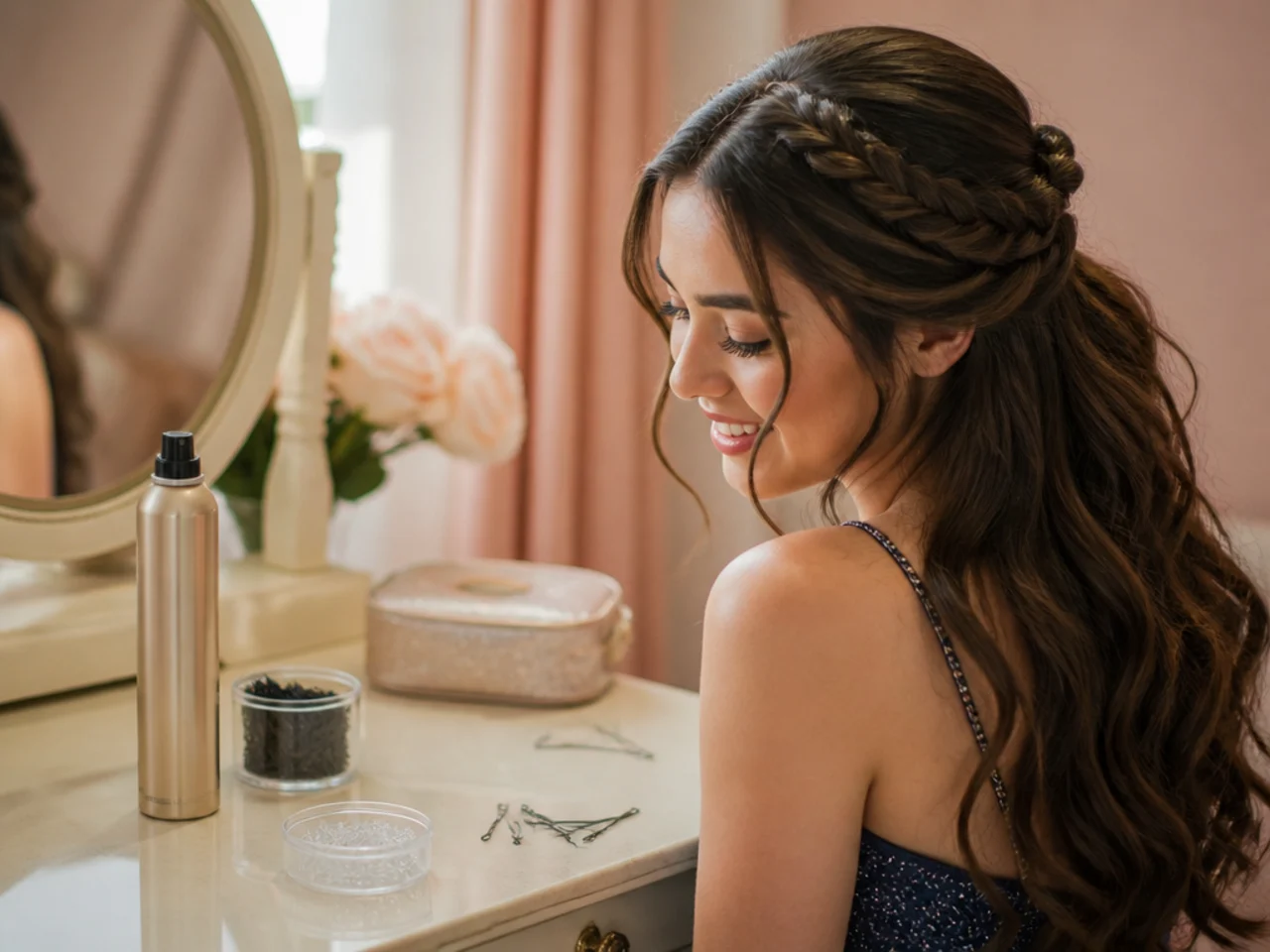
Carry six spare pins. A shape that has loosened can usually be saved in thirty seconds if you have something to save it with.
Mistakes to Avoid
Pinning the coil to itself. The single most common fault. Every pin must pass through hair that is still attached to the head.
Washing that morning. Freshly washed hair has no grip, and no amount of spray afterwards restores it.
One elastic at the base. It is carrying the entire style. Use two, and cross them so a single failure does not release everything.
Oil or serum before pinning. Pins do not grip an oiled strand, and the effect lasts for two washes.
Brushing out a backcombed crown at the end of the night. Unpin first, then work the tangles out from the ends upward, or the crown section will break.
FAQ
Why does it slide down? It is pinned to itself. Catch the scalp layer with every pin.
Wash when? The night before. Clean hair is too slippery to pin.
Best shape for fine hair? A braid or twist, because it grips along its whole length.
Final Thoughts
Pick a shape that matches your hair's weight, then anchor it to the head rather than to itself. Low shapes carry less leverage, braids and twists supply their own friction, and everything else is a question of how many pins you were willing to use.
For the build itself step by step see the hoco updo walkthrough, and for the shapes that sit at the nape see low updo hairstyles. If your hair is curly or shorter than chin length, start at hoco hairstyles for curly hair and hoco hairstyles for short hair. More in Occasion Hair.
Frequently asked questions
Related posts
See all posts
15 Graduation Hair Ideas for the Updo Versus Down Decision
Read more
15 Straight Hair Wedding Looks to Save
Read more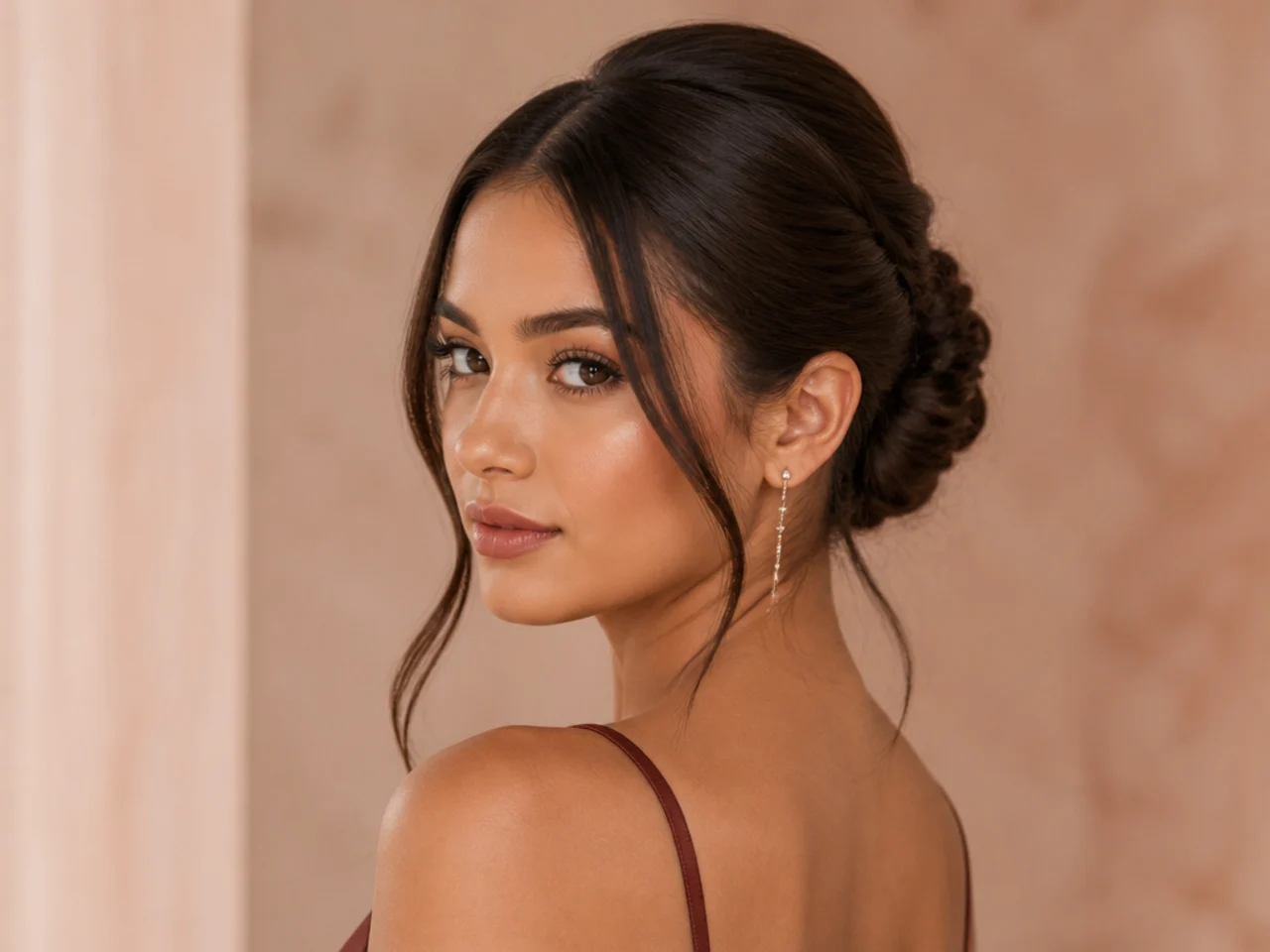
20 Gorgeous Prom Looks for Straight Hair
Read more