6 Side Part Styles Guys Get Complimented On
A working barber walks through the six side part styles his clients get the most compliments on — plus the exact ask, product, and reason each version lands with coworkers, dates, and strangers.
In this article · 17
- What Actually Earns a Compliment on a Side Part
- The 6 Side Part Styles Guys Get Complimented On
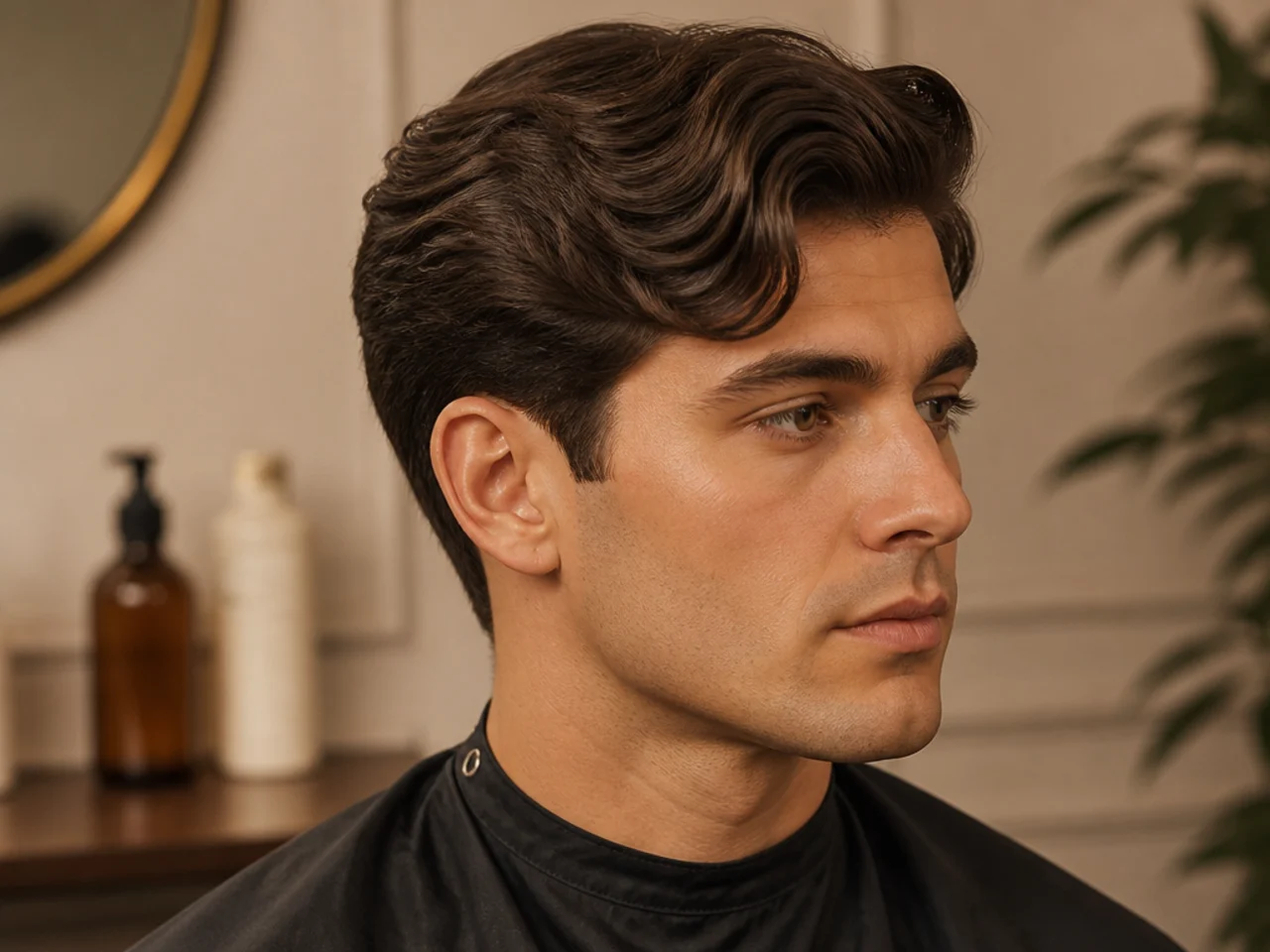
- 1\. The Old-Money Soft Side Part
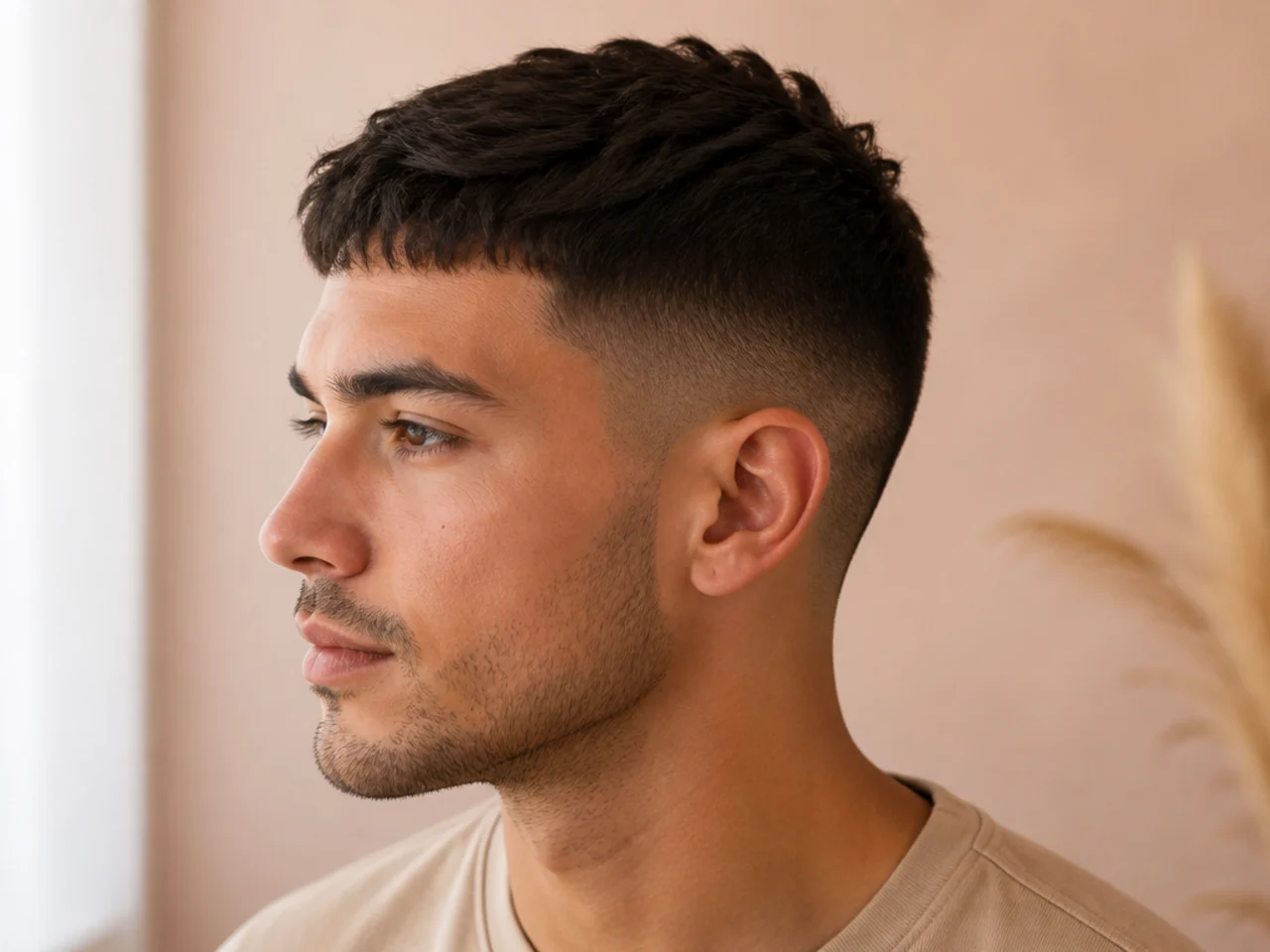
- 2\. The Textured Sweep with a Low Taper Fade
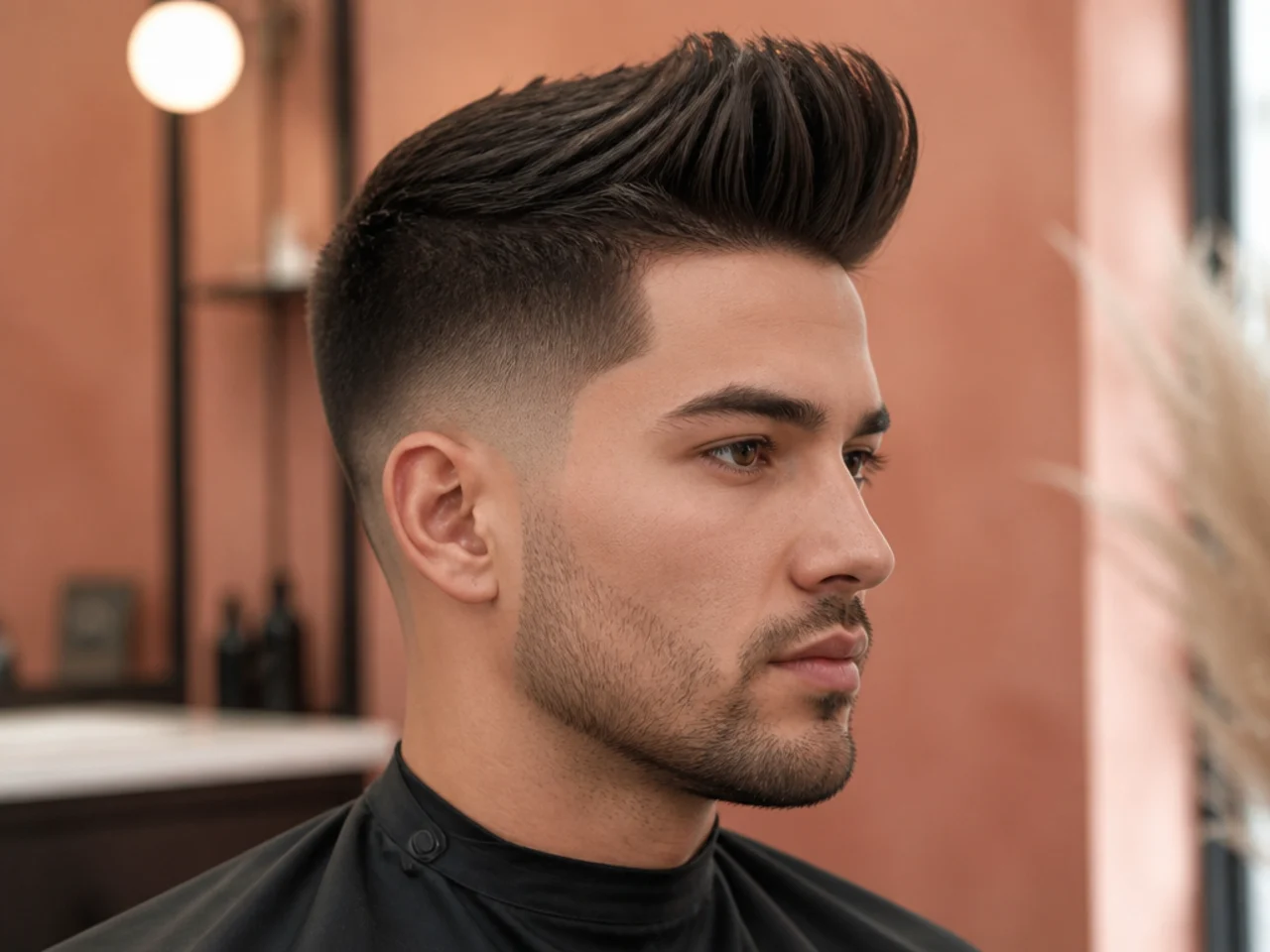
- 3\. The Hard Part Skin Fade
- 4\. The Vintage Comb-Over with a Scissor Taper
- 5\. The Curly Side Sweep with a Blended Fade
- 6\. The Long Flowing Side Part
- The Turning Point: The Habit All Six Share
- What to Do Next
- FAQ
- Which side part style gets the most compliments?
- Do hard parts still get compliments in 2026?
- How long should the top be for a compliment-worthy side part?
- Which side part style suits a round face for the best compliments?
- What product gives a side part the "expensive" look people compliment?
- How often do the guys getting weekly compliments actually re-cut?
I've been cutting side parts for eleven years and I can usually tell which ones will get compliments before the client leaves the chair. It isn't always the sharpest cut on the wall. Some of the guys who walk out to the strongest reactions are wearing the softest, most conservative side part in the shop. Below are the six side part styles the men in my chair get complimented on most, told through the clients wearing them, and the ask that gets you the same cut on the first visit.
What Actually Earns a Compliment on a Side Part
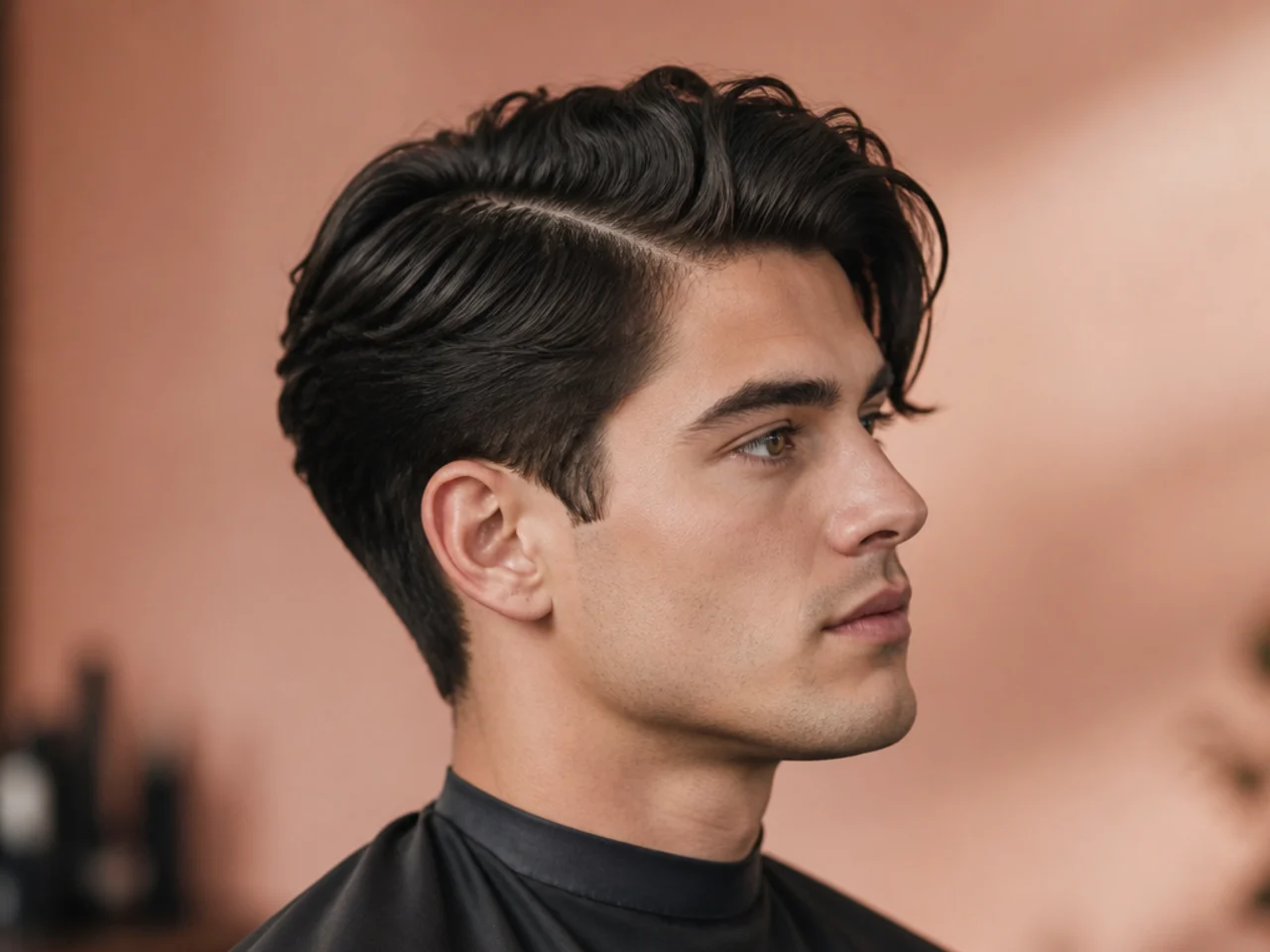
A side part earns a compliment for three reasons. First — the shape fits the face. Every story below starts with a check of the client's face shape before a comb touches the hair, because a side part built for the wrong face reads awkward no matter how sharp the fade underneath is. Second — the finish looks like hair. Not gel, not helmet, not visible product. Compliments follow the version where a stranger notices the person first and the haircut second. Reverse that ratio and you're wearing costume.
Third — the cut is fresh. The gap between the compliment window and the "needs re-cutting" window is small on a side part, maybe two weeks for the hard-part builds and four for the classics. Almost every regular I have who gets weekly reactions runs a standing appointment. The style pillar to bookmark first is side part hairstyles for men — every version below lives inside that taxonomy, chosen because the reactions from the chair kept happening.
The 6 Side Part Styles Guys Get Complimented On
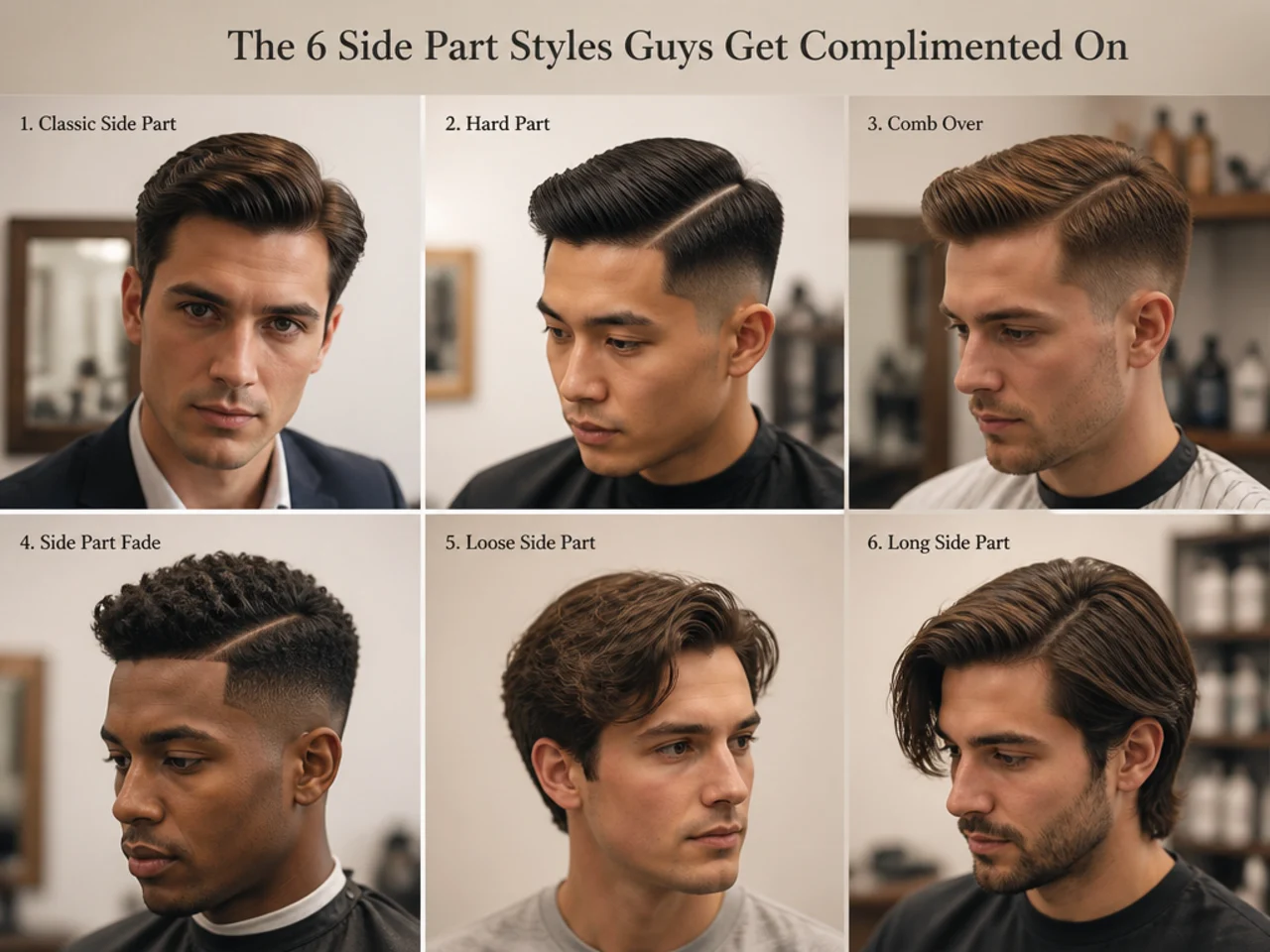
Sorted from softest to sharpest. Read the story closest to your hair type and age bracket first.
1. The Old-Money Soft Side Part
James is a 34-year-old private-equity analyst who books every fifth Sunday. He came in last October and asked for "whatever my grandfather wore." I gave him an Ivy League with a soft side part — two inches on top, scissor-blended sides tapered to a No. 2 at the perimeter, a natural parting following his cowlick, and a satin cream pomade finish. No fade, no hard line, no visible clipper marks anywhere.
Two weeks later he emailed to say his mother-in-law had told him he looked "properly grown-up" for the first time in the four years she'd known him. His boss stopped him in a hallway and asked who cut his hair. He picked up compliments on three separate work calls. The cut hadn't done anything loud — it had just fit the room he was in.
Why it lands. The soft parting reads intentional without looking styled. There's no fade line for the eye to catch and no razor edge signalling effort. The whole cut communicates "I know what I'm doing" from ten feet away, which is the register that draws older colleagues, dating-app matches over 30, and anyone who reads clothing more than trends.
Who it suits. Oval, square, and rectangular faces. Fine to medium straight or lightly wavy hair. Any workplace tighter than a creative agency.
Ask for: "Ivy League with a soft side parting, two inches on top, scissor-blend the sides to a No. 2 at the perimeter, natural part on my dominant side, satin cream finish." The old money haircut men roundup covers the reference photos most useful in the chair.
Styling. One pea of cream pomade in damp hair. Comb from the parting outward once. Blow-dry for twenty seconds on low heat to set the line. That's the routine. If your product jar lasts less than four months, you're using too much.
2. The Textured Sweep with a Low Taper Fade
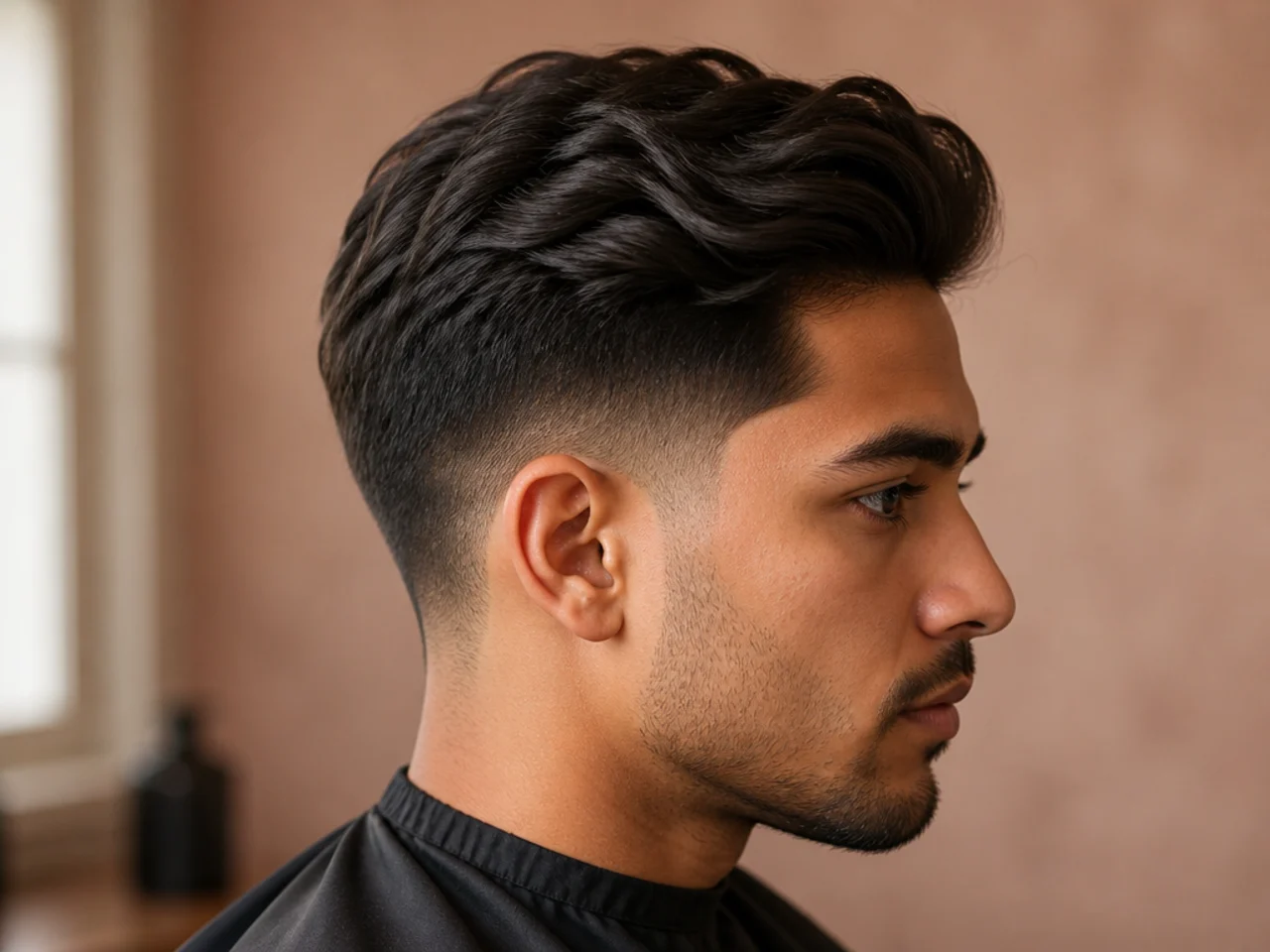
Marco is 27, works at a design studio, and used to complain that his hair was "boring." I put him in a textured sweep — two inches on top with point-cut texture, a soft natural parting instead of a defined line, and a low taper fade sitting just above the ear. Matte clay finish, finger-styled only, no comb. Total morning routine: under a minute.
Three months in, he told me he'd started getting comments from strangers in coffee shops. Two coworkers asked him for the reference photo. A woman on a first date told him his hair "looked expensive." He was baffled — nothing about the cut looked expensive to him. That's exactly the point.
Why it lands. The textured sweep is the modern default that reads current without being trendy. The soft parting reads confident, the matte finish reads clean, and the fade sits low enough that most people don't consciously register it — they just see hair that sits right. It's the closest thing men's haircutting has to a universal compliment magnet.
Who it suits. Every face shape. Every hair type except tight coils, which want a shorter top. Every workplace short of a courtroom. If you're unsure which side part to try first, start here.
Ask for: "Textured sweep with a low taper fade — two inches on top with point-cut texture, natural parting on my dominant side, low taper fade starting just above the ear." Bring one three-quarter side photo for the fade line and one front photo for the top length.
Styling. Dime-sized dab of matte clay emulsified between your palms, then finger-worked through damp hair. Push toward the parting side. No comb, no dryer. The lived-in finish is the whole reason the cut reads effortless from three feet away.
3. The Hard Part Skin Fade
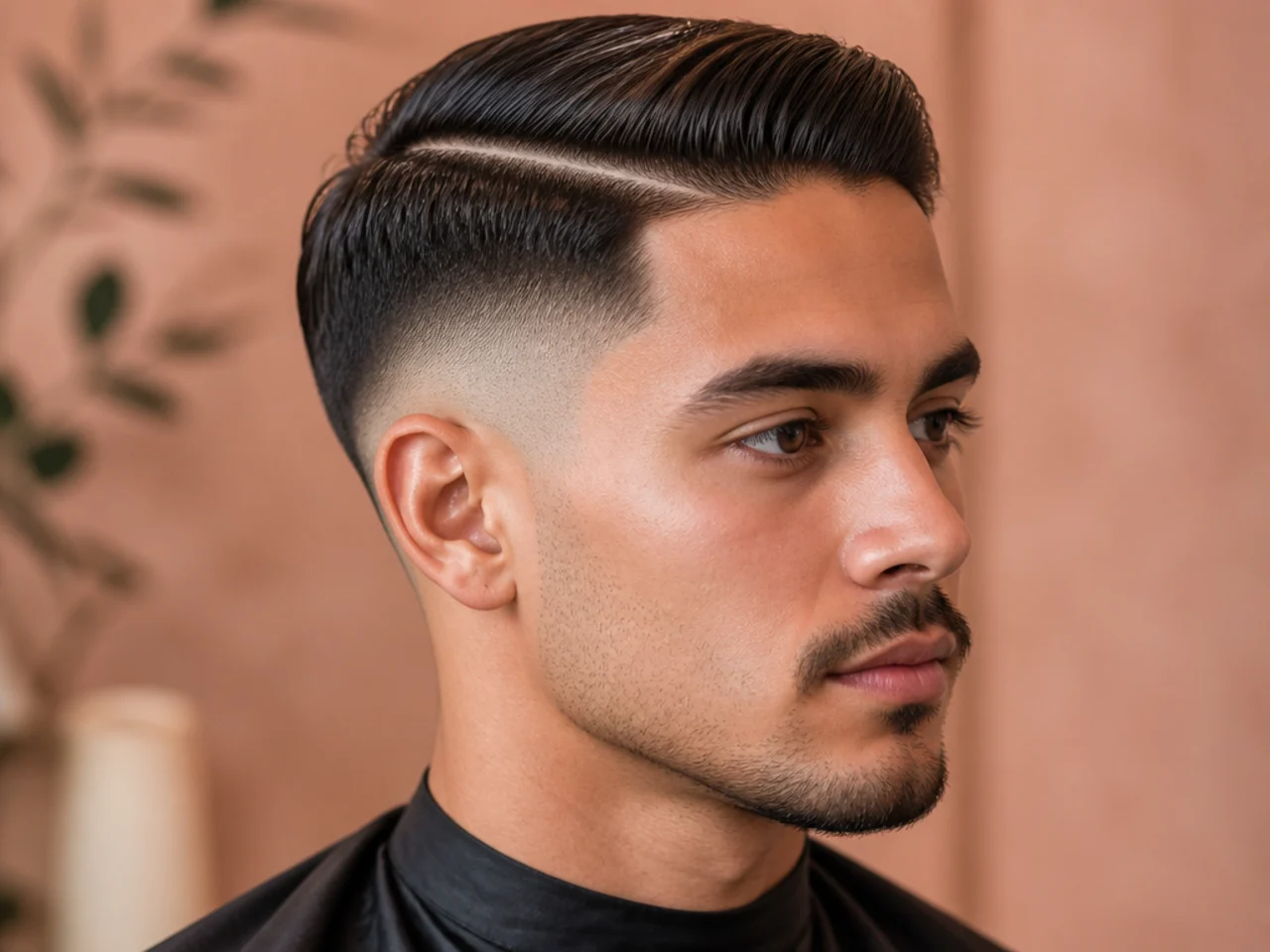
Tyler is 24, works in commercial real estate, and came in for his first hard part in February. Skin fade at the temple, quarter-inch razor line shaved down the parting side, two inches of point-cut texture on top styled with matte clay. Everything about the cut is designed — the fade start, the razor line, the finger-pushed top away from the parting.
The compliments started arriving on his phone. He said his dating-app match rate roughly doubled in the first month. Two coworkers in their early twenties asked which shop he went to. A groomsman at his cousin's wedding pulled him aside to ask about the barber. His words: "I've never had a haircut do that before."
Why it lands. The hard part photographs sharp. The visible razor line reads intentional in a way no combed parting ever can, and the skin fade underneath frames it like a signature. In a room full of soft cuts, the hard part is the one shape that draws eyes across the space. This works because — and only because — Tyler commits to a chair every two weeks. A fuzzy hard part looks worse than no hard part at all.
Who it suits. Square, oval, and diamond faces with strong bone structure. Best on darker hair, where the line reads sharpest against the scalp. Confident dressers under 35. Skip it if your calendar cannot hold a two-week rebook.
Ask for: "Mid-height skin fade with a razor-drawn hard part on my left, two inches of point-cut texture on top, quarter-inch hard part running the full length of the parting." Bring a photo — hard-part depth is barber-specific and the reference removes all guesswork.
Styling. Matte paste finger-lifted through damp hair. Push the top away from the hard part so the line stays visible from any angle. Never comb the top down over the parting — the whole build collapses into a flat lay if you do.
4. The Vintage Comb-Over with a Scissor Taper
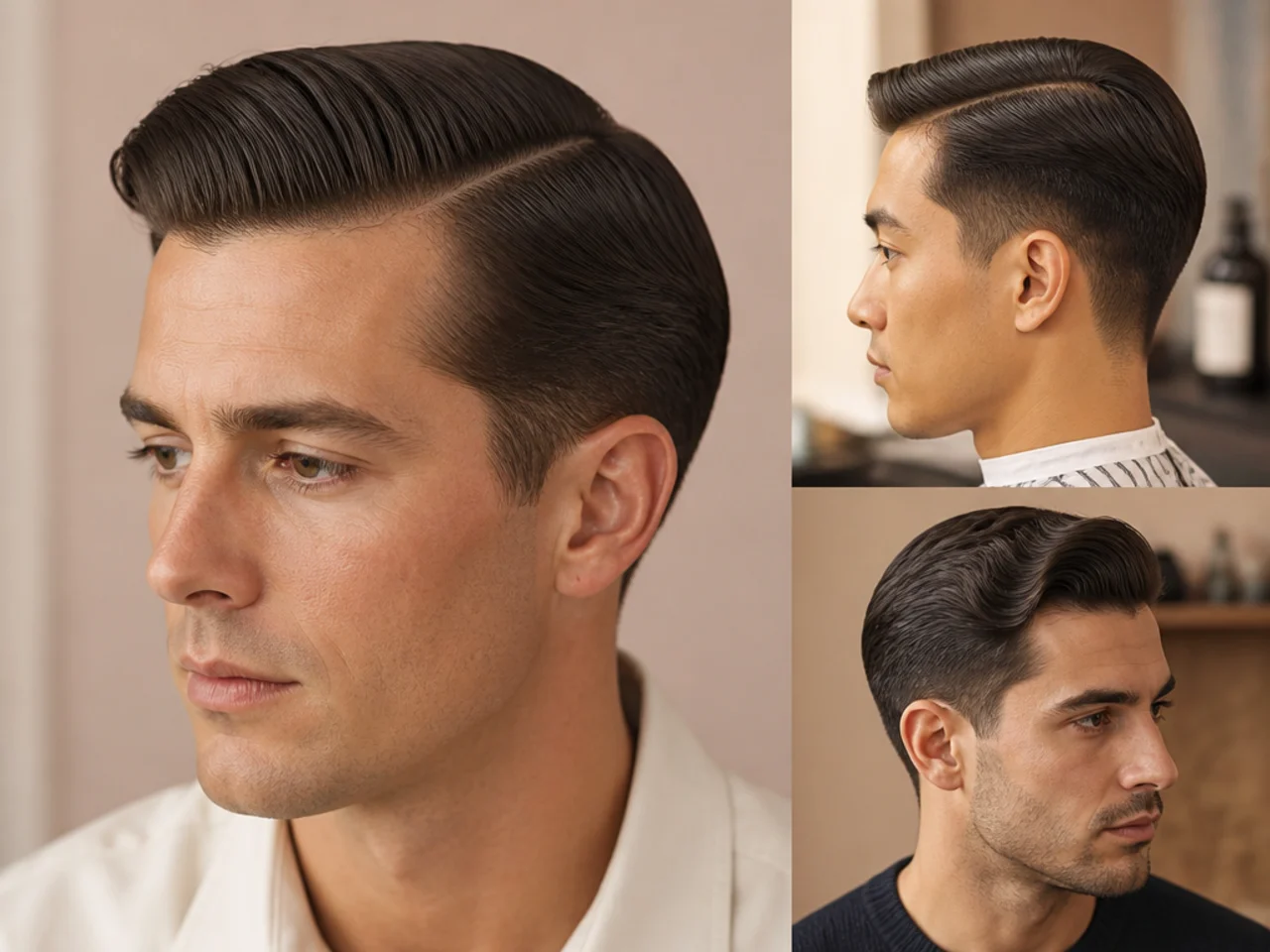
Robert is 45, works in commercial insurance, and started coming to me three years ago after a decade of the same "short back and sides" everywhere. I moved him to a proper vintage comb over — three inches on top, deep parting on his dominant side, scissor-tapered sides with no clipper marks, and a satin pomade finish. The whole build takes forty-five minutes with the razor blend at the end.
His wife noticed within a week. She's now the person who books his appointments. Two clients at his firm asked whether he'd been on vacation — the code, apparently, for "you look well." His college-age kids started ragging him about looking "too handsome for dad."
Why it lands. The vintage comb-over reads mature without reading old. The absence of a fade line signals confidence — the guy wearing this isn't chasing a trend. The satin finish pushes the cut into "looks like money" territory. This is the version for grown men who want to be read as grown men rather than as guys still trying to look 25.
Who it suits. Every face shape, ages 35 and up especially. Straight to wavy hair. Great for thinning crowns — the sweep adds visual density without pretending to hide anything.
Ask for: "Vintage comb-over with a deep side parting, three inches on top, scissor-tapered sides with no clippers or fade line, satin cream finish. Part on my dominant side." Say "scissor-cut, no fade" twice if your barber's default is a modern fade build.
Styling. Medium-hold cream pomade combed from the parting all the way across the crown. Blow-dry with the airflow following the sweep direction. A light mist of hairspray if your hair falls flat by lunchtime, nothing otherwise.
5. The Curly Side Sweep with a Blended Fade
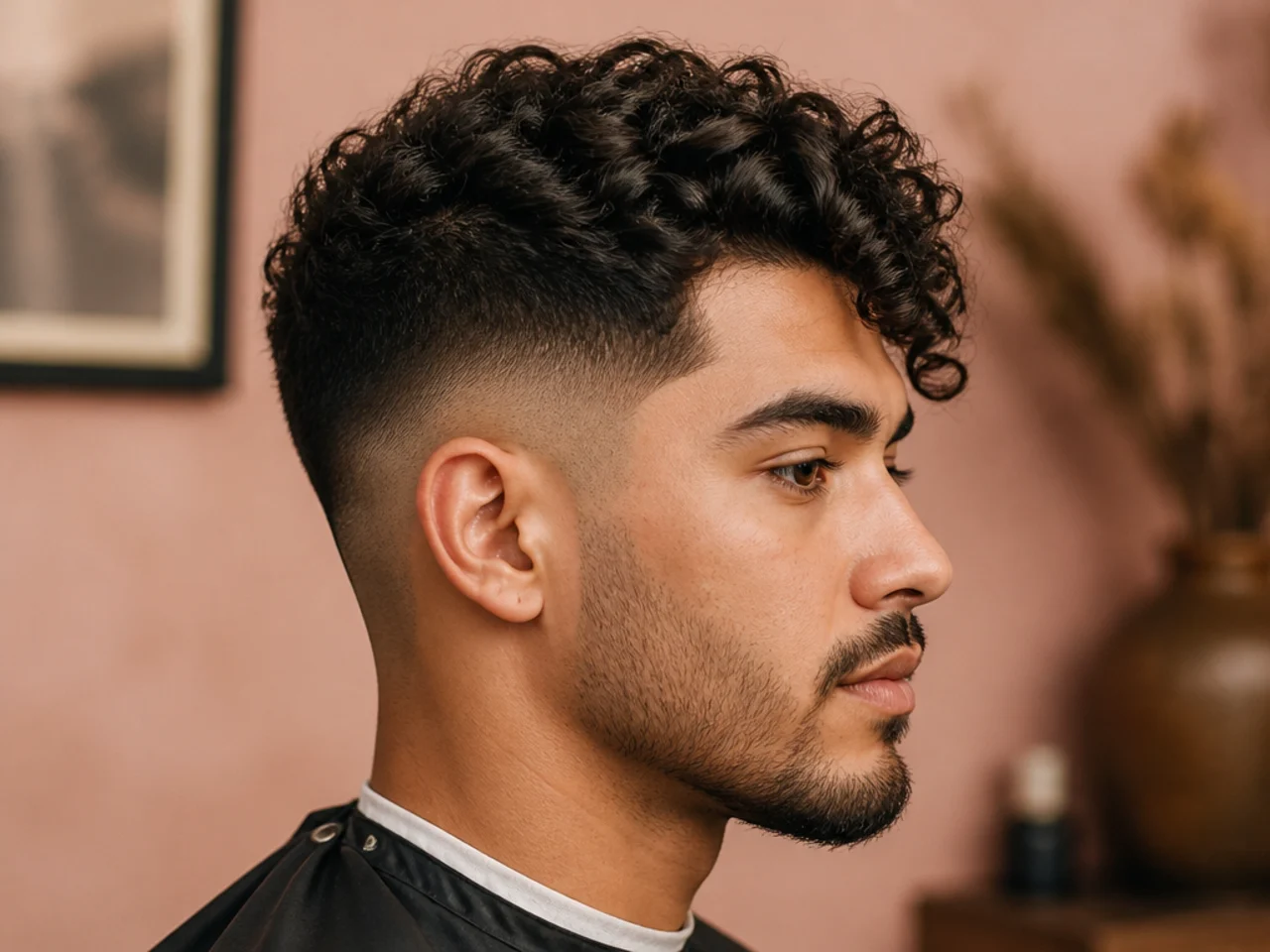
Diego is 30, half Puerto Rican, with dense 3B curls and a face he used to swear "didn't work with any haircut." He'd been getting the same close cut with a shape-up for five years because everything longer felt "shaggy." I convinced him to try a curly side sweep — three inches of natural curl on top, defined along a natural parting following his cowlick, with a mid fade blending clean into the temple. Sea-salt spray plus a curl-defining cream. No gel anywhere.
The reaction happened the same night. His girlfriend texted me a photo before he'd even left the shop. His mother, who had been quietly campaigning against long curls for years, called him the next day and said he looked "like his father in his twenties." Instagram tags on his cafe's account went up for a month.
Why it lands. Curly hair in a defined side sweep frames the face in a way straight-haired side parts can't. The parting draws the eye toward the cheekbones instead of the volume, and the mid fade underneath keeps the top from reading unruly. Most curly-hair guys have never seen their curls this way because the standard "just fade the sides" advice ignores the styling half of the cut.
Who it suits. Curl types 2C through 3B. Oval and diamond faces especially. Skip a hard part on curly hair unless your barber is a specialist — the line disappears into the pattern within four days.
Ask for: "Curly side sweep with a mid fade — three inches of curl on top, defined natural parting following my cowlick, mid fade starting halfway between the temple and the ear, cut on damp hair." Cut-on-damp is the critical detail — dry-cut curly tops produce uneven length that shows up wet.
Styling. Curl cream applied to soaking-wet hair, scrunched with both hands, then a light burst of sea-salt spray at the roots for grip. Sweep with fingers along the parting. Diffuse-dry on low heat or air-dry. Never brush a curly side sweep once it's set — you'll break the pattern and the sweep collapses inside an hour.
6. The Long Flowing Side Part
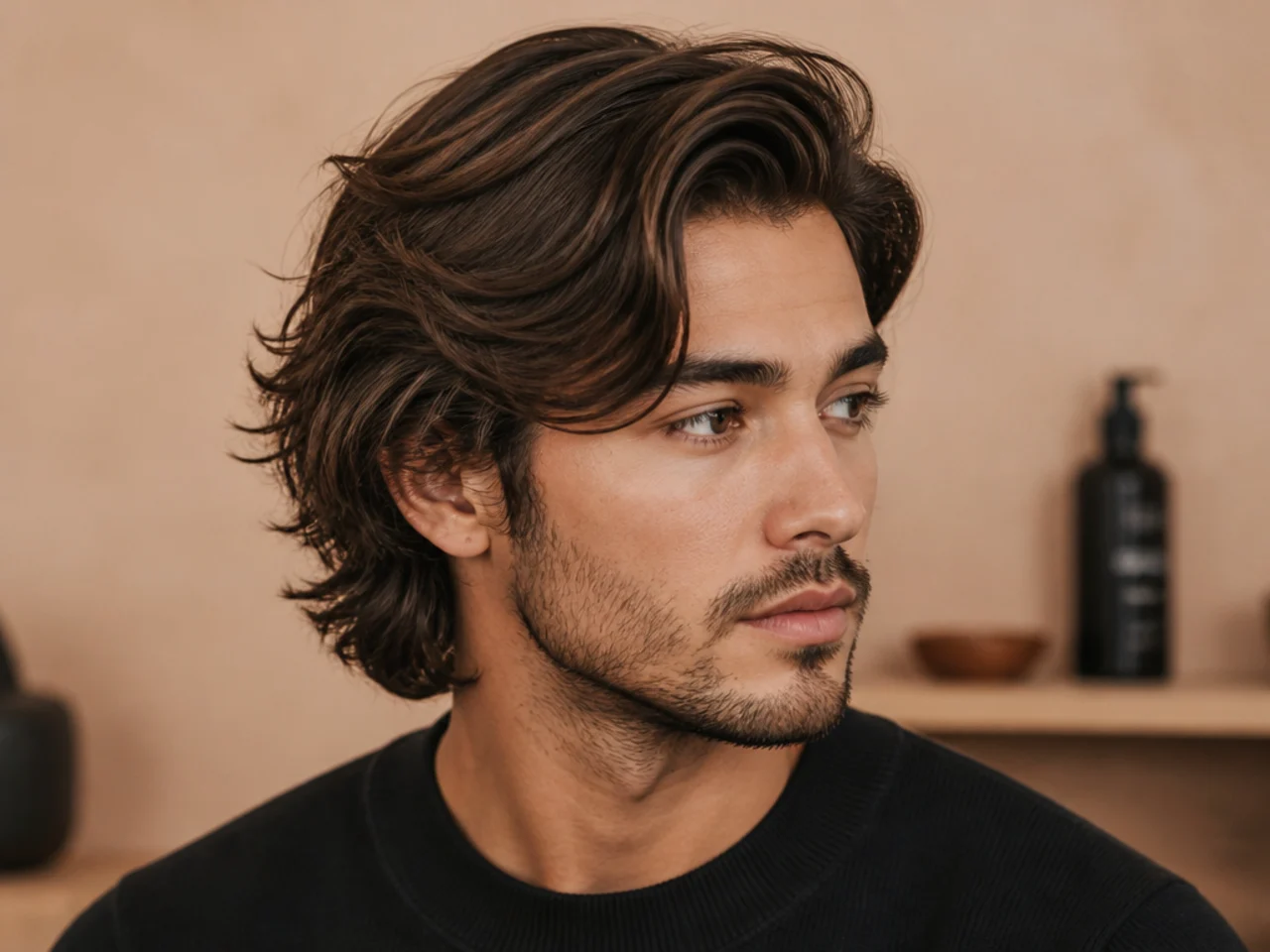
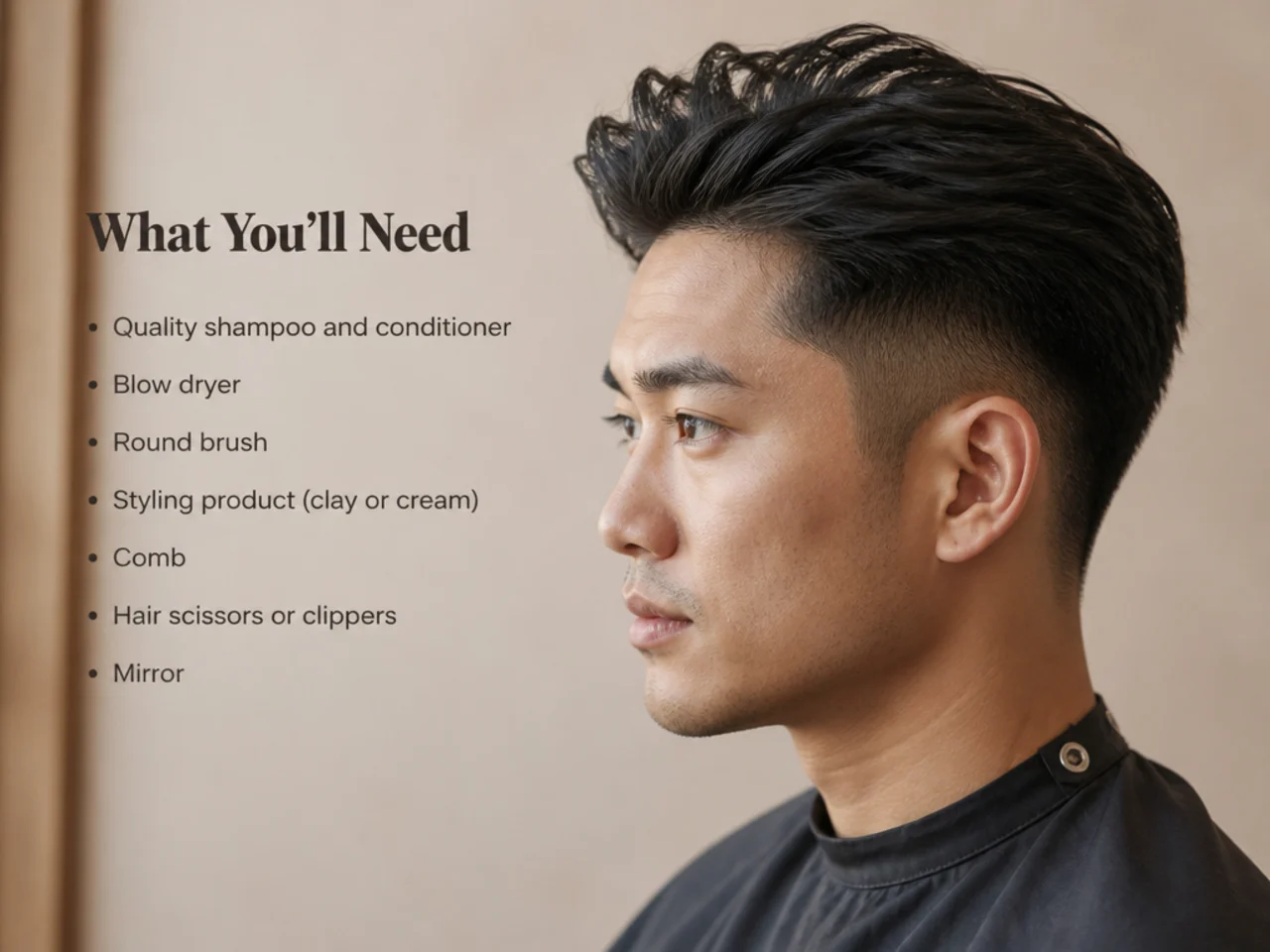
Sam is 32, plays lead guitar in a local band, and has been growing his hair out for two years. He came in six months ago wanting to keep the length but "look intentional about it." I gave him a long flowing side part — four to five inches on top swept from a natural parting, scissor-tapered sides that stop short of any fade line, light styling cream on damp hair.
He came back after his next show and said three separate people had asked about his hair on stage. Two audience members caught him at the bar afterward. A woman at his office day job told him his hair looked "like a movie in slow motion" when he turned his head. First time he'd been complimented on his hair in his adult life.
Why it lands. Length that moves reads deliberate in a way a static short cut can't match. The parting sets a direction, the wave does the work, and the scissor-cut sides mean nothing about the cut looks clippered or barbered — it looks grown, which is exactly the register that gets compliments in creative settings.
Who it suits. Oval, long, and heart-shaped faces. Wavy hair carries this beautifully; straight hair needs a texture spray to keep the movement alive. Musicians, designers, and anyone whose workplace rewards personality over polish.
Ask for: "Long flowing side part — four to five inches on top, scissor-tapered sides with no clippers or fade line, natural sweep from my cowlick, cut with the wave, not against it." Bring a photo — length descriptions are the single biggest source of miscommunication in the chair.
Styling. Sea-salt spray on damp hair, scrunched with fingers, then a small amount of light styling cream through the mid-lengths. Blow-dry with a paddle brush in the sweep direction, or air-dry for a looser version. Skip pomade at this length — the roots collapse under any weight.
The Turning Point: The Habit All Six Share
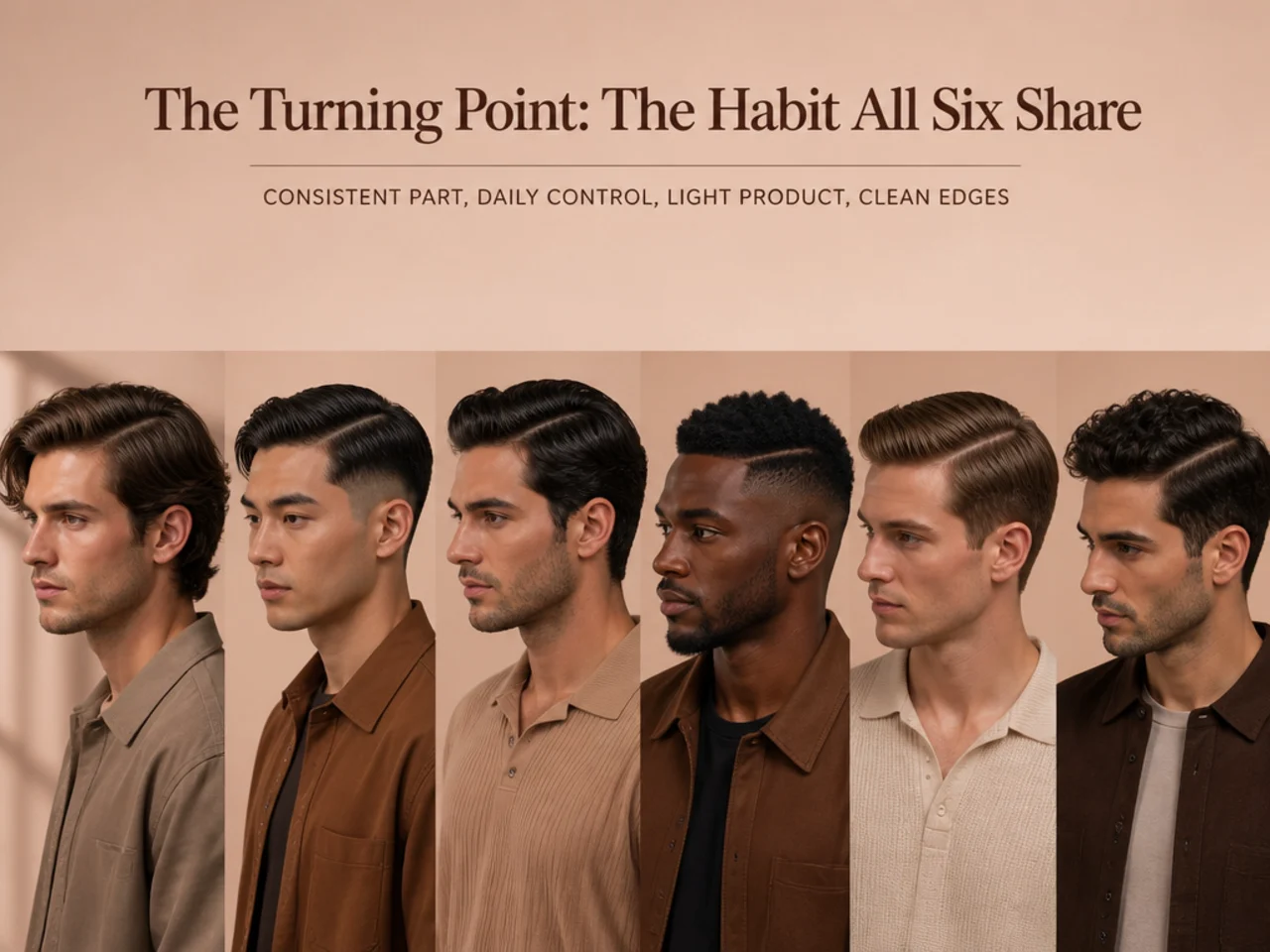
I've cut hundreds of side parts across those eleven years. The clients who get complimented weekly and the ones who never do are usually wearing versions of the same cut. What separates them is three habits every one of the six guys above shares.
They stopped freelancing the ask. None of these clients walked in and said "just clean it up." They named the style, the top length, the parting side, and the finish before I picked up scissors. That change moves the conversation from your barber guessing what you want to your barber executing what you asked for. If you're unsure how to name the style, the professional hairstyle men shortlist and the short side part haircut men guide are worth screenshotting before your next visit.
They built the cut around their calendar, not their preference. Tyler wears a hard part because his calendar can hold a two-week rebook. Robert wears a vintage comb-over because his can't. If a cut you like requires a shop cadence you won't keep, pick the softer cousin. Match the maintenance to your life.
They stopped over-styling. Every guy above uses one product per morning. One pea of clay, or cream, or paste. Not two, not three, not layered. The compliments follow the version of your hair that looks like hair — and the fastest way to lose that read is to load a second product on top of the first. Whatever you're using now, cut the amount in half for a week and see what changes.
Two minutes of ask, a two-to-five-week rebook, and one product. That's the recipe.
What to Do Next
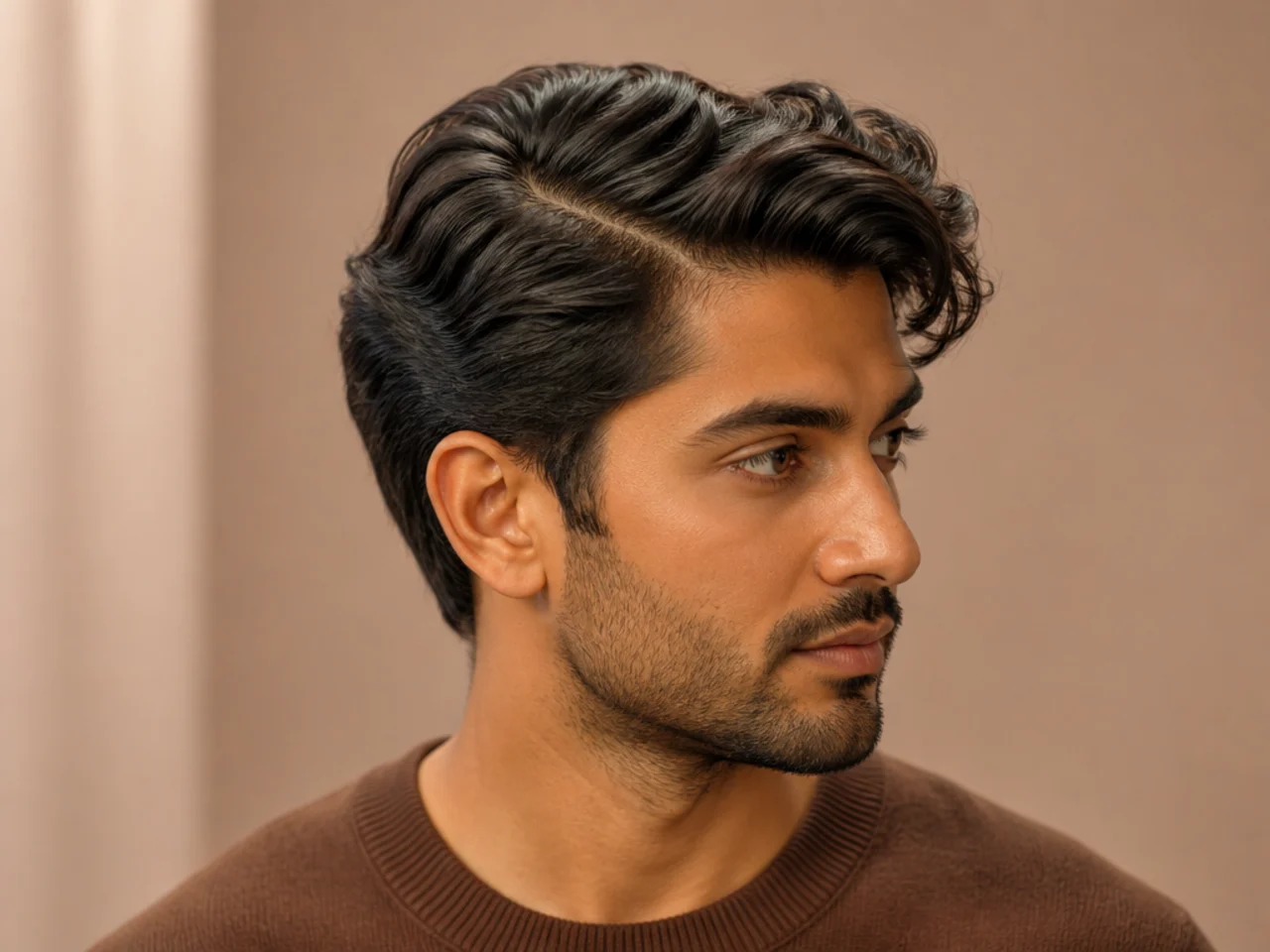
Read the six stories above one more time and pick the client whose life sounds most like yours. That's the cut to try first. James's soft classic if you work in a suit. Marco's textured sweep if you want the safe modern default. Tyler's hard part if your calendar and confidence both hold up. Robert's vintage comb-over if you're 40-plus and want to look intentional. Diego's curly side sweep if your natural texture has been sitting under a shape-up for years. Sam's long flow if you'd rather look grown than groomed.
Then screenshot the reference image, name the style out loud in the chair, and book the next visit before you leave. The full library sits at the side part hairstyles for men pillar. For the underlying fade families the modern versions borrow from, the low taper fade and mid fade haircut shortlists cover the two builds most of the compliment-generating side parts sit on top of.
FAQ
Which side part style gets the most compliments?
The textured sweep with a low taper fade — soft parting, matte finish, no razor lines. It reads modern without shouting for attention, and the compliments tend to come as "your hair looks good" rather than "cool haircut," which is the signal the shape itself is landing rather than the sharpness.
Do hard parts still get compliments in 2026?
Yes, but only when the top has enough texture to match the sharp line underneath. A hard part on a flat top reads dated. A hard part above a two-inch textured sweep or a curly top reads designed. The combination is what earns the compliment, not the razor line alone.
How long should the top be for a compliment-worthy side part?
Two to three inches is the sweet spot for most guys. Below that and the parting stops registering as intentional; above four inches and you cross into styling-heavy territory that has to be worn with confidence to land. Two and a half inches is the safest first ask.
Which side part style suits a round face for the best compliments?
The hard part skin fade and the old-money soft side part. Both draw vertical attention — the hard part with the shaved line, the soft version with a gentle back-and-side sweep — and both break the horizontal symmetry that makes round faces read heavier in photos.
What product gives a side part the "expensive" look people compliment?
A satin cream pomade for the polished side of the family and a matte clay for the modern side. Wet-look gels and heavy pomades read cheap under overhead lighting. The finish that gets compliments looks like hair, not product — one pea, one comb pass, no shine spike.
How often do the guys getting weekly compliments actually re-cut?
Every two to three weeks for hard-part and skin-fade variations. Every four to five weeks for the scissor-tapered classics. Almost every regular I have who gets weekly compliments runs a standing appointment — the freshness is doing at least half the work.