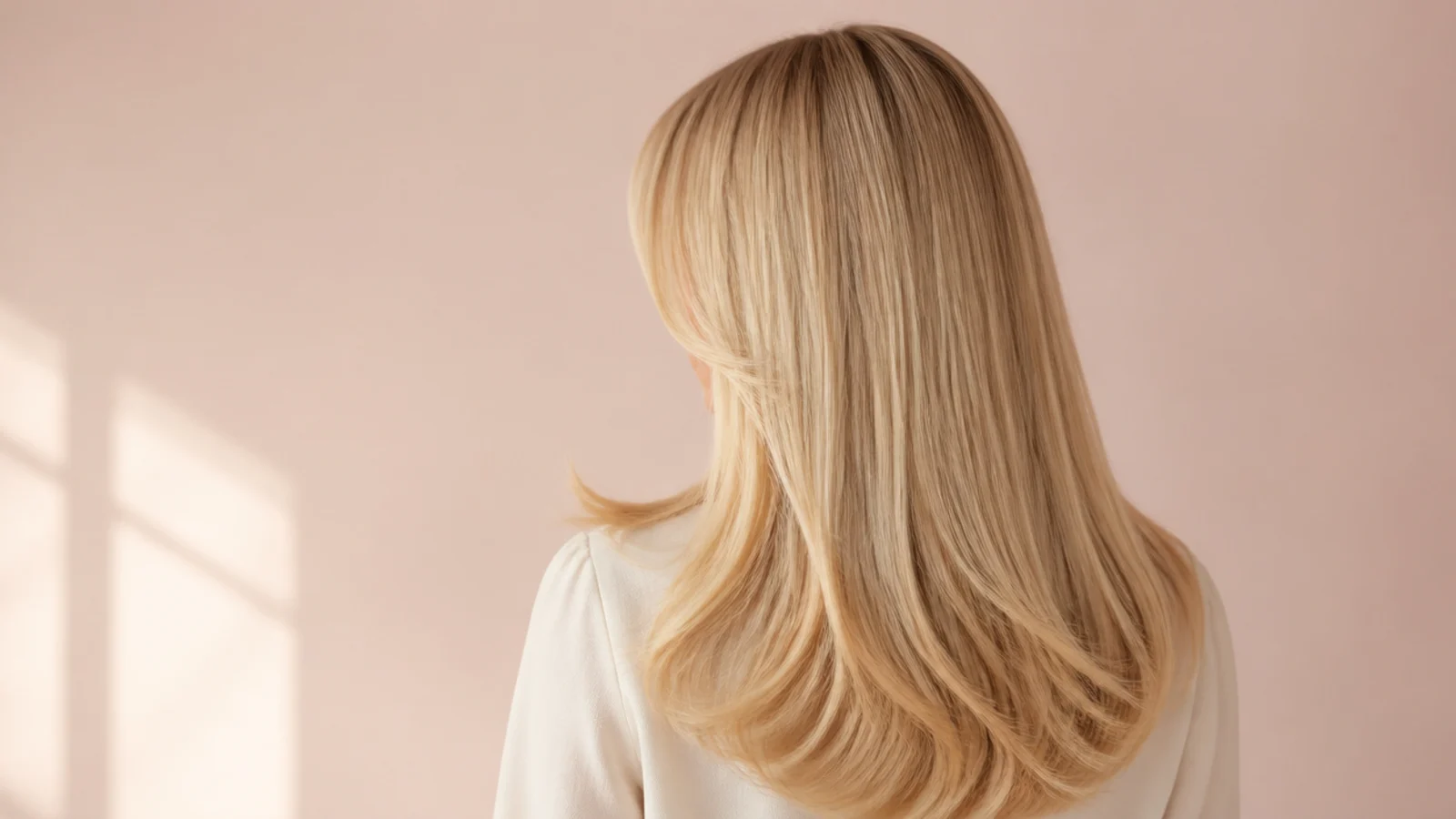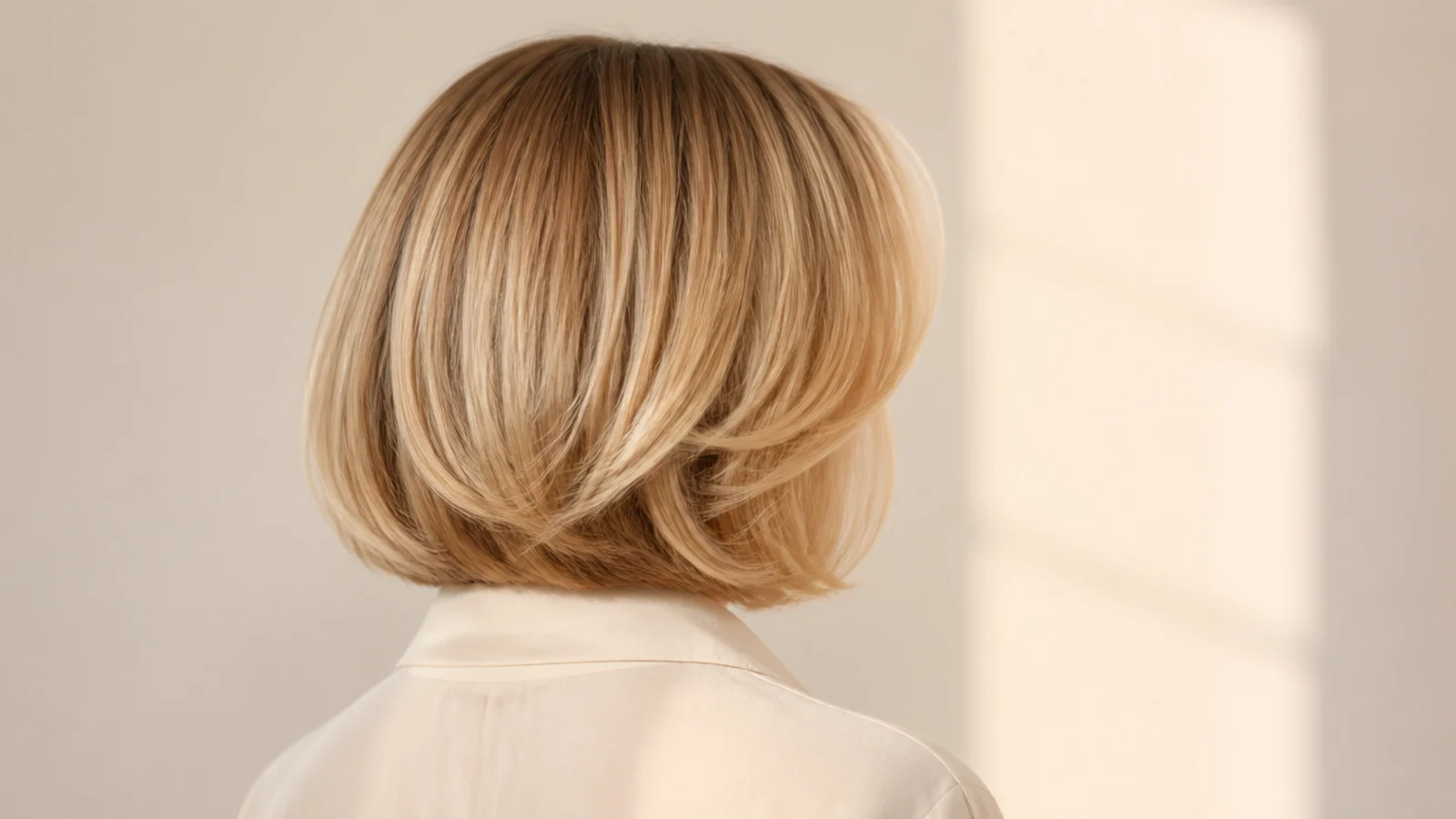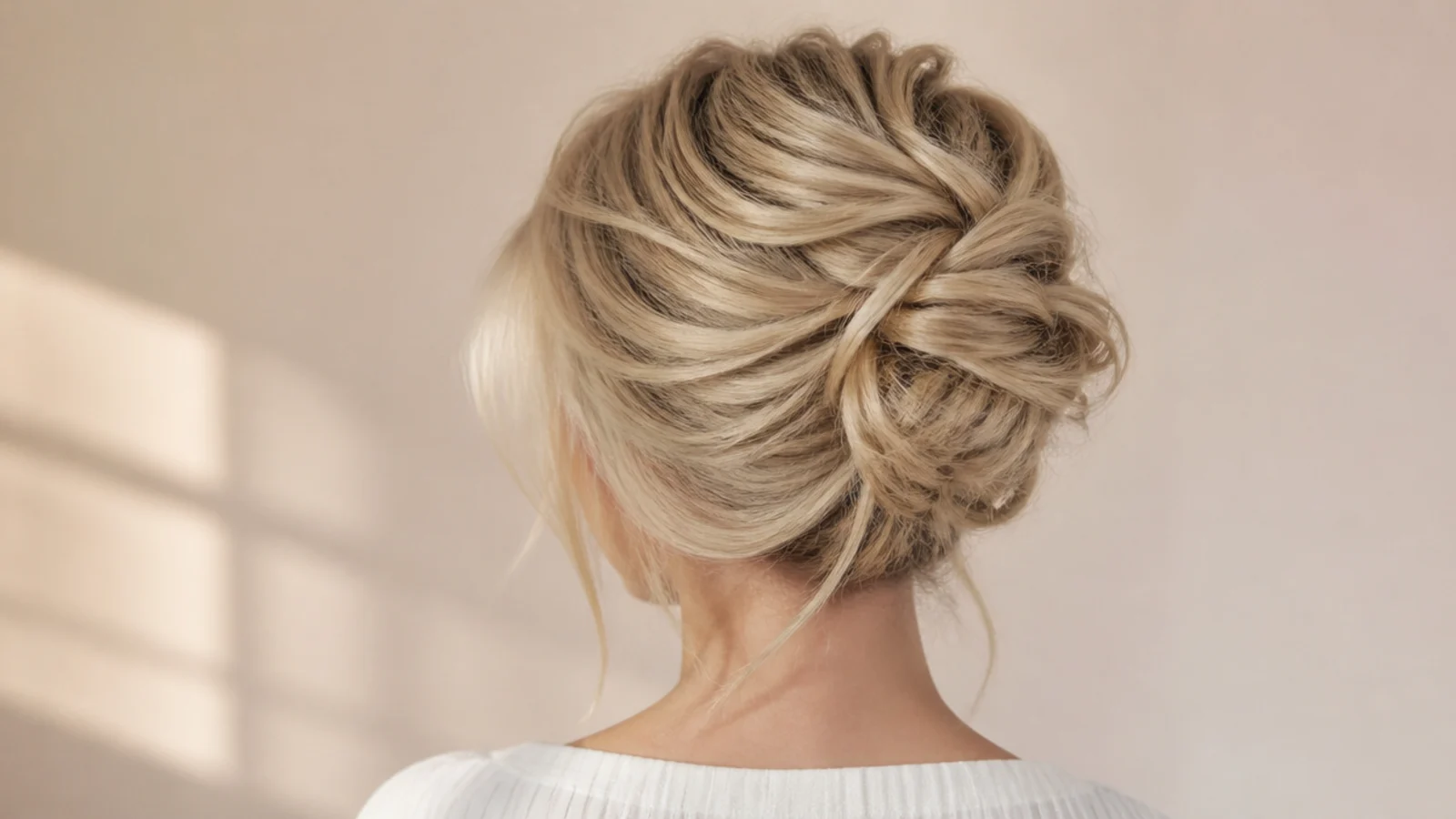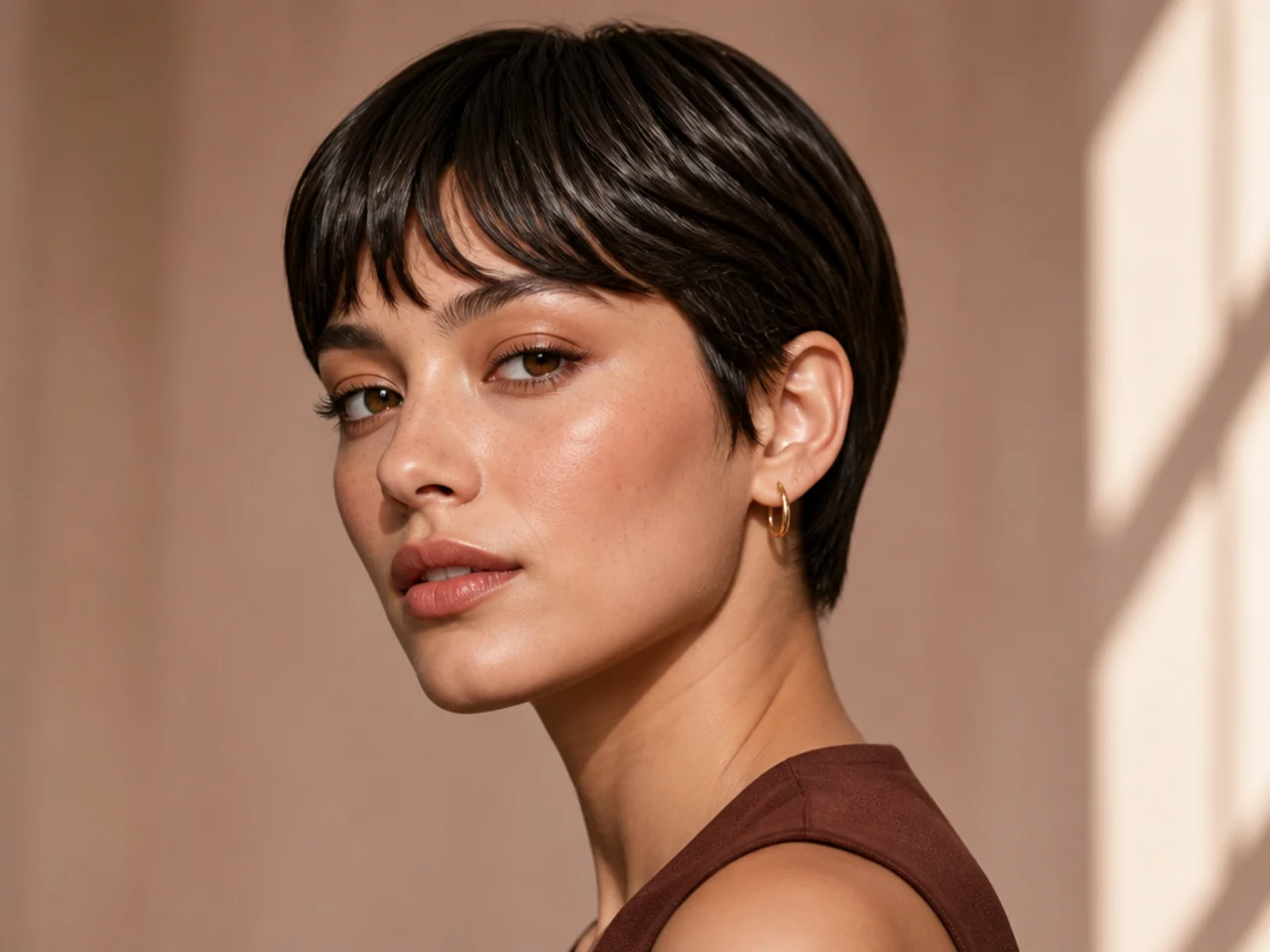
20 Hailey Bieber Short Hair Ideas We Love
Twenty short hair ideas in this aesthetic, and the shift that happens below bob length — there is no longer enough surface for the gloss to read, so the look stops being colour-led and becomes cut-led.
In this article · 27
- What Makes Short Work Here
- How to Choose Yours
- The 20 Short Ideas
- 1. Precise Ear-Length Crop
- 2. Blunt Micro Bob
- 3. Classic Pixie
- 4. Long Pixie with Length on Top
- 5. Crop with a Centre Part
- 6. Crop with a Deep Side Part
- 7. Slicked Short Crop
- 8. Tucked Ear-Length Cut
- 9. Undone Short Texture
- 10. Short Cut with a Sharp Nape
- 11. Short Cut with a Soft Nape
- 12. Espresso Crop
- 13. Blonde Crop
- 14. Crop with Natural Colour
- 15. Short Cut on Fine Hair
- 16. Short Cut on Thick Hair
- 17. Crop Grown Out Two Weeks
- 18. Crop Grown Out Six Weeks
- 19. Short Cut Growing into a Bob
- 20. A Short Cut with an Imprecise Outline
- Styling and Upkeep
- Mistakes to Avoid
- FAQ
- Final Thoughts
Something changes below bob length, and it explains why short versions of this aesthetic feel different rather than just shorter.
There is no longer enough continuous surface for the gloss to read. The low-contrast colour rule needs length to show itself — a long uninterrupted plane catching light evenly. At crop length there is no plane, only shape.
So the look inverts. Long is colour-led. Short is cut-led. And that is genuinely freeing, because a colour that would look cheap at waist length can look excellent on a crop.
What Makes Short Work Here
The outline does everything. Where the hair meets the neck, the ear and the temple is the entire style at this length.
Colour matters less. Not nothing, but far less. You are looking at edges rather than at a surface.
Precision replaces polish. A crop that is slightly off is obvious in a way that slightly-off long hair is not.
It needs cutting twice as often. Every four to six weeks, because the shape is the whole point and it softens fast.
How to Choose Yours
Choose your outline first. Where it sits at the nape and around the ear matters more than the length on top.
Book the maintenance before you commit. Four to six weeks is the real cycle. Short hair is not lower maintenance.
Spend less on colour, more on cutting. The budget shifts at this length, and it should.
Be sure about your neck and ears. A short cut exposes both permanently, which is the actual adjustment.
The 20 Short Ideas
1. Precise Ear-Length Crop
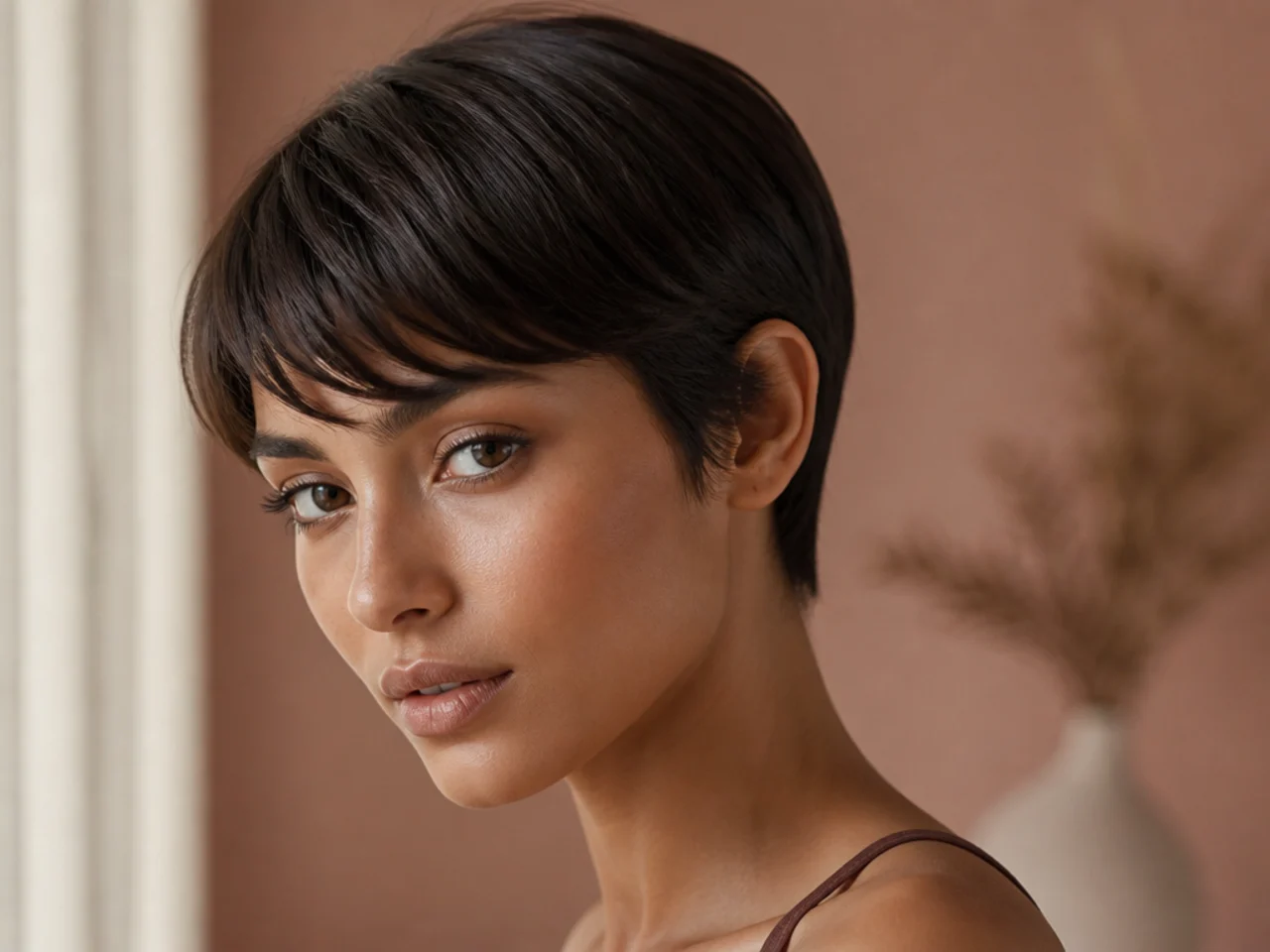
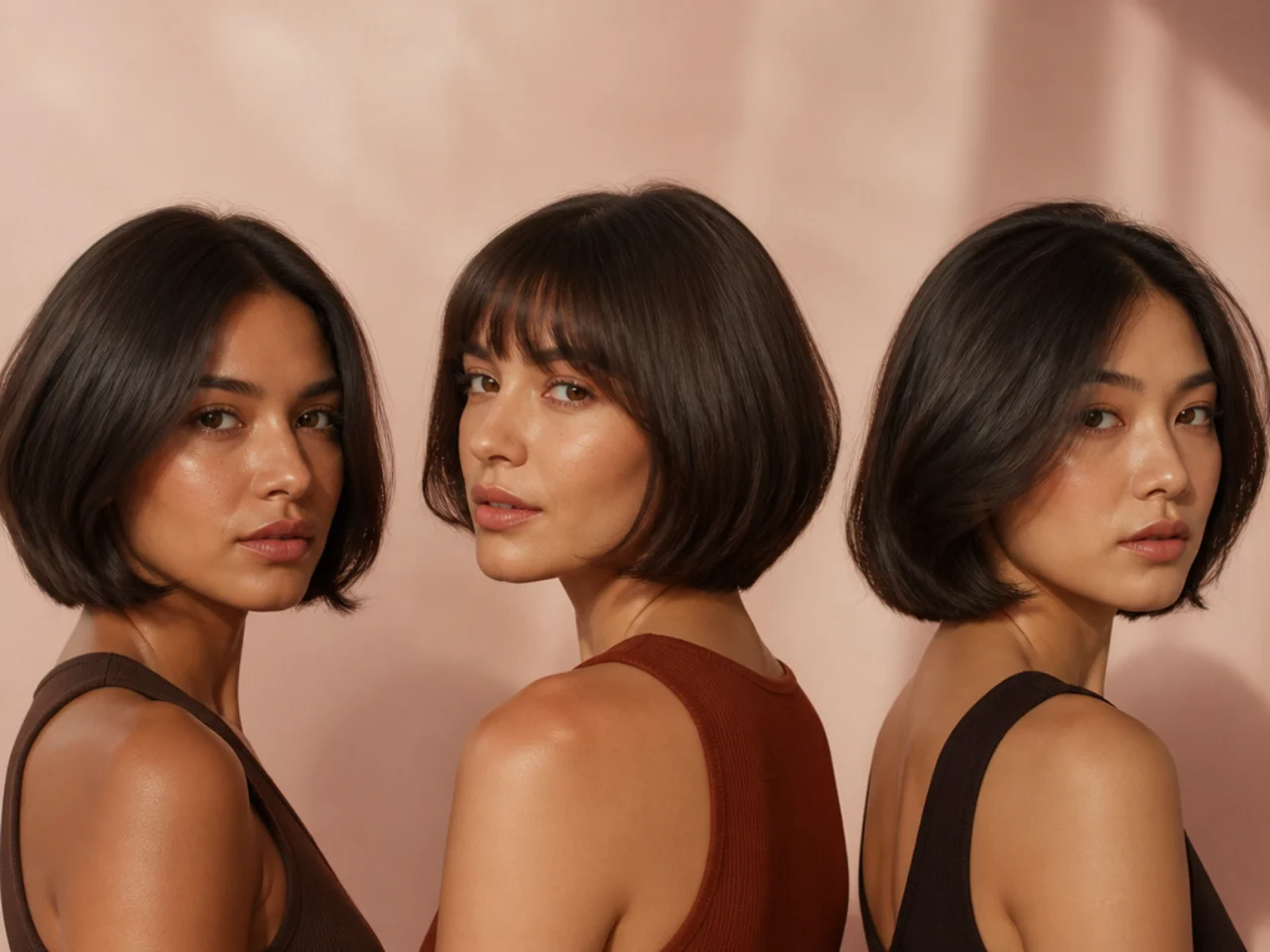
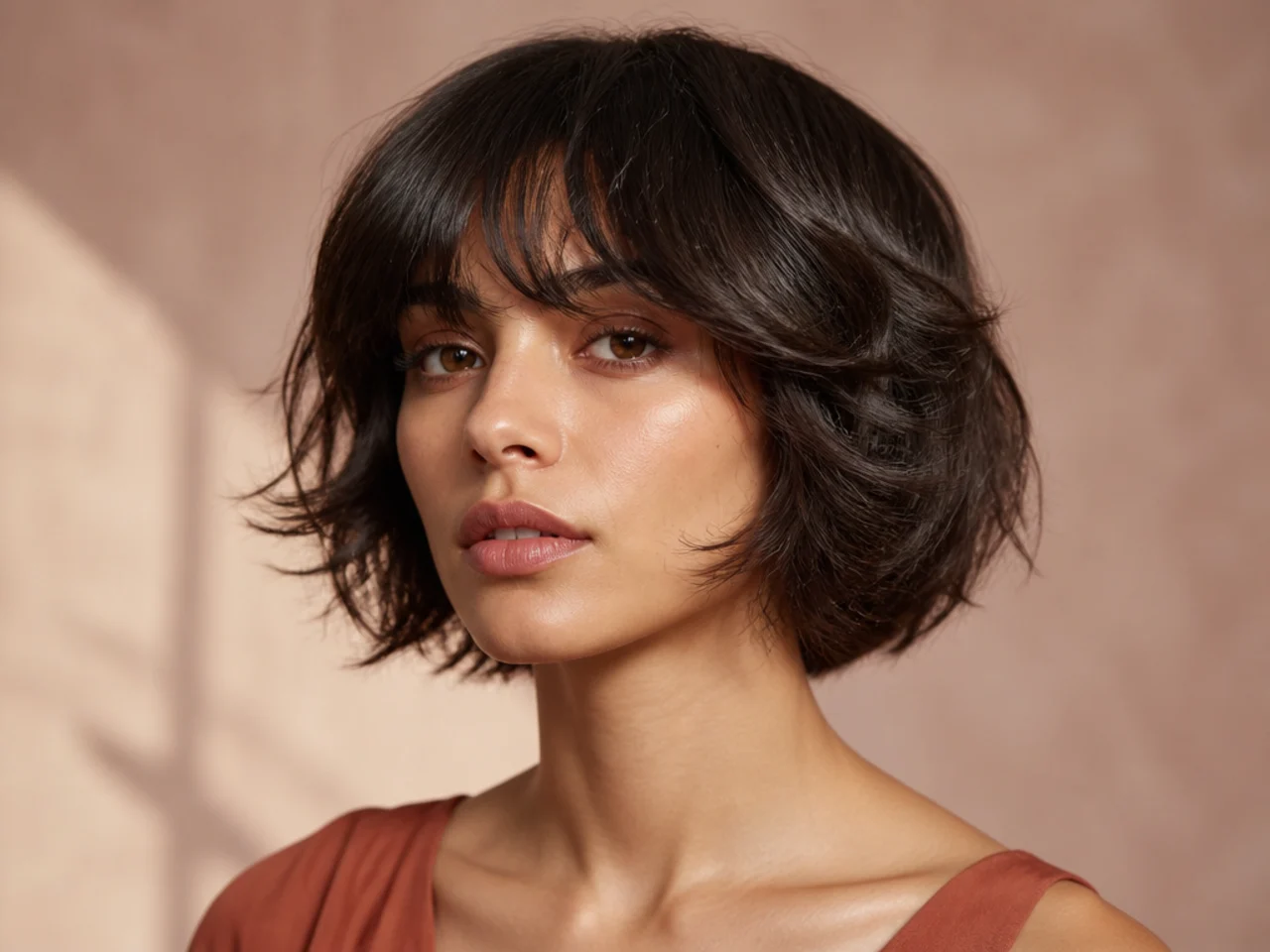
Above the bob, below the pixie. The most wearable short length. Long enough to tuck and short enough that the outline is doing all the work, which is the balance this length is chosen for.
2. Blunt Micro Bob
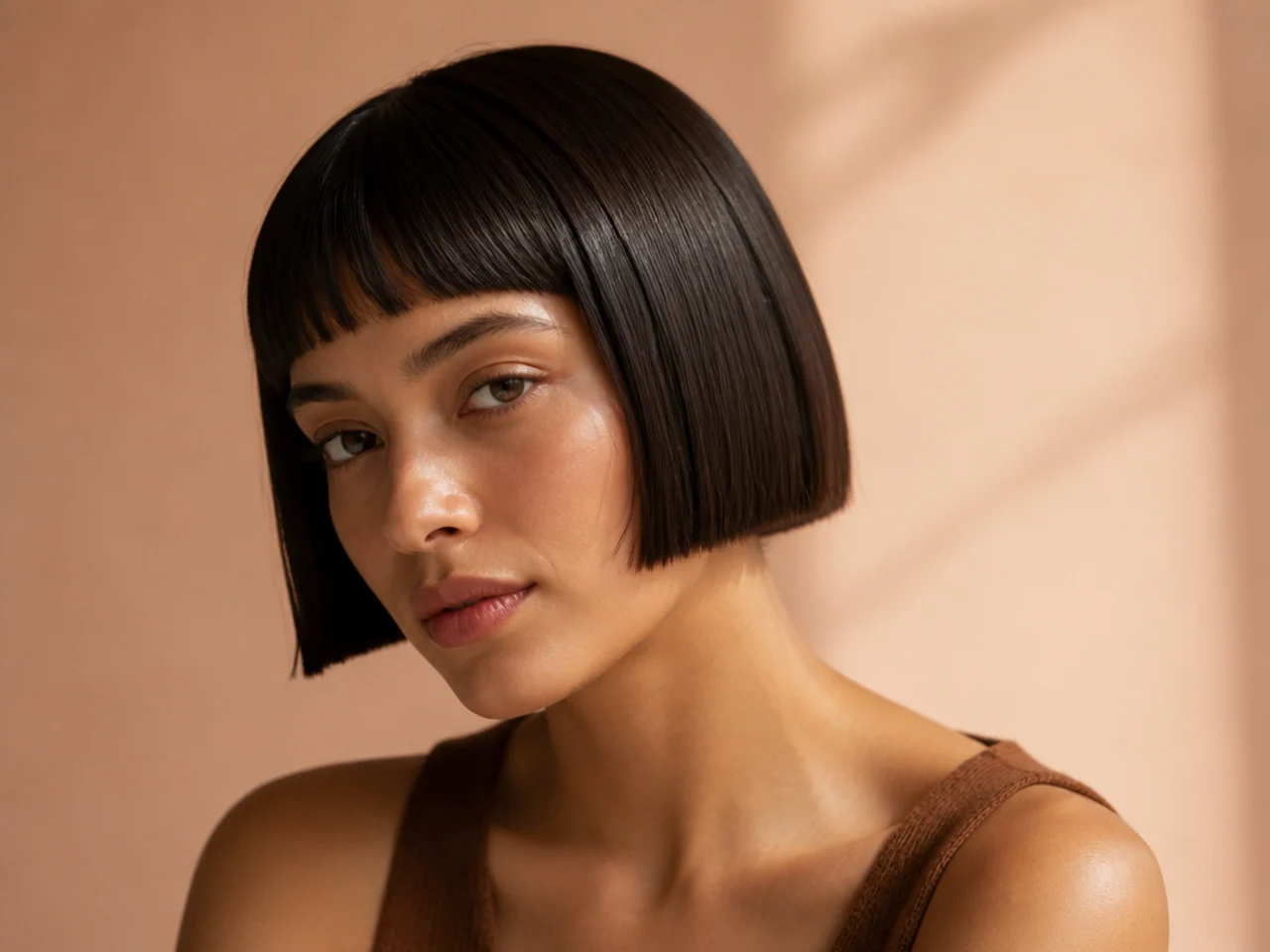
The shortest length that still reads as a bob. Below the ear the shape stops being a bob and starts being a crop, which is a different cut and a different upkeep schedule.
3. Classic Pixie
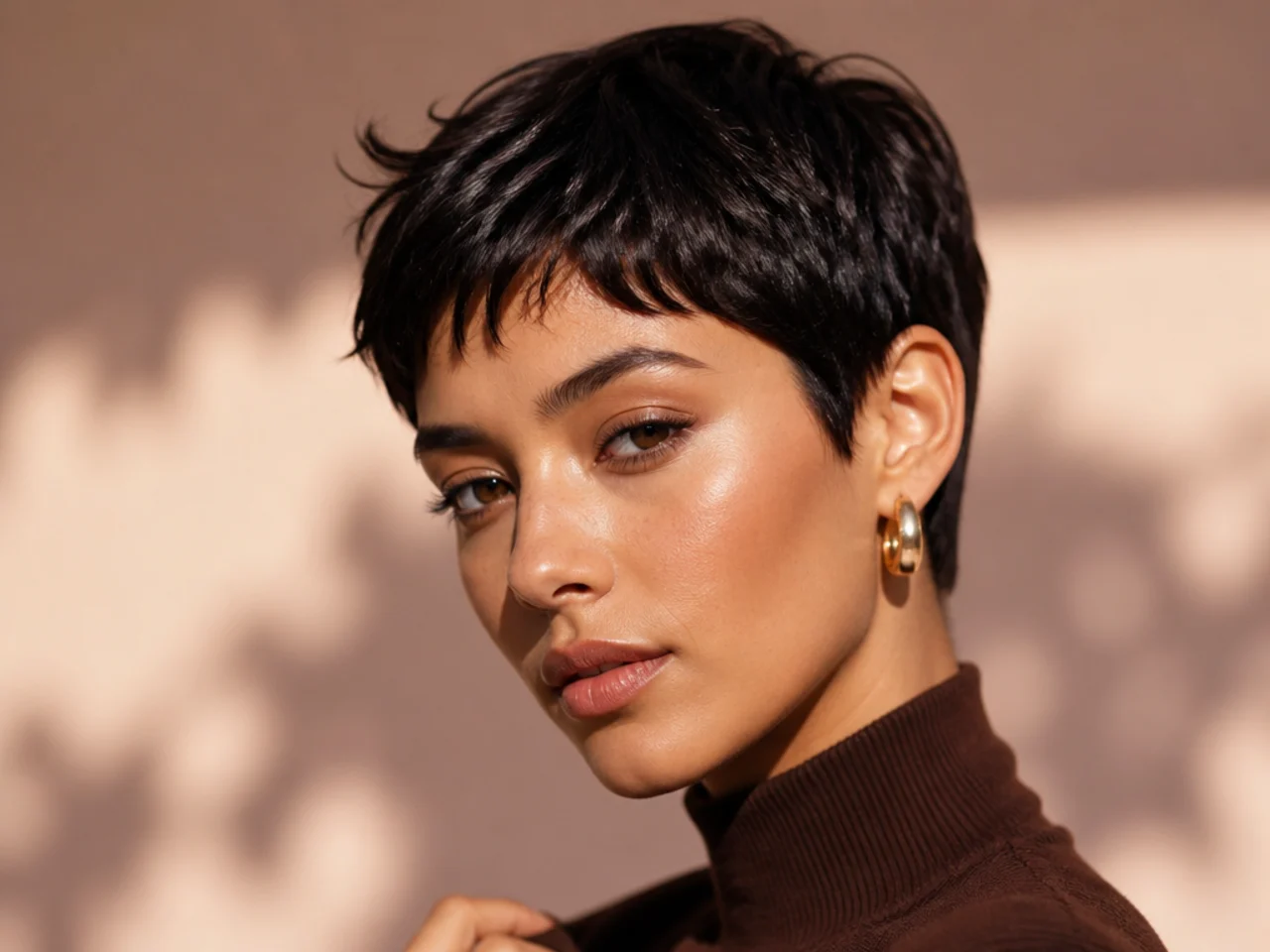
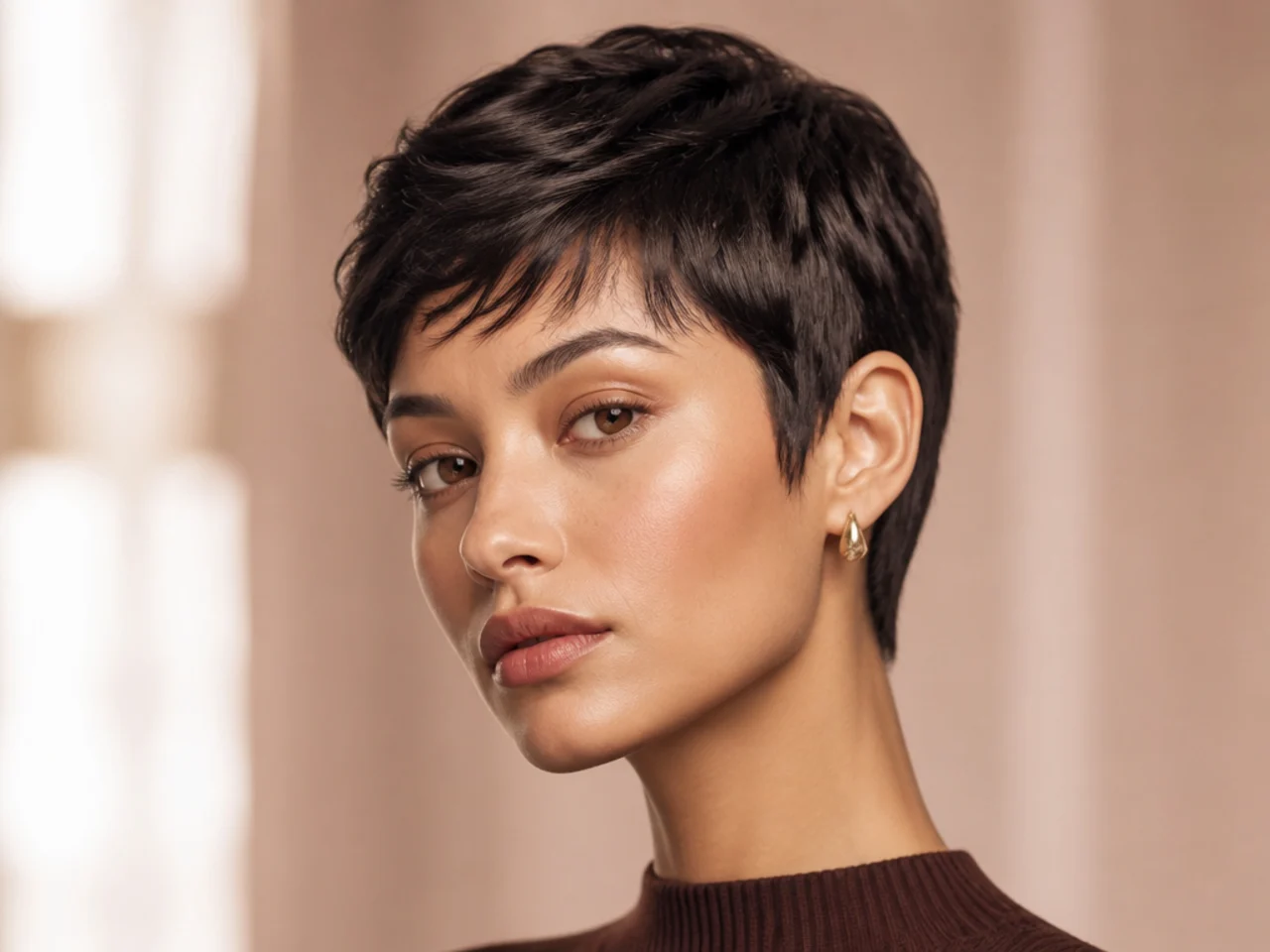
Short all over, with the outline doing the work. With no length anywhere, the perimeter is the entire style — which is why a pixie lives or dies on the cut rather than the styling.
4. Long Pixie with Length on Top
More to style, same short outline. The extra length on top gives you something to direct, without changing the silhouette the cut depends on.
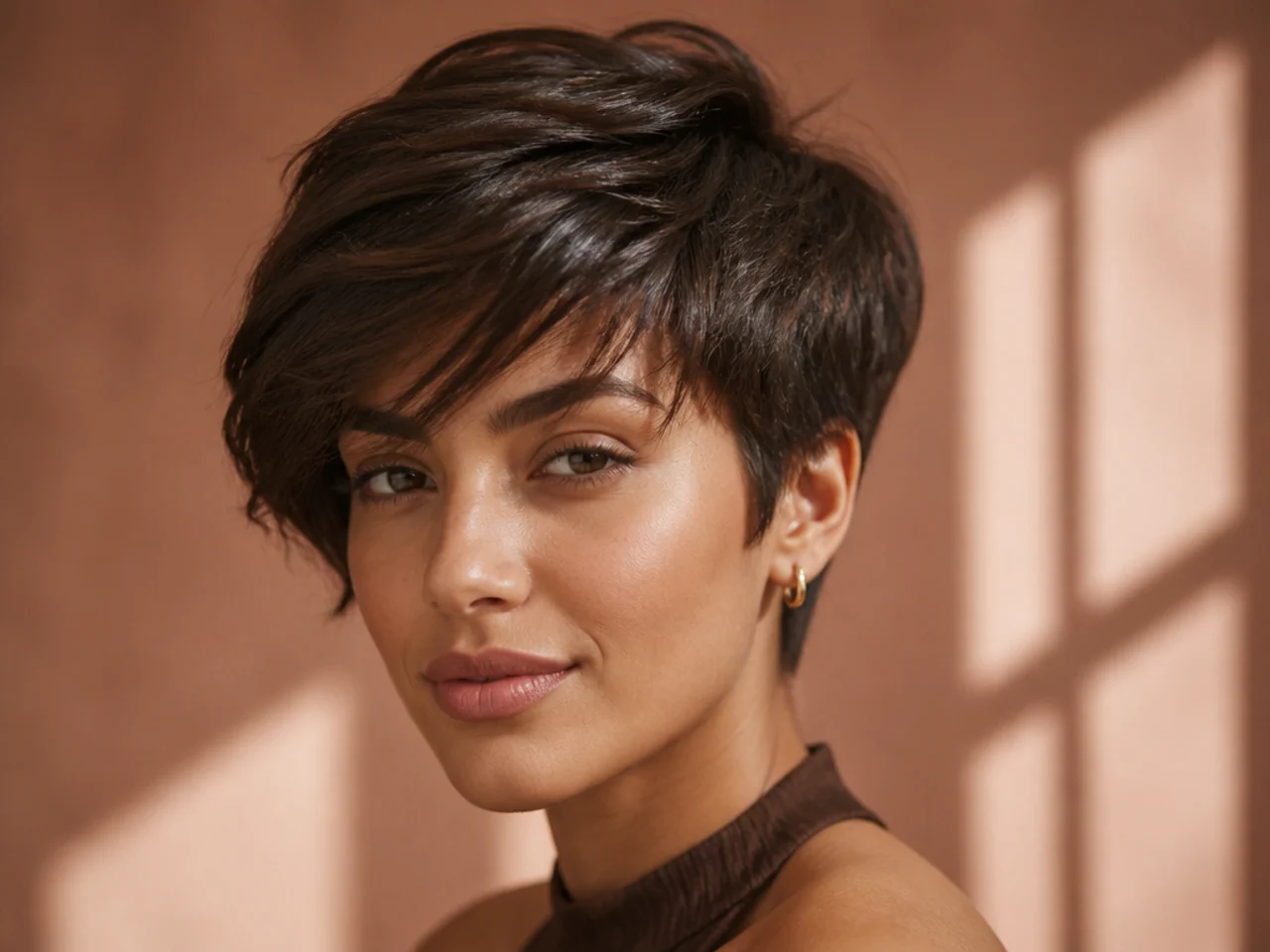
5. Crop with a Centre Part
Symmetry at short length. Very clean. A centre part at this length exposes the scalp along its whole run, so it needs the two sides to fall genuinely evenly.
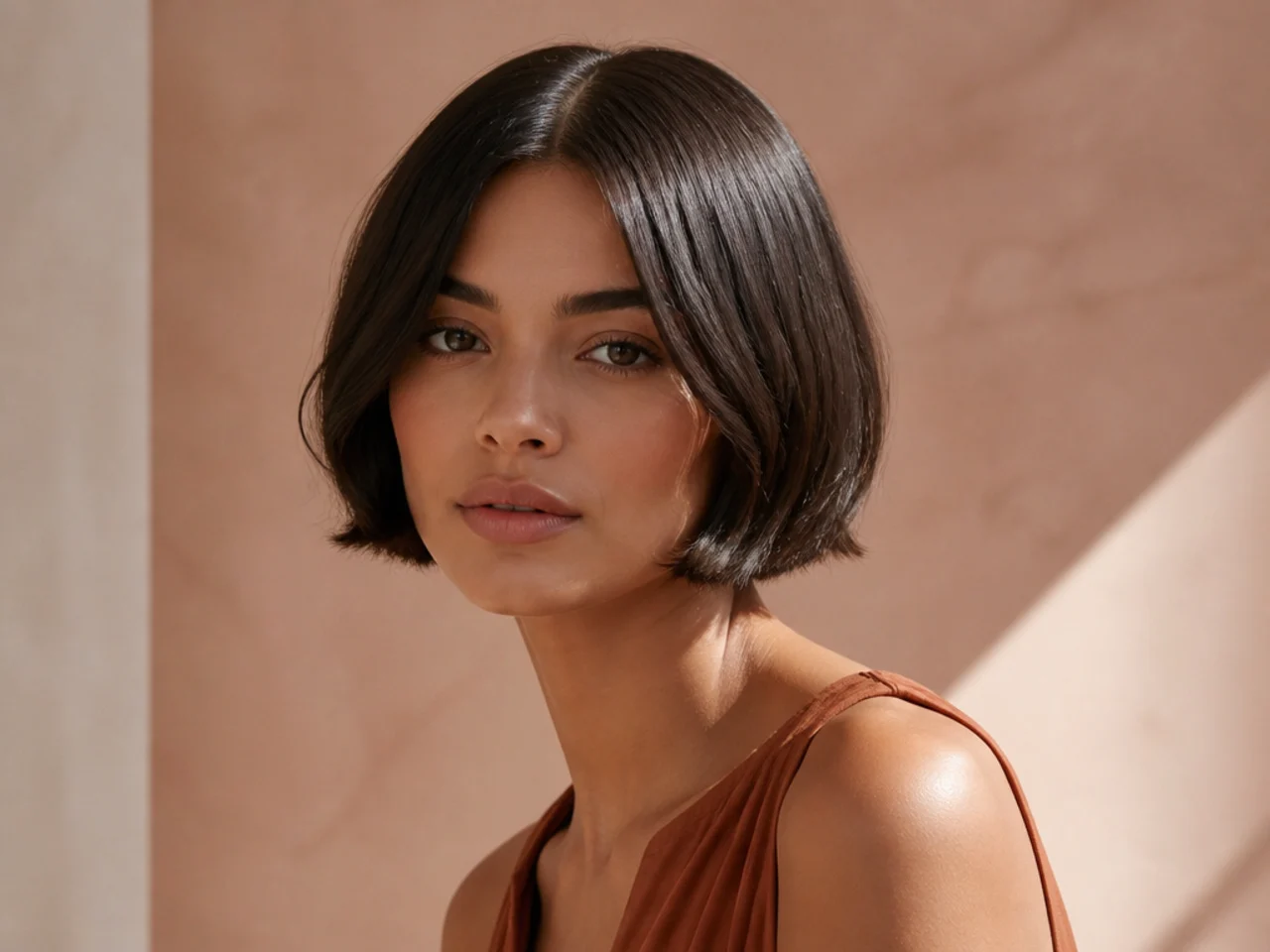
6. Crop with a Deep Side Part
Asymmetry doing the shaping instead of length. With no length to sweep, the part is the only place asymmetry can come from.
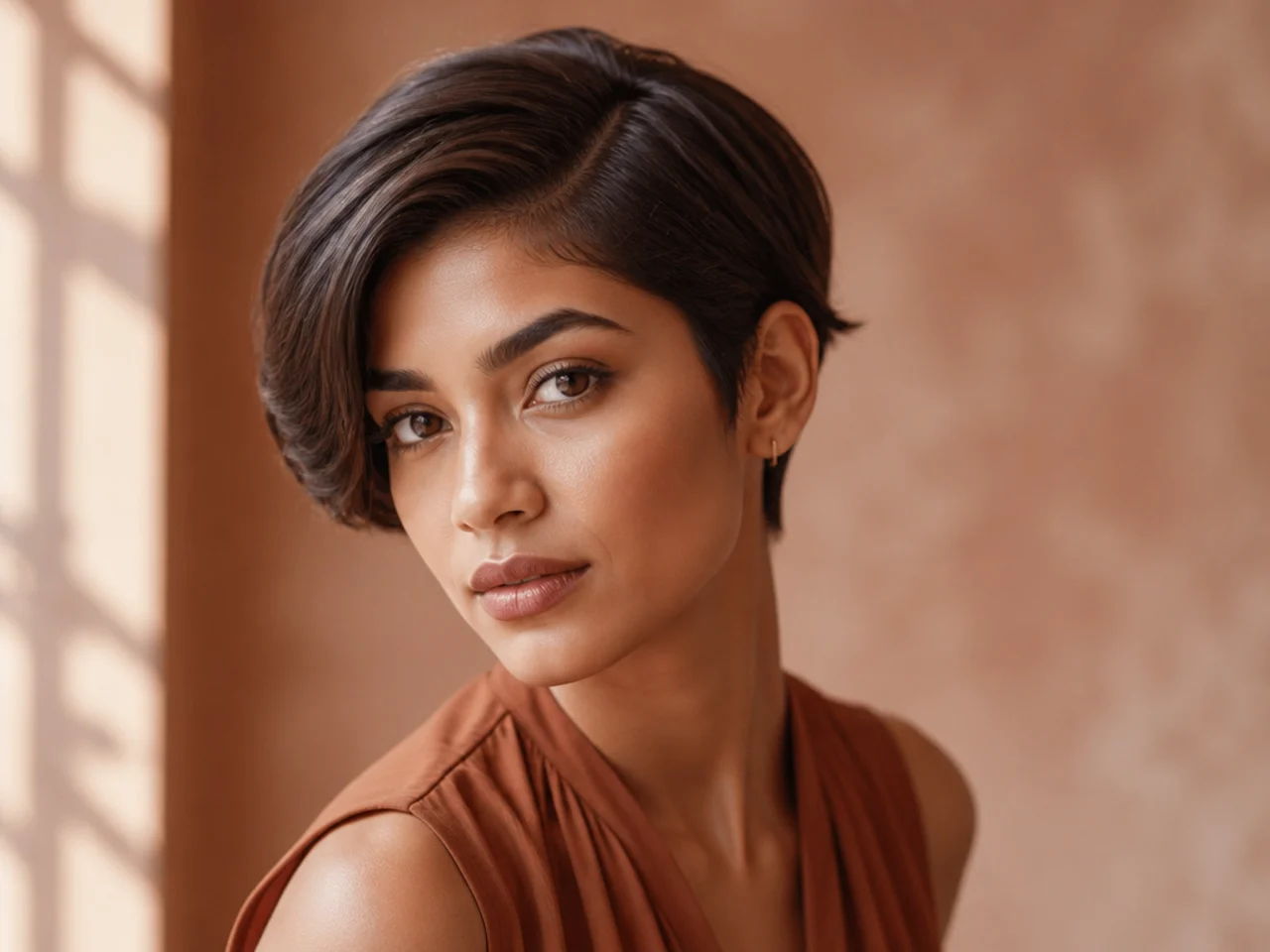
7. Slicked Short Crop
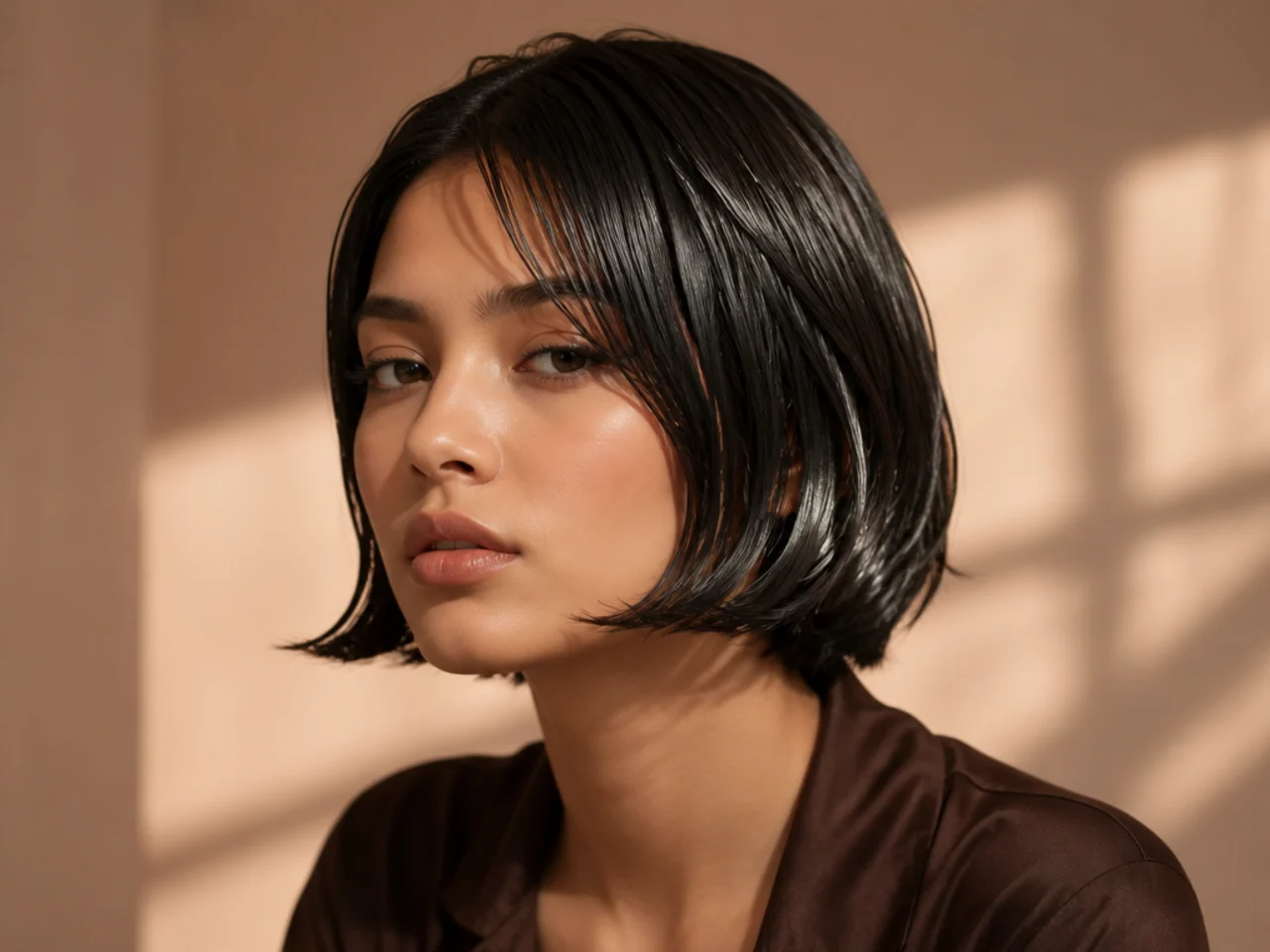
Gelled flat. Short hair slicks with almost no product. There are far fewer short hairs escaping at the perimeter than on long hair, so the whole job is smaller.
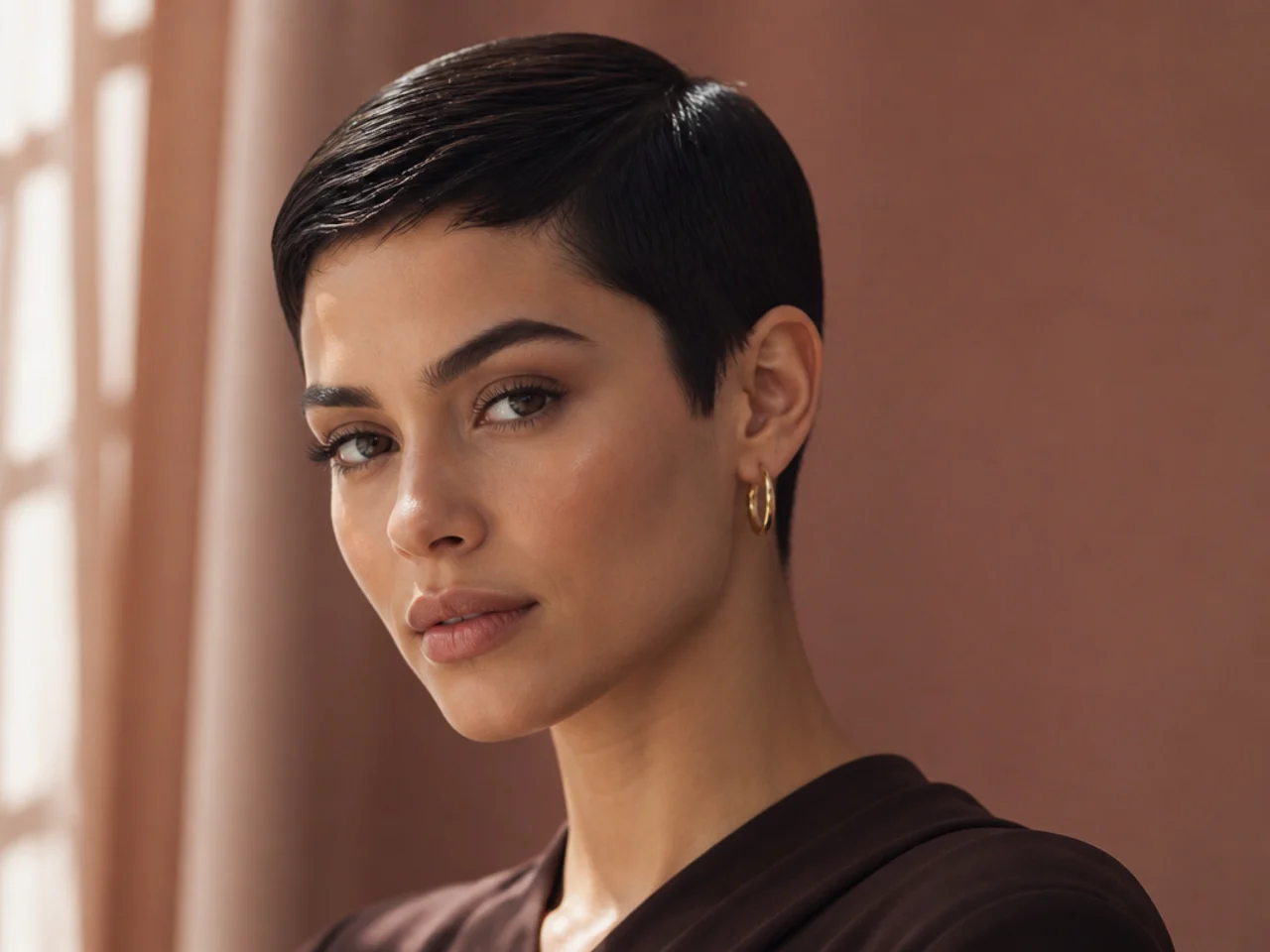
8. Tucked Ear-Length Cut
Both sides behind the ears, exposing the outline fully. Tucking removes every distraction from the cut, which is flattering only if the cut is genuinely precise.
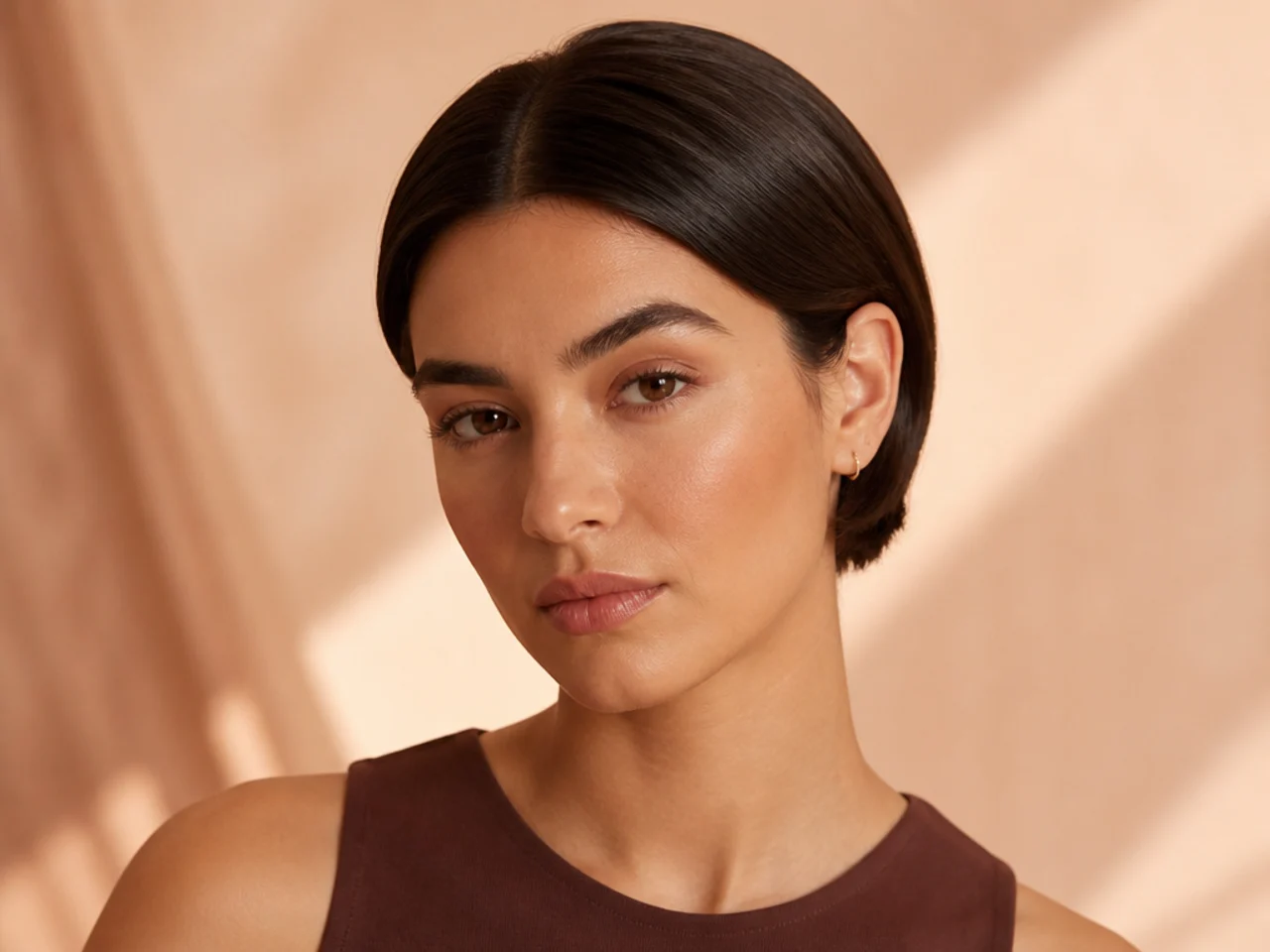
9. Undone Short Texture
Rough-dried, where a good outline still reads. Texture works at short length precisely because the perimeter holds the shape regardless of what the surface is doing.
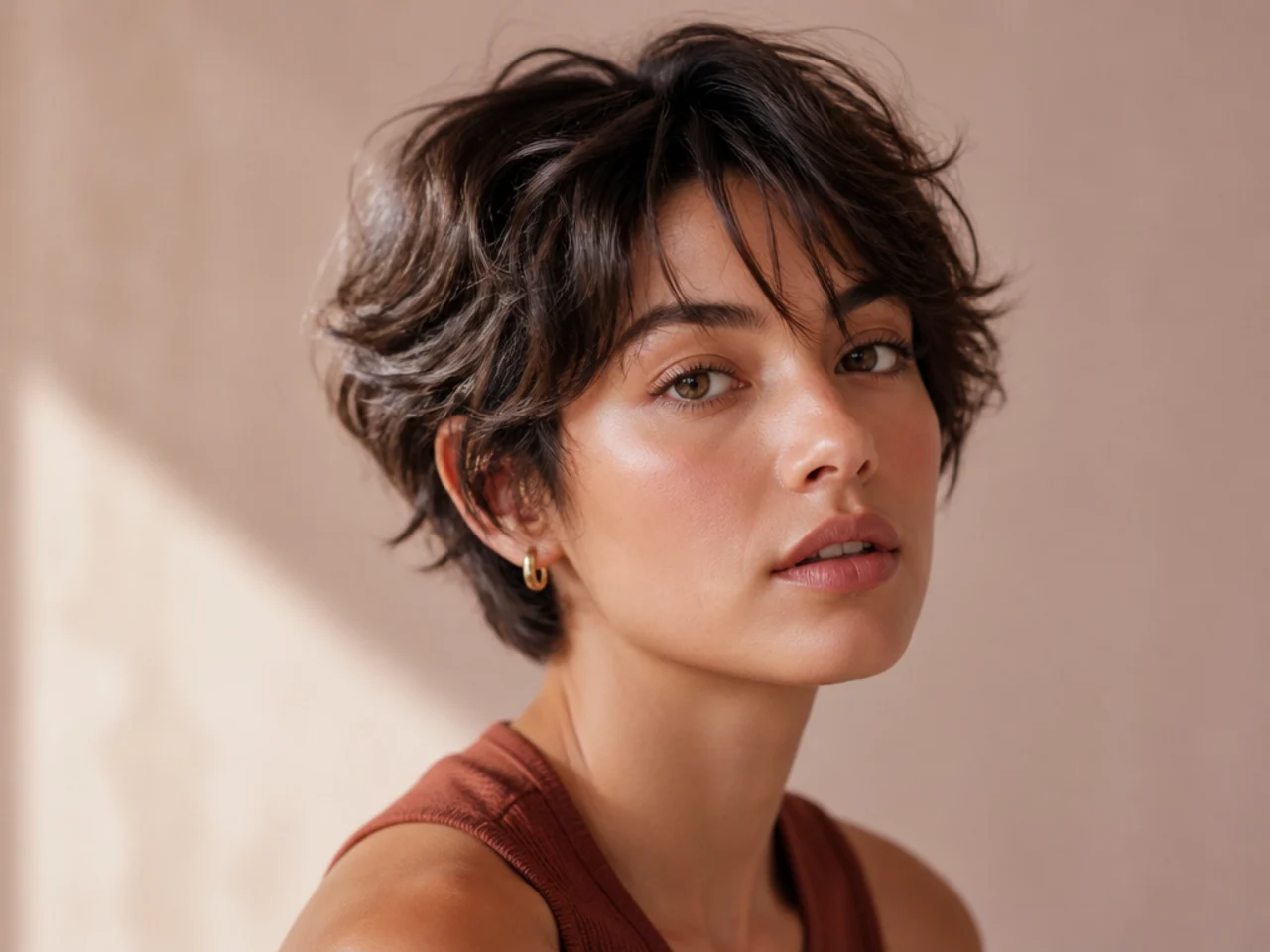
10. Short Cut with a Sharp Nape
The line at the back, which nobody sees and everyone notices. You never see your own nape, and it is the part of a short cut that reads first to everyone else.
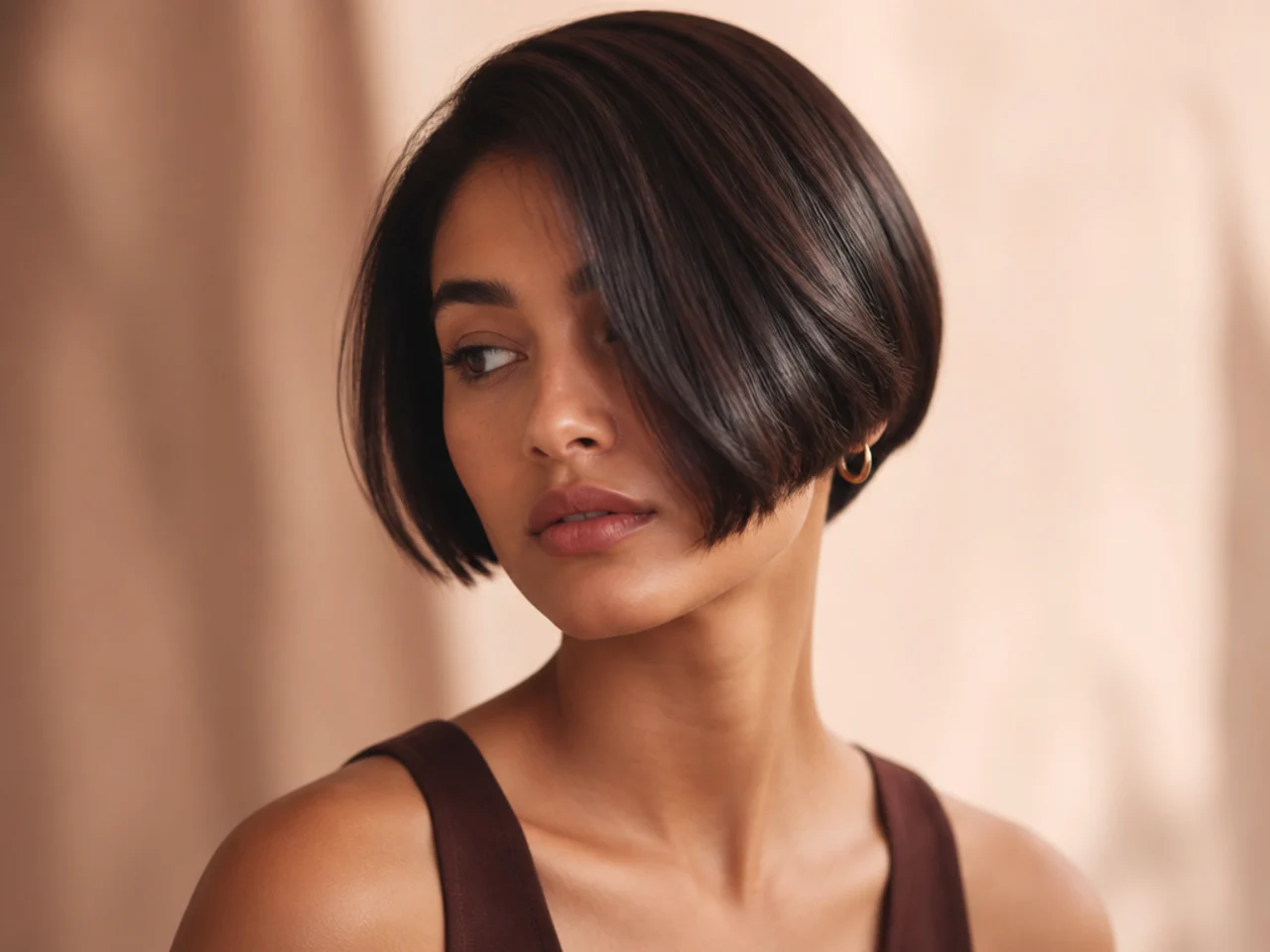
11. Short Cut with a Soft Nape
The gentler version of the same decision. A soft nape grows out more forgivingly, which is worth choosing if you cannot get back every four weeks.
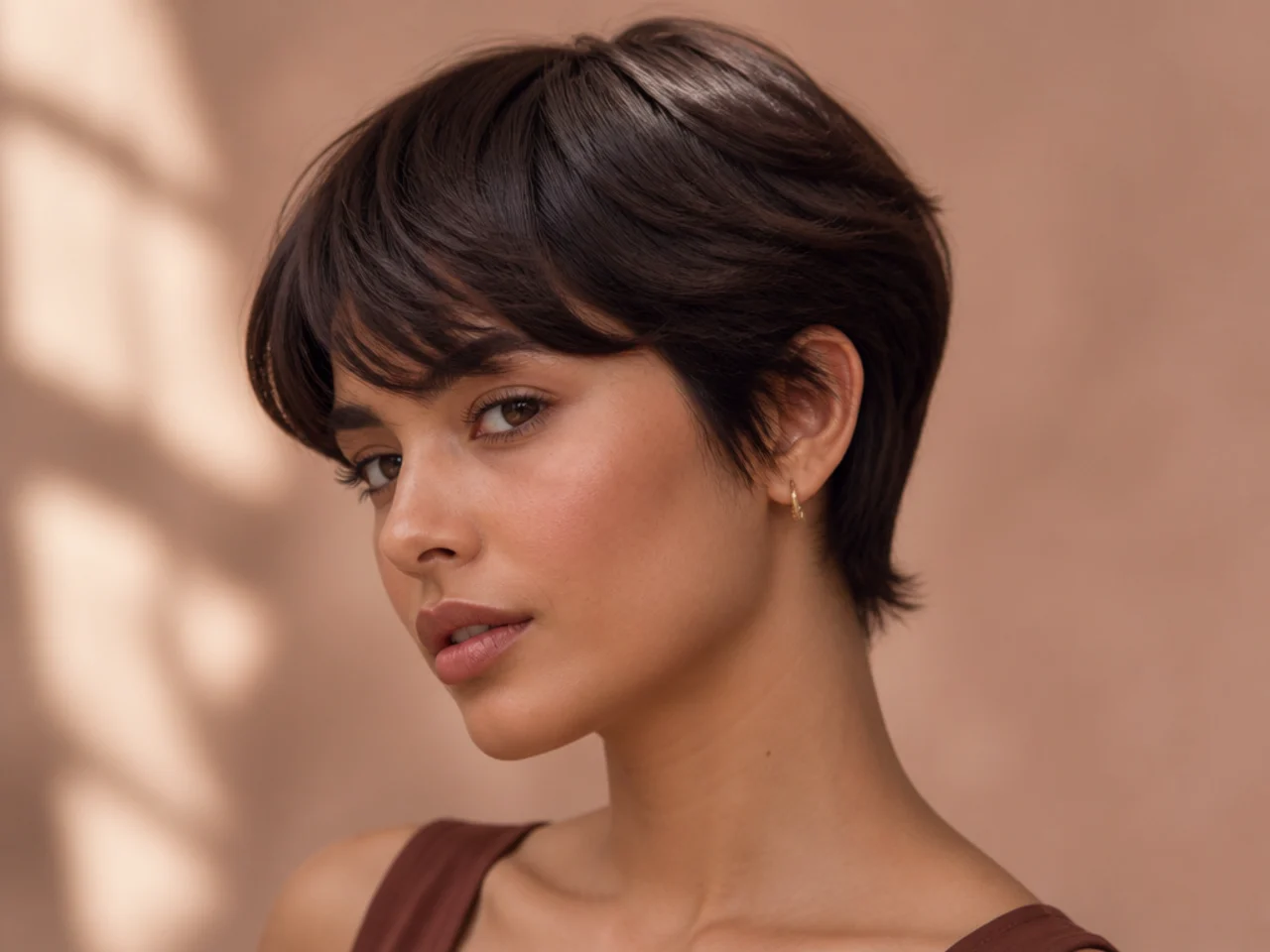
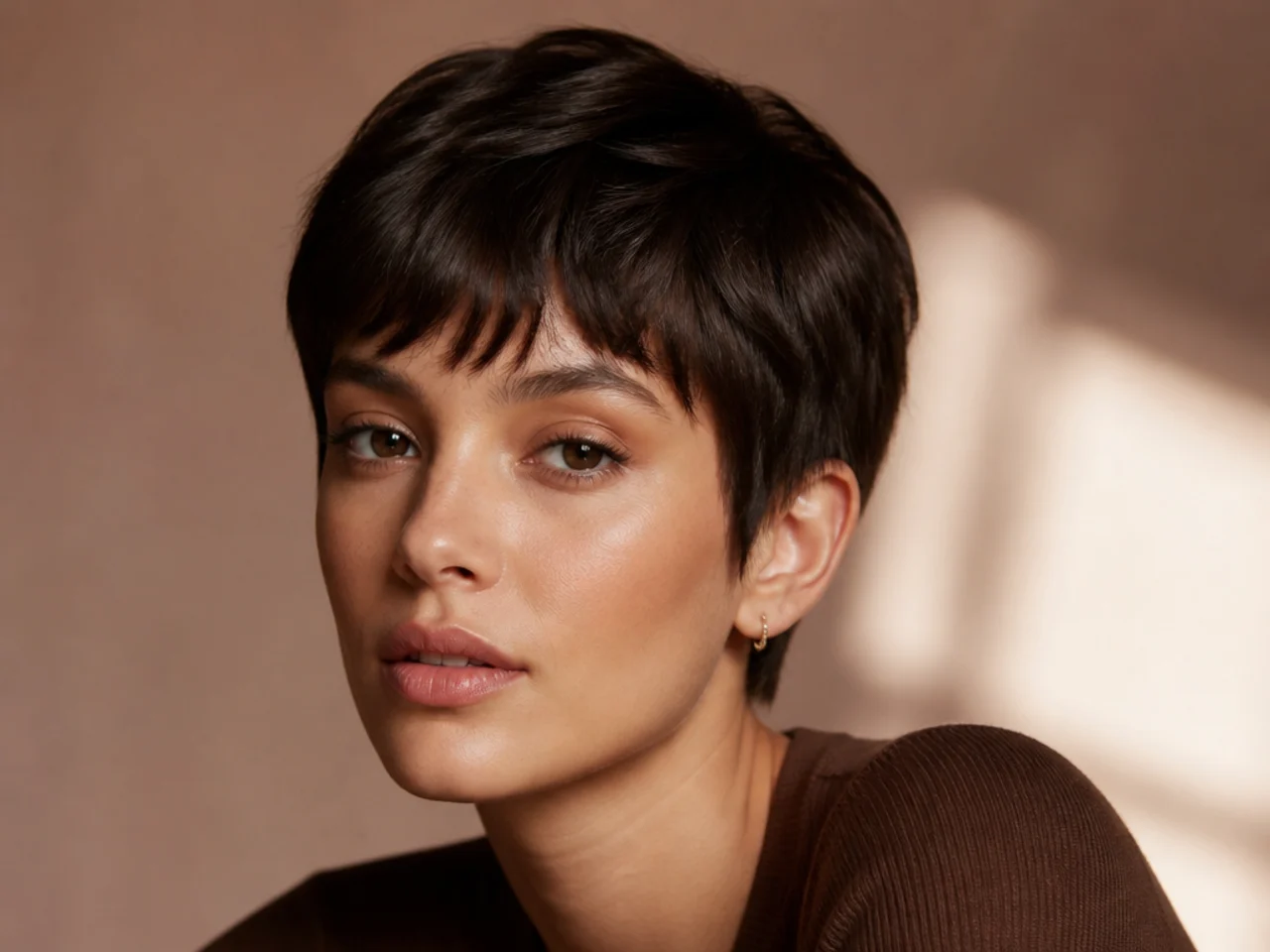
12. Espresso Crop
Dark, and at this length it reads as pure silhouette. Dark hair shows outline rather than surface, so a crop in espresso is read entirely as shape.
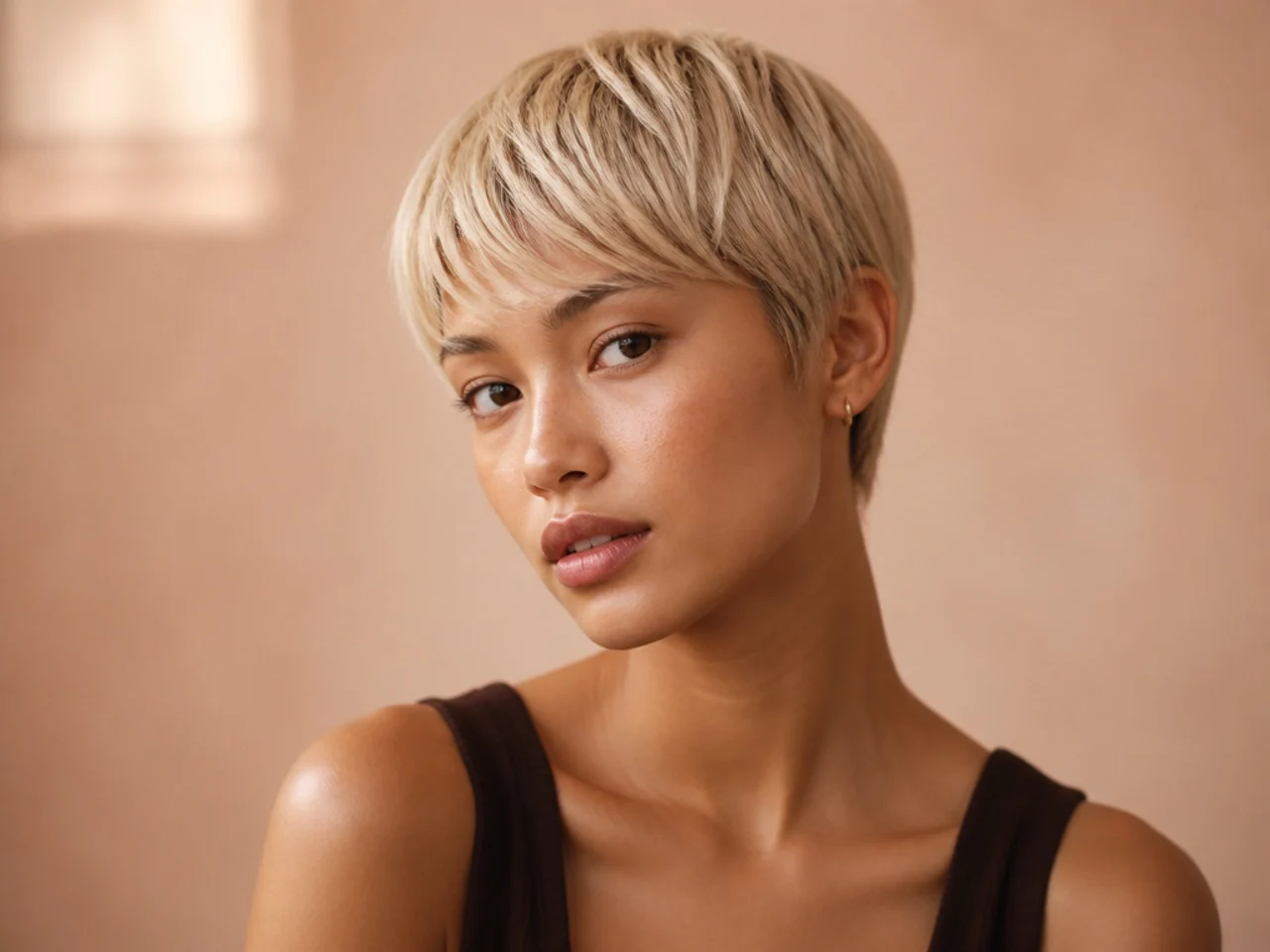
13. Blonde Crop
Light, where the shape still leads and colour follows. Blonde diffuses light and softens an edge slightly, so a blonde crop needs the cut to be sharper to read the same.
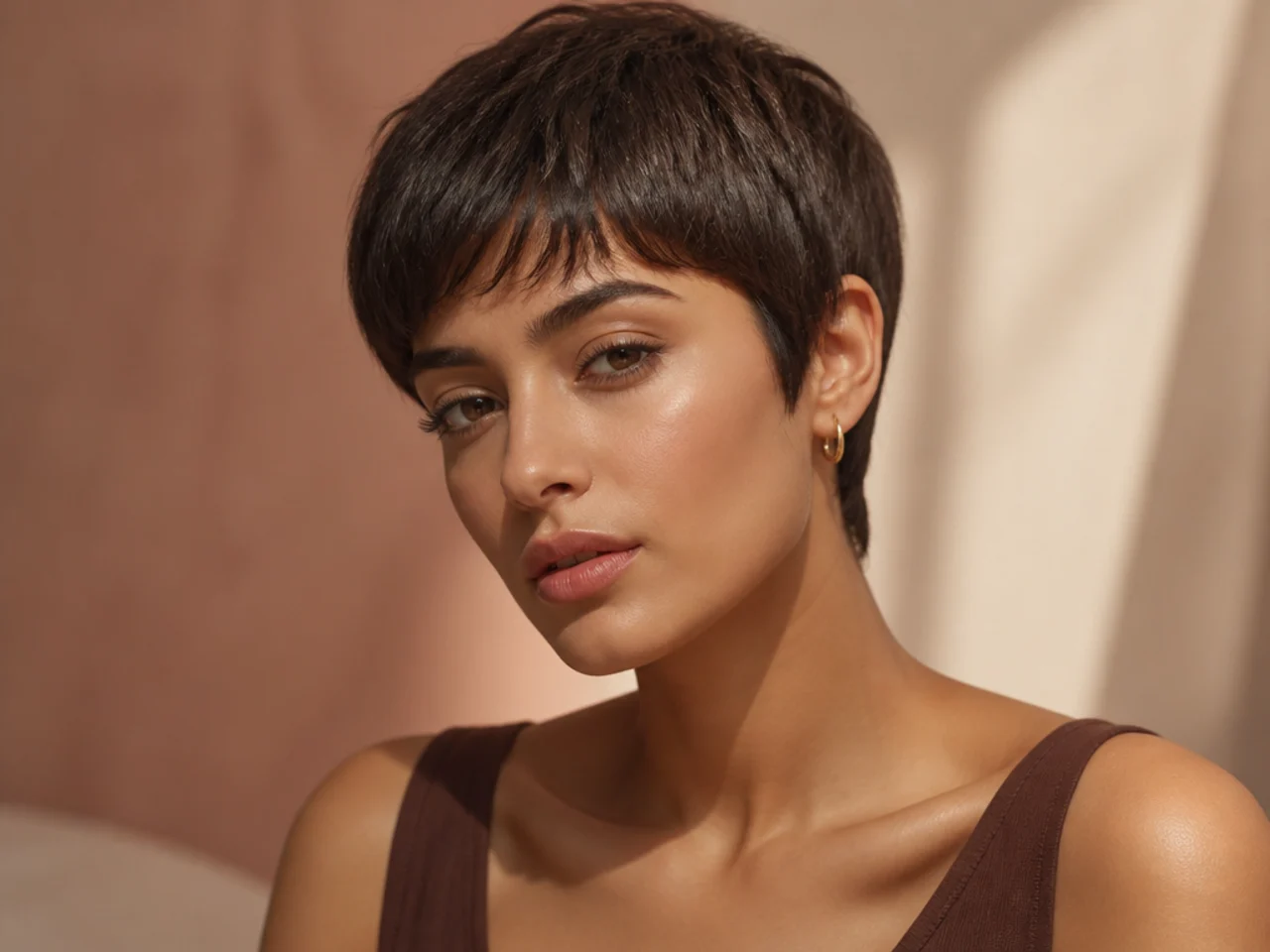
14. Crop with Natural Colour
No colour service at all, which works at this length. Short hair is replaced fast enough that condition stays high without any colour work at all.
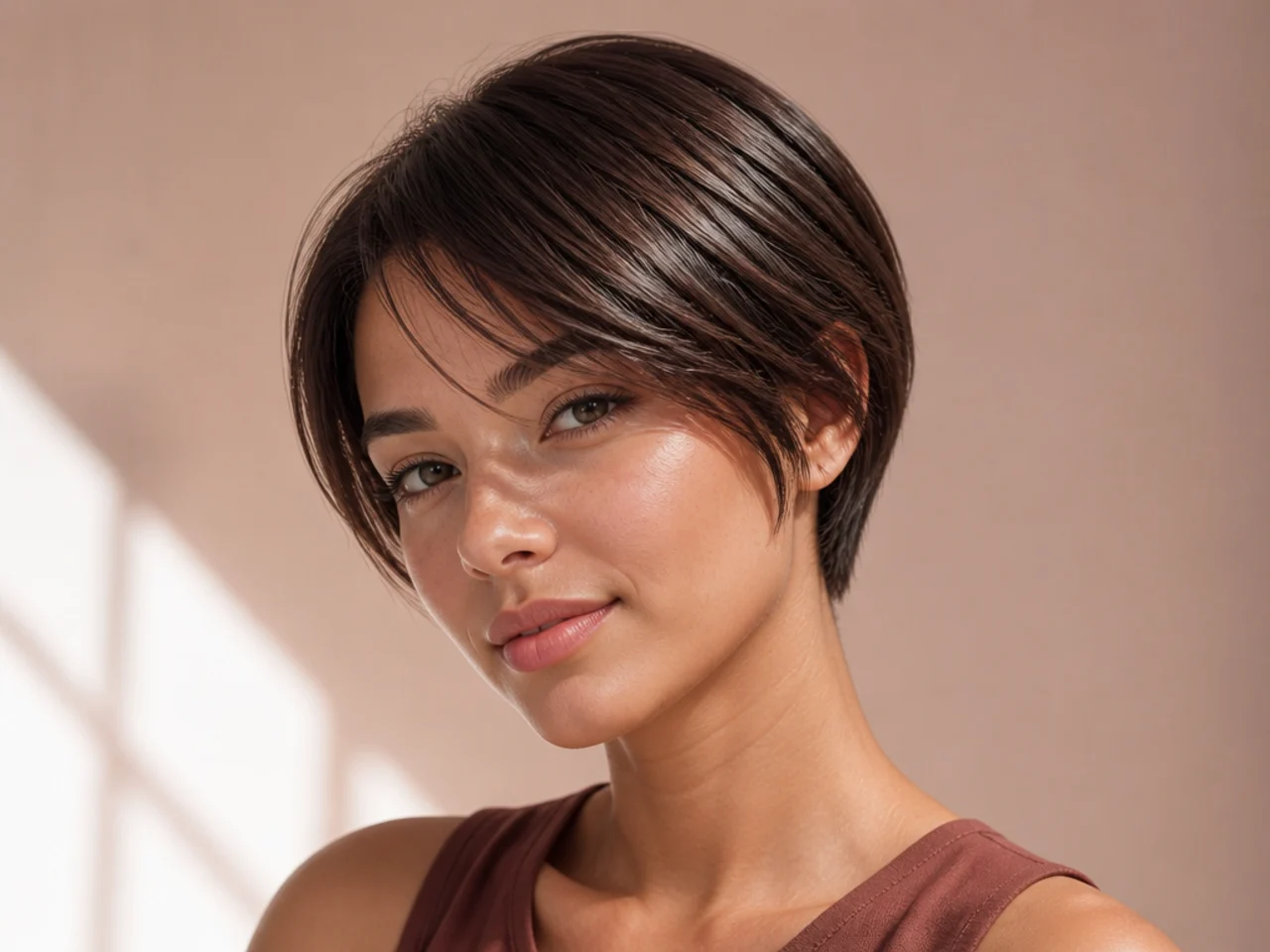
15. Short Cut on Fine Hair
Short is where fine hair looks densest. The best case for it. All the density is concentrated into a small area with a hard edge, which is the opposite of what length does to fine hair.
16. Short Cut on Thick Hair
Internal weight removed so the outline stays close to the head. Thick short hair springs away from the head unless weight comes out from underneath rather than off the ends.
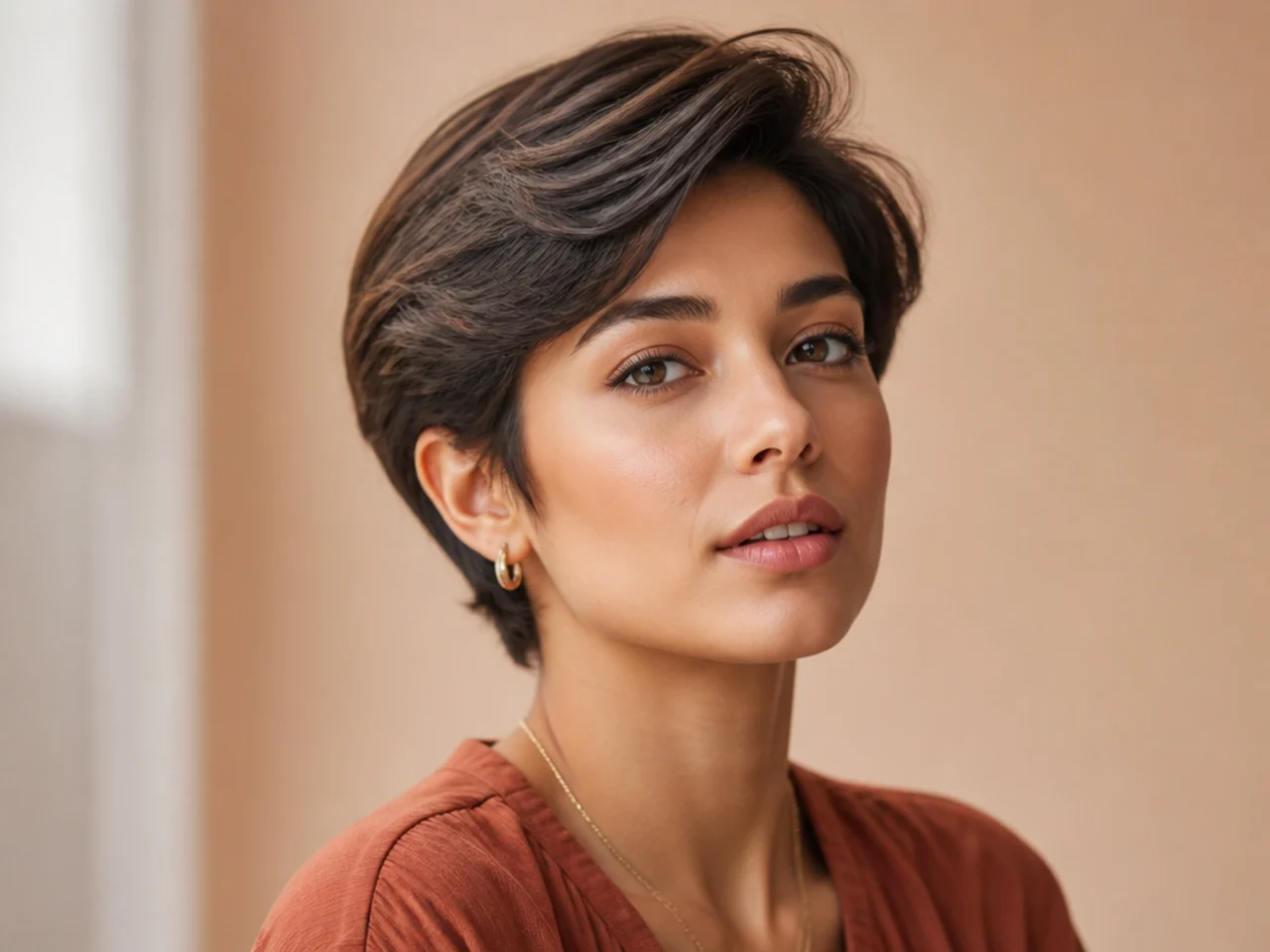
17. Crop Grown Out Two Weeks
Still sharp. The comfortable window. Two weeks is roughly how long a precise short outline holds before growth starts blurring it.
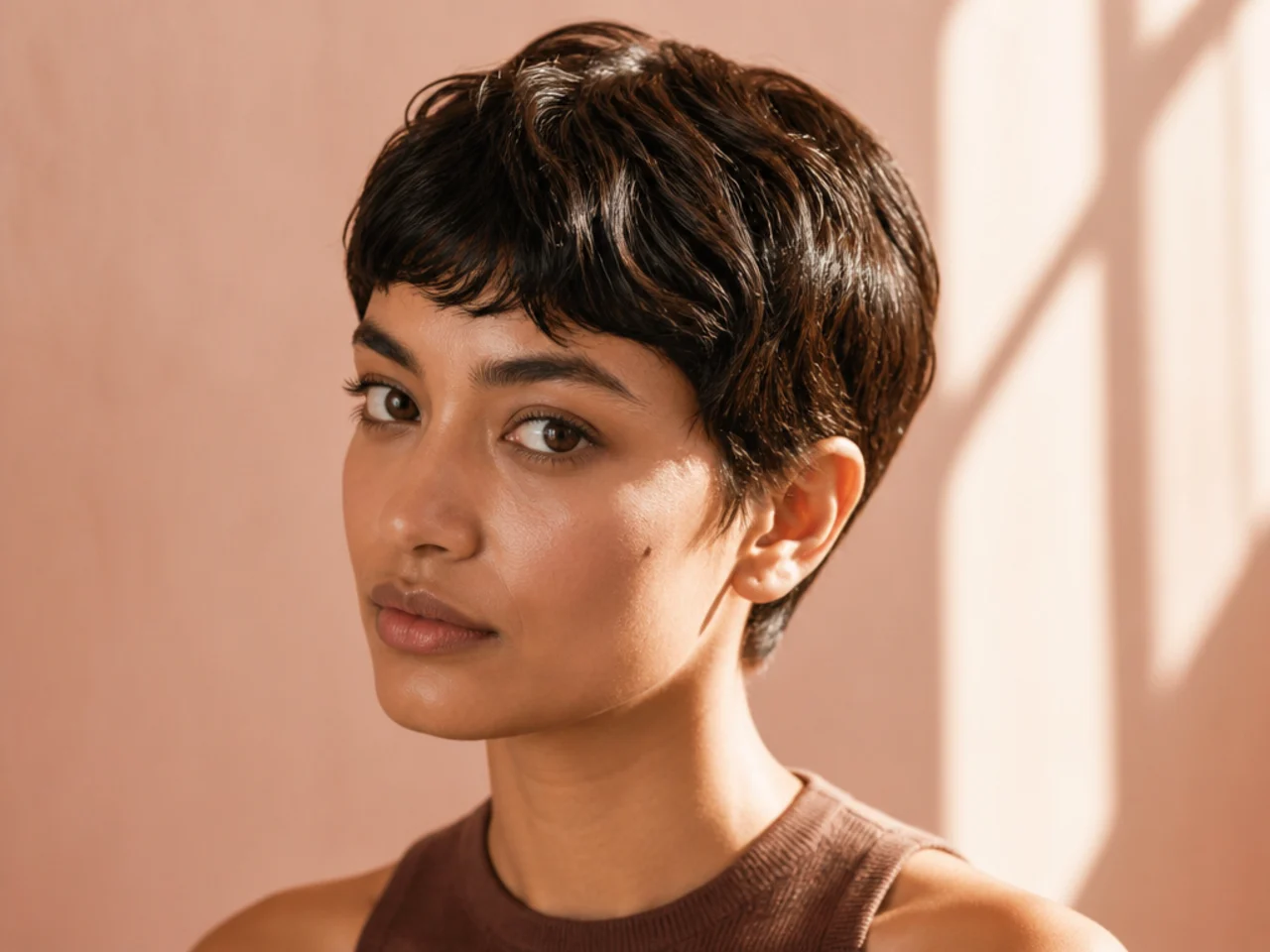
18. Crop Grown Out Six Weeks
Outline softened. The point at which it stops working. A short cut has no length to disguise grow-out, so six weeks is a genuine ceiling rather than a suggestion.
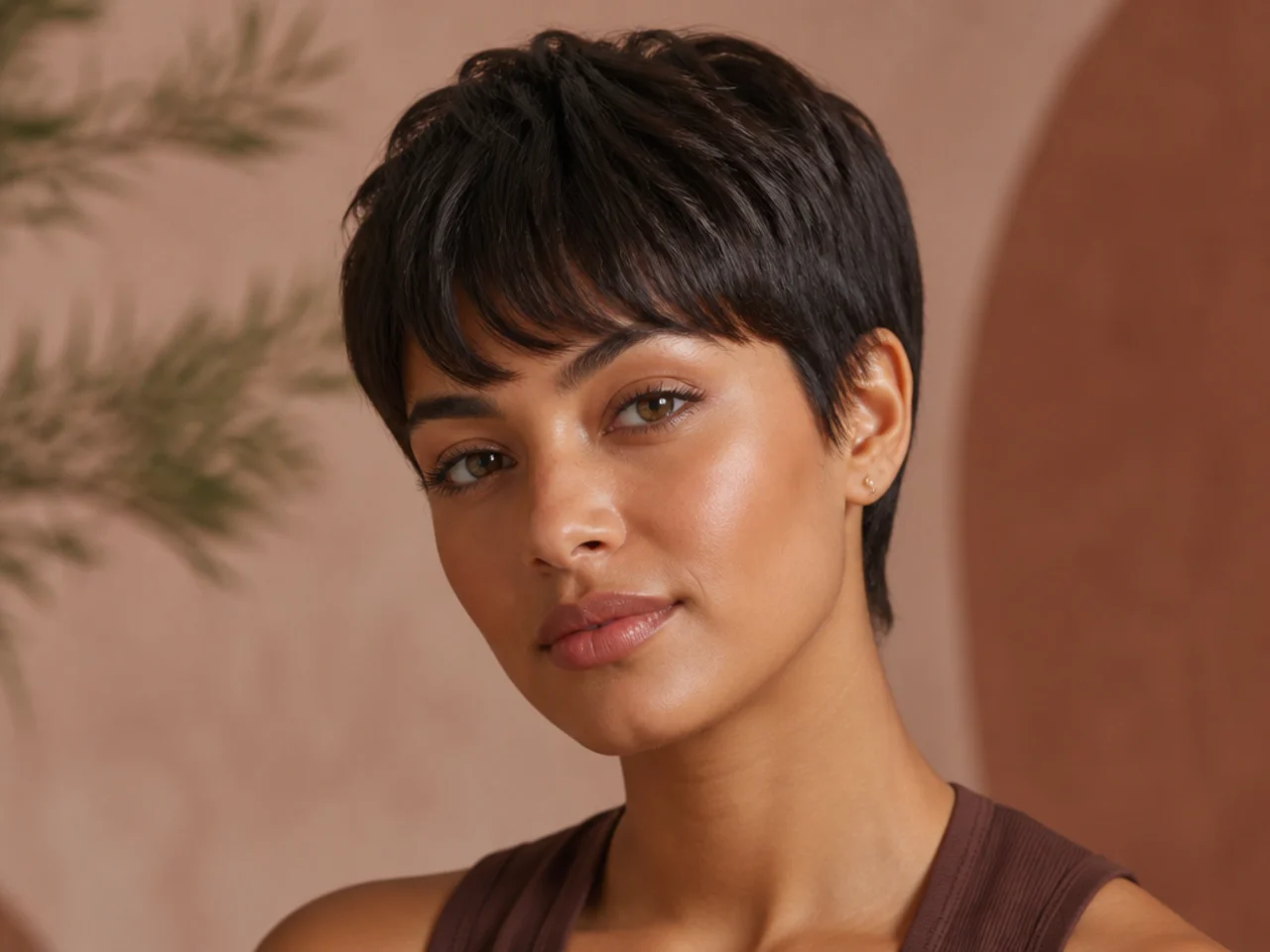
19. Short Cut Growing into a Bob
The in-between stage, worth planning for. Growing a crop into a bob takes a few months, and deciding in advance whether to shape it on the way is what makes it bearable.
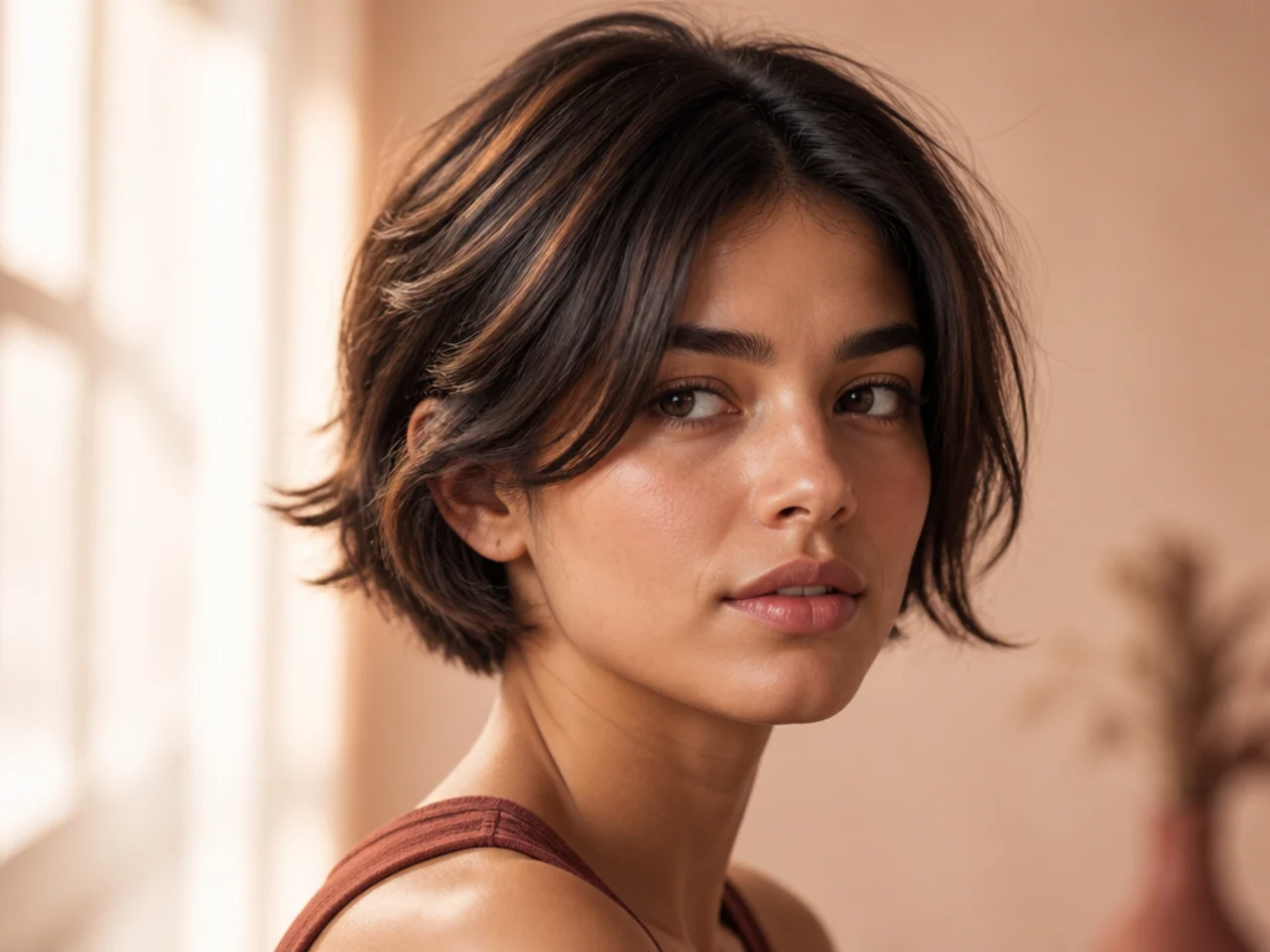
20. A Short Cut with an Imprecise Outline
Where precision was missing. Everything else cannot compensate.
Styling and Upkeep
Cut every four to six weeks. Non-negotiable at this length, and the biggest ongoing cost.
Very little product. Short hair overloads instantly, and heaviness kills a clean outline.
Dry it in the direction it is cut. Short hair sets in seconds and holds whatever direction it dried in.
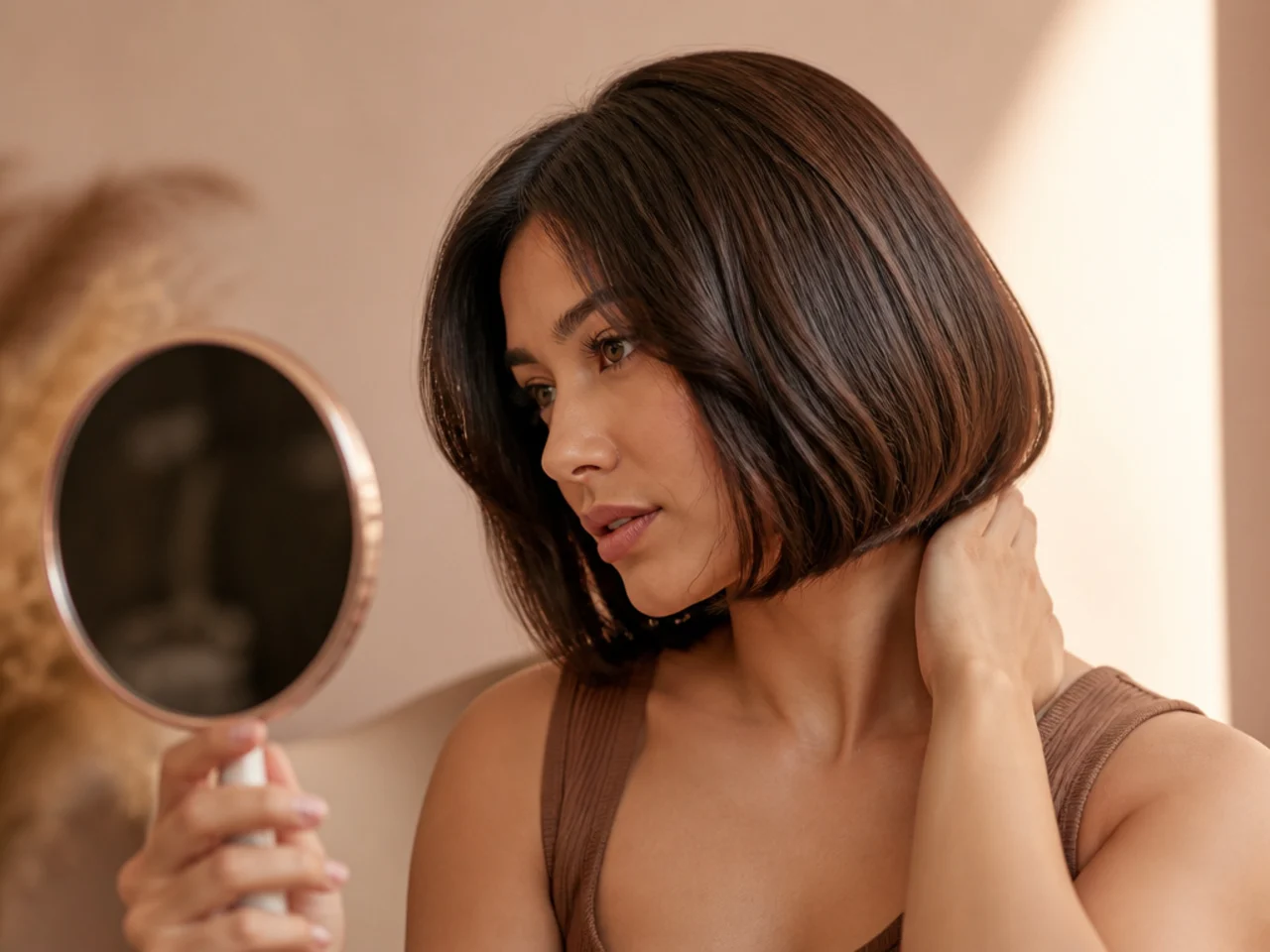
Check the nape in a second mirror. It is the part of the outline you never see and everyone behind you does.
Skip the gloss appointments. At this length they add far less than at longer lengths — put the money into cutting.
Mistakes to Avoid
Assuming short is low maintenance. It is twice the cutting cycle of a bob.
Overloading it with product. It flattens the shape immediately.
Prioritising colour spend at this length. The shape is what people see.
Ignoring the nape. It is half the outline.
Letting it grow past six weeks. The outline goes and the whole look goes with it.
FAQ
Does the look work short? Yes, but as a cut-led look rather than a colour-led one.
Does colour still matter? Far less, which is genuinely freeing.
How often does it need cutting? Every four to six weeks — twice as often as a bob.
Final Thoughts
If you go shorter than a bob, move your budget from the colourist to the cutter. The gloss that carries this aesthetic at long lengths has almost nothing to sit on at crop length, and what replaces it is an outline that has to be right — and re-cut every month to stay that way.
For the bob length above this see 20 stylish hailey bieber bob hair ideas, and for the look overall see 25 hailey bieber hair looks worth copying. More in Celebrity Hair.