20 Steps to a Curly Hair Routine for Men
A curly routine is not a morning, it is a week with four wash-day minutes at the front of it. What happens in those minutes decides whether the next three days need twenty seconds each or twenty minutes.
In this article · 27
- Where the Week Actually Goes
- How to Choose Yours
- The 20 Steps
- 1. Fix Two Wash Days a Week
- 2. Rinse for a Full Minute First
- 3. Shampoo the Scalp Only
- 4. Condition From the Ears Down
- 5. Detangle With the Conditioner In
- 6. Finish With a Cooler Rinse
- 7. Squeeze, Never Rub
- 8. Leave-In While Dripping
- 9. Cream, One Pass, Flat Palms
- 10. Scrunch Upward Once
- 11. Hands Off From Here
- 12. Air-Dry, or Diffuse on Low
- 13. Dry Head Forward for Root Lift
- 14. Break the Cast If You Used Gel
- 15. Protect It on Night One
- 16. Day Two, Water on the Flat Side
- 17. Day Two, Pick at the Root
- 18. Day Three, Wear It Looser
- 19. Day Four, Reset Rather Than Add
- 20. Every Six to Eight Weeks, Cut It Dry
- Styling and Upkeep
- Mistakes to Avoid
- FAQ
- Final Thoughts
Curly routines are usually written as a morning ritual. In practice the whole thing is decided on wash day, and the mornings are just collecting the result.
Four minutes on wash day buys three easy days. Get the order right once and the following mornings genuinely take twenty seconds each.
Get it wrong and no morning fixes it. Product applied to towel-dried hair, or a head rubbed dry with a towel, cannot be rescued later by anything you add.
Where the Week Actually Goes
Wash day sets up three or four days. Everything after it is maintenance of a shape that was already decided.
Curl carries its own oil badly. The spiral interrupts the path from scalp to ends, which is why curly hair runs dry and daily washing makes it worse, and the tighter your curl type the more pronounced that effect gets.
Night is the biggest variable. Eight hours of friction against cotton flattens one side and mats the nape.
Product accumulates. A reset wash is a scheduled step rather than an admission of failure.
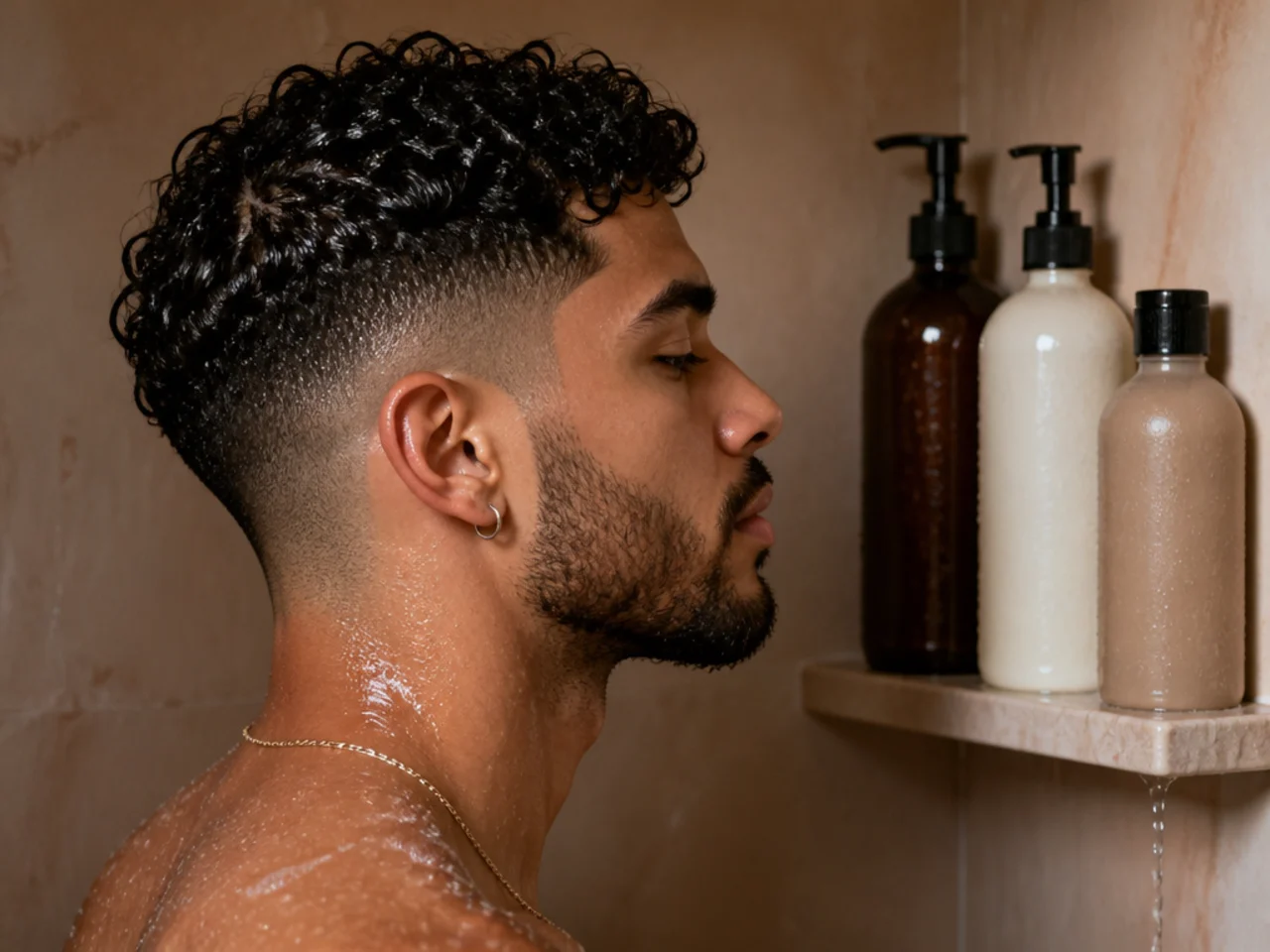
How to Choose Yours
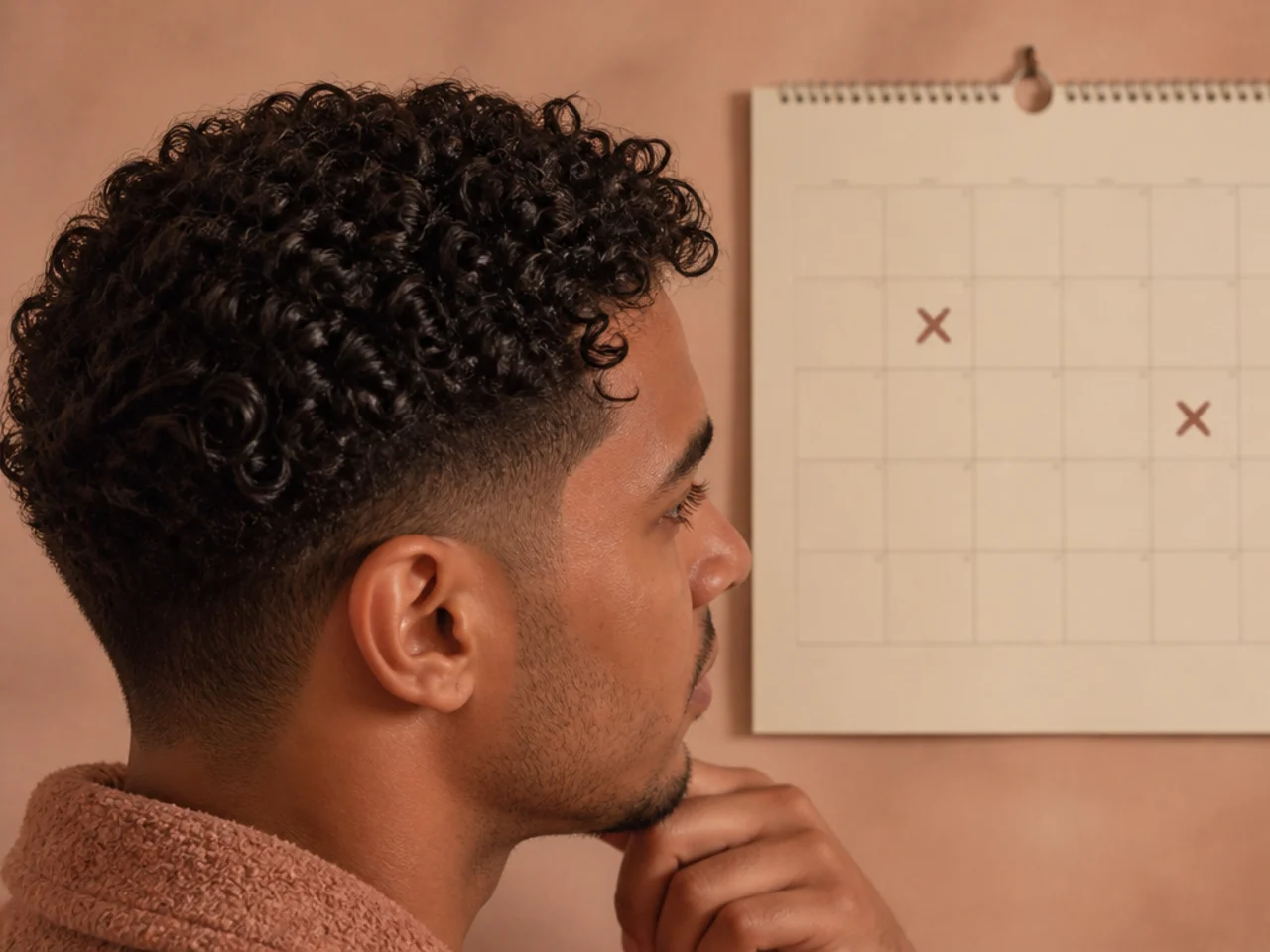
Pick two wash days and keep them. Predictability lets you know which state the hair is in each morning.
Decide your product ceiling now. Leave-in only, or leave-in plus cream, and stop there.
Choose air-dry or diffuse and stick with it. They produce different volume, and switching makes results impossible to read.
Scale it to your length. Short hair skips at least a third of this list, and the shortest curly cuts skip nearly half of it.

The 20 Steps
1. Fix Two Wash Days a Week
The same two days, every week. Curl responds to routine, and irregular washing means every morning starts from an unknown state. Three or four days is also about how long water keeps reforming the clumps before build-up wins, so a fixed pair of days puts the reset exactly where the hair already needs it.
2. Rinse for a Full Minute First
Warm water before anything else. It swells the strand and lifts the previous days' build-up, which means less shampoo is needed to do the same work.

3. Shampoo the Scalp Only
Shampoo is a scalp product, because the scalp is the only place sebum is actually produced. The ends are the oldest and driest part of the hair and the suds running past them are enough.

4. Condition From the Ears Down
Conditioner on the lengths, not the roots. The scalp already produces oil, so adding weight there flattens the curl at exactly the point where lift matters most.
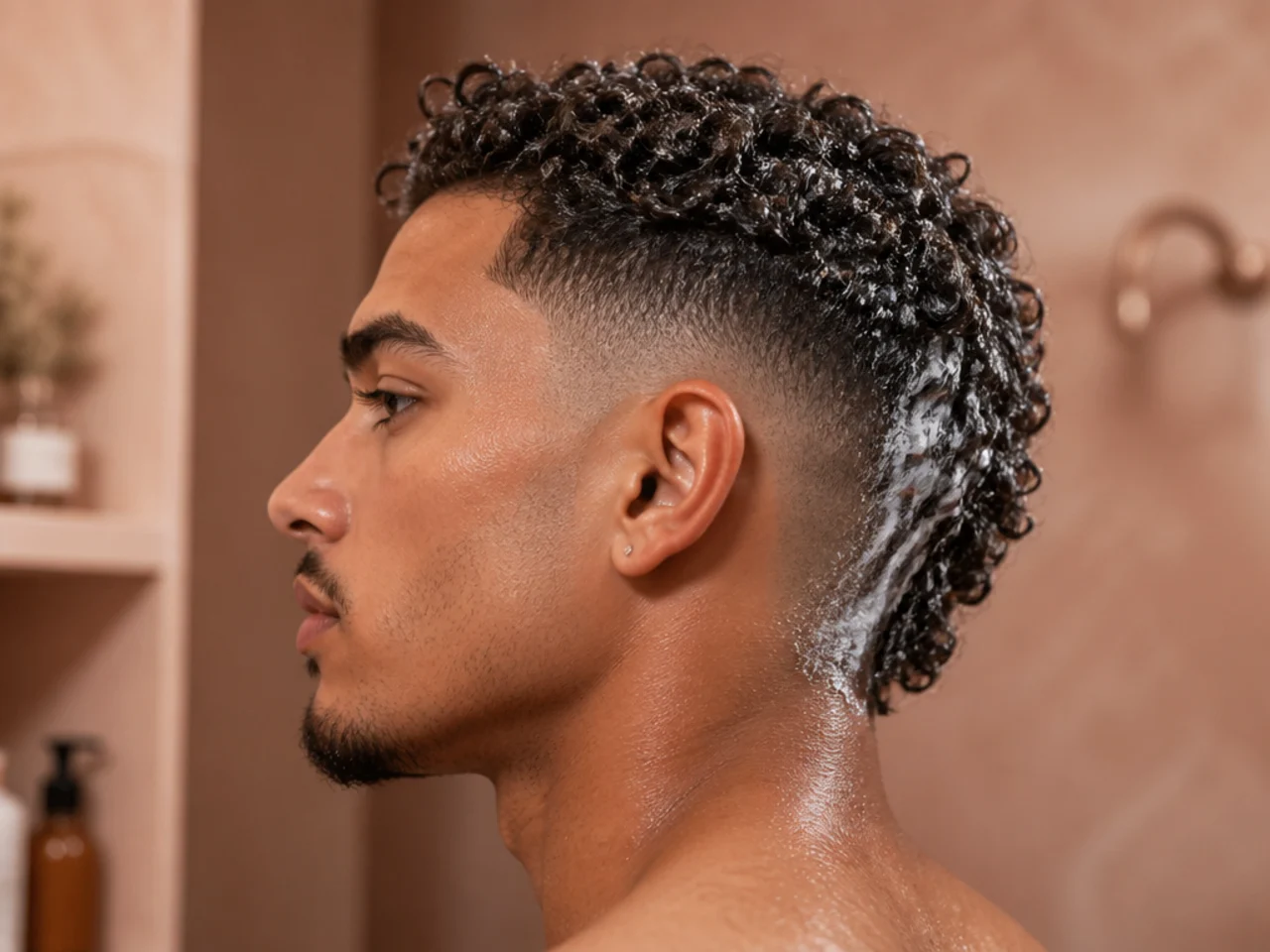
5. Detangle With the Conditioner In
Fingers or a wide-tooth comb, before rinsing. Slip is what lets a curl release instead of tearing, and this is the only sensible moment in the week to do it.
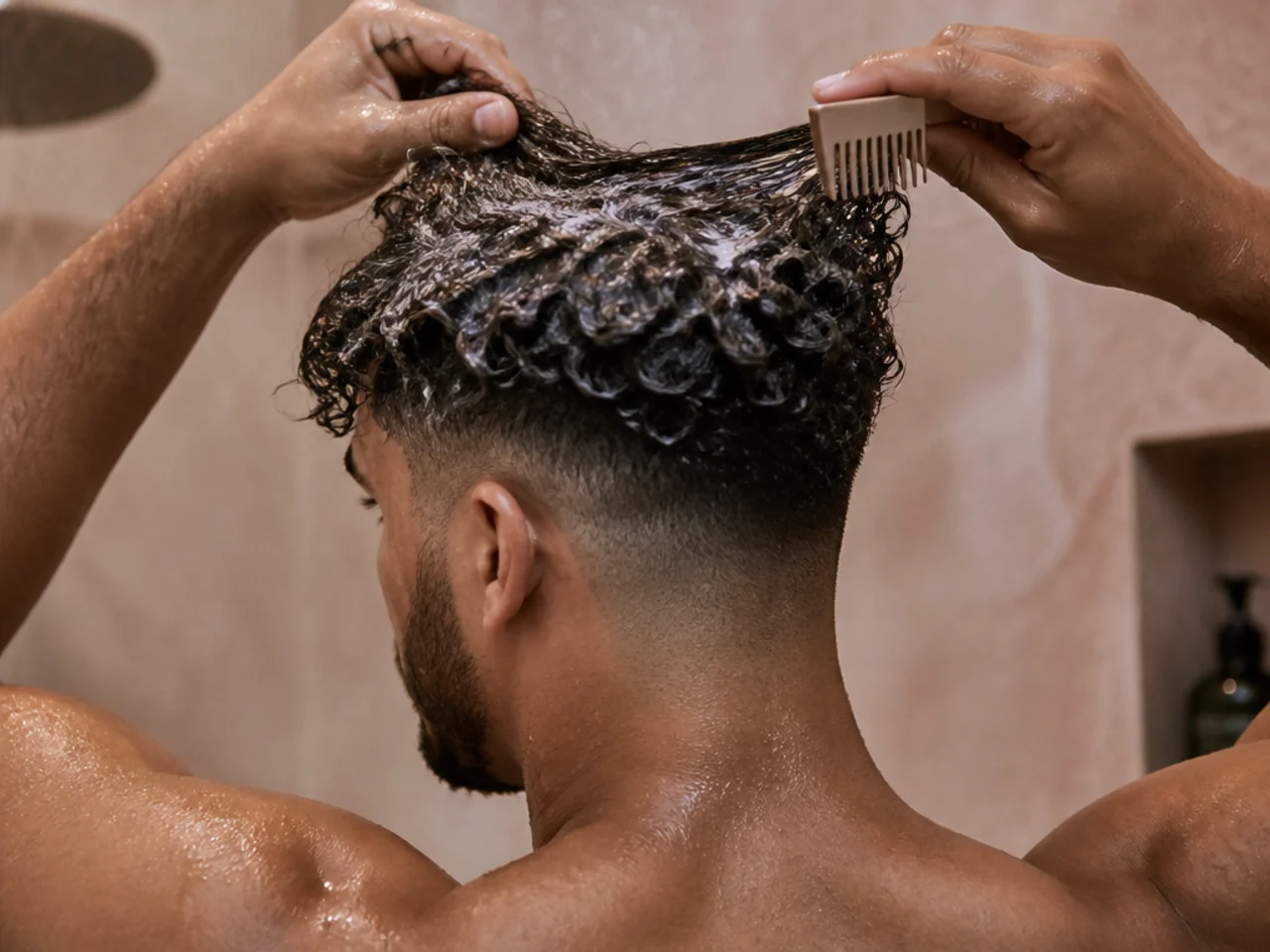
6. Finish With a Cooler Rinse
The last few seconds turned down. Cooler water helps the outer layer of the strand lie flat, which is what makes a curl reflect light rather than scatter it.

7. Squeeze, Never Rub
Water pressed out with a cotton t-shirt. Towel loops lift individual strands out of their clumps and every lifted strand dries as frizz.

8. Leave-In While Dripping
Not damp, dripping. Water is what carries product evenly down the strand, and on damp hair the same amount sits on the outside and dries into a shell.
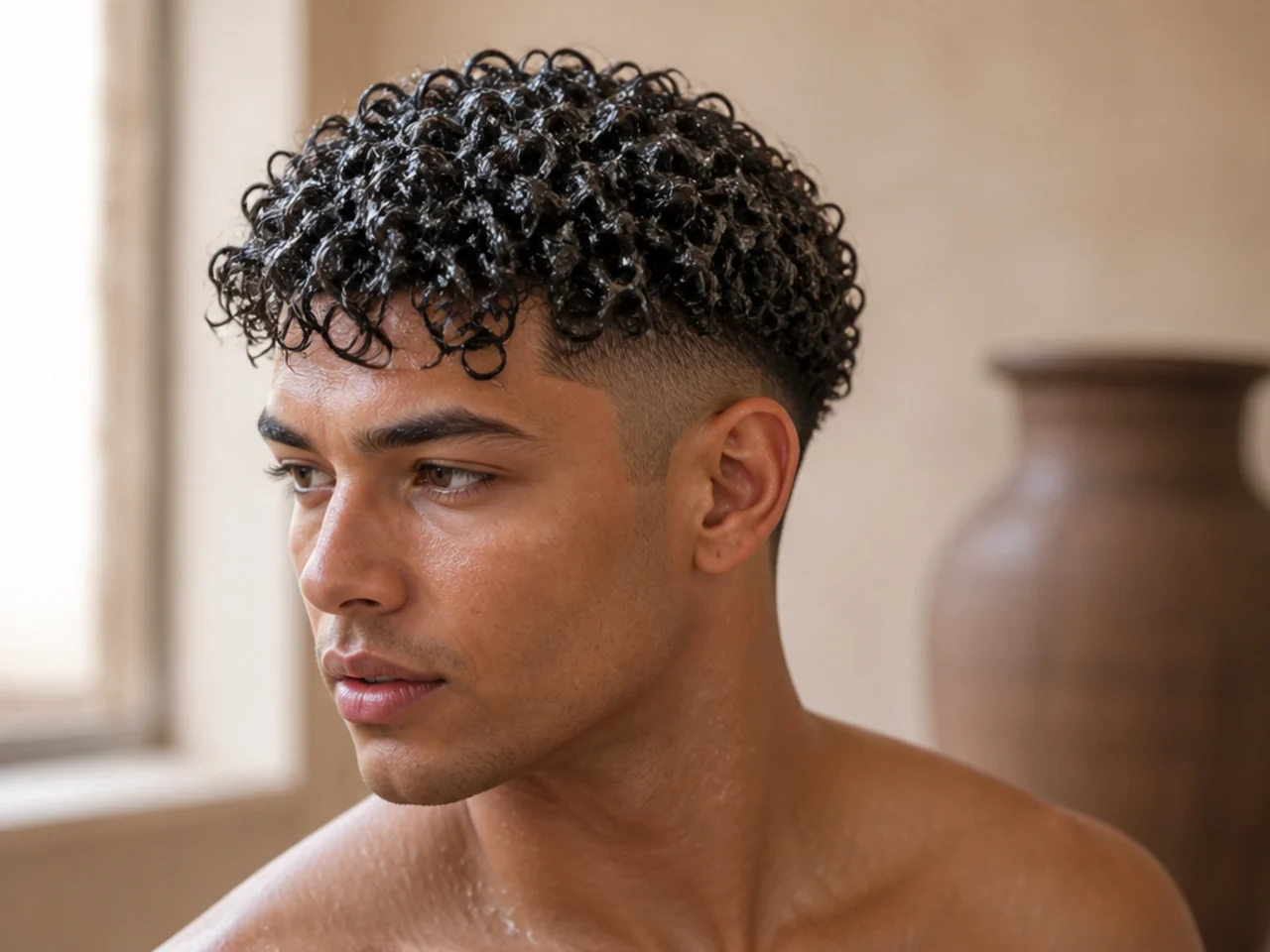
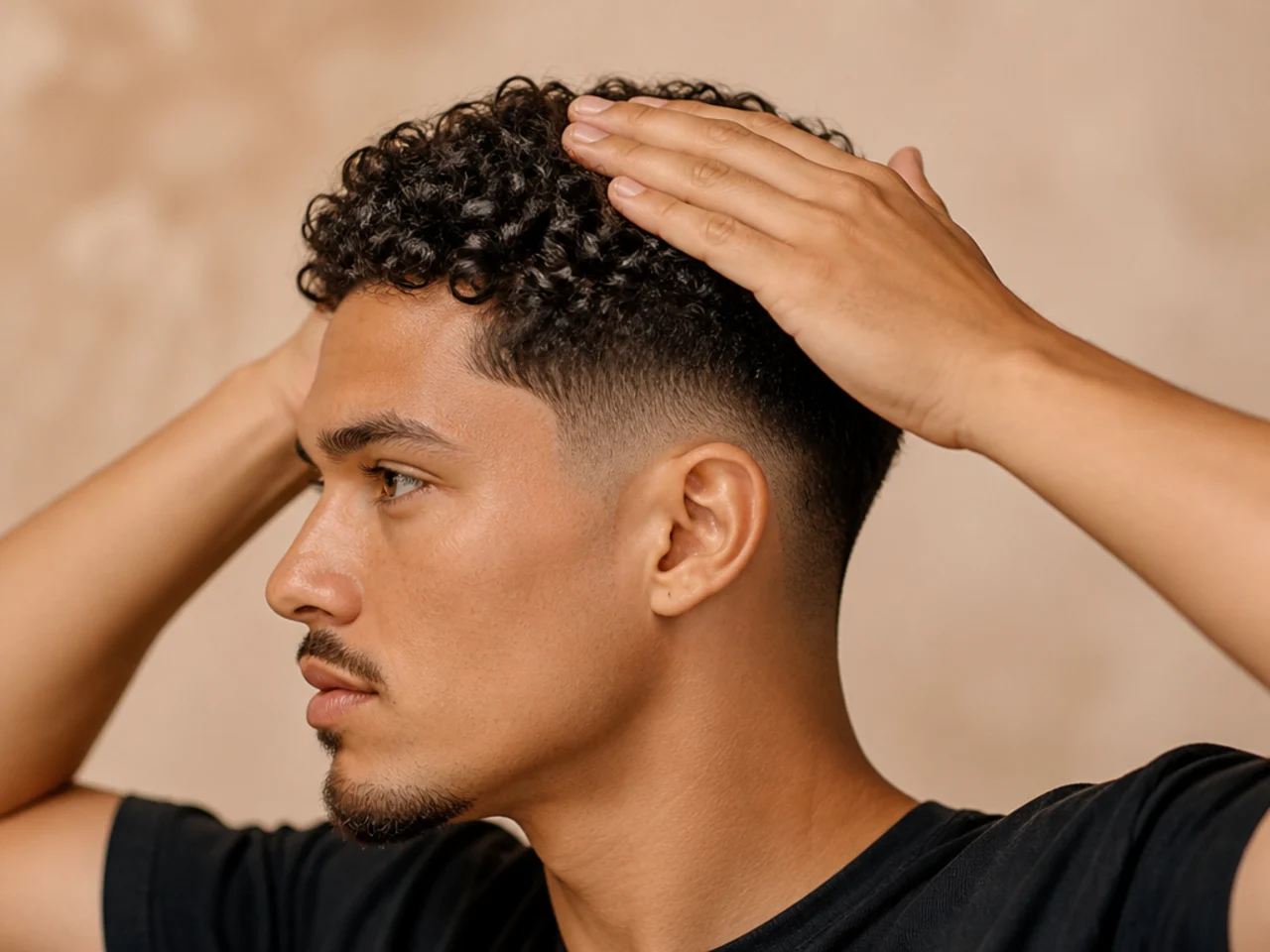
9. Cream, One Pass, Flat Palms
A small amount smoothed down once between two flat hands. Repeated passes break apart the clumps the first pass just formed. Flat palms slide product along the outside of a clump, whereas spread fingers push into the middle of it, and that is the whole difference between coating a curl and dismantling one.
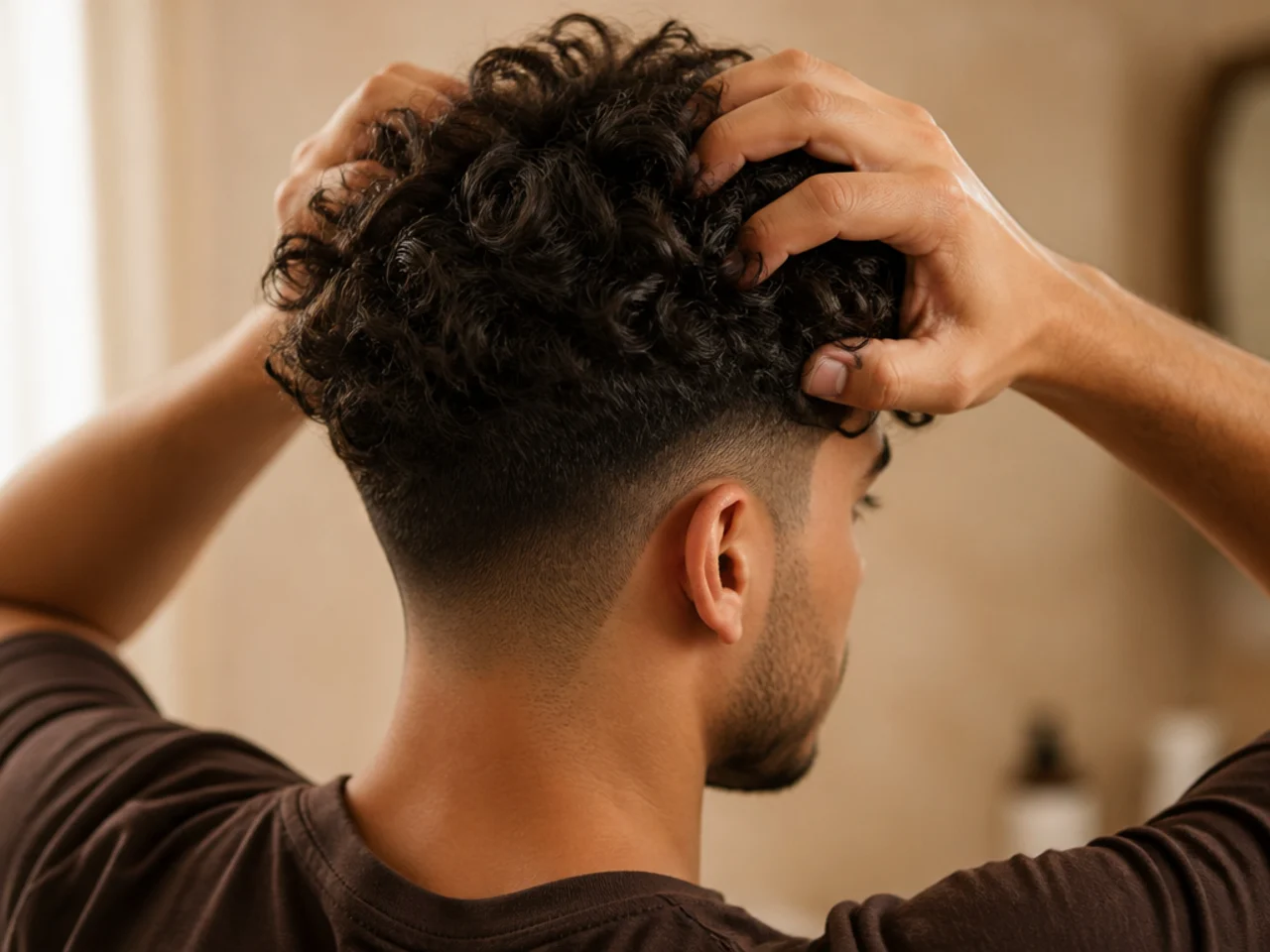
10. Scrunch Upward Once
Hair cupped and pushed toward the scalp, one round. It compresses the strand along its spiral so the curl springs instead of hanging.
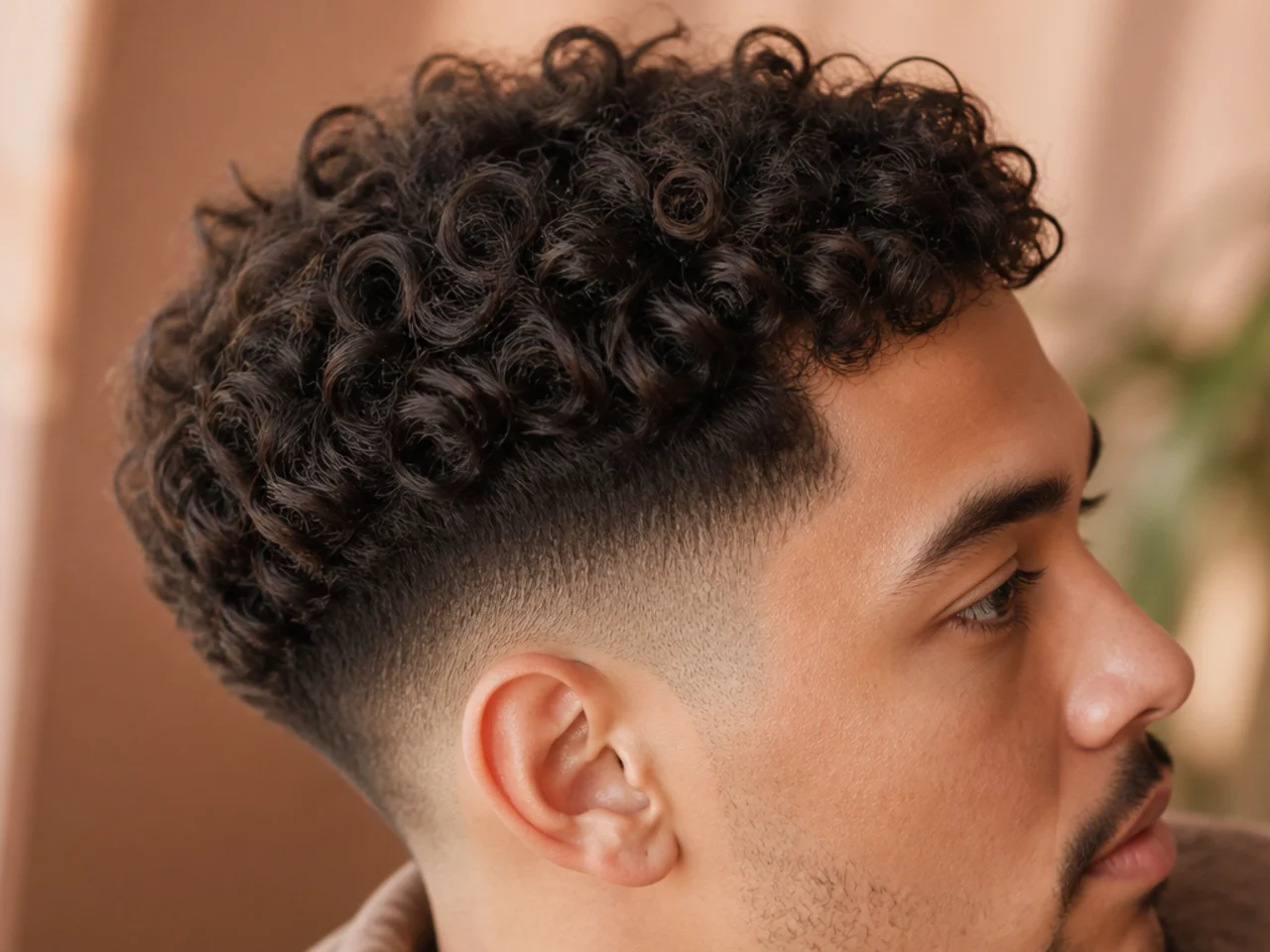
11. Hands Off From Here
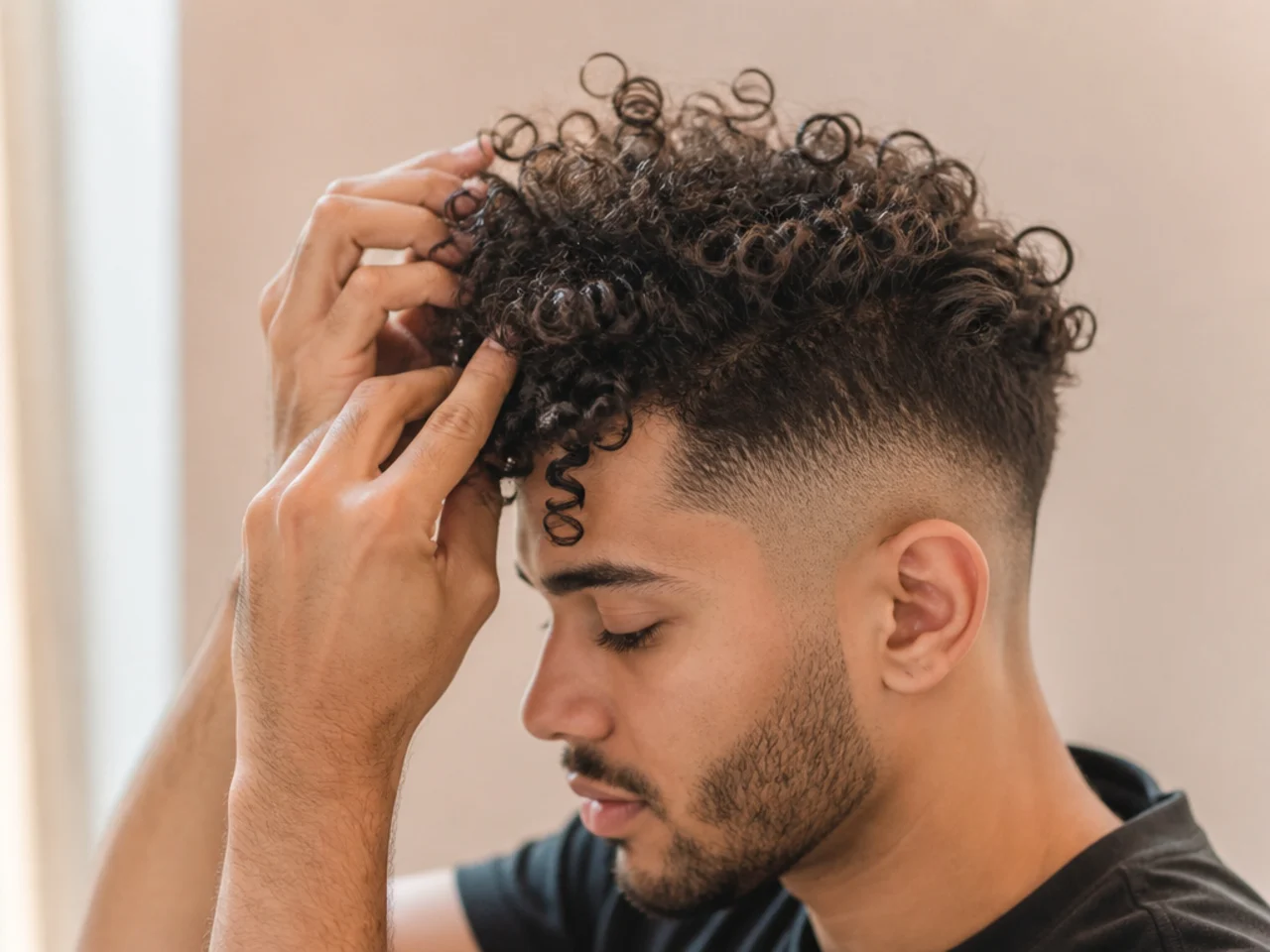
No more touching until it is completely dry. Every contact during drying separates clumps that are still setting into shape. The bond between strands forms as the water leaves, which takes twenty minutes to an hour depending on density, and anything done inside that window is undone rather than adjusted.
12. Air-Dry, or Diffuse on Low
Low airflow only, hovering first and cupping the ends later. High airflow blows the clumps apart and produces the frizz the diffuser was meant to prevent, and the same rule holds all the way down to a loose wave routine.

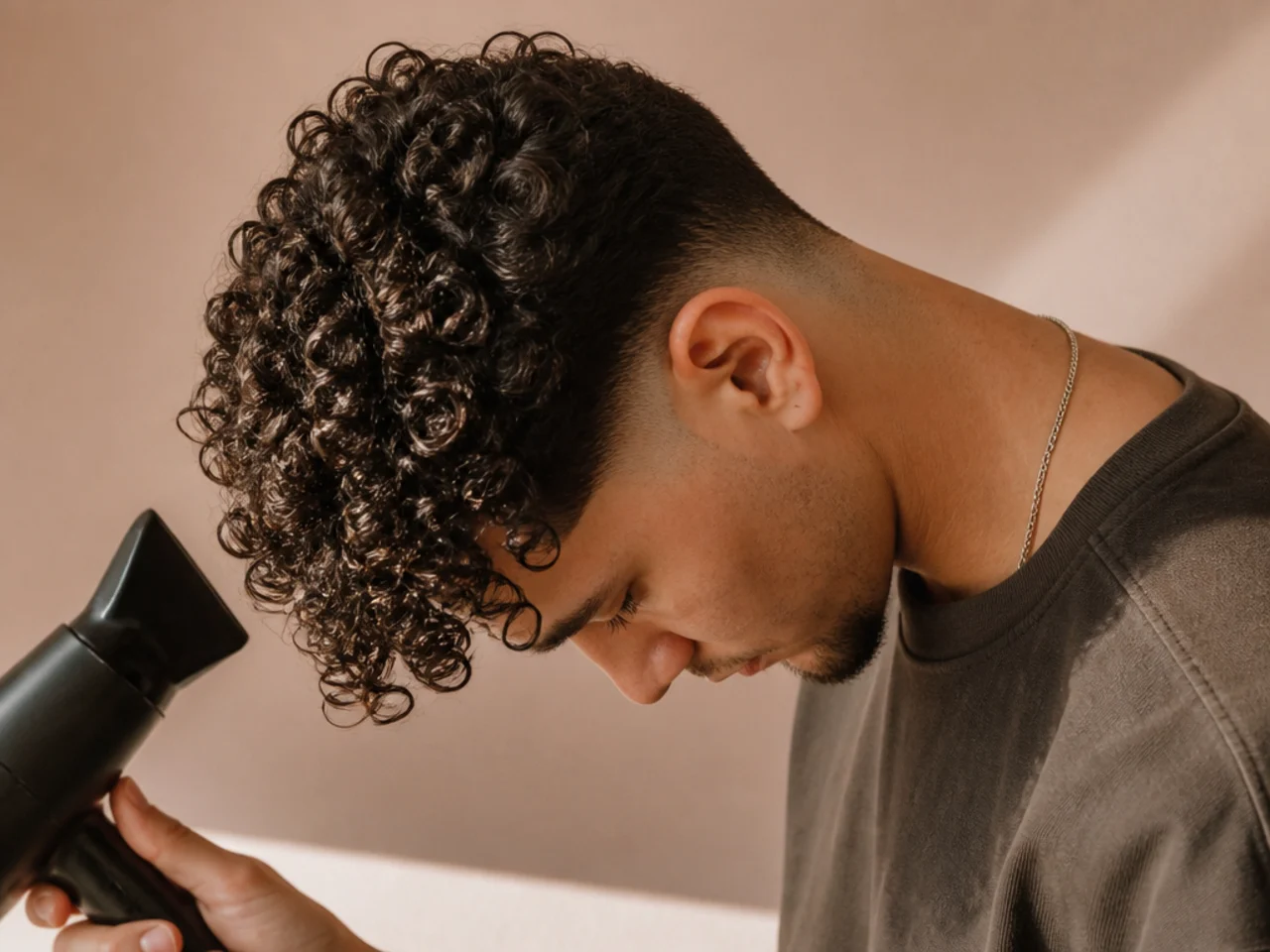
13. Dry Head Forward for Root Lift
Tip the head down for the last part of the drying. Gravity is the only free source of lift at the root, and root lift is what stops curl sitting flat on the skull.
14. Break the Cast If You Used Gel
One gentle squeeze through the dried hair. The cast held the clump while it set, and breaking it returns softness without undoing the shape.
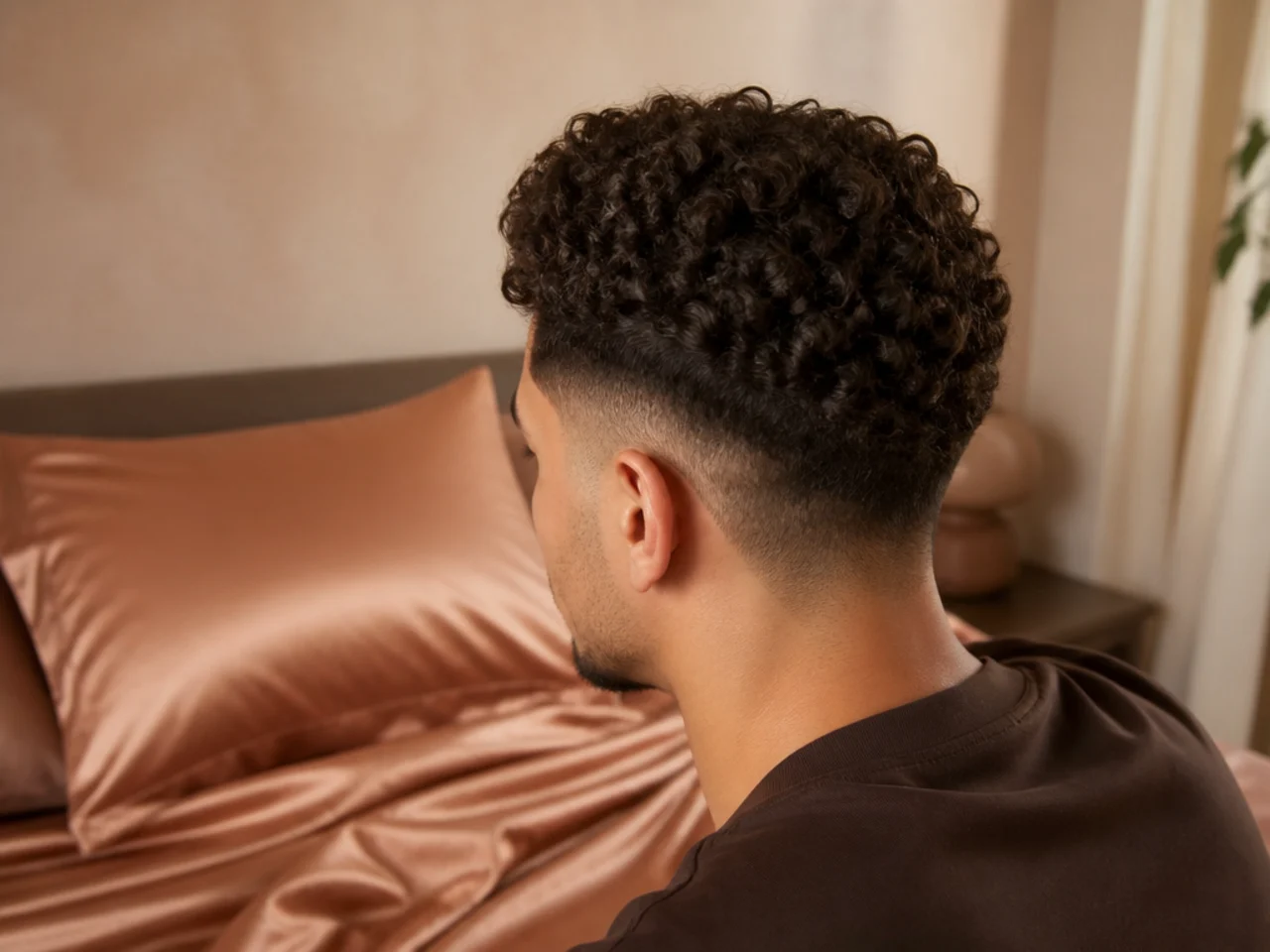
15. Protect It on Night One
Satin pillowcase, or the length gathered loosely at the crown. This is the cheapest step in the routine and it protects the most work.
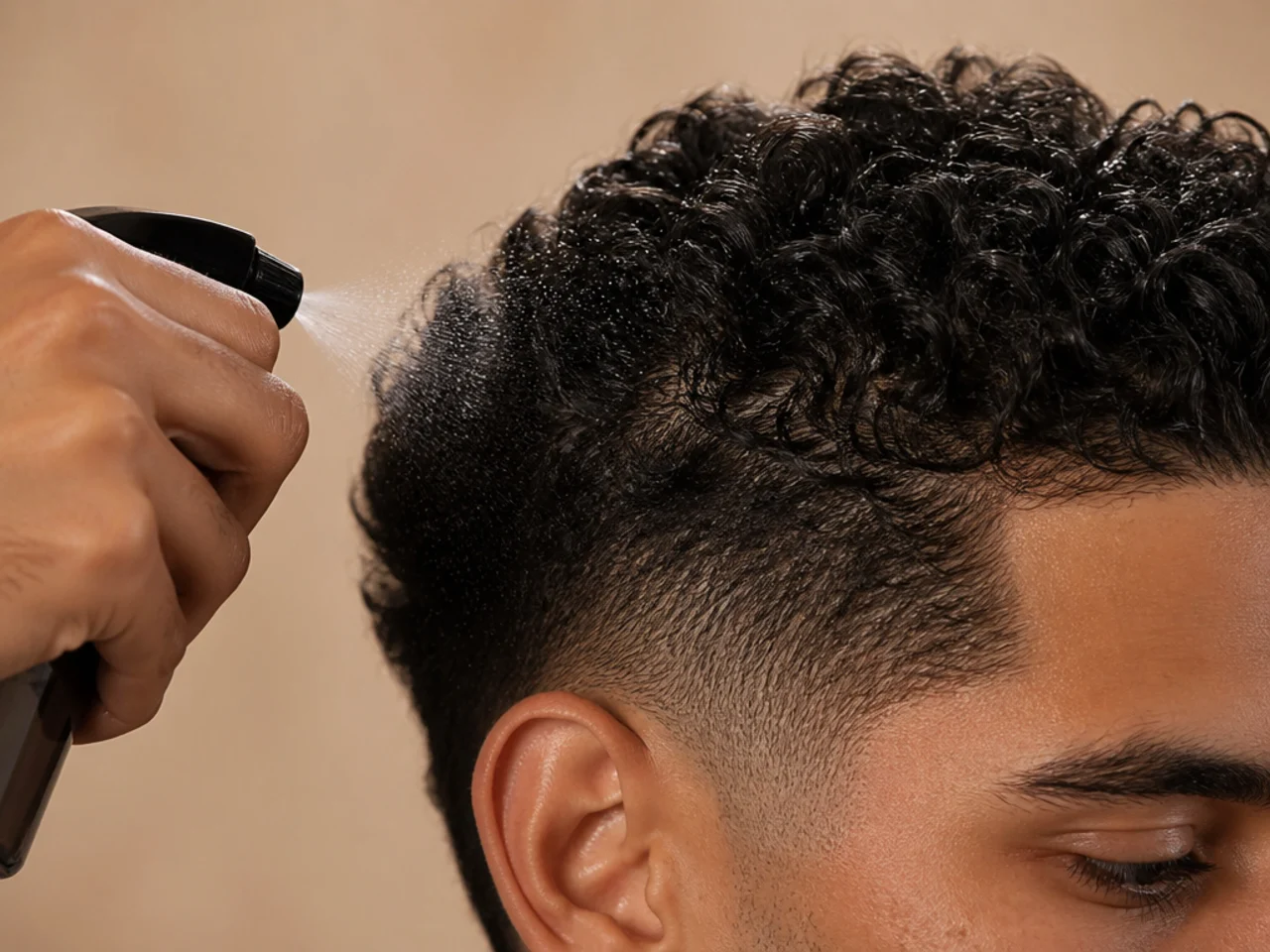
16. Day Two, Water on the Flat Side
Spray whichever side you slept on rather than the whole head. It halves the drying time and takes about twenty seconds in total.
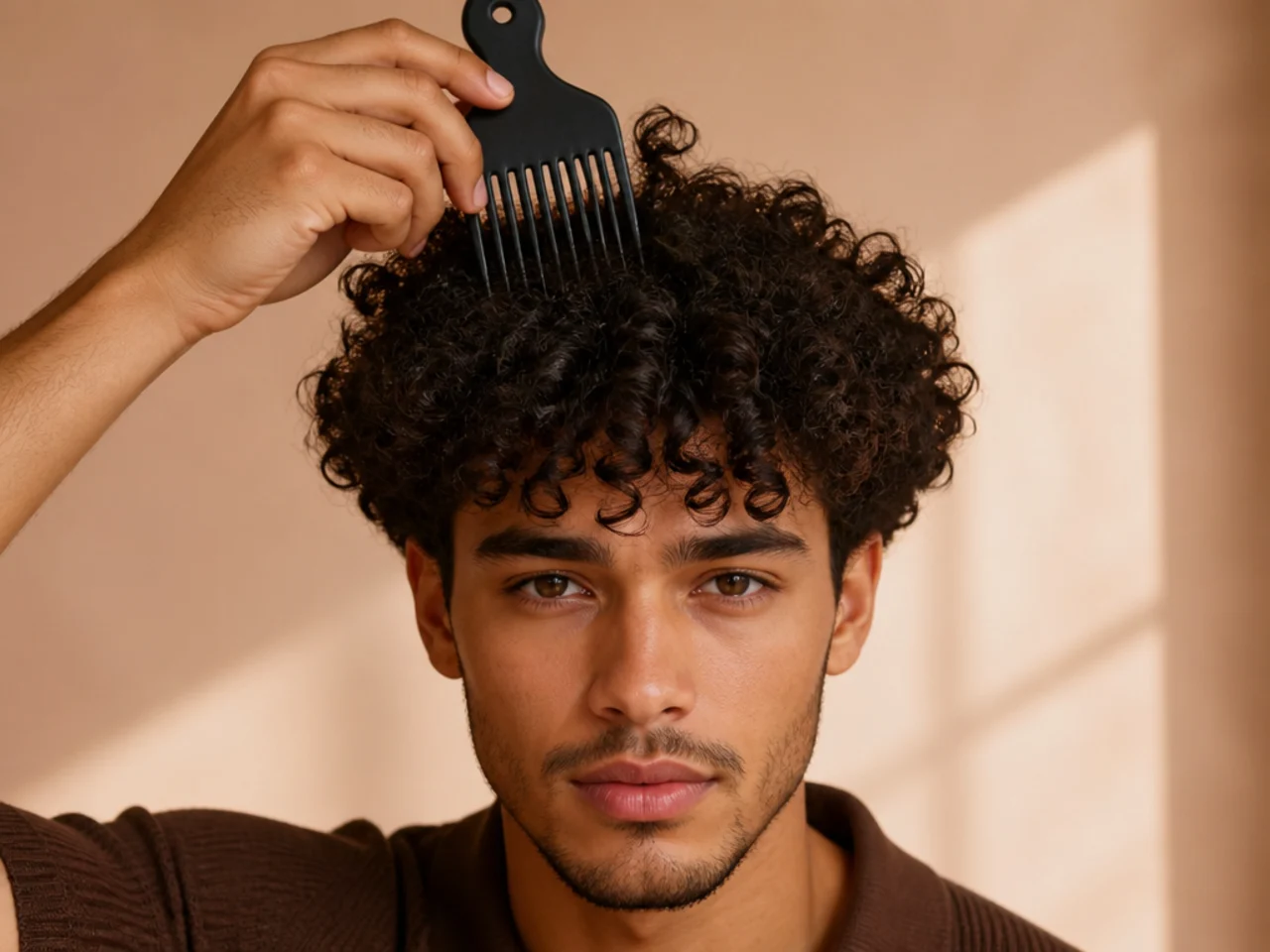
17. Day Two, Pick at the Root
A wide pick lifted underneath at the scalp, never through the length. It restores height lost overnight without disturbing any clumps. What a pillow flattens is the first centimetre at the root, not the curl itself, so the root is the only place the correction is needed and the only place worth touching.
18. Day Three, Wear It Looser
Curls that have separated over three days read softer, and that is a look rather than a failure. Adding product at this stage buys weight without buying definition back.
19. Day Four, Reset Rather Than Add
When water stops reforming the clumps, wash. Product has coated the strand by this point and nothing new reaches inside it. Three or four layers of leave-in and cream is roughly where absorption stops, which is why this is a day count rather than a judgement call you have to make in the mirror.

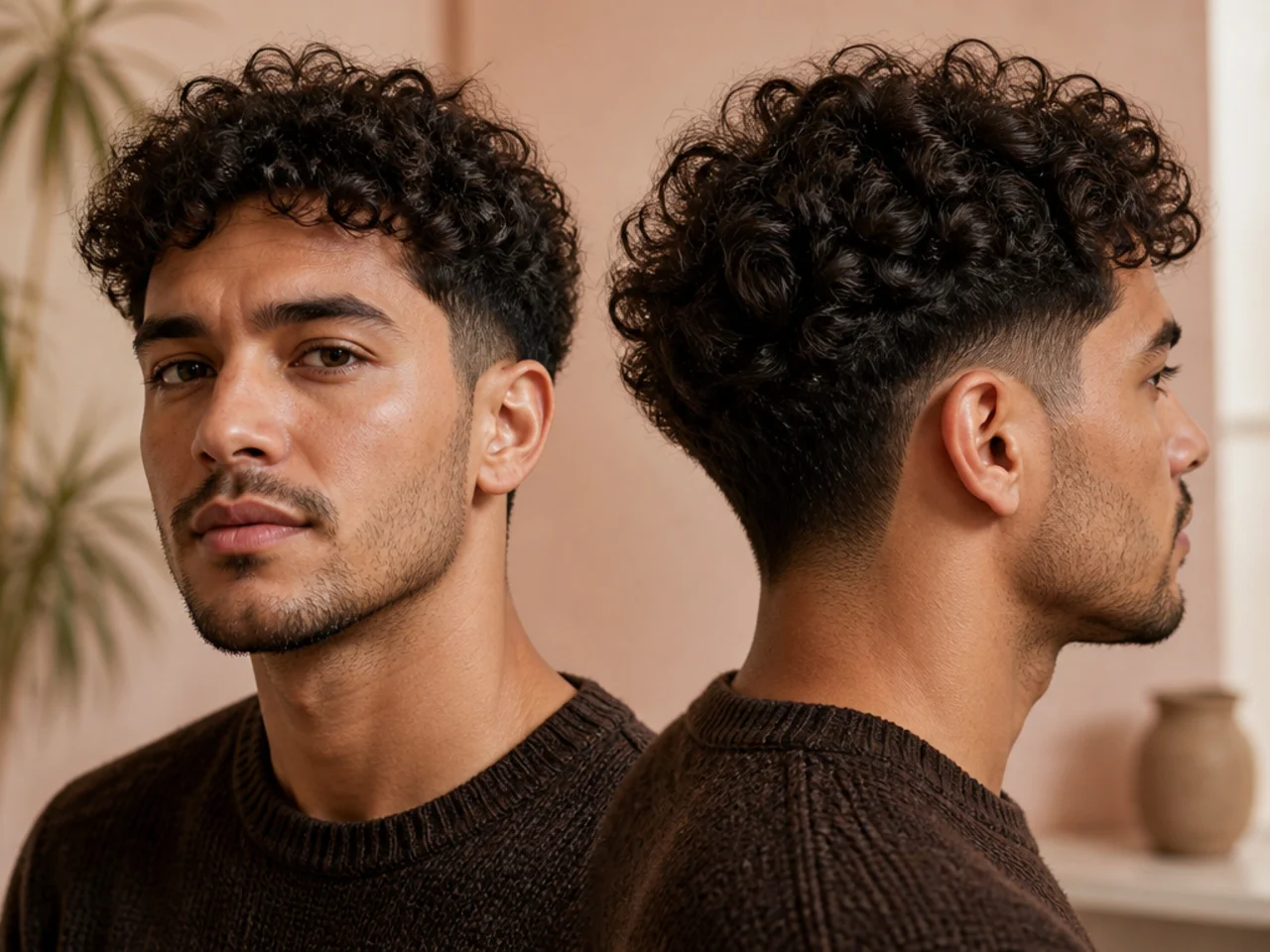
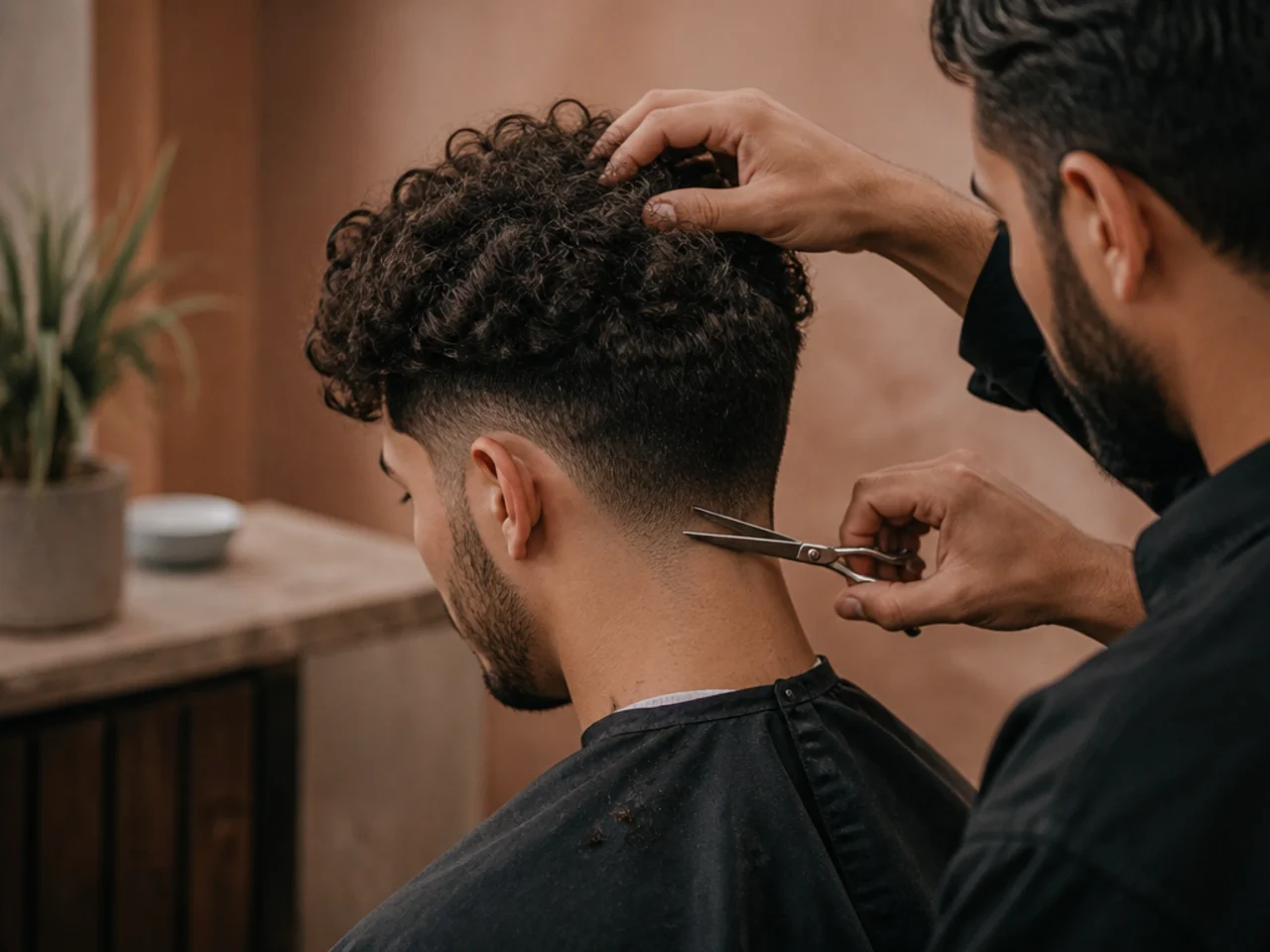
20. Every Six to Eight Weeks, Cut It Dry
The routine has a ceiling set by the cut. Weight distribution is decided with scissors, and a dry cut is the only way to see what that distribution actually is.
Styling and Upkeep
Keep the whole wash day under five minutes. Anything longer gets skipped, and a skipped routine is worse than a short one.
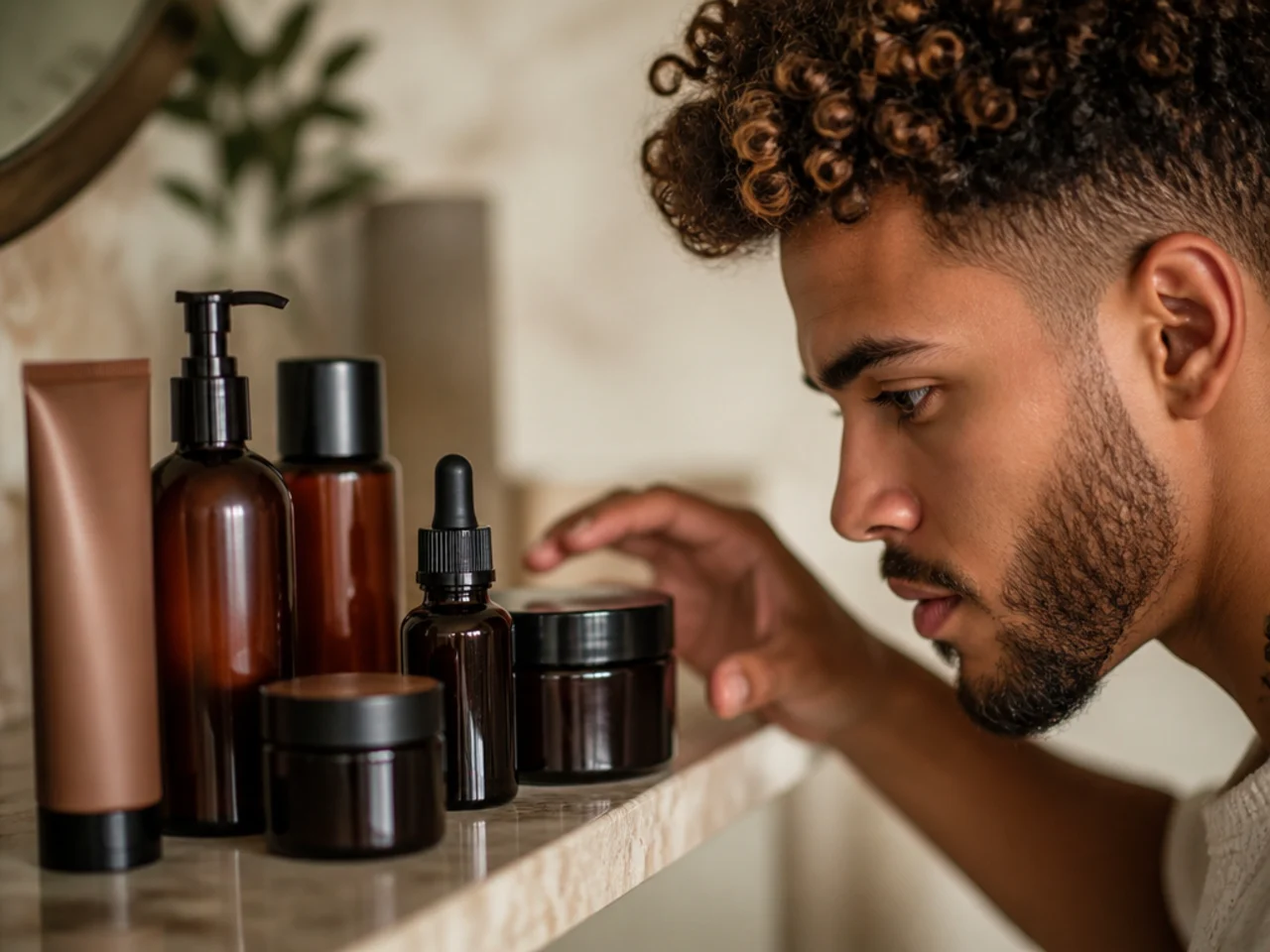
Use half the product the bottle suggests. Most undefined curly heads are over-producted rather than under-producted.
Refresh with water, not with more cream. Water reactivates and cream accumulates.
Sleep on satin every night, not just after washing. Friction damage is cumulative.
Write down what you used. Two products and two motions is a routine you can repeat and adjust.
Mistakes to Avoid
Washing daily. Curl already struggles to move oil down the strand and shampoo removes what arrives.
Applying product to towel-dried hair. With no water to carry it, nothing gets inside the curl.
Touching it while it dries. The clumps are still setting and every touch splits one.
Adding product on day three. Weight is not what has been lost, definition is, and only water brings that back.
Building a routine on a wet cut. The cut decides the ceiling, and a wet cut sets it in the wrong place.

FAQ
How often to wash? Two or three times a week with water refreshes in between.
How long should it take? About four minutes on wash day and twenty seconds on the days between.
When to reset? As soon as water stops reforming the clumps, which means product has coated the strand.

Final Thoughts
Two wash days, four minutes each, and a satin pillowcase covers most of what a curly routine can do for you. Everything else on this page is a small refinement of a schedule you either keep or do not.
For the individual motions in isolation see ways to style curly hair for men, and for product order in more depth read curly hair men haircut tips. More in Men's Haircuts.