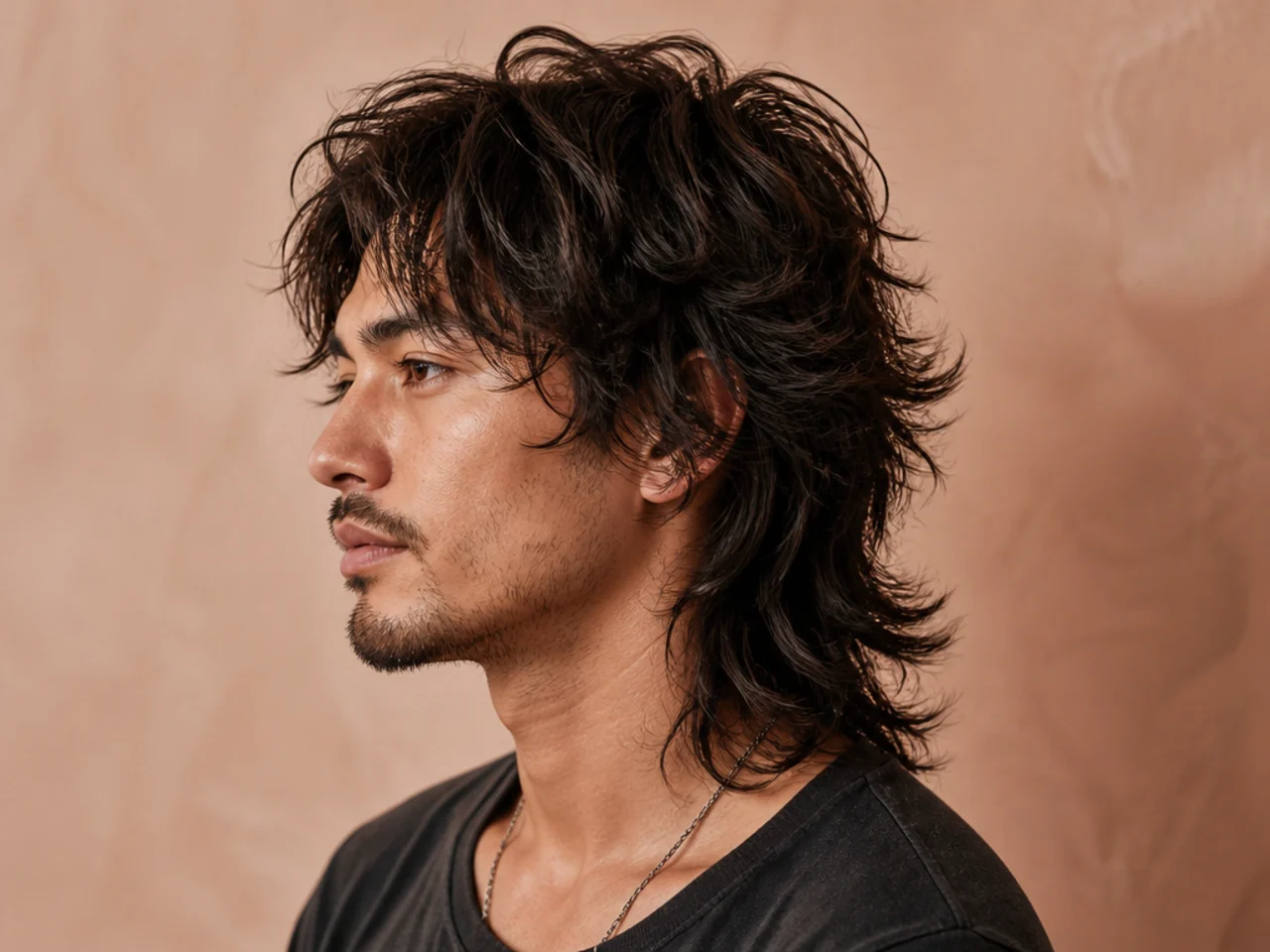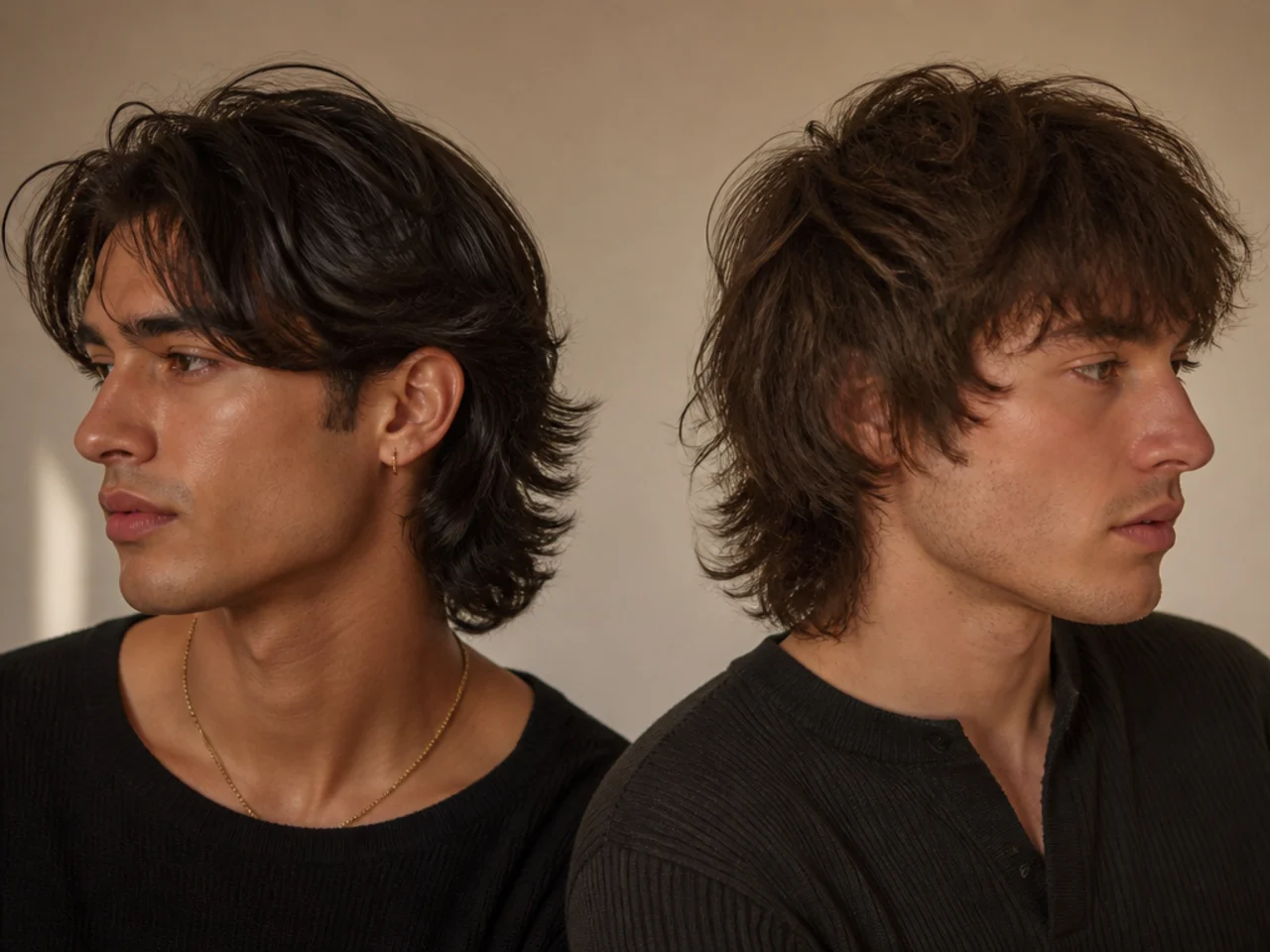
30 Stunning Wolf Cuts For Long Wavy Hair
A wolf cut on long wavy hair removes interior weight, not length, which is why the shape lifts without the hair looking shorter. Thirty versions, sorted by how deep the layers go and where the shortest one sits.
In this article · 37
- Why Long Wavy Hair Suits This Cut
- How To Choose Your Layer Depth
- The 30 Long Wavy Wolf Cuts
- 1. The Classic Long Wolf Cut
- 2. Collarbone Layers On Waist Length Hair
- 3. The Curtain Bang Wolf Cut
- 4. Wispy Bangs With Long Waves
- 5. The Face Framing Wolf Cut
- 6. The Butterfly Wolf Cut
- 7. The Invisible Layer Wolf Cut
- 8. The Heavy Bottom Wolf Cut
- 9. The Shag Leaning Wolf Cut
- 10. The Mullet Leaning Wolf Cut
- 11. The V Shaped Back
- 12. The U Shaped Back
- 13. The Blunt Ended Wolf Cut
- 14. The Feathered Ends Wolf Cut
- 15. Wolf Cut For Loose Waves
- 16. Wolf Cut For Deep Waves
- 17. Wolf Cut For Fine Wavy Hair
- 18. Wolf Cut For Thick Wavy Hair
- 19. The Middle Part Wolf Cut
- 20. The Deep Side Part Wolf Cut
- 21. Wolf Cut With A Money Piece
- 22. Wolf Cut With Balayage
- 23. The Air Dried Wolf Cut
- 24. The Diffused Wolf Cut
- 25. The Blow Dried Wolf Cut
- 26. The Half Up Wolf Cut
- 27. The Low Ponytail Wolf Cut
- 28. The Beachy Wolf Cut
- 29. The Wolf Cut At Twelve Weeks
- 30. Growing A Wolf Cut Out
- Styling and Upkeep
- Mistakes to Avoid
- FAQ
- Final Thoughts
A wolf cut on long wavy hair fails for one reason more than any other: it was cut wet, and the layers ended up two inches higher than anyone intended.
The cut removes interior weight, not outline length. The ends stay where they were. What changes is how much mass sits behind them, which is what lets the wave lift instead of hanging.
Wave does half the work for free. An S bend already separates strands and scatters light, so the layering can be shallower than straight hair needs to get the same movement.
Why Long Wavy Hair Suits This Cut
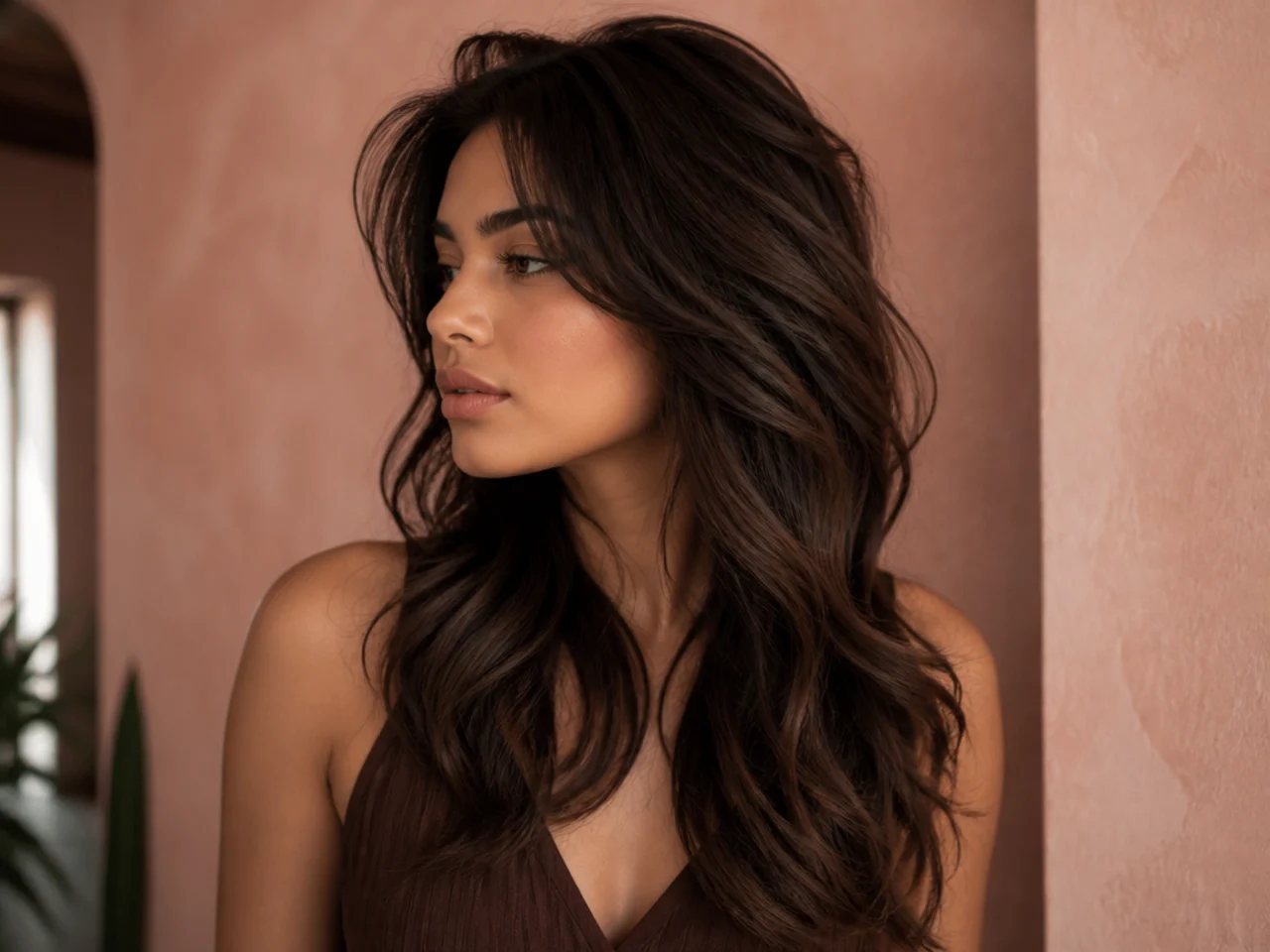
Long hair carries weight that flattens the root. Removing some of it from the middle lets the crown lift while the outline stays where it was.
Short crown layers prop the long ones up. That is the whole mechanism. The shorter pieces sit on top of the longer ones and hold them off the head, which is where the volume comes from.
The bend gives the layers somewhere to go. Straight hair falls back into a single line once cut. A wave holds the separation the layering created.
Weight removal is reversible in a way length is not. Interior layers grow back in ten to twelve weeks. Length cut off the outline takes a year.
How To Choose Your Layer Depth
Shallow layers for fine hair. Taking weight out of the interior on fine hair leaves the ends transparent, so keep the layering close to the surface.
Deep layers for thick hair. Thick hair sits as a block and needs interior bulk removed, otherwise the sides widen and the shape turns into a triangle.
Set the shortest layer at the cheekbone or below. Higher than that and the volume peak rises above the face, which is what makes long hair suddenly read as short.
Say how much you want to keep, not how much to take. Naming the shortest layer and the ends gives two fixed points, and everything in between is the barber's problem rather than a guess.
The 30 Long Wavy Wolf Cuts
1. The Classic Long Wolf Cut
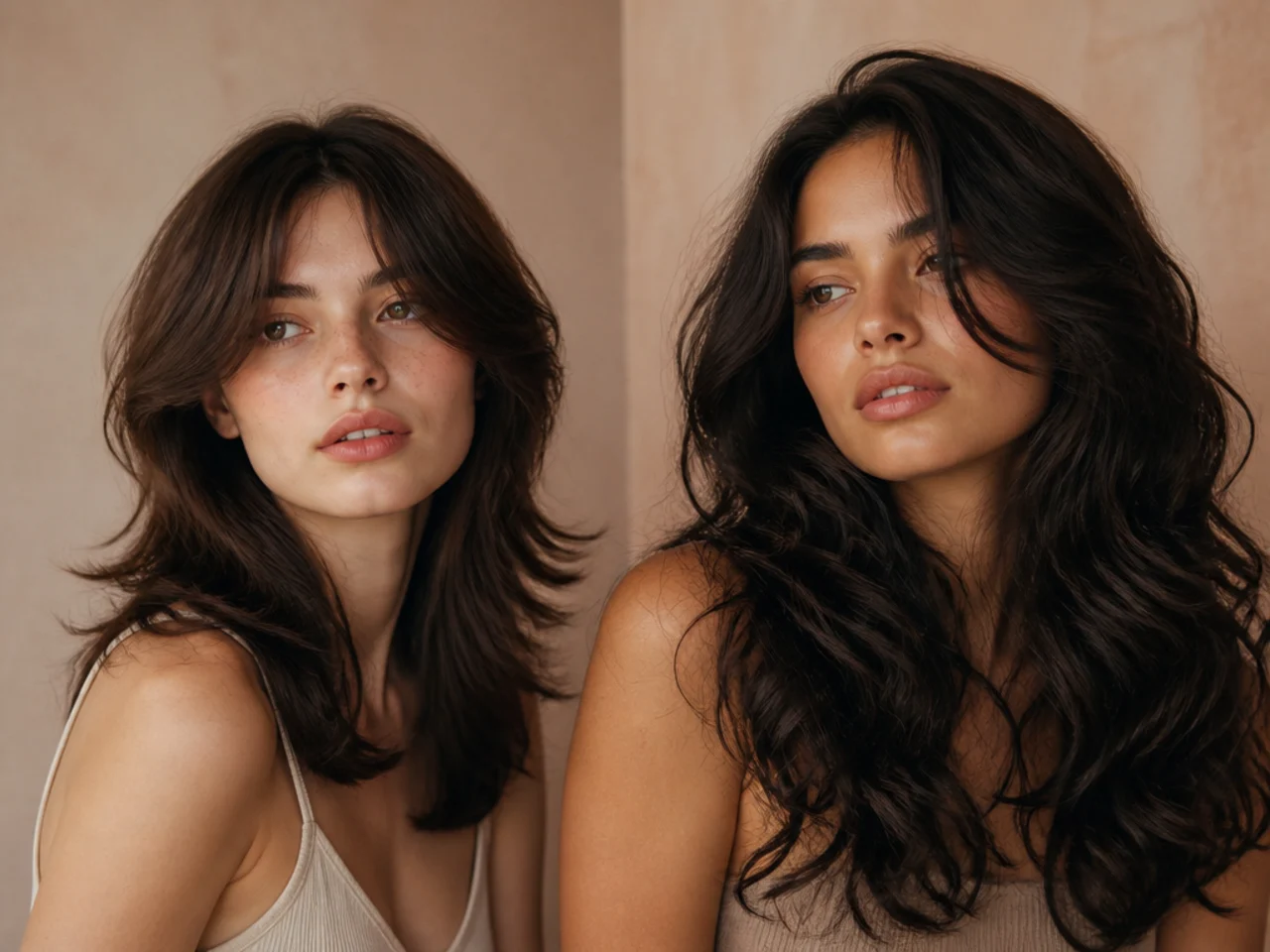
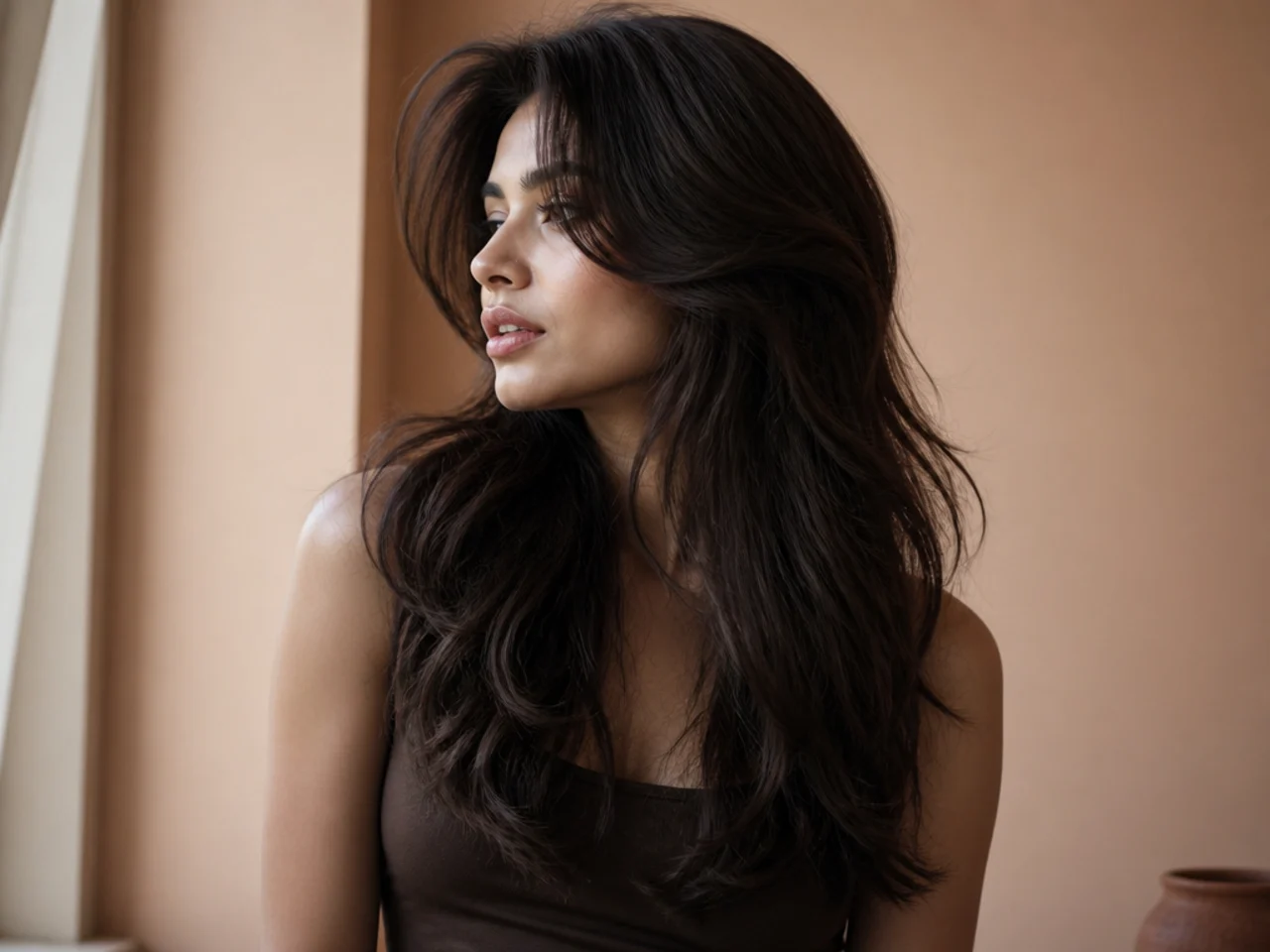
Layers starting at the crown and staggering down to waist length ends. The full length stays intact, so the shape reads as long hair with lift rather than a shorter cut, which is the version most people actually want.
2. Collarbone Layers On Waist Length Hair
The shortest layer set at the collarbone with everything below left long. That single stopping point is what keeps the volume centred on the chest rather than the jaw, and it is the easiest instruction to give in a chair.
3. The Curtain Bang Wolf Cut
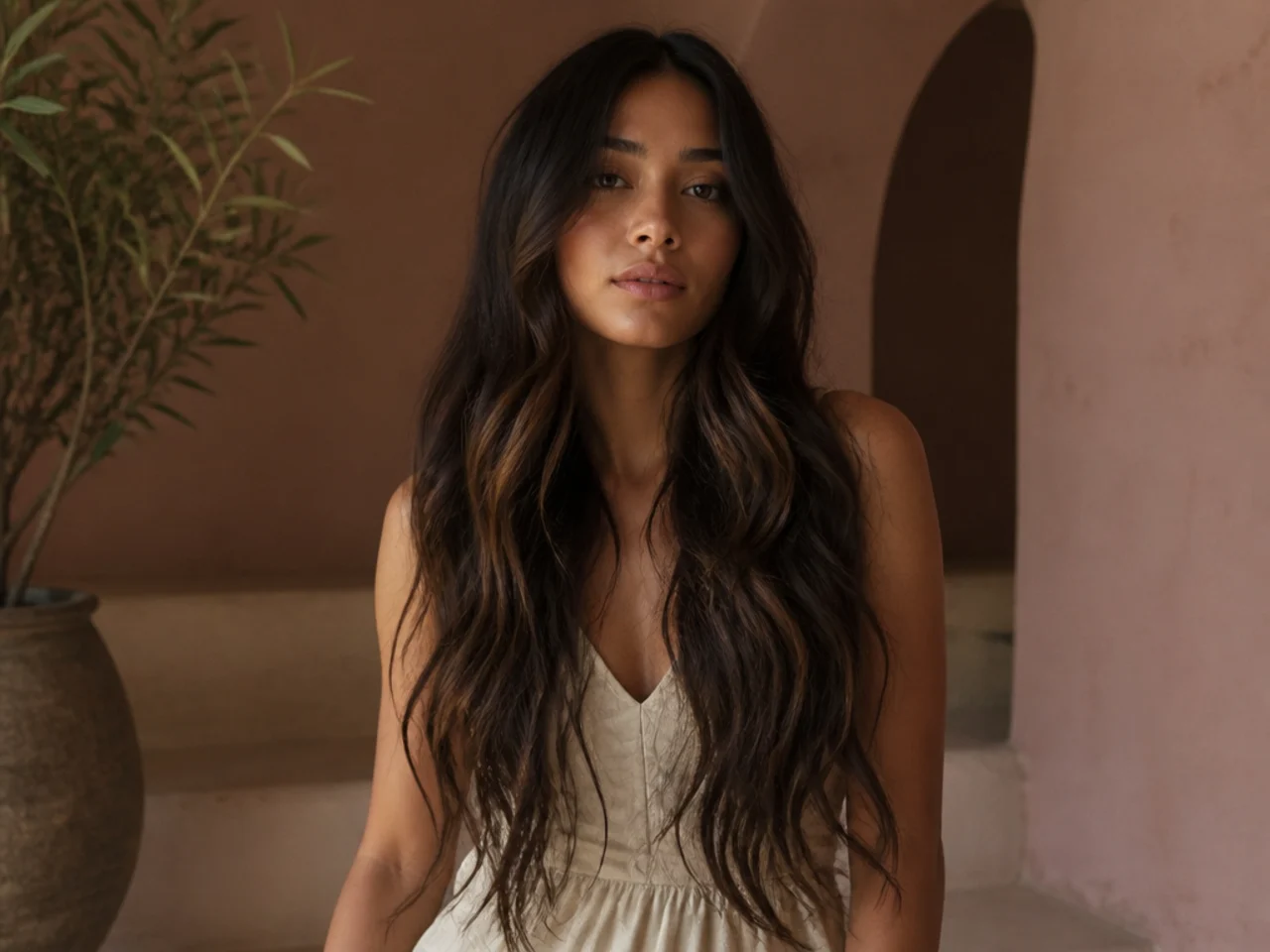
The front split into two panels that sweep away from a centre parting. The split has to be cut in rather than combed in, because a parted but uncut fringe closes back into one sheet as soon as the head moves.

4. Wispy Bangs With Long Waves
A thin fringe cut from a shallow section so scalp is not exposed behind it. On wavy hair the wisps have to be cut longer than they will finish, since the bend draws them up once they dry.

5. The Face Framing Wolf Cut
The shortest pieces cut only around the face, with the back left in one length. It gives the impression of a full wolf cut from the front while keeping the weight at the back that long hair needs to hang properly.

6. The Butterfly Wolf Cut
Two distinct layer lengths rather than a continuous stagger, with a clear gap between them. The visible step is the point, but it needs thick hair to work, since on a fine head the gap shows scalp instead of depth.

7. The Invisible Layer Wolf Cut
Layers cut underneath the surface so the outline stays blunt while the interior loses weight. It suits anyone who wants the movement without the visible steps, and it grows out with nothing to correct.

8. The Heavy Bottom Wolf Cut
Layering confined to the top half with the bottom six inches untouched. The retained weight at the ends stops the wave expanding sideways, which is the usual failure on thick hair that has been layered all the way down.

9. The Shag Leaning Wolf Cut
More layers, shorter at the crown, and a fringe that runs into the face framing. It is the softer parent of the wolf cut, and the difference is that nothing is disconnected, so it grows out evenly.

10. The Mullet Leaning Wolf Cut
The sides taken noticeably shorter than the back, so the outline itself goes uneven rather than just the interior. It reads far bolder from the front, and it removes the option of pulling everything into one ponytail.

11. The V Shaped Back
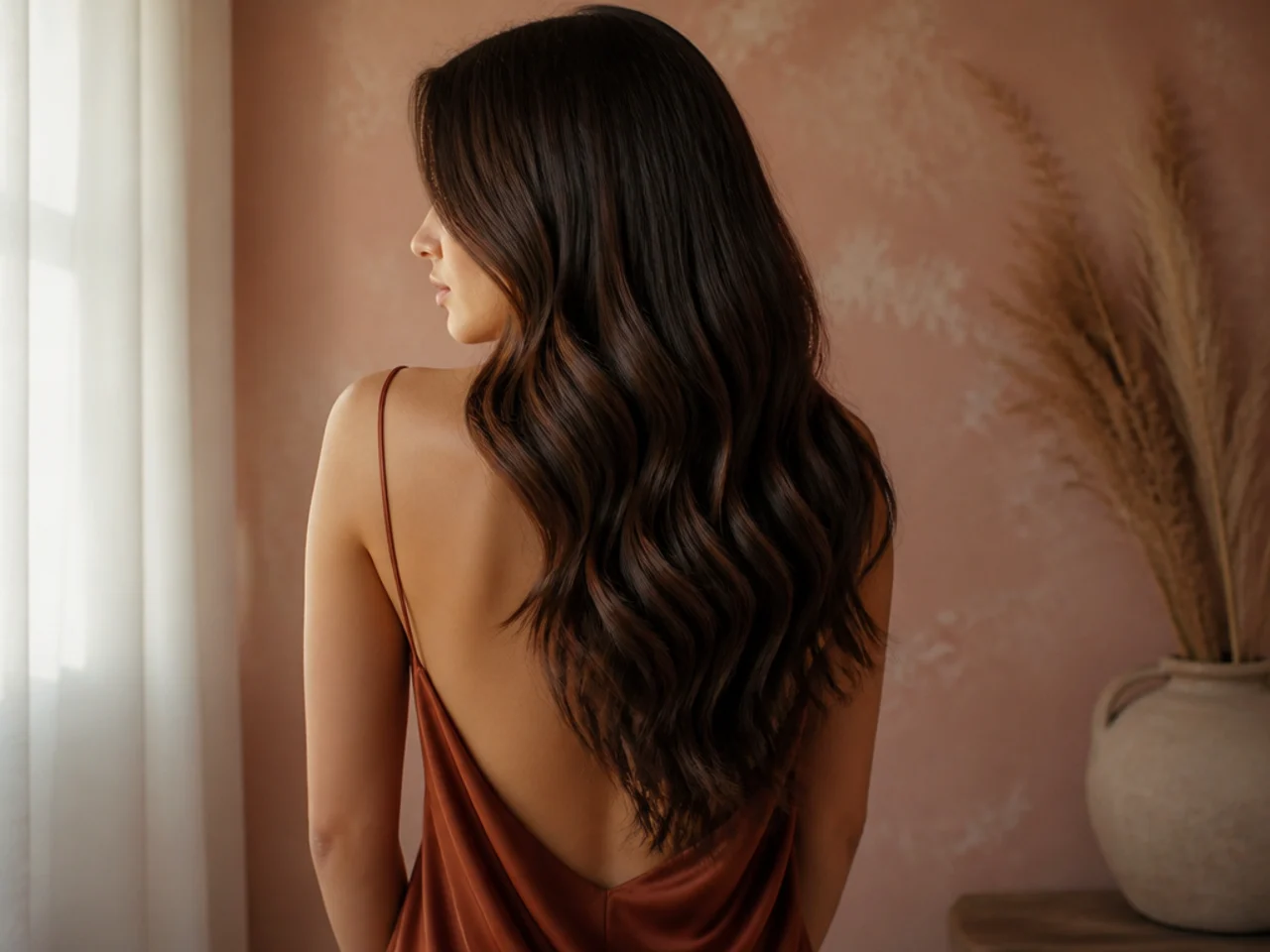
The back cut to a point in the centre. The V reads as extra length because the eye follows the longest point, which makes it useful on hair that has stopped growing past a certain mark.
12. The U Shaped Back
A rounded bottom edge instead of a point. It keeps more weight at the outer corners, so the ends hang together as one curve rather than splitting into two halves the way a deep V does.
13. The Blunt Ended Wolf Cut
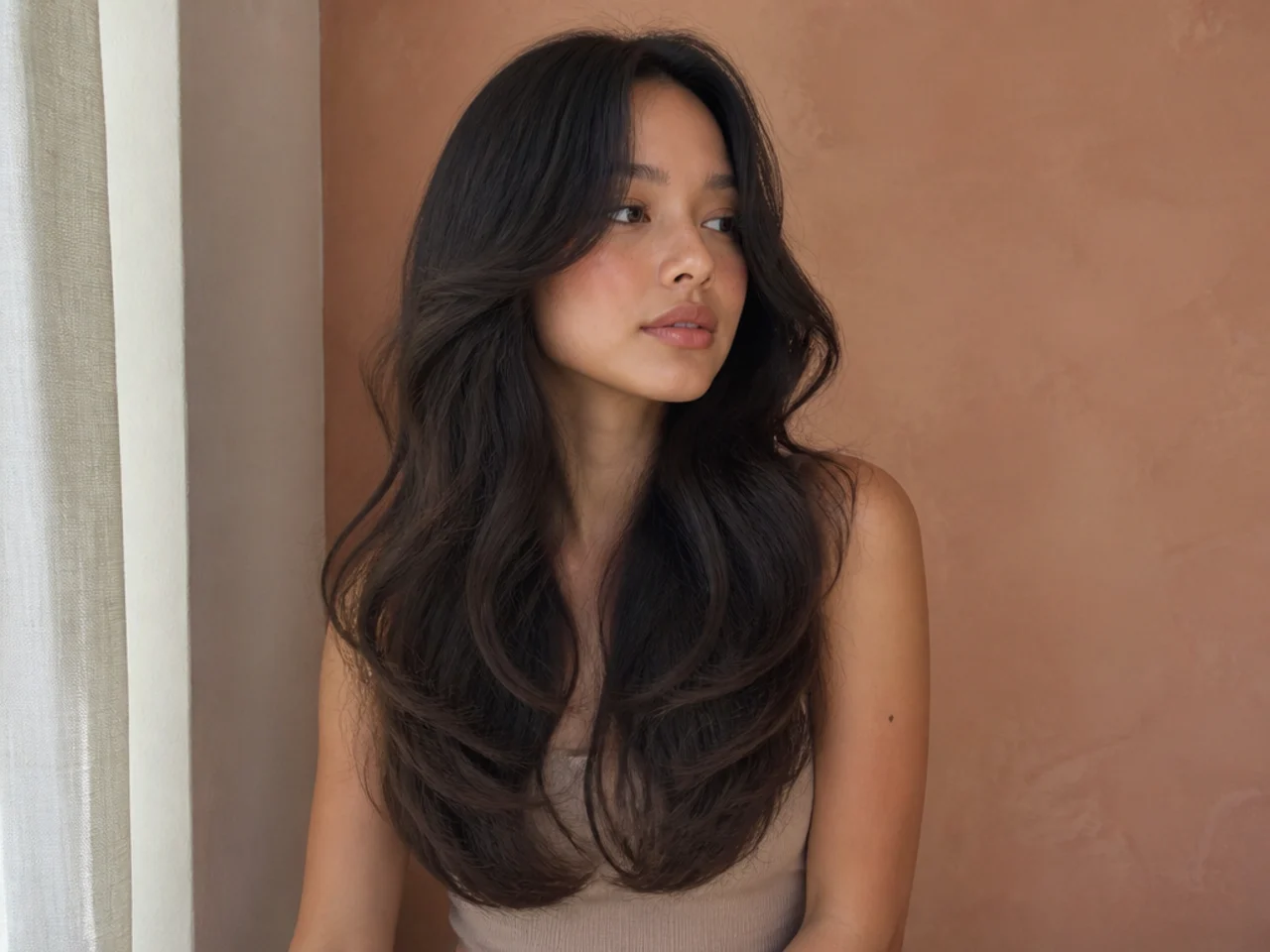
Layered interior over an ends line cut straight across. The blunt edge gives the wave a hard bottom to bounce against, which stops long hair tapering away to nothing at the bottom.
14. The Feathered Ends Wolf Cut
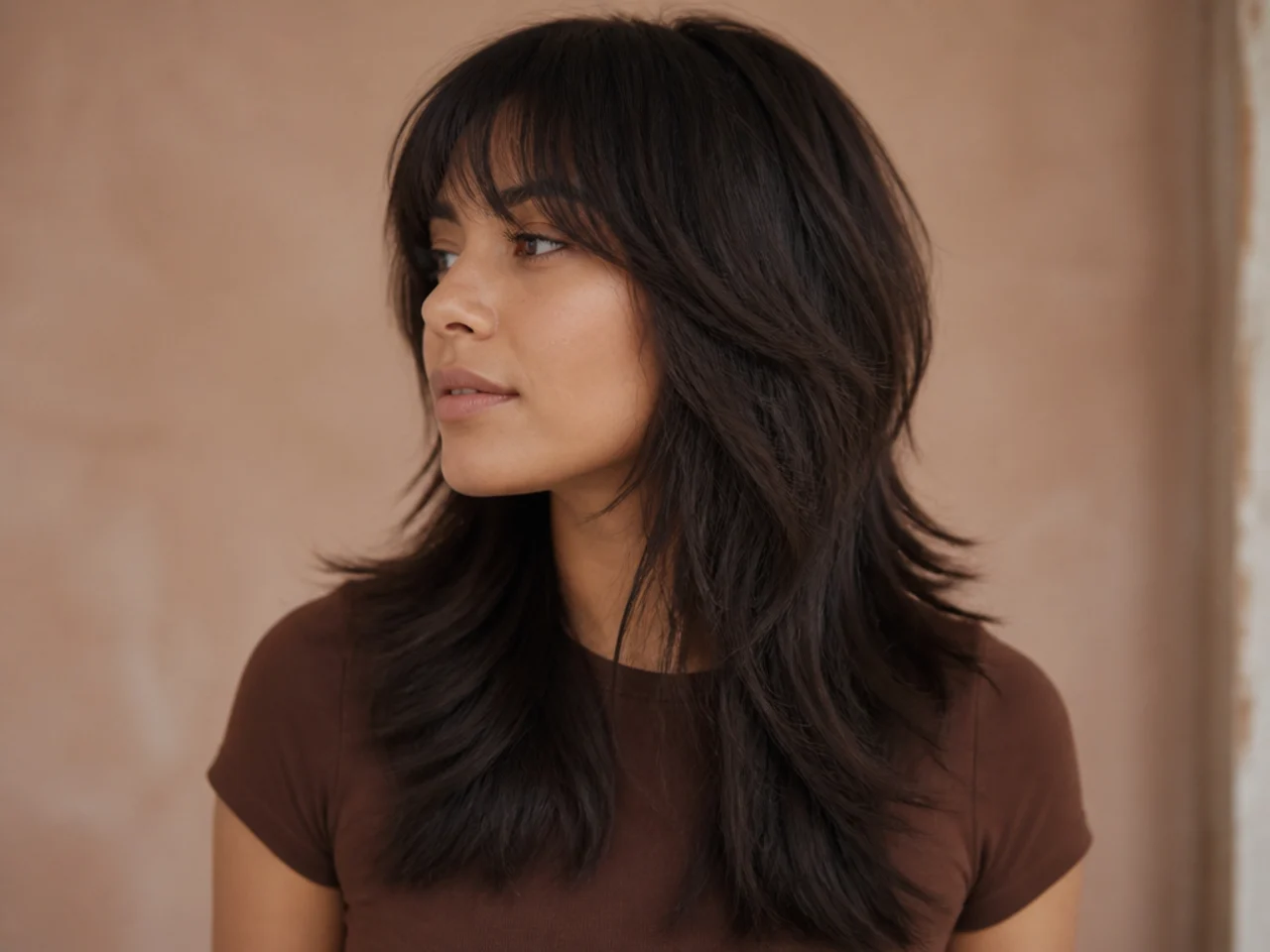
Ends point cut at a steep angle so each one tapers to a fine tip. It makes the bottom of the cut look softer, but it also means the ends carry less weight and lift in wind rather than hanging.

15. Wolf Cut For Loose Waves
A loose wave has a long, shallow bend that carries weight easily, so it can take deeper layers without losing its shape. It also drops fastest, which is why this version usually needs a diffuser rather than air drying.

16. Wolf Cut For Deep Waves
A tight S bend already stacks on itself, so heavy layering removes the weight holding it down and the shape widens. Keep the layers shallow and let the pattern supply the volume instead.

17. Wolf Cut For Fine Wavy Hair
Fine hair depends on interior weight for the ends to look full, so deep layering leaves the bottom transparent. Shallow layers at the crown only, cut short, deliver the lift without hollowing out the length.

18. Wolf Cut For Thick Wavy Hair
Thick hair needs bulk taken out of the middle or the sides push outward and the silhouette turns triangular. Deep internal layers remove that mass without shortening the outline at all.

19. The Middle Part Wolf Cut
A centre parting pulls volume out to both sides equally, which widens a narrow face. Layers cut for a centre parting fall wrong if the hair is later parted to one side, so the parting has to be decided before the cut.

20. The Deep Side Part Wolf Cut
A deep parting sends most of the mass over one side, which lifts the root on that side and drops it on the other. It is the fastest way to add height without cutting anything shorter.

21. Wolf Cut With A Money Piece
The two front sections lightened several levels while the rest stays dark. Lighter hair reflects more light and reads as nearer, so the brightened panels pull the eye to the face framing layers specifically.
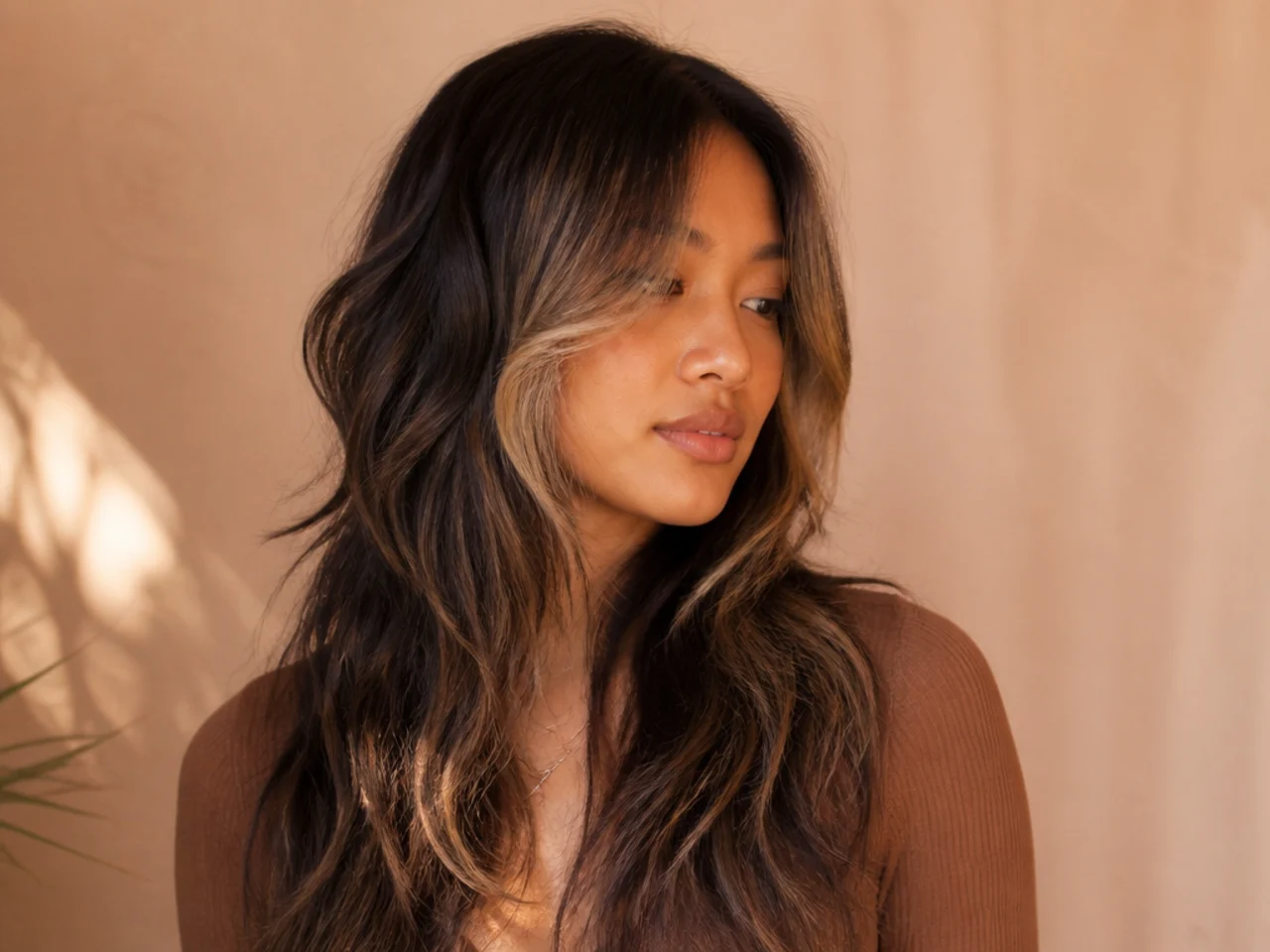
22. Wolf Cut With Balayage
Colour painted from the mid lengths down so the lighter tone sits where the layers separate. Because balayage has no hard regrowth line it grows out alongside the cut instead of demanding its own appointment.
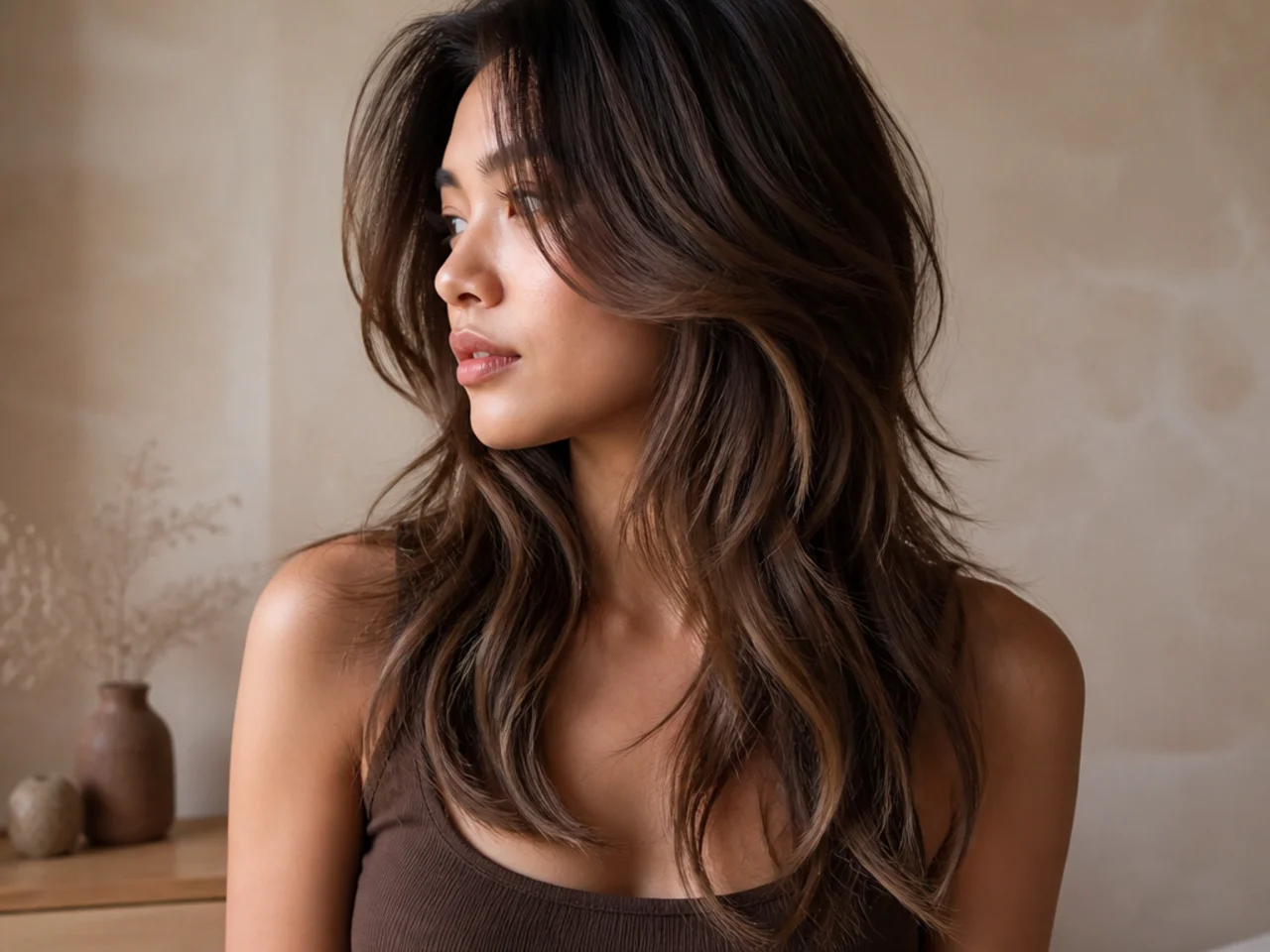
23. The Air Dried Wolf Cut
Left alone from wet, which gives the truest version of the wave pattern. It also gives the least root lift, since hair sets in whatever position it dries in and gravity is the only force acting on it. Routine detail in the wavy hair routine.

24. The Diffused Wolf Cut
A diffuser spreads airflow so the wave dries in its own shape instead of being blown straight. Cupping the ends up towards the scalp while drying sets the bend tighter, which is where the extra volume comes from.

25. The Blow Dried Wolf Cut
A round brush stretches the wave and turns the layers into smooth curves. It is the version that shows the cut most clearly, and it is also the one that lasts the least time in humidity.
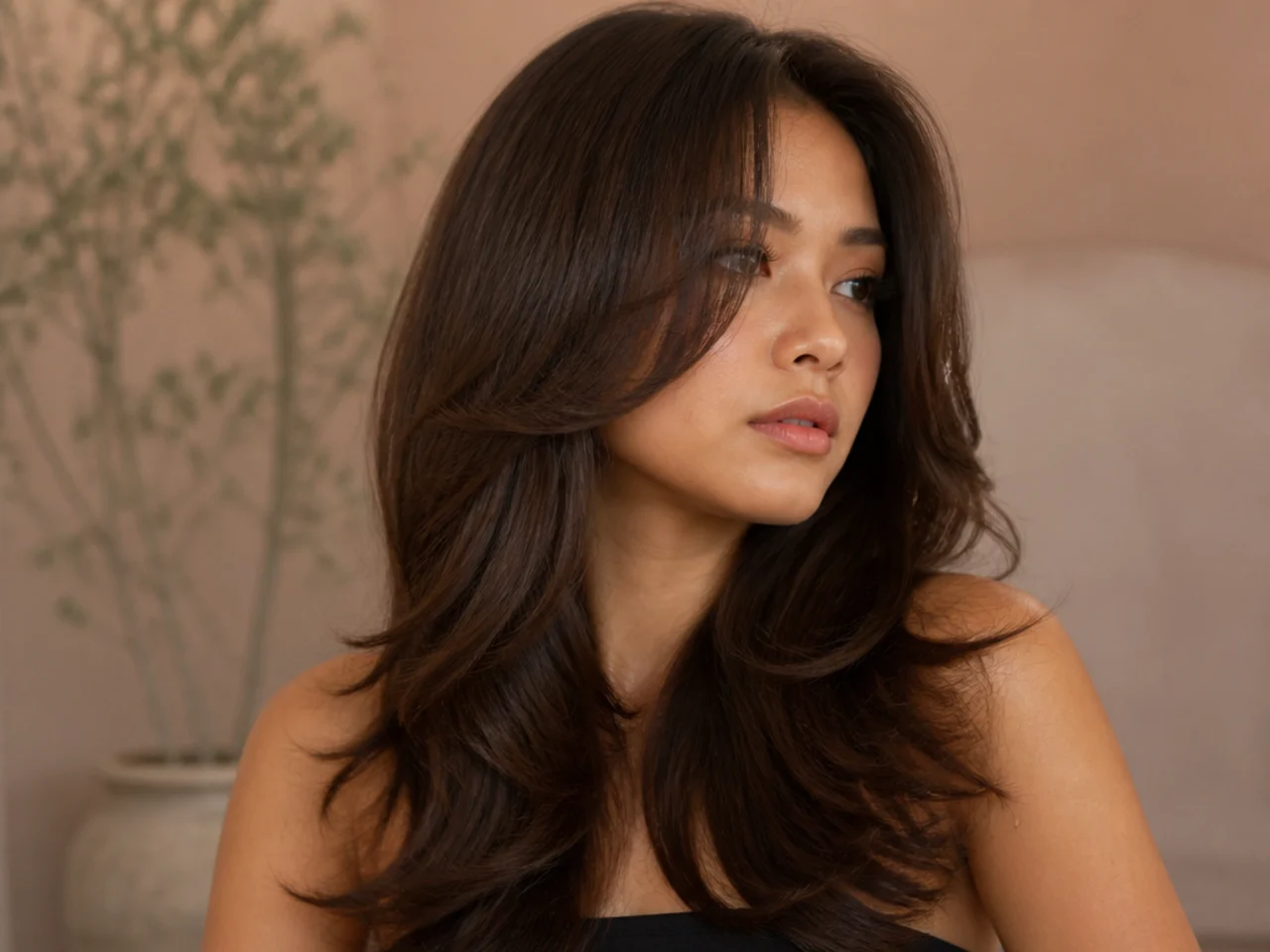
26. The Half Up Wolf Cut
Taking the top section up exposes the layered crown and lets the shortest pieces fall free around the face. It is the styling that suits this cut best, because it puts the layering on display rather than hiding it in the mass.
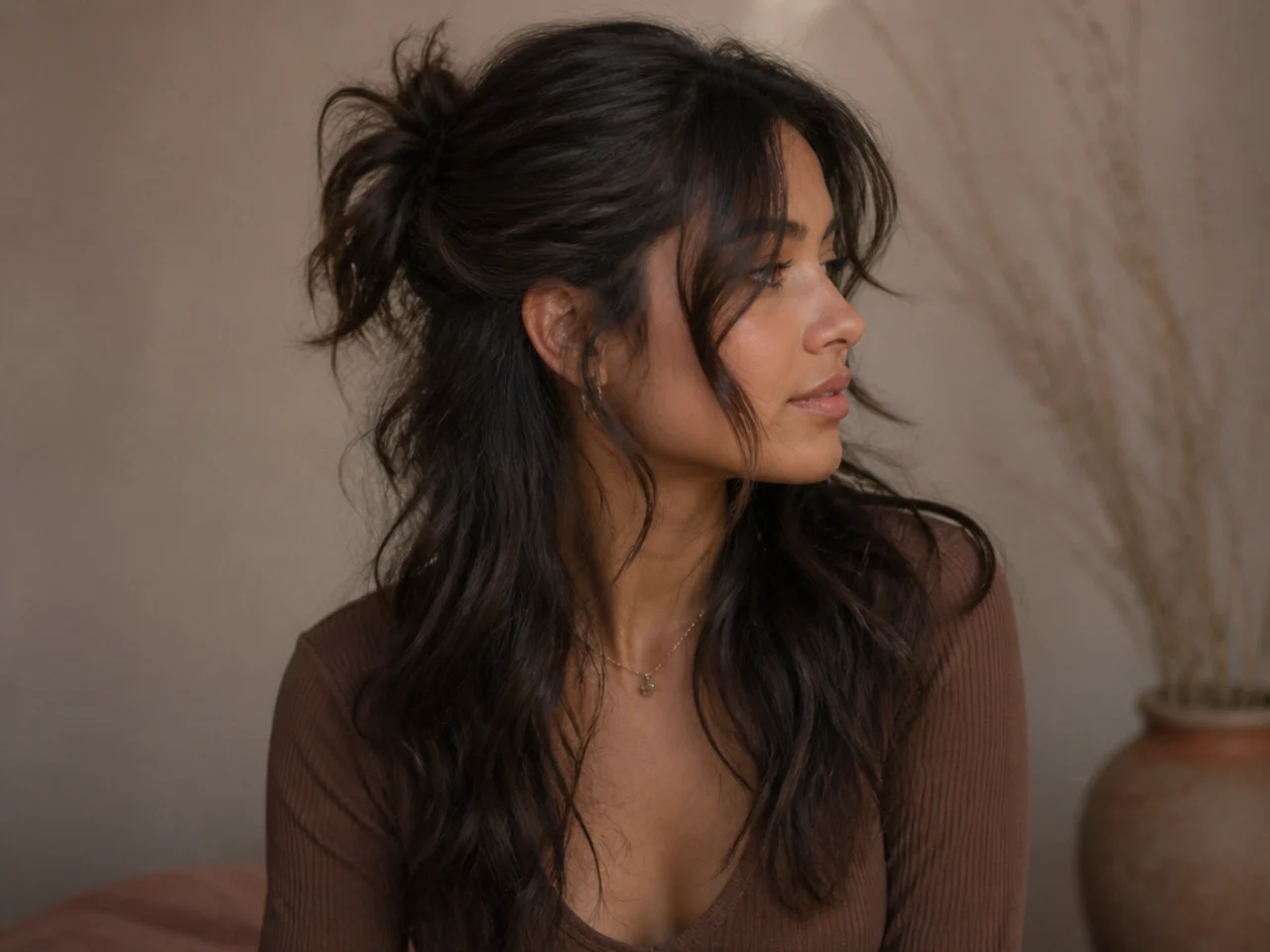
27. The Low Ponytail Wolf Cut
A layered cut never makes a clean ponytail, because the short crown pieces cannot reach. Setting the tie low at the nape shortens the distance they have to travel, so fewer pieces escape.
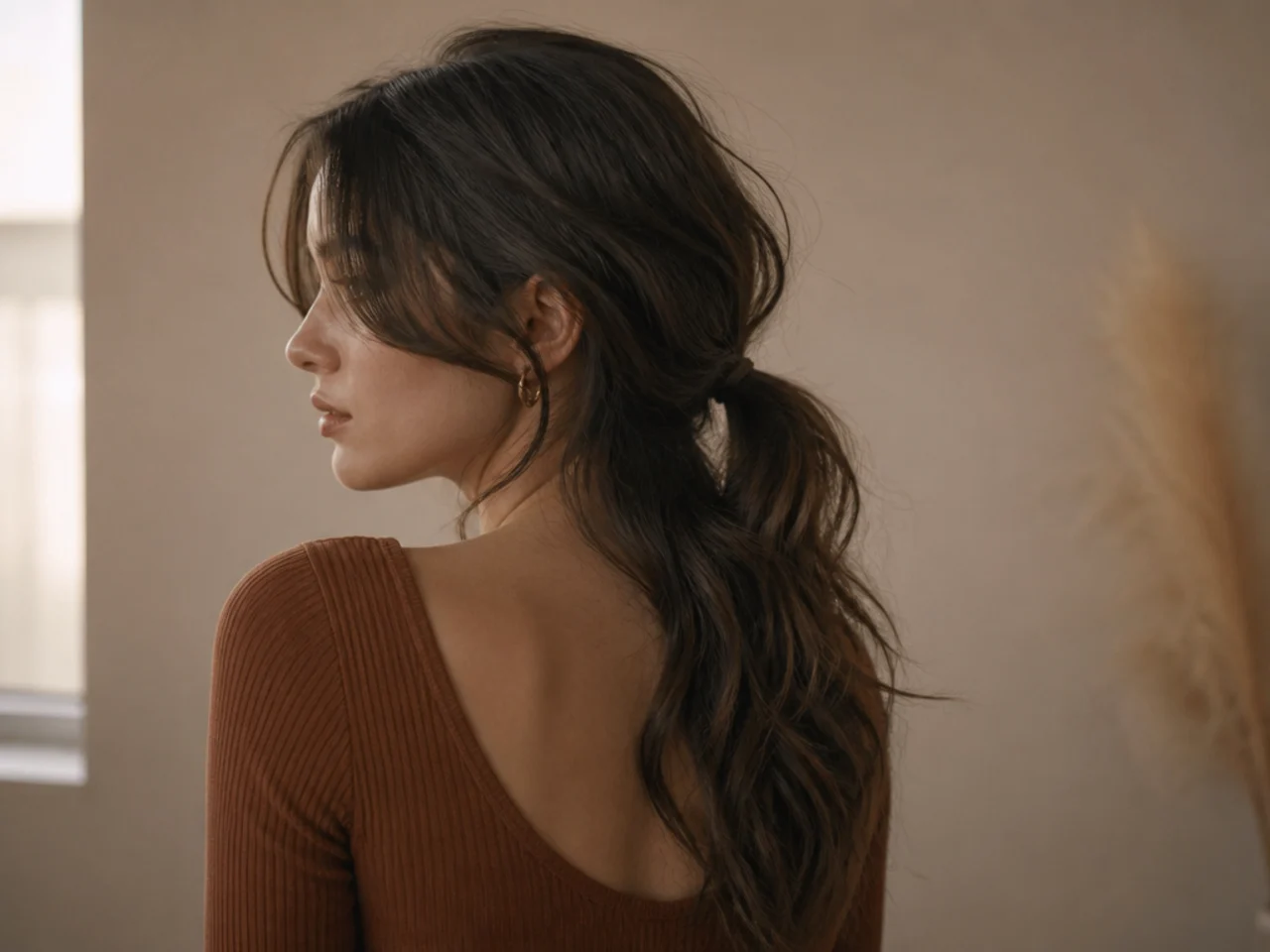
28. The Beachy Wolf Cut
Salt spray roughens the cuticle so strands grip each other and clump into thicker sections. That clumping is what reads as texture, and it is also why the ends feel coarse if the spray is used every day.

29. The Wolf Cut At Twelve Weeks
The crown layers have grown level with the lengths beneath and stopped propping them, so the volume drops and the shape flattens. Nothing is wrong with the ends, which is why cutting length at this point solves the wrong problem.

30. Growing A Wolf Cut Out
The shortest layers have the furthest to travel, so the cut passes through a stage where the crown sits awkwardly on the lengths. Trimming only the ends during that stage keeps the outline tidy while the interior catches up.

Styling and Upkeep
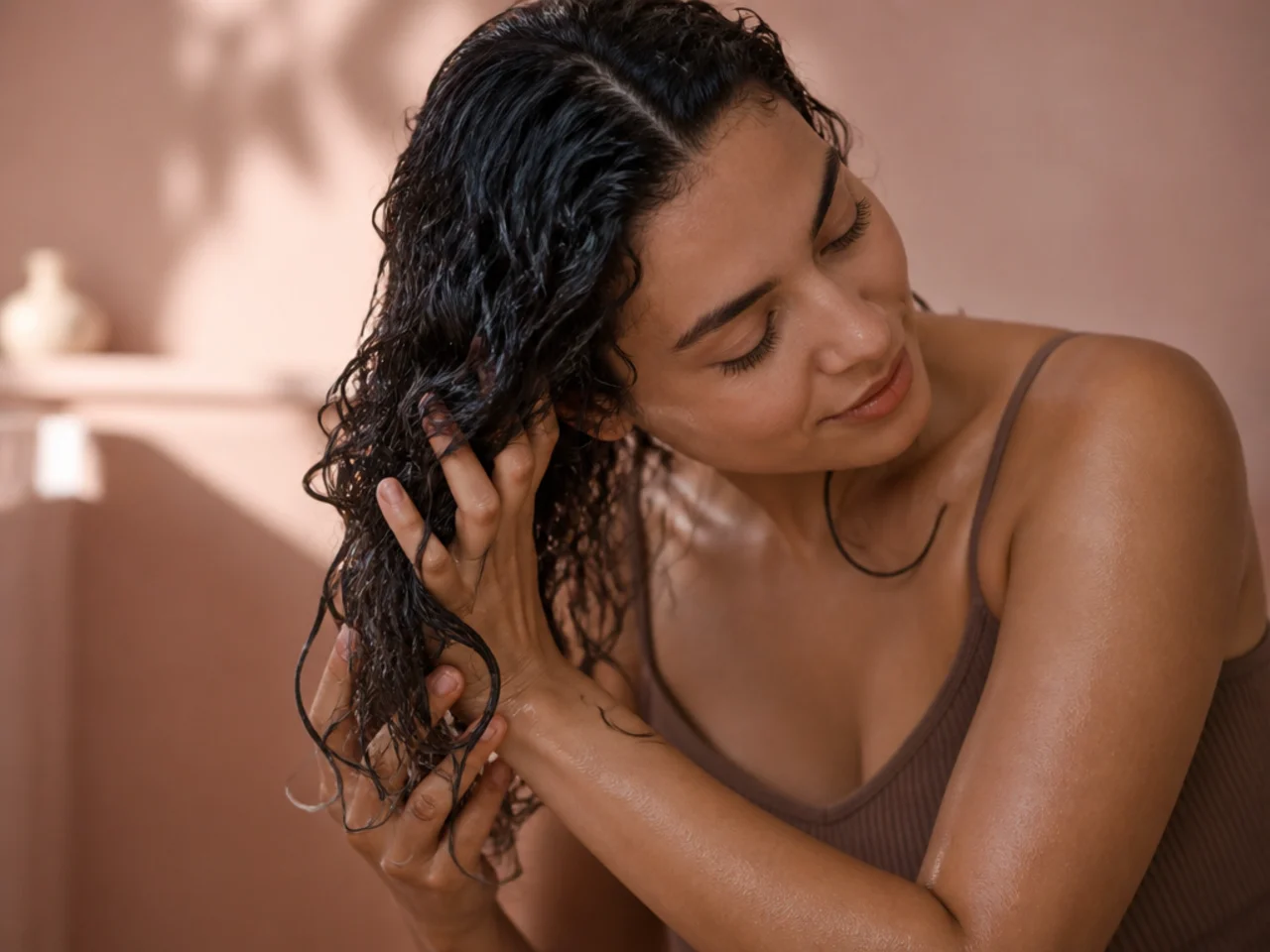
Apply product to soaking wet hair. Wave clumps while it is heavy with water. Waiting until it is damp means the clumps have already broken apart and nothing puts them back.
Do not touch it while it dries. Every disturbance breaks a clump into two thinner ones, which is what turns defined waves into frizz.
Scrunch out the cast rather than brushing. A gel cast is meant to be crushed once dry. Brushing it out instead destroys the wave pattern underneath it.
Sleep in a loose plait or on silk. Cotton drags the cuticle open overnight and the frizz that appears in the morning was created in the night, not in the shower.
Book on volume, not on ends. Long hair holds its outline for months. The cut is due when the crown layers stop lifting, at ten to twelve weeks.
Mistakes to Avoid
Cutting it wet. Wave draws up an inch or more as it dries, so wet layers finish higher than agreed. Cut dry, in the natural pattern.
Setting the shortest layer above the cheekbone. The volume peak rises with it and long hair suddenly reads short from the front.
Layering fine hair deeply. The ends depend on interior weight to look full. Take that out and the bottom goes see through.
Brushing it dry. A brush separates every clump into individual strands, and a wave pattern with no clumping is just frizz.
Asking for a wolf cut without naming a length. The word covers everything from chin to waist. Name where the shortest layer sits and where the ends finish.
FAQ
Will it look shorter? Not if the shortest layer sits at the cheekbone or below.
Wet or dry? Dry, in the natural pattern, or the layers land high.
How often? Ten to twelve weeks, when the crown stops lifting.

Final Thoughts
Give two numbers rather than a picture: where the shortest layer should sit and where the ends should finish. Everything between those points is interior weight, and interior weight is the only thing this cut actually removes.
For the shorter version of the same shape see the short wolf cut, and for keeping the pattern defined between cuts see the wavy hair routine. More in Mullet and Wolf Cut.