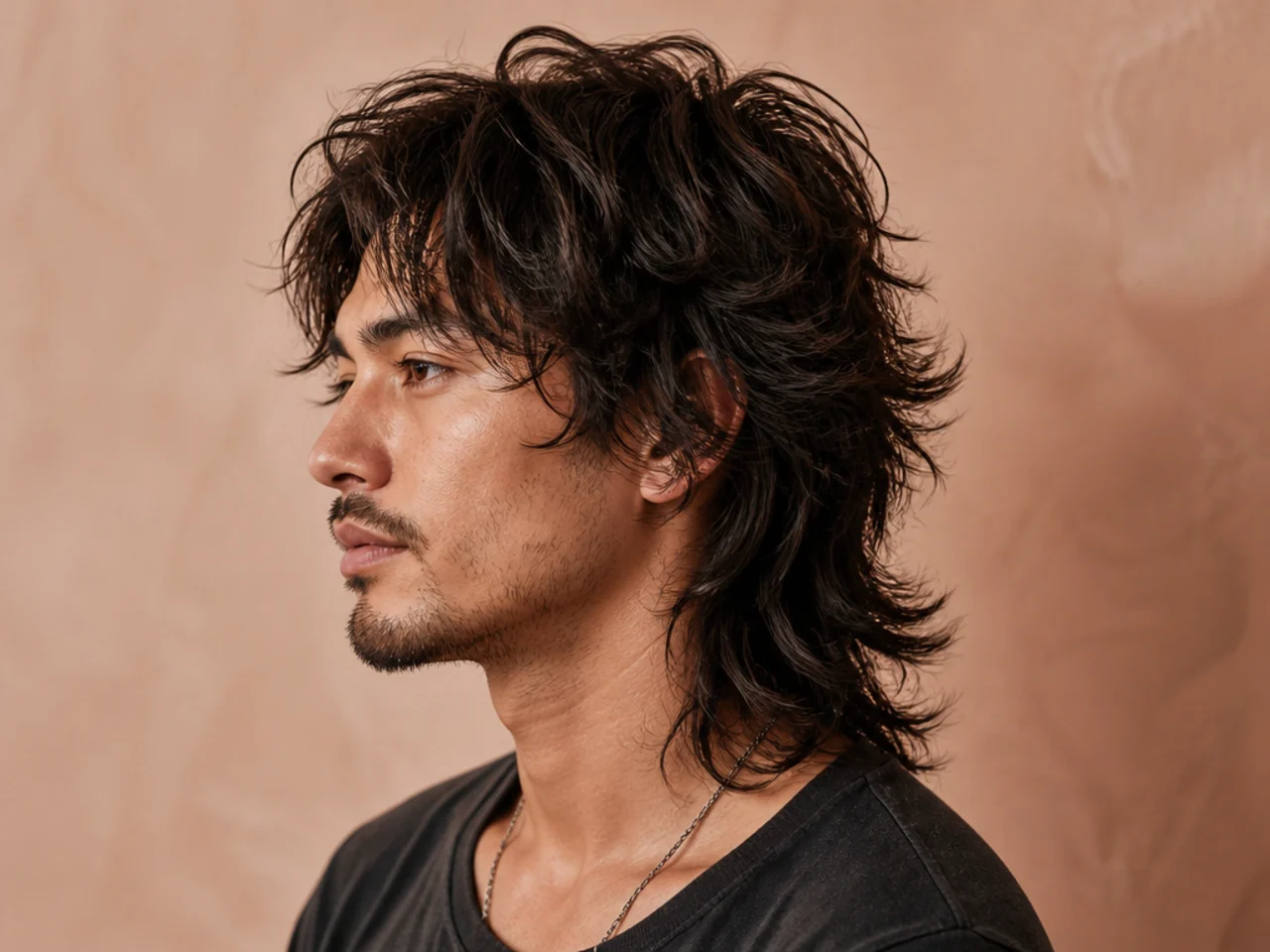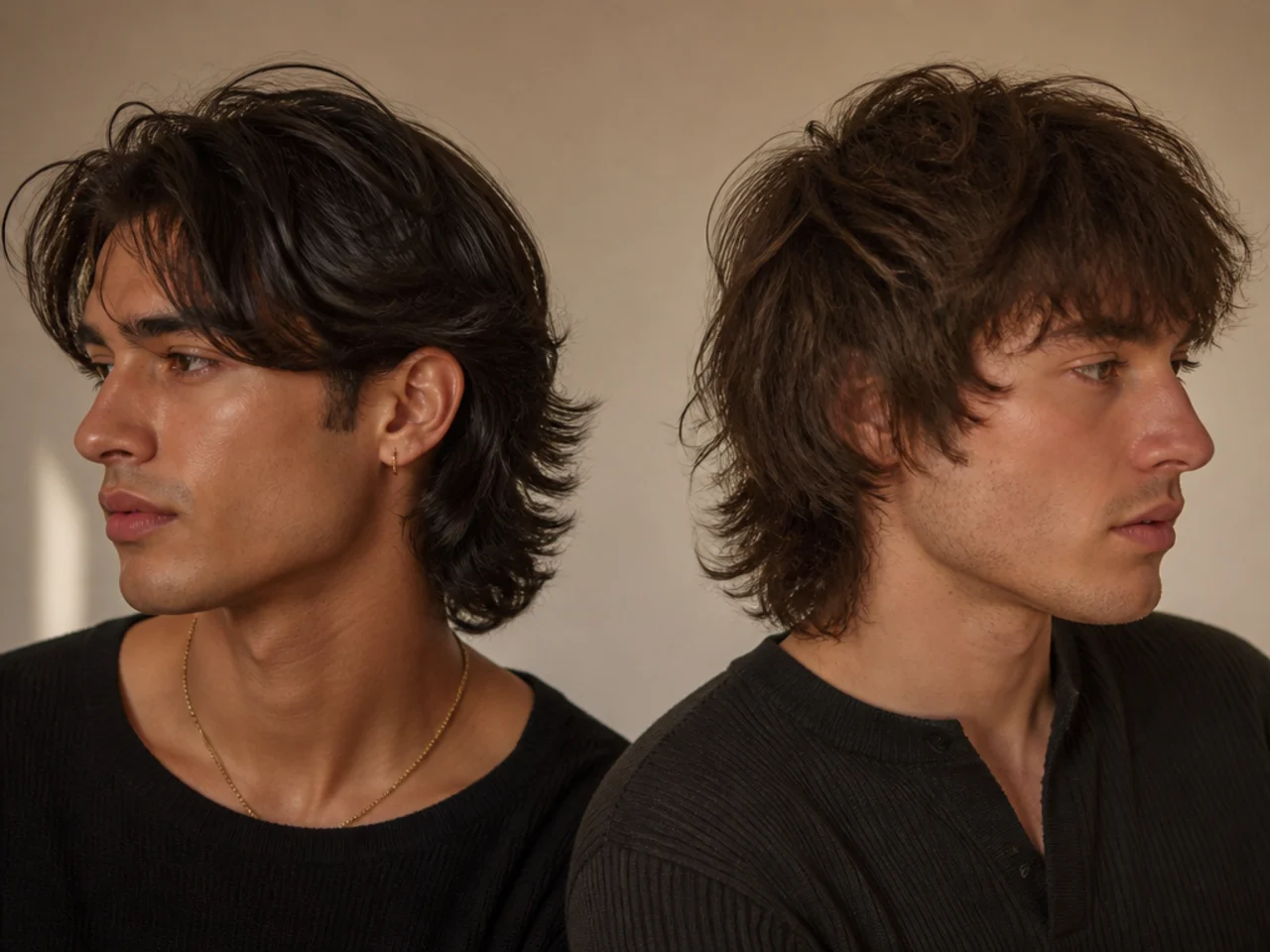
30 Stunning Shag Haircuts For Women Over 40
A shag concentrates its layers at the crown and removes weight through the mid lengths, which is why it lifts hair that has lost density rather than thinning it further. Where those layers stop is the decision that matters.
In this article · 37
- What a Shag Actually Does
- How to Choose Your Version
- The 30 Shag Haircuts
- 1. The Collarbone Shag
- 2. The Shag Bob
- 3. The Long Shag
- 4. The Pixie Shag
- 5. The Soft Shag
- 6. The Heavy Layered Shag
- 7. The Curly Shag
- 8. The Wavy Shag
- 9. The Straight Shag
- 10. The Coily Shag
- 11. The Coarse Grey Shag
- 12. The Fine Hair Shag
- 13. The Thick Hair Shag
- 14. The Thinning Crown Shag
- 15. The Curtain Bang Shag
- 16. The Blunt Fringe Shag
- 17. The Micro Bang Shag
- 18. The Side Swept Fringe Shag
- 19. The Grown Out Fringe Shag
- 20. The Razored Shag
- 21. The Point Cut Shag
- 22. The Dry Cut Curly Shag
- 23. The Blunt Perimeter Shag
- 24. The Rounded Perimeter Shag
- 25. The Silver Gloss Shag
- 26. The Lowlit Shag
- 27. The Shadow Root Shag
- 28. The Face Framing Highlight Shag
- 29. The Air Dried Shag
- 30. The Week Eight Shag
- Styling and Upkeep
- Mistakes to Avoid
- FAQ
- Final Thoughts
A shag is usually asked for as a texture and cut as a length, which is why so many of them come back flat within two washes.
The layers belong at the crown. Short crown pieces sit on the longer ones below and hold them off the scalp, and that lift is the entire mechanism.
Weight comes out of the middle, not the ends. Thinning the ends leaves them wispy while the bulk stays exactly where it was.
What a Shag Actually Does
It puts the volume where hair loses it first. Density tends to reduce at the crown and part line, and that is precisely where the shortest layers go.
It removes weight through the mid lengths. The perimeter is left alone so the outline stays readable while the bulk above it is reduced.
It breaks the ends rather than blunting them. Notched ends separate into pieces on their own, which reads as thickness even when there is less hair.
The fringe carries the shape. In most shags the fringe is the shortest point of the whole cut, and everything else is graded back from it.

How to Choose Your Version
Decide how far down the layers travel. Above the ear is the safe limit on fine hair. Past the shoulder on thick hair, or the mid lengths will not reduce.
Match the fringe to your forehead, not the photograph. It is the shortest point of the cut and the one you cannot hide while it grows.
Bring your real texture. Grey and coarse strands sit differently in a layer than the hair around them, and only a dry cut shows where they land.
Count the trims you will actually book. A blunt fringe needs three weeks. A curtain fringe graded into the face framing holds six to eight.
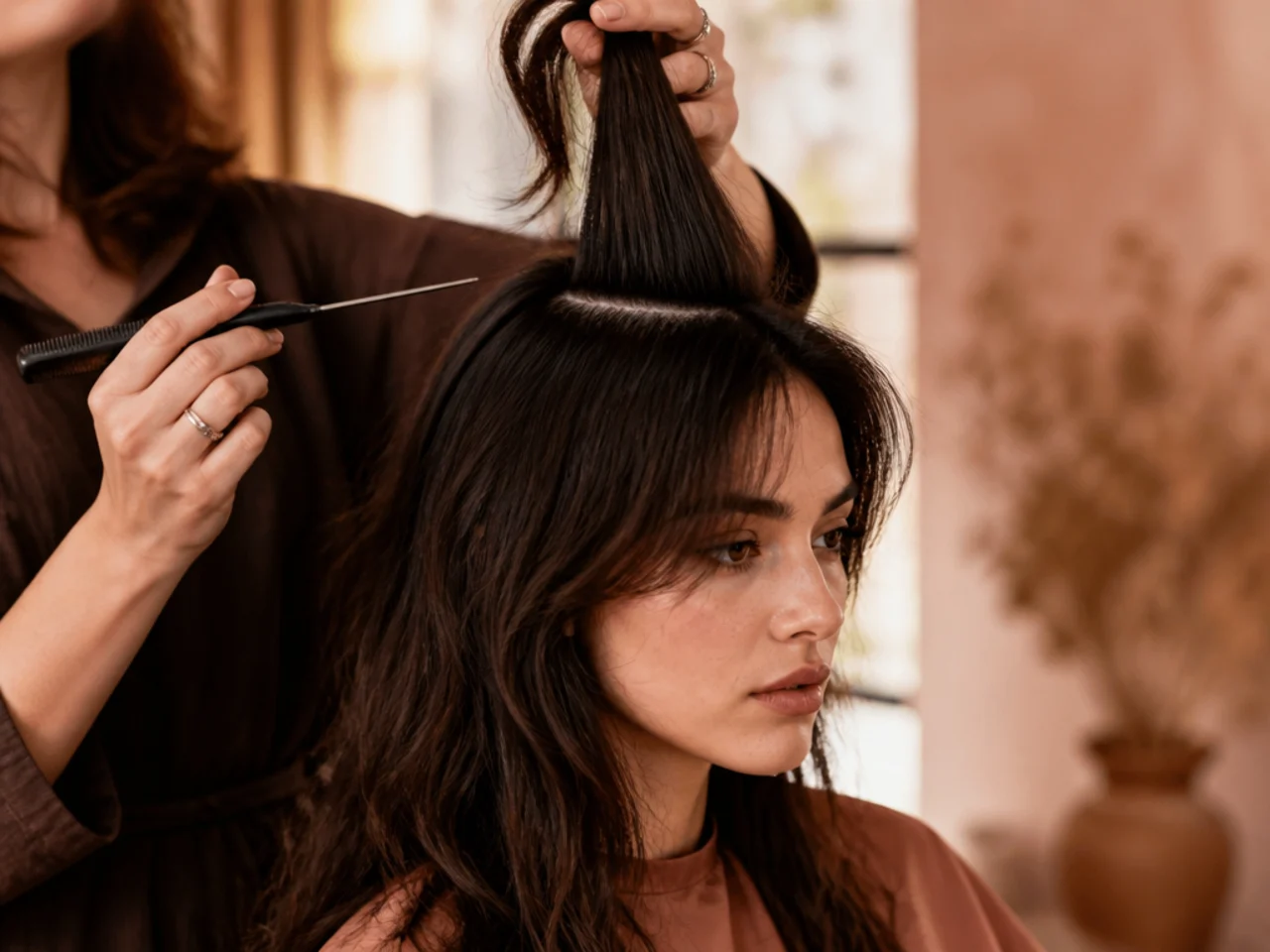
The 30 Shag Haircuts
1. The Collarbone Shag
The perimeter finishes at the collarbone and the shortest crown layer lands around the jaw, leaving about four inches for the top layer to fall through. That distance is what lets it prop up the length below rather than simply lying on it.
2. The Shag Bob
Everything is compressed to jaw length, so the layers have less distance to travel and the lift arrives higher on the head. It reads younger largely because the widest point of the shape sits at the cheekbone rather than at the jaw.

3. The Long Shag
Below the collarbone the crown layers cannot reach the perimeter, so the cut needs a second tier of layers through the mid lengths to connect them. Skip that tier and you get short layers at the top with a long untouched curtain hanging beneath them.

4. The Pixie Shag
The layering happens across the whole head rather than down a profile, so the shape is built in the round and the fringe becomes the longest point instead of the shortest. It exposes the neck and jaw completely, which is why it depends on the outline being cut precisely.
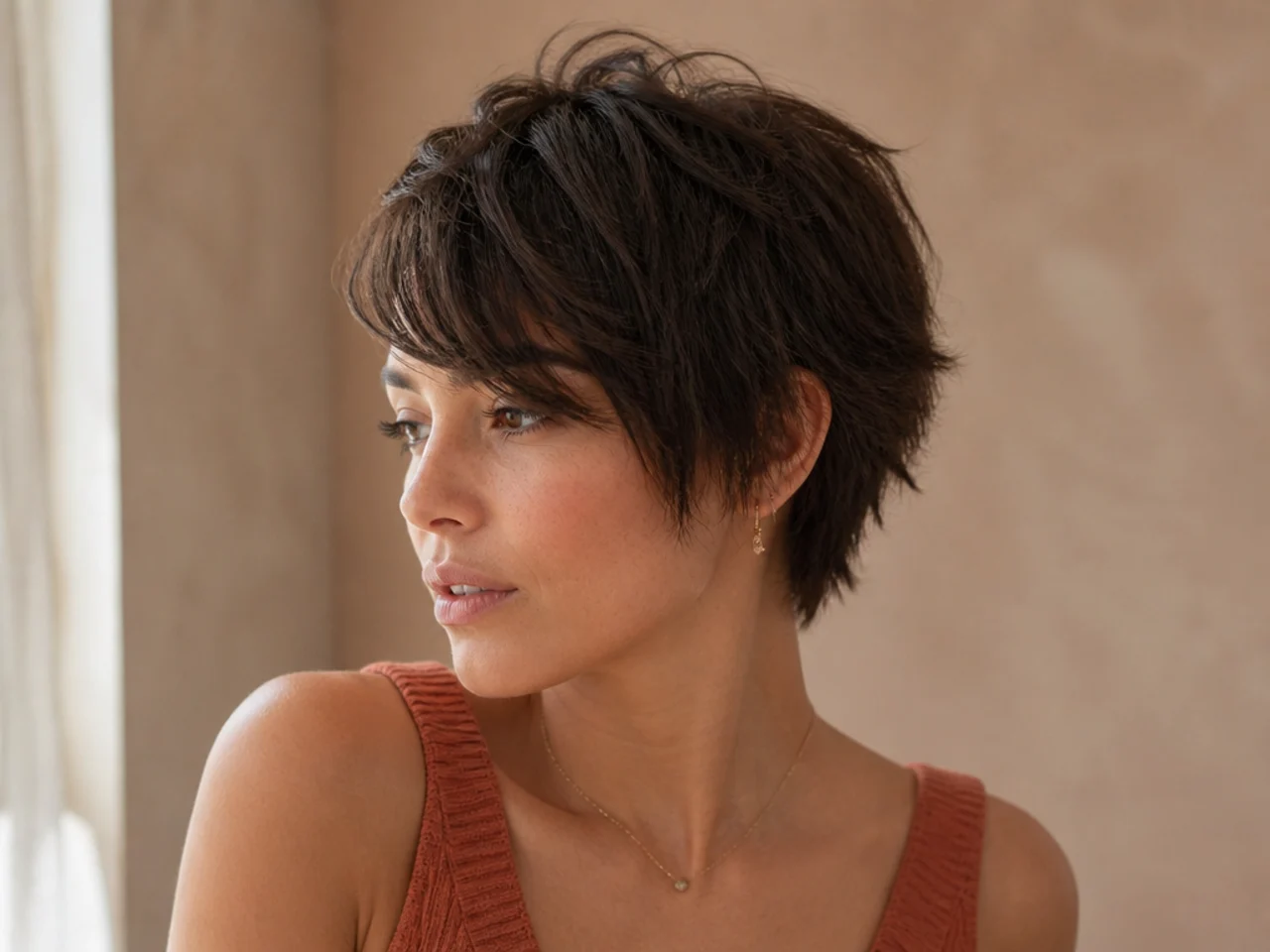
5. The Soft Shag
The layers stop at about half the depth of a full shag, so the crown lifts a little and the perimeter keeps most of its weight. It is the version to start with, because there is no stage in the grow out where the top sits visibly above the bottom.

6. The Heavy Layered Shag
Layers run from the crown all the way through the mid lengths, so the perimeter carries almost no weight and breaks into distinct pieces. It needs the most product of any version, because there is nothing left holding the shape down once the hair moves.

7. The Curly Shag
Curls shrink two to three inches and each one shrinks differently, so a wet cut dries into an uneven staircase. Cutting curl by curl on dry hair is the only way the layers land where they were placed, which is why a curly shag costs more chair time.

8. The Wavy Shag
Waves pull up around an inch on drying, and the bend at the ends does the outward flick that a straight shag needs a brush for. It is the most forgiving texture for this cut because the S shape hides any unevenness in the layer line.

9. The Straight Shag
Straight hair shows every layer line as a line, because a straight strand sits in one direction with no bend to scatter the light. The layers have to be point cut into rather than cut across, or the result looks like three separate haircuts stacked on one head.

10. The Coily Shag
Coils compress so far that the cut has to be planned at stretched length and judged at dry length, which are very different numbers. The layers here shape the outline of the whole head rather than a vertical gradient, so the work is done in the round.
11. The Coarse Grey Shag
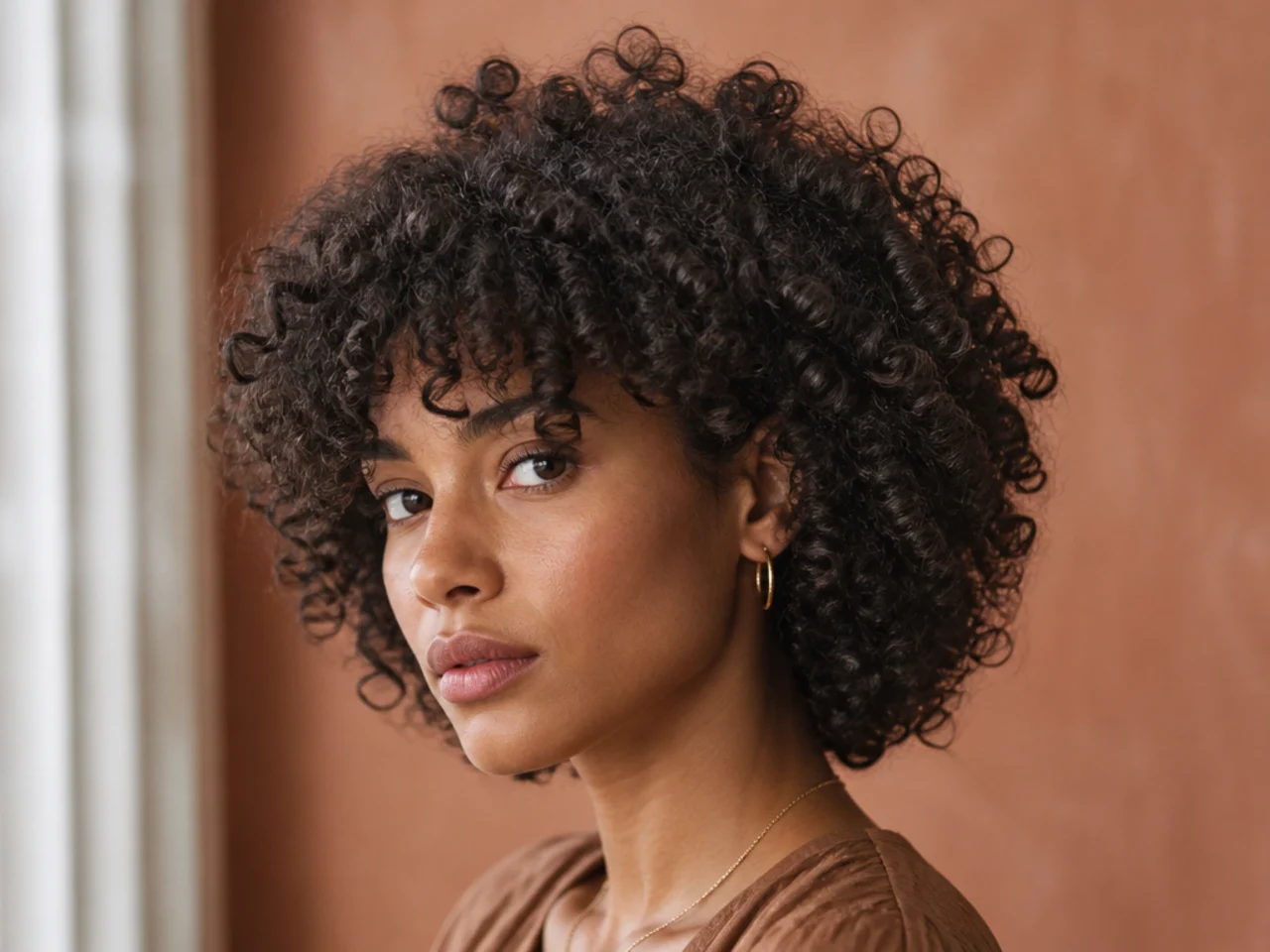
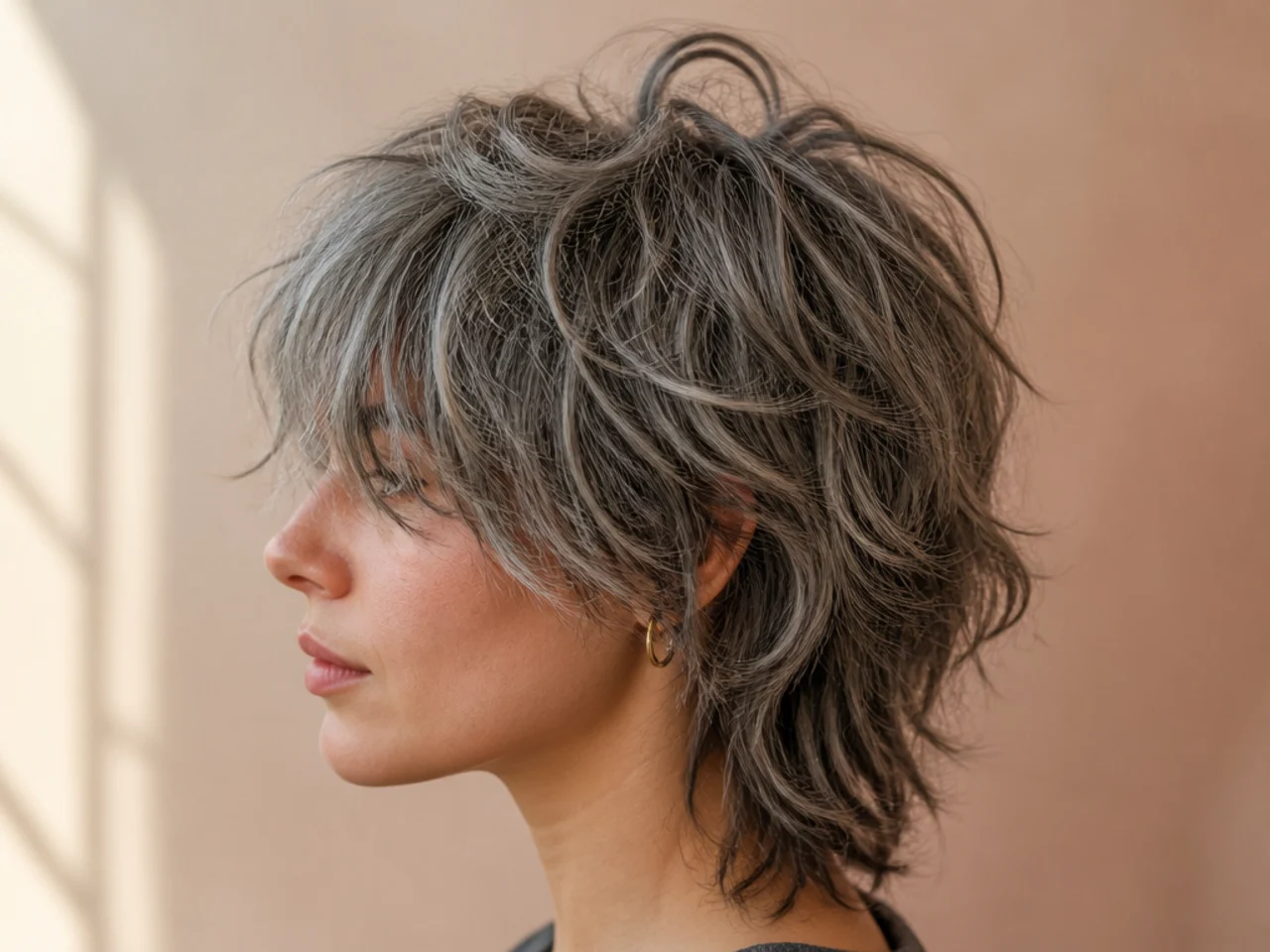
Grey strands carry no melanin and are frequently coarser and springier than the pigmented hair beside them, so they lift out of a layer instead of lying in it. Point cutting rather than thinning stops those individual strands from splaying, and a dry cut is the only way to see which ones are doing it.
12. The Fine Hair Shag
Every layer takes weight out of the perimeter, and fine hair has none spare, so layers that run past the ear leave the bottom line translucent. Keeping them above the ear and leaving the last two inches uncut preserves an outline the eye can still read.

13. The Thick Hair Shag
Thick hair stacks its layer ends and expands sideways at the mid lengths, which is where the triangle comes from. Interior weight removal through the middle third fixes it without adding another visible step, whereas more layers only move the widest point higher up the head.

14. The Thinning Crown Shag
The shortest layers are placed directly over the area that has lost density, so they stand up and cast the scalp beneath them into shadow. A longer layer in the same place lies flat and does the opposite, which is why one length cuts expose a thin crown so plainly.

15. The Curtain Bang Shag
The fringe splits at the centre and grades longer towards the temples, joining the face framing with no step between them. Because it was graded rather than cut to a line, it stays usable for six to eight weeks instead of needing a trim every three.

16. The Blunt Fringe Shag
A solid horizontal edge set against the broken texture of the rest of the cut, which makes both halves read more clearly than either would alone. It only holds while it is level, so it needs cutting every two to three weeks.

17. The Micro Bang Shag
Cut well above the brow, it moves the eye upward and makes the forehead read shorter than it is. There is no comfortable grow out stage, so it travels from micro to awkward to curtain over roughly three months.

18. The Side Swept Fringe Shag
The fringe travels in one direction across the forehead, which lays a diagonal over it and shortens the visible vertical of the face. It has to be dried against its own growth direction, so it needs a brush in a way a curtain fringe does not.

19. The Grown Out Fringe Shag
Around week ten the fringe passes the cheekbone and merges with the face framing, which is where many people decide they prefer it. Holding it there means trimming the face framing instead of the fringe so the two stay one continuous line.

20. The Razored Shag
A razor removes weight along the length of the strand rather than cutting across it, so the ends taper to a point and separate without product. The same action roughens the cuticle, which makes it a poor choice on dry, coarse or grey hair.

21. The Point Cut Shag
The scissors go into the ends vertically and take small notches out, breaking the line without removing length. It delivers the separation of a razor cut with no cuticle damage, which makes it the default on colour treated or coarse hair.

22. The Dry Cut Curly Shag
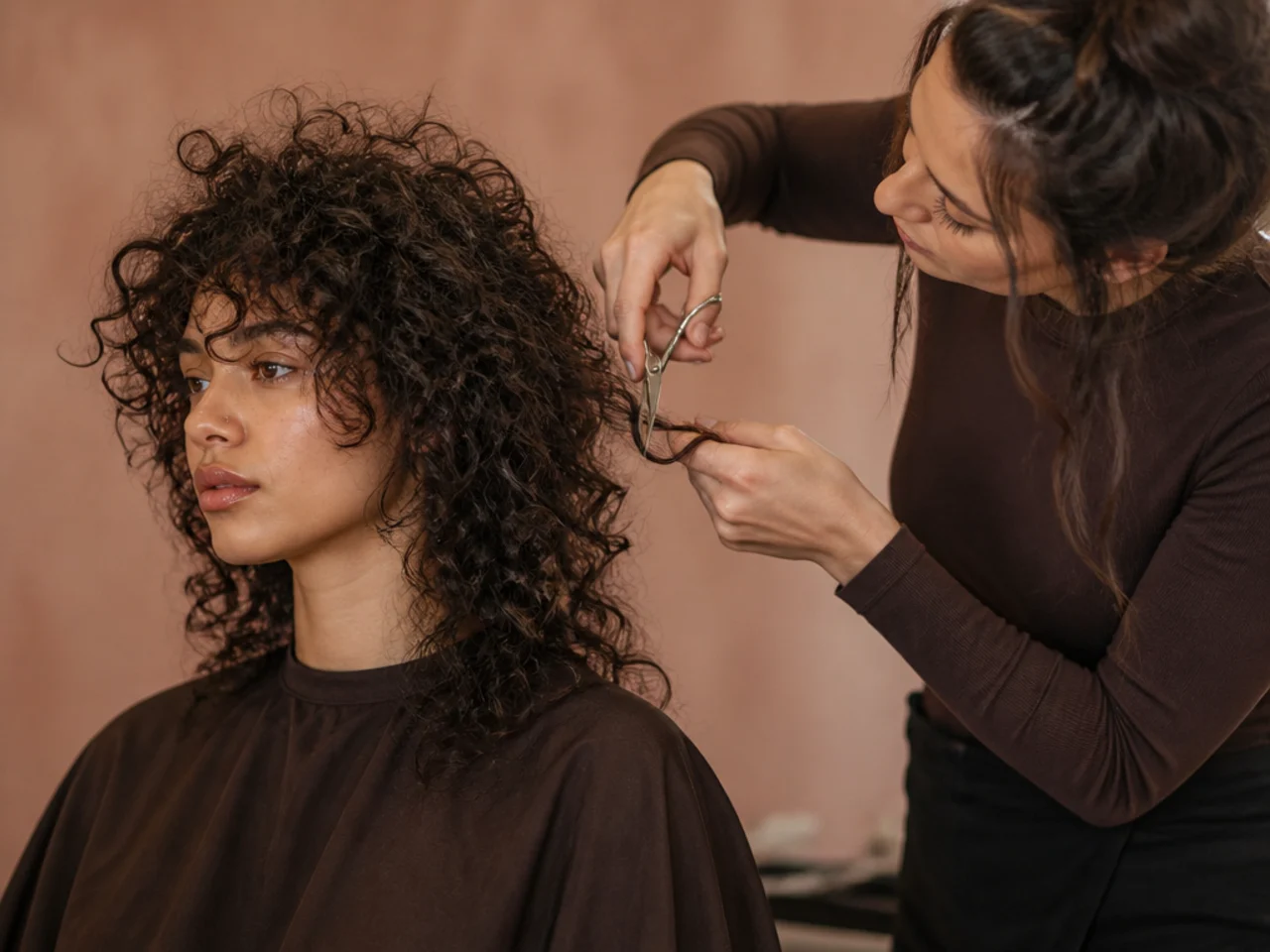
The whole cut is done on dry, unstretched curls so every layer sits where it will actually live. It removes the single largest cause of a failed curly shag, which is a layer that looked correct wet and rose two inches once it dried.
23. The Blunt Perimeter Shag
Everything above the perimeter is layered and the bottom line is left solid, giving the eye a definite edge to measure the shape against. It is the version that works on hair which has lost density, because the outline keeps its weight while the crown still gets its lift.

24. The Rounded Perimeter Shag
The bottom line curves forward towards the face rather than running level, so the shortest point sits at the back and the longest at the front. That curve keeps hair on the sides of the jaw, which softens a squared corner without any layering.

25. The Silver Gloss Shag
Grey hair picks up yellow tones from heat, sun and product residue, and a violet toned gloss counteracts them because violet sits opposite yellow on the colour wheel. It deposits no lift and no lightener, so it changes tone only and washes down over about six weeks.

26. The Lowlit Shag
Darker strands are woven back into hair that has gone uniformly light, and the contrast between the two depths is what creates the appearance of thickness. Uniform colour does the opposite, because with no variation the eye reads the whole head as one flat plane.

27. The Shadow Root Shag
Depth is kept at the root and lightness carried through the mid lengths, so the regrowth line never becomes a hard edge. It buys eight to twelve weeks between appointments purely because there is nothing sharp for new growth to sit against.

28. The Face Framing Highlight Shag
Lighter pieces are placed only on the sections that fall beside the face, where light hits them directly and the brightness is read against the skin. Putting the same money into all over highlights spreads it across hair that is mostly in shadow.

29. The Air Dried Shag
Left alone, the crown layers set in whatever direction the roots were in while damp, so the part does more work than any product. Roughing the roots with the fingers for the first ten minutes is what decides whether the crown lifts or sits flat all day.

30. The Week Eight Shag
Everything has grown roughly an inch, so the gap between the layers is unchanged but the crown pieces are now long enough to bend under their own weight. That is why the lift disappears before the shape does, and why the crown is the section that needs re-cutting first.

Styling and Upkeep
Rough the roots while the hair is damp. Root direction sets as it dries and will not move afterwards without water.
Keep weight below the ears. Creams and oils help the perimeter hang and flatten the crown, so where you apply them matters more than which one you use.
Use a violet gloss on grey every six weeks. Yellowing comes from heat, sun and residue, and violet is the tone that cancels it.
Re-cut the crown layers, not only the ends. A perimeter trim on its own reduces the difference between the two lengths.
Book at eight to ten weeks. By then the crown pieces have gained about an inch and are heavy enough to lie down.

Mistakes to Avoid
Thinning shears through the ends. They strip the perimeter and leave the interior bulk untouched, which is the reverse of what a shag needs.
Running layers past the ear on fine hair. The bottom line goes translucent and the shape loses its outline.
Cutting curls or coils wet. They dry two to three inches shorter, and each strand by a different amount.
A blunt fringe on a three month schedule. It is only blunt while it is level, and it needs cutting every two to three weeks.
Colouring grey without a gloss. Coarse grey strands reflect more light and read brassier faster than the hair around them.

FAQ
Where do the layers go? At the crown, and above the ear on fine hair.
Wet or dry cut? Dry for any bend, curl or coarse grey.
How often? Eight to ten weeks, crown layers first.

Final Thoughts
Ask for two things at the appointment: where the shortest crown layer should land, and how far down the layers are allowed to travel. Those two answers decide whether the cut adds volume or removes the last of the density.
For the cut across every length and texture see shag haircuts, and for the shape it shares a family with see wolf and shag haircuts. More in Mullet and Wolf Cut.