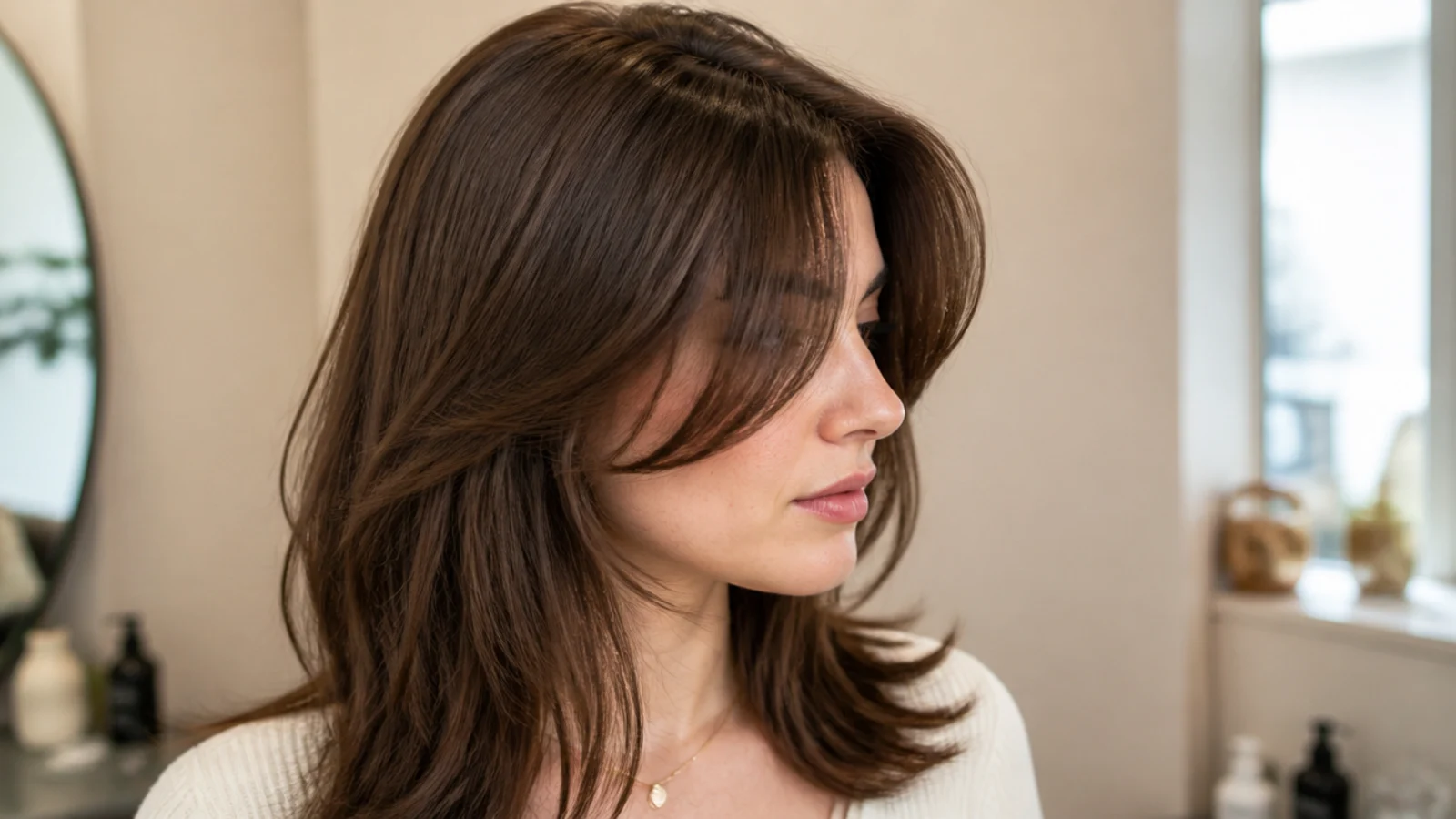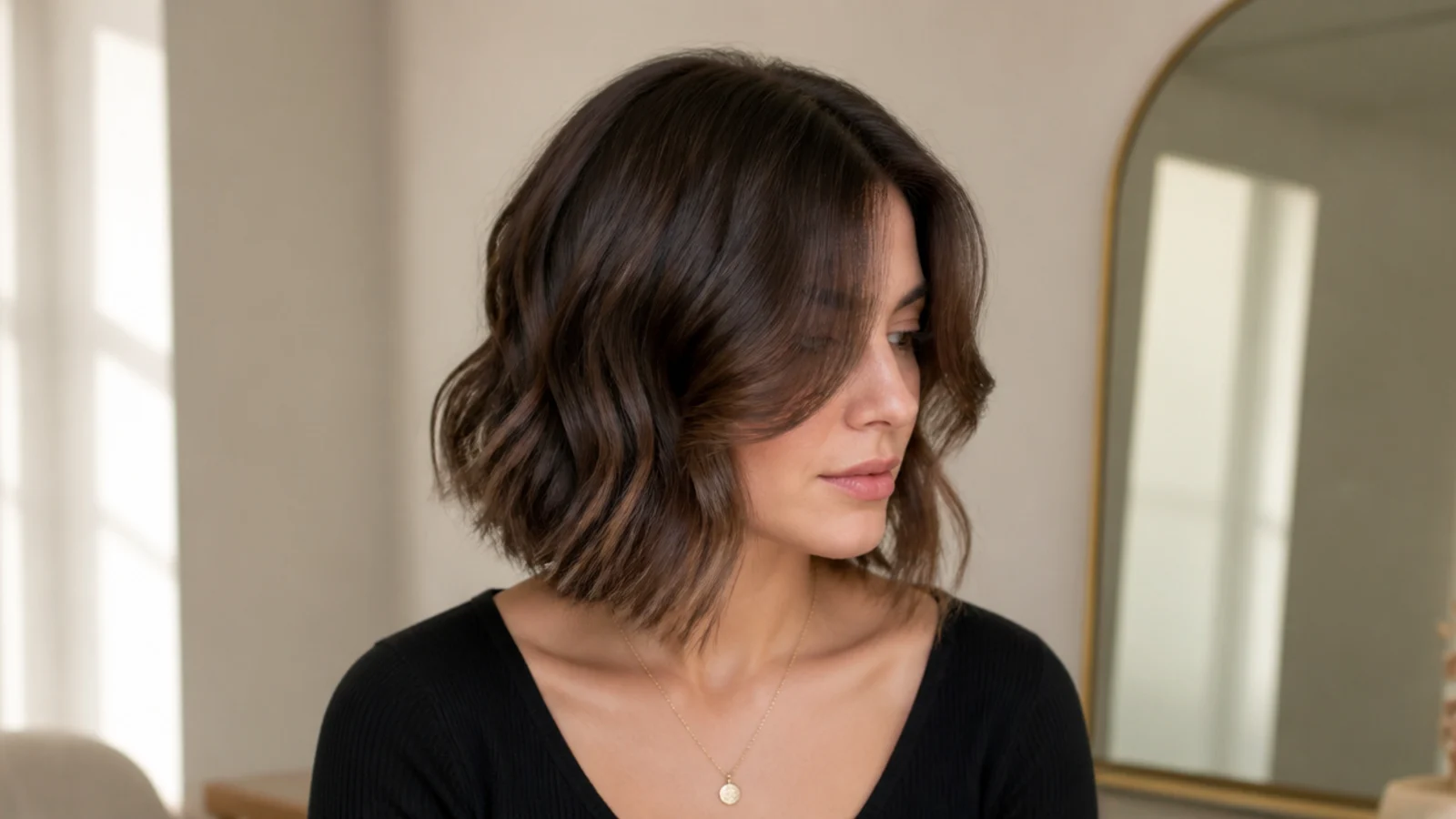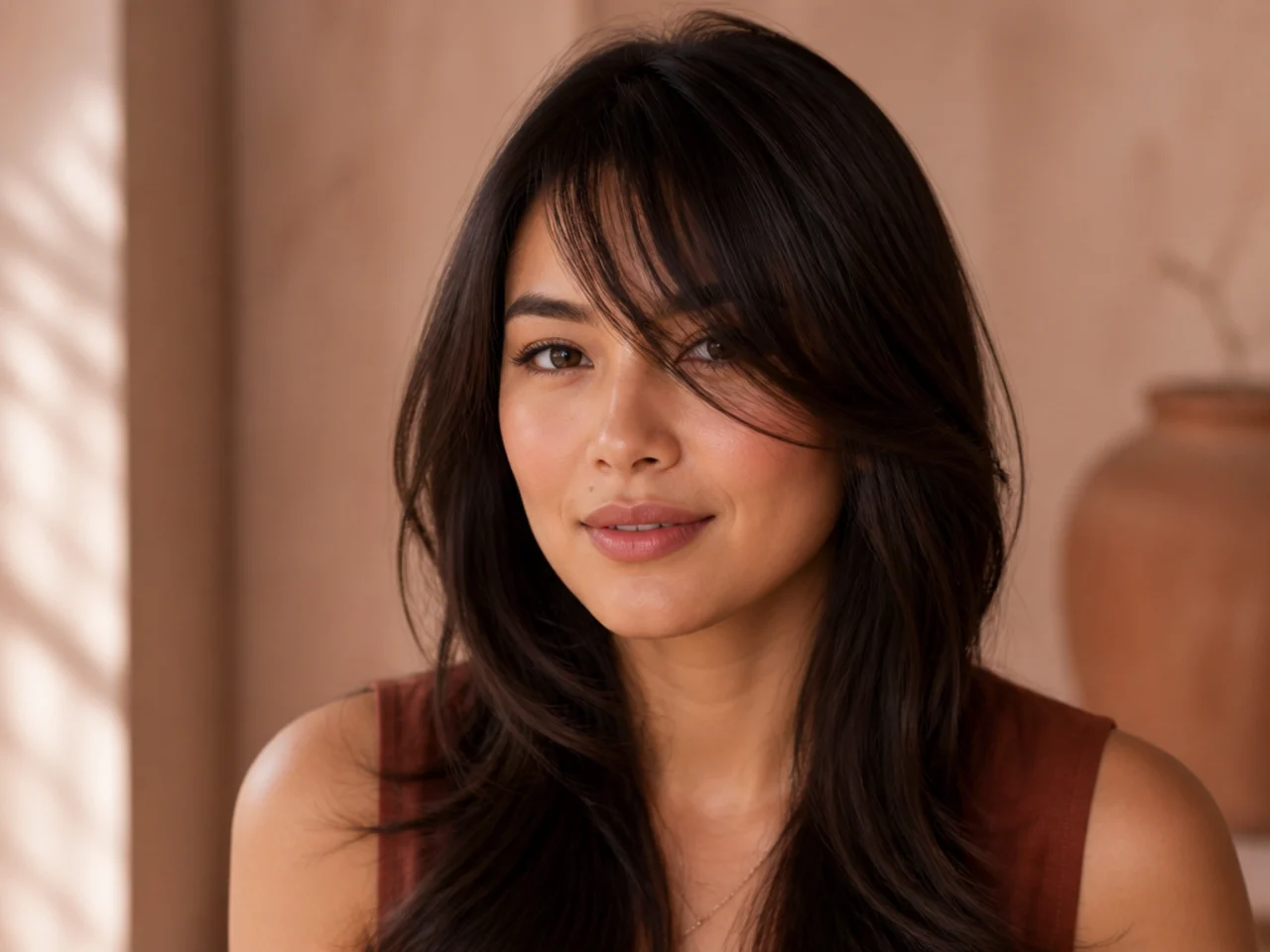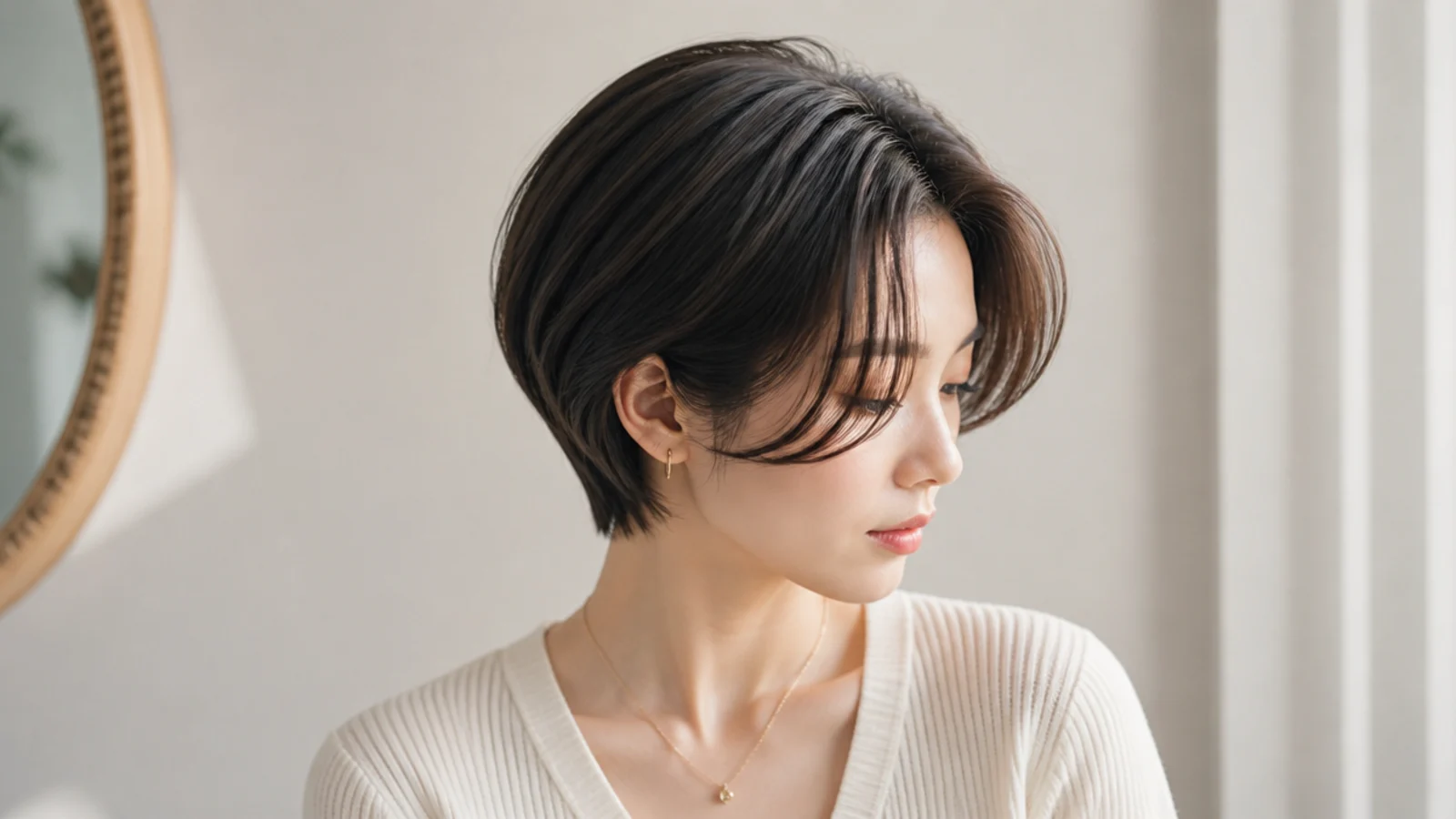
20 Korean Short Curtain Bangs Ideas
Twenty Korean curtain fringe ideas, and the distinction that separates them from the western version — the Korean cut is defined by density and curl direction, not by length, which is why it looks lighter at the same size.
In this article · 28
- What Korean Curtain Bangs Are
- How Short Is Too Short
- Face Shapes
- Styling Them at Home
- Trim Cadence and Cost
- Growing Them Out
- The 20 Korean Curtain Bangs Ideas
- 1. See Through Fringe
- 2. Brow Skimming Fringe
- 3. Lash Grazing Fringe
- 4. The C Curl
- 5. The Hush Cut
- 6. The Tassel Cut
- 7. C Curl on a Bob
- 8. Wispy on Fine Hair
- 9. Korean Curtain Bangs on Thick Hair
- 10. On a Round Face
- 11. On a Square Jaw
- 12. On a Heart Shaped Face
- 13. On Straight Hair
- 14. On Wavy Hair
- 15. The C Curl Perm
- 16. The S Curl Fringe
- 17. Korean Curtain Bangs on a Shag
- 18. Korean Curtain Bangs on a Pixie
- 19. Half Up With a Clip
- 20. The Grown Out Stage
- Final Thoughts
Two people can walk out with a fringe cut to the same length and only one of them has the Korean version. The difference was decided before a single hair was shortened.
The section is shallow, so light passes through it. A see through fringe leaves the forehead visible behind it, which is why it softens a face rather than covering one.
The ends turn away from the face in a C. That single curve is what stops the fringe hanging, and it is a styling or a chemical decision rather than a cutting one.
What Korean Curtain Bangs Are
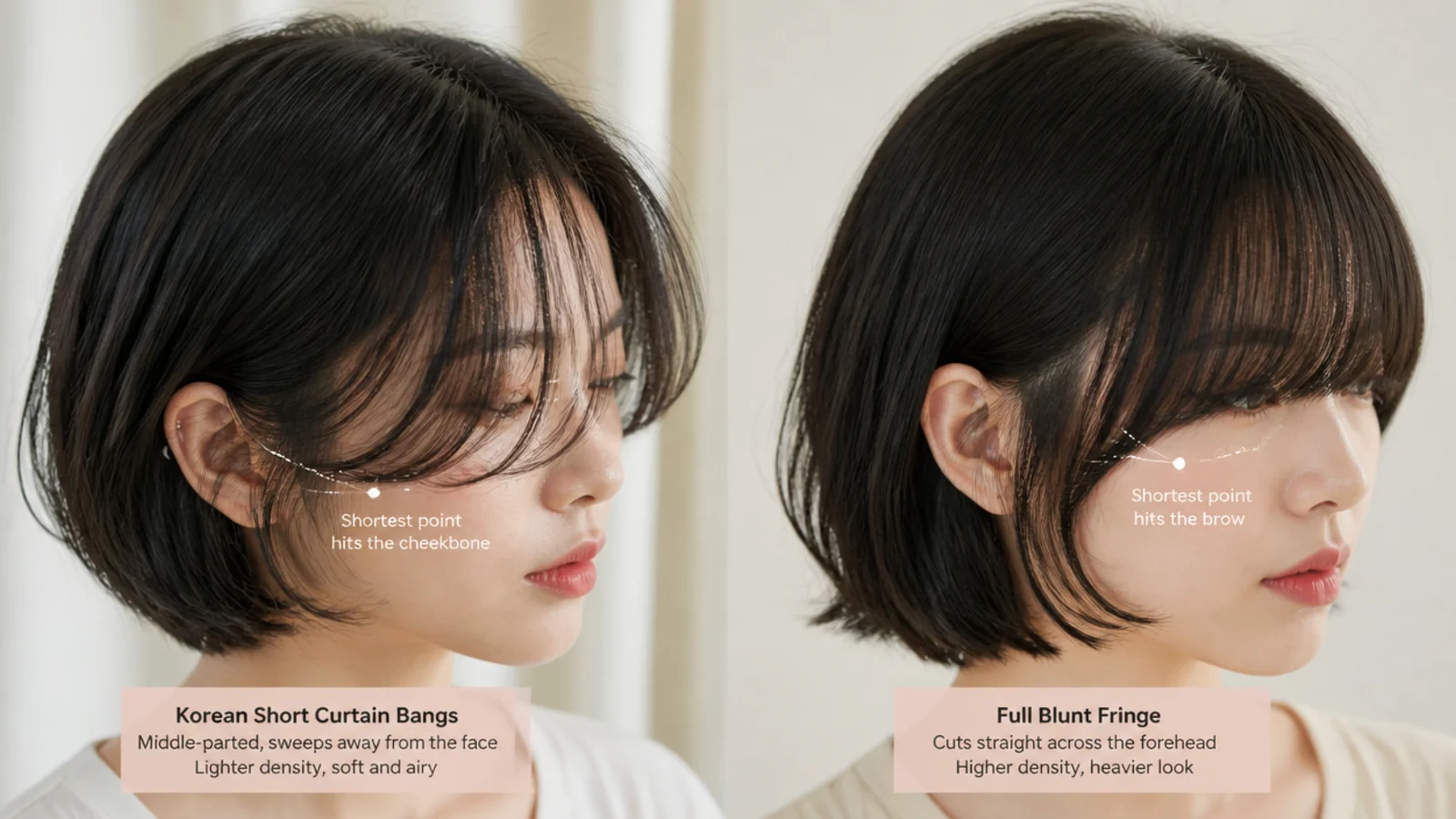
A shallow triangle taken at the hairline. Perhaps an inch deep rather than two or three, which is what keeps the fringe light enough to see through.
Ends bent away from the face. The C curl. Outward at the bottom, so the fringe frames rather than falls.
A soft centre that opens rather than parts. There is no hard line down the middle, just two directions the hair naturally goes.
Length that reaches the cheekbone at the outer edges. Short in the middle, long at the corners, with a gentle slope between the two.
Density is the whole idea. Take a deeper section and every other feature stops working, because a heavy fringe cannot be seen through and will not hold a curl outward.
How Short Is Too Short
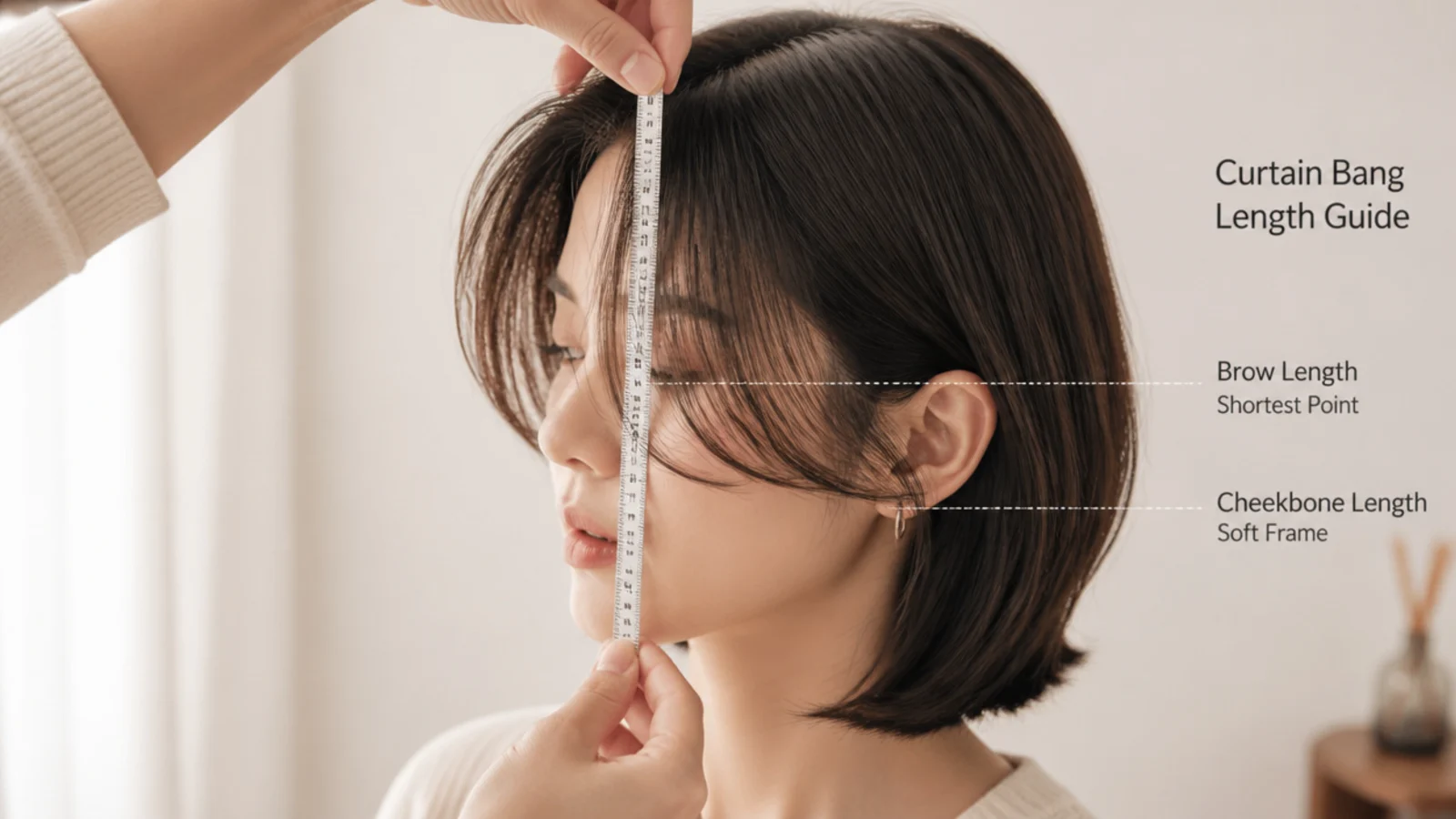
Brow level is the practical floor. Shorter than that and the fringe has no weight left to fall open with, so the two halves close over the forehead instead.
Lash grazing is the classic position. Long enough to sweep, short enough to sit clear of the eye.
Cheekbone at the corners, always. The outer pieces are what connect the fringe to the rest of the cut, and cutting them short leaves a visible gap.
A fringe that stands away from the forehead is too thin, not too short. That is a section problem. Take a slightly deeper triangle rather than more length.
On a shallow section, short goes wrong faster. There is less hair to hide behind, so an error of a quarter inch is fully visible.
Face Shapes
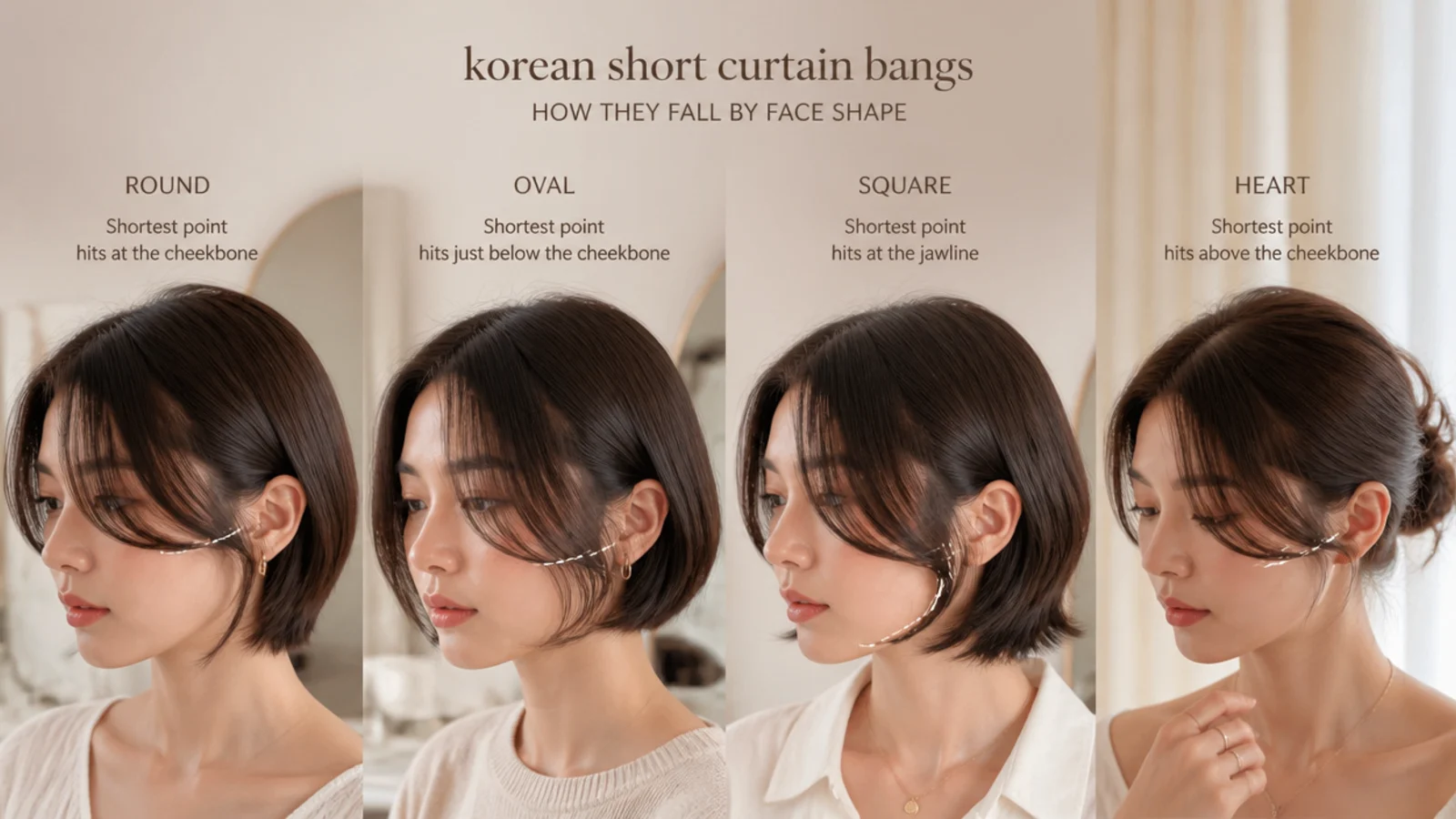
Round. Keep the corners long enough to fall past the cheekbone. Two vertical pieces either side of the face lengthen it where a blunt fringe would widen it.
Square. Soft diagonals against a strong jaw, with nothing blunt anywhere. A straight edge across the forehead sets up a second horizontal to compete with the jawline.
Heart. The forehead is already the widest point, so keep the fringe close to the centre and let the corners run long down the face rather than out from it.
Long. Take the section slightly deeper. A denser fringe adds width across the forehead, and width is what shortens a long face visually.
Oval. Choose by hair texture instead. Fine hair wants a shallower section, thick hair wants a narrower one.
Styling Them at Home
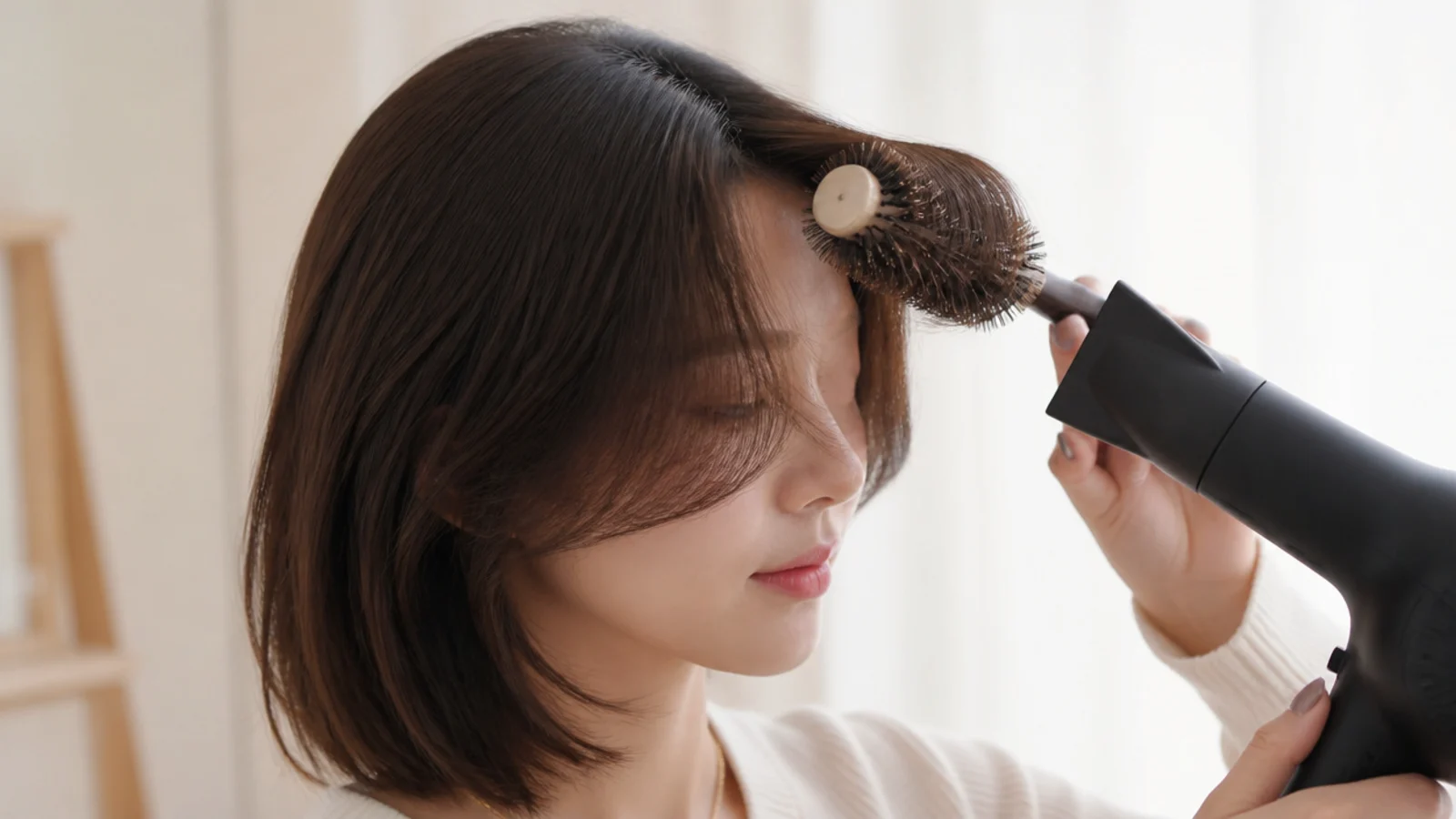
Dry the fringe first, before anything else. It dries fastest on the whole head and sets in whatever direction it happened to be lying in.
Dry it side to side, then let it fall. Left, right, release. That breaks the root out of its growth direction and is the only real source of lift.
Use a small round brush or a narrow iron for the C. A large barrel has nothing to wrap around at this length and simply drags the ends straight.
Hold the bend until the section is cold. Hair sets as it cools rather than while it is hot, so a warm release throws the curl away.
Finish with a light mist, not a cream. Anything with weight in it closes the gaps that make the fringe see through in the first place.
Trim Cadence and Cost
Three to four weeks. Hair grows about half an inch a month, and on a fringe this light a quarter inch is immediately visible.
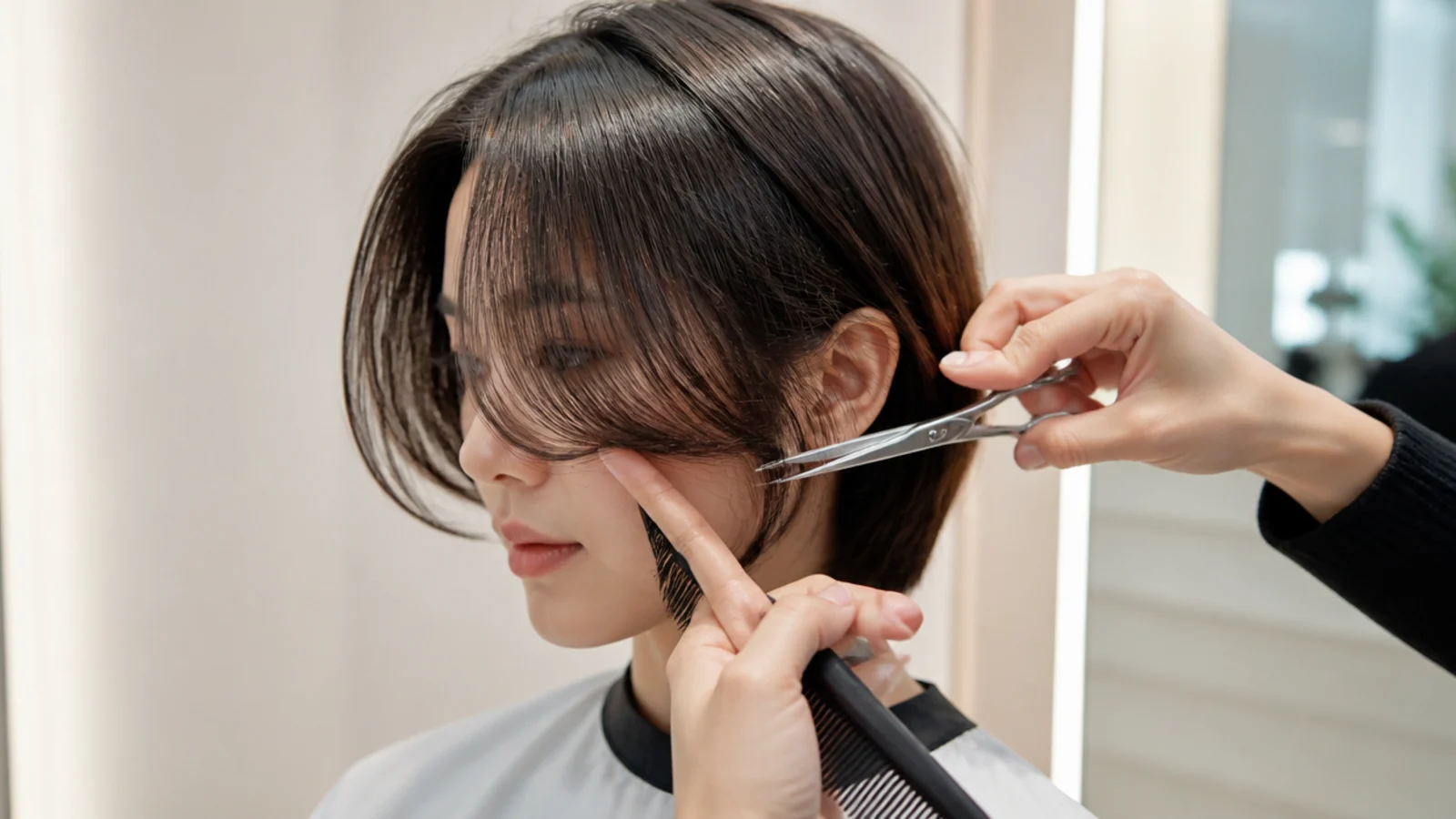
A shallow section is quick to trim. There is very little hair involved, which is why many salons treat it as a fringe appointment rather than a cut.
Ask for the section to be checked, not just the length. A fringe grows denser over time as hairs from behind the section join it, and thinning it back is what restores the see through effect.
A C curl perm shifts the schedule. The curl holds for two to four months, so the trim becomes about length alone.
Trim the corners more often than the middle. They are the join between the fringe and the sides, and that join is the first thing to look untidy.
Growing Them Out
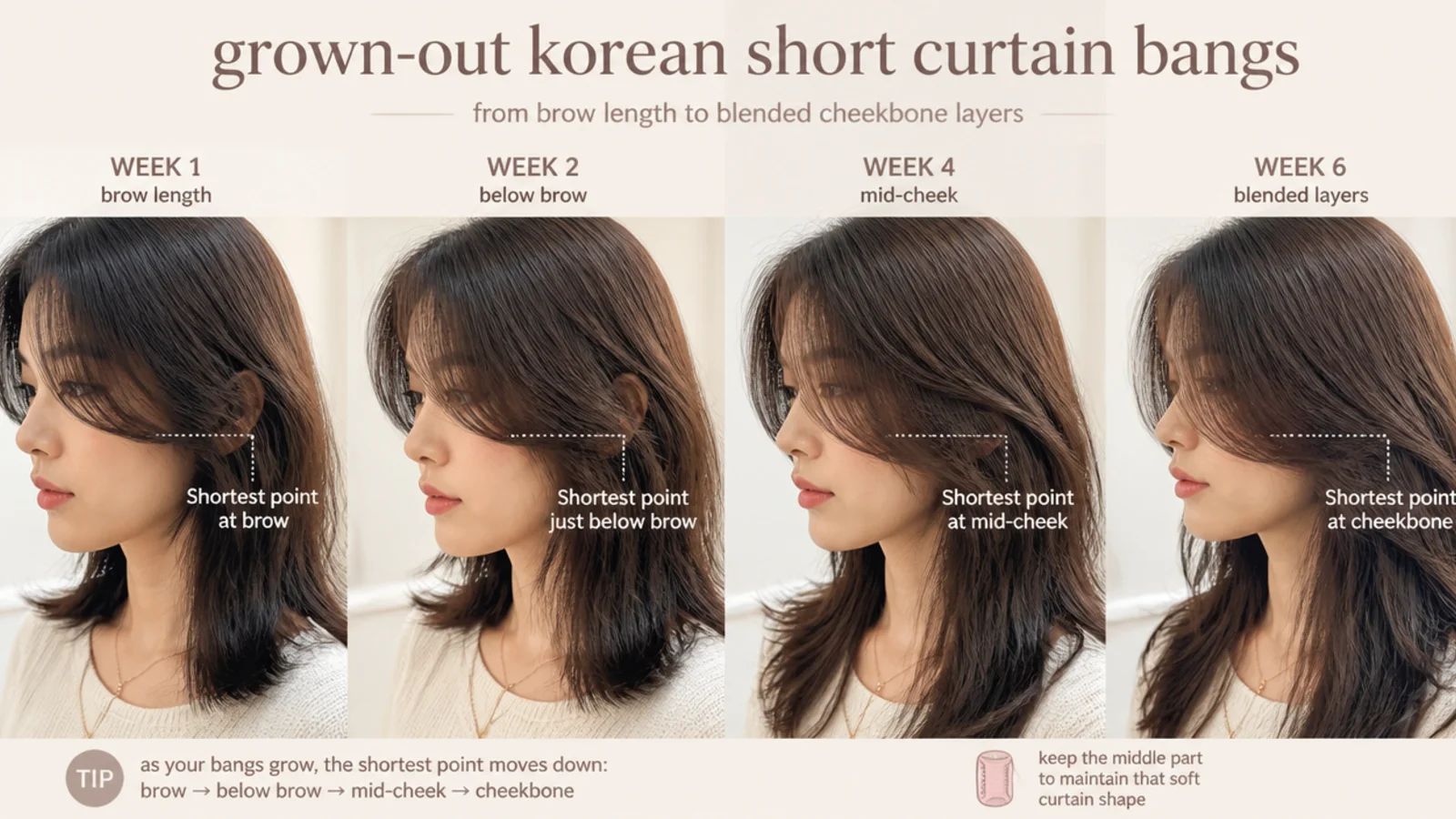
About eight months from brow to jaw. Half an inch a month across roughly three inches of face.
Weeks six to sixteen are the hard ones. Too long to hang cleanly, too short to sit behind an ear.
A see through fringe grows out more easily than a heavy one. There is less hair to be in the wrong place, so the awkward window is genuinely shorter.
Keep curling the ends outward throughout. The C curl works at every length, which is why it carries a grow out better than a straight dried fringe.
Trim only the corners. Touching the centre resets the clock on the shortest hair you have.
The 20 Korean Curtain Bangs Ideas
1. See Through Fringe
The section is taken so shallow that skin shows through the strands, which is the defining feature of the whole family. Because so little hair is removed from the front, the density behind the fringe stays intact and the parting does not thin out the way a deep section makes it.
2. Brow Skimming Fringe
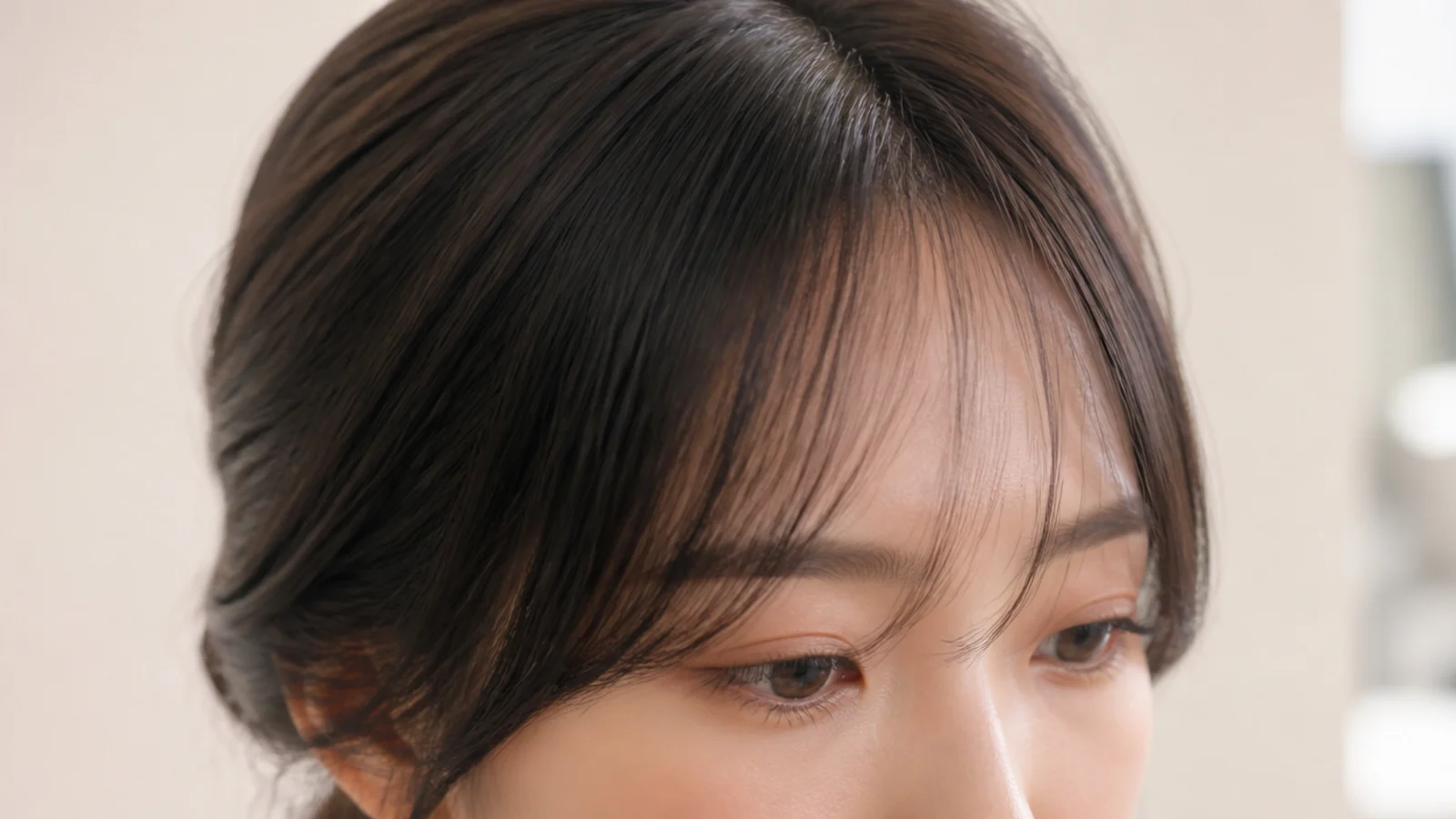
Sitting level with the eyebrows, this is the shortest position a curtain shape can hold before the halves stop falling open. It draws attention straight to the eyes, and it is also the fastest to outgrow, because a quarter of an inch takes it from skimming to interfering.
3. Lash Grazing Fringe
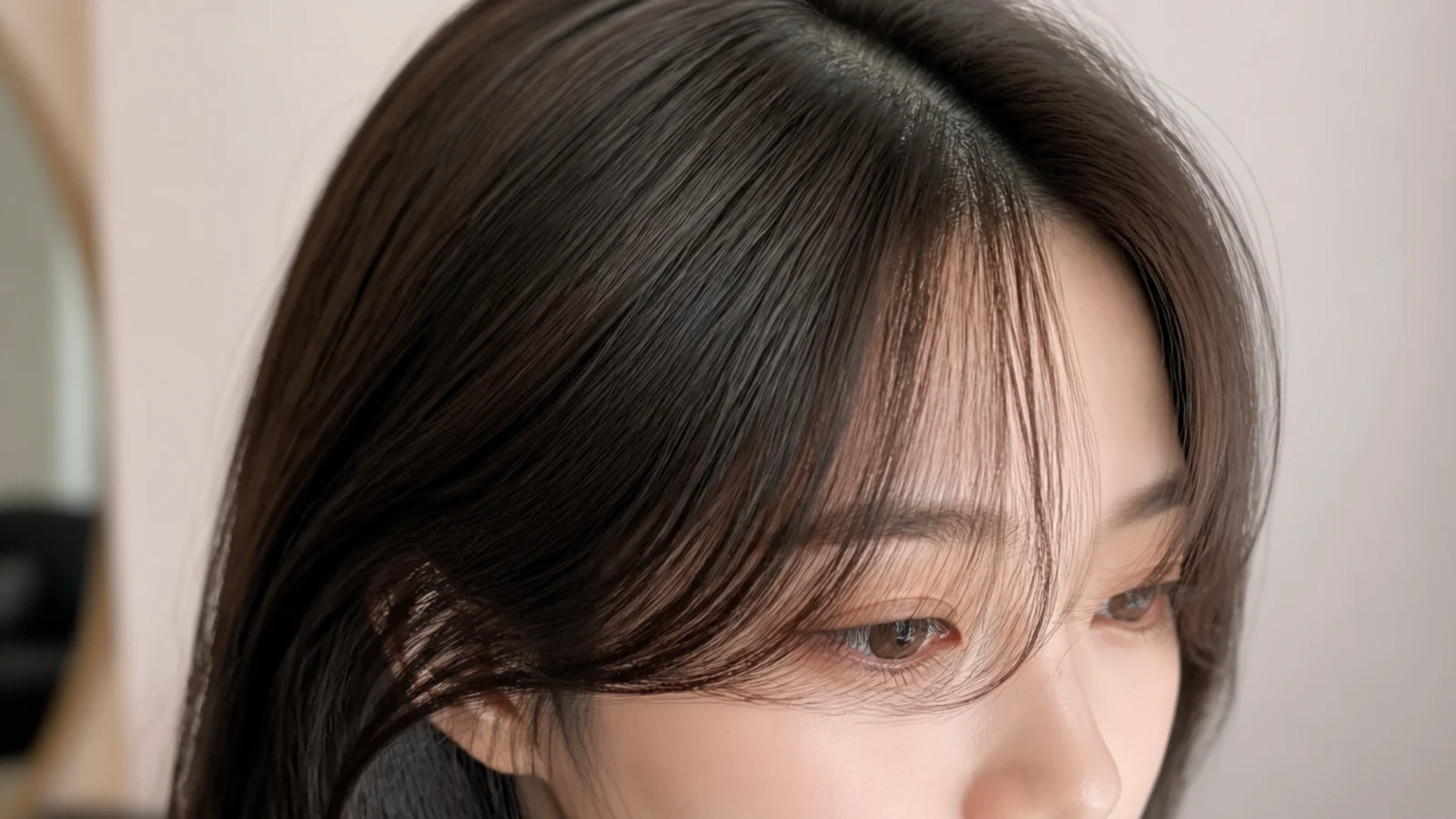
The classic length, ending where the eyelashes begin. It is far enough down to soften the forehead and far enough up to keep the eye clear, and the extra half inch over a brow fringe adds enough weight for the sides to sweep on their own.
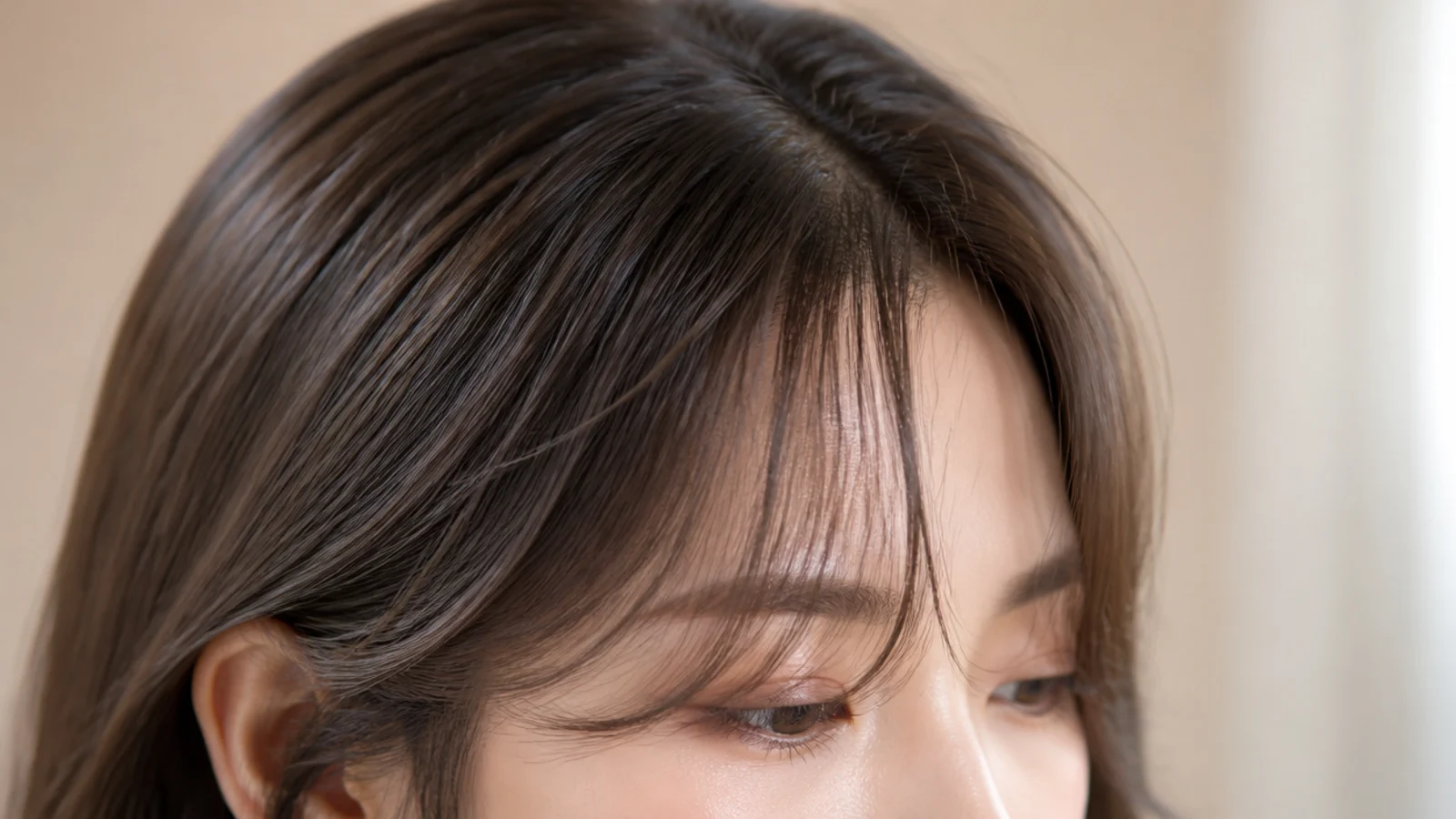
4. The C Curl
The ends are bent away from the face in a single open curve, which is what stops a light fringe hanging flat against the forehead. Set it with a small round brush or a narrow iron and hold the section until it is completely cold, since the shape locks in as it cools rather than under the heat.
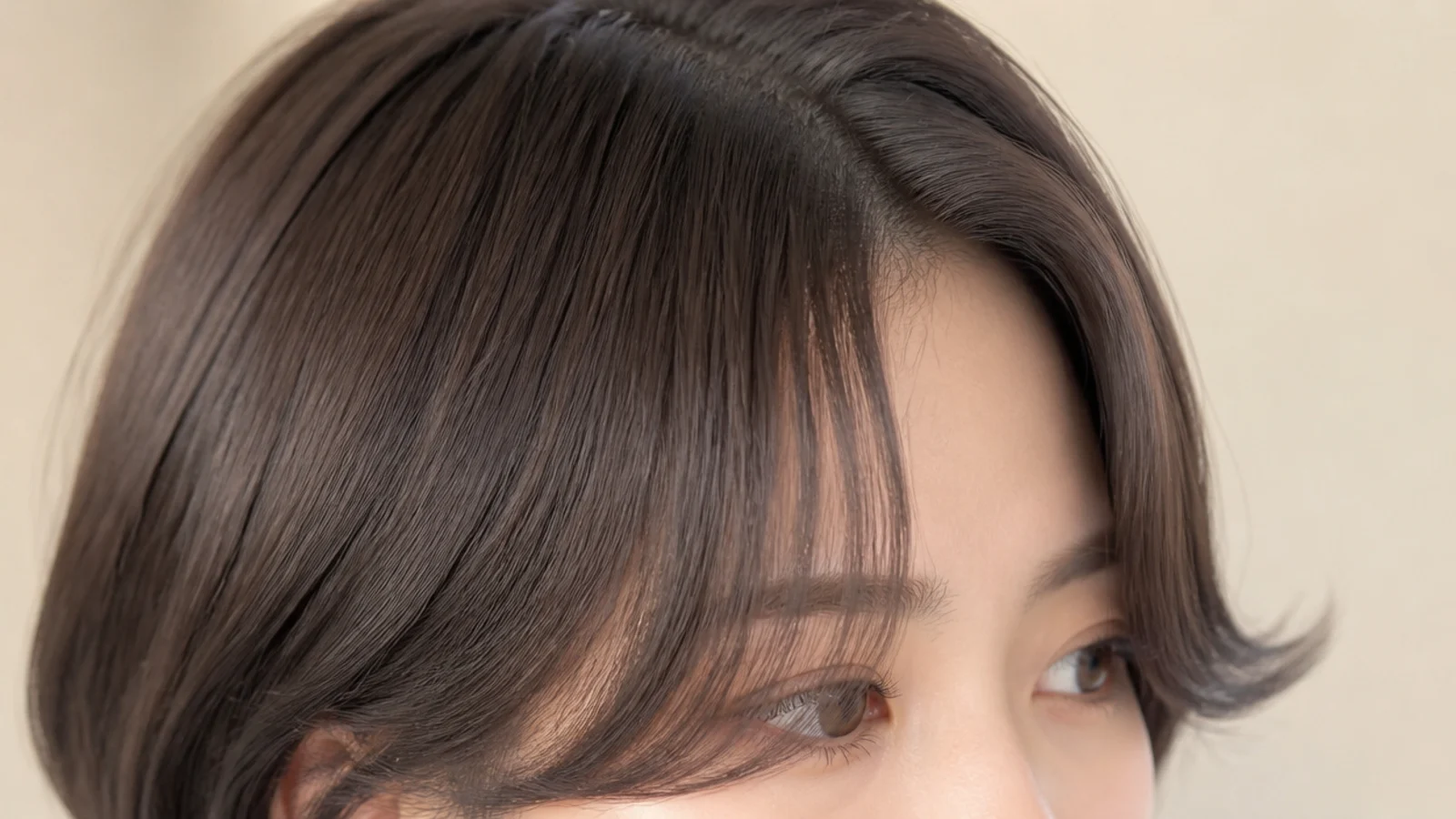
5. The Hush Cut
The hush cut layers the whole head lightly so the surface looks airy rather than solid, and the curtain fringe is simply the shortest of those layers. Because the layers run continuously from the fringe to the ends, there is no visible join, and that is what makes it grow out without a stuck phase.
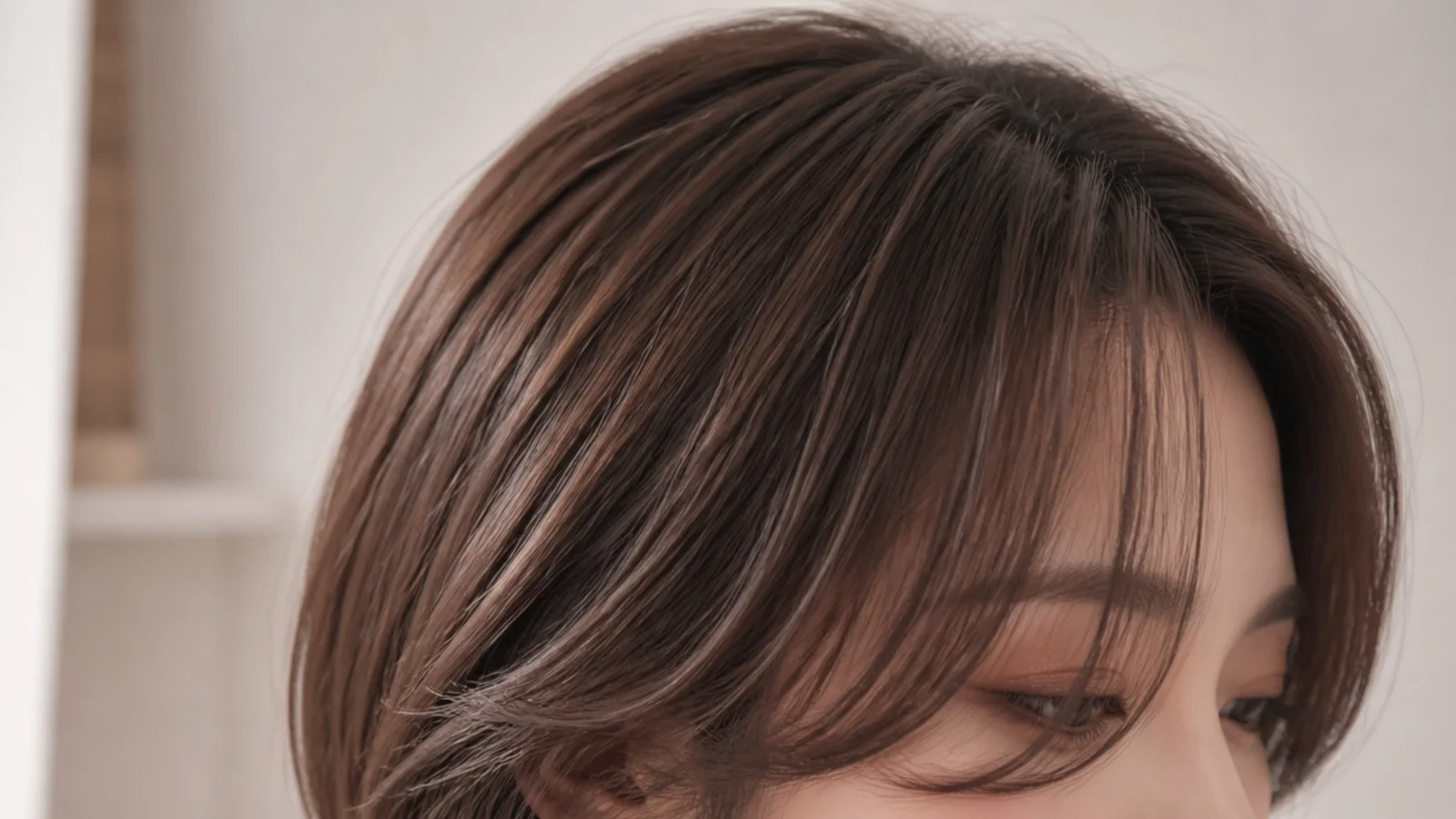
6. The Tassel Cut
A tassel cut finishes the perimeter and the fringe in fine tapered points rather than on a line, so the edge separates into strands. That separation is what carries the see through effect down the whole cut instead of confining it to the front.
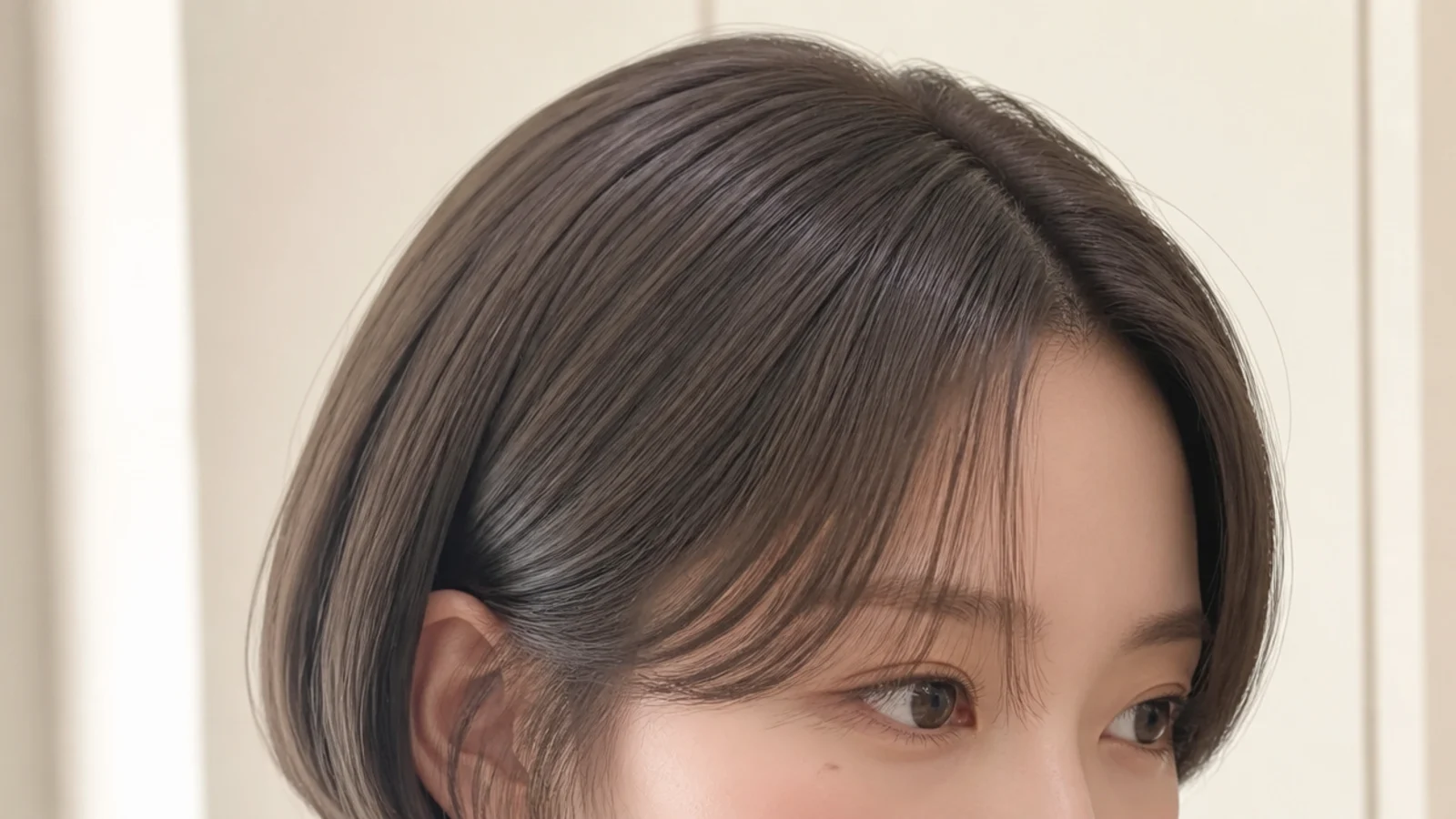
7. C Curl on a Bob
On a bob the fringe and the perimeter are close enough in length to read as one shape, so curling both outward keeps them consistent. Turning the bob ends out and the fringe ends out puts every visible edge on the same curve, which is what makes the cut look designed rather than assembled.
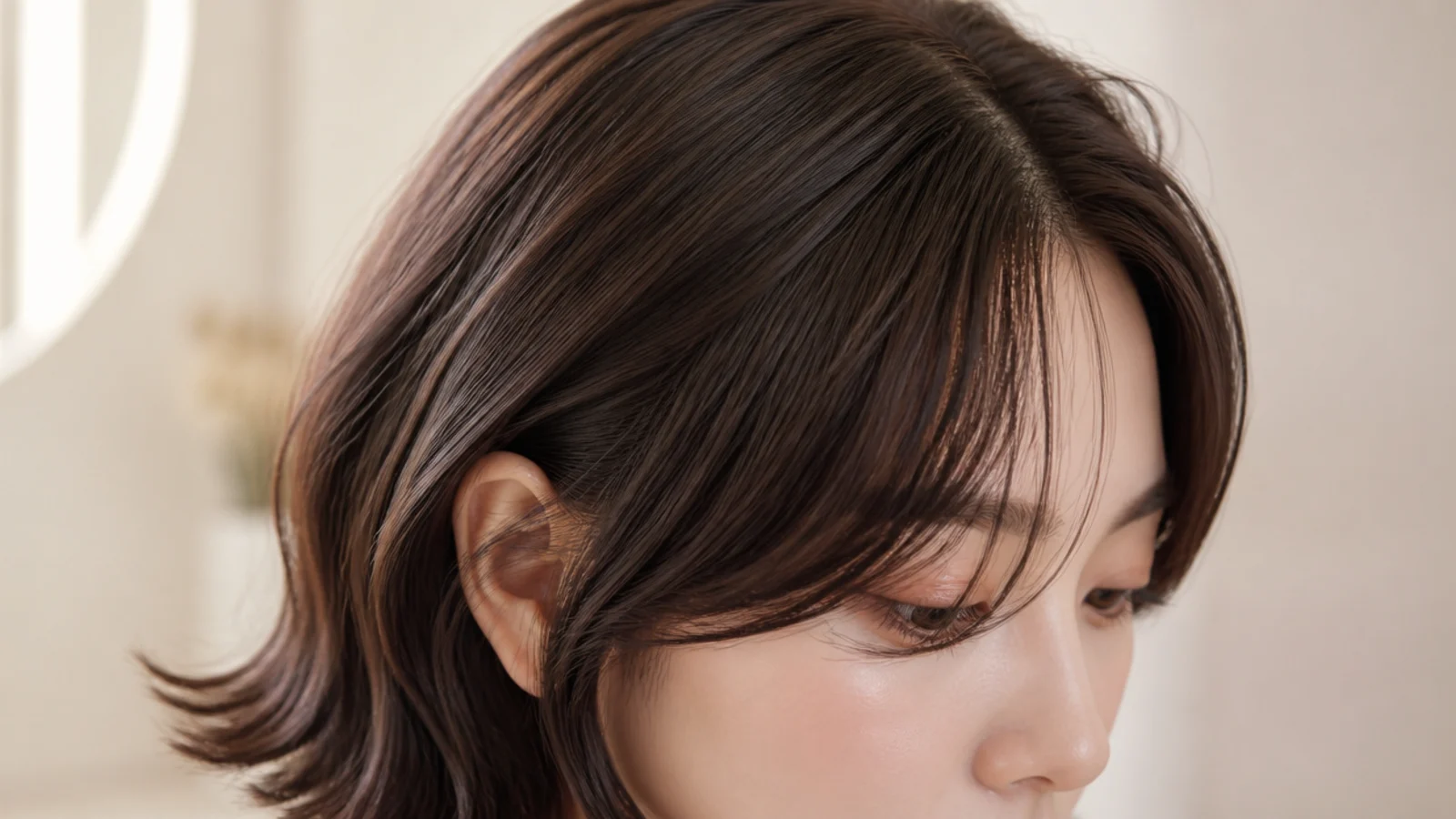
8. Wispy on Fine Hair
Fine hair is already low in density, so the section has to be shallower still or the parting behind it starts showing scalp. The advantage is that fine hair achieves the see through look with almost no thinning, since the gaps are there before anyone touches it.
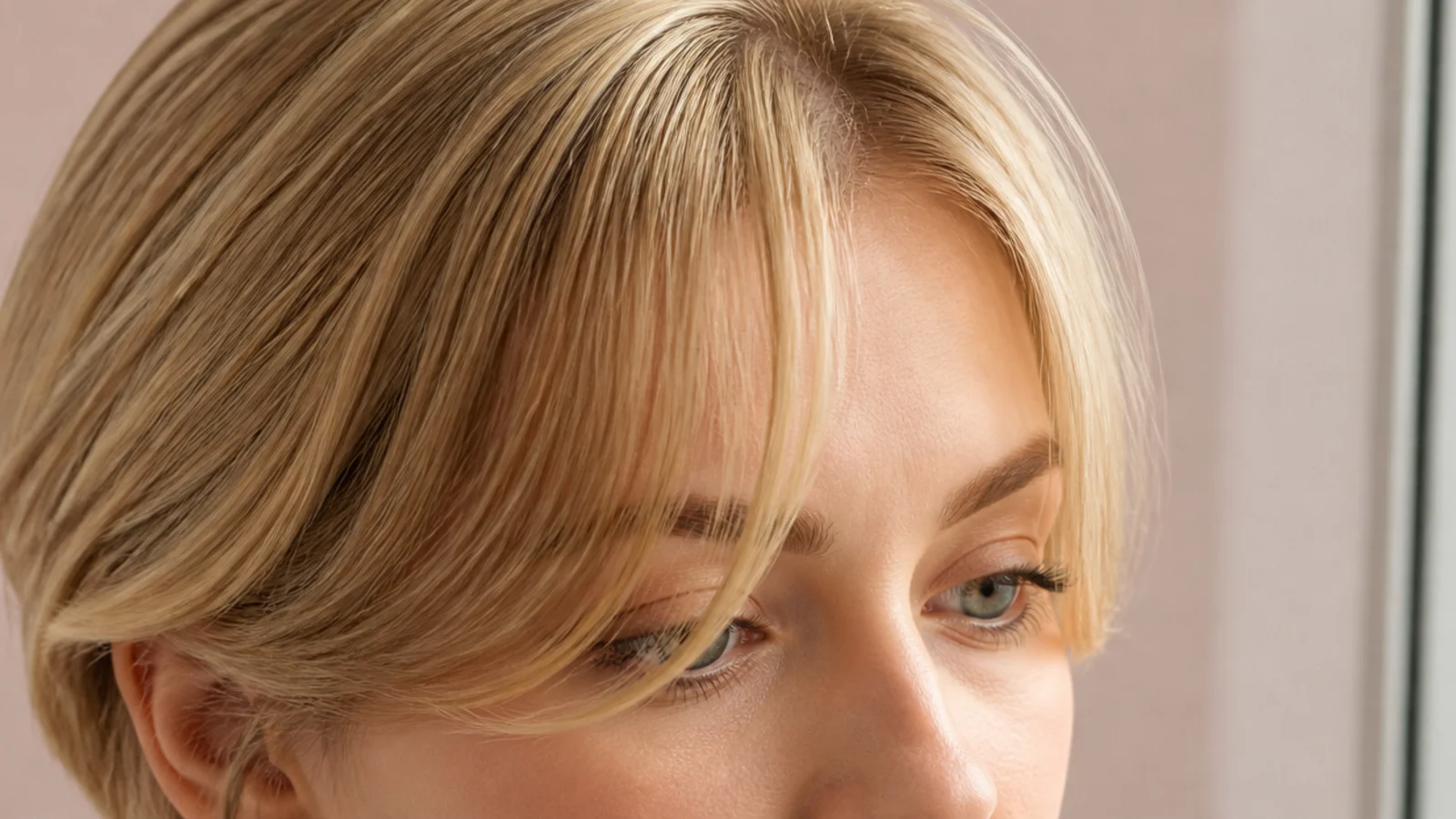
9. Korean Curtain Bangs on Thick Hair
Thick hair fills a shallow section far more densely than fine hair does, so the fringe has to be thinned from underneath to see through at all. Slide cut the underside rather than the top, because removing weight from the surface leaves short pieces that stand up through the fringe.
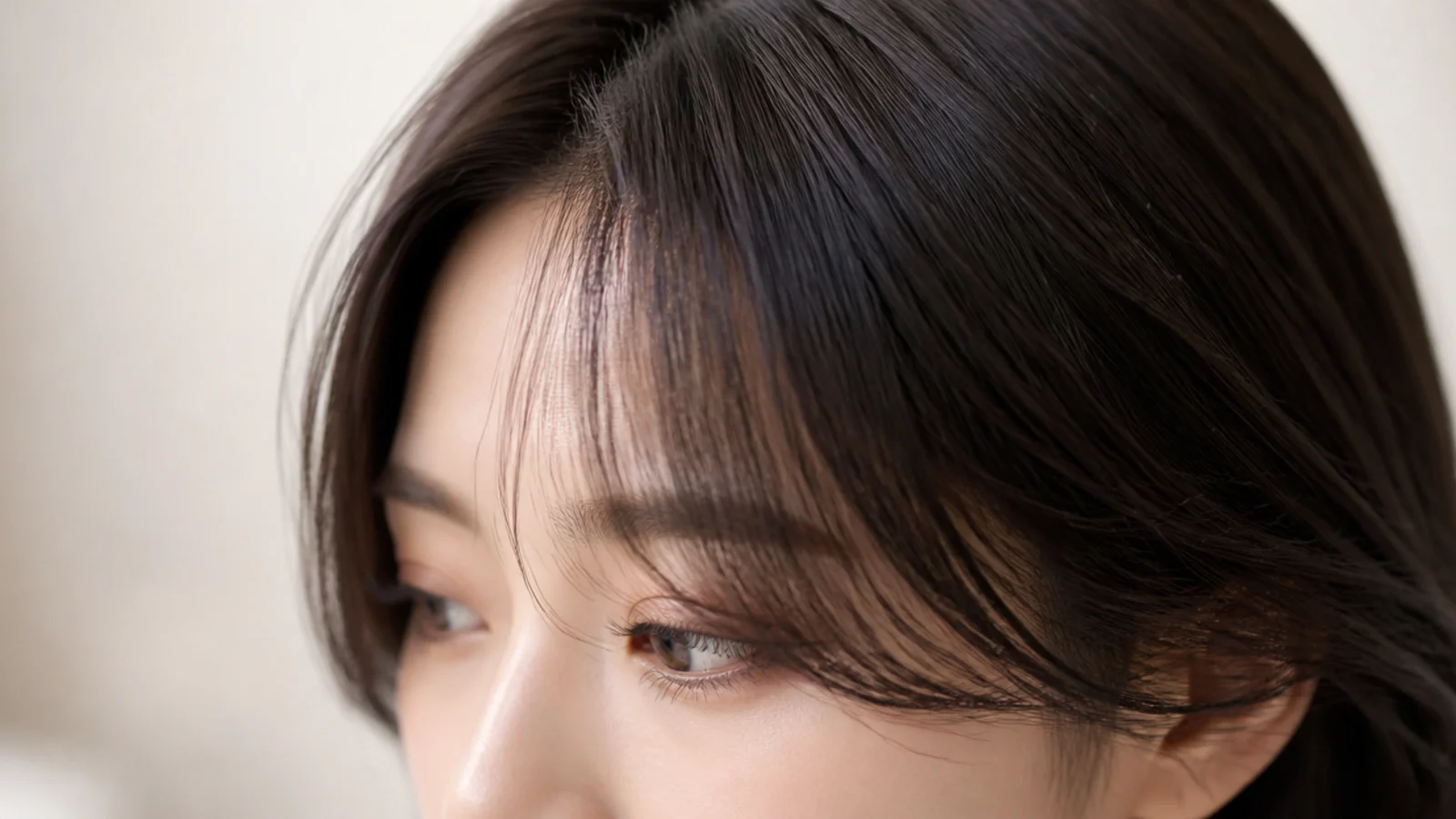
10. On a Round Face
Keeping the outer pieces long enough to fall past the cheekbone puts two soft verticals either side of the face. Vertical lines lengthen where horizontal ones widen, which is why a curtain shape flatters a round face and a blunt fringe generally does not.
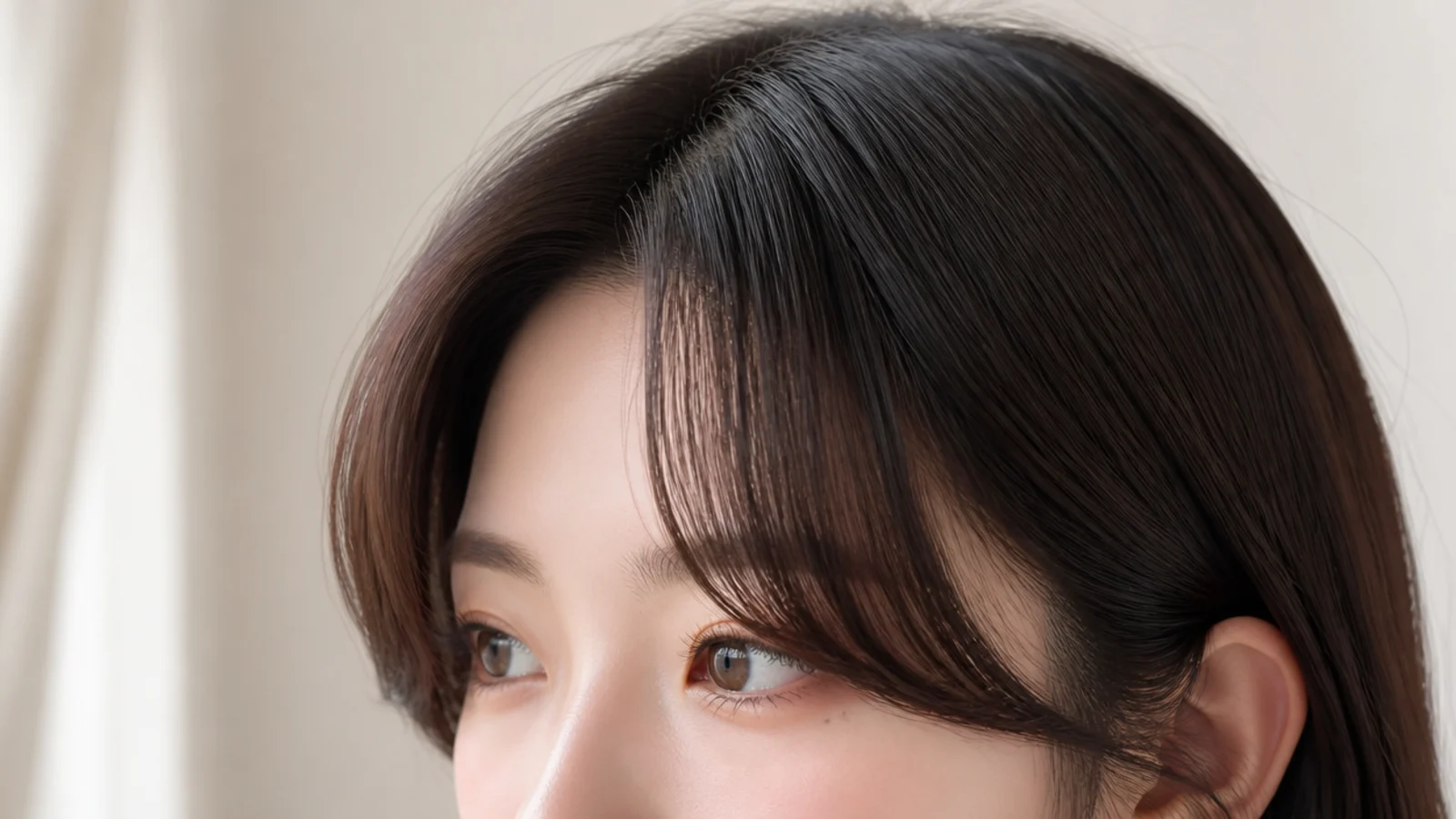
11. On a Square Jaw
Diagonals soften a square jaw because they contradict the horizontal lines the jaw already provides. Avoid a blunt edge across the forehead entirely, since it adds a second strong horizontal and the two of them together square the face further.
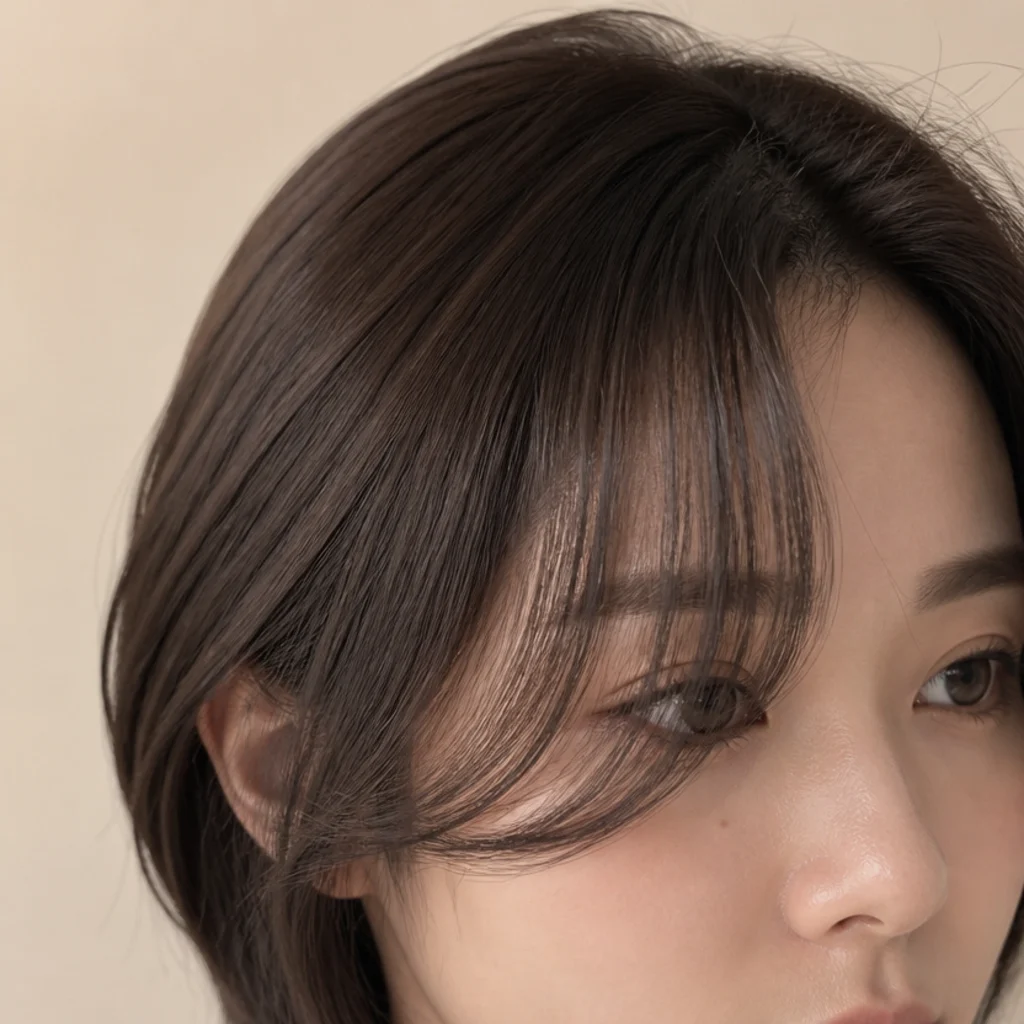
12. On a Heart Shaped Face
A heart shaped face is widest at the forehead, so a fringe that sweeps outward emphasises exactly the wrong thing. Keep the two halves close to the centre and let the corners run long down the cheek, which pulls the eye downward toward the narrower part of the face.
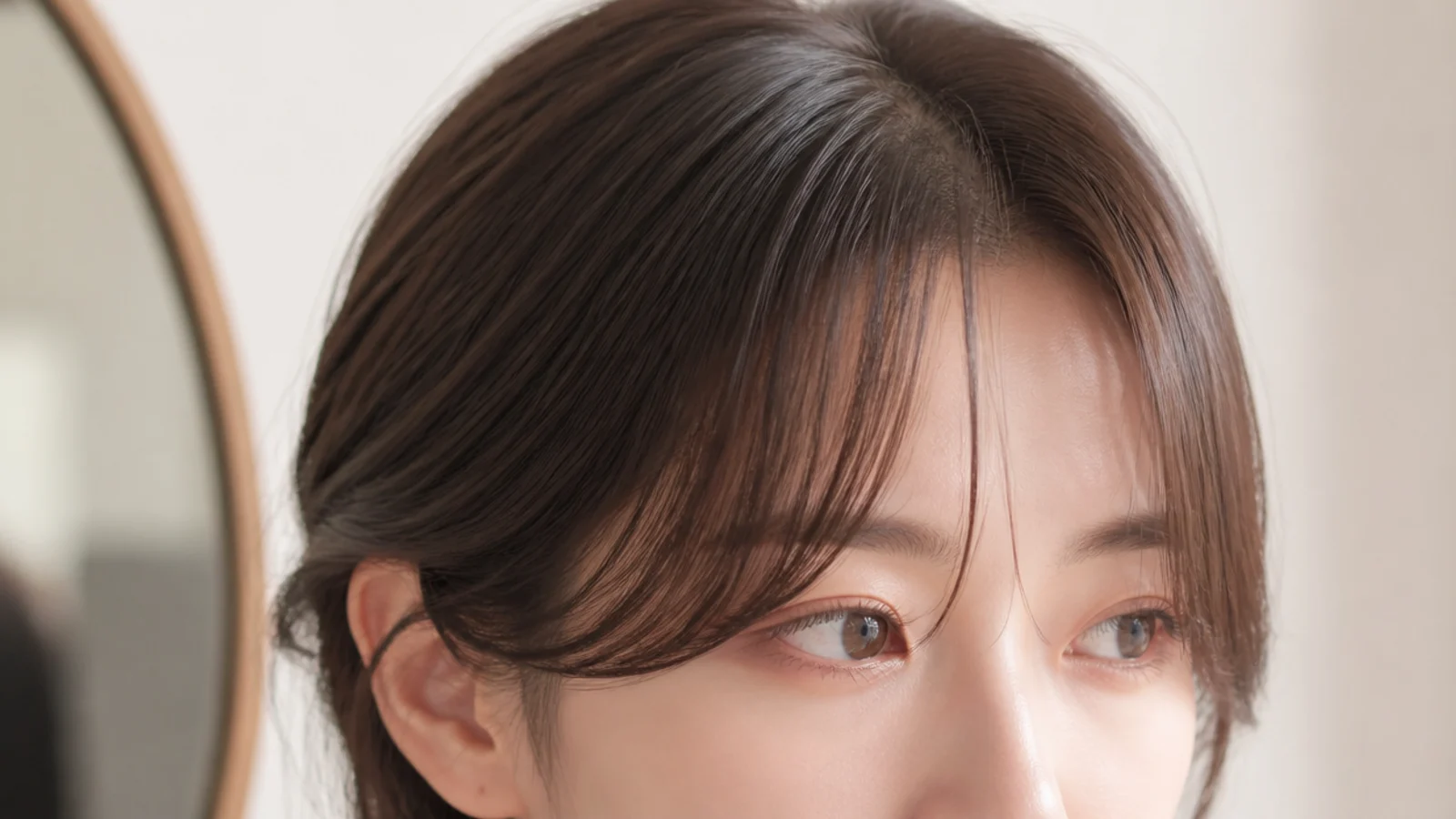
13. On Straight Hair
Straight hair holds the cut shape exactly as it was made, with no texture to distort it, which makes it the easiest to cut this fringe into and the least forgiving of an uneven line. It also has no natural bend, so the C curl has to be created every time it is washed.
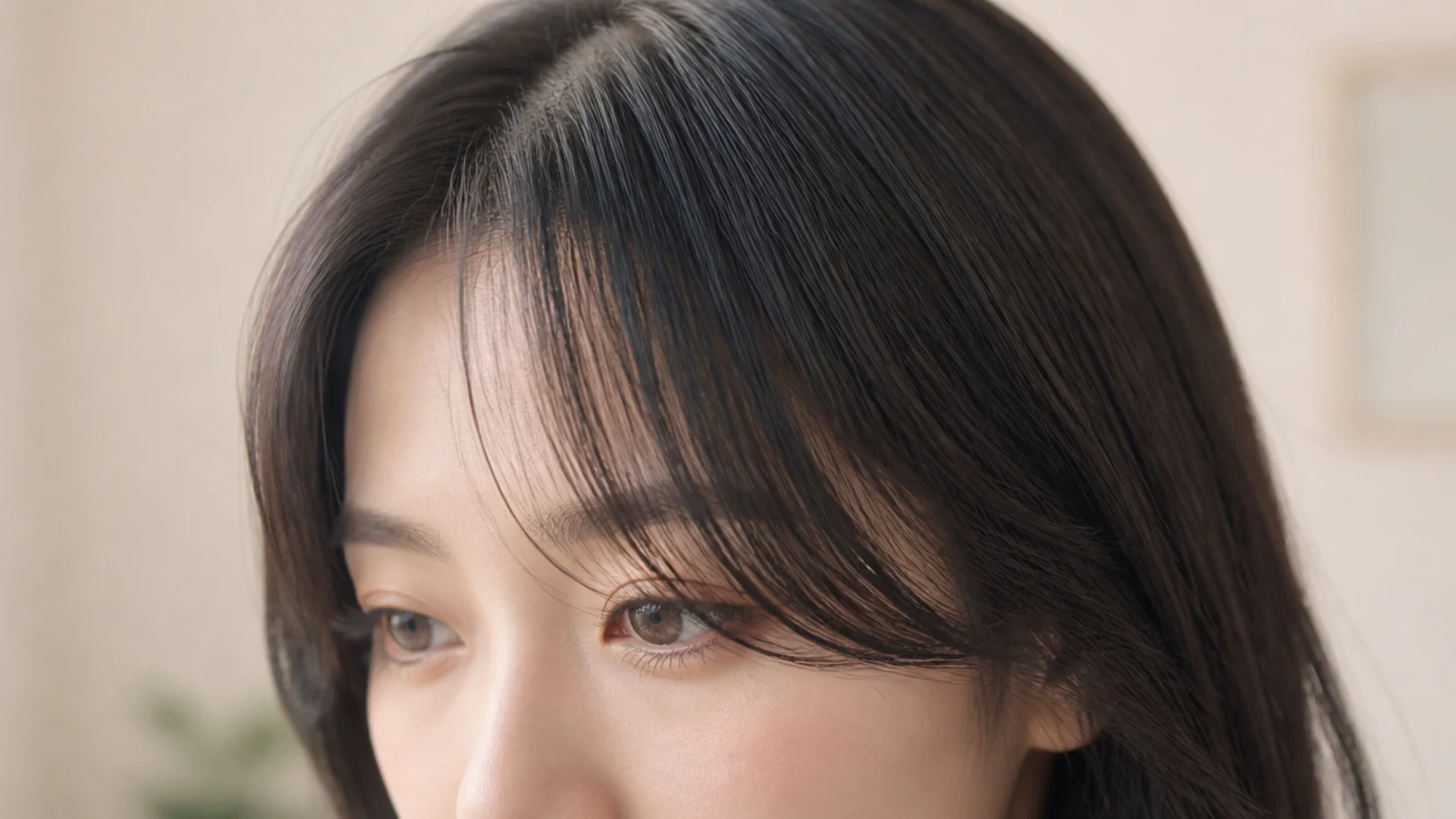
14. On Wavy Hair
A wave already bends away from the face, so a wavy fringe arrives at something close to a C curl on its own. The cost is unpredictability, since the bend takes up a different amount of length in each section and the two sides rarely dry to exactly the same place.
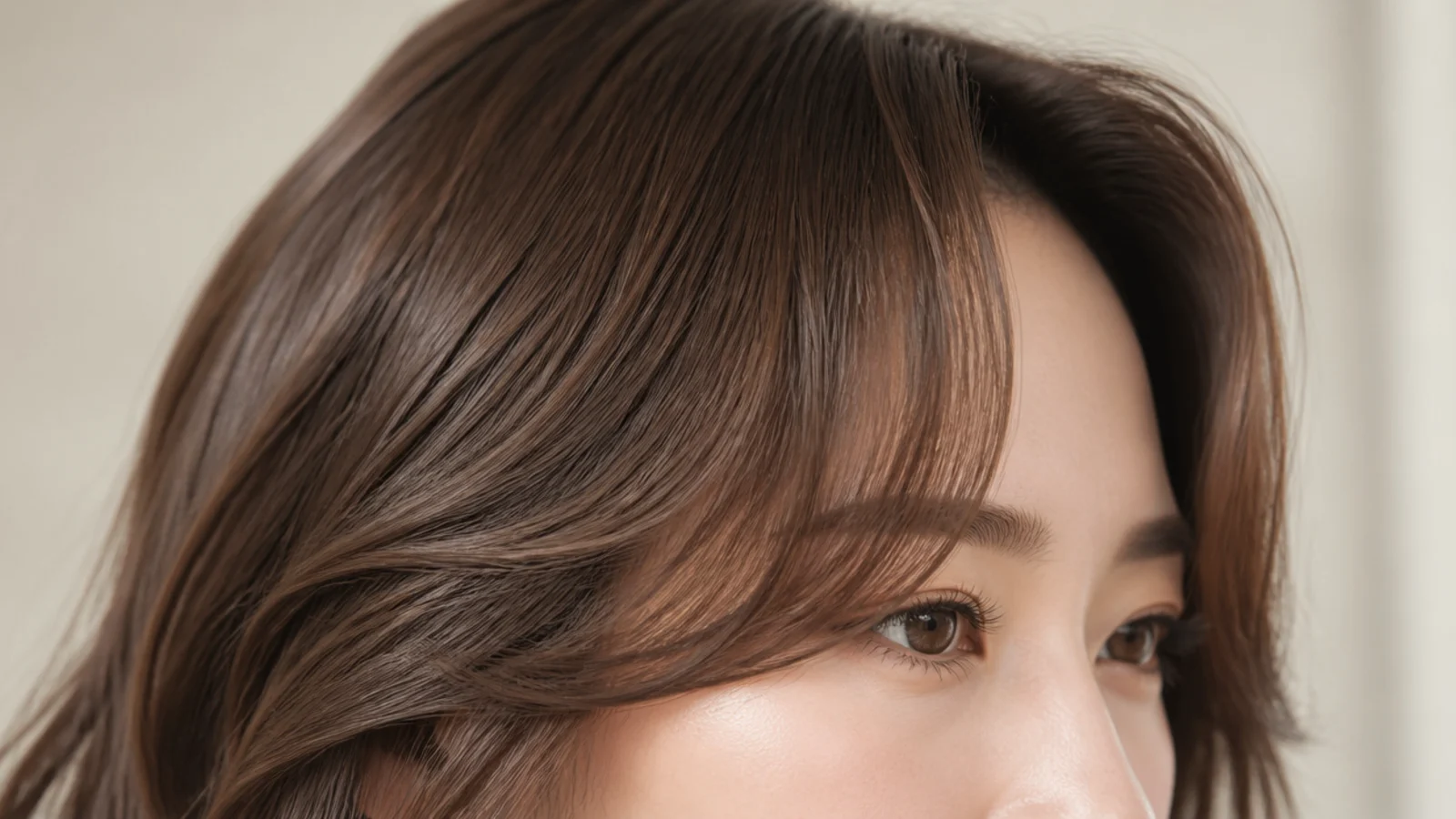
15. The C Curl Perm
A perm breaks the disulfide bonds inside the hair with a reducing agent, holds the strand around a rod, and rebuilds the bonds in the new shape with an oxidiser. That is why the curl survives washing where a heat set does not, and why it lasts two to four months before growth moves it out of position.
16. The S Curl Fringe
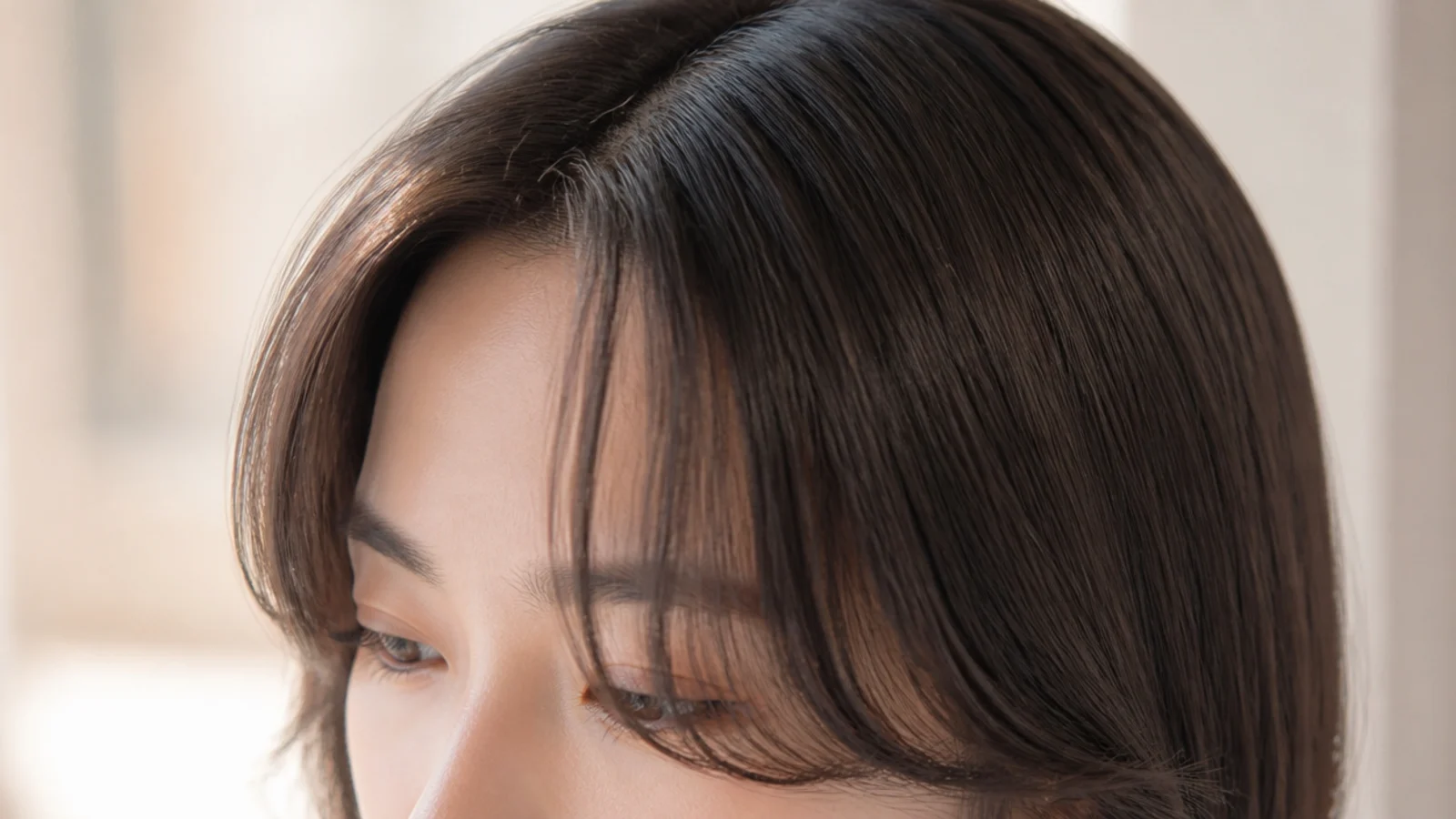
An S curl bends twice, once inward near the root and once outward at the end, which gives the fringe a lift a single C cannot. The extra bend adds volume at the top of the section, so it suits flat fine hair where a plain C would simply lie against the forehead.
17. Korean Curtain Bangs on a Shag
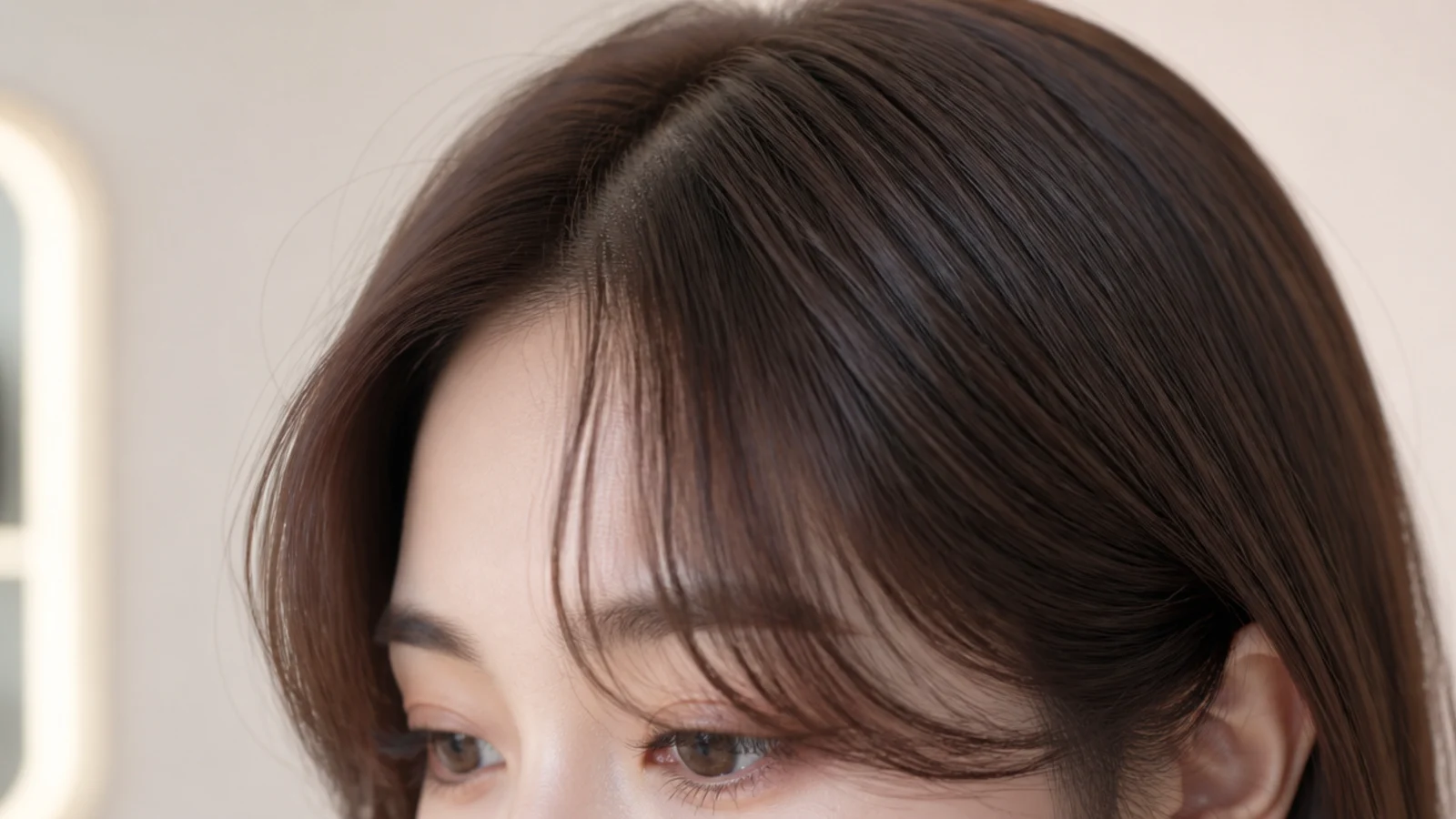
A shag is layered heavily from the crown down, so the curtain fringe is the shortest step in a continuous series rather than a separate piece. That continuity is exactly why it grows out gracefully, since there is no hard edge to become obvious as the fringe lengthens.
18. Korean Curtain Bangs on a Pixie
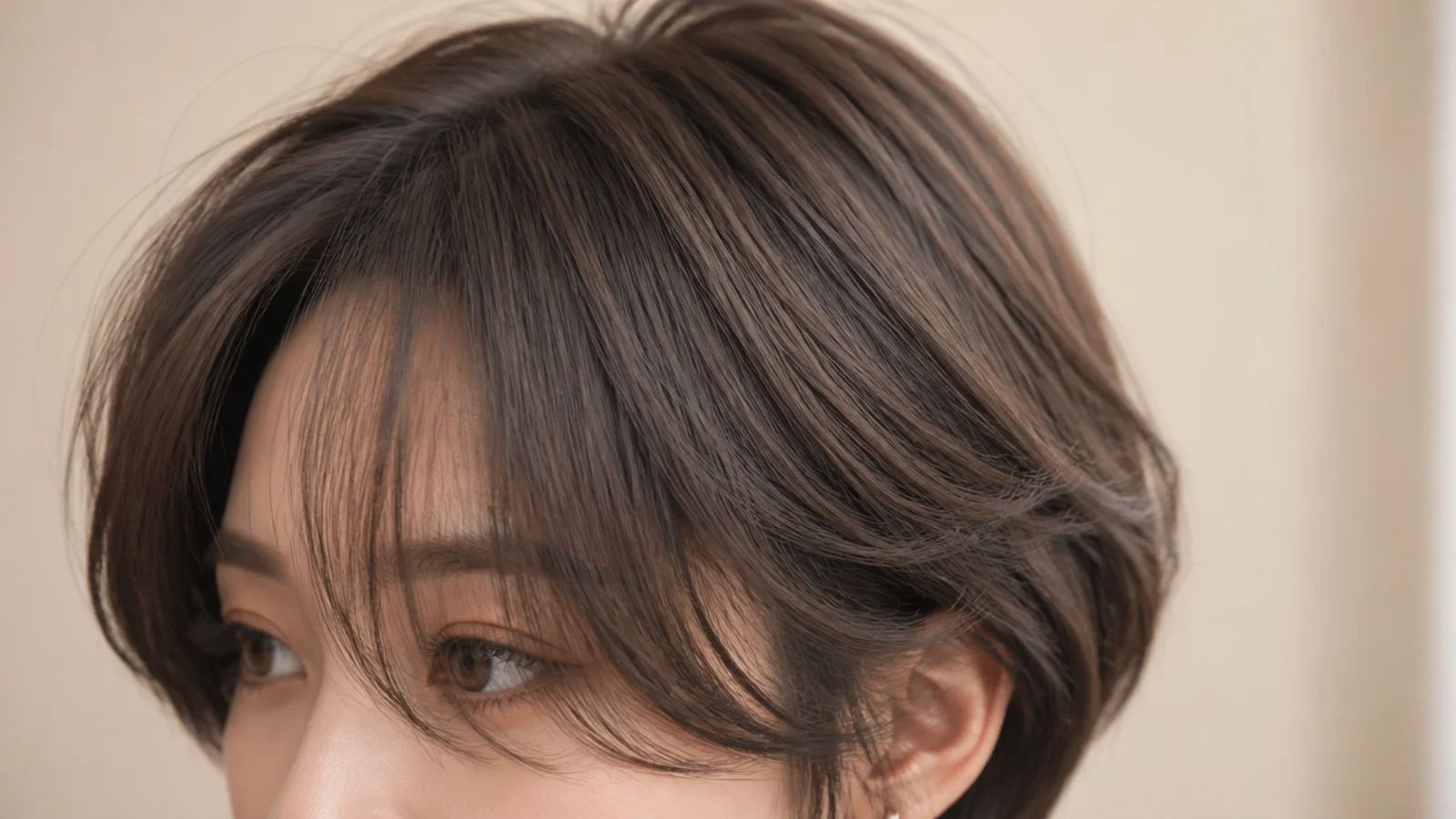
On a pixie the fringe is the longest hair on the head, so it sets the entire silhouette. Curling it outward keeps the weight moving away from the face, which is what prevents a short crop reading as a helmet pressed flat against the skull.
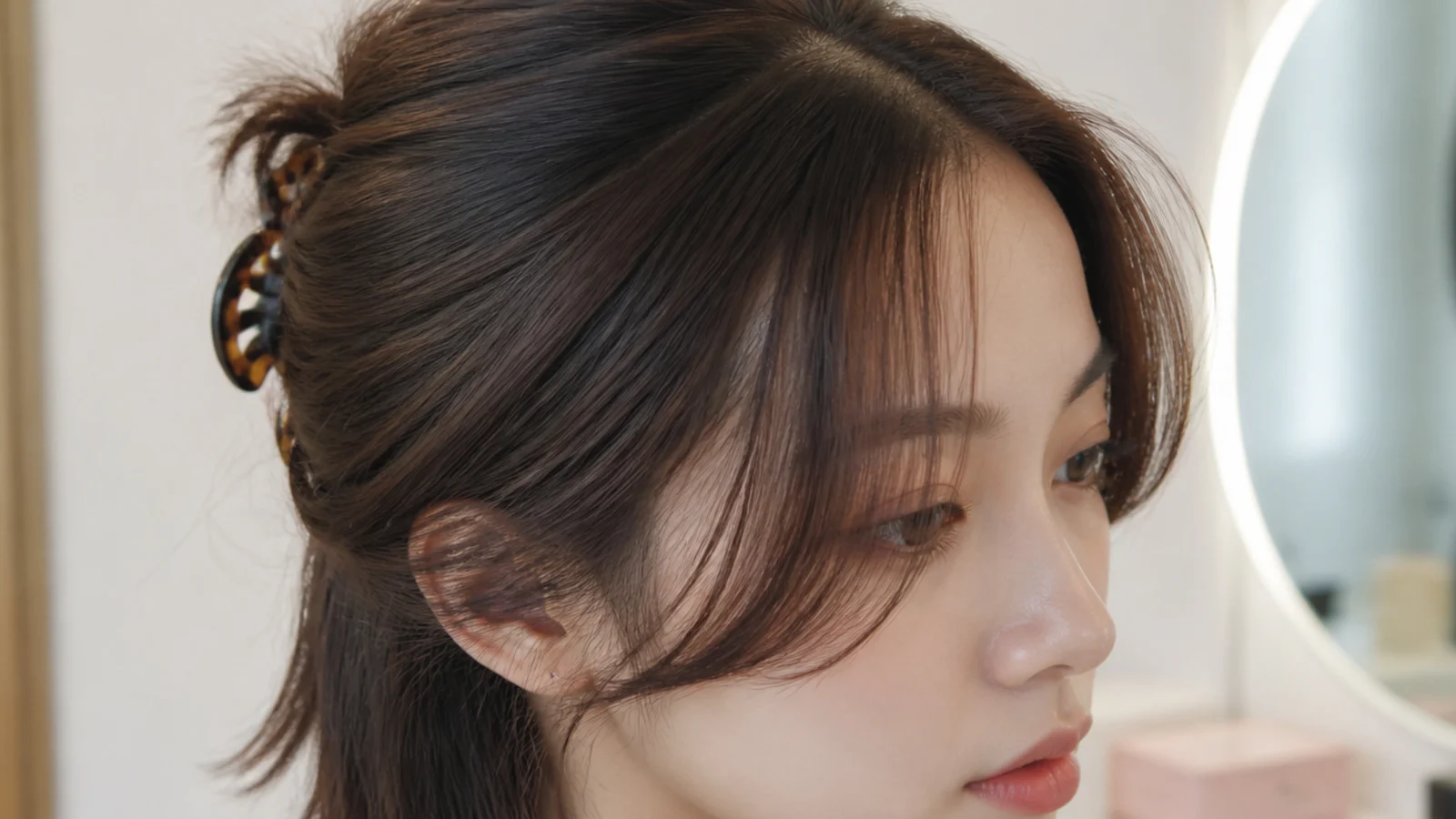
19. Half Up With a Clip
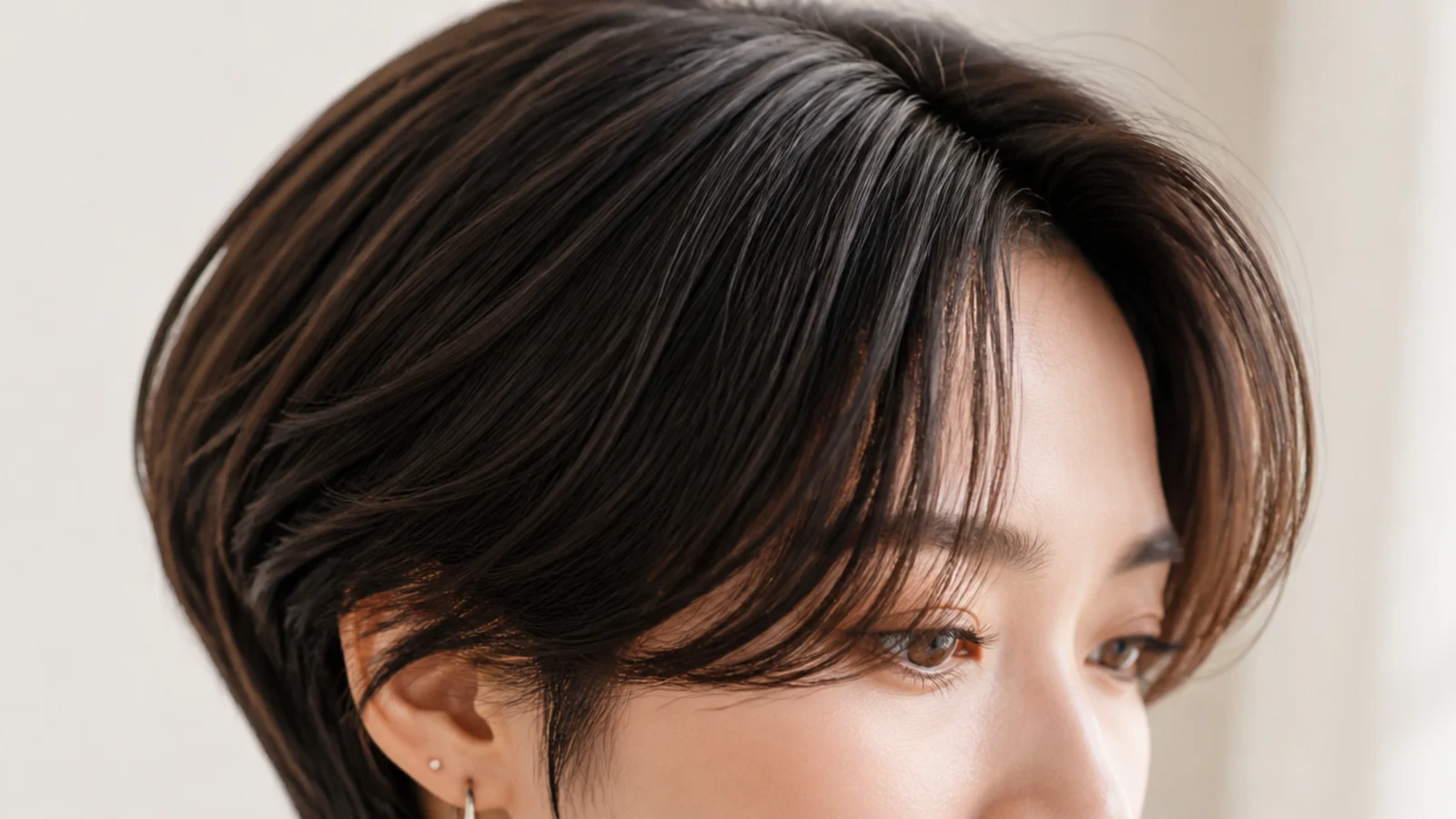
Clipping the top section back leaves the fringe as the only hair around the face, which turns it into the whole front of the style. It also removes the weight sitting behind the fringe, so the section falls forward more freely and the C curl reads more clearly.
20. The Grown Out Stage
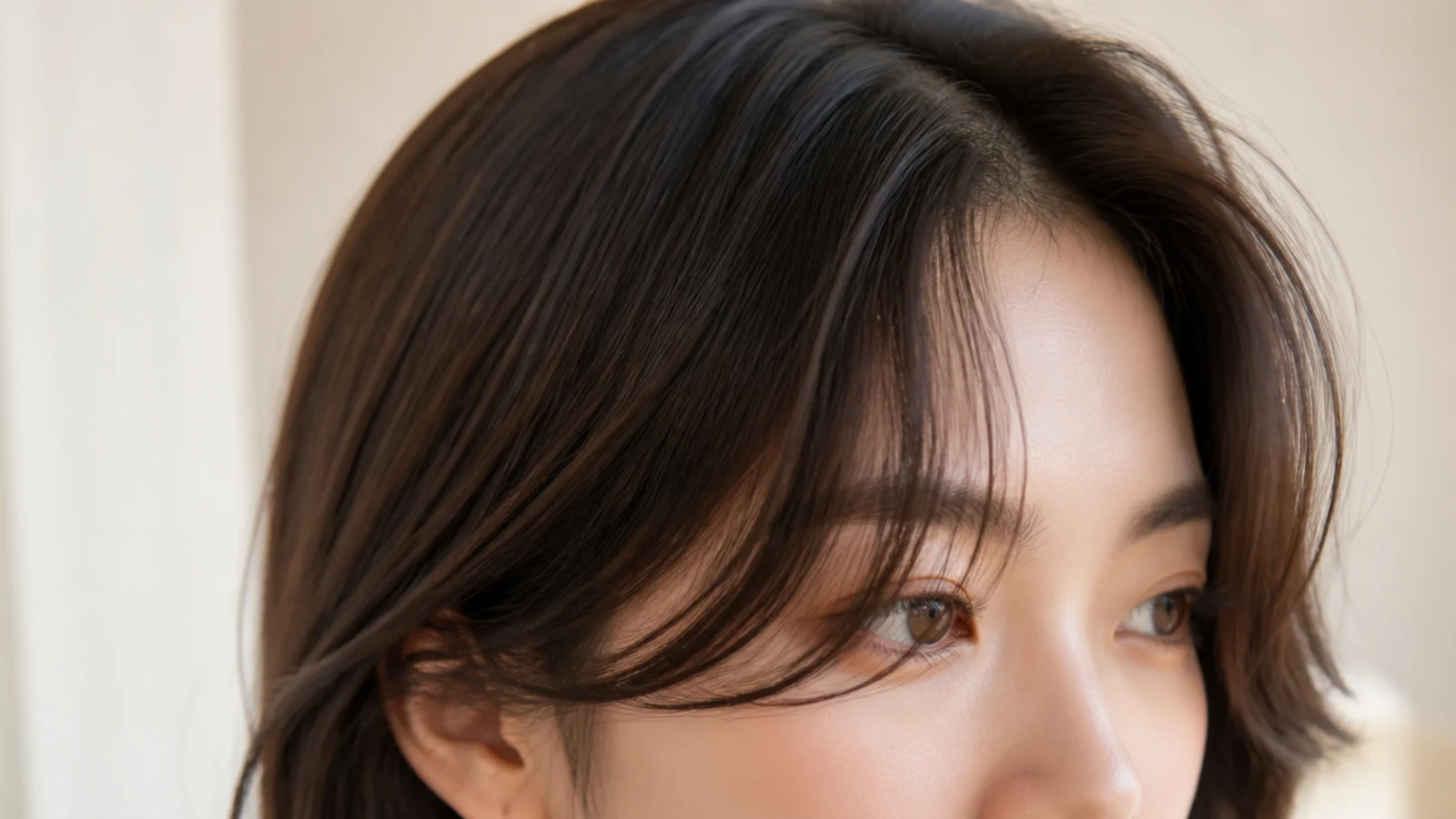
A see through fringe grows out more easily than a heavy one, simply because there is less hair to be in the wrong place at any given week. Keep curling the ends outward as it lengthens, since the C curl works at every length and it is what stops the grown out fringe reading as neglected.
Final Thoughts
Argue about the section, not about the length. A fringe cut from a shallow triangle at the hairline is light enough to see through, light enough to hold a curl outward and light enough to grow out without a bad month, and none of that is available from a deeper section however carefully it is cut afterwards. The length is a preference. The density is the look.
Then decide how the C is going to be held. A round brush and a cold section gets you a day, a narrow iron gets you until the next wash, and a perm rebuilds the bonds inside the strand so the curve holds for two to four months. Pick by how much time you actually have in the morning rather than by the photograph. For the same fringe within a full Korean cut see korean haircut ideas with curtain bangs, and for the western version see easy short curtain bangs ideas. More in Bangs and Fringe.