15 Ways to Style a Korean Haircut
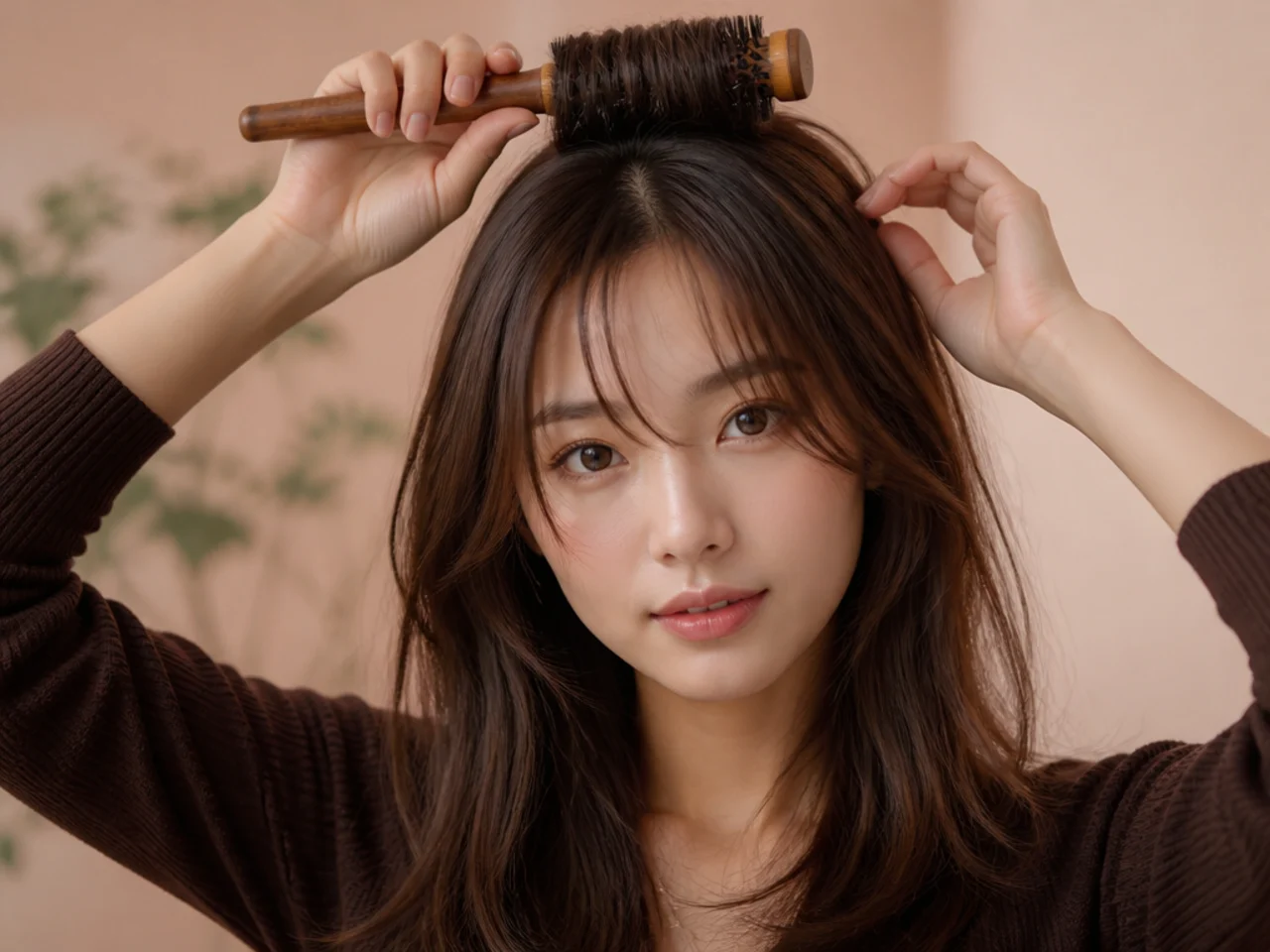
Fifteen ways to wear a Korean haircut, and the two-movement routine underneath all of them — crown up, ends in, in that order. The crown has to be lifted while wet, because a flat-dried root cannot be rescued later.
In this article · 22
- What the Two Movements Do
- How to Choose Yours
- The 15 Ways to Style It
- 1. Crown Up, Ends In
- 2. Air-Dried with a Permed Wave
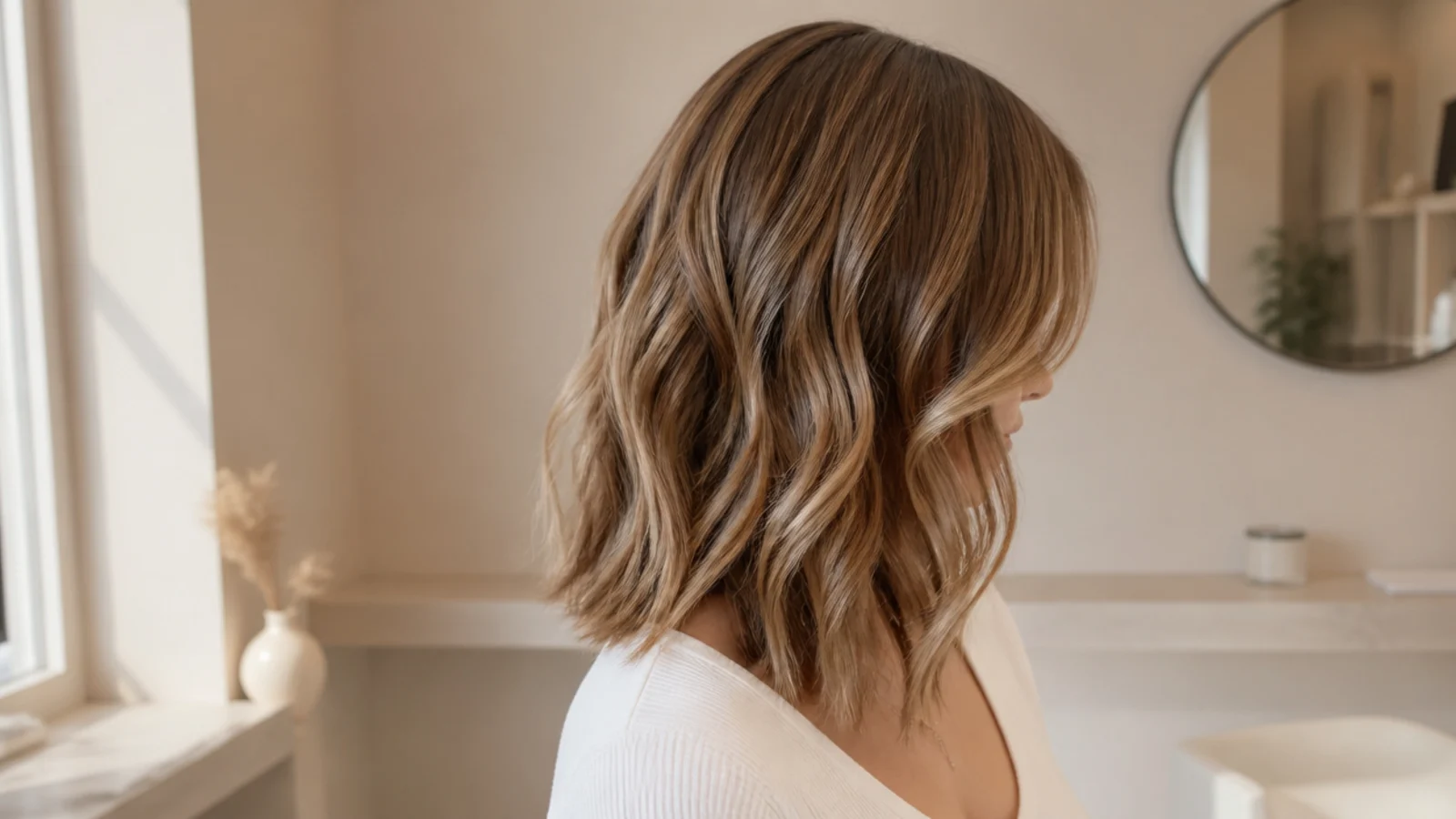
- 3. C-Curl Ends Only
- 4. Crown Volume Only
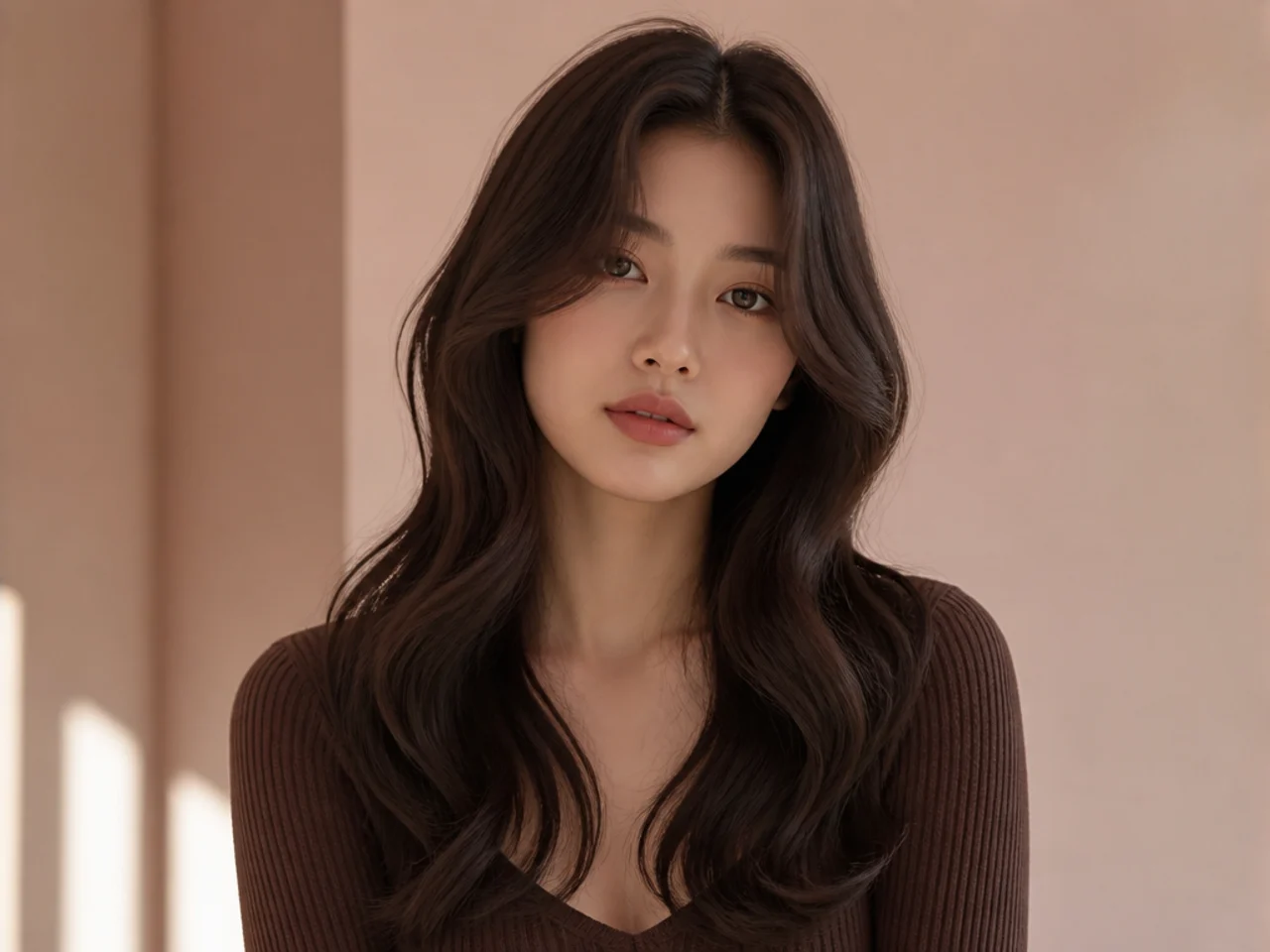
- 5. Middle Part with Framing Out
- 6. Soft Side Part
- 7. Half-Up with Framing Left Out
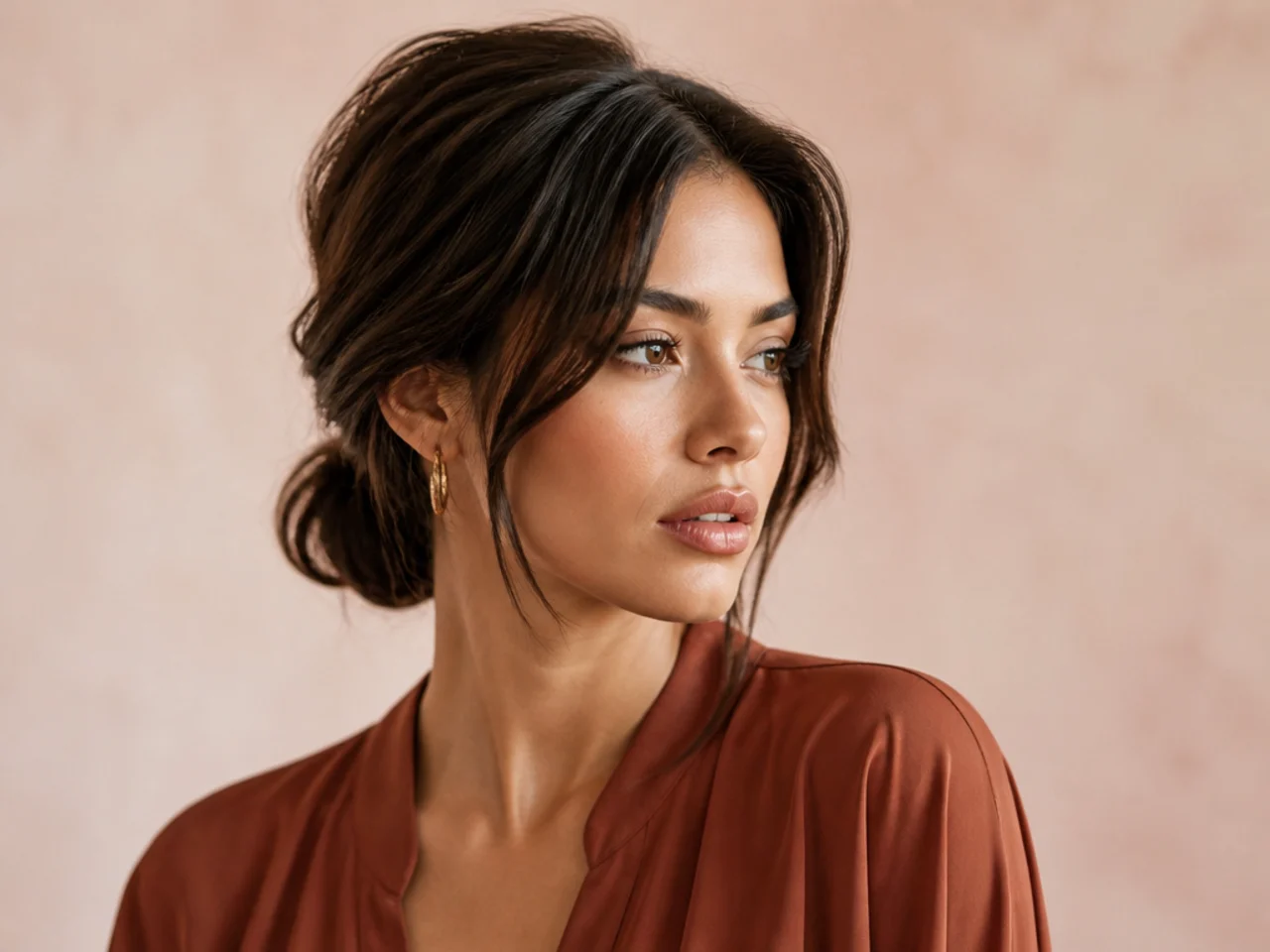
- 8. Low Ponytail with Framing
- 9. Low Bun with Framing
- 10. Claw Clip with Framing
- 11. Tucked Behind One Ear
- 12. Second-Day Styling
- 13. Styled with a See-Through Fringe
- 14. Overnight Set Without Heat
- 15. Crown Lifted After Drying
- Styling and Upkeep
- Mistakes to Avoid
- FAQ
- Final Thoughts
The daily routine for these cuts is short and it has a fixed order.
Crown up, ends in. Lift the roots at the crown while the hair is still wet. Turn the ends inward as it finishes drying. That is almost the whole thing.
The order is not optional. Root direction is set while hair is damp — lift a dry root with a brush or a spray and you have an hour at best. Dried in from wet, it holds all day.
What the Two Movements Do
Crown lift creates the proportion. Height above, close at the sides. Without it the cut reads flat regardless of the layering. The layering supports the lift; it cannot create it.
Inward ends create the frame. The C at the jaw is what the cut was designed around. Without the turn the perimeter just hangs, which is a different cut.
Wet for the crown, drying for the ends. Two different moments in the same routine. Getting them the wrong way round is the commonest reason this fails.
Nothing else is required. Product adds weight, which works against both movements. Heat protectant, and nothing else through the length.

How to Choose Yours
Learn the two movements first. Everything on this page is a variation of them. Learn the pair and the rest costs no extra time.
Use a round brush at the crown and at the ends. Not through the middle. The mid-lengths need nothing, and brushing them removes the airiness the cut was cut for.
Consider a perm if you do this daily. It removes the second movement entirely. Cost it against the minutes it replaces every morning.
Keep product minimal. Weight flattens the crown, which is the harder of the two to restore. Ends can be re-turned dry; a flattened root cannot.
The 15 Ways to Style It
1. Crown Up, Ends In
The core routine. Everything else is a variation. Two operations at opposite ends of the head — lift at the root, turn at the tip — and nothing in between needs touching.
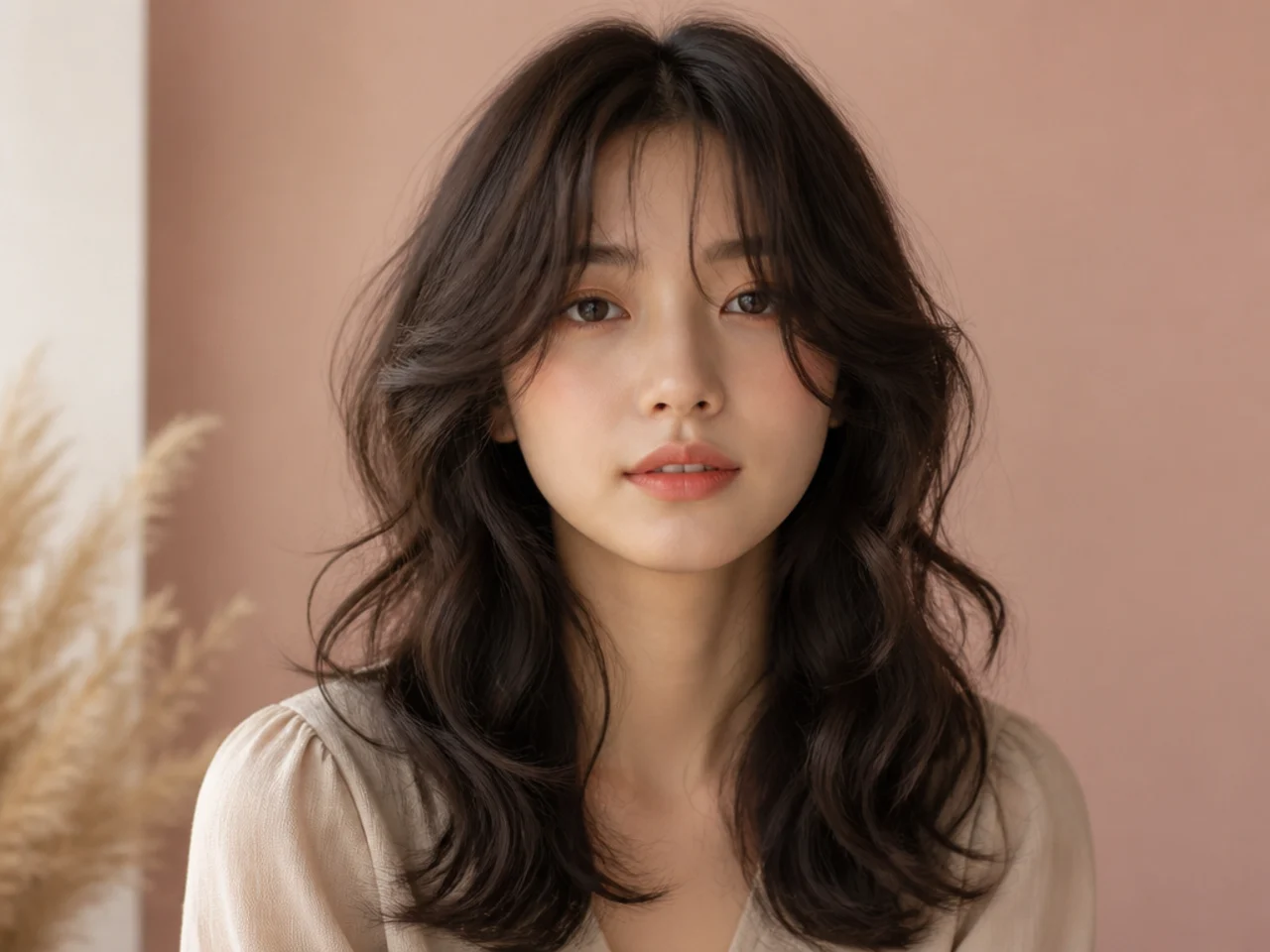
2. Air-Dried with a Permed Wave
No heat at all, because the curve is chemically set. A permed curve survives washing, which removes the entire drying routine rather than shortening it.
3. C-Curl Ends Only
Crown left flat, ends turned in. The quickest version. Round brush at the ends only, and nothing through the mid-lengths, which is where most of the time otherwise goes.

4. Crown Volume Only
Lift above, ends left straight. Works on a blunt shape. A blunt perimeter already has a defined edge, so it does not need the curve to give it one.

5. Middle Part with Framing Out
The most common everyday presentation. A middle part means both sides of the framing are read together, so they have to match.
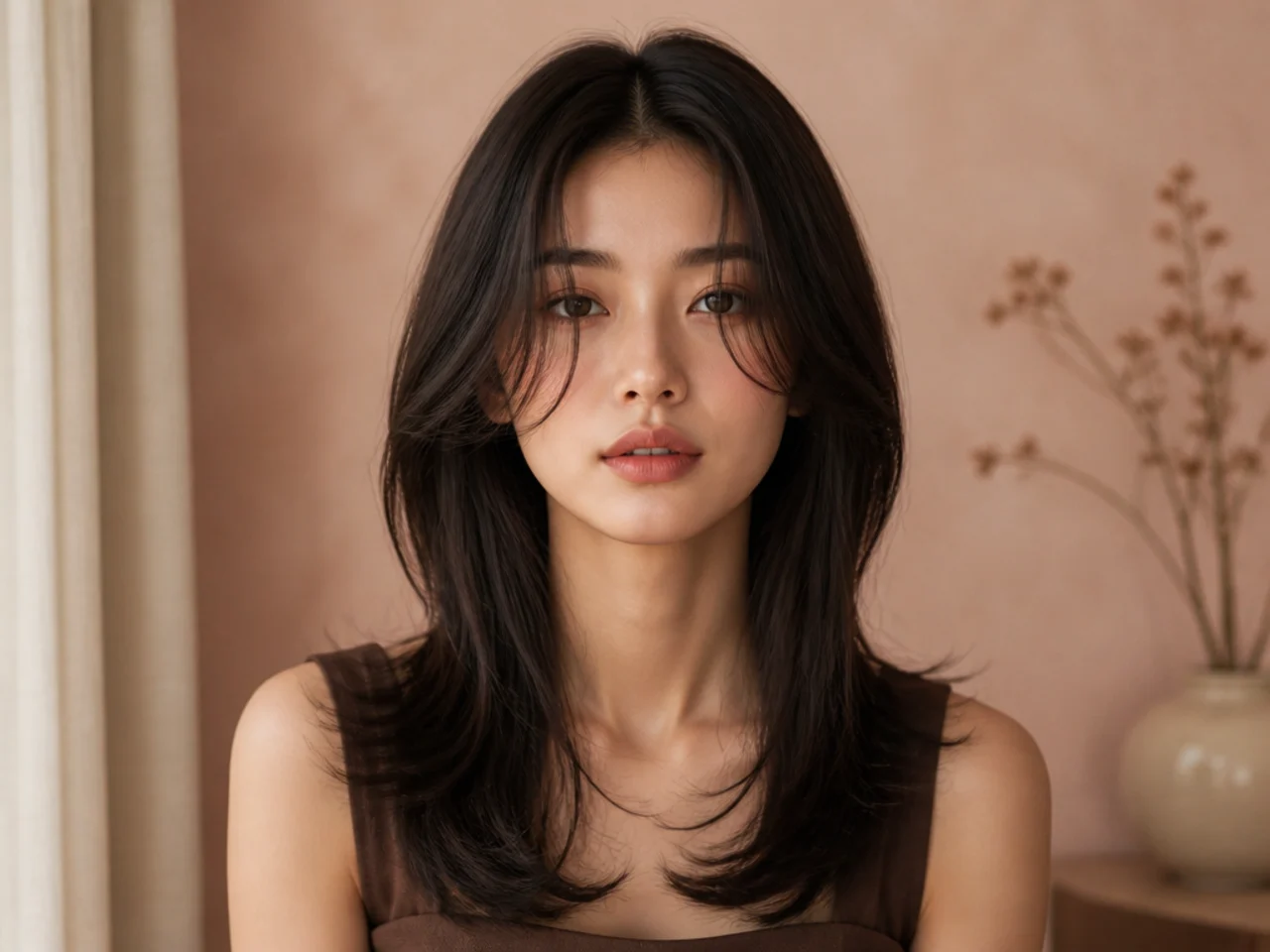
6. Soft Side Part
Asymmetric, with the heavier side framing more. The deeper side carries more hair into the framing, which is free density on that side.
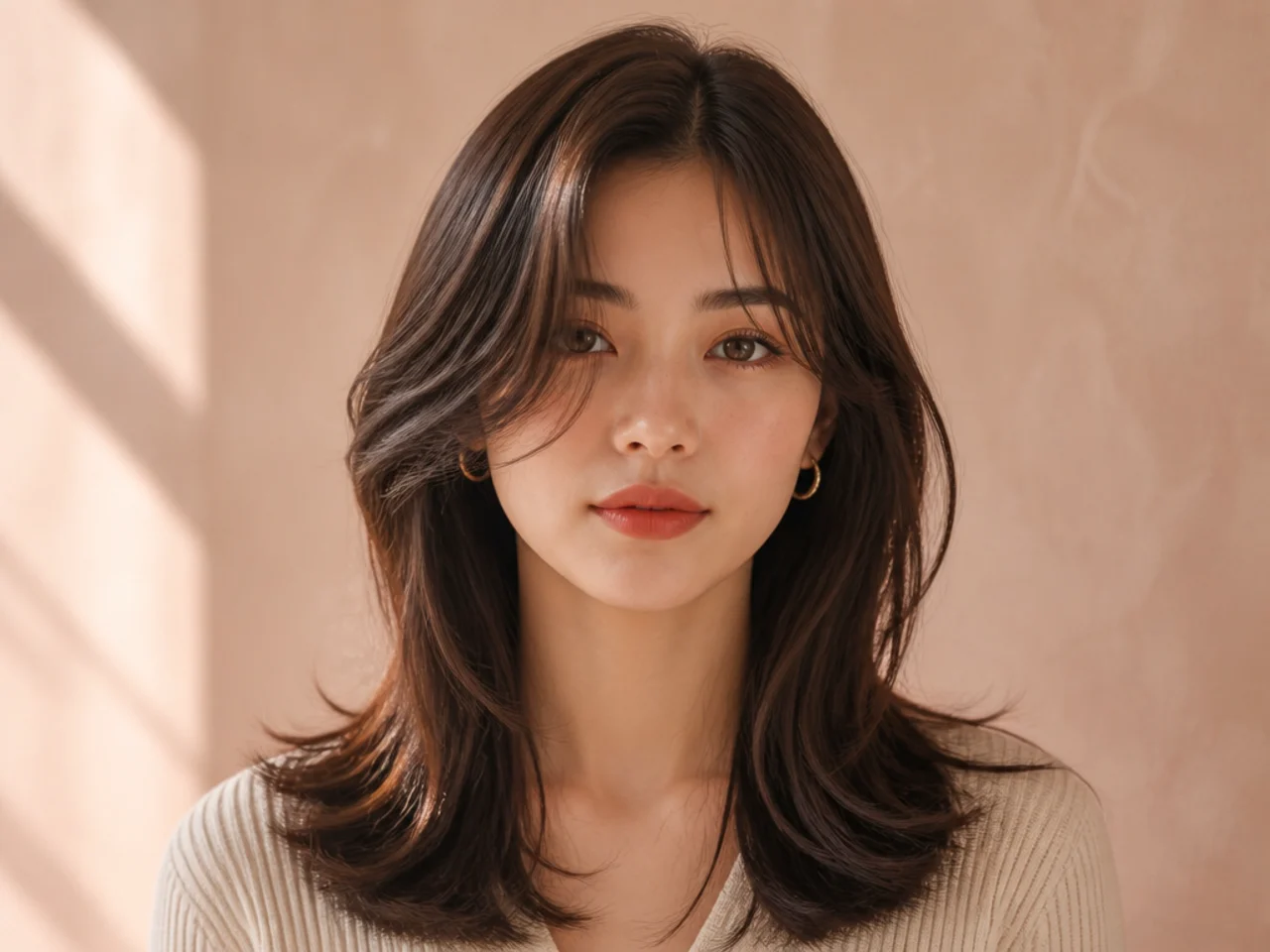
7. Half-Up with Framing Left Out
Top gathered, framing released at the face. Gathering the top exposes the crown, so the lift has to be there before anything goes up.
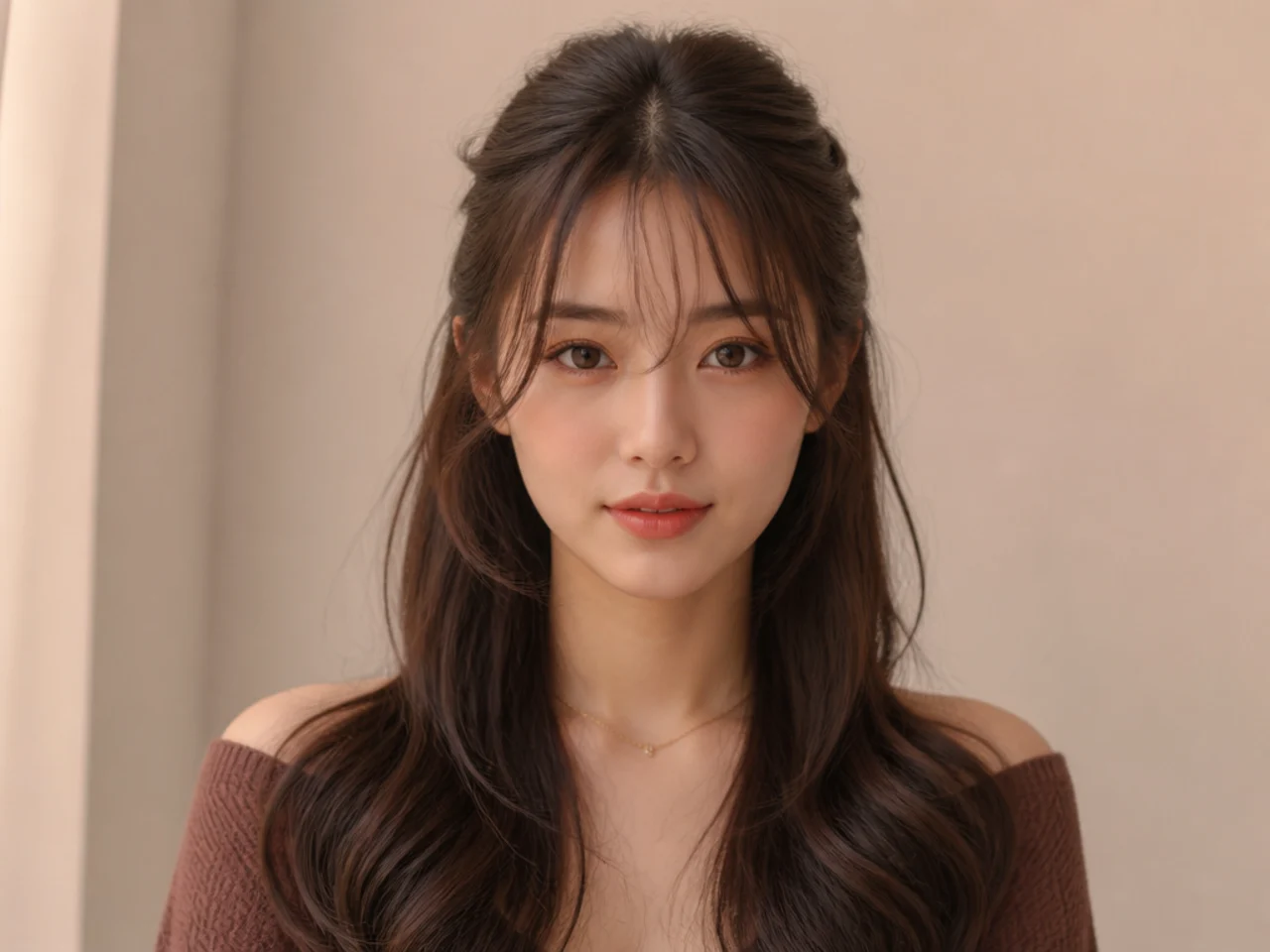
8. Low Ponytail with Framing
Everything back except the pieces at the face. A low gather pulls the hairline slightly, which gives the framing a little extra lift for nothing.

9. Low Bun with Framing
Gathered, with the C-curl pieces still doing their work. The framing is the only part of the cut visible once everything is up, which is why it is worth drying properly.
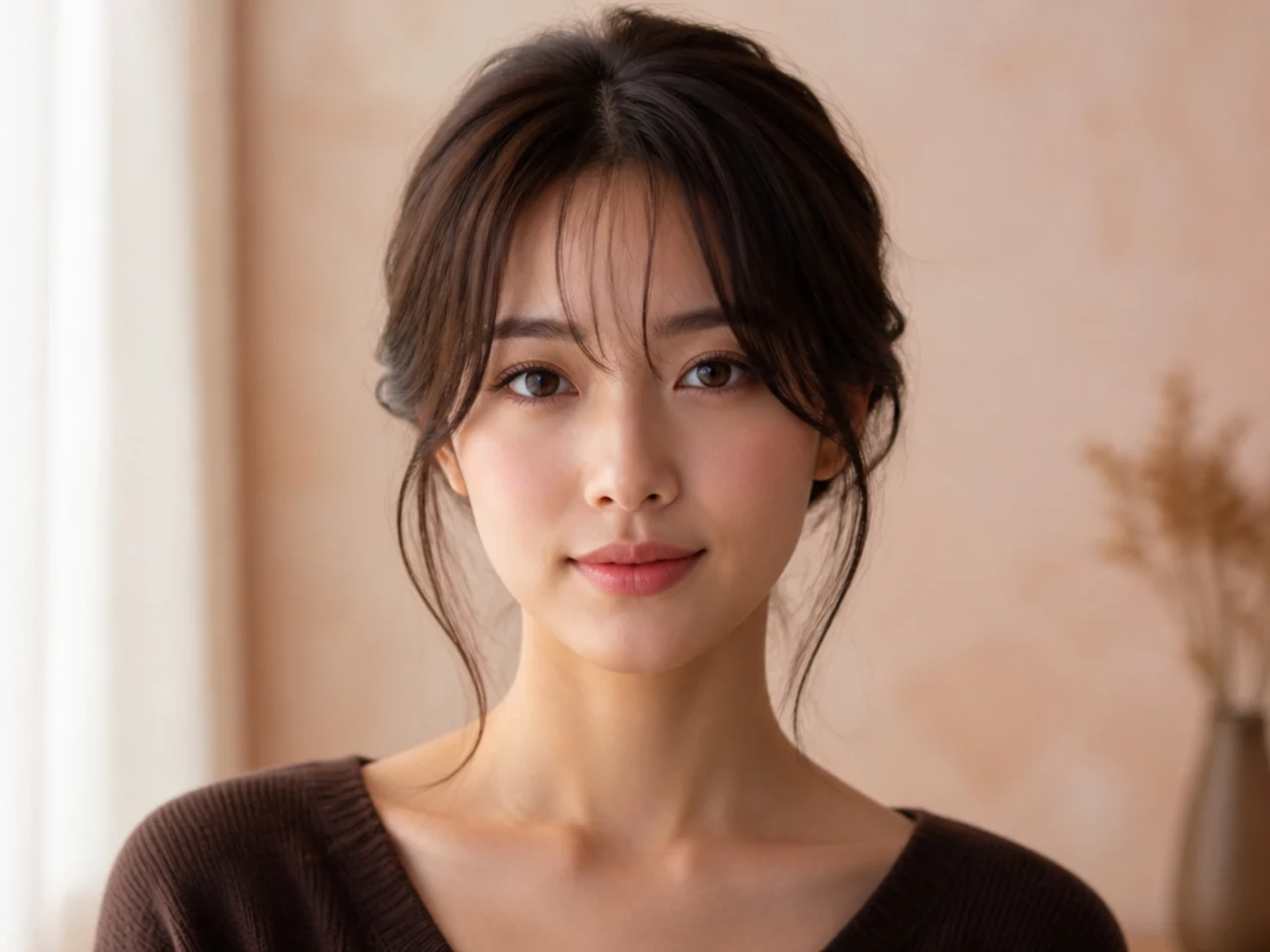
10. Claw Clip with Framing
Ten seconds, and the front still reads as the cut. A claw holds without product, so the framing keeps its shape rather than being flattened by gel.

11. Tucked Behind One Ear
One side exposed, the other framing the face. Asymmetry without a new cut, and it takes a second.

12. Second-Day Styling
Crown refreshed at the root only, ends left alone. The ends hold their curve overnight; the root is the only part that collapses.

13. Styled with a See-Through Fringe
The fringe dried flat and forward, separately from everything else. A see-through fringe sets in seconds and needs no volume, so it is the one section dried against the crown instruction.
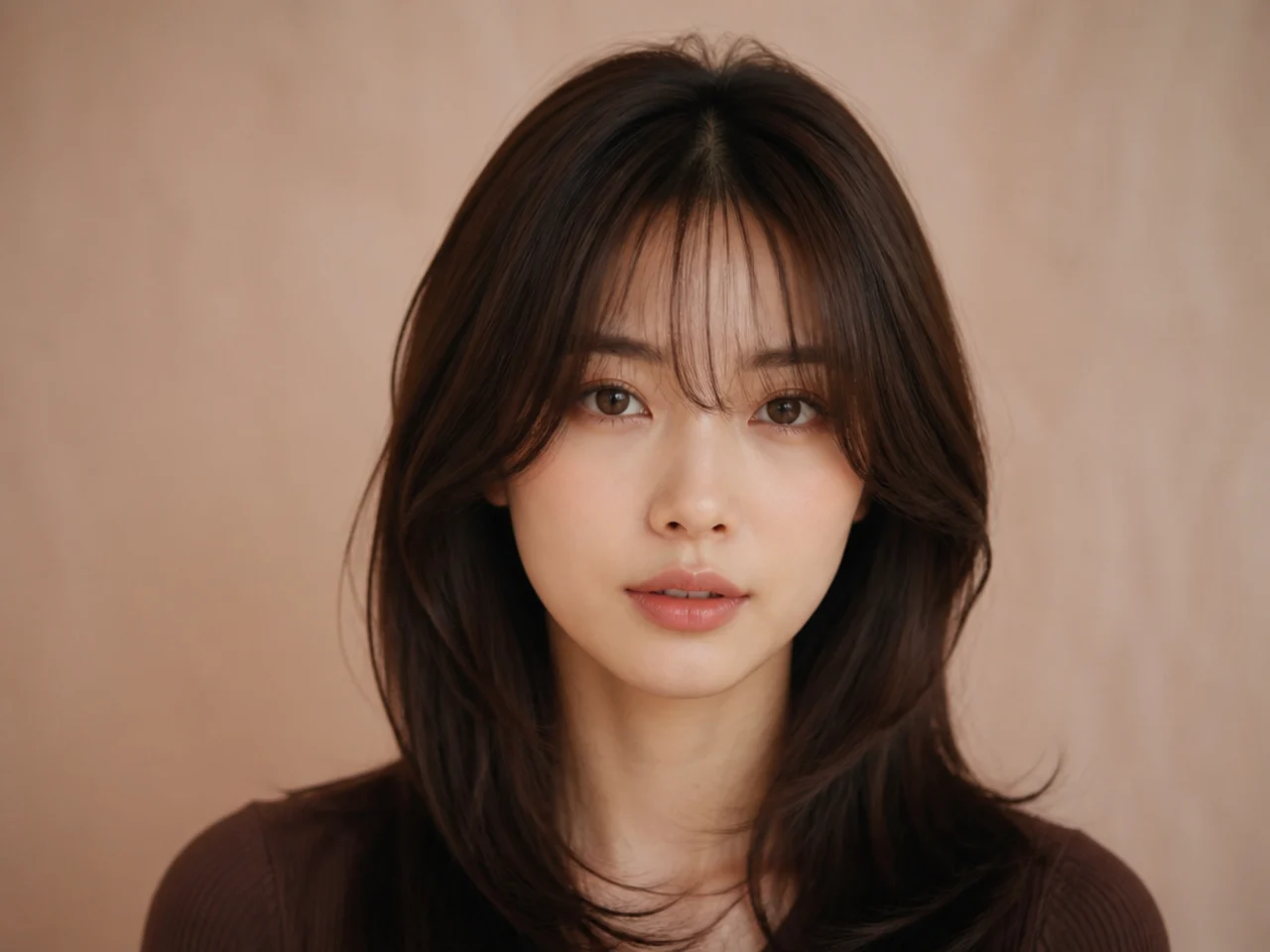
14. Overnight Set Without Heat
Damp, loosely twisted, released in the morning. A twist bends the hair around a curve rather than folding it, which produces a softer result than a plait.

15. Crown Lifted After Drying
An hour of volume, then flat. The order, ignored. Lift set while the root is damp holds; lift added to a dry root sits on the surface and drops.
Styling and Upkeep
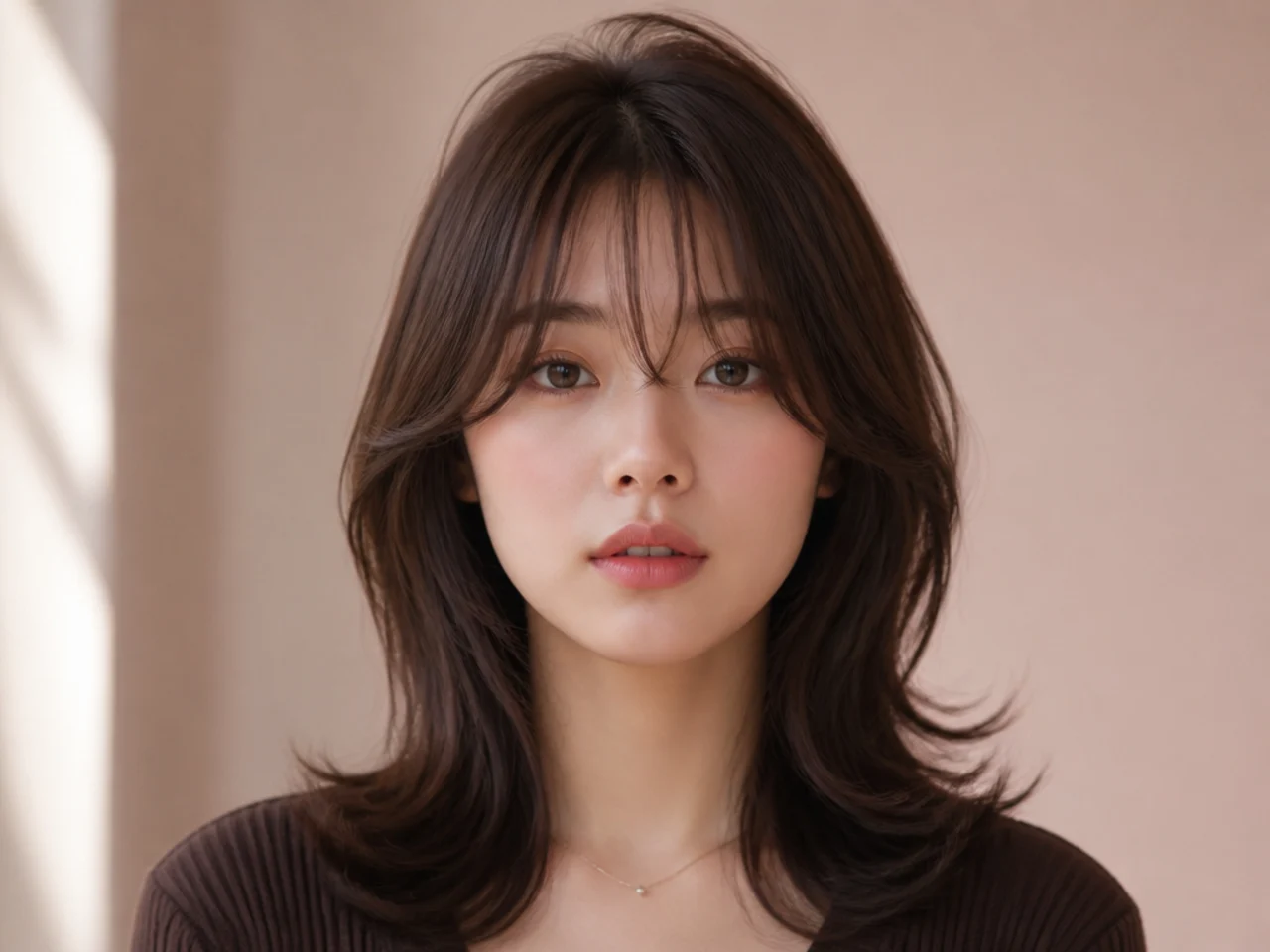
Lift the crown while it is genuinely wet. Not damp — wet. It sets from there. The distinction sounds pedantic and it is the difference between all day and an hour.
Turn the ends at eighty per cent dry. Too early and they drop; too late and they will not take. Eighty per cent is when the ends still bend but no longer feel cold.
Dry shampoo at the crown on day two. It restores lift without a full wash. At the root only, and worked in with fingertips rather than brushed through.
Keep the sides flat. Volume at the temples fights the proportion.
Style the fringe separately. Sparse bangs need their own thirty seconds.

Mistakes to Avoid
Lifting the crown after it has dried. An hour of volume at most.
Turning the ends while soaking wet. They will not hold the curve.
Product for volume. Weight is the opposite of what the crown needs.
Volume at the sides. It undoes the proportion the cut was built for.
Styling the fringe with everything else. It needs its own moment.

FAQ
How do you style it? Crown up while wet, ends in while drying. In that order.
Why does crown volume drop? It was added after drying — root direction is set while damp.
Do you need heat? For the crown usually; for the ends, not if they are permed.

Final Thoughts
Lift the crown before you do anything else, while your hair is still properly wet. It is thirty seconds, it is free, and it is the difference between a Korean cut that holds its proportion all day and one that reads flat by the time you leave the house.
For the perm that removes half this routine see 15 wavy korean haircut ideas, and for the full sequence see 20 steps to get a korean haircut look. More in Women's Hairstyles.