20 Jungkook Inspired Mullet Looks Worth Copying
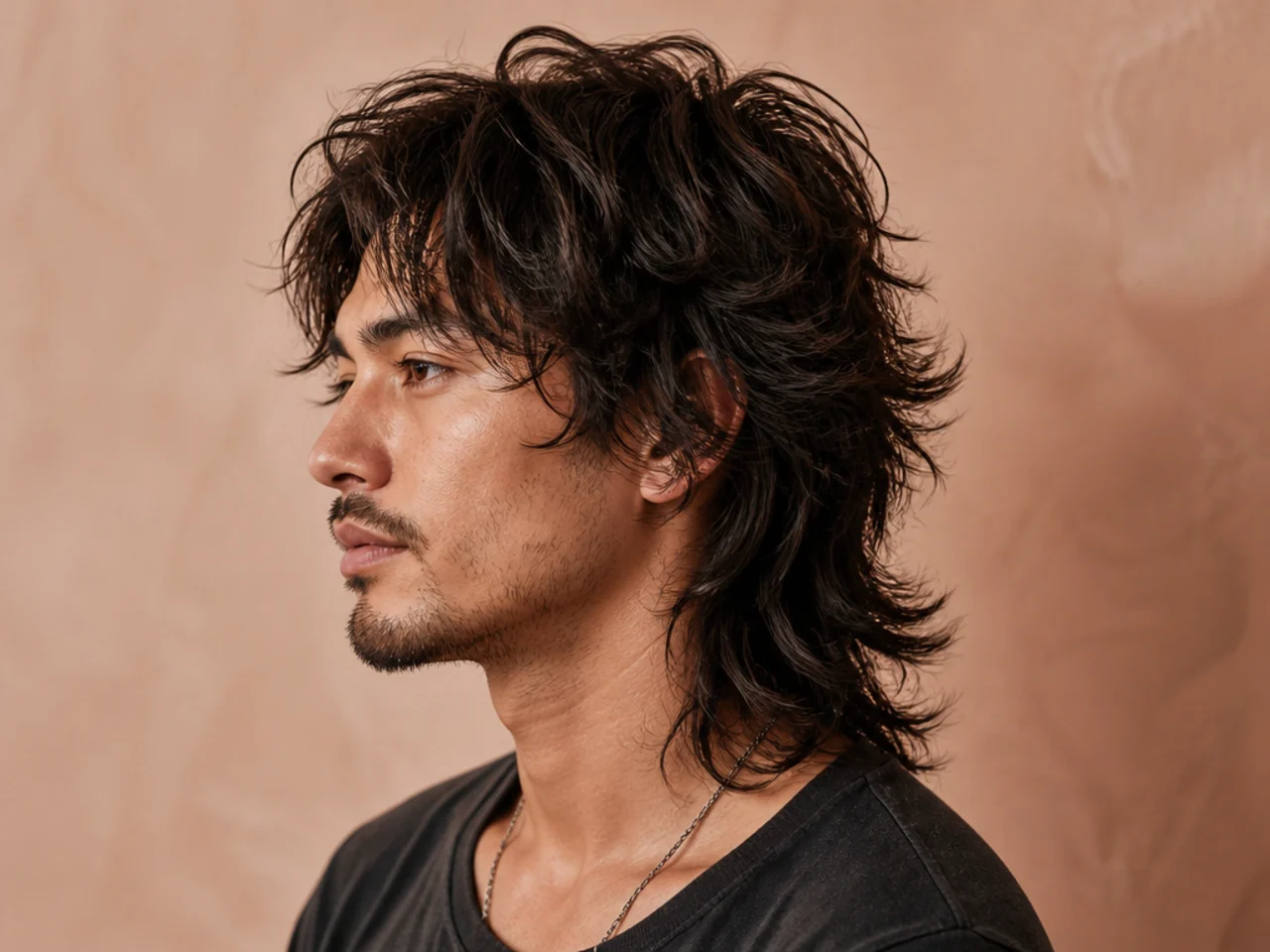
Twenty variations on the soft K pop mullet shape, and the detail that separates it from the western version — the sides are layered into the top rather than cut away from it, so nothing about it is disconnected.
In this article · 27
- What Defines This Mullet Shape
- How to Ask for It
- The 20 Mullet Looks
- 1. Soft Layered Mullet
- 2. Mullet With a Wispy Fringe
- 3. Mullet With Curtain Bangs
- 4. Choppy Textured Mullet
- 5. Wavy Mullet
- 6. Straight Mullet
- 7. Permed Mullet
- 8. Mullet With Long Sideburns
- 9. Mullet With Sides Tucked Behind the Ear
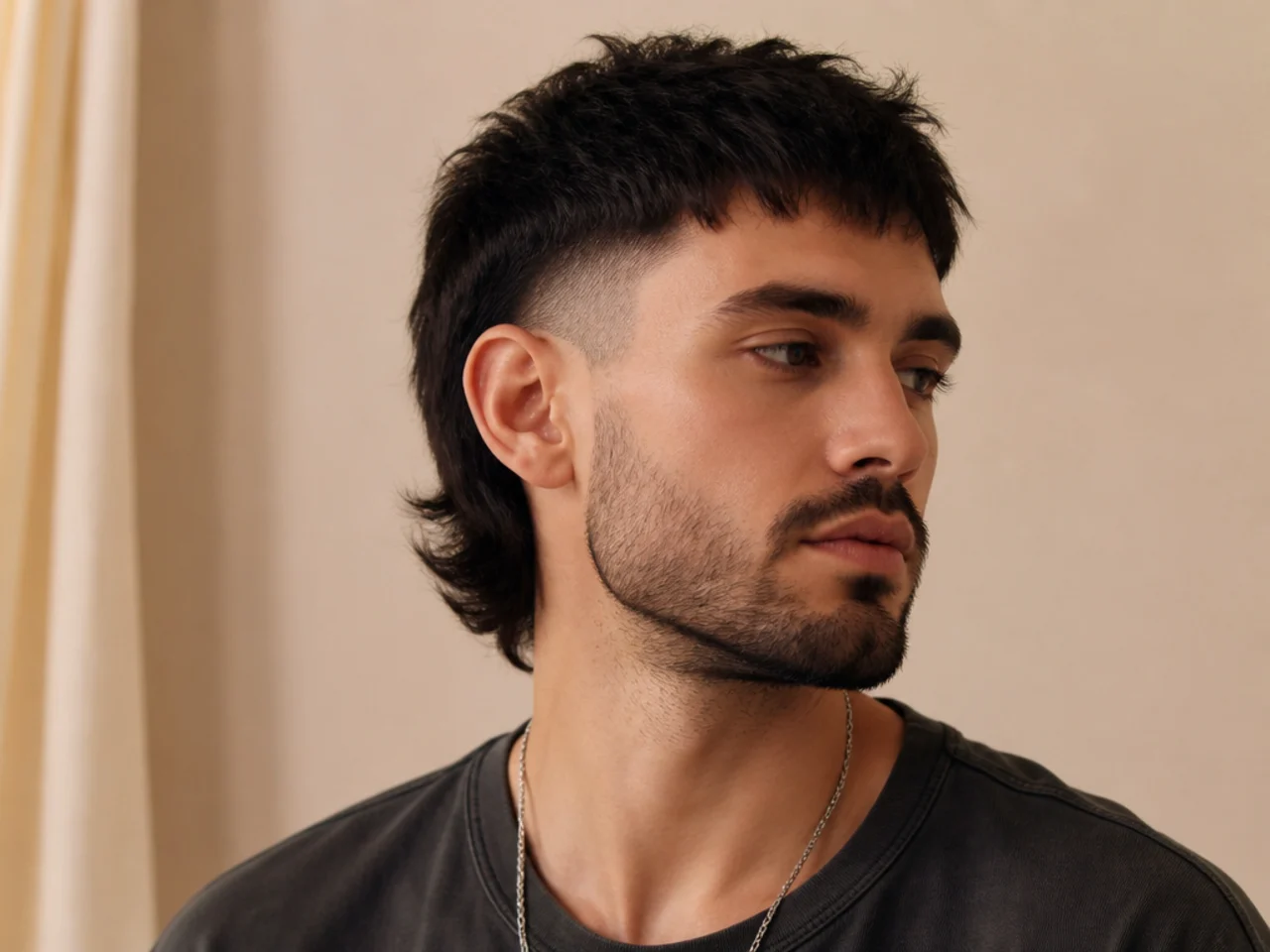
- 10. Mullet With a Low Taper
- 11. Mullet With a Short Nape
- 12. Mullet With a Long Nape
- 13. Mullet With a Middle Part
- 14. Mullet With a Side Part
- 15. Mullet With Lightened Ends
- 16. Ash Toned Mullet
- 17. Mullet With a Rounded Perimeter
- 18. Mullet Grown Into a Wolf Cut
- 19. Mullet Styled Flat
- 20. Mullet Styled With Crown Volume
- Styling and Upkeep
- Mistakes to Avoid
- FAQ
- Final Thoughts
Most people asking for this mullet get handed the western version, which is disconnected, and then wonder why the softness they wanted is missing.
This shape is layered through, not cut away. The sides feed into the top rather than sitting under a hard edge, so the whole silhouette reads as one line.
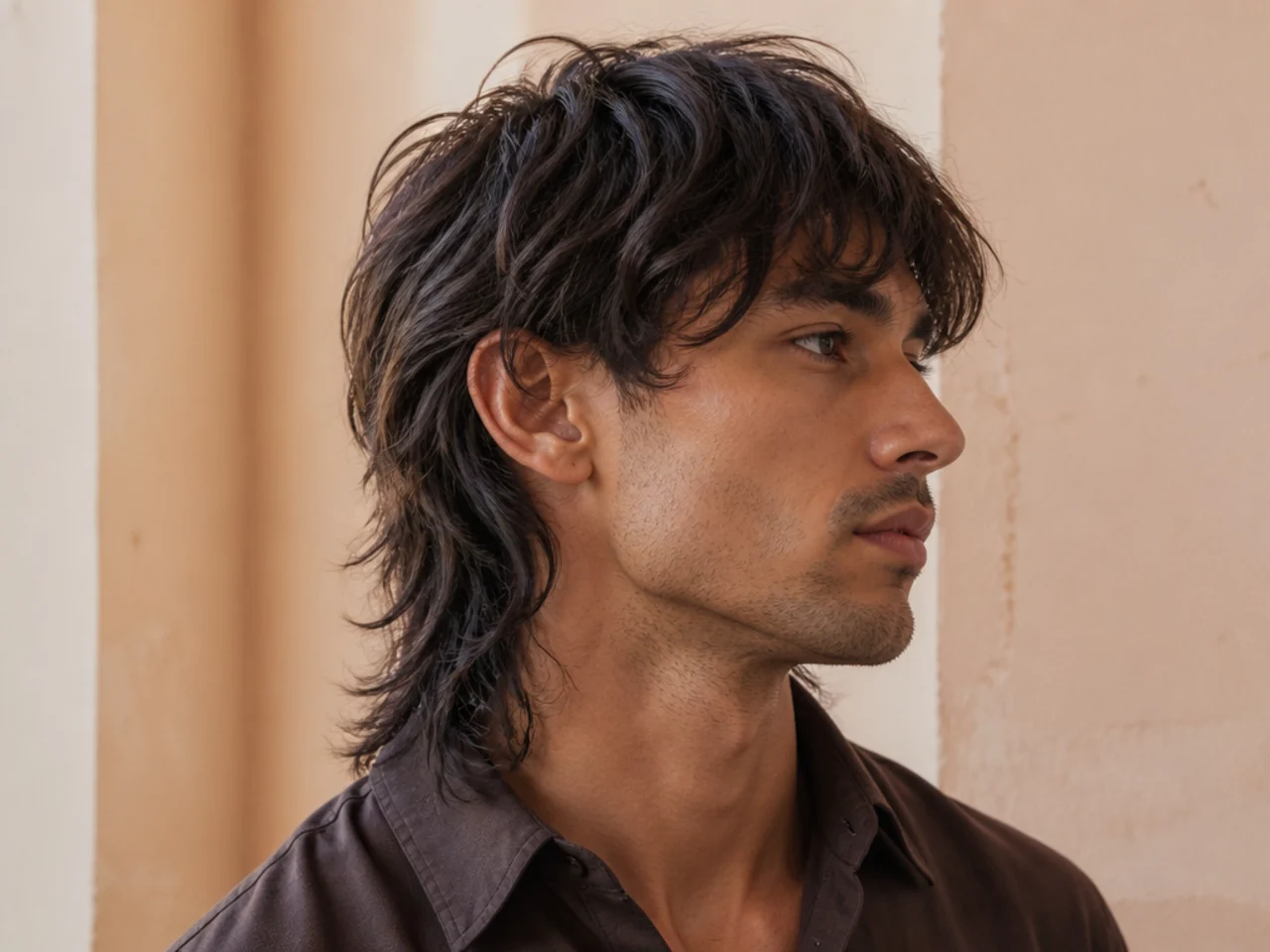
The nape length is the smallest part of it. What defines the look is the feathered ends and the fringe weight, not how far the back reaches.
What Defines This Mullet Shape
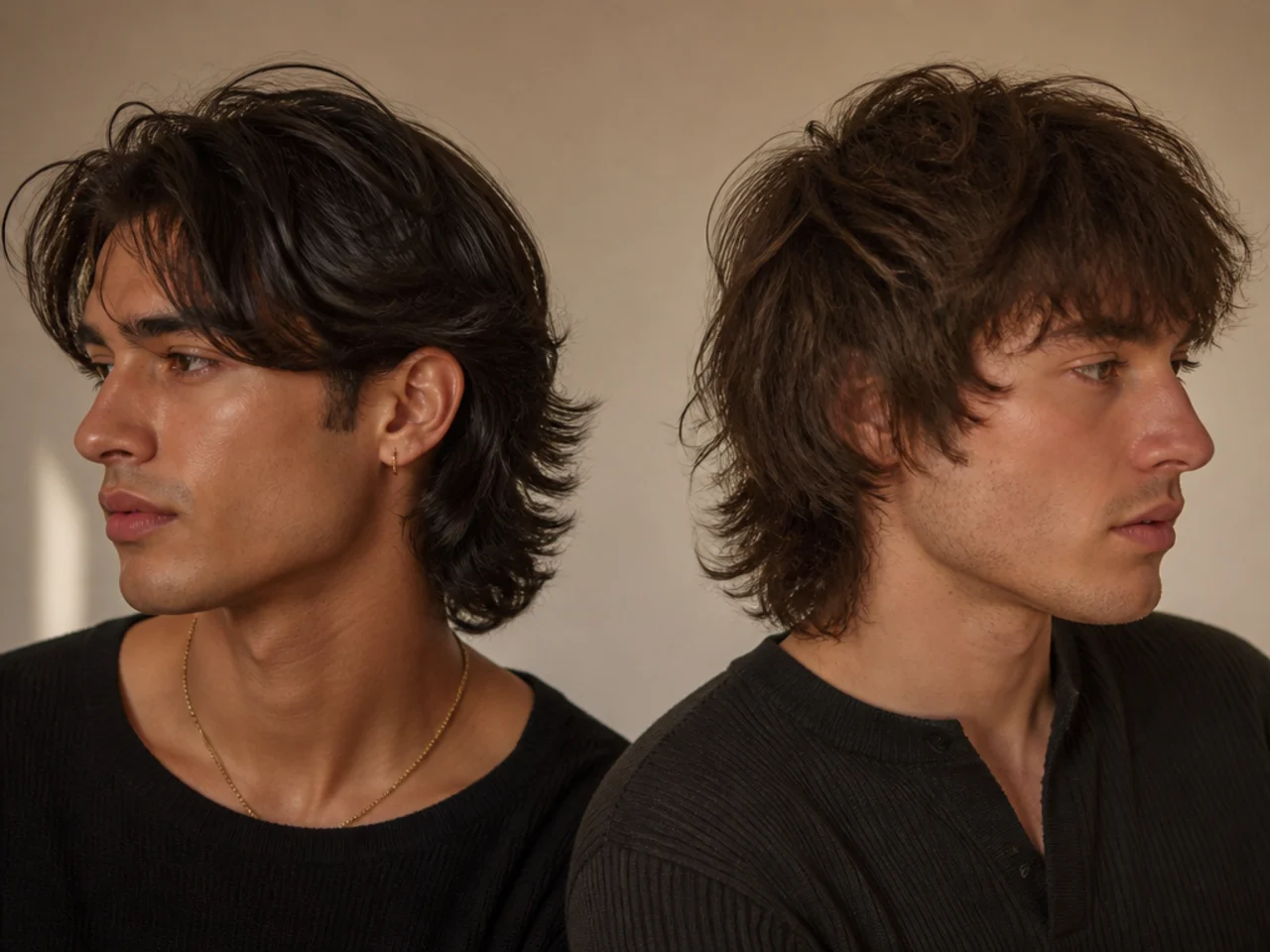
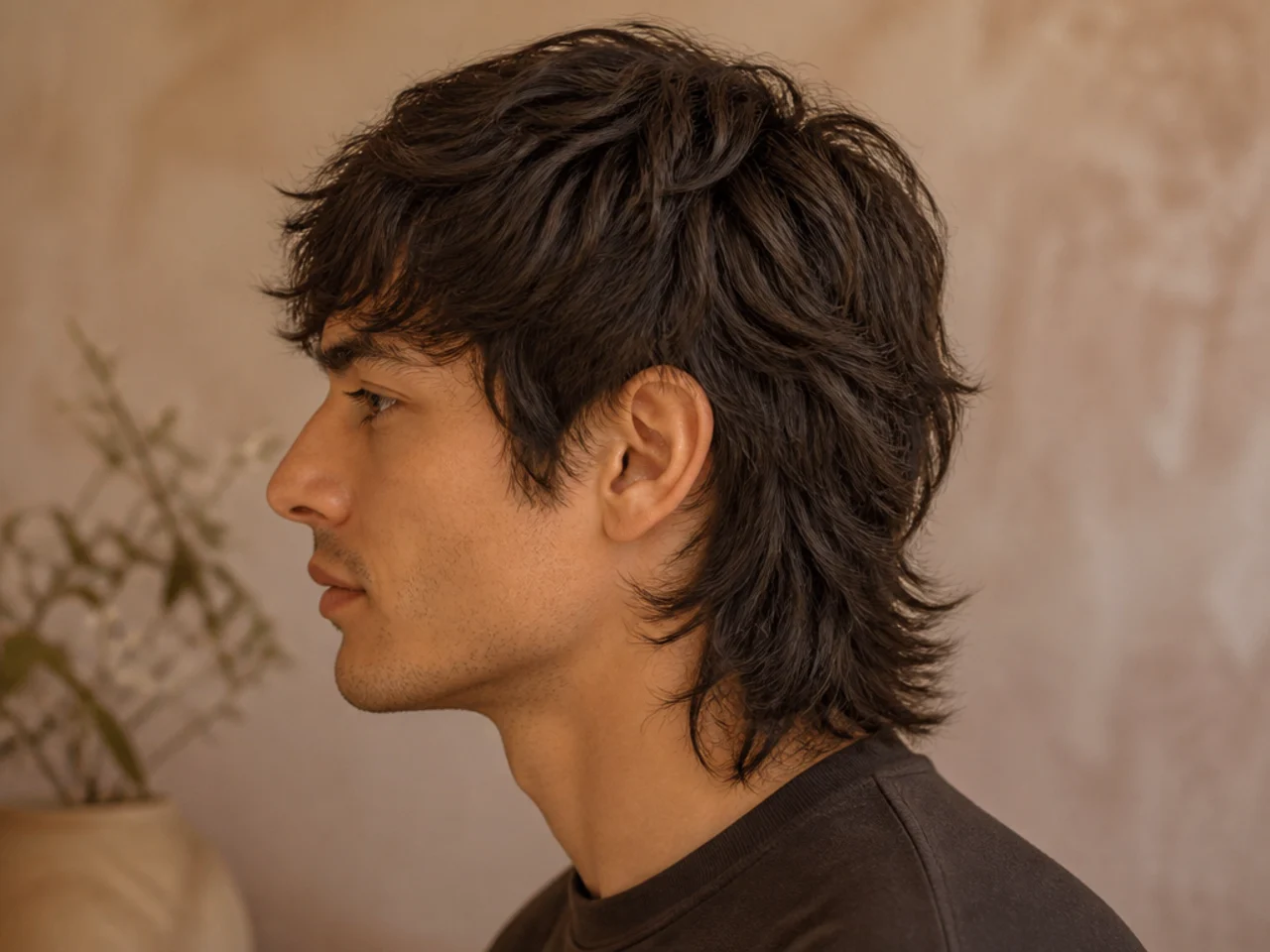
No disconnection anywhere. The sides are layered up into the top length, so there is no step for the eye to find.
Feathered ends rather than blunt ones. The scissor is angled along the strand instead of across it, which tapers each end and removes the hard edge.
A fringe with weight kept in it. Enough hair to fall forward and sit on the forehead, thinned only from underneath.
The sides stay long enough to blend. Below a number one guard at three millimetres there is nothing left for the layering to travel into.
How to Ask for It
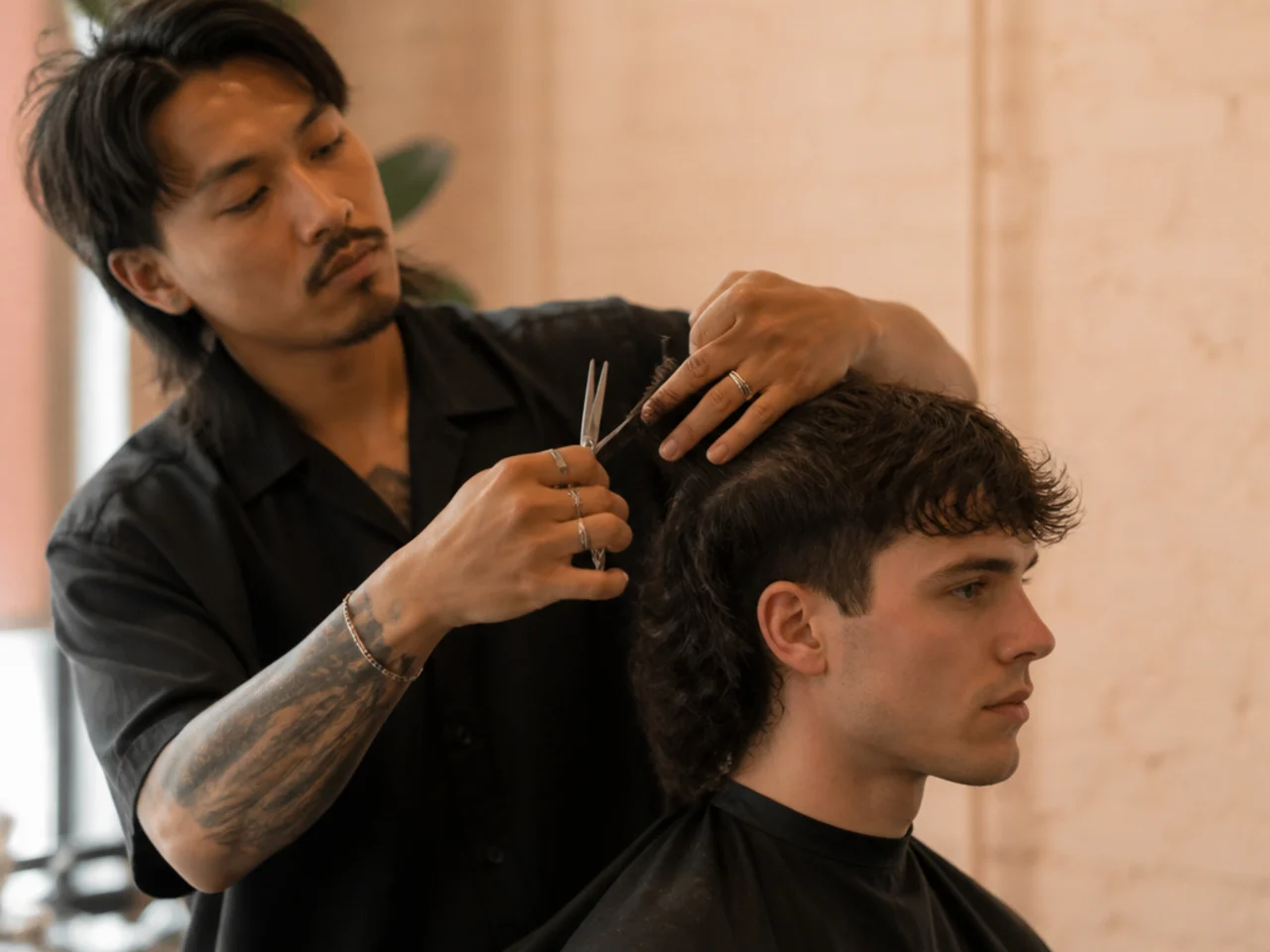
Say layered, not disconnected. Those two words produce completely different cuts and barbers default to the disconnected version.
Name the nape length in centimetres. Collar length and past the collar are two different looks, and pointing at a photo settles neither.
Ask for the fringe thinned from underneath. Surface thinning leaves short ends standing up through it.
Choose the side length by how you part it. Sides that tuck behind the ear need to reach the earlobe, and that takes about three months from a short cut.
The 20 Mullet Looks
1. Soft Layered Mullet
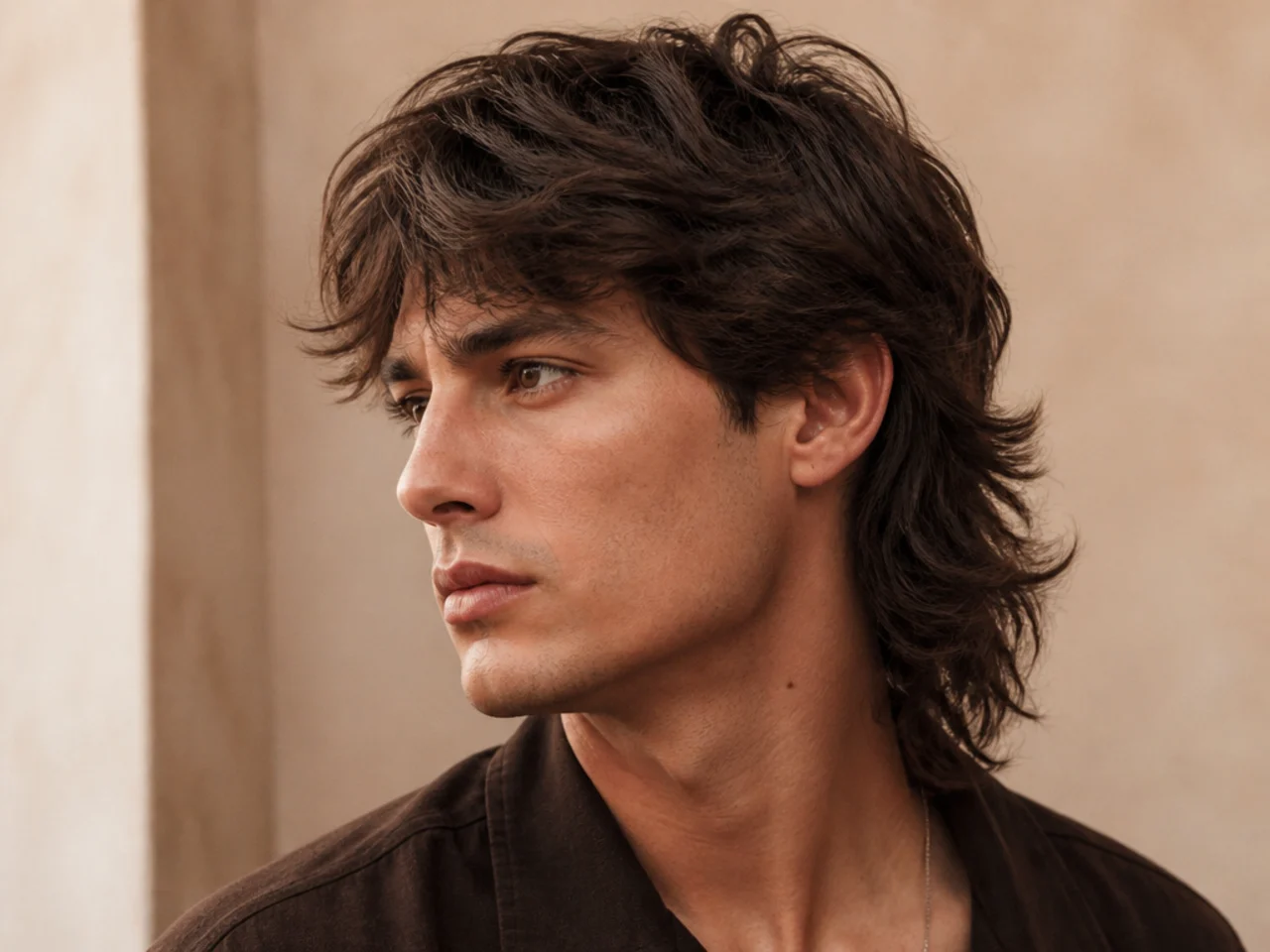
The base version and the one everything else is built from. Layers run continuously from the fringe to the nape with no break, which is what removes the hard mullet silhouette while keeping the length distribution that makes it a mullet.
2. Mullet With a Wispy Fringe
The front section thinned from underneath so light passes through it and the forehead stays partly visible. Thinning from below keeps the surface of the fringe smooth, which is why it falls as separate strands rather than as a solid block.

3. Mullet With Curtain Bangs
The fringe split at the centre and swept to both sides. Where the curtain opens is where the eye lands, so a split at the brow shortens the face and one at the cheekbone lengthens it.

4. Choppy Textured Mullet
Deeper point cutting through the mid lengths so the ends splinter into separate pieces. It buys movement at the cost of durability, since once that much weight is gone the perimeter has no line left to hold as it grows.
5. Wavy Mullet
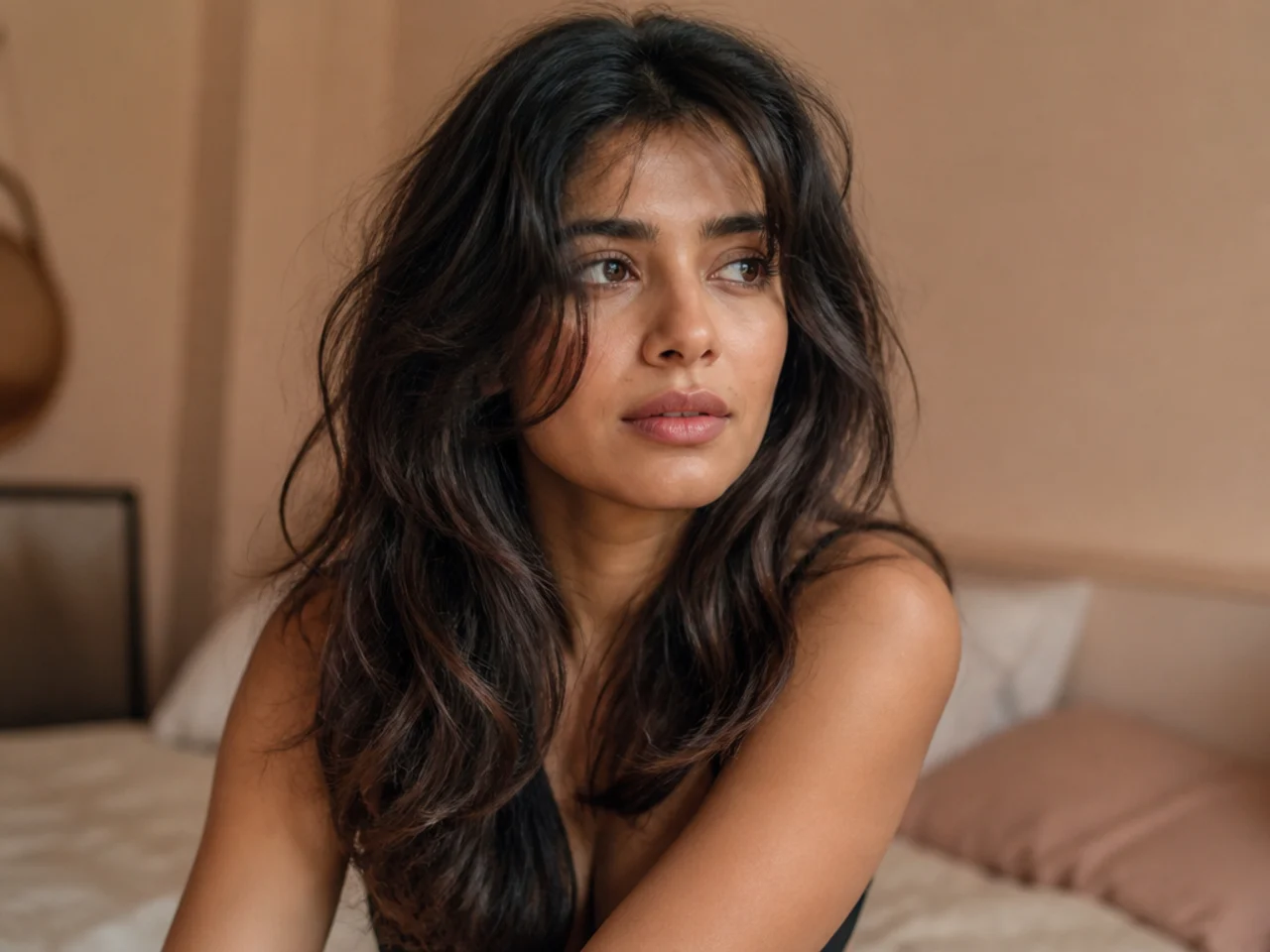
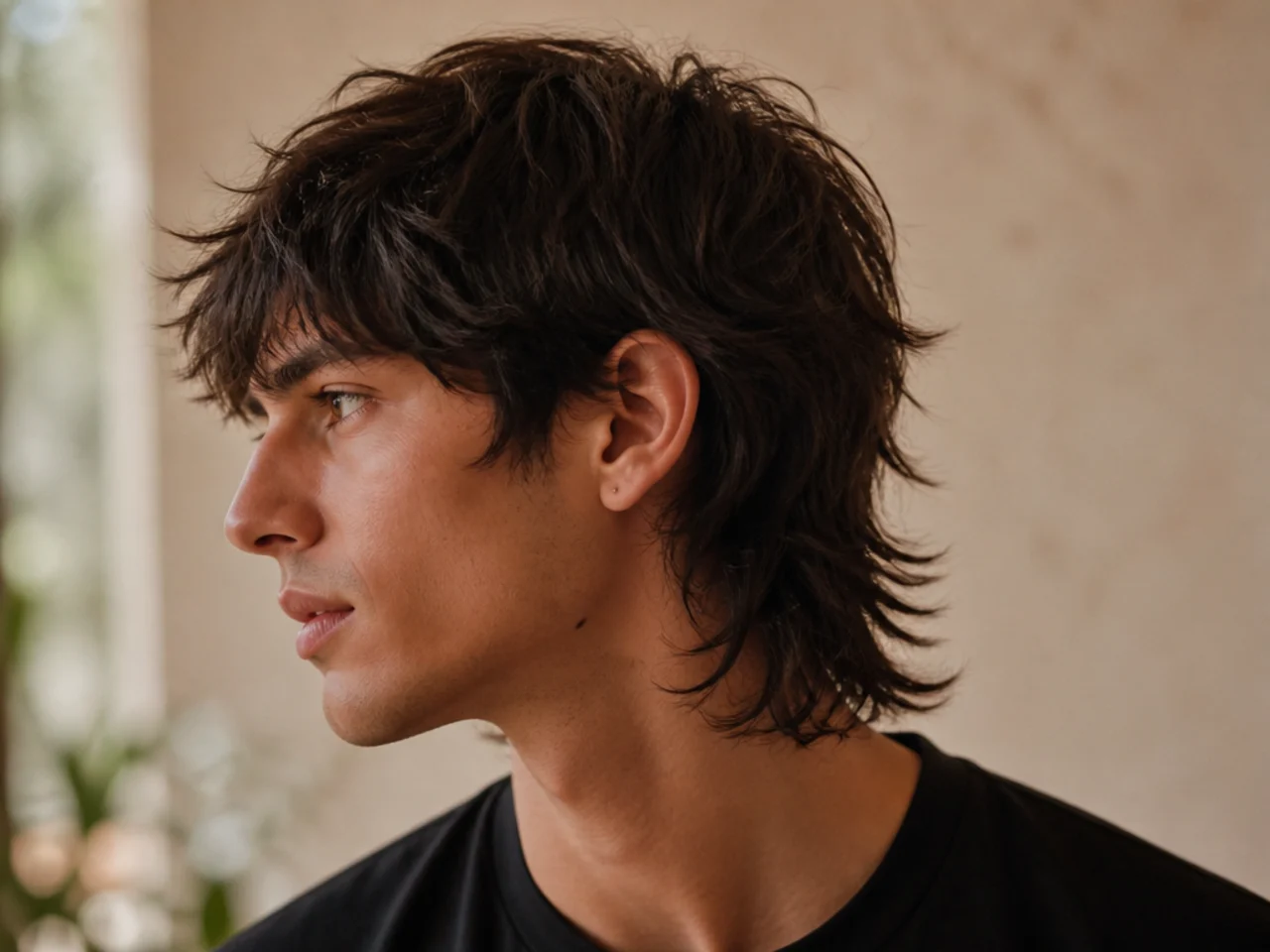
The natural bend in each strand catches on the strands around it and holds the layers apart with no product at all. That is the entire reason this shape looks effortless on wavy hair and demanding on straight hair.

6. Straight Mullet
Straight hair falls exactly where it is cut, which makes the shape precise but flat. It needs more weight removed through the interior and a texture spray at the roots, because gravity closes the layers up within an hour otherwise.
7. Permed Mullet
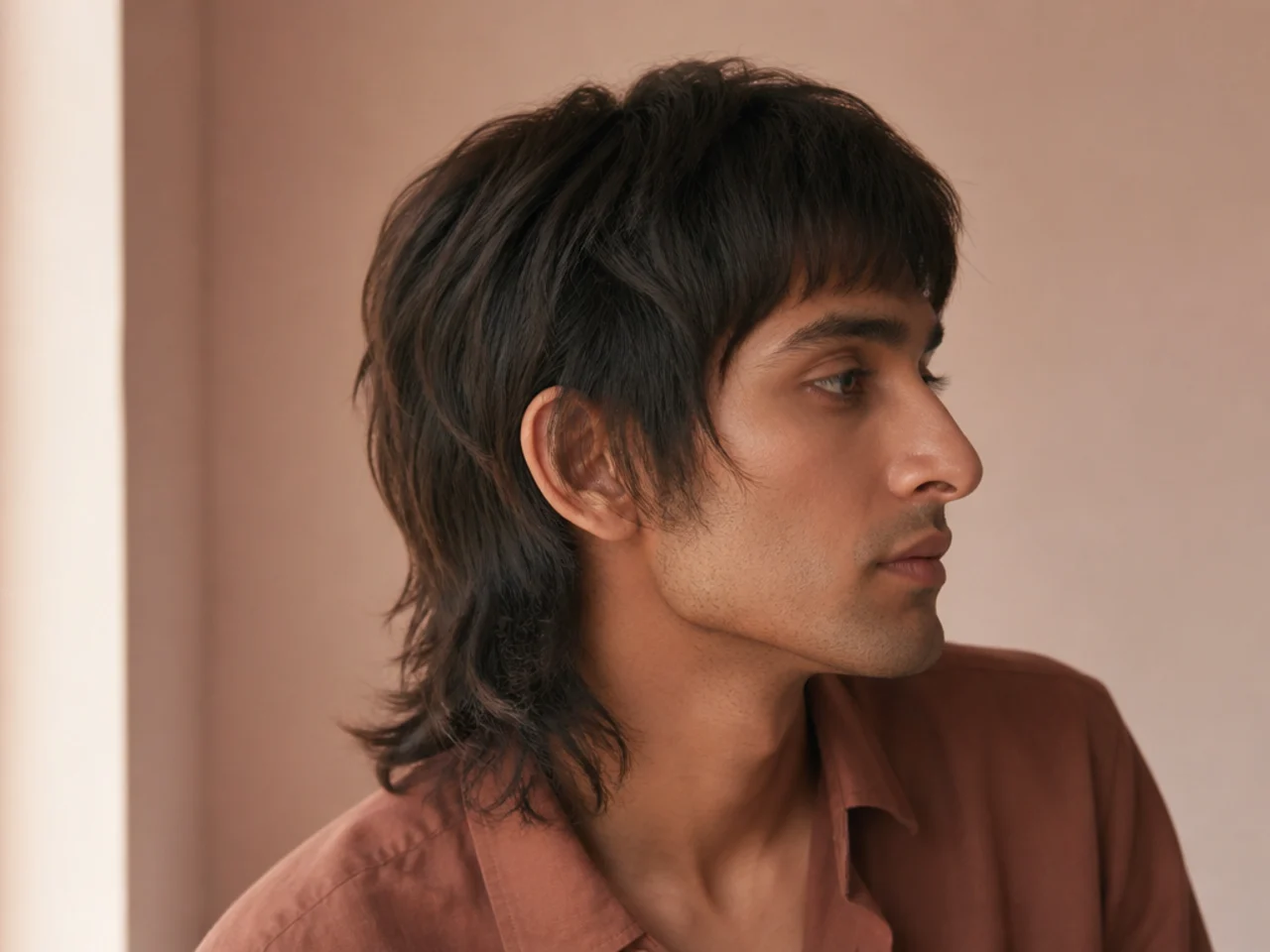
A soft perm puts a permanent bend into the strand so the layers hold separation without daily styling. The bend also adds apparent bulk, which means the cut can be layered more aggressively than the same shape on unpermed hair.
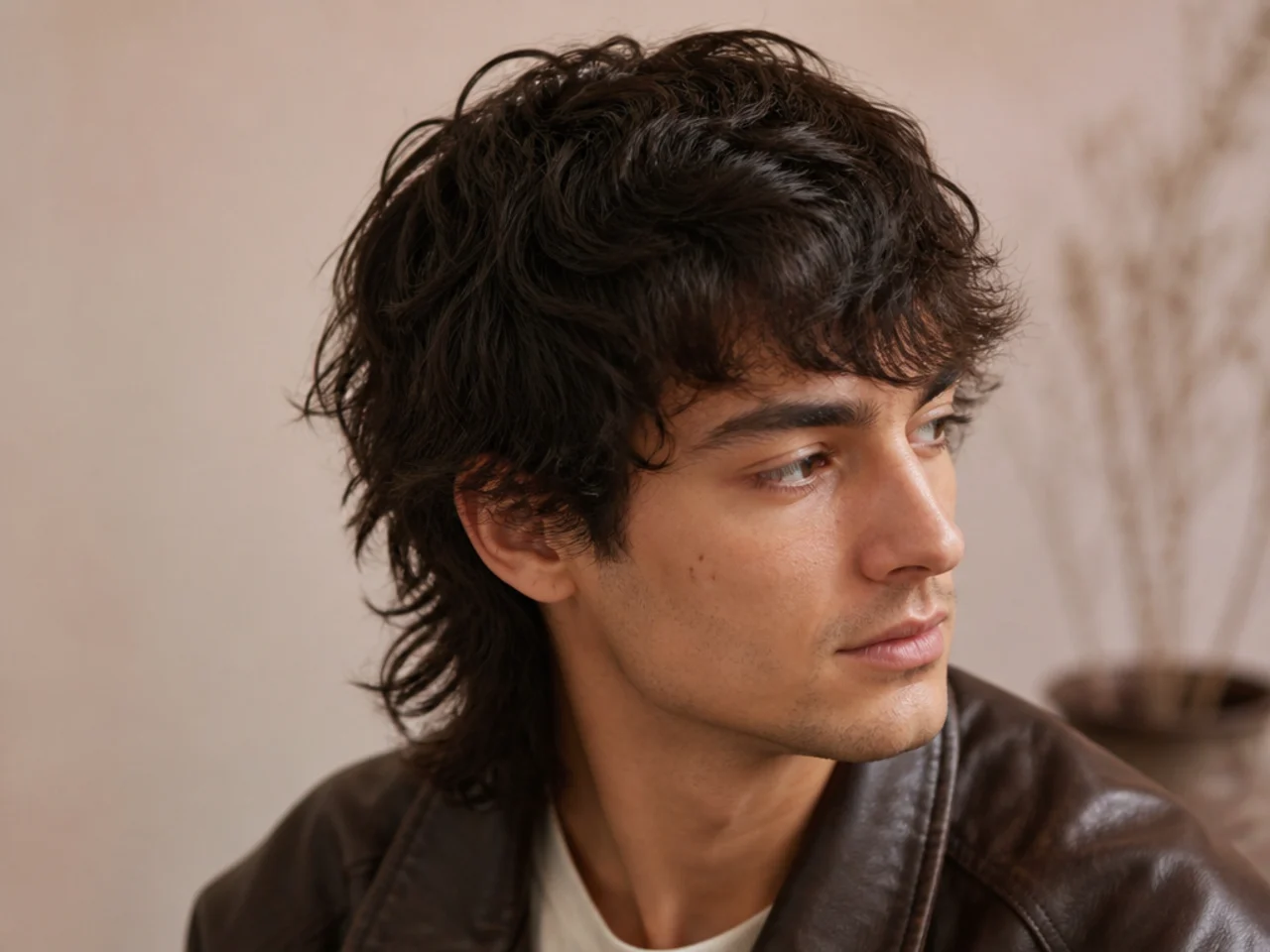
8. Mullet With Long Sideburns
Leaving the sideburn long extends the vertical line down the side of the face and closes the gap between the hair and the jaw. It also stops the sides reading as short, which keeps the whole cut in the layered register rather than the faded one.
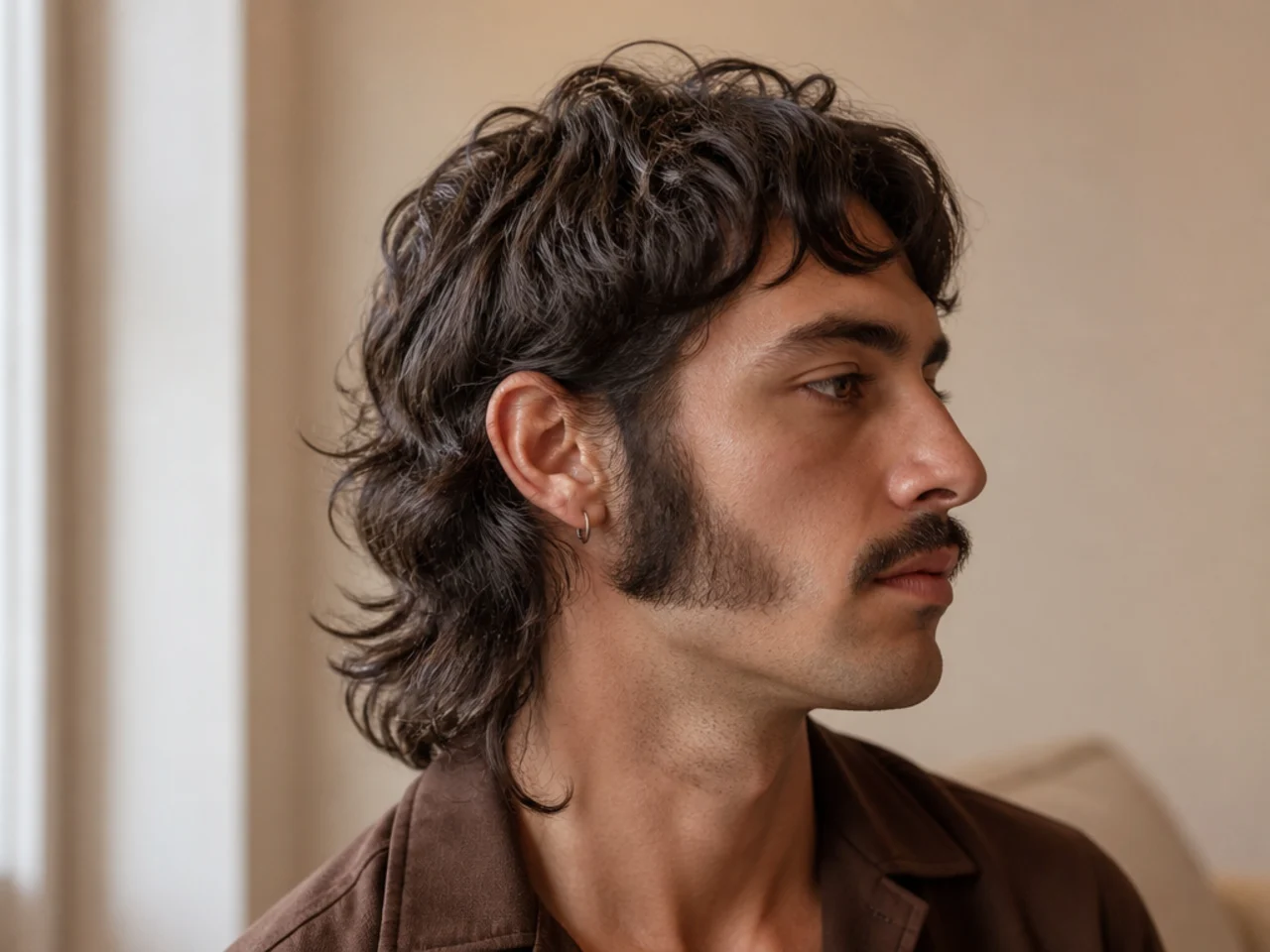
9. Mullet With Sides Tucked Behind the Ear
The sides grown to the earlobe so they can be tucked back. Tucking exposes the jaw and pulls the silhouette narrower at ear height, which is the fastest way to change how the same cut reads without touching it.
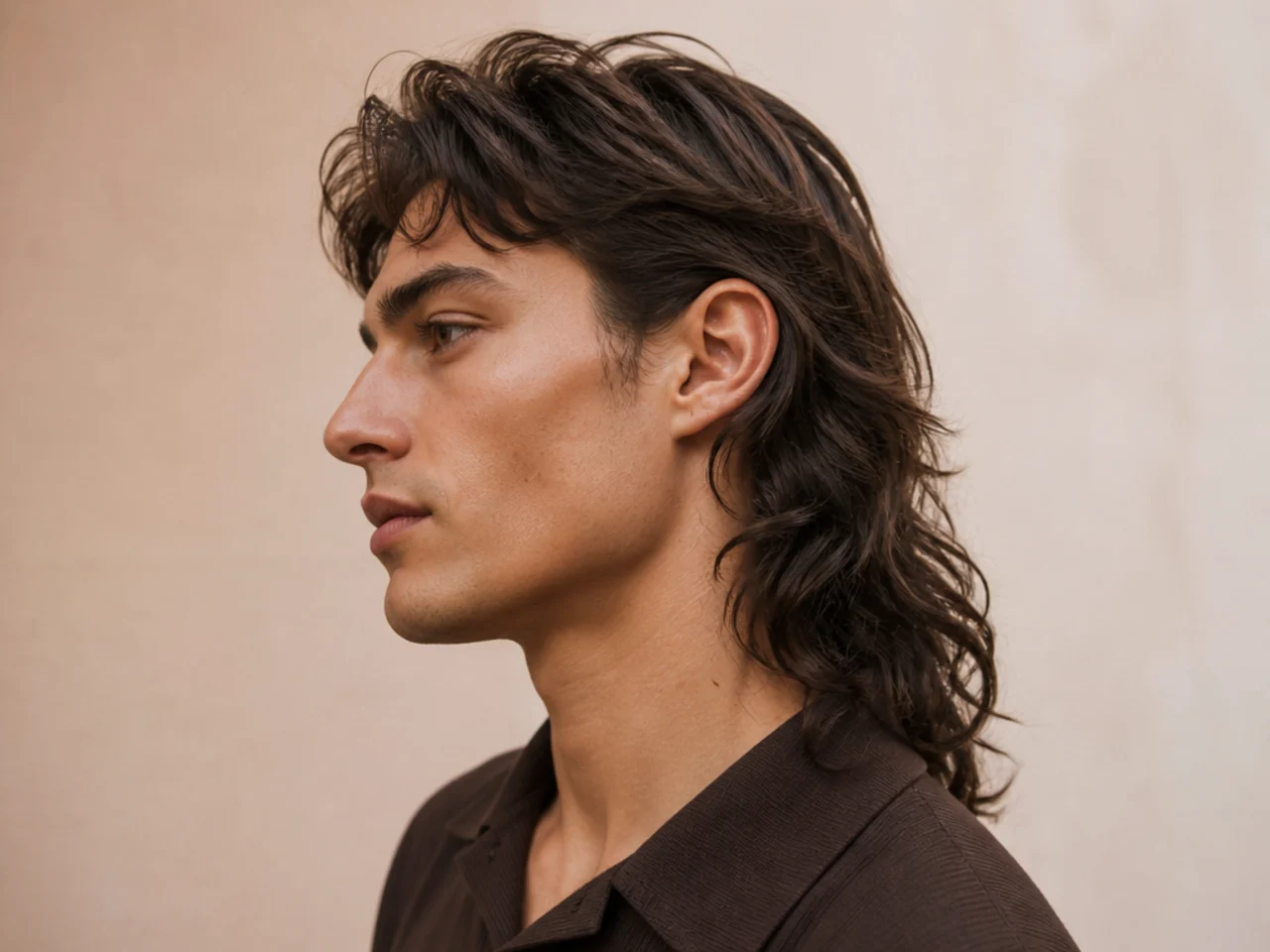
10. Mullet With a Low Taper
The sides shortened gradually from the top of the ear down, finishing around a number one guard at three millimetres rather than at skin. It tidies the outline while leaving enough length for the layers above to blend into, and it still reads correctly at four weeks.
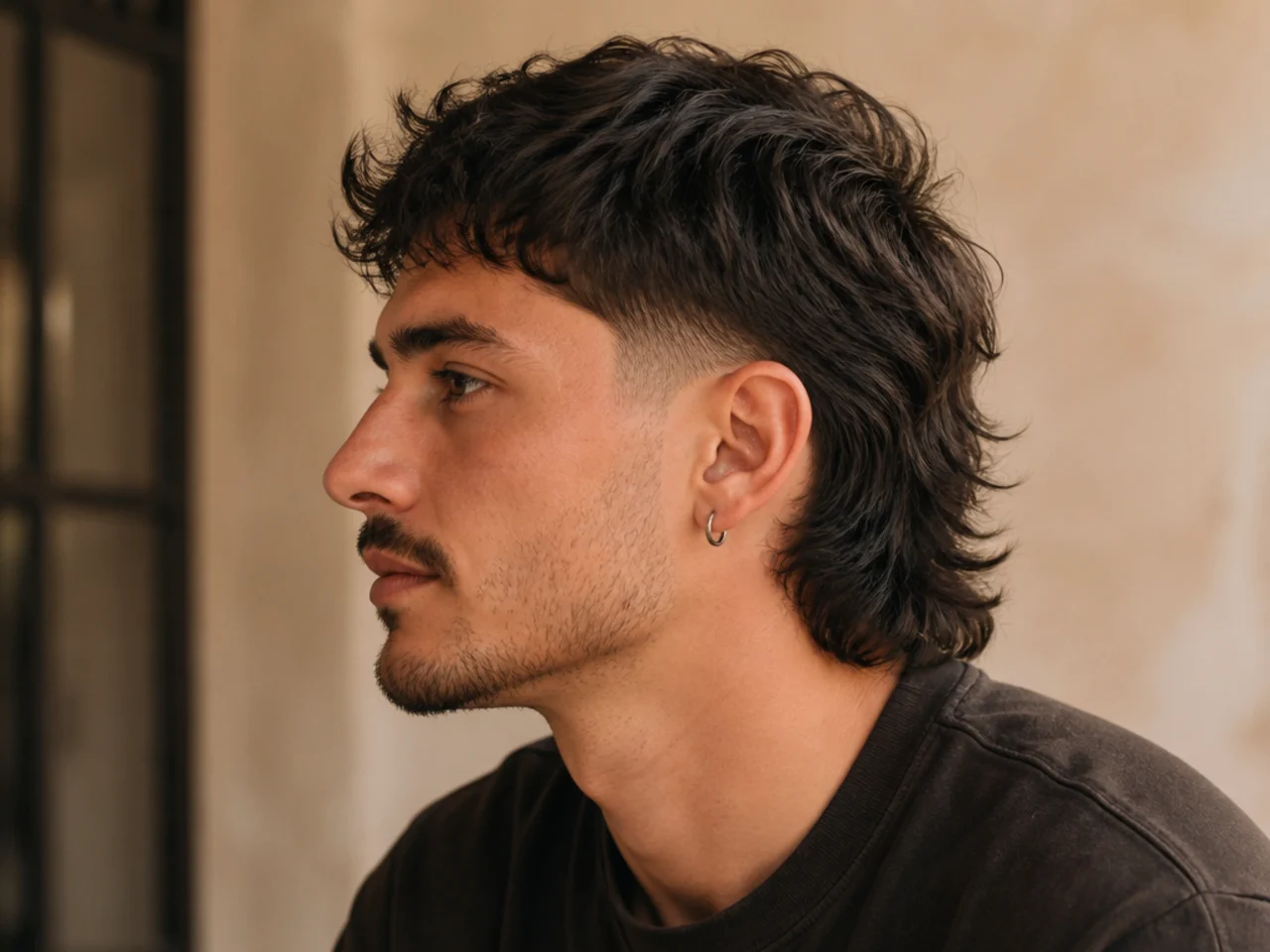
11. Mullet With a Short Nape
The back kept just above the collar. Less weight at the nape means the layers above it sit higher, so this version carries more visible movement at the crown than the longer ones do.
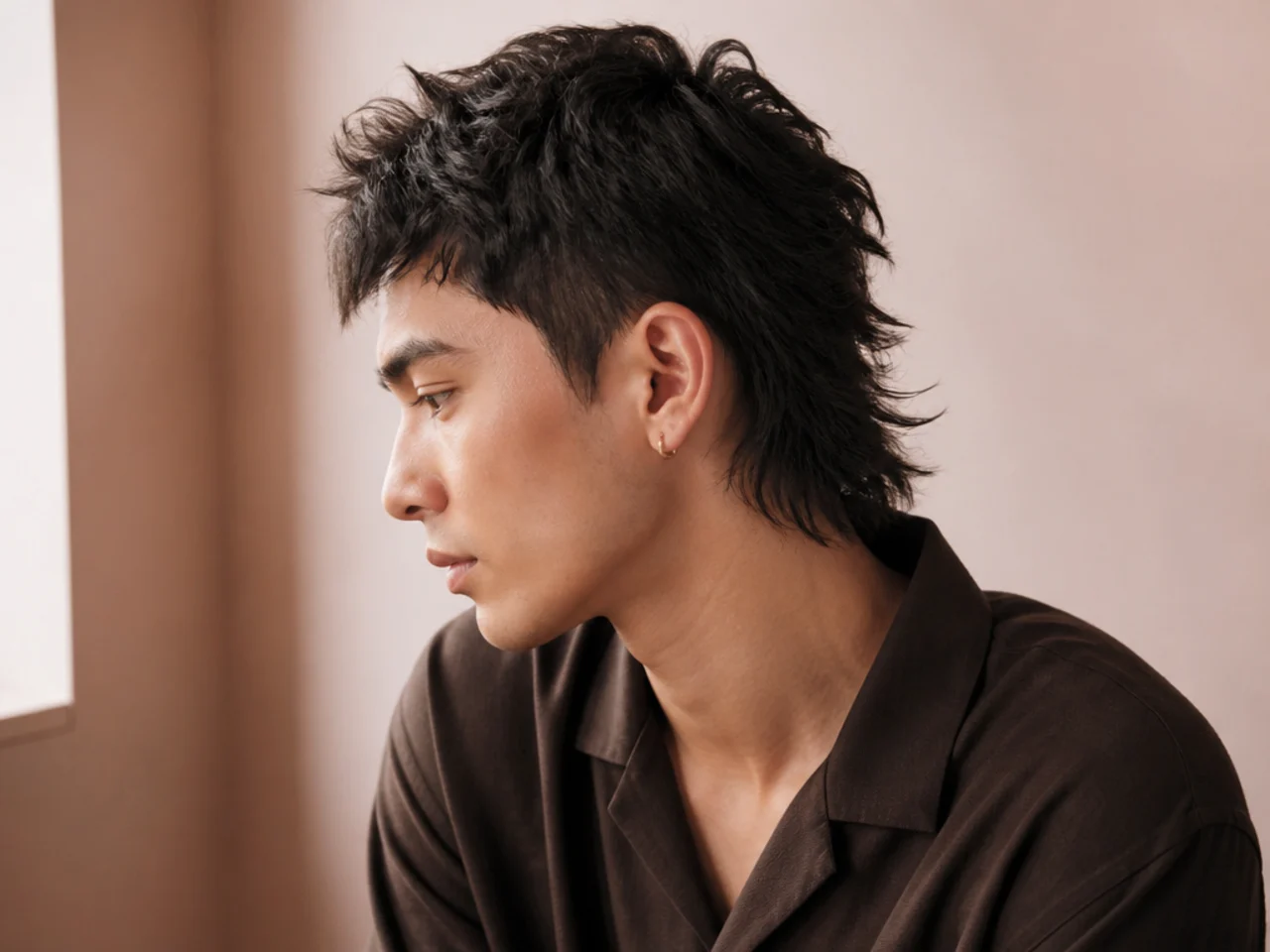
12. Mullet With a Long Nape
The length taken past the collar, which is as far as the shape goes before it stops reading as a mullet. The added weight pulls the layers above it downward, so the interior has to be cut shorter to compensate.

13. Mullet With a Middle Part
Splitting the fringe down the centre pulls weight away from the face in both directions and shows the full forehead. It suits a long or narrow face for that reason and adds width to a round one.
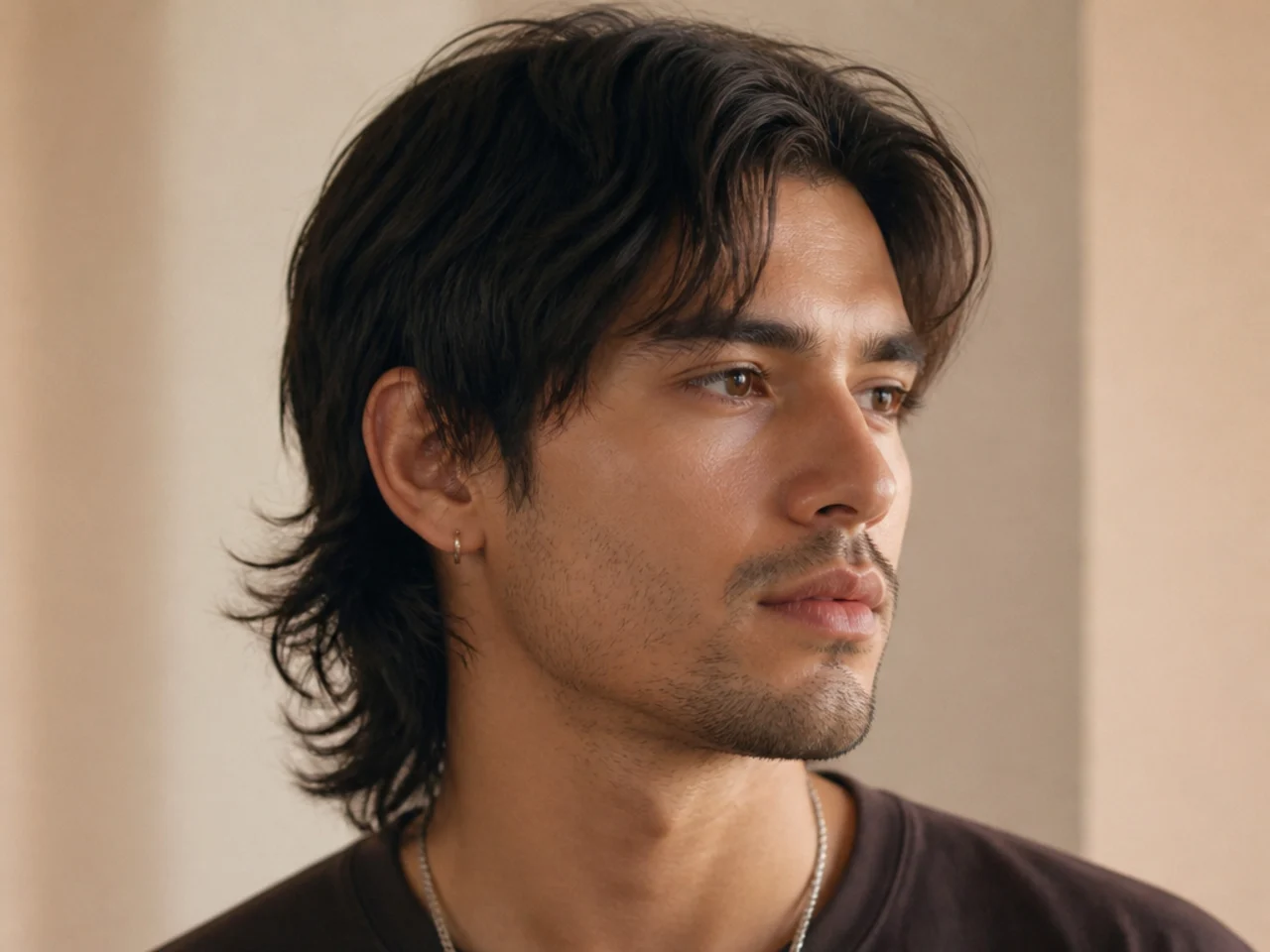
14. Mullet With a Side Part
Moving the parting off centre sends the front weight across the forehead on a diagonal. Every strand crossing the parting line is lifted off the scalp on the way, which is where the extra root volume on the heavy side comes from.
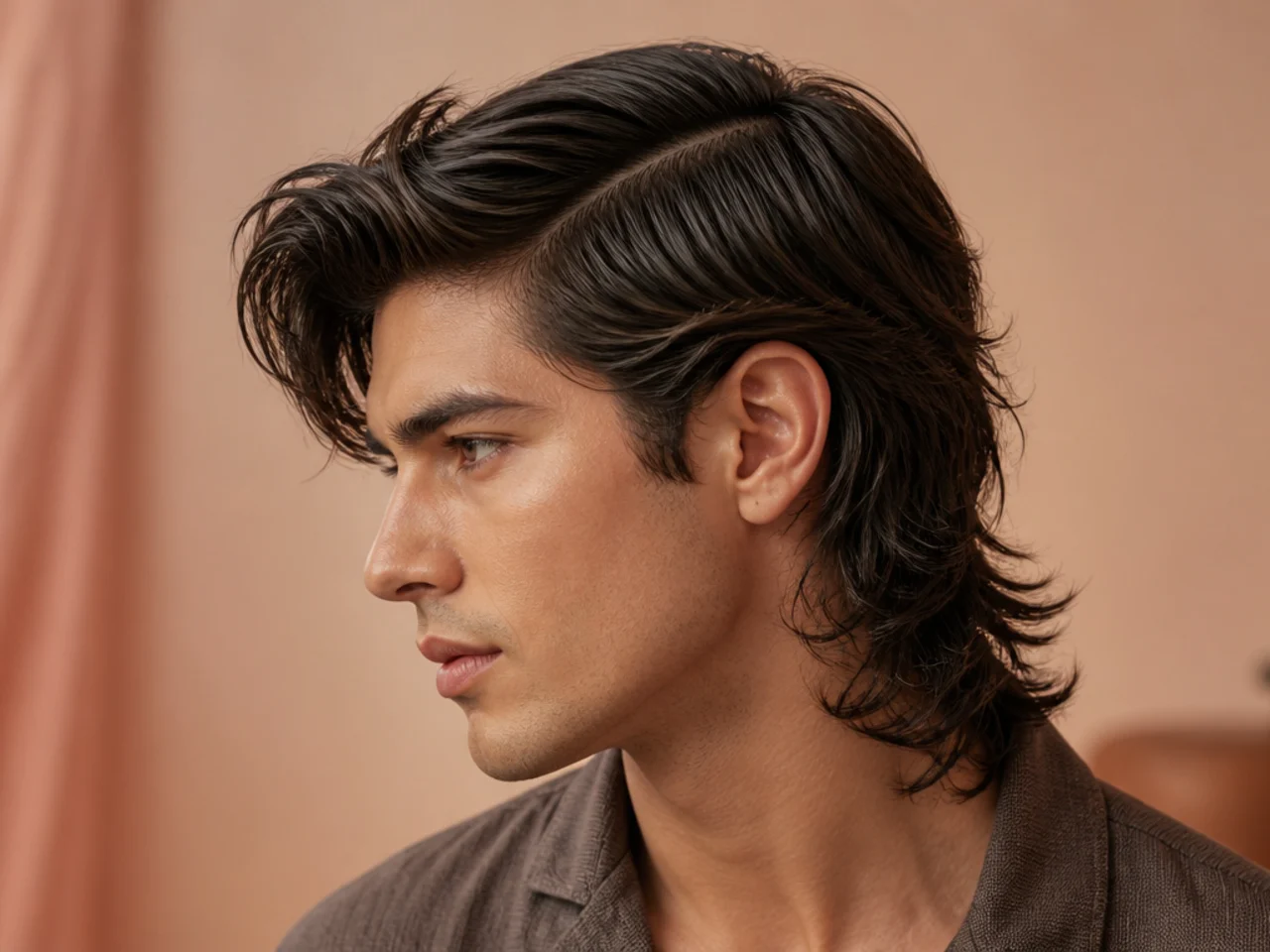
15. Mullet With Lightened Ends
Colour taken up only through the last few inches. Lighter ends reflect more light than the roots, which separates the perimeter visually from the darker interior and makes the layering easier to see on dark hair.
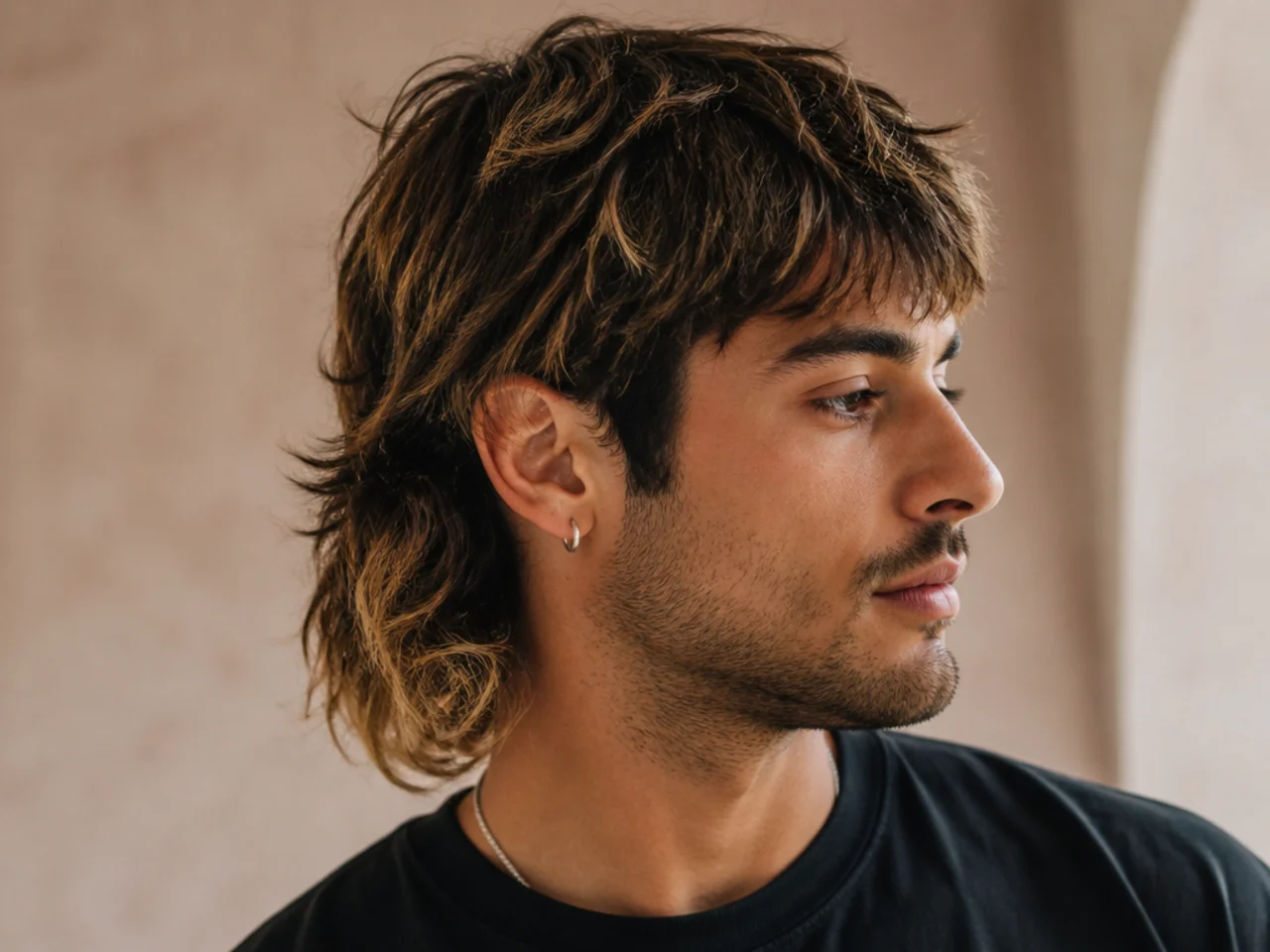
16. Ash Toned Mullet
An ash tone is a cool base with the warmth cancelled out, so it absorbs more light than a golden shade does. That absorption reads as depth, which makes the interior layers register as distinct from each other rather than merging into one flat mass.

17. Mullet With a Rounded Perimeter
The bottom line curved rather than cut straight across the neck. A curve follows the shape of the skull, so the back of the head keeps its roundness instead of gaining a horizontal that flattens it.
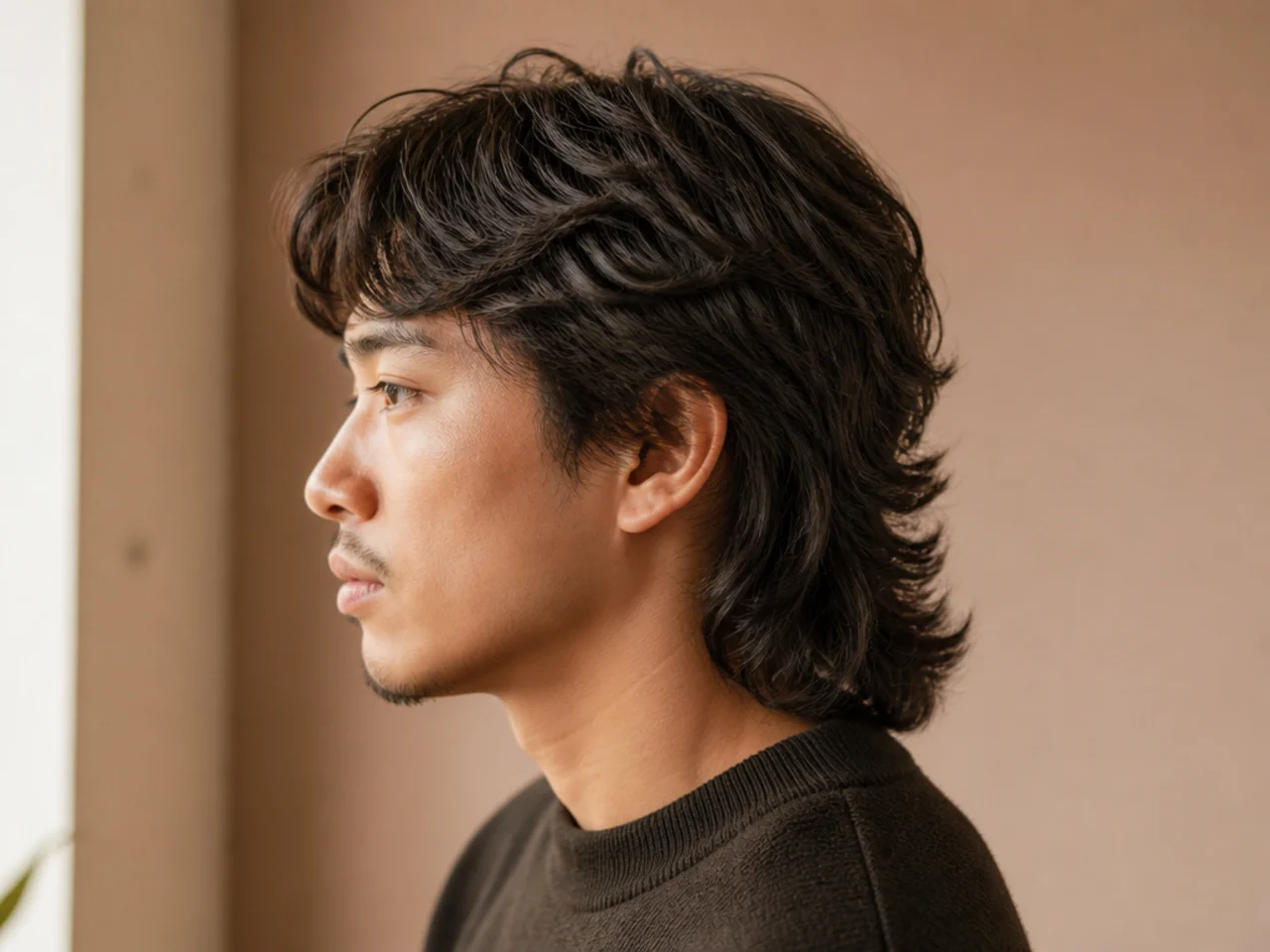
18. Mullet Grown Into a Wolf Cut
At around ten weeks the sides catch up to the top and the whole head becomes layered rather than back weighted. It is the natural next stage of this cut, and it is worth knowing about before you book a correction you did not need.
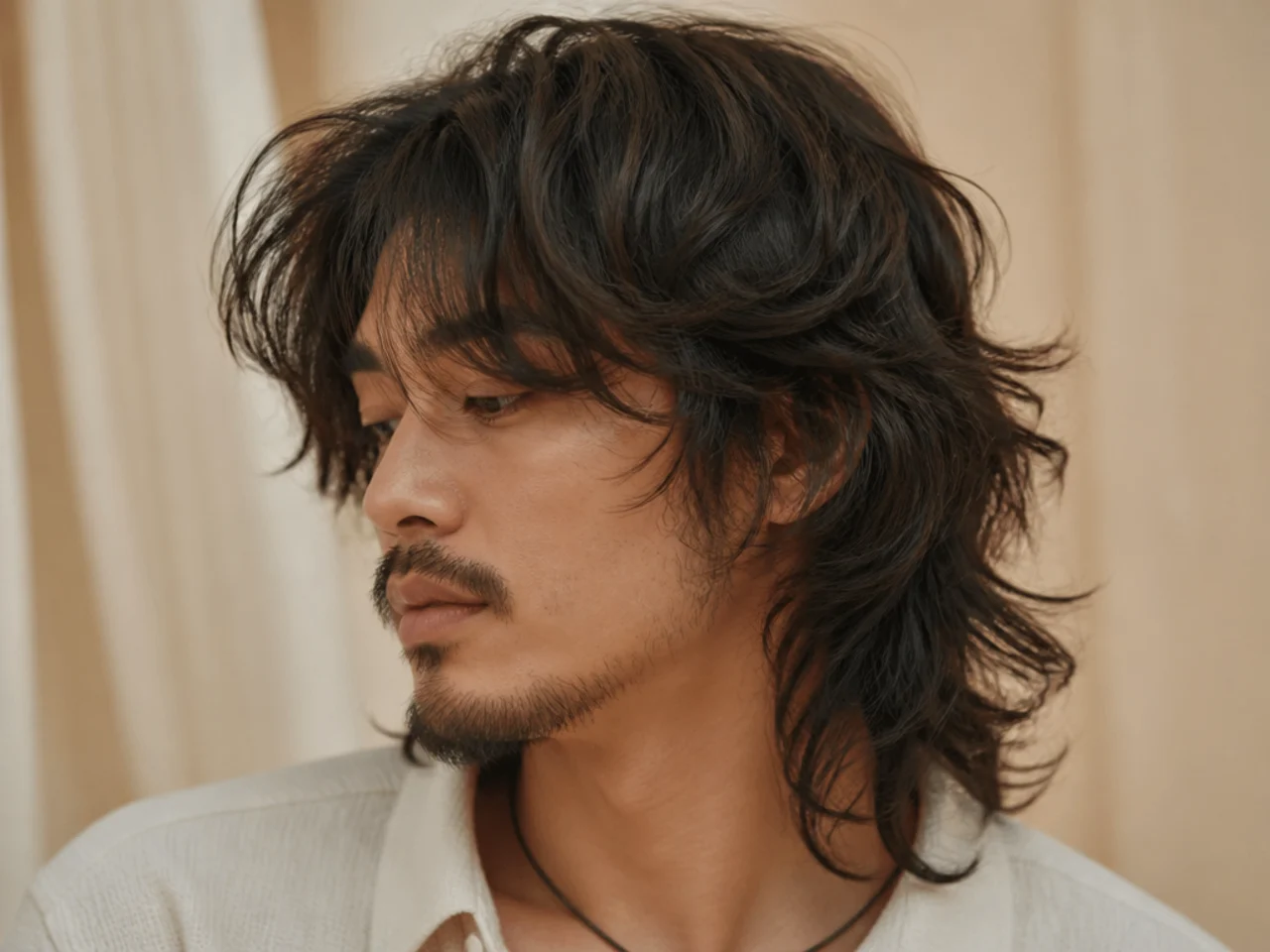
19. Mullet Styled Flat
Dried straight down with nothing in it. The layers sit against each other and the silhouette narrows, which suits a wide face but loses most of the crown height the cut was built to produce.
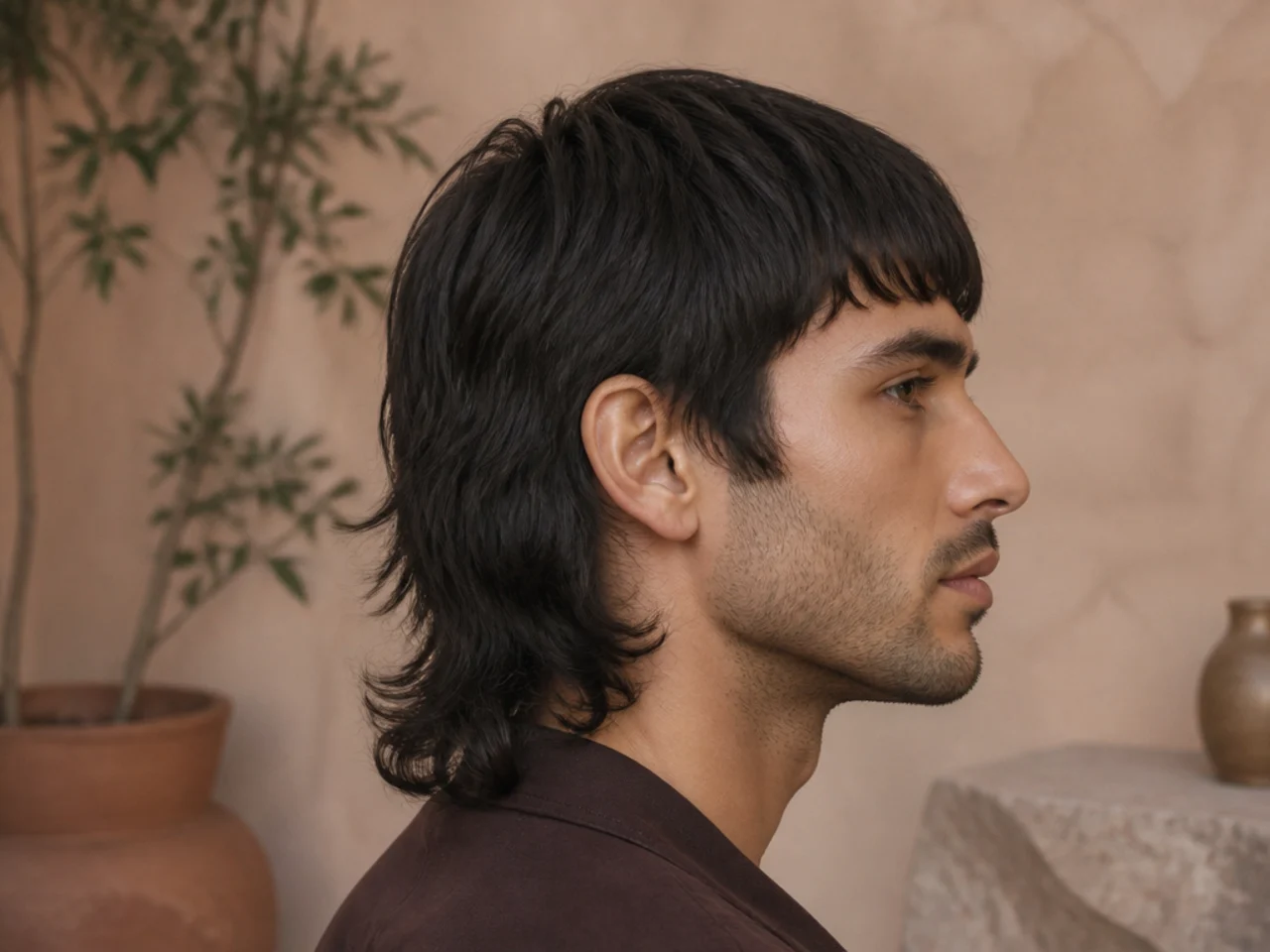
20. Mullet Styled With Crown Volume
The crown dried against its growth direction and left to cool in position. Hair sets its shape as it cools rather than while the heat is on it, so ten seconds of cooling per section is what holds the lift all day.
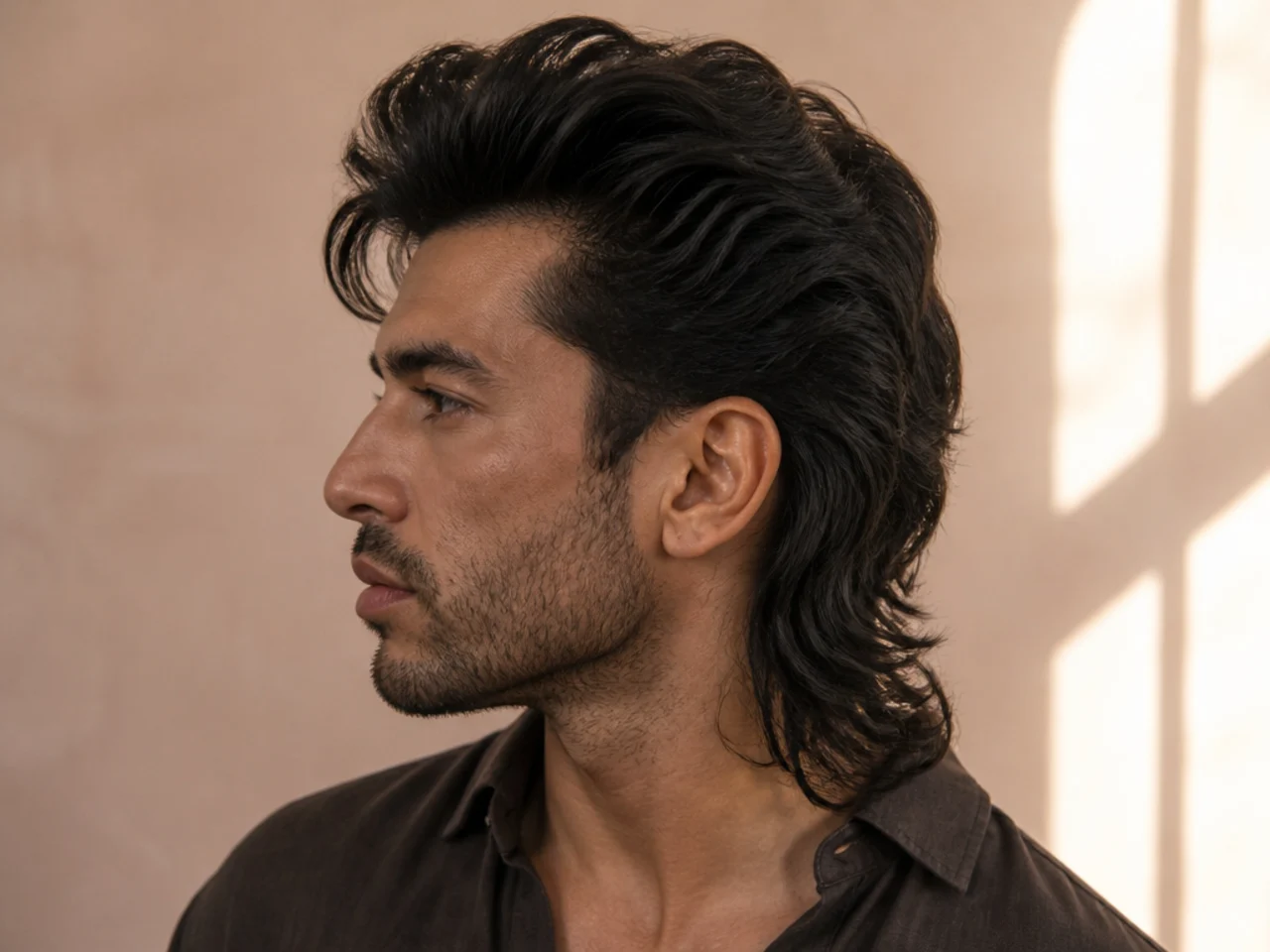
Styling and Upkeep
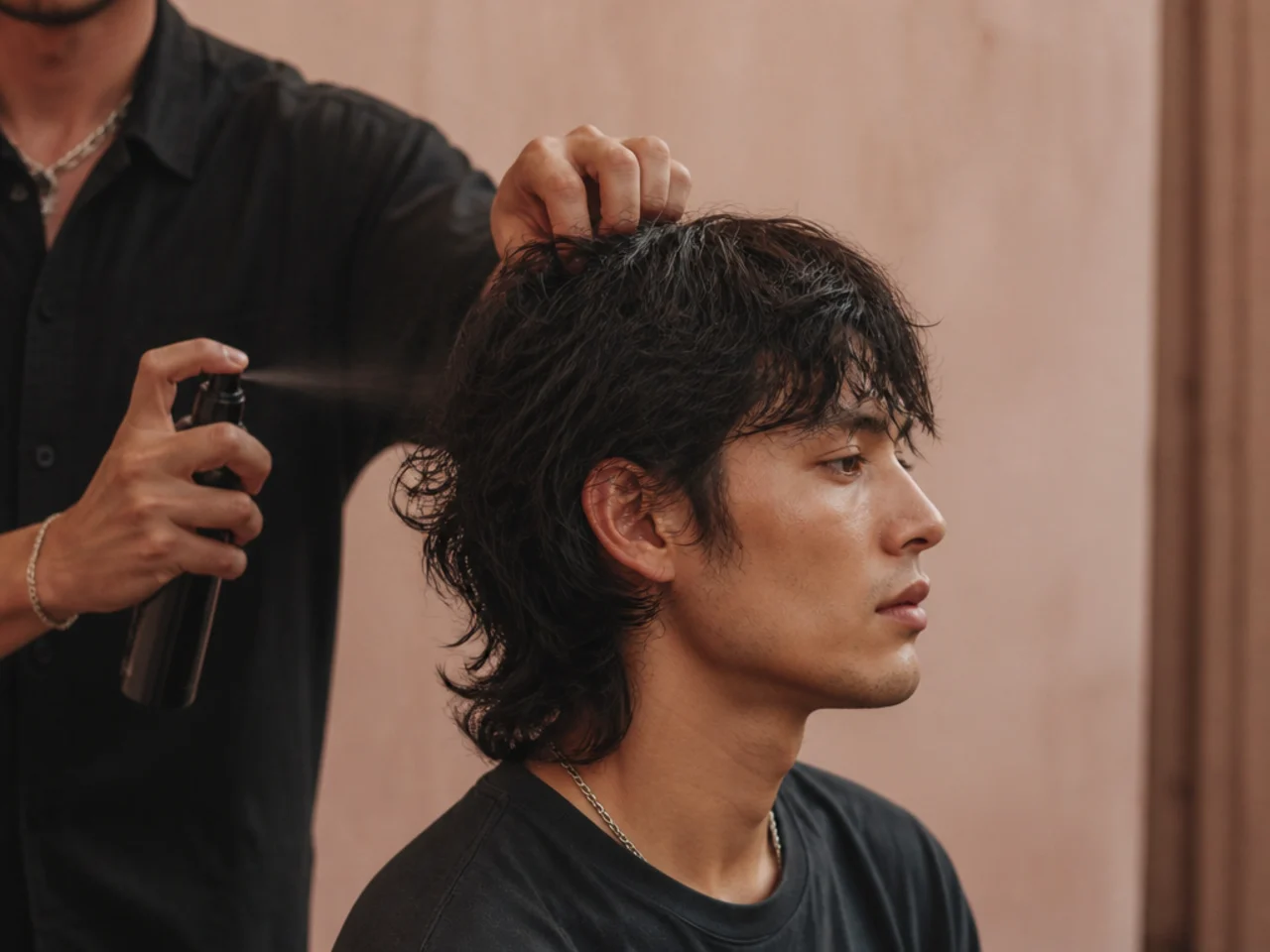
Use a light texture spray, not a heavy wax. Weight is what closes the layers up.
Dry the crown first while it is wettest. It takes direction best before the water has gone.
Let the sides grow to the earlobe if you want to tuck them. That is roughly three months of growth.
Trim at eight to ten weeks. The layers grow proportionally, so it is the sides catching up that ends the shape.
Ask for the fringe alone at week five. Trimming just the front resets the look for a fraction of the time.
Mistakes to Avoid
Asking for a disconnected mullet. The hard break is the western shape, and it is the opposite of this one.
Taking the sides to skin. A skin fade removes the length the layering needs to blend into.
Thinning the fringe from the surface. Short ends then stand up through it instead of disappearing underneath.
Cutting curly or permed hair wet. It springs up by as much as a third drying, so the nape lands well above target.
Judging the length before the crown is dry. Wet hair hangs at full length and the cut only reads correctly once it has lifted.
FAQ
Layered or disconnected? Layered, with the sides blending into the top.
Does it need a fade? No, a light taper at most.
How often trimmed? Eight to ten weeks, or just the fringe at five.
Final Thoughts
Ask for the blend, not the name. "Layered from the fringe through to the nape, no disconnection, sides no shorter than a number one, nape at collar length" describes a cut a barber can actually deliver.
More cuts in this family are in Mullet and Wolf Cut. See also mullet hairstyle mens and mullet men.