15 Jellyfish Haircuts I Tried Before Getting It Right
Fifteen versions of the same cut over two years, and the mistake I repeated for most of them. I kept asking for the shape and letting the stylist choose the gap, and the gap is the only measurement that decides whether this cut works.
In this article · 23
- What Is a Jellyfish Haircut
- Jellyfish Versus Wolf Cut Versus Mullet
- Who Suits a Jellyfish Haircut
- How to Ask for a Jellyfish Haircut
- Styling the Bell and Tentacles
- Growing Out a Jellyfish Haircut
- The 15 Versions I Tried
- 1. Jaw Length Bell
- 2. Cheekbone Bell
- 3. Blunt Bowl Over Waist Length
- 4. Point Cut Bell for a Round Face
- 5. Curtain Bangs
- 6. Hime Bangs
- 7. 2B Waves
- 8. 3A Curls
- 9. Collarbone Length Tentacles
- 10. Platinum Bell
- 11. Hidden Undercut
- 12. Half Blended Step
- 13. Micro Bangs
- 14. Grown Out at Three Months
- 15. Grown Out Into a Shag
- Final Thoughts
Two years of asking for this cut taught me that the shape is not the hard part. The gap is.
The gap between the two hems is the whole cut. A short blunt layer over long untouched lengths only reads as deliberate when the distance between them is obvious from across a room.
Every failed version had the same fault. I described the look, the stylist chose the separation, and it came out too small. Naming the shape without naming the gap gets you a long layer with a hard edge.
What Is a Jellyfish Haircut
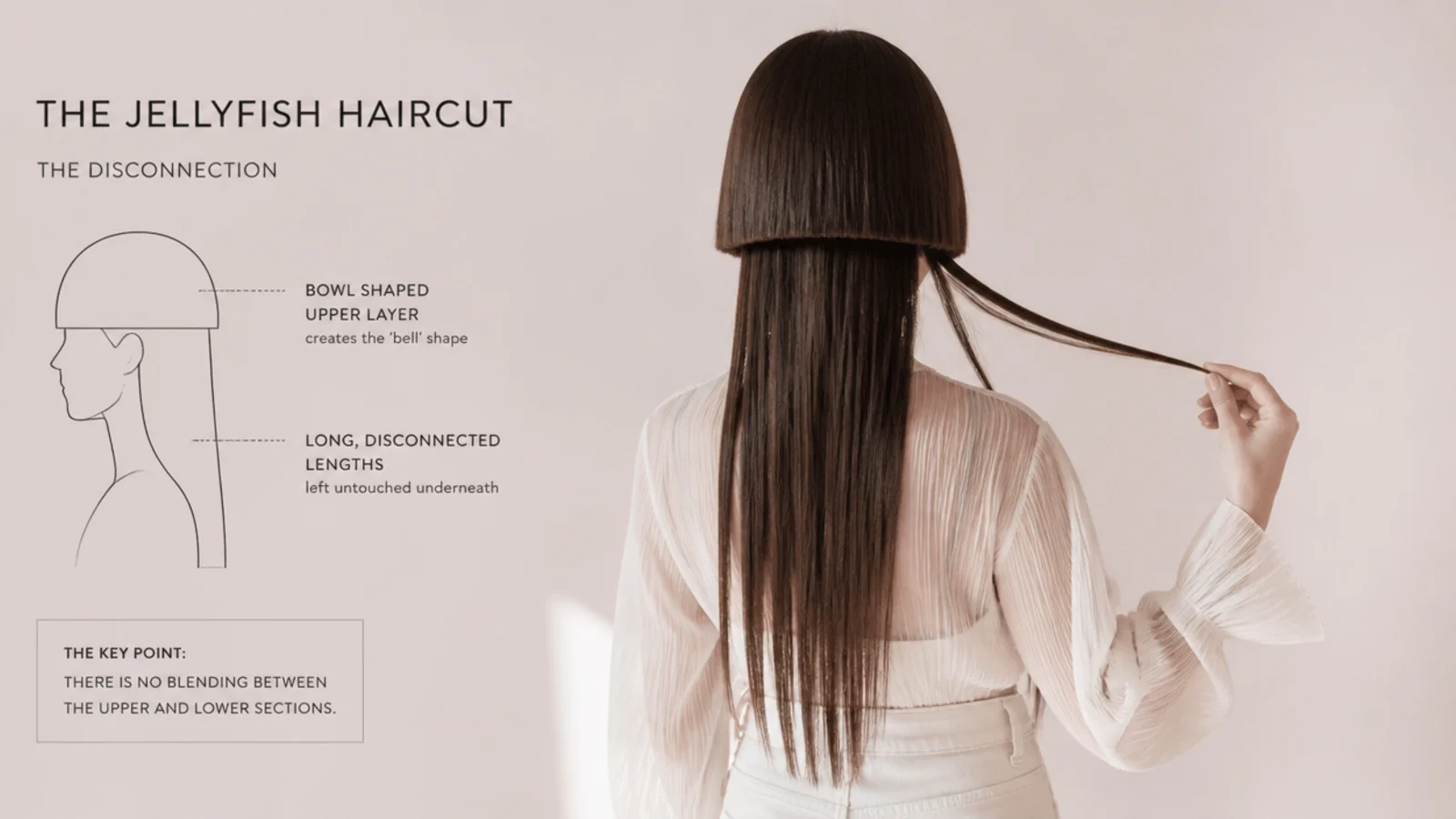
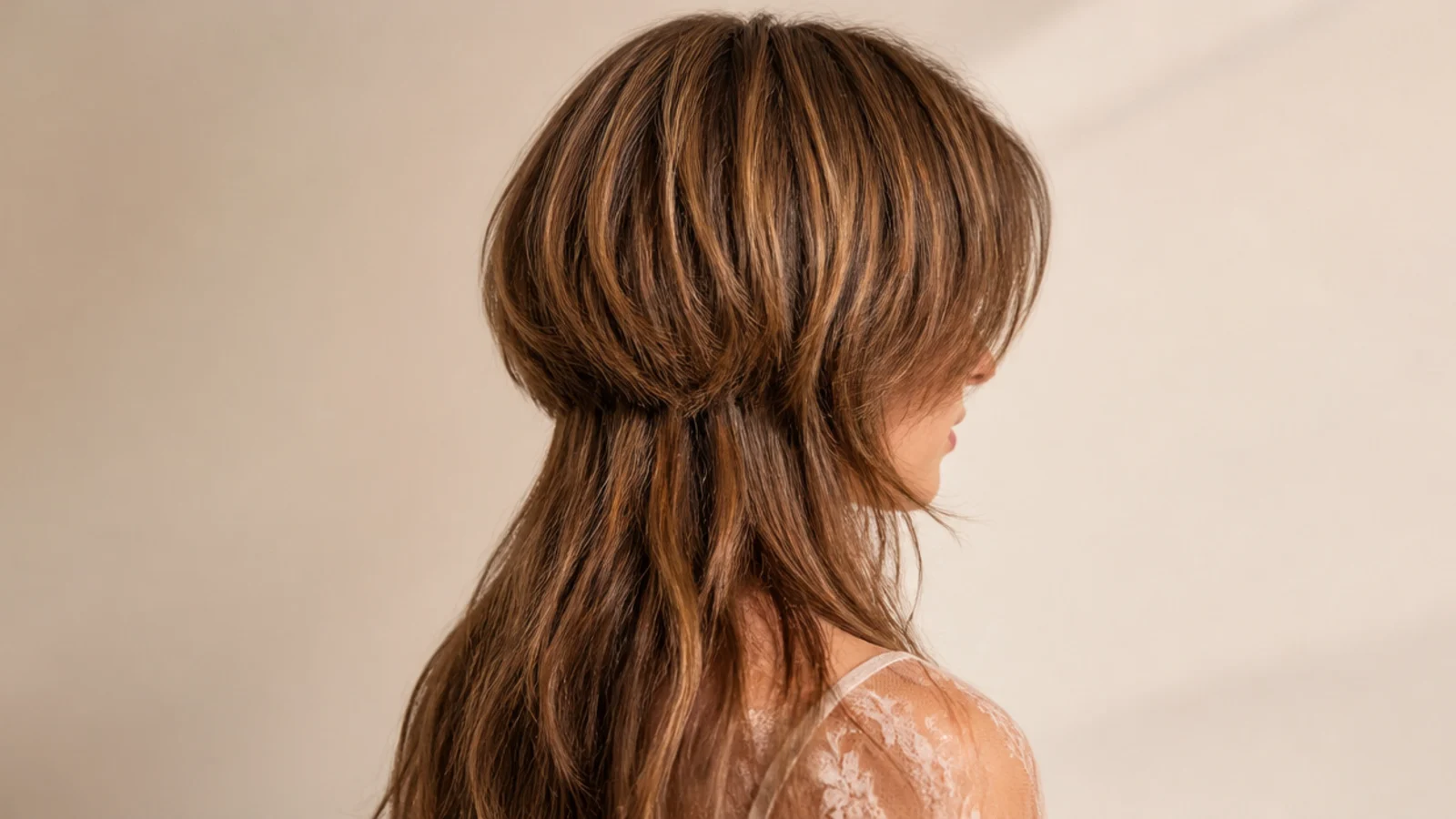
Two lengths, disconnected on purpose. A short blunt upper layer sits over long lengths that were never cut into, with no hair bridging the step between them.
The names are useful in a salon. The upper tier is the bell and the long hair below it is the tentacles. Using both words removes most of the ambiguity from a consultation.
The bell is a perimeter, not a layer. It is cut level all the way round like a bowl, so every strand in it ends on the same line. That is what makes the edge readable.
No blending anywhere. The instant a stylist graduates the bell into the lengths, the cut becomes a long layered shape and stops being this one.
Jellyfish Versus Wolf Cut Versus Mullet
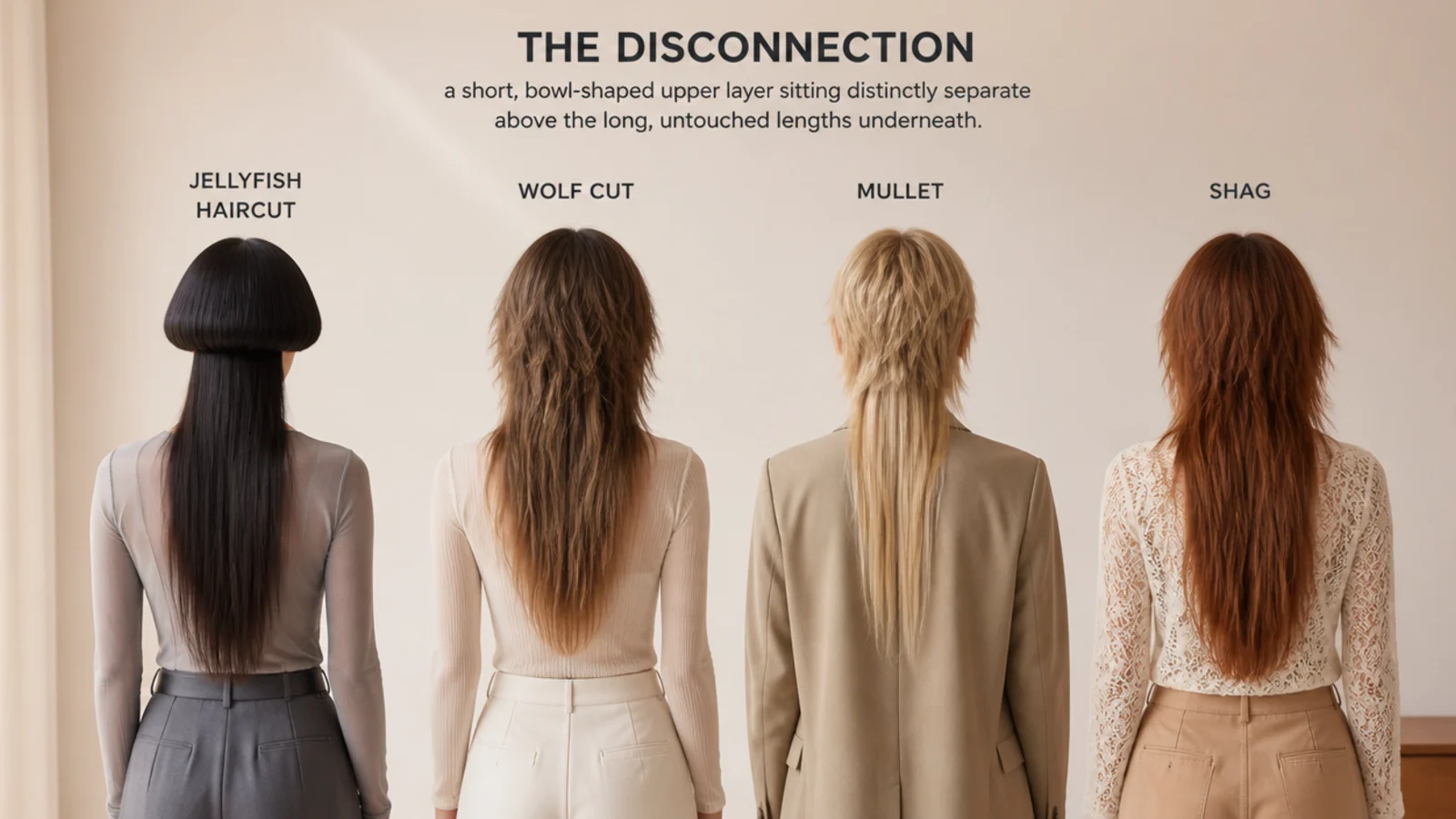
A wolf cut connects every length. Short crown layers graduate down into long ends with no step at any point, which is the opposite of what this cut is doing.
A mullet changes length front to back. Short at the sides and front, long at the back. The jellyfish changes length top to bottom, so the two are not variations of each other.
Only the jellyfish has a hard step. Run a finger down the hair. If you feel a sudden drop from short to long with nothing in between, it is a jellyfish. If it graduates, it is not.
The words matter more than the photograph. I brought pictures for the first four attempts and got a wolf cut three times, because the reference read as layers to somebody trained to blend.
Who Suits a Jellyfish Haircut
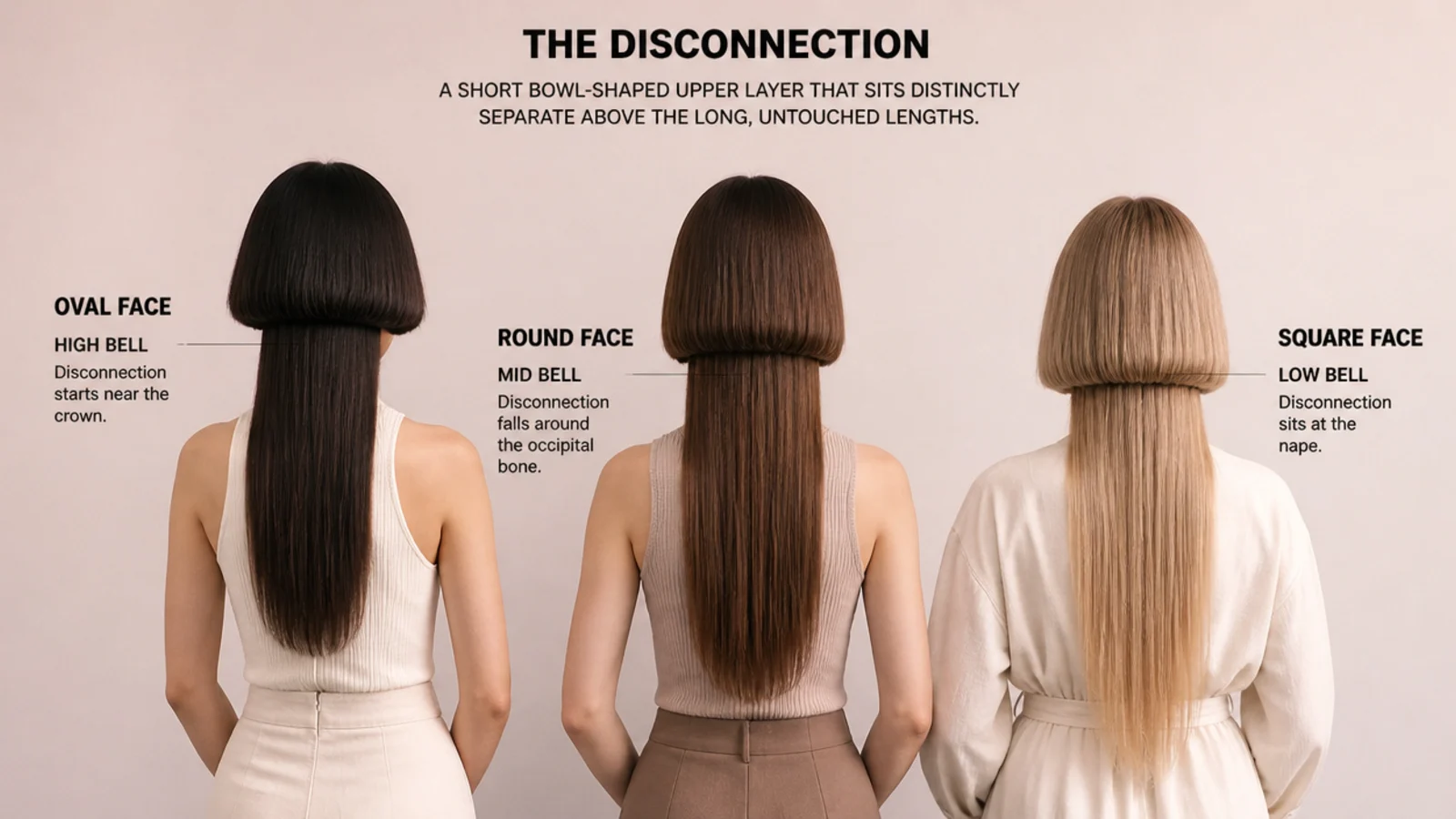
The hem is a horizontal across your face. Wherever the bell ends, the face gains width, because a blunt line pulls the eye sideways rather than down.
Round faces want the hem below the cheekbone. Jaw or chin keeps the widest part of the face uncrossed and lets the long lengths carry the vertical.
Long faces can take a high bell. A cheekbone hem interrupts the length of the face, which is the one case where the shortest version is also the most flattering.
Density sets how deep the bell can be. Fine hair needs a shallow upper section so the lengths keep their weight, since a greedy bell leaves both tiers looking sparse.
How to Ask for a Jellyfish Haircut
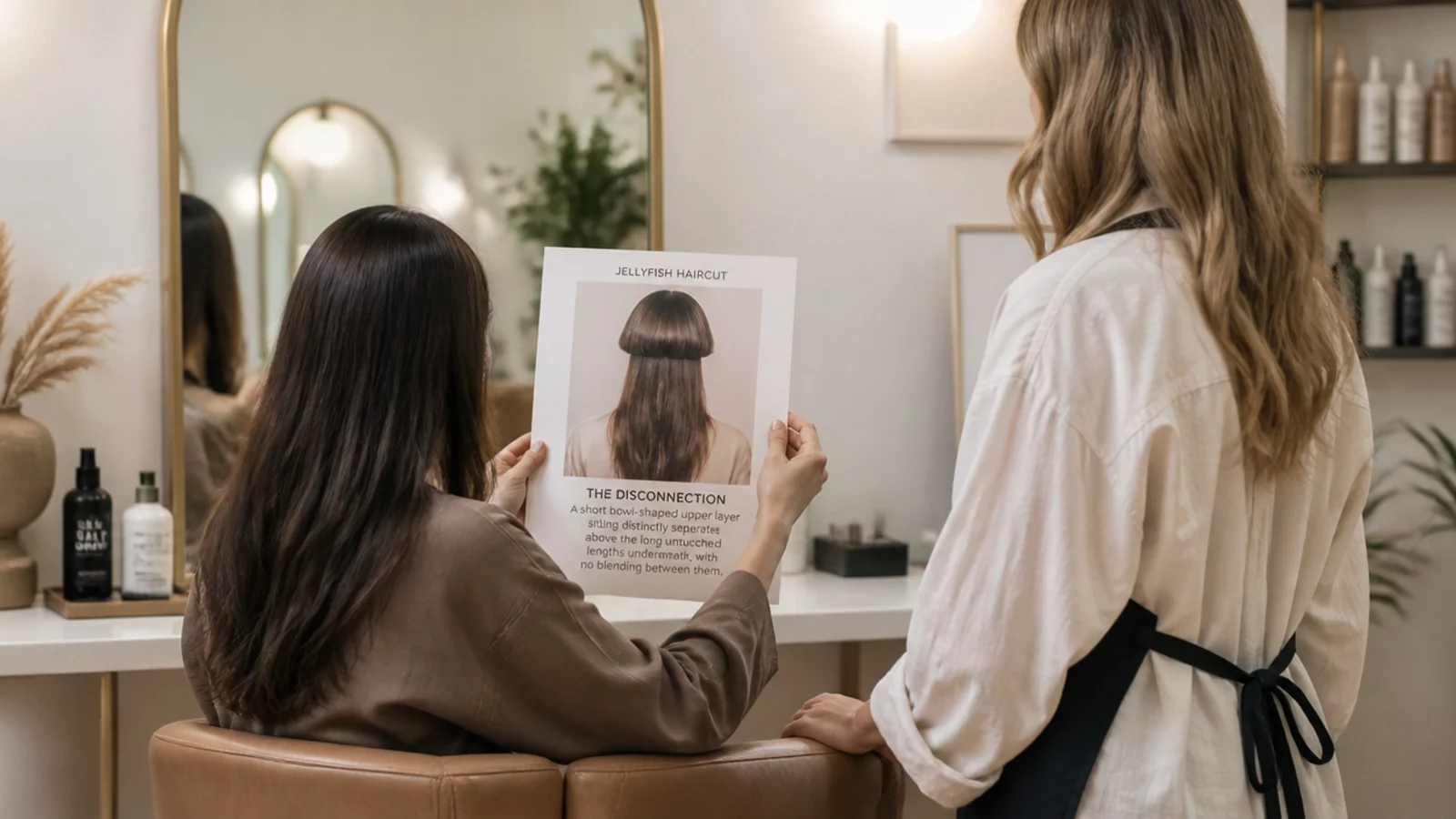
Say disconnected and say do not blend. These are the two phrases that decide the outcome, and they need saying before the sectioning starts rather than after.
Point at the hem on your own face. Cheekbone, jaw or chin, indicated with a finger. Inches mean different things on different head shapes and different heights.
Name the gap in inches. Four is the minimum that reads. Six is comfortable. Under three it looks like a mistake regardless of how well the bell itself is cut.
Say the lengths are untouched. Dusting the ends is fine. Layering them closes the gap from below, which undoes the cut while the bell is still sitting exactly where you asked for it.
Styling the Bell and Tentacles
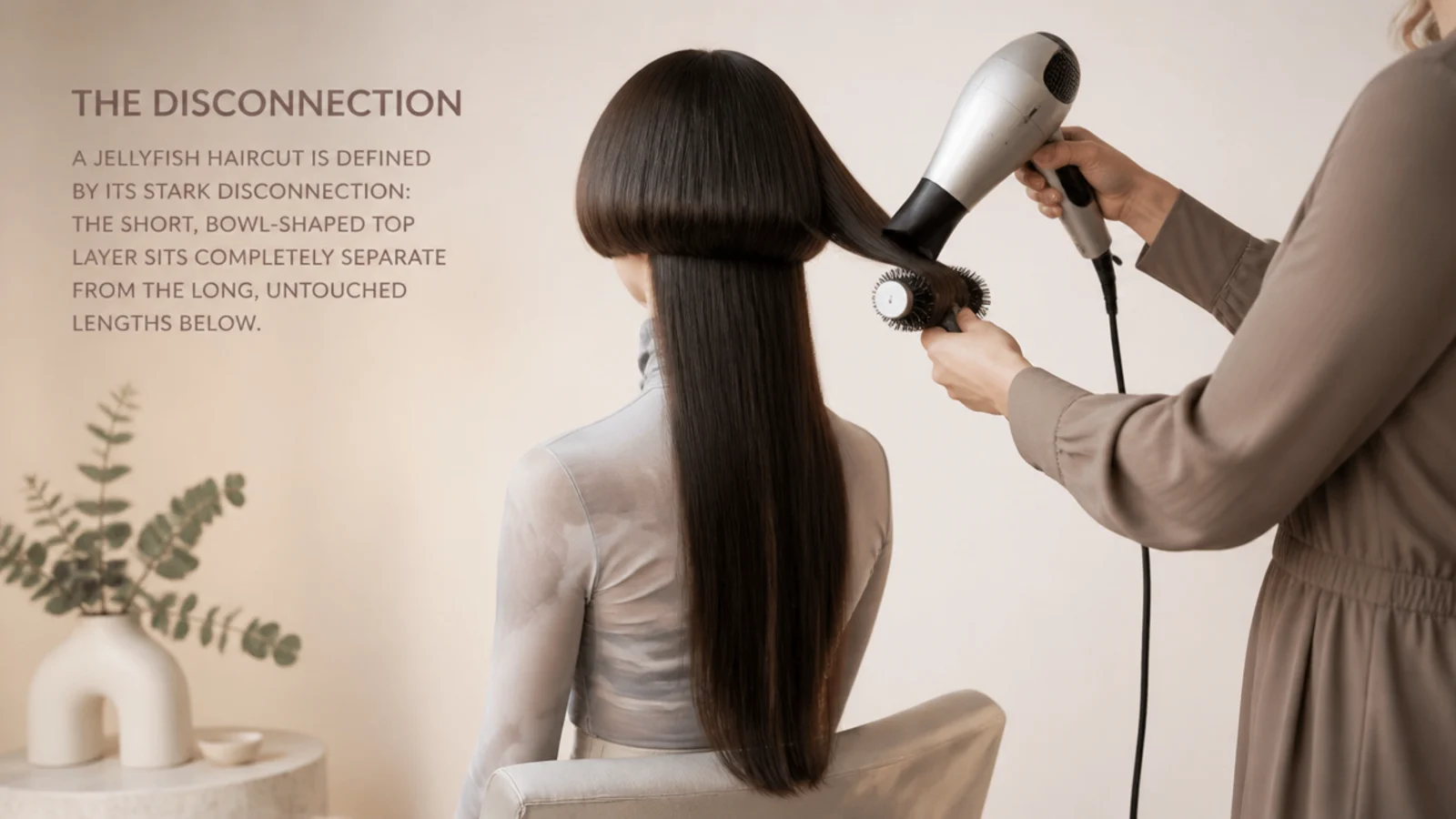
Two tiers, two surfaces. Smooth the bell and texture the lengths, or the reverse. Matching them merges the cut back into a single sheet of hair.
The bell holds a set for a full day. It is short, so its hydrogen bonds reset into a shape and stay there rather than being dragged out by weight.
The lengths do better untouched. Rough dried with fingers and left alone. Brushing them smooth removes every bit of contrast the cut was built to create.
Match the product to the tier. Serum on the bell, texture spray below. Reversed, the serum kills the texture and the spray roughens the only surface that needs to be flat.
Growing Out a Jellyfish Haircut
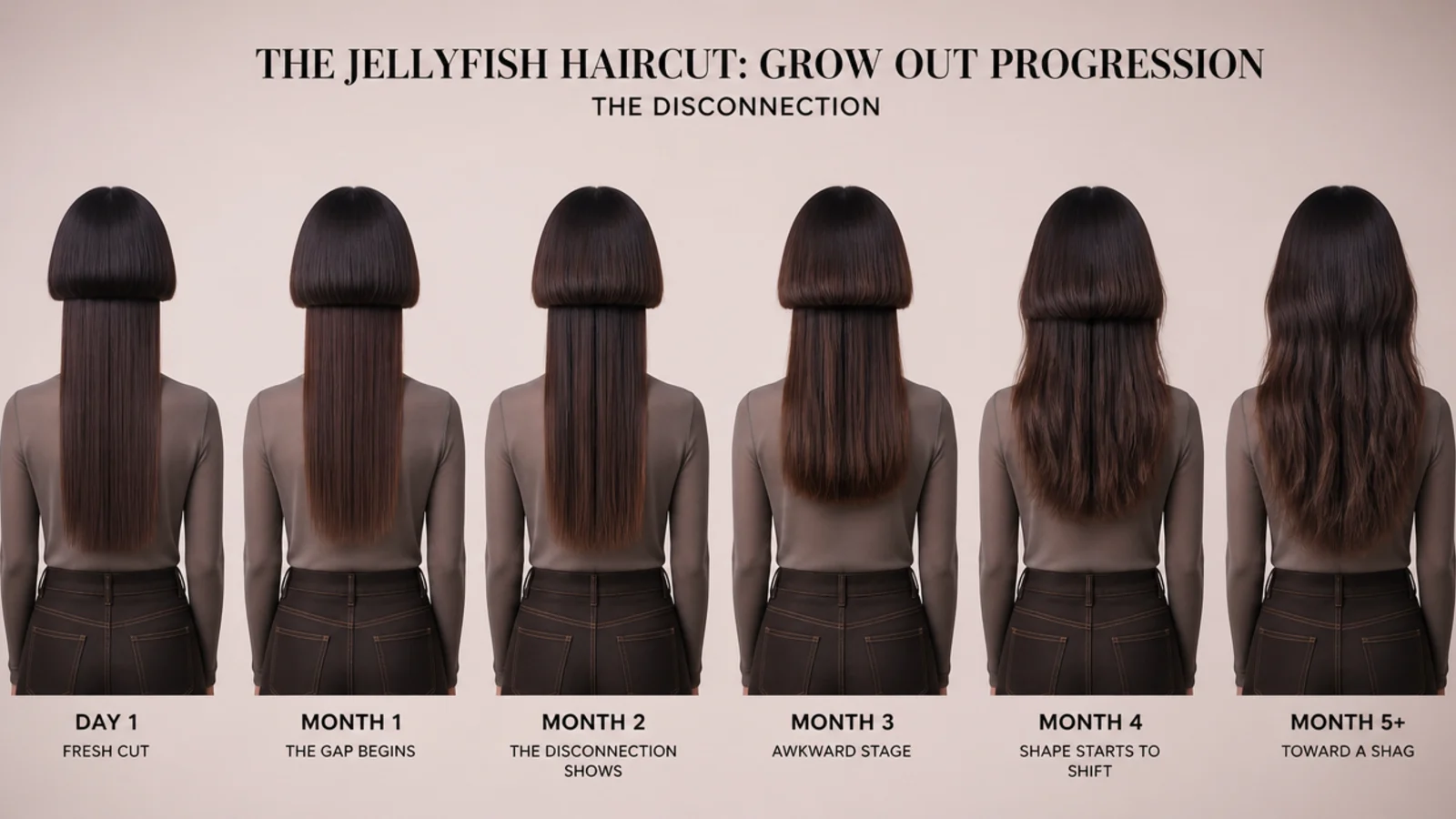
Half an inch a month, and the gap eats it. The bell drops while the lengths grow too, but the bell is what closes the distance because it starts so much higher.
Month three is the turning point. By then the bell has dropped around an inch and a half and the step has softened into a long face framing layer rather than a break.
Recut the bell only. Every eight to ten weeks, back to the original line. The lengths carry on growing and the gap stays exactly where it started.
The exit is a shag. Once the hems are within a couple of inches, one blending pass converts it cleanly, which is why this cut has no genuinely awkward stage.
The 15 Versions I Tried
1. Jaw Length Bell
The most wearable placement I found, and the one I have gone back to twice. The jaw sits below the widest part of most faces, so the horizontal line lands where it adds width to a narrow area rather than a broad one.
2. Cheekbone Bell
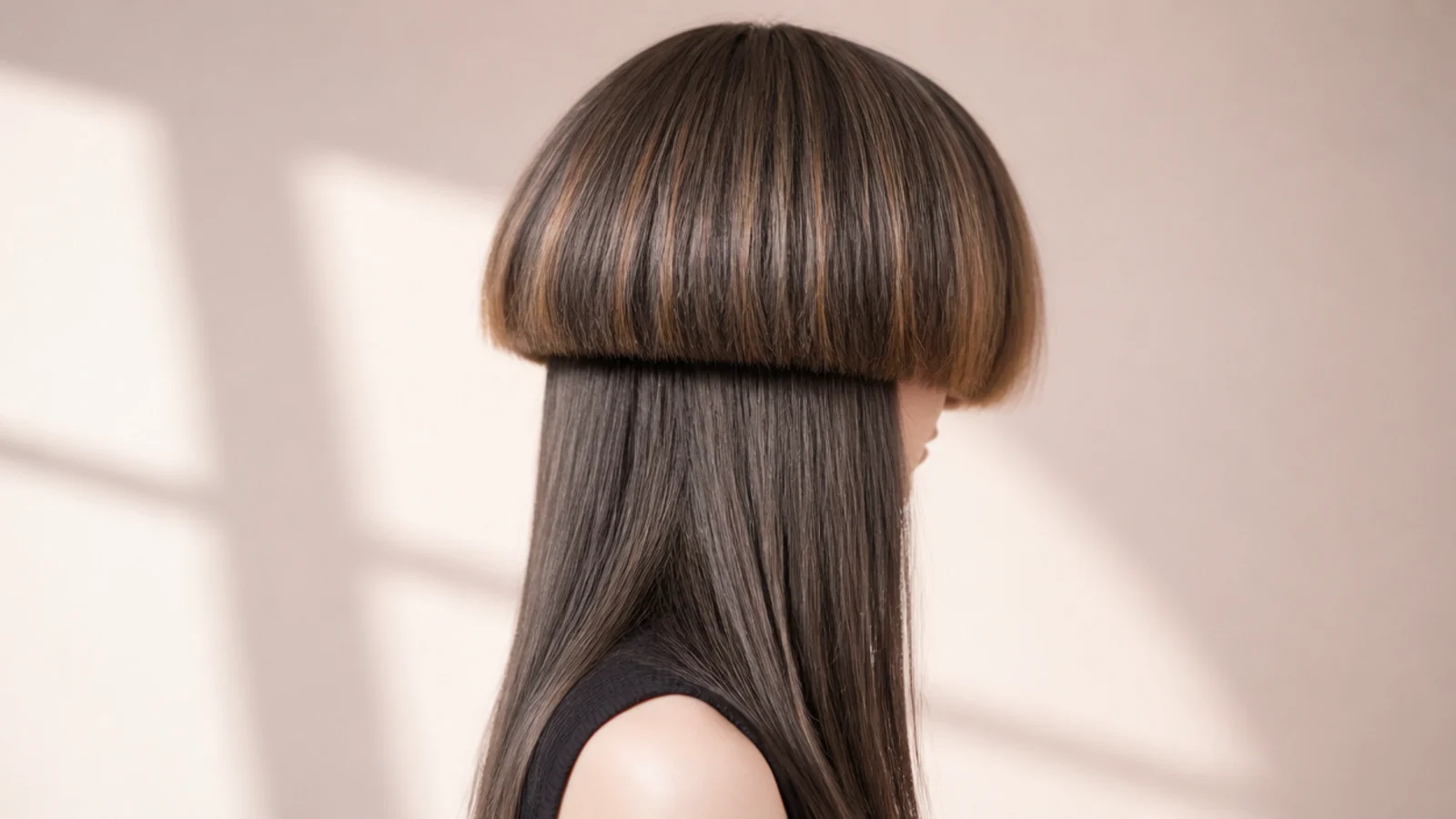
The shortest bell I tried, and it changed the balance of my face more than any colour ever has. A hem this high crosses the face at its widest point, so it suits a long outline and overwhelms a round one.

3. Blunt Bowl Over Waist Length
The purest version of the idea and the one that photographs best. Maximum distance between the hems means the eye reads two separate shapes instead of one long one, which is the effect the cut exists to produce.
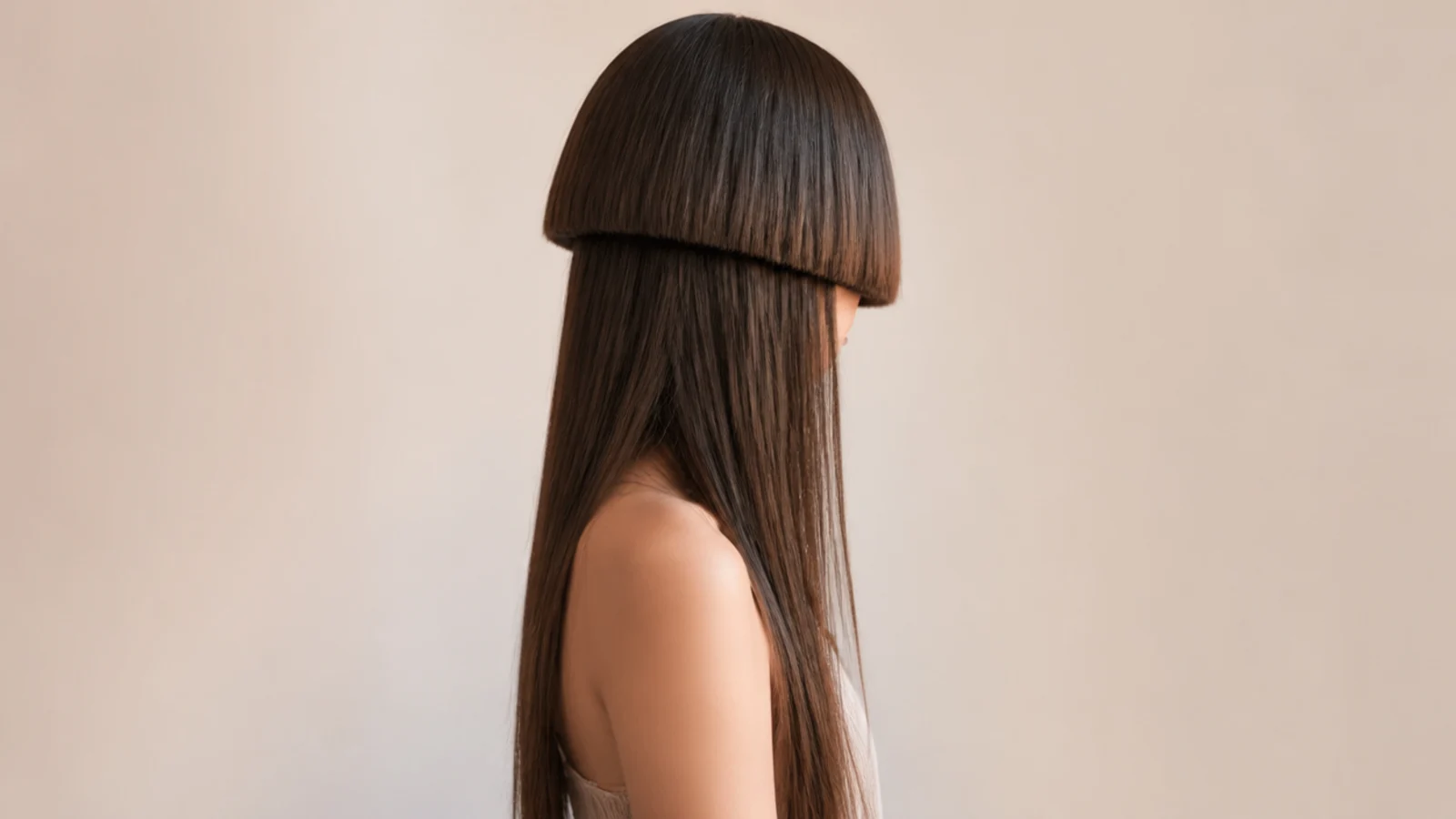
4. Point Cut Bell for a Round Face
Softening the hem with vertical scissor points broke the horizontal without losing the step. The line still reads, but the eye follows a slightly ragged edge downward rather than being pulled straight across the widest part of the face.
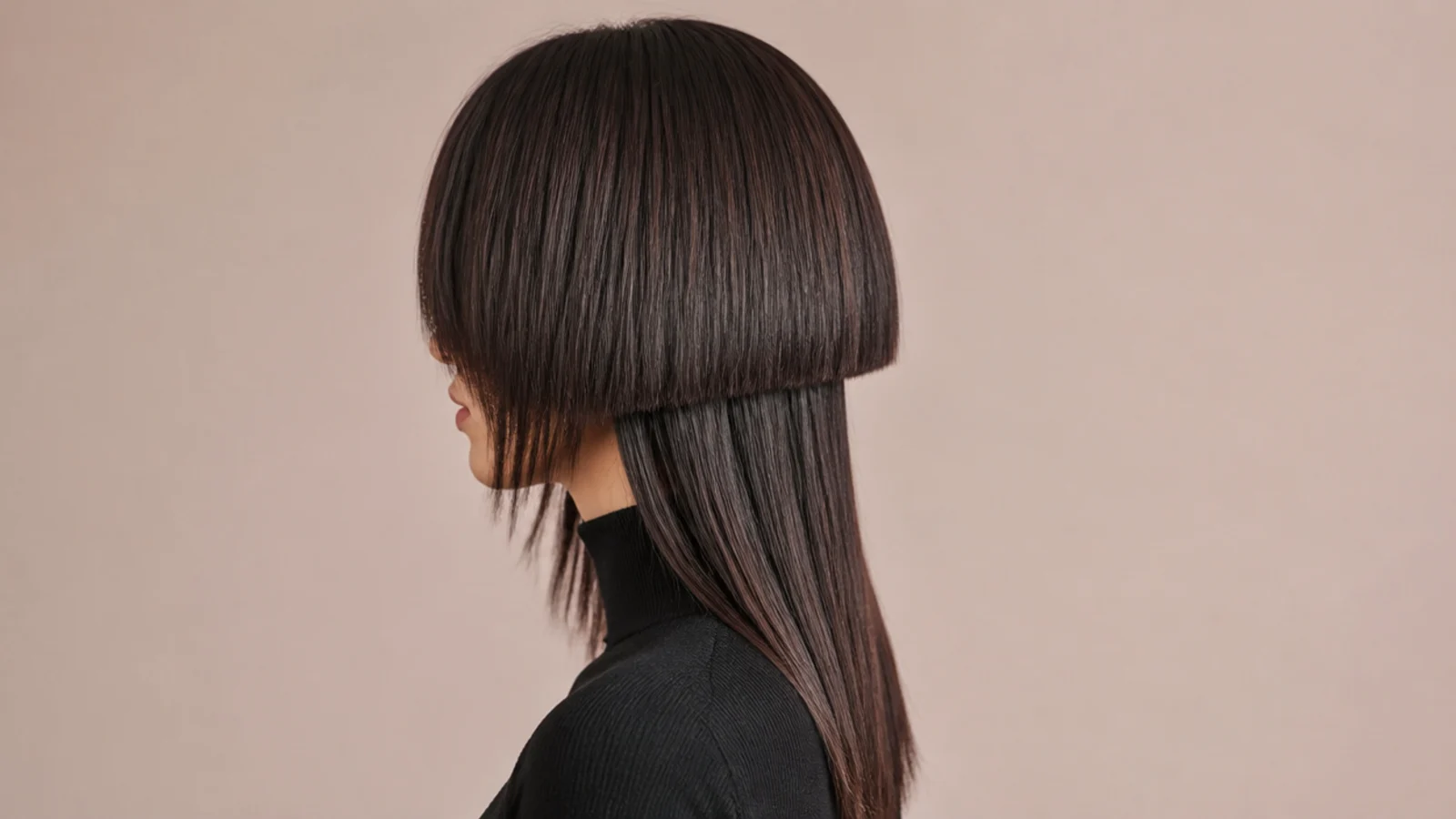
5. Curtain Bangs
Cutting the front of the bell into a curtain opened the shape up at the temples and stopped it reading as a helmet. It also gave the bell a reason to sit forward, which the closed bowl version never quite manages on fine hair.
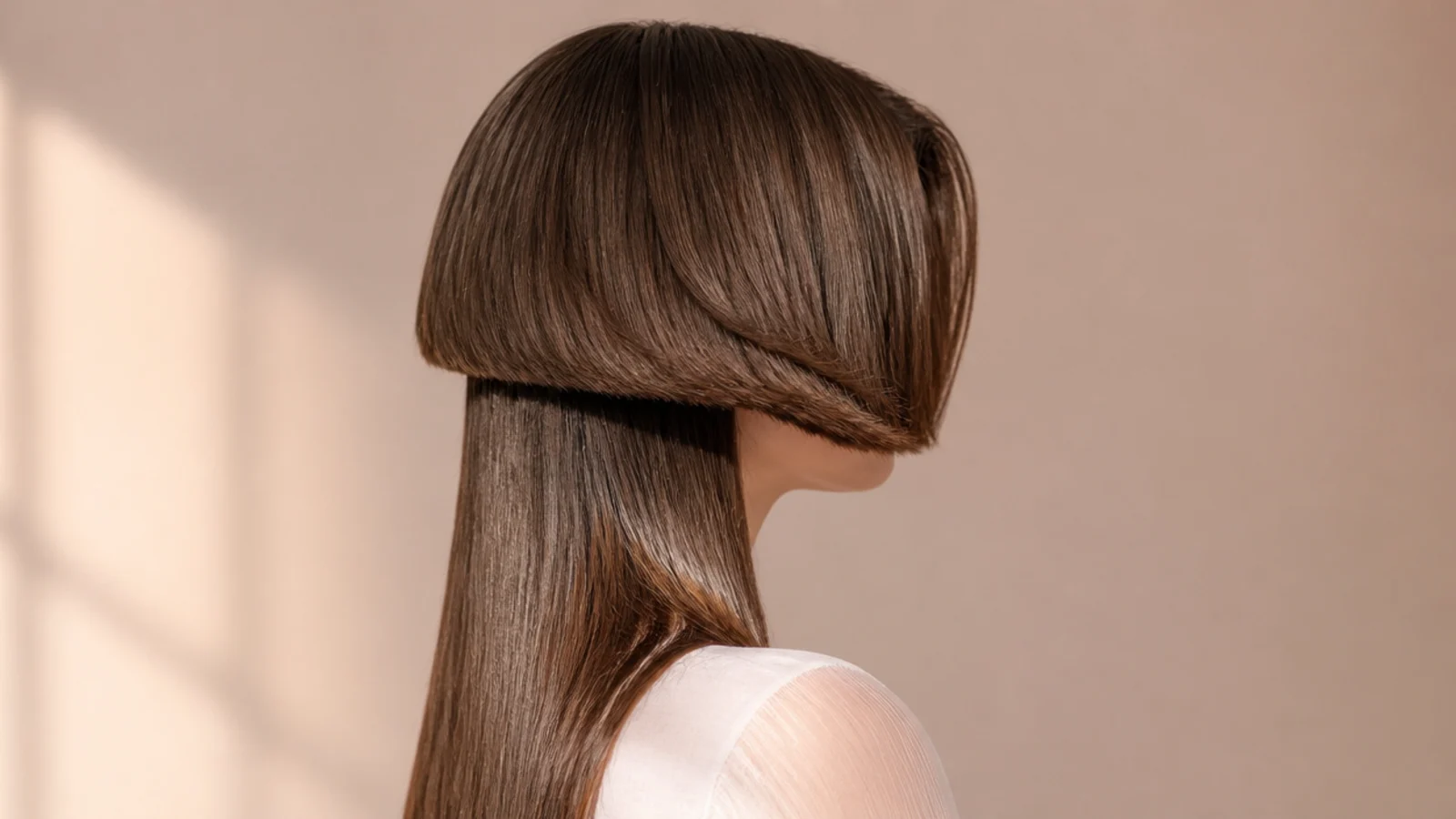
6. Hime Bangs
Two blunt vertical panels beside the face, cut to the same line as the bell. They double the number of hard edges in the cut, which suits a heavy dark colour and looks unfinished on anything wispy.
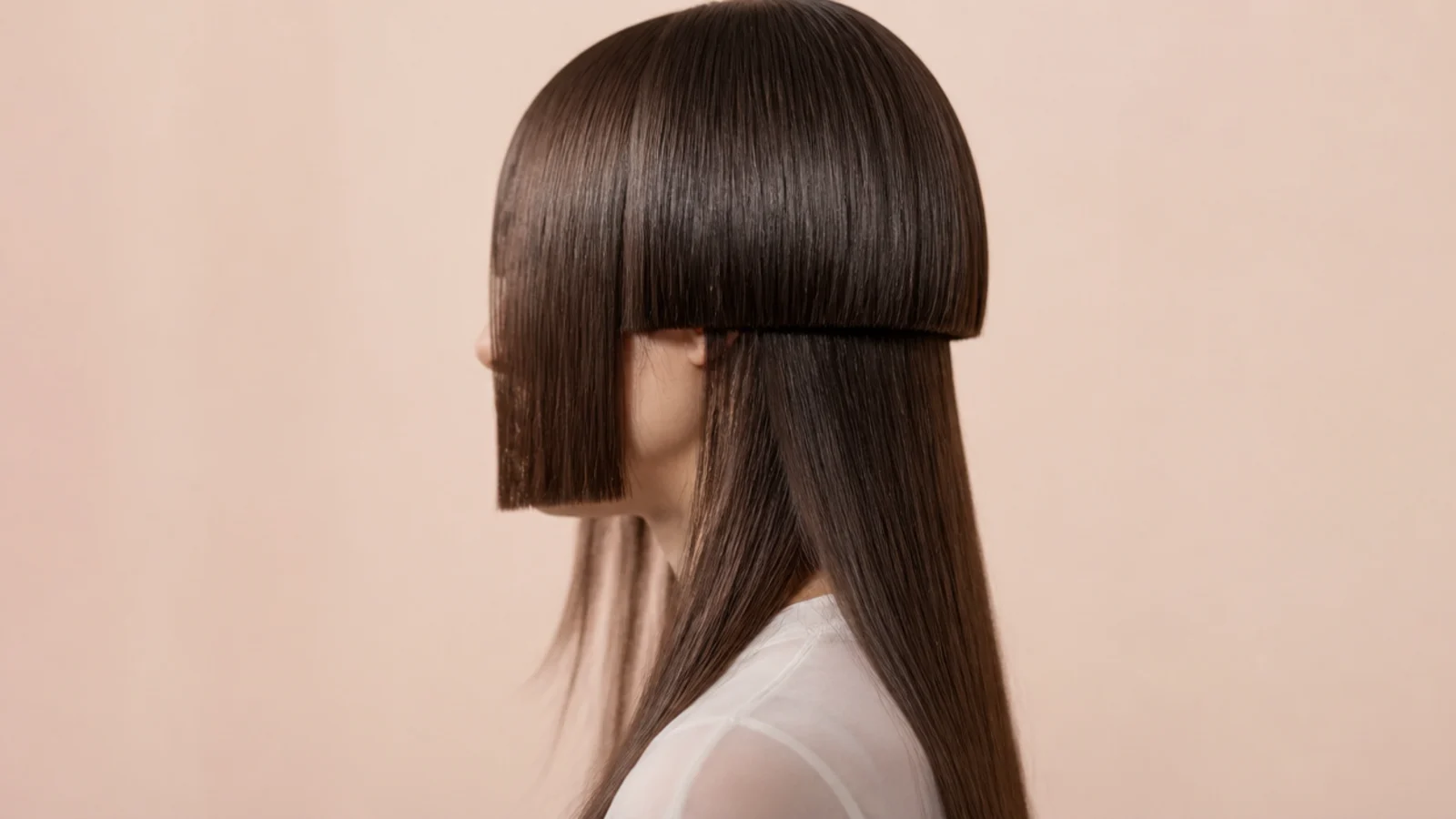
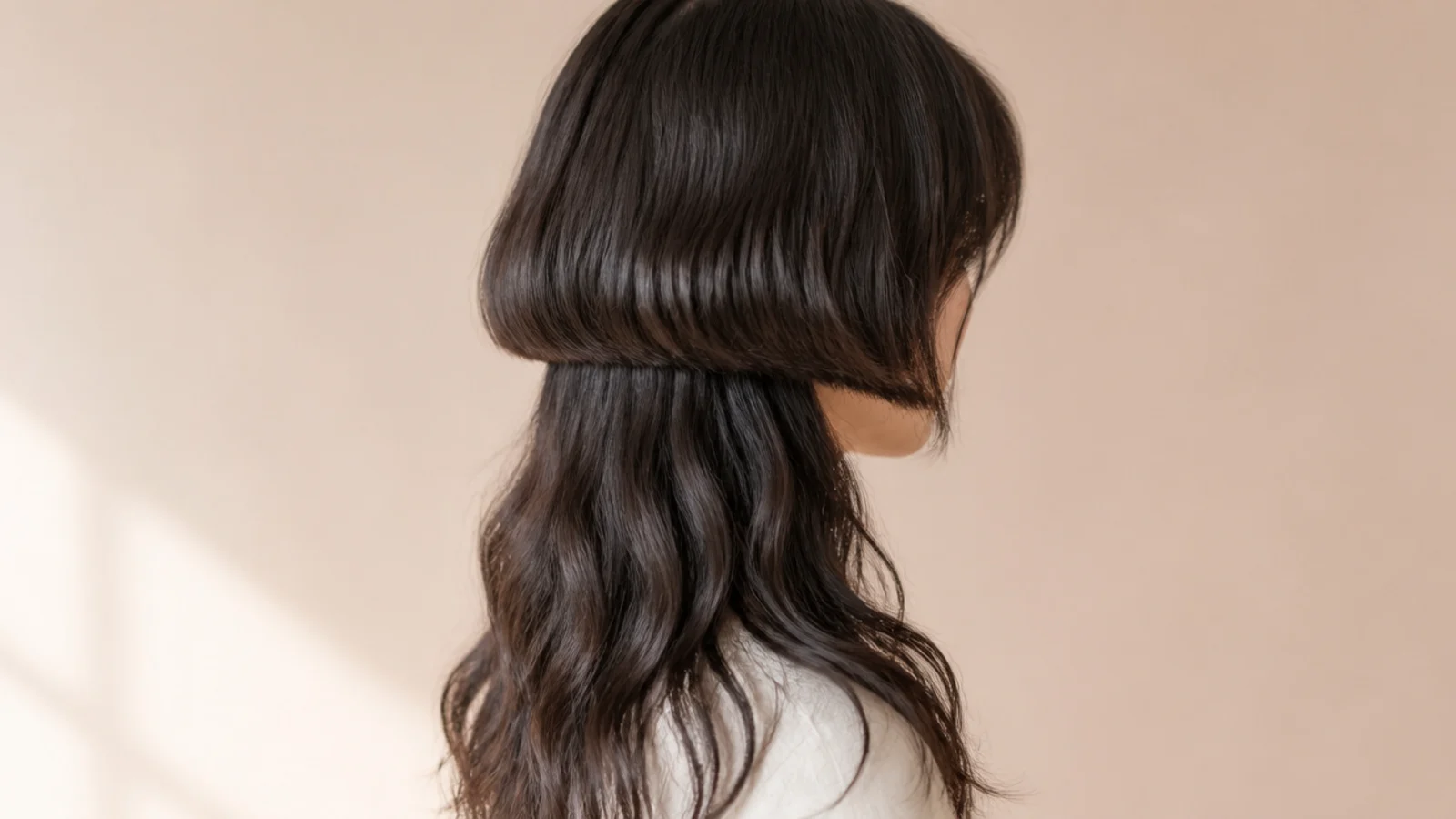
7. 2B Waves
A loose wave pattern hid about a third of the step, which was the first sign that texture and disconnection compete. The bend scatters light along the hem so the edge softens, and the gap has to be cut larger to survive it.
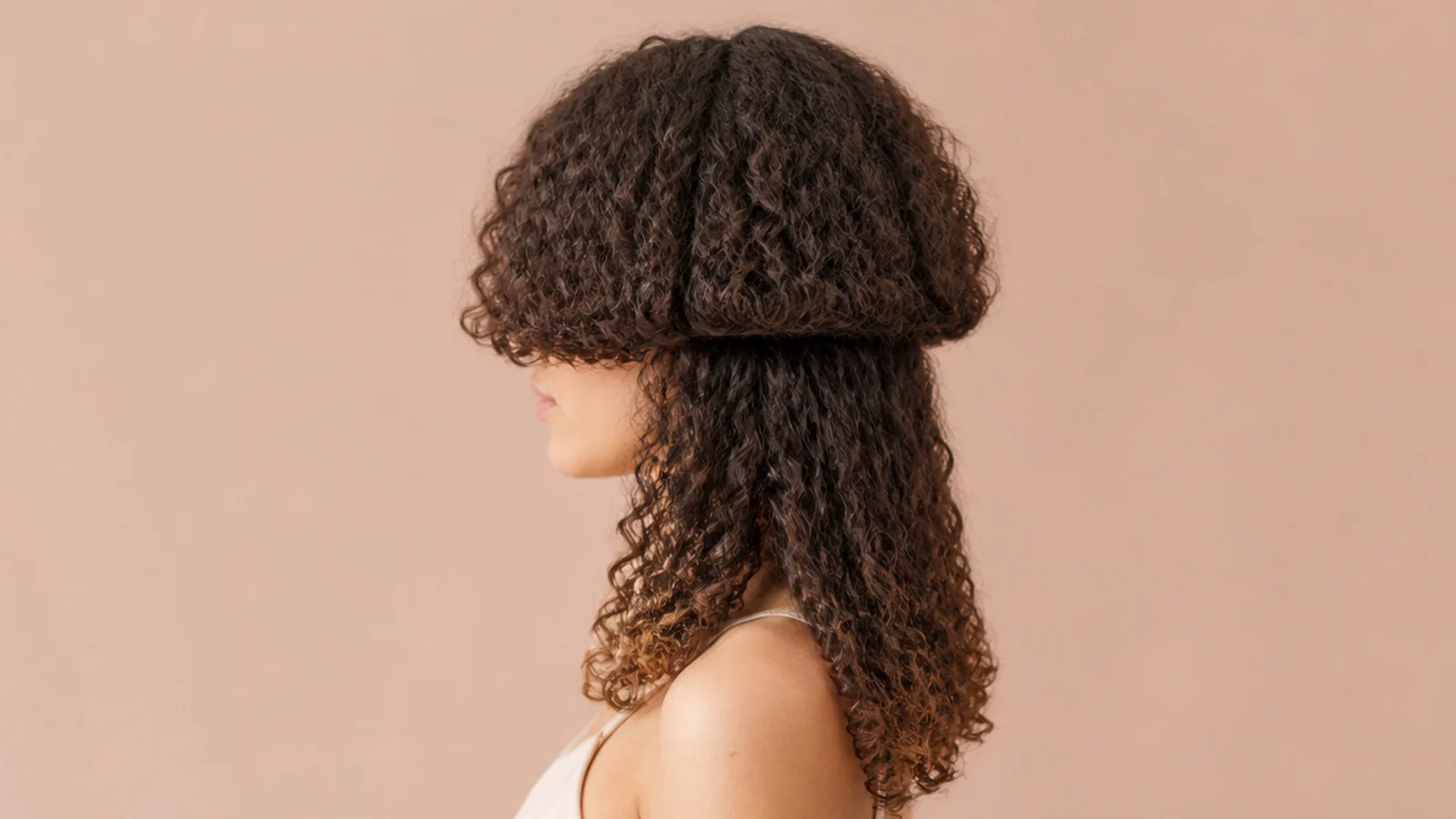
8. 3A Curls
Curl shortens the bell as it dries, so this one had to be cut a full two inches below where I wanted it to land. The curl also blurs the hem into a cloud, which means the shape depends entirely on the gap rather than on the line.
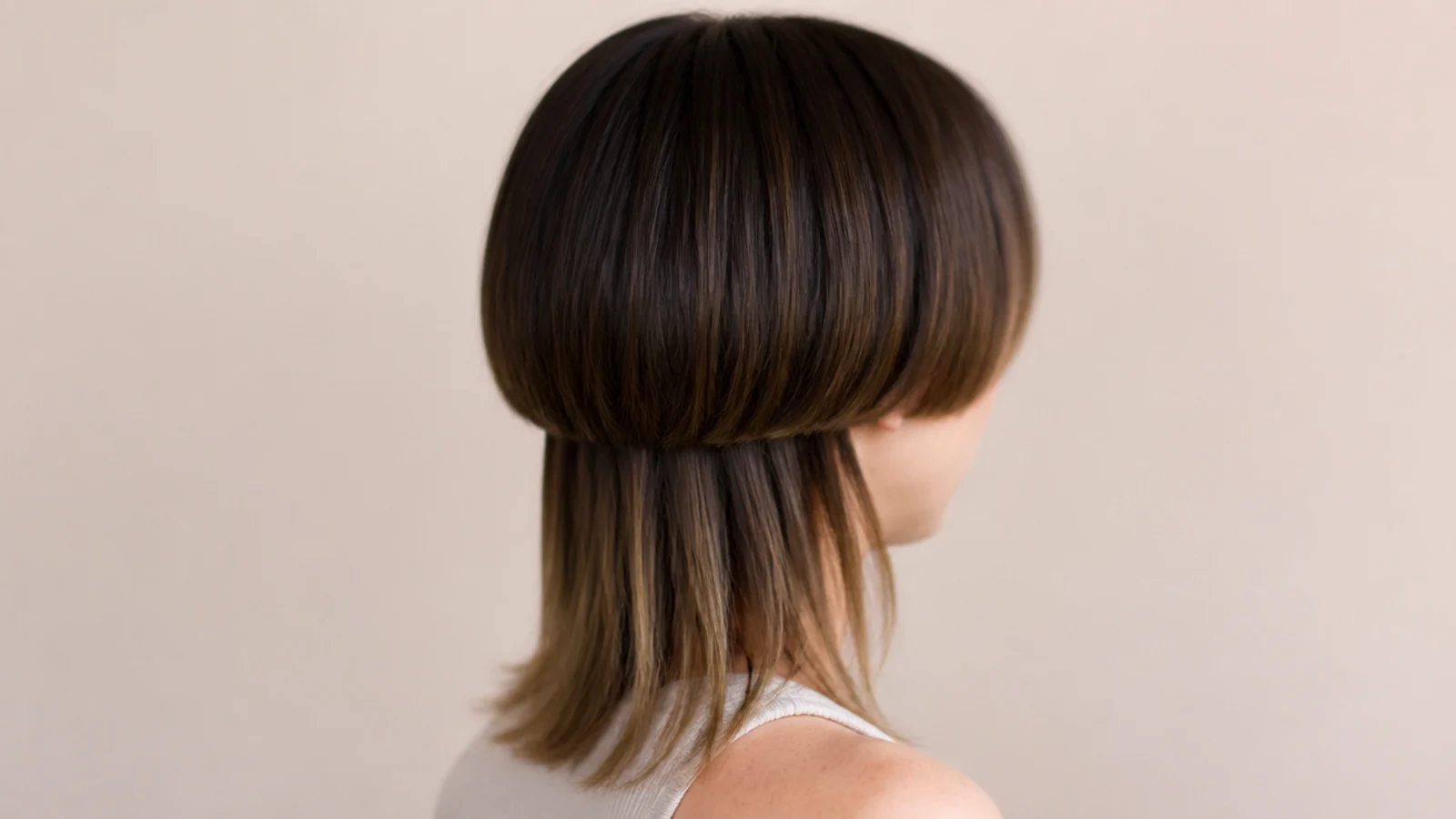
9. Collarbone Length Tentacles
The shortest lengths I tried underneath, and the version that came closest to failing. With only a few inches between the hems the cut reads as a heavy layered bob, and every extra inch below the collarbone buys the step more room.
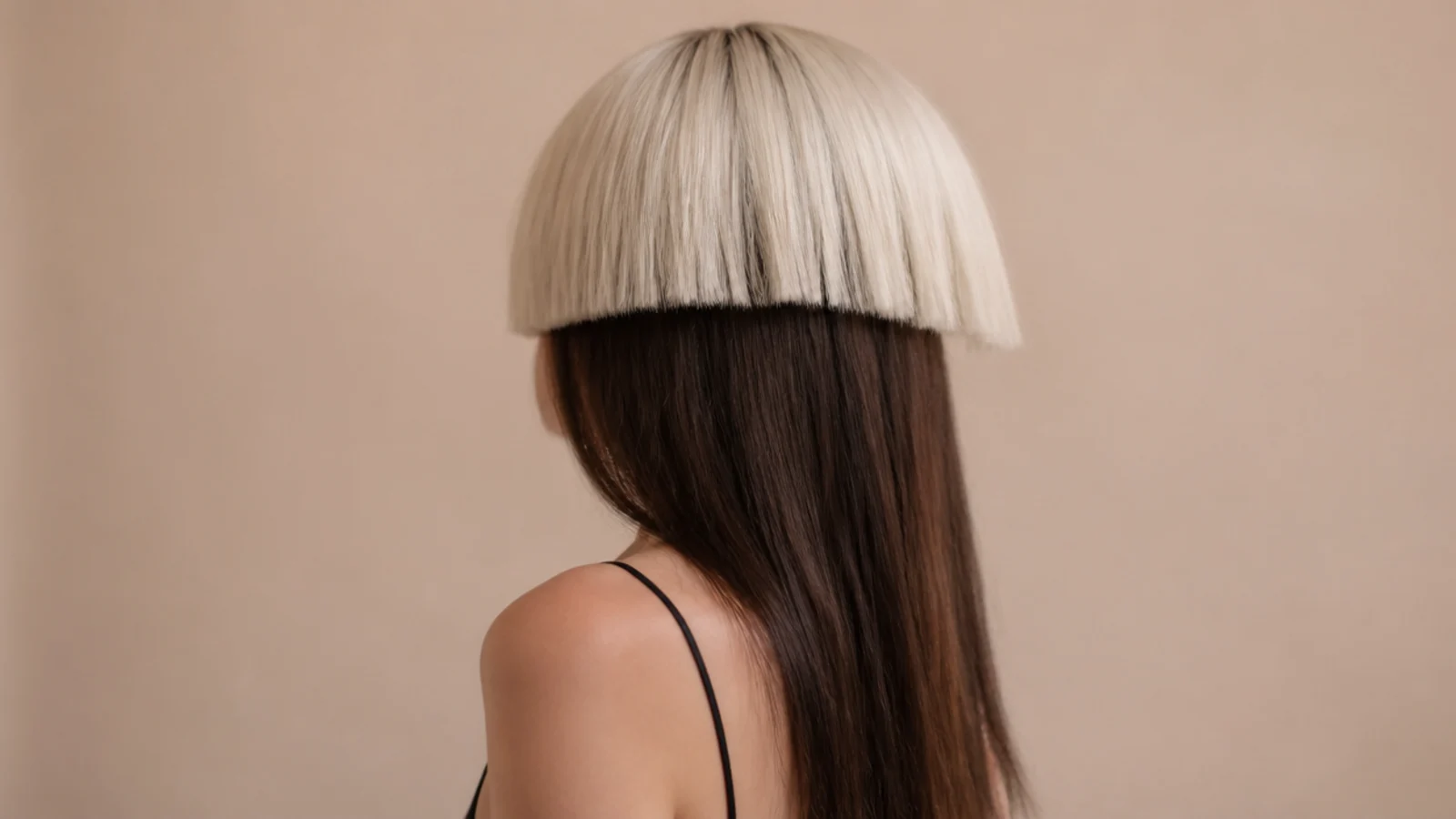
10. Platinum Bell
Lifting the upper tier alone put a colour boundary exactly where the cut already had one, which doubled the contrast for free. It also made every uneven millimetre of the hem visible, so it demands a better cut than a single tone does.
11. Hidden Undercut
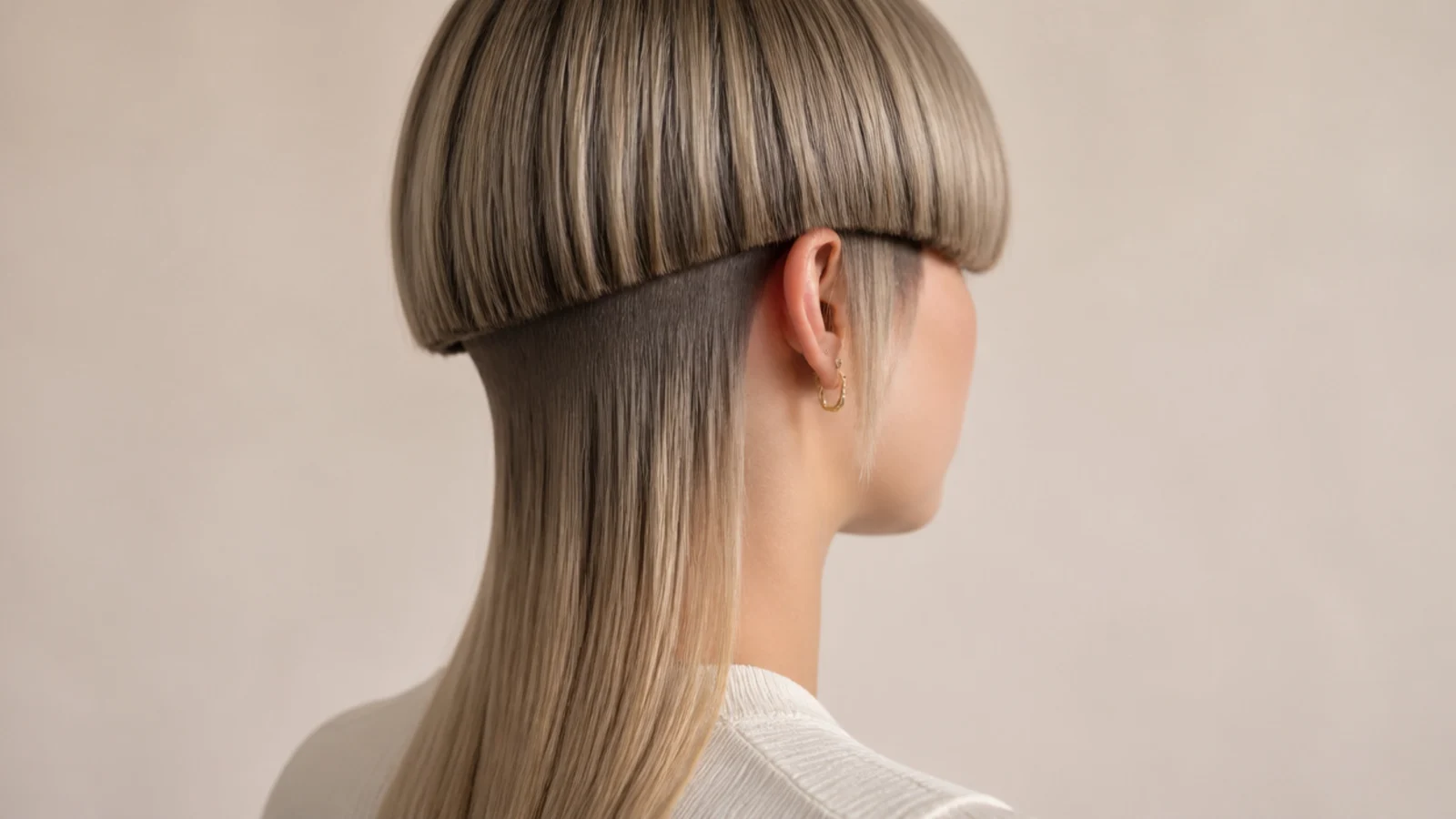
Removing bulk at the nape let the lengths hang flat against the head instead of pushing outward. The bell then sits proud of them by a visible margin, which reads as a bigger gap without a single inch being cut off the top.
12. Half Blended Step
A stylist softened the step by about half without being asked, and the result is the compromise version. It is easier to wear and easier to grow out, but the shape now depends on being styled rather than on being cut.
13. Micro Bangs
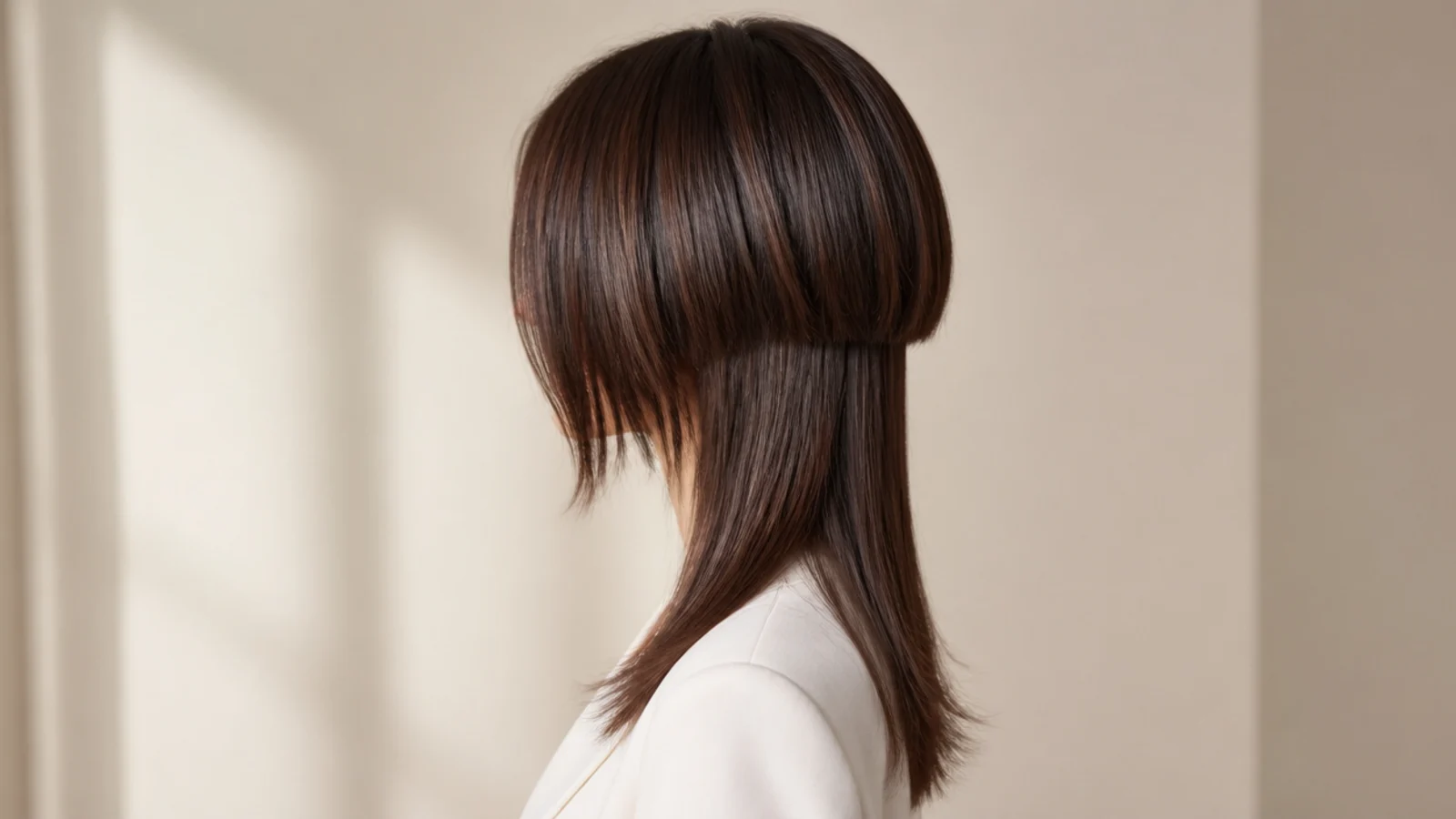
A very short fringe above the bell added a third horizontal line to a cut that already has one. Three parallel lines across a face is one too many, and this is the only version here I regretted the same week.
14. Grown Out at Three Months
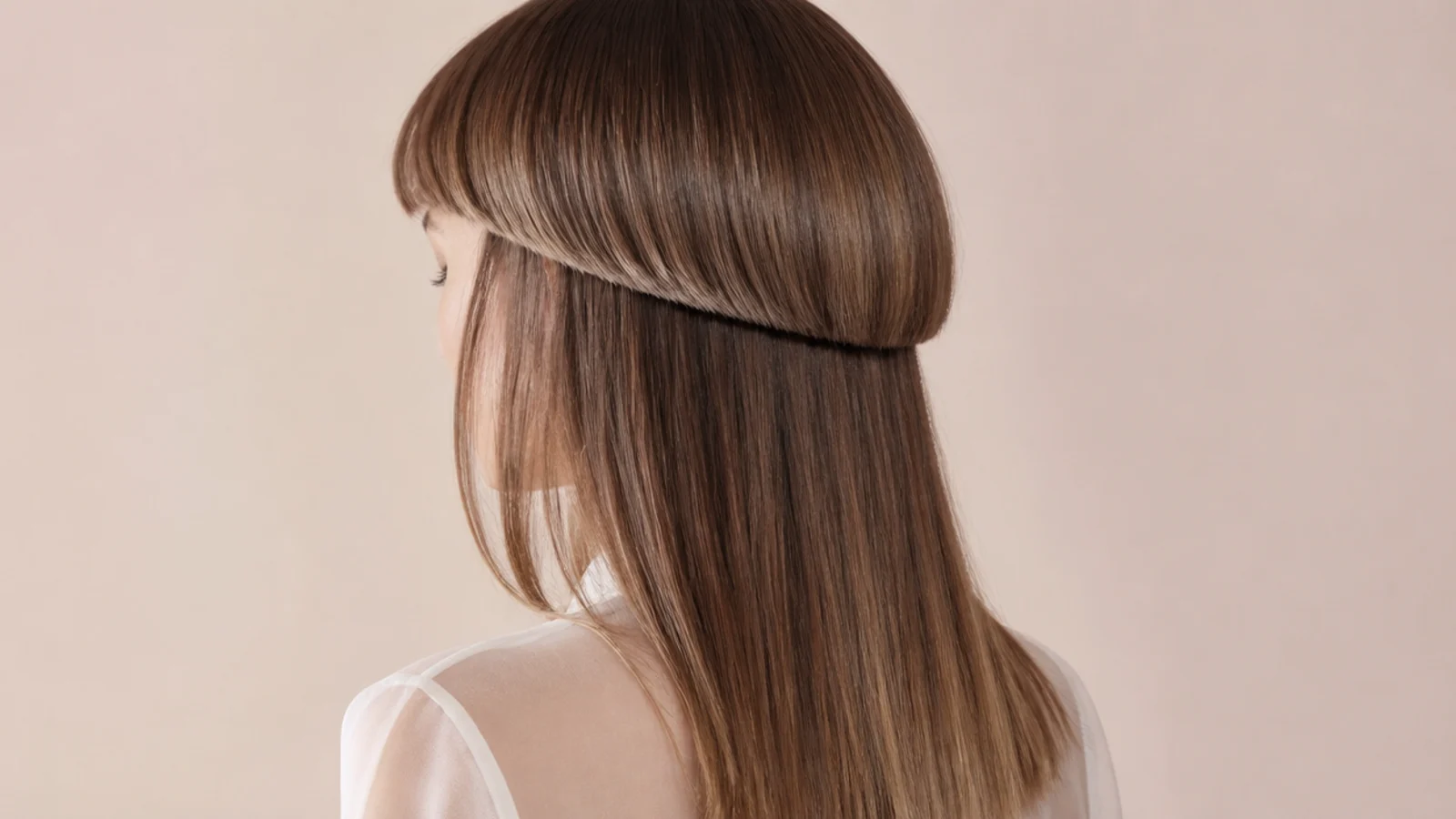
The bell has dropped about an inch and a half and the hem no longer reads as a line from a distance. This is the point where the cut becomes a decision rather than a haircut, because it looks fine and it is no longer the shape.
15. Grown Out Into a Shag
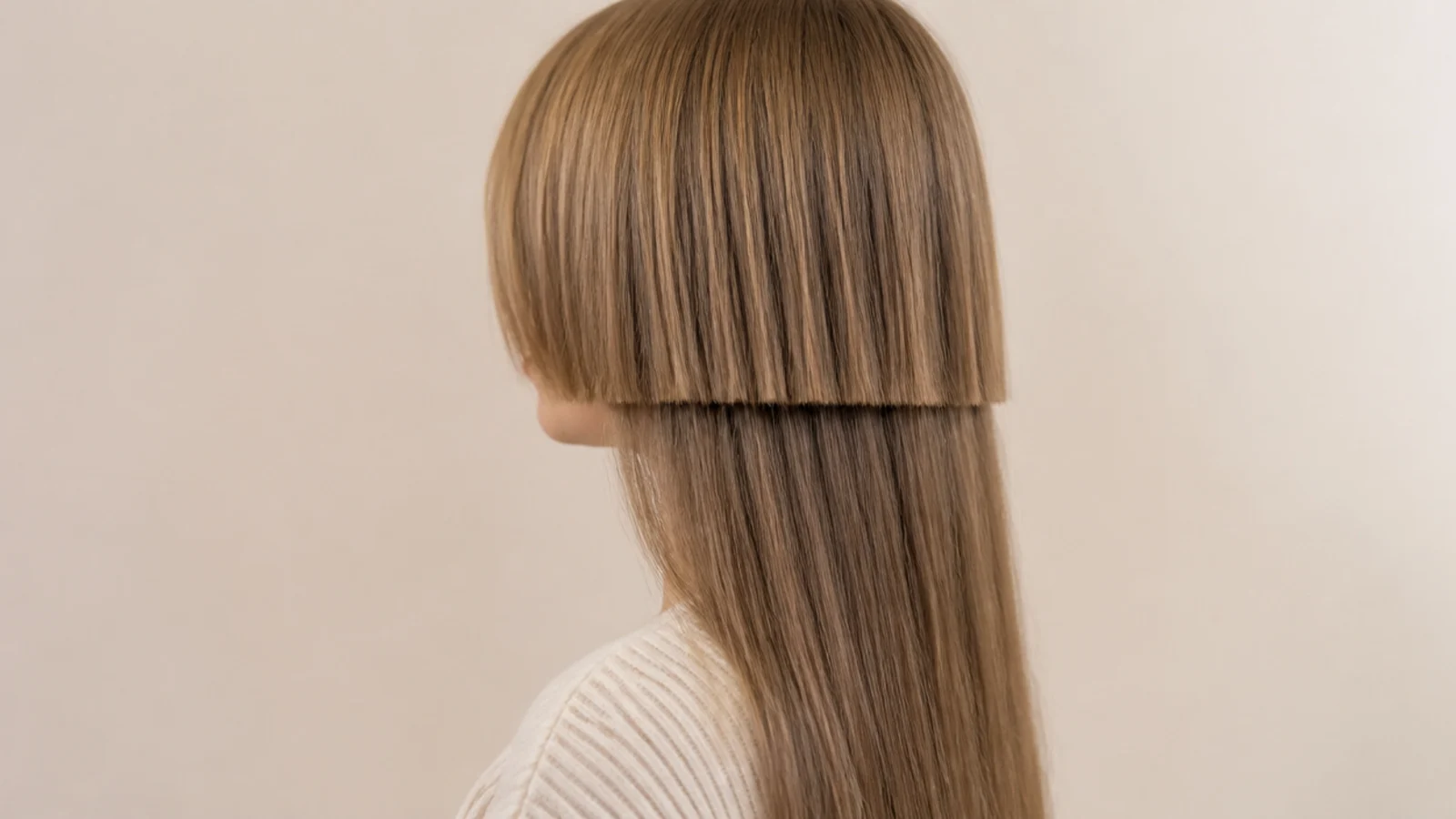
Letting the gap close and then blending it took one appointment and no awkward middle stage. The bell becomes the top layer of a shag, which is why this cut is a low risk experiment despite looking like a high risk one.
Final Thoughts
Name the gap before you name anything else. Every version above that worked had four inches or more between the two hems, and every one that disappointed had less, regardless of how good the bell itself was. Stylists blend hard edges by trained habit, so the instruction has to arrive before the scissors do.
The second thing worth knowing is that the exit is easy. A grown out jellyfish is a shag waiting for one blending pass, which makes it far less of a commitment than the silhouette suggests. For the full range of the cut see the jellyfish haircut guide, and for another set of salon requests tested the same way see Korean haircuts I tried this year. More in Mullet and Wolf Cut.