20 Ways to Get Rid of Frizzy Hair Fast
Twenty ways to get rid of frizz, split by the only thing that decides which one works — whether the hair is wet or already dry. On a dry strand you cannot reset the shape, so every fix becomes weigh it down or hide it.
In this article · 37
- Why Hair Frizzes and the Cuticle Mechanism
- The Four Frizz Types and How to Diagnose Yours
- Frizz by Hair Type Compared
- Anti Frizz Products and Layering Order
- Dew Point and Humidity Rules for Frizz
- Cuts and Sleep Habits That Prevent Frizz
- The 20 Ways to Get Rid of Frizz
- 1. The Argan Oil Halo Skim
- 2. The Damp Palms Press
- 3. Lip Balm on a Spoolie for the Hairline
- 4. Hand Cream Residue on the Ends
- 5. Hairspray on the Fingertips and Pressed
- 6. The Cool Shot and the Nozzle
- 7. Rewet the Mid Lengths With Serum
- 8. A Silk Scrunchie Low Bun
- 9. A Half Up Claw Clip
- 10. Flat Iron the Top Section Only
- 11. A Cold Rinse of One Section at the Sink
- 12. A Gel Stick Sleek Ponytail
- 13. Leave In, Cream and Gel Layering
- 14. The Braid and Blow Dry Trick
- 15. Diffuse on Low Heat, Cupped
- 16. A Steam Towel Over Deep Conditioner
- 17. Plopping in a Cotton T Shirt
- 18. A Silk Pillowcase and a Loose Braid
- 19. Internal Layers for Frizzy Hair
- 20. The No Product Emergency Twist
- How to Get Rid of Frizz Step by Step
- Step 1. Diagnose Your Frizz Type
- Step 2. Decide Your Time Budget
- Step 3. Rewet With Water
- Step 4. Use the Smallest Amount of Product
- Step 5. Seal the Top Layer
- Step 6. Set It and Stop Touching
- Step 7. Build a Midday Kit
- Step 8. Fix It On Wash Day
- Final Thoughts
There are two completely different jobs hiding behind the same question, and mixing them up is why most frizz advice fails the person reading it.
On wet hair you set the shape. Water breaks the hydrogen bonds inside the strand and they reform as it dries, so the drying window is the only point at which the hair will agree to lie somewhere new.
On dry hair you can only weigh it down or hide it. No serum reshapes a dry strand. You are choosing between adding enough weight to hold a halo flat, pressing it, or rewetting the section and starting the set again.
Why Hair Frizzes and the Cuticle Mechanism
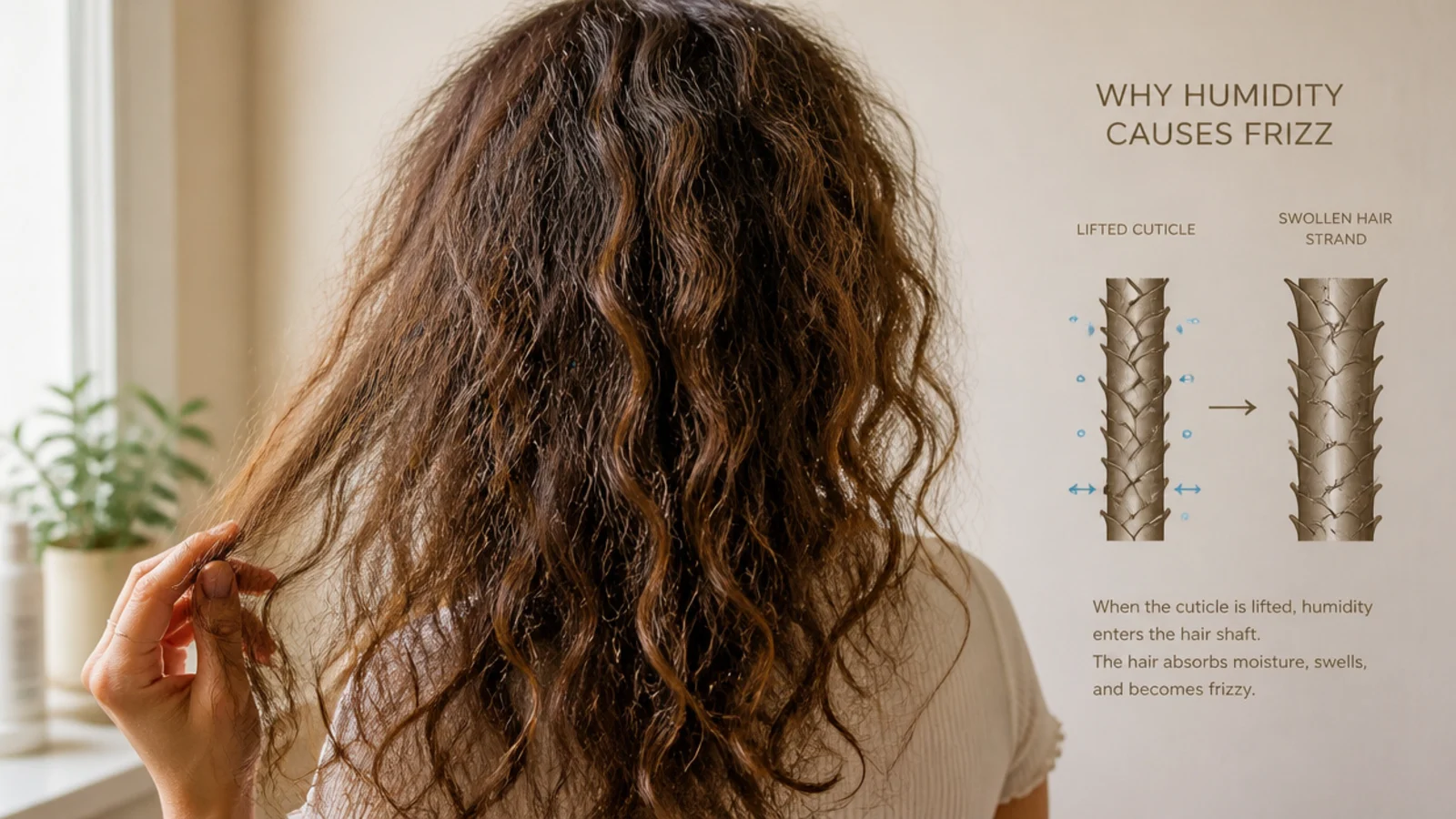
The cuticle is a shingled outer layer. Lying flat, it reflects light in one direction and slows water crossing it. Lifted, it does neither.
Porosity is how fast water crosses. Bleach, heat and friction leave gaps in the scales, and hair with gaps takes water in within seconds and gives it back just as quickly.
Uneven swelling makes the bend. Water reaches parts of the cortex before others, those parts expand first, and the strand kinks wherever the expansion is uneven along its length.
Half of visible frizz is not frizz at all. A short broken hair standing off the surface is a length problem, and conditioning it will never work because nothing is wrong with it except that it is shorter than its neighbours.
The Four Frizz Types and How to Diagnose Yours
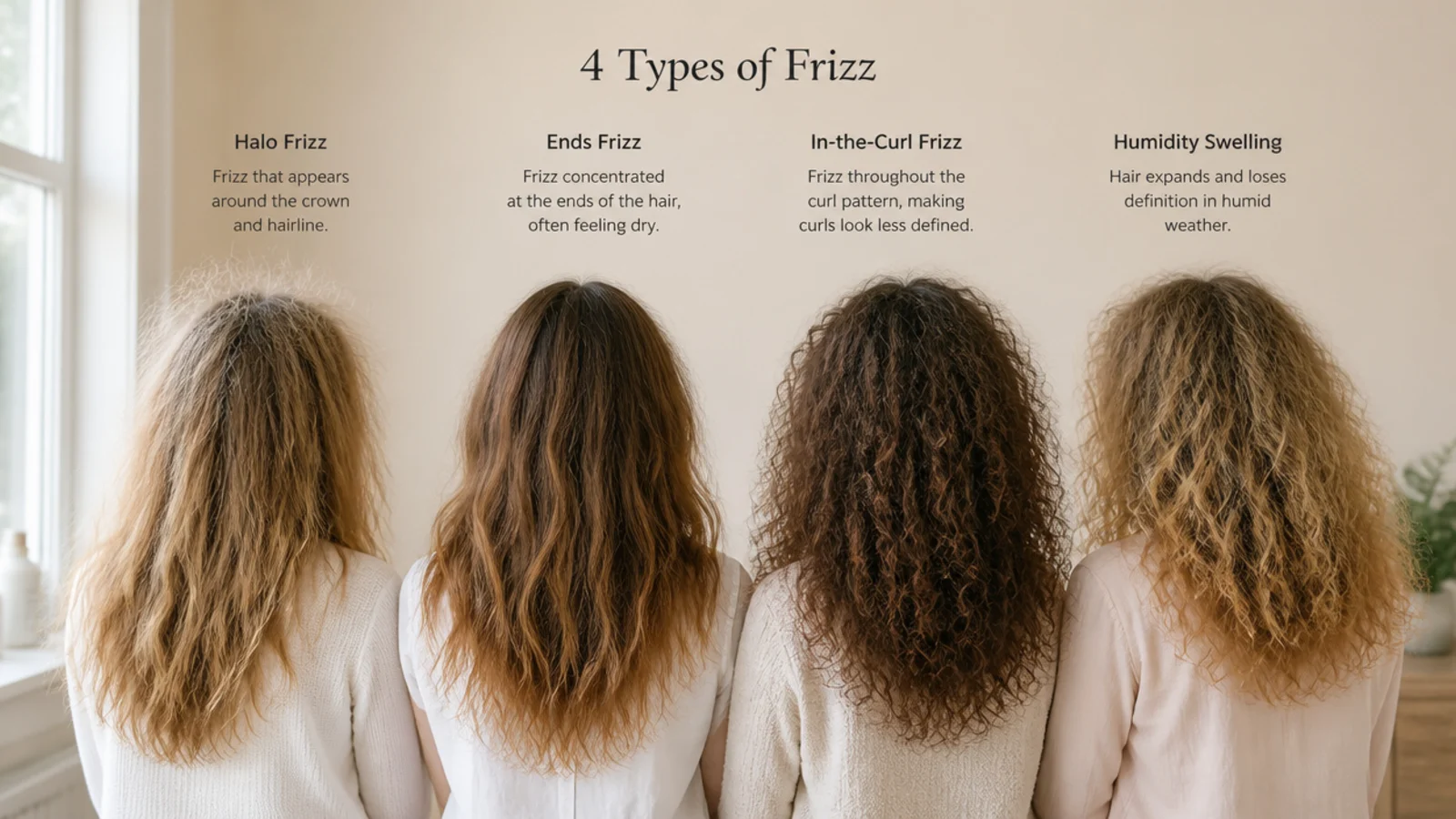
Halo frizz sits in a ring around the crown. It is short hairs, either regrowth or breakage from ties and pillows, and it needs weight or containment rather than moisture.
End frizz flares at the bottom. The ends are the oldest hair on your head and the most porous, so they take water in first and lose their shape first. A trim beats any product here.
Pattern frizz is the whole strand puffing. The wave or curl has opened out into undefined volume, usually because it was touched or blown around while it was still drying.
Hairline frizz is the fine hair at the face. Much of it is new growth that will never be long enough to lie down, so it gets pressed rather than treated.
Diagnose by location, not by feel. Where the frizz sits tells you its cause, and the cause tells you which of the twenty fixes below is the right one.
Frizz by Hair Type Compared
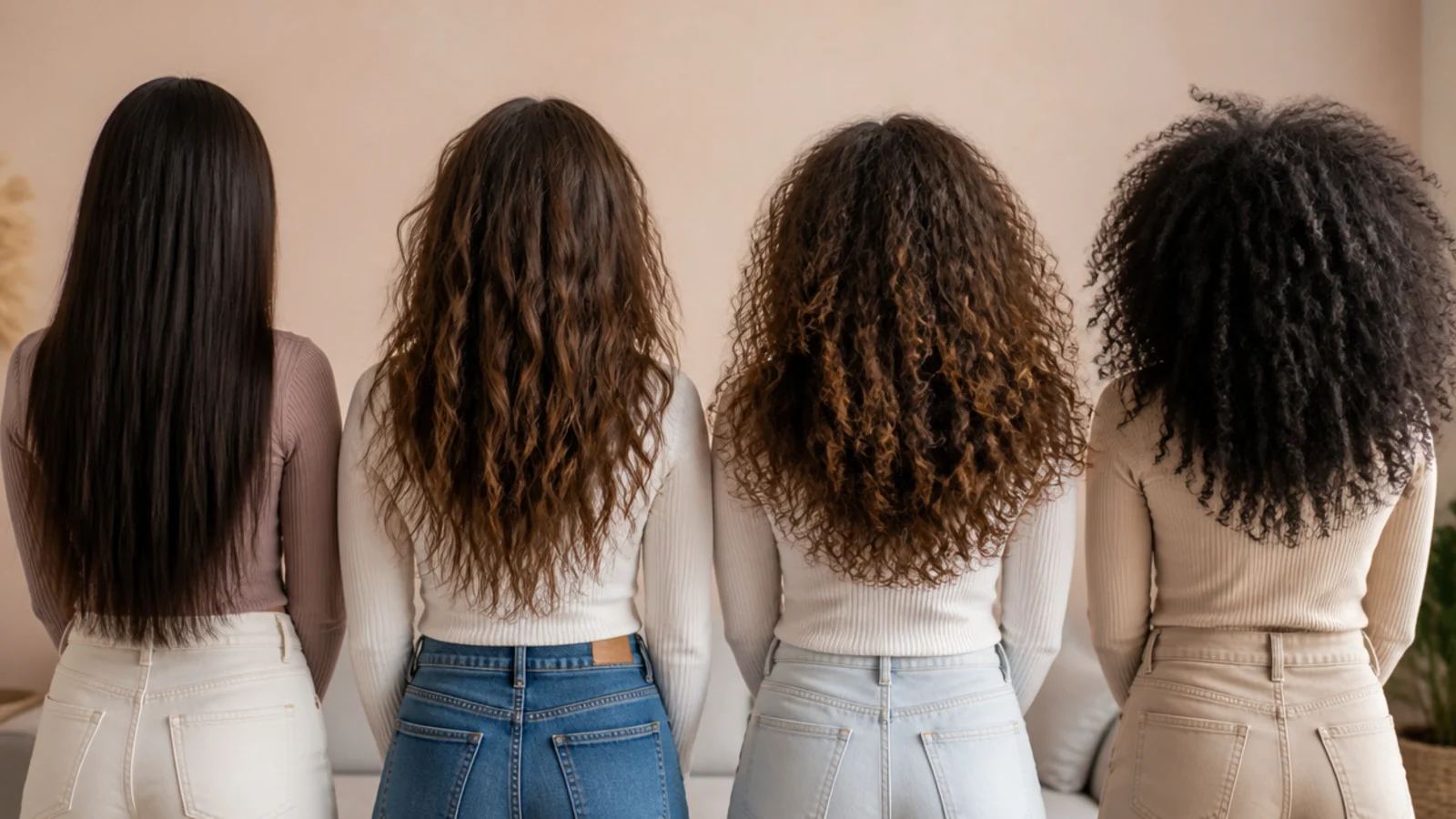
Straight hair shows individual flyaways. They stand off an otherwise smooth surface and are almost always breakage rather than dryness.
Wavy hair collapses into puff. The S bend needs to dry undisturbed to hold, and wavy hair has the least structural help holding it.
Curly hair loses its clumps. Curls dried in groups reflect light as one surface, so frizz is what you see when individual curls detach.
Coily hair frizzes most at crown and ends. The crown takes the most friction from pillows and collars, and coils have the most surface area for water to cross.
Porosity overrides all of it. Two heads with identical curl patterns and different porosity want opposite products, which is why borrowing a routine from someone with matching curls so often disappoints.
Anti Frizz Products and Layering Order
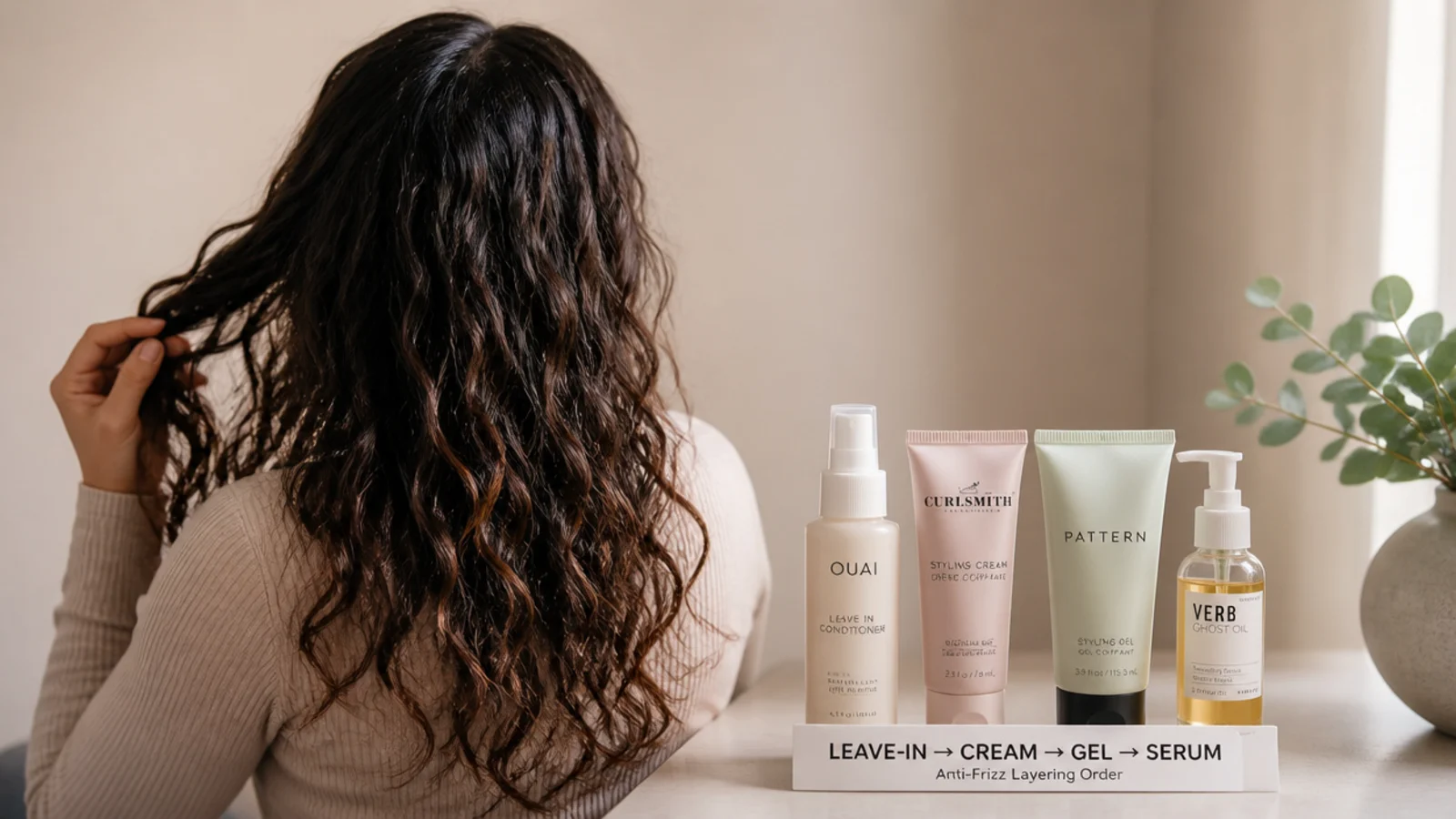
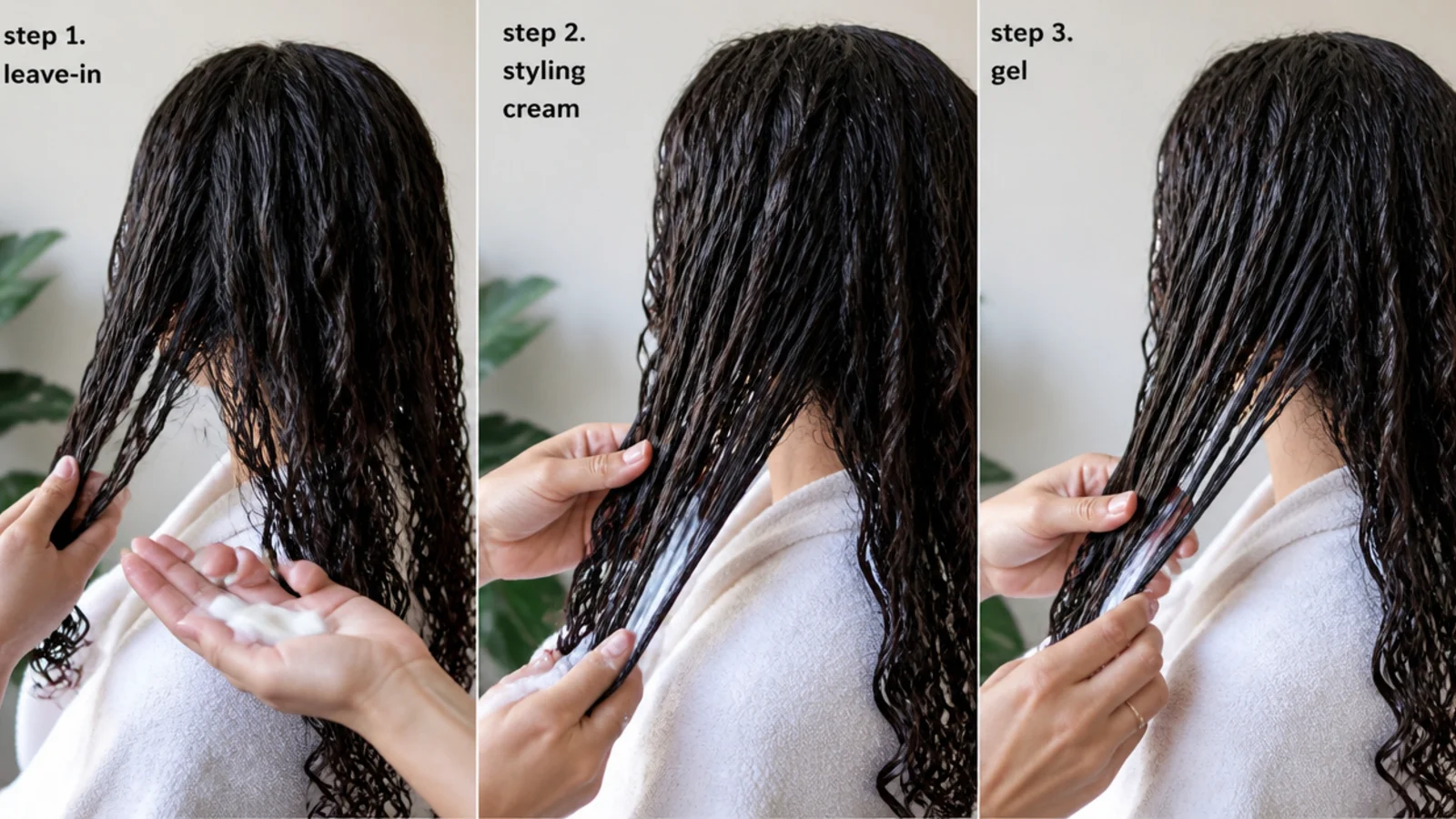
Thinnest first, thickest last. Leave in, then cream, then gel or oil, because every layer has to travel through the one underneath it.
Humectants pull water toward the strand. Glycerin, honey, aloe. Useful in moderate air and counterproductive at both humidity extremes.
Occlusives block water crossing the cuticle. Silicones and heavy oils sit on the outside and slow movement in both directions, which is the only thing that reliably survives a humid day.
Film formers hold the set. Gel dries into a cast that keeps every strand where it dried until you deliberately break it.
Applied to dry hair, order stops mattering. Nothing is going to distribute, so the only useful dose on dry hair is a trace pressed onto the surface.
Dew Point and Humidity Rules for Frizz
Dew point measures the water actually in the air. Relative humidity moves with temperature and tells you far less than the number people quote it for.
Above roughly sixty degrees Fahrenheit, drop humectants. They pull water in faster than the strand absorbs it evenly, and uneven absorption is the entire mechanism.
Below about forty degrees, they work in reverse. The air is drier than your hair, so glycerin draws water out of the cortex and you frizz in cold dry weather.
Between those figures, humectants earn their place. This is the band in which they genuinely soften and define rather than swell.
Barriers work at every dew point. An occlusive slows water in both directions, which is why it is the safest thing to reach for when you have no idea what the weather will do.

Cuts and Sleep Habits That Prevent Frizz
Take weight out from underneath. Internal layers lighten the head without putting a single new end on the visible surface, which is what surface layering does.
Keep the perimeter blunt. A heavy bottom edge pulls the whole length down, and point cutting it lets the ends flare.
Trim on schedule. Split ends travel up the strand, so a quarter inch removed on time prevents an inch removed late. Hair grows about half an inch a month, so the schedule is predictable.
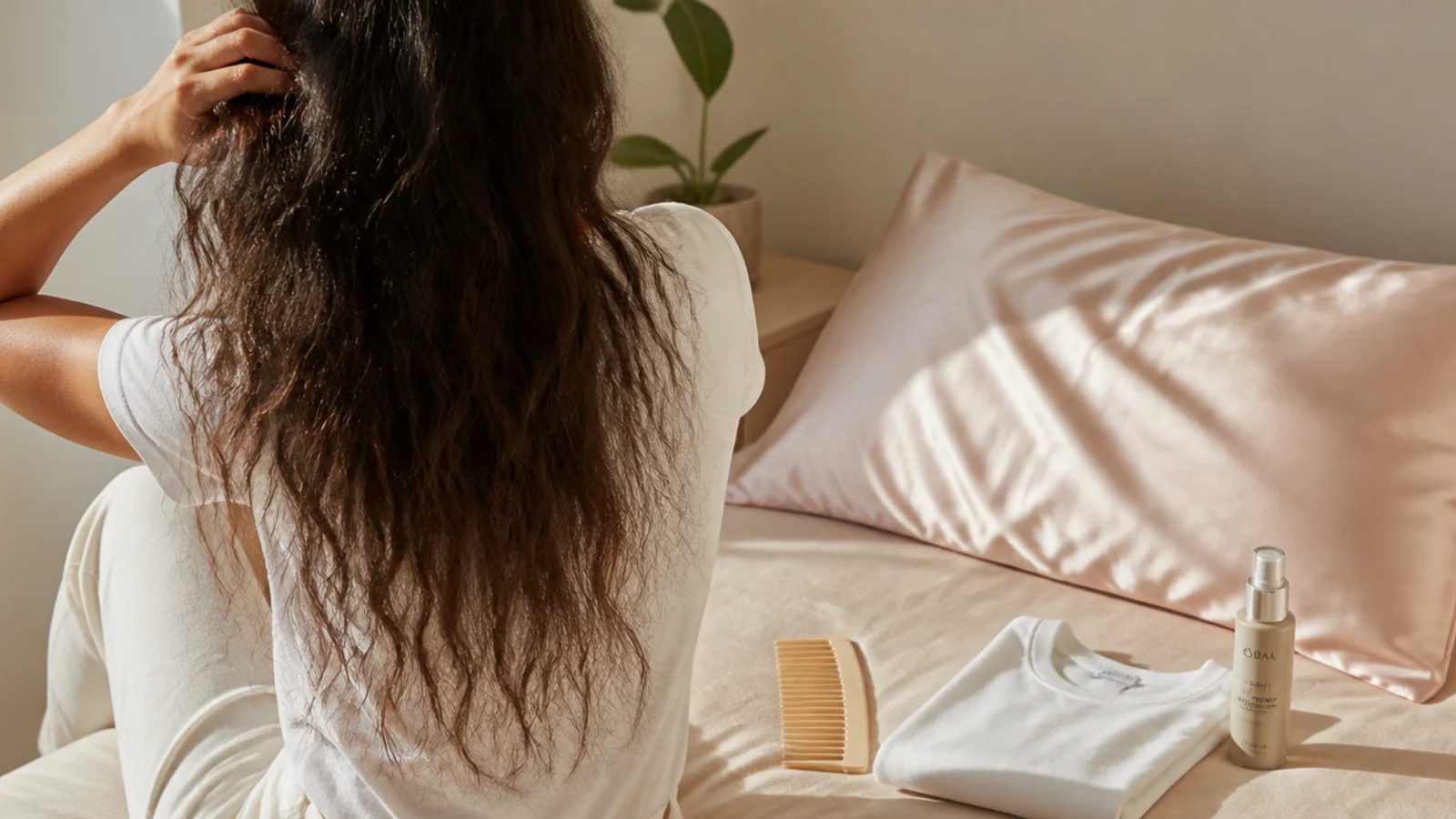
Sleep on satin or silk. Cotton absorbs water out of the hair and drags on the cuticle for eight hours at a time.
Contain the length at night. A loose braid or a pineapple puts the friction on the tie instead of on the pattern, leaving one dent to wet down rather than a whole head.
The 20 Ways to Get Rid of Frizz
1. The Argan Oil Halo Skim
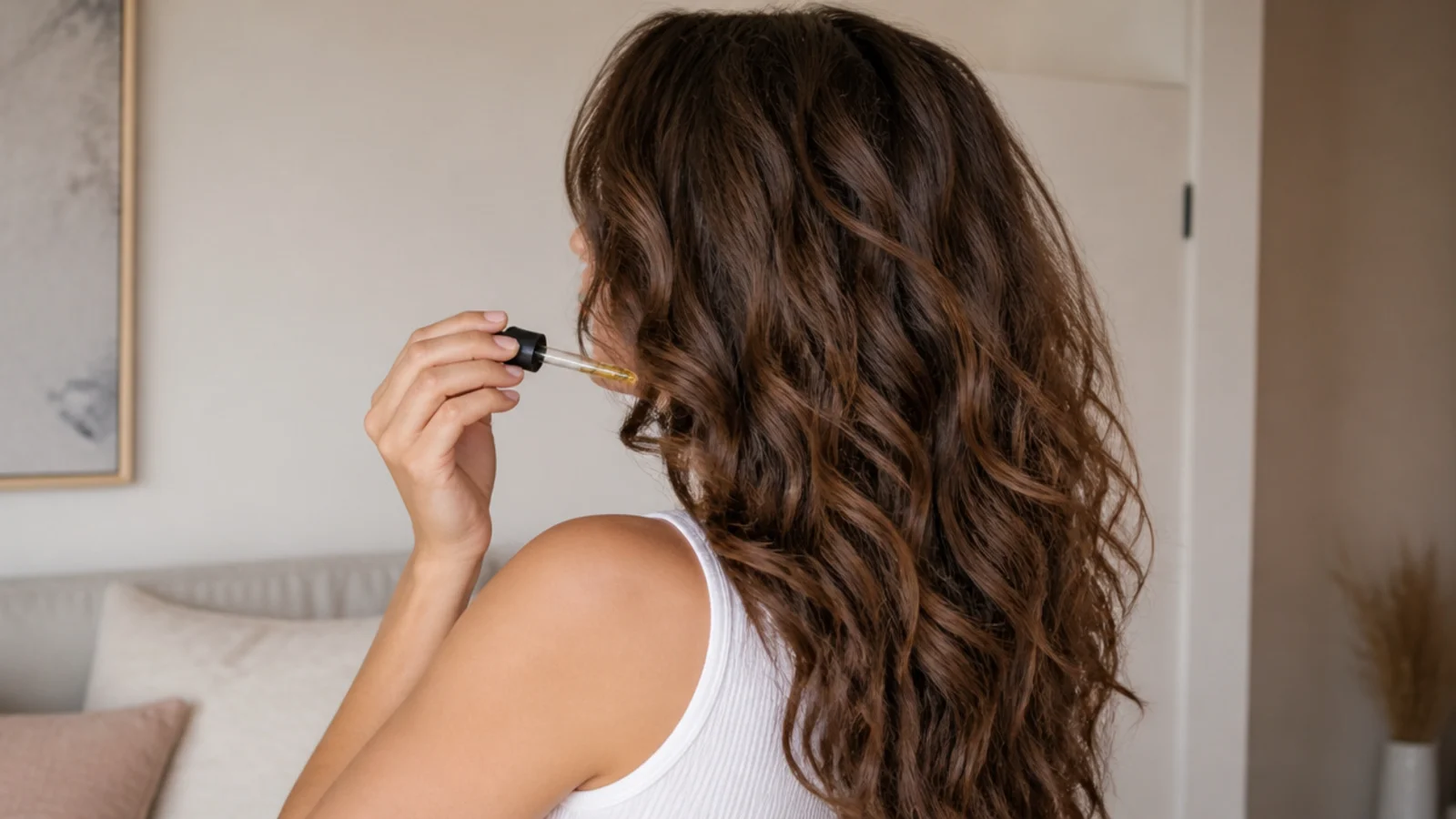
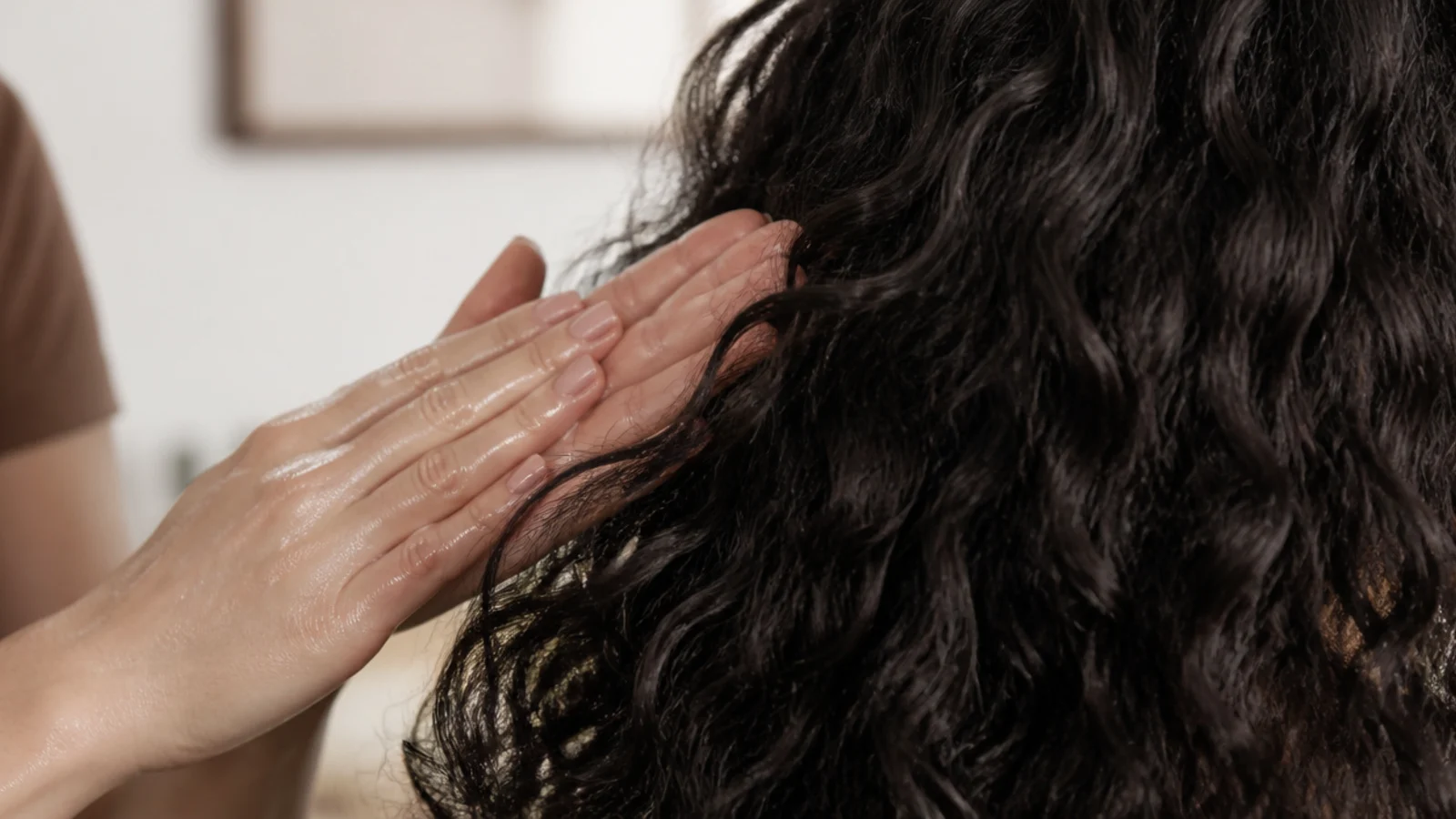
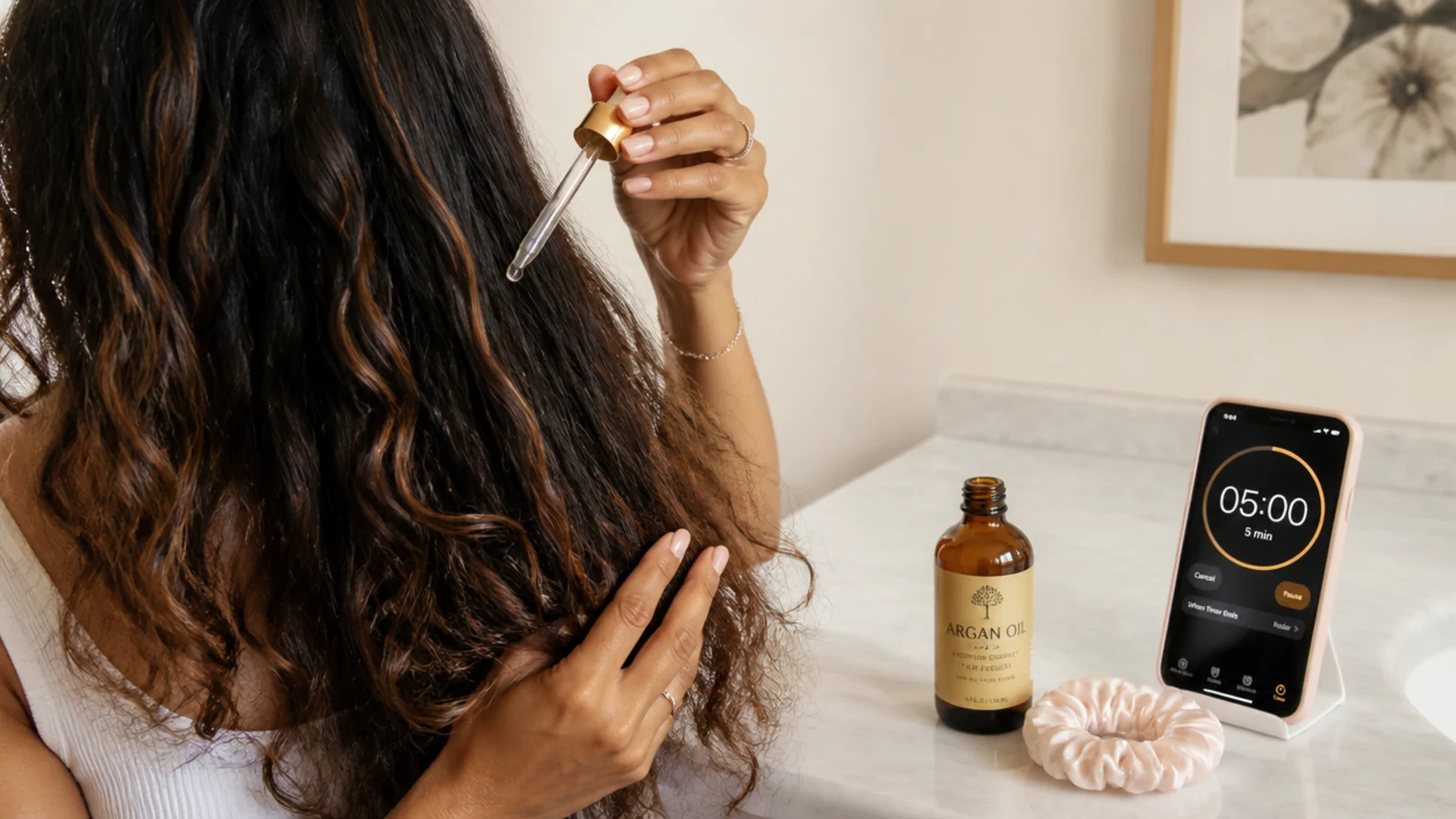
Put a drop on your palms, rub them together until they look empty, then skim the surface without pressing in. Only the short hairs standing above the surface make contact, so they get the weight and the length below stays clean and light.
2. The Damp Palms Press
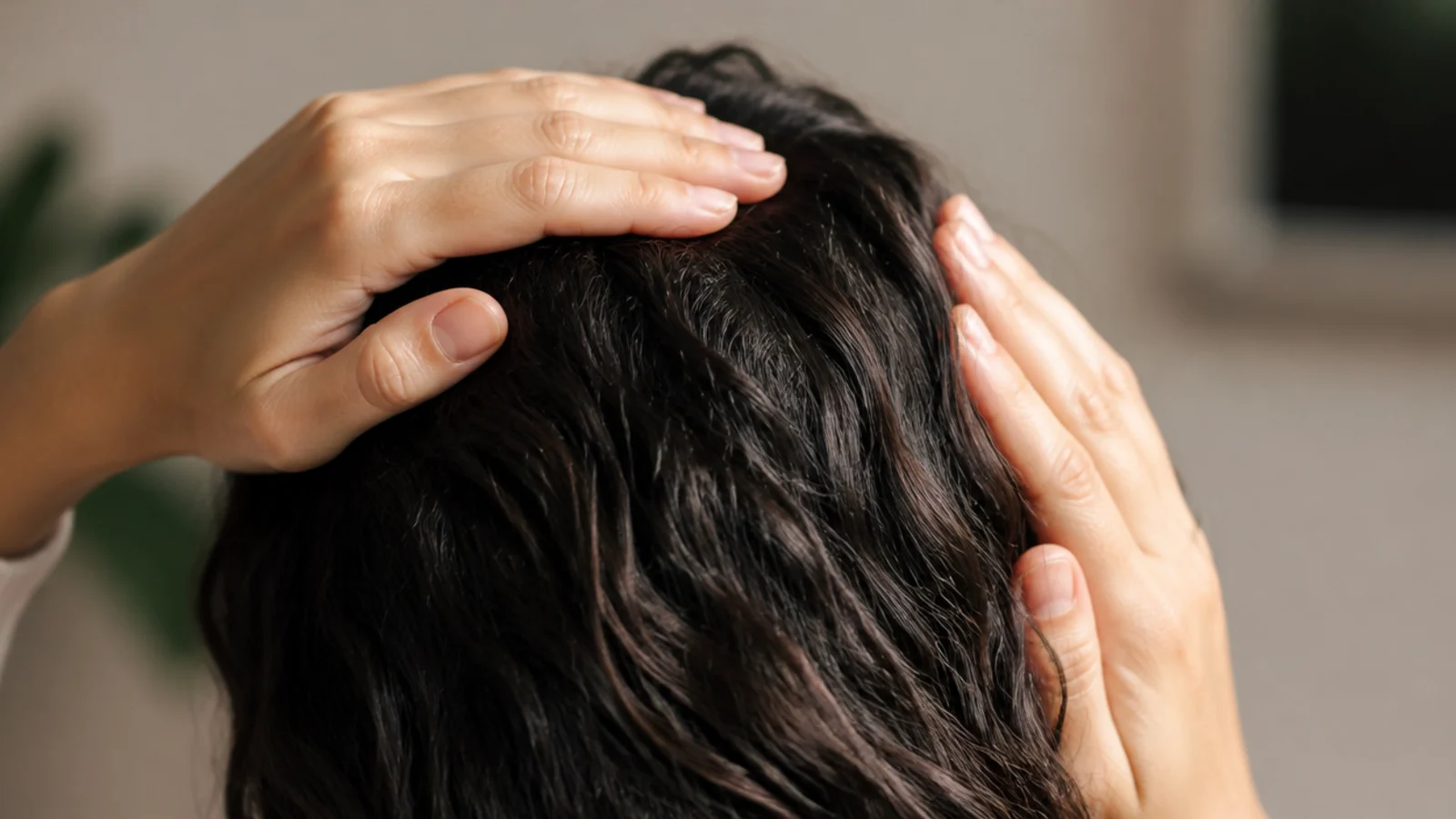
Wet your hands, shake most of it off, and press them over the crown. Water is the only thing that relaxes a dry strand back toward the shape around it, and it holds for as long as the surface stays damp, which is why this is a fix you repeat rather than one you finish.
3. Lip Balm on a Spoolie for the Hairline
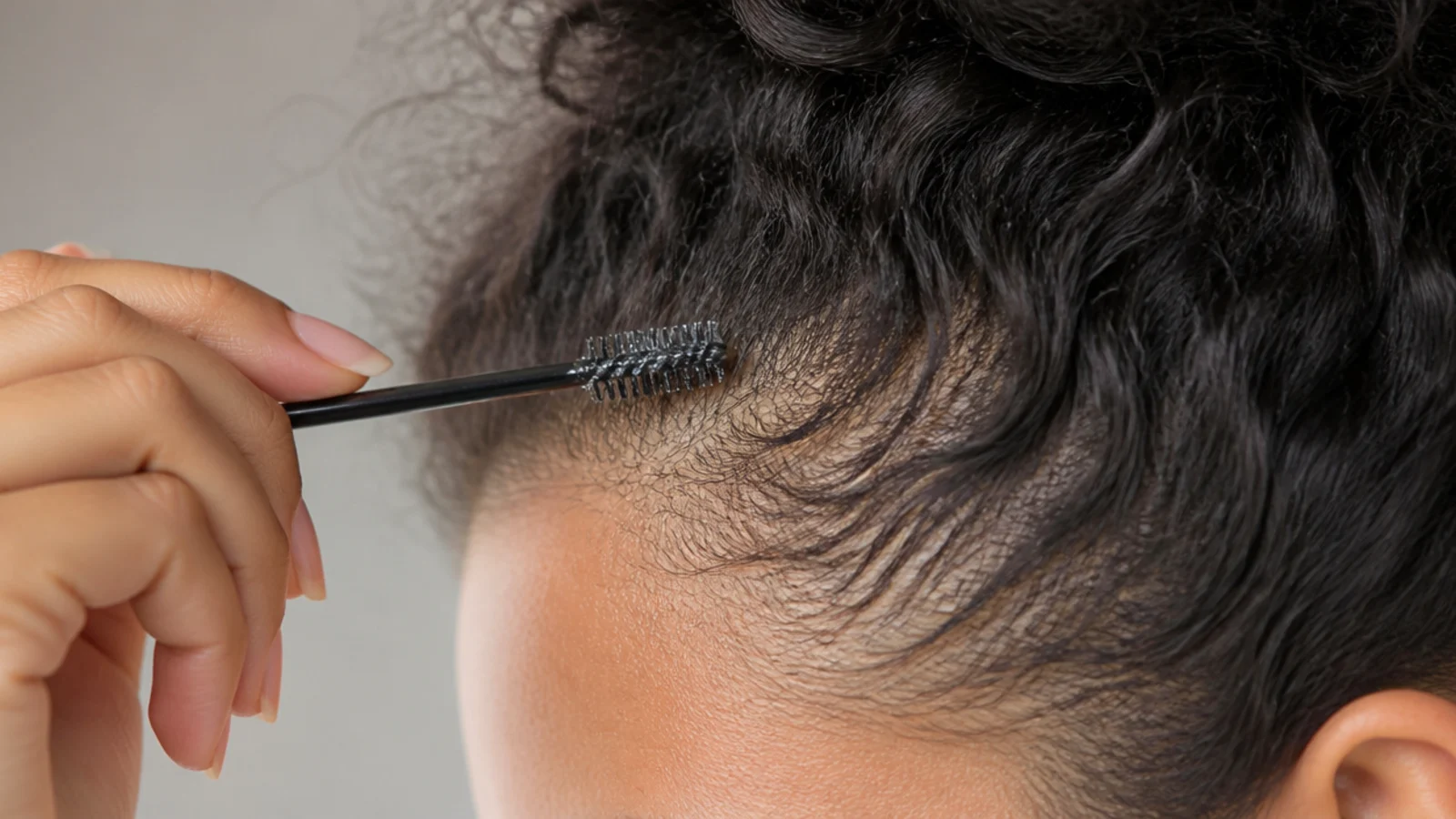
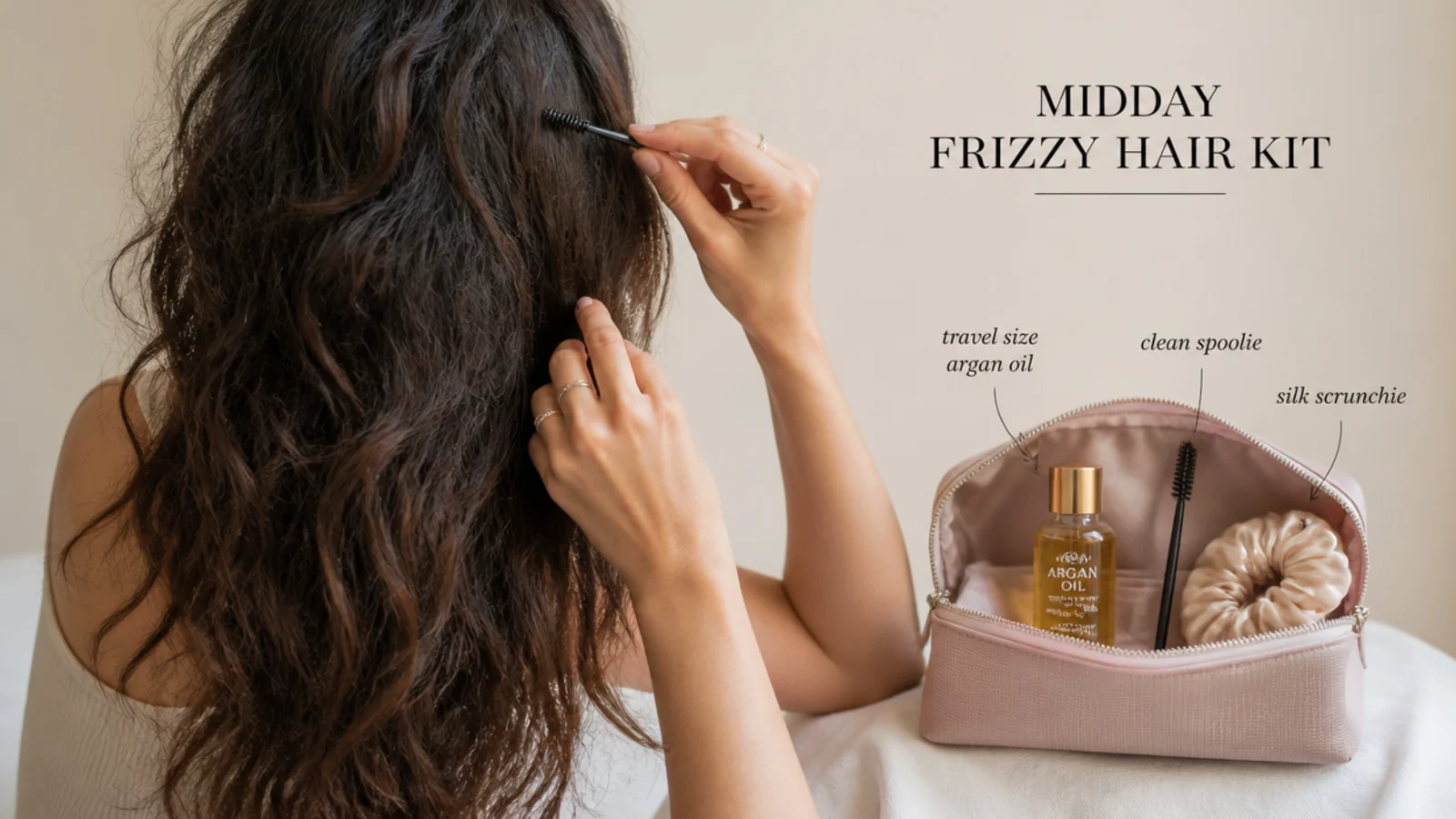
Baby hairs at the face are usually new growth that is too short to ever lie down, so they need holding rather than treating. A trace of balm on a clean spoolie gives you a controlled dose exactly where you want it, and a spoolie moves the hairs into line instead of pushing them around.
4. Hand Cream Residue on the Ends
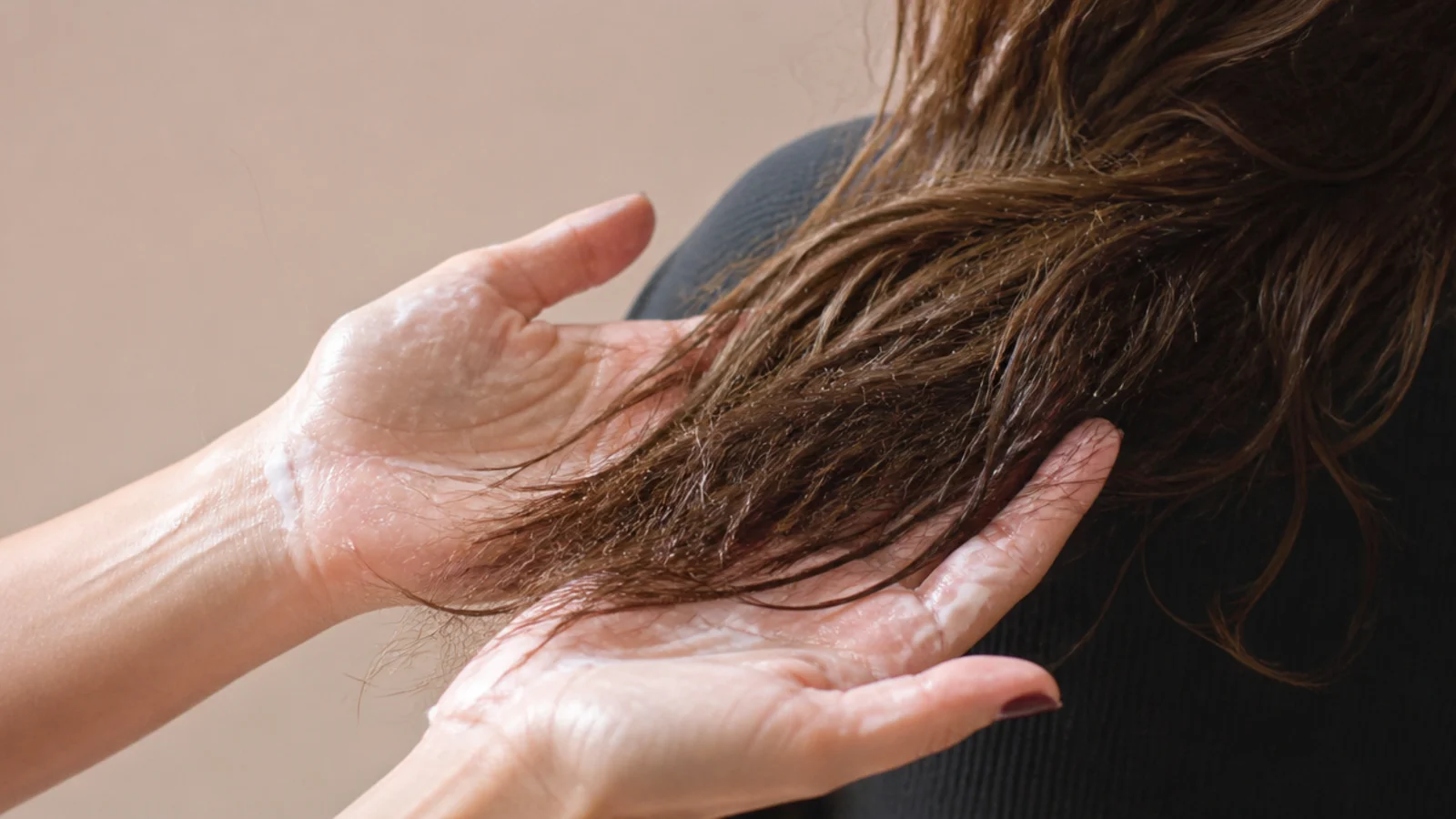
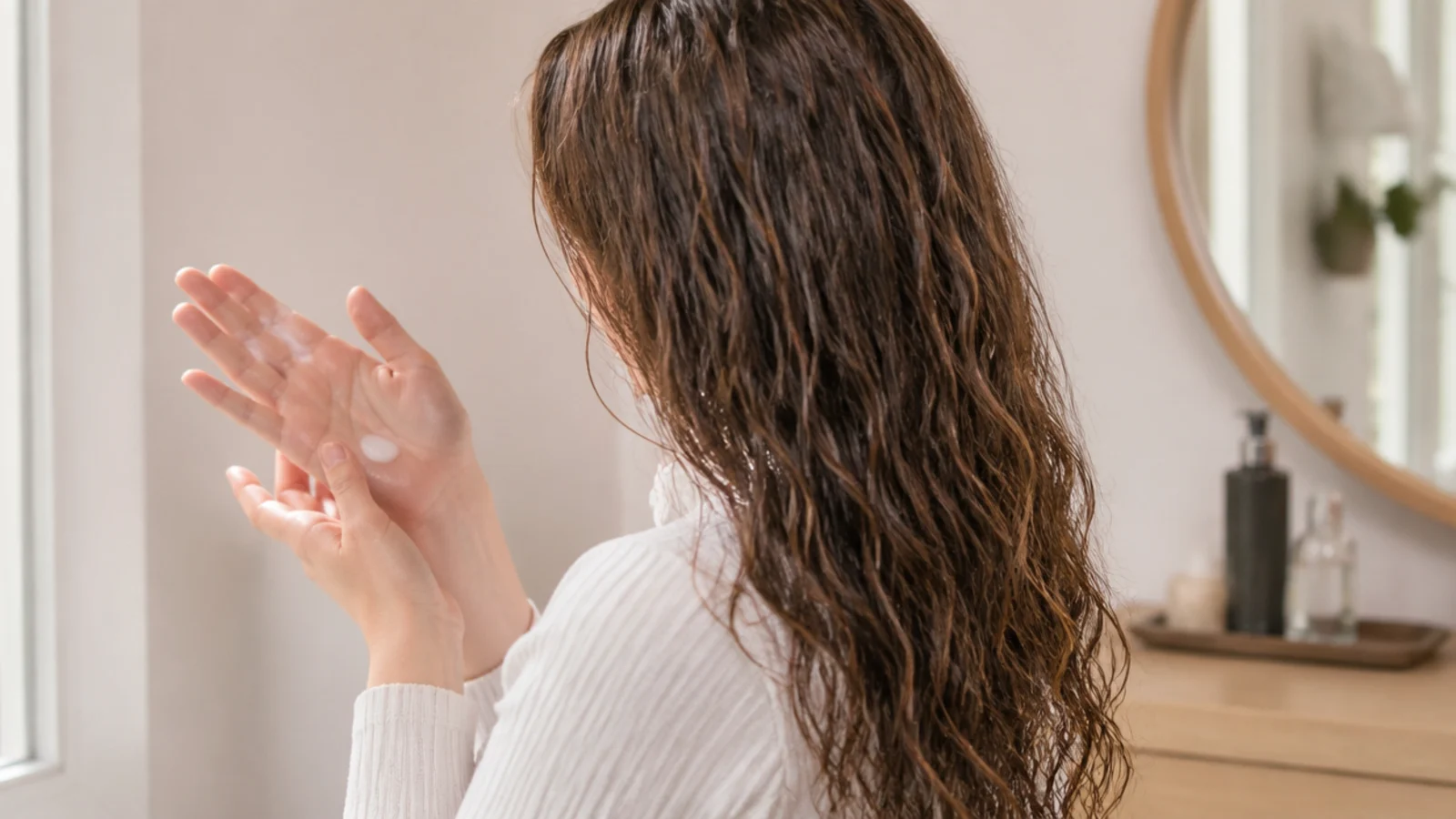
Whatever is left on your palms after moisturising is roughly the right dose for frizz, which is far less than anyone applies deliberately. Skim it over the ends only, where the hair is oldest and most porous, and keep it away from the roots entirely.
5. Hairspray on the Fingertips and Pressed
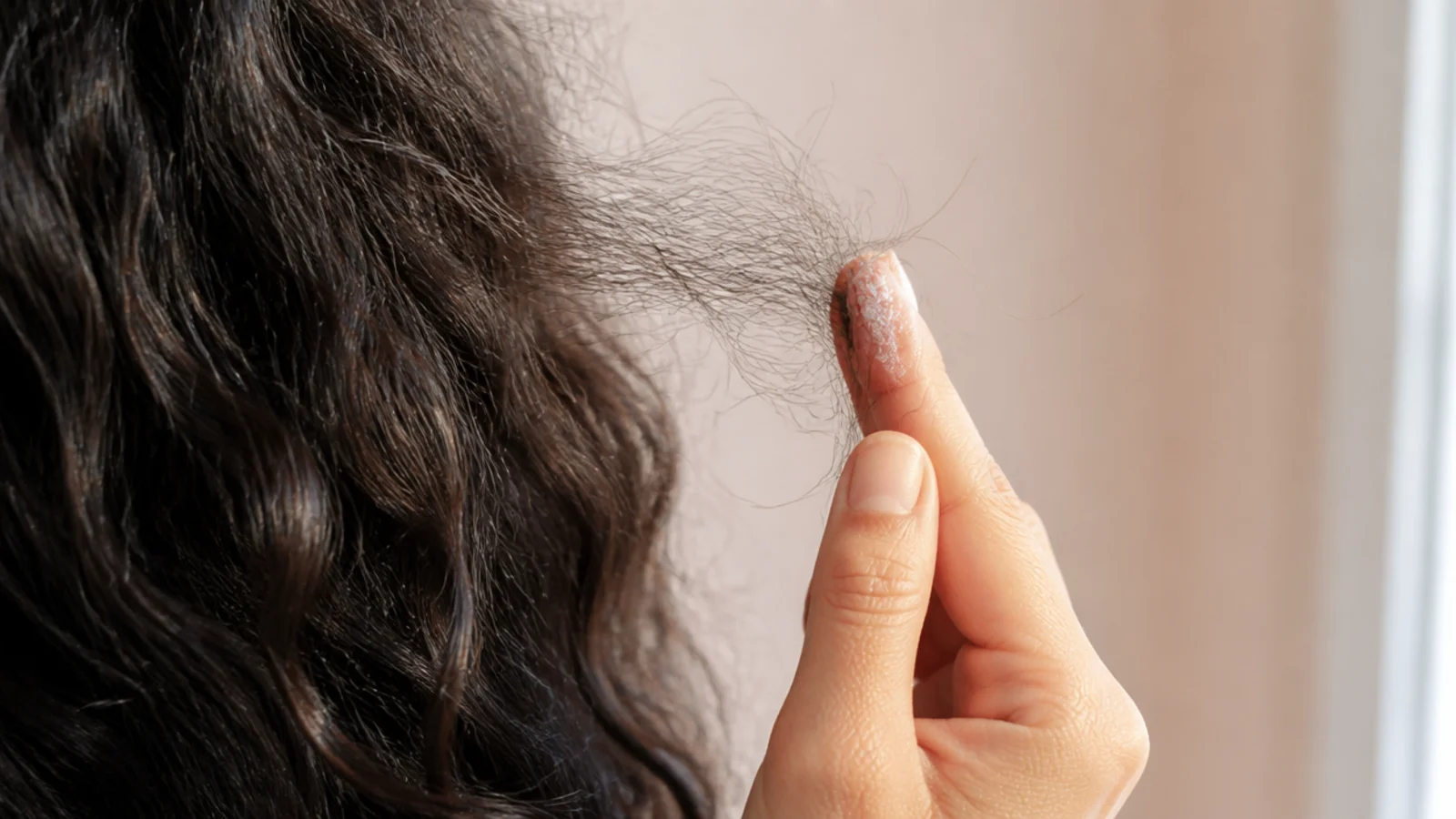
Spraying straight at the head coats every strand and leaves the hair stiff and dull. Spraying onto your fingertips first and then pressing puts the hold only on the hairs that are standing up, which are the only ones that needed it.
6. The Cool Shot and the Nozzle
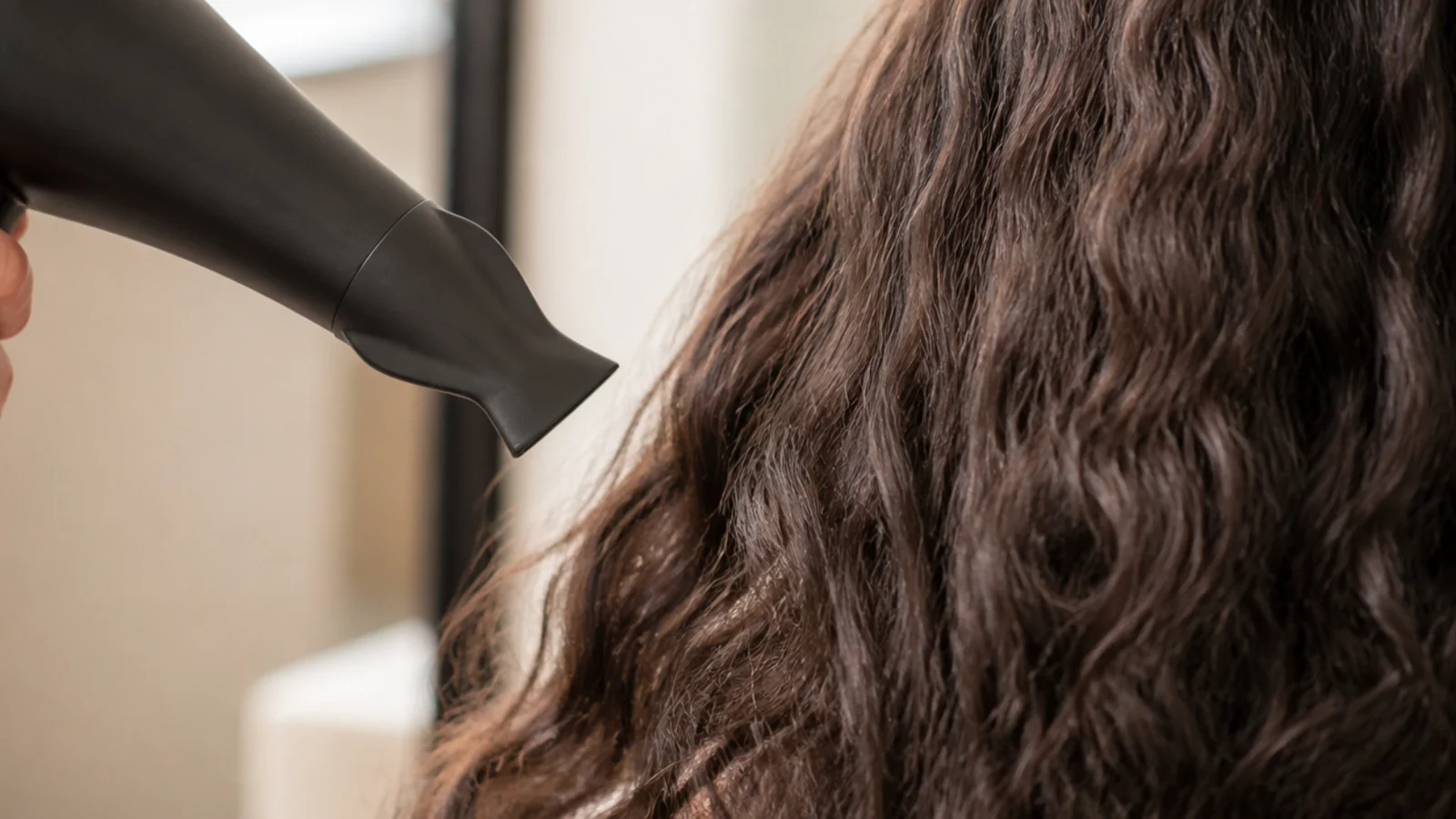
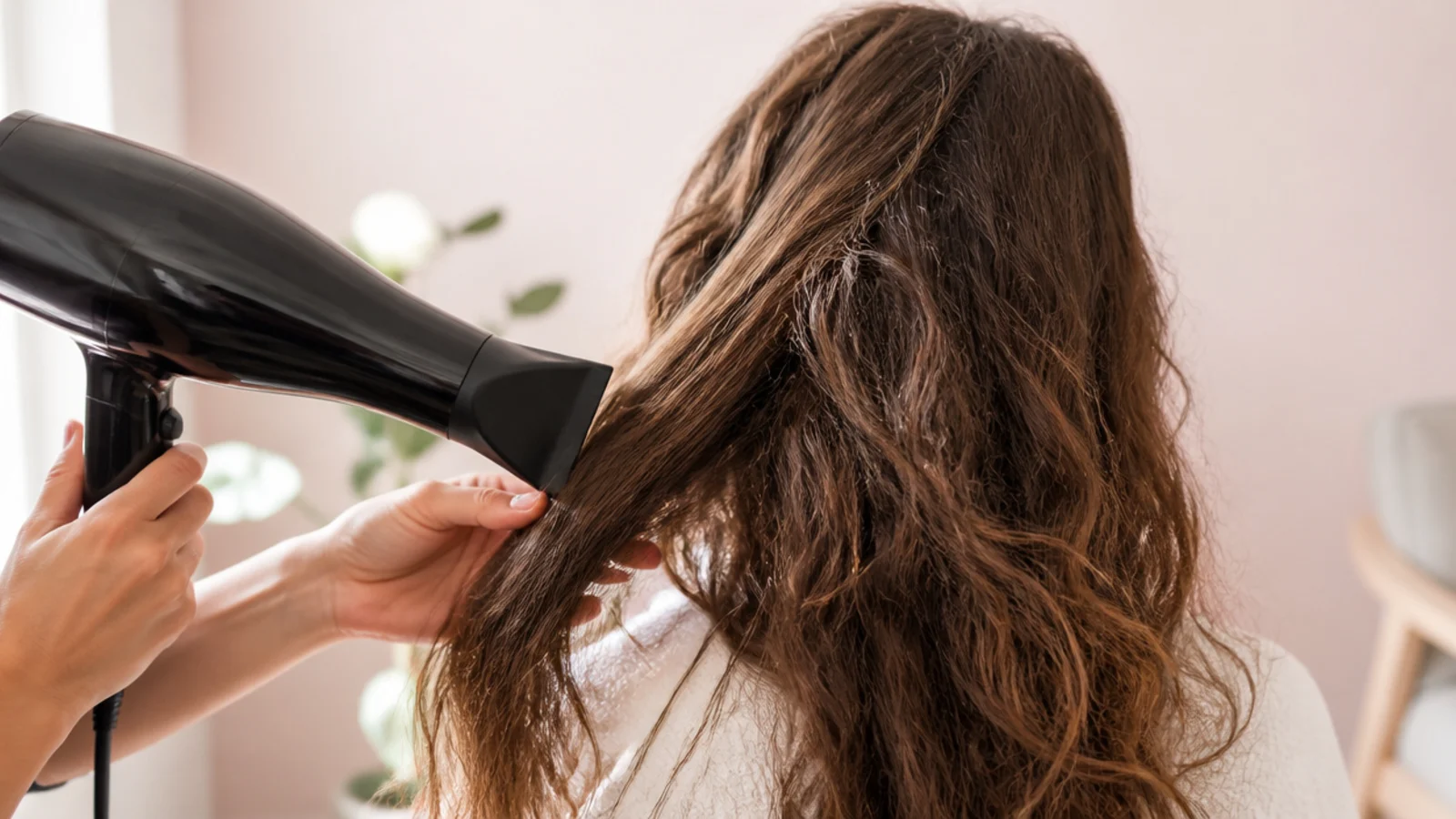
The nozzle concentrates airflow so the hair dries where you point it rather than where the air scatters it. Following with the cool shot lets the strand cool while still under tension, which is when it sets, and a section released warm falls out of shape as it cools.
7. Rewet the Mid Lengths With Serum
If the shape has gone rather than just the smoothness, nothing short of water will bring it back. Dampen the section, add the smallest amount of serum, then let it dry undisturbed so the bonds reform in the position you have put it in.
8. A Silk Scrunchie Low Bun
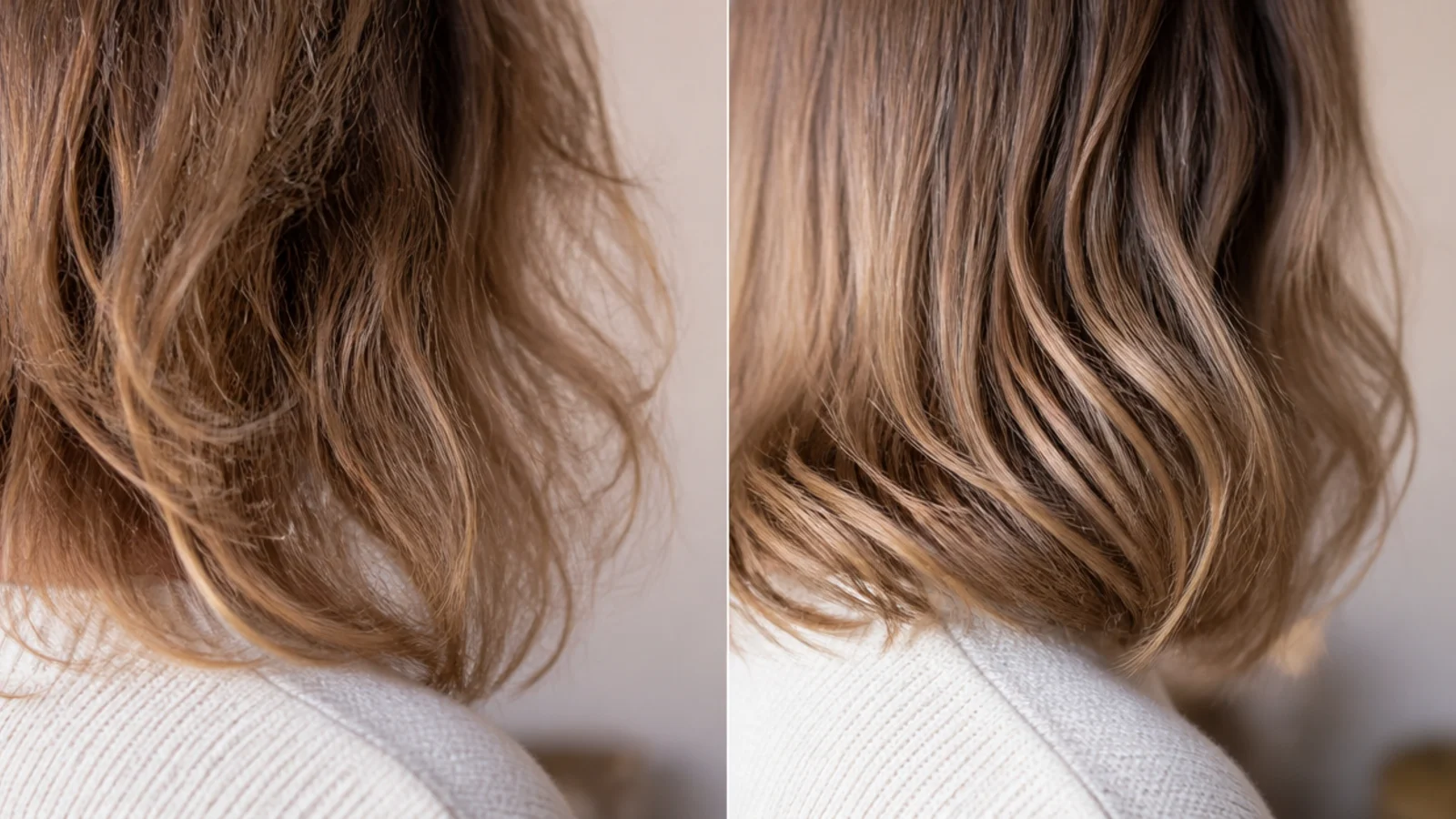
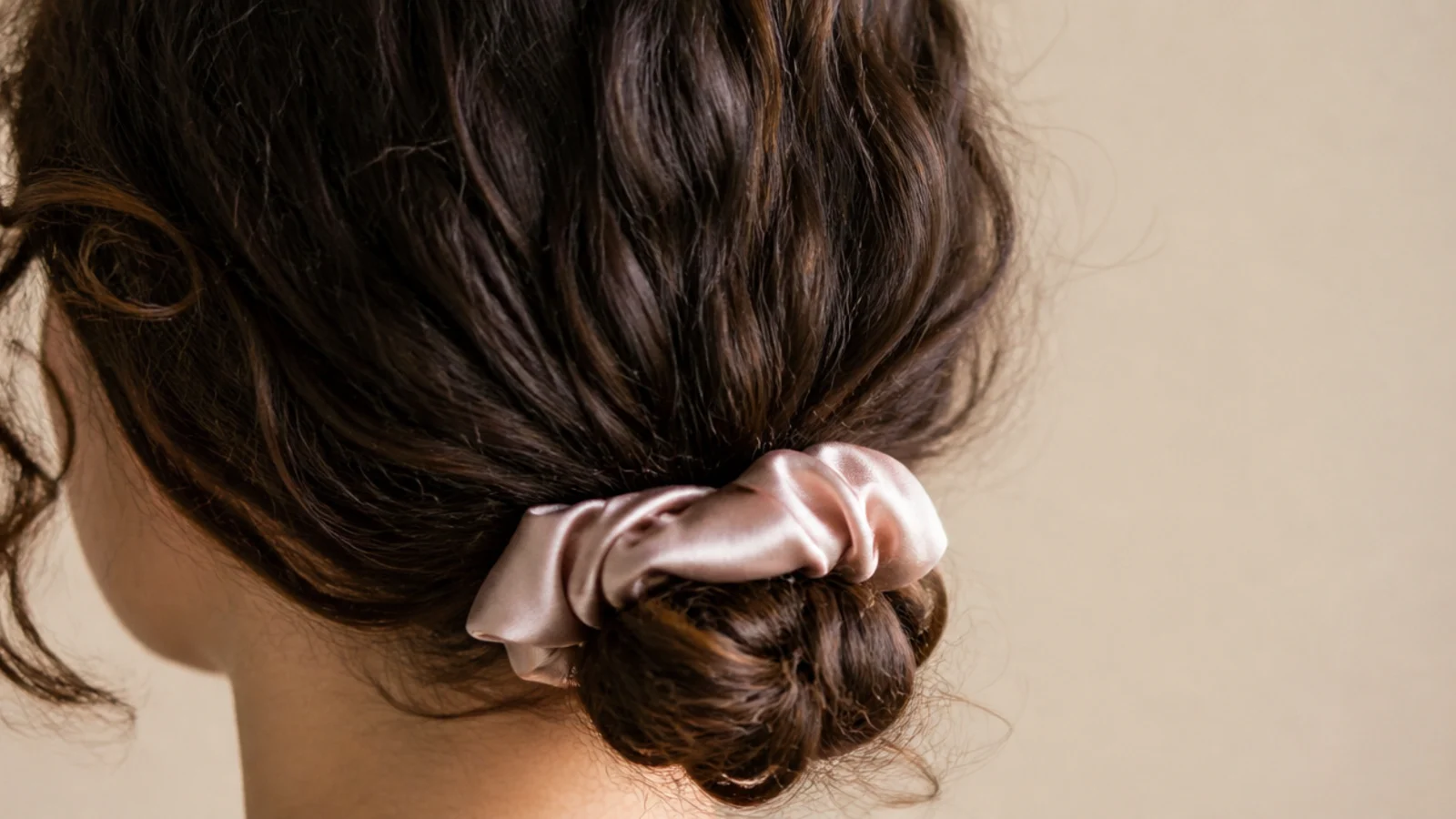
A knot removes every free edge that humidity can act on and puts the frizz prone surface inside the shape. A silk scrunchie spreads the tension over a wide soft band, so you do not leave the dent and the broken hairs that a thin elastic produces.
9. A Half Up Claw Clip
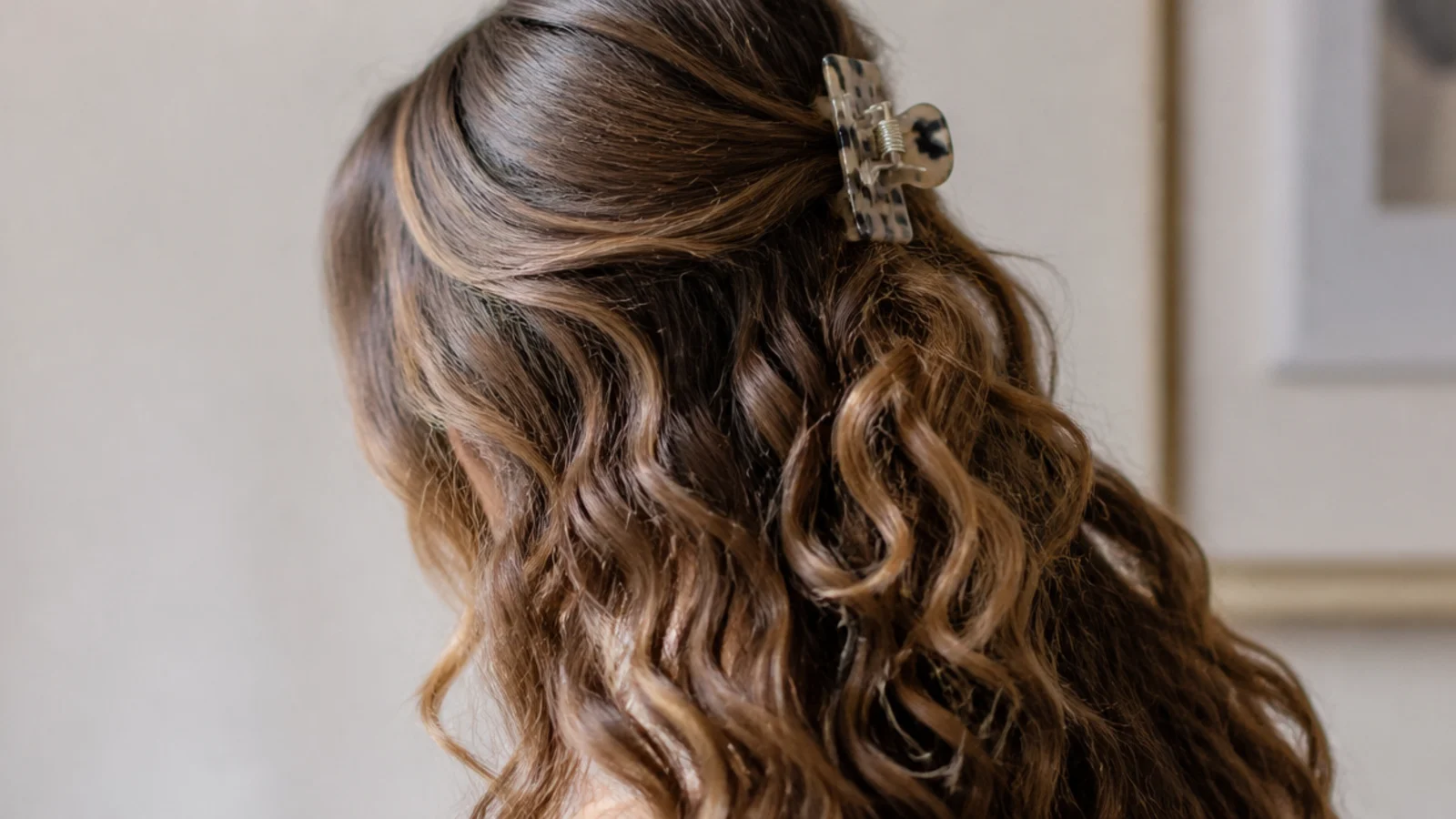
Taking the top section back removes the crown halo from view while leaving the length showing, which is the fastest way to look styled without touching the hair itself. Twist the section before clipping so the surface folds inward and the ends are held inside the twist.
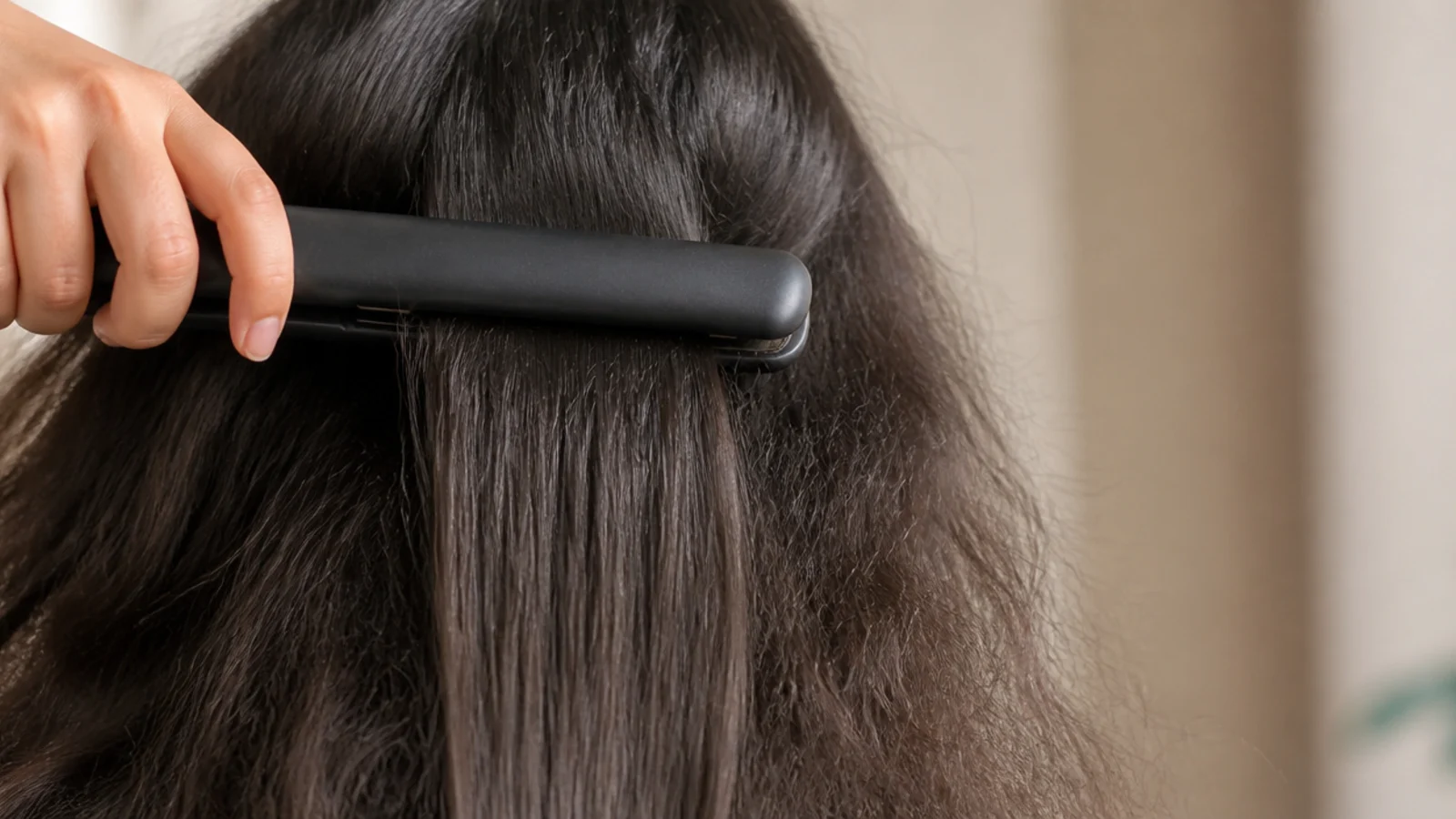
10. Flat Iron the Top Section Only
The visible surface is one thin layer, and pressing that layer flat hides everything under it. Doing only the top costs a fraction of the heat exposure of a full pass, which matters because heat damage is what created the porosity causing the frizz.
11. A Cold Rinse of One Section at the Sink
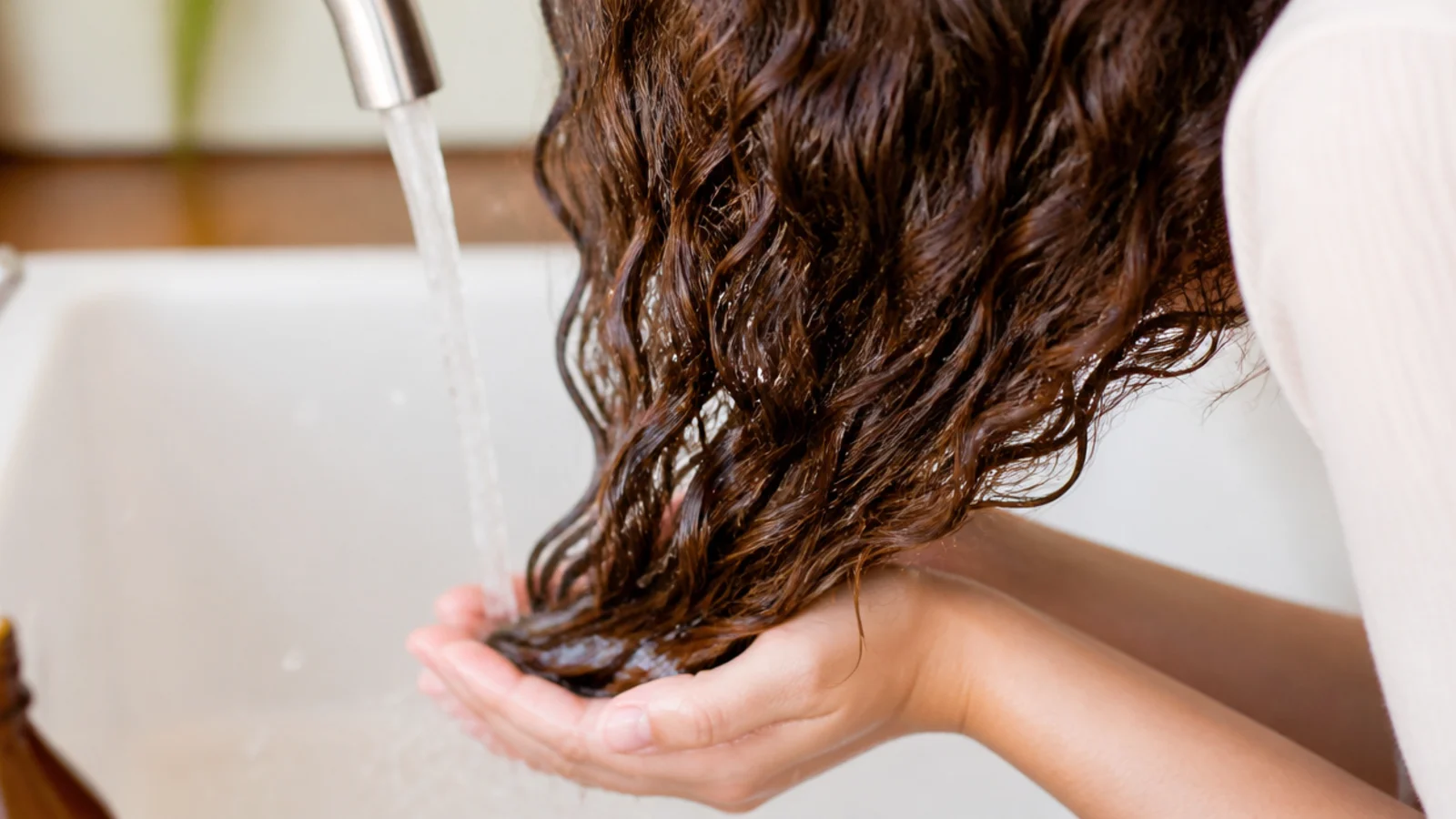
You do not have to wash the whole head to reset one bad section. Run the section under cold water at the sink, blot it, and let it dry in position, since the cold water also lets the strand contract before you handle it.
12. A Gel Stick Sleek Ponytail
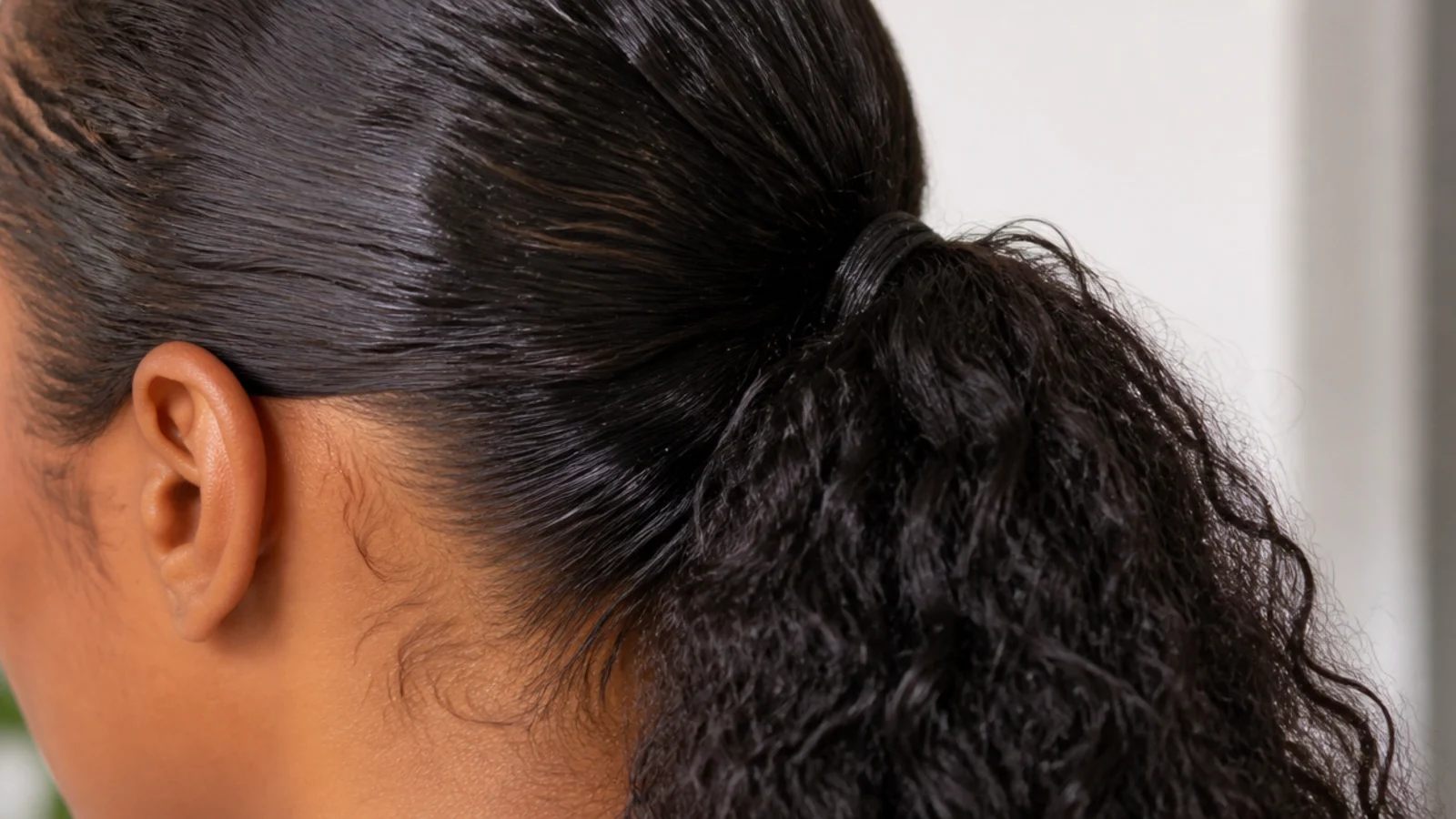
A gel stick puts a firm film exactly where it is applied with no spread and no drips, so the short hairs are laid down without loading the length. Once the film is dry it holds the surface flat regardless of what the weather does, which a cream cannot manage.
13. Leave In, Cream and Gel Layering
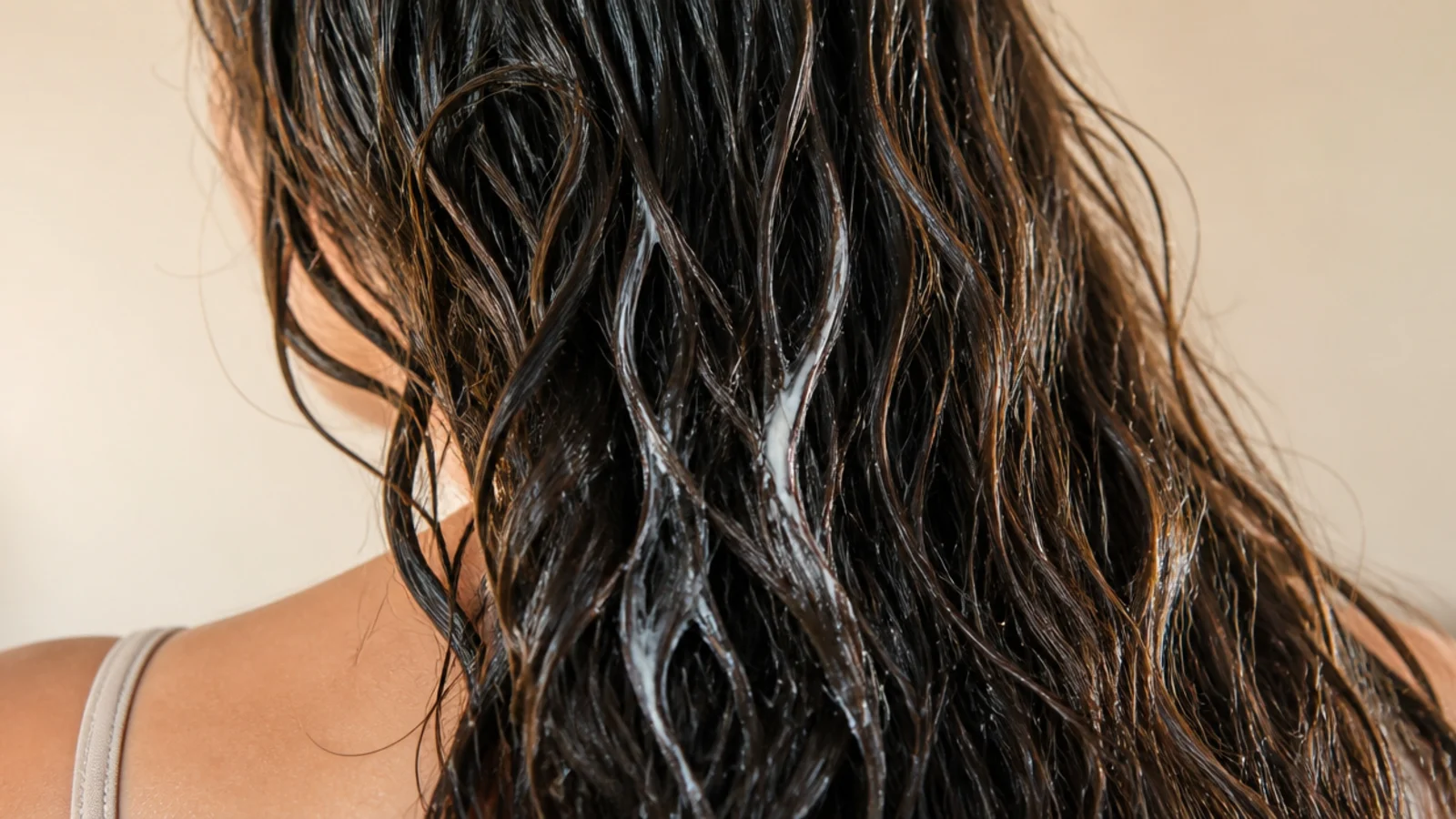
Each layer does a separate job, and the order lets each one through. The leave in carries water in, the cream softens and adds slip, and the gel sets a cast over both so the whole arrangement stays where it dried instead of moving all day.
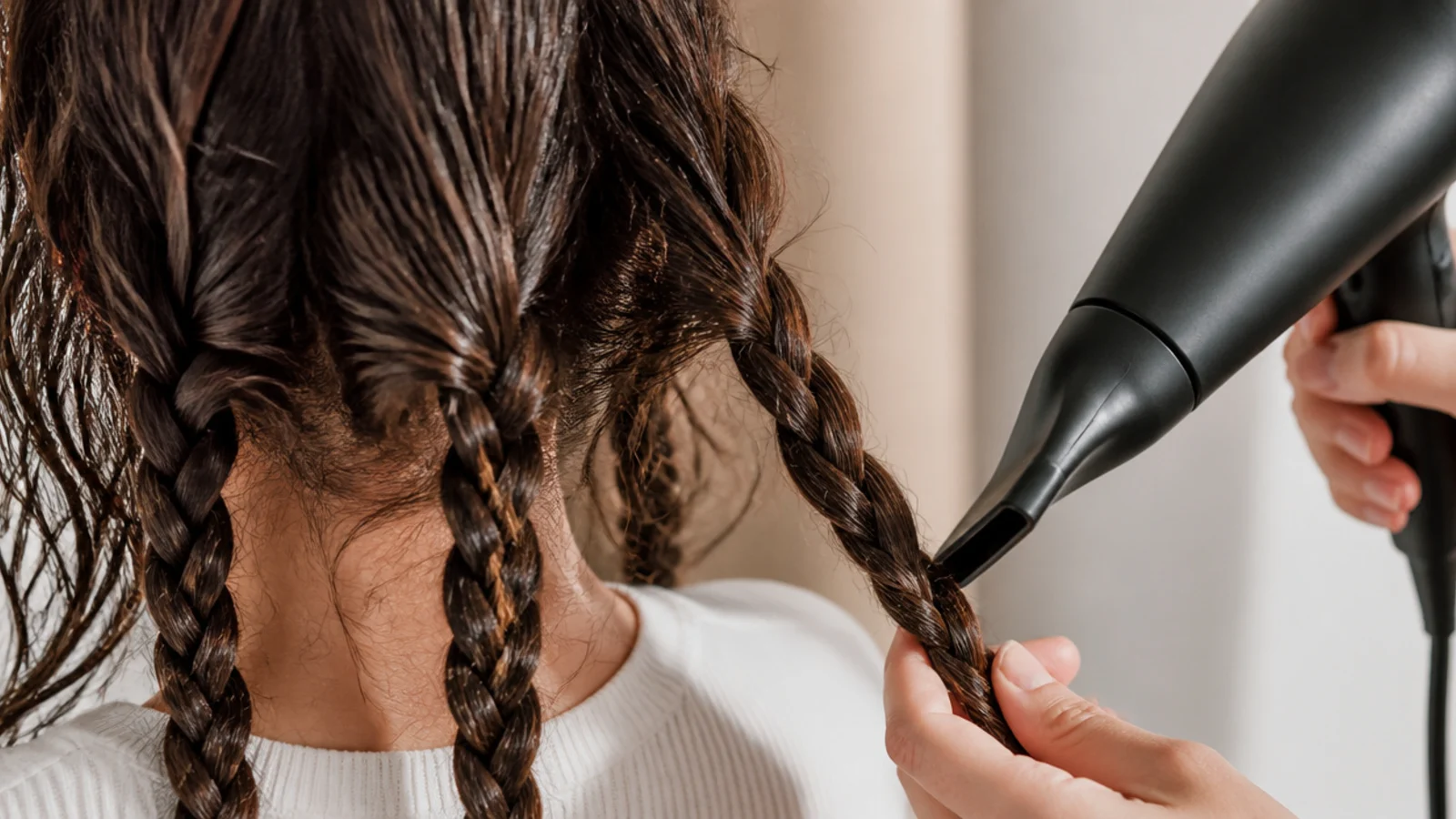
14. The Braid and Blow Dry Trick
Braid the damp length loosely, dry the roots and the outside of the braid, then take it down. The braid holds every strand against its neighbours while the water leaves, so nothing dries standing away from the surface and the bend you get is even along the whole length.
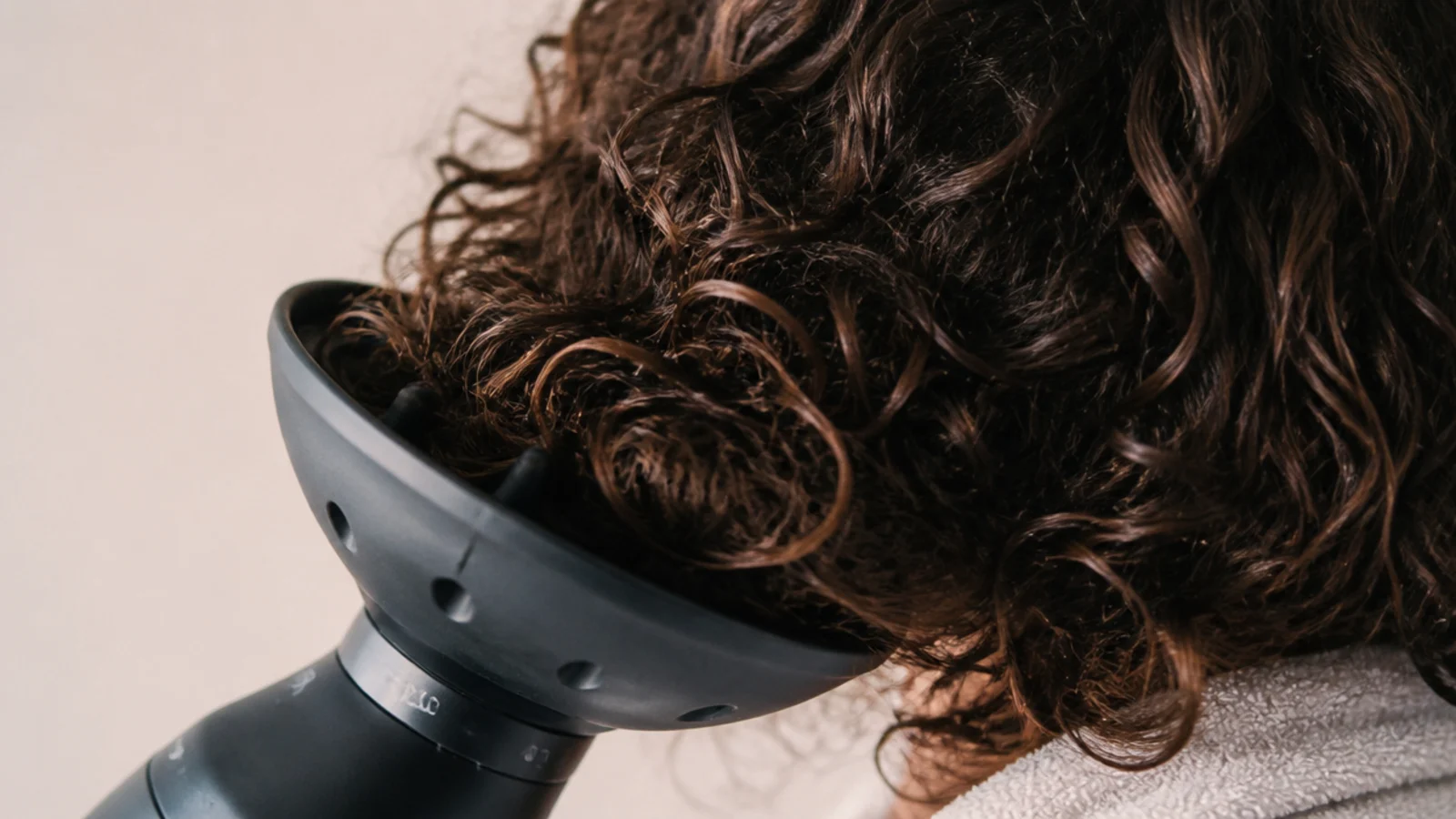
15. Diffuse on Low Heat, Cupped
Cupping the diffuser against the head and lifting it in place keeps the pattern stacked while the water leaves. High airflow blows strands out of alignment before they have set, so low speed matters far more than low temperature on a diffuser.
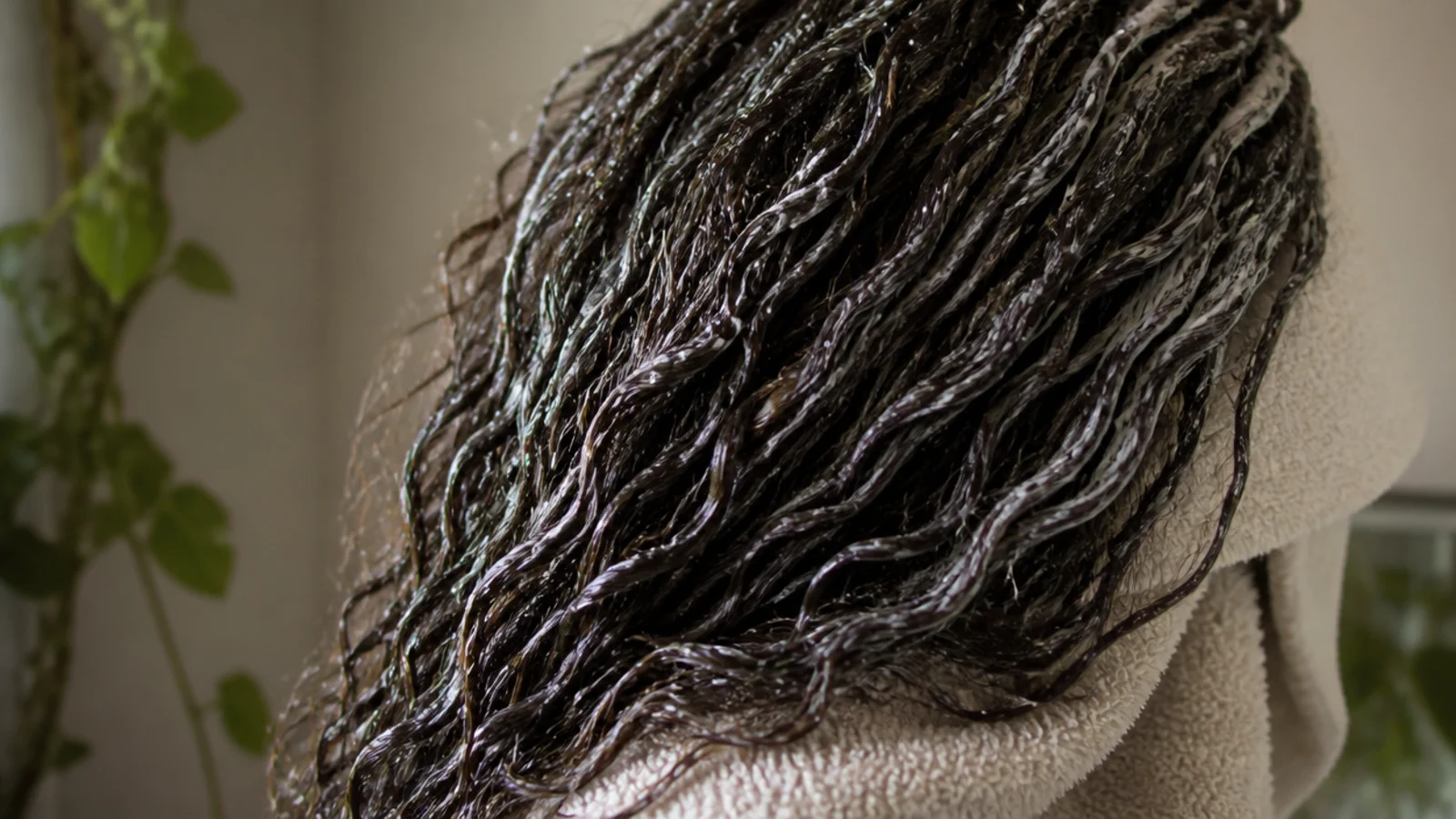
16. A Steam Towel Over Deep Conditioner
Warmth and moisture together let the cuticle relax enough for the conditioner to reach the gaps that porosity has left. A warm damp towel wrapped over a mask for twenty minutes does more than the same mask left on cold for an hour.
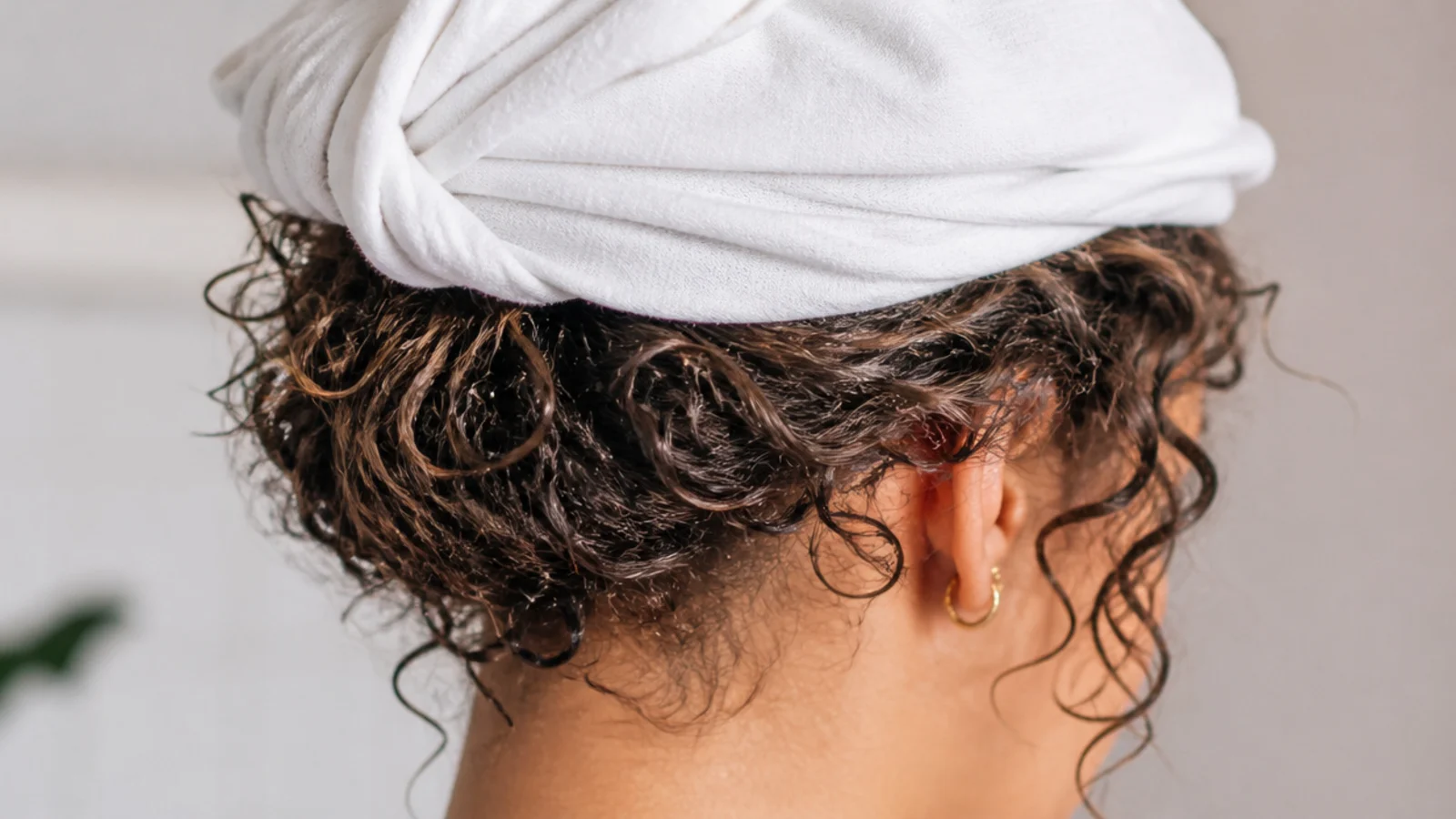
17. Plopping in a Cotton T Shirt
Laying the length onto a t shirt and wrapping it holds the pattern stacked against the head while excess water is absorbed. Gravity is what pulls a wave out during the first ten minutes of drying, and plopping simply takes gravity out of that window.
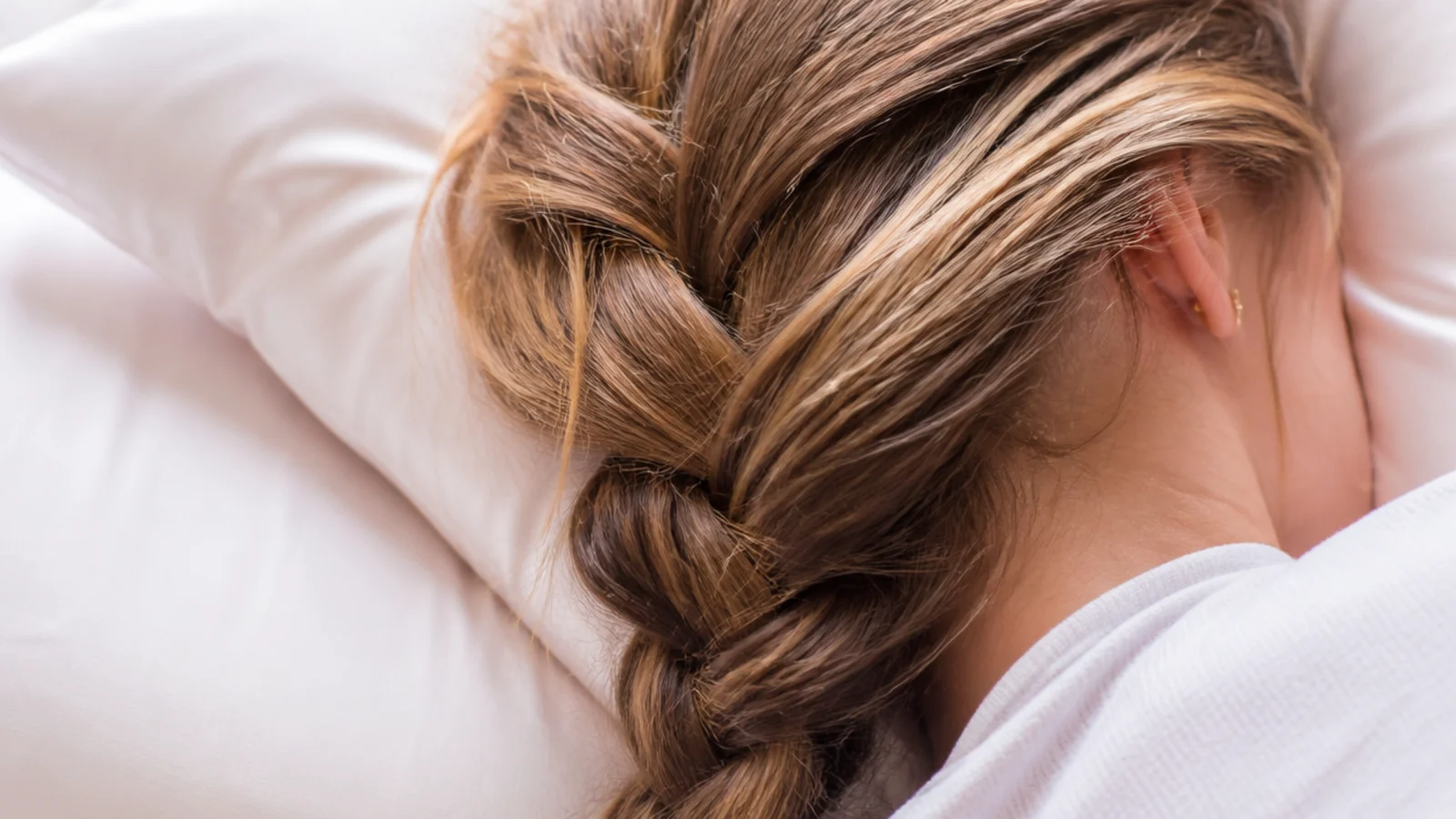
18. A Silk Pillowcase and a Loose Braid
The two overnight problems are friction and moisture loss, and these solve one each. Silk removes the drag and the absorption, and a loose braid moves the friction onto the tie instead of the pattern, so you wake with one dent rather than a full head to redo.
19. Internal Layers for Frizzy Hair
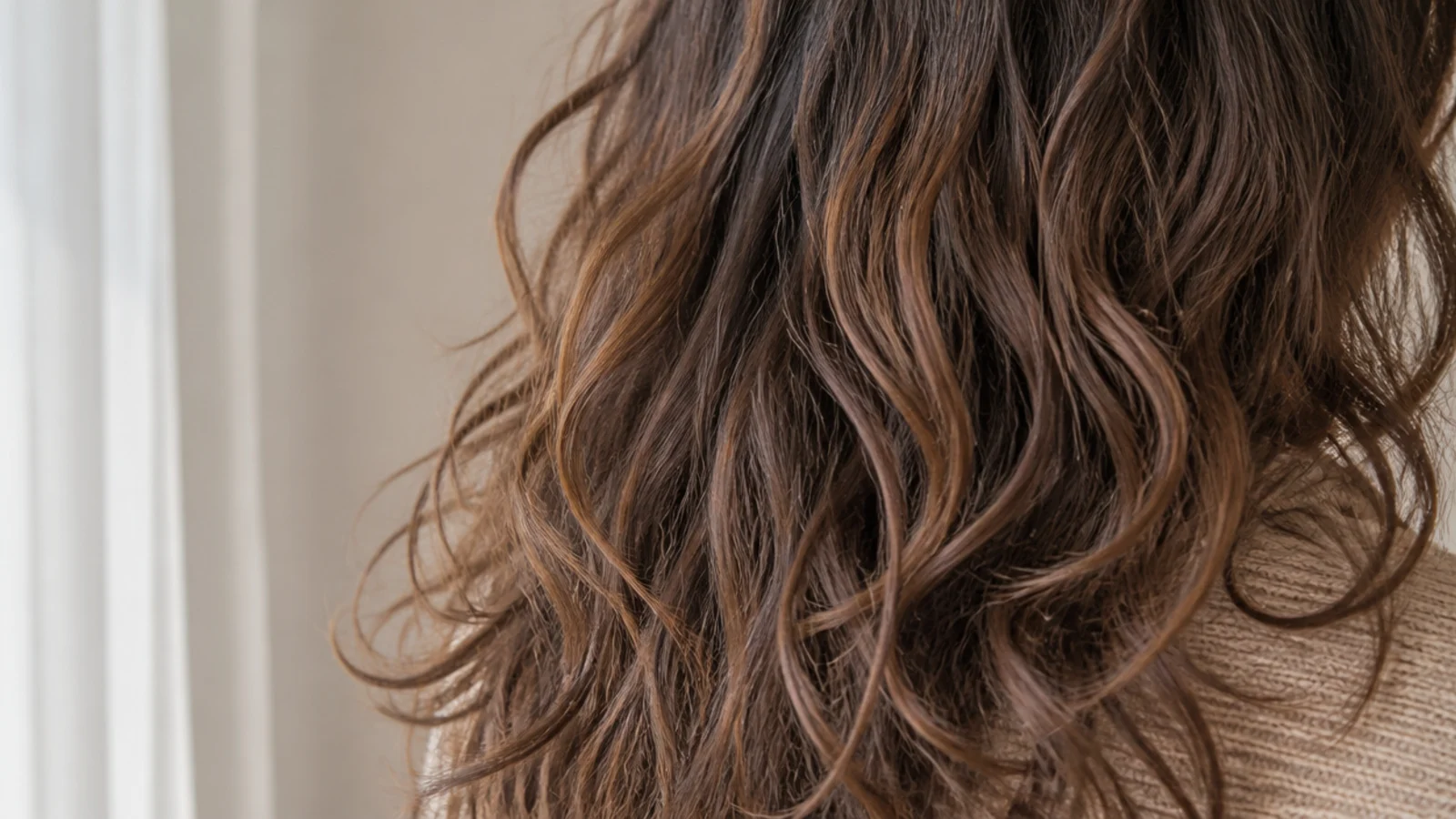
Weight removed from beneath the surface lets the head dry faster and lie flatter without exposing a single new end on the outside. Layers cut into the top do the opposite, because a short piece up there has no weight above it and stands off the head permanently.
20. The No Product Emergency Twist
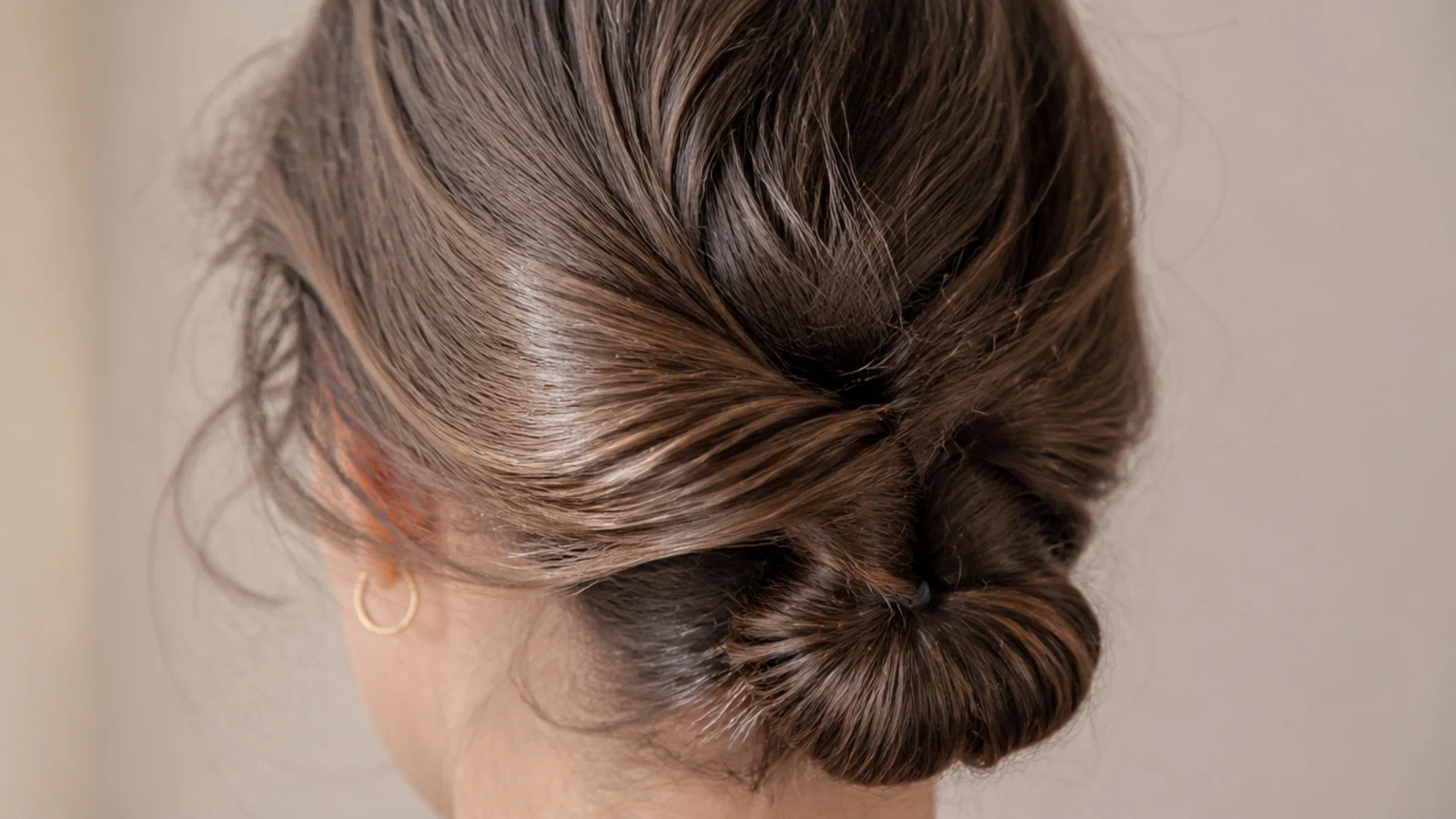
Twist the length in one direction, coil it against the head, and pin it. The twist tension itself holds the surface strands in against the coil, so the shape needs nothing but two pins and it survives weather that would defeat anything left loose.
How to Get Rid of Frizz Step by Step
Step 1. Diagnose Your Frizz Type
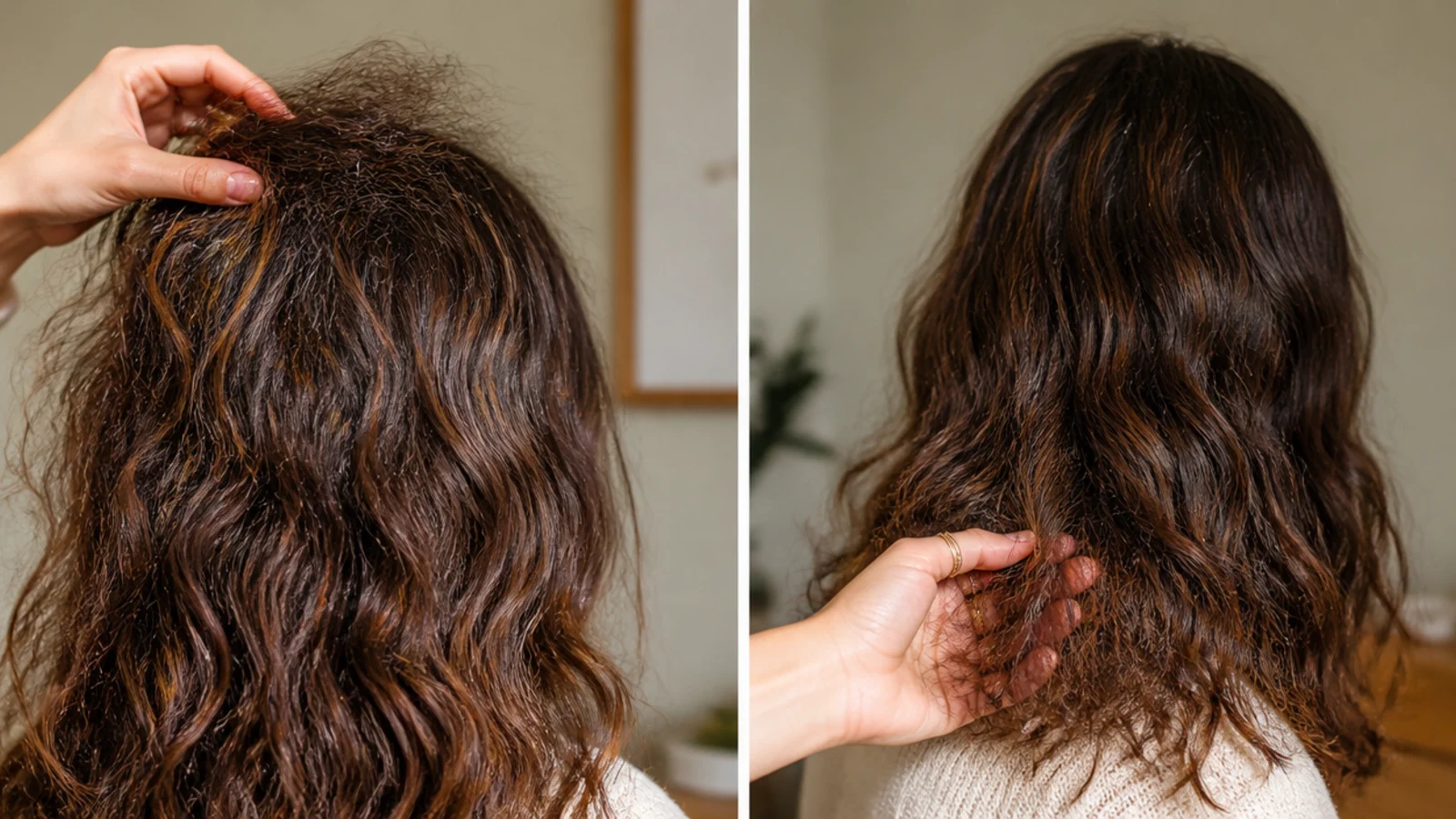
Look at where it sits before you reach for anything. A crown halo, flaring ends, a collapsed pattern and hairline baby hairs have four different causes, and three of the four are not helped by the product most people apply to all of them.
Step 2. Decide Your Time Budget
Two minutes buys you damp palms and a claw clip. Fifteen buys a rewet and a proper set. A full wash day buys an actual change. Picking a fix that needs more time than you have is how you end up with hair that is greasy and still frizzy.
Step 3. Rewet With Water
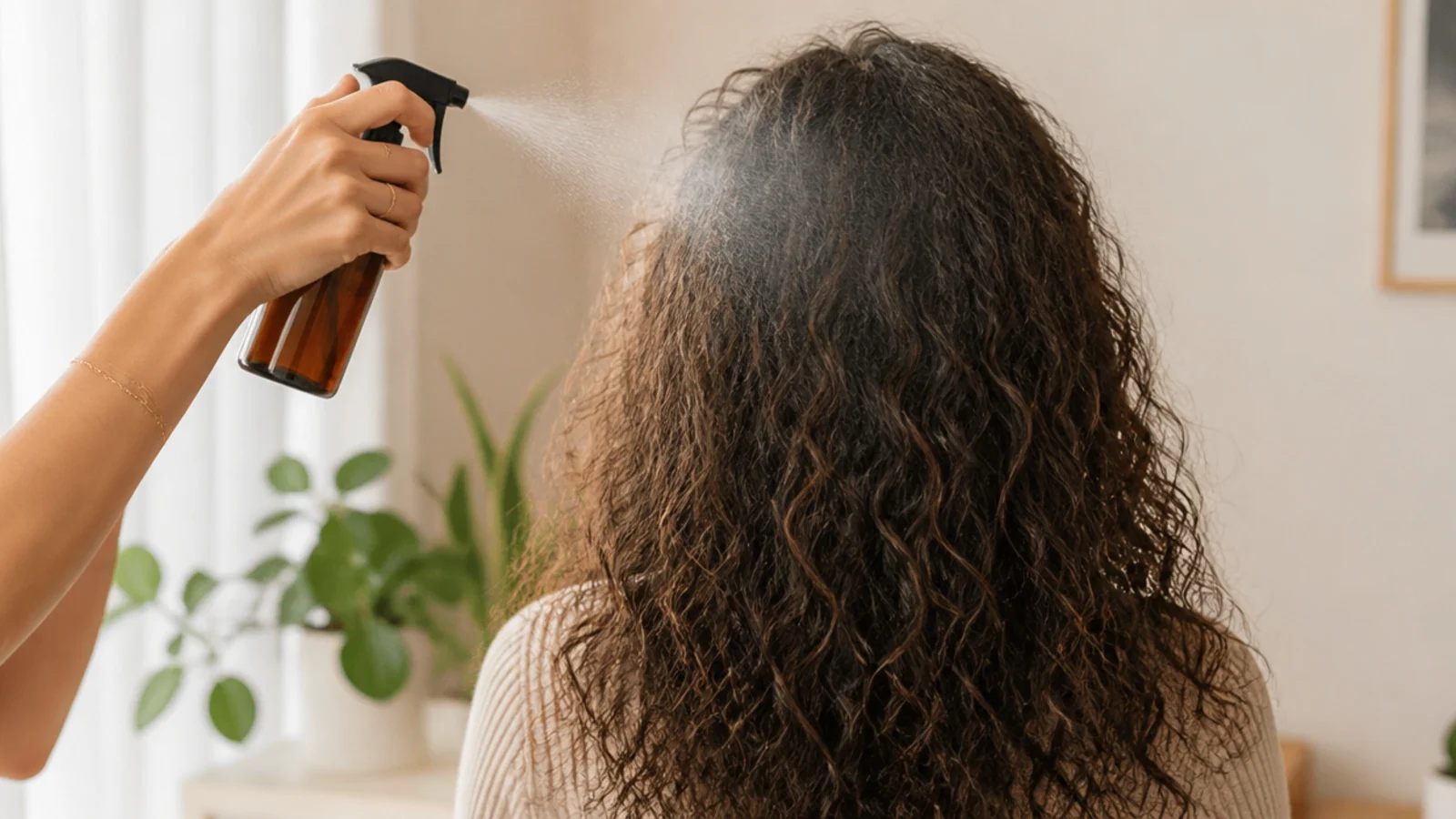
Water is the only thing that unlocks the shape, so anything more ambitious than weighing the halo down starts here. Mist or run the section under the tap until it is properly wet rather than damp, because damp hair will not redistribute anything you put on it.
Step 4. Use the Smallest Amount of Product
Start with less than you think and add if it fails, because you can always apply a second dose and you cannot remove the first without washing. Overloading drags down the strands that were already lying flat, while leaving the short broken hairs standing exactly where they were.
Step 5. Seal the Top Layer
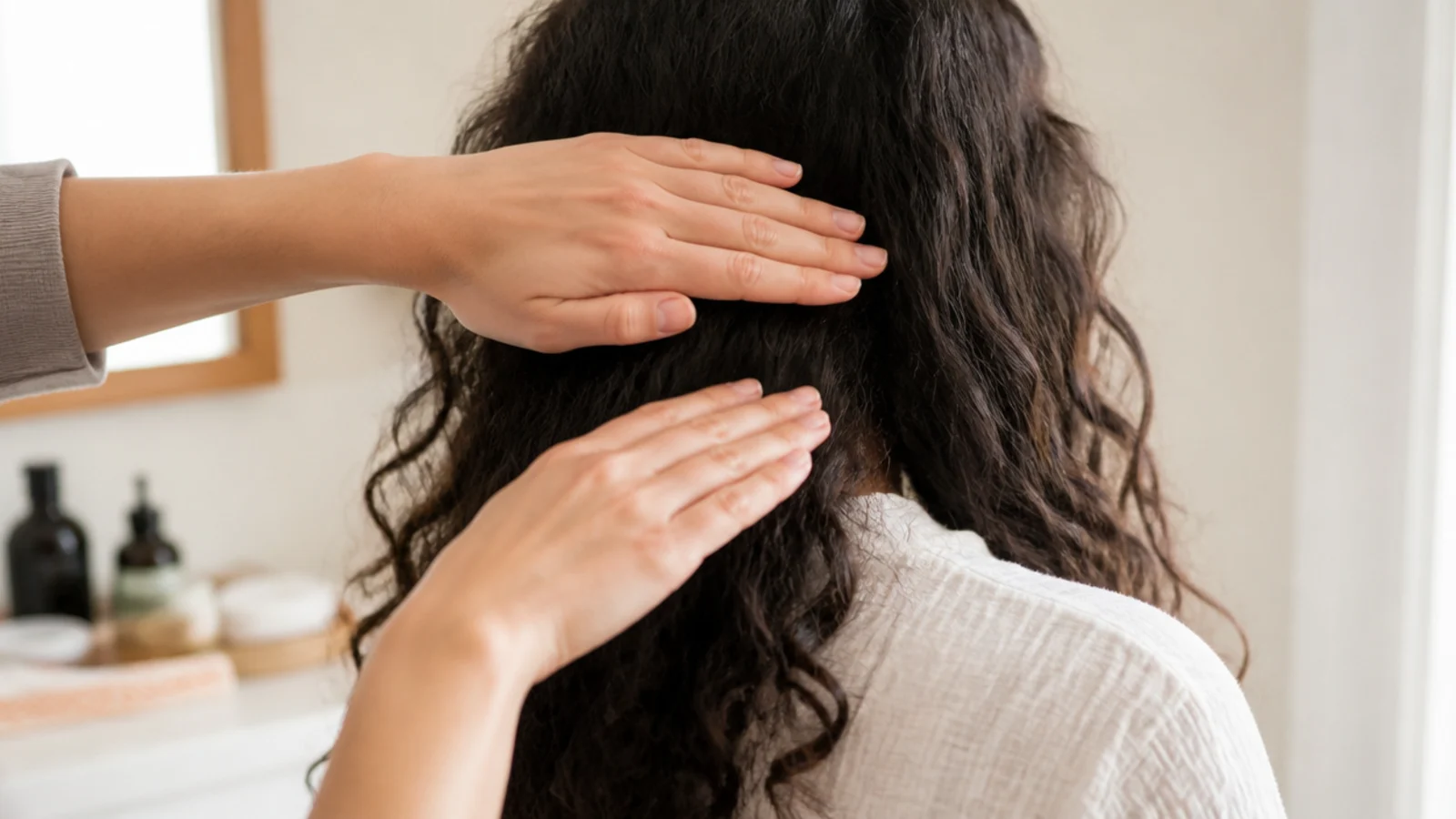
The visible surface is one thin layer of hair, so an occlusive pressed onto that layer alone does the work of a full application. Pressing rather than raking keeps the barrier where the air meets the hair and keeps the weight off everything underneath.
Step 6. Set It and Stop Touching
The strand fixes its shape at the moment the last of the water leaves, and every touch before that point moves a strand that was about to set. Hands off until it is fully dry is the single hardest instruction here and the one that changes the most.
Step 7. Build a Midday Kit
Frizz reappears when the weather changes, not when your routine fails, so carry the two things that work on dry hair. A tiny tin of balm and a claw clip cover the halo and the whole head respectively, and neither needs a mirror or a sink.
Step 8. Fix It On Wash Day
Everything above is management, and the actual fix is upstream. Clarify off the buildup, apply on soaking wet hair, dry on cotton and a diffuser, and give it three wash days before you judge whether the change worked.
Final Thoughts
Ask one question before you touch anything. Is the hair wet or dry? If it is wet you can still decide what shape it takes, and the whole of the layering and drying routine is available to you. If it is dry, the honest options are a trace of weight on the halo, a press, or rewetting one section and setting it again, and pretending otherwise is how a serum ends up doing nothing except making the length greasy.
Then work upstream. Most people fighting frizz at four in the afternoon lost the argument at eight in the morning, when the product went onto damp hair instead of soaking hair, or a terry towel went over the head, or a nozzle blew the pattern apart before it had set. If sleek is not what you are after in the first place, a choppy ponytail works with texture rather than trying to flatten it. More in Hair Care. See also the curly version.