
15 Graduation Hairstyles Tried Under a Real Cap
Fifteen graduation styles put under a mortarboard for four hours each. Ten came out unchanged and five did not, and every failure broke the same rule. Bulk, a clip or a damp product inside the ring the band grips.
In this article · 22
- Finding the Cap Line
- The Four Hour Hold Test
- Cap On and Cap Off
- Morning Timeline
- What It Cost
- The 15 Styles and How They Held
- 1. Low Chignon at the Nape
- 2. High Topknot That Failed
- 3. Half Up Barrel Curls
- 4. Sleek Low Ponytail
- 5. Slicked Back Low Bun
- 6. Dutch Crown Braid That Failed
- 7. Low Braided Halo
- 8. Side Swept Waves
- 9. Heatless Curls That Failed
- 10. Double Dutch Braids
- 11. French Twist
- 12. Bubble Ponytail
- 13. Claw Clip Twist That Failed
- 14. Flat Iron Bent Waves
- 15. Wet Look That Failed
- Final Thoughts
The list of graduation hairstyles that survive a cap is much shorter than the list of graduation hairstyles, and four hours under a mortarboard sorts them quickly.
Ten of the fifteen came out unchanged. Not similar. Unchanged, with nothing to repair before the photographs.
All five failures broke the same rule. Each one put bulk, a clip or a still damp product inside the ring the band grips, and the cap did the rest.
Finding the Cap Line
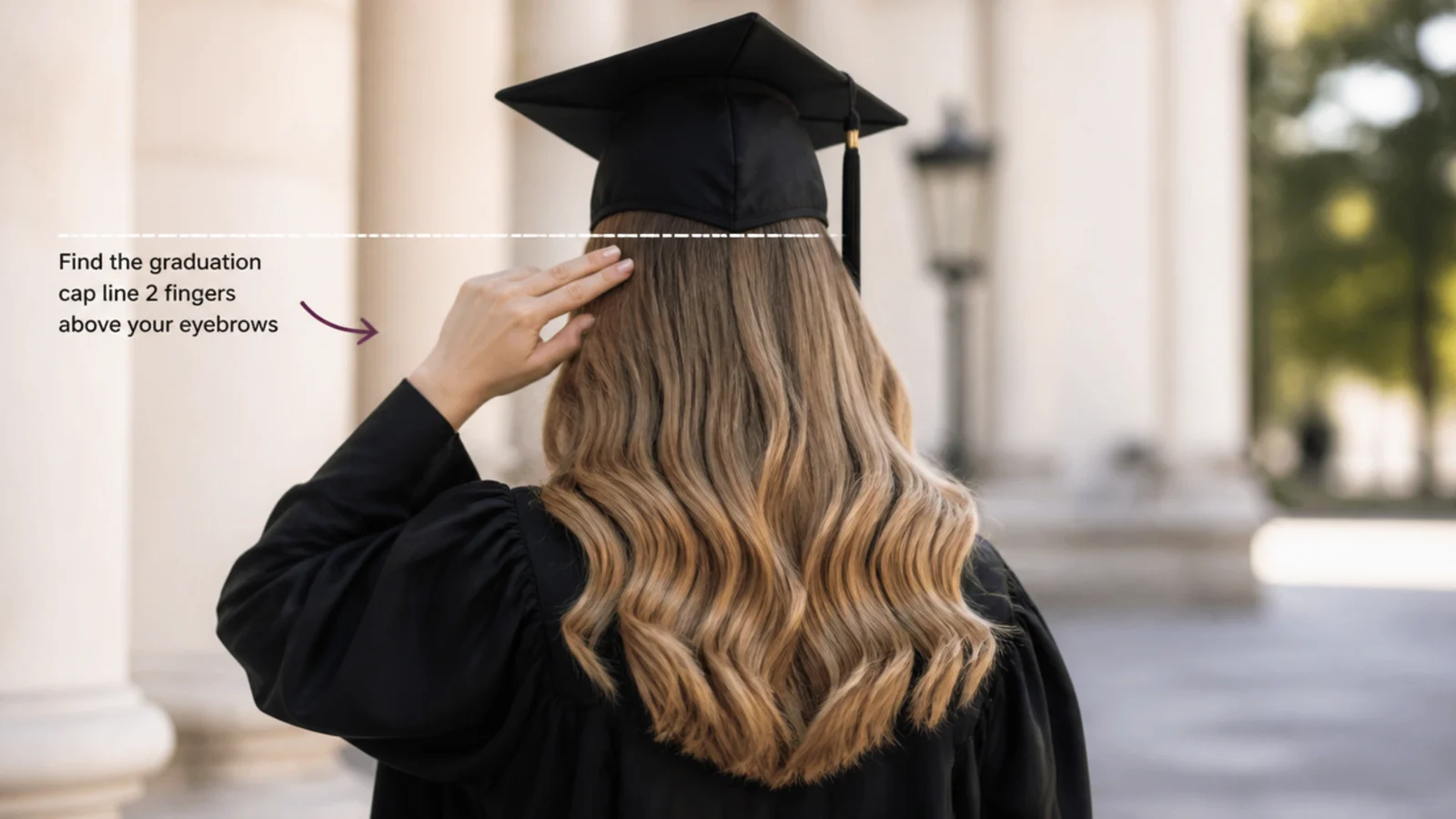
Run a finger around the widest part of your skull. Occipital bone at the back, just above the ears at the sides, across the forehead at the front. That circle is where the band sits.
Inside the circle is compressed for the whole ceremony. Anything with height in there also lifts the board and tips it backwards.
Below the circle comes out exactly as it went in. No compression, no line, no repair.
Find the line before you style, not after. Every result in this test was predicted by which side of that circle the style sat on.
The Four Hour Hold Test
Same conditions each time. Board level, front edge two finger widths above the brow, band at the widest circumference, three crossed pins through it.
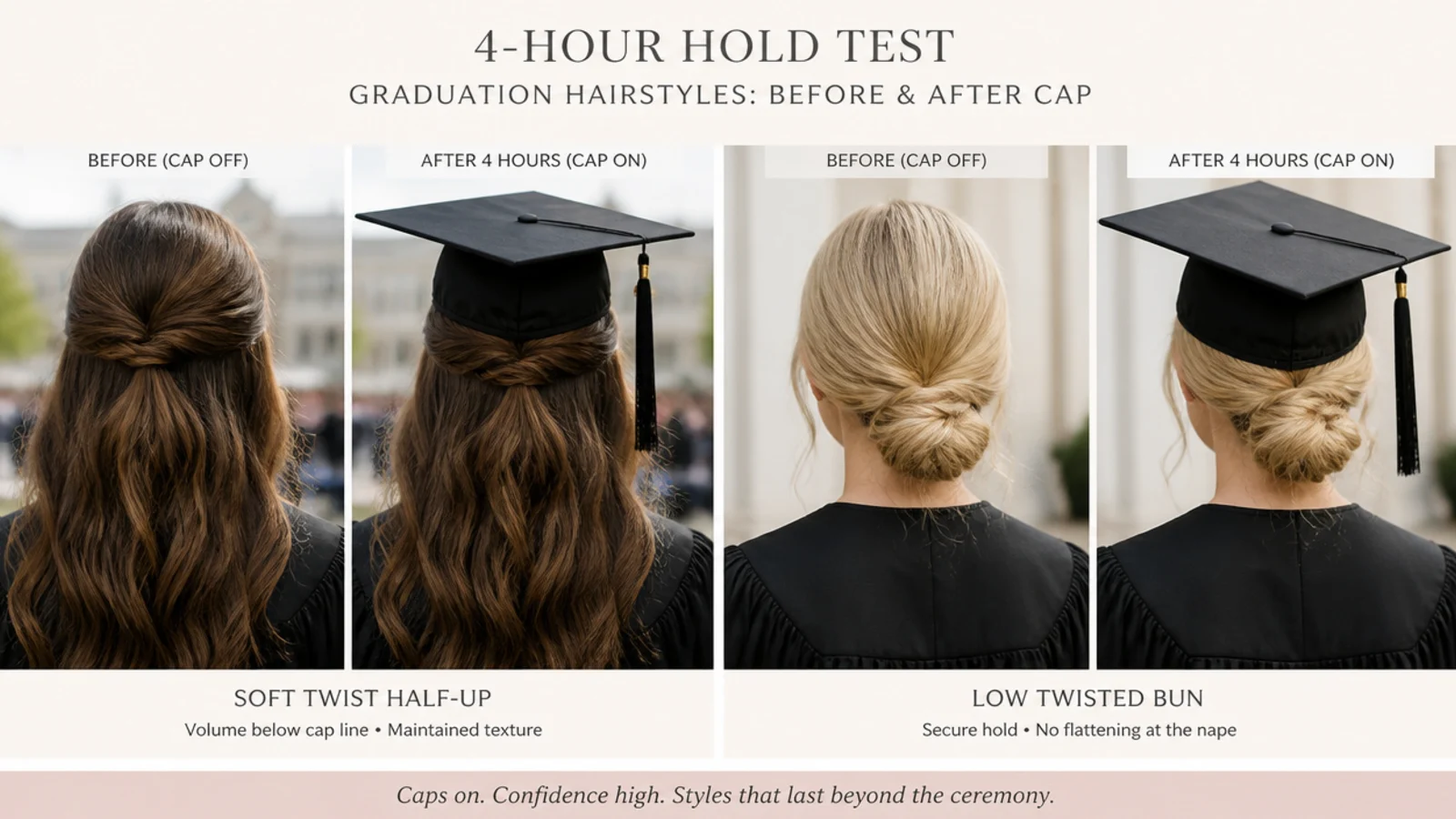
Four hours, which is longer than most ceremonies. The depth of the band line scales with the time under it, so a style that survives four holds two comfortably.
Pass means no repair needed. If it wanted water, an iron or a re-pin, it failed.
Ten passed and five failed. The five were the styles built inside the ring, and their failure modes were visible within the first half hour.
Cap On and Cap Off
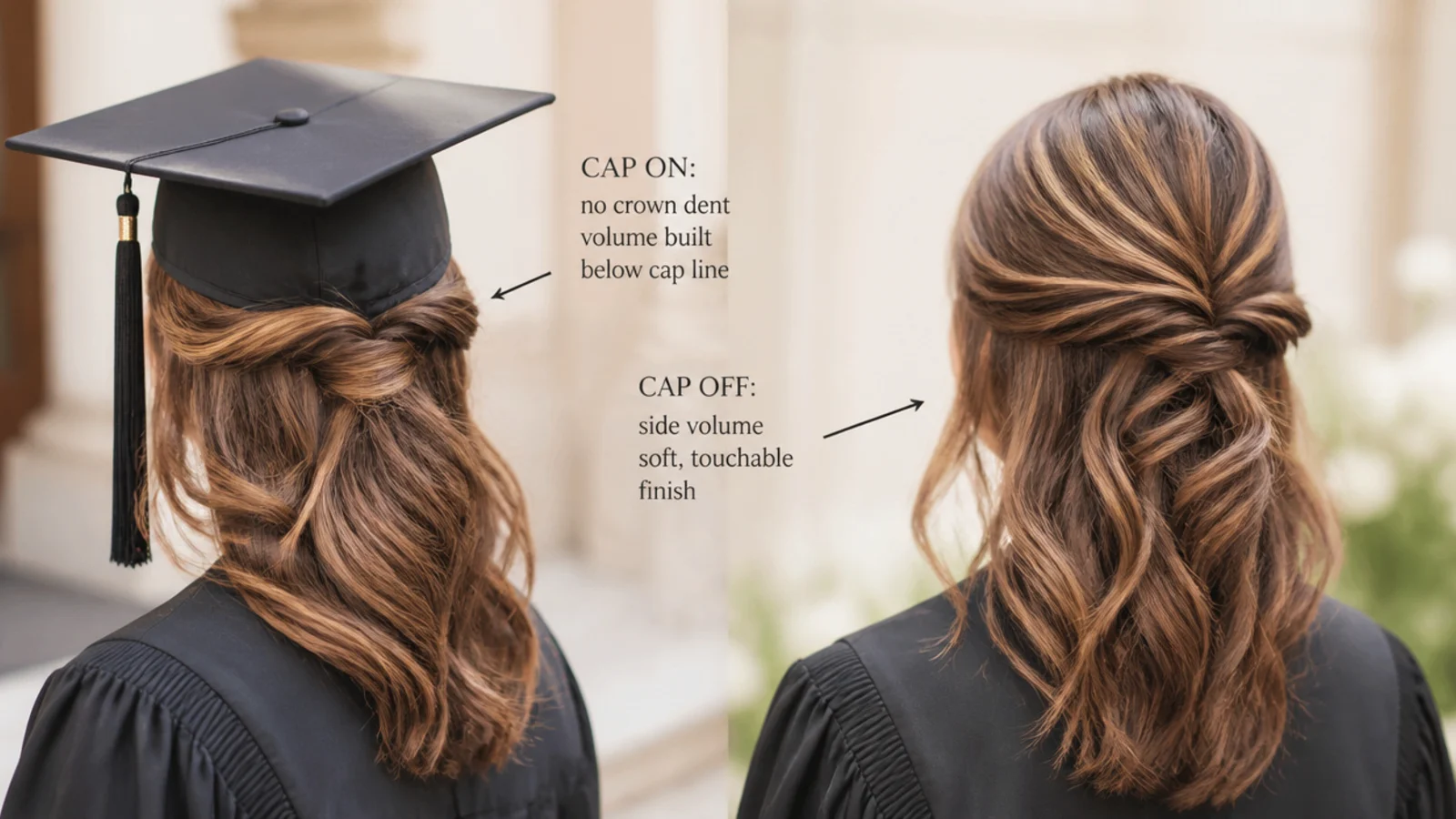
These are the only two states that matter. One for the ceremony, one for every photograph afterwards.
A style that differs between them needs a repair plan and a mirror. Both are harder to find in a crowd than they sound at home.
The repair itself is short. Mist the band line, lift the root against the direction it was pressed with warm air, then let it cool in position.
A low style needs no plan. That was the clearest finding of the whole test and it applies at every length.
Morning Timeline
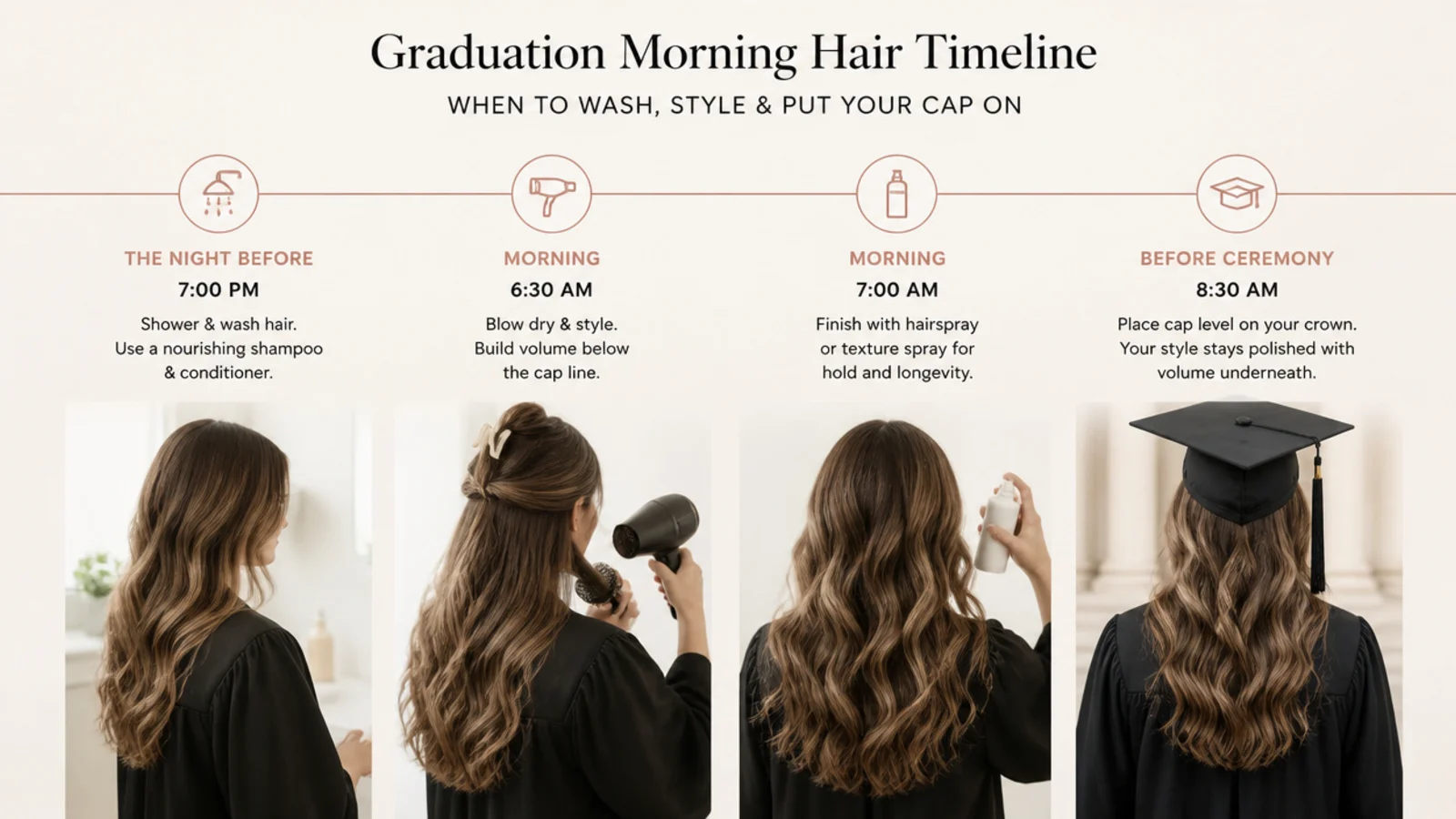
Wash the night before. Freshly washed hair is slippery and pins travel in it, and every failure in this test involved something moving.
Finish ninety minutes before the cap goes on. Styles drop as they settle, and you want the drop to happen while you can still correct it.
Anything gel based has to be bone dry. Both unrecoverable failures were damp products trapped under the band.
Cap on last, at the door. Every minute saved is a shallower line.
What It Cost
Nothing on the pass list took more than twenty minutes. The low chignon, the low ponytail and the nape styles were all under ten.
Six pins, not twenty. More pins do not hold a style better, they just distribute the same tension across more hard points pressing into your scalp.
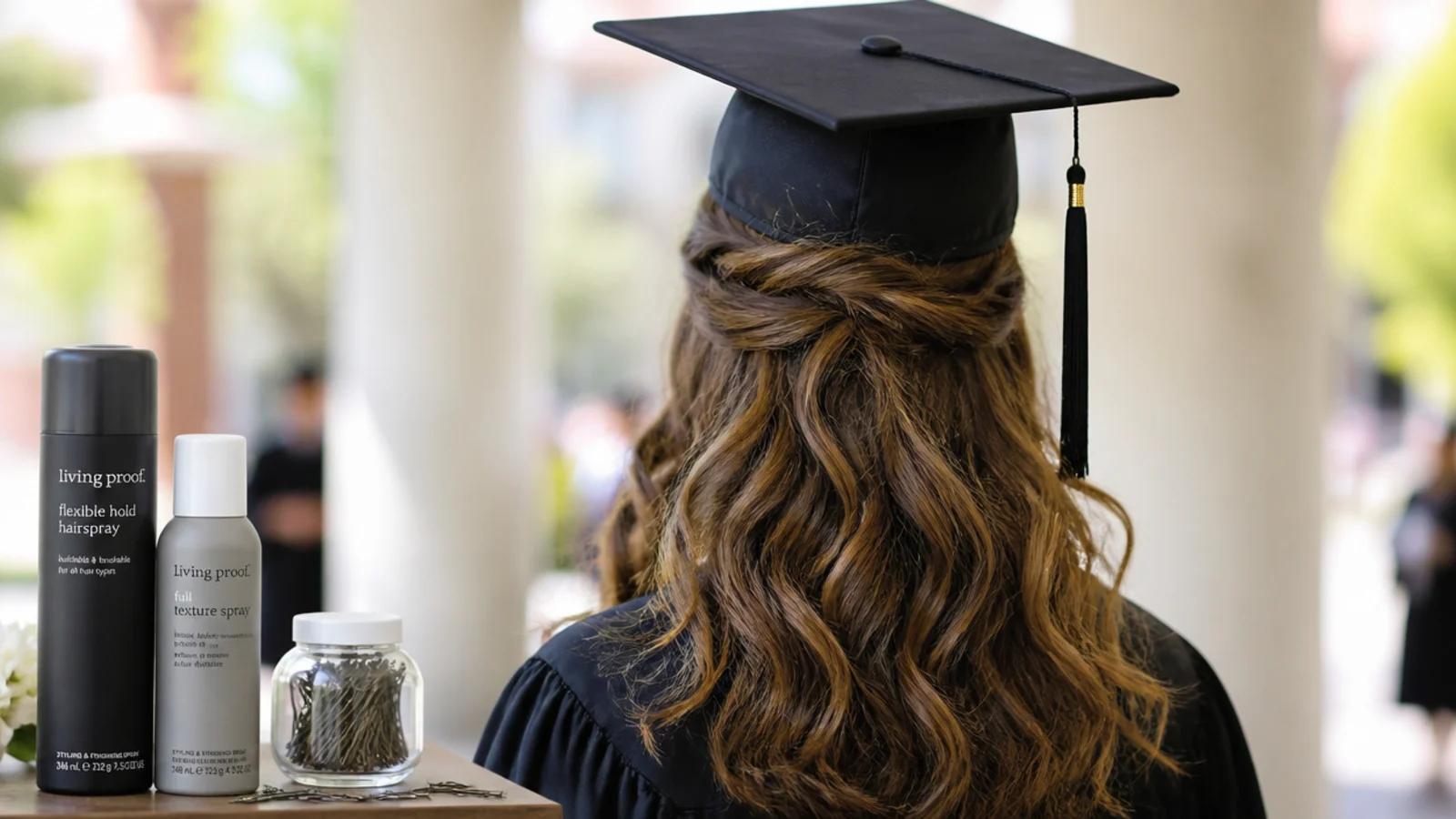
Two products, not five. A grip product at the root and a light spray at the ends covered every style that passed.
The elaborate ones failed. The crown braid and the overnight set were the two longest builds in the test, and neither survived, which is worth knowing before you set an alarm for them.
The 15 Styles and How They Held
1. Low Chignon at the Nape
The knot sits below the occipital bone, so the band grips skull curve rather than hair and the cap fits identically with the style in or out. Its pinned base also gave the cap's own pins a solid target, which is why it came through four hours with nothing to redo.

2. High Topknot That Failed
The knot sits inside the band ring and directly under the centre of the board, so it lifts the cap and tips it backwards before you have left the house. No number of pins fixes it, because the pins are holding the cap to the thing that is pushing the cap away.
3. Half Up Barrel Curls
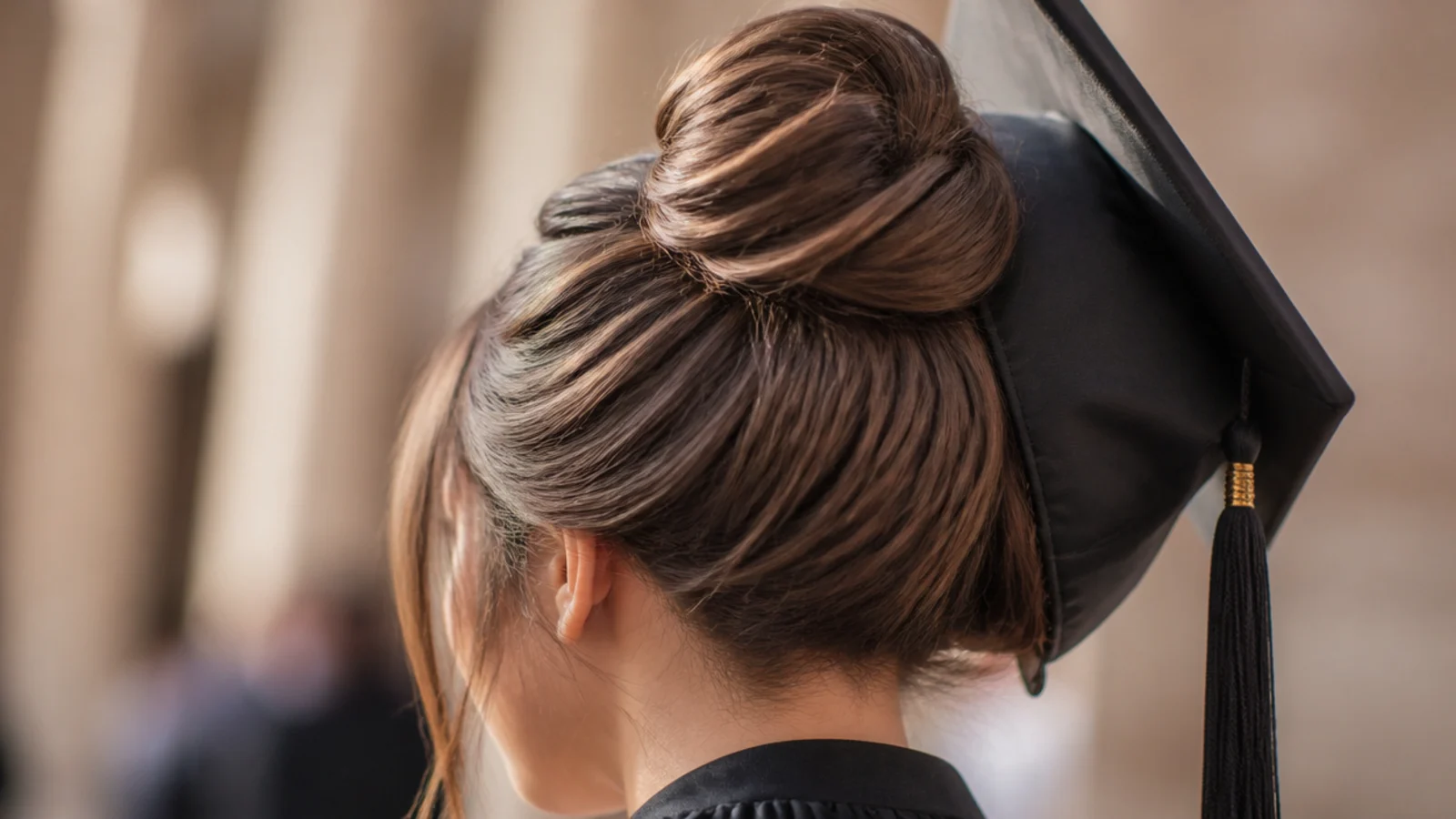
The gather was fastened at the lower edge of the occipital bone, which is the highest point that still clears the band, and the curls hung below the line entirely. What the cap touched was a flat pinned section that was already meant to look flat.
4. Sleek Low Ponytail
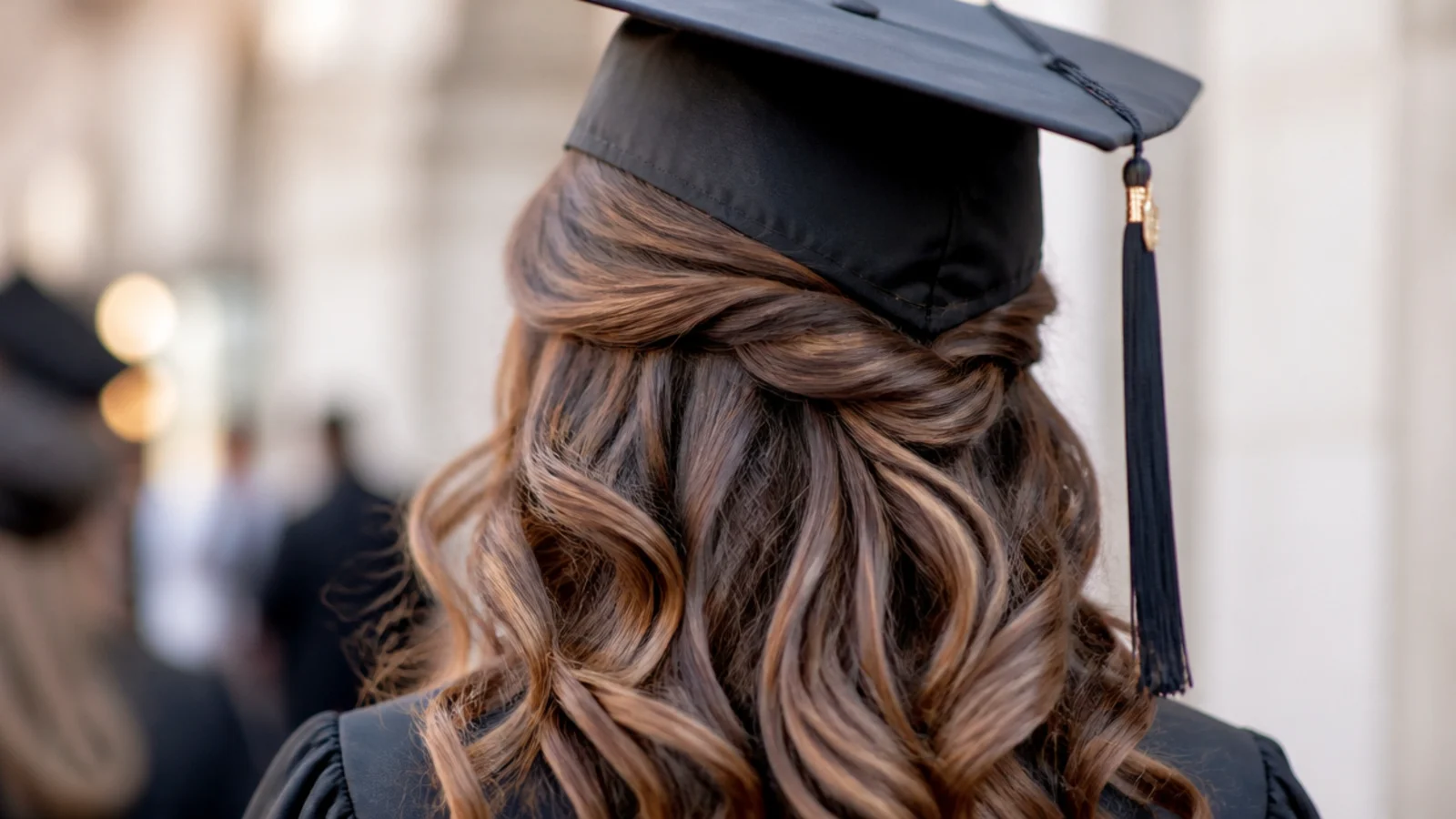
No bulk anywhere the band travels, and the tail's weight pulls every root downward so the hair under the band is already under tension. That produced the shallowest line of anything in the test, shallow enough to disappear on its own.

5. Slicked Back Low Bun
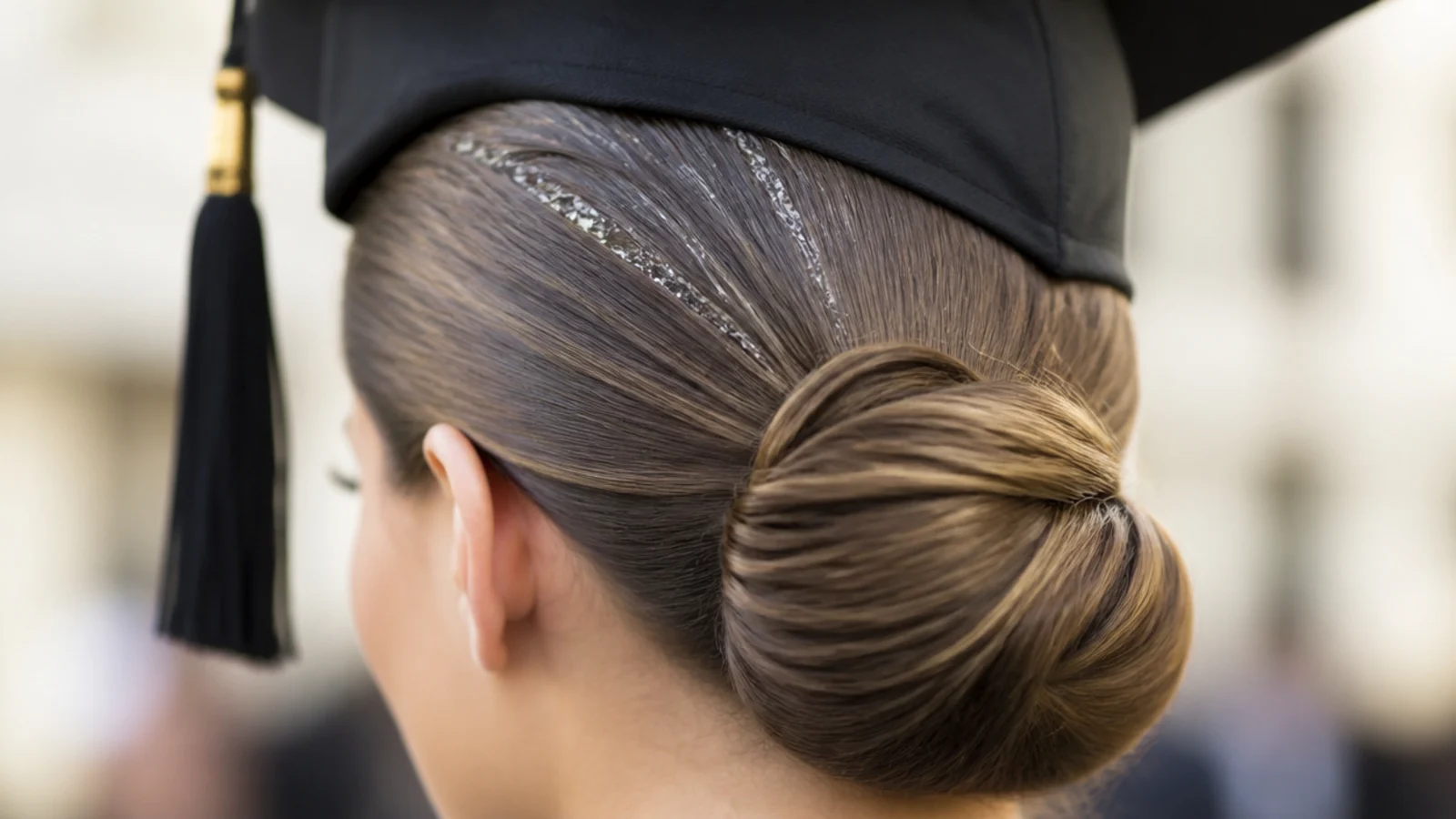
The gel had dried to a hard shell before the cap went on, so there was no soft surface left for the band to press into and no moisture to reset. This is the same style as the wet look failure below, separated only by an hour of drying time.
6. Dutch Crown Braid That Failed
Two faults at once. A Dutch braid crosses each section underneath so it stands proud of the scalp, and a crown braid runs along the exact line the band grips, so the board rode up on it and the ridge came out crushed into a flat rope.
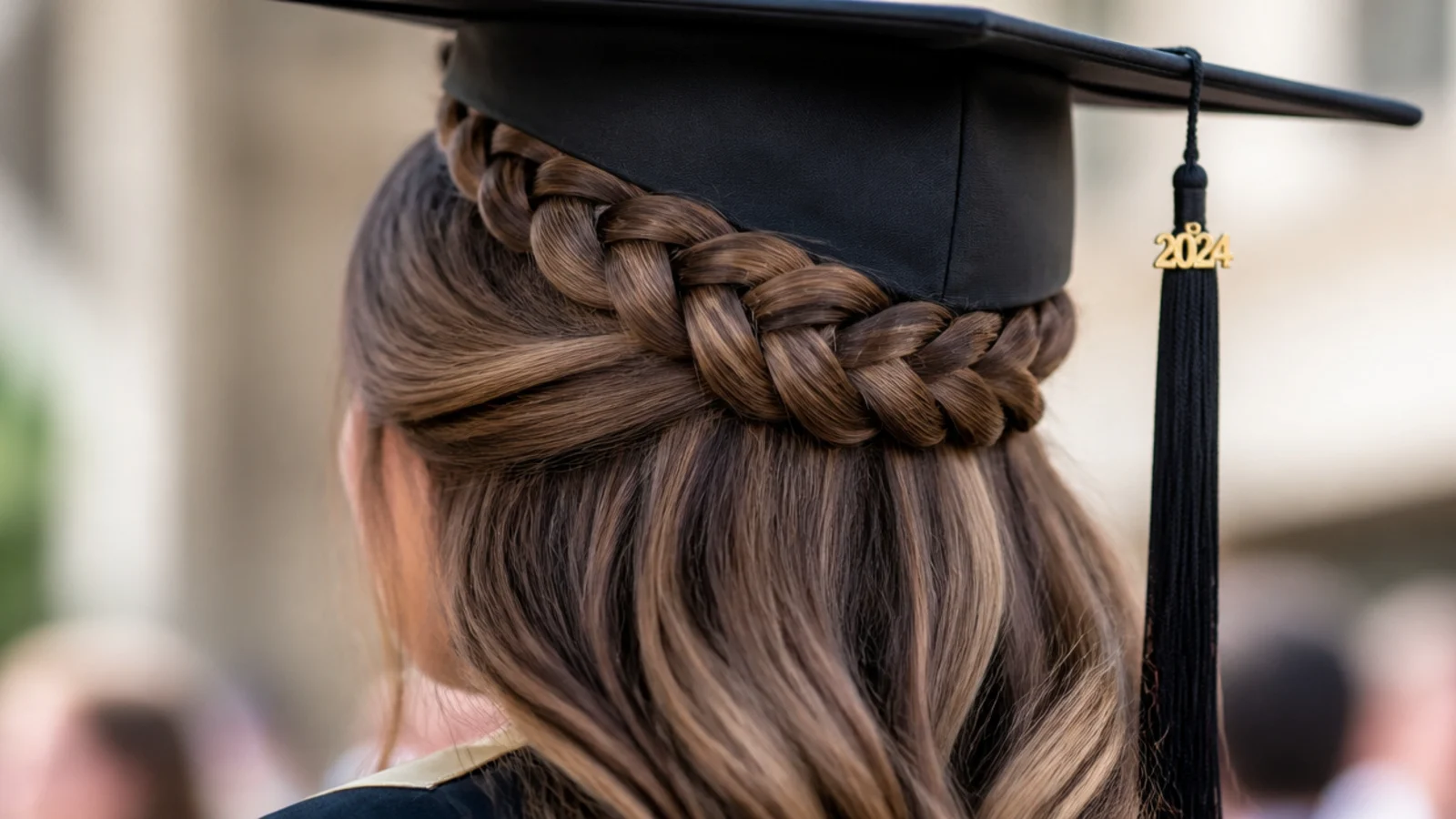
7. Low Braided Halo
The same wrapped shape as the failed crown braid, moved two inches down so it runs below the occipital bone rather than across it. It reads as a crown braid from the front and behaves like a low style under the cap, which is the whole trick.
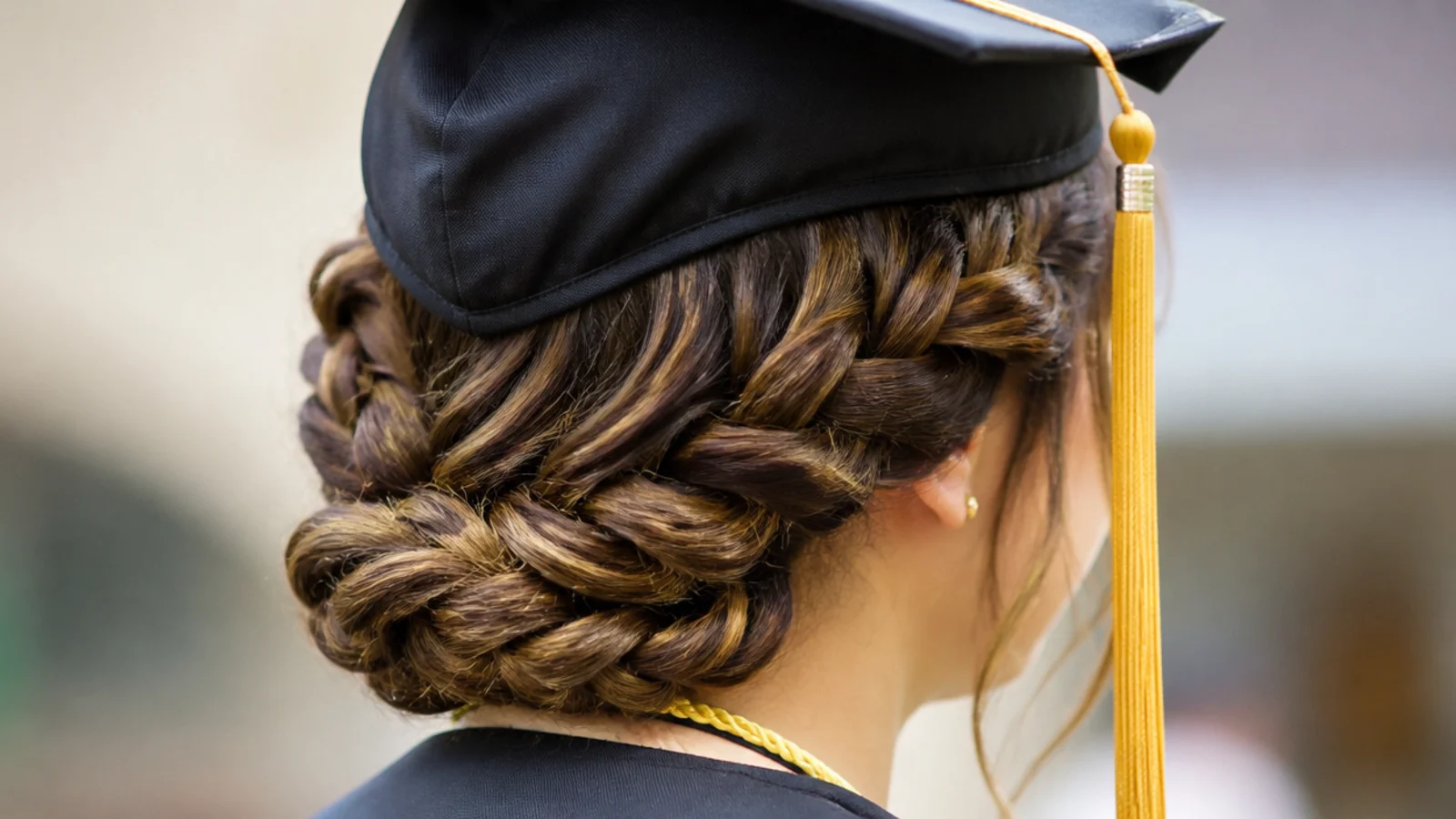
8. Side Swept Waves
Sweeping the mass over one shoulder empties the back of the head, so the band pressed a thin layer instead of full thickness. The line it left ran through the section nearest the part, which sweeps to the other side in one movement.
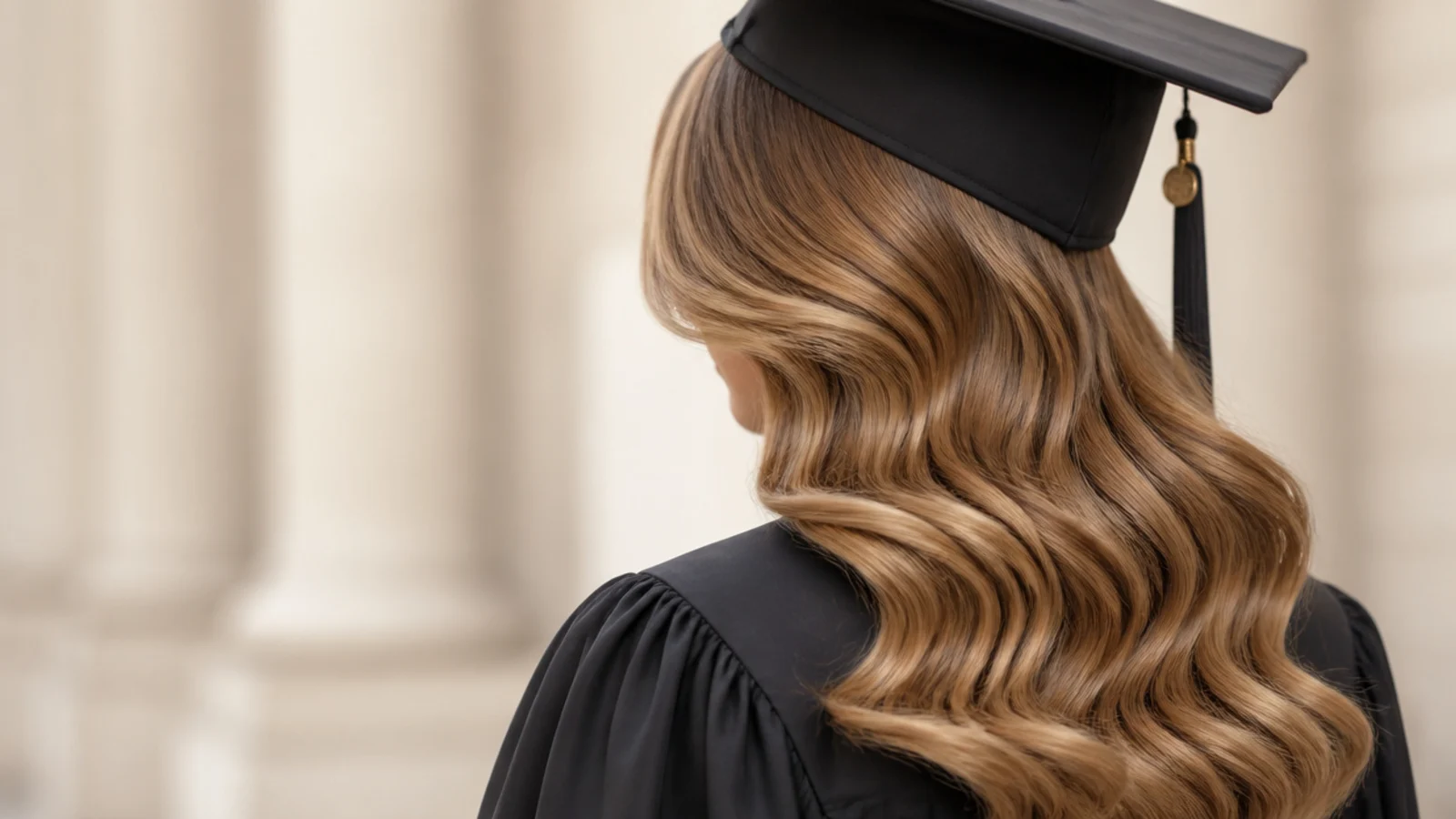
9. Heatless Curls That Failed
A damp overnight set is held together by hydrogen bonds that only hold while the hair stays dry, and a cap traps warmth and scalp moisture against the head for hours. The curl had dropped to a loose bend well inside the four hours and never came back.
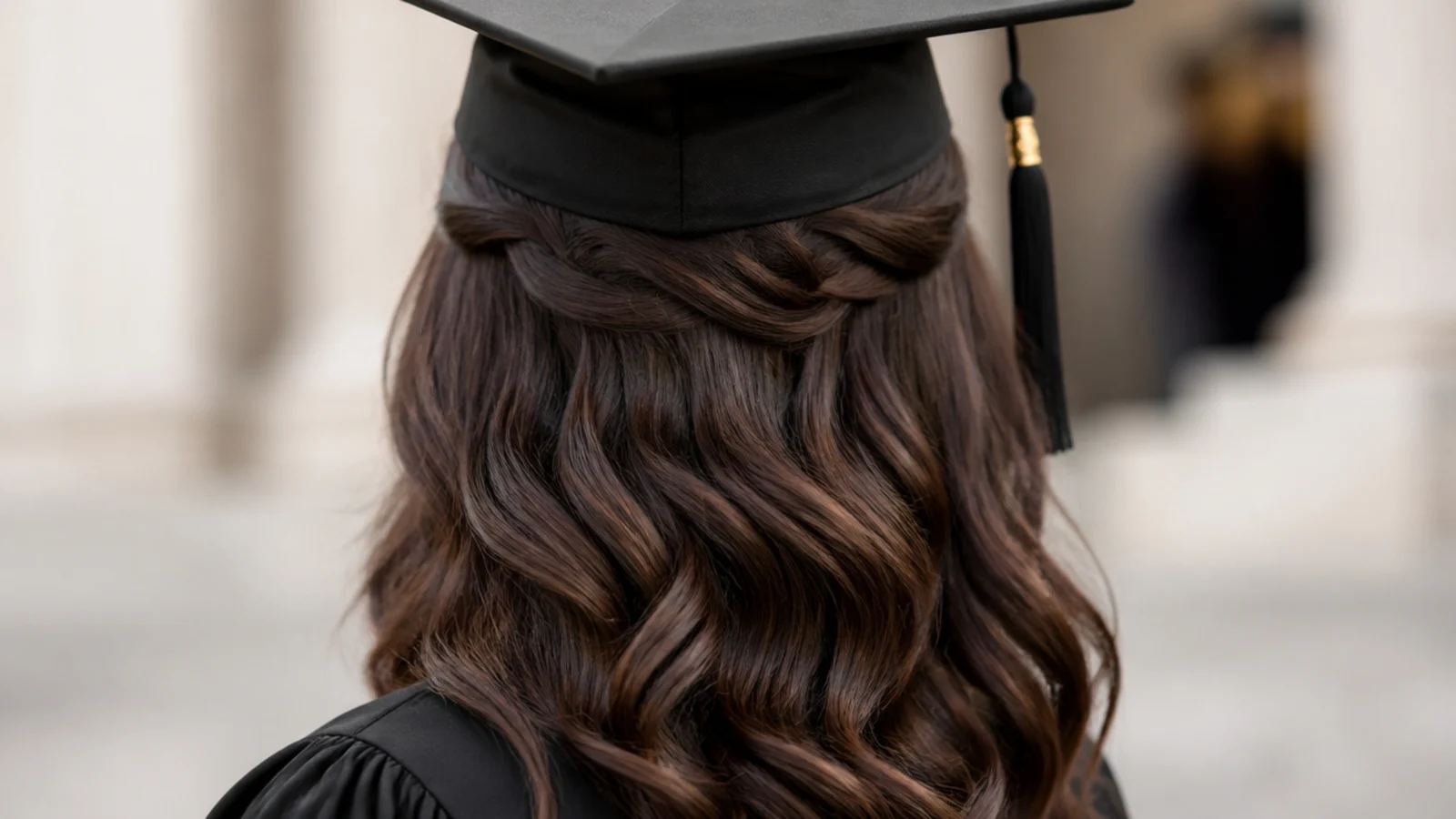
10. Double Dutch Braids
Both braids stand proud, which is normally the problem, but run low behind the ears they finish below the band and never enter the ring. Two braids also balance the weight left and right, so nothing pulled the cap off centre.
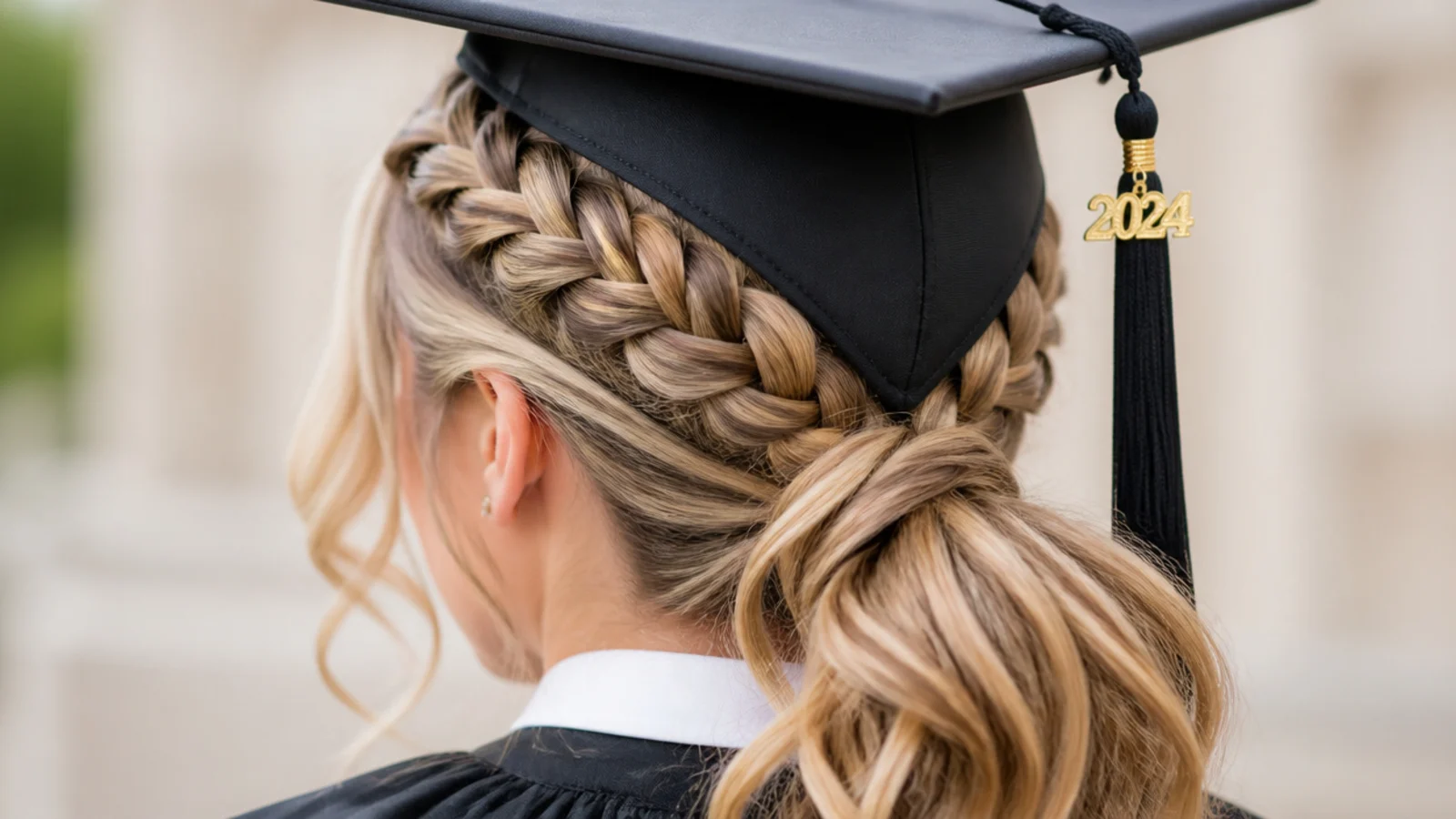
11. French Twist
The roll is a vertical column against the back of the head, adding height at the nape rather than width at the band line. Its pins run in one continuous seam, which gave the cap's pins a bank of anchored hair to enter anywhere along the back.
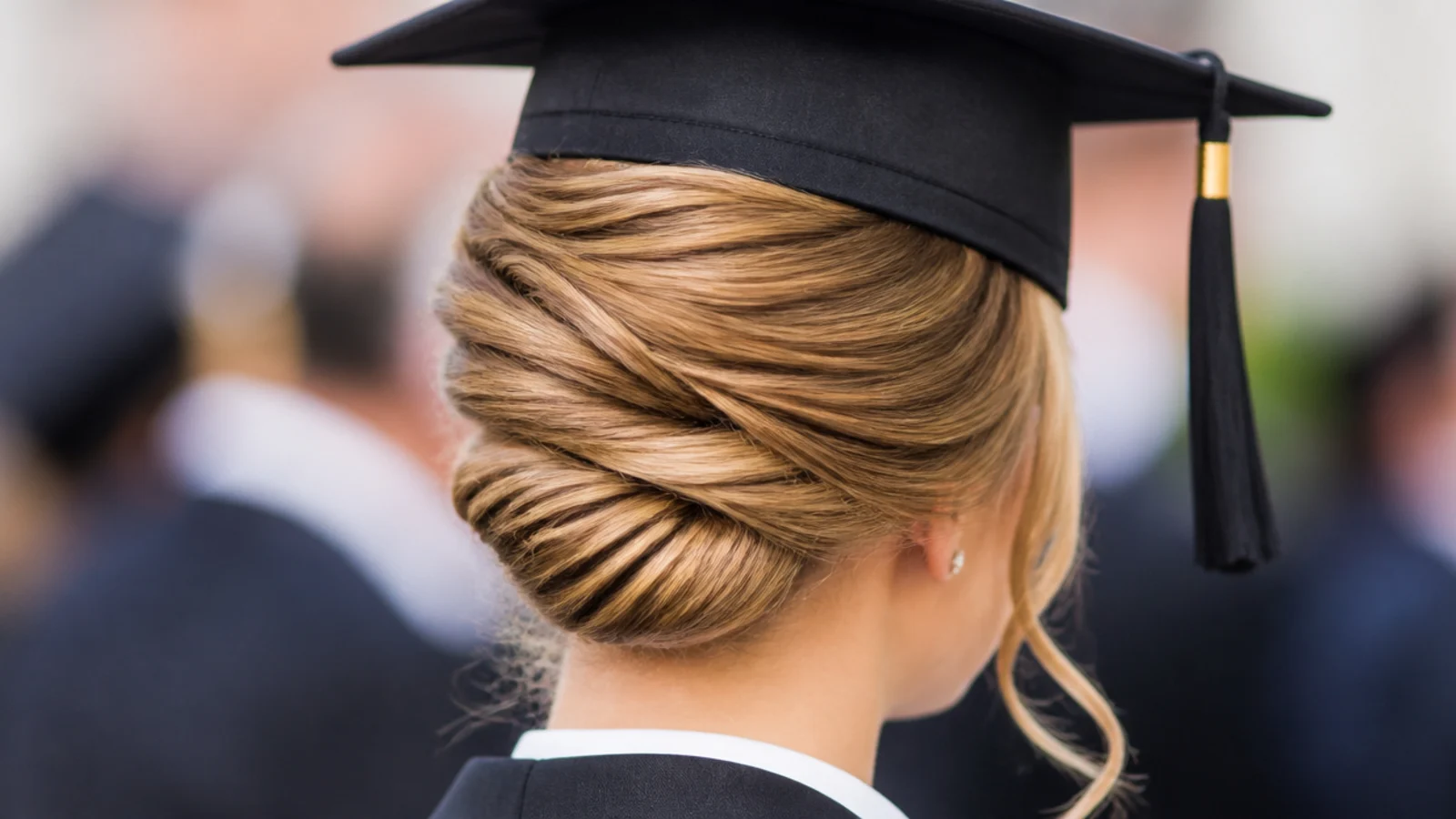
12. Bubble Ponytail
The first elastic was set below the band line, which is the only decision this style requires, and the segments below it were never touched. Spacing the ties also splits the weight between several anchor points rather than loading it all onto the top one.

13. Claw Clip Twist That Failed
A claw clip holds by spring tension across a fixed jaw width, and the band pressed on the outer arm and levered it open a little further every time the head moved. It also sat high enough to fall inside the ring, so it was lifting the board while it worked itself loose.
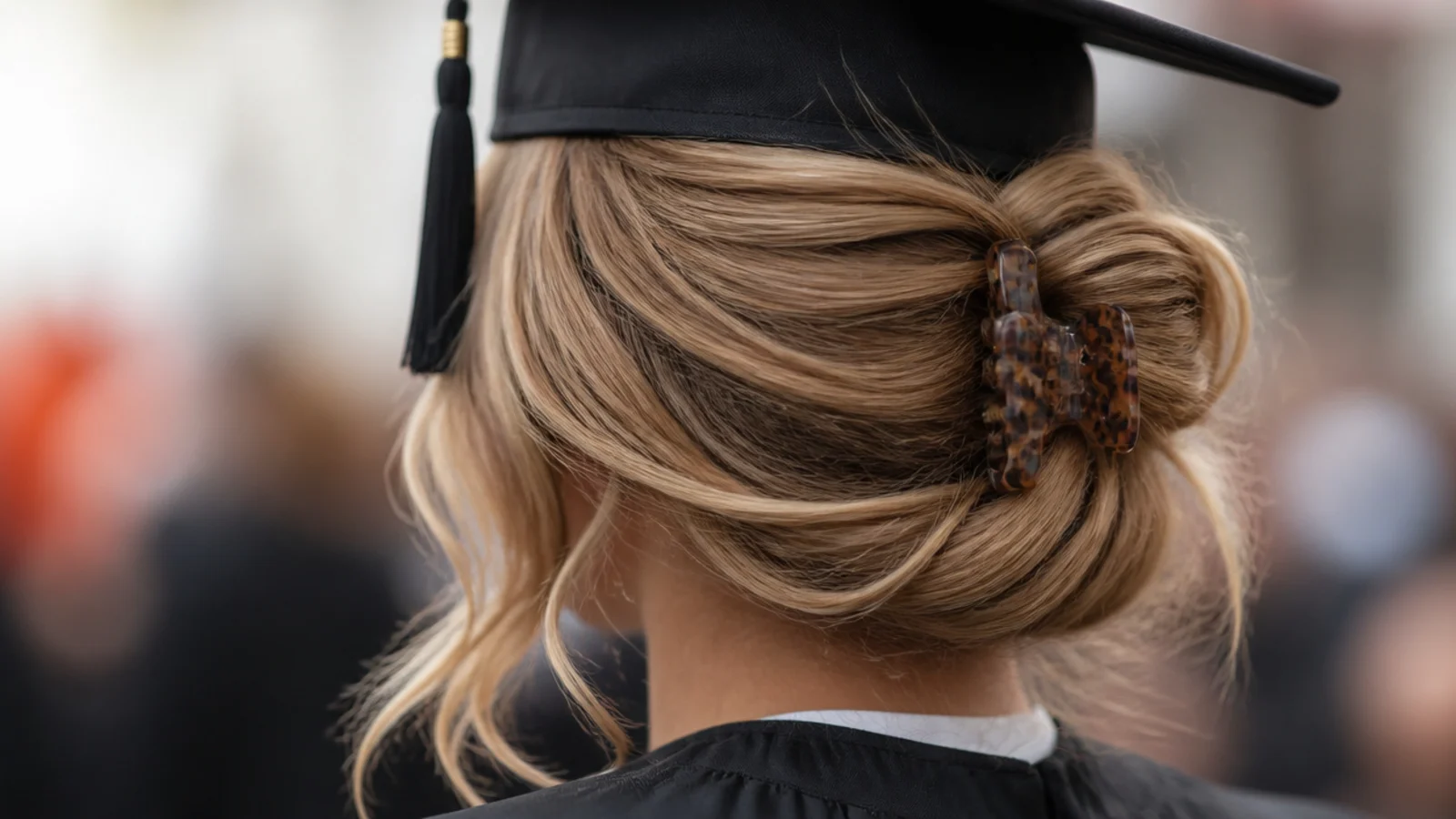
14. Flat Iron Bent Waves
A heat set fixes as the hair cools, not while it is hot, and this one had cooled completely before the cap went near it. That is the entire difference between this and the heatless set that failed, and it held all four hours.

15. Wet Look That Failed
Gel was applied and the cap went on before it dried, so the band pressed a flat ring into a film that then hardened in that shape. Hair sets in whatever position it dries in, which made this the only failure that could not be improved without washing it out.
Final Thoughts
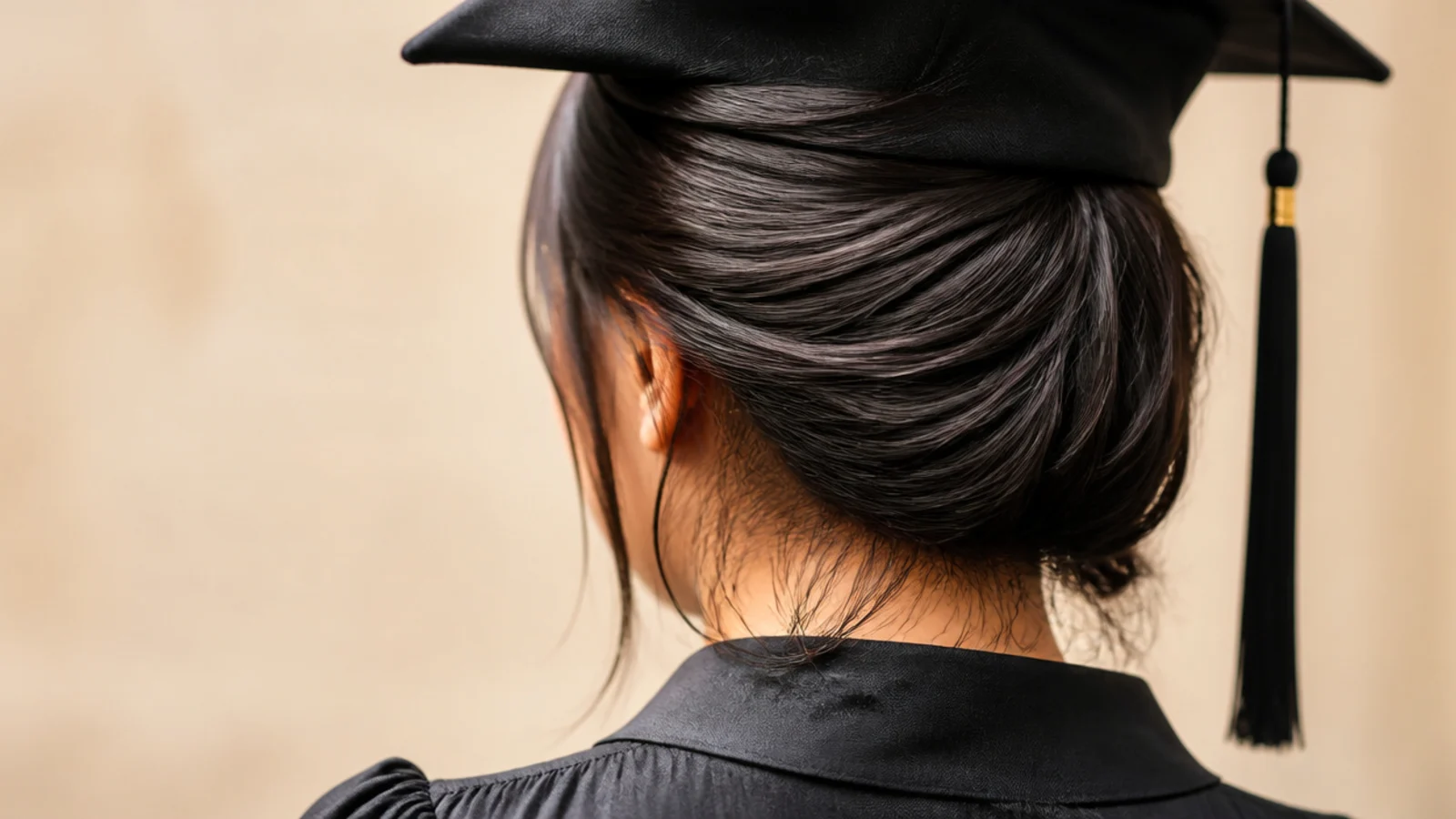
Nothing in this test failed because it was a bad style. The five that did not survive failed because of where they sat, or because they were still damp when the band arrived. A high topknot, a crown braid and a claw clip all put something with height inside the ring the cap grips, and a wet gel set put something soft in there that hardened in the pressed shape.
Which reduces the whole decision to two checks you can do in ten seconds. Is everything at or below the occipital bone, and is it dry to the touch. Pass both and the cap becomes irrelevant to your hair, which is the only outcome worth aiming for on the day. More in Occasion Hair. See also the braided version and the easy version.
Frequently asked questions
Related posts
See all posts
15 Graduation Hair Ideas for the Updo Versus Down Decision
Read more
15 Straight Hair Wedding Looks to Save
Read more
20 Gorgeous Prom Looks for Straight Hair
Read more