20 Frizzy Hair Routine Steps in the Right Order
A twenty step routine for frizzy hair, written as a sequence rather than a shopping list. The same three bottles in a different order produce a different head of hair, because each layer only works on top of the one before it.
In this article · 28
- Why Hair Frizzes and the Cuticle
- Frizz by Hair Type and Porosity
- Wash Day Order and Amounts
- Products and Layering Order
- Cuts and Layers That Hide Frizz
- Humidity Sleep and Daily Habits
- The 20 Step Frizzy Hair Routine
- 1. Pre Wash Oil
- 2. Sulfate Free Shampoo on the Scalp
- 3. Clarifying Wash
- 4. Wide Tooth Comb Detangle
- 5. Squish to Condish
- 6. Deep Mask Under a Shower Cap
- 7. Cold Final Rinse
- 8. Leave In on Soaking Wet Hair
- 9. Curl Cream With Praying Hands
- 10. Gel Scrunched to a Cast
- 11. Cotton T Shirt Scrunch
- 12. Plop for Twenty Minutes
- 13. Root Clips at the Crown
- 14. Diffuse on Low Heat
- 15. Scrunch Out the Crunch
- 16. Silk Pillowcase and a Low Braid
- 17. Day Two Refresh Spray
- 18. Day Three Low Bun
- 19. Dew Point Check
- 20. Trim With No Thinning Shears
- Final Thoughts
Most frizzy hair routines fail on sequence rather than on ingredients. The same three bottles applied in a different order give a different head of hair.
Each layer is designed to sit on the one before it. Leave in reaches the strand, cream adds weight, gel forms the film that sets both. Reverse any two and the last one applied cancels the work of the first.
Timing matters as much as order. Everything before drying happens on soaking wet hair, and everything after happens on fully dry hair. The in between state is where routines go wrong.
Why Hair Frizzes and the Cuticle
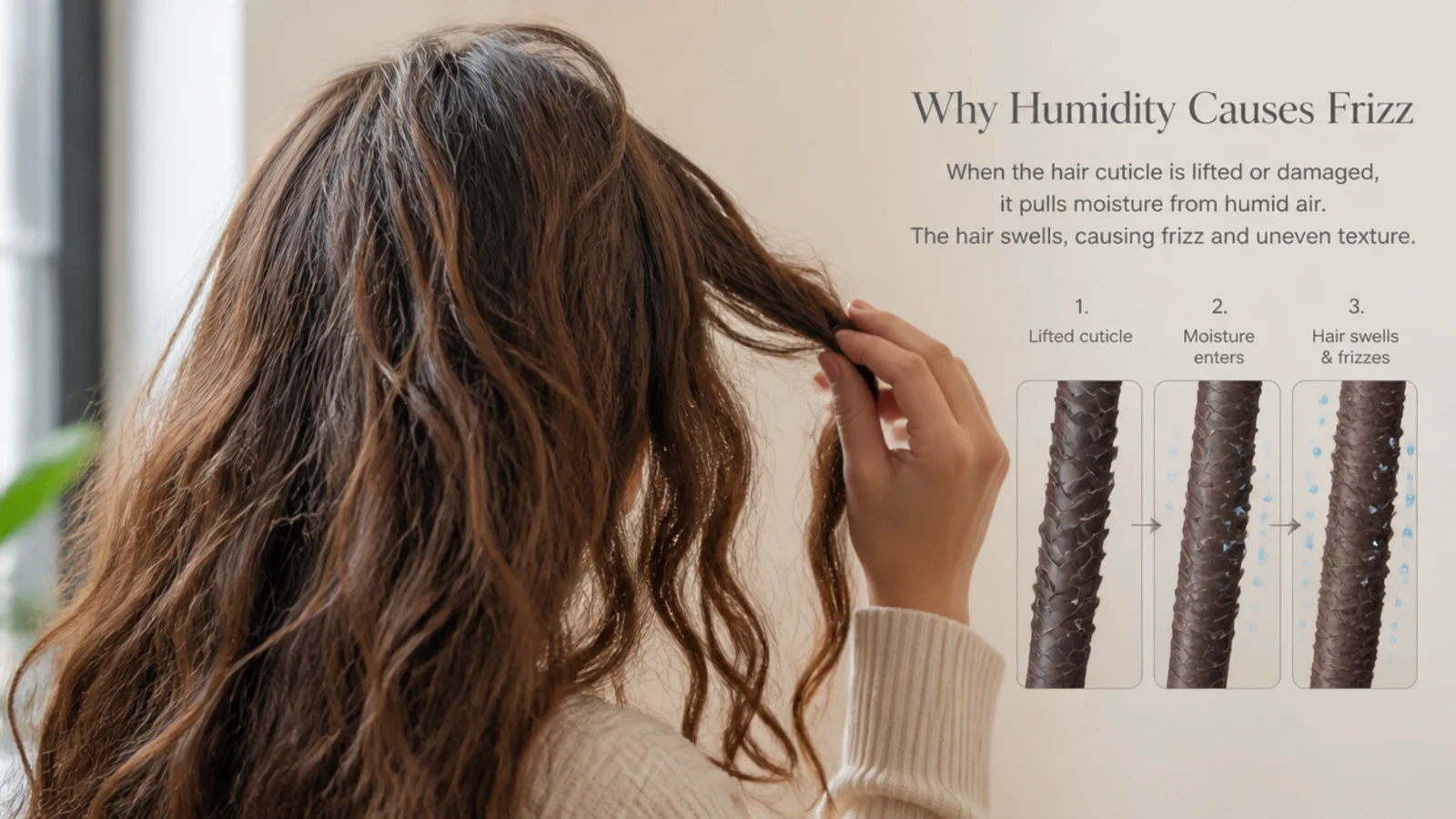
The cuticle is a stack of overlapping scales. Lying flat, it reflects light as one surface. Water entering the cortex swells it from underneath and forces those scales apart.
Every lifted scale scatters separately. That is why frizzy hair reads as both untidy and dull, and why a routine that flattens the cuticle produces shine as a side effect rather than as a separate step.
Sebum cannot get past a bend. Scalp oil travels a straight shaft quickly and a wave or curl barely at all, so the lengths stay short of it and pull moisture from the air instead.
pH sets how tightly the scales close. They lie flattest at a mildly acidic pH of roughly 4.5 to 5.5, which is why conditioners are formulated acidic and shampoos are not.
Frizz by Hair Type and Porosity
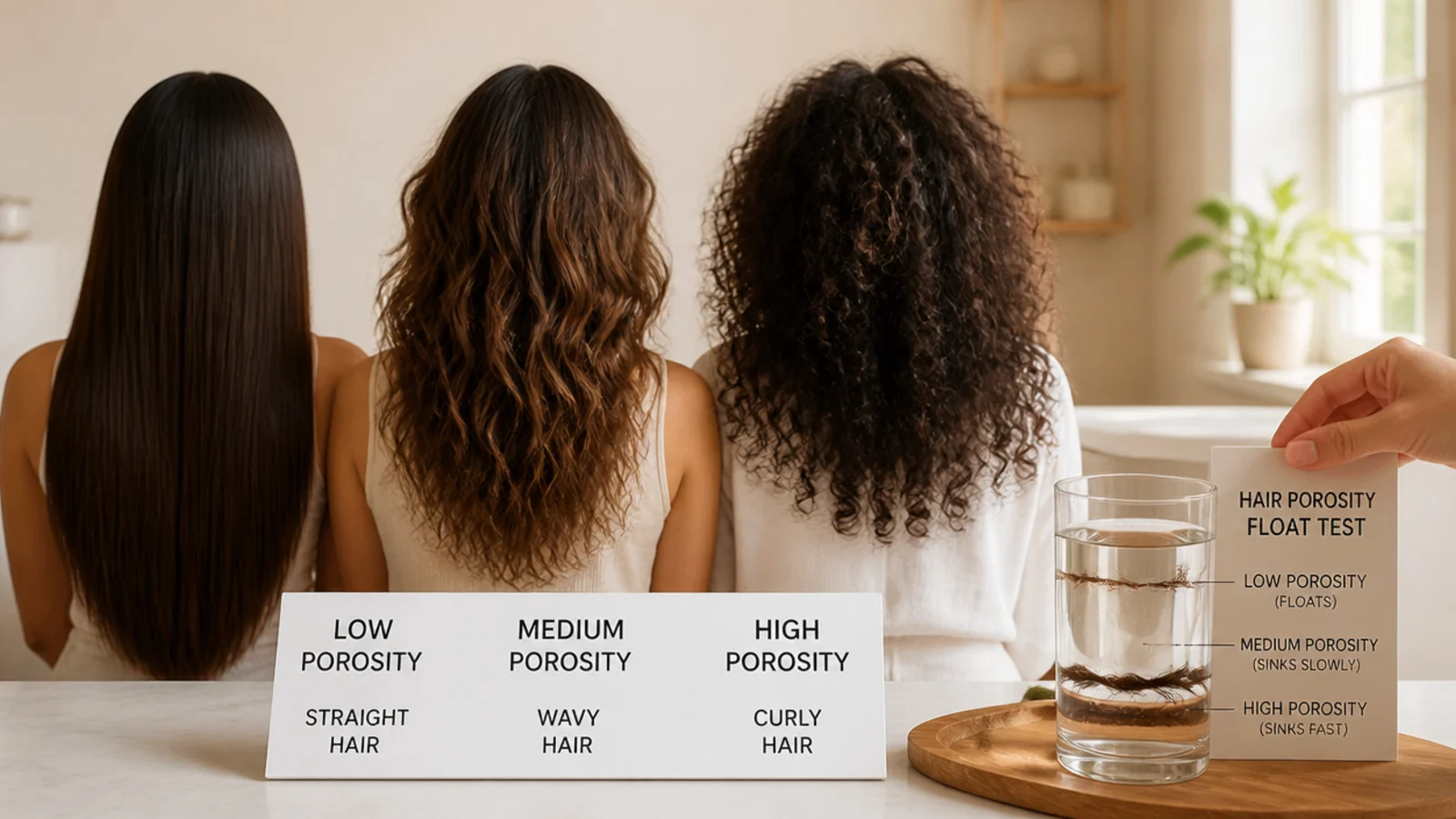
Porosity decides the whole routine. High porosity hair has a chipped cuticle, absorbs quickly and loses quickly. Low porosity hair resists water going in at all, and the two need opposite handling.
Test it by feel, not by floating. Slide a finger up a strand from end to root. A rough drag means lifted scales. The glass of water test mostly measures trapped air and residual product.
High porosity wants sealing after moisture. Get water and conditioner in, then put a film over the top before it leaves again within the hour.
Low porosity wants warmth and lighter products. Gentle heat under a cap lets conditioning agents diffuse in, and heavy butters simply sit on the surface feeling greasy.
Wash Day Order and Amounts
Shampoo the scalp only, twice if needed. The first wash lifts the oil and the second actually cleans. The lengths get whatever runs past them, which is plenty.
Condition from the ears down. Conditioner near the roots weighs them flat without reaching the part of the hair that has never seen sebum.
Use more conditioner than feels reasonable. Textured hair needs enough to coat every strand for detangling to be safe, and under-dosing is the most common reason a comb causes breakage.
Never rush the rinse. Residue left at the roots reads as limp, greasy hair a day later and gets blamed on the product rather than on the rinsing.
Products and Layering Order
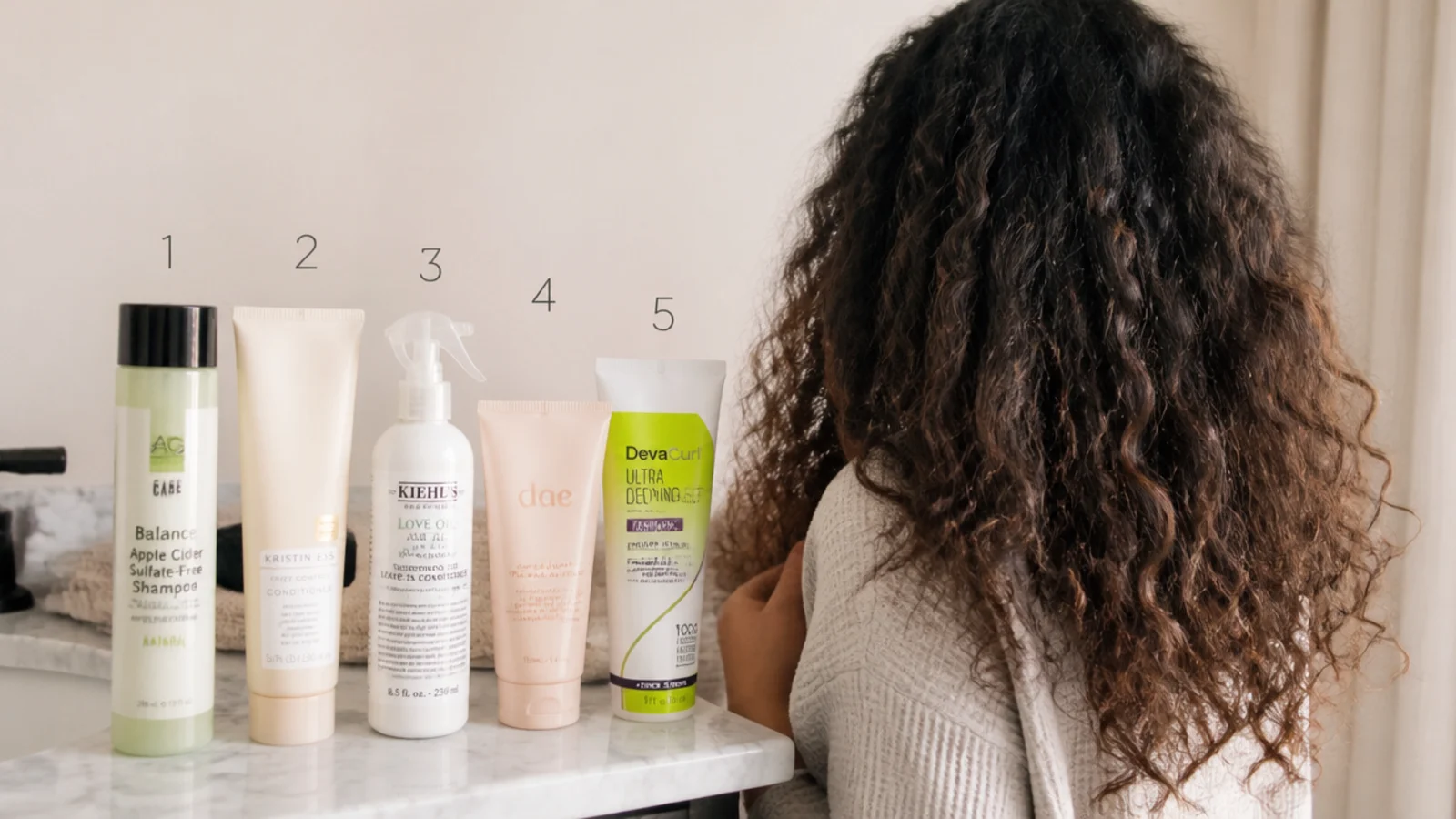
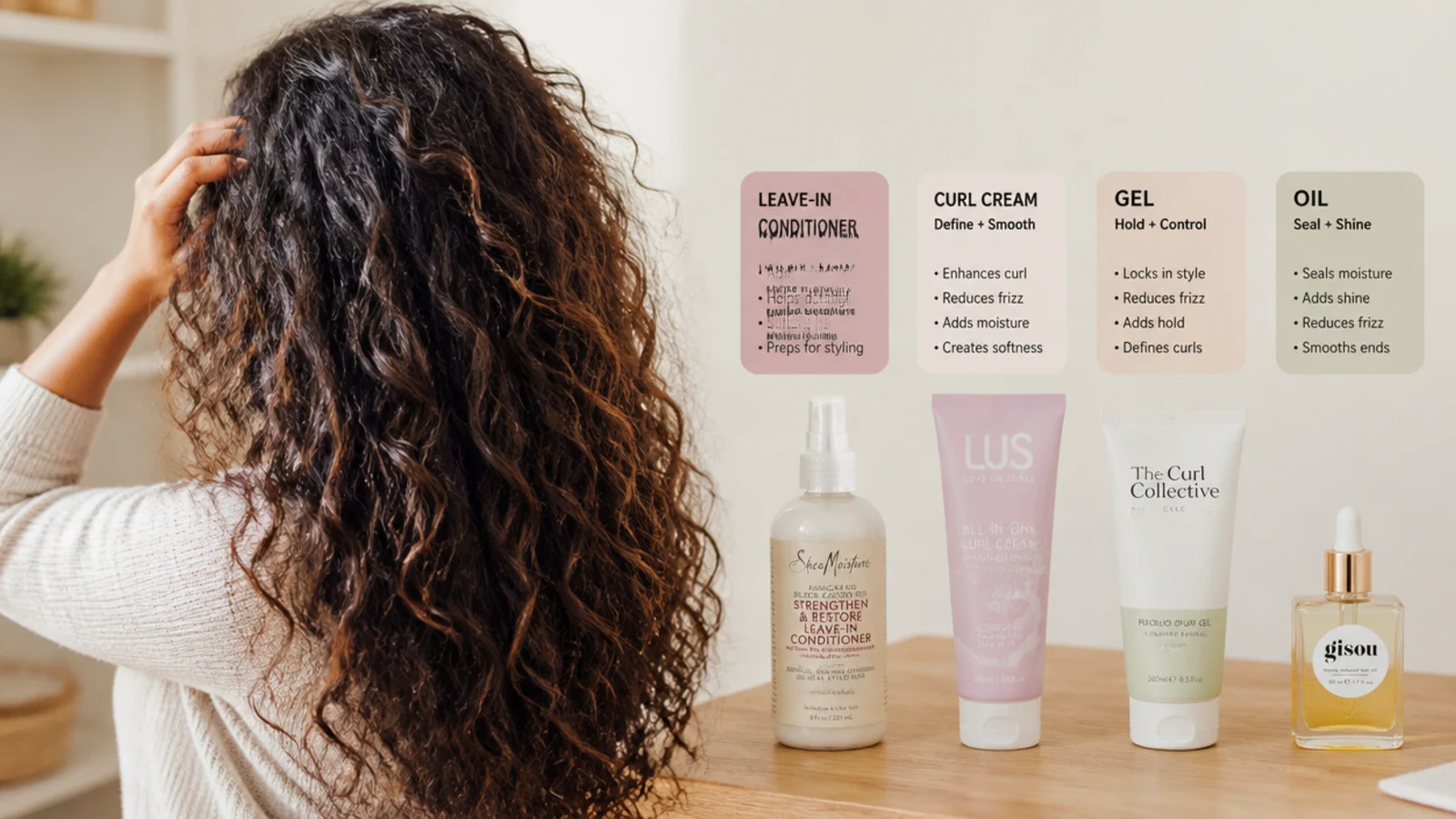
Thin under thick, always. A watery leave in cannot penetrate a layer of cream, so anything applied out of viscosity order is simply wasted.
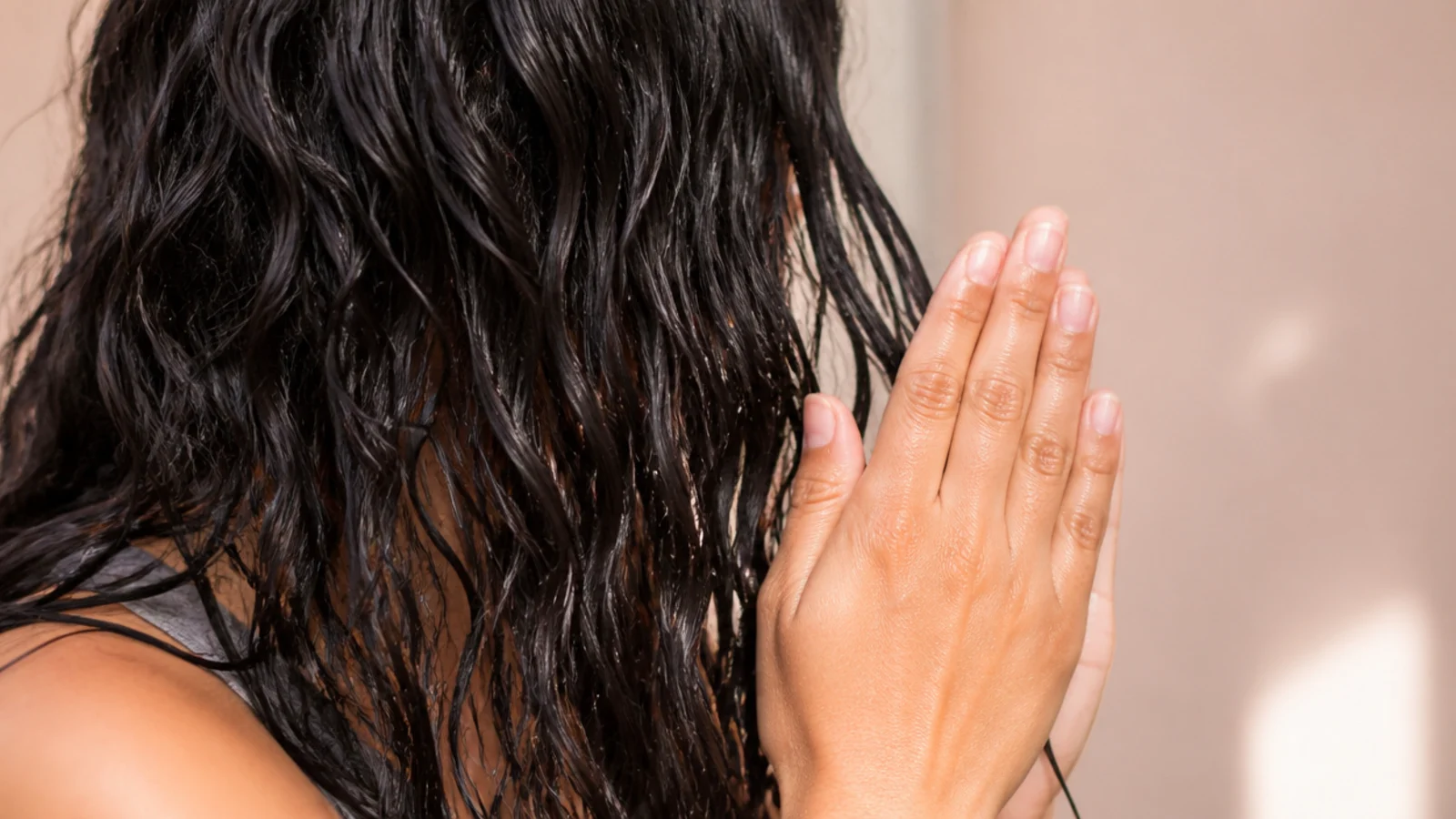
Apply with flat palms, not fingers. Praying hands smooth product along a section without dividing it. Raking splits every clump your fingers pass through and multiplies the visible outlines.
Match the last layer to the weather. A humectant leave in below a 60F dew point, an oil or silicone film above it. This one swap does more than changing brands ever will.
Do not add product after drying begins. Once the surface has started to set, anything new only sits on top and reactivates the cast unevenly.
Cuts and Layers That Hide Frizz
Weight is the variable. On straight hair density holds the canopy flat; on curly hair the same weight stretches the pattern until the shape collapses into a triangle.
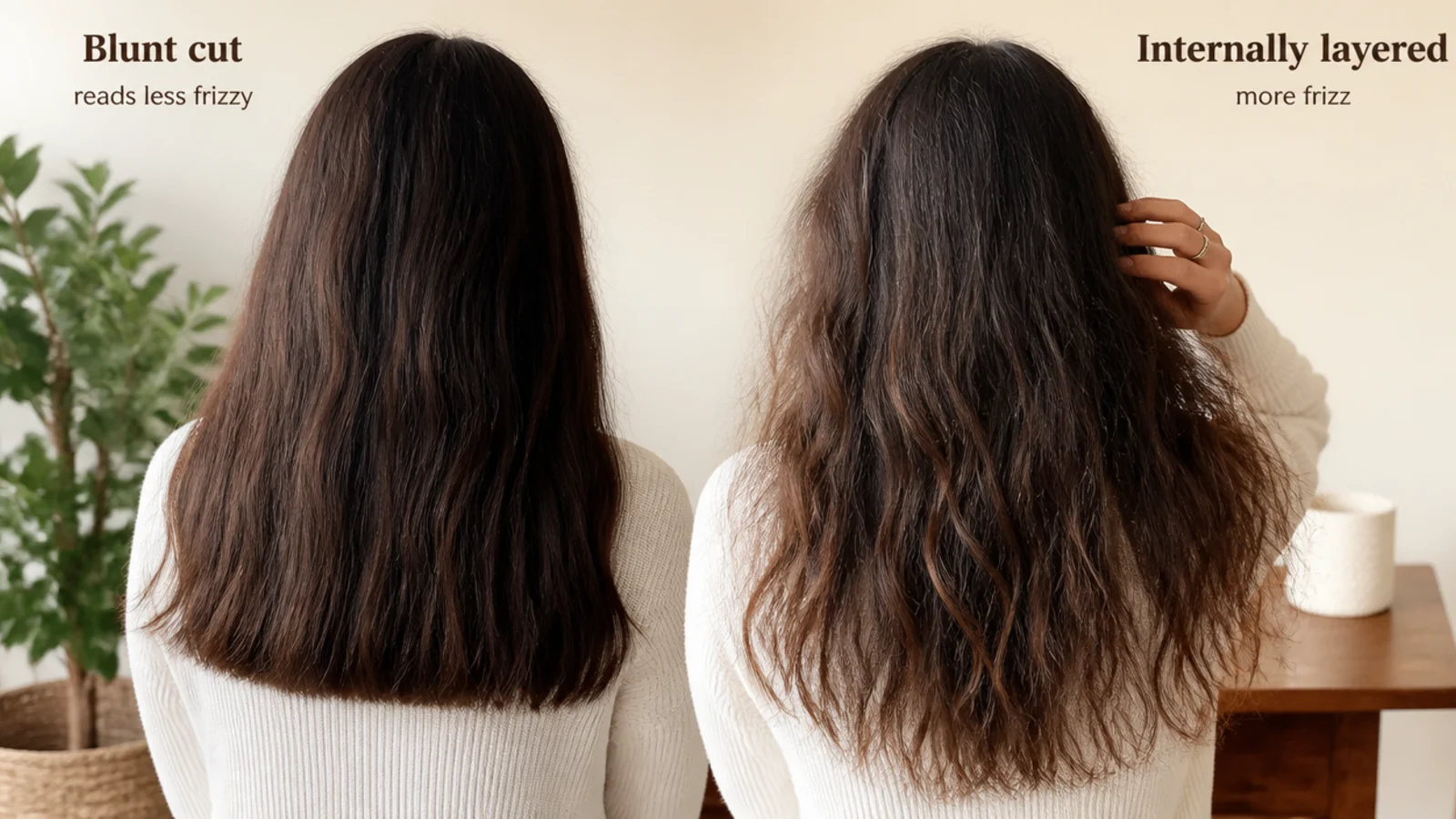
Ask for internal layers. Taking bulk from underneath keeps the outer canopy long and unbroken, which is the only surface anyone sees from outside.
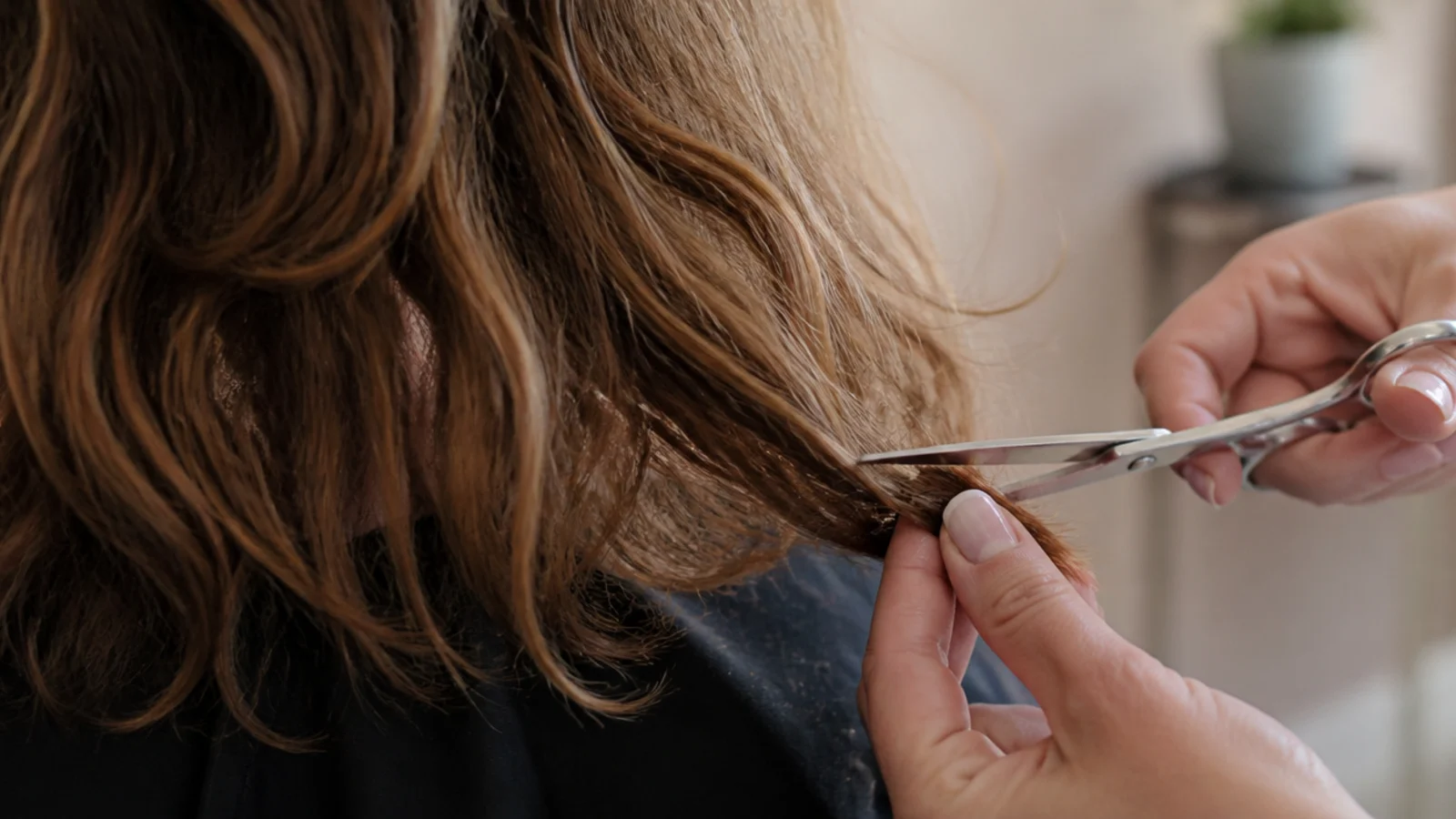
Thinning shears cause halo frizz. They leave hundreds of short blunt ends through the interior, and those ends migrate outward over months and then stay there permanently.
Trim on a calendar. Hair grows about half an inch a month, so a trim every ten to twelve weeks removes roughly an inch and stops splits travelling upward.
Humidity Sleep and Daily Habits
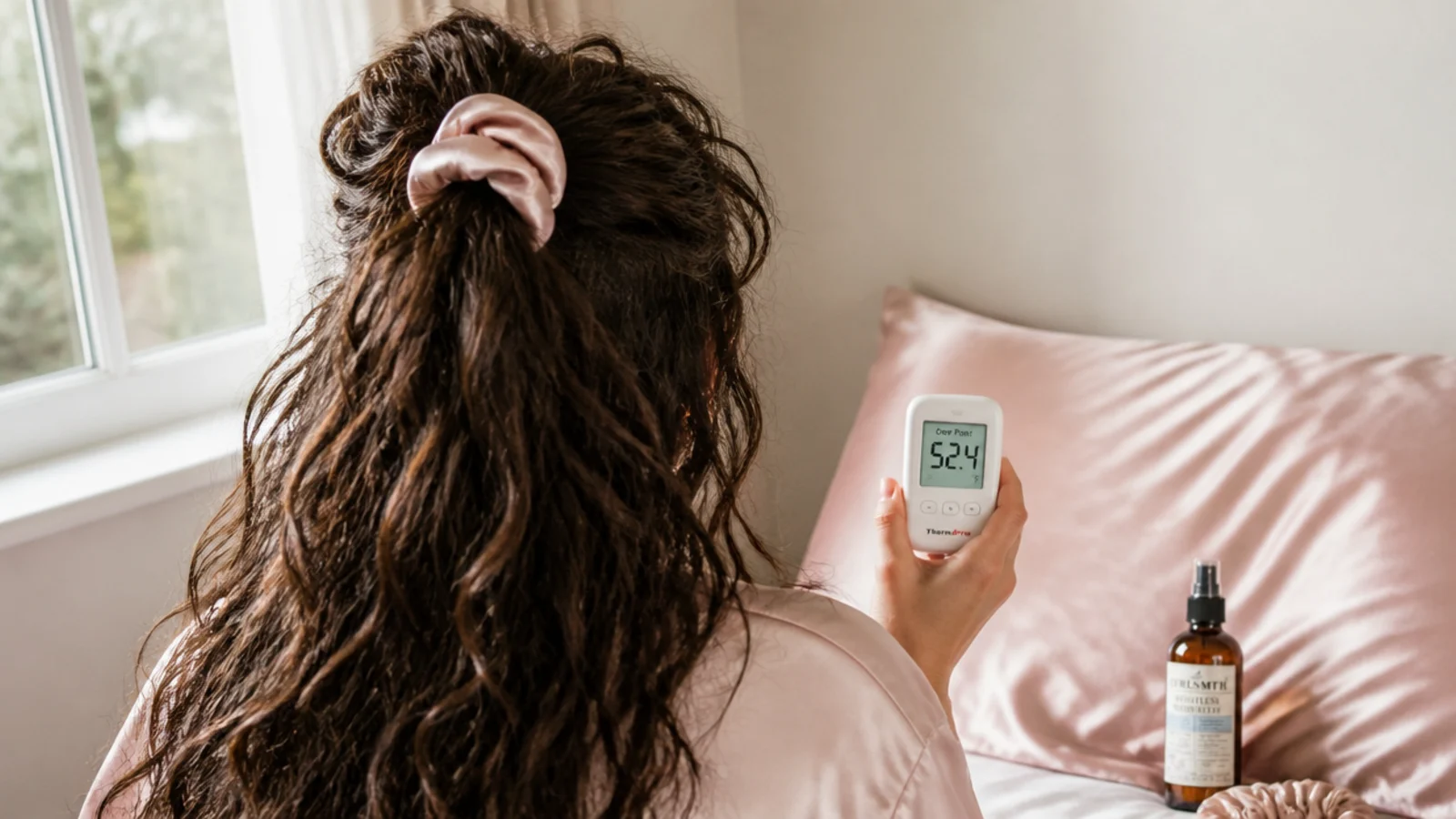
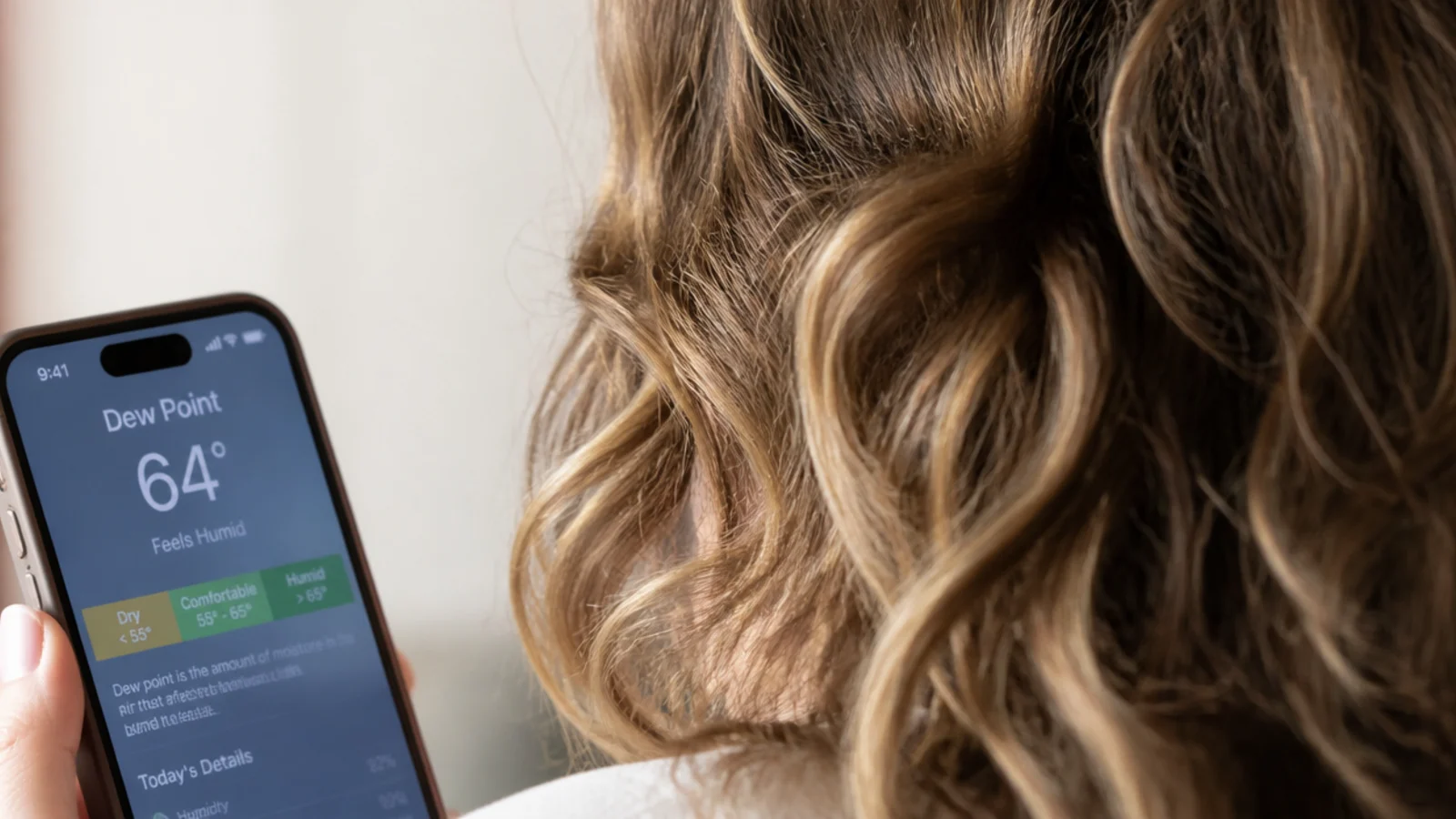
Check the dew point, not the humidity figure. Relative humidity shifts with temperature, while dew point tells you how much water the air genuinely holds. Above roughly 60F there is plenty for hair to take in.
Cotton takes moisture and gives friction. A cotton pillowcase absorbs what you spent the evening adding, and its weave catches the cuticle every time you turn over.
Hands are the largest single cause of daily frizz. Every touch separates clumps that were holding, and by the afternoon that is dozens of splits nothing can undo without water.
Protect the style you already have. A pineapple, a low braid or a silk cap costs a minute and saves the whole next morning.
The 20 Step Frizzy Hair Routine
1. Pre Wash Oil
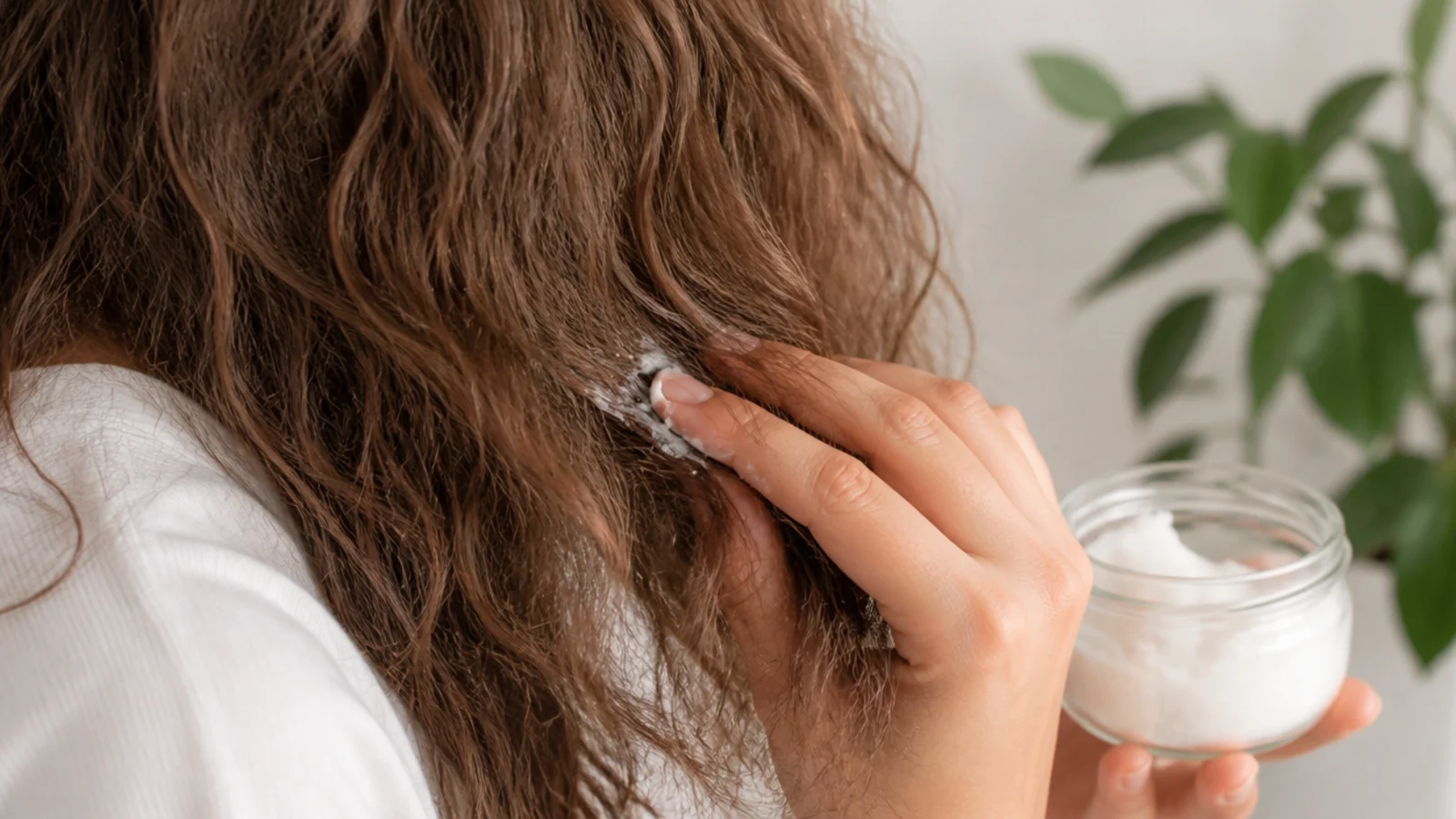
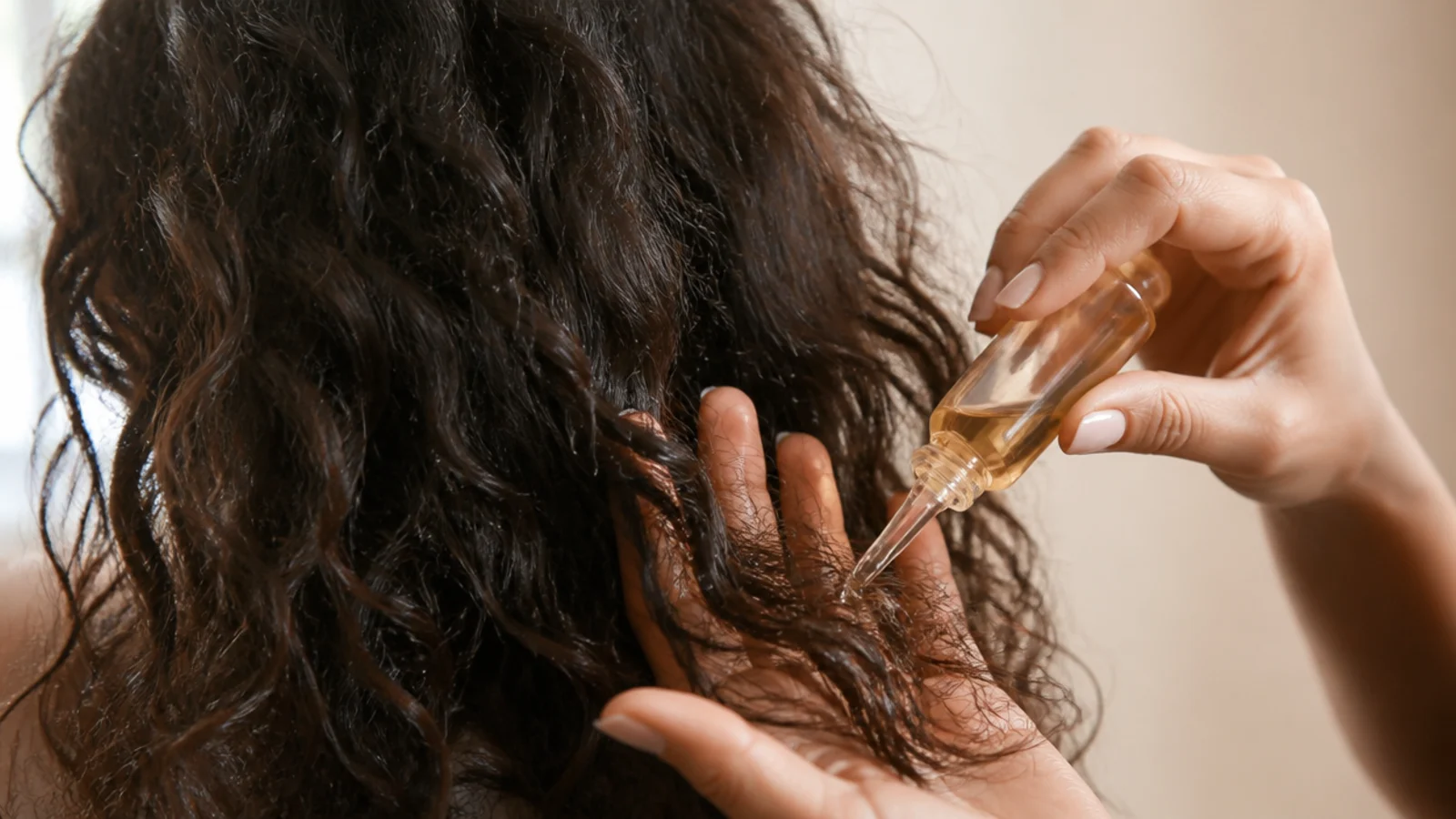
Coconut oil is small enough to move into the shaft rather than sit on it, so an hour before washing it reduces how much water the hair takes up. Less water uptake means less swelling, and swelling is what lifts the cuticle in the first place.
2. Sulfate Free Shampoo on the Scalp
Sulfates remove sebum indiscriminately, which is a poor trade for hair that already struggles to get oil past the first few inches. Work a gentler shampoo into the scalp with fingertips and let the suds handle the lengths on their way down.
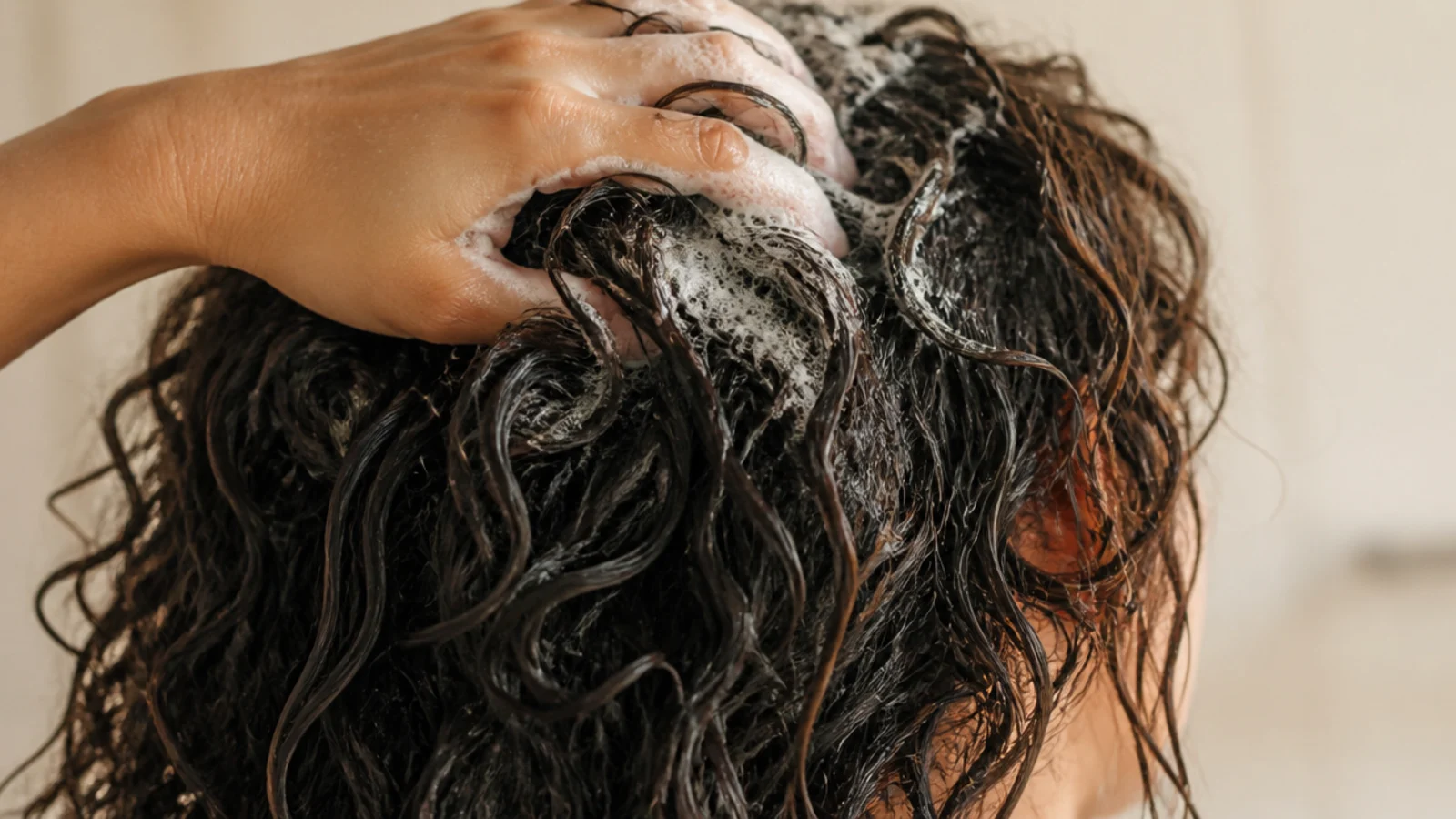
3. Clarifying Wash
Silicone and mineral buildup eventually forms a layer water cannot cross, at which point every product you own stops working and the hair goes limp. Swap a clarifying shampoo in for step two every fourth or fifth wash to reset it.
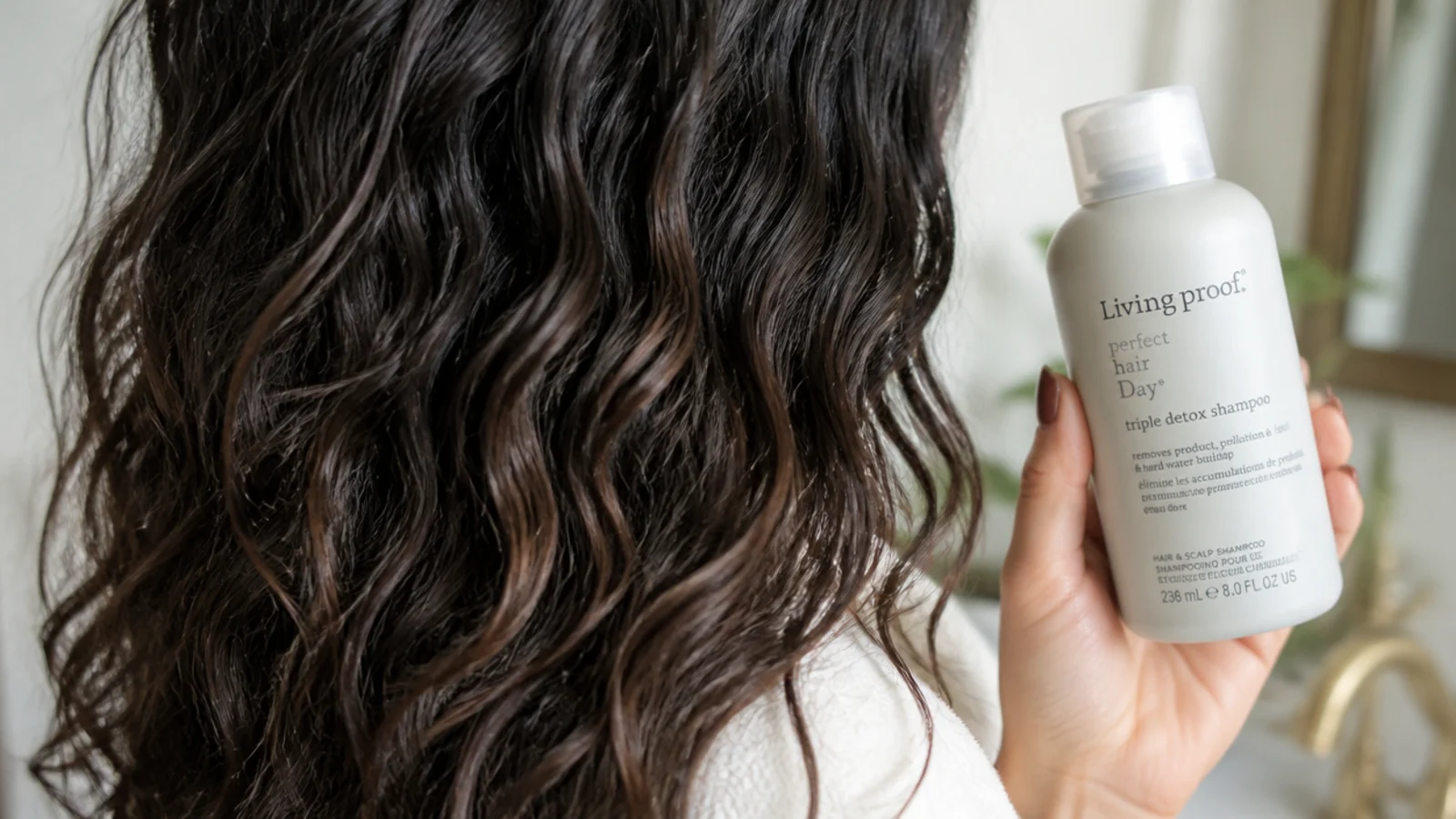
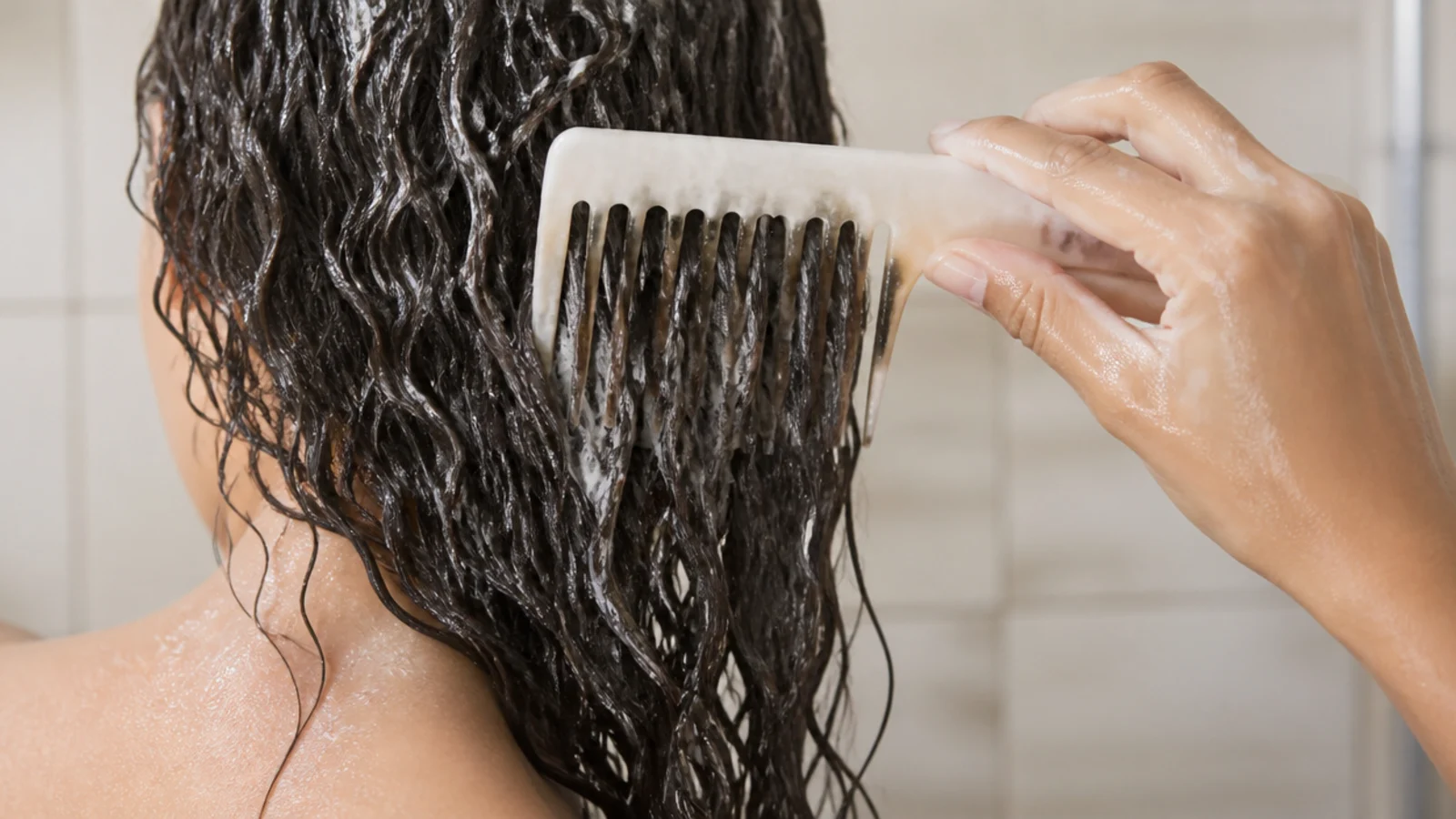
4. Wide Tooth Comb Detangle
Conditioner provides the slip that lets teeth pass between strands rather than through them. Start at the ends and work upward, because combing down from the roots gathers every small knot into one large one.
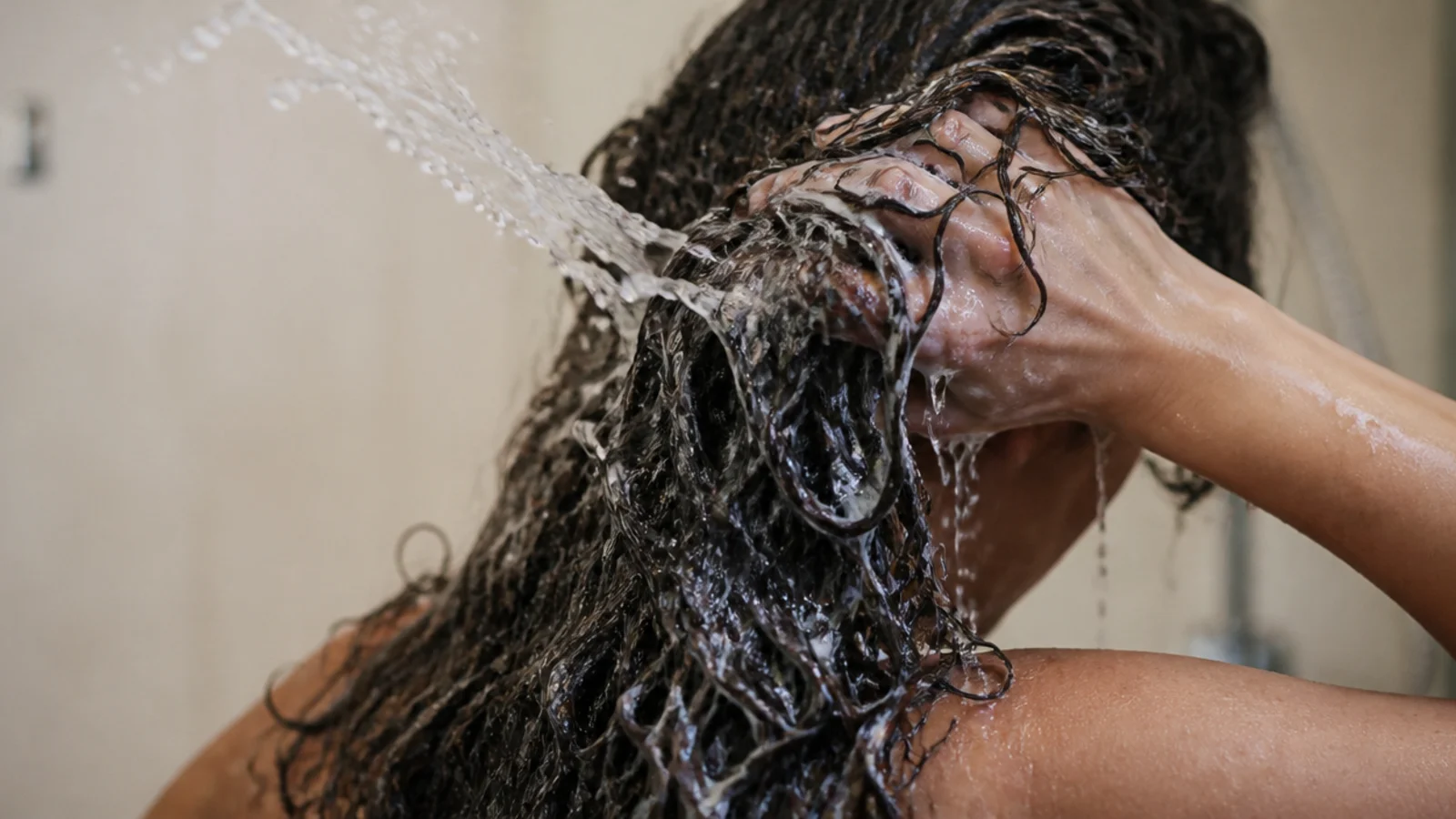
5. Squish to Condish
Cupping handfuls of water upward into conditioner coated hair forces both into the strand together. The squelching sound is the only feedback available that water is actually going in rather than running off the surface.
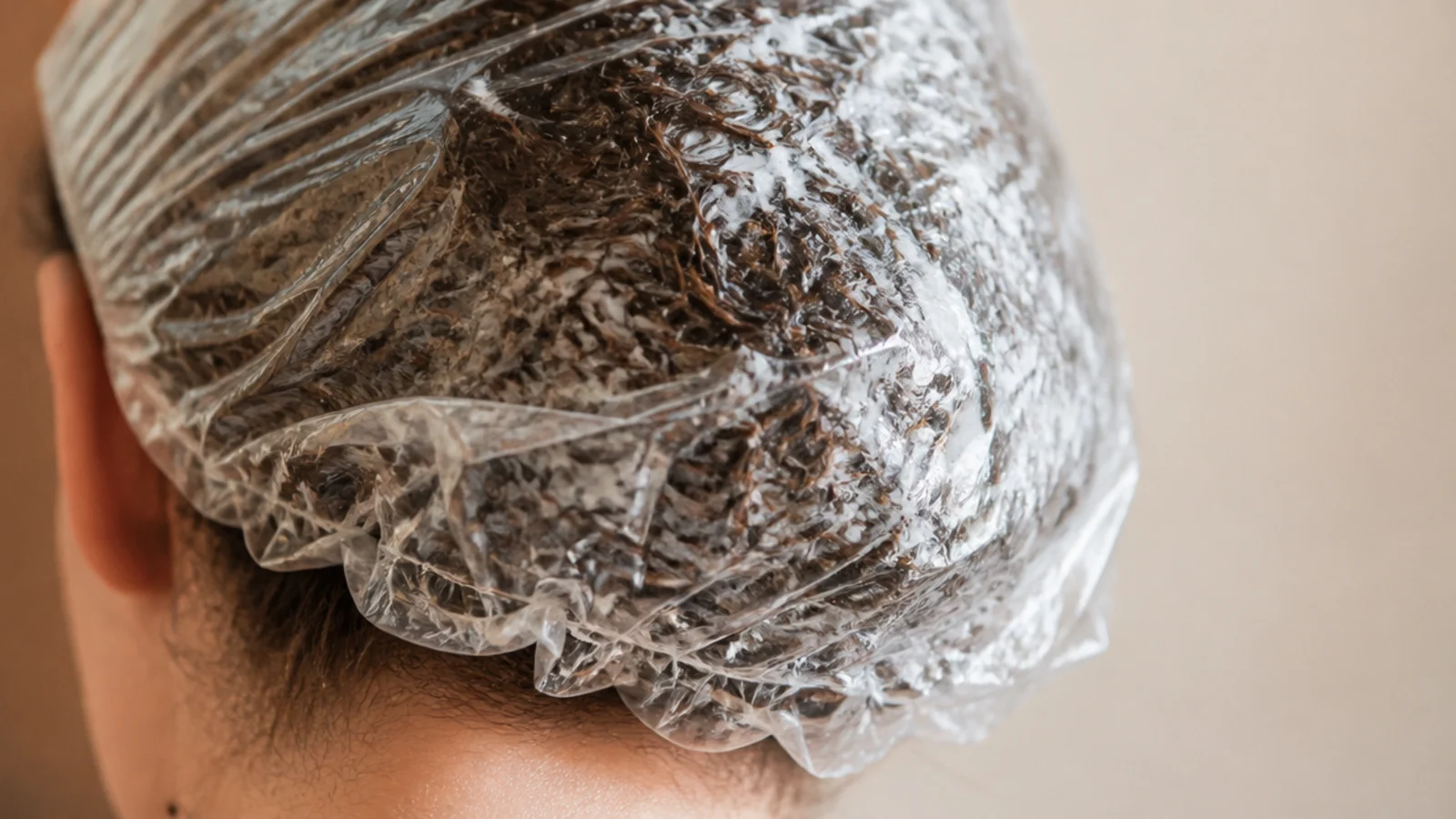
6. Deep Mask Under a Shower Cap
Gentle warmth speeds the rate at which conditioning agents diffuse into the hair and keeps the cuticle slightly relaxed while they do. Twenty minutes under a cap deposits more than an hour of the same mask sitting cold.
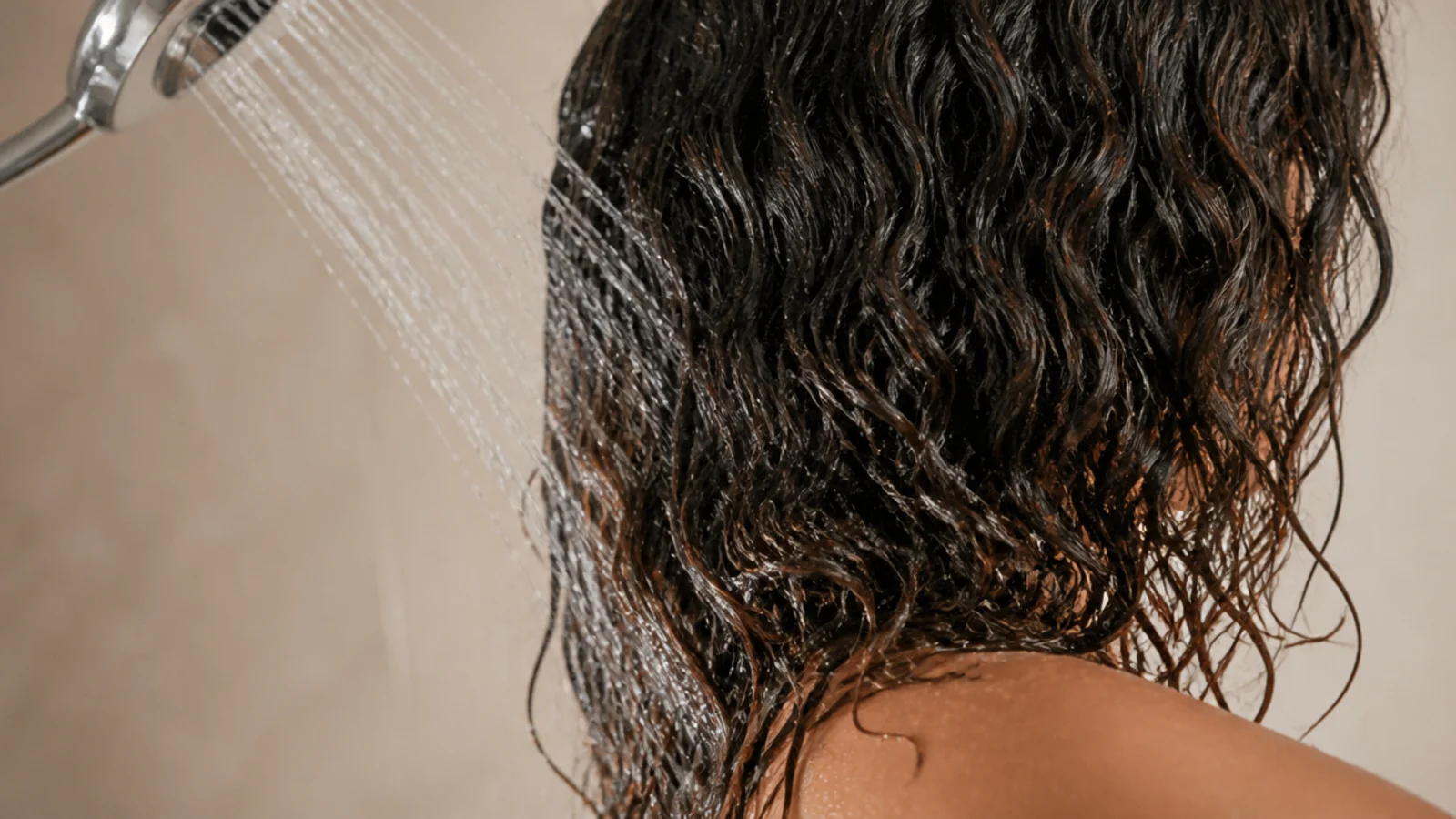
7. Cold Final Rinse
Hot water keeps the shaft swollen and the scales lifted for longer than they need to be. Cooling the last rinse does not clamp anything shut, but it halts the swelling and lets the acidic conditioner settle the cuticle down.
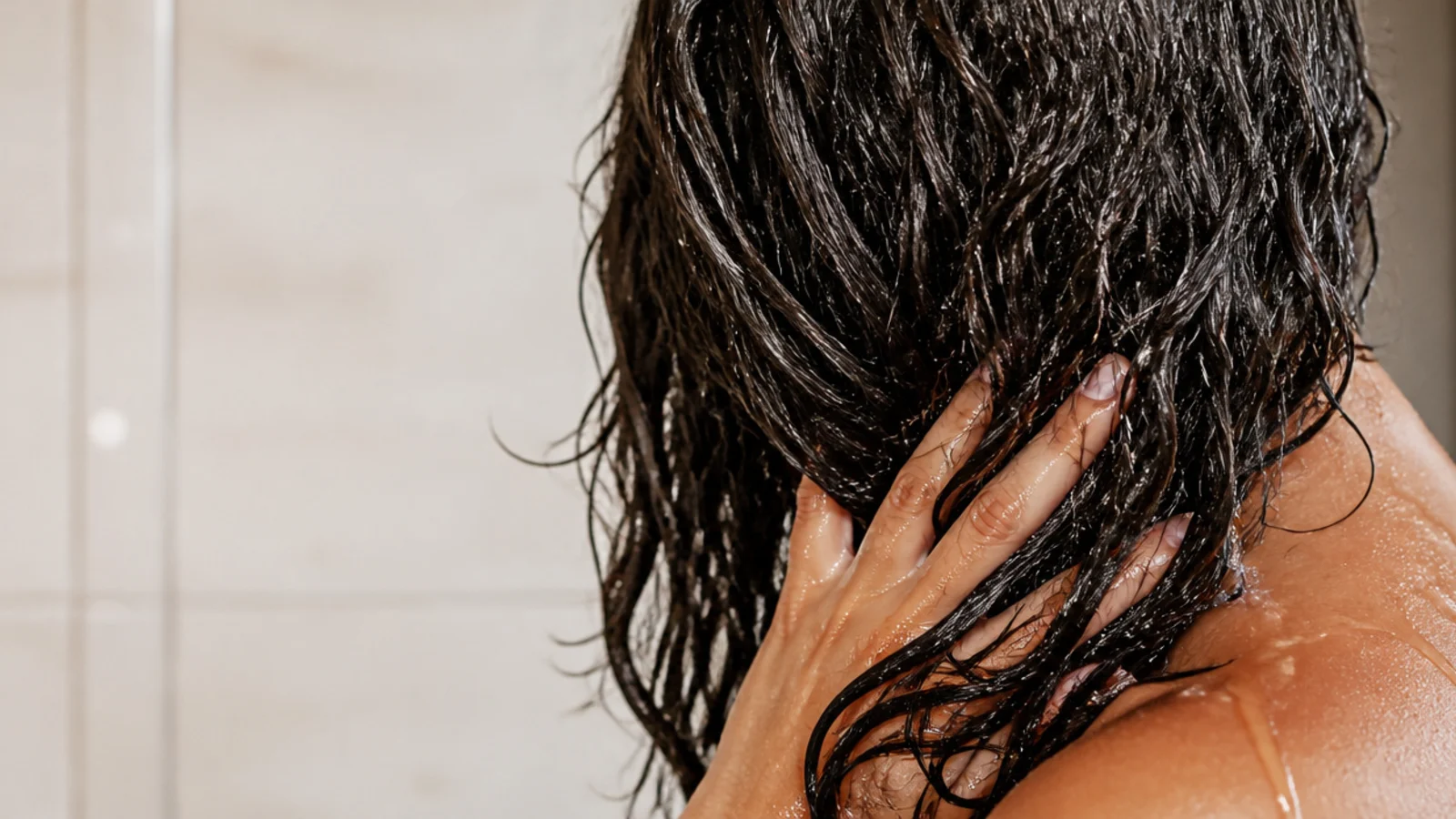
8. Leave In on Soaking Wet Hair
Water is what holds strands together as clumps, so this is the last moment those clumps exist intact. Applying leave in now sets the shape the water made, and applying it later sets whatever the towel left behind.
9. Curl Cream With Praying Hands
Smoothing cream between two flat palms coats the section without dividing it, which is the entire difference between definition and fuzz. Fingers driven through the hair split every clump they pass, and no later product reassembles them.
10. Gel Scrunched to a Cast
Gel dries into a rigid film that holds every strand exactly where it set, which is why the cast has to form while the shape is still correct. Scrunch upward so the film sets around a compressed curl rather than a stretched one.
11. Cotton T Shirt Scrunch
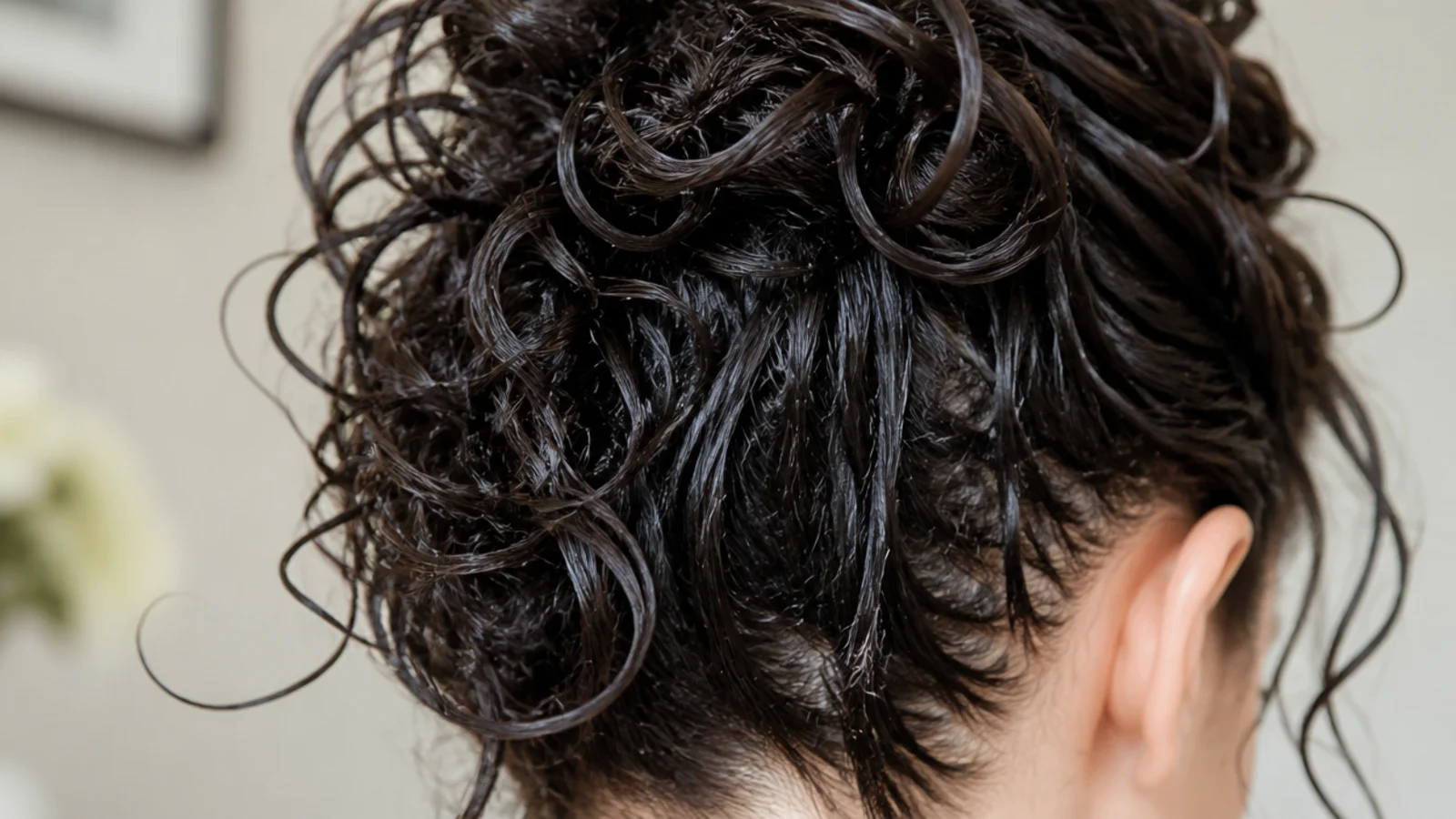
A terry towel is thousands of loops and each one hooks a raised cuticle scale and drags it open. A flat woven shirt removes the same water by pressing rather than rubbing, with nothing for the hair to catch on.

12. Plop for Twenty Minutes
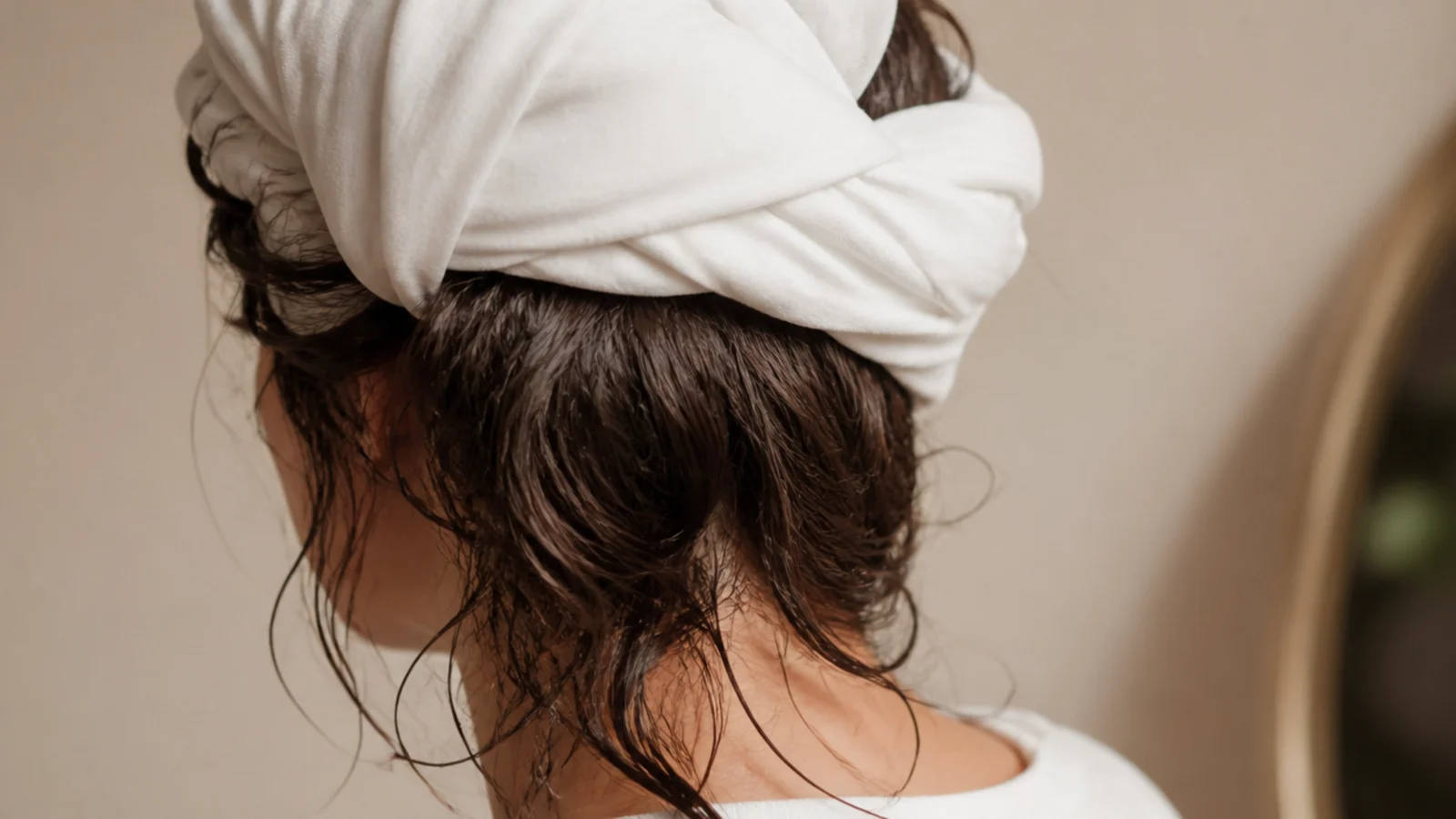
Wrapping the hair up into a shirt supports every bend while the excess water drains, so nothing dries under its own hanging weight. Twenty minutes does the useful part and longer simply delays the drying you still have to finish.
13. Root Clips at the Crown
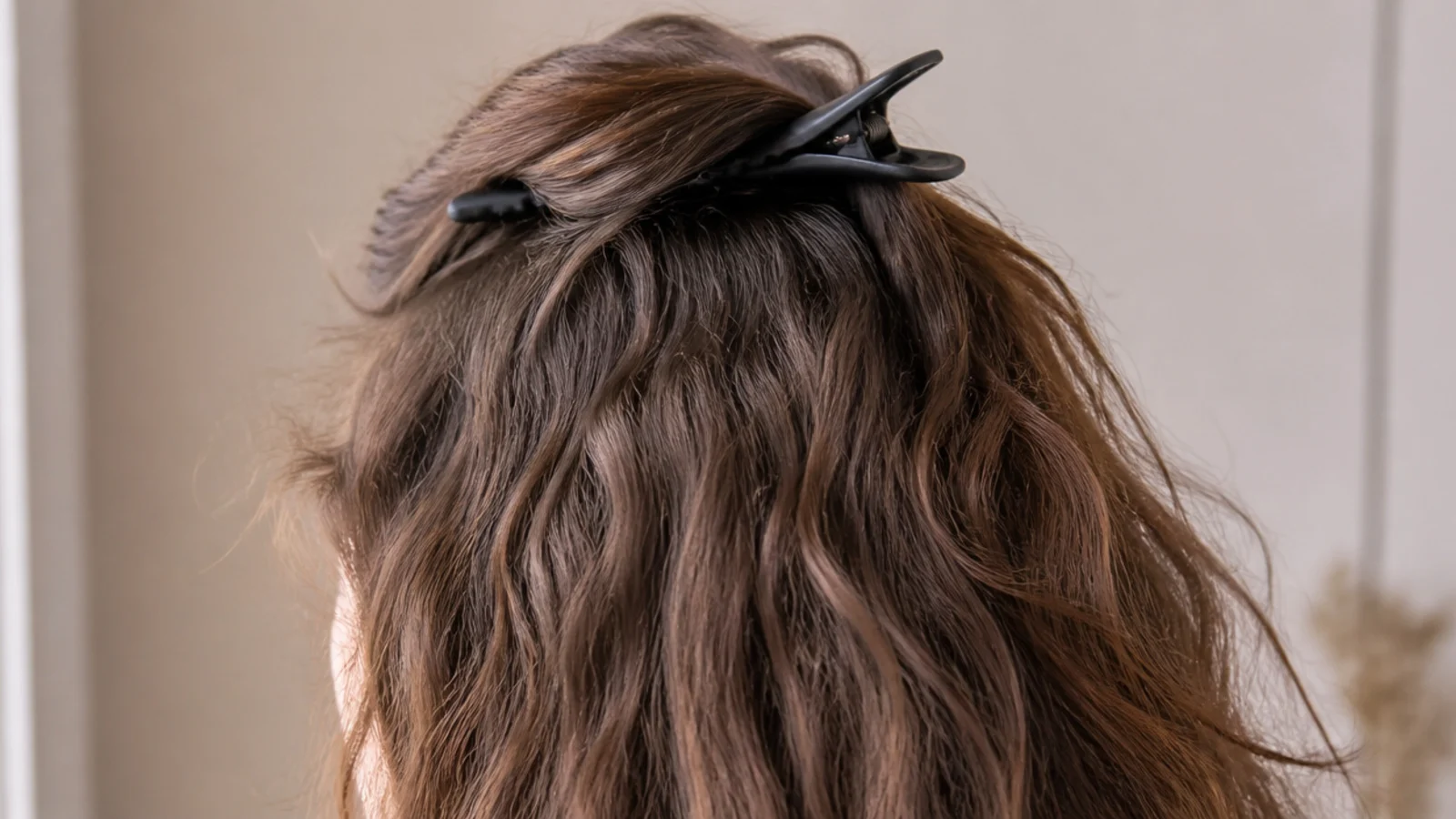
Clips hold the root section away from the scalp while it dries, so the hair sets with lift before its own weight can flatten it. Volume built this way lasts for days because the shape is already dry when gravity gets a vote.
14. Diffuse on Low Heat
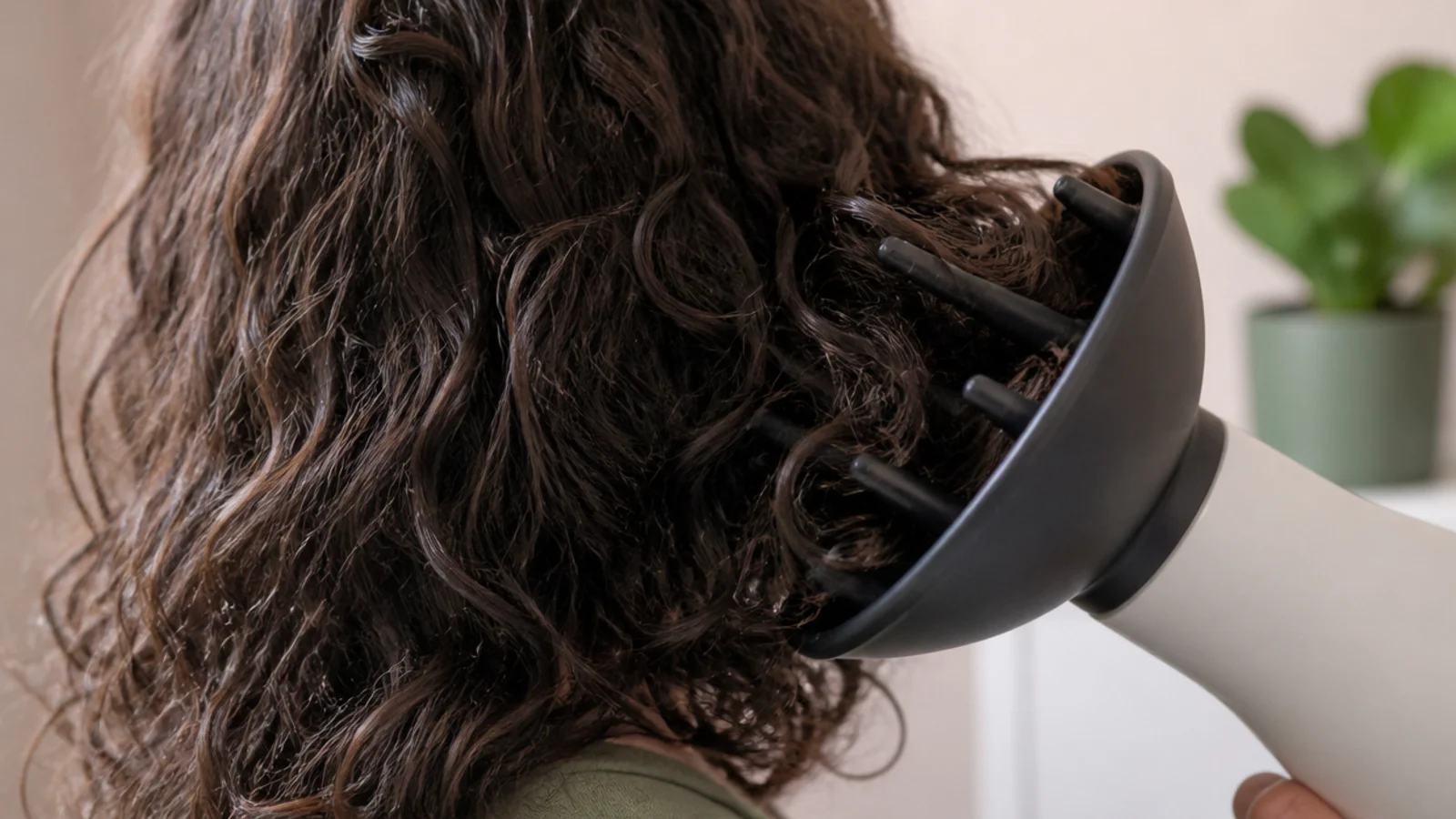
A diffuser exists to reduce air velocity rather than to add heat. High speed airflow blows strands apart faster than it dries them, which is why the same dryer gives definition on low and a cloud on high.
15. Scrunch Out the Crunch
Crushing the dried gel film breaks its rigidity while leaving the shape it set, which is the point of building a cast in the first place. Do it only when the hair is completely dry, because breaking a damp cast collapses the curl with it.
16. Silk Pillowcase and a Low Braid
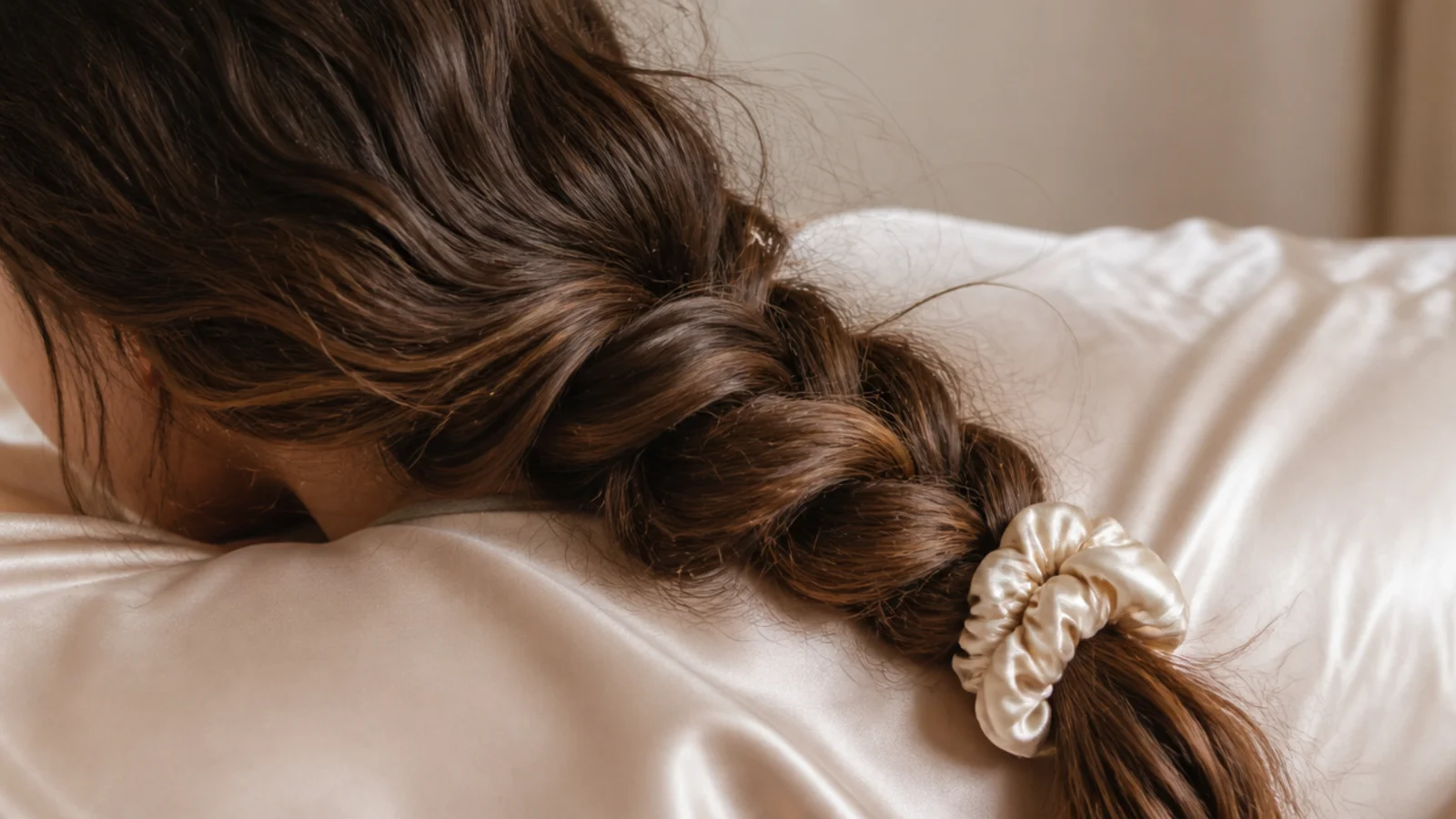
Cotton wicks moisture out of the hair overnight and grabs at the cuticle as you move. Silk removes the friction, and a loose low braid removes the movement, so the morning starts from the style you finished with.
17. Day Two Refresh Spray
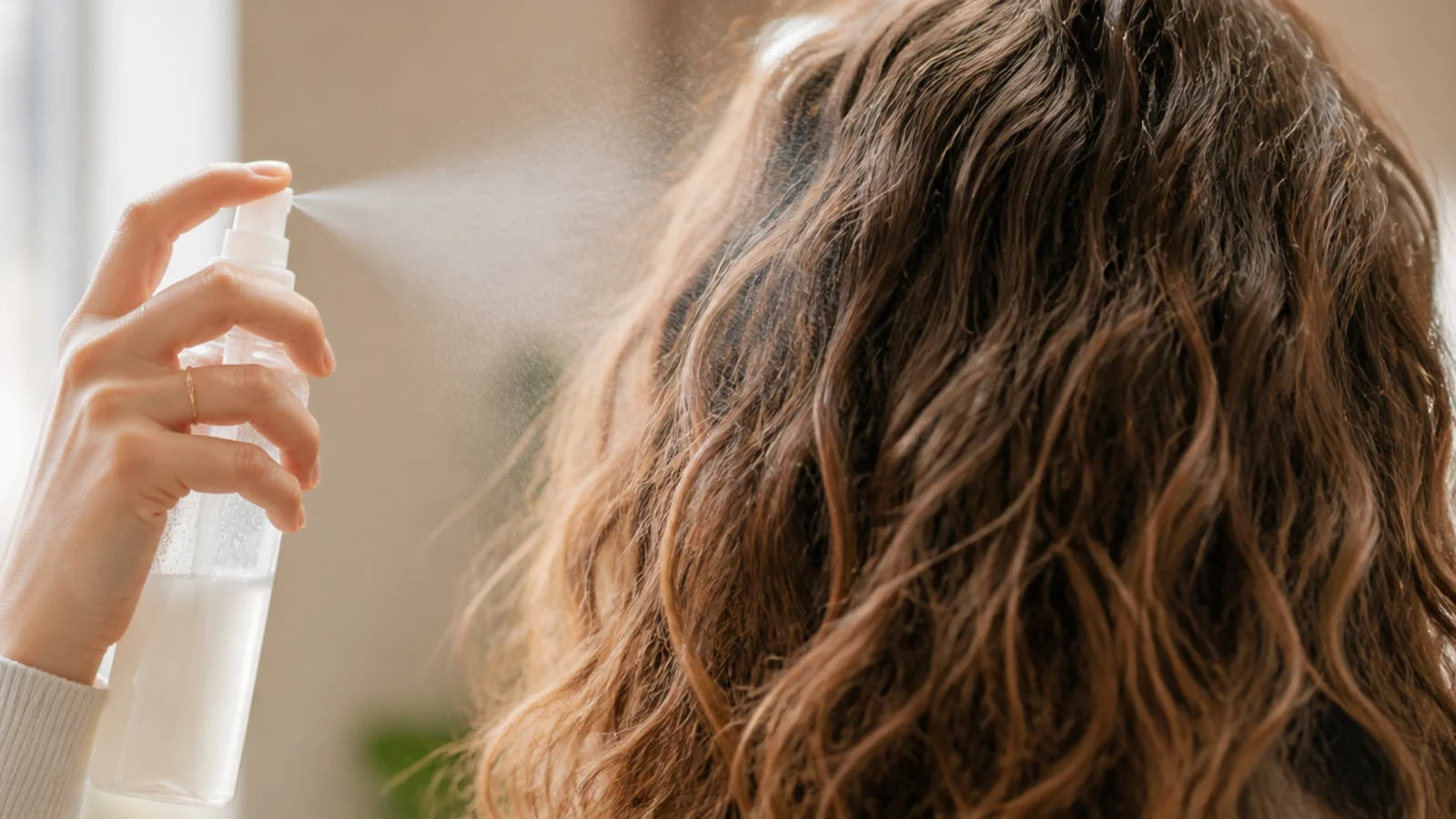
Water re-softens the polymer film left behind by yesterday's gel, so a light mist lets the existing cast reform instead of needing new product. Spray, cup the sections upward, then leave them completely alone until dry.
18. Day Three Low Bun
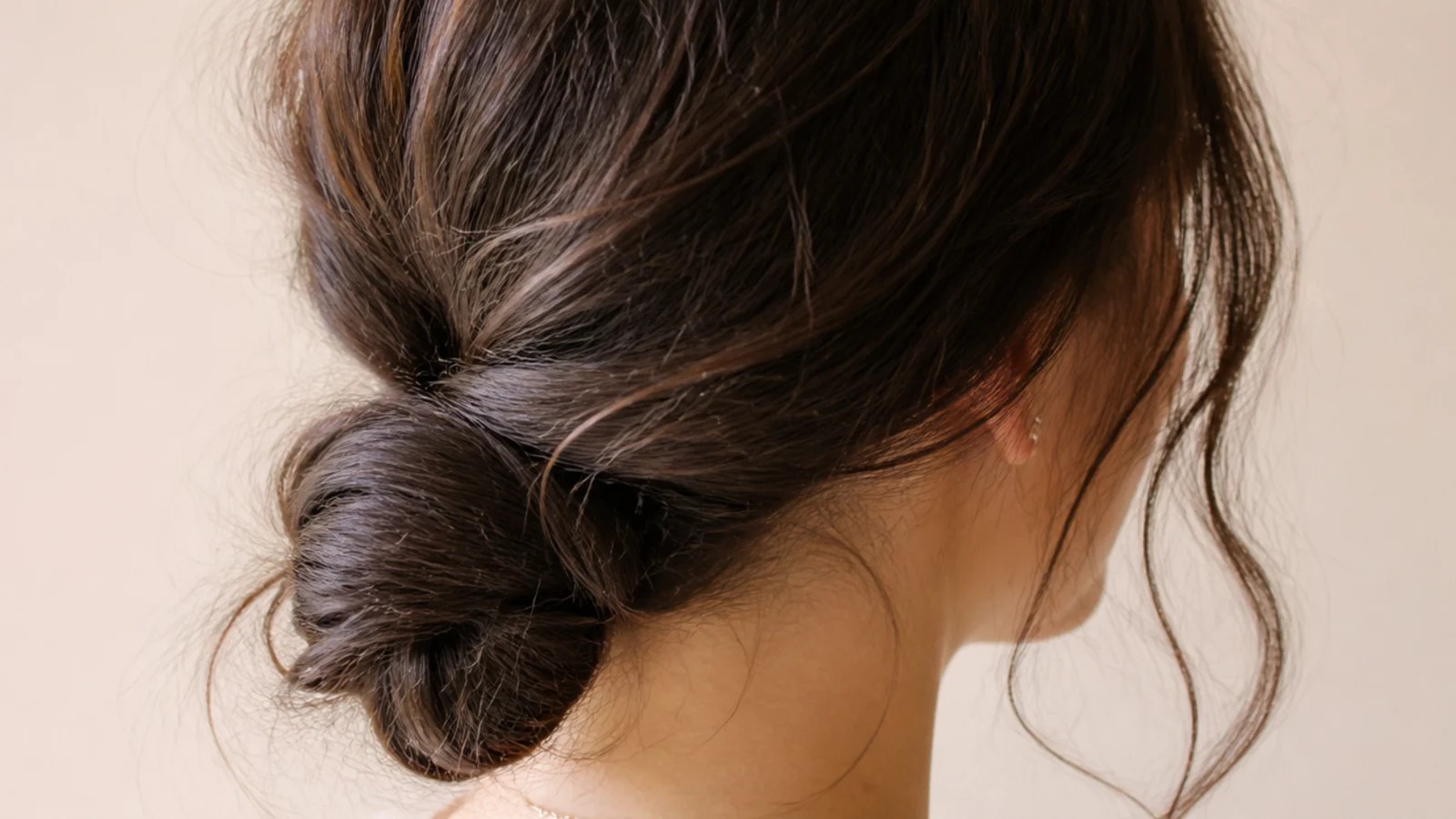
By the third day the cast is fully broken and the pattern has loosened, so a gathered style is honest work rather than a compromise. A low bun puts the whole length under mild tension and buys another day before washing.
19. Dew Point Check
Dew point tells you how much water the air actually holds, which relative humidity does not. Checking it before you pick between a humectant and an oil turns the daily guess into a two second decision.
20. Trim With No Thinning Shears
Splits fray upward and each fork becomes its own light scattering edge, so removing them is maintenance rather than treatment. Ask for point cutting or a razor instead of thinning shears, which leave short interior ends that become permanent halo frizz.
Final Thoughts
Change one step at a time and give it three washes before judging. A routine with twenty variables cannot be debugged by swapping four of them at once, which is exactly what most people do after a bad hair week and why nobody ever learns which change worked.
If you only fix two things, fix the wetness at step eight and the handling at step nine. Applying to dripping hair with flat palms costs nothing and removes the two largest causes of self inflicted frizz. For the same structure adapted to a looser pattern see the wavy hair routine, or the shorter version in easy wavy hair routine steps. More in Hair Care.