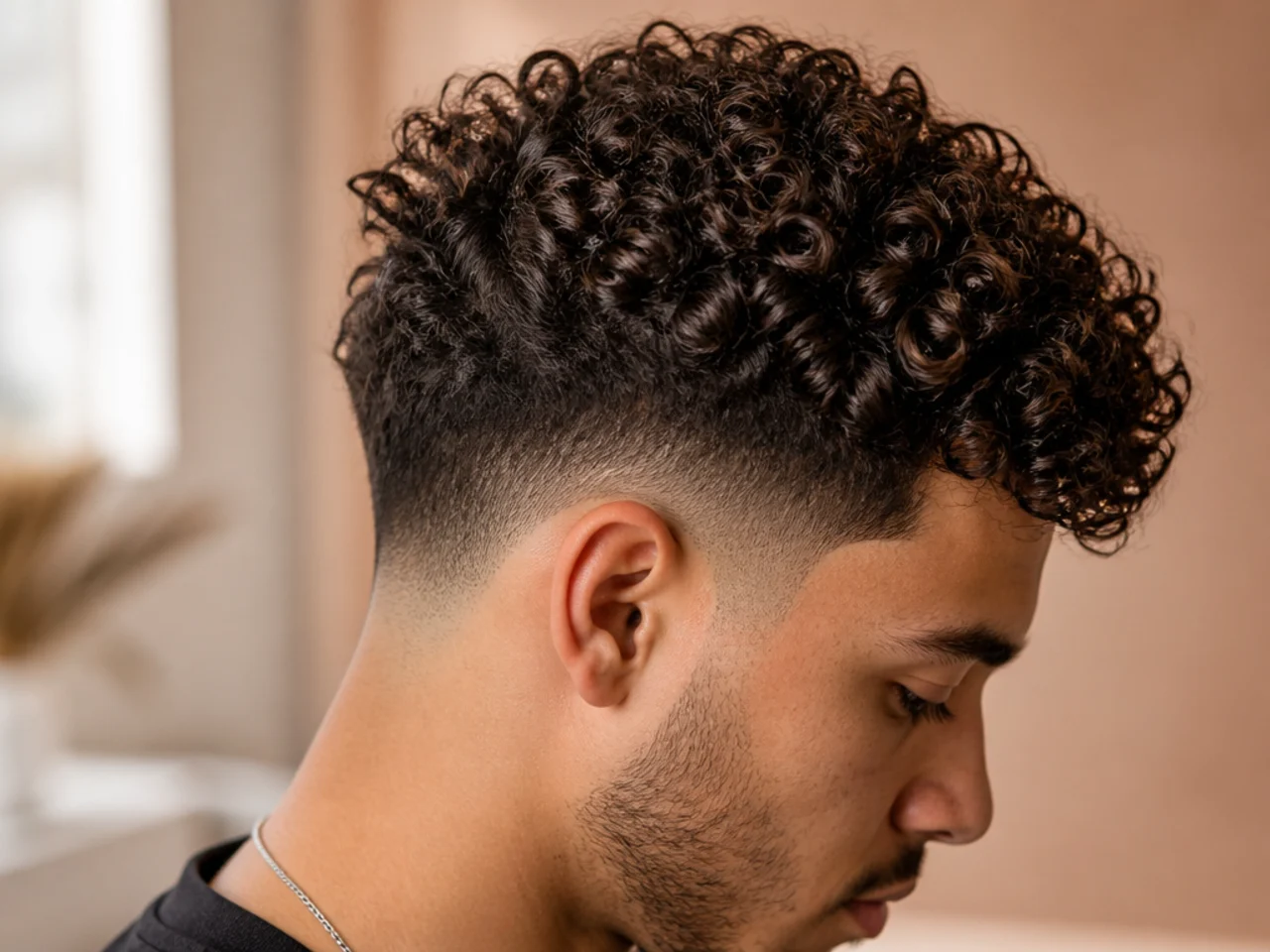
15 Curly Men Haircut Styles to Try
Curly cuts are a family because they are all built the same way — shaped at dry length rather than measured at pulled length. Every straight-hair cutting rule assumes the hair stays where you put it, and curl does not.
In this article · 22
- What Defines the Curly Family
- How to Choose Yours
- The 15 Curly Haircut Styles
- 1. The Curly Top With a Low Taper
- 2. The Curly Top With a High Fade
- 3. The Curly Crop
- 4. The Curly Fringe
- 5. The Curly Mid-Length
- 6. The Curly Middle Part
- 7. The Curly Burst Fade
- 8. The Tight-Coil Shape-Up
- 9. The Curly Undercut, Blended
- 10. The Curly Mullet
- 11. The Curly Quiff
- 12. The Long Curly Cut
- 13. The Curly Cut With Internal Layers
- 14. The Wavy-to-Curly Cut
- 15. The Week-Six Curly Cut
- Styling and Upkeep
- Mistakes to Avoid
- FAQ
- Final Thoughts
Every rule in a standard cutting education assumes the hair stays where you put it. Curl breaks that assumption immediately, which is why it needs its own family.
Curly cuts are shaped at dry length, not measured at pulled length. Curly hair loses around a third of its length as it dries and tightly coiled hair can lose up to half.
That single fact reorganises the whole cut. Sectioning, layering, the order of the passes and where the weight is removed all change once the finished length is a moving target.
What Defines the Curly Family
Shrinkage sets the length. Wet measurement is a reference, never a result.
Weight comes from underneath. Surface thinning inside a curl produces frizz, not movement.
Shape replaces outline. A curly cut has a silhouette rather than a perimeter line.
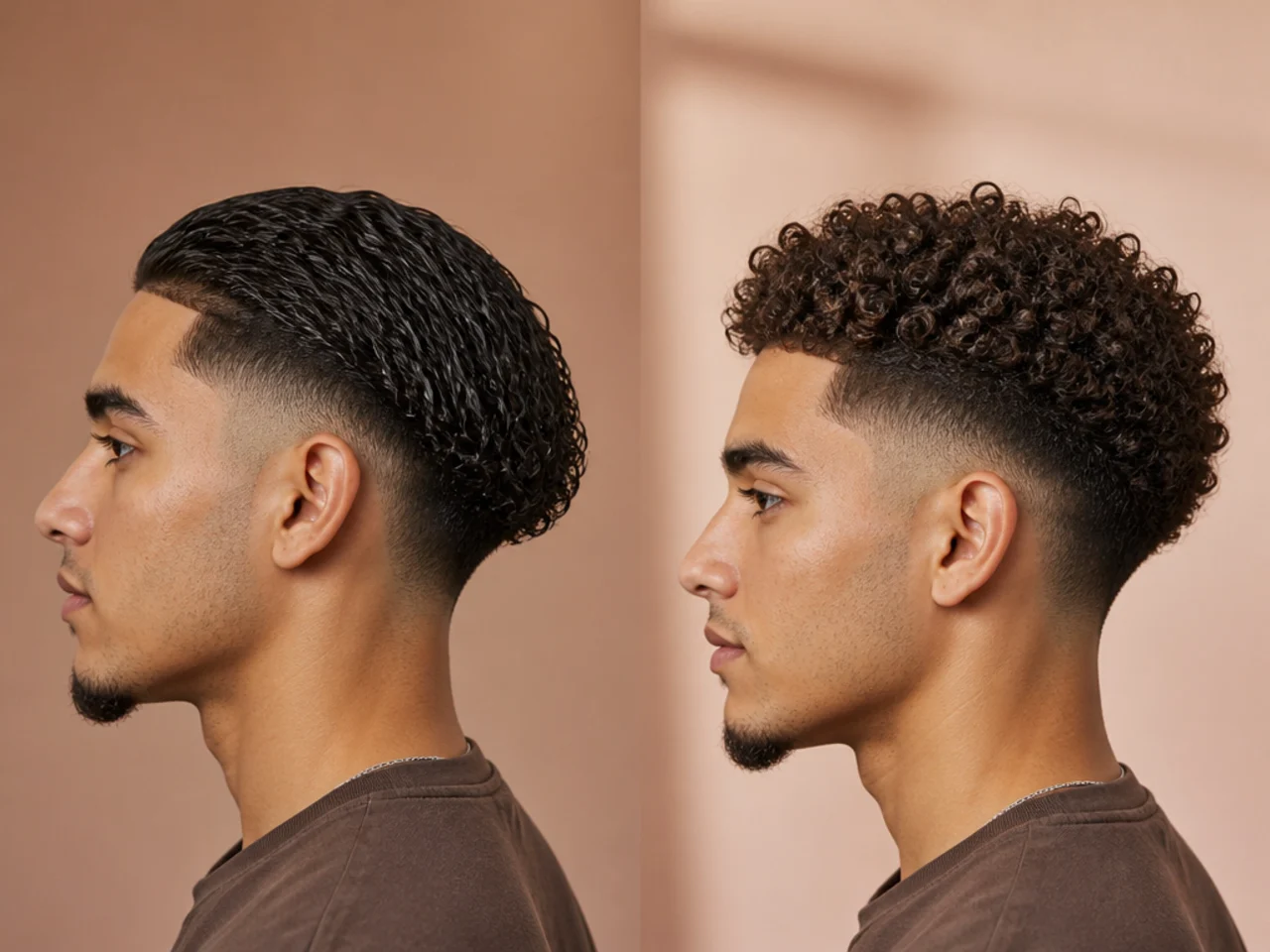
The sides do the defining. Curl on top has no natural edge, so the shape comes from what is removed at the sides.
How to Choose Yours
Identify your curl diameter. Loose curl hangs, tight coil stands, and they need opposite cuts.
Bring dry-hair reference photos. A wet curly photo shows a length that never reappears.
Decide how much side volume you want removed. That is where the shape actually lives.
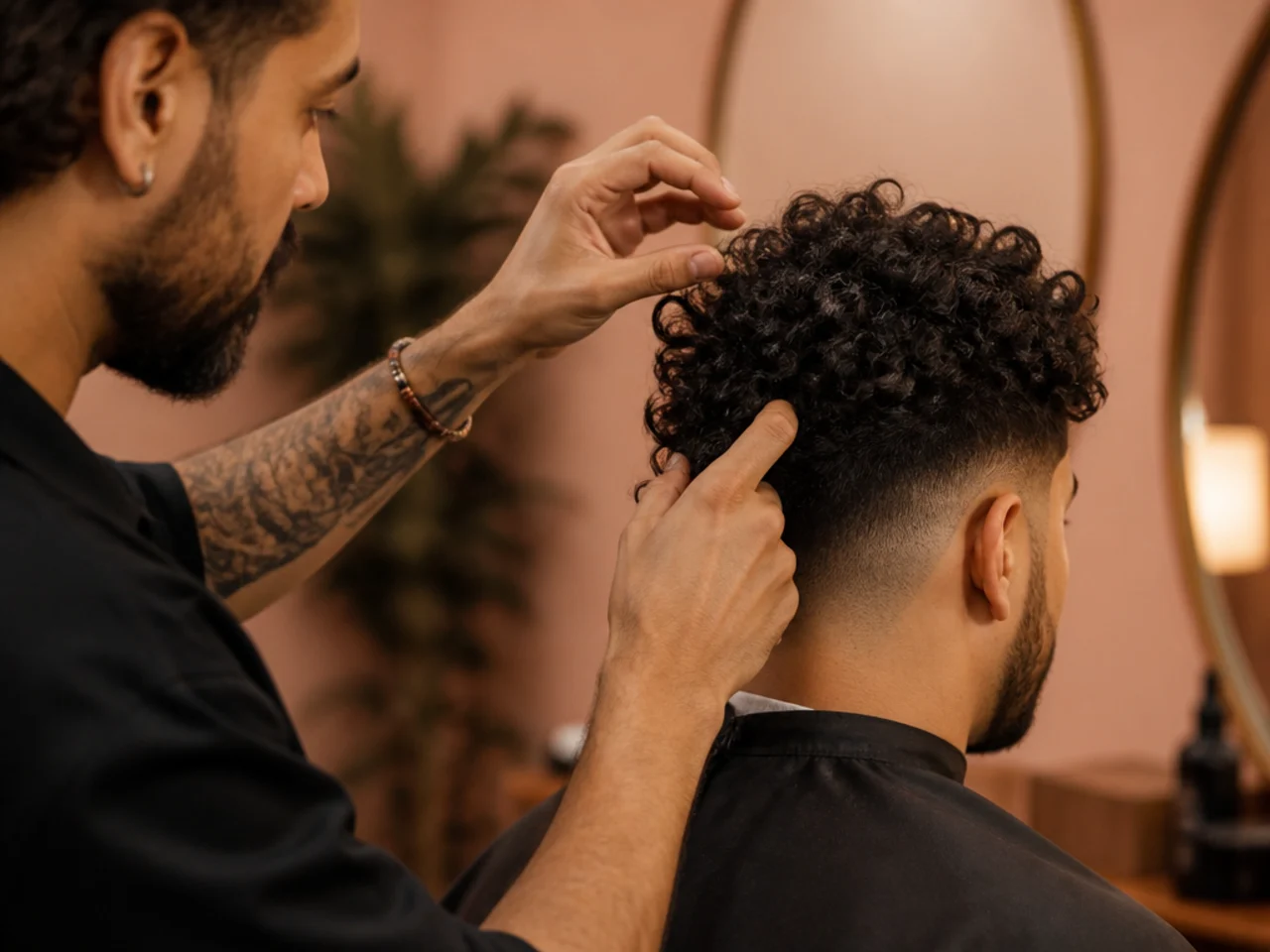
Ask for the finish to be checked dry. It is the only pass that sees the real result.
The 15 Curly Haircut Styles
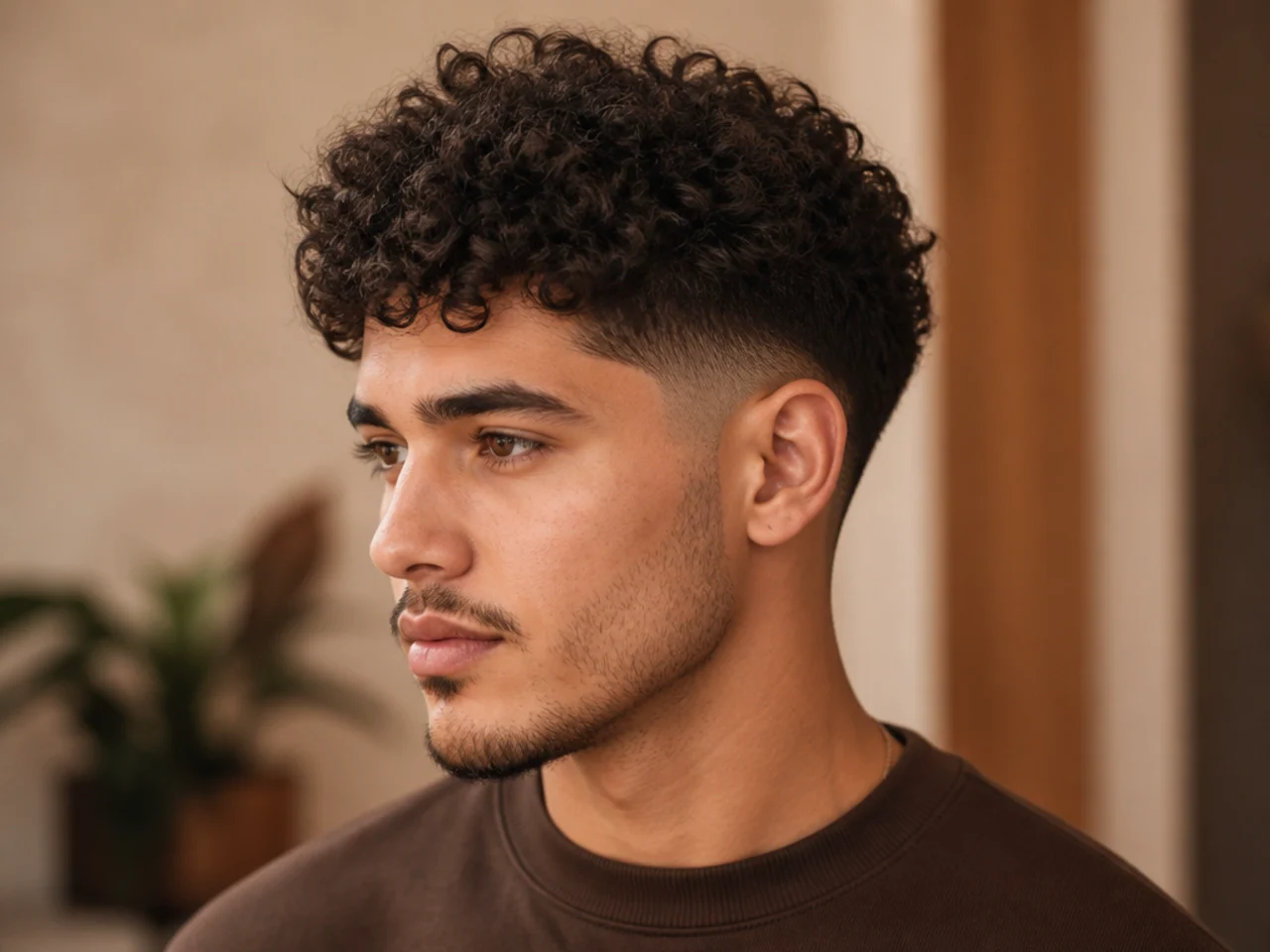
1. The Curly Top With a Low Taper
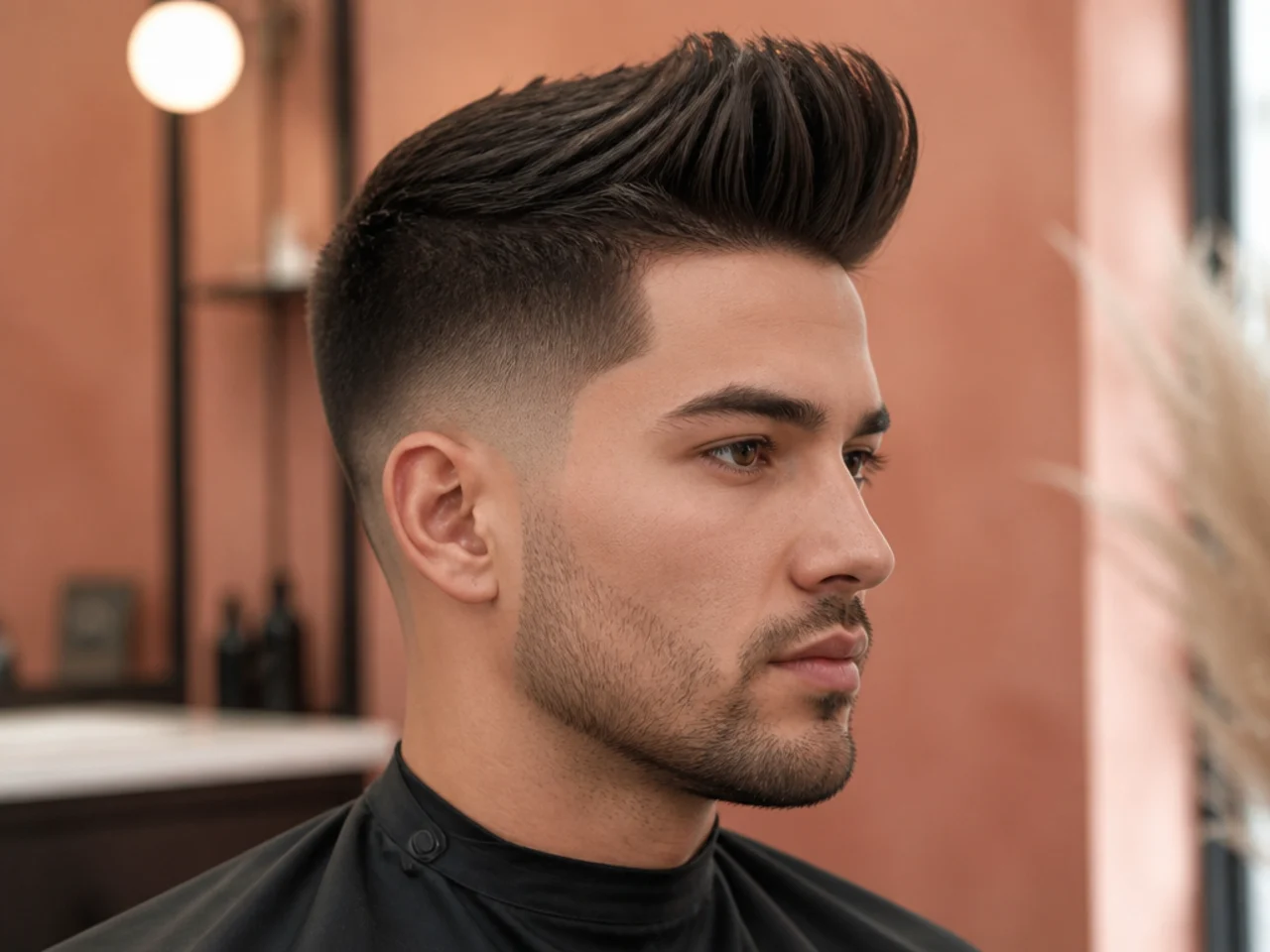
Volume kept on top and the sides reduced gently. The taper leaves a #1 at 3mm and holds three to four weeks, which roughly matches how long a curly shape stays balanced. It is the pairing where the top and the sides age at the same rate.
2. The Curly Top With a High Fade
Maximum contrast between a dense top and a bare side. It narrows a wide head sharply, because the fade cuts into the parietal ridge where curl adds the most width.
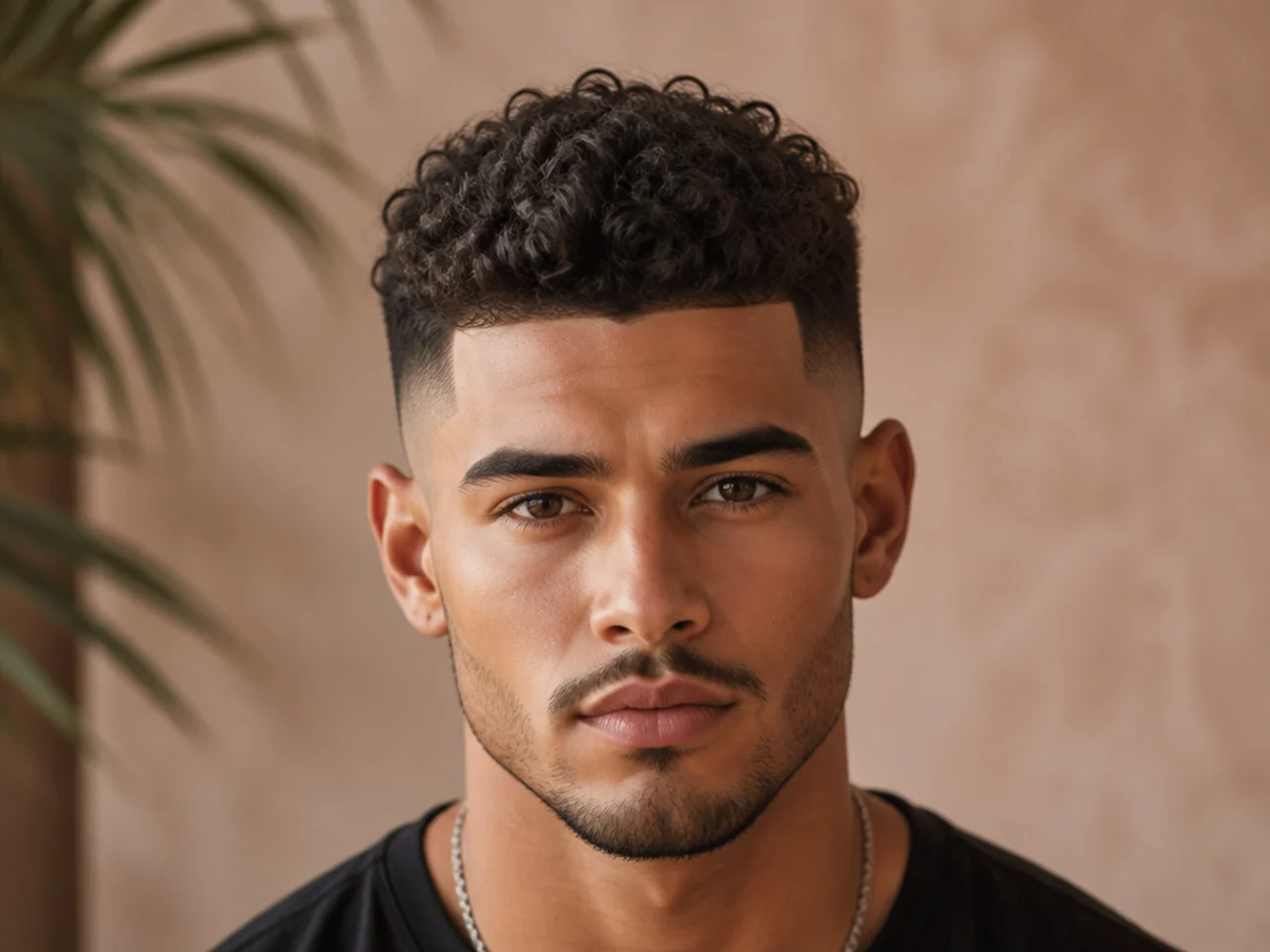
3. The Curly Crop
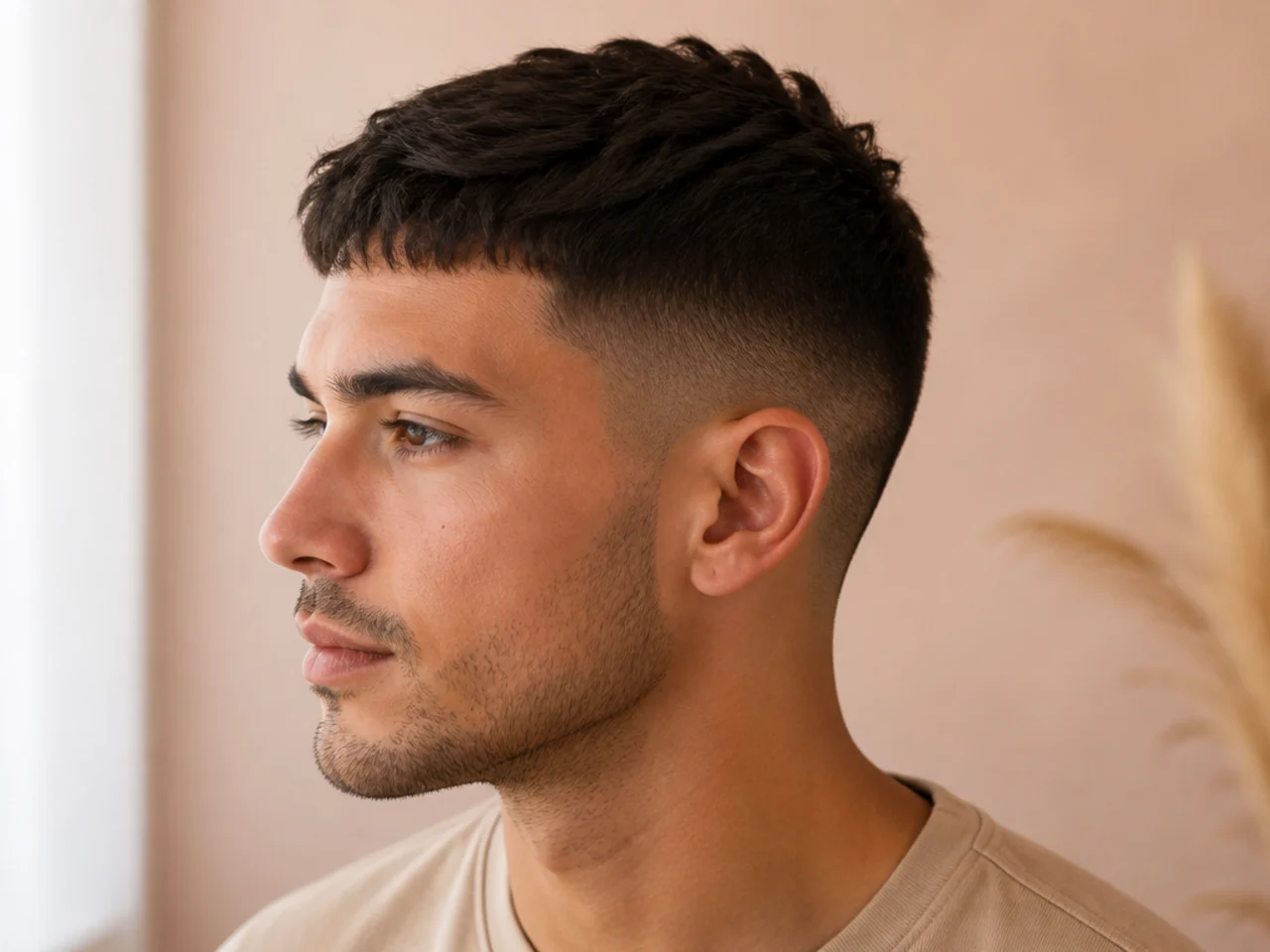
Cut short enough that shrinkage lands the whole shape close to the head. It removes the length question entirely, which makes it the lowest-maintenance curly cut there is, and it is the version to choose if you have been disappointed by shrinkage before.
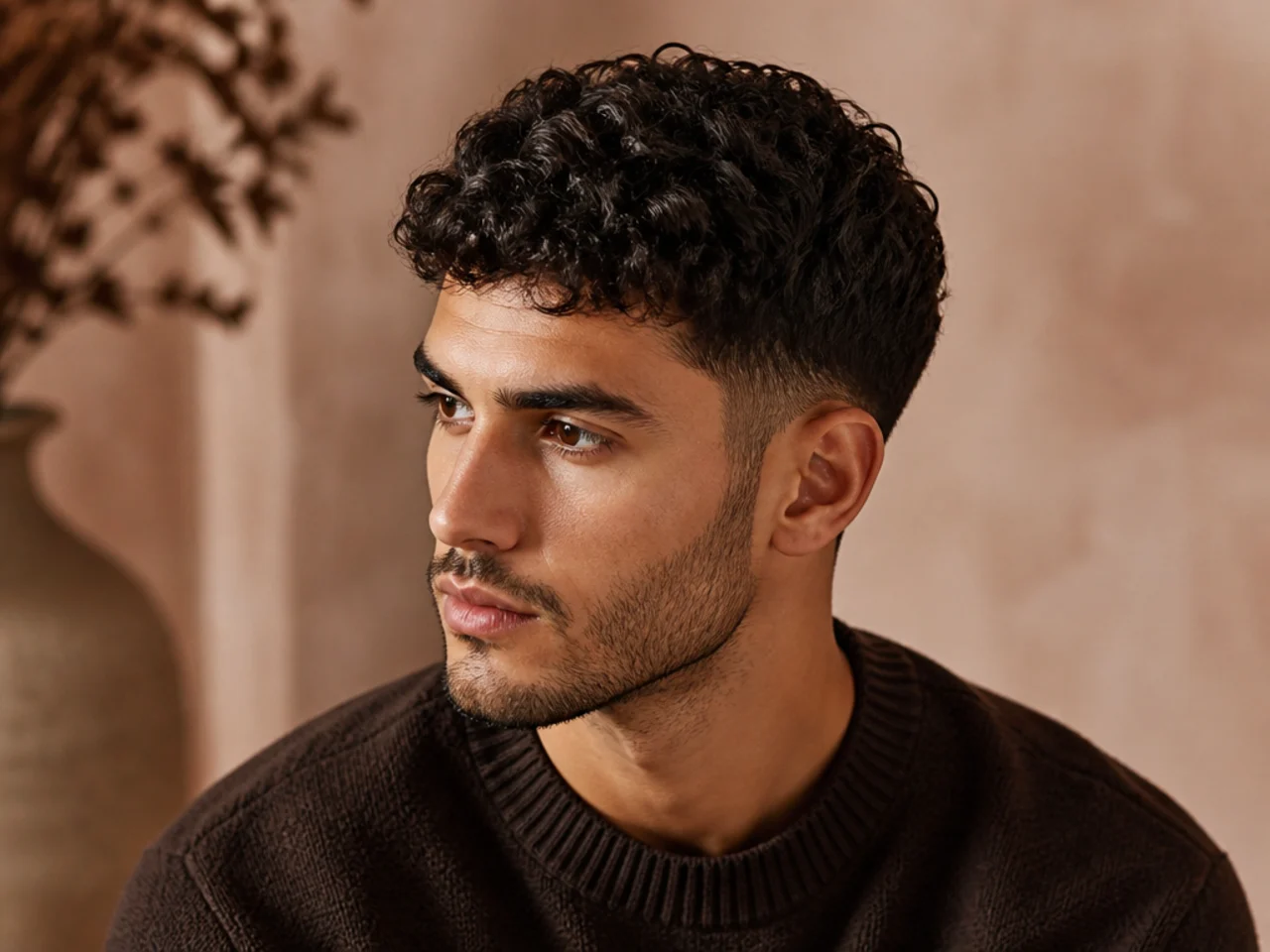
4. The Curly Fringe
The front section cut generously long so the curl still reaches the brow after drying. Cut it at brow level wet and it will finish above the hairline.
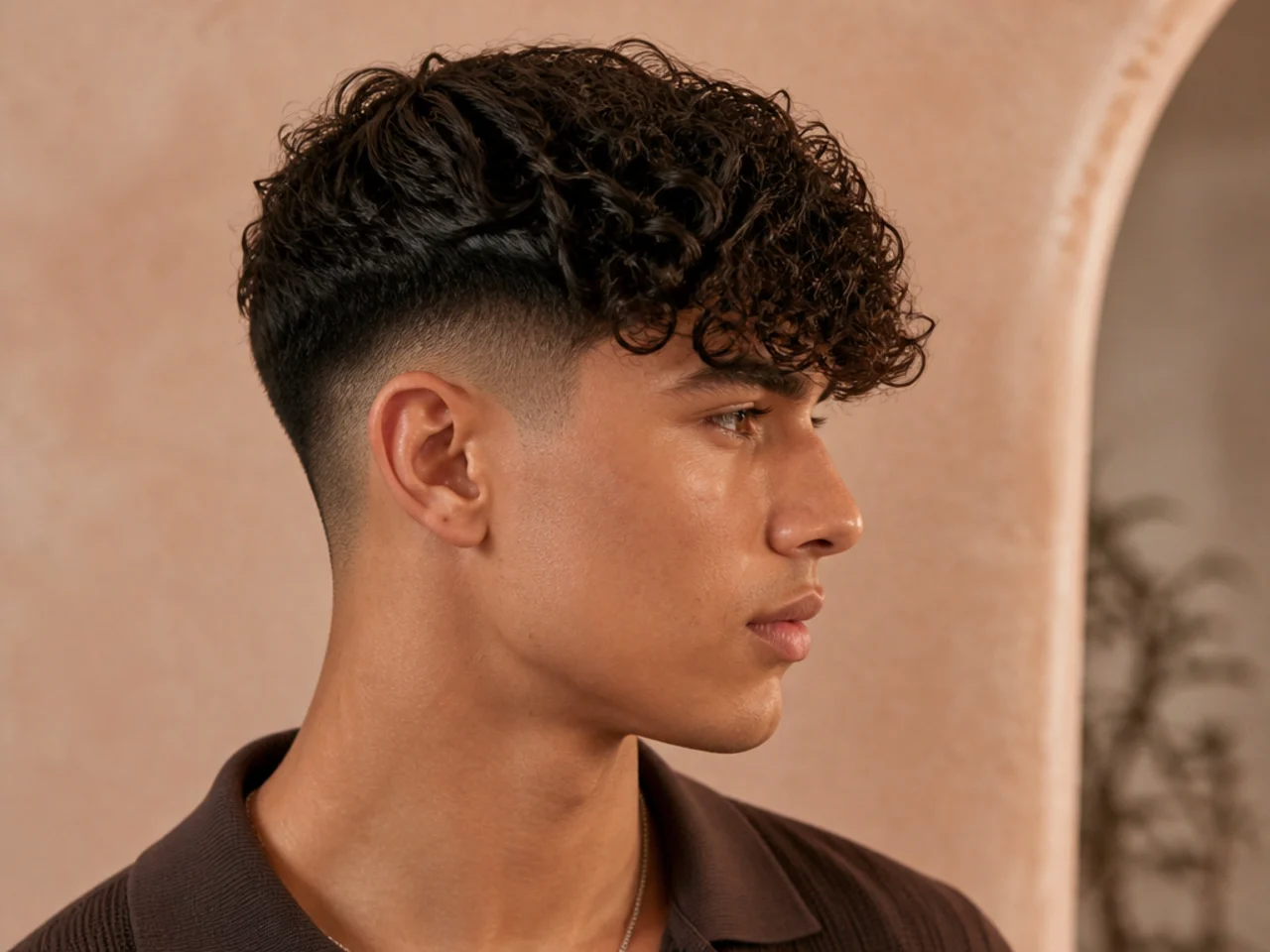
5. The Curly Mid-Length
Around four inches, where curl gains enough weight to elongate rather than stack. It is the length at which most men discover their curl pattern is looser than they thought, because the shorter version was showing them the tightest part of every strand.
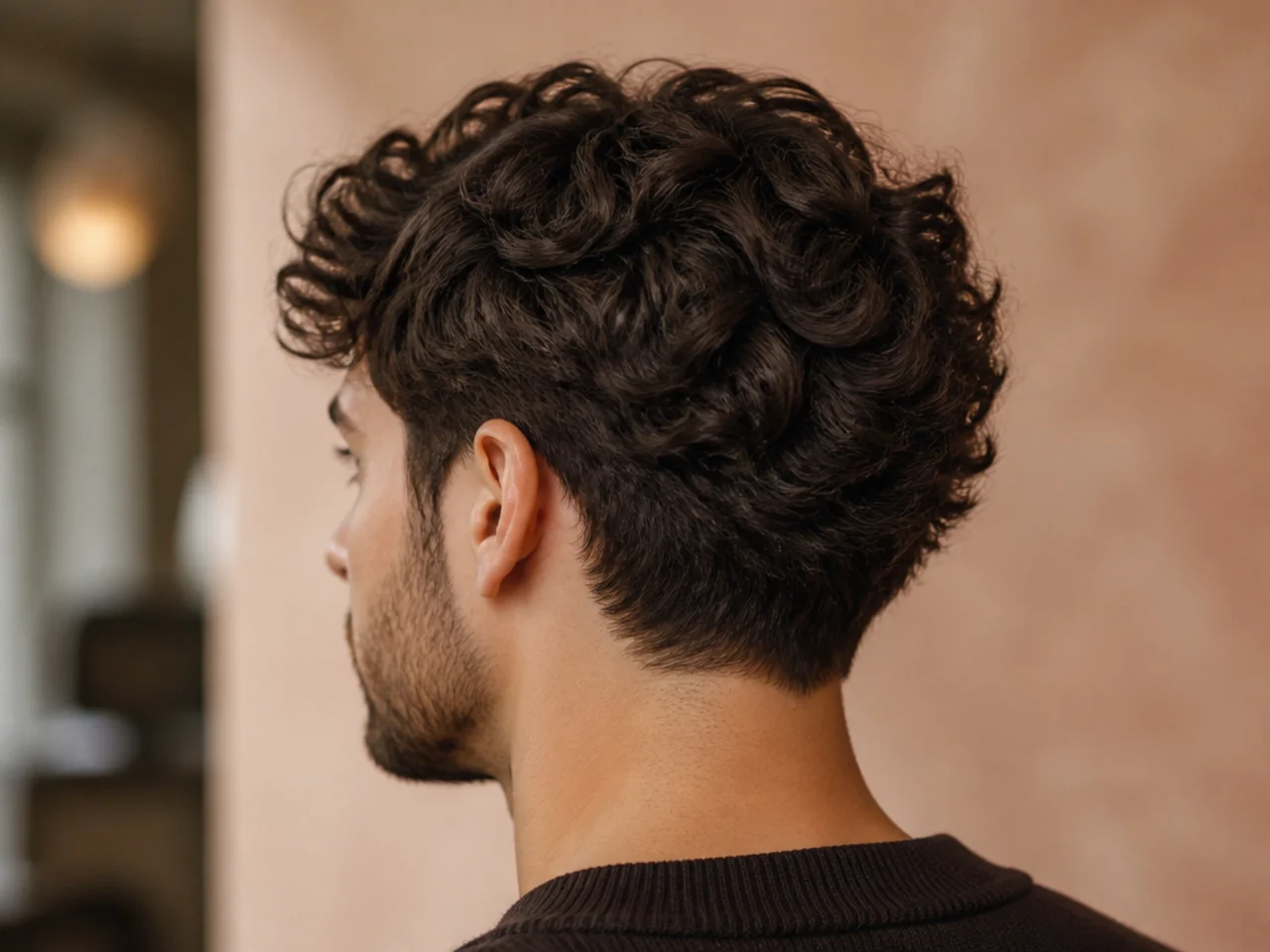
6. The Curly Middle Part
Split down the centre with each side allowed to fall. It works on loose curl and fails on tight coil, because a coil will not stay on the side it was placed.
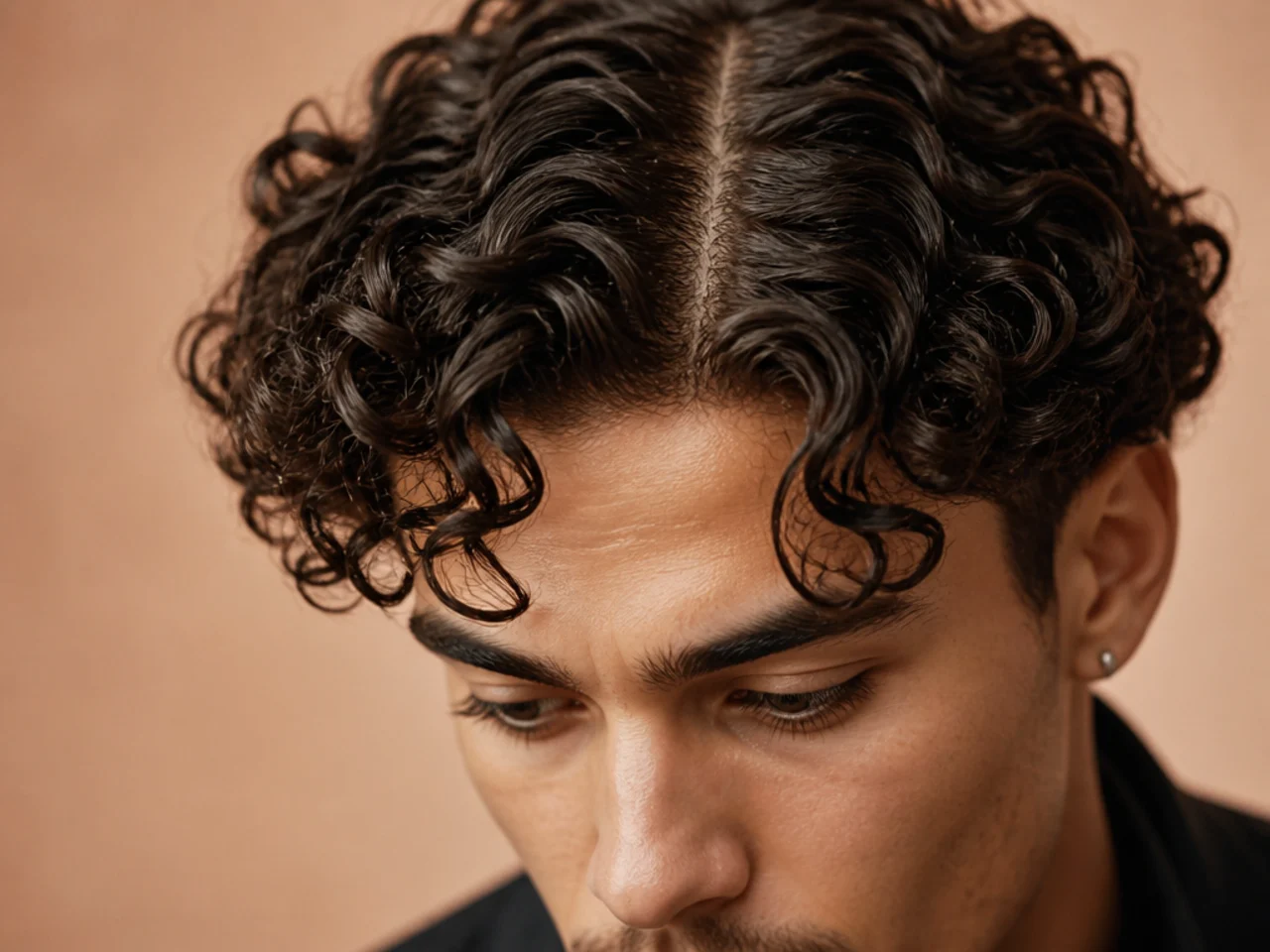
7. The Curly Burst Fade
The gradient arcs around the ear and leaves the back weight alone. It concentrates curl mass at the top and back, which suits a flat crown.
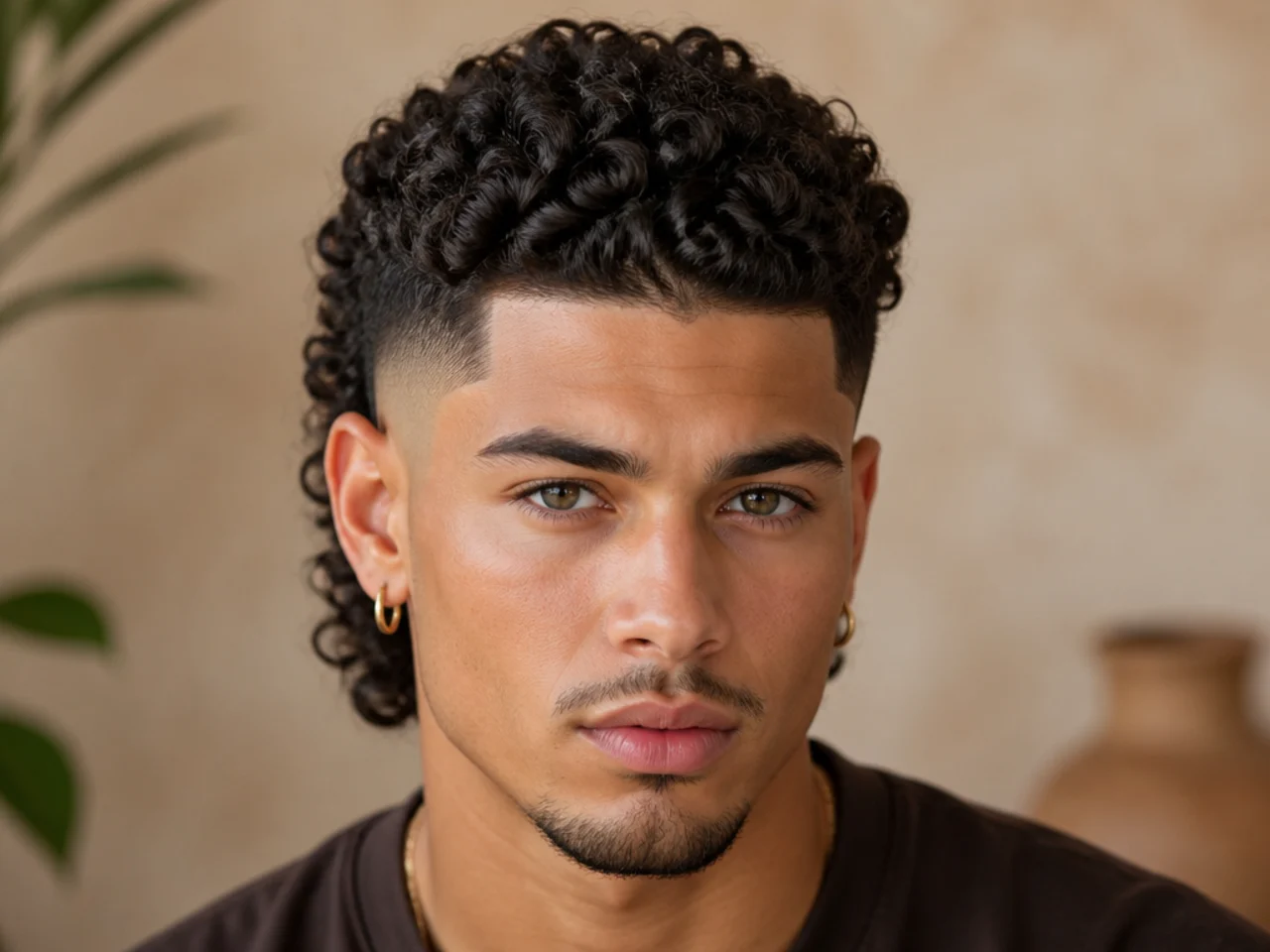
8. The Tight-Coil Shape-Up
Coil too tight to hang, so the cut is a silhouette with a clean edge at the hairline. The line is the whole design here rather than the length, and it needs re-cutting every two weeks because the edge is what ages first.
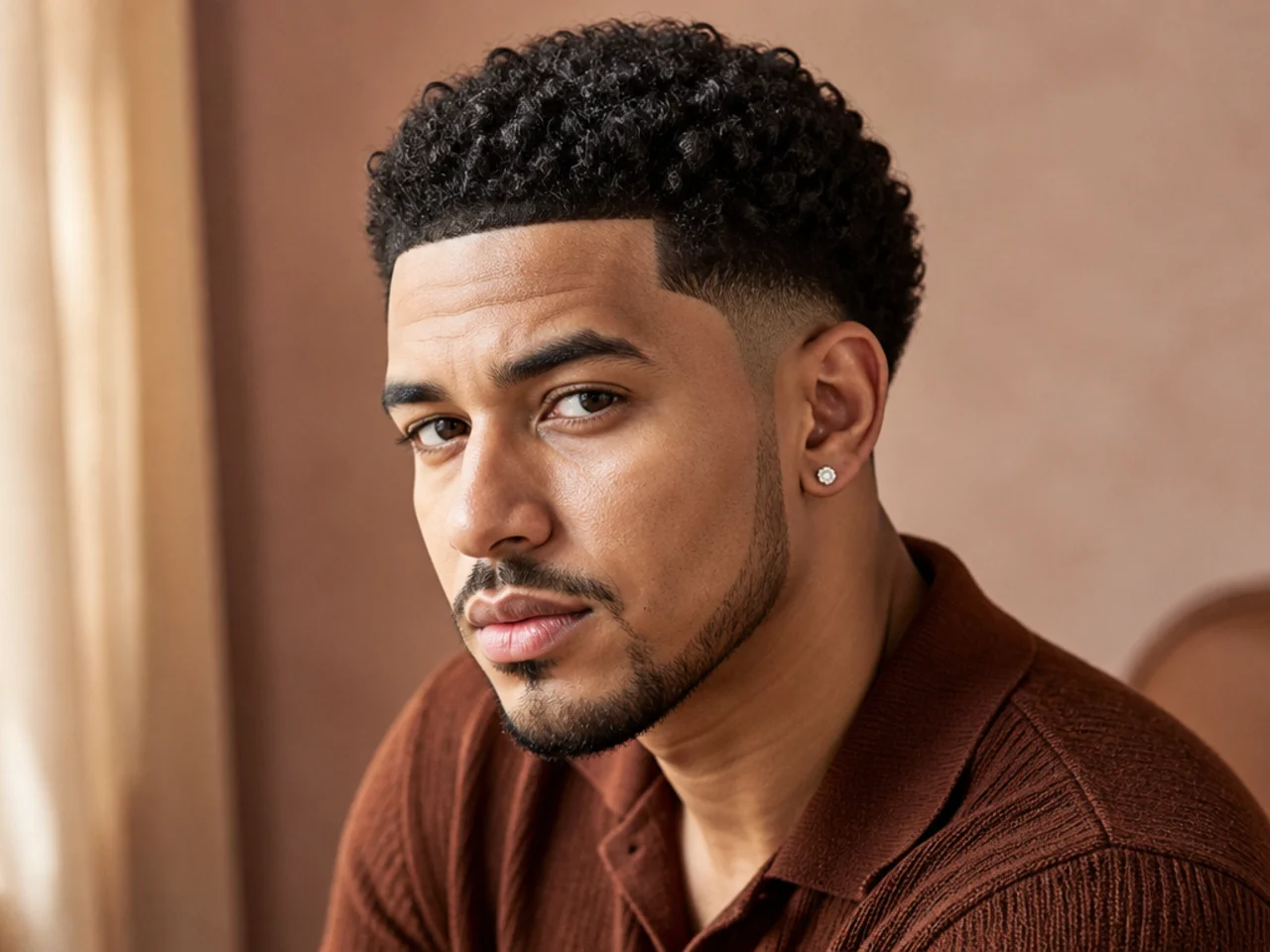
9. The Curly Undercut, Blended
Sides taken short and blended rather than stepped. A hard step under curl creates a shelf that the volume above sits awkwardly on.
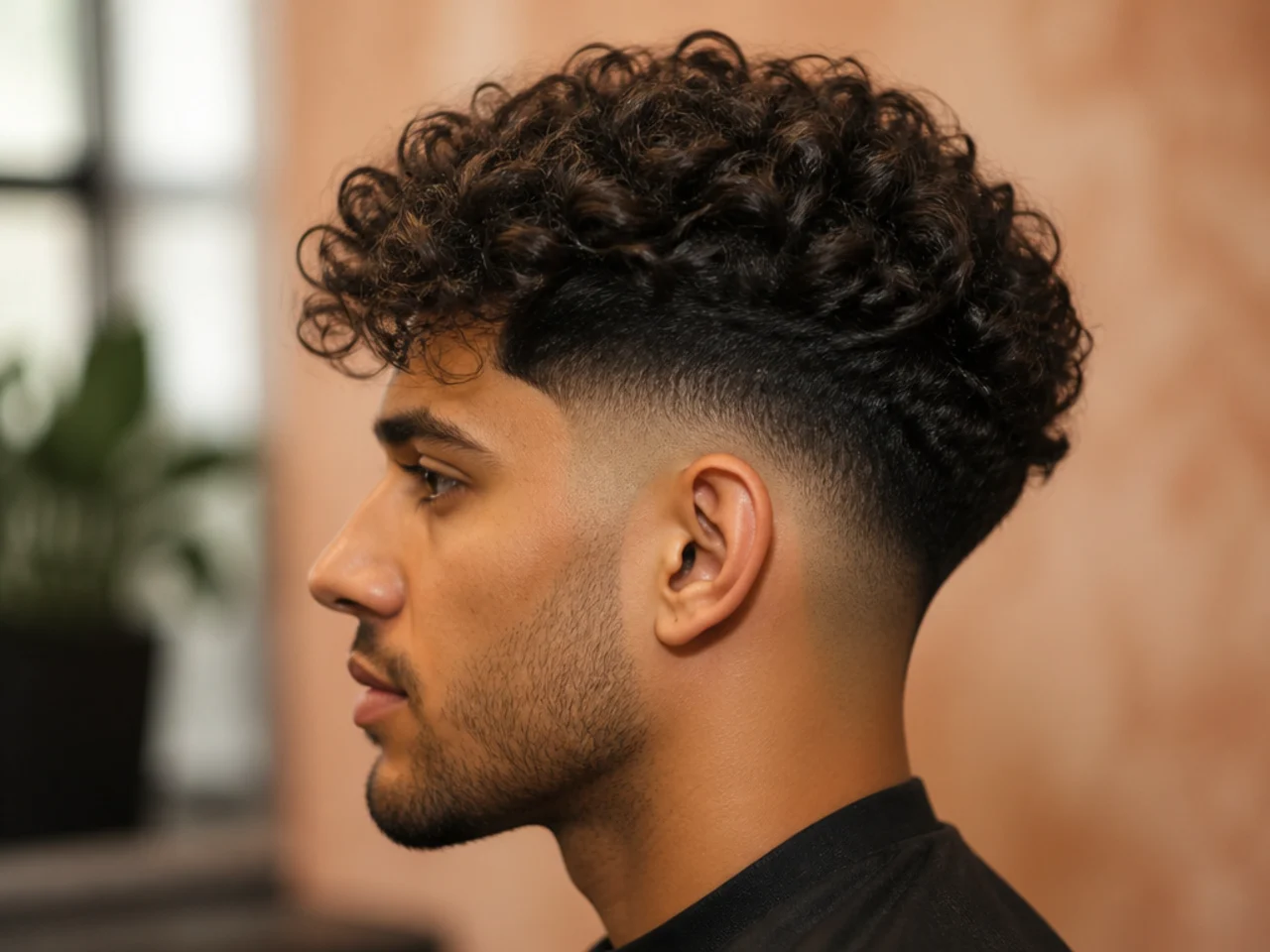
10. The Curly Mullet
Length kept at the back and reduced at the sides. Curl gives the back weight naturally, so the shape needs less cutting than the straight-hair version, and most of the work happens at the sides rather than behind.
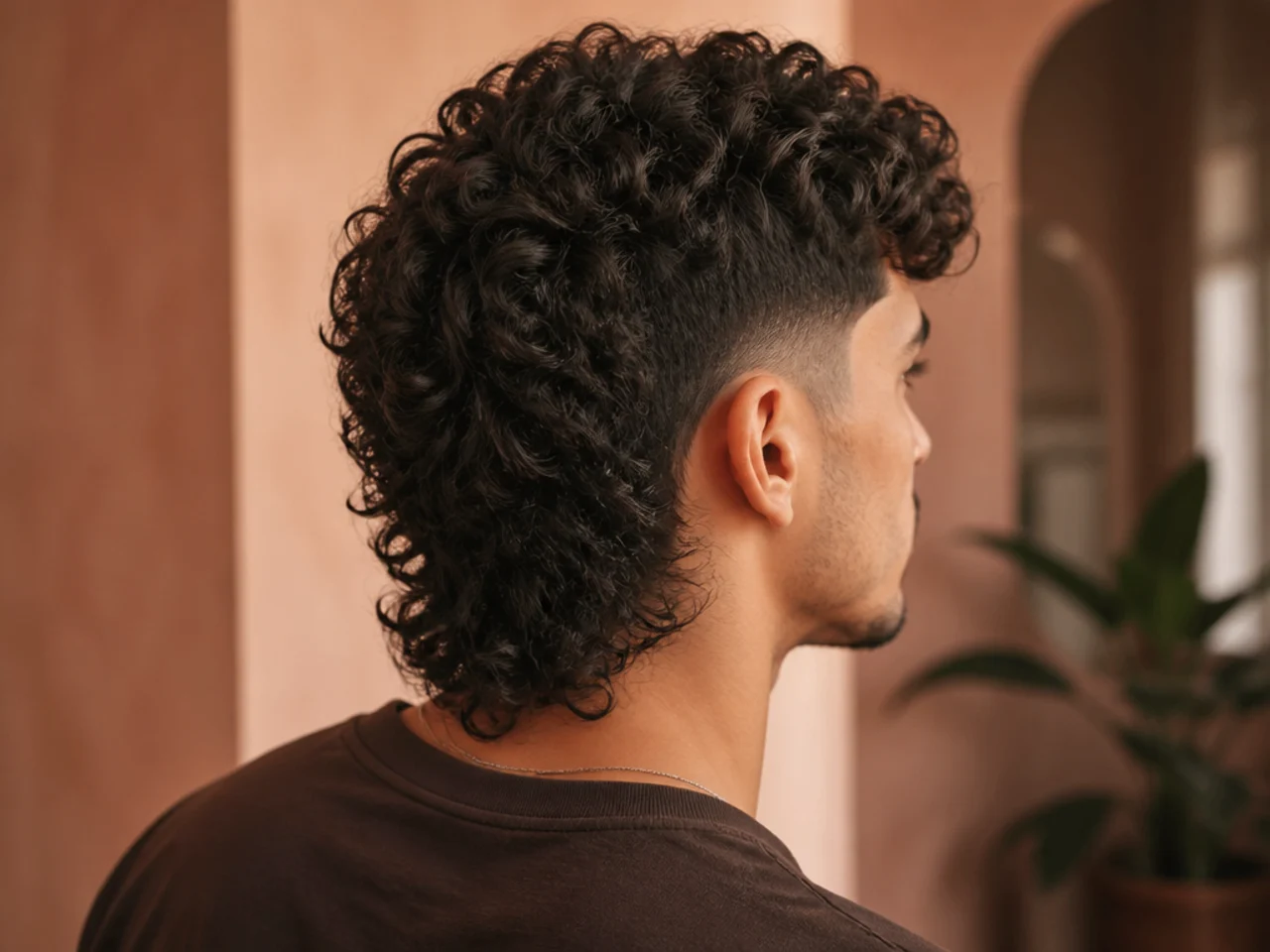
11. The Curly Quiff
Volume directed upward and forward at the front. Curl provides the lift for free, which is why this is easier on curly hair than on any other texture.
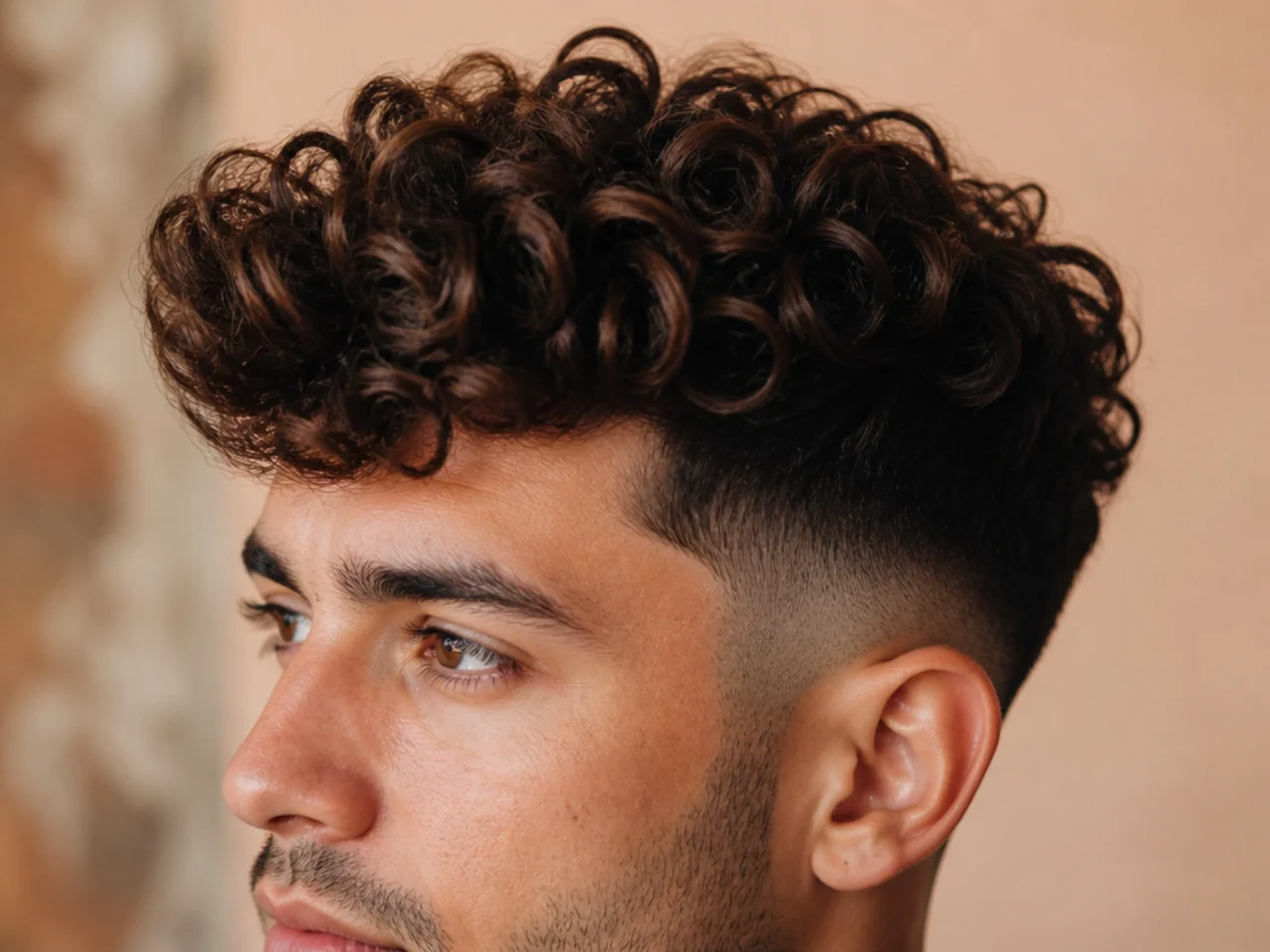
12. The Long Curly Cut
Past six inches, where weight begins to pull the curl pattern loose. It is the length at which a curly cut stops needing shape and starts needing ends maintained.

13. The Curly Cut With Internal Layers
Weight removed deep inside the section so surface curls keep their definition. It is the technique the whole family depends on, and it is the one thing worth naming out loud at the consultation.
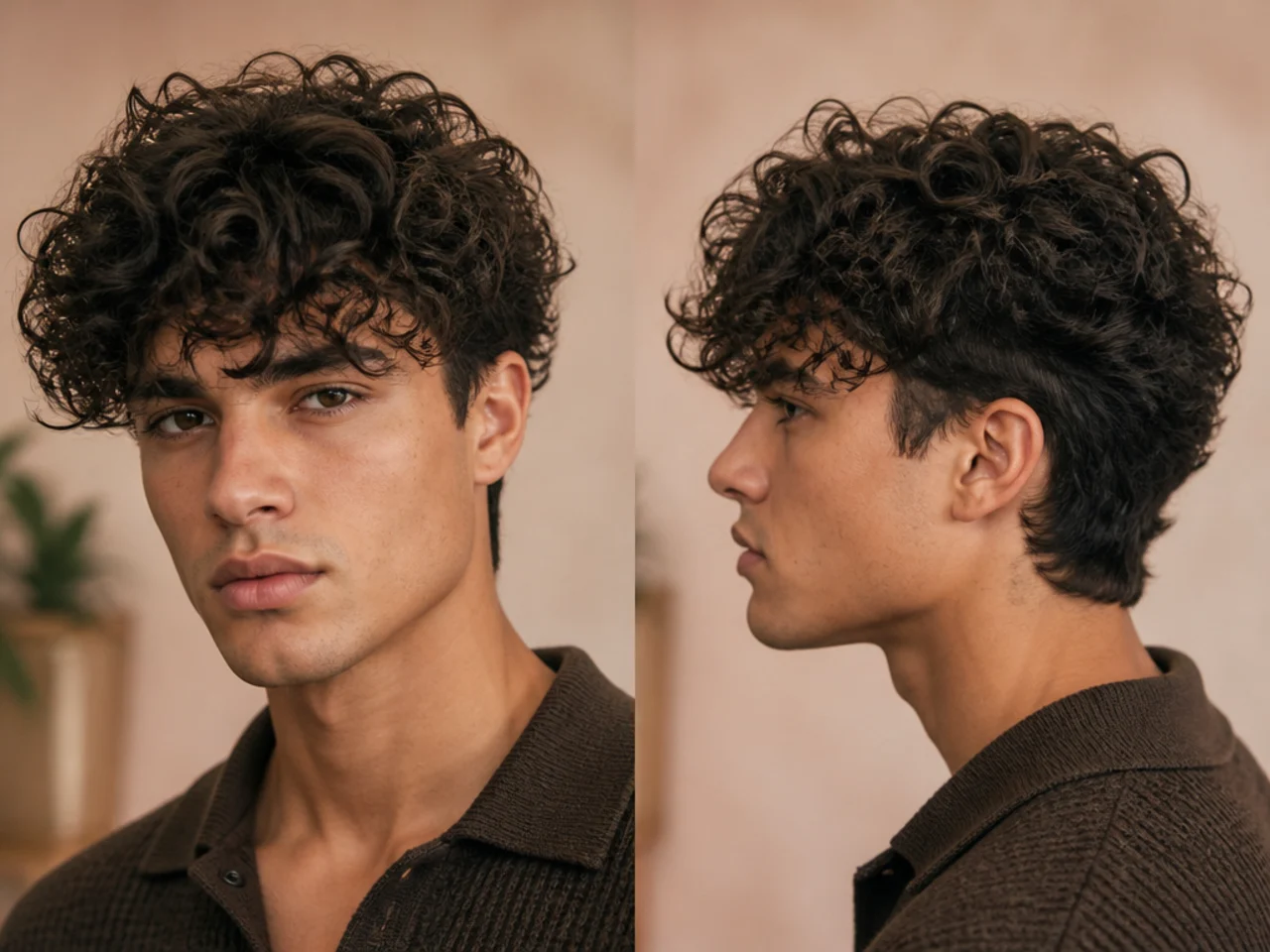
14. The Wavy-to-Curly Cut
Loose wave with occasional curl, which needs less removal than either texture alone. Cutting it as full curl leaves it flat and cutting it as straight leaves it bulky.
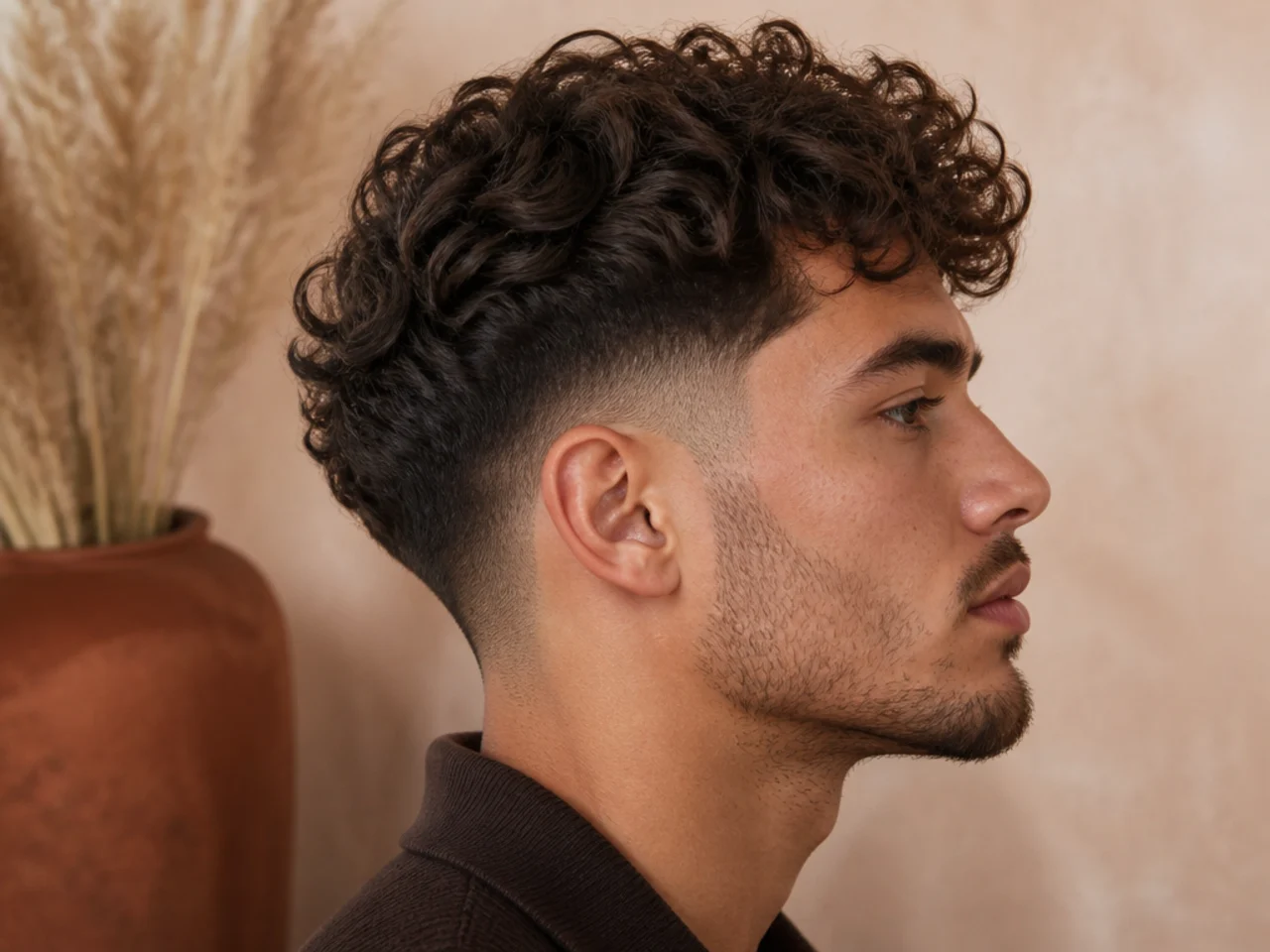
15. The Week-Six Curly Cut
Heavier, longer and finally hanging where it was designed to. Curly cuts improve late in the cycle, which is the opposite of most families here.
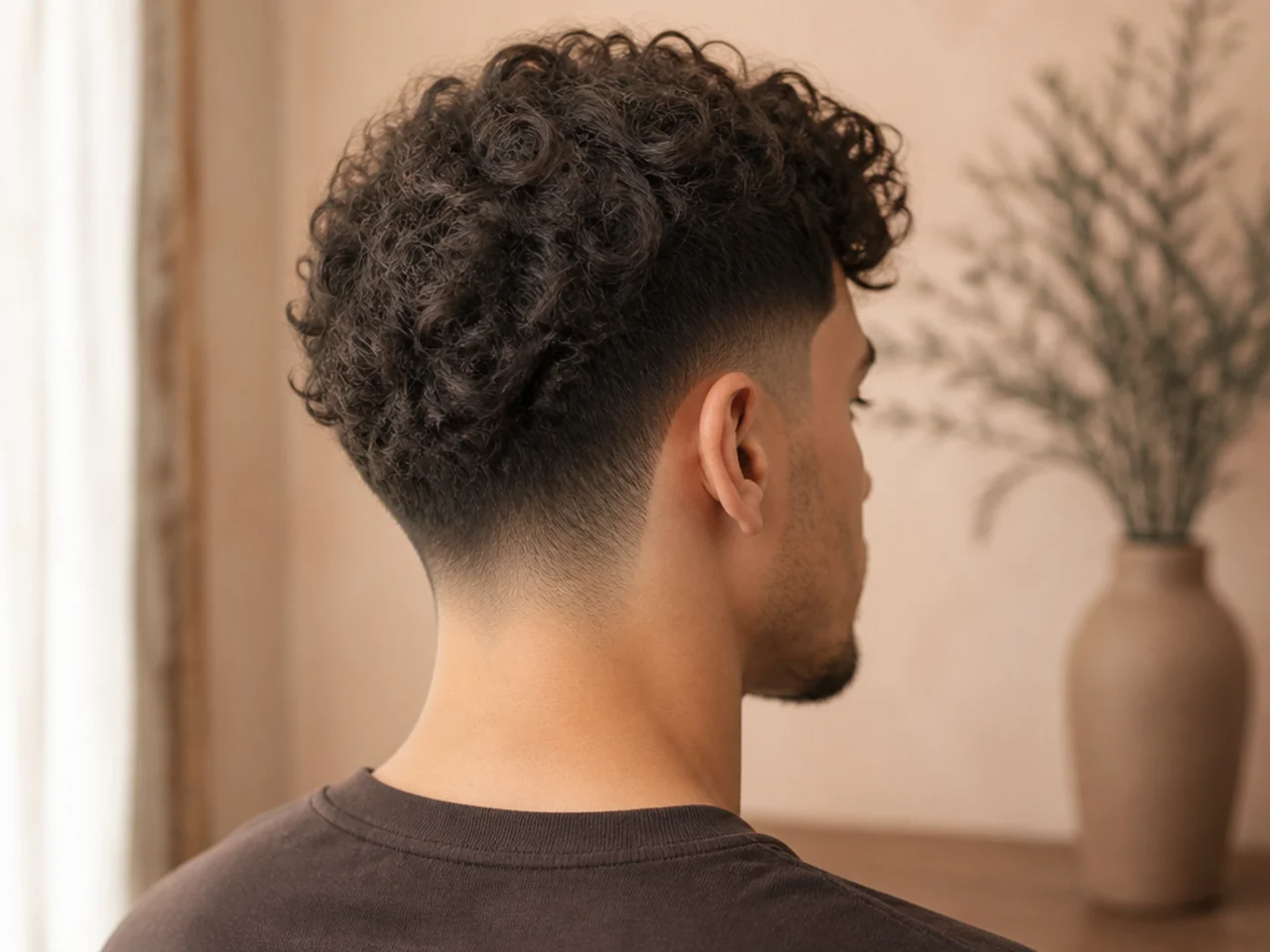
Styling and Upkeep
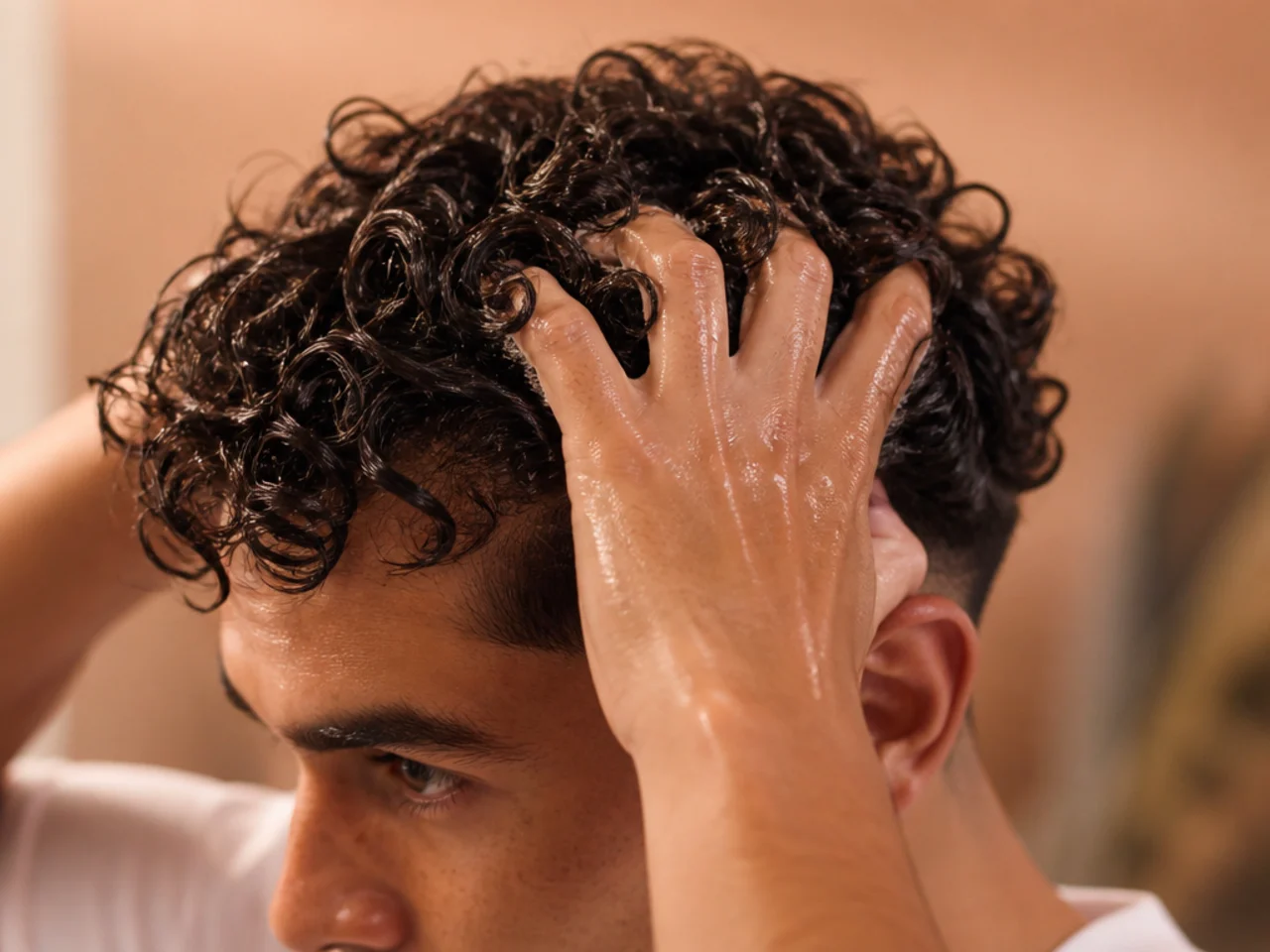
Apply product to soaking-wet hair. Curl clumps form as water leaves, and product applied late arrives after the clumping.
Scrunch upward, never comb down. Combing a dry curl separates every clump it took a wash to build.
Diffuse on low or air-dry. High airflow blows clumps apart before they set.
Refresh with water, not more product. Re-wetting reforms the pattern, and cream on dry curl only coats it.
Stretch the interval between cuts. Curly shapes get better as weight returns to them.
Mistakes to Avoid
Cutting to the wet length. A third of it disappears before you leave the chair.
Thinning near the visible ends. Cut points inside a curl show as frizz.
Brushing it dry. A brush is a detangling tool, not a styling one.
Copying a wet-hair photograph. Wet curl is the longest it will ever look.
Fighting the natural fall direction. Curl grows where it grows, and the cut has to agree with it.
FAQ
Why are curly cuts a separate family? They are shaped to dry length rather than measured wet.
Wet or dry cut? Bulk wet, shaping dry.
Do they need layers? Yes, taken from inside the section rather than the surface.
Final Thoughts
Tell your barber the shape you want when it is dry and let them work backwards to the wet measurement. Every problem specific to this family comes from somebody treating a curly head as a straight head with more volume, and it is not.
For the daily routine that maintains these shapes see styling curly hair for men, and for more options at this texture see curly haircut ideas for men. More in Men's Haircuts.