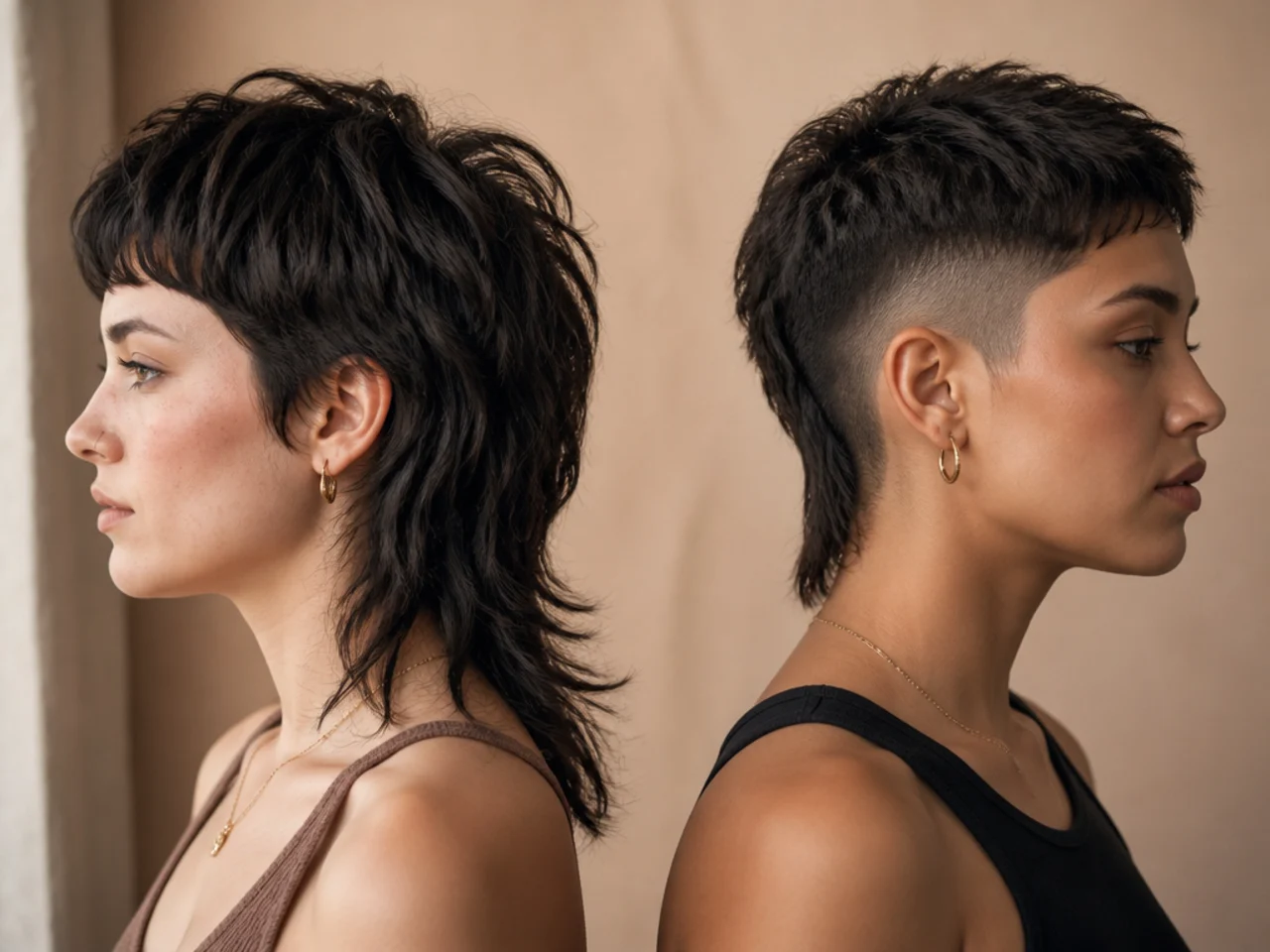
15 Mullet Taper Lessons I Learned After 3 Salon Visits
Fifteen things worth knowing before a mullet taper, collected the slow way. The one that changes the most: taper height and tail length are a single decision, and moving one without the other breaks the shape.
In this article · 22
- What A Mullet Taper Actually Is
- How I Pick The Taper Height
- The 15 Lessons
- 1. The Taper Is Not A Fade
- 2. Tail Length Sets Everything Else
- 3. Wet Hair Lies About Length
- 4. A Disconnect Is A Commitment
- 5. Thinning Shears Ruin The Tail
- 6. Taper Height Belongs In Writing
- 7. The Corner Above The Ear
- 8. Grow It Out Rather Than Cut It Shorter
- 9. Fine Hair Wants A Longer Guard
- 10. Curl Shrinks The Tail
- 11. The Nape Should Not Be Squared
- 12. Three Weeks Is The Honest Interval
- 13. A Round Brush Undoes The Shape
- 14. The Top Sets The Contrast
- 15. Bring The Same Reference Photo
- Styling and Upkeep
- Mistakes to Avoid
- FAQ
- Final Thoughts
Three rounds of this cut taught me that I had been describing the tail and letting the taper get decided for me, which is backwards.
The taper and the tail are one decision. Where the sides start shortening sets how much visual weight the tail needs to balance it, so naming one without the other leaves half the cut to chance.
A taper leaves hair behind. A fade goes to skin. A taper finishes around a number one at three millimetres and blurs as it grows. A fade finishes at bare scalp and shows regrowth inside a fortnight.
What A Mullet Taper Actually Is
It is a gradient, not an edge. The hair shortens over a band two or three inches deep instead of stepping down at a line. Anything cut as a step reads as a mistake once it grows a week.
It finishes with length. A number one leaves three millimetres, which is enough to hold colour against the scalp. That is why a taper still looks intentional at four weeks where a skin fade does not.
It sits below the tail, not behind it. The taper covers the sides and the area above the ear. The occipital bone and everything under it stays long, because that is the hair the tail is made from.
It is what stops a mullet reading as neglect. Without the taper the sides carry the same weight as the back and the silhouette goes shapeless. The contrast is the whole idea.
How I Pick The Taper Height
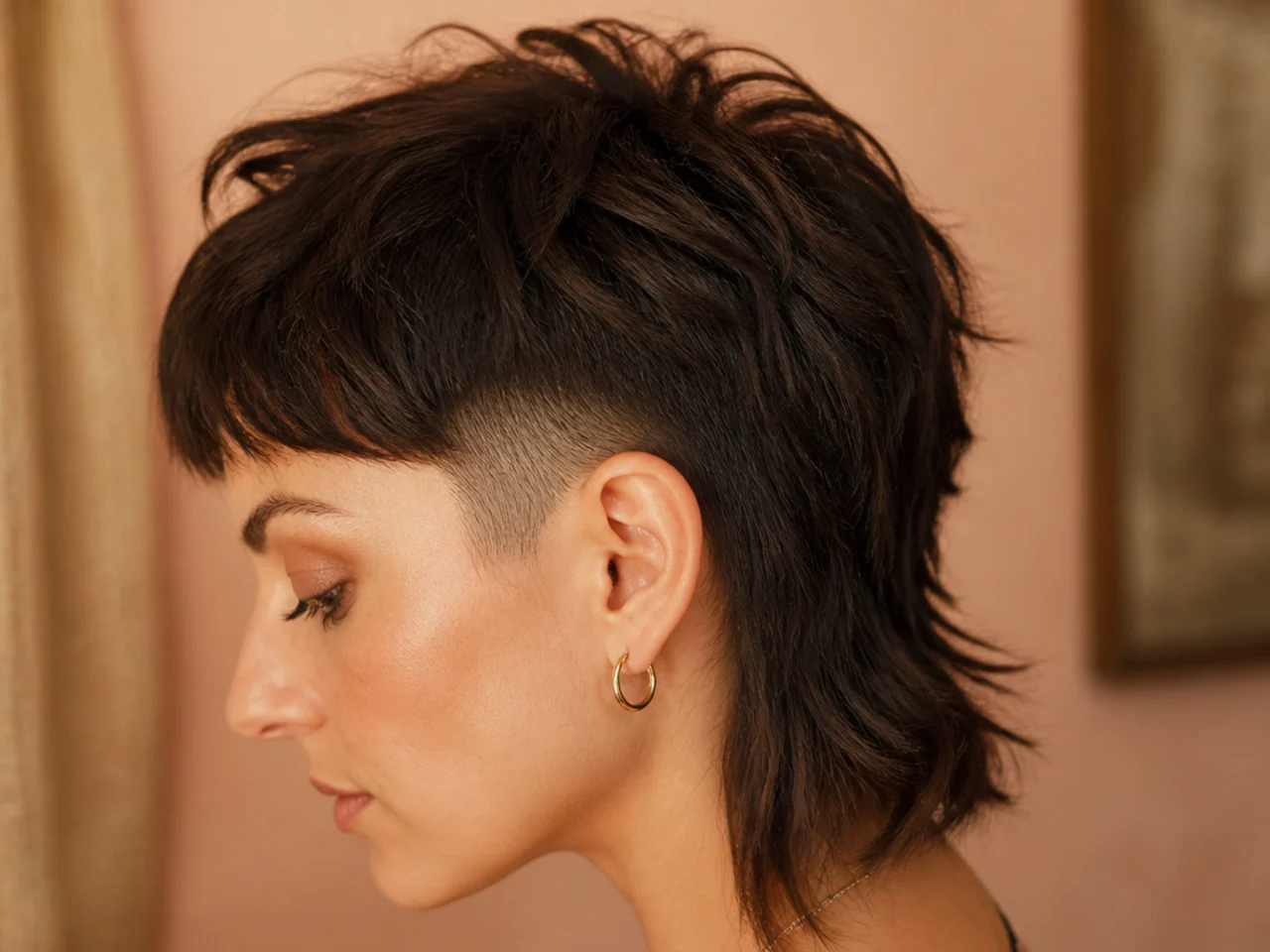
Low, at the top of the ear, for a soft mullet. The gradient stays under the hairline and most of the side keeps its length, so the cut still reads as long hair with a tidy edge.
Mid, halfway to the parietal ridge, for real contrast. This is where the mullet starts looking cut rather than grown. The higher the start, the longer the gradient has to travel and the more passes it takes to stay smooth.
High, at or above the ridge, only with a heavy tail. A high taper strips volume from the sides, so the back has to carry it instead. On a thin tail the head just looks narrow.
Pick by trim schedule, not by photograph. A taper holds three to four weeks. A high one starts looking blunt sooner, because there is more gradient to close up as it grows.

The 15 Lessons
1. The Taper Is Not A Fade
The two words get used interchangeably in the chair and they produce different cuts. A taper finishing at a number one keeps three millimetres of hair, so the sides stay a soft grey rather than skin, and the tail has something to blend into instead of a hard border.
2. Tail Length Sets Everything Else
Decide the tail first and the taper follows from it. A tail that clears the collar has enough weight to balance a mid taper, while a short one gets swamped by anything above the ear because the eye reads the shorter mass as the main shape.

3. Wet Hair Lies About Length
Everything looks two inches longer under water and the tail I approved wet came back short dry. Waves and curls draw up as they dry, so any length agreed on wet hair should be checked again once it has been rough dried and allowed to spring.

4. A Disconnect Is A Commitment
A disconnected mullet leaves a deliberate jump between the short sides and the long back with no blend across it. There is nothing to soften later, so growing it out means waiting for the sides to reach the back rather than adjusting the line.

5. Thinning Shears Ruin The Tail
Point cutting removes weight from the ends while keeping the length. Thinning shears cut through the middle of the section, which leaves short pieces that stand up as the tail grows and give it a fluffy, split look no styling fixes.

6. Taper Height Belongs In Writing
The one measurement worth recording is where the shortening begins, described against the ear. Barbers work by eye, so a cut that felt different from last time is usually a taper that started an inch higher, not a change in the tail at all.
7. The Corner Above The Ear
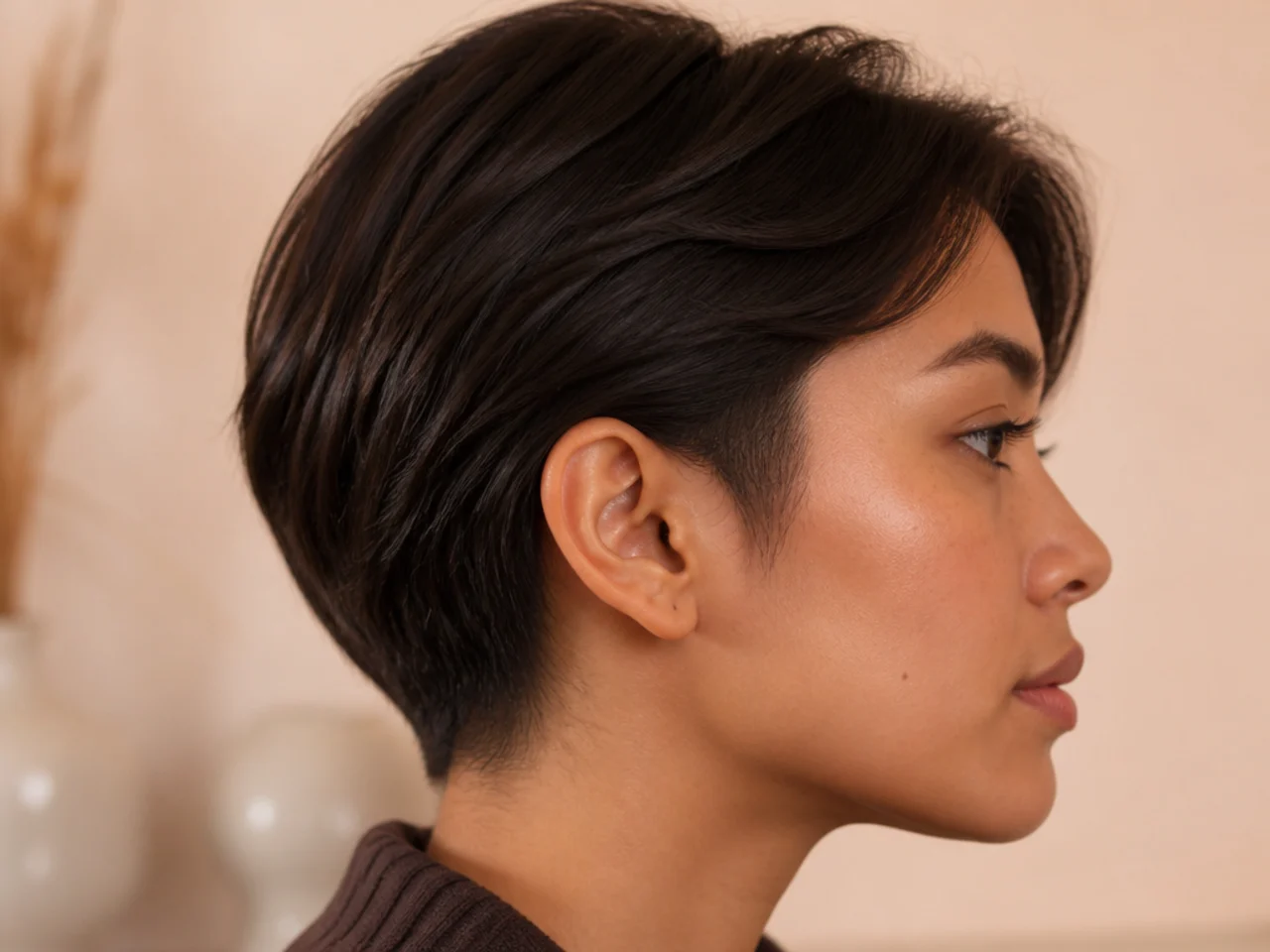
That corner is where the taper turns from the side to the back and it is the first place a rushed blend shows. The hair changes direction there, so a single pass with the clipper leaves a visible ridge that catches light from the front.
8. Grow It Out Rather Than Cut It Shorter
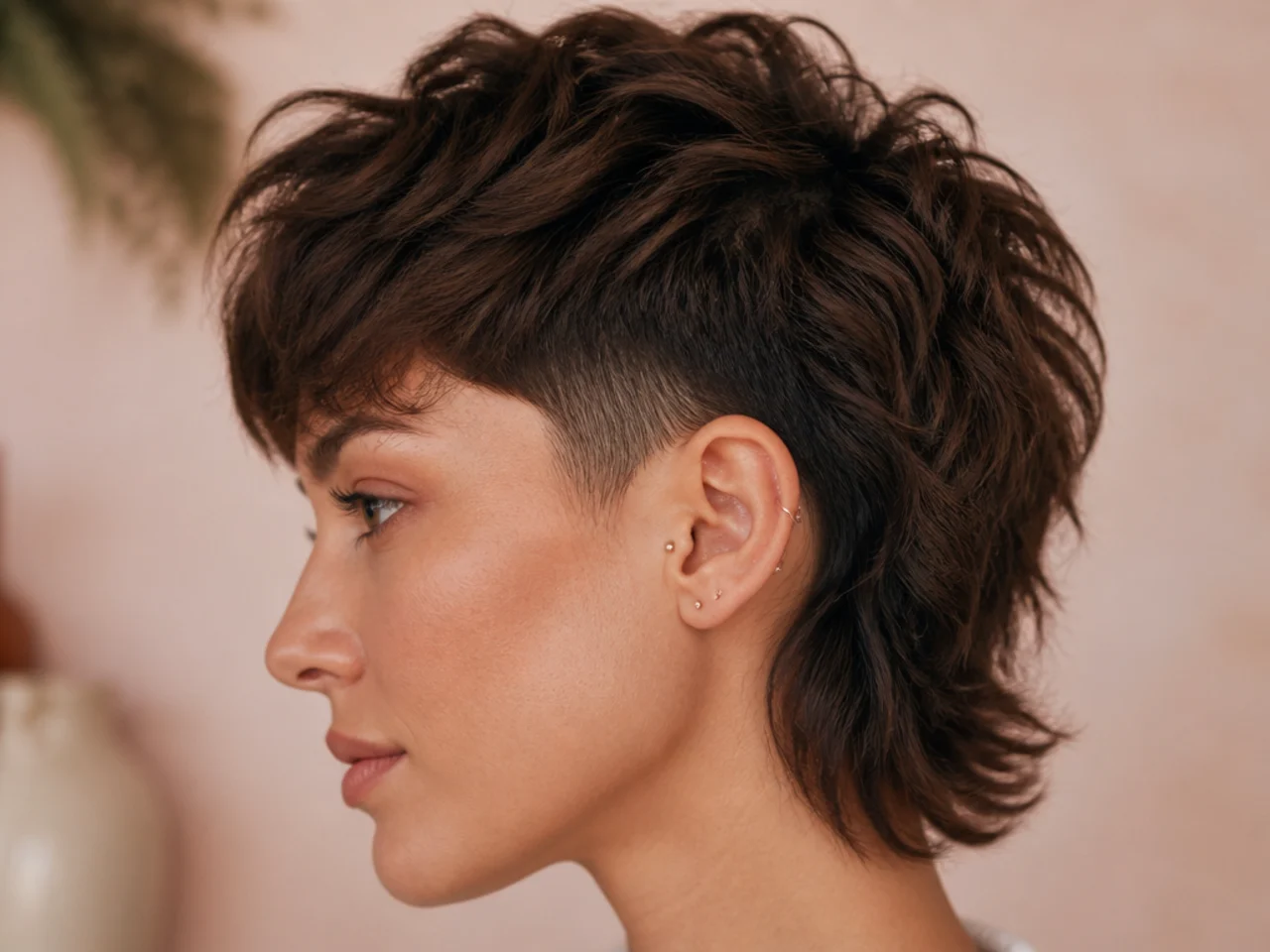
When a taper sits too high the instinct is to take the whole side down to match. Leaving it alone for three weeks is better, because the gradient closes upward as it grows and the start point effectively drops without losing any length.
9. Fine Hair Wants A Longer Guard
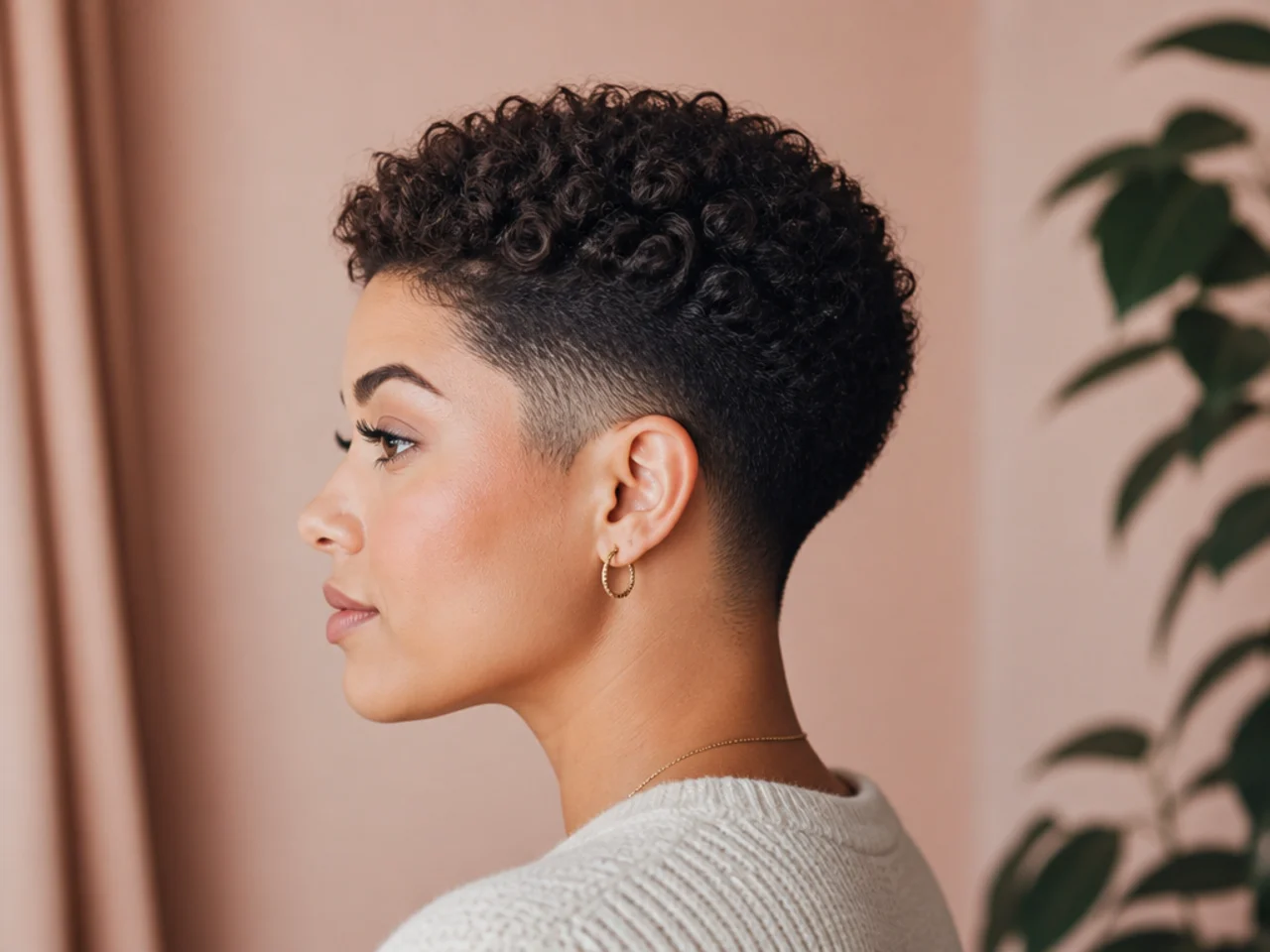
On a thin head a number one shows scalp between the strands in daylight, because three millimetres is too short for the hairs to lean on each other. Finishing at a number two instead leaves six millimetres, which is enough density to read as hair.
10. Curl Shrinks The Tail
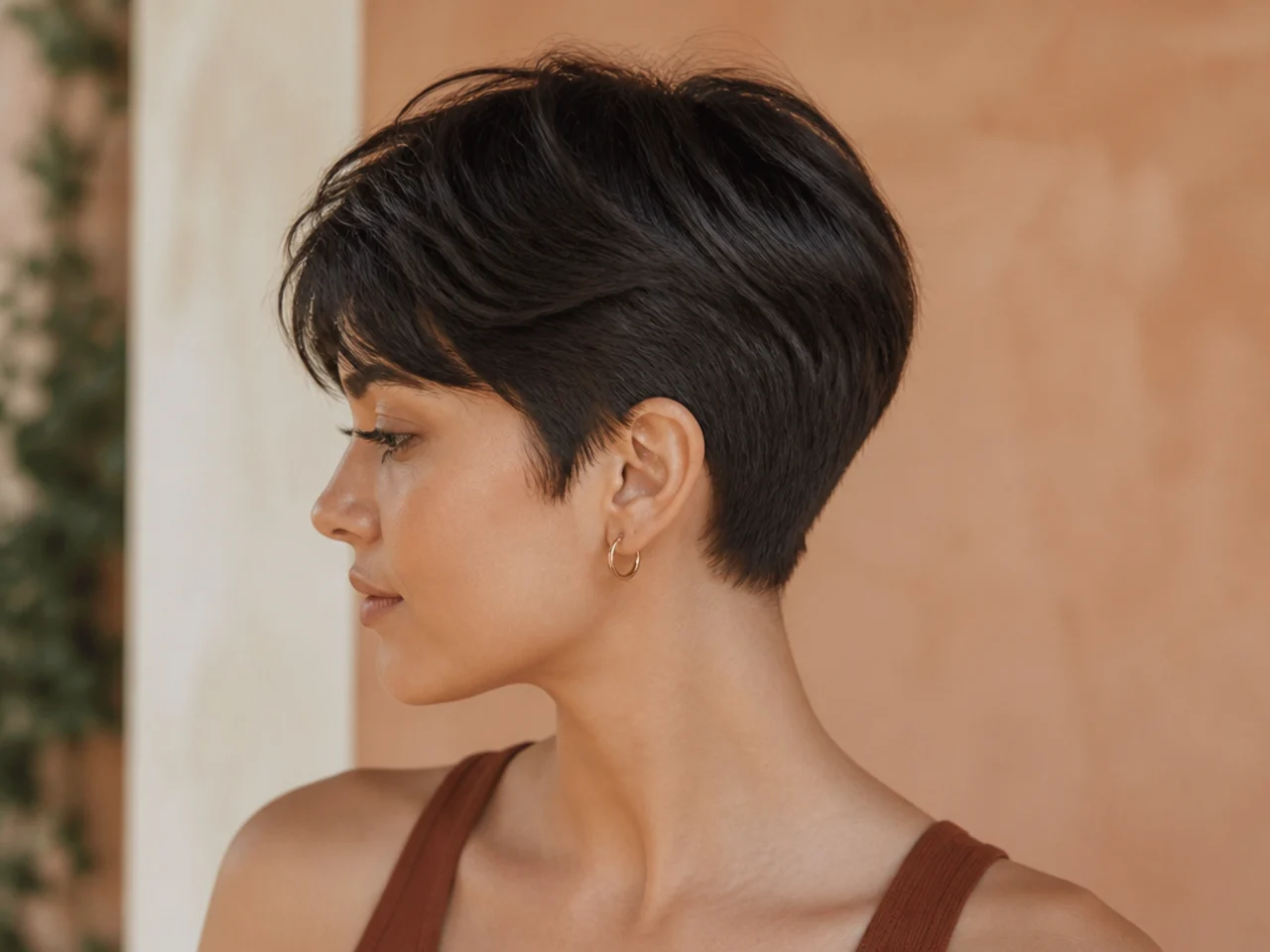
Tight curl can pull back by a third of its wet length once dry, so a tail cut to the collar wet finishes above it. Ask for the tail to be cut dry, in its natural pattern, and the length you see is the length you keep.

11. The Nape Should Not Be Squared
A squared nape gives the tail a blunt bottom edge that grows out into a visible shelf within a fortnight. A softly tapered nape has no line to correct, so the tail keeps its shape between appointments instead of needing one.

12. Three Weeks Is The Honest Interval
A taper reads correctly for three to four weeks because a number one blurs gradually rather than exposing skin. Past five weeks the gradient closes up entirely and the sides carry the same weight as the back, which is the shape the taper exists to prevent.

13. A Round Brush Undoes The Shape
Blowing the sides forward with a round brush pushes hair over the taper and hides the gradient the cut is built on. Dry the sides flat and back with the nozzle pointed down, then work only the tail with the brush.

14. The Top Sets The Contrast
Contrast is a ratio between two lengths, so adding an inch on top raises it exactly as much as dropping a guard on the sides would. Leaving the top long is the cheapest way to sharpen a mullet without touching the taper at all.

15. Bring The Same Reference Photo
A photograph taken in week one shows the taper at its sharpest, which is the cut you actually asked for. Bring that image rather than a new one from the internet, because it removes the guesswork about height, tail length and how the two were balanced.

Styling and Upkeep
Say taper, then say not to skin. The words are used loosely, so name the finish in guard numbers and remove the ambiguity before anything is switched on.
Dry the tail downward. Heat sets the direction hair falls in. Pointing the nozzle down closes the cuticle along the length and keeps the tail hanging rather than flicking out.
Leave the tail alone between cuts. It only needs the split ends taken off a few times a year. Every extra trim resets the length that took months to build.
Salt spray on the sides, cream on the tail. The sides want grip so they sit close to the taper. The tail wants weight so it hangs in one piece instead of separating.
Check the nape in a hand mirror. It is the part of the cut you never see and it is the first place the shape goes wrong as it grows.

Mistakes to Avoid
Cutting the tail on the same visit as the taper. Do one at a time. Both at once removes the reference for whether the balance changed because of the sides or the back.
Taking the taper to a number zero. That is a fade, whatever it was called in the chair. A zero is bare skin by definition and it halves the useful window between cuts.
A high taper with a thin tail. Volume has to sit somewhere. Strip the sides and give the back nothing to carry, and the head reads narrow from every angle.
Squaring the nape for sharpness. It looks sharp for four days and then grows into a shelf. A tapered nape has nothing to correct.
Changing the taper height every visit. It is the single variable that makes the cut feel different each time. Write the number down and read it out at the next appointment.

FAQ
Taper or fade? A taper leaves three millimetres; a fade goes to skin.
How long should the tail be? Past the collar, or the cut reads as overgrown.
How often? Three to four weeks for the sides, twice a year for the tail.

Final Thoughts
Give the barber three facts rather than a photograph: where the taper starts against the ear, what guard it finishes at, and where the tail sits against the collar. Everything else in the cut follows from those numbers, and they are the reason two visits produce the same result.
For the blow dried version see the blowout taper mullet, and for the tighter finish see the low taper fade mullet. More in Mullet and Wolf Cut.