20 Short Mullet Cuts That Are Simple To Style Daily
A short mullet works on contrast, not on length, so the front and back have to be far enough apart to read from the front. Twenty versions, sorted by how much daily work each one actually needs.
In this article · 27
- What Counts As A Short Mullet
- How To Pick Your Version
- The 20 Short Mullet Cuts
- 1. The Nape Length Mullet
- 2. The Micro Mullet
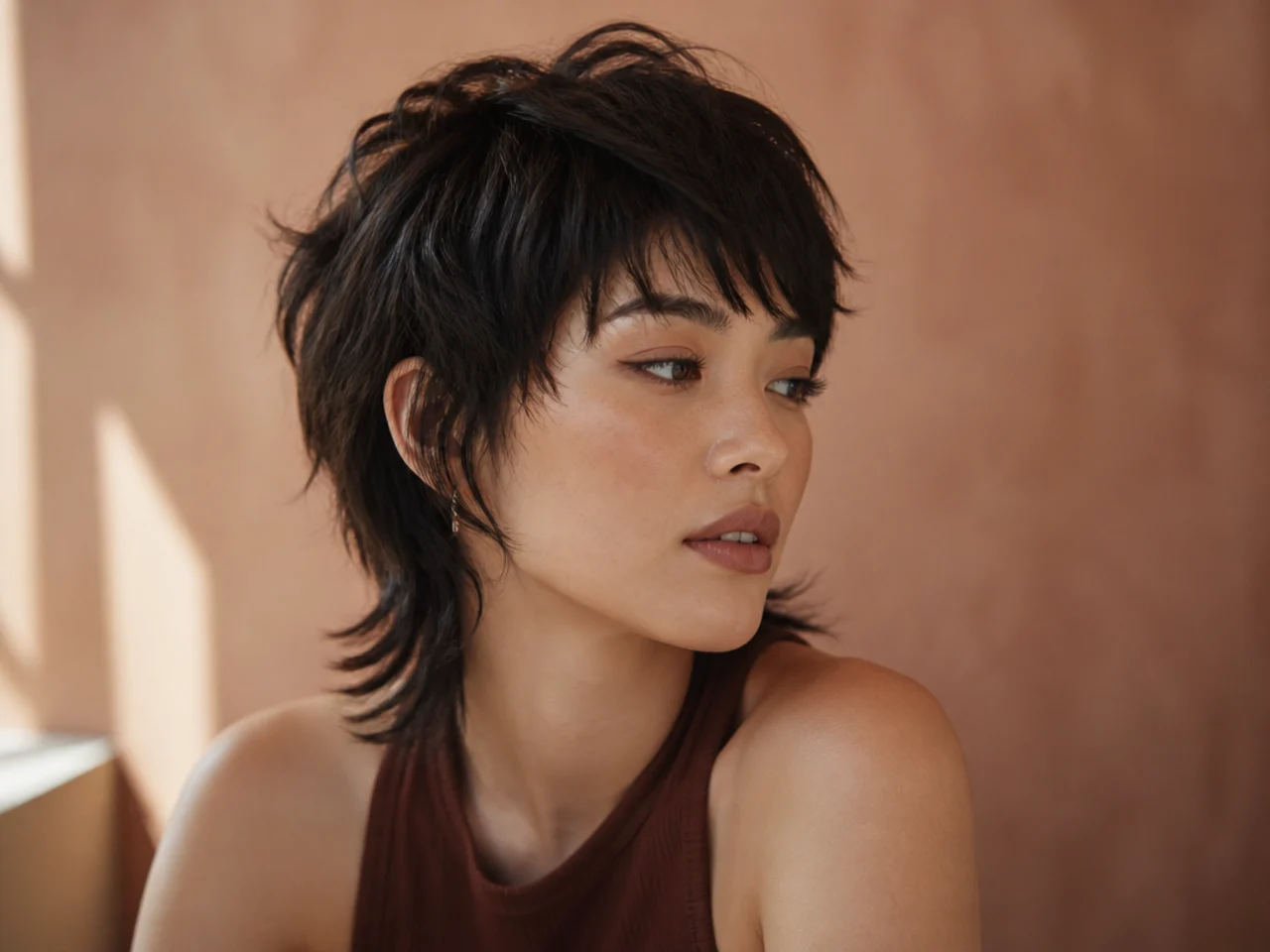
- 3. The Soft Blended Mullet
- 4. The Tapered Short Mullet
- 5. The Low Fade Short Mullet
- 6. The Scissor Cut Short Mullet
- 7. The Shaggy Short Mullet
- 8. The Curtain Fringe Short Mullet
- 9. The Blunt Fringe Short Mullet
- 10. The Bixie Leaning Mullet
- 11. The Curly Short Mullet
- 12. The Wavy Short Mullet
- 13. The Straight Short Mullet
- 14. The Fine Hair Short Mullet
- 15. The Thick Hair Short Mullet
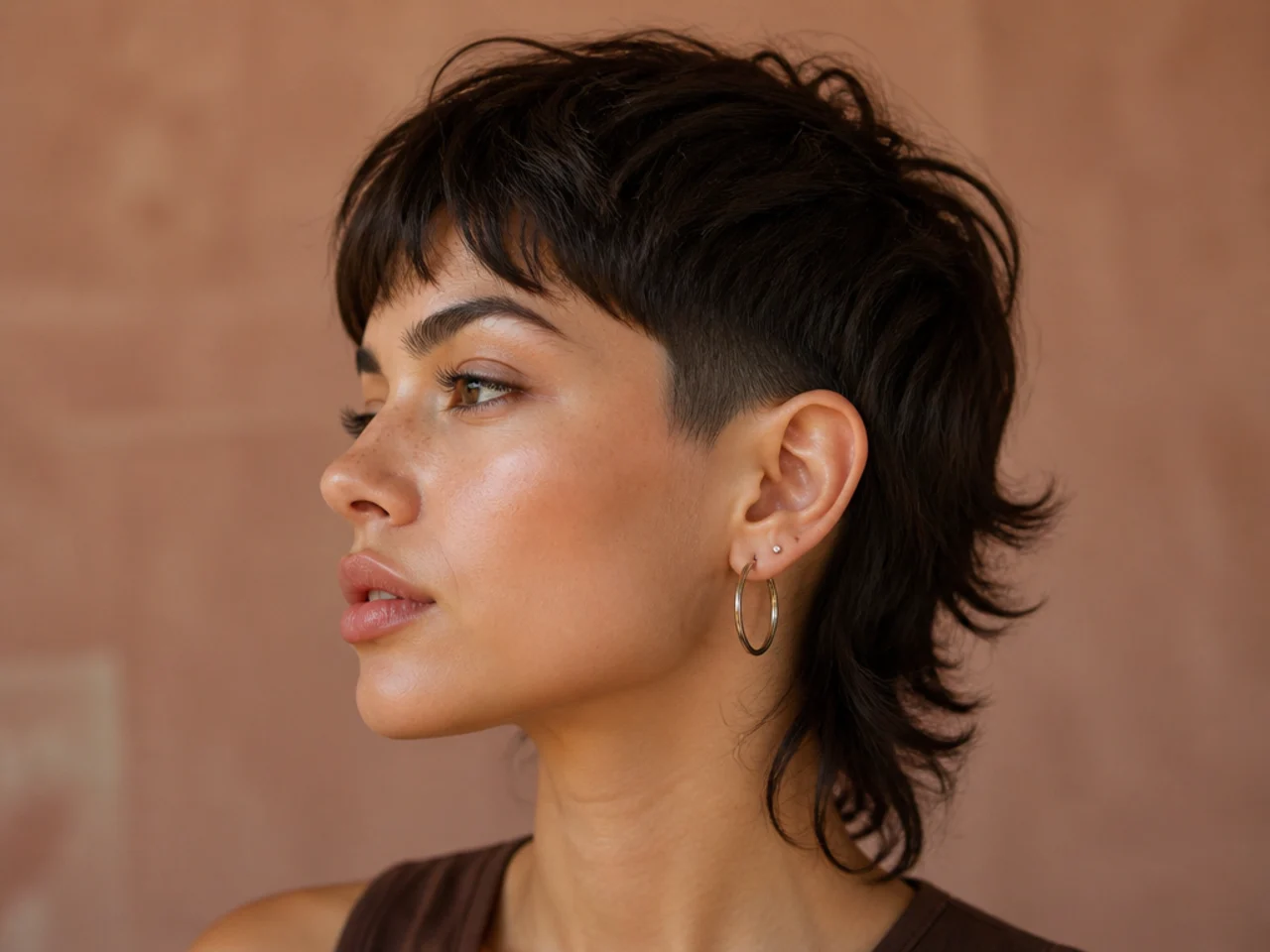
- 16. The Grown Out Pixie Mullet
- 17. The Undercut Short Mullet
- 18. The Middle Part Short Mullet
- 19. The Bleached Short Mullet
- 20. The Short Mullet At Five Weeks
- Styling and Upkeep
- Mistakes to Avoid
- FAQ
- Final Thoughts
A short mullet stops working when the front and back get close enough in length that the eye can no longer tell them apart.
The shape is contrast, not length. Two inches at the front against four at the back reads instantly. Three against four does not, whatever the photograph promised.
Short mullets need less daily work than long ones. There is not enough weight in a short length to be pulled flat overnight, so most of them reset with water and nothing else.
What Counts As A Short Mullet
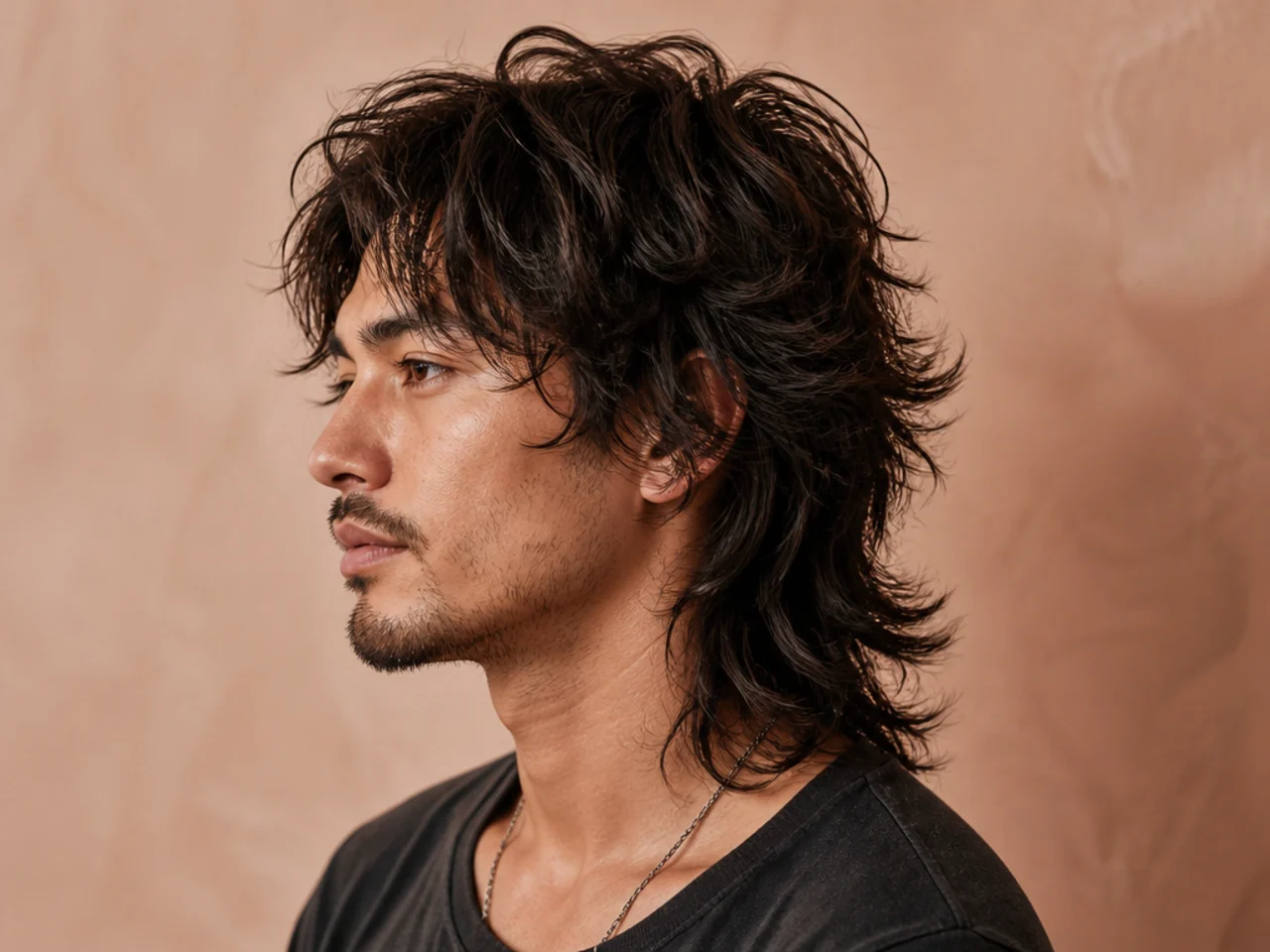
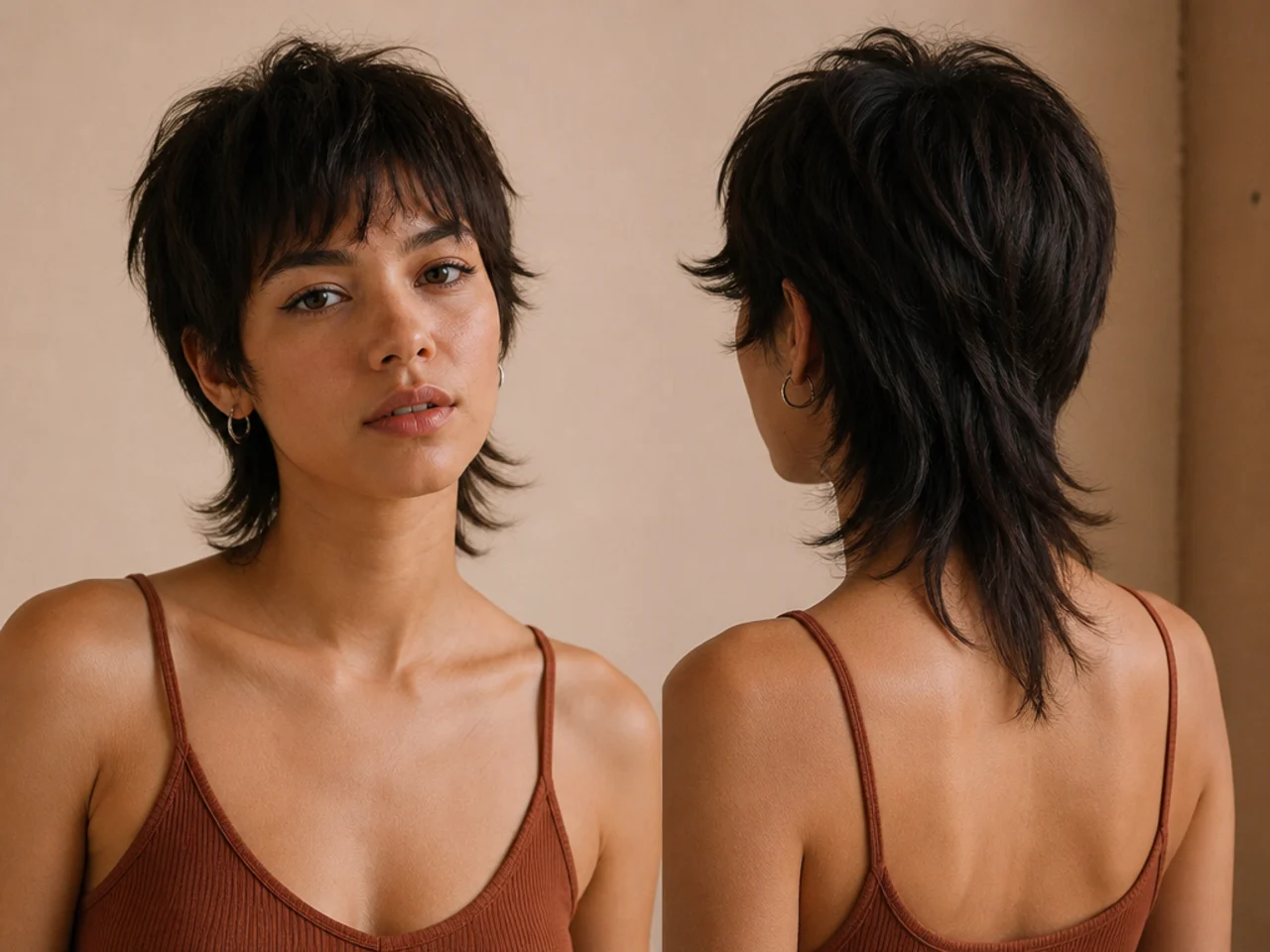
The back stops at or above the collar. Past the collar it is a standard mullet. At the nape or above, the whole cut sits inside a short hair silhouette.
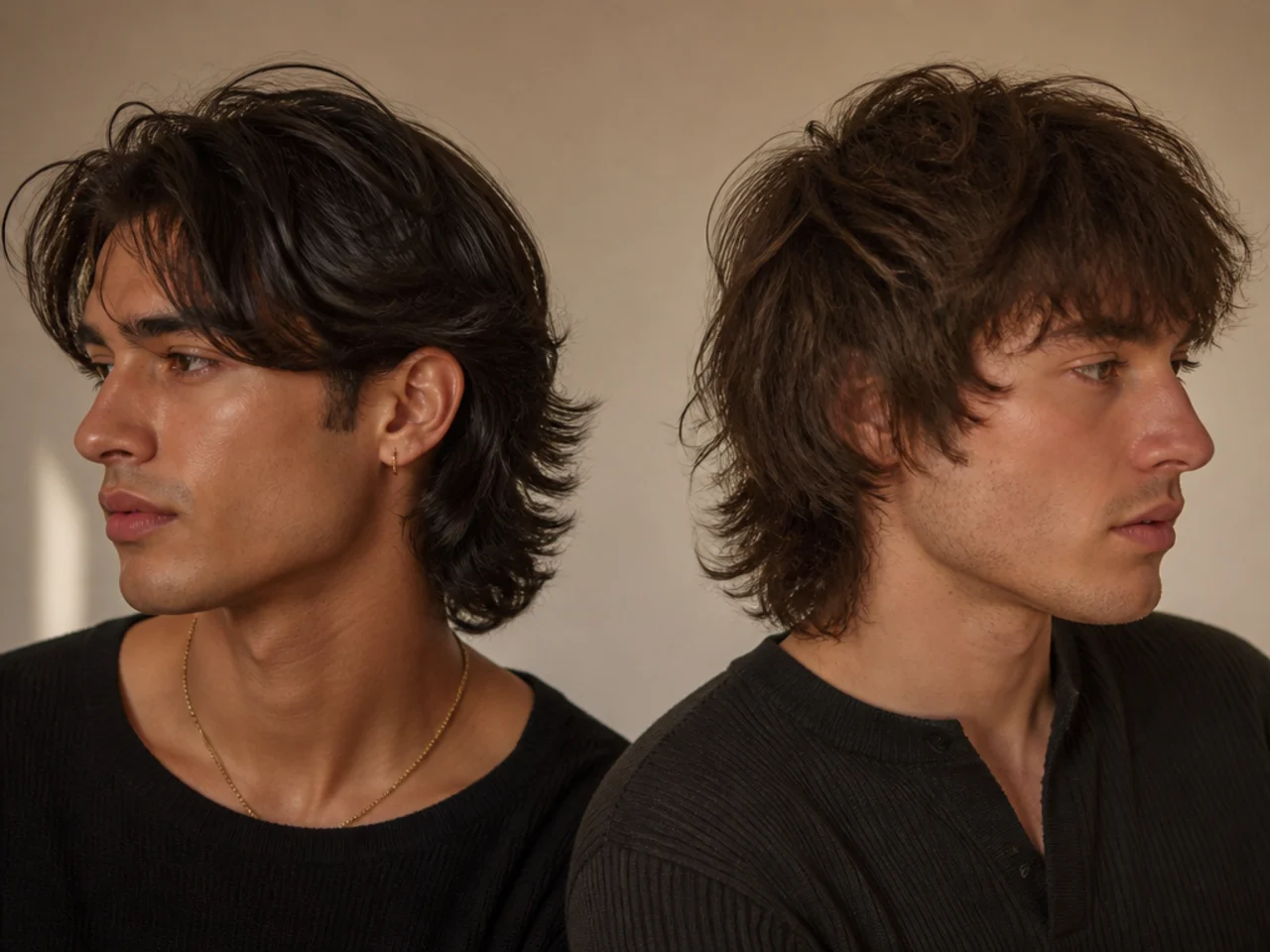
The contrast still has to be visible from the front. If the sides and the back look the same length in a mirror, the cut has become a shag.
It can be cut entirely with scissors. Nothing about a mullet requires a clipper, and a scissor cut version grows out with no line to correct.
The fringe carries the front. With so little length at the sides, the fringe is what balances the weight at the back, which is why so many short mullets are cut with one.
How To Pick Your Version
Choose the sides by your trim schedule. Scissor cut sides hold four to six weeks. A taper holds three to four. A skin fade wants two, because bare scalp turns to stubble fast.
Choose the back by your collar. At the nape it disappears under a shirt. An inch past the collar it does not, and that is the difference between discreet and obvious.
Add a fringe if the back is heavy. Weight at the back with nothing at the front tips the silhouette backwards, which reads as the hair being pulled off the face.
Cut curl and wave dry. Both draw up as they dry, so a back measured wet finishes shorter, and on a short mullet there is no length spare to lose.

The 20 Short Mullet Cuts
1. The Nape Length Mullet
The back stops exactly at the hairline at the neck. It is the shortest version where the contrast still reads from the front, and it hides completely under a collar, which is why it survives a strict dress code.
2. The Micro Mullet
An inch or two of extra length at the back over a very short cut everywhere else. Because both lengths are short the whole shape resets with water, and it needs no product at all on most textures.

3. The Soft Blended Mullet
The front, sides and back joined with no visible step anywhere. It grows out without a correction point, which makes it the version that looks intentional longest between appointments.

4. The Tapered Short Mullet
The sides shorten gradually and finish at a number one, leaving three millimetres rather than skin. That remaining length blurs as it grows, so the cut still reads correctly three to four weeks in.
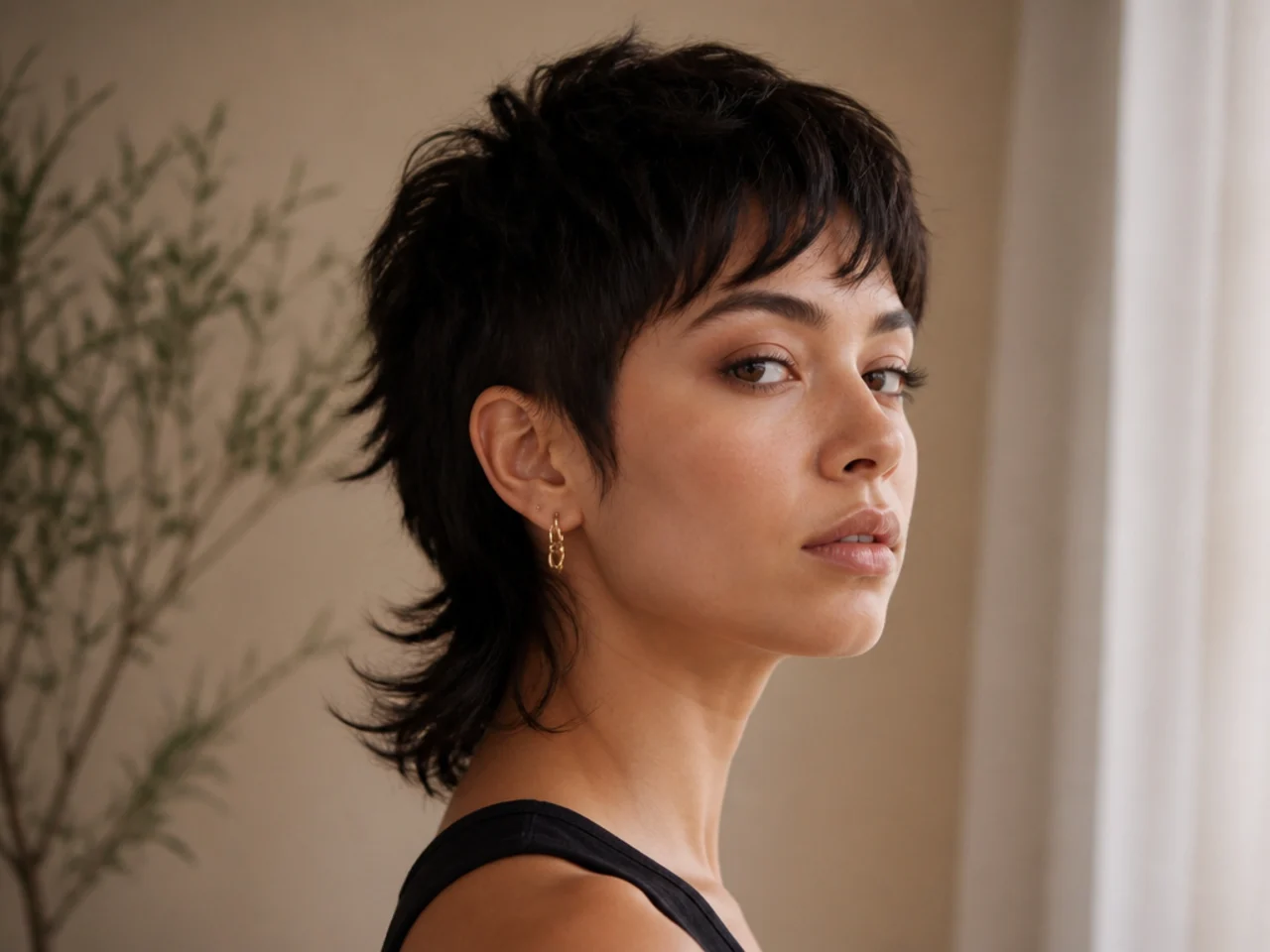
5. The Low Fade Short Mullet
The fade sits below the top of the ear and takes the very bottom to skin. It sharpens the outline without removing volume from the length above, but it puts the cut on a two week clock.
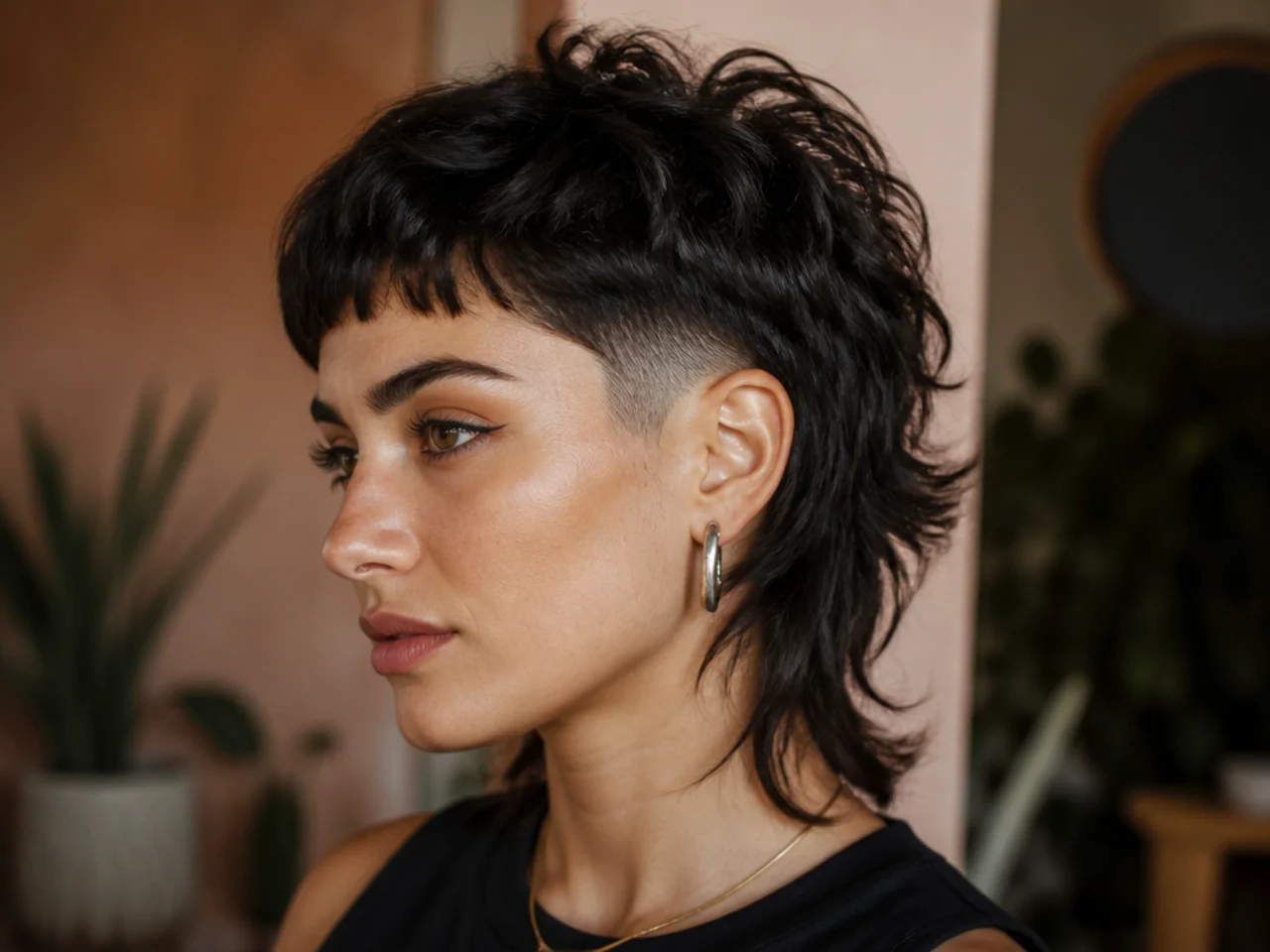
6. The Scissor Cut Short Mullet
No clipper anywhere. The sides keep their natural texture rather than being flattened into a block, and there is no hard line to redraw, which is what stretches the interval to six weeks.

7. The Shaggy Short Mullet
Heavy layering through the crown so the short pieces prop up the ones beneath them. That propping is where the volume comes from, and it is also why the shape flattens once the layers grow level.
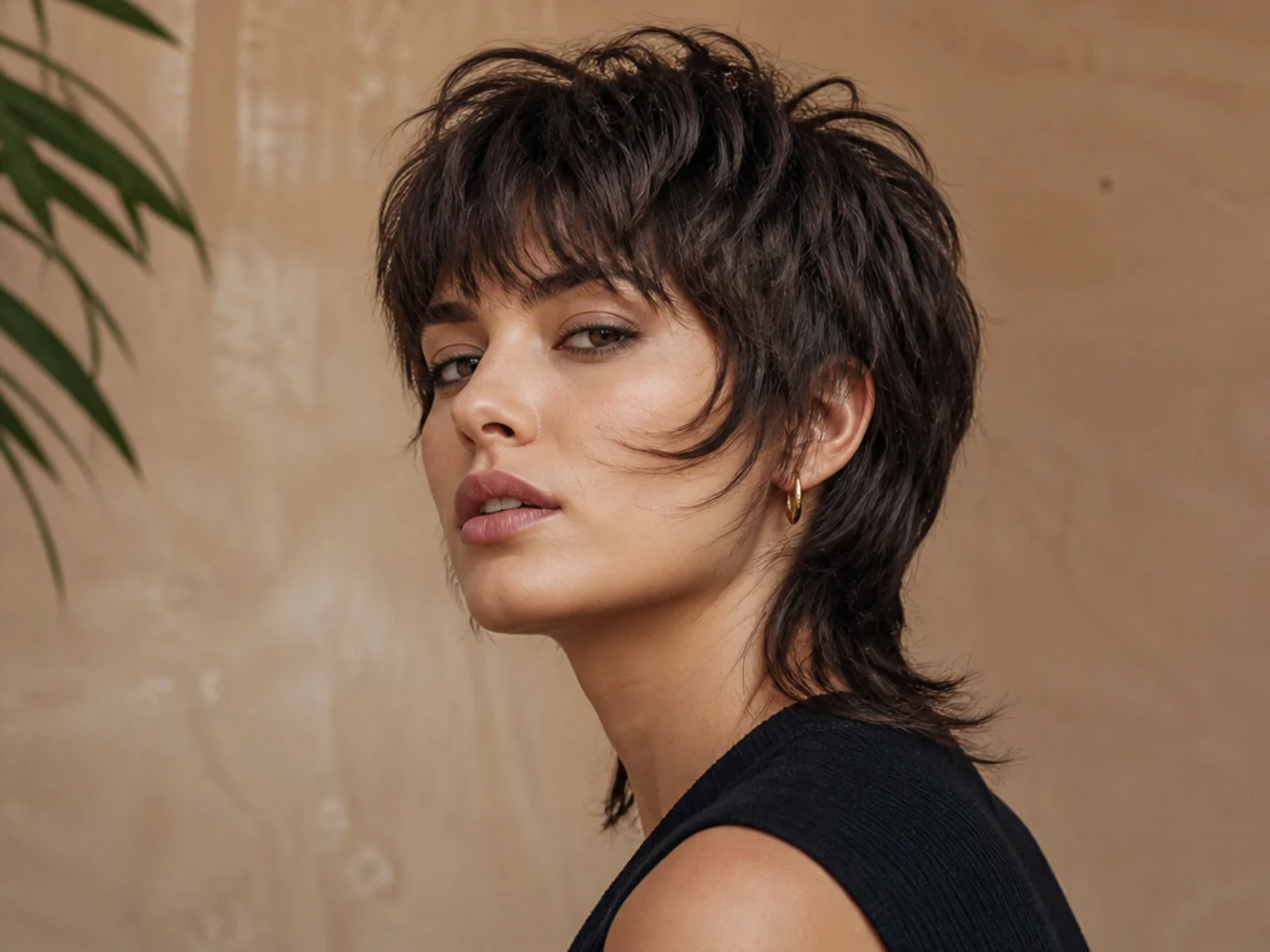
8. The Curtain Fringe Short Mullet
The front split into two panels off a centre parting. The split must be cut into the fringe rather than combed in, or it closes back into a single sheet the moment the head moves.

9. The Blunt Fringe Short Mullet
A straight cut fringe across the forehead. The hard horizontal line is the only fixed edge in the cut, and it gives the softer back something definite to be read against.

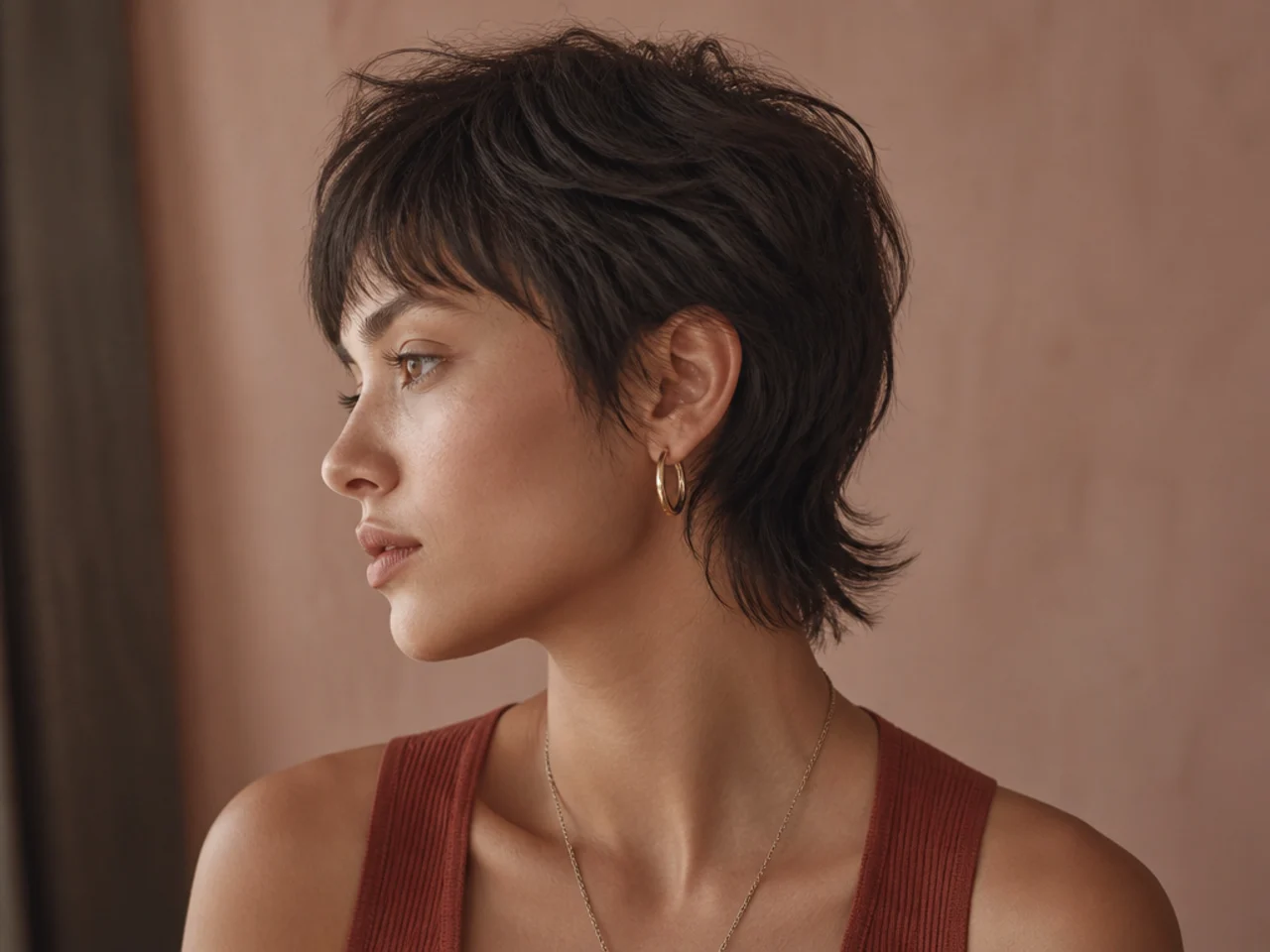
10. The Bixie Leaning Mullet
Pixie length at the sides and crown with bob length kept at the back. The two lengths sit far enough apart that the contrast reads from any angle, and the short sides need no styling beyond drying.

11. The Curly Short Mullet
Curl shrinks by up to a third as it dries, so the back has to be cut longer than it will finish. Cutting curl by curl in its dry state is the only way to know what length is actually being left.

12. The Wavy Short Mullet
Wave supplies separation for free, so the layering can stay shallow and the cut keeps its weight. The bend also hides small unevenness in the blend, which makes this the most forgiving texture for a short mullet.

13. The Straight Short Mullet
Straight hair falls in one line and shows every step, so the blend has to be genuinely smooth and the ends point cut. A blunt edge on straight hair lies flat and the contrast turns into a visible ledge.

14. The Fine Hair Short Mullet
Fine hair needs its weight kept, so the layering should stay shallow and the sides should finish no shorter than a number two at six millimetres. A number one leaves three millimetres, which is short enough to show scalp between strands.

15. The Thick Hair Short Mullet
Thick hair holds itself out from the head, so the back has to have interior weight removed or it sits as a wedge. Take it from inside the section, not the ends, and the outline stays intact.

16. The Grown Out Pixie Mullet
A pixie reaches this shape naturally on its way out, because the back grows faster into length than the sides do. Cutting only the sides at that point turns an awkward stage into a deliberate cut.

17. The Undercut Short Mullet
A clipped section hidden under the length rather than a blended one. It removes bulk without changing the outline, which is useful on thick hair, but it leaves a hard edge that shows if the hair above is lifted.

18. The Middle Part Short Mullet
Splitting the front down the centre pushes the weight to both sides, which widens a narrow face. The parting has to be cut in, since layers shaped for a side parting fall wrong once moved across.

19. The Bleached Short Mullet
Lightening only the back exaggerates the contrast, because lighter hair reflects more light and reads as closer to the viewer. The cost is condition, and bleached ends will not hold a point cut edge cleanly.

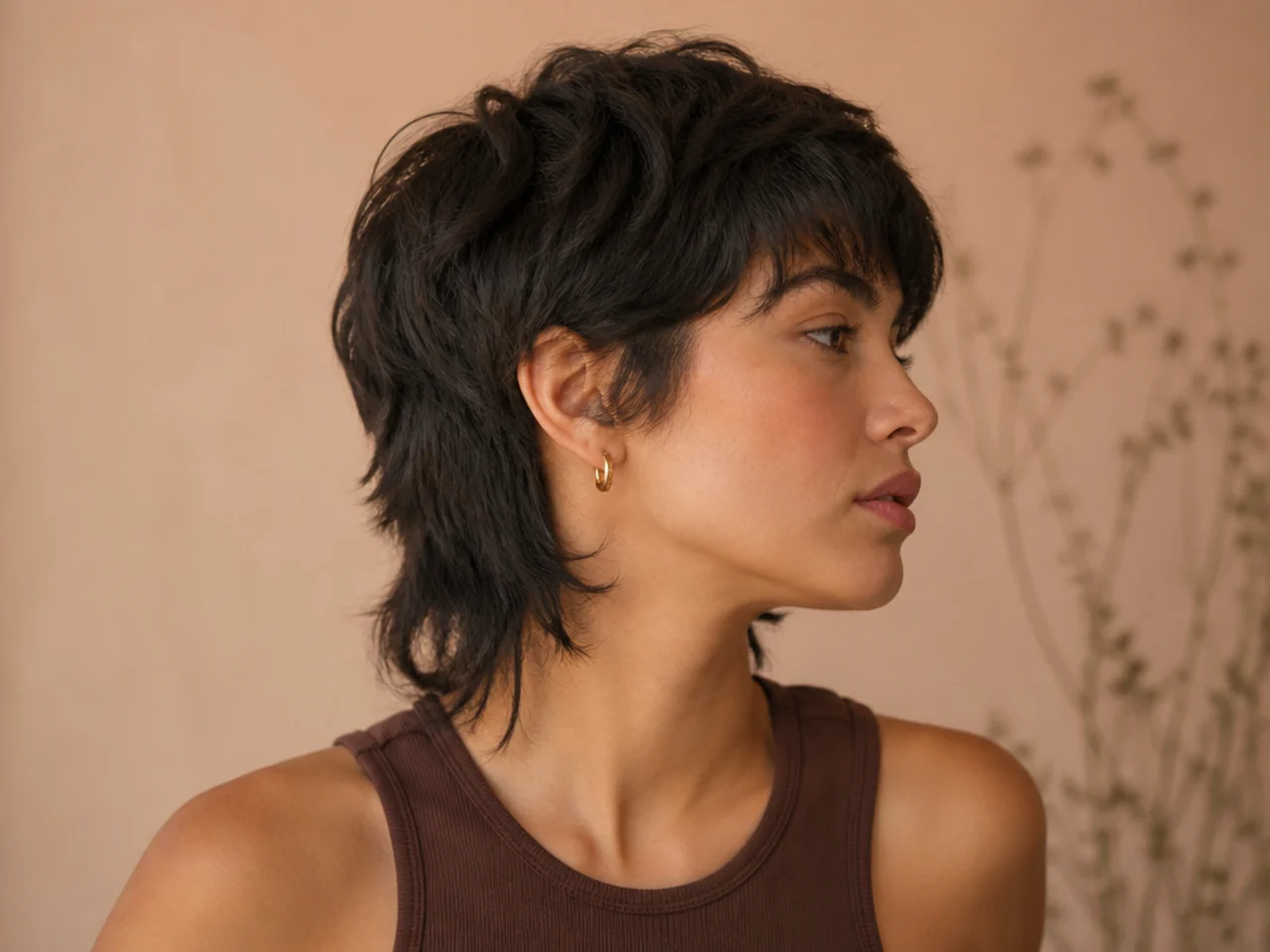
20. The Short Mullet At Five Weeks
Everything has grown at roughly the same rate, so the gap between front and back is unchanged in inches but smaller in proportion. That is why the shape softens, and why cutting the sides alone restores it.
Styling and Upkeep
Reset it with water, not product. Short hair takes its shape from how it dries. Damp hands and thirty seconds do more than any paste applied over yesterday.
Use a matte paste on the crown only. Product on the back weighs down the length that creates the contrast, which is the one part of the cut that needs to hang.
Dry the back downward. Airflow sets the direction hair falls in, and a downward stream keeps the tail hanging instead of flicking out at the ends.
Leave the back between appointments. The contrast depends on it. Trimming the back is how a short mullet quietly turns into a shag.
Book on the sides. Four to six weeks for scissor cut, three to four for a taper, two for a skin fade.

Mistakes to Avoid
Cutting the front and back at the same time. Take the sides only and the contrast comes back. Cut both and the shape resets to where it started.
Squaring the bottom edge. A blunt line at the nape grows into a visible shelf within a fortnight. A tapered nape has nothing to correct.
Going to a number zero on fine hair. A zero is bare skin, and on a thin head the surrounding hair has nothing to blend into.
Cutting curl or wave wet. Both draw up as they dry, and a short mullet has no spare length to lose.
Asking for a mullet without naming both lengths. Say the front and the back in inches. The cut lives in the gap between them, not in the word.
FAQ
How short can it go? As long as the back visibly beats the front, it reads.
Daily styling? Water and thirty seconds on most textures.
How often? Four to six weeks, sooner if the sides are faded.
Final Thoughts
Ask in two numbers. Say what the front should measure and what the back should measure, and the barber can build every other decision from the gap between them. A photograph alone leaves the most important variable in the cut to somebody else's estimate.
For the men's take on the same shape see the short mullet haircut for men, and for more versions of it see short mullet hairstyles for men. More in Mullet and Wolf Cut.