20 Gorgeous Hoco Hairstyles Down For Long Hair
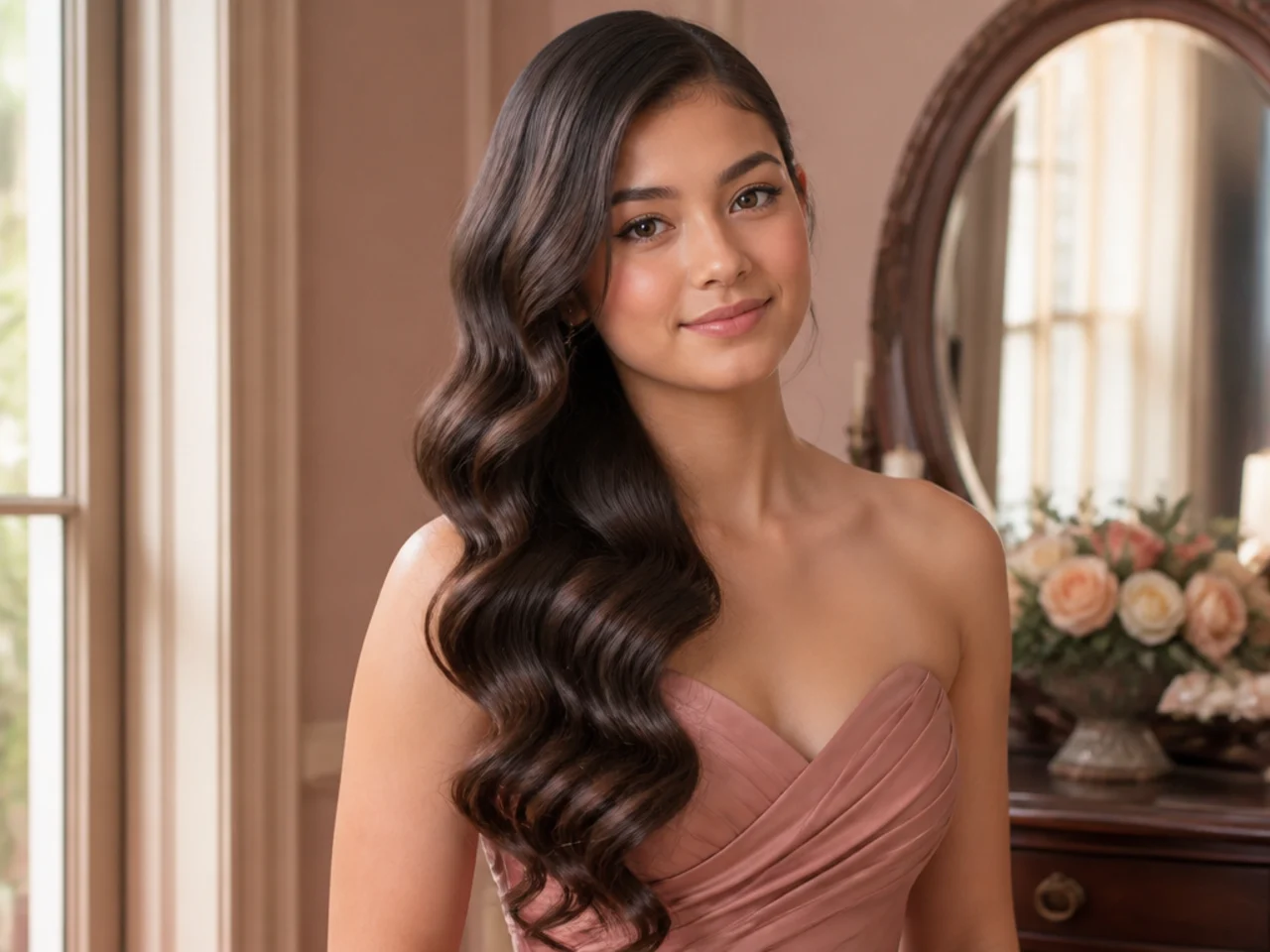
Twenty down styles for long hair, and the one thing that decides whether any of them survive the night. Hair sets its shape as it cools, not as it heats, so a curl released warm has already begun dropping before you leave the house.
In this article · 27
- What Makes a Down Style Hold
- How to Choose Yours
- The 20 Hoco Down Styles
- 1. Hollywood Waves
- 2. Loose Curls With a Deep Side Part
- 3. Bouncy Blowout Curls
- 4. Sleek Straight With a Middle Part
- 5. Beachy Waves With Texture Spray
- 6. Flat Iron Bend Waves
- 7. Curtain Bangs Over Long Waves
- 8. Face Framing Curls Pinned Behind One Ear
- 9. Half Up Twisted Crown
- 10. Braided Headband With the Rest Down
- 11. Two Front Rope Twists
- 12. Ribbon Braid Along the Part
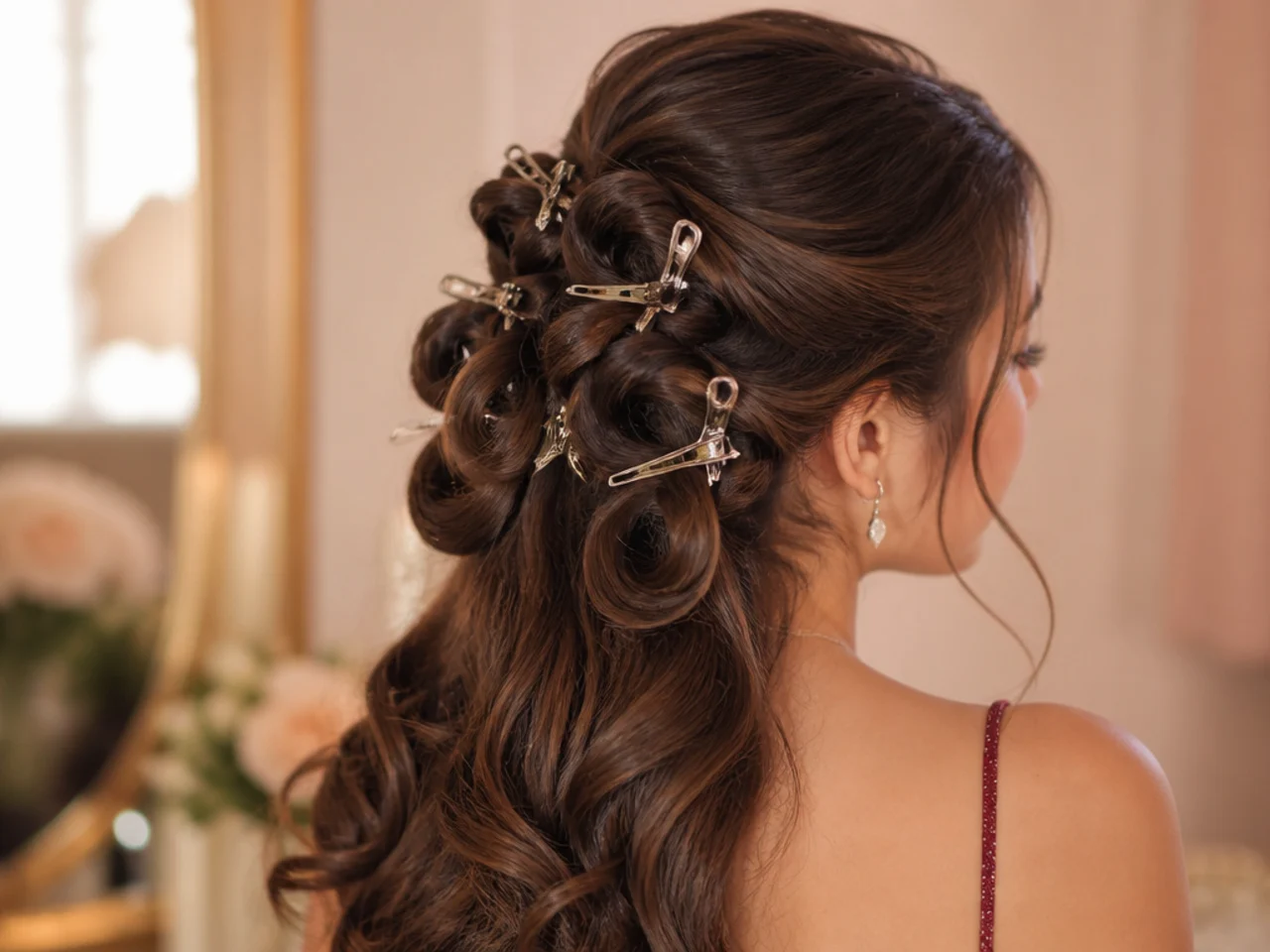
- 13. Rhinestone Barrettes on One Side
- 14. Pearl Pins Scattered Through Waves
- 15. Root Lift With Long Loose Curls
- 16. Crimped Roots Under Smooth Ends
- 17. Zigzag Part With Straight Lengths
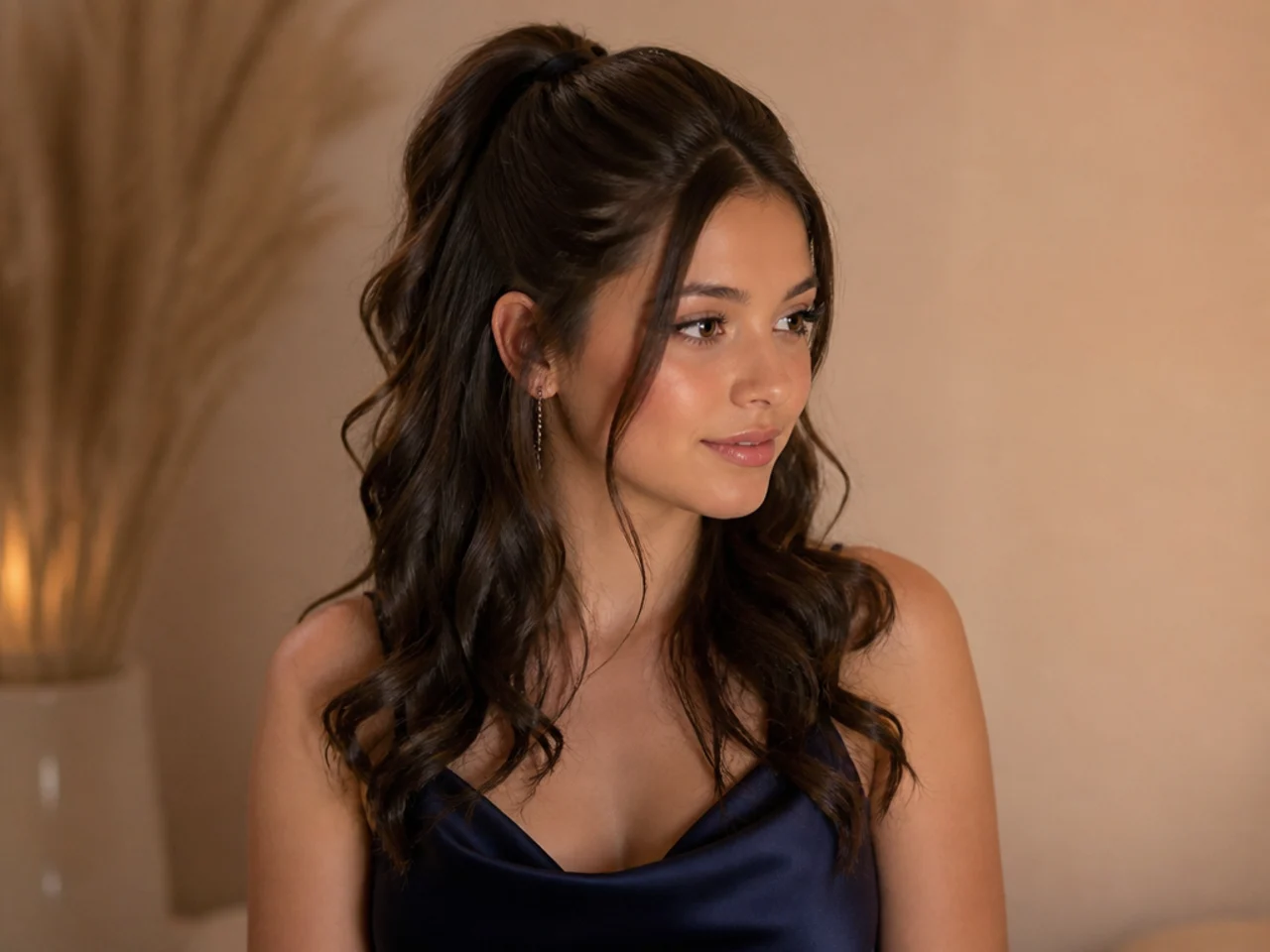
- 18. Volumised Half Up Ponytail
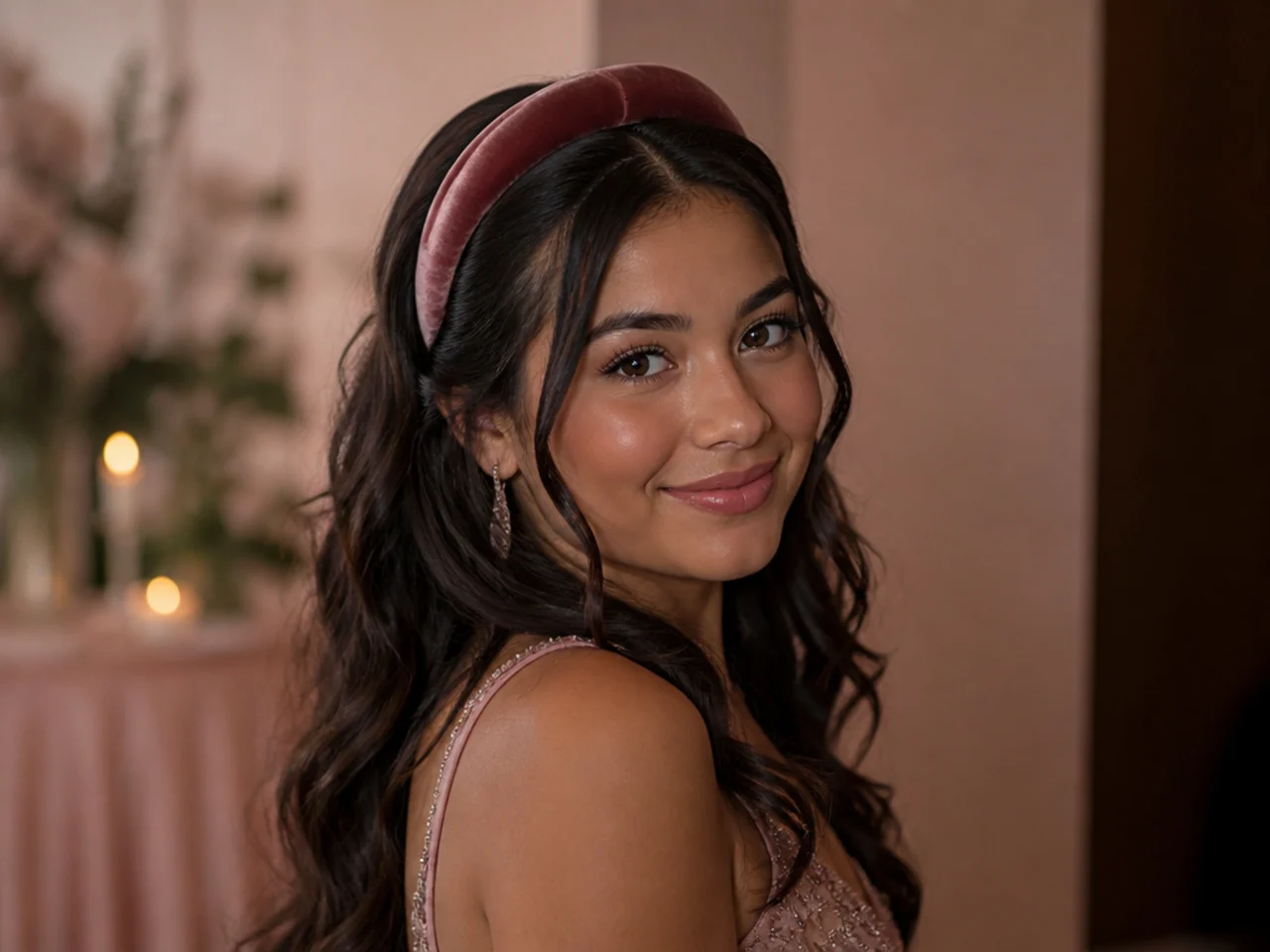
- 19. Soft Curls With a Padded Headband
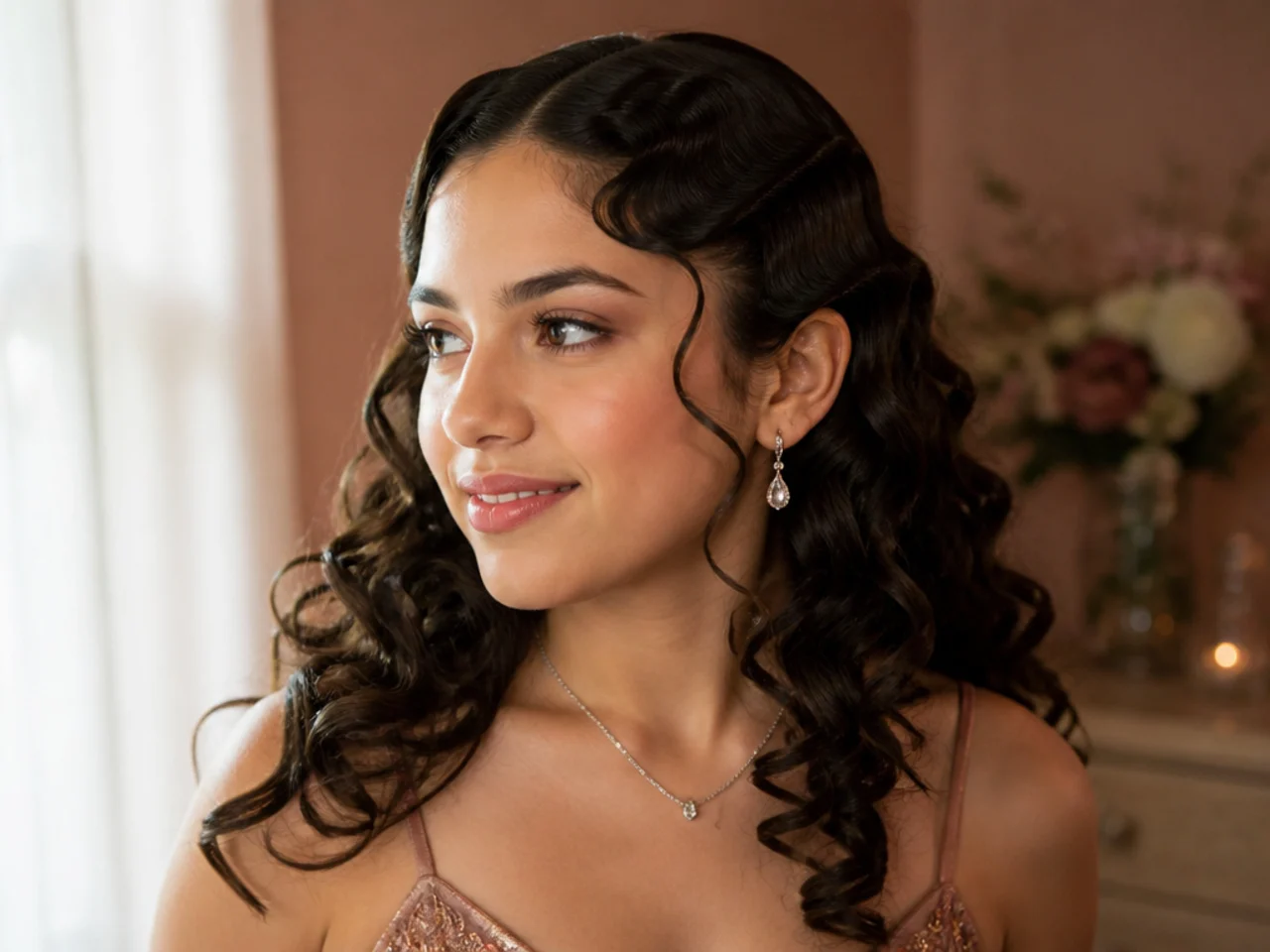
- 20. Deep Side Part Finger Waves at the Front
- Styling and Upkeep
- Mistakes to Avoid
- FAQ
- Final Thoughts
Most hoco down styles are beautiful at six and gone by nine, and almost always for the same reason: the curls were brushed out while they were still warm.
Hair sets as it cools, not as it heats. The iron breaks the bonds holding the strand in shape; the shape it cools into is the one it keeps.
Long hair fights its own curl. Every extra centimetre of length adds mass that pulls a curl straight from the root down, which is why root curls on long hair are gone first.
What Makes a Down Style Hold
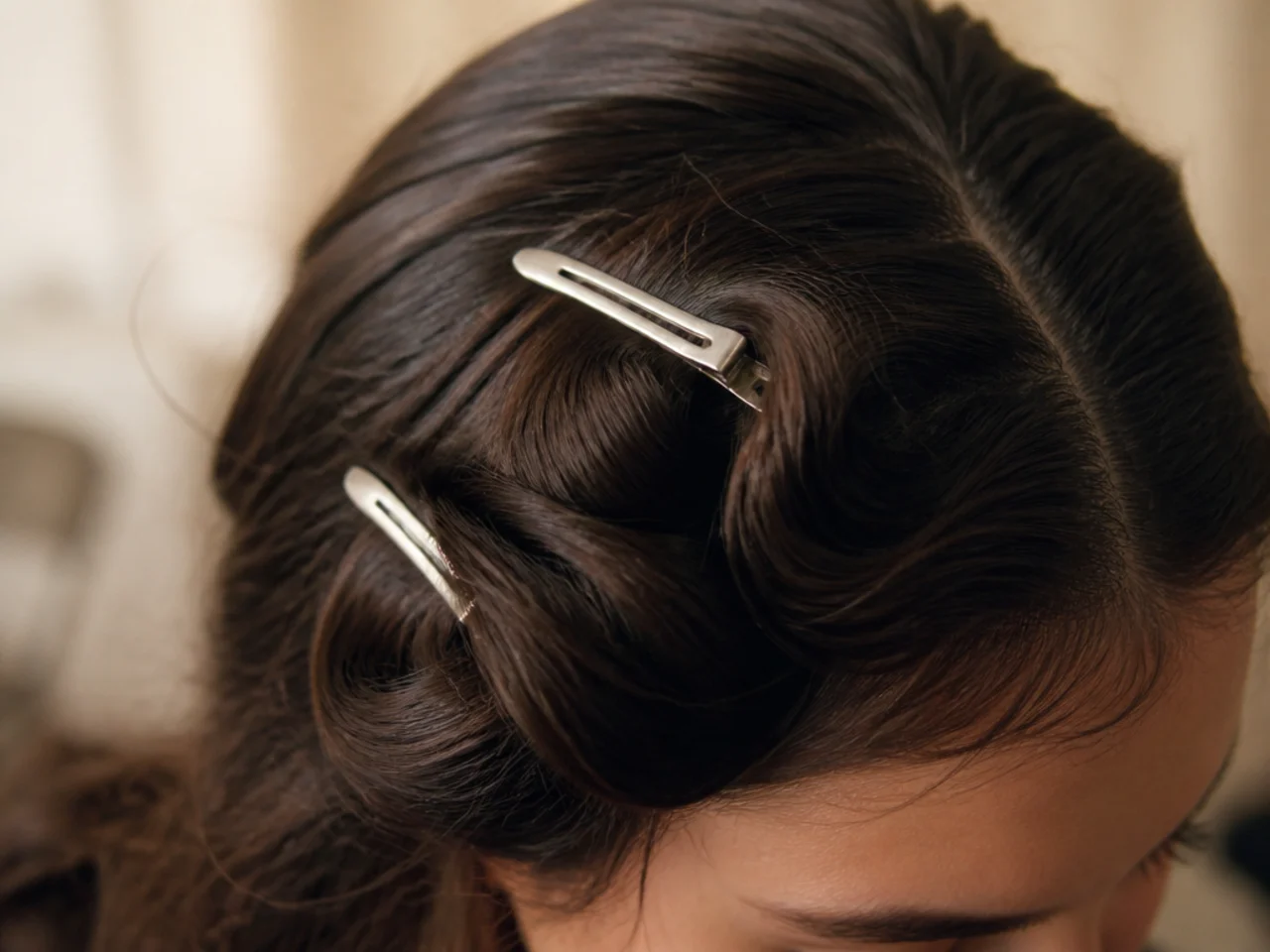
Cooling is the set. Heat only unlocks the hair. Pin each curl against your head, leave it until it is cold to the back of your hand, and it will still be there at midnight.
Weight beats product. On hair past the shoulder blades the mass of the length outmuscles any spray. Curl from eye level down and leave the top two inches straight.
Grip is friction. A clean strand is slick and slides across its neighbour until the shape flattens. Texture spray, dry shampoo or day-two oil roughen the surface so the strands hold each other in place.
Hairspray is a shell, not a scaffold. It fixes the position the hair is already in. Sprayed over a dropping curl, it sets the drop.
How to Choose Yours
Choose by how long you will be dancing. A four hour night with a warm room rules out anything held by tension alone. Set shapes outlast pinned shapes.
Choose by your natural texture. Straight hair takes a set slowly and loses it slowly; wavy hair takes it instantly and reverts the moment humidity arrives.
Choose by your neckline. A high neck swallows a curled length. Anything strapless leaves the whole silhouette on show, so the ends matter more than the crown.
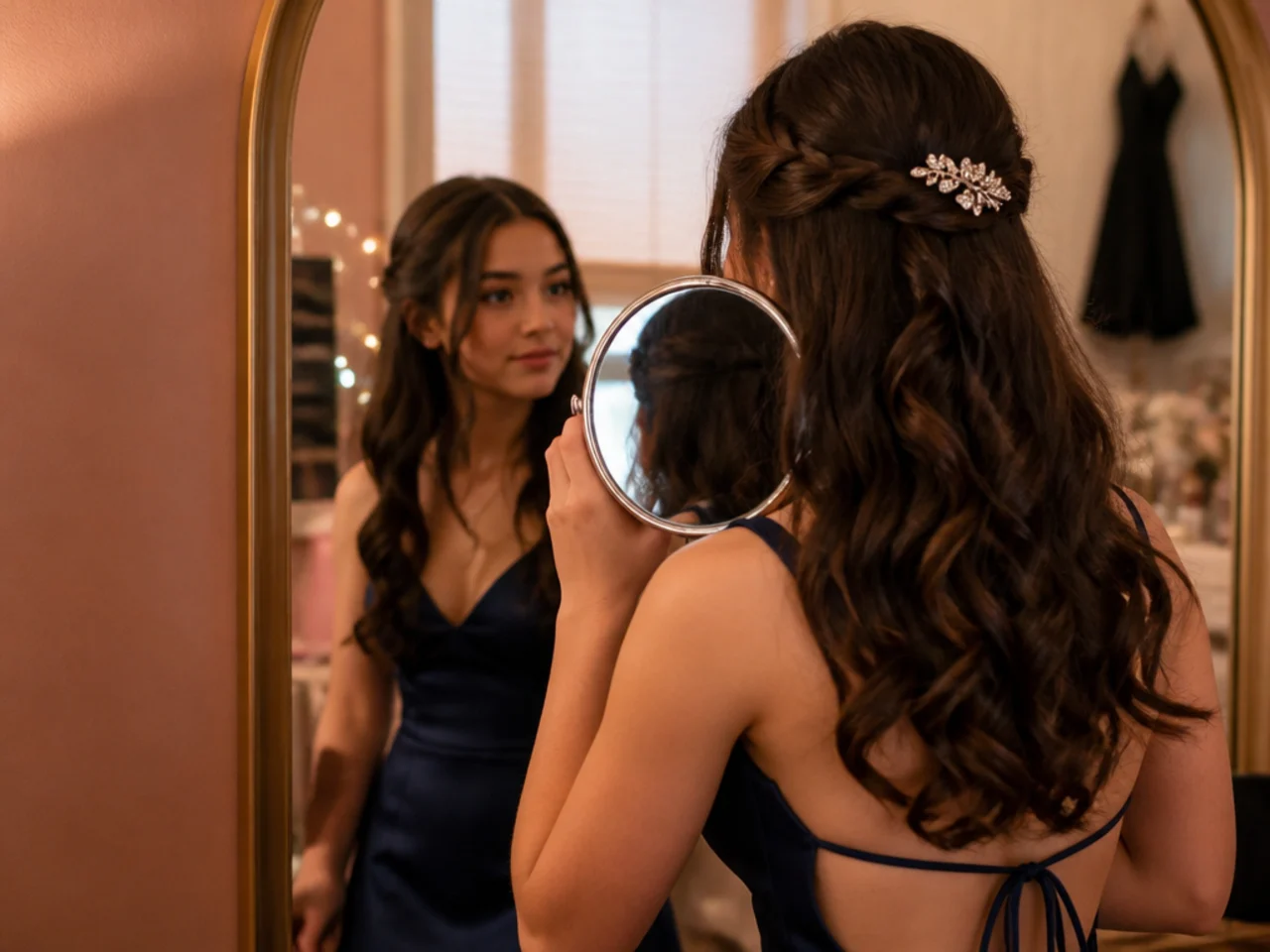
Choose by what you can reach. If you cannot see the back of your own head in two mirrors, pick a style that lives at the front and let the length hang.
The 20 Hoco Down Styles
1. Hollywood Waves
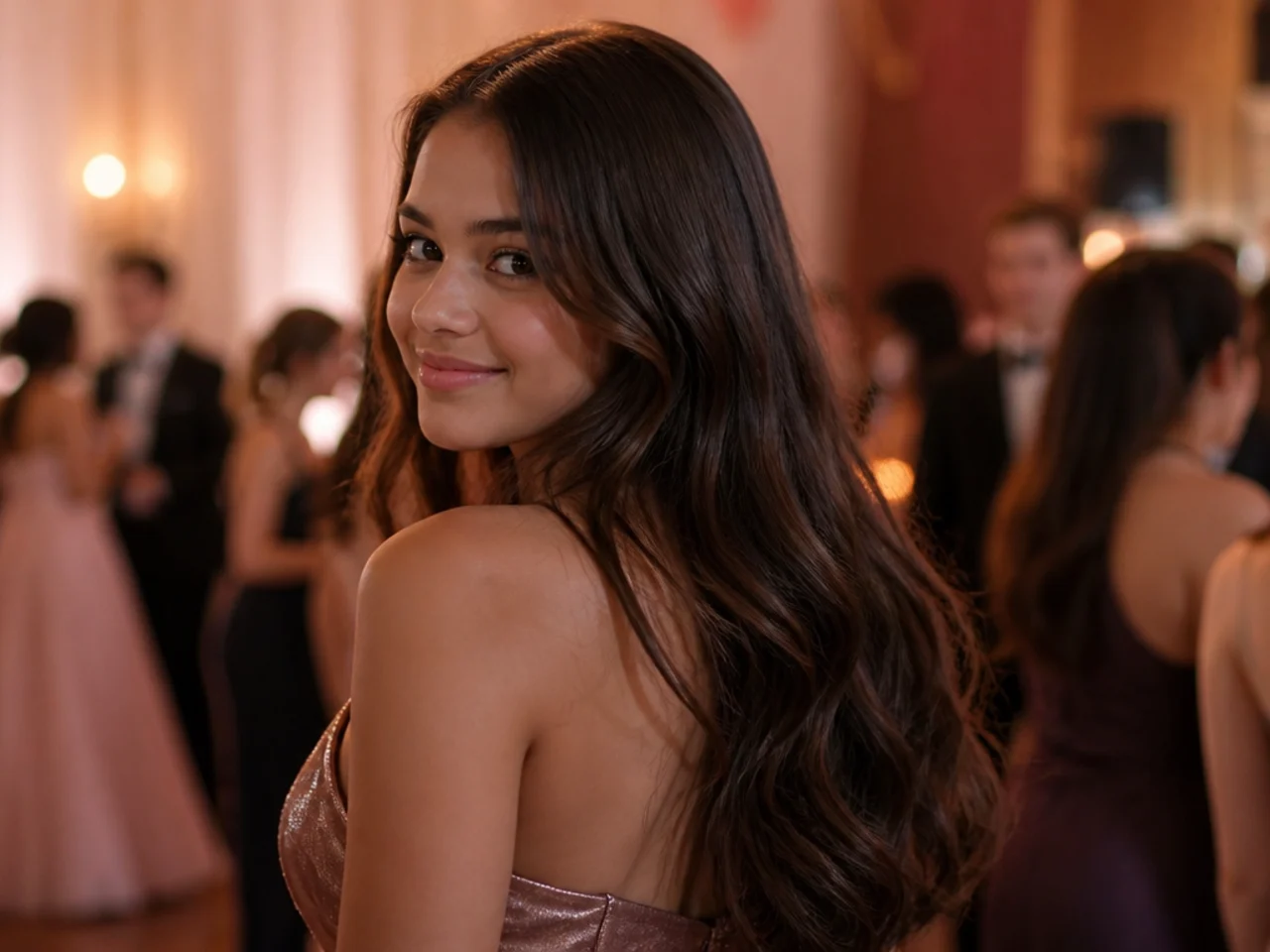
One continuous S running the whole length, set on a large barrel and then brushed through with a bristle brush. The brushing is what makes it a wave rather than a row of curls, because it collapses each spiral into a single flat bend that lies against the head instead of hanging free.
2. Loose Curls With a Deep Side Part
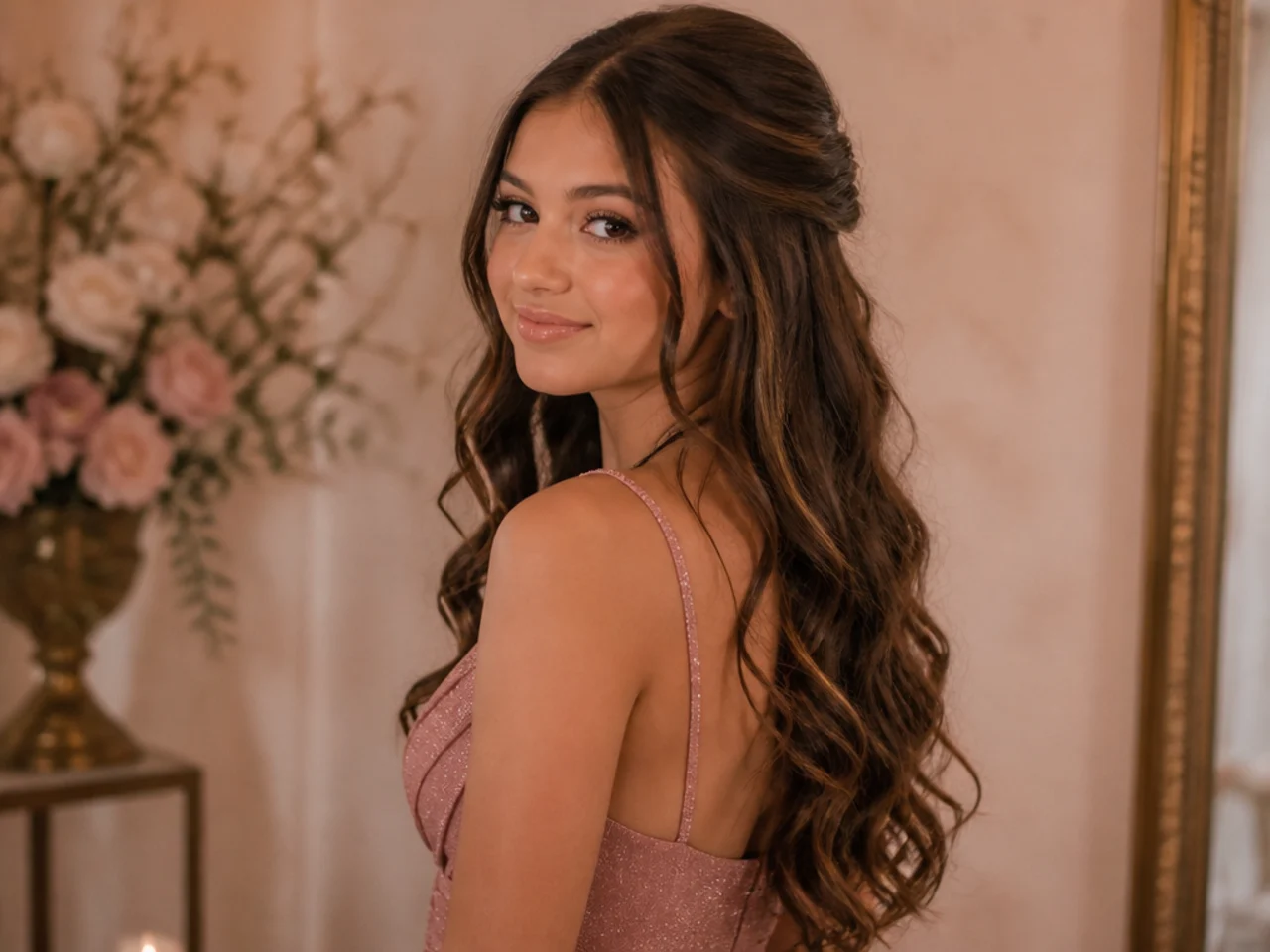
The part does more work here than the curl. Moving it two inches off centre forces the hair on the heavy side to travel across the crown, and roots pushed against their growth direction stand up rather than lying flat, which is where the front lift comes from.
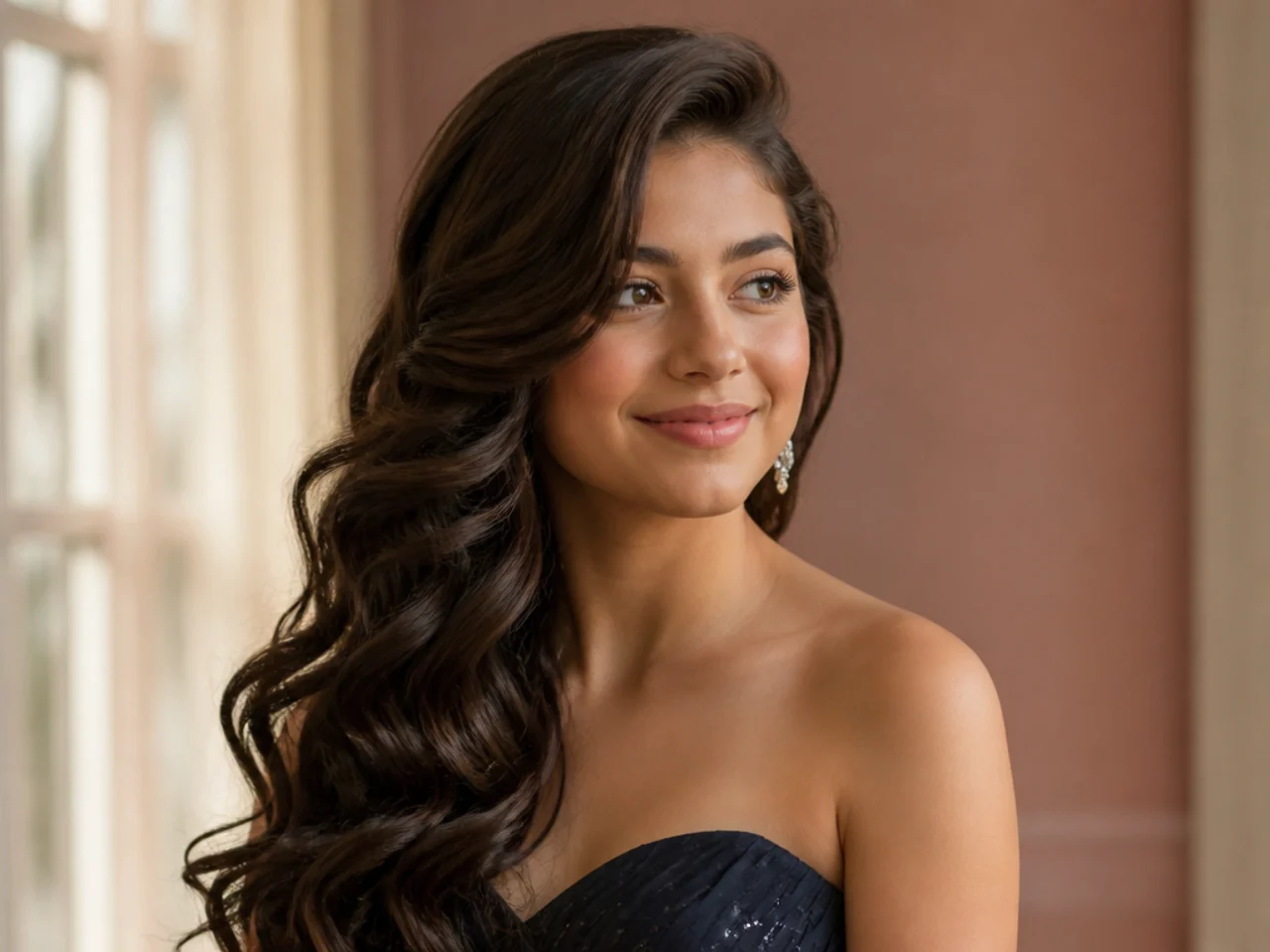
3. Bouncy Blowout Curls
Set on a large round brush instead of an iron, so the bend is wide and the ends turn under. The brush dries and shapes in the same pass, which means the hair cools while still wrapped around the barrel and holds far better than a curl dropped straight off a hot iron.
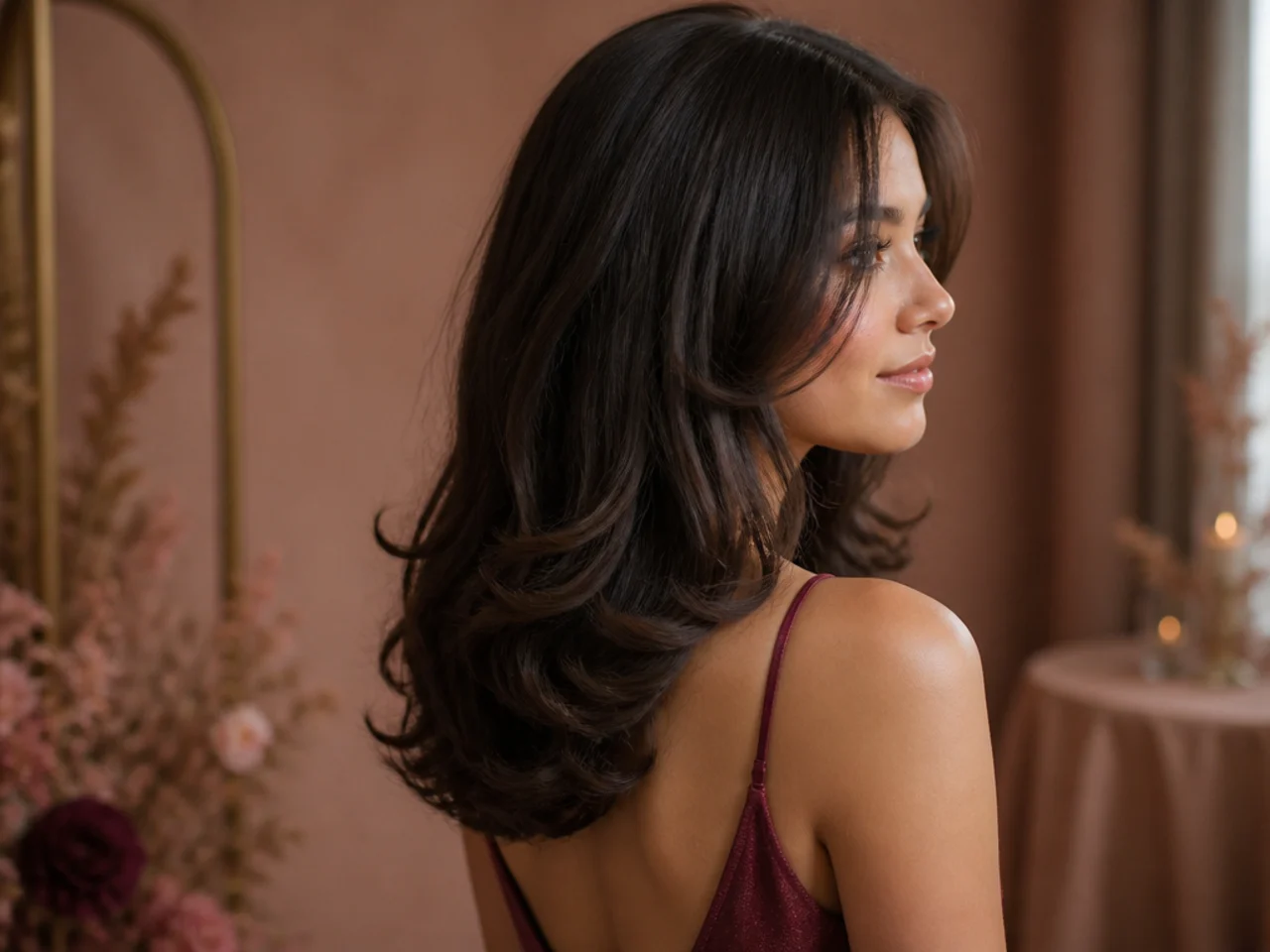
4. Sleek Straight With a Middle Part
There is nothing to drop, which is why it survives a four hour night intact. Straight hair shows every remaining kink, so the iron has to move slowly through thin sections; a fast pass only partly resets the strand and it reverts in the first humid room.
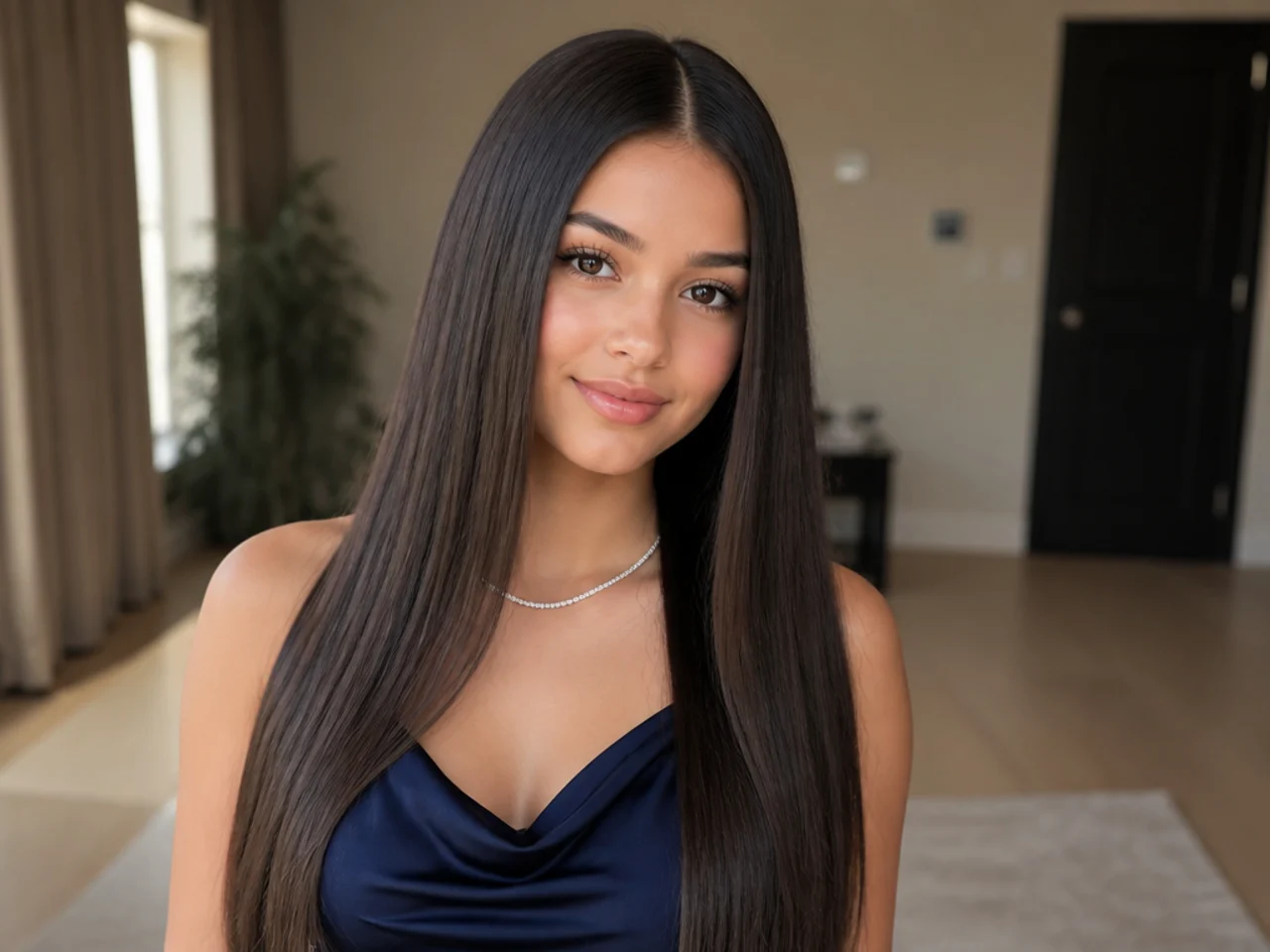
5. Beachy Waves With Texture Spray
The spray leaves salt and polymer on the cuticle, which raises friction between neighbouring strands so each wave keeps its separation instead of merging into the mass. Spray before you iron rather than after, since a wave already flattened cannot be re-separated by anything you put on top of it.
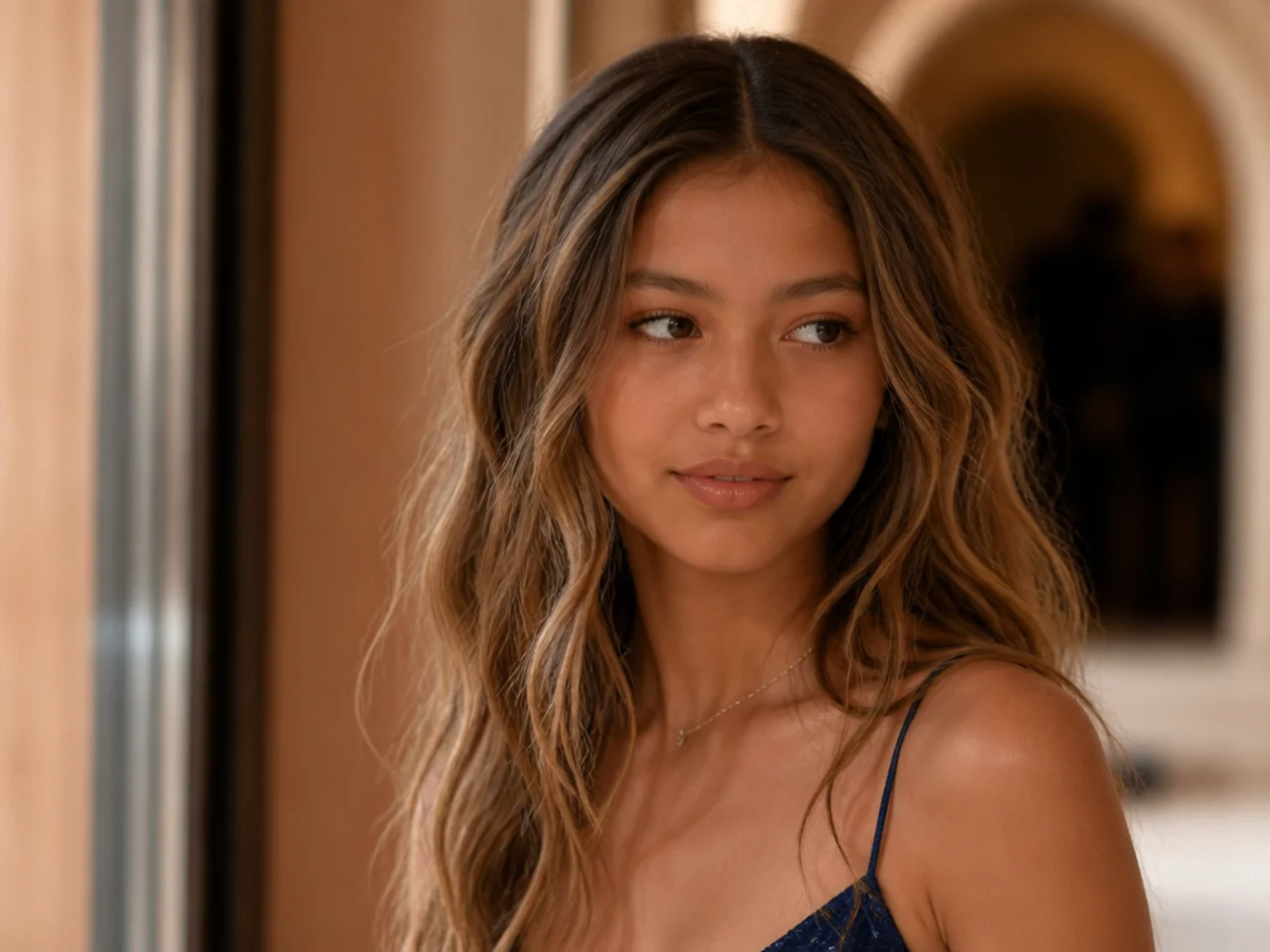
6. Flat Iron Bend Waves
Waves made by rotating a flat iron down the length rather than wrapping a barrel, which puts a soft bend in the hair instead of a spiral. A bend has no spring to lose, so it loosens gradually rather than dropping out, and it reads as a wave for hours longer on heavy hair.
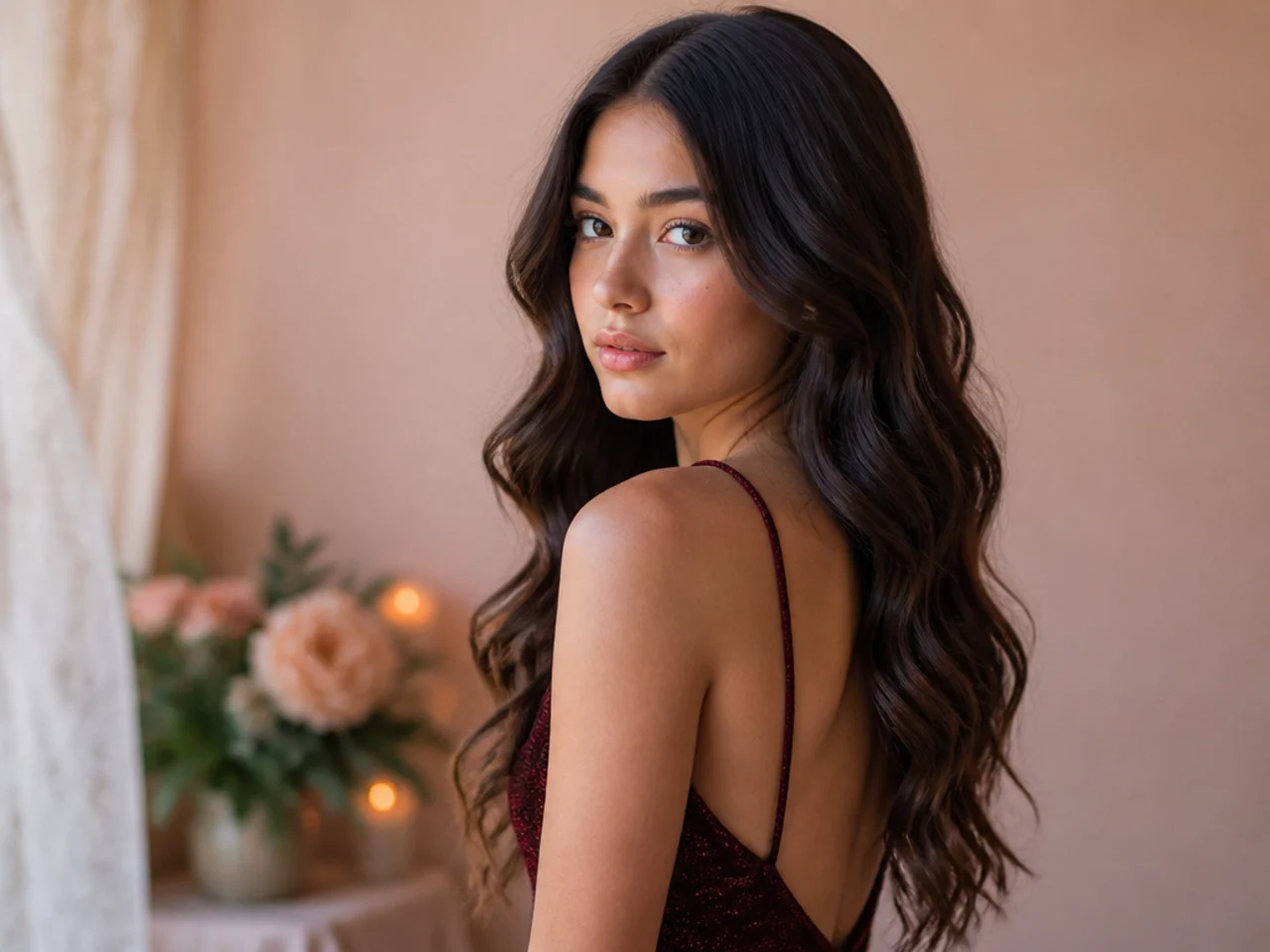
7. Curtain Bangs Over Long Waves
The shortest point sits at the cheekbone and the length runs back toward the jaw, so both halves fall away from the centre. That diagonal gives the eye something to follow other than the flat horizontal line where a blunt fringe would sit.
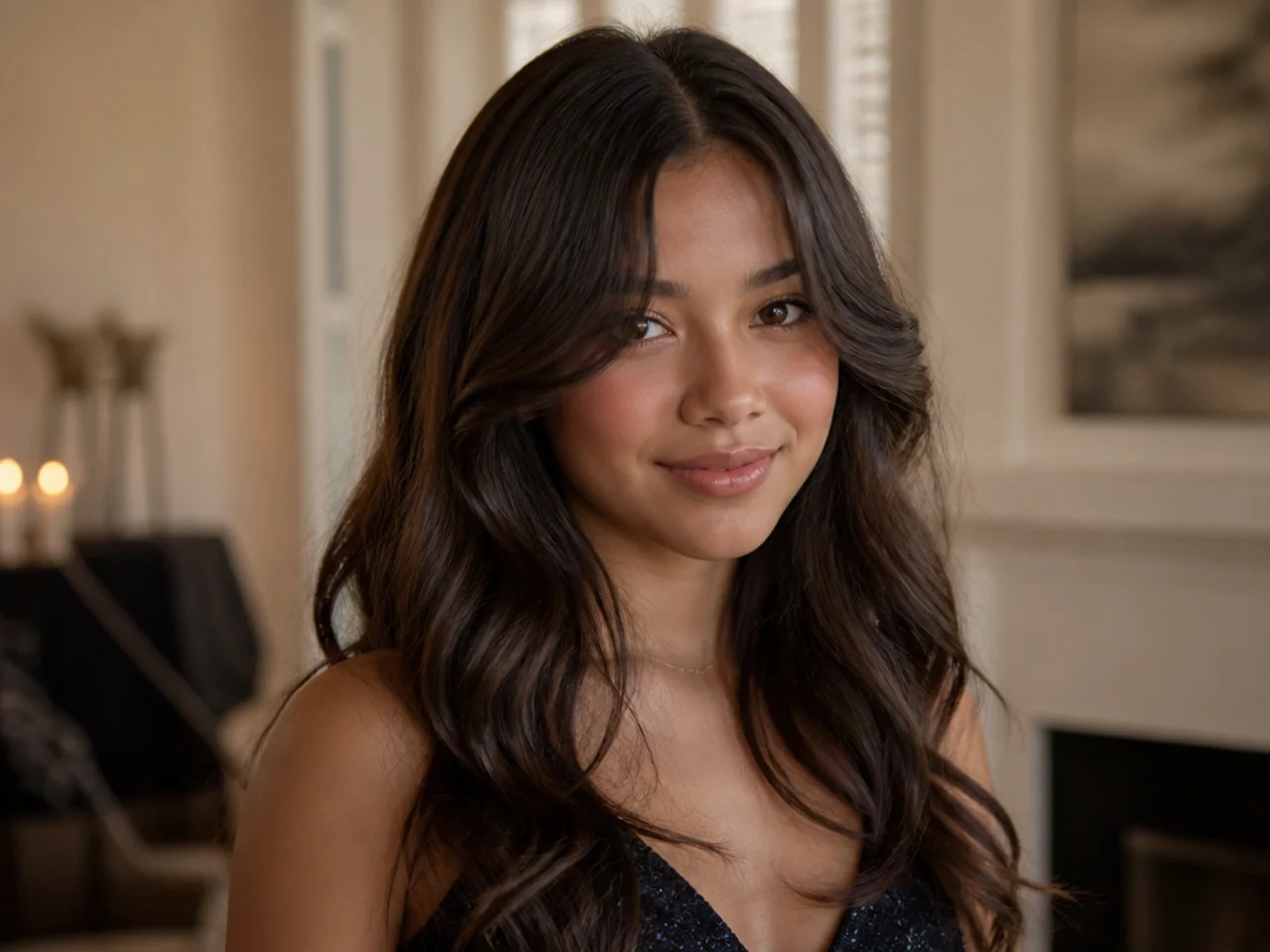
8. Face Framing Curls Pinned Behind One Ear
Curl the front pieces away from the face, then pin one side back so the two sides are not identical. Curling away rather than toward the face opens the cheekbone up instead of closing hair across it, which is the whole point of the front section.
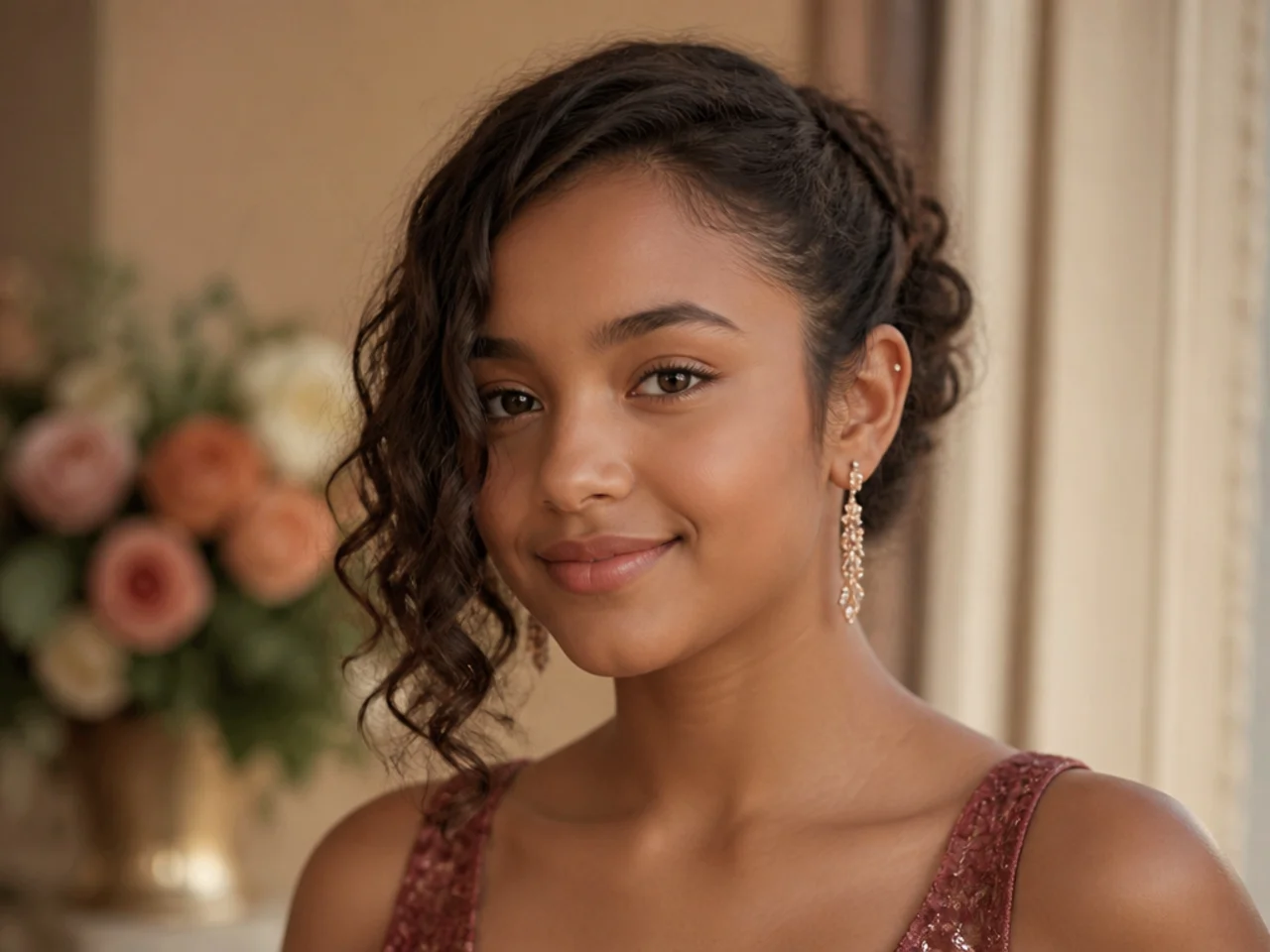
9. Half Up Twisted Crown
Two ropes twisted from the temples and joined at the back with everything else left hanging, covered further in the half up half down guide. The twist lifts the weight of the front sections off the parting, which is what stops the crown collapsing by the second hour.
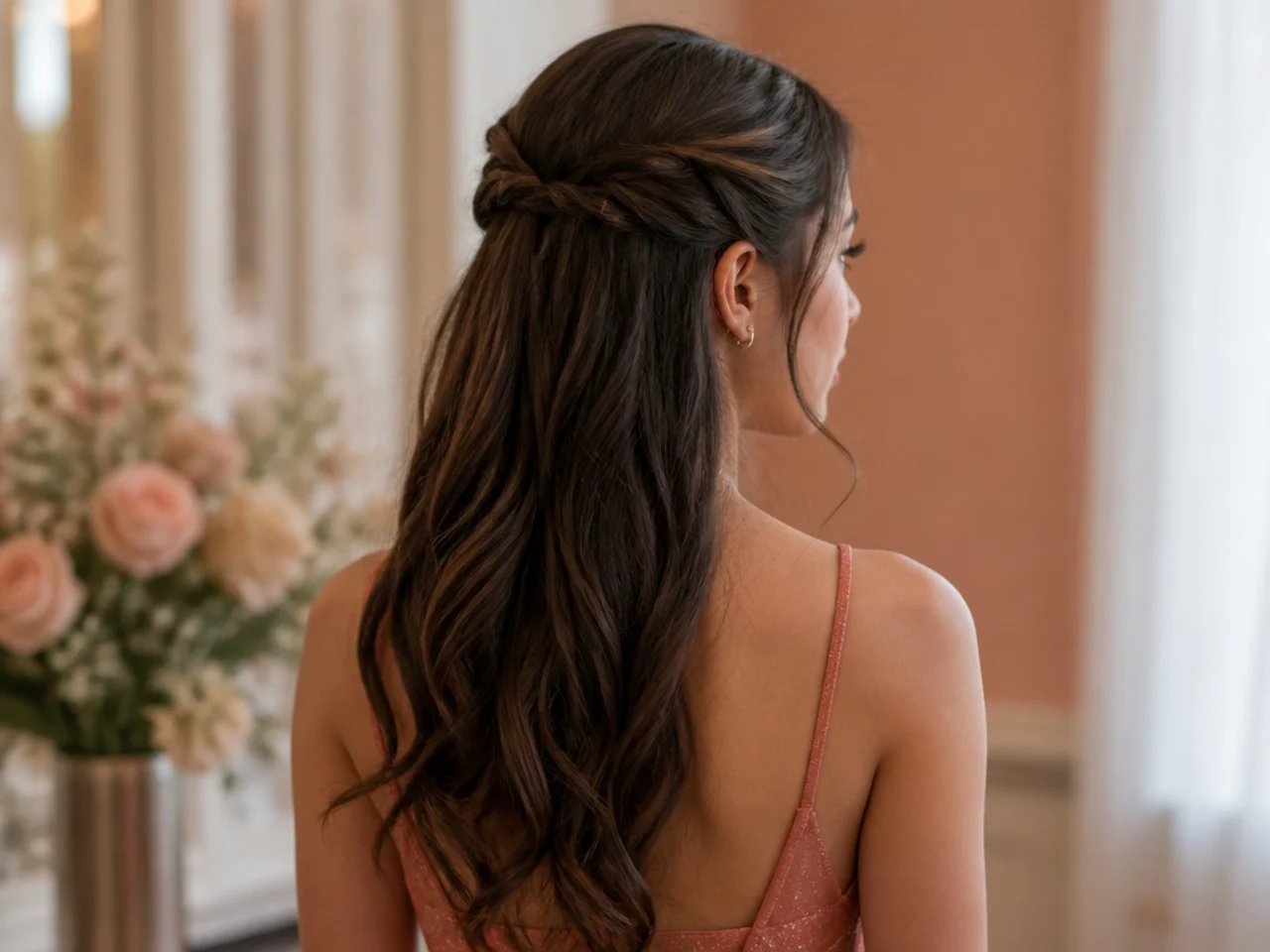
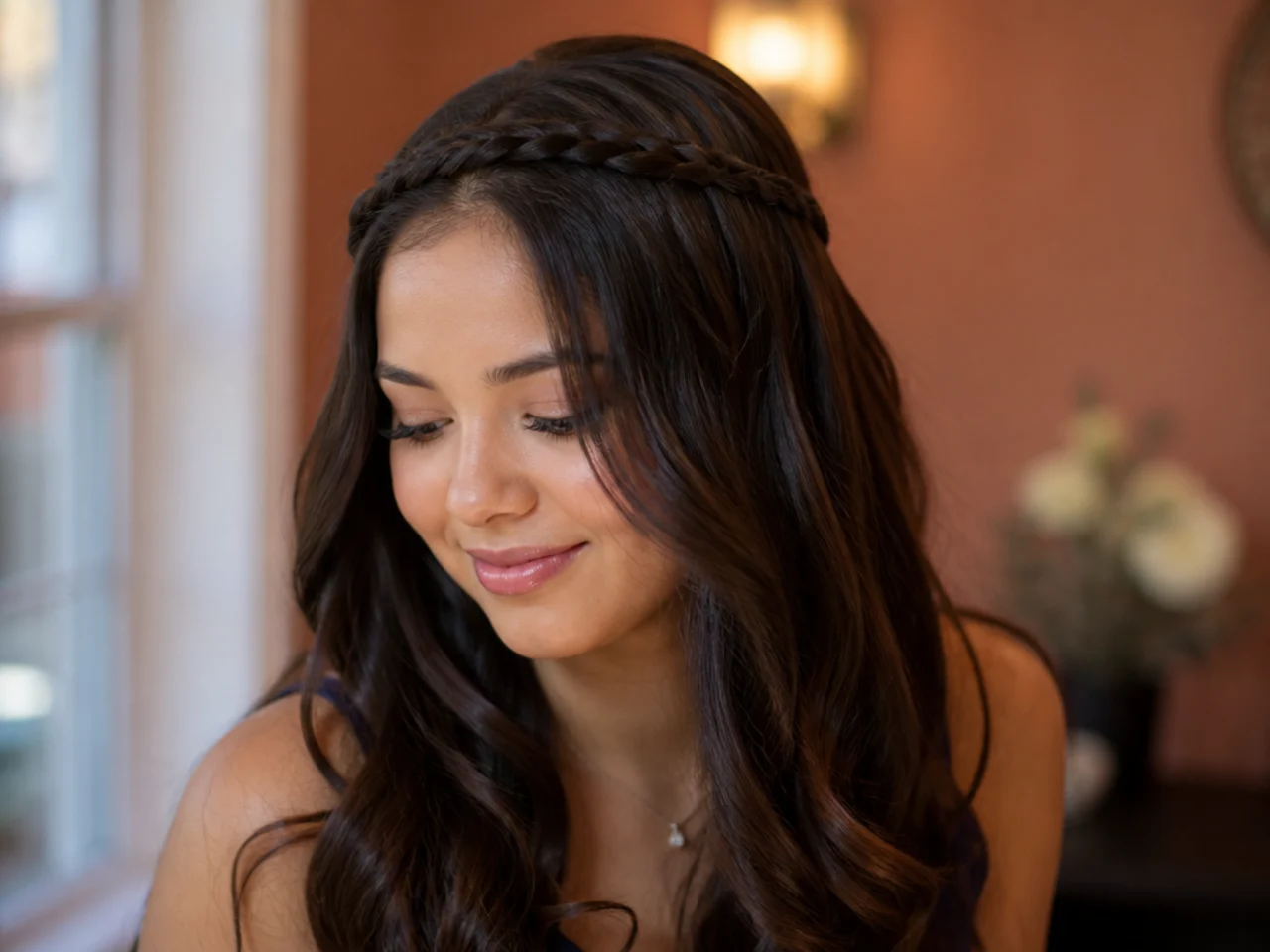
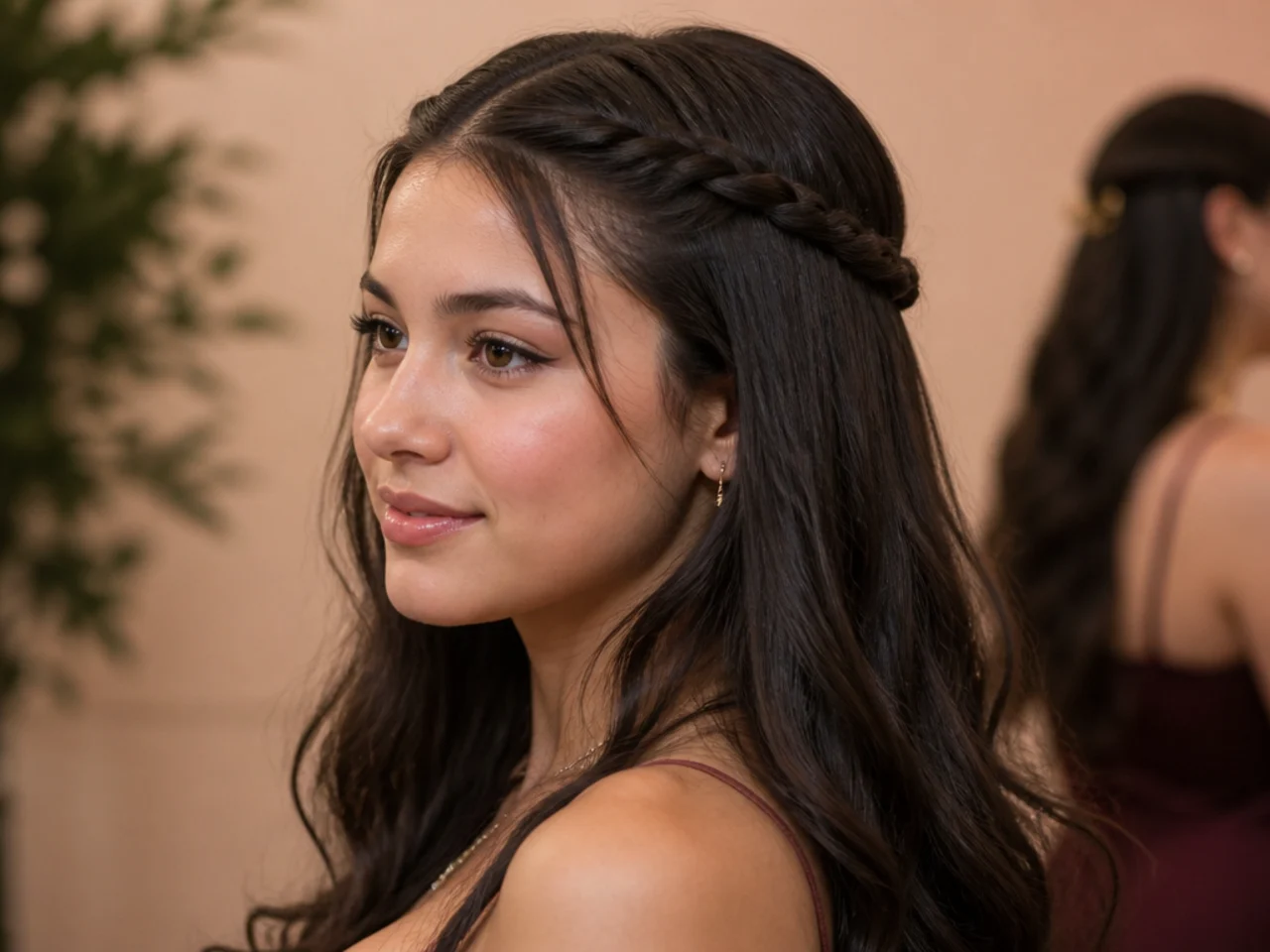
10. Braided Headband With the Rest Down
A single braid taken from one temple across the crown and pinned under the length on the far side. It holds its curve because a braid is three strands under constant tension against each other, where a loose section laid the same way would simply slide off the round of the head.
11. Two Front Rope Twists
A rope holds because the two strands are twisted one way and wound around each other the other way. Twist each strand clockwise and wrap the pair anticlockwise and the tension locks itself; twist and wrap in the same direction and it unwinds on the walk to the car.
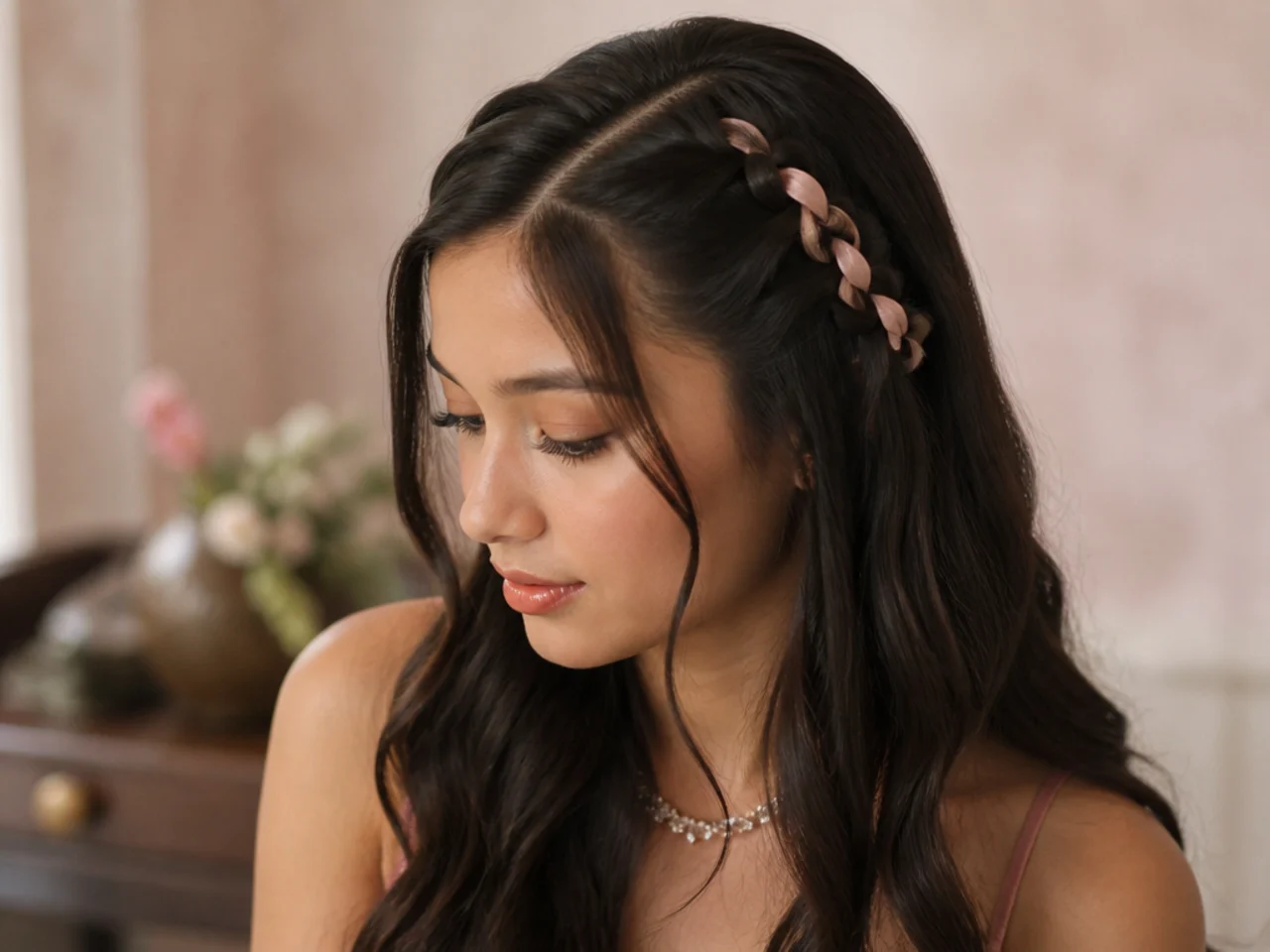
12. Ribbon Braid Along the Part
A narrow satin ribbon woven in as a fourth strand down the parting line. The ribbon does not stretch, so it carries the tension the hair would otherwise take, and the braid stays flat to the scalp instead of lifting away as it loosens.
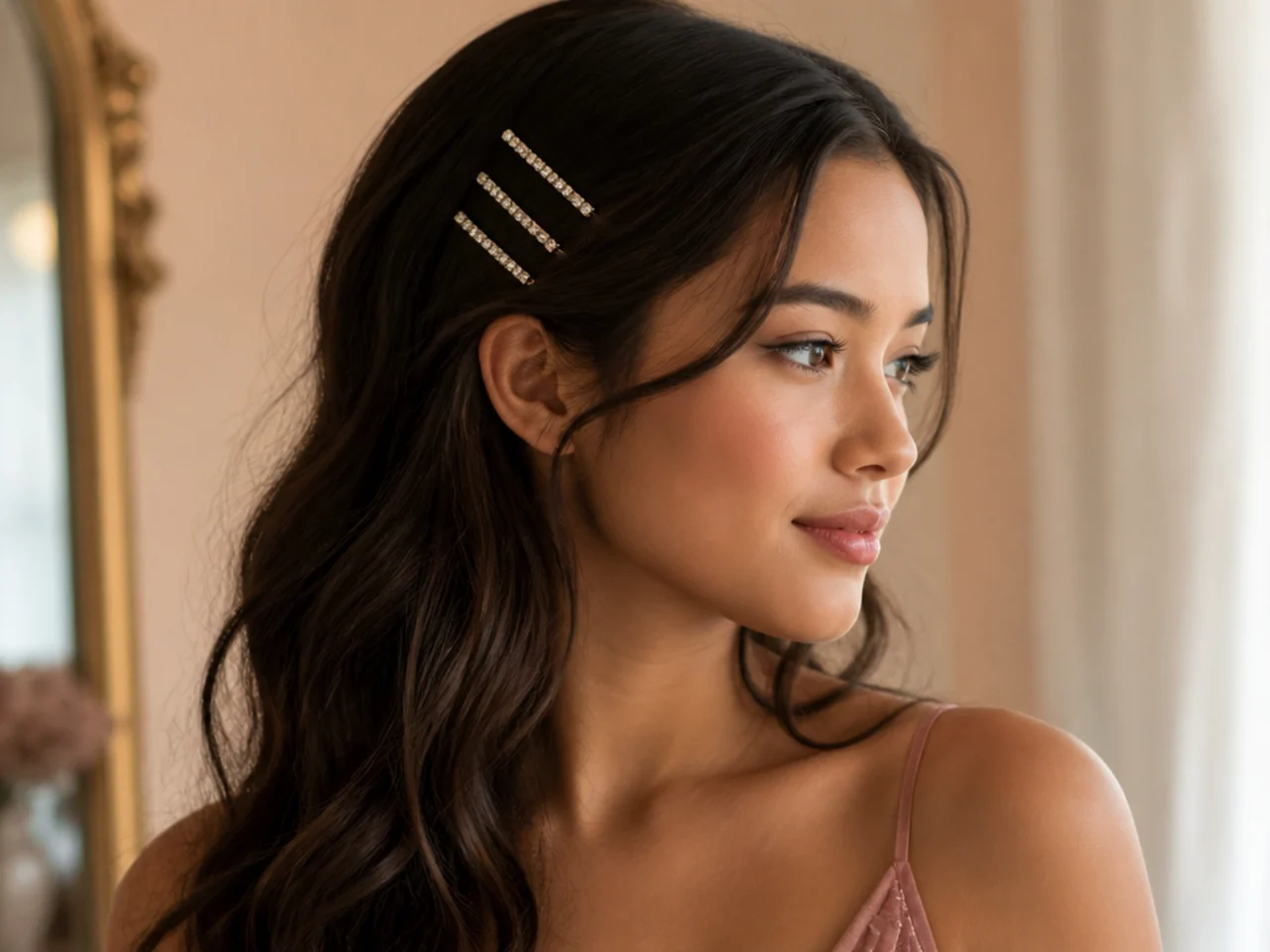
13. Rhinestone Barrettes on One Side
Two or three clipped in a line above one ear, which creates asymmetry without moving the parting. Set each one into a section that has hair beneath it, because a barrette clipped over a single smooth layer has nothing to bite on and slides down within an hour.
14. Pearl Pins Scattered Through Waves
Push each pin in along the direction the wave runs, then rotate it half a turn before letting go. The twist is what traps the hair against the shank; a pin pushed straight in has nothing holding it and works its way out as soon as you start moving.
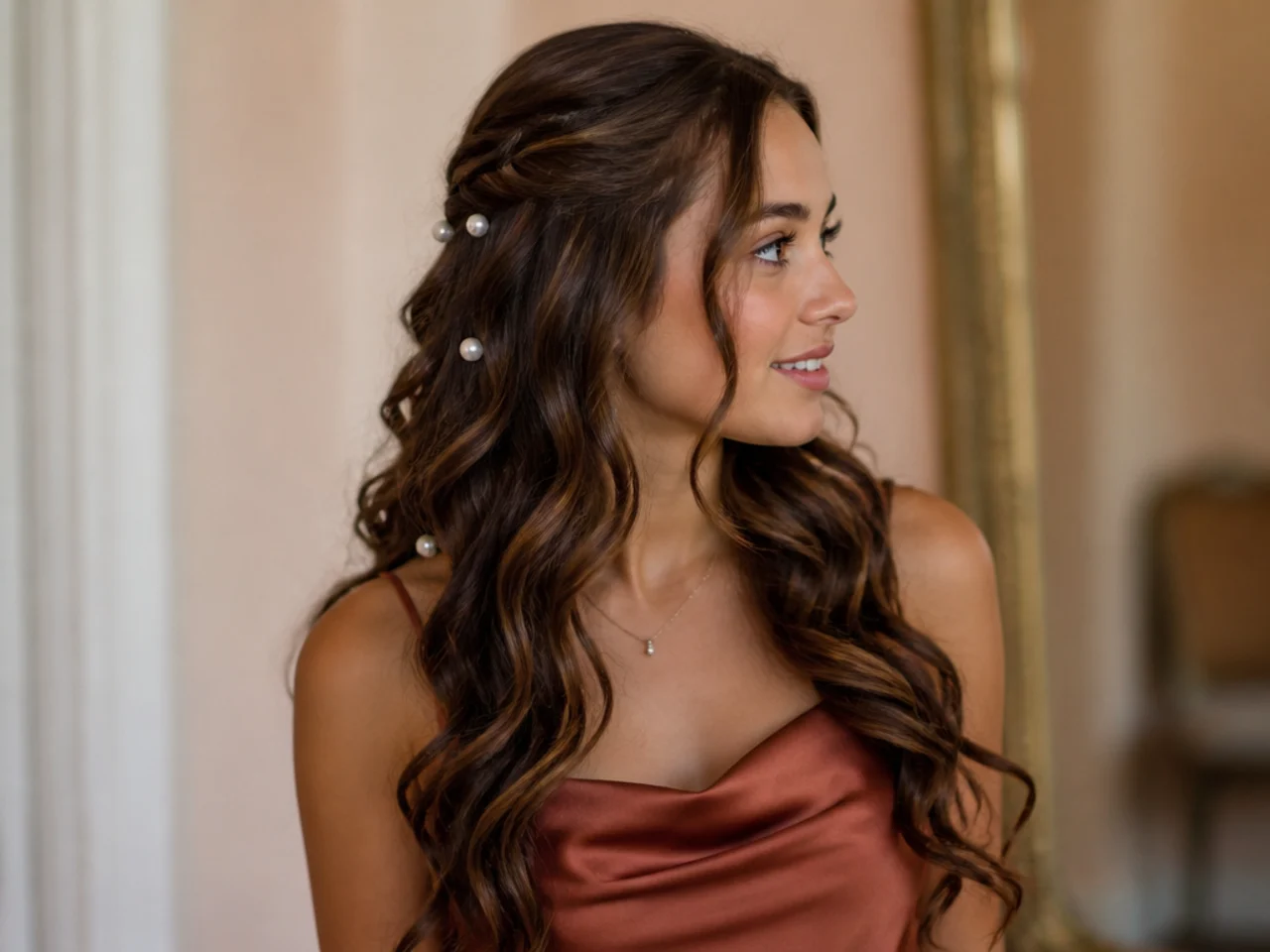
15. Root Lift With Long Loose Curls
Backcombing at the crown, curls from eye level down. The backcombing tangles the shorter broken hairs into a cushion and the smooth top layer lies over it, so the height you see comes entirely from the cushion underneath and not from the hair on show.
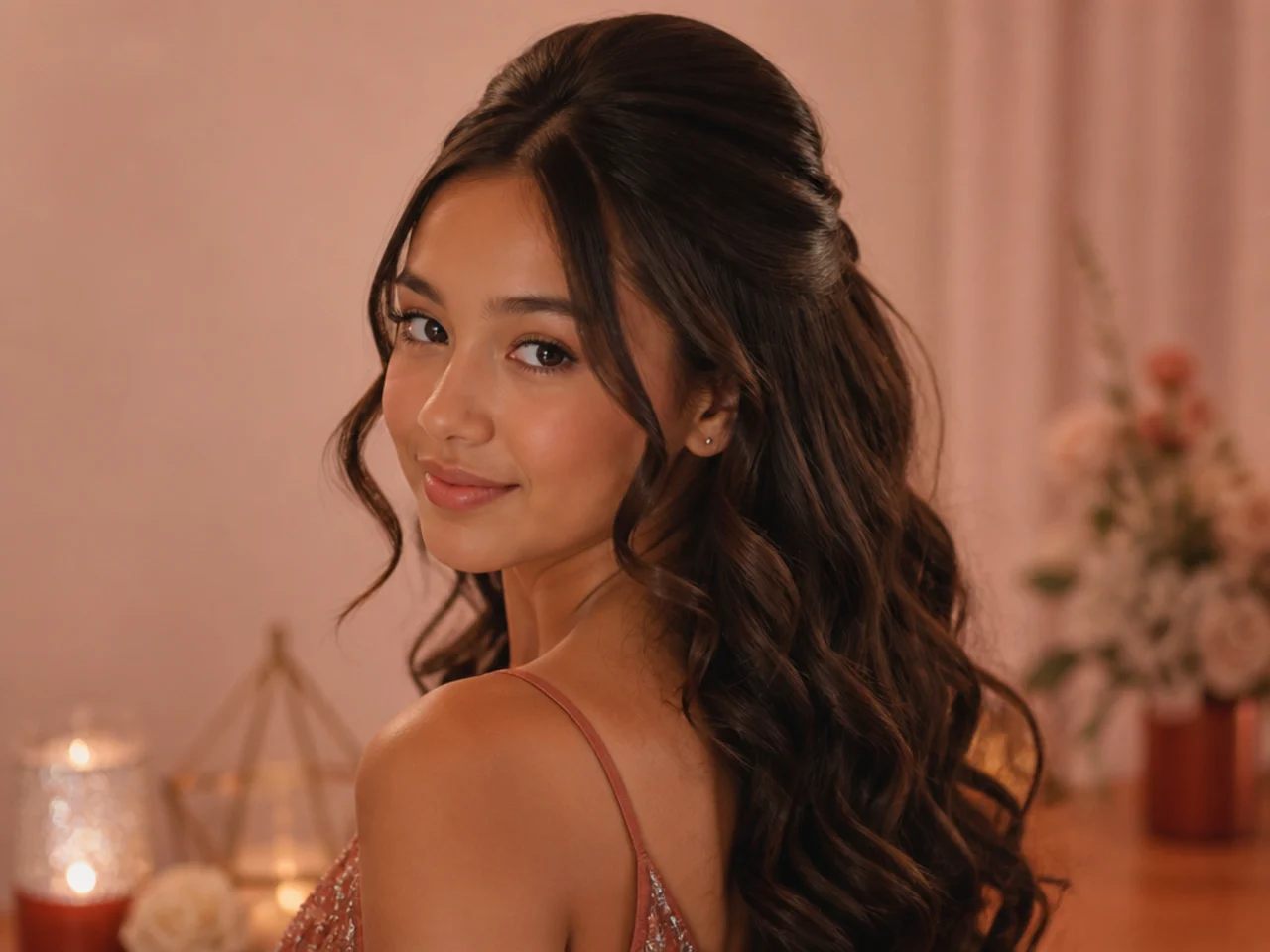
16. Crimped Roots Under Smooth Ends
A fine crimper used only on the first two inches, kept hidden beneath the top layer. The crimped hair props the smooth hair above it, and because that is a heat set bend rather than a tangle it survives the night far better than backcombing does.
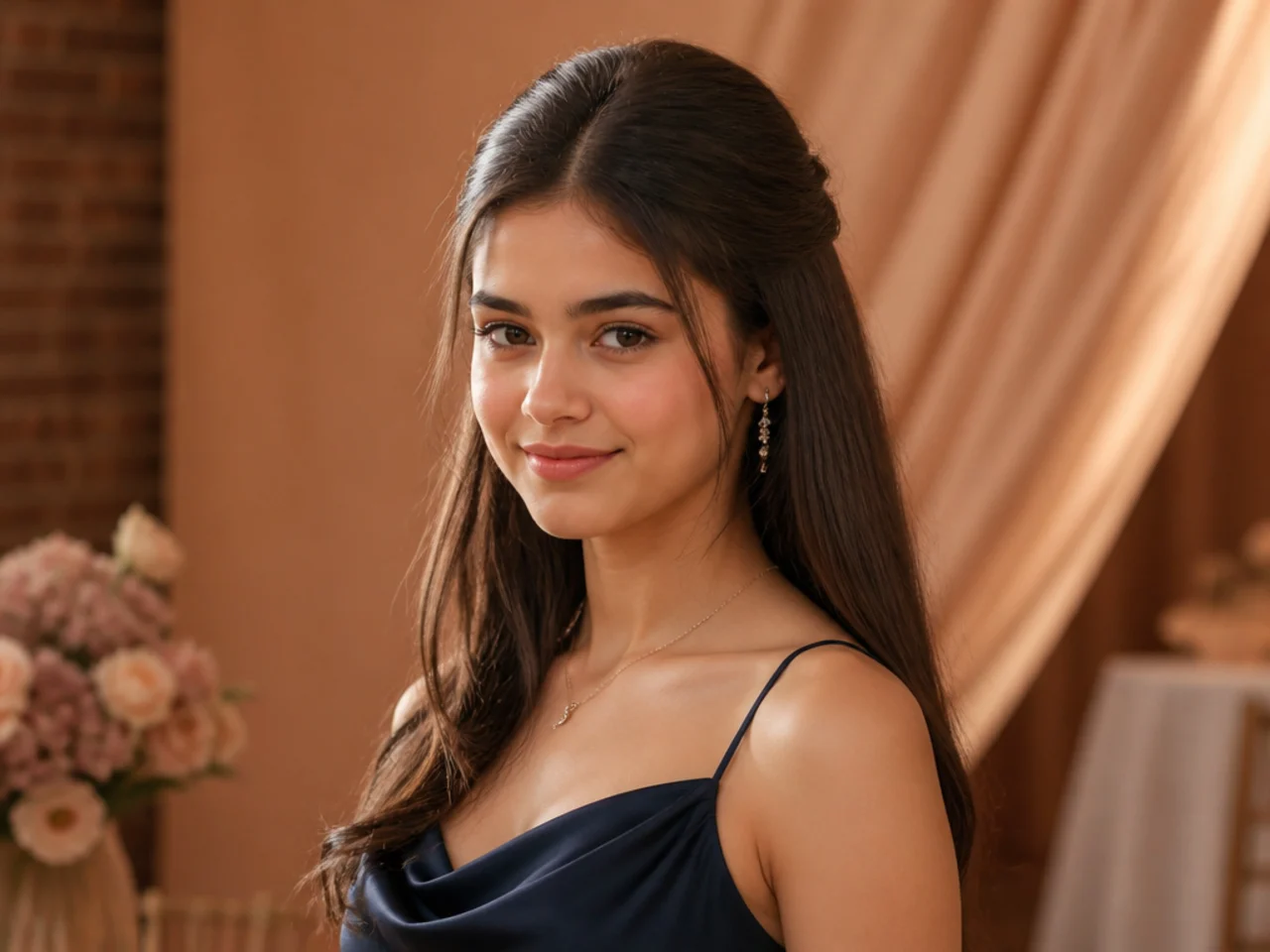
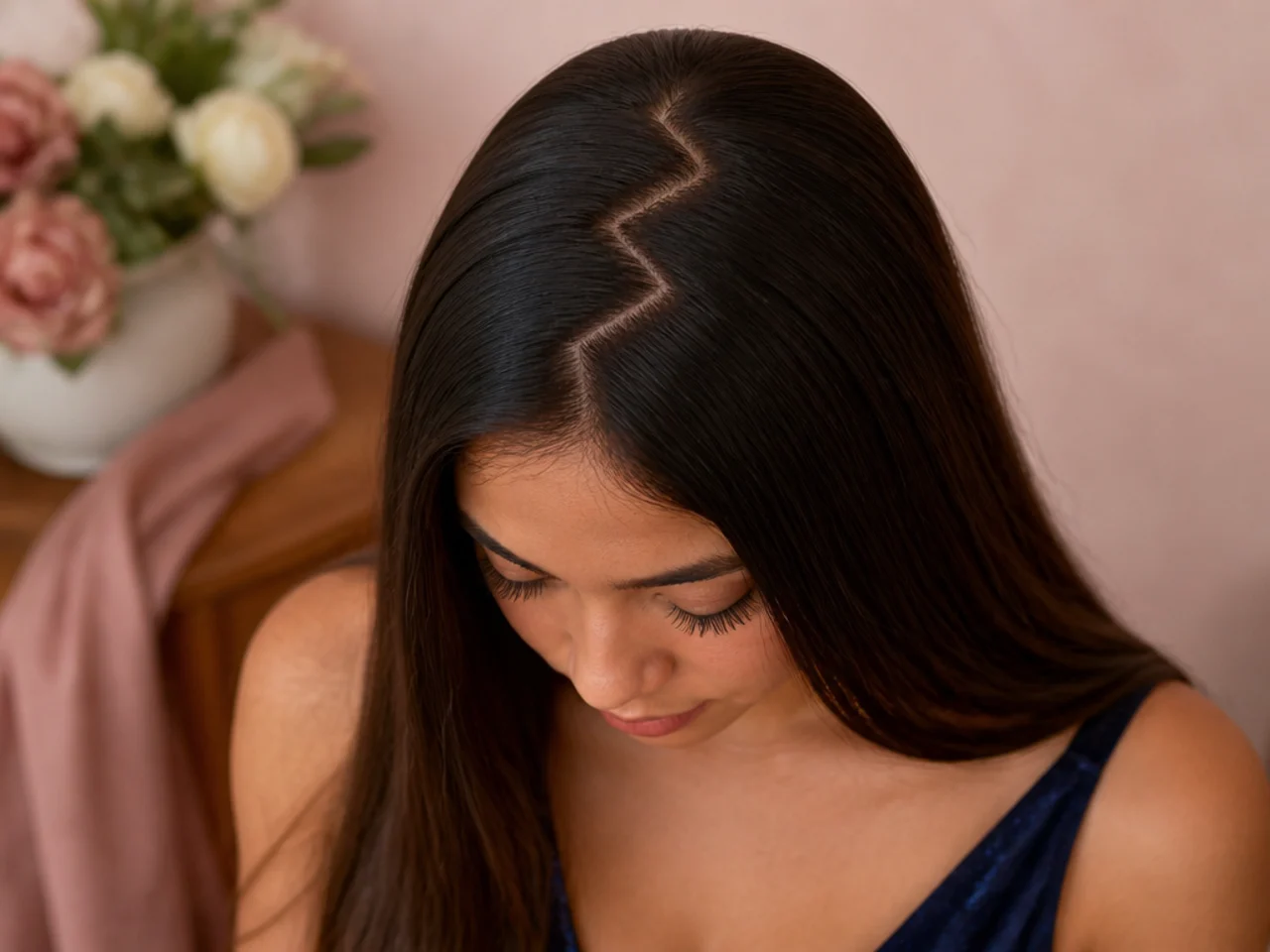
17. Zigzag Part With Straight Lengths
Running a comb tip in a wave down the parting breaks the scalp line into short segments so no continuous strip of skin shows. It also drops roots on alternating sides, and those alternating directions read as fullness along the whole parting.
18. Volumised Half Up Ponytail
The top section tied high with everything else hanging, crown backcombed before the elastic goes on. Tie over the cushion rather than dragging the elastic back through it, because pulling an elastic through backcombing pulls the tangle apart and the height leaves with it.
19. Soft Curls With a Padded Headband
The band lifts every hair it crosses, so the crown gains height with no backcombing at all. Slide it forward past the hairline first and then push it back into position, which sets the lift into the roots instead of dragging them flat on the way through.
20. Deep Side Part Finger Waves at the Front
Flat S shapes moulded into the front section with gel and clips, with the rest left in loose curls. Gel holds by drying into a continuous film across the strands, so the waves have to dry fully clipped; releasing them damp breaks the film before it has set.
Styling and Upkeep
Style on day two hair. A day of natural oil raises friction between strands, which is grip you do not have to buy. Freshly washed hair is slick and slides out of every shape.
Cool the whole head before releasing anything. Pin as you go, do all twenty sections, then unpin from the bottom up when the last one is cold.
Spray section by section as you release. A single coat at the end lands on the outer layer only and leaves everything underneath unset.
Carry six pins and nothing else. Anything that needs a repair kit will need it at the worst moment. Pins fix a slipped section in ten seconds.
Keep your hands out of it. Warmth and oil from fingers soften a set faster than dancing does, and the front pieces take the worst of it.
Mistakes to Avoid
Curling from the root on long hair. The length hanging below drags the root curl straight inside an hour. Start at eye level and lift the crown separately.
Brushing a set out warm. The bonds are still reforming. Brush it cold or the wave never sets at all.
Drowning fine hair in hairspray. Product has weight, and on a fine head that weight flattens the shape it was meant to hold. Two light passes beat one soaked one.
Using one iron temperature for every texture. Fine hair sets around 150 to 180 degrees and scorches above that; coarse hair needs 190 or more or it takes no set at all.
Trying the style for the first time on the day. Every head sets at a different speed. Run it once a week early so you know how long your own hair needs to cool.
FAQ
Will curls last all night? Only if each one cools pinned before it is released.
Curl from the root? No. The weight of the length below pulls a root curl straight within the hour.
Hairspray before or after? As you unpin each section, not once over the whole head at the end.
Final Thoughts
The set is the style. Iron temperature, section size and cooling time decide whether you are wearing the picture at nine o'clock, and no amount of product added afterwards changes that.
For more shapes that keep the length hanging see hoco hair down, and for setting curls that already have their own pattern see hoco hairstyles for curly hair. More in Occasion Hair.
Frequently asked questions
Related posts
See all posts
15 Graduation Hair Ideas for the Updo Versus Down Decision
Read more
15 Straight Hair Wedding Looks to Save
Read more
20 Gorgeous Prom Looks for Straight Hair
Read more