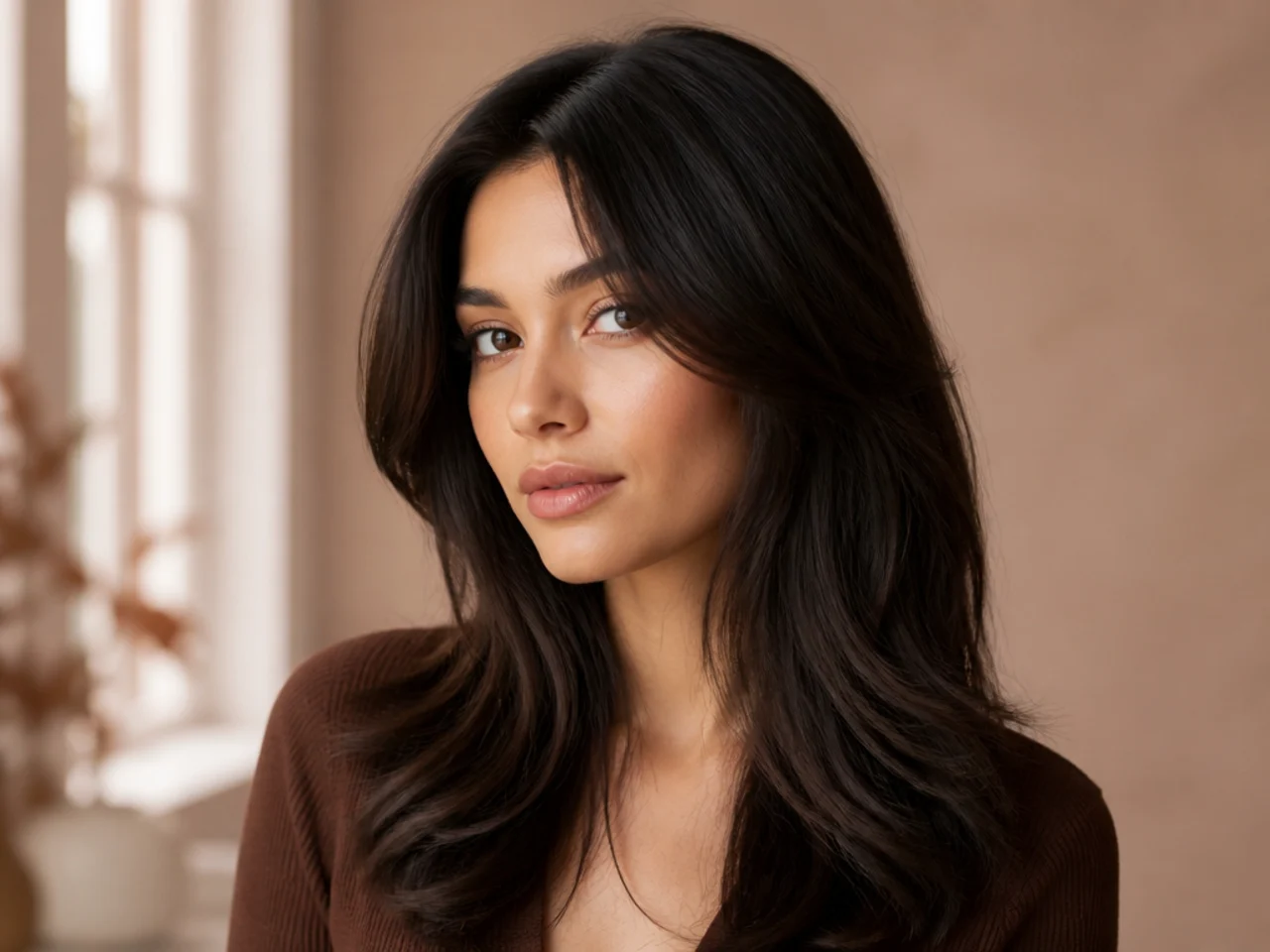
20 Gorgeous Hailey Bieber Brown Hair Ideas
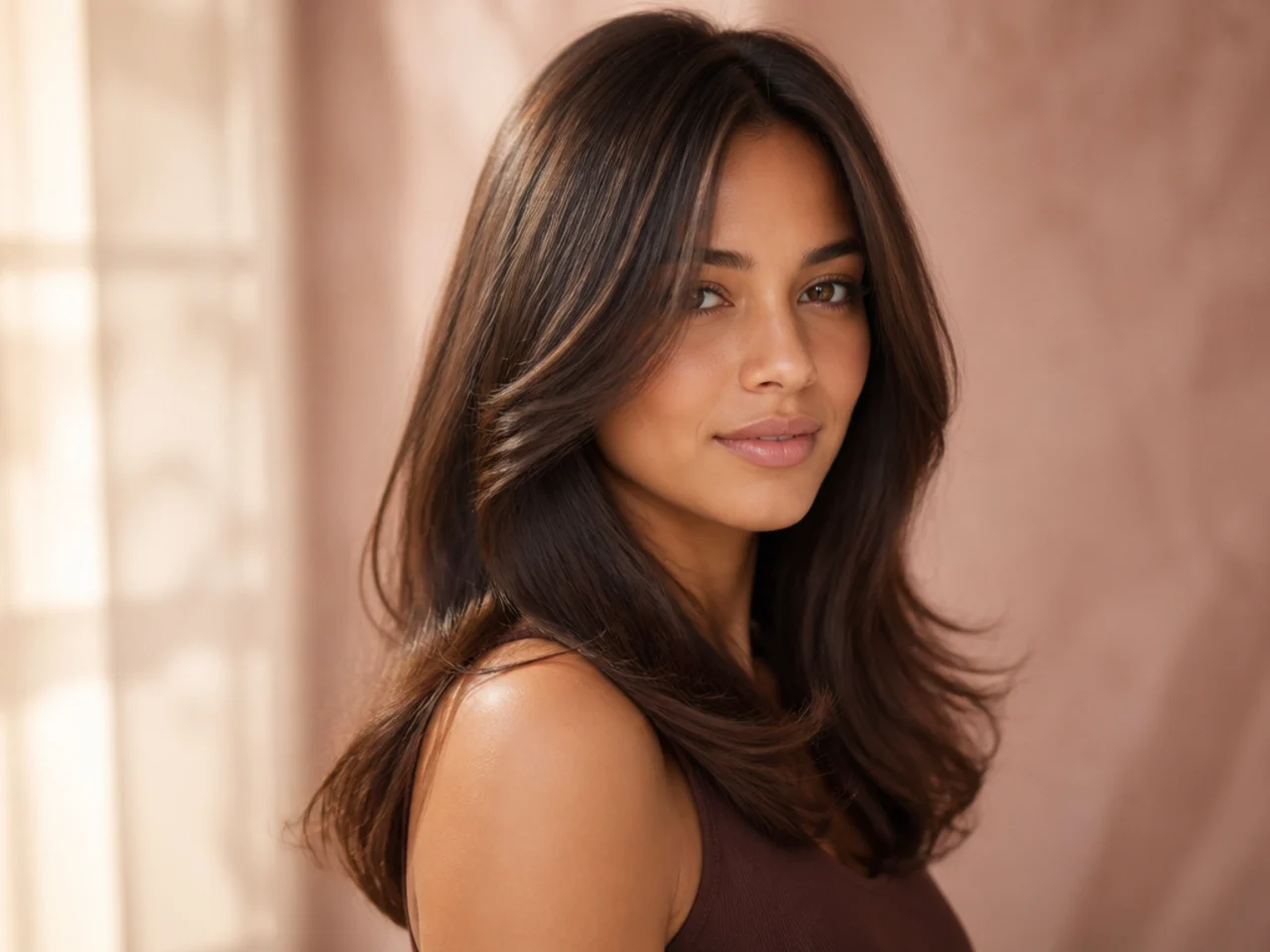
Twenty brown hair ideas in the glossy low-contrast style, and the detail that separates an expensive brunette from a flat one — a root a shade or two deeper than the lengths. Uniform brown is what box dye looks like.
In this article · 27
- What Makes This Brown Work
- How to Choose Yours
- The 20 Brown Ideas
- 1. Deep Espresso with a Darker Root
- 2. Cool Ash Brown
- 3. Warm Chestnut
- 4. Dark Chocolate
- 5. Mushroom Brown
- 6. Milk Chocolate
- 7. Bitter Chocolate with a Cool Gloss
- 8. Chestnut with a Deep Root
- 9. Coffee Brown
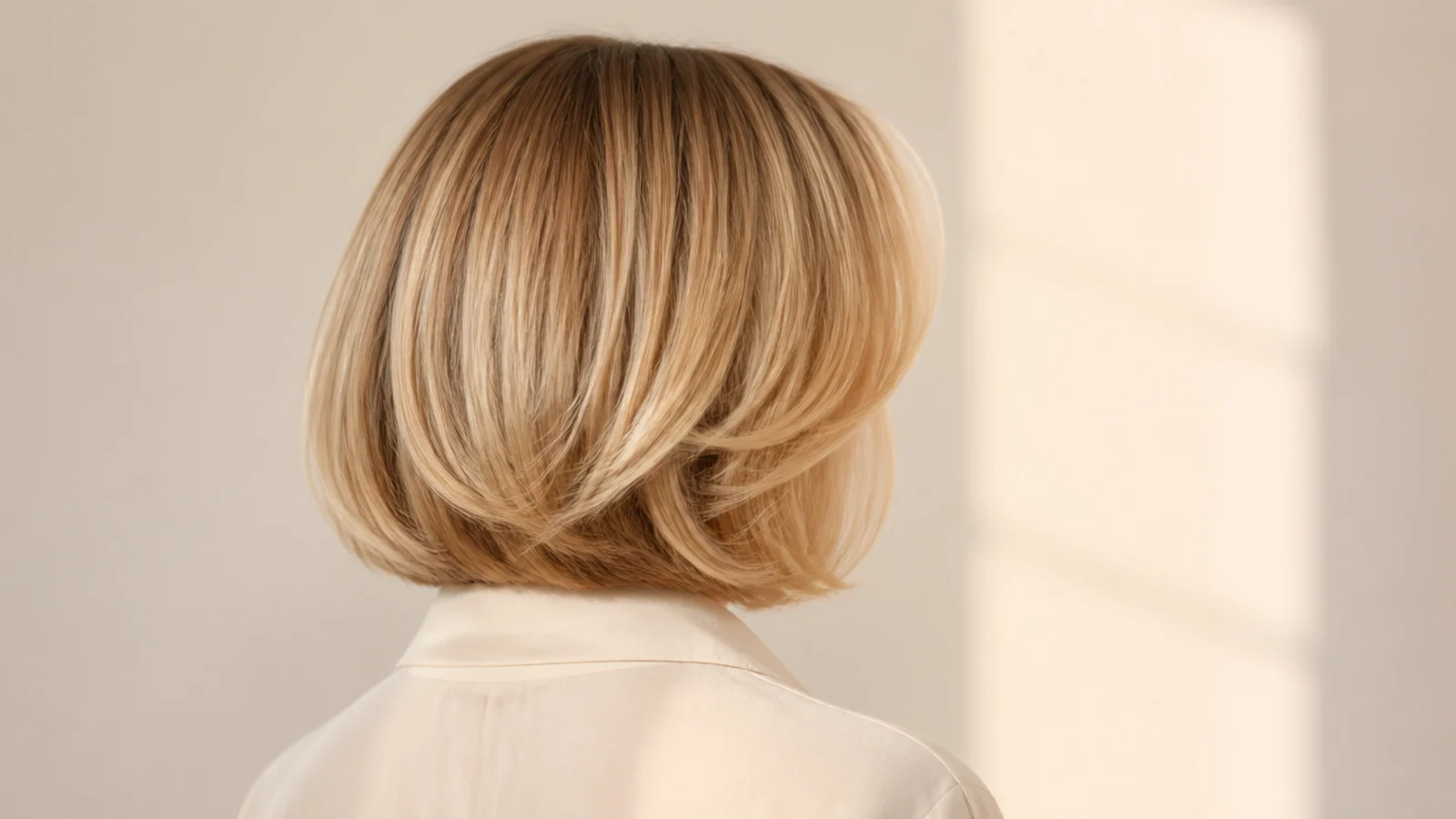
- 10. Brunette with a Blunt Lob
- 11. Brunette with a Blunt Bob
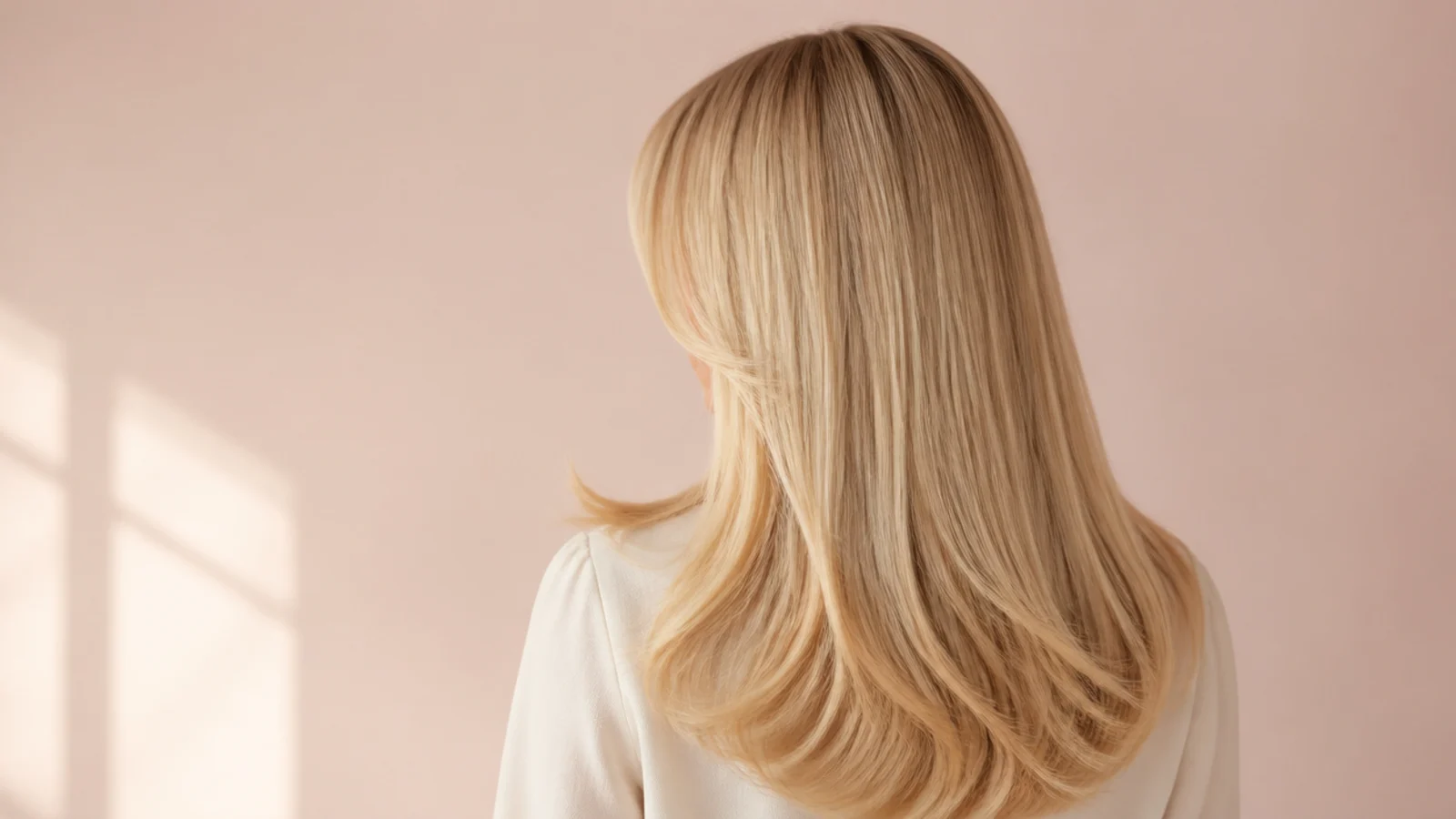
- 12. Long Brunette with Minimal Layers
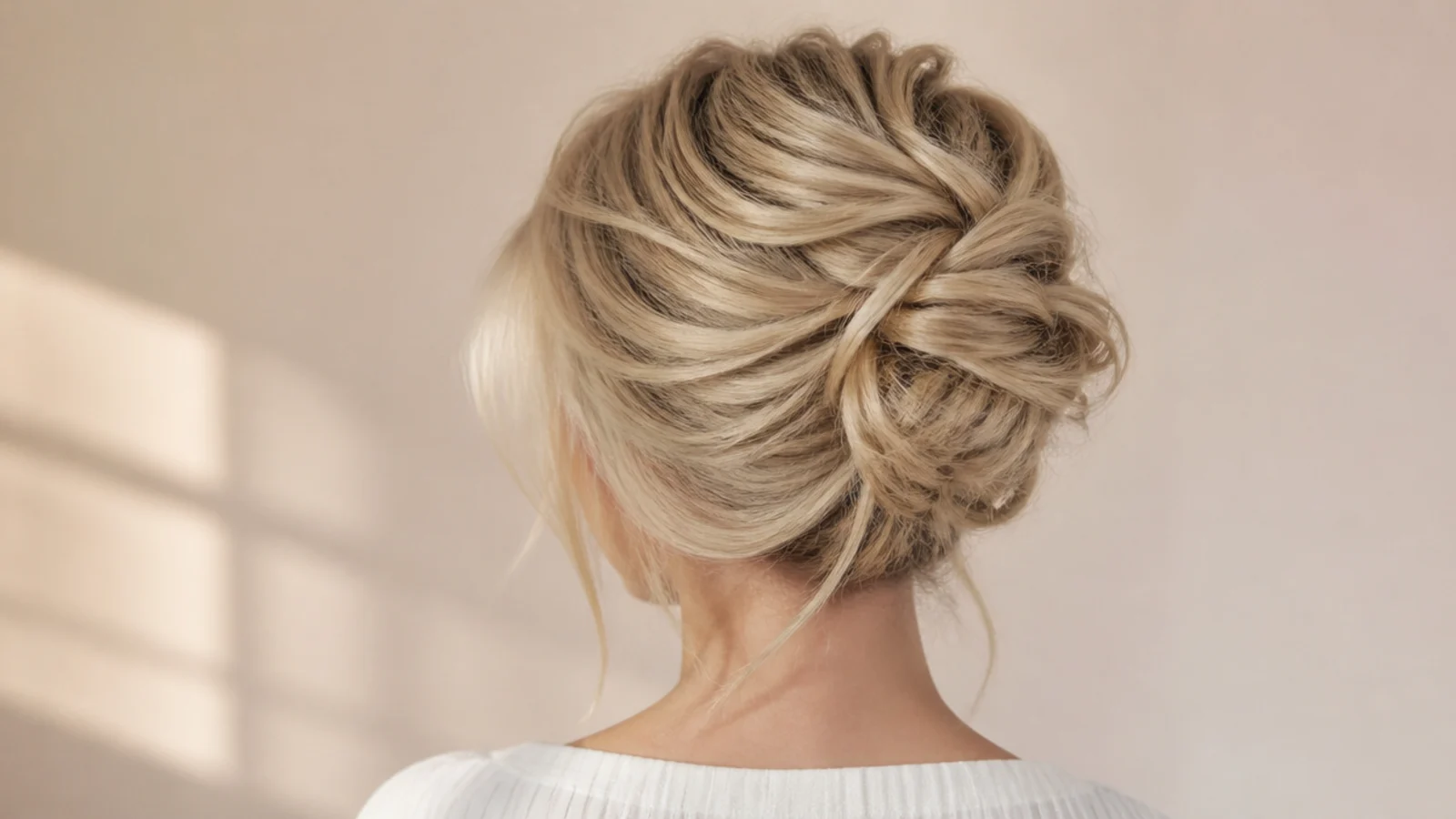
- 13. Brunette Slicked Back
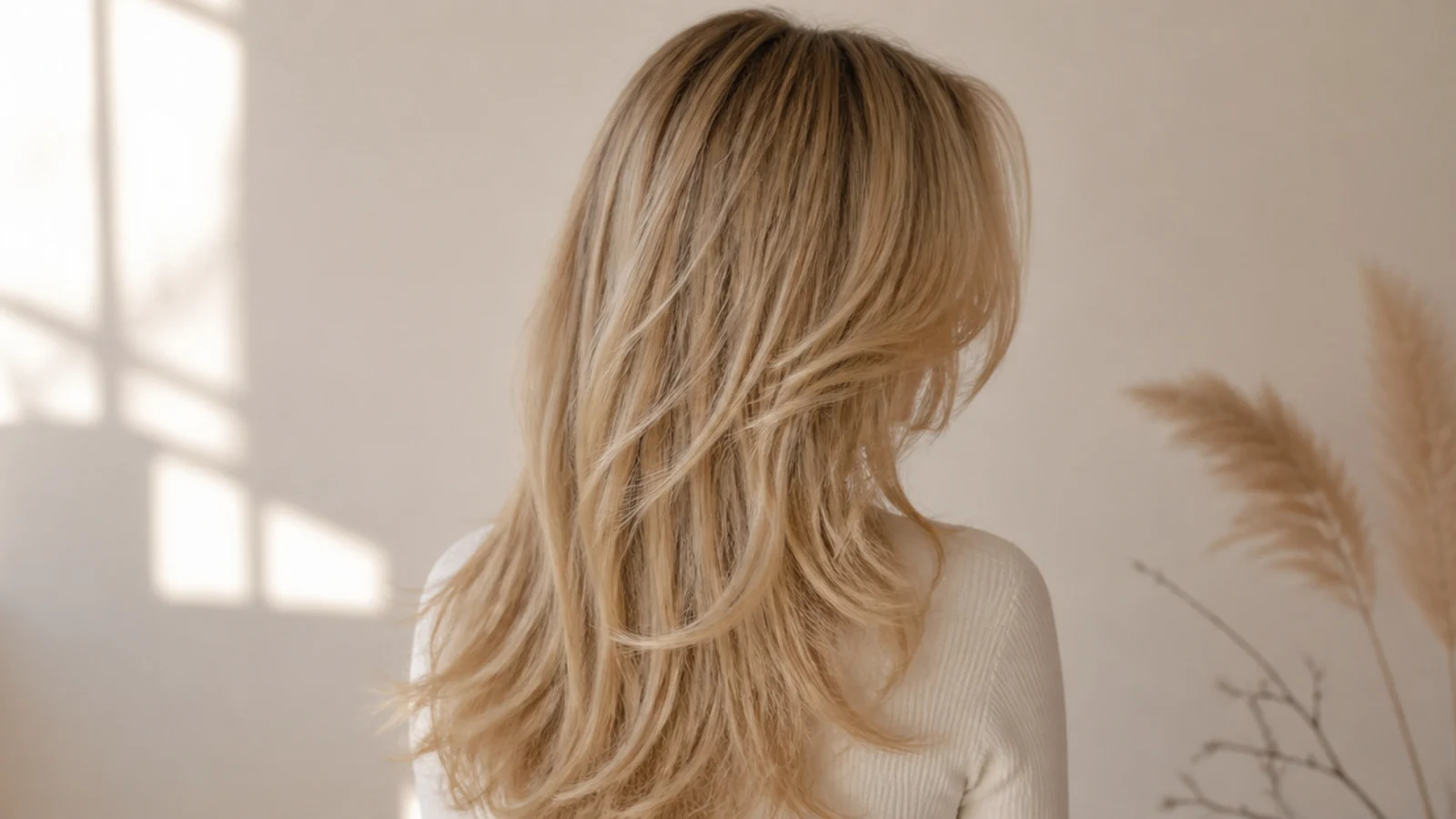
- 14. Brunette with Undone Texture
- 15. Brunette on Fine Hair
- 16. Brunette Over Previously Highlighted Hair
- 17. Brunette with a Centre Part
- 18. Brunette at Week Six
- 19. Brunette Re-Glossed
- 20. Uniform Brown for Comparison
- Styling and Upkeep
- Mistakes to Avoid
- FAQ
- Final Thoughts
Brunette is the version of this look most people are after, and the difference between one that looks expensive and one that looks like a home kit is smaller than you would think.
The root should sit a shade or two deeper than the lengths. Uniform brown from root to tip is exactly what box dye produces, and it reads flat no matter how good the shade is.
This sounds like it contradicts the low-contrast rule. It does not — low contrast is about variation across the head; root depth is variation down a single strand. One breaks the even surface, the other gives it dimension.
What Makes This Brown Work
Vertical depth, not lateral contrast. A shift from root to tip is invisible as variation and visible as richness. Piece-to-piece variation is the opposite.
Cool tones hold the look longer. Warm brunettes drift brassy as they fade, and brassiness reads as contrast even when the colour is even.
A gloss finishes it. The shine is a separate service from the colour, and it is doing half the visible work.
Depth suits fine hair. A deeper brunette reads as denser hair, which is a genuine reason to choose it beyond the aesthetics.
How to Choose Yours
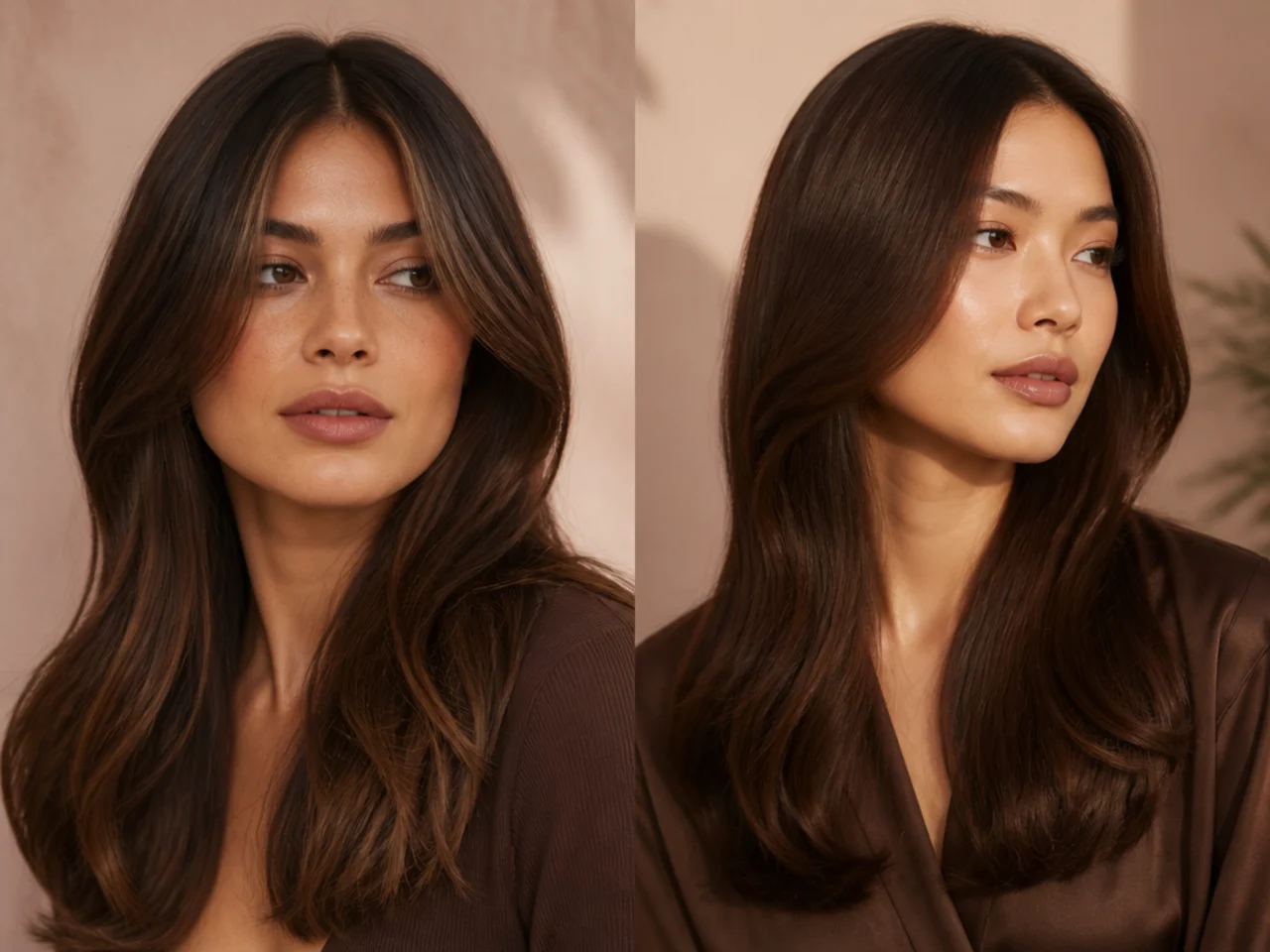
Ask for root depth by name. A shade or two deeper at the root, blended down. It is a standard request and it costs almost nothing.
Choose cool if you want low upkeep. Warm looks richer and fades faster into a tone this look cannot use.
Match the depth to your natural colour. A root close to your own means regrowth is nearly invisible, which extends the cycle considerably.
Book the gloss with the colour. Not as an upgrade — as part of the same result.
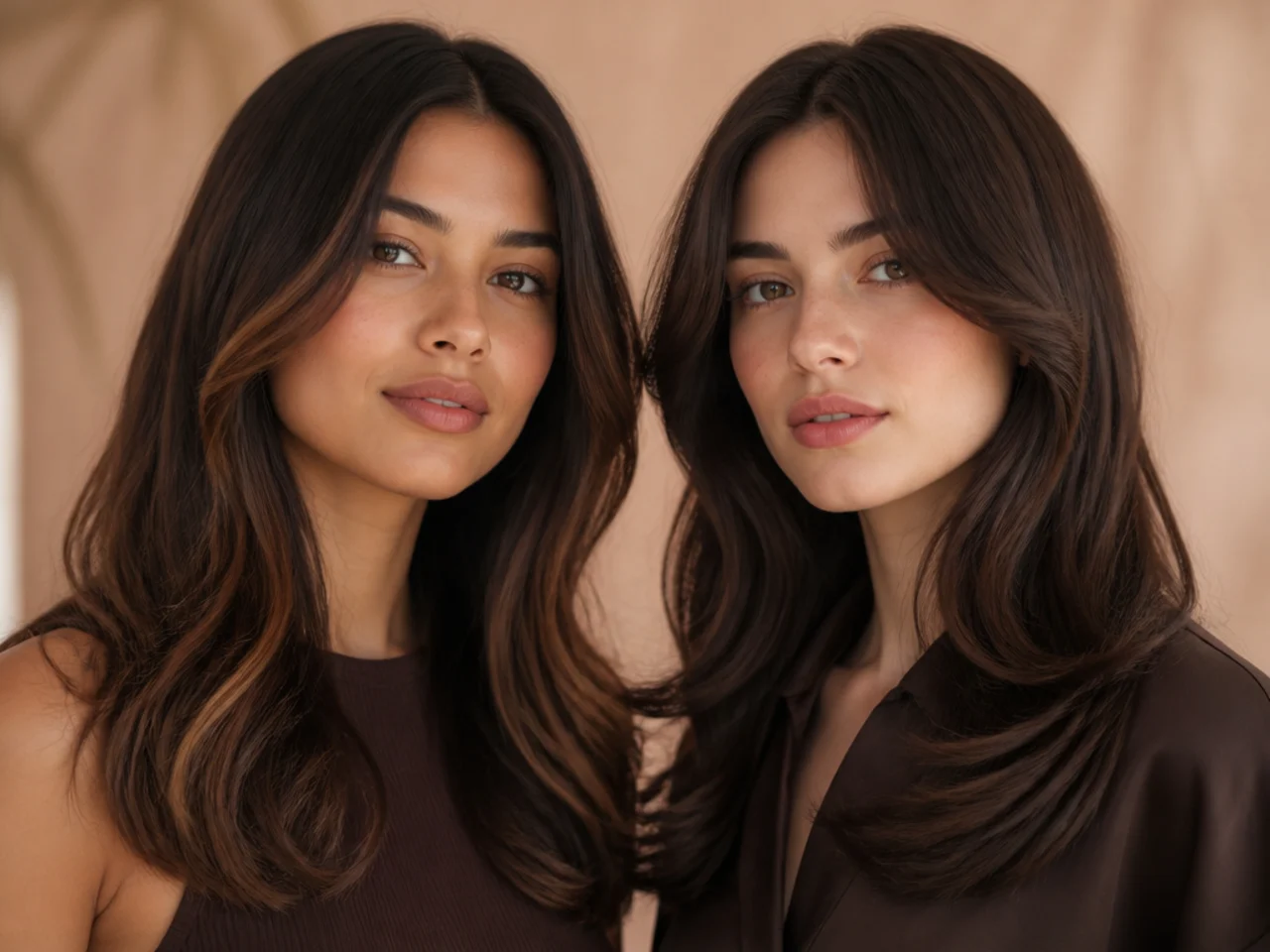
The 20 Brown Ideas
1. Deep Espresso with a Darker Root
The richest version, and the most forgiving as it grows. At that depth there is almost no gap between the root and the length, so regrowth has nothing to announce itself against.
2. Cool Ash Brown
Ashy, even, and the longest-lasting of the cool tones. Cool tones drift less than warm ones, which is why an ash brown keeps its flat quality weeks after a chestnut has shifted.
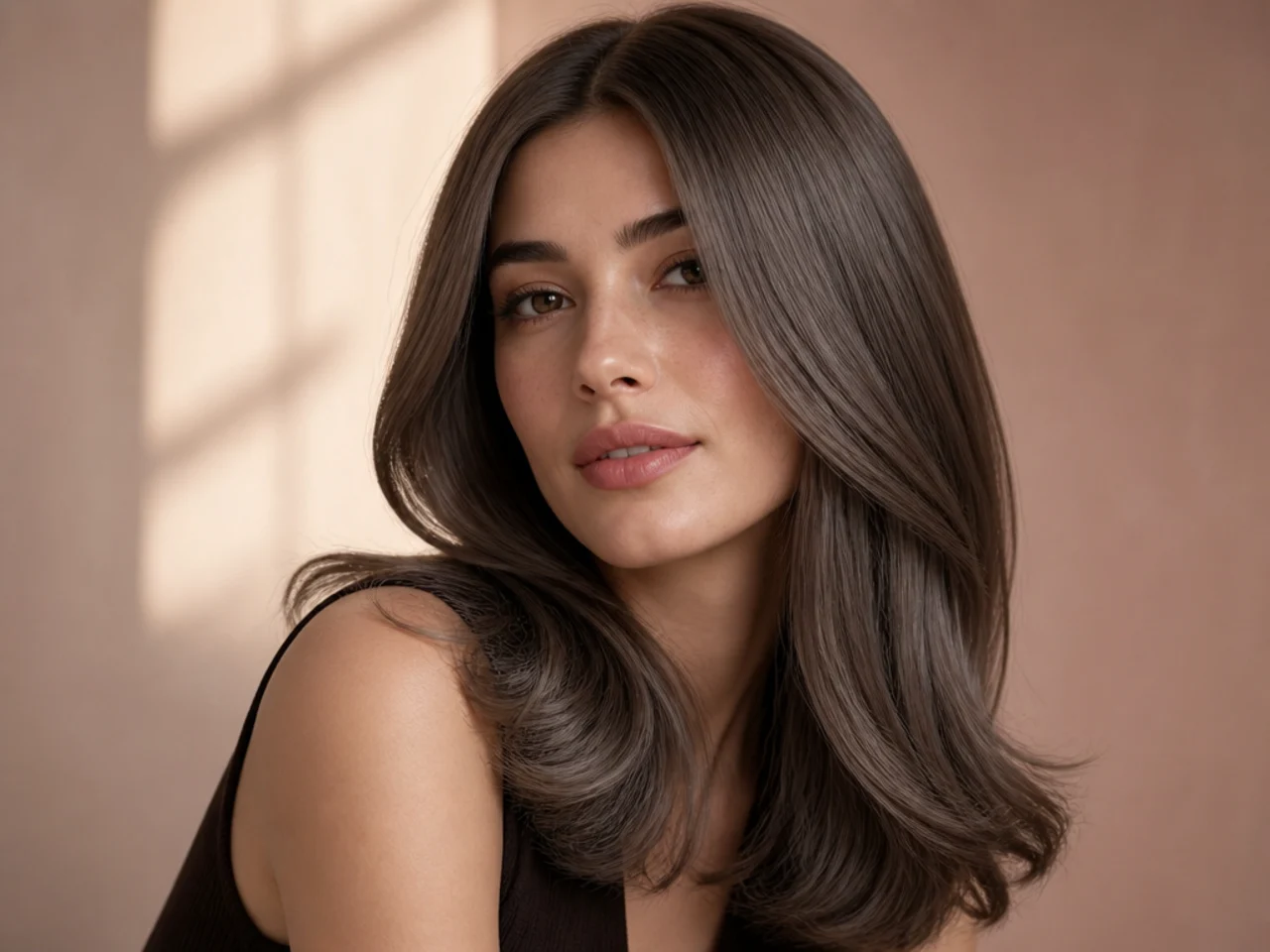
3. Warm Chestnut
Warmer and richer, on a shorter maintenance cycle. Warm shades pull towards brassiness as they fade, so the cycle is set by how quickly the warmth surfaces.
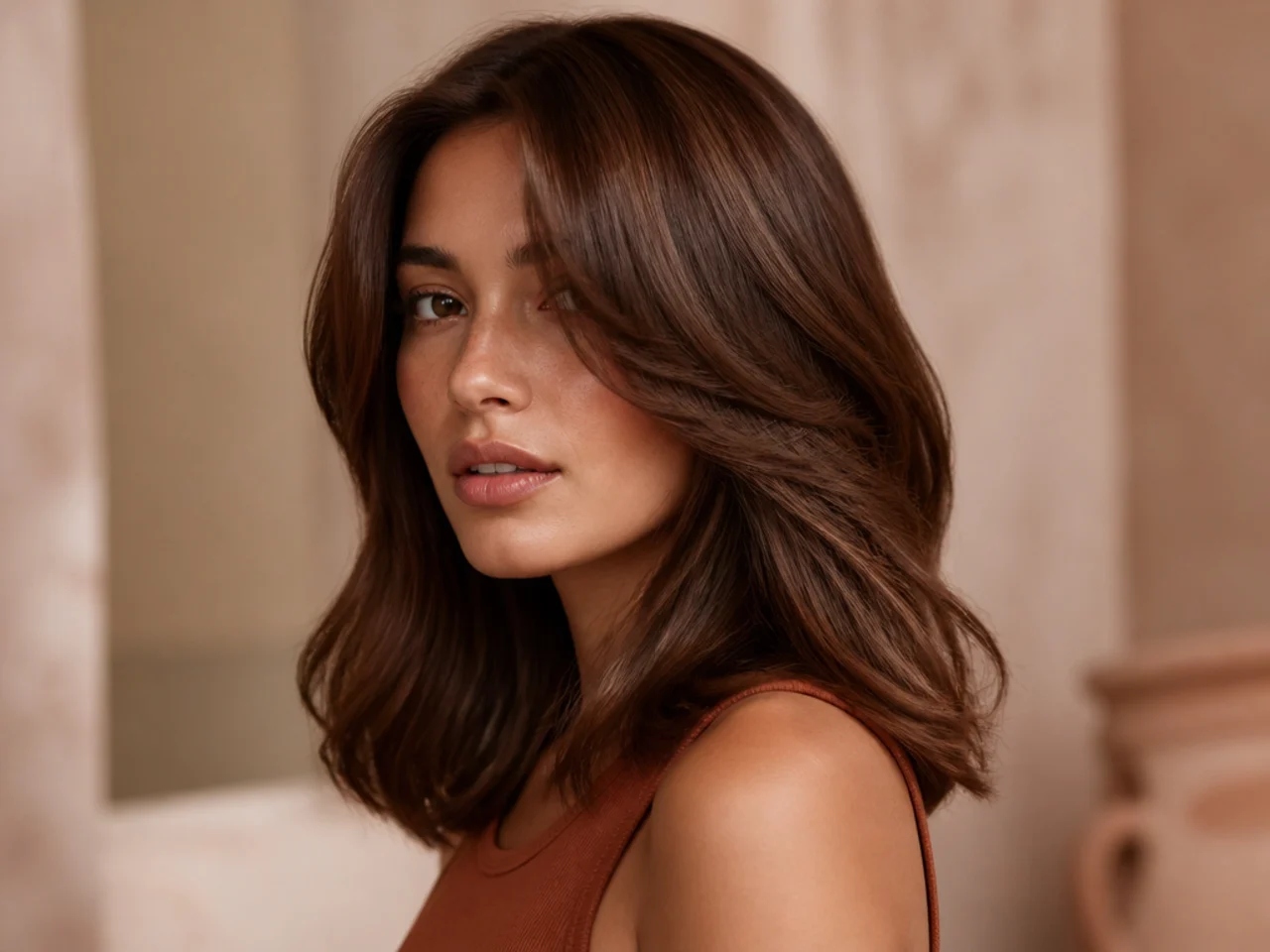
4. Dark Chocolate
The classic. Deep enough that regrowth barely shows. Depth is what buys you time between appointments, because the contrast at the root is what makes grow-out visible.
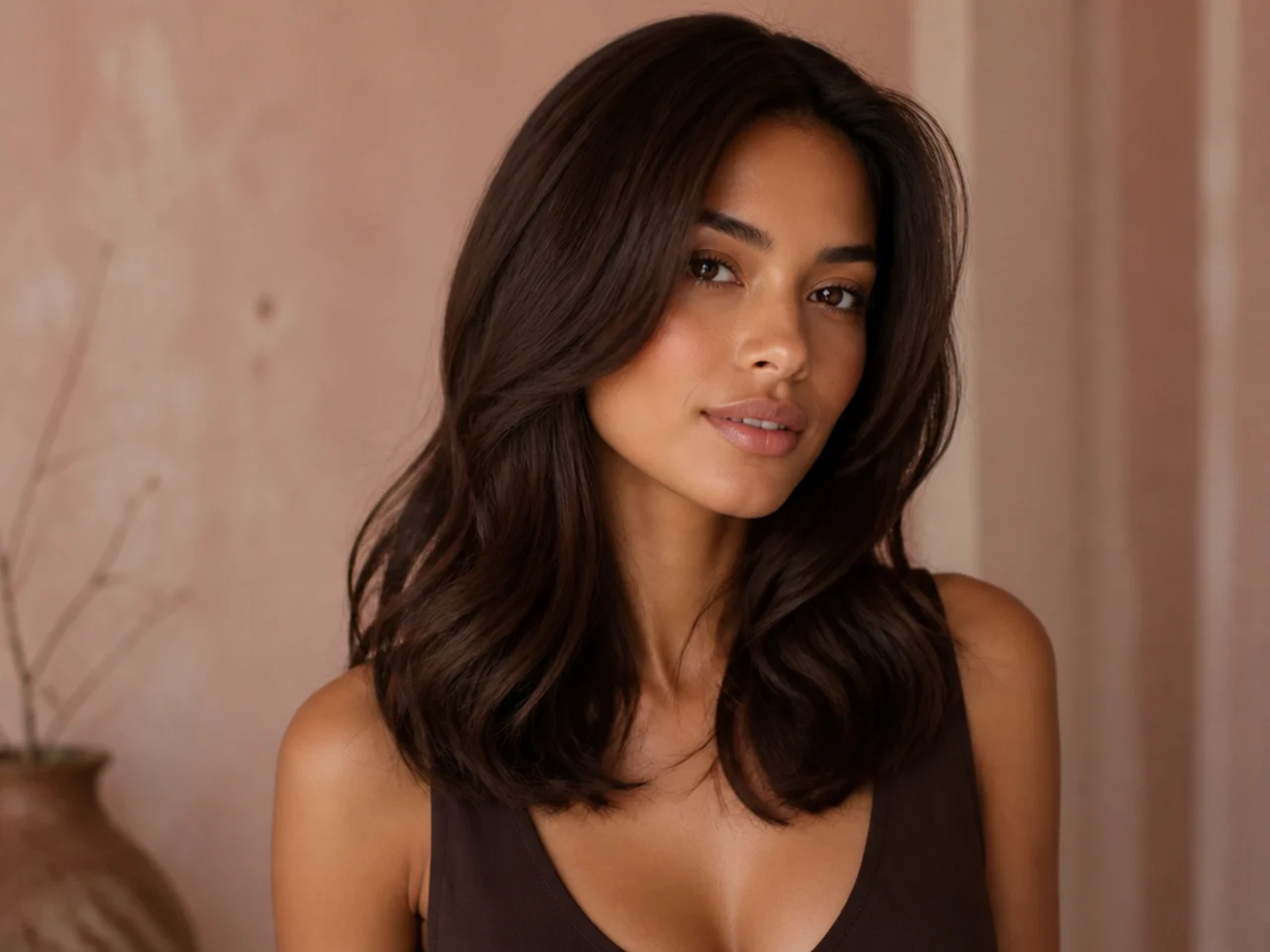
5. Mushroom Brown
Cool with a grey cast. Very flat in the intended way. The grey is what mutes it, and muting is precisely what stops a brown reading as flat-but-cheap.
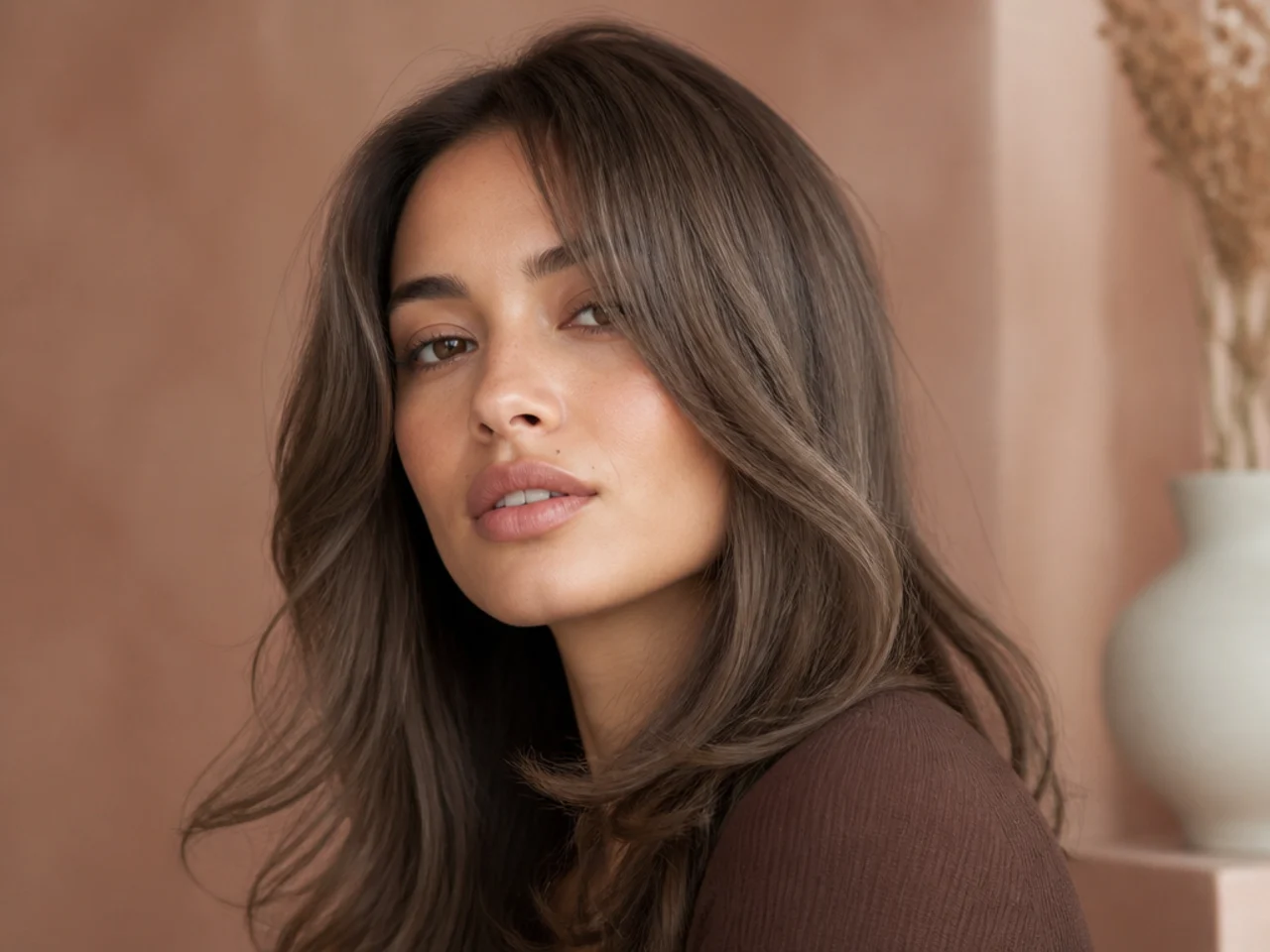
6. Milk Chocolate
Mid-depth and warm. The most universally wearable shade here. Mid-depth sits close to most natural bases, so it needs the least lift and shows the least regrowth.
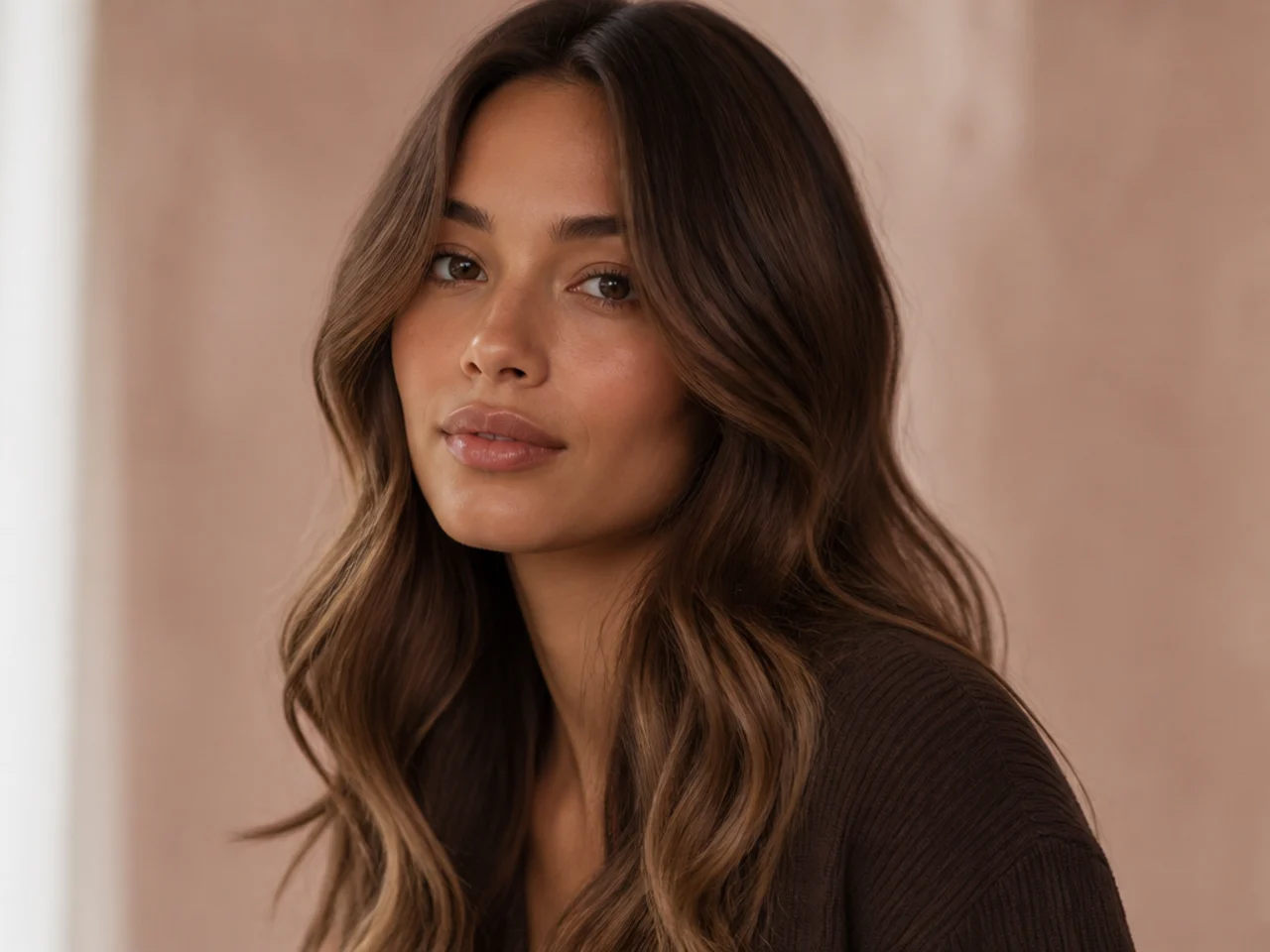
7. Bitter Chocolate with a Cool Gloss
Depth plus a cool gloss over the top. Very glossy indeed. The gloss is doing the shine and the base is doing the depth, which is why the two together outperform either alone.
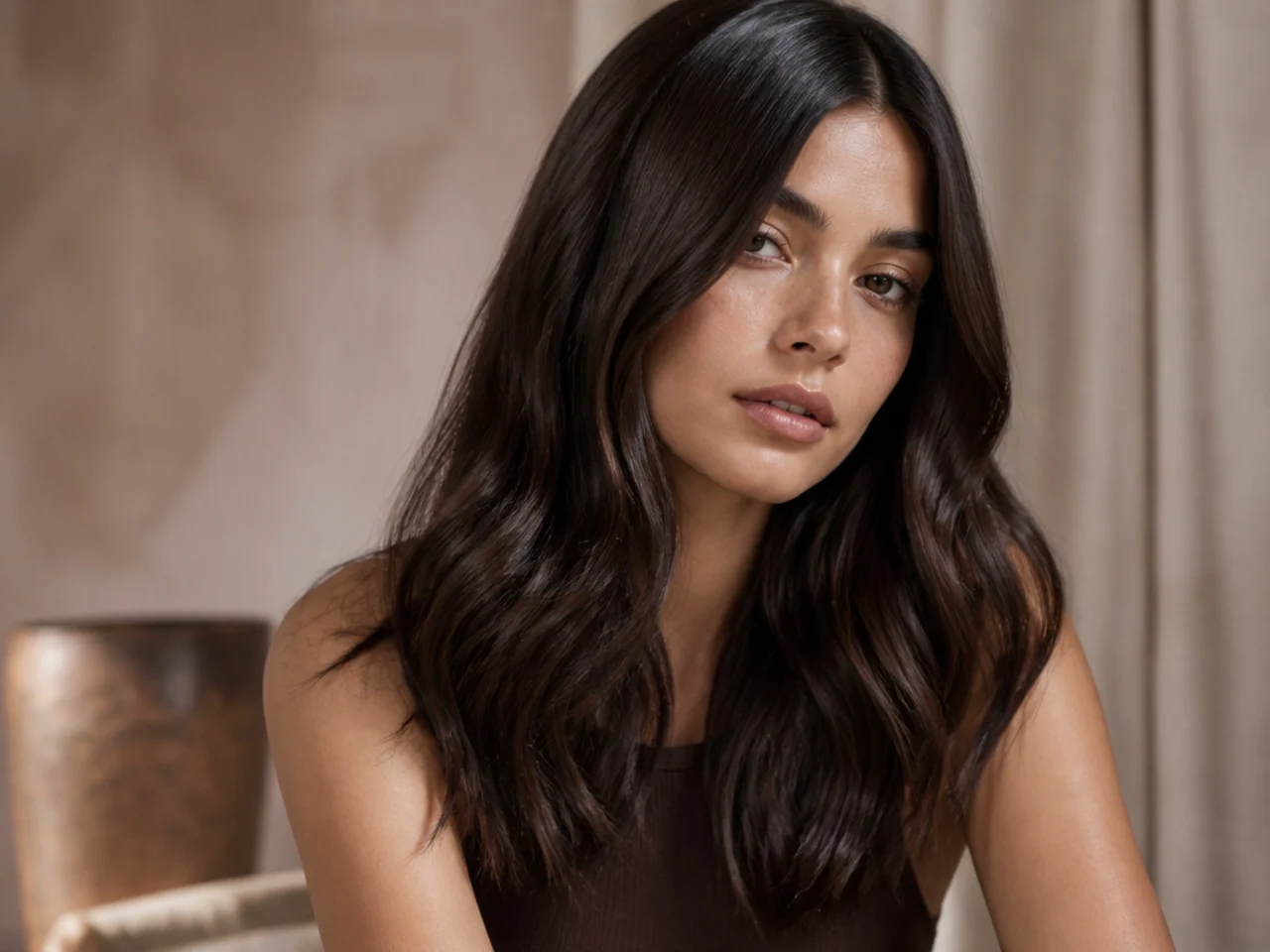
8. Chestnut with a Deep Root
Warmth in the lengths, depth at the root. The best of both. The root anchors the colour so the warmth reads as richness rather than as a grow-out problem.
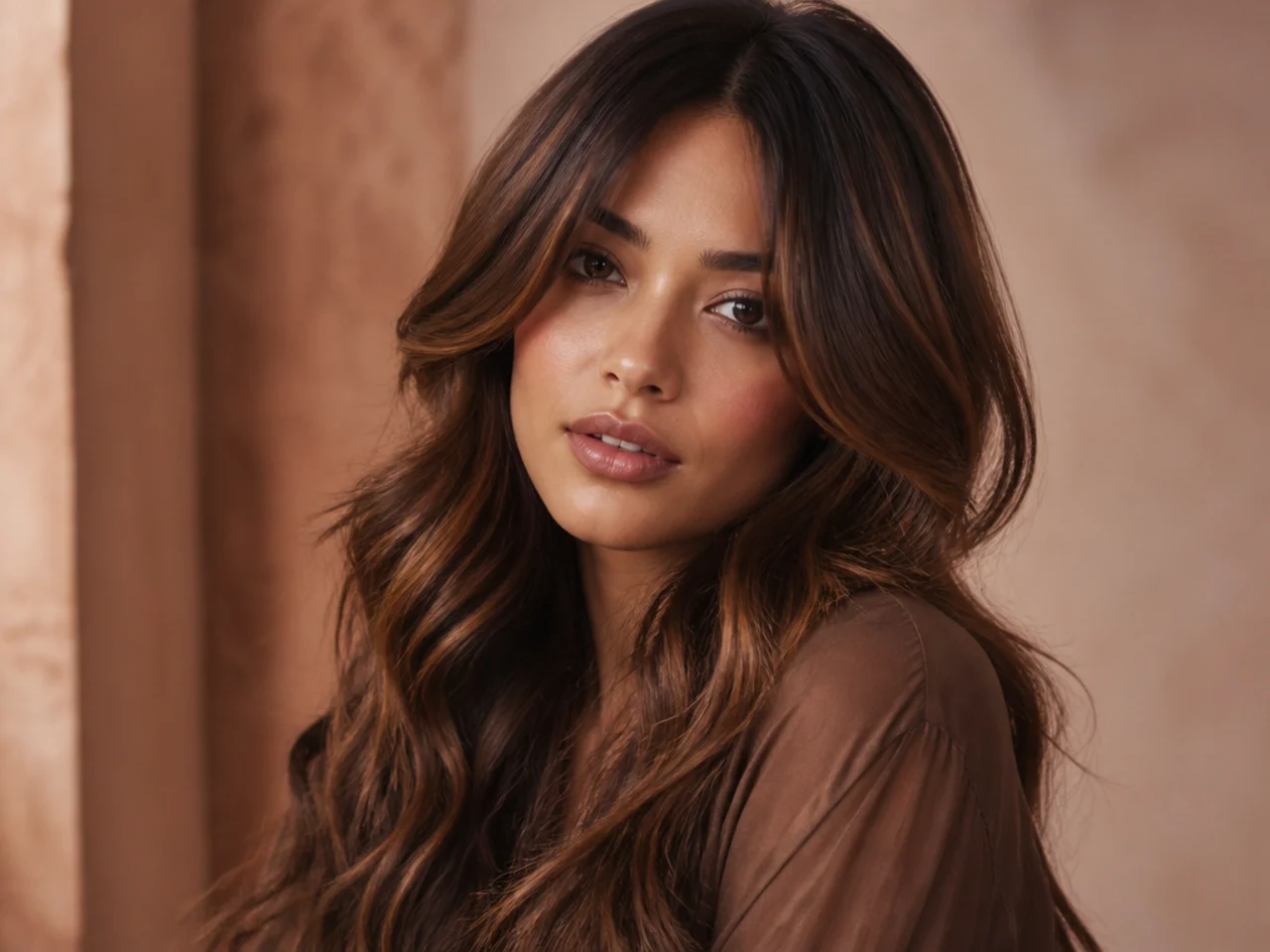
9. Coffee Brown
Between espresso and chocolate. Reads very neutral. Neutral sits between warm and cool, which means it drifts in neither direction as it fades.
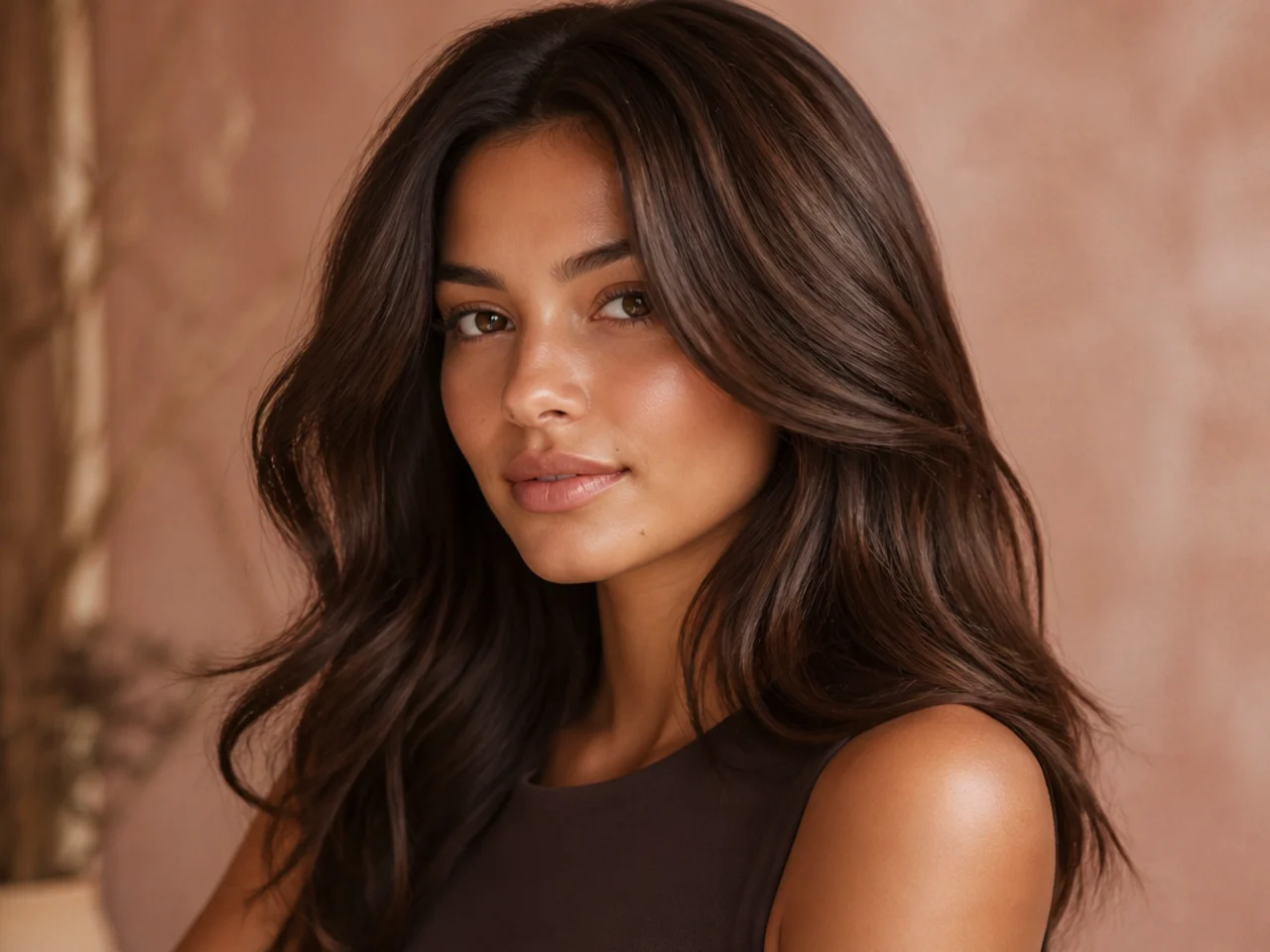
10. Brunette with a Blunt Lob
Colour and cut working together. The signature pairing. A blunt perimeter gives the depth a defined edge to end on, which is what makes the colour read as deliberate.
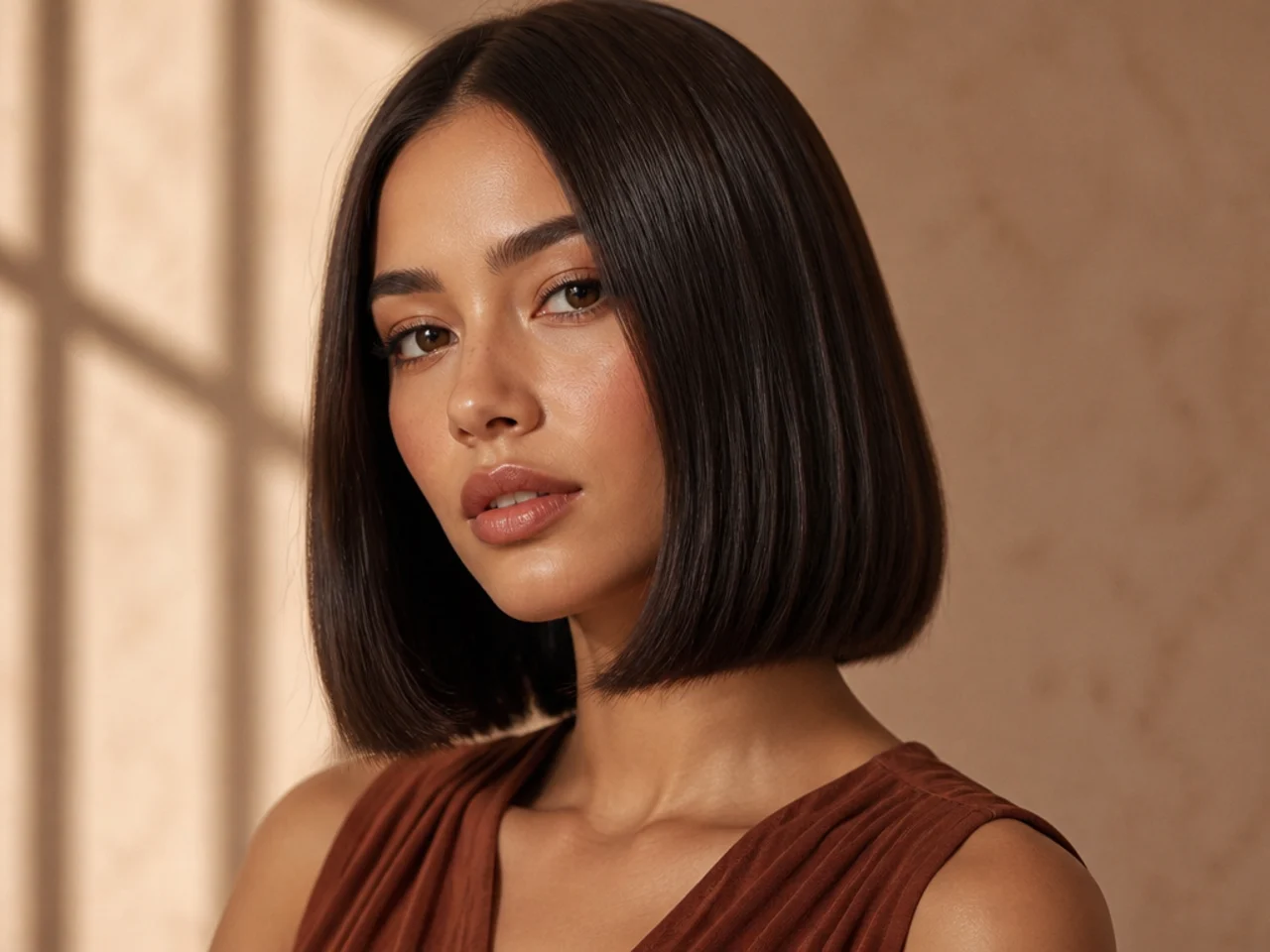
11. Brunette with a Blunt Bob
Shorter, and the depth reads even stronger at this length. The same pigment covers less hair, so the tone reads denser than it would down a long length.
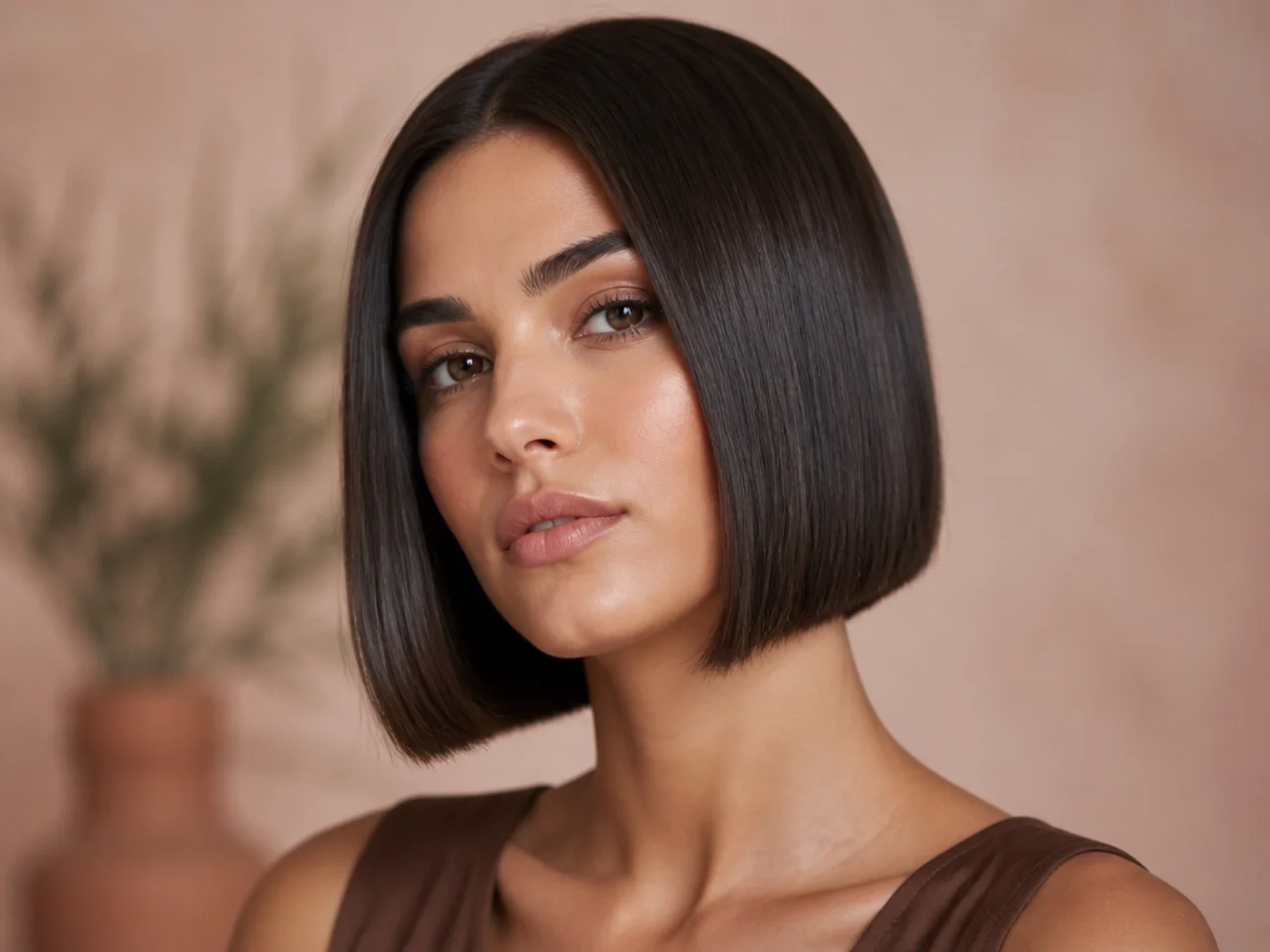
12. Long Brunette with Minimal Layers
Length kept heavy so the surface stays unbroken. Layers break a deep shade into visible sections, which reintroduces exactly the contrast this look avoids.
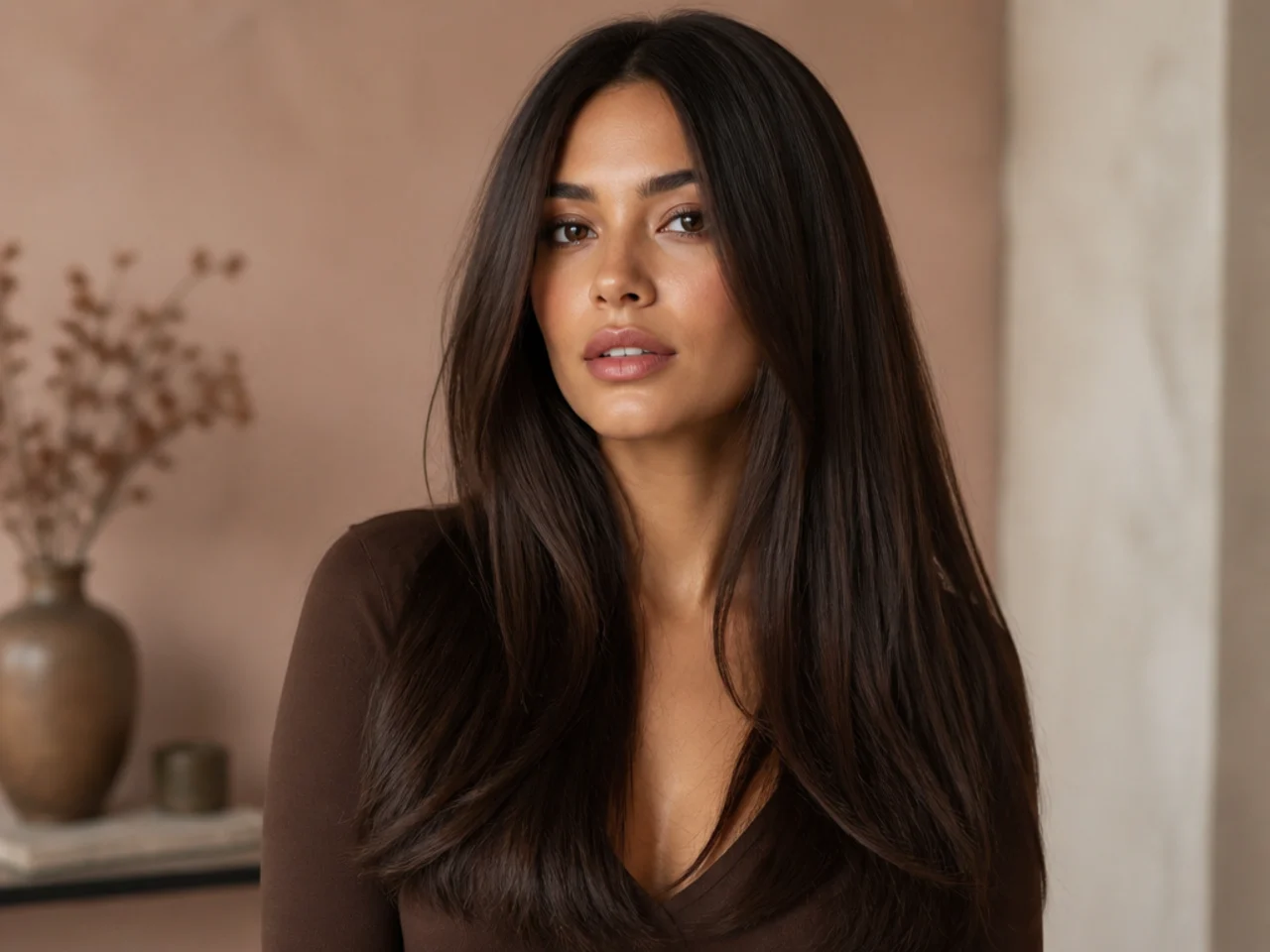
13. Brunette Slicked Back
Every bit of the gloss on display. A slicked surface shows colour with no shadow anywhere, so an even deposit reads as glass.
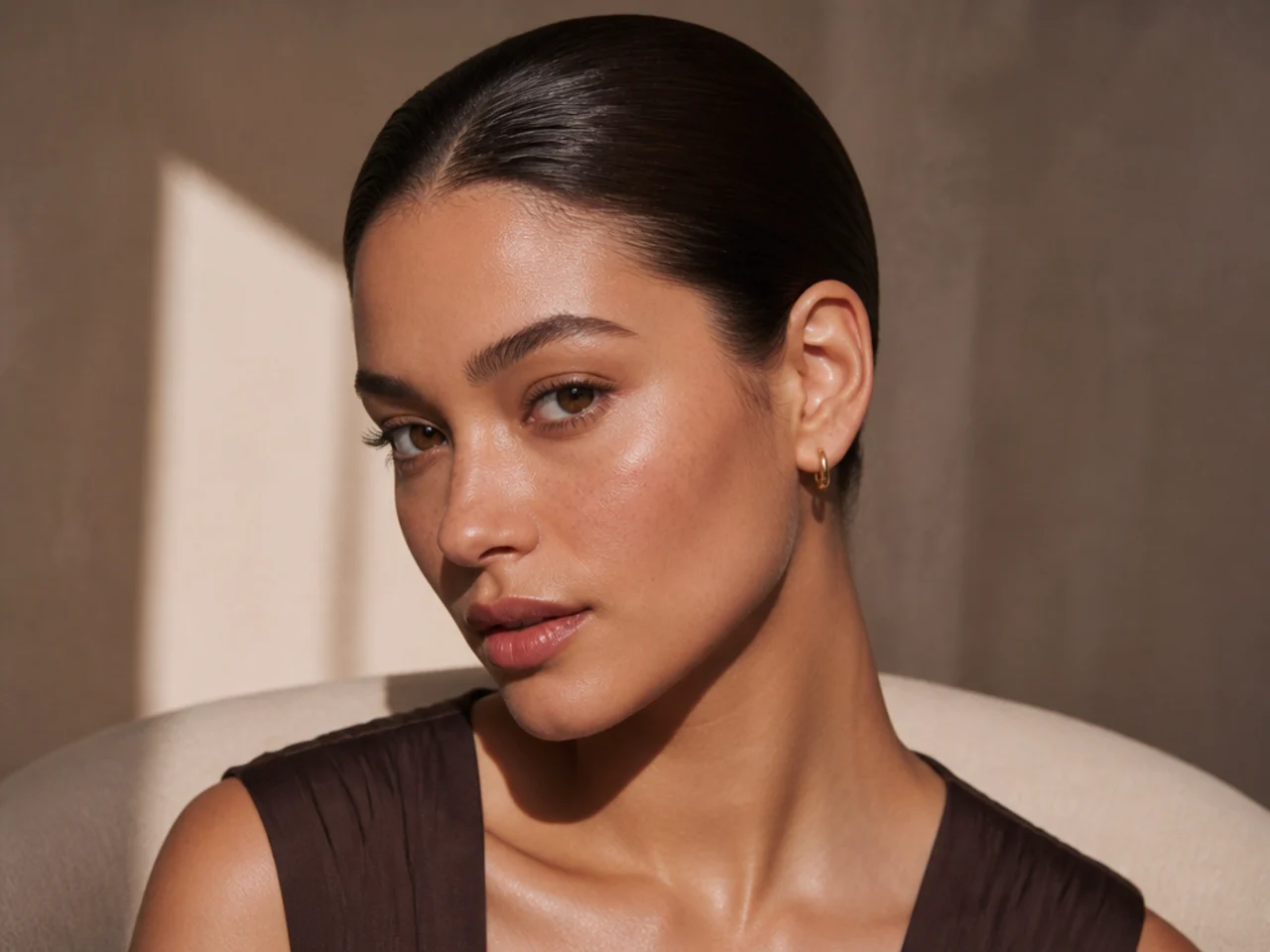
14. Brunette with Undone Texture
Rough-dried, where the depth still reads without any shine work. Texture scatters light instead of reflecting it, so the depth has to carry what the gloss usually would.
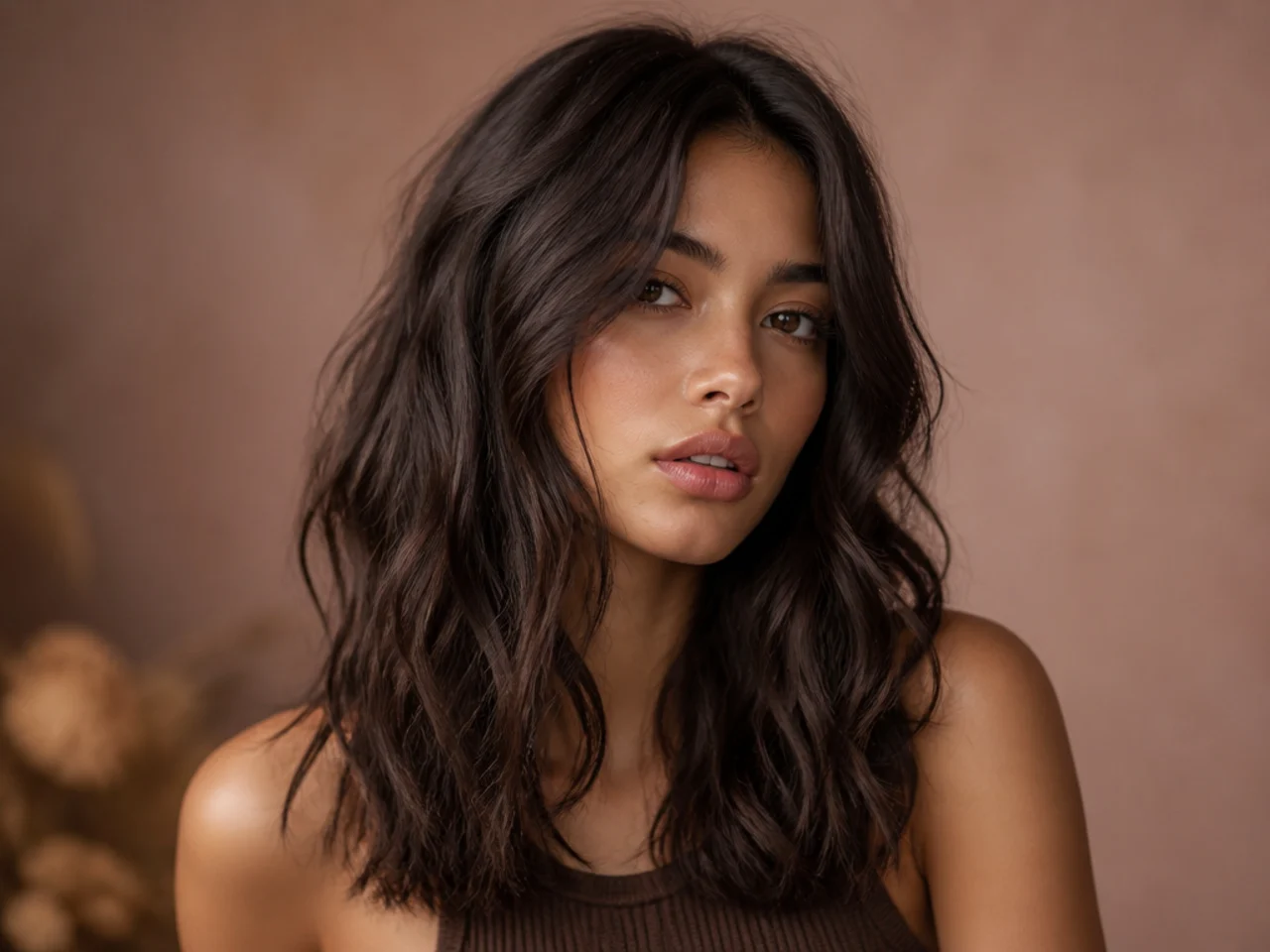
15. Brunette on Fine Hair
Depth adding apparent density. A practical reason to go darker. Pigment fills the strand rather than swelling it, which is why deposit adds body where lift removes it.
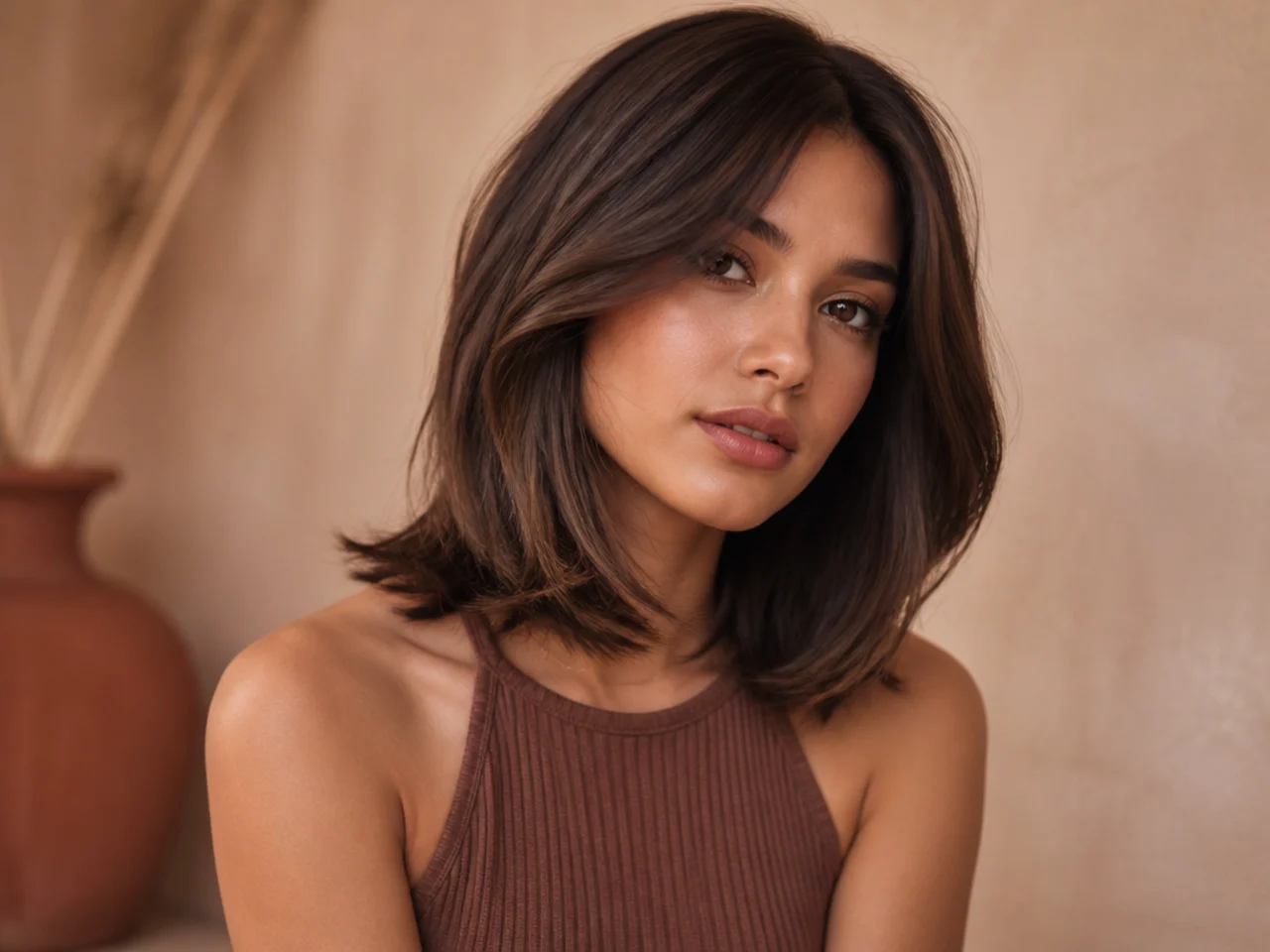
16. Brunette Over Previously Highlighted Hair
A gloss filling in old contrast. The most common repair. Depositing into previously lightened sections closes the gap between them and the base, which is what removes the streakiness.
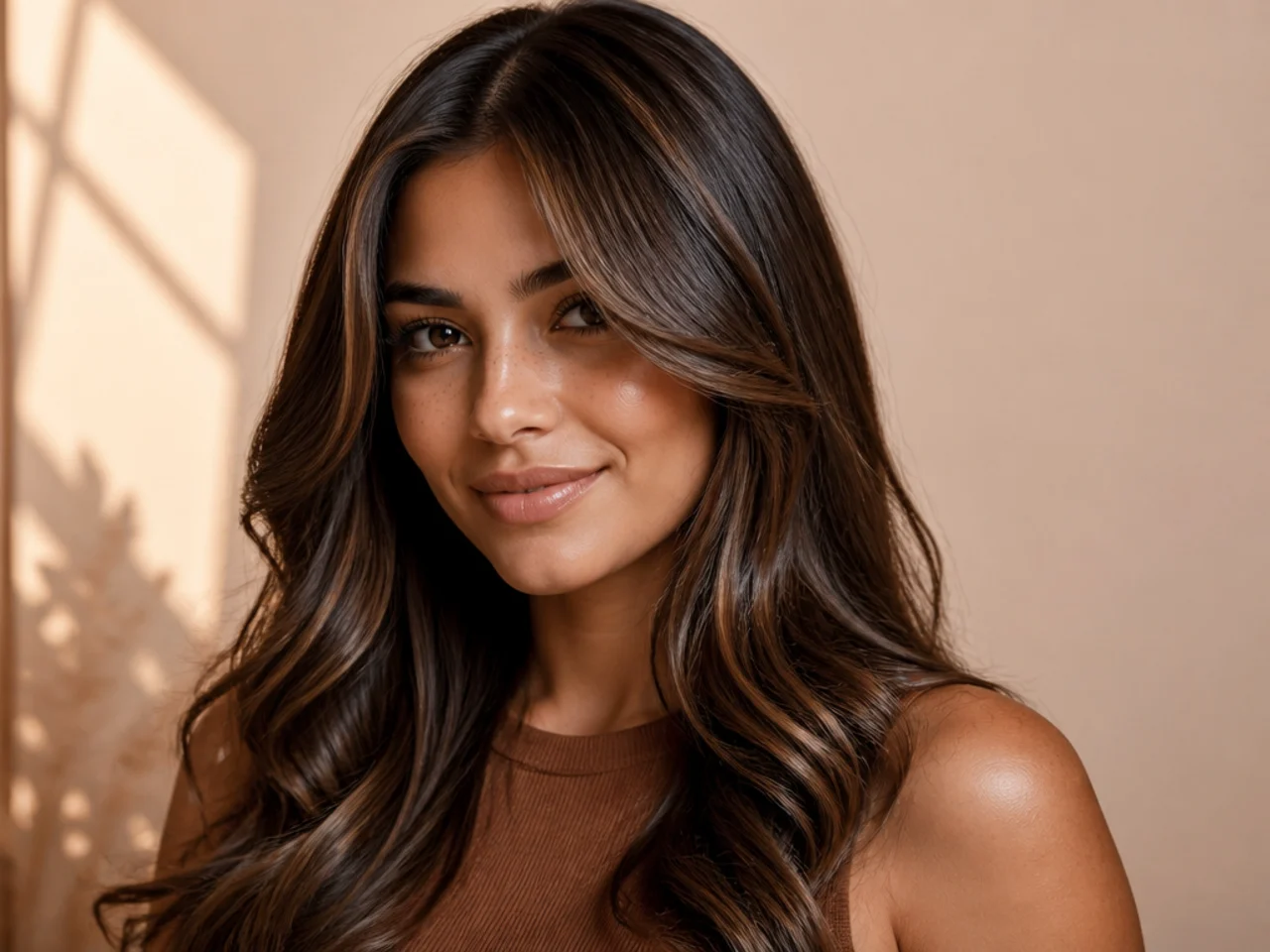
17. Brunette with a Centre Part
The part showing the root depth clearly, which is the point. A centre part exposes the root along its full run, so root depth stops being a maintenance issue and becomes the design.
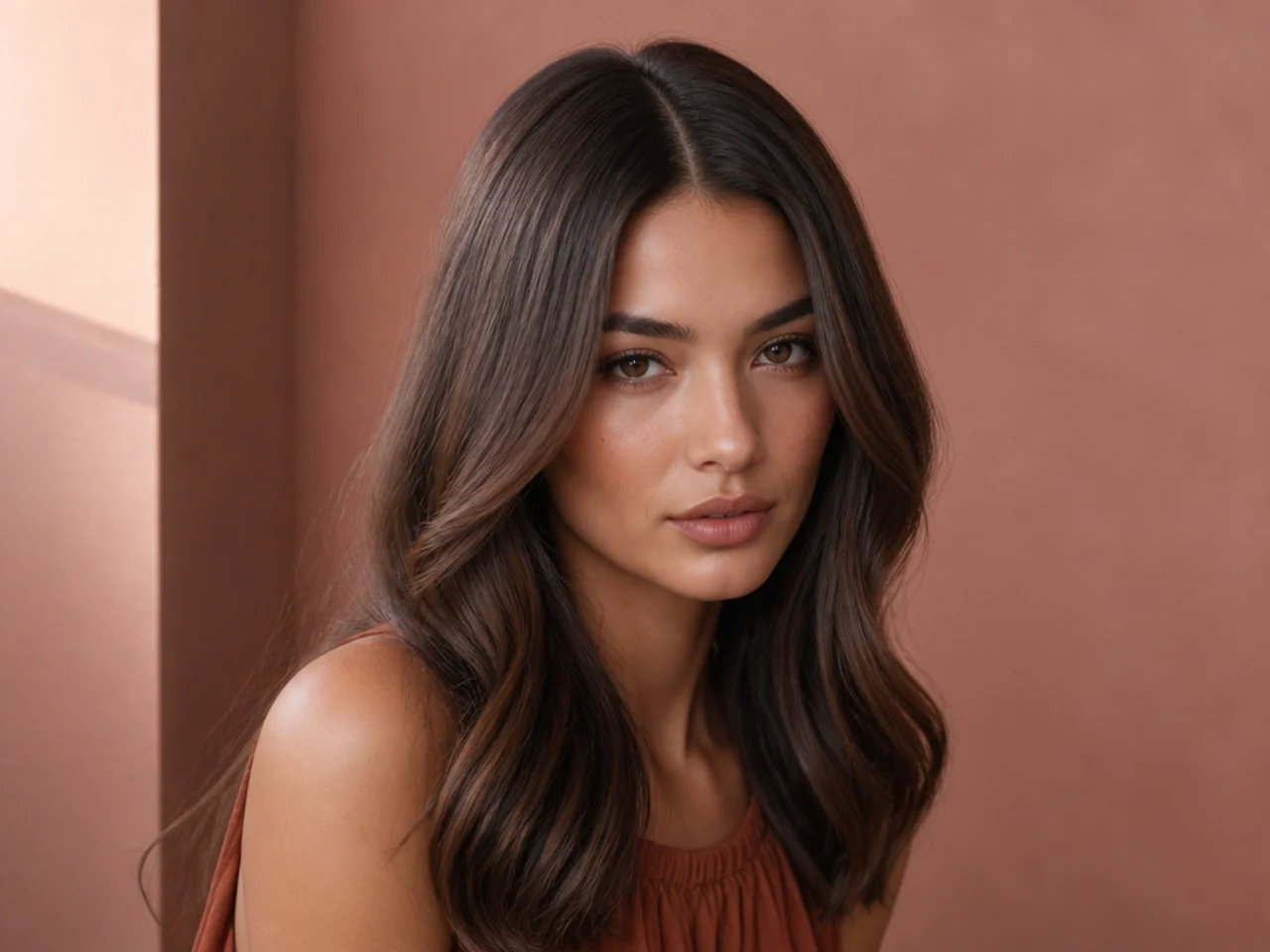
18. Brunette at Week Six
Where the gloss has faded but the colour has not. Shine fades before tone does, which is why a re-gloss restores the part that actually went.
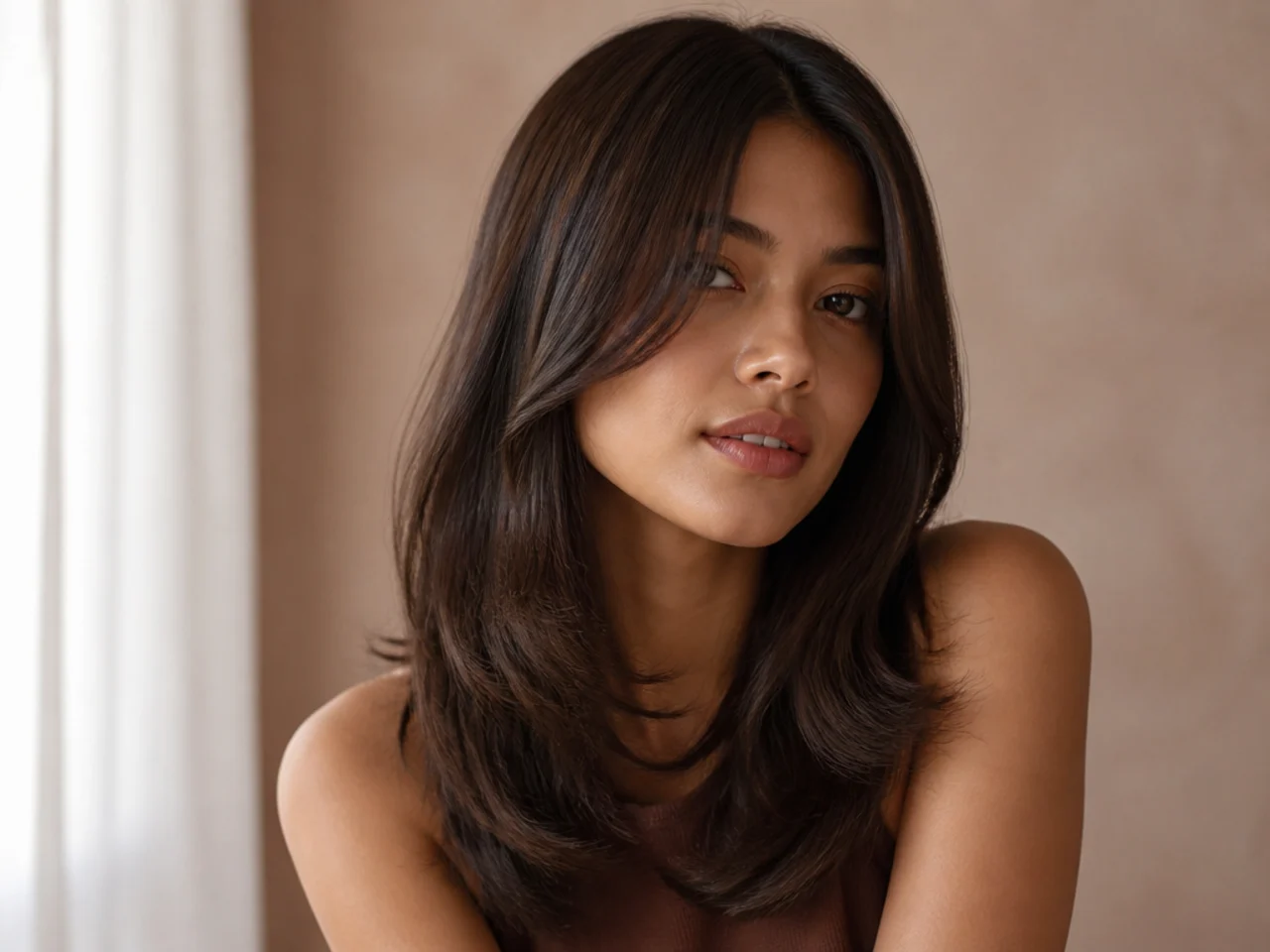
19. Brunette Re-Glossed
The same colour with the shine restored. A short appointment. No lift and no new deposit into the base — it is a surface refresh rather than a colour service.
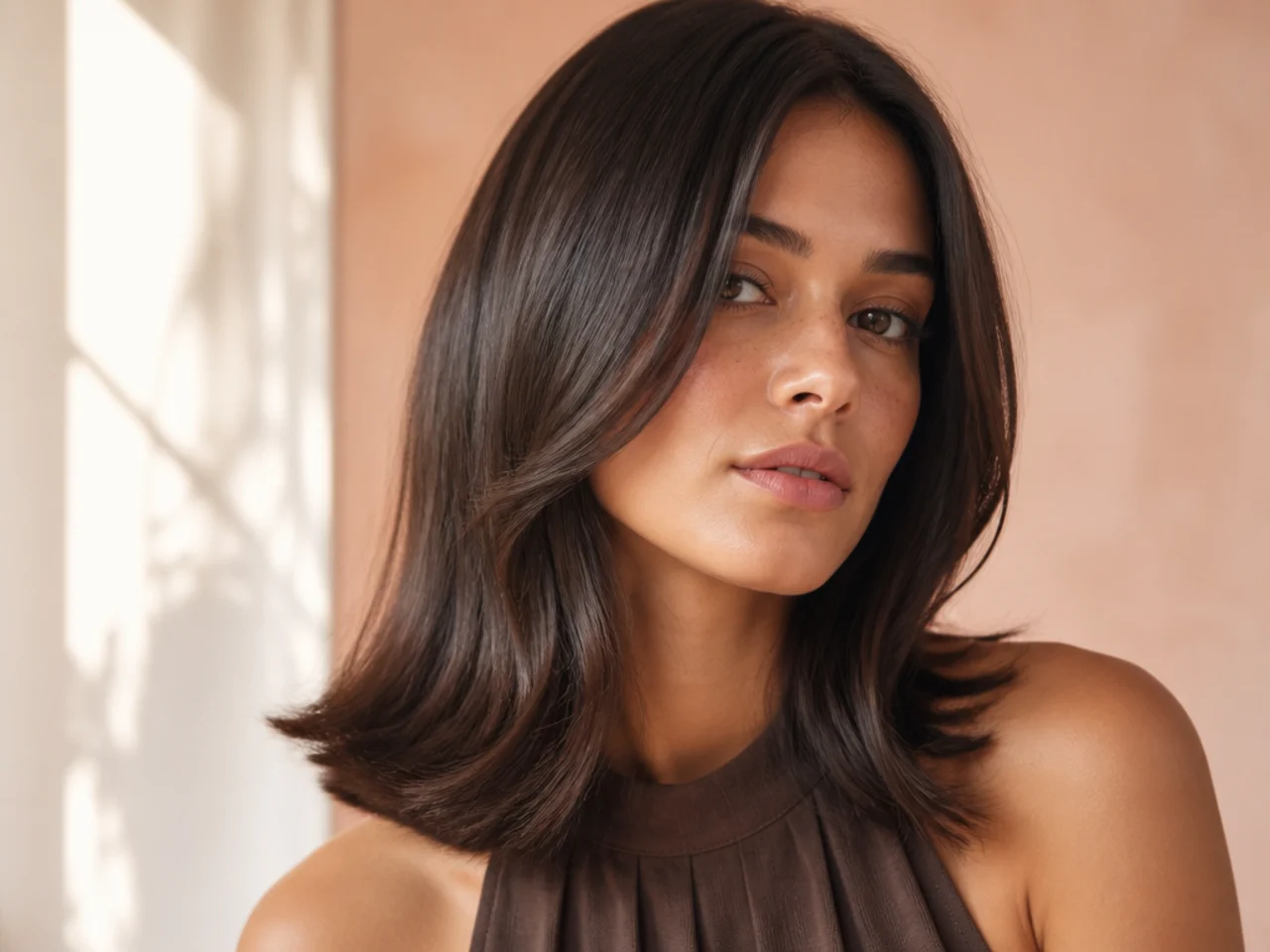
20. Uniform Brown for Comparison
One flat shade, root to tip. The look this page avoids. Uniform depth with no root variation reads as dyed rather than as expensive, which is the distinction the whole board turns on.
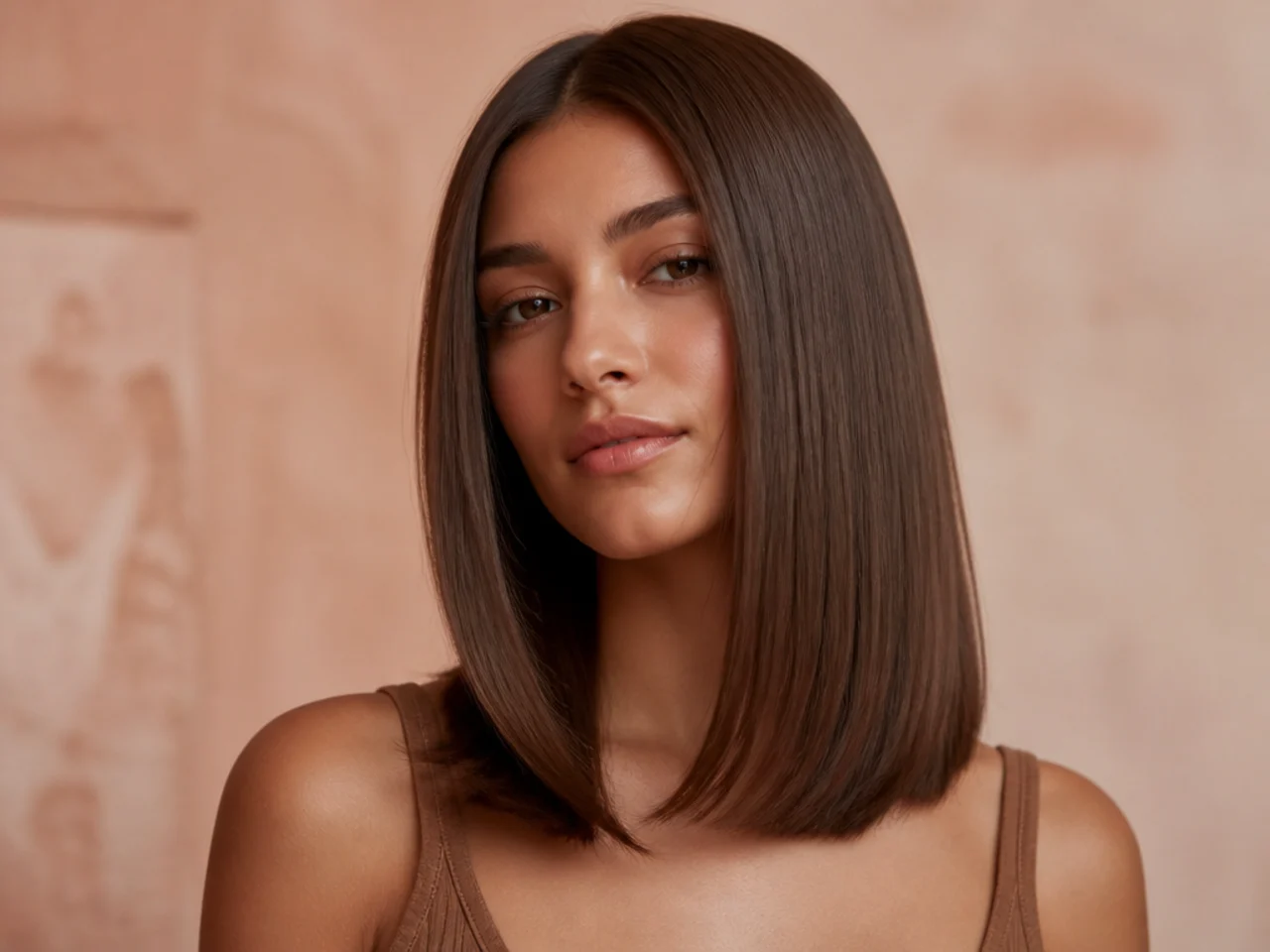
Styling and Upkeep
Re-gloss every six to eight weeks. The shine goes long before the colour does, and the gloss is the cheaper half of the appointment.
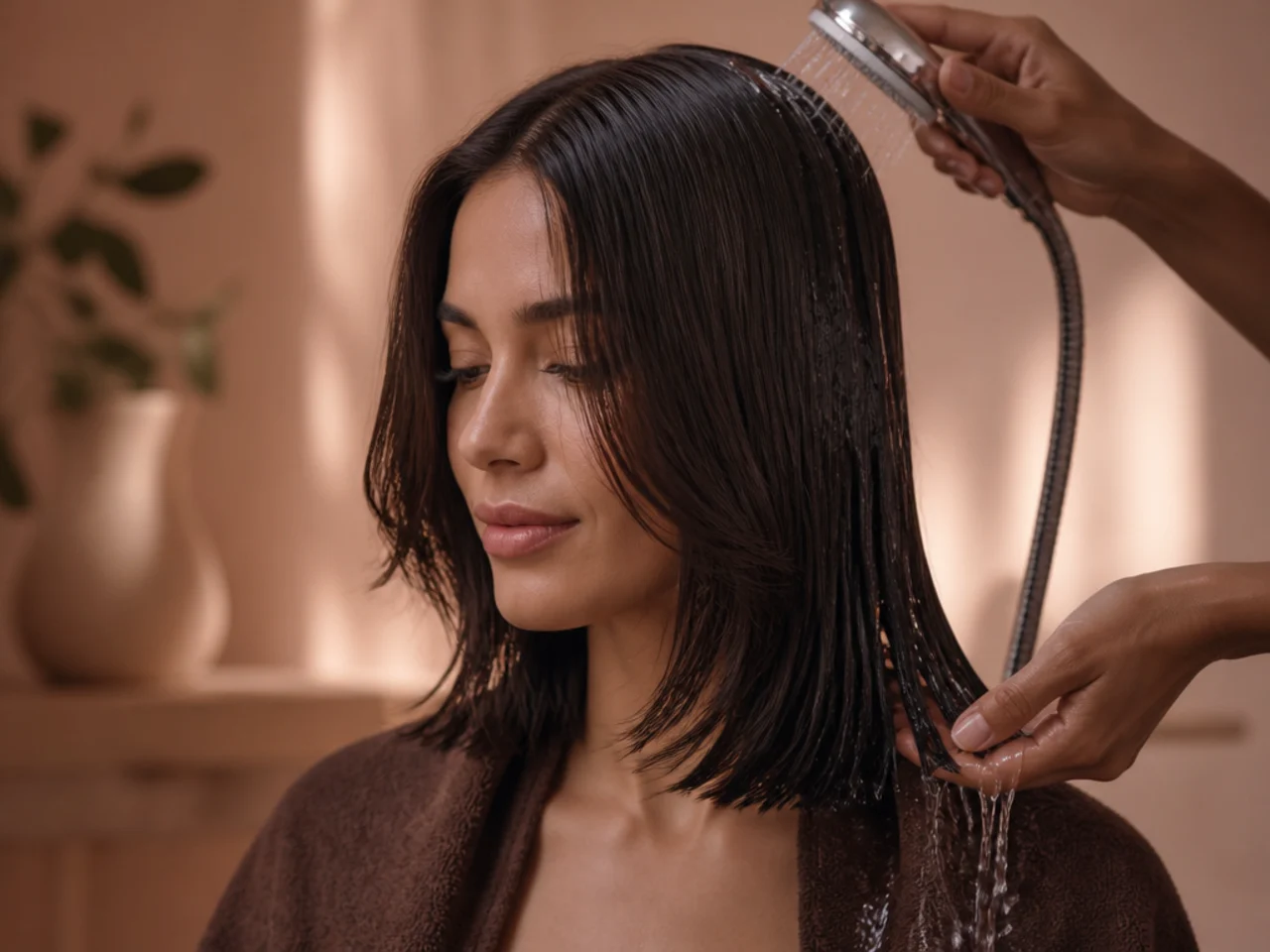
Cool rinse after every wash. It closes the cuticle, which is free shine.
Use a colour-safe shampoo, sulphate-free. Brunette fades toward brassy, and harsh detergents accelerate it.
Skip purple shampoo. It is for blonde. On brunette it dulls rather than corrects.
Keep the perimeter sharp. Depth and gloss both read better against a clean cut line.
Mistakes to Avoid
Uniform colour root to tip. It is what makes brunette look like a home kit.
Confusing root depth with highlights. One is down a strand, the other is across the head.
Choosing warm without accounting for the fade. Brassiness reads as contrast.
Letting the gloss lapse. Half the effect is the shine.
Purple shampoo on brunette. Wrong tool, and it flattens the tone.
FAQ
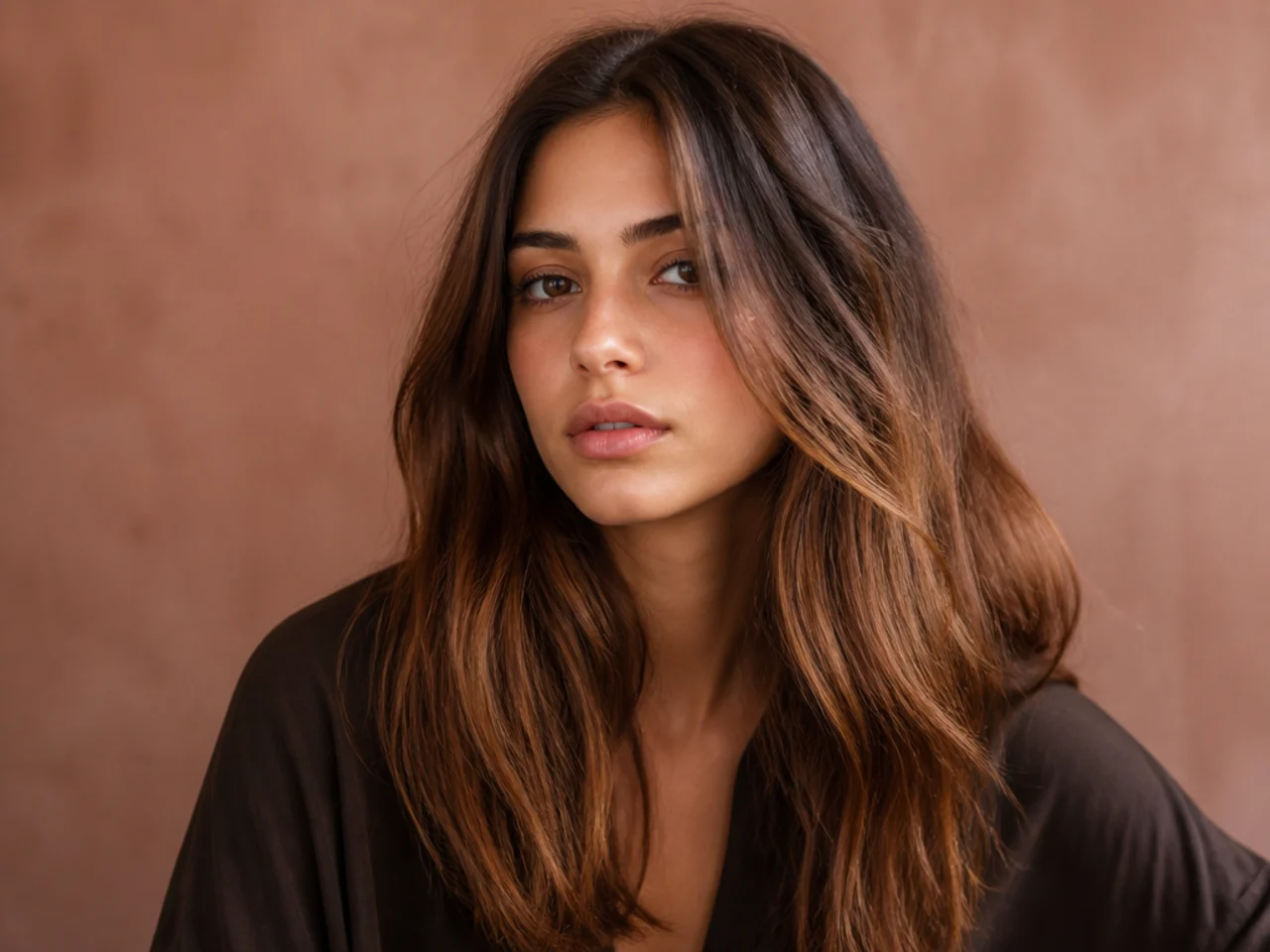
What makes brown look expensive? A root a shade or two deeper than the lengths.
Is that the same as highlights? No — root depth runs down a strand; highlights run across the head.
Warm or cool? Cool holds longer; warm reads richer. A genuine trade.
Final Thoughts
Ask for a slightly deeper root and a gloss on top. Those two additions turn an ordinary brown into the version people save, and neither of them is the shade itself — which is where almost everyone starts and where the smallest difference actually lies.
For the blonde version see 20 stunning hailey bieber blonde hair ideas, and for all fifteen shades tested see 15 hailey bieber hair colors I tried and loved. More in Celebrity Hair.