15 Fulani vs Knotless Braids Ideas Compared
Fulani and knotless are not competing styles — one is a pattern, the other is a technique, and you can have both. Fifteen side-by-side comparisons covering tension, install time, lifespan and cost.
In this article · 21
- Quick Comparison at a Glance
- What Each One Actually Is
- 15 Side-by-Side Comparisons
- 1. Day-One Comfort
- 2. Edge Safety
- 3. Install Time
- 4. Lifespan
- 5. Cost
- 6. How It Looks at the Root
- 7. Suitability for Fine Hair
- 8. Styling Flexibility
- 9. Takedown
- 10. Weight Distribution
- 11. The Fulani Pattern on Its Own
- 12. Combining Both
- 13. Which Suits a Sensitive Scalp
- 14. Which Photographs Better
- 15. Which to Choose for a First Install
- Which Should You Choose?
- FAQ
- Final Thoughts
The comparison people search for is not quite the right one. Fulani is a pattern — cornrows braided back from a centre parting, a braid framing each side of the face. Knotless is a technique — how each individual braid begins at the scalp. You can have Fulani braids that are knotted, Fulani braids that are knotless, and knotless braids in no Fulani pattern at all.
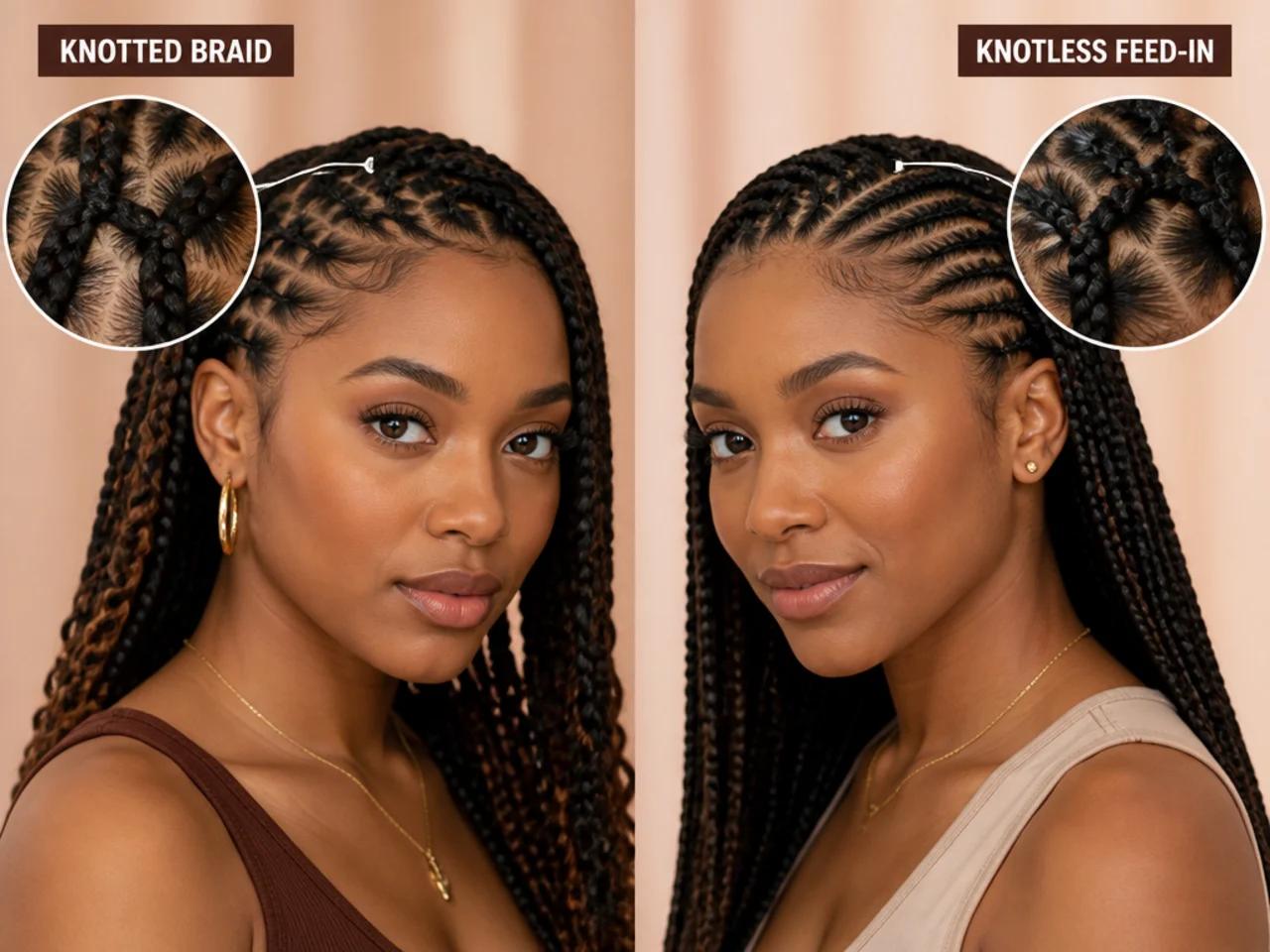
What follows compares the two properly: pattern against technique, and knotted against knotless within the Fulani pattern, which is the decision you are actually making at the salon.
Quick Comparison at a Glance
| Fulani (pattern) | Knotless (technique) | |
|---|---|---|
| What it is | Cornrow layout from a centre part | How the braid starts at the root |
| Affects tension? | Indirectly, via braid size | Directly — removes the anchor knot |
| Install time | Adds ~1 hr for the cornrows | Adds ~1 hr over knotted |
| Typical lifespan | Depends on size, 3–6 weeks | Slightly shorter, roots loosen sooner |
| Cost impact | Small | 15–30% more |
| Can you combine? | Yes — knotless Fulani is common | Yes |
What Each One Actually Is
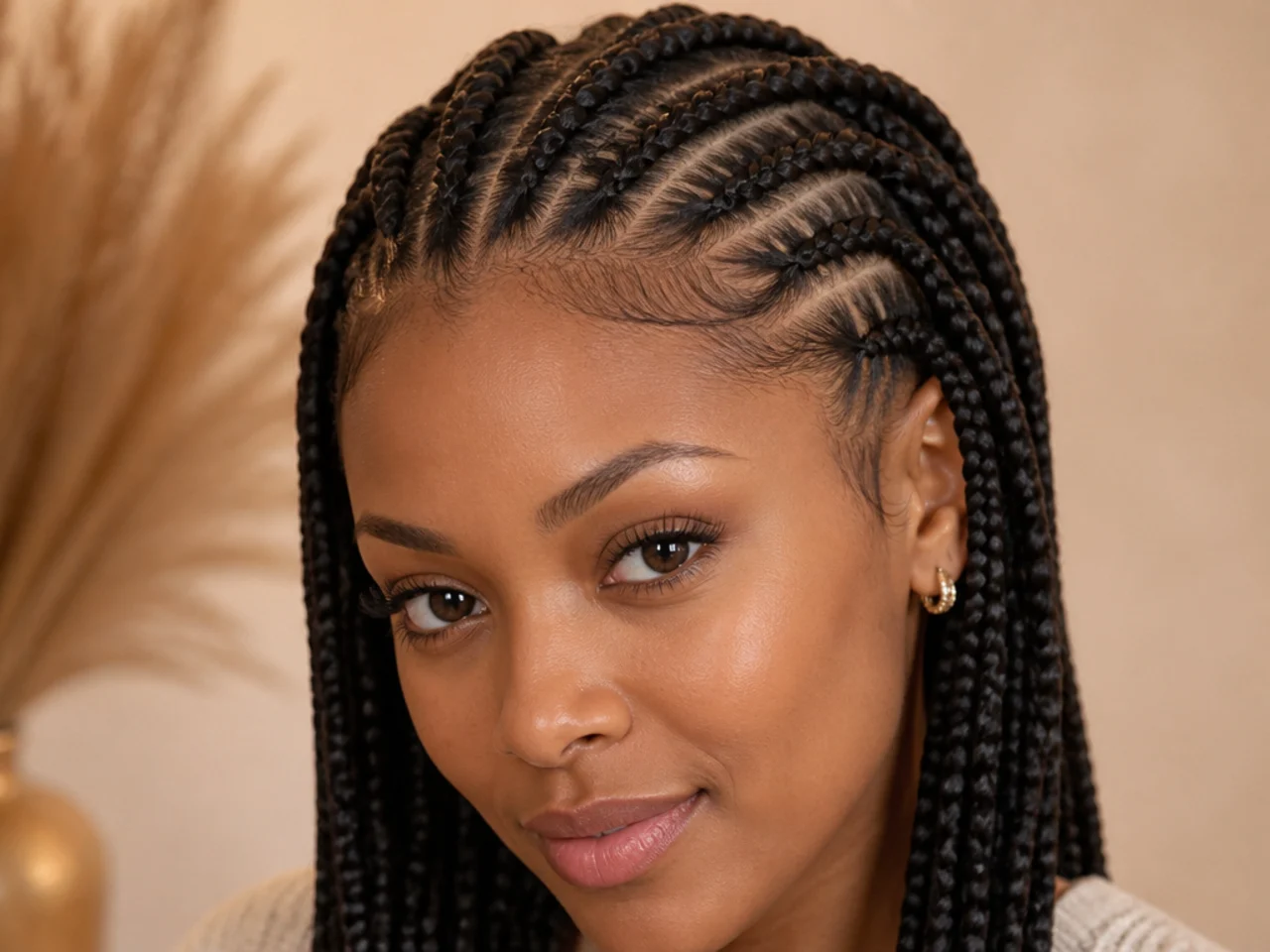
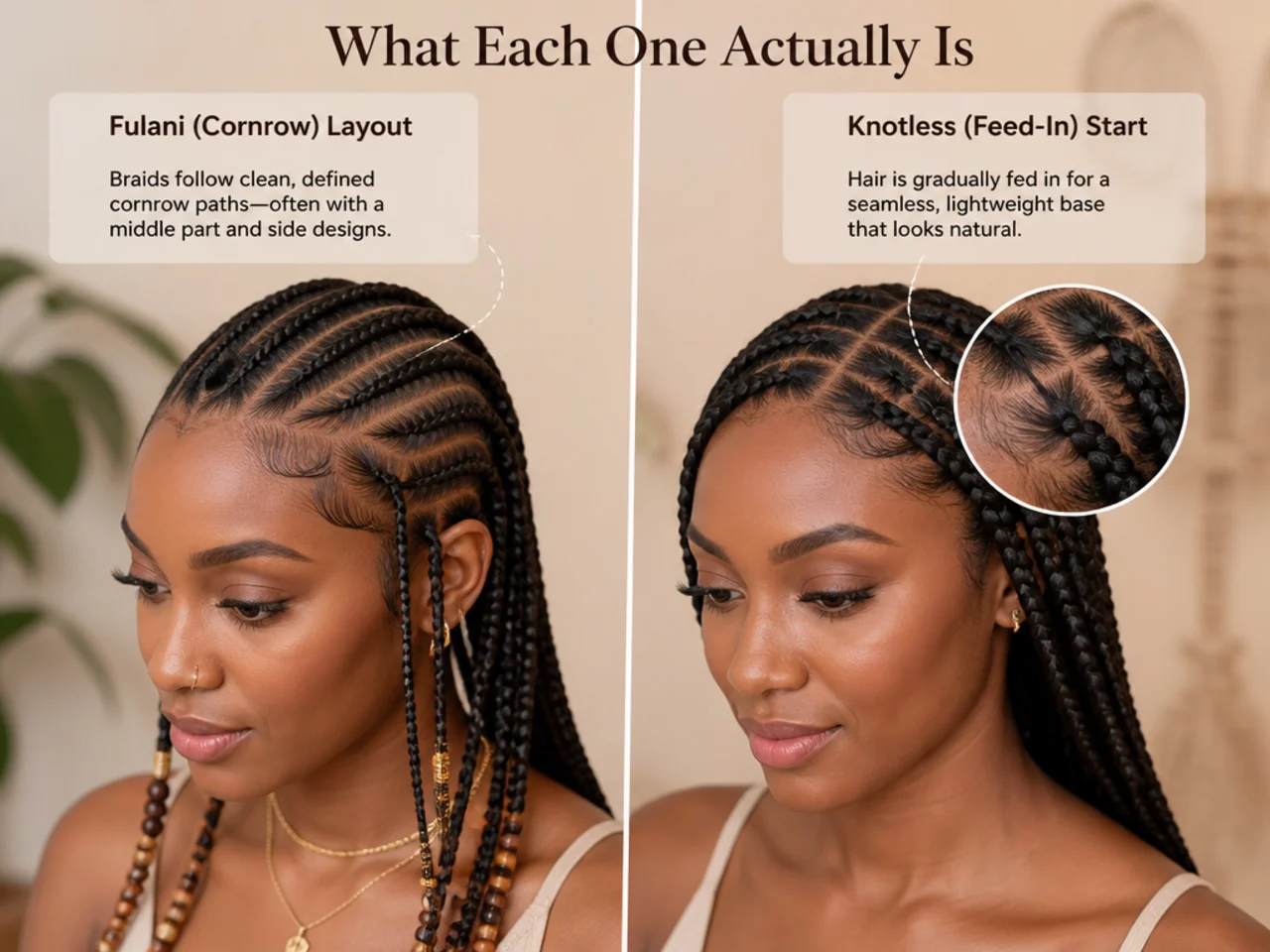
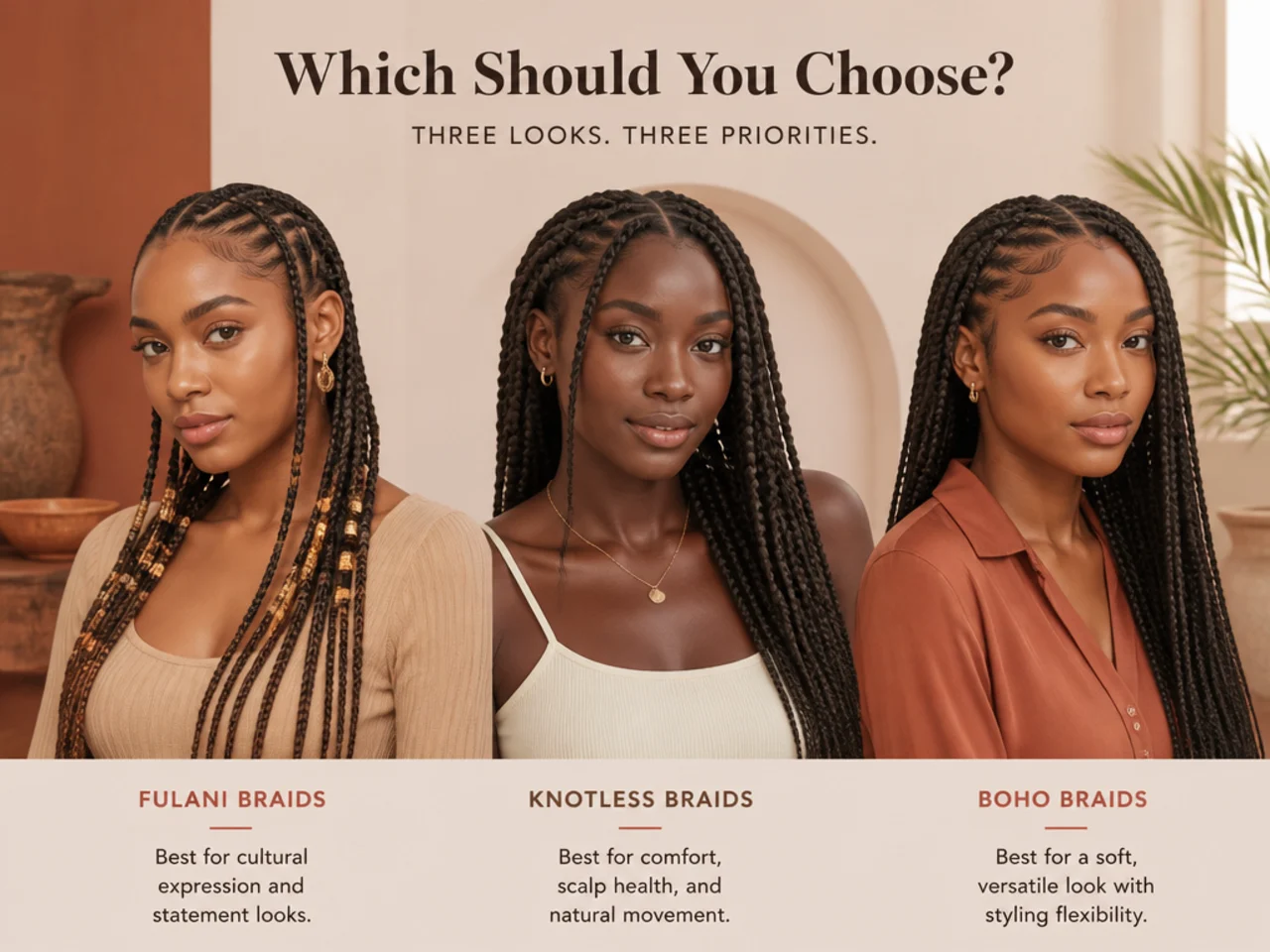
Fulani braids are defined by layout. Two to five cornrows run straight back from a centre parting, one braid drops in front of each ear, and the remaining hair is braided loose from the crown. Beads and cuffs are traditional. Nothing about the pattern specifies braid size or root technique.
Knotless braids are defined by the start. Instead of knotting the extension around your natural hair, the braider begins with your own hair and feeds the extension in gradually over the first inch. The root stays flat, and the weight builds up rather than hanging off a single anchor point.
15 Side-by-Side Comparisons
1. Day-One Comfort
Knotless wins outright. Knotted braids feel tight for two to three days; knotless feels normal within hours. If you have ever taken painkillers after a braid appointment, this is the fix.
2. Edge Safety
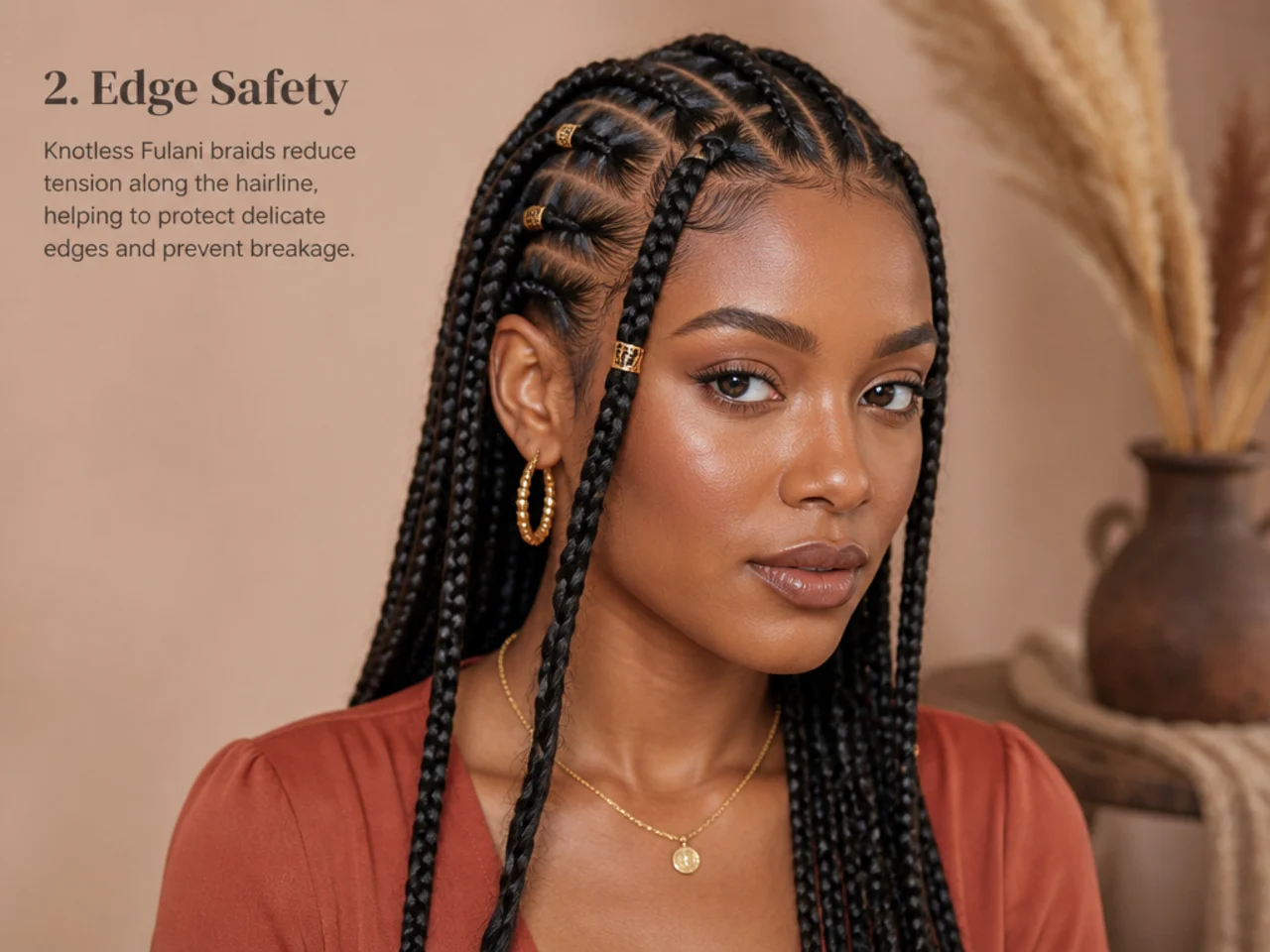
Knotless again. The knot concentrates the entire weight of the braid on the few strands it is tied around. Removing it spreads the load. The Fulani pattern is neutral here — a jumbo knotted Fulani is kinder than a small knotless one.
3. Install Time
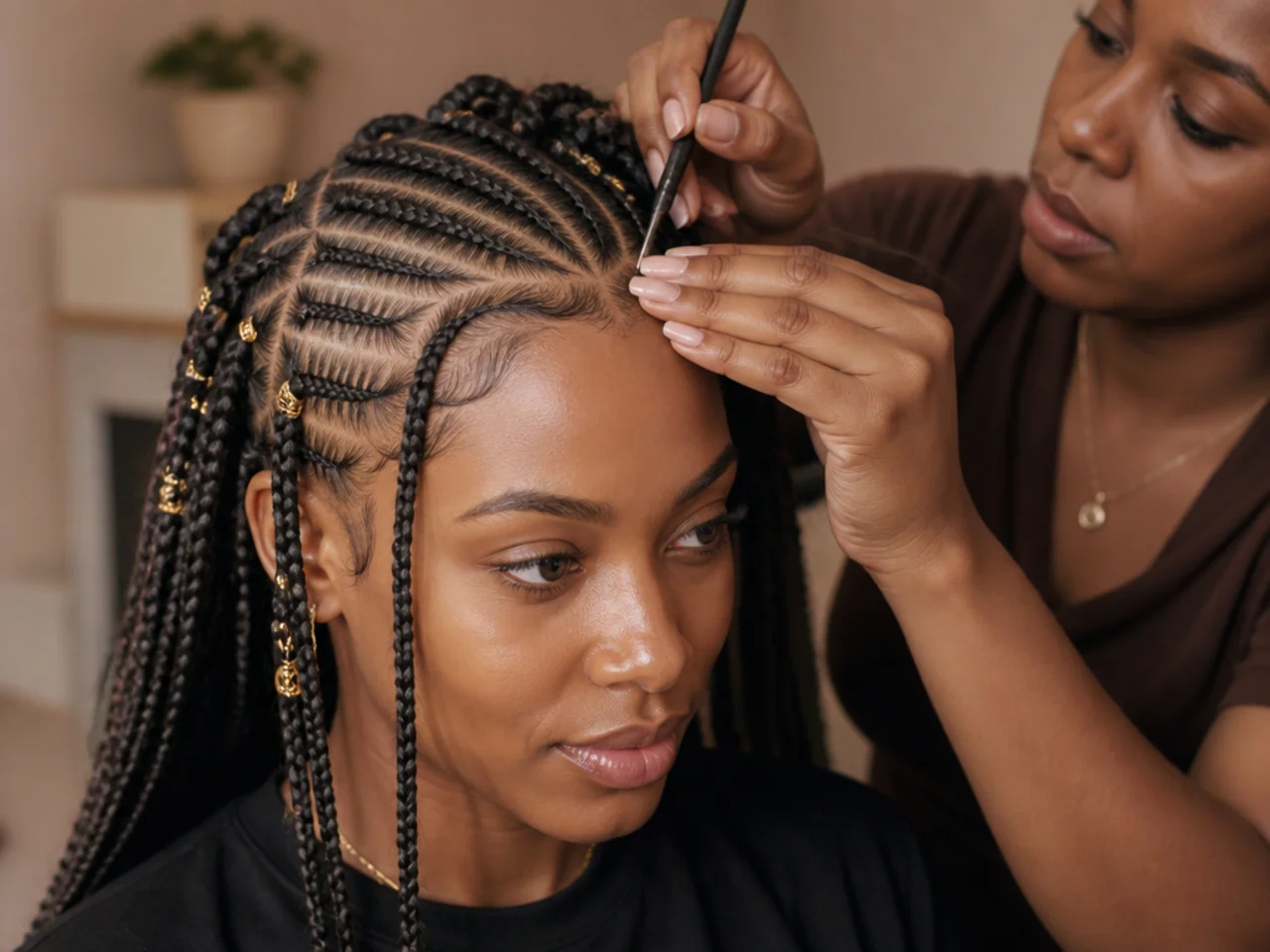
Knotted is faster by roughly an hour per head. The Fulani cornrows add their own hour regardless of technique. A knotless Fulani install is the longest combination.
4. Lifespan
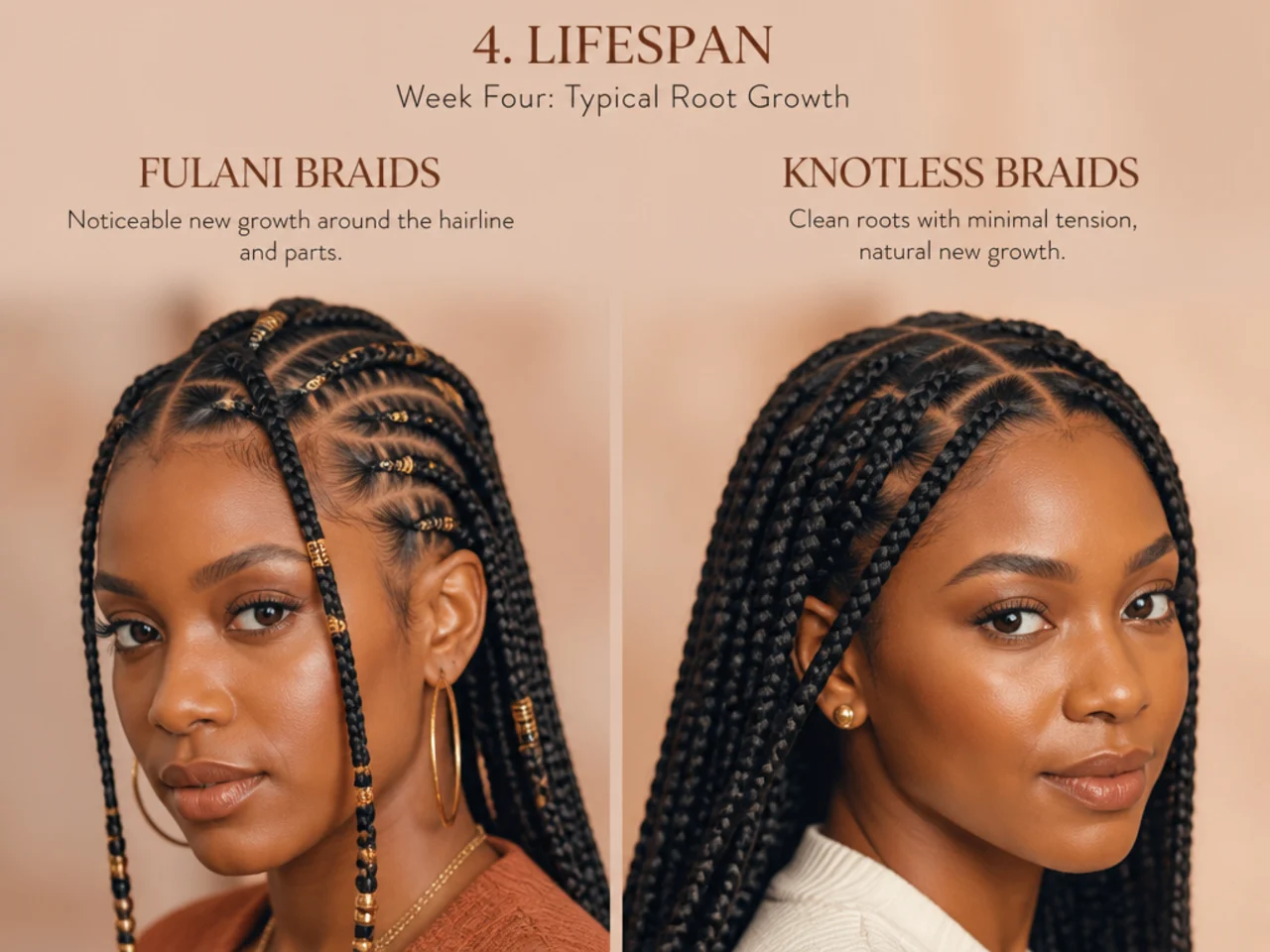
Knotted lasts slightly longer. Without the anchor knot, knotless roots loosen a little sooner — expect four to five weeks where a knotted equivalent gives five to six.
5. Cost
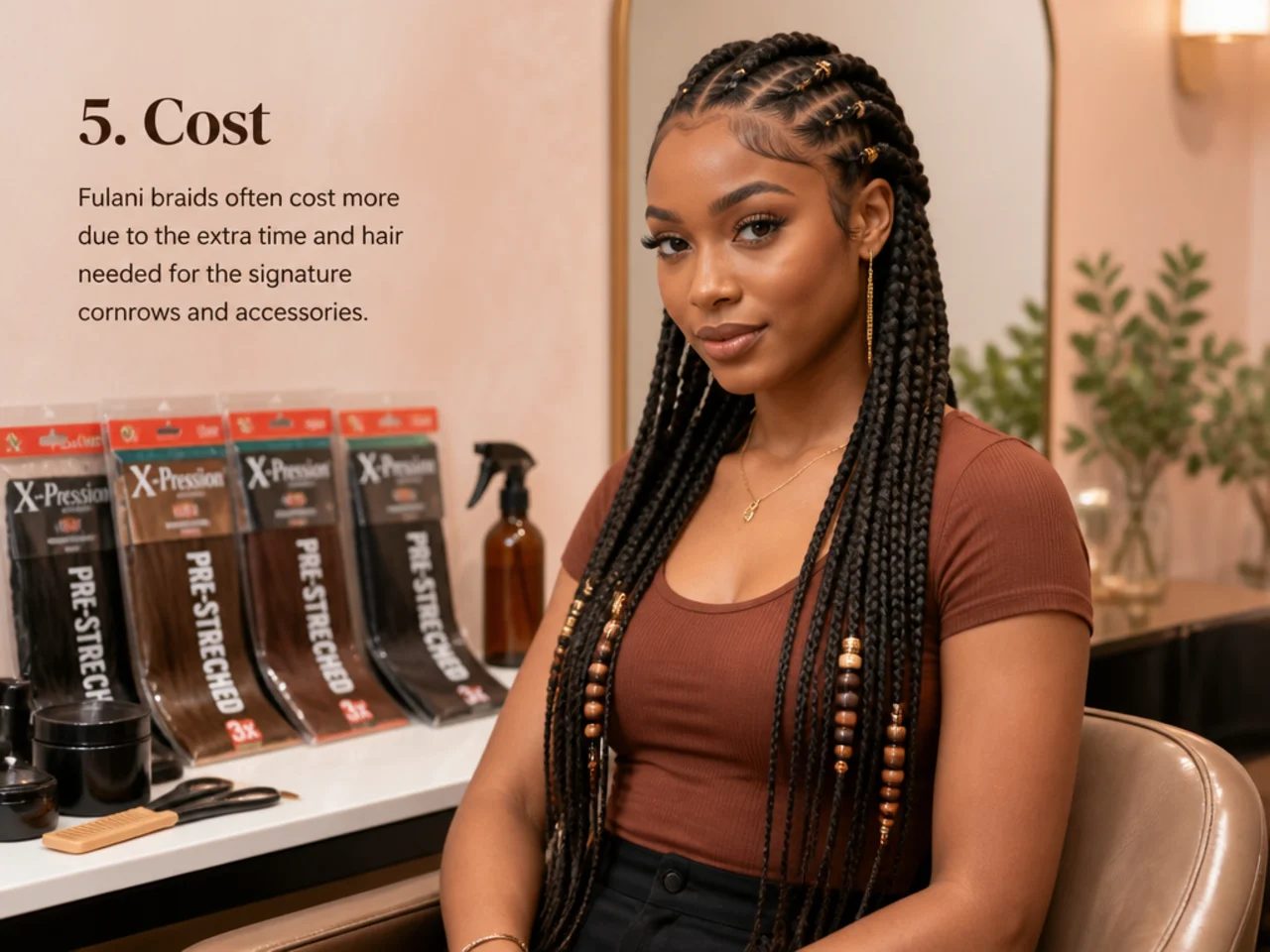
Knotless costs 15 to 30 percent more for the extra chair time. The Fulani pattern adds a smaller premium for the cornrow work.
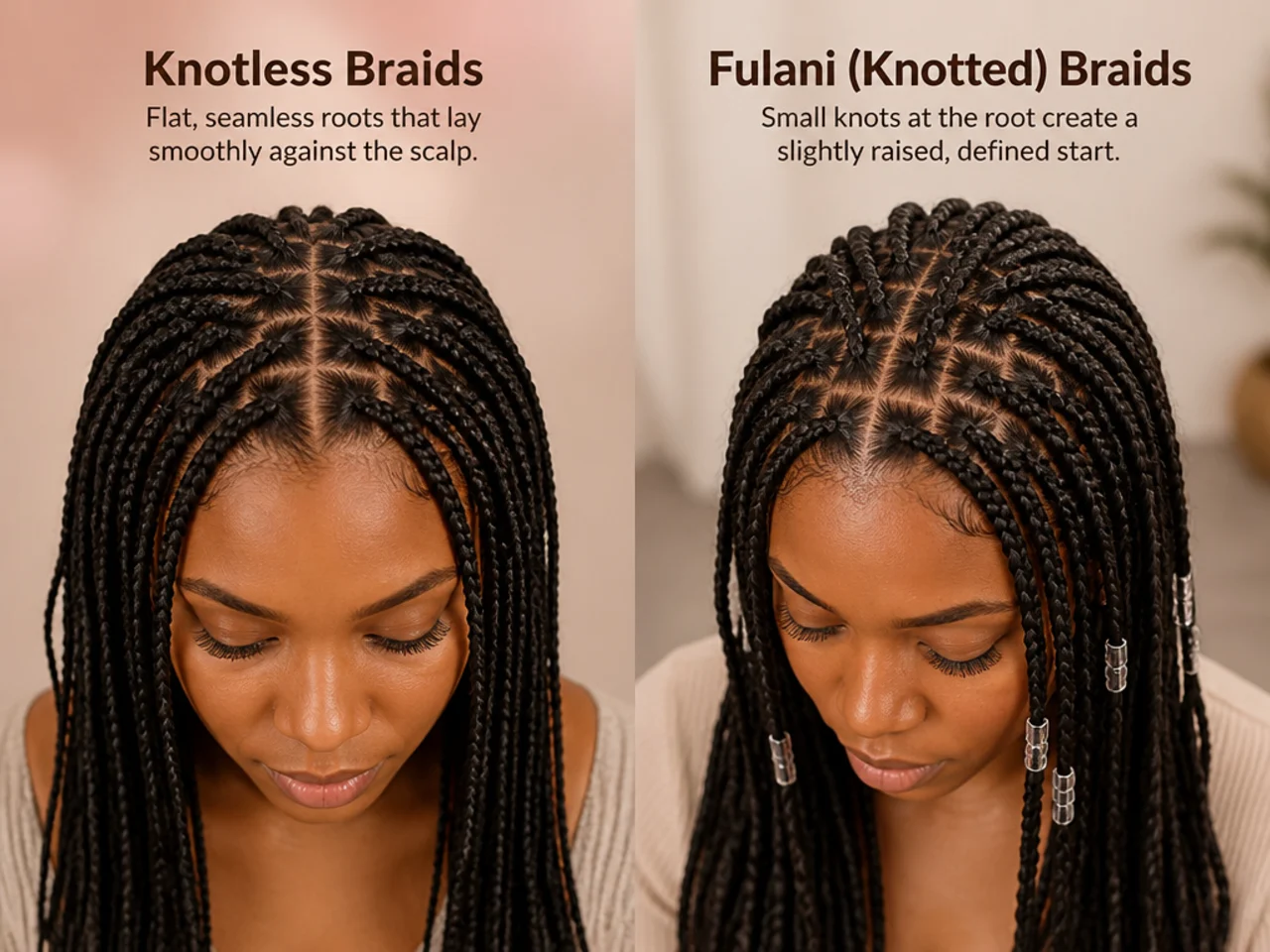
6. How It Looks at the Root
Knotless lies flat and reads like the braid is growing from your scalp. Knotted creates a visible bump at each root, most noticeable in the first week.
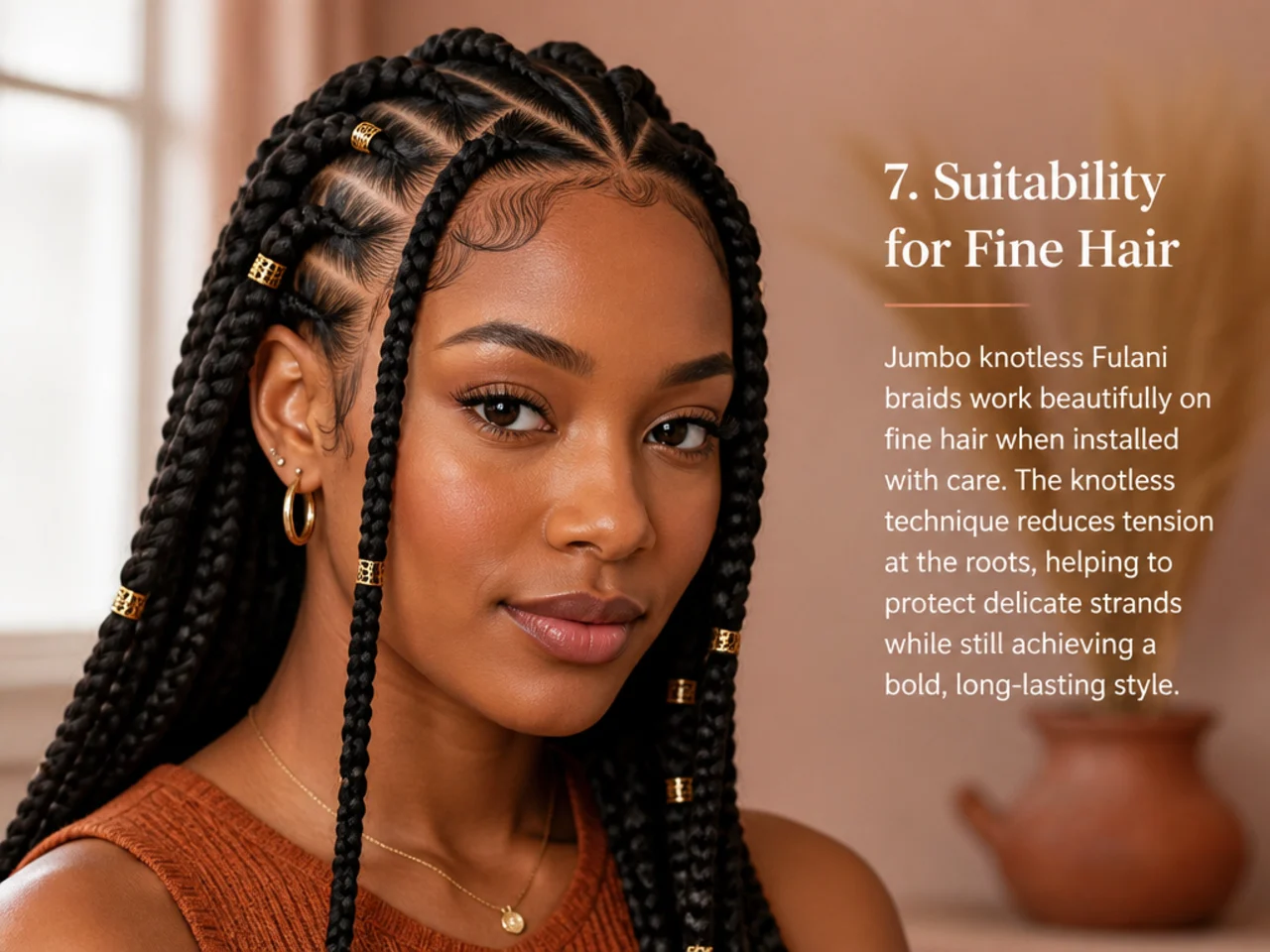
7. Suitability for Fine Hair
Knotless, clearly. Fine hair cannot support an anchor knot without strain. Combine it with jumbo sizing in a Fulani layout for the gentlest possible install.
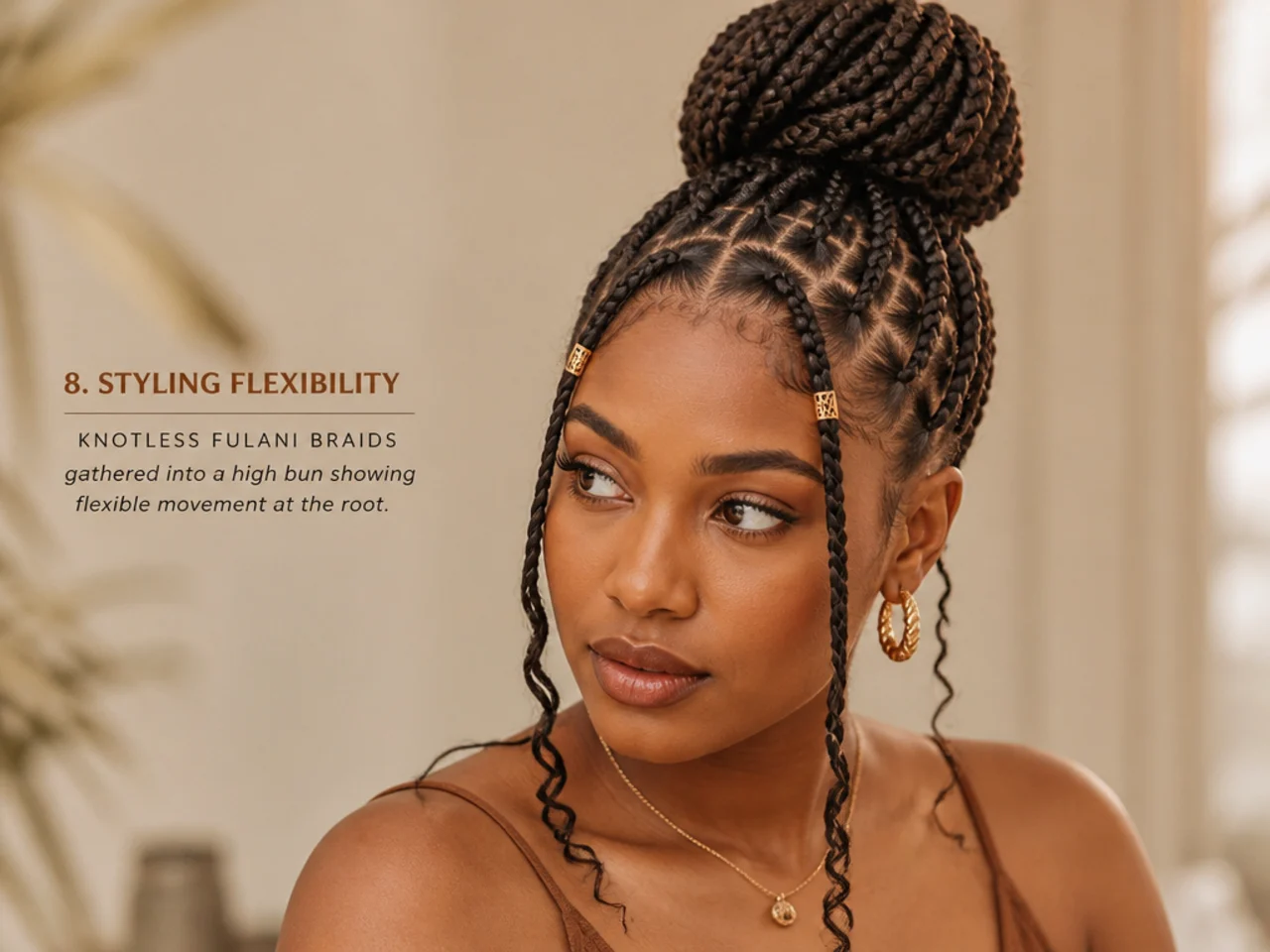
8. Styling Flexibility
Knotless moves better and can be pulled into a high bun without the roots resisting. Knotted braids sit more rigidly for the first fortnight.
9. Takedown
Knotless is significantly faster and gentler — there is no knot to unpick. On a full head this can save an hour and a lot of snapped hair.

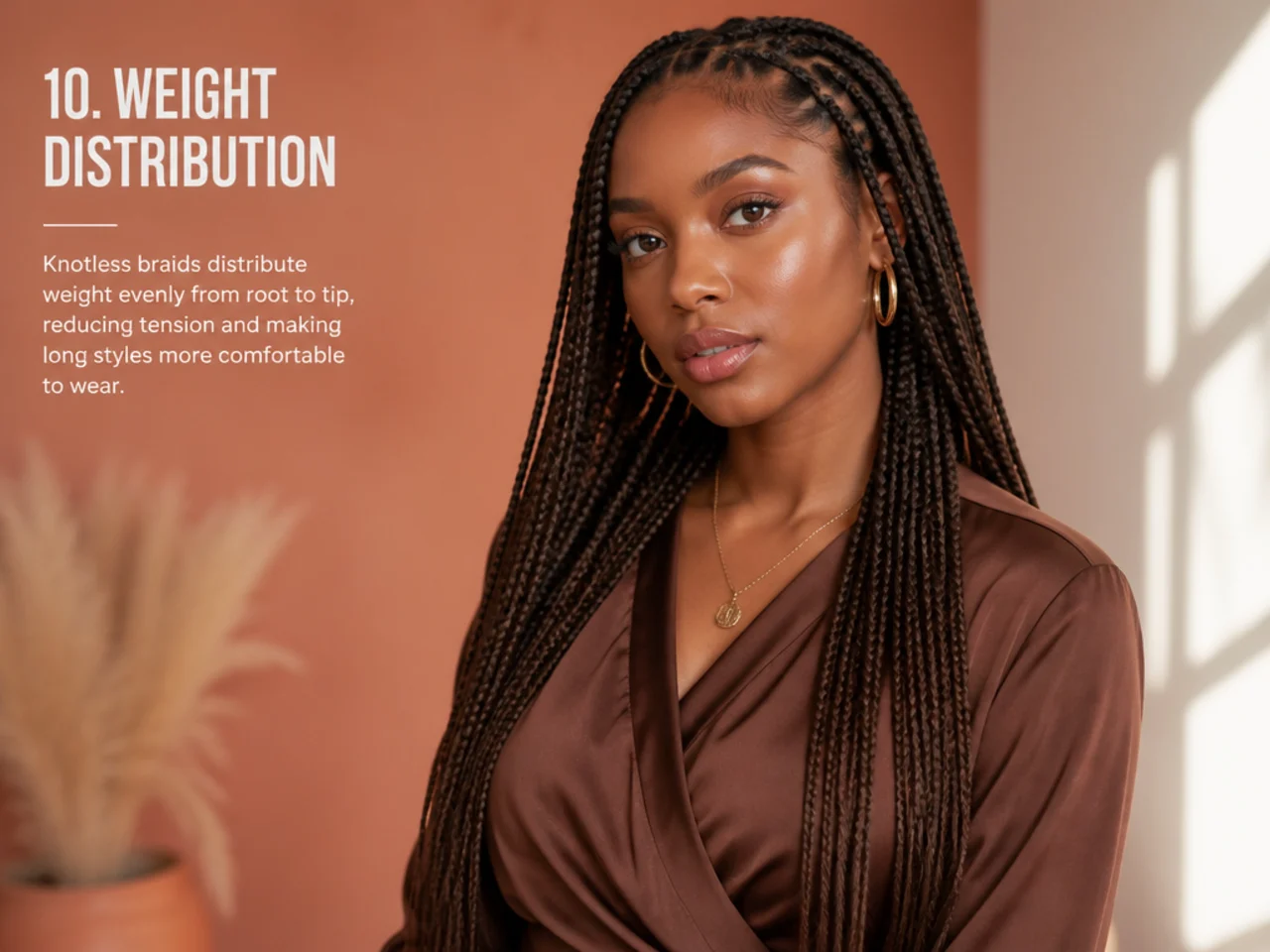
10. Weight Distribution
Knotless spreads weight along the first inch. Knotted concentrates it at a point. On long braids this difference is what you feel by evening.
11. The Fulani Pattern on Its Own
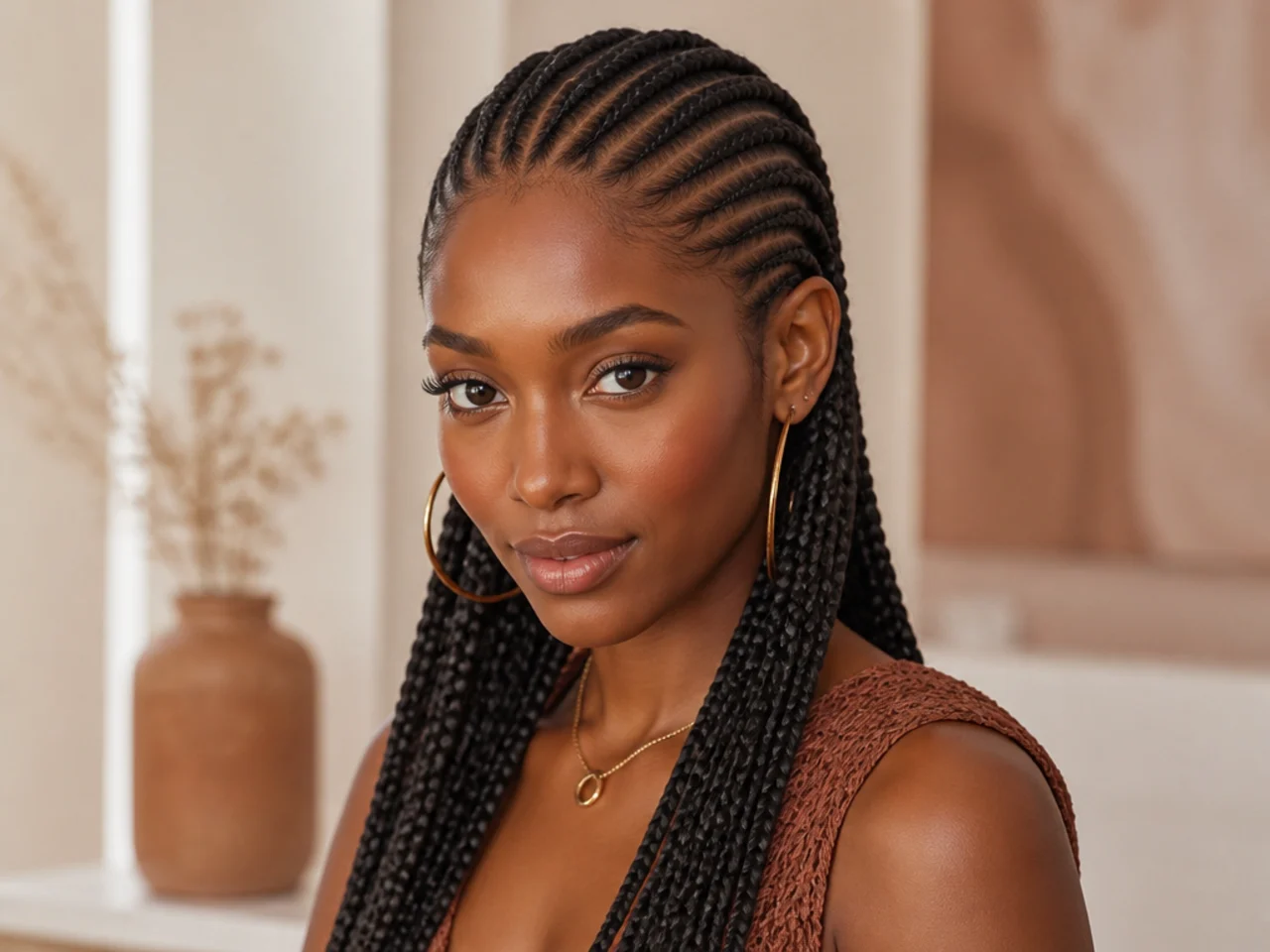
Independent of technique, the pattern's advantage is that the front cornrows sit on strong hair rather than the fine edge. That is a genuine protective benefit most comparisons miss.
12. Combining Both
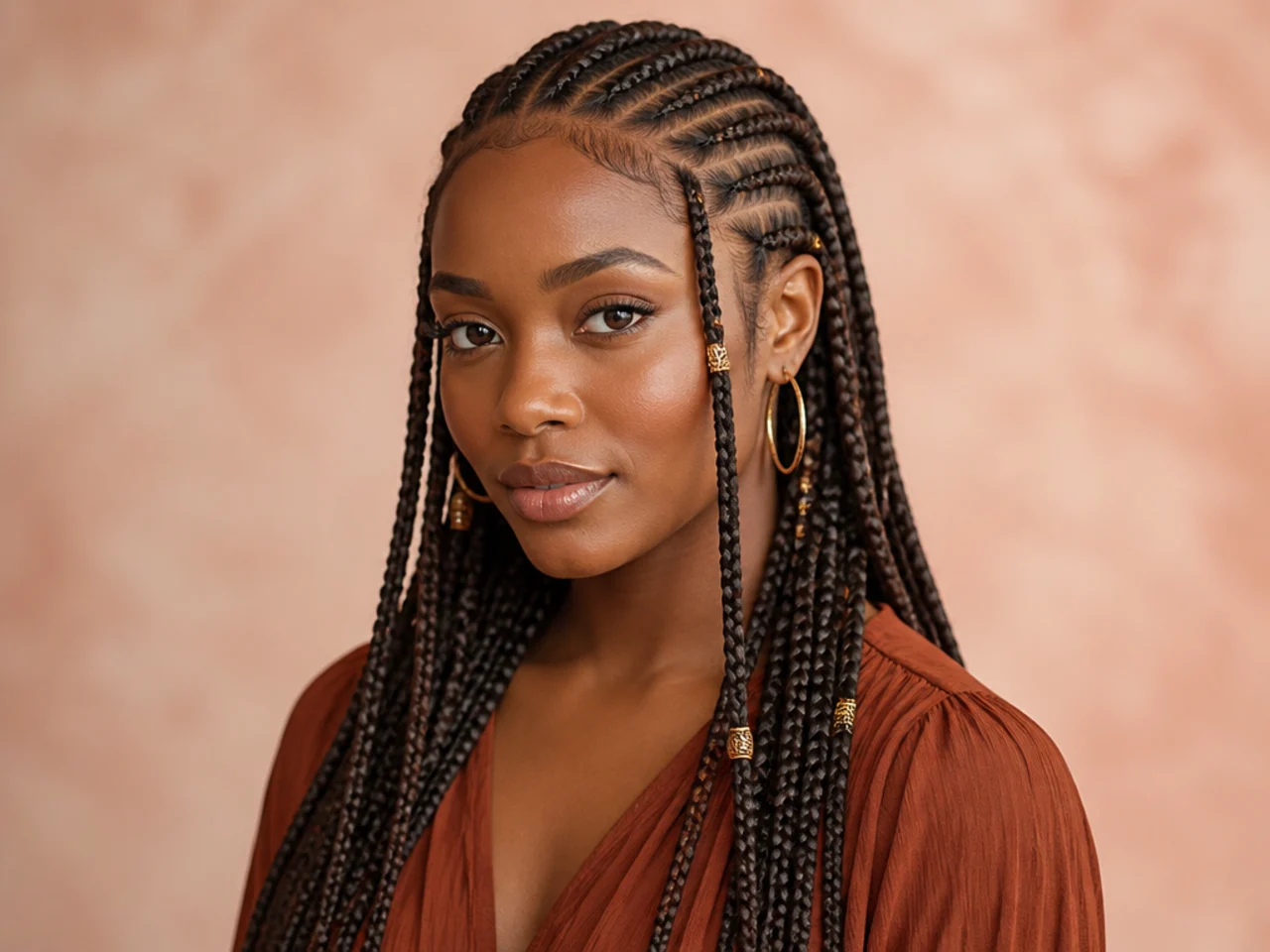
Knotless Fulani braids are the strongest combination available: protective layout, tension-free roots. If budget allows, this is the answer.
13. Which Suits a Sensitive Scalp
Knotless, with jumbo sizing. A sensitive scalp reacts to point tension more than overall weight.
14. Which Photographs Better
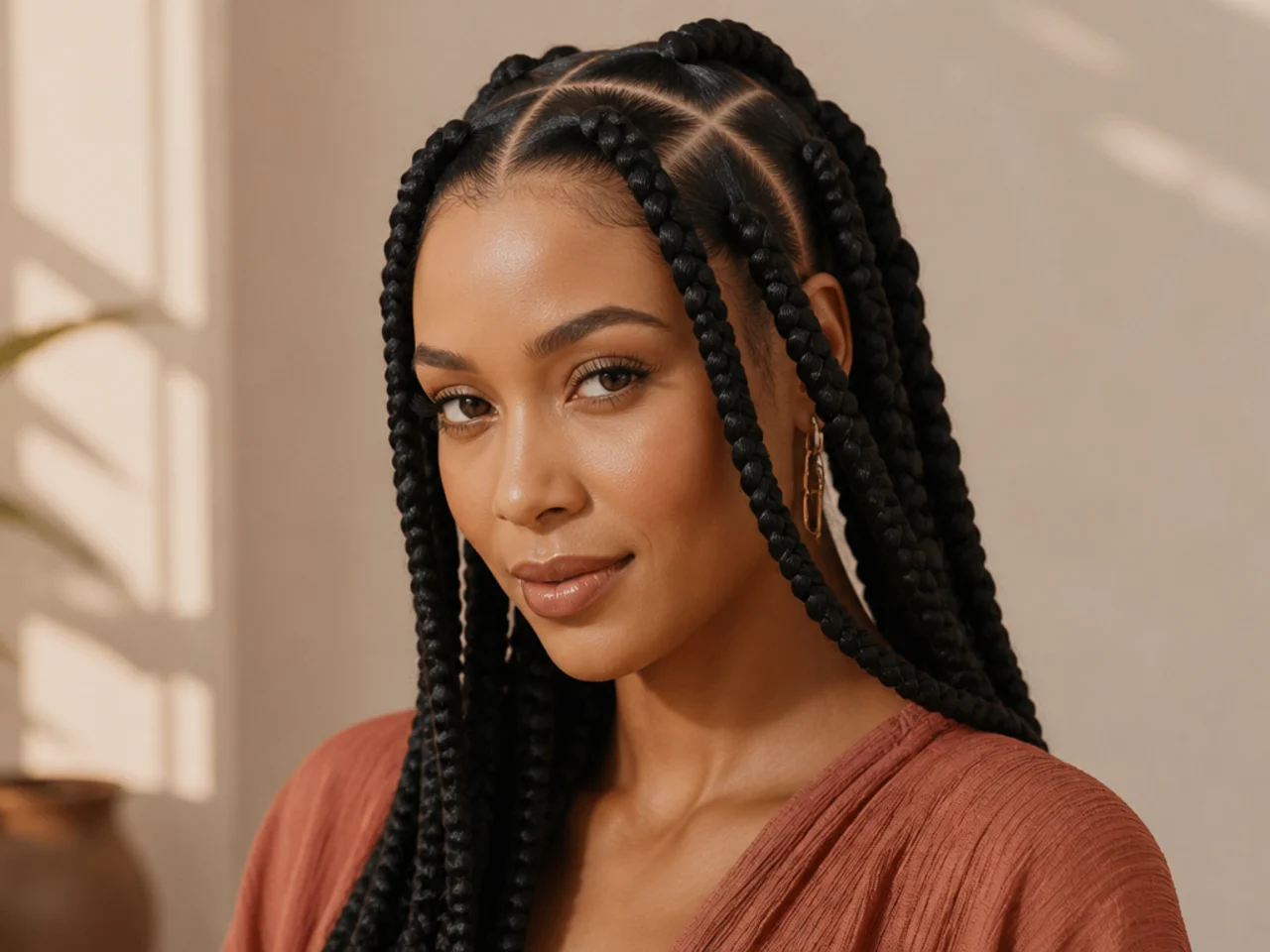
The Fulani pattern, regardless of technique — the cornrow lines give the eye structure. Knotless versus knotted is barely visible in a photograph.
15. Which to Choose for a First Install
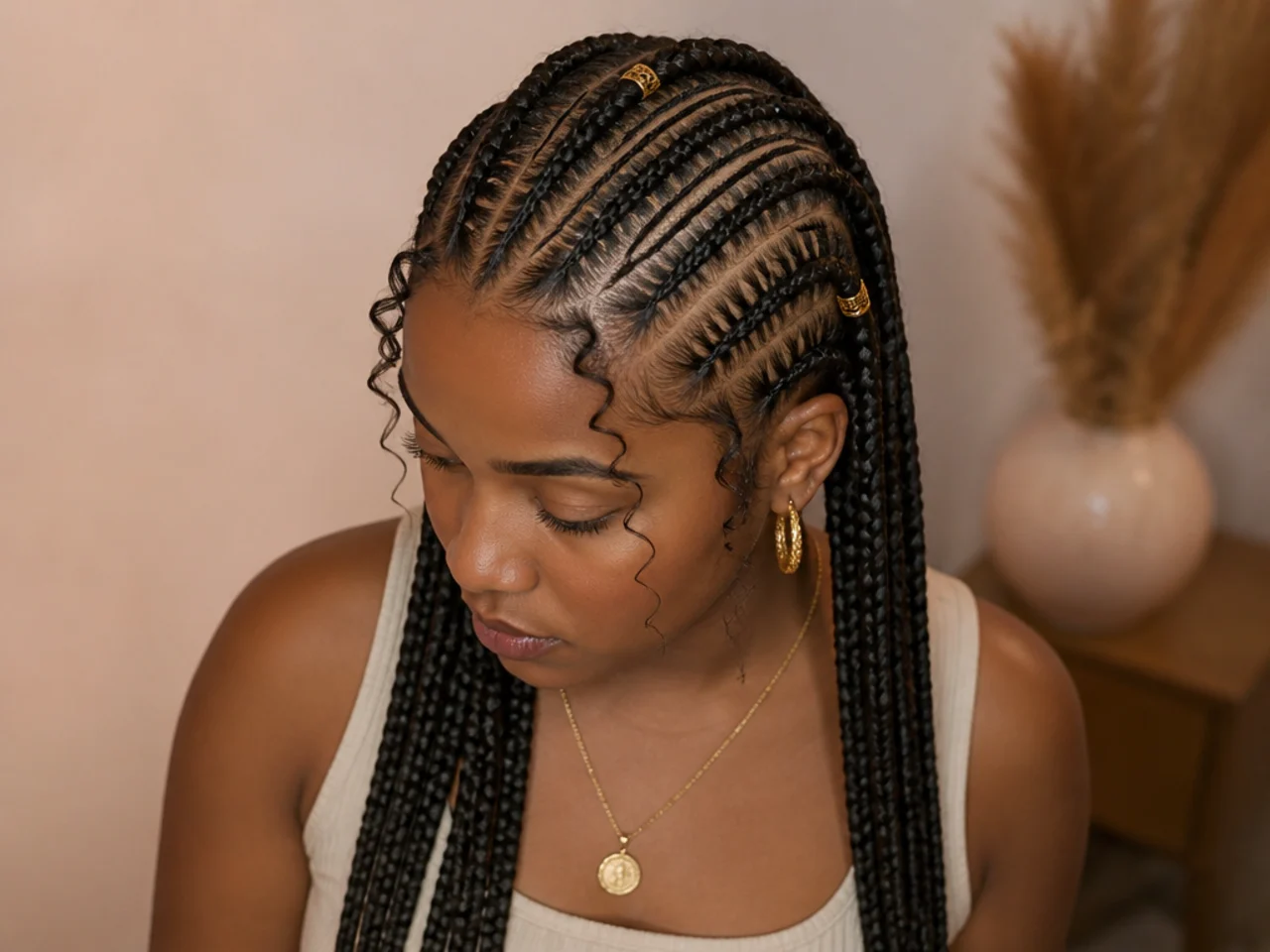
Knotless Fulani in jumbo or medium. Comfortable, forgiving, and short enough at three to four hours to find out whether protective styling suits you.
Which Should You Choose?
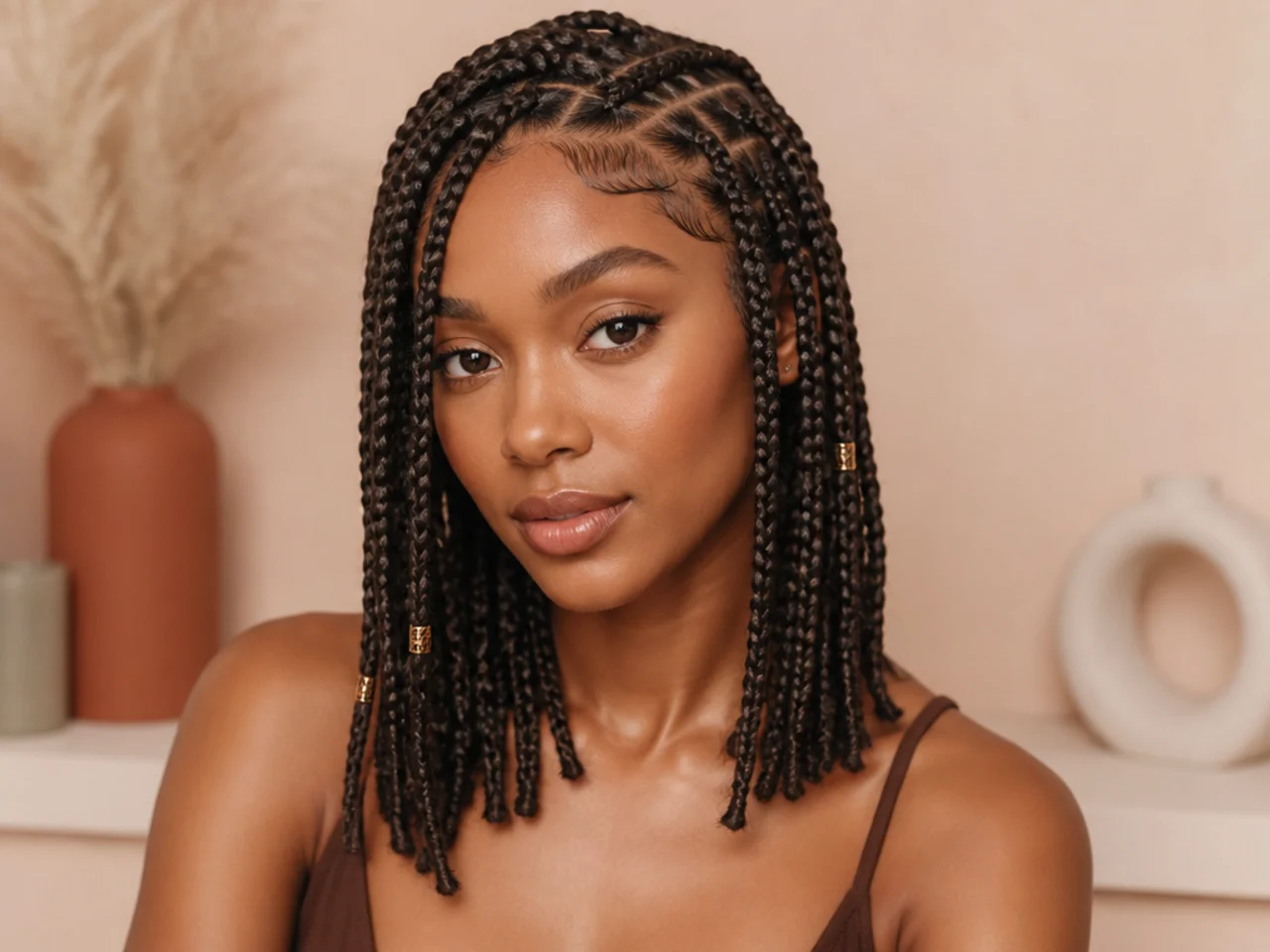
If your edges are thin or recovering: knotless, jumbo, Fulani pattern, shoulder length. Every one of those choices reduces pull.
If you want maximum wear per appointment: knotted, small, six weeks. Accept the first three days of tightness.
If it is your first protective style: knotless Fulani in medium at shoulder length. Three to four hours, comfortable, and long enough to learn from.
If budget is the constraint: knotted Fulani in jumbo. You keep the protective pattern and the low tension of large sections, and skip the knotless premium.
FAQ
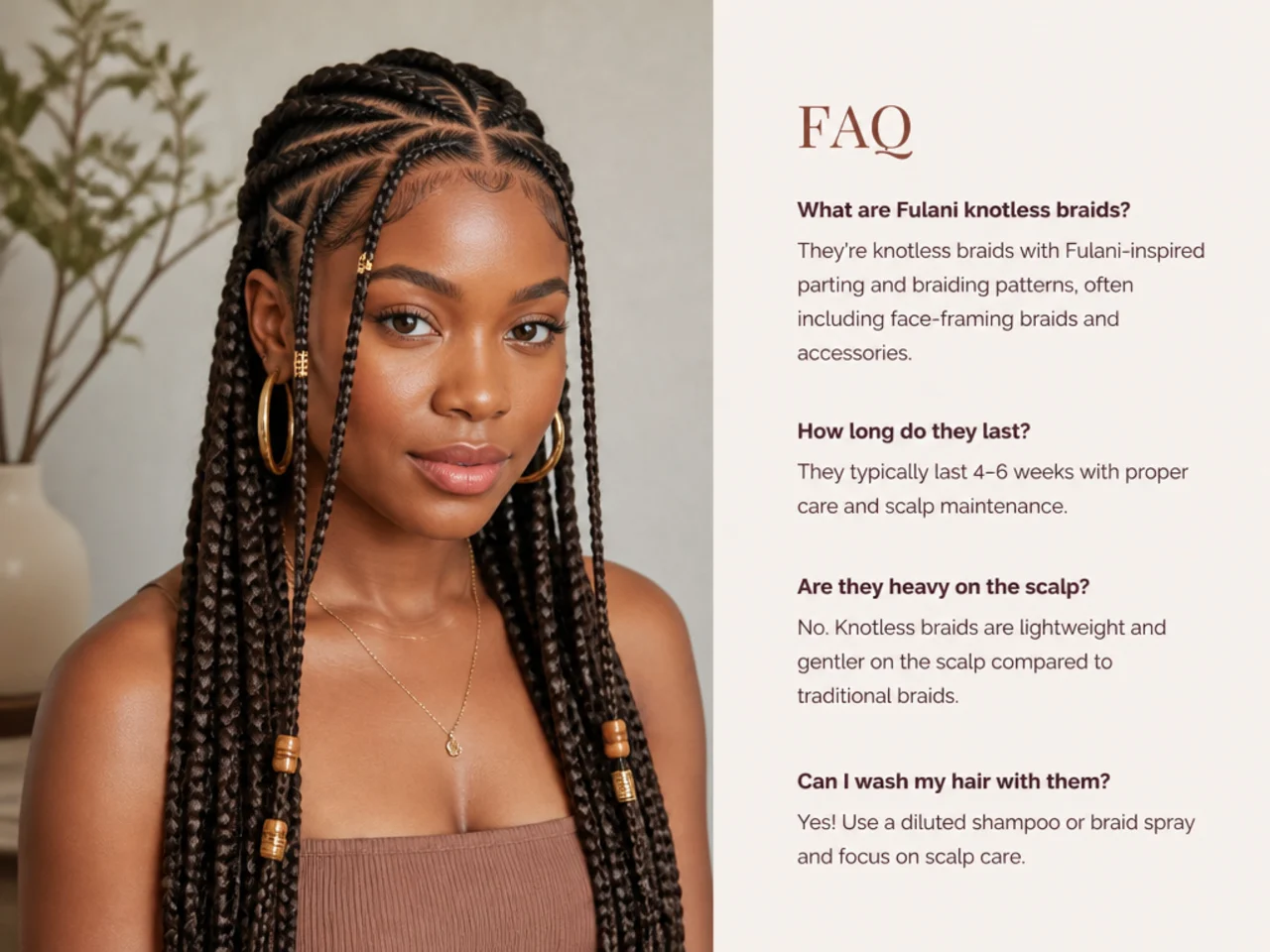
Are they the same thing? No — and not alternatives. One is a pattern, one is a technique. Knotless Fulani is both.
Which is better for edges? Knotless. Fulani as a pattern is neutral; its effect depends on braid size and install tension.
Do knotless take longer? About an hour more per head.
Are knotless more expensive? Typically 15 to 30 percent, for the extra time.
Final Thoughts
Stop treating this as a choice between two styles. Pick the pattern you want to look at, then pick the technique your hairline can afford — and if you can stretch to it, take knotless every time.
Sizes are compared in jumbo Fulani braids and small Fulani braids, the full pattern is in 25 simple Fulani braids ideas, and the rest is in Braids & Protective Styles.
Frequently asked questions
Related posts
See all posts
20 Waterfall Mermaid Braid Ideas That Hold
Read more
15 Side Mermaid Braid Ideas That Sit Right
Read more
20 Side Part Medium Knotless Braids I Saved
Read more