20 Neat Medium Knotless Braids Ideas to Save
Twenty neat medium knotless braid ideas, and the thing that actually makes a set read as neat — not parting precision, but even tension. Braids installed at the same firmness loosen at the same rate.
In this article · 27
- What Makes a Set Look Neat
- How to Choose Yours
- The 20 Neat Ideas
- 1. Uniform Mid-Back Medium Knotless
- 2. Clean Centre Part
- 3. Square Grid Medium Knotless
- 4. Straight-Back Grid
- 5. Curved Grid, Evenly Spaced
- 6. Neat Shoulder-Length Medium
- 7. Neat Waist-Length Medium
- 8. Neat Medium Bob
- 9. Sealed Ends Throughout
- 10. Neat Braids at Week One
- 11. Neat Braids at Week Four
- 12. Neat Braids at Week Seven
- 13. Neat Braids with Oiled Partings
- 14. Neat Braids in a Low Bun
- 15. Neat Half-Up
- 16. Neat Braids with a Face Frame
- 17. Neat Braids on Fine Natural Hair
- 18. Neat Braids with Beads on a Subset
- 19. Neat Braids with a Simple Colour Ratio
- 20. An Uneven Set for Comparison
- Styling and Upkeep
- Mistakes to Avoid
- FAQ
- Final Thoughts
Neat is the most requested quality in braids and the least well explained. Nearly all the advice is about parting lines.
Parting precision is not what the eye reads. Even tension is. Braids installed at the same firmness loosen at the same rate, so the set stays uniform as it ages — and one braid started tighter than its neighbours looks wrong on even a flawless grid.
At medium size the density hides the grid anyway. It cannot hide inconsistent loosening.
What Makes a Set Look Neat
Uniform distance from the scalp. Every braid should start the same distance out. This is what your eye is measuring when it decides a set looks tidy, whether or not you could name it.
Even loosening as it ages. A neat set at week one is common. A neat set at week five means the tension was consistent, because uneven tension produces uneven loosening.
Frizz control at the root, not the length. Root frizz is what reads as untidy. Frizz further down reads as texture and mostly goes unnoticed.
Consistent braid width. More important than parting shape, and the thing that drifts over a six-to-eight-hour install.
How to Choose Yours
Ask to see the braider's week-four work, not their day-one work. Every set looks good freshly installed. The portfolio picture worth seeing is a set several weeks in.
Say "even tension" out loud. It is a normal request, and a braider who hears it early will check as they go.
Do not ask for it tight. Tight is not neat. Tight is tension, and it loosens unevenly as your scalp reacts to it.
Choose a simple grid if neatness is the priority. Square sections drift less over a long install than complex layouts.
The 20 Neat Ideas
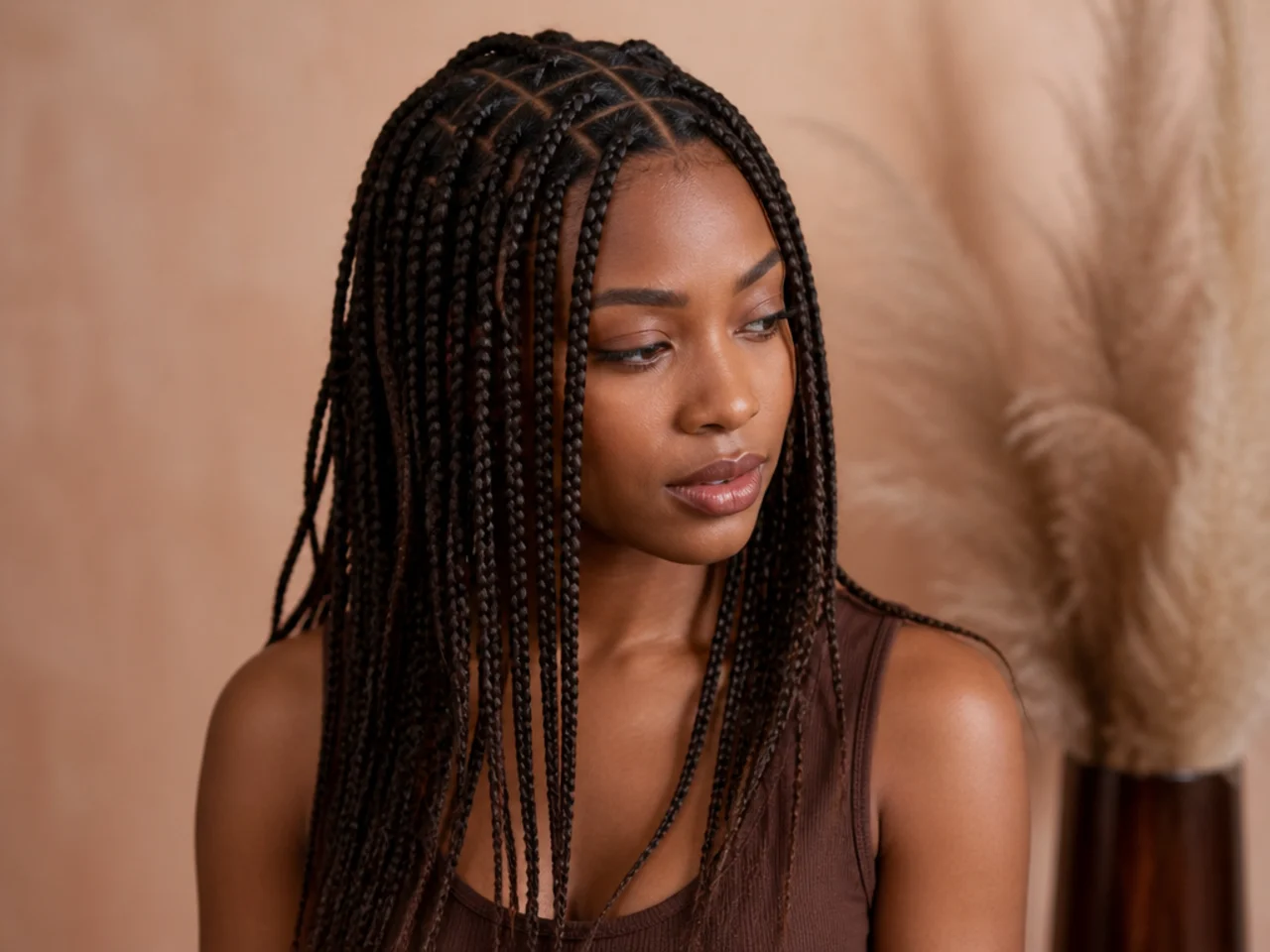
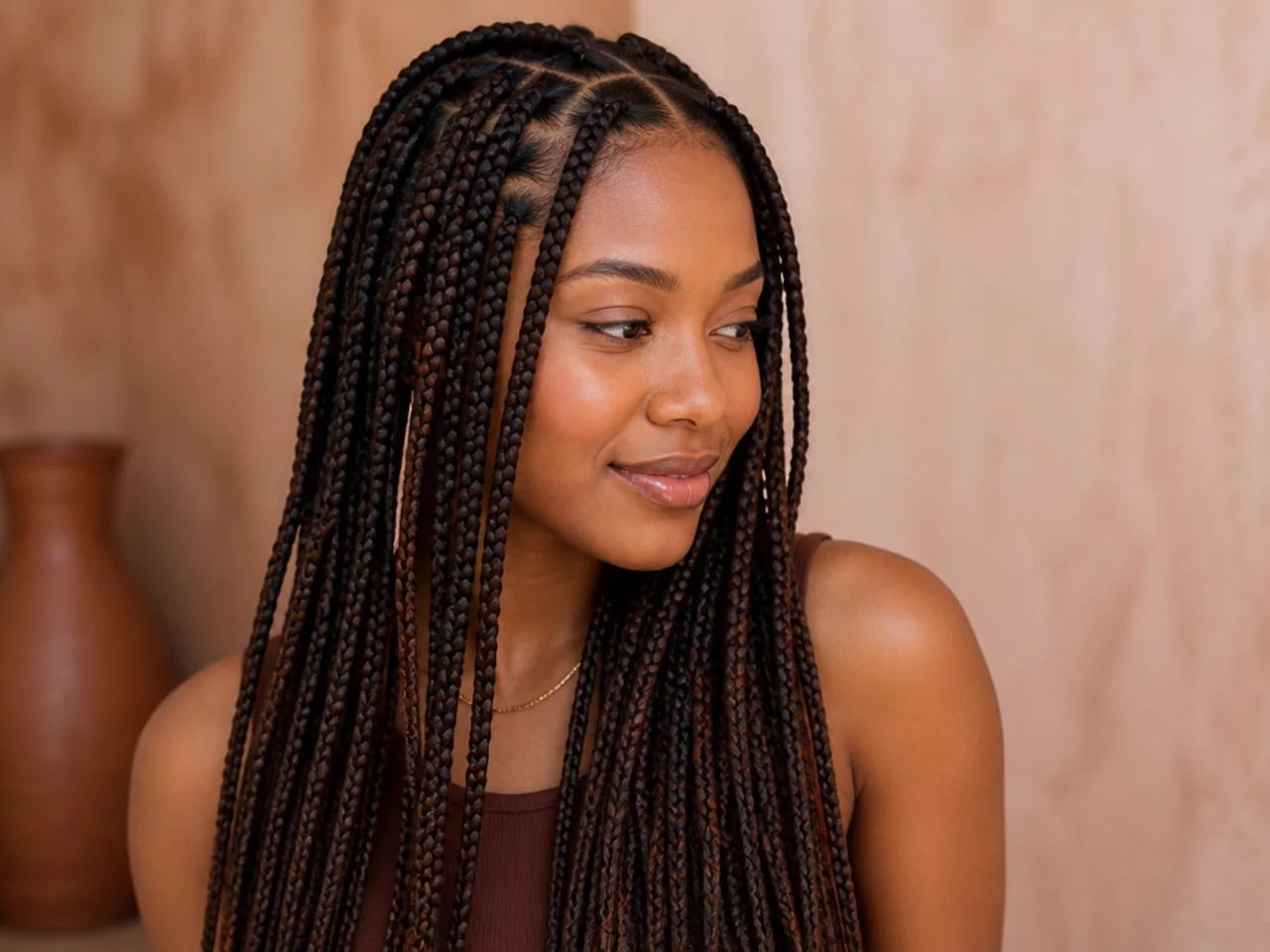
1. Uniform Mid-Back Medium Knotless
Even width, even tension, nothing decorative. The benchmark. Everything else on this page is a variation on getting those first two right and leaving the third alone.
2. Clean Centre Part
A single straight line with the density carrying everything else. A centre part is the only line the eye can check against, which is why it is the one parting worth getting exact.
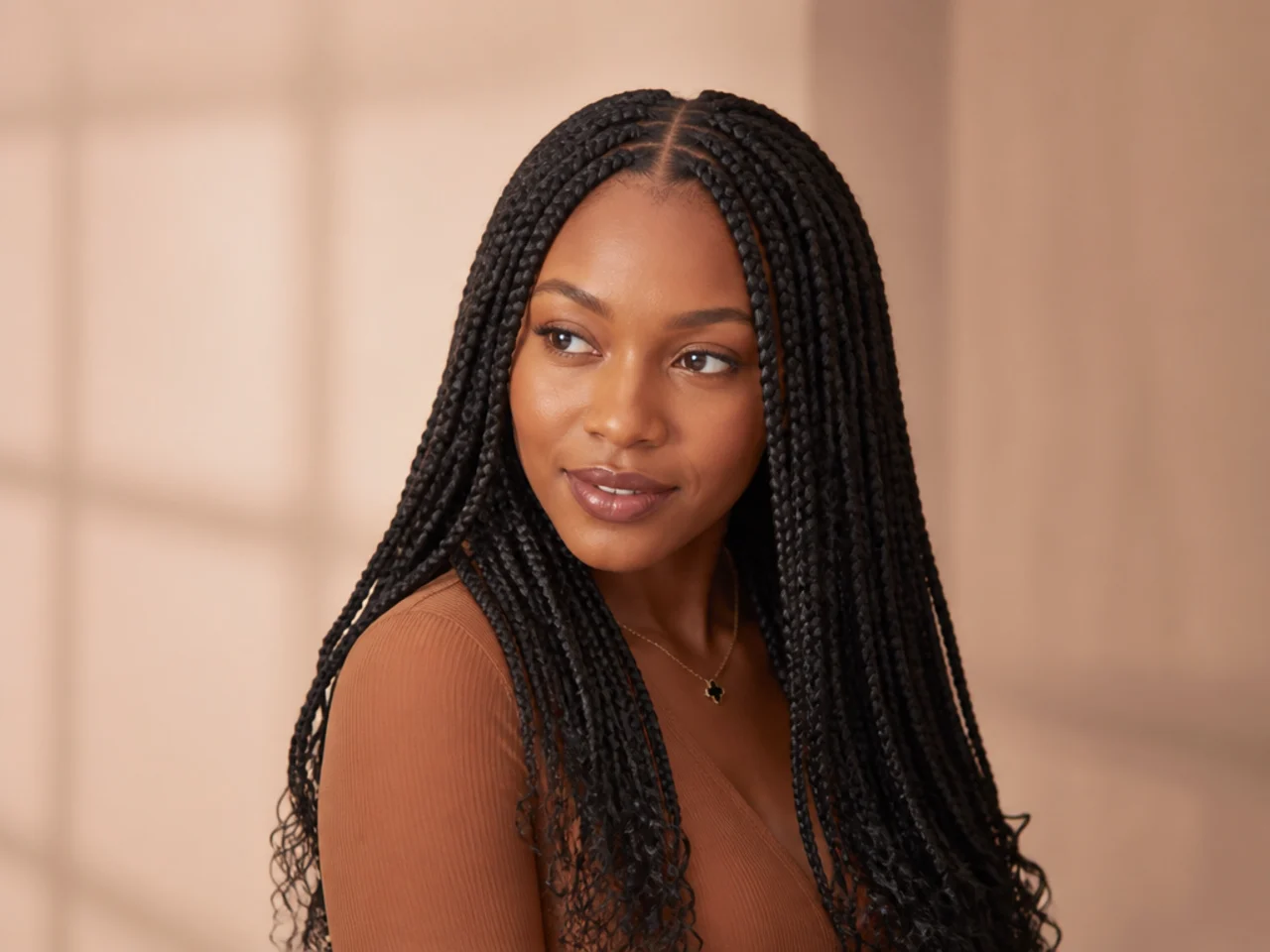
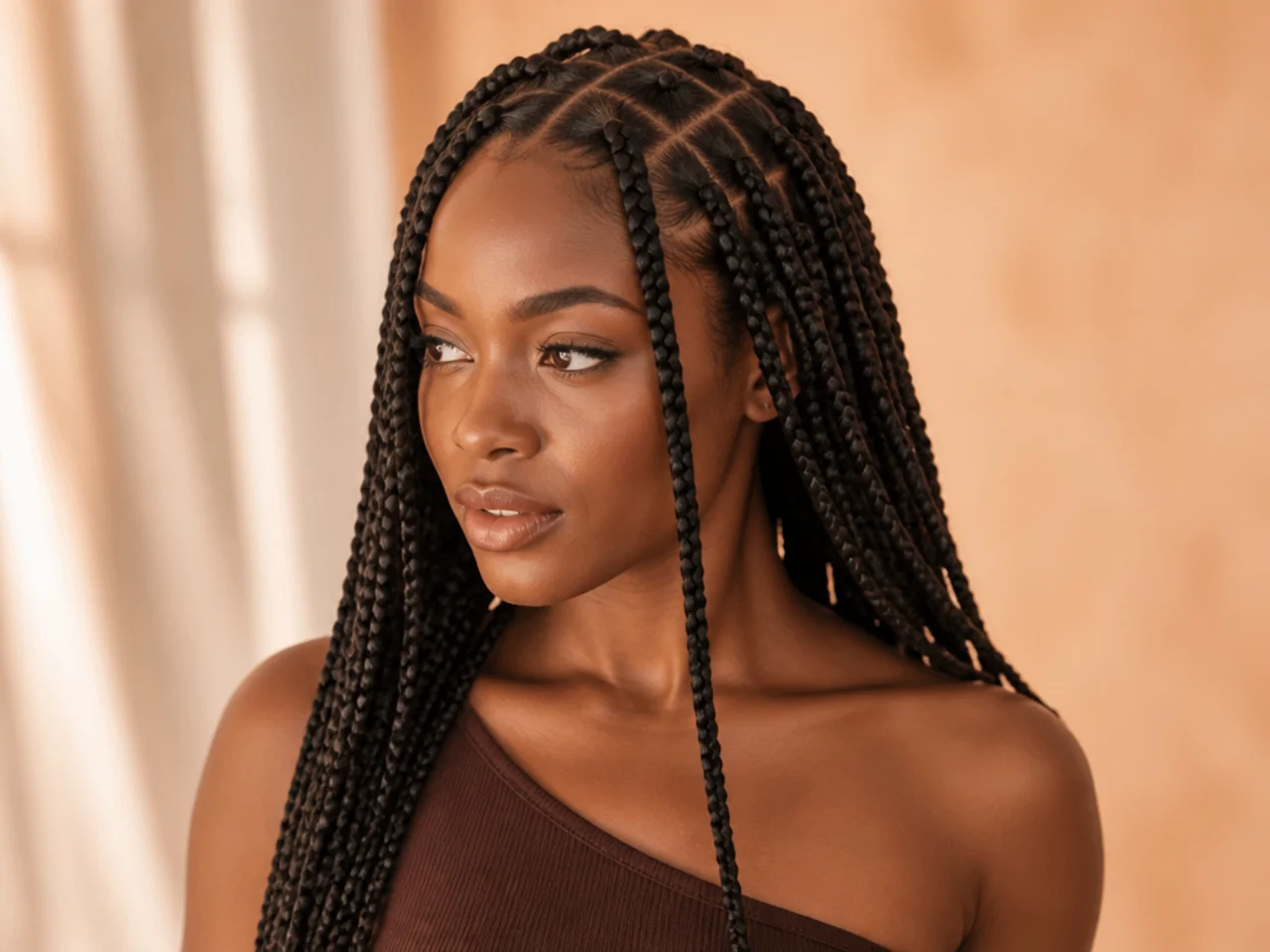
3. Square Grid Medium Knotless
The layout that drifts least across a long install. Square sections are easy to measure by eye, so a braider six hours in is still cutting them the same size.
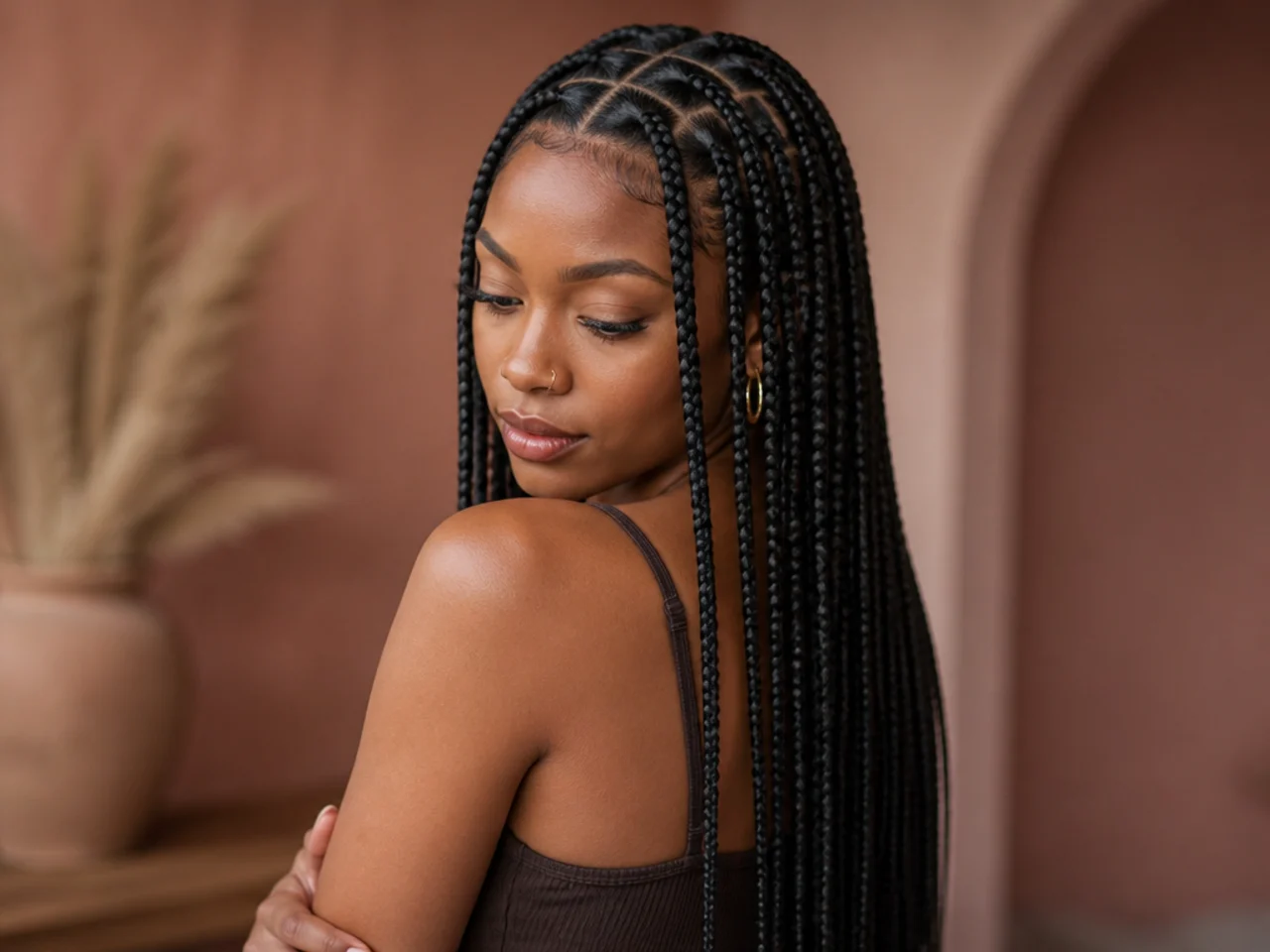
4. Straight-Back Grid
Every section running the same direction. Very easy to keep uniform. One direction means one thing to keep consistent, which is why straight-back sets look tidiest for longest.
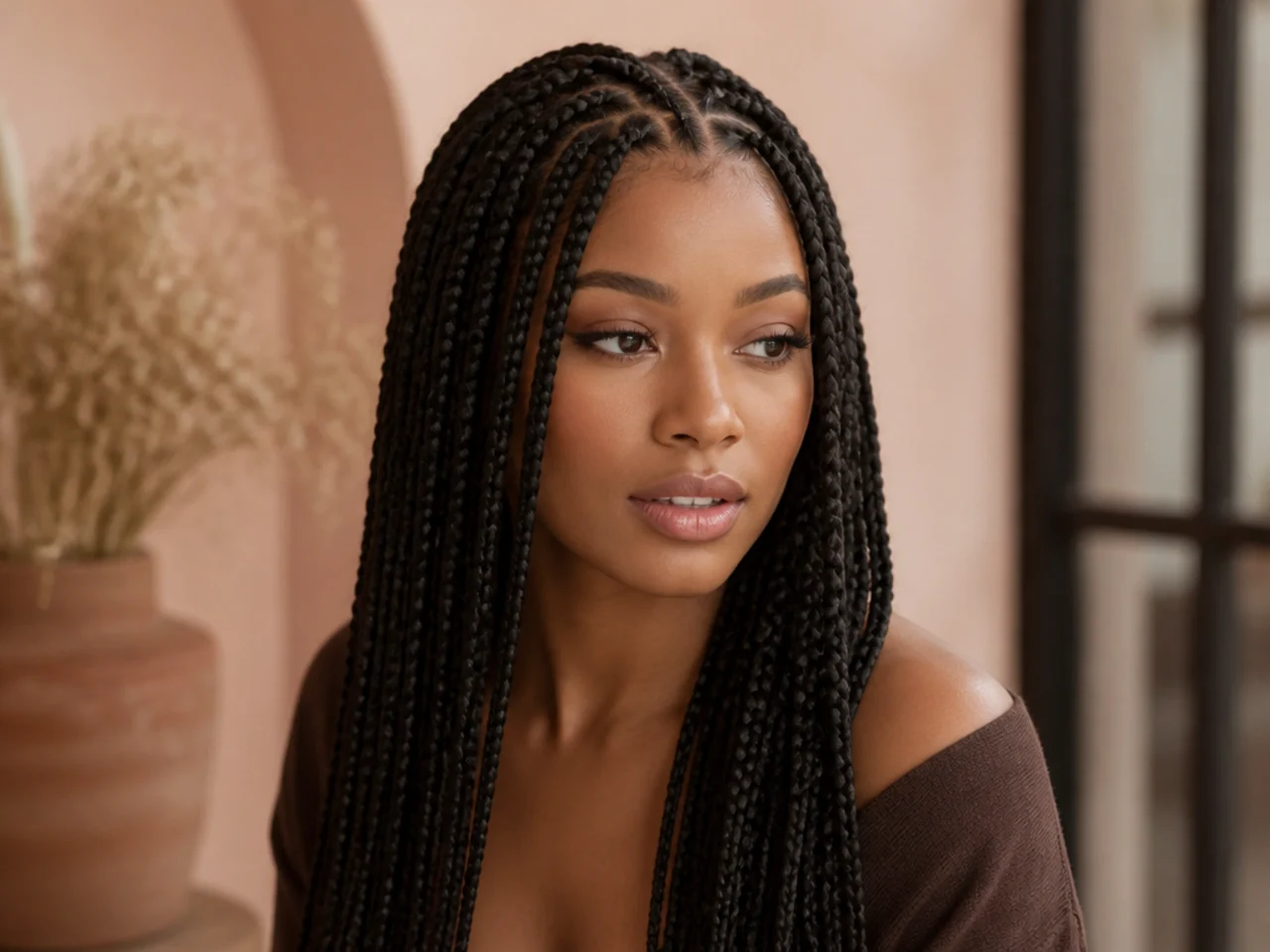
5. Curved Grid, Evenly Spaced
Curves that stay parallel. Harder to install, and striking when it works. Parallel curves are the hardest layout to hold across a full head, so ask to see it in a portfolio first.
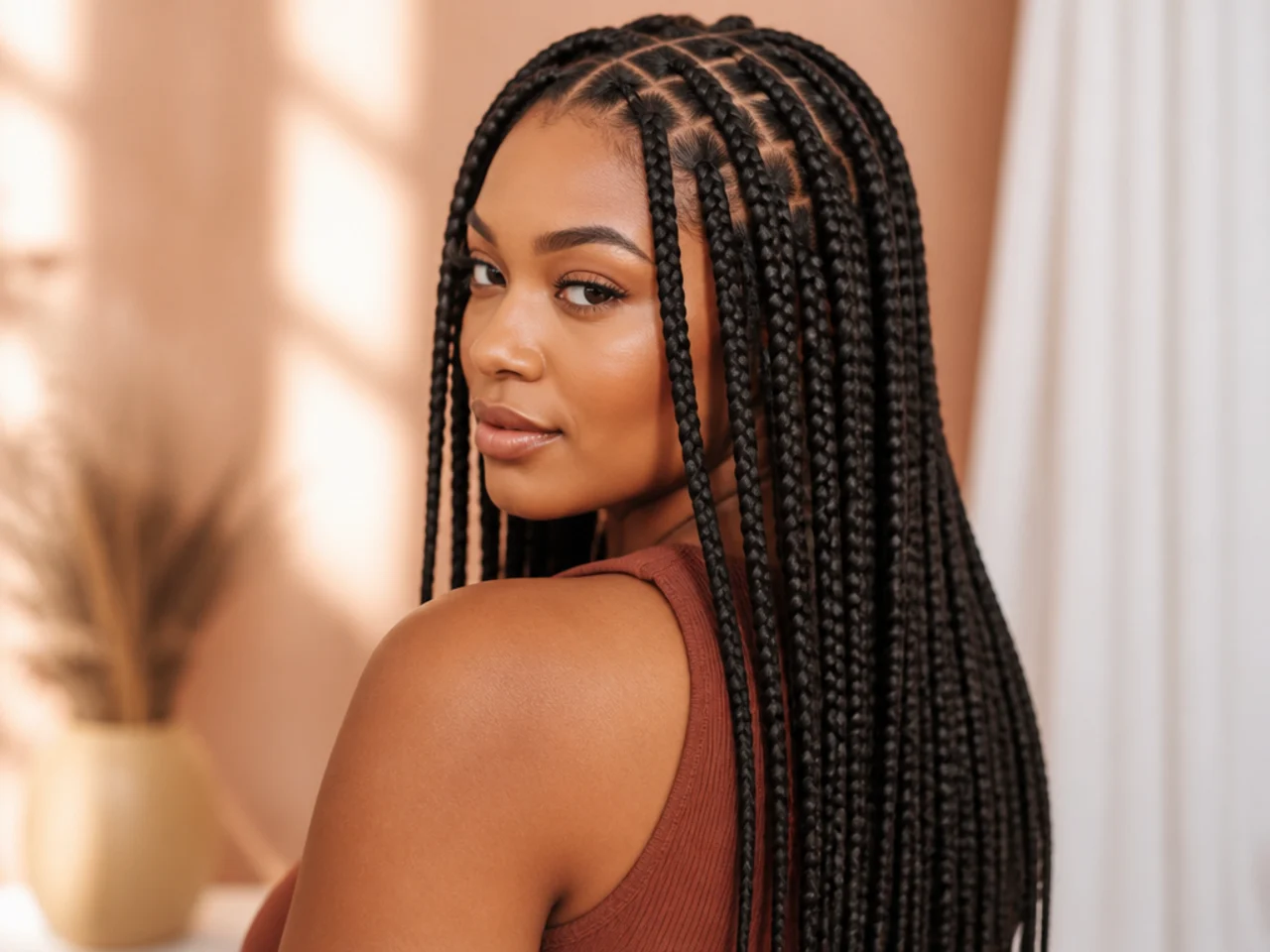
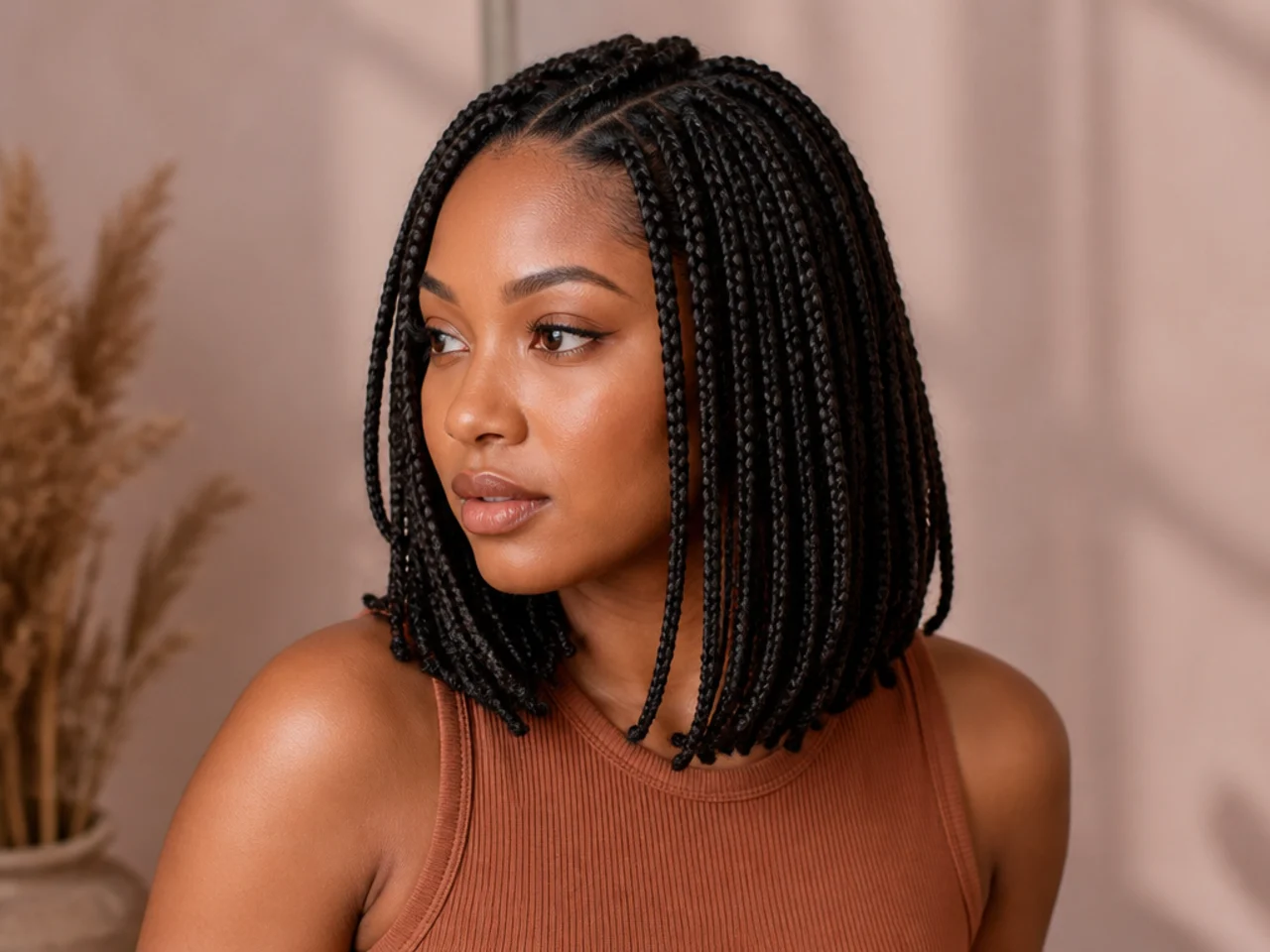
6. Neat Shoulder-Length Medium
Short, uniform and the easiest length to keep looking fresh. Less length means less to roughen against clothing, so the set stays looking new with less intervention.
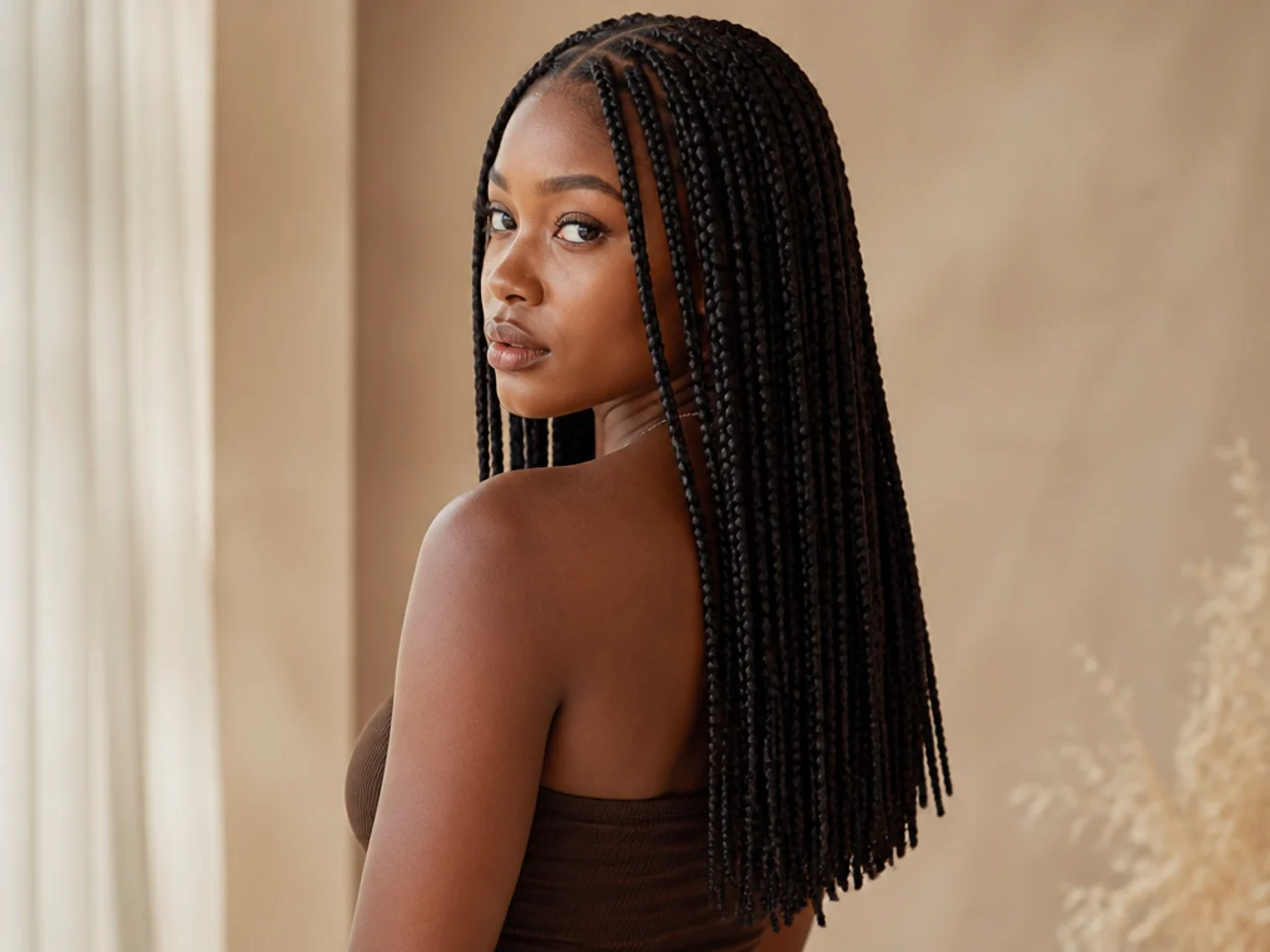
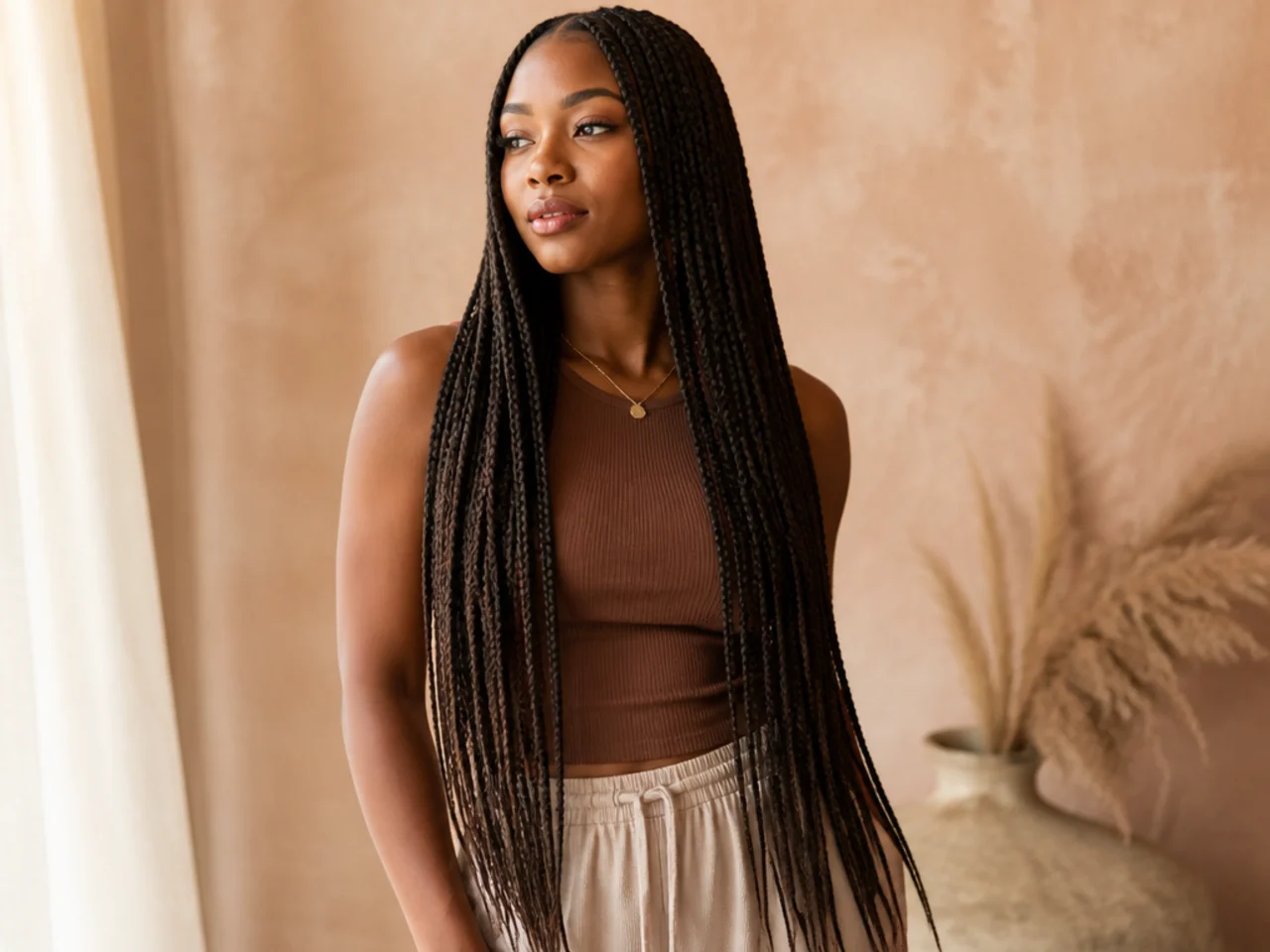
7. Neat Waist-Length Medium
Long and uniform. Weight makes even tension matter more, not less. More weight per braid means an over-tight braid is under more strain, so inconsistency costs more at this length.
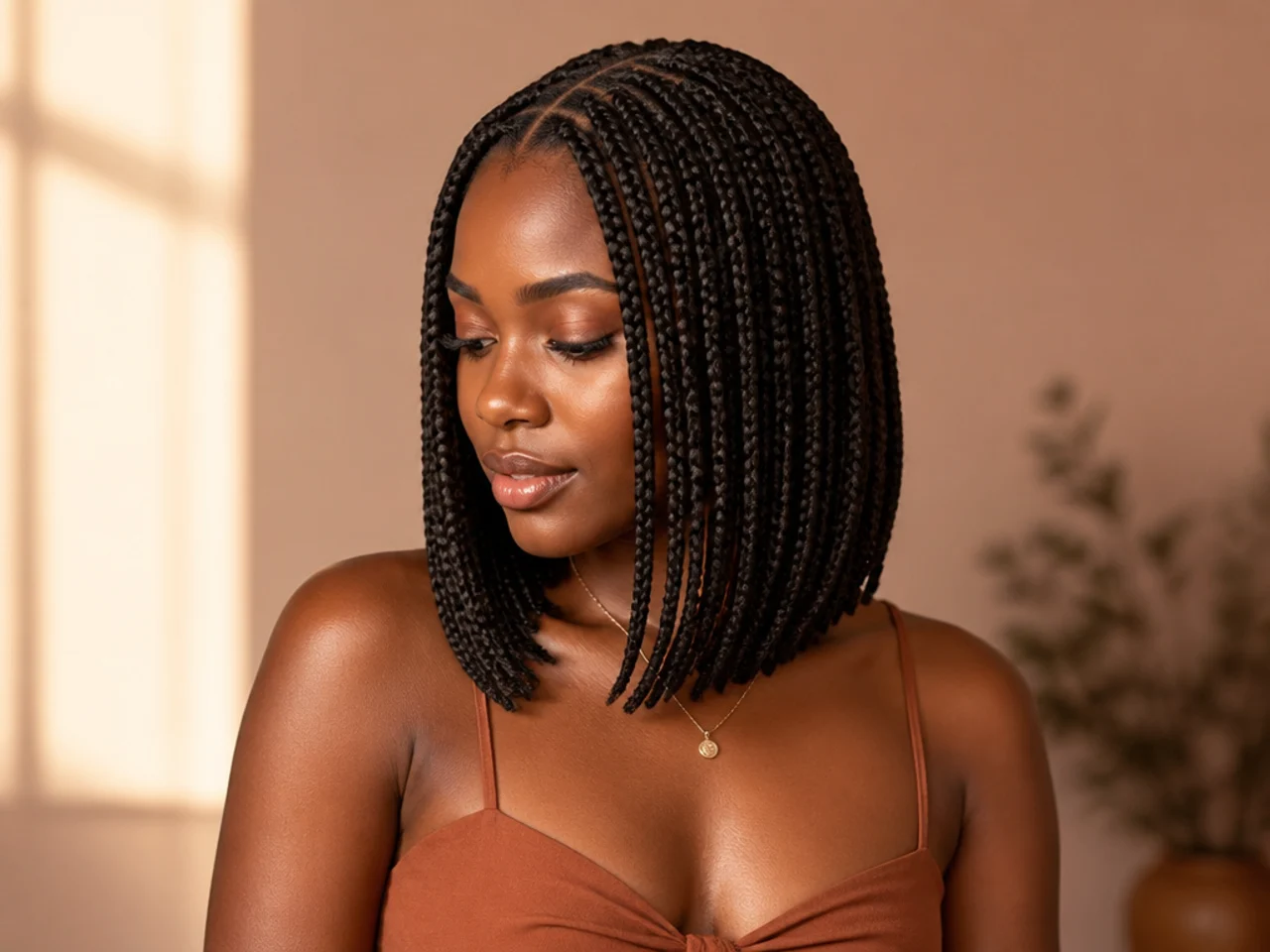
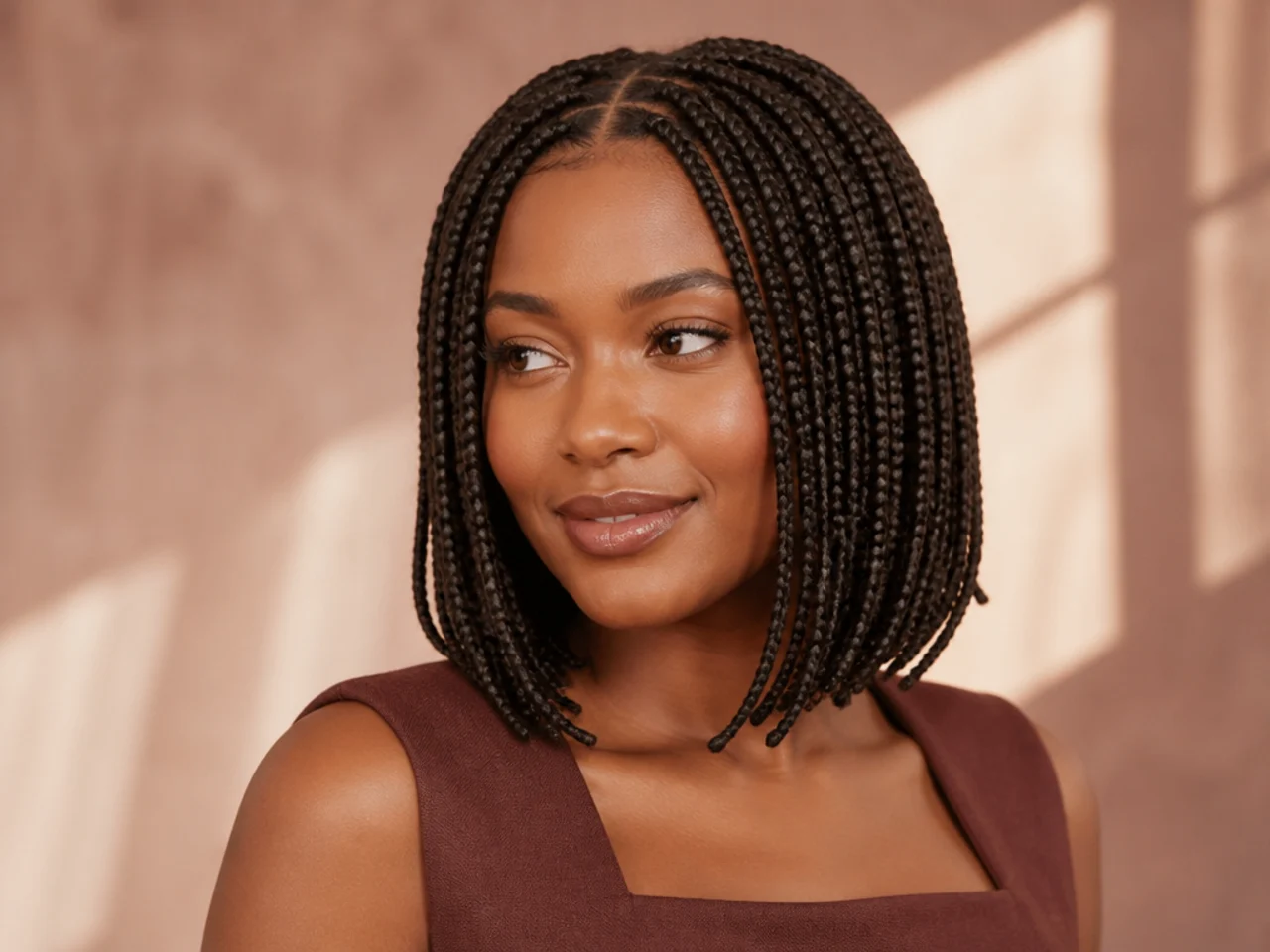
8. Neat Medium Bob
Short enough that any inconsistency shows immediately. There is no length for an uneven braid to hide in, which makes a bob the most demanding test of even tension.
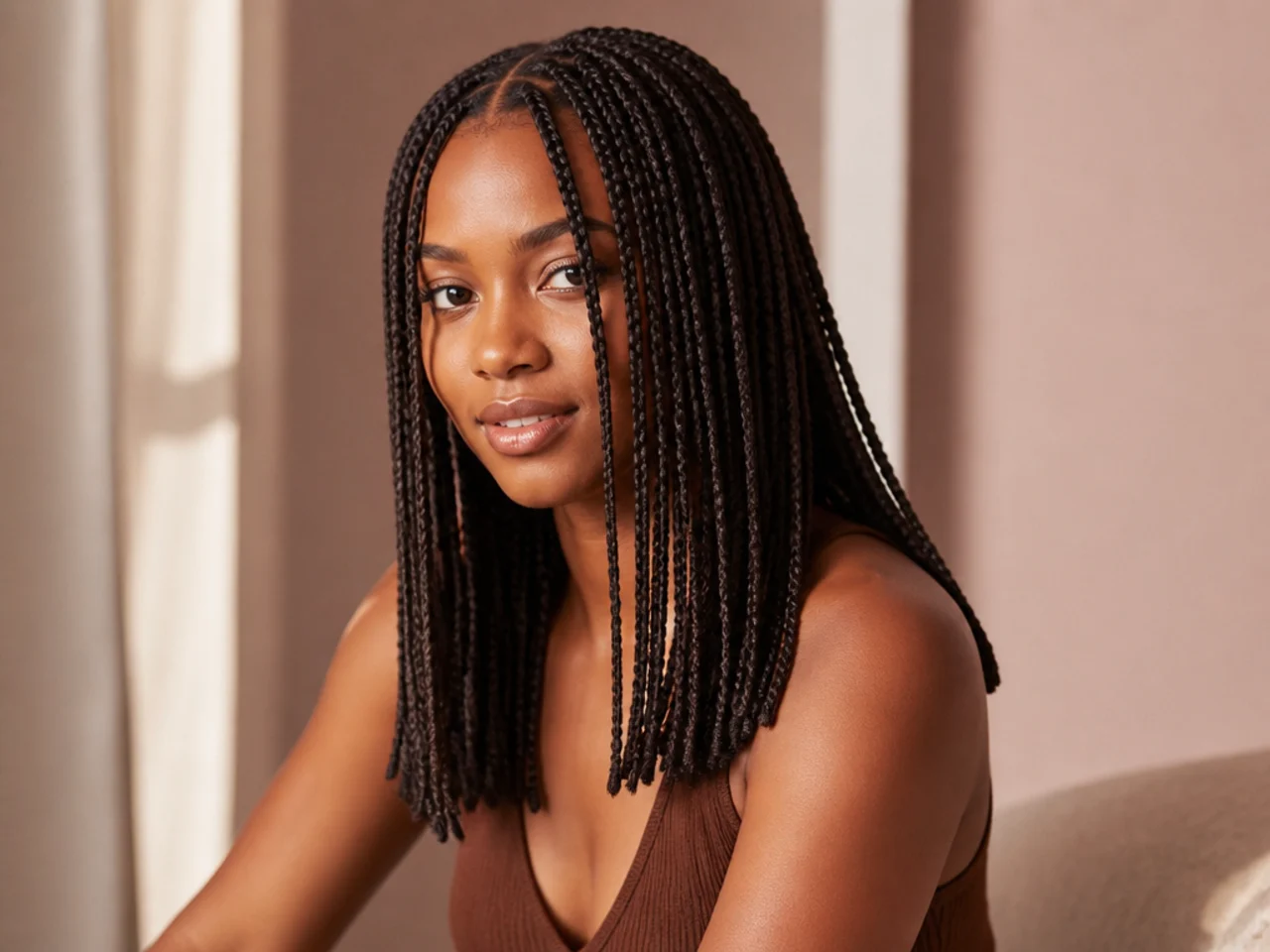
9. Sealed Ends Throughout
Every end finished the same way. Small detail, large effect. Mixed finishes read as untidy even when every braid is identical, because the ends are the part at eye level.
10. Neat Braids at Week One
The easy version, and the one most portfolios show. Any braider can produce a neat set on day one, which is why day-one photographs tell you almost nothing.
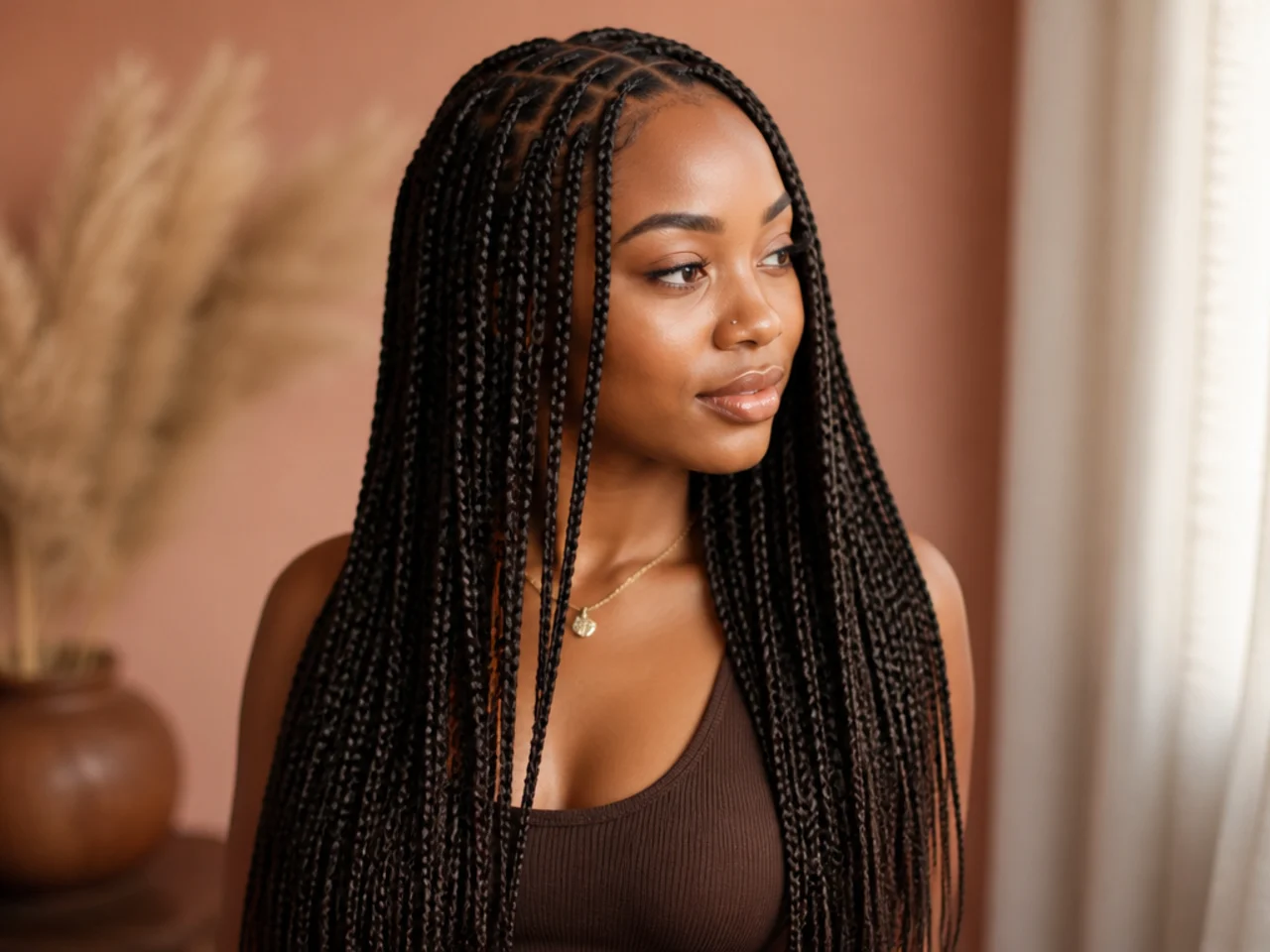
11. Neat Braids at Week Four
Same set, loosened evenly. This is the picture worth asking for. Even loosening is the proof of even tension, and it cannot be faked or styled into existence.
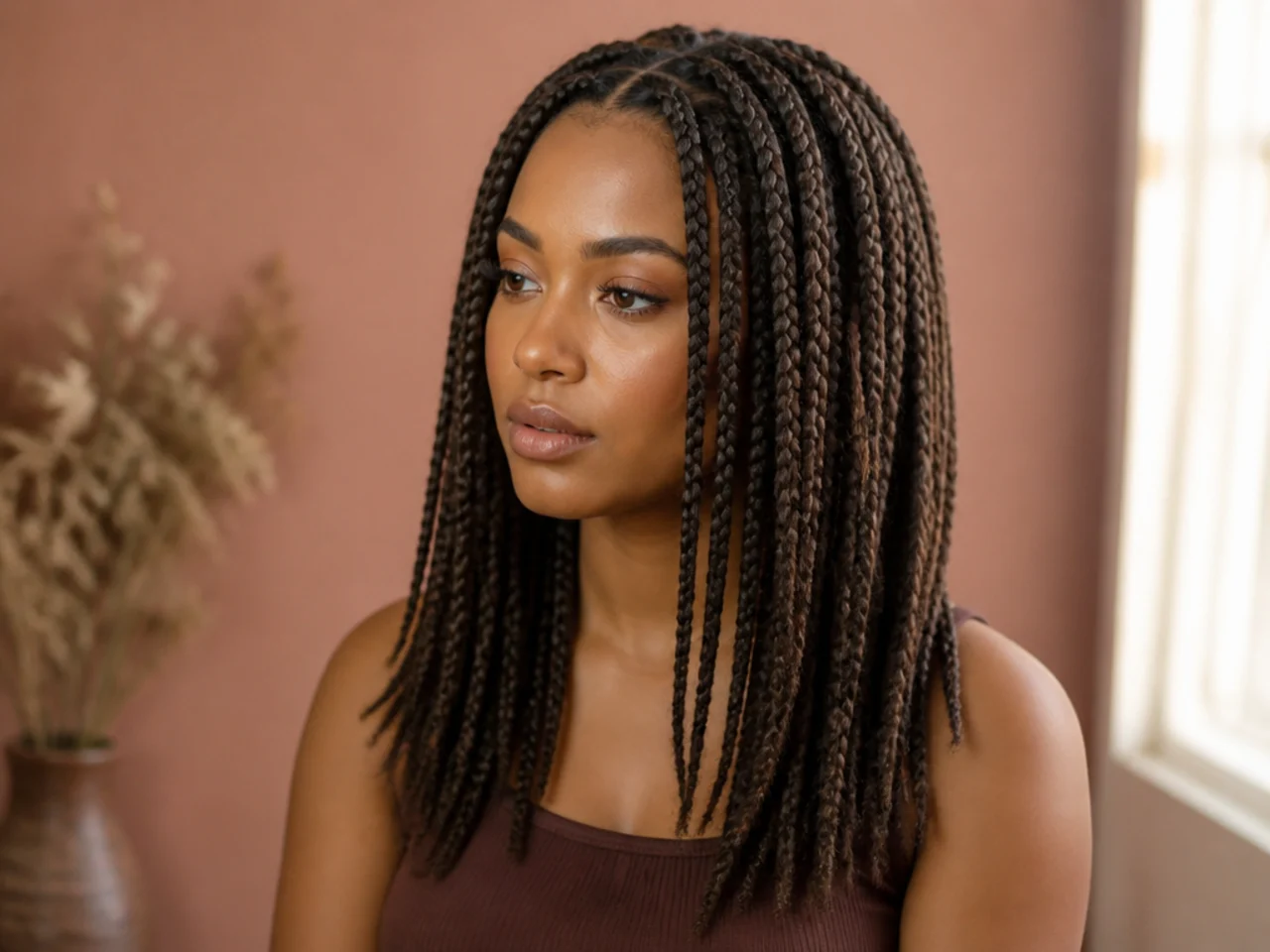
12. Neat Braids at Week Seven
Still uniform near the end of the wear. What even tension buys. A set that is still tidy at week seven was installed consistently, because uneven tension has shown itself long before then.
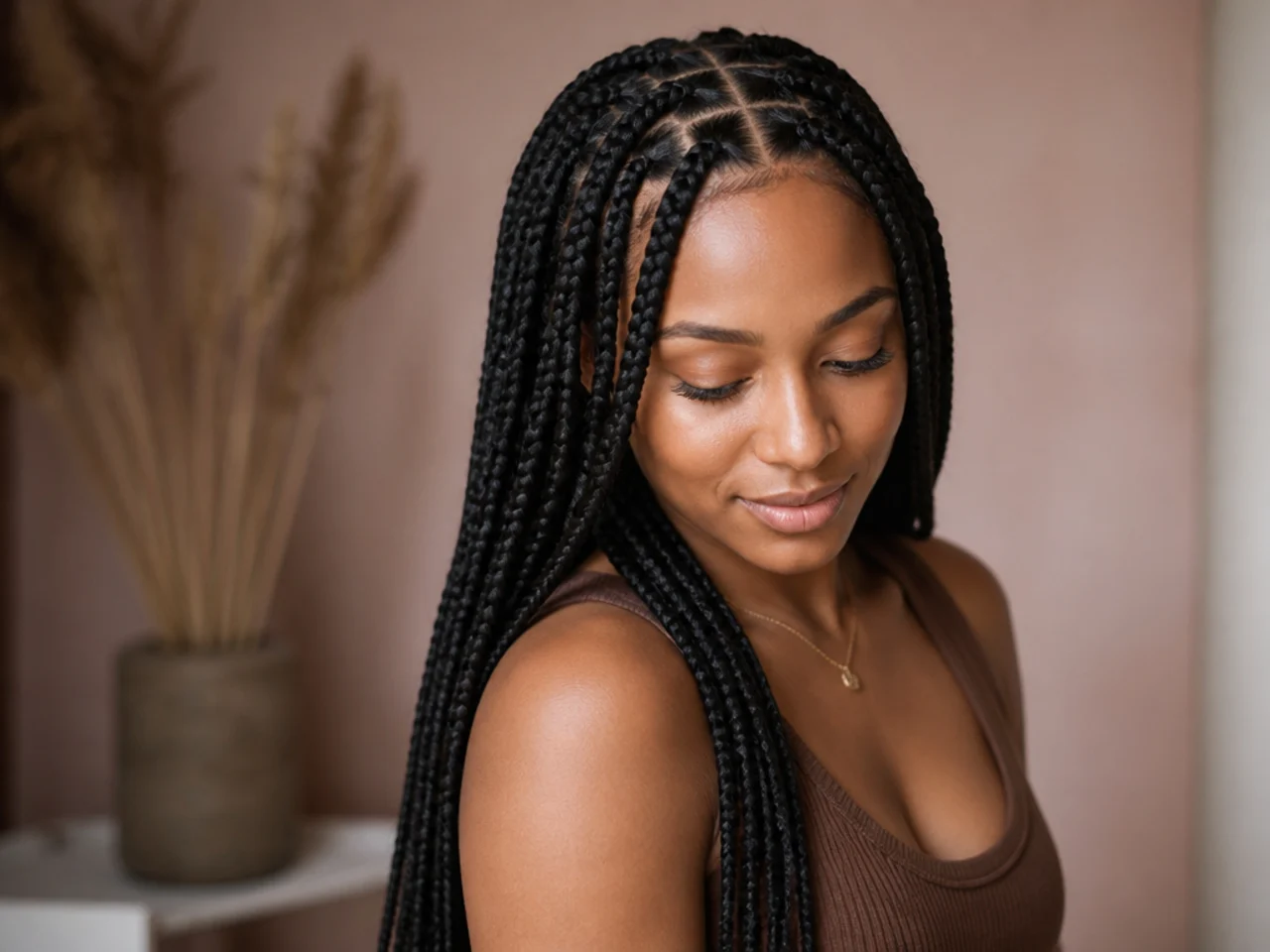
13. Neat Braids with Oiled Partings
Root frizz controlled. The single biggest visual difference week to week. Frizz at the root sits against the parting where the eye is already looking, which is why it reads as untidy and length frizz does not.
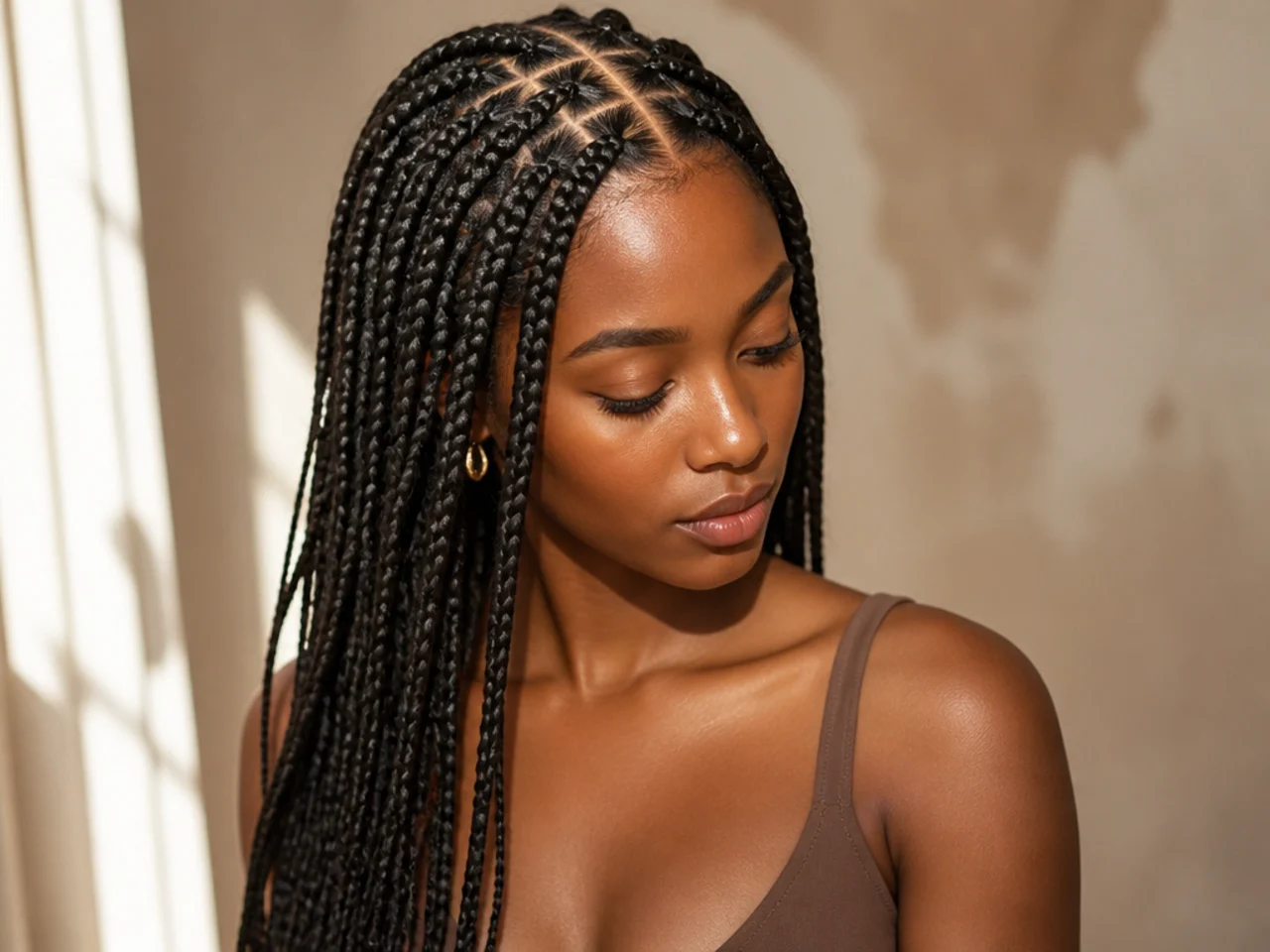
14. Neat Braids in a Low Bun
Gathered low, where uniformity is most visible. Gathering brings every braid together in one place, so any difference in width or start point is side by side.
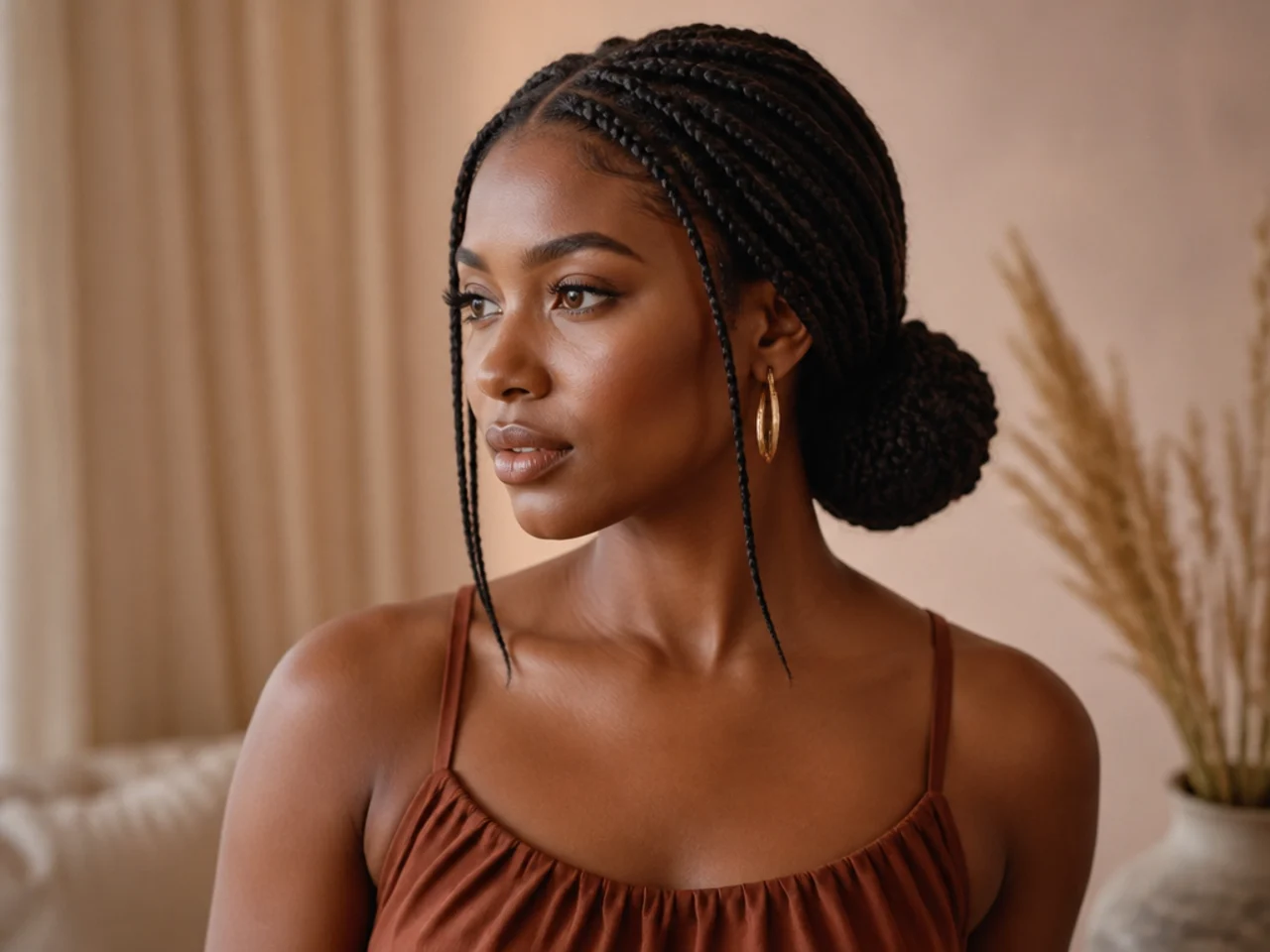
15. Neat Half-Up
The gather exposing the crown grid, which had better be even. A half up puts the crown partings on permanent display, so it is the style that most rewards a consistent install.
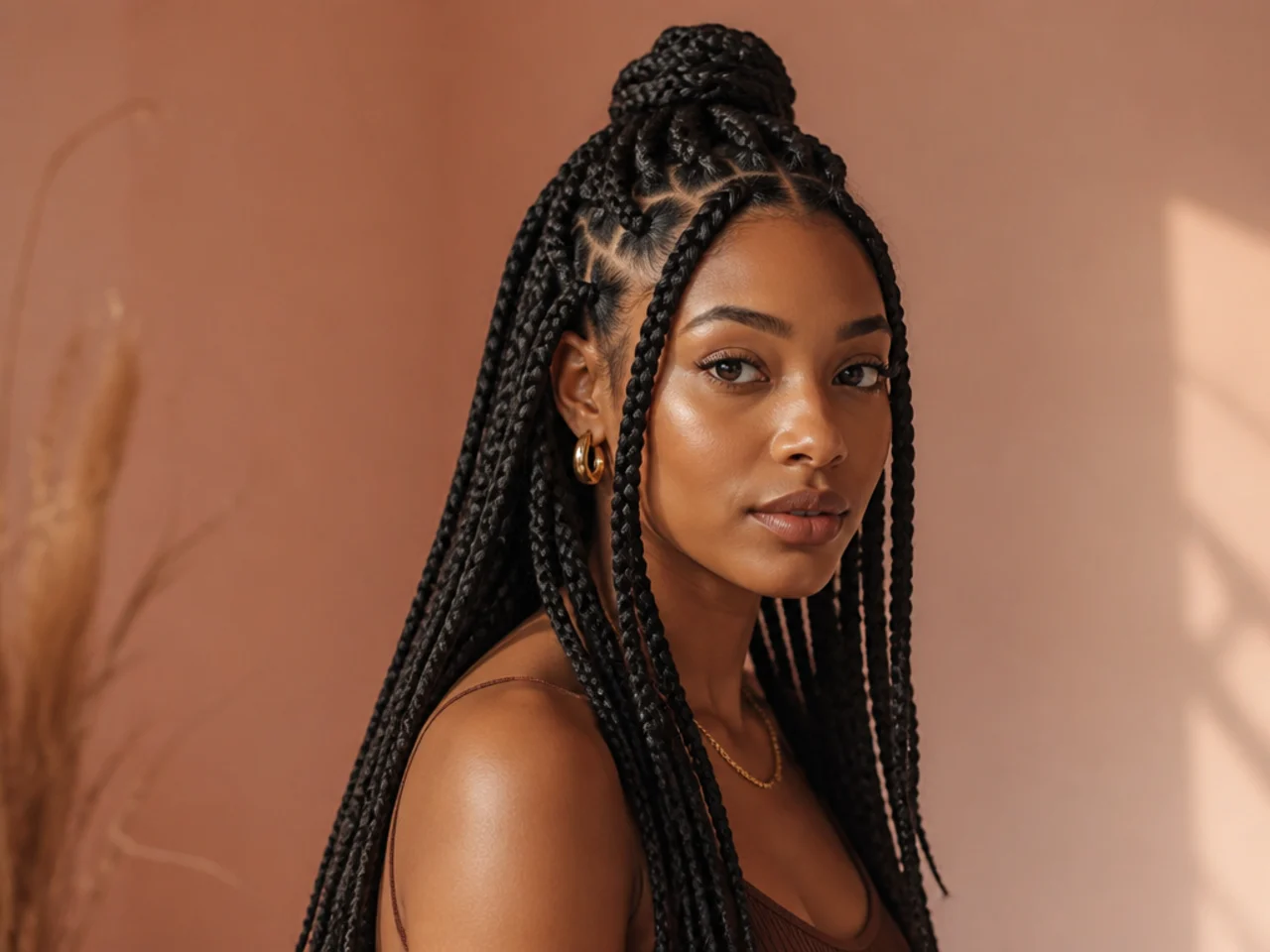
16. Neat Braids with a Face Frame
Front pieces matched to each other, which is where asymmetry shows. The two face-framing braids sit either side of your face at the same height, which is the one place a mismatch is unmissable.
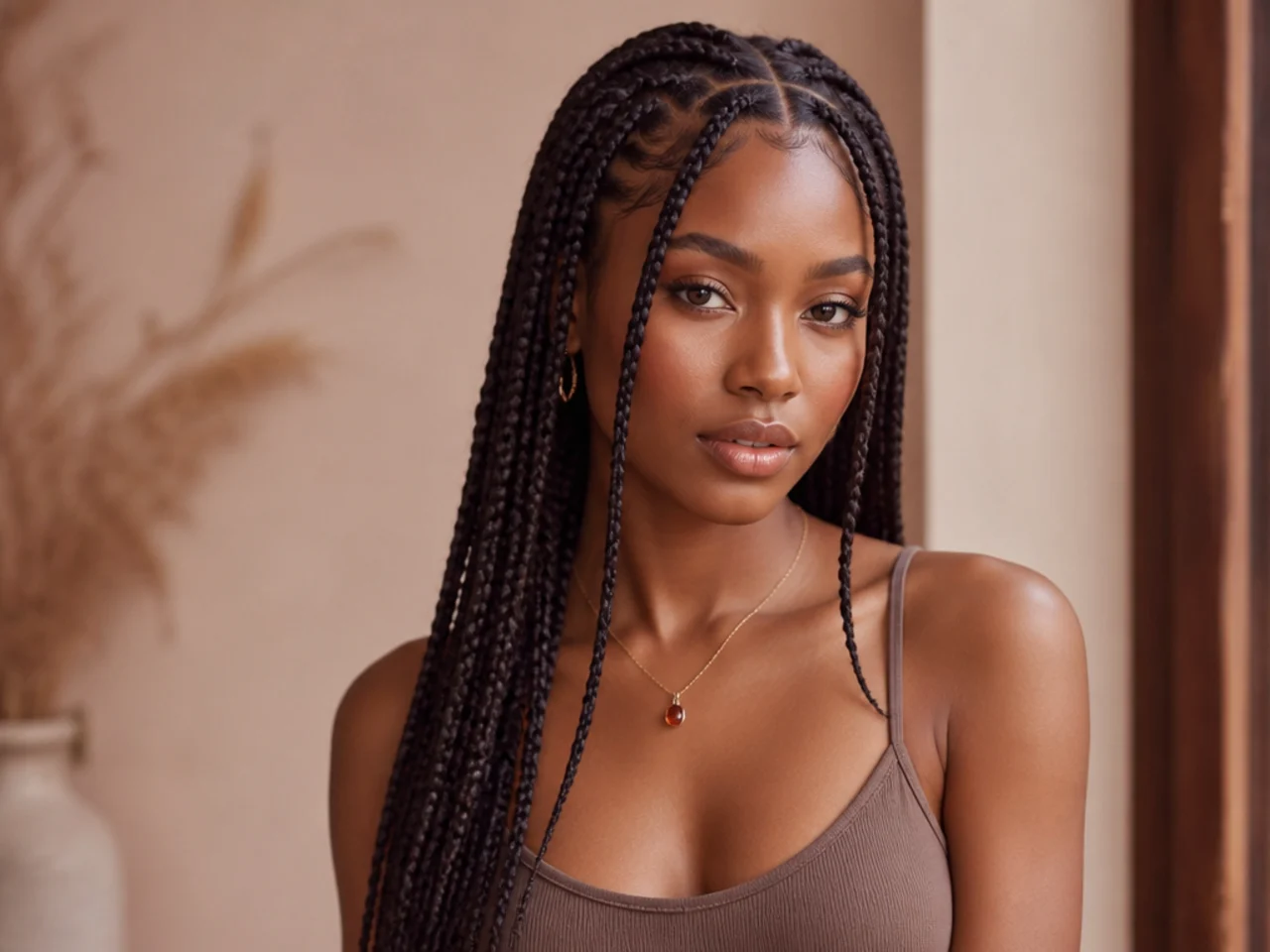
17. Neat Braids on Fine Natural Hair
Even tension matters most here, and tight tension is most costly here.

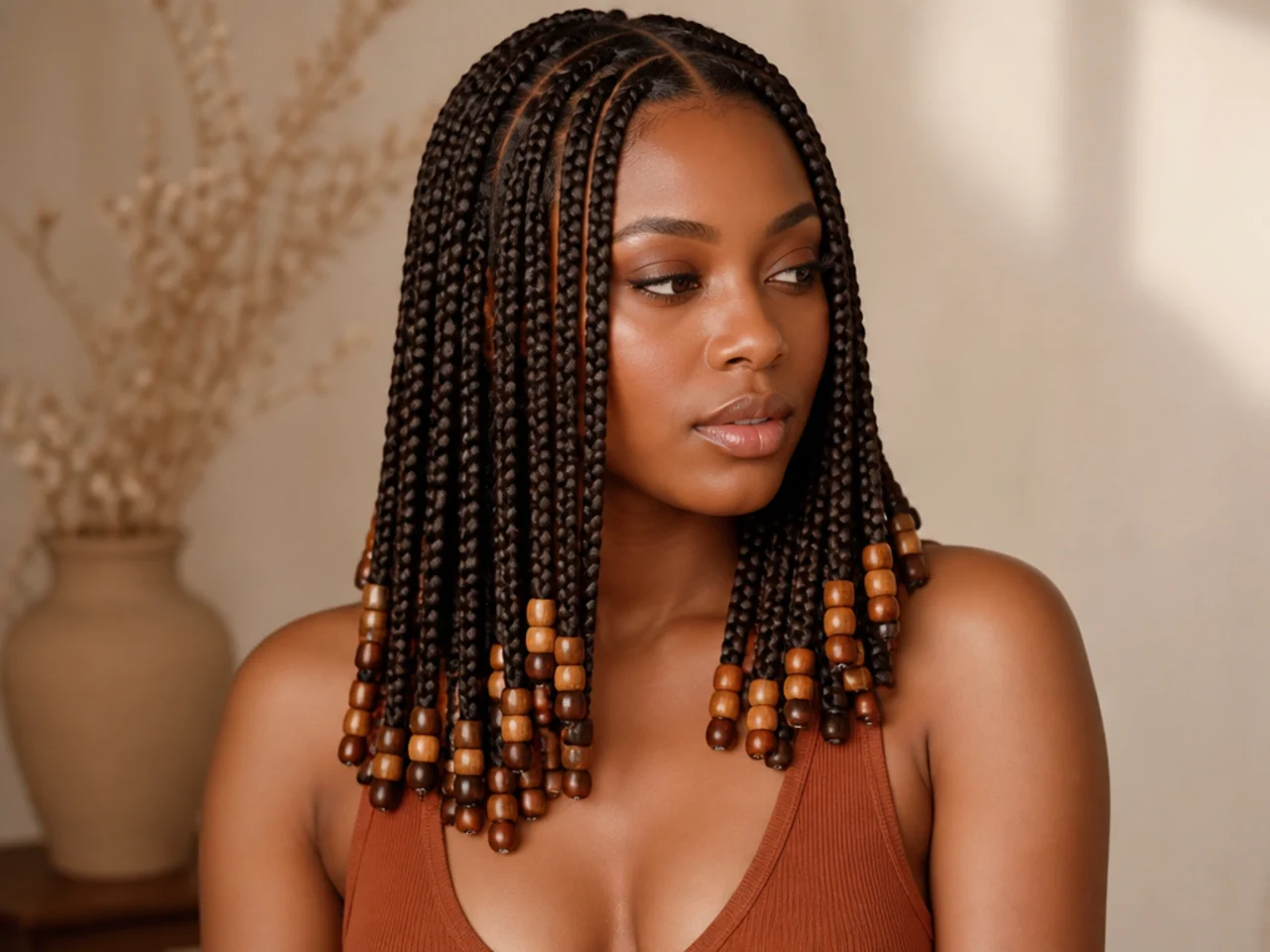
18. Neat Braids with Beads on a Subset
Accessories placed evenly rather than scattered at random.
19. Neat Braids with a Simple Colour Ratio
One in four, spread evenly. Uneven scattering is what looks untidy.
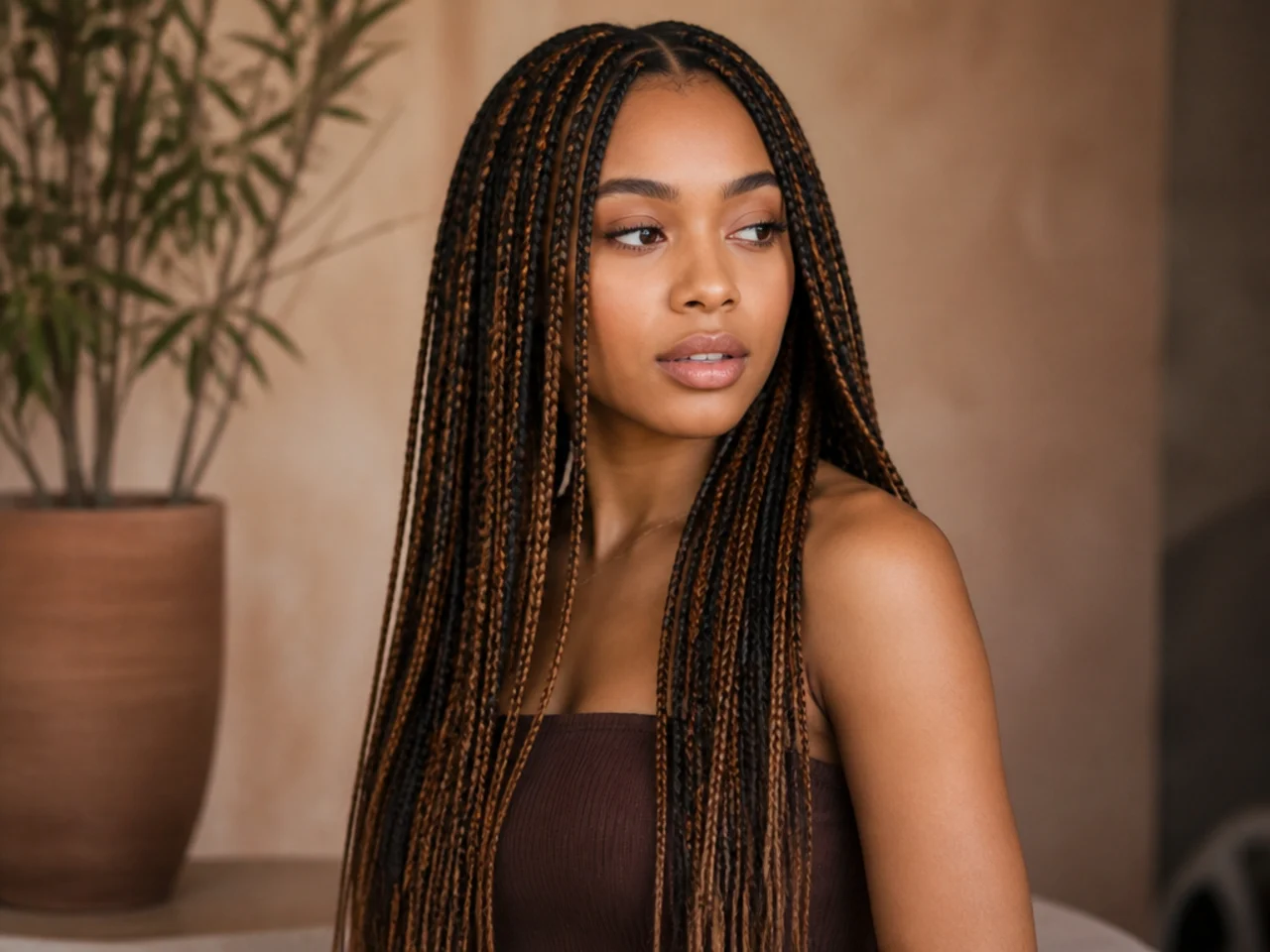
20. An Uneven Set for Comparison
Braids sitting at different distances from the scalp. Worth learning to spot.
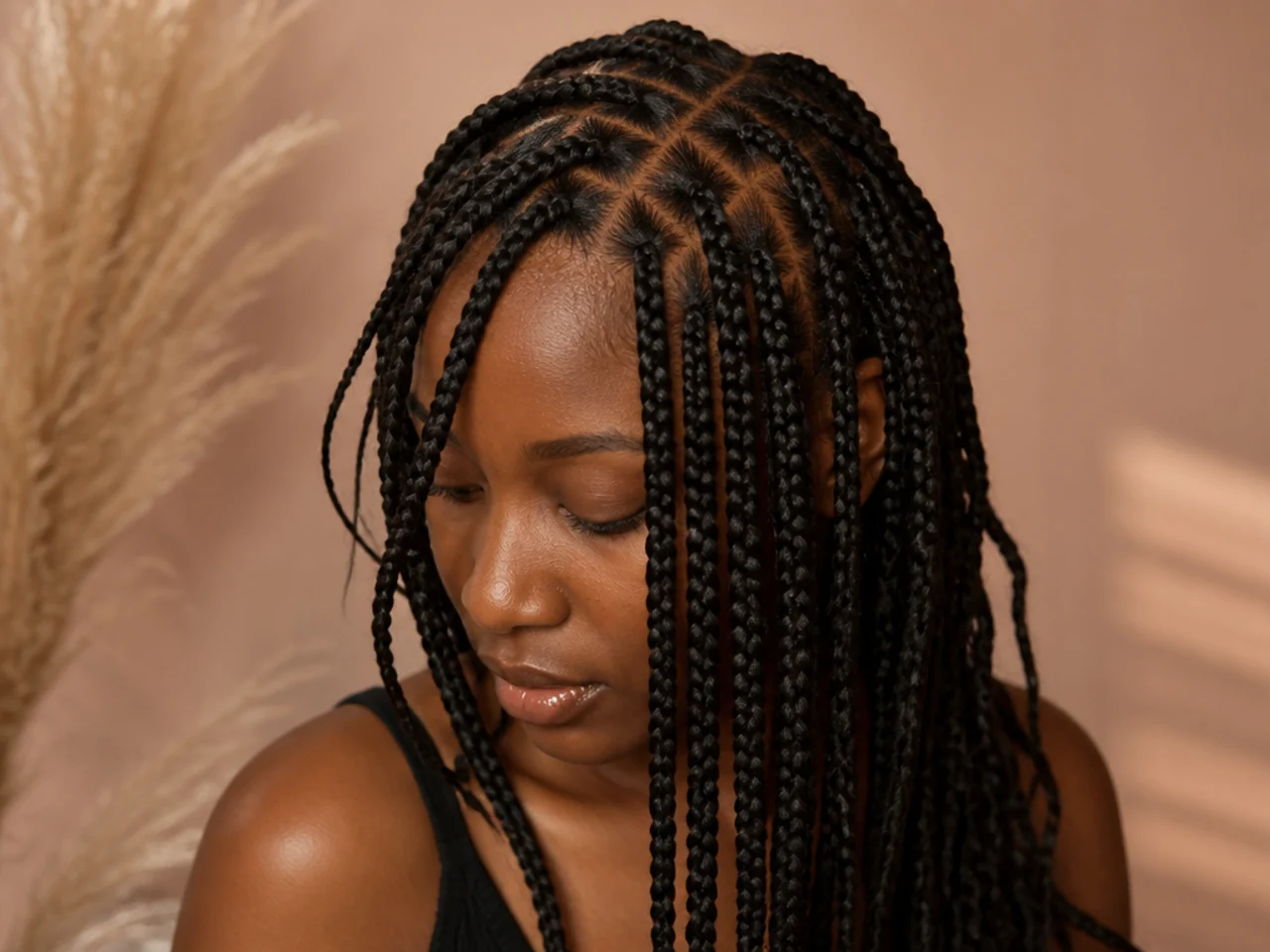
Styling and Upkeep
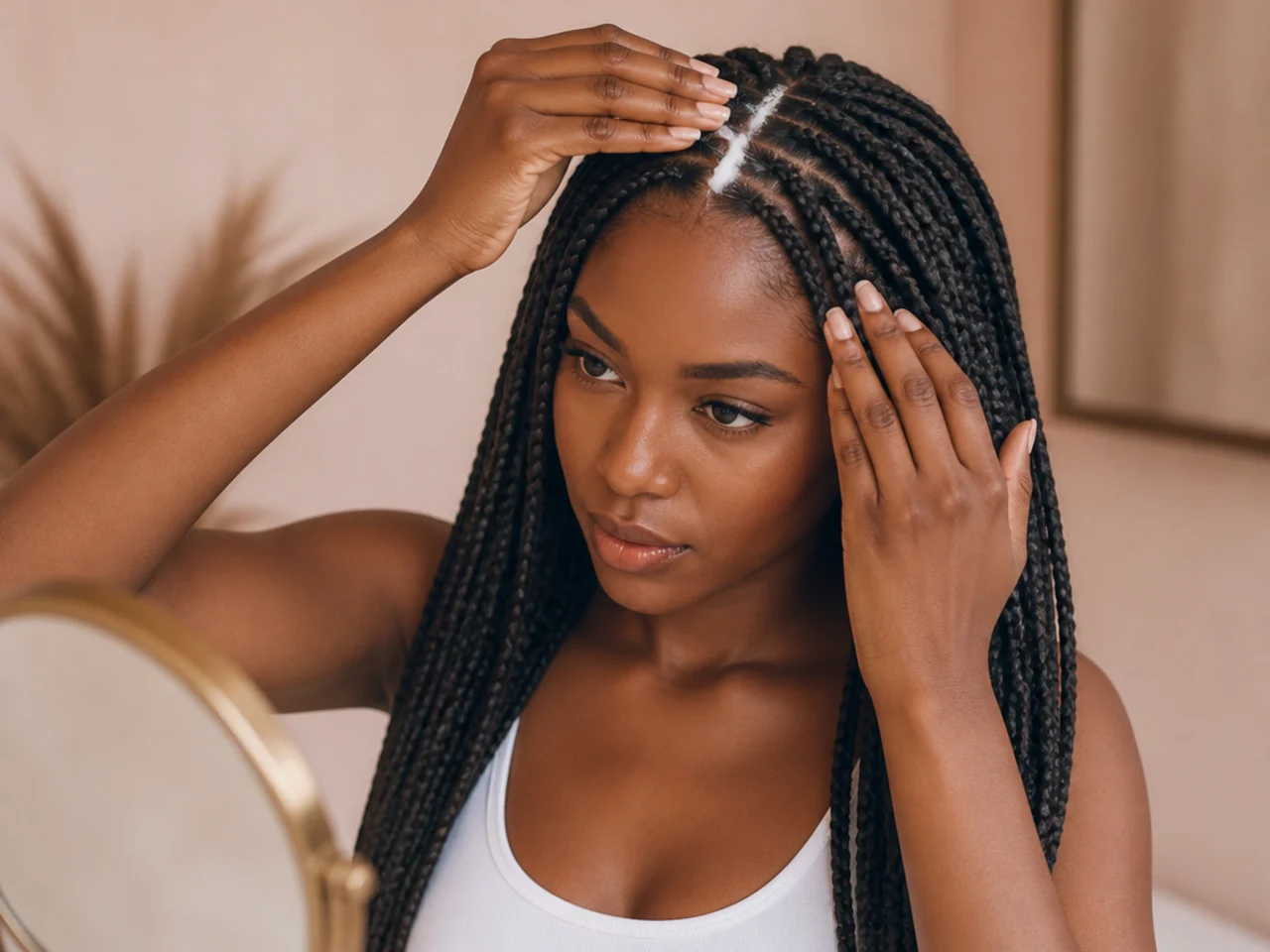
Smooth root frizz with mousse. A light mousse worked along the partings and down the first inches, weekly. This is the highest-value ten minutes in the whole wear.
Oil the partings, never the length. Product on the braids builds up and dulls them, which reads as untidy in a different way.
Satin every night. A bonnet or a loose gather on a satin scarf. Friction against cotton is what roughens the roots.
Never re-braid the front to freshen it. It is the fastest route to thinning edges and it makes the front sit differently from the rest.
Judge the set at week four, not week one. That is when you find out whether the tension was even.
Mistakes to Avoid
Confusing tight with neat. Tight loosens unevenly and costs you edges.
Judging a braider by day-one photographs. Everyone looks good at day one.
Oiling the length to tidy it. It dulls and weighs the braids down.
Re-braiding the hairline. It makes the front inconsistent with everything behind it.
Sleeping on cotton. Root frizz is friction, and friction is the pillowcase.
FAQ
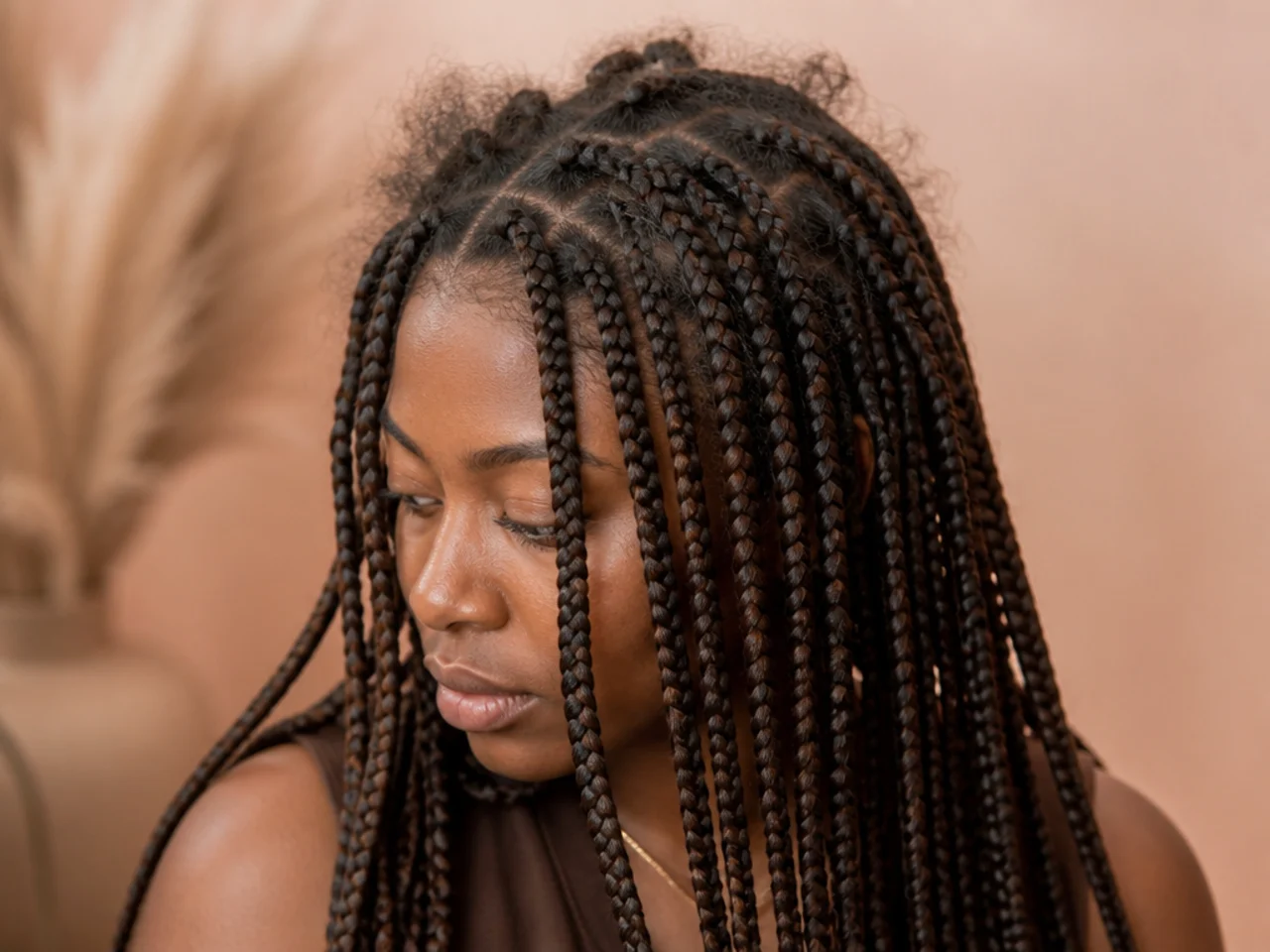
What makes them look neat? Even tension, far more than perfect parting.
Why do they look messy after a few weeks? Uneven tension produces uneven loosening.
How do you keep them neat? Control root frizz — mousse on the partings, satin at night, no re-braiding.
Final Thoughts
Ask your braider for even tension and ask to see a set at four weeks. Those two requests will do more for how neat your braids look than any amount of attention to the parting grid — which, at this braid count, mostly disappears anyway.
For the install process itself see 20 steps to neat medium knotless braids, and for the full range see 25 medium knotless braids ideas. More in Braids & Protective Styles.
Frequently asked questions
Related posts
See all posts
20 Waterfall Mermaid Braid Ideas That Hold
Read more
15 Side Mermaid Braid Ideas That Sit Right
Read more
20 Side Part Medium Knotless Braids I Saved
Read more