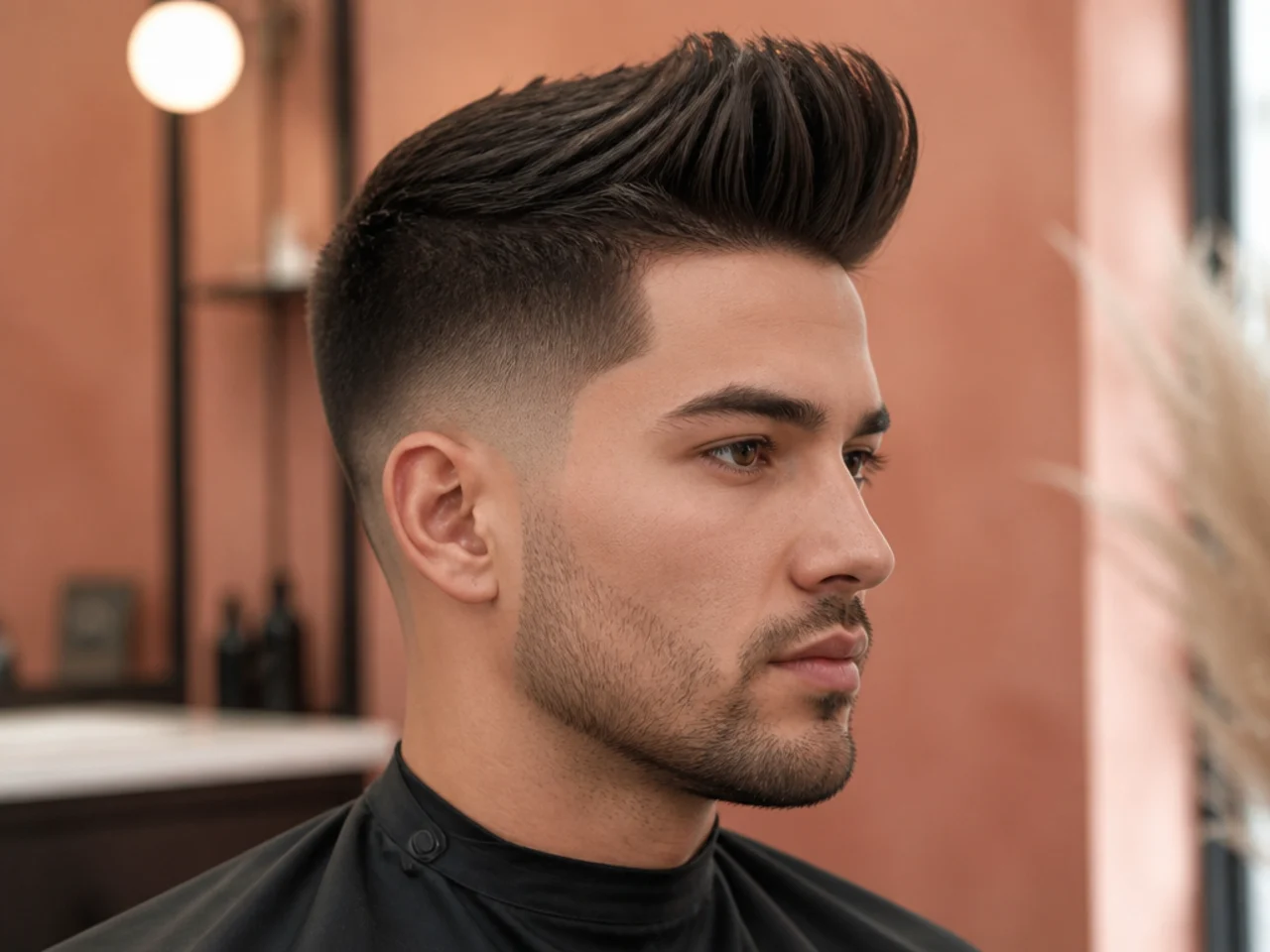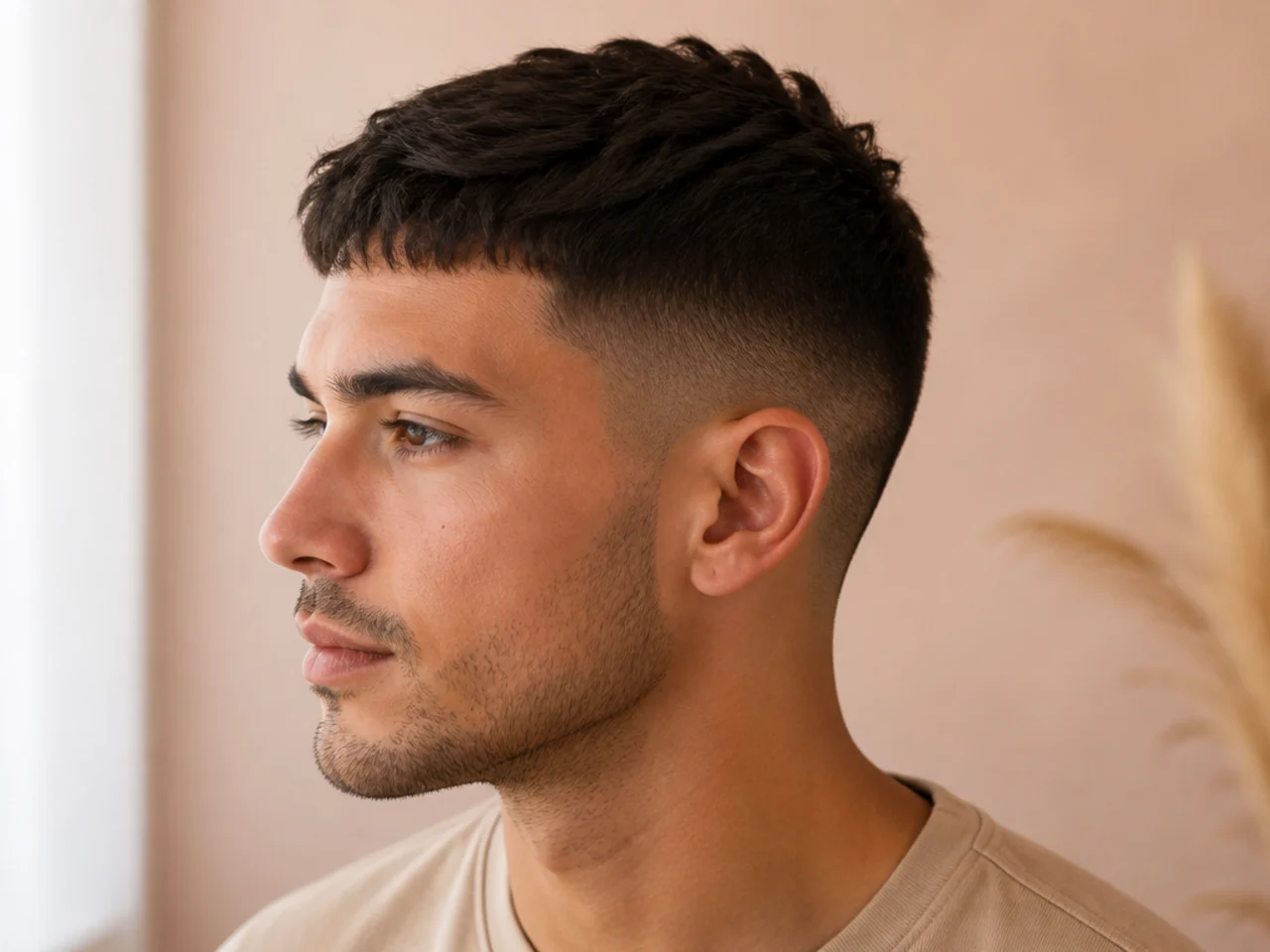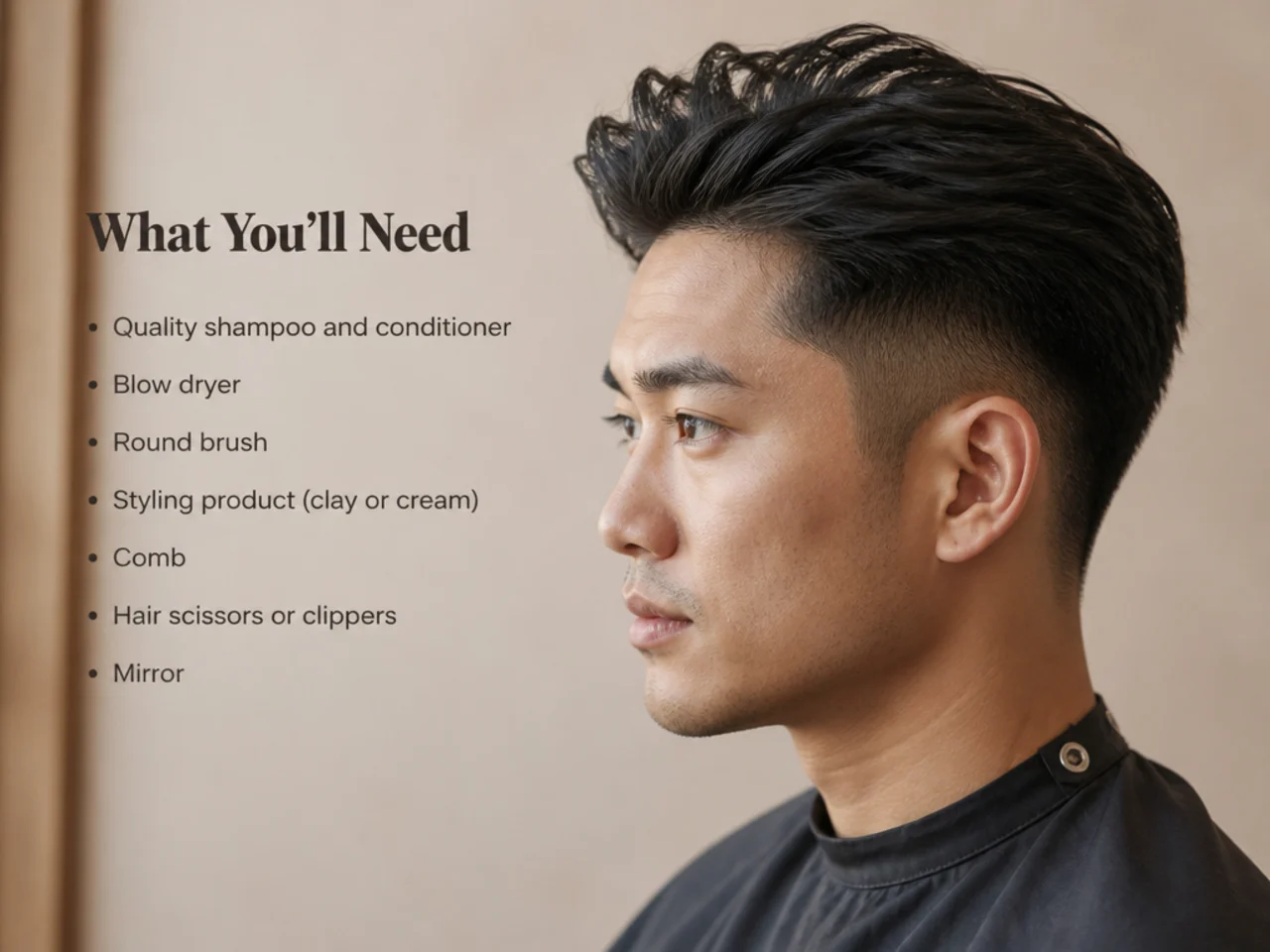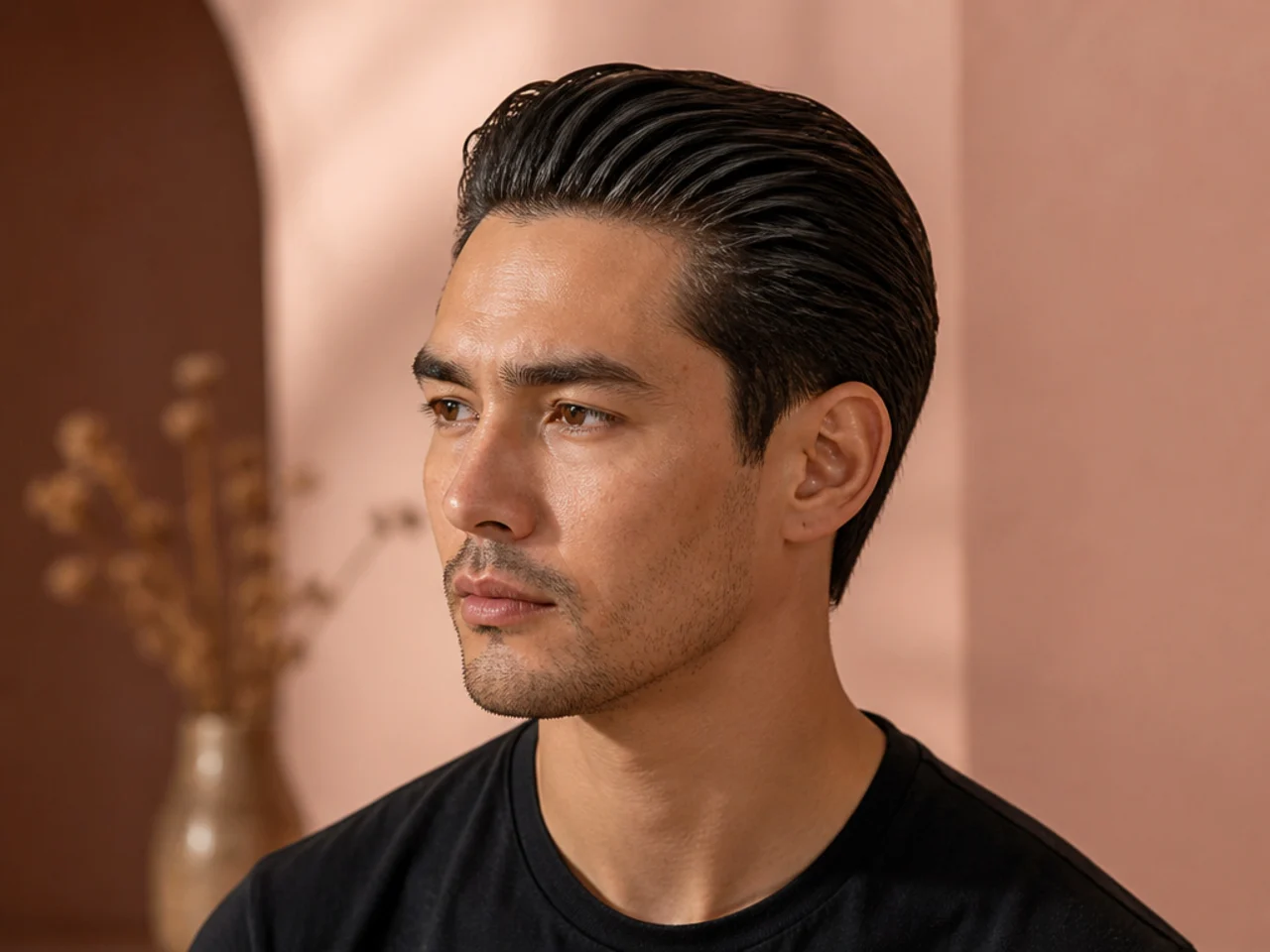
25 Comma Haircut Ideas for Men
25 comma haircut ideas for men — every variation of the curled Korean-front cut, with photos, face-shape notes, and the exact ask to hand your barber.
In this article · 39
- What Is a Comma Haircut?
- How to Choose Your Comma Variation
- The 25 Comma Haircut Ideas
- 1. The Classic Korean Comma
- 2. The Low Fade Comma
- 3. The Mid Fade Comma
- 4. The Scissor Taper Comma
- 5. The Curly Comma
- 6. The Wavy Comma
- 7. The Straight Comma
- 8. The Two-Block Comma
- 9. The Fringe Comma
- 10. The Curtain Comma
- 11. The Short Comma
- 12. The Long Comma
- 13. The Side-Swept Comma
- 14. The Symmetrical Double Comma
- 15. The Textured Comma
- 16. The Blown-Out Comma
- 17. The Tapered Length Comma
- 18. The Disconnected Comma
- 19. The Comma with Beard
- 20. The Skin Fade Comma
- 21. The Drop Fade Comma
- 22. The Subtle Comma
- 23. The Dramatic Comma
- 24. The Side Part Comma
- 25. The Burst Fade Comma
- How to Ask Your Barber for a Comma Haircut
- Styling and Maintenance
- FAQ
- What is the difference between a comma and a two block?
- Which comma needs the least styling?
- Can I get a comma with curly or coily hair?
- How often should I re-cut it?
- What products do I need to style a comma?
- Does it suit a round or square face?
- Is it still in style in 2026?
- Which variation works in a corporate office?
The comma haircut is one shape with 25 different personalities. Same curled front hook — sometimes sharp, sometimes soft, sometimes doubled, sometimes buried under a fringe. This guide breaks down the 25 versions barbers are cutting most in 2026, each with the exact ask: top length in inches, side treatment, and curl direction. Pick the version that matches your hair type, face shape, and morning patience.
What Is a Comma Haircut?
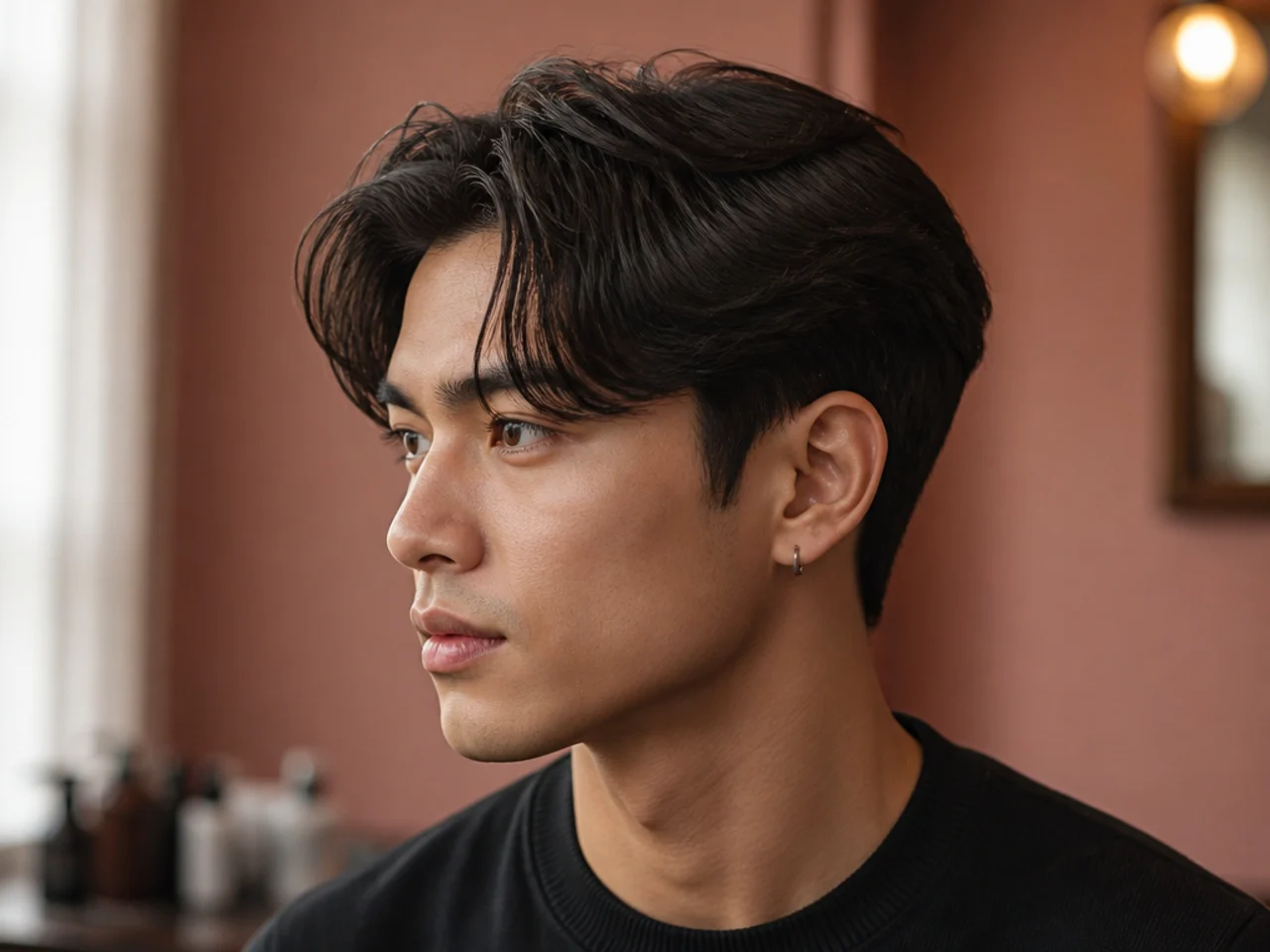
A comma haircut is a men's cut styled with a curled front section that hooks inward, forming the shape of a punctuation comma against the forehead. The top runs 3 to 5 inches — enough weight to hold the curve. The sides run short: fade, taper, undercut, or a hard two-block ledge. The curl carries the identity; the sides frame it.
The look was born in Seoul in the late 2010s and traveled worldwide through K-pop and K-drama. Straight-to-wavy hair is the natural canvas. Curly hair adapts with longer front layers; coily hair adapts with a light front perm-relaxer to sit flat enough to hook. If you are new to the family, start with the classic Korean version — the comma haircuts primer covers the base shape and history in depth.
How to Choose Your Comma Variation
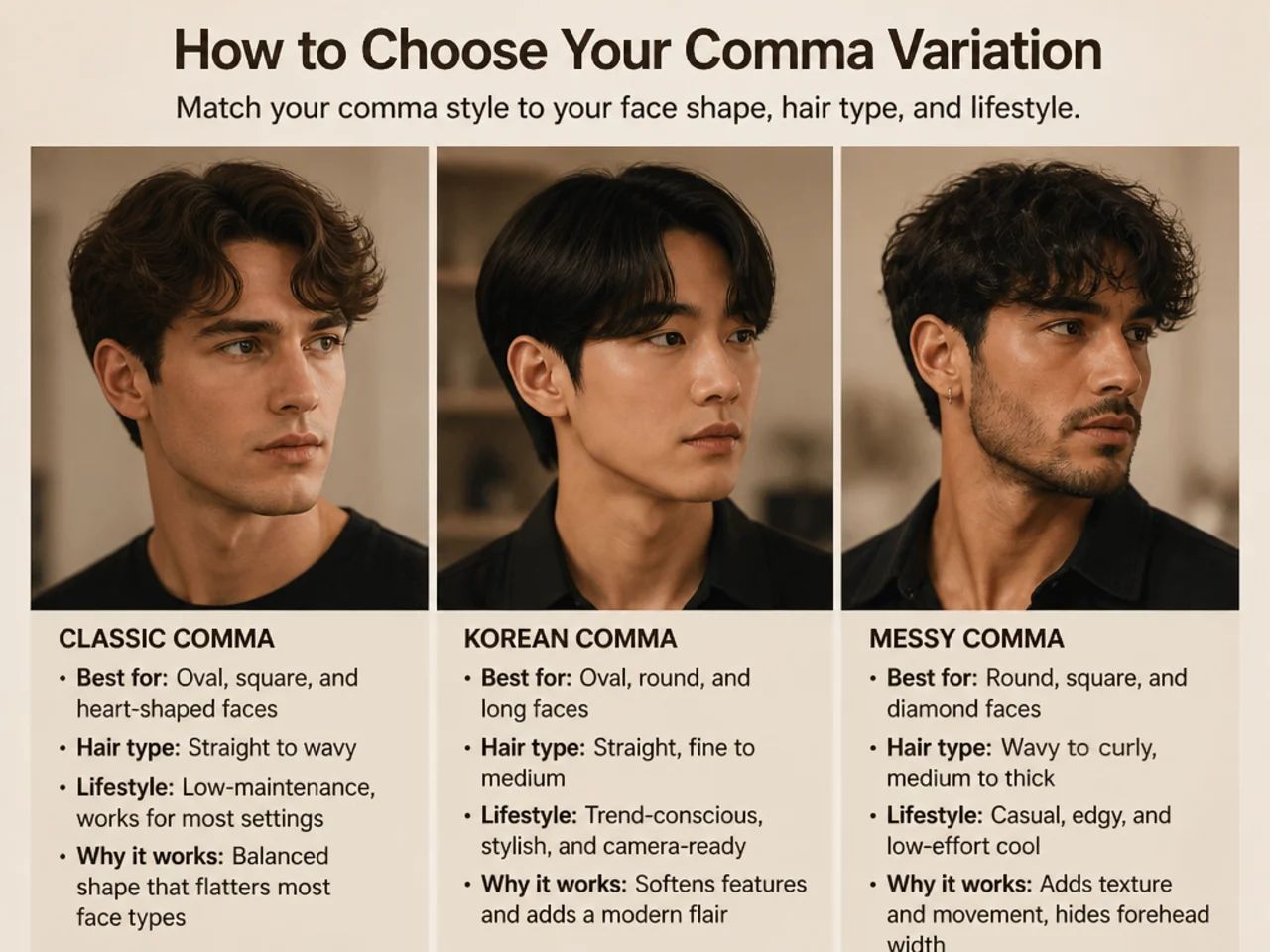
Three variables narrow the 25 versions down to your version. First, hair type — straight and wavy hair take any variation; curly and coily hair need longer front layers and softer sides. Second, face shape — oval takes anything, round wants a taller comma and mid-to-high fade, square wants a softer curl, long wants a wider or twin curl, heart wants a defined single hook. Third, styling time — the subtle and permed commas take 30 seconds; the twin, blown-out, and dramatic commas want a full 2 minutes at the mirror.
Workplace matters too. Corporate offices land clean with the low fade, side part, tapered length, or subtle versions. The dramatic, disconnected, and blown-out commas read confident but expressive — save them for a role or a scene where standing out is fine.
The 25 Comma Haircut Ideas
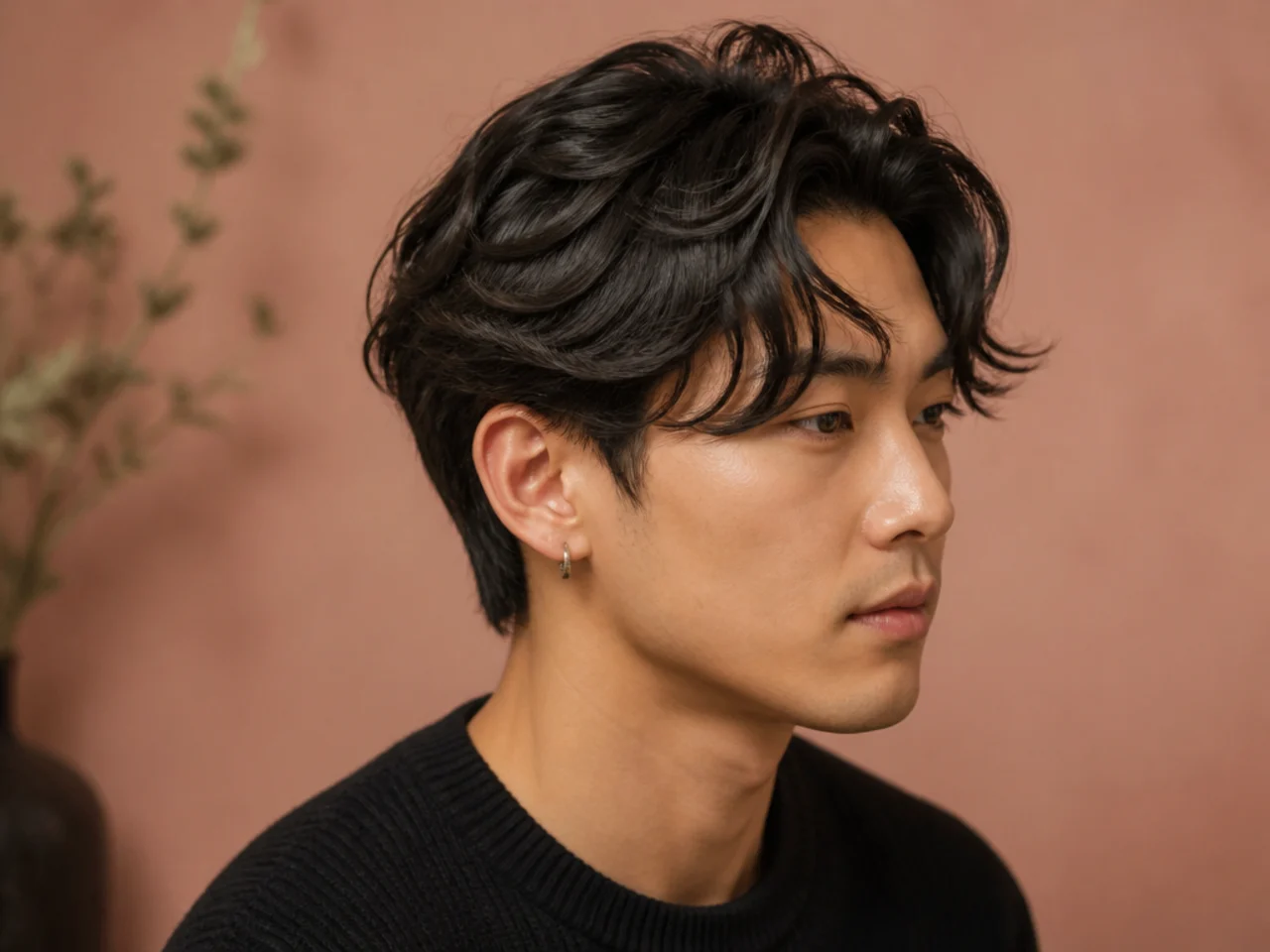
Every variation below is a distinct silhouette your barber can cut with one photo and a few numbers. Names track how the comma sits and how the sides frame it. Bring inches — "4 inches on top" beats "medium" every time.
1. The Classic Korean Comma
The original blueprint. Straight silky top around 4 inches, one defined hook toward your dominant eye, sides on a soft scissor taper — no fade to skin, no undercut disconnect. Reads glossy and camera-ready, exactly like a K-pop group photo. Best on straight hair with medium density; oval, oblong, and heart faces suit it hardest. Ask for a low scissor taper, 4 inches on top, and demonstrate the curl direction by touching a finger to your temple. Style with a leave-in cream, then a 1-inch round brush from underneath the front, rolling inward on medium heat. See the wider Korean haircut men family for adjacent cuts.
2. The Low Fade Comma
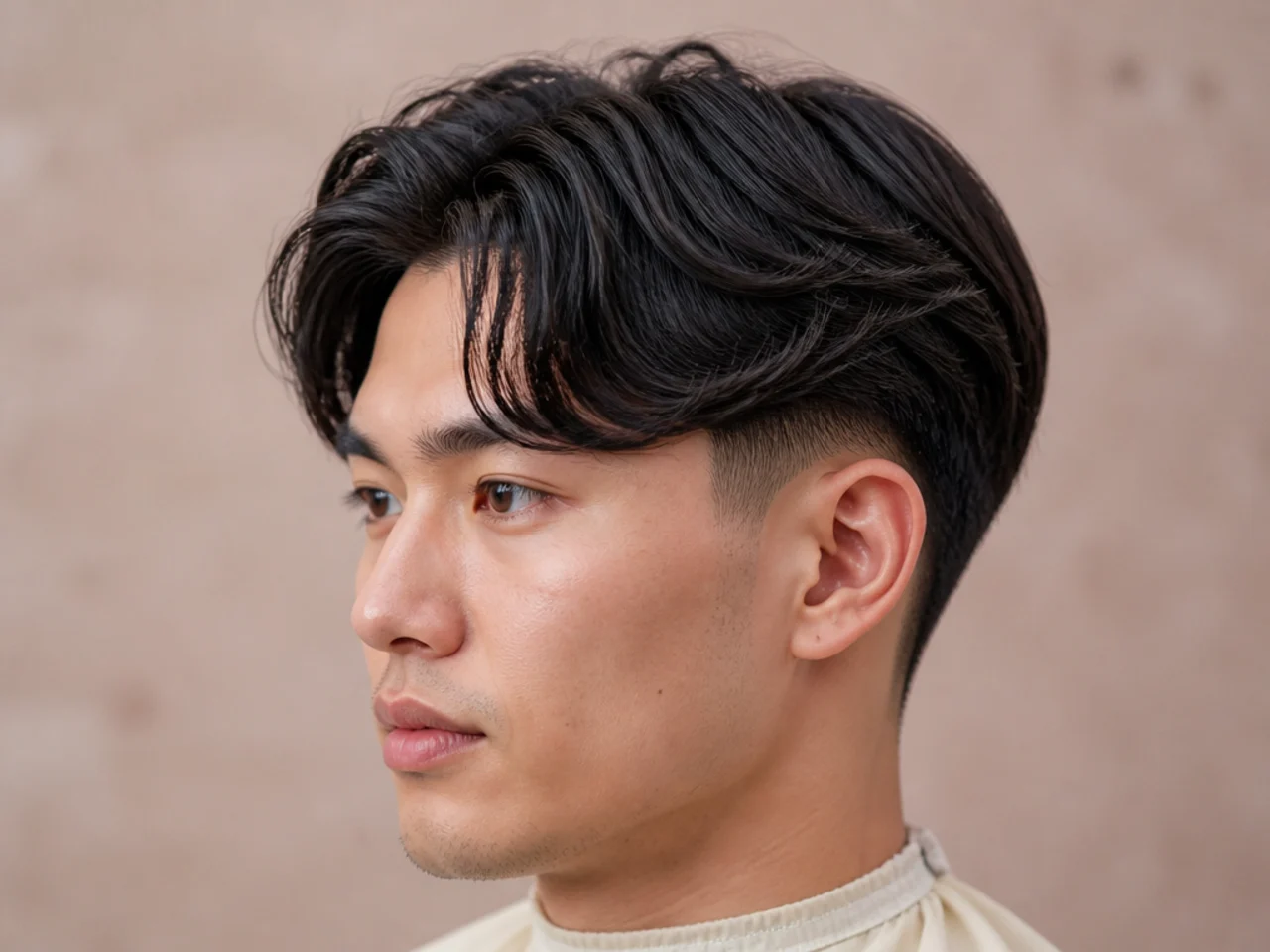
The low fade drops to skin near the neckline and starts just above the ear. Useful length above the fade line blends softly into the top. Most job-flexible variation on the list — clean at a corporate office, sharp on a Friday night. Best on straight-to-wavy hair, any density. Ask for a low fade to skin, 3.5 to 4 inches on top, and a soft blend at the crown. Curl the front forward with cream and a round brush, then set with a light mist. See the low fade haircut breakdown for the fade spec on its own.
3. The Mid Fade Comma
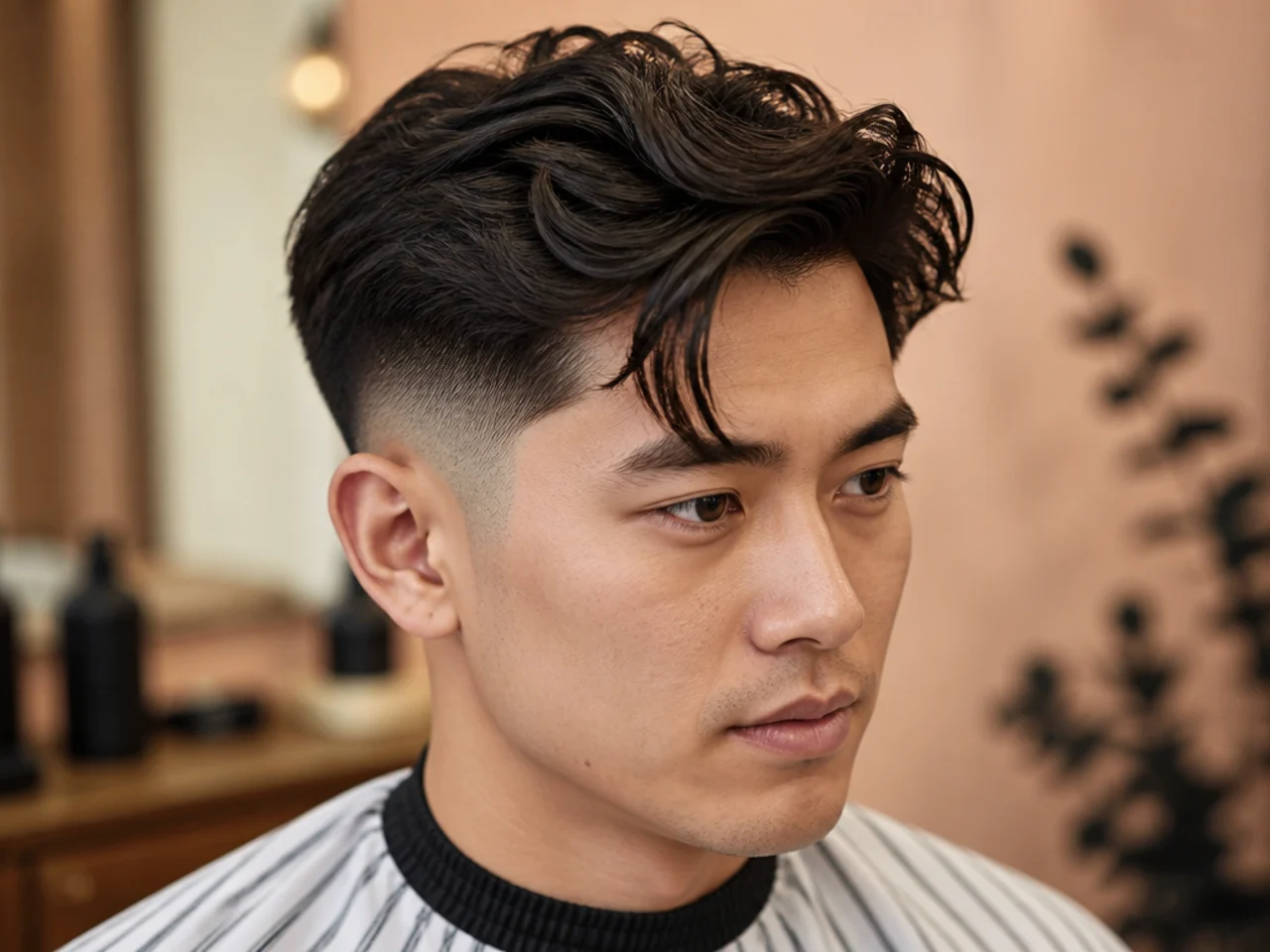
Mid fade starts at temple height and drops to skin near the ear. The blend line sits higher than a low fade, which pushes visual weight toward the top of your head. Perfect if a flat crown reads too short against your face. Best on straight-to-wavy hair with medium density; round and oval faces read strongest. Ask for a mid fade to skin, 4 inches on top, and a defined comma toward your dominant side. Style with curl cream, a round brush from underneath the front, and finish with a setting mist.
4. The Scissor Taper Comma
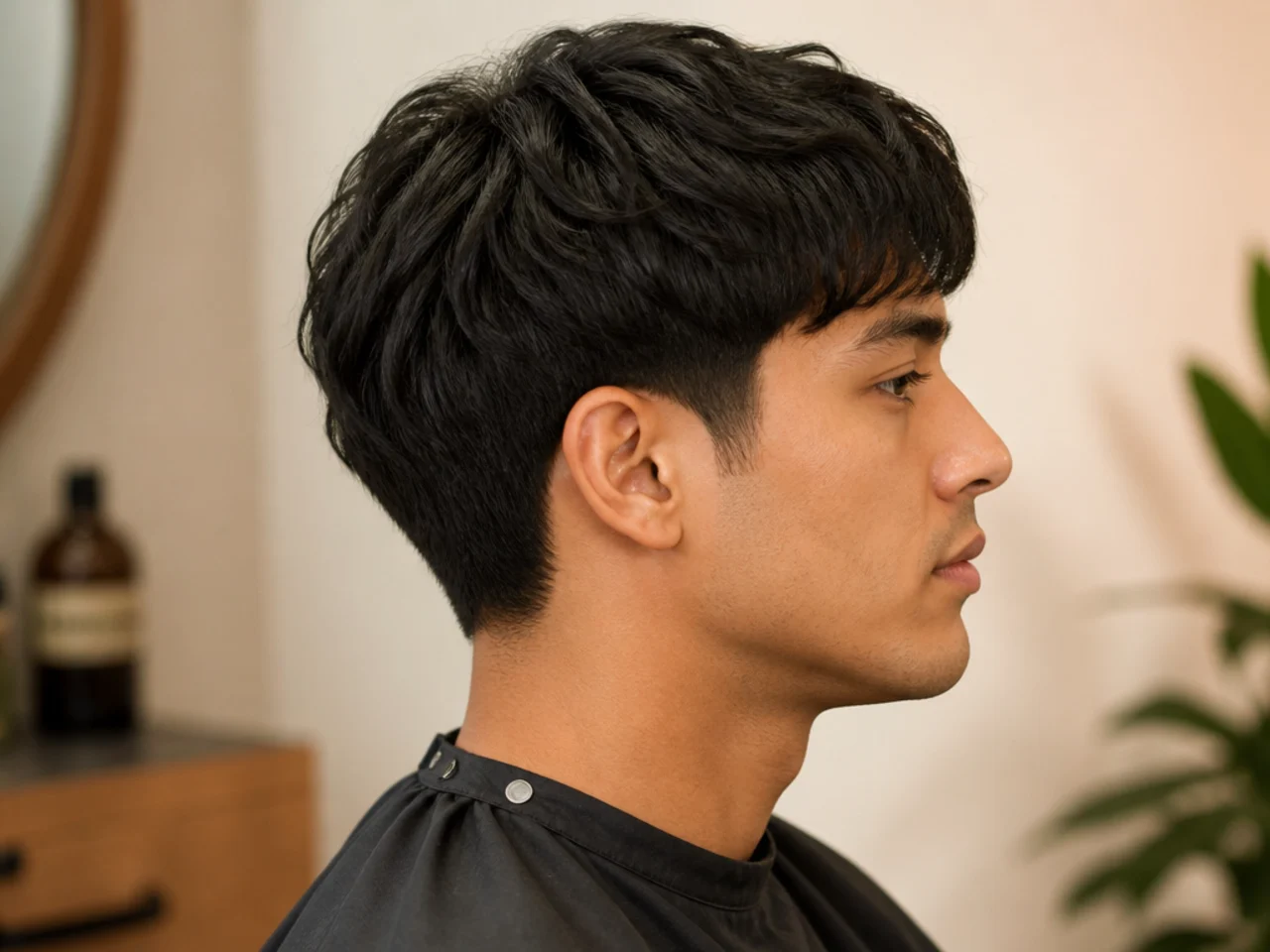
A scissor taper trades the clipper fade for a hand-cut gradient — longer at the parietal, tighter near the ears, no hard line. Reads softer and dressier than any fade. Best on straight-to-wavy hair; suits square faces especially well because the softness breaks up angular jawlines. Ask for a scissor taper ending near your temple, 4 inches on top, and demonstrate the curl direction. Style with a dab of curl cream and a round brush. Try the low taper fade if you want a clipper-blended version of the same idea.
5. The Curly Comma
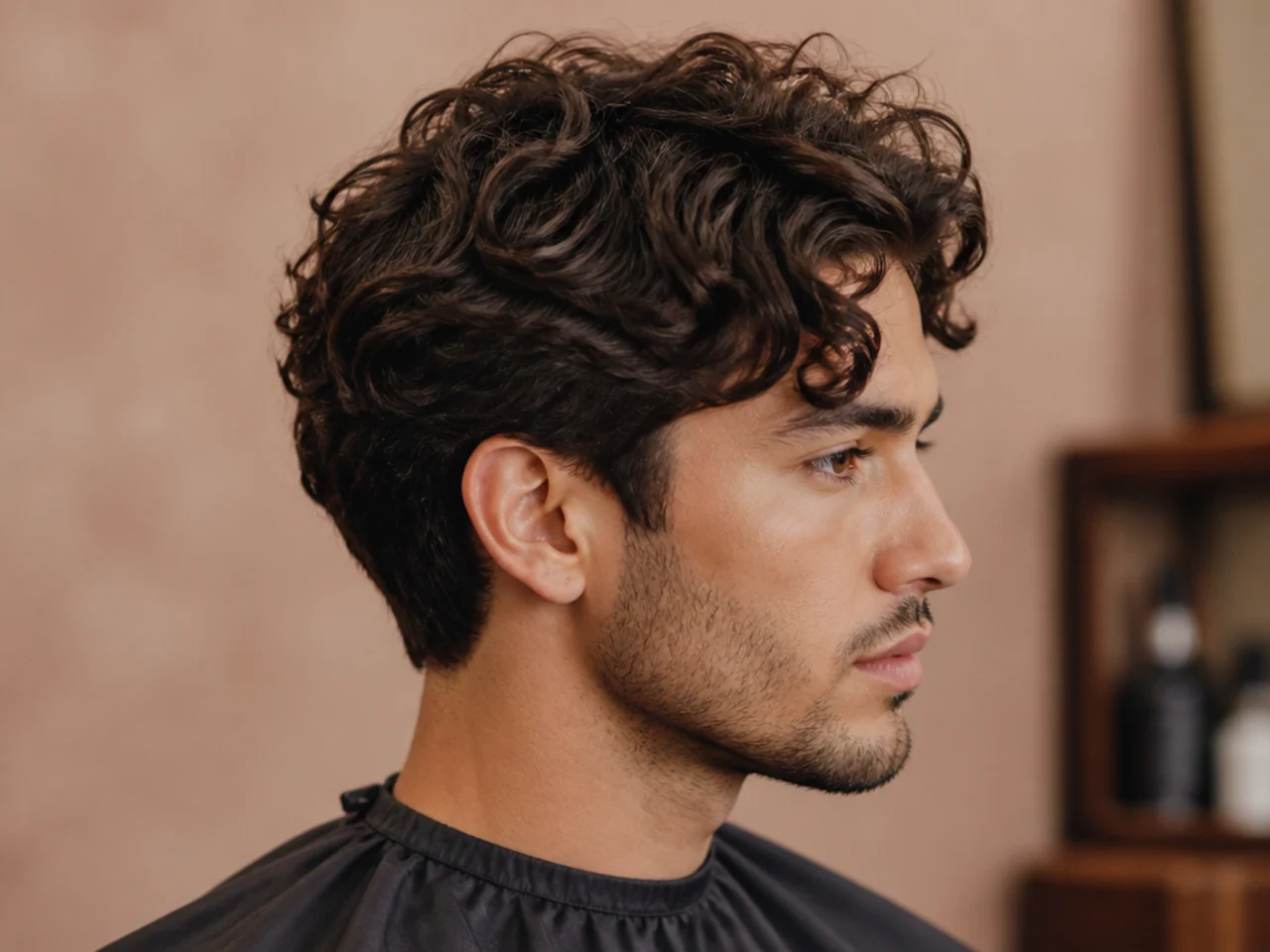
Curly hair does not want to curl inward on command — it curls every direction at once. This version works with your pattern instead of against it. Front layers run longer than the crown so gravity pulls the curls forward into a comma-like drape. Sides run tight to control the silhouette. Best on 2C-3B curls. Ask for a low fade, 4 inches on top, and layers concentrated at the front. Style with curl cream on damp hair and finger-shape the front curls forward. Skip the round brush — it fights your pattern.
6. The Wavy Comma
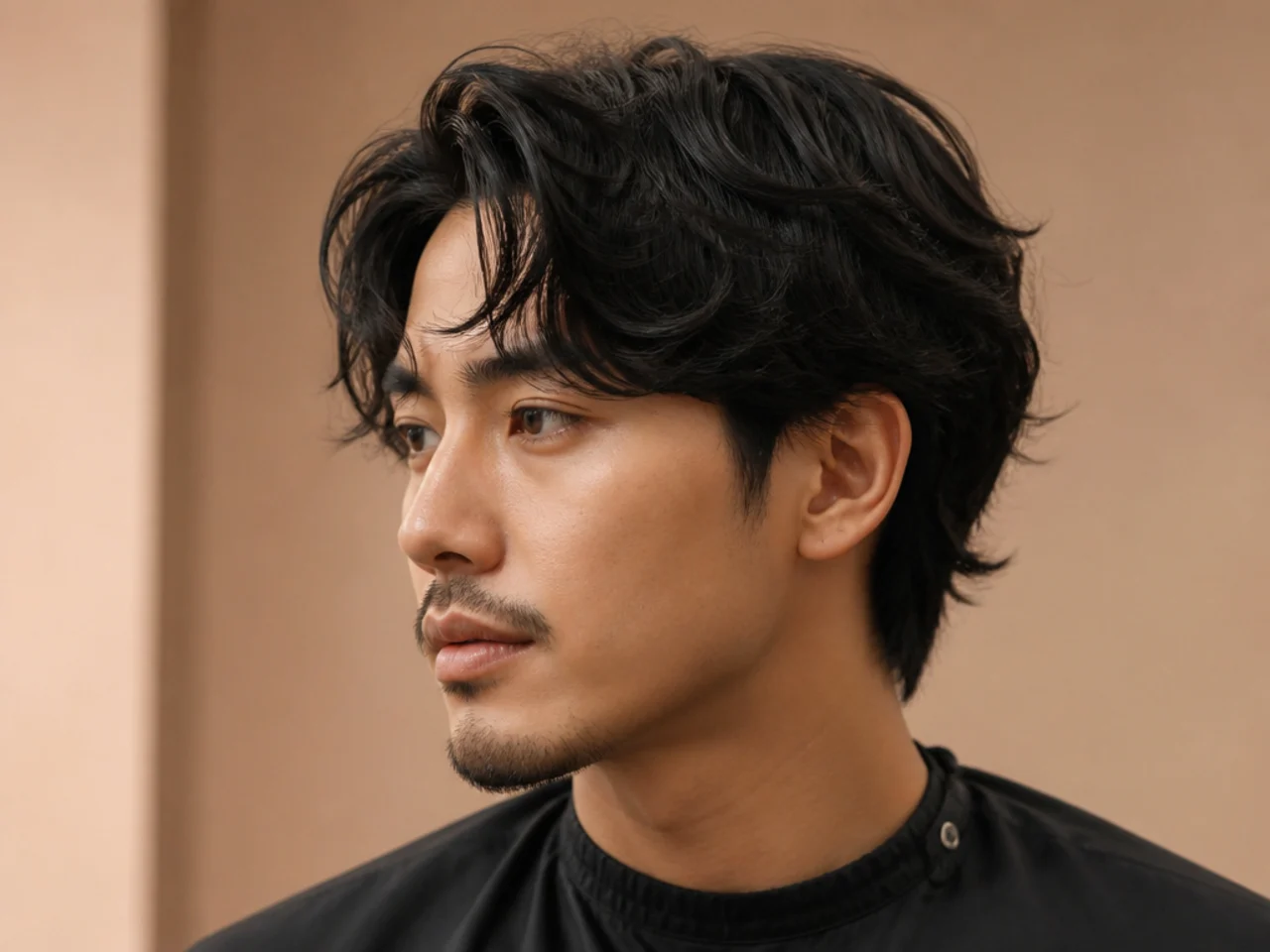
Wavy hair is the easiest texture for this cut — your hair already wants to bend. You are just directing that bend into a comma. Top runs 3 to 5 inches, sides run short. The hook emerges with one brush pass; no fighting the texture. Best on 2A-2C waves; oval and heart faces work strongest. Ask for a low fade or taper on the sides, 4 inches on top, and layers cut with the wave, not against it. Style with a leave-in cream while damp, then round-brush only the front section. Air-dry the rest.
7. The Straight Comma
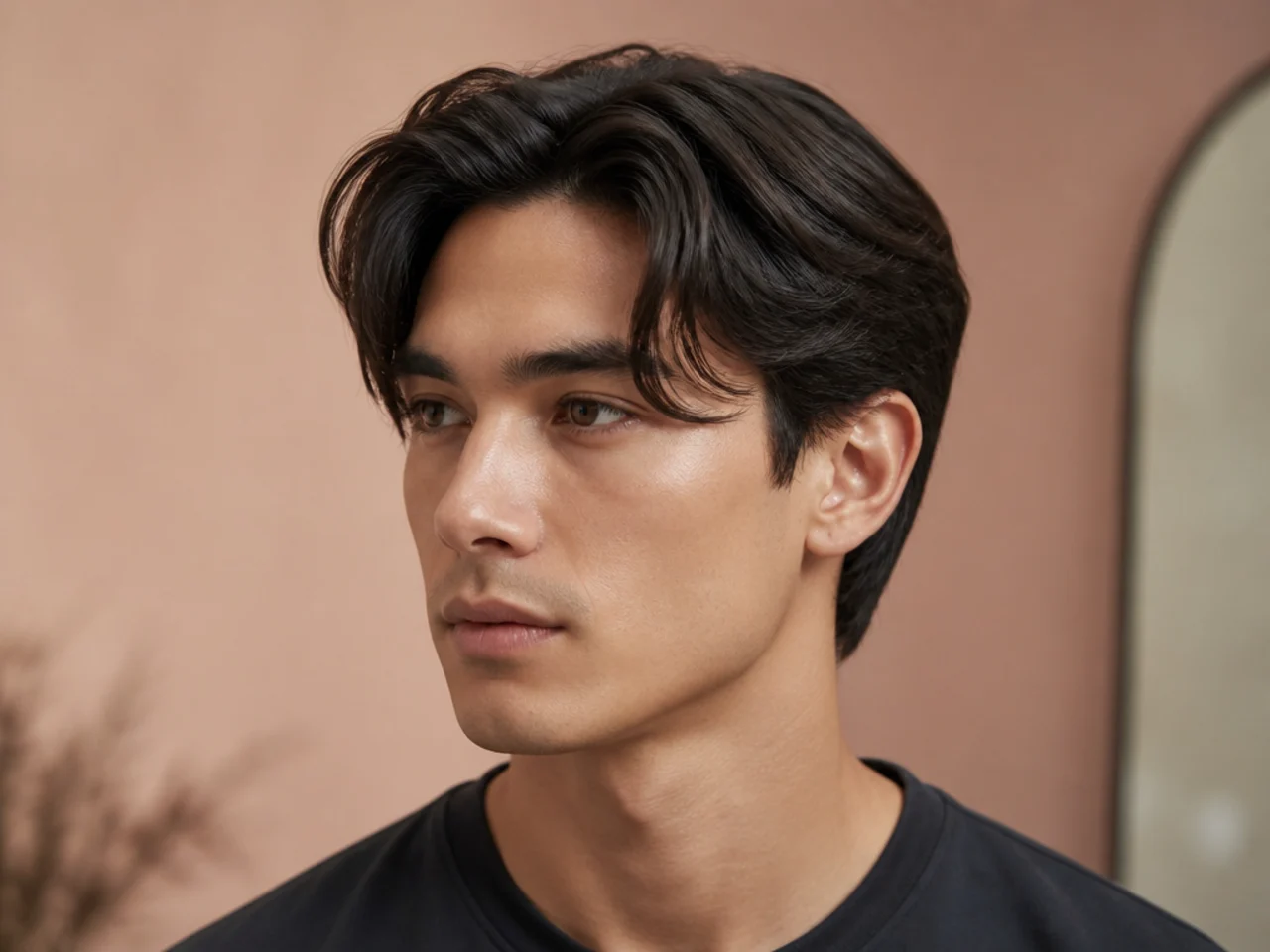
Straight hair is the sharpest canvas and the least forgiving — the curl you brush in stays where you put it, and any lopsidedness shows. This version leans into the precision. Top runs 3.5 to 4 inches, sides run short, one sharp hook, glossy finish. Best on straight hair with medium density, any face shape. Ask for a low taper, 4 inches on top with sharp point-cutting to preserve straight ends, and a defined single comma. Style with a lightweight leave-in, then a round brush from underneath, rolling inward on medium heat. Finish with a shine spray.
8. The Two-Block Comma
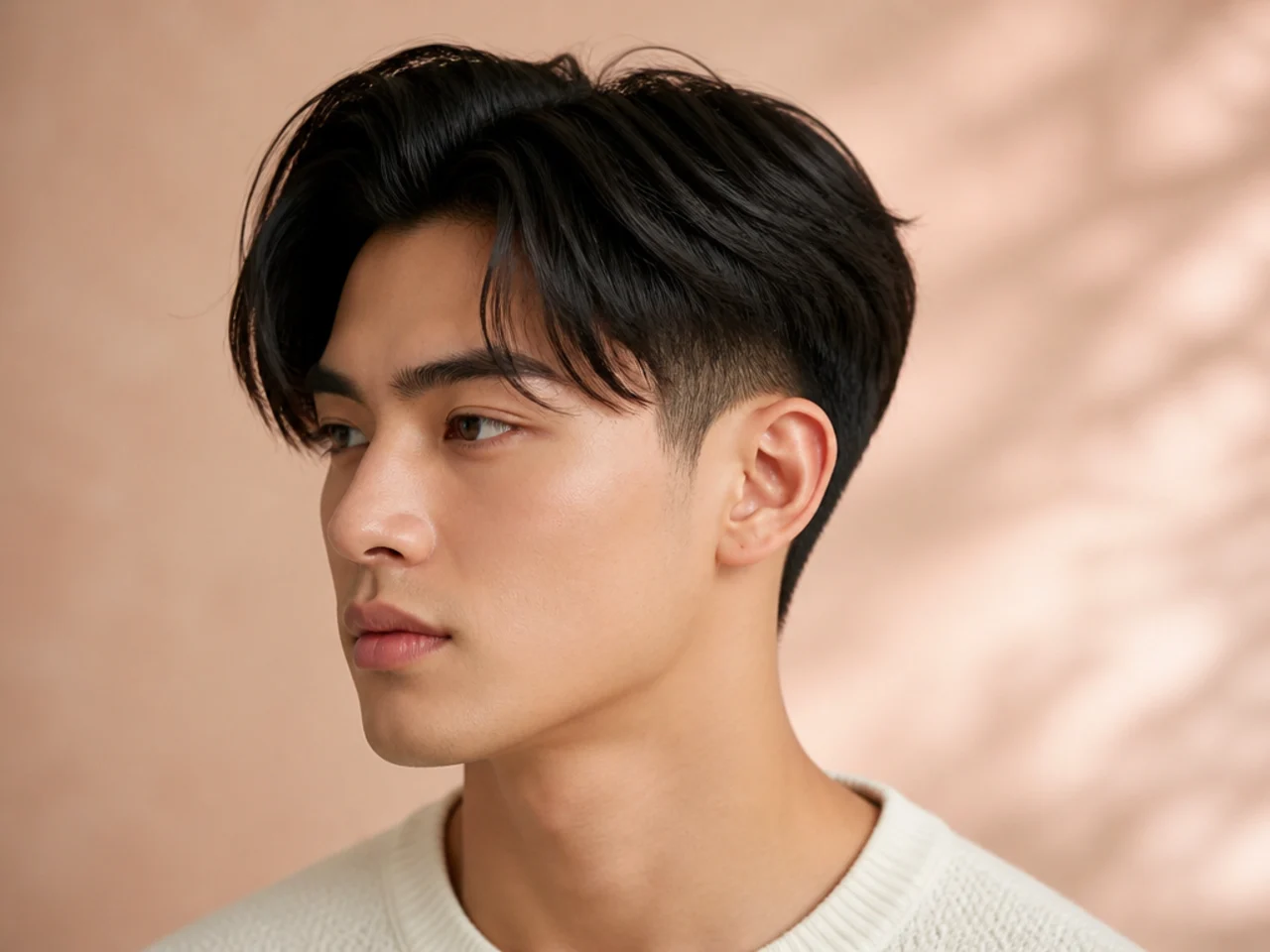
The two block sits under the comma like a base coat. Short buzzed sides run one clipper length; top runs longer — no fade, no gradient, a hard ledge at the horseshoe line. Drop the comma curl on top and you get the sharpest, most Korean-reading version on the list. Best on straight hair with medium-to-thick density; fine hair loses the ledge. Ask for a 2 or 3 guard on the sides, a defined ledge at the temple, and 4 inches on top. Curl the front with a round brush and a pea of cream. The two block haircut guide covers the base shape in depth.
9. The Fringe Comma
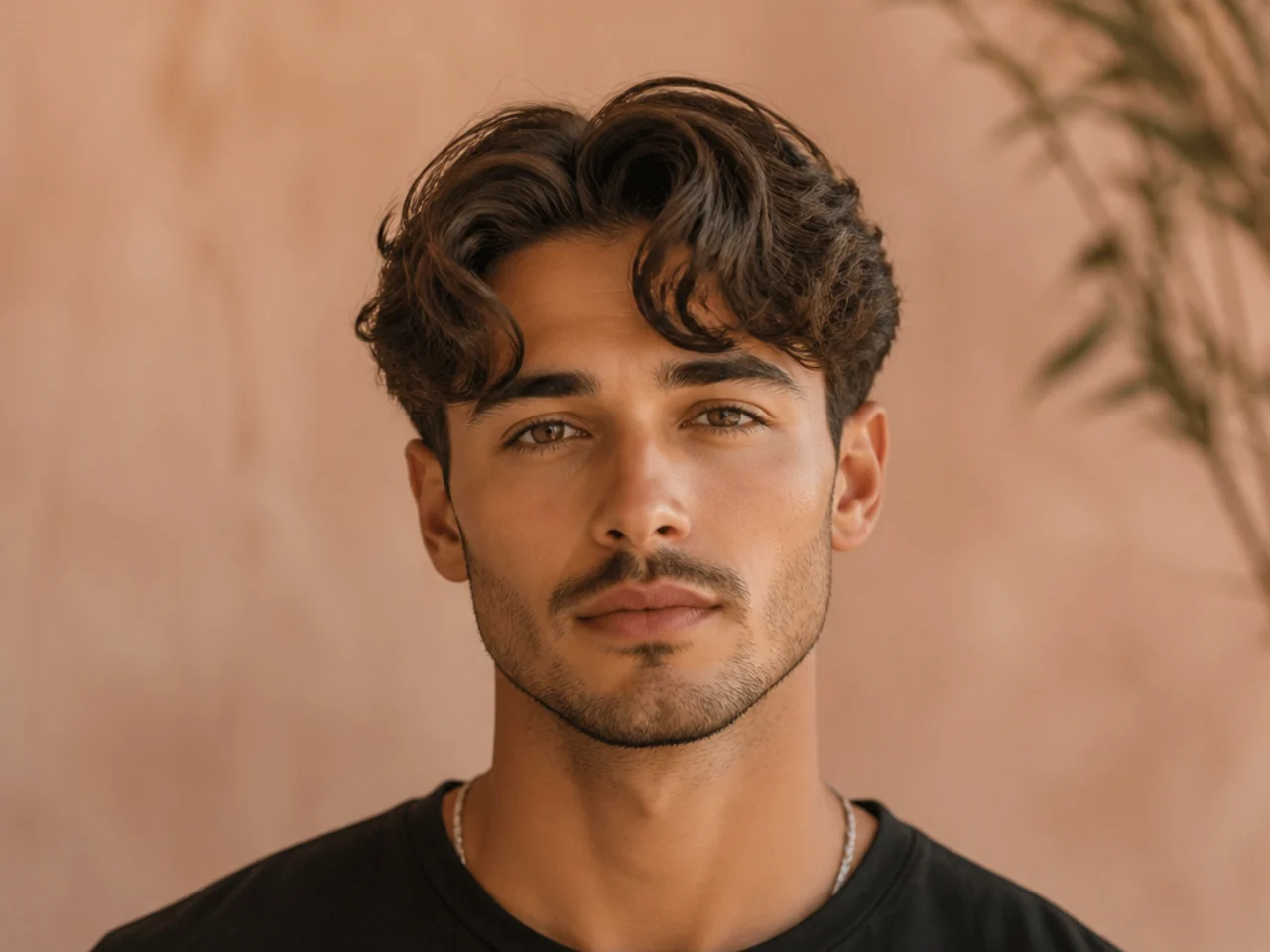
A fringe comma cuts a full soft fringe across the forehead, then curls the tips inward at the ends instead of leaving them flat. The rest of the top stays medium-length. Reads younger and more casual than a single sharp hook. Best on straight-to-wavy hair; suits long faces because the fringe shortens the vertical. Ask for a low fade, 3 to 3.5 inches on top, a soft fringe reaching your brow, and tips left long enough to curl. Style with matte clay through the crown for grip, then curl the fringe tips with a round brush. See the textured fringe men guide for the fringe spec on its own, or the edgar haircut for the flat-fringe cousin.
10. The Curtain Comma
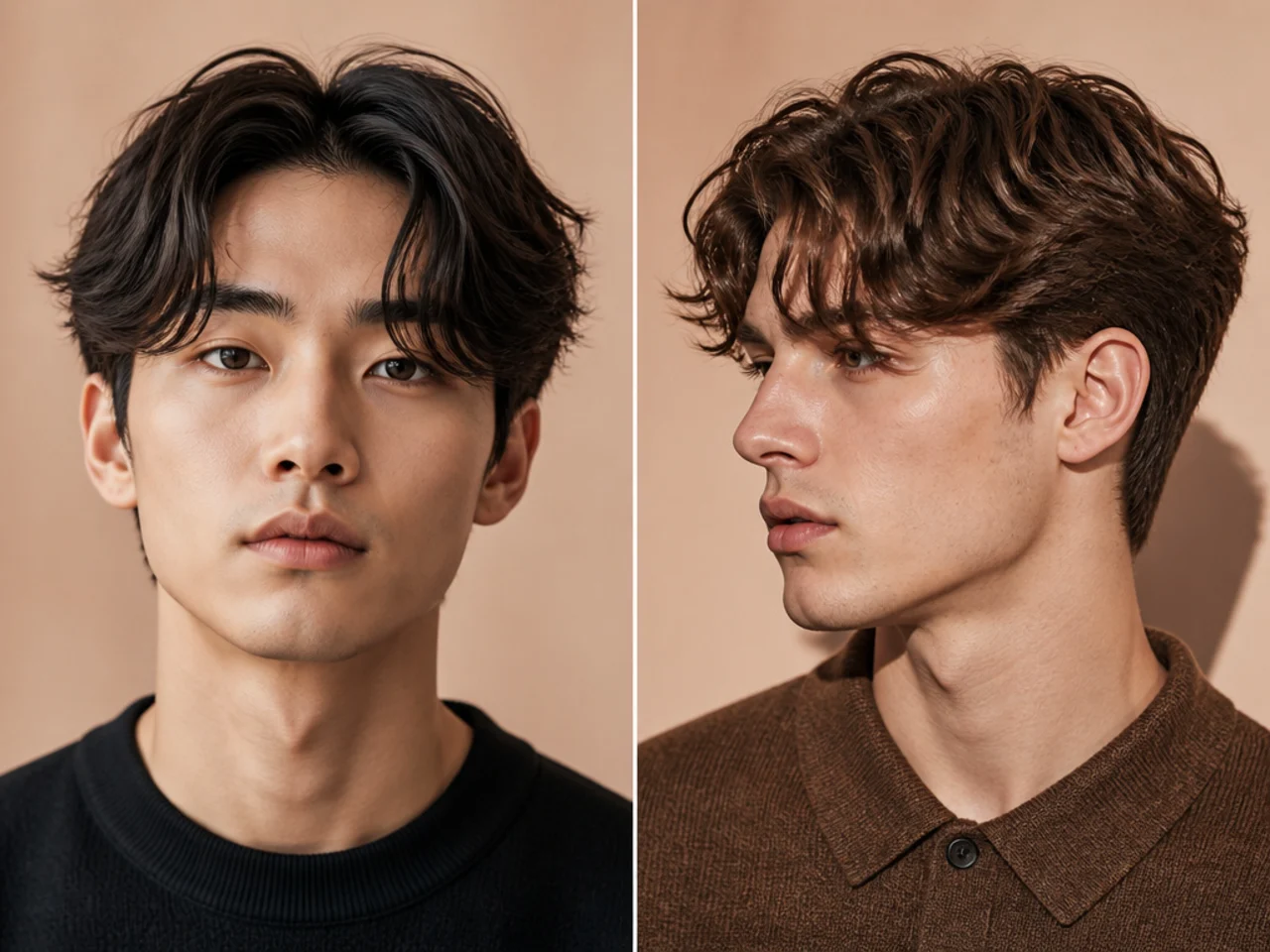
Curtain comma splits the front down a soft middle part, and both sides curl inward toward each other — two hooks mirrored across center. The rest of the top flows to either side in a soft drape. Best on straight-to-wavy hair with medium density; fine hair loses the twin definition. Ask for a low fade or scissor taper, a soft center part, 4 to 5 inches on top, and both front sections cut with equal weight. Style with leave-in cream, then a round brush from underneath each side — one at a time — curling inward. Balance is everything; a lopsided twin reads wrong immediately.
11. The Short Comma
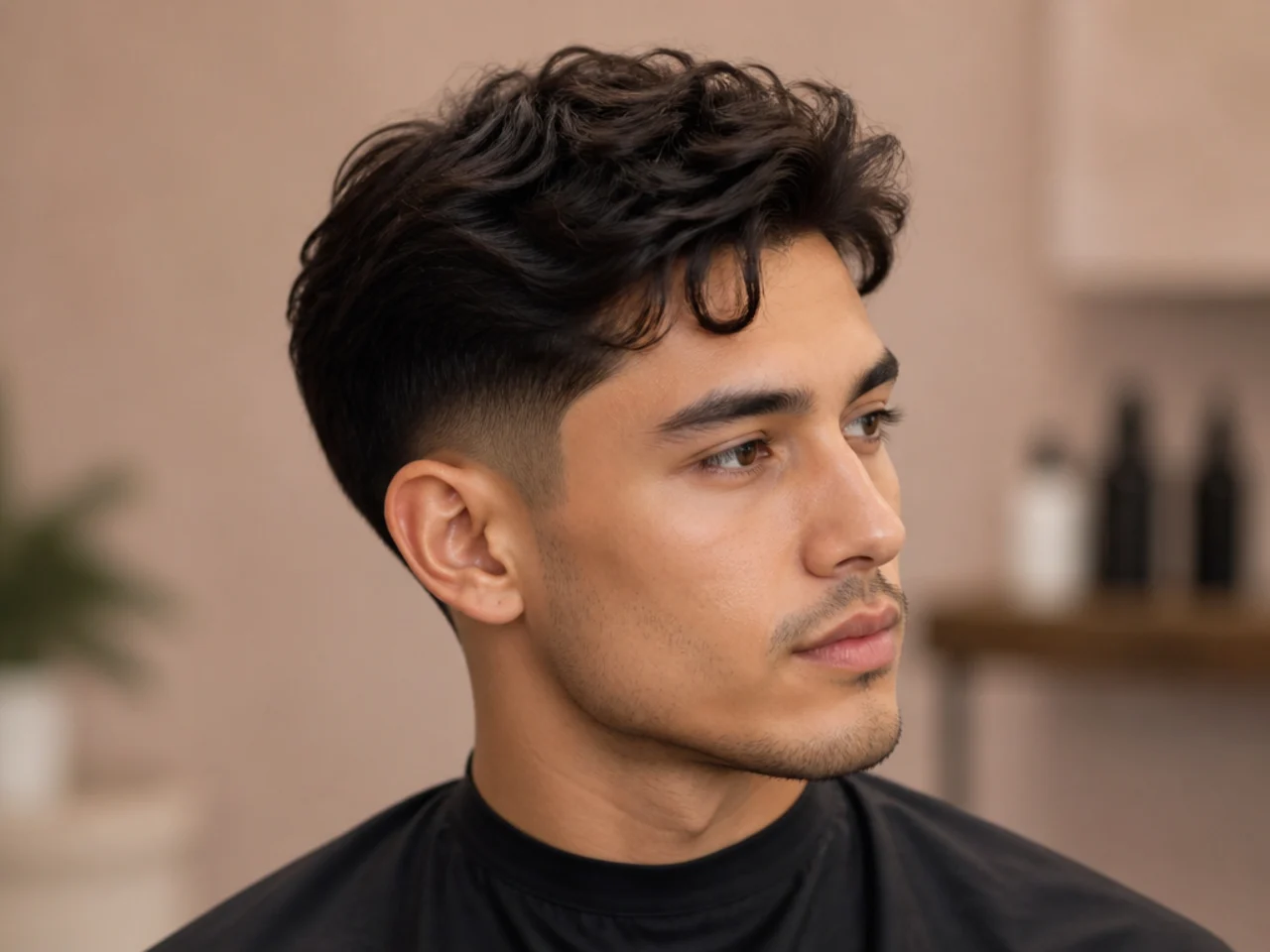
Short comma keeps every proportion tight. Top runs 2.5 to 3 inches — the minimum length that holds a curl without collapsing. Sides run short: scissor taper or low fade. The hook reads soft, more suggestion than statement. Best on straight hair; wavy hair at this length turns into a shapeless swirl. Ask for a 2 or 3 guard on the sides, 3 inches on top, and the front cut a touch longer than the crown to hold weight. Style with a lightweight curl cream, a 1-inch round brush, and low heat. Rushing the heat frizzes the ends.
12. The Long Comma
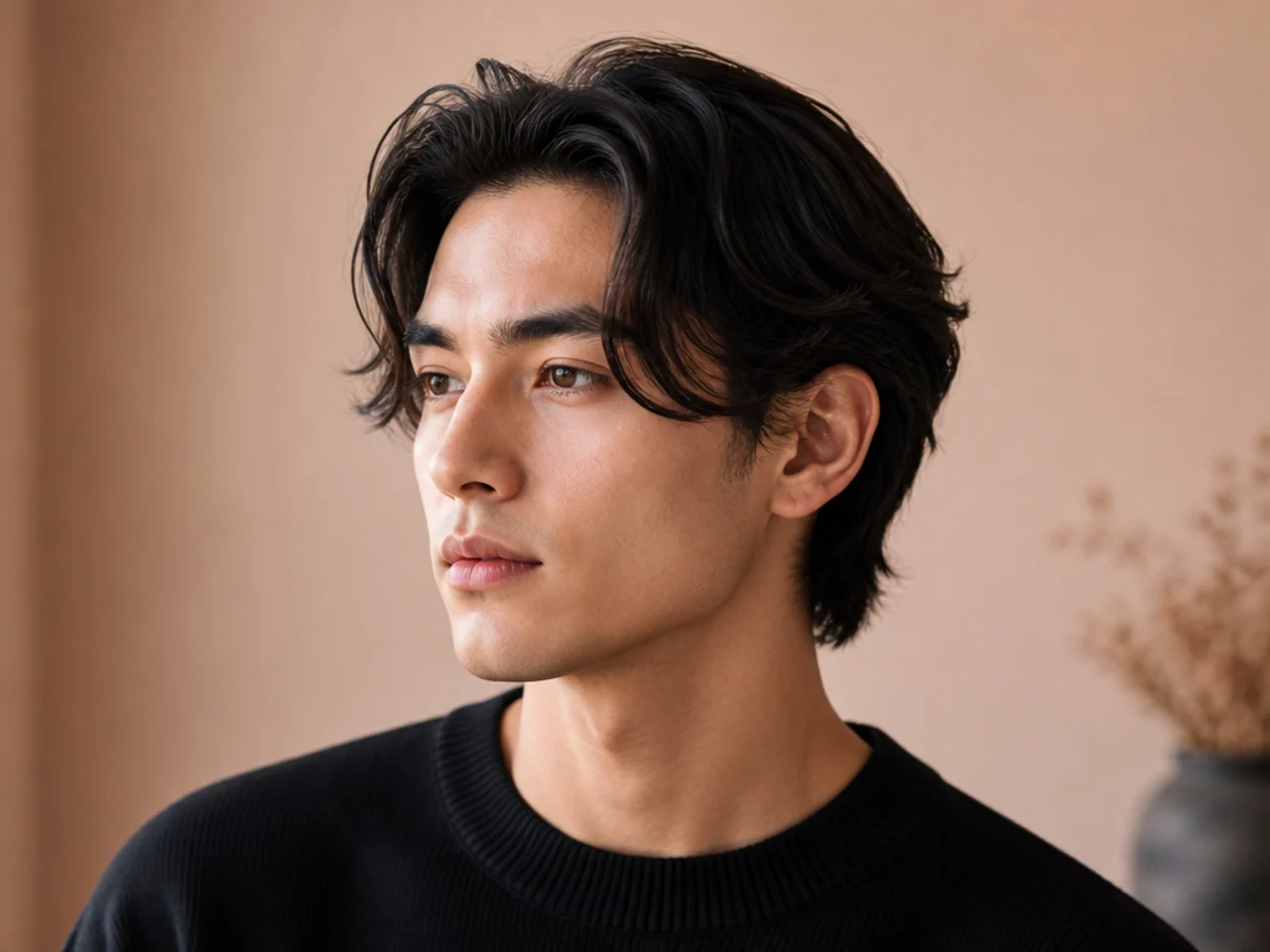
Long comma pushes the top past 5 inches, sometimes to 6 or 7. The hook is bigger, wider, more dramatic — visible from across the room. Sides can run short for contrast or scissor-blended for a full flowing look. Best on straight-to-wavy hair with strong density; long fine hair collapses on itself. Ask for a low fade or scissor-blended sides, 6 inches on top, and layers that keep the front heavier than the crown. Style with leave-in cream, a large round brush, and low heat. Take the full 2 minutes; long comma pays back the time with dramatic movement all day.
13. The Side-Swept Comma
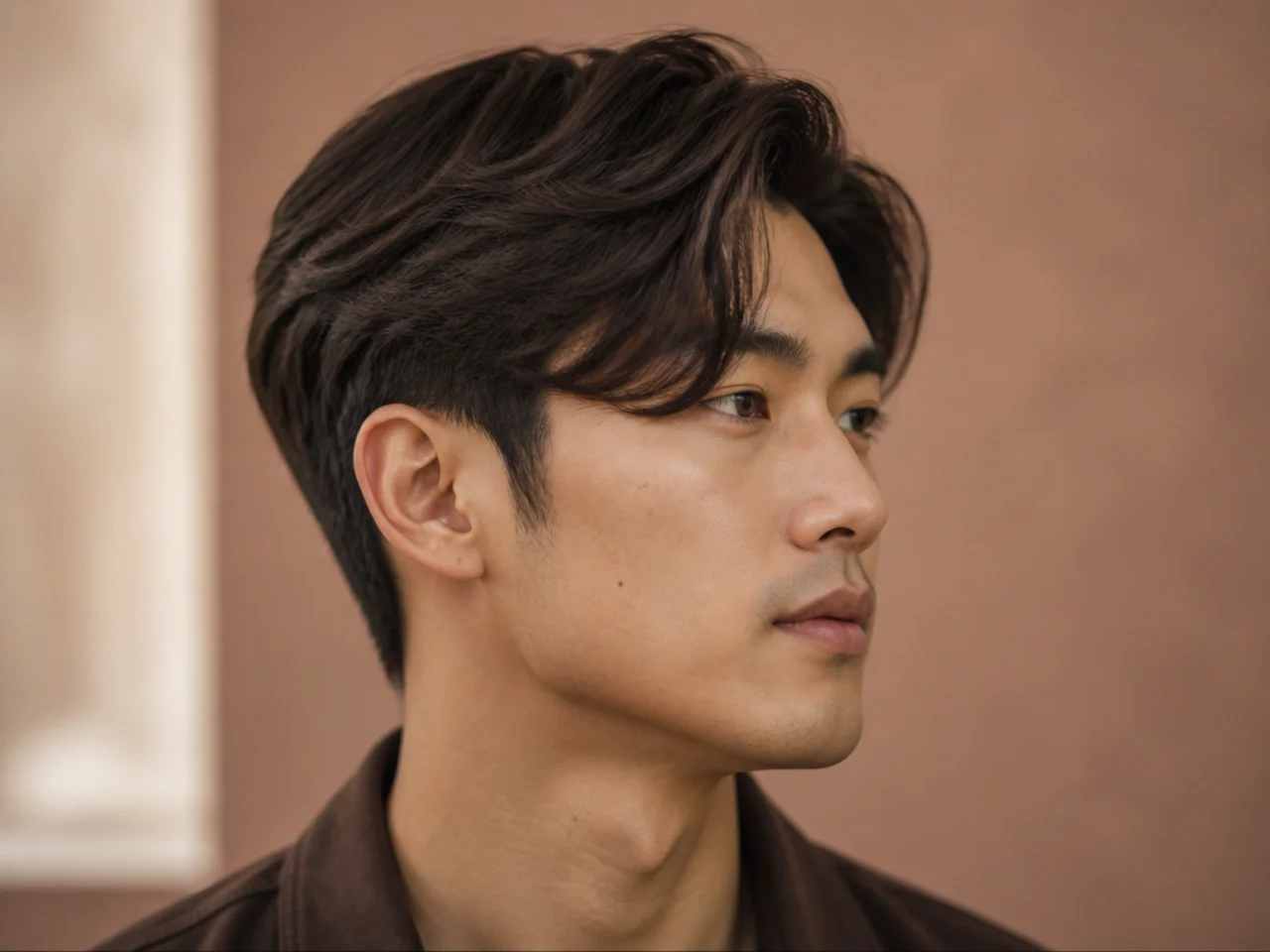
Side-swept comma curls the front across your forehead in one long directional sweep, ending at your opposite temple. Lower, wider, and softer than a vertical single hook. The curl covers more forehead real estate, which helps if you are self-conscious about your hairline. Best on straight-to-wavy hair; suits heart-shaped and oval faces. Ask for a low fade or scissor taper, 4 to 5 inches on top with heavier weight on the sweep side, and demonstrate the direction across your forehead. Style with a round brush pulling front to opposite temple, then set with cool air and a light mist.
14. The Symmetrical Double Comma
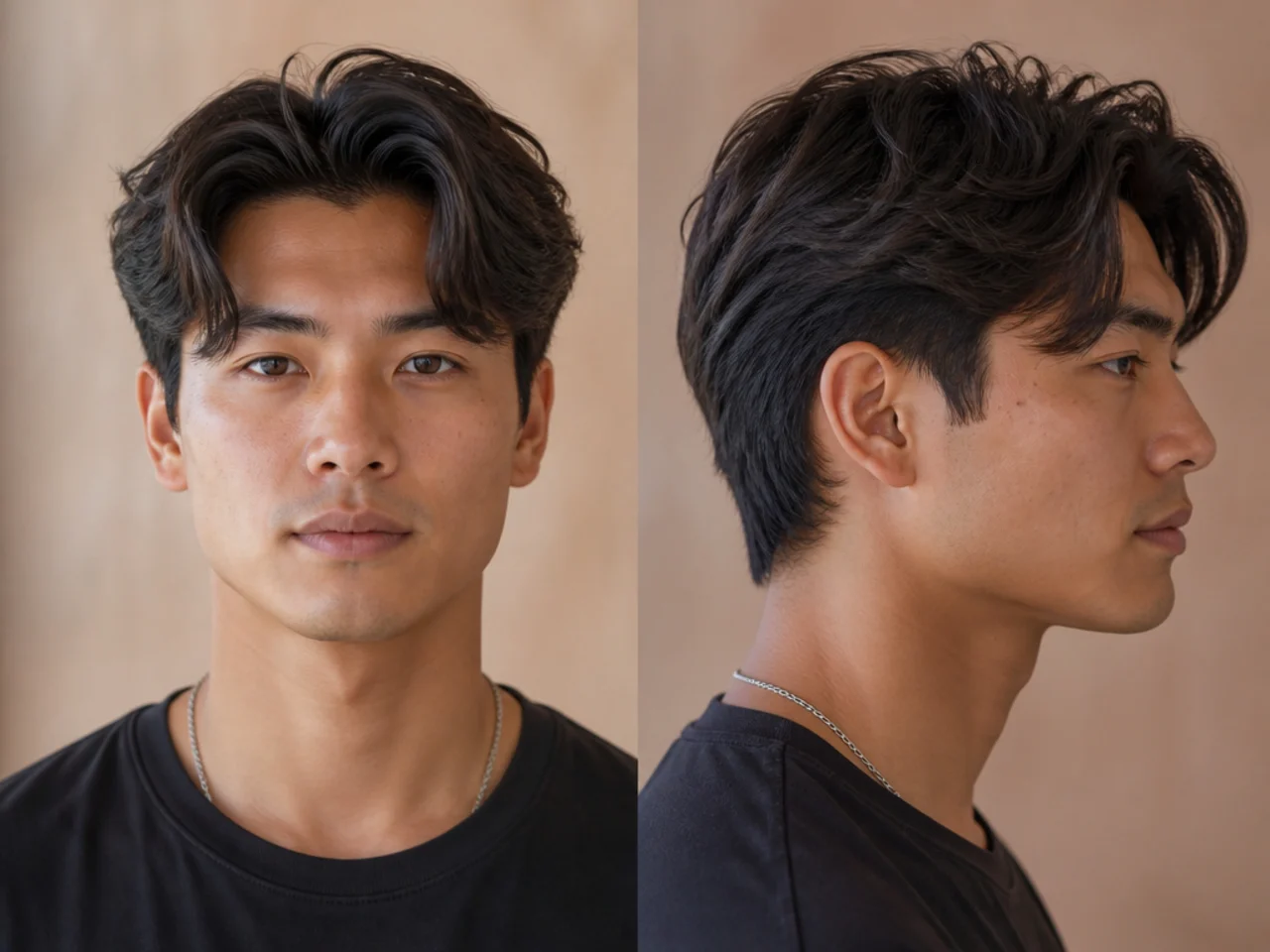
Two mirrored hooks off a hard center part, both curled toward each other with equal weight. Reads clean, symmetrical, and unmistakably intentional. Best on straight hair with medium density and no cowlicks near the center — cowlicks fight the part. Ask for a low fade, a hard center part at your natural break, 4 to 5 inches on top, and both front sections cut with strictly equal weight. Style with leave-in cream, then round-brush each side inward, one at a time. A setting perm on both front sections locks the shape for a month. The middle part haircut for men covers the flat curtain version.
15. The Textured Comma
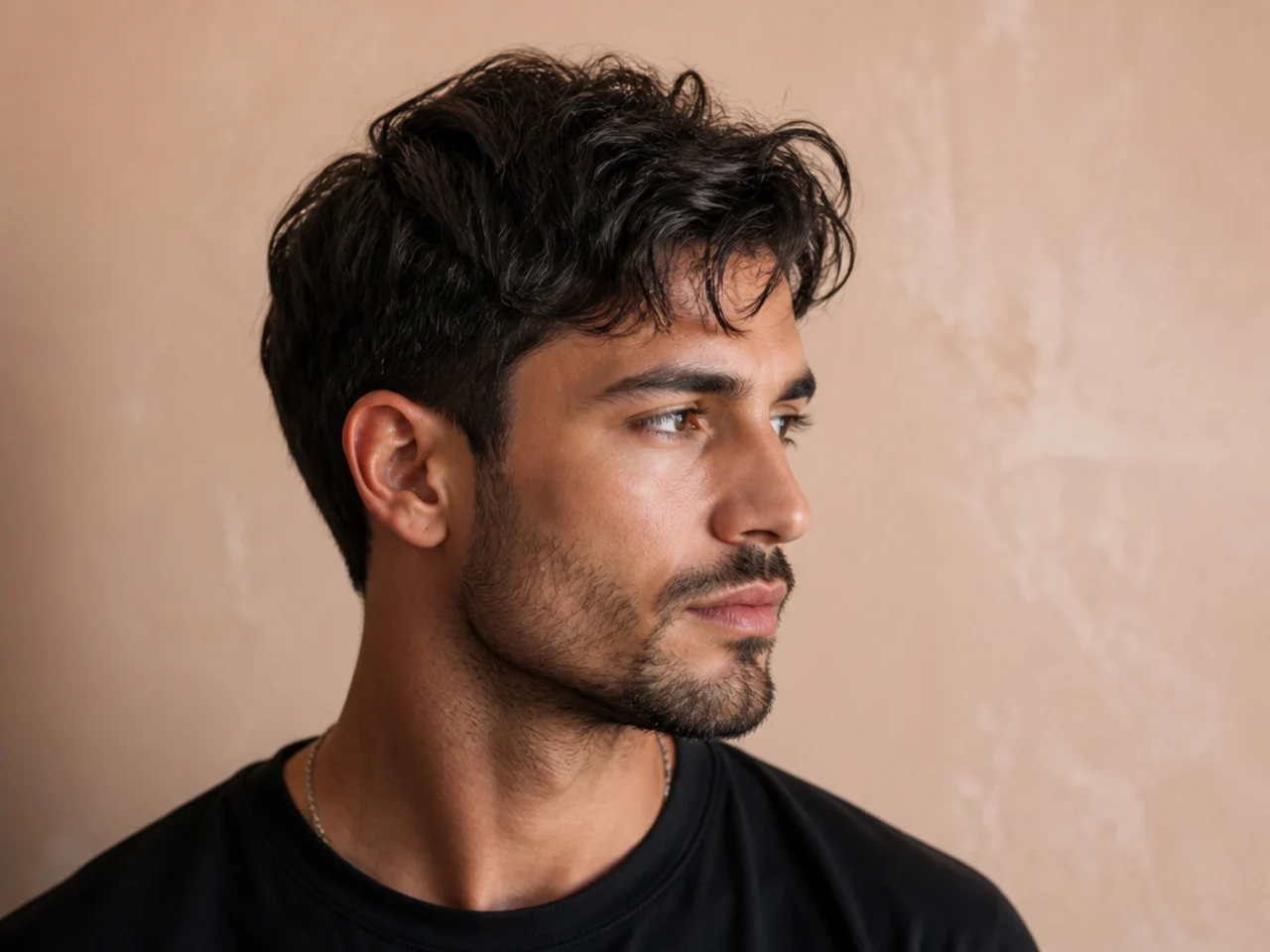
Textured comma adds visible layers and separation to the top. Instead of a smooth glossy surface, you see individual pieces catching light — chunky, matte, broken up. The comma still forms up front. Sides run short. Best on straight-to-wavy hair with medium density; fine hair looks scattered rather than textured. Ask for a low fade, 3.5 to 4 inches on top with heavy point-cutting throughout, and a comma-length front. Style with matte clay through the crown for grip and separation, then set the front comma with cream and a round brush. Two products, one shape.
16. The Blown-Out Comma
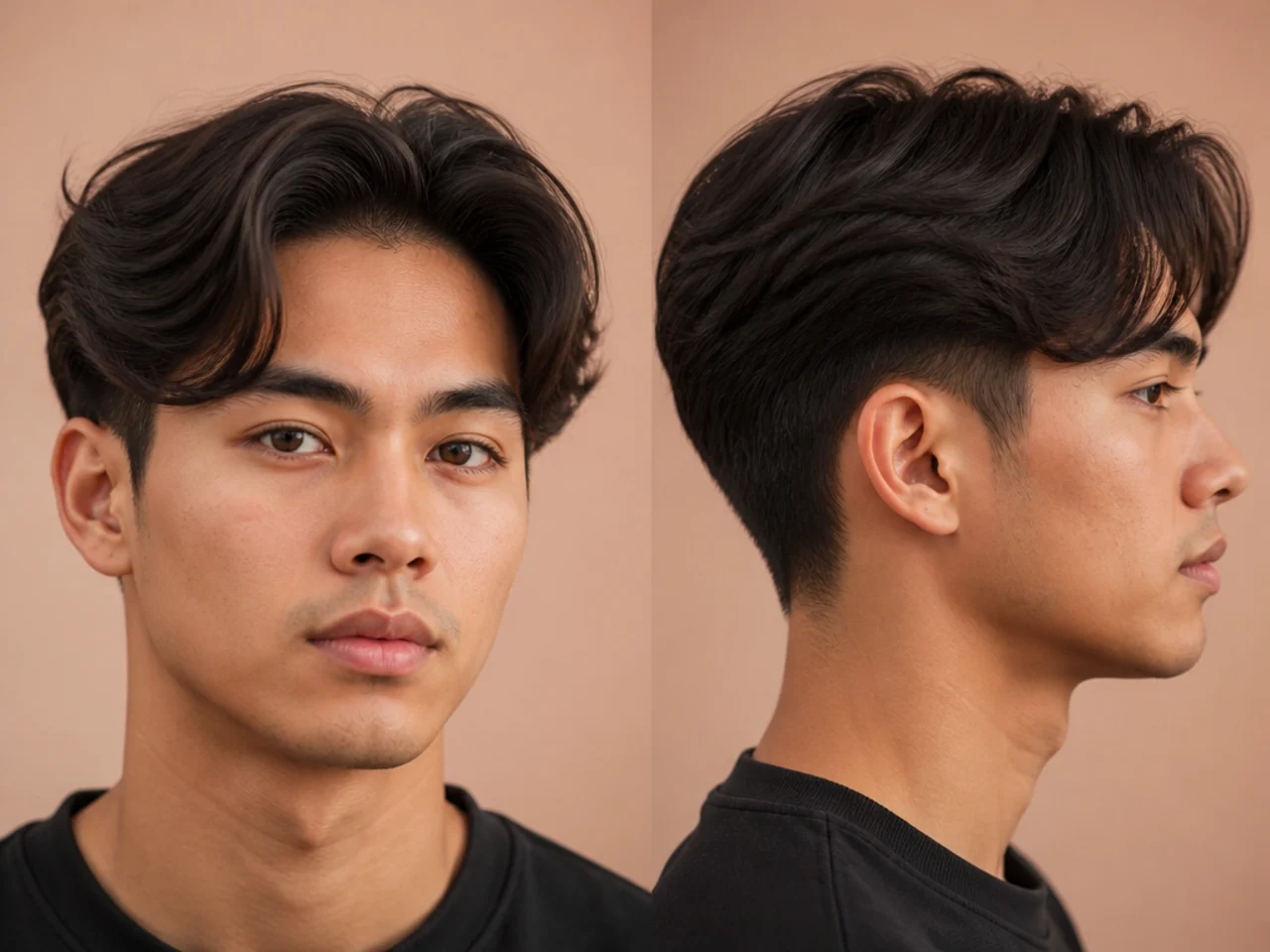
Blown-out comma leans on volume. The top gets rough-dried upside-down for maximum root lift, then round-brushed back down with the front curled forward into a comma. Reads big, puffy, and stage-ready. Best on straight-to-wavy hair with medium density; suits round faces because vertical volume lengthens the frame. Ask for a low or mid taper, 4 to 5 inches on top with layers that support the volume, and a defined comma toward your dominant side. Style with a volumizing mousse at the roots, blow-dry inverted, then round-brush the front. A setting mist locks it against gravity.
17. The Tapered Length Comma
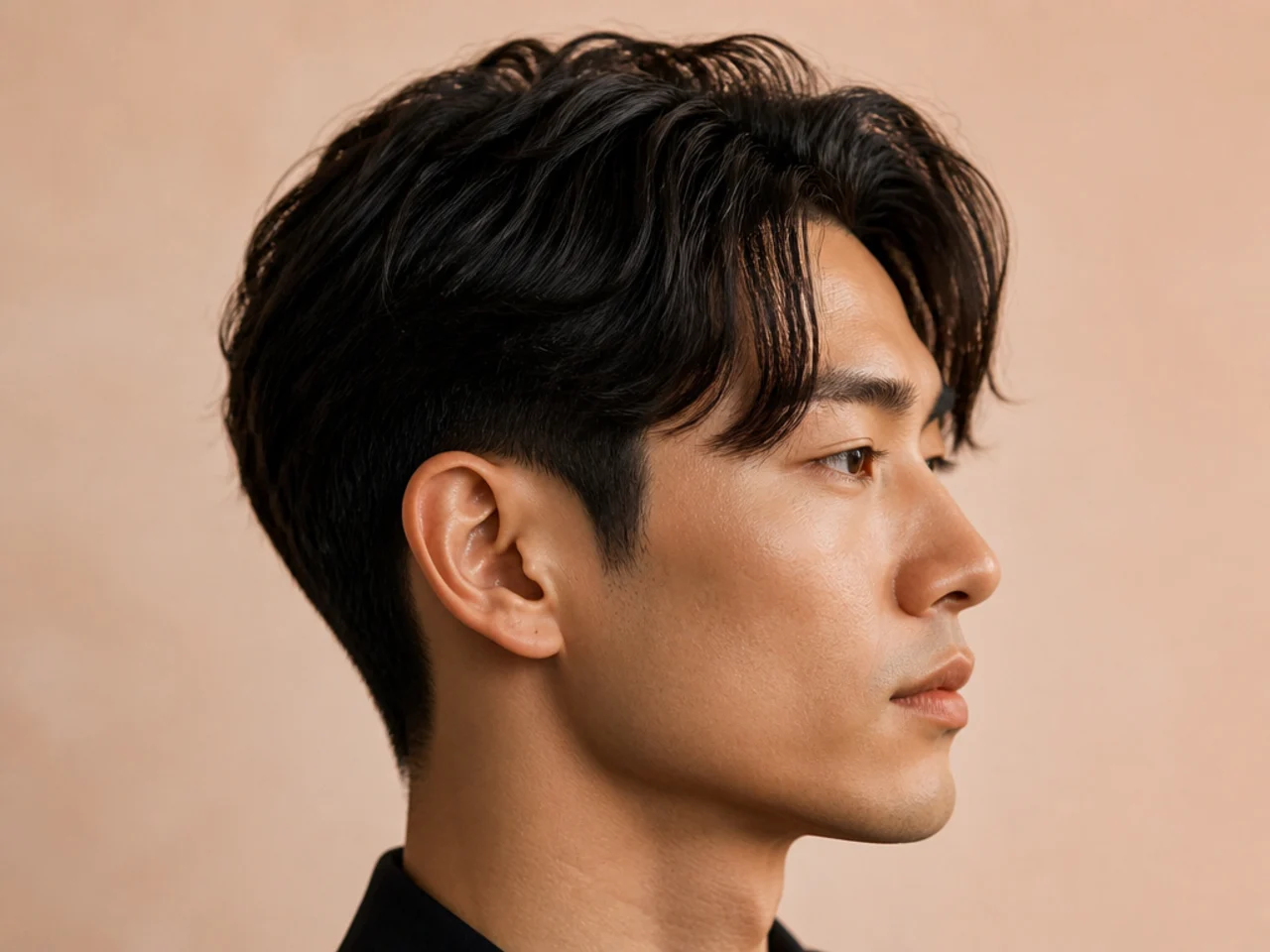
Length gradient inside the top itself — 3 inches at the crown dropping to 5 at the front. That built-in graduation gives the comma extra weight and drape without leaving the whole top bulky. Sides run short. Best on straight-to-wavy hair with medium density; suits every face shape. Ask for a low fade, 3 inches at the crown, 5 inches at the front, and a defined comma to your dominant side. Style with leave-in cream, air-dry to damp, then finish the front with a round brush. The graduation carries the shape even on lazy mornings.
18. The Disconnected Comma
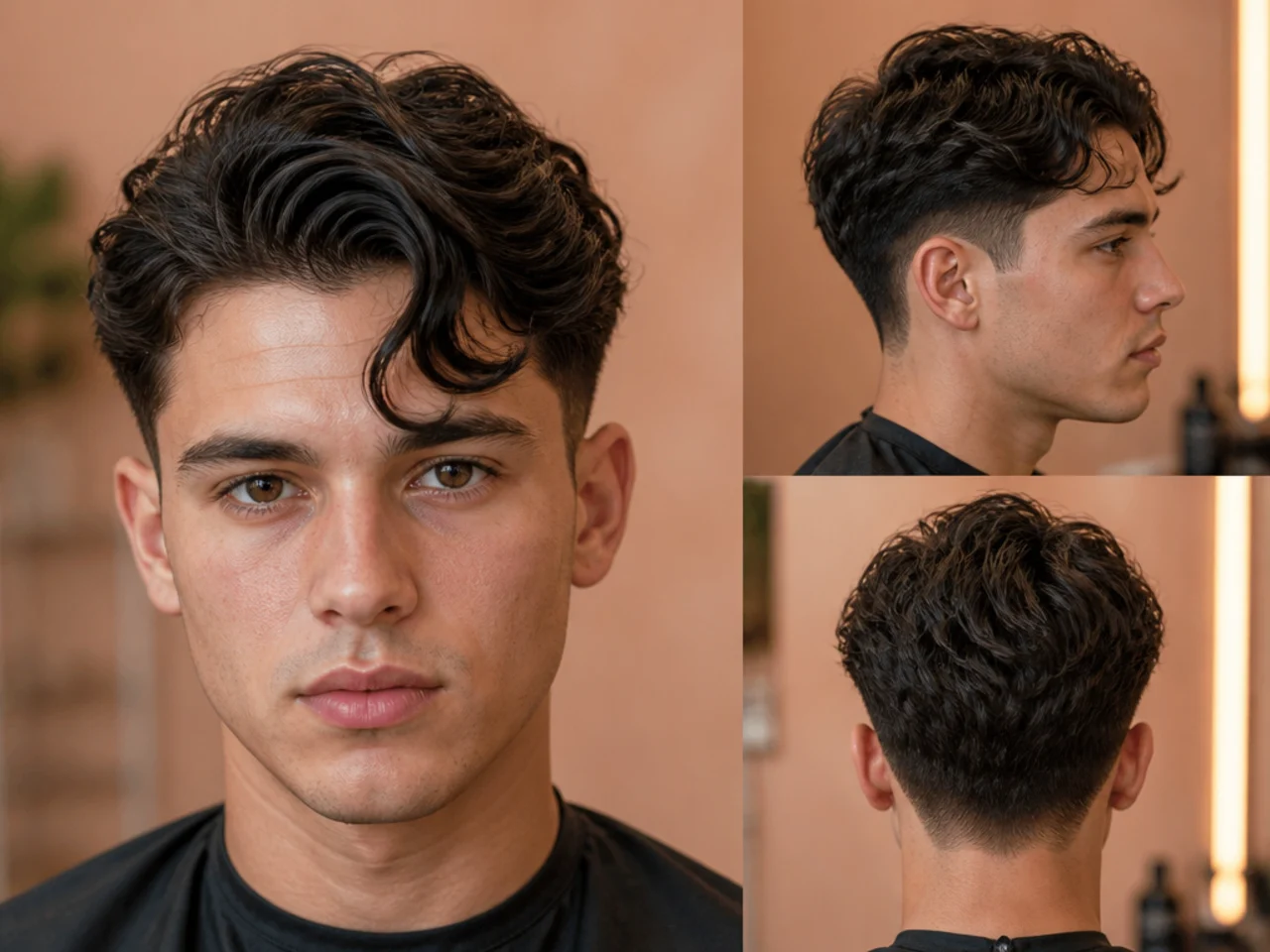
Disconnected comma pushes the two-block idea to its edge. Sides get clipped tight — a 0 or 1 guard — and stopped at a hard disconnect line at temple height. No fade, no blend. The top stays 4 inches with a defined comma. Reads sharp, aggressive, unmistakably modern. Best on straight hair with strong density; fine hair loses too much visual mass against skin-tight sides. Ask for a hard-line disconnect at temple height, 4 inches on top, and demonstrate the curl direction. Style with matte clay for grip through the crown, then curl cream and a round brush on the front.
19. The Comma with Beard
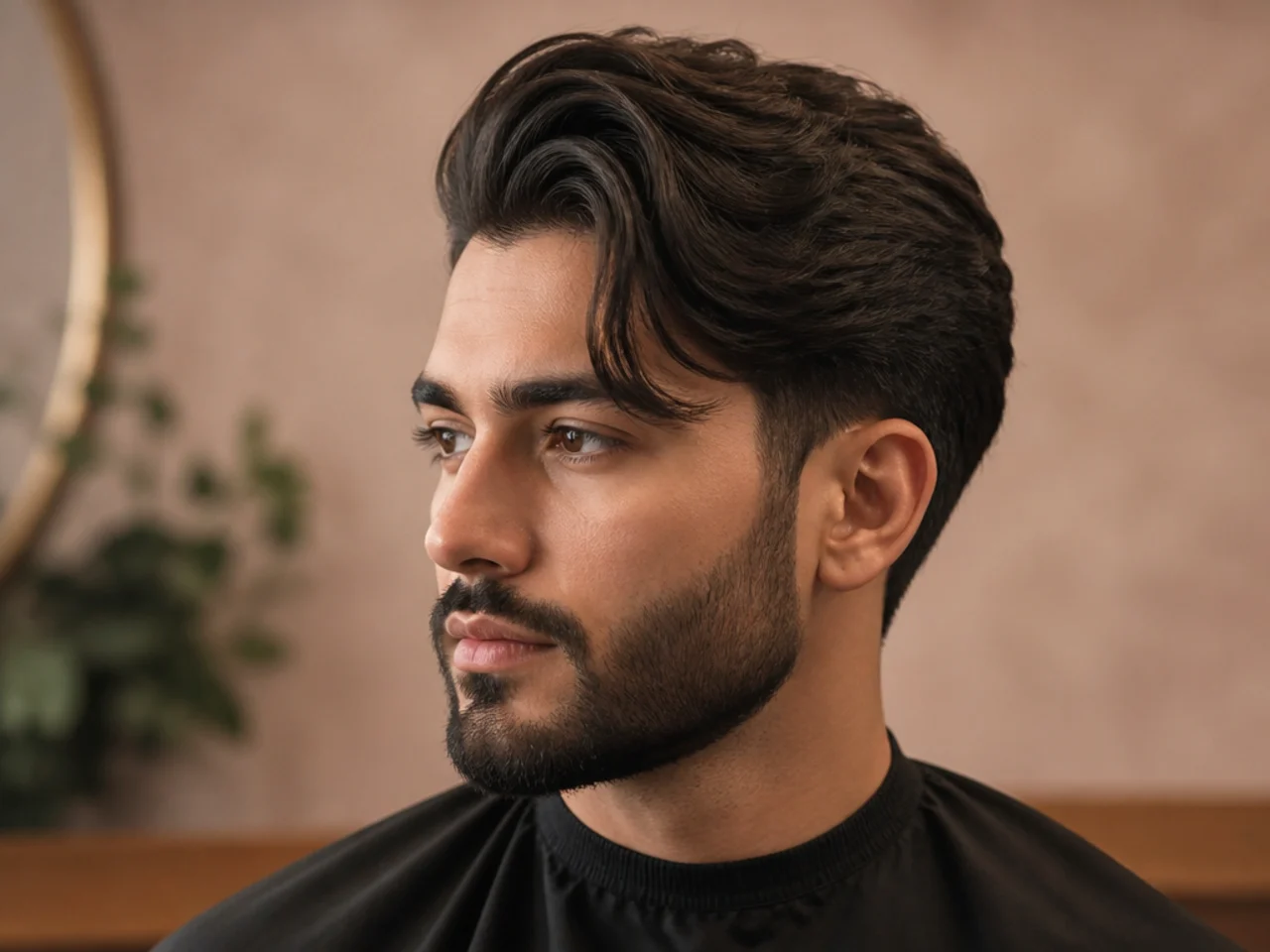
Full beard framed against a comma up top. The comma still runs standard — 4 inches, curled front, faded or tapered sides. The beard adds visual weight to the lower face, which balances the comma's forehead-forward silhouette. Best on any hair type; suits long and oblong faces because the beard shortens the vertical. Ask for a low fade fading cleanly into the beard line, 4 inches on top, and a defined single comma. Style hair as usual, then trim the beard weekly to keep the neckline sharp. Balance is the whole game — a heavy comma over a patchy beard reads unfinished.
20. The Skin Fade Comma
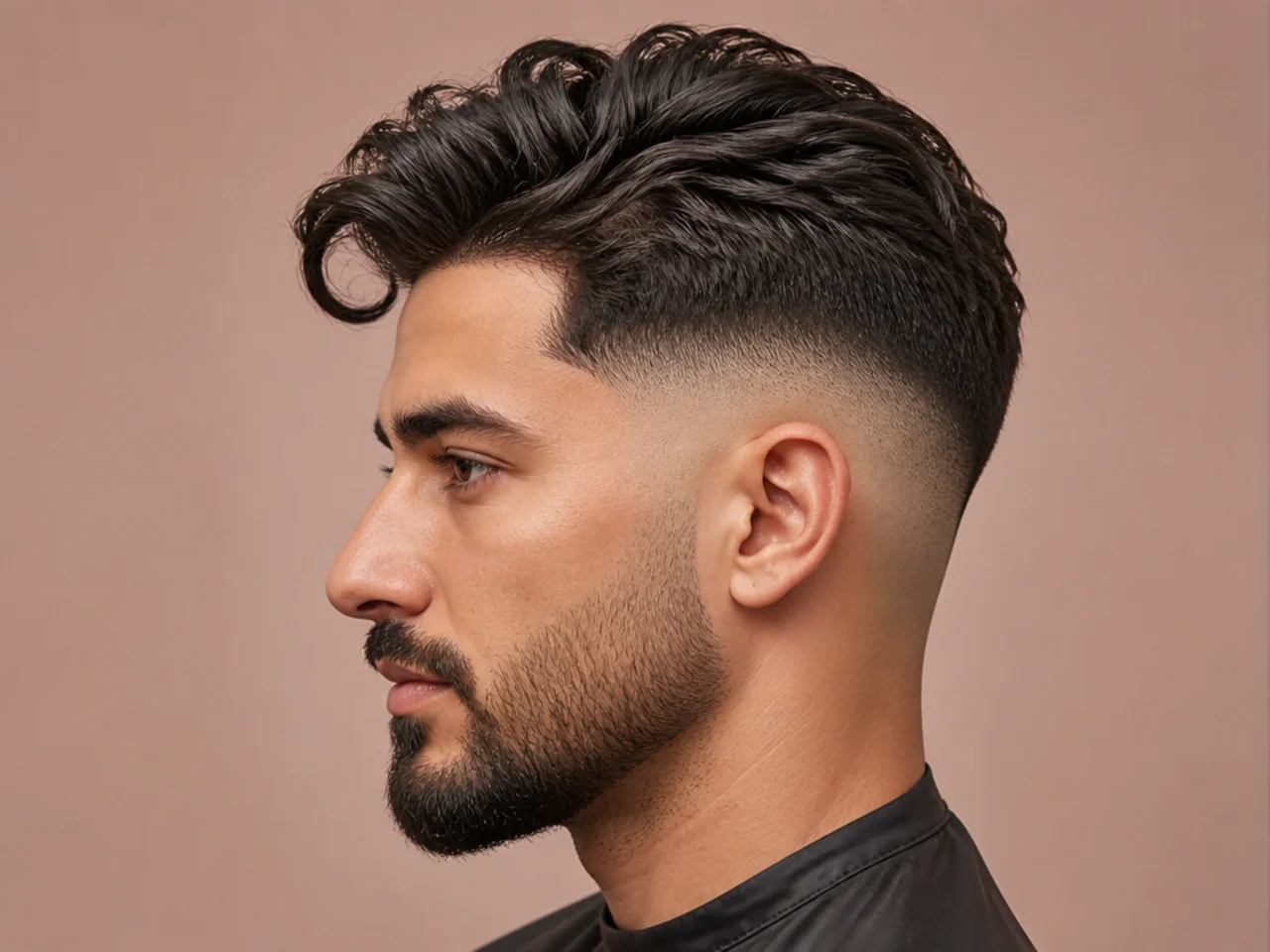
Skin fade takes the sides all the way down to bare skin — no guard length preserved. Maximum contrast between skin-clean sides and the curled top. Reads bold and modern. Best on straight hair, any density; suits oval, square, and heart faces. Ask for a low or mid skin fade, 4 inches on top, and a defined comma. Style with curl cream, a round brush, and a light mist. Skin fades reveal cowlicks and scalp texture — if you have either, ask your barber for a low fade instead so the transition is not so exposed.
21. The Drop Fade Comma
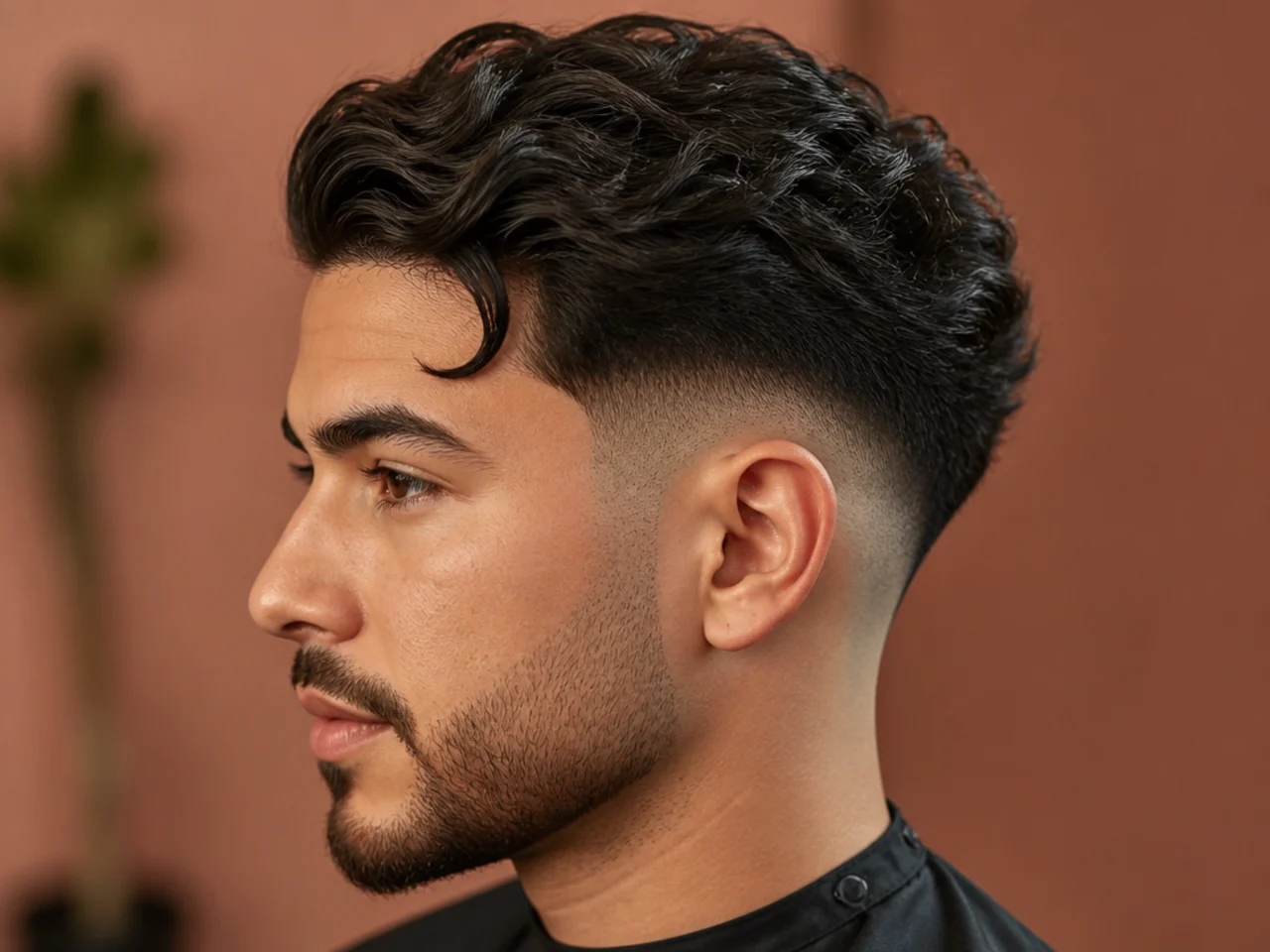
A drop fade arcs downward behind the ear, dipping lower at the nape than at the sideburn. That curved shape follows your head instead of dropping in a straight line. Pairs cleanly with the comma because both shapes read curvy rather than angular. Best on any face shape, any hair type. Ask for a low drop fade, 4 inches on top, and a defined comma toward your dominant side. Style with cream and a round brush. The drop line is subtle but the finish reads slightly more custom than a standard fade.
22. The Subtle Comma
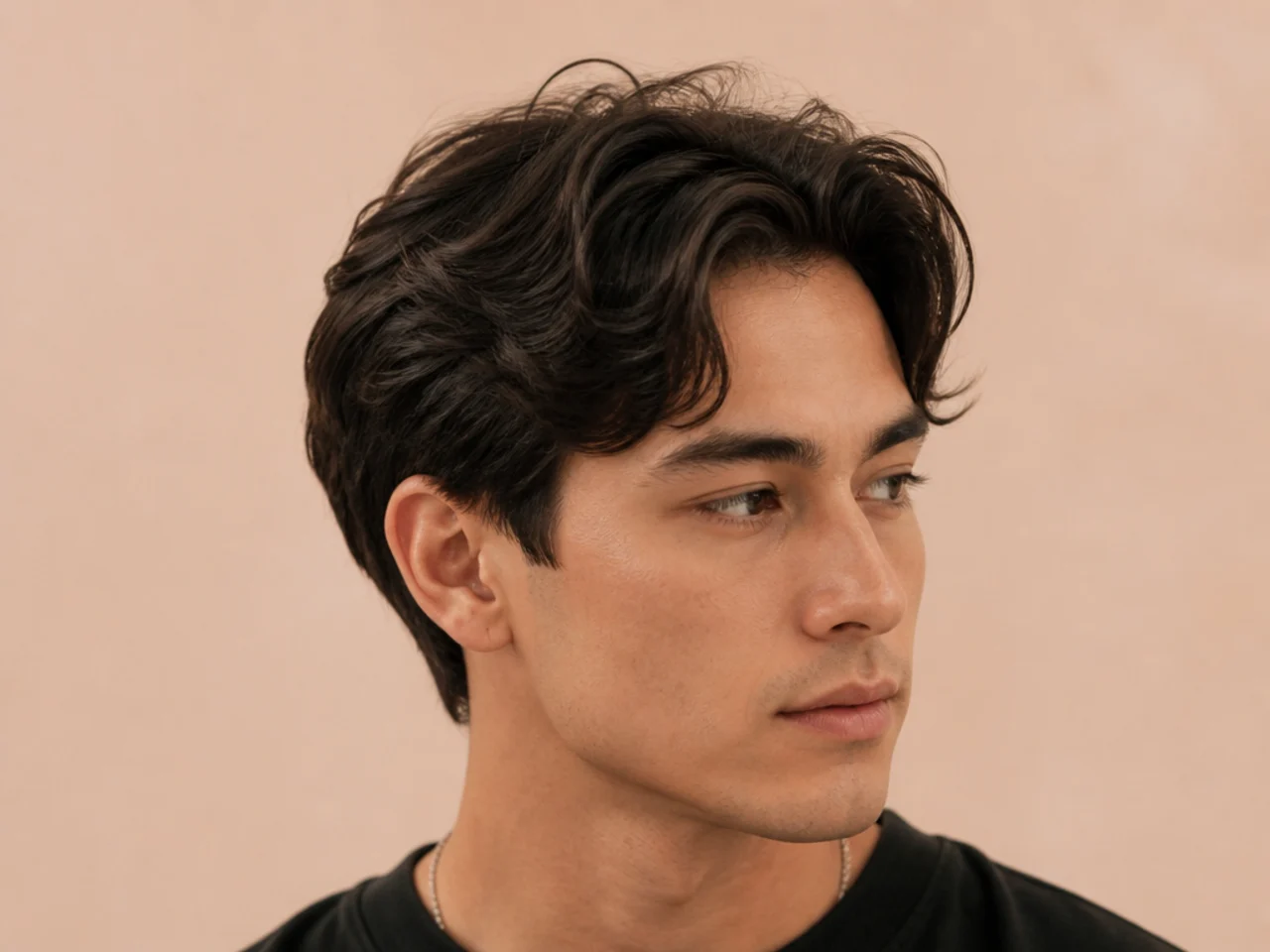
The subtle comma is a barely-there version — a gentle bend across the forehead instead of a defined hook. Reads styled but not obviously so, which works if a full comma feels too much for your daily life. Sides run short with a taper or low fade. Best on straight-to-wavy hair with light density; fine hair holds the softer shape without collapsing. Ask for a scissor taper on the sides, 3.5 inches on top, and describe the front as "a soft sweep, not a curl." One brush pass and go — 30 seconds most mornings.
23. The Dramatic Comma
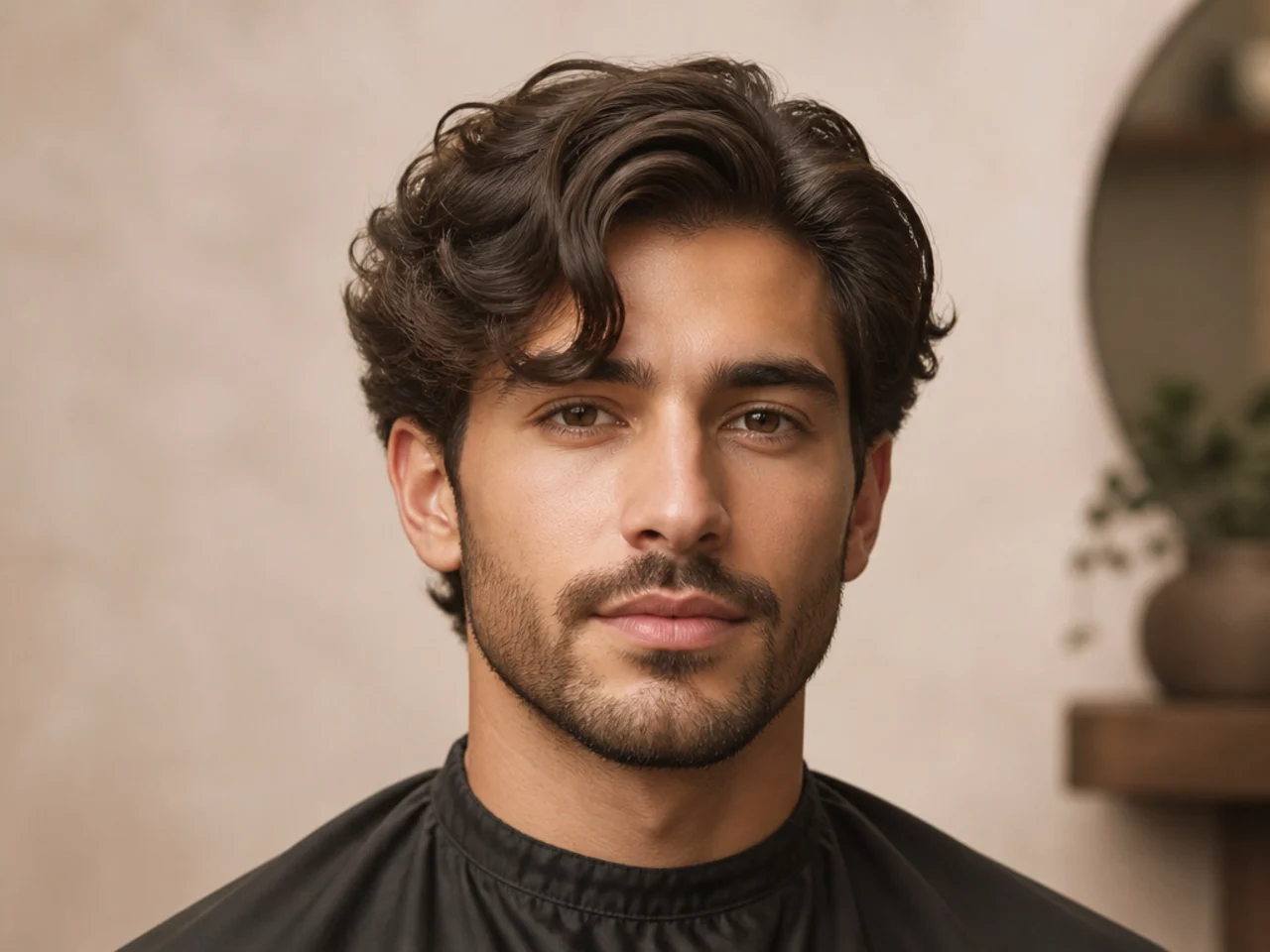
Dramatic comma is the opposite play — big, bold, exaggerated. Longer top (5+ inches), heavier front weight, a curl so defined it reads almost like a spitcurl. Stage look. Best on straight hair with medium-to-thick density; suits oval and long faces. Ask for a low or mid fade, 5 to 6 inches on top with layers concentrated at the front, and a bold defined comma. Style with a leave-in cream, a large round brush rolled inward for a full 4 seconds at the end, and a light setting mist. Not for shy mornings.
24. The Side Part Comma
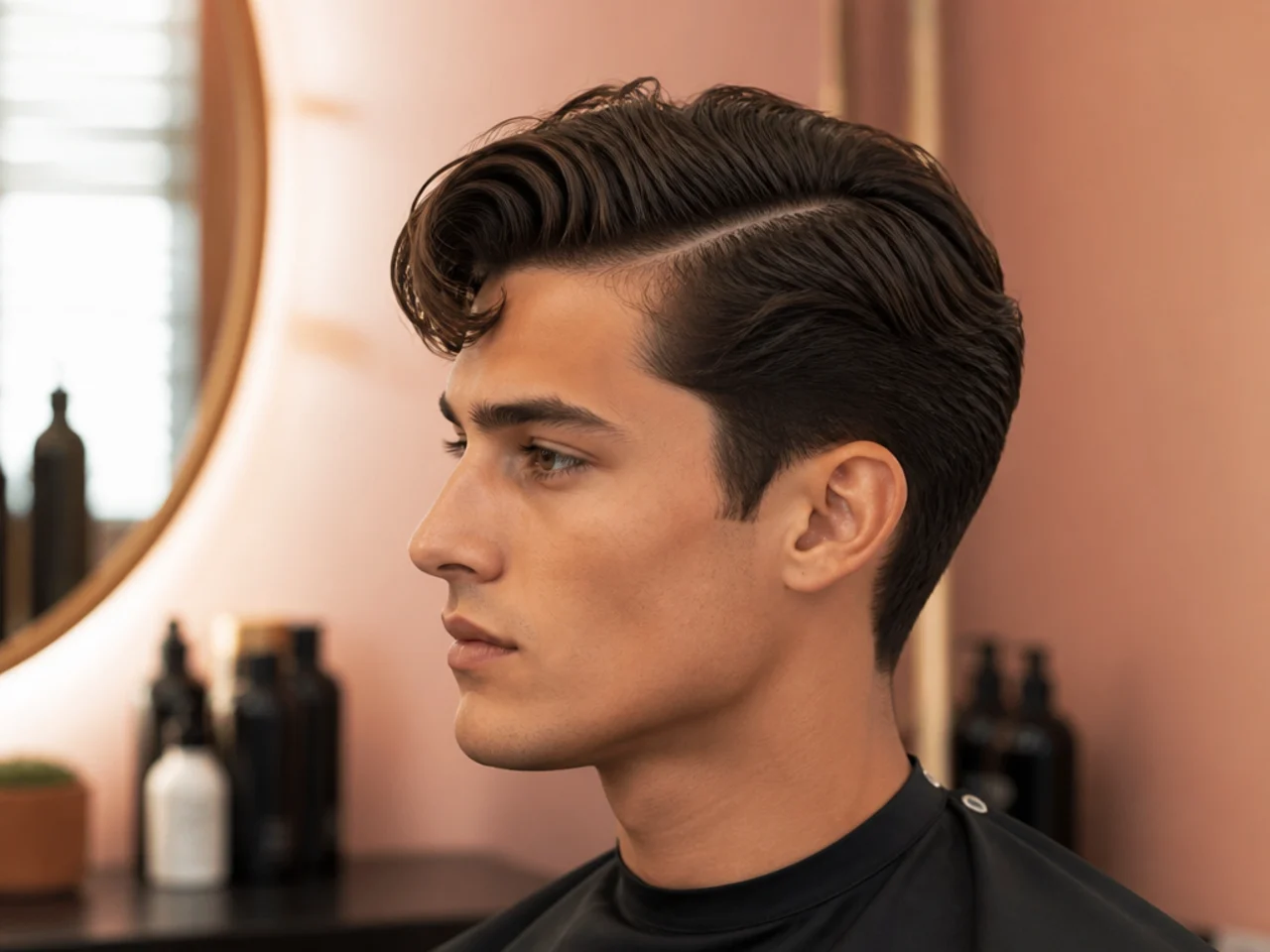
Side-part comma combines a hard part — cut with clippers or set with a comb — and the curled comma front. The part sits at your natural break, roughly two finger widths from center. The comma curls from the heavier side. Best on straight hair; the hard part loses definition on wavy hair. Ask for a low fade or scissor taper, a scissor-cut or clipper-cut part at your natural break, and 4 inches on top. Style with a low-shine pomade to hold the part, then round-brush the front from underneath. Keep pomade off the tip or the curl drops.
25. The Burst Fade Comma
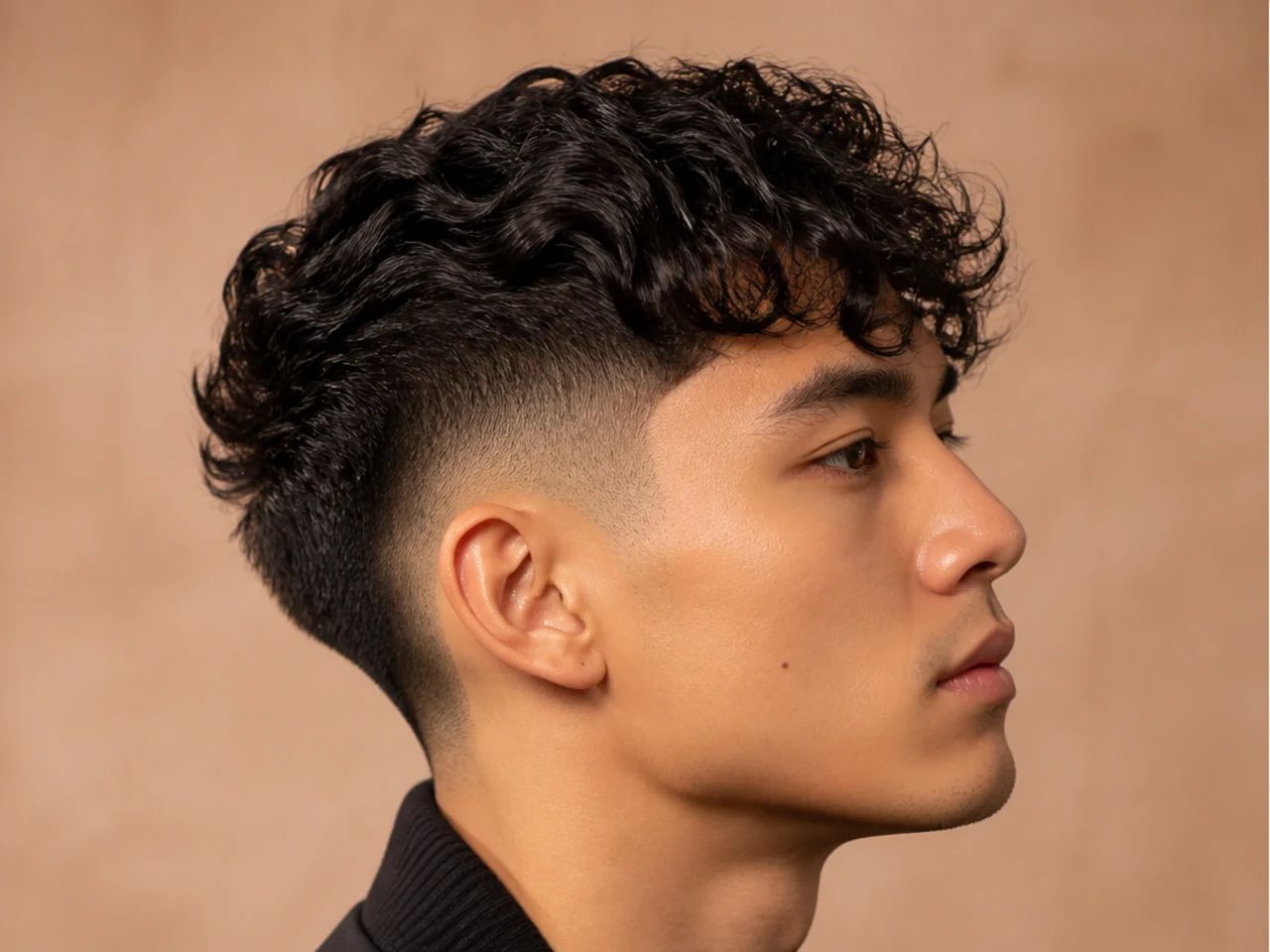
Burst fade rounds around each ear rather than dropping straight down the neckline. The fade radiates outward, leaving longer weight at the crown and back neckline. The comma sits on top the same way. Reads athletic and slightly edgier than a straight fade. Best on straight hair with medium-to-thick density. Ask for a burst fade around each ear, a scissor-blended top starting around 4 inches, and a defined comma. Style with curl cream, a round brush, and a light setting mist to lock the hook. See the burst fade haircut breakdown for the fade spec on its own.
How to Ask Your Barber for a Comma Haircut
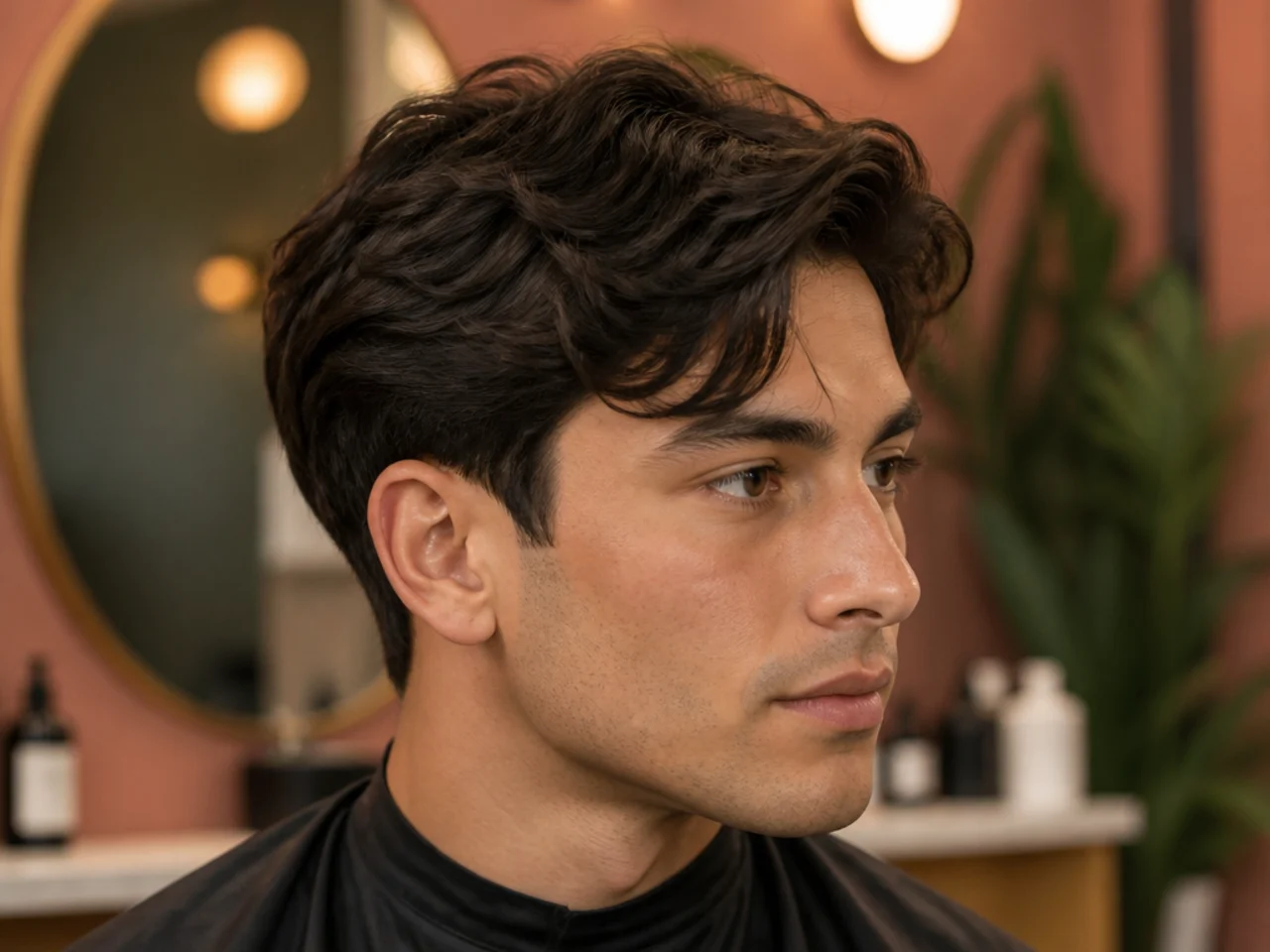
Any version of this cut lives or dies on the ask. Vague language sends your barber guessing; specific language lands the shape you had in mind on the first pass.
- Bring three photos. One front, one side, one three-quarter. A single photo lets your barber guess proportions; three photos remove the guessing.
- Name the variation. "Two-block comma," "low fade comma," "twin comma" — the names on this list have crossed over. Most barbers recognize them.
- Specify top length in inches, not adjectives. "Four inches on top" is unambiguous. "Medium" is a coin flip.
- Specify the side treatment. Low fade, mid fade, skin fade, scissor taper, disconnect — say which one and where it starts. Add a guard number if you know it.
- Point to the disconnect or fade line. Touch your temple where you want the line to begin. Nothing costs less than a finger; nothing tells your barber more.
- Demonstrate the curl direction. Draw the arc of the comma with a finger — toward your dominant eye, across the forehead, or split from a center part. Verbal descriptions do not survive translation.
- Book the follow-up before you leave. Every 3 to 4 weeks for short and mid variations, 5 to 6 for long or textured. The moment the shape softens, book.
Styling and Maintenance
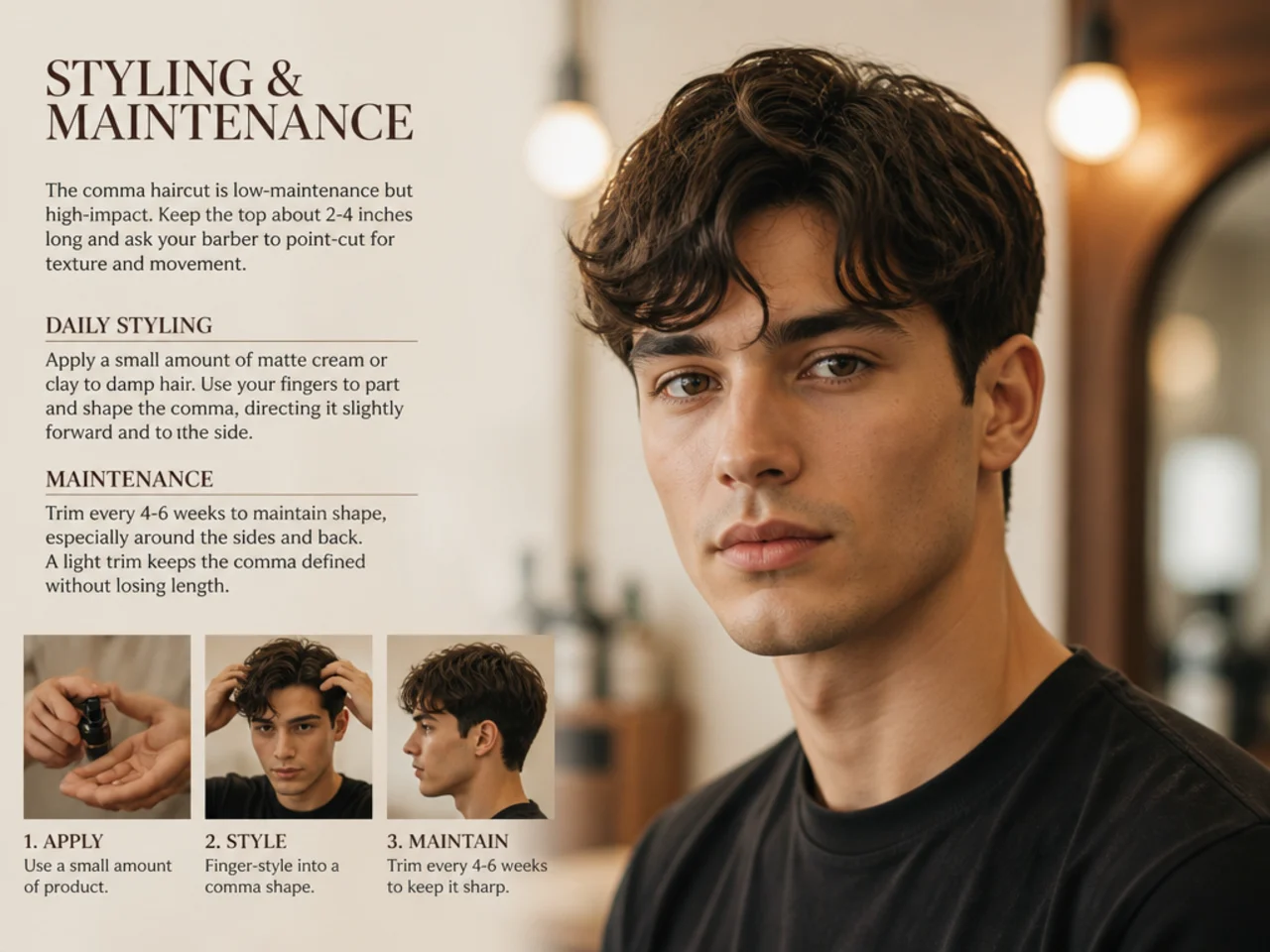
The comma is a 2-minute cut, not a zero-minute one. Your barber sets the shape; you set the curl with three tools every morning: a hairdryer, a round brush, and a lightweight product. Skip any of them and the hook flattens by lunch.
Start damp, not dry. Wash and towel-blot to uniformly damp — no drips, no dry patches. Spray a lightweight sea-salt spray or volumizing mist through the top. Comb the front forward in the curl direction. Setting the direction now saves brush work later.
Roll the brush inward. Take a 1.5-inch round brush. Slide it under the front section close to the roots. Aim medium heat at the brush, roll toward your face slowly while directing air along the brush length, hold two seconds at the end, release. That motion sets the comma. Repeat on the other side if you are going twin. Total time: 90 seconds max.
Match the product to the finish. Curl cream is the primary product — lightweight, flexible hold. Matte clay adds grip for textured or long variations. A low-shine pomade handles the side-part and classic Korean cuts. A light setting mist locks the shape without the crunchy feel of hairspray. One product handles most days; the second only enters when you want extra separation or shine.
Sleep protects the shape. A silk or satin pillowcase saves your curl overnight — cotton roughens the front and flattens the hook. If you shower at night, blow-dry roughly first and re-style in the morning with a mist and one brush pass.
Book on time. Every 3 to 4 weeks for short and mid variations, 5 to 6 for long or textured. Waiting past the softening point just makes the next cut harder to shape and lengthens the recovery window.
FAQ
What is the difference between a comma and a two block?
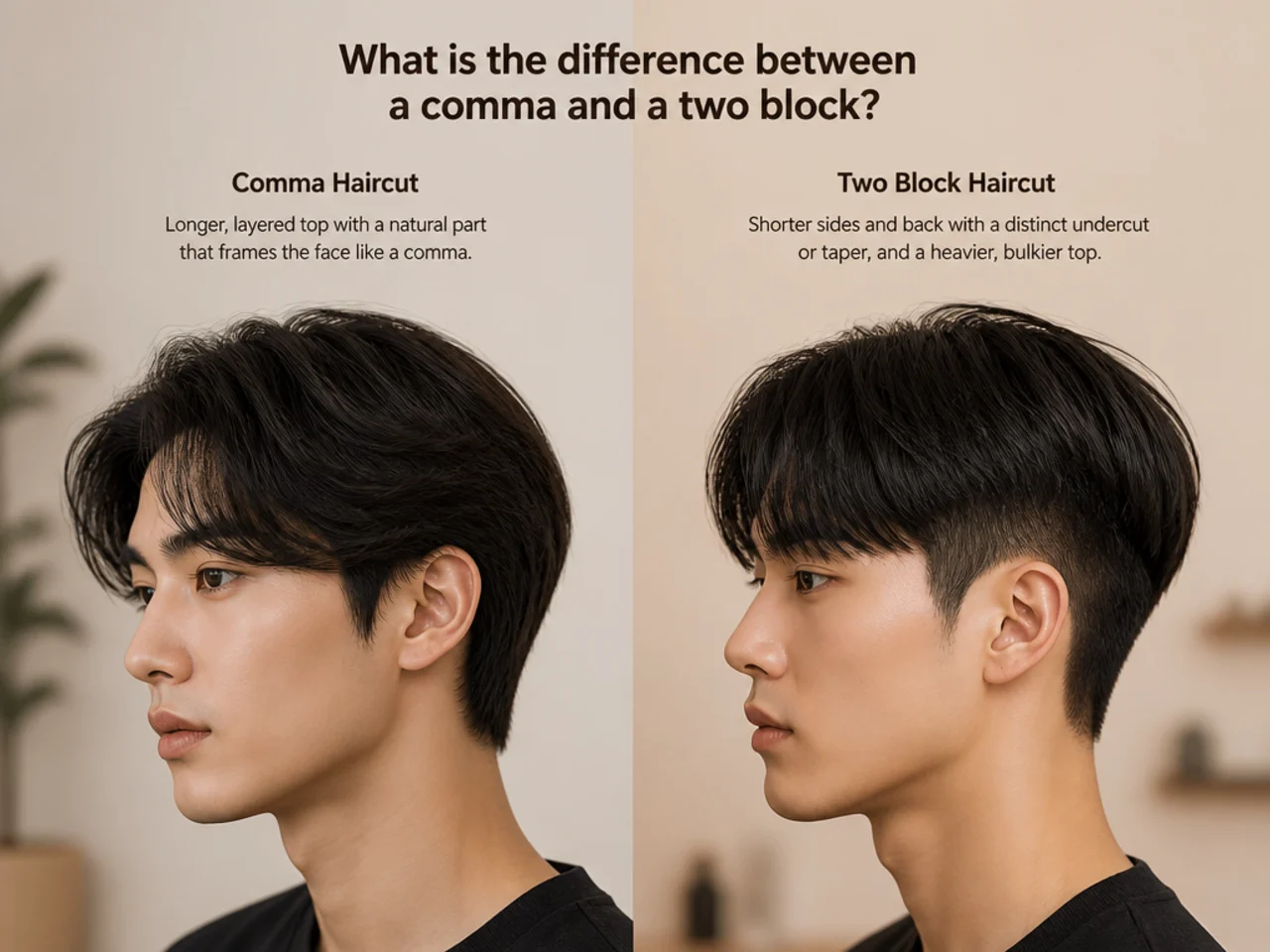
A two block is a silhouette — long top, buzzed sides, a hard ledge at the horseshoe line, no fade. A comma is a styling choice on top — a curled front hook. Many guys wear both together (that is the two-block comma), but each stands on its own. You can wear a comma over a low fade, taper, or burst fade. You can wear a two block with a slicked-back top instead of a comma.
Which comma needs the least styling?
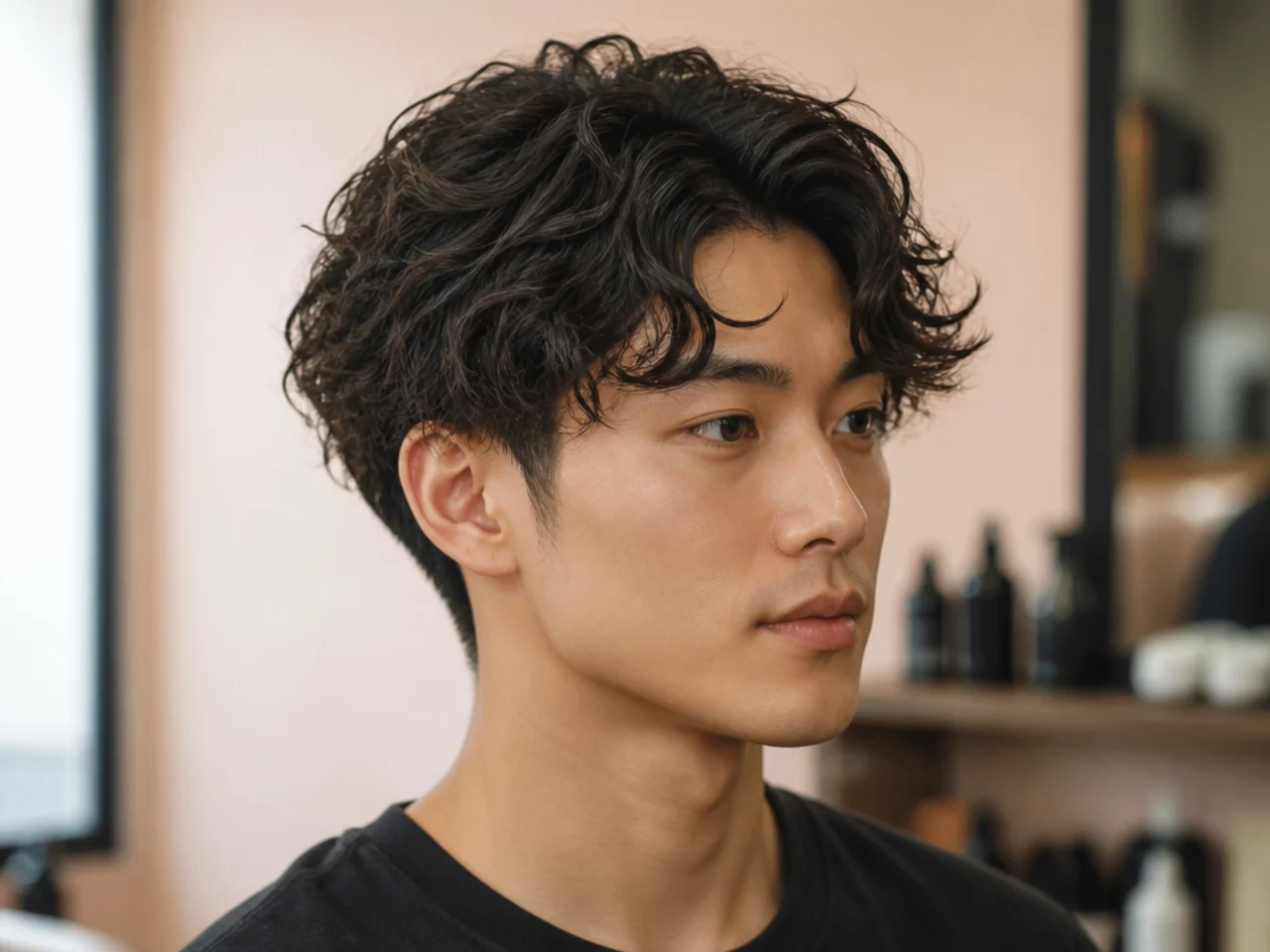
The permed and the subtle versions. A perm bakes the curl into the front section so it holds without daily brush work — 30 seconds of finger-shaping in the morning and done. The subtle comma barely curves at all, so a wide brush pass finishes the whole job in under a minute. Everything else on the list wants a full 90 seconds with a round brush.
Can I get a comma with curly or coily hair?
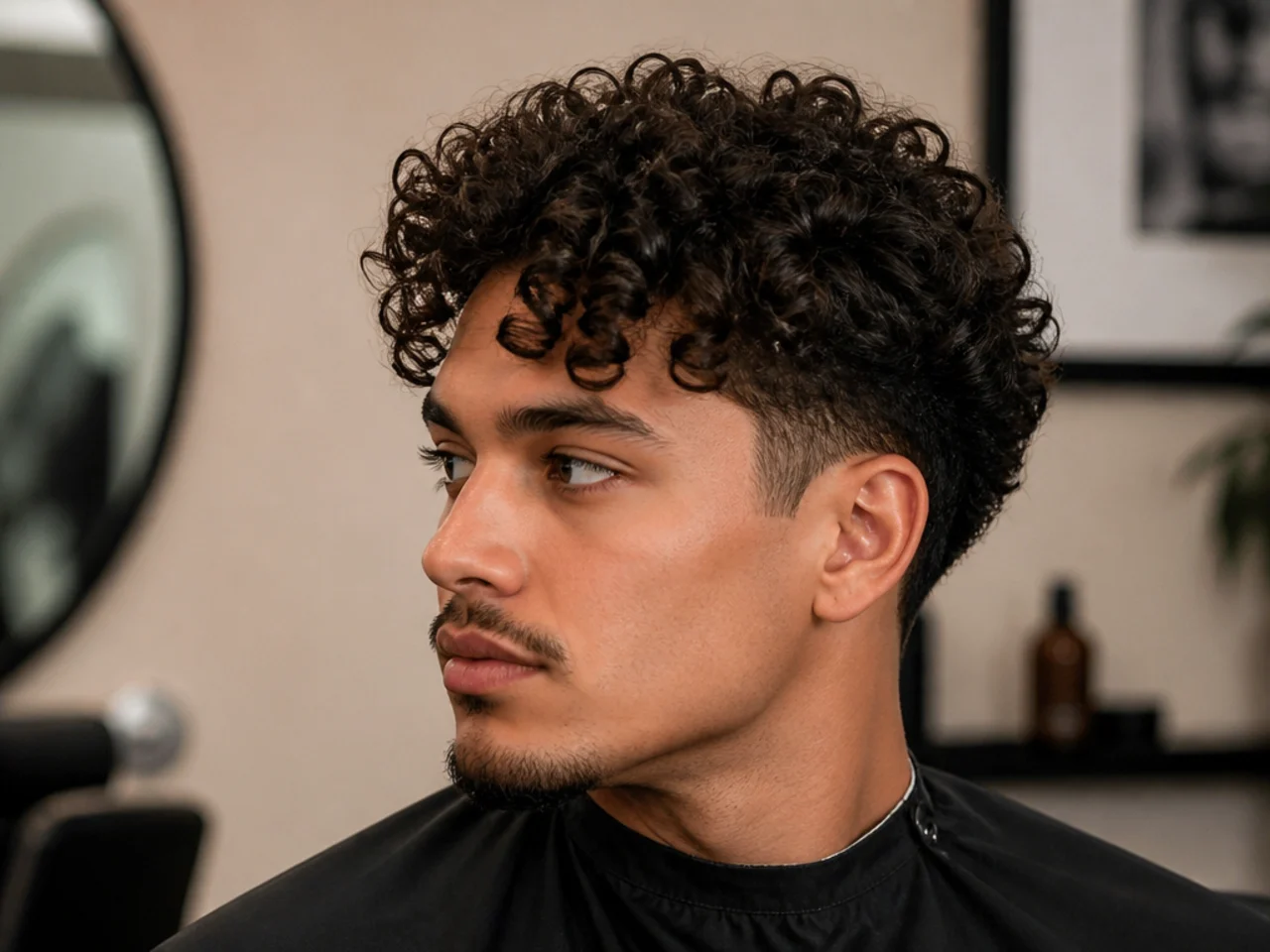
Yes. Wavy hair (2A-2C) is actually the easiest — your hair already wants to bend, and directing that bend into a comma takes minimal brush work. Curly hair (3A-3C) needs longer front layers so gravity pulls the curl forward into a drape rather than lifting it up. Coily hair (4A-4C) usually needs a light front perm-relaxer to sit flat enough to hook.
How often should I re-cut it?
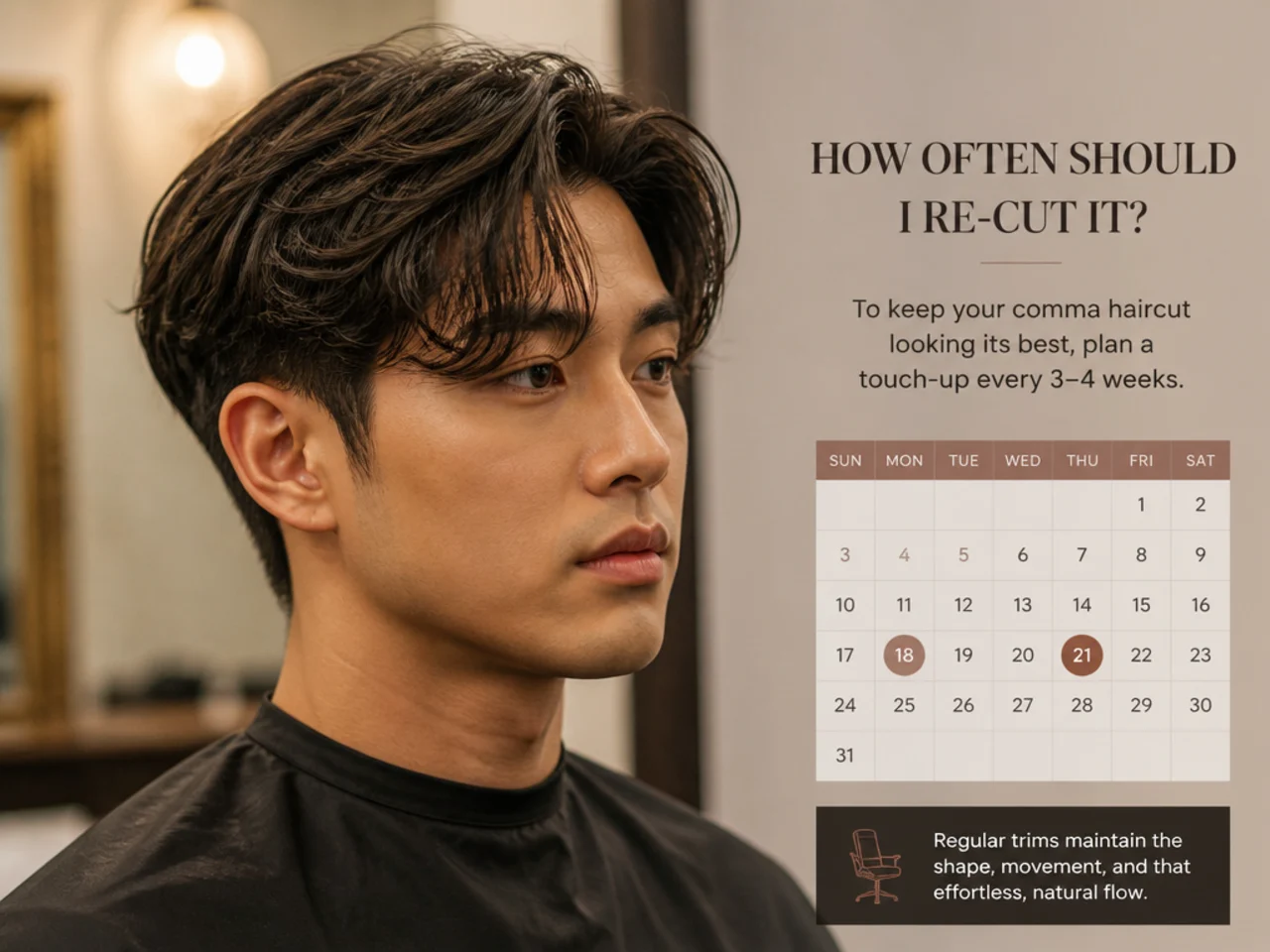
Every 3 to 4 weeks for short and mid variations, 5 to 6 weeks for long or textured ones. The moment the sides lose their line or the top starts flopping is the moment to book. Waiting past that just makes the next cut harder to shape and lengthens the recovery window between cuts.
What products do I need to style a comma?
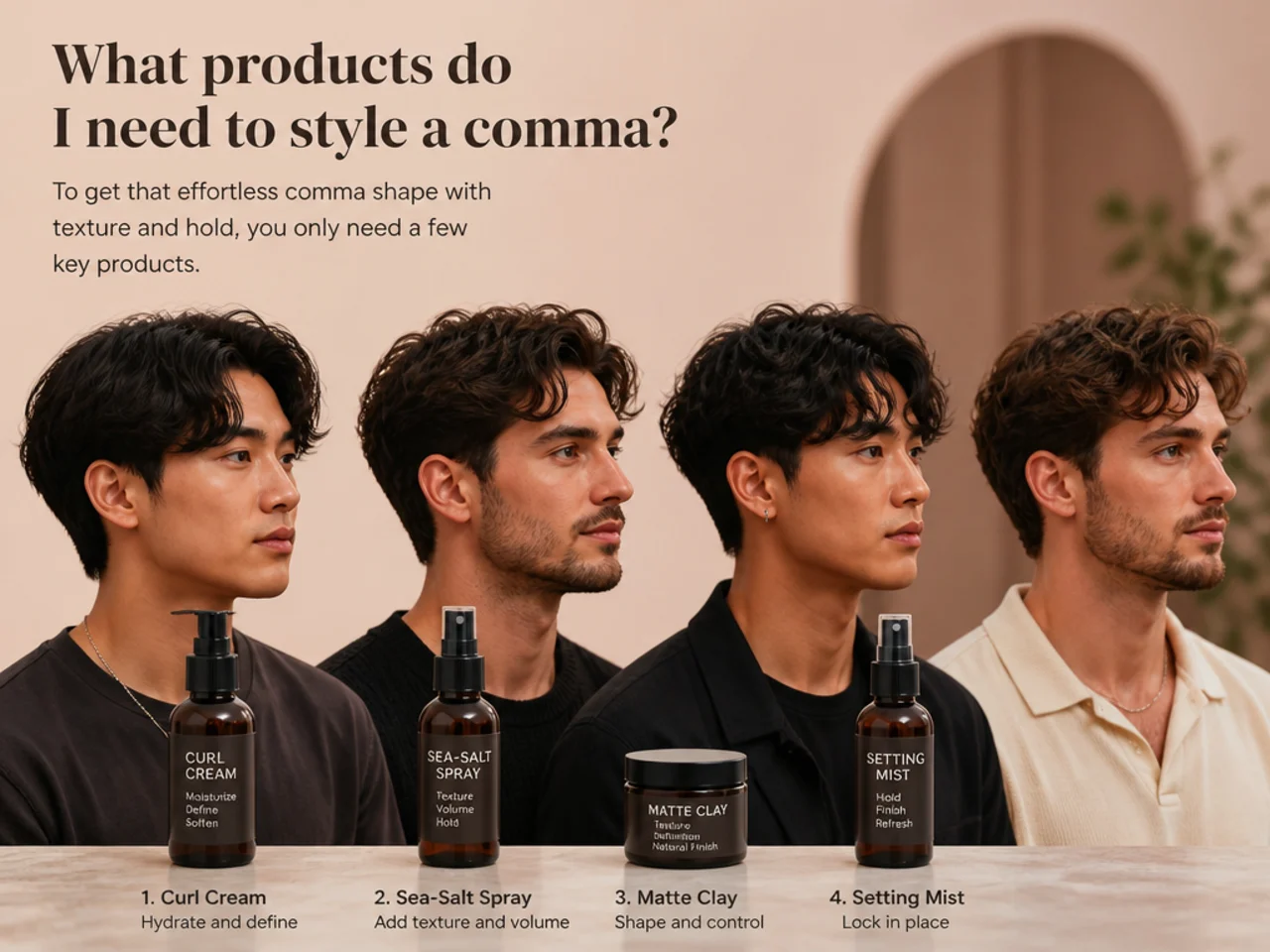
Three products handle any variation. A lightweight sea-salt spray or volumizing mist for prep and root lift. A curl cream — light, flexible hold, no crunch — for the hook itself. A light setting mist to lock the finished shape. Add a matte clay for textured or long variations, and a low-shine pomade for the side-part or classic Korean versions. Skip heavy waxes and daily dry shampoo — they flatten the comma and dull the shine.
Does it suit a round or square face?
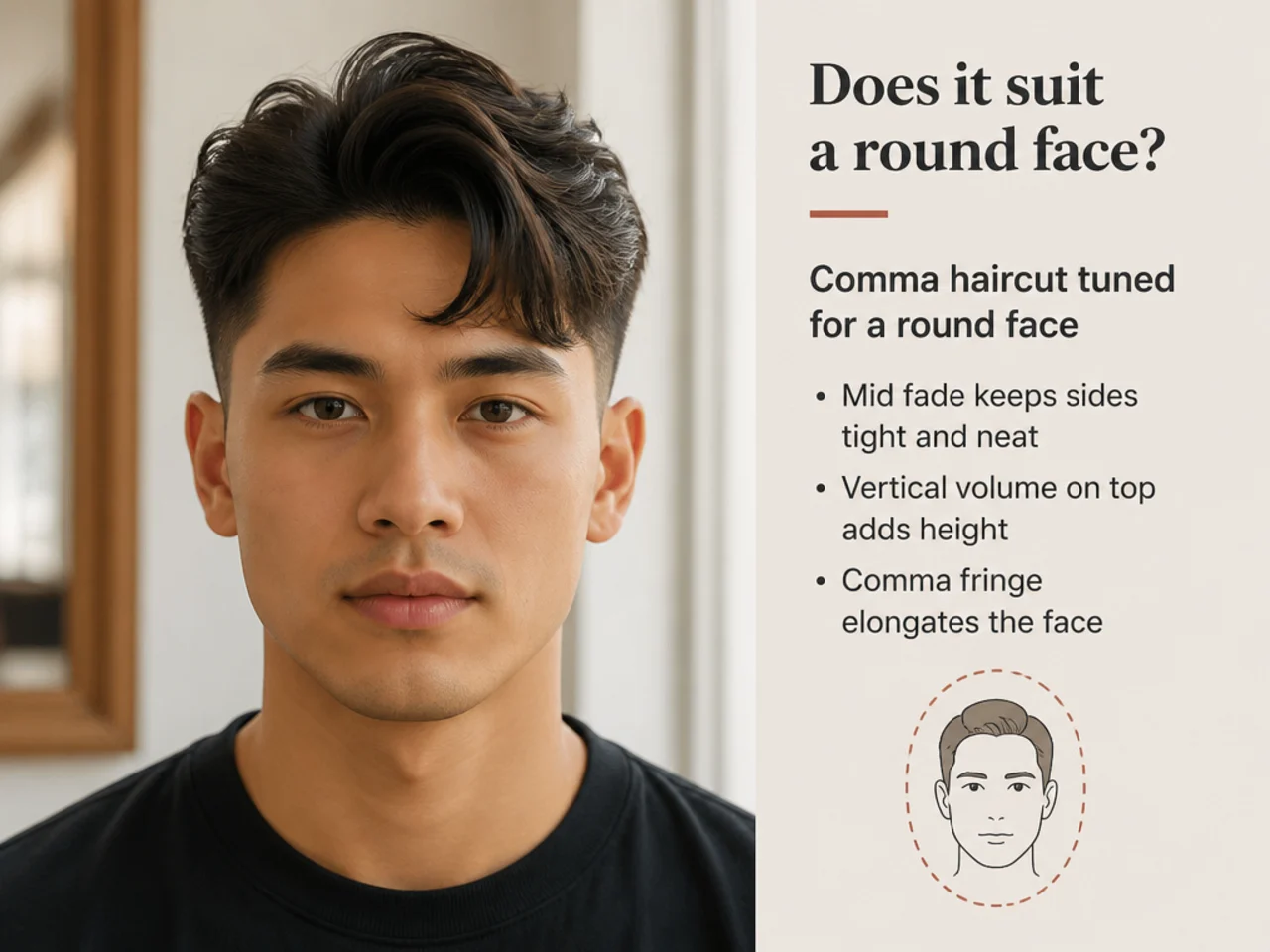
Yes, with tuning. Round faces want a taller comma and a mid-to-high fade to add vertical length. Square faces want a softer, less-defined curl — the subtle or curtain versions soften angular jawlines best. Both face shapes should skip the shortest variation on the list, since 2.5 inches on top reads flat against a wider face.
Is it still in style in 2026?
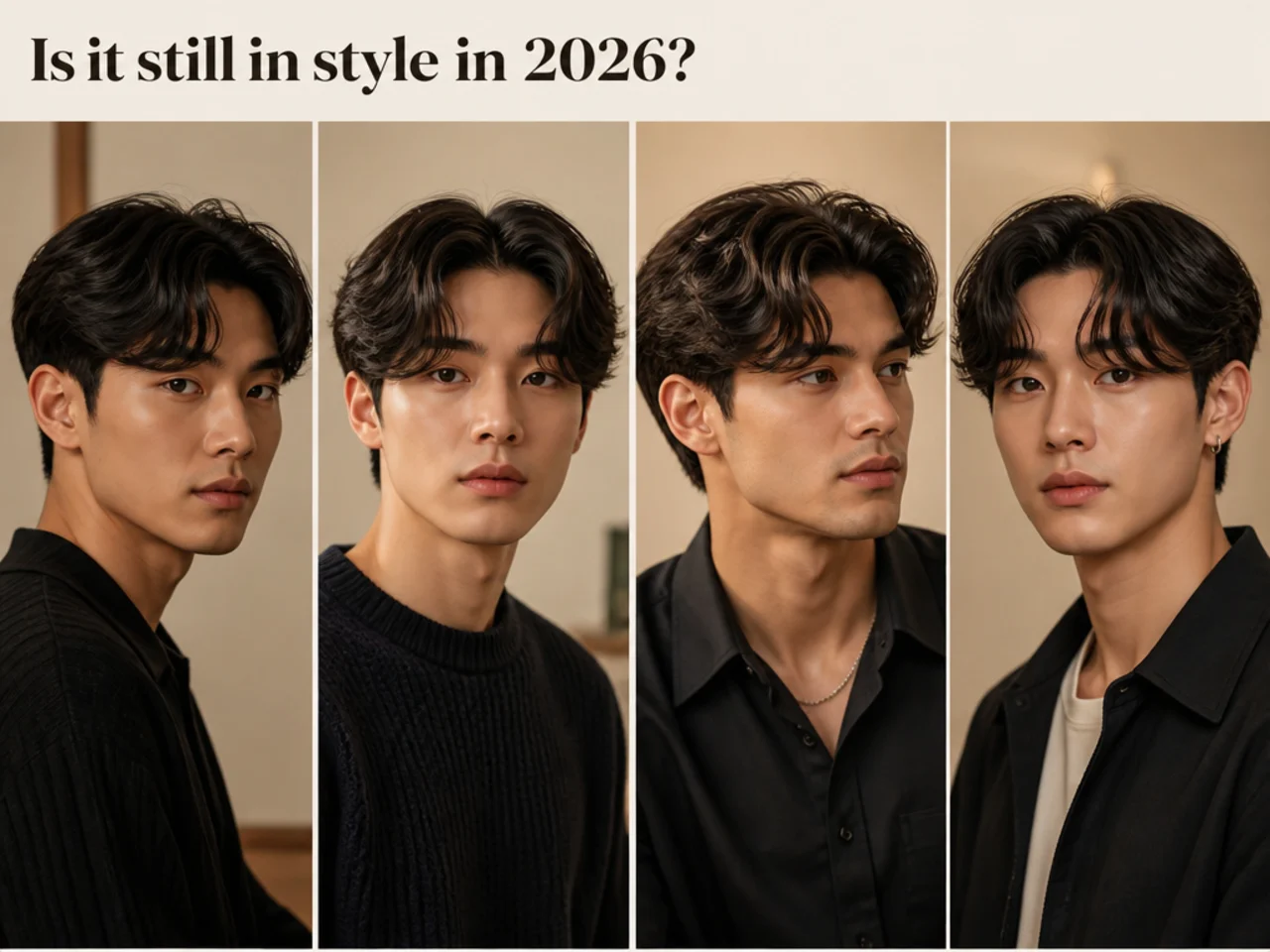
Yes. The comma has been a top-requested men's cut on Pinterest since the late 2010s and shows no sign of slowing. K-pop and K-drama exposure keep it visible year-round, and the cut translates across face shapes and hair types, which extends its lifespan past a typical trend cycle.
Which variation works in a corporate office?

The low fade, side-part, tapered-length, and subtle versions all read office-safe. They keep the sides clean, the top short enough to look controlled, and the curl subtle enough to read as styled rather than expressive. The dramatic, disconnected, and blown-out variations lean expressive — save those for a workplace that welcomes standout hair.