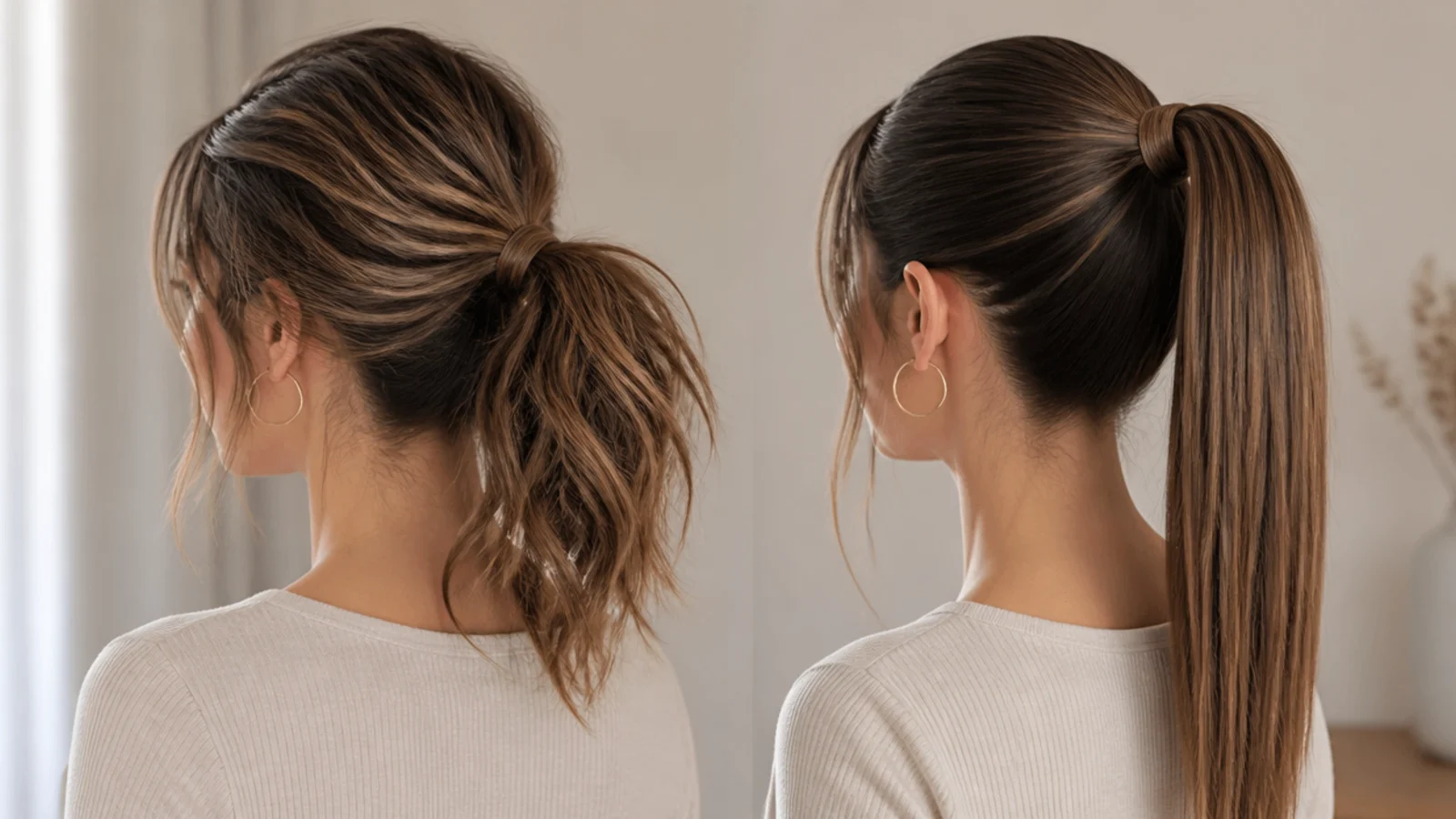
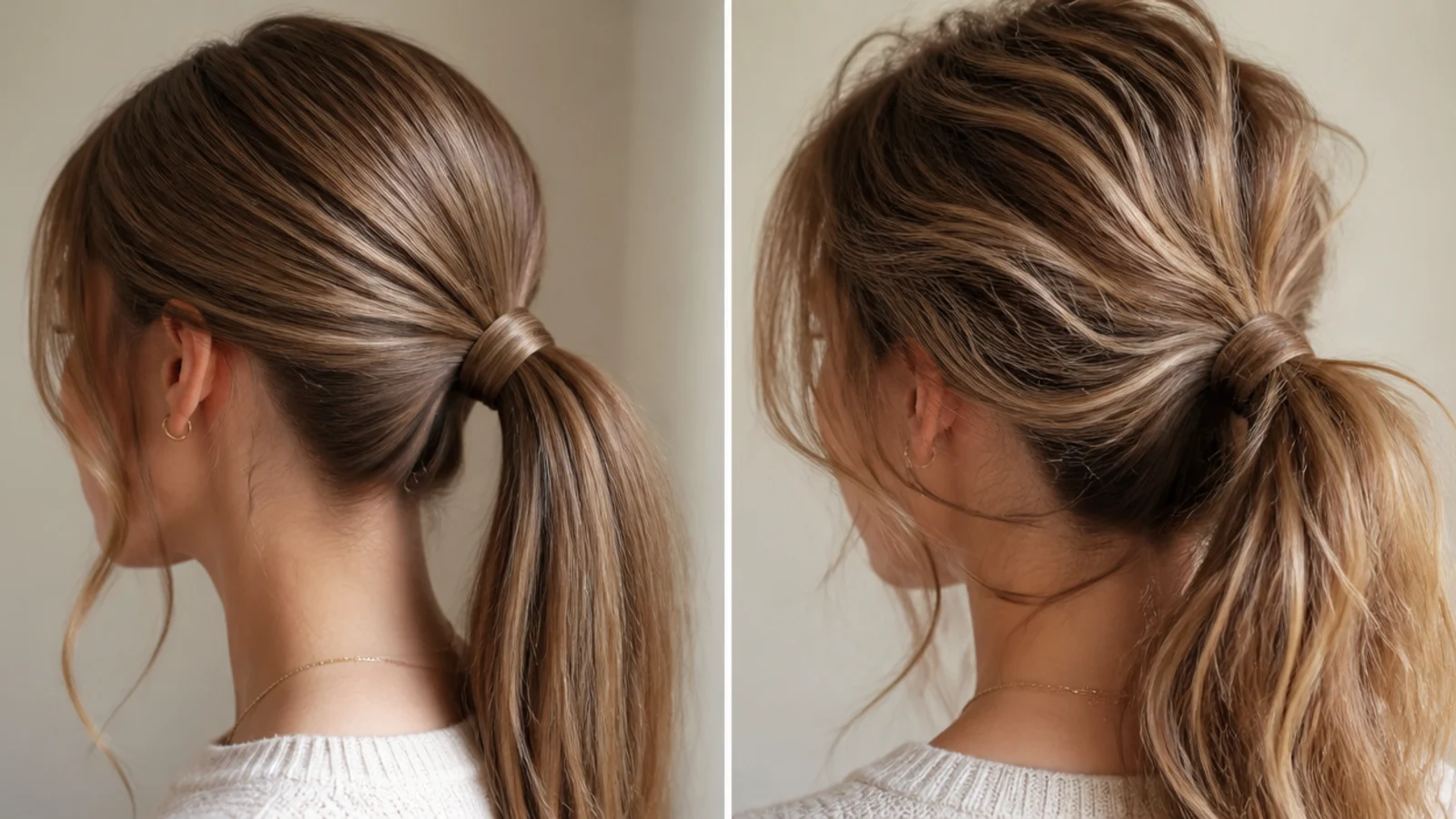
15 Messy vs Sleek Ponytail Situations and Which Wins
Messy and sleek are not two moods of the same ponytail. One is built on a raised cuticle and friction, the other on a flat surface and tension, and each fails in the conditions the other survives. Fifteen situations, with the call.
In this article · 23
- Messy Not Untidy
- Volume and Hold
- Fine Versus Thick Hair
- By Hair Length
- Products That Matter
- How to Choose Between Them
- The 15 Situations That Decide It
- 1. The Office
- 2. A Wedding
- 3. Greasy Roots
- 4. Humidity
- 5. Fine Hair
- 6. Thick Hair
- 7. Curly Hair
- 8. Short Hair
- 9. Long Hair
- 10. The Gym
- 11. A Round Face
- 12. Scalp Tension
- 13. A Five Minute Morning
- 14. Photos and Video Calls
- 15. All Day Hold
- Final Thoughts
Most people pick between messy and sleek by mood, then blame their hair when the choice does not survive the afternoon.
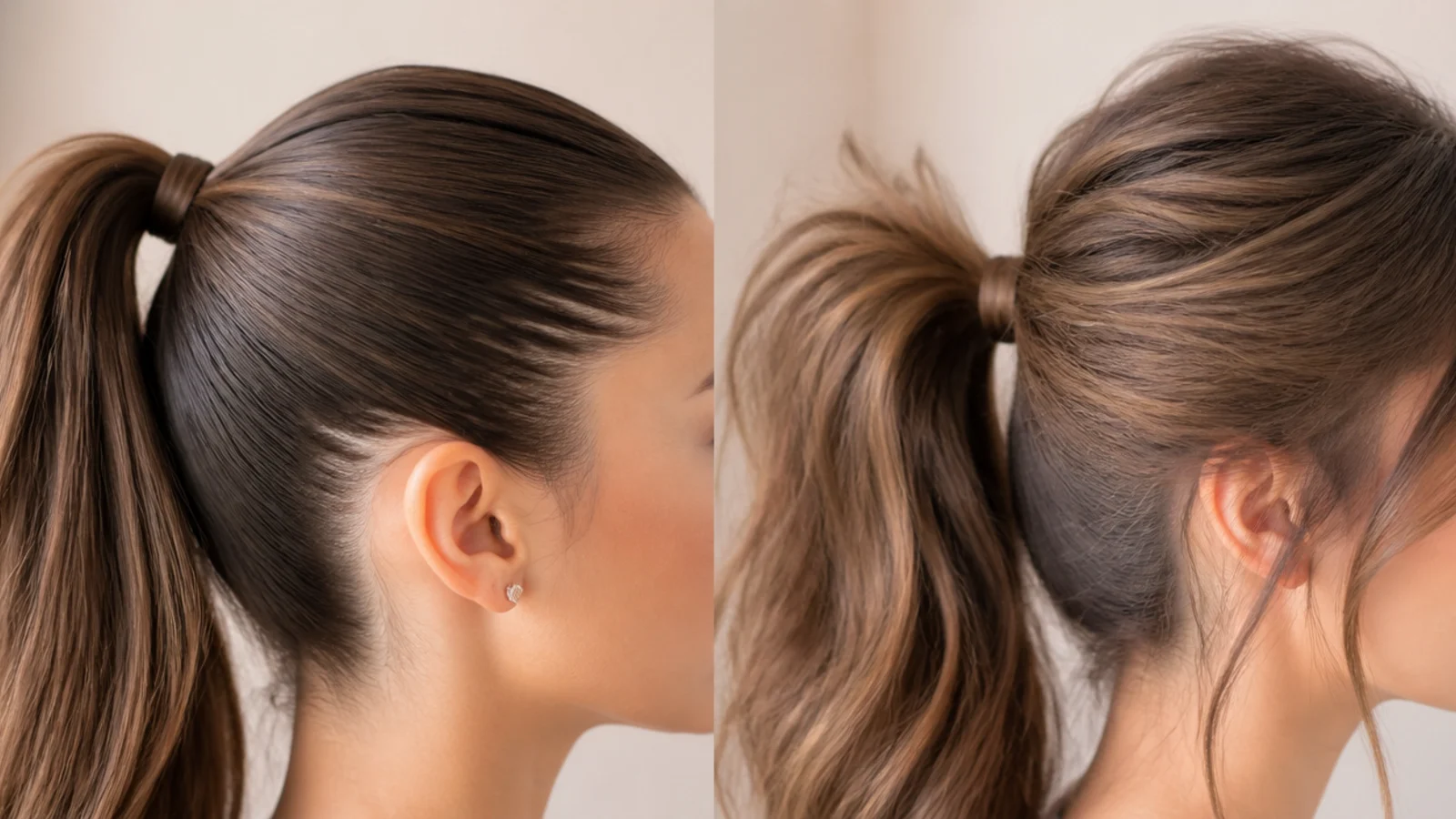
They are built on opposite surfaces. Sleek needs a flat cuticle reflecting light in one direction. Messy needs a roughened one scattering it. No product serves both.
They fail in opposite conditions. Sleek dies in humidity and movement. Messy dies under a camera and a flash. Choosing well is mostly a matter of knowing which failure is in front of you.
Messy Not Untidy
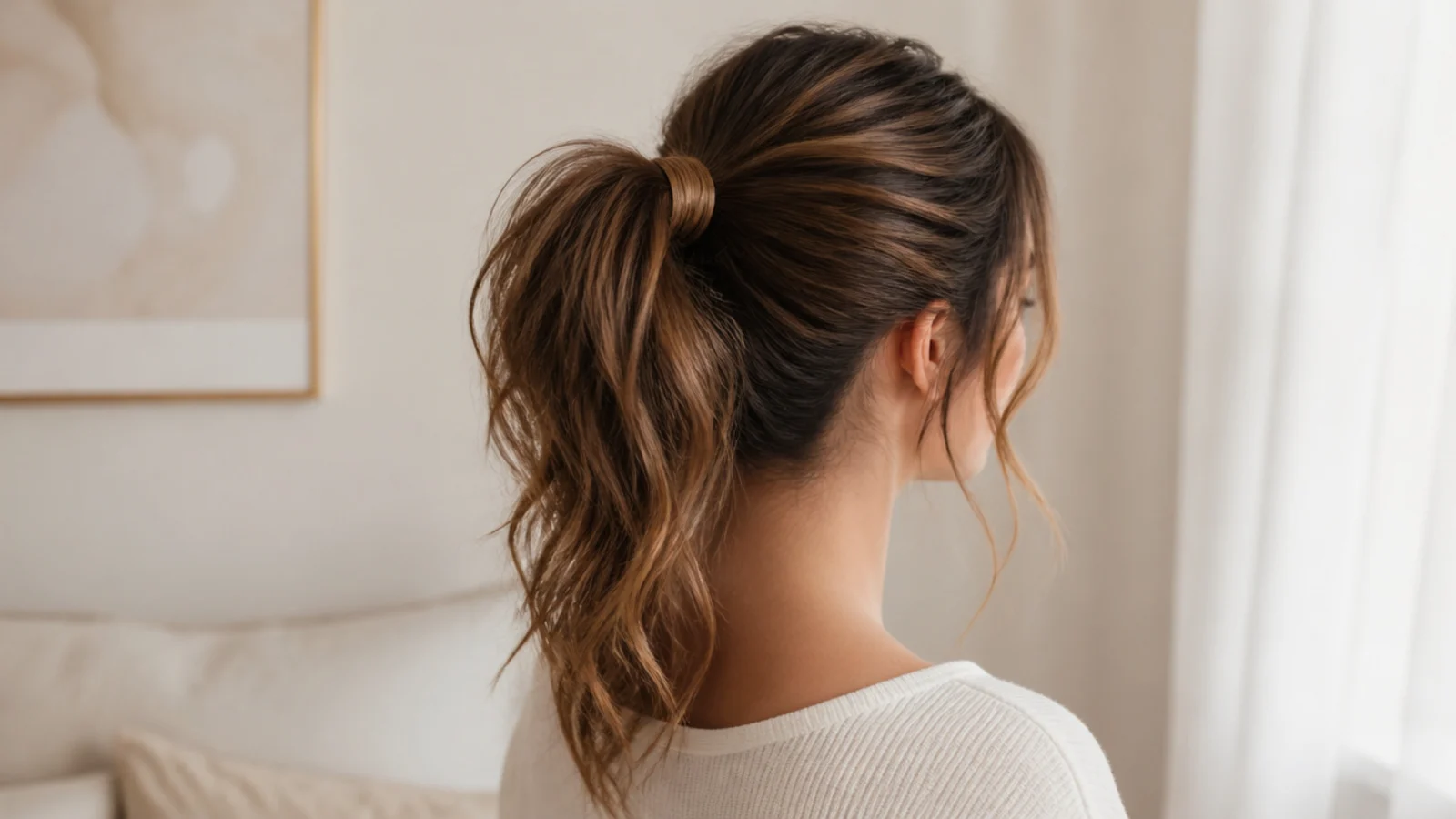
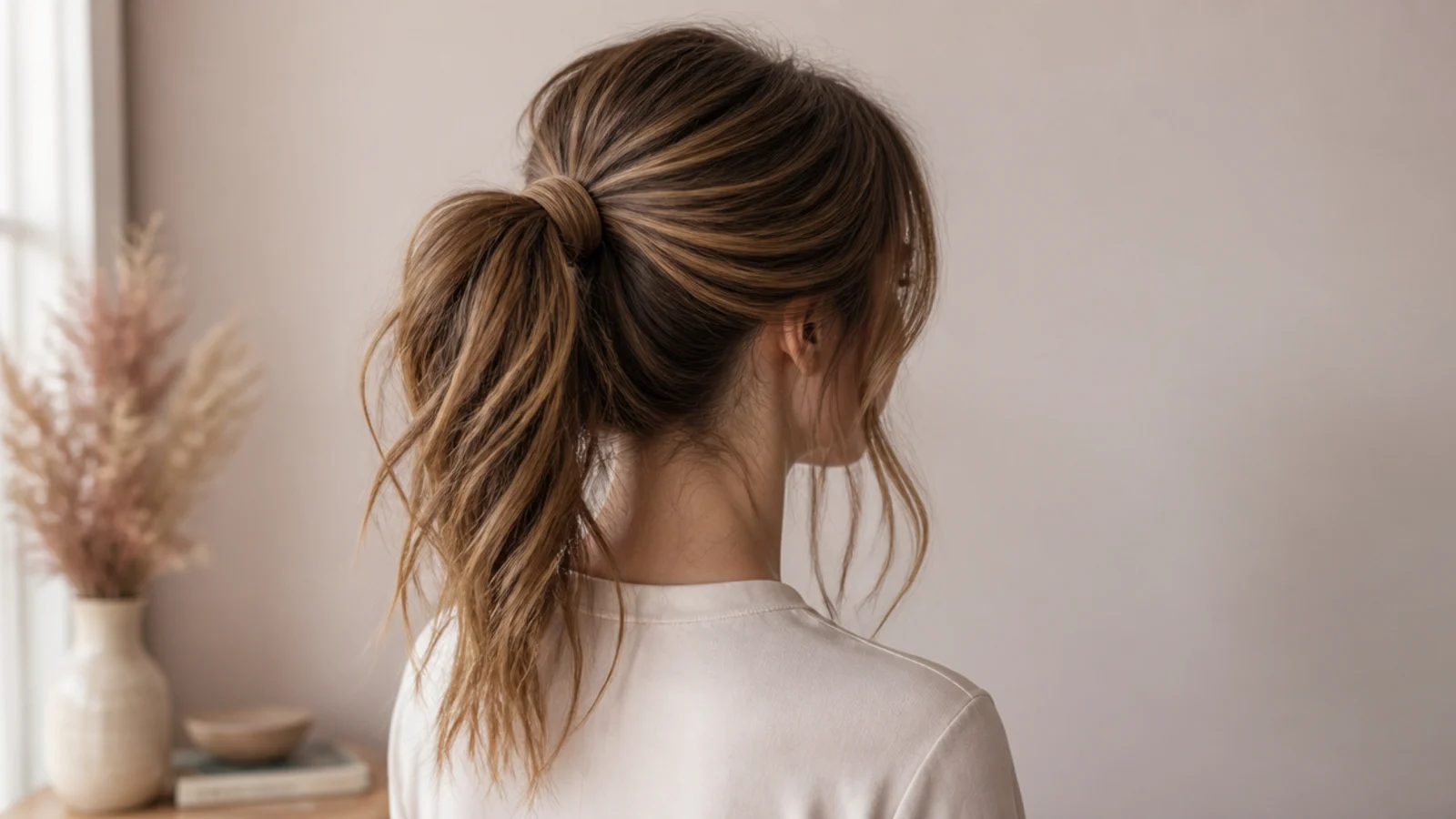
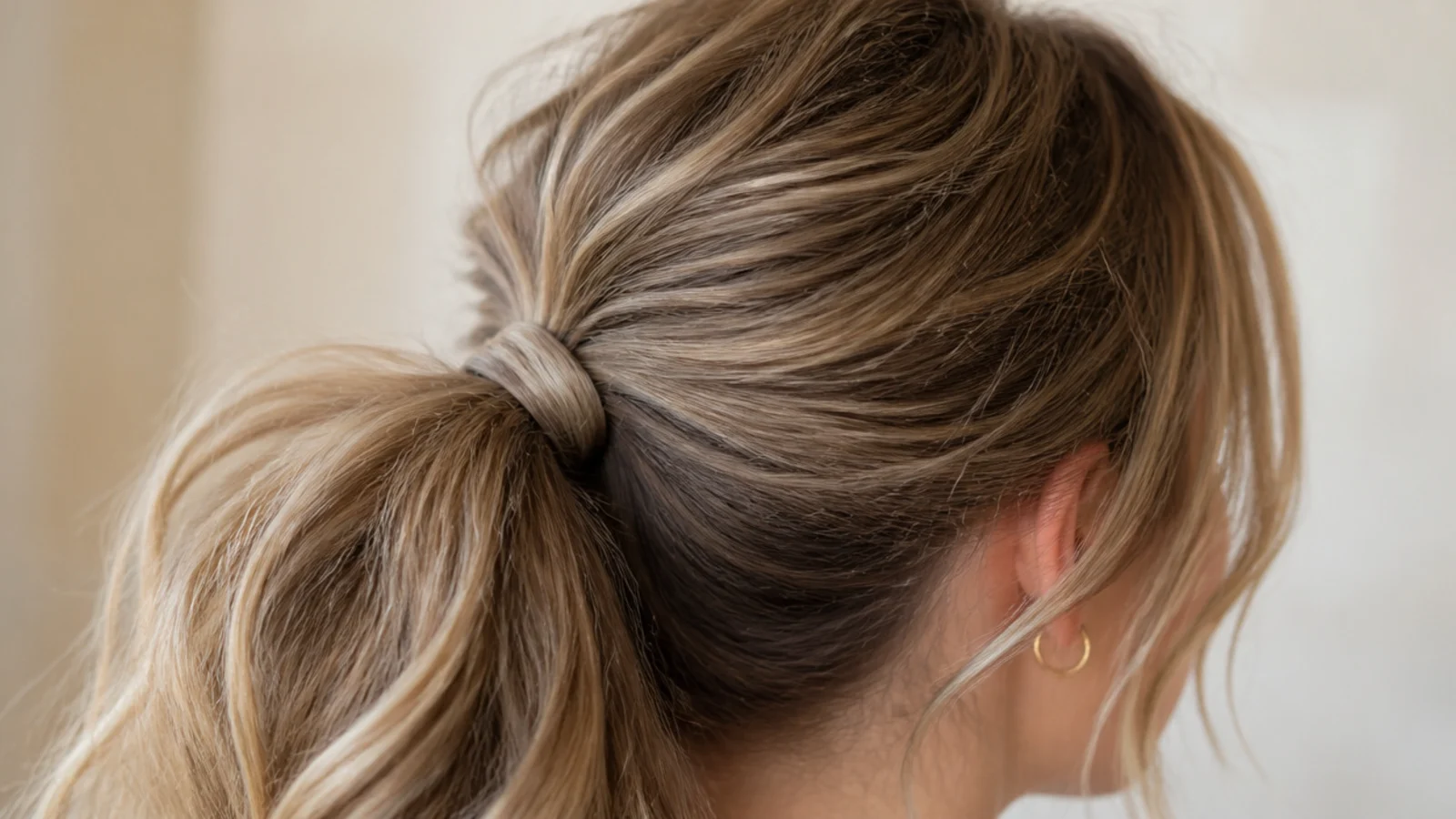
Messy is roughened hair held firmly. The base does not move. The pieces that fall are the ones you pulled out, and they stay where you left them.
Untidy is smooth hair held slackly. It keeps shifting all day, and every piece that escapes escapes somewhere new.
The difference is visible at the base, not the ends. Sagging at the elastic reads as a failure. A strand loose at the temple reads as a decision.
Sleek has the same distinction. A flat surface with one bump in it is not sleek, it is unfinished, and the bump is always at the crown where you cannot see it.
Volume and Hold
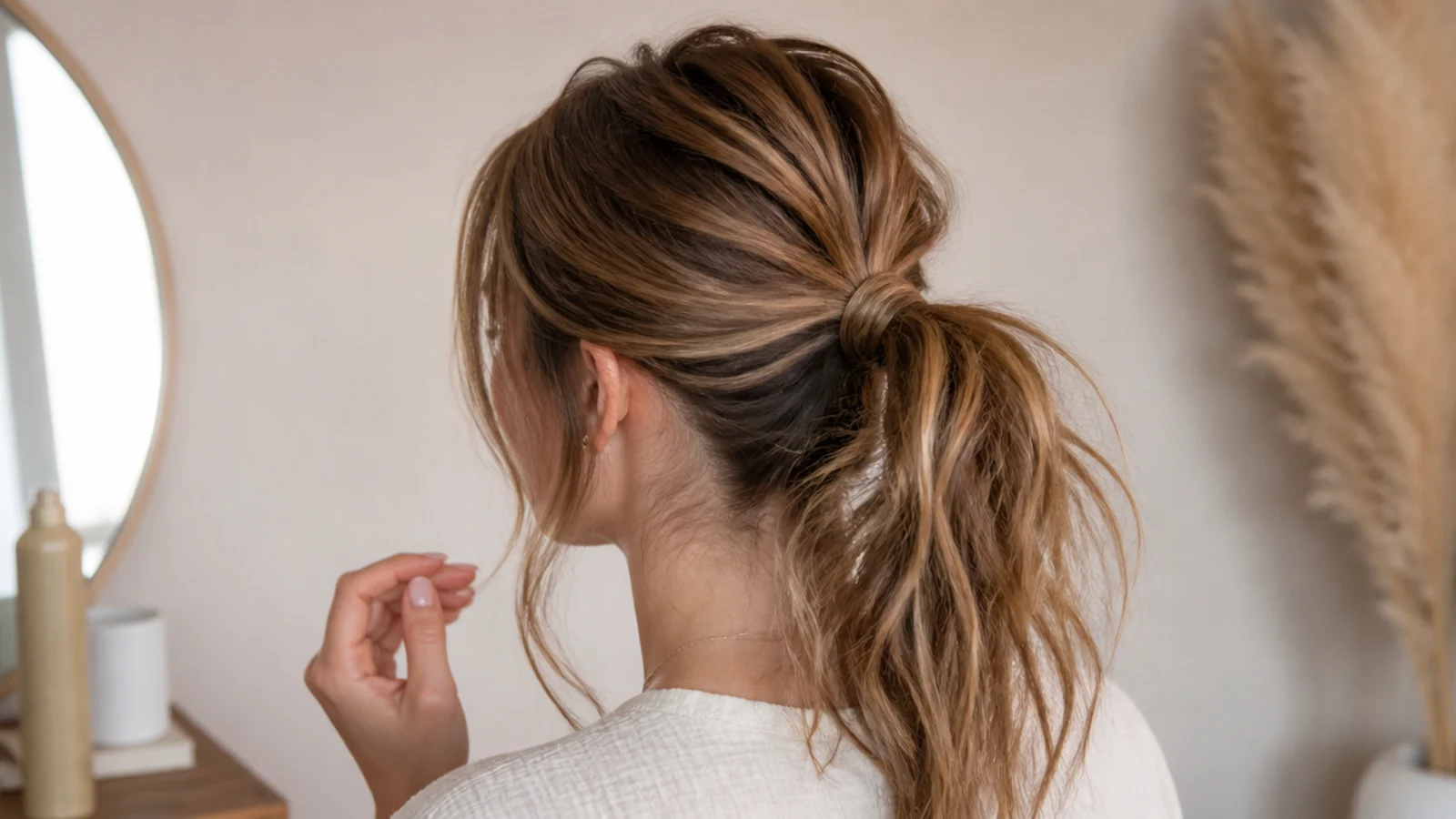
Volume in a messy pony is friction. Roughened strands prop each other apart, so the section keeps its width instead of collapsing into a rope.
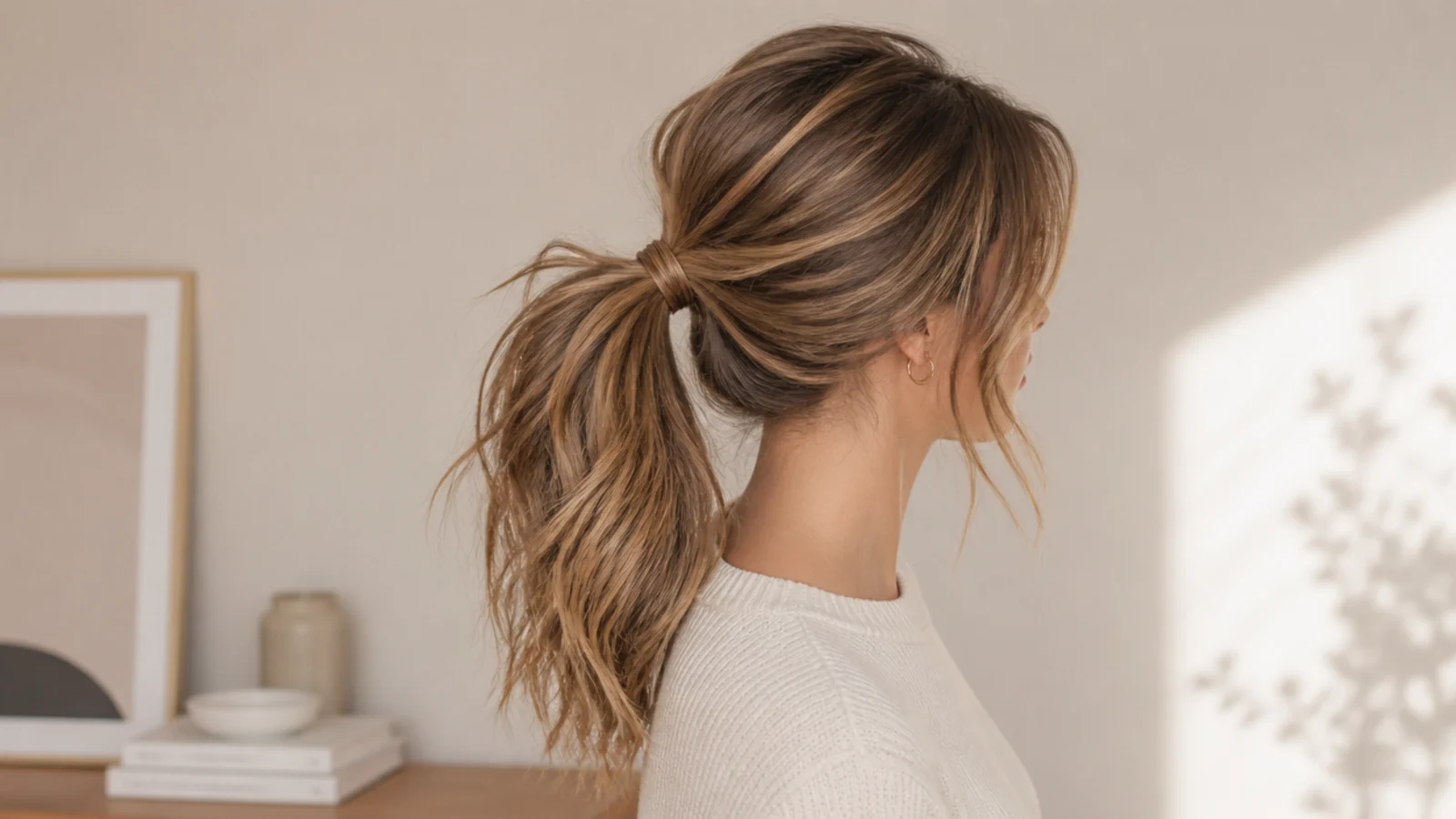
Hold in a sleek pony is a film. Gel dries into a cast that physically fixes each hair in position, which is why sleek survives eight hours indoors and nothing else.
Neither is helped by pulling harder. Tension does not add grip on smooth hair, it only adds scalp load, and the pony still slides.
They decay differently. Sleek breaks at one point and then unravels visibly. Messy softens evenly, which is why it can be worn an hour past the point sleek would have to be redone.
Fine Versus Thick Hair
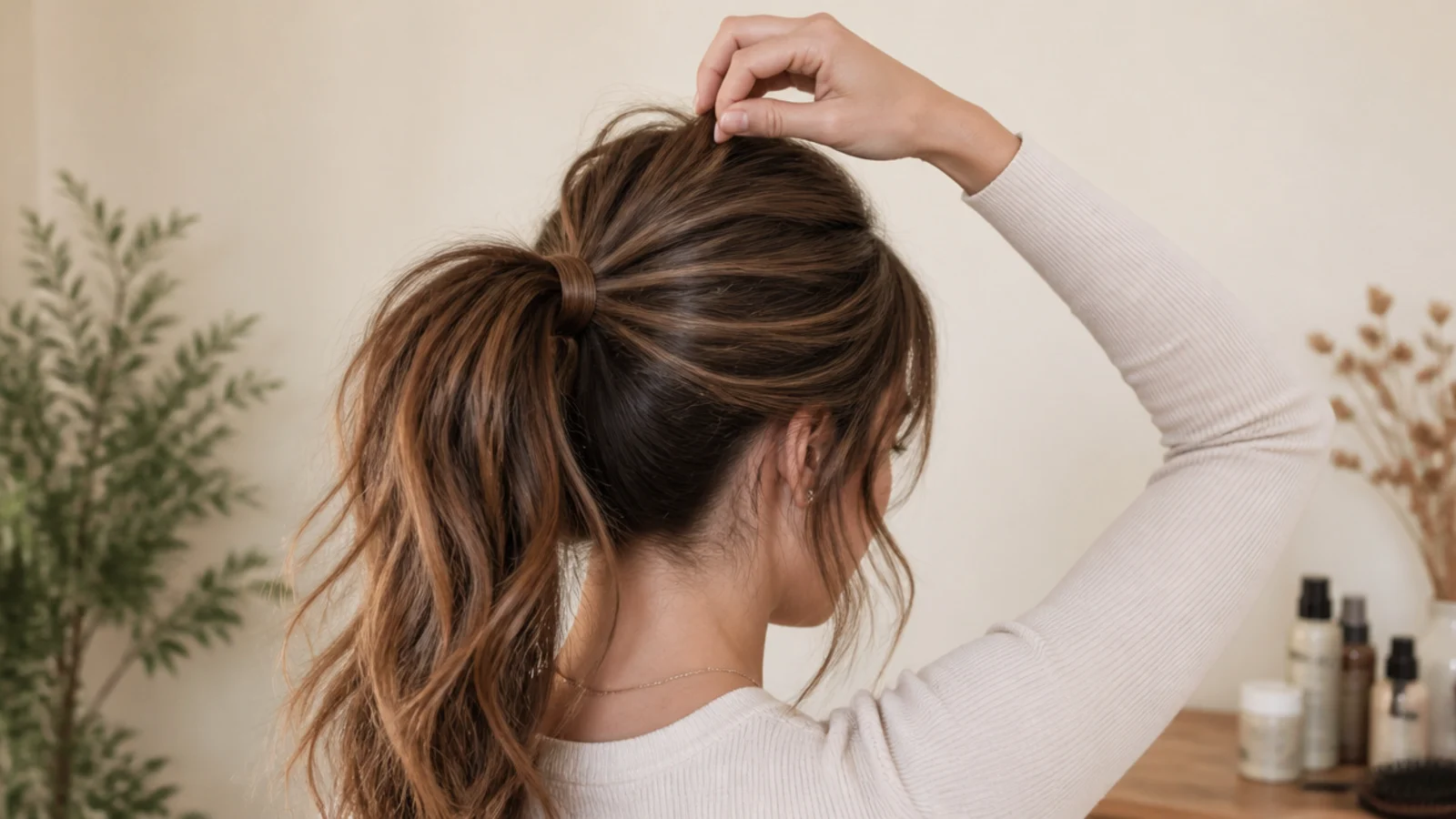
Sleek shows fine hair its true diameter. Nothing is added, so the section reads exactly as narrow as it is. Messy widens it before anyone can measure.
Thick hair fights texture. It already has width, and adding more makes a section too wide for one band to hold cleanly.
Fine hair slips, thick hair drops. Fine needs friction, thick needs its weight spread across two anchor points.
Product volume follows hair volume in reverse. A fine head needs grit at the roots. A thick head needs cream through the length to reduce the diameter enough to tie.
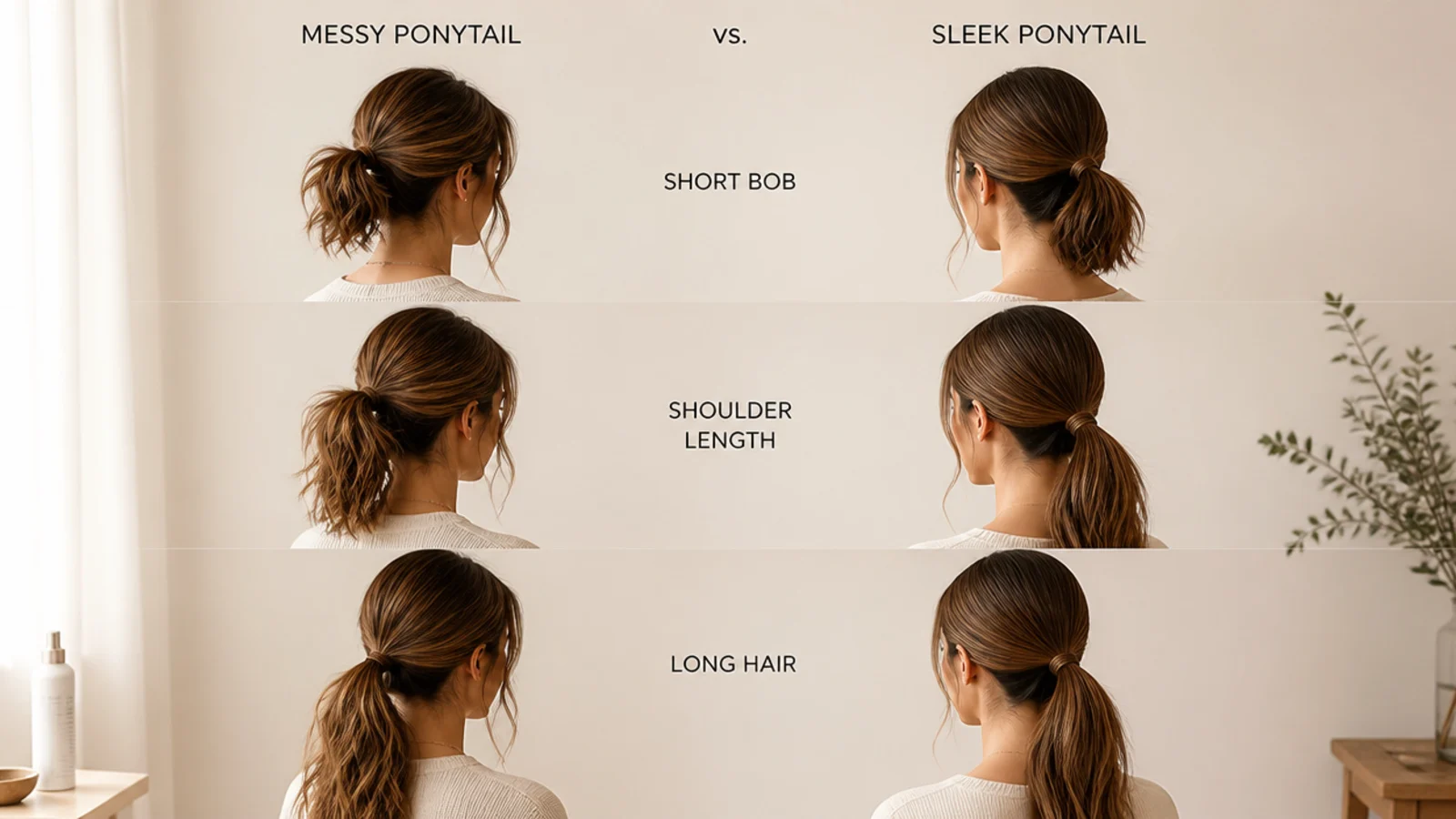
By Hair Length
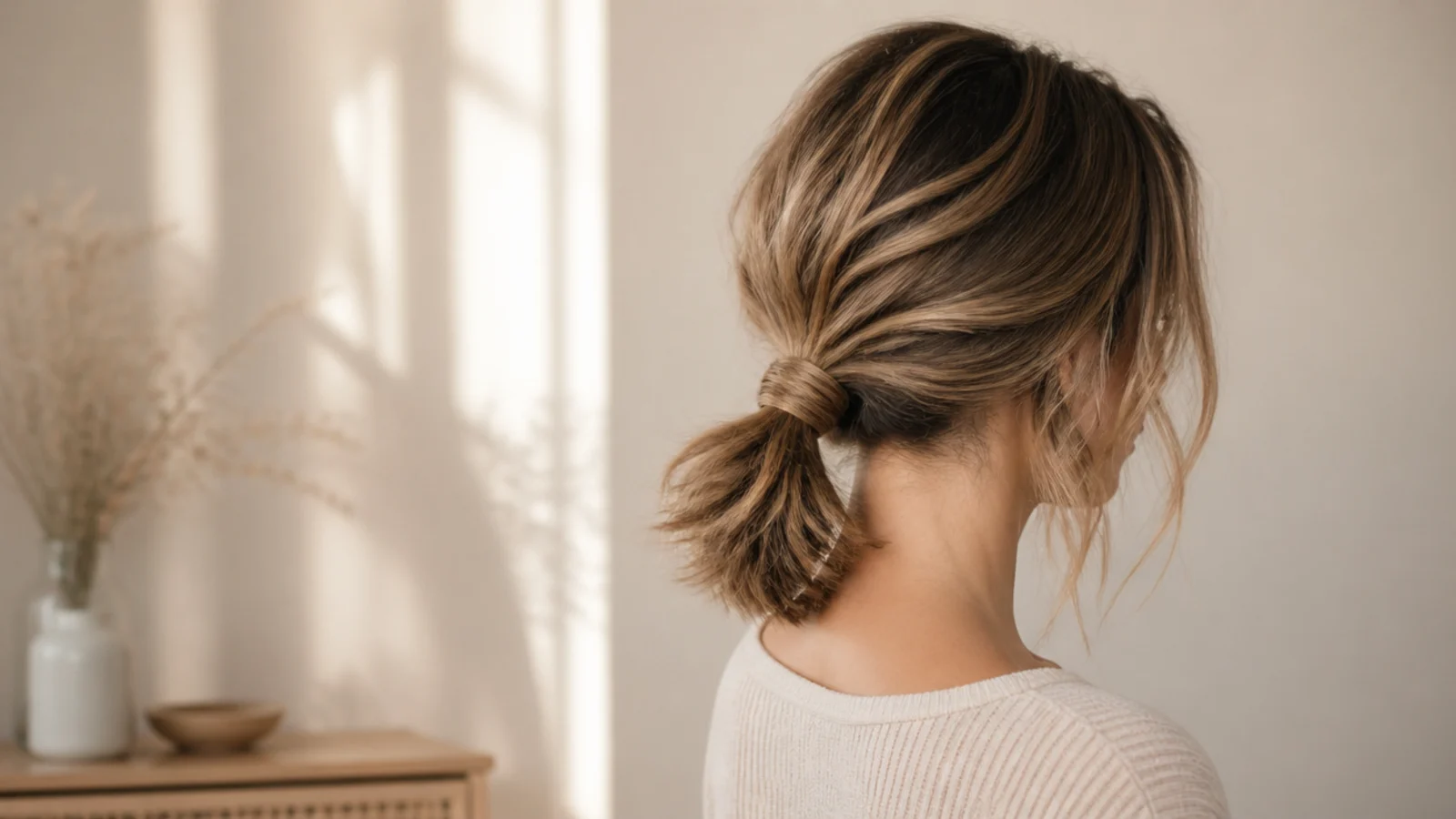
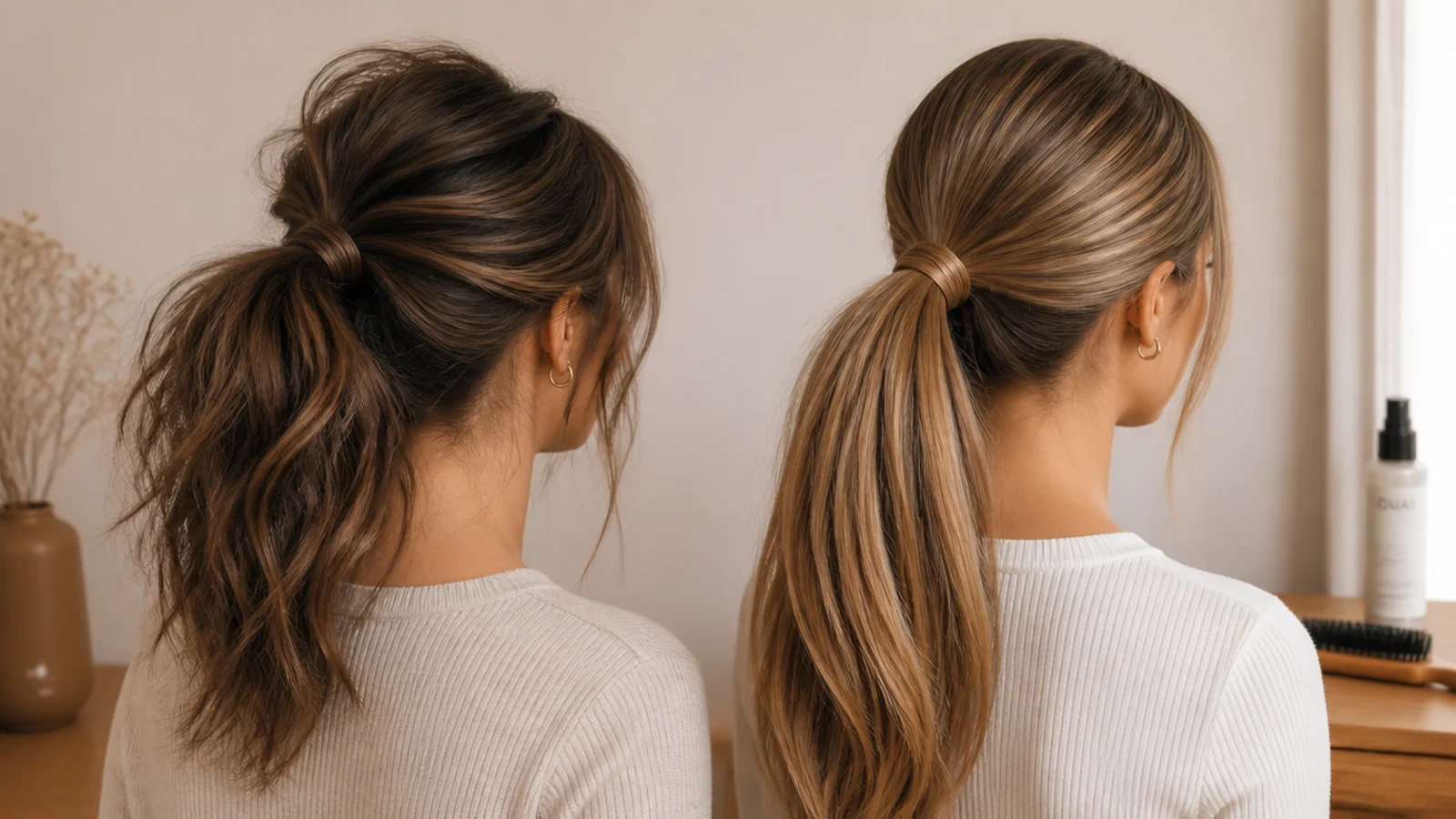
Short hair loses its layers to sleek. Anything too short to reach the band stands away from a flat surface and is lit against it. Texture absorbs the same pieces.
Mid length is the easiest case for both. Enough length to hold a shape, not enough weight to drag the base down.
Long hair is a weight problem before it is a style problem. Below the shoulder blades the mass is what decides the placement, and low is what the skull can support.
Length changes where you tie, not what you tie. Move down as length increases, and either finish holds far longer than it would at the crown.
Products That Matter
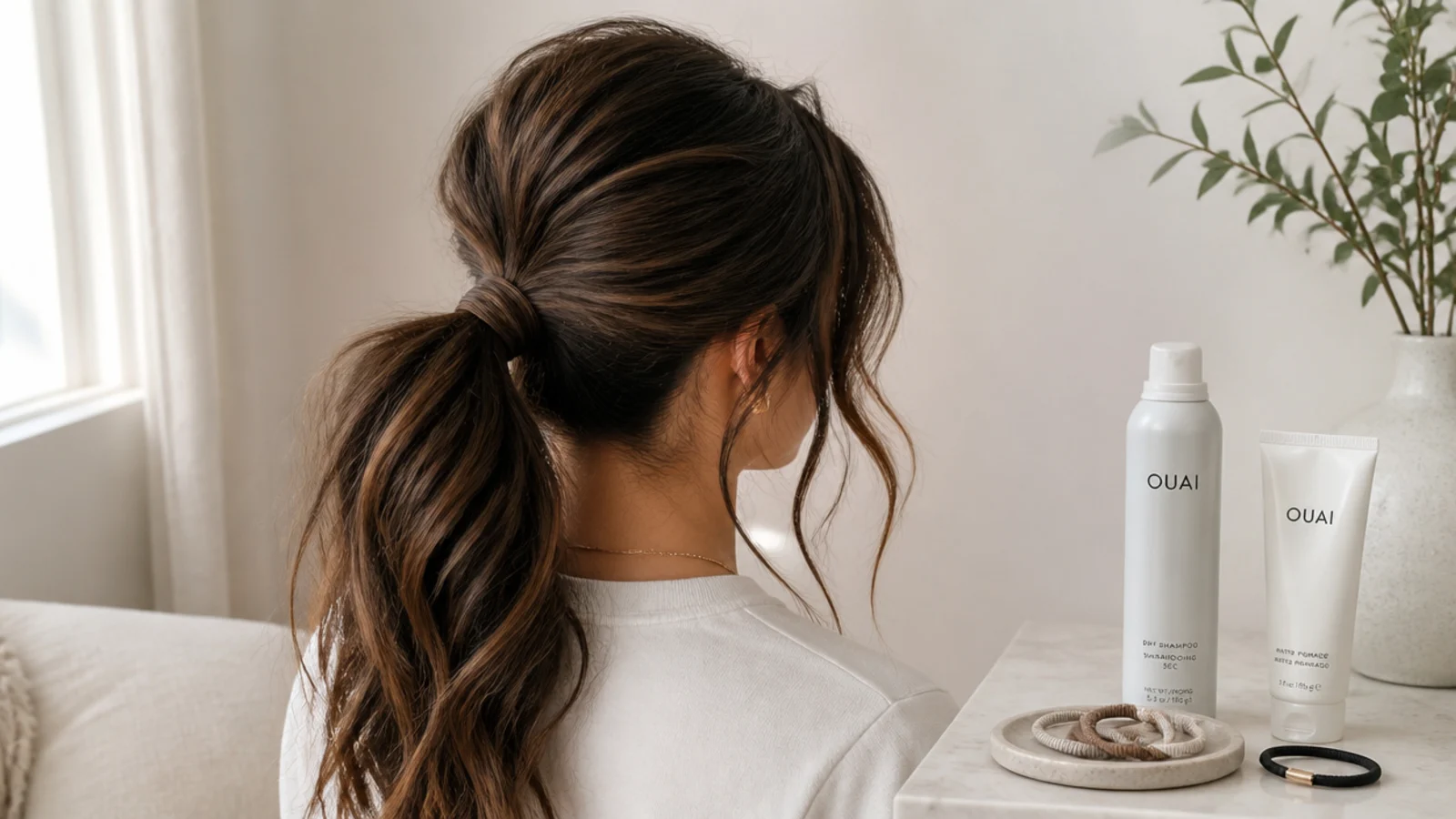
Dry shampoo and texture spray belong to messy. Both work by adding grit to the strand surface, which is the opposite of what sleek needs.
Gel and a boar bristle brush belong to sleek. The brush lays the cuticle flat; the gel then holds it there. Skipping the brush leaves the gel setting a bumpy surface.
Cream sits in the middle and helps both. A pea of smoothing cream through the length reduces flyaways without flattening the roots.
A fabric covered elastic serves either. Bare rubber grips by biting into the cuticle, and it breaks hair at exactly the same point every time you use it.
How to Choose Between Them
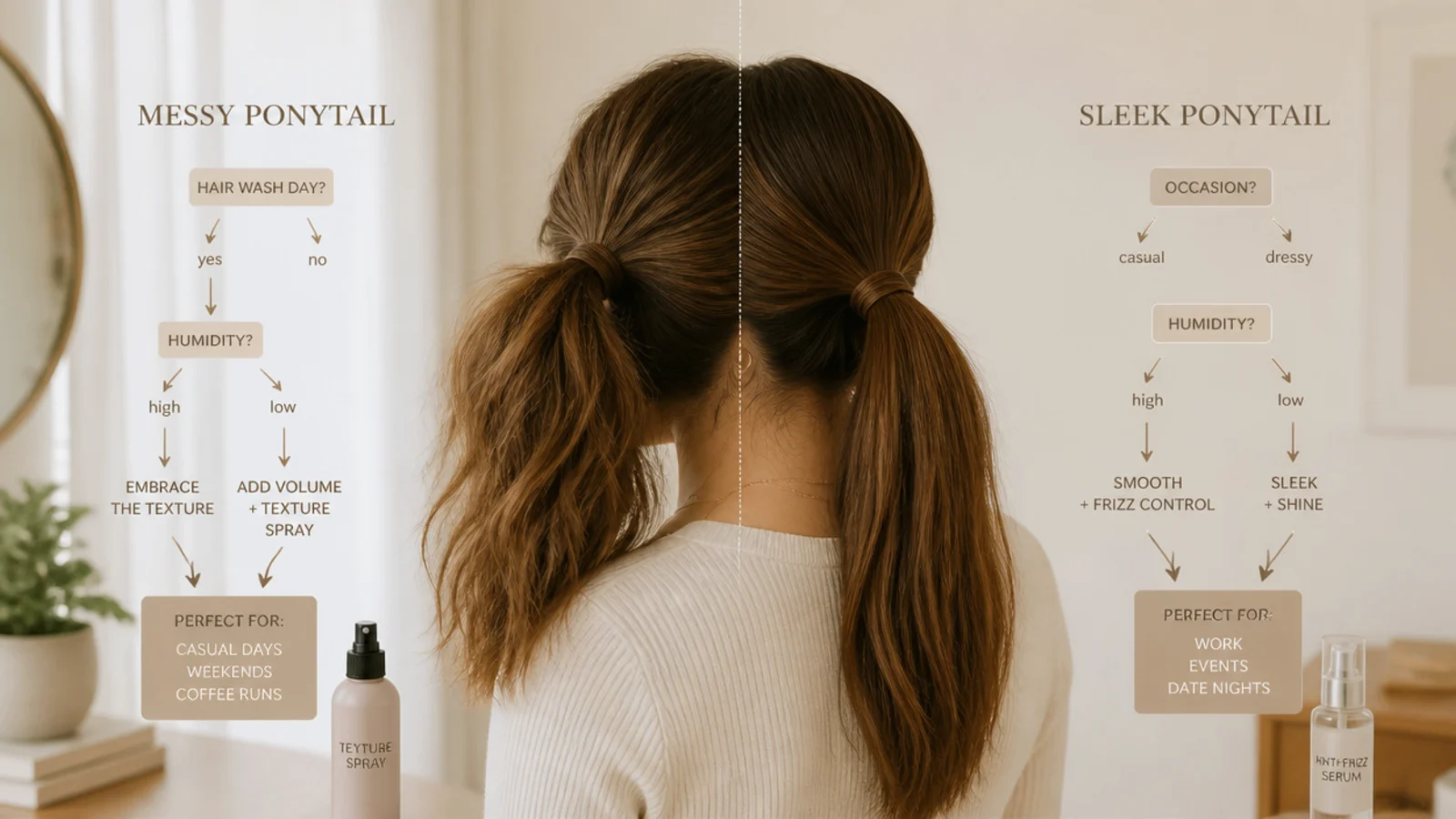
Start with the weather, not the outfit. Humid air raises the cuticle whatever you do to it, and that decides the question before anything else does.
Then check whether a camera is involved. Small sensors render fine flyaways as noise around the head, which is the one thing sleek is unbeatable at preventing.
Then check how long you have to wear it. Sleek needs tension to stay flat, and tension is what ends a day early.
Then check your morning. Sleek has to be inspected from behind before you leave. If nobody is going to hand you a mirror, tie the messy one.
The 15 Situations That Decide It
1. The Office
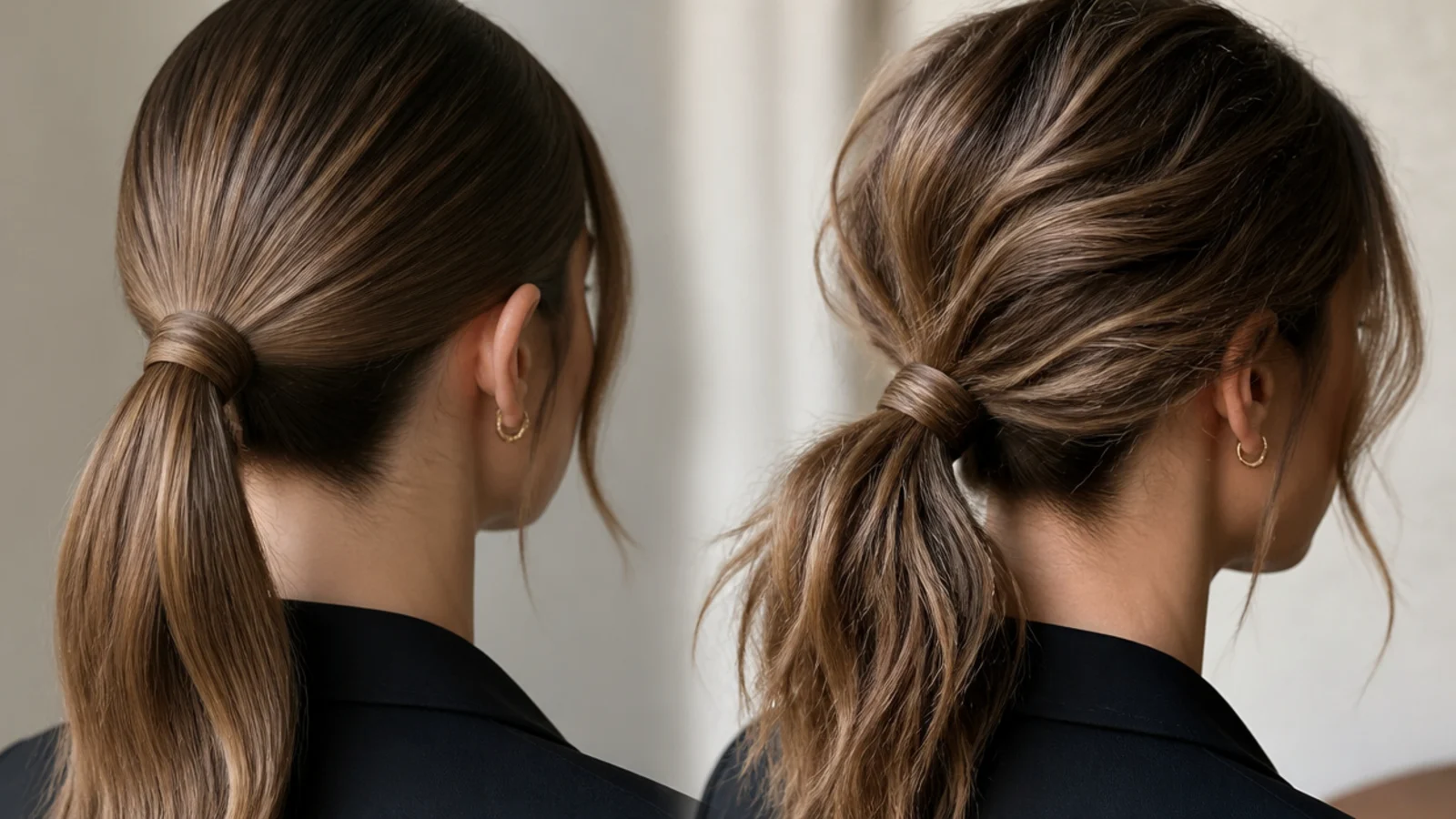
Sleek, tied low. Overhead office lighting comes from directly above, so it throws every raised hair at the crown into bright relief against the scalp behind it. A flat surface has nothing for that light to catch, and a low tie keeps the whole outline inside the shoulders where it reads as finished rather than casual.
2. A Wedding
Sleek, and set properly. A messy ponytail is only correct at the moment it is tied, whereas a gel cast holds the same outline through eight hours of standing, hugging and dancing. Direct flash also lights raised hairs as a bright halo, which is the failure mode that shows in every photograph rather than only the last one.
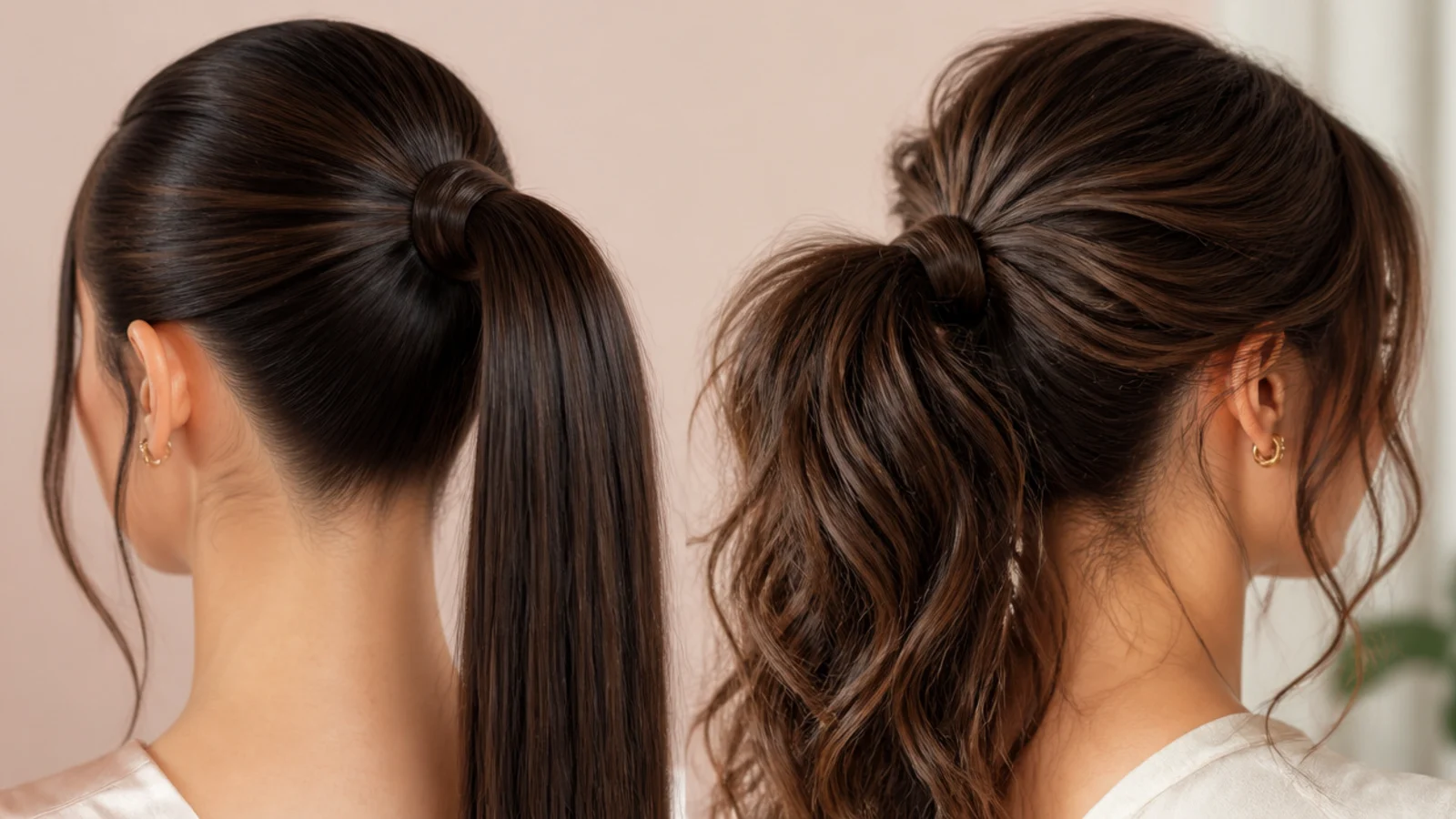
3. Greasy Roots
Messy, with dry shampoo first. Oil at the roots gives a flat surface a wet sheen rather than a highlight, so a sleek finish over greasy hair reads as unwashed instead of polished. Dry shampoo absorbs the oil and adds the grit a textured pony needs anyway, which turns the problem into the material.
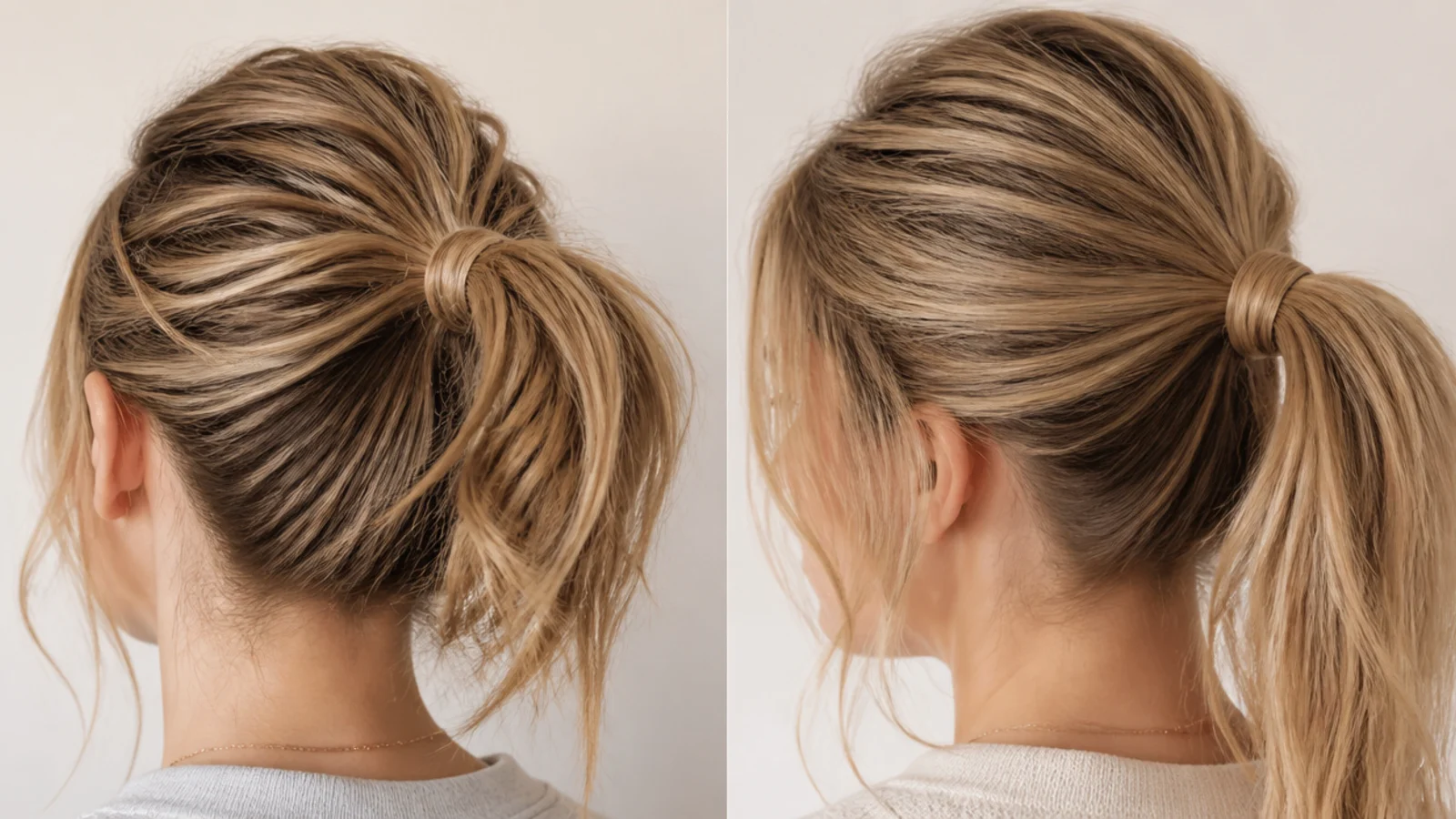
4. Humidity
Messy, easily. Damp air swells the cortex and lifts the cuticle, which is precisely the surface a sleek ponytail exists to prevent, so the flat finish is gone within the first hour outdoors. A textured pony has already accepted a raised cuticle, so humidity costs it almost nothing.
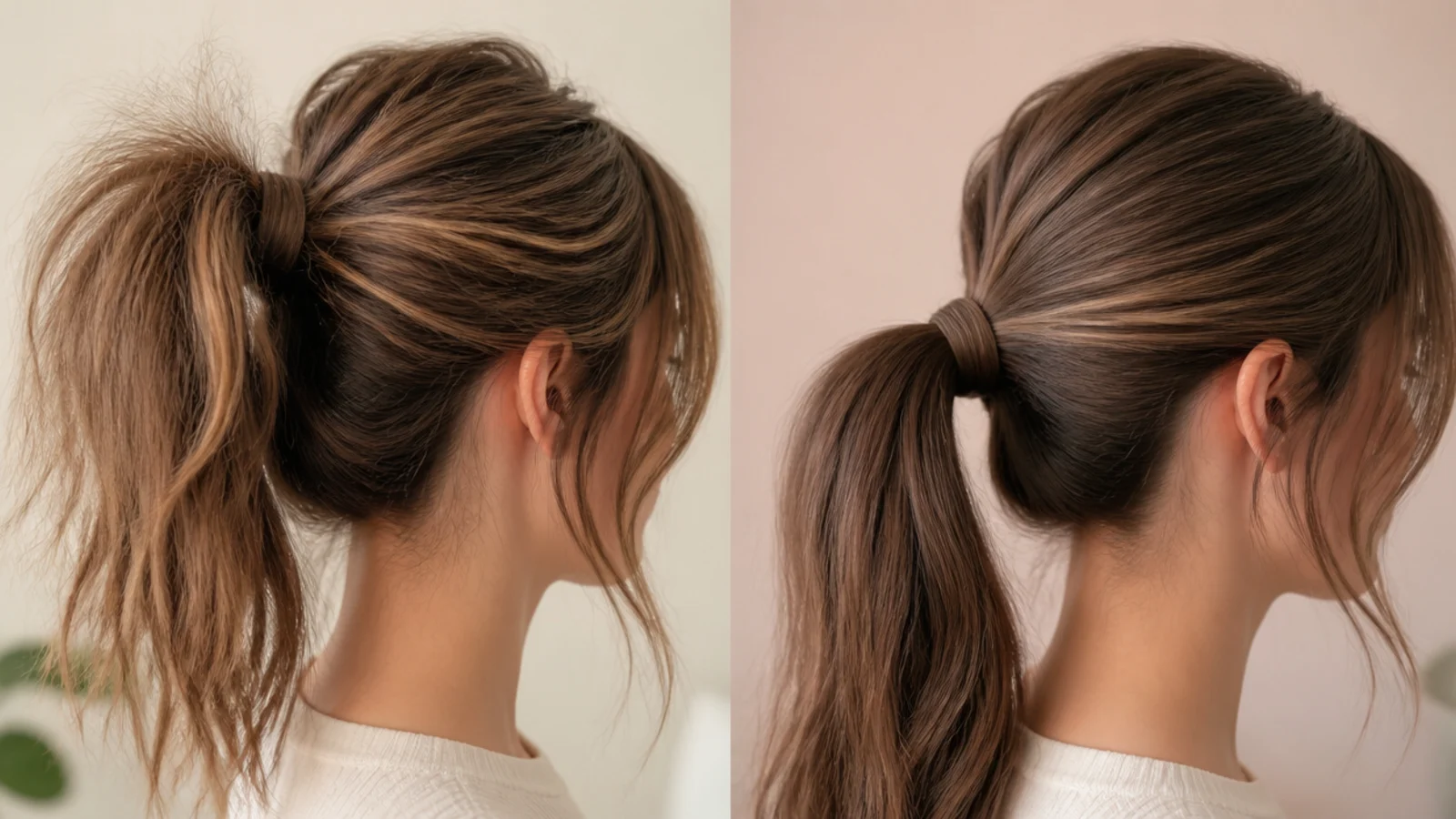
5. Fine Hair
Messy. A sleek finish presents the section at its true diameter with nothing added to it, so fine hair reads exactly as thin as it measures. Backcombing at the crown and a pass of texture spray widen the same amount of hair, and width is the only thing your eye reads as density.
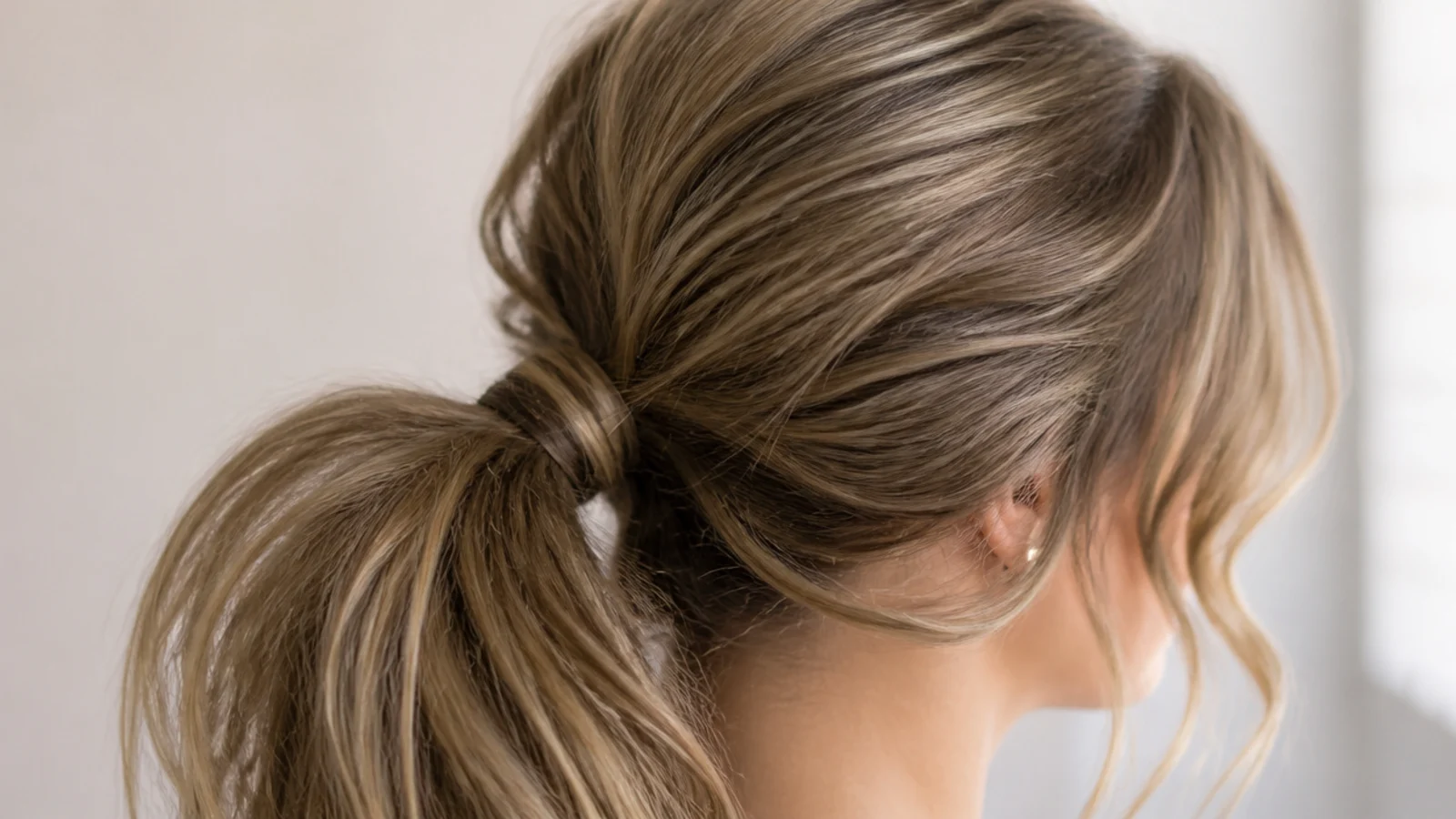
6. Thick Hair
Sleek. Thick hair already carries width, and adding texture makes a section too wide for one band to close on cleanly, which is how the base ends up slipping. Smoothing cream through the length reduces the diameter enough that a single elastic can hold it properly.
7. Curly Hair
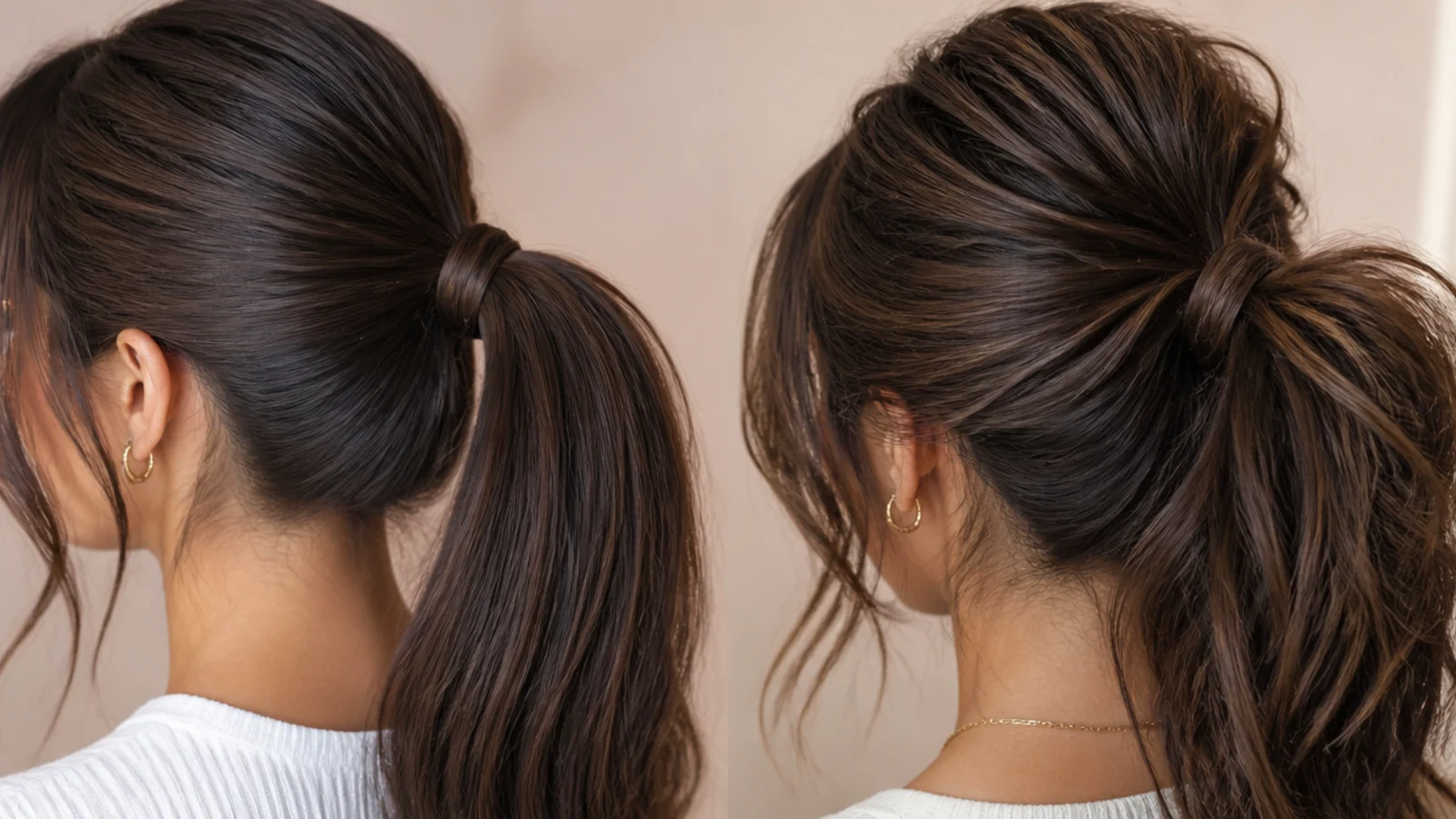
Messy, unless you have an hour. Getting curls genuinely sleek means either heat through the entire length or a heavy gel cast over all of it, and both cost pattern that takes a wash day to recover. A gathered curly pony keeps the curl intact and asks for nothing but a loose tie.
8. Short Hair
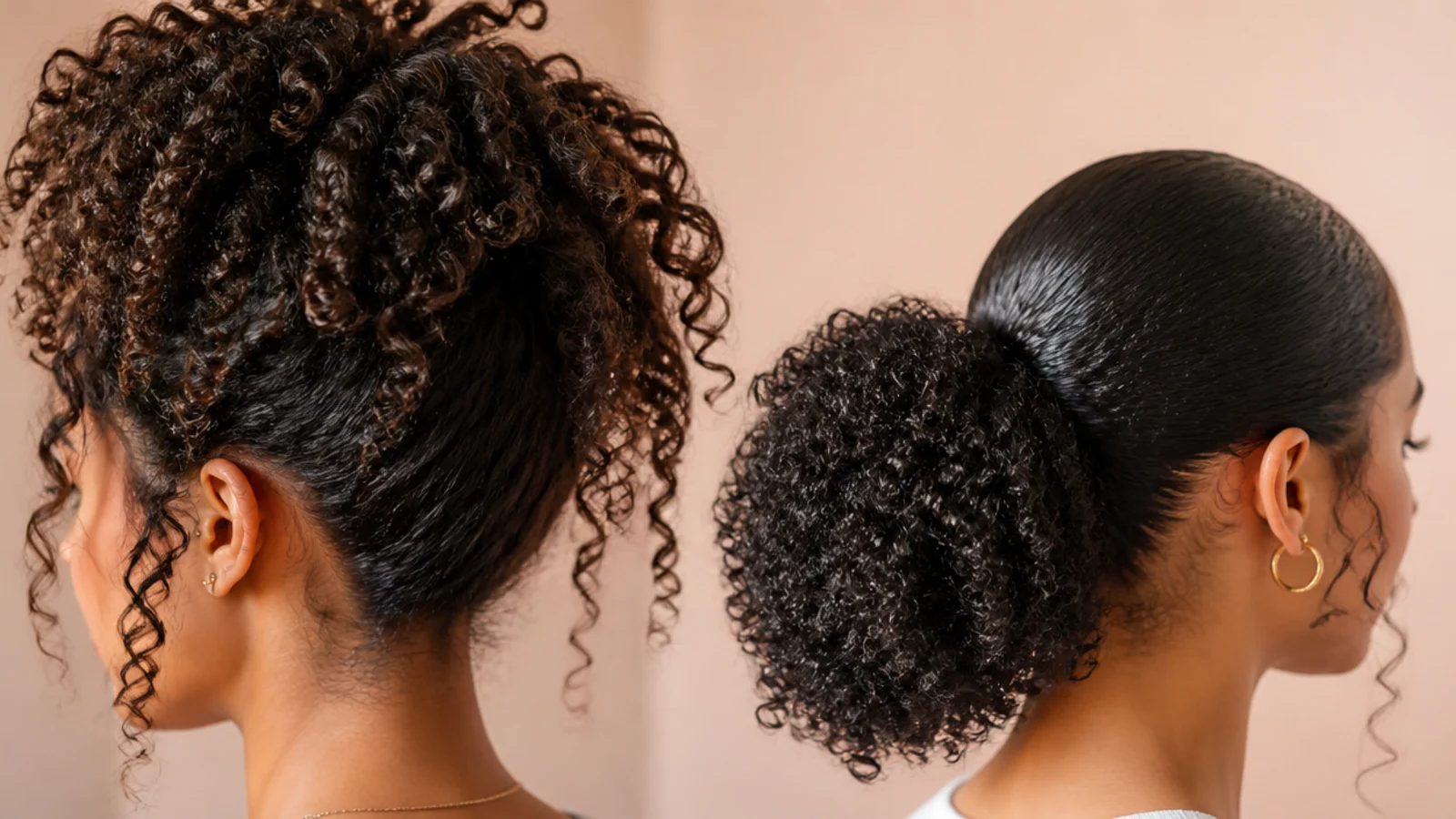
Messy. Every layer too short to reach the band stands away from the head, and against a flat sleek surface each one is lit individually and reads as a mistake. A textured pony has enough surface disruption of its own to absorb them without anything looking wrong.
9. Long Hair
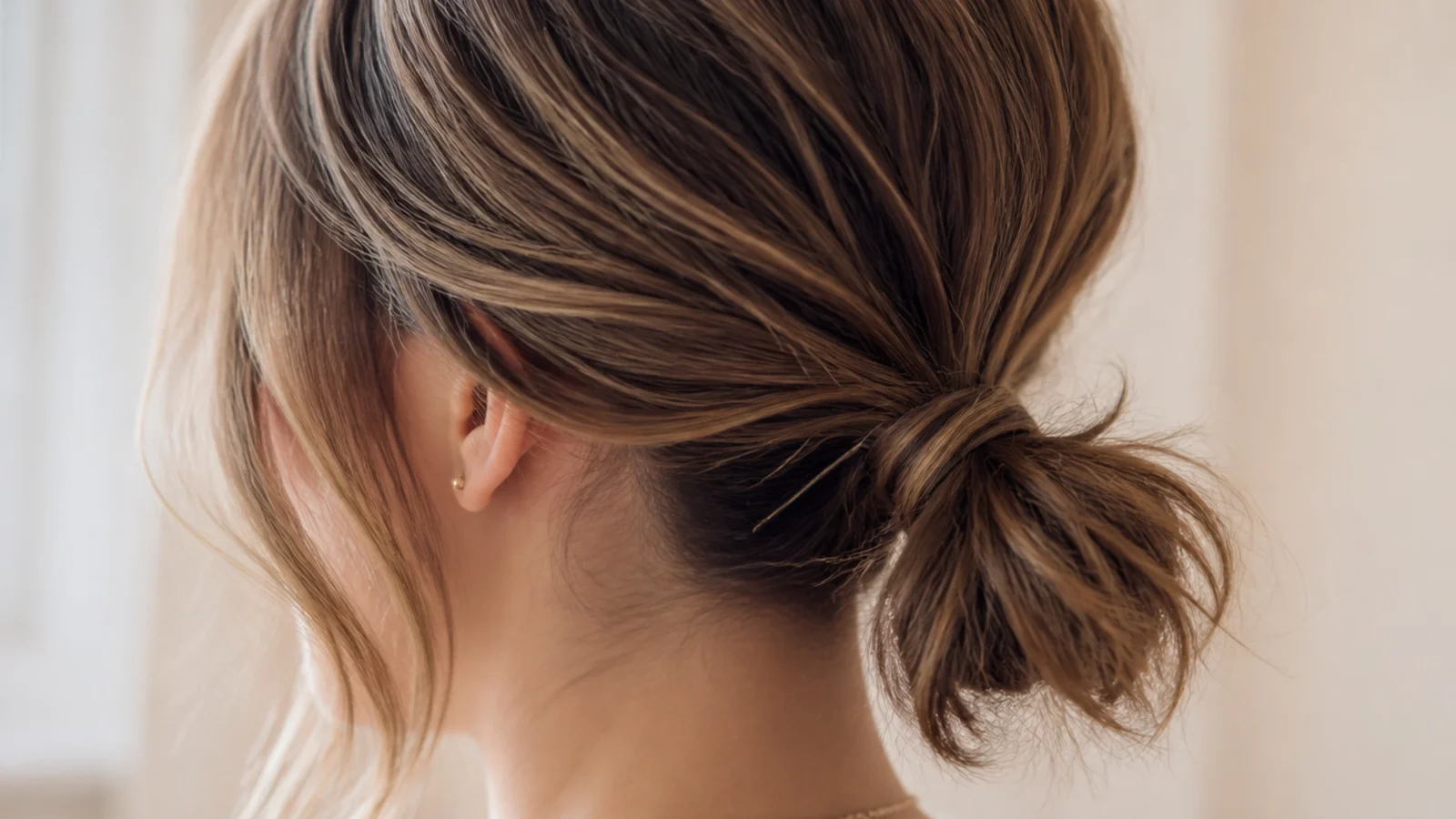
Either, but tie it low. Below the shoulder blades the weight of the length is the whole engineering problem, and a crown tie leaves the elastic carrying all of it against gravity for the entire day. Dropped to the nape, the skull takes part of the load and both finishes hold hours longer.
10. The Gym
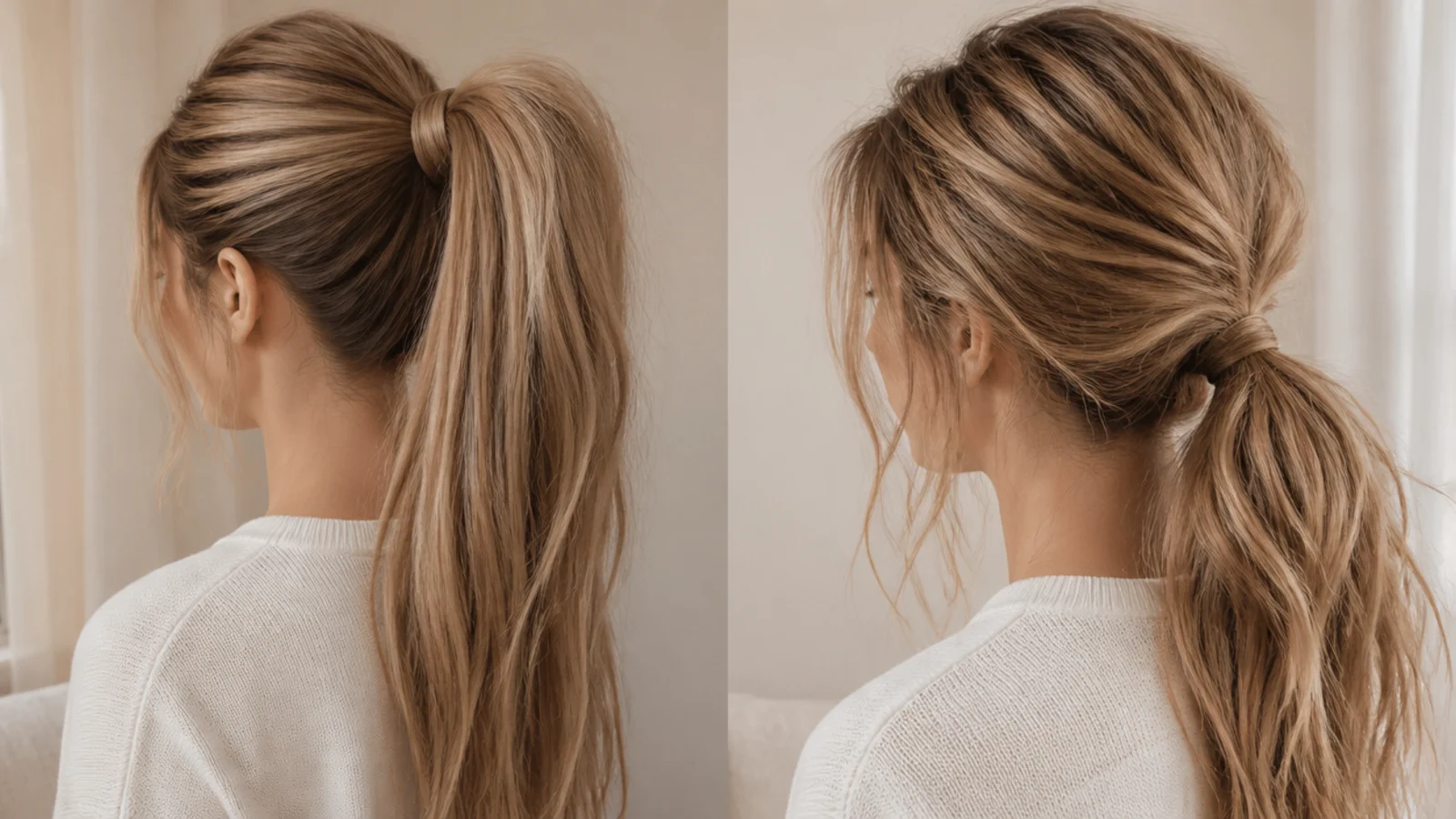
Messy. Sweat rewets the hair, and a gel cast that gets wet again goes soft and then flakes as it dries in a shape you did not choose. A textured pony can be retied while it is still damp and will set into the new position as it dries, which is the only version that survives the session.
11. A Round Face
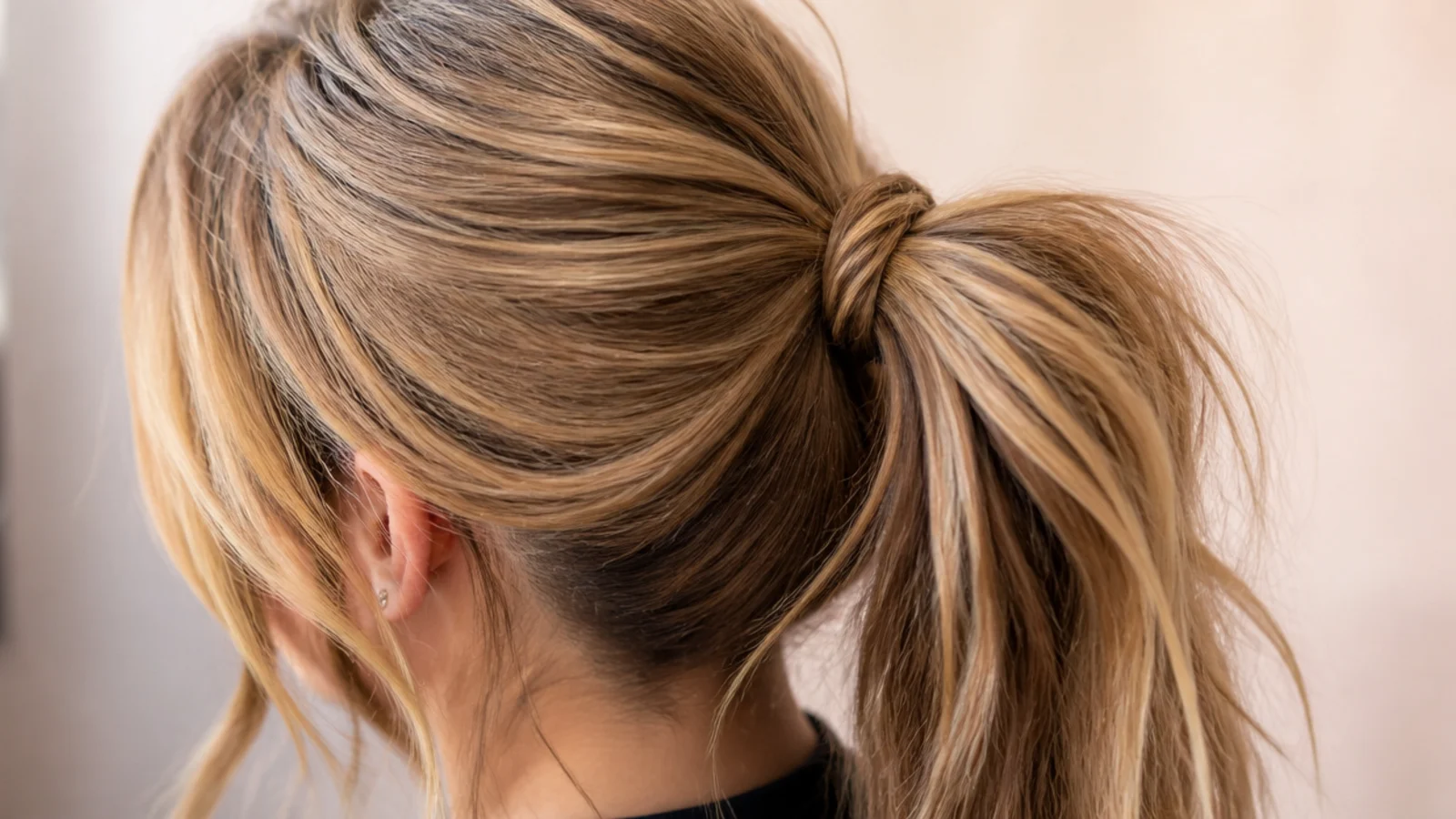
Sleek, and higher. Volume at the sides of a messy pony adds width at exactly the level of the cheeks, which is the widest part of the face already. A high smooth tie pulls the whole outline upward instead, and a vertical line is what counters a round silhouette.
12. Scalp Tension
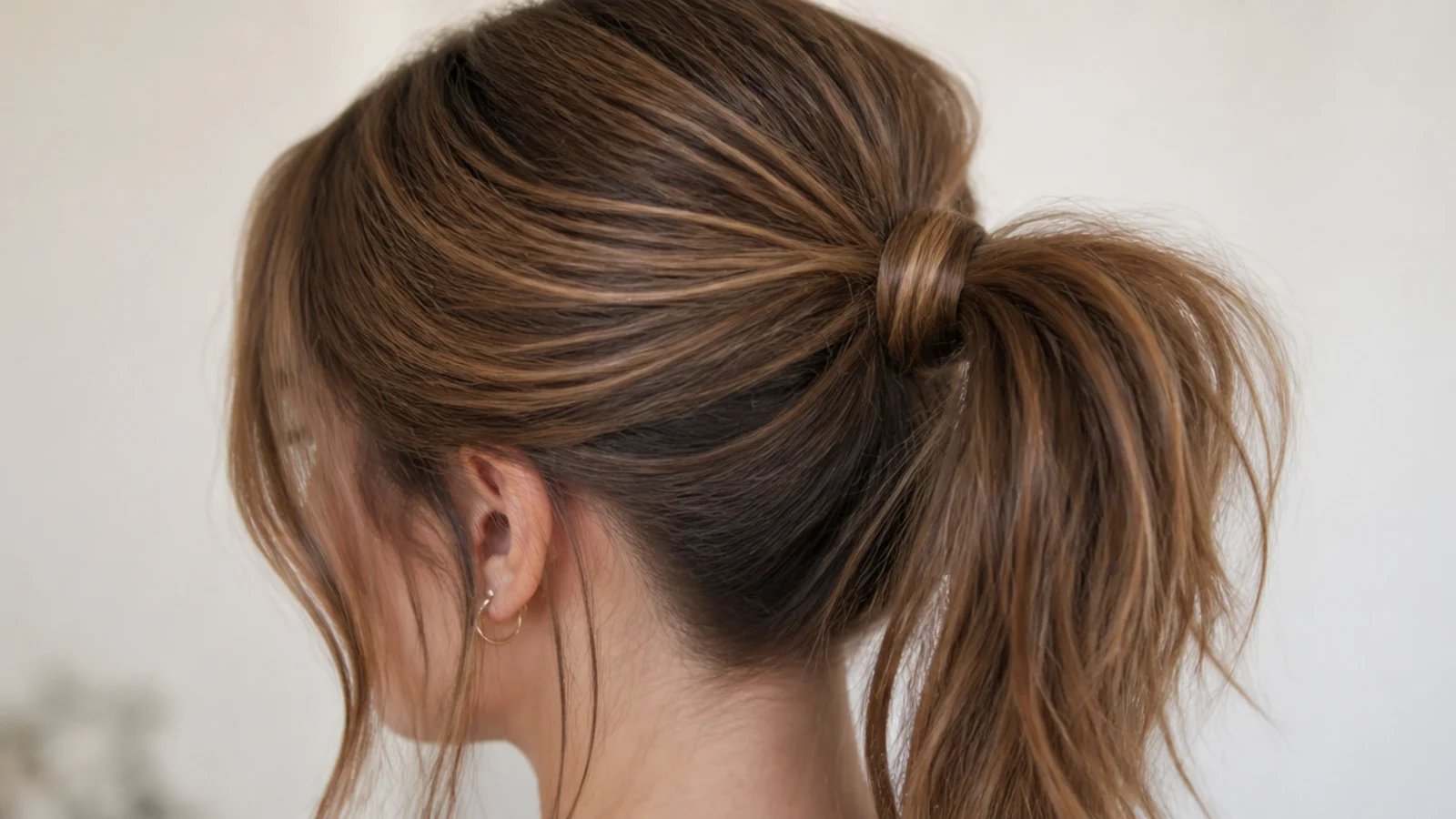
Messy, tied low. A sleek finish needs tension to keep the surface flat, and sustained tension at the hairline is what produces a traction headache by mid afternoon and, repeated for years, traction damage at the temples. A messy pony holds by friction between strands, so it needs no pull at all.
13. A Five Minute Morning
Messy. Sleek fails at a single bump, and the bump is always at the crown where you cannot see it, so it has to be checked from behind before you leave. A textured pony has no such inspection step, because a raised surface is what it is supposed to look like.
14. Photos and Video Calls
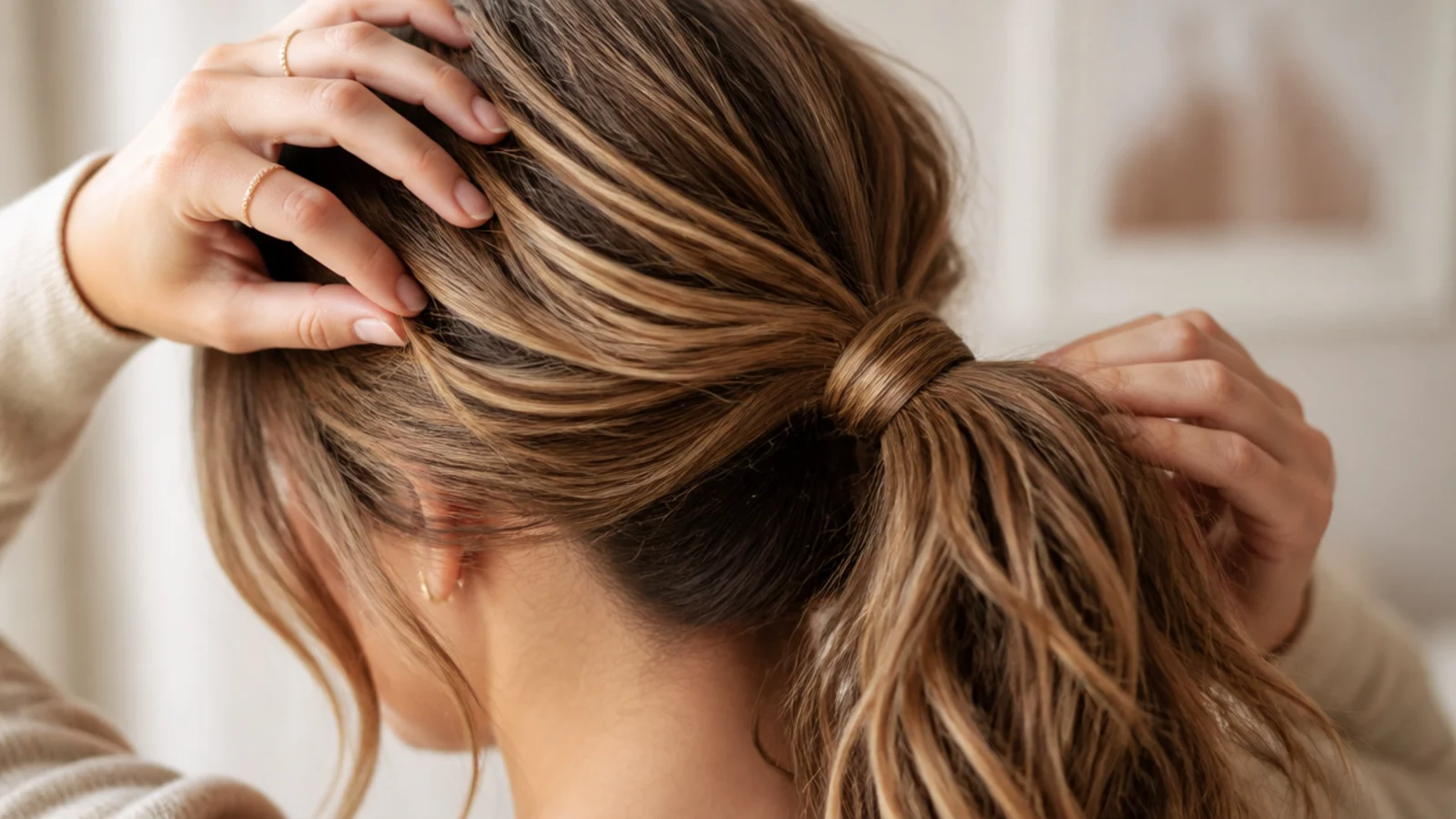
Sleek. A webcam or phone sensor resolves fine flyaways as scattered noise around the head rather than as individual hairs, so texture that looks deliberate in a mirror looks like static on screen. A flat surface gives the sensor one clean edge to render.
15. All Day Hold
Sleek on the surface, messy on the base. The gel cast keeps every hair fixed for hours, while friction between roughened strands decays slowly as the hair warms and moves. The compromise that actually reaches the evening is a low sleek pony, because low placement removes the scalp tension that ends the day before the style does.
Final Thoughts
Decide by conditions rather than by mood. Humidity, cameras, wear time and how long you have in the morning settle almost every one of these on their own, and they point in consistent directions — damp air and short hair to messy, lenses and long days to sleek.
The one thing worth carrying across both is placement. Tied low, either finish holds hours longer and costs the scalp nothing, and the choice between them stops being about hold at all. For the polished version in detail see 30 sleek high ponytail hairstyles. More in Updos & Clips. See also the curly version.