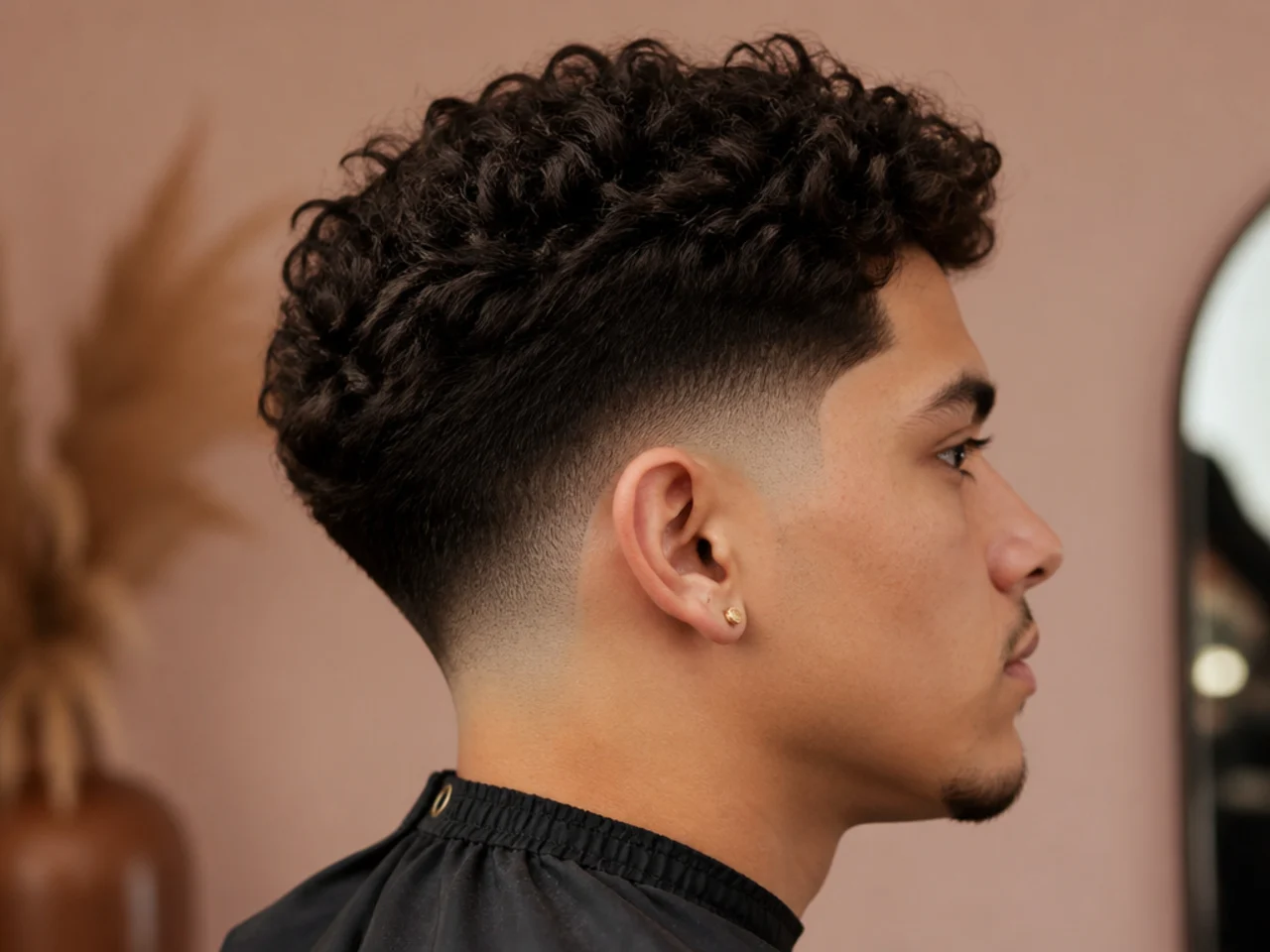
15 Drop Taper Fade Haircut Ideas to Try
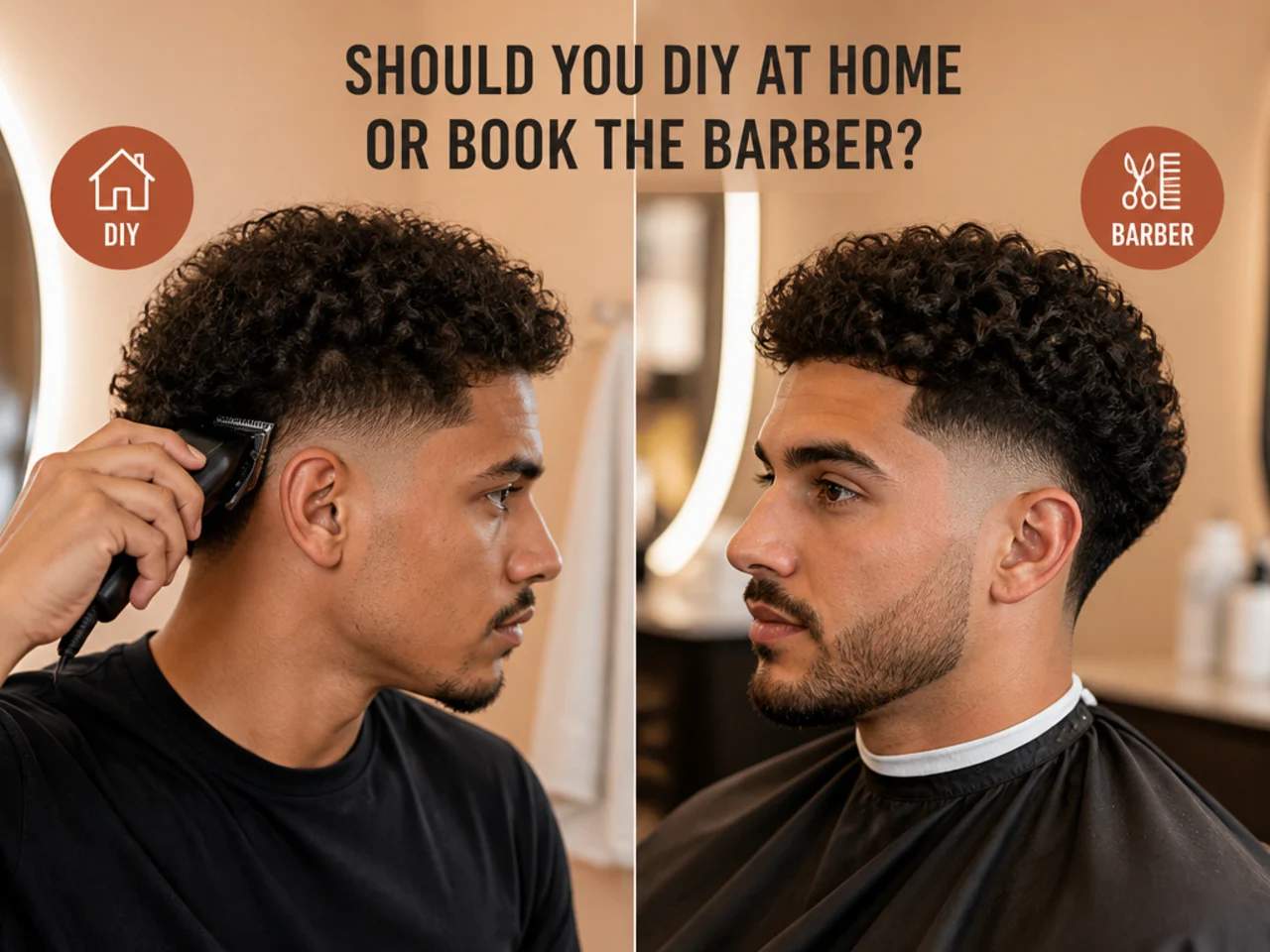
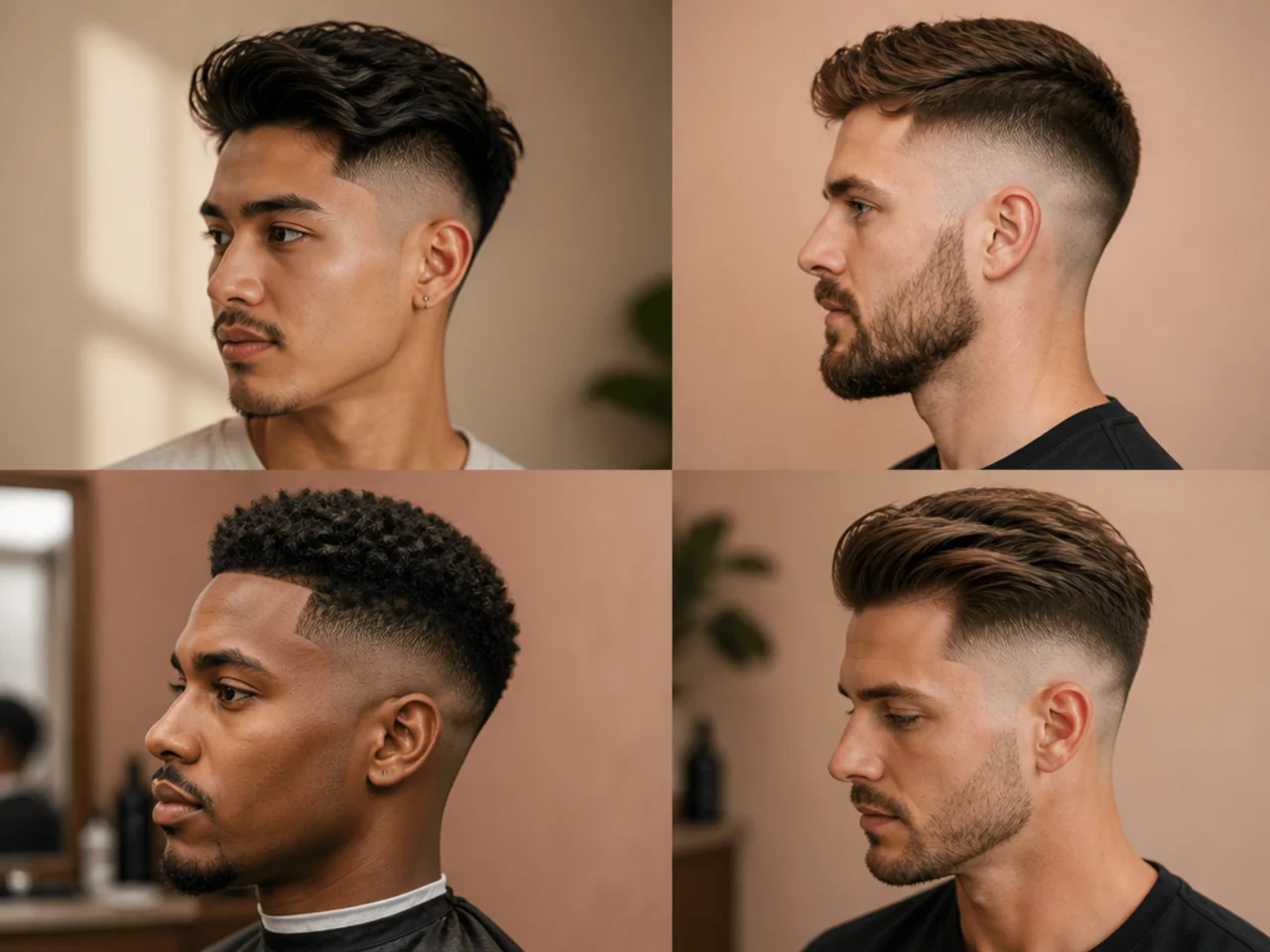
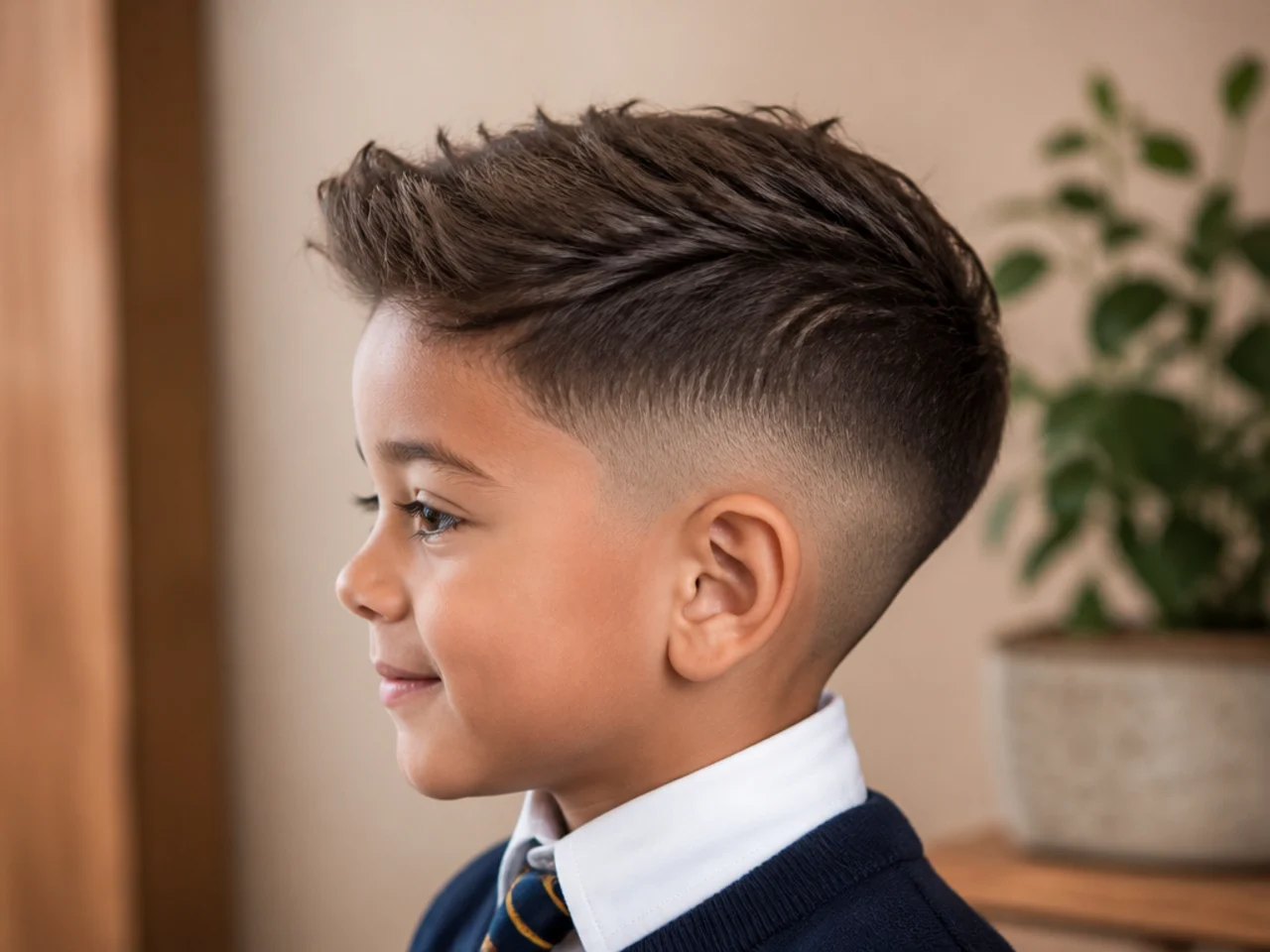
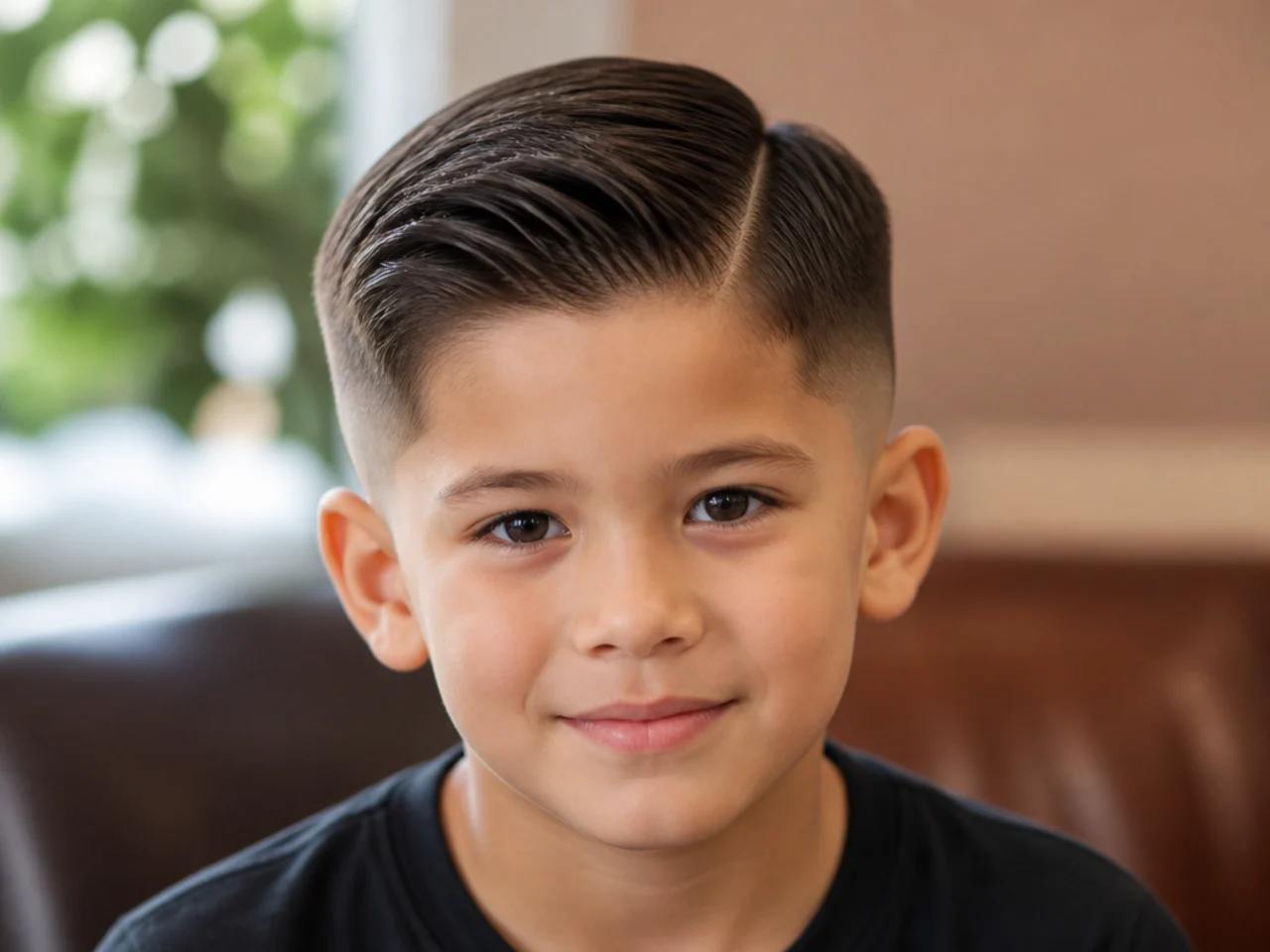
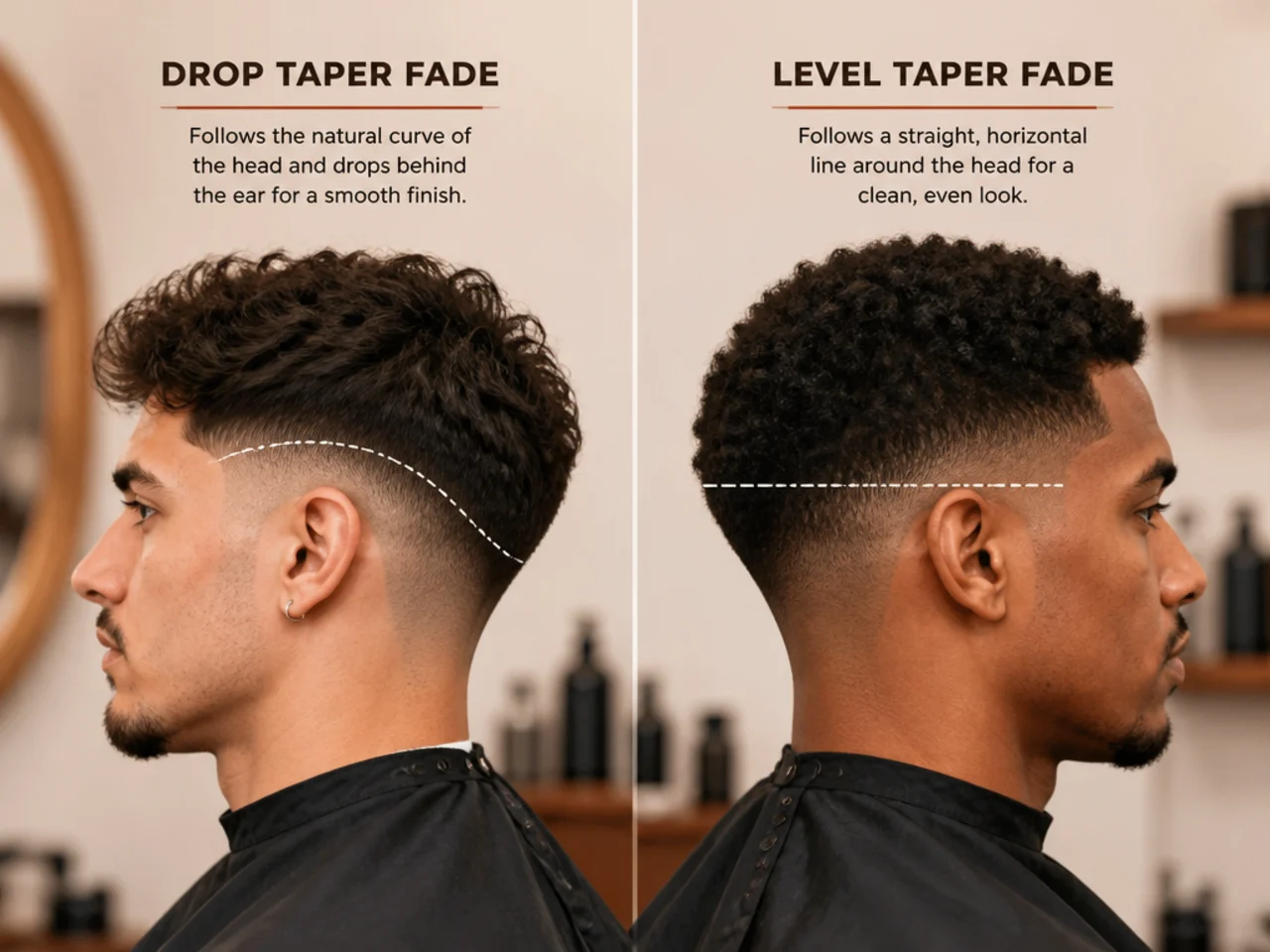
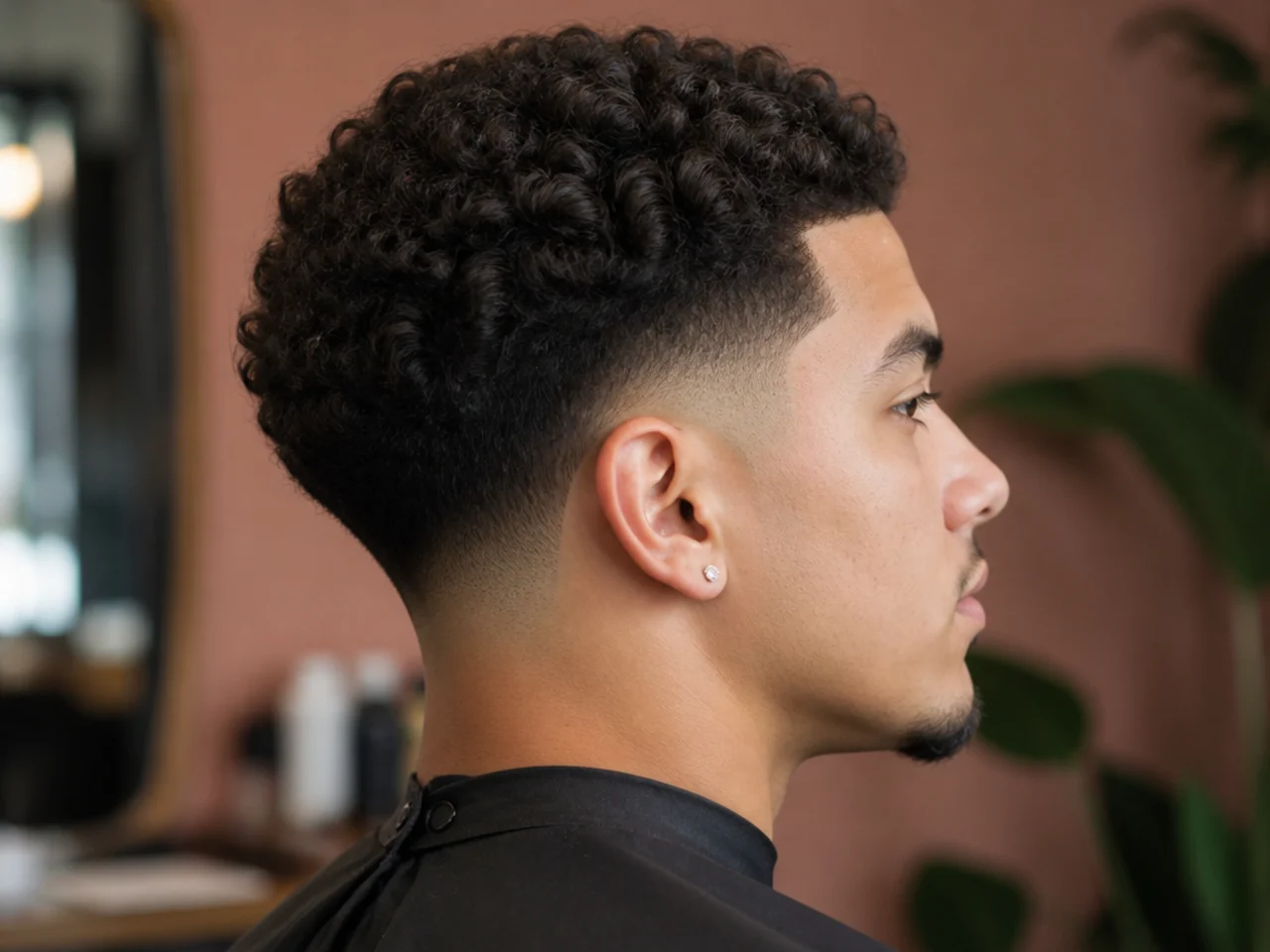
Fifteen drop taper fades — where the fade line curves down behind the ear instead of running level. It follows the skull rather than cutting across it, which is why it flatters more head shapes than a straight fade line.
In this article · 22
- What Is a Drop Taper Fade?
- How to Choose Your Drop Taper Fade
- The 15 Drop Taper Fade Ideas
- 1. Classic Low Drop Fade
- 2. Mid Drop Fade
- 3. High Drop Fade
- 4. Drop Fade with a Textured Crop
- 5. Drop Fade with Curls
- 6. Drop Skin Fade
- 7. Drop Fade with a Beard
- 8. Drop Fade with a Mullet
- 9. Drop Fade with a Middle Part
- 10. Drop Fade on Coily Hair
- 11. Drop Fade with a Line-Up
- 12. Drop Fade with a Quiff
- 13. Drop Fade for a Flat Occiput
- 14. Drop Fade with a Tapered Neckline
- 15. Drop Fade Grown Out Three Weeks
- How to Style and Maintain a Drop Taper Fade
- Mistakes to Avoid
- FAQ
- Final Thoughts
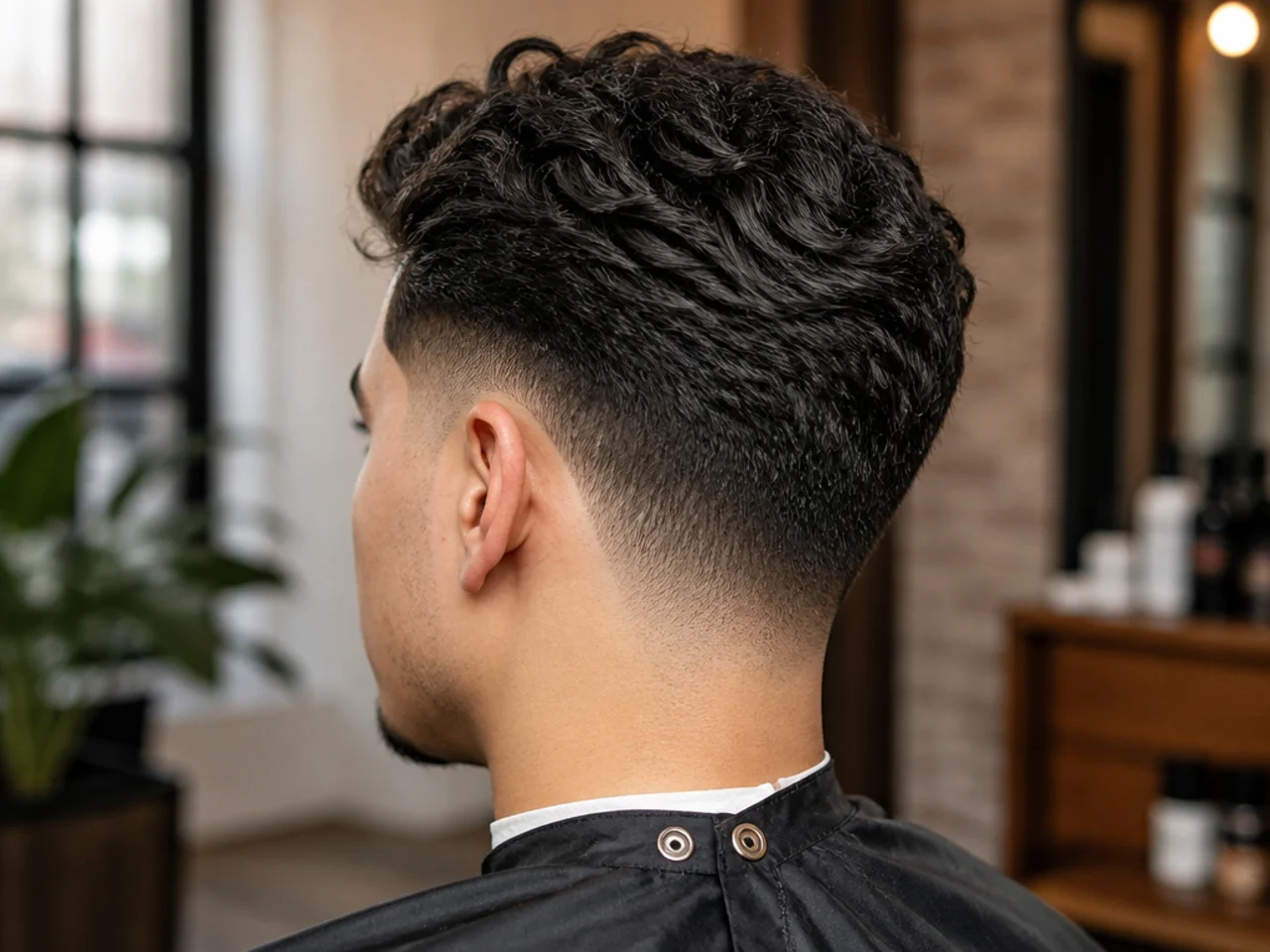
A drop fade is a normal taper fade with one change: the line curves down behind the ear instead of running level. That curve follows the skull rather than cutting across it, which is why it flatters heads that a straight fade line makes look flat at the back.
What Is a Drop Taper Fade?
The fade begins at the usual height at the front, then arcs downward as it travels behind the ear, reaching its lowest point at the nape. Seen from the side, the line describes a shallow curve rather than a straight band.
How to Choose Your Drop Taper Fade
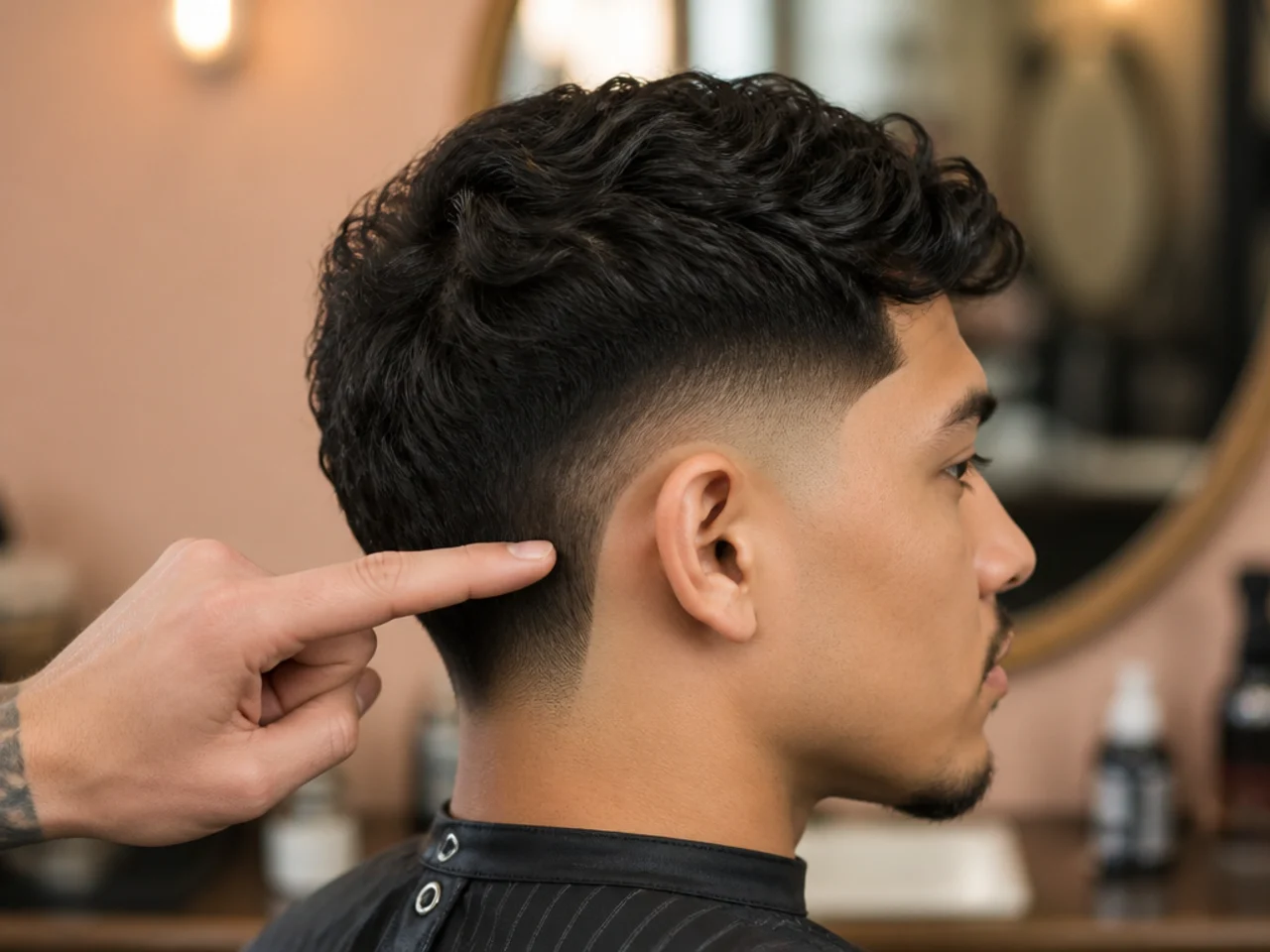
Point at the lowest point. "Drop it to about here" while touching behind your ear is clearer than any adjective.
Choose it if the back of your head is flat. The curve creates shape where the skull does not.
Combine with any fade height. Low, mid and high can all drop — the curve is independent of where the fade starts.
Expect it to grow out softer. A curved line blurs more gracefully than a straight one.
The 15 Drop Taper Fade Ideas
1. Classic Low Drop Fade
The curve starting just above the ear and dropping to the nape. The subtlest version.
2. Mid Drop Fade
Starting at the temple and dropping. The most balanced of the three heights.
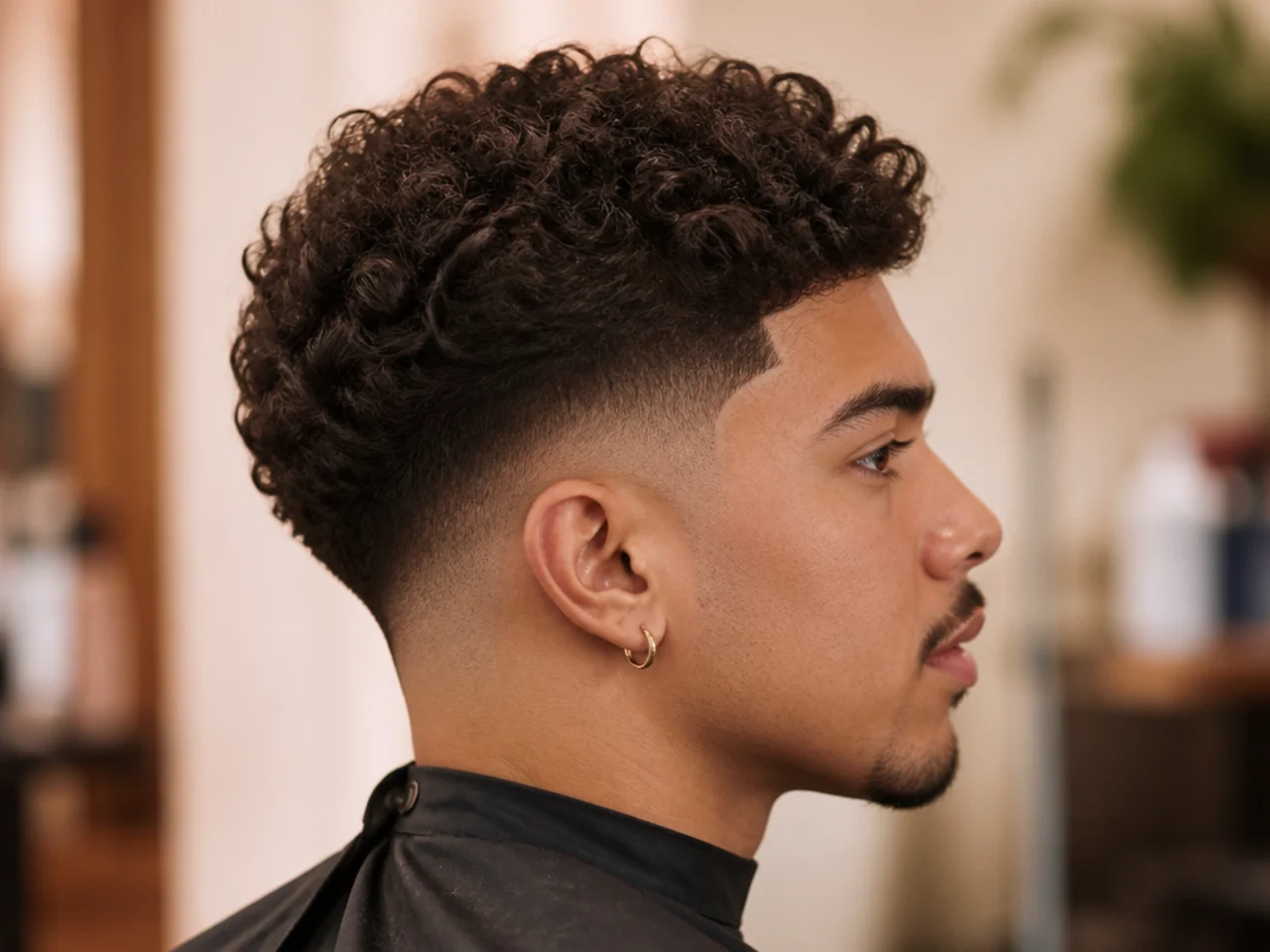
3. High Drop Fade
Starting above the temple. Strong contrast with a curve that stops it looking severe.
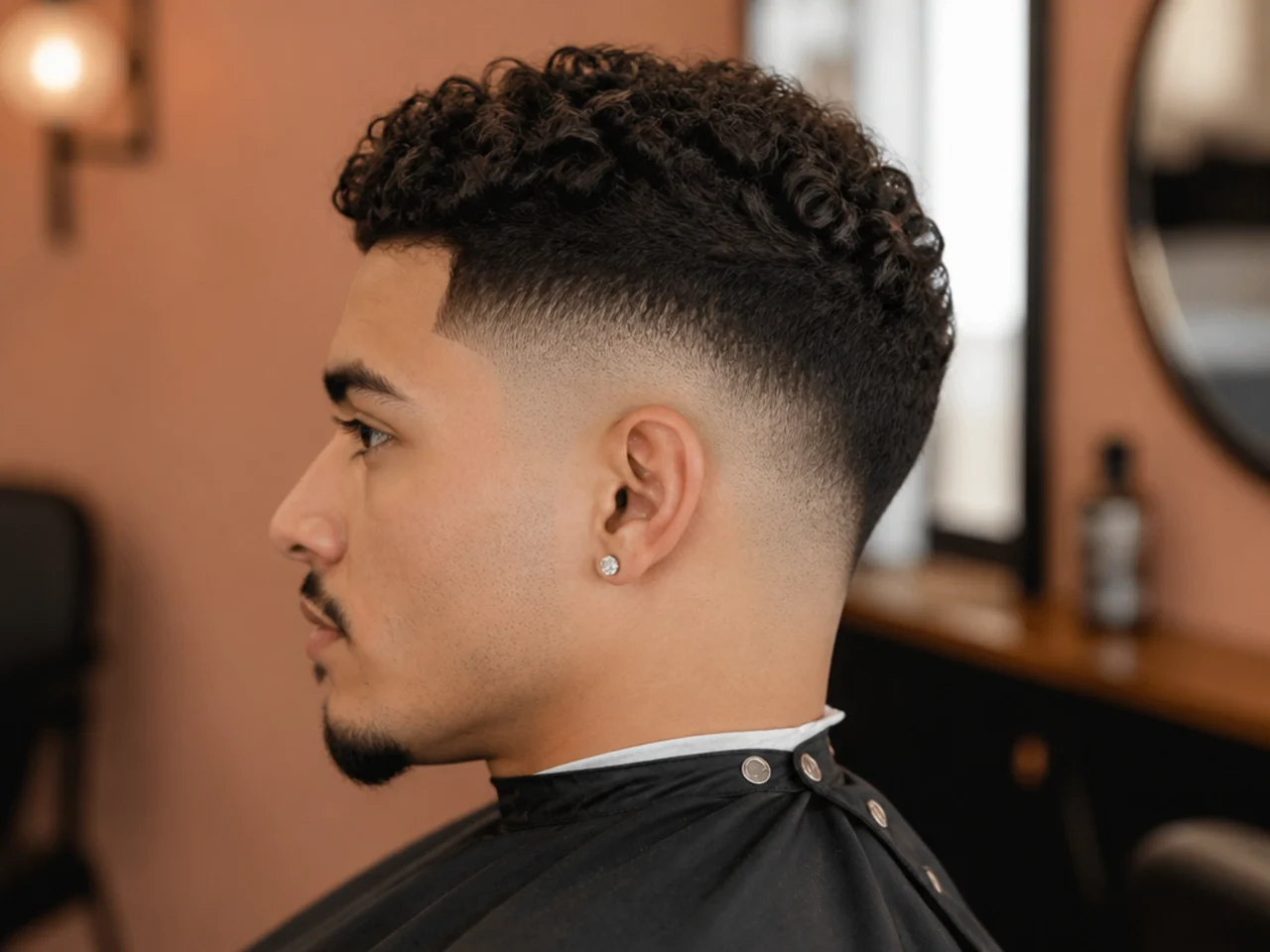
4. Drop Fade with a Textured Crop
Short textured top, curved fade below. Easy to wear and quick to style.
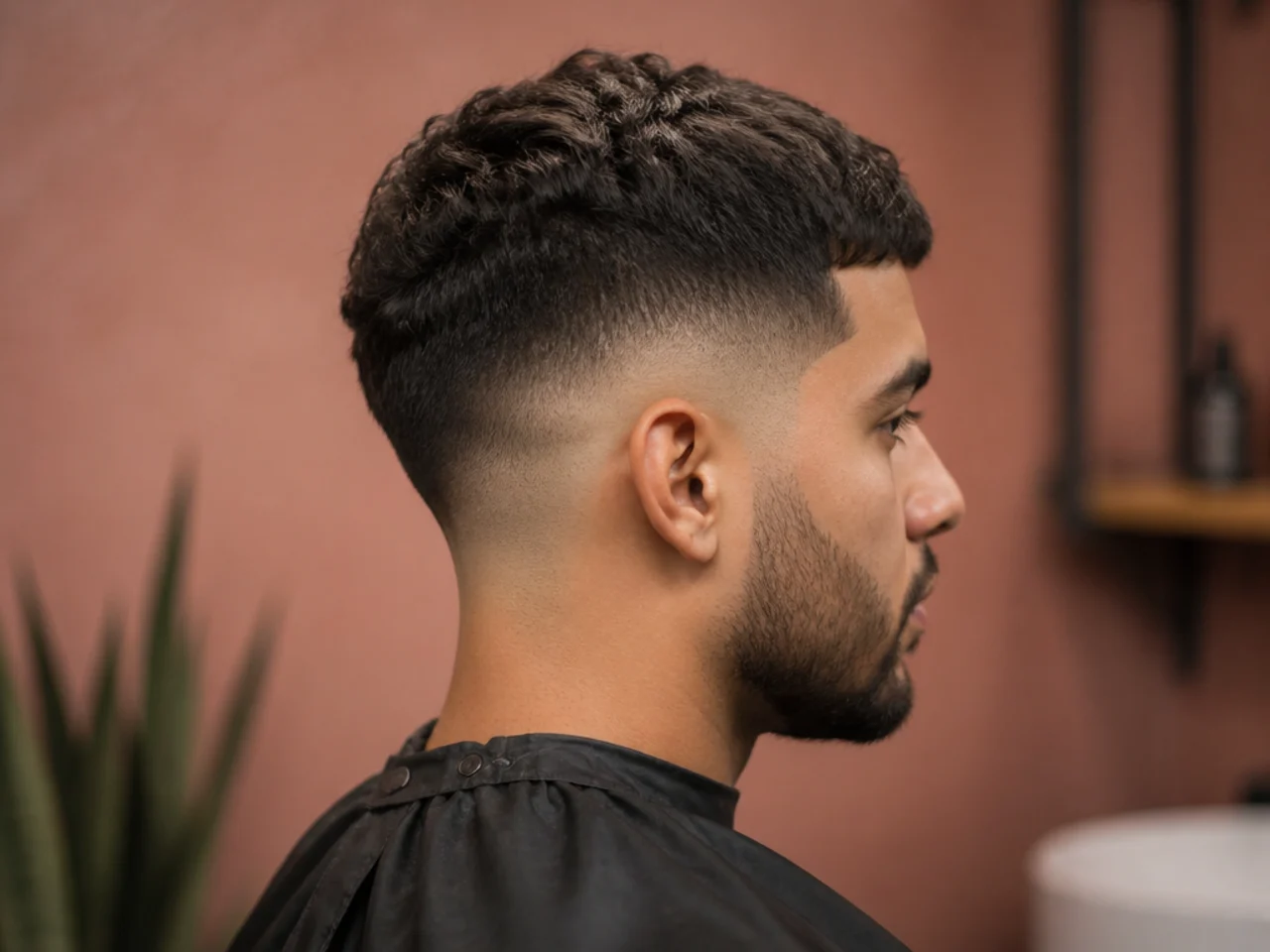
5. Drop Fade with Curls
The curve echoes the round shape of a curl mass. One of the best pairings here.
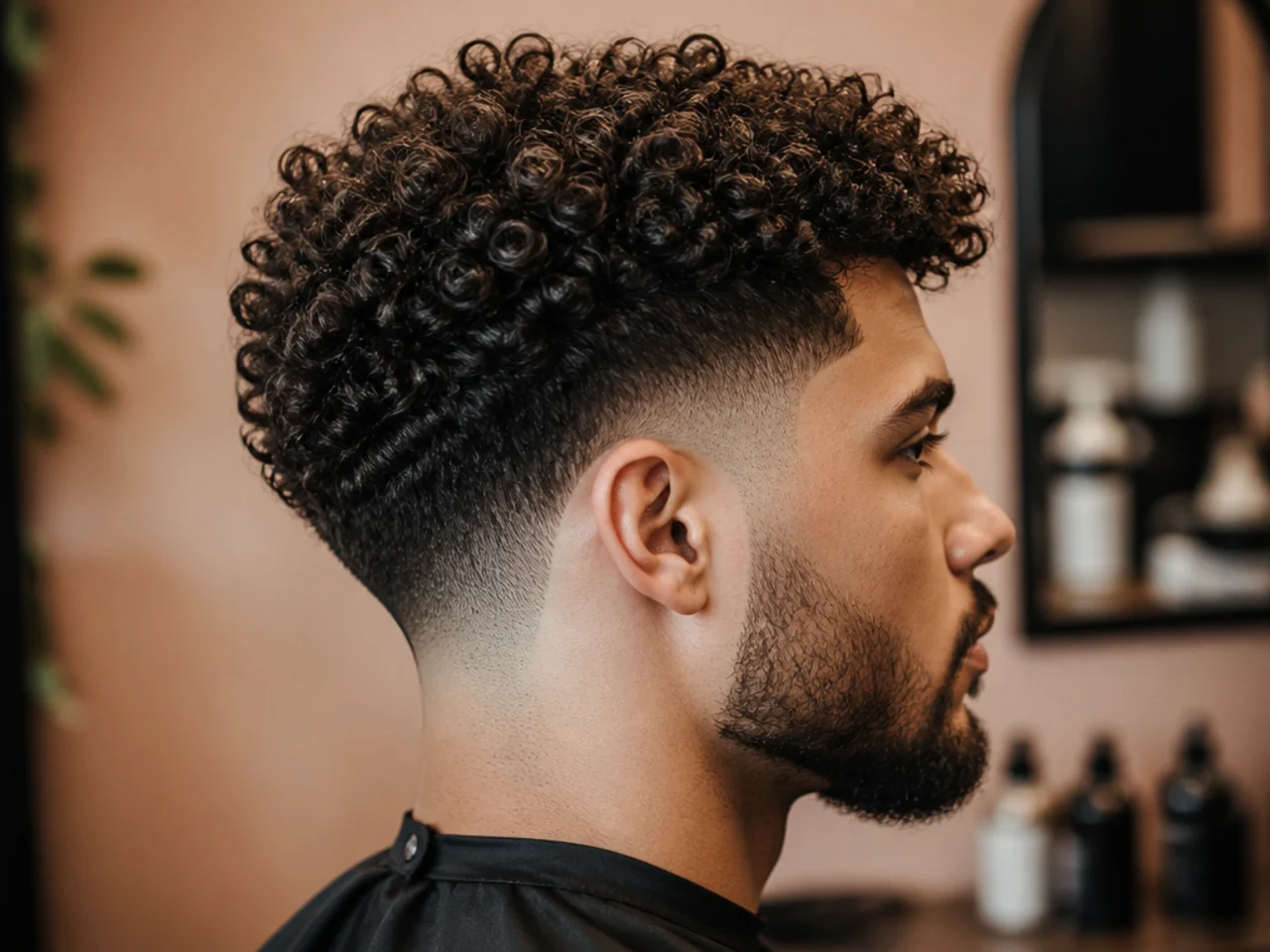
6. Drop Skin Fade
Bare skin at the lowest point of the curve. Sharp, and fortnightly.
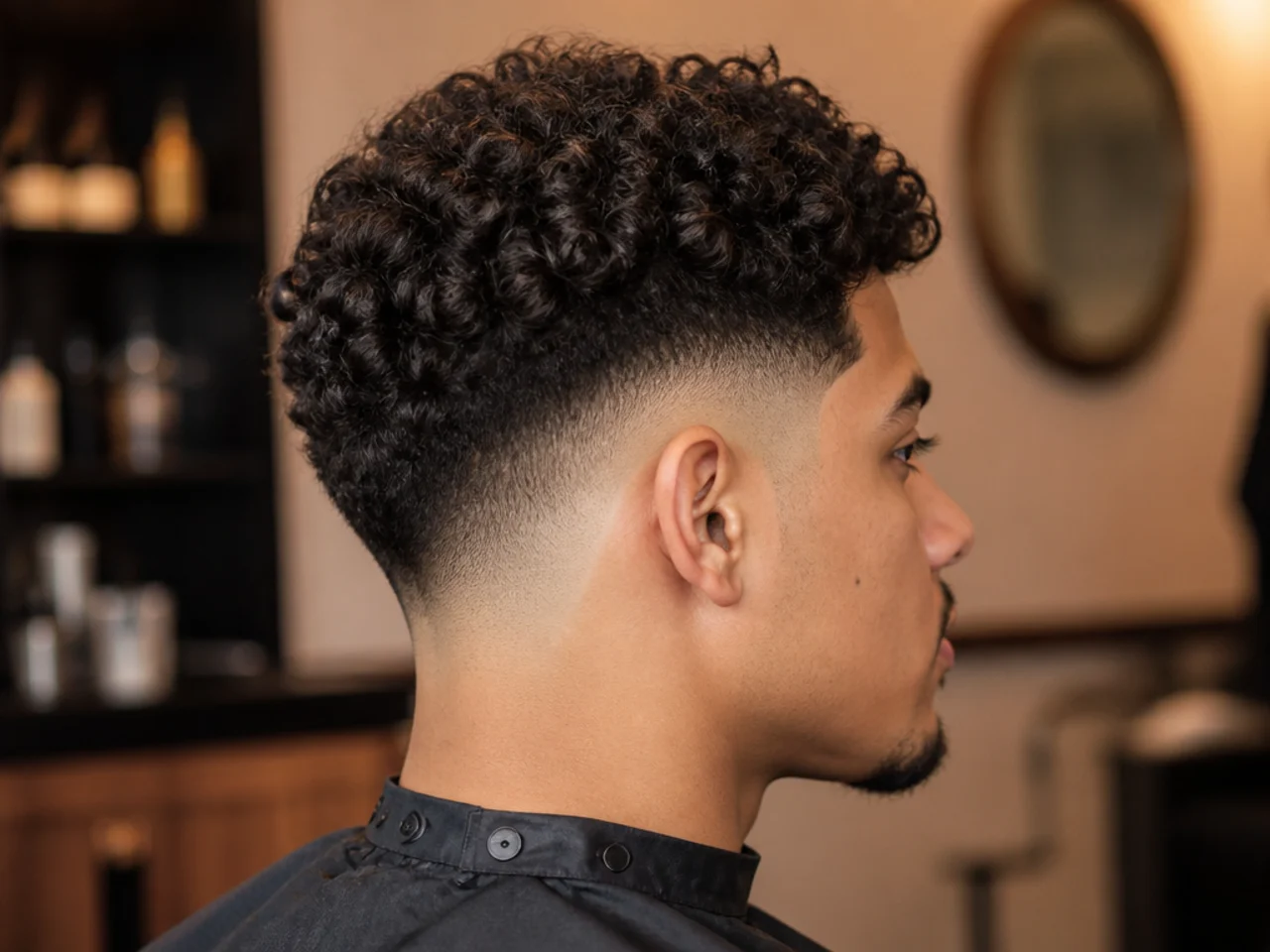
7. Drop Fade with a Beard
The curve carries down to meet the beard along the jaw. Naturally continuous.
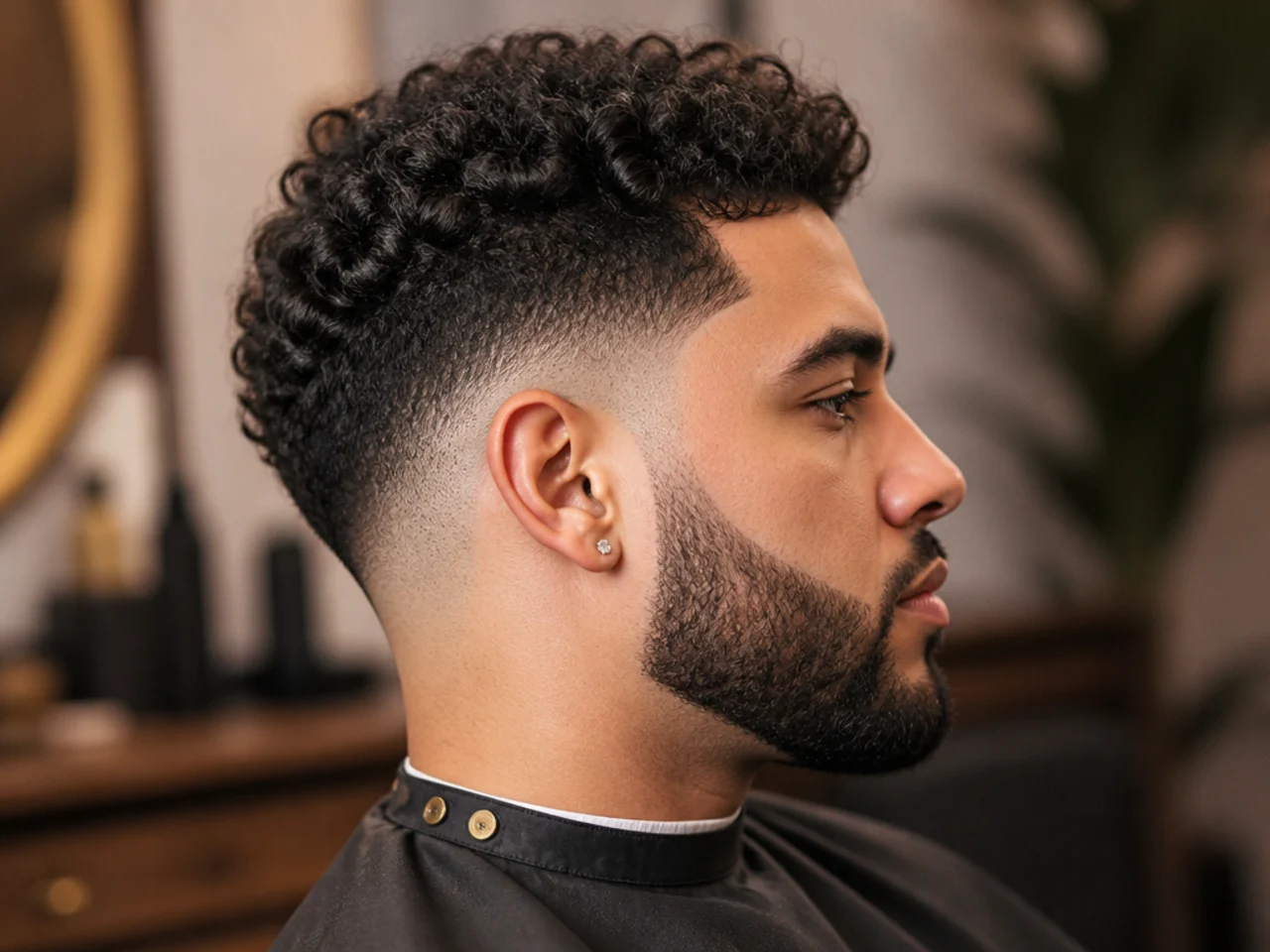
8. Drop Fade with a Mullet
The curve leaves length at the back untouched. The standard modern mullet fade.
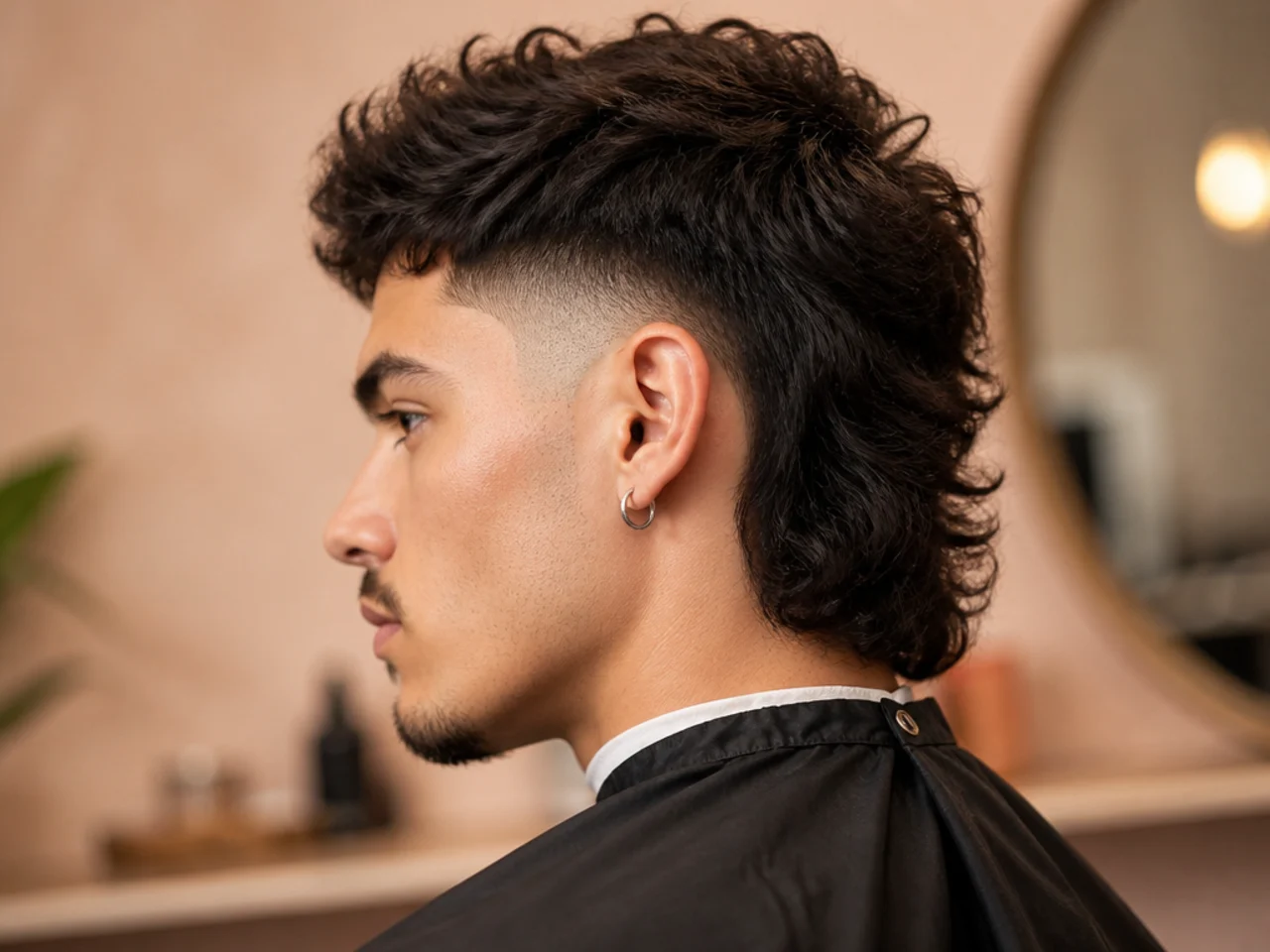
9. Drop Fade with a Middle Part
Curtains on top, curved fade below. Currently one of the most requested combinations.
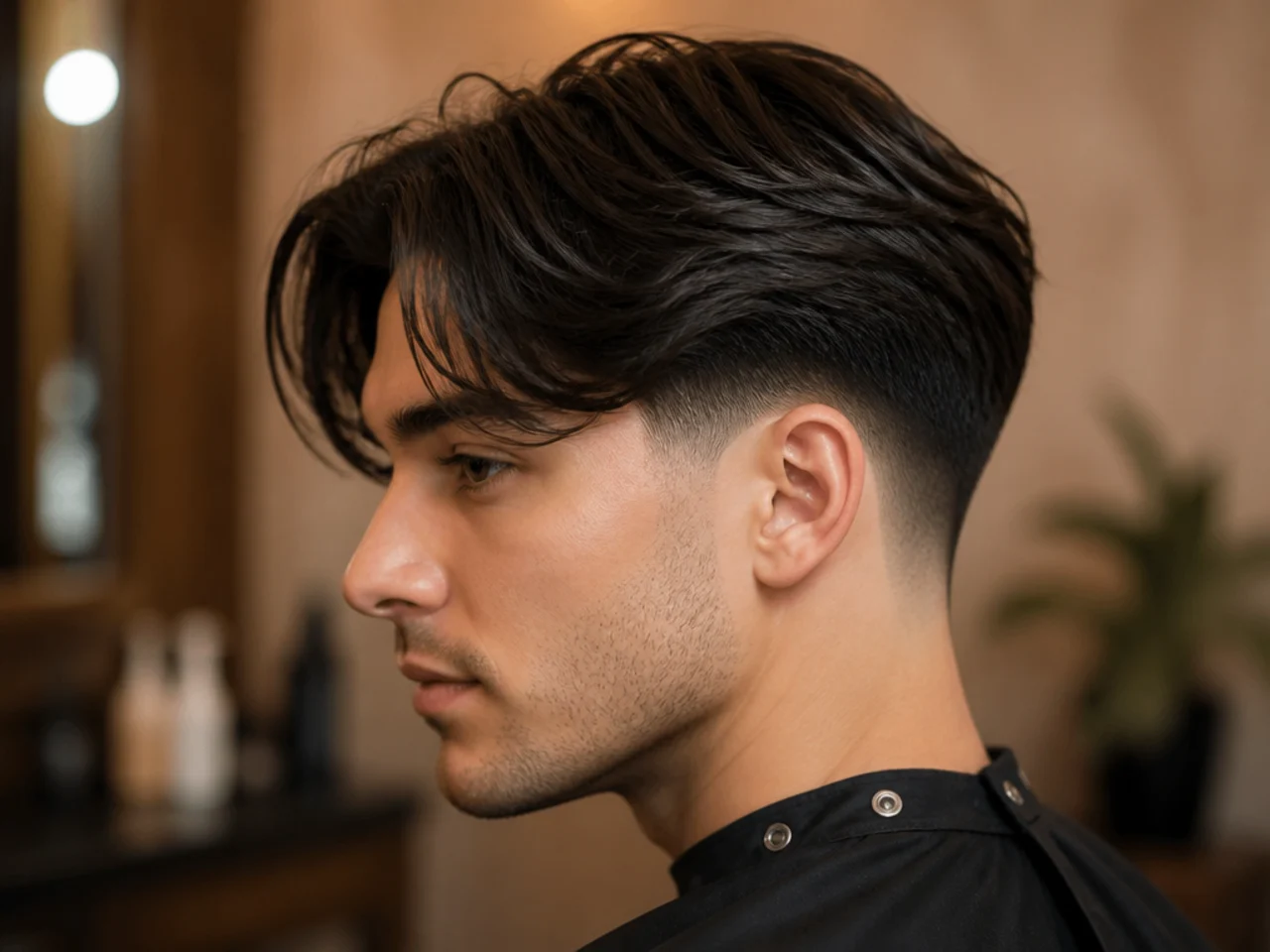
10. Drop Fade on Coily Hair
The curve defines a perimeter that follows the head rather than cutting a band across it.
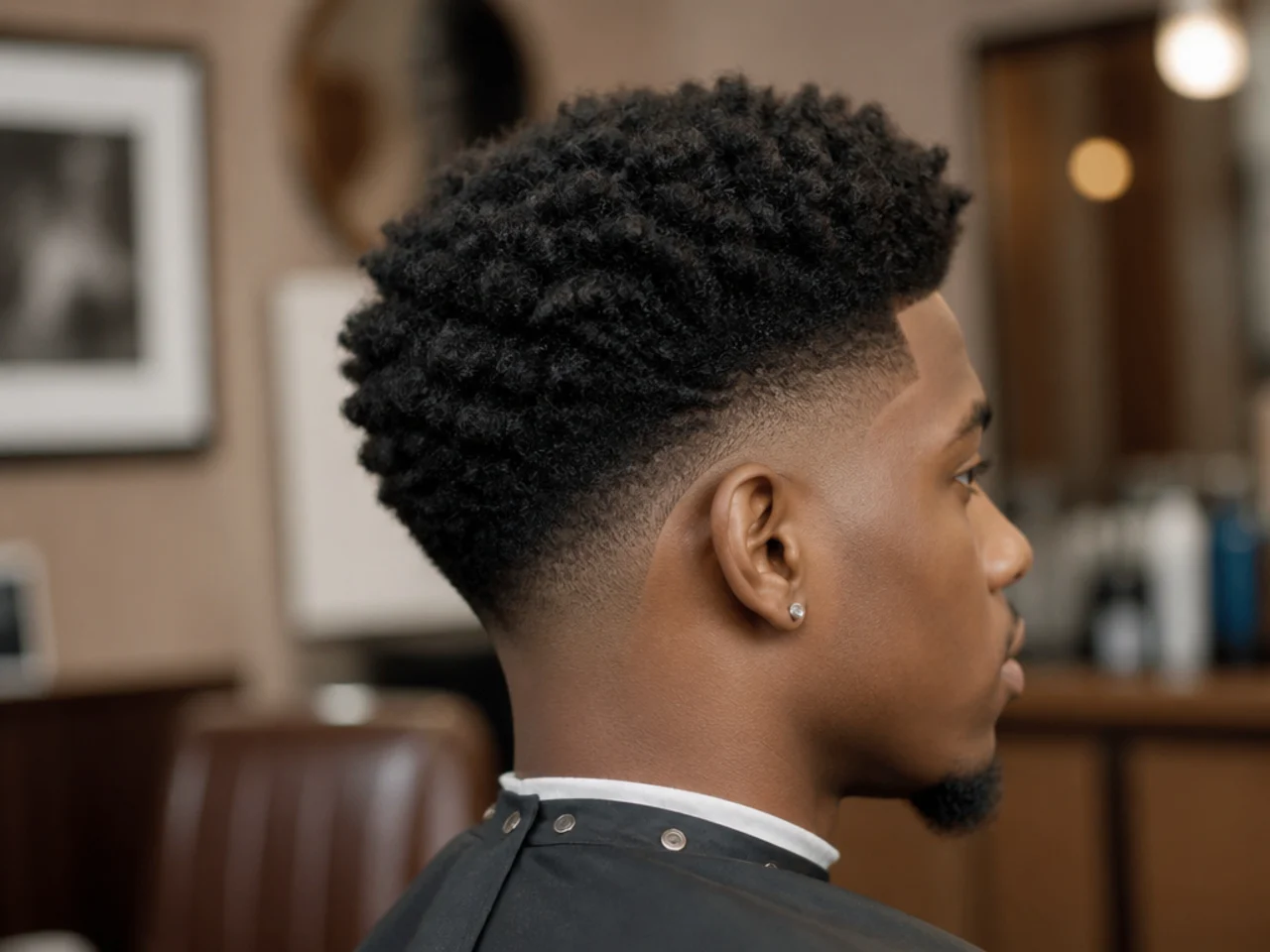
11. Drop Fade with a Line-Up
Razored front edge against a curved side line. Two different geometries that work together.
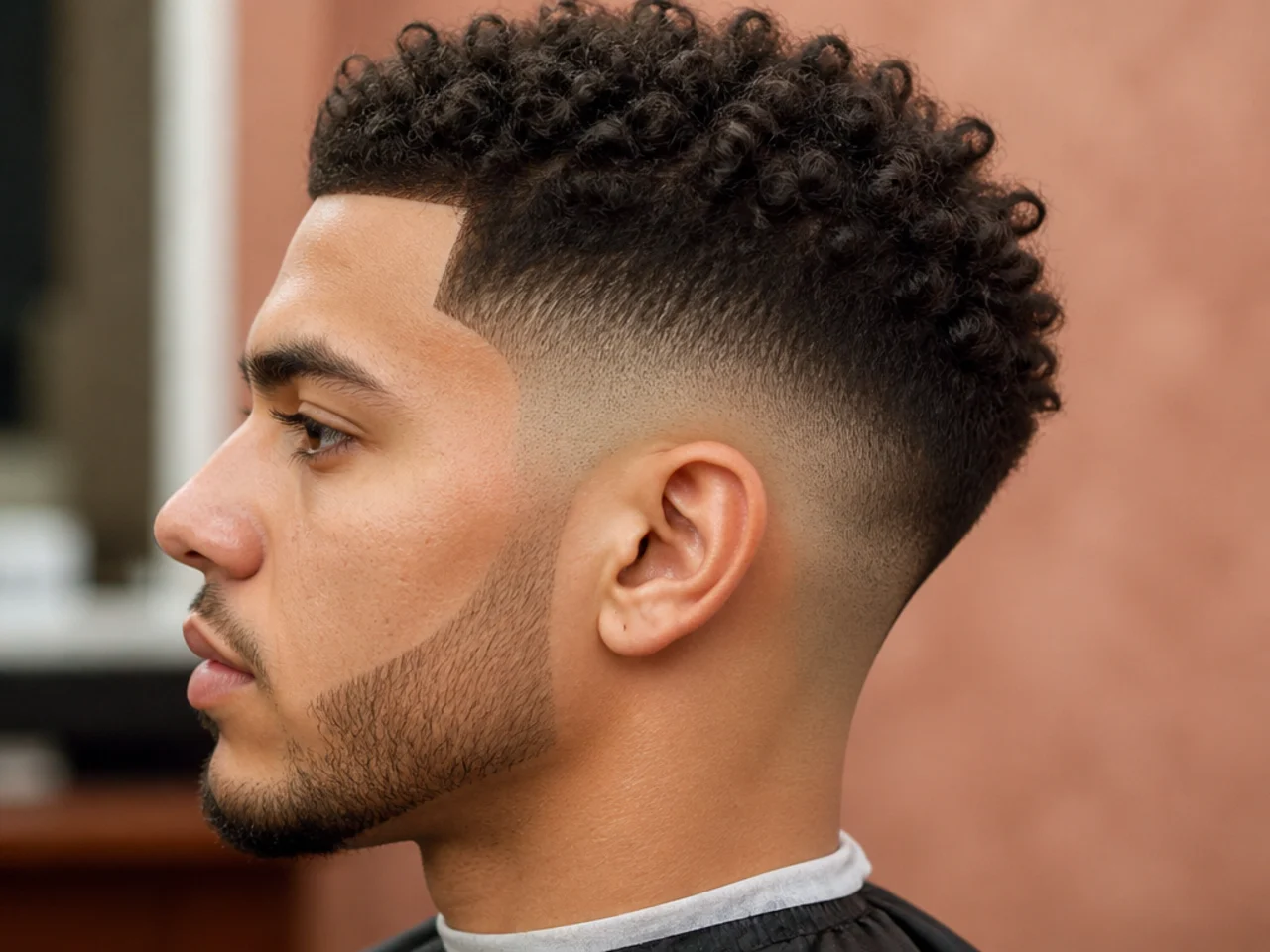
12. Drop Fade with a Quiff
Height at the front, curve at the side. The curve stops the quiff looking top-heavy.
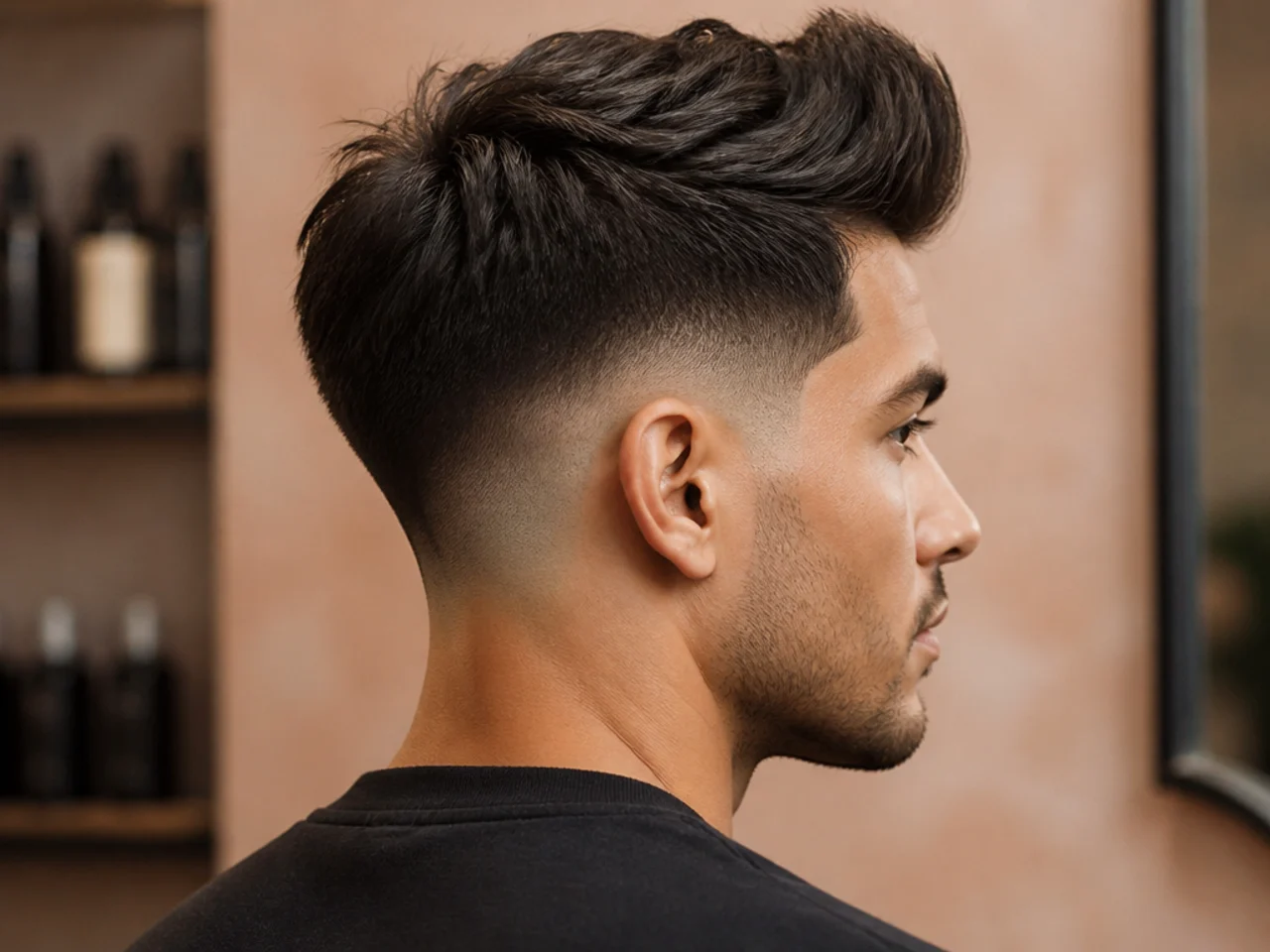
13. Drop Fade for a Flat Occiput
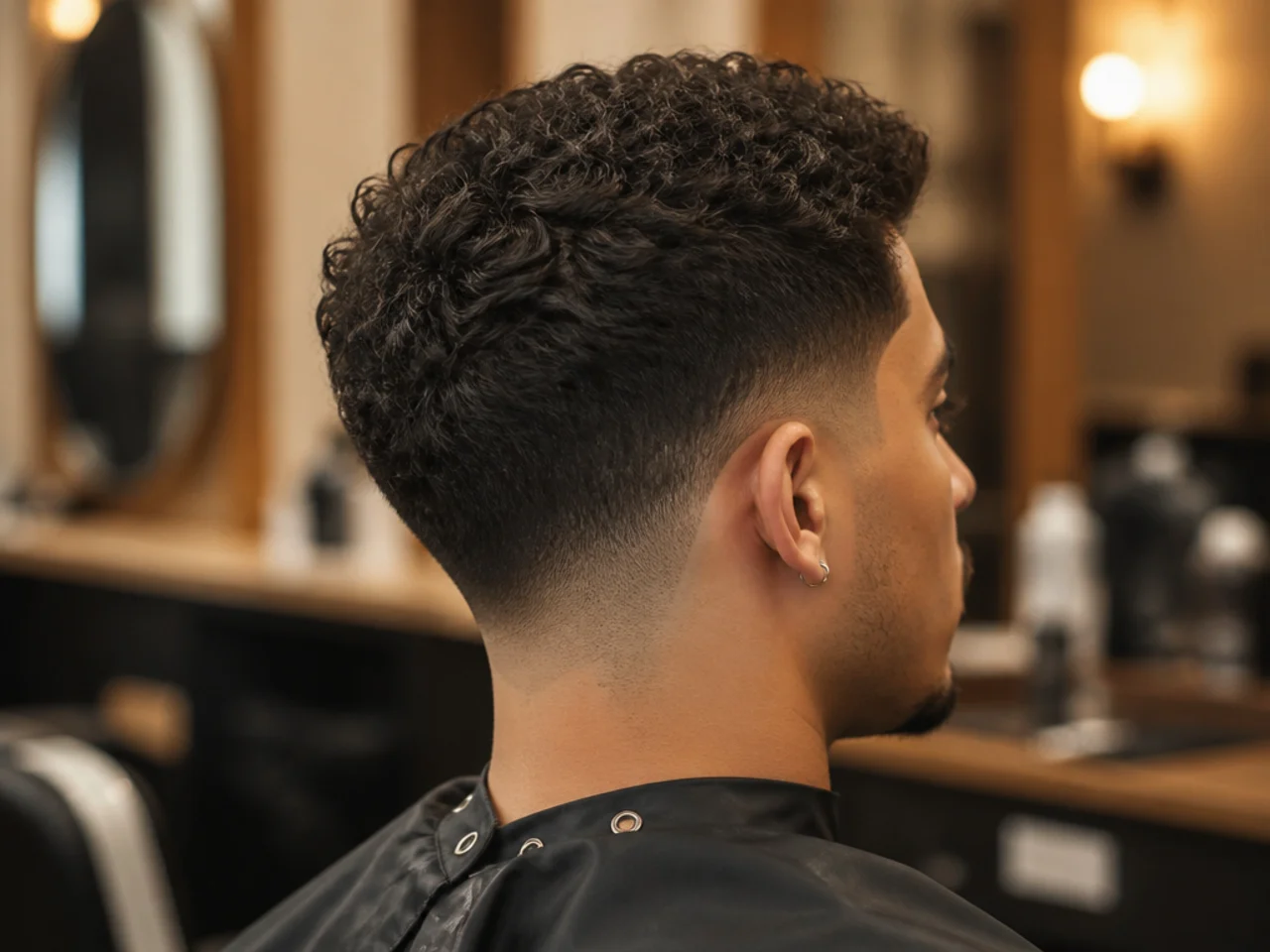
The single best reason to choose this cut — the curve builds shape where the skull is flat.
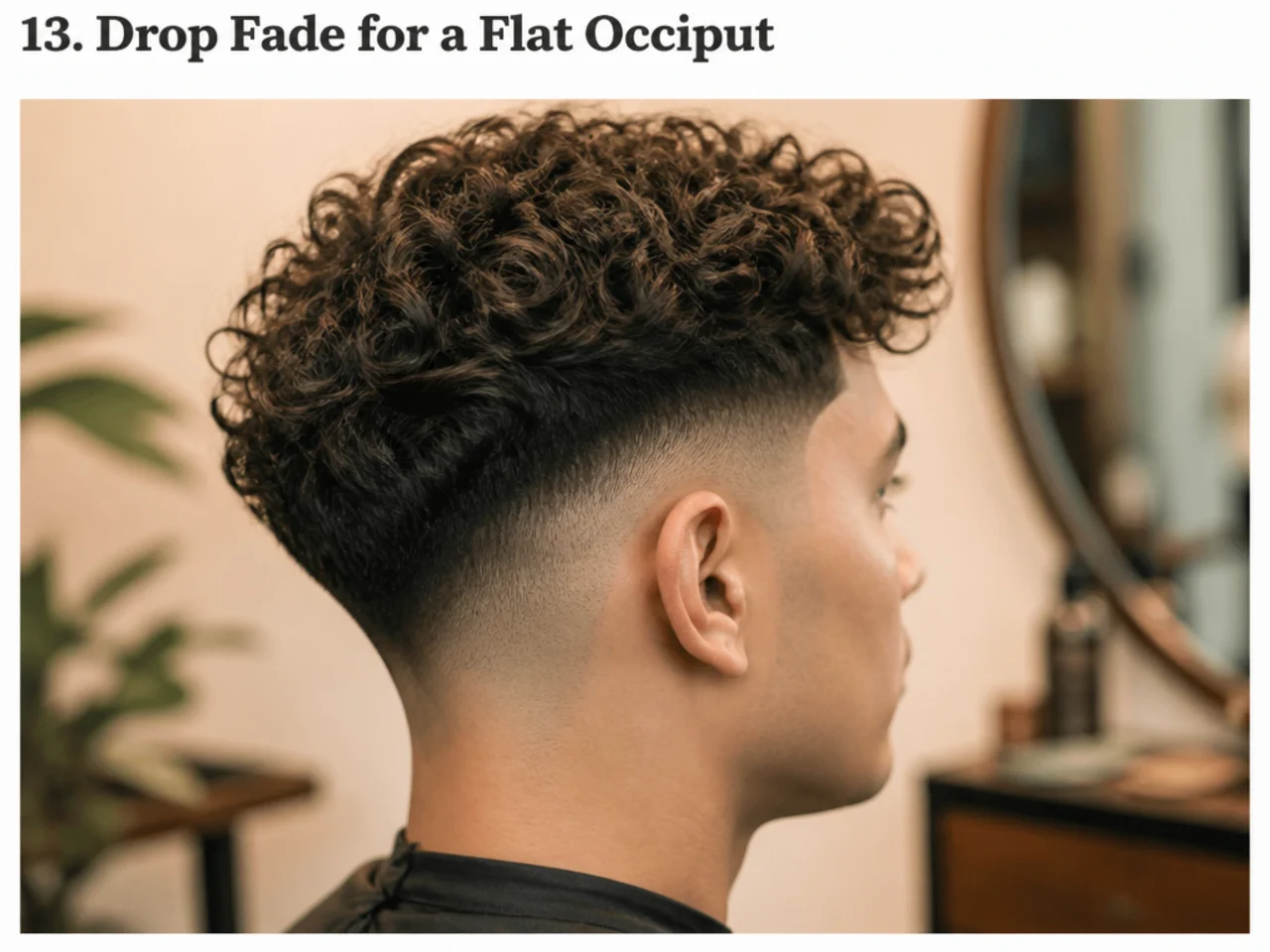
14. Drop Fade with a Tapered Neckline
Natural nape below the curve. The softest finish available.
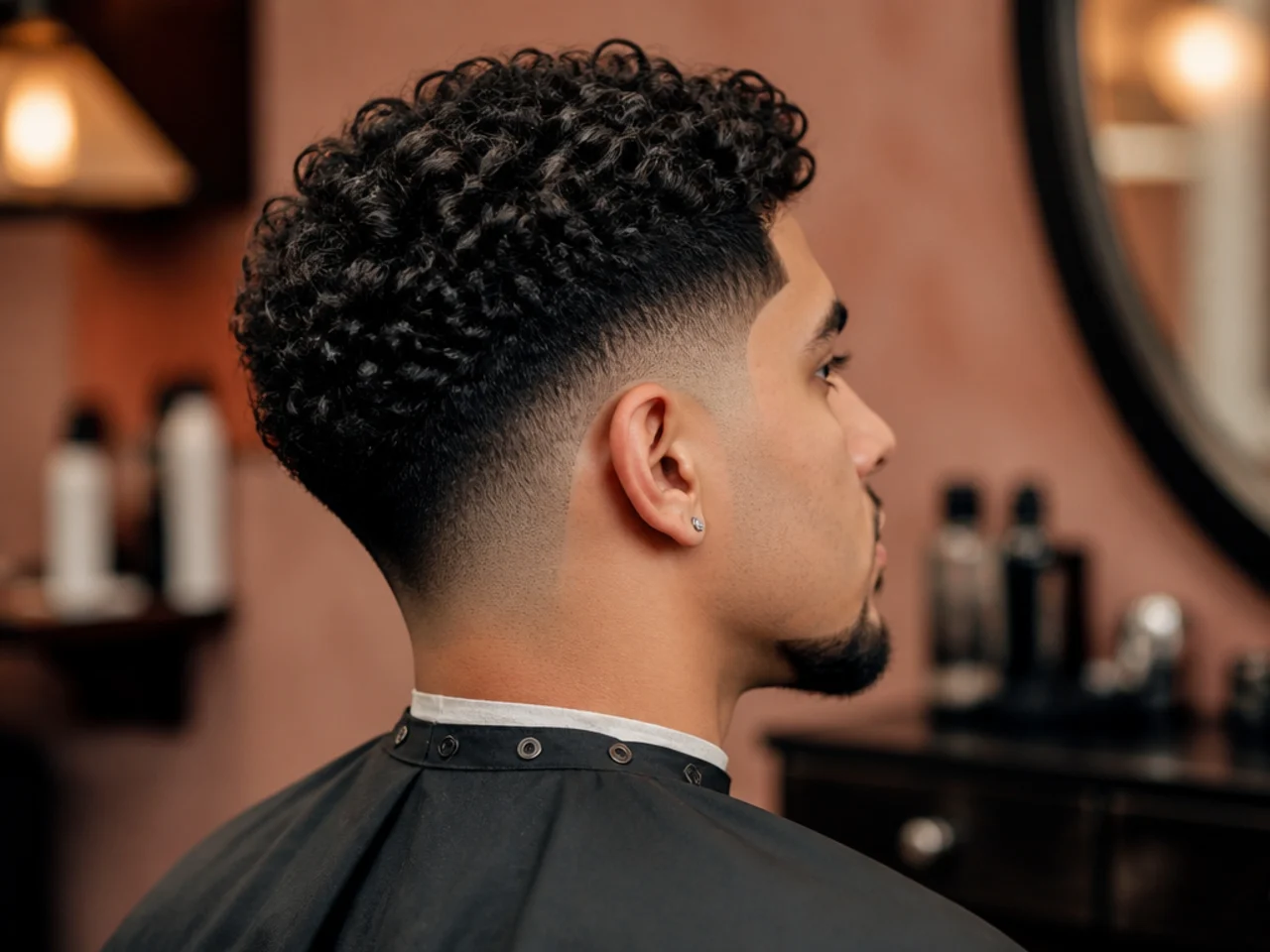
15. Drop Fade Grown Out Three Weeks
The curve softens rather than lining. Better grow-out than any straight fade.
How to Style and Maintain a Drop Taper Fade
Style the top exactly as you would with any fade — the curve is a barbering decision, not a styling one.
Book every two to three weeks. The curve blurs more gracefully than a straight line, so you can stretch to four before it looks neglected.
Photograph the back after a good cut. The curve is difficult to describe and easy to show, and it saves explaining it again next time.
Mistakes to Avoid
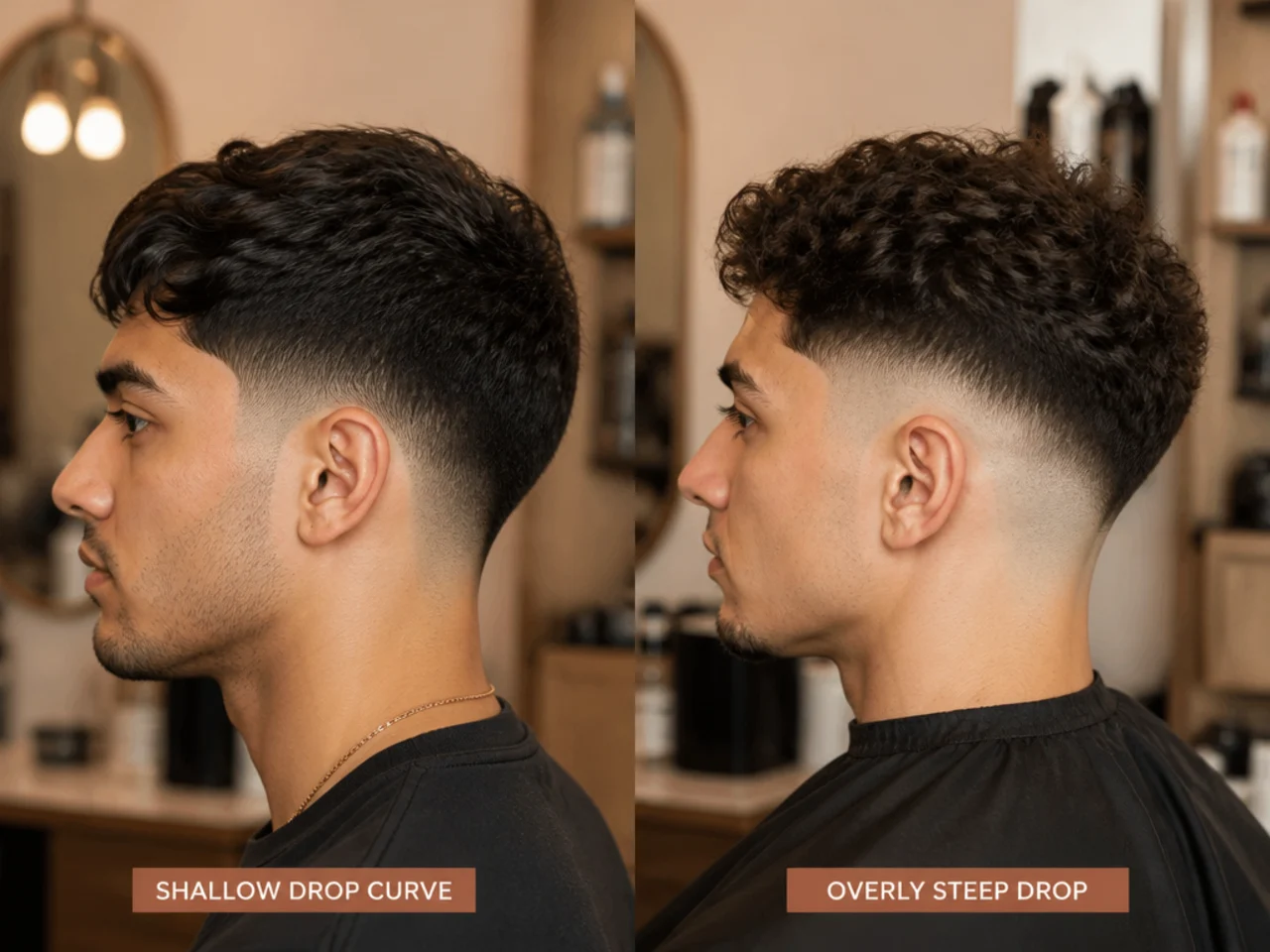
Asking for a drop fade without indicating depth. The curve can be shallow or dramatic; point at where you want the low point.
Combining a deep drop with a very high start. The line ends up nearly vertical and reads as a mistake.
Assuming it works on every head. A well-rounded skull often looks better with a straight line.
Not checking the back before you leave. It is the one part you cannot see and the whole point of the cut.
FAQ
What is a drop fade? A fade whose line curves down behind the ear instead of running level.
How do I ask for one? Say you want the line to drop behind the ear, then point at the lowest point.
Is it better than a regular taper? Different. It suits flatter skulls; a straight line suits already well-shaped heads.
Final Thoughts
The drop fade is a shape decision, not a length one. If the back of your head is flat, this is the cut that fixes it — and the curve grows out more kindly than any straight line.
See the standard version in 20 low taper fade ideas, compare heights in low vs high taper fade, and browse Fade Haircuts.