20 Low vs High Taper Fade Haircut Ideas
Low and high taper fades differ in one thing only — where the blend starts — and that single inch changes the face shape it flatters, the upkeep cadence and how it grows out. Twenty side-by-side comparisons.
In this article · 26
- Quick Comparison at a Glance
- What Each One Actually Is
- 20 Side-by-Side Comparisons
- 1. Face Shape — Round
- 2. Face Shape — Long
- 3. Grow-Out at Three Weeks
- 4. Contrast with Length on Top
- 5. Workplace Suitability
- 6. Upkeep Cost Per Year
- 7. On Curly Hair
- 8. On Coily 4C Hair
- 9. On Fine Straight Hair
- 10. With a Beard
- 11. Summer Comfort
- 12. Hiding a Receding Hairline
- 13. Forgiving of a Mediocre Barber
- 14. Photographs Better
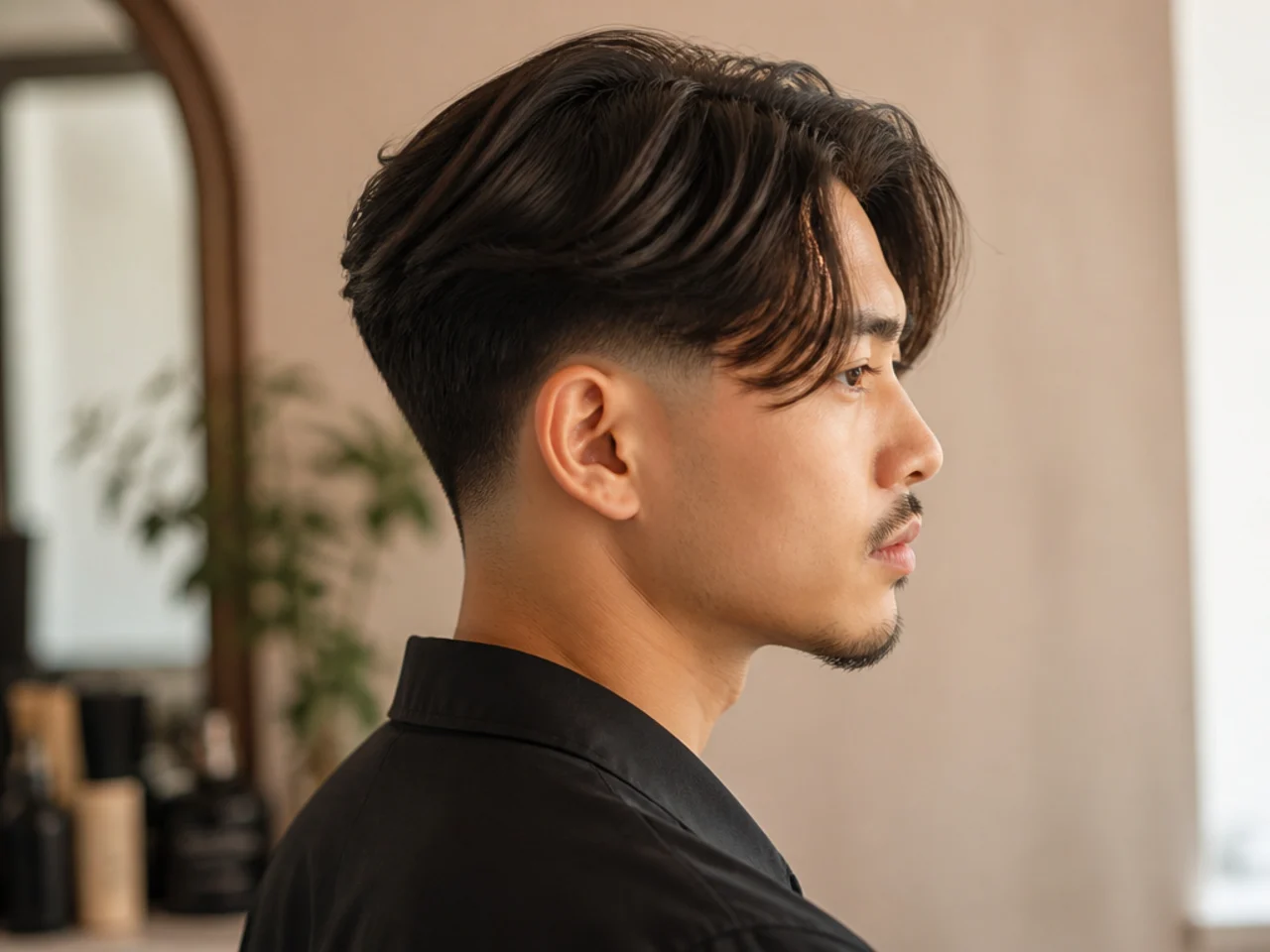
- 15. With a Middle Part
- 16. With a Buzzed Top
- 17. Growing It All Out
- 18. First Fade Ever
- 19. Skin Finish
- 20. Overall Versatility
- Which Should You Choose?
- FAQ
- Final Thoughts
Low and high taper fades are the same cut performed at different heights. That is genuinely the whole difference — but the inch or two between them changes which face shape it flatters, how often you need to sit in the chair, and what it looks like at week four.
Quick Comparison at a Glance
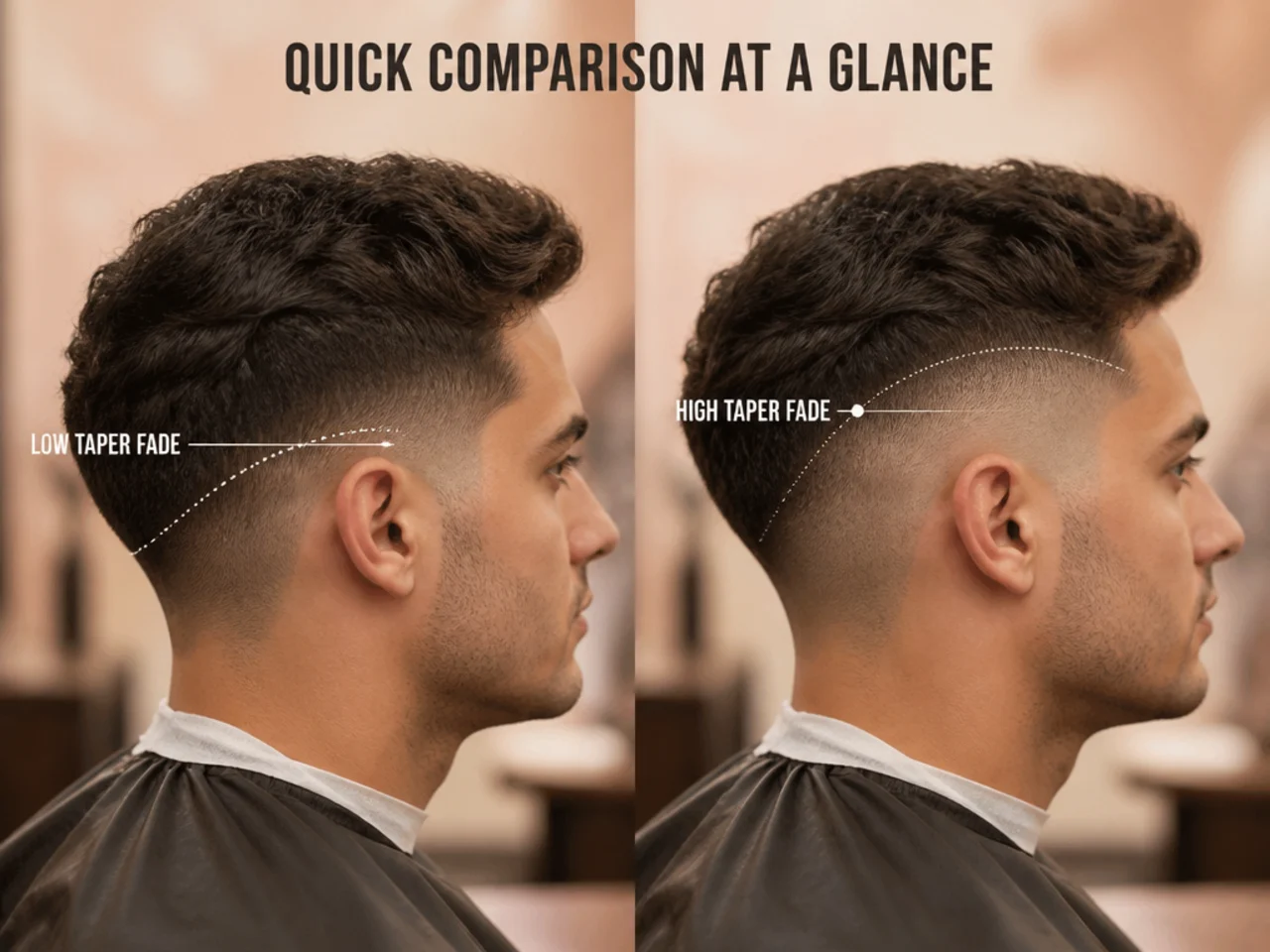
| Low taper fade | High taper fade | |
|---|---|---|
| Fade starts | Just above the ear | At or above the temple line |
| Faded band | ~1 inch | 2–3 inches |
| Best face shape | Long, oval | Round, square |
| Contrast | Subtle | Strong |
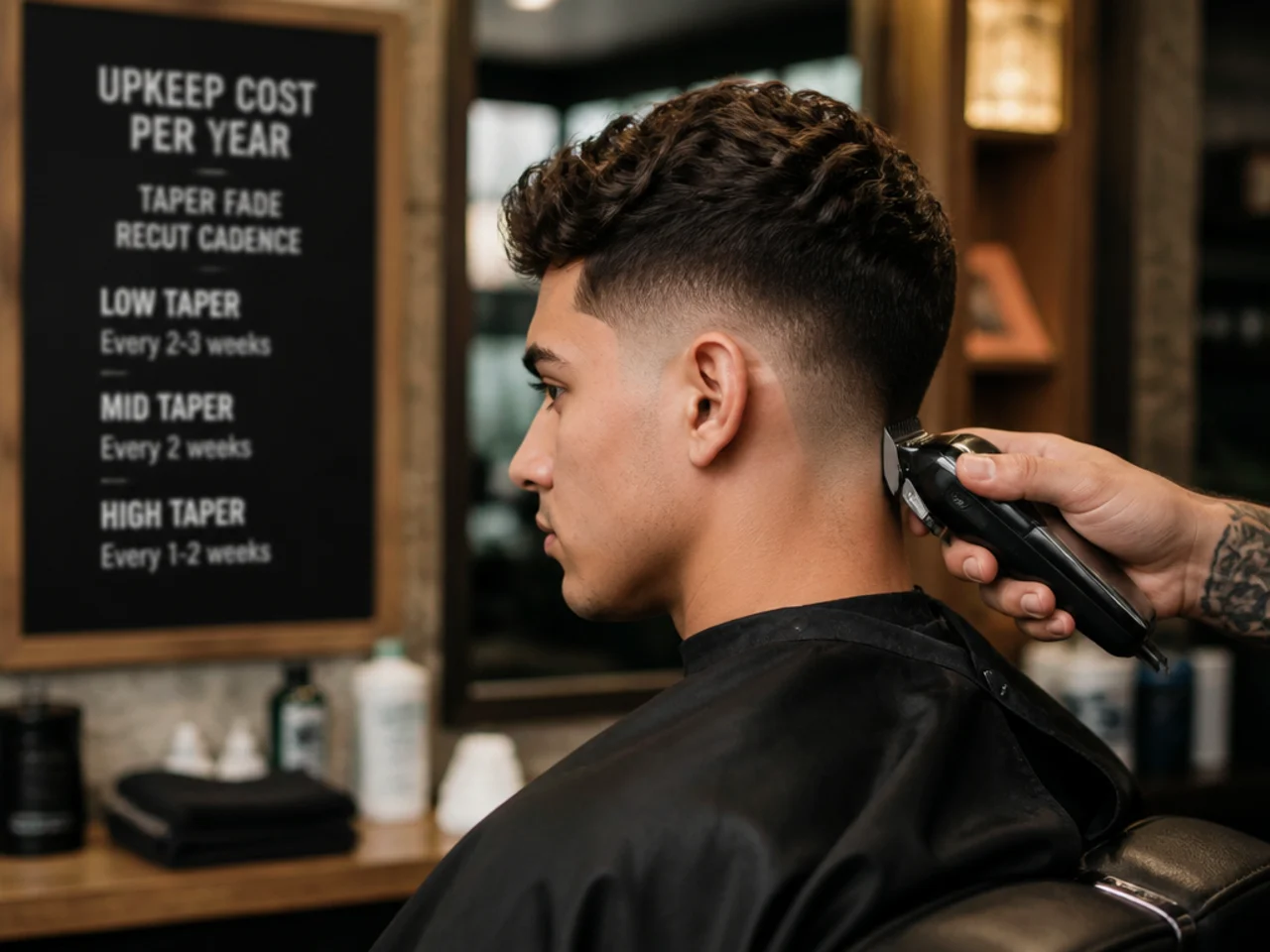
| Re-cut cadence | 2–3 weeks | 2 weeks |
| Grow-out | Reads as fuller sides | Visible line across the head |
| Workplace fit | Very safe | Depends on the office |
What Each One Actually Is
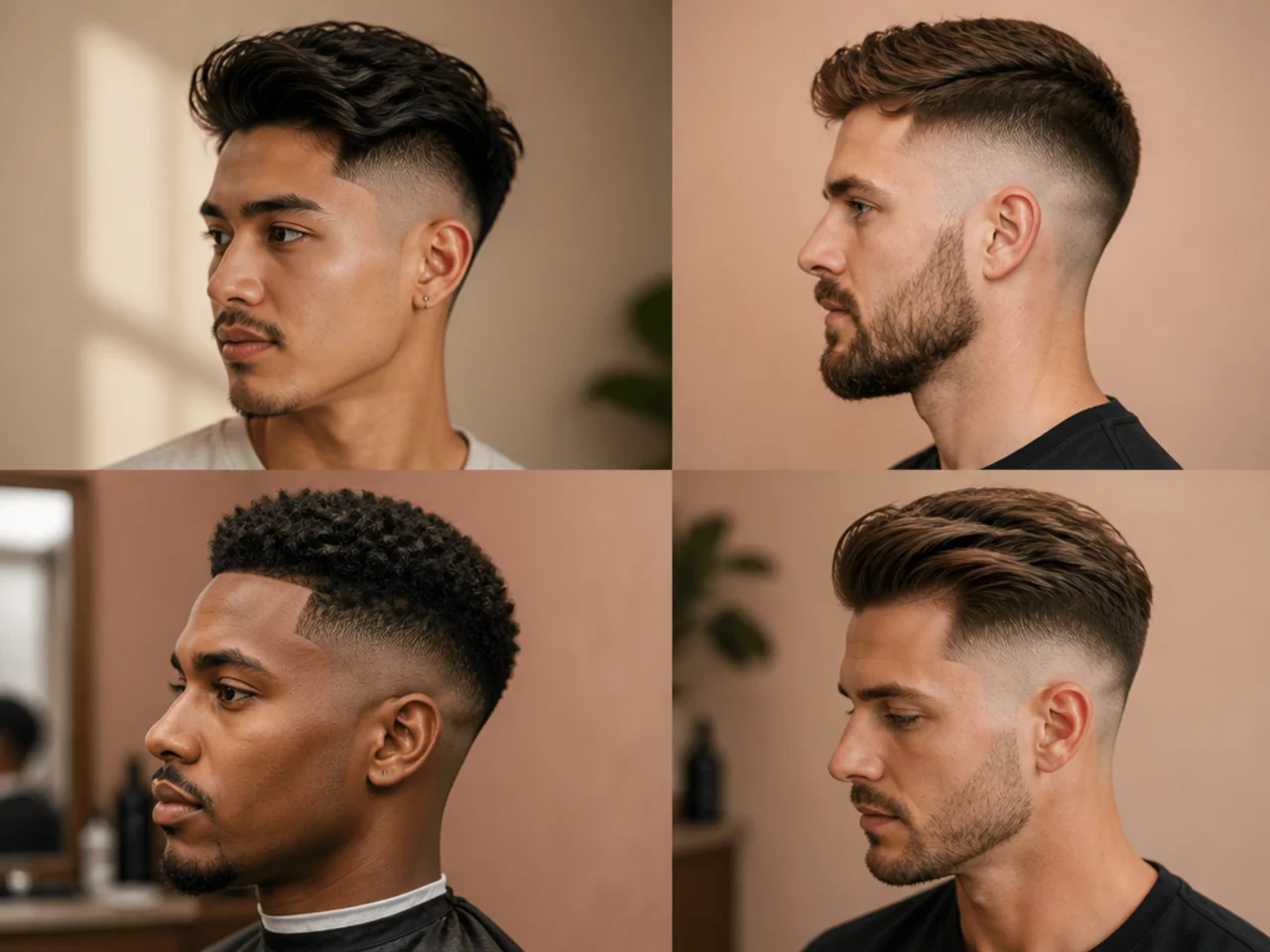
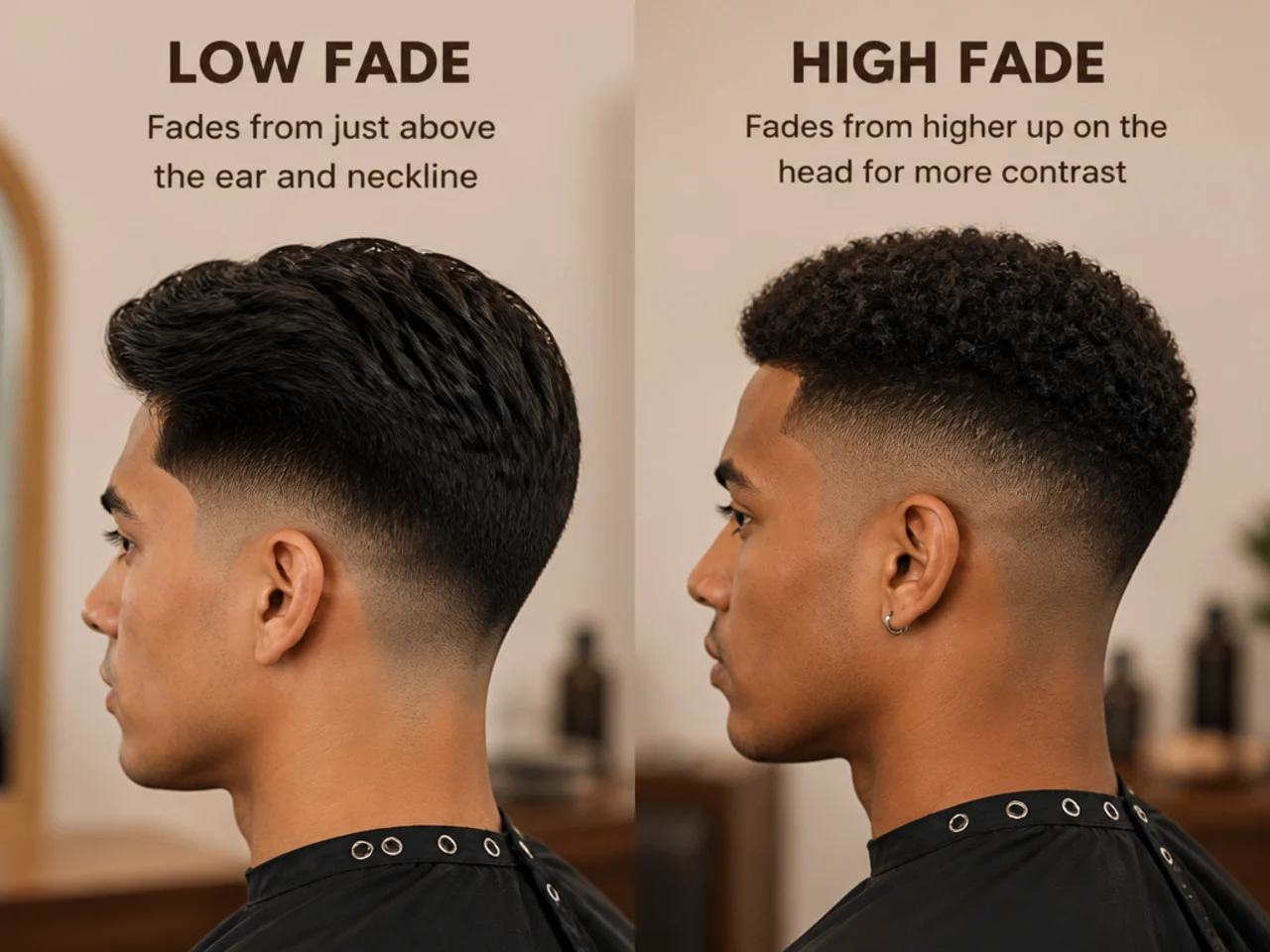
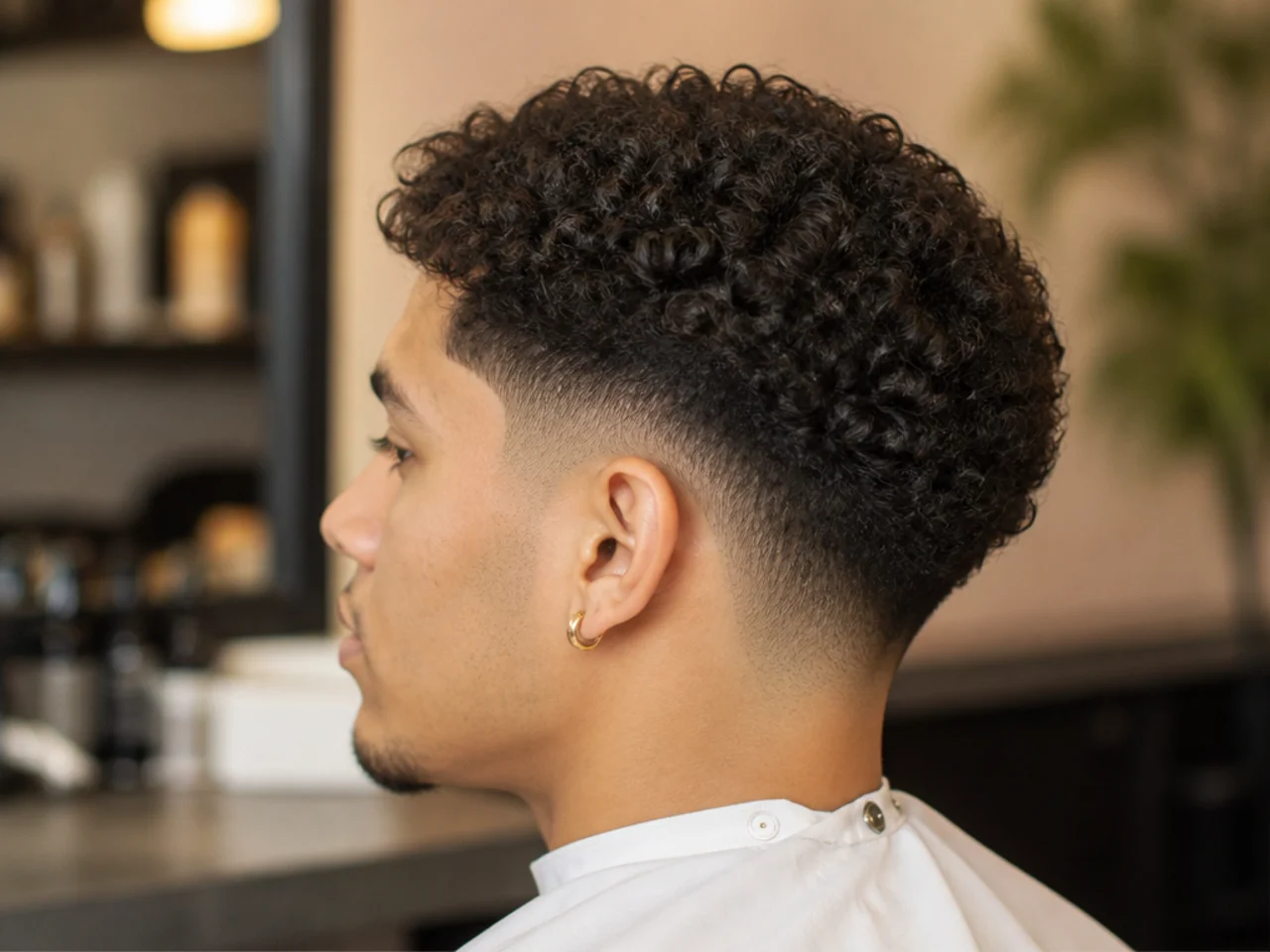
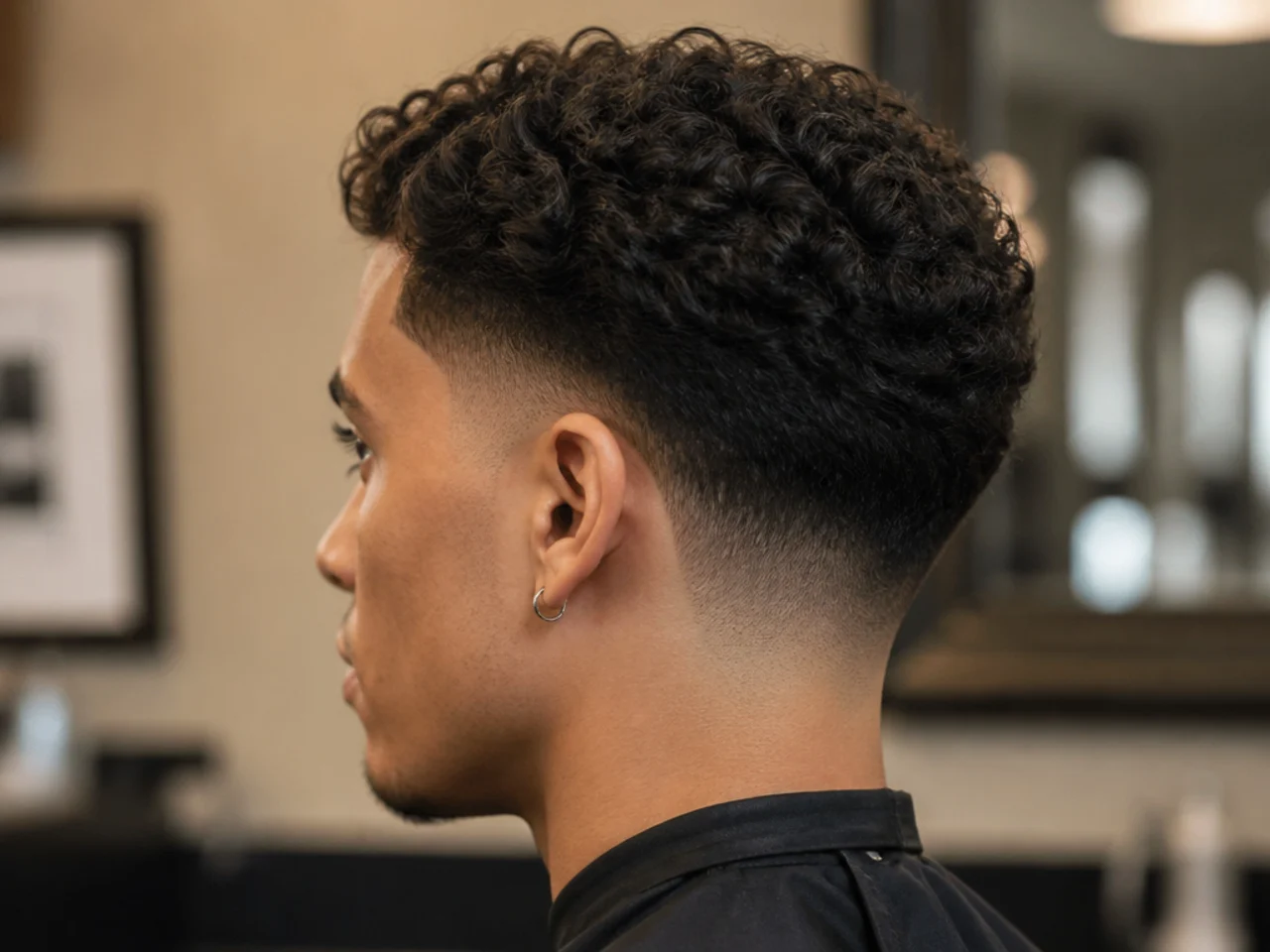
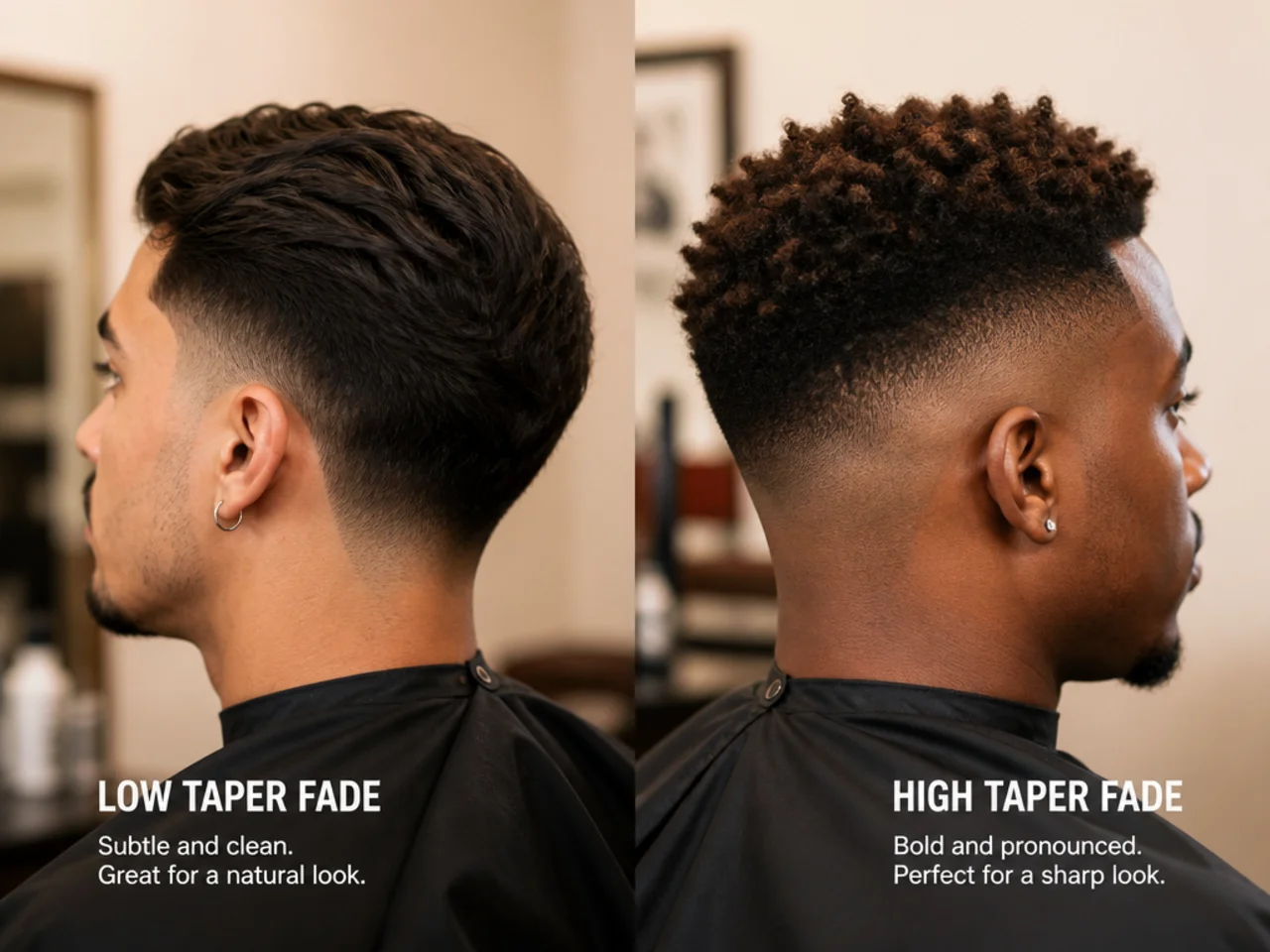
Low taper fade. The blend begins just above the ear and follows the natural hairline round to the nape. Roughly an inch of faded hair, everything above it untouched.
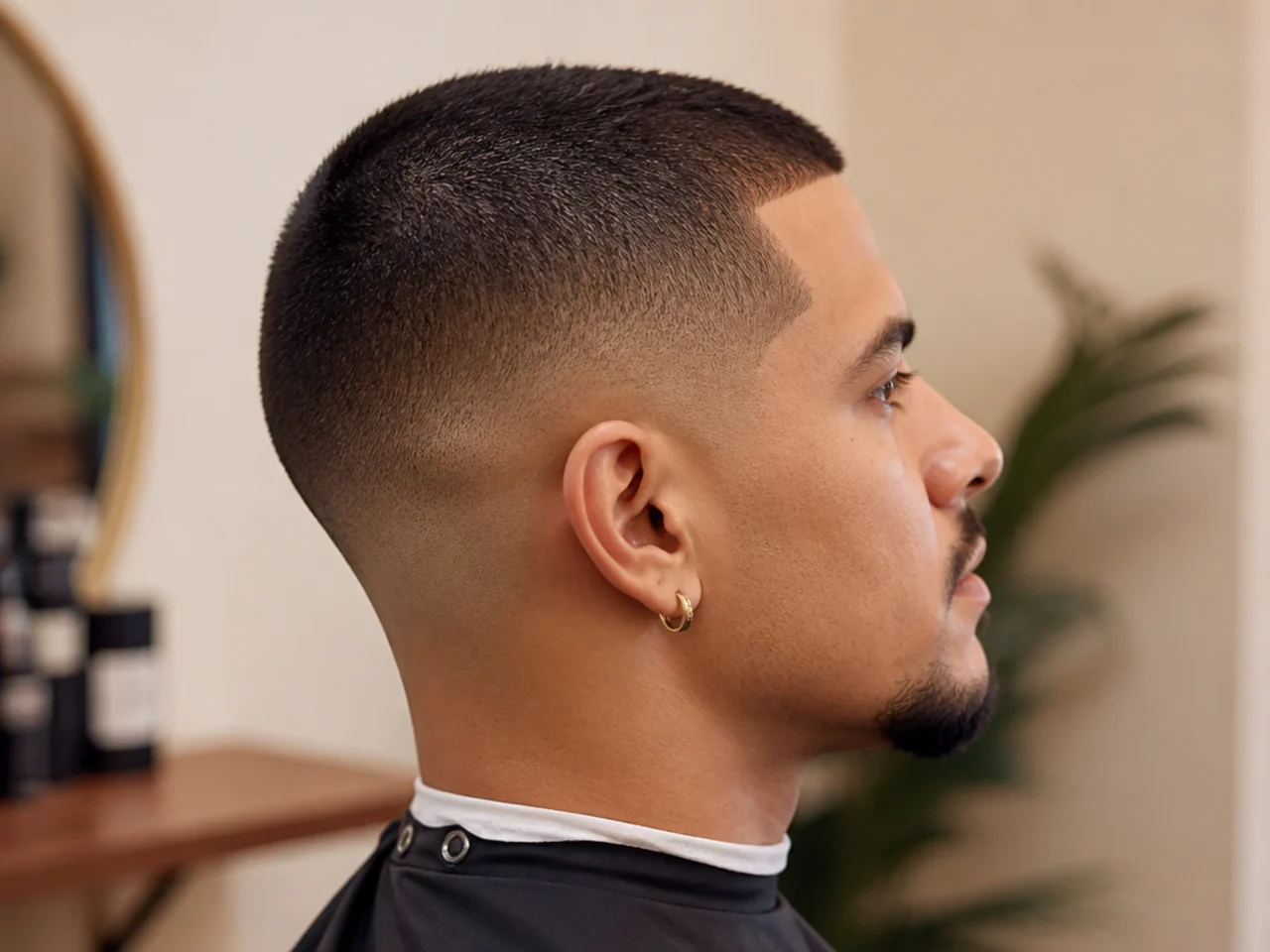
High taper fade. The blend begins at or above the temple line, so two to three inches of the side are faded. Much stronger contrast between top and sides, and a far more sculpted head shape.
Both use the same guard progression — commonly a 0 or 1 at the bottom into a 3 or 4 at the top of the blend. Only the finish line moves.
20 Side-by-Side Comparisons
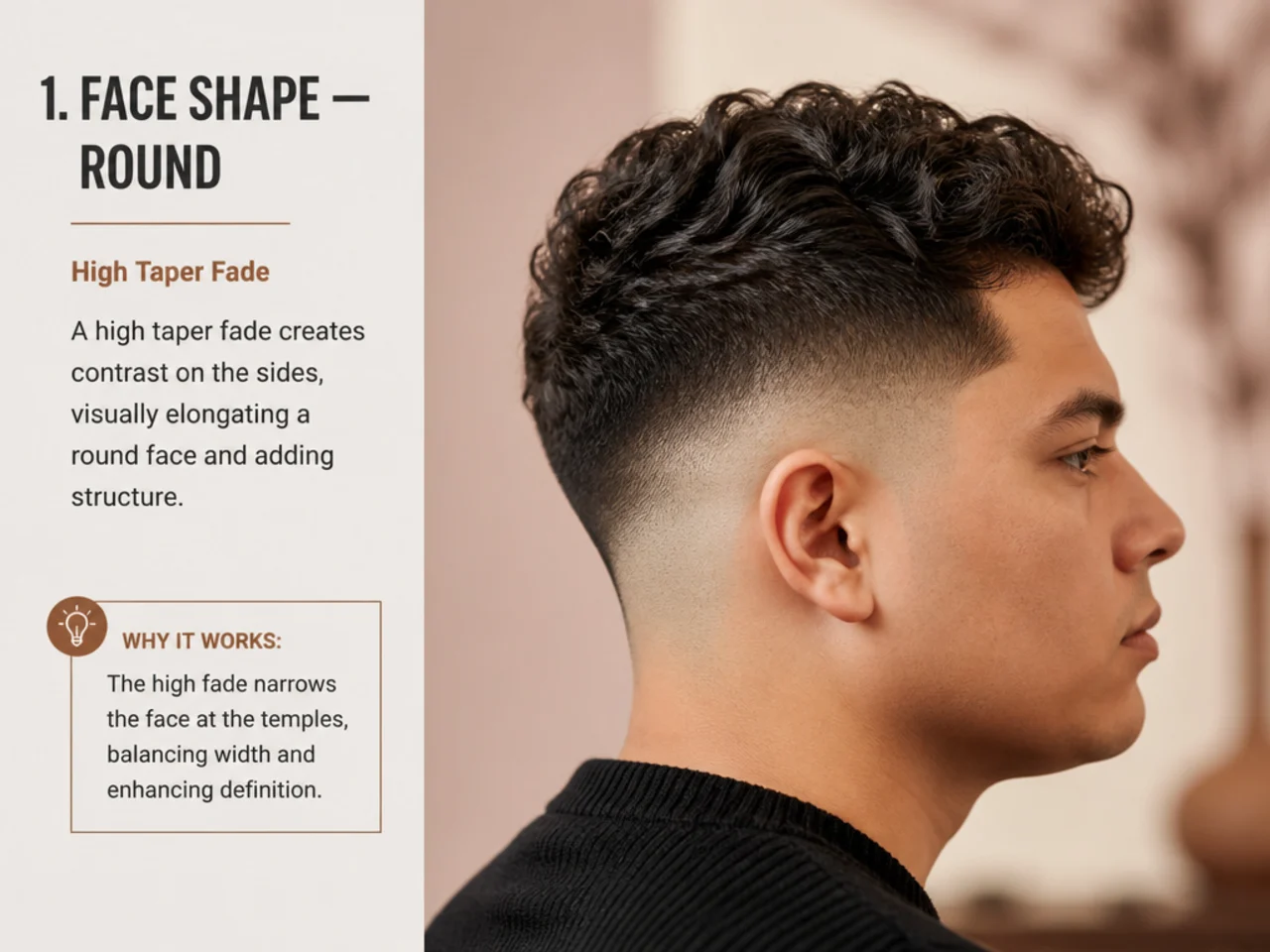
1. Face Shape — Round
High wins. It removes width at the widest point and pushes the eye upward. Low keeps the width you already have.
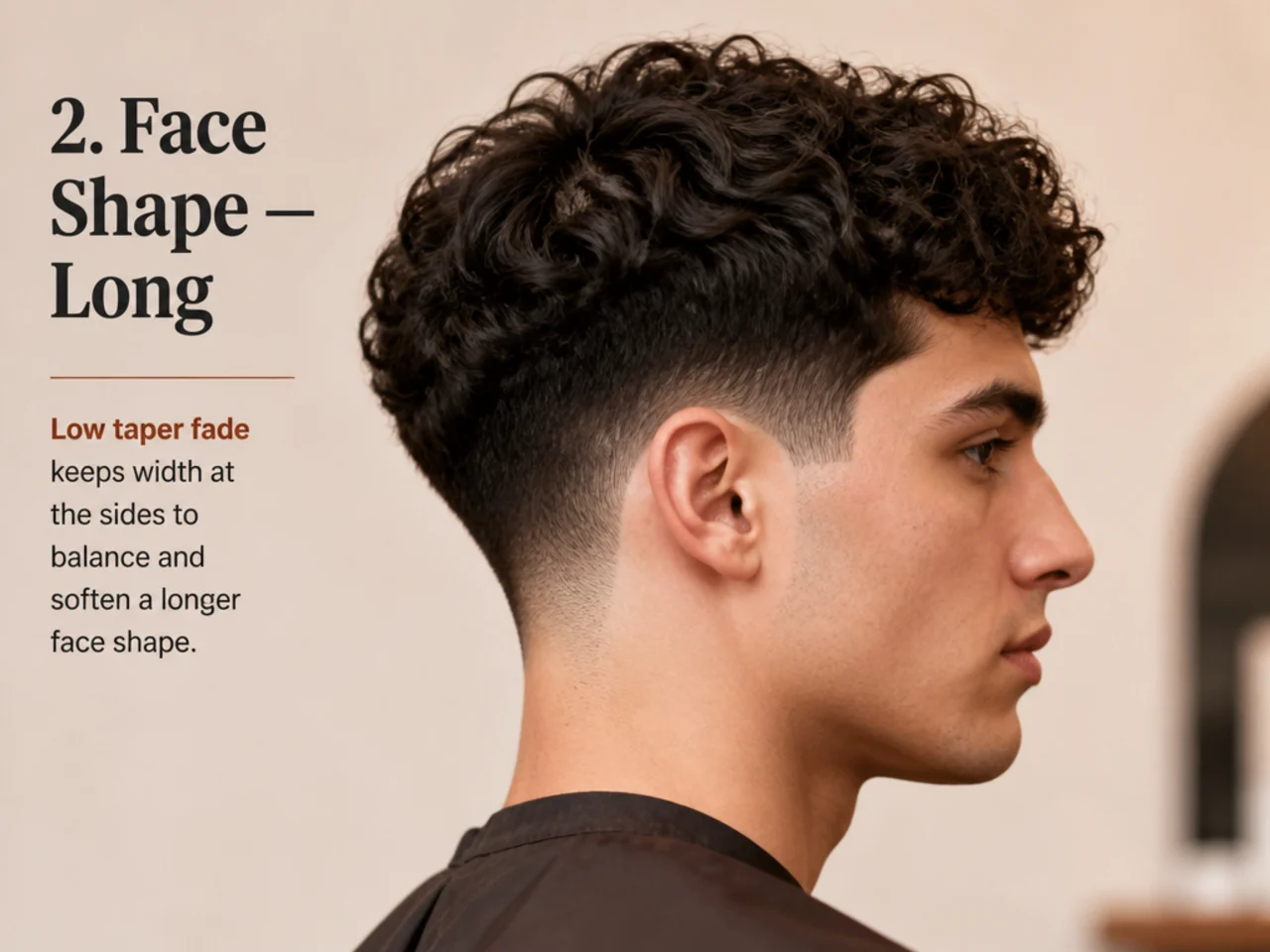
2. Face Shape — Long
Low wins. A high fade lengthens the head further, which is the last thing a long face needs.
3. Grow-Out at Three Weeks
Low. The narrow band fills in and reads as fuller sides. A high fade shows a distinct line.
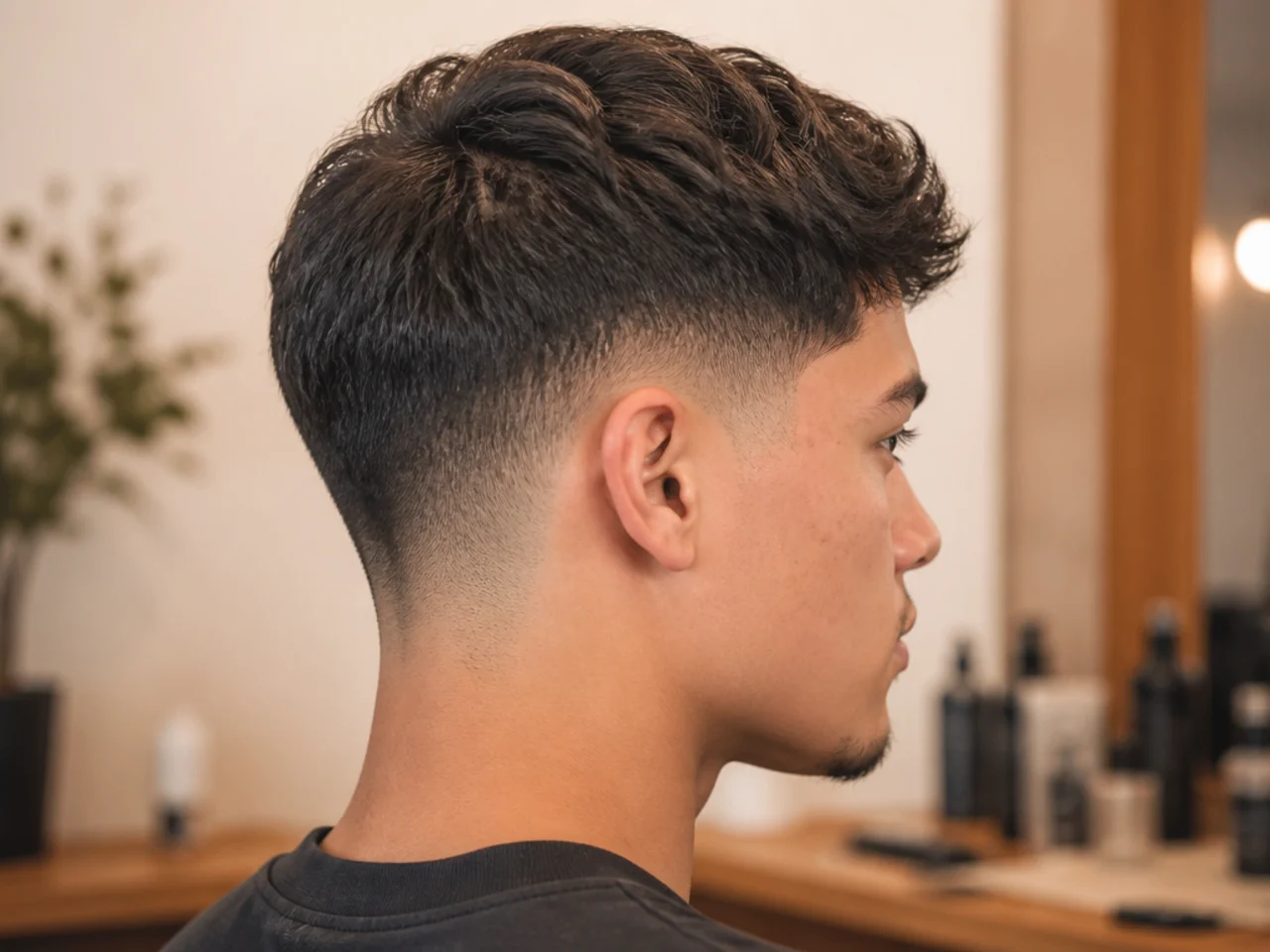
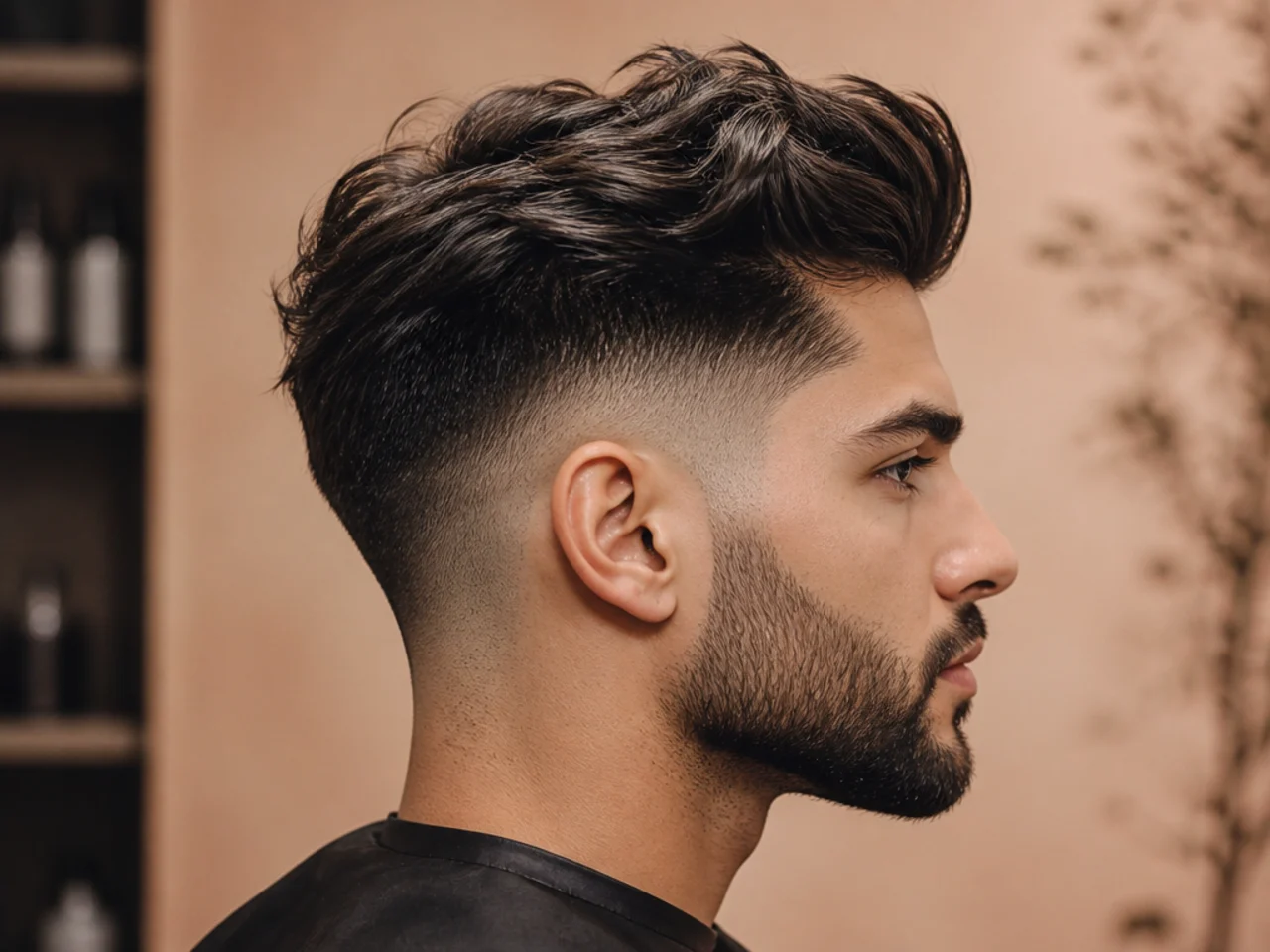
4. Contrast with Length on Top
High. If you keep four inches on top, a high fade makes it read dramatic; a low fade makes it read merely tidy.
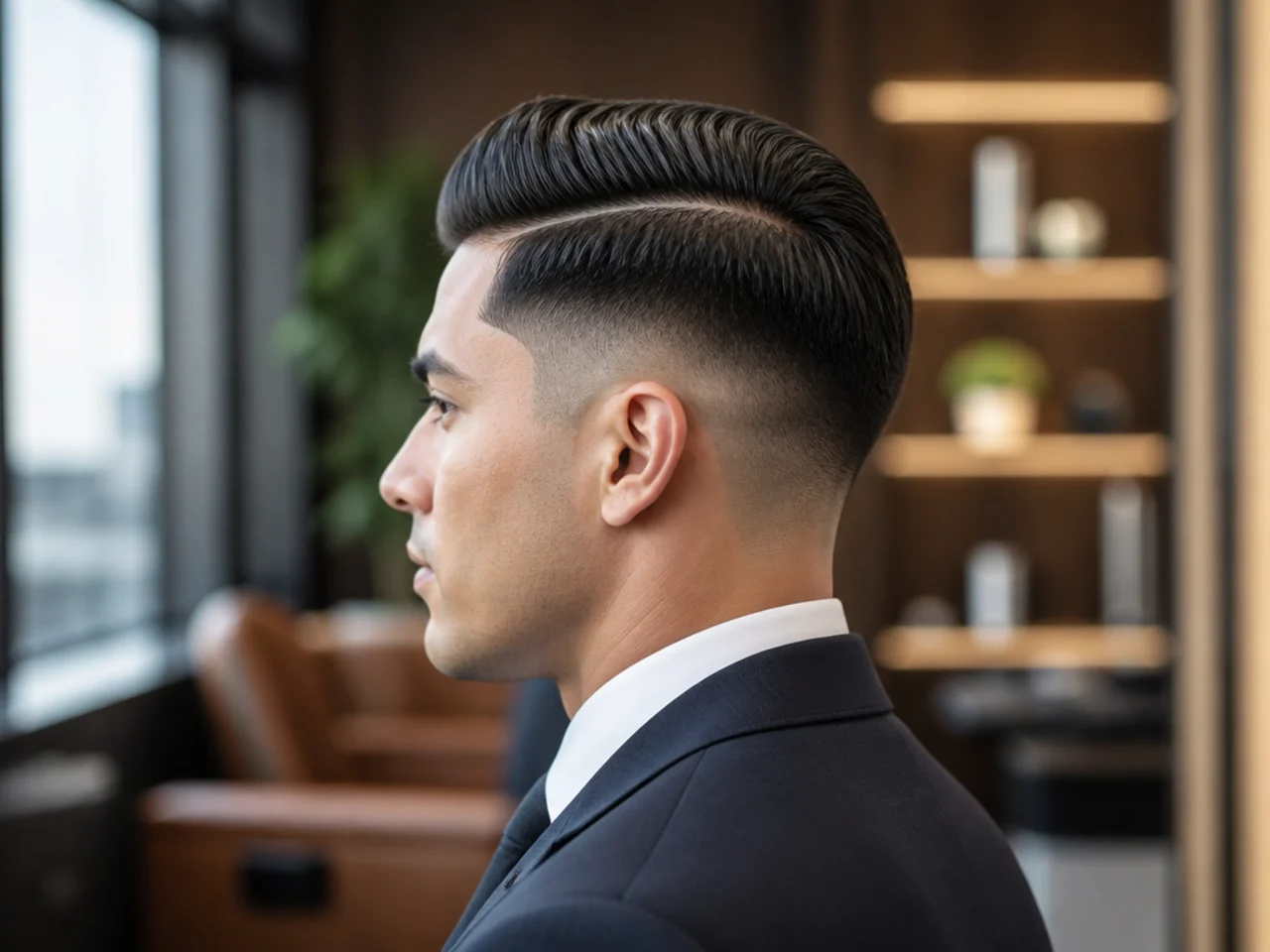
5. Workplace Suitability
Low, in most offices. It reads as grooming rather than styling.
6. Upkeep Cost Per Year
Low. Two to three weeks versus a firm fortnight adds up to several fewer appointments annually.
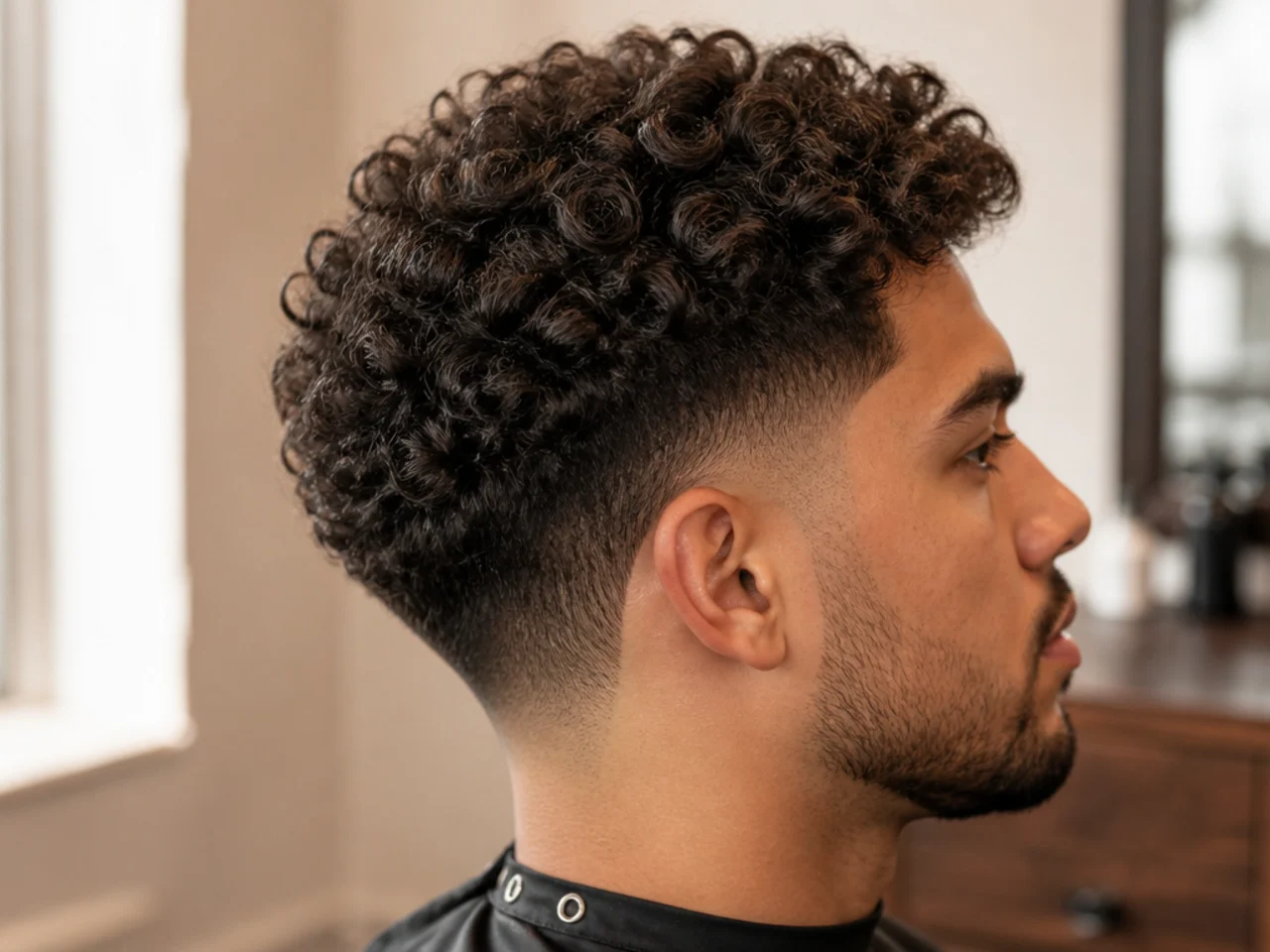
7. On Curly Hair
Low. It removes perimeter bulk without cutting into the curl volume that makes the style work.
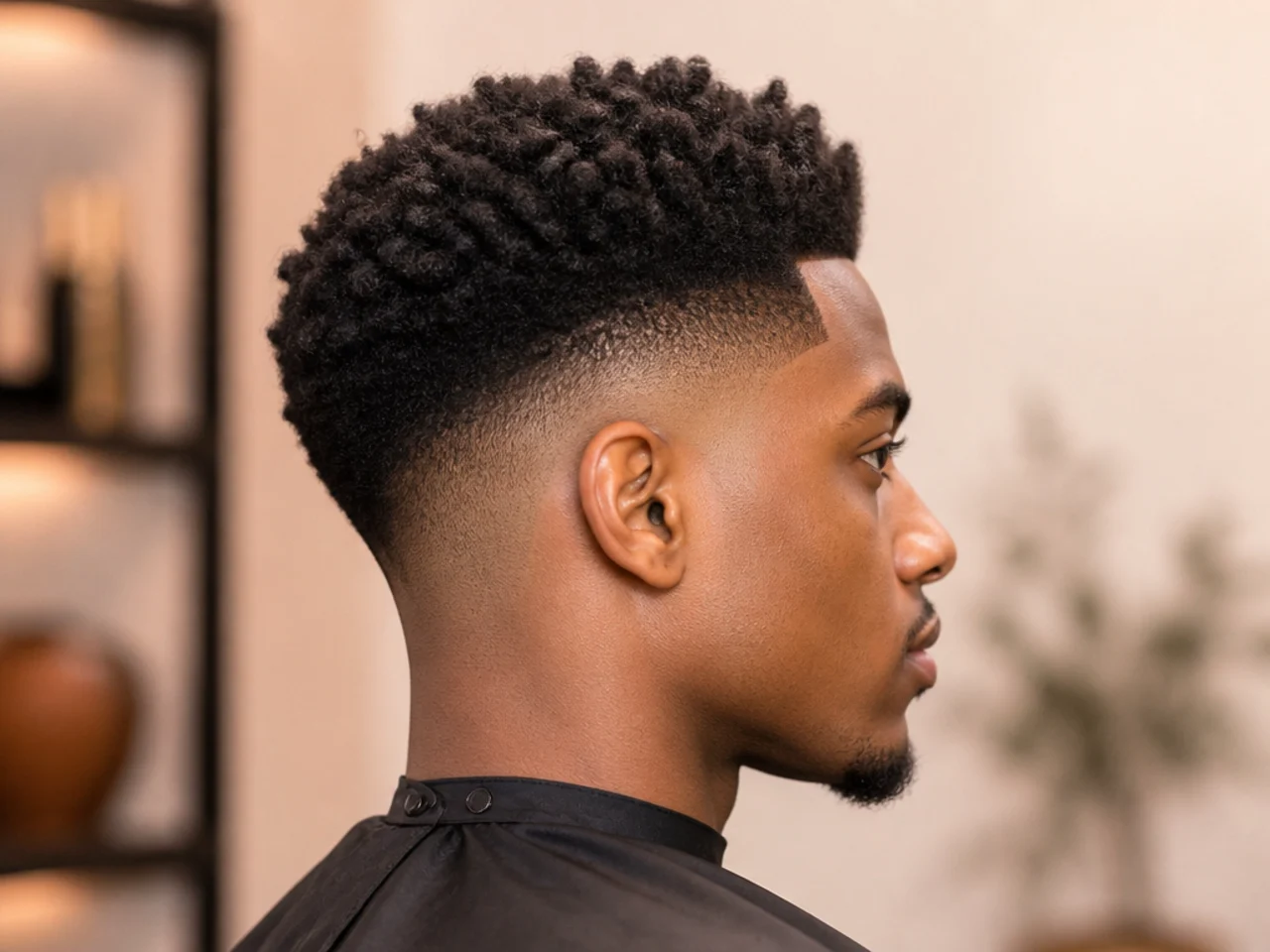
8. On Coily 4C Hair
Either, but high defines the shape more sharply. Low is the safer choice if you are growing the top out.
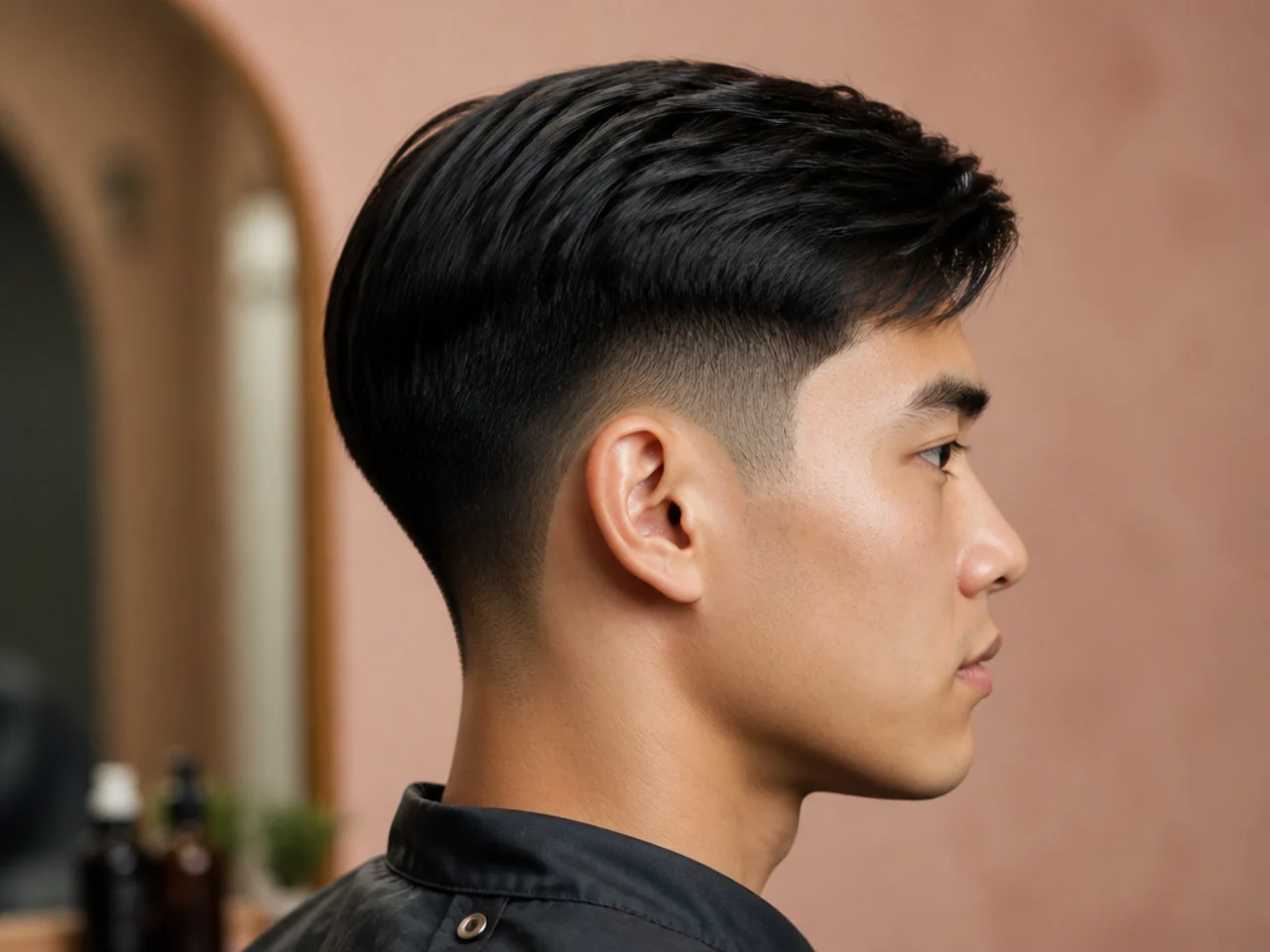
9. On Fine Straight Hair
Low. A high fade on fine hair exposes scalp across a large area and reads thinner, not sharper.
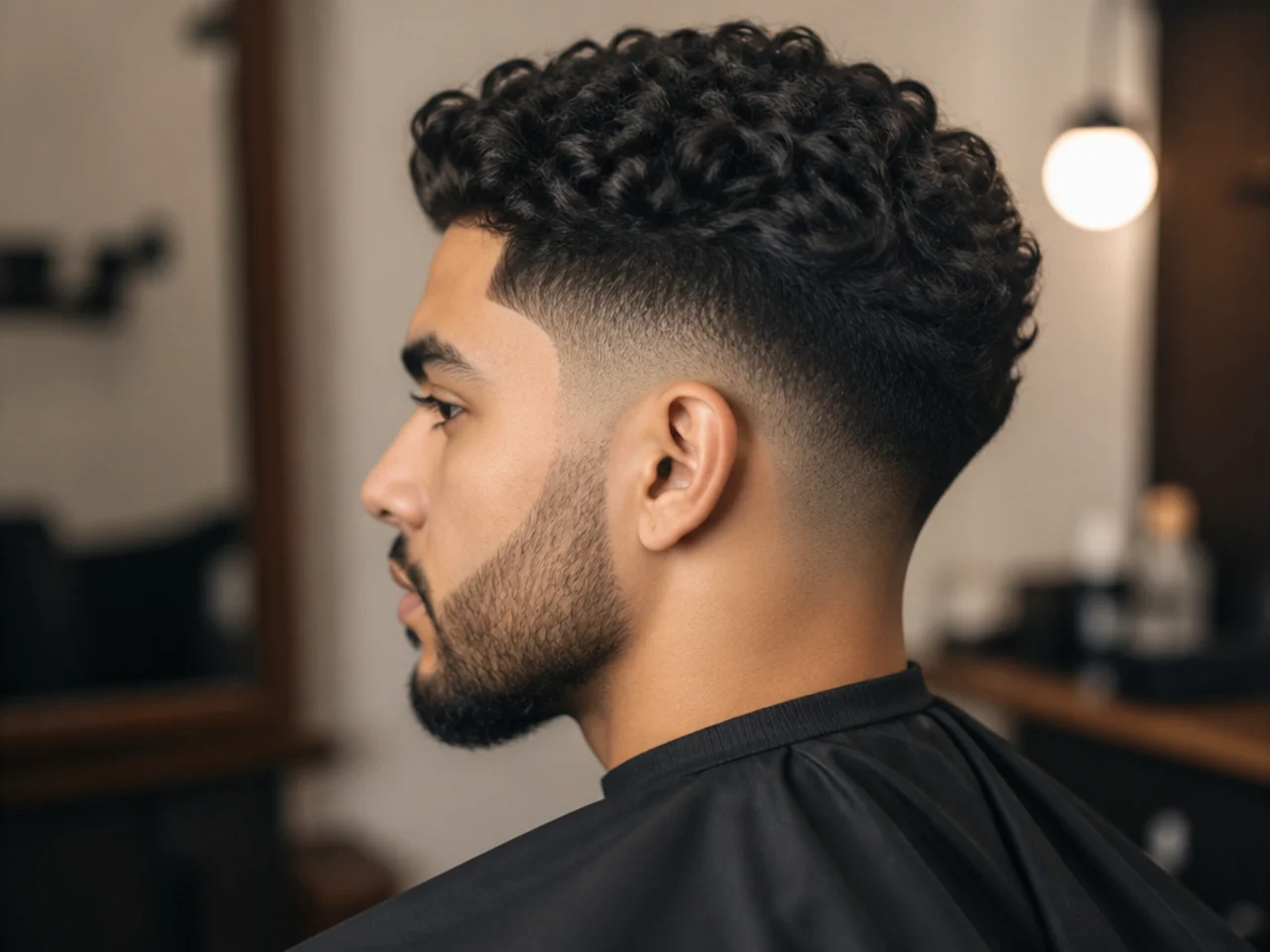
10. With a Beard
Low blends into a beard more naturally because both live at the same height. A high fade leaves a gap between the fade and the jaw.
11. Summer Comfort
High. More hair removed means a genuinely cooler head.
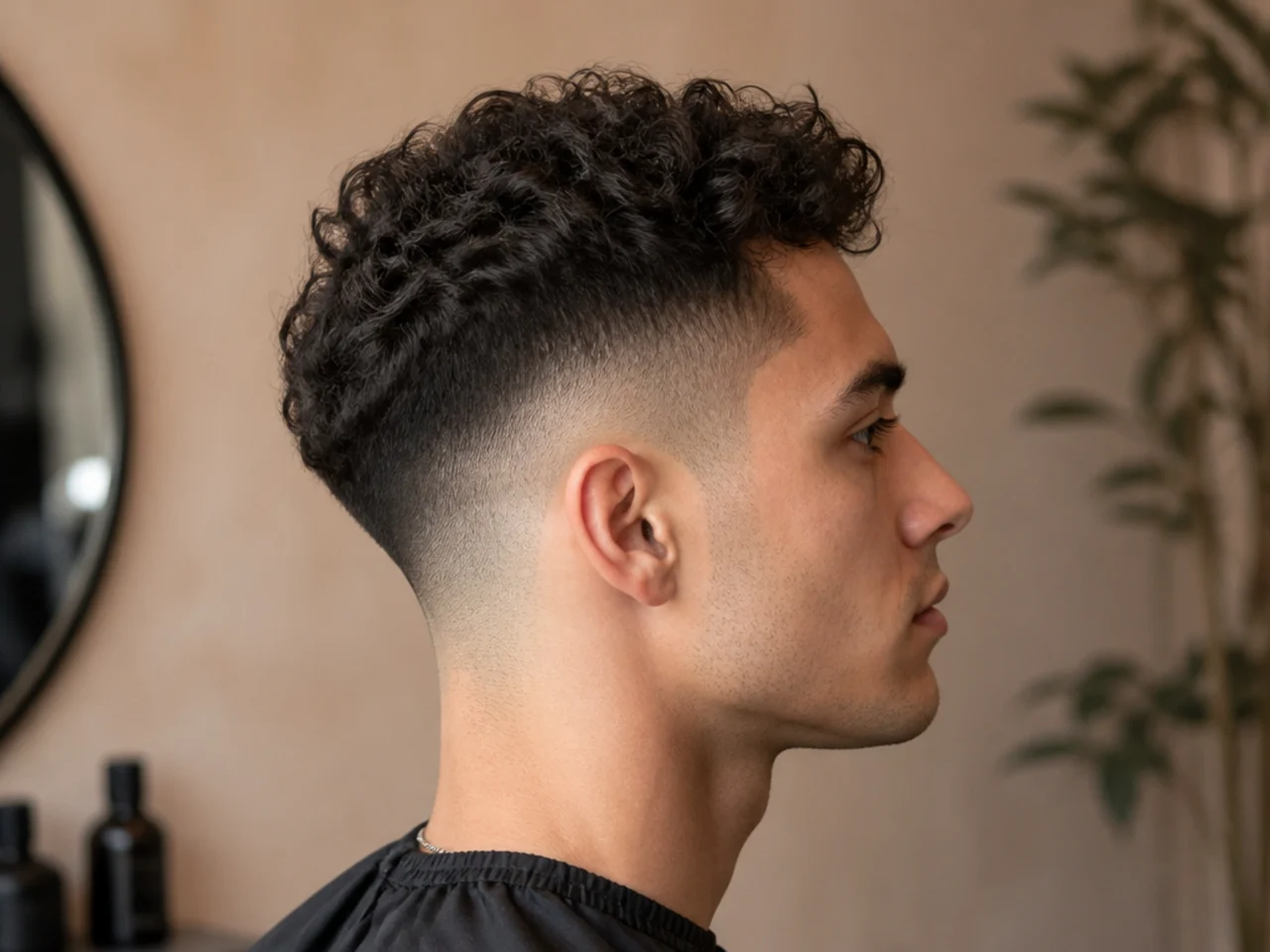
12. Hiding a Receding Hairline
Low with length on top. A high fade draws the eye straight to the temples.
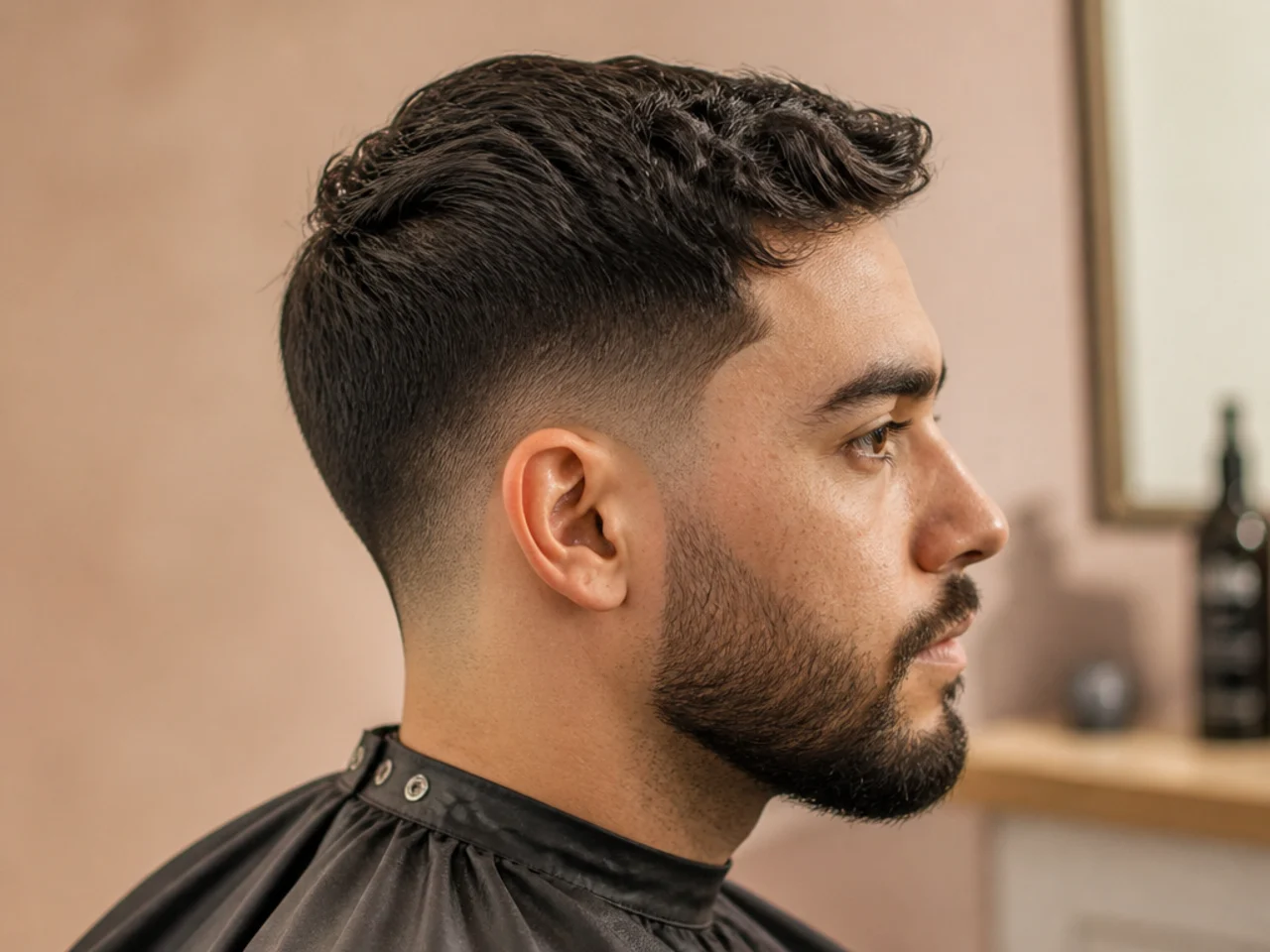
13. Forgiving of a Mediocre Barber
Low. There is far less blend to get wrong, and mistakes sit below the eyeline.
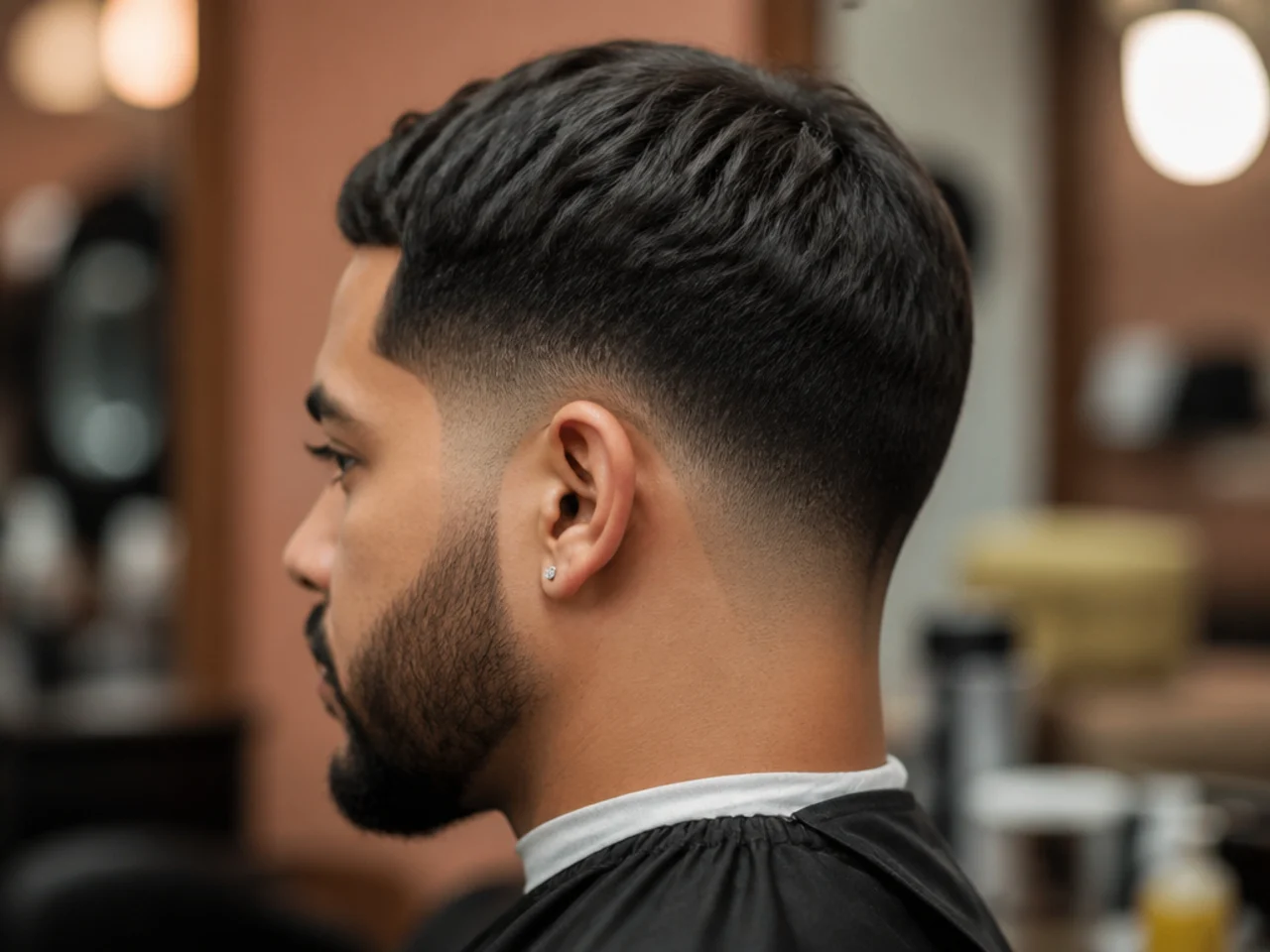
14. Photographs Better
High. The contrast reads clearly at a distance and in small thumbnails.
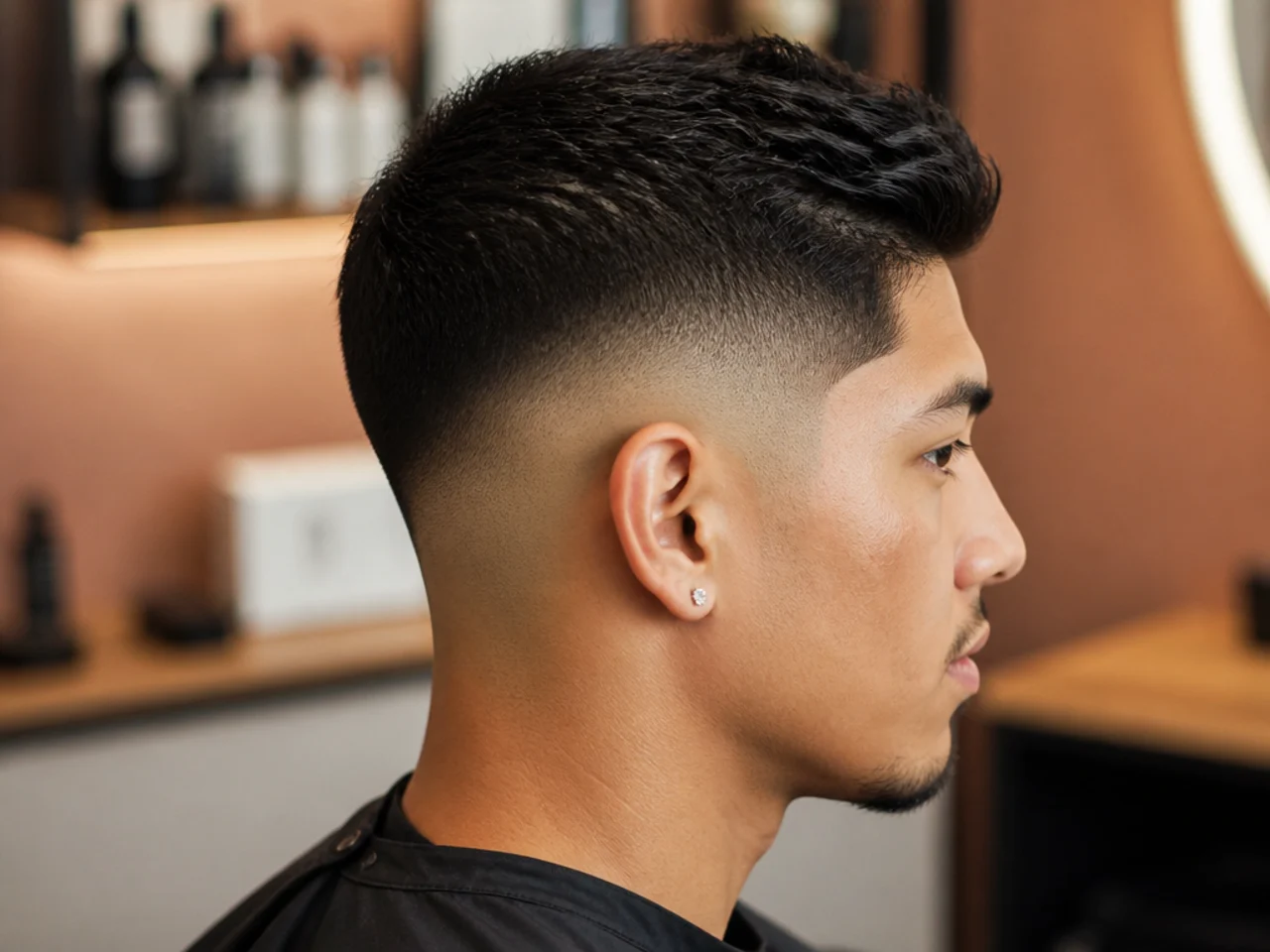
15. With a Middle Part
Low. Curtains need width at the sides to frame properly; a high fade cuts that away.
16. With a Buzzed Top
High. Low contrast plus a buzzed top reads as an unfinished all-over cut.
17. Growing It All Out
Low. There is far less faded hair to catch up.
18. First Fade Ever
Low. If you dislike it, three weeks and it is gone.
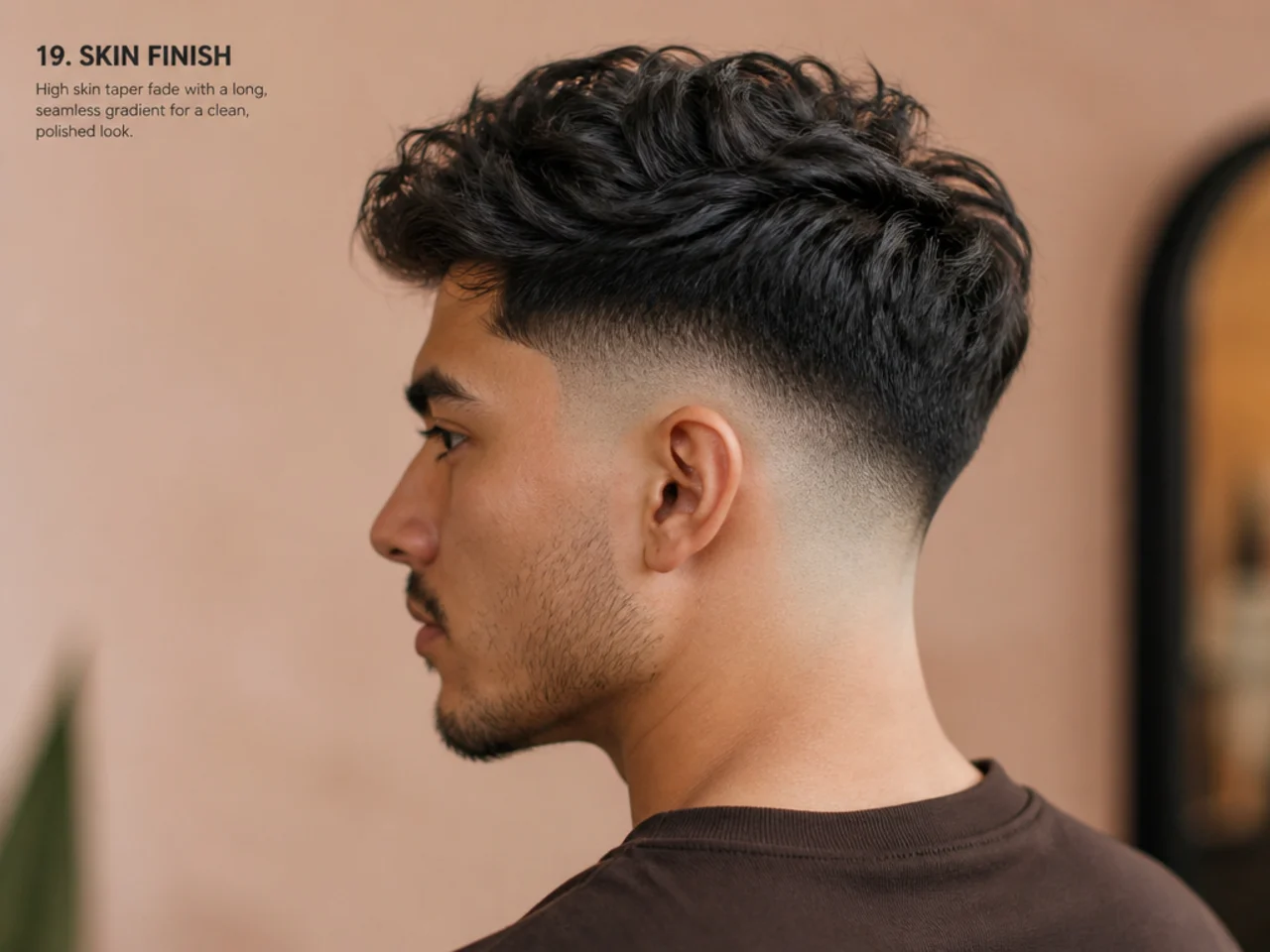
19. Skin Finish
High suits a skin finish better — the larger faded area gives the gradient room to develop.
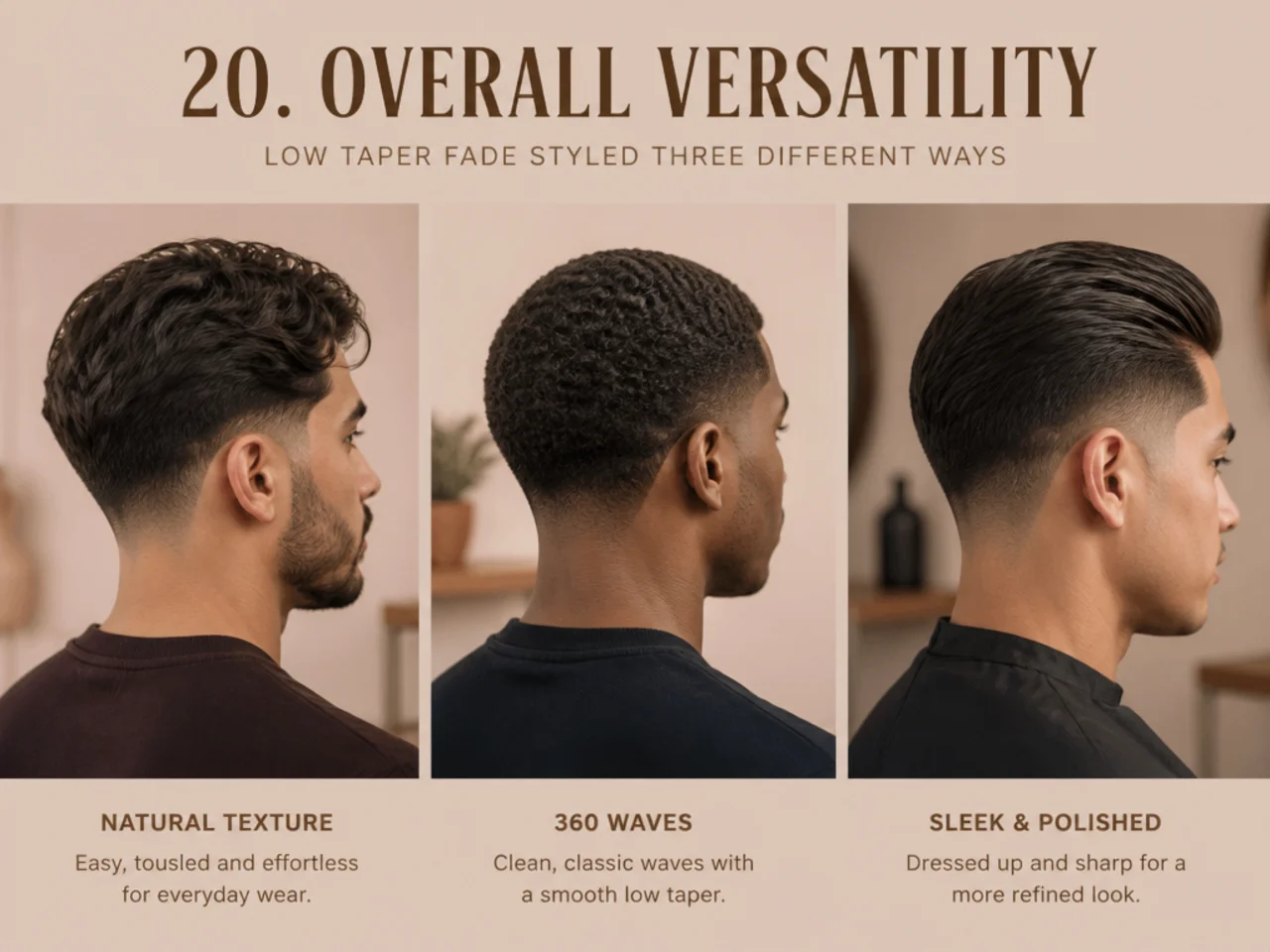
20. Overall Versatility
Low. It works with more hair types, more face shapes and more dress codes than high does.
Which Should You Choose?
Round or square face: high. It narrows the sides and lengthens the head shape.
Long or oval face: low. Keep the width you have.
Conservative workplace: low, with a scissor finish if the dress code is strict.
You want it obvious: high, with real length on top for contrast.
You cannot commit to a fortnightly appointment: low. It is the only one of the two that still looks intentional at week four.
FAQ
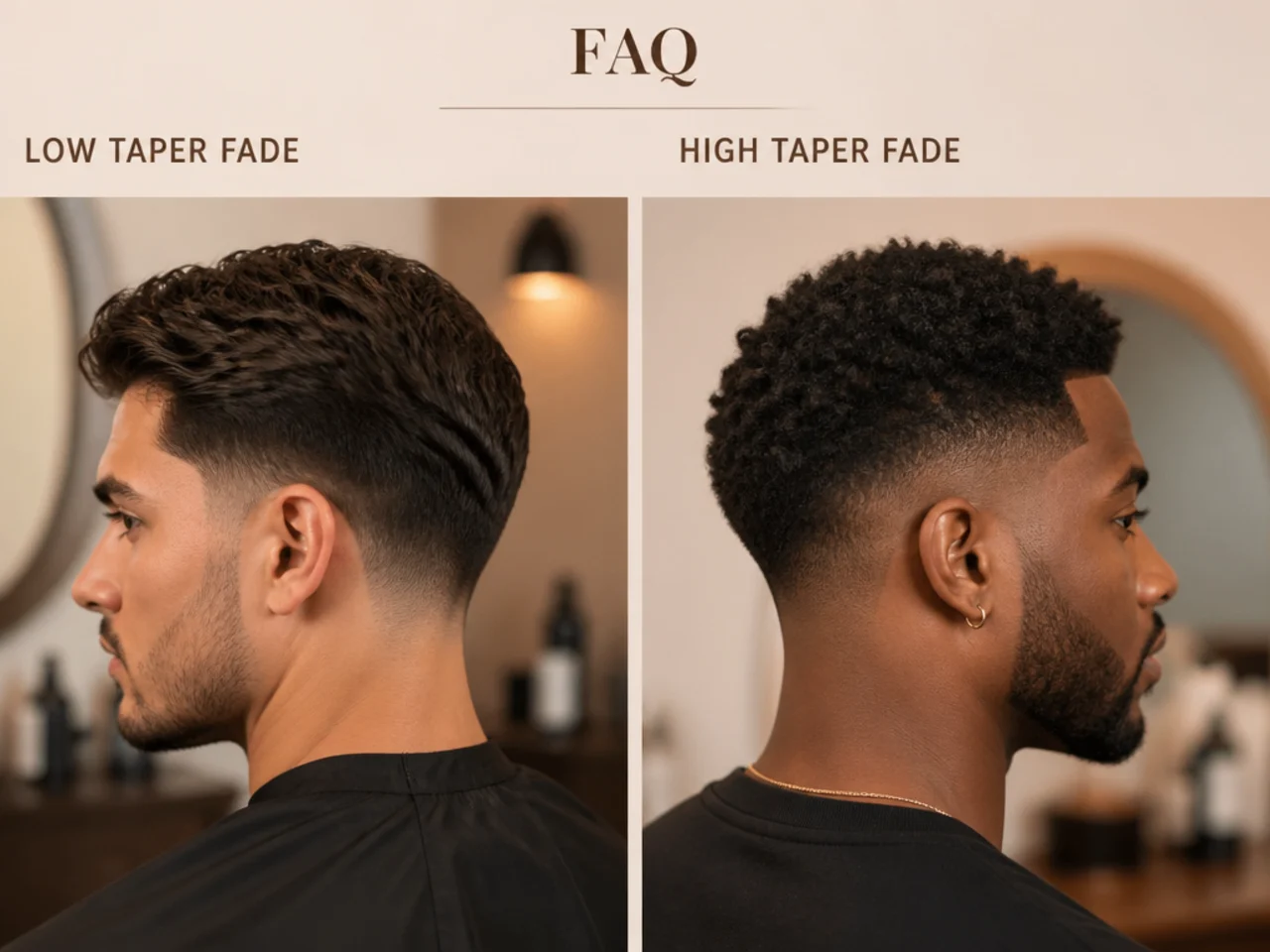
What is the actual difference? Where the fade starts — above the ear versus at the temple line.
Which grows out better? Low. The narrow band reads as fuller sides rather than a line.
Which suits a round face? High, by a clear margin.
Which is more workplace-appropriate? Low, in most settings.
Final Thoughts
Pick by face shape first and upkeep second. Round face and a fortnightly barber habit means high; anything else, low is the safer and more versatile answer.
The full low taper library is in 20 low taper fade haircut ideas, and the rest is in Fade Haircuts.