15 Ways to Style Greasy Hair Fast
Fifteen techniques for styling unwashed hair, based on working with the oil rather than around it. Greasy hair can do things clean hair physically cannot, and most of them take under a minute.
In this article · 21
- What Oiled Hair Can Do That Clean Hair Cannot
- The 15 Techniques
- 1. Use Your Fingers, Not a Brush
- 2. Braid Straight From the Roots
- 3. Backcomb the Crown First
- 4. Move the Parting Before Anything Else
- 5. Zigzag the Parting
- 6. Twist Instead of Gathering
- 7. Commit to Slicked
- 8. Dry Shampoo the Night Before
- 9. Wash the Fringe Only
- 10. Use Texture Spray, Not Cream
- 11. Blot the Roots With Tissue
- 12. Gather Higher Than Usual
- 13. Skip the Straightener
- 14. Let It Air-Dry After a Root Rinse
- 15. Stop Touching It
- Why Product Makes It Worse
- Mistakes to Avoid
- FAQ
- Final Thoughts
Greasy hair is usually approached as a compromise — the best you can manage until you can wash it. That framing costs you something, because oiled hair genuinely does things clean hair cannot.
Braids stay tight instead of loosening. Pins bite. A twist holds without product. A slicked style is possible at all. Every one of those is the oil doing work.
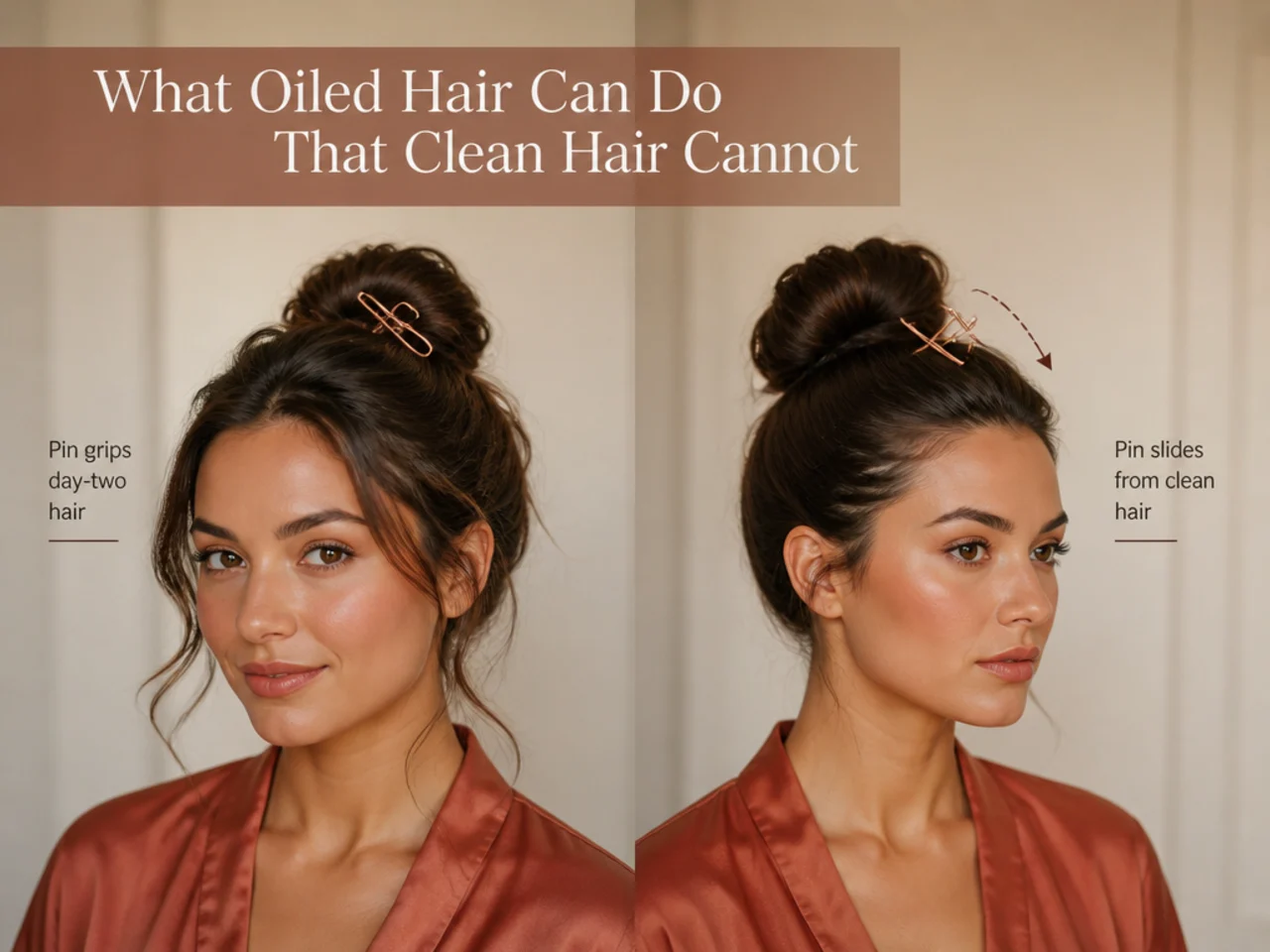
What Oiled Hair Can Do That Clean Hair Cannot
Hold a braid without loosening. Clean hair slips against itself and a plait works loose from the bottom up. Oiled strands have friction, so the braid stays where it was made.
Take a pin that stays put. This is why stylists ask you not to wash before an updo.
Sit flat and stay flat. Clean hair lifts and flies away; oiled hair lies down, which is exactly what a sleek style needs.
Hold a slicked shape with far less product. The wet look is unavailable on genuinely clean hair without a great deal of gel.
So the useful reframe is: day two is not a compromise, it is a different set of options. Structural styles belong here. Save the loose, voluminous ones for wash day, when the hair will actually do them.
The 15 Techniques
1. Use Your Fingers, Not a Brush
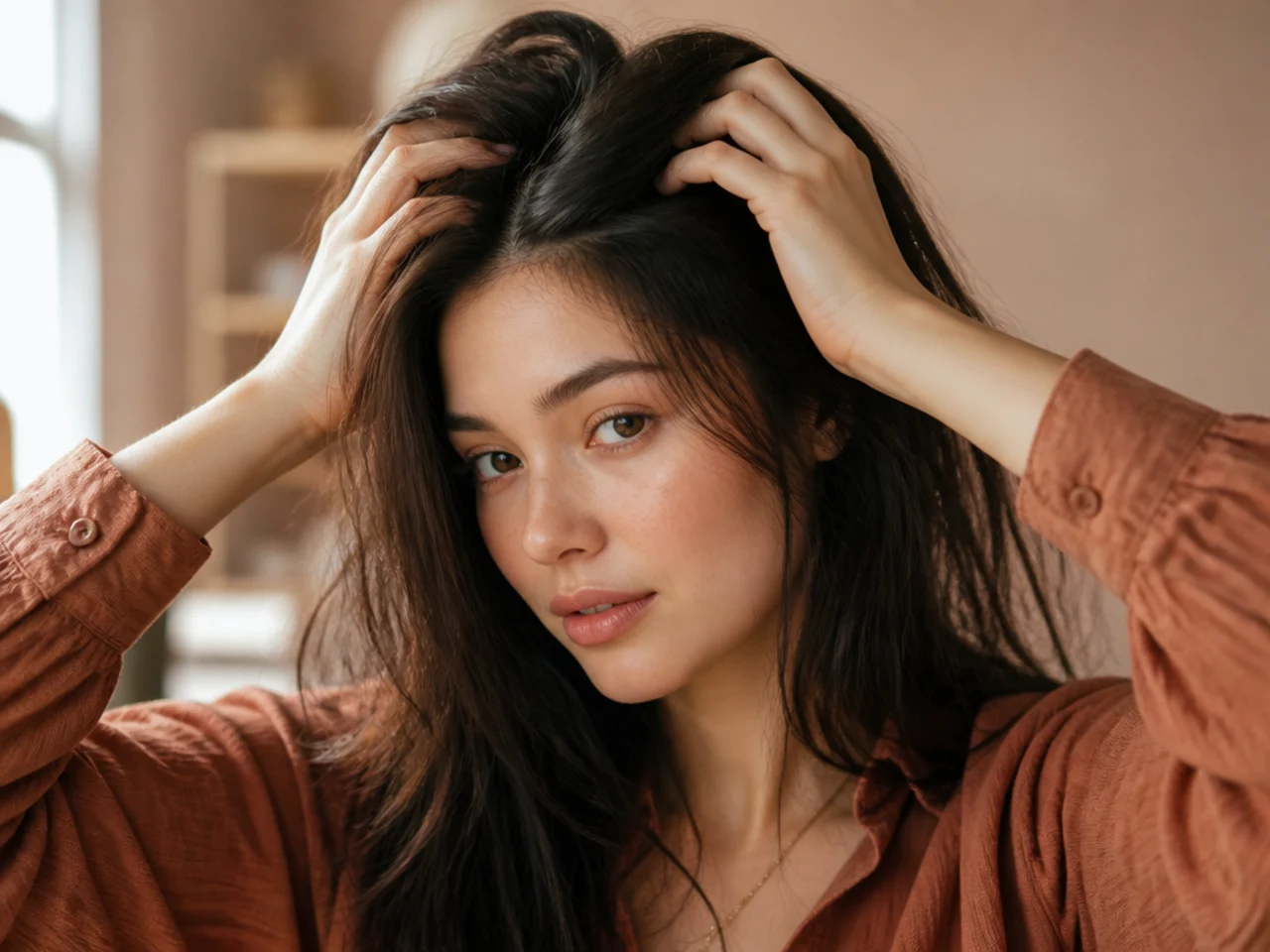
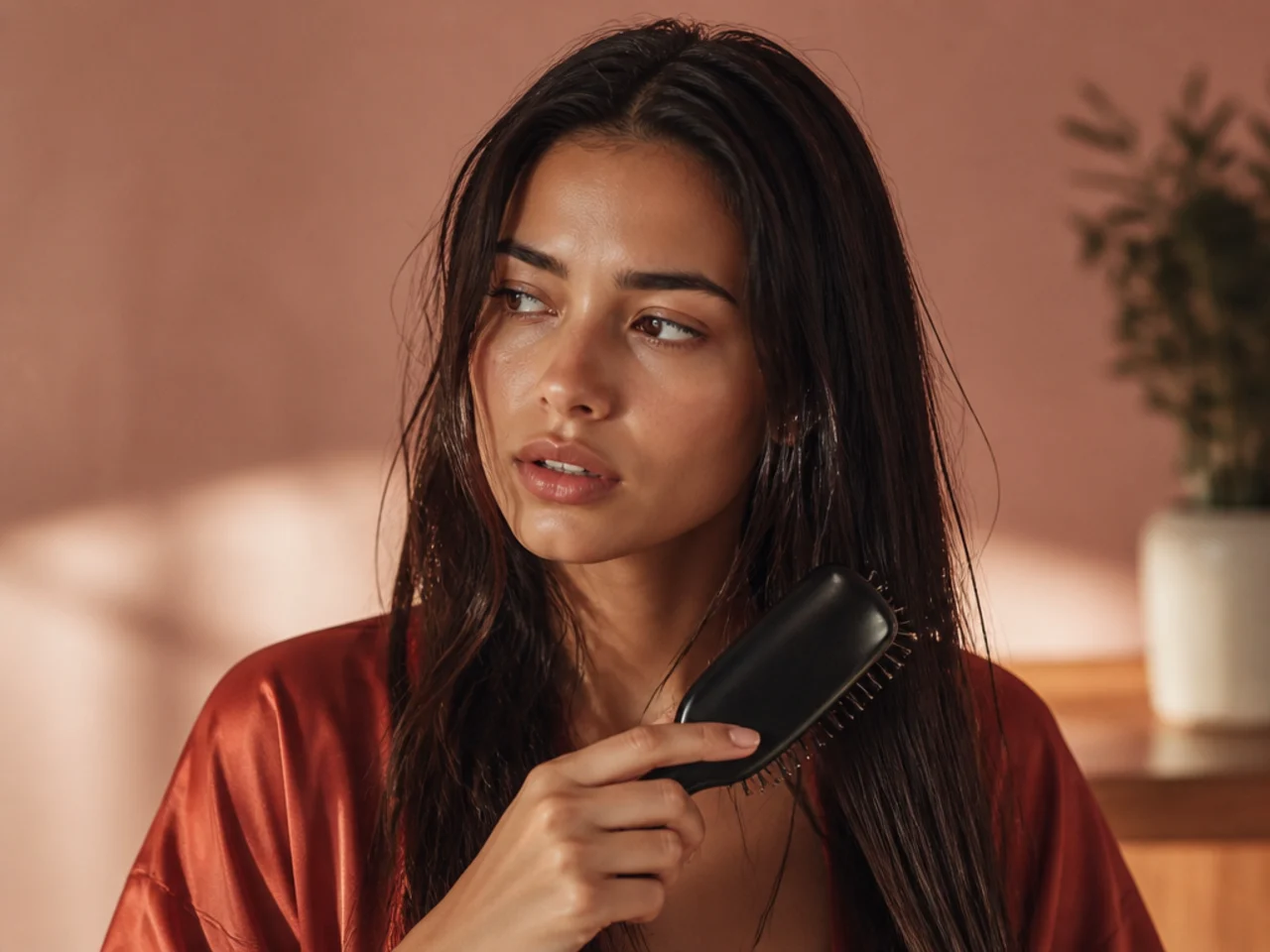
A brush pulls oil from the scalp down the lengths. Fingers shape without transporting.
2. Braid Straight From the Roots
Start at the hairline. It covers the shiniest area and the braid holds better than it would clean.

3. Backcomb the Crown First
Three light passes lifts the roots off the scalp and restores the volume oil removed.
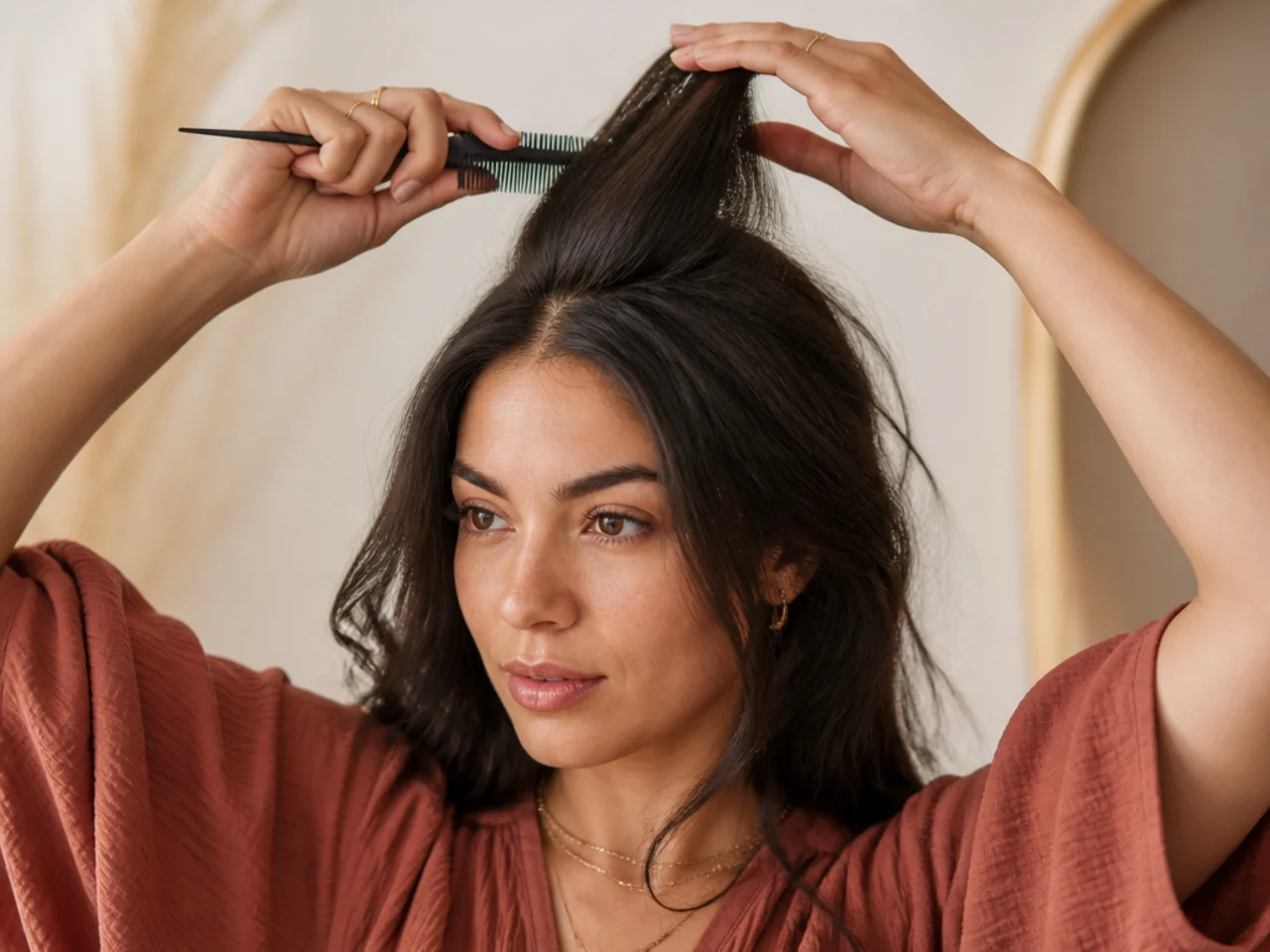
4. Move the Parting Before Anything Else
Two centimetres, and it costs no time at all.
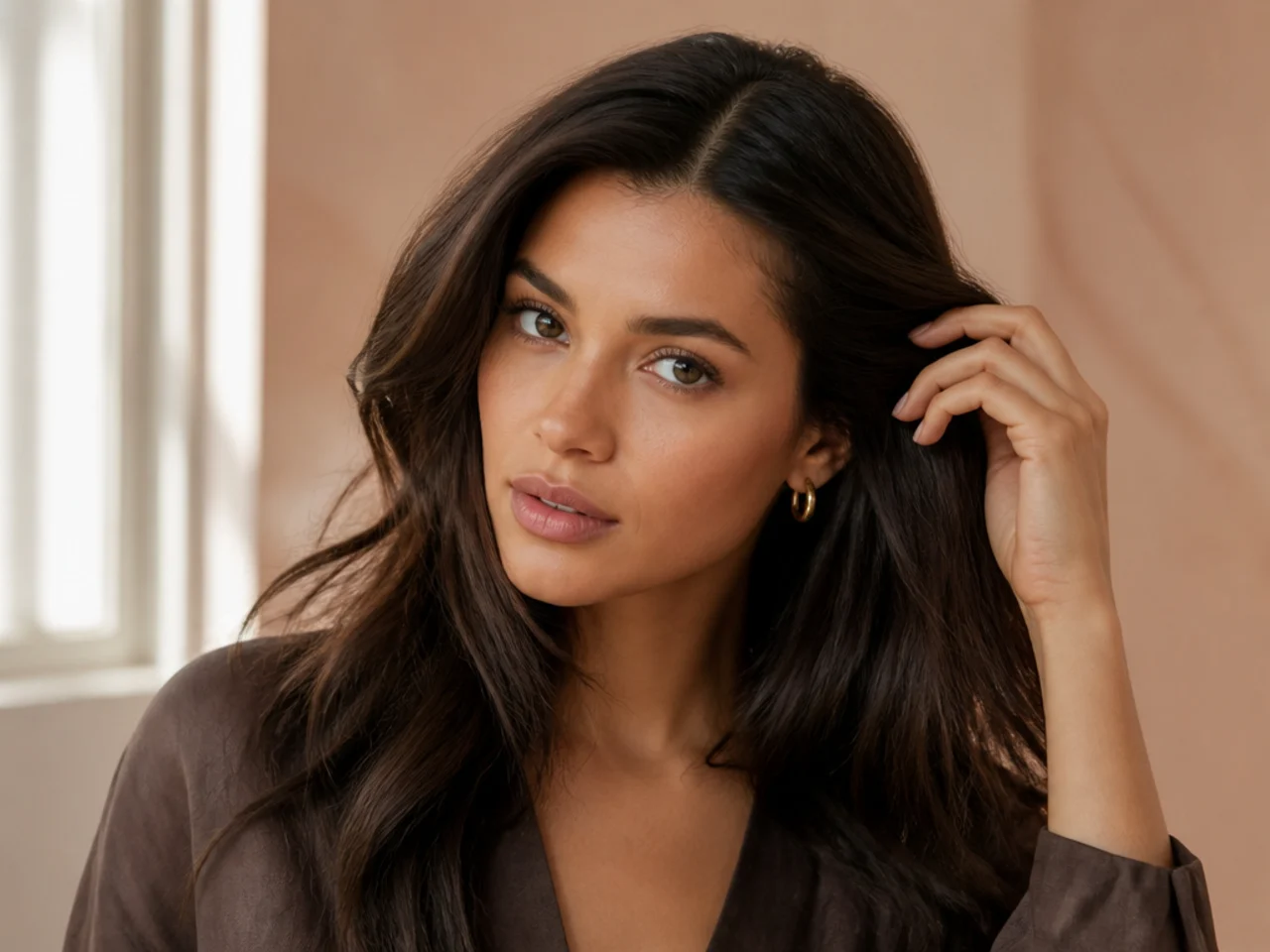
5. Zigzag the Parting
A broken line hides a shiny scalp better than a straight one.
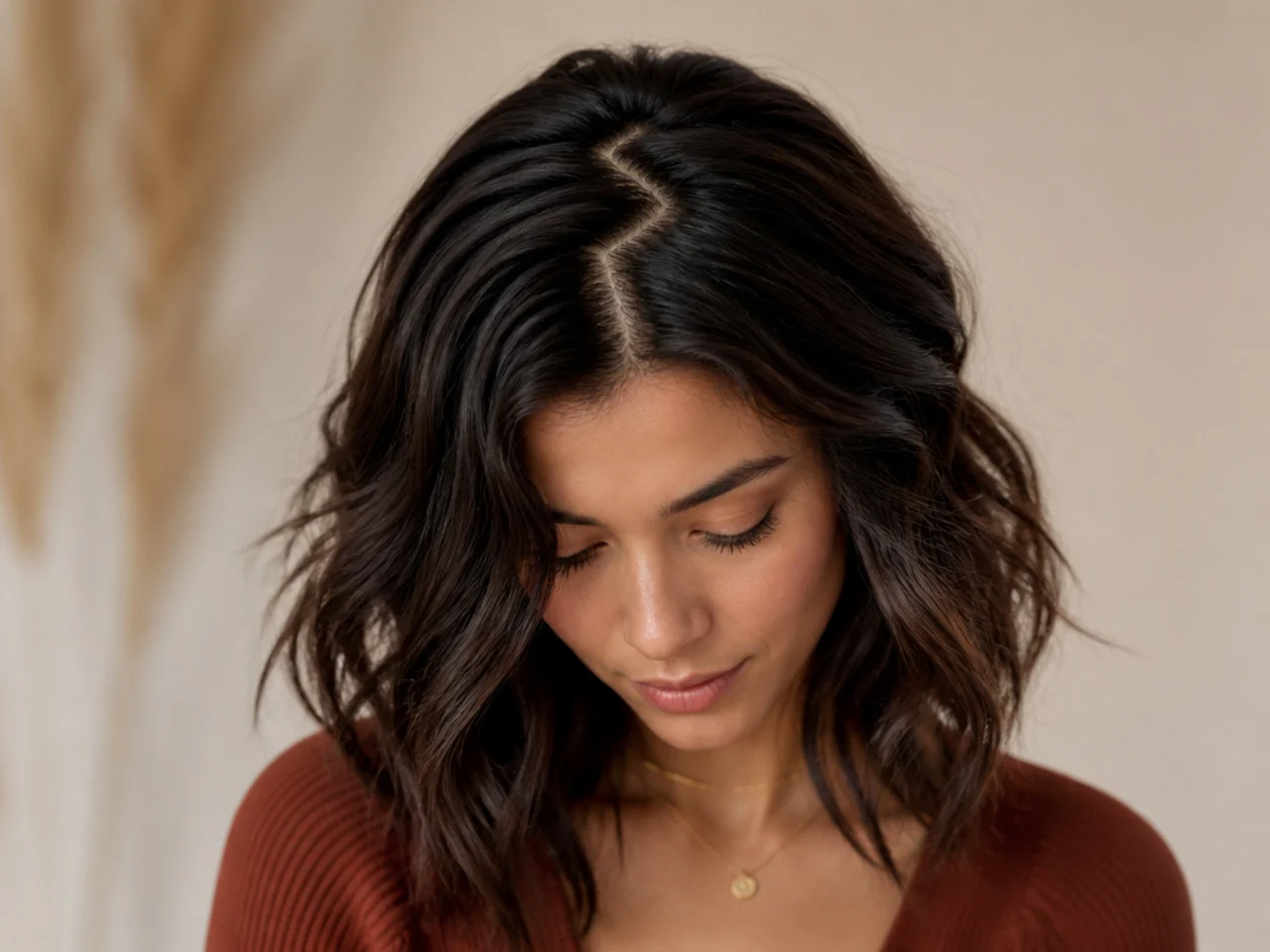
6. Twist Instead of Gathering
A twist puts texture over the surface; a smooth gather leaves the sheen on display.
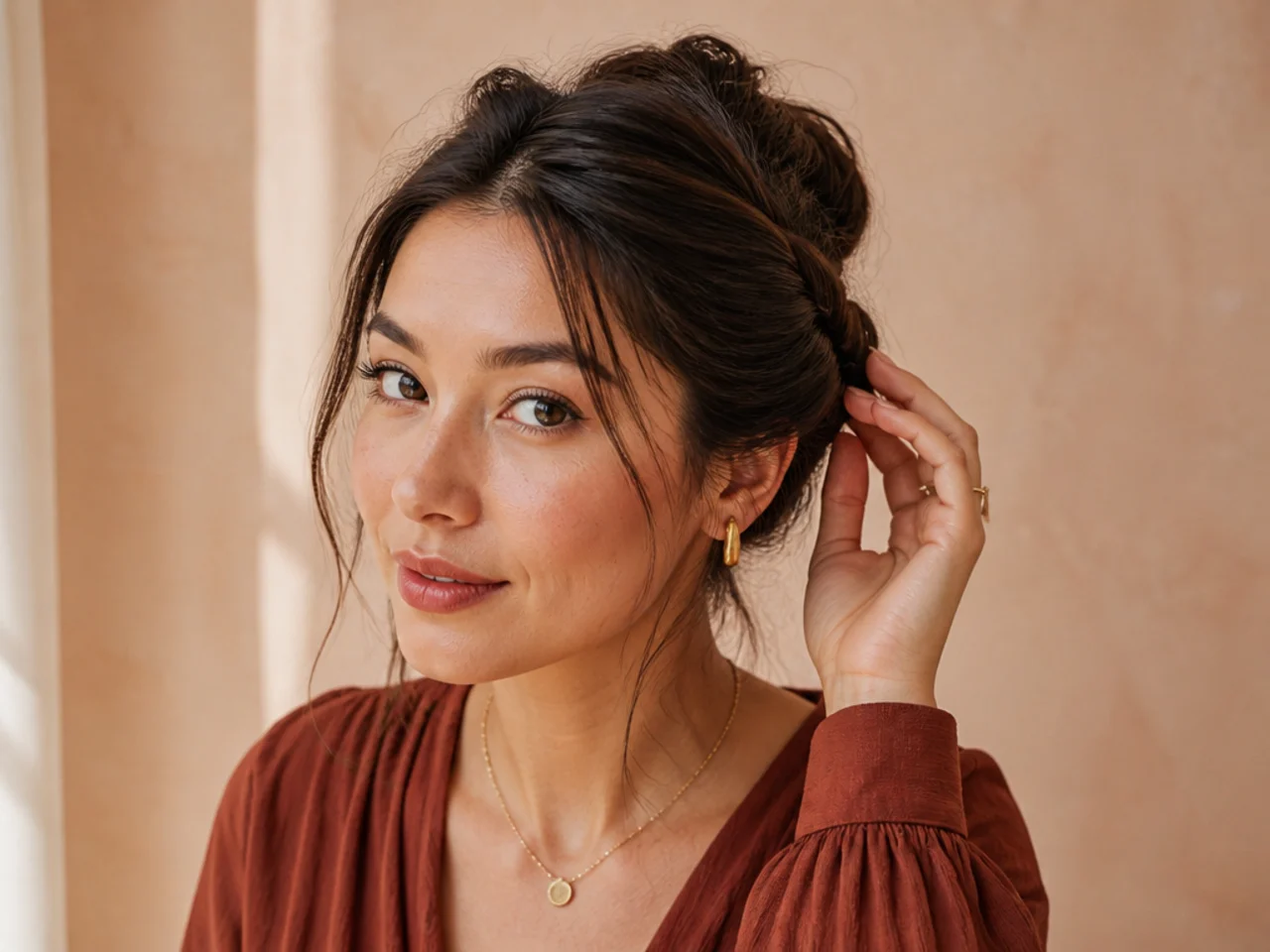
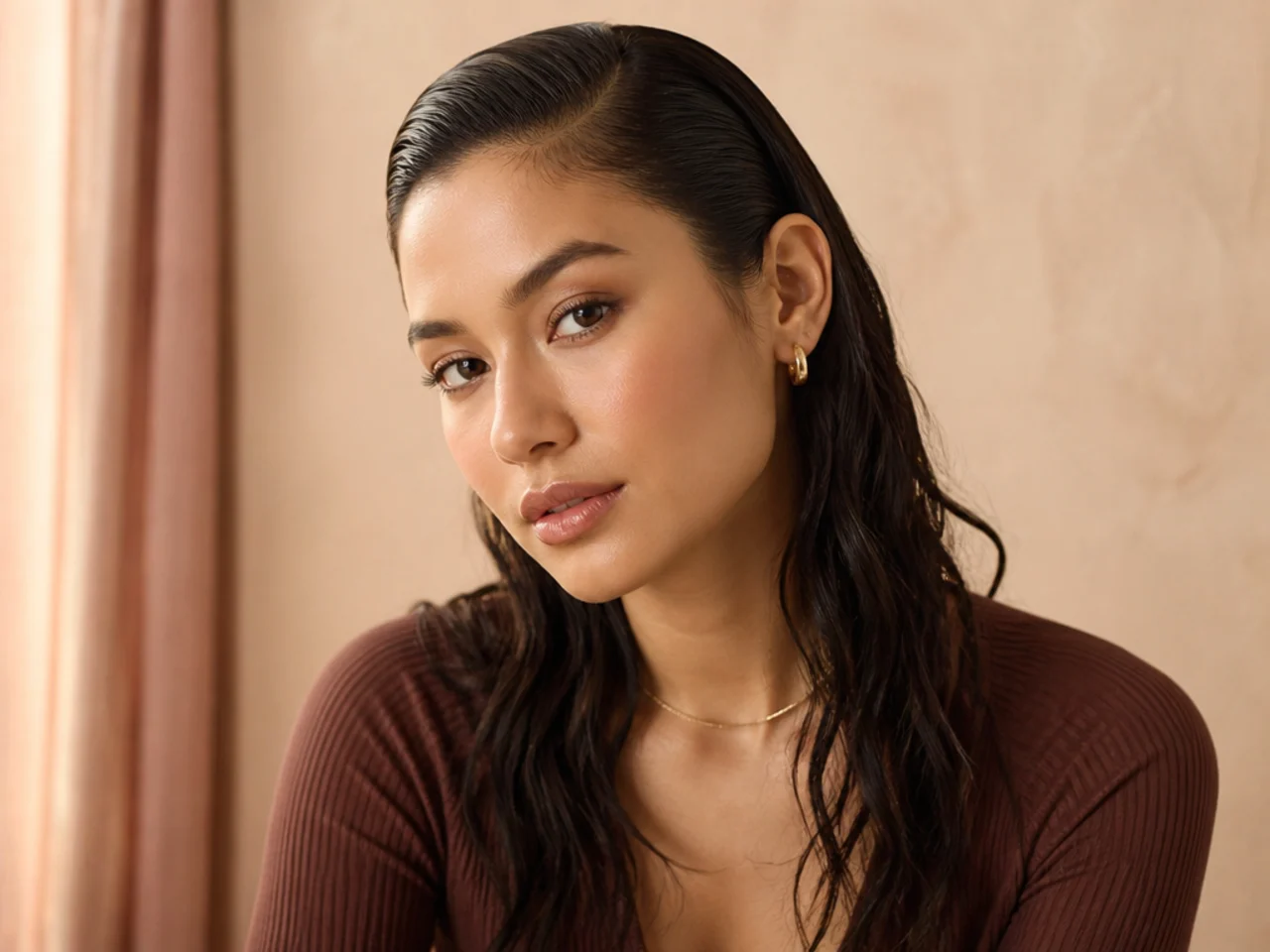
7. Commit to Slicked
If it is too oily to hide, gel the front and make it the look.
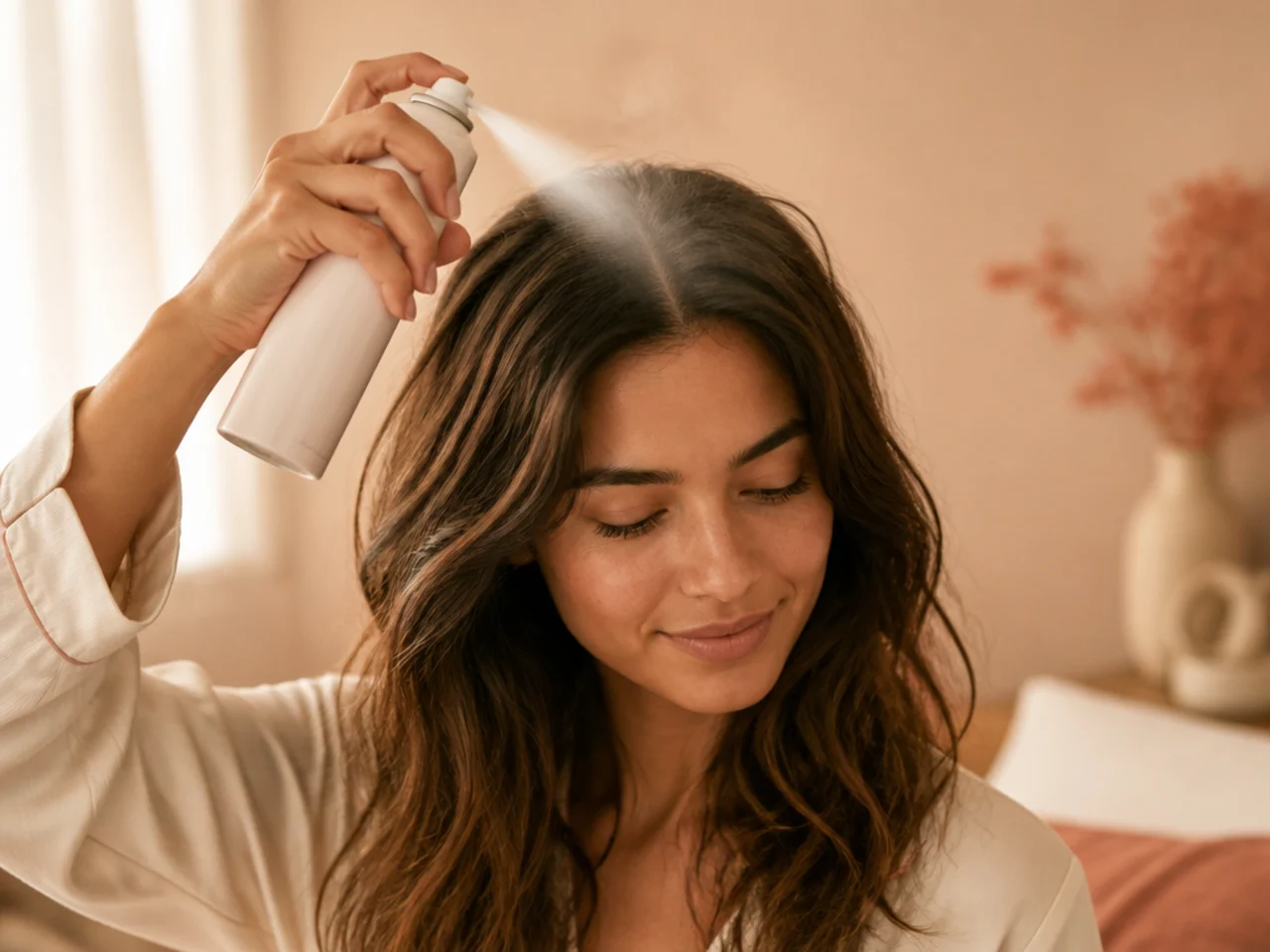
8. Dry Shampoo the Night Before
It absorbs overnight. Applied in the morning it sits on the surface.
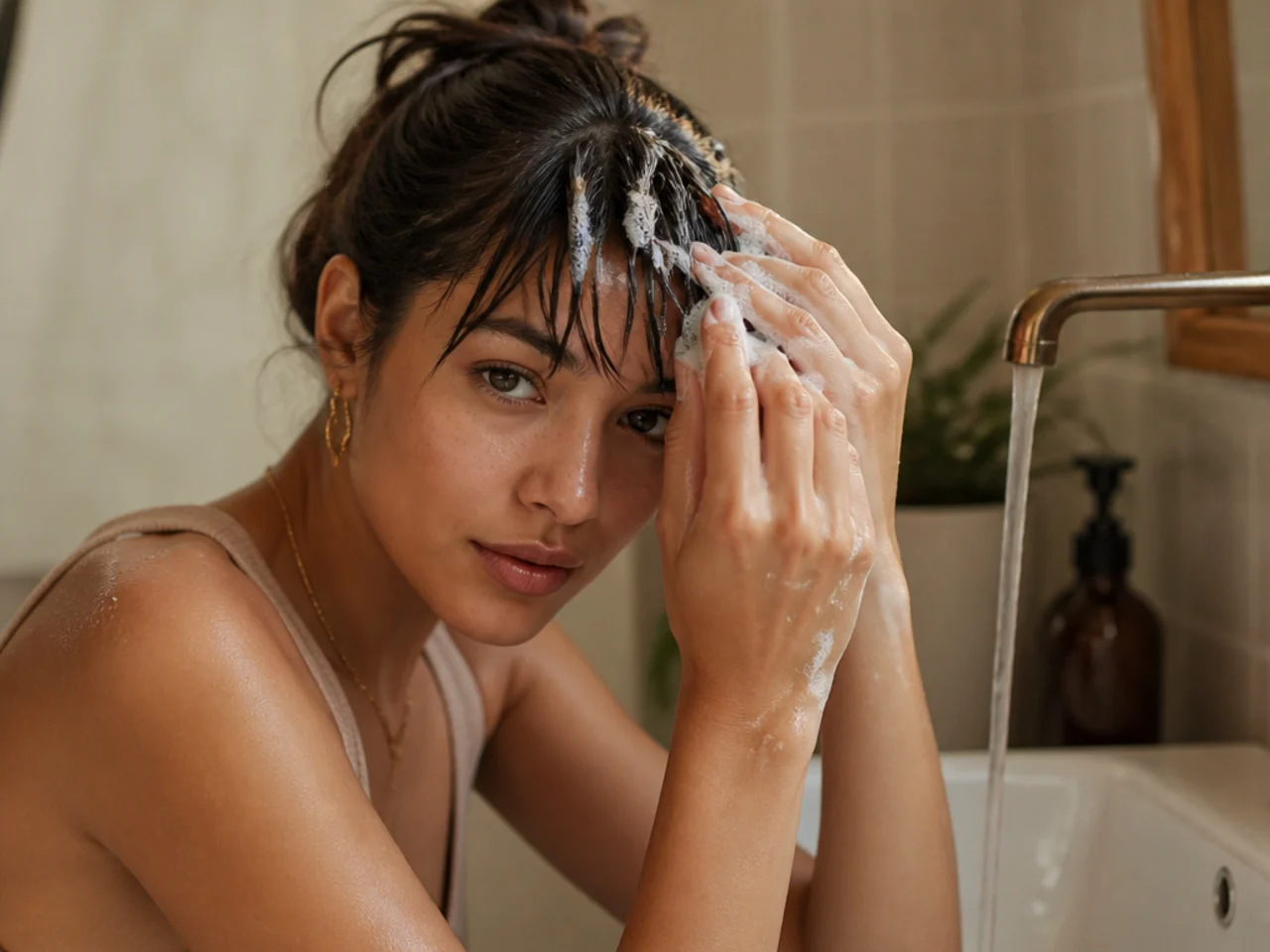
9. Wash the Fringe Only
Two minutes at the sink. The fringe goes greasy first and shows it most.
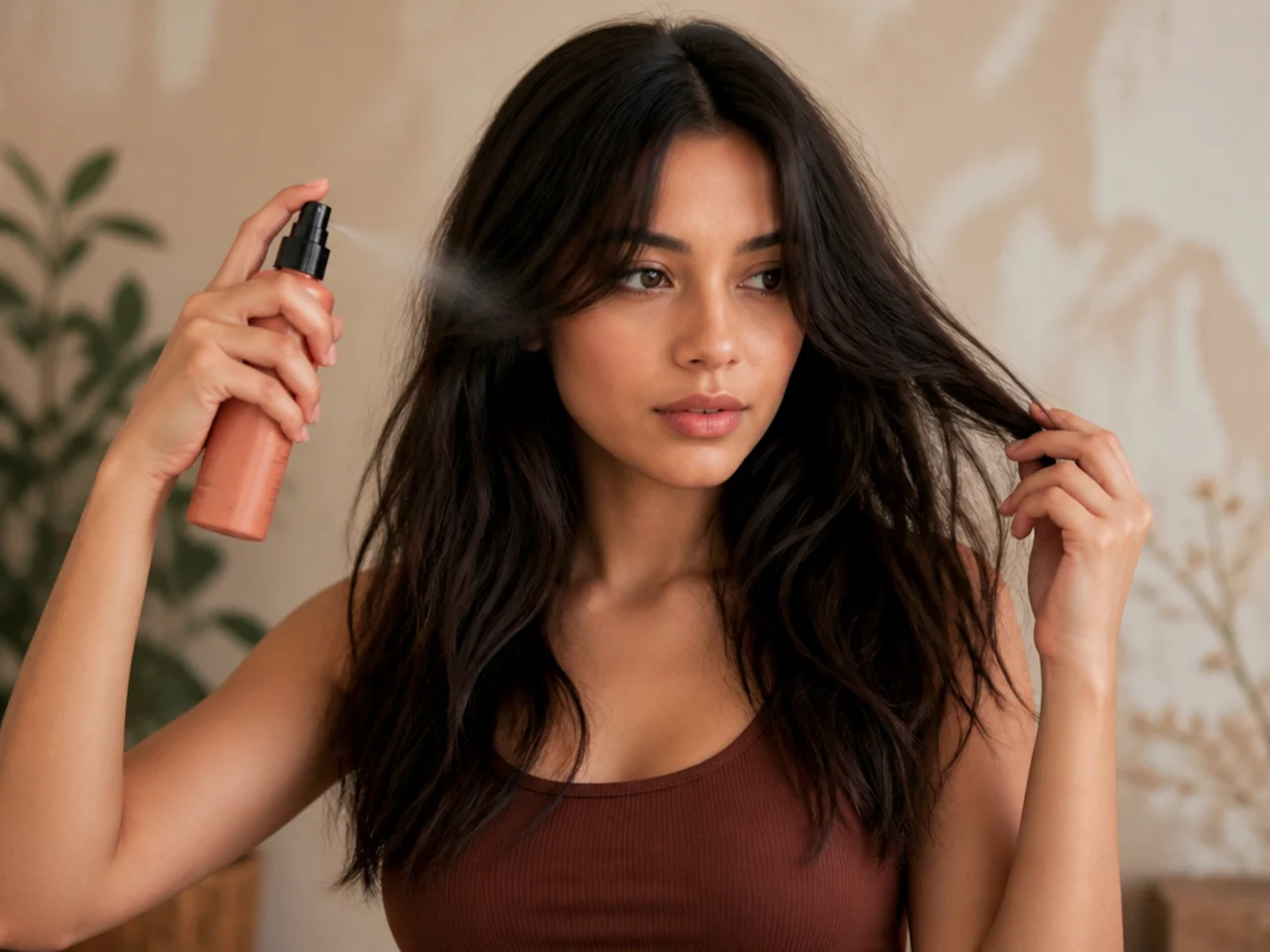
10. Use Texture Spray, Not Cream
Texture spray adds grit and matte. Anything creamy adds shine to hair that already has too much.
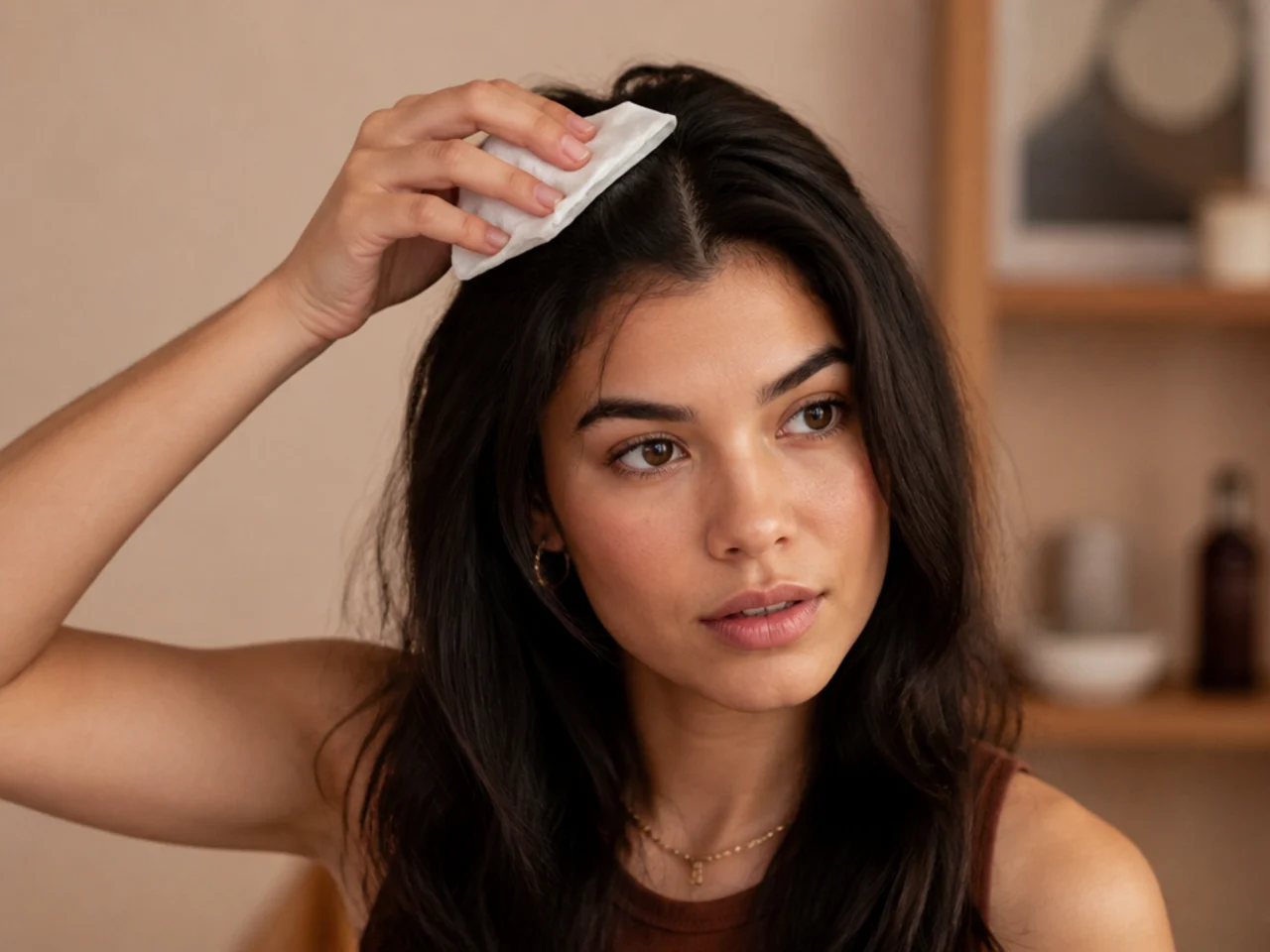
11. Blot the Roots With Tissue
Press, do not rub. It lifts surface oil in about ten seconds.
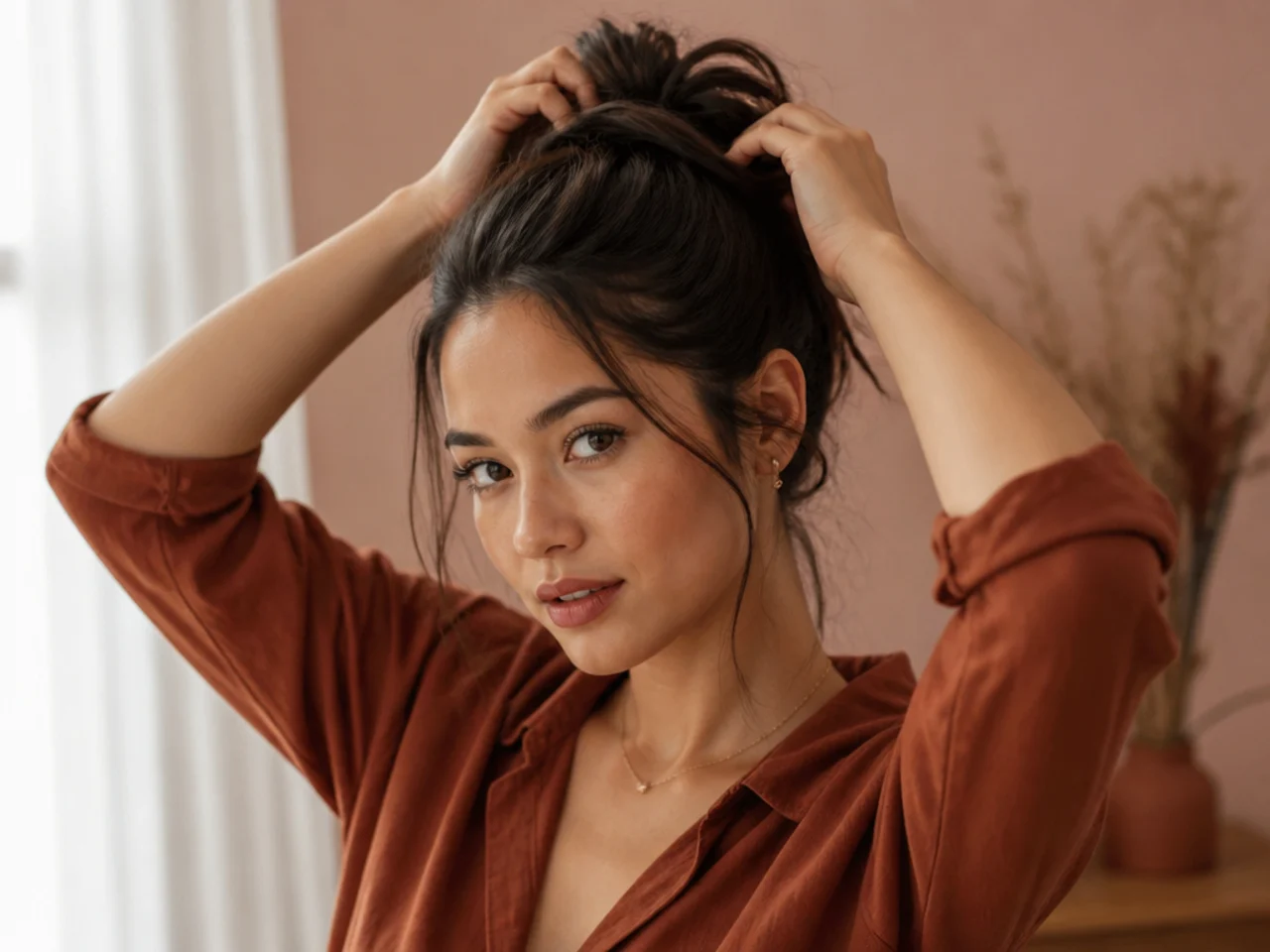
12. Gather Higher Than Usual
A high gather pulls the roots taut and away from the scalp, which reduces visible flatness.
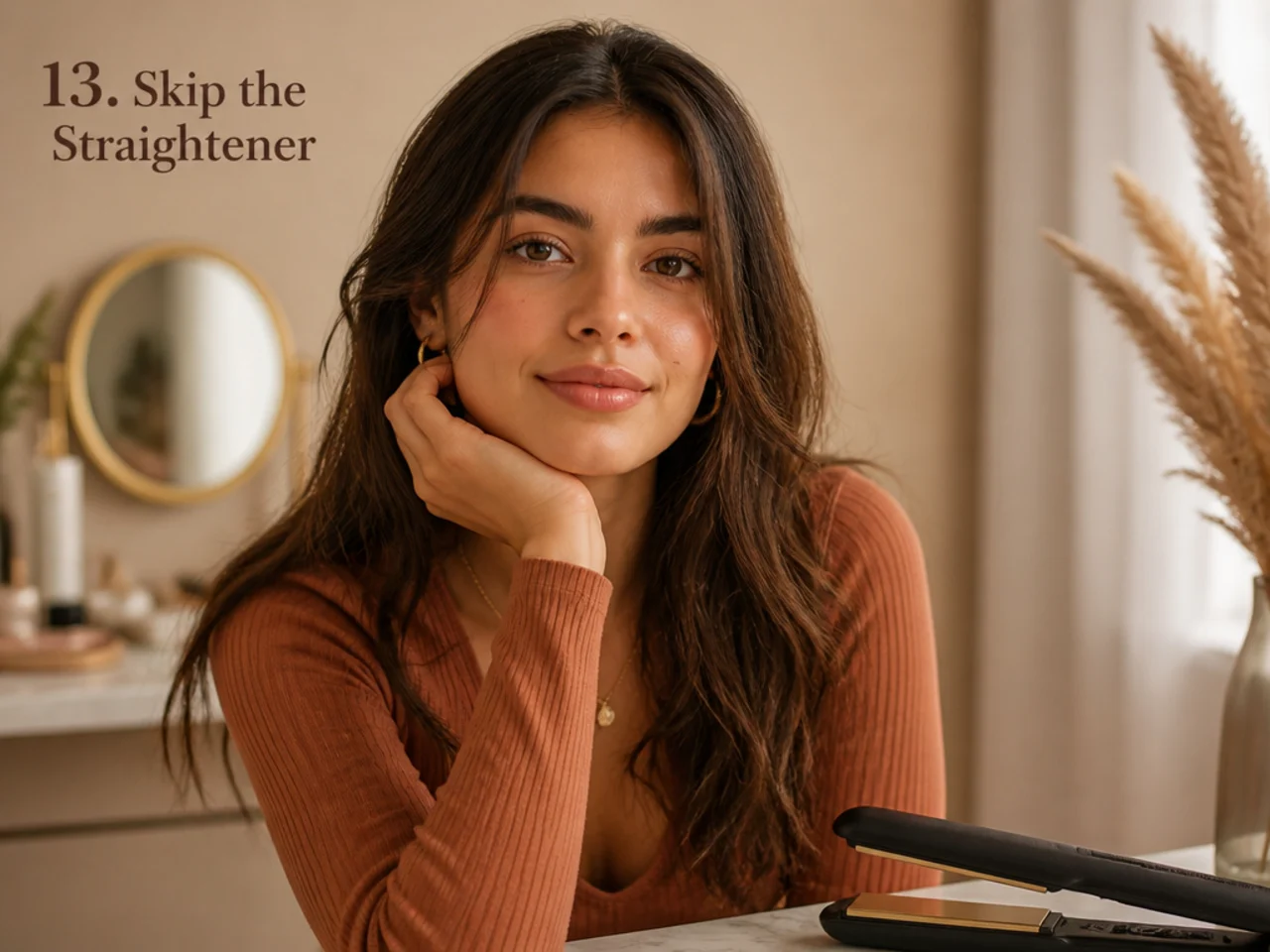
13. Skip the Straightener
Heat on oiled hair flattens it further and makes the sheen stronger.
14. Let It Air-Dry After a Root Rinse
Rinse the roots with water only, no shampoo, and air-dry. It resets one full day.

15. Stop Touching It
Hands transfer oil. The face-framing pieces get the worst of it because they are handled most.

Why Product Makes It Worse
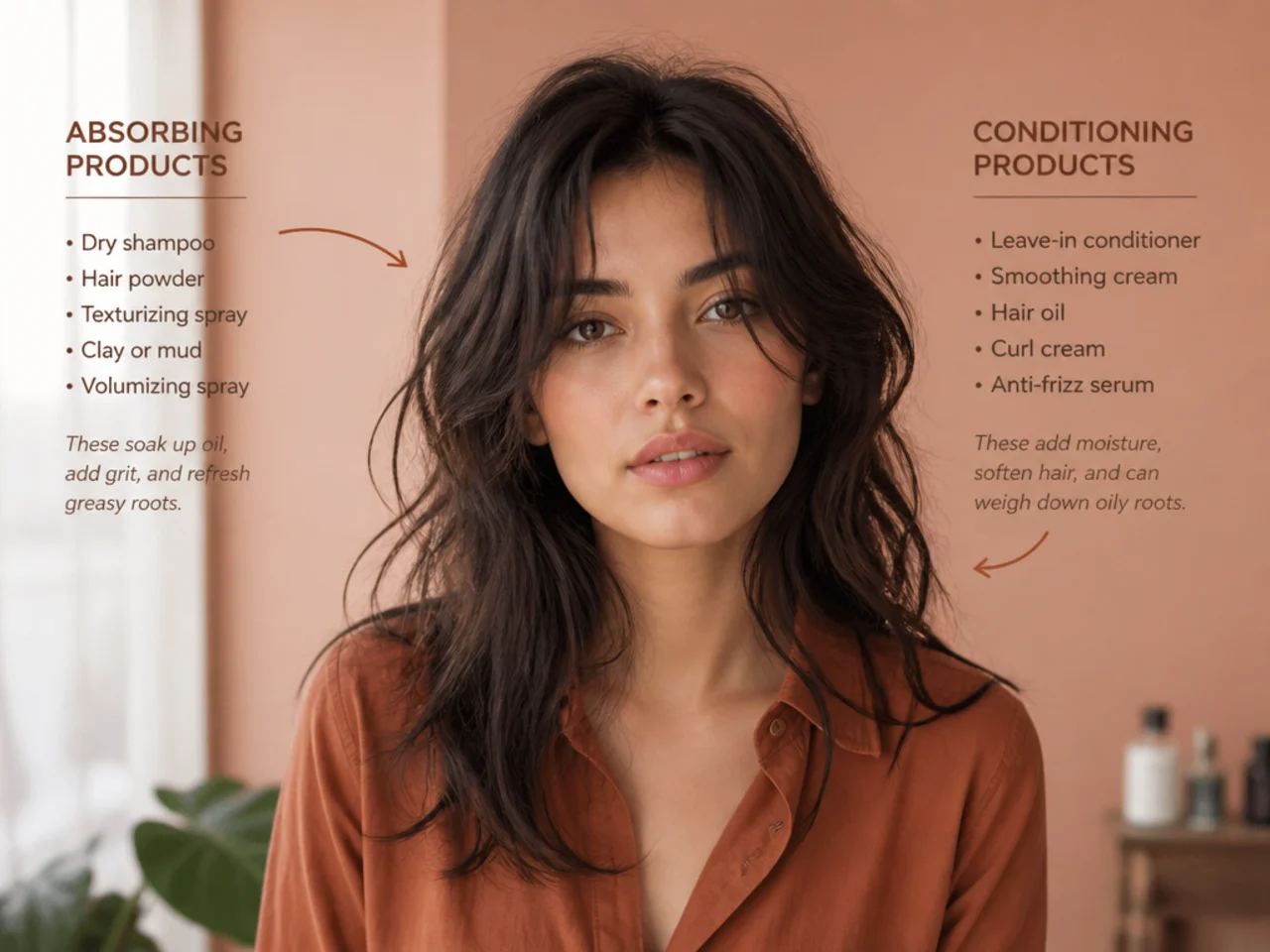
Almost every instinct here is to add something, and almost every addition compounds the problem.
Conditioner, oil, serum and leave-in cream all add exactly what you are trying to remove. They sit on hair that is already coated and make the sheen heavier and flatter.
Hairspray on oiled hair goes tacky rather than dry, because it has nothing clean to bind to.
Mousse is the one that surprises people — it can work, but only at the roots and only on day two rather than day four. Past that it slides.
The exceptions are dry shampoo and texture spray, both of which are doing the opposite job: absorbing and mattifying rather than coating.
The general rule is that anything which makes clean hair softer will make greasy hair look worse.
Mistakes to Avoid
Brushing repeatedly. It carries scalp oil down the lengths and spreads the problem.
Anything creamy or conditioning. It compounds exactly what you are hiding.
Straightening it. Flatter and shinier, which is both tells at once.
Dry shampoo applied close and left unrubbed. A grey cast is worse than grease.
Choosing a loose voluminous style. Save those for wash day — oiled hair will not hold them.
FAQ
Is greasy hair easier to style? For anything structural, yes — braids, pins and updos all hold better.
Should you use product? Only dry shampoo and texture spray. Everything else compounds it.
What tool is best? Your fingers. A brush spreads the oil down the lengths.

Final Thoughts
Put the brush down and pick a structural style. Day-two hair is not a worse version of clean hair — it is hair that will hold a braid, take a pin and sit flat, and those are three things you cannot get on wash day.
For the styles themselves see 25 genius greasy hair hairstyles, and for concealment see 20 ways to hide greasy hair in minutes. More in Hair Care.