20 Blonde Mermaid Braids That Show Every Crossover
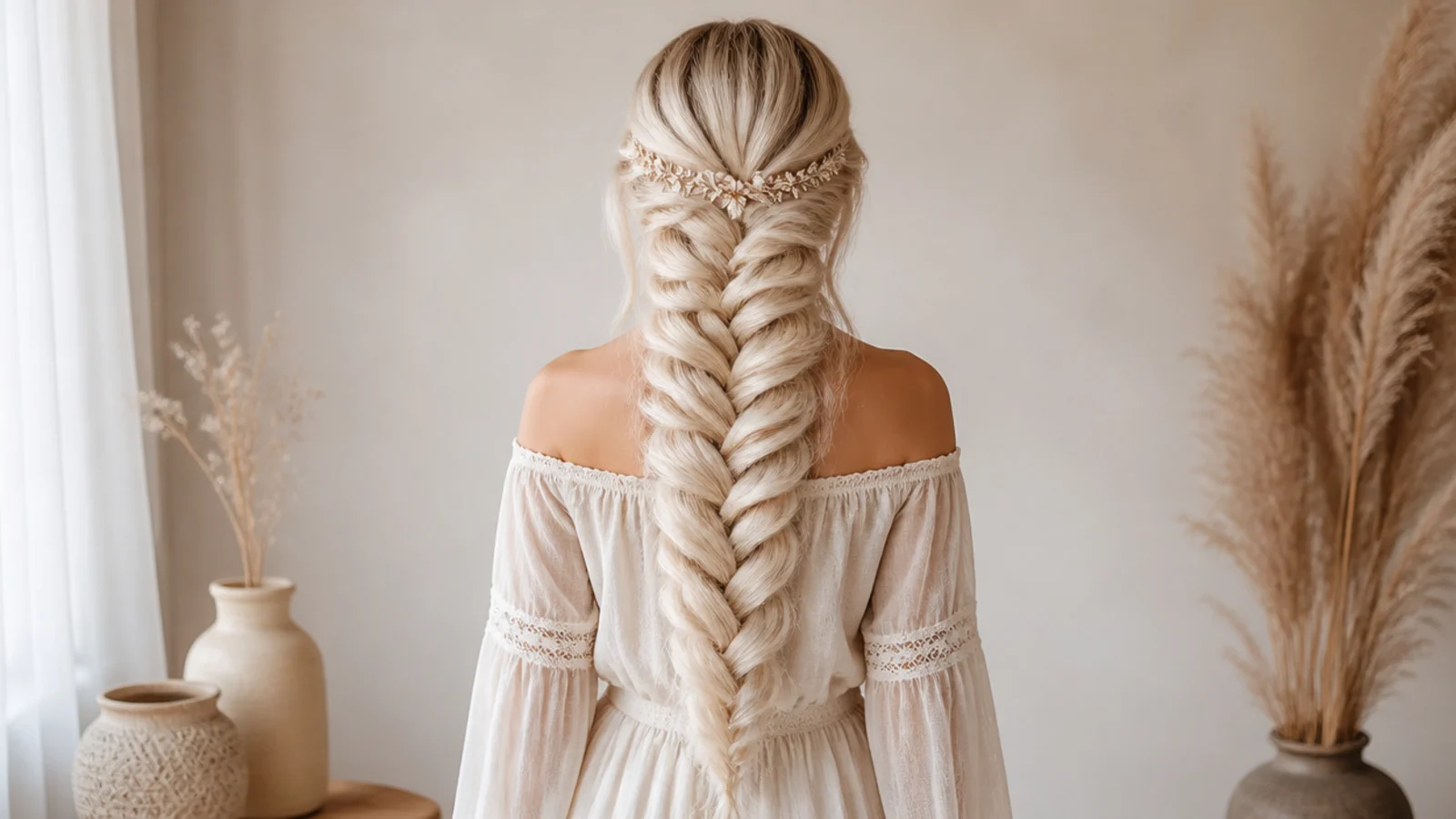
Twenty blonde mermaid braids, and the reason blonde is the shade this braid was made for. A fishtail is read as a pattern rather than a shape, and a pattern needs two tones sitting next to each other — which is why a flat single process platinum can end up looking like a rope.
In this article · 28
- What Is a Blonde Mermaid Braid
- The Blonde Shade Guide
- Blending Blonde Braiding Hair
- Fine and Slippery Blonde Hair
- Pancaking the Braid
- Making Blonde Braids Last
- The 20 Blonde Mermaid Braid Ideas
- 1. Platinum on Long Hair
- 2. Cool Ash
- 3. Honey With a Shadow Root
- 4. Warm Golden
- 5. Butter Half Up
- 6. Beige on Fine Hair
- 7. Balayage With Dark Roots
- 8. Strawberry
- 9. Colour 613 Extensions
- 10. Colour 27 Honey Crochet
- 11. Colour 30 Copper
- 12. Blending 613 With 27
- 13. Blending 4 Into 12 and 613
- 14. Side Swept
- 15. Beads and Shells
- 16. Waterfall on Medium Length
- 17. Sandy Beach Wave
- 18. Icy Crown
- 19. Ribbon Woven
- 20. Bridal Low Nape
- Final Thoughts
A mermaid braid on blonde hair either looks like lace or looks like rope, and the difference is almost never the braiding.
A fishtail is read as a pattern, not as a shape. The herringbone appears where one crossover is a slightly different tone from the one beside it. Take that difference away and the eye sees a single solid tube.
Which is why a shadow root does more for this braid than technique does. Depth at the scalp and brightness at the ends put light and dark pieces into every crossover, and the pattern shows up before you have widened anything.
What Is a Blonde Mermaid Braid
A fishtail with the length left loose. The crown section is braided down the back while the hair underneath hangs free, so the braid appears to sit on top of the hair rather than contain it.
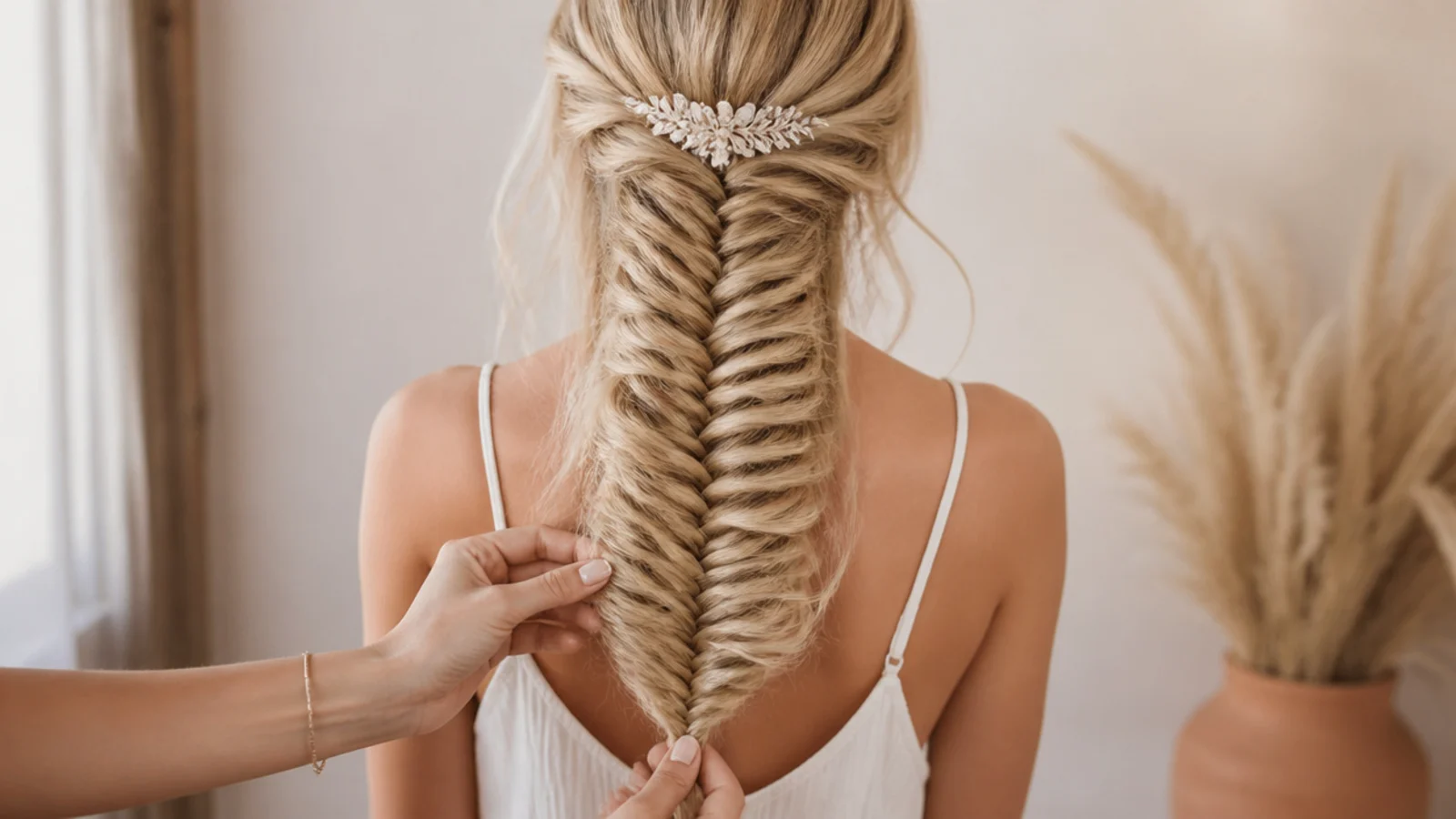
Two sections, not three. A fishtail holds two, and takes a thin piece from the outside of one across to the inside of the other. That thin piece is what creates the fine herringbone a three strand plait cannot make.
Blonde is the shade it shows on. More crossovers than a plait means more edges catching light, and pale hair puts every one of those edges on display.
Half up is the standard version. Taking only the top third leaves enough loose hair beneath for the braid to float on, which is where the name comes from.
The Blonde Shade Guide
Platinum reads flat. It has no internal variation at all, so the pattern comes only from the shadow between crossovers. It needs the deepest pancaking of any shade.
Ash reads as shadow. A grey undertone behaves like a soft dark, which makes a fine braid look denser than it is without adding contrast.
Gold and honey carry their own depth. Warm pigment reflects unevenly along a strand, so a golden fishtail has texture built in before you touch it.
Strawberry and copper are the warm end. Red pigment sits deeper in the strand than surface gold, so each crossover shows two tones at once.
Roots matter more than ends. Every crossover carries a piece of the root over the top of the braid, so a shadow root prints a repeating dark stripe straight down the centre.
Blending Blonde Braiding Hair
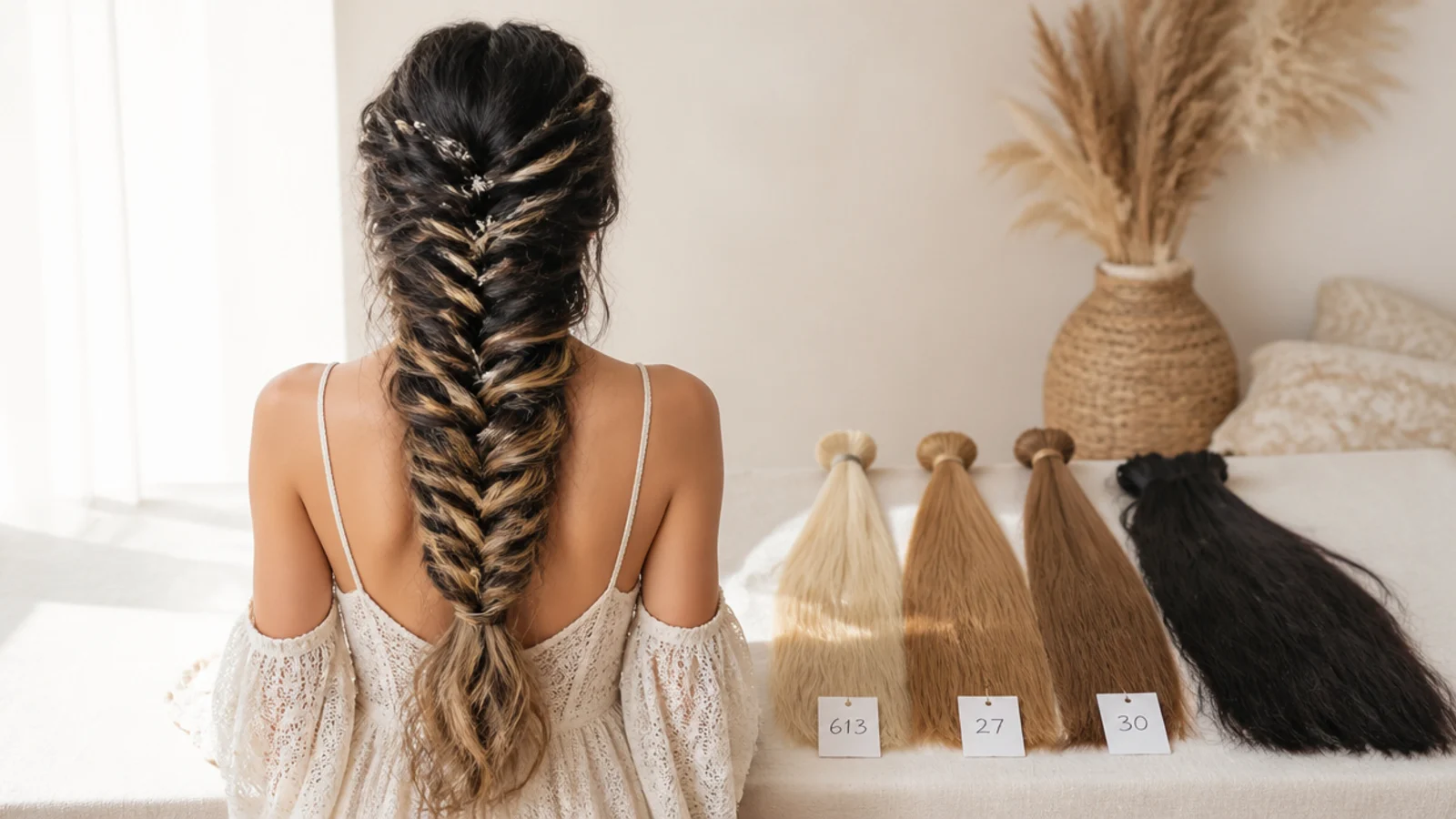
Match the mid length, not the root. Extension hair meets your own somewhere past the ear, and that is the only place the two are ever seen side by side.
Synthetic blonde is single tone. It has none of the variation real blonde has, so a pack matched perfectly at one point looks wrong an inch away.
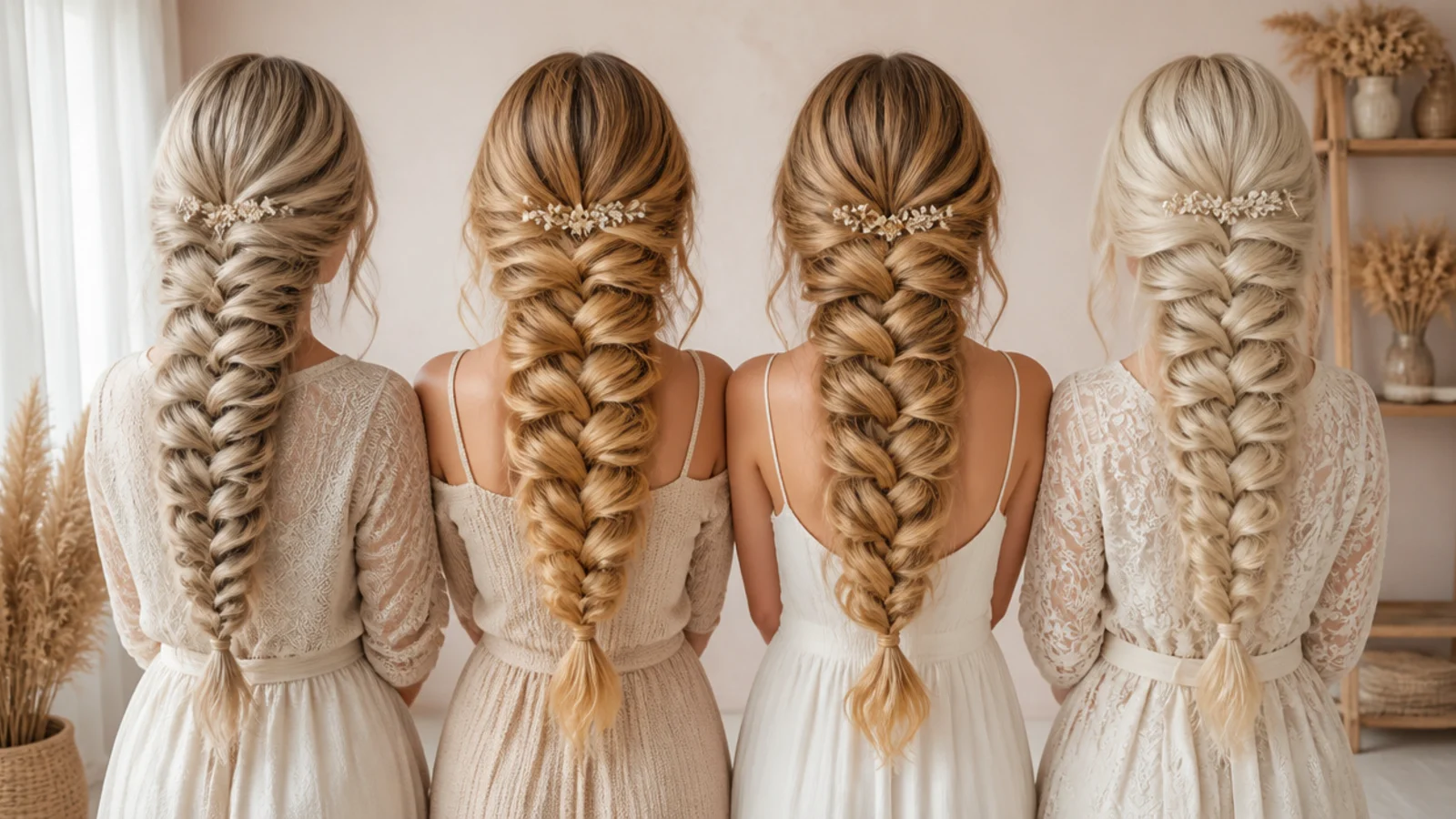
Bring two shades and alternate them. One a level lighter and one a level darker than your own. Alternating across sections gives the braid the variation the synthetic hair cannot supply.
Blend at the section, not in the pack. Mixing two shades thoroughly before you start averages them into a single mid blonde that reads flat from any distance.
Fine and Slippery Blonde Hair
The failure is mass, not grip. Each crossover on fine hair carries too little hair to hold its position, so the piece sags back toward the centre and the braid closes.
Texture spray before you part. A light grit raises the friction between sections, which is the only thing keeping a pancaked braid open.
Second day hair braids better than clean hair. A day of natural oil and movement gives the surface something to catch on.
Bleached hair holds a braid better than virgin hair. Lifting raises the cuticle, and a raised cuticle grips the section beside it rather than sliding past it.
Clear elastic at both ends. One at the top of the braid stops the tension travelling upward, and one at the bottom stops the tail unravelling while you widen the rest.
Pancaking the Braid
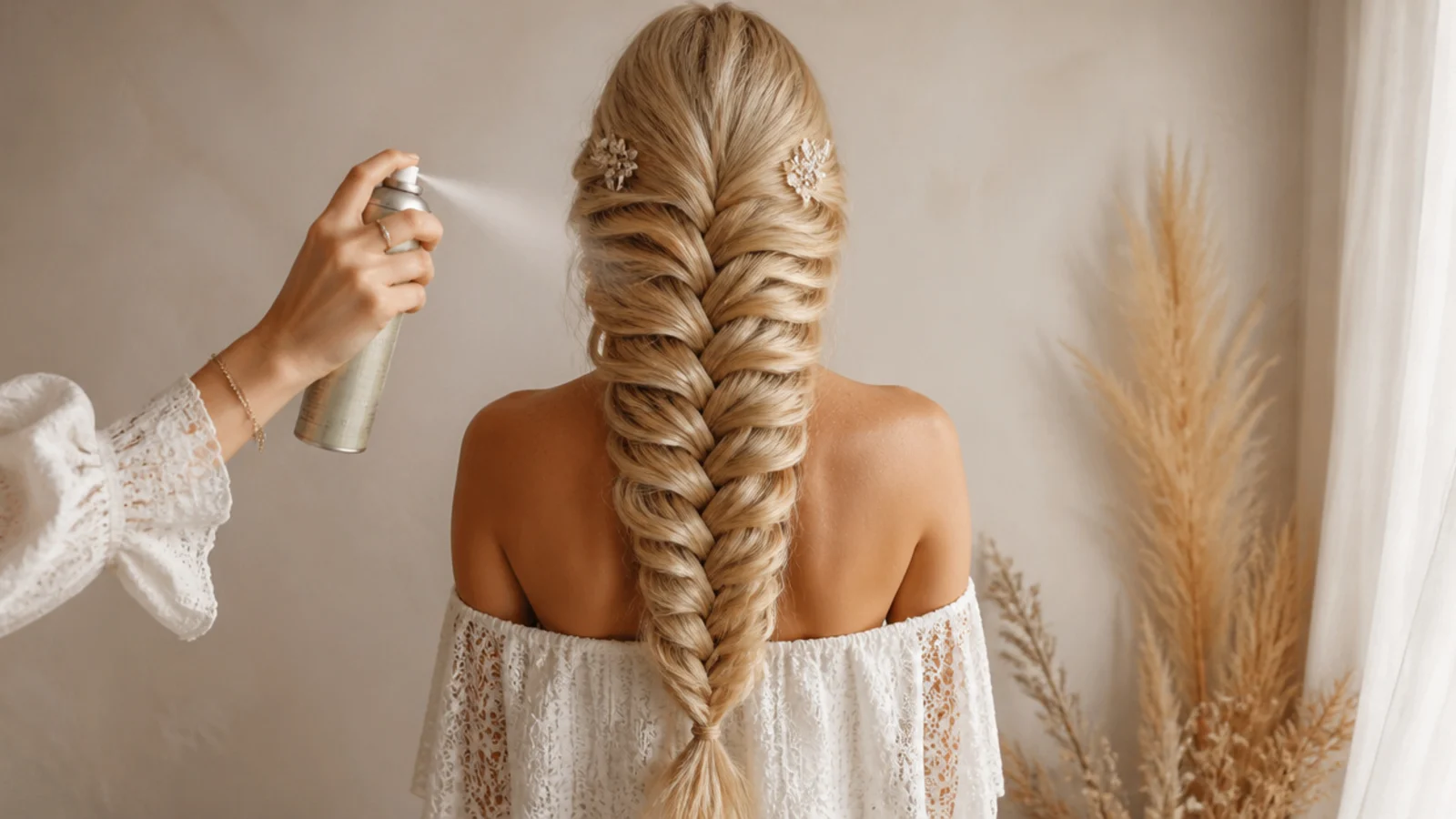
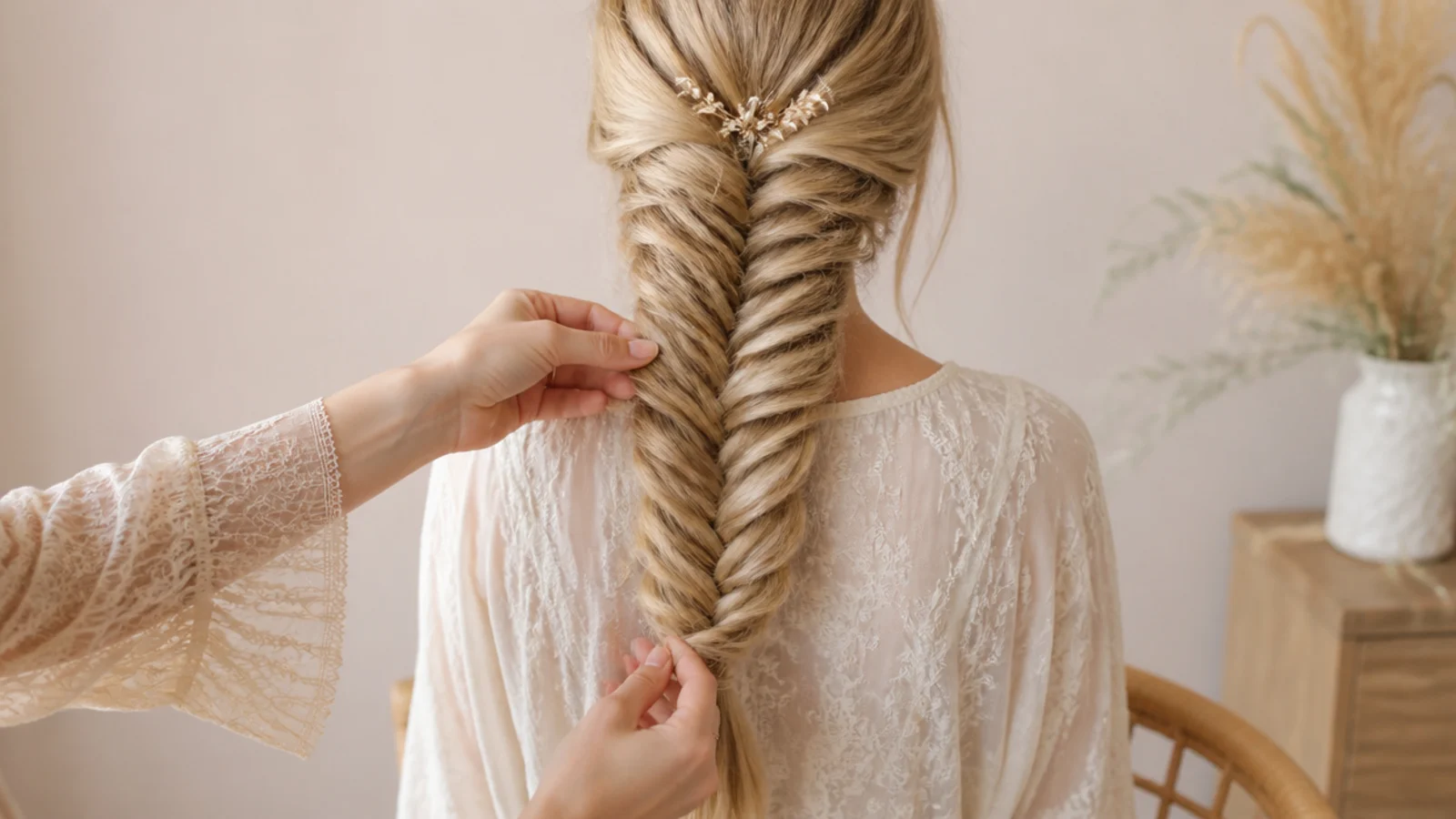
Pull the outer edge of each crossover outward. Not the whole segment. The outer edge is the only part with slack in it, and that slack is where the width comes from.
Work from the bottom upward. Widening the top first sends tension down the braid and closes everything under it.
Secure first, widen second. A braid pancaked before the elastic goes on simply comes apart, because there is nothing anchoring the loosened pieces.
Blonde shows the result and the mistakes. Uneven pancaking is invisible on dark hair and obvious on pale hair, so work down one side and then the other rather than jumping around.
Making Blonde Braids Last
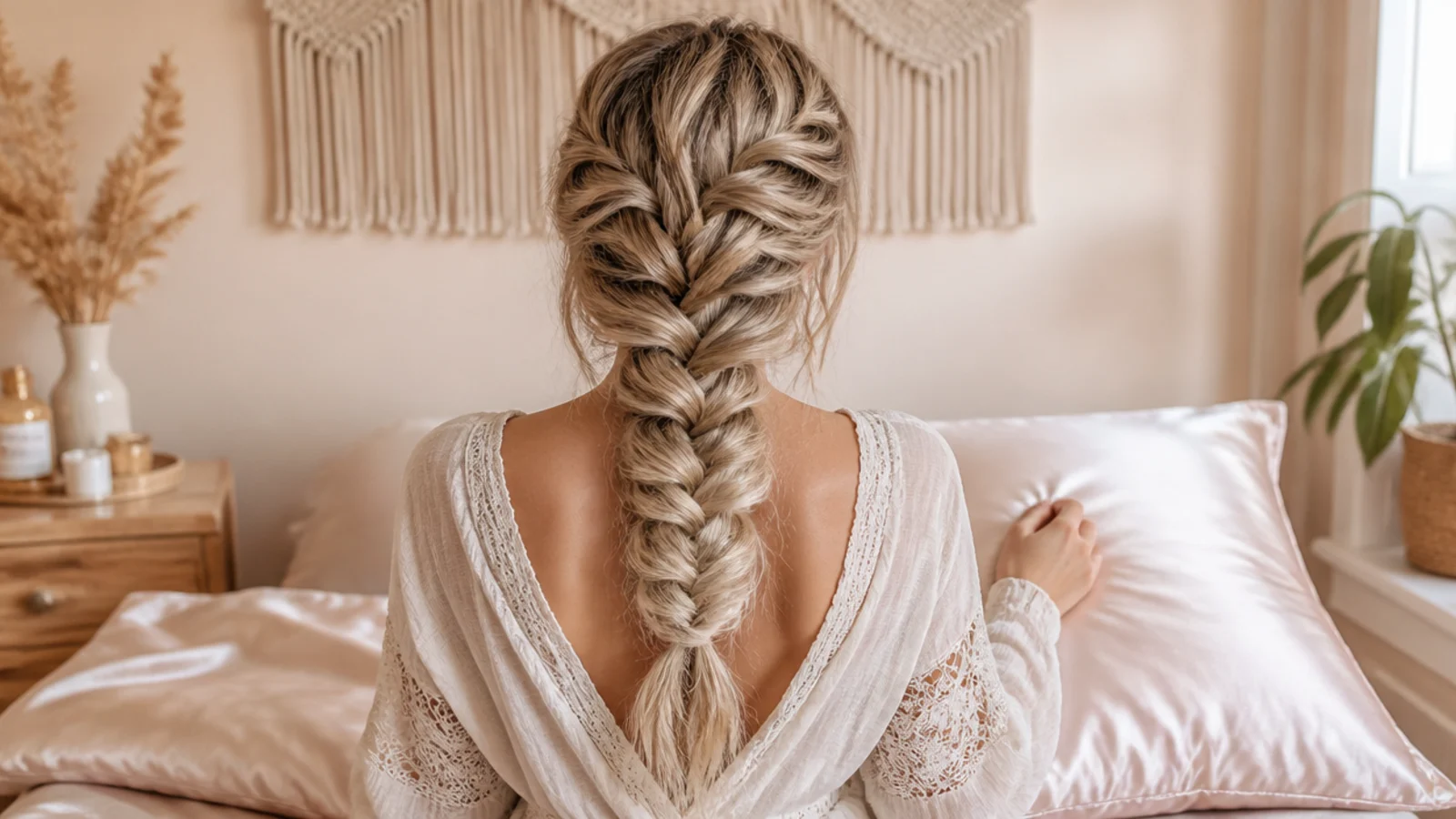
Sleep in a loose plait or a scarf. Friction against a pillow pulls the widened edges back in, and a scarf removes the friction rather than the movement.
Re pancake instead of re braiding. A braid that has closed overnight has not come undone. Ten seconds of pulling on the edges puts it back.
Dry shampoo goes at the root, never on the braid. Powder on a pale braid collects in the crossovers and reads as grey.
Tone before you braid, not during. Violet pigment neutralises yellow while it sits on the hair, and a braided head does not take it evenly.
Expect two good days. A blonde fishtail looks best on the day it is made and the day after, and the second day is usually the better photograph.
The 20 Blonde Mermaid Braid Ideas
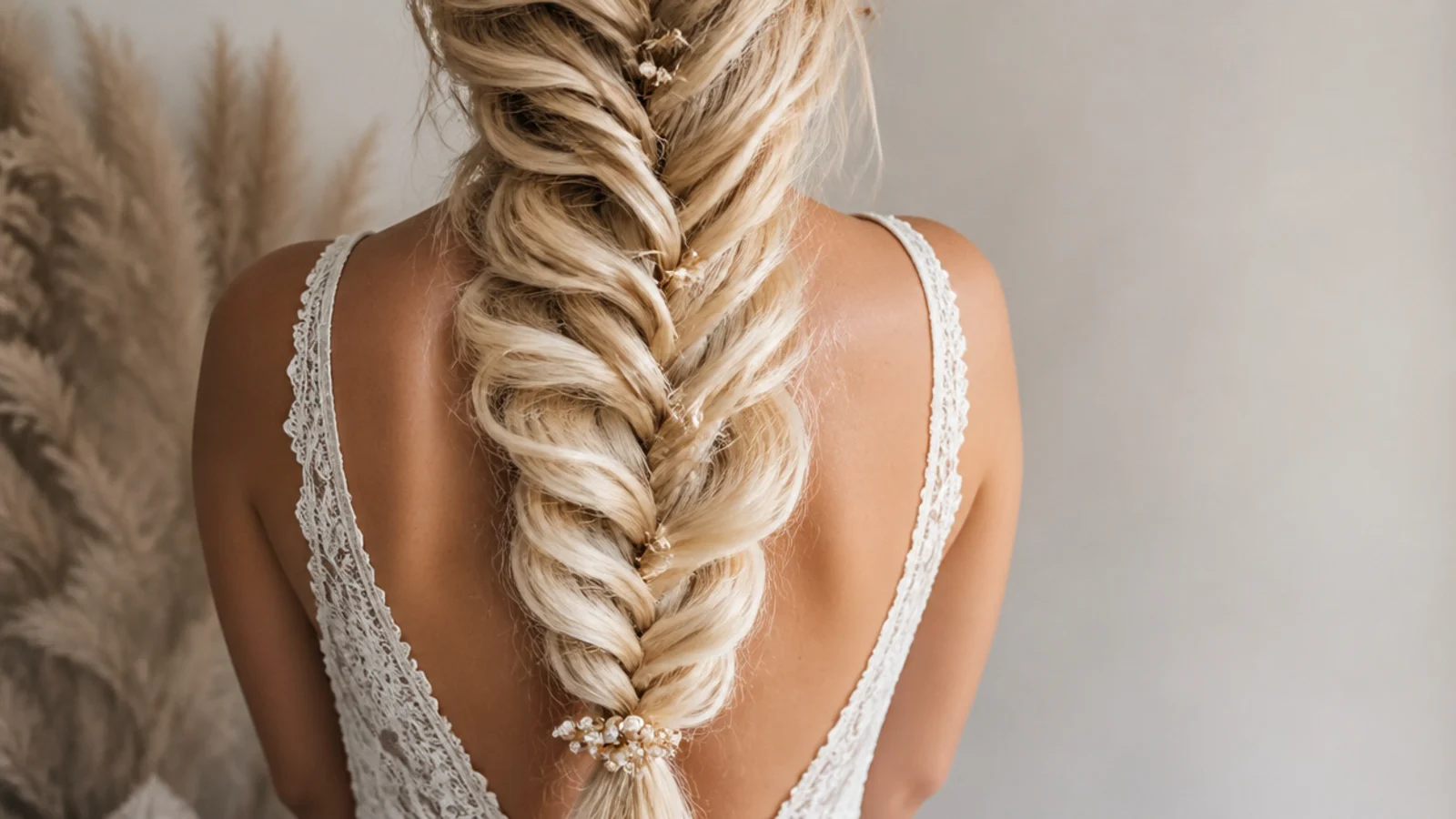
1. Platinum on Long Hair
The flattest shade on the longest possible braid, which is the only way solid platinum works. Length gives the herringbone enough repetitions to register as a pattern, where the same shade on a short braid collapses into a single pale rope.
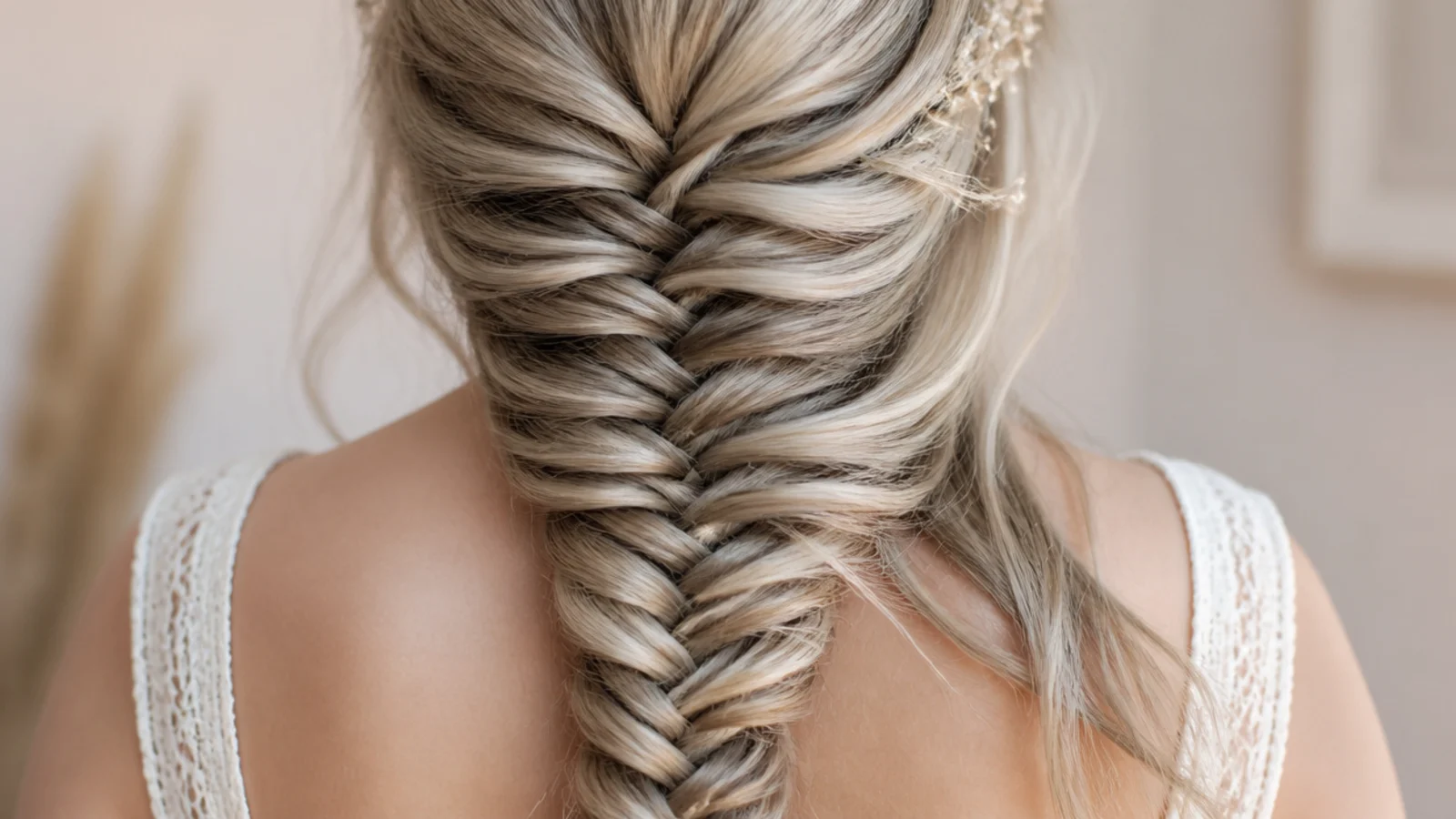
2. Cool Ash
Ash has no warmth to catch light unevenly, so every bit of contrast has to come from how deeply each crossover is pancaked. Widen it further than you would a golden braid and the grey undertone does the rest by behaving like shadow.
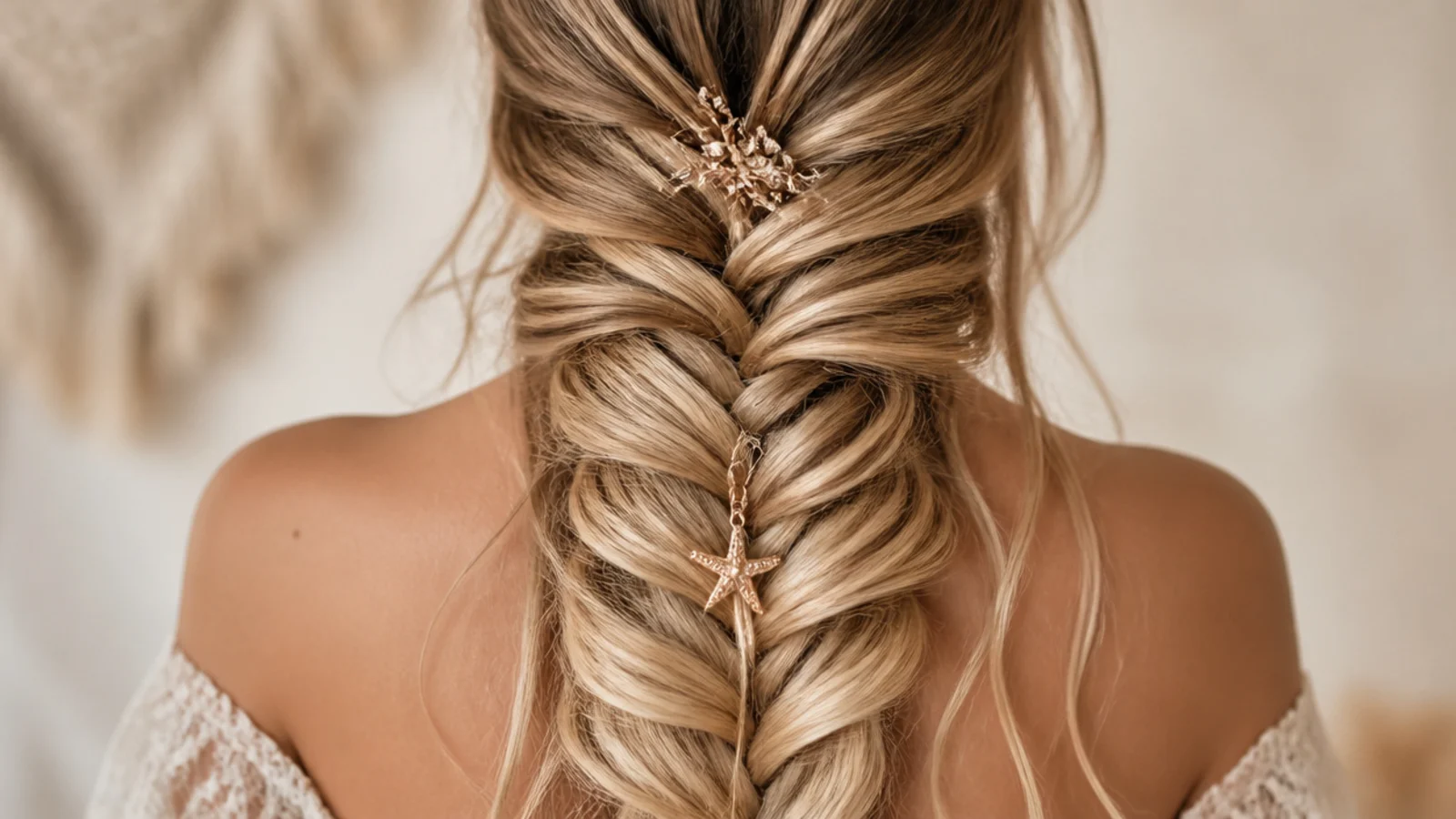
3. Honey With a Shadow Root
The most reliable combination in the set. Each crossover lifts a piece of the darker root over the top of the braid, which prints a repeating stripe down the centre and separates one segment from the next without any effort.
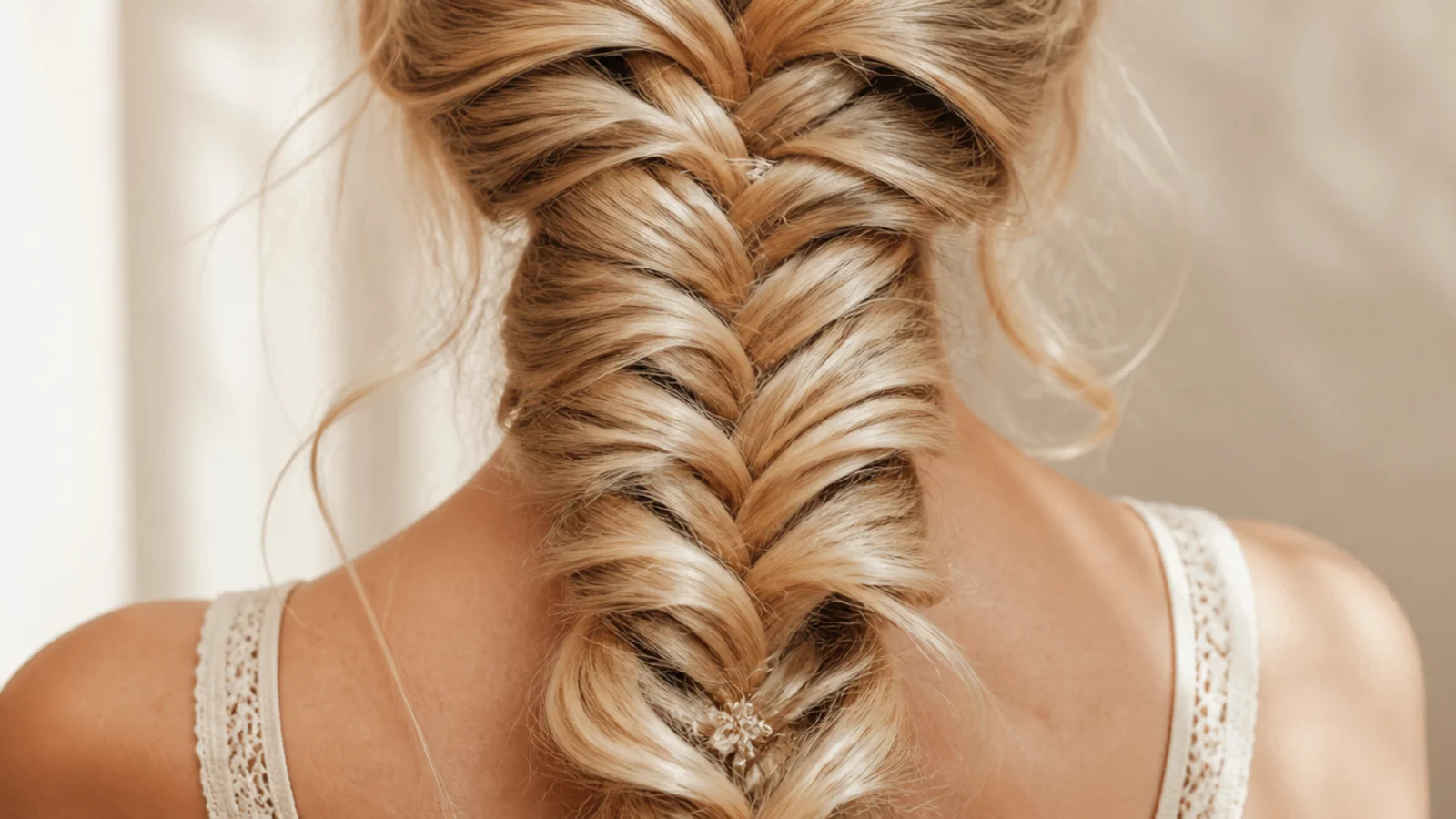
4. Warm Golden
Gold reflects unevenly along a single strand, so a warm blonde arrives with texture already in it. That makes this the most forgiving shade for a first attempt, since the pattern shows even when the crossovers are not perfectly even.
5. Butter Half Up
Butter blonde sits between gold and platinum, warm enough to hold depth and pale enough to throw light. Half up leaves the bottom two thirds loose, which is the arrangement the mermaid name actually describes rather than a braid that swallows the whole head.
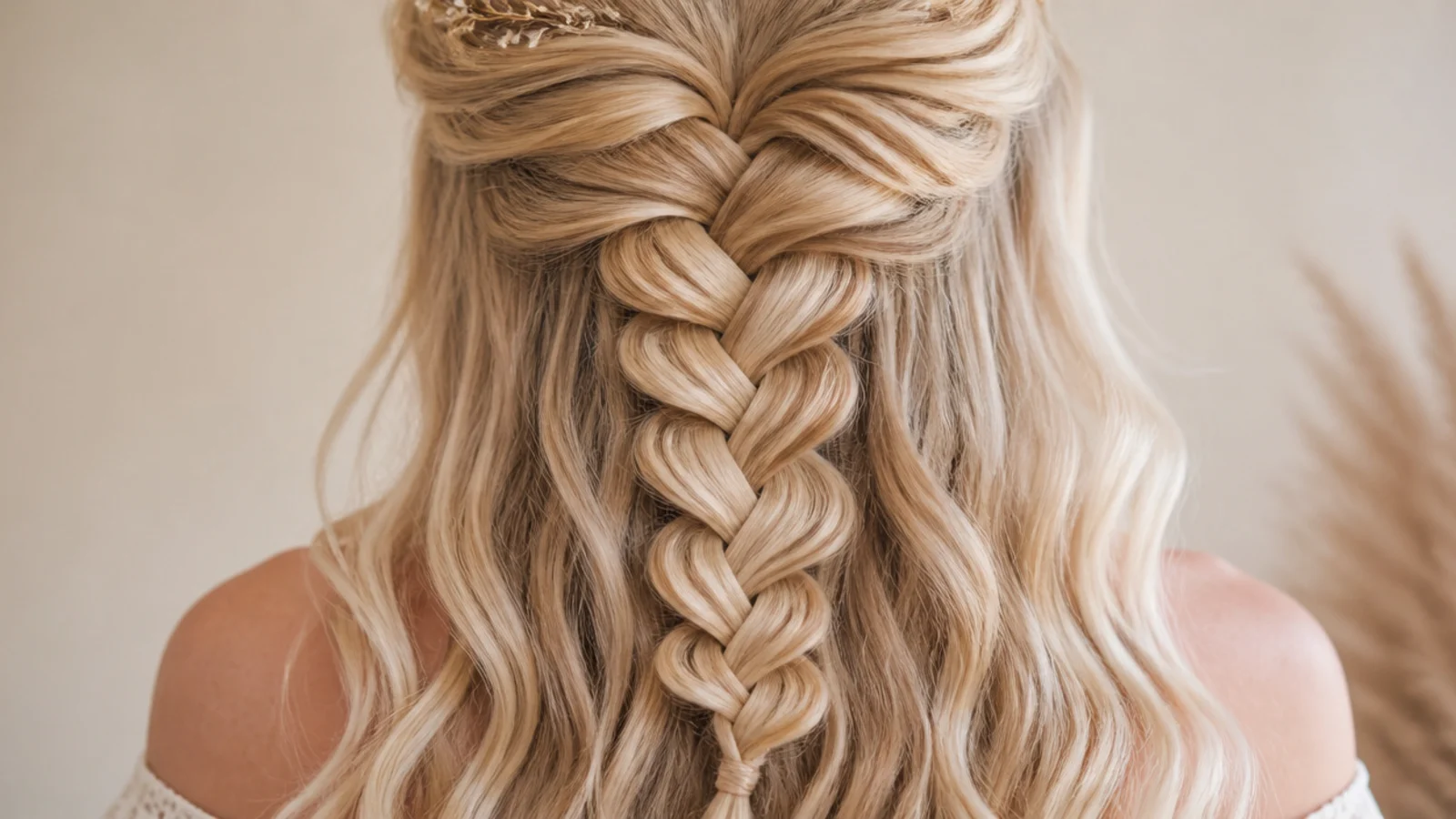
6. Beige on Fine Hair
Beige carries a grey undertone that behaves like shadow, which makes a thin braid read as thicker than it is. Pair it with a texture spray, because the fine hair underneath is still short of the mass each crossover needs to hold its position.
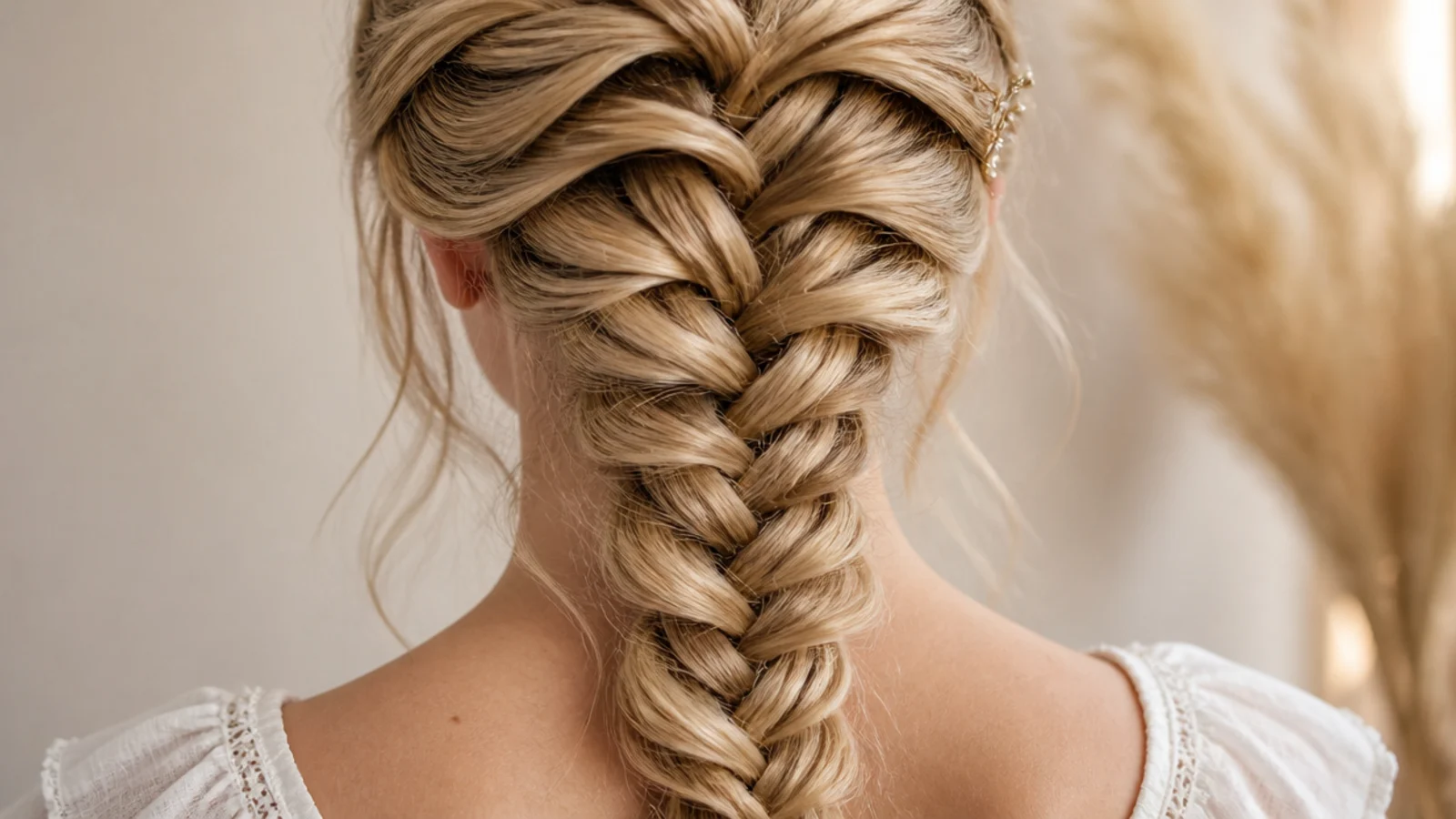
7. Balayage With Dark Roots
Balayage puts light and dark strands beside each other along the whole length, which is exactly what a fishtail feeds on. Every crossover lifts a mixed piece, so the contrast lands inside each segment rather than only along the edges.
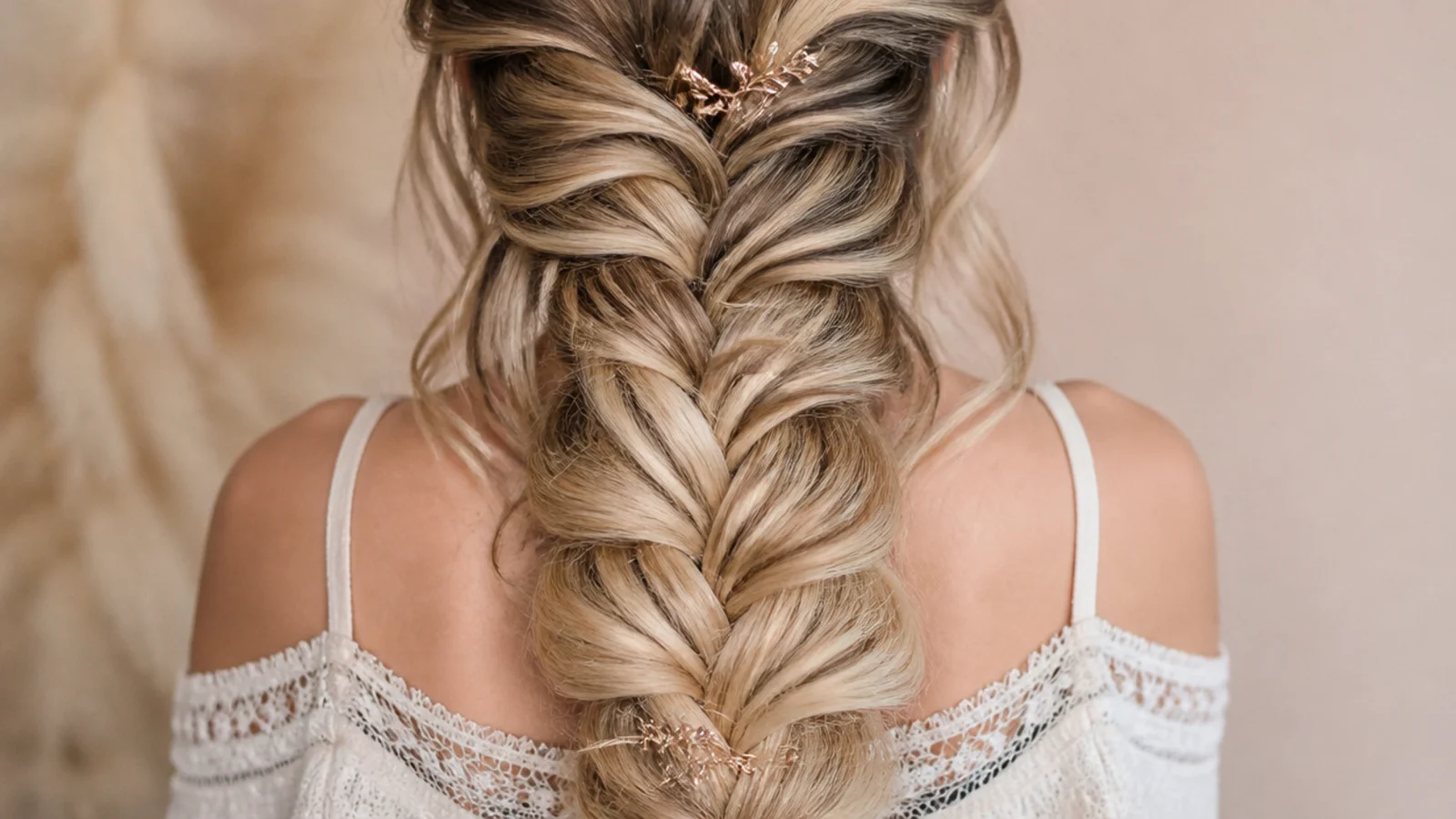
8. Strawberry
Red pigment sits deeper in the strand than surface gold does, so a strawberry blonde shows two tones from one shade depending on the angle. That gives each crossover its own internal contrast, which is why this shade holds a pattern at a distance.
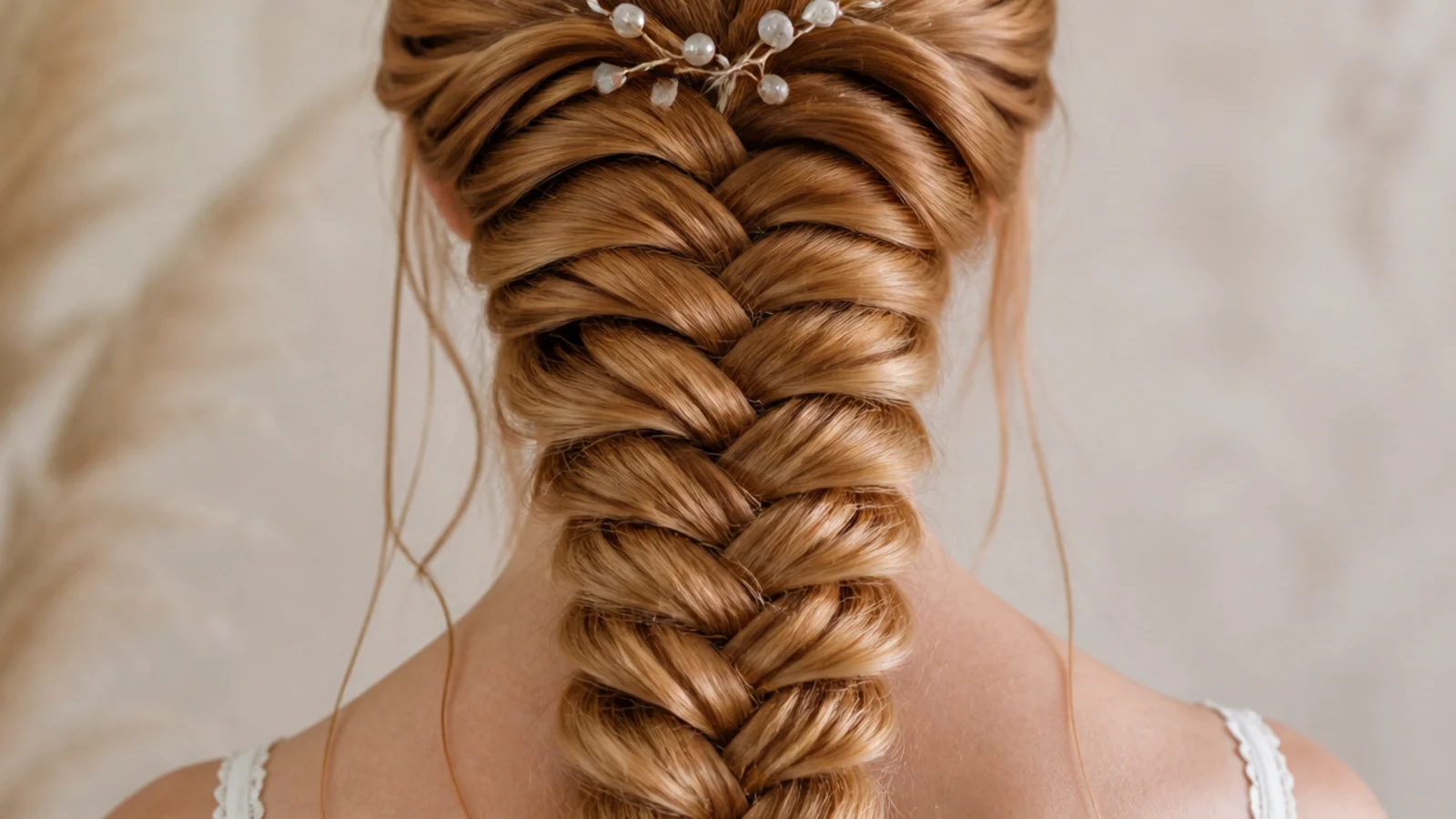
9. Colour 613 Extensions
613 is the palest blonde in the standard braiding hair numbering and it comes out completely uniform. That uniformity is why it should be alternated with your own hair rather than braided solid, since natural hair supplies the variation the synthetic cannot.
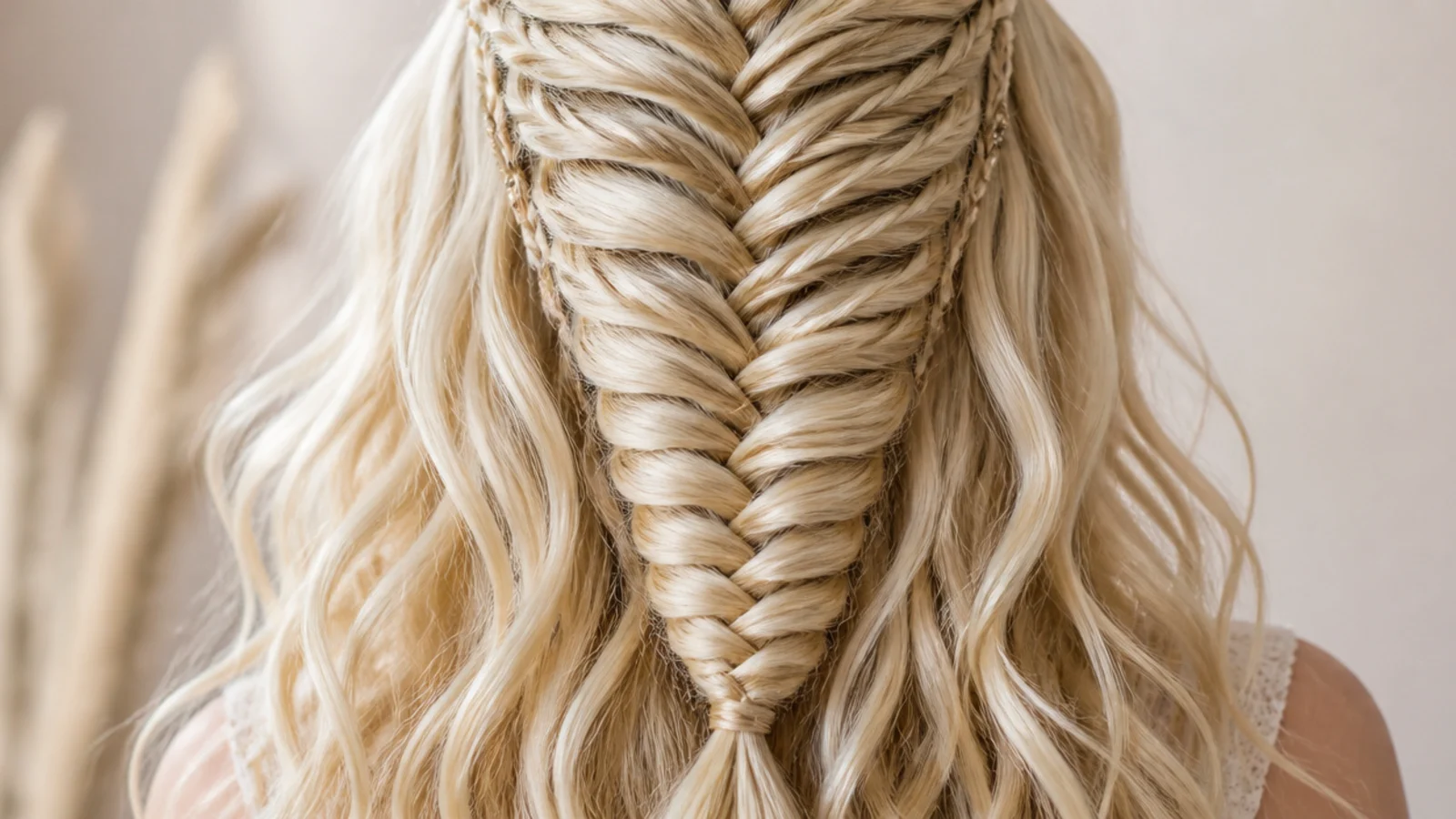
10. Colour 27 Honey Crochet
27 is the honey shade, warm and mid depth. Installed by crochet it is anchored to cornrows underneath, so the weight of the finished braid hangs from the base rather than pulling directly on your own hairline.
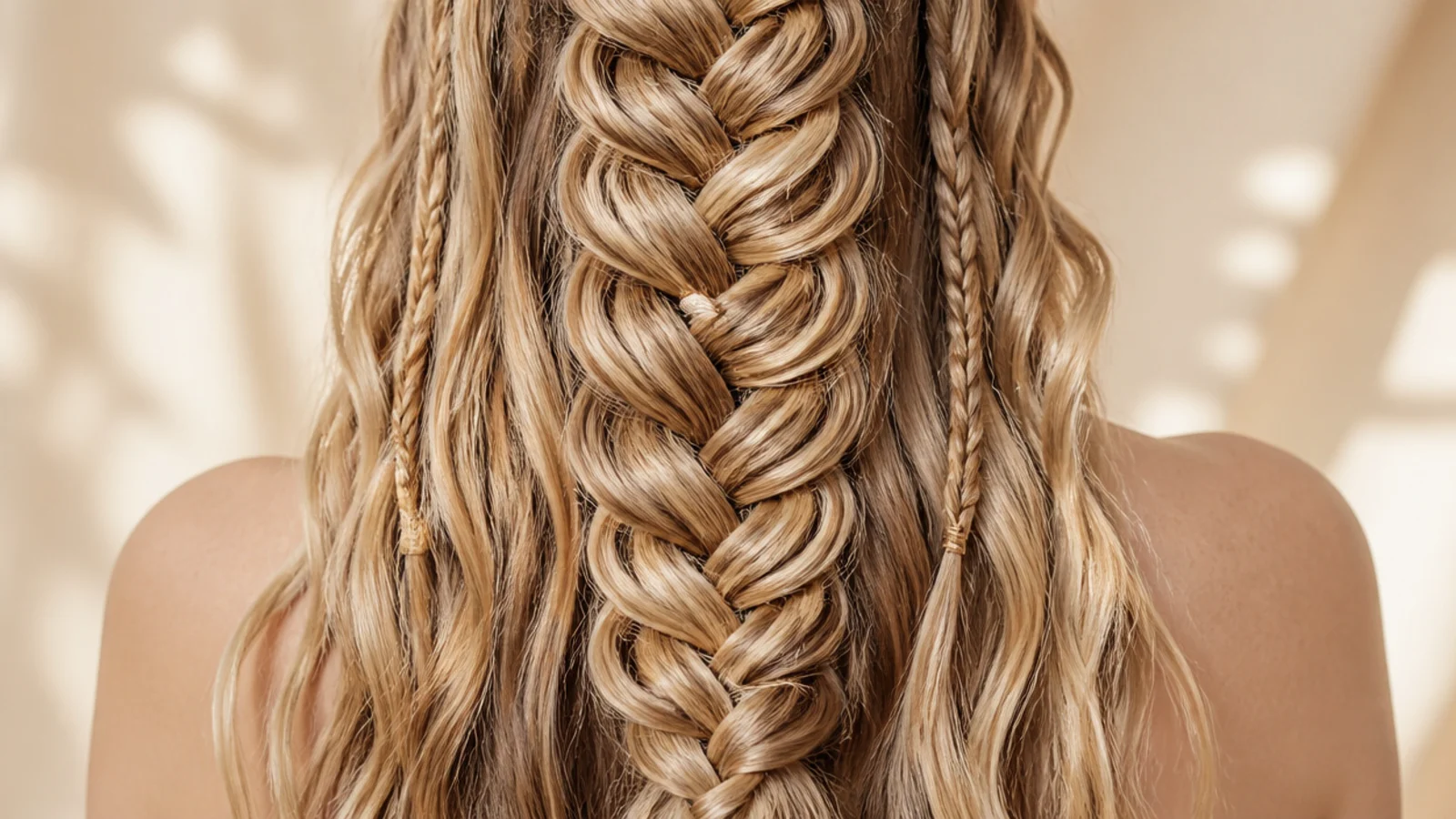
11. Colour 30 Copper
30 sits at the light auburn end of the blonde range and is several levels darker than 613. Running it through a pale braid puts a genuine value step between adjacent crossovers, which is the cheapest way to make a flat synthetic braid legible.
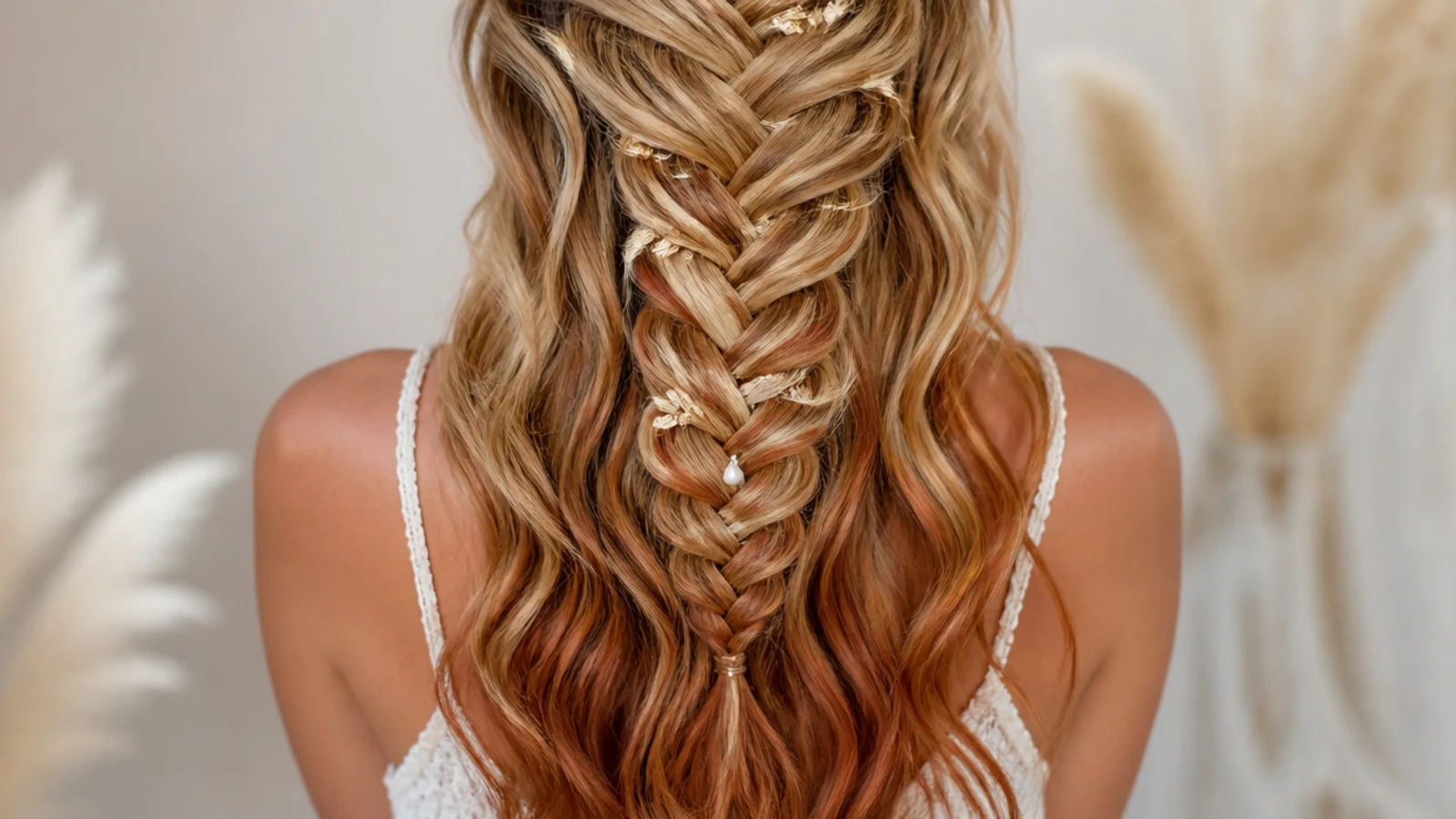
12. Blending 613 With 27
Two shades alternated section by section give a stripe that repeats with the braid rather than running along it. Do not mix the packs thoroughly first, or the two shades average into one mid blonde that reads flat from more than a metre away.
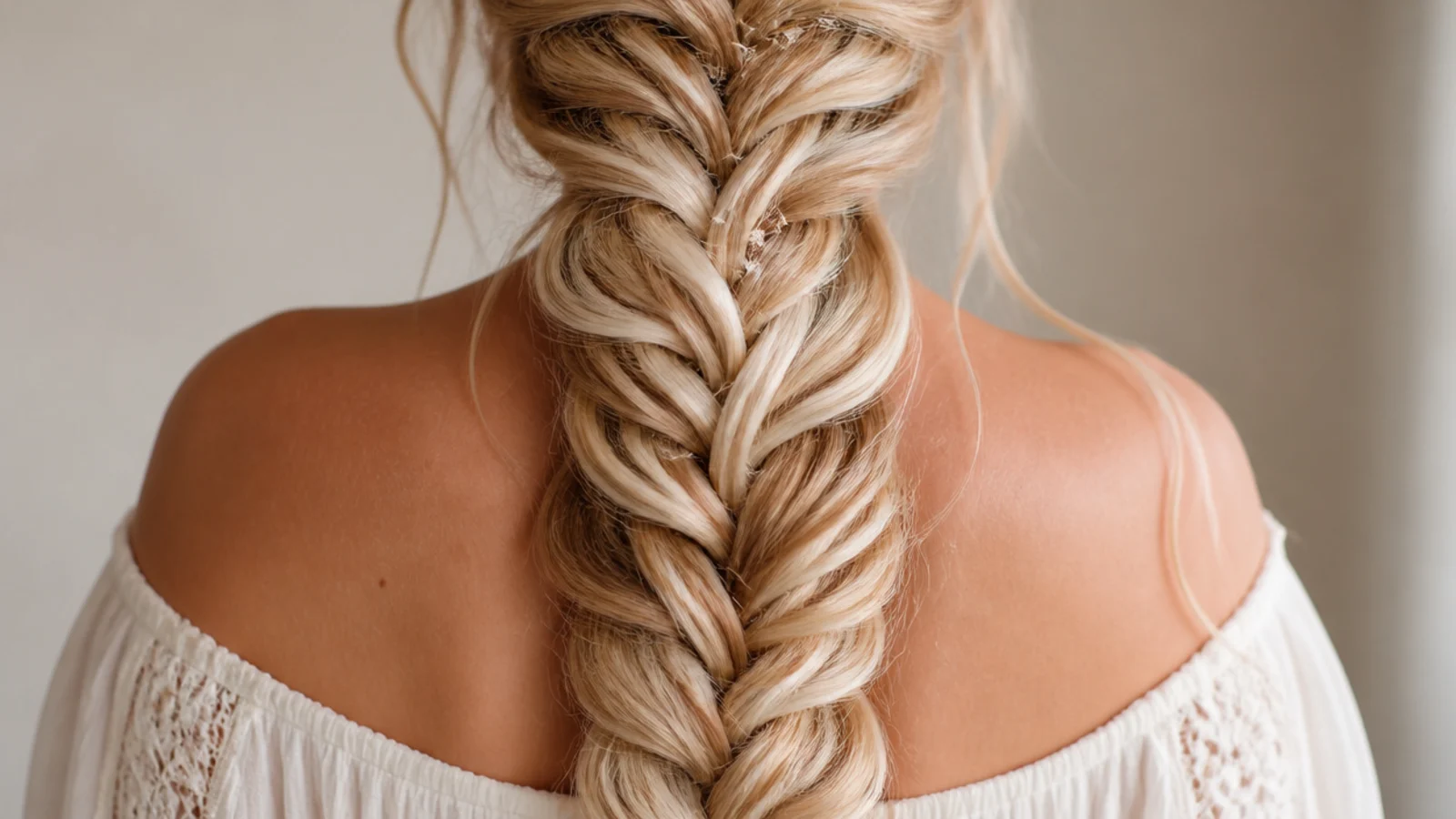
13. Blending 4 Into 12 and 613
Three shades running from medium brown through light golden brown to platinum, laid dark at the scalp and pale at the ends. The progression copies grown out balayage, so the braid keeps depth where it meets the head and brightness where the light lands.
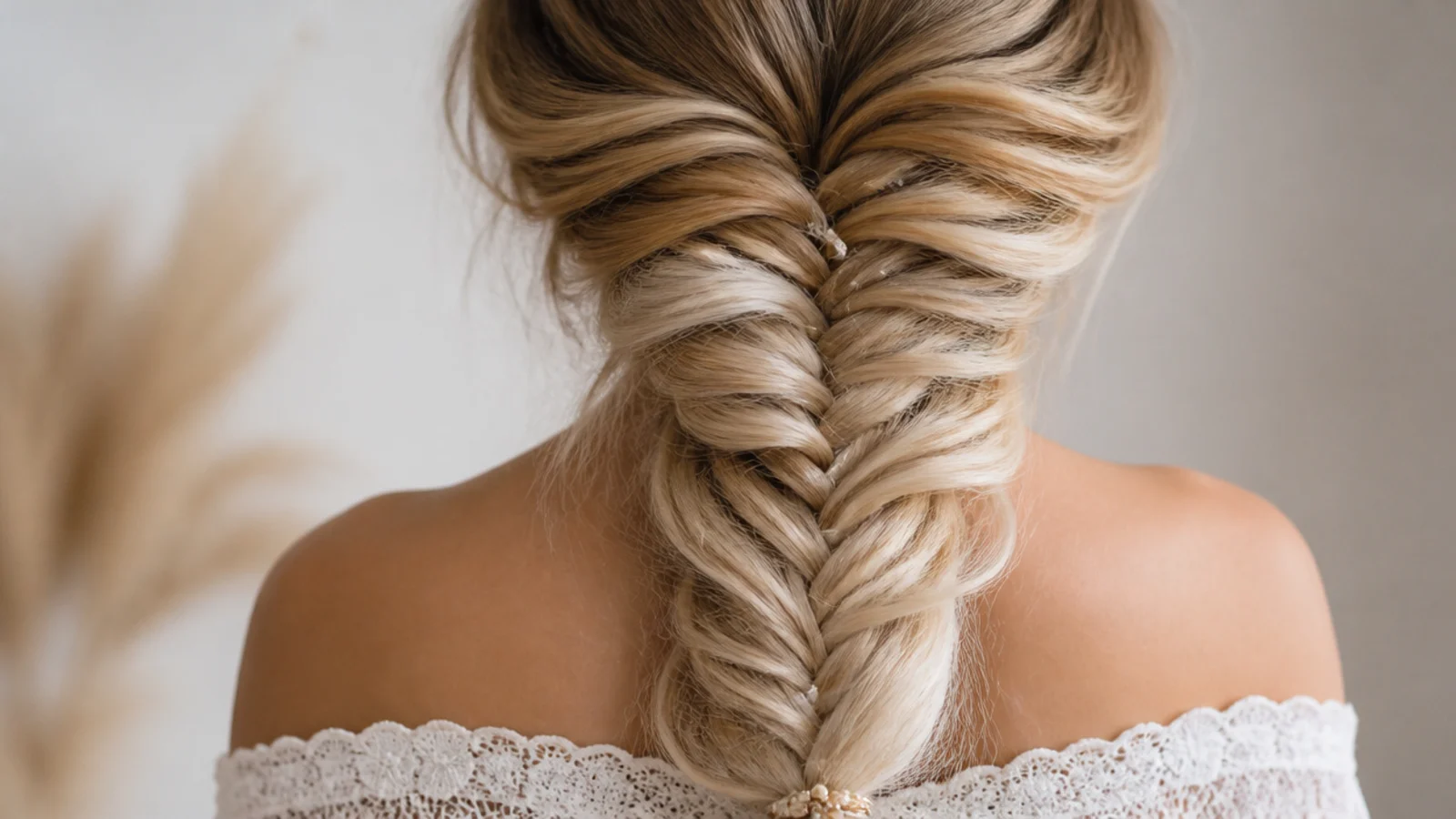
14. Side Swept
Bringing the braid over one shoulder is the only position in which you can see the pattern yourself, which matters more than it sounds when you are checking it during the day. It also shifts the tension off centre, which loosens the top and drops the braid lower on the neck.
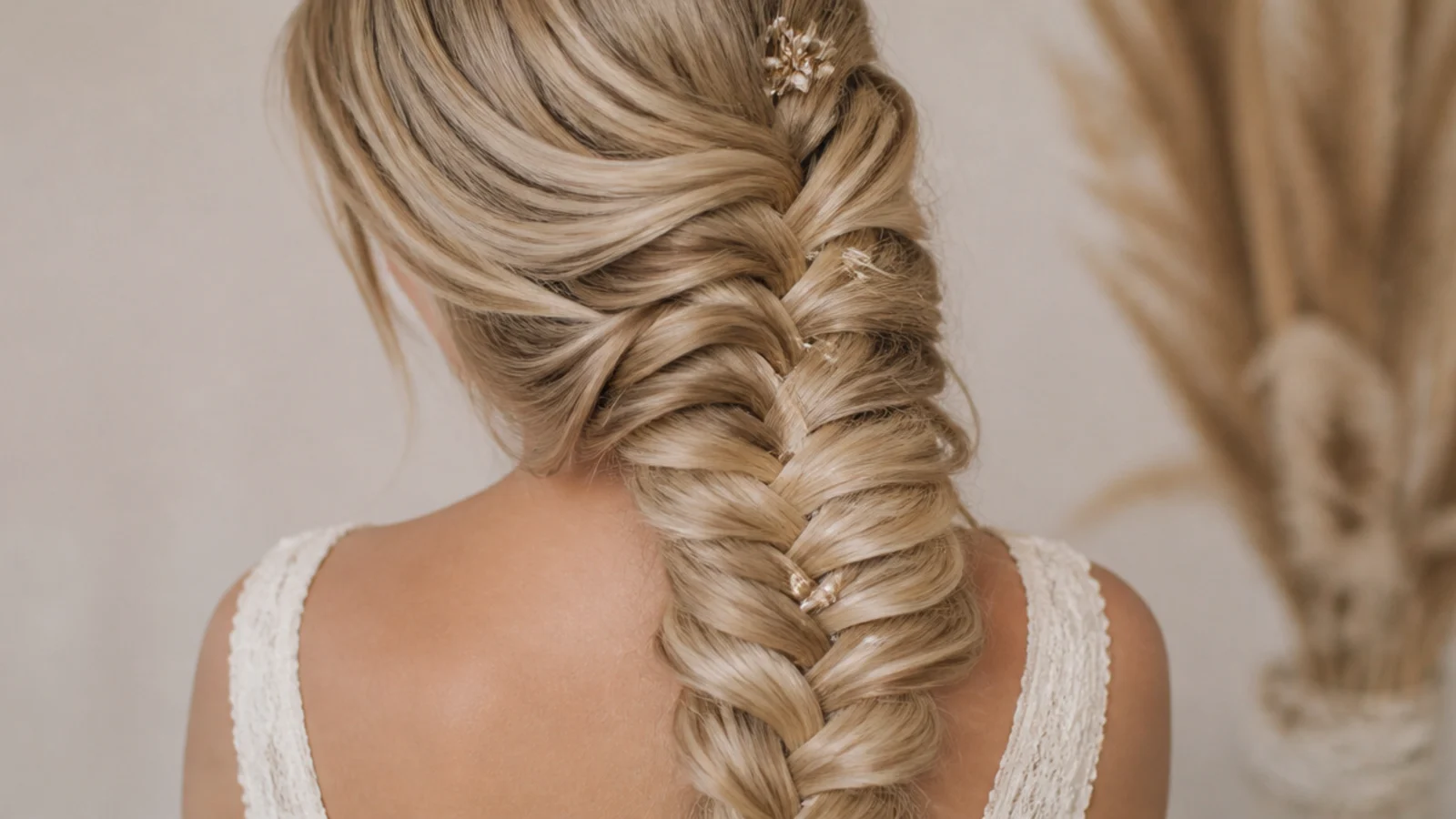
15. Beads and Shells
Wooden beads and small shells threaded onto the tail do structural work as well as decorative. Every gram you add pulls downward on the crossovers beneath it, which is what stops a pancaked braid from creeping closed across a long day.
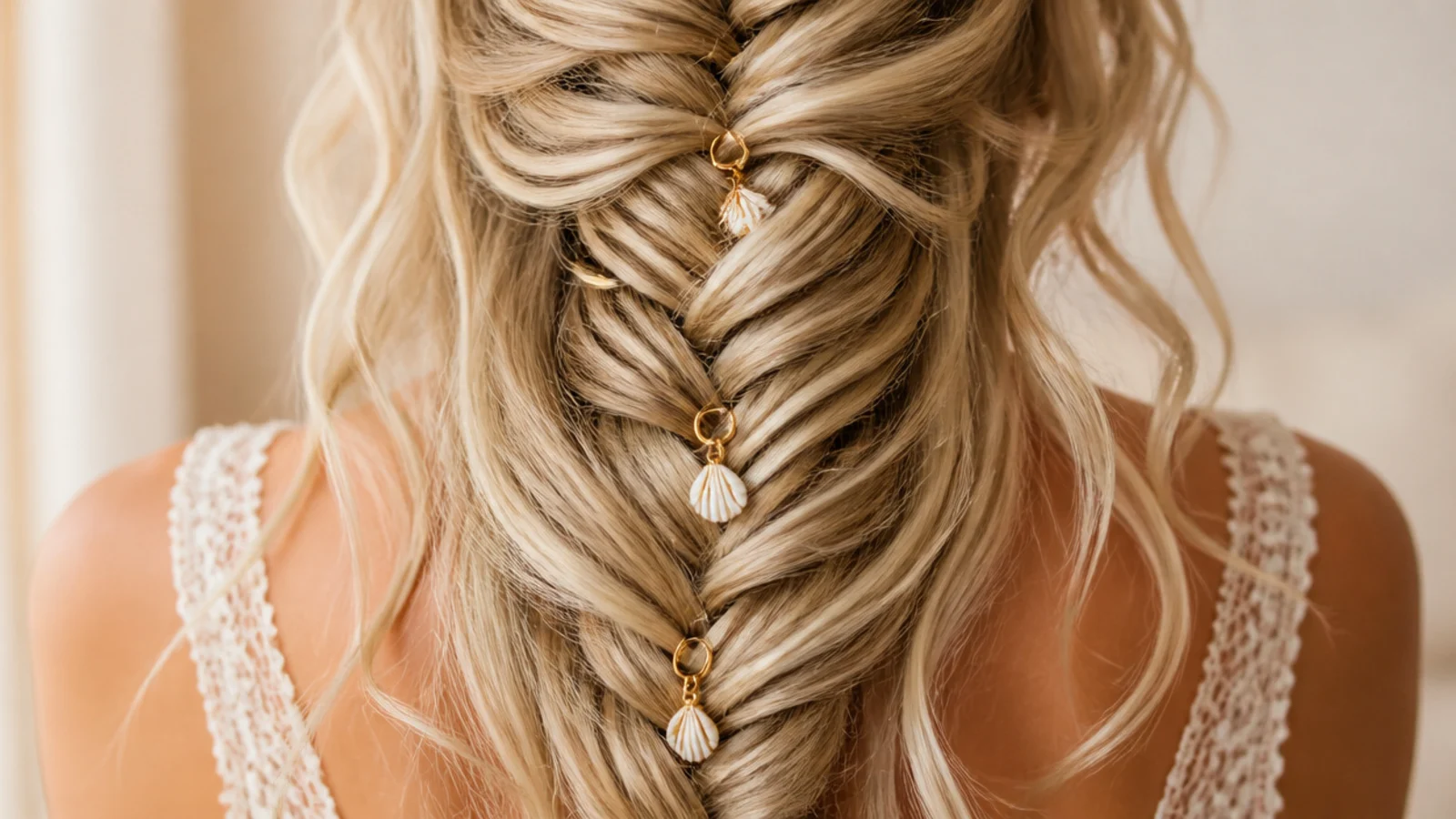
16. Waterfall on Medium Length
A waterfall drops one section out at every crossover and picks up a fresh one, so the braid travels across the head while releasing hair beneath it. That is what makes it the version for medium length hair, since it never needs a long tail to finish.
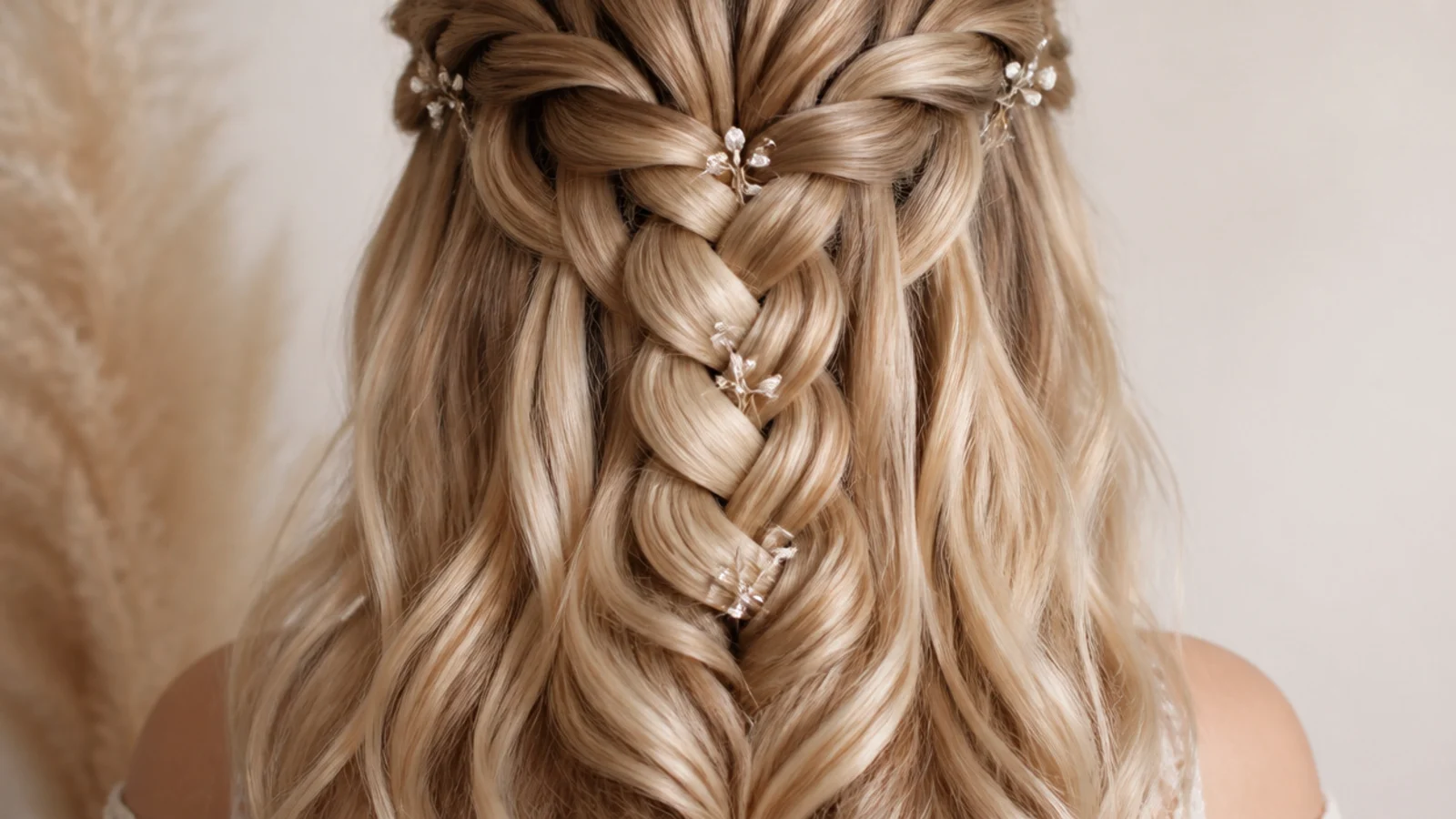
17. Sandy Beach Wave
Salt or texture spray roughens the cuticle so sections grip each other instead of sliding, which is what lets a deliberately loose braid stay loose. The wave also bulks out every crossover, so the same quantity of hair produces a visibly wider braid.
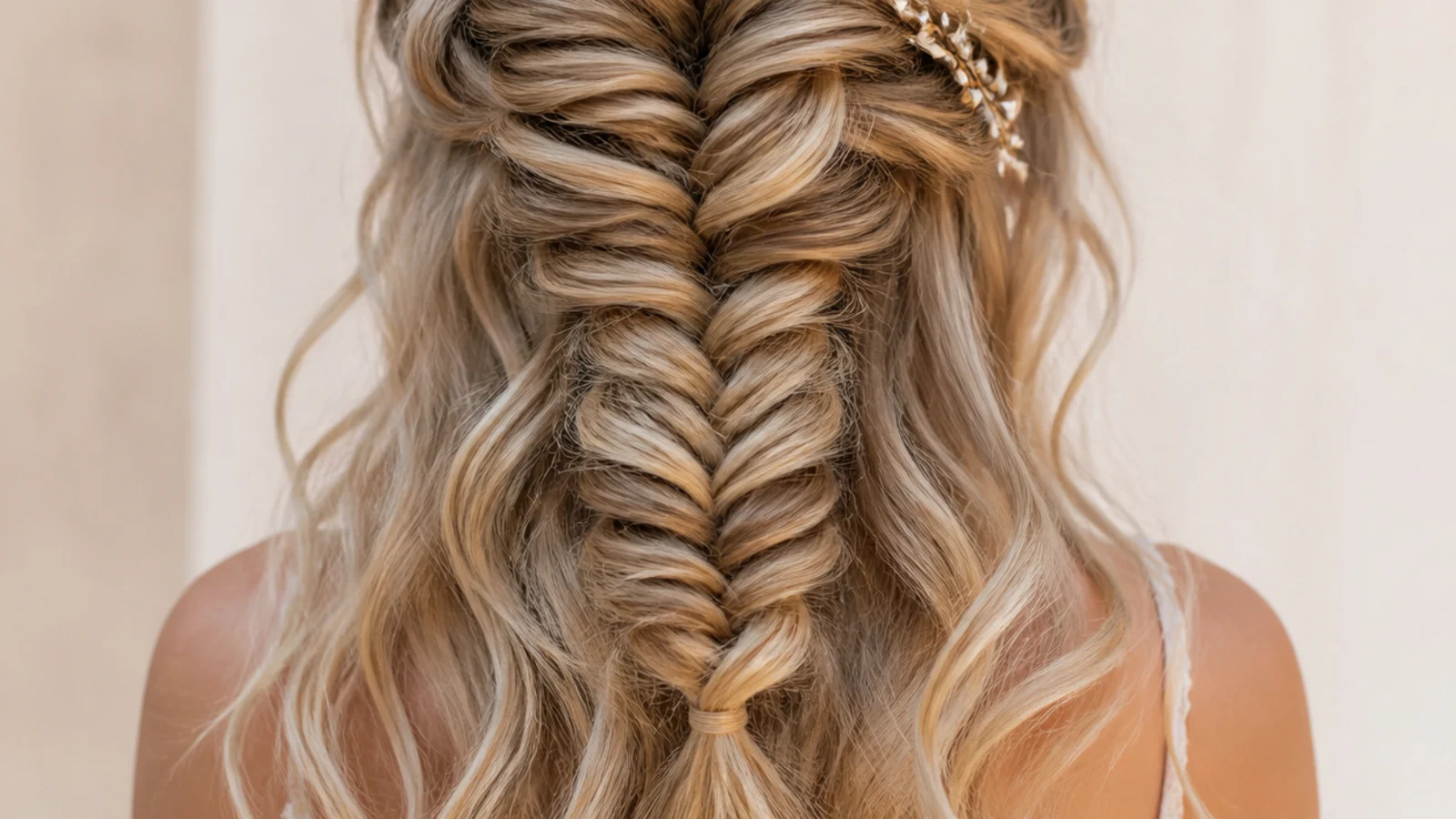
18. Icy Crown
Taken around the head above the ear rather than down the back. A very pale shade is the right choice here because the braid sits directly on the scalp, and icy blonde stops the parting lines underneath reading as gaps in the hair.
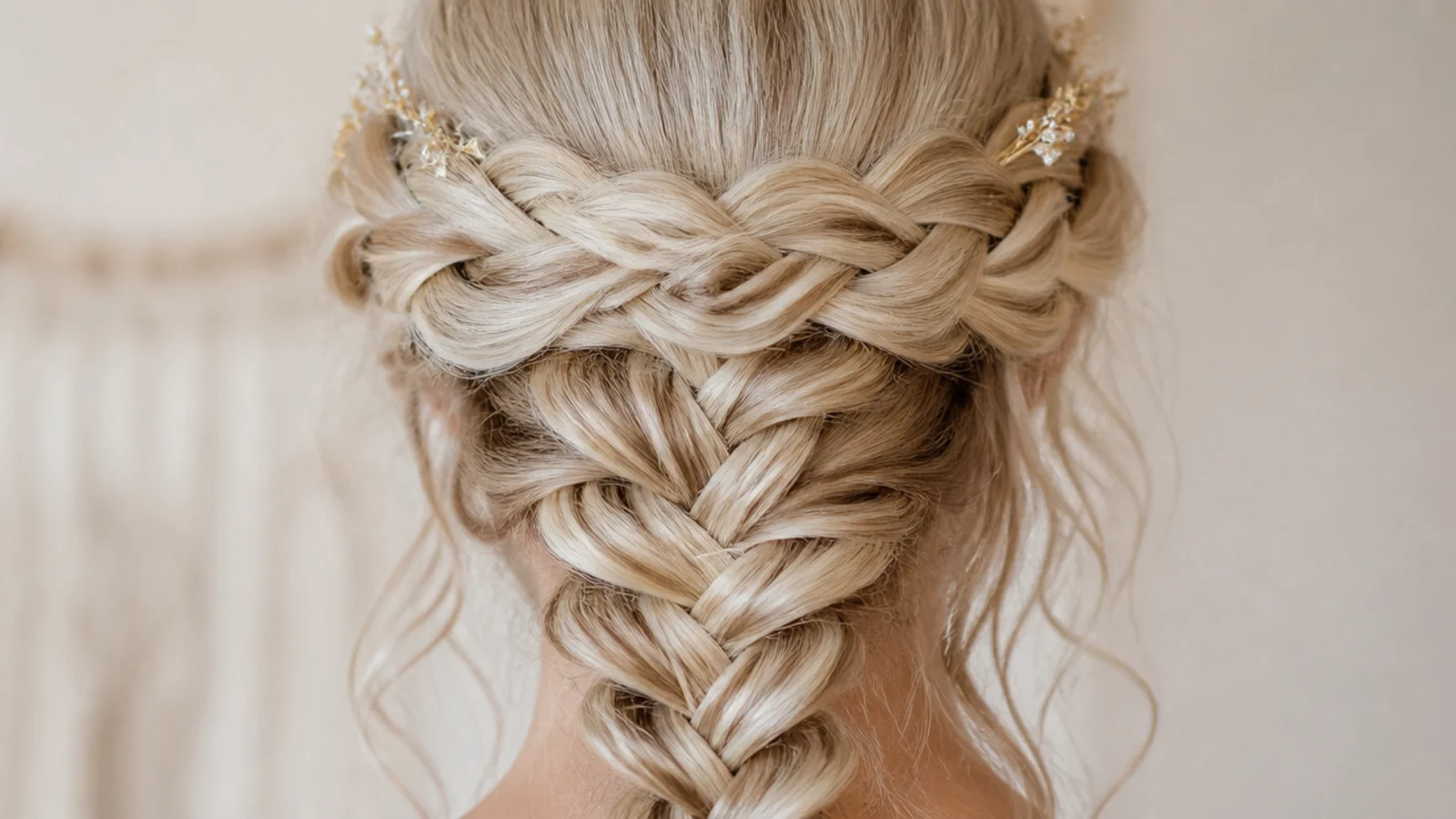
19. Ribbon Woven
A ribbon threaded through the crossovers adds a block of solid colour hair cannot produce on its own. It also carries load — the ribbon takes part of the tension, which lets the braid be pancaked wider without the base giving way.
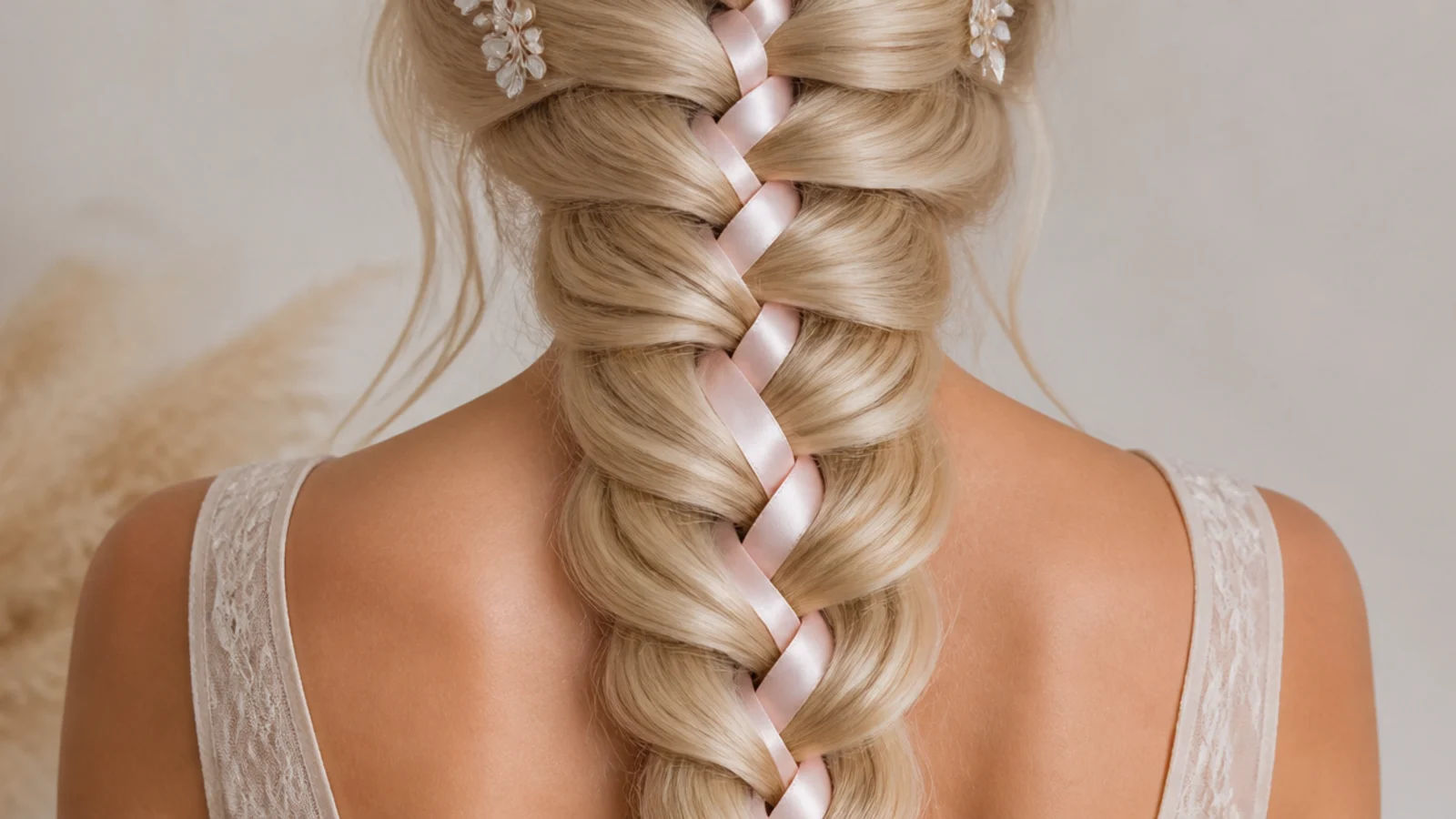
20. Bridal Low Nape
Set low at the nape with everything smoothed into it. Blonde carries this placement better than any other shade, because a low braid sits in its own shadow and only a pale tone keeps the pattern readable in a photograph taken from behind.
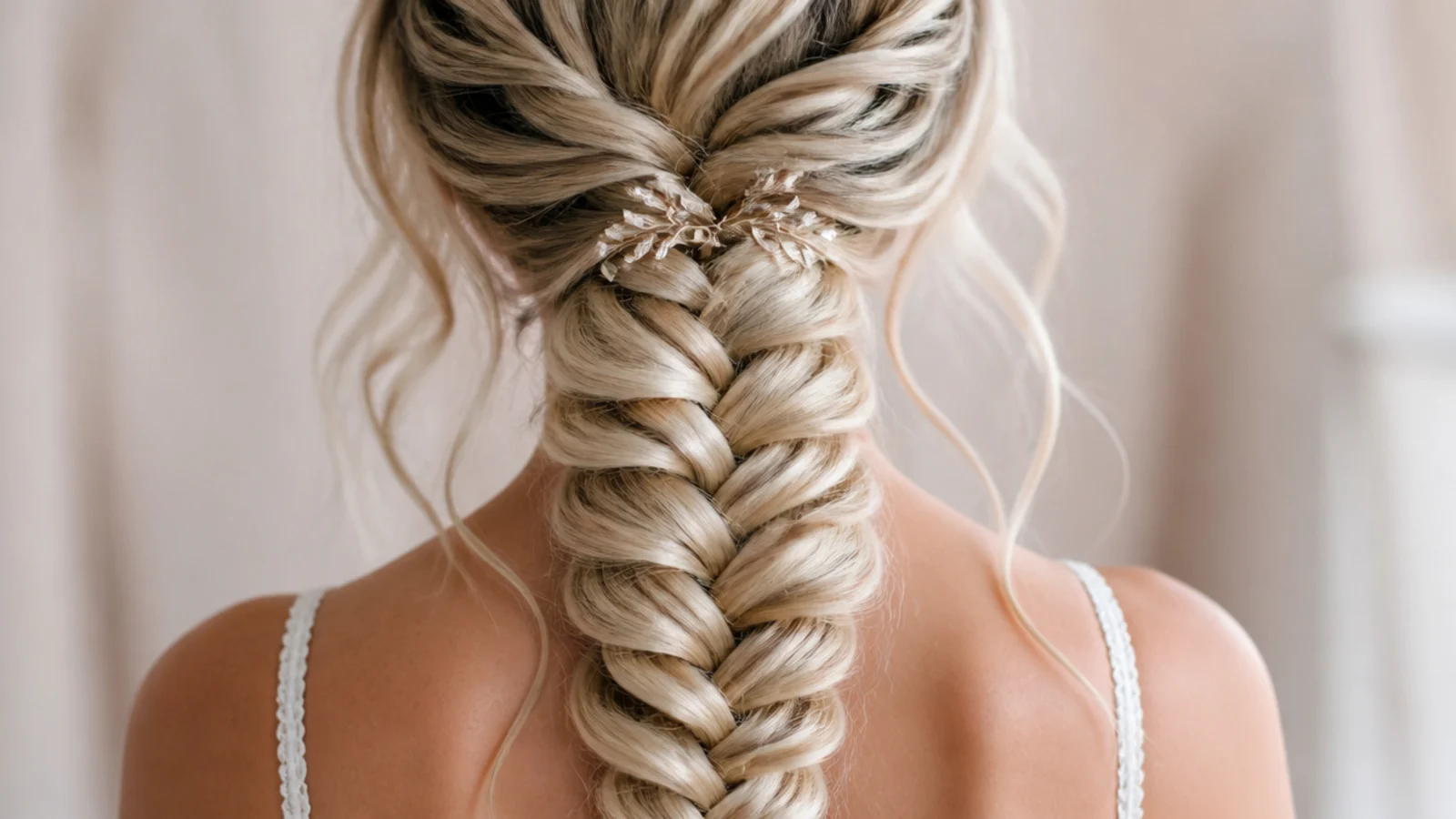
Final Thoughts
Tone the hair before you braid it, and give it something to contrast against. A shadow root, a balayage, or one darker pack alternated through the sections will do more for the pattern than another twenty minutes of tidying the crossovers, because the braid is only visible where two tones meet.
For the same shade in a longer wearing install see the medium knotless version, and for a patterned parting in the same palette see the simple fulani version. More in Braids and Protective Styles.
Frequently asked questions
Related posts
See all posts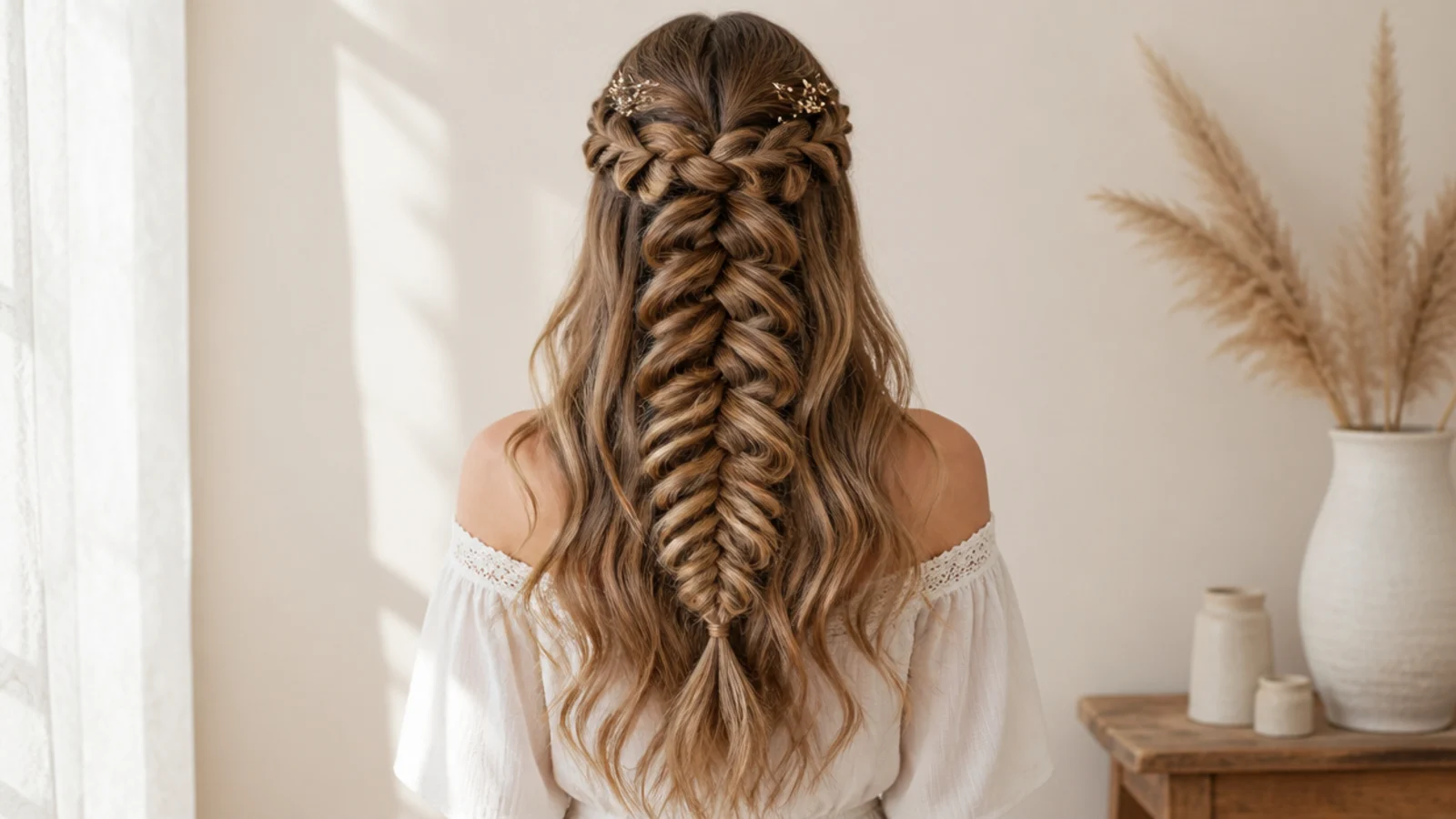
20 Waterfall Mermaid Braid Ideas That Hold
Read more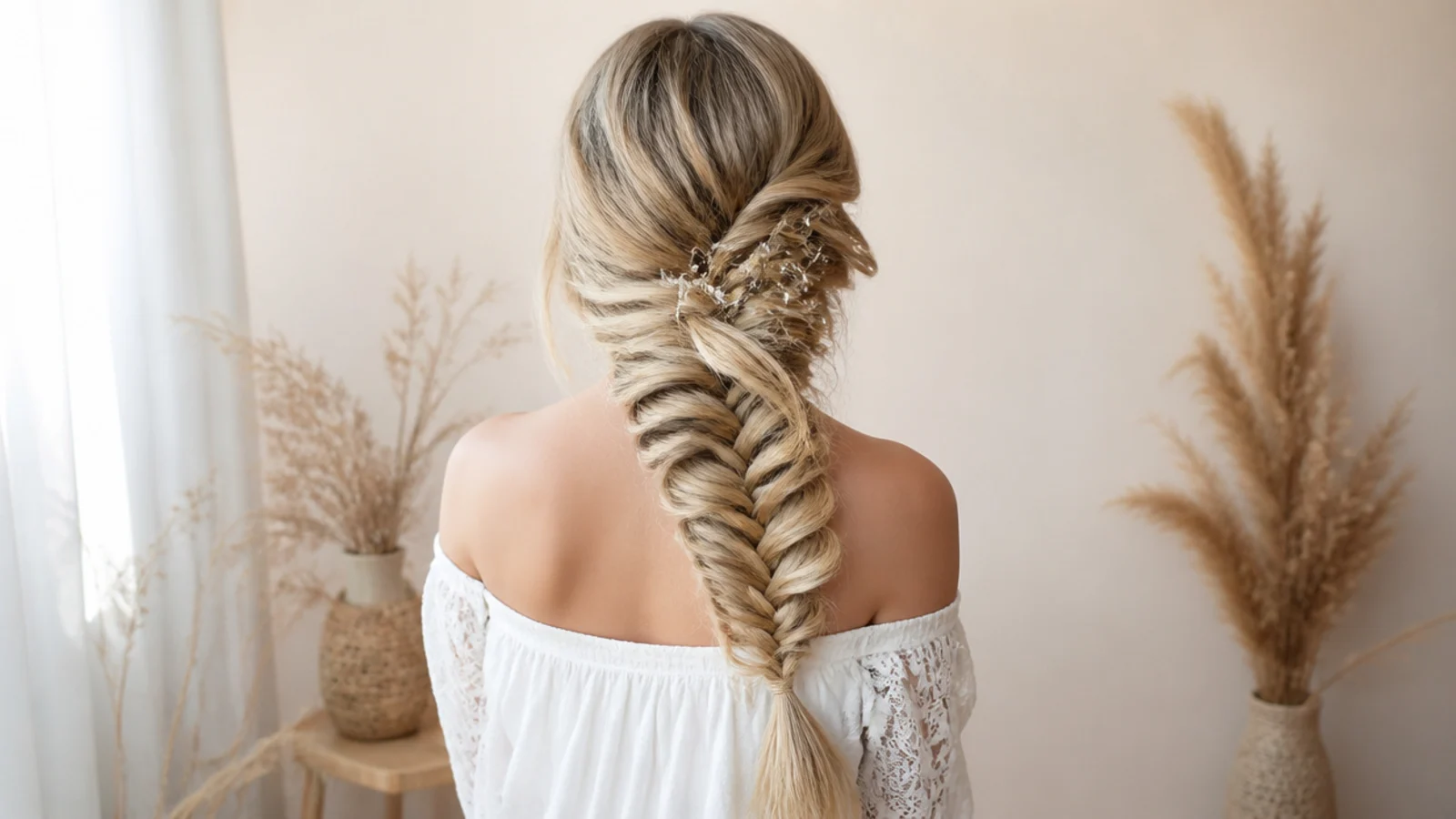
15 Side Mermaid Braid Ideas That Sit Right
Read more
20 Side Part Medium Knotless Braids I Saved
Read more