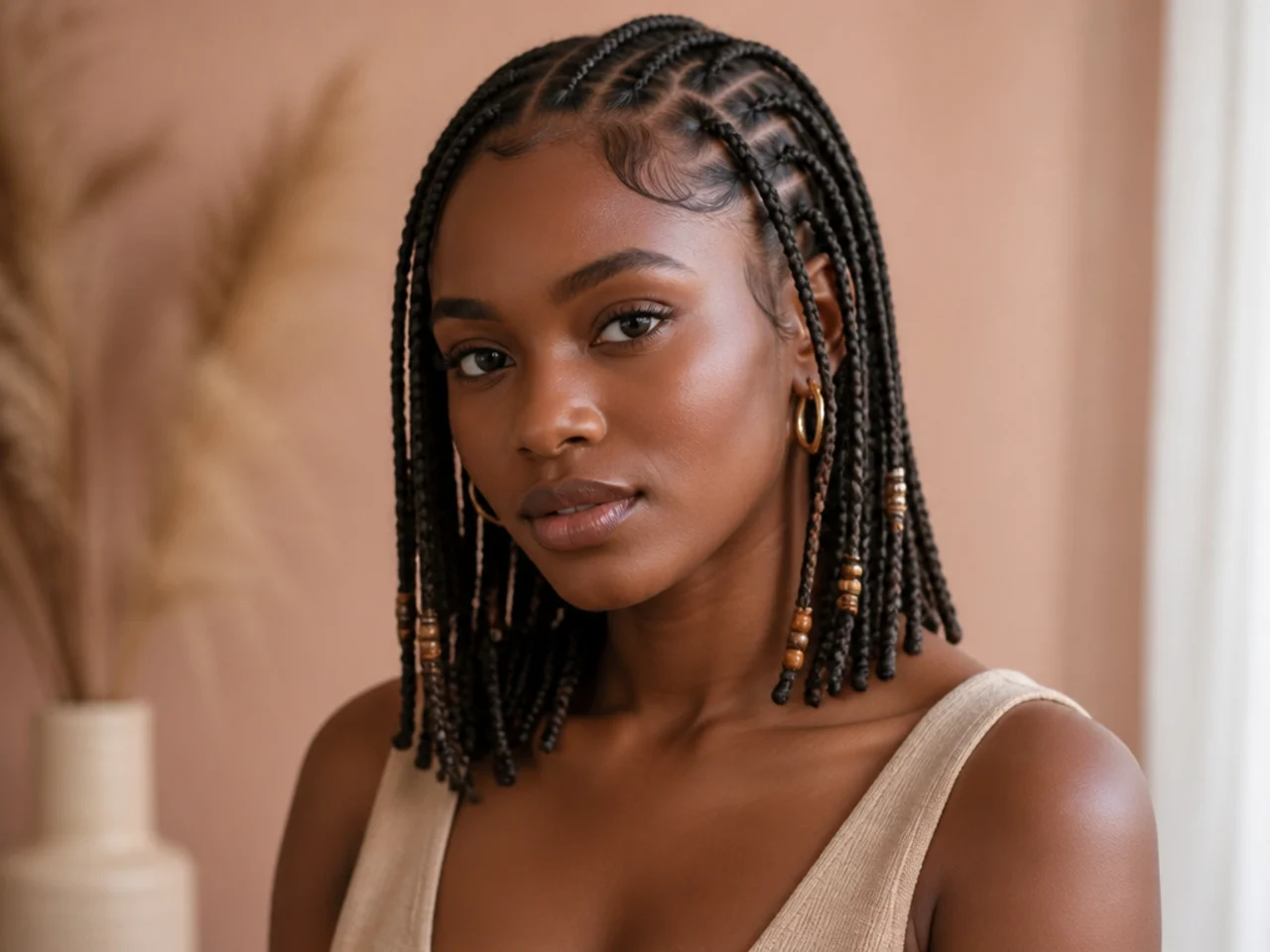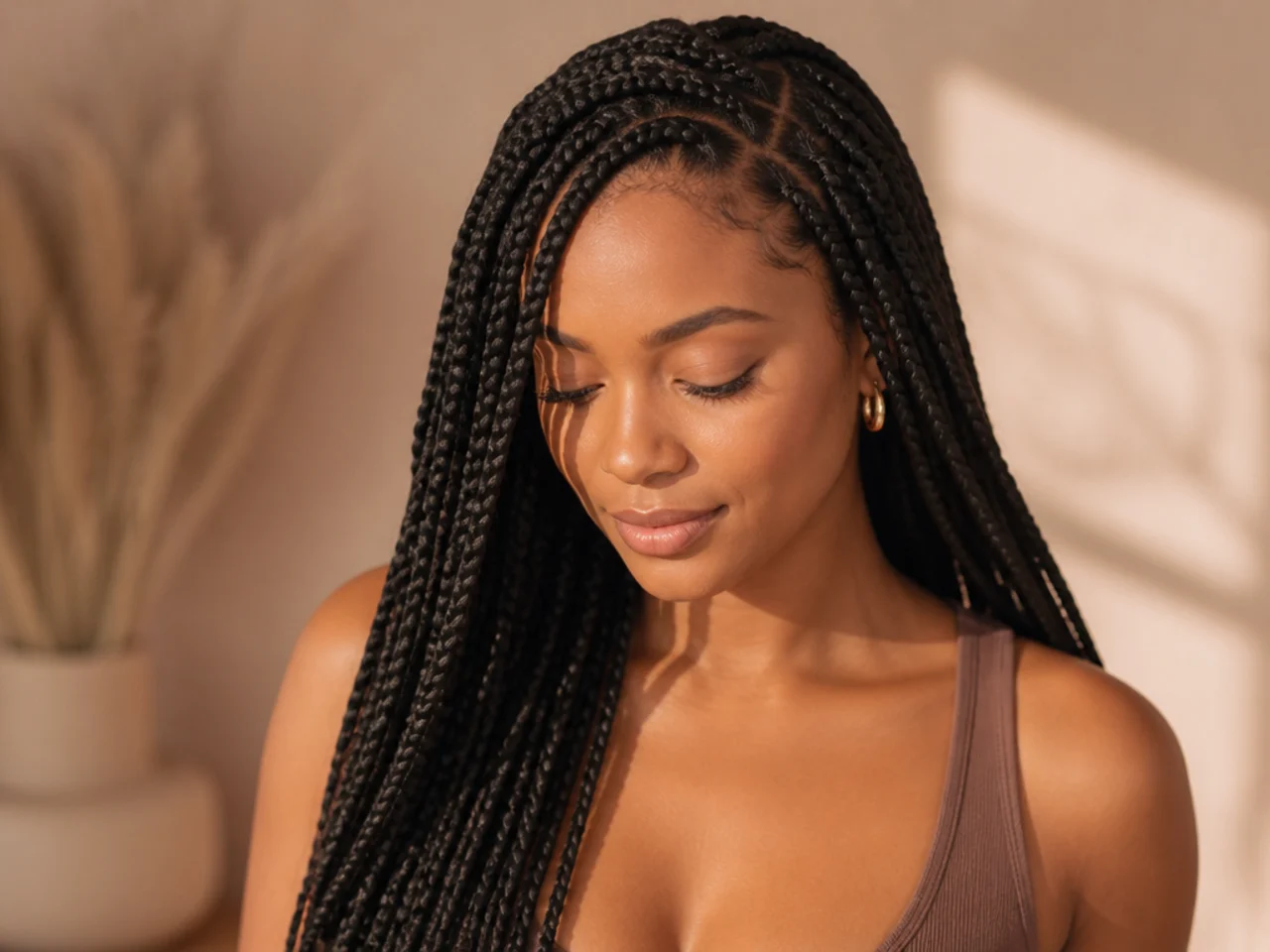
20 Side Part Medium Knotless Braids I Saved
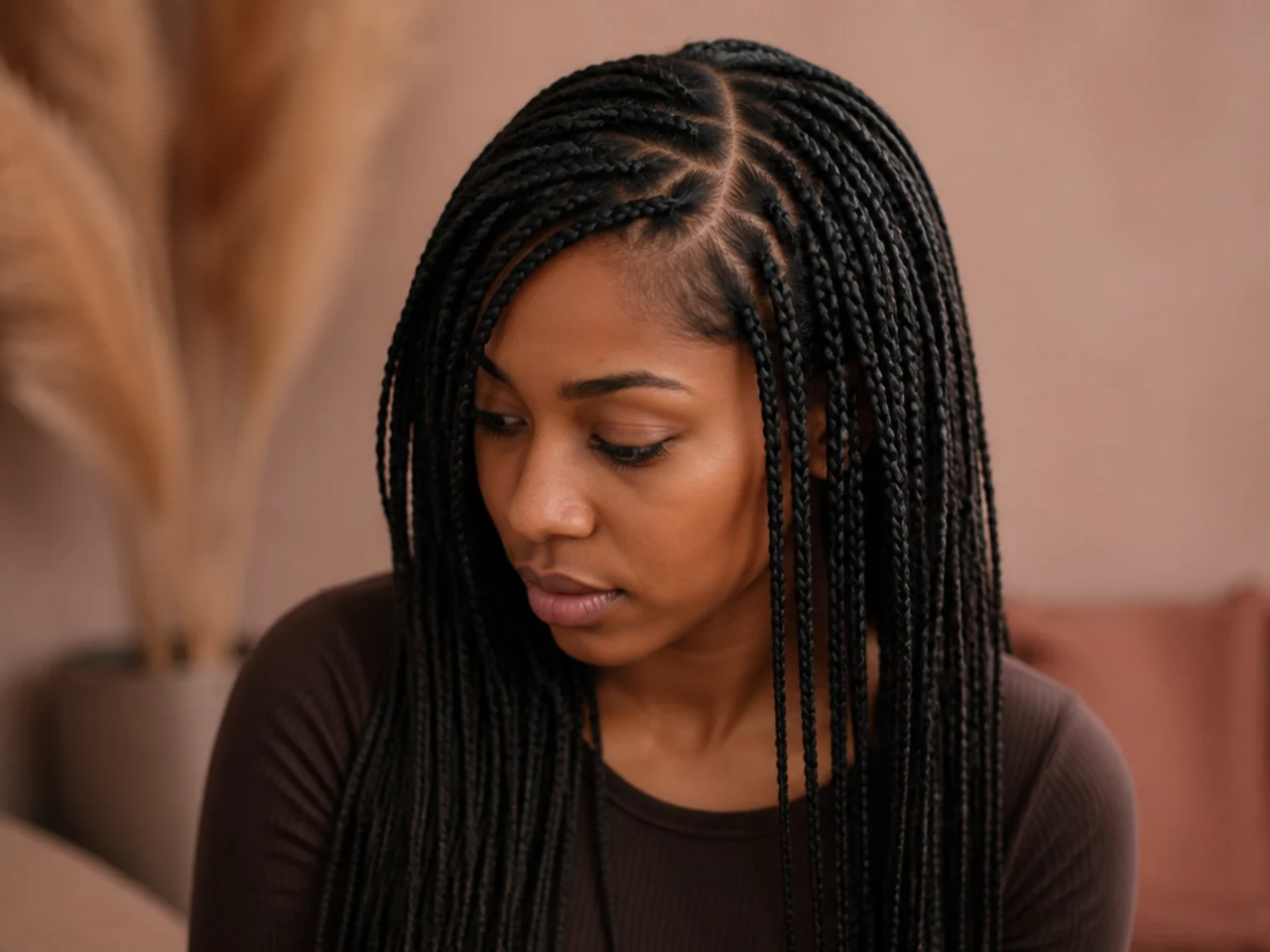
Twenty side part medium knotless braid ideas, and the consequence nobody mentions — a deep side part is an asymmetric load. Roughly sixty per cent of the braids sit on one side, and that side loosens first.
In this article · 27
- What Makes a Side Part Work
- How to Choose Yours
- The 20 Side Part Ideas
- 1. Soft Off-Centre Part
- 2. Standard Side Part
- 3. Deep Side Part
- 4. Side Part with a Straight-Back Grid
- 5. Side Part with a Curved Grid
- 6. Side Part with a Face Frame
- 7. Side Part Swept Fully Across
- 8. Side Part with a Low Side Bun
- 9. Side Part Half Up
- 10. Side Part on a Medium Bob
- 11. Side Part at Shoulder Length
- 12. Side Part at Waist Length
- 13. Honey Blonde Side Part
- 14. Side Part with Highlights on the Sweep
- 15. Burgundy Side Part
- 16. Side Part with Curled Ends
- 17. Boho Side Part
- 18. Side Part with a Headband
- 19. Side Part with a Balanced Braid Count
- 20. Side Part at Week Six
- Styling and Upkeep
- Mistakes to Avoid
- FAQ
- Final Thoughts
A side part on braids looks like a styling choice. Structurally it is a weight decision.
A deep side part is an asymmetric load. Roughly sixty per cent of the braids end up on the heavier side, and those roots carry more weight for the entire wear. That side loosens sooner, and it is usually blamed on the braider.
The look is worth having. It is just worth choosing the depth deliberately.
What Makes a Side Part Work
Asymmetry flatters almost everyone. It is the most reliable single change you can make to how braids frame a face.
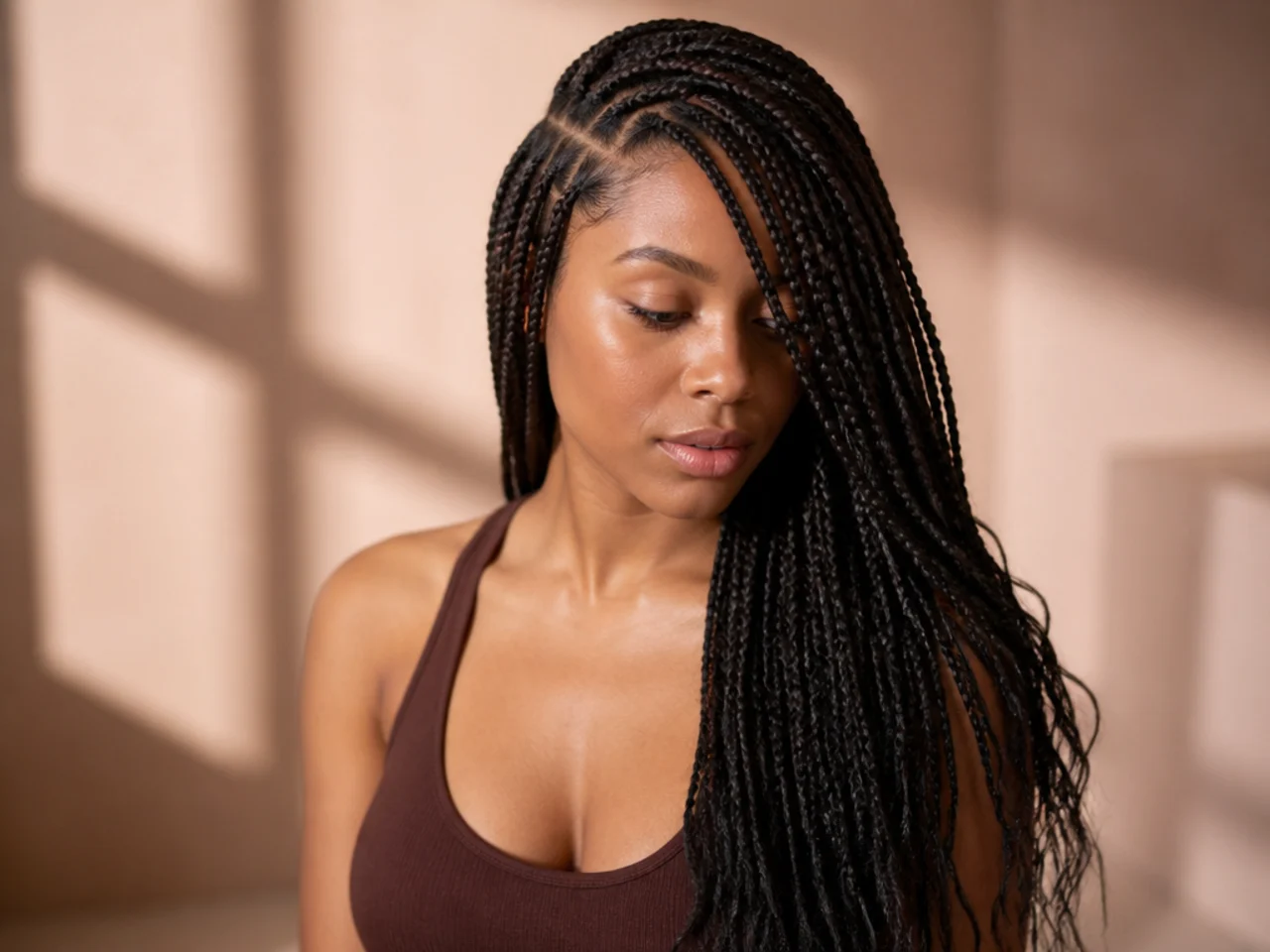
Depth sets the weight split. A soft off-centre part is nearly even. A deep part above the outer eyebrow is where the split becomes clearly uneven.
The part is fixed for the wear. Braids are anchored pointing away from the part they were installed with, so moving it later leaves roots lying against their own direction.
Medium hides the part line itself. The density means the parting reads as a soft division rather than as an exposed line, which is why deep parts look better at this braid count than at wider ones.
How to Choose Yours
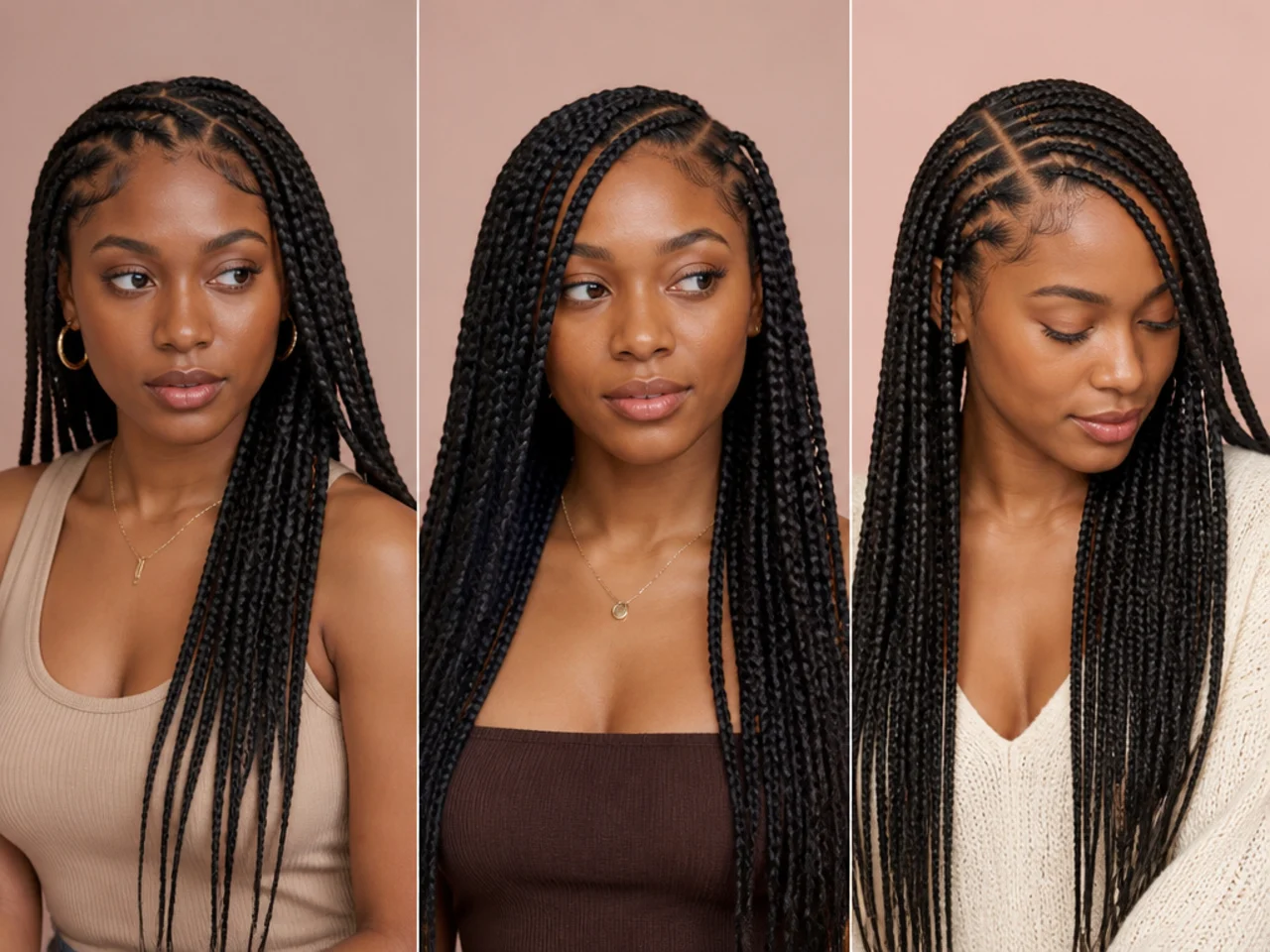
Choose the depth, not just the side. Off-centre, standard, or deep. They are three different weight distributions.
Go softer if your hair is fine. A near-centre part with a slight offset gives most of the look and none of the imbalance.
Ask for slightly fewer braids on the heavy side. A braider can balance the count rather than the sections, which evens the load without changing the look.
Pick the side you actually sleep on. Lying on the heavy side every night adds friction where there is already the most weight.
The 20 Side Part Ideas
1. Soft Off-Centre Part
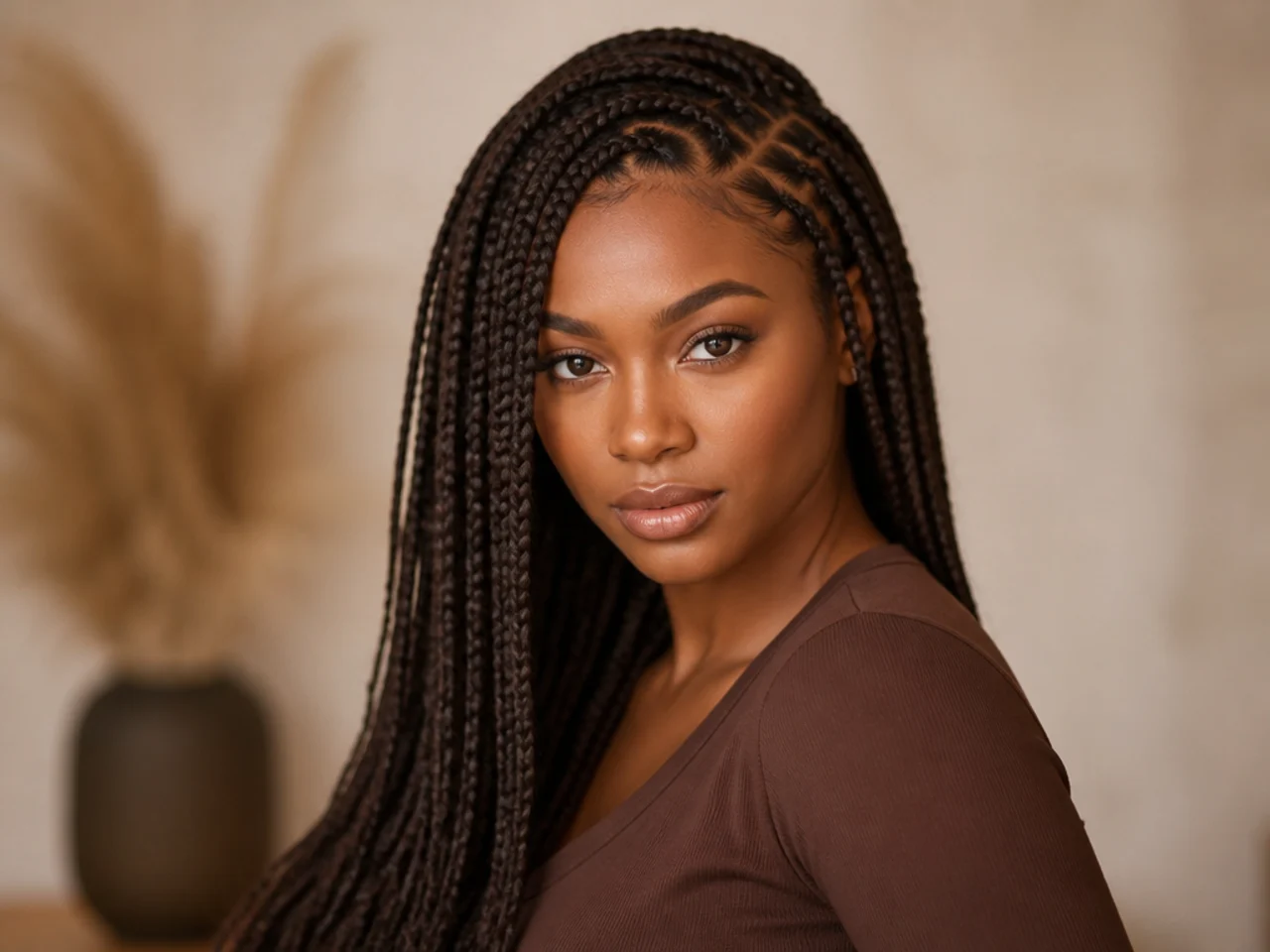
A slight offset. Nearly even weight, and it still reads asymmetric. The best trade on this page — most of the flattery for almost none of the imbalance.
2. Standard Side Part
The middle option, sitting above the inner brow. Roughly a fifty-five to forty-five split, which is uneven enough to see and even enough to ignore.
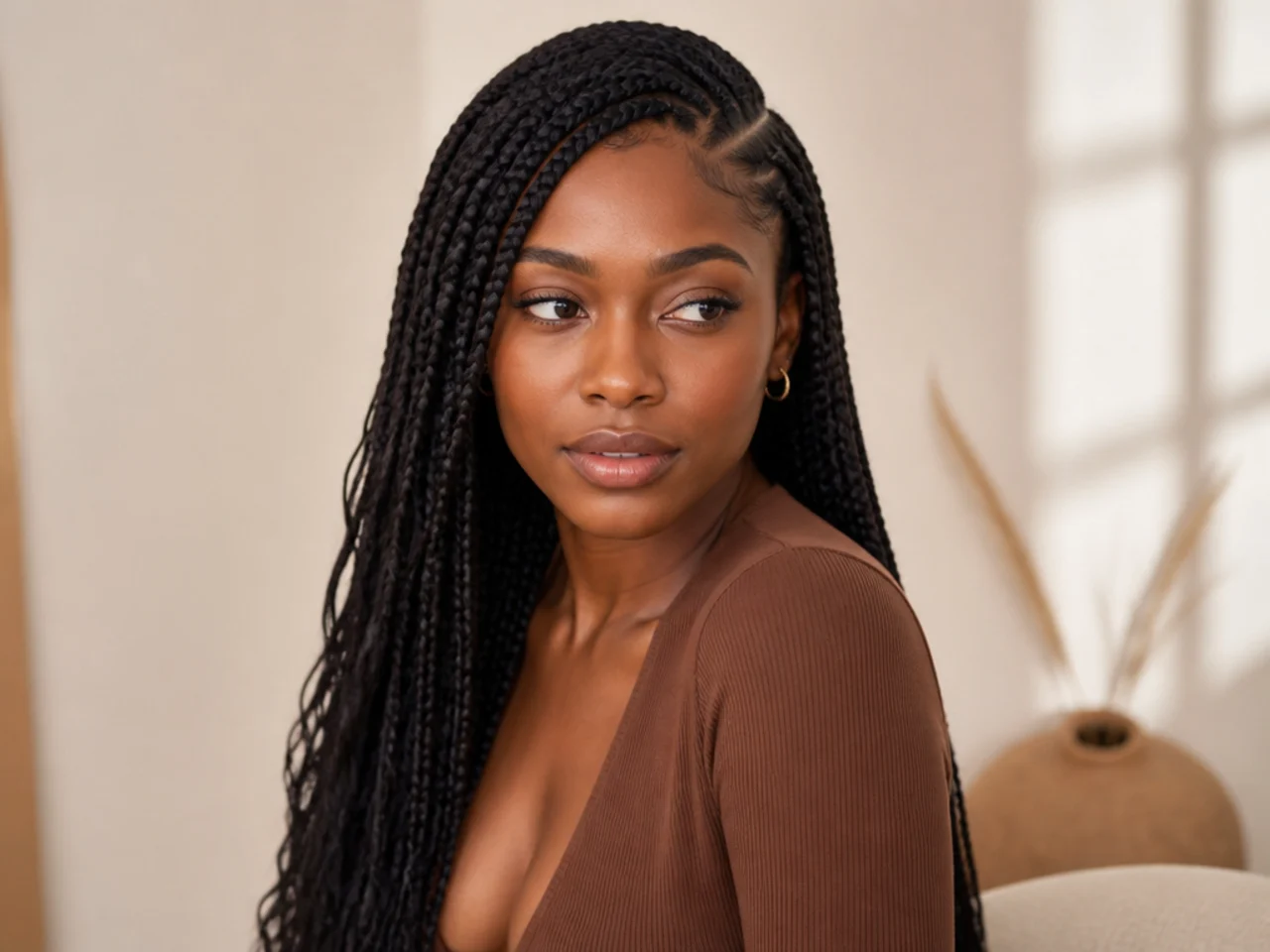
3. Deep Side Part
Above the outer brow. The most dramatic, and the most uneven. This is where the sixty-forty split arrives, and where the heavy side genuinely ages faster.
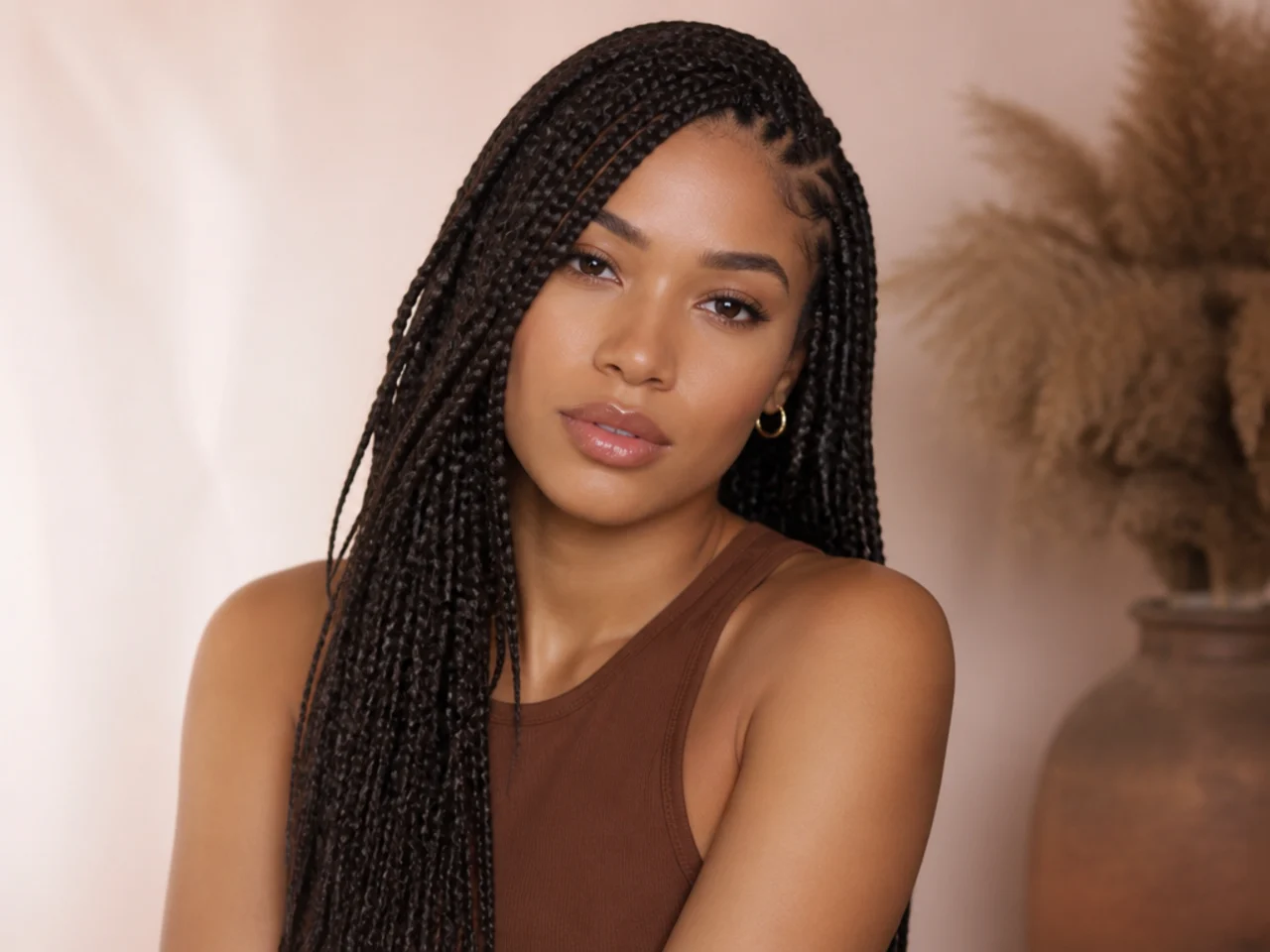
4. Side Part with a Straight-Back Grid
The part line clean, sections running straight behind it. Straight-back sections make the part read as a hard line, which is the sharpest version of the style.
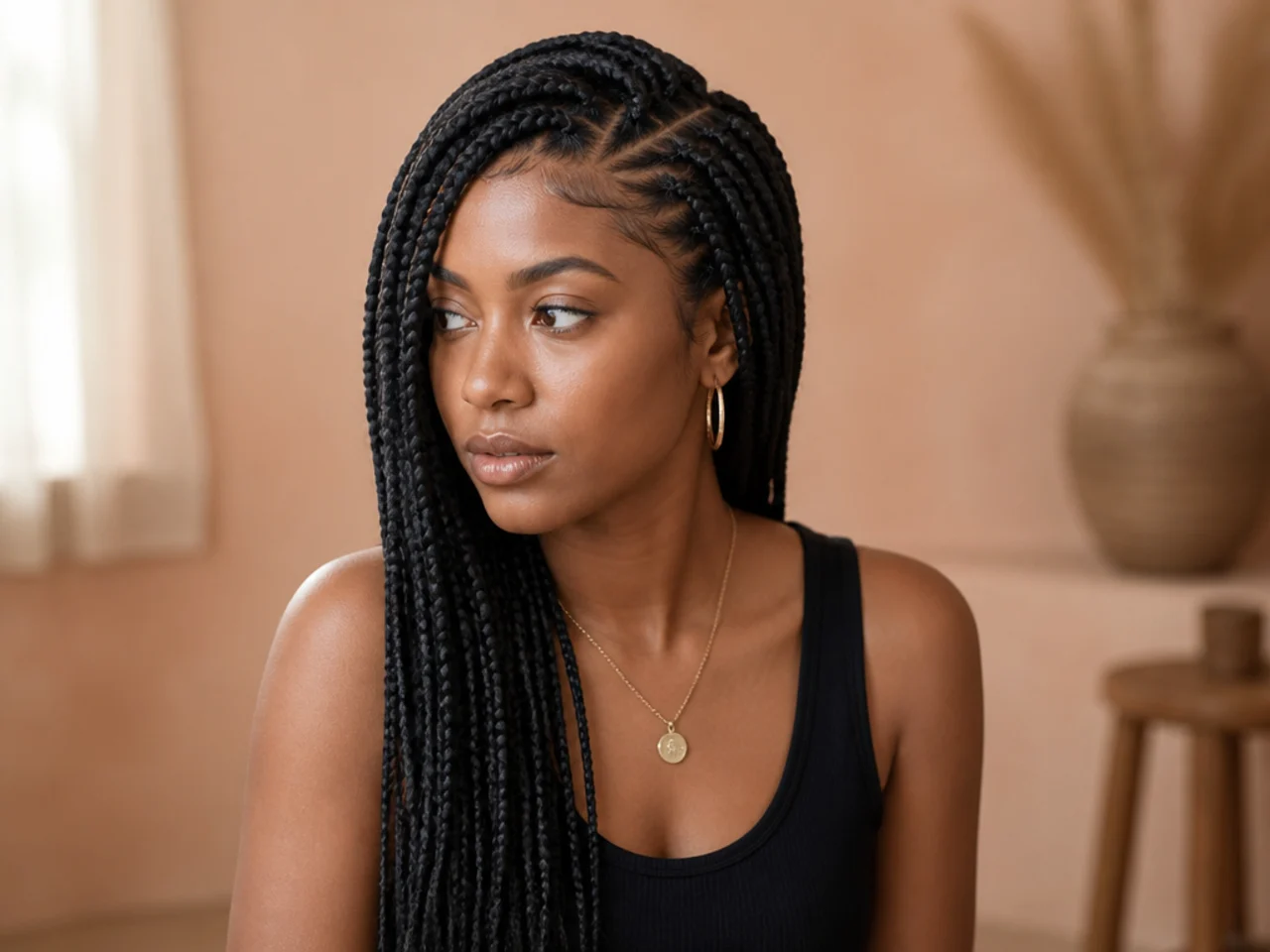
5. Side Part with a Curved Grid
Sections curving away from the part, which softens the asymmetry. Curved sections follow the shape of the head, so the eye reads a sweep rather than a division.
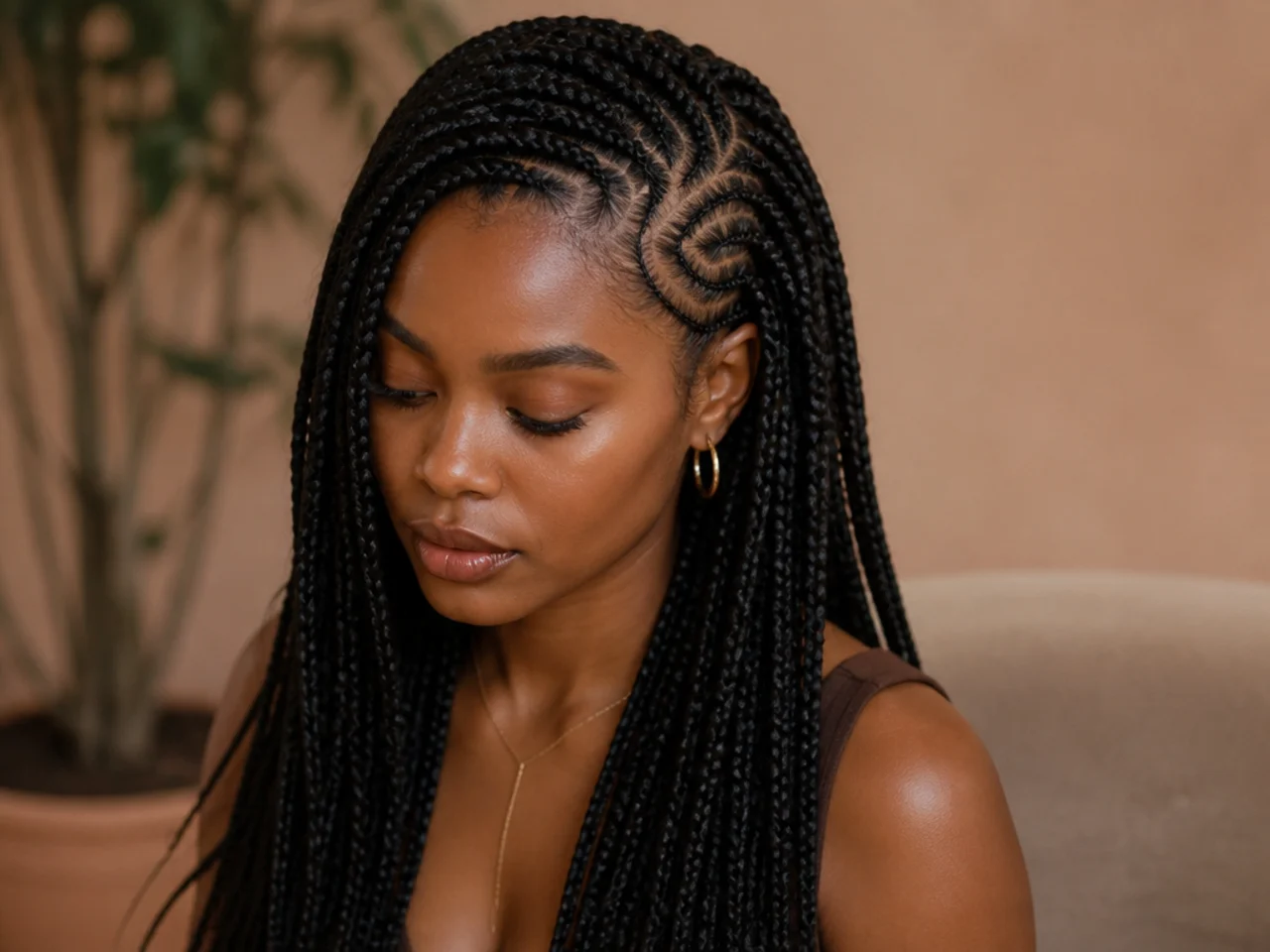
6. Side Part with a Face Frame
Two shorter braids at the heavy side, framing the face. Shorter braids at the front also weigh less, which takes a little load off the side already carrying more.
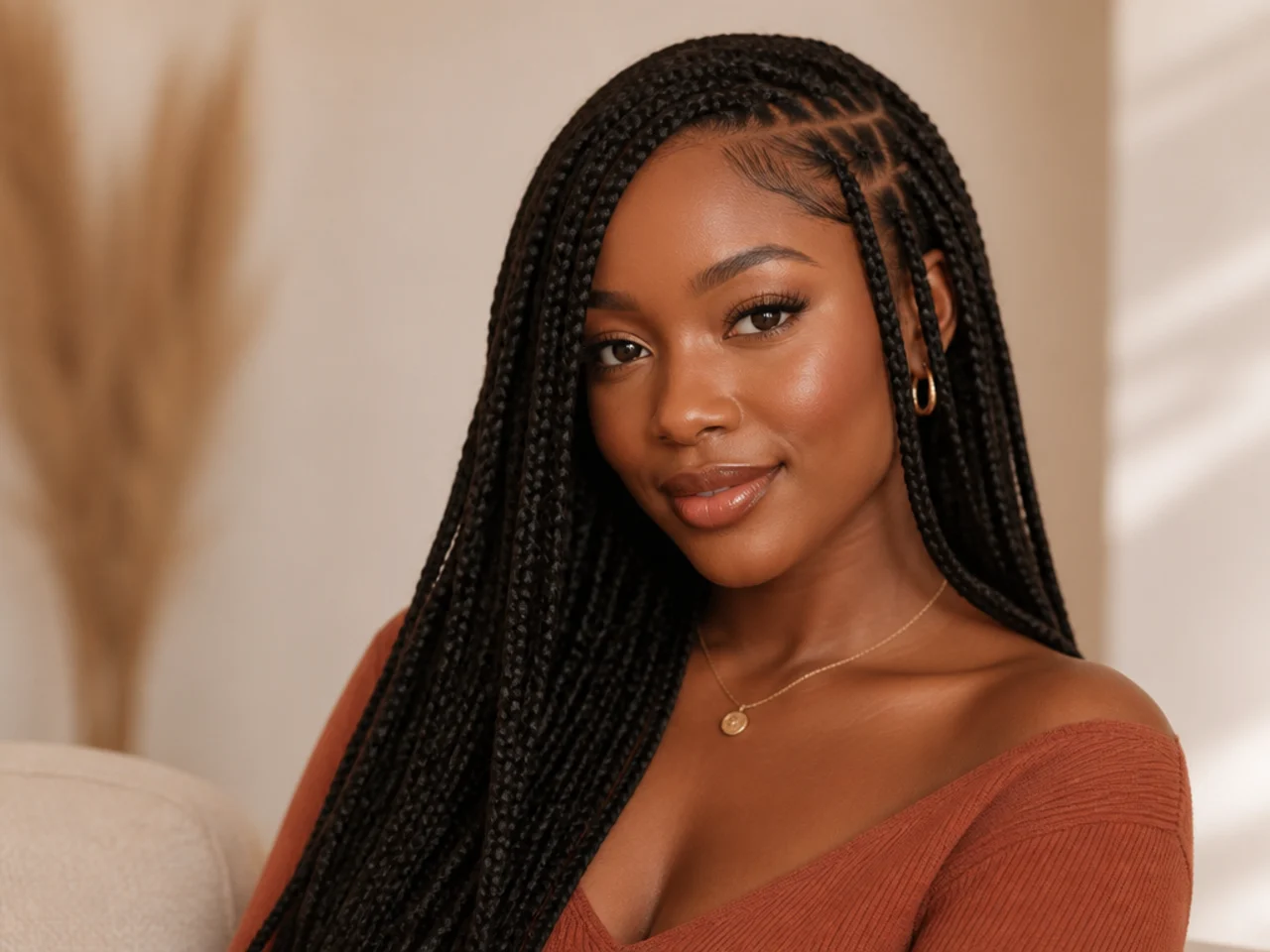
7. Side Part Swept Fully Across
All the length carried to the heavy side. Maximum drama, maximum load. Every braid pulling in one direction all day is the single hardest thing you can ask of this style.
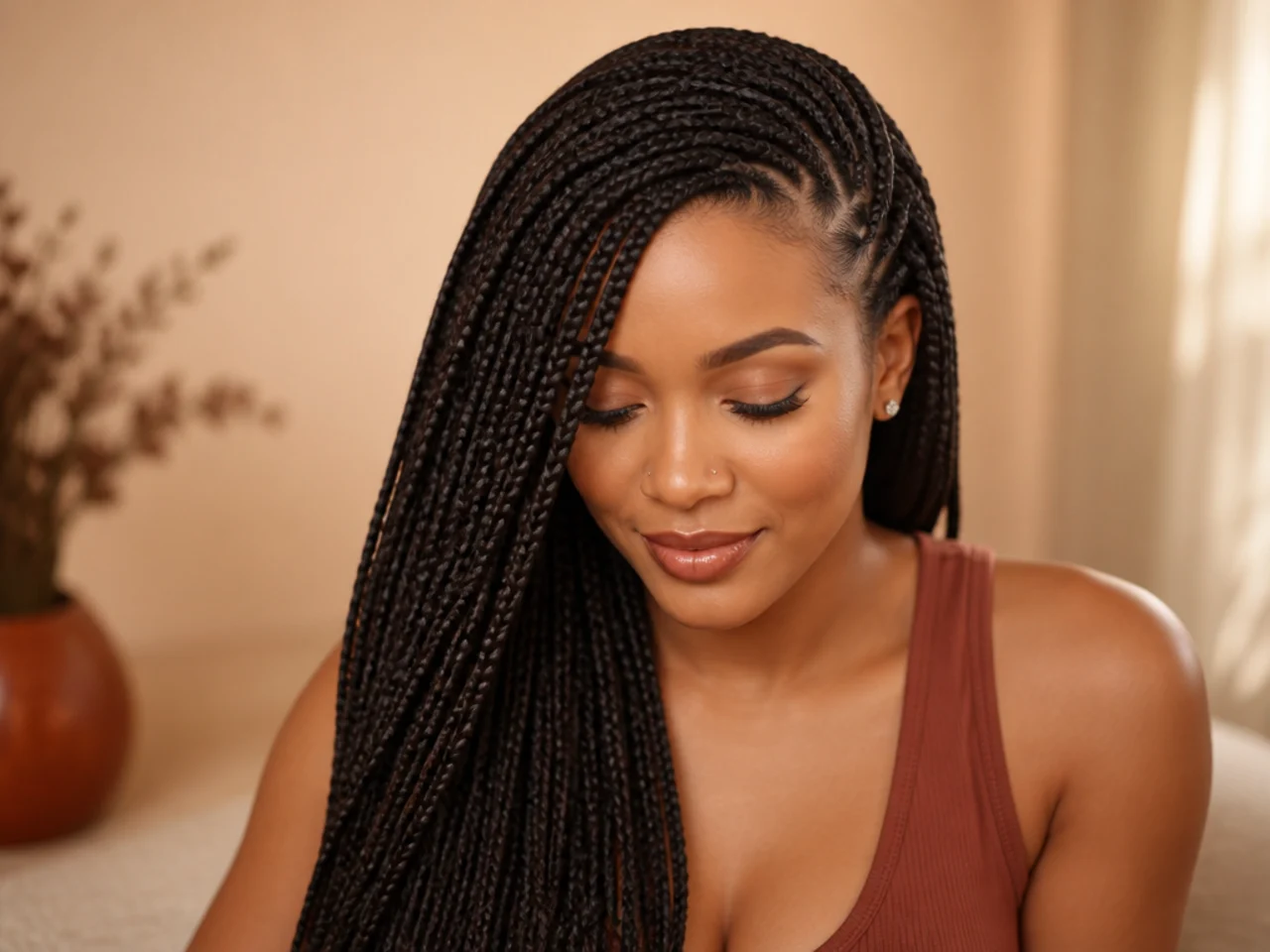
8. Side Part with a Low Side Bun
Coiled on the light side to balance the weight. Moving the bun across is the simplest way to counteract the split without changing the part at all.
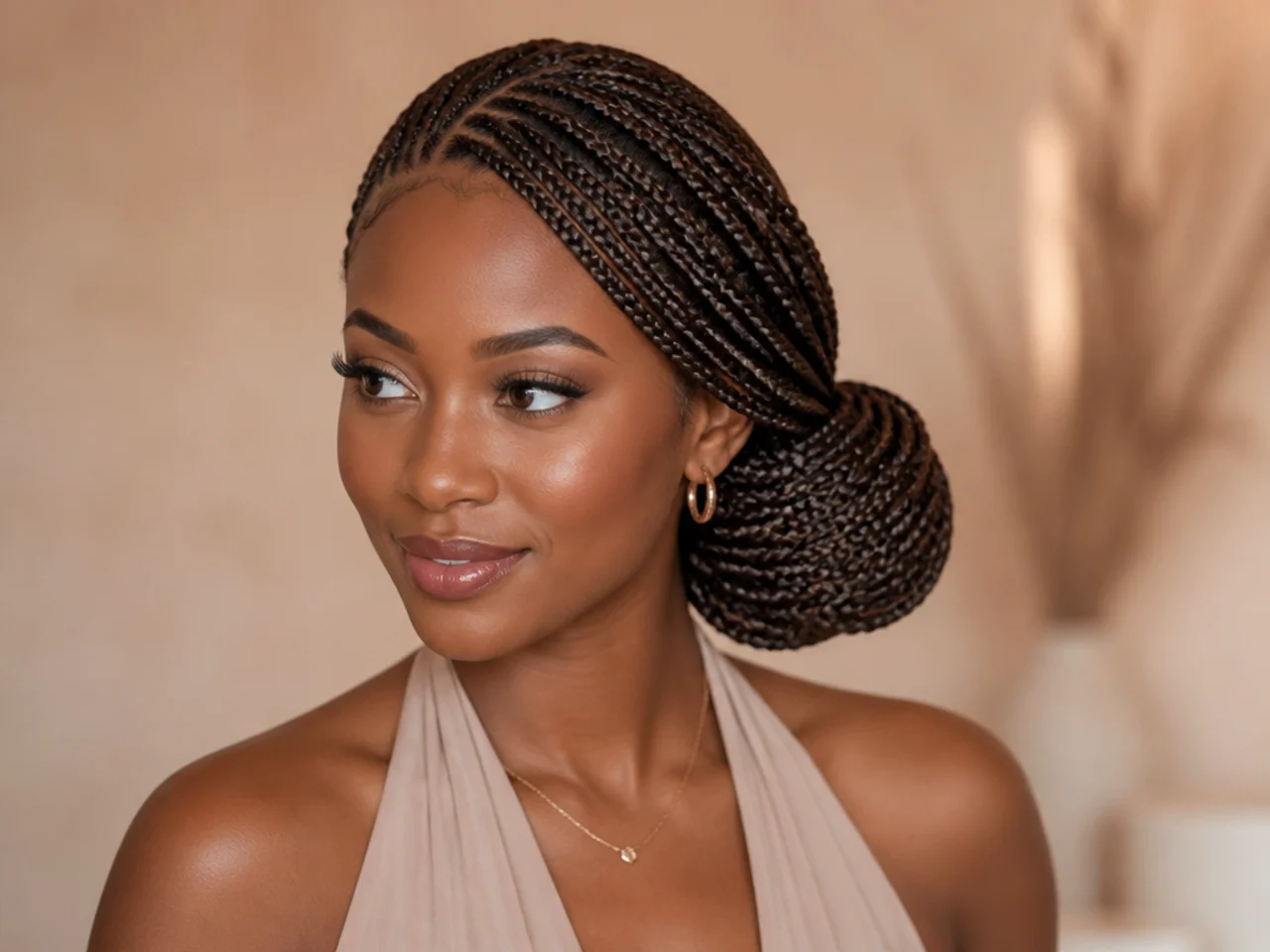
9. Side Part Half Up
Gathered behind, with the part still leading the shape. A half up also lifts weight off both sides equally, which makes it the recovery style for an asymmetric set.
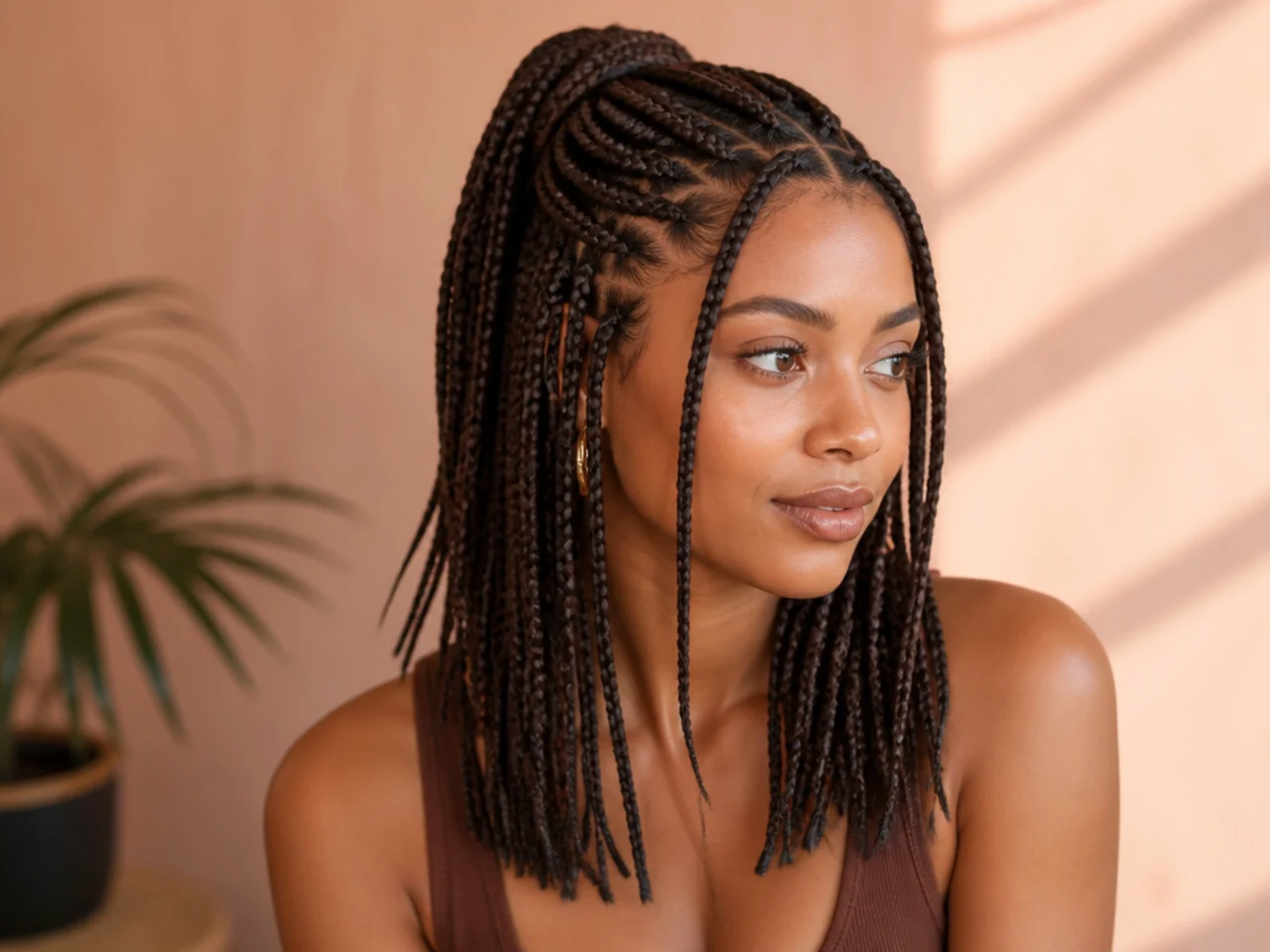
10. Side Part on a Medium Bob
Short and asymmetric. The part carries the whole shape. On a bob there is so little length that the parting is doing nearly all of the styling work.
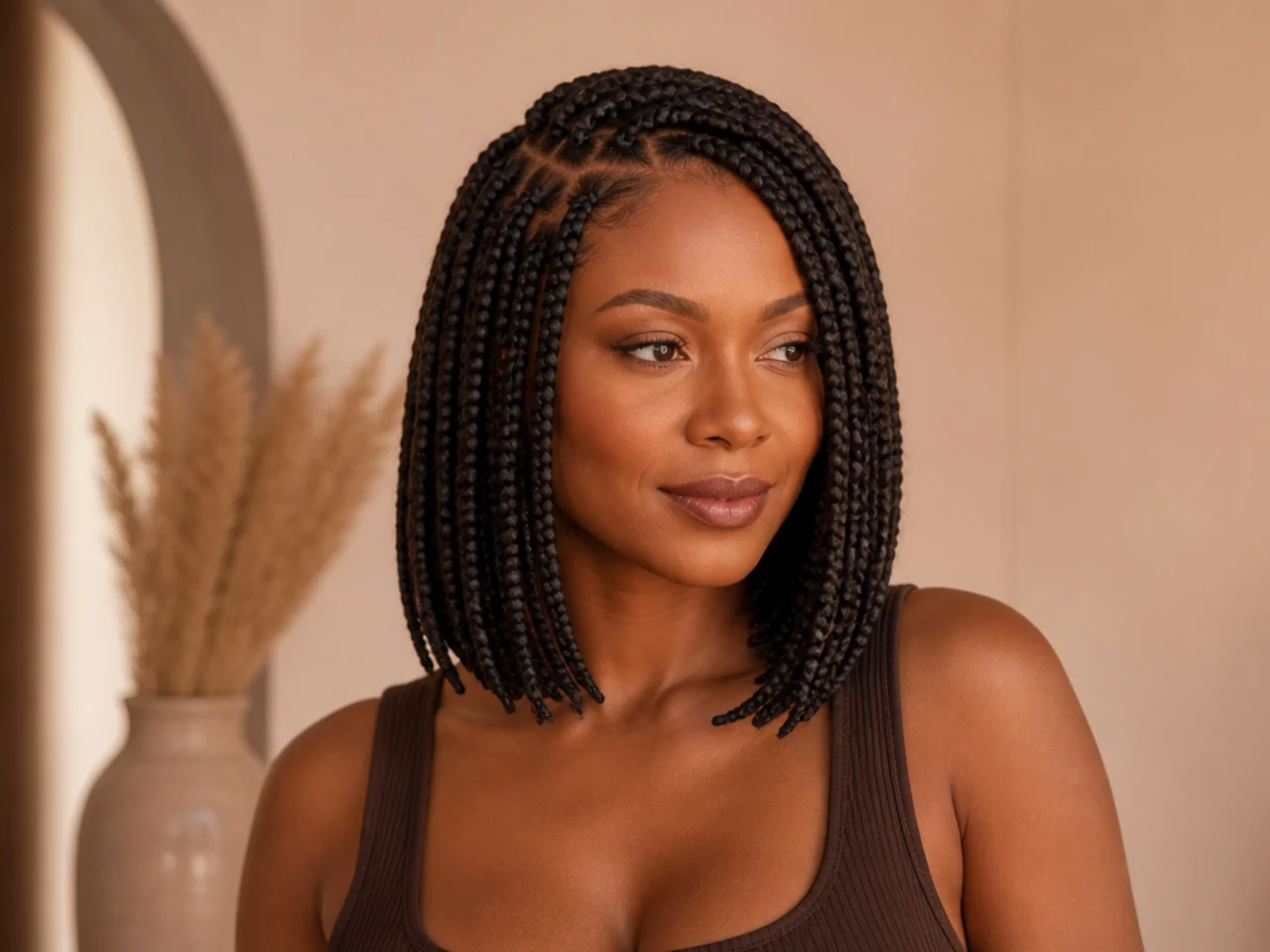
11. Side Part at Shoulder Length
Light enough that the weight split barely registers. Shoulder length is where you can take a deep part without thinking about the load at all.
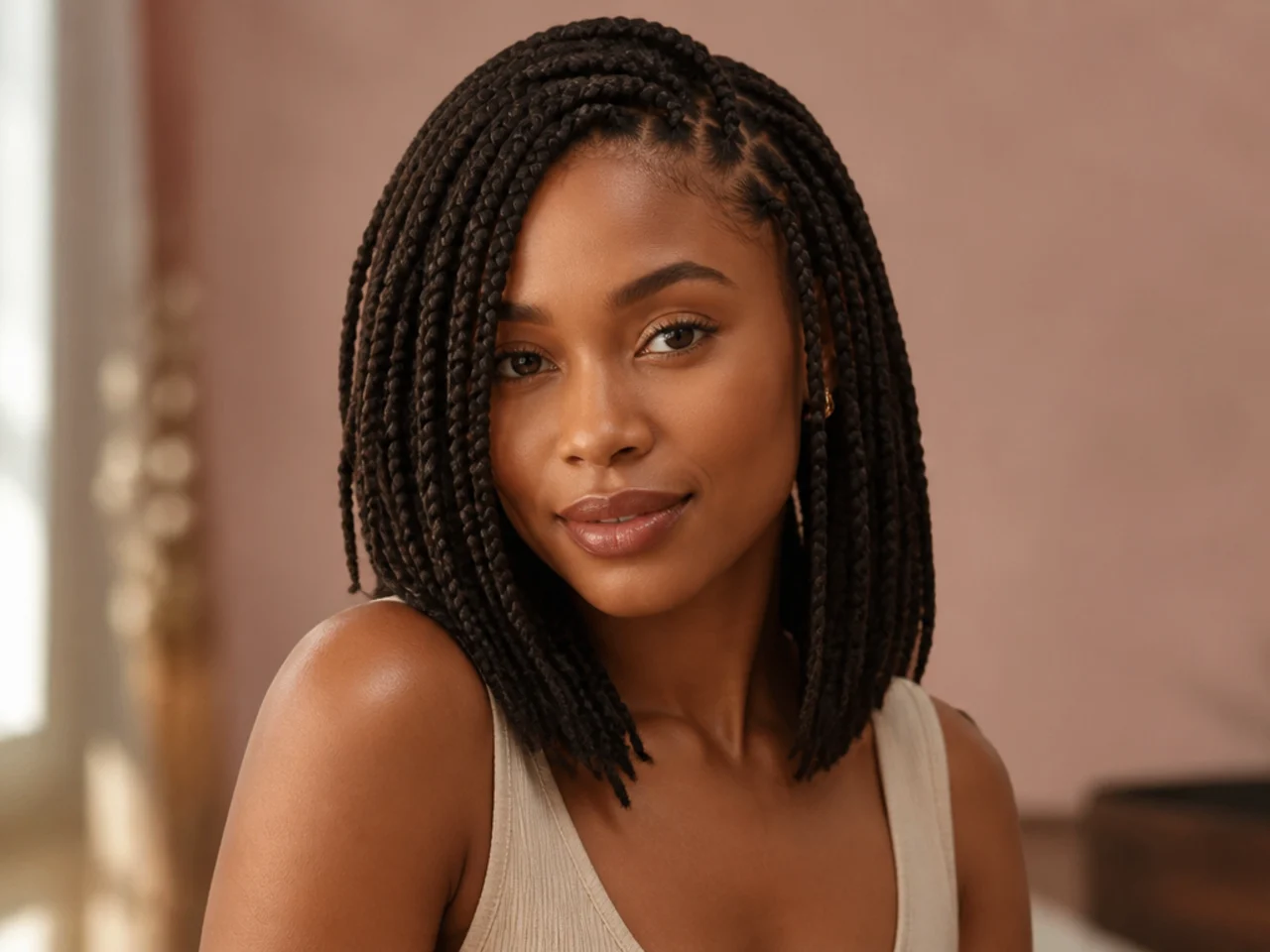
12. Side Part at Waist Length
Long, and the version where the asymmetric load matters most. More length means more weight per braid, so the same percentage split translates into a much bigger real difference.
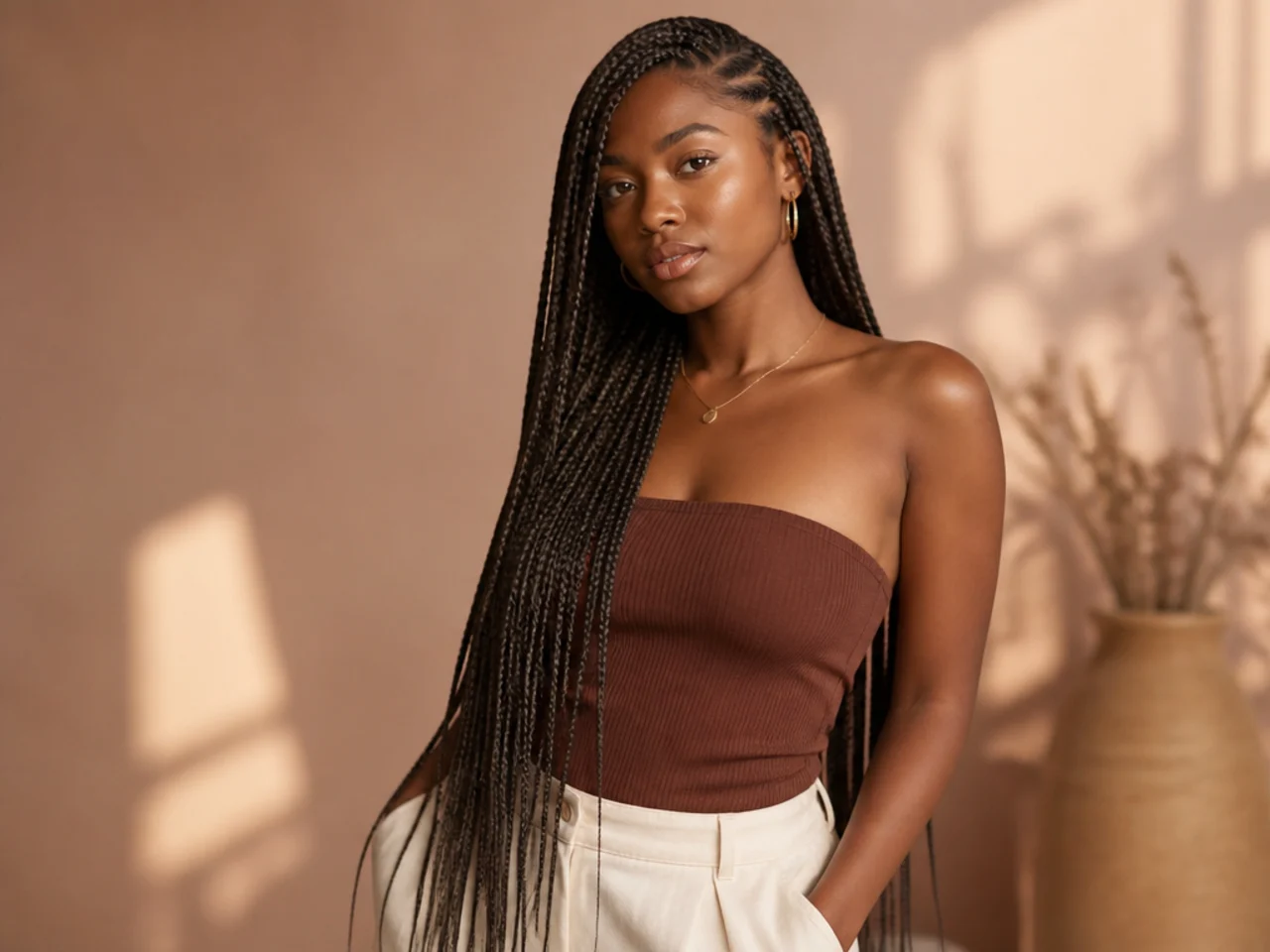
13. Honey Blonde Side Part
Warm colour, with the sweep catching the light. A sweep presents a broad surface to the light, which is why warm shades read brightest on the heavy side.
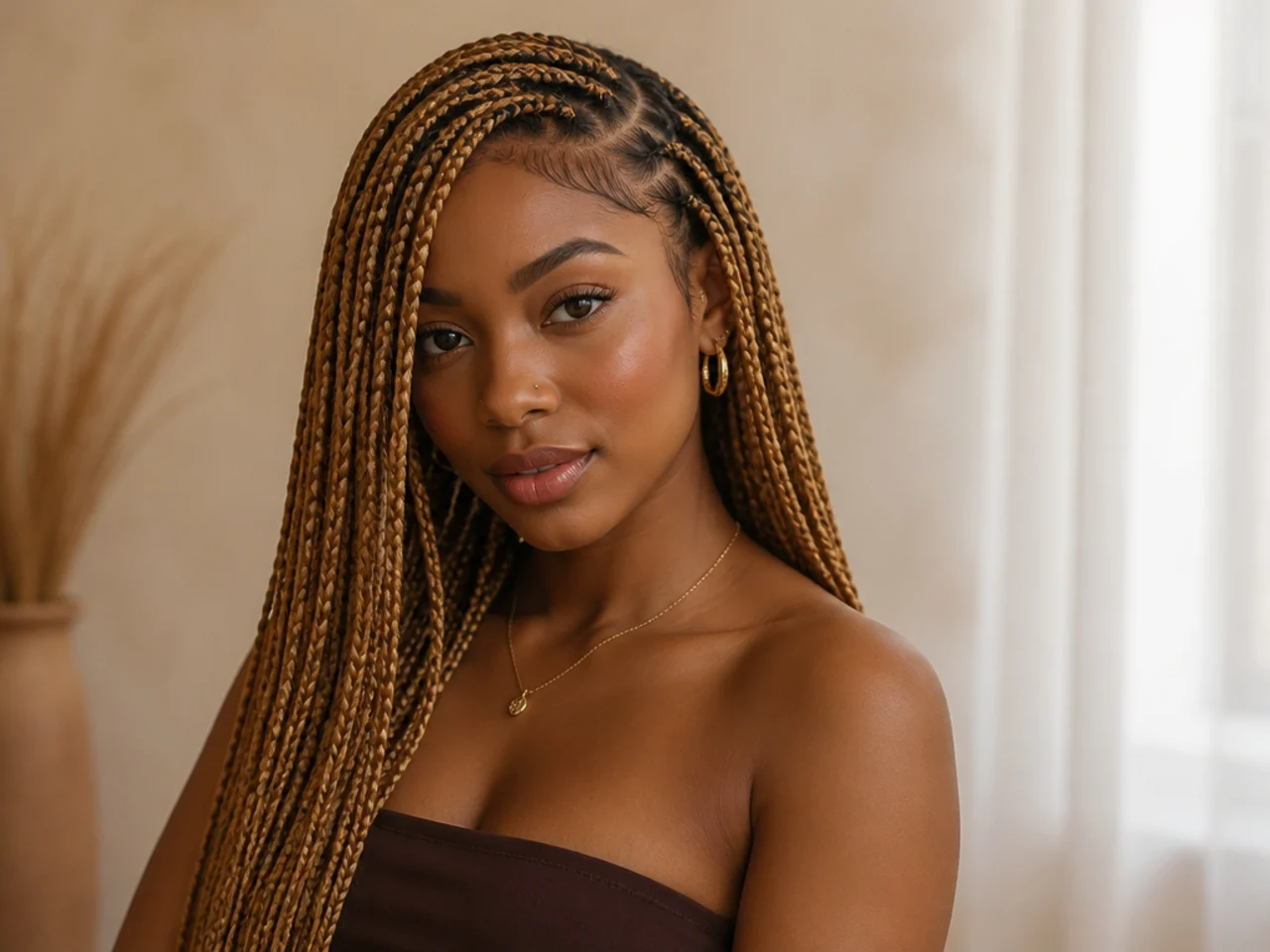
14. Side Part with Highlights on the Sweep
Colour concentrated on the heavy side where it shows. Putting the colour where the length falls means you see it without needing more coloured packs.
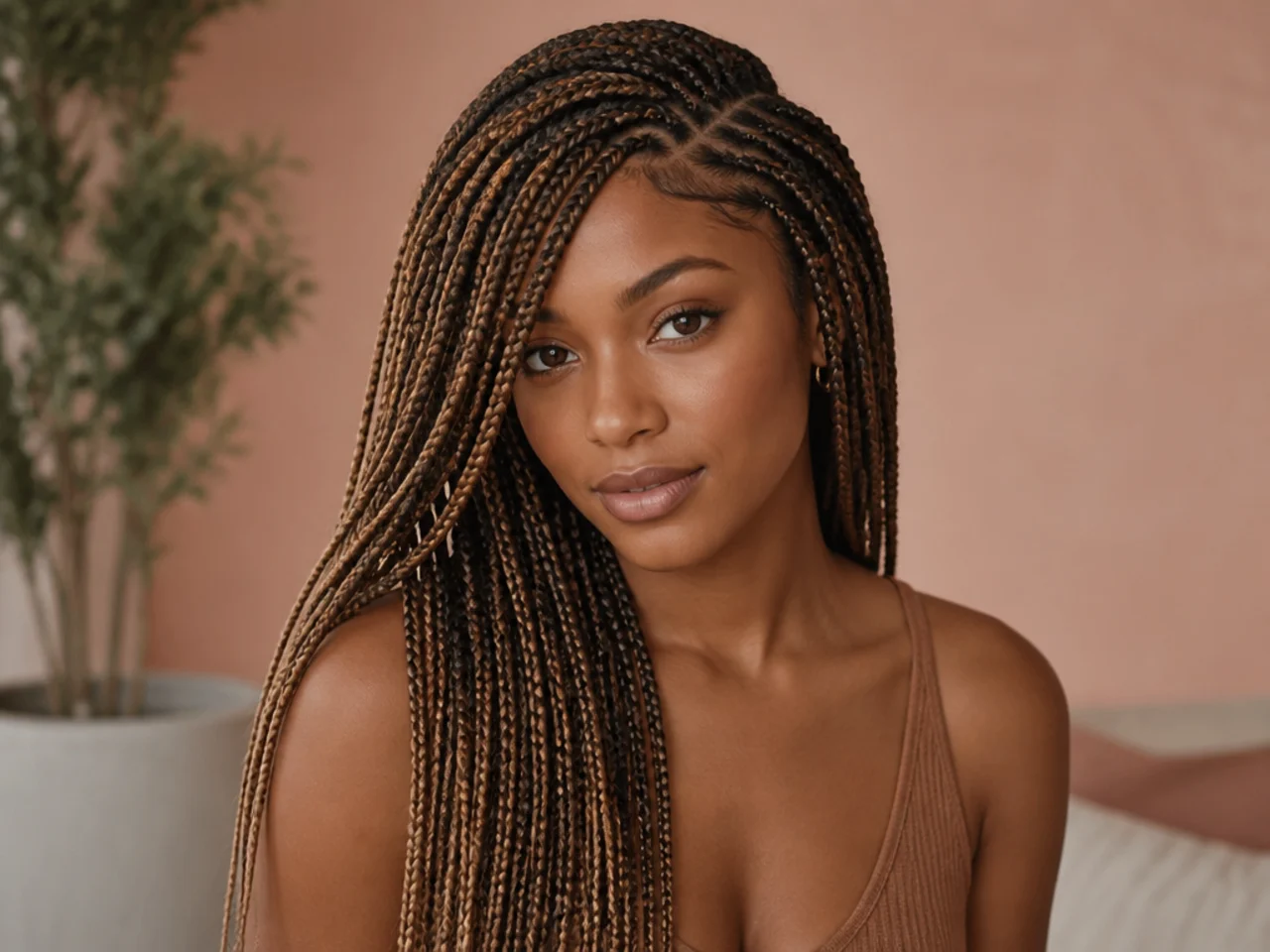
15. Burgundy Side Part
Deep red with a strong asymmetric line. Burgundy is dark enough that the part line stays soft while the colour still reads clearly.
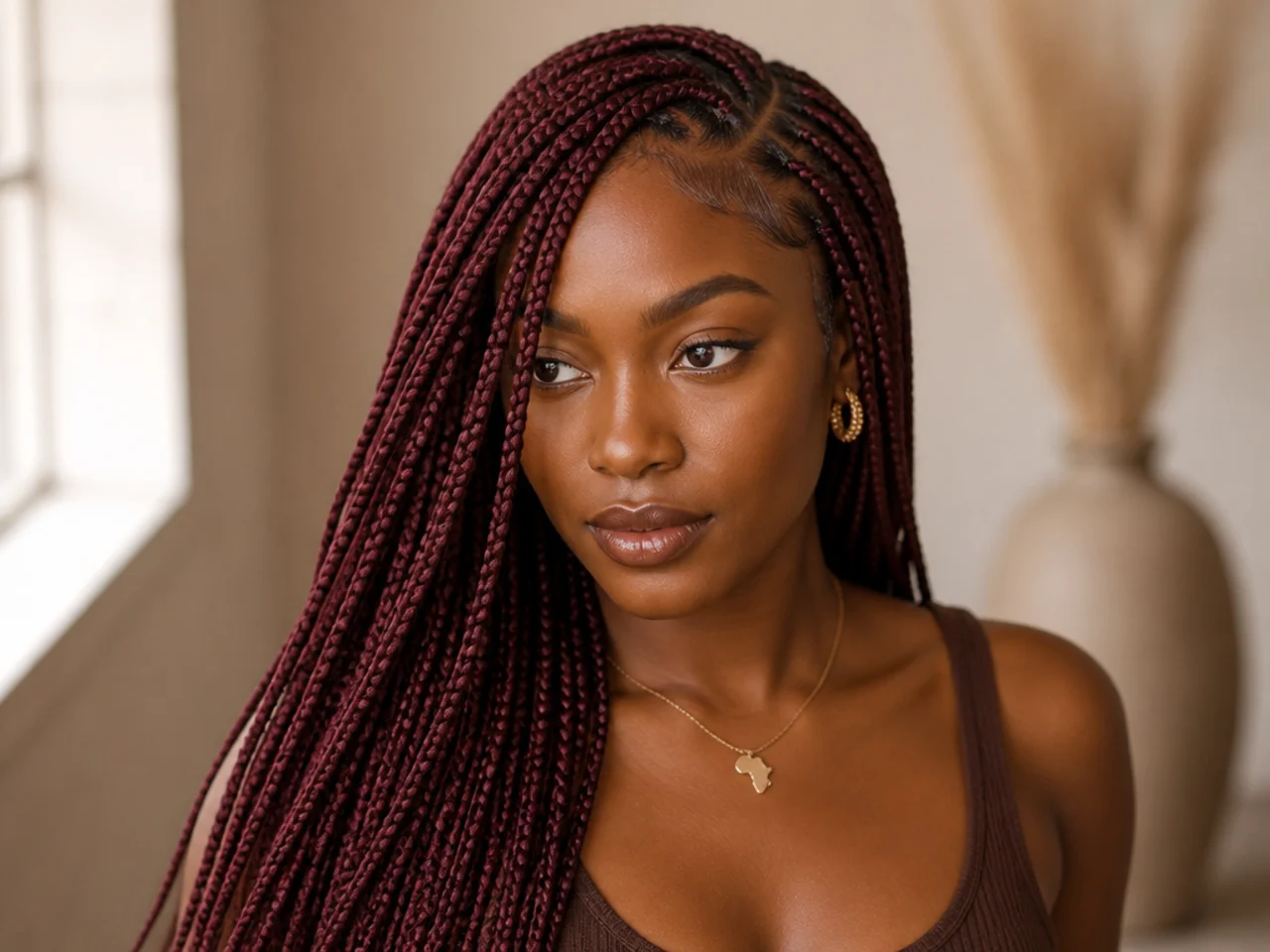
16. Side Part with Curled Ends
Curl on the sweep, softening the strongest line in the style.
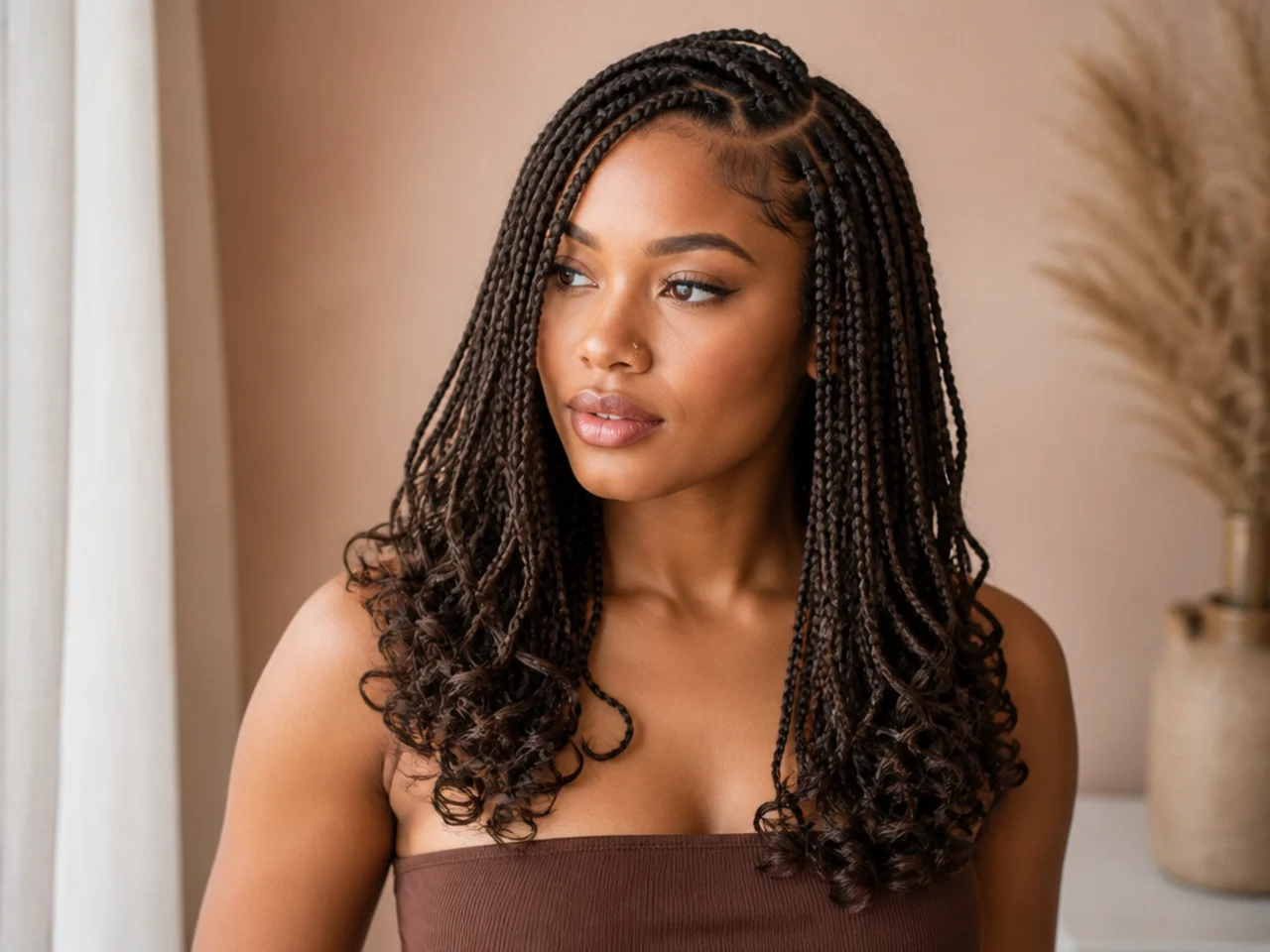
17. Boho Side Part
Loose pieces concentrated along the sweep.
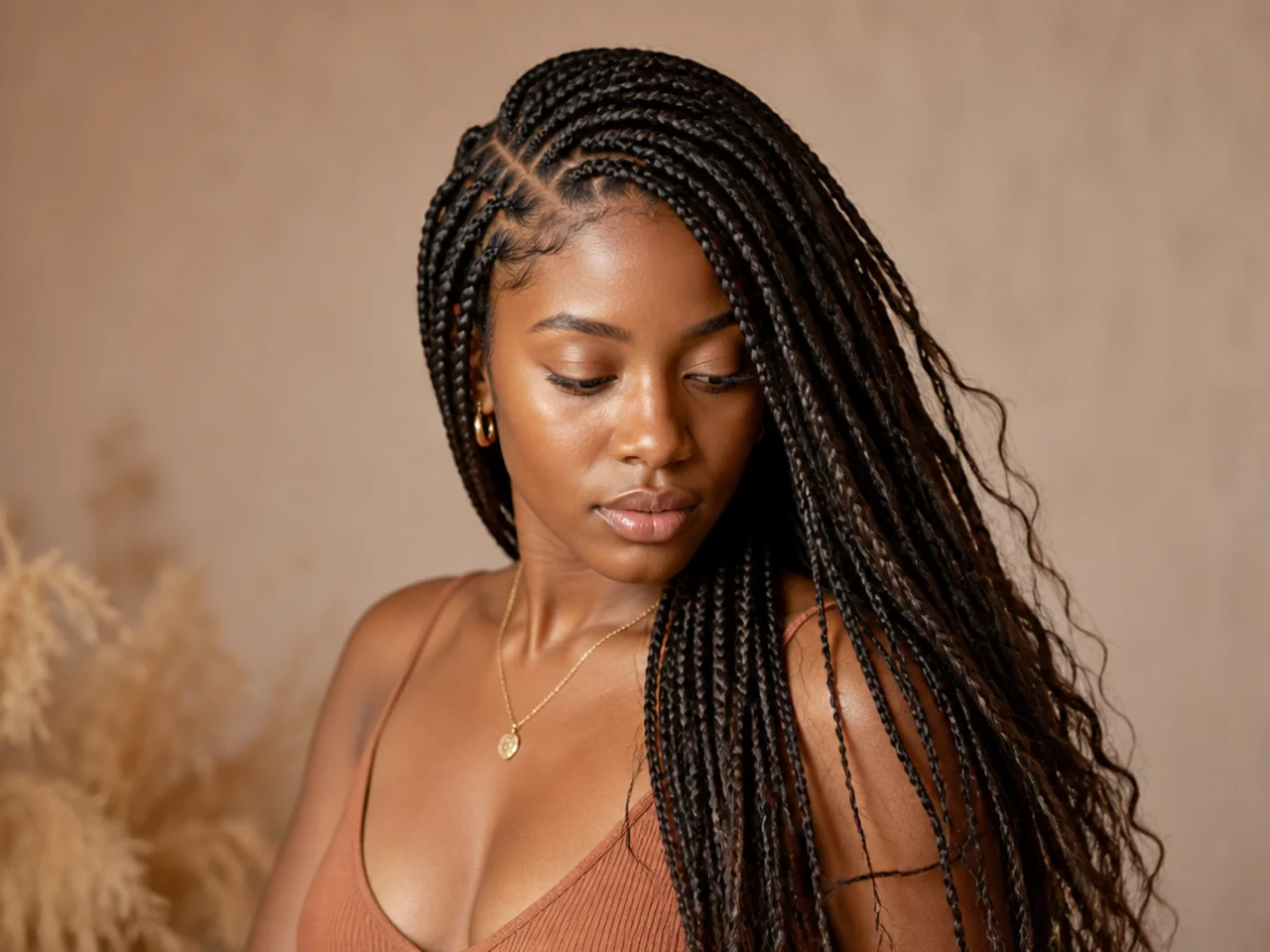
18. Side Part with a Headband
Band worn against the part, holding the sweep in place.
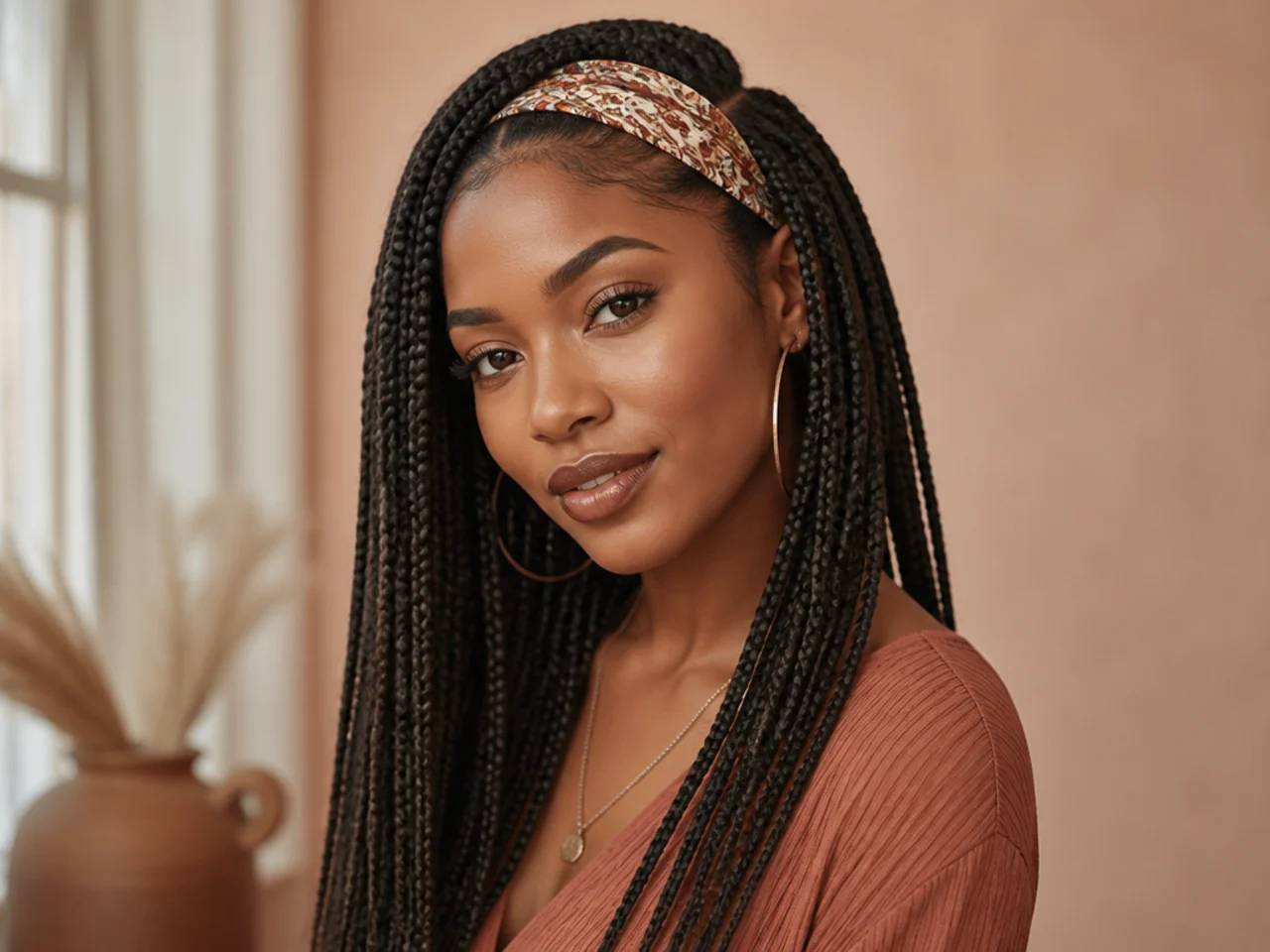
19. Side Part with a Balanced Braid Count
Fewer braids on the heavy side. The fix, built in at the appointment.
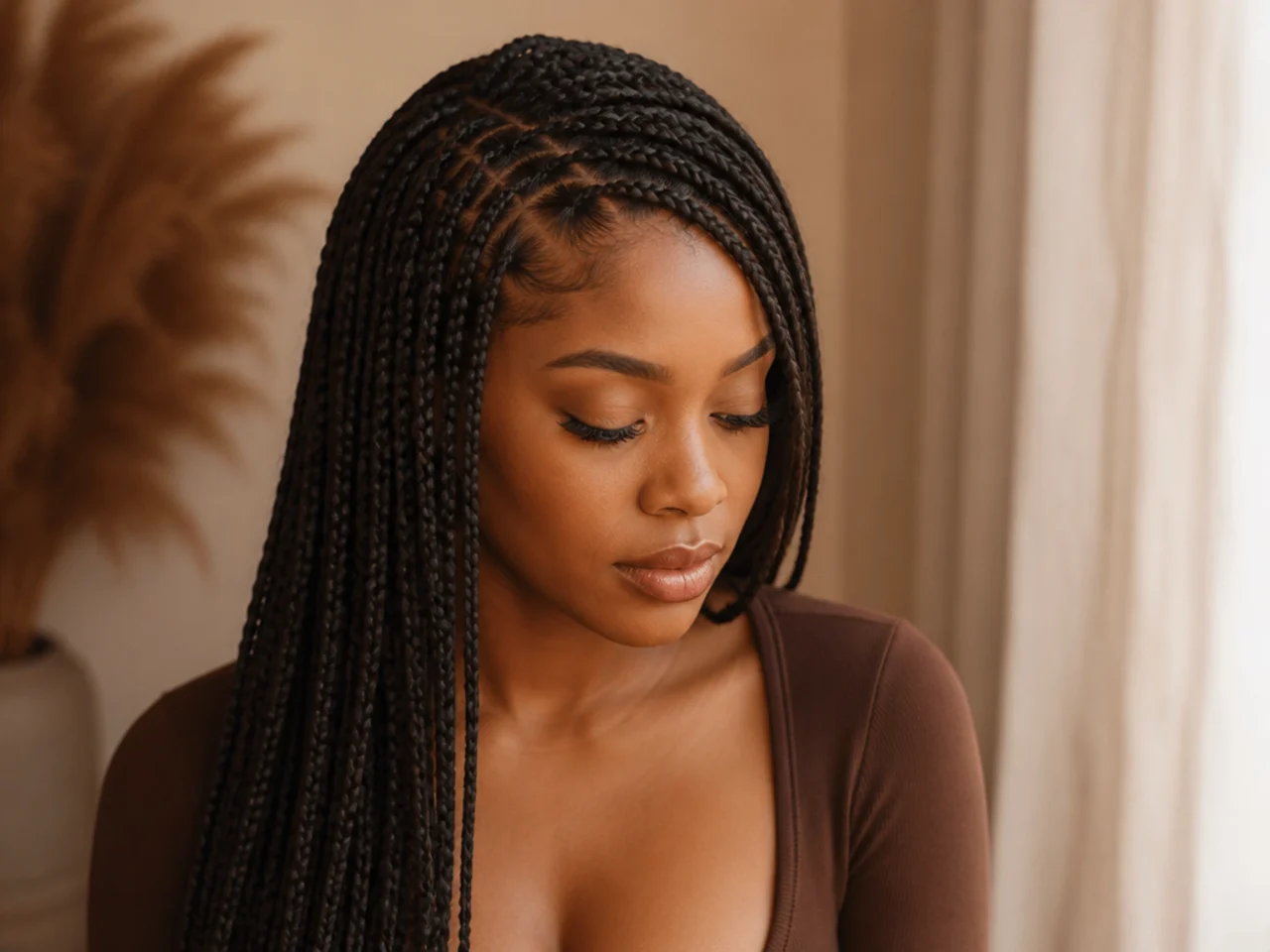
20. Side Part at Week Six
Where the heavy side has loosened first. Worth recognising. It is the set's real timer, and it is not a sign the braider did anything wrong.
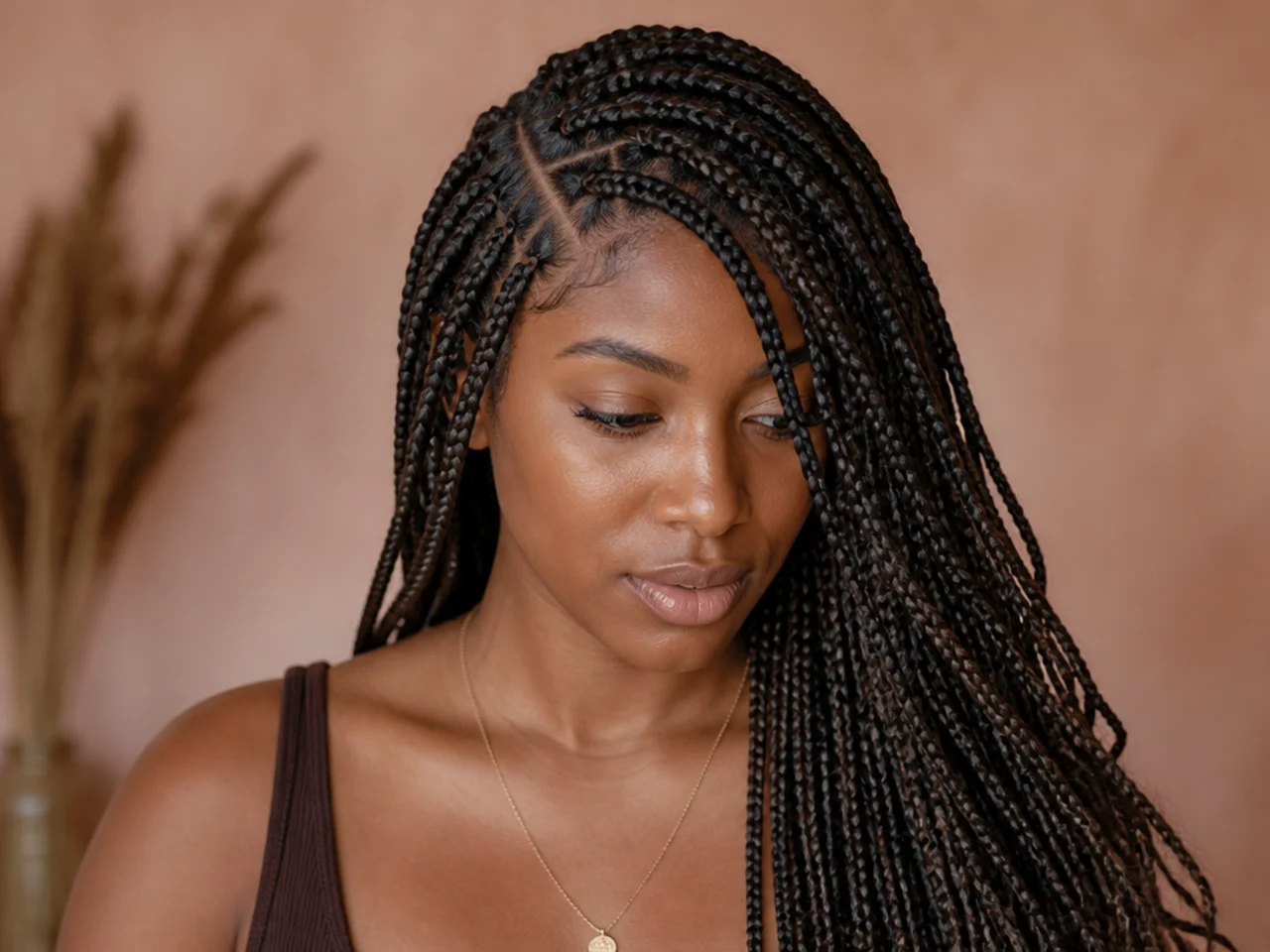
Styling and Upkeep
Wear the sweep back some days. Carrying all the length across every day compounds the imbalance the part already creates.
Sleep on the light side. Friction on top of extra weight is what makes the heavy side age fastest.
Watch the heavy side's roots from week four. They will show loosening before the other side does, and that is the set's real timer.
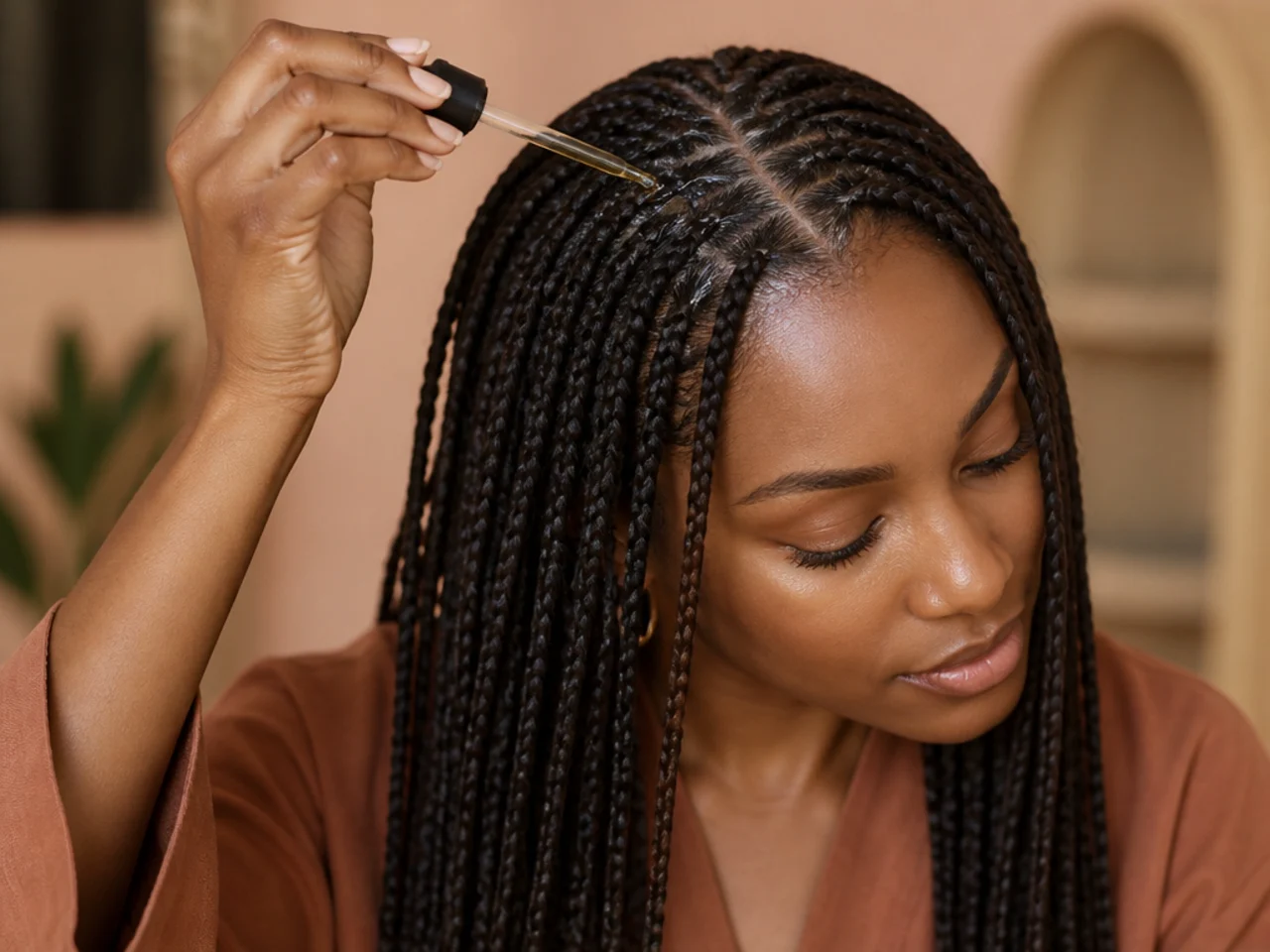
Oil the part line itself. It is the most exposed scalp on the head in this style.
Take the set out when the heavy side says so. Not when the light side does.
Mistakes to Avoid
Choosing depth from a photograph. Depth is a weight decision as much as a look.
A deep part on fine hair. Ask for a soft offset instead.
Always sweeping the same way. It compounds the imbalance daily.
Sleeping on the heavy side. Weight plus friction in one place.
Trying to move the part mid-wear. The roots are anchored pointing away from it.
FAQ
Does a deep part strain one side? Yes — roughly sixty per cent of the braids sit on the heavy side.
How deep should it be? Soft off-centre for near-even weight; above the outer brow is where it becomes clearly uneven.
Can you move it later? Not really. The braids are anchored pointing away from it.
Final Thoughts
Ask for the part depth you want and ask for slightly fewer braids on the heavy side in the same sentence. It costs the braider nothing, it does not change the look at all, and it is the difference between one side of your head ageing two weeks ahead of the other.
For the full styling range see 15 ways to style medium knotless braids, and for the whole set see 25 medium knotless braids ideas. More in Braids & Protective Styles.
Frequently asked questions
Related posts
See all posts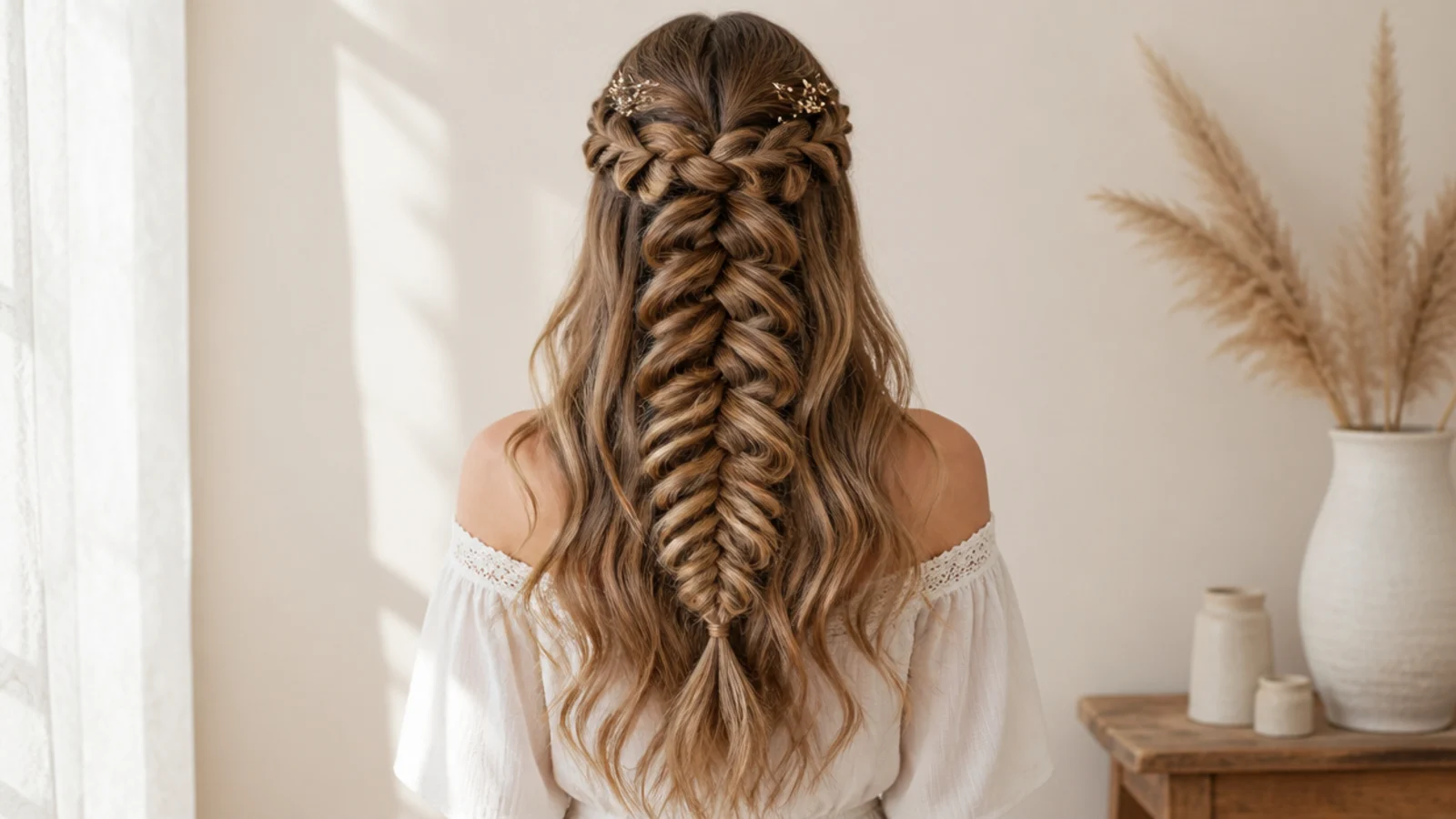
20 Waterfall Mermaid Braid Ideas That Hold
Read more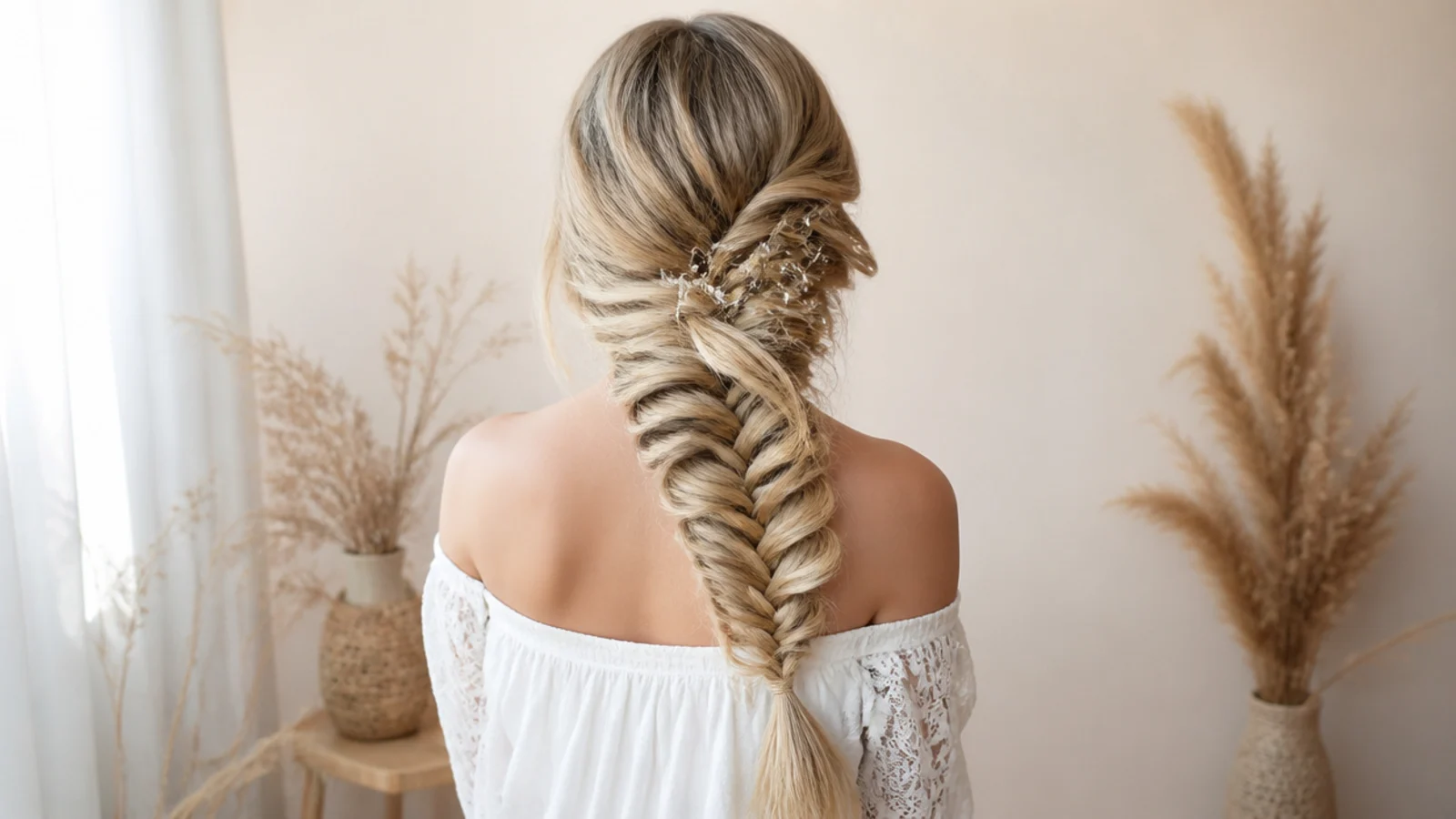
15 Side Mermaid Braid Ideas That Sit Right
Read more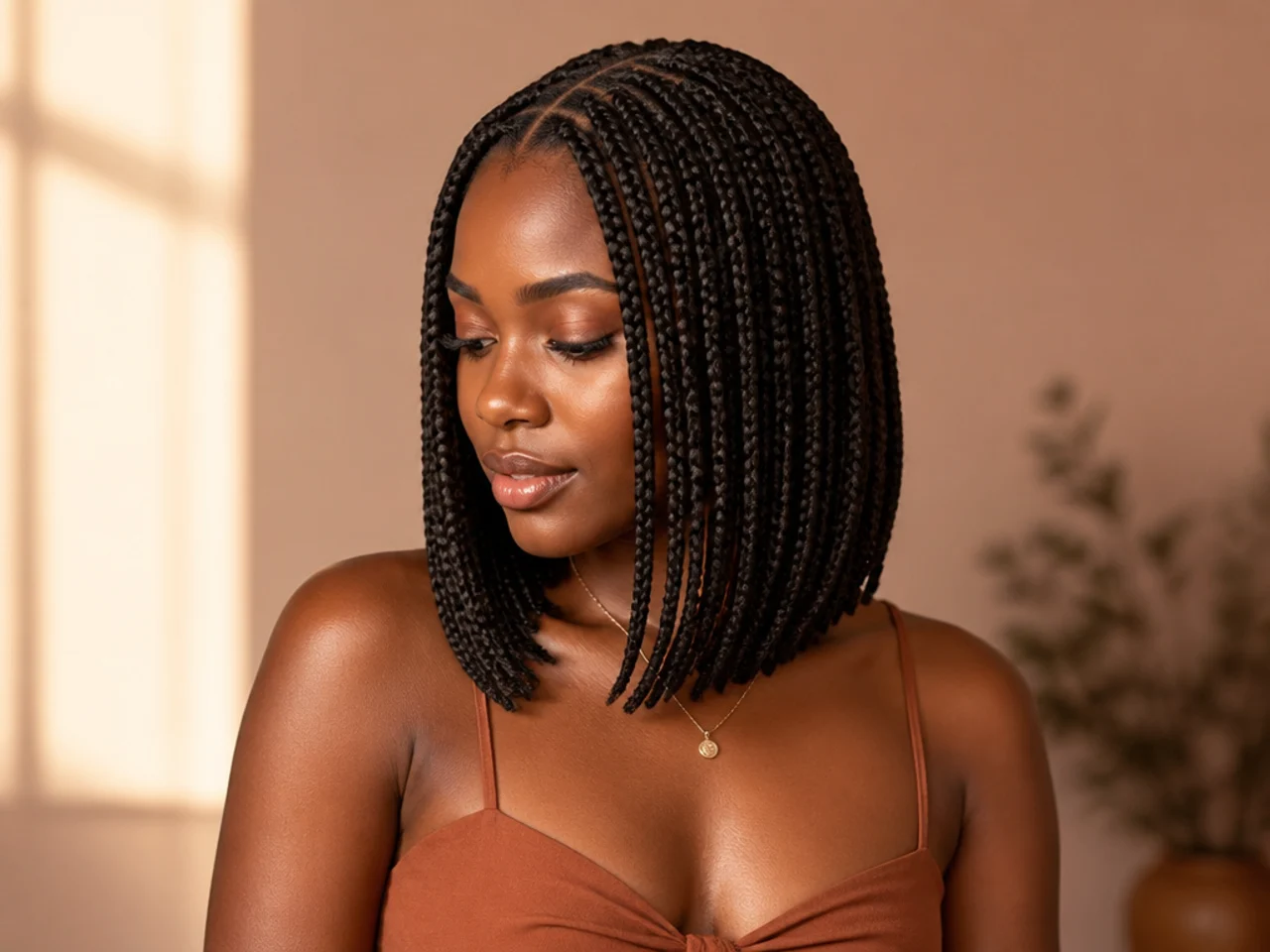
20 Shoulder Length Knotless Braids Ideas
Read more