25 Best Haircuts for Thin Hair That Add Instant Volume
Thin hair can often feel like a styling challenge, but the secret to gorgeous locks isn’t always in a bottle it’s in the cut. The goal for fine or thinning hair is to create the illusion of density, add movement, and remove the “stringy” weight that pulls hair flat.
Whether you are dealing with naturally fine strands or age-related thinning, these 25 bets haircuts for thin hair are designed to maximize every inch of your hair, defining the trends of 2026.
Classic Blunt Bob
The blunt bob is the gold standard haircuts for thin hair. By cutting all the hair to one precise length, you maintain maximum density at the ends. This prevents the “see-through” look and makes your hair appear twice as thick.

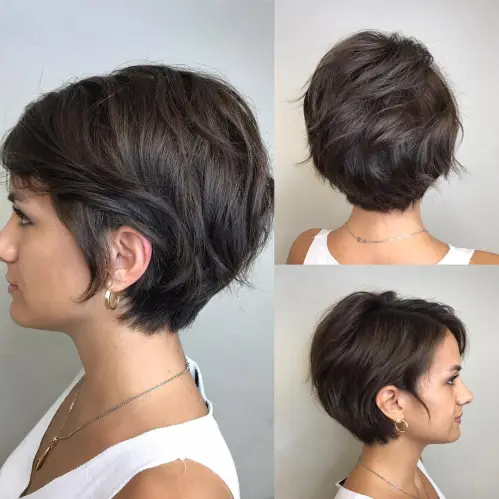
Textured Pixie with Side-Swept Bangs
A pixie cut removes the weight that often makes thin hair look limp. Adding choppy, textured layers on top creates height at the crown, while side-swept bangs frame the face and add a sense of fullness.

Wolf Cut” for Fine Hair
The 2026 version of the wolf cut uses shorter, more controlled layers to create lift at the crown without thinning out the ends too much. It’s perfect for adding an edgy, voluminous look to fine hair.

Deep Side Part with Long Layers
A deep side part is an instant volume hack. By shifting the bulk of your hair to one side, you create a natural lift at the roots. Long, subtle layers prevent the style from feeling too heavy.

Blunt Lob (Long Bob)
If you aren’t ready for a short bob, the lob is the perfect middle ground. Sitting at the collarbone, it maintains that thick, blunt edge that makes fine hair appear dense and healthy, while offering the versatility of longer hair.

Bottleneck Bangs and Mid-Length Cut
Bottleneck bangs are narrower at the top and wider at the bottom, curving around the eyes. This shape adds interest and frames the face, while the mid-length cut keeps the hair light enough to maintain natural volume.

Stacked Bob
By cutting shorter layers in the back and keeping the front longer, the stacked bob creates a built-in “shelf” of volume. This dramatic angle pushes the hair upward, making the crown look much fuller.

Wispy Fringe and Shoulder-Length Layers
Heavy bangs can take away valuable density from the rest of thin hair. A wispy, “piecey” fringe adds softness without sacrificing thickness. Pairing it with subtle, shoulder-length layers adds volume through the mid-lengths.

Italian Bob
Italian Bob is a 2026 favorite haircut for thin hair. It is a slightly longer, blunt-cut bob that hits just below the chin, designed to be air-dried or styled with minimal effort for natural, “chunky” volume at the ends.

Curtain Bangs with Face-Framing Layers
Curtain bangs act as a frame, creating volume near the eyes and cheekbones where thin hair can sometimes look flat. When paired with long, face-framing layers, they blend seamlessly, adding movement and fullness to longer cuts.

Blunt Crop (Very Short Bob)
For those willing to go very short, the blunt crop is a power move. It hits right at the ear or lip level, creating a strong line that makes the hair appear incredibly dense and thick. It’s low-maintenance and high-impact.

Short Choppy Pixie with Volume on Top
By keeping the sides and back very short, and leaving more length and texture on top, this pixie maximizes height. The choppy layers are easy to style for that messy, voluminous look that thin hair actually excels at.

Wavy Lob with Seamless Layers
Layers that are too short can make thin hair look choppy. Wavy texture paired with seamless, long layers removes just enough weight to allow natural movement and bounce, without sacrificing the density of the ends.

Undercut Bob
The undercut is a secret volume weapon. By shaving a small section at the nape of the neck, you remove weight that pulls the hair down. The remaining hair on top has less “bulk” to fight against,

Straight, Slicked-Back Pixie
This style proves you don’t need curls for volume. A tight, straight pixie, when slicked back with volume at the roots, creates a sleek and powerful look that draws attention to the face and gives the illusion of fullness through the density of the product.

Mid-Length Cut with Internal Layers
Internal or “ghost” layers are cut inside the silhouette of the haircut. For thin hair haircut, this adds structure and volume from within without visible layering that can make the ends look sparse or stringy.

Blunt Bob with Bangs
Bangs (fringe) are excellent for thin hair because they create density and interest at the forehead, making the rest of the hair look thicker by comparison. Pairing them with a precise blunt bob maintains maximum fullness.

Voluminous Mid-Length Waves
For thin hair that has natural texture, a mid-length cut with strategically placed long layers allows you to enhance your wave pattern. This creates a soft, voluminous look that utilizes the hair’s natural bounce rather than fighting against it.

Buzz Cut (Bold and Chic)
The ultimate way to handle thinning hair is to embrace the buzz cut. It’s a powerful, low-maintenance statement that removes the entire issue of sparse patches or stringy ends. It can be incredibly chic and highlights facial features beautifully.

Shoulder-Length Cut with Internal Structure
Internal layering or texturizing from underneath can add subtle lift to shoulder-length hair. This removes weight and bulk where the hair hits the shoulders, preventing it from flipping out and looking sparse.

Shaggy Pixie with Face-Framing layers
This cuts combines the fullness of a pixie on top with slightly longer, shaggy layers around the face. The result is a soft, voluminous frame that adds fullness without requiring heavy styling.

Deep Side Part with Shoulder-Length Cut
This style utilizes the volume-boosting power of a deep side part on medium-length hair. By pushing most of your hair to one side, you create an instant lift that makes the hair on top look dense and voluminous.

Mid-Length Shag with Internal Lift
internal layering on a mid-length shag removes weight specifically around the ears and neck, allowing the crown hair to rise. This creates a soft, voluminous, retro silhouette that avoids looking sparse on the ends.

Blunt Bob with Internal Texture
This cut maintains the precise perimeter of a blunt bob, but uses texturizing shears inside the cut. This creates internal “pockets” of air that boost volume and movement without sacrificing the strong, thick-looking line at the ends.

Extremely Short, Textured Pixie
This is a micro-pixie designed specifically for texture. By keeping the hair exceptionally short, any wave or curl pattern is magnified, creating a soft, voluminous halo around the head that maximizes density.

Styling Tips for Thin Hair Haircut That Needs Volume
If you have thin hair, the right haircut is only half the battle—how you style it plays a huge role in creating the appearance of fuller, thicker hair. Here are a few simple styling tips that can instantly boost volume:
1. Use Lightweight Volumizing Products
Heavy creams and oils can weigh thin hair down. Instead, use lightweight volumizing mousse, root-lifting sprays, or texturizing sprays to add body without flattening your hair.
2. Blow-Dry for Lift
Blow-drying your hair upside down or lifting sections at the roots with a round brush can create natural volume. Focus on the roots rather than the ends for the best results.
3. Switch Your Part
Changing your hair part can instantly give the illusion of thicker hair. A deep side part or a zigzag part helps lift hair away from the scalp and creates natural fullness.
4. Try Soft Waves or Texture
Straight, flat hair often makes thin hair look even finer. Loose waves, curls, or subtle texture can create movement and make your hair appear fuller.
5. Avoid Over-Conditioning the Roots
Conditioner is important, but applying it directly to the scalp can flatten thin hair. Focus conditioner on the mid-lengths and ends to maintain bounce at the roots.
6. Use Dry Shampoo for Volume
Dry shampoo isn’t just for oily hair. Spraying it lightly at the roots adds grip and texture, making hair look thicker and easier to style.
7. Regular Trims Matter
Thin hair can quickly look stringy if the ends become too wispy. Getting regular trims helps maintain the shape of your haircut and keeps it looking fuller.
Choosing Right Thin Hair Cut for Your Face Shape
When selecting a haircut for thin hair, it’s also important to consider your face shape. The right cut can enhance your features while maximizing volume.
Round Face
If you have a round face, opt for layered cuts, long bobs (lobs), or styles with height at the crown. These add structure and help elongate the face.
Oval Face
An oval face shape is versatile and works well with most hairstyles. Shoulder-length cuts, soft layers, curtain bangs, and textured bobs all complement this balanced face shape.
Square Face
For square faces, softer cuts work best. Layered bobs, feathered layers, and wispy bangs help soften strong jawlines while adding movement to thin hair.
Heart-Shaped Face
People with heart-shaped faces benefit from styles that balance the wider forehead and narrower chin. Chin-length bobs, soft waves, and side-swept bangs work beautifully.
Long Face
If your face is long, choose styles that add width rather than height. Shoulder-length cuts, layered waves, and curtain bangs help create balance and fullness.
Conclusion
Thin hair doesn’t mean you have to settle for flat or lifeless styles. With the right haircut, smart layering, and a few styling tricks, you can easily create the illusion of thicker, fuller hair.
From chic bobs and textured lobs to layered shags and playful pixie cuts, there are plenty of hairstyles that add instant volume while complementing your personal style.
The key is choosing a haircut that works with your hair texture and face shape while using lightweight styling techniques that enhance natural movement. With the right approach, thin hair can look just as voluminous, stylish, and full of life as any other hair type. For more haircut ideas visit our Pinterest @haircutvibe.