20 Layered Haircuts That Add Volume to Thin Hair
Thin hair often gets a bad rap. It’s described as flat, limp, or incapable of holding a style. But the truth is, problem isn’t hair type it’s usually haircut. When thin hair is cut too bluntly or left too long without structure, gravity takes over, pulling it down and making it appear sparse.
The antidote? Layered haircuts. Strategic, expertly placed layers can transform a flat mane into a voluminous, dynamic masterpiece. Layers remove unnecessary weight, allow individual strands to bounce, and create internal structure that tricks the eye into seeing more hair density.
If you are ready to give your fine strands a serious boost, here are 20 layered haircuts that are defining volume in 2026.
Classic Layered Bob
A classic layered bob is a timeless choice for thin hair. The blunt ends create a strong foundation, while subtle layering adds movement and prevents a heavy, flat look.
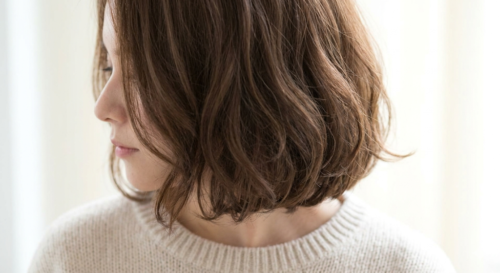
Textured Lob (Long Bob)
The lob, or long bob, is a versatile length that can be easily customized. Adding texture through choppier layers helps break up the length and create volume, making it perfect for fine strands.
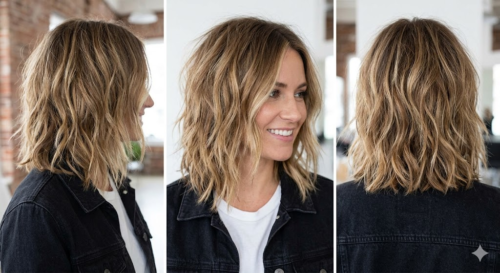
Short Layers Around the Crown
This haircut is all about lift at the roots. Shorter layers concentrated around the crown add instant volume and bounce, making thin hair look significantly thicker.
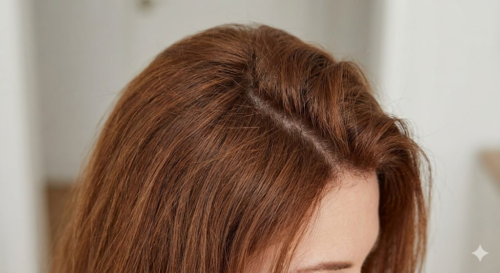
Choppy Inverted Bob Layered haircuts
The inverted bob is known for its stacking effect at the back, which naturally adds volume. Incorporating choppy layers enhances this effect, creating a modern, textured look that pumps up fine hair.
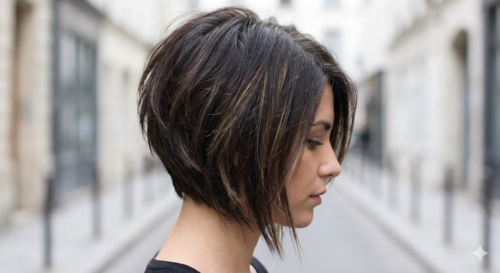
Shoulder-Length Hair with Feathery Layers
Feathery layers are wispy and delicate, perfect for adding texture and movement without bulk. This technique is ideal for shoulder-length hair, creating a soft, voluminous style that feels light and airy.
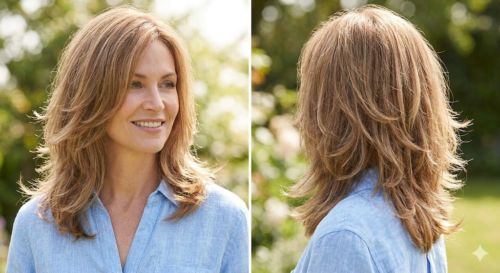
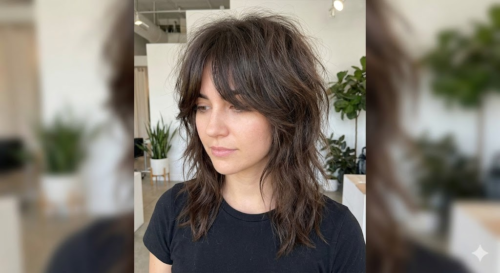
Shag with Curtain Bangs
The shag is back in a big way, and it’s fantastic for thin hair. The heavy layering throughout creates maximum texture and movement, while curtain bangs add face-framing dimension and fullness.
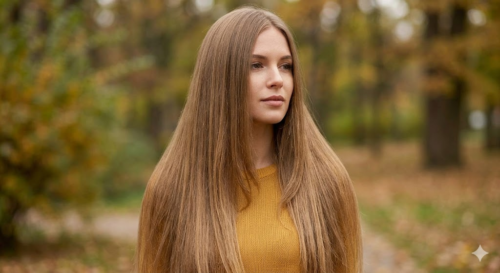
Long Layers for Straight Hair
Don’t rule out long hair if you have thin strands. Long layers can be effective for creating the illusion of volume. The key is to start layers lower down (around the chin) and use techniques that add texture rather than removing bulk.
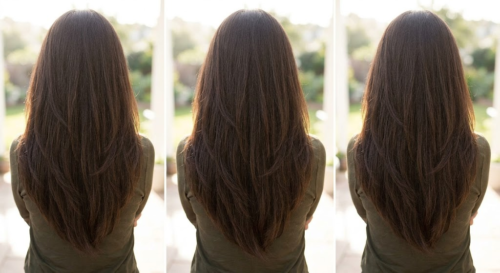
V-Cut Layers for Long Hair
A V-cut is another great option for long, thin hair. It creates a defined shape and adds dimension, with shorter layers naturally falling around the face and shoulders, preventing a ‘weighed down’ look.
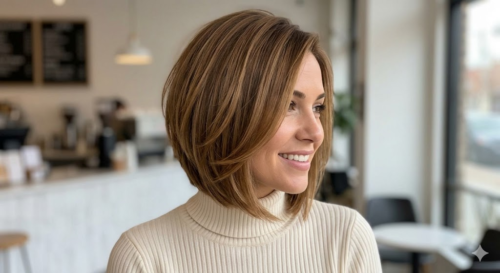
9. A-Line Bob with Layers
The angled shape of an A-line bob naturally builds volume at the back. Integrating soft layers throughout adds even more texture and lift, especially around the crown,
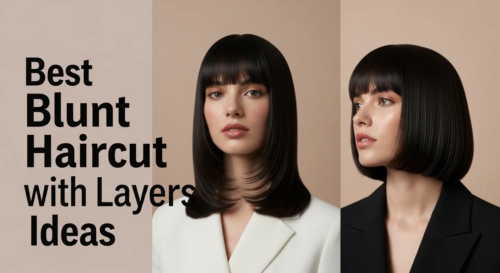
Blunt Cut with Internal Layers
Wait, a blunt cut for thin hair? Yes, with a twist! A blunt cut provides structure, and adding internal layers (layers that are shorter inside the cut) creates hidden support and volume, giving the appearance of density without making the ends look wispy.
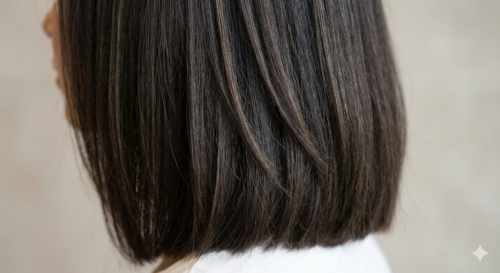
Razor Cut Layers
Razor cutting creates soft, textured ends that blend seamlessly. This technique is ideal for adding movement and a lightweight feel to thin hair, giving it a tousled, voluminous appearance.
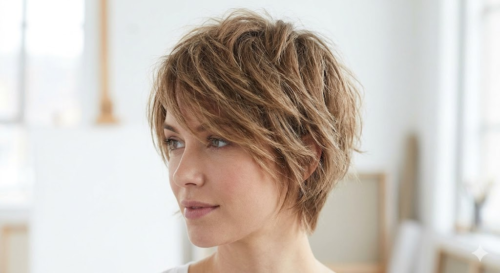
Short Bob with Choppy Layers and Bangs
This combination is a volume powerhouse. Short hair inherently has more lift, choppy layers add texture and movement, and bangs provide density around the face, creating a full and dynamic look.
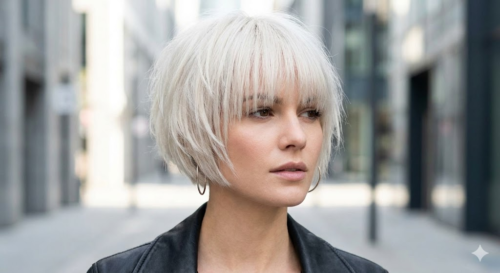
Shoulder-Length Cut with Face-Framing Layers
Framing the face with shorter layers is an easy way to draw attention upwards and create the appearance of more volume. This technique works exceptionally well with shoulder-length styles, adding structure and dimension.
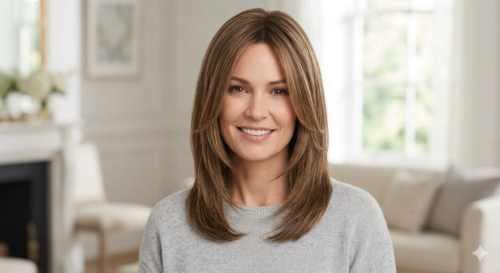
Long Bob with Wispy Ends
For a softer look, try a long bob with wispy ends. The layering is subtle and concentrated towards the bottom, where the ends are thinned slightly to add texture and movement without making the hair look thin or broken.
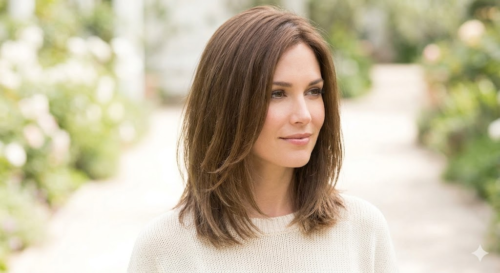
Pixie Cut with Volume on Top
The pixie cut is a brave but highly effective choice for thin hair. Keeping the sides and back very short and leaving more length and textured layers on top creates instant height and volume.
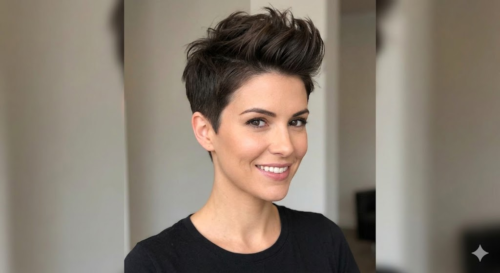
Medium-Length Layers with Heavy Texture
Embrace texture! This haircut features significant layering, with a focus on cutting shorter pieces throughout the style (both internally and externally) to maximize movement and the illusion of thickness.
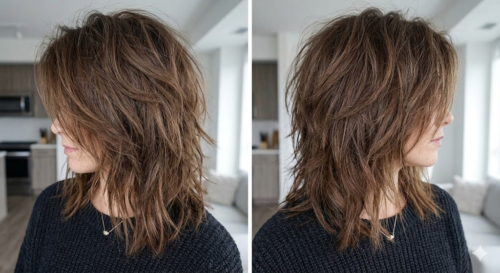
Layered Shag for Curls/Waves
If you have naturally curly or wavy thin hair, a shag is your best friend. Layers are essential for thin curls as they help define the texture, prevent the ‘pyramid’ shape, and encourage volume throughout the style.

Bob with Subtle Layers and Highlights
Sometimes, subtlety is key. A few strategically placed layers can make a big difference without dramatically changing the look. Combining these layers with dimensional highlights further enhances the illusion of depth and thickness.
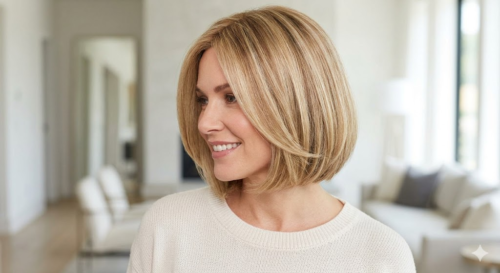
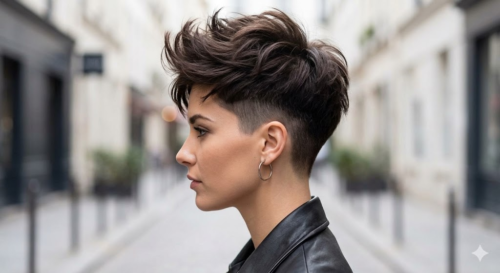
Undercut Pixie with Textured Top
This modern take on pixie is both edgy and practical. The undercut removes weight and bulk from the sides and back (which can often lay flat), allowing the longer, heavily textured layers on top to pop with volume and styling versatility.
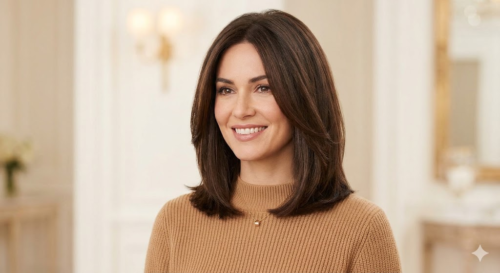
Layered Lob with Blunt Ends
This style offers the best of both worlds. The layered length adds significant movement and volume to the main body of the hair, while the strong, blunt cut line at the very bottom provides a solid foundation and prevents the thin hair from looking wispy at the perimeter. For more haircut ideas visit our Pinterest.
Why Thin Hair Lacks Volume?
Fine hair has a smaller diameter, making it more delicate and prone to laying flat against the scalp. Additionally, the lack of natural thickness means less natural lift. This is where layering comes in, offering a structural solution to create the appearance of more hair.
The Solution: Strategic Layering
Layering isn’t a one-size-fits-all solution. For thin hair, specific techniques work best:
- Short Layers: These add instant lift and texture, especially around the crown.
- Internal Layers: These are hidden layers that create support and volume from within.
- Choppy Layers: This technique adds a textured, modern look while increasing movement.
- Framing Layers: Layers around the face draw attention upwards and add dimension.