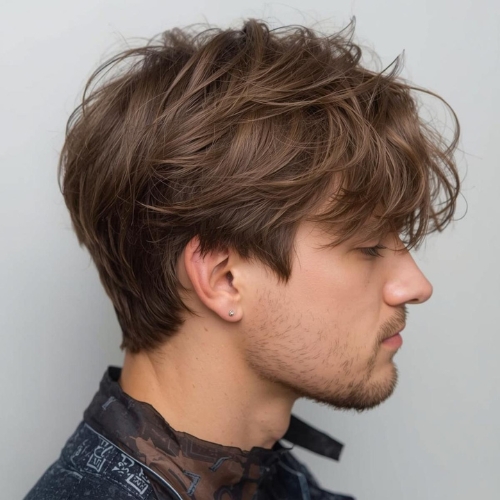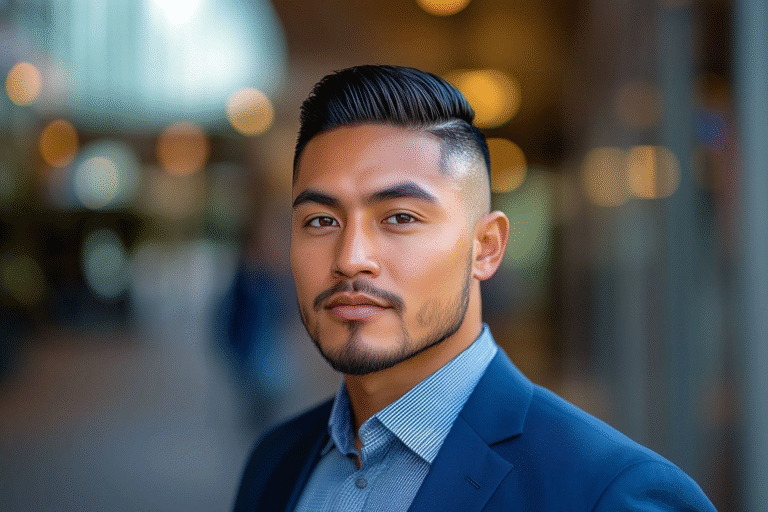
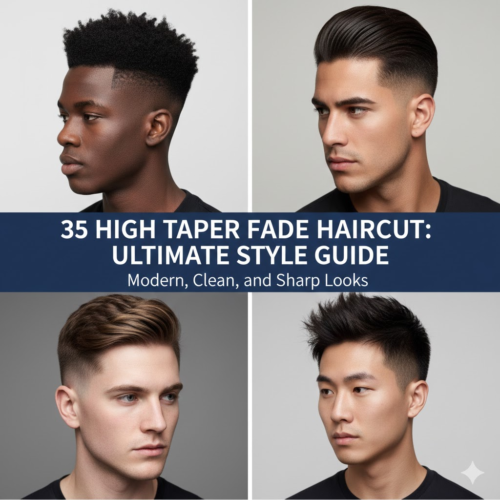
35 Best High Taper Fade Haircut: Ultimate Style Guide
A high taper fade is a modern men’s haircut where the fade begins high above the temples (typically 2-3 inches above the ear), creating bold contrast between longer top hair and gradually shortened sides that taper down to the skin. This versatile style works for all hair types—from tight curls to straight hair—and offers endless styling possibilities suitable for both professional and edgy looks.
The high taper fade has become one of the most requested haircuts in barbershops worldwide, and for good reason. This sharp, clean style delivers maximum impact while remaining surprisingly versatile.
In this comprehensive guide, you’ll discover 35+ high taper fade variations, learn exactly how to ask your barber for the perfect cut, master styling techniques for your specific hair type, and get expert maintenance tips to keep your fade looking sharp between barbershop visits. Let’s dive into everything you need to know about this game-changing haircut.
What is a High Taper Fade? (Definition & Key Features)
The high taper fade is a precision haircut technique where the hair gradually shortens starting from a high point on the head—typically beginning 2-3 inches above the ear or at temple level. Unlike lower fades that start closer to the ear, the high taper creates dramatic contrast by removing more hair on the sides and back, leaving a clean canvas that emphasizes whatever style you choose for the top.
The term “taper” refers to the gradual reduction in hair length, while “fade” indicates the seamless blend from longer hair to shorter hair (and sometimes down to skin level). When you combine these techniques starting from a high position on the head, you get the high taper fade—a bold, modern look that’s taken the grooming world by storm.
Anatomy of a High Taper Fade
Understanding the structure of a high taper fade helps you communicate better with your barber and maintain the style properly:
Fade Start Point: The fade typically begins at or above the temple area, roughly 2-3 inches above the top of the ear. This high starting point is what distinguishes it from mid or low taper fades.
Graduation Pattern: The hair gradually shortens as it moves downward, usually transitioning through multiple clipper guard sizes (#3 or #2 at the top of the fade, blending down through #1, #0.5, and potentially to skin level).
Top Length: The hair on top remains longer—typically 2-6 inches depending on your preferred style—creating the signature contrast that makes this cut so striking.
Neckline: The back can be tapered or blocked depending on preference, with most modern versions featuring a tapered neckline for a cleaner finish.
Edge Work: Crisp edges around the hairline and sideburns define the style and keep it looking sharp and intentional.
High Taper Fade vs Other Fade Types
Understanding how the high taper fade compares to other popular fade styles helps you choose the right option for your look and lifestyle.
High Taper Fade vs Low Taper Fade: The fundamental difference lies in where the fade begins. A low taper fade starts the transition around or below the ear, creating a more subtle, conservative look that’s ideal for professional environments. The high taper fade, by contrast, starts well above the ear—at temple level or higher—creating much bolder contrast and a more modern, fashion-forward appearance.
When to choose high: You want maximum contrast, prefer bold modern styles, or have thick hair that benefits from significant side reduction.
When to choose low: You need a conservative look for strict professional settings, prefer subtle changes, or want longer periods between haircuts.
High Taper Fade vs Mid Taper Fade: The mid taper fade offers a middle ground, starting the fade around the middle of the ear. It provides noticeable contrast without the extreme boldness of a high fade. Think of it as the “Goldilocks” option—not too subtle, not too dramatic.
When to choose high: You’re confident in bold styles, want maximum styling versatility on top, or have the commitment for frequent maintenance.
When to choose mid: You want a balanced look that works in multiple settings, prefer moderate contrast, or need something between conservative and bold.
High Taper vs High Fade: While often used interchangeably, there’s a technical distinction. A high taper gradually reduces length but doesn’t necessarily go all the way to skin. A high fade (or high skin fade) blends completely down to skin level, creating even more dramatic contrast. Many barbers will create a high taper fade that incorporates both—tapering the top portion and fading to skin at the bottom.
Classic High Taper Fade Haircut
1. Classic High Taper Fade
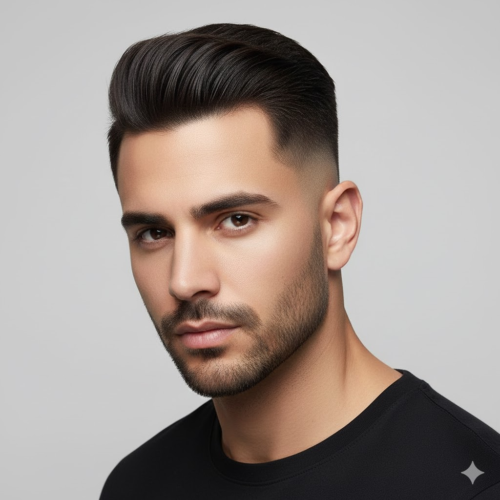
The classic high taper fade is the foundation from which all other variations spring. This timeless style features a clean, high fade around the sides and back with a moderately styled top that can be brushed to one side, swept back, or left with natural texture.
- Best for: All hair types, especially straight to wavy hair with medium density
- Face shapes: Oval, square, rectangular—the versatility champion
- Styling difficulty: Easy (5-minute morning routine)
- Maintenance: Every 2-3 weeks
- Professional rating: 10/10 (works in any environment)
The classic version typically maintains 2-4 inches of length on top, offering enough versatility for different looks while remaining manageable for daily styling. Use a medium-hold pomade or styling cream for a polished finish, or opt for matte clay if you prefer a more natural, textured appearance.
2. High Taper Fade Buzz Cut
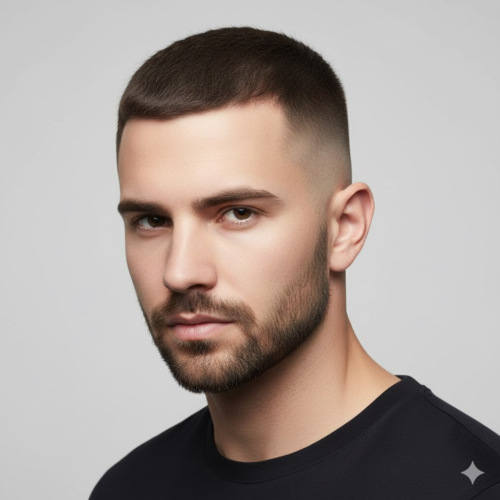
When you combine a buzz cut high taper fade, you create one of the lowest-maintenance yet sharpest-looking haircuts available. The ultra-short buzz on top (typically a #3 or #4 guard) contrasts beautifully with the fade high on the sides, creating clean lines and a disciplined appearance.
- Best for: All hair types (texture doesn’t matter when it’s this short)
- Face shapes: Square, oval, and heart-shaped faces benefit most
- Styling difficulty: Minimal (1-2 minutes)
- Maintenance: Every 2 weeks for optimal sharpness
- Professional rating: 10/10 (universally acceptable)
This military-inspired cut has been embraced by celebrities like Drake and Zayn Malik, proving that minimal length doesn’t mean minimal style. The key to making a buzz cut high taper fade work is maintaining razor-sharp edges around the hairline and keeping the fade crisp with regular touch-ups.
Styling tip: Apply a lightweight scalp moisturizer or matte cream to prevent dryness and add subtle definition. Despite the short length, you’d be surprised how much a quality product can enhance the overall appearance.
3. Short High Taper Fade
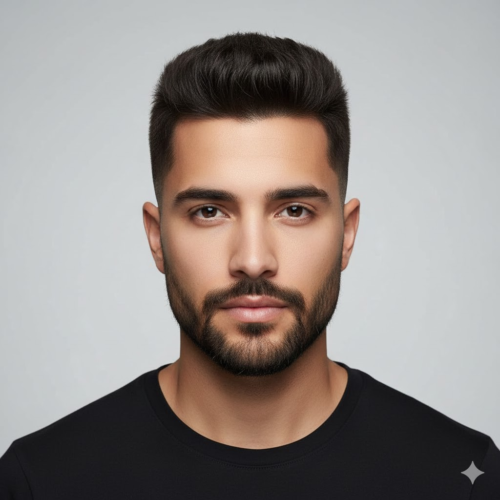
For those who want slightly more length than a buzz cut but still appreciate minimal maintenance, the short high taper fade delivers the perfect balance. With approximately 1-2 inches on top, this style offers just enough hair to add texture and personality while remaining incredibly easy to manage.
- Best for: Straight or slightly wavy hair with any density
- Face shapes: Round and diamond faces (adds vertical emphasis)
- Styling difficulty: Easy (3-5 minutes)
- Maintenance: Every 2-3 weeks
- Professional rating: 9/10
High taper fade short hair works exceptionally well for active lifestyles, warm climates, or anyone who values efficiency in their grooming routine. The shorter length means less styling time in the morning while still maintaining a put-together, intentional appearance.
Use a small amount of texture paste or matte pomade to add definition and separation to the top. The goal is subtle texture that looks natural and effortless rather than overly styled.
4. High Taper Fade with Textured Crop
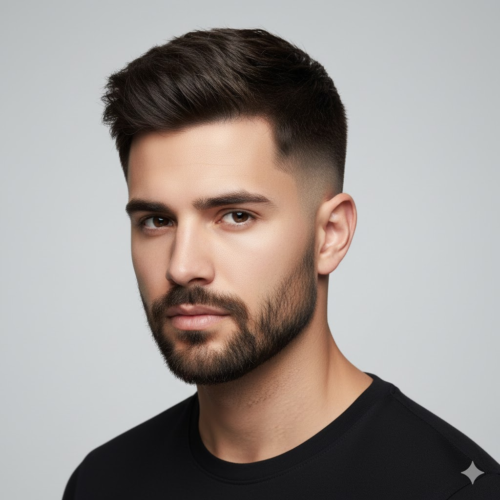
The textured crop has exploded in popularity over the past few years, and when combined with a high taper fade, it creates a youthful, modern look that’s both stylish and practical. This cut features choppy, layered hair on top with a short, textured fringe that can be styled forward or to the side.
- Best for: Straight to wavy hair with medium density
- Face shapes: Round and oval faces (the fringe balances proportions)
- Styling difficulty: Moderate (5-7 minutes)
- Maintenance: Every 3-4 weeks for the crop, 2-3 weeks for fade touch-ups
- Professional rating: 8/10 (slightly casual but widely accepted)
Celebrities like Cillian Murphy and Timothée Chalamet have showcased variations of the textured crop, demonstrating its versatility across different age groups and style preferences.
Styling technique: Apply a matte clay or texturizing paste to damp hair, then use your fingers to create piecey separation and movement. Blow-dry on low heat while scrunching the hair to enhance texture. The key is achieving that “styled but not trying too hard” aesthetic.
5. High Taper Fade with Caesar Cut
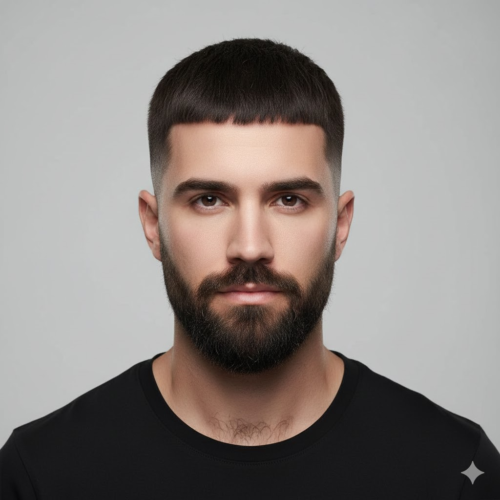
The Caesar cut gets a modern upgrade when paired with a high taper fade. This Roman emperor-inspired style features a short, straight fringe that comes forward across the forehead, combined with clean, high-faded sides that create striking contrast.
- Best for: Straight to slightly wavy hair with medium density
- Face shapes: Oval and square faces (the horizontal fringe balances proportions)
- Styling difficulty: Easy (3-5 minutes)
- Maintenance: Every 2-3 weeks
- Professional rating: 9/10
The Caesar cut works particularly well for men with slightly receding hairlines, as the forward fringe creates the illusion of fuller hair at the front. Celebrities like Gerard Butler and Eminem have made this style their signature look.
Styling tip: Keep the fringe neat with a lightweight styling cream or matte paste. Use a comb to brush the fringe forward, creating a clean, defined line. The simplicity of this style is its strength—it should look intentionally minimalist rather than overly worked.
High Taper Fade for Textured & Curly Hair
The high taper fade truly shines when working with textured and curly hair. The dramatic contrast between tight, clean sides and voluminous curls on top creates a striking silhouette that celebrates natural texture while maintaining a groomed, intentional appearance.
6. High Taper Fade Black Male (Natural Curls)
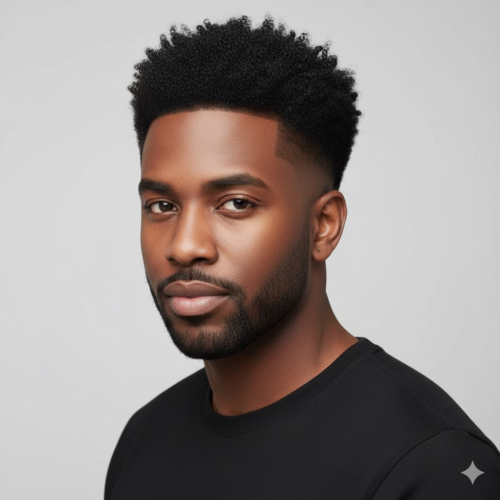
The high taper fade black male style has become iconic in modern barbering, celebrating natural curl patterns while delivering sharp, clean edges. This look showcases tightly coiled curls bursting with volume on top, contrasted against a precision high fade that starts at temple level.
- Best for: Type 3c to 4c curls with medium to high density
- Face shapes: All face shapes (the volume adds height and balance)
- Styling difficulty: Moderate (10-15 minutes)
- Maintenance: Every 2 weeks for fade crispness
- Professional rating: 9/10
Icons like Odell Beckham Jr. and Michael B. Jordan have made this style synonymous with modern black male grooming, proving that embracing natural texture while maintaining sharp edges creates powerful visual impact.
Styling technique for high taper fade black hair: Start with freshly washed, damp hair. Apply a curl-defining cream or leave-in conditioner to enhance curl pattern and moisture. Use a pick or your fingers to shape the curls, creating the desired height and fullness. For added shine and frizz control, finish with a few drops of argan oil or curl serum distributed evenly through the curls.
Maintenance tip: Keep a spray bottle with water and leave-in conditioner handy for daily refreshes. Mist the curls lightly and reshape with your fingers to revive the pattern without fully re-washing.
7. High Taper Fade Curly Hair
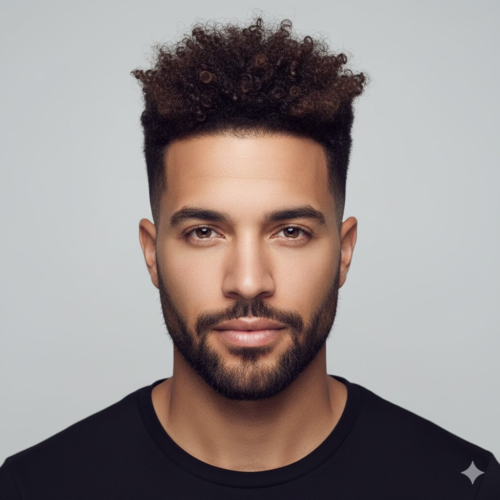
For men with naturally wavy to curly hair (Type 2b to 3b), the high taper fade curly hair style offers the perfect balance between structure and natural movement. The fade removes bulk from the sides while allowing the curls on top to form their natural pattern, creating dimension and personality.
- Best for: Wavy to loose curly hair with medium to thick density
- Face shapes: Oval, square, and heart-shaped faces
- Styling difficulty: Moderate (7-10 minutes)
- Maintenance: Every 2-3 weeks
- Professional rating: 8/10
The key to mastering this look is working with your natural curl pattern rather than against it. The high taper fade provides the clean structure, while proper curl care and styling products allow the top to shine.
Styling technique: After washing, apply a curl-enhancing cream to damp hair. Use the “scrunching” method—gently squeeze hair upward toward the scalp to encourage curl formation. For best results, air-dry or use a diffuser attachment on your blow dryer with low heat. Once dry, scrunch again to break any product “cast” and create soft, defined curls.
Product recommendations: Look for curl creams with glycerin for moisture retention, avoid products with drying alcohols, and consider a light mousse if your curls need extra hold without crunch.
8. High Taper Fade Afro
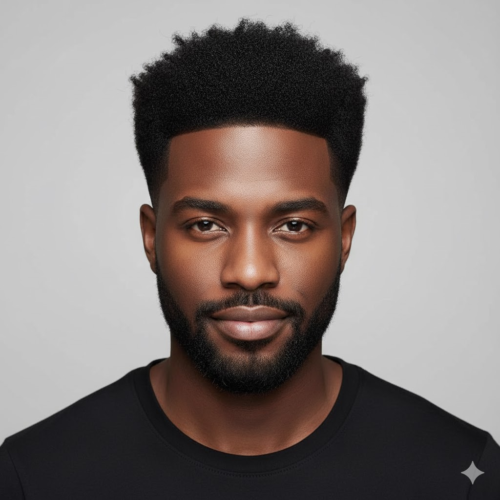
The high taper fade afro is a bold statement that combines clean precision with maximum volume. This style features a full, rounded afro on top with a high fade that creates dramatic contrast and emphasizes the natural shape and texture of coily hair.
- Best for: Type 4a to 4c coils with thick density
- Face shapes: Round, oval, and square faces (the volume adds vertical height)
- Styling difficulty: Moderate to Advanced (15-20 minutes)
- Maintenance: Every 1-2 weeks for fade sharpness
- Professional rating: 7/10 (bold and expressive)
Artists like J. Cole and Michael B. Jordan have showcased the high taper fade afro, demonstrating how this style celebrates natural black hair texture while maintaining contemporary grooming standards.
Styling technique: Start with well-moisturized hair using a leave-in conditioner or moisturizing cream. Use a pick to lift the afro from the roots outward, creating the characteristic rounded shape. Work in sections, picking from the bottom up to ensure even volume distribution. For defined edges, use an edge control product around the hairline.
Maintenance essentials:
- Deep condition weekly to maintain moisture
- Sleep with a satin bonnet or pillowcase to prevent breakage
- Refresh daily with a water/leave-in conditioner spray
- Trim the afro every 4-6 weeks to maintain shape
9. High Taper Fade Waves (360 Waves)
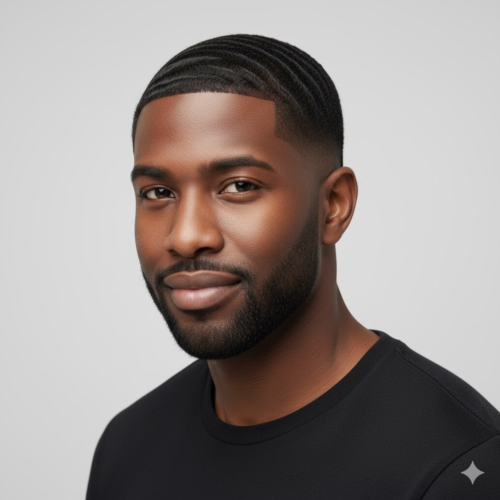
The high taper fade waves style combines the clean structure of a high fade with the mesmerizing pattern of 360 waves. This look requires dedication and proper maintenance but delivers a glossy, textured appearance that’s become iconic in modern grooming.
- Best for: Type 3c to 4a hair with medium to thick density
- Face shapes: All face shapes (waves add sophisticated texture)
- Styling difficulty: Advanced (requires daily brushing routine)
- Maintenance: Every 1-2 weeks for fade maintenance
- Professional rating: 9/10
Celebrities like Trevor Noah and Jordan Fisher have demonstrated how waves paired with a high taper fade create a polished yet distinctive appearance that works in both professional and casual settings.
Wave-building technique:
- Daily brushing: Brush your hair in the direction of your wave pattern for at least 20-30 minutes (split into morning and evening sessions)
- Product application: Use wave pomade or moisturizing wave cream after each brushing session
- Durag compression: Wear a durag overnight to “train” the waves and lock in the pattern
- Washing routine: Wash every 5-7 days to maintain pattern without over-drying
High taper fade consideration: Keep the fade fresh every 1-2 weeks, as the contrast between deep waves and clean sides is essential to this style’s impact.
10. High Taper Fade Dreads
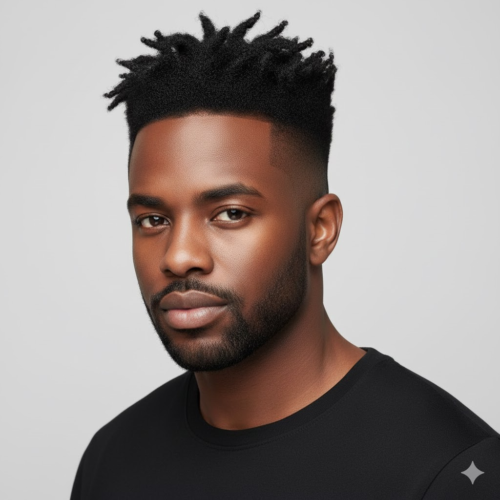
When you combine high taper fade dreads, you create a style that’s equal parts bohemian and sharp. The flowing, textured dreads on top contrast beautifully with the clean, precise fade on the sides, offering a unique blend of free-spirited and groomed aesthetics.
- Best for: Type 3b to 4c hair with medium to thick density
- Face shapes: Oval, diamond, and square faces
- Styling difficulty: Low for daily styling, high for dread maintenance
- Maintenance: Every 2 weeks for fade, monthly for dread maintenance
- Professional rating: 6/10 (creative and expressive)
Artists and athletes have made this style their signature, showing that dreads can be both professional-looking and artistic when properly maintained and combined with sharp fading.
Dread care with high fade:
- Keep dreads moisturized with lightweight oils (jojoba, argan)
- Retwist roots every 4-6 weeks to maintain neat appearance
- Use residue-free shampoo to avoid buildup
- Maintain fade sharpness every 2 weeks to preserve the contrast
Styling variations: Dreads can be worn loose, pulled back into a ponytail, or styled into a top knot for different occasions. The high fade keeps the look grounded and intentional regardless of how you style the locs.
11. High Taper Fade with Braids
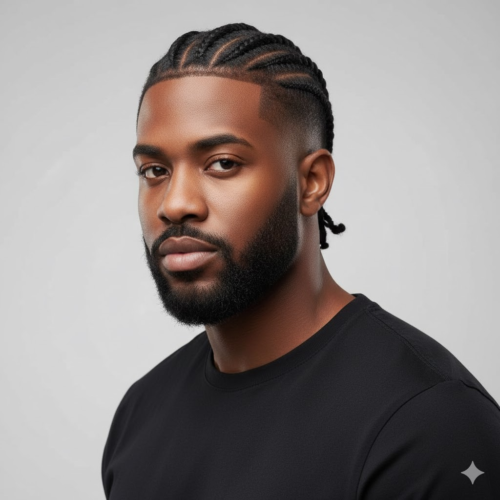
The high taper fade with braids merges precise barbering with creative styling. Whether you opt for cornrows, box braids, or free-form braids on top, the high taper fade provides clean edges and sharp contrast that elevate the overall look.
- Best for: Type 3c to 4c hair with medium to thick density
- Face shapes: Square and oval faces
- Styling difficulty: Advanced (requires professional braiding)
- Maintenance: Every 2 weeks for fade, 4-6 weeks for braids
- Professional rating: 7/10
This style offers excellent protective benefits for natural hair while maintaining a sharp, groomed appearance. The high fade emphasizes the braid pattern on top, creating dimension and visual interest.
Braid style options:
- Cornrows: Straight-back, curved, or geometric patterns
- Box braids: Medium to large sections for fuller appearance
- Twist braids: Two-strand twists for added texture
- Feed-in braids: Natural-looking with gradually added extensions
Scalp care: Keep your scalp moisturized and clean. Use a nozzle-tipped bottle to apply oil directly to the scalp between braids, and cleanse with diluted shampoo or scalp rinse weekly.
12. Textured High Taper Fade
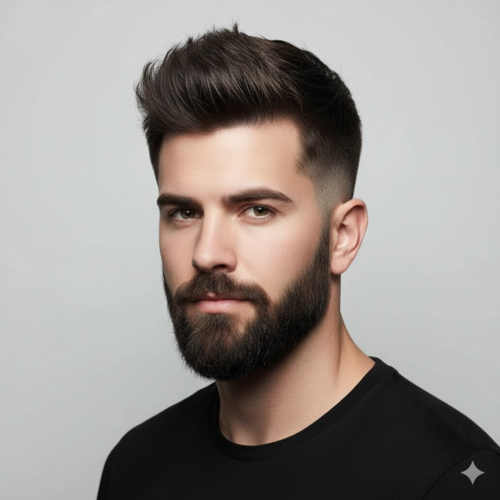
The textured high taper fade embraces a deliberately tousled, messy appearance on top while maintaining clean, structured sides. This style works across different hair types and creates a youthful, effortless aesthetic that’s become increasingly popular.
Best for: Straight to wavy hair with medium density
Face shapes: Oval, round, and diamond faces
Styling difficulty: Easy to Moderate (5-8 minutes)
Maintenance: Every 2-3 weeks
Professional rating: 8/10
Styling technique for maximum texture:
- Start with damp (not wet) hair
- Apply texture powder at the roots for instant lift
- Work a matte clay or paste through mid-lengths and ends
- Use your fingers to create separation and “piecey” texture
- For extra volume, blow-dry while tousling with your fingers
- Finish by gently pulling and separating sections for a lived-in look
The goal is “styled messy”—intentional texture that looks natural and effortless rather than overly worked or stiff.
13. High Taper Fade Fluffy Hair

High taper fade fluffy hair celebrates volume and soft texture, creating a cloud-like appearance on top that contrasts beautifully with the tight fade on the sides. This style works particularly well for men with naturally thick or curly hair who want to embrace rather than tame their volume.
- Best for: Curly to wavy hair with thick density
- Face shapes: Round, heart, and square faces (adds height and balance)
- Styling difficulty: Moderate (10-12 minutes)
- Maintenance: Every 2-3 weeks
- Professional rating: 7/10 (youthful and expressive)
Fluff-maximizing technique:
- Blow-dry hair upside down or away from the scalp to create maximum lift
- Use a diffuser attachment for curly hair to enhance volume without frizz
- Apply a volumizing mousse or spray at the roots before drying
- Once dry, use texture powder and gently massage into roots
- Finish with a light texture spray rather than heavy products that weigh hair down
Product tip: Choose lightweight formulas—texture powders, dry shampoos, and volumizing sprays work better than heavy creams or gels that can flatten fluffy texture.
High Taper Fade for Straight & Fine Hair
Men with straight hair or fine hair might think the high taper fade isn’t for them, but this couldn’t be further from the truth. With the right styling techniques and product choices, straight and fine hair can look incredibly sharp with a high taper fade.
14. High Taper Fade Straight Hair
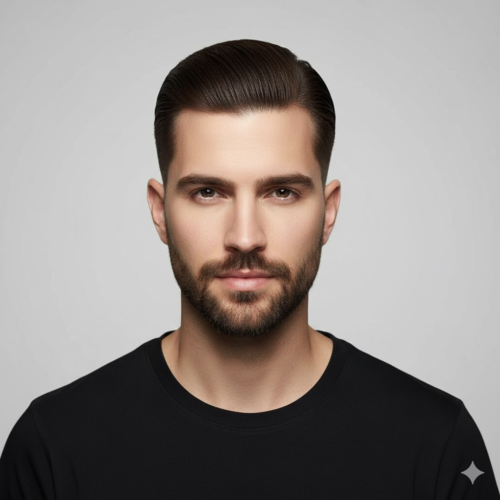
The high taper fade straight hair combination creates a sleek, sophisticated look that’s ideal for men who appreciate clean lines and polished styling. Straight hair provides the perfect canvas for structured styles like slick backs, side parts, and pompadours.
- Best for: Type 1 (straight) hair with medium density
- Face shapes: Square, oval, and rectangular faces
- Styling difficulty: Easy to Moderate (5-10 minutes)
- Maintenance: Every 2-3 weeks
- Professional rating: 10/10
Straight hair with a high taper fade offers incredible versatility—you can achieve a professional slicked-back look for the office, then transition to a more casual tousled style for evenings and weekends with just a few adjustments.
Styling technique for straight hair:
- Apply a pre-styler (sea salt spray or volume mousse) to damp hair
- Blow-dry in your desired direction using a round or vent brush
- Once completely dry, apply your chosen styling product:
- For sleek looks: Medium to high-shine pomade
- For textured looks: Matte clay or paste
- For natural looks: Light cream or fiber
- Use a comb for precise, polished styles or fingers for more casual texture
Challenge solution: Straight hair can appear flat without proper styling. Combat this by blow-drying with lift at the roots and using texture powder for added grip and volume.
15. High Taper Fade with Side-Swept Top
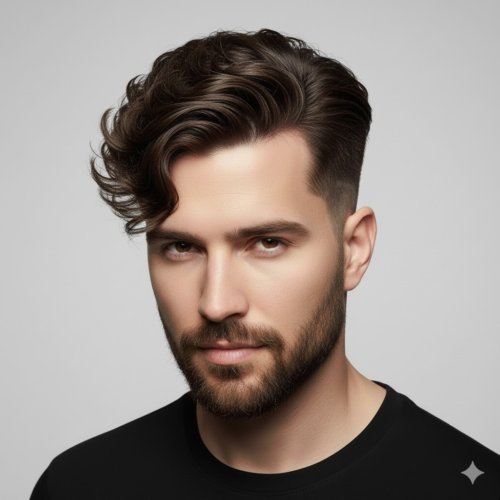
This classic yet contemporary style features hair combed or brushed to one side, creating a sophisticated profile that works equally well in boardrooms and social settings. The high taper fade keeps the sides clean while the side-swept top adds elegant movement.
- Best for: Straight to wavy hair with medium density
- Face shapes: Oval, square, and heart-shaped faces
- Styling difficulty: Easy (4-6 minutes)
- Maintenance: Every 2-3 weeks
- Professional rating: 10/10
Celebrities like Henry Cavill and Tom Holland have showcased this versatile style, demonstrating its appeal across different age groups and occasions.
Perfect side-sweep technique:
- Apply styling cream or light pomade to damp hair
- Create a natural or defined part on one side (typically the side where hair naturally parts)
- Use a comb to brush hair across and slightly forward
- Blow-dry following the comb direction for smooth finish
- Finish with light hairspray if needed for all-day hold
Professional tip: The side-swept style naturally balances face asymmetry and can minimize the appearance of a receding hairline when swept forward slightly.
16. High Taper Fade Slick Back
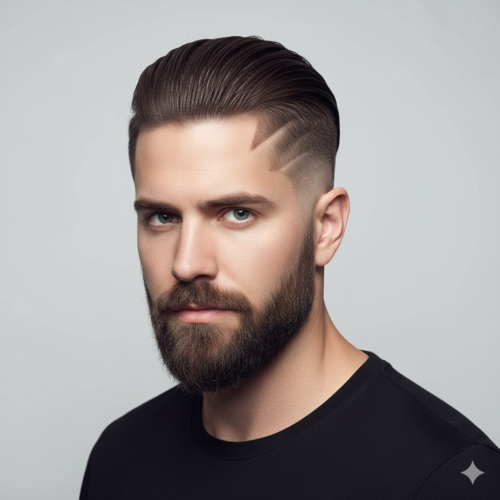
The high taper fade slick back merges vintage sophistication with modern precision. This timeless style features hair combed straight back from the forehead with a smooth, polished finish that exudes confidence and maturity.
- Best for: Straight to wavy hair with medium to thick density
- Face shapes: Oval, diamond, and rectangular faces
- Styling difficulty: Moderate (7-10 minutes)
- Maintenance: Every 2-3 weeks
- Professional rating: 10/10
Slick back styling steps:
- Start with clean, damp hair
- Apply a high-shine pomade or gel evenly through hair
- Use a fine-tooth comb to brush hair straight back from the hairline
- For added height, blow-dry while combing back to create volume at the crown
- Once positioned, use hands to smooth any flyaways
- Finish with a light mist of medium-hold hairspray
Product selection: Traditional oil-based pomades create the most authentic slick back with superior shine and hold, but water-based pomades offer easier wash-out and styling flexibility throughout the day.
17. High Taper Fade Comb Over
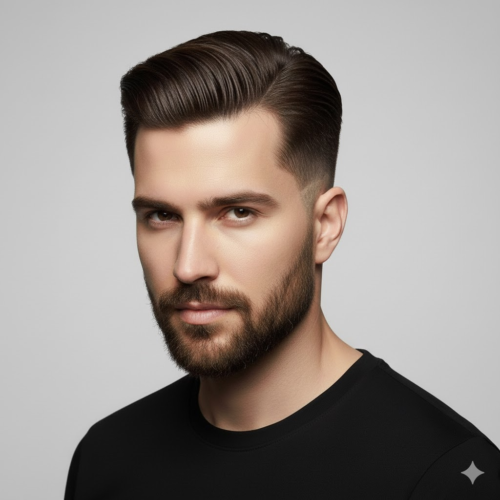
The comb over gets a contemporary update when paired with a high taper fade. This style features a defined side part with hair combed over to one side, creating volume and movement while maintaining professional polish.
- Best for: Straight to wavy hair with medium density
- Face shapes: Oval, square, and heart-shaped faces
- Styling difficulty: Moderate (8-10 minutes)
- Maintenance: Every 2-3 weeks
- Professional rating: 10/10
The modern comb over differs significantly from the controversial “combover” used to hide baldness—this is an intentional style choice that creates dimension and sophistication.
Modern comb over technique:
- Create a defined hard part (shaved line) or natural part on one side
- Apply styling cream or pomade to damp hair
- Blow-dry the top section upward and over using a round brush for volume
- Once dry, use a comb to sweep hair from the part across to the opposite side
- Apply texture powder at roots if more height is needed
- Finish with matte clay or light pomade for flexible hold
Variation options: Adjust the part height (lower for conservative, higher for fashion-forward) and the degree of volume on top to customize the look to your preferences.
Bold & Statement High Taper Fades
For men who aren’t afraid to stand out and make a statement with their style, these bold variations push the boundaries while maintaining the clean foundation of the high taper fade.
18. High Taper Fade with Pompadour
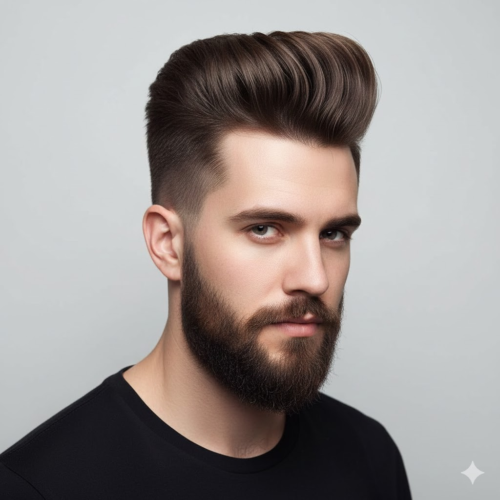
The pompadour with high taper fade is the ultimate attention-grabbing style, combining dramatic height and volume on top with precision-faded sides. This bold look requires commitment to styling but delivers unmatched visual impact.
- Best for: Straight to wavy hair with medium to thick density
- Face shapes: Oval and square faces (the height elongates the face)
- Styling difficulty: Advanced (15-20 minutes)
- Maintenance: Every 2-3 weeks for fade, weekly trims recommended for top shape
- Professional rating: 6/10 (bold and expressive)
Style icons like David Beckham and Bruno Mars have made the pompadour their signature, proving this vintage-inspired style remains relevant when executed with modern precision.
Pompadour styling masterclass:
- Preparation: Start with clean, damp hair and apply strong-hold mousse throughout
- Blow-drying: Using a round brush, blow-dry hair upward and back, creating lift at the roots. Focus on building height at the front first, then work backward toward the crown
- Product application: Once dry, work a strong-hold pomade or gel through the hair, focusing on mid-lengths to ends
- Shaping: Use a comb to sweep hair back while maintaining height. Create the signature pompadour “roll” at the front by slightly folding hair back on itself
- Setting: Finish with strong-hold hairspray, applying in short bursts while hair is in position
- Touch-ups: Carry pocket comb and small pomade for midday refreshes
Key to success: The pompadour requires proper length (at least 4-6 inches on top) and healthy hair texture. If your hair is too fine or damaged, the style may collapse throughout the day.
19. High Taper Fade with Quiff
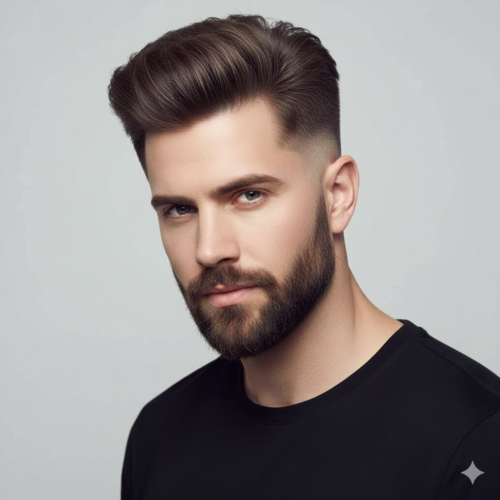
The quiff offers a slightly more accessible alternative to the full pompadour while still delivering impressive height and style. This look features volume at the front that gradually slopes back, creating a wave-like effect that’s both modern and classic.
- Best for: Straight to wavy hair with medium density
- Face shapes: Round and oval faces (front volume balances proportions)
- Styling difficulty: Moderate (10-12 minutes)
- Maintenance: Every 2-3 weeks
- Professional rating: 8/10
Actors like Zac Efron and Harry Styles have showcased various quiff interpretations, demonstrating the style’s adaptability from polished to casual.
Quiff creation technique:
- Apply volume mousse or texture spray to damp hair
- Blow-dry the front section upward and slightly back using fingers or a brush for lift
- Once dry, work medium-hold pomade or clay through the top
- Use fingers to sweep the front portion up and back, creating the quiff shape
- Allow the hair to fall naturally from the highest point back toward the crown
- Finish with light hairspray for flexible hold
Styling variation: Adjust the height and angle of the quiff—more vertical for dramatic effect, more swept-back for subtlety.
20. High Taper Fade Mullet
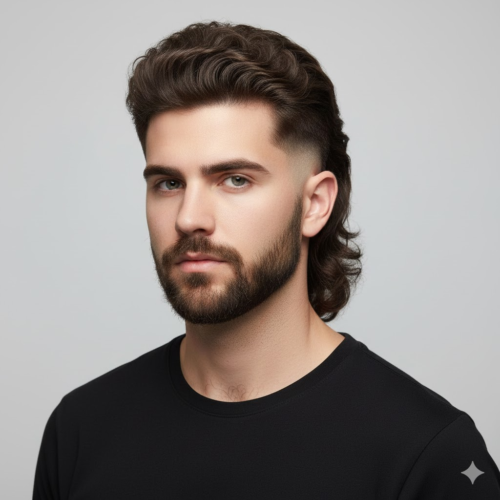
The mullet has experienced an unexpected renaissance, and when combined with a high taper fade, it becomes a genuinely modern style. The high taper fade mullet features short, faded sides with longer hair that flows in the back—”business in the front, party in the back” gets a 2025 upgrade.
- Best for: All hair types with medium to thick density
- Face shapes: Oval and diamond faces
- Styling difficulty: Moderate (8-10 minutes)
- Maintenance: Every 3-4 weeks for length management, 2-3 weeks for fade
- Professional rating: 5/10 (bold and unconventional)
Modern mullet distinctions: Today’s mullet is more textured and intentionally styled than its ’80s predecessor. The key is maintaining definition and shape rather than letting it become unkempt.
Styling approach:
- Apply texture cream or salt spray to damp hair throughout
- Blow-dry the top and sides normally while scrunching the back length for texture
- Use matte clay or paste on top for structured texture
- Apply a small amount of styling cream to back length for definition without stiffness
- Finger-style to create separation and movement
Length considerations: Keep the mullet length in proportion—typically shoulder-length or shorter works best with modern styling. Too long and it becomes costume-like rather than fashionable.
21. High Taper Fade with Faux Hawk
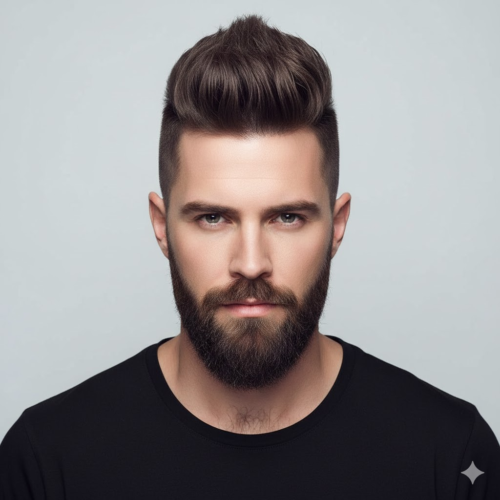
The faux hawk (or fohawk) provides edgy style without the commitment of a true mohawk. When combined with a high taper fade, it creates a bold central strip of longer hair flanked by clean, faded sides.
- Best for: Straight to wavy hair with medium density
- Face shapes: Oval, square, and rectangular faces
- Styling difficulty: Moderate (8-12 minutes)
- Maintenance: Every 2-3 weeks
- Professional rating: 6/10 (edgy but increasingly mainstream)
Faux hawk styling:
- Apply strong-hold mousse to damp hair
- Blow-dry the central section upward, using fingers or a brush to direct hair toward the center line
- Once dry, apply strong-hold gel, paste, or wax through the top
- Use fingers or a comb to create the central ridge, pulling hair upward and inward
- Style the front portion with slight forward lift for dimension
- Finish with strong-hold hairspray
Height options: Adjust the drama by varying how high you spike the center—subtle elevation for everyday wear, maximum height for special occasions.
22. High Top Taper Fade
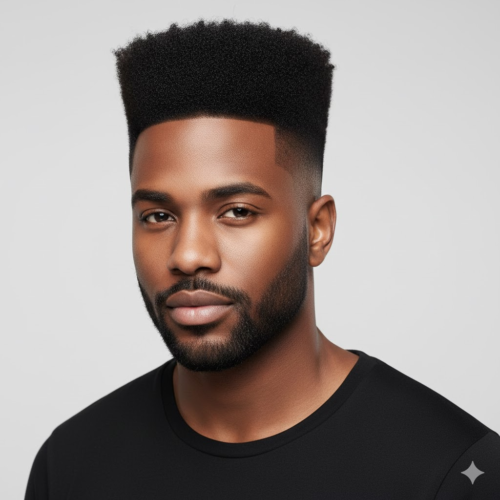
The high top taper fade resurrects a classic ’80s and ’90s style with modern refinement. This look features a tall, flat-topped section of hair that creates dramatic vertical emphasis, combined with the clean contrast of high-faded sides.
- Best for: Type 3c to 4c hair with thick density
- Face shapes: Round, oval, and square faces
- Styling difficulty: Advanced (requires professional shaping)
- Maintenance: Every 2-3 weeks for fade and top shaping
- Professional rating: 6/10 (bold and retro-inspired)
High top considerations:
- Requires significant length on top (4-6 inches minimum)
- Regular shaping appointments essential to maintain the flat-top structure
- Works best on naturally textured hair that holds shape
- Use strong-hold products and picks to maintain height and structure
This style makes a powerful statement and works particularly well for men who want to celebrate their natural hair texture while creating a distinctive silhouette.
23. High Taper Fade with Short Spikes
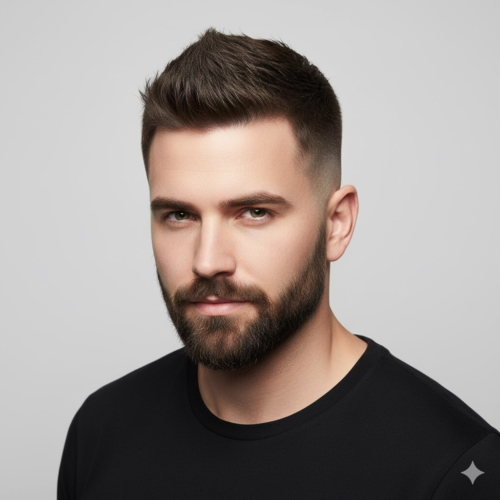
Short spikes bring a playful, youthful energy to the high taper fade. This style features textured, upward-pointing hair on top that creates dimension and personality without requiring extreme length or complicated styling.
- Best for: Straight to slightly wavy hair with medium density
- Face shapes: Oval, square, and rectangular faces
- Styling difficulty: Easy (5-7 minutes)
- Maintenance: Every 2-3 weeks
- Professional rating: 7/10
Celebrities like Justin Timberlake and Paul Mescal have sported variations of this spiky style, showing its versatility from casual to red-carpet settings.
Spiking technique:
- Apply strong-hold wax or clay to dry or slightly damp hair
- Work product evenly through top section using fingers
- Using fingertips, pull small sections of hair upward to create individual spikes
- Vary spike direction slightly for natural, non-uniform appearance
- For extra hold, finish with medium-hold hairspray
Product choice matters: Wax creates piecey, defined spikes with shine, while matte clay produces a more natural, textured spike appearance. Choose based on your desired finish.
Long Top High Taper Fades
For men who prefer maintaining length on top while enjoying the clean structure of faded sides, these styles offer the best of both worlds—versatile styling options with sharp definition.
24. High Taper Fade Long Hair
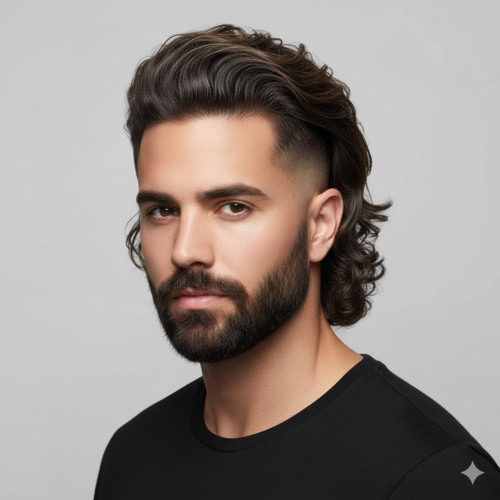
High taper fade long hair creates striking contrast by pairing substantial top length (4-8 inches) with tightly faded sides. This versatile style allows for multiple looks: worn down with natural flow, pulled into a man bun, or styled back for a sophisticated appearance.
- Best for: All hair types with medium to thick density
- Face shapes: Oval and diamond faces (the length adds balance)
- Styling difficulty: Moderate (10-15 minutes)
- Maintenance: Every 2-3 weeks for fade, monthly trims for length health
- Professional rating: 7/10 (versatile but requires styling commitment)
Actors like Chris Hemsworth and Jason Momoa have demonstrated how longer hair with clean fades creates a powerful, masculine aesthetic that works across different settings.
Long hair styling options:
Worn Down:
- Apply leave-in conditioner or styling cream to damp hair
- Blow-dry or air-dry naturally
- Use lightweight oil or serum on ends for shine and definition
- Brush or comb through for smooth finish, or scrunch for textured waves
Man Bun:
- Brush hair back smoothly from the front
- Gather hair at crown or higher for top knot
- Secure with elastic, leaving tail loose or wrapped
- Use edge control or pomade on sides for sleek finish
Slicked Back:
- Apply medium-hold pomade or cream to damp hair
- Comb straight back from hairline
- Blow-dry for added volume or air-dry for natural finish
- Finish with light hairspray for all-day hold
Maintenance tip: Long hair requires more attention to health—use quality shampoo and conditioner, minimize heat styling, and trim regularly to prevent split ends.
25. High Taper Fade with Textured Fringe
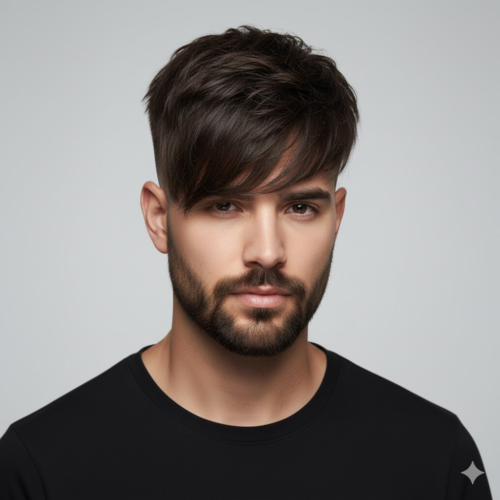
The textured fringe adds a fashion-forward edge to the high taper fade, featuring choppy, layered bangs that frame the face while the sides remain clean and tight. This style has become increasingly popular among younger men looking for a modern, slightly rebellious aesthetic.
- Best for: Straight to wavy hair with medium density
- Face shapes: Round, oval, and heart-shaped faces
- Styling difficulty: Moderate (8-10 minutes)
- Maintenance: Every 3-4 weeks for fringe shape, 2-3 weeks for fade
- Professional rating: 7/10
Textured fringe styling:
- Apply texture cream or sea salt spray to damp hair
- Blow-dry the fringe forward using fingers to create piecey separation
- Once dry, work matte clay through the fringe, pulling and twisting small sections
- Create irregular, choppy texture rather than uniform bangs
- Style top section for additional volume or texture as desired
- Finish with texture spray for flexible hold
Fringe variations: Adjust the fringe length and texture level based on preference—shorter and choppier for edgy looks, longer and softer for romantic aesthetics.
26. High Taper Fade Fringe
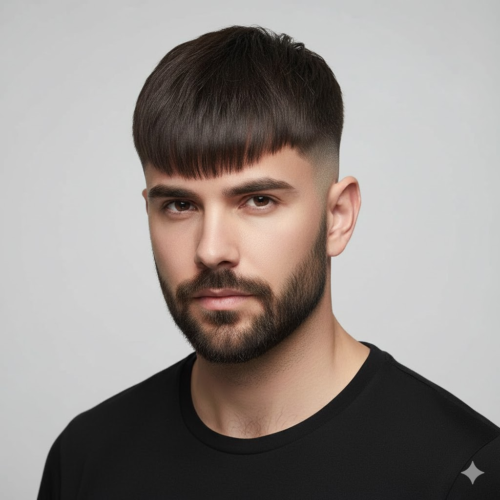
A more streamlined alternative to the textured fringe, this style features a bold, forward-facing fringe with the clean contrast of high-faded sides. The fringe can be worn straight across, swept to one side, or styled with soft texture.
- Best for: Straight to wavy hair with medium to thick density
- Face shapes: Round and diamond faces (fringe balances wider features)
- Styling difficulty: Easy to Moderate (5-8 minutes)
- Maintenance: Every 3-4 weeks
- Professional rating: 8/10
Fringe styling approaches:
Straight Across:
- Blow-dry fringe straight down
- Use flat iron for ultra-smooth finish if desired
- Apply light cream or serum for shine
- Perfect for modern, minimalist aesthetics
Side-Swept:
- Blow-dry fringe diagonally across forehead
- Use medium-hold pomade for definition
- Creates softer, more romantic appearance
- Versatile for various face shapes
Textured:
- Apply matte paste to slightly damp fringe
- Blow-dry while scrunching with fingers
- Create subtle separation and movement
- Balances bold fringe with casual ease
Specialized High Taper Fade Styles
These unique variations incorporate specific cultural influences, technical elements, or creative features that make them stand out in the world of high taper fades.
27. High Taper Fade Edgar (Edgar Cut)
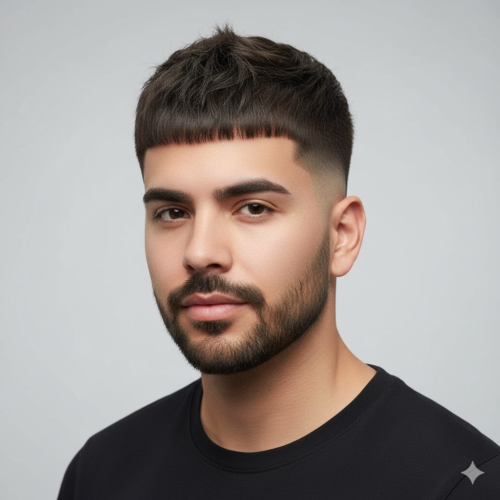
The Edgar cut has exploded in popularity, particularly within Latino communities, featuring a high taper fade with a distinctive blunt, horizontal fringe and sharp geometric edges. This bold style combines precision barbering with streetwear aesthetics.
- Best for: Straight to wavy hair with medium to thick density
- Face shapes: Oval and square faces
- Styling difficulty: Easy (3-5 minutes once cut is established)
- Maintenance: Every 2 weeks (edges and fade need frequent touch-ups)
- Professional rating: 6/10 (bold and youth-oriented)
Edgar characteristics:
- Blunt, straight-across fringe (often very short)
- Sharp, defined temple points
- High contrast between top and faded sides
- Clean geometric lines throughout
Styling the Edgar:
- The Edgar relies primarily on the precision of the cut itself
- Apply light styling cream or pomade to damp hair
- Brush or comb fringe straight forward
- Edge control product keeps hairline and temple points sharp
- Minimal daily styling required—the cut does the work
Cultural significance: The Edgar has become an identity marker and cultural statement, particularly among younger Latino men, representing both heritage and contemporary urban style.
28. High Taper Fade with Design (Line Up)
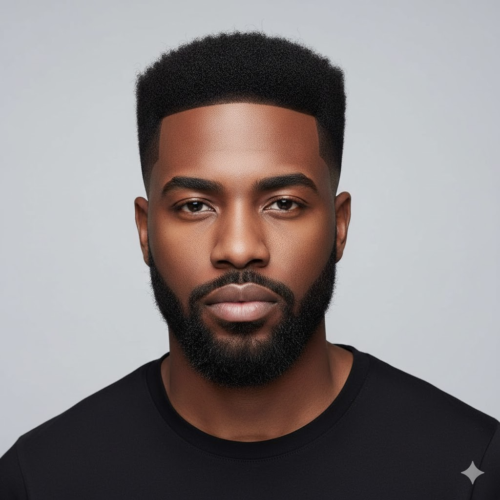
Adding razor designs or line work to a high taper fade transforms it from clean to artistic. These designs can range from simple lines to complex geometric patterns, logos, or even detailed artwork—limited only by your barber’s skill and creativity.
- Best for: All hair types (designs show best on darker hair)
- Face shapes: All face shapes
- Styling difficulty: Easy (styling the top)
- Maintenance: Every 1-2 weeks (designs grow out quickly)
- Professional rating: 5/10 (expressive and creative)
Popular design options:
- Simple lines: One to three parallel lines at the temple or behind the ear
- Geometric patterns: Zigzags, diamonds, triangles, or abstract shapes
- Waves or curves: Flowing lines that follow the head’s contour
- Symbols: Stars, lightning bolts, team logos
- Complex art: Detailed portraits, landscapes, or intricate patterns
Design considerations:
- Simpler designs last longer between touch-ups
- Placement matters—temple and side designs are most visible
- Dark hair shows designs more clearly than lighter colors
- Designs require a skilled barber with steady hand and artistic eye
Maintenance reality: Razor designs grow out within 7-10 days, requiring frequent barbershop visits to maintain crispness. Consider this commitment before choosing intricate designs.
29. High Taper Fade with Hard Part
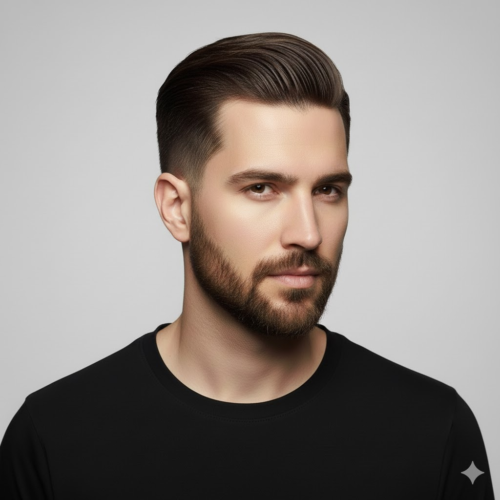
The hard part (also called a shaved part) adds definition and structure to the high taper fade by creating a thin shaved line that separates the longer top from the faded sides. This small detail makes a significant visual impact.
- Best for: Straight or slightly wavy hair with medium density
- Face shapes: Oval, square, and rectangular faces
- Styling difficulty: Easy (3-5 minutes)
- Maintenance: Every 2 weeks for hard part sharpness
- Professional rating: 9/10
Celebrities like Zayn Malik and Joe Jonas have showcased the hard part, demonstrating how this simple detail elevates a classic cut.
Hard part styling:
- Apply pomade, wax, or clay to damp or dry hair
- Use a comb to define the part line and style hair in desired direction
- The shaved line naturally guides your styling
- Blow-dry if volume is desired
- Finish with light hairspray for all-day hold
Placement options:
- Side part: Traditional placement 1-2 inches from center
- Deep part: Further toward the side for dramatic effect
- Multiple parts: Two or more lines for artistic expression
Benefit: The hard part provides clear structure for styling, making it easier to achieve consistent results daily.
30. High Taper Fade with Undercut
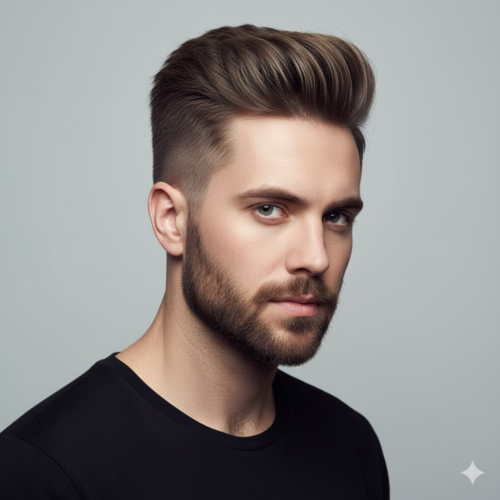
While technically different techniques, combining a high taper fade with undercut elements creates a disconnected look where the top hair appears to “sit” on the faded sides with minimal blending. This creates even more dramatic contrast than a standard high taper fade.
- Best for: Straight or wavy hair with medium to thick density
- Face shapes: Oval, square, and rectangular faces
- Styling difficulty: Moderate (7-10 minutes)
- Maintenance: Every 2-3 weeks
- Professional rating: 7/10
Style icons like Henry Cavill and David Beckham have made the undercut-fade combination their signature, showing its versatility from sleek to textured styling.
Styling the disconnected look: The beauty of this cut is its versatility—the longer top can be styled multiple ways:
- Slicked back for formal occasions
- Pompadour for maximum impact
- Messy texture for casual settings
- Side-swept for professional appearance
Use strong-hold products to maintain clear separation between the long top and short sides, emphasizing the intentional “disconnect.”
31. High Taper Fade Blowout
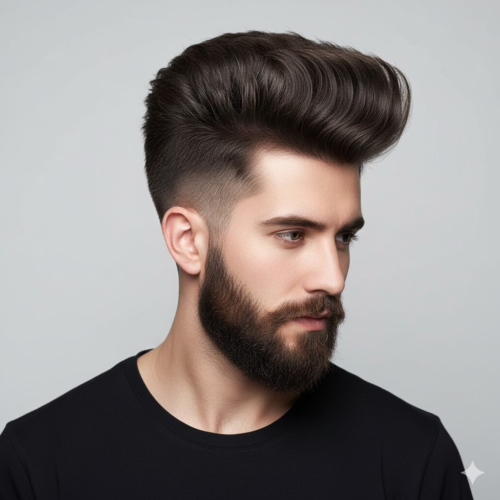
The blowout style features explosive volume and height, with curls or waves that seem to defy gravity. When combined with a high taper fade, it creates one of the boldest, most attention-grabbing looks available.
- Best for: Curly to very curly hair (Type 3a to 4a) with thick density
- Face shapes: Oval and round faces
- Styling difficulty: Advanced (15-20 minutes)
- Maintenance: Every 2-3 weeks
- Professional rating: 6/10 (bold and expressive)
Blowout creation:
- Start with clean, damp hair
- Apply curl cream and heat protectant throughout
- Use a blow dryer with diffuser attachment on medium heat
- Cup curls in diffuser and dry in upward lifting motion
- Use your hands to shape and lift at roots as you dry
- Once 80% dry, apply texture clay for hold and definition
- Continue shaping and lifting until desired volume achieved
- Finish with flexible-hold hairspray
Volume maintenance: The blowout requires daily styling and refresh. Sleeping with a silk bonnet helps preserve the shape, but expect to restyle completely every 1-2 days.
32. High Taper Fade Blonde
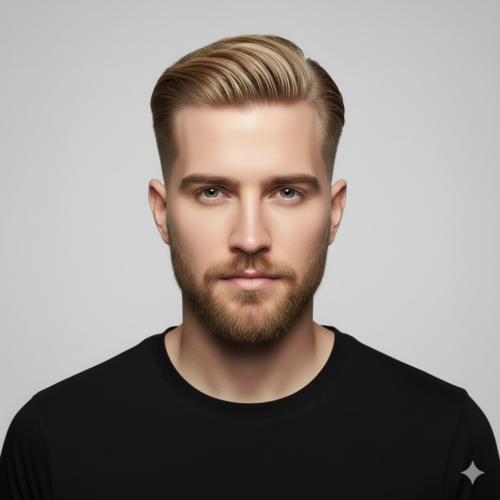
Adding blonde color to a high taper fade creates additional dimension and makes the style even more eye-catching. The light color emphasizes texture and highlights the fade’s contrast, though it requires extra maintenance and care.
- Best for: All hair types (works on naturally light or color-treated hair)
- Face shapes: All face shapes
- Styling difficulty: Same as your chosen style
- Maintenance: Every 2-3 weeks for fade, every 4-6 weeks for color
- Professional rating: 7/10
Blonde variations:
- Platinum: Ultra-light, high-maintenance but maximum impact
- Ash blonde: Cool-toned, modern appearance
- Golden blonde: Warm-toned, natural-looking
- Highlights: Dimensional color with less commitment
- Ombre/gradient: Darker roots blending to blonde ends
Color care essentials:
- Use purple/blue shampoo to combat brassiness
- Deep condition weekly to maintain hair health
- Minimize heat styling to prevent damage
- Touch up roots every 4-6 weeks
- Use color-safe styling products
Styling tip: Blonde hair shows texture exceptionally well, making matte products particularly effective for emphasizing definition and separation.
33. High Taper Fade Asian
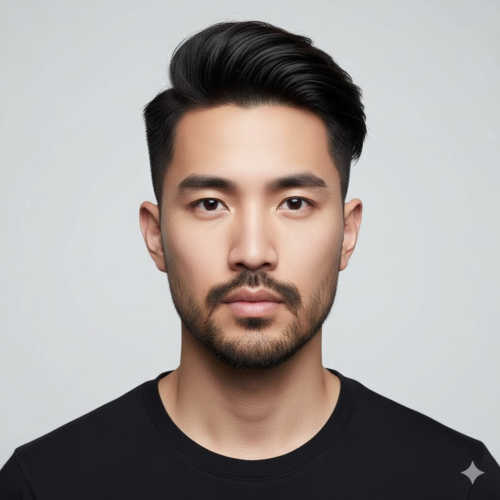
While the high taper fade works for all ethnicities, Asian hair presents unique characteristics that benefit from specific considerations. Asian hair tends to be thicker, straighter, and more resistant to holding certain styles, requiring adapted techniques.
- Best for: Straight, thick Asian hair (Type 1b-1c)
- Face shapes: All face shapes, particularly oval and square
- Styling difficulty: Moderate (8-12 minutes)
- Maintenance: Every 2-3 weeks
- Professional rating: 9/10
Asian hair considerations:
- Thickness: Asian hair is typically thicker per strand, allowing for clean lines and sharp definition
- Straightness: Natural straightness makes sleek styles easier but textured looks may require more product
- Growth pattern: Strong growth direction may require working with natural flow rather than against it
- Volume: Density provides natural volume without much effort
Recommended styles for Asian hair with high taper fade:
- Textured crop (very popular)
- Side-swept styles
- Pompadour or quiff (thickness provides natural hold)
- Messy/tousled texture
- Comma hair (K-pop inspired style)
Styling technique:
- Asian hair often benefits from lightweight products that add texture without heaviness
- Use blow dryers to shape and direct hair (it will hold well once directed)
- Texture powder works exceptionally well for adding grip and movement
- Finish with light-hold products—the natural thickness provides structure
34. High Taper Fade with Messy Texture
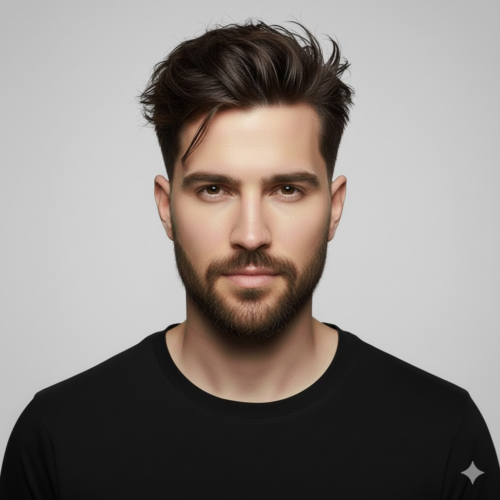
The intentionally messy or “undone” look has become increasingly popular, offering a relaxed, effortless aesthetic that’s actually quite deliberate. This style pairs the structured precision of the high taper fade with deliberately tousled, textured hair on top.
- Best for: Straight to wavy hair with medium density
- Face shapes: Round, heart, and square faces
- Styling difficulty: Easy (5-8 minutes)
- Maintenance: Every 2-3 weeks
- Professional rating: 8/10
Actors like Timothée Chalamet and Robert Pattinson have made “artfully messy” their signature, showing that looking effortless actually requires thoughtful styling.
Achieving styled messiness:
- Apply sea salt spray or texture spray to damp hair
- Blow-dry without brushing—use fingers to tousle as you dry
- Once dry, work a small amount of matte clay or paste through hair
- Use fingers to create separation, pulling and twisting small sections
- Mess up your work intentionally—perfection is the enemy here
- Spray with texture spray for piecey, lived-in finish
The paradox: Messy styles often take as long or longer than polished ones because you’re intentionally creating controlled chaos. The key is making it look accidental when it’s actually deliberate.
35. High Taper Fade with Beard
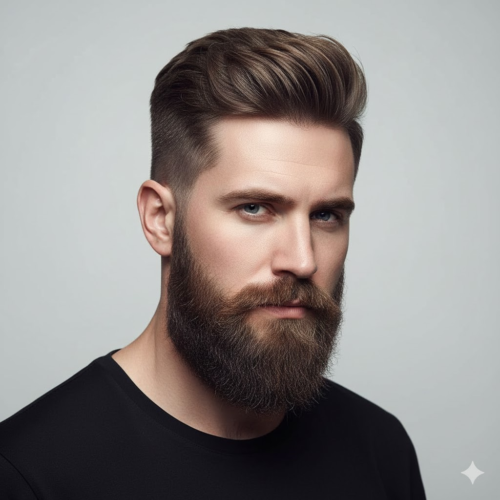
Combining a high taper fade with a well-groomed beard creates a complete, cohesive grooming package. The fade can be extended into the beard line, creating seamless transition and additional definition.
- Best for: All hair types (focus on facial hair compatibility)
- Face shapes: Square faces (softens angular features), round faces (adds definition)
- Styling difficulty: Moderate (10-15 minutes for hair and beard)
- Maintenance: Every 2-3 weeks for fade, weekly beard trims
- Professional rating: 10/10
Fade-to-beard blending:
- Seamless blend: Fade continues down into beard for unified look
- Defined separation: Fade stops at jawline with clear beard definition
- Shaped connection: Fade and beard connect but each maintains distinct shape
Coordinated styling:
- Hair: Style top as desired using appropriate products
- Beard: Apply beard oil or balm when damp
- Shaping: Use beard trimmer to maintain length and shape
- Detailing: Brush beard downward and trim stray hairs
- Edge work: Define cheek and neck lines for clean finish
Professional tip: Ask your barber to “blend the fade into the beard” for seamless transition, or request “defined separation” if you prefer distinct hair and facial hair zones.
How to Choose the Right High Taper Fade for You
With 35+ variations to choose from, selecting the right high taper fade might feel overwhelming. However, by considering your hair type, face shape, lifestyle, and maintenance commitment, you can narrow down the options to find your perfect match.
Based on Hair Type
Your natural hair texture plays a crucial role in determining which high taper fade variations will work best with minimal fighting against your hair’s natural tendencies.
For Thick Hair:
If you have thick, dense hair, you’re in luck—high taper fades were practically designed for you. The fade removes significant bulk from the sides, making your hair more manageable while the thickness on top provides excellent styling options.
Best styles: Textured crop, pompadour, quiff, slick back, or any style requiring volume and structure
Styling tips: Thick hair holds styles well but may require thinning on top to reduce weight. Use medium to strong-hold products and embrace your hair’s natural body.
For Curly/Coily Hair (High Taper Fade Black Hair):
Curly and coily textures shine with high taper fades. The dramatic contrast between tight sides and voluminous curls creates stunning visual impact while celebrating your natural texture.
Best styles: High taper fade afro, curly top, waves, dreads, or any style that showcases your natural curl pattern
Styling tips: Moisture is key—use curl creams, leave-in conditioners, and oils to maintain healthy, defined curls. The fade keeps sides neat while curls on top take center stage.
For Straight Hair (High Taper Fade Straight Hair):
Straight hair provides a clean canvas for precision styles. While it may lack natural volume, strategic styling and products can create impressive height and texture.
Best styles: Side-swept, slick back, comb over, Caesar cut, textured crop, or pompadour
Styling tips: Use texture powder for grip and volume, blow-dry with lift at roots, and choose products based on desired finish (matte vs. shine). Straight hair shows clean lines beautifully.
For Fine Hair:
Fine hair requires special consideration to avoid styles that fall flat. The high taper fade helps by removing competing volume on the sides, directing focus to the top where you can build height.
Best styles: Short crop, textured styles, or anything with added volume through products and blow-drying
Styling tips: Avoid heavy products that weigh hair down. Opt for mousses, texture powders, and lightweight creams. Blow-dry with a round brush for maximum lift.
For Wavy Hair:
Wavy hair offers versatility between the structure of straight hair and the volume of curly hair. This texture works with almost any high taper fade variation.
Best styles: Messy texture, textured fringe, side-swept, natural styles that enhance the wave pattern
Styling tips: Enhance waves with sea salt spray and scrunching, or straighten for sleeker looks. Your natural texture provides built-in interest and movement.
Based on Face Shape
Your face shape influences which high taper fade variations will be most flattering by creating balance and proportion.
Round Face:
Goal: Add height and angles to elongate the face and create definition.
Best styles: Pompadour, quiff, high top, any style with vertical emphasis
Avoid: Very flat or wide styles that emphasize roundness
Why it works: Height on top creates the illusion of length, while the high fade’s clean sides prevent adding width
Square Face:
Goal: Soften strong angles while maintaining masculine structure.
Best styles: Side-swept, textured styles, high taper fade with beard to soften jawline
Avoid: Extremely sharp, angular styles that emphasize squareness
Why it works: Softer textures and side-swept styles balance strong jaw and forehead
Oval Face:
Goal: Maintain natural balance (oval faces can wear virtually any style).
Best styles: Literally any high taper fade variation—experiment freely
Avoid: Nothing specific—oval faces are universally flattering
Why it works: Naturally balanced proportions support all styles
Heart-Shaped Face:
Goal: Add width at the jawline and balance wider forehead.
Best styles: Fringe styles, textured crops, high taper fade with full beard
Avoid: Extreme height that emphasizes top-heavy proportions
Why it works: Fringe balances forehead width, while beard adds jaw definition
Diamond Face:
Goal: Soften angles and add width at forehead and chin.
Best styles: Side-swept, textured styles, longer top with movement
Avoid: Styles that emphasize narrow forehead
Why it works: Width on top balances narrow forehead, soft textures minimize angular cheekbones
Rectangular Face:
Goal: Add width and avoid excessive height.
Best styles: Fringe styles, side-swept, textured crops without extreme height
Avoid: Tall pompadours or very high styles that elongate further
Why it works: Horizontal elements (fringe, side-sweep) balance vertical proportions
Based on Lifestyle
Your daily routine, professional requirements, and personal time availability should significantly influence your high taper fade choice.
Professional/Corporate Environments:
If you work in conservative industries (finance, law, corporate management), choose styles that project polish and sophistication.
Recommended styles: Classic high taper fade, side-swept, comb over, slick back, short crop
Maintenance commitment: High (clean fades essential for professional appearance)
Styling time: 5-10 minutes daily
Product choices: Natural finishes, subtle hold, professional appearance
Creative Industries:
If you work in fashion, arts, media, or design, you have significantly more creative freedom.
Recommended styles: Textured styles, designs, bold colors, unique variations
Maintenance commitment: Flexible
Styling time: Varies by style complexity
Product choices: Experimental finishes, matte or high-shine depending on aesthetic
Athletic/Active Lifestyles:
If you’re highly active, play sports, or spend time at the gym, practicality matters.
Recommended styles: Buzz cut high taper fade, short crop, low-maintenance variations
Maintenance commitment: Moderate (regular fades but minimal daily styling)
Styling time: 1-5 minutes
Product choices: Sweat-resistant, quick-drying, minimal products
Low-Maintenance Preference:
If you value simplicity and hate spending time on hair styling, certain variations suit you better.
Recommended styles: Buzz cut, short crop, Caesar cut, any naturally-styled option
Maintenance commitment: Moderate (regular barber visits but minimal home styling)
Styling time: 1-5 minutes
Product choices: Simple, all-in-one products
Based on Maintenance Commitment
Honesty about your willingness to maintain your haircut prevents frustration and disappointment.
High Maintenance Styles:
- Fade touch-ups: Every 1-2 weeks
- Daily styling time: 10-20 minutes
- Product investment: Moderate to high
- Examples: Pompadour, blowout, designs, long top styles
Moderate Maintenance Styles:
- Fade touch-ups: Every 2-3 weeks
- Daily styling time: 5-10 minutes
- Product investment: Moderate
- Examples: Textured crop, side-swept, classic high taper fade
Low Maintenance Styles:
- Fade touch-ups: Every 2-3 weeks
- Daily styling time: 1-5 minutes
- Product investment: Low
- Examples: Buzz cut, short crop, Caesar cut
How to Ask Your Barber for a High Taper Fade
Clear communication with your barber is the foundation of getting the high taper fade you want. Barbershops can be intimidating, especially if you’re unfamiliar with grooming terminology, but following these guidelines ensures you’ll walk out with the cut you envisioned.

Essential Information to Provide
1. Reference Photos (Critical):
Bring 2-3 clear photos showing:
- Front view of the style
- Side view showing the fade height and transition
- Back view if relevant to your desired style
- Top styling if you want specific texture or shape
Pro tip: Choose photos of people with similar hair type and face shape to you. A high taper fade curly hair style won’t translate exactly the same to straight hair.
2. Fade Specifications:
Be specific about where you want the fade to start and how you want it to transition:
- “I want a high taper fade starting about 2 inches above my ear”
- “I want the fade to blend smoothly without seeing distinct lines”
- “I want it to go down to skin” or “I want it to stay at a #0.5 guard minimum”
3. Clipper Guard Preferences:
If you have preferences for specific guard sizes, communicate them:
- “Use a #2 where the fade starts”
- “I want the sides at a #1”
- “Blend from a #3 down to skin”
Note: If you’re unfamiliar with guard numbers, stick to describing what you want visually rather than guessing at guard sizes. Check my guide about best hair clippers.
4. Top Length and Style:
Be clear about what you want on top:
- “Leave 3-4 inches on top for styling”
- “I want it textured and choppy”
- “I want to be able to slick it back”
- “I want a pompadour with height at the front”
5. Neckline Preference:
Specify how you want the back finished:
- “Tapered neckline” (gradual fade down the neck)
- “Blocked neckline” (squared-off edge)
- “Natural neckline” (following natural hairline)
6. Edge-Up Requirements:
Clarify what you want for your hairline:
- “Sharp, defined edges all around”
- “Natural, soft edges”
- “Hard part on the left side”
- “Clean up the corners”
Questions to Ask Your Barber
Don’t hesitate to engage your barber in conversation—they’re professionals who can offer valuable guidance:
- “Does this style work with my hair type and face shape?”
A good barber will be honest if your desired style won’t suit you and suggest modifications. - “How often will I need to come in to maintain this look?”
Sets realistic expectations for maintenance commitment. - “What products should I use to style this at home?”
Professional product recommendations tailored to your specific cut. - “Can you show me how to style it before I leave?”
Watching the styling process helps you replicate it at home. - “Are there any variations of this style you’d recommend?”
Opens dialogue for professional suggestions based on their expertise. - “What are common mistakes people make with this cut?”
Helps you avoid problems and maintain the style properly.
What to Avoid
Don’t say:
- “Just give me a normal fade” (too vague)
- “Whatever you think looks good” (unless you truly don’t care)
- Technical terms you don’t understand (leads to miscommunication)
Do say:
- Specific, descriptive language
- “Like this photo” (with actual photos)
- “I’m not sure, can you explain…” (asking for clarification)
Building a Relationship with Your Barber
Once you find a barber who understands your style and executes it well, stick with them. A consistent barber relationship means:
- They learn your preferences and hair behavior
- Less explanation needed each visit
- Better results because they know what works for you
- Often priority booking or accommodation for your schedule
For more hairstyle inspiration and trendy haircut ideas, visit my Pinterest profile here.
How to Style a High Taper Fade (Step-by-Step Guide)
Getting the right cut is only half the battle—proper styling techniques make the difference between a good haircut and a great one. Whether you’re working with high taper fade curly hair, straight hair, or anything in between, mastering these techniques ensures you get the most from your cut.

Styling Tools You’ll Need
Building a basic toolkit ensures you can achieve professional results at home:
Essential Tools:
- Blow dryer: Preferably with multiple heat settings and a concentrator nozzle for precision
- Wide-tooth comb: For detangling and working through thick or curly hair
- Fine-tooth comb: For precise styling, creating parts, and sleek finishes
- Vent brush: For quick blow-drying and adding volume
- Round brush: For creating height, volume, and smooth finishes in longer styles
Optional Tools:
- Flat iron: For ultra-sleek styles on naturally textured hair
- Diffuser attachment: Essential for maintaining curl definition while blow-drying
- Hair dryer brush: Combines blow-drying and brushing in one tool
- Styling clips: For sectioning hair during styling
Step-by-Step Styling Process
Step 1: Prep Your Hair (Foundation for Success)
Proper preparation determines how well your style holds throughout the day.
- Wash with appropriate shampoo: Choose shampoo suited to your hair type (moisturizing for curly hair, volumizing for fine hair, clarifying weekly to remove buildup)
- Condition strategically: Apply conditioner from mid-length to ends, avoiding roots if you have fine hair (prevents weighing down). For curly or coily hair, use generous conditioner for moisture.
- Towel-dry properly: Pat hair dry rather than rubbing vigorously (reduces frizz and damage). Hair should be damp, not dripping wet, for product application.
- Apply pre-styler: This is often overlooked but crucial:
- Sea salt spray: For texture and grip (best for wavy or straight hair wanting beachy texture)
- Volumizing mousse: For lift and body (best for fine or flat hair)
- Leave-in conditioner: For moisture and curl definition (best for curly or dry hair)
- Heat protectant: Essential if you’ll be using hot tools
Step 2: Apply Heat Protection
If you plan to blow-dry, flat iron, or use any heat styling tools, protect your hair from thermal damage.
- Spray or apply thermal protection product throughout hair
- Focus on the most vulnerable areas (ends, previously damaged sections)
- Distribute evenly with fingers or comb
- This step is non-negotiable for hair health—heat damage is cumulative and permanent based on your desired outcome.
For Volume and Height:
- Flip hair upside down while drying roots
- Use a round brush to lift hair away from scalp as you dry
- Direct airflow from roots to ends (following this pattern smooths cuticle)
- Finish with cool shot to set the style
For Sleek, Smooth Finish:
- Use concentrator nozzle for precision
- Keep dryer moving in one direction (root to tip)
- Use a paddle brush or comb to guide hair
- Tension on hair while drying creates smoother results
- Finish with cool shot for maximum smoothness
For Curly Hair (With Diffuser):
- Attach diffuser to blow dryer
- Use low to medium heat
- Cup curls in the diffuser bowl
- Lift toward scalp and hold (don’t move around excessively)
- Pulse air rather than constant flow to prevent frizz
- Dry until 80% dry, then air-dry the rest
For Textured, Natural Finish:
- Blow-dry with fingers scrunching through hair
- Don’t brush—let natural texture show through
- Dry in the direction you want hair to ultimately sit
- Leave slightly damp for more flexibility
Step 4: Apply Styling Product
Product selection and application technique vary dramatically based on your desired finish.
Product Amount Guide:
- Short hair (buzz cut to 2 inches): Dime-sized amount
- Medium hair (2-4 inches): Nickel to quarter-sized amount
- Long hair (4+ inches): Quarter to half-dollar-sized amount
Start with less—you can always add more, but too much product looks greasy and weighs hair down.
Application Technique:
For Matte/Textured Finishes (Clay, Paste, Fiber):
- Rub product between palms until it warms and becomes pliable
- Apply to dry or slightly damp hair (depends on product—check label)
- Run fingers through hair from back to front, distributing evenly
- Focus on mid-lengths to ends first, then add to roots if needed
- Style into desired shape using fingers or comb
For Glossy/Slick Finishes (Pomade, Gel):
- Apply to damp hair for easier distribution and less crunchiness
- Comb through thoroughly for even coverage
- Style immediately before product sets
- Use hands to smooth and perfect the shape
- Some pomades can be “restyled” throughout the day with damp hands
For Natural/Light Hold (Cream, Lotion):
- Apply to damp or dry hair
- Work through with fingers, emphasizing natural texture
- Minimal manipulation for casual, lived-in appearance
- These products often double as leave-in conditioners
For Maximum Hold (Strong-hold gel, wax):
- Apply to damp hair for easier distribution
- Use comb for precise styling
- Allow to air-dry or blow-dry for faster set
- Touch minimally once set to avoid disrupting hold
Step 5: Final Shaping and Setting
Lock in your style with these finishing touches:
- Texture powder application: If you need extra volume or texture, apply powder at roots after styling. Use fingers to massage into scalp, creating immediate lift.
- Edge definition: Use small amounts of pomade or edge control on fingertips to perfect sideburns, hairline, or any areas needing extra control.
- Hairspray (optional): For styles requiring all-day hold:
- Hold can 10-12 inches from head
- Apply in short bursts rather than constant spray
- Focus on areas most likely to fall (front, crown)
- Choose hold level based on need (light, medium, strong)
- Final check: View from multiple angles using a hand mirror to check the back and sides. Make adjustments before product fully sets.
Styling Product Guide by Desired Look
Choosing the right product is crucial for achieving your intended style. Here’s a comprehensive breakdown:
For Natural/Matte Finishes:
- Clay: Strong hold, matte finish, great texture and separation
- Paste: Medium hold, slightly more pliable than clay, natural finish
- Fiber: Strong hold, matte finish, creates stringy/piecey texture
- Powder: Light hold, maximum volume, ultra-matte
- Best for: Textured crops, messy styles, modern casual looks
For Glossy/Sleek Finishes:
- Pomade (water-based): Medium to strong hold, high shine, washes out easily
- Pomade (oil-based): Strong hold, very high shine, traditional barbershop style
- Gel: Strong hold, high shine, can feel stiff or crunchy
- Shine serum: No hold, pure shine, smooths flyaways
- Best for: Slick backs, comb overs, pompadours, classic styles
For Texture/Volume:
- Sea salt spray: Light hold, creates texture and grip
- Mousse: Light to medium hold, adds volume and body
- Texture spray: Light hold, enhances natural texture
- Volume powder: Light hold, maximum root lift
- Best for: Fine hair, natural styles, beachy looks
For Curls/Waves:
- Curl cream: Medium hold, defines and moisturizes curls
- Leave-in conditioner: Light hold, moisture and frizz control
- Curl-defining gel: Strong hold, maximum curl definition
- Argan oil: No hold, shine and frizz control
- Best for: Natural curls, waves, textured hair
Common Styling Mistakes to Avoid
Learning what NOT to do is as important as learning proper techniques:
1. Over-applying product: This is the #1 mistake. Too much product makes hair look greasy, feels heavy, and can actually reduce hold. Start with a small amount and build gradually.
2. Applying product to soaking wet hair: Unless specifically directed by product instructions, hair should be damp, not dripping wet. Excess water dilutes the product and prevents proper distribution.
3. Wrong product for hair type:
- Fine hair + heavy cream = flat, lifeless hair
- Thick hair + light spray = no control or hold
- Curly hair + alcohol-based gel = dry, crunchy curls
- Match product strength to your hair’s needs
4. Blow-drying too close: Holding the dryer too close to hair causes heat damage and can actually make styling harder by over-drying sections. Maintain 6-8 inches distance.
5. Neglecting heat protection: Heat damage is cumulative and permanent. Always use heat protectant with hot tools—your future self will thank you.
6. Using old, expired products: Styling products do expire. If your product separates, smells off, or doesn’t perform as expected, replace it.
7. Styling dirty hair: Product buildup from multiple days prevents new product from working effectively. Wash regularly with clarifying shampoo.
8. Ignoring the back: Don’t forget to style the back and sides—use mirrors to check all angles.
9. Too much manipulation: Constantly touching and adjusting your hair throughout the day breaks down product hold and creates frizz. Style it once properly and leave it.
10. Wrong brush for hair type: Using fine-tooth combs on curly hair causes breakage; using wide-tooth combs on straight hair doesn’t provide enough tension for sleek styles.
How to Maintain Your High Taper Fade
A high taper fade is an investment—in time, money, and maintenance. Proper care between barbershop visits keeps your cut looking fresh longer and ensures your hair remains healthy enough to style effectively.

Trim Schedule & Frequency
The high taper fade’s bold contrast means it shows growth more obviously than lower, subtler fades. Managing expectations and planning accordingly prevents frustration.
Optimal maintenance schedule:
- High-maintenance individuals: Every 1-2 weeks
- Standard maintenance: Every 2-3 weeks
- Bare minimum: Every 3-4 weeks (fade will look grown out)
Why fades grow out quickly: The dramatic gradient from long to short means even a small amount of growth becomes visible. As hair grows (approximately 1/2 inch per month), the carefully crafted blend begins to blur, losing its sharp contrast.
What happens during grow-out:
- Weeks 1-2: Fade still looks fresh and intentional
- Weeks 2-3: Noticeable growth but still acceptable for most
- Weeks 3-4: Definitely grown out, losing definition
- Beyond 4 weeks: No longer recognizable as a high taper fade
Home touch-up options: Some men learn basic clipper skills for in-between maintenance:
- Edge-ups around hairline
- Neckline cleanup
- Simple guideline work on sides
Warning: Attempting to redo your entire fade at home without proper training usually ends badly. Leave the fade work to professionals unless you’ve been trained.
Cost considerations: High-maintenance schedules add up. Consider this when choosing your style:
- Budget barbershop: $20 every 2 weeks = $480/year
- Mid-range shop: $40 every 2 weeks = $960/year
- Premium barbershop: $70 every 2 weeks = $1,680/year
If these numbers concern you, consider:
- Finding a reliable, skilled barber at a lower price point
- Learning basic edge-up techniques for home maintenance
- Choosing slightly less high-maintenance variations
- Budgeting specifically for grooming expenses
Daily Maintenance Routine
What you do daily significantly impacts how your high taper fade looks and how well it holds up between cuts.
Morning Styling (5-15 minutes depending on style):
- Assessment: Determine what your hair needs:
- Complete restyle if you slept on wet hair or didn’t protect style
- Quick refresh if style mostly held overnight
- Full wash if there’s product buildup or hair feels dirty
- Wash or wet: Either fully wash or dampen hair with water spray
- Product application: Follow the styling steps outlined earlier in this guide
- Style and go: Complete your chosen look
Midday Refresh Techniques:
Even the best morning style can fall flat by afternoon. Keep these tricks ready:
- Carry pocket-sized product: Small container of your styling product for touch-ups
- Dry shampoo: Absorbs oil and adds texture/volume to deflated styles
- Texture spray: Quick spritz adds grip and revives texture
- Water spray bottle: Lightly mist and restyle if using water-based products
- Pocket comb: For quick adjustments to slicked or side-swept styles
Evening Care:
How you treat your hair before bed affects next-day styling:
- Remove excessive product: If you used heavy products, at least rinse with water
- Apply overnight treatments: Light oil or leave-in conditioner (especially for curly or dry hair)
- Protective measures:
- Silk or satin pillowcase (reduces friction and frizz)
- Durag or bonnet (for waves or protective styles)
- Loosely tie long hair (prevents tangles)
Weekly Care Requirements
Certain maintenance tasks should happen weekly for optimal hair and scalp health.
Shampooing Frequency:
- Oily hair: Daily to every other day
- Normal hair: 2-3 times per week
- Dry/curly hair: 1-2 times per week
- Very coily hair: Once per week or less
Note: You can rinse and condition without shampooing to refresh hair between full washes.
Deep Conditioning: Once weekly, use a deep conditioning treatment:
- Apply generous amount to clean, damp hair
- Focus on mid-lengths to ends (avoid roots if hair is fine)
- Leave on for 5-20 minutes (follow product instructions)
- Rinse thoroughly
- Results: Softer, healthier, more manageable hair
Scalp Care: Your scalp’s health directly affects your hair’s appearance:
- Exfoliate: Weekly scalp scrub removes buildup and dead skin
- Massage: Stimulates blood flow and promotes healthy growth
- Moisturize: Apply lightweight oil if scalp is dry (especially with fades)
- Inspect: Check for dandruff, irritation, or issues needing attention
Clarifying Treatment: Once weekly or bi-weekly, use clarifying shampoo to remove product buildup:
- Regular styling products leave residue over time
- Buildup makes hair dull, reduces product effectiveness
- Clarifying shampoo deep-cleans and resets hair
- Follow with deep conditioner to restore moisture
Final Thoughts
Ultimately, the high taper fade haircut stands out as a timeless option that caters to all lifestyles, whether casual or formal. Its adaptability allows for endless customization, making it suitable for every occasion.
By incorporating elements such as texture and color, you can further personalize this classic look to reflect your personality.
FAQ’s
What is a High Taper Fade Haircut?
A high taper fade haircut features a gradual transition from short hair on the sides and back to longer hair on top, starting high up on the head.
What is Better, High Taper or Low Taper?
It depends on personal preference; a high taper offers a more dramatic look, while a low taper is subtler and can be easier to maintain.
Is a Low Taper Fade Haram?
In general, haircuts are not considered haram (forbidden) in Islam, but individuals should consult their beliefs and community guidelines for personal practices.
What Is The Gen Z Haircut Called?
The Gen Z haircut often refers to styles like the “wolf cut” or ” shag cut,” which combine layers and texture for a more edgy, contemporary look.