This Is the Simplest Way to Figure Out Your Curl Types: 2026
Curls can be a source of beauty and frustration alike, often leaving us puzzled about how to care for them. Identifying your curl types is essential for mastering your hair care routine and achieving your desired look without the hassle.
Let me provide an easy method for discovering your curl hair types, empowering you to style your hair with confidence. Say goodbye to guesswork and hello to fabulous curls!
How to find Your Curl Types?
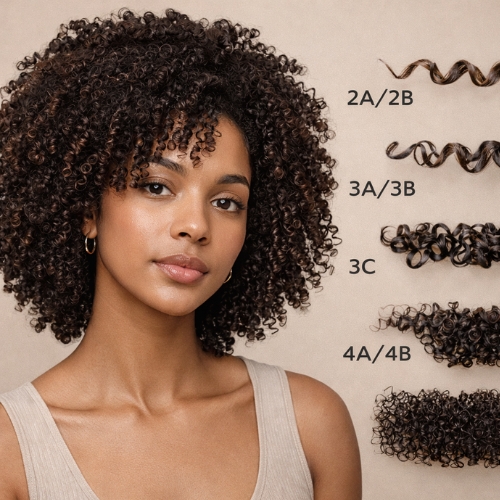
Understanding your curl type is key to unlocking the potential of your hair. Begin by observing your natural hair texture when it’s damp but not dripping wet. Instead of relying solely on conventional charts, consider experimenting with different techniques, such as the “squish to condish” method, which enhances your curl definition and helps reveal your hair’s natural pattern.
Another invaluable tip is to categorize your curls based on their response to humidity. I have discussed below types of curly hair and how to identify them so dive right now.
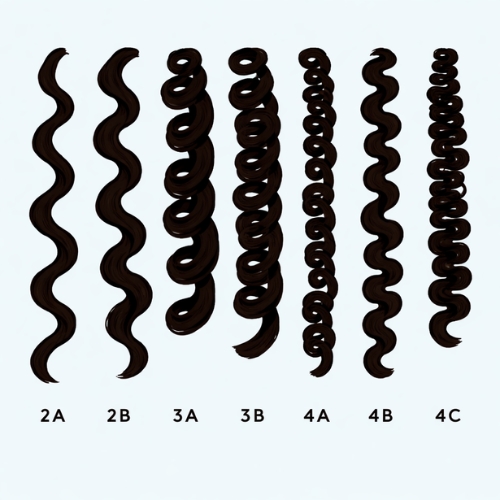
Curl Type Chart
Type 2 (Wavy Hair)
Type 2A
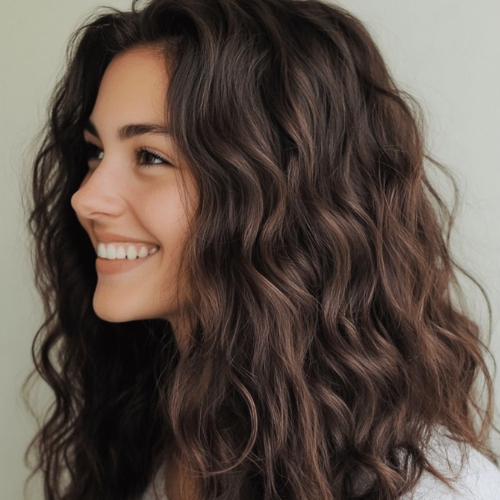
Identifying type 2A hair, characterized by its loose, beachy waves, often requires a closer look at your natural texture. If your hair has a slight wave but remains primarily straight, with a fine to medium thickness, you’re likely in this category.
This type of hair will have a subtle body that responds well to products that enhance volume without weighing it down. Take note of how your hair behaves after a wash, if it air-dries into soft, tousled waves with minimal frizz, this is a strong indicator of your type.
Another telltale sign lies in the way your hair interacts with humidity. If you notice that your strands tend to fall flat or frizz slightly on humid days, that’s a classic trait of 2A curl patterns.
Type 2B

Identifying type 2B hair involves recognizing its unique characteristics that set it apart from other hair types. If your hair has a fine to medium texture and exhibits a natural wave pattern, but lacks the full definition of curls, you’re likely in the 2B category.
Pay attention to how your hair behaves when it’s air-dried, do you notice soft, tousled waves with slight frizz? This touch of body combined with the occasional wave indicates that you’re in the realm of type 2B.
Consider your styling routine. This type hair can quickly transform from a sleek look to a frizzier texture, especially in humid environments. If you’ve noticed that your hair enjoys products that enhance waves without weighing them down, like light mousse or sea salt spray, you can take this as a cue that you’re embracing your 2B heritage.
Type 2C
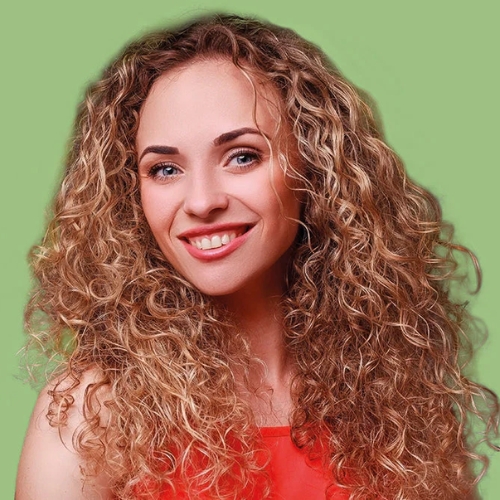
Identifying type 2C hair goes beyond simply looking for waves, it’s about understanding the texture and moisture balance of your strands. If your hair exhibits a loose, wavy pattern yet feels thicker and coarser than other wavy types, you might just belong to the 2C category.
This hair type often showcases an “S” shape in its curls, especially when damp, signaling its mixed texture that can sometimes be both straight and wavy at once. Another telltale sign is the resilience and volume of your hair.
If you find that your locks are prone to frizz yet retain substantial body, you’re likely experiencing the distinctive characteristics of 2C hair. Embracing this texture means learning to play with humidity, as it can either enhance your waves or make them more unruly.
Type 3 (Curly Hair)
Type 3A

Identifying type 3A hair is all about understanding its unique characteristics. This hair type typically showcases defined, loose curls that have a bounce and volume, often resembling soft ringlets.
If you notice your hair forming S-shaped patterns, rather than tight coils or waves, you’re likely in the 3A category. The curls are usually well-defined but not overly tight, maintaining a soft and fluffy texture that can be both playful and versatile.
To further confirm that you have 3A hair, consider how your strands react to moisture and products. This hair type typically responds well to lightweight creams and gels that enhance curl definition without weighing it down.
Type 3B
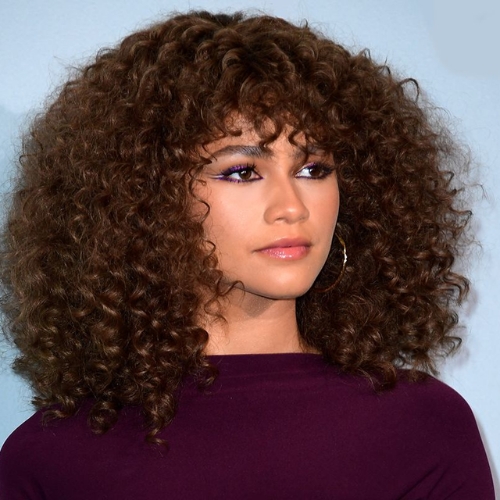
Identifying type 3b hair, often characterized by its voluminous curls and defined springy look, involves more than just observing the curls themselves. One of the most telling signs is how your hair behaves in varying humidity levels.
If your hair thrives in humidity, bouncing back into shape with a lively texture, you might be in the 3b category. This hair type tends to have a medium to coarse texture, often requiring a little extra moisture and resilience against frizz, making it essential to find products that support hydration and curl definition.
Another distinguishing feature is the tight, spiral curls that can range from pencil-sized to slightly larger, creating a lush and often bouncy appearance. Check the density: if your hair appears thick and full, you’re likely rocking those 3b spirals.
Type 3C
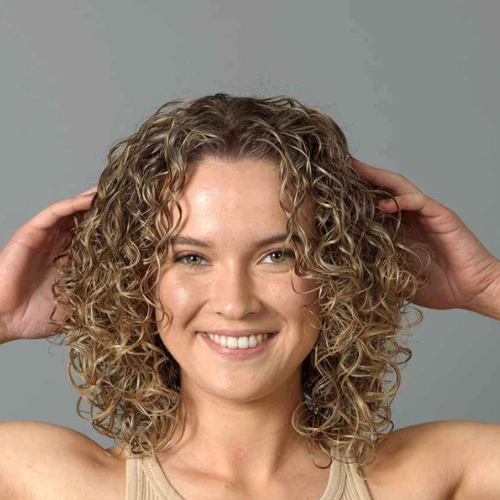
Identifying type 3C hair involves assessing its unique characteristics, which set it apart from other curl types in the 3 category. If your curls are densely packed and have a springy, tight structure, you’re likely in the 3C realm.
These curls often resemble well-defined coils, with a thick and coarse texture that can showcase impressive volume. When you wash your hair, observe how it behaves, 3C curls shrink significantly, revealing their natural elasticity after drying.
Another key indicator to consider is how your hair responds to moisture and products. Type 3C hair thrives on hydration, frequently requiring heavier creams and oils to combat dryness.
Also See: Best Wavy Hair Products for Fine Wavy & Curly Hair (2026)
Type 4 (Coily Hair)
Type 4A
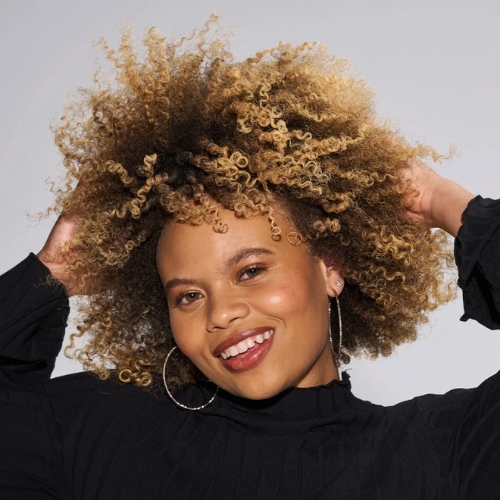
Determining if you have this type hair involves recognizing its unique characteristics, which are often subtle yet distinct. This hair type typically has a fine to medium texture and features a soft, tightly coiled pattern that forms well-defined s-shaped curls.
The moisture retention capability of this type hair sets it apart. This type tends to absorb moisture well but can also be prone to dryness. It’s important to pay attention to how your hair reacts to different products and environments.
Type 4B
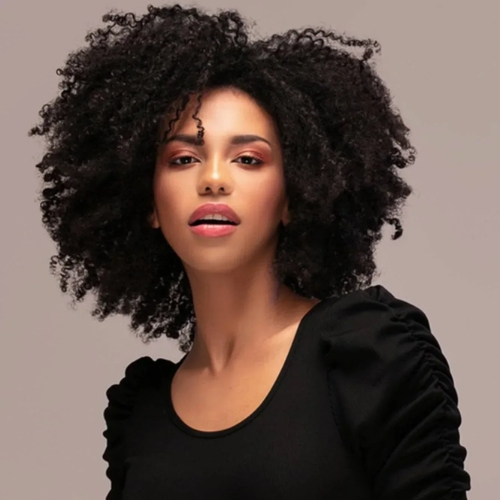
Understanding your hair type is essential for crafting the right care routine, and recognizing type 4B hair is a key first step. This texture typically features tight, angular curls that form a distinct zigzag pattern, without the classic defined coils often seen in other curl types.
Examining your hair’s moisture retention can provide additional clues. Type 4B hair tends to be more porous, meaning it can lose moisture quickly, leading to dryness if not properly cared for.
If you notice your hair feels rough or brittle, despite adequate moisturizing efforts, it may further confirm your 4B classification.
Type 4C
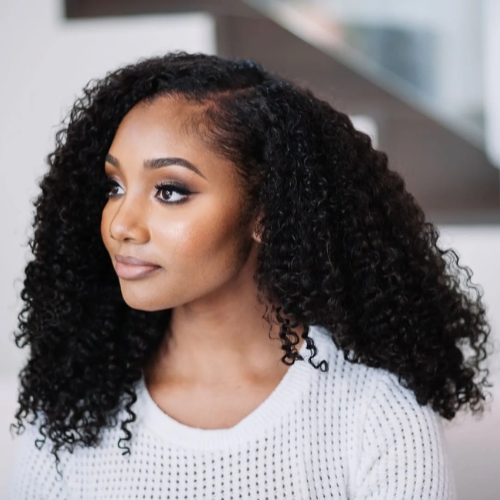
Identifying type 4c hair can be a delightful journey of discovery, deeply intertwined with understanding your unique hair texture. One key characteristic of 4c hair is its tight zigzag pattern, making it appear dense and voluminous, even without much manipulation.
Another telltale sign is the hair’s tendency to feel coarse or wiry. While this texture can sometimes be mistaken for dryness, it often needs moisture and definition to flourish.
conclusion
Recognizing your specific curl types opens the door to effective hair care and styling solutions tailored just for you. Each curl pattern comes with its own set of challenges and triumphs, making it vital to equip yourself with the right knowledge and products to support your natural beauty.
Don’t forget that healthy hair is a reflection of proper care and attention. Take the time to explore the best practices and tips suited for your curls.
For more tips and tricks on haircut, visit our Pinterest @vibeshaircut.
FAQs
How Do I Find my Curl Type?
Start by washing your hair to remove products. Allow it to air dry without any styling tools. Observe the natural curl pattern in your hair. Take note of the shape and definition of the curls, whether they’re loose waves, tight coils, or somewhere in between.
Which Curl Type is the Rarest?
The rarest curl type is type 1C, characterized by loose waves with some volume. It combines elements of straight and wavy hair, making it less common. This curl type can be more challenging to manage, leading to unique styling needs.
Do I Have 2B or 2C Curls?
Determining if you have 2B or 2C curls depends on the curl’s texture and shape. 2B curls are wavy with a slight bounce, while 2C curls are thicker and have more defined waves, often frizzier. Assess your hair’s tendency to get frizzy and its overall volume to distinguish between the two.